The 6-Point Demand of 1966
Движение и борьба против крайне discriminatory поведения и пренебрежения со стороны пакистанского государства к population Восточного Бенгала приобрели значение через требование autonomy в рамках шестипунктовой программы. Шейх Муджибур Рахман участвовал в конференции оппозиционных партий, проходившей 5–6 февраля 1966 года в Лахоре. Там он провёл пресс-конференцию и представил шесть требований для защиты rights народа Восточного Пакистана.
Пункты:
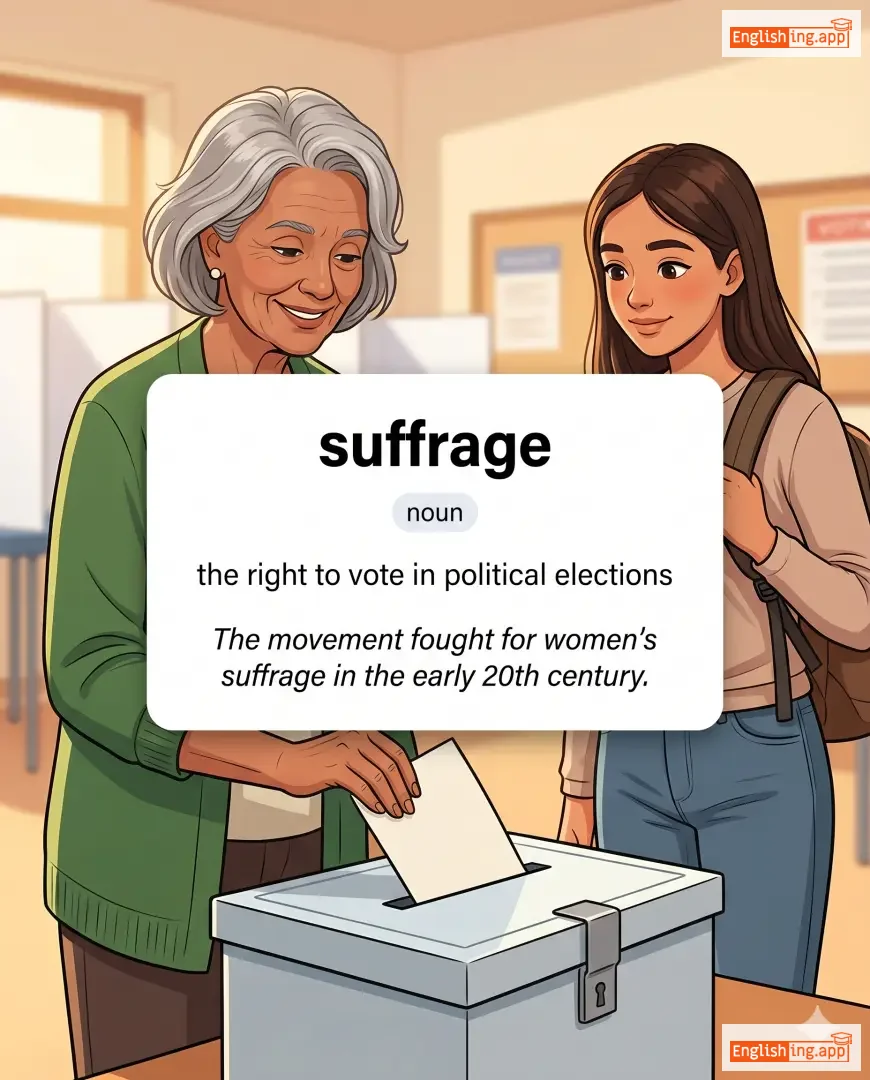
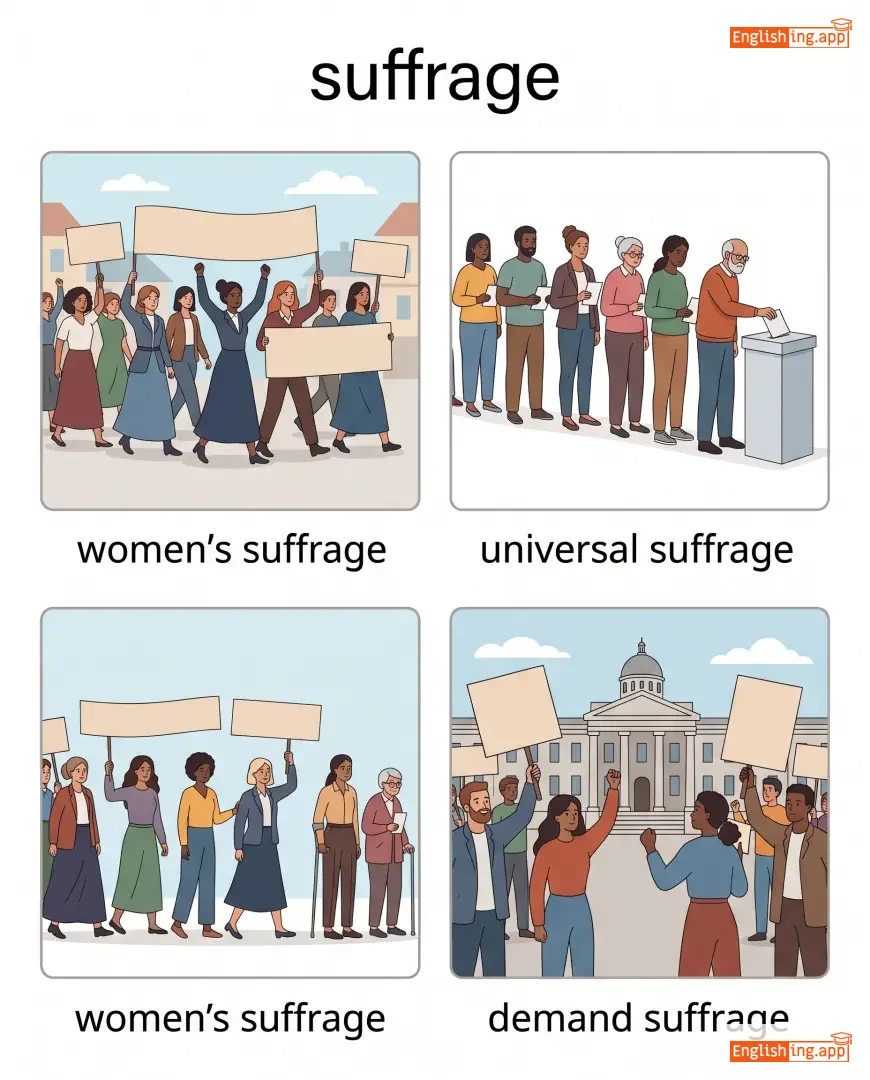
Парламентская система government при федеральной системе в Пакистане. Выборы на основе всеобщего suffrage с правом голоса для взрослых.
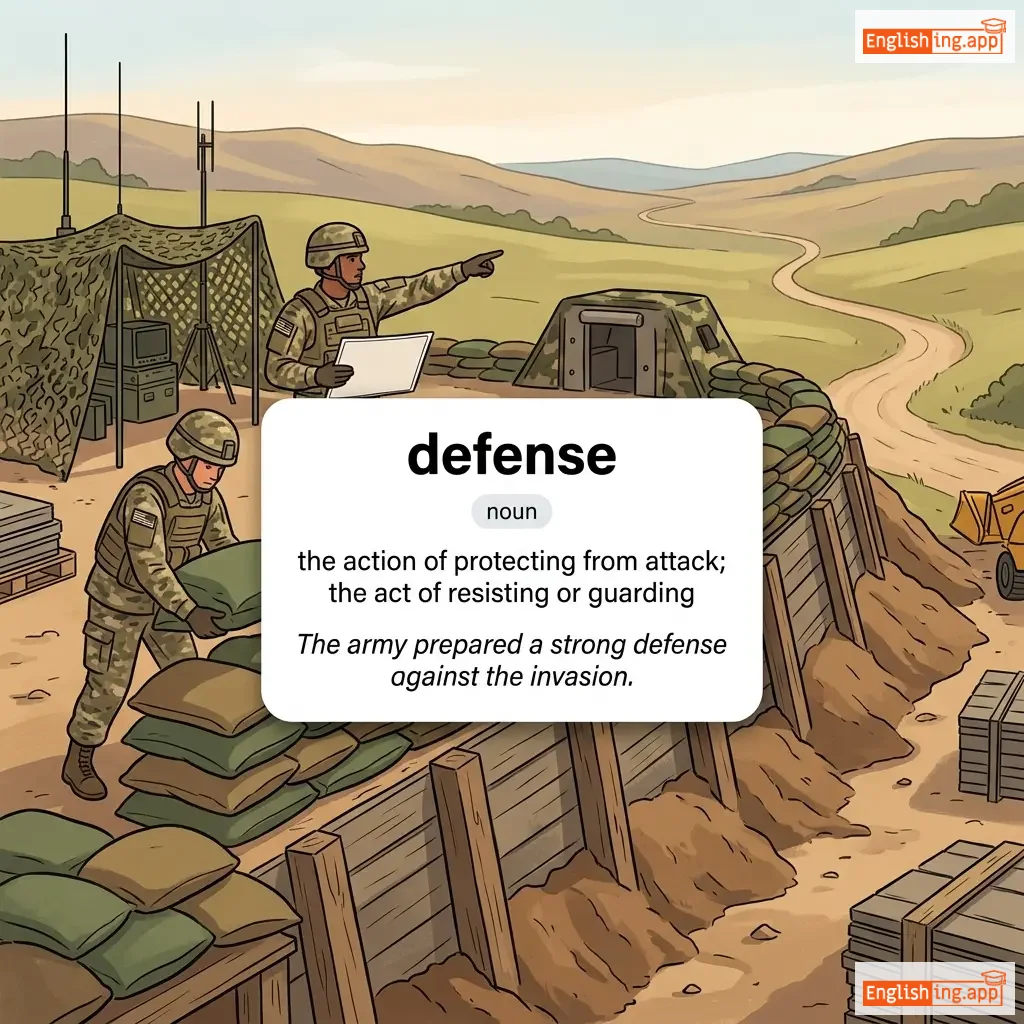
Только два вопроса остаются в ведении центрального правительства — defense и министерство иностранных дел.
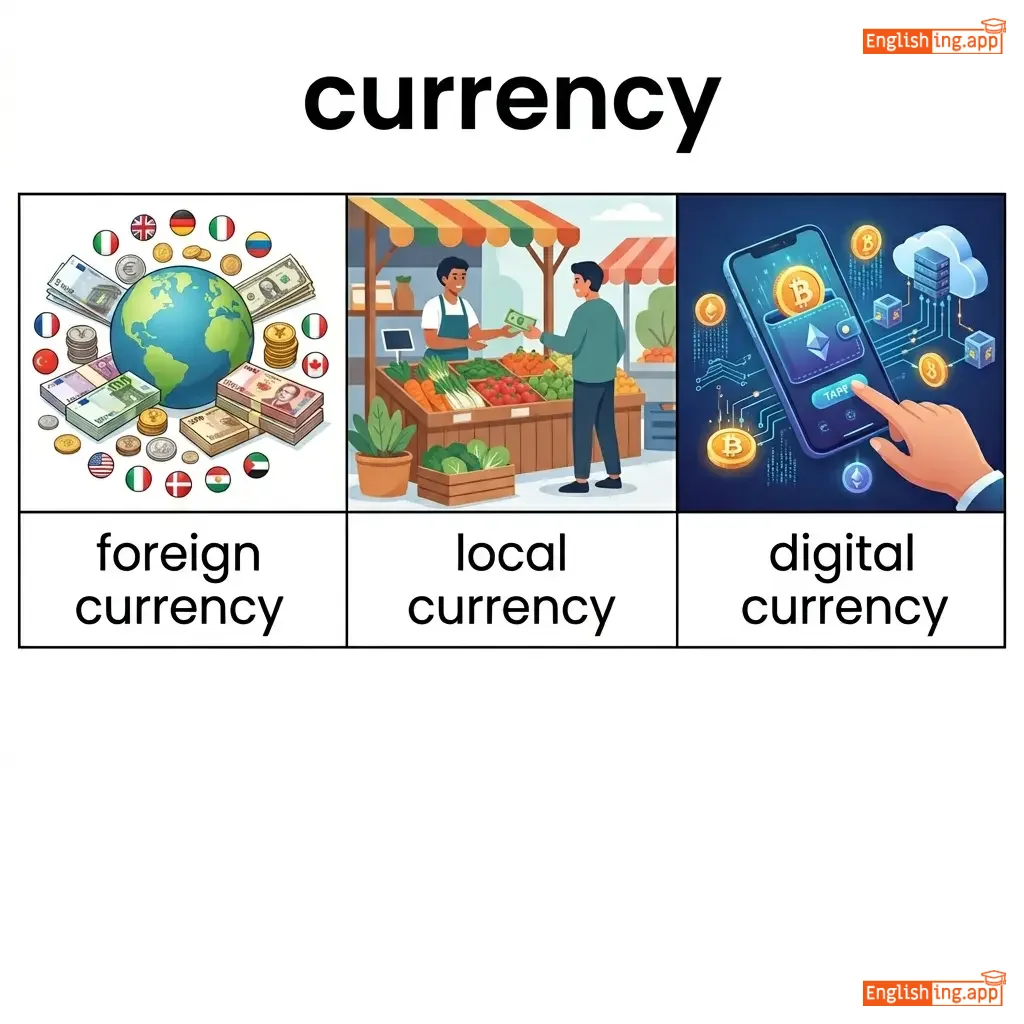
Две свободно конвертируемые currencies по всей стране или одна currency с особыми условиями.
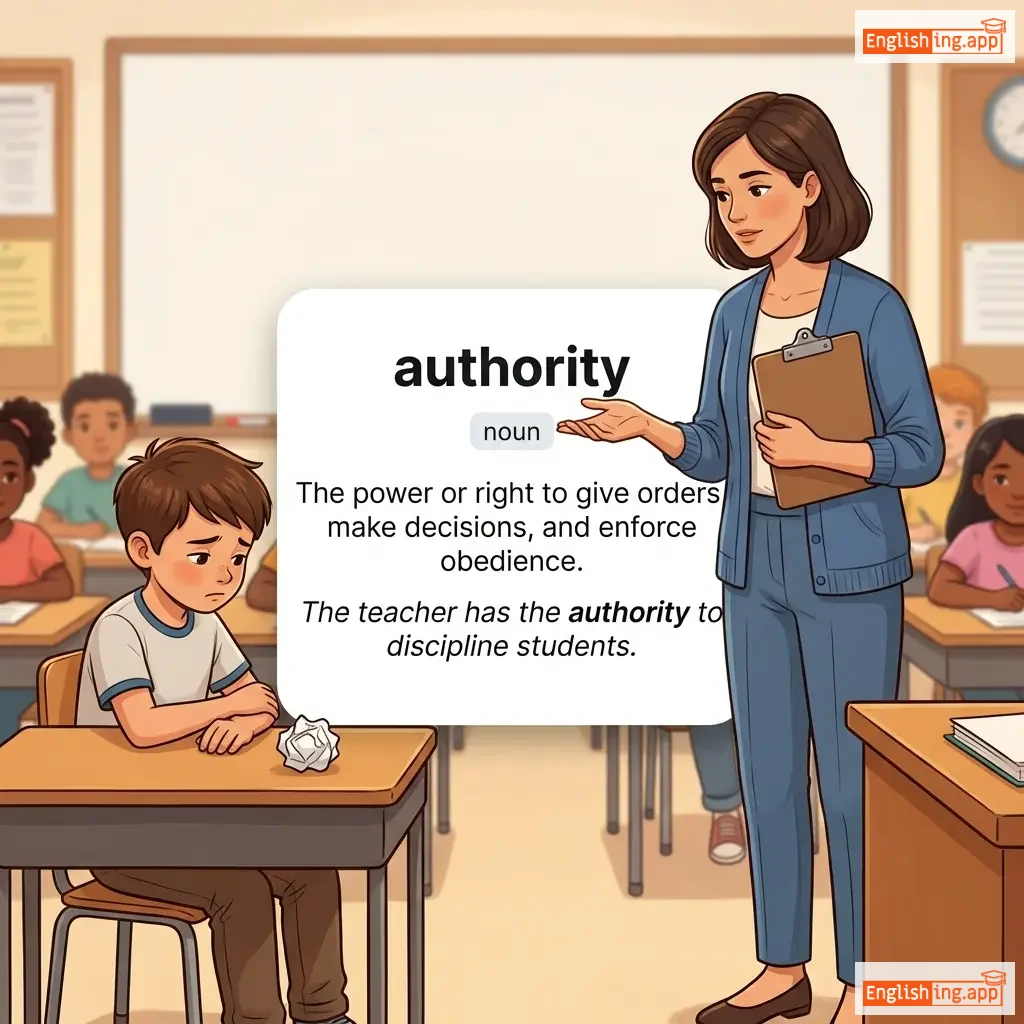
Все налоговые authority остаются за региональными правительствами.
Федеративные штаты сохраняют ownership своей заработанной иностранной currency.
Федеративным штатам предоставляется право формировать военизированные силы для региональной безопасности.
Шесть пунктов подчеркнули все economic, political и военные права народа Восточного Пакистана. Правительство Аюба Хана назвало шесть пунктов 'сепаратистской программой'. Хотя напрямую об independence не говорилось, эта программа глубоко вдохновила бенгальцев духом independence. Это была хартия освобождения бенгальской нации.
Получите неограниченный доступ ко всем словам с подпиской Pro
Обновить до ProПолучите неограниченный доступ ко всем предложениям с подпиской Pro
Обновить до Pro|
Эмодзи
|
Слово | Images | Значение | Пример предложения | Синонимы | Антонимы |
|---|---|---|---|---|---|---|
|
#399
👥
|
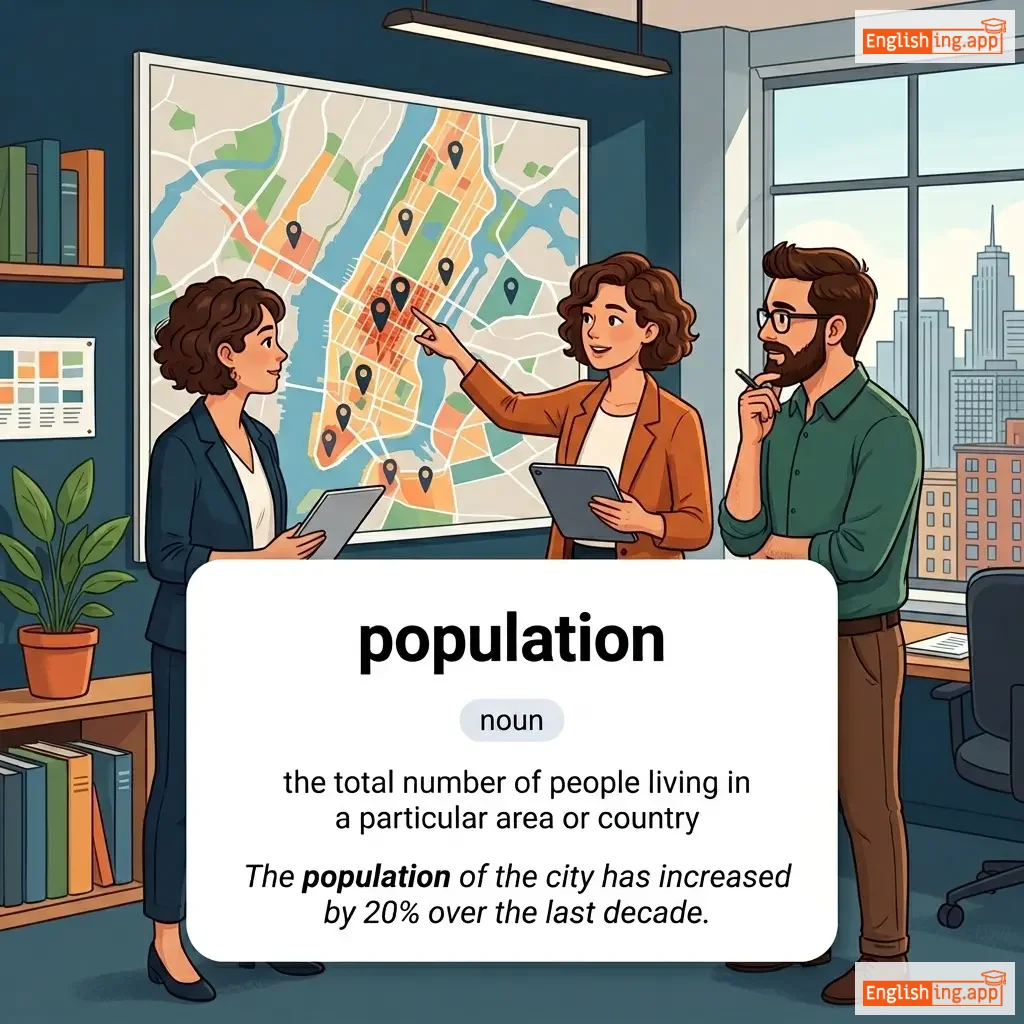
ˌpɒpjuˈleɪʃən
noun
••••••
|
|
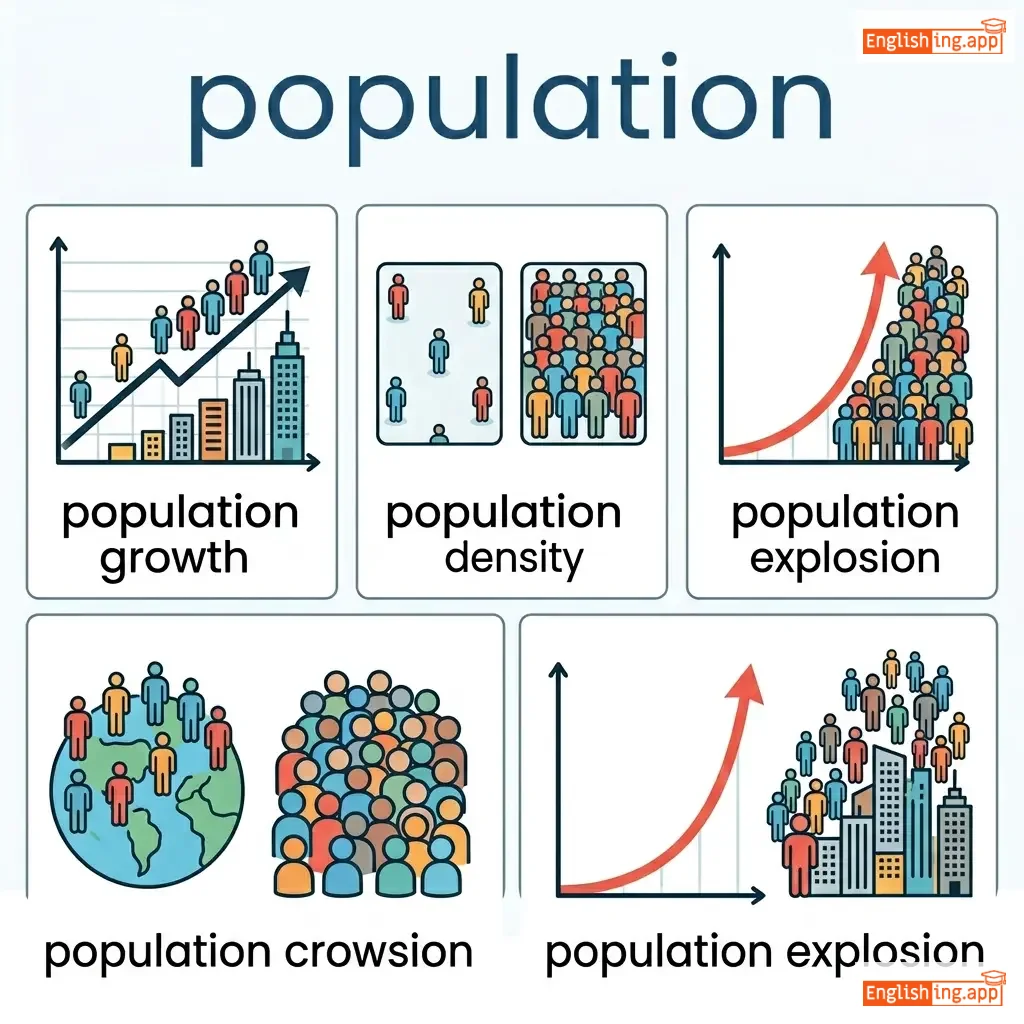
All the inhabitants of a particular place; the number of people living in a country or region.
••••••
|
The population supported autonomy. |
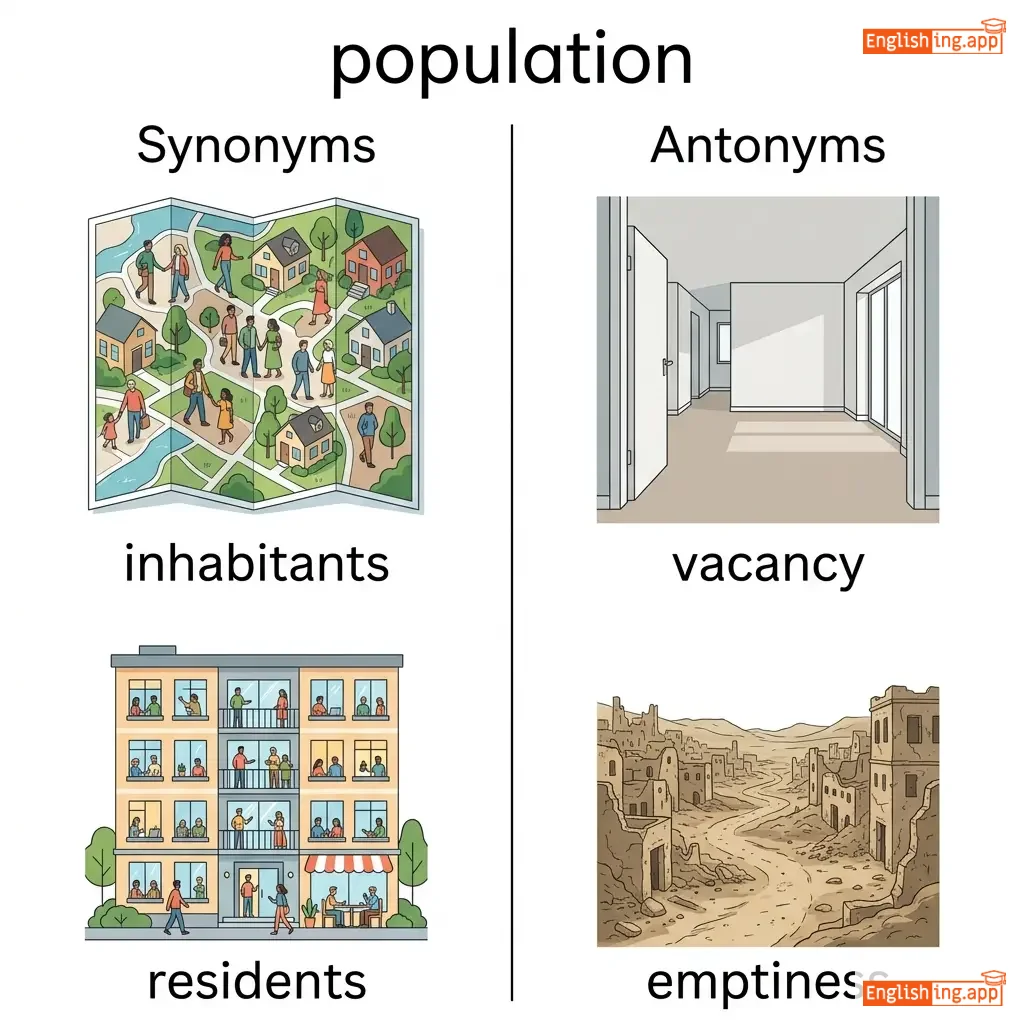
people, residents, inhabitants, citizens, community
••••••
|
emigration, isolation, depopulation, exodus, abandonment
••••••
|
|
#400
⚖️
|
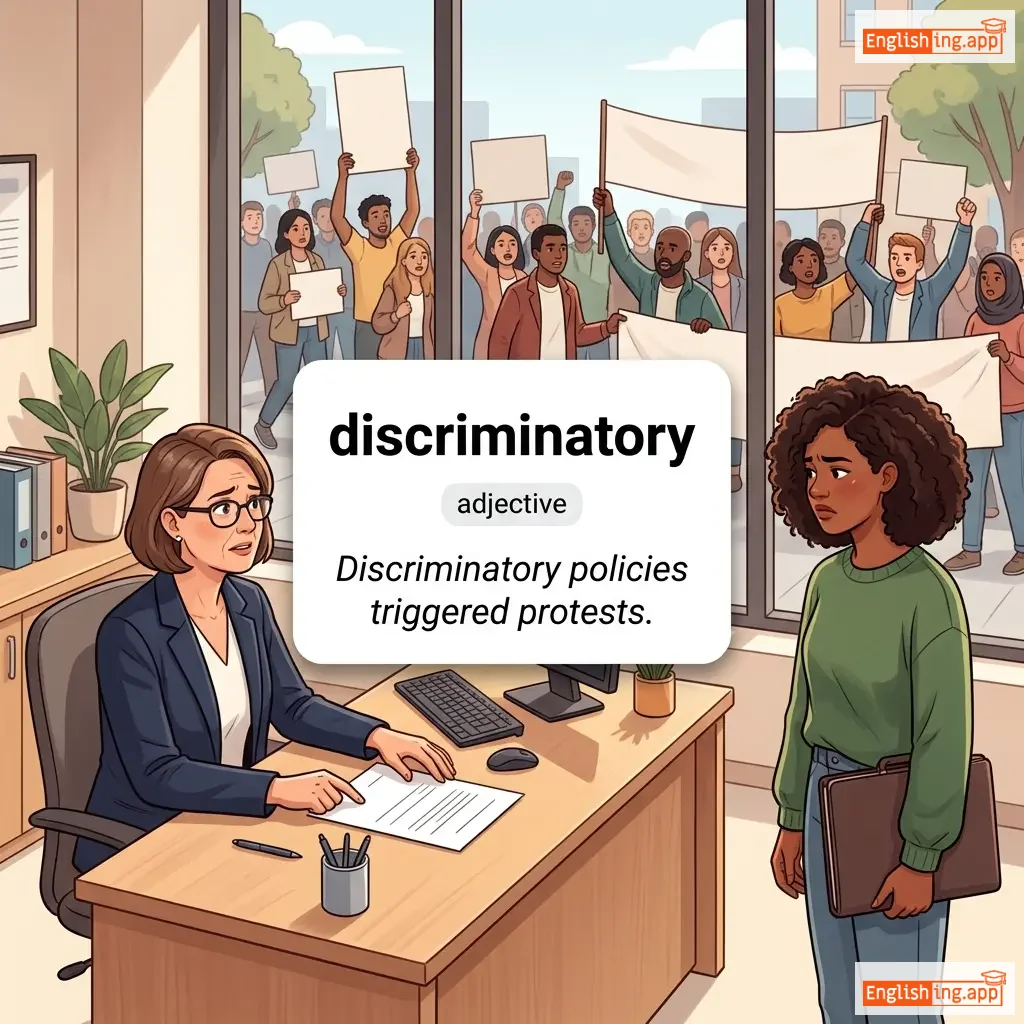
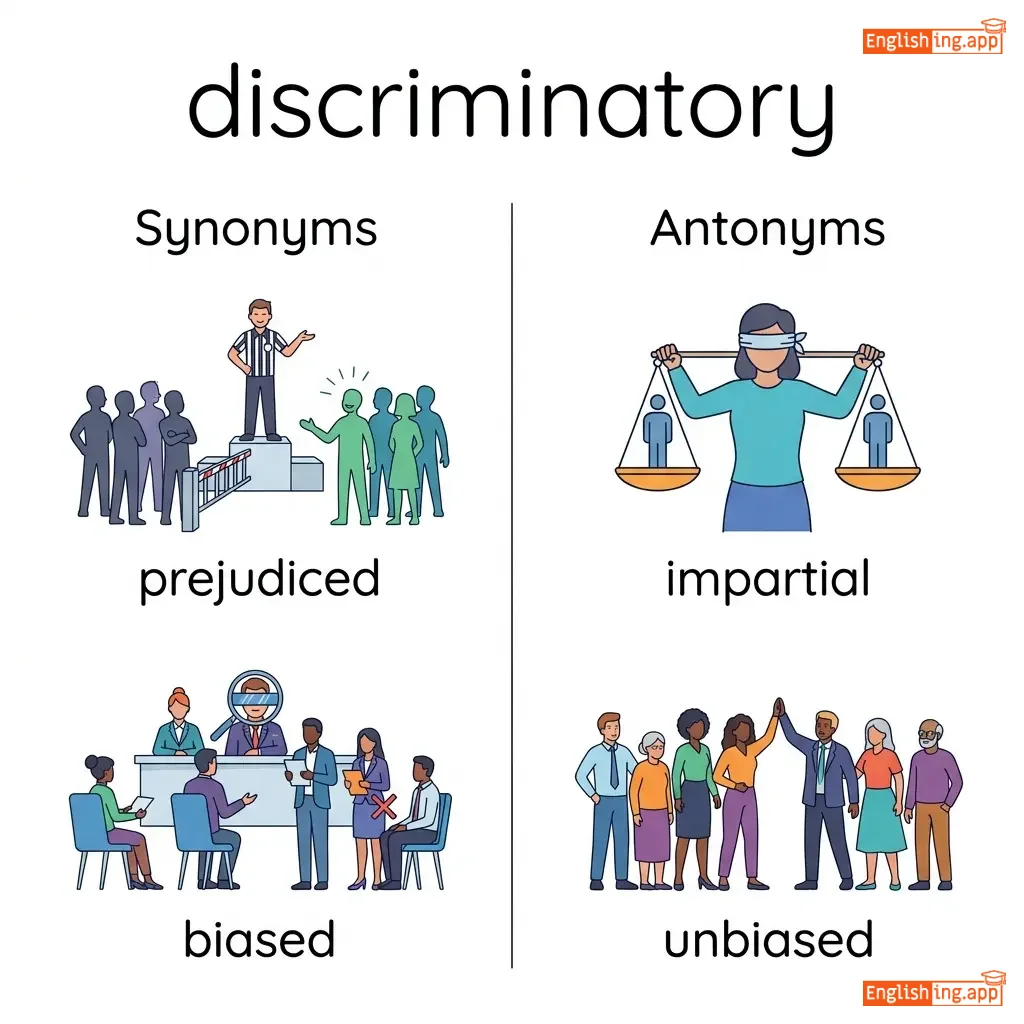
dɪˈskrɪmɪnətɔːri
adjective
••••••
|
|
Making or showing an unfair or prejudicial distinction between different categories of people or things.
••••••
|
Discriminatory policies triggered protests. |
prejudiced, biased, unfair, partial, bigoted
••••••
|
impartial, unbiased, fair, equal, just
••••••
|
|
#401
🏛️
|
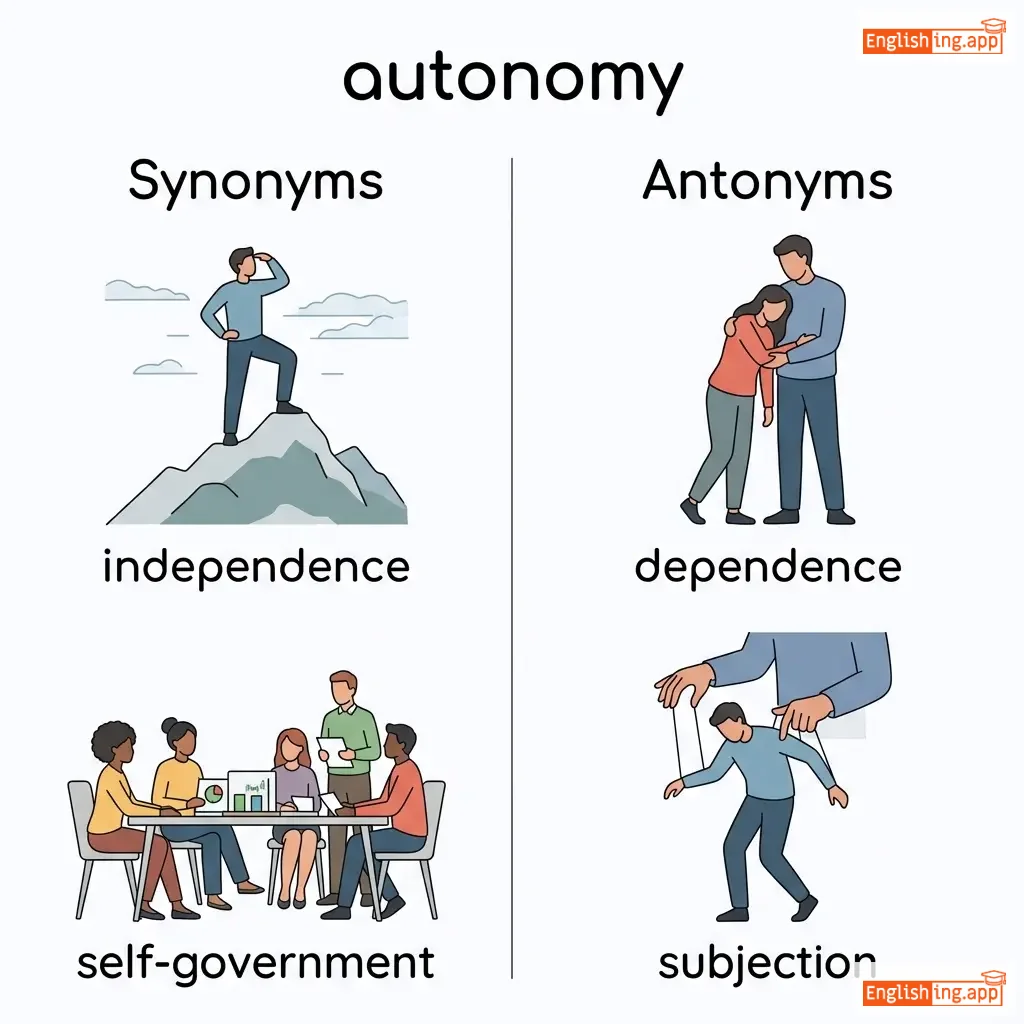
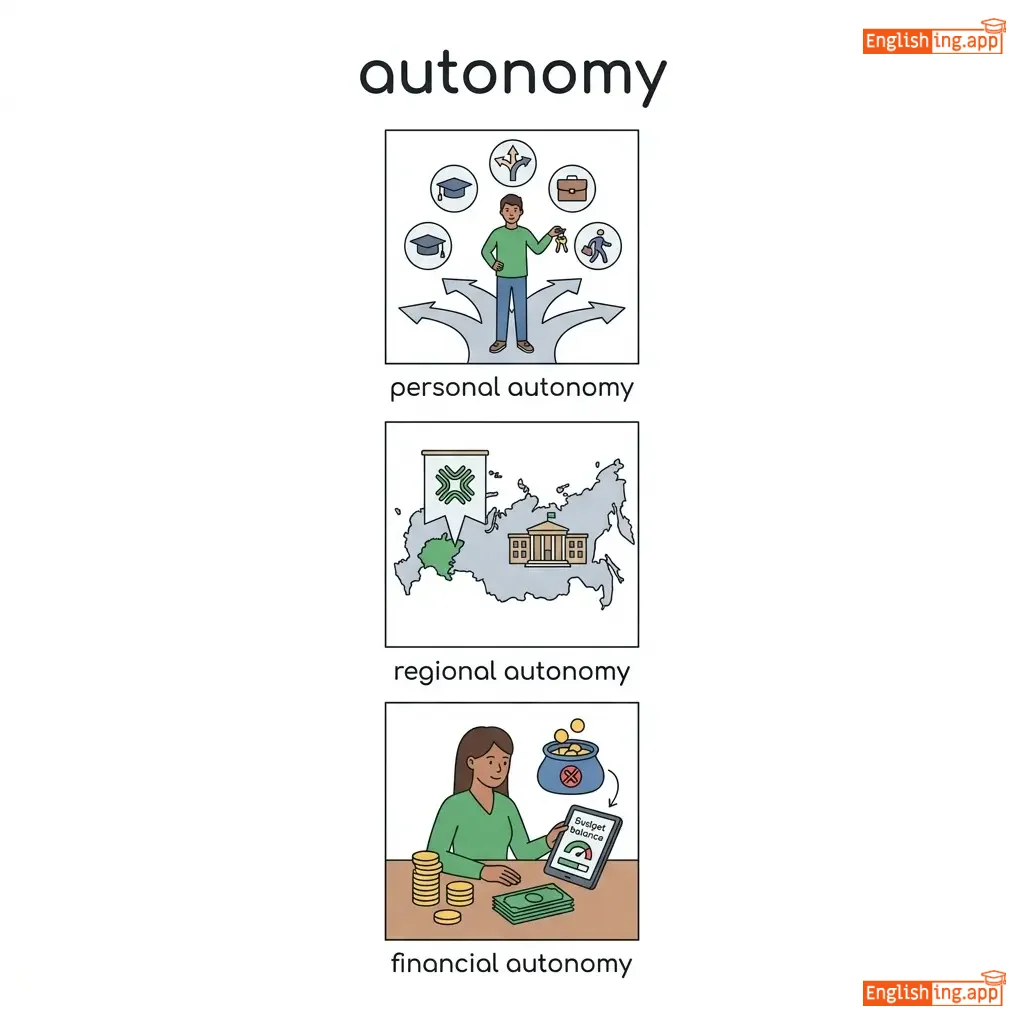
ɔːˈtɒnəmi
noun
••••••
|

|
The right or condition of self-government; freedom from external control or influence.
••••••
|
Autonomy was a primary demand. |
independence, sovereignty, self-rule, self-determination, freedom
••••••
|
dependence, subordination, control, subjugation, domination
••••••
|
|
#402
⚖️
|
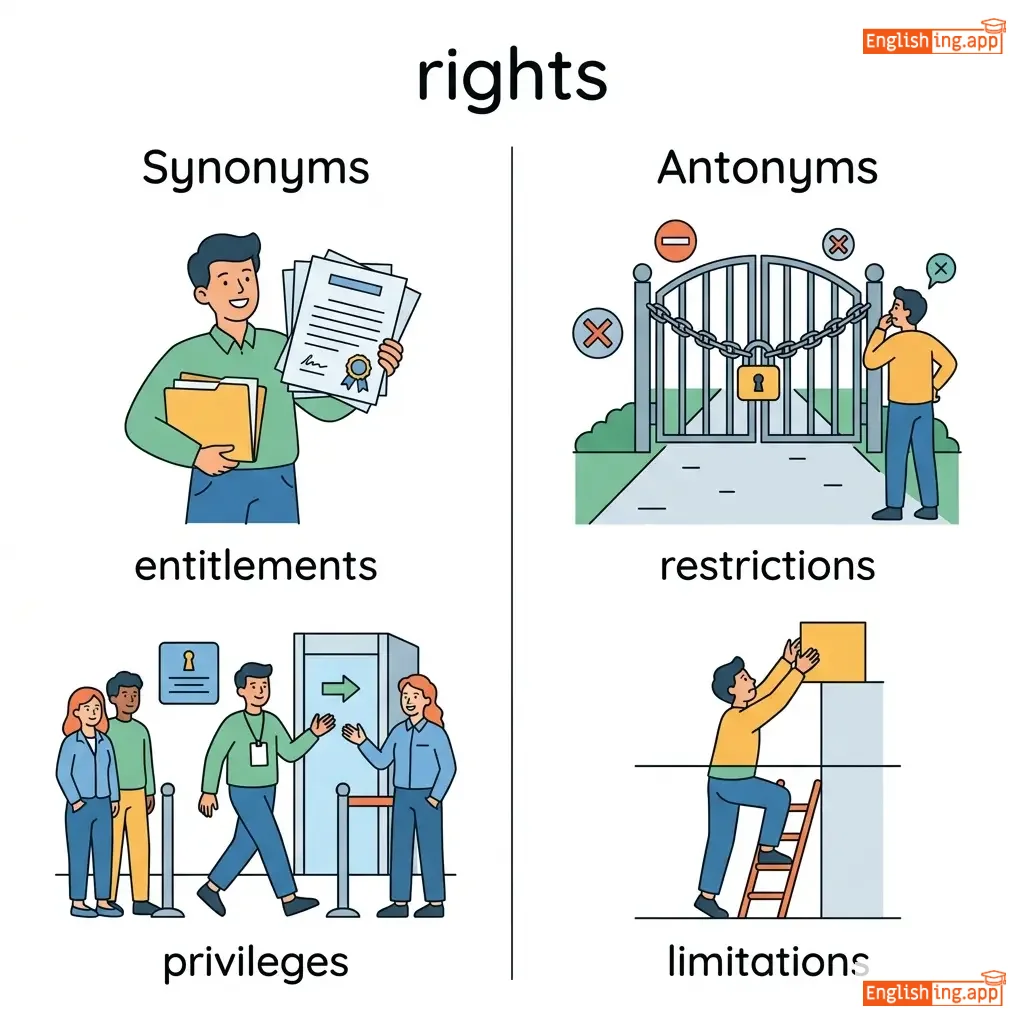
raɪts
noun
••••••
|
|
A moral or legal entitlement to have or obtain something or to act in a certain way.
••••••
|
The rights of people were prioritized. |
freedoms, privileges, entitlements, liberties, prerogatives
••••••
|
restrictions, limitations, prohibitions, constraints, duties
••••••
|
|
#403
🏛️
|
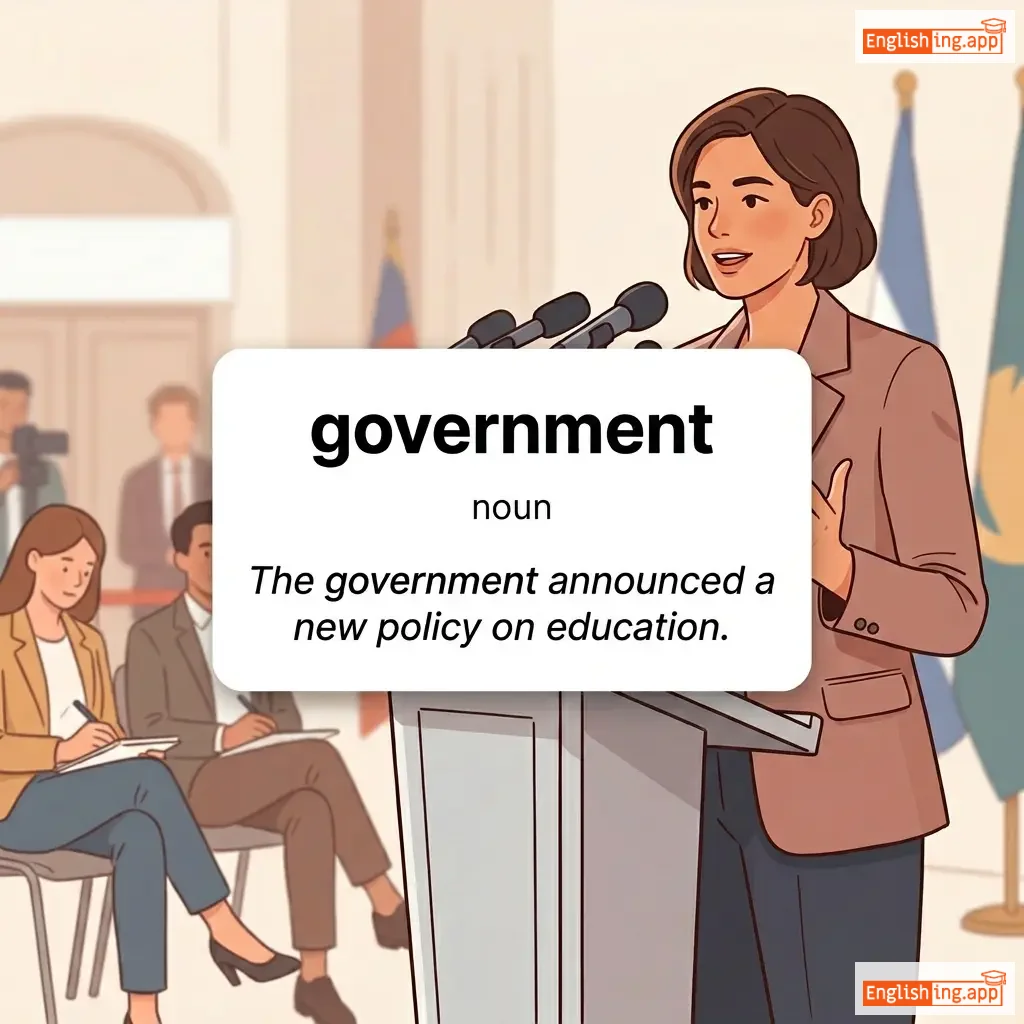
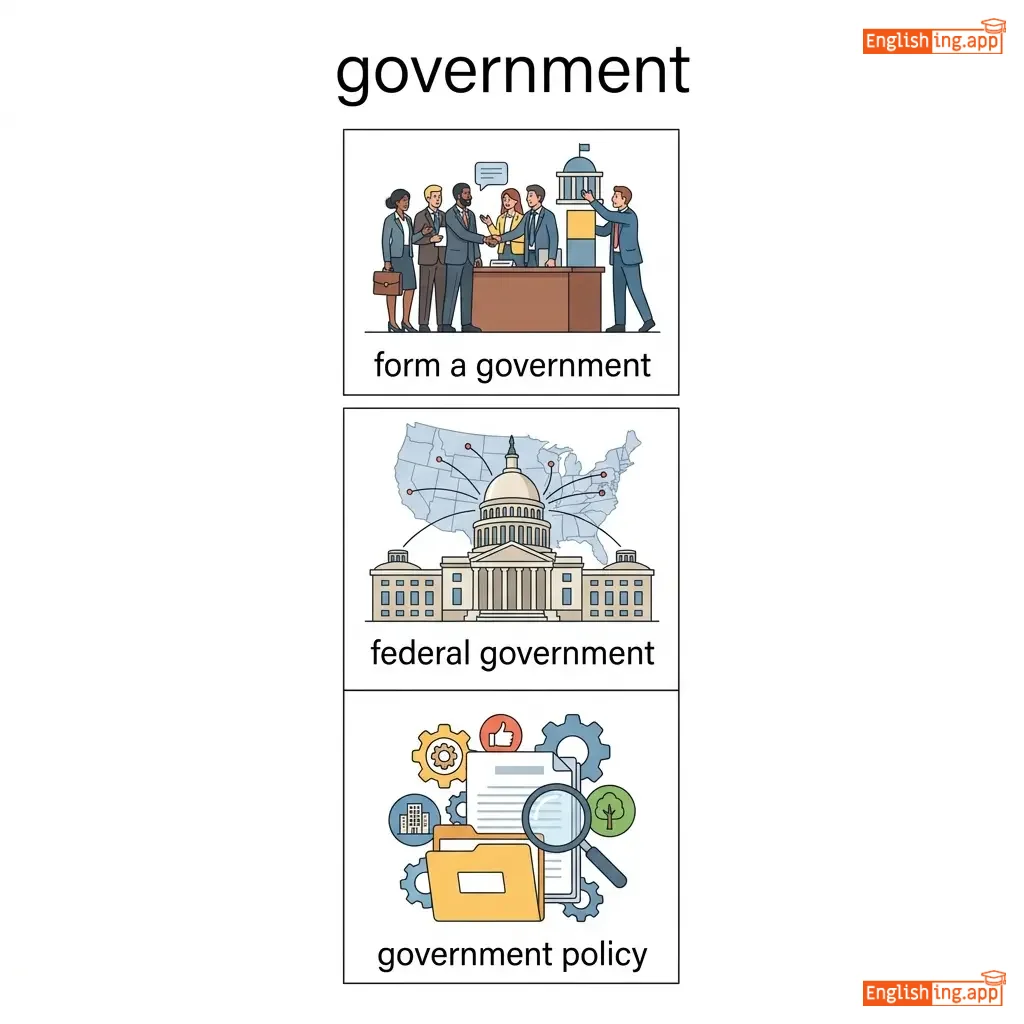
ˈɡʌvəmənt
noun
••••••
|
|
The governing body of a nation, state, or community; the system by which a state or community is governed.
••••••
|
The government rejected the demands. |
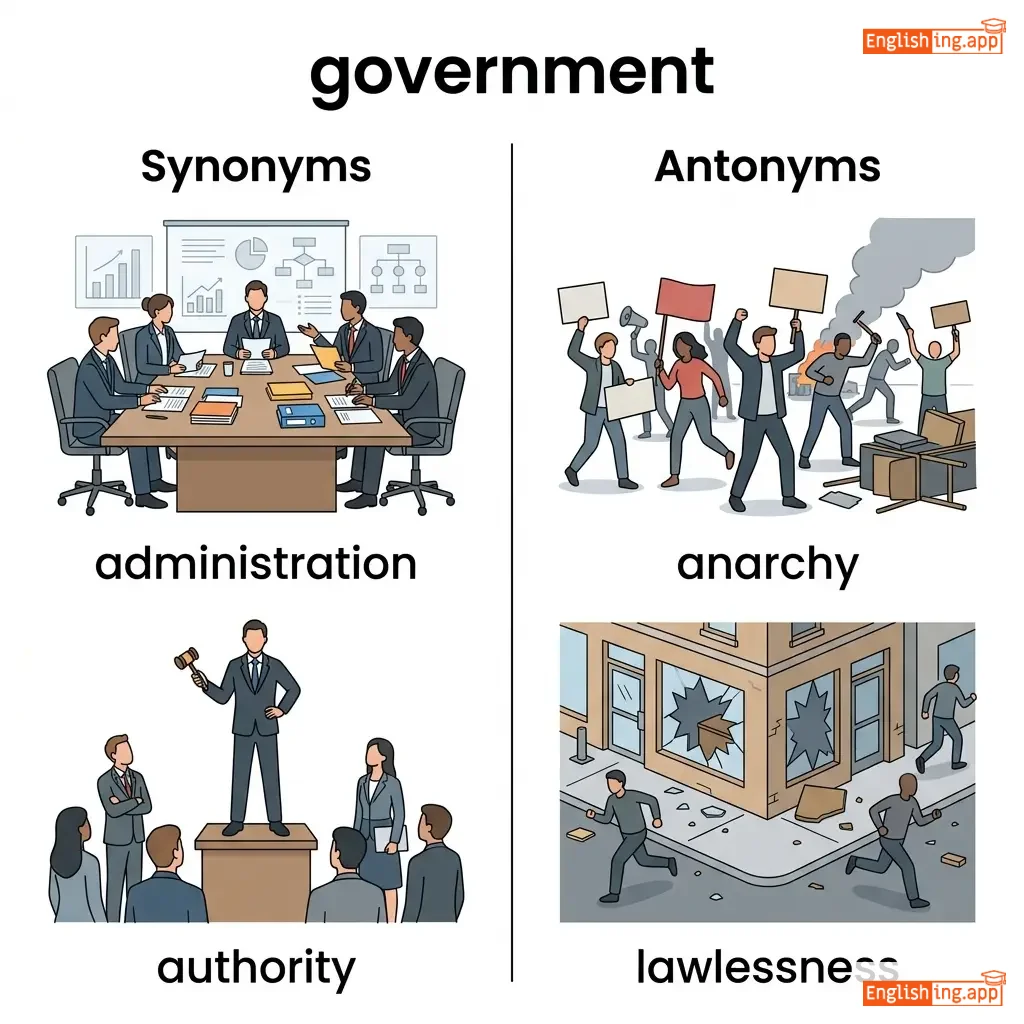
administration, regime, authority, state, ruling body
••••••
|
anarchy, disorder, chaos, lawlessness, revolution
••••••
|
|
#404
🗳️
|
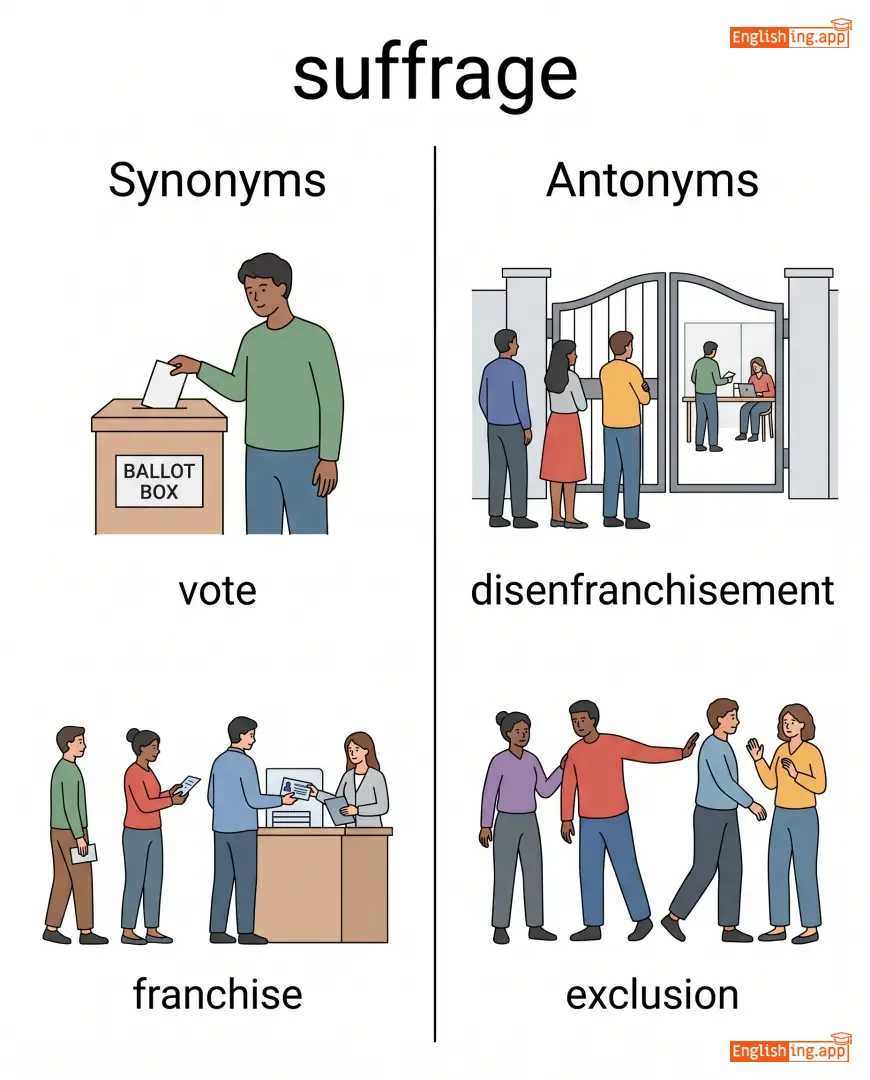
ˈsʌfrɪdʒ
noun
••••••
|
|
The right to vote in political elections; the principle of political representation.
••••••
|
Universal suffrage was a key demand. |
voting rights, franchise, ballot, electoral rights, democratic participation
••••••
|
disenfranchisement, exclusion, denial, prohibition, restriction
••••••
|
|
#405
🛡️
|
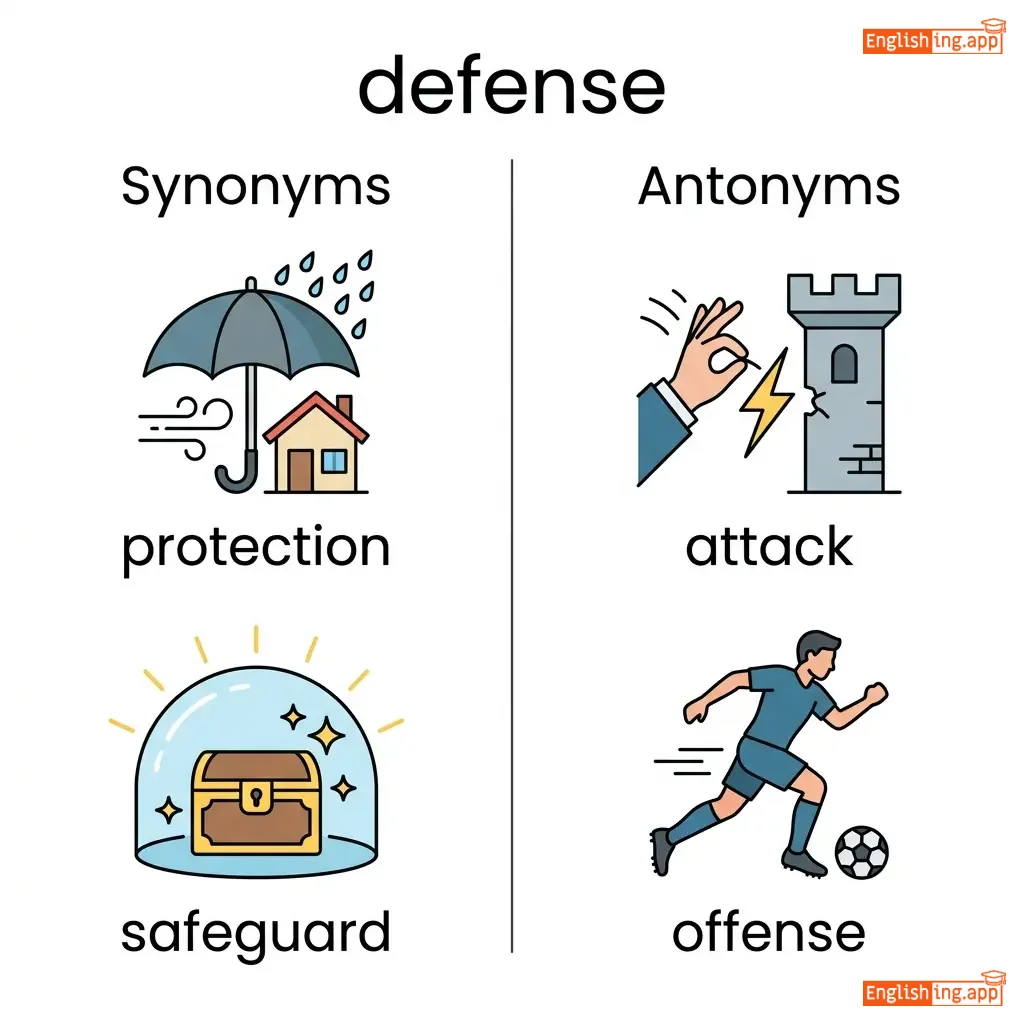
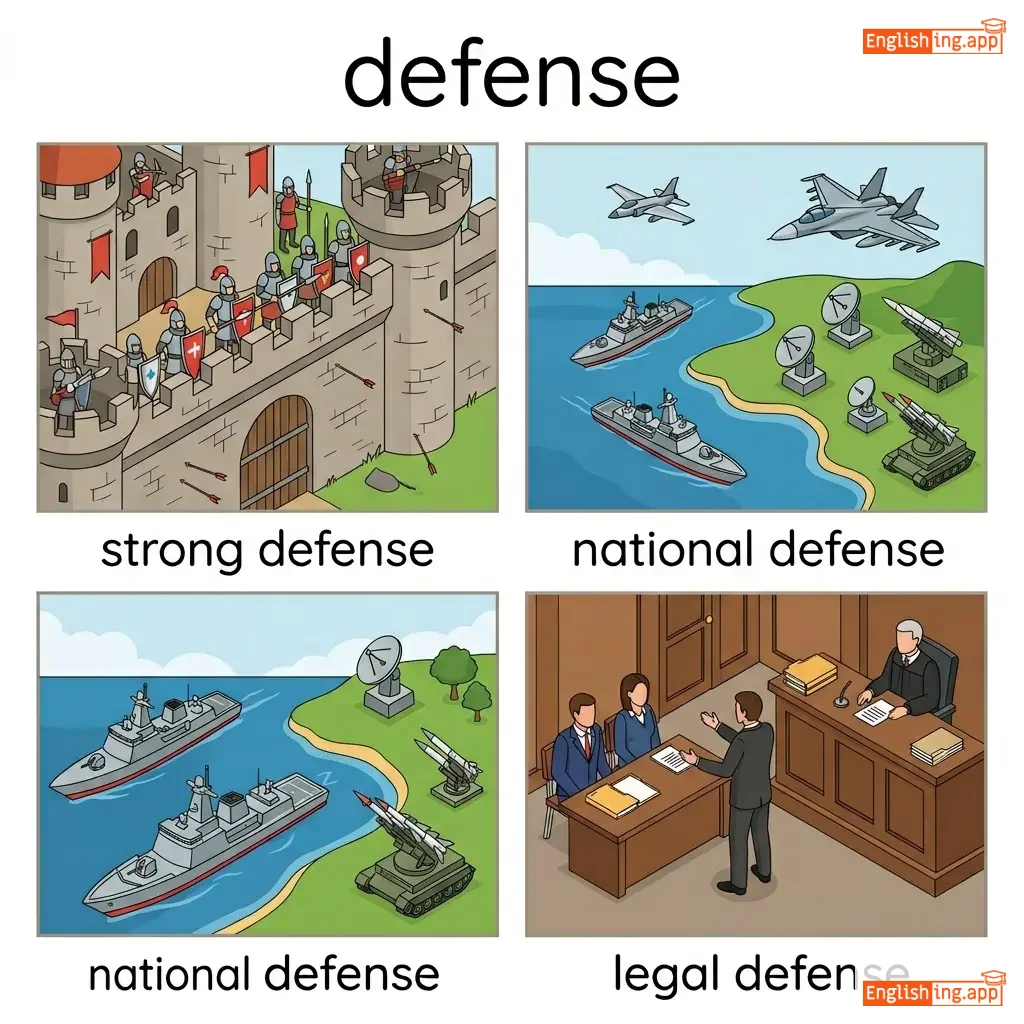
dɪˈfens
noun
••••••
|
|
The action of defending from or resisting attack; protection from harm or danger.
••••••
|
Defense was one of the central subjects. |
protection, security, safeguarding, shield, fortification
••••••
|
attack, vulnerability, offense, assault, aggression
••••••
|
|
#406
💱
|
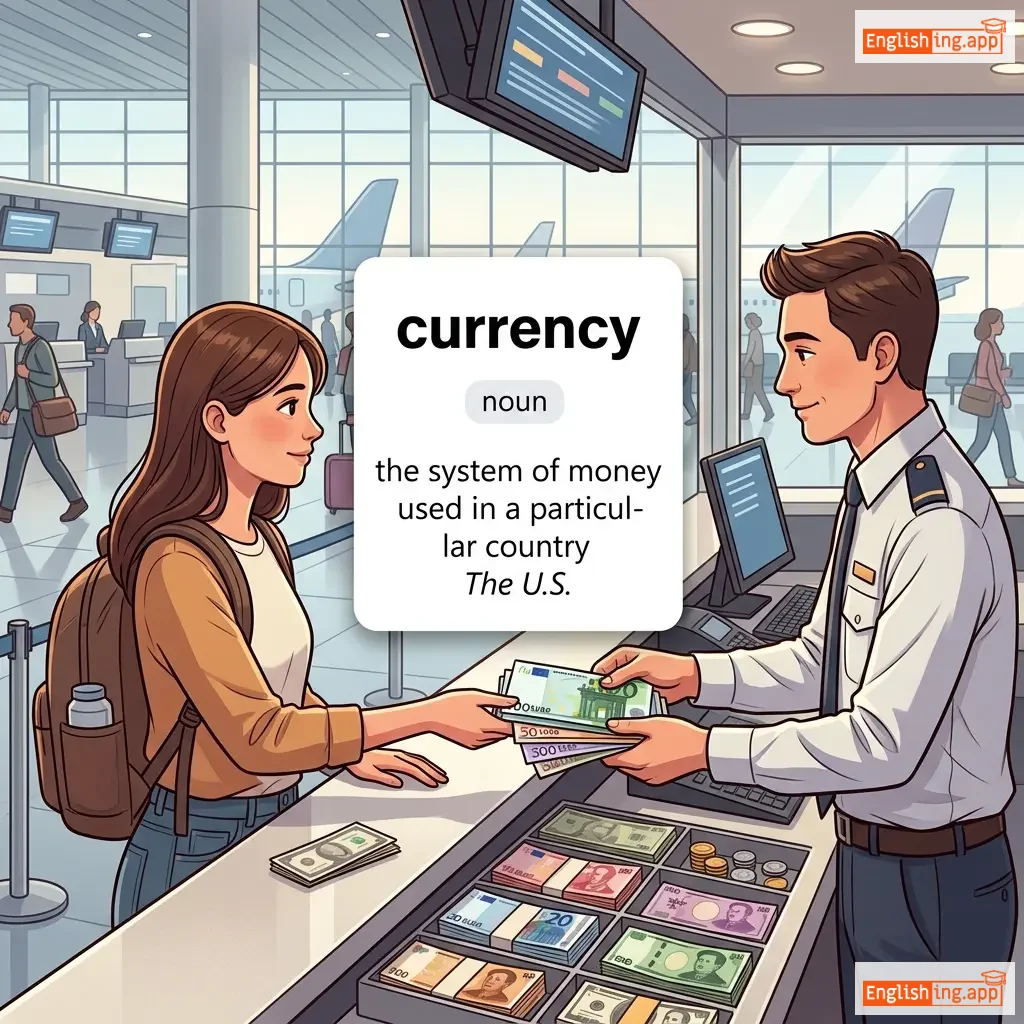
ˈkʌrənsi
noun
••••••
|
|
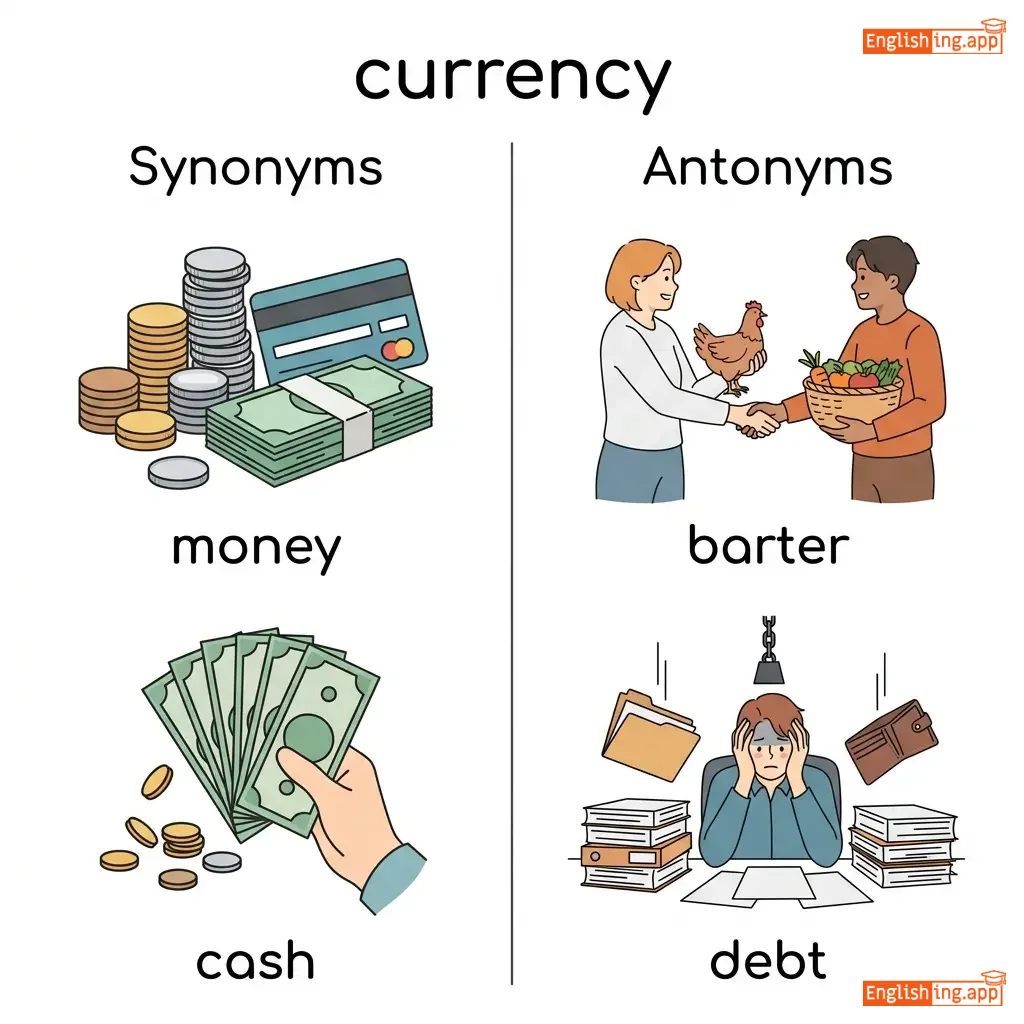
A system of money in general use in a particular country; the fact or quality of being generally accepted or in use.
••••••
|
Dual currency systems were proposed. |
money, cash, legal tender, coinage, banknotes
••••••
|
barter, commodities, trade, exchange, non-monetary
••••••
|
|
#407
👑
|
ɔːˈθɒrəti
noun
••••••
|
|
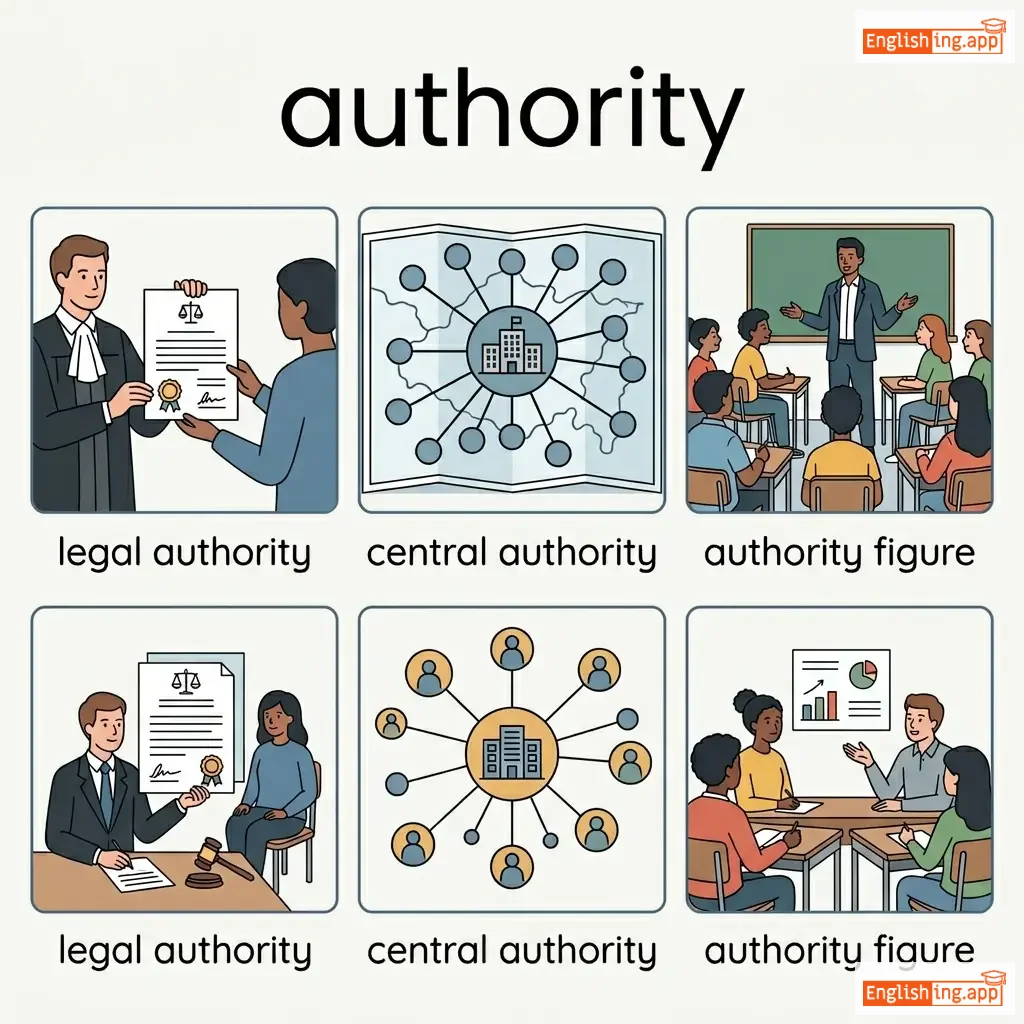
The power or right to give orders, make decisions, and enforce obedience; a person or organization having power or control.
••••••
|
Regional authority was emphasized. |
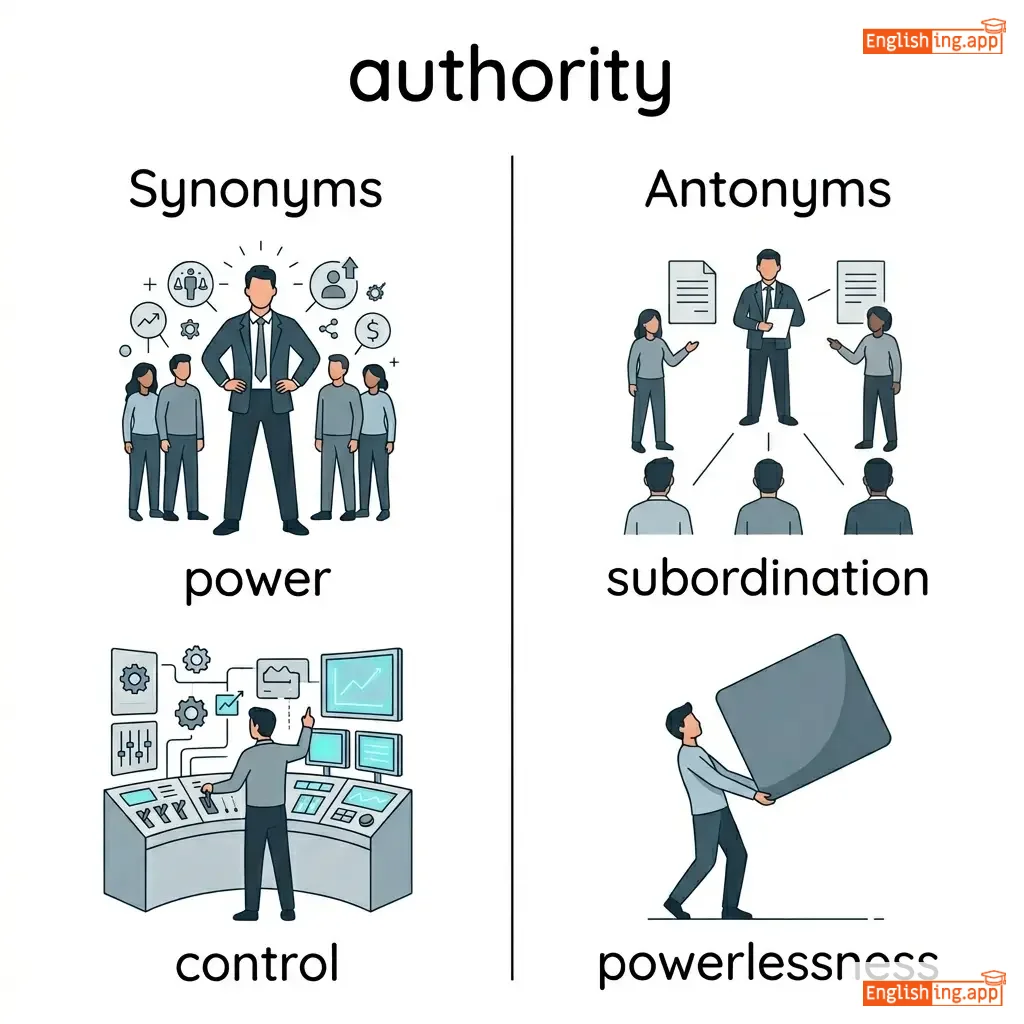
control, power, command, jurisdiction, dominion
••••••
|
weakness, inability, powerlessness, submission, subordination
••••••
|
|
#408
🏠
|
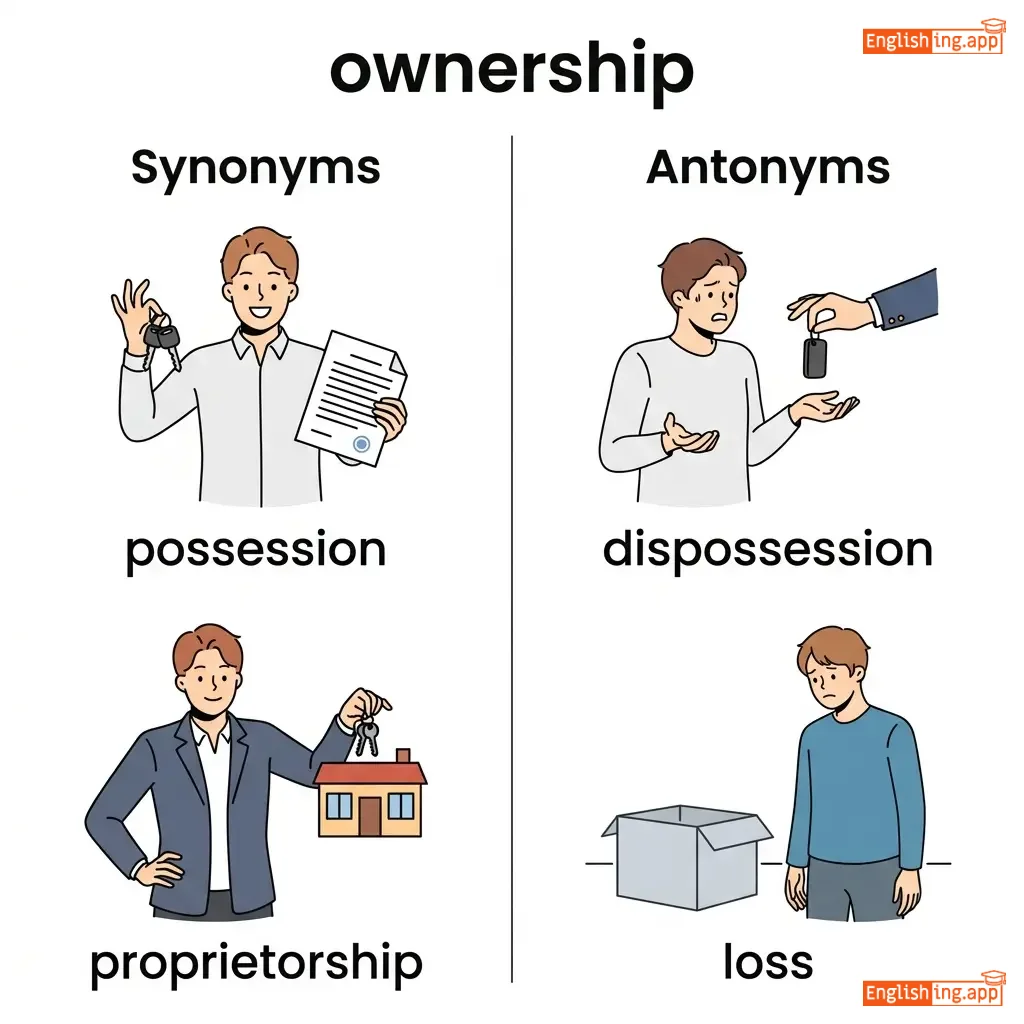
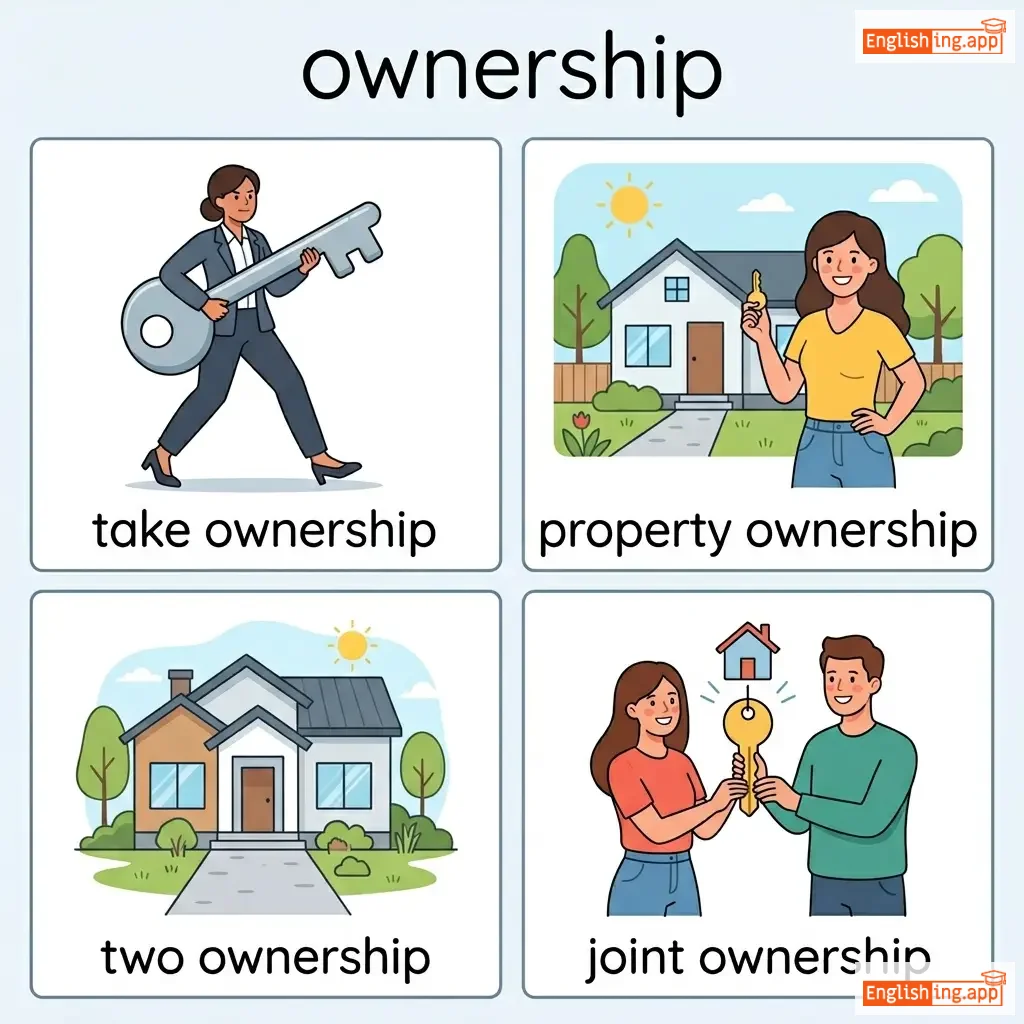
ˈəʊnəʃɪp
noun
••••••
|

|
The act, state, or right of possessing something; legal title to something.
••••••
|
Ownership of resources was crucial. |
possession, tenure, proprietorship, title, holding
••••••
|
dispossession, borrowing, renting, leasing, tenancy
••••••
|
|
#409
📈
|
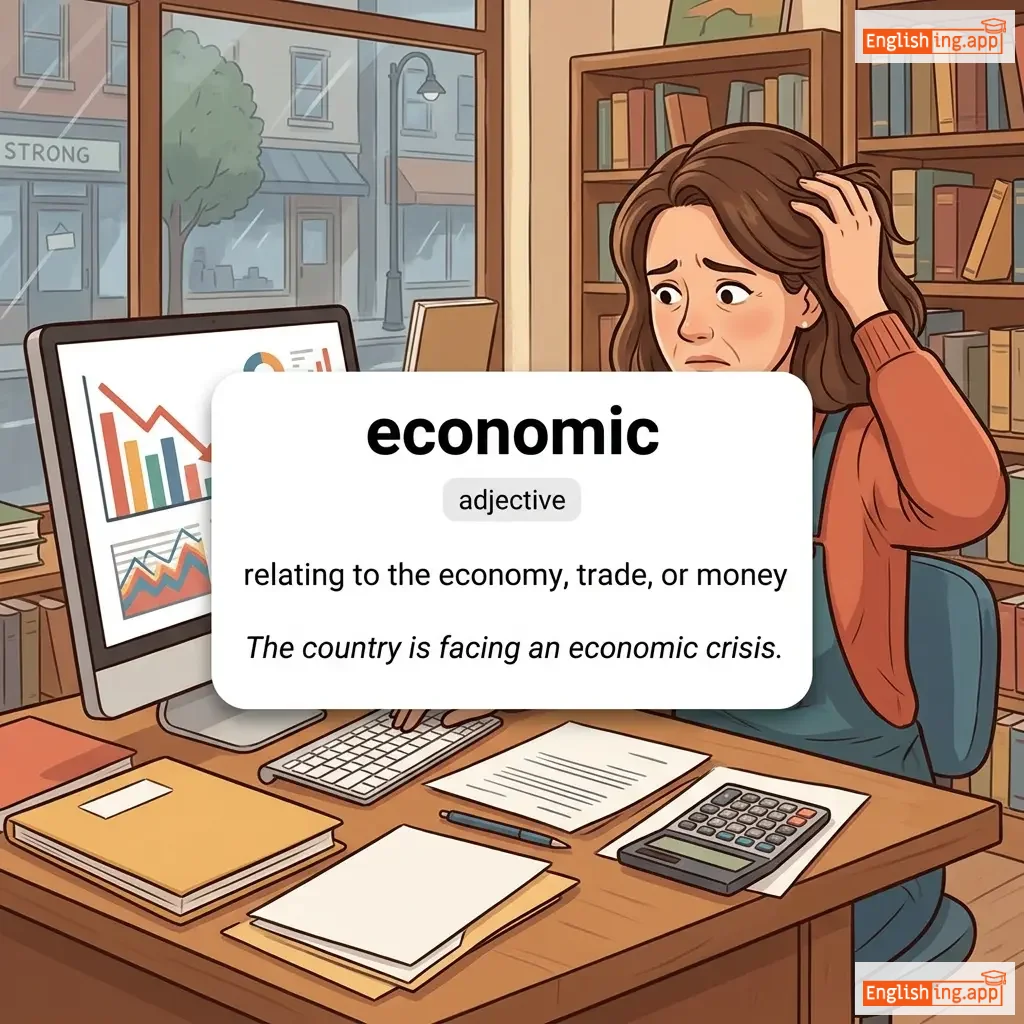
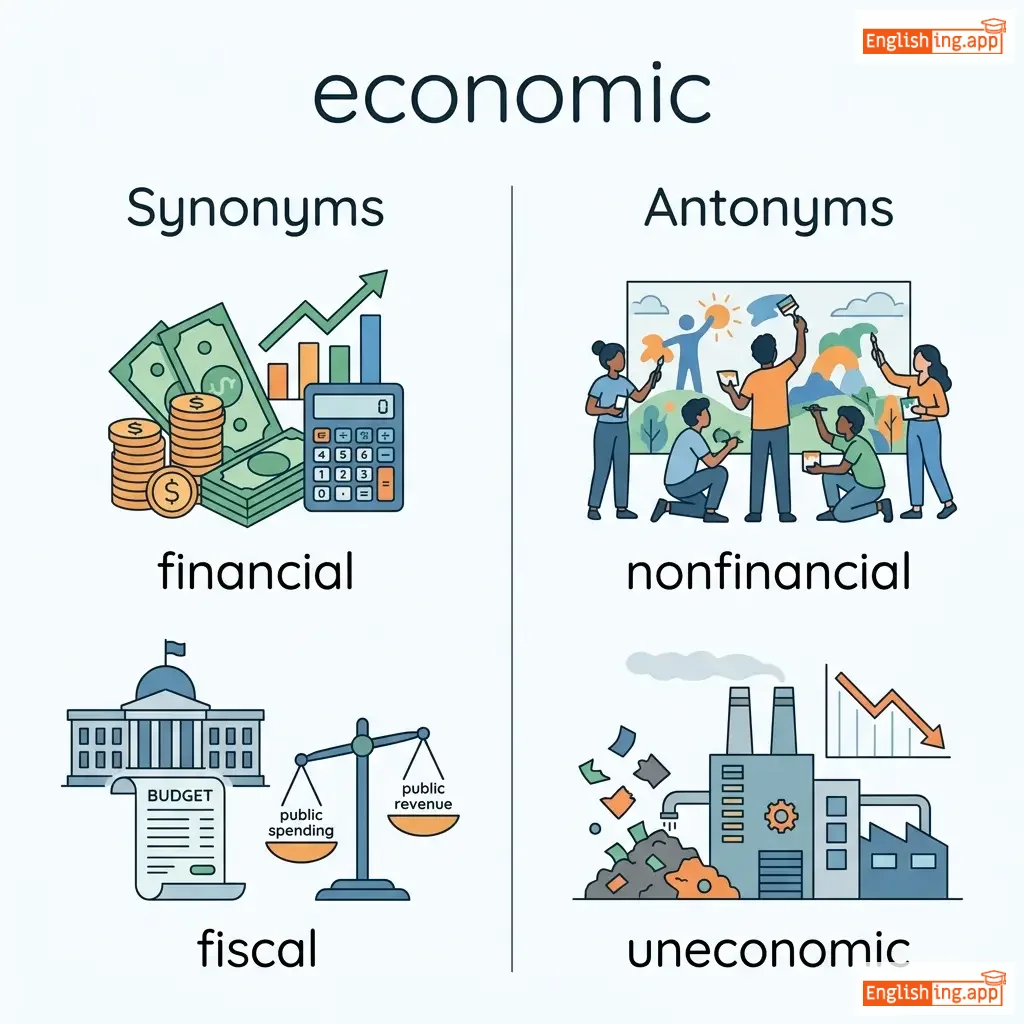
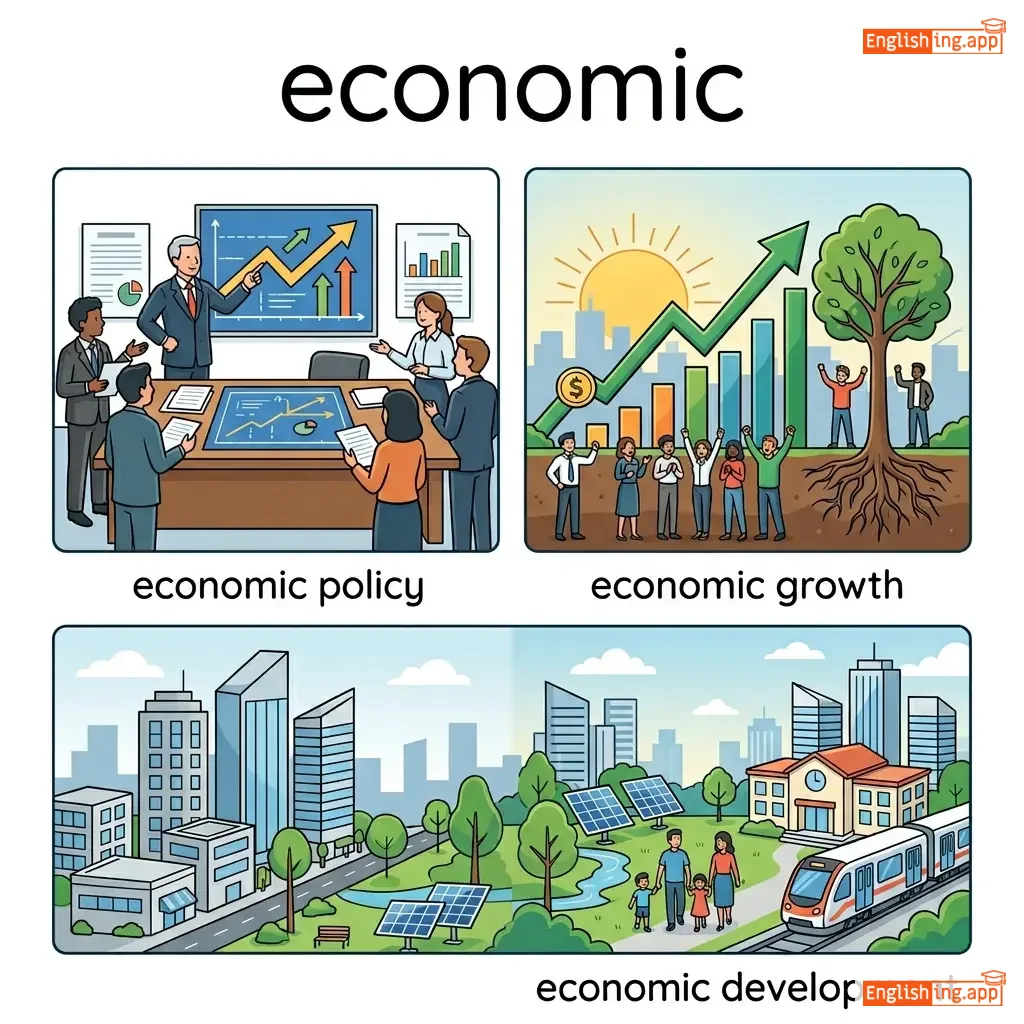
ˌiːkəˈnɒmɪk
adjective
••••••
|
|
Relating to economics or the economy; justified in terms of profitability.
••••••
|
Economic independence was highlighted. |
financial, fiscal, monetary, commercial, trade-related
••••••
|
uneconomic, unprofitable, wasteful, inefficient, costly
••••••
|
|
#410
🏛️
|
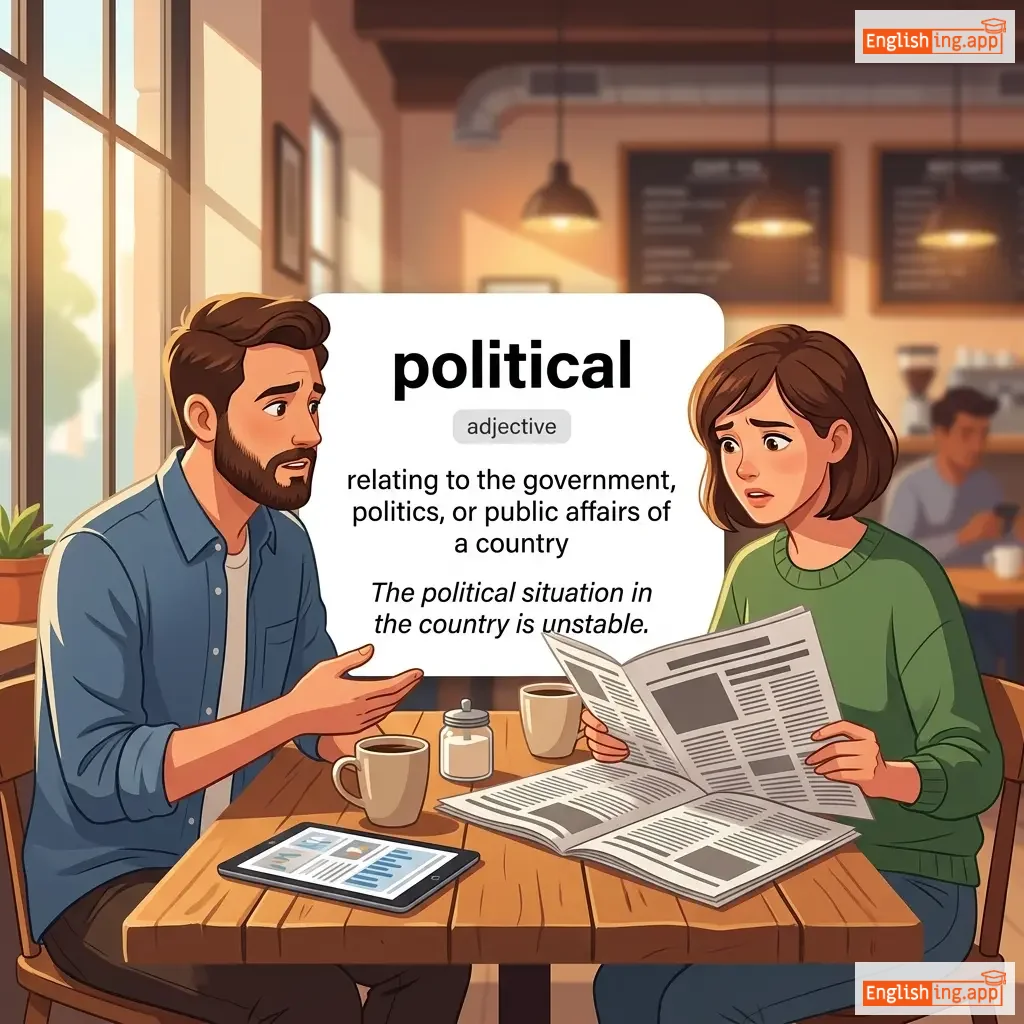
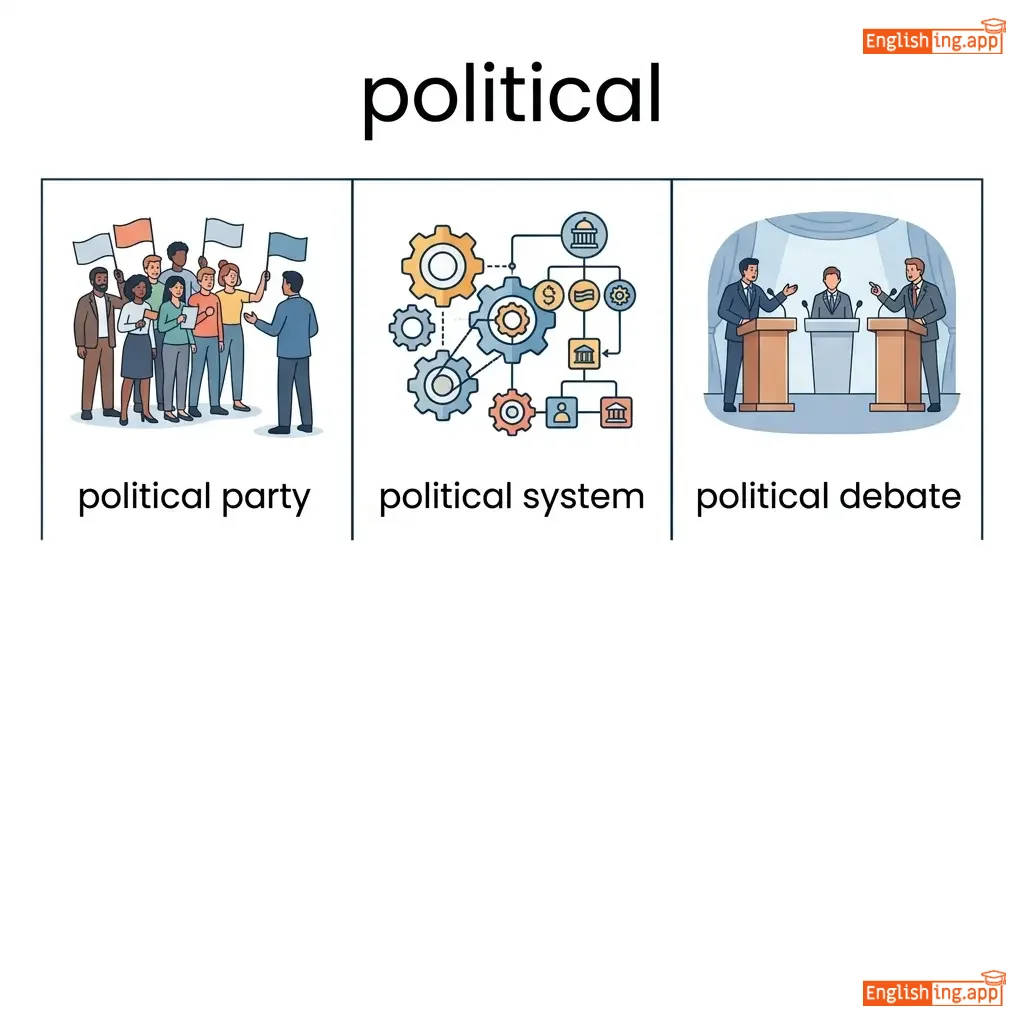
pəˈlɪtɪkəl
adjective
••••••
|
|
Relating to the government or public affairs of a country; relating to politics or political parties.
••••••
|
The political agenda included autonomy. |
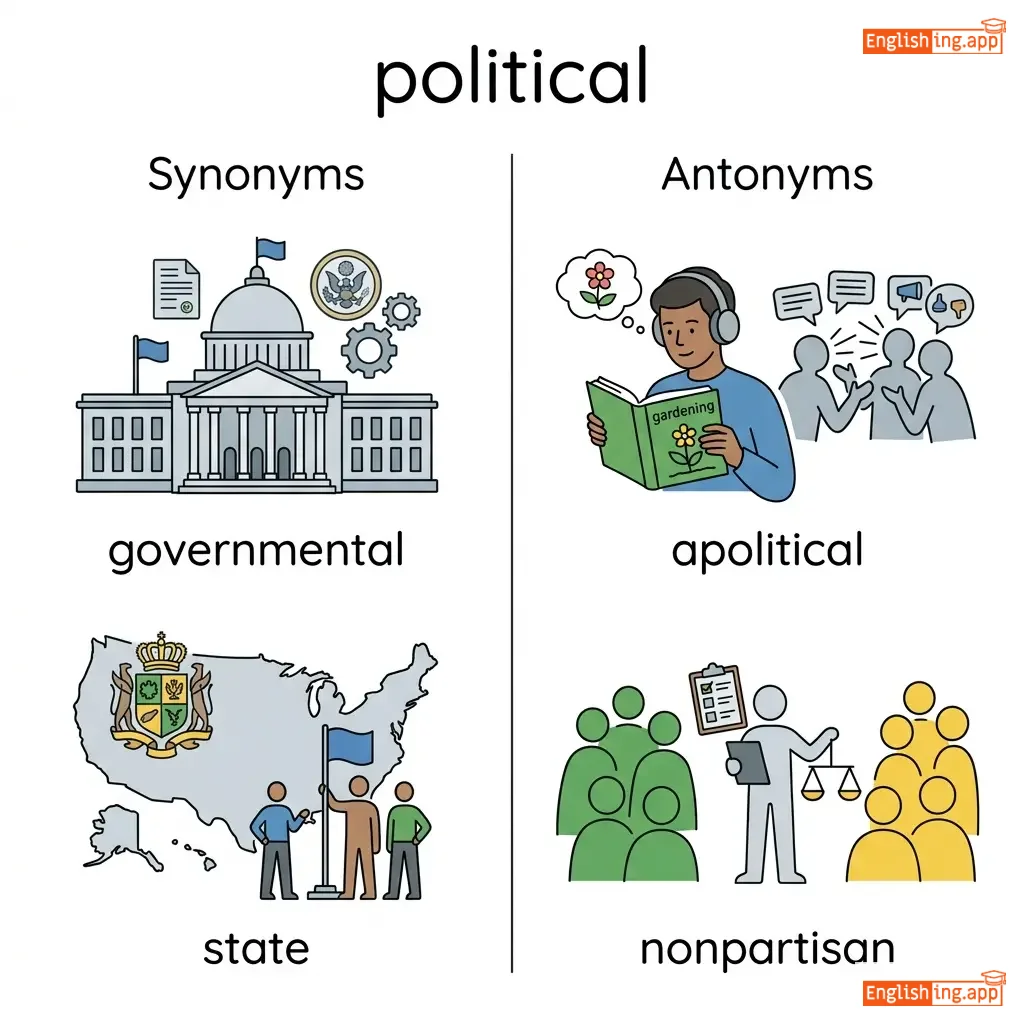
administrative, civic, governmental, public, state-related
••••••
|
apolitical, nonpolitical, private, personal, non-governmental
••••••
|
|
#411
🗽
|
ˌɪndɪˈpendəns
noun
••••••
|
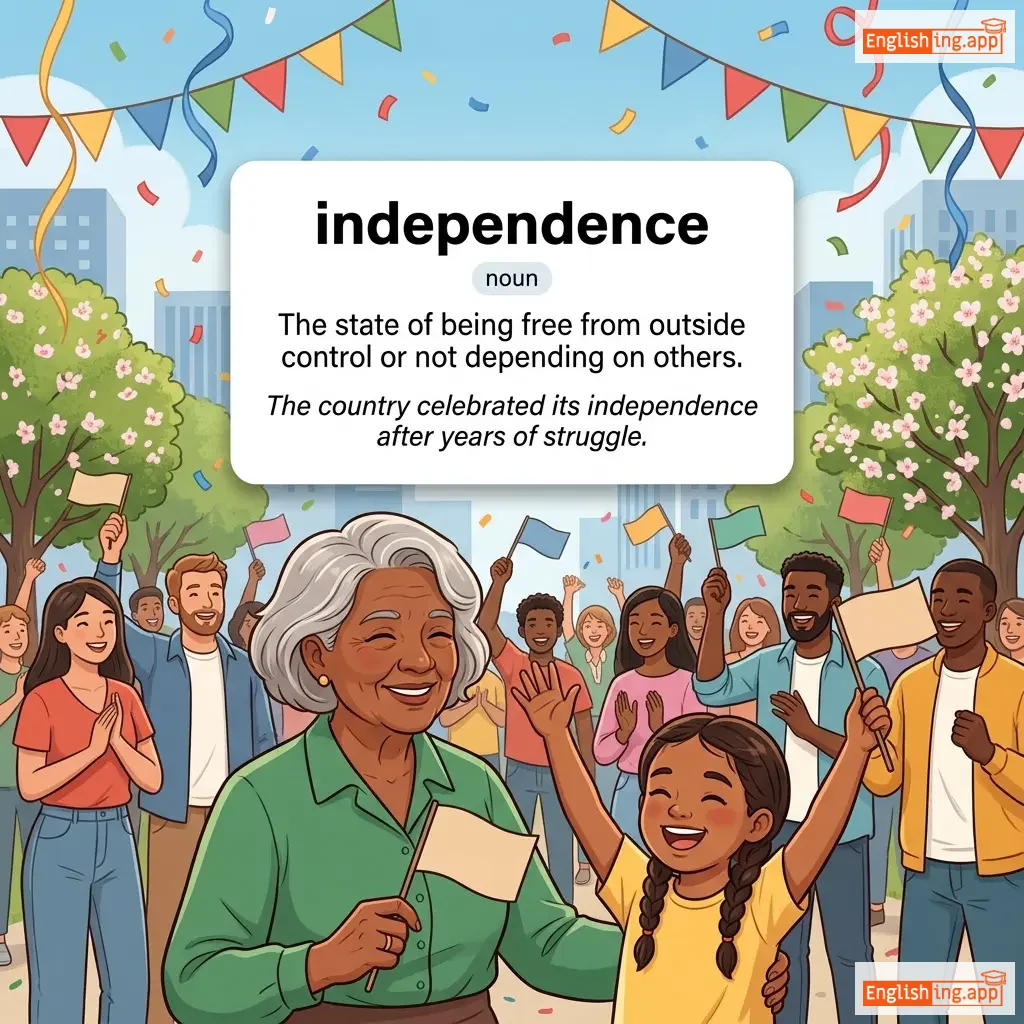
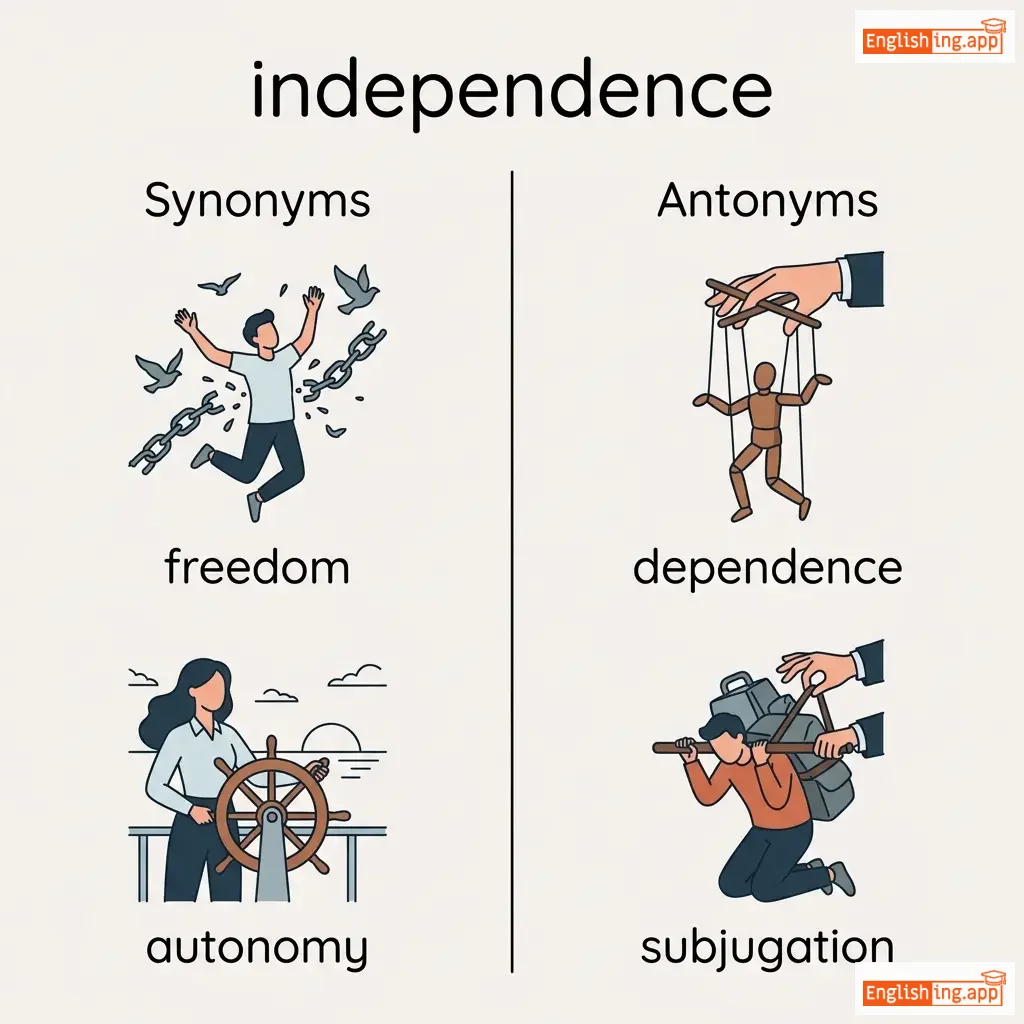
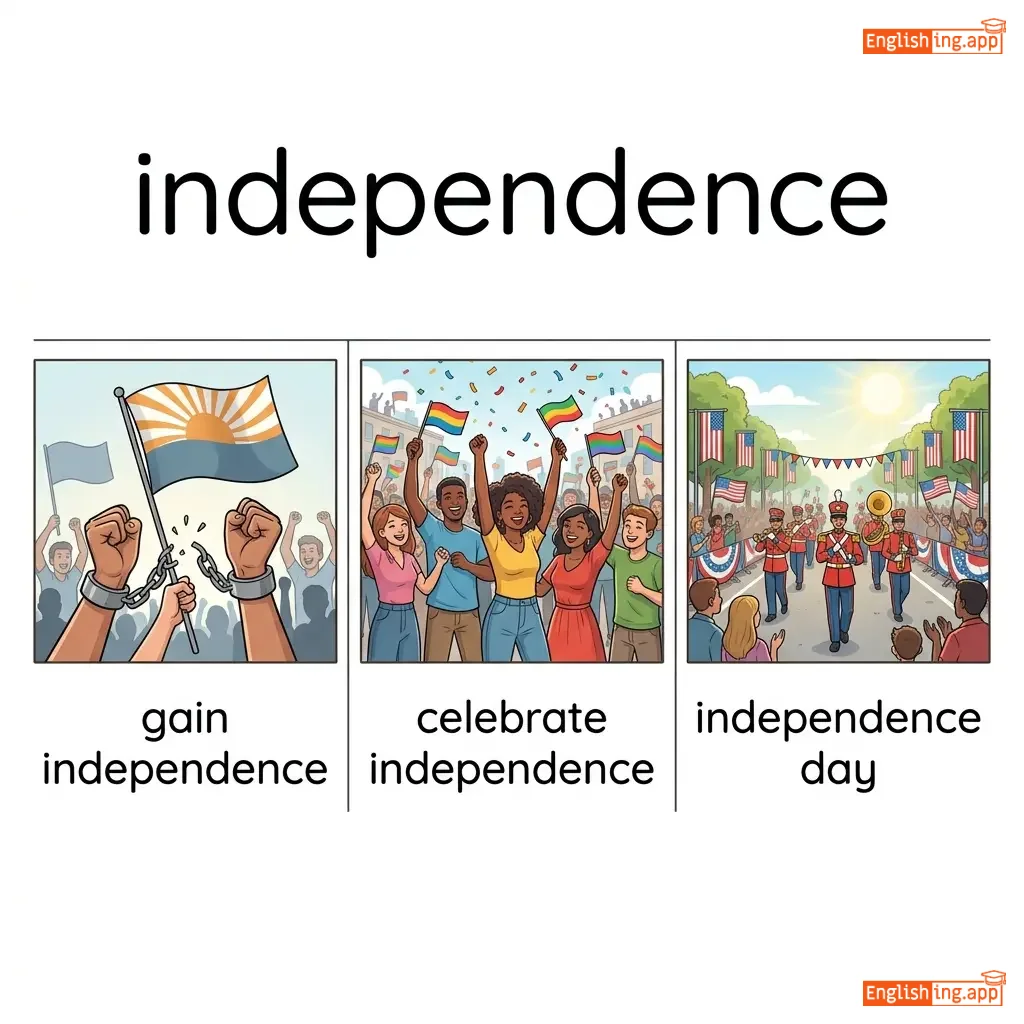
|
The fact or state of being independent; freedom from outside control; not being subject to another's authority.
••••••
|
Independence inspired the movement. |
freedom, liberation, sovereignty, autonomy, self-rule
••••••
|
subjection, dependence, subordination, control, domination
••••••
|

