|
絵文字
|
単語 | Images | 翻訳 | 過去 | 過去分詞 | 三人称単数 | 動名詞 | 意味 | 例文 | 例文の翻訳 | 表現例 | 表現例の意味 | 表現例の翻訳 | 同義語 | 対義語 | コロケーション | ニーモニック |
|---|---|---|---|---|---|---|---|---|---|---|---|---|---|---|---|---|---|
|
⛰️
••••••
|
/ˈɑːrdʒuəs/
adjective
(アーデュアス)
••••••
|
|
困難
konnan
••••••
|
- •••••• | - •••••• | - •••••• | - •••••• |
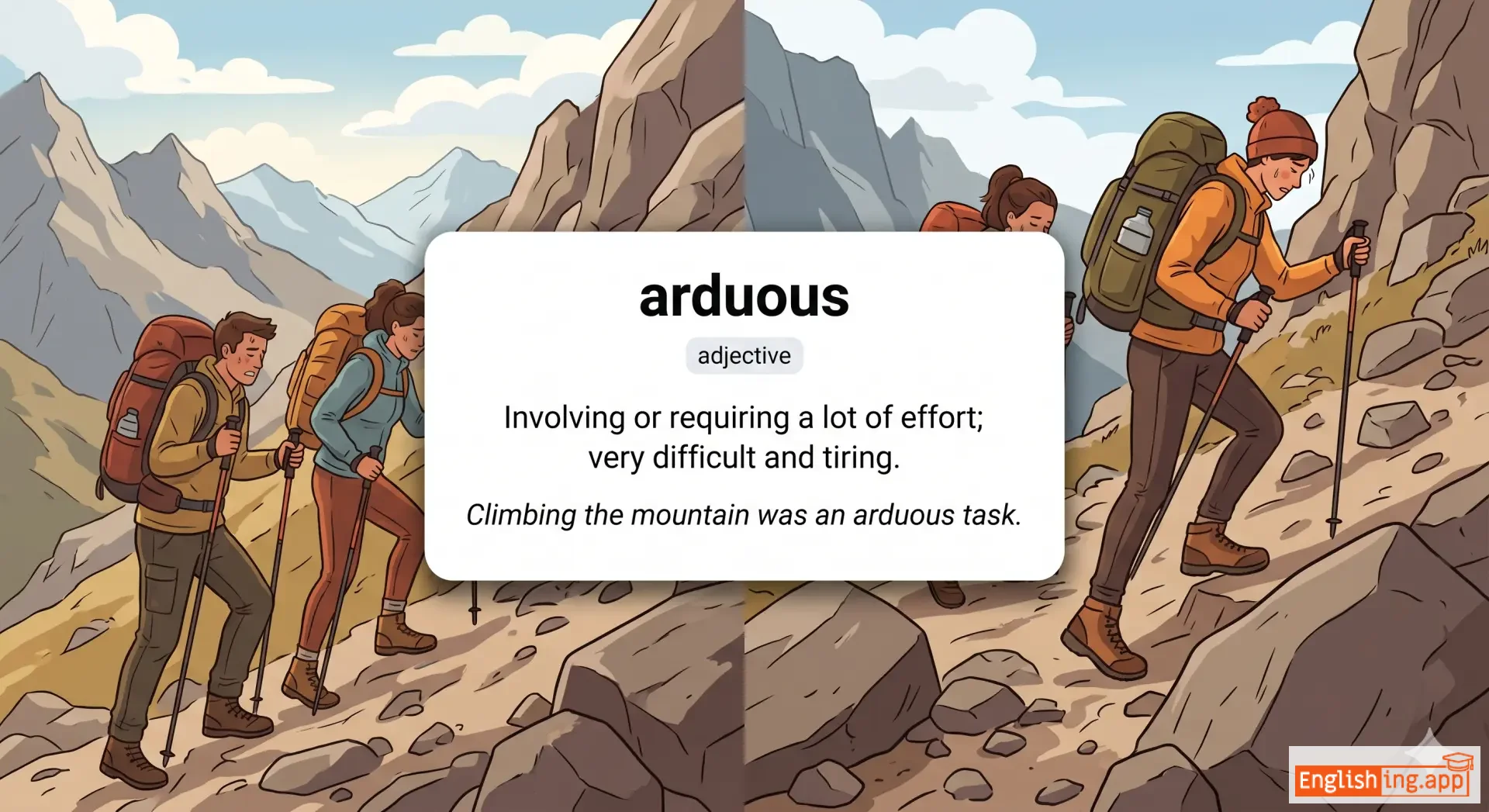
Involving or requiring a lot of effort; very difficult and tiring.
••••••
|
Climbing the mountain was an arduous task. |
山を登ることは困難な仕事だった。
Yama o noboru koto wa konnan na shigoto datta.
••••••
|
- •••••• | - •••••• | - •••••• |
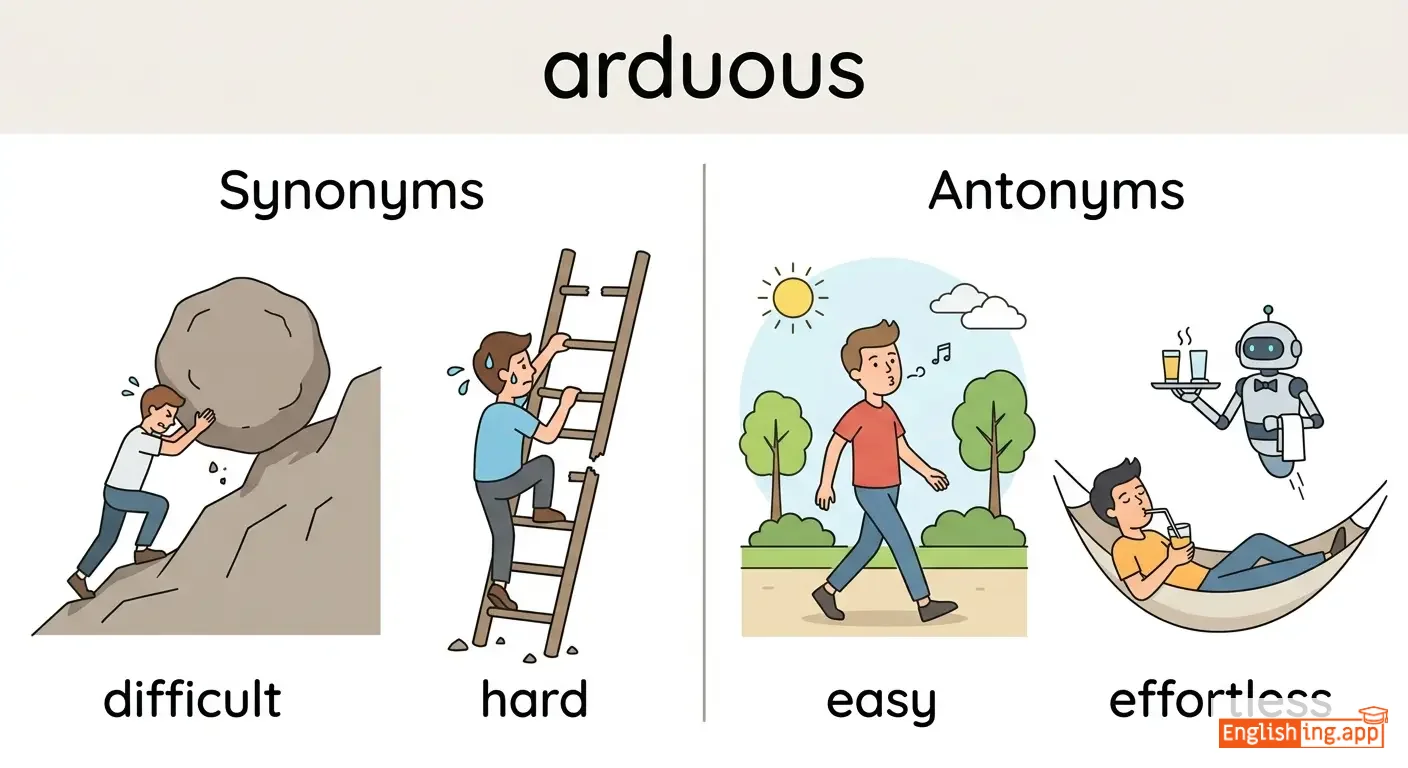
difficult, hard, demanding, strenuous, exhausting
••••••
|
easy, effortless
••••••
|
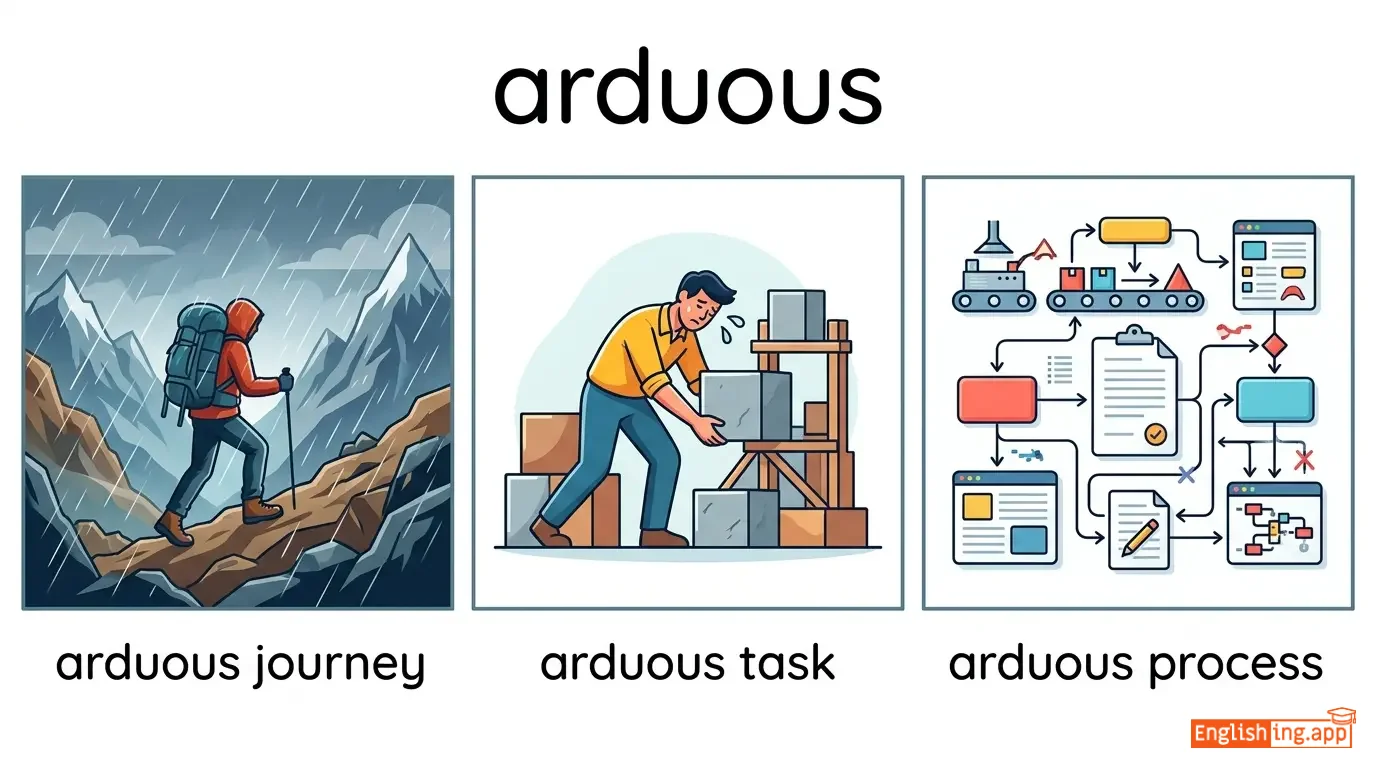
arduous journey, arduous task, arduous process, arduous climb
••••••
|
Arduousとはhard + ous – とても困難な仕事。
••••••
|
|
😊
••••••
|
/ˈɑːrtləs/
adjective
(アートレス)
••••••
|
|
素朴, 自然
soboku, shizen
••••••
|
- •••••• | - •••••• | - •••••• | - •••••• |
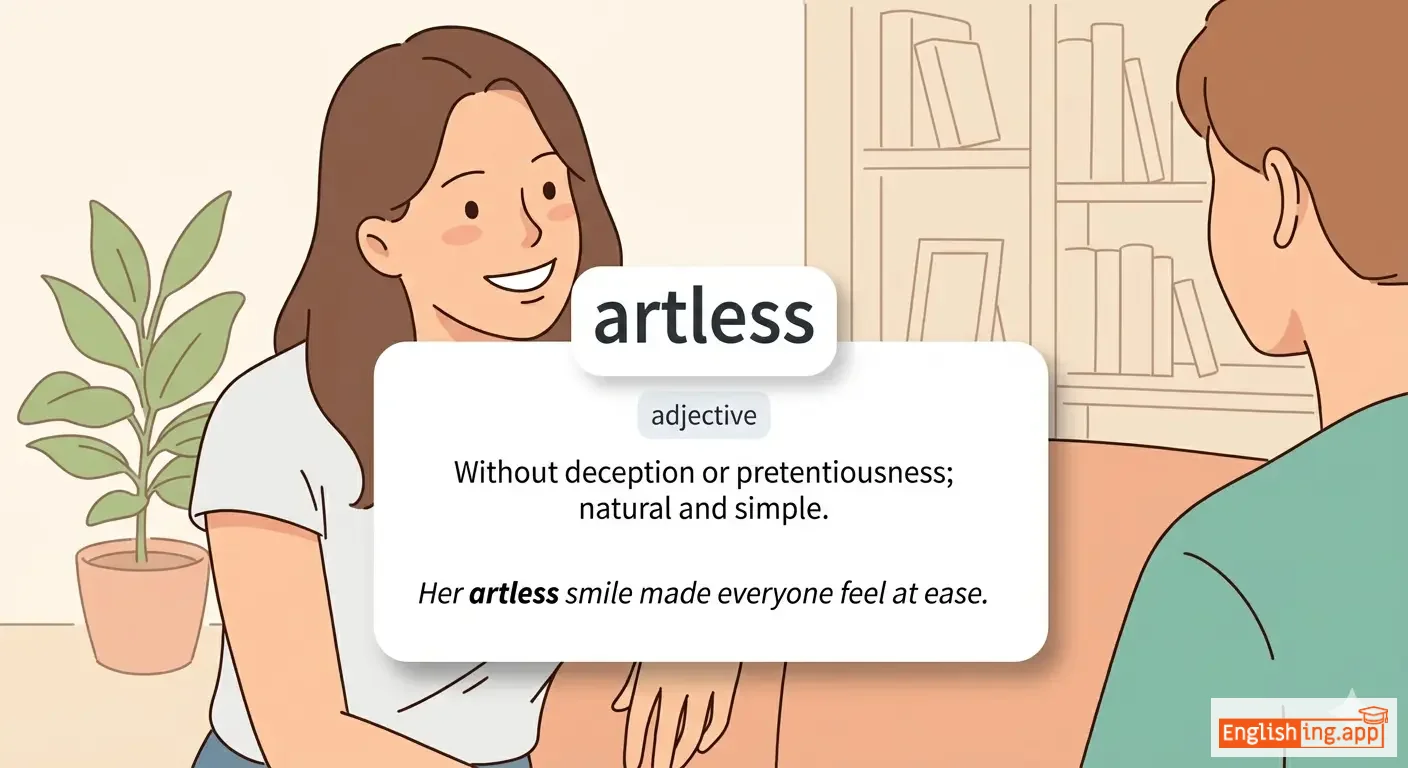
Without deception or pretentiousness; natural and simple.
••••••
|
Her artless smile made everyone feel at ease. |
彼女の素朴な笑顔は、みんなを安心させました。
kanojo no soboku na egao wa, minna o anshin saseru mashita.
••••••
|
- •••••• | - •••••• | - •••••• |
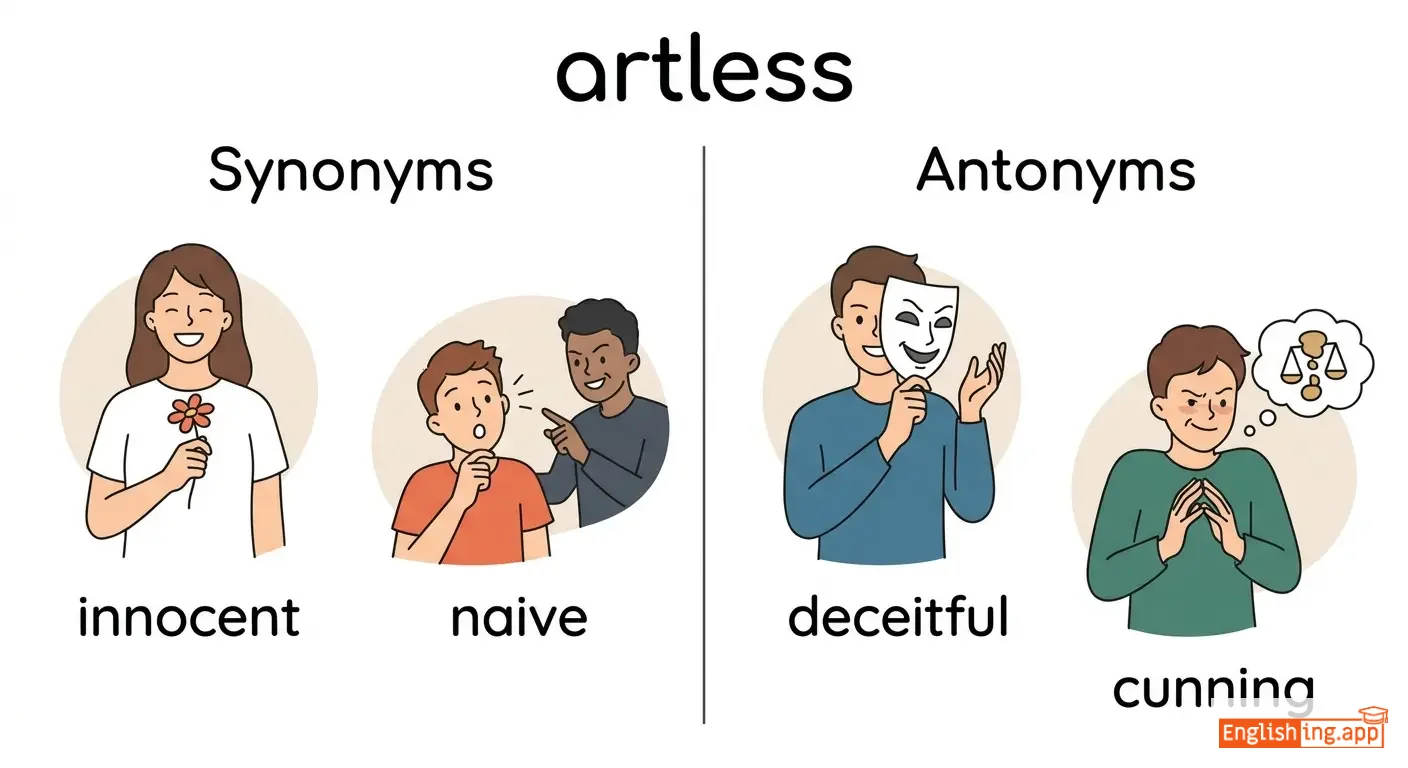
innocent, naive, guileless, sincere, genuine
••••••
|
deceitful, cunning, pretentious
••••••
|
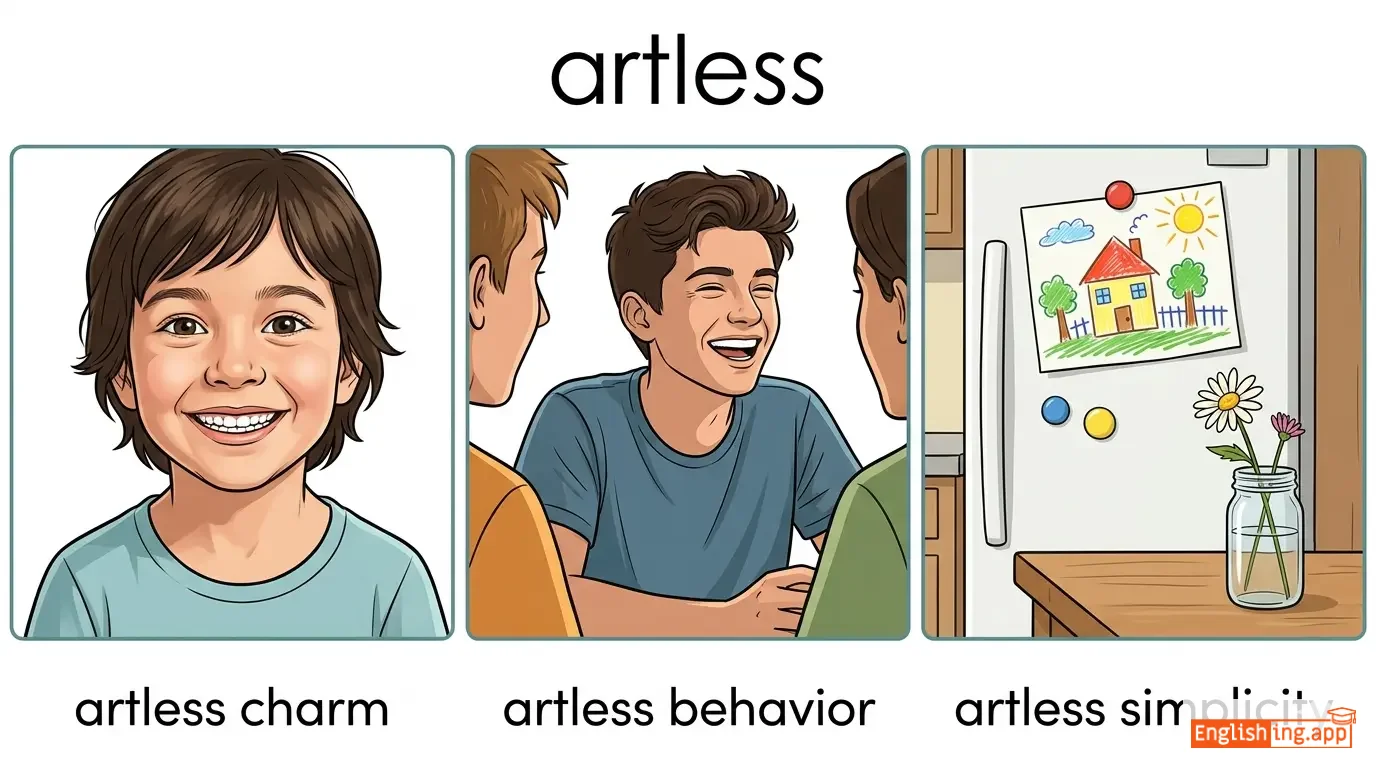
artless charm, artless behavior, artless simplicity
••••••
|
Artがないとき、アートレス - 完全に素朴で自然です。
••••••
|
|
🙏
••••••
|
/əˈsɛt.ɪk/
adjective
(アセティック)
••••••
|
|
禁欲的
kinyoku teki
••••••
|
- •••••• | - •••••• | - •••••• | - •••••• |
Practicing strict self-denial and abstaining from worldly pleasures, often for religious reasons.
••••••
|
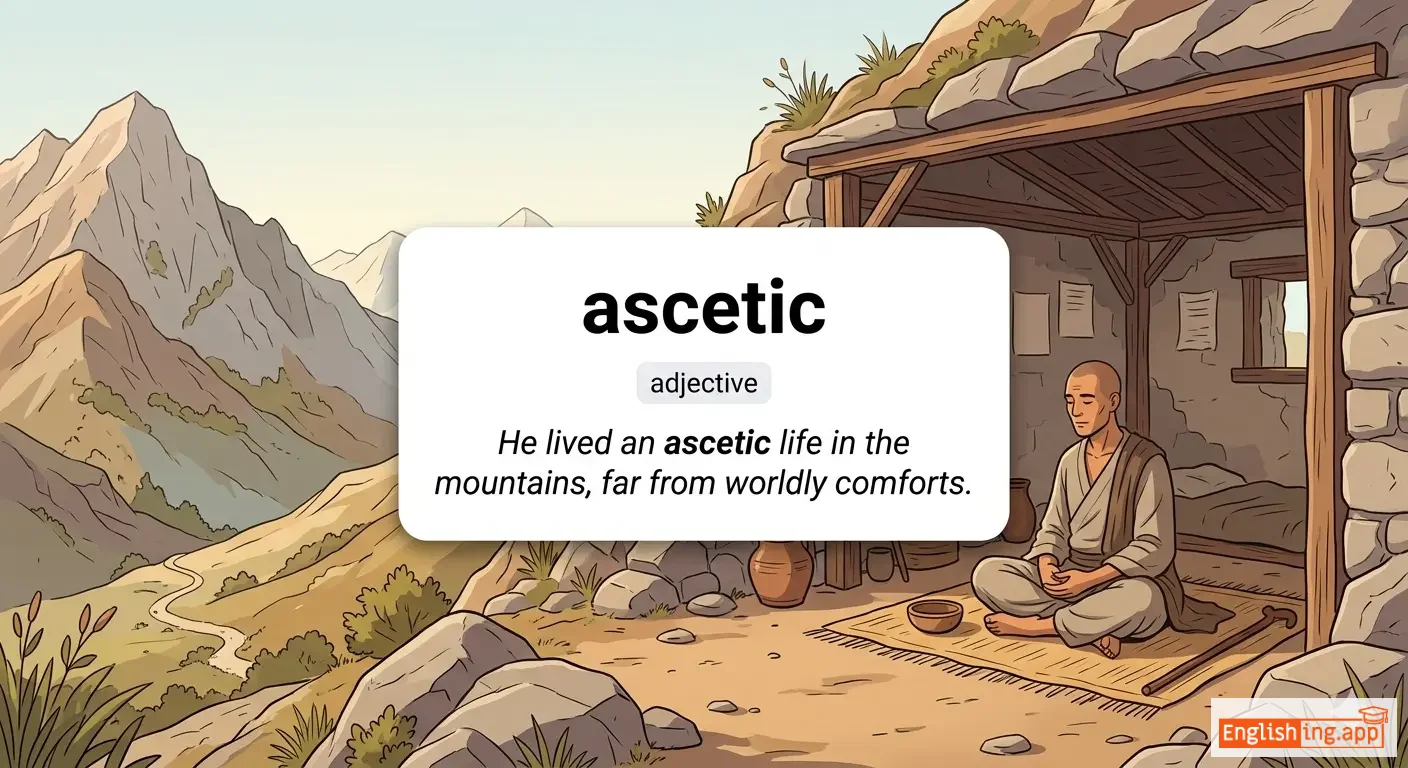
He lived an ascetic life in the mountains, far from worldly comforts. |
彼は山の中で禁欲的な生活を送り、世俗的な快適さから遠ざかっていた。
Kare wa yama no naka de kinyoku teki na seikatsu o okuri, sezokuteki na kaitekisa kara tōzakatte ita.
••••••
|
- •••••• | - •••••• | - •••••• |
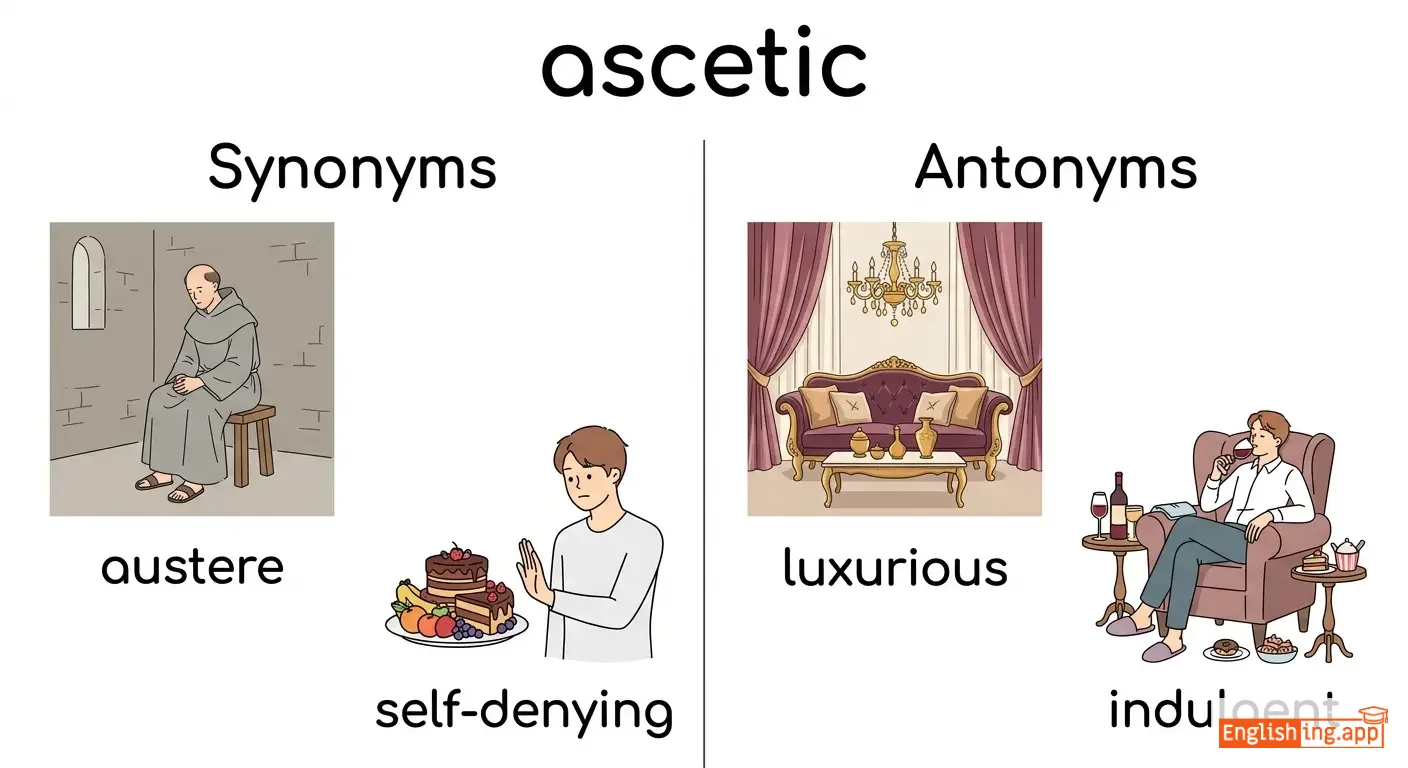
austere, self-denying, monkish, frugal, disciplined
••••••
|
luxurious, indulgent, hedonistic
••••••
|
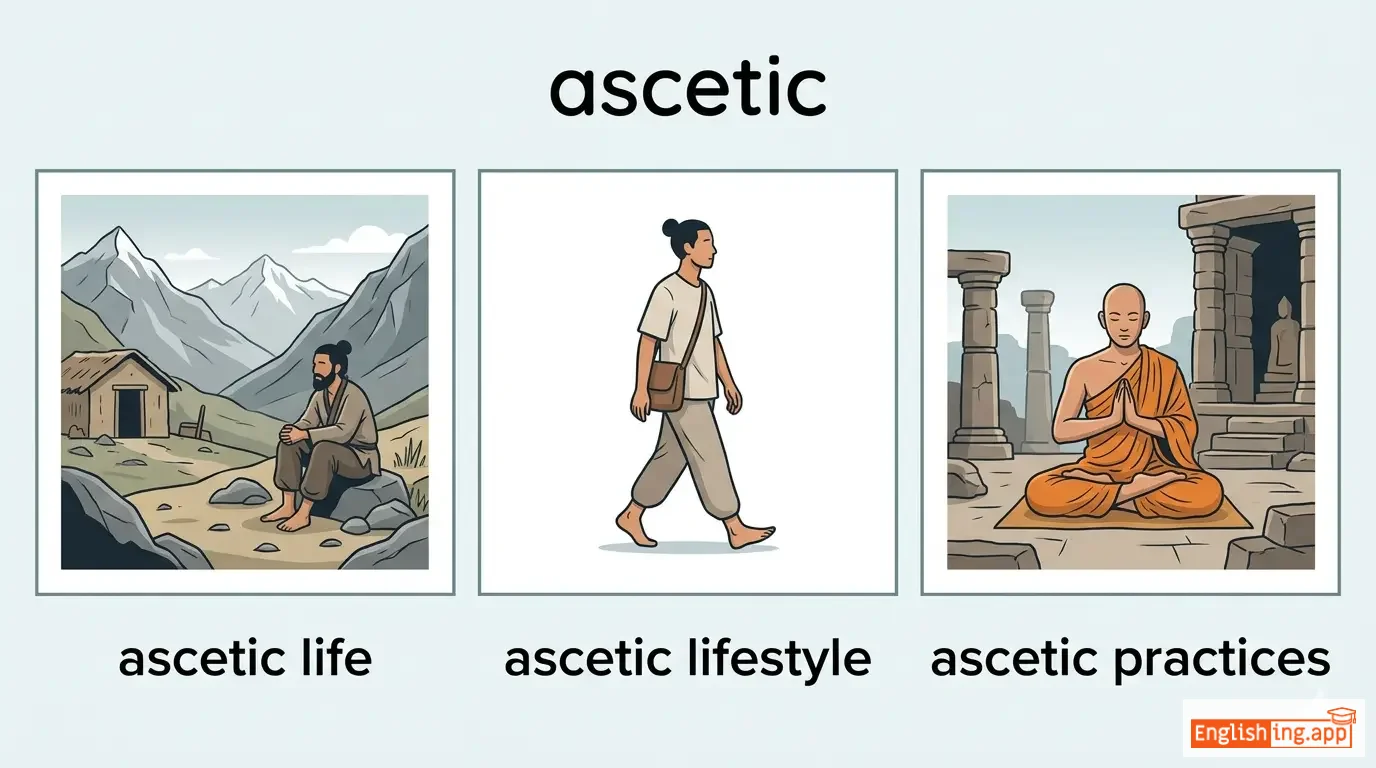
ascetic life, ascetic lifestyle, ascetic practices, ascetic monk
••••••
|
禁欲的な生活は物質的な豊かさを避け、精神的な平安を求めるようなものです。
••••••
|
|
📚
••••••
|
/əˈsɪdʒuəs/
adjective
(アシディウス)
••••••
|
|
勤勉な
kinben na
••••••
|
- •••••• | - •••••• | - •••••• | - •••••• |
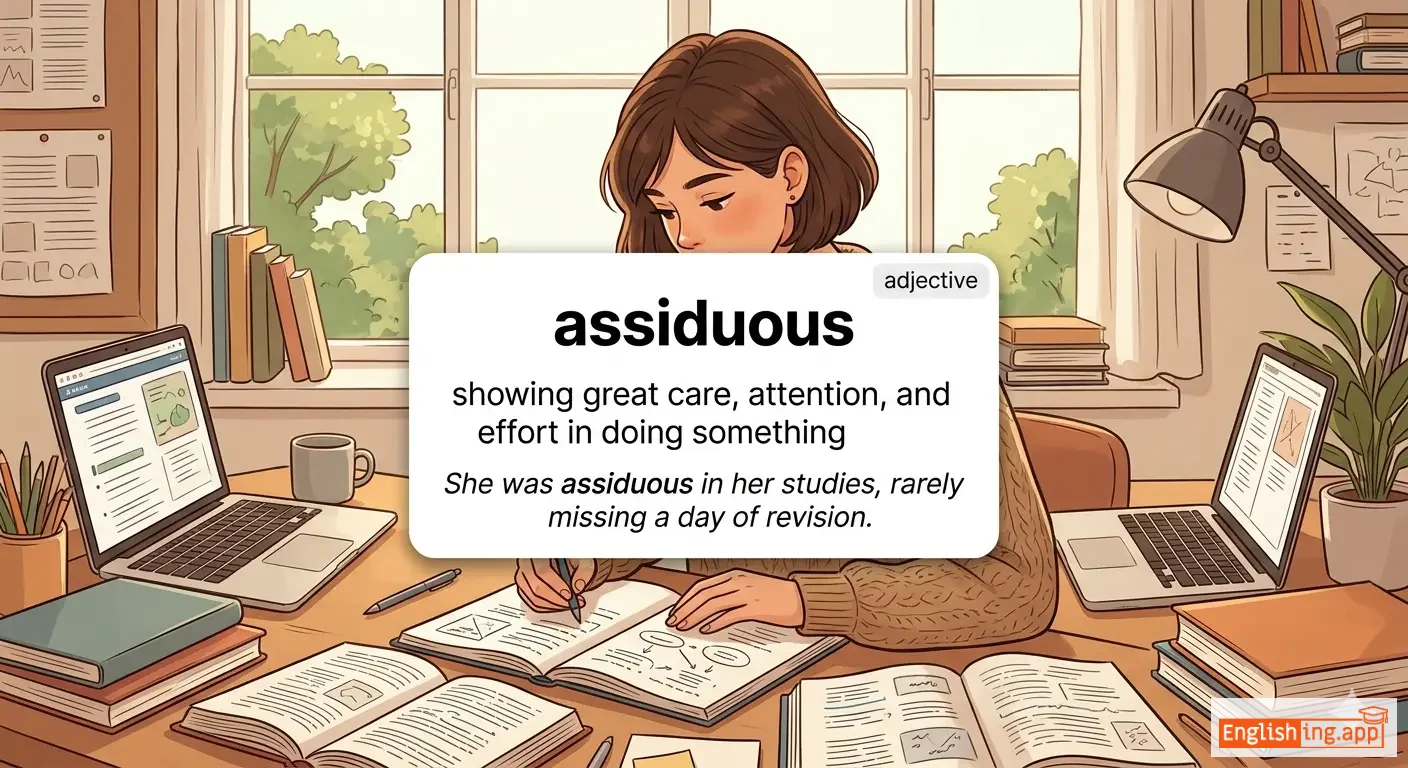
showing great care, attention, and effort in doing something
••••••
|
She was assiduous in her studies, rarely missing a day of revision. |
彼女は勉強に勤勉で、復習を欠かすことはほとんどなかった。
Kanojo wa benkyou ni kinben de, fukushuu o kakasu koto wa hotondo nakatta.
••••••
|
assiduous effort |
persistent and careful effort
••••••
|
勤勉な努力
kinben na doryoku
••••••
|
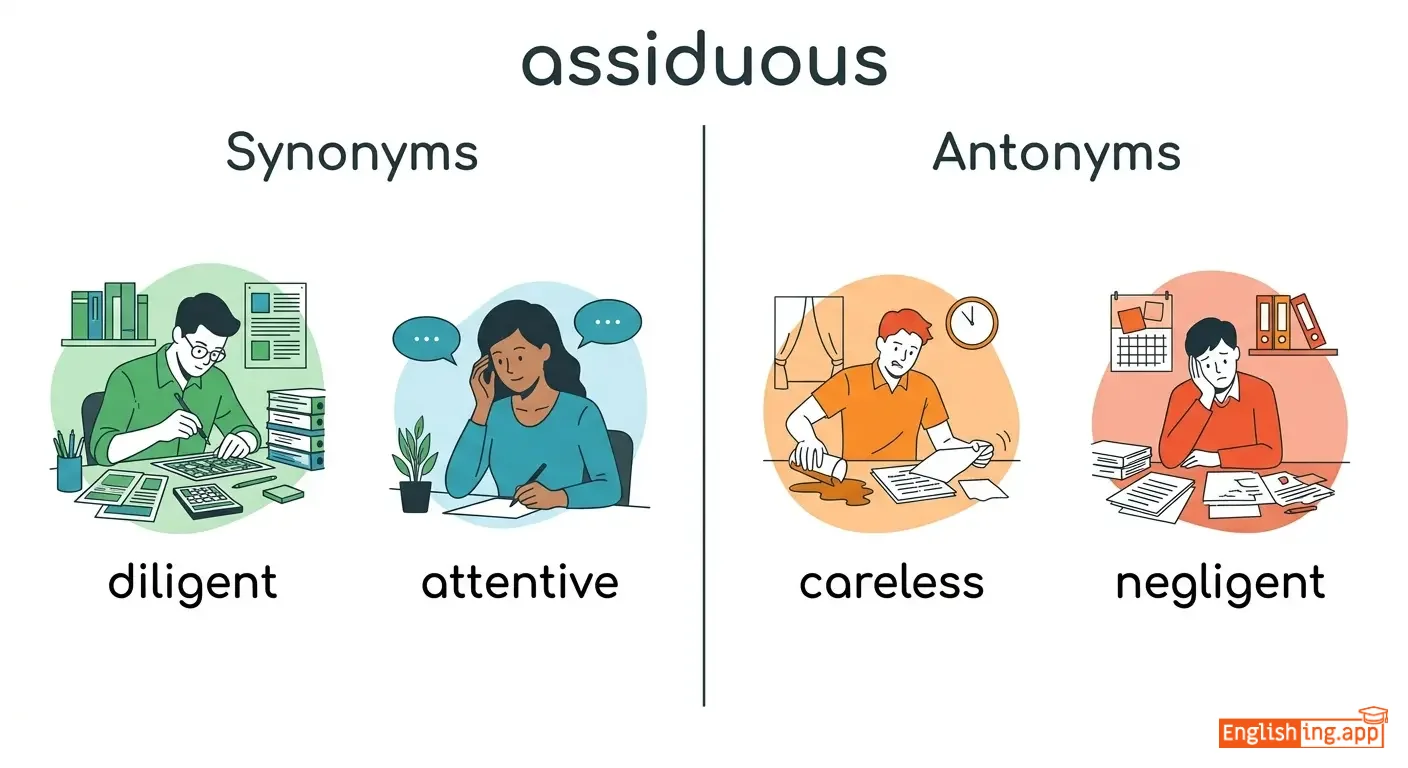
diligent, attentive, careful, industrious, meticulous
••••••
|
careless, negligent, lazy
••••••
|
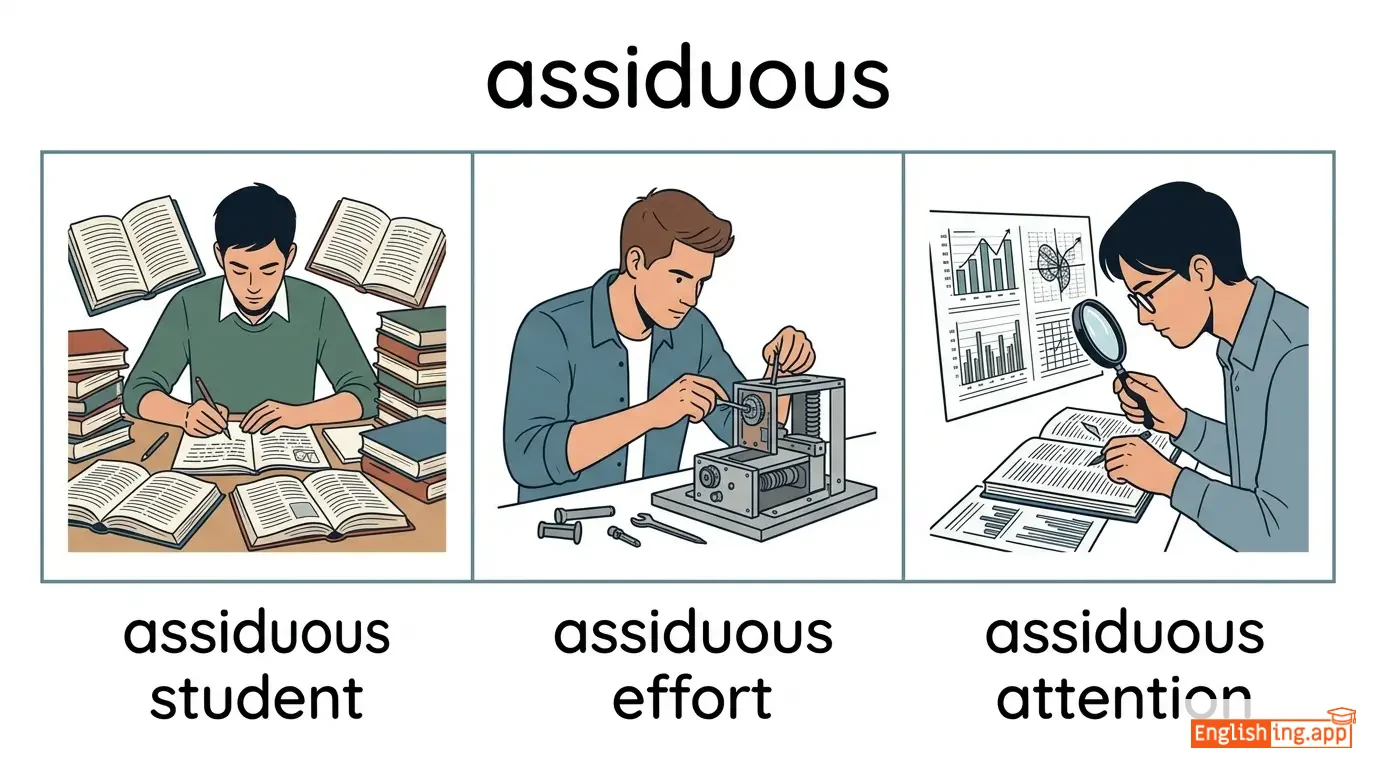
assiduous student, assiduous effort, assiduous attention, assiduous care
••••••
|
Assiduousは勤勉な—勉強のように、毎日勤勉に努力することを意味します。
••••••
|
|
😌
••••••
|
/əˈsweɪdʒ/
verb
(アスウェイジ)
••••••
|
|
和らげる
yawarageru
••••••
|
assuaged
アスウェイジド
••••••
|
assuaged
アスウェイジド
••••••
|
assuages
アスウェイジズ
••••••
|
assuaging
アスウェイジング
••••••
|
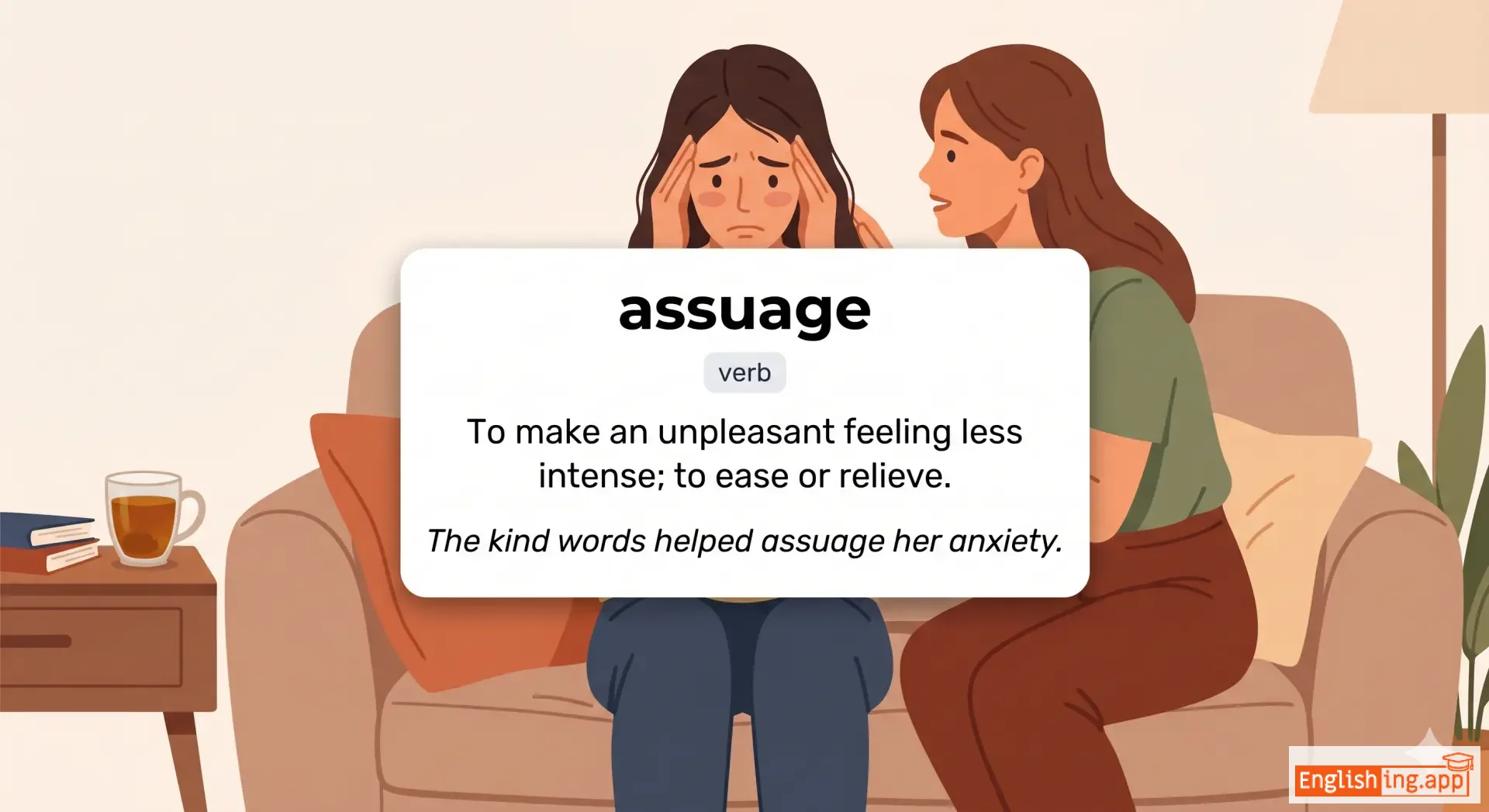
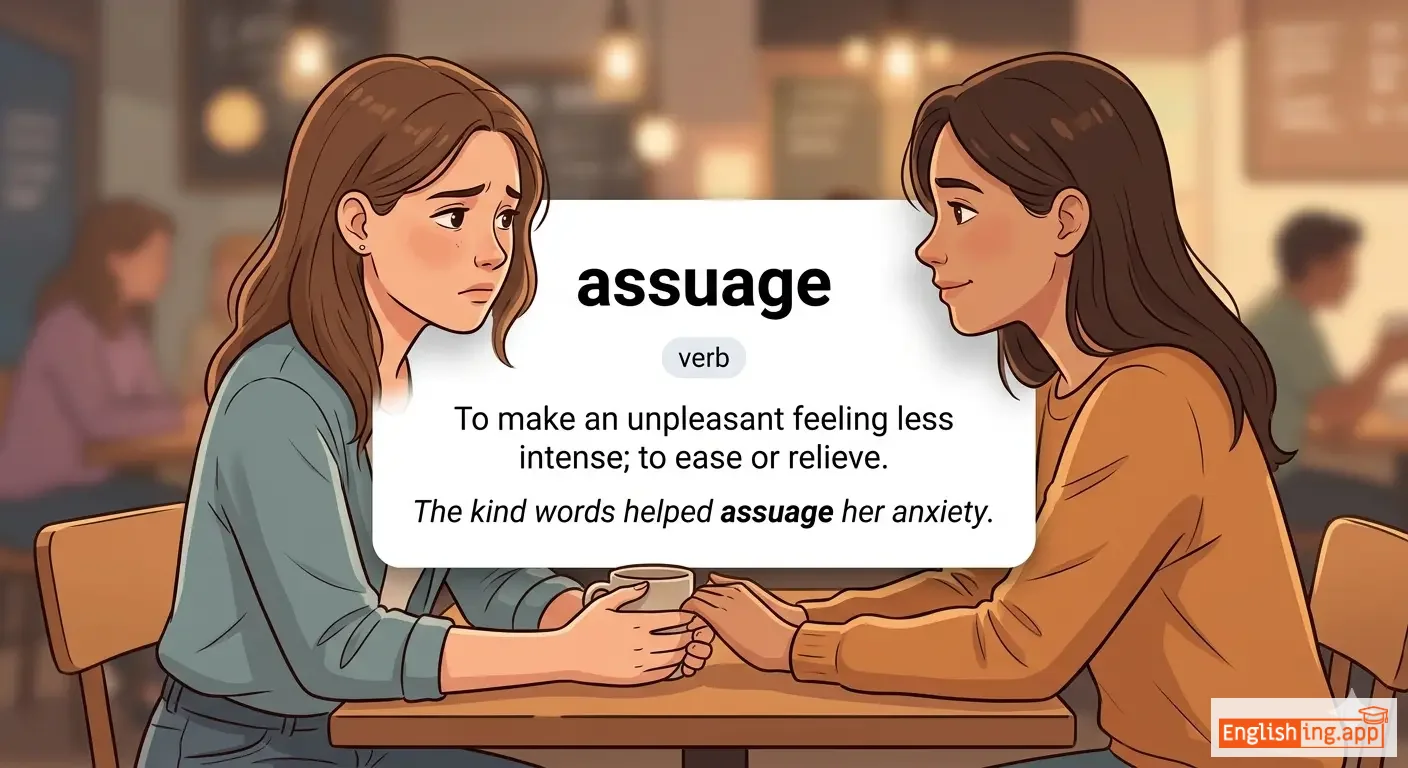
To make an unpleasant feeling less intense; to ease or relieve.
••••••
|
The kind words helped assuage her anxiety.
優しい言葉が彼女の不安を和らげるのに役立ちました。
••••••
|
優しい言葉が彼女の不安を和らげるのに役立ちました。
Yasashī kotoba ga kanojo no fuan o yawarageru no ni yakudachimashita.
••••••
|
assuage one's fears
誰かの恐怖を和らげる
••••••
|
to calm or reduce someone's fears
••••••
|
誰かの恐怖を和らげる
Dareka no kyōfu o yawarageru
••••••
|
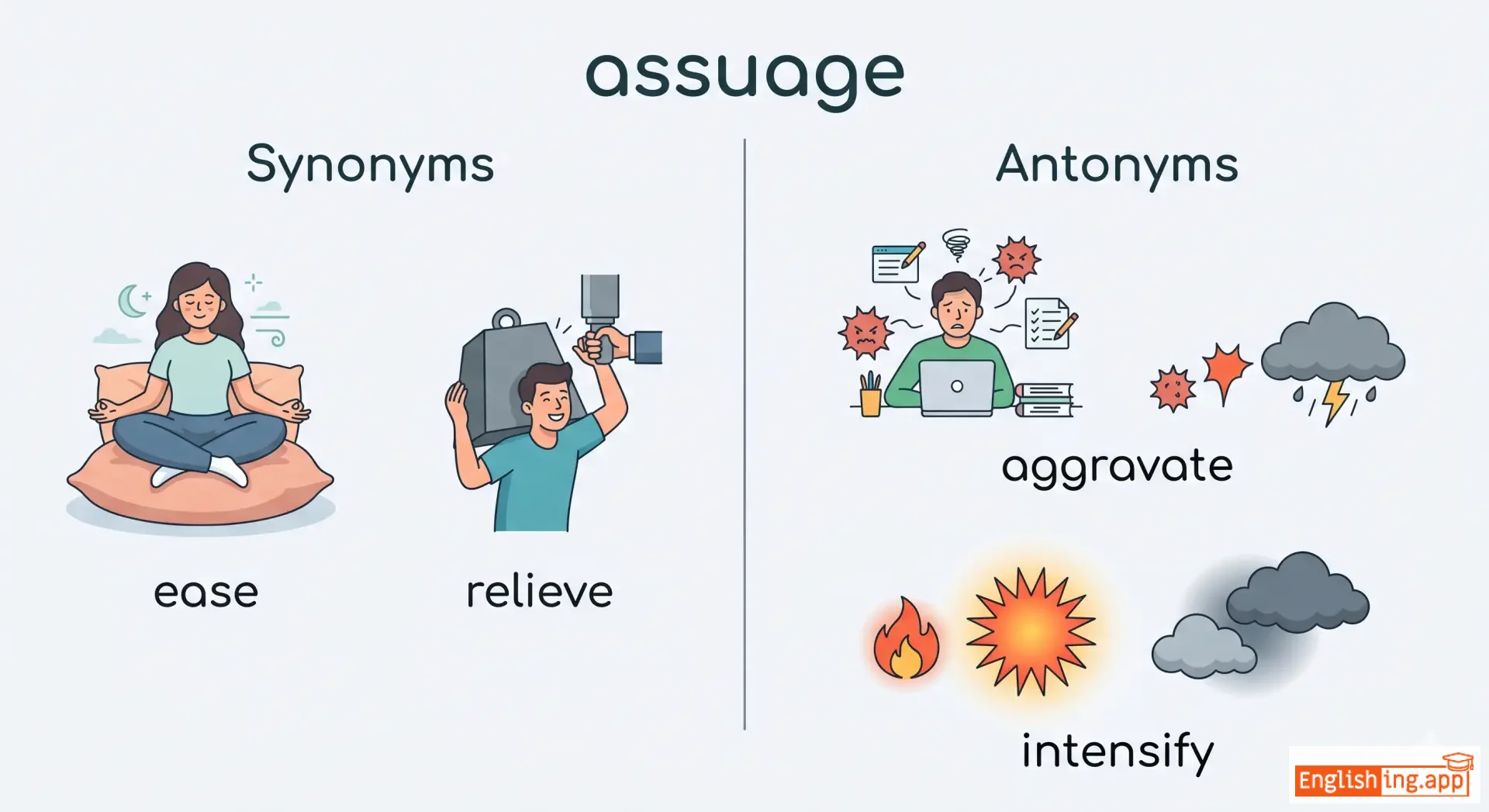
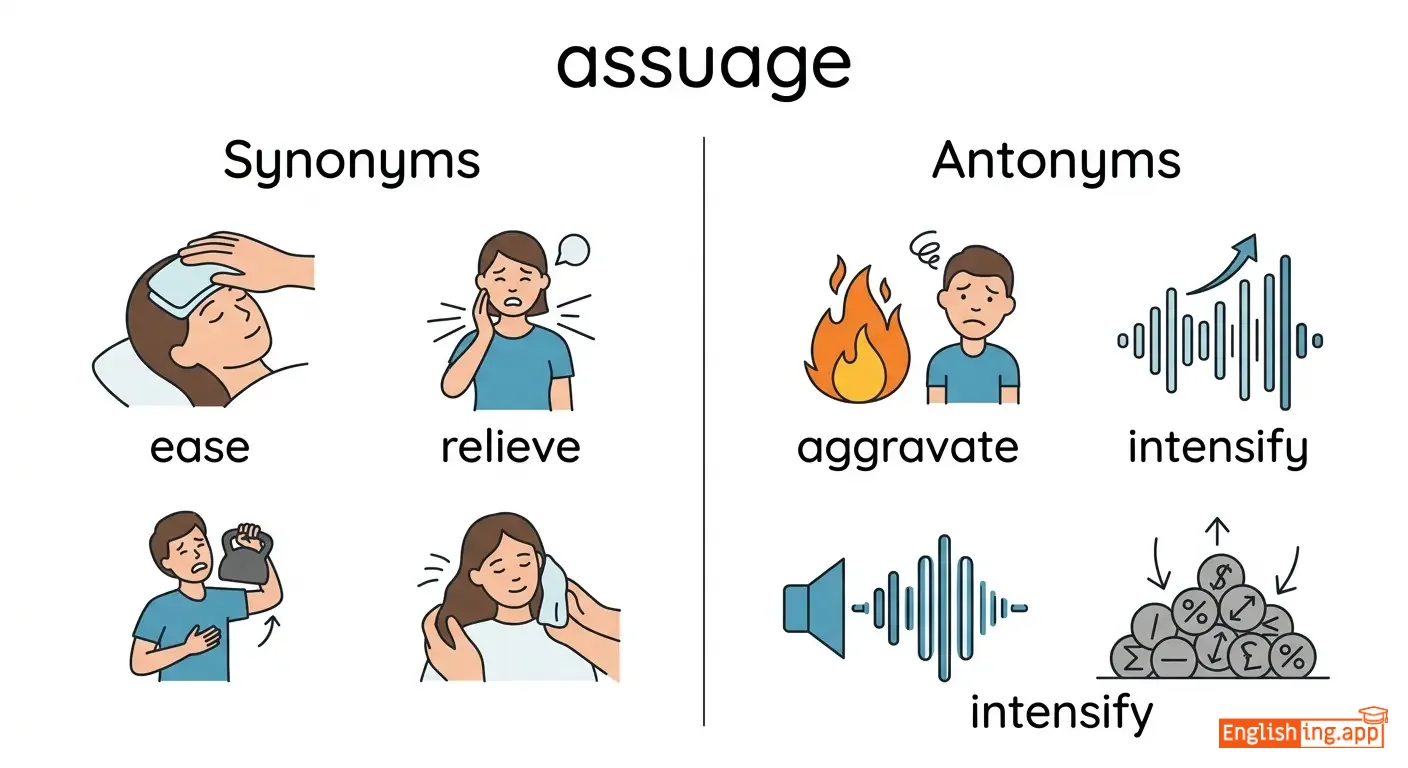
ease, relieve, alleviate, soothe, pacify
••••••
|
aggravate, intensify, worsen
••••••
|
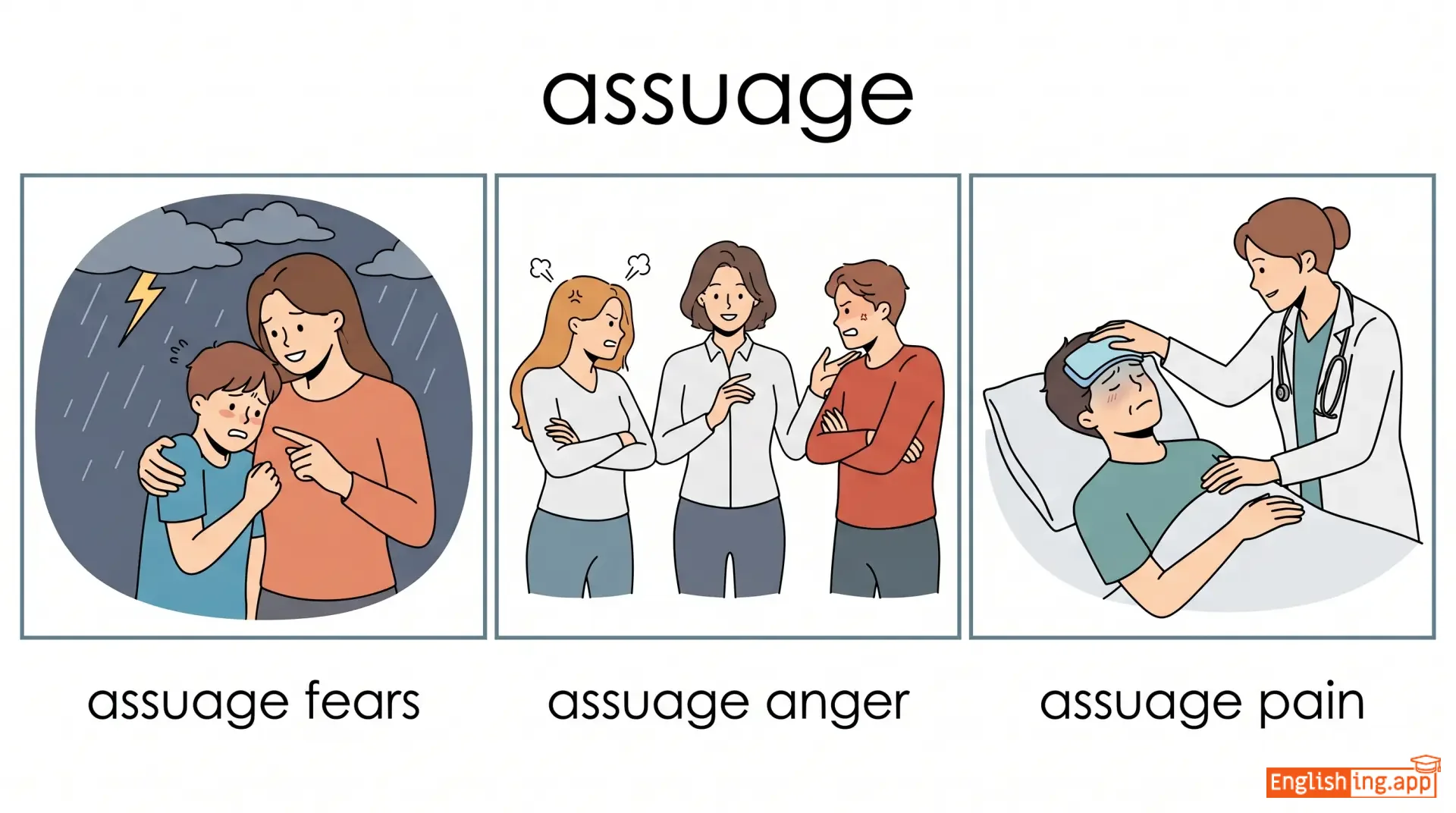
assuage fears, assuage anger, assuage pain
••••••
|
Assuageは「慰めのメッセージ」を意味します - 慰めのメッセージ。
••••••
|
|
🔽
••••••
|
/əˈtɛnjueɪt/
verb
(アテニュエイト)
••••••
|
|
和らげる
yawarageru
••••••
|
attenuated
アテニュエイテッド
••••••
|
attenuated
アテニュエイテッド
••••••
|
attenuates
アテニュエイツ
••••••
|
attenuating
アテニュエイティング
••••••
|
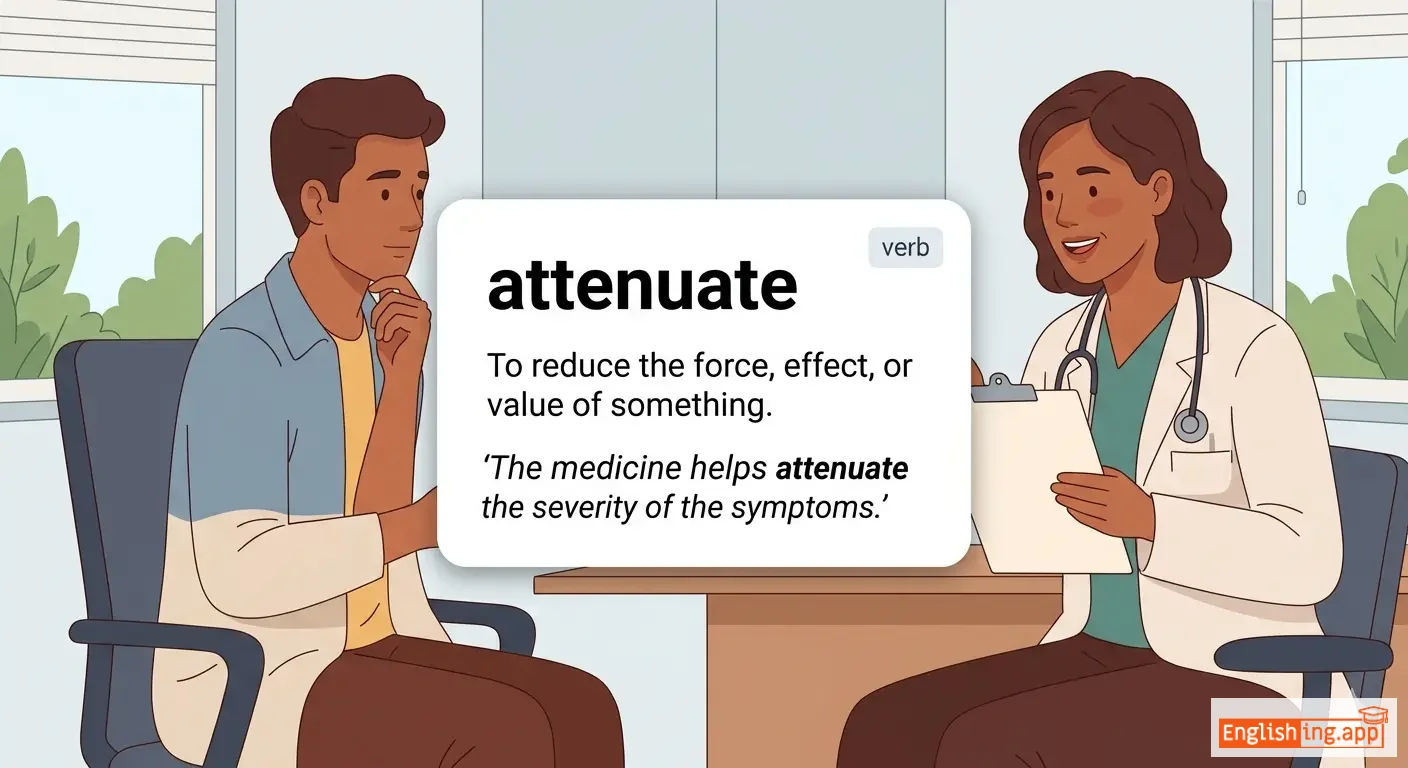
To reduce the force, effect, or value of something.
••••••
|
The medicine helps attenuate the severity of the symptoms.
その薬は症状の重症度を和らげるのに役立ちます。
••••••
|
その薬は症状の重症度を和らげるのに役立ちます。
Sono kusuri wa shoujou no jyuushoudo o yawarageru no ni yakudachimasu.
••••••
|
- •••••• | - •••••• | - •••••• |
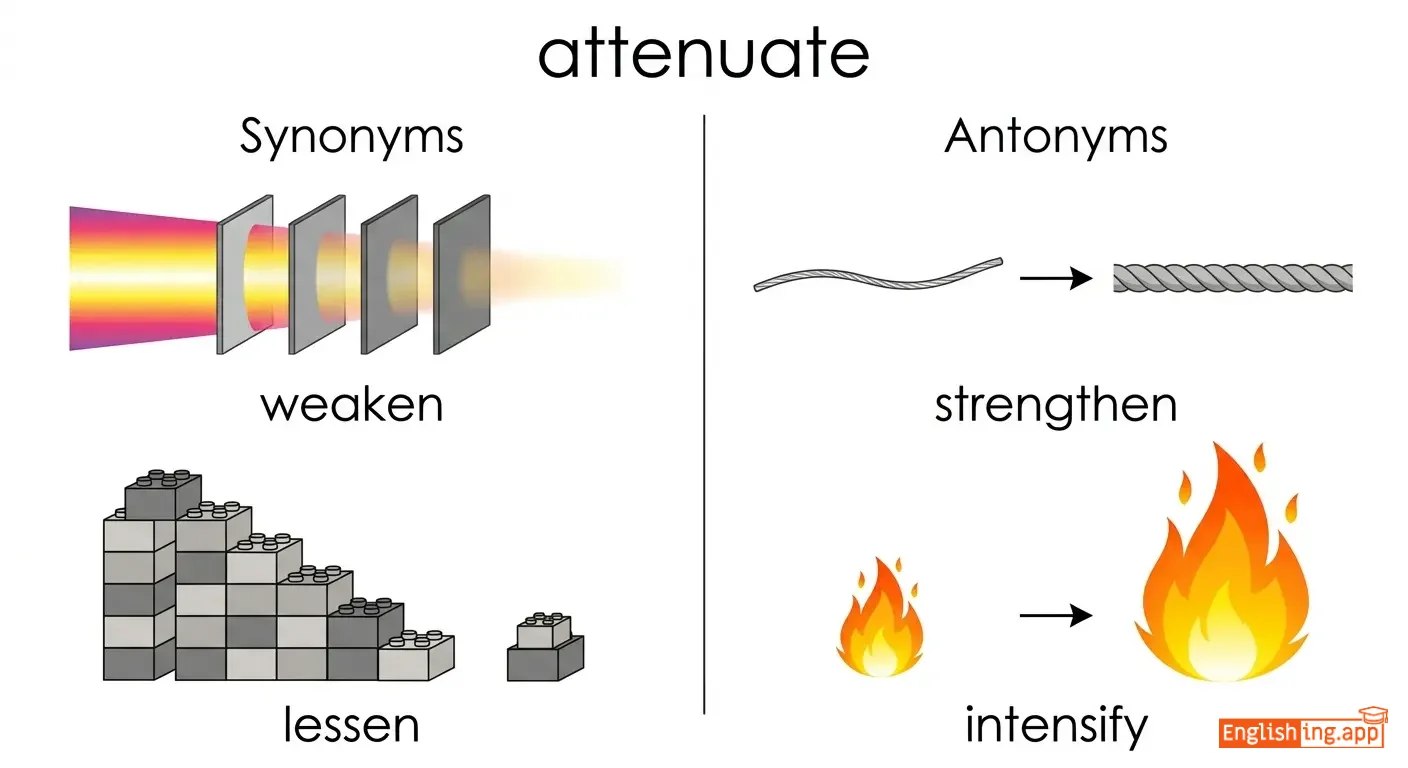
weaken, lessen, diminish, dilute, reduce
••••••
|
strengthen, intensify
••••••
|
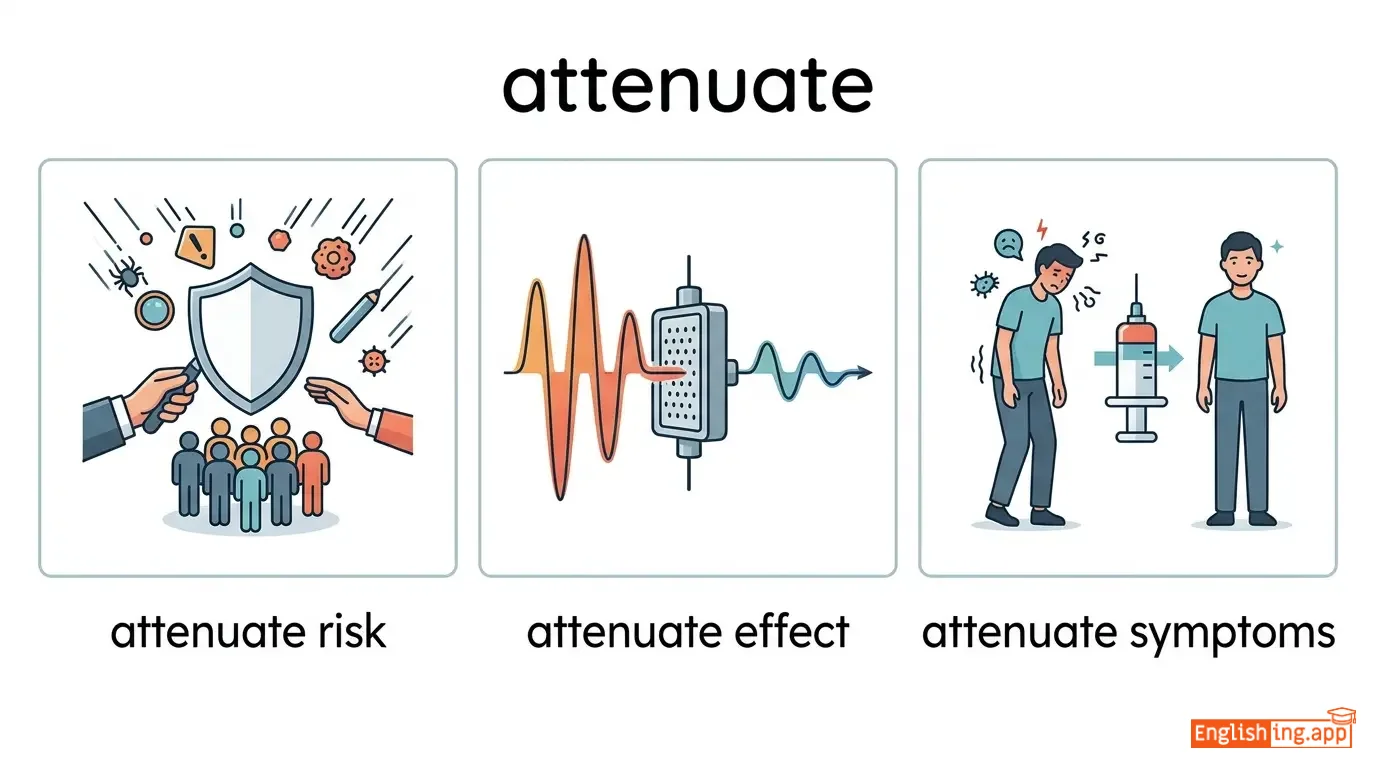
attenuate risk, attenuate effect, attenuate symptoms
••••••
|
Attenuate = 和らげる → 和らげる。
••••••
|
|
🦁
••••••
|
/ɔːˈdeɪ.ʃəs/
adjective
(オーデイシャス)
••••••
|
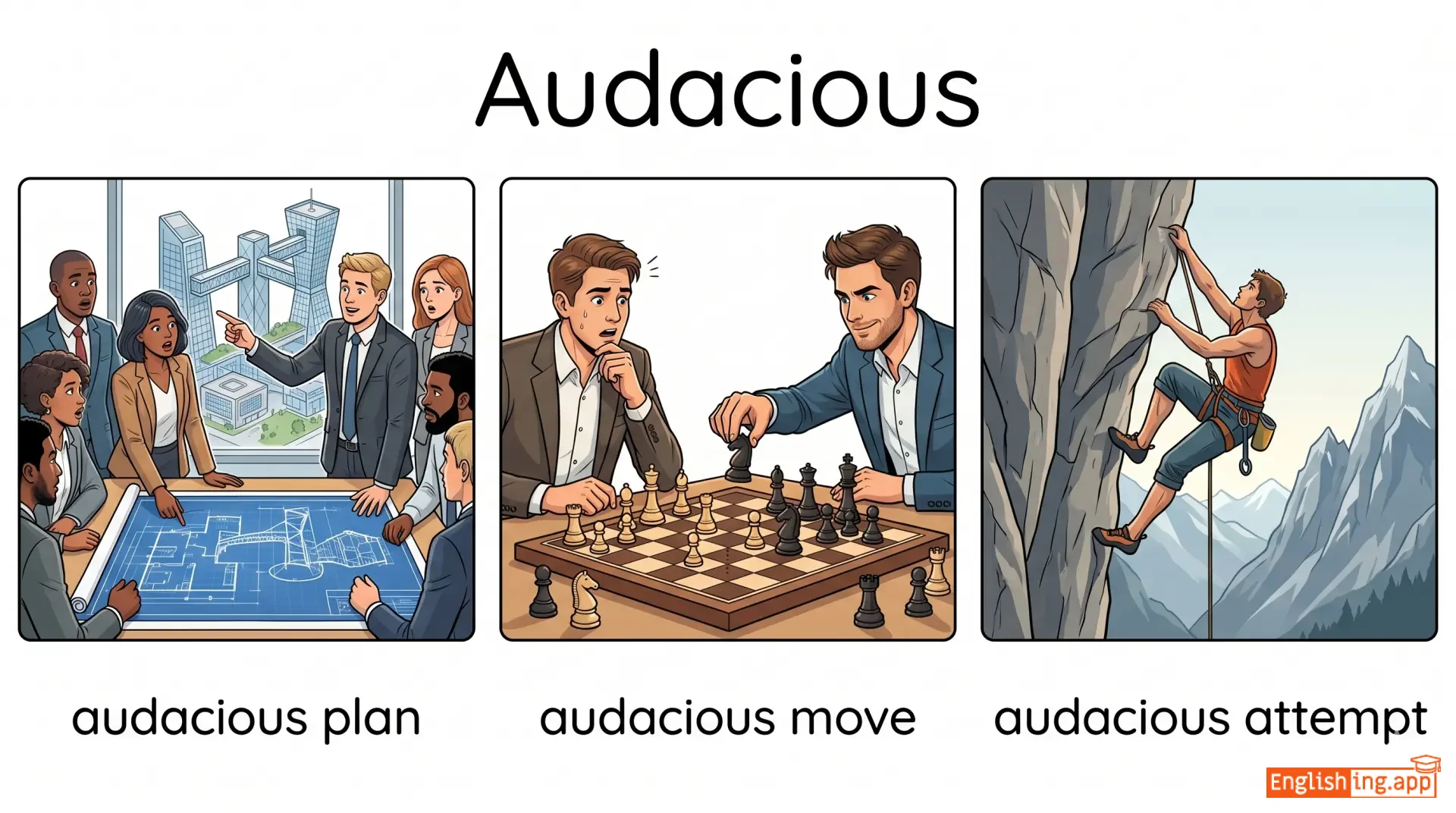
|
大胆
daitan
••••••
|
- •••••• | - •••••• | - •••••• | - •••••• |
showing willingness to take bold risks; daring
••••••
|
His audacious plan to climb the mountain without proper equipment shocked everyone. |
彼の大胆な計画は、適切な装備なしで山を登ろうとすることで、全員を驚かせた。
Kare no daitan na keikaku wa, tekisetsu na sōbi nashi de yama o noborou to suru koto de, zen'in o odorokaseta.
••••••
|
- •••••• | - •••••• | - •••••• |
bold, daring, fearless, brave
••••••
|
timid, cautious, careful, cowardly
••••••
|
audacious plan, audacious move, audacious behavior
••••••
|
大胆 = '大'(大きい)と '胆'(胆力)から、リスクを恐れずに挑戦する人物
••••••
|
|
🥋
••••••
|
/ɔːˈstɪə/
adjective
(オースティア)
••••••
|
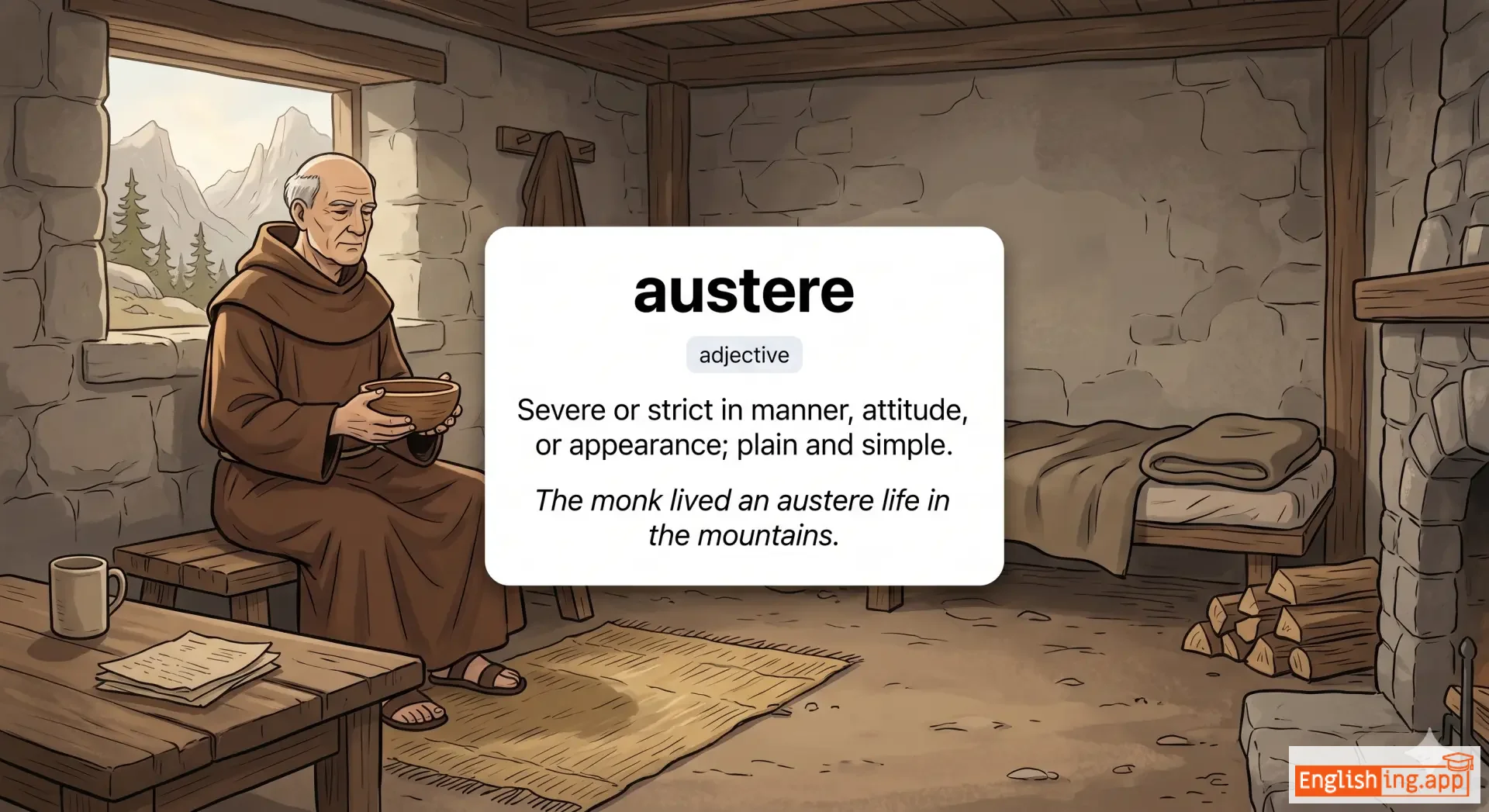
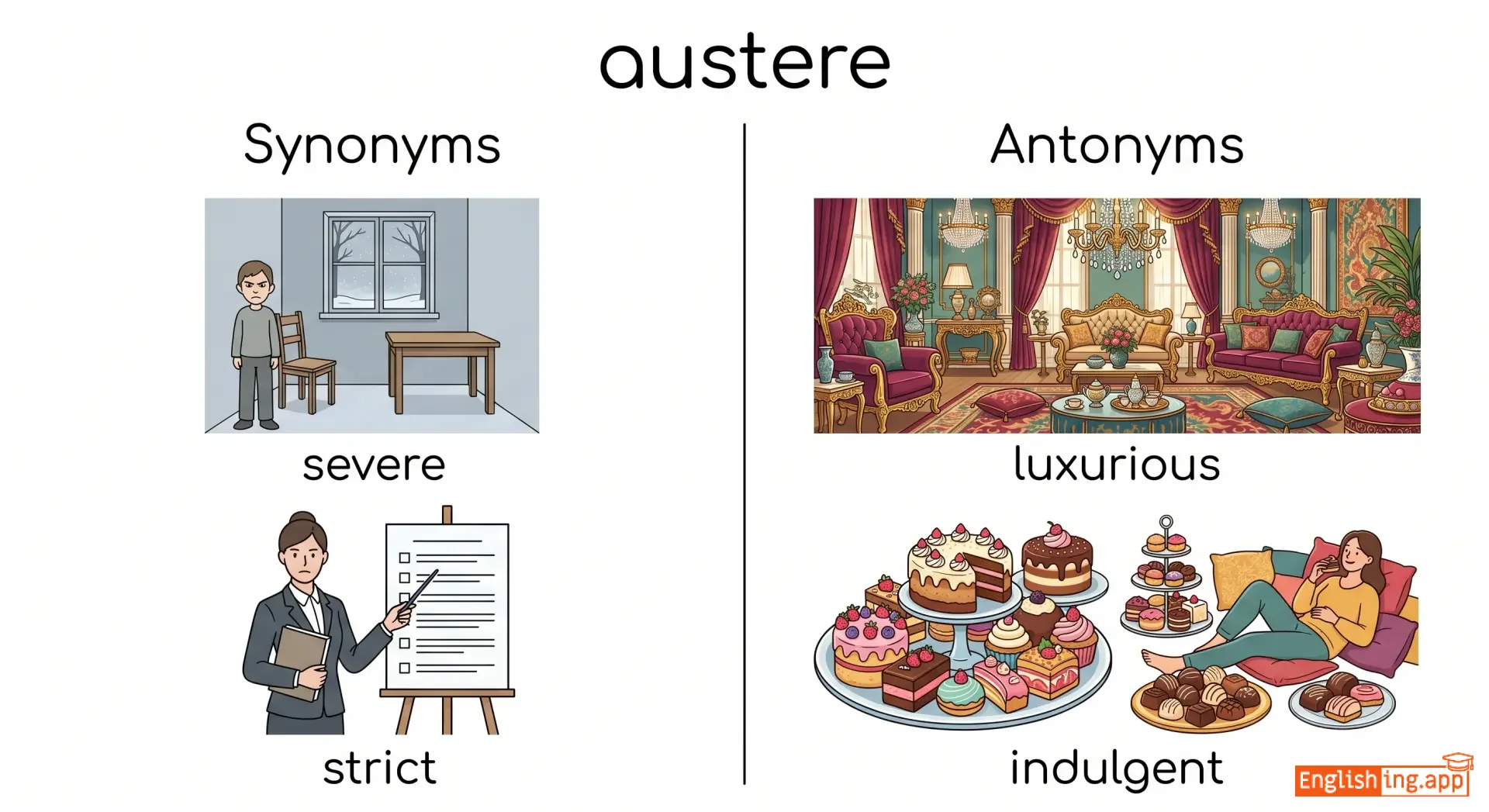
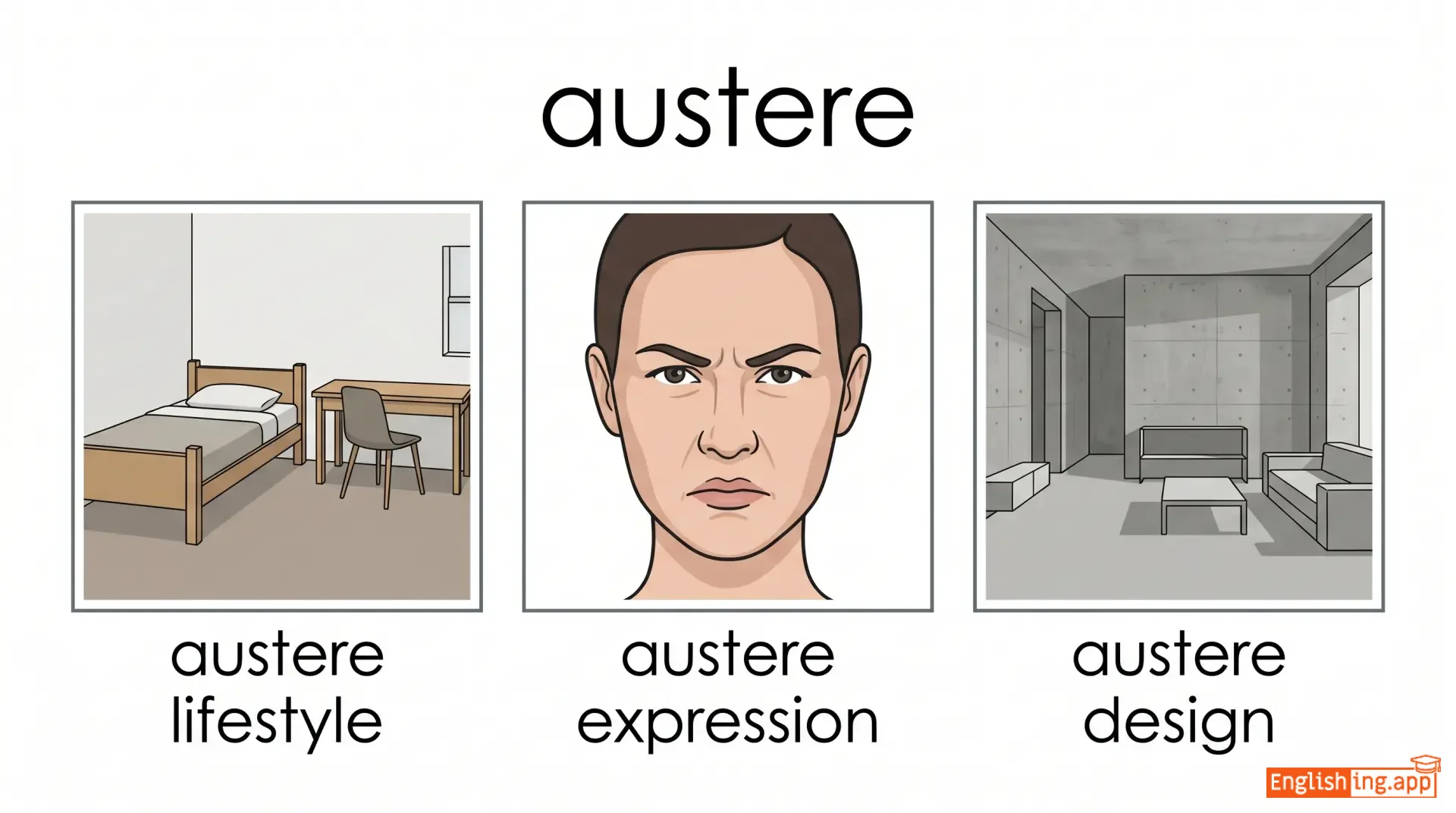
|
厳格、簡素
genkaku, kanso
••••••
|
- •••••• | - •••••• | - •••••• | - •••••• |
Severe or strict in manner, attitude, or appearance; plain and simple.
••••••
|
The monk lived an austere life in the mountains. |
修道士は山中で厳格な生活を送った。
Shudoushi wa sanchuu de genkaku na seikatsu wo okutta.
••••••
|
- •••••• | - •••••• | - •••••• |
severe, strict, stern, simple, plain
••••••
|
luxurious, indulgent, elaborate
••••••
|
austere lifestyle, austere expression, austere design
••••••
|
Austere は厳格で、贅沢ではなく、シンプルで厳しい生活の意味です。
••••••
|
|
🚗
••••••
|
/ɔːˈtɒnəməs/
adjective
(オートノマス)
••••••
|
|
自律的
jiritsuteki
••••••
|
- •••••• | - •••••• | - •••••• | - •••••• |
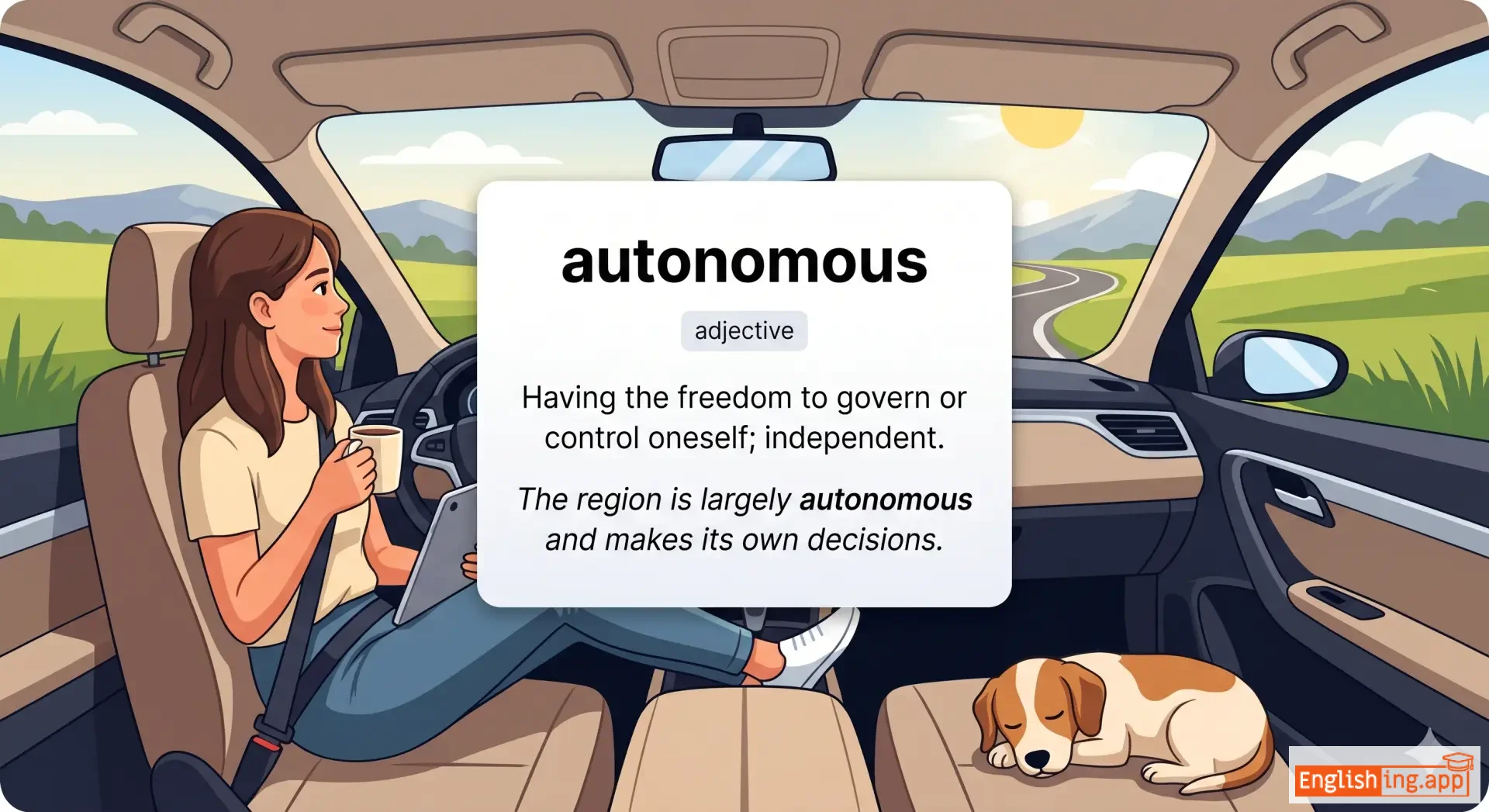
Having the freedom to govern or control oneself; independent.
••••••
|
The region is largely autonomous and makes its own decisions. |
その地域は主に自律的であり、自分の決定を下します。
Sono chiiki wa omoni jiritsuteki de ari, jibun no kettei o kudashimasu.
••••••
|
autonomous vehicle |
A self-driving vehicle that operates without human control.
••••••
|
自律型車両
jiritsugata sharyō
••••••
|
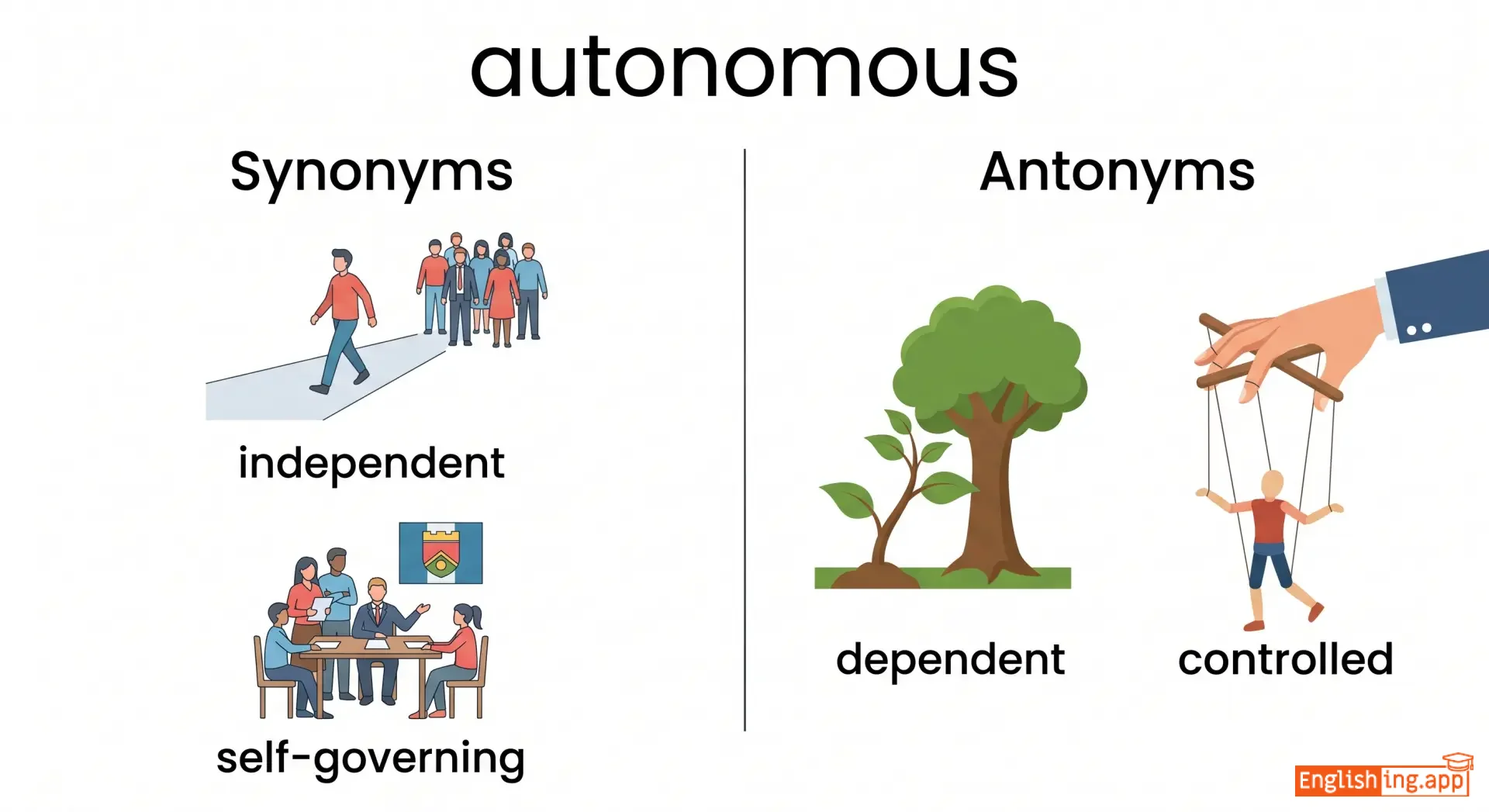
independent, self-governing, self-sufficient, sovereign
••••••
|
dependent, controlled, subordinate
••••••
|
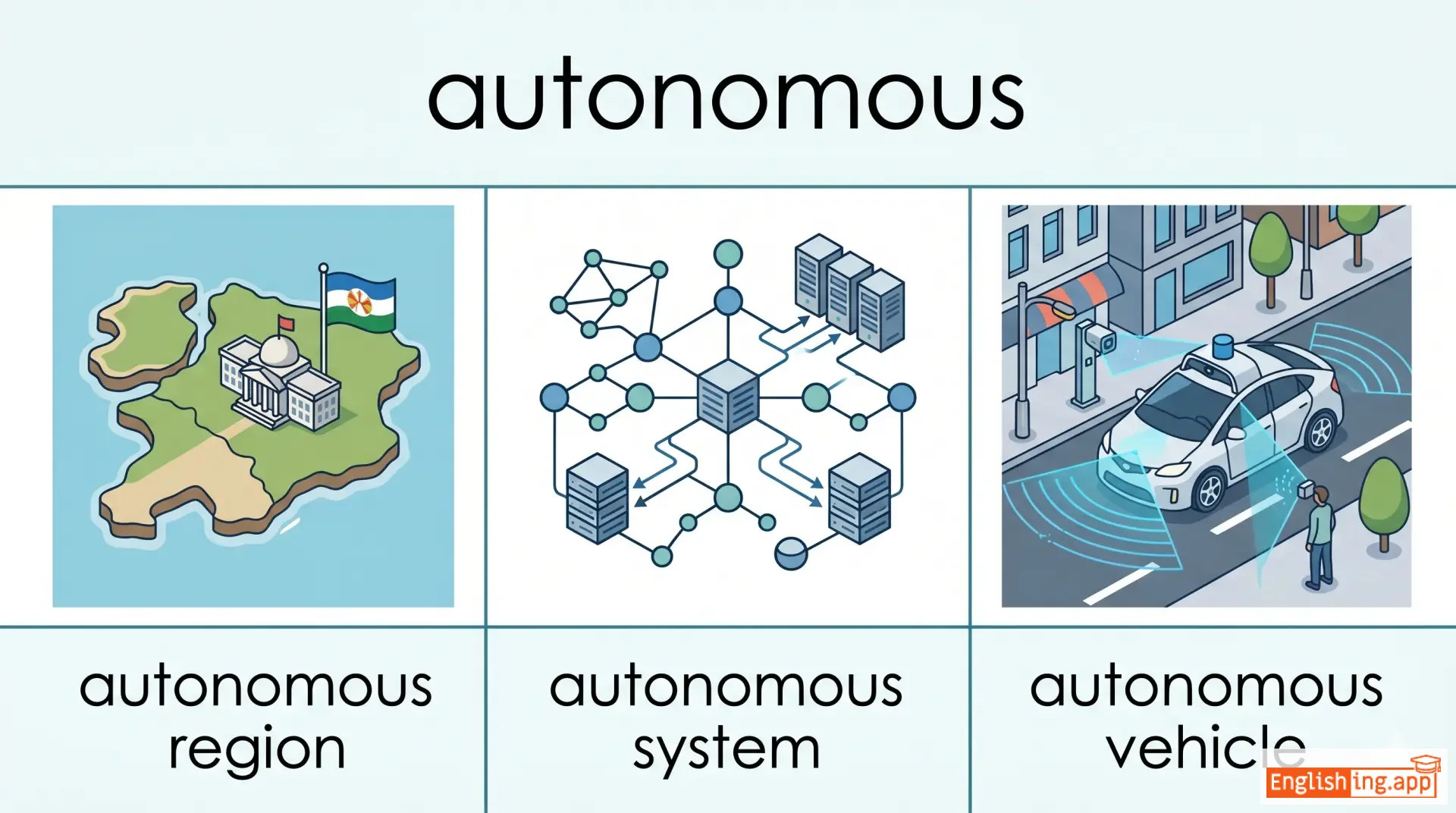
autonomous region, autonomous system, autonomous vehicle, autonomous decision
••••••
|
Auto (自分) + nomos (法) = 自分の法則で動く、自律的。
••••••
|
|
📢
••••••
|
/əˈvɜːr/
verb
(アヴェア)
••••••
|

|
断言する
dangen suru
••••••
|
averred
アヴェアード
••••••
|
averred
アヴェアード
••••••
|
avers
アヴェアーズ
••••••
|
averring
アヴェアリング
••••••
|
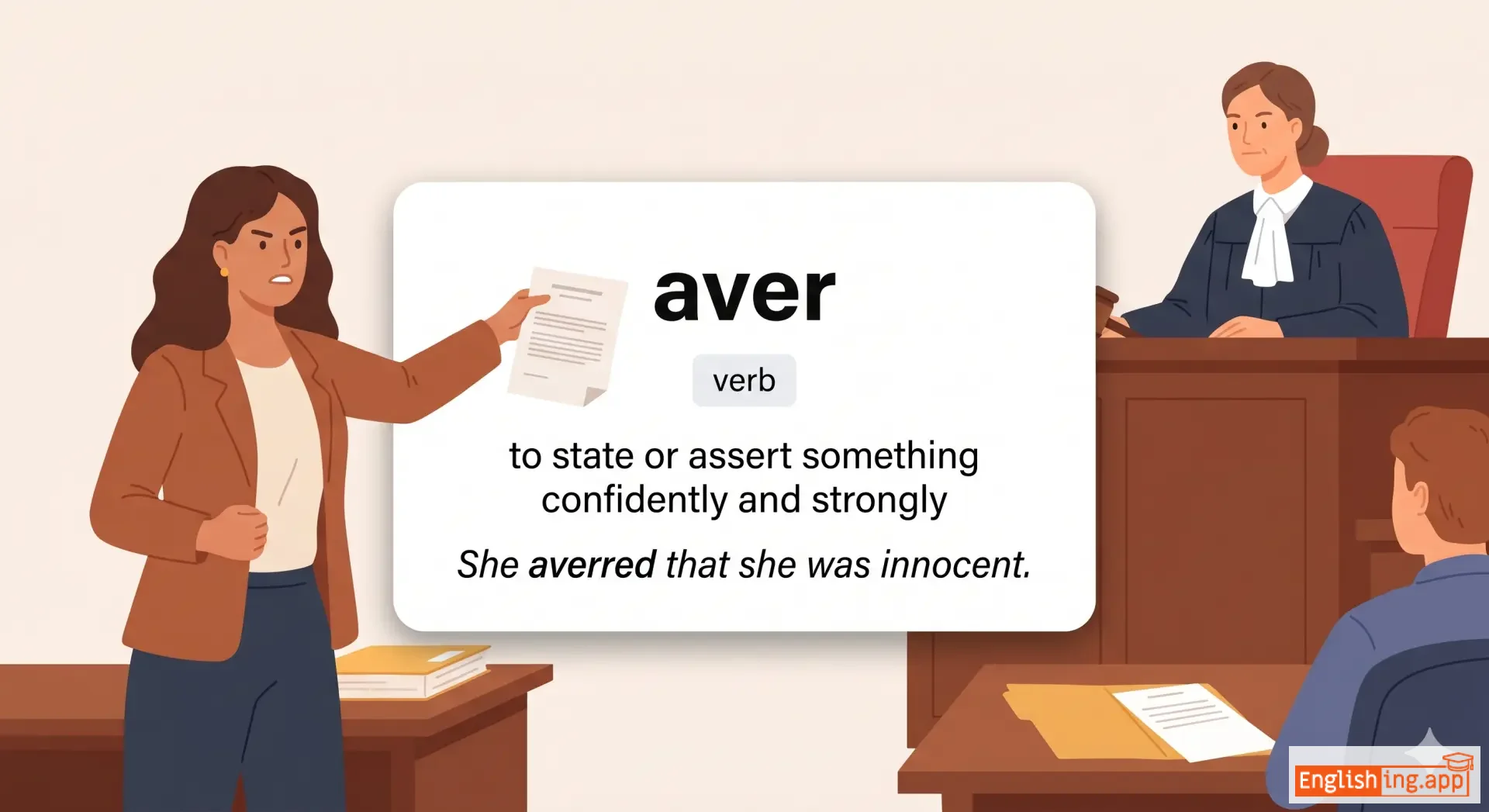
to state or assert something confidently and strongly
••••••
|
She averred that she was innocent.
彼女は無罪だと主張した。
••••••
|
彼女は無罪だと主張した。
Kanojo wa muzai da to shuchou shita.
••••••
|
- •••••• | - •••••• | - •••••• |
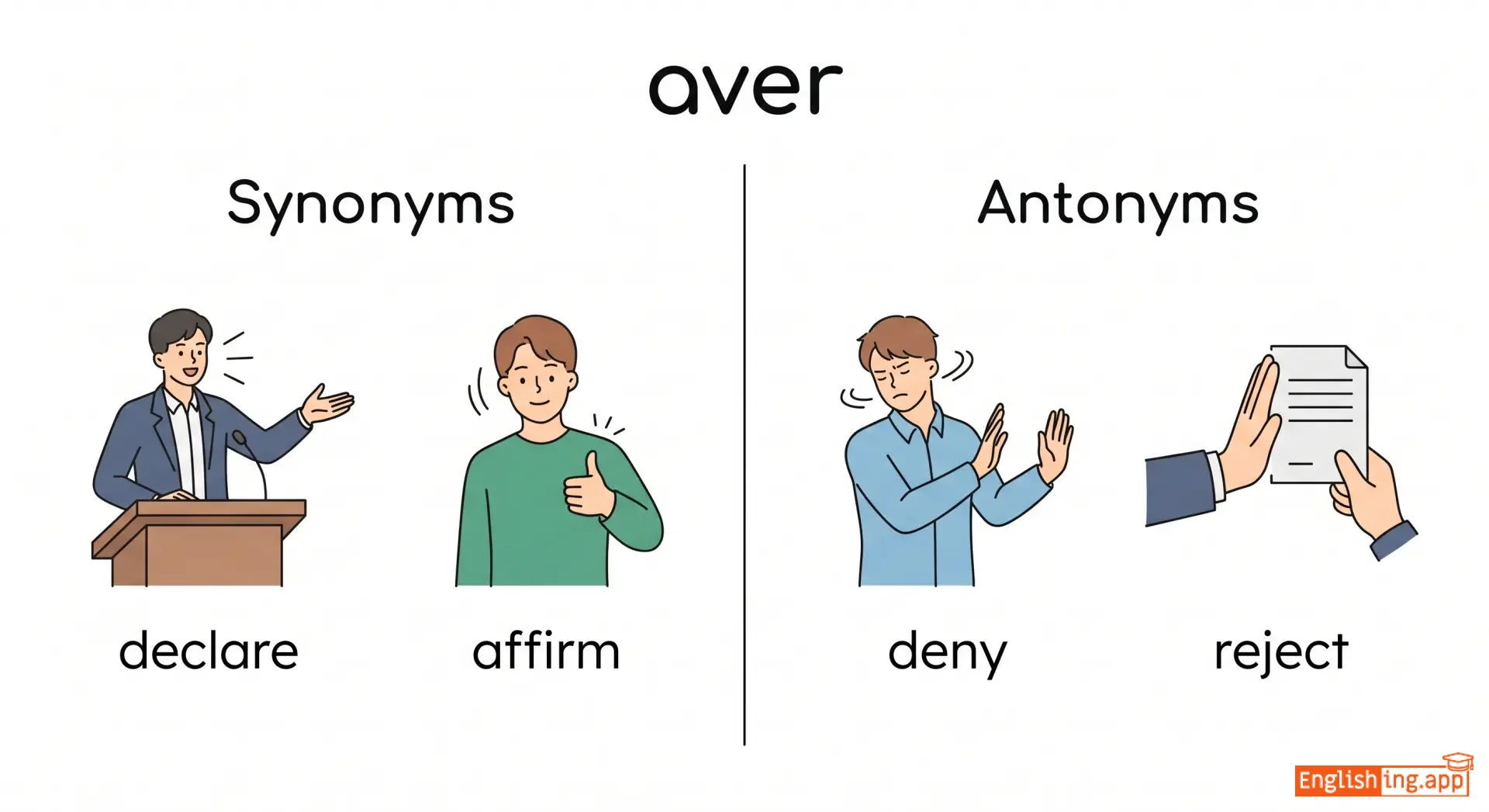
declare, affirm, assert, claim
••••••
|
deny, reject, contradict
••••••
|
aver the truth, aver innocence, aver firmly, confidently aver
••••••
|
AVERは自信を持って何かを断言することを意味します。
••••••
|
|
😴
••••••
|
/bəˈnɑːl/ or /ˈbeɪnəl/
adjective
(バナル)
••••••
|
|
平凡
heibon
••••••
|
- •••••• | - •••••• | - •••••• | - •••••• |
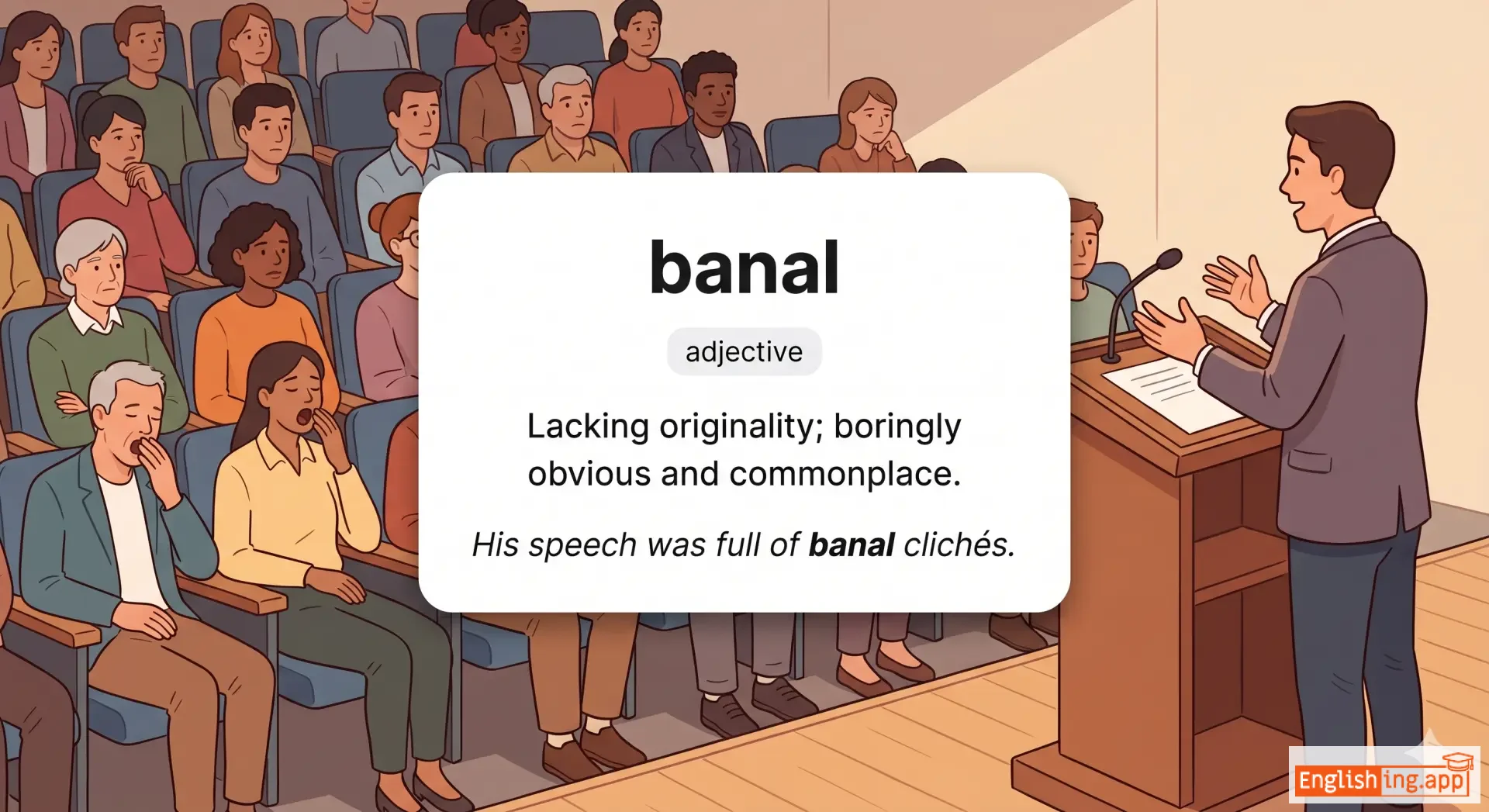
Lacking originality; boringly obvious and commonplace.
••••••
|
His speech was full of banal clichés. |
彼のスピーチは平凡なクリシェでいっぱいだった。
Kare no supīchi wa heibon na kurishē de ippai datta.
••••••
|
- •••••• | - •••••• | - •••••• |
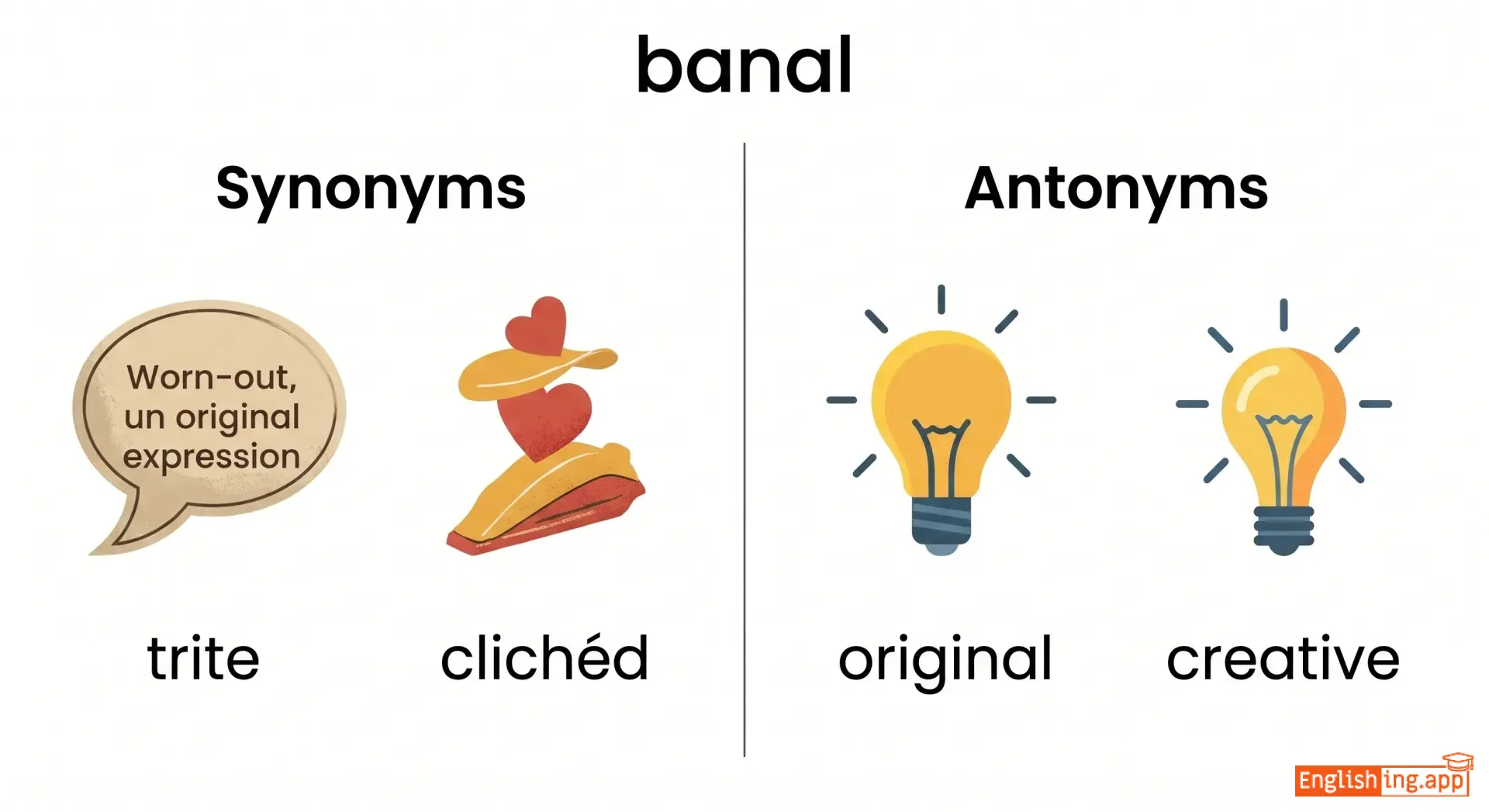
trite, clichéd, ordinary, predictable, dull
••••••
|
original, creative, unusual
••••••
|
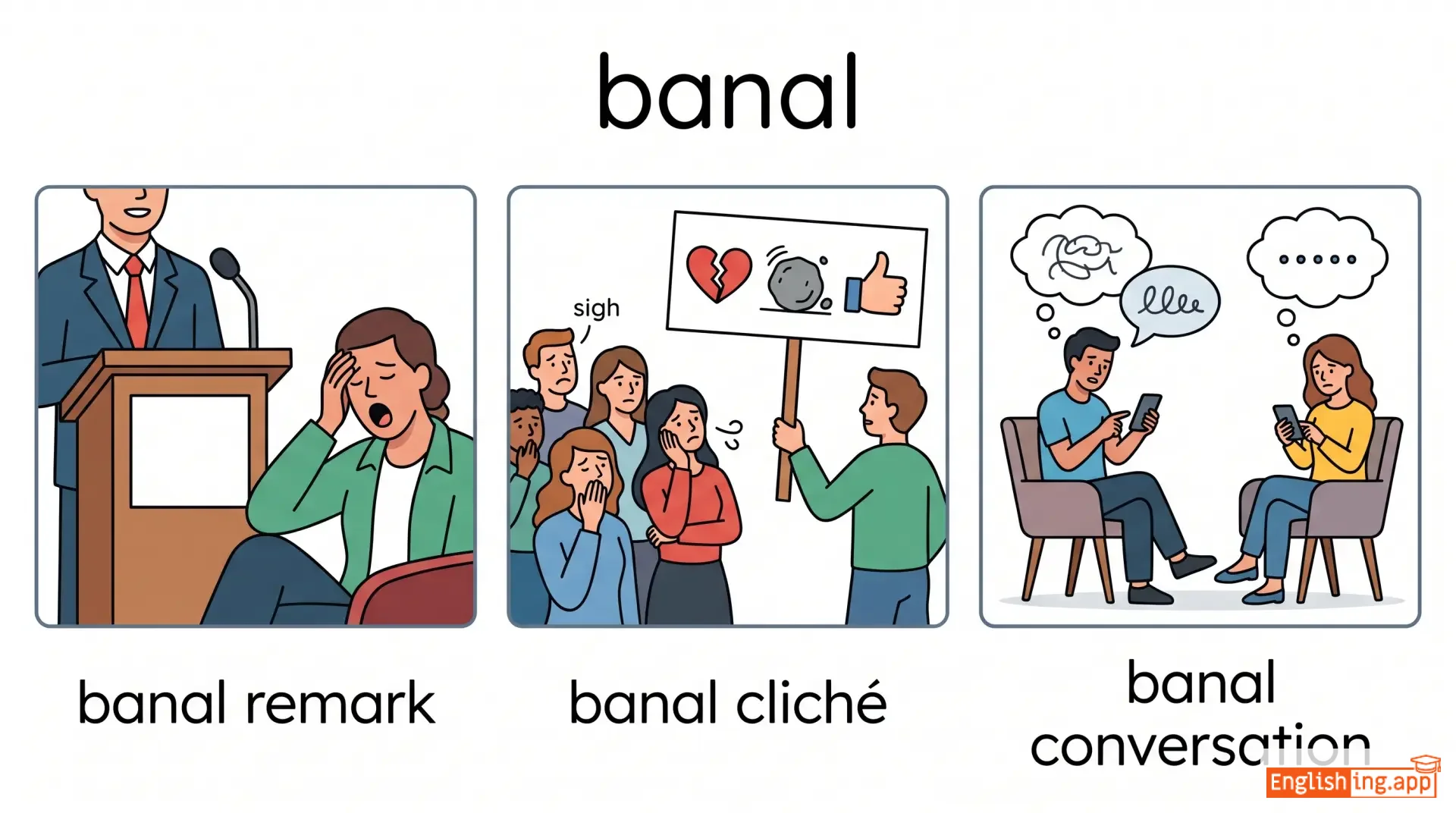
banal remark, banal cliché, banal conversation, banal story
••••••
|
Banalは退屈で平凡 – 平凡な物事。
••••••
|
|
🎭
••••••
|
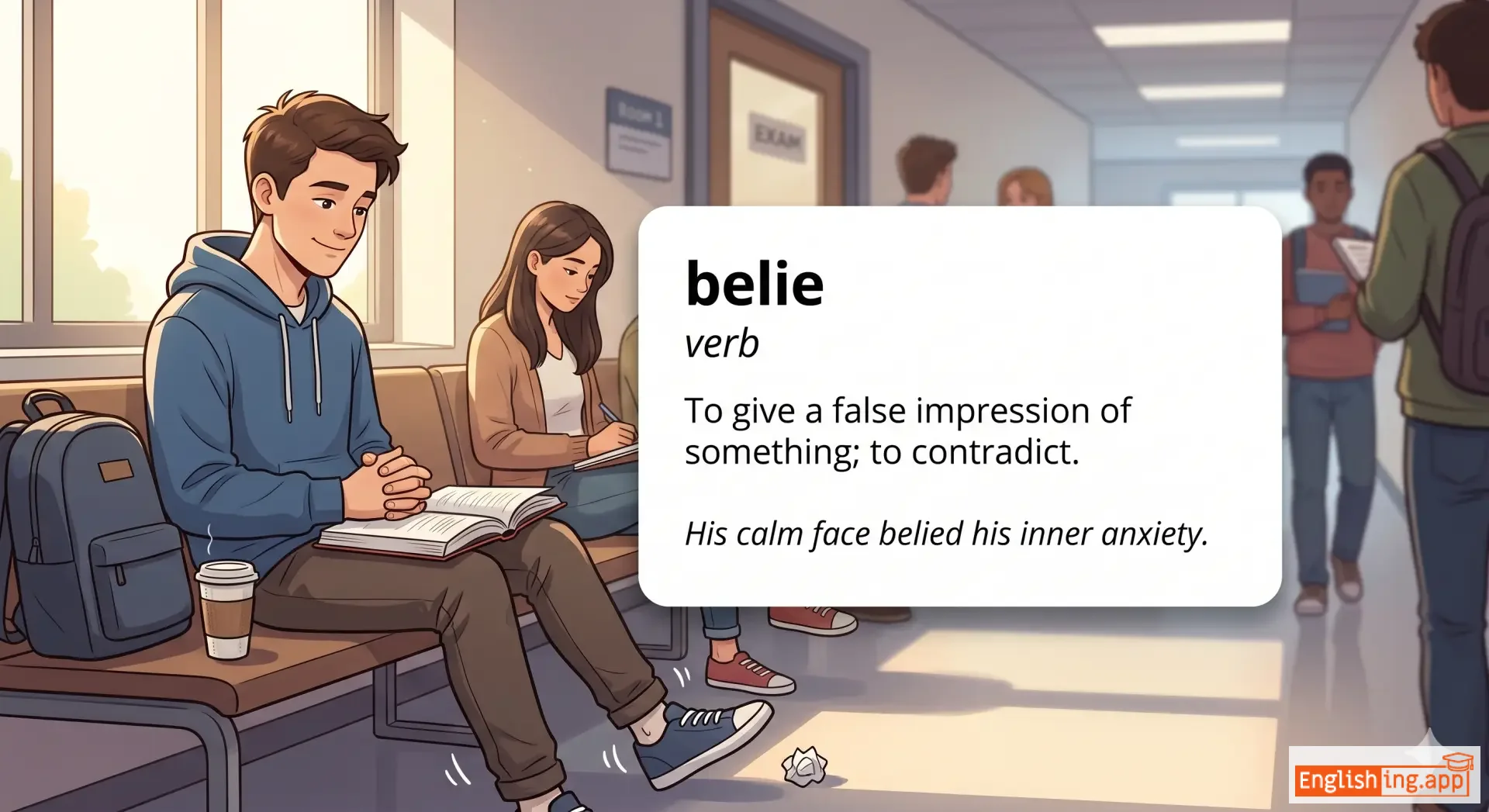
/bɪˈlaɪ/
verb
(biri)
••••••
|
|
偽る
itsuwaru
••••••
|
belied
birai
••••••
|
belied
birai
••••••
|
belies
birai
••••••
|
belying
bīraingu
••••••
|
To give a false impression of something; to contradict.
••••••
|
His calm face belied his inner anxiety.
His calm face belied his inner anxiety.
••••••
|
彼の落ち着いた顔は彼の内なる不安を偽っていた。
Kare no ochitsuita kao wa kare no uchi naru fuan o itsuwatte ita.
••••••
|
- •••••• | - •••••• | - •••••• |
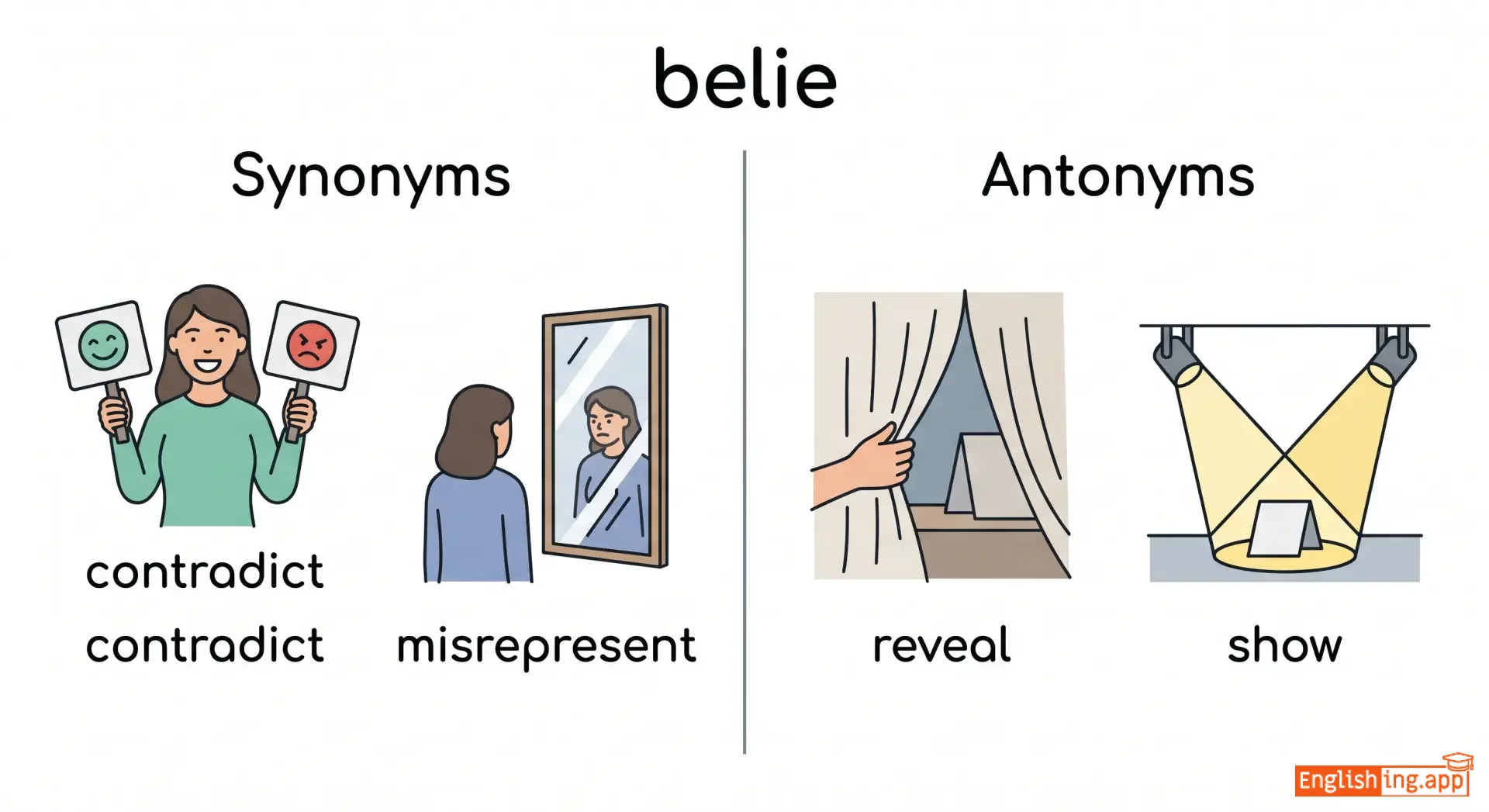
contradict, misrepresent, disguise, falsify, distort
••••••
|
reveal, show, represent
••••••
|
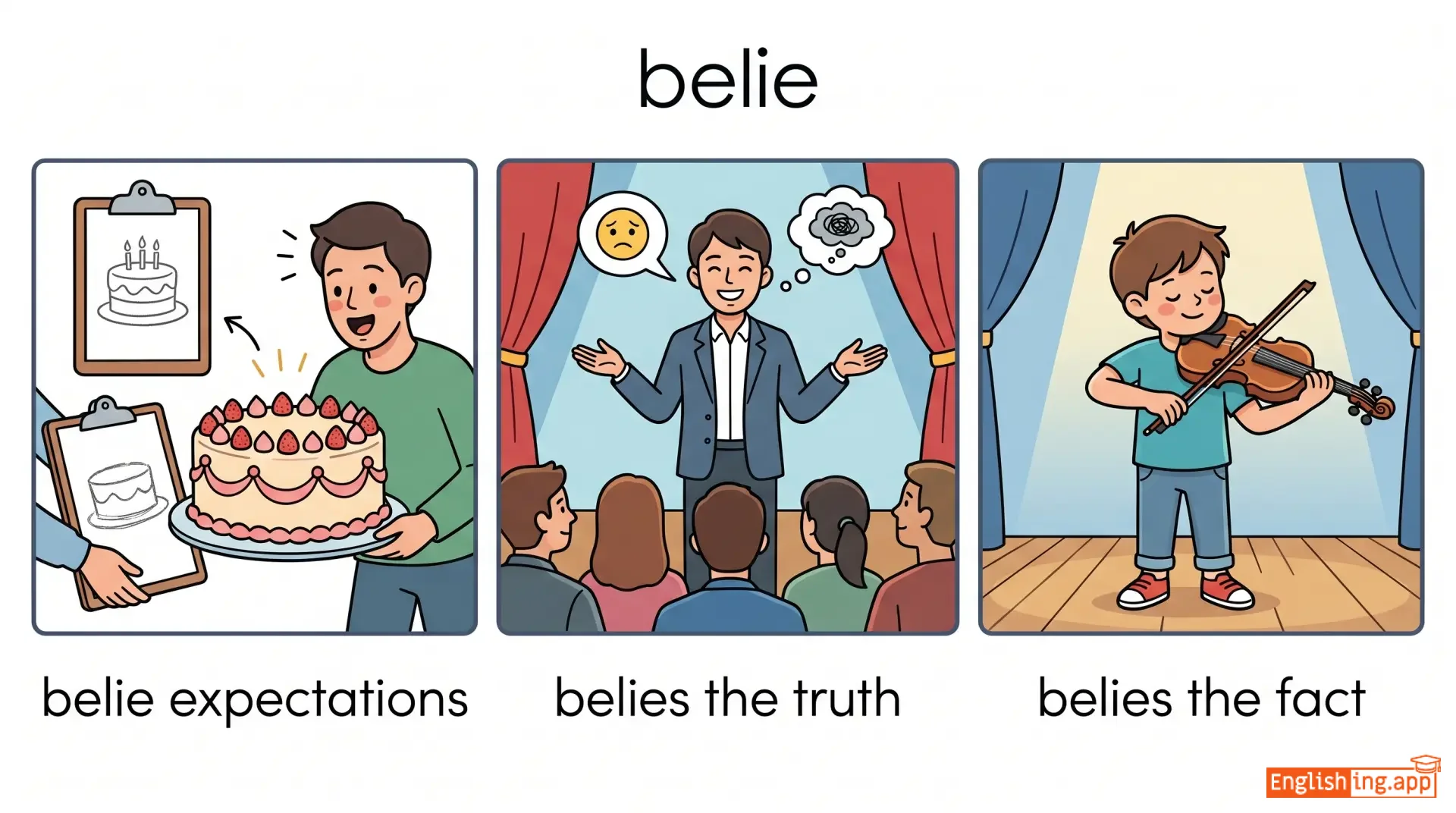
belie expectations, belies the truth, belies the fact, belied his nature
••••••
|
Belie は Believe の反対 — 見た目通りではないことを示す。
••••••
|
|
🌟
••••••
|
/bəˈnɛfɪsənt/
adjective
(ベネフィセント)
••••••
|
|
慈悲深い, 寛大な
jihi fukai, kandaina
••••••
|
- •••••• | - •••••• | - •••••• | - •••••• |
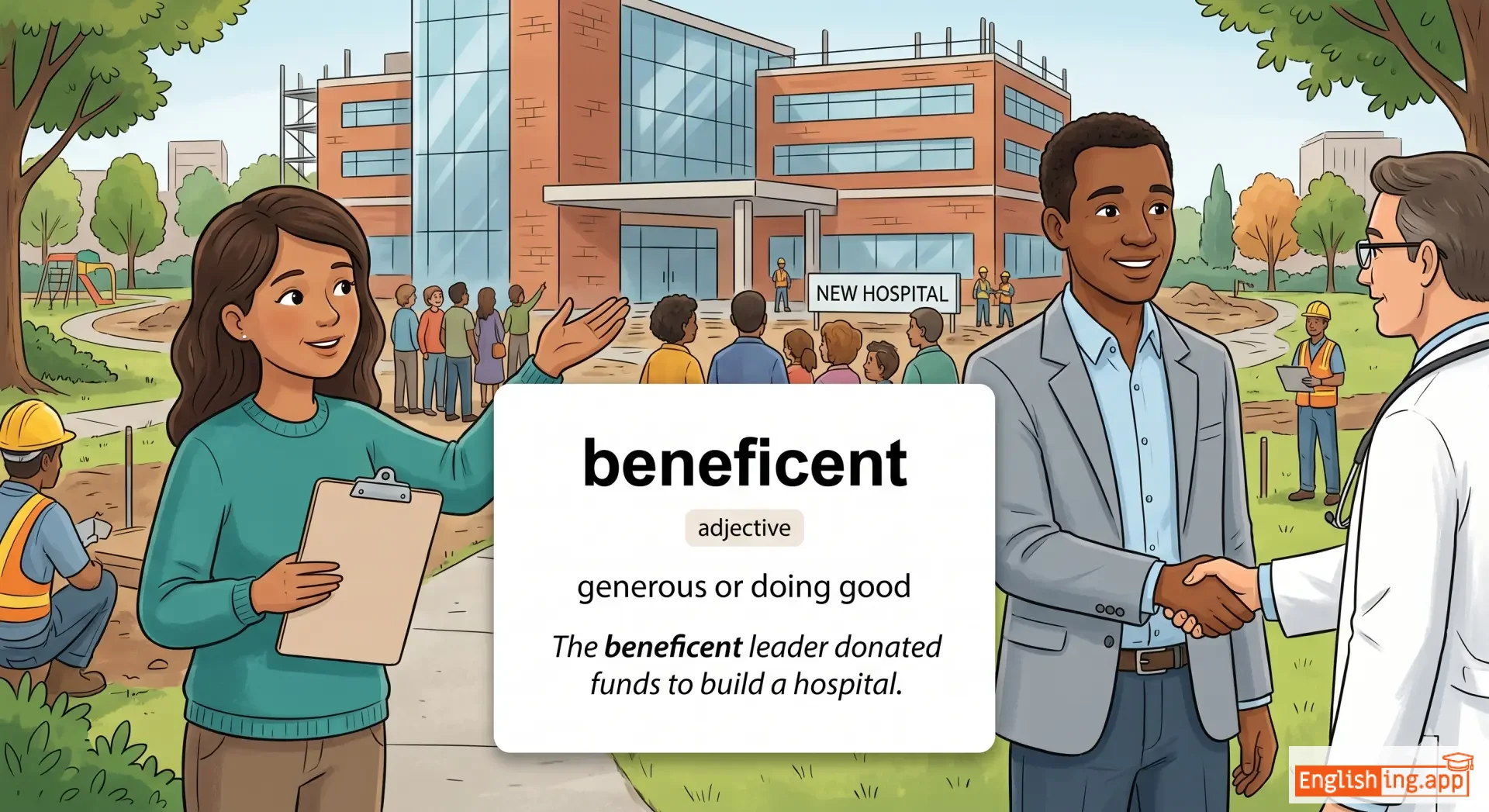
generous or doing good
••••••
|
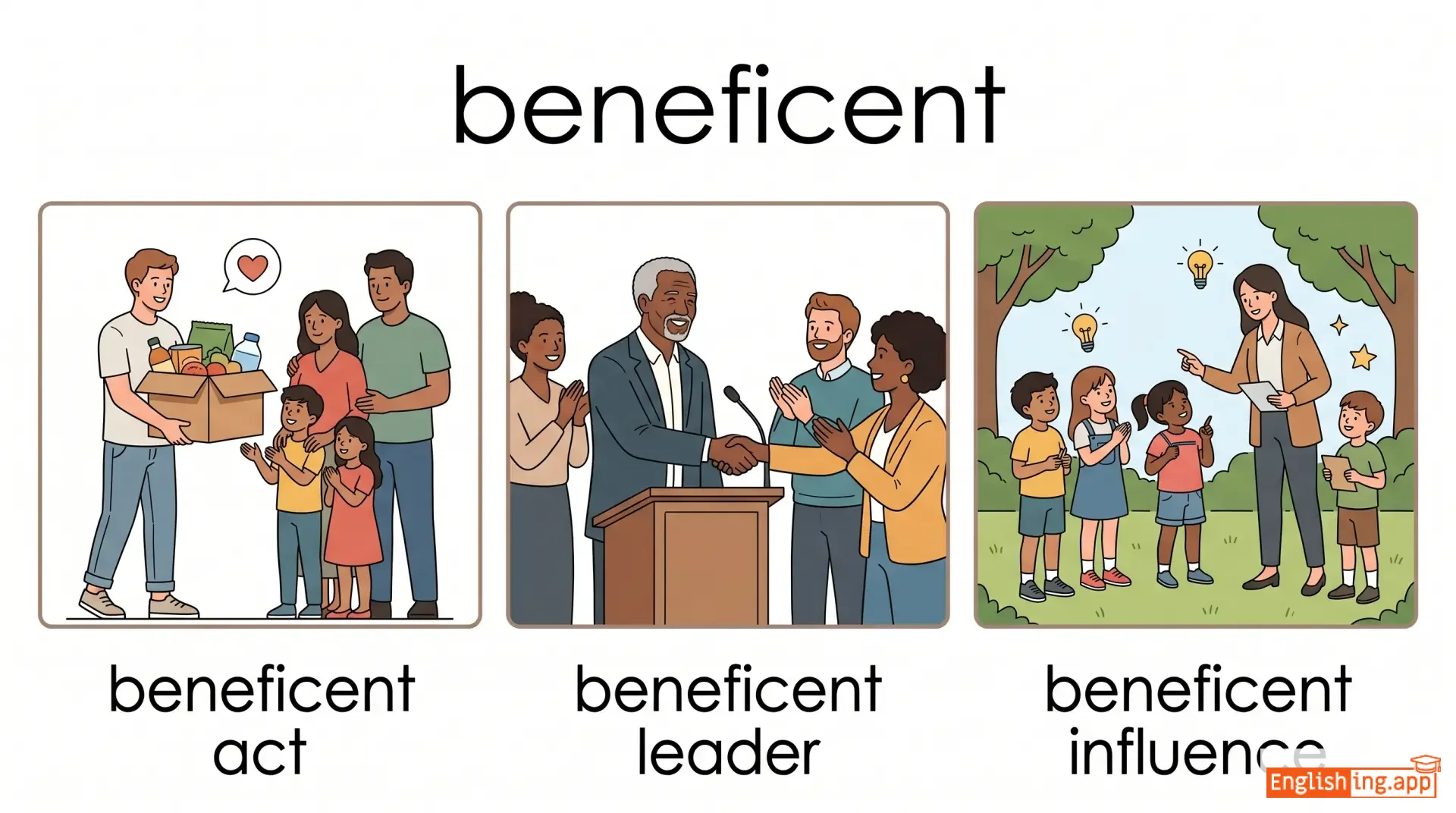
The beneficent leader donated funds to build a hospital. |
寛大な指導者は病院を建設するために資金を寄付しました。
Kandaina shidōsha wa byōin o kensetsu suru tame ni shikin o kifu shimashita.
••••••
|
- •••••• | - •••••• | - •••••• |
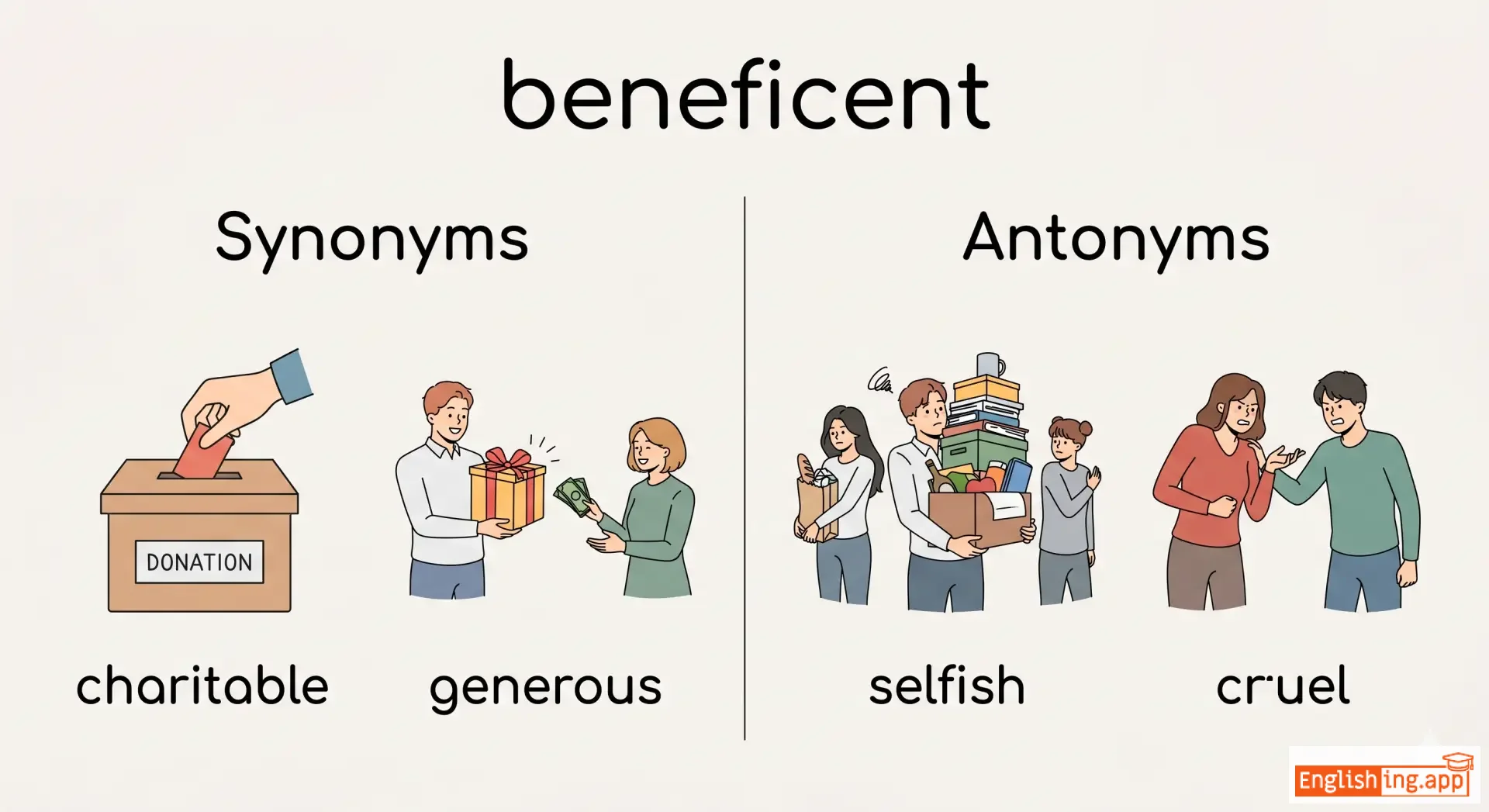
charitable, generous, kind, philanthropic
••••••
|
selfish, cruel
••••••
|
beneficent act, beneficent leader, beneficent influence
••••••
|
Beneficent = bene (良い) + efficient - 良いことを効率的に行う。
••••••
|
|
🛏️
••••••
|
/ˈboʊlstər/
verb
••••••
|

|
- •••••• |
bolstered
••••••
|
bolstered
••••••
|
bolsters
••••••
|
bolstering
••••••
|
To support, strengthen, or reinforce something.
••••••
|
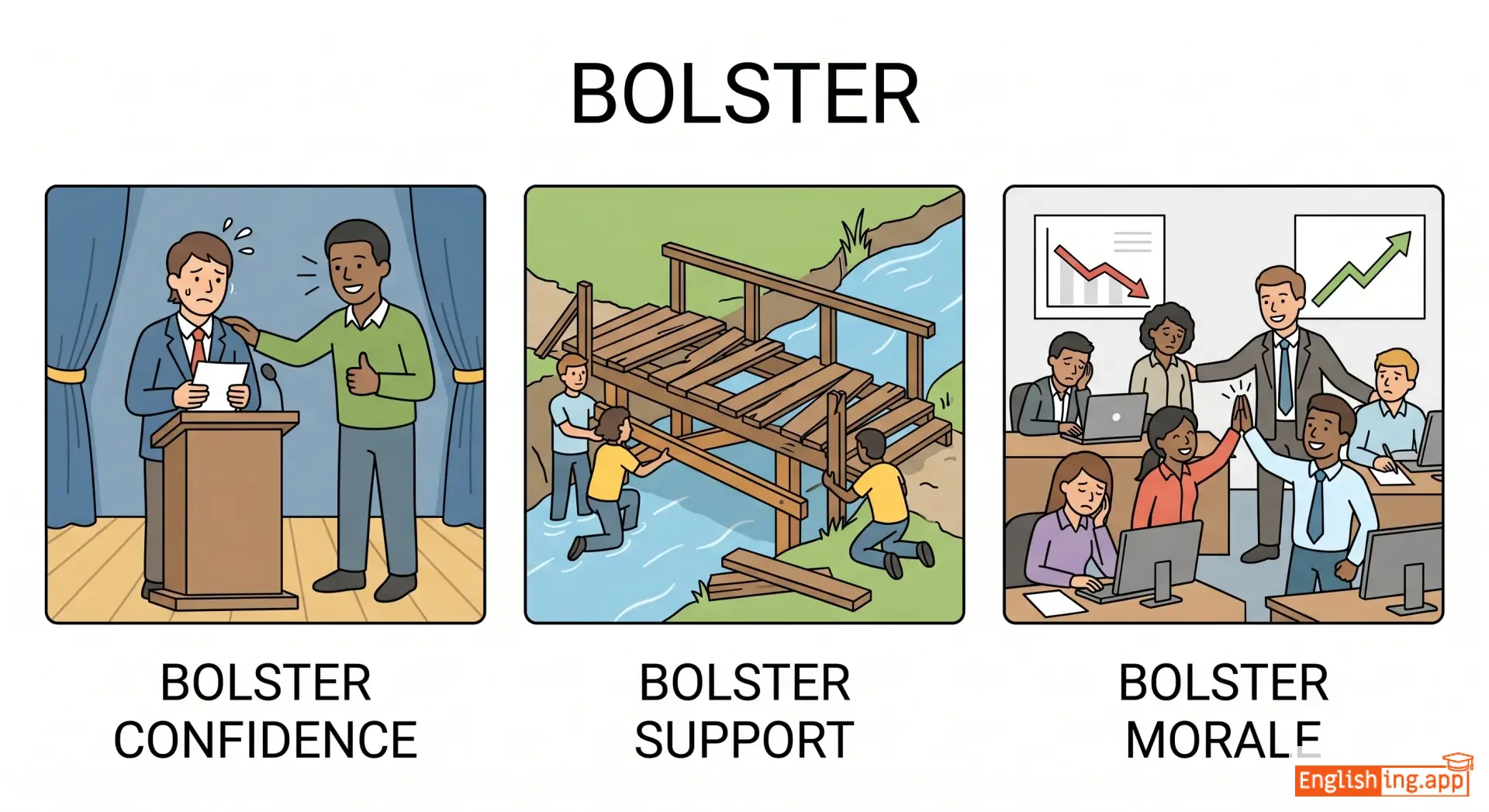
The manager bolstered the team's confidence with encouraging words. |
- •••••• |
bolster up |
To give support or encouragement to something or someone.
••••••
|
- •••••• |
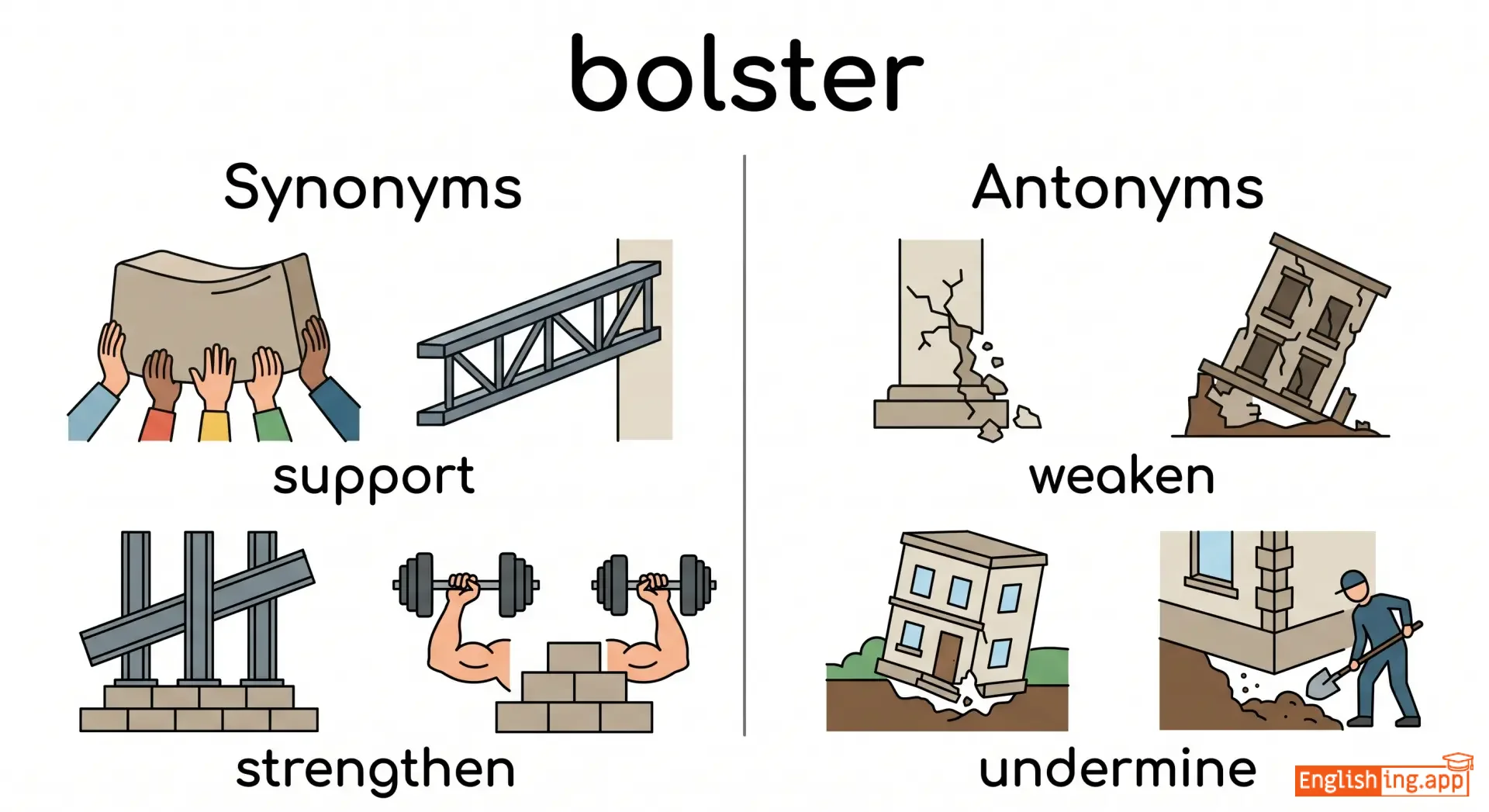
support, strengthen, boost, reinforce, encourage
••••••
|
weaken, undermine, discourage
••••••
|
bolster confidence, bolster support, bolster morale, bolster argument
••••••
|
No •••••• |
|
🎙️
••••••
|
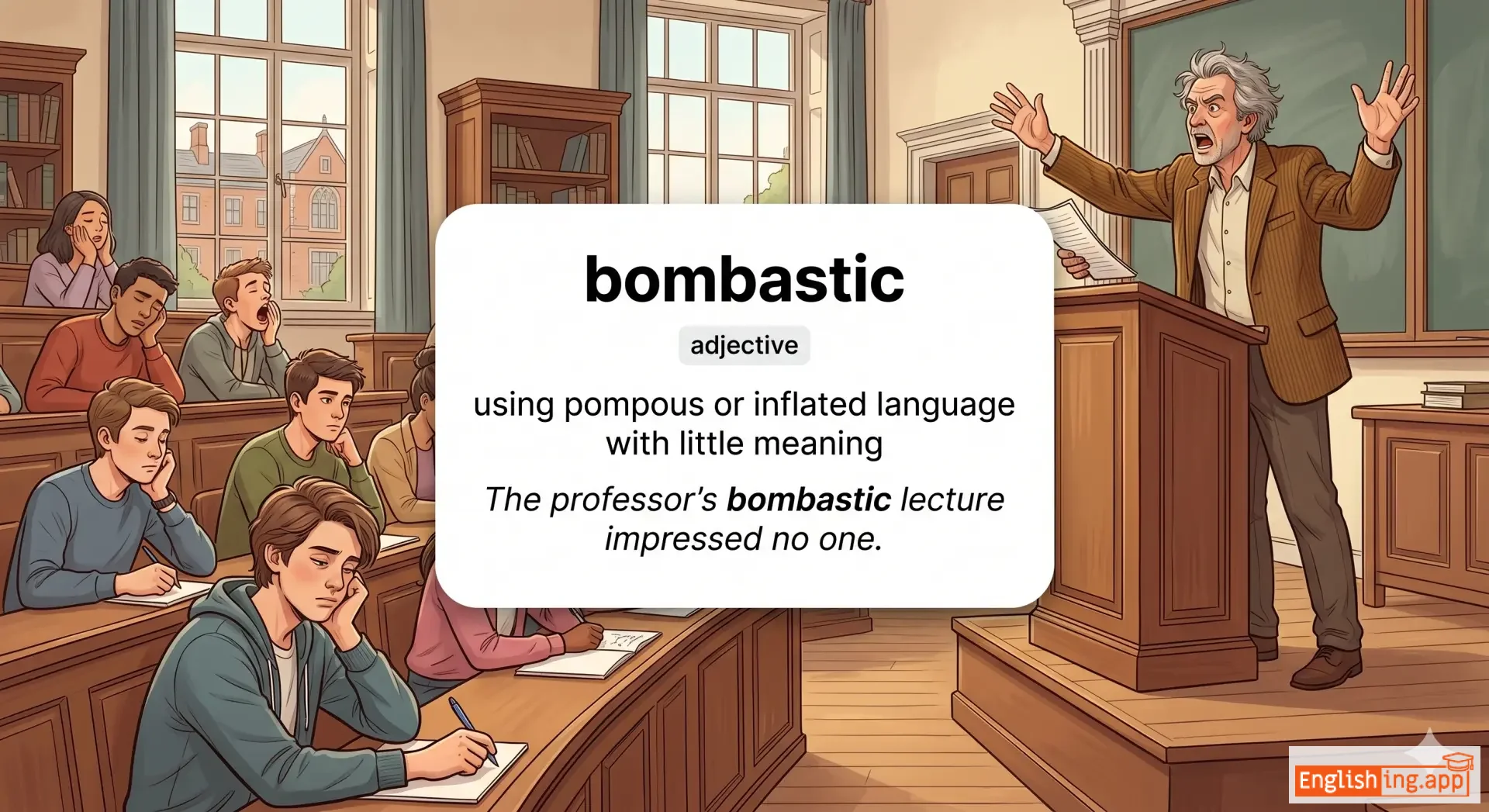
/bɒmˈbæstɪk/
adjective
(ボンバスティック)
••••••
|
|
派手な
hade na
••••••
|
- •••••• | - •••••• | - •••••• | - •••••• |
using pompous or inflated language with little meaning
••••••
|
The professor’s bombastic lecture impressed no one.
教授のボンバスティックな講義は誰にも印象を与えませんでした。
••••••
|
教授の派手な講義は誰にも印象を与えませんでした。
Kyoushu no hade na kougi wa dare ni mo inshou o ataemasen deshita.
••••••
|
- •••••• | - •••••• | - •••••• |
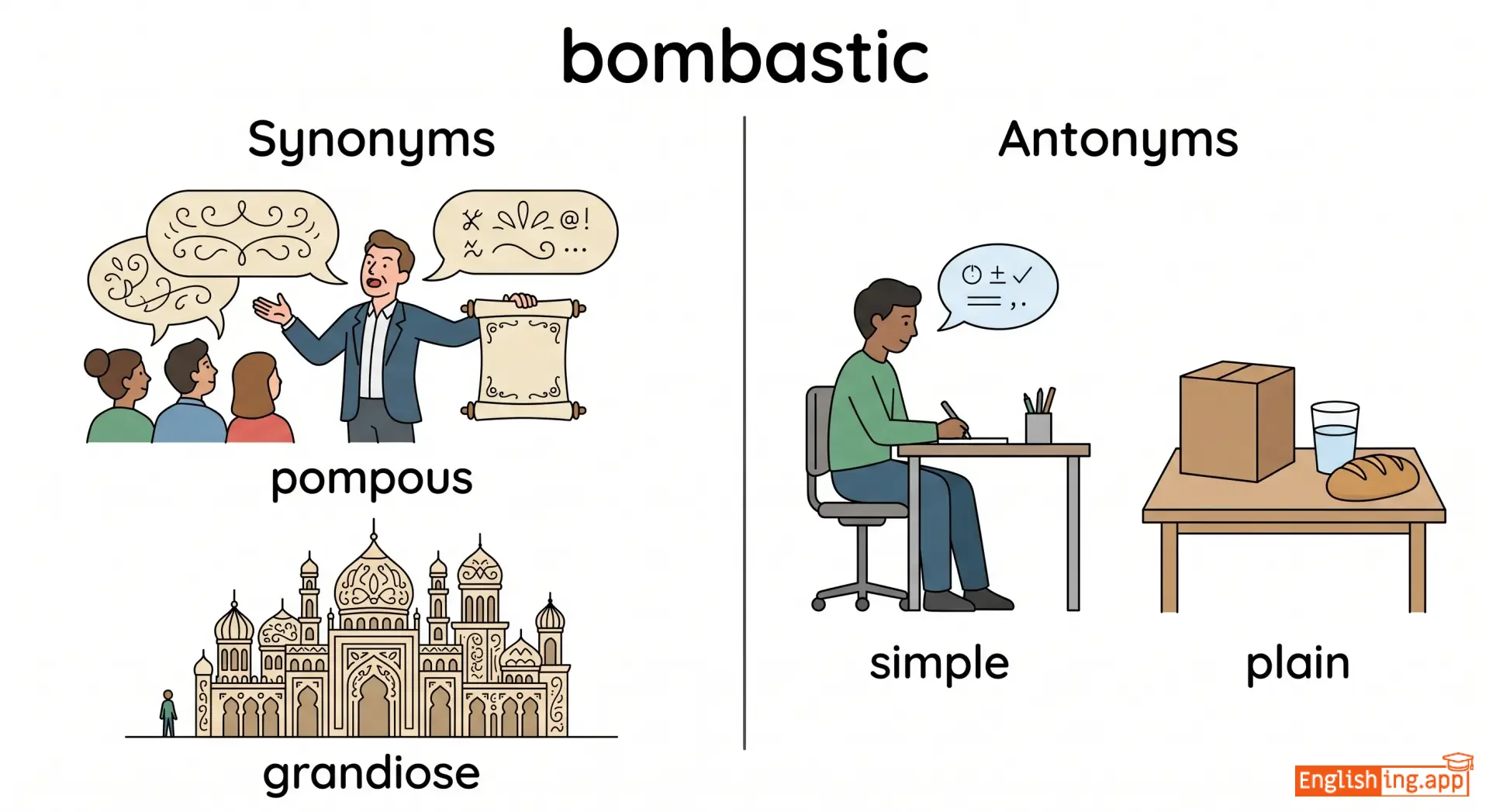
pompous, grandiose, pretentious, overblown, inflated
••••••
|
simple, plain, humble
••••••
|
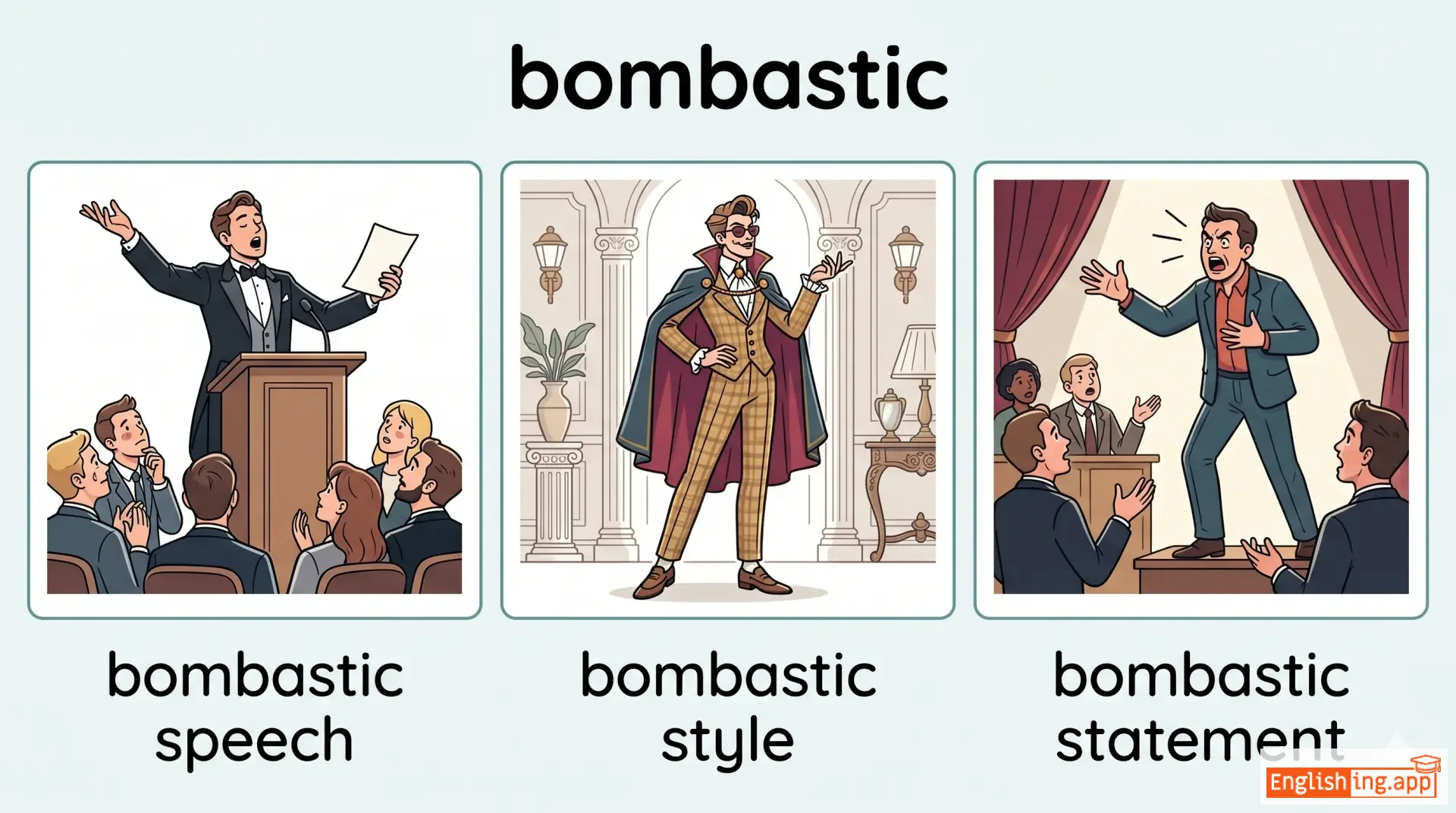
bombastic speech, bombastic style, bombastic statement
••••••
|
Bombasticは、爆弾のように見えるが、実際には中身が空っぽの言葉を使うことを意味します。
••••••
|
|
🤦
••••••
|
/ˈbʊərɪʃ/
adjective
(ブーリッシュ)
••••••
|
|
粗野
soya
••••••
|
- •••••• | - •••••• | - •••••• | - •••••• |
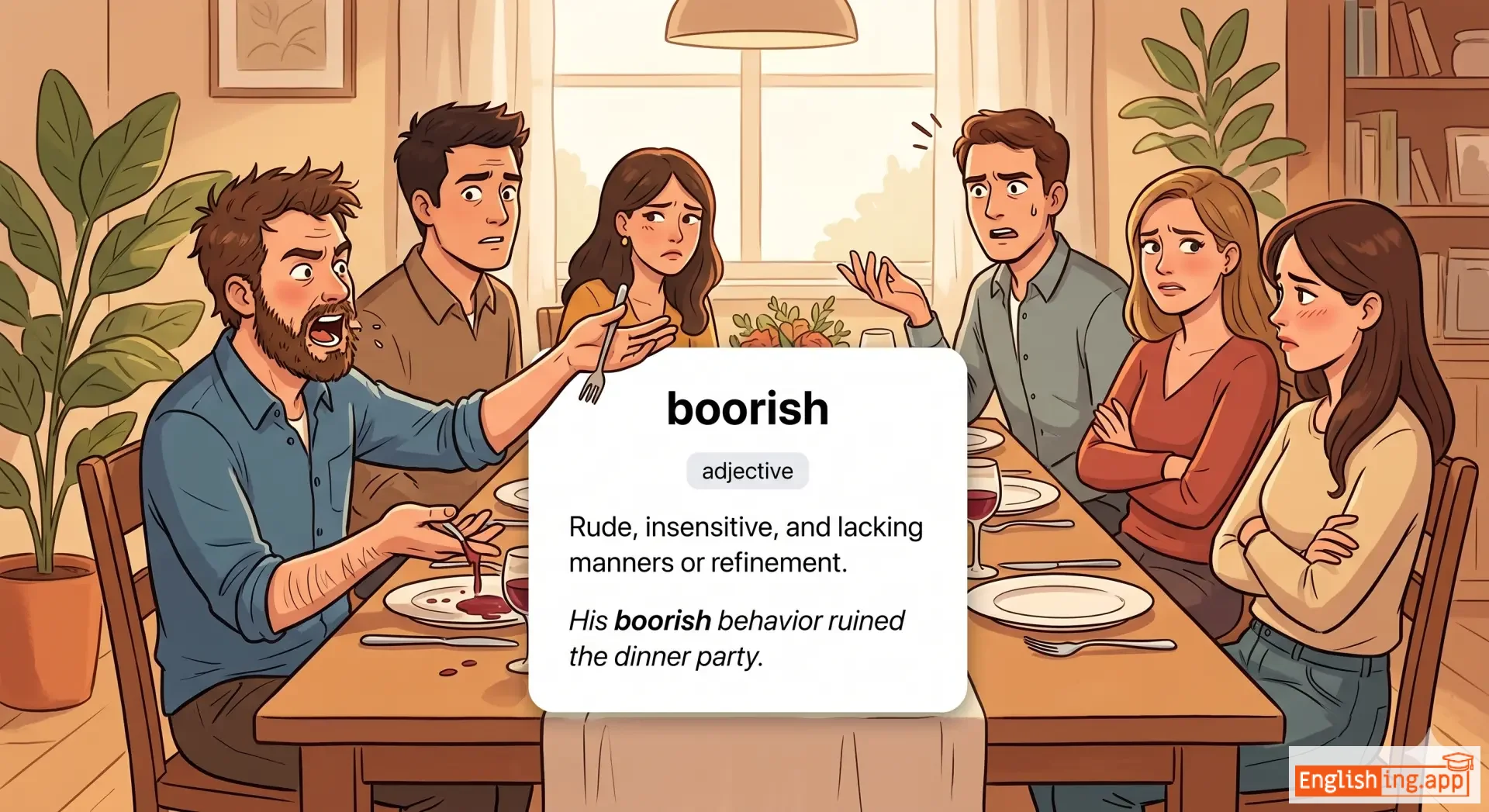
Rude, insensitive, and lacking manners or refinement.
••••••
|
His boorish behavior ruined the dinner party.
彼のブーリッシュな行動はディナーパーティーを台無しにした。
••••••
|
彼の粗野な行動はディナーパーティーを台無しにした。
Kare no soya na kōdō wa dinā pāti o dainashi ni shita.
••••••
|
- •••••• | - •••••• | - •••••• |
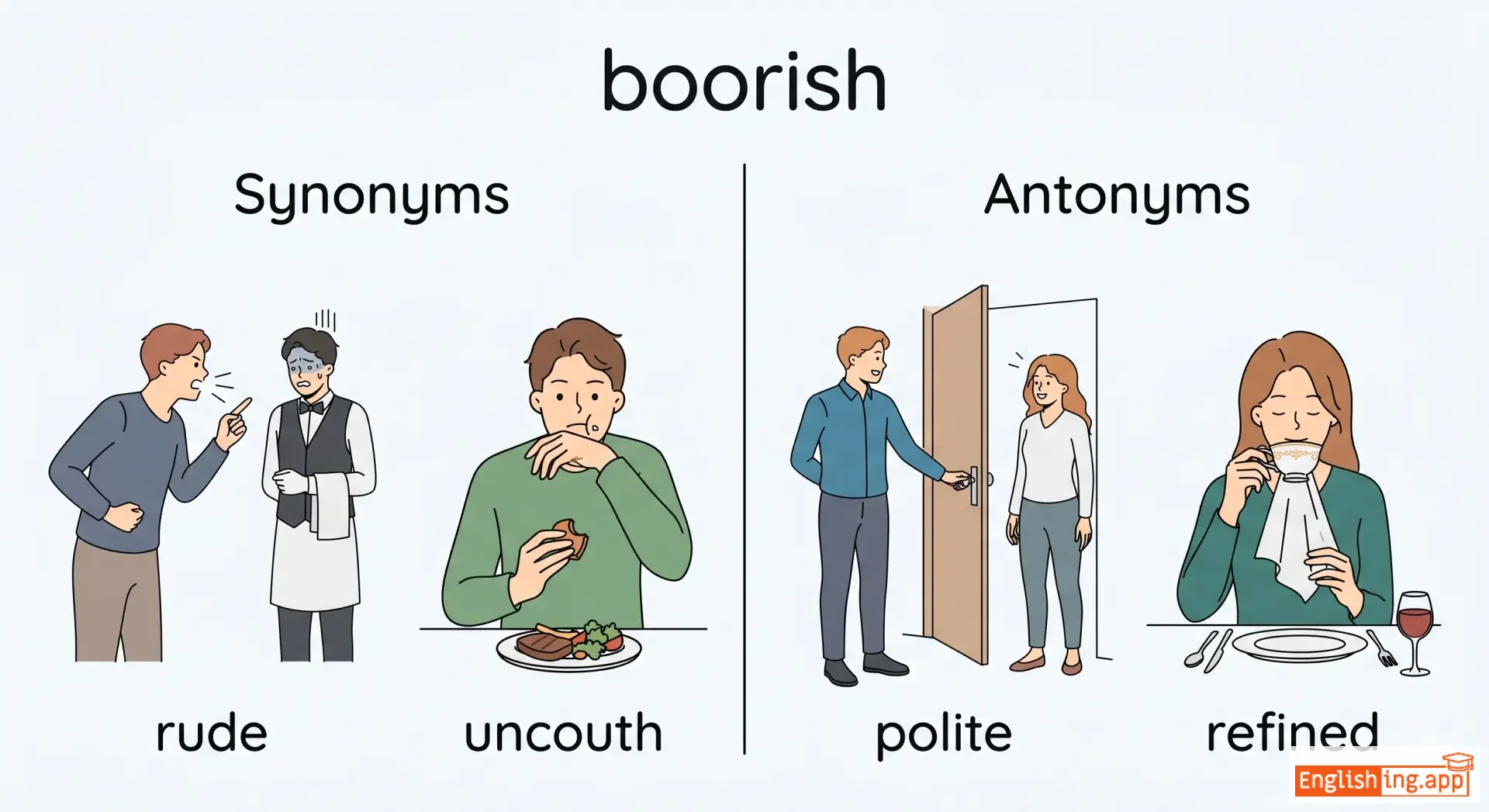
rude, uncouth, vulgar, ill-mannered, coarse
••••••
|
polite, refined, courteous
••••••
|
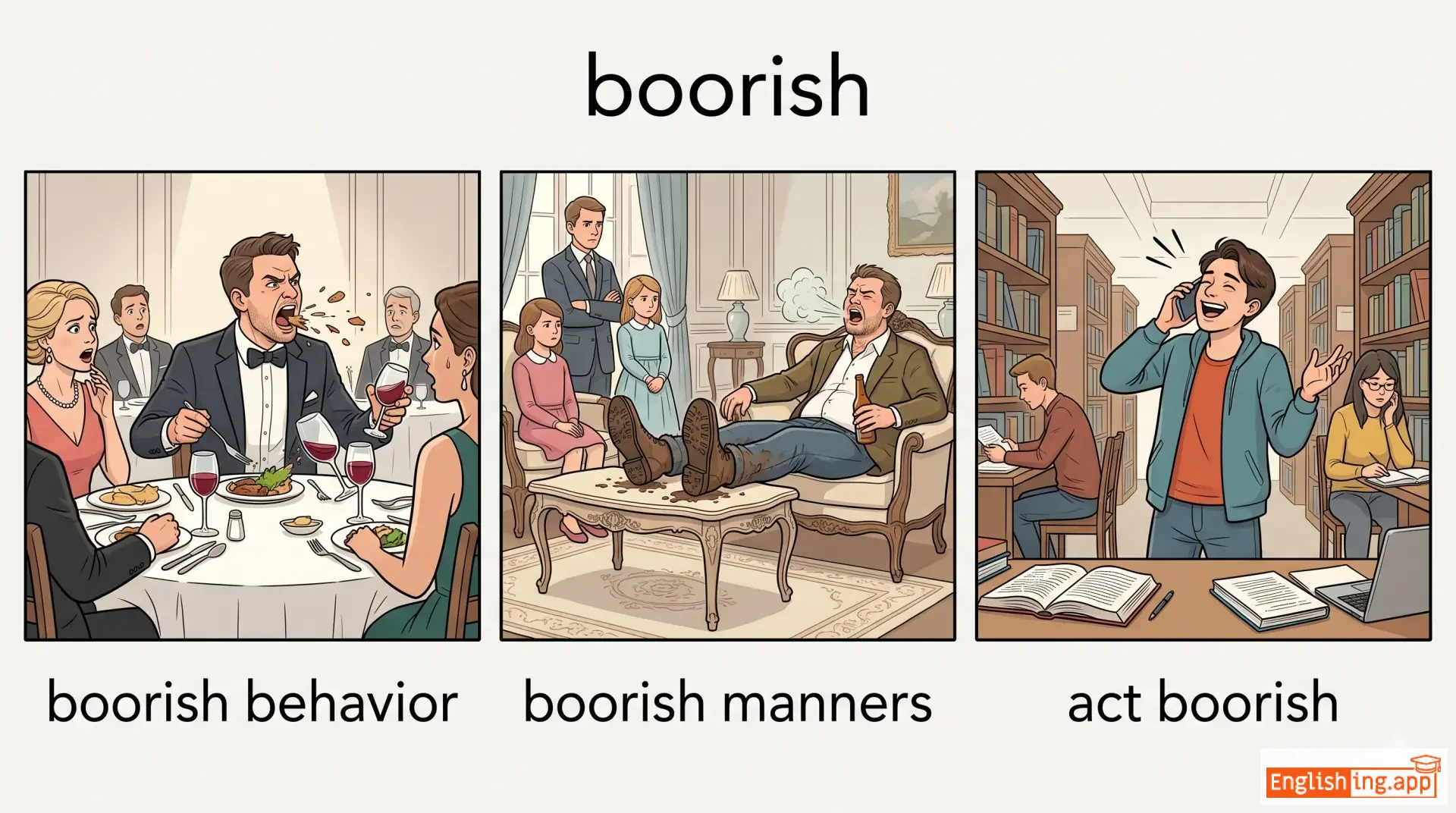
boorish behavior, boorish manners, act boorish
••••••
|
Boorish を粗野と記憶
••••••
|
|
🌱
••••••
|
/ˈbɜːrdʒən/
verb
(バージョン)
••••••
|
|
急速に成長する
kyūsokuni seichō suru
••••••
|
burgeoned
バージョンド
••••••
|
burgeoned
バージョンド
••••••
|
burgeons
バージョンズ
••••••
|
burgeoning
バージョニング
••••••
|
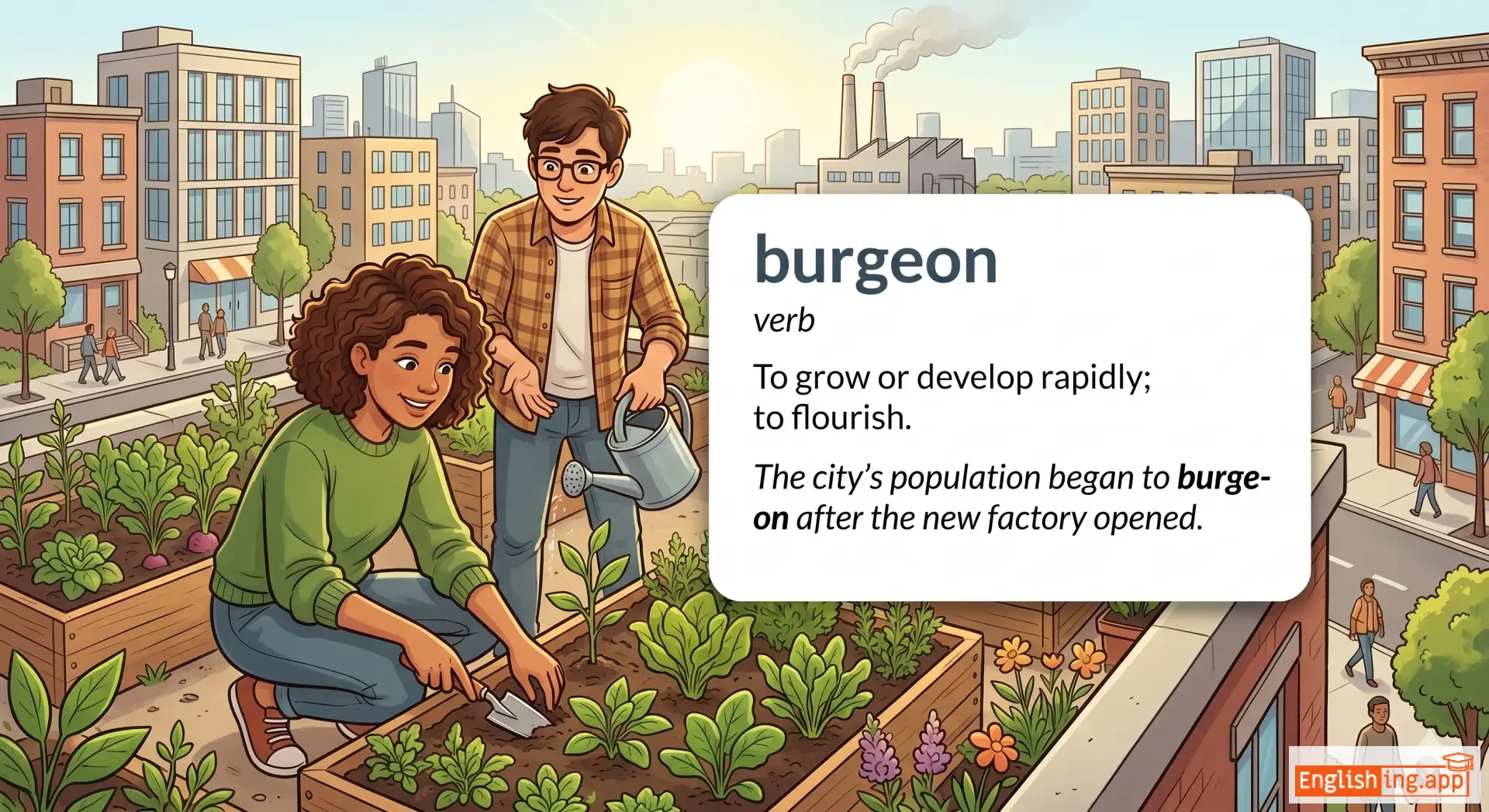
To grow or develop rapidly; to flourish.
••••••
|
The city's population began to burgeon after the new factory opened.
新しい工場が開設されてから、都市の人口は急速に増加し始めました。
••••••
|
新しい工場が開設されてから、都市の人口は急速に増加し始めました。
Atarashī kōjō ga kaisetsu sarete kara, toshi no jinkō wa kyūsokuni zōka shihajimemashita.
••••••
|
- •••••• | - •••••• | - •••••• |
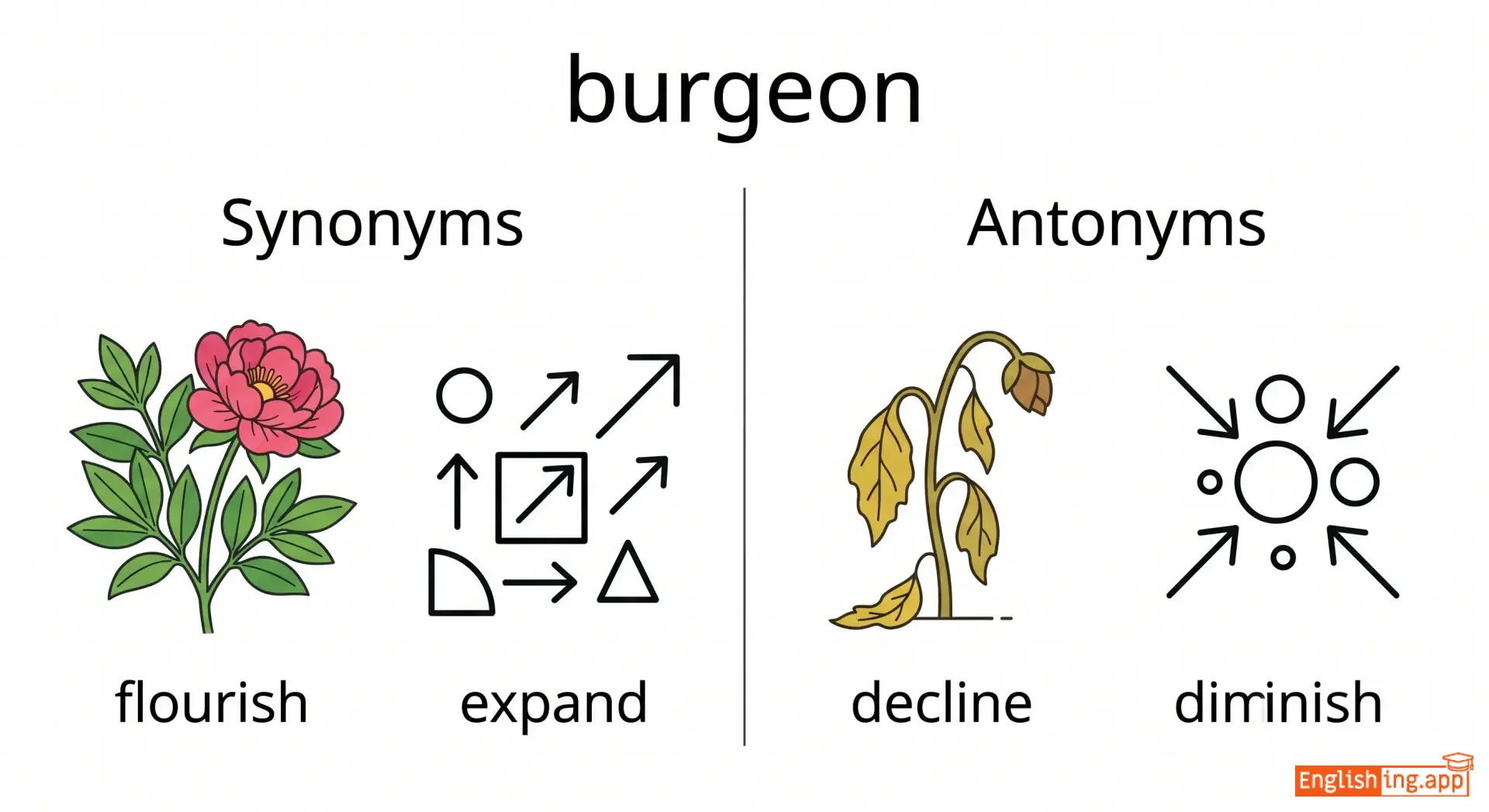
flourish, expand, thrive, bloom, prosper
••••••
|
decline, diminish, shrink
••••••
|
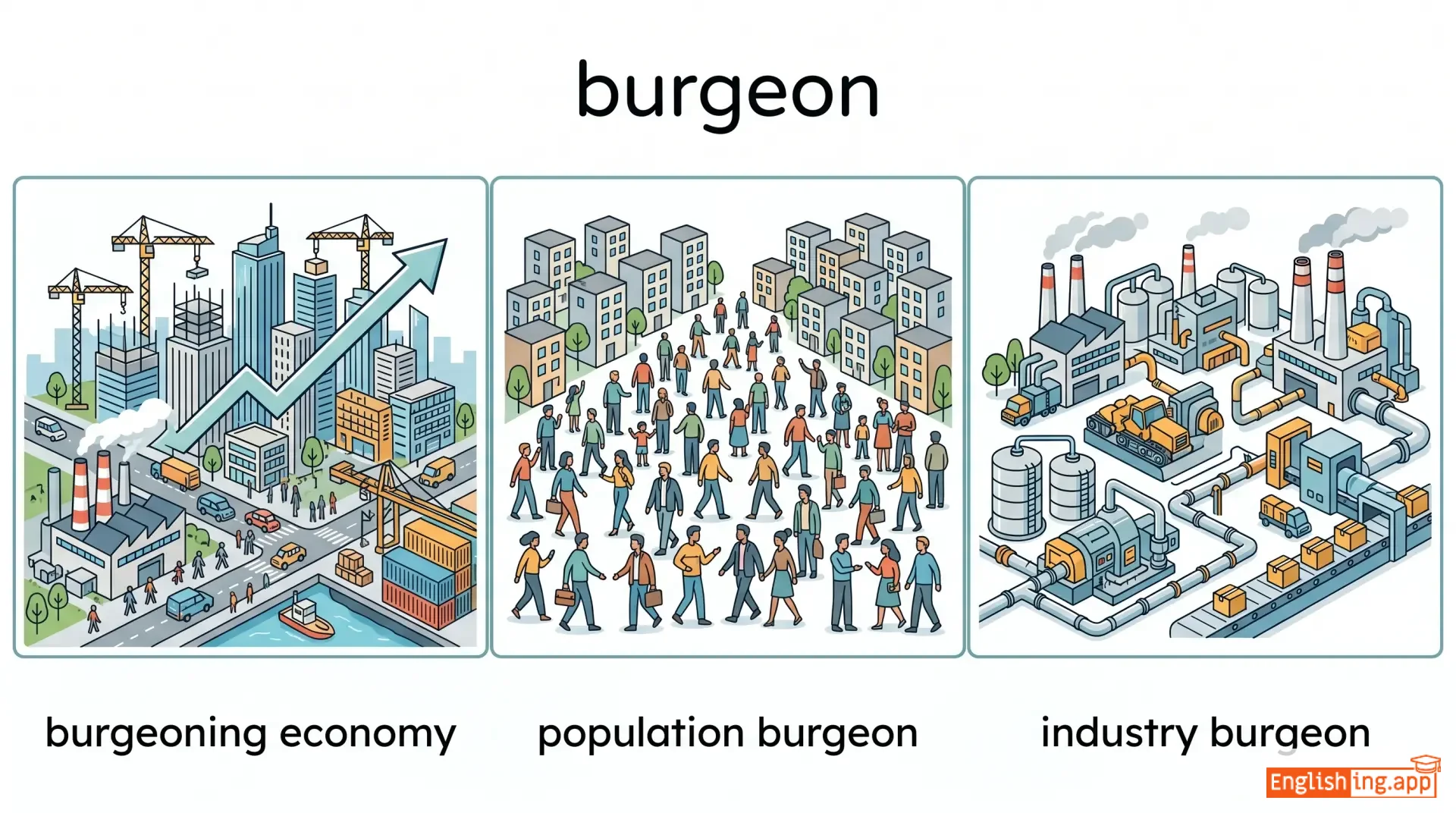
burgeoning economy, population burgeon, industry burgeon
••••••
|
Burgeonは急速に成長することを意味し、まるで花が急速に開花するようです。
••••••
|
|
✨
••••••
|
/ˈbɜːrnɪʃ/
verb
••••••
|
|
- •••••• |
burnished
••••••
|
burnished
••••••
|
burnishes
••••••
|
burnishing
••••••
|
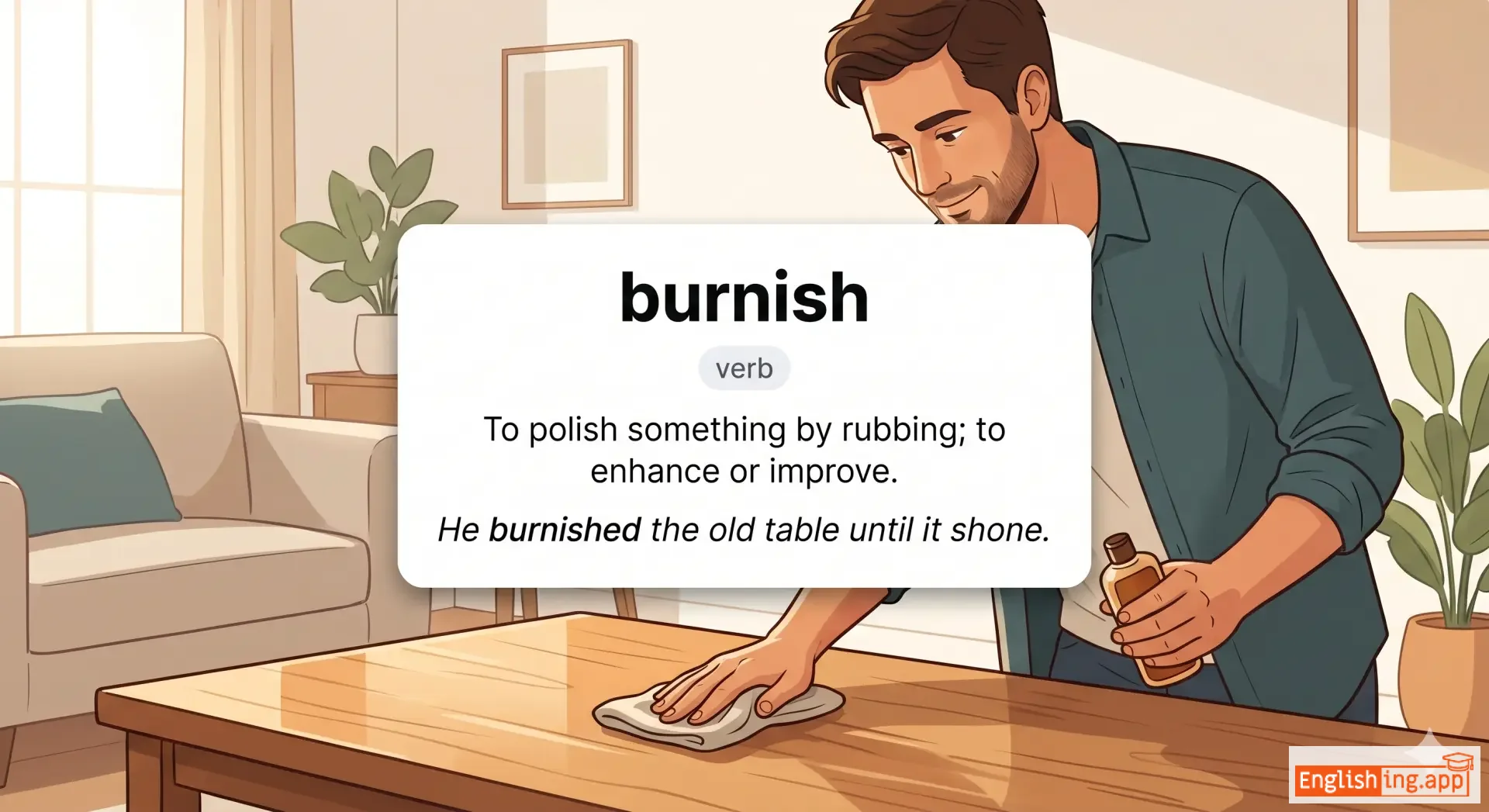
To polish something by rubbing; to enhance or improve.
••••••
|
He burnished the old table until it shone. |
- •••••• |
burnish one's reputation |
To improve or enhance one’s public image or standing.
••••••
|
- •••••• |
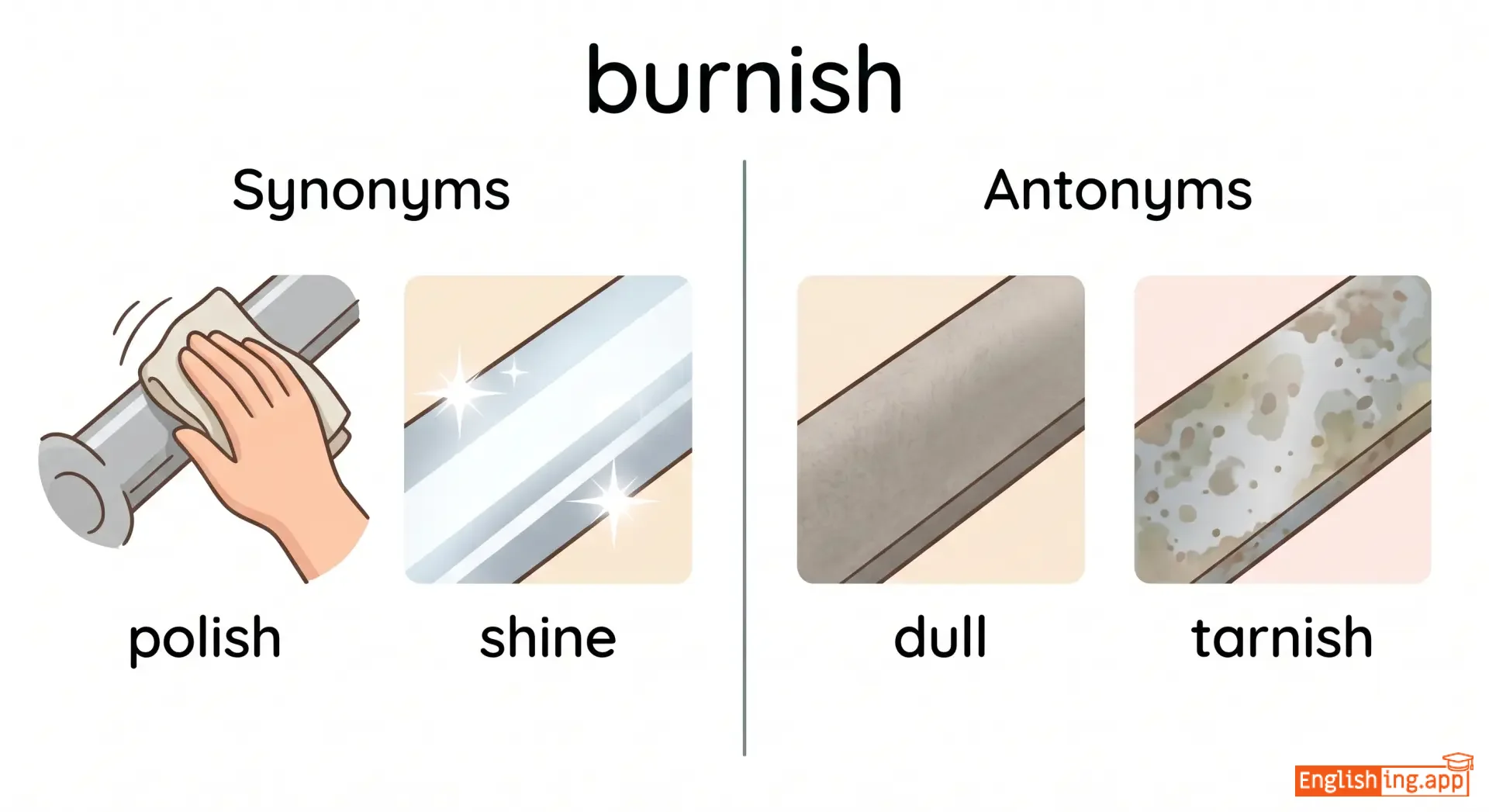
polish, shine, buff, gloss, brighten
••••••
|
dull, tarnish, damage
••••••
|
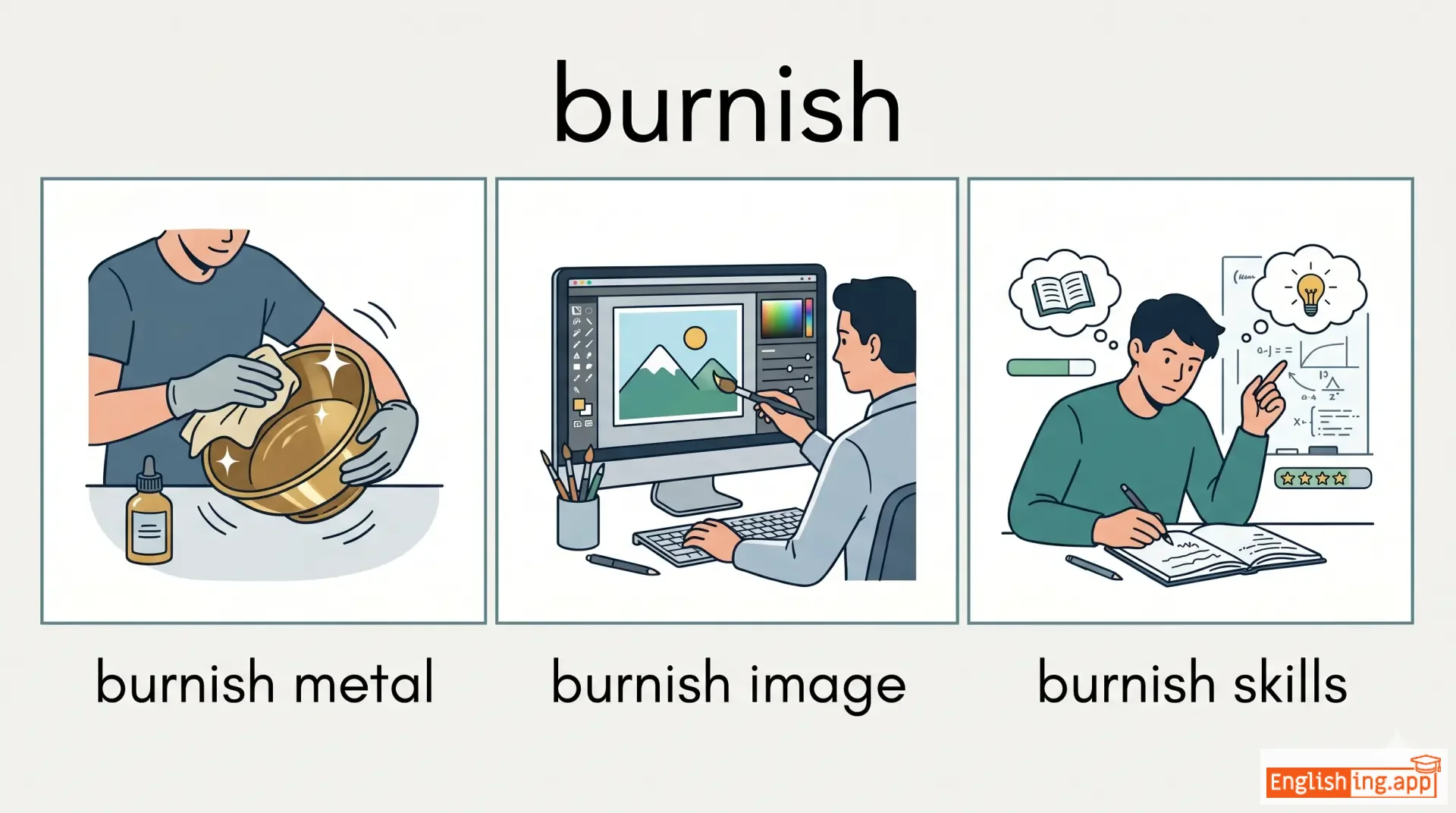
burnish metal, burnish image, burnish skills, burnish surface
••••••
|
No •••••• |
|
🏰
••••••
|
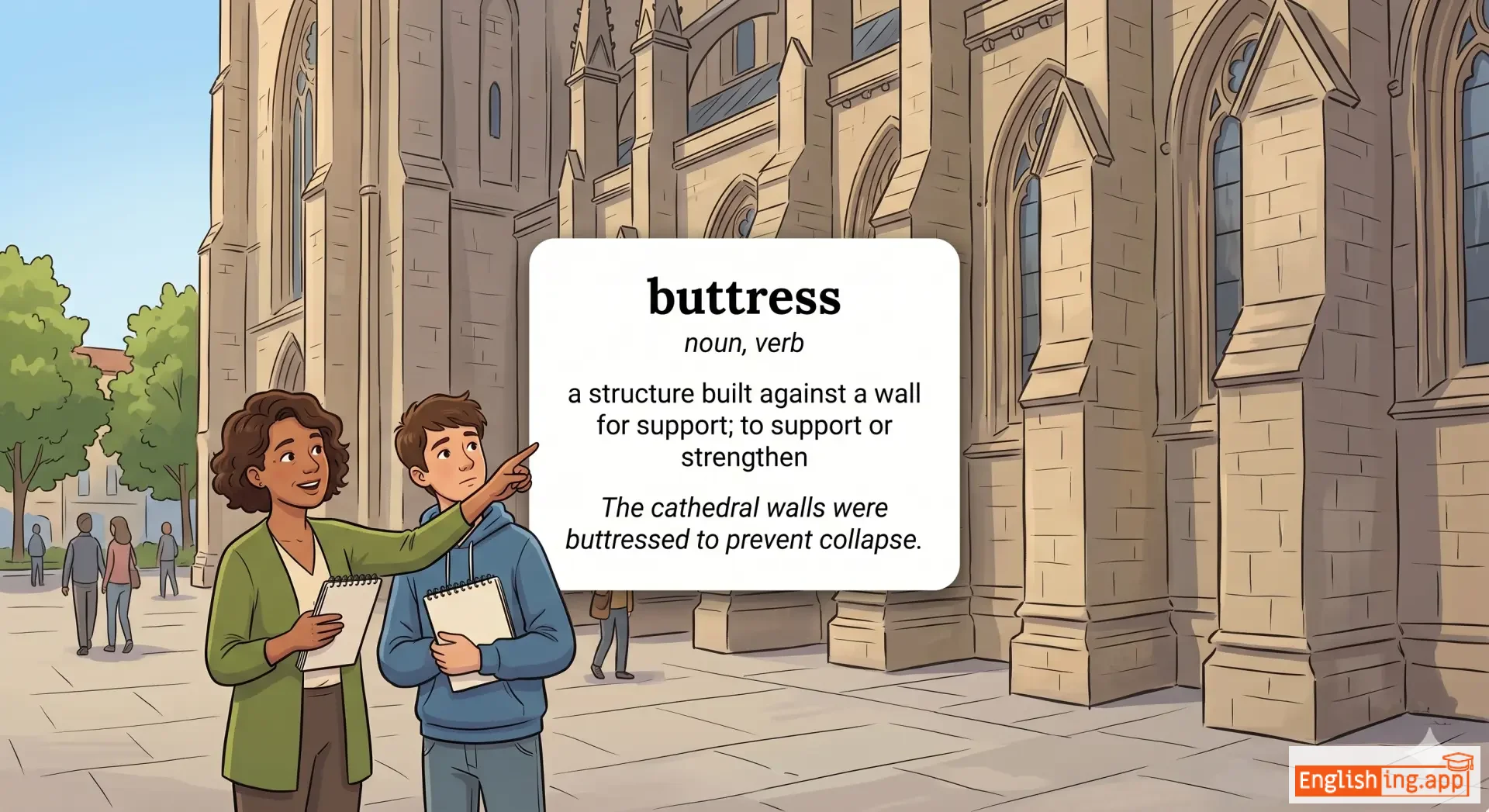
/ˈbʌtrəs/
noun, verb
(バトレス)
••••••
|
|
支柱, 支え
shichū, sasae
••••••
|
buttressed
バトレスド
••••••
|
buttressed
バトレスド
••••••
|
buttresses
バトレスズ
••••••
|
buttressing
バトレスイング
••••••
|
a structure built against a wall for support; to support or strengthen
••••••
|
The cathedral walls were buttressed to prevent collapse.
大聖堂の壁は崩壊を防ぐために支えられていました。
••••••
|
大聖堂の壁は崩壊を防ぐために支えられていました。
Daiseidō no kabe wa hōkai o fūgu tame ni sasaerareteimashita.
••••••
|
- •••••• | - •••••• | - •••••• |
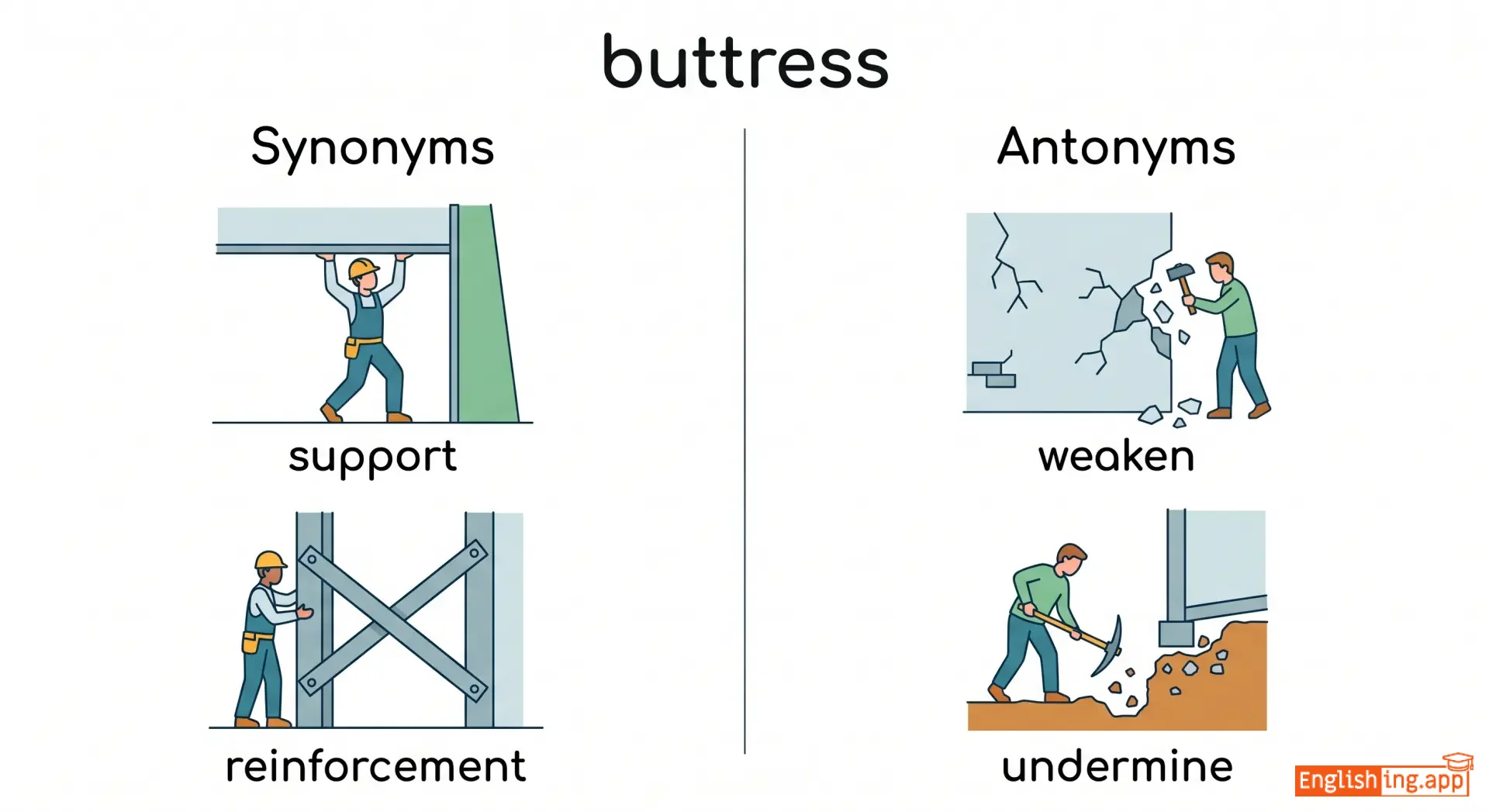
support, reinforcement, prop, bolster, strengthen
••••••
|
weaken, undermine
••••••
|
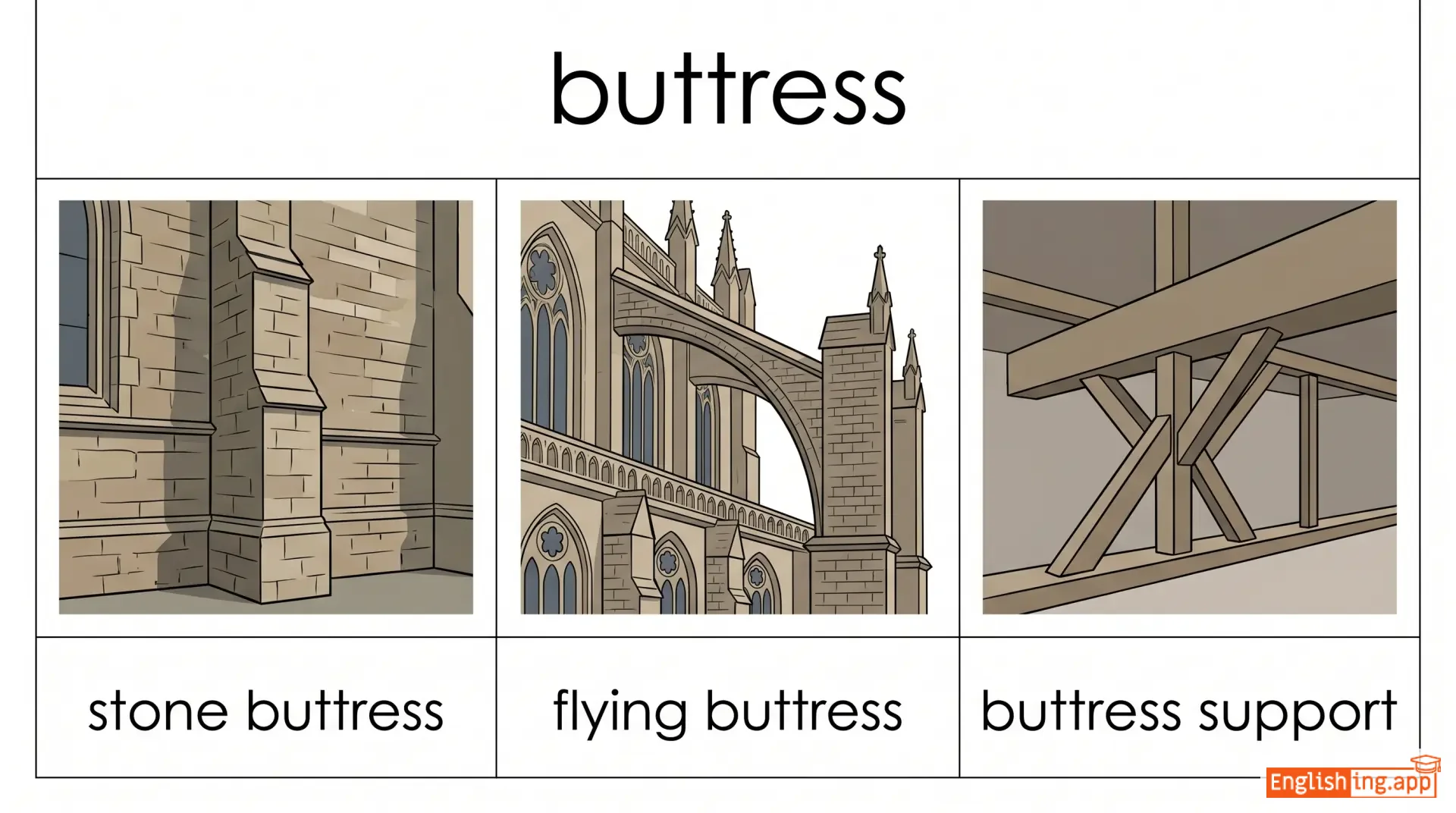
stone buttress, flying buttress, buttress support, buttress argument
••••••
|
Buttress 壁を支える — butt (お尻) が支える。
••••••
|
|
🎭
••••••
|
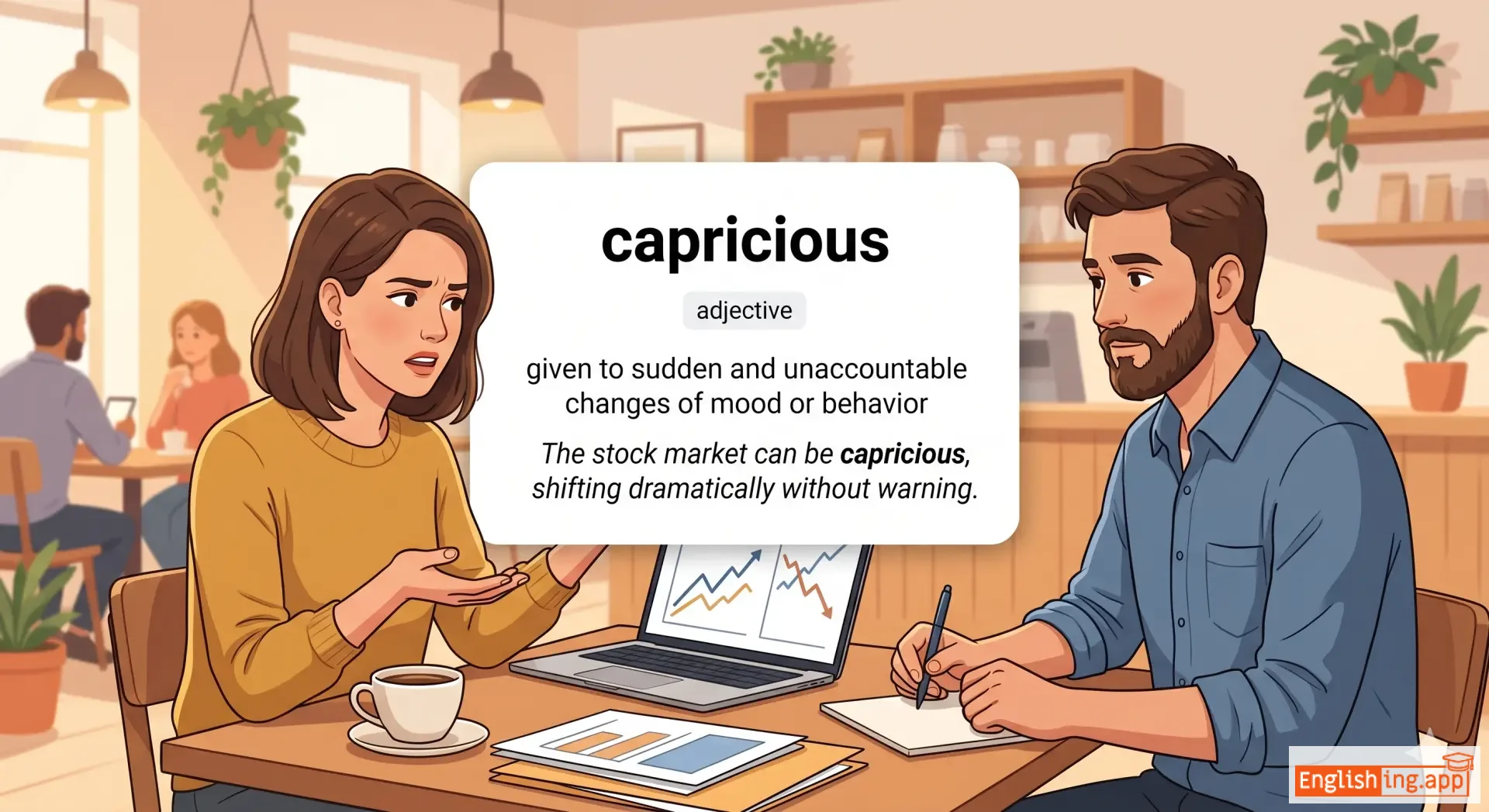
/kəˈprɪʃəs/
adjective
(カプリシャス)
••••••
|
|
気まぐれな
kimagure na
••••••
|
- •••••• | - •••••• | - •••••• | - •••••• |
given to sudden and unaccountable changes of mood or behavior
••••••
|
The stock market can be capricious, shifting dramatically without warning.
株式市場は気まぐれで、予告なしに劇的に変動することがあります。
••••••
|
株式市場は気まぐれで、予告なしに劇的に変動することがあります。
kabushiki shijō wa kimagure de, yokoku nashi ni gekiteki ni hendō suru koto ga arimasu.
••••••
|
capricious weather
気まぐれな天気
••••••
|
unpredictable or changeable weather
••••••
|
気まぐれな天気
kimagure na tenki
••••••
|
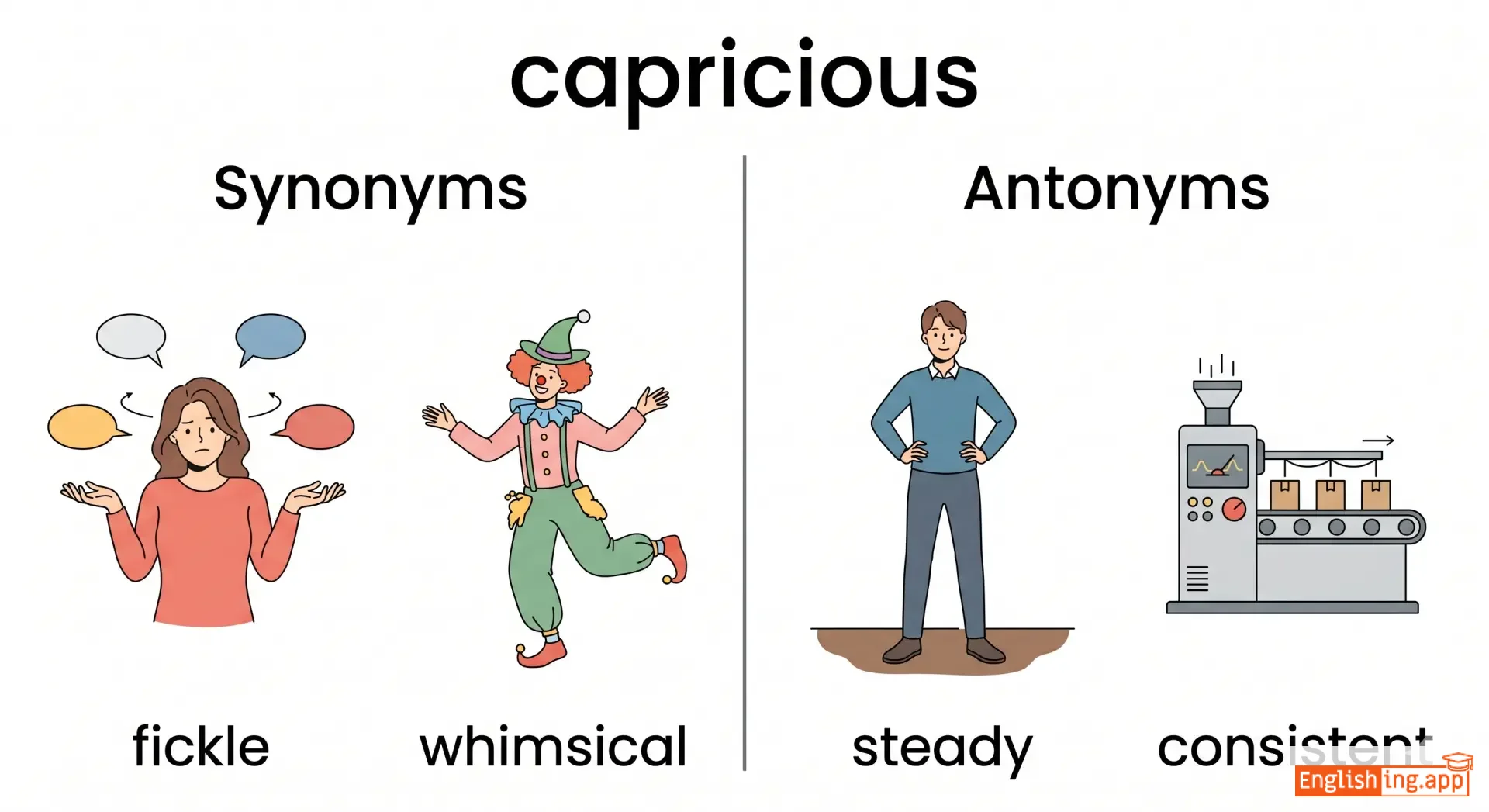
fickle, whimsical, unpredictable, impulsive, erratic
••••••
|
steady, consistent, reliable
••••••
|
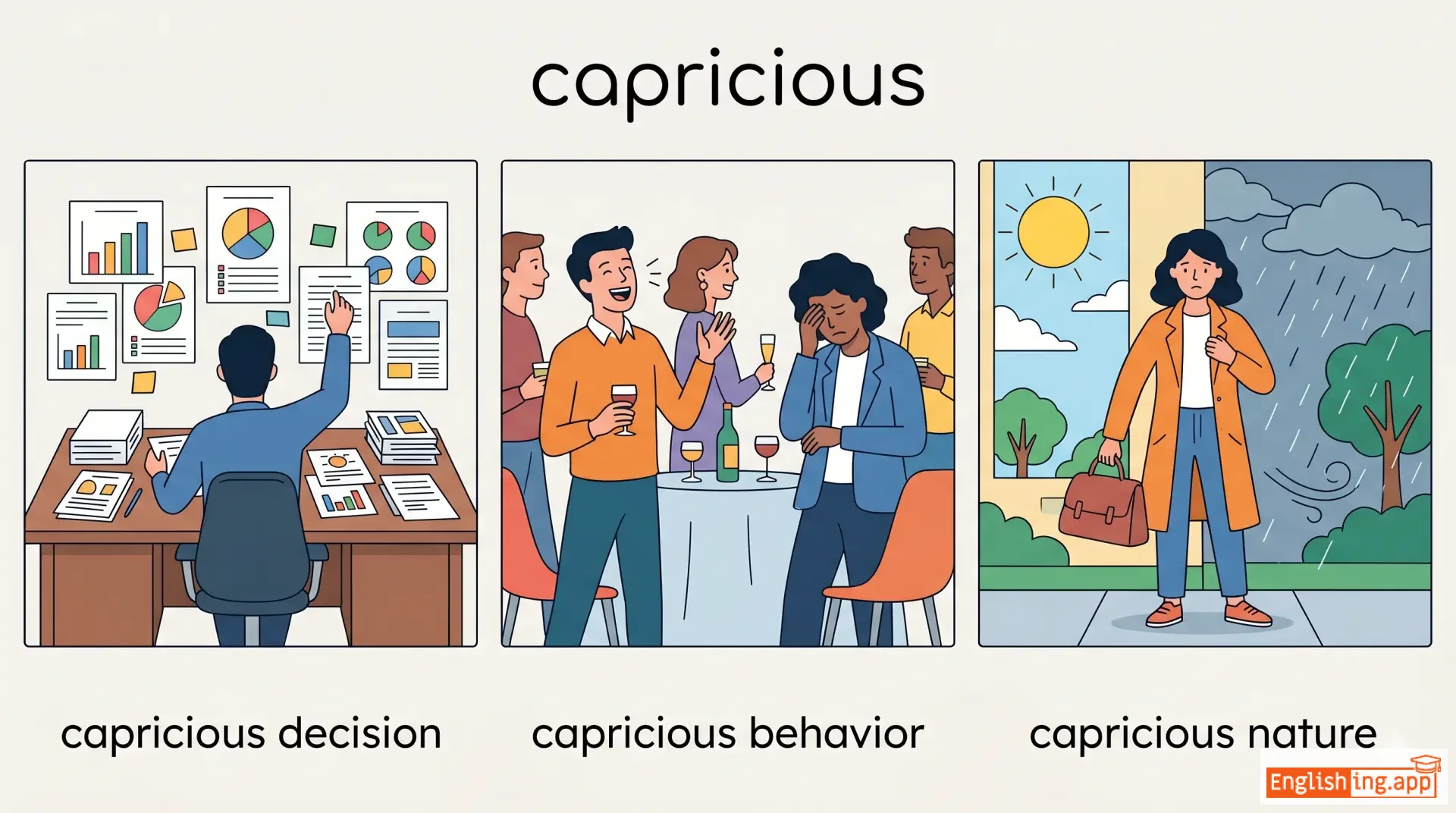
capricious decision, capricious behavior, capricious nature, capricious weather
••••••
|
Capri + きまぐれ - 天気が気まぐれに変わる
••••••
|
|
⚡
••••••
|
/ˌkæstɪˈɡeɪʃən/
noun
(キャスティゲーション)
••••••
|
|
厳しい批評または罰
kibishii hihyou mata wa batsu
••••••
|
- •••••• | - •••••• | - •••••• | - •••••• |
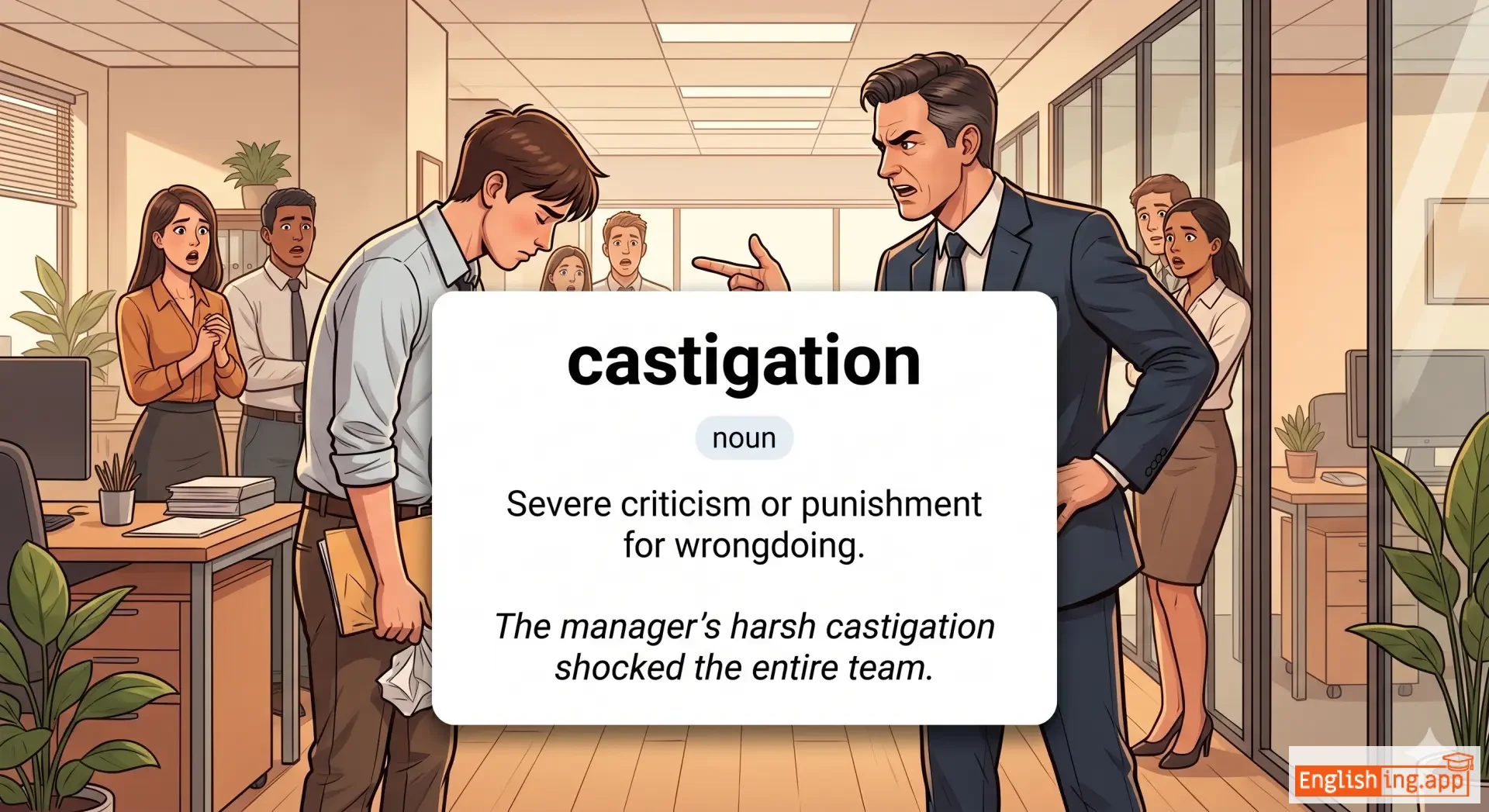
Severe criticism or punishment for wrongdoing.
••••••
|
The manager’s harsh castigation shocked the entire team.
マネージャーの厳しい批評はチーム全体を驚かせました。
••••••
|
マネージャーの厳しい批評はチーム全体を驚かせました。
Manejā no kibishii hihyō wa chīmu zentai o odorokasemashita.
••••••
|
- •••••• | - •••••• | - •••••• |
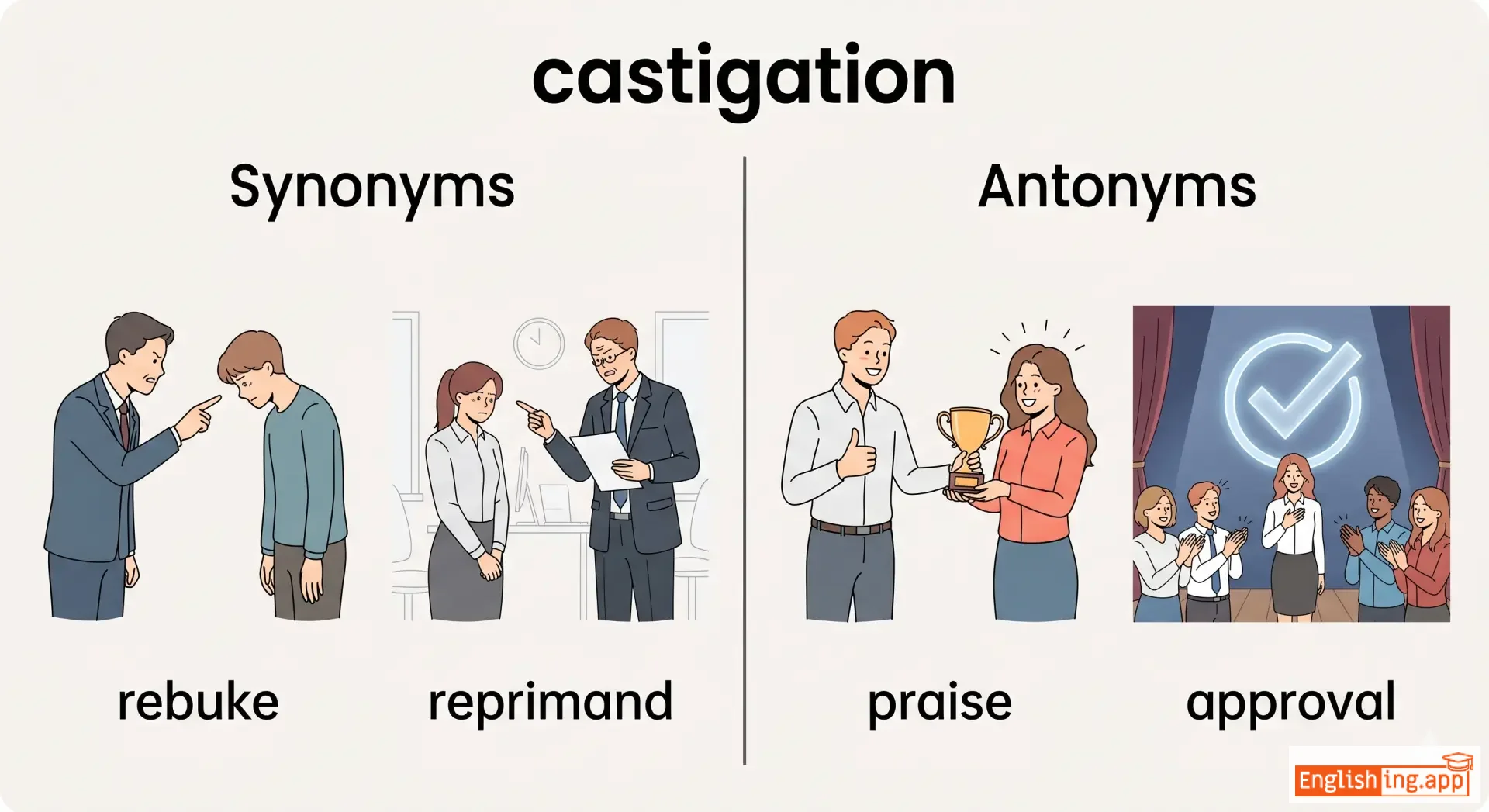
rebuke, reprimand, scolding, chastisement, condemnation
••••••
|
praise, approval, commendation
••••••
|
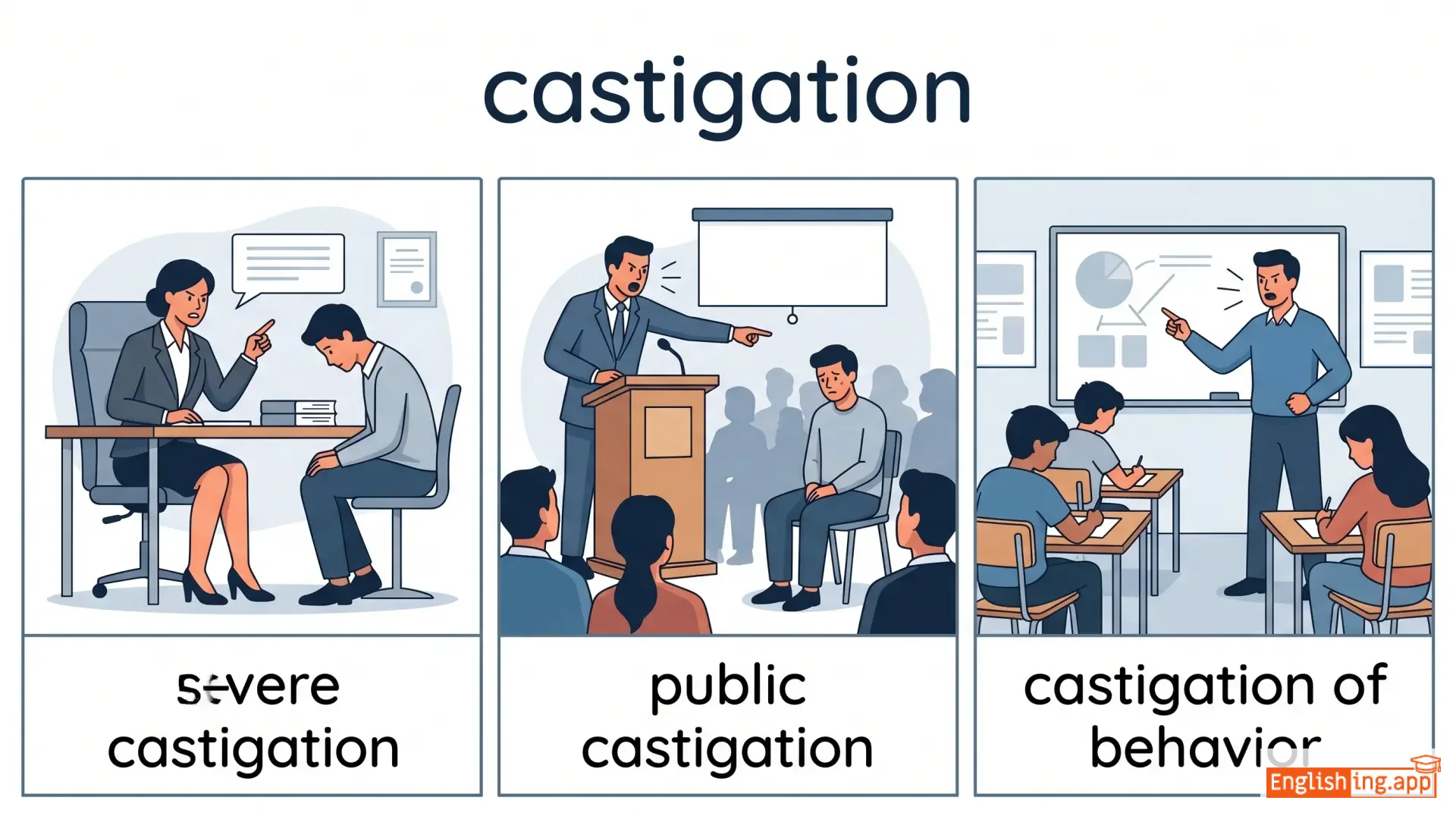
severe castigation, public castigation, castigation of behavior
••••••
|
Cast (cast)は罰のようなもの = castigationは厳しい批評
••••••
|
|
⚡
••••••
|
/ˈkætəlɪst/
noun
(キャタリスト)
••••••
|
|
触媒
shokubai
••••••
|
- •••••• | - •••••• | - •••••• | - •••••• |
Something that speeds up or causes an event or change without being changed itself.
••••••
|
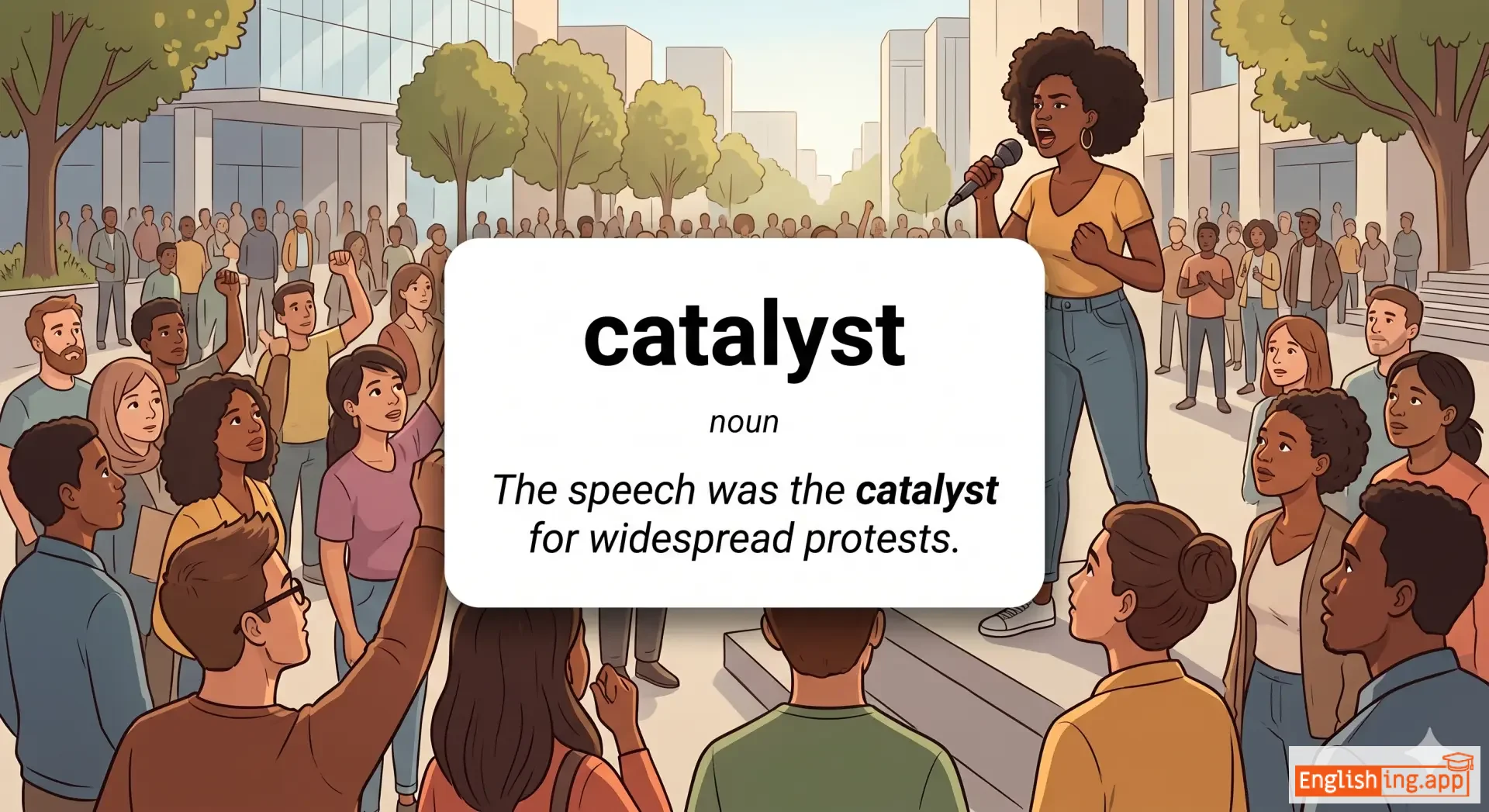
The speech was the catalyst for widespread protests. |
そのスピーチは広範な抗議活動の触媒となった。
Sono supīchi wa kōhan na kōgi katsudō no shokubai to natta.
••••••
|
- •••••• | - •••••• | - •••••• |
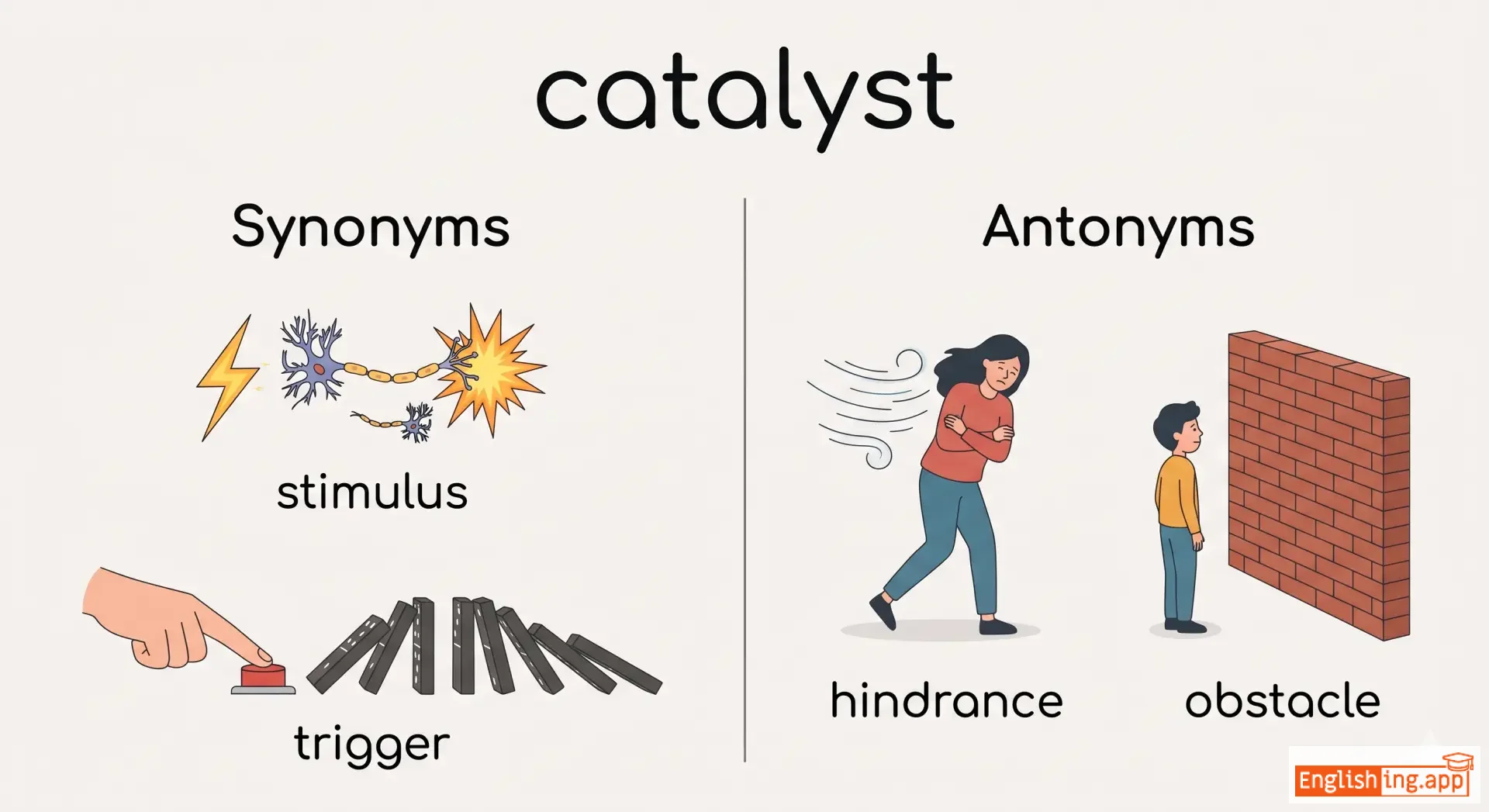
stimulus, trigger, spark, impetus, accelerator
••••••
|
hindrance, obstacle, deterrent
••••••
|
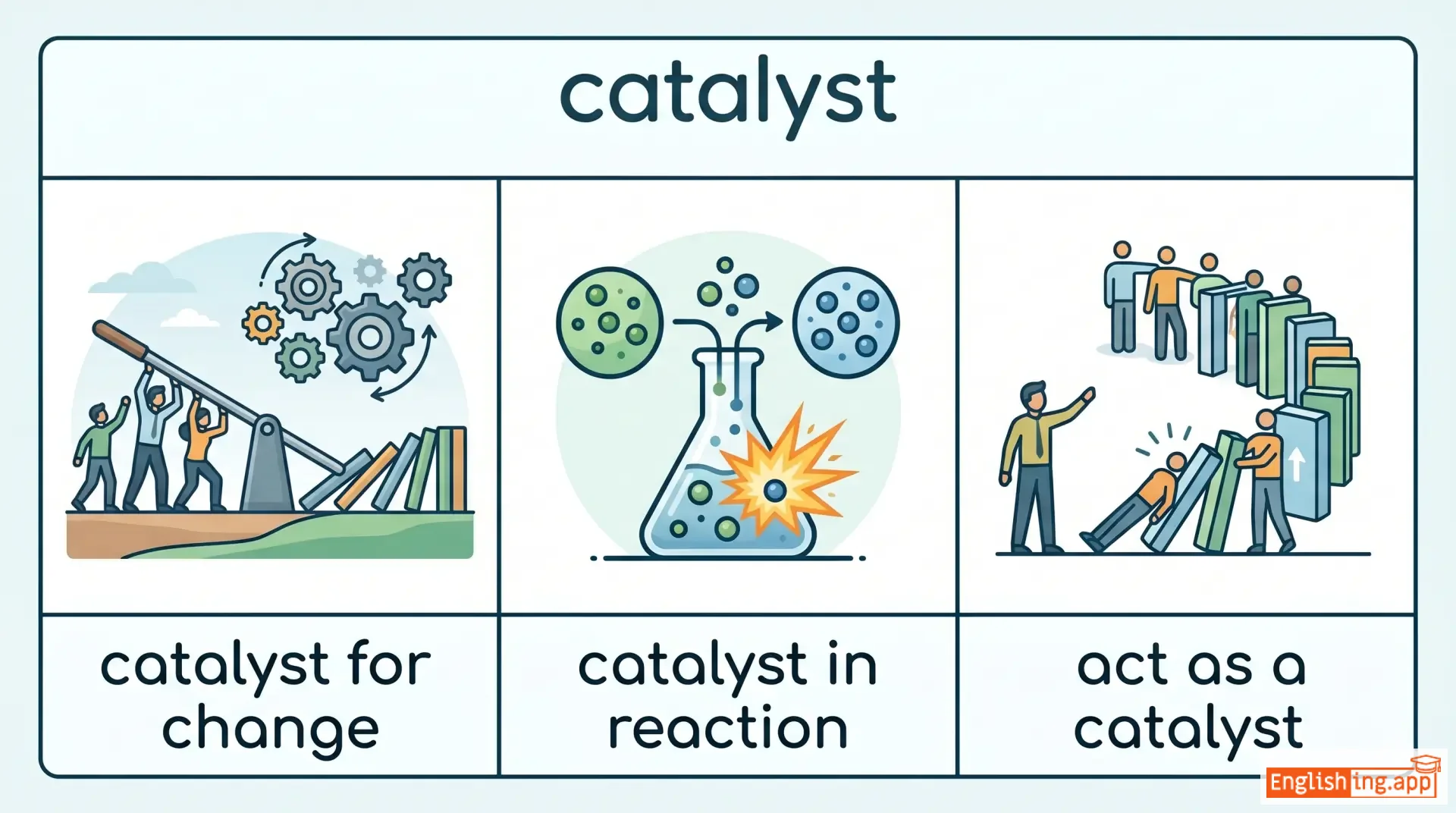
catalyst for change, catalyst in reaction, act as a catalyst, important catalyst
••••••
|
触媒はCatalystから来ている - 演説は触媒だった (shokubai)
••••••
|
|
☠️
••••••
|
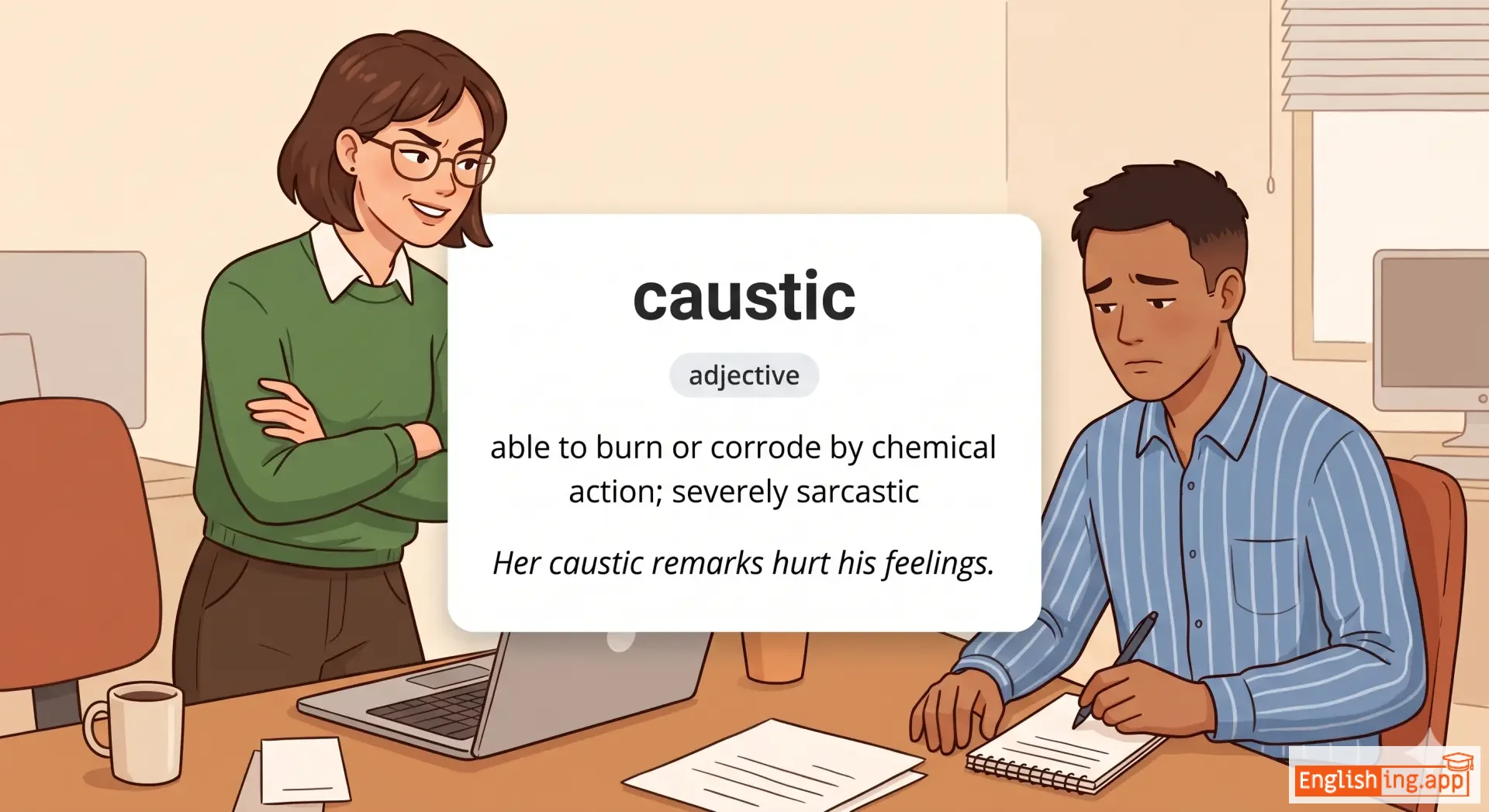
/ˈkɔː.stɪk/
adjective
(コースティック)
••••••
|
|
腐食性の、鋭い皮肉な
kōsutikkusu, surudoi hiniku na
••••••
|
- •••••• | - •••••• | - •••••• | - •••••• |
able to burn or corrode by chemical action; severely sarcastic
••••••
|
Her caustic remarks hurt his feelings. |
彼女の鋭い皮肉な発言は彼の感情を傷つけた。
Kanojo no surudoi hiniku na hatsugen wa kare no kanjō o kizutsuketa.
••••••
|
caustic wit |
sharp and biting sense of humor
••••••
|
鋭い皮肉
surudoi hiniku
••••••
|
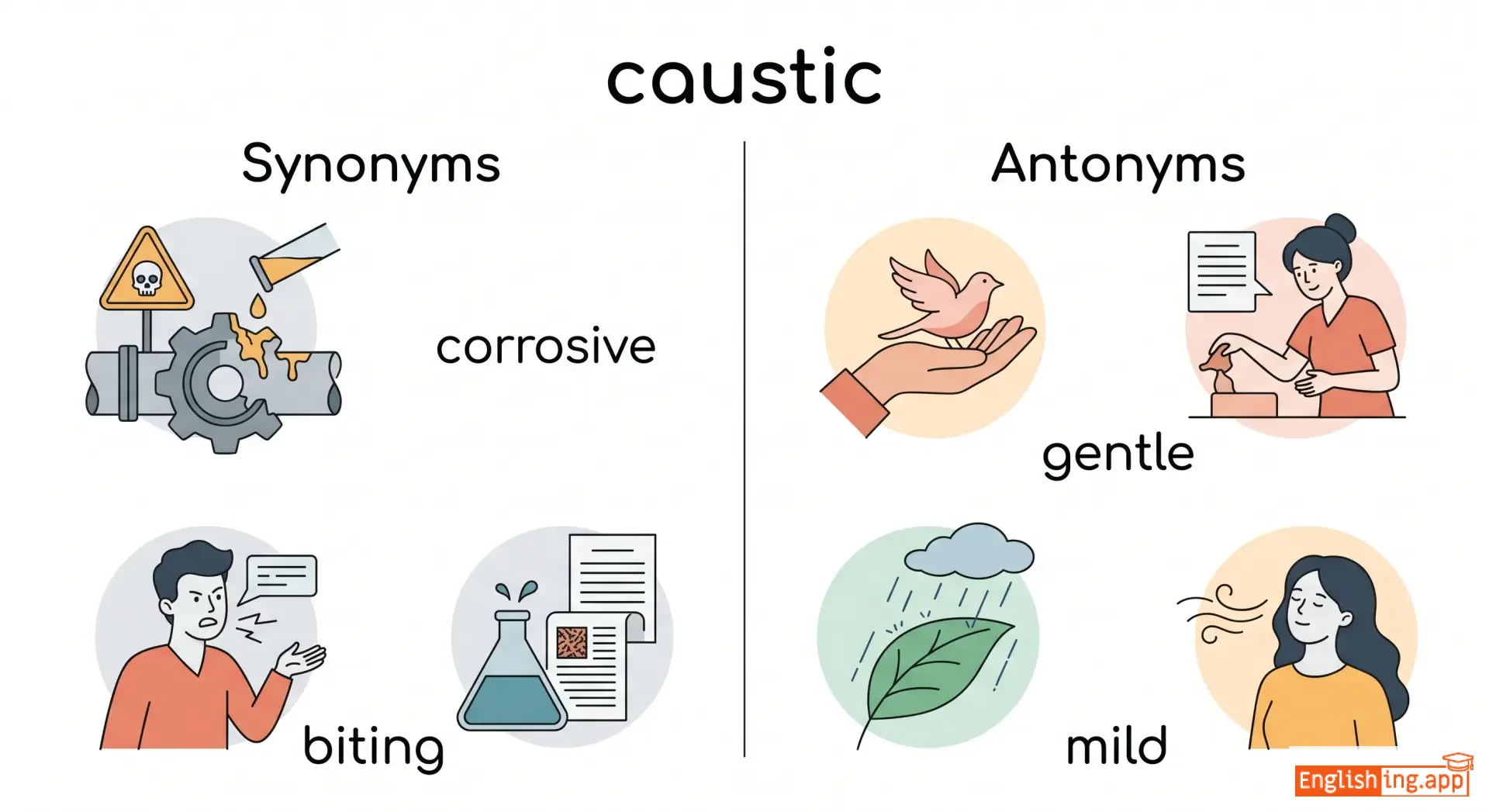
corrosive, biting, sarcastic, scathing, harsh
••••••
|
gentle, mild, kind
••••••
|
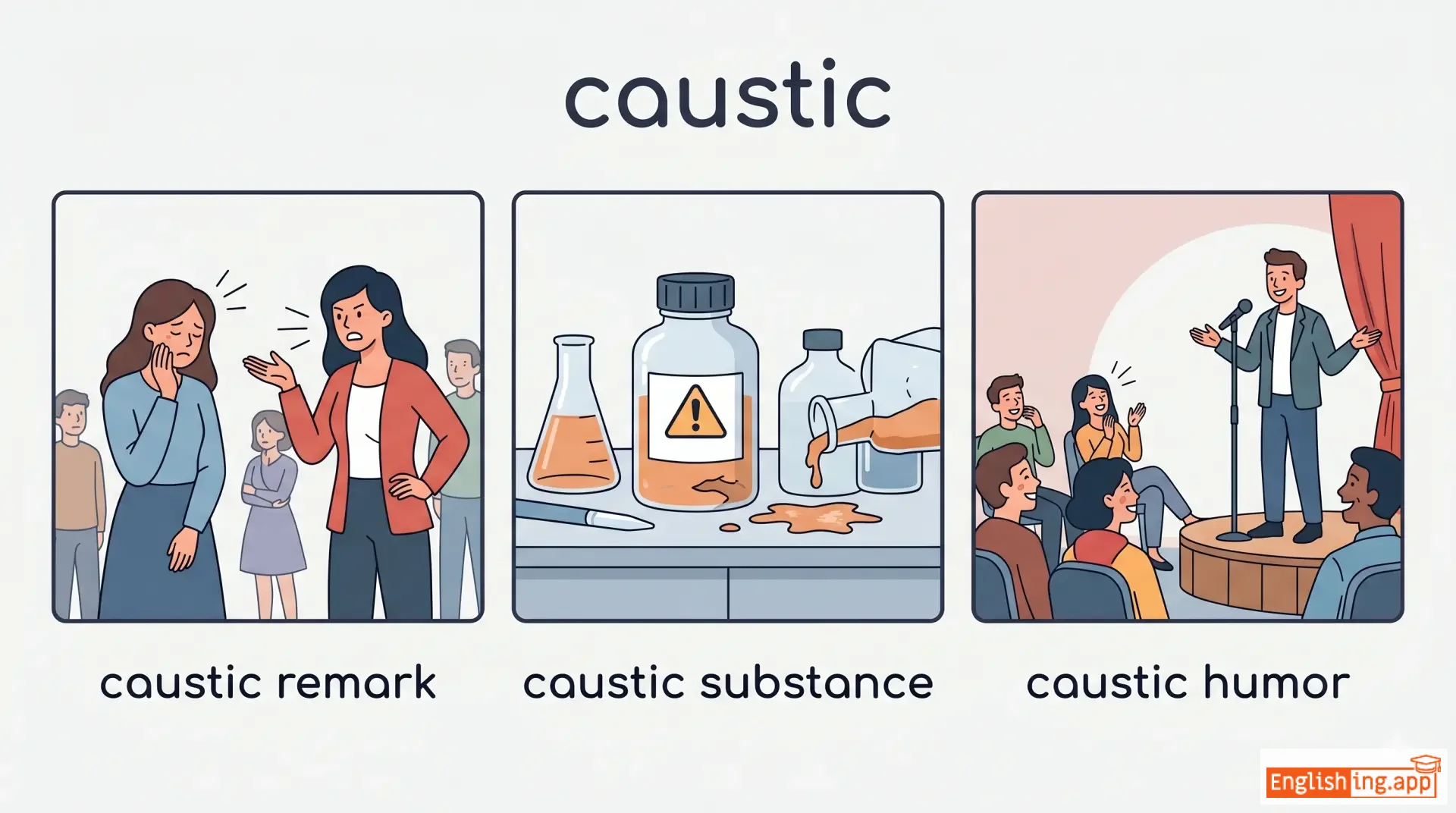
caustic remark, caustic substance, caustic humor, caustic comment
••••••
|
Causticは化学的に腐食する、皮肉な発言で心も焼ける。
••••••
|
|
🃏
••••••
|
/ʃɪˈkeɪnəri/
noun
(チカネリ)
••••••
|
|
詐欺
sagi
••••••
|
- •••••• | - •••••• | - •••••• | - •••••• |
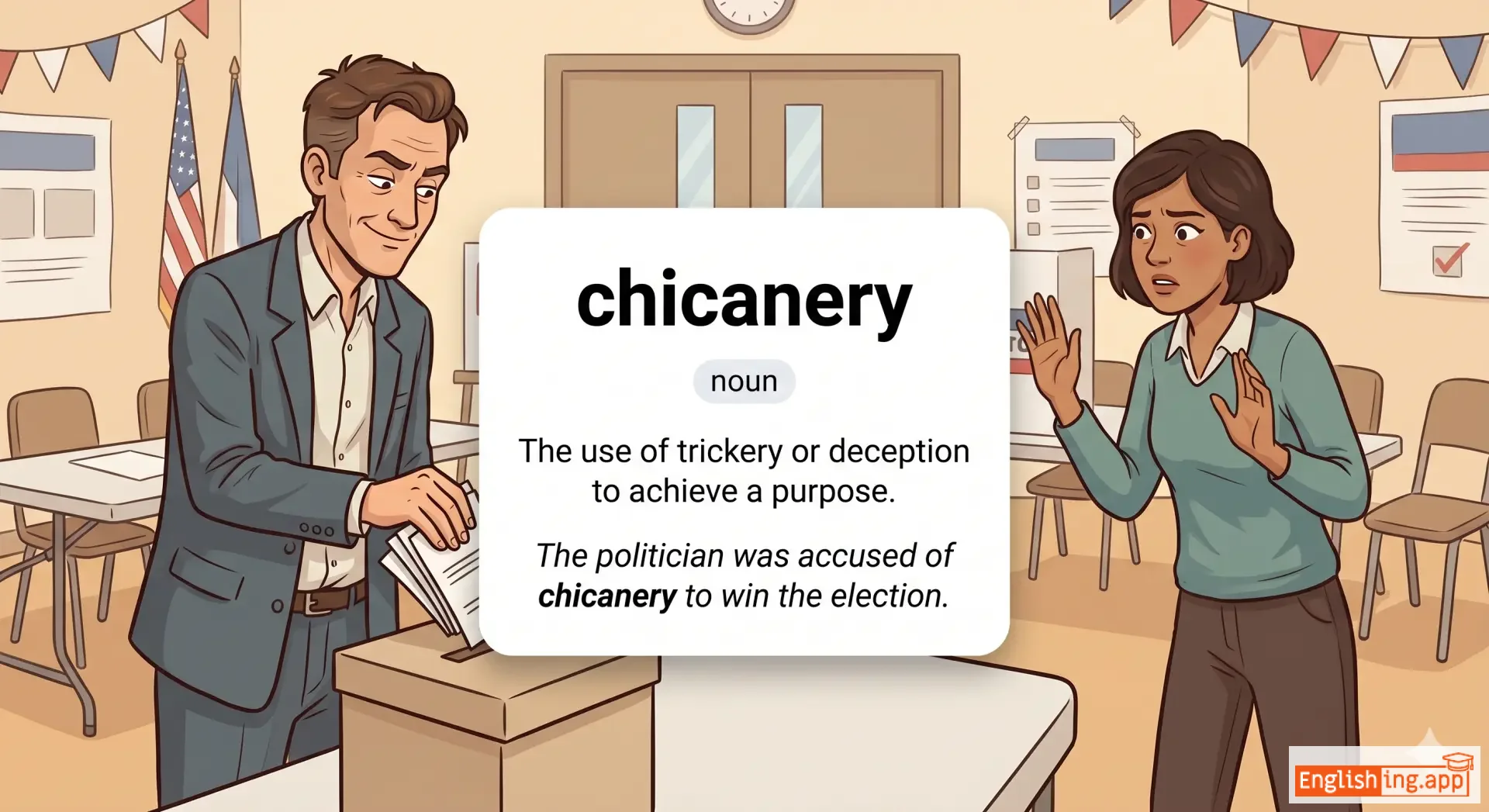
The use of trickery or deception to achieve a purpose.
••••••
|
The politician was accused of chicanery to win the election. |
その政治家は選挙に勝つために詐欺を使ったとして非難された。
Sono seijika wa senkyo ni katsu tame ni sagi wo tsukatta toshite hinan sareta.
••••••
|
- •••••• | - •••••• | - •••••• |
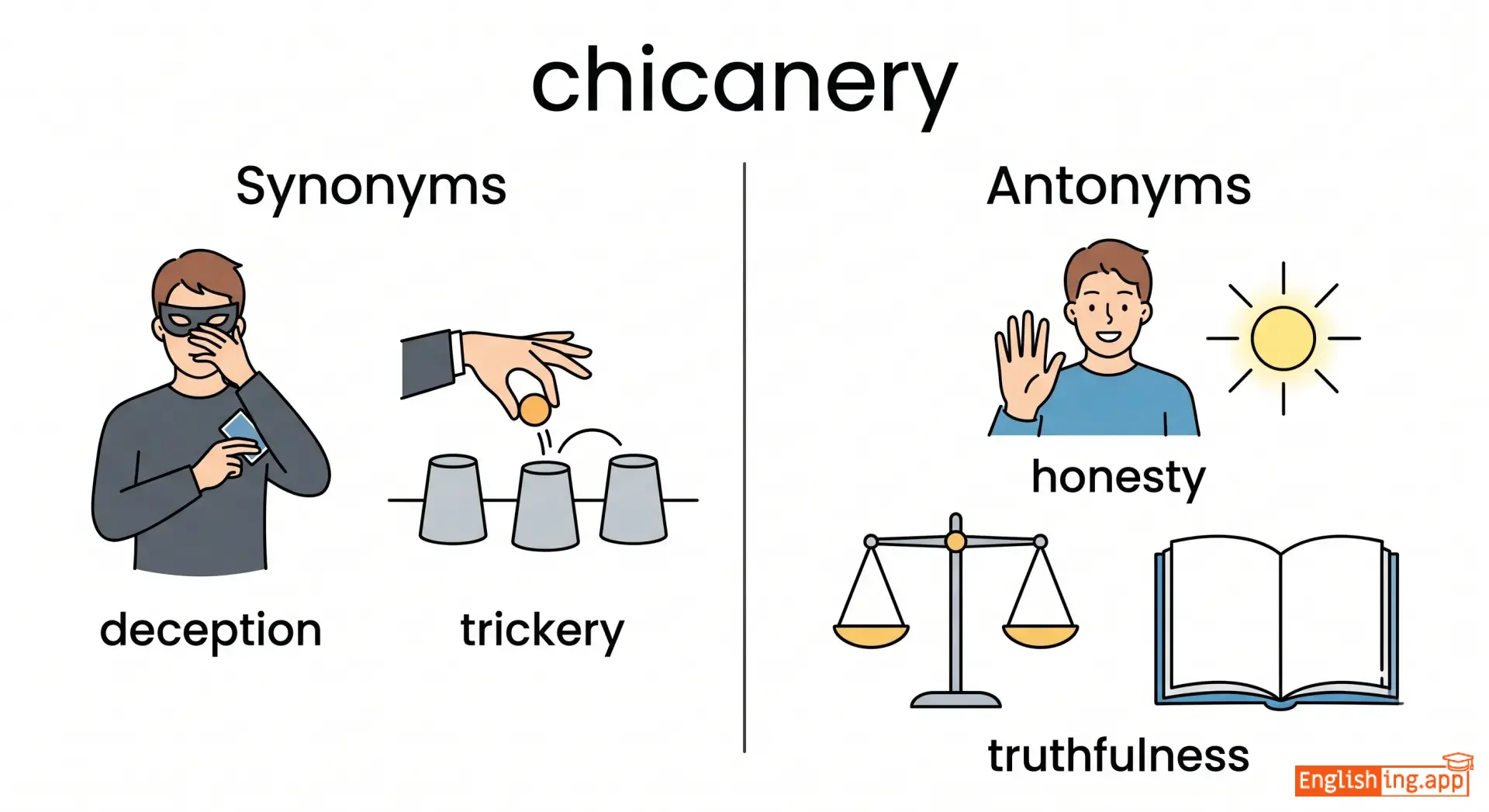
deception, trickery, fraud, deceit, dishonesty
••••••
|
honesty, truthfulness, integrity
••••••
|
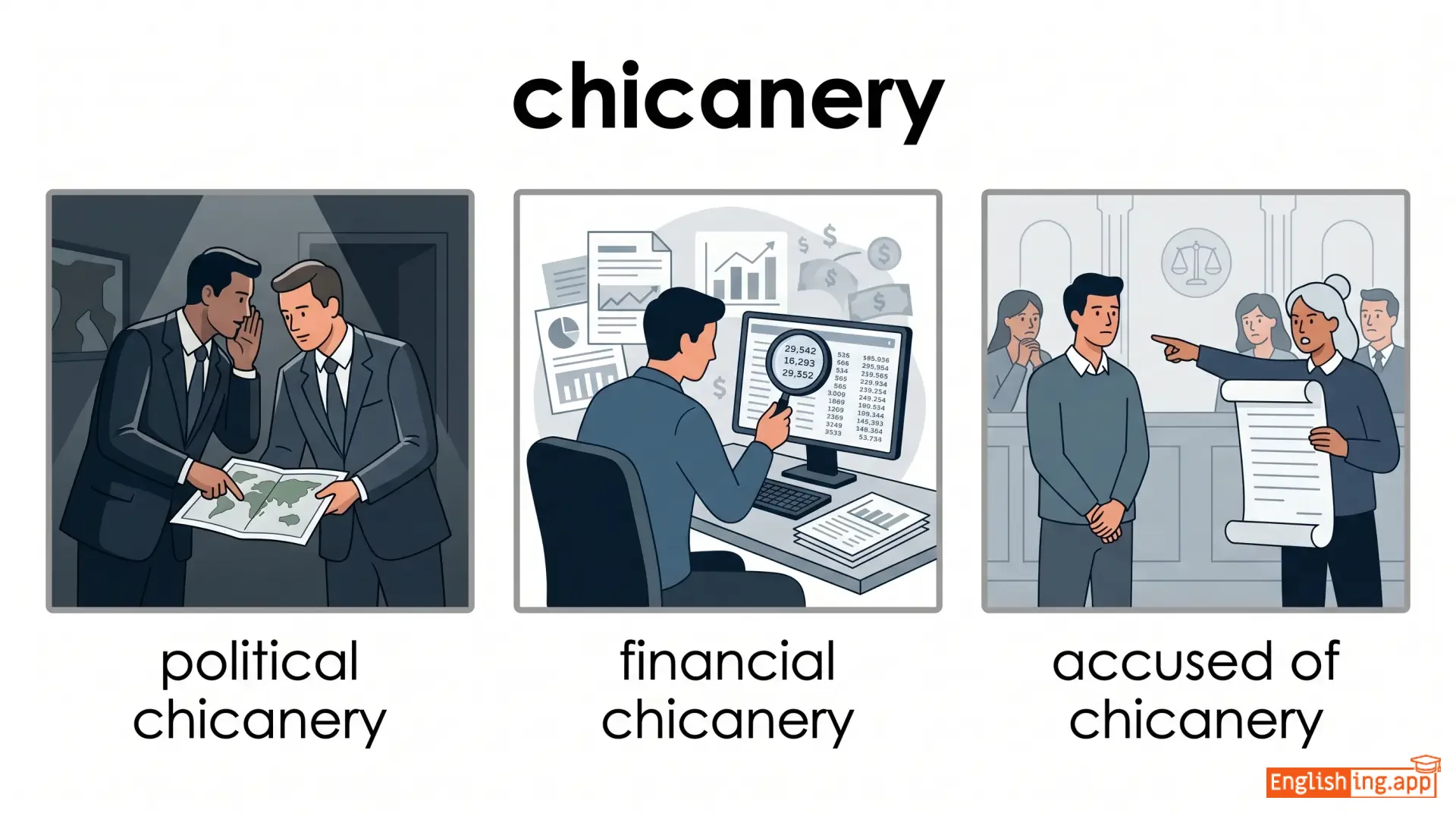
political chicanery, financial chicanery, accused of chicanery, expose chicanery
••••••
|
チカネリ (chicanery) で騙す意味、詐欺。
••••••
|
|
🧪
••••••
|
/koʊˈæɡjəˌleɪt/
verb
(コアギュレイト)
••••••
|
|
凝固
gyōkō
••••••
|
coagulated
コアギュレイテッド
••••••
|
coagulated
コアギュレイテッド
••••••
|
coagulates
コアギュレイツ
••••••
|
coagulating
コアギュレイティング
••••••
|
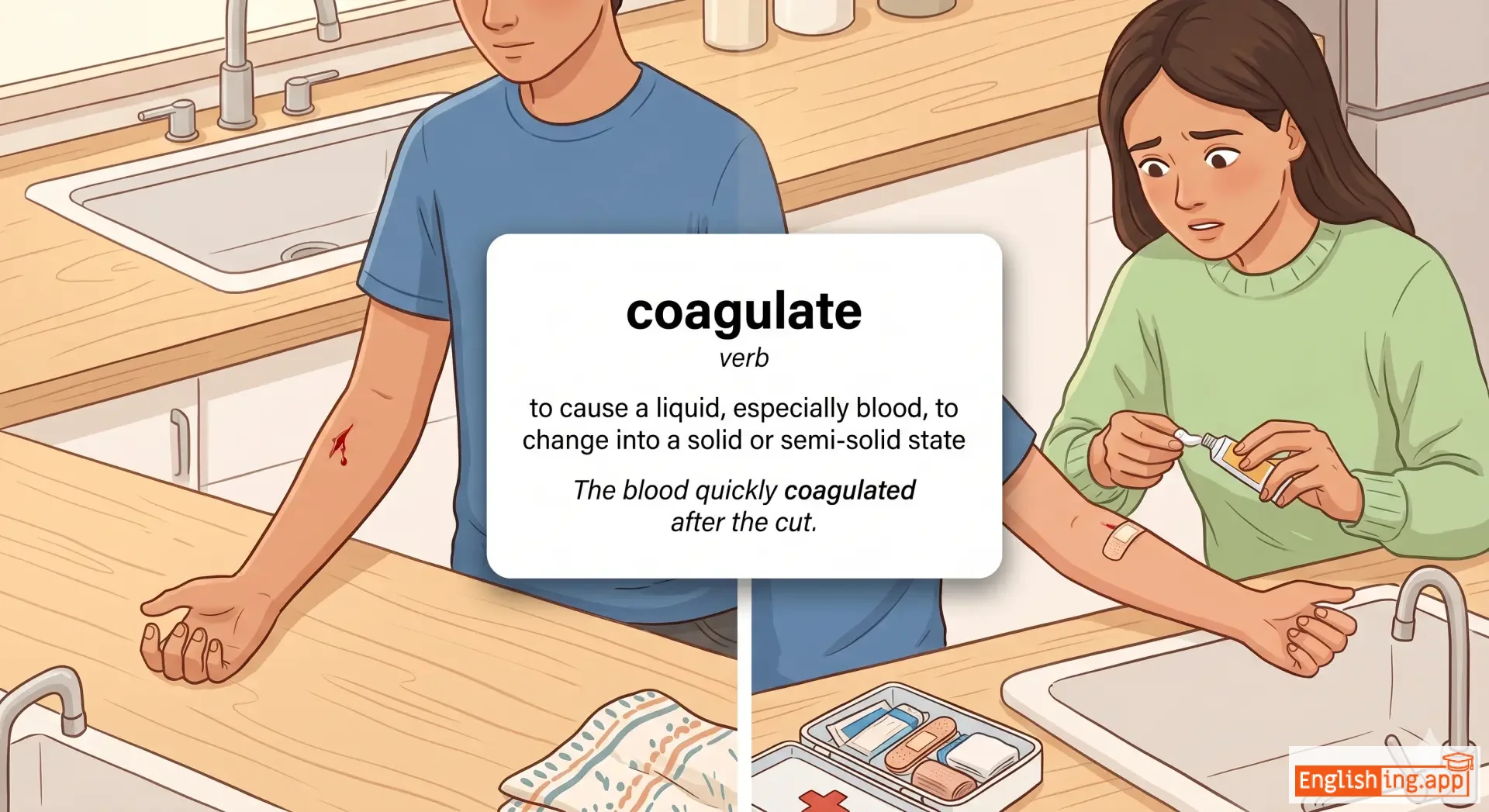
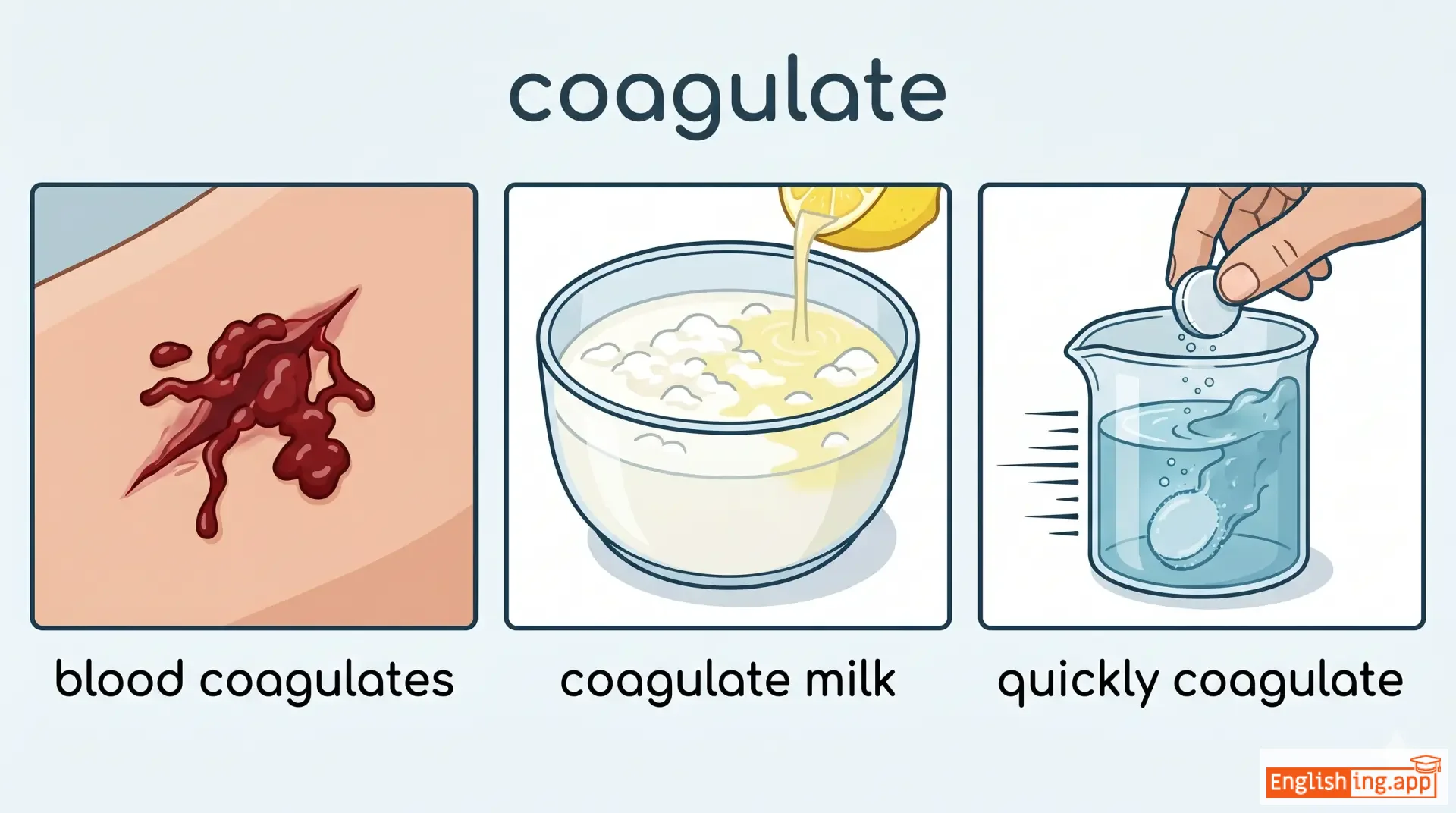
to cause a liquid, especially blood, to change into a solid or semi-solid state
••••••
|
The blood quickly coagulated after the cut.
切り傷の後、血液はすぐに凝固しました。
••••••
|
切り傷の後、血液はすぐに凝固しました。
Kirikizu no ato, ketsueki wa sugu ni gyōkō shimashita.
••••••
|
- •••••• | - •••••• | - •••••• |
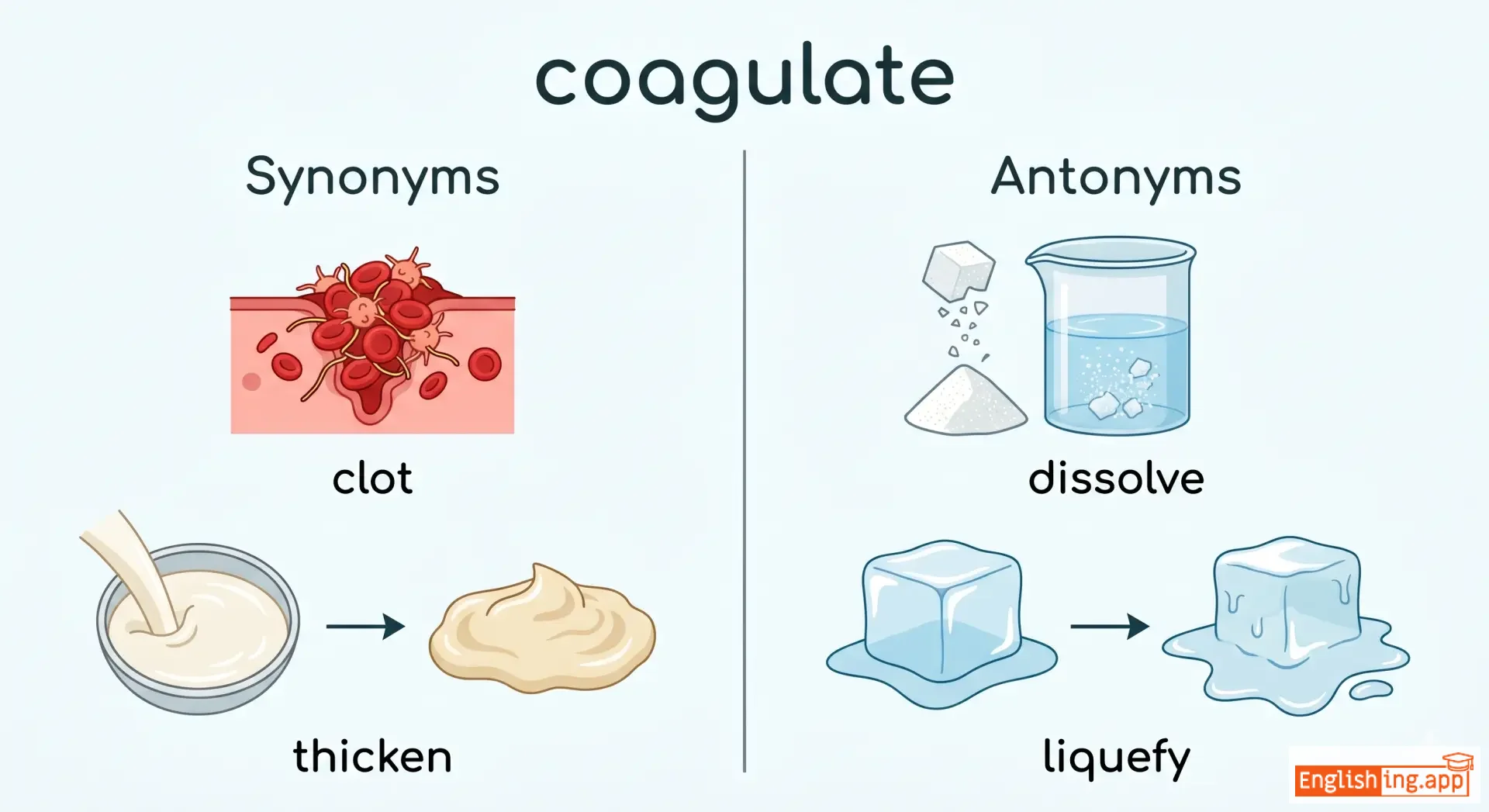
clot, thicken, curdle, congeal
••••••
|
dissolve, liquefy, melt
••••••
|
blood coagulates, coagulate milk, quickly coagulate
••••••
|
切ると血液が凝固する
••••••
|

