The British Thought of Leaving India
第二次世界大戦中、イギリスがインドを離れなければならないことがevidentとなった。
当時のイギリス政府のstrategyによれば、1948年6月30日までにインド亜大陸の権力をtransferしなければならなかった。
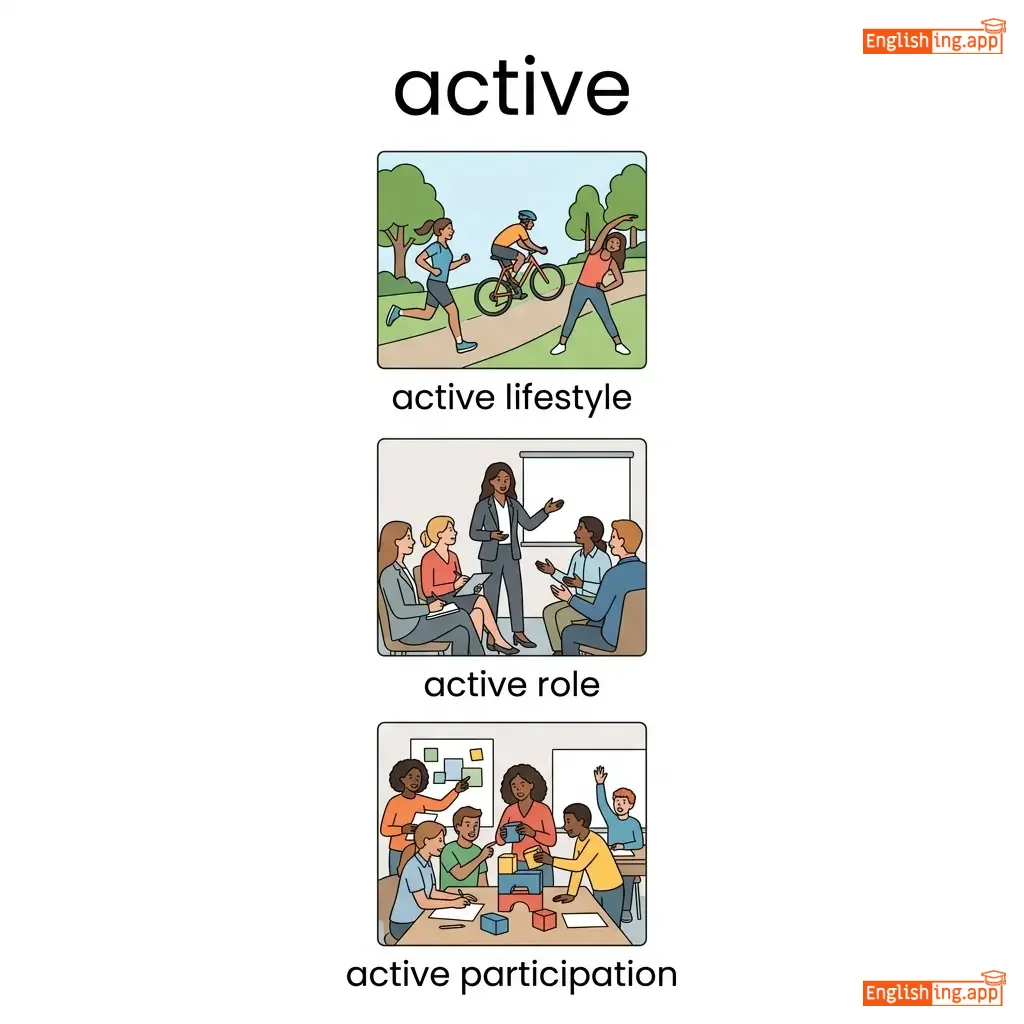
その時、若いleaderシェイク・ムジブル・ラフマンはパキスタン運動でactiveだった。後に彼はバングラデシュの創設leaderとなった。
彼はインドとパキスタンのpartitionを内部から目撃した。シェイク・ムジブはそのことを著書『未完の自伝』でdescriptionしている。
彼は、第二次世界大戦中に当時のイギリス首相ウィンストン・チャーチルがインド亜大陸に代表団をdispatchedしたが、それはクリップス使節団と呼ばれ、何のimpactもなかったと書いている。
第二次世界大戦後、クレメント・アトリーが労働党の出身としてイギリスの首相となったとき、1946年3月15日に三人の大臣からなる内閣使節団をannouncedした。
この使節団はインド亜大陸に来て、さまざまな政党とconsultationを行い、できるだけ早く独立を与えることを目指したと言われている。
|
絵文字
|
単語 | Images | 意味 | 例文 | 同義語 | 対義語 |
|---|---|---|---|---|---|---|
|
#634
👁️
|
ˈɛvɪdənt
adjective
••••••
|

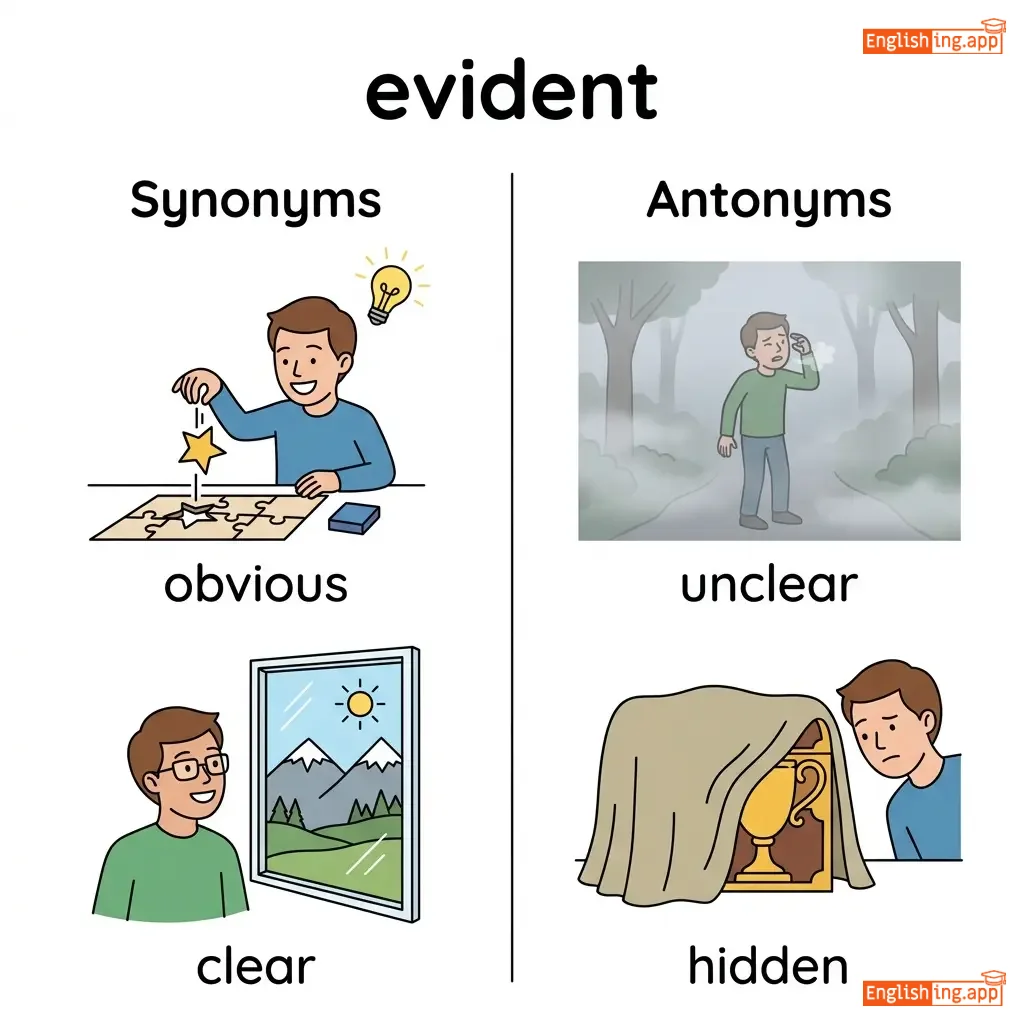

|
Clearly seen or understood; obvious.
••••••
|
The result was evident. |
clear, apparent, obvious, plain, visible
••••••
|
obscure, hidden, unclear, vague
••••••
|
|
#635
🎯
|
ˈstrætədʒi
noun
••••••
|
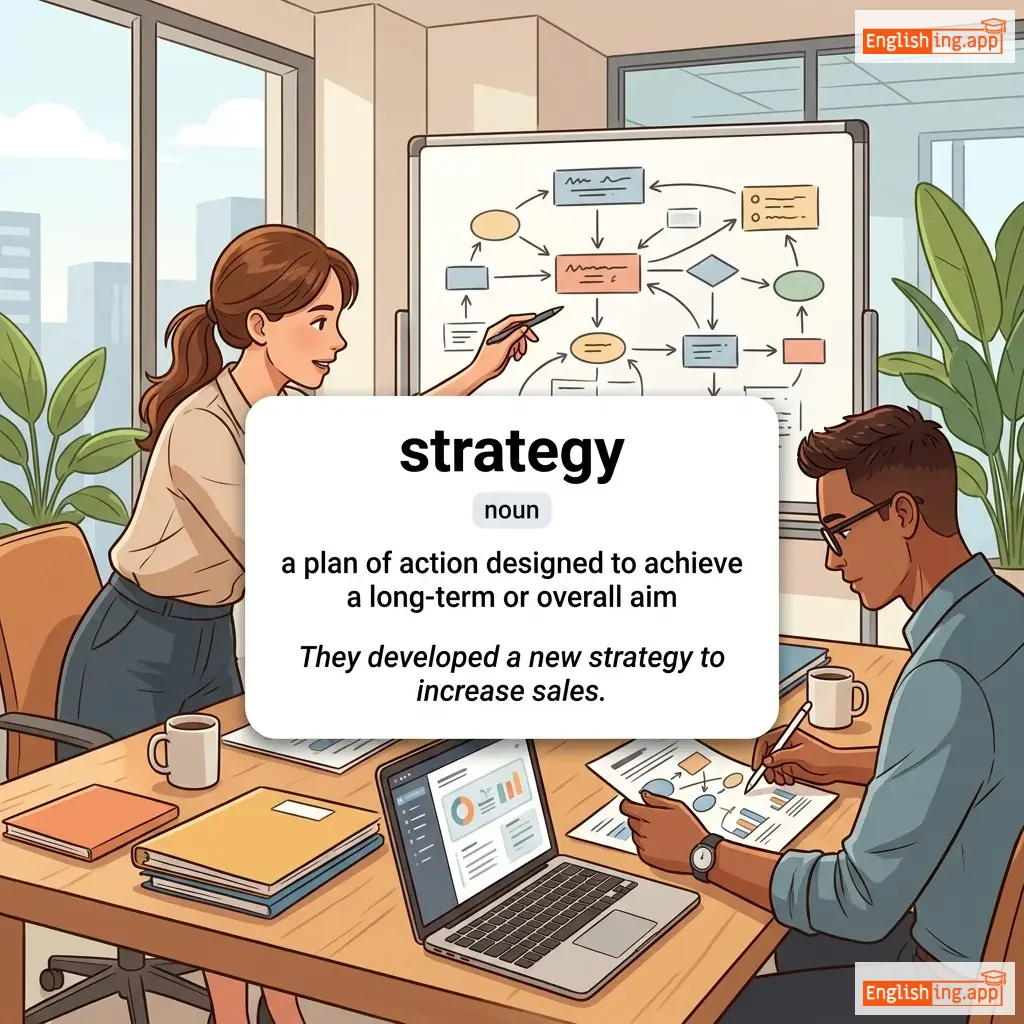
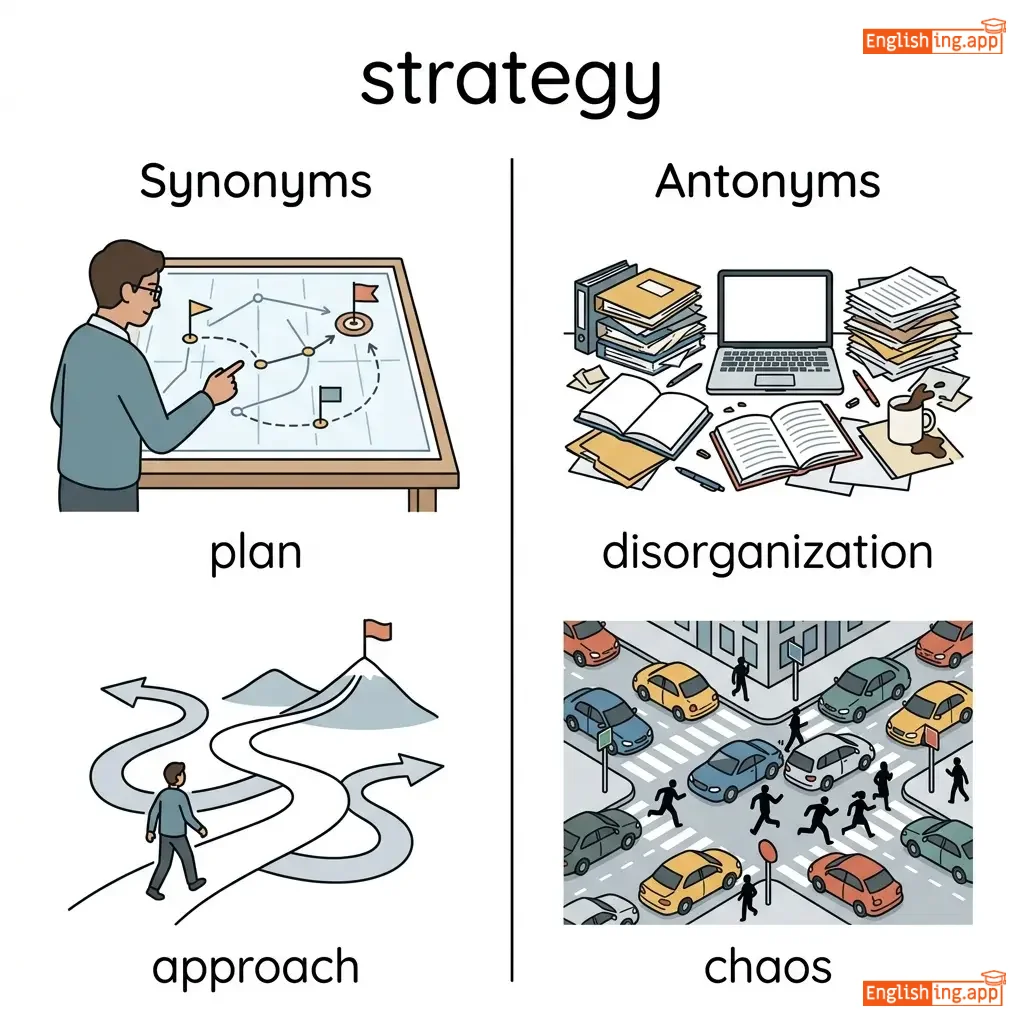

|
A plan of action designed to achieve a long-term or overall aim.
••••••
|
The strategy ensured success. |
plan, tactic, approach, method, scheme
••••••
|
chaos, improvisation, disorder
••••••
|
|
#636
🔄
|
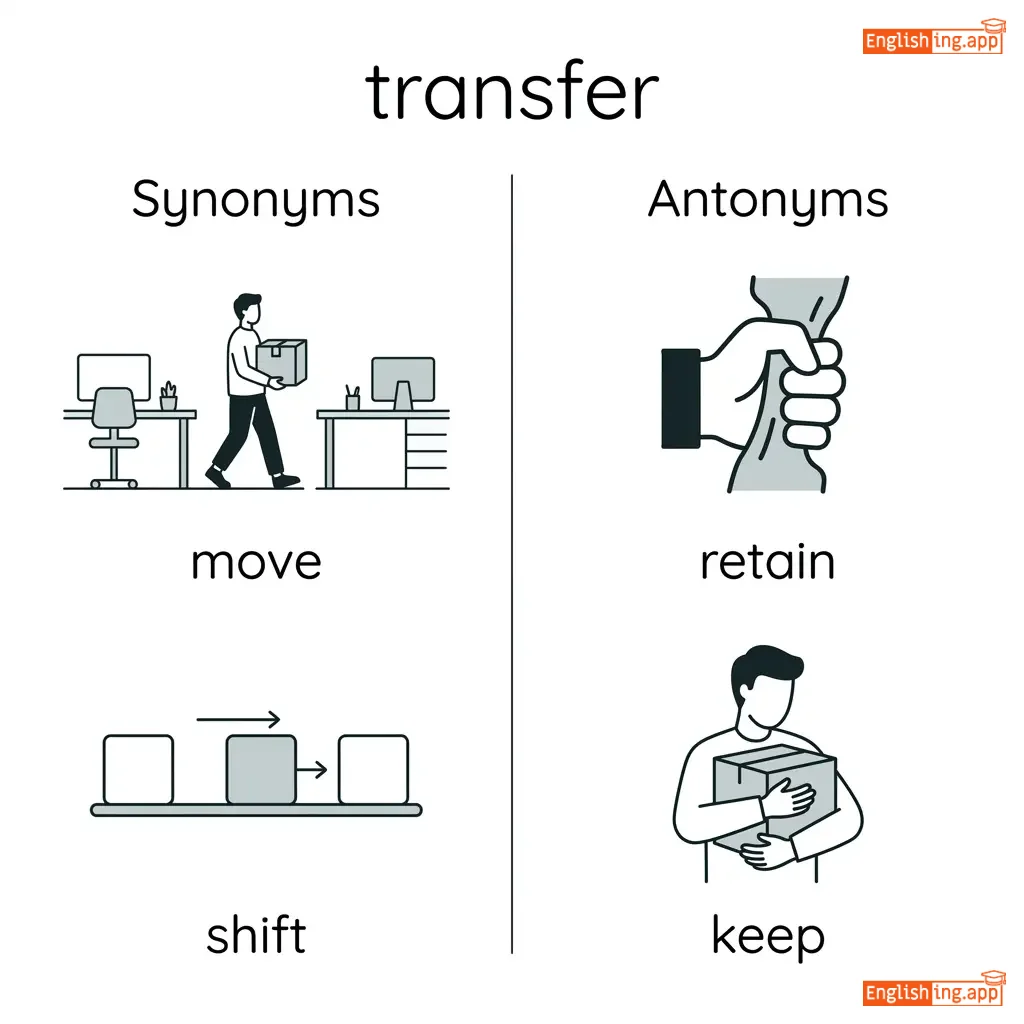
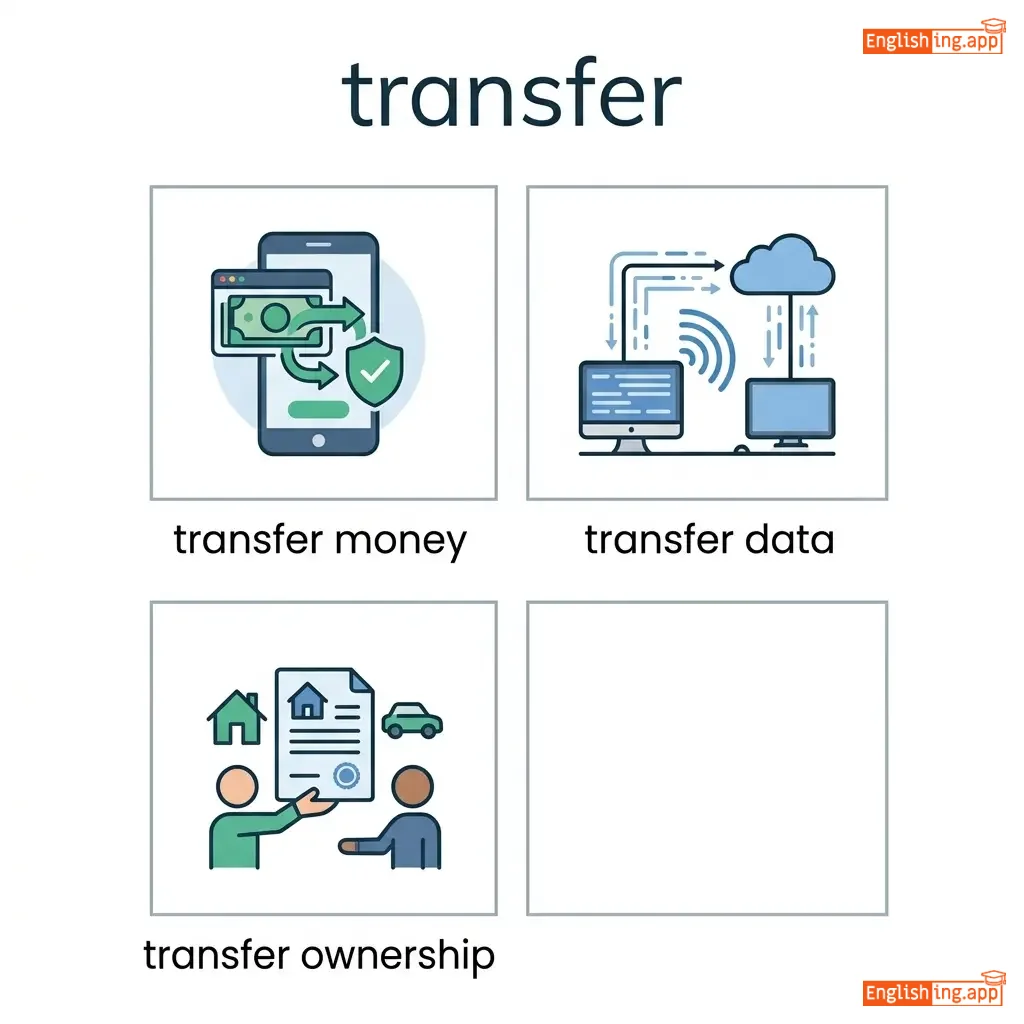
ˈtrænsfər
verb
••••••
|
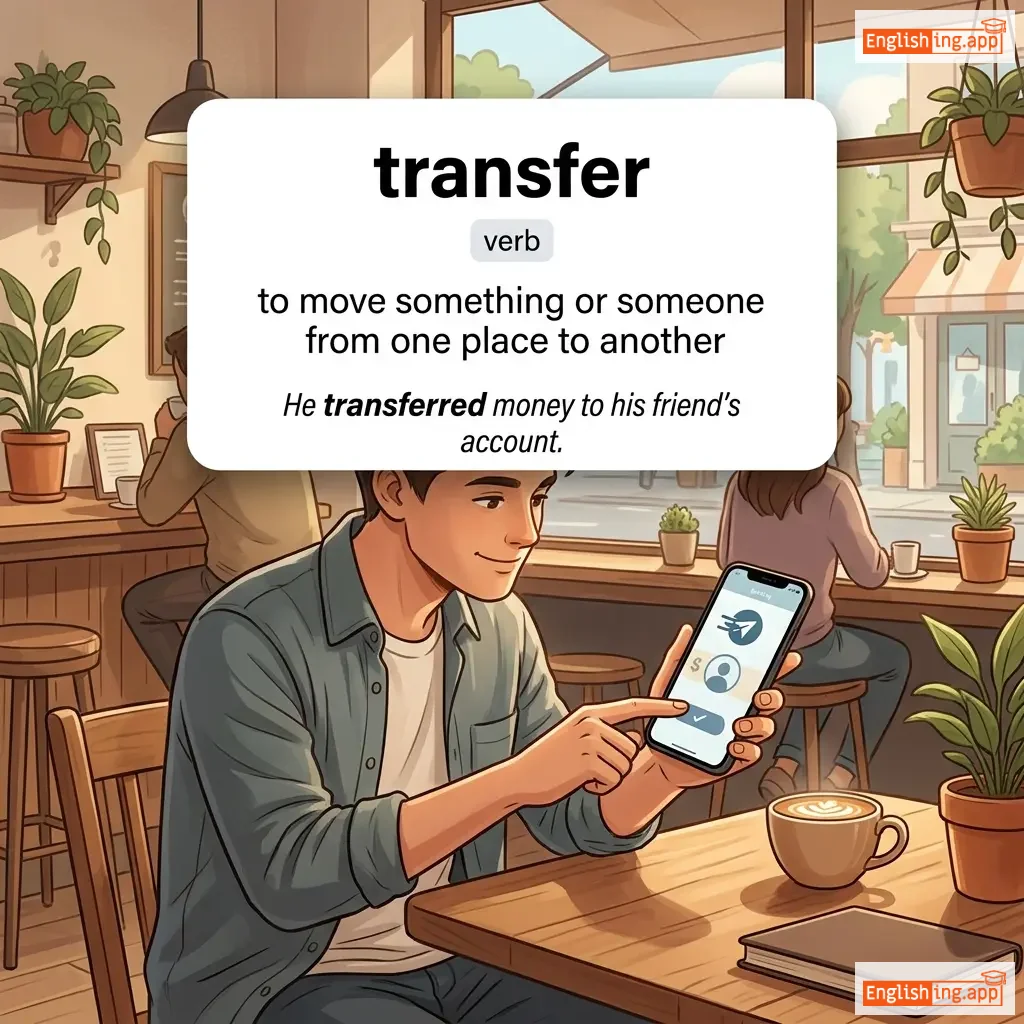
|
To move from one place to another; to hand over.
••••••
|
Power transfer was necessary. |
shift, relocate, move, convey, transport
••••••
|
retain, keep, hold, maintain
••••••
|
|
#637
⚡
|
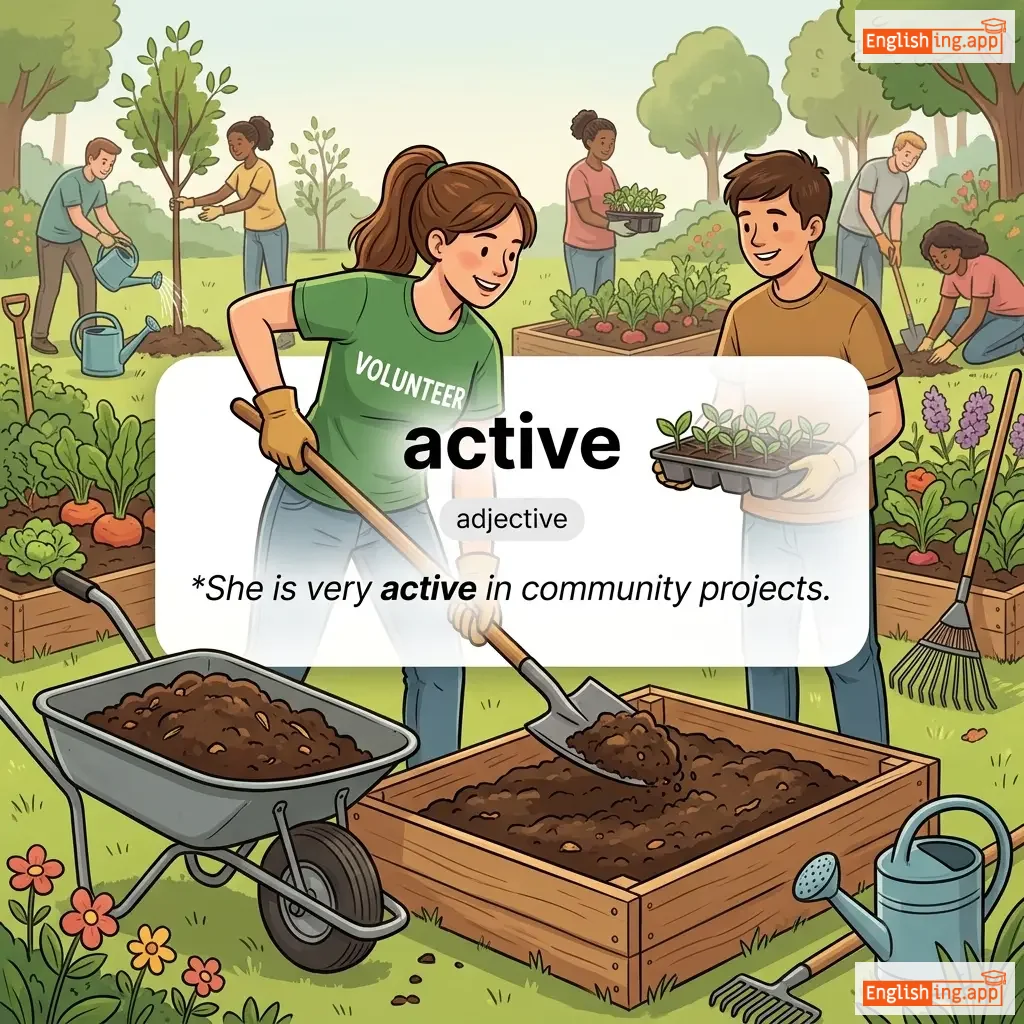
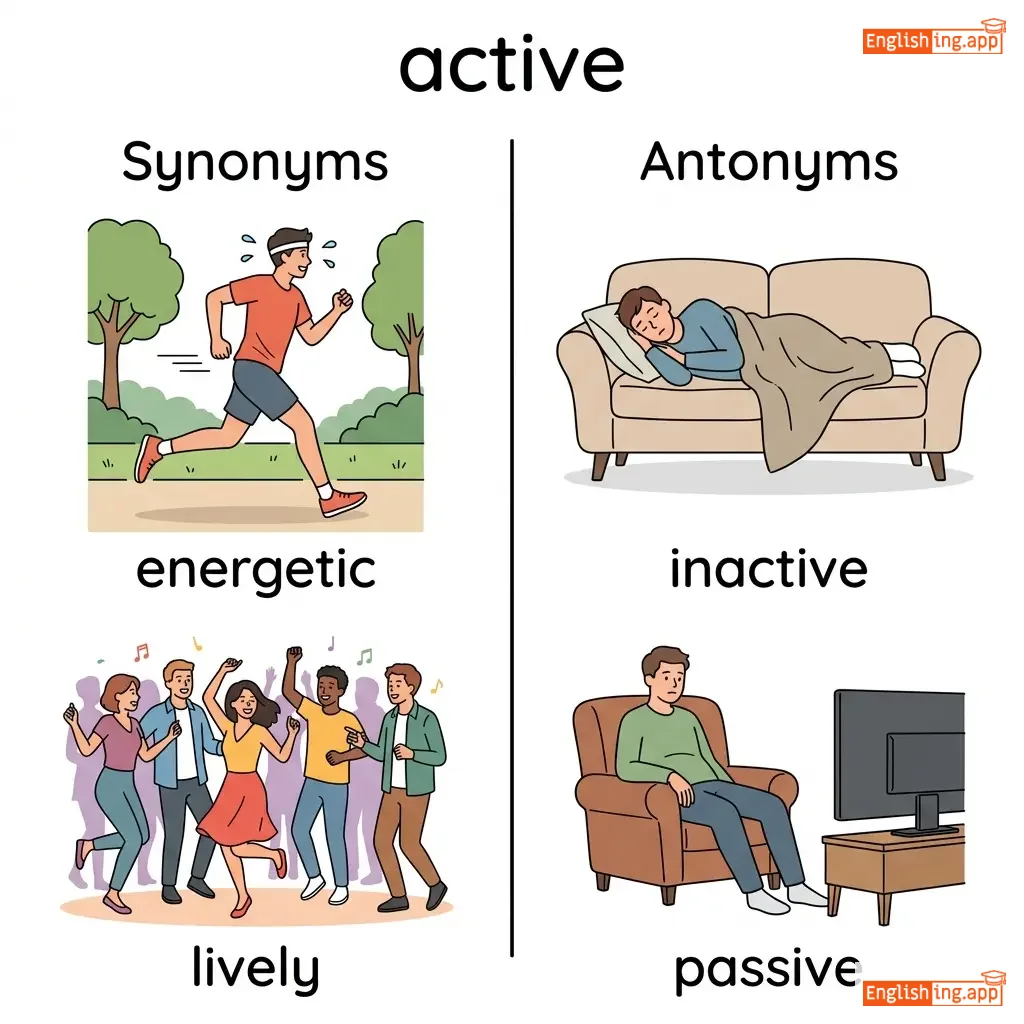
ˈæktɪv
adjective
••••••
|
|
Engaging or ready to engage in physically energetic pursuits; participating.
••••••
|
He was active in movements. |
energetic, dynamic, busy, lively, engaged
••••••
|
passive, inactive, idle, dormant
••••••
|
|
#638
👨💼
|
ˈliːdər
noun
••••••
|
|
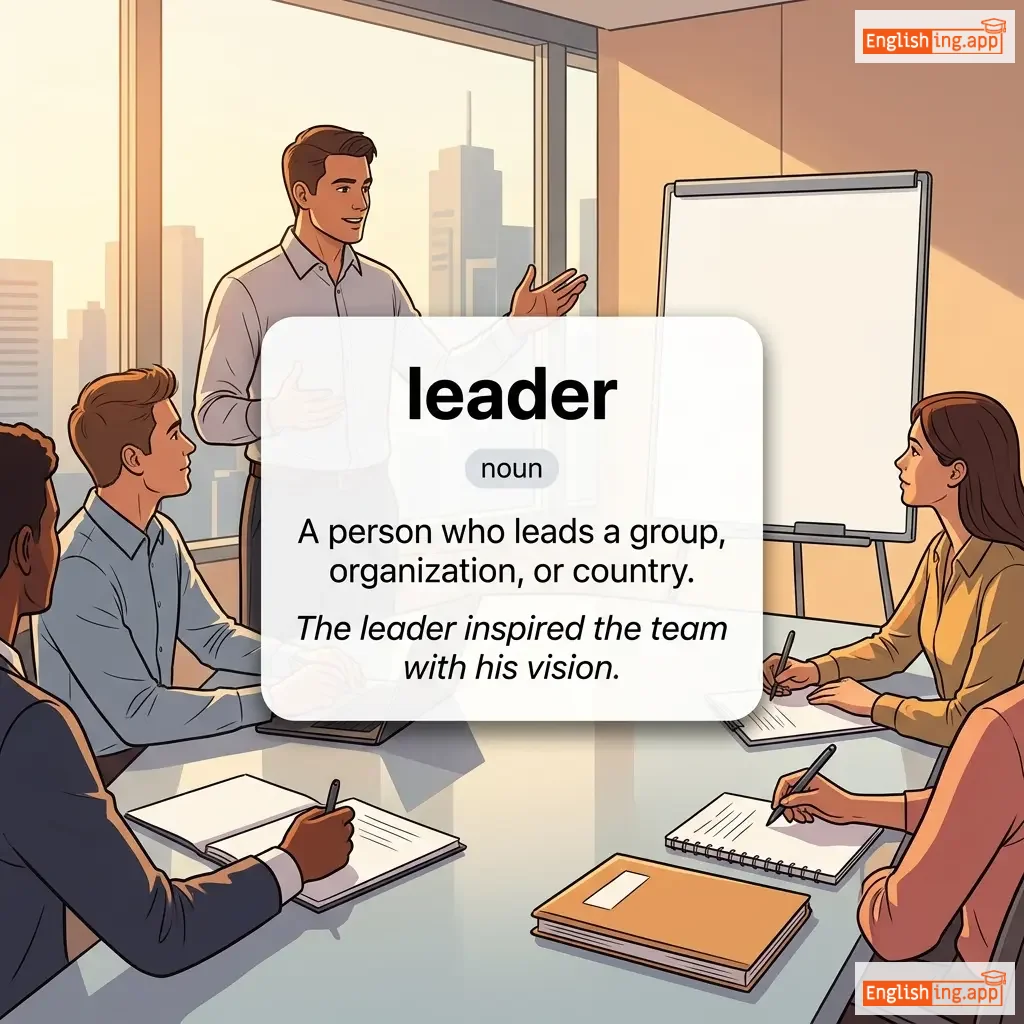
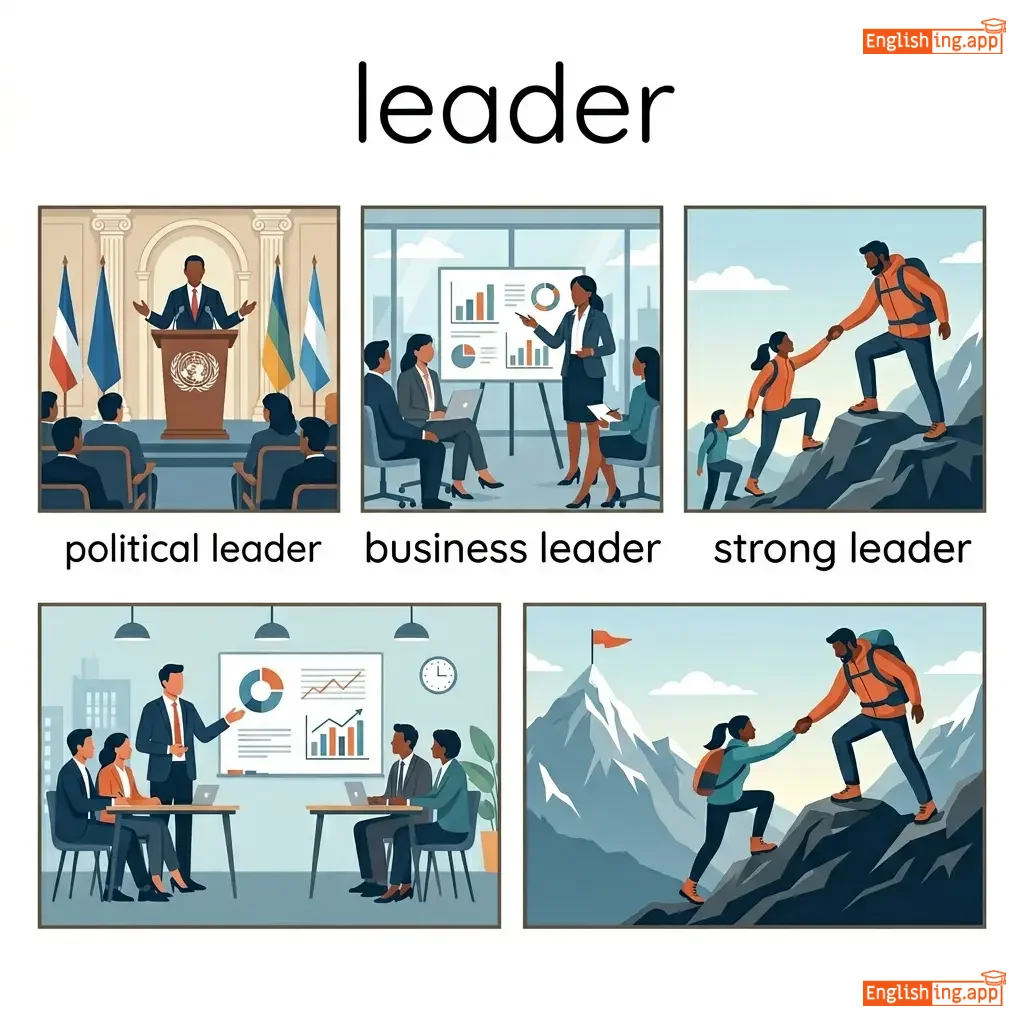
A person who leads or commands a group, organization, or country.
••••••
|
The leader inspired people. |
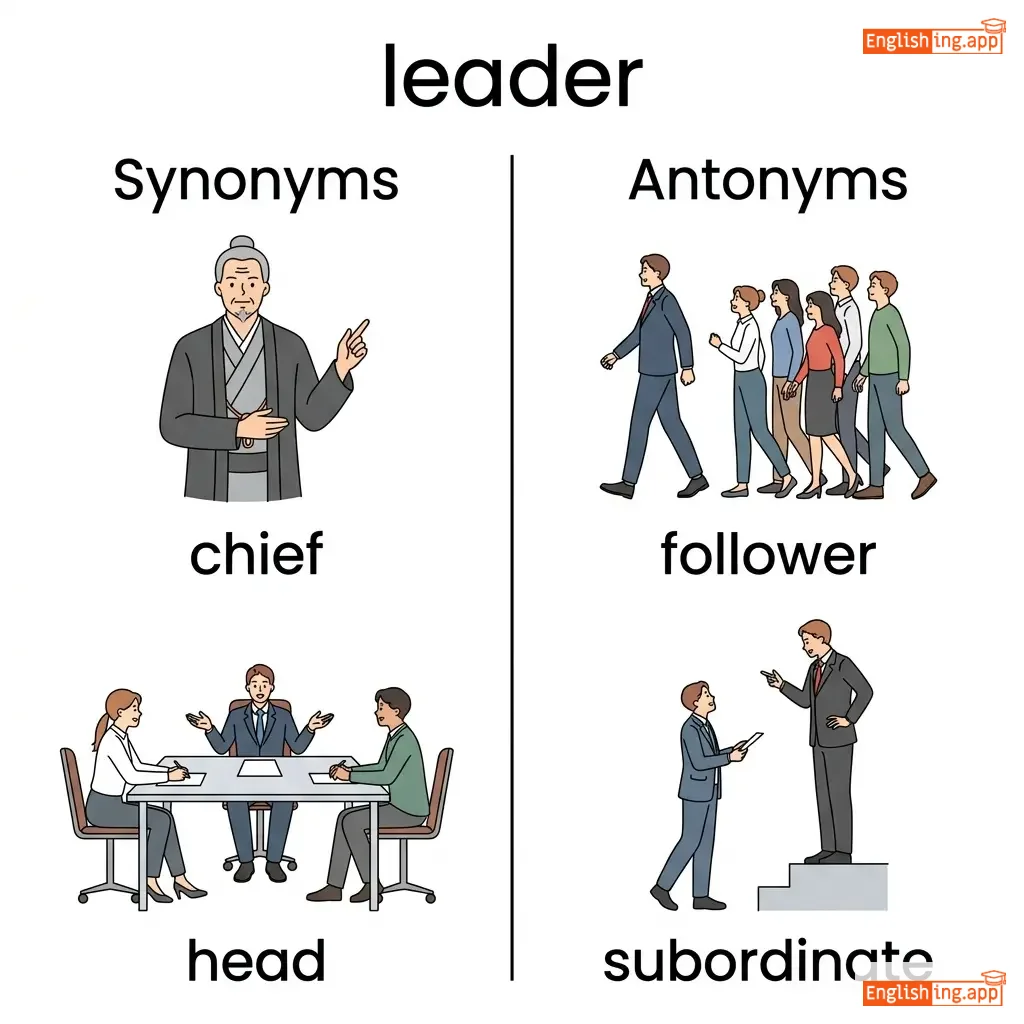
head, guide, chief, commander, director
••••••
|
follower, subordinate, supporter
••••••
|
|
#639
🚧
|
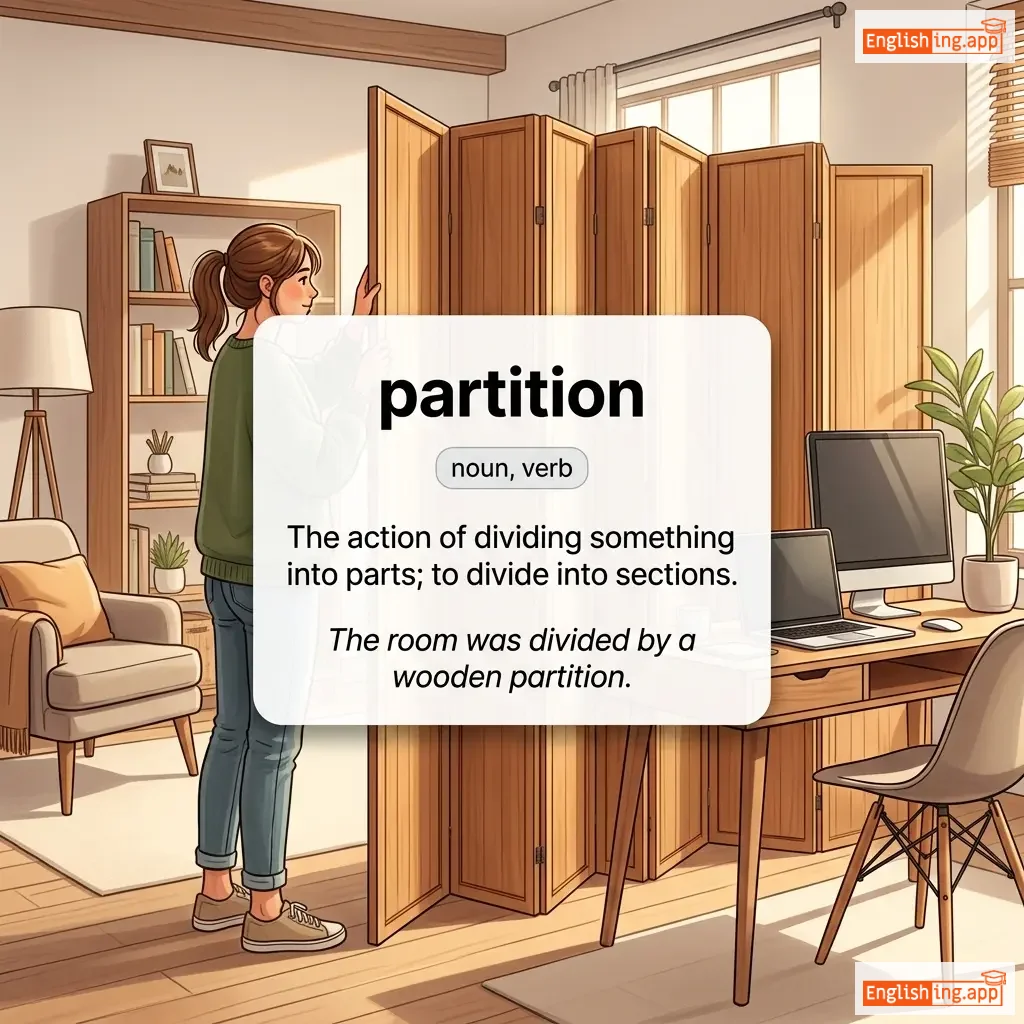
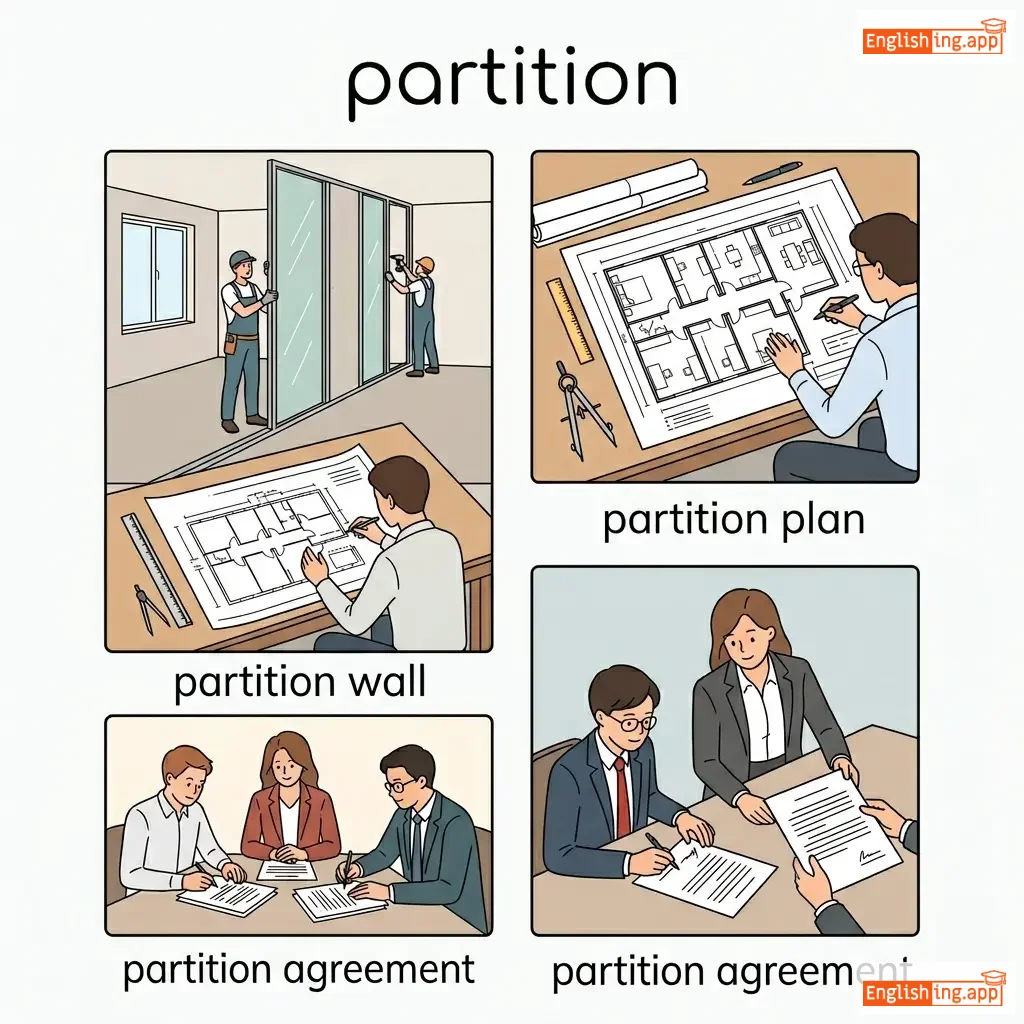
pɑrˈtɪʃən
noun
••••••
|
|
The action of dividing or being divided into parts; separation.
••••••
|
Partition caused unrest. |
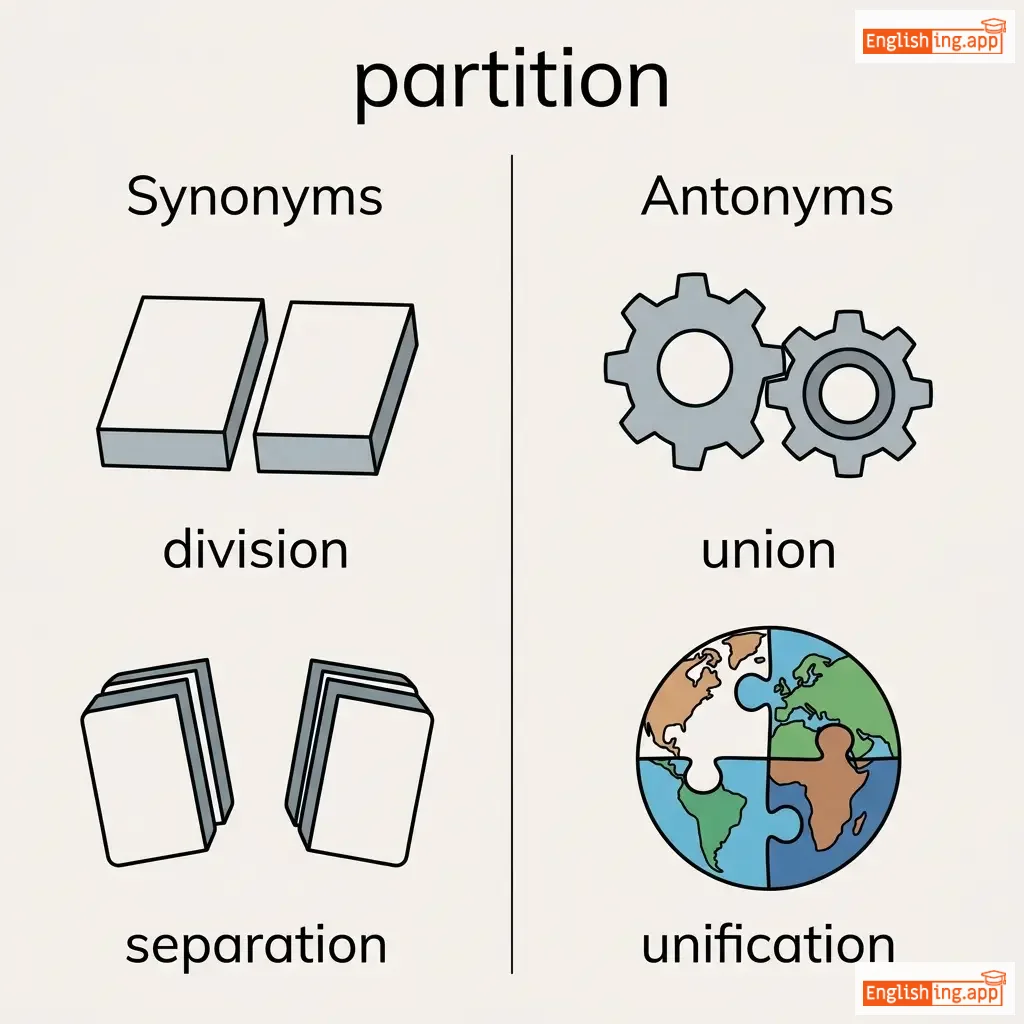
division, separation, split, segregation
••••••
|
union, unity, merger, integration
••••••
|
|
#640
📝
|
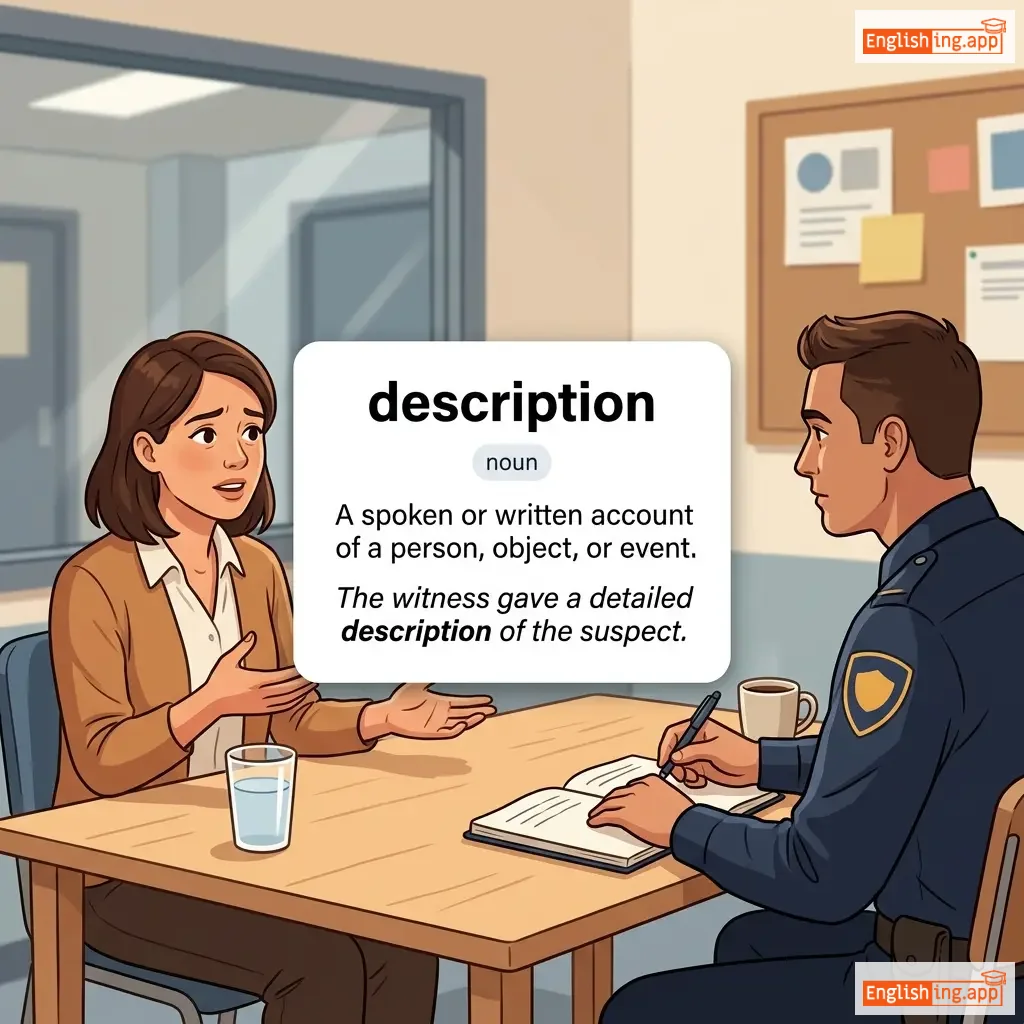
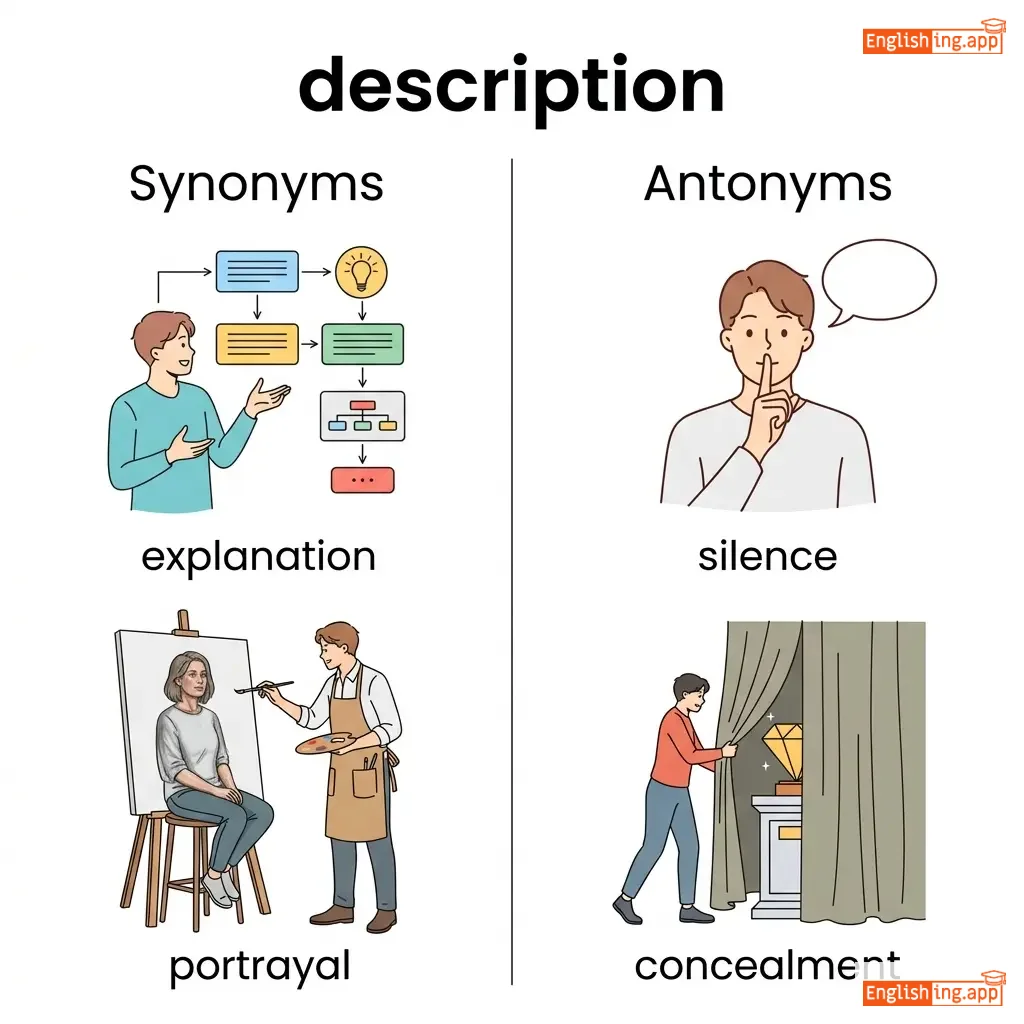
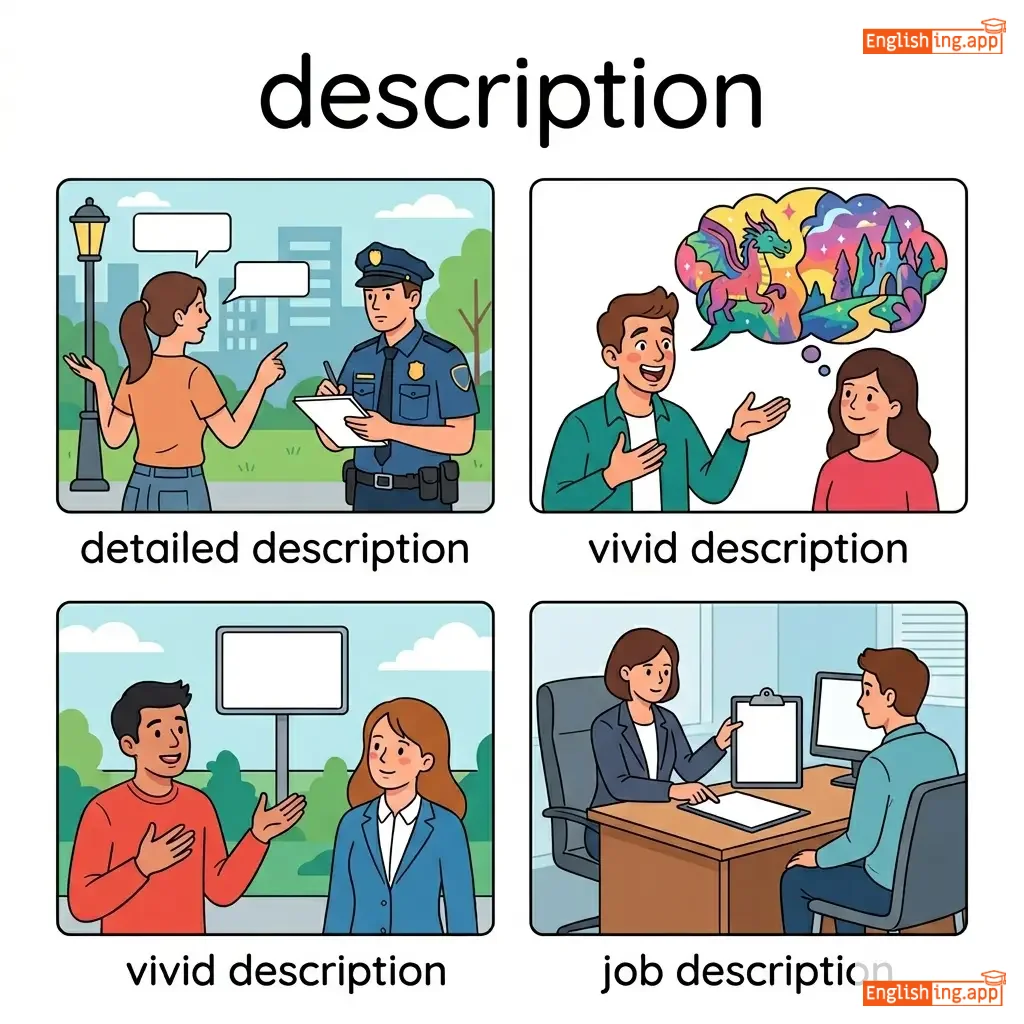
dɪˈskrɪpʃən
noun
••••••
|
|
A spoken or written account of a person, object, or event.
••••••
|
His description was vivid. |
explanation, account, portrayal, depiction
••••••
|
concealment, omission, silence
••••••
|
|
#641
📤
|
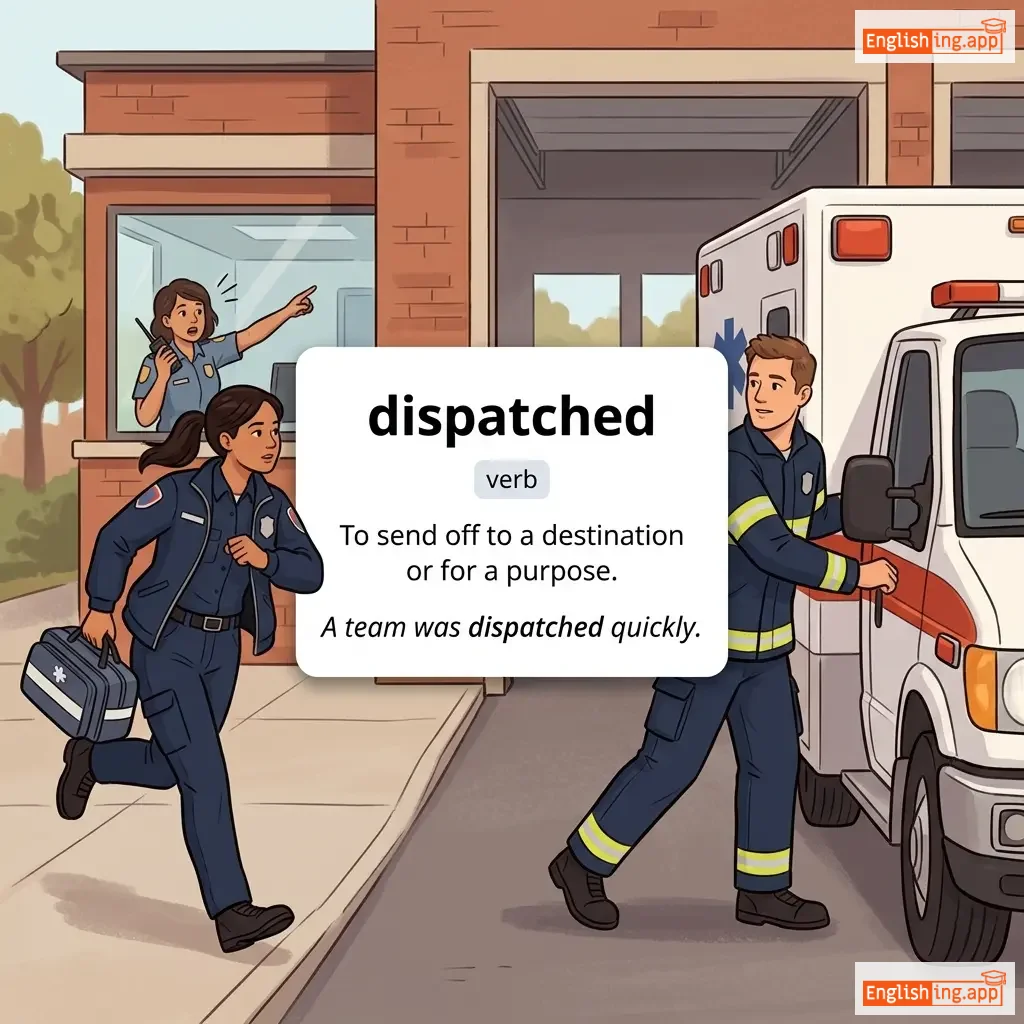
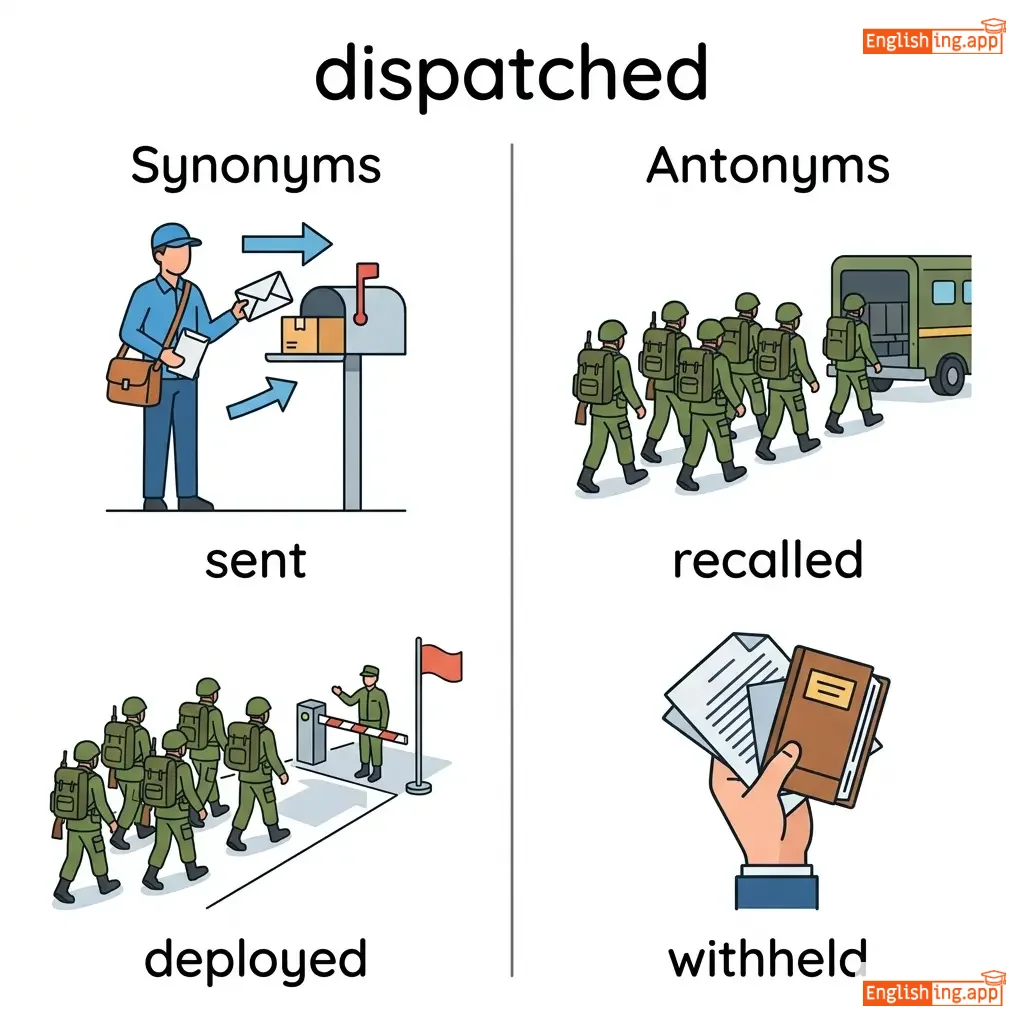
dɪˈspætʃt
verb
••••••
|
|
To send off to a destination or for a purpose.
••••••
|
A team was dispatched quickly. |
sent, deployed, forwarded, transmitted
••••••
|
recalled, withheld, retained
••••••
|
|
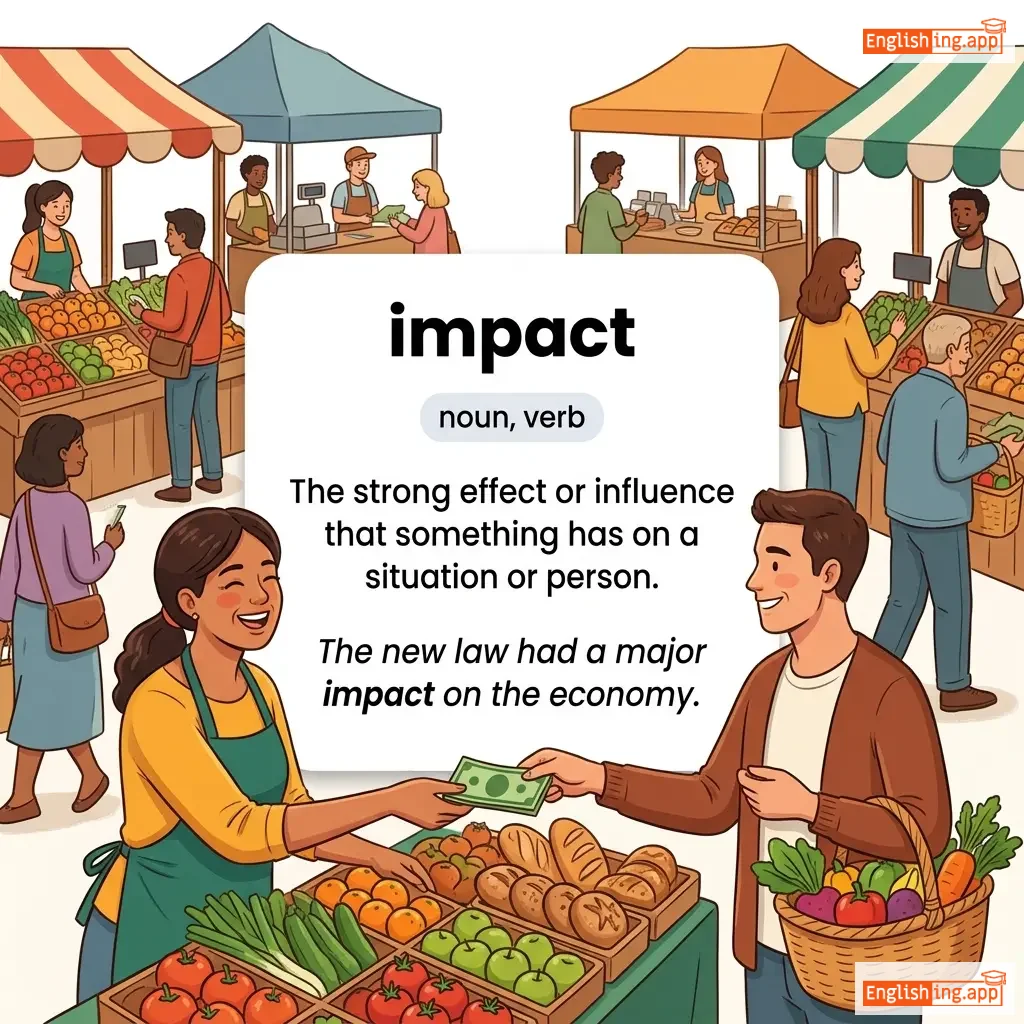
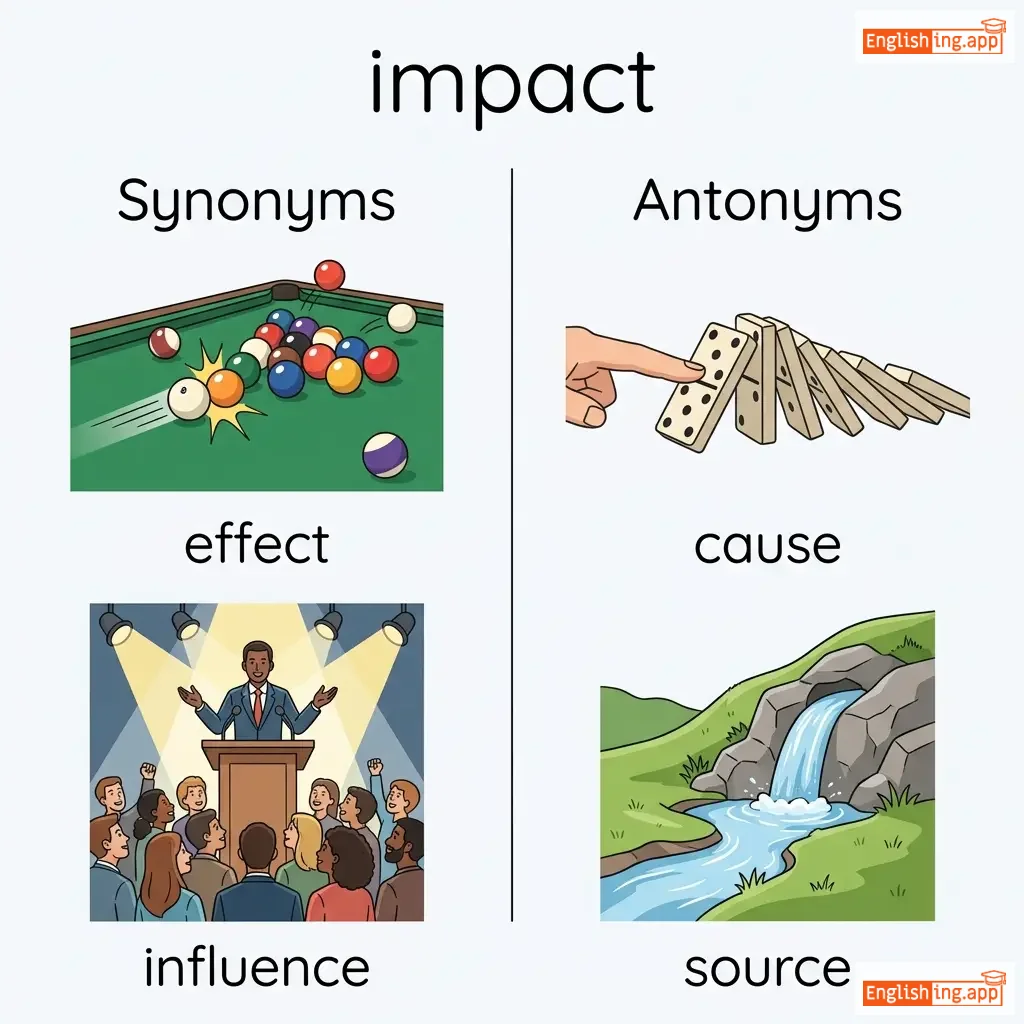
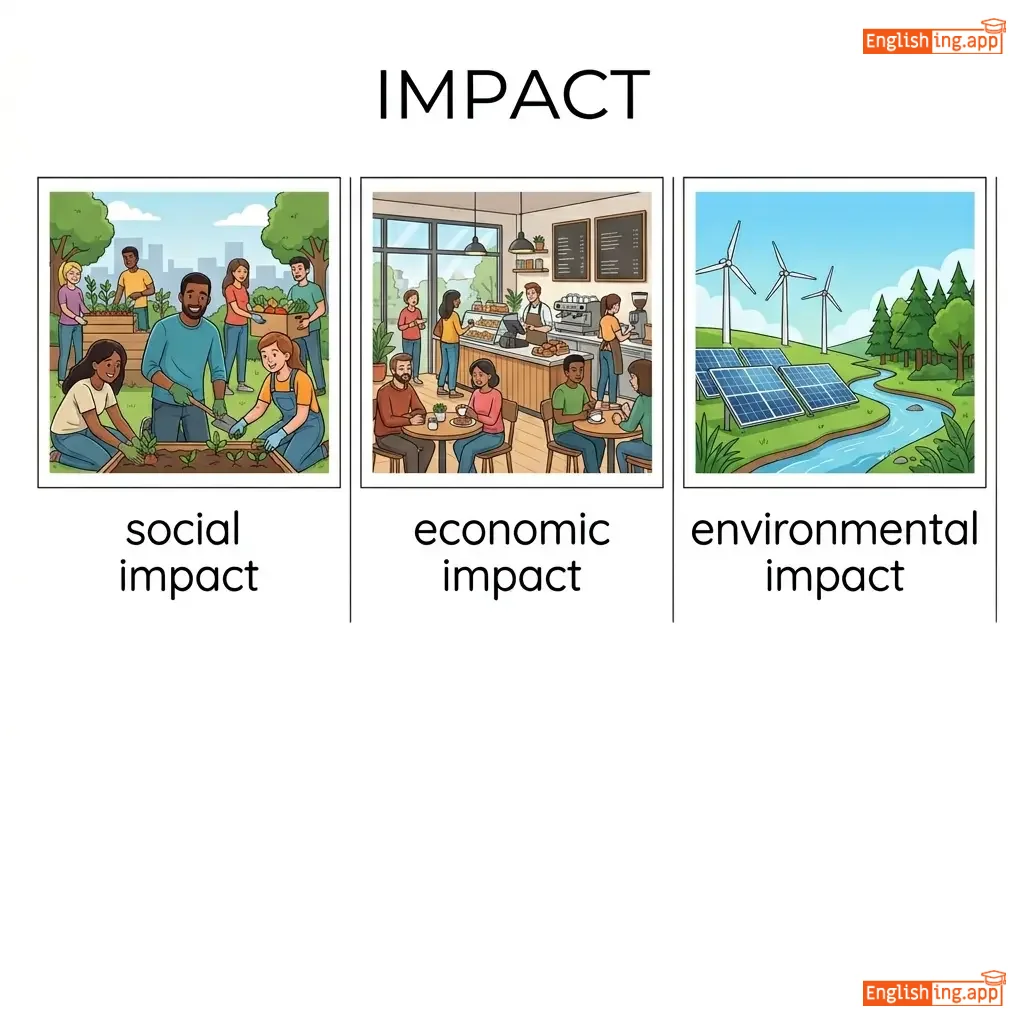
#642
💥
|
ˈɪmpækt
noun
••••••
|
|
A strong effect or influence; the action of one object coming forcibly into contact with another.
••••••
|
The decision had great impact. |
effect, influence, consequence, result
••••••
|
neglect, avoidance, insignificance
••••••
|
|
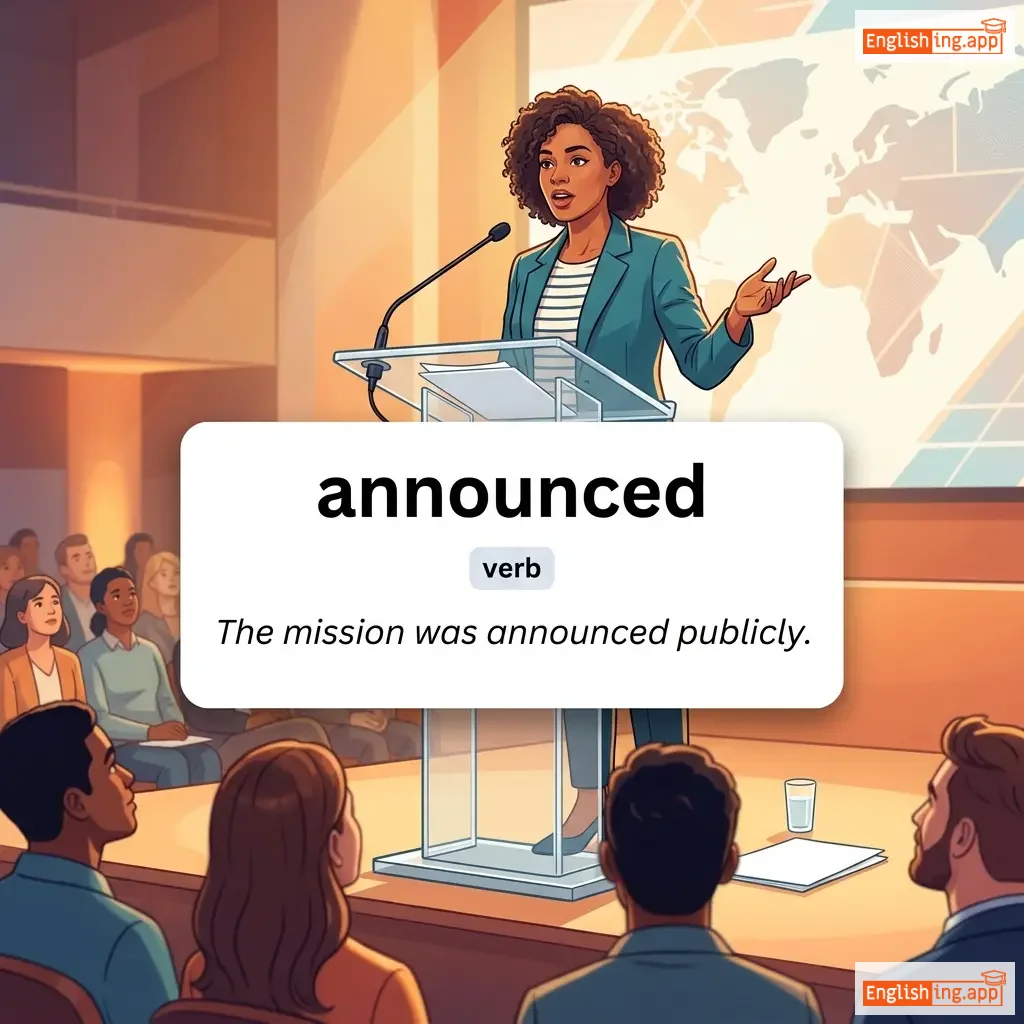
#643
📢
|
əˈnaʊnst
verb
••••••
|
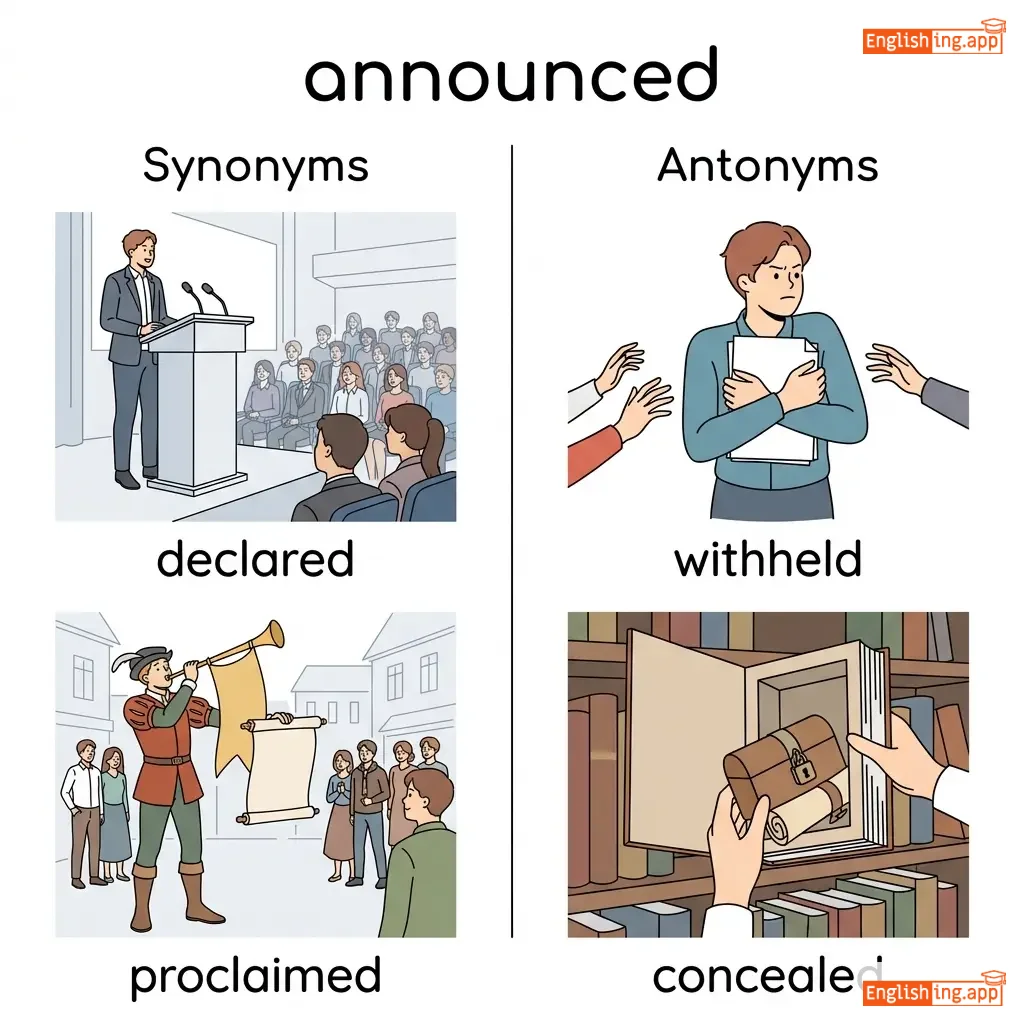
|
To make a public and typically formal declaration about a fact, occurrence, or intention.
••••••
|
The mission was announced publicly. |
declared, proclaimed, revealed, disclosed
••••••
|
withheld, concealed, suppressed
••••••
|
|
#644
🤝
|
ˌkɒnsəlˈteɪʃən
noun
••••••
|
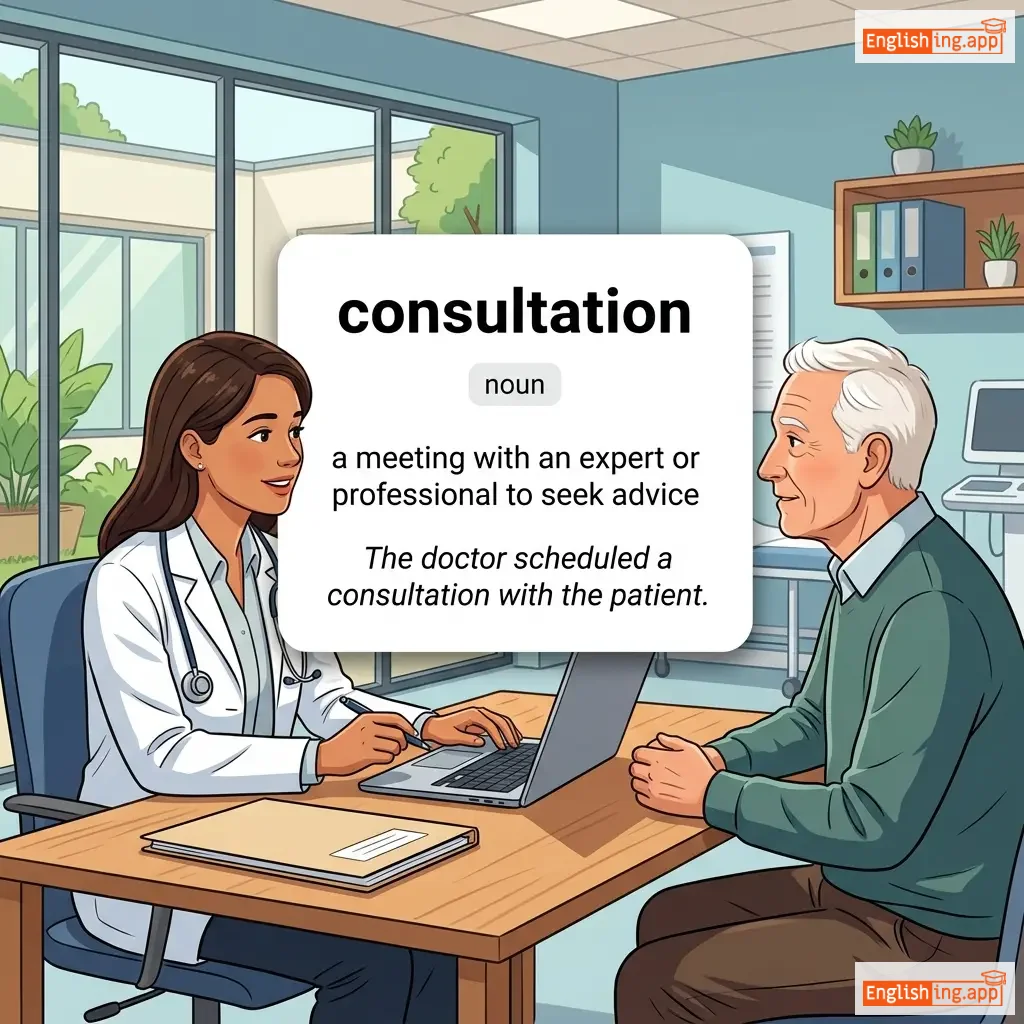
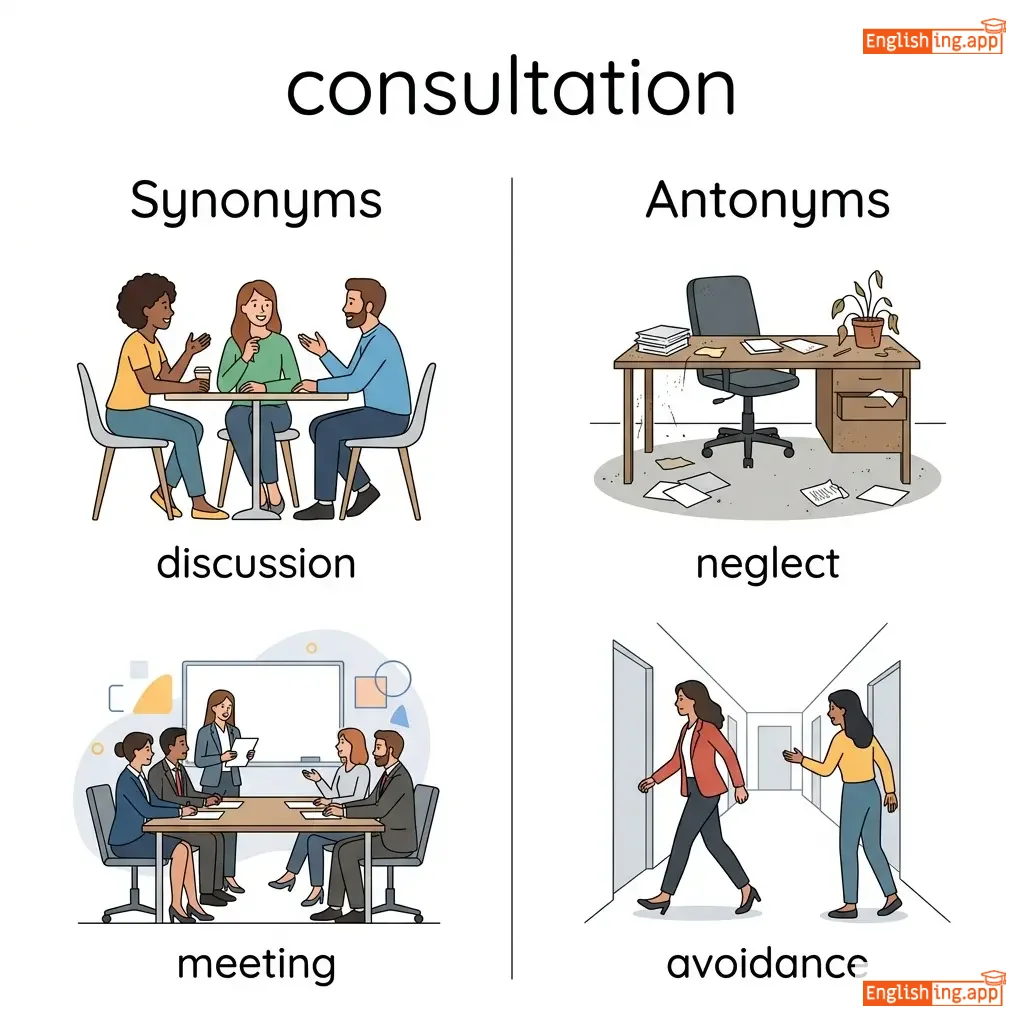
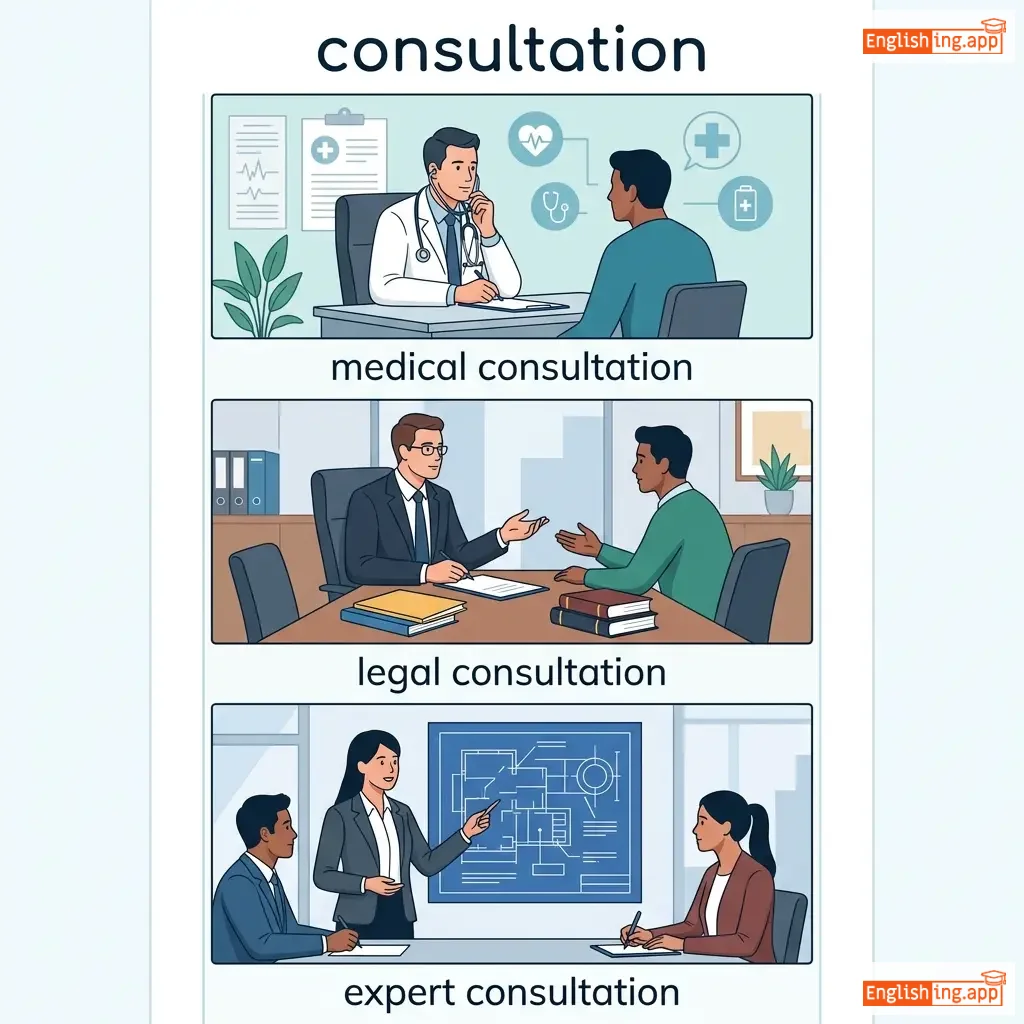
|
The action of consulting or discussing; a meeting with an expert or professional to seek advice.
••••••
|
Consultation was essential. |
discussion, deliberation, conference, meeting
••••••
|
disagreement, conflict, dispute
••••••
|

