|
絵文字
|
単語 | Images | 翻訳 | 過去 | 過去分詞 | 三人称単数 | 動名詞 | 意味 | 例文 | 例文の翻訳 | 表現例 | 表現例の意味 | 表現例の翻訳 | 同義語 | 対義語 | コロケーション | ニーモニック |
|---|---|---|---|---|---|---|---|---|---|---|---|---|---|---|---|---|---|
|
⚖️
••••••
|
/ˈtraɪ.əl/
noun
(トライアル)
••••••
|
- •••••• |
裁判; テスト
saiban; tesuto
••••••
|
- •••••• | - •••••• | - •••••• | - •••••• |
a formal examination of evidence in a court; a test of performance or quality
••••••
|
The murder trial lasted for three weeks in the county courthouse. |
殺人裁判は郡の裁判所で3週間続いた。
Satsujin saiban wa gun no saiban-sho de 3 shūkan tsudzuita.
••••••
|
- •••••• | - •••••• | - •••••• |
hearing, case, lawsuit, test, examination
••••••
|
acquittal, dismissal, settlement
••••••
|
criminal trial, fair trial, trial period, trial run
••••••
|
裁判 (court trial) とテスト (test)
••••••
|
|
🏹
••••••
|
/ˈtraɪbəl/
adjective
(トライバル)
••••••
|
- •••••• |
部族の
buzoku no
••••••
|
- •••••• | - •••••• | - •••••• | - •••••• |
relating to a tribe or tribes, especially indigenous people
••••••
|
The tribal community has preserved its culture for centuries. |
部族コミュニティは何世代にもわたりその文化を守り続けてきました。
Buzoku komyuniti wa nan-sedai ni mo watari sono bunka o mamori tsudzukete kimashita.
••••••
|
tribal conflict |
fighting or disagreement between tribes
••••••
|
部族間の対立
Buzoku-kan no tairitsu
••••••
|
ethnic, native, cultural, aboriginal, communal
••••••
|
urban, modern
••••••
|
tribal community, tribal leader, tribal area, tribal rights
••••••
|
Tribe から Tribal – 部族に関する 🏹
••••••
|
|
👥
••••••
|
/traɪb/
noun
(トライブ)
••••••
|
- •••••• |
部族
buzoku
••••••
|
- •••••• | - •••••• | - •••••• | - •••••• |
a social group consisting of people with common customs, language, and culture
••••••
|
The tribe lived in harmony with nature. |
部族は自然と調和して生活していた。
Buzoku wa shizen to chōwa shite seikatsu shite ita.
••••••
|
- •••••• | - •••••• | - •••••• |
clan, ethnic group, people, nation
••••••
|
individual, outsider
••••••
|
tribal community, indigenous tribe, tribal leader
••••••
|
部族は、共通の文化や習慣を持つ人々が集まり、まるで大家族のようなものです。
••••••
|
|
🎖️
••••••
|
/ˈtrɪbjuːt/
noun
(トリビュート)
••••••
|
|
賛辞
sanchi
••••••
|
- •••••• | - •••••• | - •••••• | - •••••• |
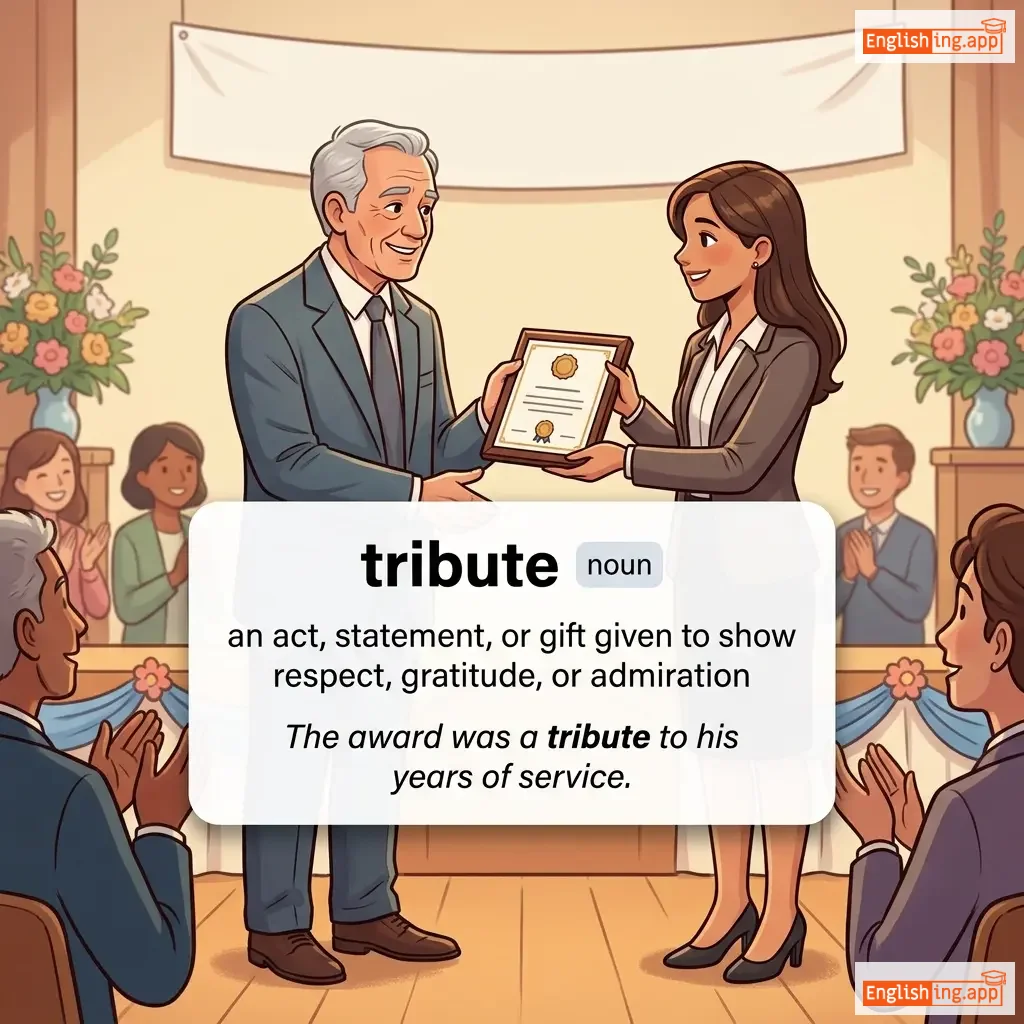
an act, statement, or gift given to show respect, gratitude, or admiration
••••••
|
The award was a tribute to his years of service. |
その賞は彼の長年の奉仕への賛辞でした。
Sono shō wa kare no naganen no hōshi e no sanchi deshita.
••••••
|
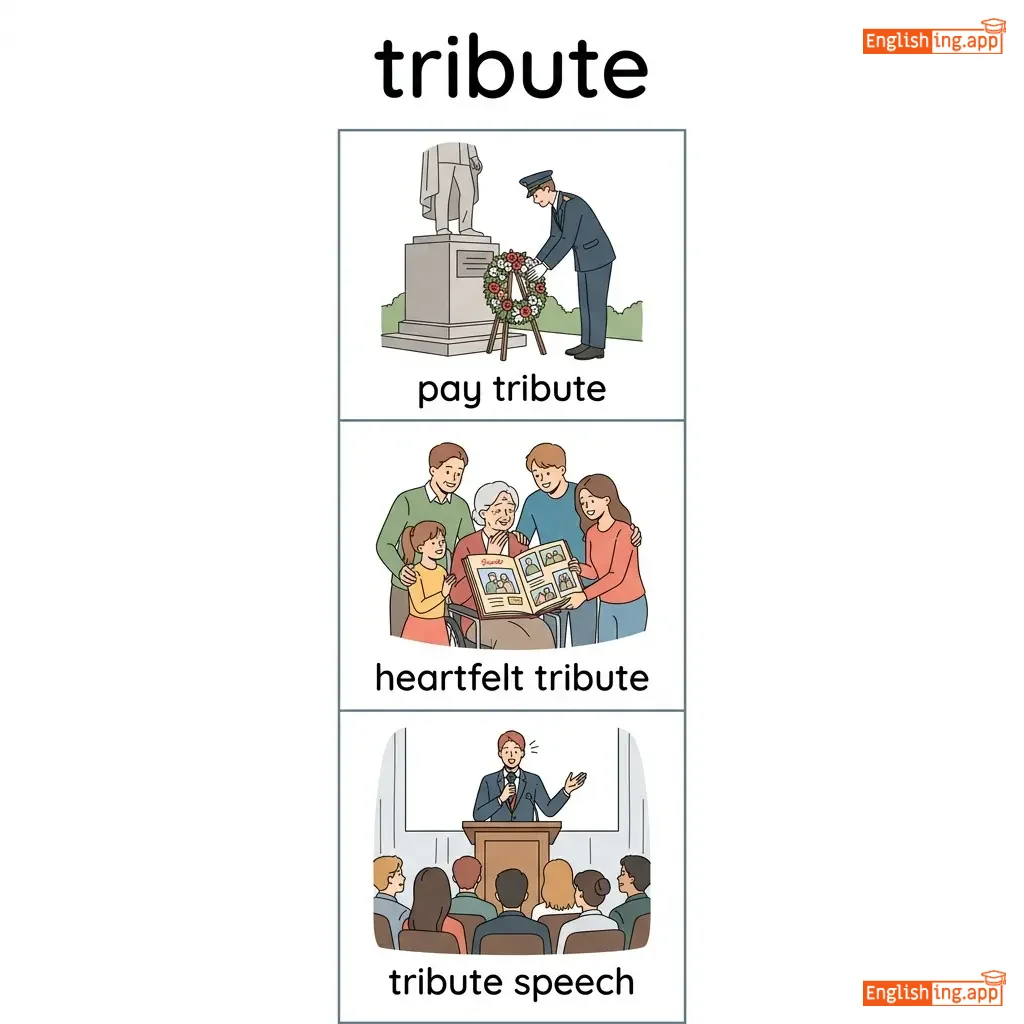
pay tribute |
to show respect or admiration
••••••
|
賛辞を送る
sanchi o okuru
••••••
|
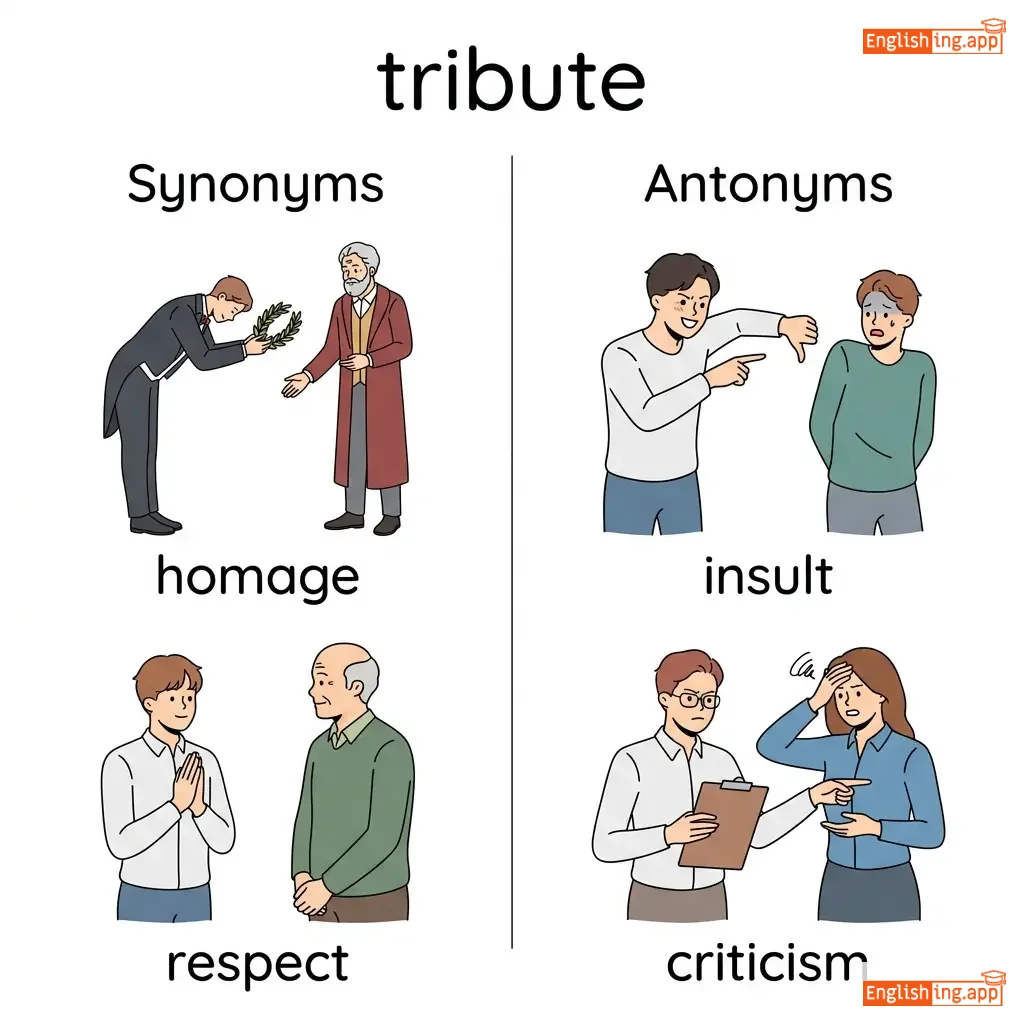
homage, respect, salute, honor, recognition
••••••
|
insult, criticism
••••••
|
pay tribute, heartfelt tribute, tribute speech, floral tribute
••••••
|
賛辞は‘Tree-boot’—木の下で賛辞を送ることを想像してみてください。
••••••
|
|
🎩
••••••
|
/trɪk/
noun
(トリック)
••••••
|
- •••••• |
トリック
torikku
••••••
|
- •••••• | - •••••• | - •••••• | - •••••• |
a cunning or deceitful action or plan intended to mislead or deceive someone
••••••
|
She pulled a trick to win the game. |
彼女はゲームに勝つためにトリックを使った
Kanojo wa gēmu ni katsu tame ni torikku o tsukatta
••••••
|
pull a trick |
to deceive someone cleverly
••••••
|
トリックを使う
torikku o tsukau
••••••
|
deception, hoax, ruse, scam
••••••
|
honesty, sincerity
••••••
|
trick or treat, play a trick, magic trick
••••••
|
Trick は日本語でトリック、巧妙な策略を意味します
••••••
|
|
🔫
••••••
|
/ˈtrɪɡər/
verb
(トリガー)
••••••
|
- •••••• |
引き金
hikigane
••••••
|
triggered
トリガード
••••••
|
triggered
トリガード
••••••
|
triggers
トリガーズ
••••••
|
triggering
トリガーイング
••••••
|
To cause something to happen or start, often suddenly.
••••••
|
The loud noise triggered the alarm system.
大きな音がアラームシステムをトリガーした。
••••••
|
大きな音がアラームシステムをトリガーした。
Ōkina oto ga arāmu shisutemu o torigā shita.
••••••
|
trigger a reaction
反応を引き起こす
••••••
|
To provoke a response, often emotional.
••••••
|
反応を引き起こす
Hannō o hikiokosu
••••••
|
cause, provoke, spark, activate, initiate
••••••
|
prevent, stop, halt
••••••
|
trigger event, trigger alarm, trigger reaction, trigger mechanism
••••••
|
引き金を引けば物事が動き出す。
••••••
|
|
💰
••••••
|
/ˈtrɪl.jən/
noun
(トリリオン)
••••••
|
- •••••• |
トリリオン
tririon
••••••
|
- •••••• | - •••••• | - •••••• | - •••••• |
a number equal to 1,000 billion, or 10^12
••••••
|
The company's worth has risen to over a trillion dollars. |
その企業の価値は1兆ドル以上に上昇しました。
Sono kigyō no kachi wa 1 chō doru ijō ni jōshō shimashita.
••••••
|
- •••••• | - •••••• | - •••••• |
billion, thousand billion, 10^12
••••••
|
million, billion
••••••
|
trillion dollars, trillion dollar industry
••••••
|
1兆ドルを持つトリリオネアを想像してみてください!
••••••
|
|
🎶
••••••
|
/ˈtriː.oʊ/
noun
(トリオ)
••••••
|
- •••••• |
三人組
sanningumi
••••••
|
- •••••• | - •••••• | - •••••• | - •••••• |
A group of three people or things, especially in music or performance.
••••••
|
The jazz trio played beautifully at the concert.
ジャズトリオはコンサートで素晴らしい演奏をしました。
••••••
|
ジャズトリオはコンサートで素晴らしい演奏をしました。
Jazu torio wa konsāto de subarashī ensō o shimashita.
••••••
|
- •••••• | - •••••• | - •••••• |
threesome, triad, trio group, triplet, threesome band
••••••
|
solo, duo
••••••
|
jazz trio, musical trio, famous trio, comedy trio
••••••
|
TRIOは三人組の意味で、三人の友達が集まってトリオを作るような感じです。
••••••
|
|
🛣️
••••••
|
/trɪp/
noun
(トリップ)
••••••
|
- •••••• |
旅行
ryokou
••••••
|
- •••••• | - •••••• | - •••••• | - •••••• |
a journey or excursion, especially for pleasure
••••••
|
They took a trip to the mountains last summer. |
彼らは昨年の夏に山へ旅行しました。
Karera wa sakunen no natsu ni yama e ryokou shimashita.
••••••
|
- •••••• | - •••••• | - •••••• |
journey, excursion, tour, voyage
••••••
|
stay, halt
••••••
|
take a trip, go on a trip, trip to the mountains
••••••
|
Tripはあなたが休暇中に楽しむための旅行を意味します
••••••
|
|
🏆
••••••
|
/ˈtraɪʌmf/
noun
(トライアンフ)
••••••
|
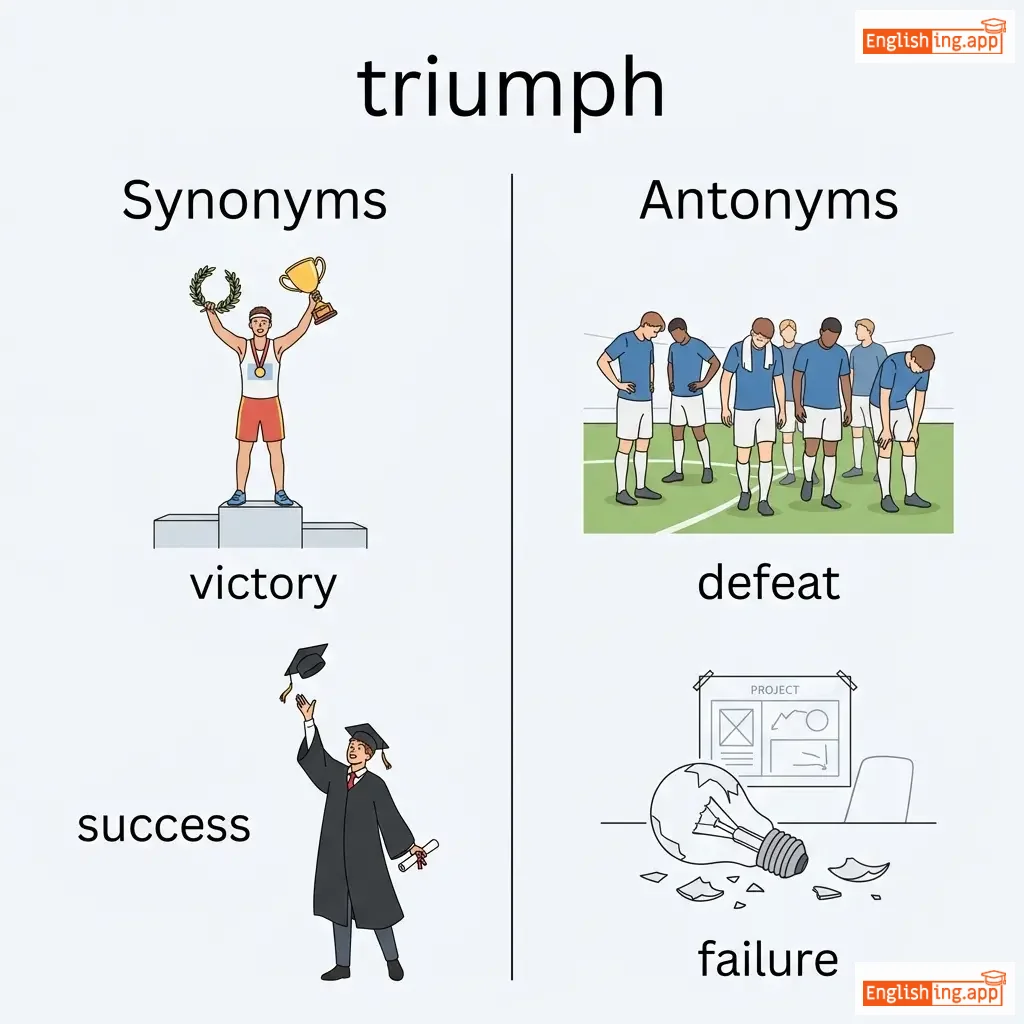

|
勝利
shōri
••••••
|
- •••••• | - •••••• | - •••••• | - •••••• |
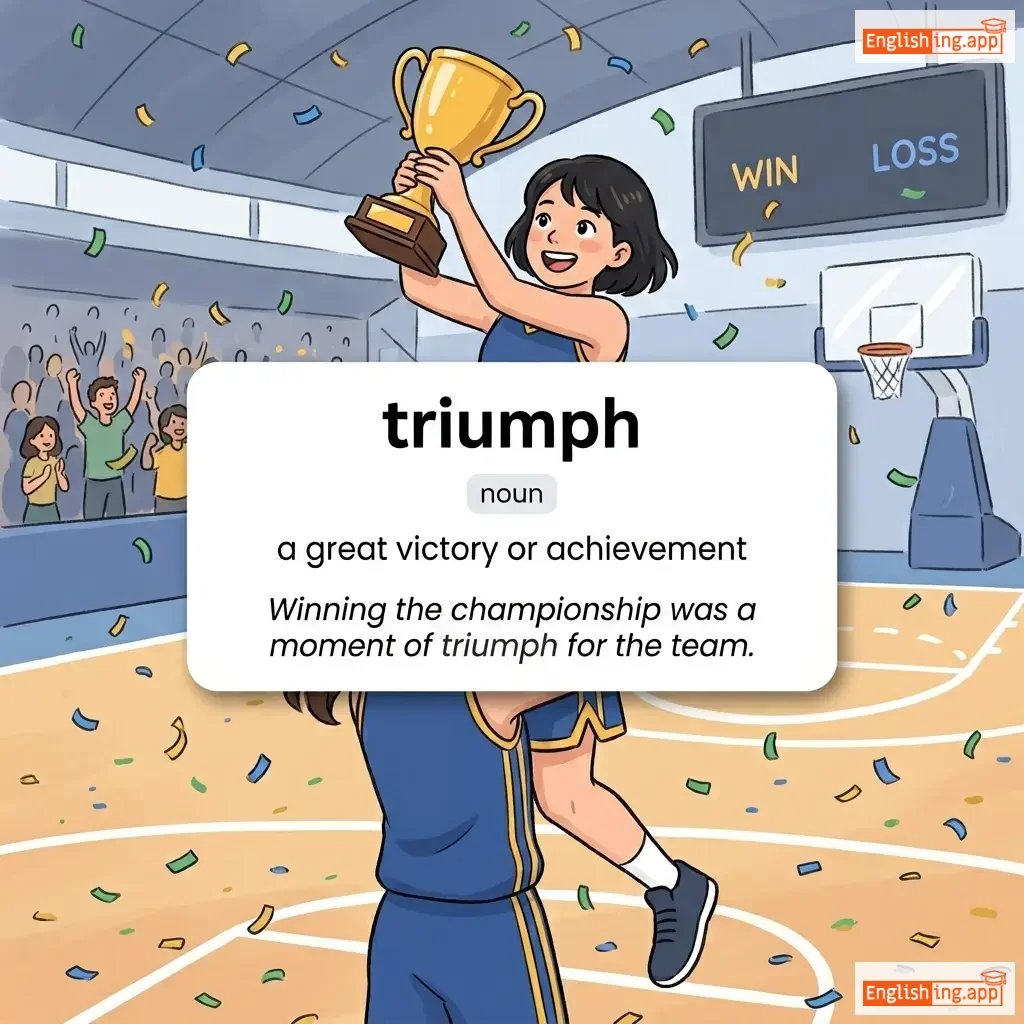
a great victory or achievement
••••••
|
Winning the championship was a moment of triumph for the team. |
チャンピオンシップを勝ち取ることはチームにとっての勝利の瞬間でした。
Chanpionship o kachitoru koto wa chīmu ni totte no shōri no shunkan deshita.
••••••
|
crowning triumph |
the greatest achievement of someone's career or life
••••••
|
頂点の勝利
chōten no shōri
••••••
|
victory, success, achievement, win, conquest
••••••
|
defeat, failure, loss
••••••
|
great triumph, celebrate triumph, moment of triumph, triumph over adversity
••••••
|
Triumphはトライアングル(三角形)から!三度の勝利!
••••••
|
|
👥⚔️
••••••
|
/truːp/
noun
(トゥループ)
••••••
|
- •••••• |
部隊
butai
••••••
|
- •••••• | - •••••• | - •••••• | - •••••• |
a group of soldiers; military personnel organized as a unit
••••••
|
The troop marched in formation across the parade ground.
その部隊は行進しながら行進場を進んだ。
••••••
|
その部隊は行進しながら行進場を進んだ。
Sono butai wa kōshin shinagara kōshin-jō o susunda.
••••••
|
- •••••• | - •••••• | - •••••• |
soldiers, battalion, regiment, squad
••••••
|
civilians, non-combatants
••••••
|
elite troop, troop movement, troop deployment, special forces troop
••••••
|
部隊は、兵士たちが一緒に歩くグループのようなものです。
••••••
|
|
🏆
••••••
|
/ˈtroʊfi/
noun
(トロフィー)
••••••
|
- •••••• |
トロフィー
torofī
••••••
|
- •••••• | - •••••• | - •••••• | - •••••• |
An object awarded as a prize for a victory or achievement.
••••••
|
She proudly displayed the trophy she won in the competition. |
彼女はコンペティションで勝ったトロフィーを誇らしげに展示しました。
Kanojo wa konpetishon de katta torofī o hokorashige ni tenji shimashita.
••••••
|
trophy wife |
A young attractive wife regarded as a status symbol for her husband.
••••••
|
トロフィー妻
torofī tsuma
••••••
|
award, prize, cup, medal, reward
••••••
|
loss, failure
••••••
|
win a trophy, display a trophy, trophy winner, trophy cabinet
••••••
|
トロフィー = トロフィー 🏆、成功や達成の象徴
••••••
|
|
😟
••••••
|
/ˈtrʌbəl/
noun
(トラブル)
••••••
|
- •••••• |
問題
mondai
••••••
|
- •••••• | - •••••• | - •••••• | - •••••• |
difficulty or problems that cause distress or inconvenience
••••••
|
She had a lot of trouble finding her keys. |
彼女は鍵を見つけるのに多くの問題を抱えていた。
Kanojo wa kagi wo mitsukeru no ni ooku no mondai wo kakaete ita.
••••••
|
trouble in paradise |
problems in a situation that was previously thought to be perfect
••••••
|
楽園での問題
rakuen de no mondai
••••••
|
difficulty, problem, hardship, issue
••••••
|
ease, comfort, solution
••••••
|
cause trouble, get into trouble, have trouble, trouble with
••••••
|
問題がなければ、平和もない。
••••••
|
|
😟
••••••
|
/ˈtrʌbəld/
adjective
(トラブルド)
••••••
|
- •••••• |
困っている
komatteiru
••••••
|
- •••••• | - •••••• | - •••••• | - •••••• |
experiencing or showing distress, anxiety, or worry
••••••
|
He looked deeply troubled after hearing the bad news. |
悪い知らせを聞いた後、彼は非常に困っているように見えた。
Warui shirase wo kiita ato, kare wa hijou ni komatteiru you ni mieta.
••••••
|
troubled mind |
a mind filled with worry or anxiety
••••••
|
困った心
komatta kokoro
••••••
|
worried, upset, anxious, distressed, uneasy
••••••
|
calm, relaxed, peaceful
••••••
|
troubled times, troubled relationship, deeply troubled, emotionally troubled
••••••
|
Troubled = 困った心 – 悩みや不安の心
••••••
|
|
🚚
••••••
|
/trʌk/
noun
(トラック)
••••••
|
- •••••• |
トラック
torakku
••••••
|
- •••••• | - •••••• | - •••••• | - •••••• |
a large motor vehicle for transporting goods
••••••
|
The truck was loaded with boxes for the warehouse.
トラックは倉庫に向けて箱を積んでいた。
••••••
|
トラックは倉庫に向けて箱を積んでいた。
Torakku wa sōko ni mukete hako o tsunde ita.
••••••
|
- •••••• | - •••••• | - •••••• |
lorry, freight truck, delivery truck
••••••
|
car, van, motorcycle
••••••
|
load a truck, drive a truck, truck driver
••••••
|
トラックで荷物を運ぶ、倉庫へ
••••••
|
|
✔️
••••••
|
/truː/
adjective
(トゥルー)
••••••
|
- •••••• |
真実
shinjitsu
••••••
|
- •••••• | - •••••• | - •••••• | - •••••• |
in accordance with fact or reality; correct
••••••
|
His story was true, and everyone believed him. |
彼の話は本当で、みんな彼を信じていました。
Kare no hanashi wa hontou de, minna kare wo shinjiteimashita.
••••••
|
true to oneself |
being loyal to one's own beliefs or values
••••••
|
自分自身に忠実であること
jibun jishin ni chuujitsu de aru koto
••••••
|
genuine, real, accurate, correct
••••••
|
false, incorrect, wrong
••••••
|
true story, true to yourself, true love, true meaning
••••••
|
True は真実、私たちの信念に基づいた道です。
••••••
|
|
✅
••••••
|
/ˈtruːli/
adverb
(トゥルーリー)
••••••
|
- •••••• |
本当に
hontōni
••••••
|
- •••••• | - •••••• | - •••••• | - •••••• |
in accordance with fact or reality; genuinely
••••••
|
She truly loves her family. |
彼女は本当に家族を愛しています。
Kanojo wa hontōni kazoku o aishiteimasu.
••••••
|
- •••••• | - •••••• | - •••••• |
really, genuinely, honestly, sincerely
••••••
|
falsely, dishonestly, insincerely
••••••
|
truly believe, truly amazing, truly grateful
••••••
|
'本当に' は、日本語で真実や本当の意味を表現する言葉です。
••••••
|
|
🤝
••••••
|
/trʌst/
verb
••••••
|

|
- •••••• |
trusted
••••••
|
trusted
••••••
|
trusts
••••••
|
trusting
••••••
|
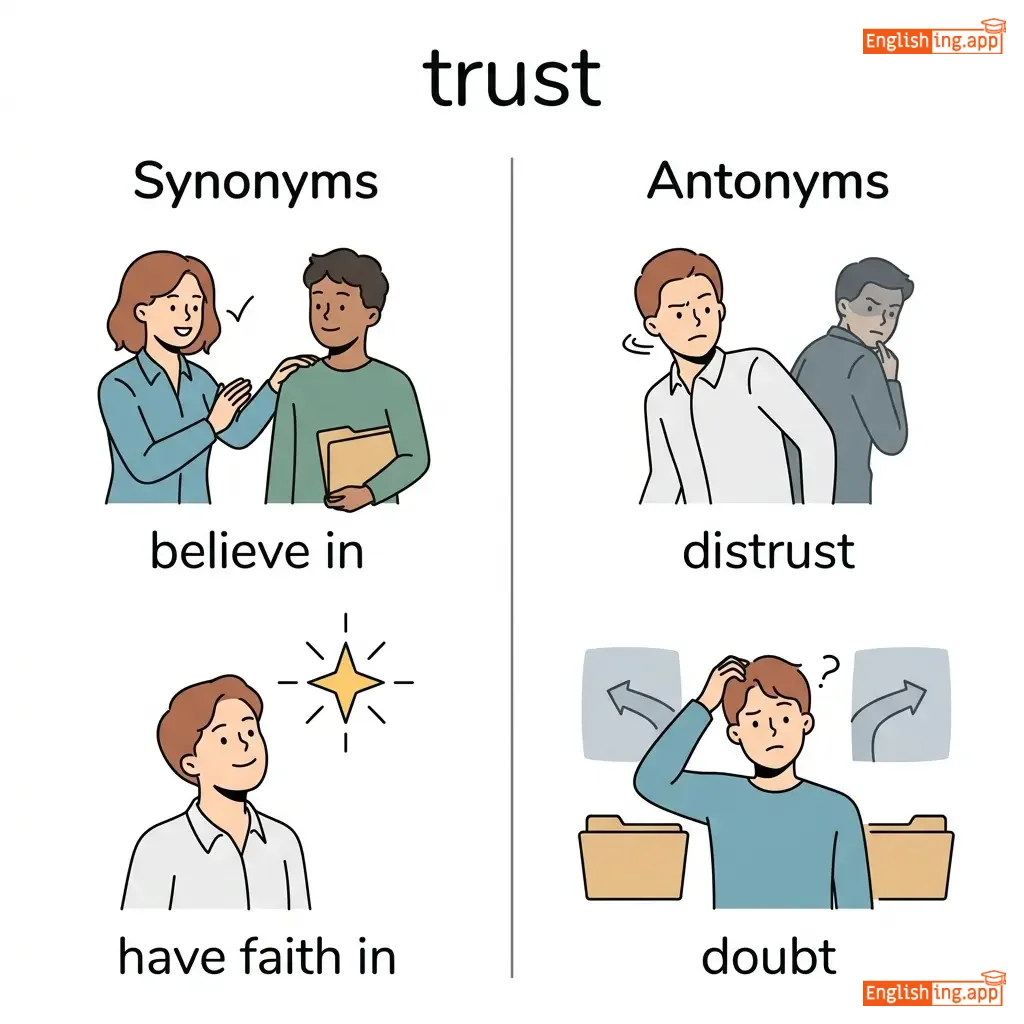
to believe in the reliability, truth, ability, or strength of someone or something
••••••
|
I trust you to handle this situation carefully. |
- •••••• |
trust your instincts |
to rely on your natural intuition or feeling about something
••••••
|
- •••••• |
believe in, have faith in, rely on, confide in
••••••
|
distrust, doubt, mistrust
••••••
|
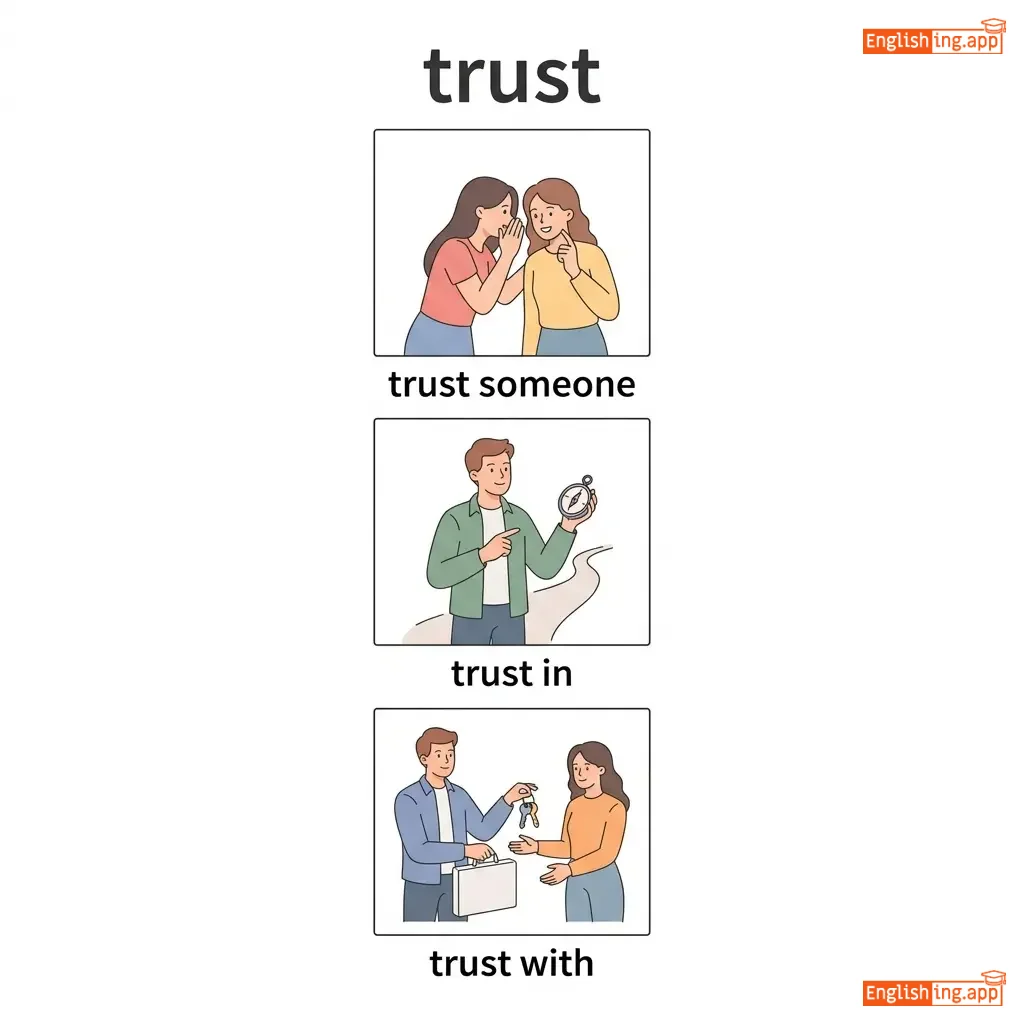
trust someone, trust in, trust with, earn trust
••••••
|
No •••••• |
|
🛡️
••••••
|
/trʌsˈtiː/
noun
(トラスティ)
••••••
|
- •••••• |
受託者
jutakusha
••••••
|
- •••••• | - •••••• | - •••••• | - •••••• |
a person who holds or manages property or assets for the benefit of others
••••••
|
She was appointed as the trustee of the family estate. |
彼女は家族の財産の受託者に任命された。
Kanojo wa kazoku no zaisan no jutakusha ni ninmei sareta.
••••••
|
- •••••• | - •••••• | - •••••• |
administrator, custodian, guardian
••••••
|
beneficiary, heir
••••••
|
trustee of a will, appointed trustee, charitable trustee
••••••
|
A TRUSTee is someone who manages TRUSTed assets for others.
••••••
|
|
✅
••••••
|
/truːθ/
noun
(トゥルース)
••••••
|
- •••••• |
真実; 正直;
shinjitsu
••••••
|
- •••••• | - •••••• | - •••••• | - •••••• |
the quality or state of being true; that which is true or in accordance with fact or reality
••••••
|
The witness promised to tell the truth during the court hearing.
証人は法廷で真実を語ることを約束した。
••••••
|
証人は法廷で真実を語ることを約束した。
shounin wa houtei de shinjitsu wo kataru koto wo yakusoku shita.
••••••
|
- •••••• | - •••••• | - •••••• |
fact, reality, honesty, veracity
••••••
|
lie, falsehood, deception, untruth
••••••
|
tell the truth, absolute truth, truth serum, moment of truth
••••••
|
真実は証人が語るように、明確で疑いようのないものです。
••••••
|
|
💪
••••••
|
/traɪ/
verb
(トライ)
••••••
|
|
試みる
kokoromiru
••••••
|
tried
トライド
••••••
|
tried
トライド
••••••
|
tries
トライズ
••••••
|
trying
トライング
••••••
|
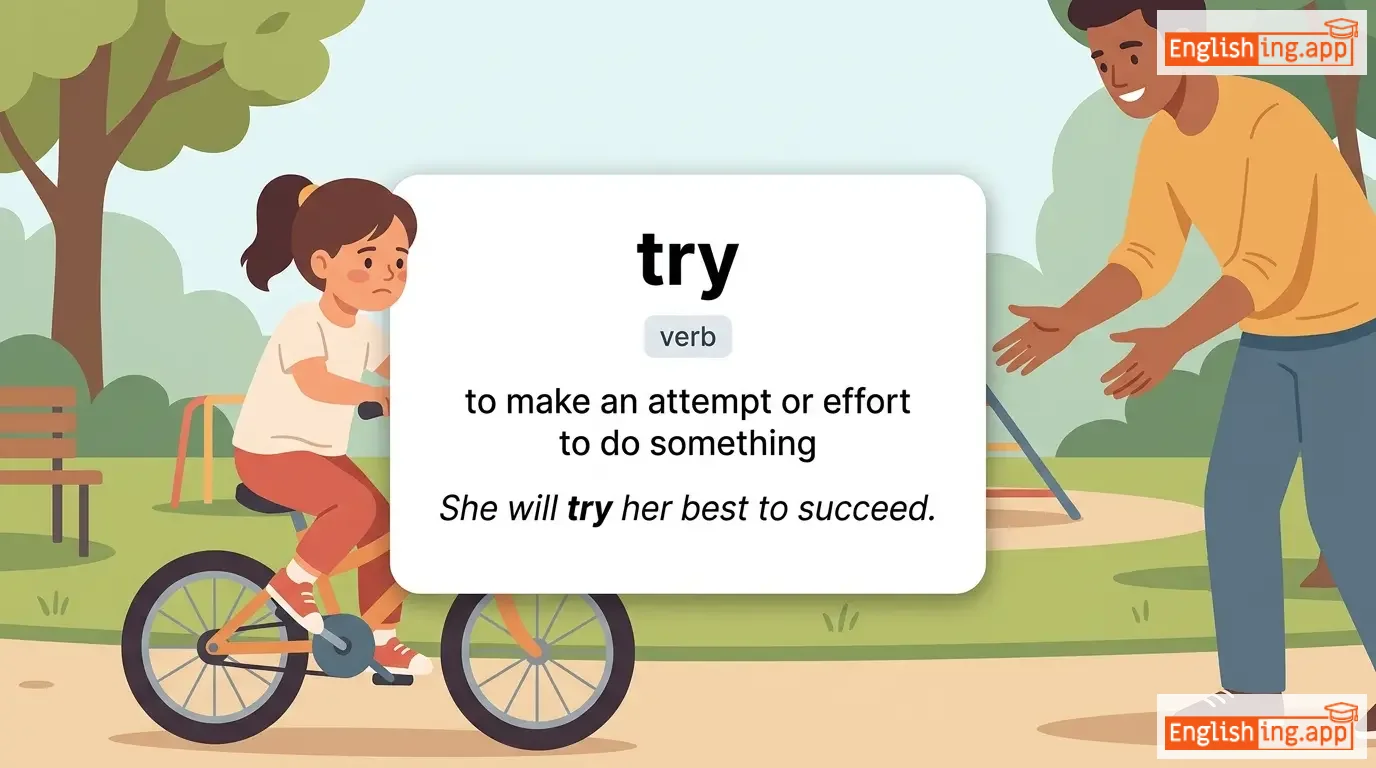
to make an attempt or effort to do something
••••••
|
She will try her best to succeed.
彼女は成功するために最善を尽くすつもりです。
••••••
|
彼女は成功するために最善を尽くすつもりです。
Kanojo wa seikou suru tame ni saizen o tsukusu tsumori desu.
••••••
|
Try your best
ベストを尽くしてください
••••••
|
Make the best effort possible
••••••
|
ベストを尽くしてください
Besuto o tsukushite kudasai
••••••
|
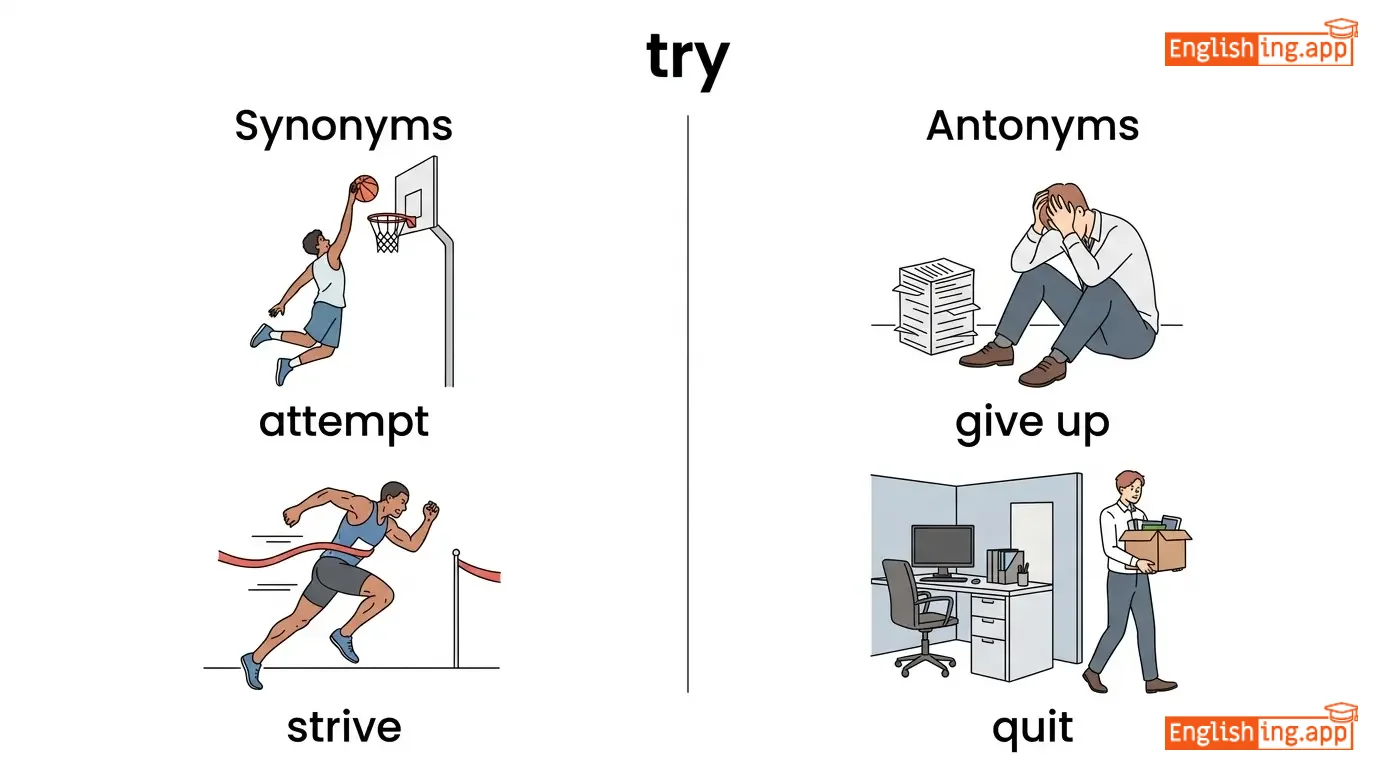
attempt, strive, endeavor, seek
••••••
|
give up, quit, abandon
••••••
|
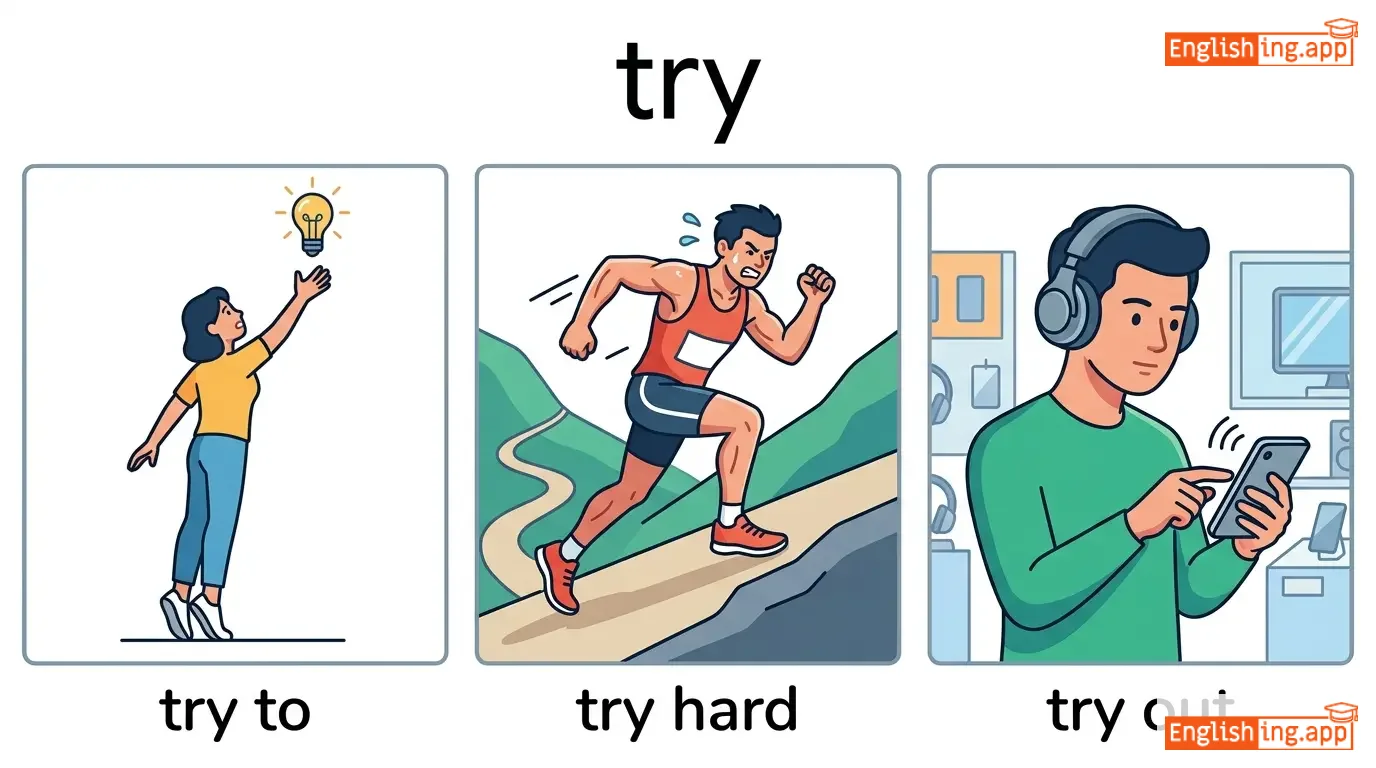
try to, try hard, try out, try again
••••••
|
試みる (try) - 成功をつかむために!
••••••
|
|
🌊
••••••
|
/tsuːˈnɑː.mi/
noun
(津波)
••••••
|
- •••••• |
津波
tsunami
••••••
|
- •••••• | - •••••• | - •••••• | - •••••• |
a large sea wave caused by an underwater earthquake or volcanic eruption
••••••
|
The tsunami devastated the coastal town, leaving thousands homeless. |
津波は沿岸の町を壊滅させ、何千人もの人々を家なしにしました。
Tsunami wa engan no machi o kaimetsu sase, nanzen nin mono hitobito o ie nashi ni shimashita.
••••••
|
- •••••• | - •••••• | - •••••• |
tidal wave, sea surge
••••••
|
calm, tranquility
••••••
|
tsunami warning, tsunami waves, deadly tsunami
••••••
|
TSUNAMI - 海の中でSWAMIに連れて行く巨大な波。
••••••
|
|
🧪
••••••
|
/tjuːb/
noun
(チューブ)
••••••
|
- •••••• |
チューブ
chūbu
••••••
|
- •••••• | - •••••• | - •••••• | - •••••• |
a hollow cylinder used to convey something, typically fluid
••••••
|
He used a tube to measure the liquid.
彼は液体を測るためにチューブを使った。
••••••
|
彼は液体を測るためにチューブを使った。
Kare wa ekitai o hakaru tame ni chūbu o tsukatta.
••••••
|
- •••••• | - •••••• | - •••••• |
pipe, cylinder, conduit
••••••
|
block, obstruction
••••••
|
vacuum tube, test tube, rubber tube
••••••
|
チューブ - チューブはすべてを道を通して運ぶ!
••••••
|
|
📅
••••••
|
/ˈtjuːzdeɪ/
noun
(火曜日)
••••••
|
- •••••• |
火曜日
kayoubi
••••••
|
- •••••• | - •••••• | - •••••• | - •••••• |
The second day of the week, following Monday and preceding Wednesday.
••••••
|
We have a meeting scheduled for Tuesday.
私たちは火曜日に会議を予定しています。
••••••
|
私たちは火曜日に会議を予定しています。
Watashitachi wa kayoubi ni kaigi wo yotei shiteimasu.
••••••
|
- •••••• | - •••••• | - •••••• |
second day, weekday, midweek
••••••
|
Sunday, Monday
••••••
|
Tuesday morning, next Tuesday, every Tuesday, this Tuesday
••••••
|
Kayoubi = Fire day; 火 = fire = Tuesday.
••••••
|
|
💸
••••••
|
/tʃuˈɪʃ.ən/
noun
(チューション)
••••••
|
- •••••• |
授業料
jugyouryou
••••••
|
- •••••• | - •••••• | - •••••• | - •••••• |
the fee for instruction or teaching, typically at a school or university
••••••
|
The tuition for the college has increased this year.
大学の授業料は今年増加しました。
••••••
|
大学の授業料は今年増加しました。
Daigaku no jugyouryou wa kotoshi zouka shimashita.
••••••
|
- •••••• | - •••••• | - •••••• |
fees, charges, payment, cost
••••••
|
scholarship, grant
••••••
|
tuition fee, pay tuition, tuition increase
••••••
|
授業料を、授業を受けるために支払う料金として考えてください。
••••••
|
|
🧬
••••••
|
/ˈtjuːmər/
noun
(腫瘍)
••••••
|
- •••••• |
腫瘍
shuyou
••••••
|
- •••••• | - •••••• | - •••••• | - •••••• |
an abnormal mass of tissue caused by excessive cell growth
••••••
|
The doctor found a benign tumor during the medical check-up.
医師は健康診断中に良性の腫瘍を見つけました。
••••••
|
医師は健康診断中に良性の腫瘍を見つけました。
Ishi wa kenko shinshindan chu ni ryousei no shuyou wo mitsukemashita.
••••••
|
- •••••• | - •••••• | - •••••• |
growth, lump, swelling, neoplasm, mass
••••••
|
healthy tissue, normal cell
••••••
|
brain tumor, benign tumor, malignant tumor, tumor cells
••••••
|
腫瘍 = abnormal mass formed by excess cell growth
••••••
|
|
🎵
••••••
|
/tjuːn/
noun
(チューン)
••••••
|
- •••••• |
メロディ
merodi
••••••
|
- •••••• | - •••••• | - •••••• | - •••••• |
a sequence of musical notes that are pleasant to listen to; a melody
••••••
|
She hummed a cheerful tune while cooking dinner.
彼女は夕食を作りながら陽気なチューンを口ずさんでいました。
••••••
|
彼女は夕食を作りながら陽気なメロディを口ずさんでいました。
Kanojo wa yuushoku o tsukuri nagara youki na merodi o kuchizusande imashita.
••••••
|
in tune
調子を合わせて
••••••
|
playing or singing with correct musical pitch
••••••
|
調子を合わせて
choushi o awasete
••••••
|
melody, song, harmony, air, jingle
••••••
|
noise, discord
••••••
|
catchy tune, musical tune, tune in, out of tune
••••••
|
Tuneはメロディを意味します – ラジオをチューニングするとメロディが聞こえます 🎶
••••••
|
|
🌌
••••••
|
/ˈtʌnəl/
noun
(トンネル)
••••••
|
- •••••• |
トンネル
tonneru
••••••
|
- •••••• | - •••••• | - •••••• | - •••••• |
an underground passage or shaft
••••••
|
They dug a tunnel under the river.
彼らは川の下にトンネルを掘った。
••••••
|
彼らは川の下にトンネルを掘った。
Karera wa kawa no shita ni tonneru o hotta.
••••••
|
- •••••• | - •••••• | - •••••• |
passage, shaft, corridor
••••••
|
open space, above ground
••••••
|
tunnel vision, tunnel construction, tunnel system
••••••
|
トンネル - 地下の秘密の道!
••••••
|
|
🔄
••••••
|
/tɜːrn/
verb
(ターン)
••••••
|
|
回す
mawasu
••••••
|
turned
ターンド
••••••
|
turned
ターンド
••••••
|
turns
ターンズ
••••••
|
turning
ターンニング
••••••
|
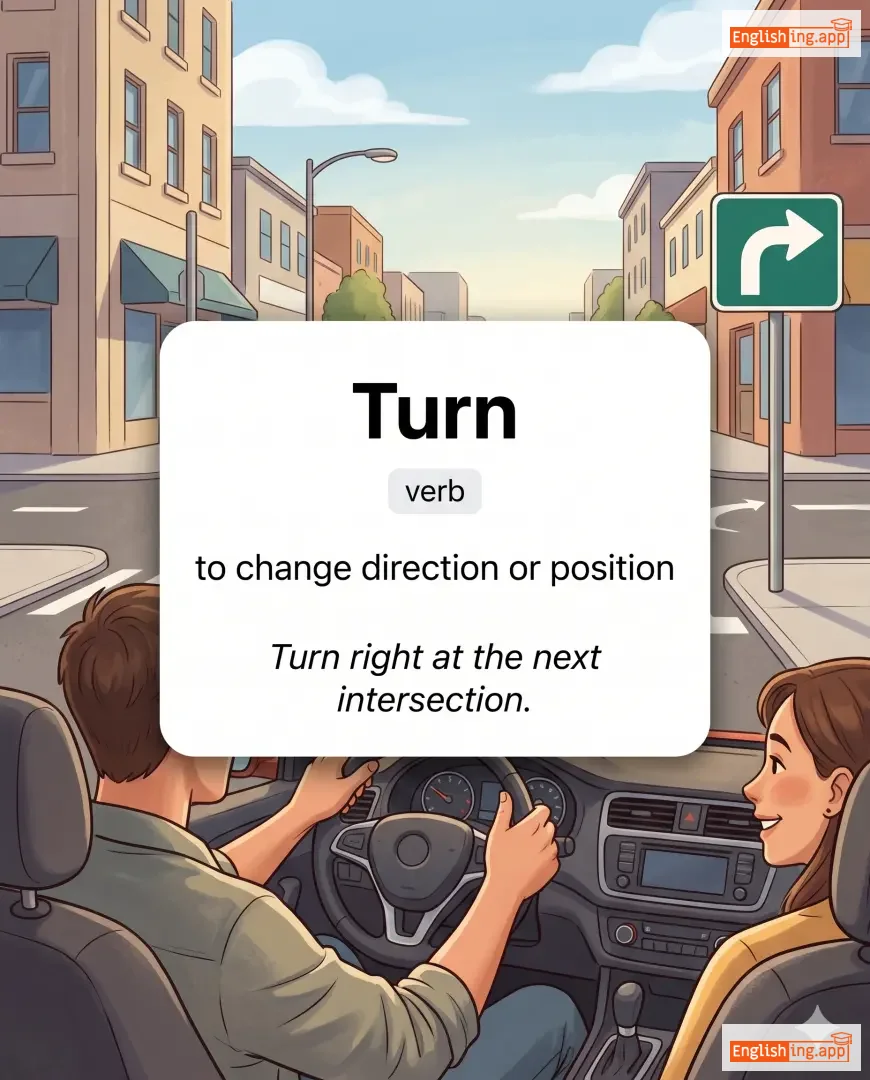
to change direction or position
••••••
|
Turn right at the next intersection.
次の交差点で右に曲がってください。
••••••
|
次の交差点で右に曲がってください。
Tsugi no kousaten de migi ni magatte kudasai.
••••••
|
Turn a blind eye
目をつぶる
••••••
|
To ignore something deliberately
••••••
|
目をつぶる
Me o tuburu
••••••
|
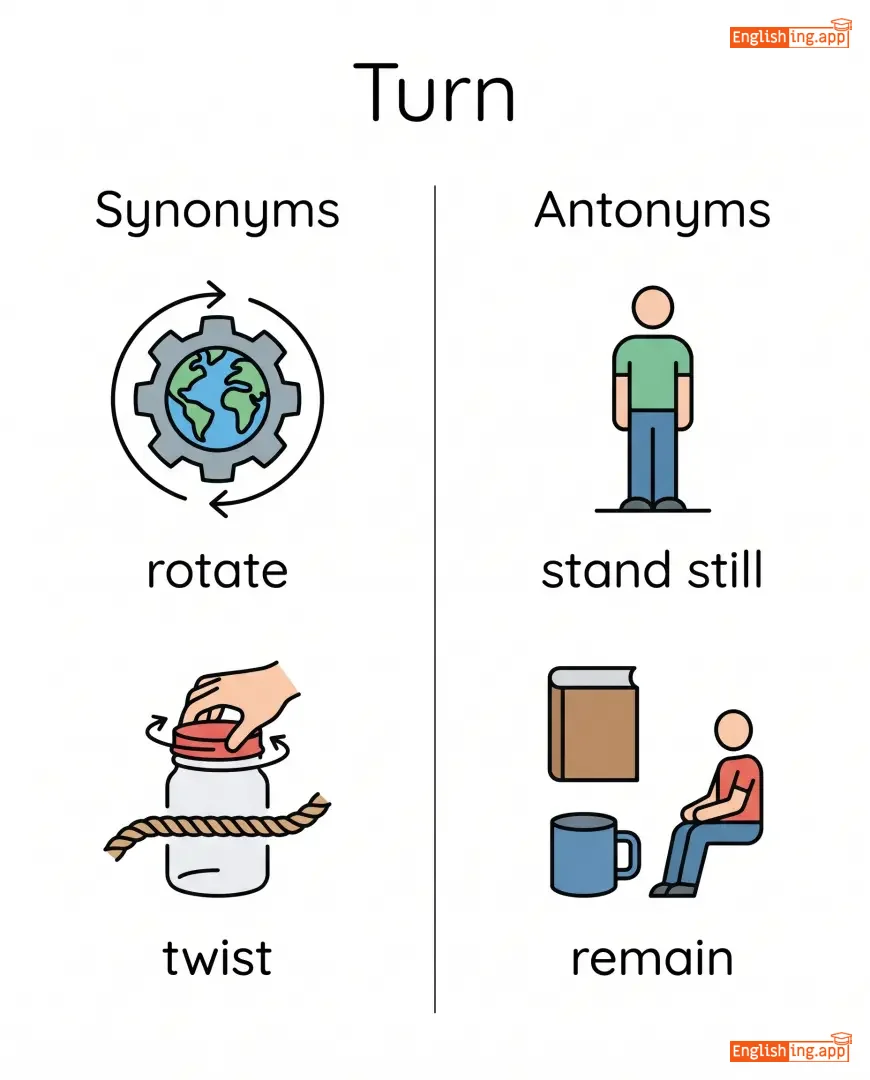
rotate, twist, spin, flip
••••••
|
stand still, remain
••••••
|
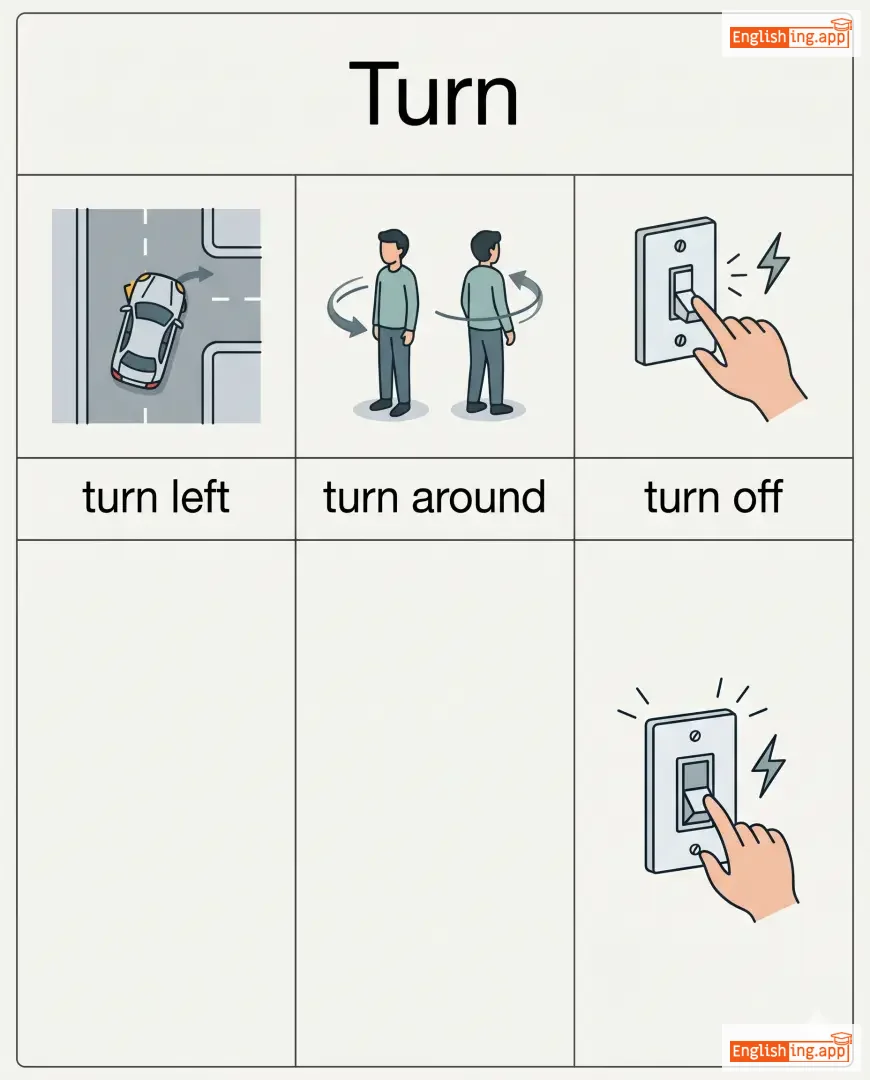
turn left, turn around, turn off, turn on
••••••
|
回す!覚えておいて - 方向を変えることが回すです。
••••••
|
|
👥
••••••
|
/ˈtɜːr.naʊt/
noun
(ターンアウト)
••••••
|
- •••••• |
参加者数
sankasha suu
••••••
|
- •••••• | - •••••• | - •••••• | - •••••• |
the number of people who attend or participate in an event or activity
••••••
|
The turnout at the rally was impressive, with thousands showing up. |
集会の参加者数は印象的で、何千人もの人々が参加しました。
Shukai no sankasha suu wa inshouteki de, nansen nin mono hitobito ga sankashimashita.
••••••
|
- •••••• | - •••••• | - •••••• |
attendance, participation, presence
••••••
|
absence, nonattendance
••••••
|
high turnout, low turnout, voter turnout
••••••
|
At a TURNOUT event, everyone TURNS UP to participate!
••••••
|
|
💼
••••••
|
/ˈtɜːnˌəʊvə/
noun
(ターンオーバー)
••••••
|
- •••••• |
売上高
uriagedaka
••••••
|
- •••••• | - •••••• | - •••••• | - •••••• |
the amount of business conducted during a particular period, or the rate at which employees leave a company
••••••
|
The company reported a high turnover in its sales department. |
会社は販売部門で高い売上高を報告しました。
Kaisha wa hanbai bumon de takai uriagedaka wo houkoku shimashita.
••••••
|
- •••••• | - •••••• | - •••••• |
revenue, sales, business, output
••••••
|
retention, stability
••••••
|
high turnover, staff turnover, turnover rate, annual turnover
••••••
|
売上高 (turnover) を回す — ビジネスの売上高がページをめくるようなものを想像してみてください
••••••
|
|
🐢
••••••
|
/ˈtɜːrtl/
noun
(タートル)
••••••
|
- •••••• |
亀
kame
••••••
|
- •••••• | - •••••• | - •••••• | - •••••• |
A slow-moving reptile with a hard shell that lives in water or on land
••••••
|
The turtle slowly crossed the sandy beach.
カメは砂浜をゆっくり横切った。
••••••
|
カメは砂浜をゆっくり横切った。
Kame wa sunahama o yukkuri yokogitta
••••••
|
as slow as a turtle
カメのように遅い
••••••
|
extremely slow
••••••
|
カメのように遅い
Kame no you ni osoi
••••••
|
terrapin, tortoise, chelonian, sea turtle
••••••
|
hare, rabbit
••••••
|
sea turtle, snapping turtle, turtle shell, turtle habitat
••••••
|
Imagine a 'kame' slowly crawling along a Japanese beach 🐢
••••••
|
|
📺
••••••
|
/ˈtiːˈviː/
noun
(ティーヴィー)
••••••
|
- •••••• |
テレビ
terebi
••••••
|
- •••••• | - •••••• | - •••••• | - •••••• |
a device used to receive television broadcasts
••••••
|
I watch my favorite shows on TV every evening. |
毎晩、テレビでお気に入りの番組を見ています。
Maiban, terebi de okiniiri no bangumi o miteimasu.
••••••
|
- •••••• | - •••••• | - •••••• |
television, screen, tube
••••••
|
- •••••• |
watch TV, turn on the TV, TV show, TV channel
••••••
|
テレビを見れば、楽しい時間が待っている
••••••
|
|
12️⃣
••••••
|
/twɛlv/
adjective
(十二)
••••••
|
- •••••• |
十二
juuni
••••••
|
- •••••• | - •••••• | - •••••• | - •••••• |
the number equivalent to 12
••••••
|
There are twelve months in a year. |
一年には十二か月があります。
Ichi-nen ni wa juuni kagetsu ga arimasu.
••••••
|
- •••••• | - •••••• | - •••••• |
dozen
••••••
|
- •••••• |
twelve months, twelve o'clock, twelve years
••••••
|
Juuni, 12 kagetsu no toshi
••••••
|
|
2️⃣0️⃣
••••••
|
/ˈtwɛnti/
adjective
(トゥエンティ)
••••••
|
- •••••• |
二十
nijū
••••••
|
- •••••• | - •••••• | - •••••• | - •••••• |
the number equivalent to 20
••••••
|
He is twenty years old.
彼は20歳です。
••••••
|
彼は20歳です。
Kare wa nijū sai desu.
••••••
|
- •••••• | - •••••• | - •••••• |
twentieth, score
••••••
|
- •••••• |
twenty years, twenty dollars, twenty people
••••••
|
二十歳、二十と覚える
••••••
|
|
2️⃣
••••••
|
/twaɪs/
adverb
(トゥワイス)
••••••
|
- •••••• |
二回
nikai
••••••
|
- •••••• | - •••••• | - •••••• | - •••••• |
two times
••••••
|
I have seen that movie twice. |
その映画を二回見ました。
Sono eiga o nikai mimashita.
••••••
|
- •••••• | - •••••• | - •••••• |
double, two times
••••••
|
- •••••• |
twice as much, twice a day, twice a week
••••••
|
Nik kai, twice hai!
••••••
|
|
👯♂️
••••••
|
/twɪn/
noun
(ツイン)
••••••
|
- •••••• |
双子
futago
••••••
|
- •••••• | - •••••• | - •••••• | - •••••• |
either of two children born at the same time to the same mother
••••••
|
They have twin girls. |
彼らには双子の女の子がいます。
Karera ni wa futago no onnanoko ga imasu.
••••••
|
- •••••• | - •••••• | - •••••• |
pair, duo, double
••••••
|
single
••••••
|
twin brothers, twin sisters, twin babies
••••••
|
Futagoは日本語で「双子」の意味です。
••••••
|
|
🌀
••••••
|
/twɪst/
verb
(ツイスト)
••••••
|
- •••••• |
ねじる, 回す
nejiru, mawasu
••••••
|
twisted
ツイステッド
••••••
|
twisted
ツイステッド
••••••
|
twists
ツイスツ
••••••
|
twisting
ツイスティング
••••••
|
to bend or turn something into a coil or spiral shape; to distort.
••••••
|
He twisted the rope tightly around the pole.
彼はロープを柱の周りにしっかりと巻きつけました。
••••••
|
彼はロープを柱の周りにしっかりと巻きつけました。
Kare wa roopu o hashira no mawari ni shikkari to makitsukemashita.
••••••
|
plot twist
物語の展開
••••••
|
an unexpected change in the story or situation
••••••
|
物語の予想外の展開
monogatari no yosōgai no tenkai
••••••
|
bend, turn, curl, spin, distort
••••••
|
straighten, flatten
••••••
|
twist the rope, twist around, twist ankle, plot twist
••••••
|
Twist は何かを素早く回すことです!
••••••
|
|
2️⃣
••••••
|
/tuː/
noun
(トゥ)
••••••
|
- •••••• |
二
ni
••••••
|
- •••••• | - •••••• | - •••••• | - •••••• |
the number following one
••••••
|
She has two children.
彼女には二人の子供がいます。
••••••
|
彼女には二人の子供がいます。
Kanojo ni wa futari no kodomo ga imasu.
••••••
|
- •••••• | - •••••• | - •••••• |
pair, couple, duet
••••••
|
one, single
••••••
|
two weeks, two days, two people
••••••
|
二人で楽しい時間を過ごす
••••••
|
|
⌨️
••••••
|
/taɪp/
verb
(ハピネス)
••••••
|
|
タイピング
taipingu
••••••
|
typed
••••••
|
typed
••••••
|
types
••••••
|
typing
••••••
|
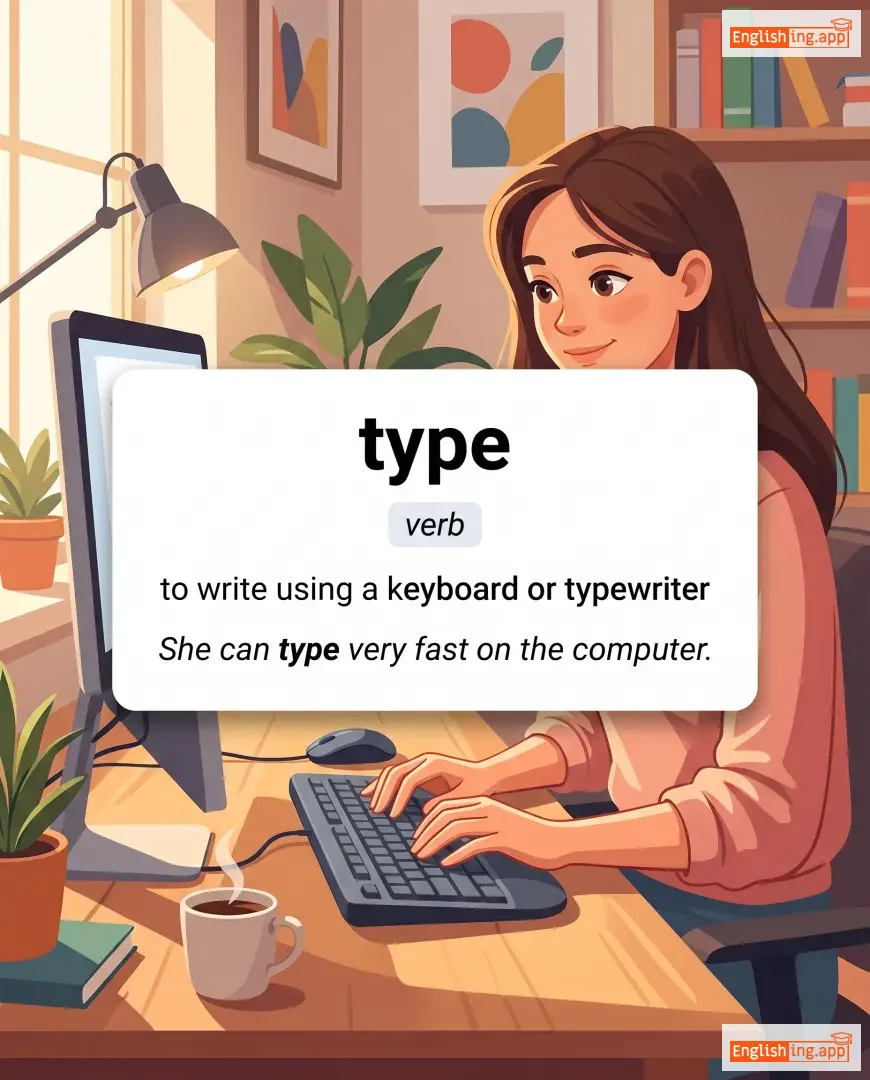
to write using a keyboard or typewriter
••••••
|
She can type very fast on the computer.
彼女はコンピュータで非常に速くタイピングできます。
••••••
|
彼女はコンピュータで非常に速くタイピングできます。
Kanojo wa konpyūta de hijō ni hayaku taipingu dekimasu.
••••••
|
- •••••• | - •••••• | - •••••• |
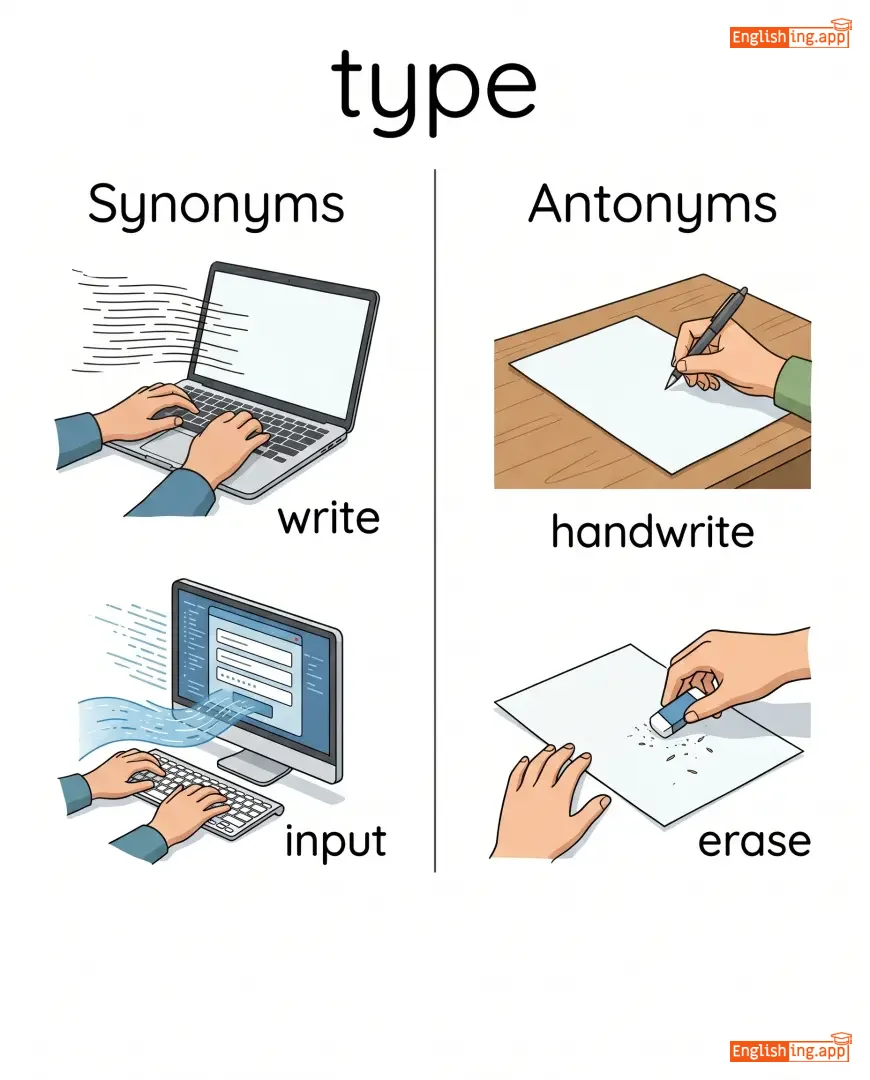
write, input, keyboard
••••••
|
handwrite, erase
••••••
|
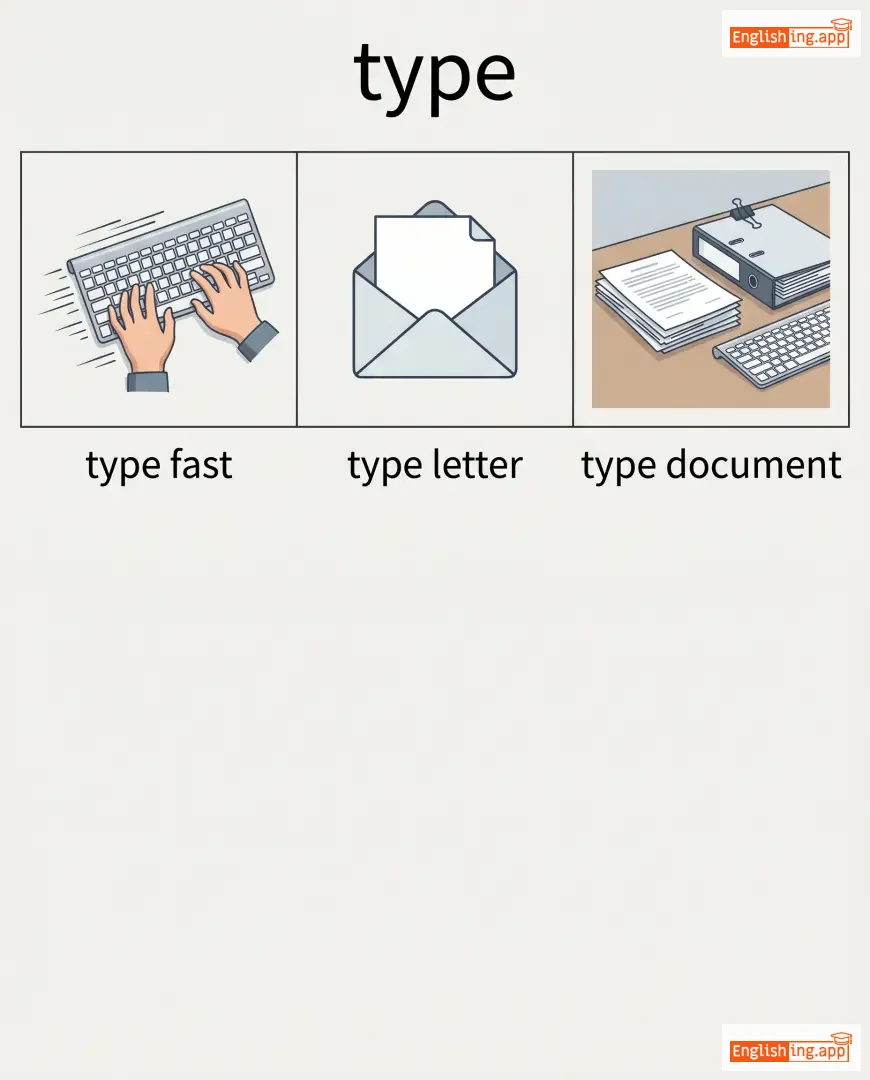
type fast, type letter, type document, type message, type carefully
••••••
|
タイピングを速くすることで専門家になる。
••••••
|
|
📋
••••••
|
/ˈtɪpɪkəl/
adjective
(ティピカル)
••••••
|
- •••••• |
特定の種類の人や物の通常の特徴を持つ
tokutei no shurui no hito ya mono no tsūjō no tokuchō o motsu
••••••
|
- •••••• | - •••••• | - •••••• | - •••••• |
having the usual qualities of a particular type of person or thing
••••••
|
It was a typical summer day, hot and humid. |
それは典型的な夏の日で、暑くて湿気がありました。
Sore wa tenkeiteki na natsu no hi de, atsukute shikke ga arimashita.
••••••
|
typical of |
characteristic of; representative of
••••••
|
典型的な
tenkeiteki na
••••••
|
normal, usual, standard, representative, characteristic
••••••
|
atypical, unusual, rare
••••••
|
typical example, typical case, typical feature, typical behavior
••••••
|
Typicalは何か普通のことを意味します — 例えば、暑くて湿度の高い夏の日。
••••••
|
|
⏰
••••••
|
/ˈtɪpɪkli/
adverb
(ティピカリー)
••••••
|
- •••••• |
通常
tsūjō
••••••
|
- •••••• | - •••••• | - •••••• | - •••••• |
in a way that is typical of a particular person, thing, or group
••••••
|
She typically arrives at work at 9 AM.
彼女は通常、午前9時に仕事に到着します。
••••••
|
彼女は通常、午前9時に仕事に到着します。
Kanojo wa tsūjō, gozen 9 ji ni shigoto ni tōchaku shimasu.
••••••
|
- •••••• | - •••••• | - •••••• |
usually, ordinarily, commonly, customarily
••••••
|
unusually, rarely
••••••
|
typically on time, typically works, typically performs
••••••
|
典型的:いつも定刻に到着する。
••••••
|
|
😰
••••••
|
/ˈʌɡ.li/
adjective
(アグリー)
••••••
|
- •••••• |
醜い; 嫌悪すべき; 恐ろしい
minikui; ken'o subeki; osoroshii
••••••
|
- •••••• | - •••••• | - •••••• | - •••••• |
unpleasant or repulsive in appearance; morally reprehensible
••••••
|
The old building looked ugly after years of neglect. |
長年の放置の後、その古い建物は醜く見えました。
naganen no hōchi no ato, sono furui tatemono wa miniku miemashita.
••••••
|
- •••••• | - •••••• | - •••••• |
hideous, unsightly, repulsive, unattractive
••••••
|
beautiful, attractive, pretty, lovely
••••••
|
ugly duckling, ugly truth, ugly situation
••••••
|
Ugly in Japanese makes you say 'minikui' when something looks bad.
••••••
|
|
🏆
••••••
|
/ˈʌltɪmət/
adjective
(アルティメット)
••••••
|
- •••••• |
究極
kyuukyoku
••••••
|
- •••••• | - •••••• | - •••••• | - •••••• |
being the best, final, or most extreme
••••••
|
Success is the ultimate goal of hard work. |
成功は努力の究極的な目標です。
Seikou wa doryoku no kyuukyokuteki na mokuhyou desu.
••••••
|
ultimate goal |
the most important or final aim
••••••
|
究極の目標
kyuukyoku no mokuhyou
••••••
|
final, supreme, absolute, utmost, greatest
••••••
|
initial, basic, ordinary
••••••
|
ultimate goal, ultimate decision, ultimate choice
••••••
|
Ultimateは究極、最後の挑戦、最後の目標のようなものです。
••••••
|
|
🏁
••••••
|
/ˈʌltəmətli/
adverb
(アルティメットリ)
••••••
|
- •••••• |
最終的に
saishūteki ni
••••••
|
- •••••• | - •••••• | - •••••• | - •••••• |
in the end, after everything else
••••••
|
Ultimately, we decided to go ahead with the project. |
最終的に、私たちはプロジェクトを進めることに決めました。
Saishūteki ni, watashitachi wa purojekuto o susumeru koto ni kimemashita.
••••••
|
- •••••• | - •••••• | - •••••• |
finally, eventually, in the end, conclusively
••••••
|
initially, prematurely
••••••
|
ultimately decide, ultimately succeed, ultimately fail
••••••
|
Ultimateの最後、全て完了!
••••••
|
|
☂️
••••••
|
/ʌmˈbrɛlə/
noun
(アンブレラ)
••••••
|
- •••••• |
傘
kasa
••••••
|
- •••••• | - •••••• | - •••••• | - •••••• |
A device used for protection against rain or sun, typically consisting of a collapsible canopy mounted on a central rod.
••••••
|
She opened her umbrella as it started to rain.
雨が降り始めたので、彼女はアンブレラを開いた。
••••••
|
雨が降り始めたので、彼女は傘を開いた。
Ame ga furi hajimeta node, kanojo wa kasa o hiraita.
••••••
|
under the umbrella of
~の傘の下で
••••••
|
within the protection, scope, or coverage of something
••••••
|
~の傘の下で
~ no kasa no shita de
••••••
|
parasol, sunshade, rainshade, brolly
••••••
|
exposure, openness
••••••
|
folding umbrella, large umbrella, carry an umbrella, open an umbrella, umbrella stand
••••••
|
Picture opening a 'kasa' in a Japanese rainstorm.
••••••
|
|
🚫
••••••
|
/ʌnəˈbɪləti/
noun
(アンアビリティ)
••••••
|
- •••••• |
無能力
munouryoku
••••••
|
- •••••• | - •••••• | - •••••• | - •••••• |
the state of being unable to do something; incapacity
••••••
|
His unability to solve the problem caused delays in the project.
His アンアビリティ to solve the problem caused delays in the project.
••••••
|
彼の問題を解決する無能力はプロジェクトの遅延を引き起こした。
Kare no mondai wo kaiketsu suru munouryoku wa purojekuto no chien wo hikiokoshita
••••••
|
- •••••• | - •••••• | - •••••• |
inability, incapacity, helplessness, incompetence
••••••
|
ability, competence, capability
••••••
|
unability to act, unability to speak, unability to concentrate
••••••
|
無能力 (munouryoku) – 'no power', easy to recall inability.
••••••
|
|
❌
••••••
|
/ʌnˈeɪ.bəl/
adjective
(アンエイブル)
••••••
|
- •••••• |
できない
dekinai
••••••
|
- •••••• | - •••••• | - •••••• | - •••••• |
lacking the power, skill, or means to do something
••••••
|
He was unable to attend the meeting. |
彼は会議に出席できませんでした。
Kare wa kaigi ni shusseki dekimasen deshita.
••••••
|
- •••••• | - •••••• | - •••••• |
incapable, powerless, helpless
••••••
|
able, capable, competent
••••••
|
unable to help, unable to understand, unable to cope
••••••
|
Unable = できない (dekinai means 'unable' in Japanese, sounds similar)
••••••
|
|
🚫
••••••
|
/ˌʌn.əkˈsep.tə.bəl/
adjective
(an'ekkuseputāburu)
••••••
|
- •••••• |
受け入れられない
ukeirerarenai
••••••
|
- •••••• | - •••••• | - •••••• | - •••••• |
not satisfactory or allowable; not acceptable
••••••
|
The quality of work was completely unacceptable.
仕事の質は完全に受け入れられませんでした。
••••••
|
仕事の質は完全に受け入れられませんでした。
Shigoto no shitsu wa kanzen ni ukeireraremasen deshita.
••••••
|
- •••••• | - •••••• | - •••••• |
intolerable, unsatisfactory, inadmissible
••••••
|
acceptable, satisfactory, adequate
••••••
|
unacceptable behavior, unacceptable conditions, completely unacceptable
••••••
|
Japanese: '受け入れられない' = '受け入れ' (accept) + 'られない' (not)
••••••
|
|
🙈
••••••
|
/ˌʌnəkˈnɒlɪdʒd/
adjective
(アンアクノリッジド)
••••••
|
- •••••• |
認められない
mitomerarenai
••••••
|
- •••••• | - •••••• | - •••••• | - •••••• |
Not recognized, admitted, or accepted; ignored or unnoticed
••••••
|
Her contributions to the project went unacknowledged.
彼女のプロジェクトへの貢献は認められなかった。
••••••
|
彼女のプロジェクトへの貢献は認められなかった。
Kanojo no purojekuto e no kouken wa mitomerarenakatta.
••••••
|
- •••••• | - •••••• | - •••••• |
ignored, overlooked, unnoticed, unrecognized, disregarded
••••••
|
recognized, acknowledged, appreciated
••••••
|
unacknowledged efforts, unacknowledged contribution, unacknowledged presence
••••••
|
Un-acknowledged = 認められない
••••••
|

