|
絵文字
|
単語 | Images | 翻訳 | 過去 | 過去分詞 | 三人称単数 | 動名詞 | 意味 | 例文 | 例文の翻訳 | 表現例 | 表現例の意味 | 表現例の翻訳 | 同義語 | 対義語 | コロケーション | ニーモニック |
|---|---|---|---|---|---|---|---|---|---|---|---|---|---|---|---|---|---|
|
🔭
••••••
|
/ˈtɛlɪˌskoʊp/
noun
(望遠鏡)
••••••
|
- •••••• |
望遠鏡
bōenkyō
••••••
|
- •••••• | - •••••• | - •••••• | - •••••• |
An optical instrument used to make distant objects appear closer and larger by collecting and focusing light.
••••••
|
The astronomer used a telescope to observe the distant planets. |
天文学者は遠くの惑星を観察するために望遠鏡を使用しました。
Tenmongakusha wa tōku no wakusei o kansatsu suru tame ni bōenkyō o shiyō shimashita.
••••••
|
turn the telescope on |
to focus on or direct attention toward something
••••••
|
望遠鏡をオンにする
bōenkyō o on ni suru
••••••
|
scope, spyglass, binoculars, glass
••••••
|
microscope, naked eye
••••••
|
powerful telescope, optical telescope, space telescope, through a telescope
••••••
|
望遠鏡で遠くを見れば、telescope の意味がよくわかります。
••••••
|
|
📺
••••••
|
/ˈtɛlɪˌvɪʒən/
noun
••••••
|
- •••••• | - •••••• | - •••••• | - •••••• | - •••••• | - •••••• |
a device that receives television signals and displays them on a screen
••••••
|
I like to watch the news on television. |
- •••••• | - •••••• | - •••••• | - •••••• |
TV, set, screen, monitor
••••••
|
radio, silence
••••••
|
television program, watch television, television show, color television
••••••
|
No •••••• |
|
🗣️
••••••
|
/tɛl/
verb
(テル)
••••••
|

|
言う
iu
••••••
|
told
トールド
••••••
|
told
トールド
••••••
|
tells
テルス
••••••
|
telling
テリング
••••••
|
to communicate information, give an account of something, or instruct someone to do something
••••••
|
She asked him to tell the truth.
彼女は彼に真実を話すように頼んだ。
••••••
|
彼女は彼に真実を話すように頼んだ。
Kanojo wa kare ni shinjitsu wo hanasu you ni tanonda.
••••••
|
tell the truth
真実を話す
••••••
|
to speak honestly
••••••
|
真実を話す
Shinjitsu wo hanasu
••••••
|
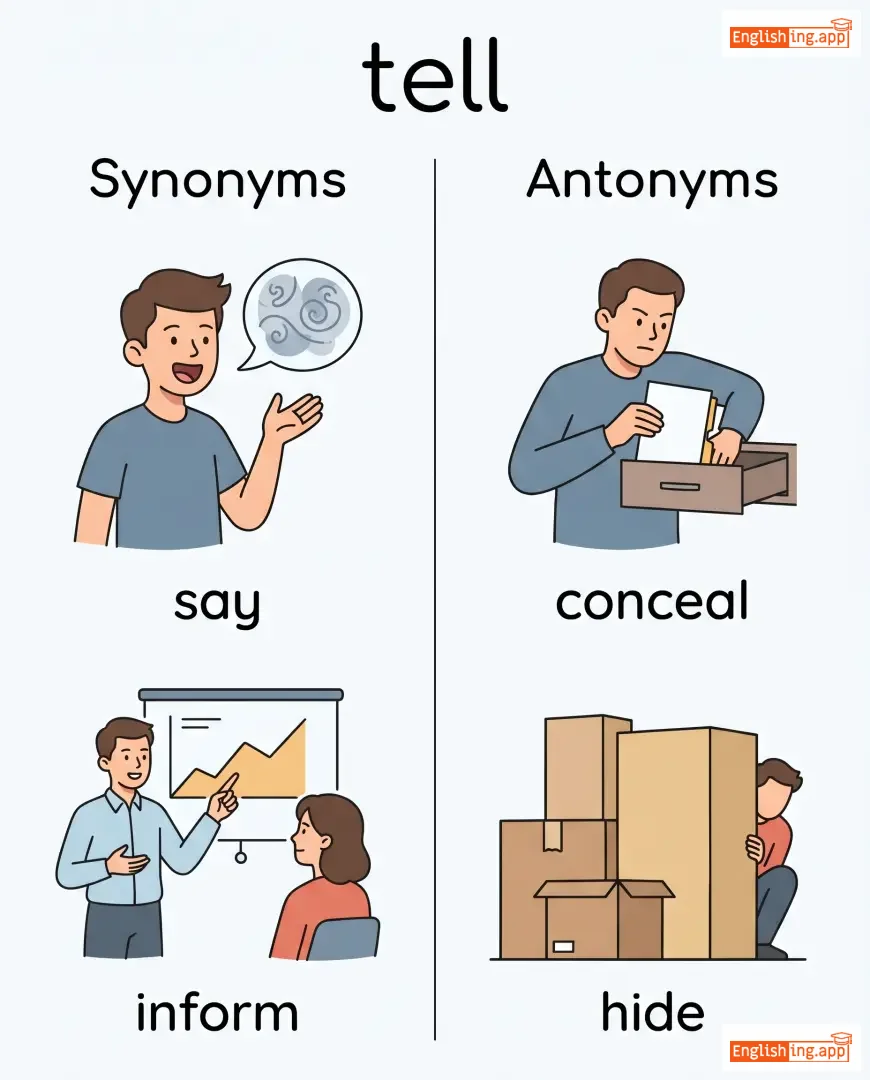
say, inform, relate, narrate, reveal
••••••
|
conceal, hide, suppress
••••••
|
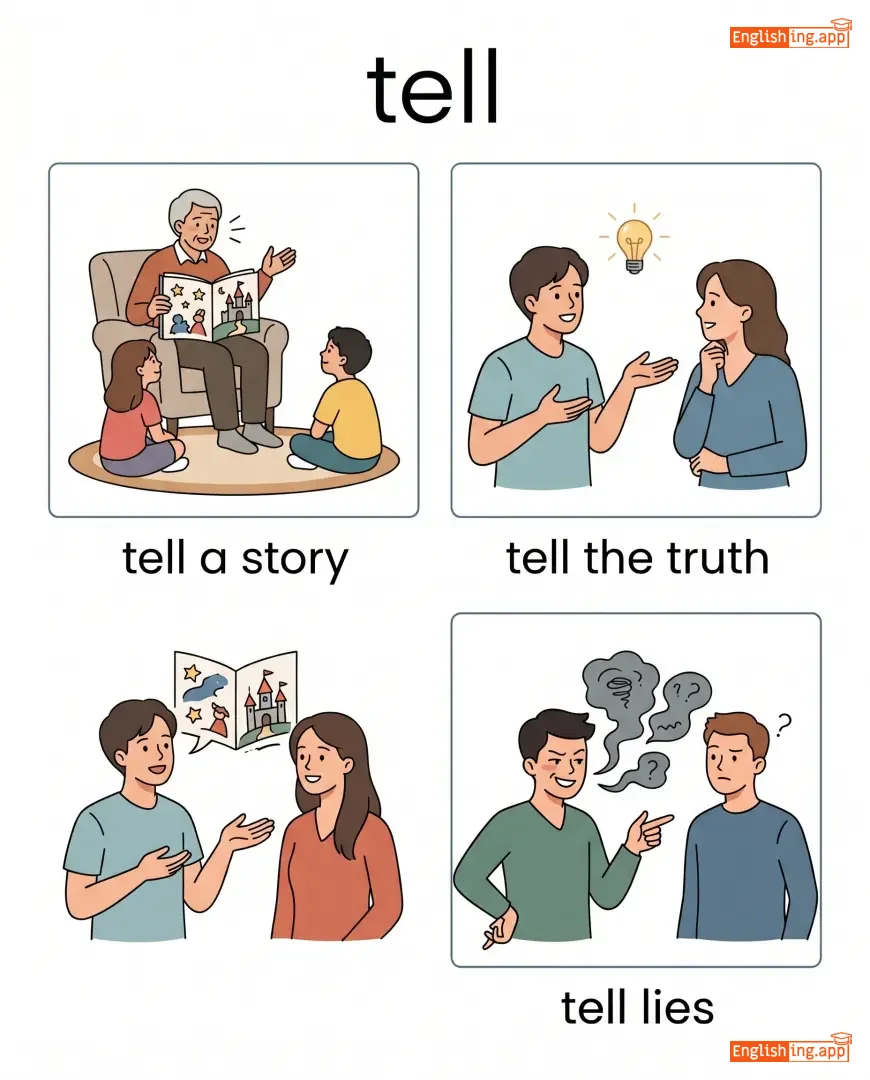
tell a story, tell the truth, tell lies, tell someone
••••••
|
Tell は言うこと、電話で何かを言うように。
••••••
|
|
💵
••••••
|
/ˈtɛl.ər/
noun
(テラー)
••••••
|
- •••••• |
銀行窓口係; 物語を語る人
ginkou madoguchi gakari; monogatari o kataru hito
••••••
|
- •••••• | - •••••• | - •••••• | - •••••• |
A person who counts and manages money at a bank; a person who tells or relates something
••••••
|
The bank teller counted the cash carefully before handing it over.
銀行のテラーは現金を注意深く数えて渡した。
••••••
|
銀行のテラーは現金を注意深く数えて渡した。
Ginkou no terā wa genkin o chuui-bukaku kazoete watashita.
••••••
|
- •••••• | - •••••• | - •••••• |
cashier, bank clerk, narrator, storyteller
••••••
|
customer, listener
••••••
|
bank teller, teller window, teller machine
••••••
|
テラー teller = 銀行の現金を数える人.
••••••
|
|
🌡️
••••••
|
/ˈtem.pər.ə.tʃər/
noun
(テンペラチャー)
••••••
|
|
温度
ondo
••••••
|
- •••••• | - •••••• | - •••••• | - •••••• |
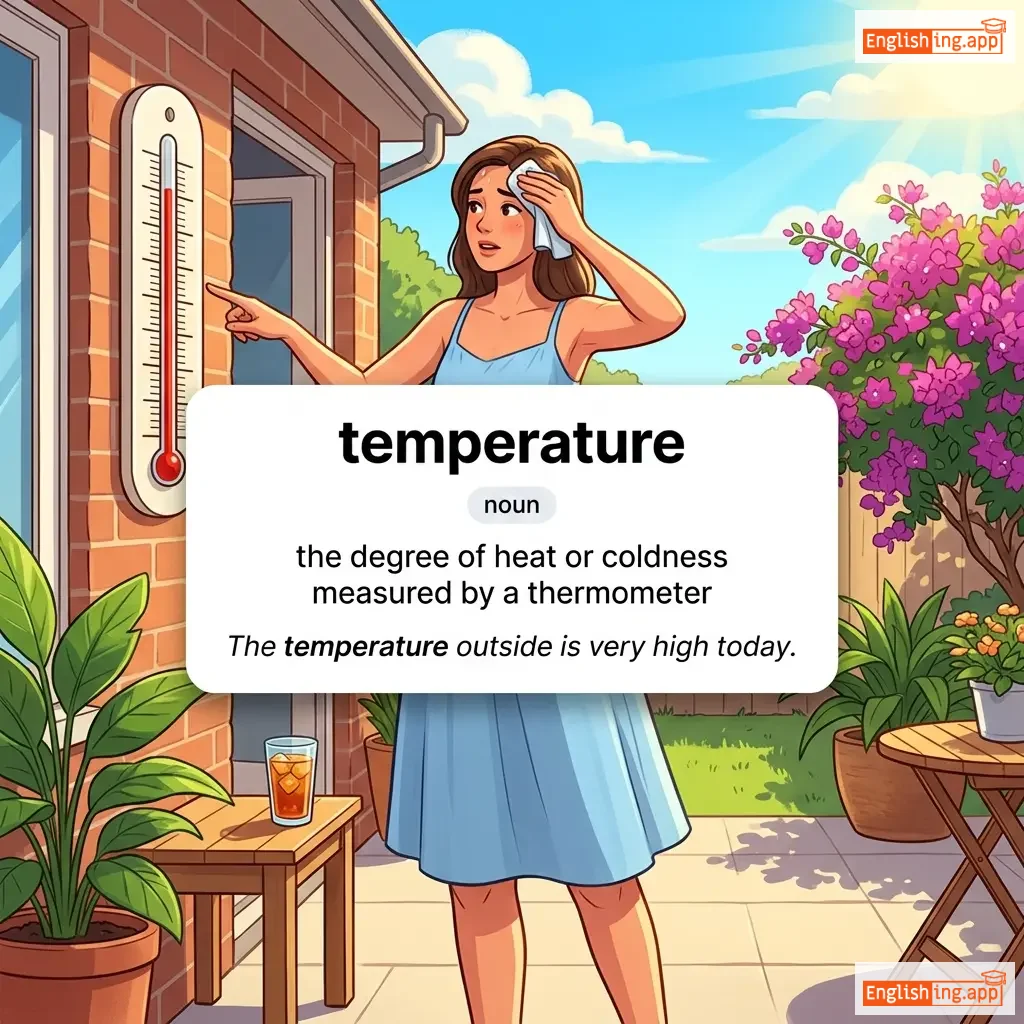
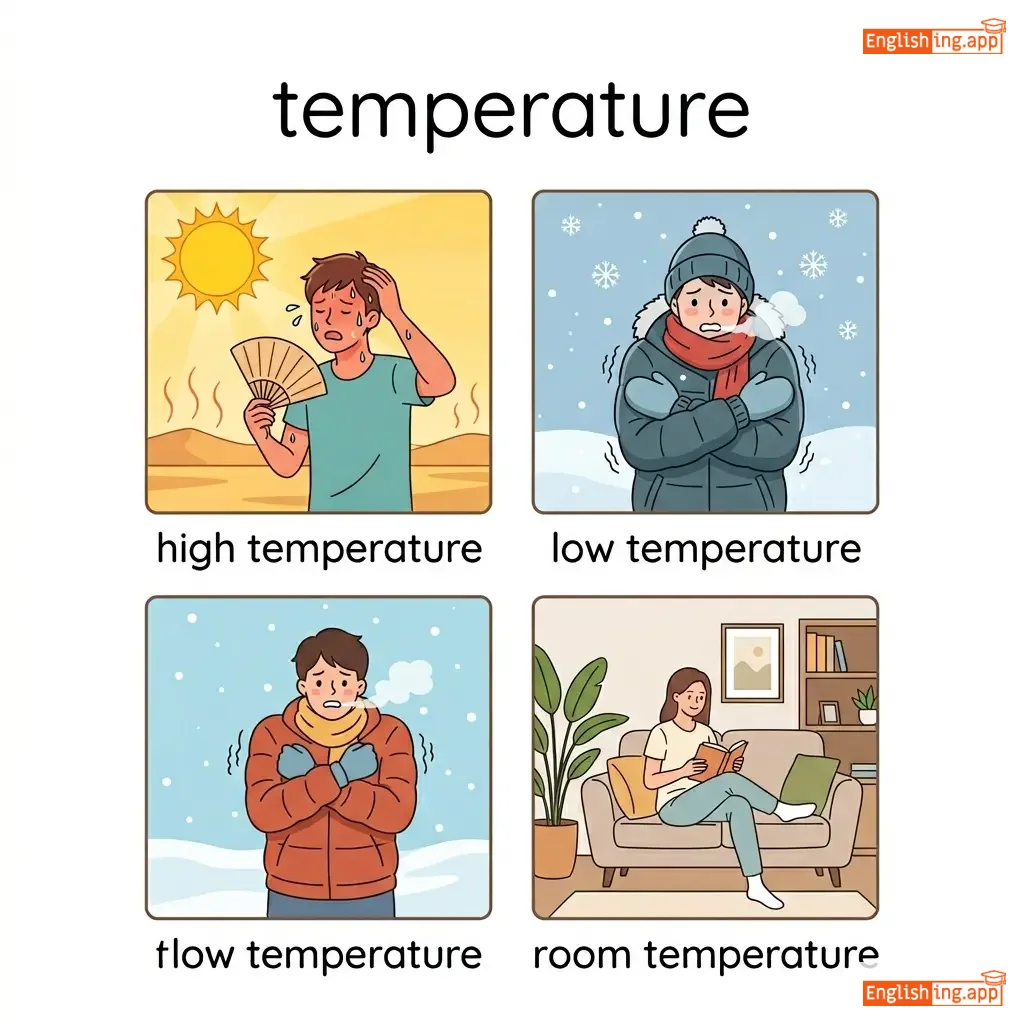
the degree of heat or cold in the atmosphere, body, or substance
••••••
|
The temperature today is twenty-five degrees Celsius. |
今日の温度は25度セルシウスです。
Kyou no ondo wa 25 do Serushiusu desu.
••••••
|
- •••••• | - •••••• | - •••••• |
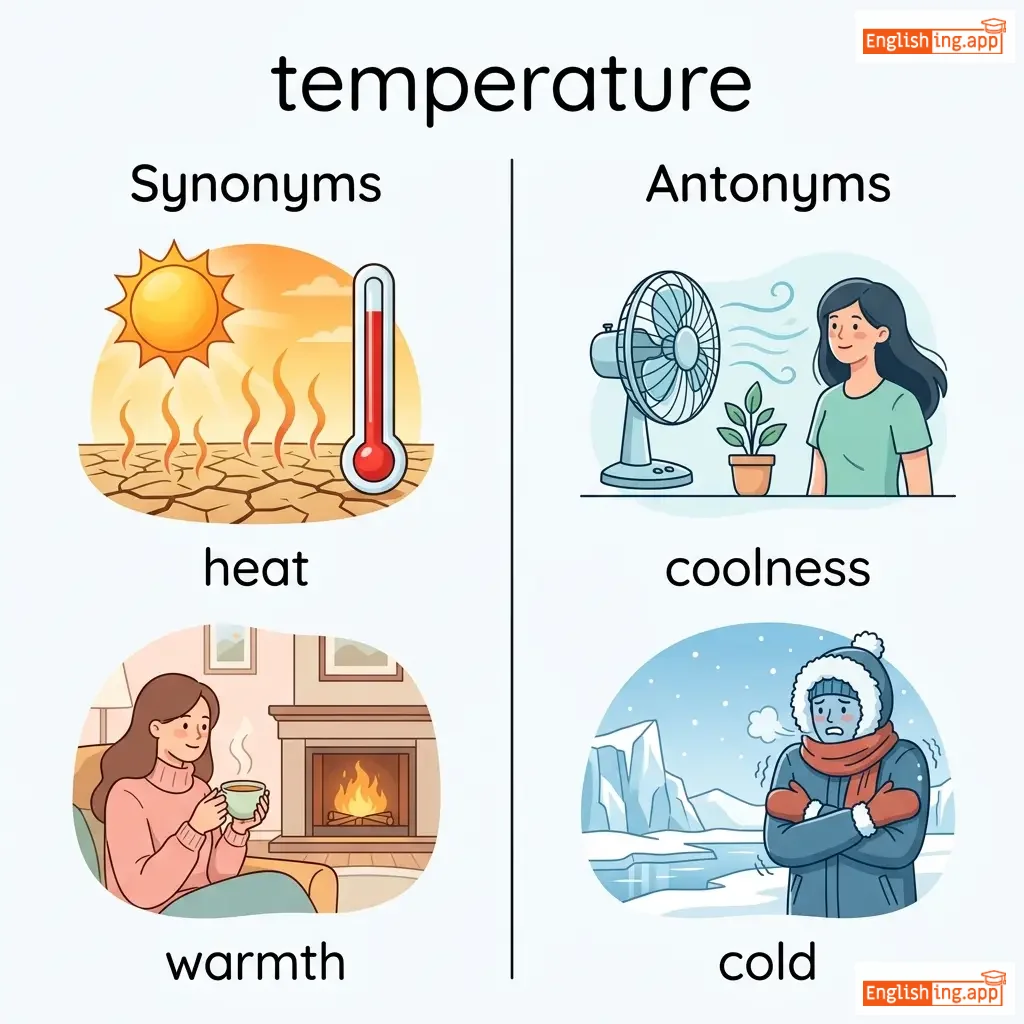
heat, warmth, thermal reading, degree
••••••
|
absolute zero
••••••
|
body temperature, room temperature, high temperature, take temperature
••••••
|
温度(ondo)を覚えて、英語の'温度(temperature)'を理解しよう
••••••
|
|
⛩️
••••••
|
/ˈtɛmpəl/
noun
(テンポル)
••••••
|
- •••••• |
寺院
jiin
••••••
|
- •••••• | - •••••• | - •••••• | - •••••• |
a building used for the worship of a god or gods
••••••
|
They visited an ancient temple during their trip to India. |
インディアへの旅行中に古代の寺院を訪れました。
India e no ryokou-chuu ni kodai no jiin o otozuremashita.
••••••
|
holy temple |
a sacred place dedicated to religious worship
••••••
|
聖なる寺院
seinaru jiin
••••••
|
shrine, sanctuary, church, mosque, pagoda
••••••
|
secular place, profane site
••••••
|
ancient temple, Hindu temple, temple bell, temple visit
••••••
|
Temple は日本語で‘寺院’として理解され、神々への礼拝の場所です。
••••••
|
|
⏳
••••••
|
/ˈtɛmpərɛrɪli/
adverb
(テンポラリリー)
••••••
|
- •••••• |
一時的に
ichijiteki ni
••••••
|
- •••••• | - •••••• | - •••••• | - •••••• |
for a limited time; not permanently
••••••
|
The road is closed temporarily for repairs. |
道路は修理のため一時的に閉鎖されています。
Dōro wa shūri no tame ichijiteki ni heisa sareteimasu.
••••••
|
- •••••• | - •••••• | - •••••• |
briefly, momentarily, temporarily, short-term
••••••
|
permanently, forever
••••••
|
temporarily closed, temporarily unavailable, temporarily suspended
••••••
|
Temporary is like a ‘time’ set in the clock – only for a short time!
••••••
|
|
⏰
••••••
|
/ˈtɛmpərɛri/
adjective
(テンポラリー)
••••••
|
- •••••• |
一時的な
ichijiteki na
••••••
|
- •••••• | - •••••• | - •••••• | - •••••• |
Lasting for only a limited period of time; not permanent.
••••••
|
She found a temporary job during the summer break.
彼女は夏休み中に一時的な仕事を見つけました。
••••••
|
彼女は夏休み中に一時的な仕事を見つけました。
Kanojo wa natsuyasumi chū ni ichijiteki na shigoto o mitsukemashita.
••••••
|
temporary solution
一時的な解決策
••••••
|
A fix that is not permanent but works for a short time.
••••••
|
一時的な解決策
ichijiteki na kaiketsusaku
••••••
|
short-term, momentary, provisional, fleeting, transient
••••••
|
permanent, lasting
••••••
|
temporary job, temporary solution, temporary shelter, temporary measure
••••••
|
Temporary は一時的な ⏰、覚えておいてください、temp job は一時的な仕事です。
••••••
|
|
🍰
••••••
|
/tɛmpt/
verb
(テンプト)
••••••
|
- •••••• |
誘惑する
yūwaku suru
••••••
|
tempted
テンプテッド
••••••
|
tempted
テンプテッド
••••••
|
tempts
テンプツ
••••••
|
tempting
テンプティング
••••••
|
to entice or attract someone to do something, often something wrong or unwise
••••••
|
The smell of fresh bread tempted him to enter the bakery.
新鮮なパンの匂いが彼をパン屋に入らせました。
••••••
|
新鮮なパンの匂いが彼をパン屋に入らせました。
Shinsen na pan no nioi ga kare o panya ni irasemashita.
••••••
|
tempt fate
運命を試す
••••••
|
to take a risk that might lead to trouble or danger
••••••
|
運命を試す
unmei o tamesu
••••••
|
entice, lure, attract, seduce, persuade
••••••
|
deter, repel, discourage
••••••
|
tempt someone, tempt fate, tempting offer, hard to tempt
••••••
|
Tempt は誘惑するという意味です。たとえば、美味しそうなケーキを見て、食べたくてたまらなくなるようなことです。
••••••
|
|
🔟
••••••
|
/tɛn/
noun
(テン)
••••••
|
- •••••• |
十
juu
••••••
|
- •••••• | - •••••• | - •••••• | - •••••• |
the number following nine and preceding eleven
••••••
|
I have ten apples in the basket.
バスケットには十個のリンゴがあります。
••••••
|
バスケットには十個のリンゴがあります。
Basuketto ni wa juu ko no ringo ga arimasu.
••••••
|
- •••••• | - •••••• | - •••••• |
decade, 10
••••••
|
eleven, nine
••••••
|
ten years, ten people, ten times, ten minutes
••••••
|
十本の指、十は数字。
••••••
|
|
👤
••••••
|
/ˈtɛnənt/
noun
(テナント)
••••••
|
- •••••• |
テナント
tenanto
••••••
|
- •••••• | - •••••• | - •••••• | - •••••• |
A person who occupies land or property rented from a landlord.
••••••
|
The tenant paid the rent on time every month. |
テナントは毎月時間通りに家賃を支払った
Tenanto wa maitsuki jikan dōri ni yachin o shiharatta
••••••
|
sitting tenant |
A tenant who is currently living in a rented property.
••••••
|
現住テナント
genjū tenanto
••••••
|
occupant, renter, lodger, leaseholder, dweller
••••••
|
landlord, owner
••••••
|
tenant rights, tenant protection, tenant eviction, sitting tenant
••••••
|
Tenant = テナント、家賃を払う人
••••••
|
|
🌱
••••••
|
/tɛnd/
verb
(テンド)
••••••
|
- •••••• |
傾向がある/世話をする
keikou ga aru/sewa o suru
••••••
|
tended
テンデッド
••••••
|
tended
テンデッド
••••••
|
tends
テンドス
••••••
|
tending
テンディング
••••••
|
To regularly behave in a particular way or to take care of something.
••••••
|
She tends to wake up early in the morning.
彼女は朝早く起きる傾向があります。
••••••
|
彼女は朝早く起きる傾向があります。
Kanojo wa asa hayaku okiru keikou ga arimasu.
••••••
|
tend to
傾向がある
••••••
|
To be likely to do something or to have a certain characteristic.
••••••
|
傾向がある
keikou ga aru
••••••
|
care for, look after, lean, incline, nurture
••••••
|
ignore, neglect
••••••
|
tend to, tend animals, tend plants, tend carefully
••••••
|
Tendは傾向、または世話をする意味です。
••••••
|
|
📈
••••••
|
/ˈten.dən.si/
noun
(テンダンシー)
••••••
|
- •••••• |
傾向
keikou
••••••
|
- •••••• | - •••••• | - •••••• | - •••••• |
an inclination toward a particular characteristic or type of behavior
••••••
|
She has a tendency to arrive late for meetings.
彼女は会議に遅れて到着する傾向があります。
••••••
|
彼女は会議に遅れて到着する傾向があります。
Kanojo wa kaigi ni okurete touchaku suru keikou ga arimasu.
••••••
|
- •••••• | - •••••• | - •••••• |
inclination, propensity, disposition, proclivity
••••••
|
aversion, disinclination, reluctance
••••••
|
natural tendency, strong tendency, growing tendency, general tendency
••••••
|
In Japanese, '傾向' is like the tendency to arrive late, just like how the 'shinkansen' has its own pace.
••••••
|
|
🌸
••••••
|
/ˈtɛndər/
verb, noun, adjective
(テンダー)
••••••
|
- •••••• |
提案 / 優しい
teian / yasashii
••••••
|
tendered
テンダード
••••••
|
tendered
テンダード
••••••
|
tenders
テンダーズ
••••••
|
tendering
テンダリング
••••••
|
to offer formally; soft and delicate in texture or character; a formal offer or proposal
••••••
|
The company tendered its resignation to the board.
会社は取締役会に辞表を提出しました。
••••••
|
会社は取締役会に辞表を提出しました。
Kaisha wa torishimariyakukai ni jihyō o teishutsu shimashita.
••••••
|
tender loving care
優しいケア
••••••
|
gentle, nurturing care
••••••
|
優しい看護
yasashii kango
••••••
|
offer, submit, delicate, fragile, proposal
••••••
|
withdraw, reject, harsh
••••••
|
tender offer, tender document, tender heart, tender age
••••••
|
Tenderは柔らかく、心を込めて提供すること、まるで優しい抱擁のようです。
••••••
|
|
🎾
••••••
|
/ˈtɛnɪs/
noun
(テニス)
••••••
|
- •••••• |
テニス
tenisu
••••••
|
- •••••• | - •••••• | - •••••• | - •••••• |
a sport played with rackets and a ball on a rectangular court
••••••
|
He enjoys playing tennis with his friends on the weekends. |
彼は週末に友達とテニスをするのが好きです。
Kare wa shūmatsu ni tomodachi to tenisu o suru no ga suki desu.
••••••
|
- •••••• | - •••••• | - •••••• |
racket sport, sport, game
••••••
|
chess, board games
••••••
|
play tennis, tennis match, tennis court, tennis player
••••••
|
テニスは反射神経とスタミナを高めるスポーツ - Tenisu wa hansha shinkei to sutamina o takameru supōtsu
••••••
|
|
😰
••••••
|
/ˈtɛn.ʃən/
noun
(テンション)
••••••
|
- •••••• |
緊張
kinchou
••••••
|
- •••••• | - •••••• | - •••••• | - •••••• |
A state of being stretched tight; mental or emotional strain.
••••••
|
There was a lot of tension in the room before the exam results were announced.
試験結果が発表される前、部屋には多くのテンションがありました。
••••••
|
試験結果が発表される前、部屋には多くのテンションがありました。
Shiken kekka ga happyou sareru mae, heya ni wa ooku no tenshon ga arimashita.
••••••
|
cut the tension with a knife
ナイフでテンションを切る
••••••
|
When the atmosphere is very tense and easily noticeable.
••••••
|
ナイフでテンションを切る
Naifu de tenshon o kiru
••••••
|
strain, stress, pressure, anxiety, suspense
••••••
|
relaxation, ease, calm
••••••
|
high tension, political tension, muscle tension, relieve tension
••••••
|
日本語では 'ナイフでテンションを切る' と言います - それは触れられるほどの緊張感です。
••••••
|
|
⛺
••••••
|
/tent/
noun
(テント)
••••••
|
- •••••• |
テント
tento
••••••
|
- •••••• | - •••••• | - •••••• | - •••••• |
a portable shelter made of cloth or canvas; military accommodation
••••••
|
The soldiers set up their tent in the military camp.
兵士たちは軍のキャンプでテントを設置した。
••••••
|
兵士たちは軍のキャンプでテントを設置した。
Heishitachi wa gun no kyanpu de tento o secchi shita.
••••••
|
- •••••• | - •••••• | - •••••• |
shelter, pavilion, canvas shelter
••••••
|
permanent structure, building
••••••
|
military tent, field tent, tent camp, army tent
••••••
|
In Japanese, 'テント' (tento) is a direct borrowing from the English word 'tent'. Imagine soldiers setting up their 'tento'!
••••••
|
|
📜
••••••
|
/ˈtɛnjər/
noun
(テニュア)
••••••
|
- •••••• |
任期
ninki
••••••
|
- •••••• | - •••••• | - •••••• | - •••••• |
The period of time during which someone holds a position, office, or land.
••••••
|
His tenure as president lasted for five years. |
彼の大統領としての任期は5年間続きました。
Kare no daitōryō toshite no ninki wa 5-nenkan tsuzukimashita.
••••••
|
secure tenure |
Guaranteed possession of a position or land.
••••••
|
安定した任期
antei shita ninki
••••••
|
term, occupancy, incumbency, holding
••••••
|
unemployment, dispossession, vacancy
••••••
|
tenure track, fixed tenure, tenure of office, land tenure
••••••
|
Tenureは 'ten years' のように、職位に留まる期間です。
••••••
|
|
🛫
••••••
|
/ˈtɜːrmɪnəl/
noun/adjective
(ターミナル)
••••••
|
- •••••• |
ターミナル、終点、末期の病
taaminaru, shūten, maki no yamai
••••••
|
- •••••• | - •••••• | - •••••• | - •••••• |
As a noun: A place where transport routes begin or end. As an adjective: Relating to the end or final stage of something, often an illness.
••••••
|
He waited for the bus at the central terminal. |
彼は中央ターミナルでバスを待っていた。
kare wa chūō taaminaru de basu o matte ita.
••••••
|
terminal illness |
An illness that cannot be cured and will eventually lead to death.
••••••
|
末期の病
maki no yamai
••••••
|
station, depot, final, ultimate, incurable
••••••
|
initial, beginning
••••••
|
bus terminal, airport terminal, terminal illness, terminal stage
••••••
|
ターミナルは終わりの場所、末期の病は命の終わりを意味します。
••••••
|
|
🛑
••••••
|
/ˈtɜːrmɪˌneɪt/
verb
(ターミネイト)
••••••
|
- •••••• |
終了する
shūryō suru
••••••
|
terminated
ターミネイテッド
••••••
|
terminated
ターミネイテッド
••••••
|
terminates
ターミネイツ
••••••
|
terminating
ターミネイティング
••••••
|
to bring something to an end or to stop something from continuing
••••••
|
The company decided to terminate his contract.
会社は彼の契約を終了することを決定した。
••••••
|
会社は彼の契約を終了することを決定した。
Kaisha wa kare no keiyaku o shūryō suru koto o kettei shita.
••••••
|
terminate a pregnancy
妊娠中絶する
••••••
|
to medically end a pregnancy
••••••
|
妊娠中絶する
ninshin chūzetsu suru
••••••
|
end, conclude, finish, cease, halt
••••••
|
begin, start, continue
••••••
|
terminate a contract, terminate employment, terminate immediately, terminate agreement
••••••
|
終了するとは何かを終わらせること、例えば契約が'終了'するように。
••••••
|
|
📜
••••••
|
/tɜːmz/
noun
(tërmz)
••••••
|
- •••••• |
条件
jouken
••••••
|
- •••••• | - •••••• | - •••••• | - •••••• |
plural of term; conditions or rules in a contract or agreement
••••••
|
The terms of the agreement are clearly outlined in the contract.
契約条件は契約書に明確に記載されています。
••••••
|
契約条件は契約書に明確に記載されています。
Keiyaku jouken wa keiyakusho ni meikaku ni kisai sareteimasu.
••••••
|
- •••••• | - •••••• | - •••••• |
conditions, clauses, provisions, requirements
••••••
|
freedom, flexibility
••••••
|
contract terms, payment terms, terms and conditions
••••••
|
Terms are the clauses - remember to check ‘jouken’ in the contract.
••••••
|
|
🌄
••••••
|
/təˈreɪn/
noun
(テレイン)
••••••
|
- •••••• |
地形
chikei
••••••
|
- •••••• | - •••••• | - •••••• | - •••••• |
a stretch of land, especially with regard to its physical features
••••••
|
The soldiers had to cross rough terrain during the mission. |
兵士たちは任務中に険しい地形を越えなければならなかった。
Heishi-tachi wa ninmu-chuu ni kewashii chikei o koenakereba naranakatta.
••••••
|
mountainous terrain |
landscape full of mountains or steep slopes
••••••
|
山岳地形
sangaku chikei
••••••
|
land, ground, landscape, topography, area
••••••
|
sea, sky
••••••
|
rocky terrain, flat terrain, desert terrain, rugged terrain
••••••
|
Terrain とは地形のこと — まるで電車が地面を走るように、terrain は地面の形を指す。
••••••
|
|
😖
••••••
|
/ˈtɛrɪbəl/
adjective
••••••
|
- •••••• | - •••••• | - •••••• | - •••••• | - •••••• | - •••••• |
extremely bad or unpleasant
••••••
|
The food at that restaurant was terrible. |
- •••••• |
a terrible mistake |
a very bad or serious error
••••••
|
- •••••• |
awful, dreadful, horrible, appalling
••••••
|
wonderful, excellent, good
••••••
|
terrible accident, terrible pain, terrible mistake, terrible situation
••••••
|
No •••••• |
|
😢
••••••
|
/ˈtɛrəbli/
adverb
(テリブリー)
••••••
|
- •••••• |
ひどく
hidoku
••••••
|
- •••••• | - •••••• | - •••••• | - •••••• |
to a very great or extreme degree; very badly or unpleasantly
••••••
|
He felt terribly sad after hearing the news. |
彼はそのニュースを聞いた後、ひどく悲しく感じました。
Kare wa sono nyūsu o kiita ato, hidoku kanashiku kanjimashita.
••••••
|
terribly sorry |
feeling extremely apologetic or regretful
••••••
|
ひどく謝る
hidoku ayamaru
••••••
|
extremely, awfully, horribly, dreadfully, badly
••••••
|
slightly, mildly
••••••
|
terribly sorry, terribly wrong, terribly cold, terribly slow
••••••
|
Terribly は非常に悪いか非常に良いという意味です — つまり、非常に!覚えておいて:『ひどく良い』または『ひどく悪い』。
••••••
|
|
🌟
••••••
|
/təˈrɪfɪk/
adjective
(テリフィック)
••••••
|
- •••••• |
素晴らしい
subarashii
••••••
|
- •••••• | - •••••• | - •••••• | - •••••• |
extremely good or excellent; very great or intense
••••••
|
The concert last night was absolutely terrific.
昨夜のコンサートは絶対にテリフィックでした。
••••••
|
昨夜のコンサートは絶対に素晴らしかった。
Sakuya no konsāto wa zettai ni subarashikatta.
••••••
|
feel terrific
テリフィックを感じる
••••••
|
to feel very well or happy
••••••
|
素晴らしく感じる
subarashiku kanjiru
••••••
|
excellent, wonderful, fantastic, superb, amazing
••••••
|
awful, terrible, poor
••••••
|
terrific idea, terrific job, feel terrific, look terrific
••••••
|
Terrific は 'Terri-fic'、素晴らしいという意味です!
••••••
|
|
😱
••••••
|
/ˈtɛrəˌfaɪ/
verb
(terifai)
••••••
|
- •••••• |
怖がらせる
kogaraseru
••••••
|
terrified
terifaido
••••••
|
terrified
terifaido
••••••
|
terrifies
terifaisu
••••••
|
terrifying
terifaiingu
••••••
|
To cause someone to feel extreme fear.
••••••
|
The loud thunder terrified the children.
大きな雷が子供たちを怖がらせた。
••••••
|
大きな雷が子供たちを怖がらせた。
Ōkina kaminari ga kodomotachi o kowagaraseta.
••••••
|
- •••••• | - •••••• | - •••••• |
frighten, scare, alarm, startle, petrify
••••••
|
comfort, reassure, calm
••••••
|
terrify someone, absolutely terrify, terrify the crowd
••••••
|
Terrify は怖がらせる、雷の音のように人を怖がらせる。
••••••
|
|
🏞️
••••••
|
/ˈtɛrɪˌtɔːri/
noun
(テリトリー)
••••••
|
|
領土
ryoudo
••••••
|
- •••••• | - •••••• | - •••••• | - •••••• |
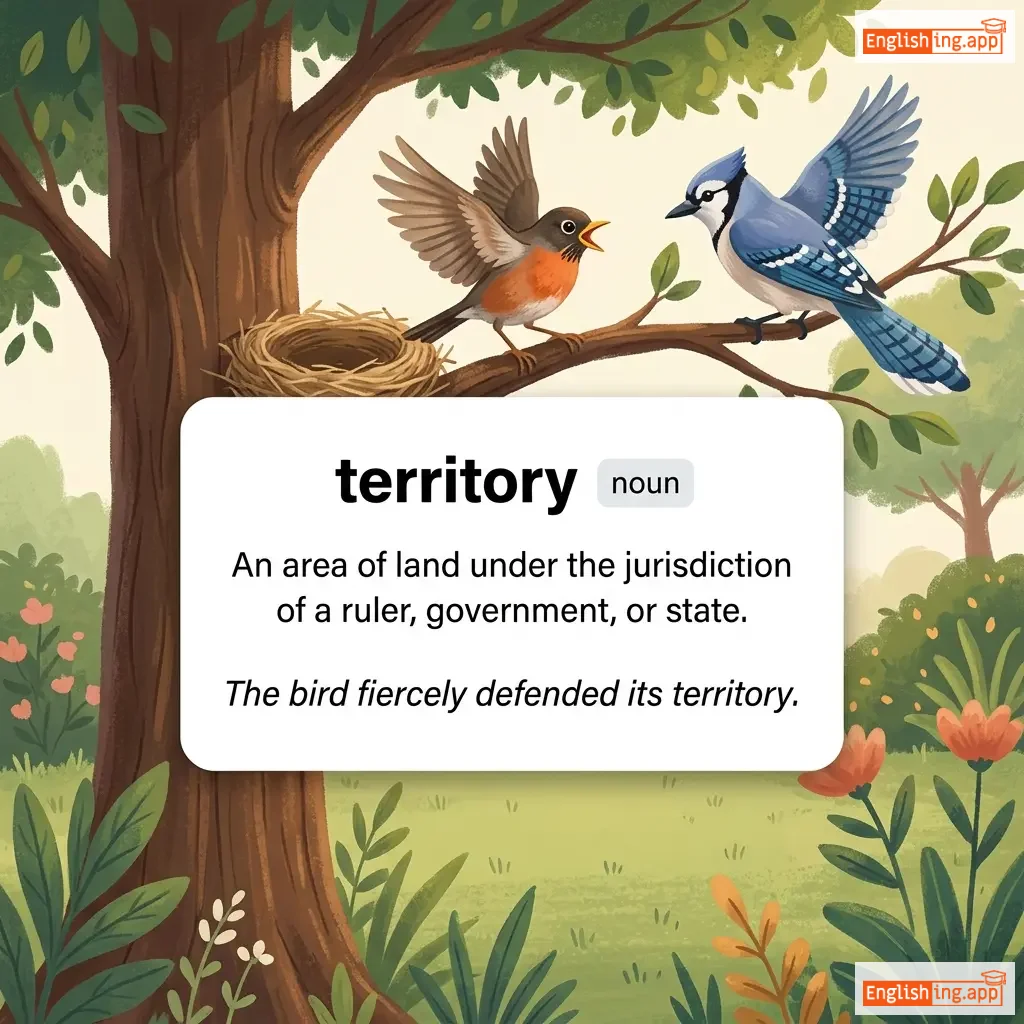
An area of land under the jurisdiction of a ruler, government, or state.
••••••
|
The bird fiercely defended its territory. |
その鳥は自分の領土を激しく守った。
Sono tori wa jibun no ryoudo o hageshiku mamotta.
••••••
|
uncharted territory |
An unfamiliar or unexplored area or situation.
••••••
|
未知の領域
Michi no ryouiki
••••••
|
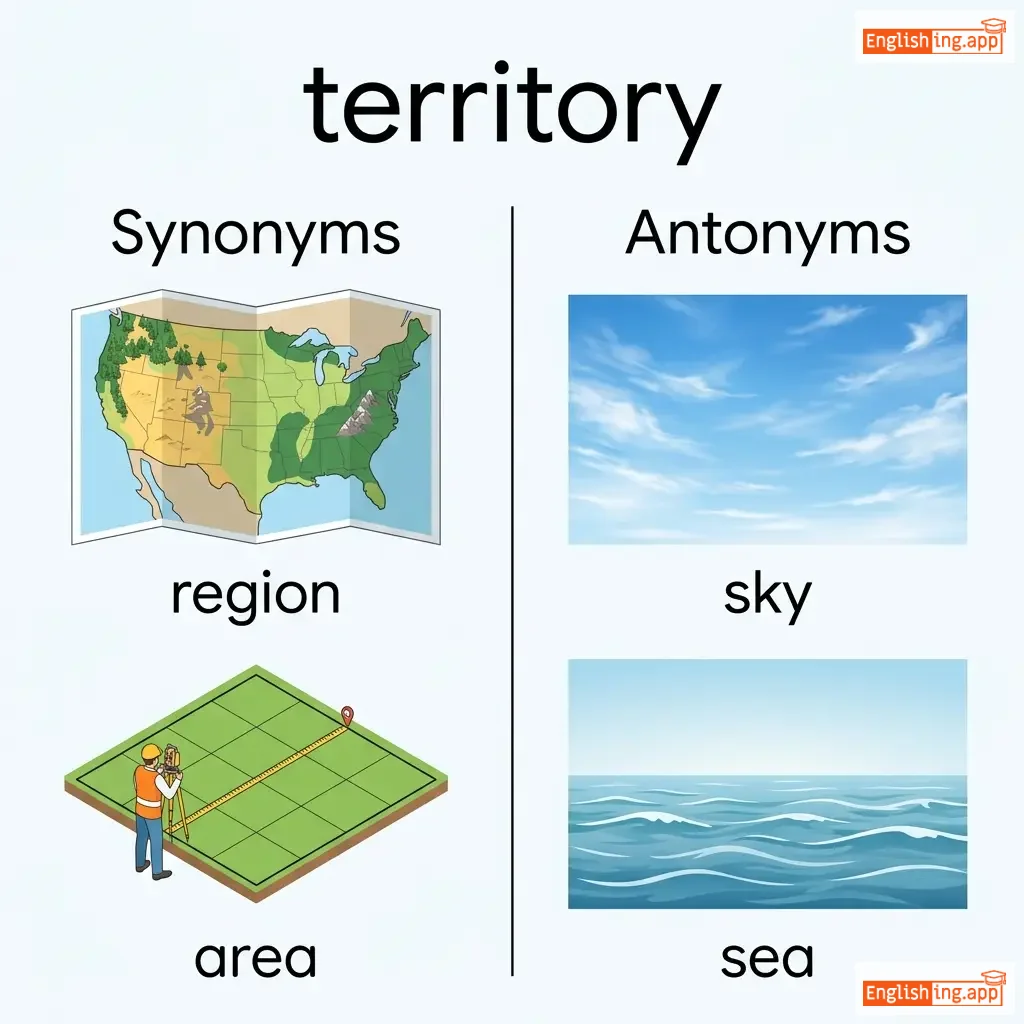
region, area, domain, land, zone
••••••
|
sky, sea
••••••
|
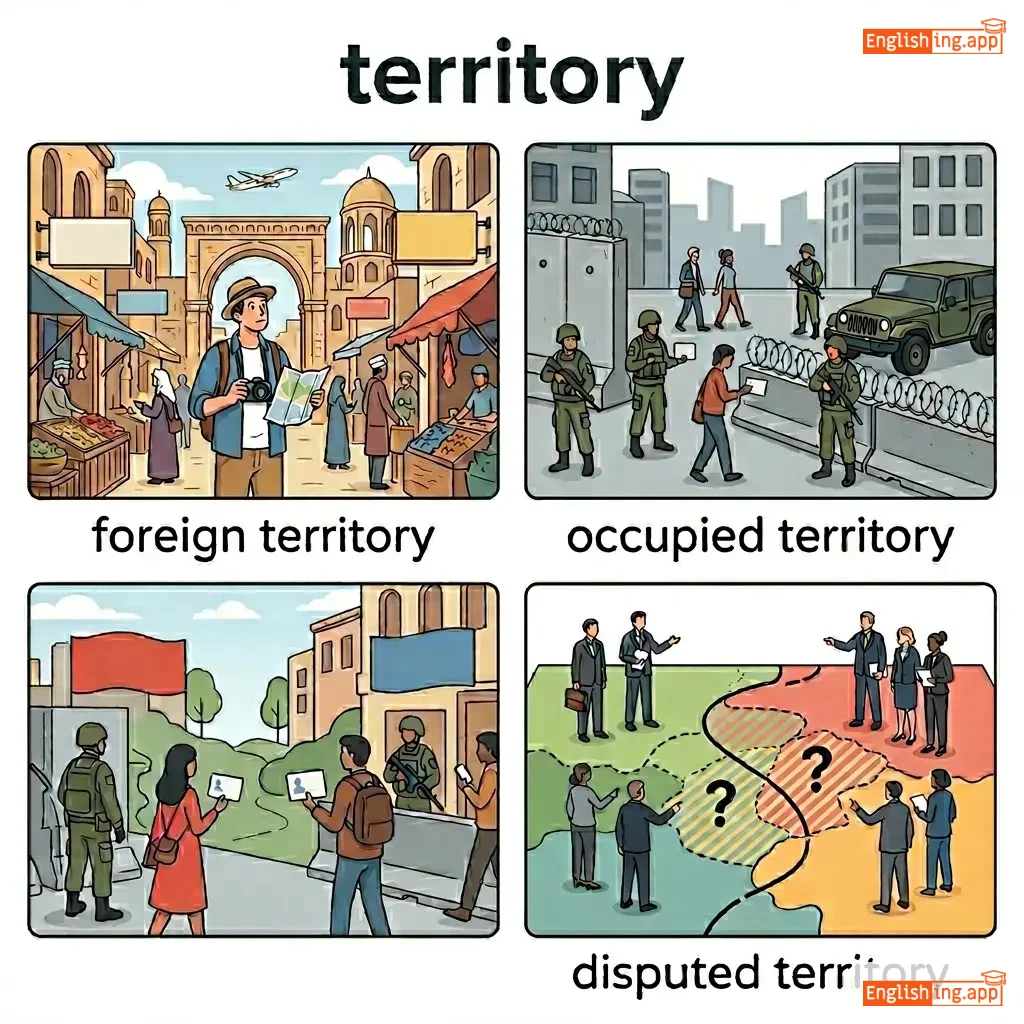
foreign territory, occupied territory, disputed territory
••••••
|
Territory = Teri + Ryoudou (領土)
••••••
|
|
👻
••••••
|
/ˈtɛrər/
noun
(テラー)
••••••
|
- •••••• |
恐怖
kyōfu
••••••
|
- •••••• | - •••••• | - •••••• | - •••••• |
Extreme fear or dread.
••••••
|
The villagers fled in terror during the attack. |
村人たちは攻撃の際に恐怖におののいて逃げた。
Mura hitotachi wa kōgeki no sai ni kyōfu ni ononoi te nigeta.
••••••
|
reign of terror |
A period during which fear and violence prevail.
••••••
|
恐怖の支配
Kyōfu no shihai
••••••
|
fear, dread, horror, panic, fright
••••••
|
calm, peace, comfort
••••••
|
state of terror, sheer terror, live in terror
••••••
|
Terror は日本語で恐怖、強い恐れを意味します。
••••••
|
|
💣
••••••
|
/ˈter.ər.ɪ.zəm/
noun
(テロリズム)
••••••
|
- •••••• |
テロリズム
terorizumu
••••••
|
- •••••• | - •••••• | - •••••• | - •••••• |
the unlawful use of violence and intimidation against civilians for political aims
••••••
|
The government increased security measures to prevent terrorism. |
政府はテロリズムを防止するためにセキュリティ対策を強化しました。
seifu wa terorizumu o bōshi suru tame ni sekyuriti taisaku o kyōka shimashita.
••••••
|
- •••••• | - •••••• | - •••••• |
extremism, radicalism, violence, insurgency
••••••
|
peace, nonviolence, diplomacy, harmony
••••••
|
international terrorism, domestic terrorism, counter-terrorism, war on terrorism
••••••
|
テロリズムは社会に混乱を引き起こすので、安全対策は重要です。
••••••
|
|
👤💥
••••••
|
/ˈtɛrərɪst/
noun
(テロリスト)
••••••
|
- •••••• |
テロリスト
terorisuto
••••••
|
- •••••• | - •••••• | - •••••• | - •••••• |
a person who uses violence or threats to intimidate or coerce, especially for political purposes
••••••
|
The terrorist was arrested by the police after the attack. |
テロリストは攻撃後、警察に逮捕されました。
Terorisuto wa kōgeki go, keisatsu ni taiho saremashita.
••••••
|
- •••••• | - •••••• | - •••••• |
extremist, militant, radical, insurgent
••••••
|
peacemaker, diplomat
••••••
|
suspected terrorist, terrorist group, radical terrorist
••••••
|
テロリスト ('terorisuto') は政治的目的で暴力を使う人です。
••••••
|
|
📝
••••••
|
/test/
verb
(テスト)
••••••
|
|
テストする
tesuto suru
••••••
|
tested
テストされた
••••••
|
tested
テストされた
••••••
|
tests
テストする
••••••
|
testing
テスト中
••••••
|
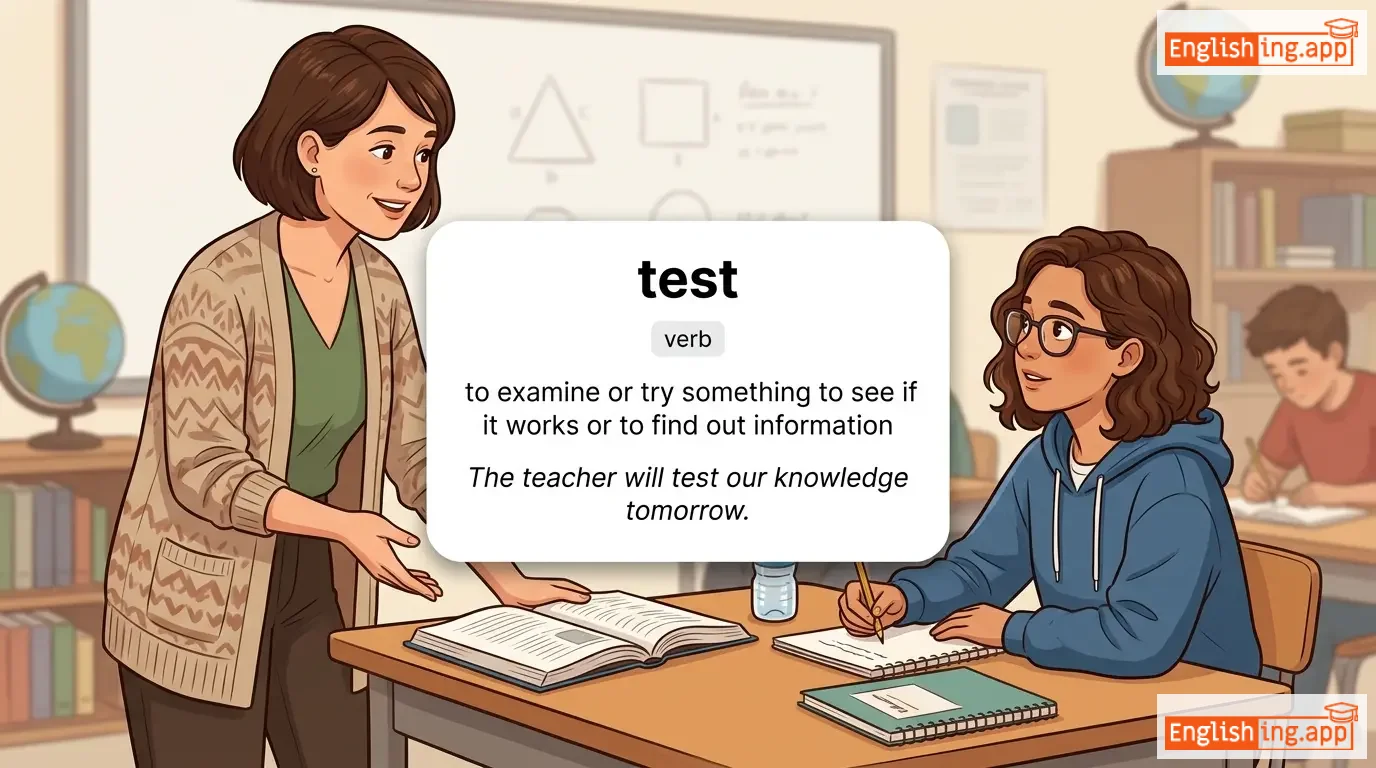
to examine or try something to see if it works or to find out information
••••••
|
The teacher will test our knowledge tomorrow.
先生は明日私たちの知識をテストします。
••••••
|
先生は明日私たちの知識をテストします。
Sensei wa ashita watashitachi no chishiki o tesuto shimasu.
••••••
|
- •••••• | - •••••• | - •••••• |
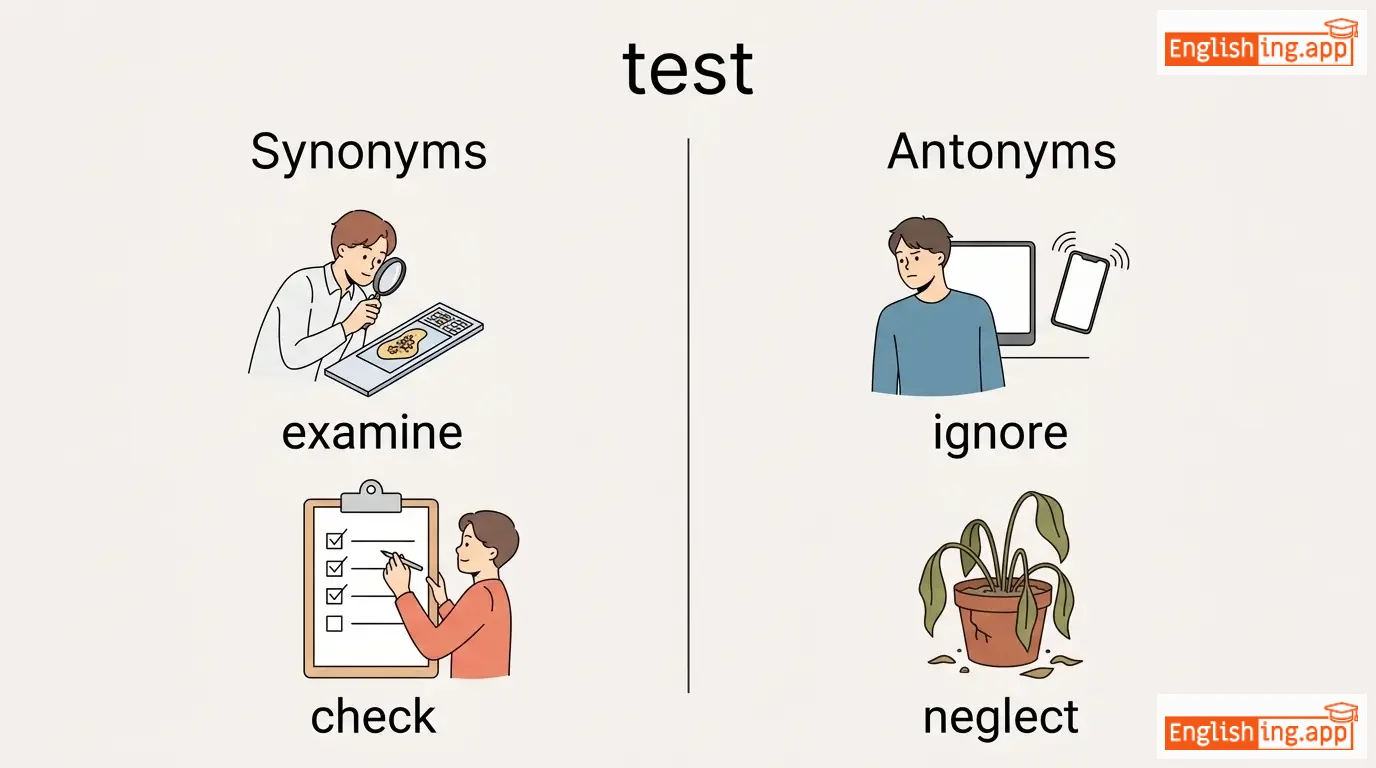
examine, check, try, evaluate
••••••
|
ignore, neglect
••••••
|
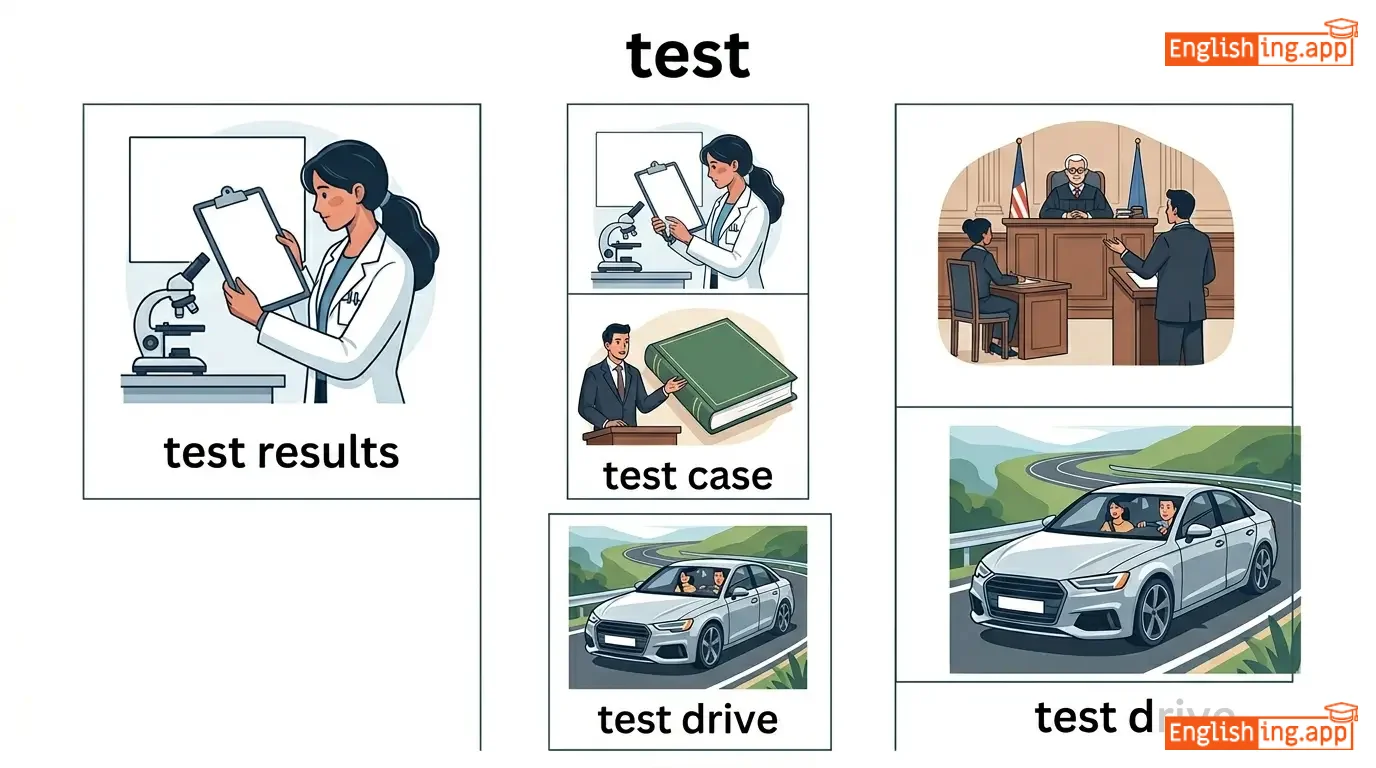
test results, test case, test drive, test positive, test negative, blood test
••••••
|
先生のようにテストして、知識を試しましょう。
••••••
|
|
📝
••••••
|
/ˈtɛstəfaɪ/
verb
(テスティファイ)
••••••
|
- •••••• |
証言する
shougen suru
••••••
|
testified
テスティファイド
••••••
|
testified
テスティファイド
••••••
|
testifies
テスティファイズ
••••••
|
testifying
テスティファイング
••••••
|
to make a statement or declaration under oath or to give evidence
••••••
|
She was called to testify in court about the accident.
彼女は事故について証言するために裁判所に呼ばれました。
••••••
|
彼女は事故について証言するために裁判所に呼ばれました。
Kanojo wa jiko ni tsuite shougen suru tame ni saibansho ni yoba remashita.
••••••
|
- •••••• | - •••••• | - •••••• |
witness, declare, confirm, affirm
••••••
|
deny, oppose
••••••
|
testify in court, testify under oath, testify as a witness
••••••
|
証言するために裁判所に行く、そこで証拠を提供する
••••••
|
|
⚖️
••••••
|
/ˈtɛstəˌmoʊni/
noun
(テスティモニー)
••••••
|
- •••••• |
証言
shōgen
••••••
|
- •••••• | - •••••• | - •••••• | - •••••• |
A formal statement given in a court of law or evidence supporting a fact.
••••••
|
Her testimony in court helped convict the criminal. |
彼女の証言は裁判で犯人を有罪にするのに役立ちました。
Kanojo no shōgen wa saiban de han'nin o yūzai ni suru no ni yakudachimashita.
••••••
|
bear testimony |
To serve as evidence or proof of something
••••••
|
証言する
shōgen suru
••••••
|
evidence, declaration, statement, affidavit, proof
••••••
|
denial, contradiction, refutation
••••••
|
sworn testimony, court testimony, give testimony, eyewitness testimony
••••••
|
証言はテストのように、法廷で証言するのはテストに似ています。
••••••
|
|
🔬
••••••
|
/ˈtɛstɪŋ/
noun
(テスティング)
••••••
|
- •••••• |
テスト
tesuto
••••••
|
- •••••• | - •••••• | - •••••• | - •••••• |
the process of assessing or evaluating something, often by trying it out
••••••
|
The testing of the new software is still ongoing. |
新しいソフトウェアのテストはまだ進行中です。
Atarashī sofutōwēa no tesuto wa mada shinkōchū desu.
••••••
|
- •••••• | - •••••• | - •••••• |
examination, assessment, trial, evaluation
••••••
|
failure, rejection
••••••
|
testing phase, software testing, testing process, performance testing
••••••
|
Testing software is like testing your skills for success
••••••
|
|
📖
••••••
|
/tɛkst/
noun
(テキスト)
••••••
|
- •••••• |
テキスト
tekisuto
••••••
|
- •••••• | - •••••• | - •••••• | - •••••• |
a written or printed work or passage, especially a book or document
••••••
|
The teacher asked us to read the text on page 50. |
先生は私たちにページ50のテキストを読むように言いました。
Sensei wa watashitachi ni pēji 50 no tekisuto o yomu yō ni iimashita.
••••••
|
- •••••• | - •••••• | - •••••• |
script, writing, passage, document
••••••
|
speech, talk
••••••
|
text message, read the text, text book, written text
••••••
|
テキストは行間を読むための書かれた言葉
••••••
|
|
📘
••••••
|
/ˈtɛkstbʊk/
noun
(テキストブック)
••••••
|
- •••••• |
教科書
kyōkasho
••••••
|
- •••••• | - •••••• | - •••••• | - •••••• |
a book used for studying a subject in school or college
••••••
|
She bought a new biology textbook for her class. |
彼女はクラスのために新しい生物学の教科書を買いました。
Kanojo wa kurasu no tame ni atarashī seibutsugaku no kyōkasho o kaimashita.
••••••
|
a textbook example |
a perfect or typical example of something
••••••
|
模範例
mohanrei
••••••
|
manual, guidebook, reference book, coursebook
••••••
|
fiction, magazine
••••••
|
textbook example, textbook case, school textbook, college textbook
••••••
|
Text + Book = 学びの本!だから '教科書' は教科書を意味します。
••••••
|
|
🧵
••••••
|
/ˈtɛkstʃər/
noun
(テクスチャー)
••••••
|
- •••••• |
質感
shitsukan
••••••
|
- •••••• | - •••••• | - •••••• | - •••••• |
the way something feels when you touch it; the quality of a surface or substance
••••••
|
The fabric has a soft and smooth texture. |
その布は柔らかく滑らかな質感です。
Sono nuno wa yawarakaku namerakana shitsukan desu.
••••••
|
rough texture |
a coarse or uneven surface feel
••••••
|
- •••••• |
surface, feel, grain, structure, consistency
••••••
|
smoothness, flatness
••••••
|
soft texture, rough texture, fabric texture, skin texture
••••••
|
質感は触れることで感じるものです。
••••••
|
|
🔼
••••••
|
/ðæn/
conjunction
(ザン)
••••••
|
- •••••• |
より
yori
••••••
|
- •••••• | - •••••• | - •••••• | - •••••• |
used to introduce the second element in a comparison
••••••
|
She is taller than her brother.
彼女は彼女の兄よりも背が高い。
••••••
|
彼女は彼女の兄よりも背が高い。
Kanojo wa kanojo no ani yori mo se ga takai.
••••••
|
- •••••• | - •••••• | - •••••• |
more than, compared to, as opposed to
••••••
|
less than
••••••
|
greater than, more than, better than
••••••
|
Than means you compare one thing with another
••••••
|
|
🙏
••••••
|
/θæŋk/
verb
(サンク)
••••••
|
|
感謝する
kansha suru
••••••
|
thanked
サンクド
••••••
|
thanked
サンクド
••••••
|
thanks
サンクス
••••••
|
thanking
サンキング
••••••
|
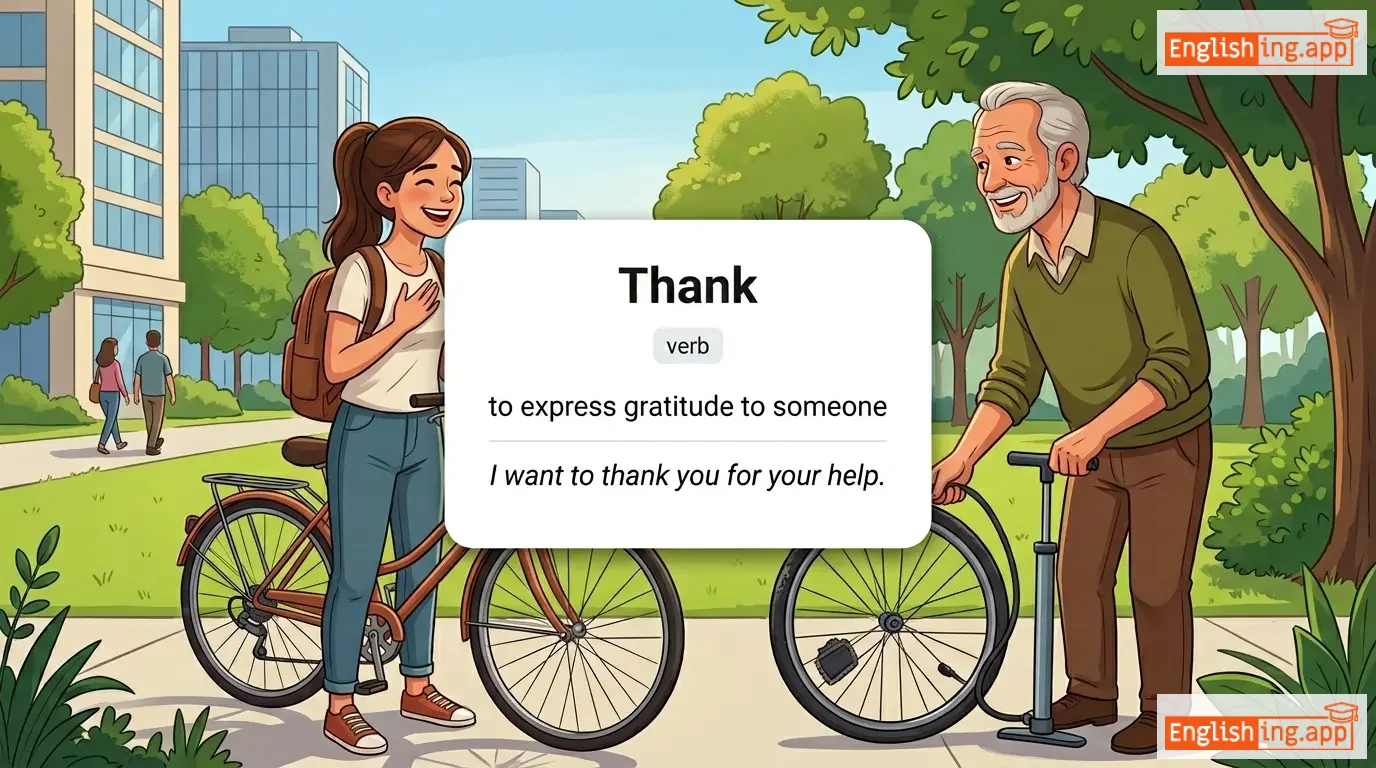
to express gratitude to someone
••••••
|
I want to thank you for your help.
私はあなたの助けに感謝したいです。
••••••
|
私はあなたの助けに感謝したいです。
Watashi wa anata no tasuke ni kansha shitai desu.
••••••
|
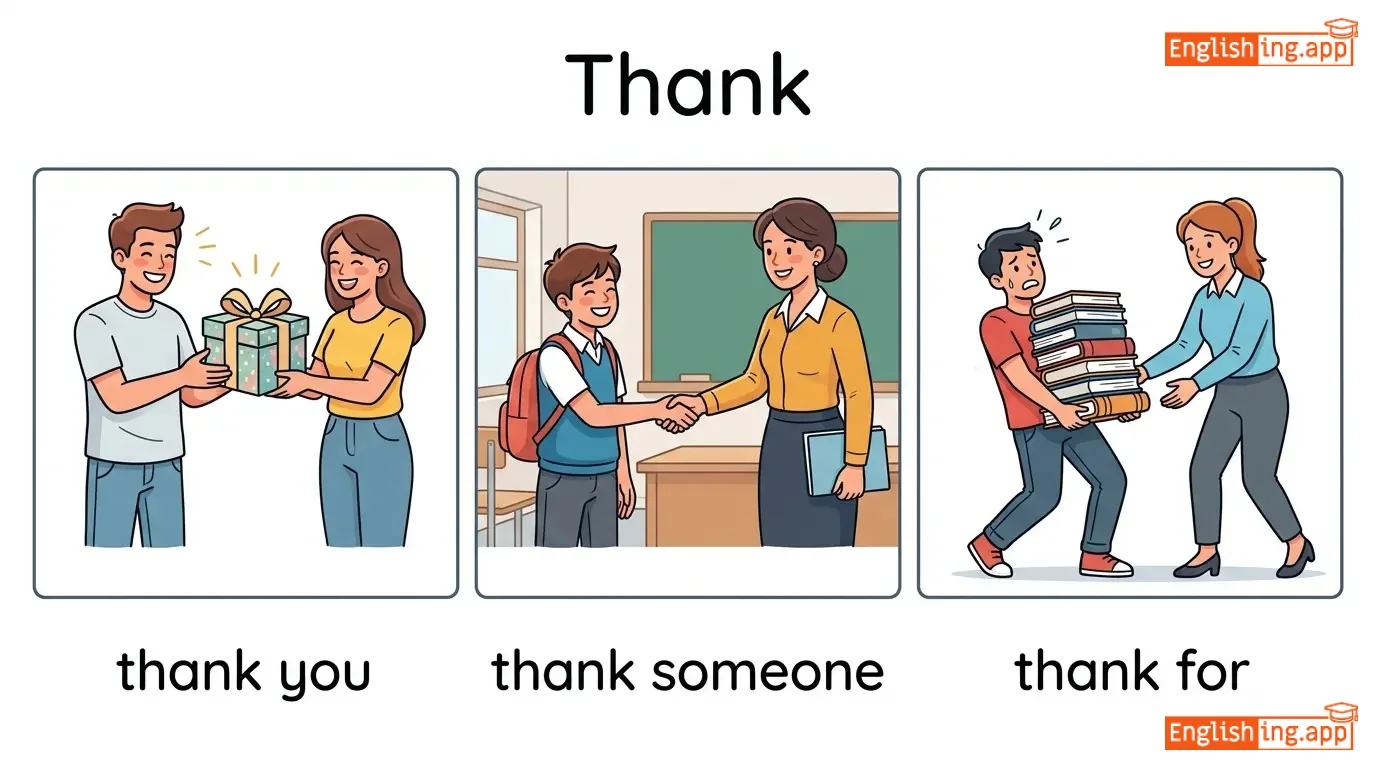
Thank you
ありがとう
••••••
|
expression of gratitude
••••••
|
ありがとう
Arigatou
••••••
|
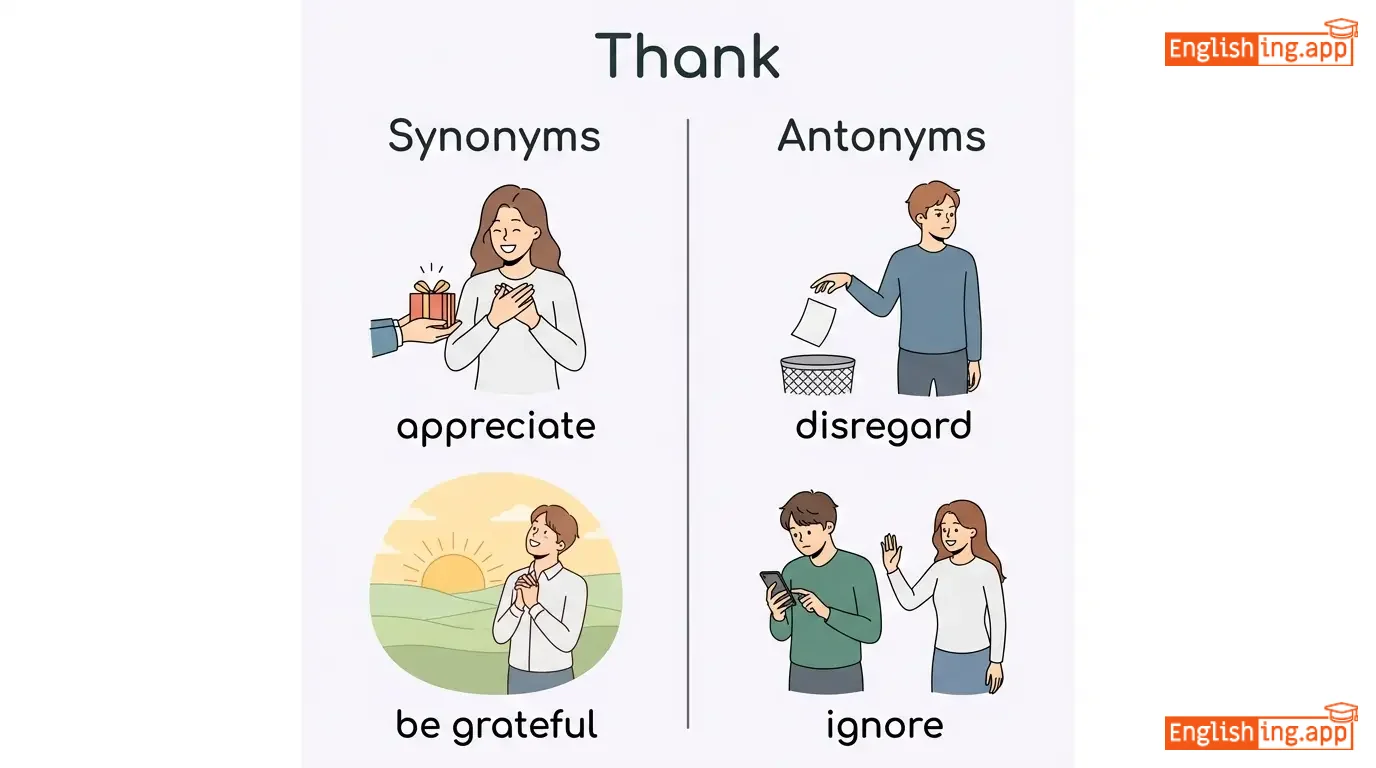
appreciate, be grateful, acknowledge, express thanks
••••••
|
disregard, ignore, neglect
••••••
|
thank you, thank someone, thank for, thanking you
••••••
|
Thank you for helping – ありがとう (Arigatou) for your kindness
••••••
|
|
🙏
••••••
|
/ˈθæŋkfəli/
adverb
(ˈθæŋkfəli)
••••••
|
- •••••• |
幸いにも
saiwai ni mo
••••••
|
- •••••• | - •••••• | - •••••• | - •••••• |
used to express relief or gratitude
••••••
|
Thankfully, she arrived just in time for the meeting. |
幸いにも、彼女は会議にちょうど間に合いました。
Saiwai ni mo, kanojo wa kaigi ni choudo mani aimashita.
••••••
|
- •••••• | - •••••• | - •••••• |
gratefully, luckily, fortunately, happily
••••••
|
unfortunately, regretfully
••••••
|
thankfully received, thankfully avoided, thankfully accepted
••••••
|
幸いに、感謝の気持ちで考えます (saiwai ni, kansha no kimochi de kangaemasu).
••••••
|
|
🙏
••••••
|
/θæŋks/
noun
(θæŋks)
••••••
|
- •••••• |
ありがとう
arigatou
••••••
|
- •••••• | - •••••• | - •••••• | - •••••• |
an expression of gratitude
••••••
|
Thanks for helping me with the project. |
プロジェクトを手伝ってくれてありがとう。
Purojekuto wo tetsudatte kurete arigatou.
••••••
|
- •••••• | - •••••• | - •••••• |
gratitude, appreciation, recognition, thanks-giving
••••••
|
ingratitude, ungratefulness
••••••
|
say thanks, give thanks, express thanks
••••••
|
ありがとうは‘thanks’の日本語版
••••••
|
|
👉
••••••
|
/ðæt/
pronoun
(ðæt)
••••••
|
- •••••• |
それ
sore
••••••
|
- •••••• | - •••••• | - •••••• | - •••••• |
used to identify a specific person or thing observed or heard
••••••
|
That is my book on the table.
それは私の本です、テーブルの上に。
••••••
|
それは私の本です、テーブルの上に。
Sore wa watashi no hon desu, tēburu no ue ni.
••••••
|
- •••••• | - •••••• | - •••••• |
this, it, the one
••••••
|
those, these
••••••
|
that book, that person, that idea
••••••
|
That - それ (Sore) 本はテーブルの上
••••••
|
|
🌞
••••••
|
/ðə/
article
••••••
|
- •••••• | - •••••• | - •••••• | - •••••• | - •••••• | - •••••• |
used to specify a noun as something already mentioned or known
••••••
|
The sun rises in the east. |
- •••••• | - •••••• | - •••••• | - •••••• |
this, that
••••••
|
- •••••• |
the best, the first, the last
••••••
|
No •••••• |
|
🎭
••••••
|
/ˈθiːətər/
noun
(シアター)
••••••
|
- •••••• |
劇場
gekijou
••••••
|
- •••••• | - •••••• | - •••••• | - •••••• |
a building or area for dramatic performances
••••••
|
We are going to the theater tonight. |
今夜、私たちは劇場に行きます。
Kon'ya, watashitachi wa gekijou ni ikimasu.
••••••
|
- •••••• | - •••••• | - •••••• |
playhouse, cinema, auditorium
••••••
|
open-air, outdoor
••••••
|
movie theater, local theater, drama theater
••••••
|
劇場 - あなたが劇を観る場所
••••••
|
|
🎭
••••••
|
/θiˈætrɪkl/
adjective
(テアトリカル)
••••••
|
- •••••• |
劇的
gekiteki
••••••
|
- •••••• | - •••••• | - •••••• | - •••••• |
Relating to the theater or exaggerated and dramatic in behavior or style.
••••••
|
Her theatrical performance won the audience's applause.
彼女の劇的なパフォーマンスは観客の拍手を浴びた。
••••••
|
彼女の劇的なパフォーマンスは観客の拍手を浴びた。
Kanojo no gekiteki na pafōmansu wa kankyaku no hakushu o abita.
••••••
|
make a theatrical scene
劇的なシーンを作る
••••••
|
to act dramatically in an exaggerated way
••••••
|
劇的なシーンを作る
gekiteki na shīn o tsukuru
••••••
|
dramatic, exaggerated, showy, stage-like, flamboyant
••••••
|
subtle, natural, modest
••••••
|
theatrical performance, theatrical gesture, theatrical costume, theatrical style
••••••
|
劇場 → 劇的は誇張的な振る舞いを意味します
••••••
|
|
💼
••••••
|
/θɛft/
noun
(ゼフト)
••••••
|
- •••••• |
窃盗
settou
••••••
|
- •••••• | - •••••• | - •••••• | - •••••• |
the action or crime of stealing
••••••
|
The theft of his wallet was reported to the police.
彼の財布の盗難は警察に報告されました。
••••••
|
彼の財布の盗難は警察に報告されました。
Kare no saifu no settou wa keisatsu ni hōkoku saremashita.
••••••
|
- •••••• | - •••••• | - •••••• |
burglary, robbery, larceny, stealing
••••••
|
honesty, integrity
••••••
|
committed theft, petty theft, reported theft
••••••
|
Settou is theft - In settou, naifu (knife) wo tsukatte nusumu.
••••••
|
|
👨👩👧👦
••••••
|
/ðɛər/
pronoun
(ðɛər)
••••••
|
- •••••• |
彼らの
karera no
••••••
|
- •••••• | - •••••• | - •••••• | - •••••• |
belonging to or associated with the people or things previously mentioned
••••••
|
Their house is on the corner. |
彼らの家は角にあります。
Karera no ie wa kado ni arimasu.
••••••
|
- •••••• | - •••••• | - •••••• |
his, her, its
••••••
|
my, your
••••••
|
their car, their family, their opinion
••••••
|
Their - 彼らの家
••••••
|
|
👥
••••••
|
/ðɛərz/
pronoun
(ゼアーズ)
••••••
|
- •••••• |
彼らの
karera no
••••••
|
- •••••• | - •••••• | - •••••• | - •••••• |
belonging to them; that which is theirs
••••••
|
This book is theirs, not ours.
この本は彼らのもので、私たちのではありません。
••••••
|
この本は彼らのもので、私たちのではありません。
Kono hon wa karera no mono de, watashitachi no de wa arimasen.
••••••
|
- •••••• | - •••••• | - •••••• |
belonging to them, theirs alone, their property, their possession
••••••
|
ours, mine
••••••
|
all theirs, entirely theirs, rightfully theirs
••••••
|
'karera no' = theirs in Japanese, 'no' shows possession.
••••••
|
|
👥
••••••
|
/ðɛm/
pronoun
(ðɛm)
••••••
|
- •••••• |
彼ら
karera
••••••
|
- •••••• | - •••••• | - •••••• | - •••••• |
used to refer to people or things previously mentioned or easily identified
••••••
|
I saw them at the park yesterday. |
昨日、公園で彼らを見かけました。
Kinō, kōen de karera o mikakemashita.
••••••
|
- •••••• | - •••••• | - •••••• |
they, those, these
••••••
|
none
••••••
|
see them, tell them, help them
••••••
|
彼ら (them) はどこにでもいます!
••••••
|
|
🎨
••••••
|
/θiːm/
noun
(テーマ)
••••••
|
|
テーマ
teema
••••••
|
- •••••• | - •••••• | - •••••• | - •••••• |
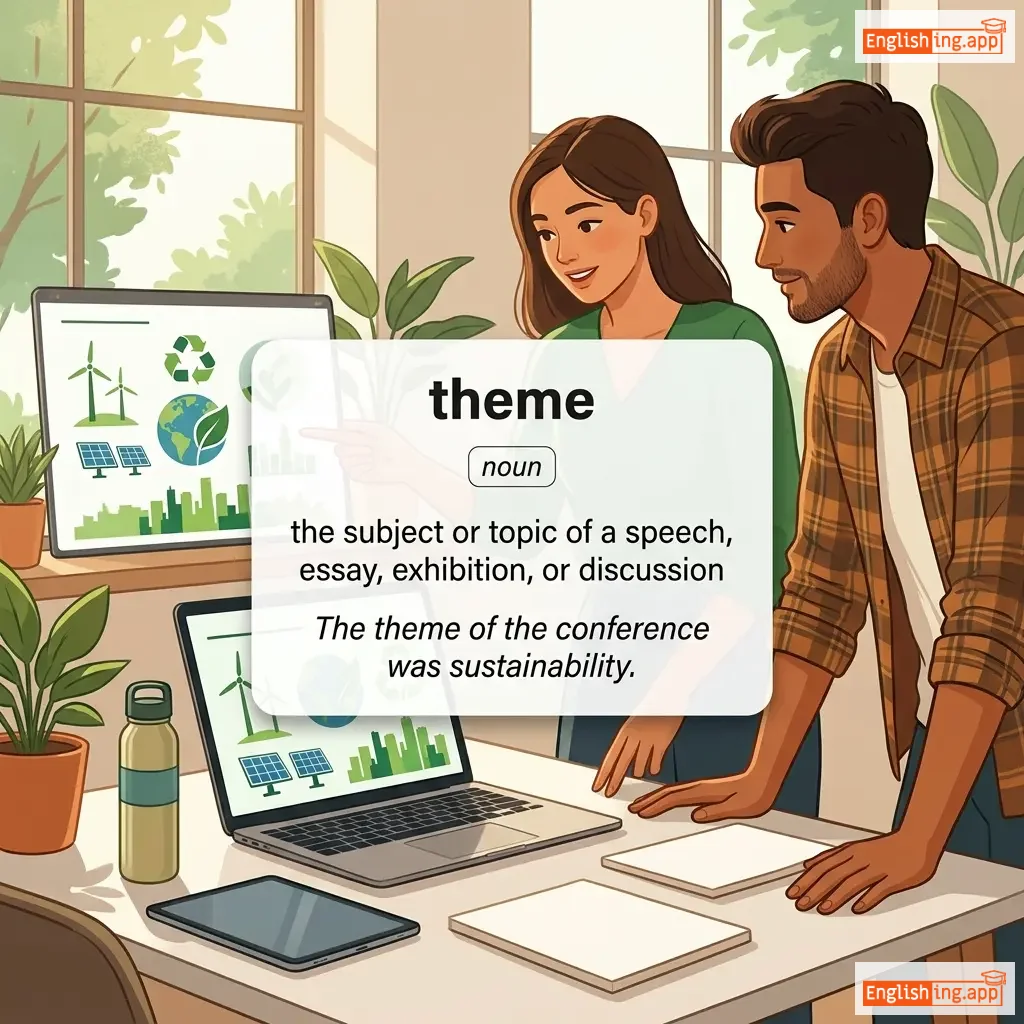
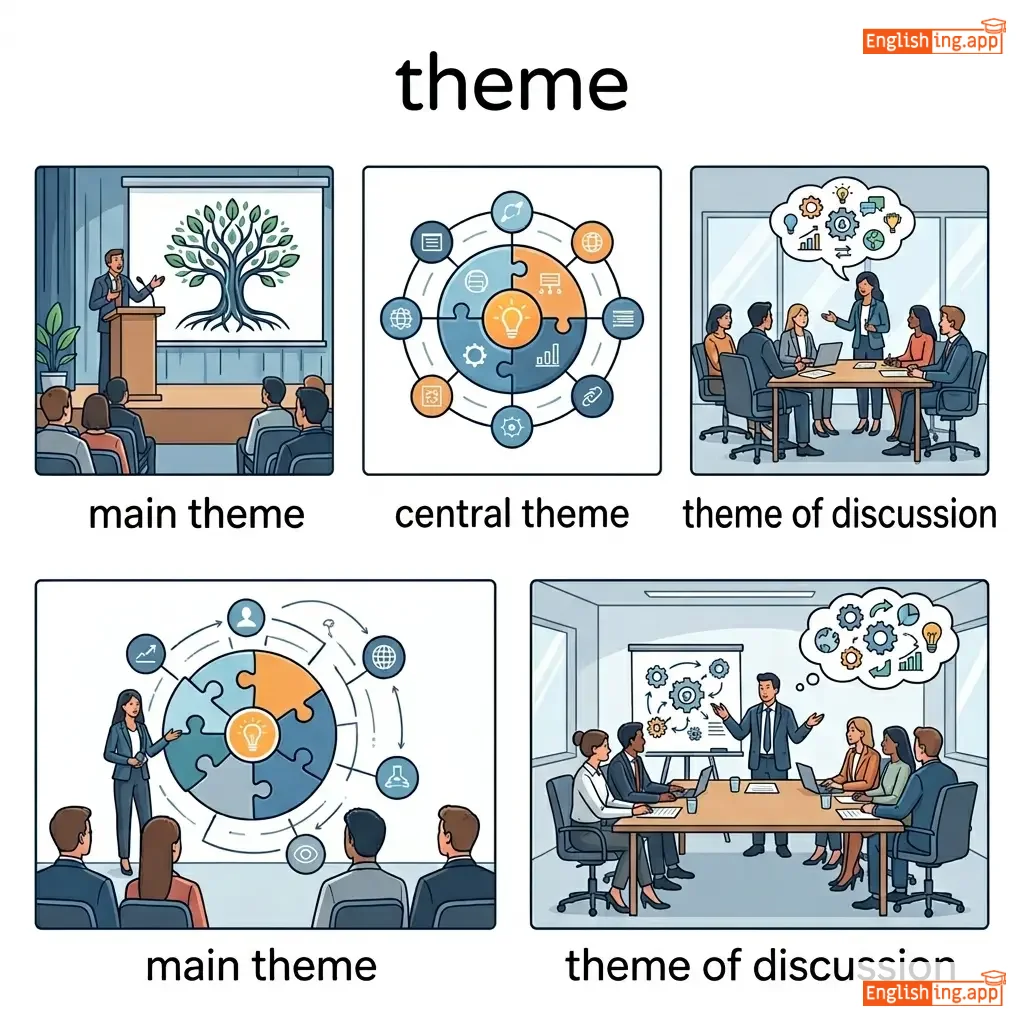
the subject or topic of a speech, essay, exhibition, or discussion
••••••
|
The theme of the conference was sustainability. |
会議のテーマは持続可能性でした。
Kaigi no teema wa jizoku kanousei deshita.
••••••
|
- •••••• | - •••••• | - •••••• |
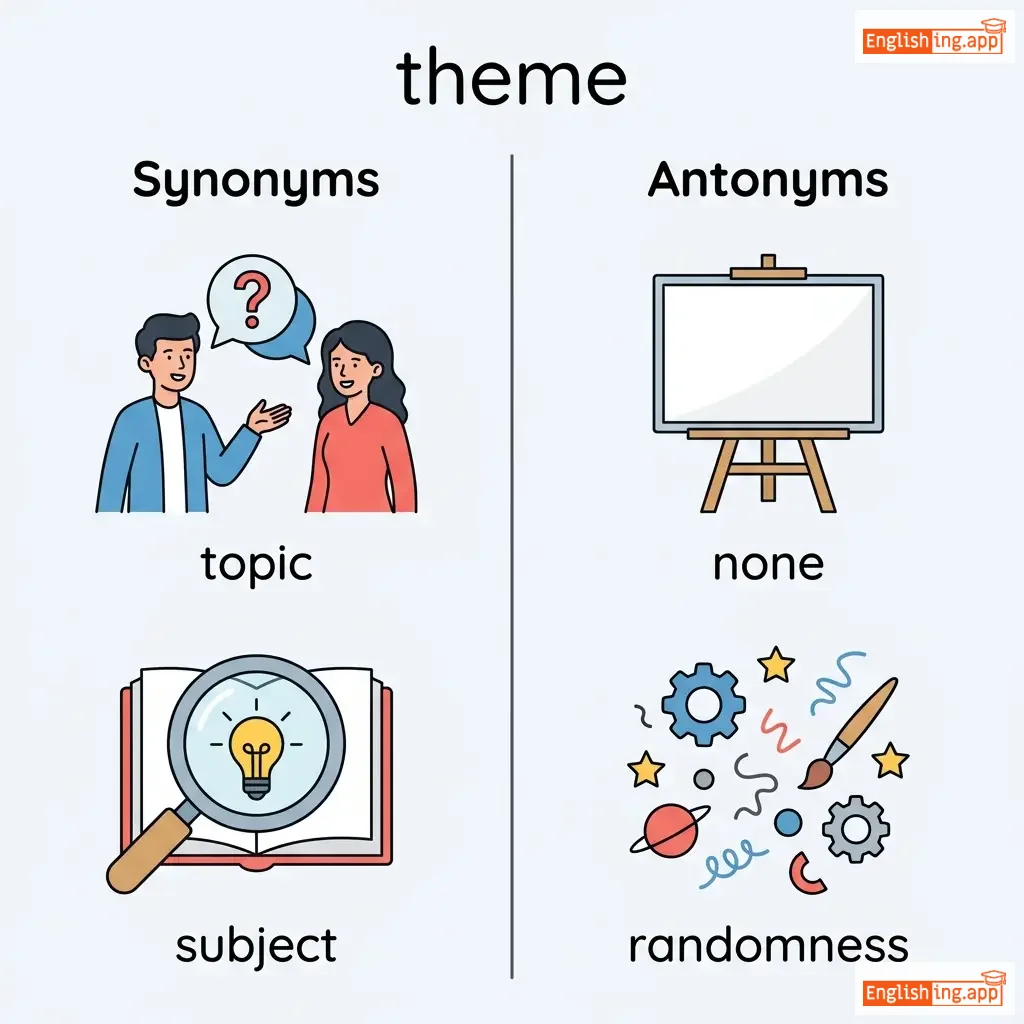
topic, subject, motif, idea
••••••
|
none
••••••
|
main theme, central theme, theme of discussion
••••••
|
テーマ (teema) は発表の根幹
••••••
|

