Получите неограниченный доступ ко всем словам с подпиской Pro
Обновить до ProПолучите неограниченный доступ ко всем предложениям с подпиской Pro
Обновить до Pro|
Эмодзи
|
Слово | Images | Перевод | Прошедшее | Причастие прошедшего времени | Третье лицо единственного числа | Герундий | Значение | Пример предложения | Перевод примера предложения | Пример выражения | Значение примера выражения | Перевод примера выражения | Синонимы | Антонимы | Коллокации | Мнемоника |
|---|---|---|---|---|---|---|---|---|---|---|---|---|---|---|---|---|---|
|
🔭
••••••
|
/ˈtɛlɪˌskoʊp/
noun
(телескоп)
••••••
|
- •••••• |
телескоп
teleskop
••••••
|
- •••••• | - •••••• | - •••••• | - •••••• |
An optical instrument used to make distant objects appear closer and larger by collecting and focusing light.
••••••
|
The astronomer used a telescope to observe the distant planets. |
Астроном использовал телескоп для наблюдения за удалёнными планетами.
Astronom ispol'zoval teleskop dlya nablyudeniya za udalennymi planetami.
••••••
|
turn the telescope on |
to focus on or direct attention toward something
••••••
|
включить телескоп
vklyuchit' teleskop
••••••
|
scope, spyglass, binoculars, glass
••••••
|
microscope, naked eye
••••••
|
powerful telescope, optical telescope, space telescope, through a telescope
••••••
|
Telescope в русском - телескоп, чтобы увидеть далеко.
••••••
|
|
📺
••••••
|
/ˈtɛlɪˌvɪʒən/
noun
••••••
|
- •••••• | - •••••• | - •••••• | - •••••• | - •••••• | - •••••• |
a device that receives television signals and displays them on a screen
••••••
|
I like to watch the news on television. |
- •••••• | - •••••• | - •••••• | - •••••• |
TV, set, screen, monitor
••••••
|
radio, silence
••••••
|
television program, watch television, television show, color television
••••••
|
No •••••• |
|
🗣️
••••••
|
/tɛl/
verb
(тэл)
••••••
|

|
сказать
skazat
••••••
|
told
толд
••••••
|
told
толд
••••••
|
tells
тэлс
••••••
|
telling
тэллинг
••••••
|
to communicate information, give an account of something, or instruct someone to do something
••••••
|
She asked him to tell the truth.
Она попросила его сказать правду.
••••••
|
Она попросила его сказать правду.
Ona poprosila ego skazat' pravdu.
••••••
|
tell the truth
сказать правду
••••••
|
to speak honestly
••••••
|
сказать правду
skazat' pravdu
••••••
|
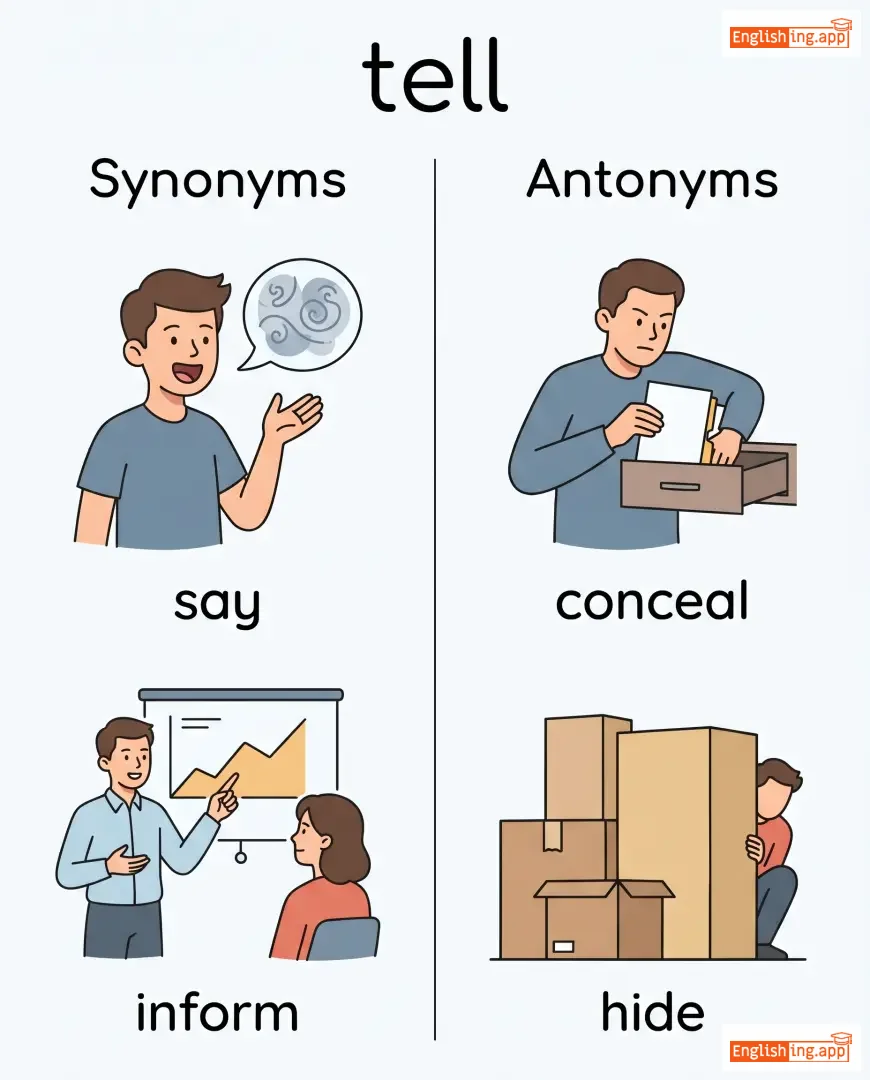
say, inform, relate, narrate, reveal
••••••
|
conceal, hide, suppress
••••••
|
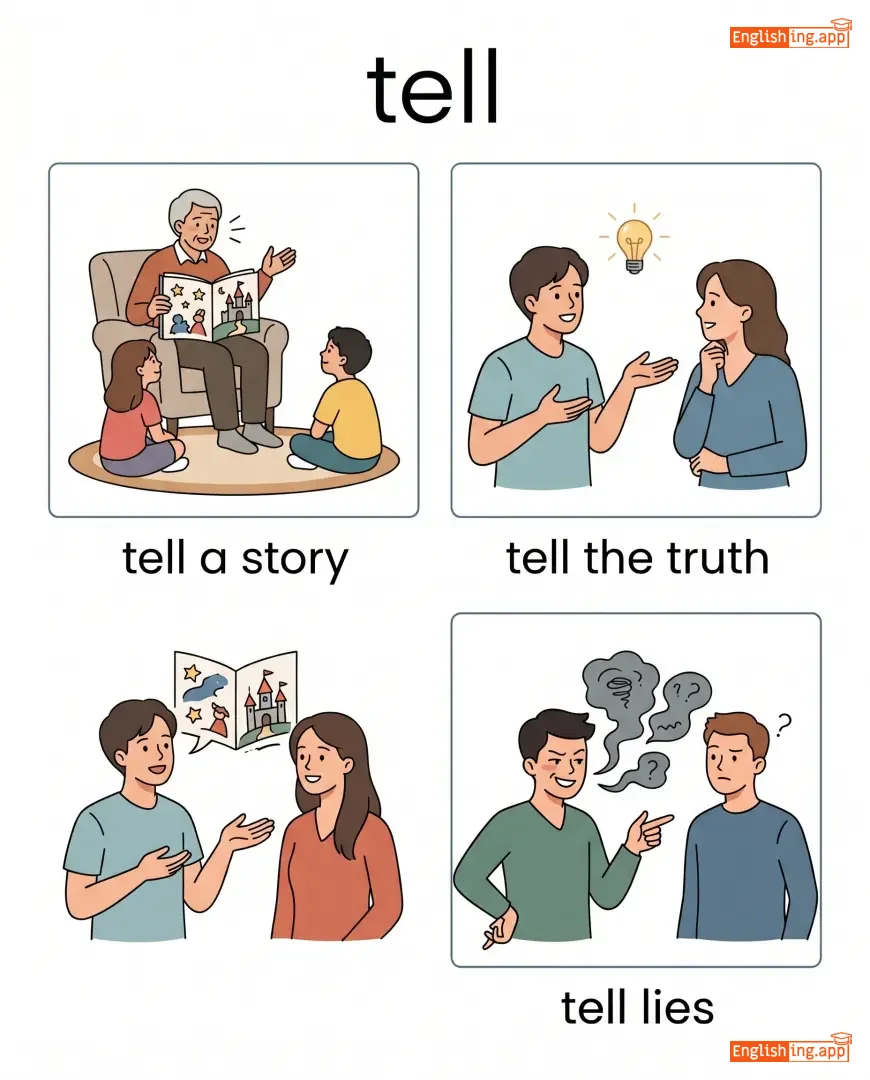
tell a story, tell the truth, tell lies, tell someone
••••••
|
Tell значит сказать, как в телефоне, когда мы говорим что-то.
••••••
|
|
💵
••••••
|
/ˈtɛl.ər/
noun
(теллер)
••••••
|
- •••••• |
кассир; рассказчик
kassir; rasskazchik
••••••
|
- •••••• | - •••••• | - •••••• | - •••••• |
A person who counts and manages money at a bank; a person who tells or relates something
••••••
|
The bank teller counted the cash carefully before handing it over.
Банковский кассир тщательно пересчитал наличные перед выдачей.
••••••
|
Банковский кассир тщательно пересчитал наличные перед выдачей.
Bankovskiy kassir tscatel'no pereschital nalichnye pered vydachey.
••••••
|
- •••••• | - •••••• | - •••••• |
cashier, bank clerk, narrator, storyteller
••••••
|
customer, listener
••••••
|
bank teller, teller window, teller machine
••••••
|
Теллер = кассир, который считает деньги.
••••••
|
|
🌡️
••••••
|
/ˈtem.pər.ə.tʃər/
noun
(температу́ра)
••••••
|
|
температура
temperatura
••••••
|
- •••••• | - •••••• | - •••••• | - •••••• |
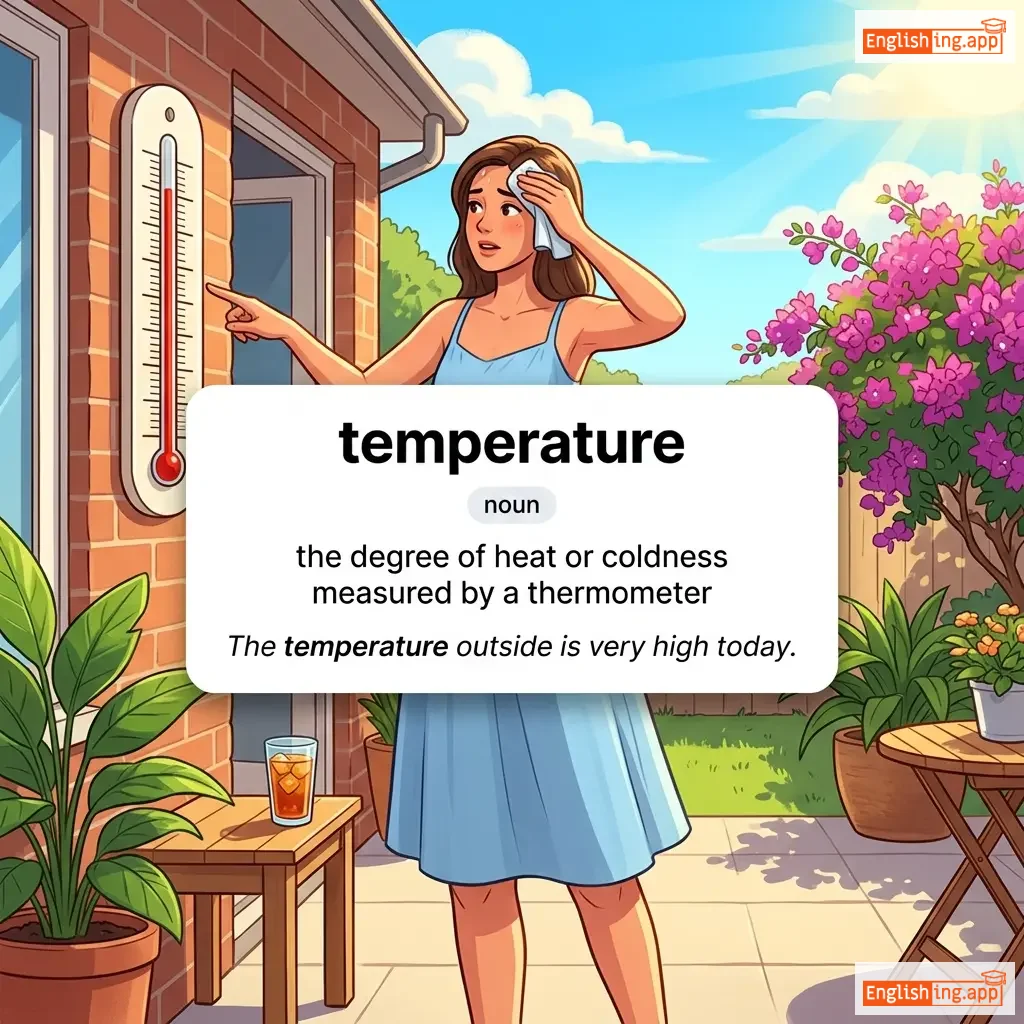
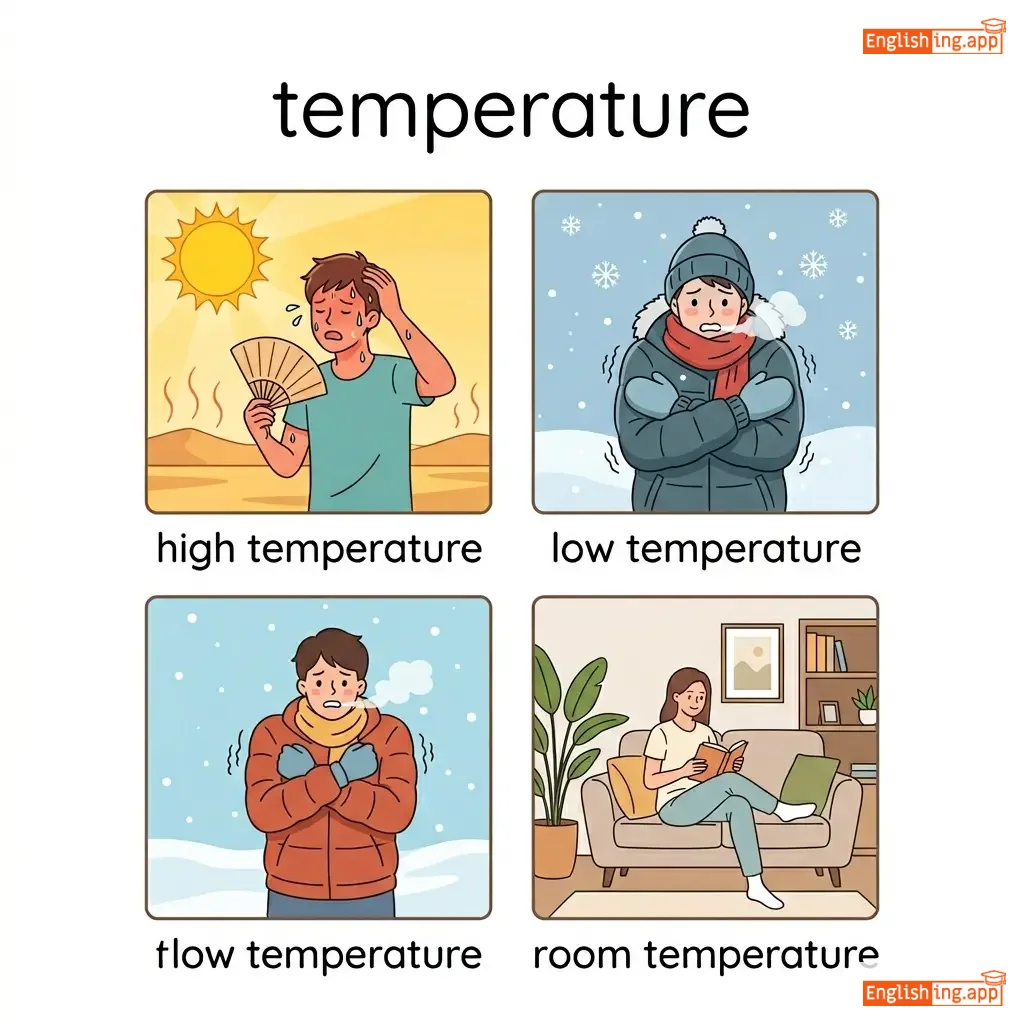
the degree of heat or cold in the atmosphere, body, or substance
••••••
|
The temperature today is twenty-five degrees Celsius. |
Температура сегодня двадцать пять градусов Цельсия.
Temperatura segodnya dvadtsat' pyat' gradusov Tsel'siya.
••••••
|
- •••••• | - •••••• | - •••••• |
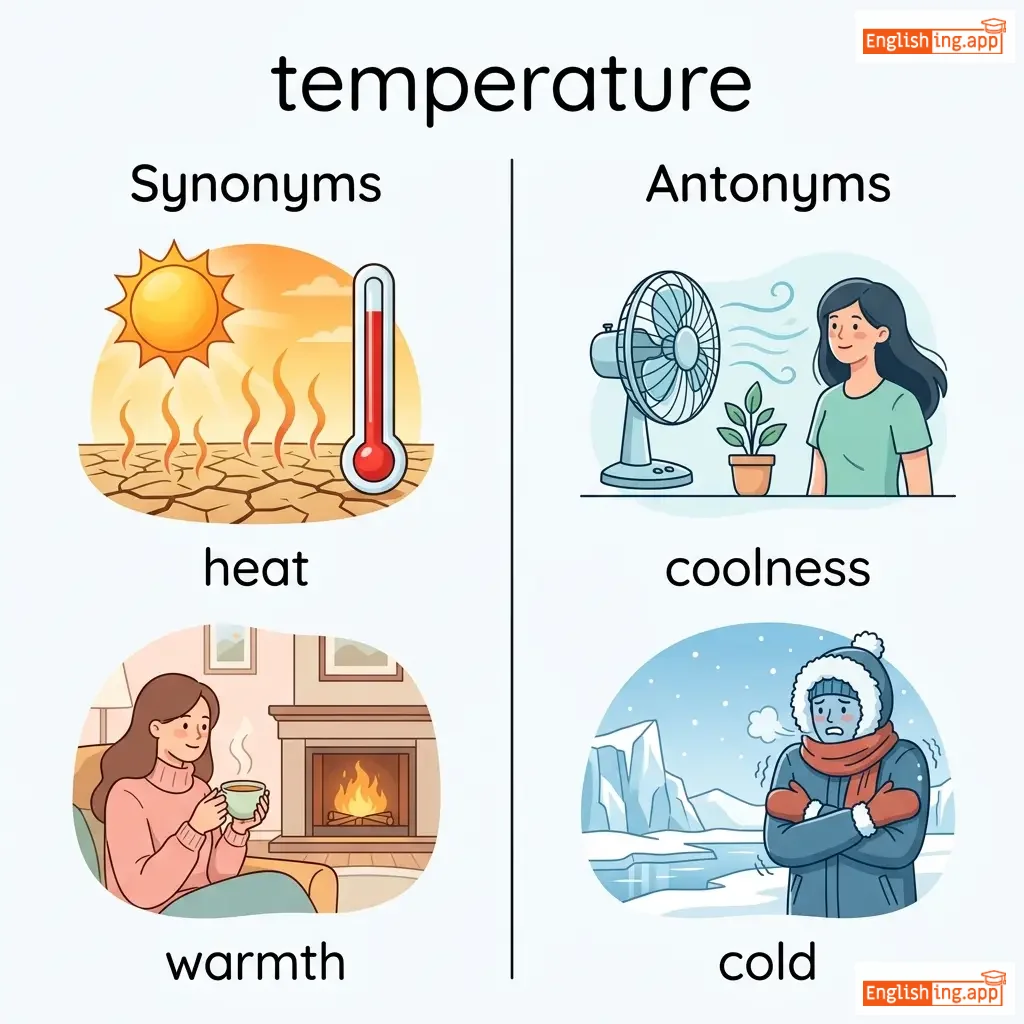
heat, warmth, thermal reading, degree
••••••
|
absolute zero
••••••
|
body temperature, room temperature, high temperature, take temperature
••••••
|
Temperatura на русском языке аналогична 'temperature' на английском
••••••
|
|
⛩️
••••••
|
/ˈtɛmpəl/
noun
(tɛmpəl)
••••••
|
- •••••• |
храм
khram
••••••
|
- •••••• | - •••••• | - •••••• | - •••••• |
a building used for the worship of a god or gods
••••••
|
They visited an ancient temple during their trip to India. |
Они посетили древний храм во время своей поездки в Индию.
Oni posetili drevniy khram vo vremya svoey poezdki v Indiyu.
••••••
|
holy temple |
a sacred place dedicated to religious worship
••••••
|
священный храм
svyashchennyy khram
••••••
|
shrine, sanctuary, church, mosque, pagoda
••••••
|
secular place, profane site
••••••
|
ancient temple, Hindu temple, temple bell, temple visit
••••••
|
Temple на английском – ‘храм’ на русском, место поклонения.
••••••
|
|
⏳
••••••
|
/ˈtɛmpərɛrɪli/
adverb
(темпорарно)
••••••
|
- •••••• |
временно
vremenno
••••••
|
- •••••• | - •••••• | - •••••• | - •••••• |
for a limited time; not permanently
••••••
|
The road is closed temporarily for repairs. |
Дорога закрыта временно для ремонта.
Doroga zakryta vremenno dlya remonta.
••••••
|
- •••••• | - •••••• | - •••••• |
briefly, momentarily, temporarily, short-term
••••••
|
permanently, forever
••••••
|
temporarily closed, temporarily unavailable, temporarily suspended
••••••
|
Temporary is like a ‘time’ set in the clock – only for a short time!
••••••
|
|
⏰
••••••
|
/ˈtɛmpərɛri/
adjective
(tem-puh-ra-ree)
••••••
|
- •••••• |
временный
vremennyy
••••••
|
- •••••• | - •••••• | - •••••• | - •••••• |
Lasting for only a limited period of time; not permanent.
••••••
|
She found a temporary job during the summer break.
Она нашла временную работу во время летних каникул.
••••••
|
Она нашла временную работу во время летних каникул.
Ona nashla vremennuyu rabotu vo vremya letnikh kanikul.
••••••
|
temporary solution
временное решение
••••••
|
A fix that is not permanent but works for a short time.
••••••
|
временное решение
vremennoye resheniye
••••••
|
short-term, momentary, provisional, fleeting, transient
••••••
|
permanent, lasting
••••••
|
temporary job, temporary solution, temporary shelter, temporary measure
••••••
|
Temporary значит временный ⏰, помни, что временная работа - это только на короткий срок.
••••••
|
|
🍰
••••••
|
/tɛmpt/
verb
(тэмпт)
••••••
|
- •••••• |
соблазнять
soblaznyat
••••••
|
tempted
тэмптед
••••••
|
tempted
тэмптед
••••••
|
tempts
тэмптс
••••••
|
tempting
тэмптинг
••••••
|
to entice or attract someone to do something, often something wrong or unwise
••••••
|
The smell of fresh bread tempted him to enter the bakery.
Запах свежего хлеба соблазнил его войти в пекарню.
••••••
|
Запах свежего хлеба соблазнил его войти в пекарню.
Zapakh svezhего khleba soblaznil ego voyti v pekarnyu.
••••••
|
tempt fate
испытывать судьбу
••••••
|
to take a risk that might lead to trouble or danger
••••••
|
испытывать судьбу
ispytivat' sud'bu
••••••
|
entice, lure, attract, seduce, persuade
••••••
|
deter, repel, discourage
••••••
|
tempt someone, tempt fate, tempting offer, hard to tempt
••••••
|
Tempt означает соблазнять, как когда ты видишь вкусный торт и не можешь устоять, чтобы его съесть.
••••••
|
|
🔟
••••••
|
/tɛn/
noun
(тен)
••••••
|
- •••••• |
десять
dyesyat
••••••
|
- •••••• | - •••••• | - •••••• | - •••••• |
the number following nine and preceding eleven
••••••
|
I have ten apples in the basket.
У меня десять яблок в корзине.
••••••
|
У меня десять яблок в корзине.
U menya desyat yablok v korzine.
••••••
|
- •••••• | - •••••• | - •••••• |
decade, 10
••••••
|
eleven, nine
••••••
|
ten years, ten people, ten times, ten minutes
••••••
|
Десять пальцев, десять - это число.
••••••
|
|
👤
••••••
|
/ˈtɛnənt/
noun
(тэнэнт)
••••••
|
- •••••• |
арендатор
arendator
••••••
|
- •••••• | - •••••• | - •••••• | - •••••• |
A person who occupies land or property rented from a landlord.
••••••
|
The tenant paid the rent on time every month. |
Арендатор платил аренду вовремя каждый месяц
Arendator platil arendu vovremja kazhdyj mesjac
••••••
|
sitting tenant |
A tenant who is currently living in a rented property.
••••••
|
текущий арендатор
tekushhij arendator
••••••
|
occupant, renter, lodger, leaseholder, dweller
••••••
|
landlord, owner
••••••
|
tenant rights, tenant protection, tenant eviction, sitting tenant
••••••
|
Tenant = Арендатор, тот кто платит аренду
••••••
|
|
🌱
••••••
|
/tɛnd/
verb
(тенд)
••••••
|
- •••••• |
склоняться/заботиться
sklonyatsya/zabotitsya
••••••
|
tended
тендед
••••••
|
tended
тендед
••••••
|
tends
тендс
••••••
|
tending
тендинг
••••••
|
To regularly behave in a particular way or to take care of something.
••••••
|
She tends to wake up early in the morning.
Она склонна вставать рано утром.
••••••
|
Она склонна вставать рано утром.
Ona sklonna vstavayt' rano utrom.
••••••
|
tend to
иметь склонность к
••••••
|
To be likely to do something or to have a certain characteristic.
••••••
|
иметь склонность к
imet' sklonnost' k
••••••
|
care for, look after, lean, incline, nurture
••••••
|
ignore, neglect
••••••
|
tend to, tend animals, tend plants, tend carefully
••••••
|
Tend означает склонность или уход за чем-то.
••••••
|
|
📈
••••••
|
/ˈten.dən.si/
noun
(тенденция)
••••••
|
- •••••• |
тенденция
tendentsiya
••••••
|
- •••••• | - •••••• | - •••••• | - •••••• |
an inclination toward a particular characteristic or type of behavior
••••••
|
She has a tendency to arrive late for meetings.
У неё есть тенденция опаздывать на встречи.
••••••
|
У неё есть тенденция опаздывать на встречи.
U neyo yest' tendentsiya opazdyvat' na vstrechi.
••••••
|
- •••••• | - •••••• | - •••••• |
inclination, propensity, disposition, proclivity
••••••
|
aversion, disinclination, reluctance
••••••
|
natural tendency, strong tendency, growing tendency, general tendency
••••••
|
In Russian, 'тенденция' is like the tendency to arrive late, just like the 'metro' is never on time.
••••••
|
|
🌸
••••••
|
/ˈtɛndər/
verb, noun, adjective
(тендер)
••••••
|
- •••••• |
предложение / нежный
predlozhenie / nezhnyy
••••••
|
tendered
тендерд
••••••
|
tendered
тендерд
••••••
|
tenders
тендерс
••••••
|
tendering
тендеринг
••••••
|
to offer formally; soft and delicate in texture or character; a formal offer or proposal
••••••
|
The company tendered its resignation to the board.
Компания подала свою отставку в совет директоров.
••••••
|
Компания подала свою отставку в совет директоров.
Kompaniya podala svoiu otstavku v sovet direktorov.
••••••
|
tender loving care
нежная забота
••••••
|
gentle, nurturing care
••••••
|
нежная забота
nezhnyaya zabota
••••••
|
offer, submit, delicate, fragile, proposal
••••••
|
withdraw, reject, harsh
••••••
|
tender offer, tender document, tender heart, tender age
••••••
|
Tender означает мягкость и нежность, как теплое объятие.
••••••
|
|
🎾
••••••
|
/ˈtɛnɪs/
noun
(теннис)
••••••
|
- •••••• |
теннис
tennis
••••••
|
- •••••• | - •••••• | - •••••• | - •••••• |
a sport played with rackets and a ball on a rectangular court
••••••
|
He enjoys playing tennis with his friends on the weekends. |
Он любит играть в теннис с друзьями на выходных.
On lyubit igrat' v tennis s druz'yami na vykhodnykh.
••••••
|
- •••••• | - •••••• | - •••••• |
racket sport, sport, game
••••••
|
chess, board games
••••••
|
play tennis, tennis match, tennis court, tennis player
••••••
|
Теннис улучшает твою координацию и выносливость - Tennis uluchshaet tvoyu koordinatsiyu i vynoslivost'
••••••
|
|
😰
••••••
|
/ˈtɛn.ʃən/
noun
(тэншн)
••••••
|
- •••••• |
напряжение
napryazhenie
••••••
|
- •••••• | - •••••• | - •••••• | - •••••• |
A state of being stretched tight; mental or emotional strain.
••••••
|
There was a lot of tension in the room before the exam results were announced.
В комнате была напряжённость перед объявлением результатов экзамена.
••••••
|
В комнате была напряжённость перед объявлением результатов экзамена.
V komnate byla napryazhyonnost' pered ob'yavleniem rezul'tatov eksama.
••••••
|
cut the tension with a knife
перерезать напряжение ножом
••••••
|
When the atmosphere is very tense and easily noticeable.
••••••
|
перерезать напряжение ножом
pererezat' napryazhenie nozhom
••••••
|
strain, stress, pressure, anxiety, suspense
••••••
|
relaxation, ease, calm
••••••
|
high tension, political tension, muscle tension, relieve tension
••••••
|
По-русски мы говорим 'перерезать напряжение ножом' - напряжение прямо висит в воздухе.
••••••
|
|
⛺
••••••
|
/tent/
noun
(тент)
••••••
|
- •••••• |
палатка
palatka
••••••
|
- •••••• | - •••••• | - •••••• | - •••••• |
a portable shelter made of cloth or canvas; military accommodation
••••••
|
The soldiers set up their tent in the military camp.
Солдаты установили свой тент в военном лагере.
••••••
|
Солдаты установили свой тент в военном лагере.
Soldaty ustanovili svoi tent v voennom lagere.
••••••
|
- •••••• | - •••••• | - •••••• |
shelter, pavilion, canvas shelter
••••••
|
permanent structure, building
••••••
|
military tent, field tent, tent camp, army tent
••••••
|
The Russian word for tent is 'палатка', imagine a tent made of 'palace' material!
••••••
|
|
📜
••••••
|
/ˈtɛnjər/
noun
(tenyur)
••••••
|
- •••••• |
срок полномочий
srok polnomochiy
••••••
|
- •••••• | - •••••• | - •••••• | - •••••• |
The period of time during which someone holds a position, office, or land.
••••••
|
His tenure as president lasted for five years. |
Его срок полномочий в качестве президента длился пять лет.
Ego srok polnomochiy v kachestve presidenta dlylsya pyat let.
••••••
|
secure tenure |
Guaranteed possession of a position or land.
••••••
|
гарантированное владение
garantirovannoe vladenie
••••••
|
term, occupancy, incumbency, holding
••••••
|
unemployment, dispossession, vacancy
••••••
|
tenure track, fixed tenure, tenure of office, land tenure
••••••
|
Tenure звучит как 'десять лет', время, которое человек удерживает позицию.
••••••
|
|
🛫
••••••
|
/ˈtɜːrmɪnəl/
noun/adjective
(терминал)
••••••
|
- •••••• |
терминал, конечный, неизлечимая болезнь
terminal, konechnyy, neizlechimaya bolezn'
••••••
|
- •••••• | - •••••• | - •••••• | - •••••• |
As a noun: A place where transport routes begin or end. As an adjective: Relating to the end or final stage of something, often an illness.
••••••
|
He waited for the bus at the central terminal. |
Он ждал автобус на центральном терминале.
On zhdal avtobus na tsentral'nom terminale.
••••••
|
terminal illness |
An illness that cannot be cured and will eventually lead to death.
••••••
|
неизлечимая болезнь
neizlechimaya bolezn'
••••••
|
station, depot, final, ultimate, incurable
••••••
|
initial, beginning
••••••
|
bus terminal, airport terminal, terminal illness, terminal stage
••••••
|
Терминал — это конец маршрута, а неизлечимая болезнь — конец жизни.
••••••
|
|
🛑
••••••
|
/ˈtɜːrmɪˌneɪt/
verb
(тёрминеɪт)
••••••
|
- •••••• |
прекратить
prekratit
••••••
|
terminated
терминирован
••••••
|
terminated
терминирован
••••••
|
terminates
терминирует
••••••
|
terminating
терминирующий
••••••
|
to bring something to an end or to stop something from continuing
••••••
|
The company decided to terminate his contract.
Компания решила прекратить его контракт.
••••••
|
Компания решила прекратить его контракт.
Kompaniya reshilа prekratit' ego kontrakt.
••••••
|
terminate a pregnancy
прервать беременность
••••••
|
to medically end a pregnancy
••••••
|
прервать беременность
prervat' beremennost'
••••••
|
end, conclude, finish, cease, halt
••••••
|
begin, start, continue
••••••
|
terminate a contract, terminate employment, terminate immediately, terminate agreement
••••••
|
Прекратить означает завершить, как когда контракт 'прекращается'.
••••••
|
|
📜
••••••
|
/tɜːmz/
noun
(tërmz)
••••••
|
- •••••• |
условия
usloviya
••••••
|
- •••••• | - •••••• | - •••••• | - •••••• |
plural of term; conditions or rules in a contract or agreement
••••••
|
The terms of the agreement are clearly outlined in the contract.
Условия соглашения ясно изложены в контракте.
••••••
|
Условия соглашения ясно изложены в контракте.
Usloviya soglasheniya yasno izlozheny v kontrakte.
••••••
|
- •••••• | - •••••• | - •••••• |
conditions, clauses, provisions, requirements
••••••
|
freedom, flexibility
••••••
|
contract terms, payment terms, terms and conditions
••••••
|
Terms are the clauses - remember to check ‘usloviya’ in the contract.
••••••
|
|
🌄
••••••
|
/təˈreɪn/
noun
(тэррейн)
••••••
|
- •••••• |
местность
mestnost
••••••
|
- •••••• | - •••••• | - •••••• | - •••••• |
a stretch of land, especially with regard to its physical features
••••••
|
The soldiers had to cross rough terrain during the mission. |
Солдаты должны были преодолеть трудную местность во время миссии.
Soldaty dolzhny byli preodolet' trudnuyu mestnost' vo vremya missii.
••••••
|
mountainous terrain |
landscape full of mountains or steep slopes
••••••
|
гористая местность
goristaya mestnost
••••••
|
land, ground, landscape, topography, area
••••••
|
sea, sky
••••••
|
rocky terrain, flat terrain, desert terrain, rugged terrain
••••••
|
Terrain — это местность, как поезд едет по земле, так и terrain — это земля.
••••••
|
|
😖
••••••
|
/ˈtɛrɪbəl/
adjective
••••••
|
- •••••• | - •••••• | - •••••• | - •••••• | - •••••• | - •••••• |
extremely bad or unpleasant
••••••
|
The food at that restaurant was terrible. |
- •••••• |
a terrible mistake |
a very bad or serious error
••••••
|
- •••••• |
awful, dreadful, horrible, appalling
••••••
|
wonderful, excellent, good
••••••
|
terrible accident, terrible pain, terrible mistake, terrible situation
••••••
|
No •••••• |
|
😢
••••••
|
/ˈtɛrəbli/
adverb
(teribli)
••••••
|
- •••••• |
ужасно
uzhasno
••••••
|
- •••••• | - •••••• | - •••••• | - •••••• |
to a very great or extreme degree; very badly or unpleasantly
••••••
|
He felt terribly sad after hearing the news. |
Он чувствовал себя ужасно грустным после того, как услышал новость.
On chuvstvoval sebya uzhasno grustnym posle togo, kak uslyshal novost'.
••••••
|
terribly sorry |
feeling extremely apologetic or regretful
••••••
|
ужасно извиняюсь
uzhasno izvinayus'
••••••
|
extremely, awfully, horribly, dreadfully, badly
••••••
|
slightly, mildly
••••••
|
terribly sorry, terribly wrong, terribly cold, terribly slow
••••••
|
Terribly означает очень плохо или очень хорошо — то есть очень! Помни: 'ужасно хорошо' или 'ужасно плохо'.
••••••
|
|
🌟
••••••
|
/təˈrɪfɪk/
adjective
(тэрифик)
••••••
|
- •••••• |
потрясающий
potryasayushchiy
••••••
|
- •••••• | - •••••• | - •••••• | - •••••• |
extremely good or excellent; very great or intense
••••••
|
The concert last night was absolutely terrific.
Концерт прошлой ночью был абсолютно тэрифик.
••••••
|
Концерт прошлой ночью был абсолютно потрясающий.
Kontsert proshloy noch'yu byl absolyutno potryasayushchiy.
••••••
|
feel terrific
чувствовать себя тэрифик
••••••
|
to feel very well or happy
••••••
|
чувствовать себя потрясающе
chuvstvovat' sebya potryasayushche
••••••
|
excellent, wonderful, fantastic, superb, amazing
••••••
|
awful, terrible, poor
••••••
|
terrific idea, terrific job, feel terrific, look terrific
••••••
|
Terrific — как 'Терри-фик', потрясающий!
••••••
|
|
😱
••••••
|
/ˈtɛrəˌfaɪ/
verb
(terifai)
••••••
|
- •••••• |
пугать
pugat
••••••
|
terrified
terifaid
••••••
|
terrified
terifaid
••••••
|
terrifies
terifais
••••••
|
terrifying
terifain
••••••
|
To cause someone to feel extreme fear.
••••••
|
The loud thunder terrified the children.
громкий гром напугал детей.
••••••
|
Громкий гром напугал детей.
Gromkiy grom napugal detey.
••••••
|
- •••••• | - •••••• | - •••••• |
frighten, scare, alarm, startle, petrify
••••••
|
comfort, reassure, calm
••••••
|
terrify someone, absolutely terrify, terrify the crowd
••••••
|
Terrify означает пугать, как гром, который пугает людей.
••••••
|
|
🏞️
••••••
|
/ˈtɛrɪˌtɔːri/
noun
(территория)
••••••
|
|
территория
territoriya
••••••
|
- •••••• | - •••••• | - •••••• | - •••••• |
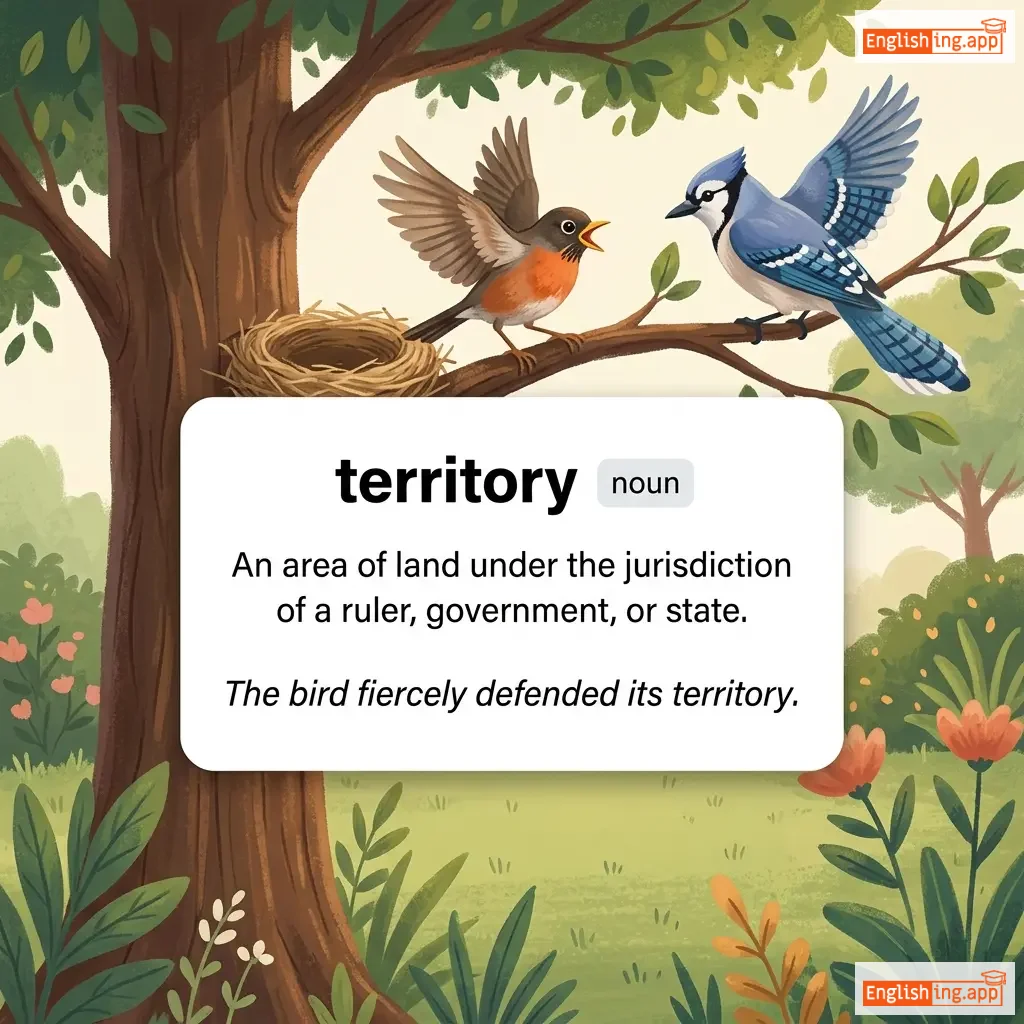
An area of land under the jurisdiction of a ruler, government, or state.
••••••
|
The bird fiercely defended its territory. |
Птица яростно защищала свою территорию.
Ptitsa yarostno zashchishchala svoyu territoriyu.
••••••
|
uncharted territory |
An unfamiliar or unexplored area or situation.
••••••
|
неизведанная территория
neizvedannaya territoriya
••••••
|
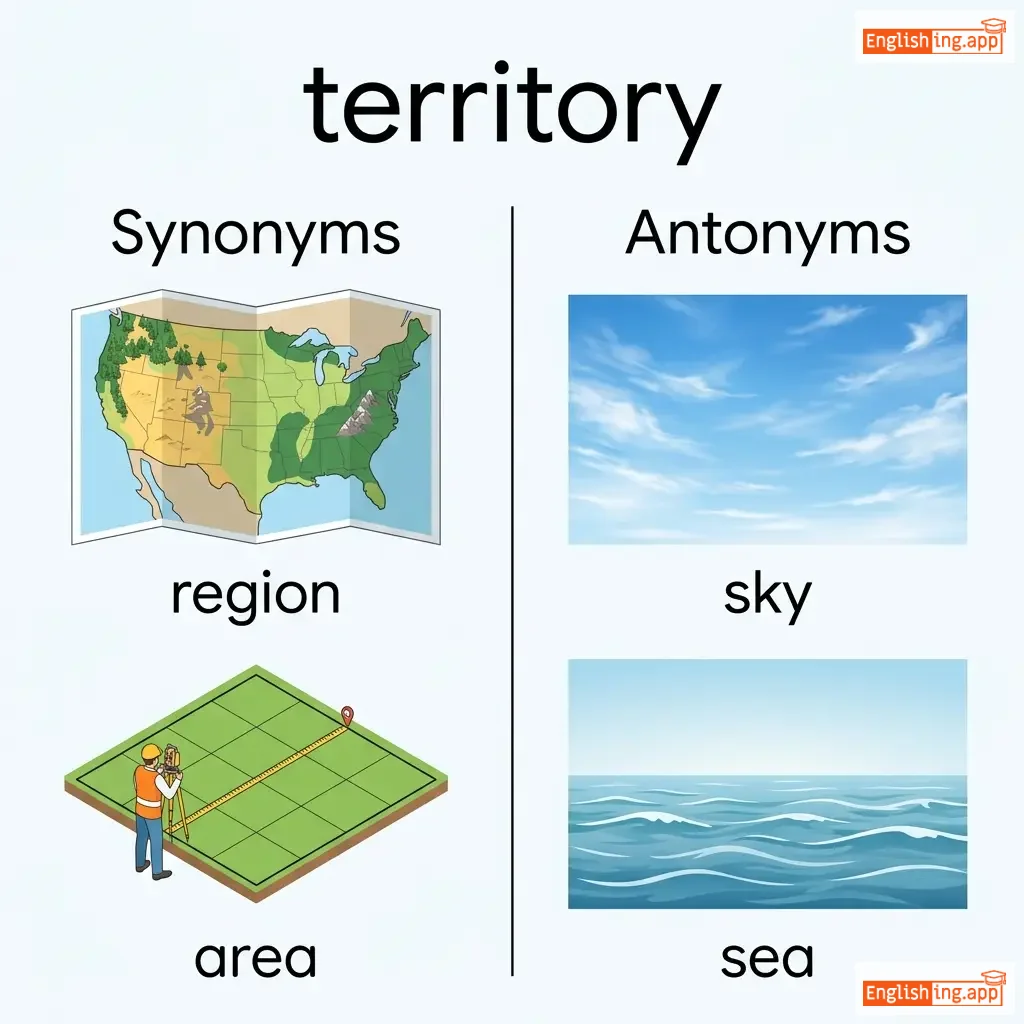
region, area, domain, land, zone
••••••
|
sky, sea
••••••
|
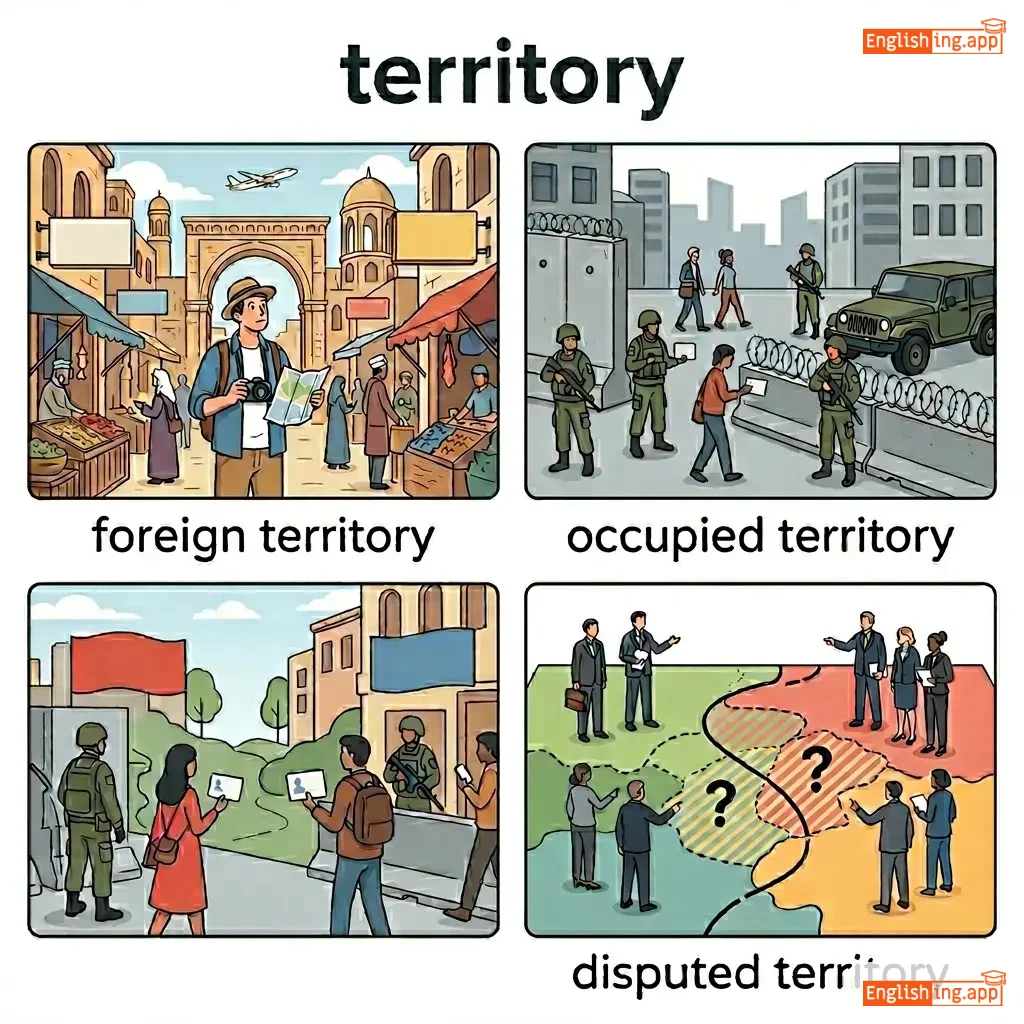
foreign territory, occupied territory, disputed territory
••••••
|
Territory = Teri + Torii (территория)
••••••
|
|
👻
••••••
|
/ˈtɛrər/
noun
(террор)
••••••
|
- •••••• |
террор
terror
••••••
|
- •••••• | - •••••• | - •••••• | - •••••• |
Extreme fear or dread.
••••••
|
The villagers fled in terror during the attack. |
Жители деревни бежали в ужасе во время нападения.
Zhiteli derevni bezhali v uzhasye vo vremya napadeniya.
••••••
|
reign of terror |
A period during which fear and violence prevail.
••••••
|
царствование террора
tsarstvovaniye terrora
••••••
|
fear, dread, horror, panic, fright
••••••
|
calm, peace, comfort
••••••
|
state of terror, sheer terror, live in terror
••••••
|
Terror на русском – это ужас, страшное состояние.
••••••
|
|
💣
••••••
|
/ˈter.ər.ɪ.zəm/
noun
(терроризм)
••••••
|
- •••••• |
терроризм
terrorizm
••••••
|
- •••••• | - •••••• | - •••••• | - •••••• |
the unlawful use of violence and intimidation against civilians for political aims
••••••
|
The government increased security measures to prevent terrorism. |
Правительство усилило меры безопасности, чтобы предотвратить терроризм.
Pravitel'stvo usililo mery bezopasnosti, chtoby predotvratit' terrorizm.
••••••
|
- •••••• | - •••••• | - •••••• |
extremism, radicalism, violence, insurgency
••••••
|
peace, nonviolence, diplomacy, harmony
••••••
|
international terrorism, domestic terrorism, counter-terrorism, war on terrorism
••••••
|
Терроризм разрушает мир, поэтому усиление безопасности крайне важно.
••••••
|
|
👤💥
••••••
|
/ˈtɛrərɪst/
noun
(террорист)
••••••
|
- •••••• |
террорист
terrorist
••••••
|
- •••••• | - •••••• | - •••••• | - •••••• |
a person who uses violence or threats to intimidate or coerce, especially for political purposes
••••••
|
The terrorist was arrested by the police after the attack. |
Террорист был арестован полицией после атаки.
Terrrorist byl arestovan politsey posle ataki.
••••••
|
- •••••• | - •••••• | - •••••• |
extremist, militant, radical, insurgent
••••••
|
peacemaker, diplomat
••••••
|
suspected terrorist, terrorist group, radical terrorist
••••••
|
Террорист ('terrorist') использует насилие для политических целей.
••••••
|
|
📝
••••••
|
/test/
verb
(тест)
••••••
|
|
тестировать
testirovat
••••••
|
tested
тестед
••••••
|
tested
тестед
••••••
|
tests
тестс
••••••
|
testing
тестинг
••••••
|
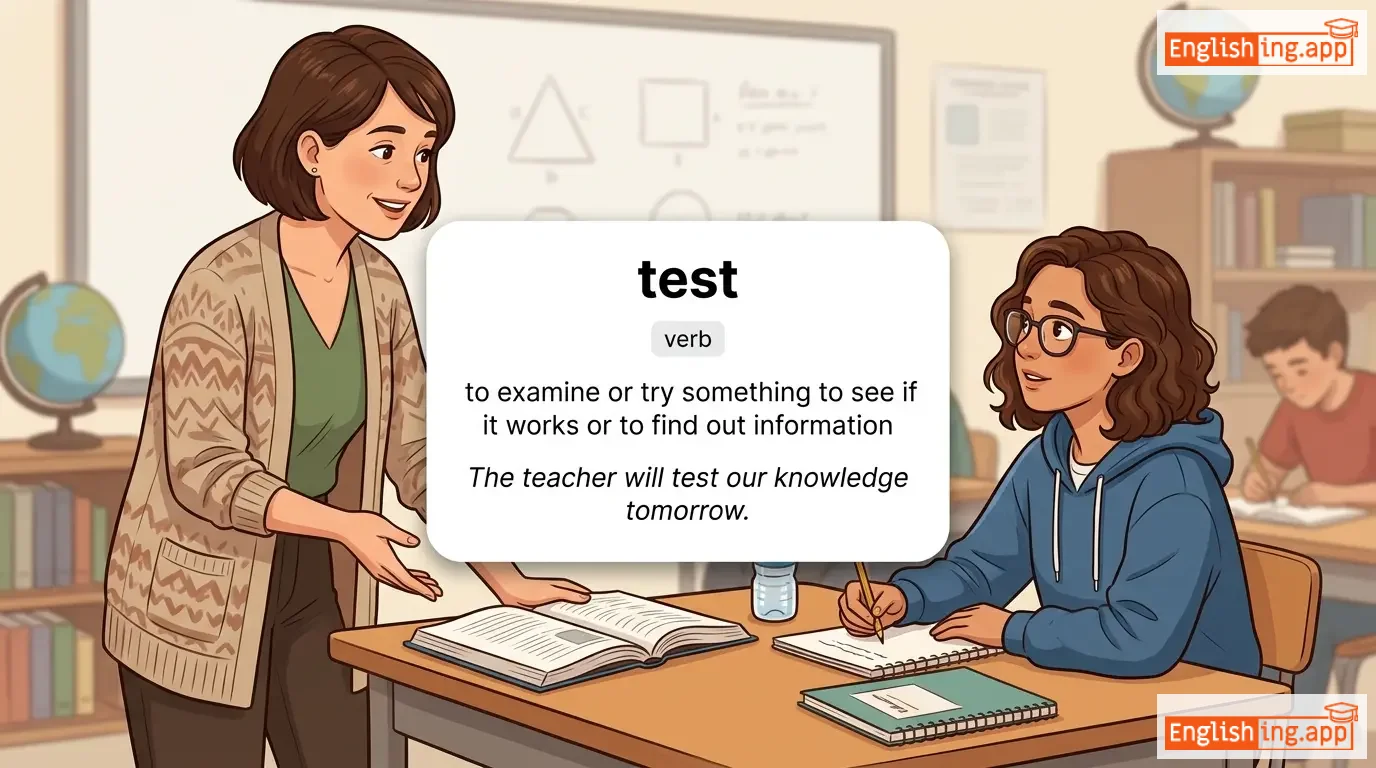
to examine or try something to see if it works or to find out information
••••••
|
The teacher will test our knowledge tomorrow.
зэ ти́чер вил тест ауэр но́ледж томо́роу
••••••
|
Учитель протестирует наши знания завтра.
Uchitel' protestiruet nashi znaniya zavtra.
••••••
|
- •••••• | - •••••• | - •••••• |
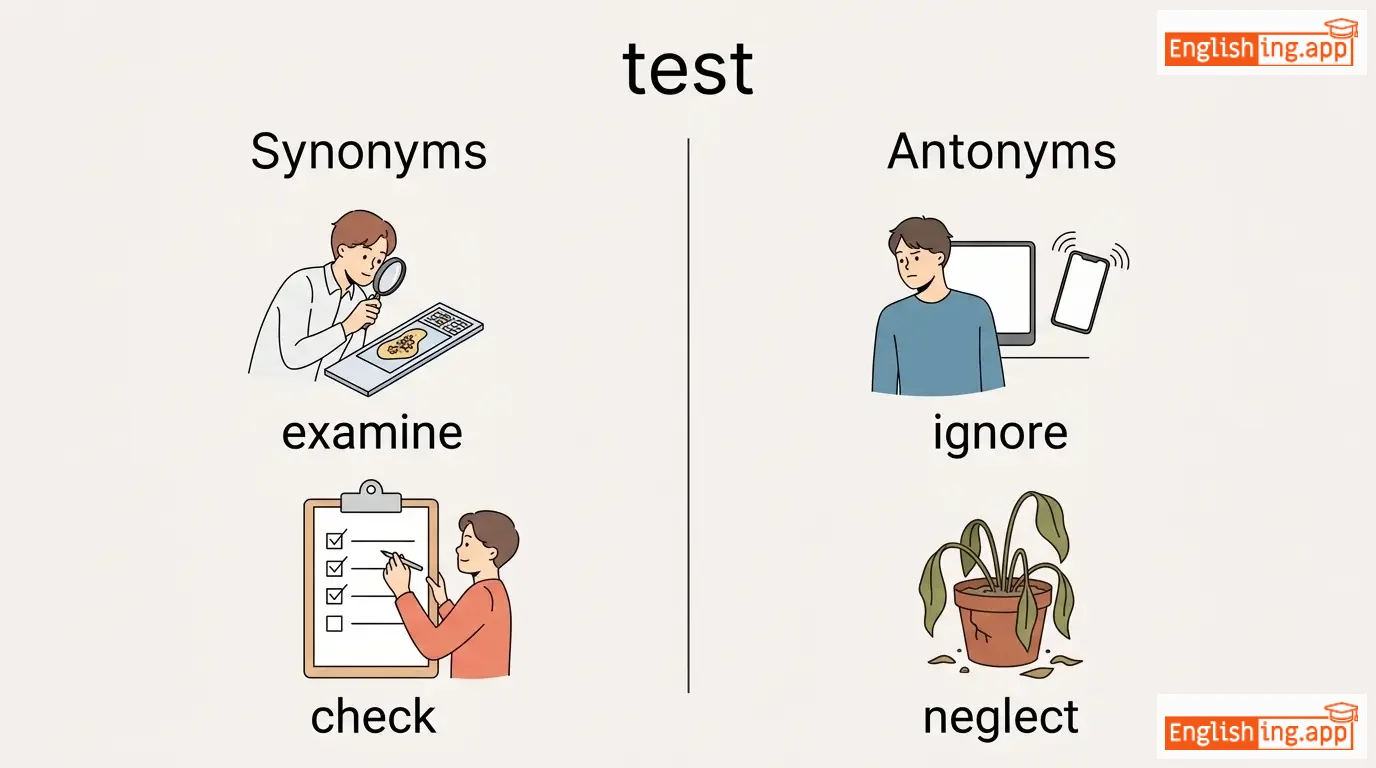
examine, check, try, evaluate
••••••
|
ignore, neglect
••••••
|
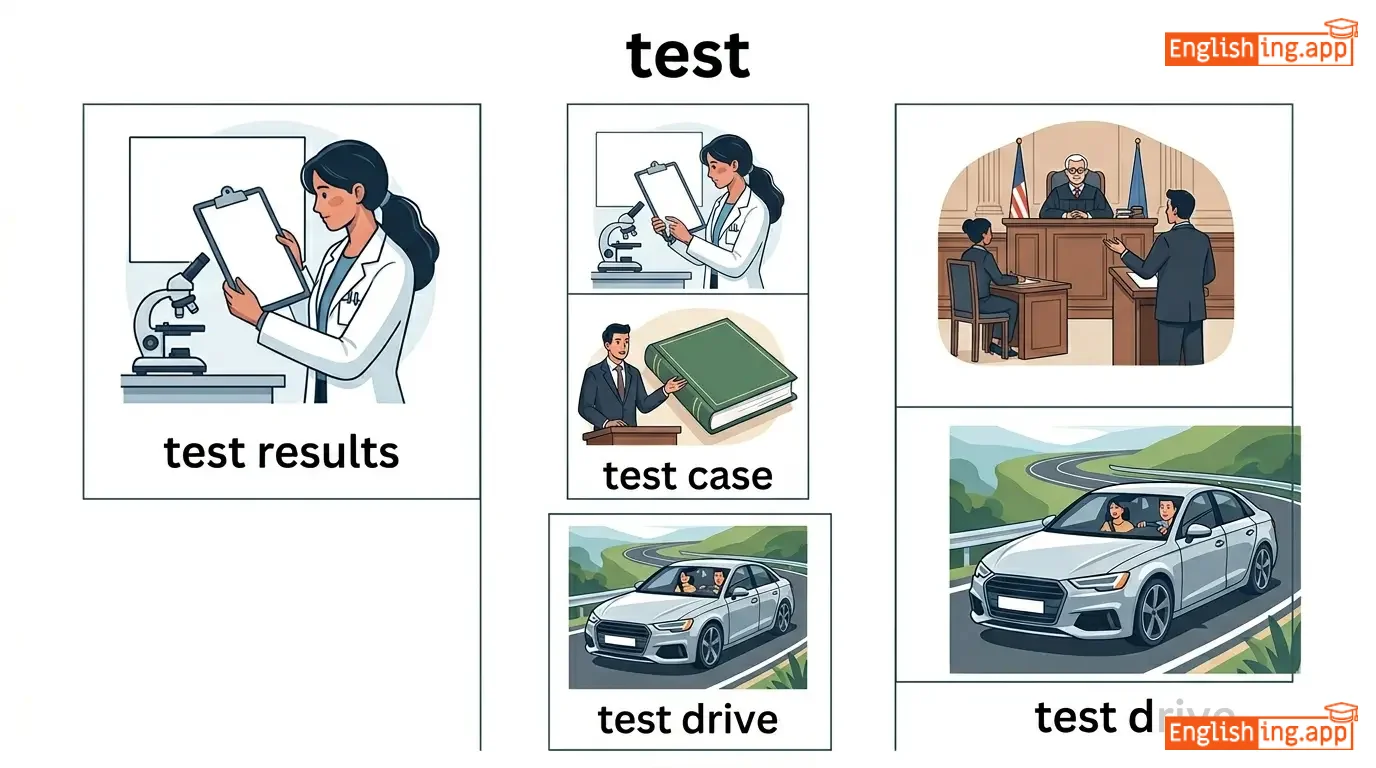
test results, test case, test drive, test positive, test negative, blood test
••••••
|
Тестировать, как учитель проверяет знания.
••••••
|
|
📝
••••••
|
/ˈtɛstəfaɪ/
verb
(тестифай)
••••••
|
- •••••• |
давать показания
davat' pokazaniya
••••••
|
testified
тестифайд
••••••
|
testified
тестифайд
••••••
|
testifies
тестифайз
••••••
|
testifying
тестифайинг
••••••
|
to make a statement or declaration under oath or to give evidence
••••••
|
She was called to testify in court about the accident.
Её вызвали дать показания в суде по делу об аварии.
••••••
|
Её вызвали дать показания в суде по делу об аварии.
Eyo vyzvali dat' pokazaniya v sude po delu ob avarii.
••••••
|
- •••••• | - •••••• | - •••••• |
witness, declare, confirm, affirm
••••••
|
deny, oppose
••••••
|
testify in court, testify under oath, testify as a witness
••••••
|
Davat' pokazaniya v sude, gde vy predostavlyayete dokazatel'stva pod prisyagoy
••••••
|
|
⚖️
••••••
|
/ˈtɛstəˌmoʊni/
noun
(ˈtɛstəˌmoʊni)
••••••
|
- •••••• |
свидетельство
svidetelstvo
••••••
|
- •••••• | - •••••• | - •••••• | - •••••• |
A formal statement given in a court of law or evidence supporting a fact.
••••••
|
Her testimony in court helped convict the criminal. |
Ее свидетельство в суде помогло осудить преступника.
Eeyo svidetel'stvo v sude pomoglo osudit' prestupnika.
••••••
|
bear testimony |
To serve as evidence or proof of something
••••••
|
давать свидетельство
davat' svidetel'stvo
••••••
|
evidence, declaration, statement, affidavit, proof
••••••
|
denial, contradiction, refutation
••••••
|
sworn testimony, court testimony, give testimony, eyewitness testimony
••••••
|
Свидетельство похоже на 'тест', давать свидетельство — это как пройти тест в суде.
••••••
|
|
🔬
••••••
|
/ˈtɛstɪŋ/
noun
(тестинг)
••••••
|
- •••••• |
тест
test
••••••
|
- •••••• | - •••••• | - •••••• | - •••••• |
the process of assessing or evaluating something, often by trying it out
••••••
|
The testing of the new software is still ongoing. |
Тестирование нового программного обеспечения все еще продолжается.
Testirovanie novogo programmnogo obespecheniya vse eshche prodolzhaetsya.
••••••
|
- •••••• | - •••••• | - •••••• |
examination, assessment, trial, evaluation
••••••
|
failure, rejection
••••••
|
testing phase, software testing, testing process, performance testing
••••••
|
Testing software is like testing your skills for success
••••••
|
|
📖
••••••
|
/tɛkst/
noun
(текст)
••••••
|
- •••••• |
текст
tekst
••••••
|
- •••••• | - •••••• | - •••••• | - •••••• |
a written or printed work or passage, especially a book or document
••••••
|
The teacher asked us to read the text on page 50. |
Учитель попросил нас прочитать текст на странице 50.
Uchitel' poprosil nas prochitat' tekst na stranitse 50.
••••••
|
- •••••• | - •••••• | - •••••• |
script, writing, passage, document
••••••
|
speech, talk
••••••
|
text message, read the text, text book, written text
••••••
|
Текст — это написанное слово, которое позволяет читать между строк
••••••
|
|
📘
••••••
|
/ˈtɛkstbʊk/
noun
(тэкстбук)
••••••
|
- •••••• |
учебник
uchebnik
••••••
|
- •••••• | - •••••• | - •••••• | - •••••• |
a book used for studying a subject in school or college
••••••
|
She bought a new biology textbook for her class. |
Она купила новый учебник по биологии для своего класса.
Ona kupila novyy uchebnik po biologii dlya svoego klassa.
••••••
|
a textbook example |
a perfect or typical example of something
••••••
|
образцовый пример
obraztsovyy primer
••••••
|
manual, guidebook, reference book, coursebook
••••••
|
fiction, magazine
••••••
|
textbook example, textbook case, school textbook, college textbook
••••••
|
Text + Book = книга для изучения! Поэтому 'учебник' означает учебник.
••••••
|
|
🧵
••••••
|
/ˈtɛkstʃər/
noun
(тэкстур)
••••••
|
- •••••• |
текстура
tekstura
••••••
|
- •••••• | - •••••• | - •••••• | - •••••• |
the way something feels when you touch it; the quality of a surface or substance
••••••
|
The fabric has a soft and smooth texture. |
Ткань имеет мягкую и гладкую текстуру.
Tkan' imeet myagkuyu i gladkuyu teksturu.
••••••
|
rough texture |
a coarse or uneven surface feel
••••••
|
- •••••• |
surface, feel, grain, structure, consistency
••••••
|
smoothness, flatness
••••••
|
soft texture, rough texture, fabric texture, skin texture
••••••
|
Текстура — то, что ты чувствуешь, когда трогаешь.
••••••
|
|
🔼
••••••
|
/ðæn/
conjunction
(тен)
••••••
|
- •••••• |
чем
chem
••••••
|
- •••••• | - •••••• | - •••••• | - •••••• |
used to introduce the second element in a comparison
••••••
|
She is taller than her brother.
Она выше своего брата.
••••••
|
Она выше своего брата.
Ona vyshe svoego brata.
••••••
|
- •••••• | - •••••• | - •••••• |
more than, compared to, as opposed to
••••••
|
less than
••••••
|
greater than, more than, better than
••••••
|
Than means you compare one thing with another
••••••
|
|
🙏
••••••
|
/θæŋk/
verb
(тэнк)
••••••
|
|
благодарить
blagodarit
••••••
|
thanked
тэнкд
••••••
|
thanked
тэнкд
••••••
|
thanks
тэнкс
••••••
|
thanking
тэнкинг
••••••
|
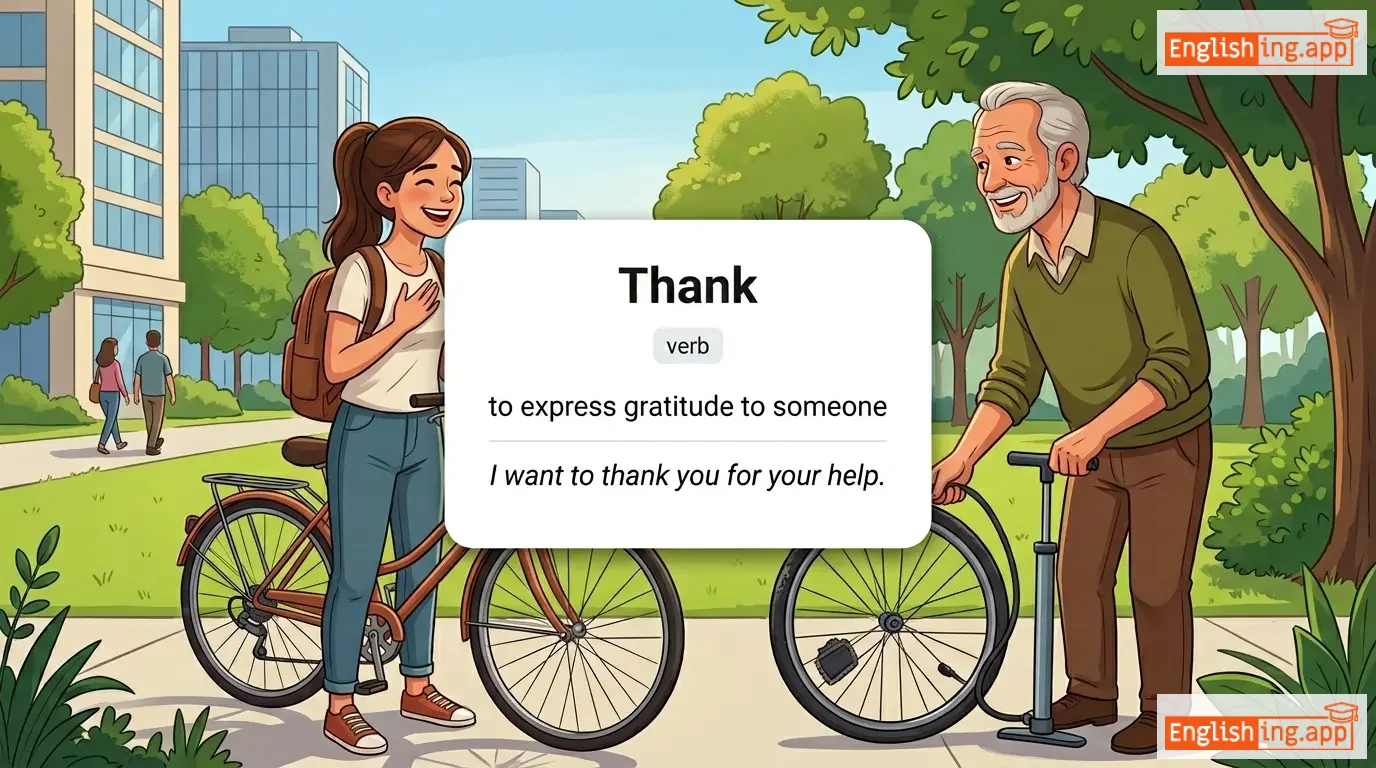
to express gratitude to someone
••••••
|
I want to thank you for your help.
Я хочу поблагодарить тебя за помощь.
••••••
|
Я хочу поблагодарить тебя за помощь.
Ya khochu poblagodarit' tebya za pomoshch.
••••••
|
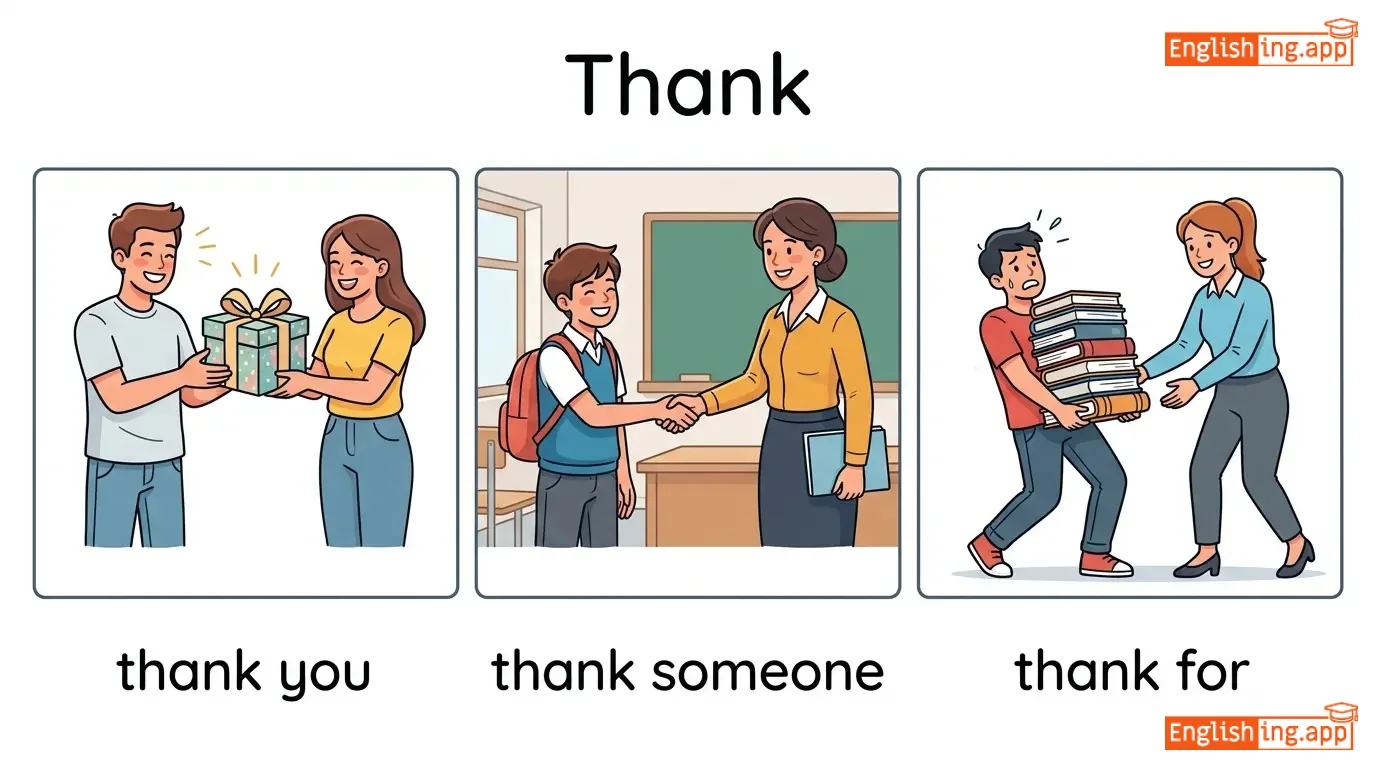
Thank you
Спасибо
••••••
|
expression of gratitude
••••••
|
Спасибо
Spasibo
••••••
|
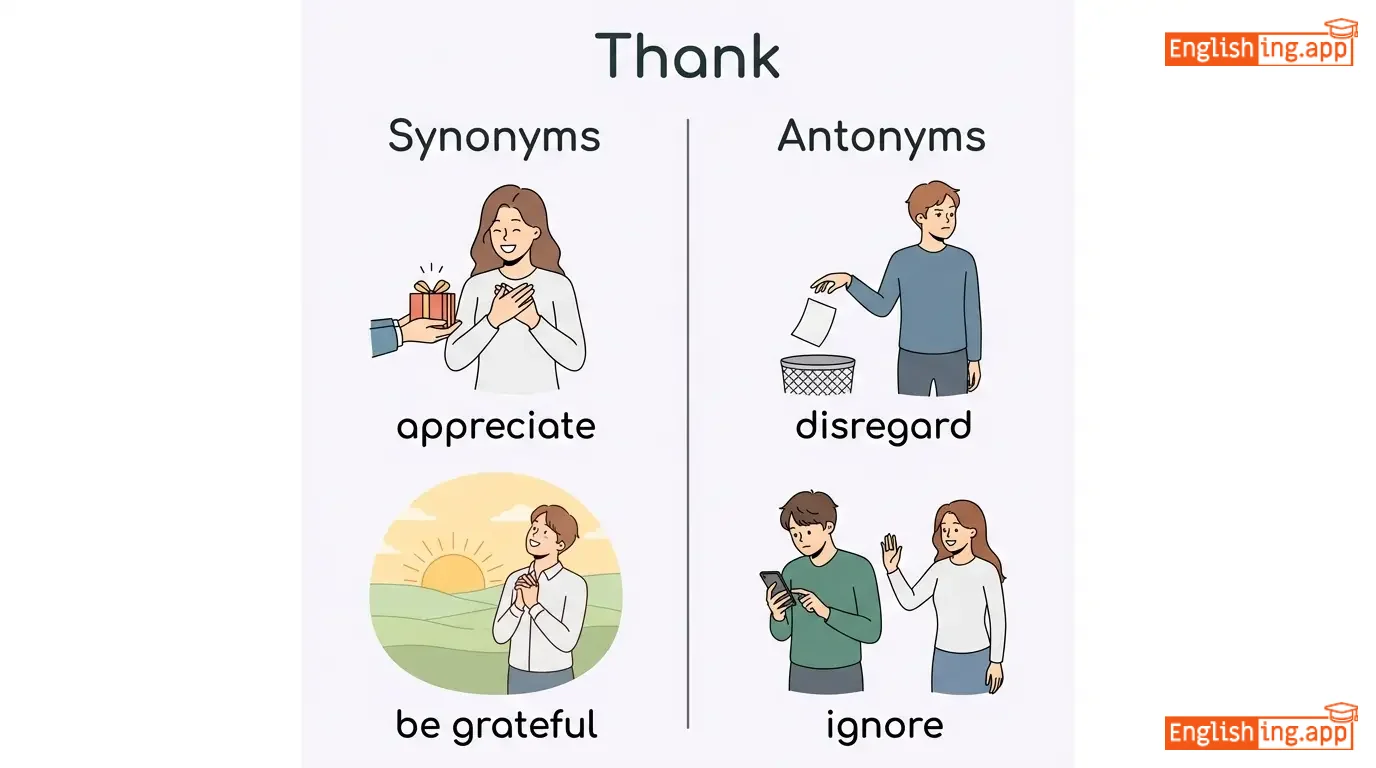
appreciate, be grateful, acknowledge, express thanks
••••••
|
disregard, ignore, neglect
••••••
|
thank you, thank someone, thank for, thanking you
••••••
|
Thank you for helping – Спасибо (Spasibo) for your kindness
••••••
|
|
🙏
••••••
|
/ˈθæŋkfəli/
adverb
(ˈθæŋkfəli)
••••••
|
- •••••• |
к счастью
k schast'yu
••••••
|
- •••••• | - •••••• | - •••••• | - •••••• |
used to express relief or gratitude
••••••
|
Thankfully, she arrived just in time for the meeting. |
К счастью, она приехала как раз вовремя для встречи.
K schast'yu, ona priekhala kak raz vovremya dlya vstrechi.
••••••
|
- •••••• | - •••••• | - •••••• |
gratefully, luckily, fortunately, happily
••••••
|
unfortunately, regretfully
••••••
|
thankfully received, thankfully avoided, thankfully accepted
••••••
|
К счастью, я думаю с благодарностью (K schast'yu, ya dumayu s blagodarnost'yu).
••••••
|
|
🙏
••••••
|
/θæŋks/
noun
(θæŋks)
••••••
|
- •••••• |
спасибо
spasibo
••••••
|
- •••••• | - •••••• | - •••••• | - •••••• |
an expression of gratitude
••••••
|
Thanks for helping me with the project. |
Спасибо за помощь с проектом.
Spasibo za pomoshch' s proyektom.
••••••
|
- •••••• | - •••••• | - •••••• |
gratitude, appreciation, recognition, thanks-giving
••••••
|
ingratitude, ungratefulness
••••••
|
say thanks, give thanks, express thanks
••••••
|
Спасибо как ‘thanks’ на русском.
••••••
|
|
👉
••••••
|
/ðæt/
pronoun
(ðæt)
••••••
|
- •••••• |
это
eto
••••••
|
- •••••• | - •••••• | - •••••• | - •••••• |
used to identify a specific person or thing observed or heard
••••••
|
That is my book on the table.
Это моя книга на столе.
••••••
|
Это моя книга на столе.
Eto moya kniga na stole.
••••••
|
- •••••• | - •••••• | - •••••• |
this, it, the one
••••••
|
those, these
••••••
|
that book, that person, that idea
••••••
|
That - Это (Eto) книга на столе
••••••
|
|
🌞
••••••
|
/ðə/
article
••••••
|
- •••••• | - •••••• | - •••••• | - •••••• | - •••••• | - •••••• |
used to specify a noun as something already mentioned or known
••••••
|
The sun rises in the east. |
- •••••• | - •••••• | - •••••• | - •••••• |
this, that
••••••
|
- •••••• |
the best, the first, the last
••••••
|
No •••••• |
|
🎭
••••••
|
/ˈθiːətər/
noun
(театр)
••••••
|
- •••••• |
театр
teatr
••••••
|
- •••••• | - •••••• | - •••••• | - •••••• |
a building or area for dramatic performances
••••••
|
We are going to the theater tonight. |
Мы идем в театр сегодня вечером.
My idyom v teatr segodnya vecherom.
••••••
|
- •••••• | - •••••• | - •••••• |
playhouse, cinema, auditorium
••••••
|
open-air, outdoor
••••••
|
movie theater, local theater, drama theater
••••••
|
Театр - это место для искусства драм.
••••••
|
|
🎭
••••••
|
/θiˈætrɪkl/
adjective
(teat-rikal)
••••••
|
- •••••• |
театральный
teatralny
••••••
|
- •••••• | - •••••• | - •••••• | - •••••• |
Relating to the theater or exaggerated and dramatic in behavior or style.
••••••
|
Her theatrical performance won the audience's applause.
Её театральное выступление вызвало аплодисменты зрителей.
••••••
|
Её театральное выступление вызвало аплодисменты зрителей.
Yeyo teatral'noe vystuplenie vyzvalo aplyodismenty zryateley.
••••••
|
make a theatrical scene
сделать театральную сцену
••••••
|
to act dramatically in an exaggerated way
••••••
|
сделать театральную сцену
sdelat' teatral'nuyu stsenyu
••••••
|
dramatic, exaggerated, showy, stage-like, flamboyant
••••••
|
subtle, natural, modest
••••••
|
theatrical performance, theatrical gesture, theatrical costume, theatrical style
••••••
|
Театр → театральный означает драматический
••••••
|
|
💼
••••••
|
/θɛft/
noun
(тэфт)
••••••
|
- •••••• |
кража
krazha
••••••
|
- •••••• | - •••••• | - •••••• | - •••••• |
the action or crime of stealing
••••••
|
The theft of his wallet was reported to the police.
Кража его кошелька была сообщена в полицию.
••••••
|
Кража его кошелька была сообщена в полицию.
Krazha yego koshel'ka byla soobshchena v politsiyu.
••••••
|
- •••••• | - •••••• | - •••••• |
burglary, robbery, larceny, stealing
••••••
|
honesty, integrity
••••••
|
committed theft, petty theft, reported theft
••••••
|
Krazha is theft - In krazhe, nozh (knife) is used to steal.
••••••
|
|
👨👩👧👦
••••••
|
/ðɛər/
pronoun
(ðɛər)
••••••
|
- •••••• |
их
ikh
••••••
|
- •••••• | - •••••• | - •••••• | - •••••• |
belonging to or associated with the people or things previously mentioned
••••••
|
Their house is on the corner. |
Их дом на углу.
Ikh dom na uglu.
••••••
|
- •••••• | - •••••• | - •••••• |
his, her, its
••••••
|
my, your
••••••
|
their car, their family, their opinion
••••••
|
Their - их дом
••••••
|
|
👥
••••••
|
/ðɛərz/
pronoun
(зерз)
••••••
|
- •••••• |
их
ikh
••••••
|
- •••••• | - •••••• | - •••••• | - •••••• |
belonging to them; that which is theirs
••••••
|
This book is theirs, not ours.
Эта книга их, не наша.
••••••
|
Эта книга их, не наша.
Eta kniga ikh, ne nasha.
••••••
|
- •••••• | - •••••• | - •••••• |
belonging to them, theirs alone, their property, their possession
••••••
|
ours, mine
••••••
|
all theirs, entirely theirs, rightfully theirs
••••••
|
'ikh' = theirs in Russian.
••••••
|
|
👥
••••••
|
/ðɛm/
pronoun
(ðɛm)
••••••
|
- •••••• |
их
ikh
••••••
|
- •••••• | - •••••• | - •••••• | - •••••• |
used to refer to people or things previously mentioned or easily identified
••••••
|
I saw them at the park yesterday. |
Я видел их в парке вчера.
Ya videl ikh v parke vchera.
••••••
|
- •••••• | - •••••• | - •••••• |
they, those, these
••••••
|
none
••••••
|
see them, tell them, help them
••••••
|
Их (them) всегда можно найти рядом с нами.
••••••
|
|
🎨
••••••
|
/θiːm/
noun
(тэма)
••••••
|
|
тема
tema
••••••
|
- •••••• | - •••••• | - •••••• | - •••••• |
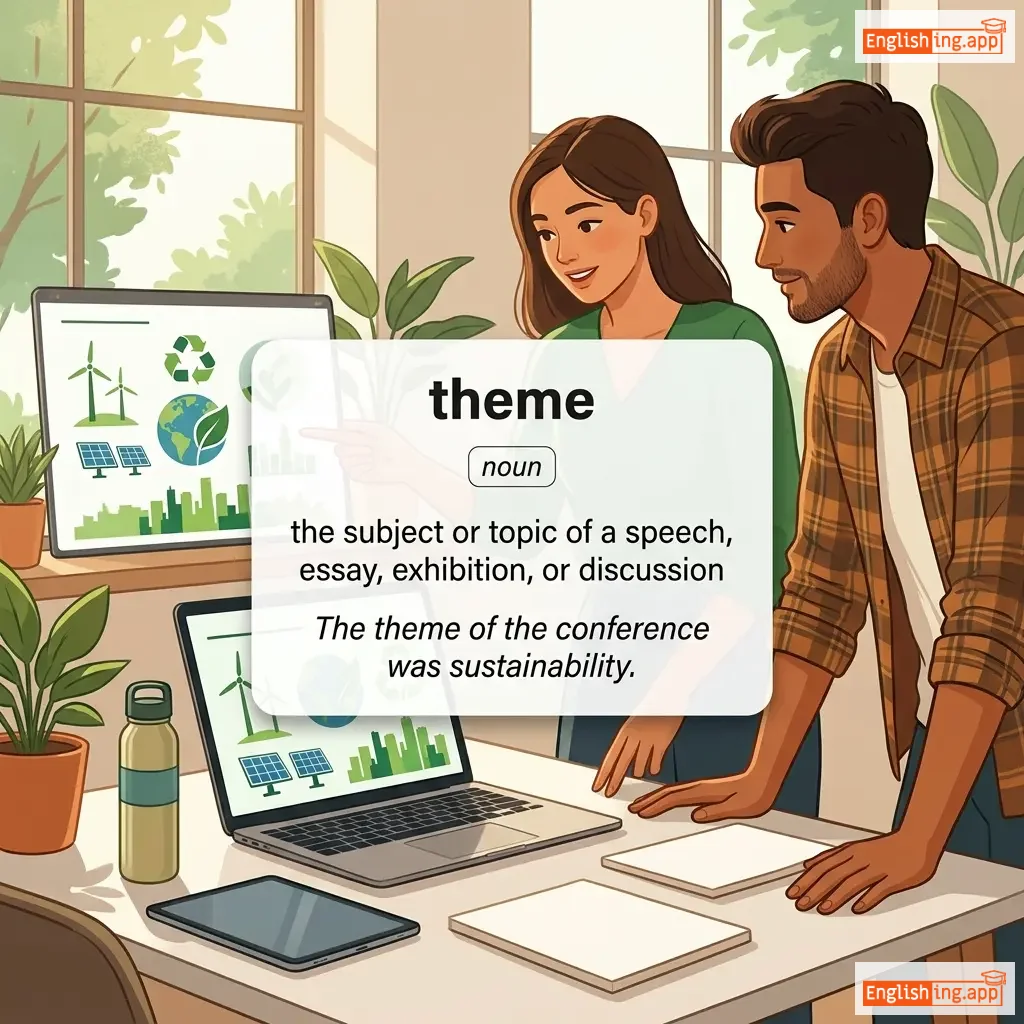
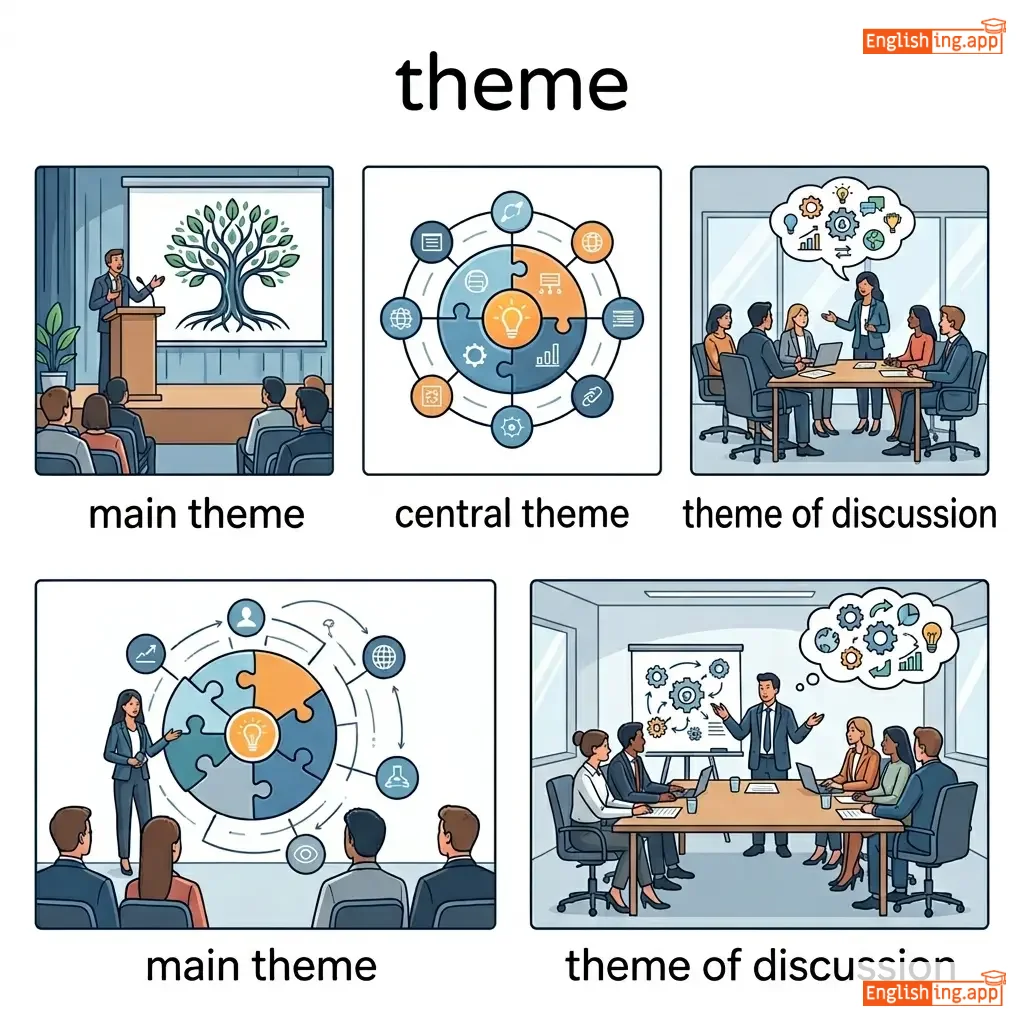
the subject or topic of a speech, essay, exhibition, or discussion
••••••
|
The theme of the conference was sustainability. |
Тема конференции была устойчивость.
Tema konferentsii byla ustoychivost'.
••••••
|
- •••••• | - •••••• | - •••••• |
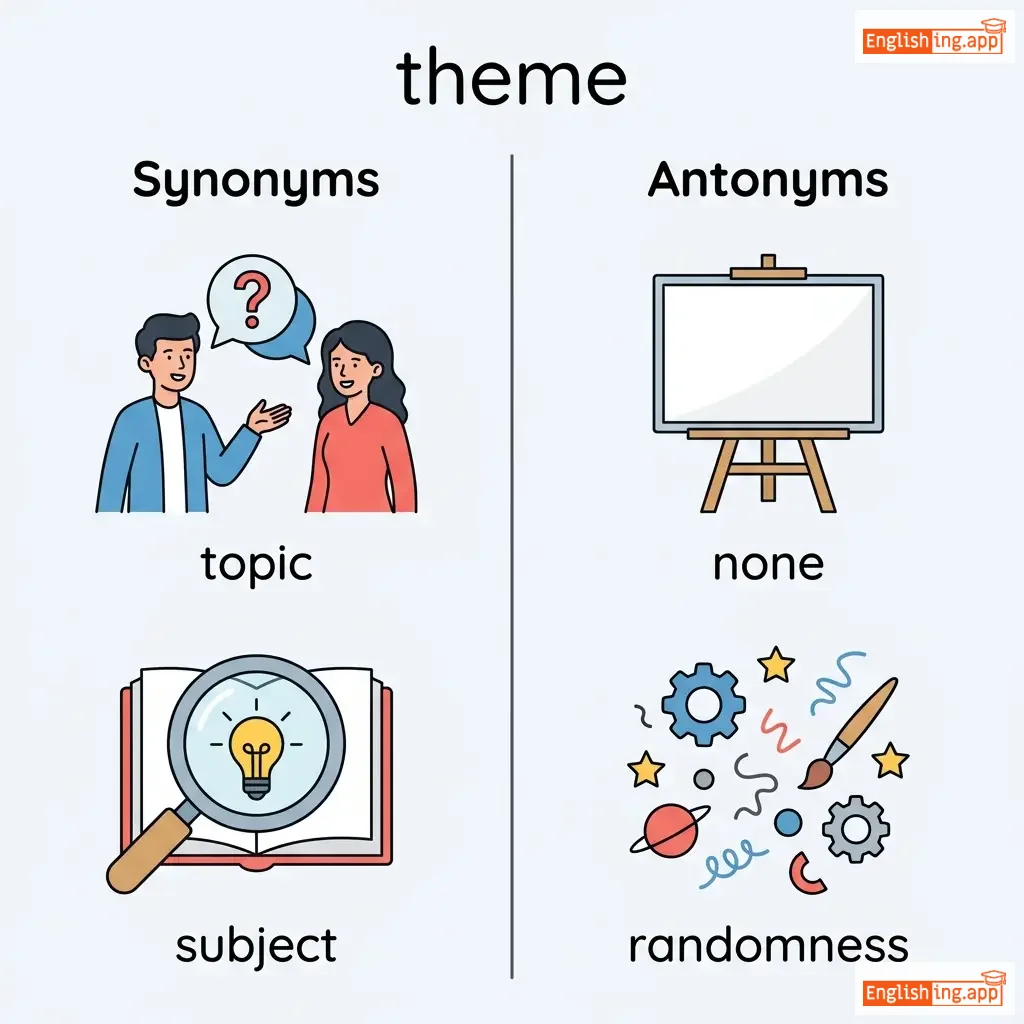
topic, subject, motif, idea
••••••
|
none
••••••
|
main theme, central theme, theme of discussion
••••••
|
Тема (tema) является основным предметом обсуждения
••••••
|

