The Viral Case
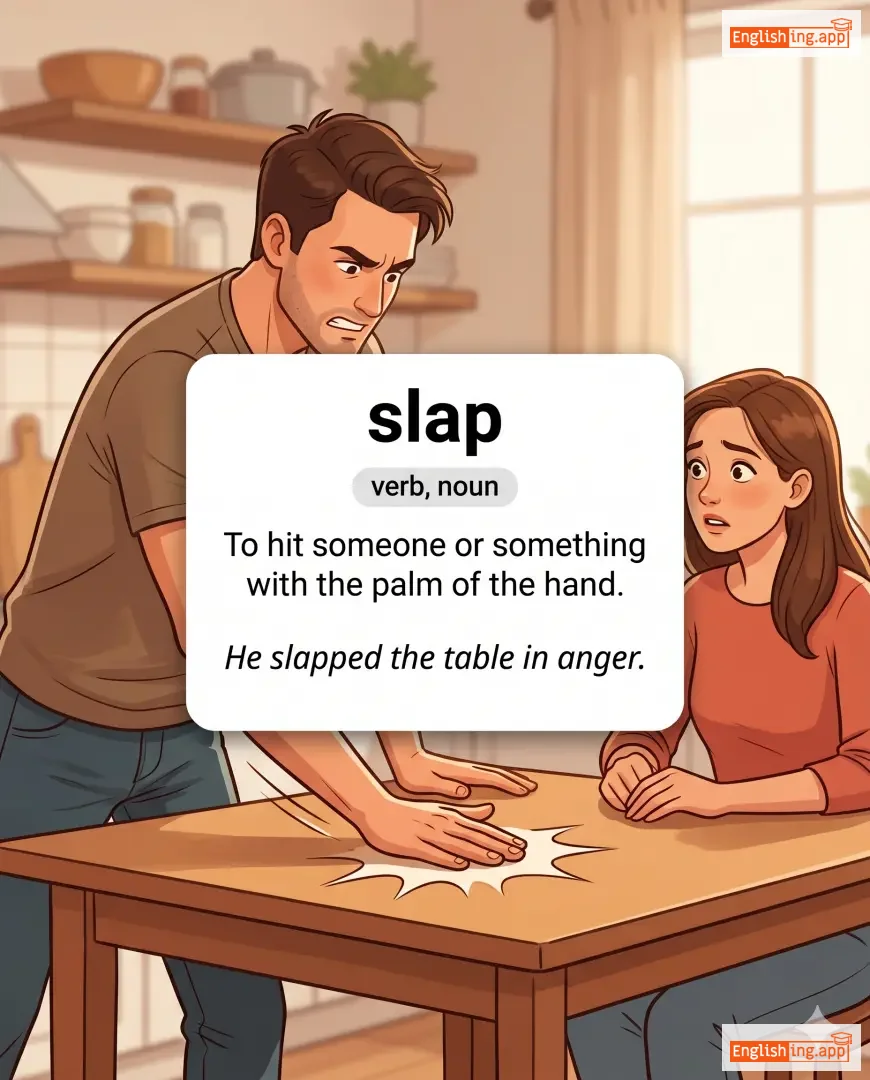
ダッカ市で、あるnotorious実業家のスキャンダラスなビデオが突然バイラルになった。そのビデオでは、policemanが彼を止めて、顔に強いslapを浴びせた。ある人々は「これは純粋な正義だ!」と言ったが、他の人々は「それはfucking不敬だ!」と叫んだ。
ビデオにはdisturbingな瞬間があった——その男は叫んだ、「俺が誰だか知っているか?」そしてpolicemanは冷静に答えた、「はい、あなたは法律を破ったnotorious犯罪者です。」そのセリフは一晩でsensationとなった。
ソーシャルメディアでは、誰もが裁判官になった。一部のbehavioral専門家は、「その警官はperfectly制御していた」と言った。その他の人々は「このビデオは国のイメージをundermineする可能性がある」と主張した。
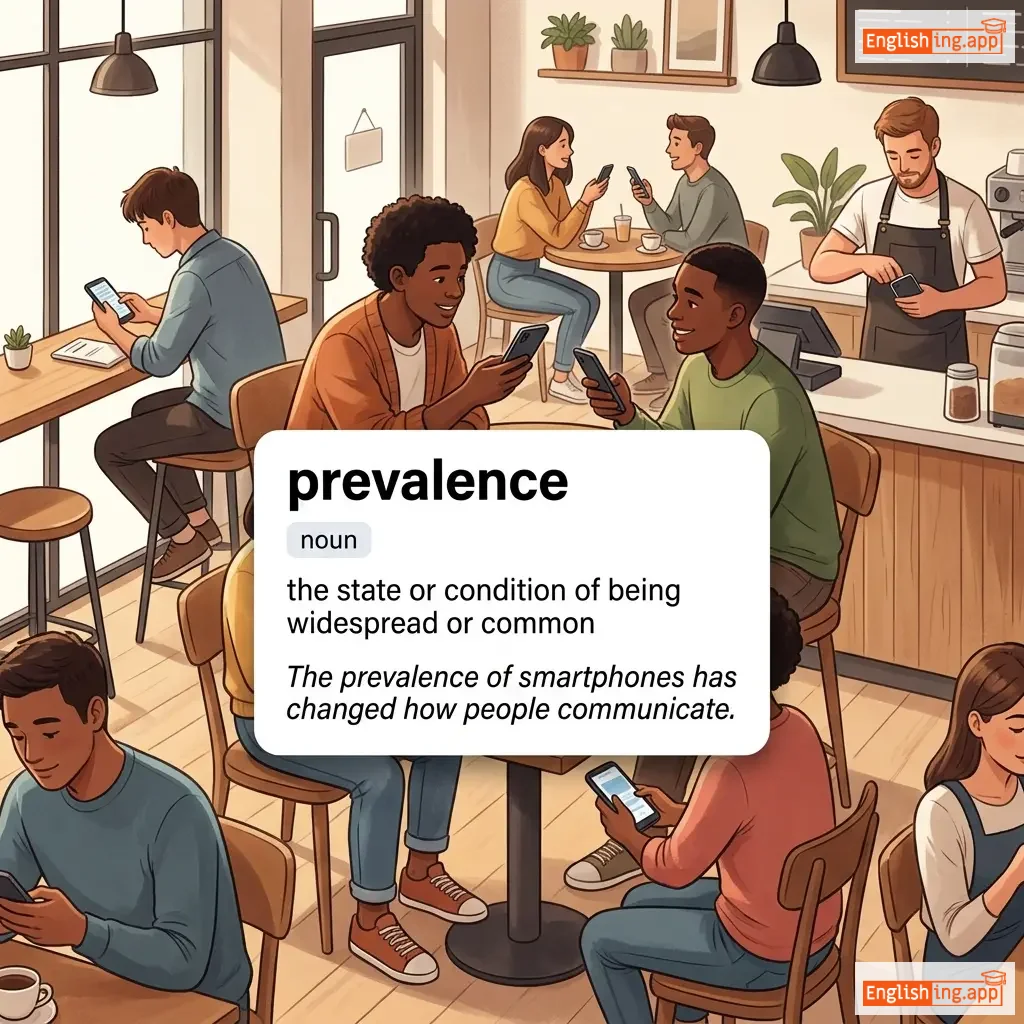
翌日、テレビチャンネルはそれをspectacleに変えた。ニュース報道では「このような事件のprevalenceは責任文化を作り出している」と言った。しかし政府の立場は異なっていた。「そのビデオはaccidentally録画されたもので、こうしたリークは罰せられる」と。
新しい調査が始まった。警官は一時的にincarceratedされ、調査がappropriately行われることになった。市民は怒り、叫んだ。「これはshitだ!正義のために立ち上がった男が罰せられている!」
すぐに、事件の完全なtranscriptが漏れ、警官がプロトコルに従ってperfectly行動したことが明らかになった。Thereafter、政府は彼を解放し、彼の勇気に報いた。
この事件は人々に考えさせた——時には一発のslapがシステム全体を目覚めさせることができる。街は、正義のために戦うことが一つの芸術であることを学んだ——それはappropriately行われなければならない、たとえそれがfucking難しく感じても。
|
絵文字
|
単語 | Images | 翻訳 | 過去 | 過去分詞 | 三人称単数 | 動名詞 | 意味 | 例文 | 例文の翻訳 | 表現例 | 表現例の意味 | 表現例の翻訳 | 同義語 | 対義語 | コロケーション | ニーモニック |
|---|---|---|---|---|---|---|---|---|---|---|---|---|---|---|---|---|---|
|
⚠️
••••••
|
/ˌæksɪˈdɛntəli/
adverb
(akushidentarī)
••••••
|
- •••••• |
偶然に
gūzen ni
••••••
|
- •••••• | - •••••• | - •••••• | - •••••• |
happening by chance or unexpectedly
••••••
|
He accidentally dropped the glass. |
彼はうっかりグラスを落としてしまった。
Kare wa ukkari gurasu o otoshite shimatta.
••••••
|
- •••••• | - •••••• | - •••••• |
unintentionally, mistakenly, by accident, fortuitously
••••••
|
intentionally, deliberately
••••••
|
accidentally break, accidentally discover, accidentally fall
••••••
|
偶然に = Imagine dropping something and say 'gūzen ni'.
••••••
|
|
👌
••••••
|
/əˈproʊpriətli/
adverb
(アプロプリエイトリー)
••••••
|
- •••••• |
適切に
tekisetsu ni
••••••
|
- •••••• | - •••••• | - •••••• | - •••••• |
in a way that is suitable or proper for a particular situation
••••••
|
She was dressed appropriately for the event.
彼女はイベントに適切に服を着ていました。
••••••
|
彼女はイベントに適切に服を着ていました。
Kanojo wa ibento ni tekisetsu ni fuku wo kiteimashita.
••••••
|
- •••••• | - •••••• | - •••••• |
suitably, properly, fittingly, correctly
••••••
|
inappropriately, wrongly
••••••
|
act appropriately, dress appropriately, respond appropriately
••••••
|
適切に行動すると、その場にふさわしい服装をしているように感じます。
••••••
|
|
🧠
••••••
|
/bɪˈheɪvjərəl/
adjective
(ビヘイビオラル)
••••••
|
- •••••• |
行動的
kōdō-teki
••••••
|
- •••••• | - •••••• | - •••••• | - •••••• |
relating to the way a person or animal acts
••••••
|
The psychologist studied the child's behavioral patterns.
心理学者は子供の行動パターンを研究した。
••••••
|
心理学者は子供の行動パターンを研究した。
Shinrigakusha wa kodomo no kōdō patān o kenkyū shita.
••••••
|
- •••••• | - •••••• | - •••••• |
conduct-related, mannerly, social, psychological
••••••
|
involuntary, instinctive
••••••
|
behavioral science, behavioral pattern, behavioral problem, behavioral therapy
••••••
|
行動的 = 行動 + 的 ➜ 人や動物の行動に関連しています。
••••••
|
|
😨
••••••
|
/dɪˈstɜː.bɪŋ/
adjective
(dɪsˈtɜːrbɪŋ)
••••••
|
- •••••• |
気になる
ki ni naru
••••••
|
- •••••• | - •••••• | - •••••• | - •••••• |
causing anxiety, worry, or emotional distress
••••••
|
The news about the accident was deeply disturbing.
事故のニュースは非常に気分を害するものでした。
••••••
|
事故のニュースは非常に気分を害するものでした。
Jiko no nyūsu wa hijō ni kibun o gaisuru mono deshita.
••••••
|
disturbing the peace
平和を乱す
••••••
|
to make noise or cause trouble in a quiet public place
••••••
|
平和を乱す
Heiwa o midasu
••••••
|
upsetting, alarming, distressing, troubling, shocking
••••••
|
comforting, calming, soothing
••••••
|
deeply disturbing, disturbing image, disturbing trend, disturbing news
••••••
|
Disturbing は気になること — 気になることはあなたの心を揺さぶります!
••••••
|
|
😤
••••••
|
/ˈfʌkɪŋ/
adjective, adverb (informal, vulgar)
(ファキング)
••••••
|
- •••••• |
クソ (強調のための卑猥な言葉)
kuso (kyouchou no tame no hīwa na kotoba)
••••••
|
- •••••• | - •••••• | - •••••• | - •••••• |
used for emphasis, often expressing anger or frustration (vulgar slang)
••••••
|
It was a fucking disaster!
それはクソみたいな災害だった!
••••••
|
それはクソみたいな災害だった!
Sore wa kuso mitaina saigai datta!
••••••
|
- •••••• | - •••••• | - •••••• |
damn, bloody, freaking, awful, terrible
••••••
|
pleasant, fine, nice
••••••
|
fucking idiot, fucking mess, fucking amazing, fucking crazy
••••••
|
'fucking' は怒りや強調を表現する卑猥な言葉です 😤
••••••
|
|
🔒
••••••
|
/ɪnˈkɑːrsəreɪt/
verb
(インカーセレイト)
••••••
|
- •••••• |
投獄する
tōgoku suru
••••••
|
incarcerated
インカーセレイテッド
••••••
|
incarcerated
インカーセレイテッド
••••••
|
incarcerates
インカーセレイツ
••••••
|
incarcerating
インカーセレイティング
••••••
|
to imprison or confine someone
••••••
|
The authorities incarcerated the criminal after the trial.
当局は裁判後に犯罪者を投獄しました。
••••••
|
当局は裁判後に犯罪者を投獄しました。
Tōkyoku wa saiban go ni hanzai-sha o tōgoku shimashita.
••••••
|
- •••••• | - •••••• | - •••••• |
imprison, jail, confine, detain, lock up
••••••
|
release, free, liberate
••••••
|
incarcerate criminals, incarcerated population, wrongfully incarcerated, incarcerate offenders
••••••
|
Incarcerate = 'In' カゴ -> 投獄
••••••
|
|
😈
••••••
|
/nəˈtɔːriəs/
adjective
(ノトリアス)
••••••
|
- •••••• |
悪名高い
akumei takai
••••••
|
- •••••• | - •••••• | - •••••• | - •••••• |
Famous or well-known for something bad or undesirable
••••••
|
The area is notorious for its high crime rate. |
その地域は高い犯罪率で悪名高いです。
Sono chiiki wa takai hanzairitsu de akumei takai desu.
••••••
|
notorious for |
well-known because of a negative reason
••••••
|
悪名高いで
akumei takai de
••••••
|
infamous, disreputable, scandalous, dishonorable, ill-famed
••••••
|
respectable, reputable, honorable
••••••
|
notorious criminal, notorious case, notorious gang, notorious history
••••••
|
Notorious = 'No Torii Ous' = 鳥がいない、悪い場所 = 悪名高い
••••••
|
|
✅
••••••
|
/ˈpɜːfɪktli/
adverb
••••••
|
- •••••• | - •••••• | - •••••• | - •••••• | - •••••• | - •••••• |
in a perfect manner; without flaws
••••••
|
She performed the task perfectly. |
- •••••• | - •••••• | - •••••• | - •••••• |
flawlessly, impeccably, smoothly, excellently
••••••
|
imperfectly, badly
••••••
|
perform perfectly, behave perfectly, execute perfectly
••••••
|
No •••••• |
|
👮♂️
••••••
|
/pəˈliːsmən/
noun
(ポリスマン)
••••••
|
- •••••• |
警察官
keisatsukan
••••••
|
- •••••• | - •••••• | - •••••• | - •••••• |
a man whose job is to enforce the law and keep public order
••••••
|
The policeman directed the traffic at the intersection. |
警察官は交差点で交通を指導しました。
Keisatsukan wa kōsaten de kōtsū o shidō shimashita.
••••••
|
- •••••• | - •••••• | - •••••• |
officer, cop, constable, lawman, patrolman
••••••
|
criminal, offender
••••••
|
policeman on duty, traffic policeman, uniformed policeman
••••••
|
警察官は'policeman'の意味、つまり法律を守る仕事をしている人です。
••••••
|
|
📊
••••••
|
/ˈprɛvələns/
noun
(プレヴァレンス)
••••••
|
|
普及
fukyū
••••••
|
- •••••• | - •••••• | - •••••• | - •••••• |
the state or condition of being widespread or common
••••••
|
The prevalence of smartphones has changed how people communicate.
スマートフォンの普及により、人々のコミュニケーション方法が変わった。
••••••
|
スマートフォンの普及により、人々のコミュニケーション方法が変わった。
Sumātofon no fukyū ni yori, hitobito no komyunikēshon hōhō ga kawatta.
••••••
|
- •••••• | - •••••• | - •••••• |
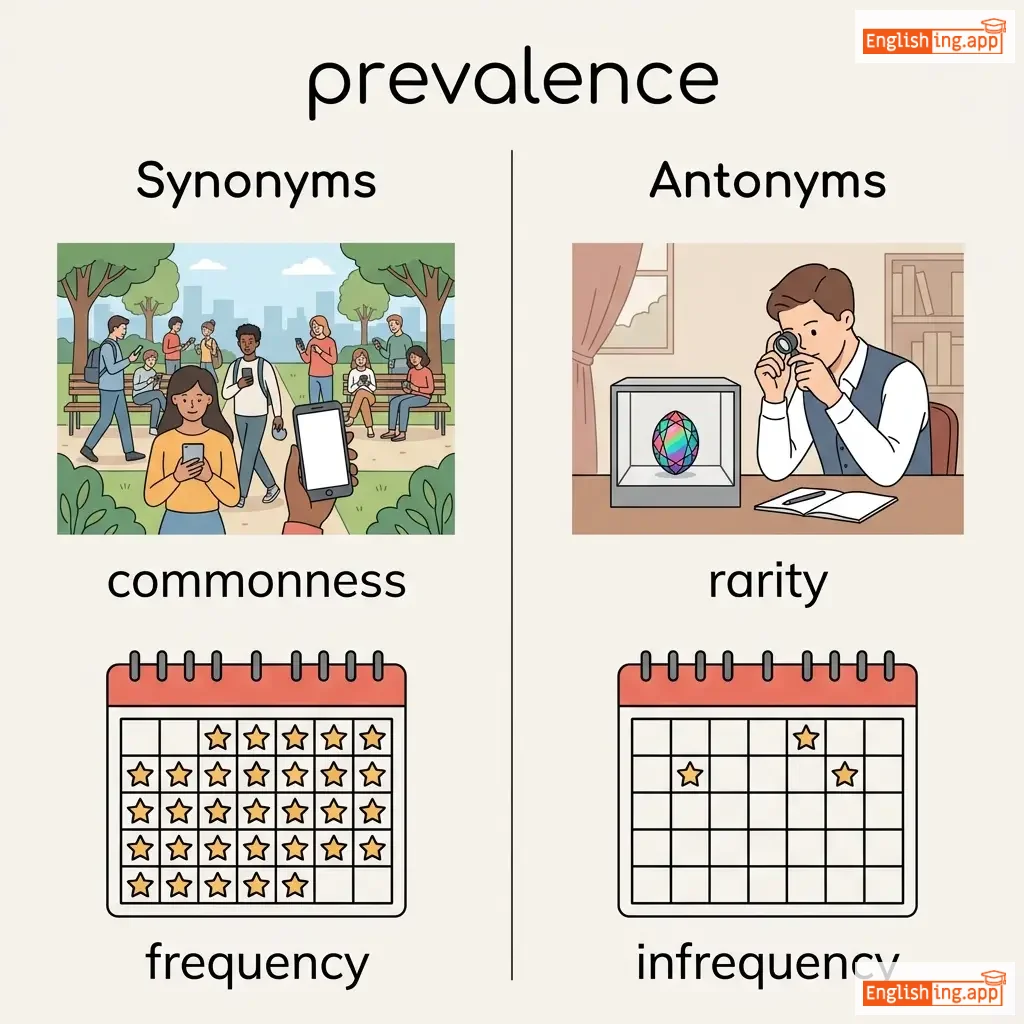
commonness, frequency, dominance, universality, popularity
••••••
|
rarity, infrequency, scarcity
••••••
|
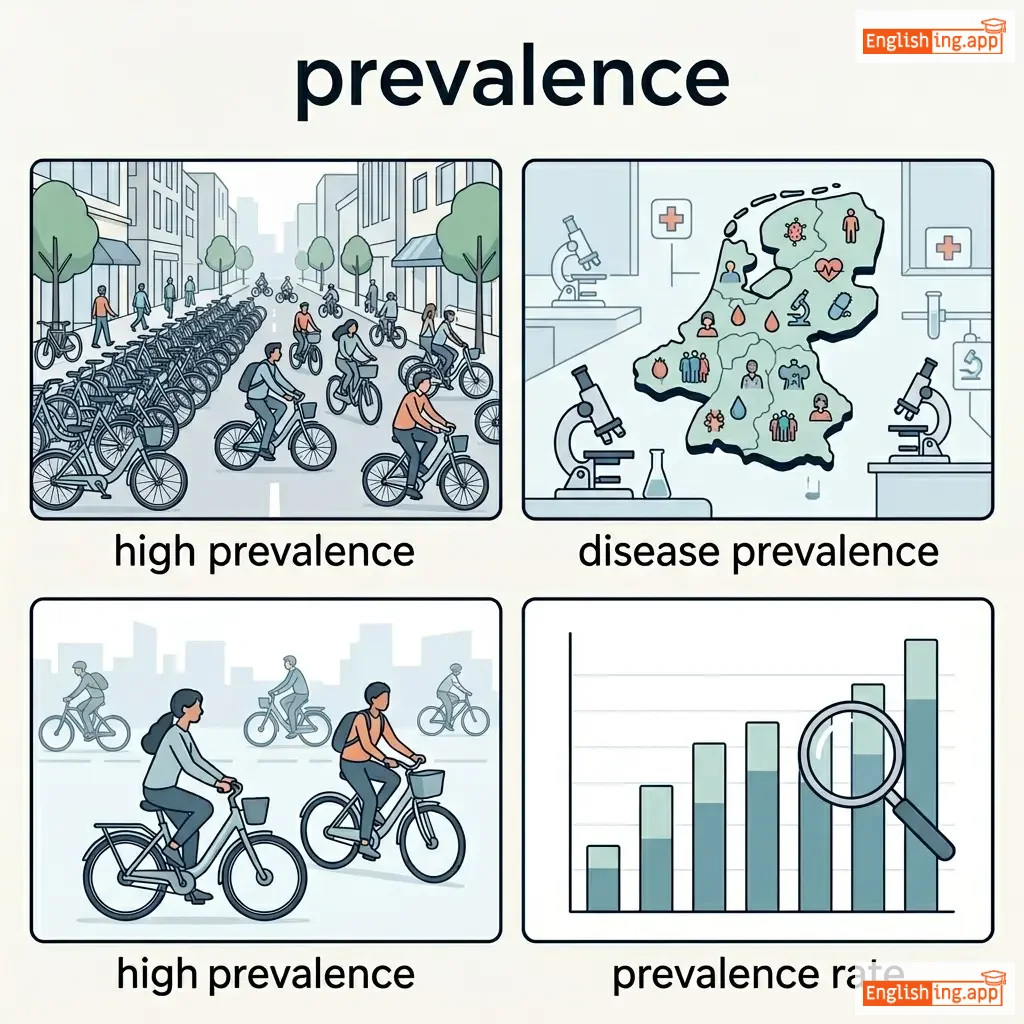
high prevalence, disease prevalence, prevalence rate, prevalence among
••••••
|
普及、'問題の普及'のように、広く一般的であることを意味します。
••••••
|
|
✨
••••••
|
/sɛnˈseɪʃən/
noun
(センセーション)
••••••
|
- •••••• |
センセーション
sensēshon
••••••
|
- •••••• | - •••••• | - •••••• | - •••••• |
A physical feeling or a strong reaction of excitement and interest.
••••••
|
The singer became a sensation overnight. |
歌手は一晩でセンセーションになった。
Kashu wa hitobanje sensēshon ni natta.
••••••
|
cause a sensation |
to create a great deal of excitement and interest
••••••
|
センセーションを引き起こす
sensēshon o hikiokosu
••••••
|
feeling, perception, excitement, thrill, buzz
••••••
|
numbness, apathy, indifference
••••••
|
create a sensation, public sensation, sensation in the media, sensation of pain
••••••
|
Sensation = Scene + action、感覚を引き起こす場面。
••••••
|
|
💩
••••••
|
/ʃɪt/
noun
(シット)
••••••
|
- •••••• |
うんこ
unko
••••••
|
- •••••• | - •••••• | - •••••• | - •••••• |
a vulgar term for feces or excrement
••••••
|
The dog made a mess by leaving its shit on the floor. |
犬は床にうんこを残して散らかしました。
Inu wa yuka ni unko o nokoshite chirakashimashita.
••••••
|
- •••••• | - •••••• | - •••••• |
feces, stool, excrement, crap
••••••
|
cleanliness, purity
••••••
|
shit happens, take a shit, shitty
••••••
|
うんこ、簡単に覚えられる言葉!
••••••
|
|
🖐️
••••••
|
/slæp/
verb, noun
(スラップ)
••••••
|
|
平手打ち
hirate uchi
••••••
|
slapped
スラップド
••••••
|
slapped
スラップド
••••••
|
slaps
スラップス
••••••
|
slapping
スラッピング
••••••
|
To hit someone or something with the palm of the hand.
••••••
|
He slapped the table in anger.
彼は怒ってテーブルを叩いた。
••••••
|
彼は怒ってテーブルを叩いた。
Kare wa okotte tēburu o tataita.
••••••
|
slap on the wrist
手首のひっぱたき
••••••
|
a mild punishment or warning
••••••
|
軽い罰
karui batsu
••••••
|
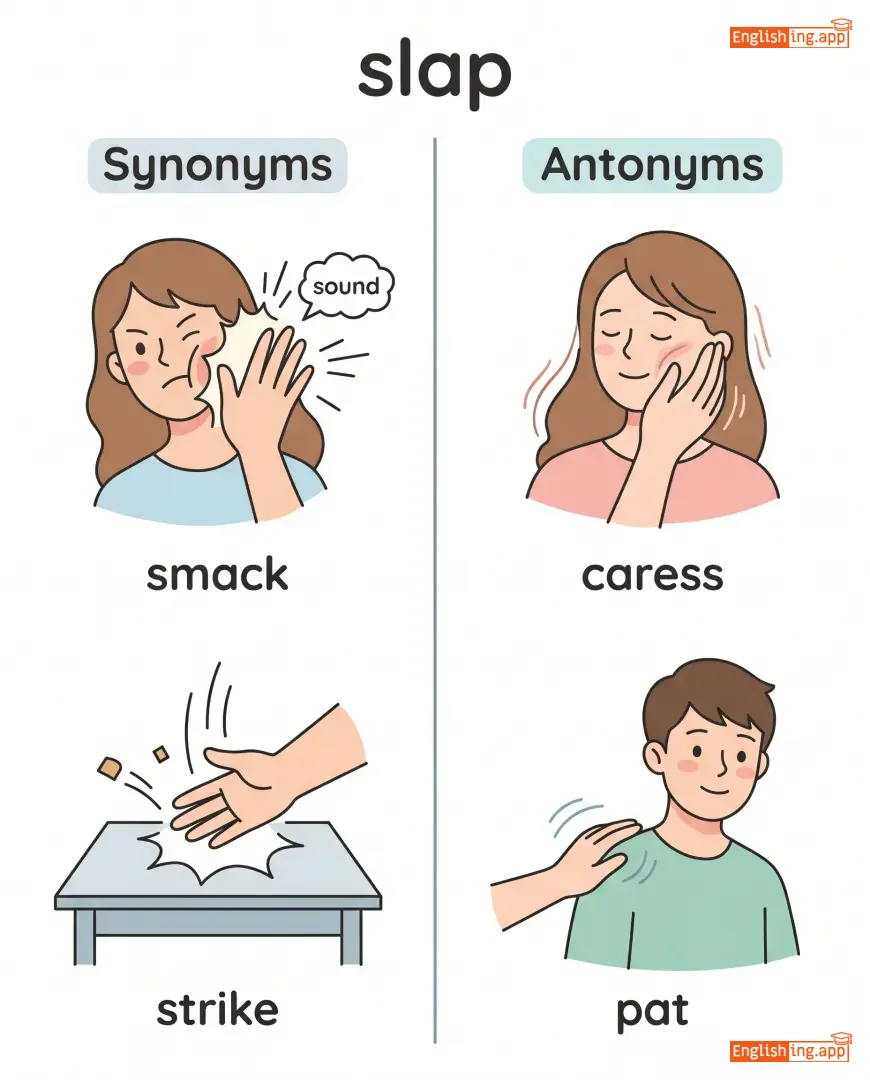
smack, strike, hit, whack
••••••
|
caress, pat
••••••
|
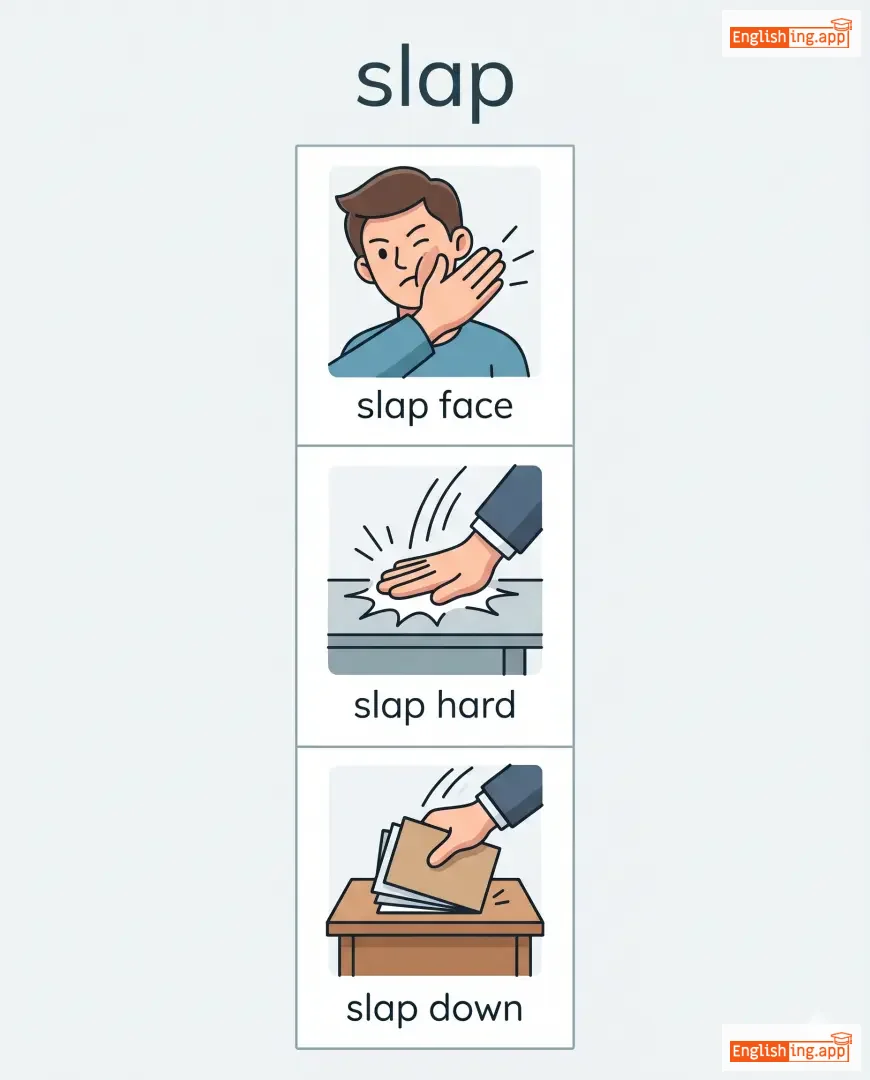
slap face, slap hard, slap down, slap on the wrist
••••••
|
Slap は slap 🖐️ — 平手打ちを覚えやすい
••••••
|
|
🎆
••••••
|
/ˈspɛktəkəl/
noun
(スペクタクル)
••••••
|
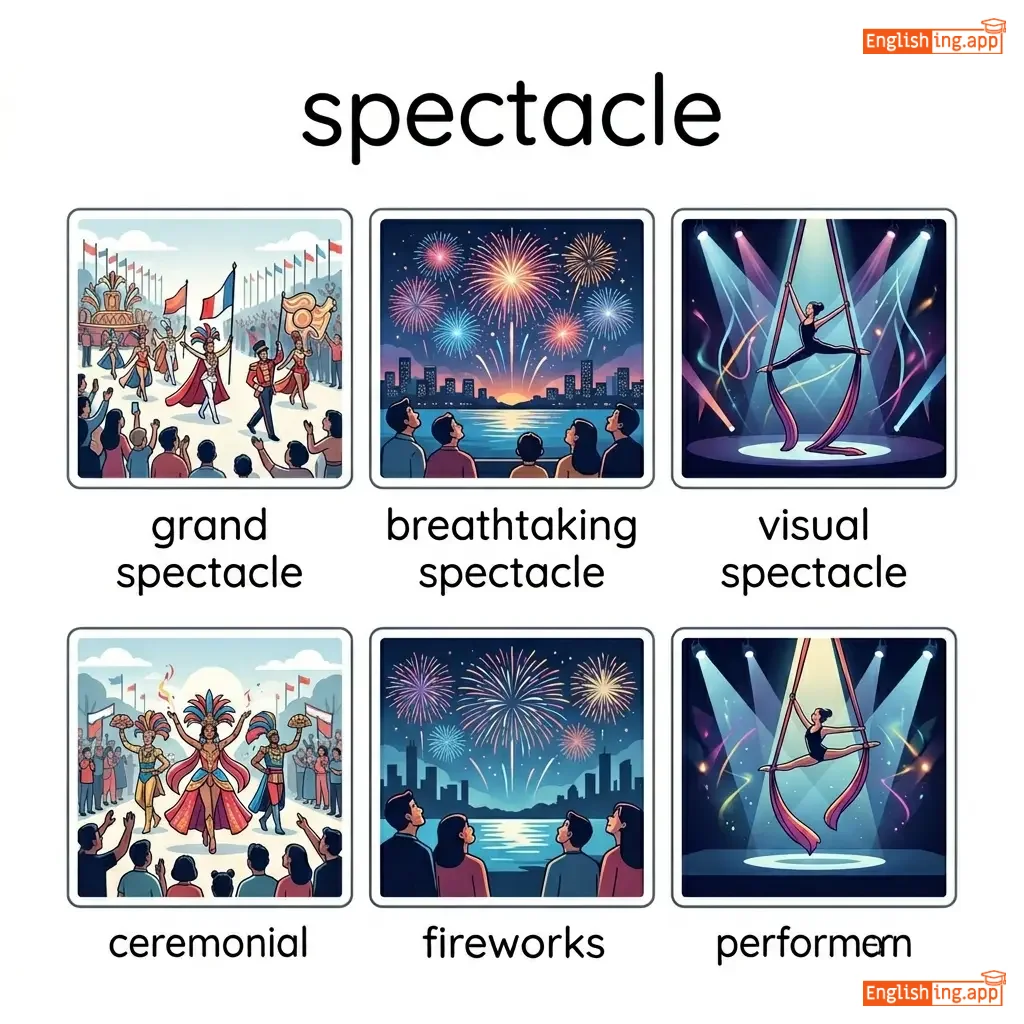
|
視覚的なショー
shikakuteki na shō
••••••
|
- •••••• | - •••••• | - •••••• | - •••••• |
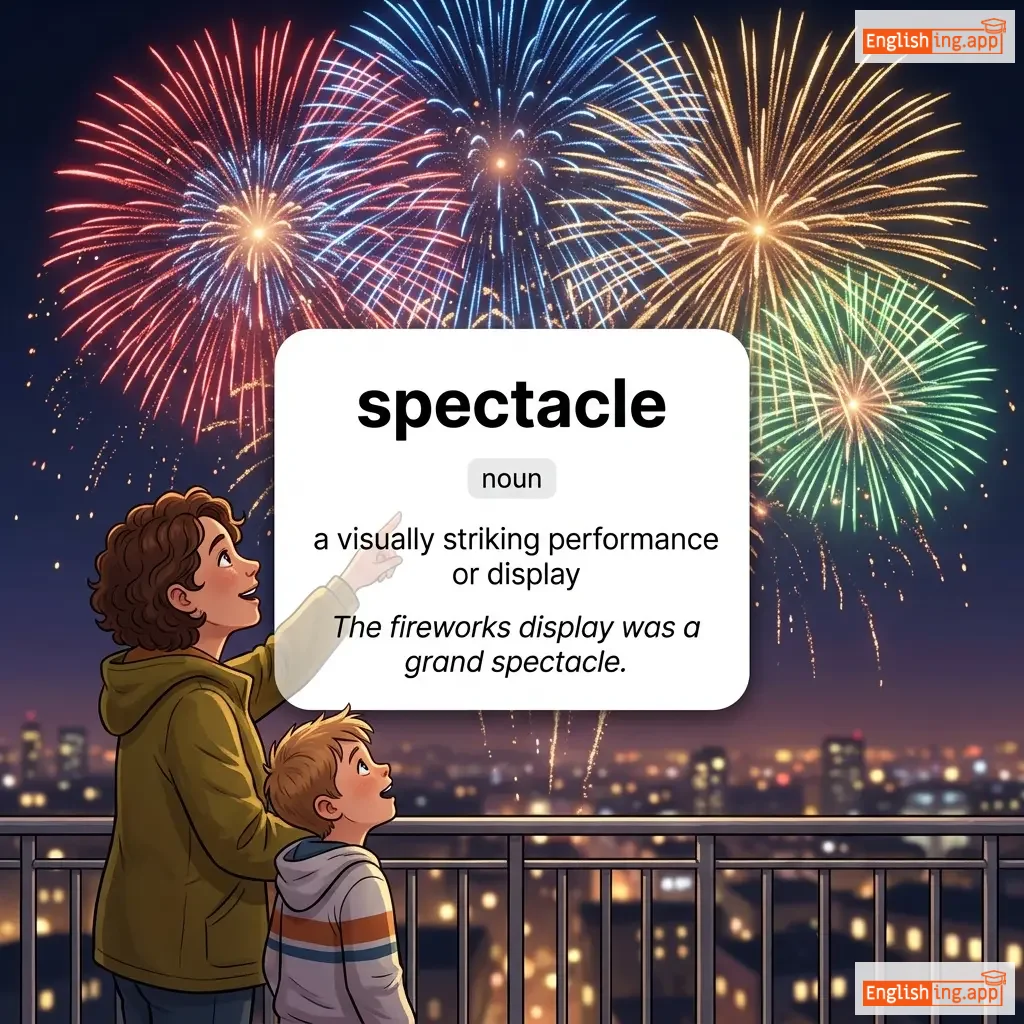
a visually striking performance or display
••••••
|
The fireworks display was a grand spectacle. |
花火のショーは壮大な視覚的なショーでした。
Hanabi no shō wa sōdaina shikakuteki na shō deshita.
••••••
|
- •••••• | - •••••• | - •••••• |
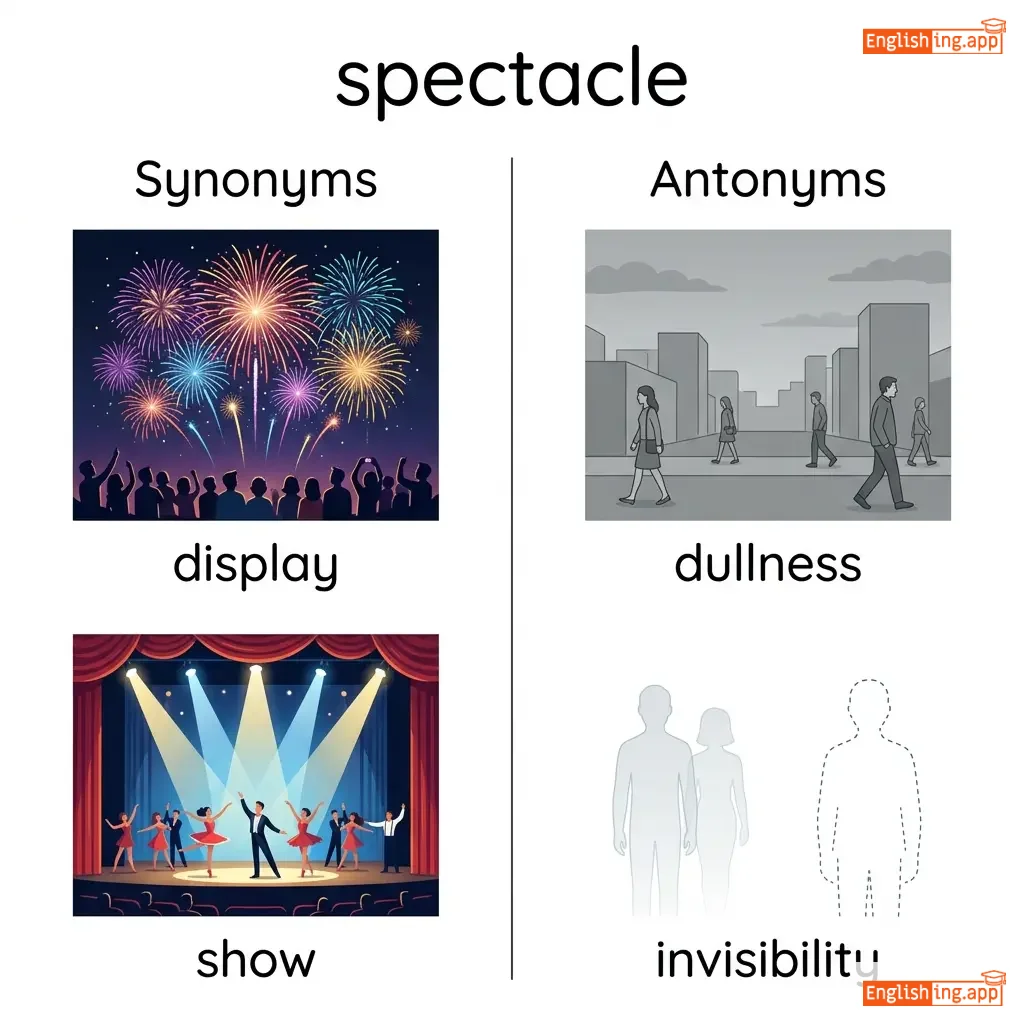
display, show, performance, exhibition
••••••
|
dullness, invisibility
••••••
|
grand spectacle, breathtaking spectacle, visual spectacle
••••••
|
スペクタクルは目を引くもの、例えば花火のようなものです。
••••••
|
|
⏳
••••••
|
/ðɛrˈæftər/
adverb
(ゼアアフター)
••••••
|
- •••••• |
その後
sono go
••••••
|
- •••••• | - •••••• | - •••••• | - •••••• |
from that time on
••••••
|
He moved to Canada and thereafter started a new life. |
彼はカナダに引っ越し、その後新しい人生を始めました。
Kare wa Kanada ni hikkoshi, sono go atarashii jinsei o hajimemashita.
••••••
|
- •••••• | - •••••• | - •••••• |
afterward, subsequently, later, following
••••••
|
before, earlier
••••••
|
thereafter began, thereafter continued, thereafter followed
••••••
|
Thereafter- その後 - Think of the time after a significant event.
••••••
|
|
📄
••••••
|
/ˈtrænskrɪpt/
noun
(トランスクリプト)
••••••
|
- •••••• |
写し
utsushi
••••••
|
- •••••• | - •••••• | - •••••• | - •••••• |
a written or printed version of material originally presented in another medium
••••••
|
The professor asked for a transcript of the meeting. |
教授は会議のトランスクリプトを要求しました。
Kyōju wa kaigi no toransukuriputo o yōkyū shimashita.
••••••
|
- •••••• | - •••••• | - •••••• |
record, copy, documentation, account
••••••
|
original, draft
••••••
|
academic transcript, transcript of records, official transcript
••••••
|
トランスクリプトは、会議の記録を示す書類!
••••••
|
|
💣
••••••
|
/ˌʌndərˈmaɪn/
verb
(アンダーマイン)
••••••
|
- •••••• |
弱める
yowameru
••••••
|
undermined
アンダーマインド
••••••
|
undermined
アンダーマインド
••••••
|
undermines
アンダーマインズ
••••••
|
undermining
アンダーマイニング
••••••
|
to gradually weaken or damage something or someone
••••••
|
Constant criticism can undermine a child's confidence.
コンスタント クリティシズム キャン アンダーマイン ア チャイルドズ コンフィデンス。
••••••
|
継続的な批判は子どもの自信を弱める可能性があります。
keizokuteki na hihan wa kodomo no jishin o yowameru kanosei ga arimasu
••••••
|
undermine authority
アンダーマイン オーソリティ
••••••
|
to weaken someone's power or control
••••••
|
権威を損なう
keni o sonau
••••••
|
weaken, damage, erode, sabotage, impair
••••••
|
strengthen, support, reinforce
••••••
|
undermine confidence, undermine authority, undermine trust
••••••
|
Under + mine → アンダー(下)から掘るイメージ。下から掘ると基盤が弱まる = 弱める (yowameru)
••••••
|

