The Viral Case
在达卡市,一段notorious商人的丑闻视频突然变得病毒式传播。在视频中,一名policeman将他停下来并狠狠地扇了他一巴掌。有些人说:“这是纯粹的正义!”而另一些人则大喊:“这就是fucking不尊重!”
视频中有一个disturbing的时刻——那人喊道:“你知道我是谁吗?”而policeman平静地回答:“是的,你是一个notorious犯罪分子,违反了法律。”那句话一夜之间成为了sensation。
在社交媒体上,每个人都变成了法官。有些behavioral专家声称:“那位警官perfectly保持了控制。”其他人则争辩说:“这个视频可能undermine国家的形象。”
第二天,电视台将它变成了一个spectacle。新闻报道说:“这种事件的prevalence正在创造一个责任文化。”但政府的态度不同——“视频是accidentally录制的,这种泄漏是可以受到惩罚的。”
一个新的调查开始了。那位警官被临时incarcerated,以便调查能够appropriately进行。公众愤怒地大喊:“这是shit!为正义站出来的人正在被惩罚!”
不久,事件的完整transcript泄露出来,揭示出那位警官按程序perfectly行事。Thereafter,政府释放了他,并奖励了他的勇气。
这起事件让人们反思——有时一记slap可以唤醒整个系统。城市学到了,争取正义是一门艺术——即使它看起来fucking困难,也必须appropriately完成。
|
表情符号
|
单词 | Images | 翻译 | 过去时 | 过去分词 | 第三人称单数 | 动名词 | 含义 | 例句 | 例句翻译 | 示例表达 | 示例表达含义 | 示例表达翻译 | 同义词 | 反义词 | 搭配词 | 助记符 |
|---|---|---|---|---|---|---|---|---|---|---|---|---|---|---|---|---|---|
|
⚠️
••••••
|
/ˌæksɪˈdɛntəli/
adverb
(āksìdiàntè lì)
••••••
|
- •••••• |
偶然地
ǒurán de
••••••
|
- •••••• | - •••••• | - •••••• | - •••••• |
happening by chance or unexpectedly
••••••
|
He accidentally dropped the glass. |
他不小心把玻璃杯打翻了。
Tā bù xiǎoxīn bǎ bōlí bēi dǎ fānle.
••••••
|
- •••••• | - •••••• | - •••••• |
unintentionally, mistakenly, by accident, fortuitously
••••••
|
intentionally, deliberately
••••••
|
accidentally break, accidentally discover, accidentally fall
••••••
|
偶然地 = Imagine dropping a glass, it's 'ǒurán de'.
••••••
|
|
👌
••••••
|
/əˈproʊpriətli/
adverb
(适当地)
••••••
|
- •••••• |
恰当地
qià dāng de
••••••
|
- •••••• | - •••••• | - •••••• | - •••••• |
in a way that is suitable or proper for a particular situation
••••••
|
She was dressed appropriately for the event.
她为活动穿着得体。
••••••
|
她为活动穿着得体。
Tā wèi huódòng chuānzhuó détǐ.
••••••
|
- •••••• | - •••••• | - •••••• |
suitably, properly, fittingly, correctly
••••••
|
inappropriately, wrongly
••••••
|
act appropriately, dress appropriately, respond appropriately
••••••
|
当你恰当地行动时,你就像是为特定场合穿戴得体。
••••••
|
|
🧠
••••••
|
/bɪˈheɪvjərəl/
adjective
(bīhéviōrǎl)
••••••
|
- •••••• |
行为的
xíngwéi de
••••••
|
- •••••• | - •••••• | - •••••• | - •••••• |
relating to the way a person or animal acts
••••••
|
The psychologist studied the child's behavioral patterns.
心理学家研究了孩子的行为模式。
••••••
|
心理学家研究了孩子的行为模式。
Xīnlǐxuéjiā yánjiūle háizi de xíngwéi móshì.
••••••
|
- •••••• | - •••••• | - •••••• |
conduct-related, mannerly, social, psychological
••••••
|
involuntary, instinctive
••••••
|
behavioral science, behavioral pattern, behavioral problem, behavioral therapy
••••••
|
行为的 = 行为 + 的 ➜ 与一个人的或动物的行为相关联。
••••••
|
|
😨
••••••
|
/dɪˈstɜː.bɪŋ/
adjective
(dɪsˈtɜːrbɪŋ)
••••••
|
- •••••• |
令人不安
lìng rén bù ān
••••••
|
- •••••• | - •••••• | - •••••• | - •••••• |
causing anxiety, worry, or emotional distress
••••••
|
The news about the accident was deeply disturbing.
关于事故的新闻令人深感不安。
••••••
|
关于事故的新闻令人深感不安。
Guānyú shìgù de xīnwén lìng rén shēn gǎn bù ān.
••••••
|
disturbing the peace
扰乱和平
••••••
|
to make noise or cause trouble in a quiet public place
••••••
|
扰乱和平
Rǎo luàn hépíng
••••••
|
upsetting, alarming, distressing, troubling, shocking
••••••
|
comforting, calming, soothing
••••••
|
deeply disturbing, disturbing image, disturbing trend, disturbing news
••••••
|
Disturbing 意味着令人不安 — 令人不安的事会让你心烦!
••••••
|
|
😤
••••••
|
/ˈfʌkɪŋ/
adjective, adverb (informal, vulgar)
(法金)
••••••
|
- •••••• |
他妈的 (粗俗词语用于强调)
tā mā de (cū sú cí yǔ yòng yú qiáng diào)
••••••
|
- •••••• | - •••••• | - •••••• | - •••••• |
used for emphasis, often expressing anger or frustration (vulgar slang)
••••••
|
It was a fucking disaster!
这真是个他妈的灾难!
••••••
|
这真是个他妈的灾难!
Zhè zhēn shì gè tā mā de zāi nàn!
••••••
|
- •••••• | - •••••• | - •••••• |
damn, bloody, freaking, awful, terrible
••••••
|
pleasant, fine, nice
••••••
|
fucking idiot, fucking mess, fucking amazing, fucking crazy
••••••
|
‘fucking’ 用于表达愤怒或强调的粗俗词语 😤
••••••
|
|
🔒
••••••
|
/ɪnˈkɑːrsəreɪt/
verb
(in-ka-se-rei-t)
••••••
|
- •••••• |
监禁
jianjin
••••••
|
incarcerated
in-ka-se-rei-ted
••••••
|
incarcerated
in-ka-se-rei-ted
••••••
|
incarcerates
in-ka-se-reits
••••••
|
incarcerating
in-ka-se-reiting
••••••
|
to imprison or confine someone
••••••
|
The authorities incarcerated the criminal after the trial.
当局在审判后将罪犯监禁。
••••••
|
当局在审判后将罪犯监禁。
Dangju zai shenpan hou jiang zuifan jianjin.
••••••
|
- •••••• | - •••••• | - •••••• |
imprison, jail, confine, detain, lock up
••••••
|
release, free, liberate
••••••
|
incarcerate criminals, incarcerated population, wrongfully incarcerated, incarcerate offenders
••••••
|
Incarcerate = 'In' 监狱
••••••
|
|
😈
••••••
|
/nəˈtɔːriəs/
adjective
(nəˈtɔːriəs)
••••••
|
- •••••• |
臭名昭著
chòumíng zhāozhù
••••••
|
- •••••• | - •••••• | - •••••• | - •••••• |
Famous or well-known for something bad or undesirable
••••••
|
The area is notorious for its high crime rate. |
该地区因其高犯罪率而臭名昭著。
Gāi dìqū yīn qí gāo fànzuì lǜ ér chòumíng zhāozhù.
••••••
|
notorious for |
well-known because of a negative reason
••••••
|
因…而臭名昭著
yīn...ér chòumíng zhāozhù
••••••
|
infamous, disreputable, scandalous, dishonorable, ill-famed
••••••
|
respectable, reputable, honorable
••••••
|
notorious criminal, notorious case, notorious gang, notorious history
••••••
|
Notorious = 'No Torii Ous' = 没有鸟 (torii),因此是坏地方 = 臭名昭著
••••••
|
|
✅
••••••
|
/ˈpɜːfɪktli/
adverb
••••••
|
- •••••• | - •••••• | - •••••• | - •••••• | - •••••• | - •••••• |
in a perfect manner; without flaws
••••••
|
She performed the task perfectly. |
- •••••• | - •••••• | - •••••• | - •••••• |
flawlessly, impeccably, smoothly, excellently
••••••
|
imperfectly, badly
••••••
|
perform perfectly, behave perfectly, execute perfectly
••••••
|
No •••••• |
|
👮♂️
••••••
|
/pəˈliːsmən/
noun
(警察)
••••••
|
- •••••• |
警察
jingcha
••••••
|
- •••••• | - •••••• | - •••••• | - •••••• |
a man whose job is to enforce the law and keep public order
••••••
|
The policeman directed the traffic at the intersection. |
警察在交叉路口指挥交通。
Jingcha zai jiaochalu kou zhihui jiaotong.
••••••
|
- •••••• | - •••••• | - •••••• |
officer, cop, constable, lawman, patrolman
••••••
|
criminal, offender
••••••
|
policeman on duty, traffic policeman, uniformed policeman
••••••
|
警察是执行法律的男人,和英语中的'policeman'类似。
••••••
|
|
📊
••••••
|
/ˈprɛvələns/
noun
(普雷瓦伦斯)
••••••
|
|
普遍性
pǔbiànxìng
••••••
|
- •••••• | - •••••• | - •••••• | - •••••• |
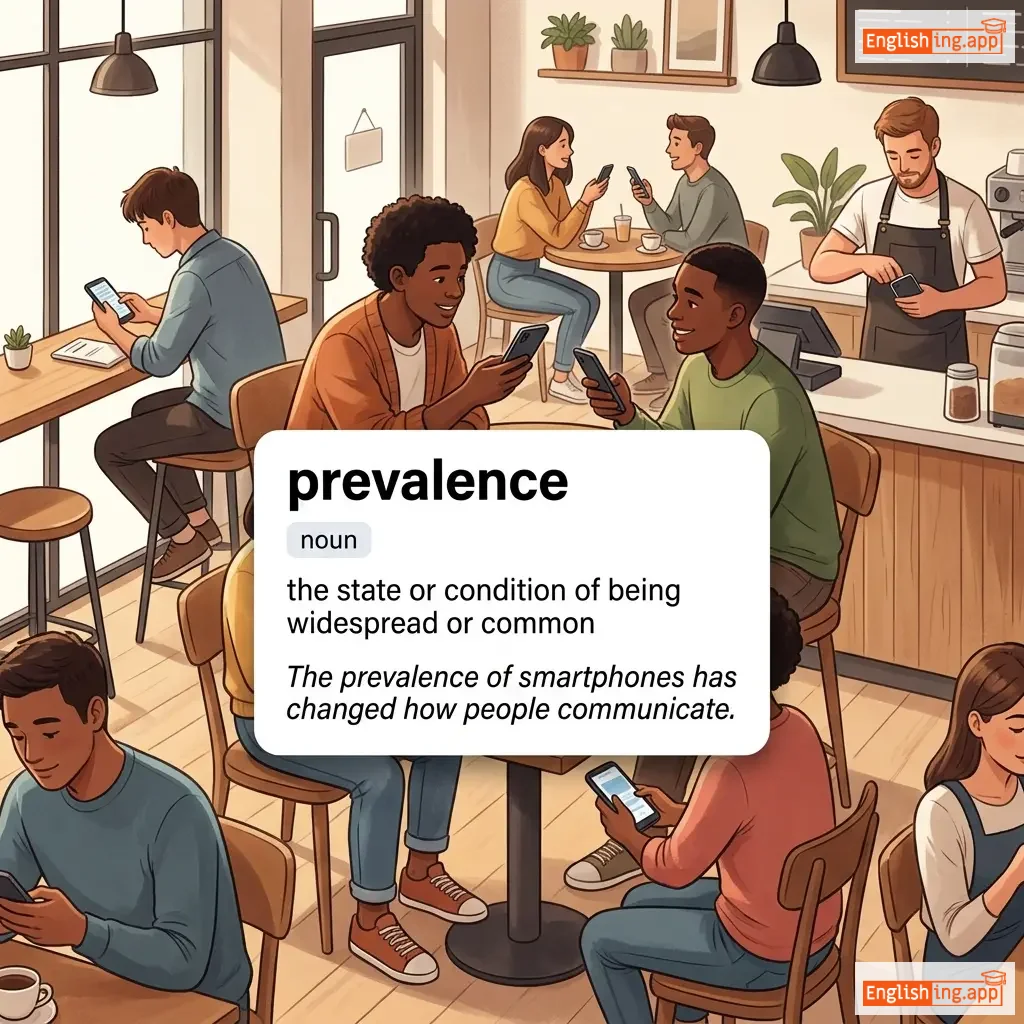
the state or condition of being widespread or common
••••••
|
The prevalence of smartphones has changed how people communicate.
智能手机的普及改变了人们的交流方式。
••••••
|
智能手机的普及改变了人们的交流方式。
Zhìnéng shǒujī de pǔjí gǎibiànle rénmen de jiāoliú fāngshì.
••••••
|
- •••••• | - •••••• | - •••••• |
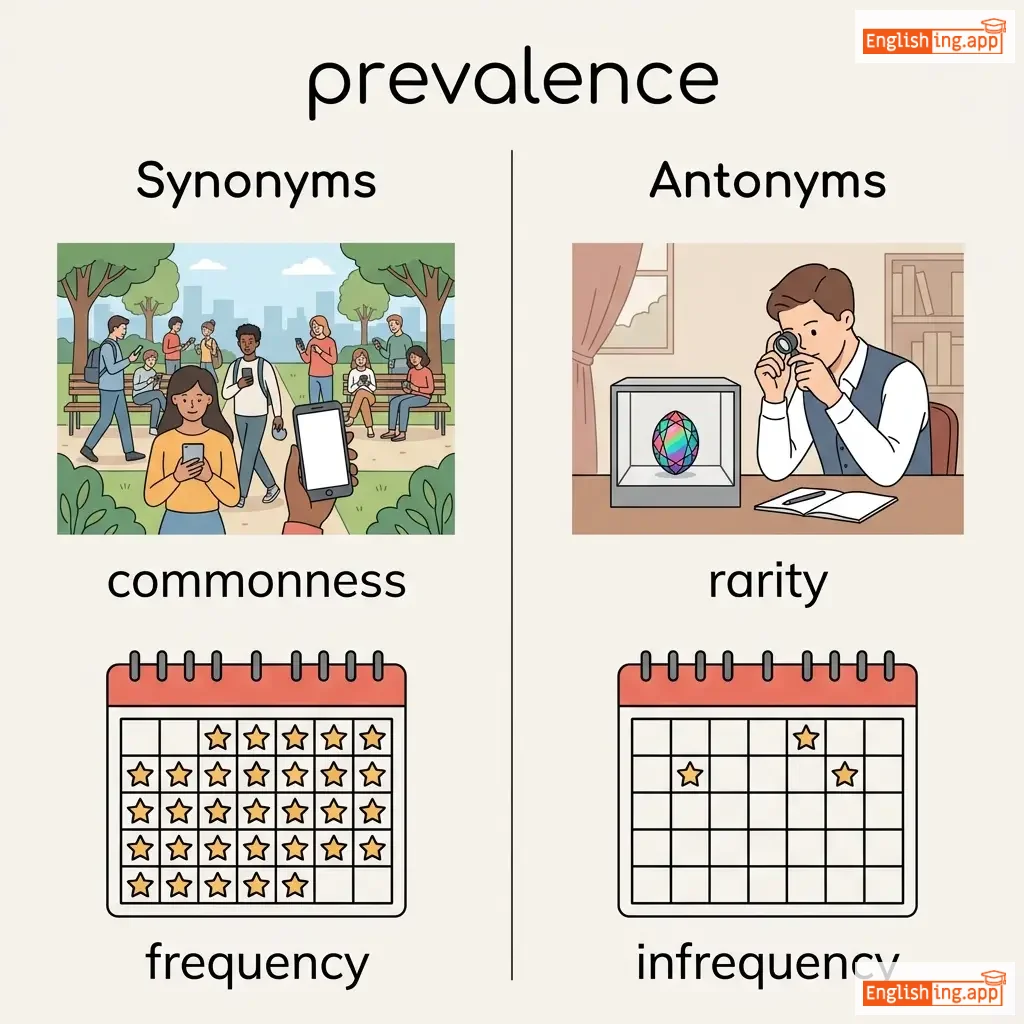
commonness, frequency, dominance, universality, popularity
••••••
|
rarity, infrequency, scarcity
••••••
|
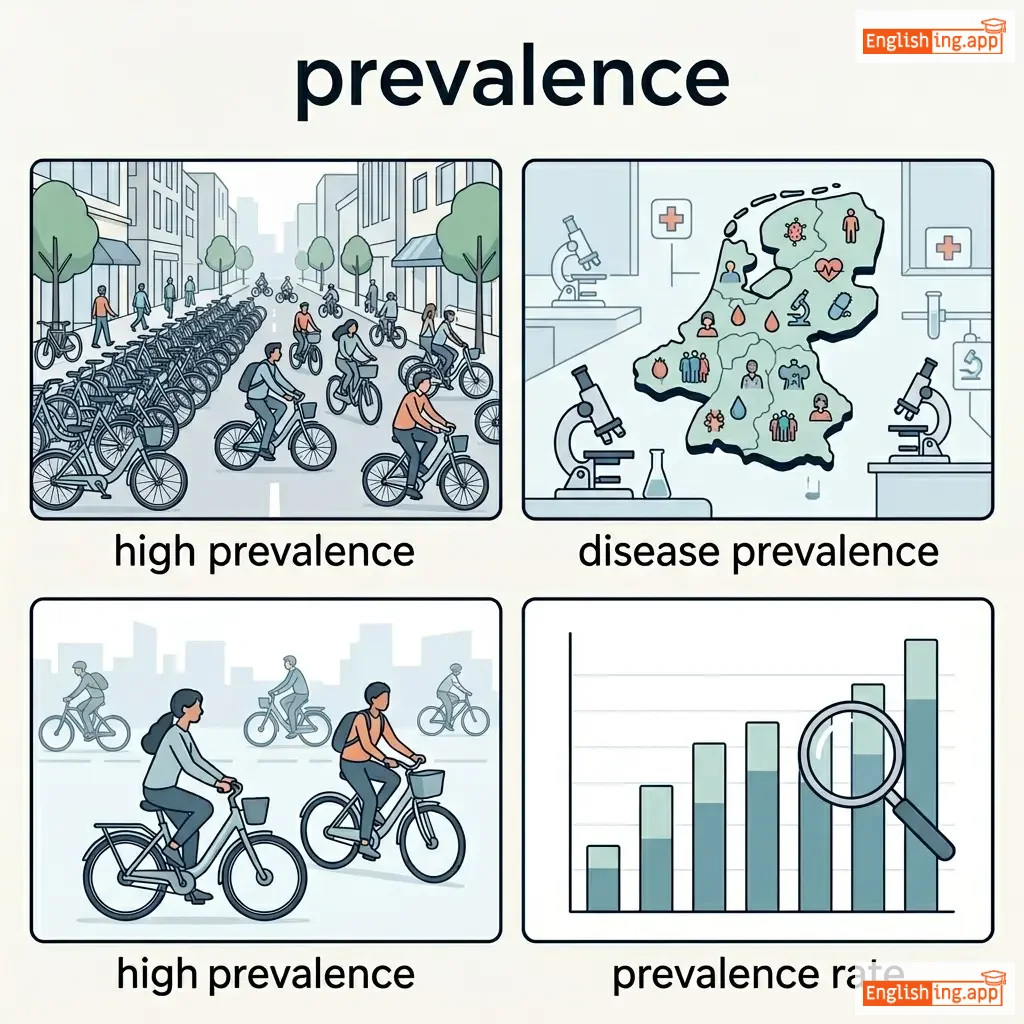
high prevalence, disease prevalence, prevalence rate, prevalence among
••••••
|
普遍性,像是'问题的普遍性',意味着它非常常见。
••••••
|
|
✨
••••••
|
/sɛnˈseɪʃən/
noun
(sēn sè xiǎn)
••••••
|
- •••••• |
轰动
hongdong
••••••
|
- •••••• | - •••••• | - •••••• | - •••••• |
A physical feeling or a strong reaction of excitement and interest.
••••••
|
The singer became a sensation overnight. |
歌手一夜之间成为轰动一时的明星。
Gēshǒu yīyè zhī jiān chéngwéi hōngdòng yī shí de míngxīng.
••••••
|
cause a sensation |
to create a great deal of excitement and interest
••••••
|
引起轰动
yǐnqǐ hōngdòng
••••••
|
feeling, perception, excitement, thrill, buzz
••••••
|
numbness, apathy, indifference
••••••
|
create a sensation, public sensation, sensation in the media, sensation of pain
••••••
|
Sensation = 场景 + 动作,像制造强烈反应的场面。
••••••
|
|
💩
••••••
|
/ʃɪt/
noun
(屎)
••••••
|
- •••••• |
屎
shi
••••••
|
- •••••• | - •••••• | - •••••• | - •••••• |
a vulgar term for feces or excrement
••••••
|
The dog made a mess by leaving its shit on the floor. |
狗在地板上留下了它的屎,弄得一团糟。
gǒu zài dìbǎn shàng liúxiàle tā de shǐ, nòng de yī tuán zāo.
••••••
|
- •••••• | - •••••• | - •••••• |
feces, stool, excrement, crap
••••••
|
cleanliness, purity
••••••
|
shit happens, take a shit, shitty
••••••
|
屎的声音就像它的名字一样!
••••••
|
|
🖐️
••••••
|
/slæp/
verb, noun
(slap)
••••••
|
|
打耳光
da ěrguāng
••••••
|
slapped
slapped
••••••
|
slapped
slapped
••••••
|
slaps
slaps
••••••
|
slapping
slapping
••••••
|
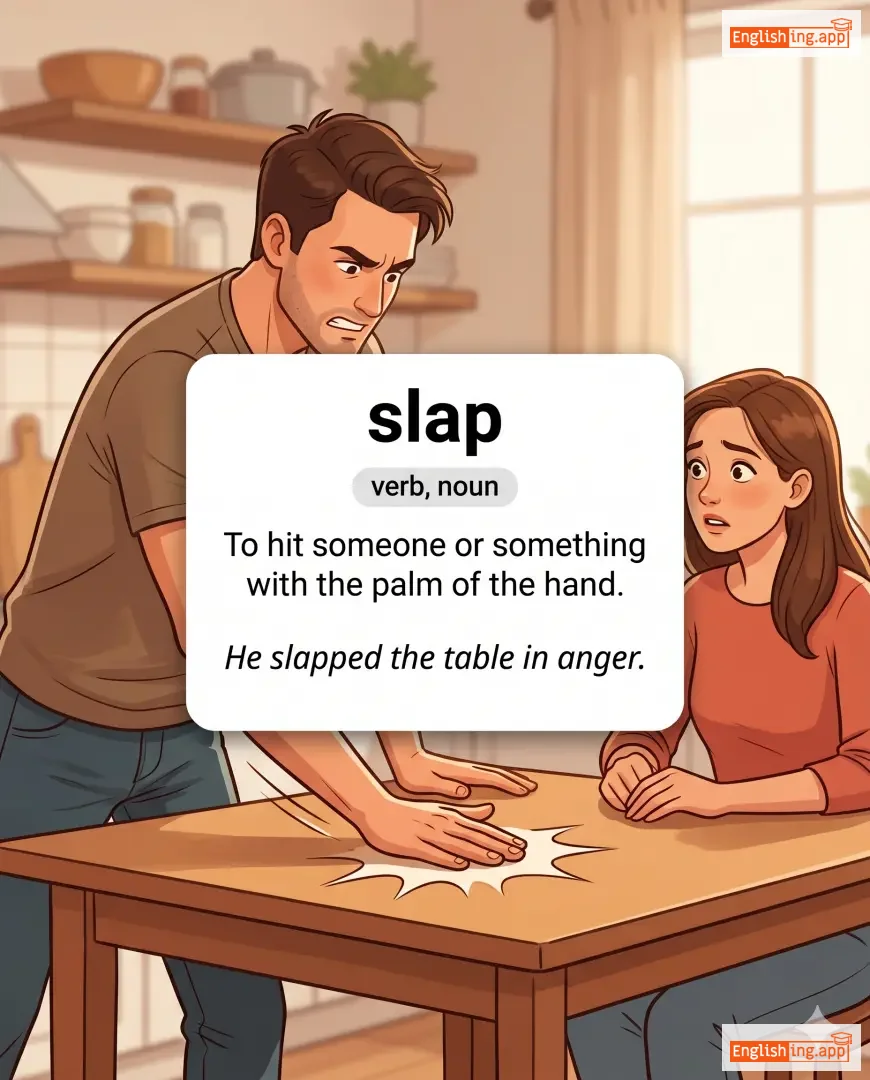
To hit someone or something with the palm of the hand.
••••••
|
He slapped the table in anger.
他生气地拍了桌子。
••••••
|
他生气地拍了桌子。
Tā shēngqì de pāi le zhuōzi.
••••••
|
slap on the wrist
手腕上的耳光
••••••
|
a mild punishment or warning
••••••
|
轻微惩罚
qīngwēi chéngfá
••••••
|
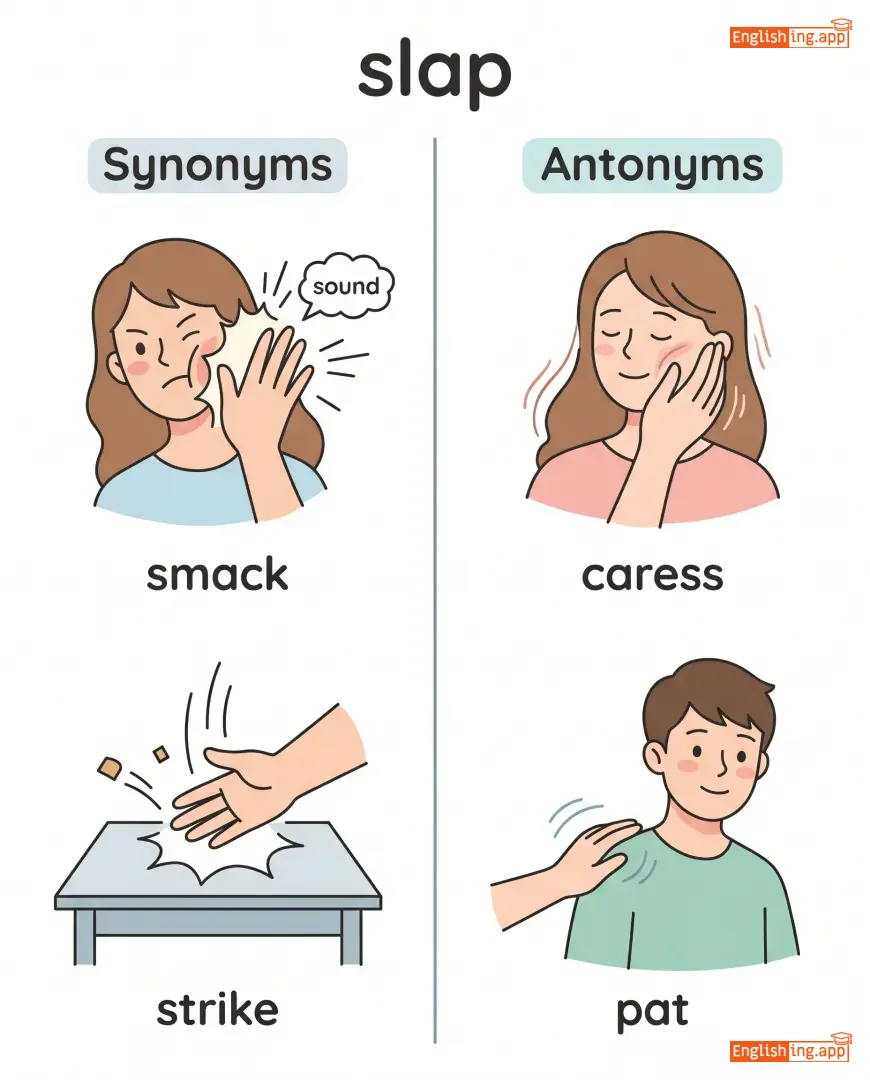
smack, strike, hit, whack
••••••
|
caress, pat
••••••
|
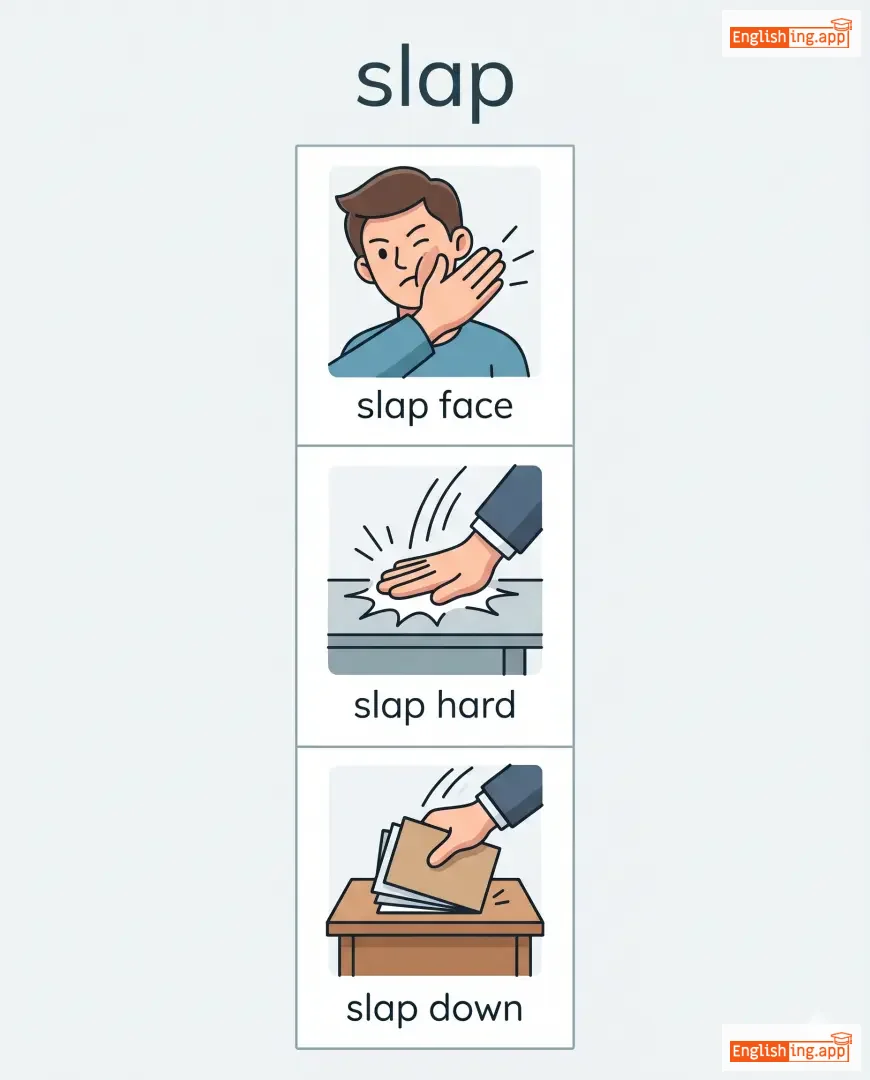
slap face, slap hard, slap down, slap on the wrist
••••••
|
Slap 意味着 slap 🖐️ — 打耳光容易记住
••••••
|
|
🎆
••••••
|
/ˈspɛktəkəl/
noun
(壮观)
••••••
|
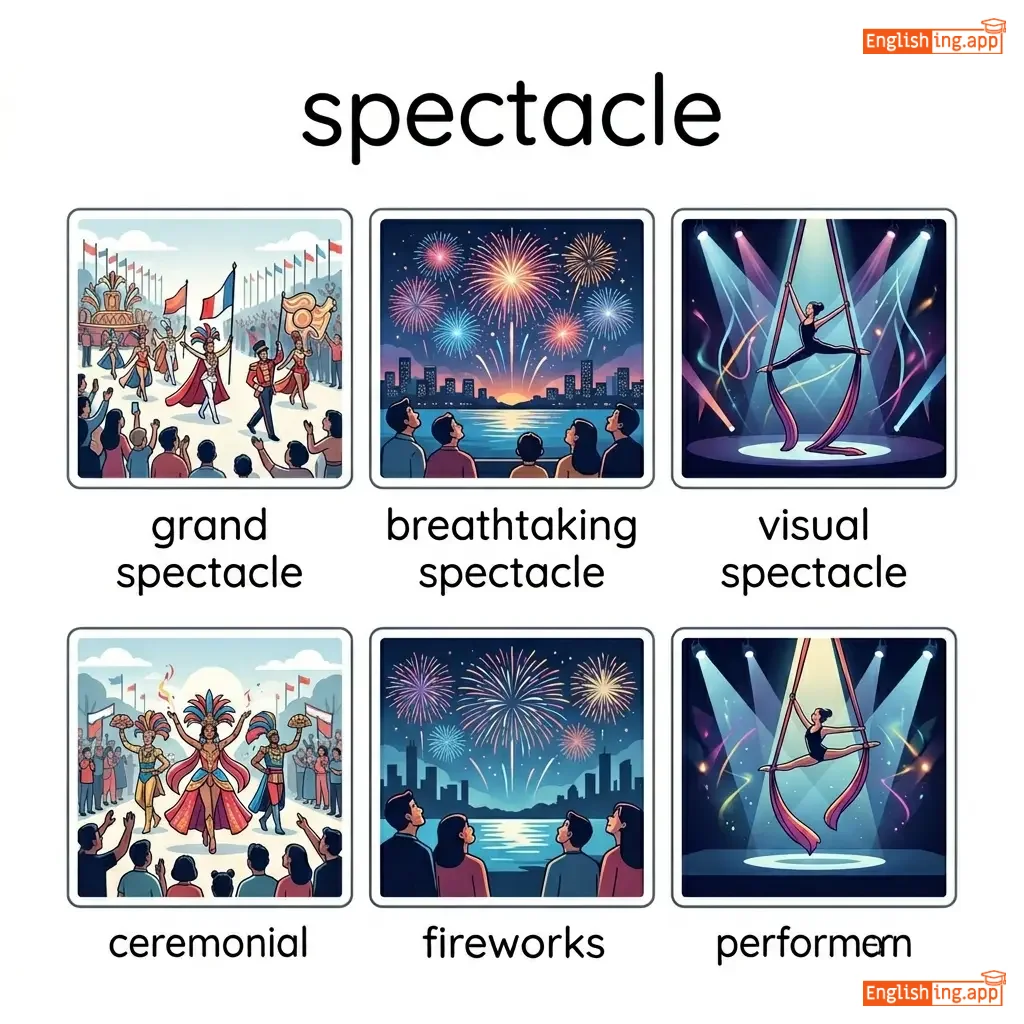
|
视觉盛宴
shìjué shèngyàn
••••••
|
- •••••• | - •••••• | - •••••• | - •••••• |
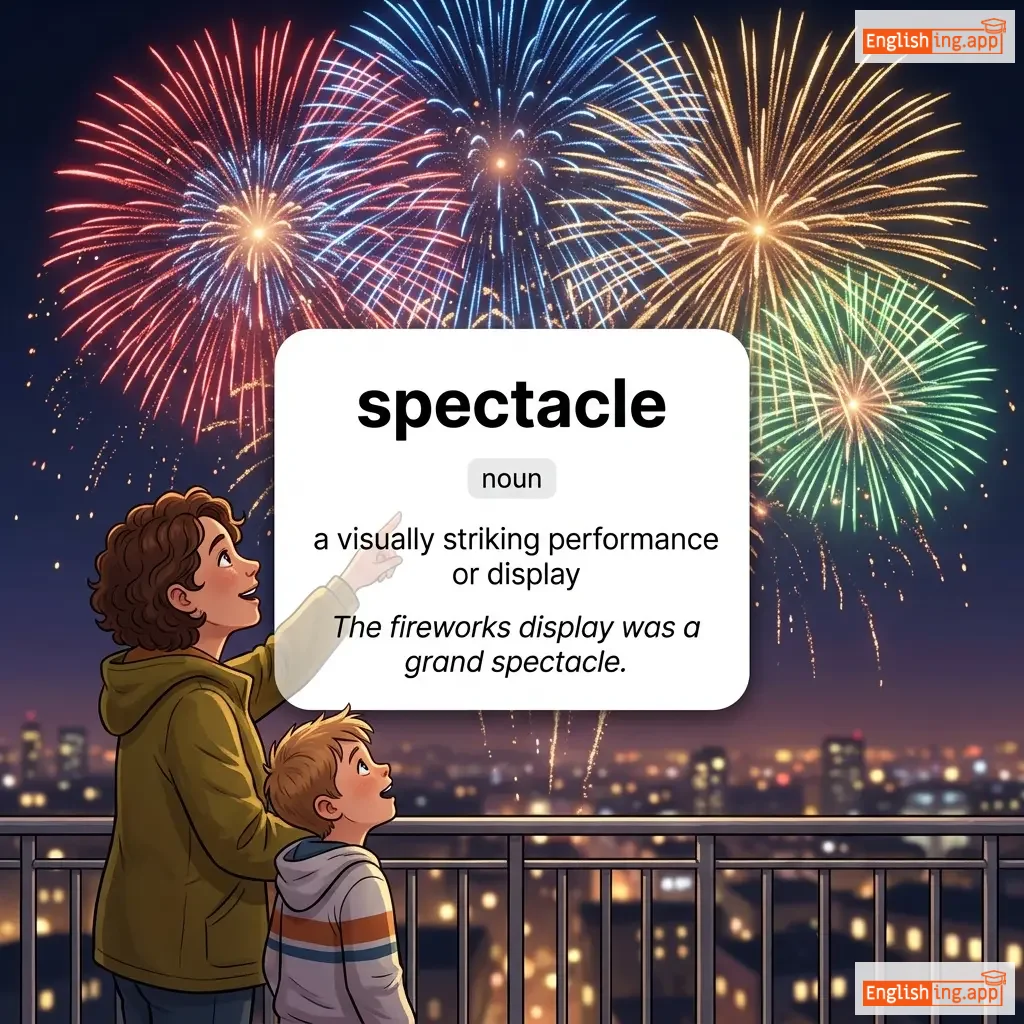
a visually striking performance or display
••••••
|
The fireworks display was a grand spectacle. |
烟花表演是一场壮观的视觉盛宴。
Yānhuā biǎoyǎn shì yī chǎng zhuàngguān de shìjué shèngyàn.
••••••
|
- •••••• | - •••••• | - •••••• |
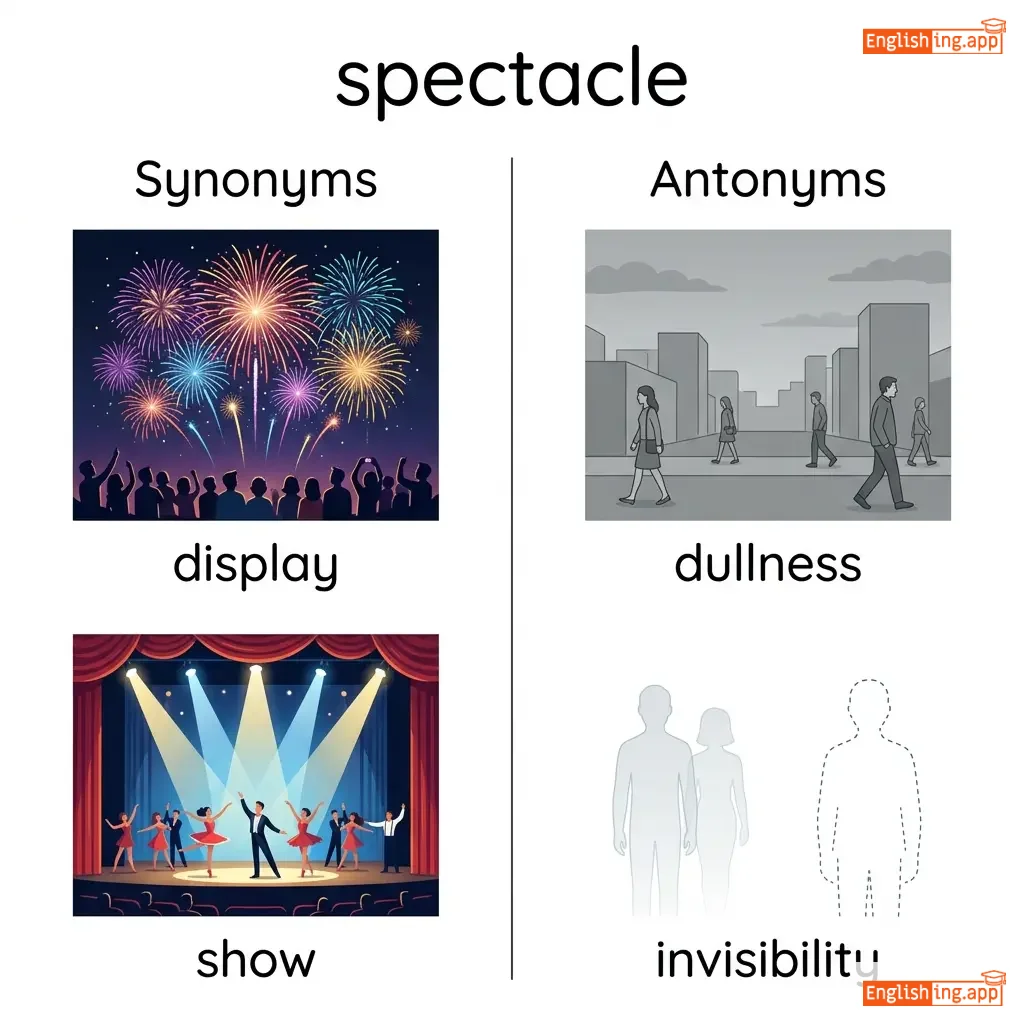
display, show, performance, exhibition
••••••
|
dullness, invisibility
••••••
|
grand spectacle, breathtaking spectacle, visual spectacle
••••••
|
壮观意味着吸引眼球的东西,比如烟花表演。
••••••
|
|
⏳
••••••
|
/ðɛrˈæftər/
adverb
(ðɛrˈæftər)
••••••
|
- •••••• |
从那时起
cong nà shí qǐ
••••••
|
- •••••• | - •••••• | - •••••• | - •••••• |
from that time on
••••••
|
He moved to Canada and thereafter started a new life. |
他搬到了加拿大,之后开始了新生活。
Tā bān dào le jiānádà, zhīhòu kāishǐ le xīn shēnghuó.
••••••
|
- •••••• | - •••••• | - •••••• |
afterward, subsequently, later, following
••••••
|
before, earlier
••••••
|
thereafter began, thereafter continued, thereafter followed
••••••
|
Thereafter- 从那时起 - Think of the time after a significant event.
••••••
|
|
📄
••••••
|
/ˈtrænskrɪpt/
noun
(转录)
••••••
|
- •••••• |
转录本
zhuǎnlùběn
••••••
|
- •••••• | - •••••• | - •••••• | - •••••• |
a written or printed version of material originally presented in another medium
••••••
|
The professor asked for a transcript of the meeting. |
教授要求提供会议的转录本。
Jiàoshòu yāoqiú tígōng huìyì de zhuǎnlùběn.
••••••
|
- •••••• | - •••••• | - •••••• |
record, copy, documentation, account
••••••
|
original, draft
••••••
|
academic transcript, transcript of records, official transcript
••••••
|
转录本,就是你写下来的记录!
••••••
|
|
💣
••••••
|
/ˌʌndərˈmaɪn/
verb
(安德迈因)
••••••
|
- •••••• |
削弱
xue ruo
••••••
|
undermined
安德迈恩德
••••••
|
undermined
安德迈恩德
••••••
|
undermines
安德迈因斯
••••••
|
undermining
安德迈宁
••••••
|
to gradually weaken or damage something or someone
••••••
|
Constant criticism can undermine a child's confidence.
康斯坦特 批评 可以 安德迈因 一个 孩子的 自信。
••••••
|
持续的批评可能会削弱孩子的自信心。
chixu de piping keneng hui xue ruo haizi de zixin xin
••••••
|
undermine authority
安德迈因 权威
••••••
|
to weaken someone's power or control
••••••
|
削弱权威
xue ruo quan wei
••••••
|
weaken, damage, erode, sabotage, impair
••••••
|
strengthen, support, reinforce
••••••
|
undermine confidence, undermine authority, undermine trust
••••••
|
Under + mine → 在下面挖 (像在地底挖矿),所以 '削弱' 就像被下面慢慢挖掉力量
••••••
|

