The Fight for True Democracy
ナディアは民主的改革のために働く献身的なスポークスパーソンです。彼女の国では、ガバナンスシステムは非常に古く、伝統的な方法で運営されており、透明性がありませんでした。大統領選挙の前に、ナディアは物議を醸す 宣言を行い、市民権はすべての人に平等であるべきだと述べ、民族的な分離を停止すべきだと言いました。"私たちの憲法には立法改革が必要です、"と彼女は言いました。"すべての人が投票できる国民投票を実施するべきです。"多くの立法者と代表者は彼女の言葉に賛成しませんでしたが、抵抗が始まりました。しかし、ナディアは寛容と平和的な抗議が正しい道であることを知っていました。彼女の関連支持者たちは共和主義の理念のために立ち上がり、独立のために戦いました。政府は最初、物議を醸す決定を下したくなかったが、公共の圧力により、国民投票を発表せざるを得ませんでした。ナディアの運動は、彼女の国に新しい民主的時代をもたらし、すべての人々に透明性と寛容を保証しました。
|
絵文字
|
単語 | Images | 翻訳 | 意味 | 例文 | 例文の翻訳 | 表現例 | 表現例の意味 | 表現例の翻訳 | 同義語 | 対義語 | コロケーション | ニーモニック |
|---|---|---|---|---|---|---|---|---|---|---|---|---|---|
|
🪪
••••••
|
/ˈsɪtɪzənʃɪp/
noun
(シチズンシップ)
••••••
|
- •••••• |
市民権
shimin-ken
••••••
|
the status of being a recognized member of a state or country, with rights and duties
••••••
|
He applied for American citizenship after living there for ten years.
彼はアメリカに10年間住んだ後、アメリカ市民権を申請しました。
••••••
|
彼はアメリカに10年間住んだ後、アメリカ市民権を申請しました。
Kare wa Amerika ni 10-nenkan sunda ato, Amerika shimin-ken o shinsei shimashita.
••••••
|
- •••••• | - •••••• | - •••••• |
nationality, allegiance, belonging, membership, residency
••••••
|
alienage, statelessness
••••••
|
dual citizenship, citizenship rights, grant citizenship, revoke citizenship
••••••
|
Citizen は市民、そして Citizenship は市民権 — このつながりを覚えて!
••••••
|
|
📜
••••••
|
/ˌkɒnstɪˈtjuːʃən/
noun
(コンスティテューション)
••••••
|


|
憲法
kenpou
••••••
|
The system of fundamental principles according to which a nation or organization is governed.
••••••
|
The constitution guarantees freedom of speech. |
憲法は言論の自由を保障します。
Kenpou wa genron no jiyuu o hoshou shimasu.
••••••
|
- •••••• | - •••••• | - •••••• |
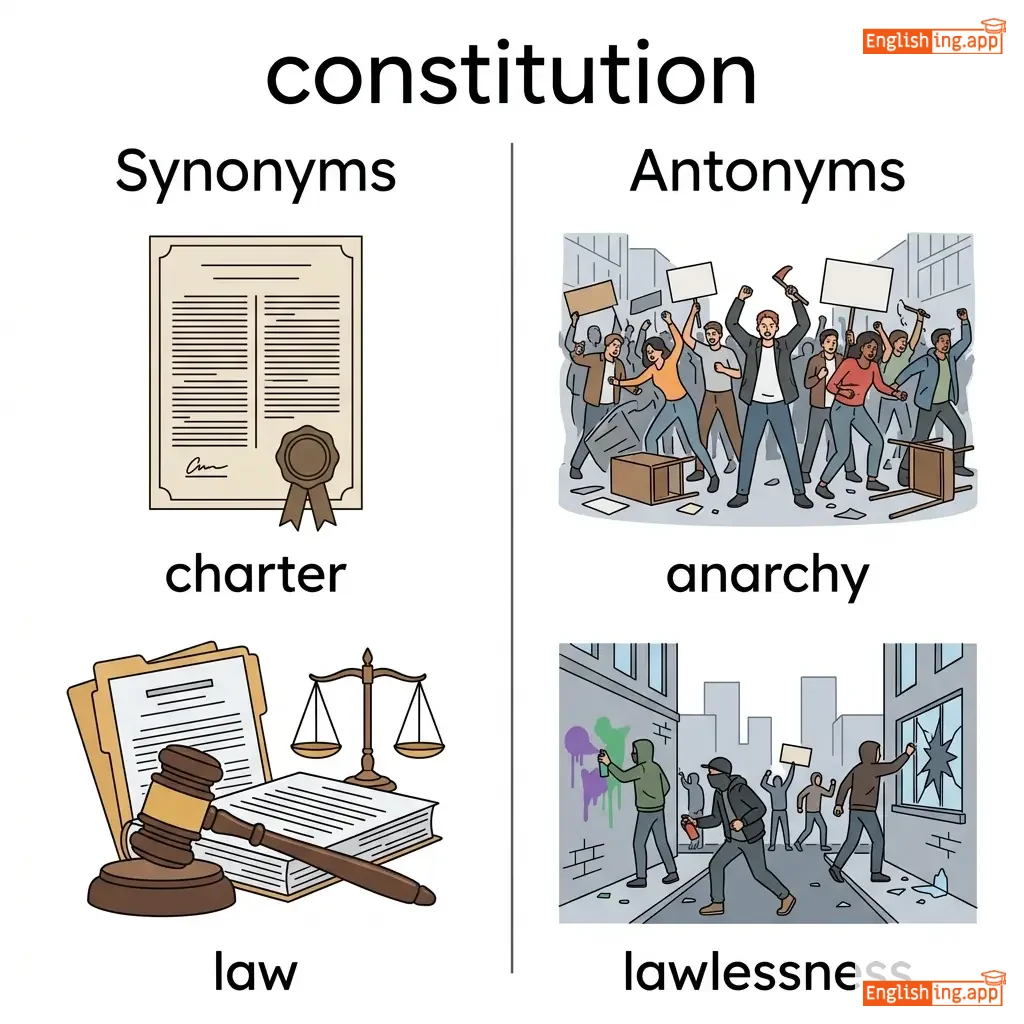
charter, law, code, framework, fundamental law
••••••
|
anarchy, lawlessness, disorder
••••••
|
written constitution, draft constitution, amend the constitution, constitution of a country
••••••
|
Constitution = 憲法 – 国家を'憲法'で支配します。
••••••
|
|
🔥
••••••
|
/ˌkɒn.trəˈvɜː.ʃəl/
adjective
(コン・トロヴァーシャル)
••••••
|
|
論争のある; 議論される;
ronso no aru; giron sareru
••••••
|
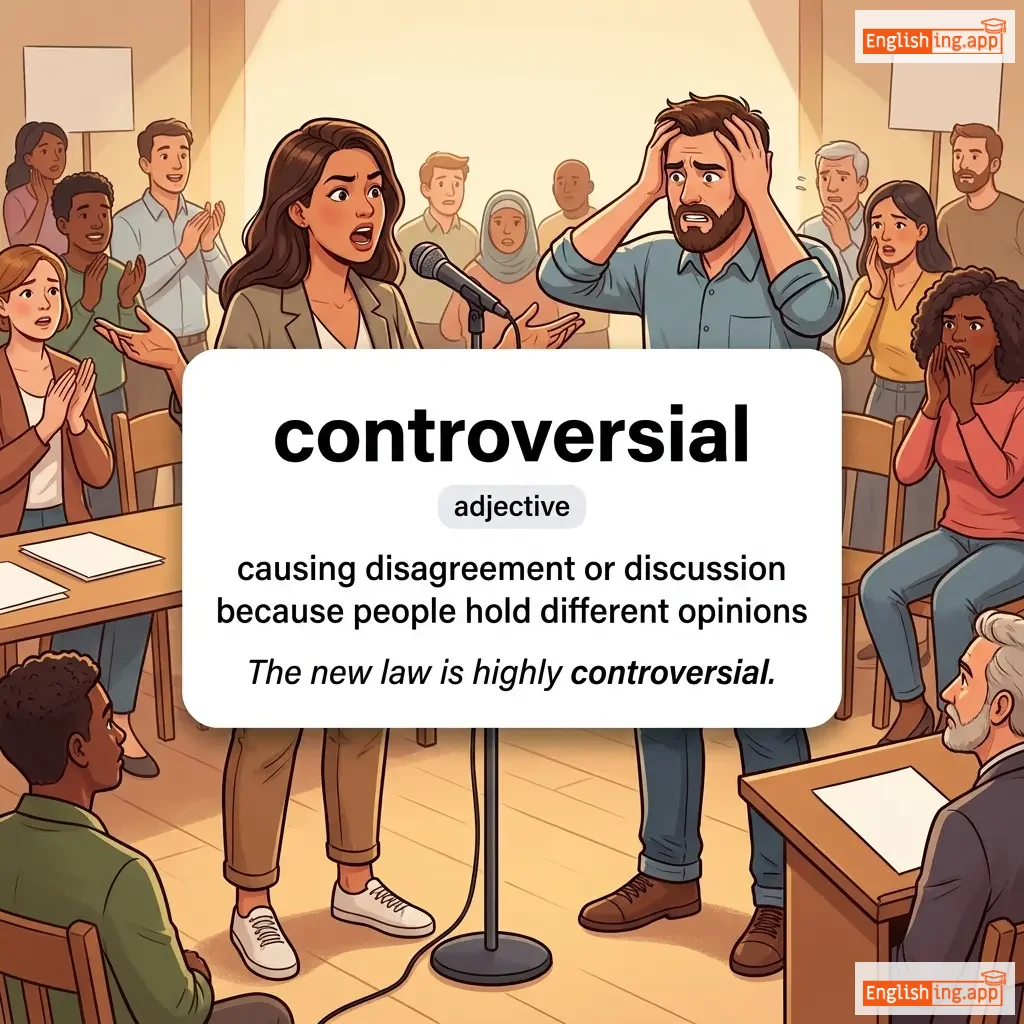
causing disagreement or heated discussion; disputed and debatable
••••••
|
The politician's controversial remarks sparked a heated debate.
政治家の物議を醸す発言は熱い議論を巻き起こしました。
••••••
|
政治家の物議を醸す発言は熱い議論を巻き起こしました。
Seijika no butsu gi o kamosu hatsugen wa atsui giron o makiokoshimashita.
••••••
|
- •••••• | - •••••• | - •••••• |
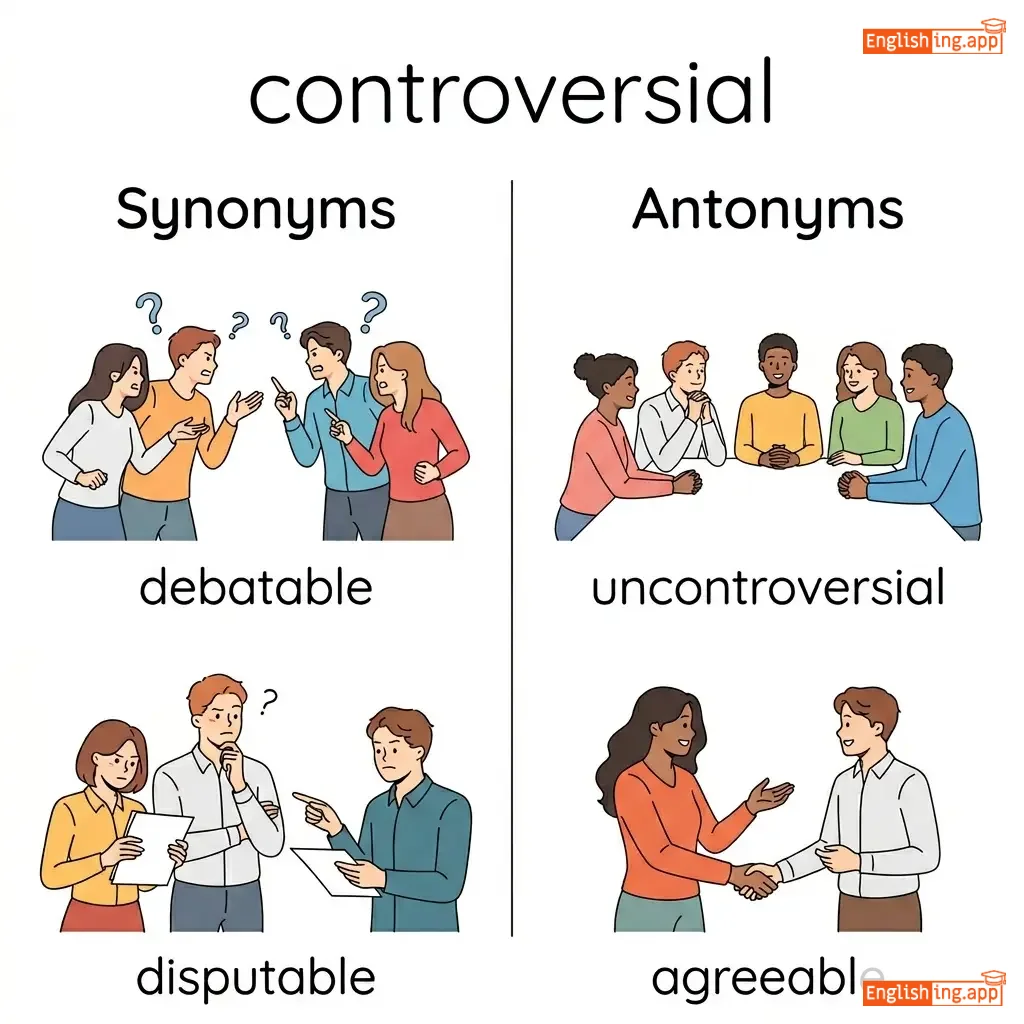
disputed, debatable, contentious, polarizing
••••••
|
uncontroversial, accepted, agreed-upon
••••••
|
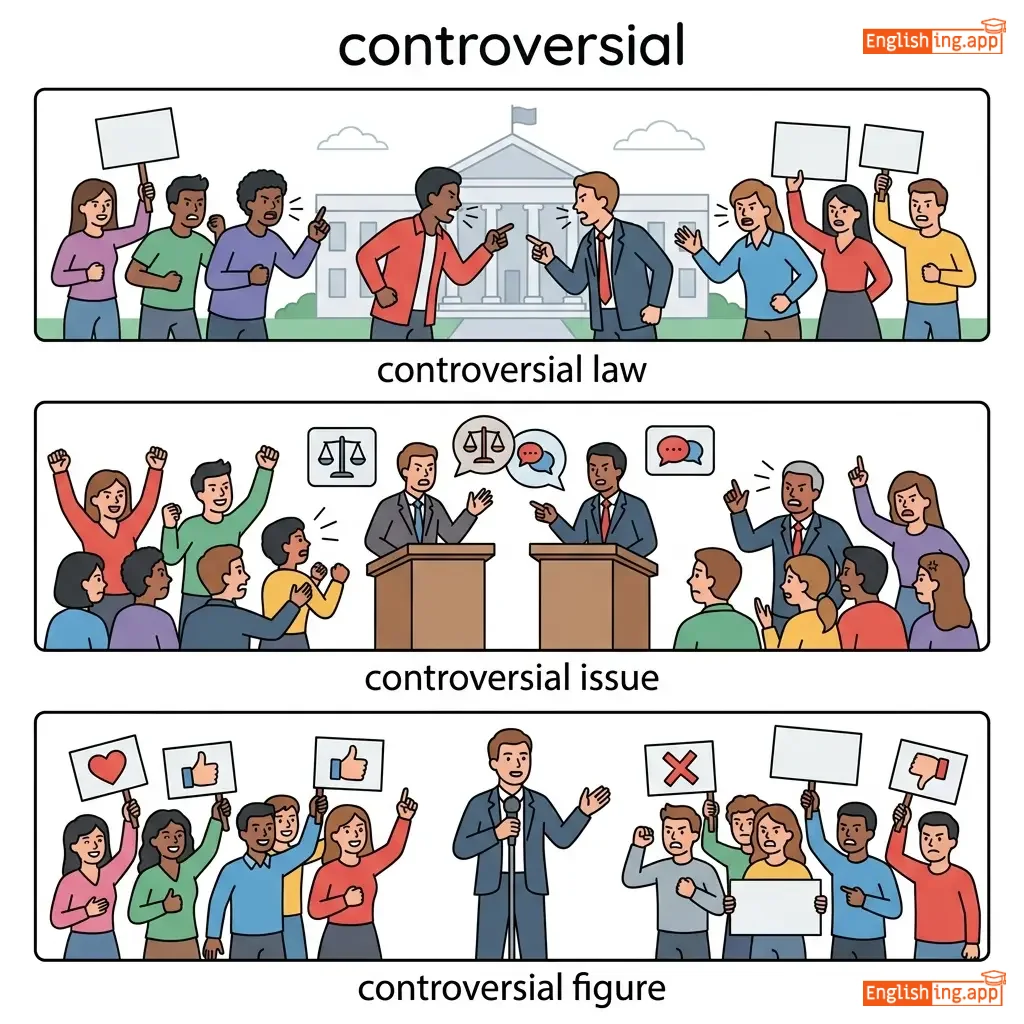
controversial topic, controversial decision, controversial figure
••••••
|
論争のある = 'ロング' + 'ソー' (長い論争)
••••••
|
|
📜
••••••
|
/ˌdek.ləˈreɪ.ʃən/
noun
(dek-rei-rei-shun)
••••••
|
- •••••• |
宣言; 発表; 告知
sengen, happyou, kokuji
••••••
|
a formal or explicit statement or announcement; an official proclamation
••••••
|
The president's declaration of independence marked a historic moment for the nation.
大統領の独立宣言は、国にとって歴史的な瞬間を意味していました。
••••••
|
大統領の独立宣言は、国にとって歴史的な瞬間を意味していました。
Daitouryou no dokuritsu sengen wa, kuni ni totte rekishiteki na shunkan wo imi shite imashita.
••••••
|
- •••••• | - •••••• | - •••••• |
announcement, proclamation, statement, pronouncement
••••••
|
concealment, silence, secrecy, denial
••••••
|
formal declaration, public declaration, declaration of war
••••••
|
日本語での宣言は重要な公式の発表や通知を指します。
••••••
|
|
🗳️
••••••
|
/ˌdɛməˈkrætɪk/
adjective
(デモクラティック)
••••••
|
|
民主的
minshuteki
••••••
|
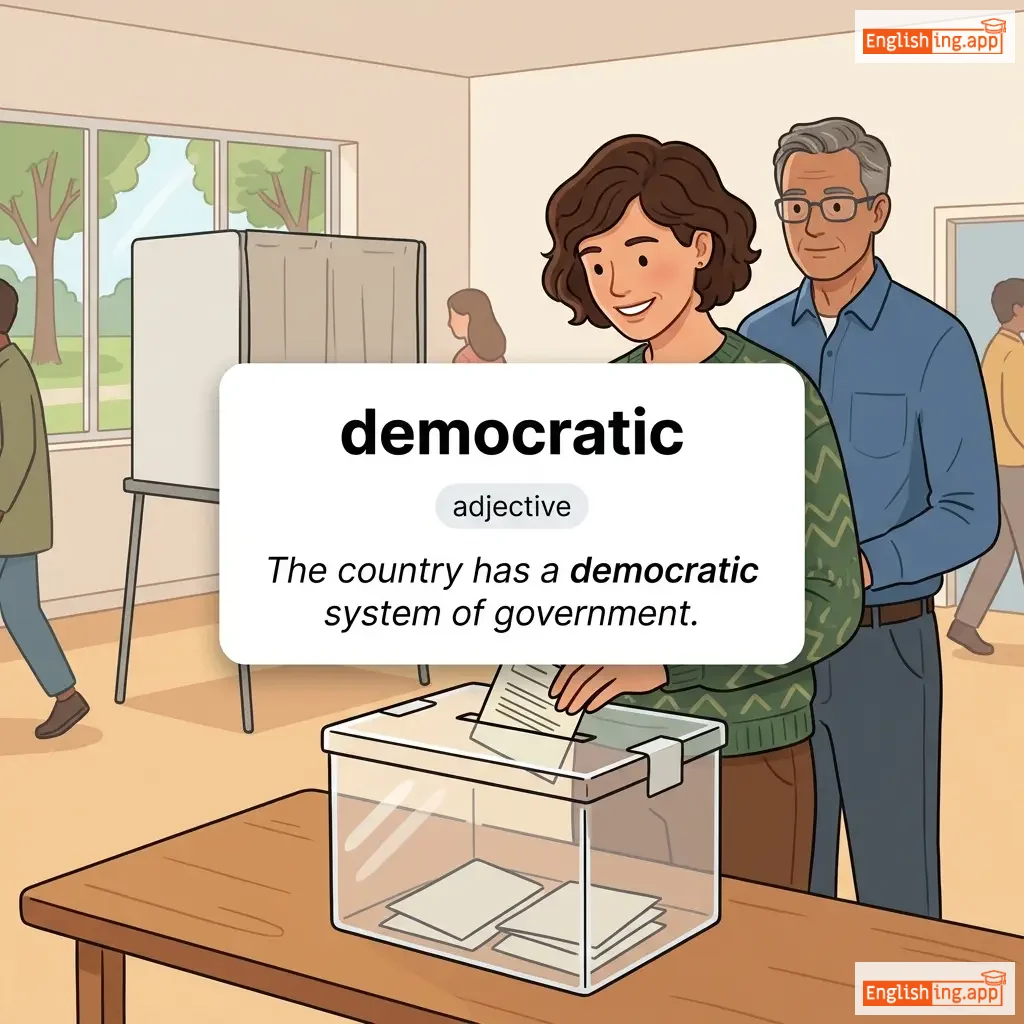
relating to or supporting democracy or its principles; characterized by equality and freedom
••••••
|
The country has a democratic system of government. |
その国は民主的な政府システムを持っています。
Sono kuni wa minshuteki na seifu shisutemu wo motteimasu.
••••••
|
democratic values |
principles of equality, freedom, and representation in governance
••••••
|
民主的価値観
minshuteki kachikan
••••••
|
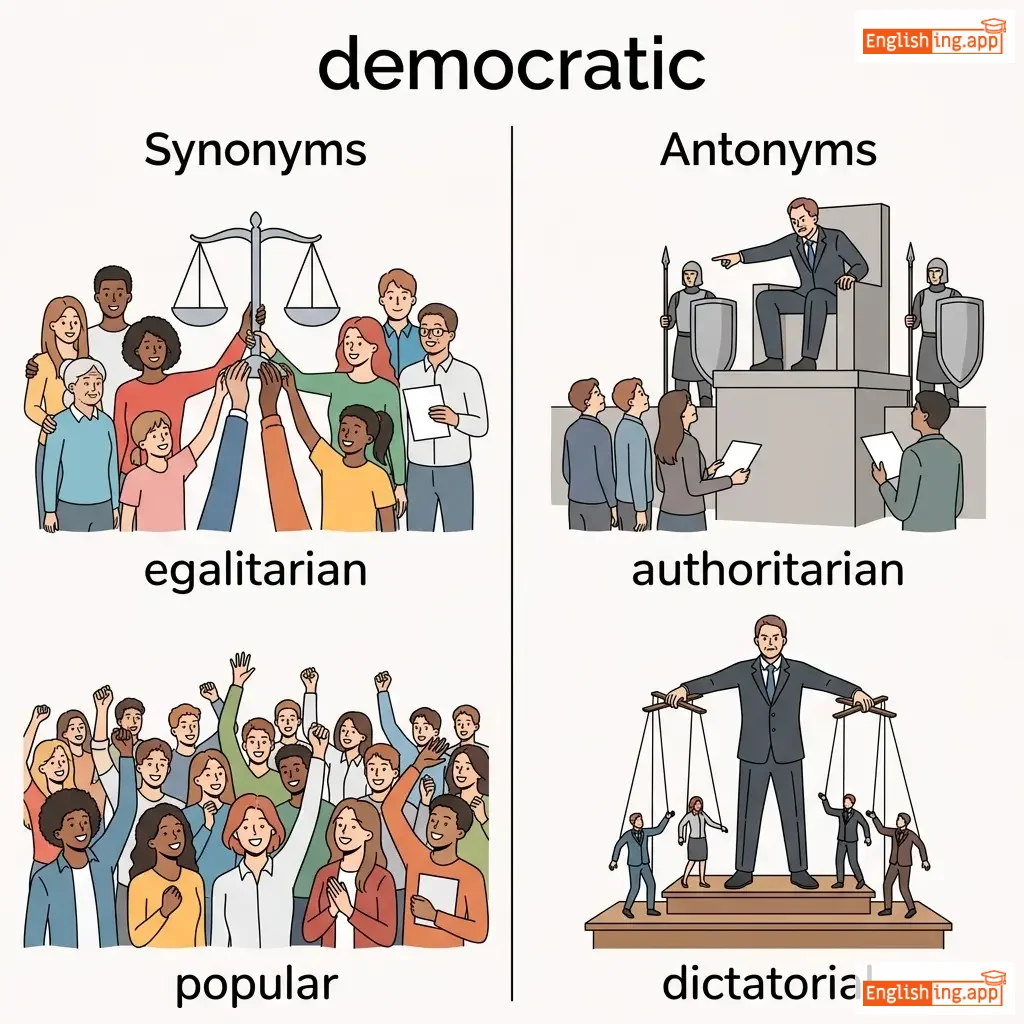
egalitarian, popular, representative, self-governing
••••••
|
authoritarian, dictatorial, autocratic
••••••
|
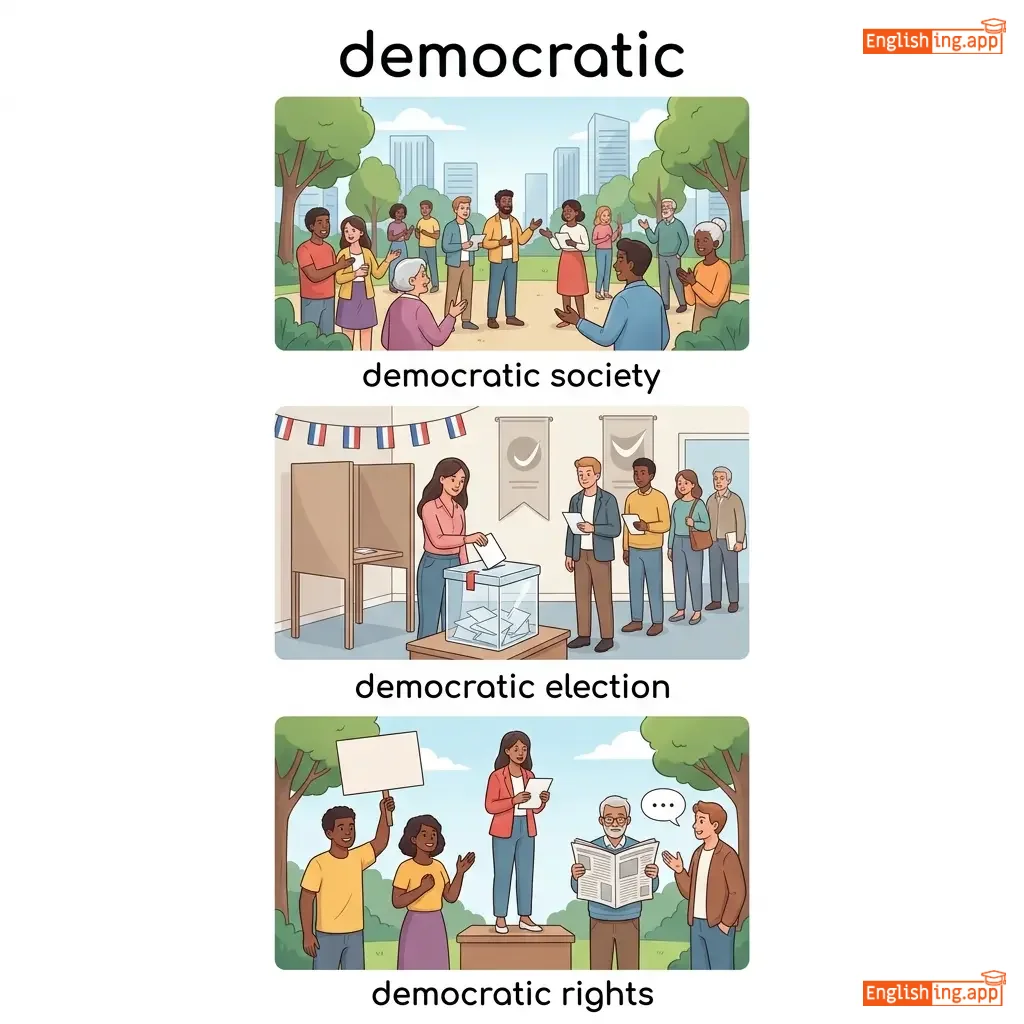
democratic society, democratic election, democratic rights, democratic values
••••••
|
Democratic はデモ (デモ) + クラティック → みんなで投票する民主主義 = 民主的
••••••
|
|
🏛️
••••••
|
/ˈɡʌvərnəns/
noun
••••••
|

|
- •••••• |
the action or manner of governing a state, organization, or people
••••••
|
Good governance is key to building a strong, prosperous nation. |
- •••••• | - •••••• | - •••••• | - •••••• |
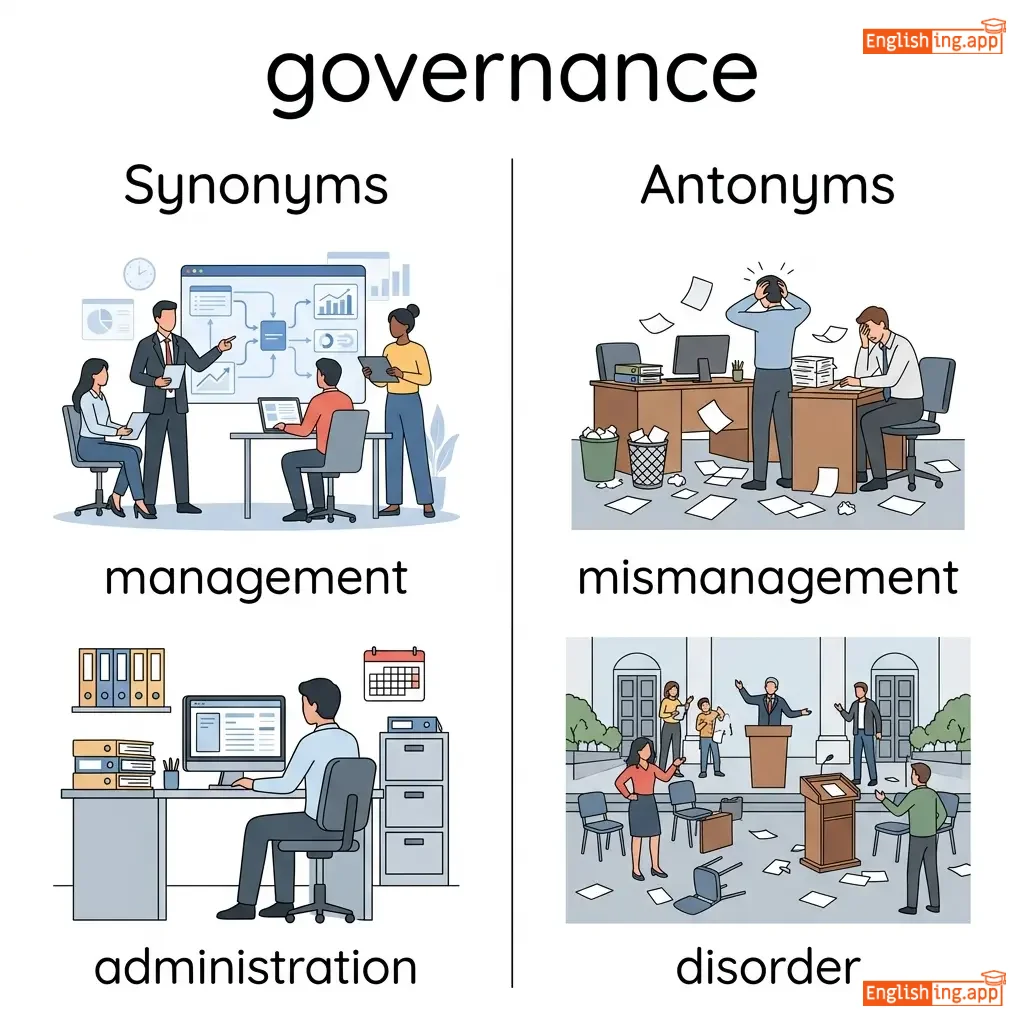
management, administration, leadership, control
••••••
|
mismanagement, disorder, chaos
••••••
|
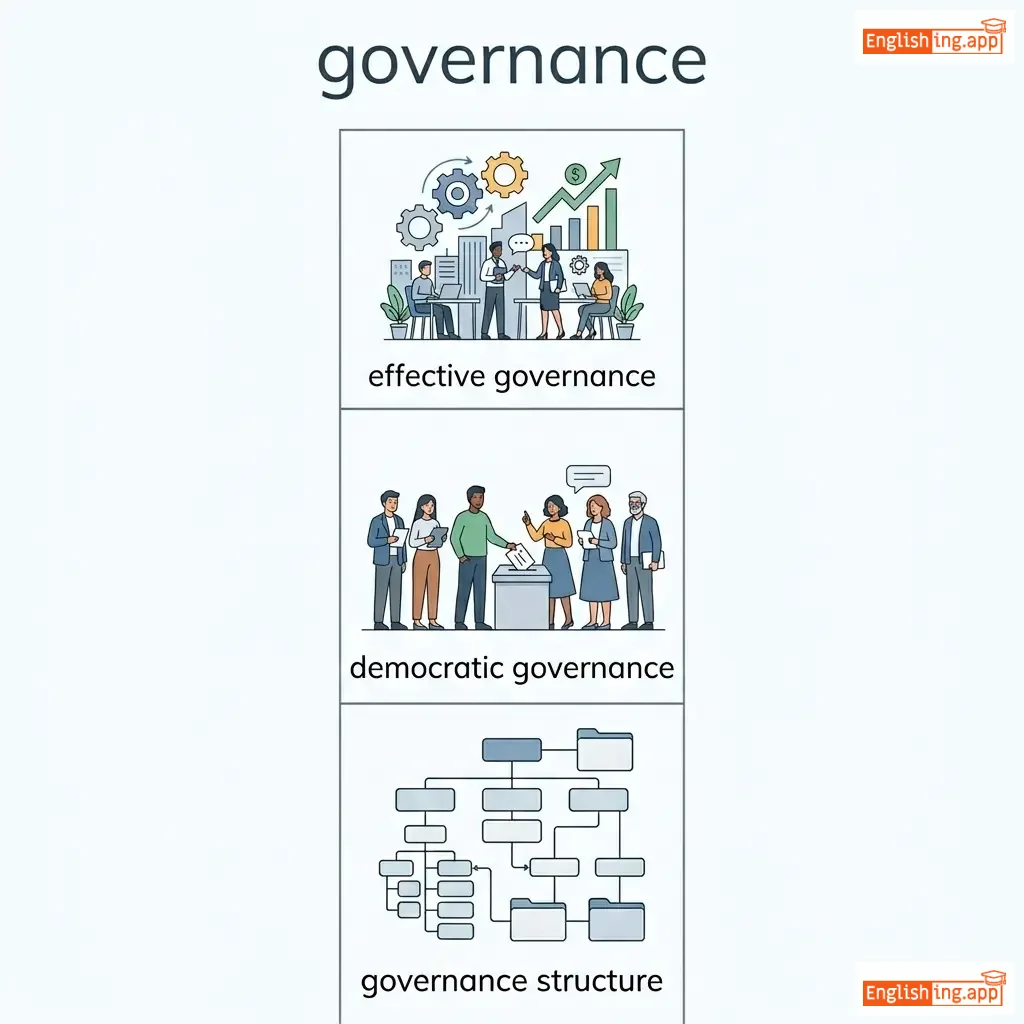
effective governance, democratic governance, governance structure
••••••
|
No •••••• |
|
🕊️
••••••
|
/ˌɪndɪˈpɛndəns/
noun
(インデペンデンス)
••••••
|
|
独立
dokuritsu
••••••
|
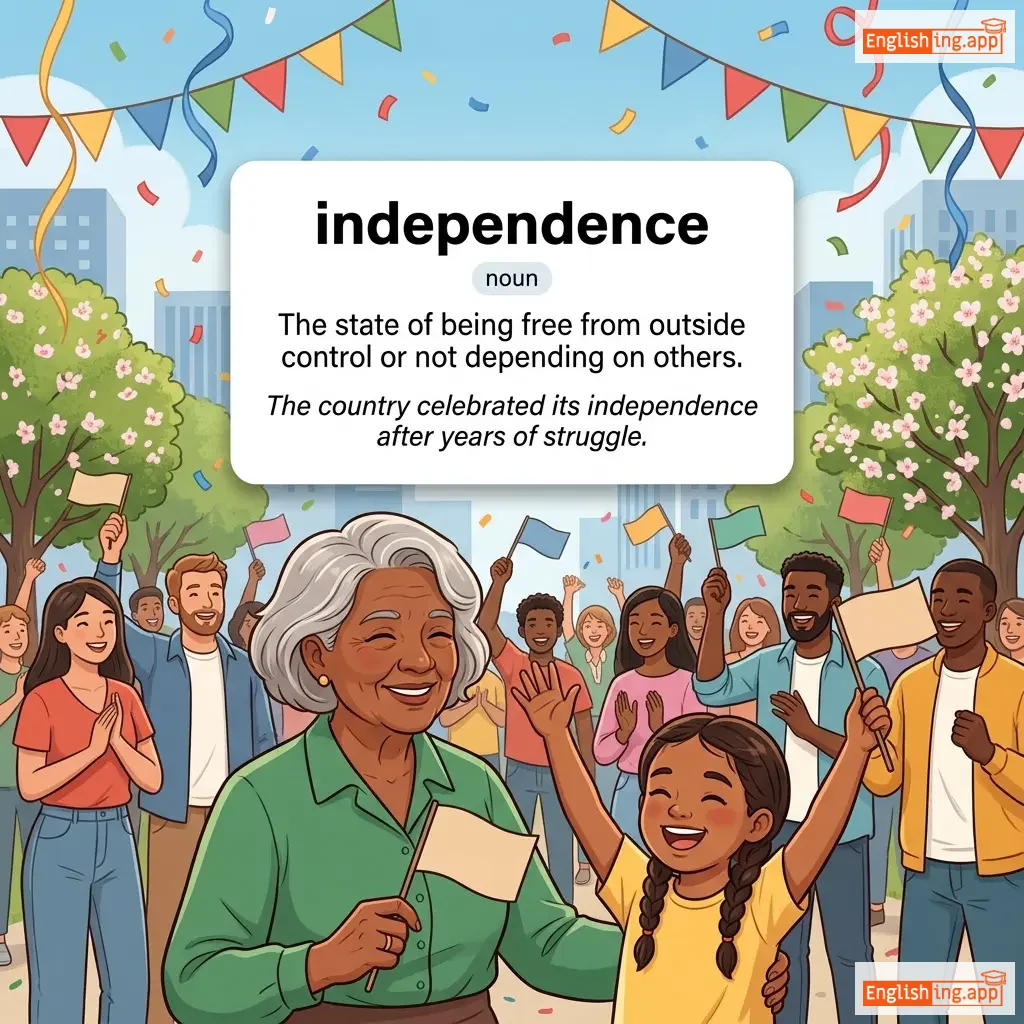
The state of being free from outside control or not depending on others.
••••••
|
The country celebrated its independence after years of struggle. |
その国は長年の闘争の後、独立を祝いました。
Sono kuni wa naganen no tōsō no ato, dokuritsu o iwai mashita.
••••••
|
declare independence |
To officially announce freedom from control by another authority.
••••••
|
独立を宣言する
Dokuritsu o sengen suru
••••••
|
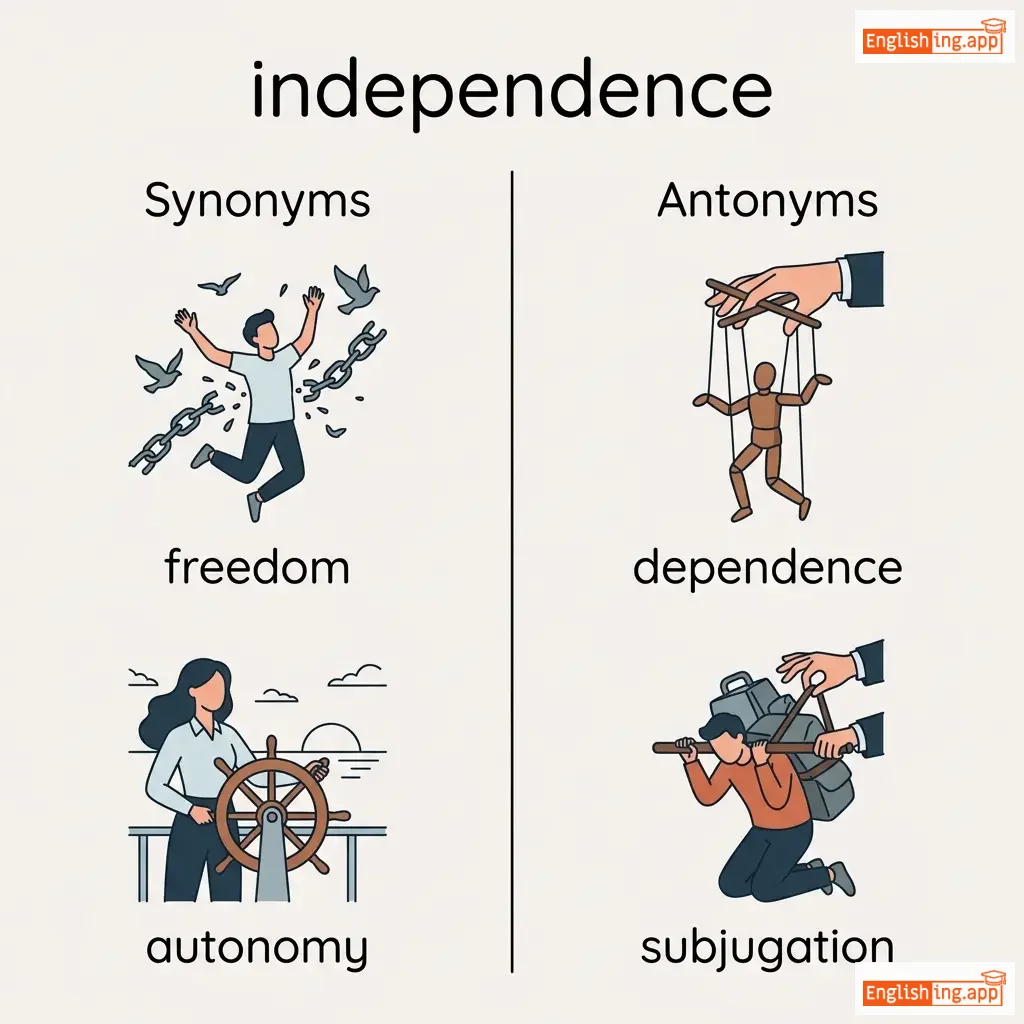
freedom, autonomy, liberty, sovereignty, self-rule
••••••
|
dependence, subjugation, slavery
••••••
|
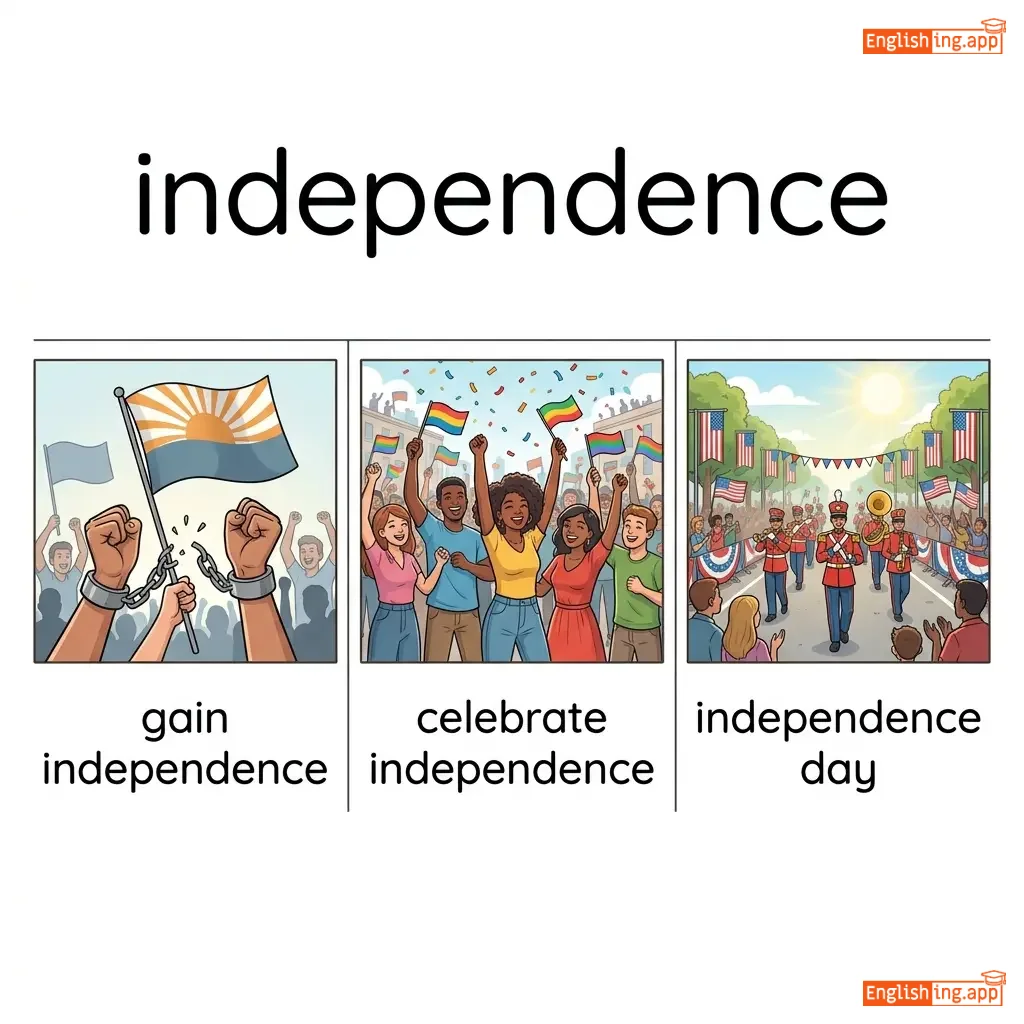
gain independence, celebrate independence, independence day, struggle for independence
••••••
|
Independenceは独立を意味します - 日本では、独立の日が祝われます。
••••••
|
|
🏛️
••••••
|
/ˈlɛdʒɪslətɪv/
adjective
(立法的)
••••••
|
- •••••• |
立法の
rippō no
••••••
|
relating to the making of laws
••••••
|
The legislative body passed the new tax bill. |
立法機関は新しい税法を可決しました。
Rippō kikan wa atarashī zeihō o kaketsu shimashita.
••••••
|
legislative power |
the authority to make laws
••••••
|
立法権力
rippō kenryoku
••••••
|
law-making, juridical, parliamentary, statutory
••••••
|
executive, judicial
••••••
|
legislative body, legislative assembly, legislative process, legislative framework
••••••
|
Legislativeは法律の制定に関連する意味 — 立法機関でLegはアクティブです。
••••••
|
|
👨⚖️
••••••
|
/ˈlɛdʒɪsleɪtər/
noun
(レジスレーター)
••••••
|
- •••••• |
立法者
rippōsha
••••••
|
a person who makes laws, especially a member of a legislative body
••••••
|
The legislator introduced a bill to improve healthcare. |
立法者は医療サービス改善のために法案を提出しました。
Rippōsha wa iryō sābisu kaizen no tame ni hōan o teishutsu shimashita.
••••••
|
- •••••• | - •••••• | - •••••• |
lawgiver, lawmaker, parliamentarian, representative
••••••
|
subject, citizen
••••••
|
senior legislator, state legislator, influential legislator
••••••
|
Legislatorの日本語は立法者 — 法律を作る人。
••••••
|
|
🏛️
••••••
|
/ˌprɛzɪˈdɛnʃəl/
adjective
(プレジデンシャル)
••••••
|
- •••••• |
大統領に関連する
daitōryō ni kanren suru
••••••
|
relating to a president or presidency
••••••
|
The presidential election is scheduled for next month. |
大統領選挙は来月に予定されています。
Daitōryō senkyo wa raigetsu ni yotei sareteimasu.
••••••
|
- •••••• | - •••••• | - •••••• |
president's, head of state's
••••••
|
non-presidential
••••••
|
presidential election, presidential duties, presidential candidate
••••••
|
プレジデンシャルは、大統領に関連することです。
••••••
|
|
🗳️
••••••
|
/ˌrɛfəˈrɛndəm/
noun
(レフェレンダム)
••••••
|
- •••••• |
国民投票
kokumin touhyou
••••••
|
a general vote by the population on a single political issue
••••••
|
The government held a referendum on the new constitution.
政府は新しい憲法について国民投票を実施しました。
••••••
|
政府は新しい憲法について国民投票を実施しました。
Seifu wa atarashii kenpou ni tsuite kokumin touhyou o jisshi shimashita.
••••••
|
- •••••• | - •••••• | - •••••• |
plebiscite, ballot, vote, poll
••••••
|
dictate, decree
••••••
|
national referendum, hold a referendum, referendum result
••••••
|
国民投票(kokumin touhyou)は、政府が政治問題を国民に尋ねる方法です。
••••••
|
|
👨💼
••••••
|
/ˌrep.rɪˈzen.tə.tɪv/
noun
(リプレゼンタティブ)
••••••
|
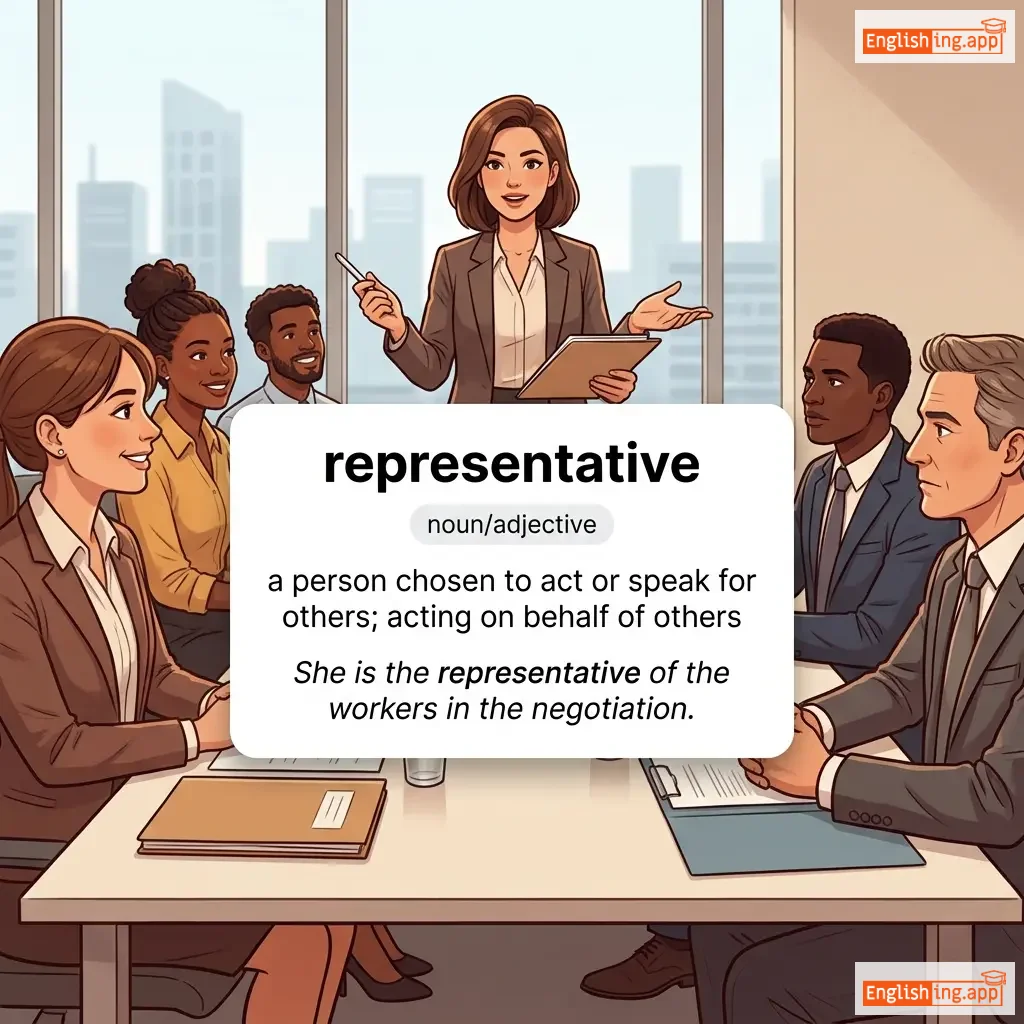
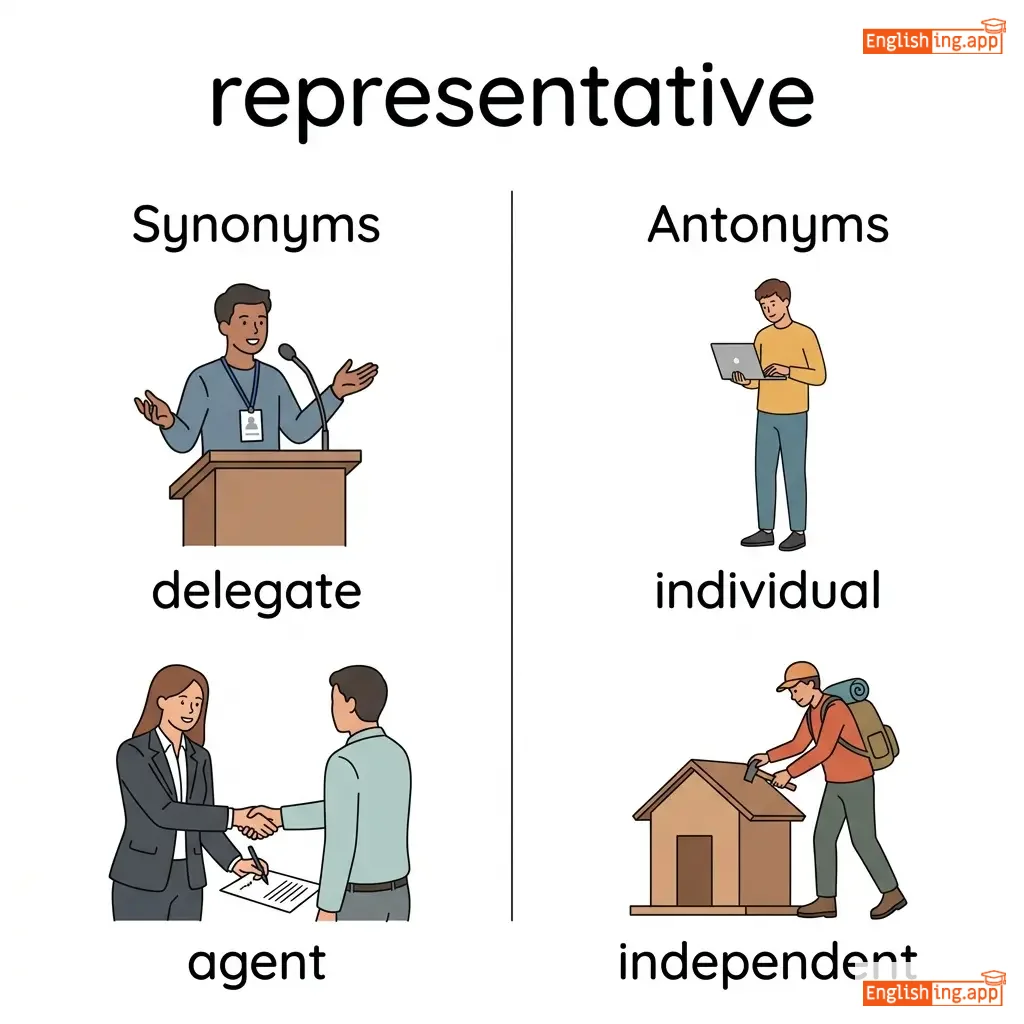
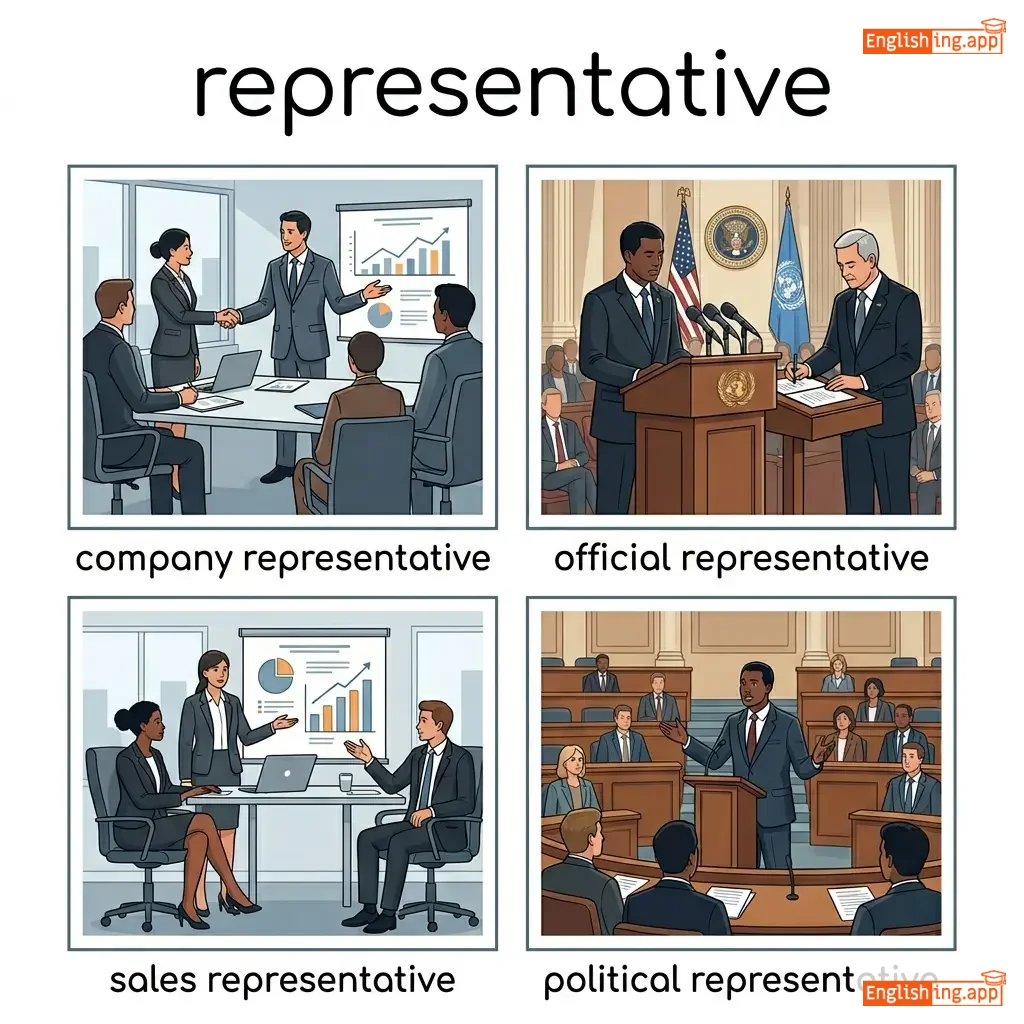
|
代表者
ripurezentatibu
••••••
|
a person chosen or appointed to act or speak for another or others
••••••
|
Each district elects a representative to serve in the parliament.
各選挙区は国会で活動する代表を選出する。
••••••
|
各選挙区は国会で活動する代表を選出する。
Kaku senkyoku wa kokkai de katsudou suru daihyou o senshutsu suru.
••••••
|
- •••••• | - •••••• | - •••••• |
delegate, agent, spokesperson, envoy, ambassador
••••••
|
constituent, voter, represented
••••••
|
elected representative, sales representative, government representative, legal representative
••••••
|
Daihyousha = Big sign 表 (hyou) + person. Imagine a big sign with REP held by a person who speaks for others.
••••••
|
|
🇺🇸
••••••
|
/rɪˈpʌblɪkən/
noun/adjective
(リパブリカン)
••••••
|
- •••••• |
共和党員
kyouwatouin
••••••
|
a member or supporter of a republican political party or system
••••••
|
The republican candidate won the election.
リパブリカン候補者は選挙に勝利しました。
••••••
|
リパブリカン候補者は選挙に勝利しました。
Ripaburikan kōhosha wa senkyo ni shōri shimashita.
••••••
|
- •••••• | - •••••• | - •••••• |
conservative, right-wing, traditionalist
••••••
|
liberal, democrat
••••••
|
republican party, republican senator, republican policies
••••••
|
共和党員、共和制を守る者!
••••••
|
|
⚡
••••••
|
/rɪˈzɪstəns/
noun
(レジスタンス)
••••••
|
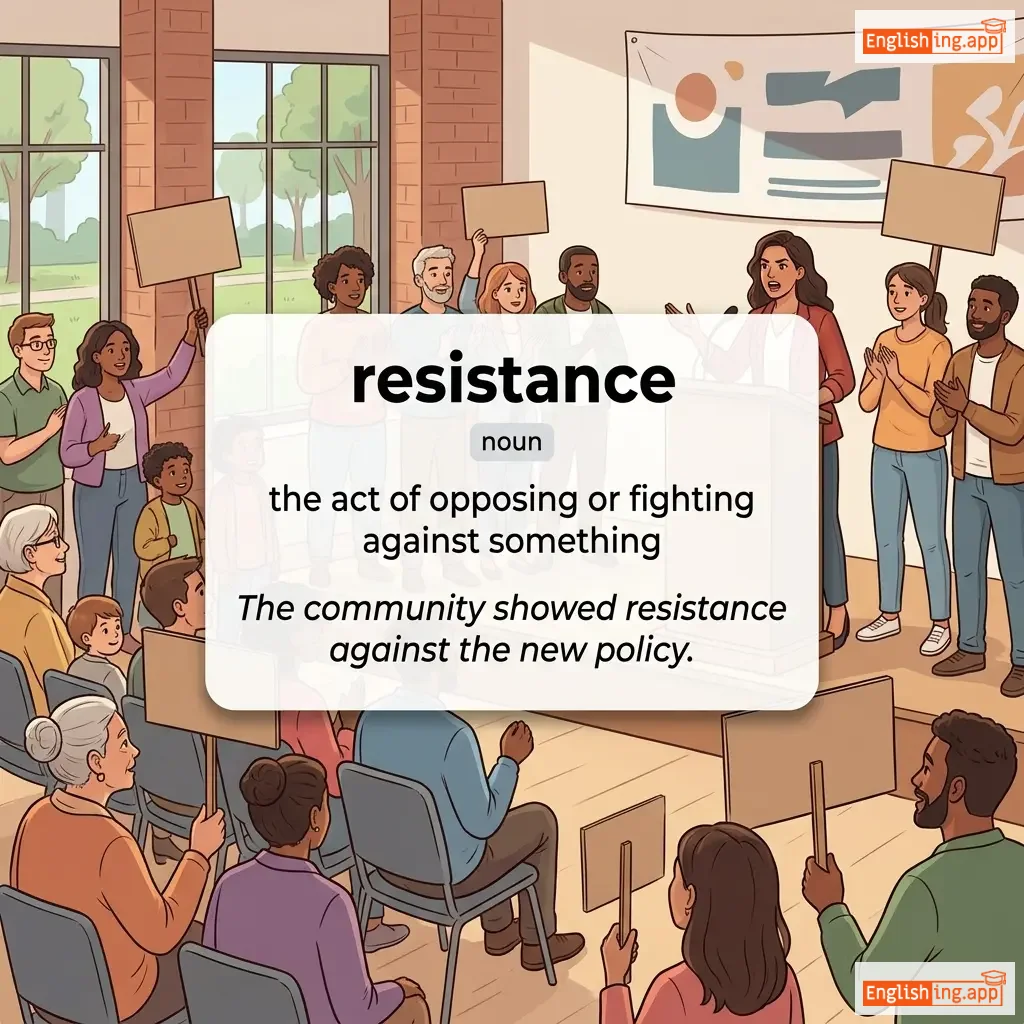
|
抵抗
teikō
••••••
|
the refusal to accept or comply with something; the attempt to prevent something by action or argument; the ability not to be affected by something
••••••
|
The bacteria showed resistance to the antibiotic treatment. |
細菌は抗生物質治療に対して抵抗を示しました。
saikin wa kōseibusshitsu chiryo ni taishite teikō o shimeshimasita.
••••••
|
- •••••• | - •••••• | - •••••• |
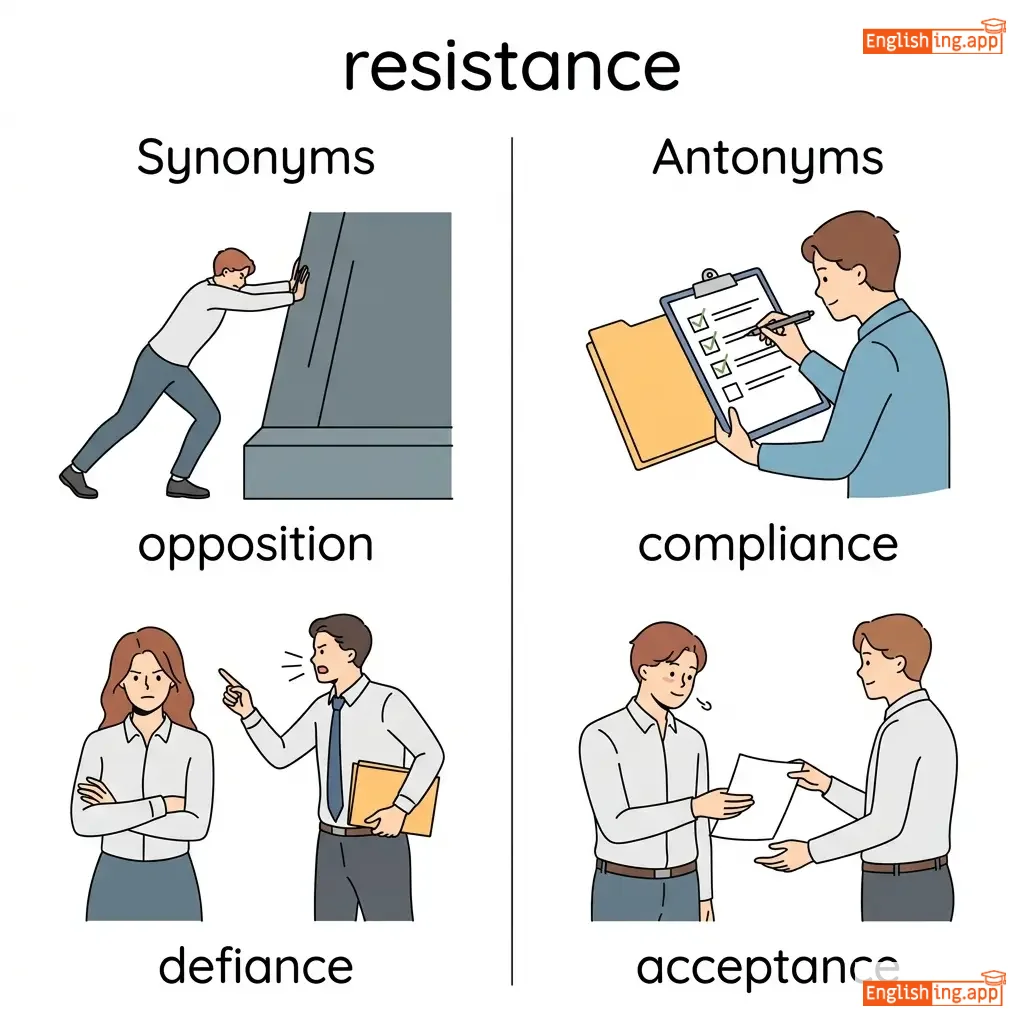
opposition, defiance, immunity, endurance
••••••
|
acceptance, compliance, submission, vulnerability
••••••
|
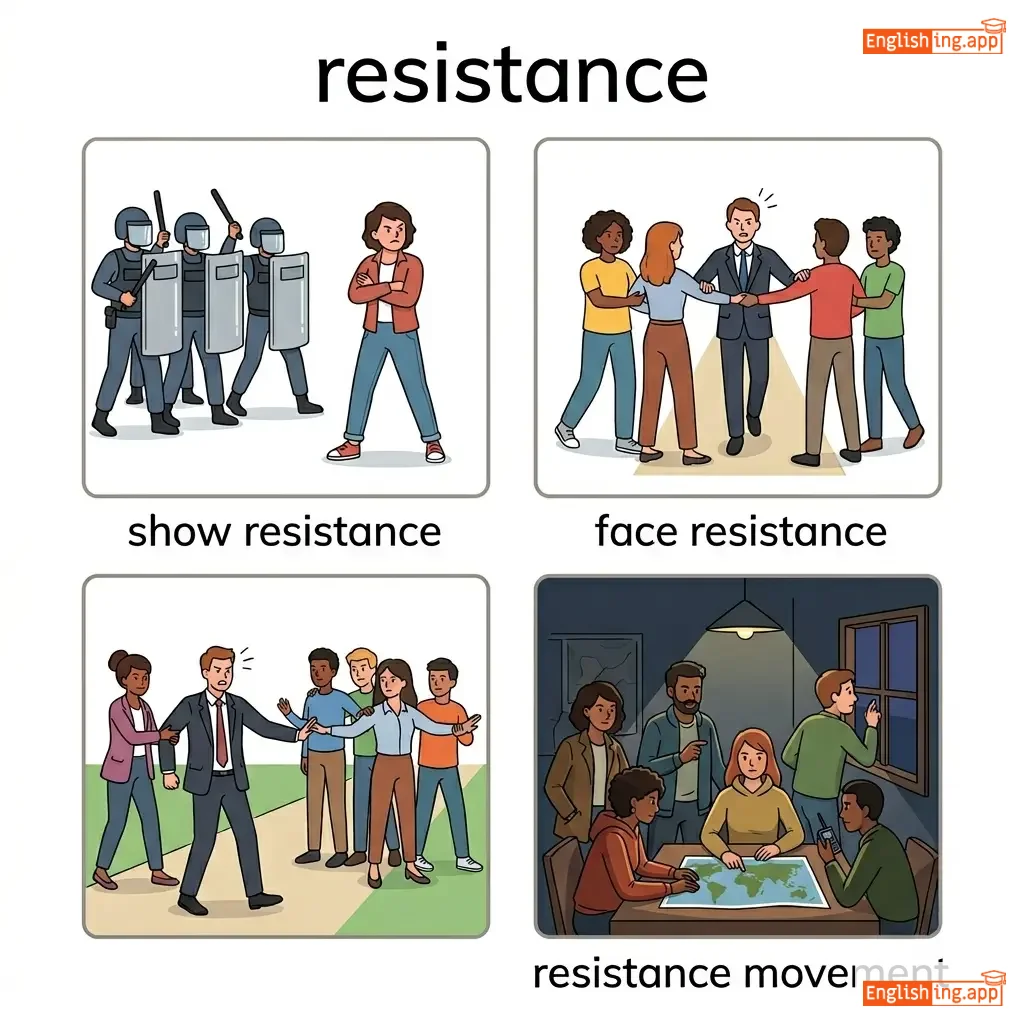
drug resistance, passive resistance, resistance movement, offer resistance
••••••
|
レジスタンス (resisutansu) in Japanese is like 'resist' against bacteria!
••••••
|
|
👥
••••••
|
/rɪˈspek.tɪv/
adjective
(リスペクティブ)
••••••
|
- •••••• |
それぞれの; 各自の
sorezore no; kakuji no
••••••
|
belonging to each individual; particular to each
••••••
|
The students returned to their respective classrooms after lunch. |
学生たちは昼食後、それぞれの教室に戻った。
Gakusei-tachi wa chūshoku go, sorezore no kyōshitsu ni modotta.
••••••
|
- •••••• | - •••••• | - •••••• |
individual, particular, separate, own
••••••
|
collective, shared, common, joint
••••••
|
respective roles, respective positions, respective duties, respective homes
••••••
|
各自の教室を思い浮かべ、'それぞれの'を覚えよう。
••••••
|
|
💔
••••••
|
/ˌsɛpəˈreɪʃən/
noun
(セパレーション)
••••••
|
- •••••• |
分離
bunri
••••••
|
the act of moving or being moved apart; a division or disconnection
••••••
|
The separation of the two friends was difficult for both of them. |
二人の友達の分離は、二人にとって難しかった。
Futari no tomodachi no bunri wa, futari ni totte muzukashikatta.
••••••
|
separation anxiety |
a feeling of distress when separated from someone or something one is attached to
••••••
|
分離不安
bunri fuan
••••••
|
division, detachment, split, disconnection, segregation
••••••
|
union, connection, unity
••••••
|
separation anxiety, legal separation, physical separation, emotional separation
••••••
|
分離=セパレーション、これが不安を引き起こすかもしれません。
••••••
|
|
🗣️
••••••
|
/ˈspəʊkspɜːrsən/
noun
(スポークスパーソン)
••••••
|
- •••••• |
スポークスマン
supōkusu man
••••••
|
a person who speaks on behalf of others or an organization
••••••
|
The spokesperson addressed the press conference on behalf of the company. |
スポークスマンは会社を代表して記者会見で話しました。
Supōkusuman wa kaisha o daihyō shite kishakaiken de hanashimashita.
••••••
|
- •••••• | - •••••• | - •••••• |
representative, spokesperson, mouthpiece, agent
••••••
|
critic, opponent
••••••
|
official spokesperson, company spokesperson, media spokesperson
••••••
|
スポークスマンは話す人、例えば会社のスポークスマン。
••••••
|
|
🤲
••••••
|
/ˈtɒlərəns/
noun
(tōreransu)
••••••
|
- •••••• |
寛容
kan'yō
••••••
|
The ability or willingness to accept or endure differences, behaviors, or opinions without hostility.
••••••
|
Her tolerance for different cultures impressed everyone. |
彼女の異文化への寛容さは、皆を感心させました。
Kanojo no ibunka e no kan'yō-sa wa, mina o kanshin sasemashita.
••••••
|
zero tolerance |
A policy of not allowing any violation of rules or standards.
••••••
|
ゼロ寛容
zero kan'yō
••••••
|
acceptance, patience, endurance, open-mindedness, leniency
••••••
|
intolerance, rejection, prejudice
••••••
|
cultural tolerance, religious tolerance, show tolerance, promote tolerance
••••••
|
寛容は他者を受け入れること、敵意を持たないこと。
••••••
|
|
🏛️
••••••
|
/trəˈdɪʃənəl/
adjective
(トラディショナル)
••••••
|
- •••••• |
伝統的な
dentō-teki na
••••••
|
relating to or following long-established customs; conventional
••••••
|
They had a traditional wedding ceremony. |
彼らは伝統的な結婚式を行いました。
Karera wa dentō-teki na kekkon-shiki o okonaimashita.
••••••
|
- •••••• | - •••••• | - •••••• |
conventional, customary, classical, orthodox
••••••
|
modern, contemporary, innovative, unconventional
••••••
|
traditional values, traditional music, traditional medicine
••••••
|
Traditional = 'Dentō-teki', like the traditional Japanese tea ceremonies.
••••••
|
|
🔍
••••••
|
/trænsˈpærənsi/
noun
(トランスペアレンシー)
••••••
|


|
透明性
toumeisei
••••••
|
the quality of being open and honest; the condition of being easily understood or seen through
••••••
|
The company is known for its transparency in business practices. |
その会社は、ビジネス慣行における透明性で知られています。
Sono kaisha wa, bijinesu kankou ni okeru toumeisei de shirareteimasu.
••••••
|
- •••••• | - •••••• | - •••••• |
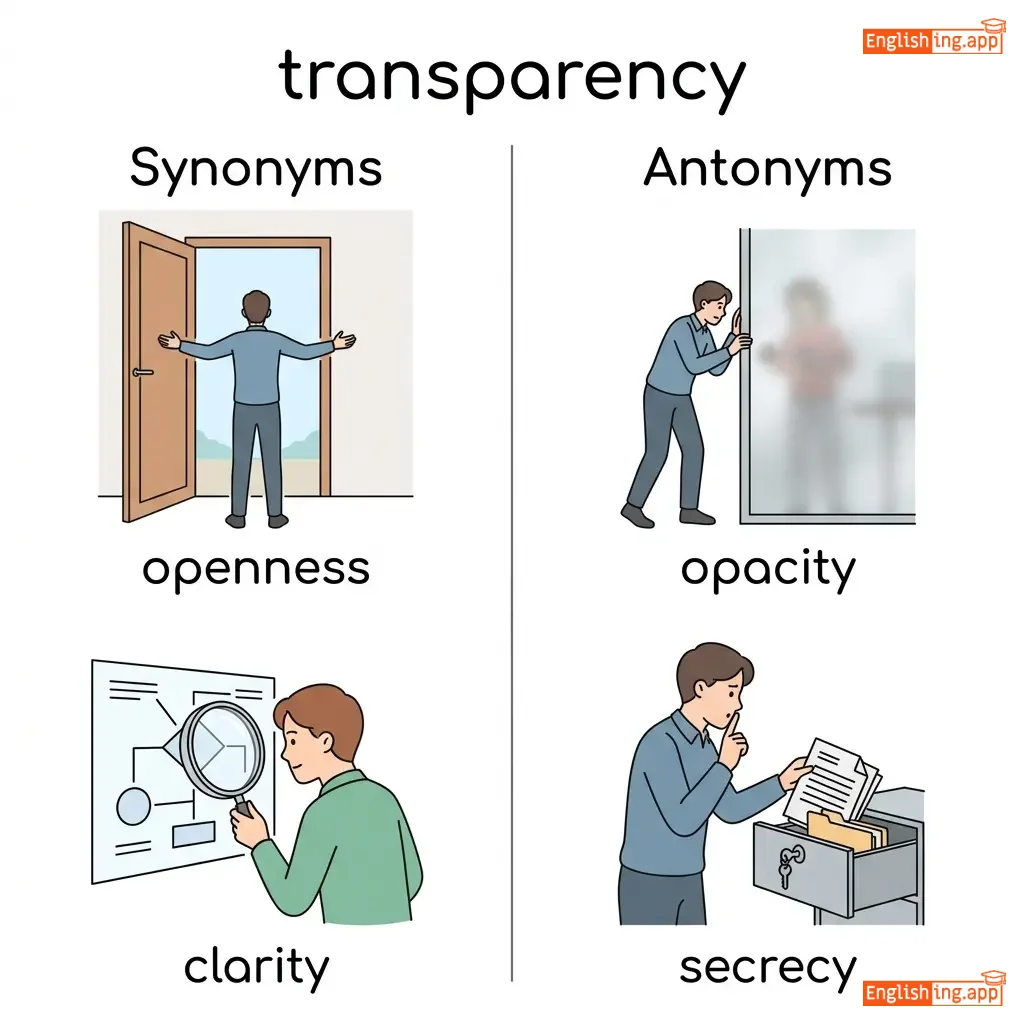
openness, clarity, honesty, visibility
••••••
|
opacity, secrecy
••••••
|
corporate transparency, full transparency, transparency in decision-making
••••••
|
透明性は、明確さと正直さを意味します!
••••••
|

