The Fight for True Democracy
娜迪娅是一位致力于民主改革的发言人。在她的国家,治理体系非常陈旧,沿袭传统方式运行,缺乏透明度。在总统选举前,娜迪娅做出了有争议的声明,认为公民权利应该对每个人平等,民族分裂必须停止。"我们的宪法需要立法改革,"她说,"让我们举行公投,每个人都可以投票。"许多立法者和代表不同意她的话,并开始了抵抗。但娜迪娅知道,宽容和和平抗议是正确的道路。她的相关支持者站在共和理念上,争取独立。政府最初不想做出有争议的决定,但由于公众压力,他们不得不宣布公投。娜迪娅的运动为她的国家带来了一个新的民主时代,确保了每个人的透明度和宽容。
|
表情符号
|
单词 | Images | 翻译 | 含义 | 例句 | 例句翻译 | 示例表达 | 示例表达含义 | 示例表达翻译 | 同义词 | 反义词 | 搭配词 | 助记符 |
|---|---|---|---|---|---|---|---|---|---|---|---|---|---|
|
🪪
••••••
|
/ˈsɪtɪzənʃɪp/
noun
(公民身份)
••••••
|
- •••••• |
国籍
guójí
••••••
|
the status of being a recognized member of a state or country, with rights and duties
••••••
|
He applied for American citizenship after living there for ten years.
他在美国生活了十年后申请了美国国籍。
••••••
|
他在美国生活了十年后申请了美国国籍。
Tā zài Měiguó shēnghuóle shí nián hòu shēnqǐngle Měiguó guójí.
••••••
|
- •••••• | - •••••• | - •••••• |
nationality, allegiance, belonging, membership, residency
••••••
|
alienage, statelessness
••••••
|
dual citizenship, citizenship rights, grant citizenship, revoke citizenship
••••••
|
Citizen 意味着公民,而 Citizenship 意味着国籍 — 记住这个联系!
••••••
|
|
📜
••••••
|
/ˌkɒnstɪˈtjuːʃən/
noun
(宪法)
••••••
|

|
宪法
xianfa
••••••
|
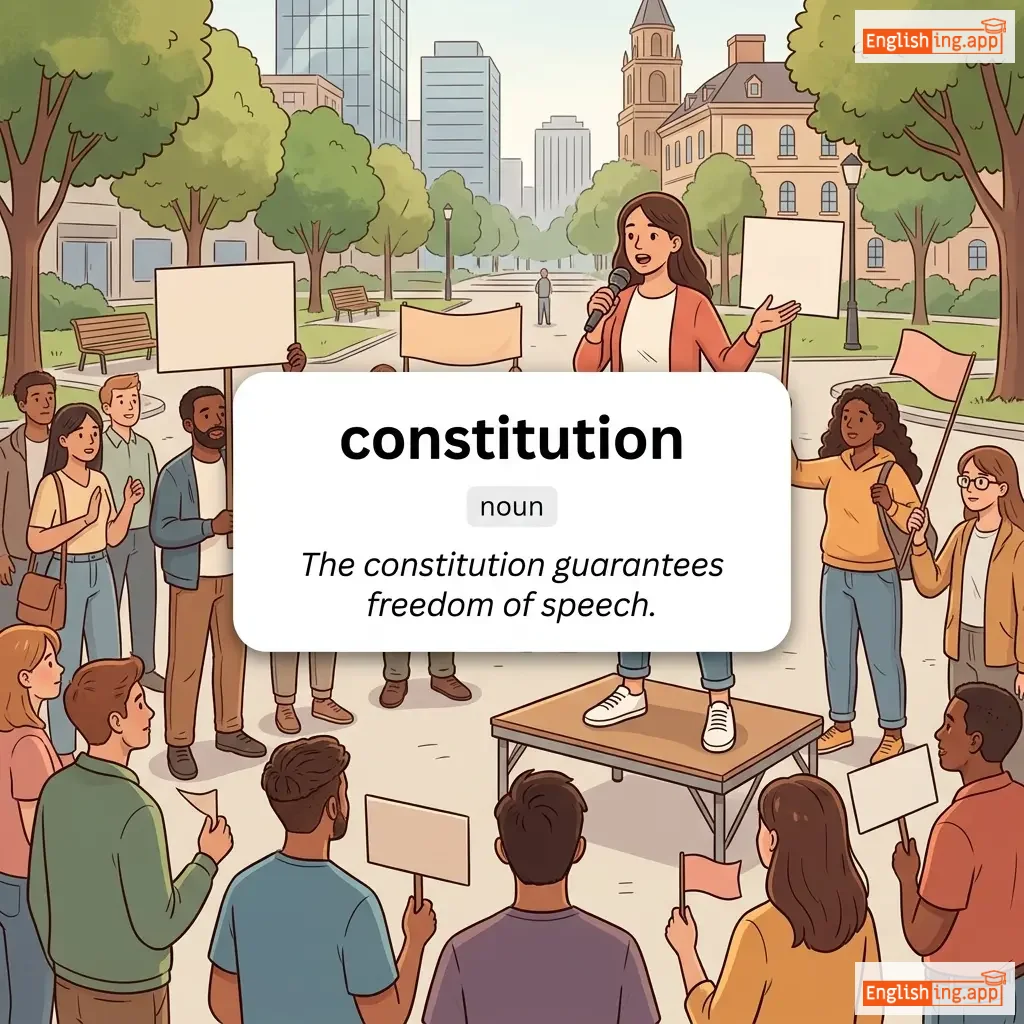
The system of fundamental principles according to which a nation or organization is governed.
••••••
|
The constitution guarantees freedom of speech. |
宪法保障言论自由。
Xiànfǎ bǎozhàng yánlùn zìyóu.
••••••
|
- •••••• | - •••••• | - •••••• |
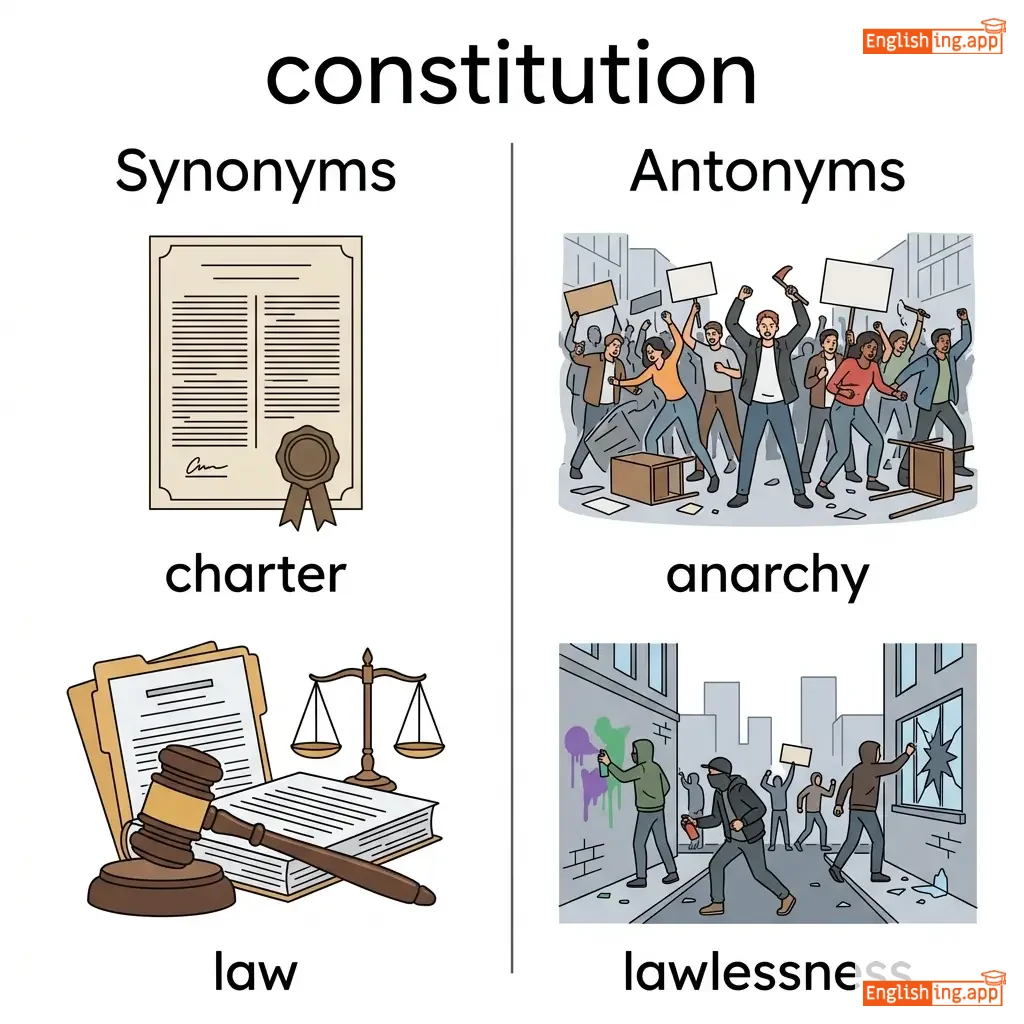
charter, law, code, framework, fundamental law
••••••
|
anarchy, lawlessness, disorder
••••••
|
written constitution, draft constitution, amend the constitution, constitution of a country
••••••
|
Constitution = 宪法 – 通过'宪法'治理国家。
••••••
|
|
🔥
••••••
|
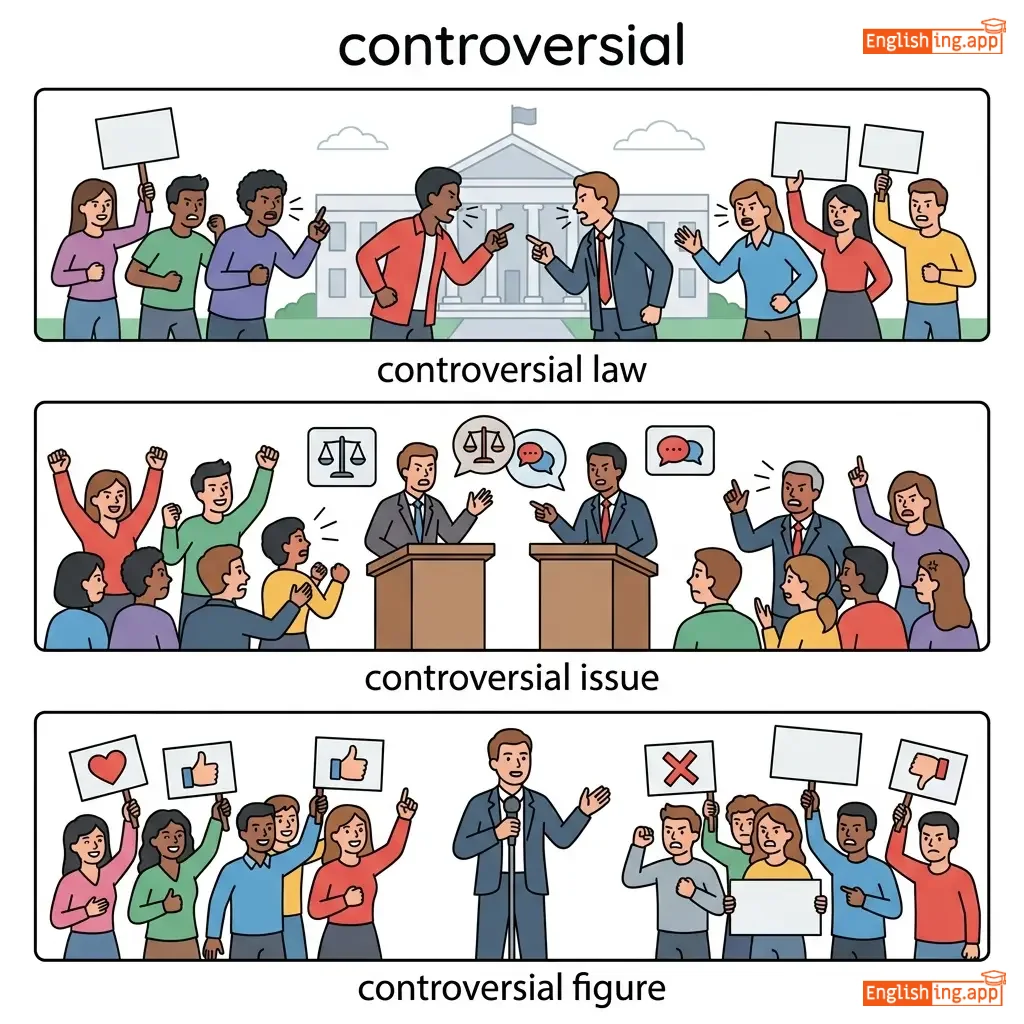
/ˌkɒn.trəˈvɜː.ʃəl/
adjective
(kóntróuérshial)
••••••
|
|
有争议的; 争论的;
you zhengyi de
••••••
|
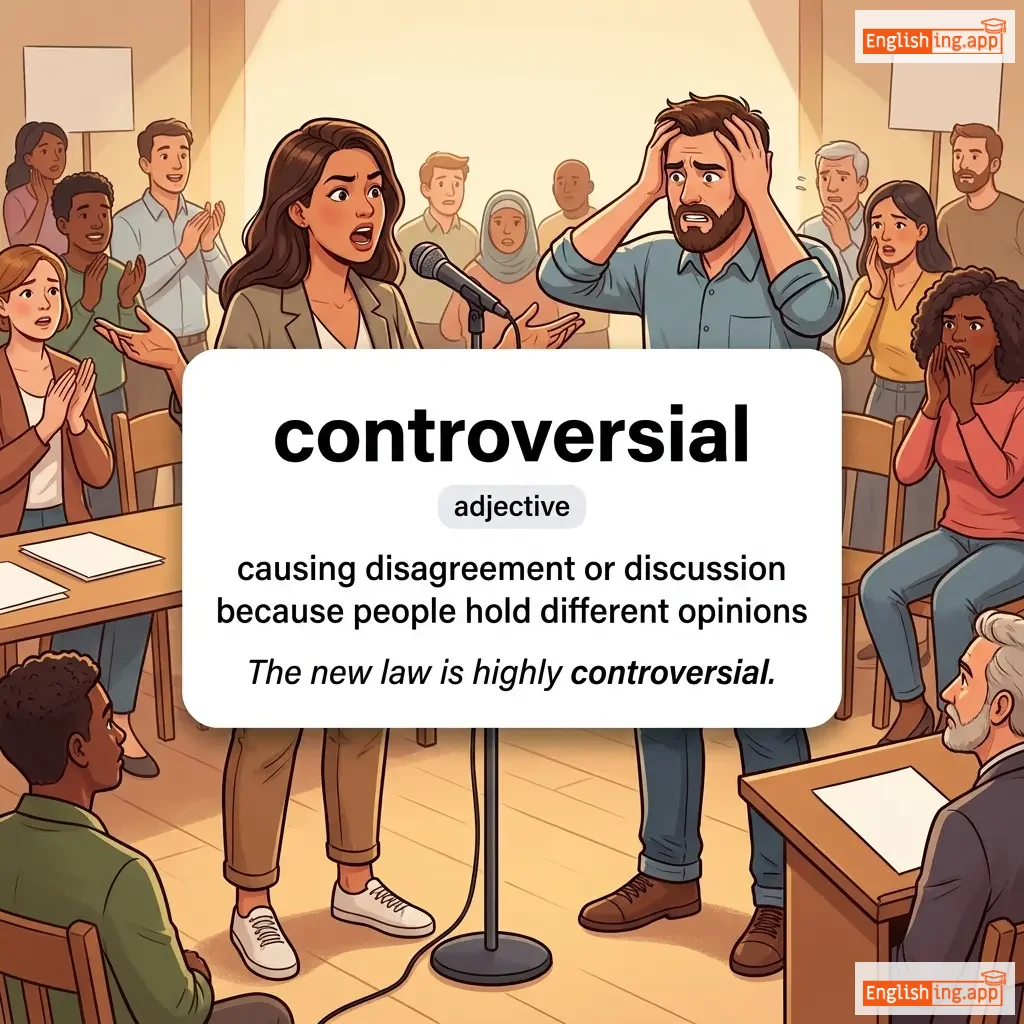
causing disagreement or heated discussion; disputed and debatable
••••••
|
The politician's controversial remarks sparked a heated debate.
政治家的争议性言论引发了激烈的辩论。
••••••
|
政治家的争议性言论引发了激烈的辩论。
Zhengzhijia de zhengyixing yanlun yinfa le jilie de bianlun.
••••••
|
- •••••• | - •••••• | - •••••• |
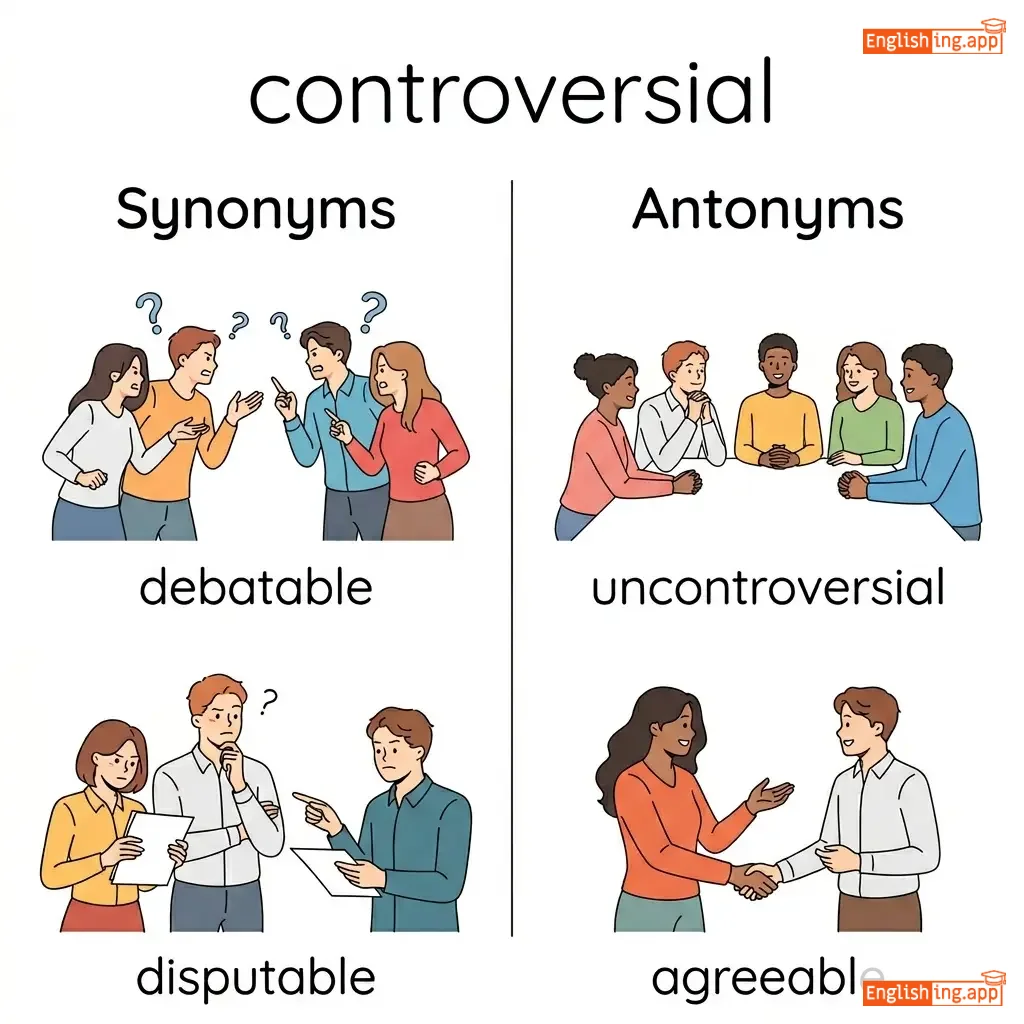
disputed, debatable, contentious, polarizing
••••••
|
uncontroversial, accepted, agreed-upon
••••••
|
controversial topic, controversial decision, controversial figure
••••••
|
有争议的 = '有' + '激烈' (像没有休止的争议)
••••••
|
|
📜
••••••
|
/ˌdek.ləˈreɪ.ʃən/
noun
(di-kle-rei-shun)
••••••
|
- •••••• |
声明; 宣告; 公告
shengming, xuangao, gonggao
••••••
|
a formal or explicit statement or announcement; an official proclamation
••••••
|
The president's declaration of independence marked a historic moment for the nation.
总统的独立宣言标志着国家历史性的时刻。
••••••
|
总统的独立宣言标志着国家历史性的时刻。
Zongtong de duli xuanyan biaozhizhe guojia lishi xing de shike.
••••••
|
- •••••• | - •••••• | - •••••• |
announcement, proclamation, statement, pronouncement
••••••
|
concealment, silence, secrecy, denial
••••••
|
formal declaration, public declaration, declaration of war
••••••
|
在中文中,声明常用于正式或官方的场合。
••••••
|
|
🗳️
••••••
|
/ˌdɛməˈkrætɪk/
adjective
(民主的)
••••••
|
|
民主的
minzhu de
••••••
|
relating to or supporting democracy or its principles; characterized by equality and freedom
••••••
|
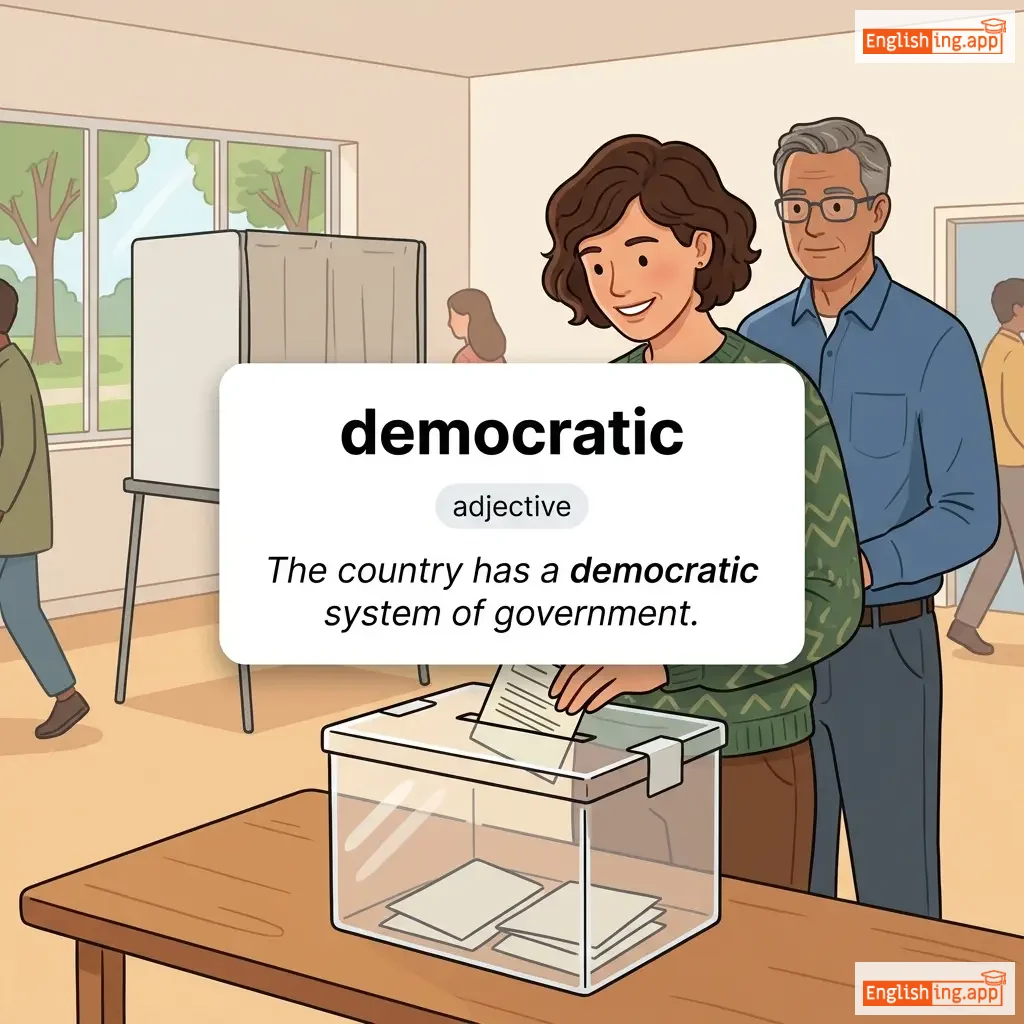
The country has a democratic system of government. |
该国有一个民主的政府体系。
Gai guo you yi ge minzhu de zhengfu tixi.
••••••
|
democratic values |
principles of equality, freedom, and representation in governance
••••••
|
民主价值观
minzhu jiazhi guan
••••••
|
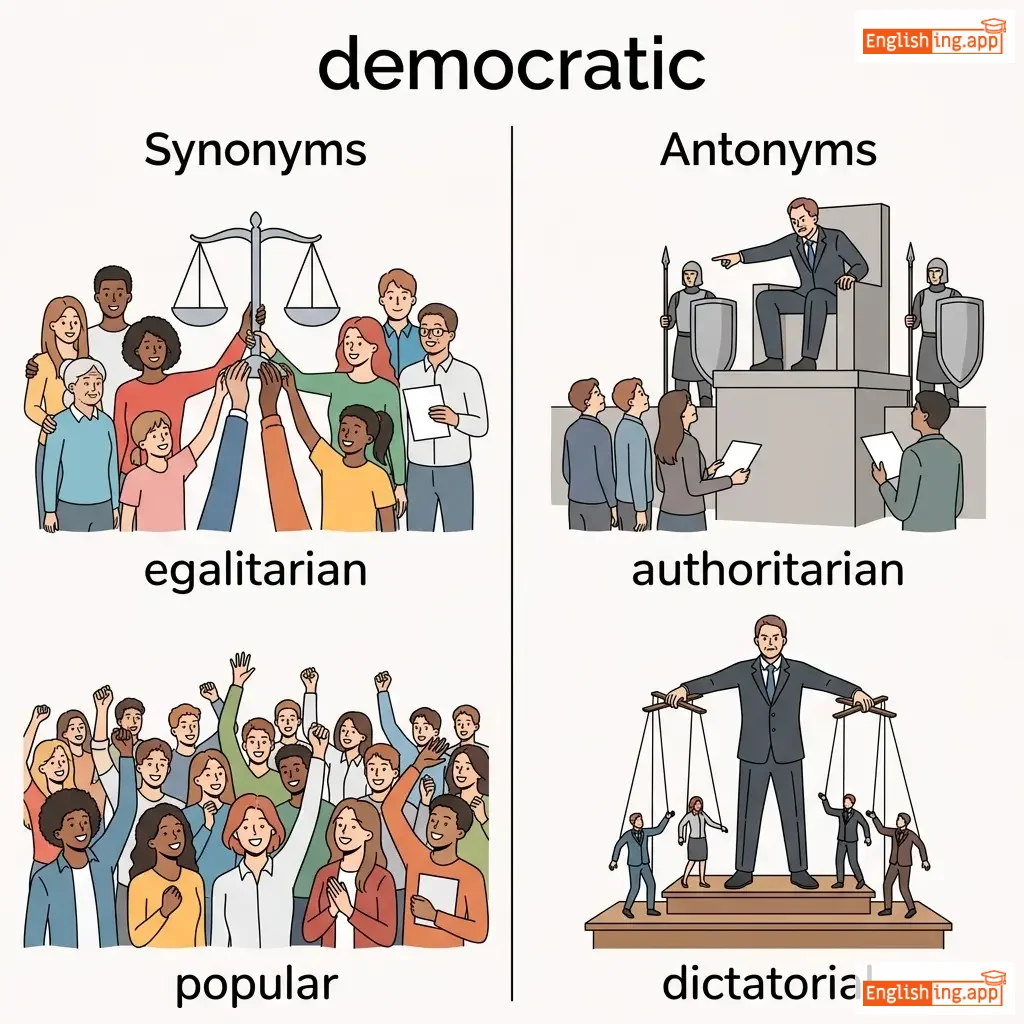
egalitarian, popular, representative, self-governing
••••••
|
authoritarian, dictatorial, autocratic
••••••
|
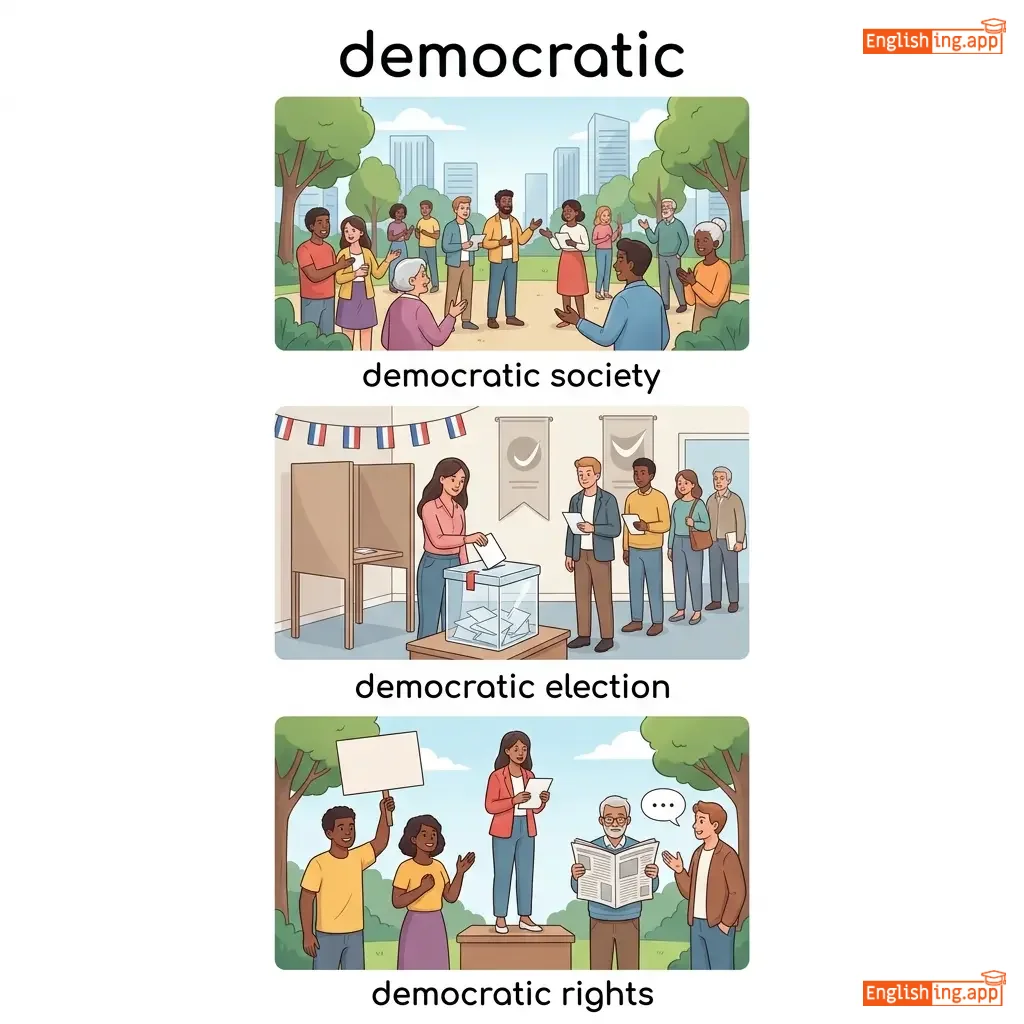
democratic society, democratic election, democratic rights, democratic values
••••••
|
Democratic 代表民主 + cratic → 民主是一种每个人投票的政府。
••••••
|
|
🏛️
••••••
|
/ˈɡʌvərnəns/
noun
••••••
|

|
- •••••• |
the action or manner of governing a state, organization, or people
••••••
|
Good governance is key to building a strong, prosperous nation. |
- •••••• | - •••••• | - •••••• | - •••••• |
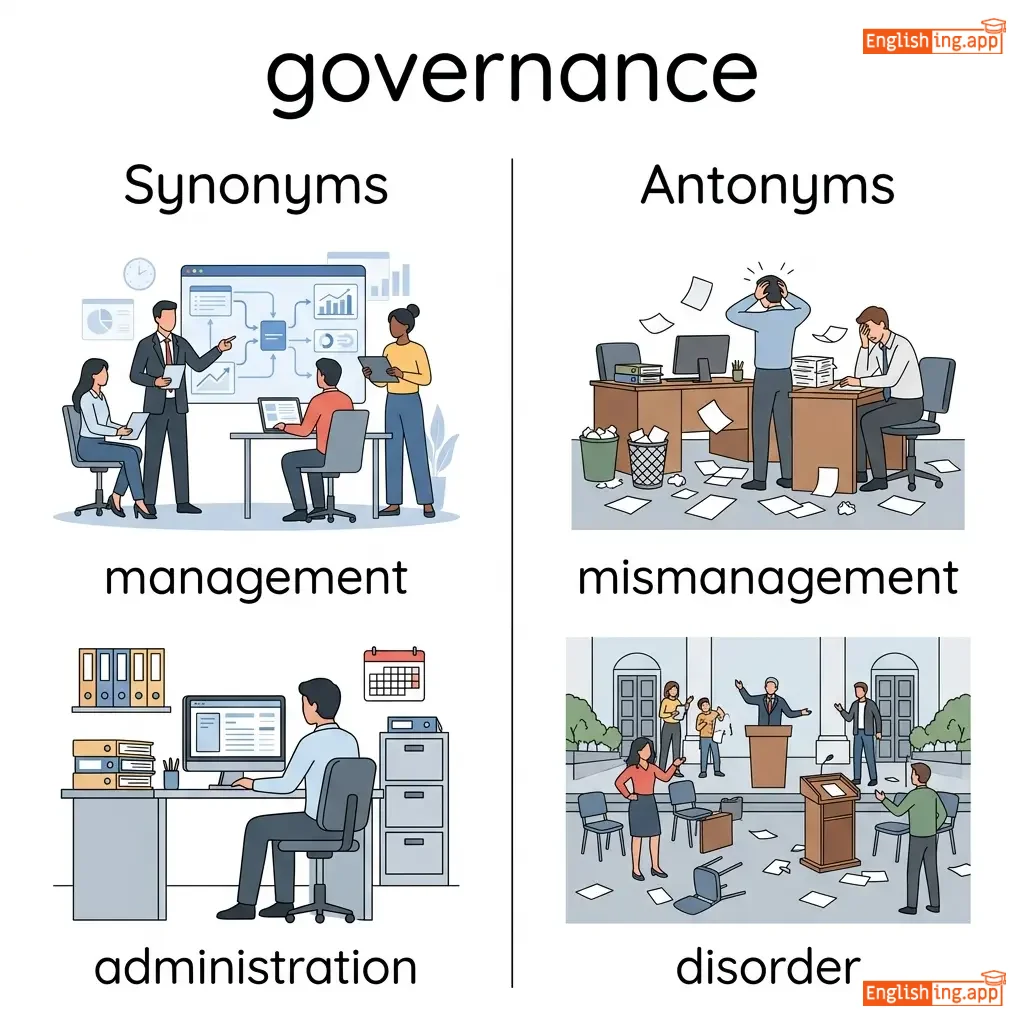
management, administration, leadership, control
••••••
|
mismanagement, disorder, chaos
••••••
|
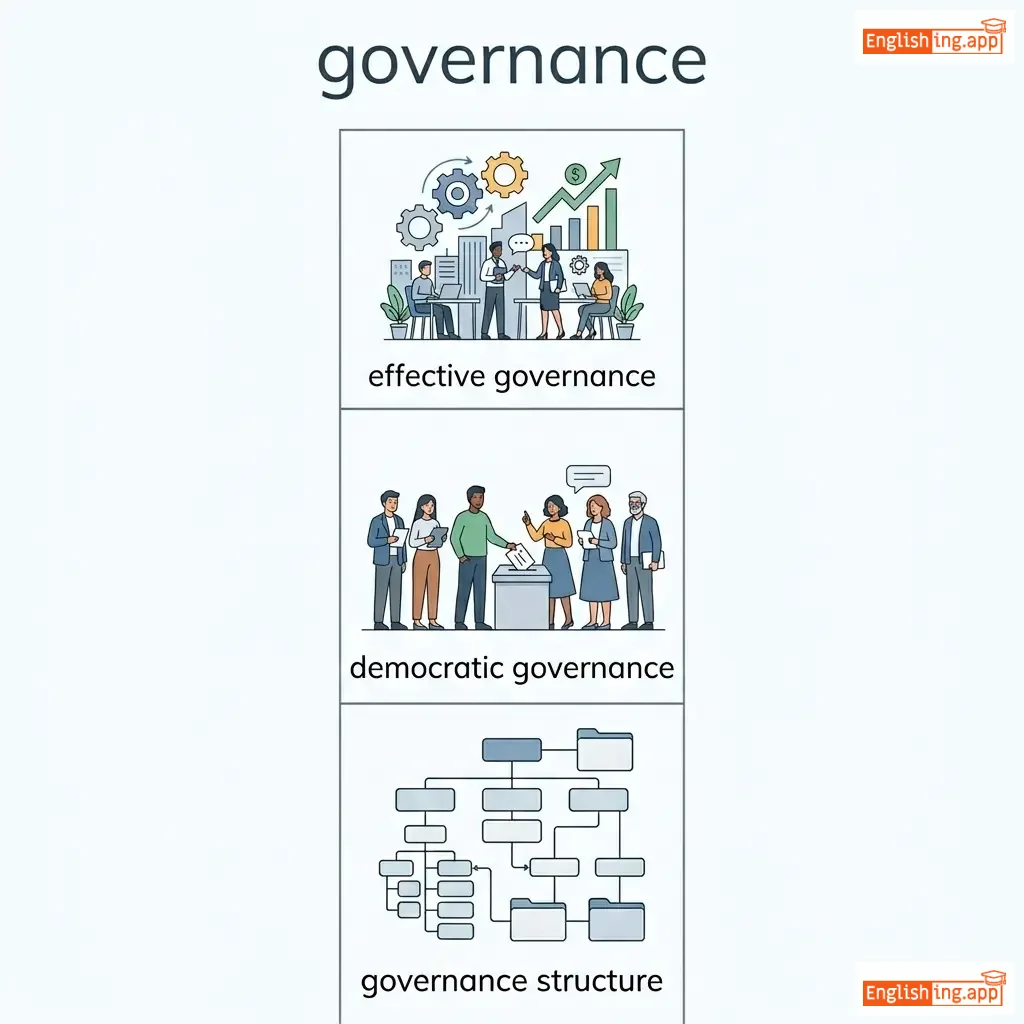
effective governance, democratic governance, governance structure
••••••
|
No •••••• |
|
🕊️
••••••
|
/ˌɪndɪˈpɛndəns/
noun
(独立)
••••••
|
|
独立
duli
••••••
|
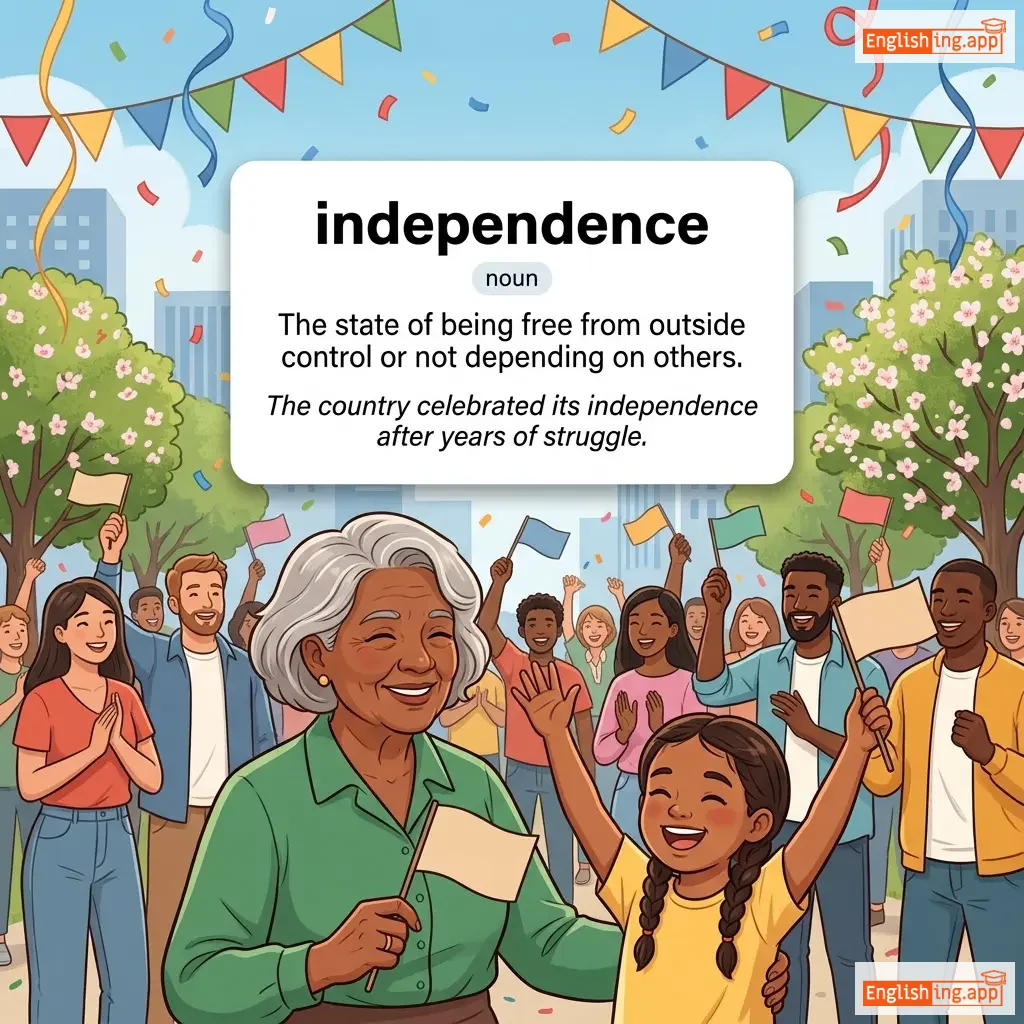
The state of being free from outside control or not depending on others.
••••••
|
The country celebrated its independence after years of struggle. |
这个国家在经历多年斗争后庆祝了它的独立。
Zhe ge guo jia zai jing li duo nian dou zheng hou qing zhu le ta de du li.
••••••
|
declare independence |
To officially announce freedom from control by another authority.
••••••
|
宣布独立
Xuan bu du li
••••••
|
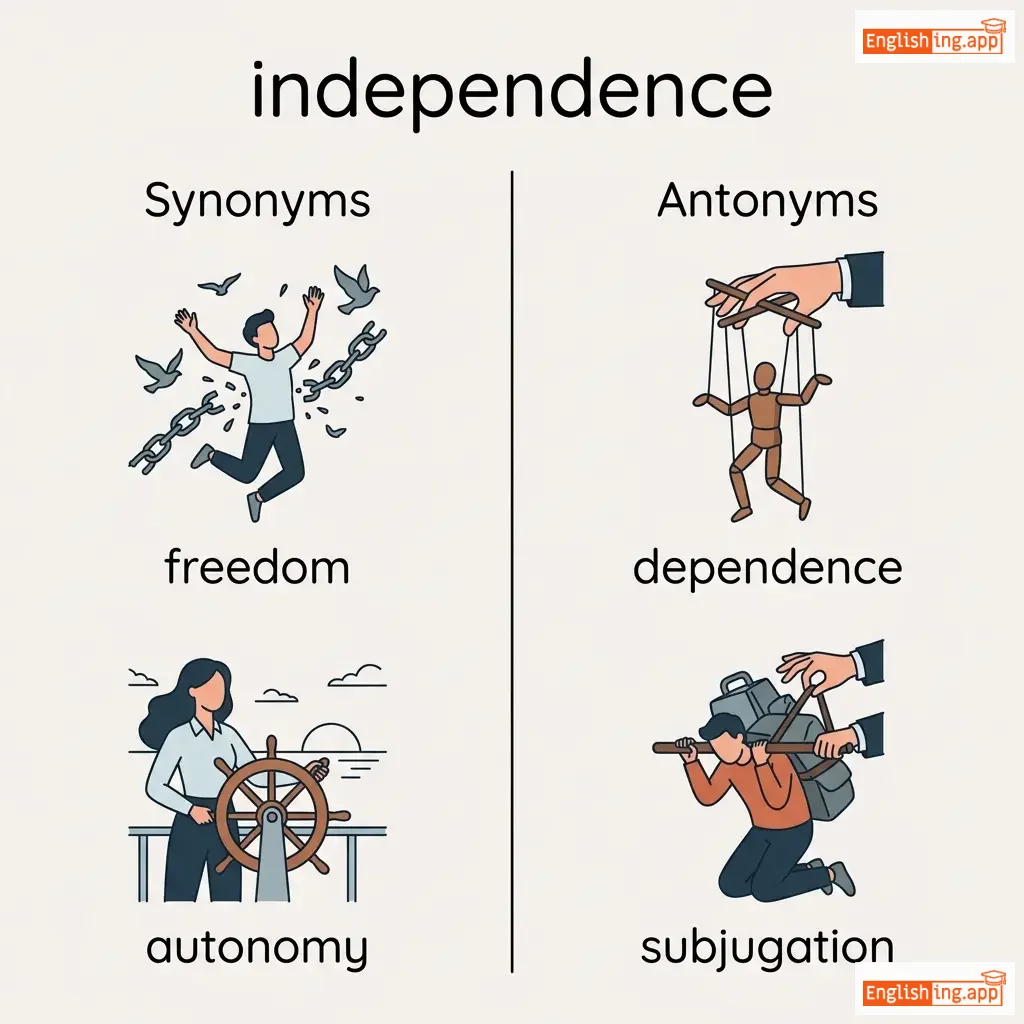
freedom, autonomy, liberty, sovereignty, self-rule
••••••
|
dependence, subjugation, slavery
••••••
|
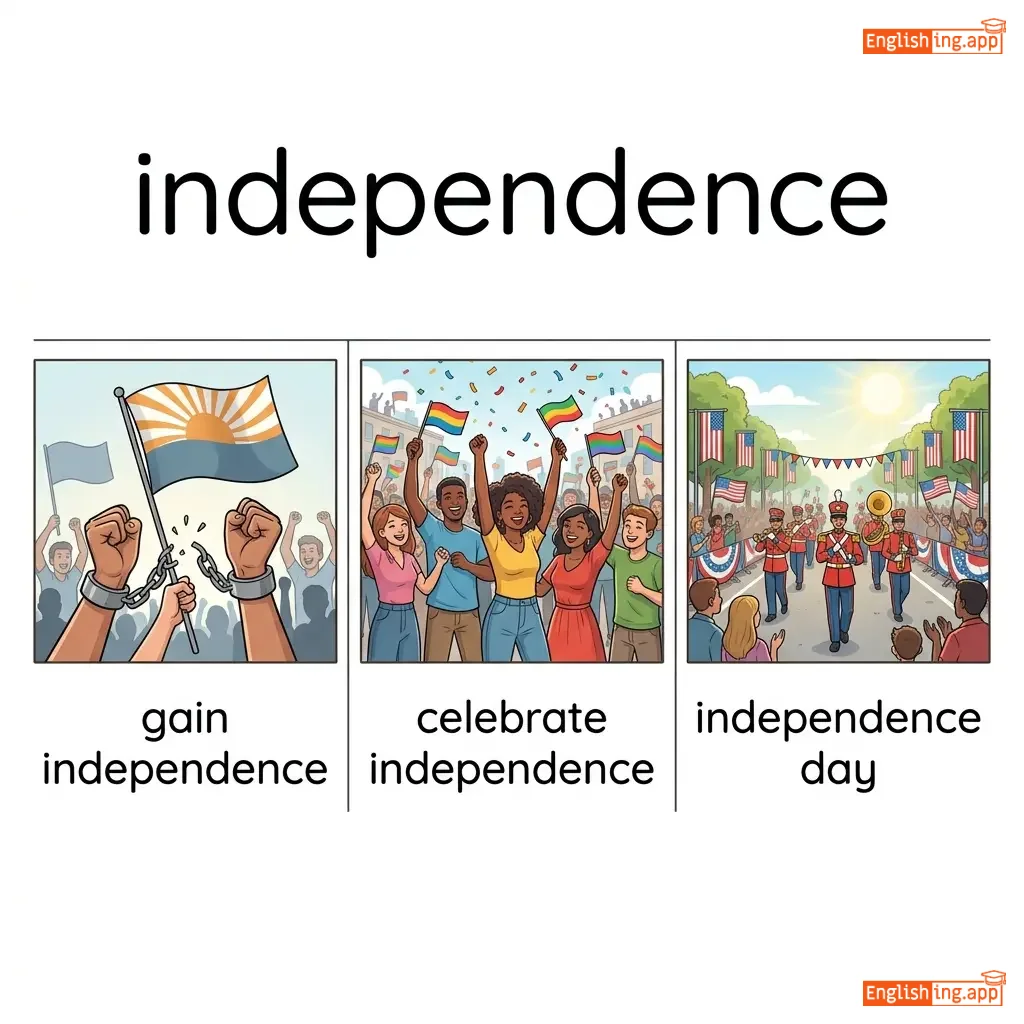
gain independence, celebrate independence, independence day, struggle for independence
••••••
|
Independence意味着独立 - 在中国,人们庆祝独立的日子。
••••••
|
|
🏛️
••••••
|
/ˈlɛdʒɪslətɪv/
adjective
(立法的)
••••••
|
- •••••• |
立法的
lifade
••••••
|
relating to the making of laws
••••••
|
The legislative body passed the new tax bill. |
立法机构通过了新的税法。
Lifa jīgòu tōngguòle xīn de shuìfǎ.
••••••
|
legislative power |
the authority to make laws
••••••
|
立法权力
lifaquei li
••••••
|
law-making, juridical, parliamentary, statutory
••••••
|
executive, judicial
••••••
|
legislative body, legislative assembly, legislative process, legislative framework
••••••
|
Legislative意味着与制定法律有关——在立法机构,Leg 是积极的。
••••••
|
|
👨⚖️
••••••
|
/ˈlɛdʒɪsleɪtər/
noun
(立法者)
••••••
|
- •••••• |
立法者
lìfǎ zhě
••••••
|
a person who makes laws, especially a member of a legislative body
••••••
|
The legislator introduced a bill to improve healthcare. |
立法者提出了一项改善医疗保健的法案。
Lìfǎ zhě tíchūle yī xiàng gǎishàn yīliáo bǎojiàn de fǎ'àn.
••••••
|
- •••••• | - •••••• | - •••••• |
lawgiver, lawmaker, parliamentarian, representative
••••••
|
subject, citizen
••••••
|
senior legislator, state legislator, influential legislator
••••••
|
Legislator的中文是立法者 — 就是制定法律的人。
••••••
|
|
🏛️
••••••
|
/ˌprɛzɪˈdɛnʃəl/
adjective
(总统的)
••••••
|
- •••••• |
总统的
zǒngtǒng de
••••••
|
relating to a president or presidency
••••••
|
The presidential election is scheduled for next month. |
总统选举定于下个月举行。
Zǒngtǒng xuǎnjǔ dìng yú xià gè yuè jǔxíng.
••••••
|
- •••••• | - •••••• | - •••••• |
president's, head of state's
••••••
|
non-presidential
••••••
|
presidential election, presidential duties, presidential candidate
••••••
|
总统的事情就是与总统有关的事情。
••••••
|
|
🗳️
••••••
|
/ˌrɛfəˈrɛndəm/
noun
(公投)
••••••
|
- •••••• |
公投
gongtou
••••••
|
a general vote by the population on a single political issue
••••••
|
The government held a referendum on the new constitution.
政府就新宪法举行了公投。
••••••
|
政府就新宪法举行了公投。
Zhengfu jiu xin xianfa juxingle gongtou.
••••••
|
- •••••• | - •••••• | - •••••• |
plebiscite, ballot, vote, poll
••••••
|
dictate, decree
••••••
|
national referendum, hold a referendum, referendum result
••••••
|
公投(gongtou)是一个让所有人投票决定政治问题的过程。
••••••
|
|
👨💼
••••••
|
/ˌrep.rɪˈzen.tə.tɪv/
noun
(瑞普森塔蒂夫)
••••••
|
|
代表
daibiao
••••••
|
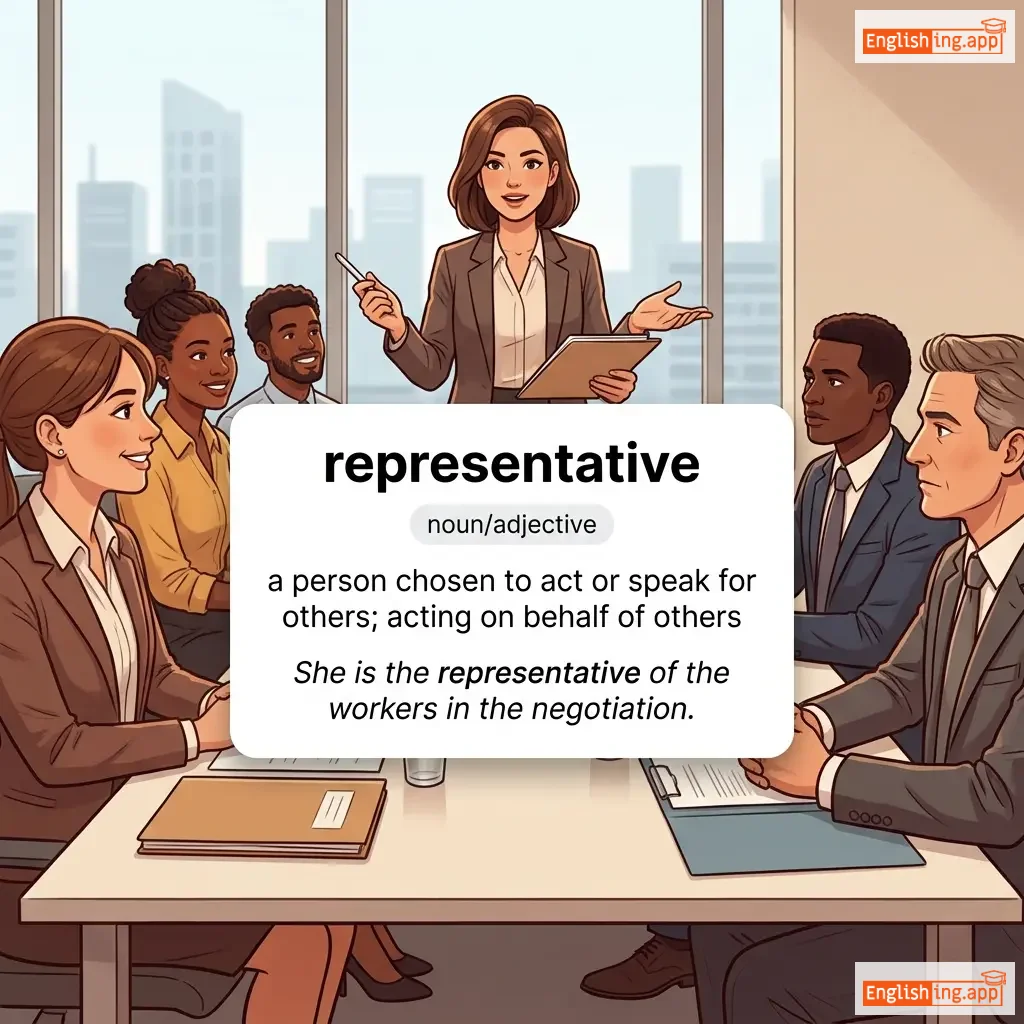
a person chosen or appointed to act or speak for another or others
••••••
|
Each district elects a representative to serve in the parliament.
伊奇 迪斯特里克特 伊莱克茨 啊 瑞普森塔蒂夫 托 瑟夫 因 德 帕尔拉门特
••••••
|
各区选出一名代表在议会任职。
ge qu xuan chu yi ming dai biao zai yi hui ren zhi
••••••
|
- •••••• | - •••••• | - •••••• |
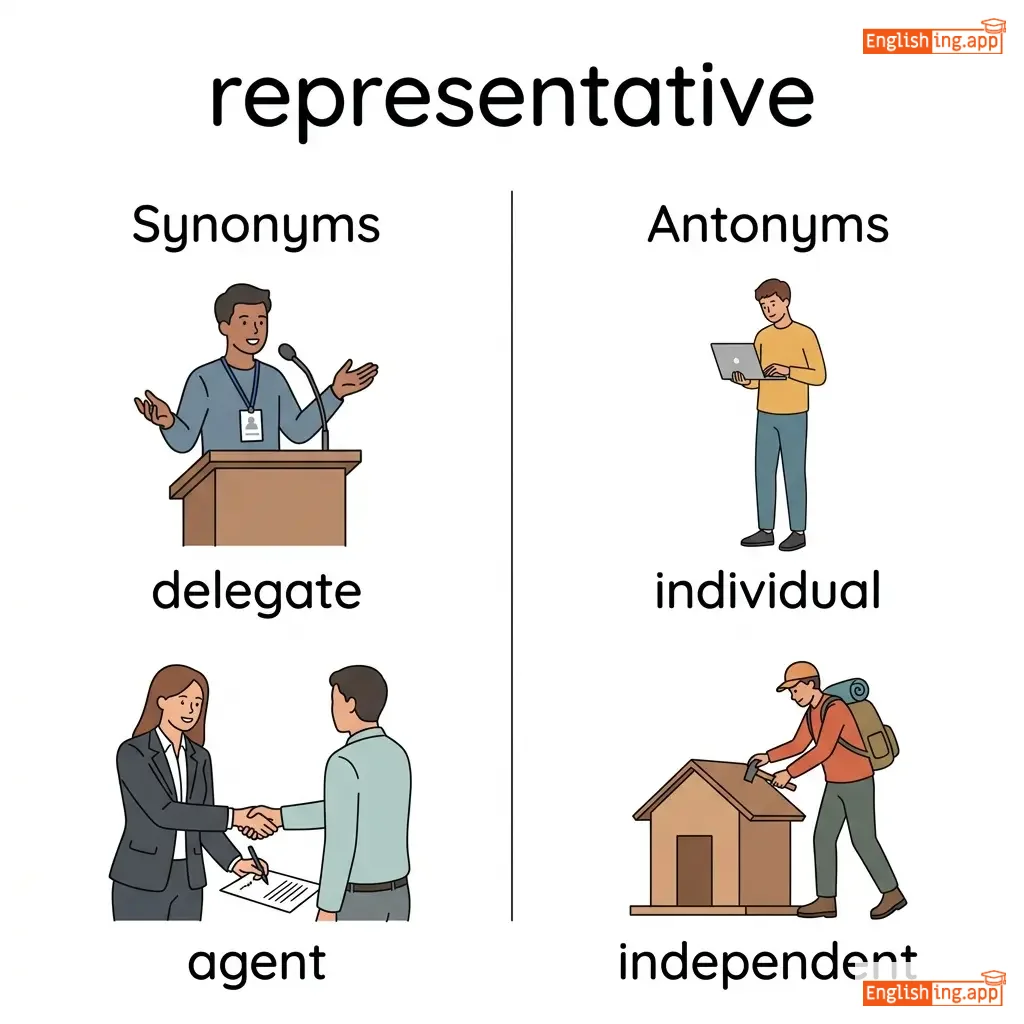
delegate, agent, spokesperson, envoy, ambassador
••••••
|
constituent, voter, represented
••••••
|
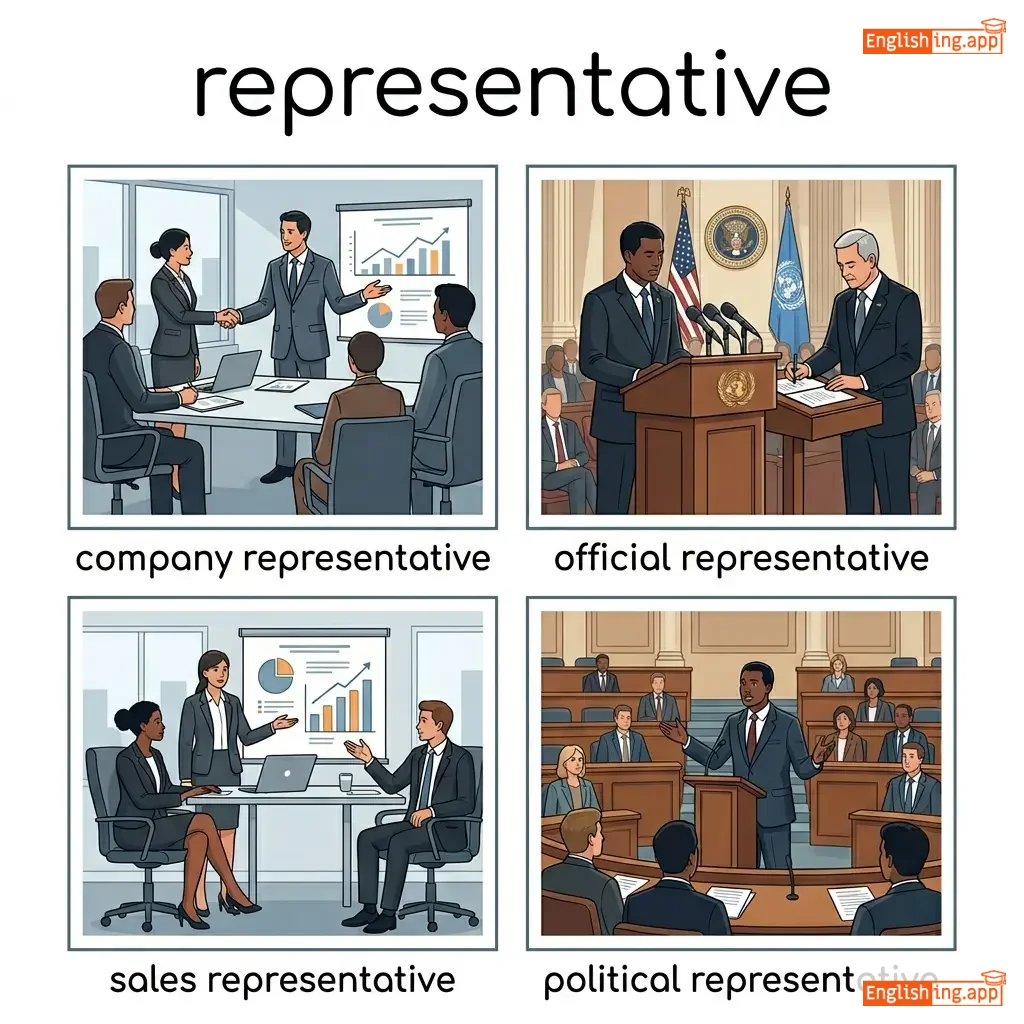
elected representative, sales representative, government representative, legal representative
••••••
|
DaiBiao = 代 + 表, 想象一个人举着大号的 Biao 旗子为众人发声, 他就是 DaiBiao
••••••
|
|
🇺🇸
••••••
|
/rɪˈpʌblɪkən/
noun/adjective
(共和党人)
••••••
|
- •••••• |
共和党人
gonghe dang ren
••••••
|
a member or supporter of a republican political party or system
••••••
|
The republican candidate won the election.
共和党候选人赢得了选举。
••••••
|
共和党候选人赢得了选举。
Gonghe dang houxuǎn rén yíng dé le xuǎnjǔ.
••••••
|
- •••••• | - •••••• | - •••••• |
conservative, right-wing, traditionalist
••••••
|
liberal, democrat
••••••
|
republican party, republican senator, republican policies
••••••
|
共和党人,捍卫共和国的支持者!
••••••
|
|
⚡
••••••
|
/rɪˈzɪstəns/
noun
(抵抗)
••••••
|
|
抵抗
dǐkàng
••••••
|
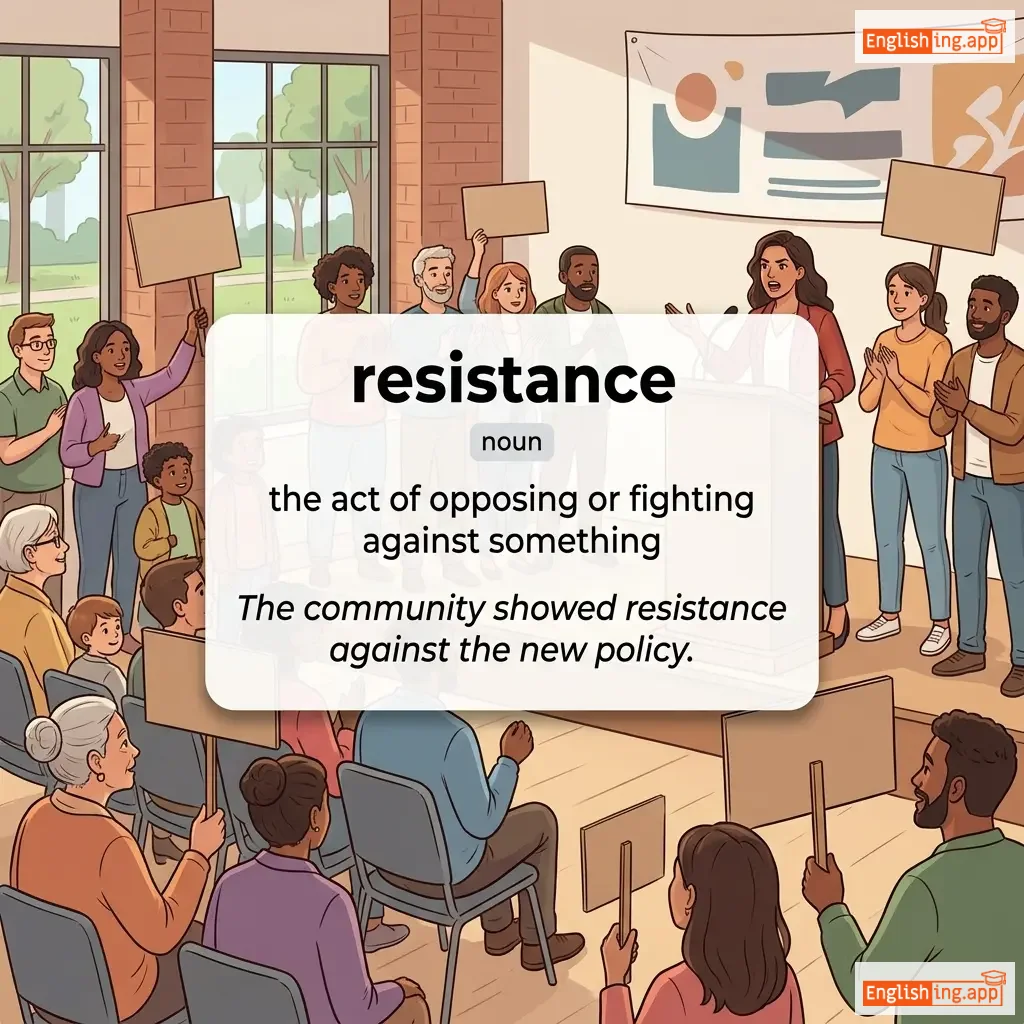
the refusal to accept or comply with something; the attempt to prevent something by action or argument; the ability not to be affected by something
••••••
|
The bacteria showed resistance to the antibiotic treatment. |
细菌对抗生素治疗表现出抵抗力。
xìjūn duì kàngshēngsù zhìliáo biǎoxiàn chū dǐkànglì.
••••••
|
- •••••• | - •••••• | - •••••• |
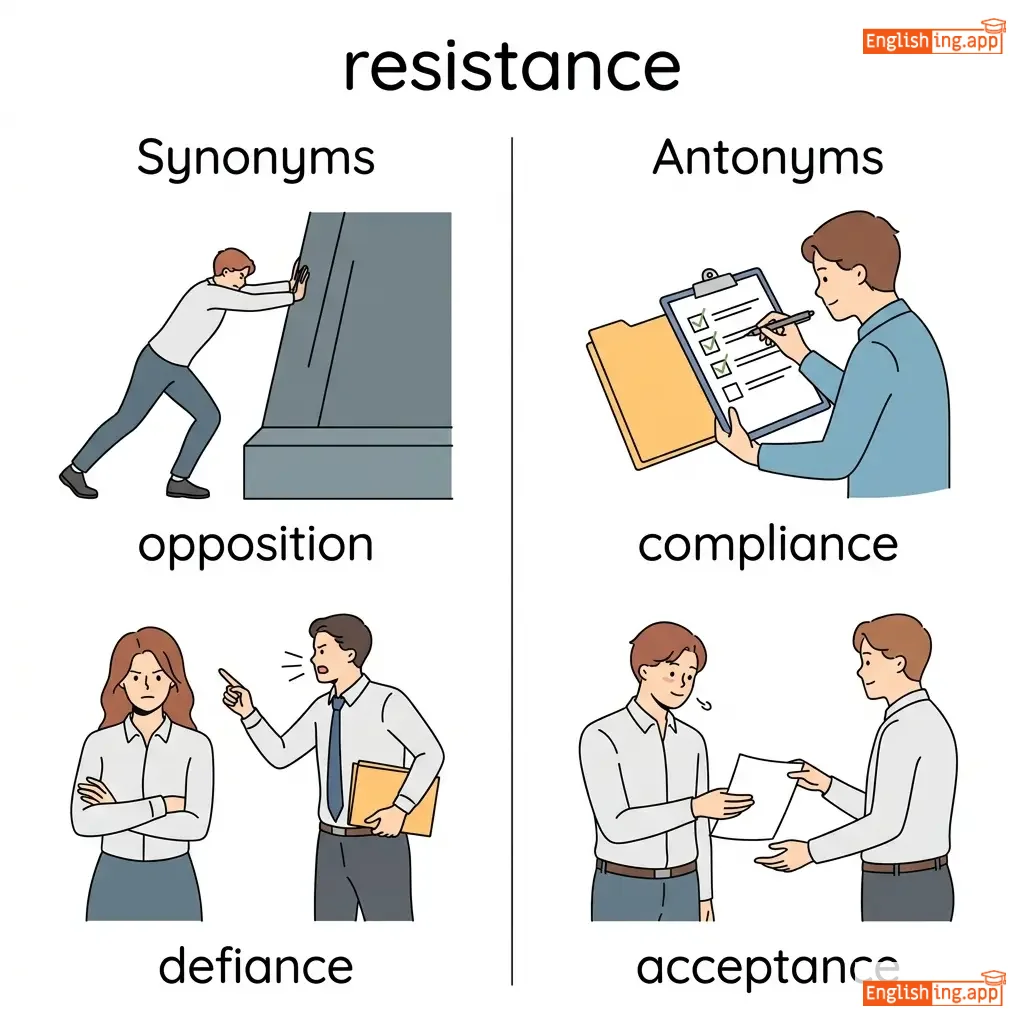
opposition, defiance, immunity, endurance
••••••
|
acceptance, compliance, submission, vulnerability
••••••
|
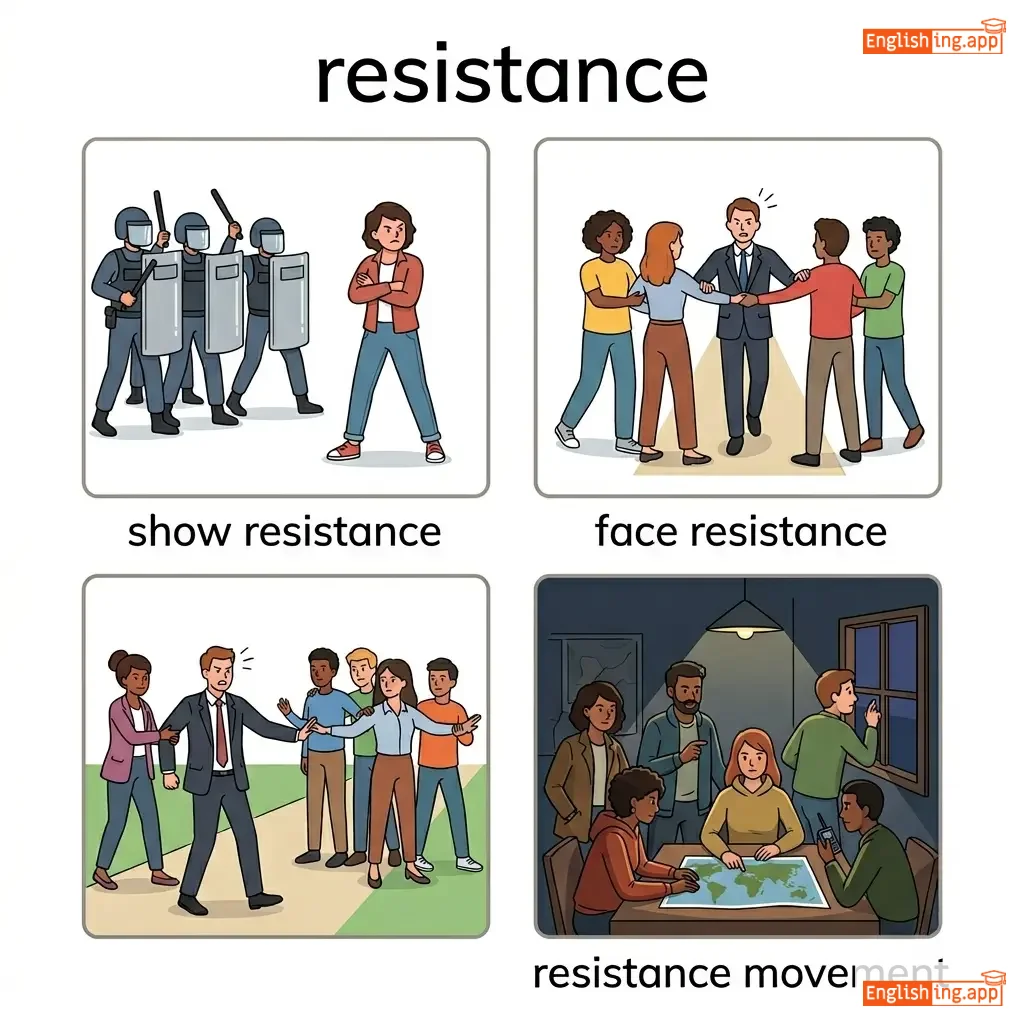
drug resistance, passive resistance, resistance movement, offer resistance
••••••
|
抵抗 (dǐkàng) means 'resist' in Chinese!
••••••
|
|
👥
••••••
|
/rɪˈspek.tɪv/
adjective
(rīsīpèktìf)
••••••
|
- •••••• |
各自的; 相关的
gèzì de; xiāngguān de
••••••
|
belonging to each individual; particular to each
••••••
|
The students returned to their respective classrooms after lunch. |
学生们在午餐后回到了各自的教室。
Xuéshēng men zài wǔcān hòu huídào le gèzì de jiàoshì.
••••••
|
- •••••• | - •••••• | - •••••• |
individual, particular, separate, own
••••••
|
collective, shared, common, joint
••••••
|
respective roles, respective positions, respective duties, respective homes
••••••
|
将'各自的'与每个人特有的联系在一起,帮助记忆。
••••••
|
|
💔
••••••
|
/ˌsɛpəˈreɪʃən/
noun
(seperéishon)
••••••
|
- •••••• |
分离
fenli
••••••
|
the act of moving or being moved apart; a division or disconnection
••••••
|
The separation of the two friends was difficult for both of them. |
两位朋友的分离对他们俩来说都很困难。
Liang wei pengyou de fenli dui tamen lia laishuo dou hen kunnan.
••••••
|
separation anxiety |
a feeling of distress when separated from someone or something one is attached to
••••••
|
分离焦虑
fenli jiaolv
••••••
|
division, detachment, split, disconnection, segregation
••••••
|
union, connection, unity
••••••
|
separation anxiety, legal separation, physical separation, emotional separation
••••••
|
分离意味着分离,可能会导致焦虑。
••••••
|
|
🗣️
••••••
|
/ˈspəʊkspɜːrsən/
noun
(spokesperson)
••••••
|
- •••••• |
发言人
fāyánrén
••••••
|
a person who speaks on behalf of others or an organization
••••••
|
The spokesperson addressed the press conference on behalf of the company. |
发言人代表公司在新闻发布会上发言。
Fāyánrén dàibiǎo gōngsī zài xīnwén fābù huì shàng fāyán.
••••••
|
- •••••• | - •••••• | - •••••• |
representative, spokesperson, mouthpiece, agent
••••••
|
critic, opponent
••••••
|
official spokesperson, company spokesperson, media spokesperson
••••••
|
发言人就是发言的人员,例如公司的发言人。
••••••
|
|
🤲
••••••
|
/ˈtɒlərəns/
noun
(tuōlìránsī)
••••••
|
- •••••• |
宽容
kuanrong
••••••
|
The ability or willingness to accept or endure differences, behaviors, or opinions without hostility.
••••••
|
Her tolerance for different cultures impressed everyone. |
她对不同文化的宽容给每个人留下了深刻印象。
Ta dui butong wenhua de kuanrong gei meige ren liuxiala shenke yinxiang.
••••••
|
zero tolerance |
A policy of not allowing any violation of rules or standards.
••••••
|
零容忍
ling rongren
••••••
|
acceptance, patience, endurance, open-mindedness, leniency
••••••
|
intolerance, rejection, prejudice
••••••
|
cultural tolerance, religious tolerance, show tolerance, promote tolerance
••••••
|
宽容是接受差异而不带敌意。
••••••
|
|
🏛️
••••••
|
/trəˈdɪʃənəl/
adjective
(传统的)
••••••
|
- •••••• |
传统的
chuántǒng de
••••••
|
relating to or following long-established customs; conventional
••••••
|
They had a traditional wedding ceremony. |
他们举办了一个传统的婚礼仪式。
Tāmen jǔbànle yīgè chuántǒng de hūnlǐ yíshì.
••••••
|
- •••••• | - •••••• | - •••••• |
conventional, customary, classical, orthodox
••••••
|
modern, contemporary, innovative, unconventional
••••••
|
traditional values, traditional music, traditional medicine
••••••
|
Traditional = 'Chuántǒng', like the rich cultural celebrations of Chinese New Year.
••••••
|
|
🔍
••••••
|
/trænsˈpærənsi/
noun
(透明度)
••••••
|


|
透明
touming
••••••
|
the quality of being open and honest; the condition of being easily understood or seen through
••••••
|
The company is known for its transparency in business practices. |
公司以其商业实践中的透明度而闻名。
Gongsi yi qi shangye shijian zhong de toumingdu er wenming.
••••••
|
- •••••• | - •••••• | - •••••• |
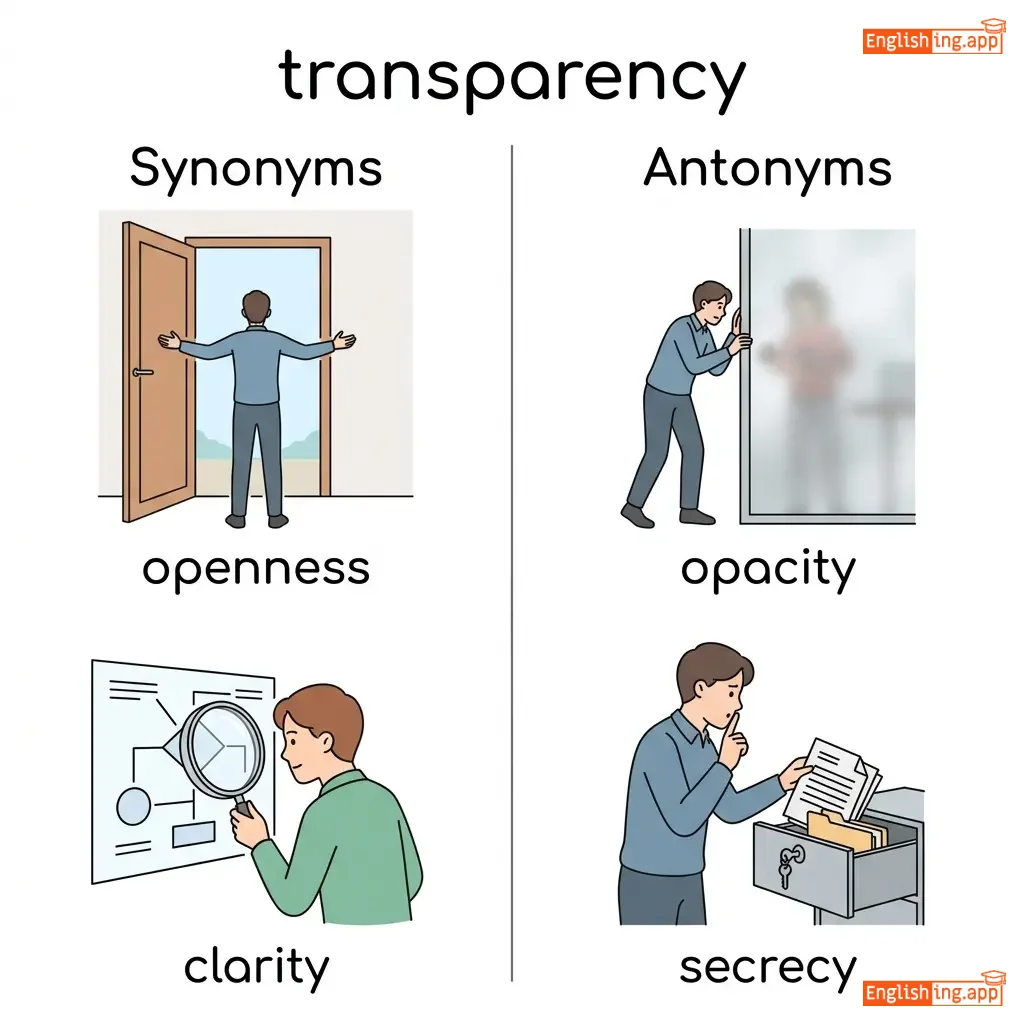
openness, clarity, honesty, visibility
••••••
|
opacity, secrecy
••••••
|
corporate transparency, full transparency, transparency in decision-making
••••••
|
透明代表清晰和诚实!
••••••
|

