The Journalist Who Challenged Corruption
シャヒーンは調査報道のジャーナリストで、illegalな活動を暴いた。彼のhusbandは危険な仕事を支えていた。彼はhundred本以上の記事を発表した。彼は沈黙するinsteadに、汚職についてinquireした。多くの人が彼の調査をinhibitしようとした。あるinsiderが重要な証拠を提供した。記事の合間のinterim期間中、彼は次の調査を計画した。彼にはすぐに不正を暴きたいというimpulseがあった。しかし忍耐が必要だった。シャヒーンは検証のために複数の情報源をincludeした。隠しカメラのimageryが犯罪を証明した。一部の役人は盗んだ金で贅沢にindulgeした。汚職は貧しい人々に苦しみをinflictした。シャヒーンの仕事は正直な官僚をimpressした。脅迫はimmenseで、一度は暗殺者が飛行機のlandingエリア近くで待っていた。彼は妻のjewelry店に関する脅迫も受けた。いくつかの有力な家族は腐敗した習慣をinheritした。真実を追うhuntingは危険だった。彼は工業汚染によるillnessの話も報じた。ある日、シャヒーンは中毒で重病になった。Largely彼の回復は迅速な医療のおかげだった。市民団体は加害者に対してlawsuitを起こした。シャヒーンは報道の自由のleadingな声となった。彼にとってのジャーナリズムのmeaningは、人々に奉仕することだった。多くの若い記者が彼の例に従ったことは特筆すべきだ(mentioning)。一部の犯罪者は高価なleatherジャケットを着ていた。証拠はlegally集められたが、有力者たちは抵抗した。Lengthyな裁判が続いた。シャヒーンはmarried生活のバランスを望んでいたが、使命が彼を呼んでいた。その任務はmassiveに感じられた——汚職は至る所にあった。彼は自分の努力がmaximumの影響を与えたかどうか疑問に思った。汚職した政治家が免罪のlotteryに当選した。しかしシャヒーンのloyaltyは真実にあった。彼は調査に最新のmachinesを使用した。政府は透明性のためのmandateを発行した。徐々にシステムは改善した。進歩はlimitedだったが、それでも重要だった。シャヒーンは、粘り強い報道が腐敗した体制に挑戦できることを証明した。Listing成果は彼のスタイルではなく、仕事自体がすべてを物語っていた。
|
絵文字
|
単語 | Images | 翻訳 | 過去 | 過去分詞 | 三人称単数 | 動名詞 | 意味 | 例文 | 例文の翻訳 | 表現例 | 表現例の意味 | 表現例の翻訳 | 同義語 | 対義語 | コロケーション | ニーモニック |
|---|---|---|---|---|---|---|---|---|---|---|---|---|---|---|---|---|---|
|
💯
••••••
|
/ˈhʌndrəd/
noun, numeral
(handoreddo)
••••••
|
- •••••• |
百
hyaku
••••••
|
- •••••• | - •••••• | - •••••• | - •••••• |
the number 100
••••••
|
There are a hundred students in the hall. |
ホールには百人の学生がいます。
Hōru ni wa hyaku-nin no gakusei ga imasu.
••••••
|
hundred percent |
completely; fully
••••••
|
百分の百
hyaku bun no hyaku
••••••
|
century, 100, large number
••••••
|
zero, none
••••••
|
one hundred, hundred percent, hundred times
••••••
|
百 = 100、百分の百は完全に。
••••••
|
|
🎯
••••••
|
/ˈhʌntɪŋ/
noun/verb
(ハンティング)
••••••
|
- •••••• |
狩猟
shuryou
••••••
|
- •••••• | - •••••• |
hunts
ハンツ
••••••
|
hunting
ハンティング
••••••
|
the activity of chasing and killing wild animals
••••••
|
Hunting is strictly regulated in many countries.
狩猟は多くの国で厳格に規制されています。
••••••
|
狩猟は多くの国で厳格に規制されています。
Shuryou wa ooku no kuni de genkaku ni kisei sareteimasu.
••••••
|
house-hunting
家探し
••••••
|
the act of searching for a house to live in
••••••
|
家探し
ie sagashi
••••••
|
pursuing, tracking, chasing, stalking
••••••
|
protecting, preserving
••••••
|
go hunting, hunting season, hunting ground
••••••
|
Hunting とは狩猟 — Hunt とは狩猟。
••••••
|
|
👨👩👧
••••••
|
/ˈhʌzbənd/
noun
(ハズバンド)
••••••
|
- •••••• |
夫
otto
••••••
|
- •••••• | - •••••• | - •••••• | - •••••• |
A married man regarded in relation to his spouse.
••••••
|
Her husband is very supportive of her career. |
彼女の夫は彼女のキャリアを非常に支援しています。
Kanojo no otto wa kanojo no kyaria o hijō ni shien shiteimasu.
••••••
|
good husband |
A caring, responsible, and supportive spouse.
••••••
|
良い夫
yoi otto
••••••
|
spouse, partner, mate, groom, consort
••••••
|
wife, bachelor, single
••••••
|
loving husband, devoted husband, husband and wife
••••••
|
Husbandは 'House Band' という意味 - 夫が家をまとめる役割を持つ。
••••••
|
|
🚫
••••••
|
/ɪˈliː.ɡəl/
adjective
(イリーガル)
••••••
|
- •••••• |
違法
ihou
••••••
|
- •••••• | - •••••• | - •••••• | - •••••• |
Not allowed by law; unlawful.
••••••
|
It is illegal to drive without a valid license. |
有効な免許なしで運転することは違法です。
Yūkō na menkyo nashi de unten suru koto wa ihō desu.
••••••
|
- •••••• | - •••••• | - •••••• |
unlawful, criminal, forbidden, prohibited, illicit
••••••
|
legal, lawful, legitimate
••••••
|
illegal activity, illegal trade, illegal immigrant, illegal action
••••••
|
illegal は法律で許可されていない、したがって → 違法。
••••••
|
|
🩺
••••••
|
/ˈɪlnəs/
noun
(irunesu)
••••••
|
- •••••• |
病気
byōki
••••••
|
- •••••• | - •••••• | - •••••• | - •••••• |
A condition of being unwell or suffering from a disease.
••••••
|
She missed school due to a serious illness.
彼女は深刻な病気のため学校を休んだ。
••••••
|
彼女は深刻な病気のため学校を休んだ。
Kanojo wa shinkoku na byōki no tame gakkō o yasunda.
••••••
|
- •••••• | - •••••• | - •••••• |
sickness, disease, ailment, disorder
••••••
|
health, wellness
••••••
|
chronic illness, mental illness, recover from illness, illness symptoms
••••••
|
Illness = 病気。 'Ill' と 'ness' は病気になること。
••••••
|
|
🎨
••••••
|
/ˈɪmɪdʒəri/
noun
(imejiri)
••••••
|
- •••••• |
イメージ
imeji
••••••
|
- •••••• | - •••••• | - •••••• | - •••••• |
visually descriptive or figurative language, especially in a literary work
••••••
|
The poet's use of imagery brought the scene to life.
詩人のイメージの使用は、シーンに命を吹き込みました。
••••••
|
詩人のイメージの使用は、シーンに命を吹き込みました。
Shijin no imeji no shiyou wa, shīn ni inochi o fukikomi mashita.
••••••
|
- •••••• | - •••••• | - •••••• |
pictures, symbols, representations, depictions
••••••
|
literal, plain
••••••
|
vivid imagery, rich imagery, descriptive imagery
••••••
|
イメージを詩の中に描く。
••••••
|
|
🏔️
••••••
|
/ɪˈmens/
adjective
(imensu)
••••••
|
- •••••• |
巨大な; 膨大な; 非常に大きい
kyodaina; bōdaina; hijō ni ōkii
••••••
|
- •••••• | - •••••• | - •••••• | - •••••• |
extremely large or great; huge
••••••
|
The immense mountain range stretched across the horizon. |
その巨大な山脈は地平線を越えて広がっていました。
Sono kyodaina sanmyaku wa chiheisen o koete hirogatte imashita.
••••••
|
- •••••• | - •••••• | - •••••• |
huge, enormous, vast, colossal
••••••
|
tiny, small, minute, insignificant
••••••
|
immense pressure, immense wealth, immense popularity
••••••
|
巨大な幸せの波が私を包み込んでいく。
••••••
|
|
✨
••••••
|
/ɪmˈprɛs/
verb
(インプレッス)
••••••
|
- •••••• |
感動させる
kandō saseru
••••••
|
impressed
インプレスト
••••••
|
impressed
インプレスト
••••••
|
impresses
インプレッシズ
••••••
|
impressing
インプレッシング
••••••
|
to cause someone to feel admiration or respect
••••••
|
Her speech managed to impress the audience.
彼女のスピーチは聴衆を感動させました。
••••••
|
彼女のスピーチは聴衆を感動させました。
Kanojo no supīchi wa chōshū o kandō sasemashita.
••••••
|
make an impression
印象を残す
••••••
|
to have a strong effect on someone
••••••
|
印象を残す
inshō o nokosu
••••••
|
amaze, astonish, inspire, move, influence
••••••
|
bore, disappoint, discourage
••••••
|
impress deeply, impress someone, impress with, fail to impress
••••••
|
インプレッスする時にみんなが言う 'インプレッシブ!' – 感動させる
••••••
|
|
⚡
••••••
|
/ˈɪmpʌls/
noun
(インパルス)
••••••
|
- •••••• |
衝動
shōdō
••••••
|
- •••••• | - •••••• | - •••••• | - •••••• |
a sudden strong desire or urge to act without thinking
••••••
|
He bought the watch on impulse without planning to. |
彼は計画なしで衝動的に時計を買いました。
Kare wa keikaku nashi de shōdō-teki ni tokei o kaimashita.
••••••
|
impulse buying |
purchasing things spontaneously without prior thought
••••••
|
衝動買い
shōdō-gai
••••••
|
urge, instinct, drive, compulsion, motivation
••••••
|
restraint, hesitation, caution
••••••
|
impulse control, sudden impulse, natural impulse, strong impulse
••••••
|
Impulse = 突然買いたくなる衝動 ⚡
••••••
|
|
➕
••••••
|
/ɪnˈkluːd/
verb
(inkuruudo)
••••••
|
|
含める
kumeru
••••••
|
included
inkurūdo
••••••
|
included
inkurūdo
••••••
|
includes
inkurūdo
••••••
|
including
inkurūdo
••••••
|
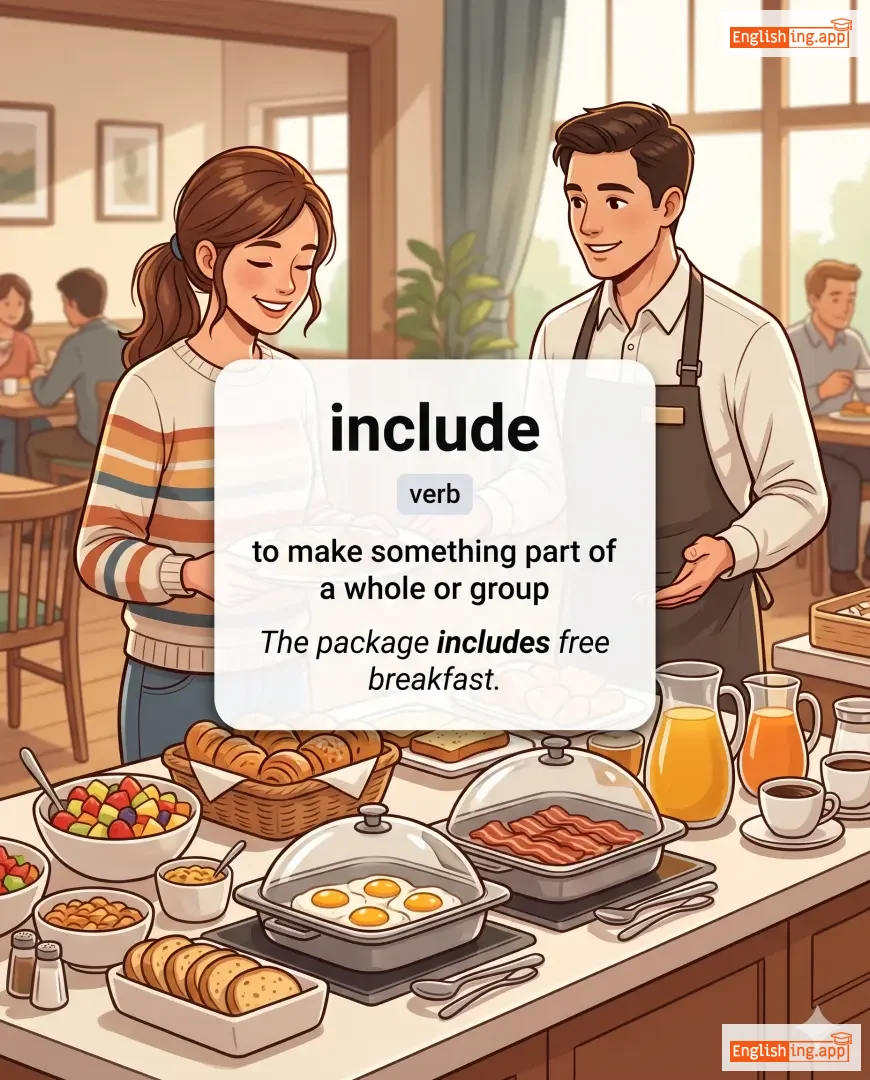
to make something part of a whole or group
••••••
|
The package includes free breakfast.
パッケージには無料の朝食が含まれています。
••••••
|
パッケージには無料の朝食が含まれています。
Pakkēji ni wa muryō no chōshoku ga fukuma reteimasu.
••••••
|
include in
インクルード イン
••••••
|
to add as a part of something
••••••
|
インクルード イン
inkurūdo in
••••••
|
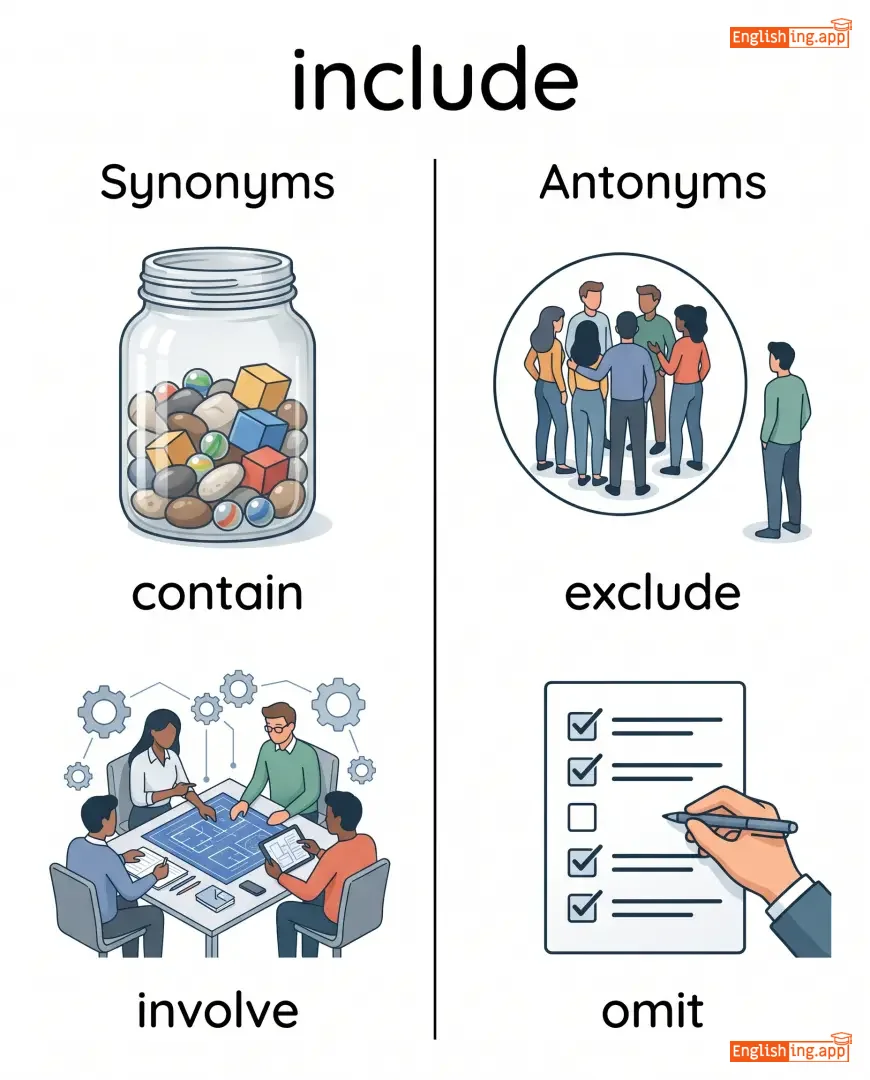
contain, involve, comprise, encompass, cover
••••••
|
exclude, omit
••••••
|
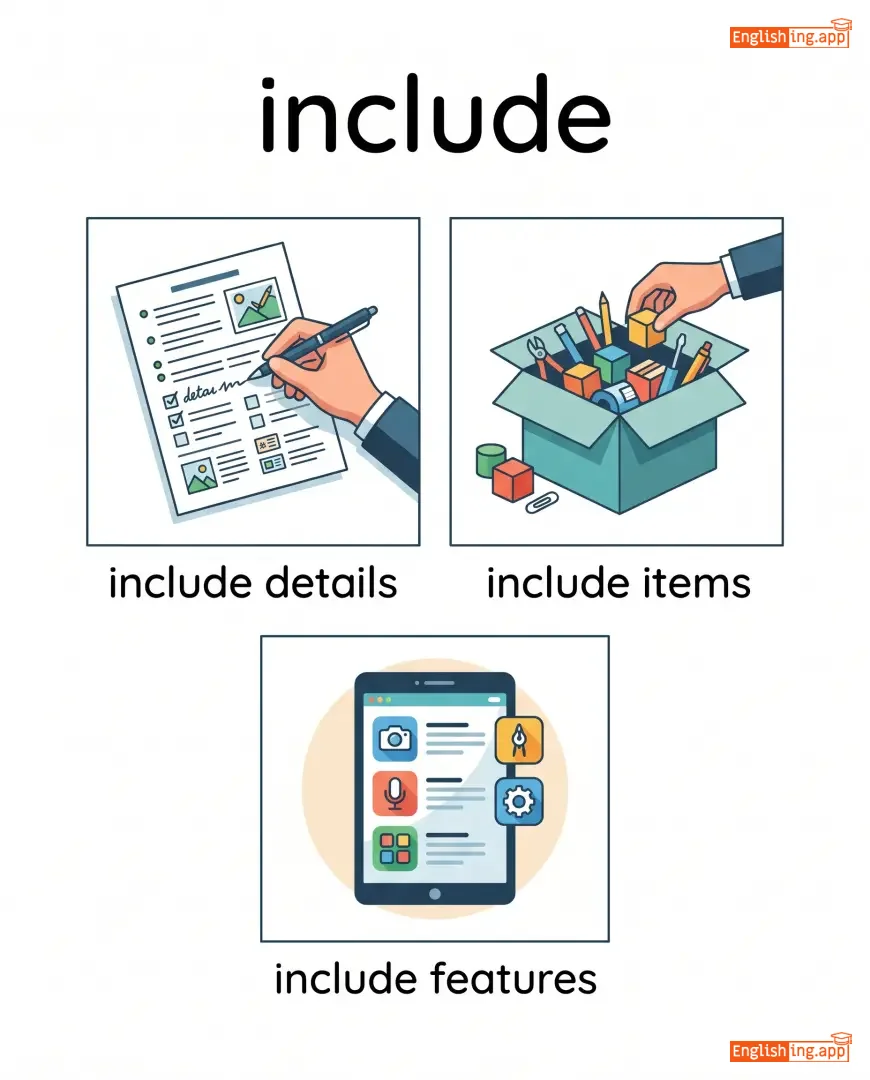
include details, include items, include features
••••••
|
含めるは追加すること、例えばクラスリストに名前を含める
••••••
|
|
🍫
••••••
|
/ɪnˈdʌldʒ/
verb
(インダルジ)
••••••
|
- •••••• |
楽しむ
tanoshimu
••••••
|
indulged
インダルジド
••••••
|
indulged
インダルジド
••••••
|
indulges
インダルジズ
••••••
|
indulging
インダルジング
••••••
|
to allow oneself to enjoy something enjoyable, often excessively
••••••
|
He indulged in a piece of chocolate cake after dinner.
彼はディナーの後でチョコレートケーキの一切れを楽しんだ。
••••••
|
彼はディナーの後でチョコレートケーキの一切れを楽しんだ。
Kare wa dinaa no ato de chokoreeto keeki no hitokire o tanoshinda.
••••••
|
indulge in
インダルジイン
••••••
|
to take pleasure in doing something
••••••
|
楽しむことに没頭する
tanoshimu koto ni bottou suru
••••••
|
pamper, spoil, gratify, satisfy, entertain
••••••
|
restrain, deny, refuse
••••••
|
indulge in, indulge yourself, indulge a habit, indulge desire
••••••
|
Indulge とはチョコレートケーキを楽しむこと – 過度に楽しむこと。
••••••
|
|
⚡
••••••
|
/ɪnˈflɪkt/
verb
(インフリクト)
••••••
|
- •••••• |
加える
kuwaeru
••••••
|
inflicted
インフリクテッド
••••••
|
inflicted
インフリクテッド
••••••
|
inflicts
インフリクツ
••••••
|
inflicting
インフリクティング
••••••
|
to cause something unpleasant or painful to be suffered by someone or something
••••••
|
The storm inflicted considerable damage to the city.
嵐は都市にかなりの被害を与えました。
••••••
|
嵐は都市にかなりの被害を与えました。
Arashi wa toshi ni kanari no higai o ataemashita.
••••••
|
- •••••• | - •••••• | - •••••• |
impose, cause, administer, bring about
••••••
|
relieve, soothe
••••••
|
inflict harm, inflict pain, inflict damage
••••••
|
Inflict sounds like 'In flick' – imagine a flick of pain!
••••••
|
|
🏠
••••••
|
/ɪnˈhɛrɪt/
verb
(インヘリット)
••••••
|
|
相続する
souzoku suru
••••••
|
inherited
インヘリテッド
••••••
|
inherited
インヘリテッド
••••••
|
inherits
インヘリッツ
••••••
|
inheriting
インヘリティング
••••••
|
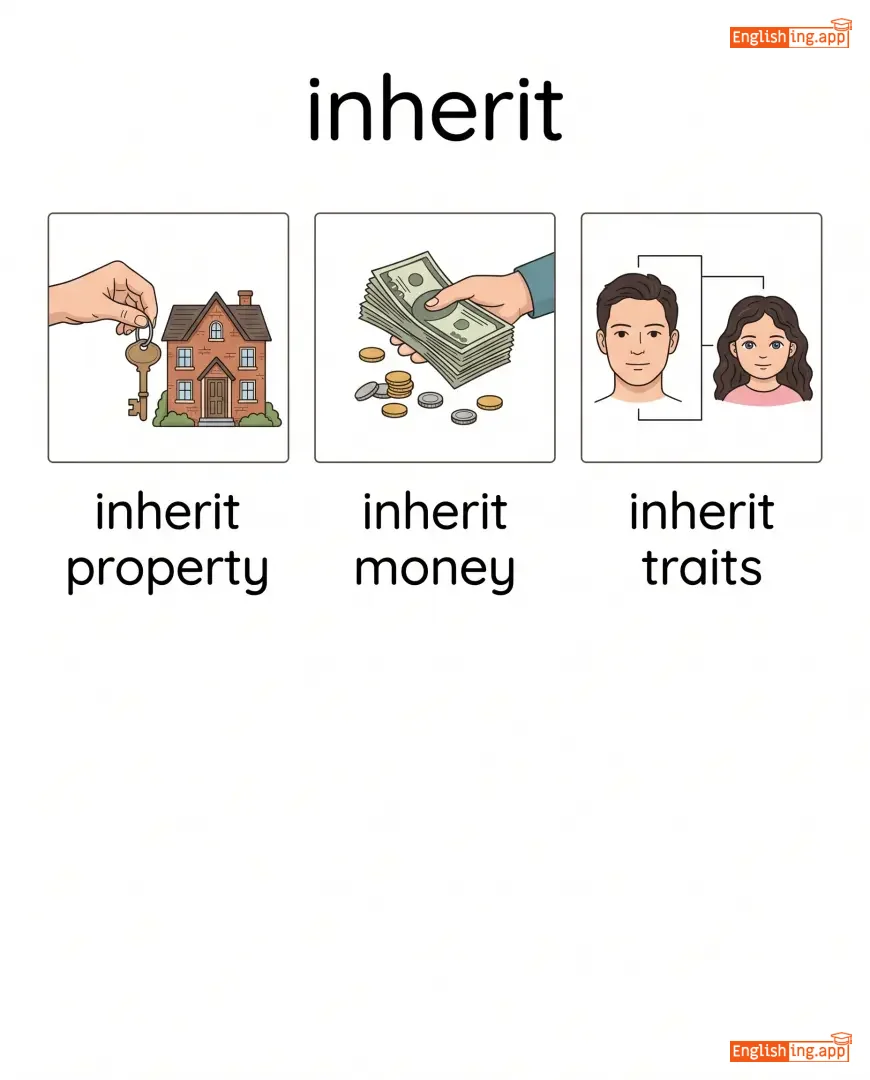
to receive property, money, or traits from someone after their death or from ancestors
••••••
|
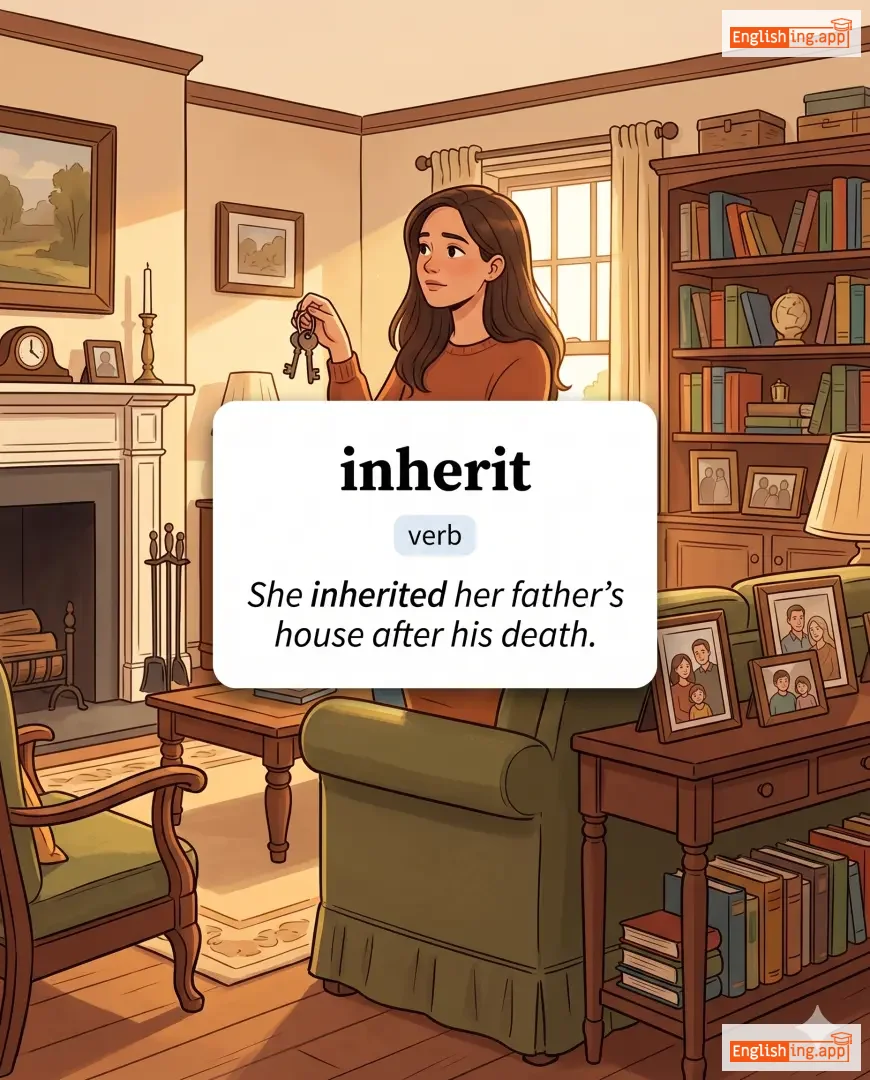
She inherited her father's house after his death.
彼女は父親の死後、家を相続しました。
••••••
|
彼女は父親の死後、家を相続しました。
Kanojo wa chichi no shigo, ie o souzoku shimashita.
••••••
|
inherit the earth
地球を相続する
••••••
|
to gain control or possession of the world or land, often used metaphorically
••••••
|
地球を相続する
chikyuu o souzoku suru
••••••
|
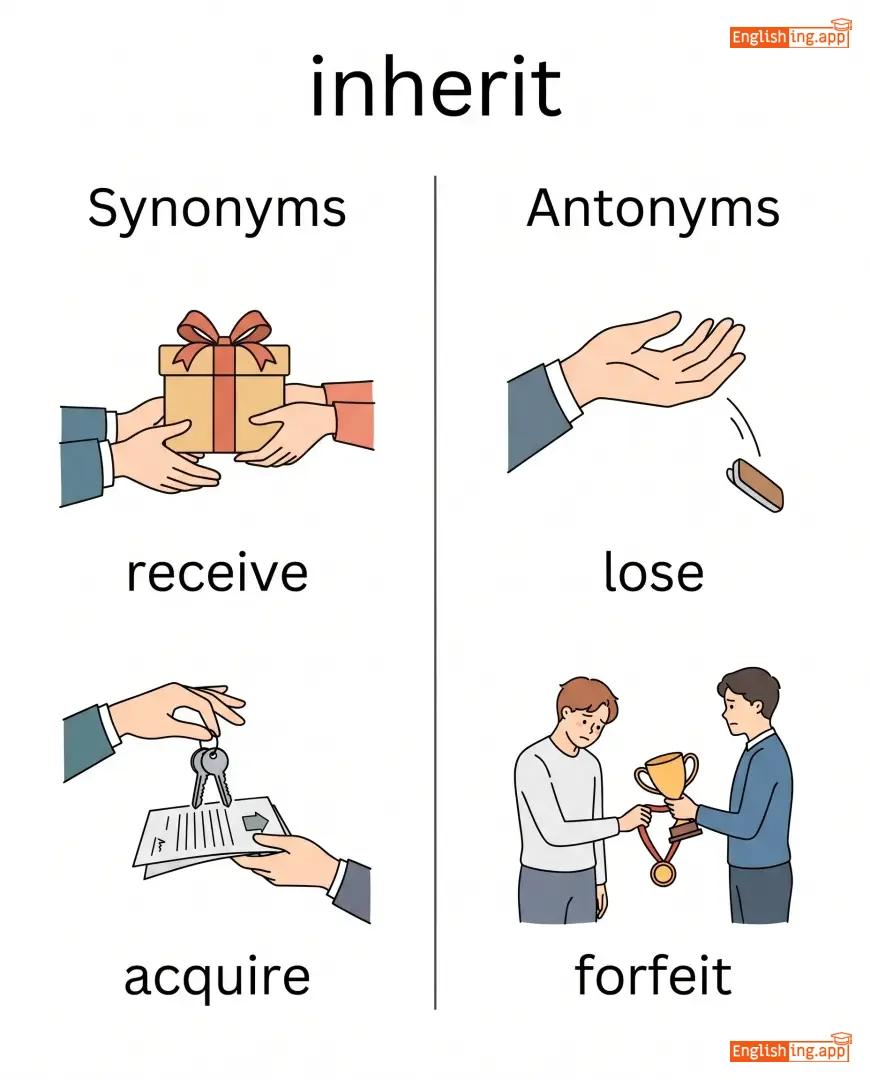
receive, acquire, obtain, succeed, derive
••••••
|
lose, forfeit, give up
••••••
|
inherit property, inherit money, inherit traits, inherit wealth
••••••
|
Inherit は in(中) + heritage(遺産) — 中 heritage は相続することです。
••••••
|
|
⛔
••••••
|
/ɪnˈhɪbɪt/
verb
(インヒビット)
••••••
|
|
抑制する
yokusei suru
••••••
|
inhibited
インヒビテッド
••••••
|
inhibited
インヒビテッド
••••••
|
inhibits
インヒビッツ
••••••
|
inhibiting
インヒビティング
••••••
|
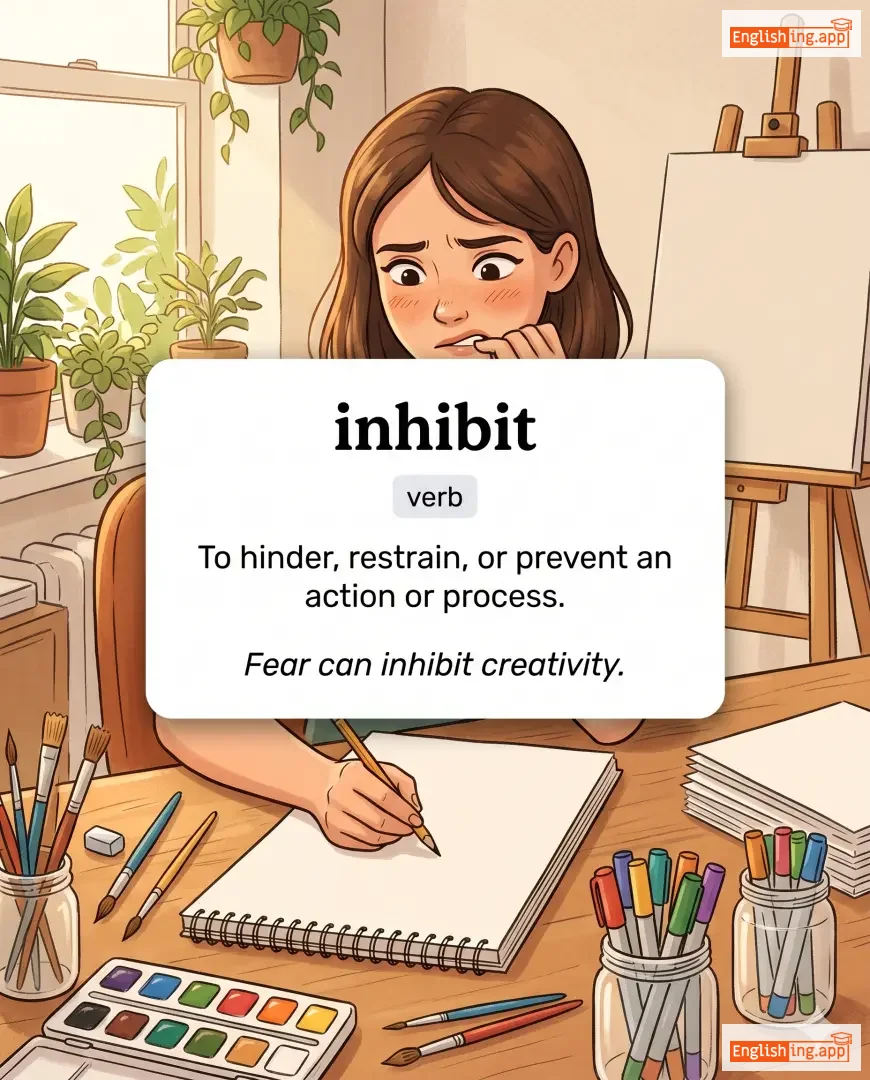
To hinder, restrain, or prevent an action or process.
••••••
|
Fear can inhibit creativity.
恐れは創造性を抑制する可能性があります。
••••••
|
恐れは創造性を抑制する可能性があります。
Osore wa sōzō-sei o yokusei suru kanō-sei ga arimasu.
••••••
|
socially inhibited
社会的に抑制された
••••••
|
Being shy or unable to act freely in social situations.
••••••
|
社会的に抑制された
Shakai-teki ni yokusei sareta
••••••
|
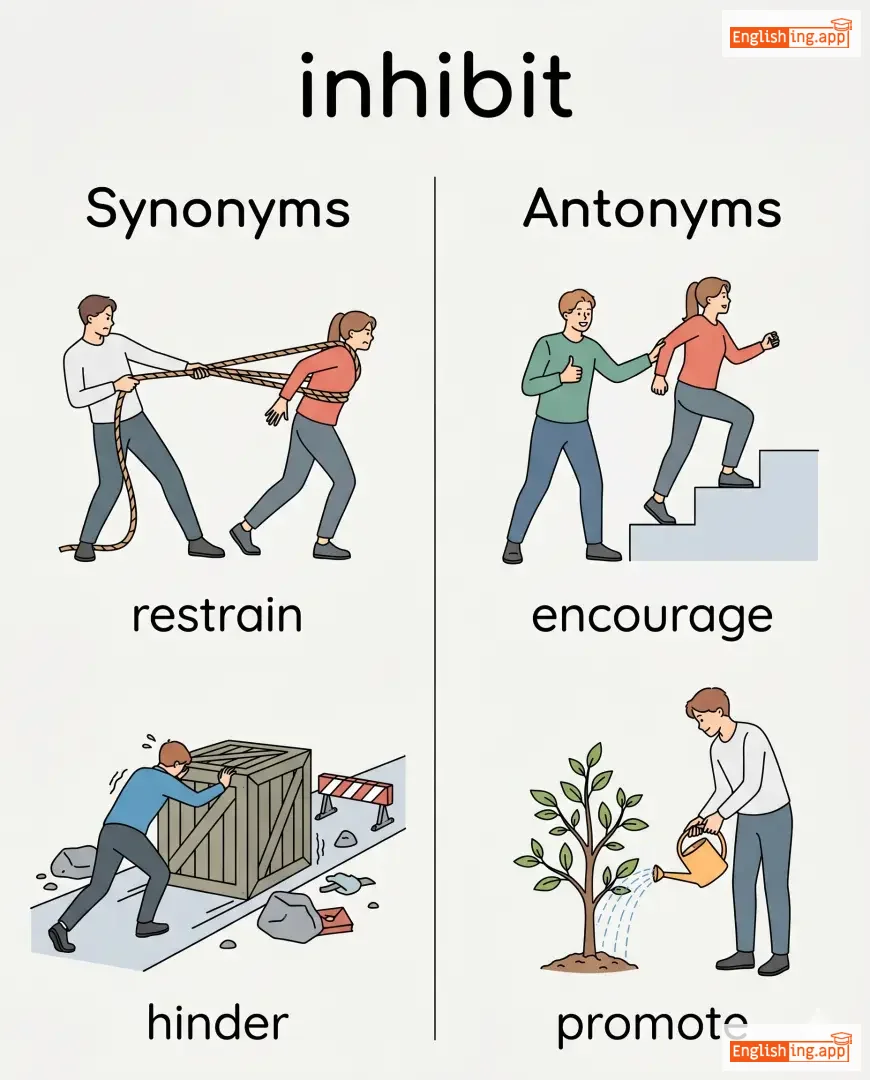
restrain, hinder, prevent, obstruct, suppress
••••••
|
encourage, promote, allow
••••••
|
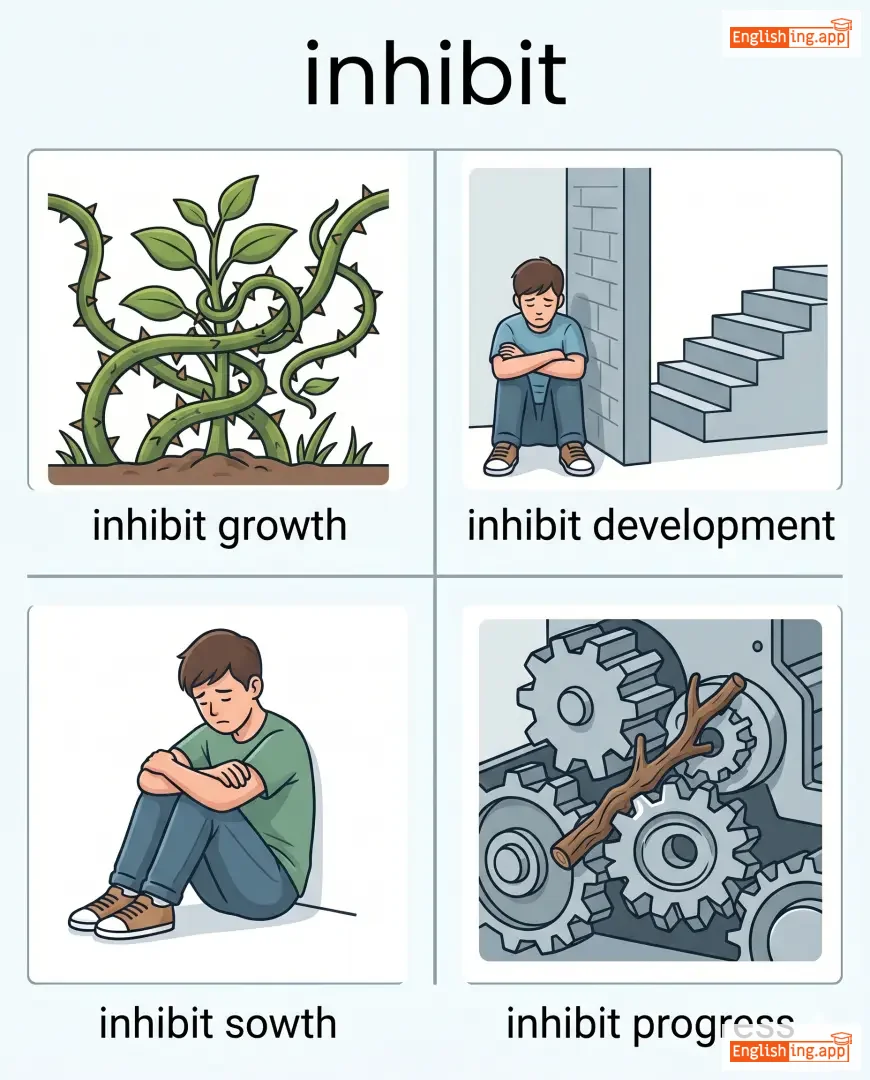
inhibit growth, inhibit development, inhibit progress
••••••
|
Inhibit (in + habit) は習慣で行動を抑制することを意味します。
••••••
|
|
❓
••••••
|
/ɪnˈkwaɪər/
verb
(インクワイア)
••••••
|

|
尋ねる
tazuneru
••••••
|
inquired
インクワイアード
••••••
|
inquired
インクワイアード
••••••
|
inquires
インクワイアーズ
••••••
|
inquiring
インクワイアリング
••••••
|
To ask for information; to investigate.
••••••
|
She inquired about the details of the job.
彼女はその仕事の詳細について尋ねました。
••••••
|
彼女はその仕事の詳細について尋ねました。
Kanojo wa sono shigoto no shousai ni tsuite tazunemashita.
••••••
|
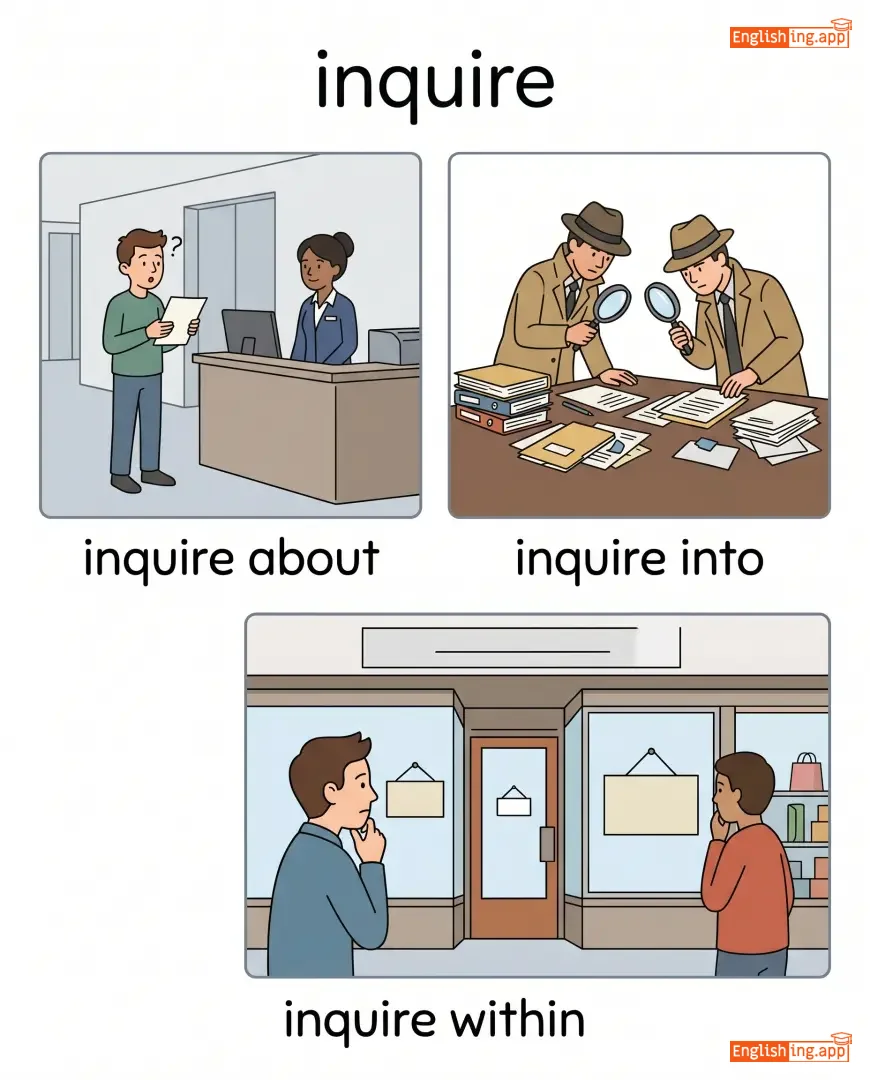
inquire within
インクワイアウィズイン
••••••
|
A phrase used in advertisements, meaning ask inside for more information.
••••••
|
中で尋ねる
naka de tazuneru
••••••
|
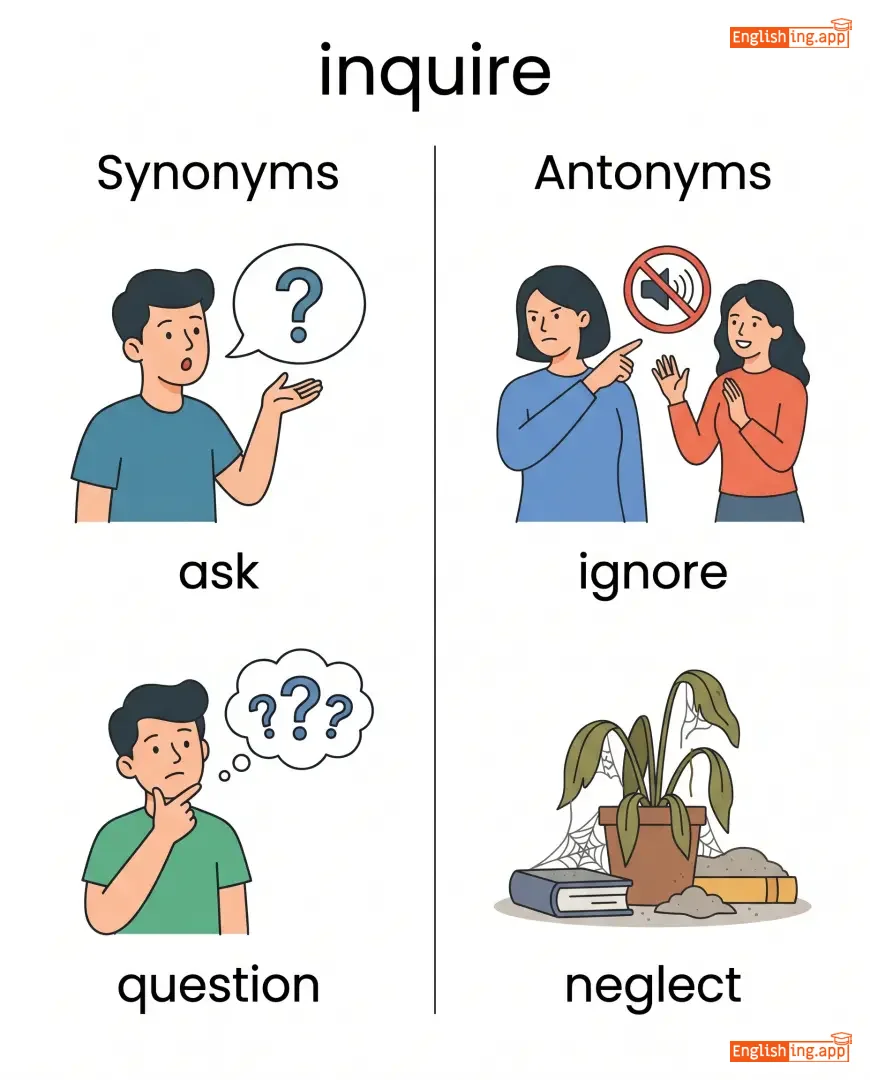
ask, question, investigate, probe, query
••••••
|
ignore, neglect
••••••
|
inquire about, inquire into, inquire within, inquire further
••••••
|
Inquire = インクワイア – 内部で尋ねる。
••••••
|
|
👤
••••••
|
/ɪnˈsaɪdə/
noun
(インサイダー)
••••••
|
- •••••• |
インサイダー
insaidā
••••••
|
- •••••• | - •••••• | - •••••• | - •••••• |
a person within a group or organization who has access to confidential information
••••••
|
He was an insider who knew all the company's secrets. |
彼は会社のすべての秘密を知っているインサイダーでした。
Kare wa kaisha no subete no himitsu o shitte iru insaidā deshita.
••••••
|
- •••••• | - •••••• | - •••••• |
member, participant, confidant, informant
••••••
|
outsider, stranger
••••••
|
company insider, political insider, insider knowledge
••••••
|
インサイダーは、企業内部の秘密を知っている人物
••••••
|
|
🔄
••••••
|
/ɪnˈstɛd/
adverb
(インステッド)
••••••
|
- •••••• |
代わりに
kawari ni
••••••
|
- •••••• | - •••••• | - •••••• | - •••••• |
As an alternative or substitute.
••••••
|
She didn’t buy the dress; instead, she chose a pair of shoes.
彼女はドレスを買わなかった。代わりに、彼女は靴を選んだ。
••••••
|
彼女はドレスを買わなかった。代わりに、彼女は靴を選んだ。
Kanojo wa doresu o kawanakatta. Kawari ni, kanojo wa kutsu o eranda.
••••••
|
instead of
代わりに
••••••
|
In place of.
••••••
|
代わりに
kawari ni
••••••
|
alternatively, rather, otherwise, as a substitute
••••••
|
as well, together, along
••••••
|
chose instead, instead of, use instead, prefer instead
••••••
|
Insteadは、ドレスの代わりに靴を選ぶような代替選択肢です。
••••••
|
|
⏳
••••••
|
/ˈɪntərɪm/
noun
(インタリム)
••••••
|
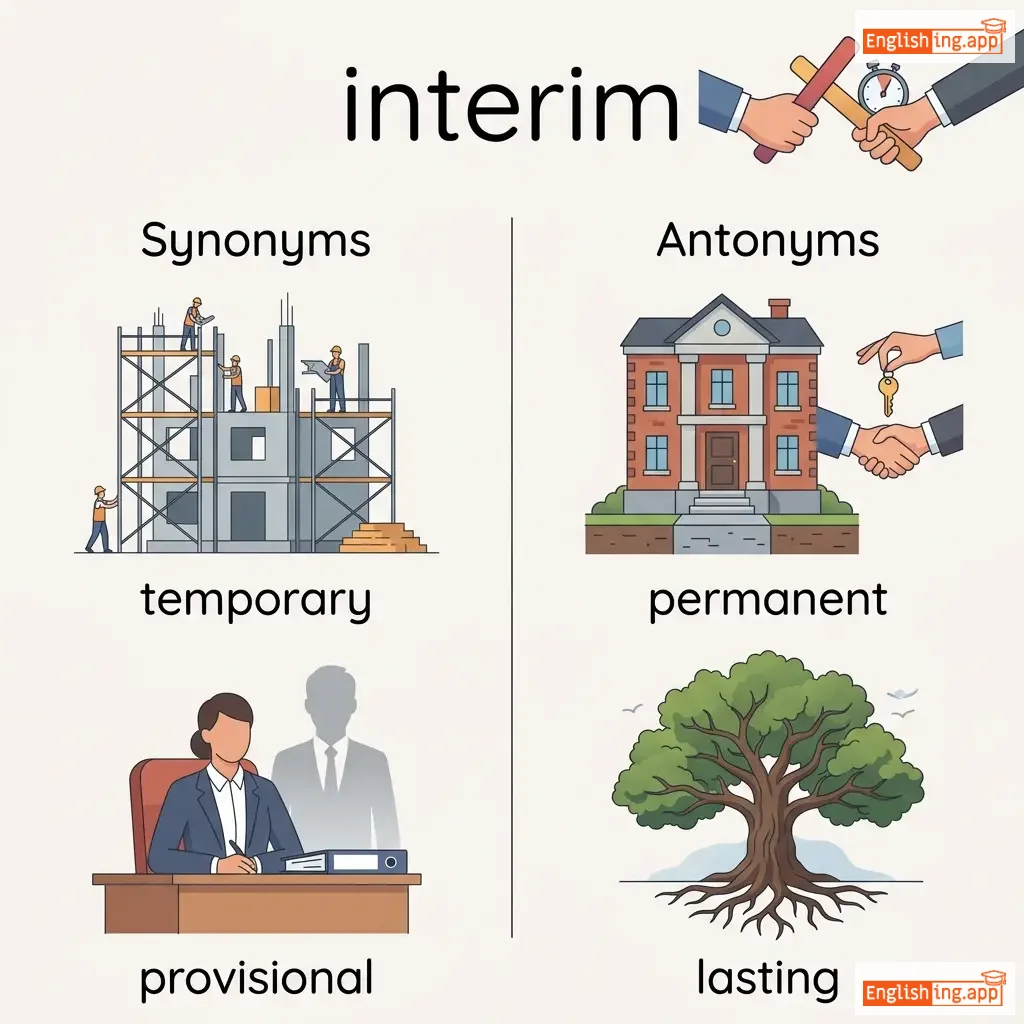
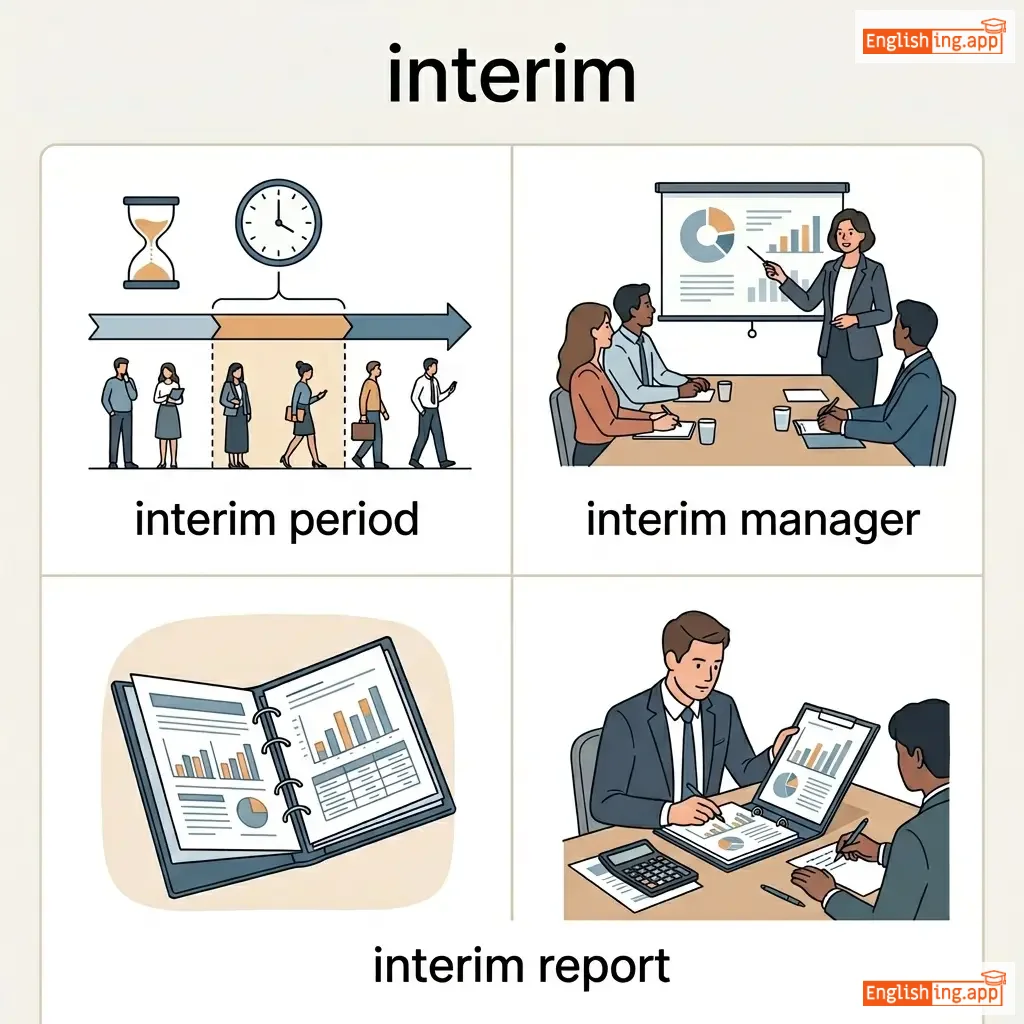
|
暫定
zantei
••••••
|
- •••••• | - •••••• | - •••••• | - •••••• |
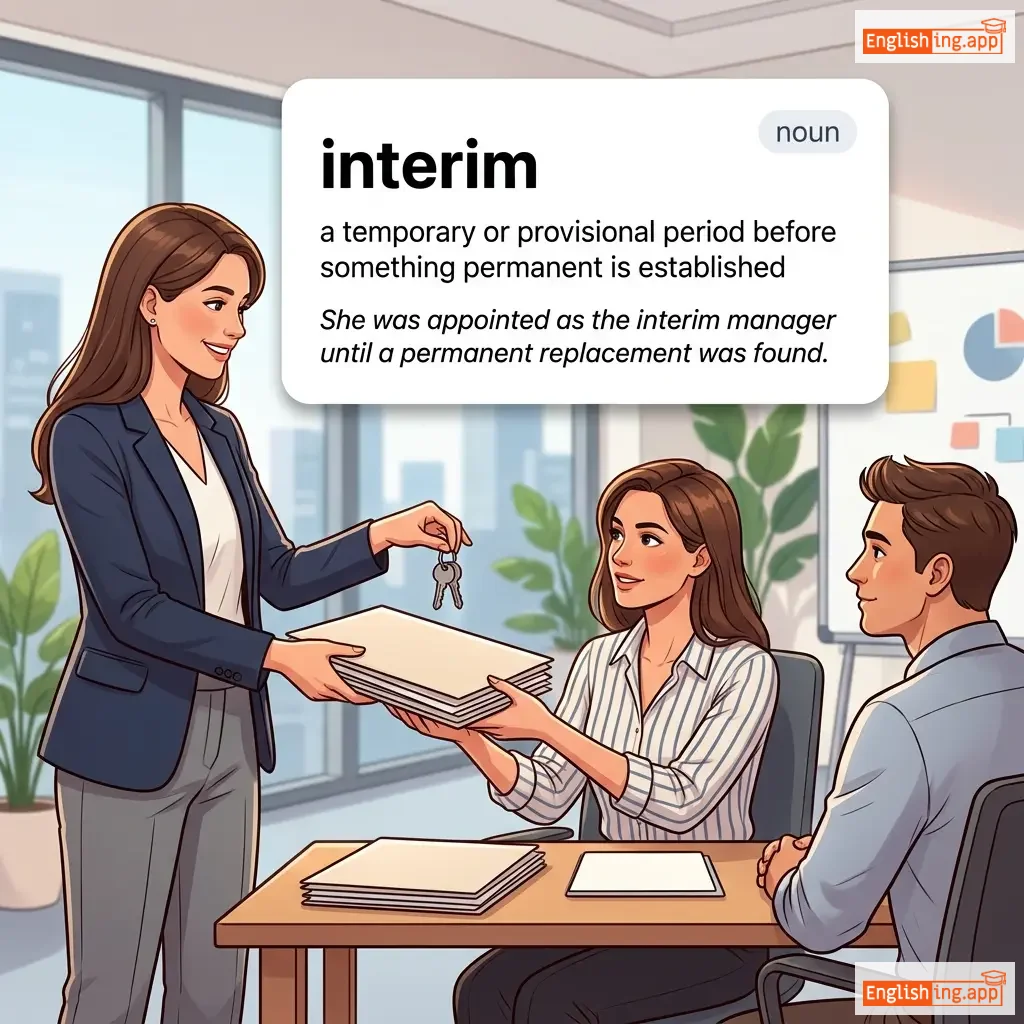
a temporary or provisional period before something permanent is established
••••••
|
She was appointed as the interim manager until a permanent replacement was found. |
彼女は恒久的な代替者が見つかるまで暫定的なマネージャーとして任命されました。
Kanojo wa koukyuutekina daitaisha ga mitsukaru made zanteiteki na manejaa toshite ninmei saremashita.
••••••
|
in the interim |
for the time being; temporarily
••••••
|
その間に
sono aida ni
••••••
|
temporary, provisional, acting, short-term
••••••
|
permanent, lasting
••••••
|
interim period, interim manager, interim report, in the interim
••••••
|
Interim は ‘間’ - 一時的な役割
••••••
|
|
💍
••••••
|
/ˈdʒuːəlri/
noun
(ジュエリー)
••••••
|
- •••••• |
宝石
hōseki
••••••
|
- •••••• | - •••••• | - •••••• | - •••••• |
personal ornaments such as necklaces, rings, or bracelets that are typically made from precious metals and stones
••••••
|
She wore gold jewelry at the wedding.
彼女は結婚式で金のジュエリーを身につけていました。
••••••
|
彼女は結婚式で金の宝石を身につけていました。
Kanojo wa kekkonshiki de kin no hōseki o mi ni tsukete imashita.
••••••
|
- •••••• | - •••••• | - •••••• |
ornaments, gems, accessories, trinkets, adornments
••••••
|
plainness, simplicity
••••••
|
gold jewelry, silver jewelry, wear jewelry, fine jewelry, handmade jewelry
••••••
|
ジュエリーは金や宝石で作られていて、体を美しく飾ります!
••••••
|
|
🛬
••••••
|
/ˈlændɪŋ/
noun
(ランドイング)
••••••
|
- •••••• |
着陸
chakuriku
••••••
|
- •••••• | - •••••• | - •••••• | - •••••• |
the act of coming down to the ground or a surface from the air
••••••
|
The plane made a smooth landing on the runway. |
飛行機は滑走路にスムーズに着陸した。
hikōki wa kassōro ni sumūzu ni chakuriku shita.
••••••
|
crash landing |
an emergency or rough landing of an aircraft
••••••
|
緊急着陸
kinkyū chakuriku
••••••
|
arrival, touchdown, descent, docking, approach
••••••
|
takeoff, departure
••••••
|
safe landing, rough landing, landing gear, landing strip
••••••
|
Landingとは着陸のこと。飛行機が着陸するとき、みんなが‘やっと地面に降りた!’と言うようなものです。
••••••
|

