Reclaiming the Riverside Asylum
川沿いの古い建物はかつて精神医療のasylumだった。 ジョヤはそれを傷ついたanimalsのための救助とセラピー拠点に変えたいと考えている。 彼女は言った:「そんなabsurdな恐怖にもう注意を向けるつもりはありません。」 村の子どもたちは、イギリス人ボランティアのアンナの優しいaccentに魅了された。 一部の人々は以前の管理者たちに対していまだにallege汚職を訴えているが、証拠はない。 会議では、全員が緑のbannerを掲げて誓いを立てた。 建物が町のborder近くにあるため、安全性の問題も話し合われた。 地元のbishopは言った:「ここに新しい避難所を建てるのは信仰の行いです。」 ジョヤは宣言した:「この場所は地域のものであり、私たちの夢はここにbelongします。」 その時、裕福なbankerがこの場所を高級casinoにすることを提案した。 ジョヤはすぐに、未来はballot箱の投票で決めると発表した。 彼女は言った:「私は傷ついた動物たちのbehalfで票を求めています。」 倉庫には、錆びた銃のbarrelがまだ戦争の時代を思い出させる。 技師ラビブは警告した:「多くの構造的なbreachesがあり、修理が最優先です。」 年配の人々は、ここでかつて秘密のburialsが行われたと囁いた。 ジョヤは言った:「私たちは事実でその噂をcancelします。」 入るとき、彼らは壊れた階段に赤いcarpetを敷いて安全な道を作った。 bankerの発言を聞いた群衆は、激しい反対でbouncedし返した。 討論の後、彼らは軽食を分け合い、雰囲気を和らげるためにcasualな話をした。 日が暮れる前に、ジョヤはマイクで繰り返した:「この再建されたasylumは思いやりの家となるでしょう。」
|
絵文字
|
単語 | Images | 翻訳 | 過去 | 過去分詞 | 三人称単数 | 動名詞 | 意味 | 例文 | 例文の翻訳 | 表現例 | 表現例の意味 | 表現例の翻訳 | 同義語 | 対義語 | コロケーション | ニーモニック |
|---|---|---|---|---|---|---|---|---|---|---|---|---|---|---|---|---|---|
|
🤡
••••••
|
/əbˈsɜːrd/
adjective
(アブサード)
••••••
|
- •••••• |
不合理な, ばかげた
fugouri na, bakageta
••••••
|
- •••••• | - •••••• | - •••••• | - •••••• |
wildly unreasonable, illogical, or inappropriate
••••••
|
It is absurd to think that the earth is flat. |
地球が平らだと思うのは不合理です。
Chikyuu ga tairada to omou no wa fugouri desu.
••••••
|
theater of the absurd |
a style of drama emphasizing the absurdity of human existence
••••••
|
不条理劇
fujouri geki
••••••
|
ridiculous, foolish, nonsensical, ludicrous
••••••
|
reasonable, rational, logical
••••••
|
absurd idea, utterly absurd, completely absurd
••••••
|
Absurdは‘アブサード’のように聞こえる - 完全にばかげている!
••••••
|
|
🗣️
••••••
|
/ˈæksɛnt/
noun
(アクサント)
••••••
|
- •••••• |
アクセント
akushento
••••••
|
- •••••• | - •••••• | - •••••• | - •••••• |
a distinctive way of pronouncing a language, especially one associated with a particular country or region
••••••
|
She spoke English with a strong French accent.
彼女は強いフランス語のアクセントで英語を話しました。
••••••
|
彼女は強いフランス語のアクセントで英語を話しました。
Kanojo wa tsuyoi furansugo no akushento de eigo o hanashimashita.
••••••
|
foreign accent
外国のアクセント
••••••
|
a way of speaking that shows the influence of another language
••••••
|
外国のアクセント
gaikoku no akushento
••••••
|
intonation, pronunciation, tone, inflection
••••••
|
monotone, uniformity
••••••
|
strong accent, foreign accent, regional accent, British accent
••••••
|
Accent は‘アクセント’です — 特別な発音方法です。
••••••
|
|
🗣️
••••••
|
/əˈlɛdʒ/
verb
(アレッジ)
••••••
|
- •••••• |
主張する
shuchō suru
••••••
|
alleged
アレッジド
••••••
|
alleged
アレッジド
••••••
|
alleges
アレッジズ
••••••
|
alleging
アレッジング
••••••
|
to claim or assert something, typically without proof
••••••
|
The witness alleged that the man was at the crime scene.
証人はその男性が犯罪現場にいたと主張した。
••••••
|
証人はその男性が犯罪現場にいたと主張した。
Shōnin wa sono dansei ga hanzai genba ni ita to shuchō shita.
••••••
|
alleged crime
申し立てられた犯罪
••••••
|
a crime that is claimed to have happened but not yet proven
••••••
|
申し立てられた犯罪
mōshidaterareta hanzai
••••••
|
claim, assert, contend, accuse, state
••••••
|
deny, refute, reject
••••••
|
allege wrongdoing, allegedly involved, alleged crime, allege misconduct
••••••
|
Allege は日本語で主張する(主張する)です。
••••••
|
|
🐅
••••••
|
/ˈænɪməl/
noun
(アニマル)
••••••
|
- •••••• |
動物
doubutsu
••••••
|
- •••••• | - •••••• | - •••••• | - •••••• |
a living organism that feeds on organic matter and usually has senses and mobility
••••••
|
The tiger is a wild animal. |
虎は野生の動物です。
Tora wa yasei no dōbutsu desu.
••••••
|
party animal |
someone who enjoys going to parties a lot
••••••
|
パーティーアニマル
pātī animaru
••••••
|
creature, beast, living being, organism
••••••
|
plant, human
••••••
|
wild animal, domestic animal, animal rights, animal kingdom
••••••
|
Animal は動物—動物園にはたくさんの動物がいます 🦁
••••••
|
|
🏥
••••••
|
/əˈsaɪləm/
noun
(アサイラム)
••••••
|
|
亡命
bōmei
••••••
|
- •••••• | - •••••• | - •••••• | - •••••• |
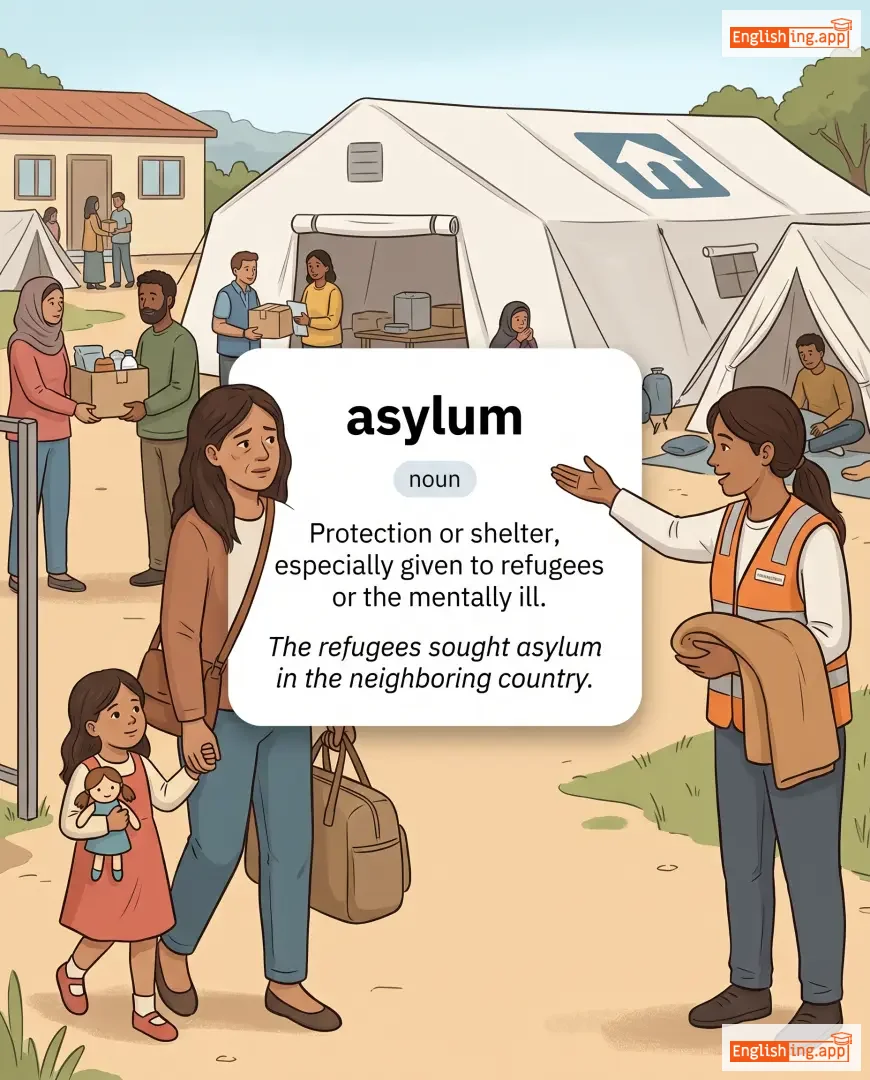
Protection or shelter, especially given to refugees or the mentally ill.
••••••
|
The refugees sought asylum in the neighboring country.
難民は隣国で亡命を求めた。
••••••
|
難民は隣国で亡命を求めた。
Nanmin wa ringoku de bōmei o motometa.
••••••
|
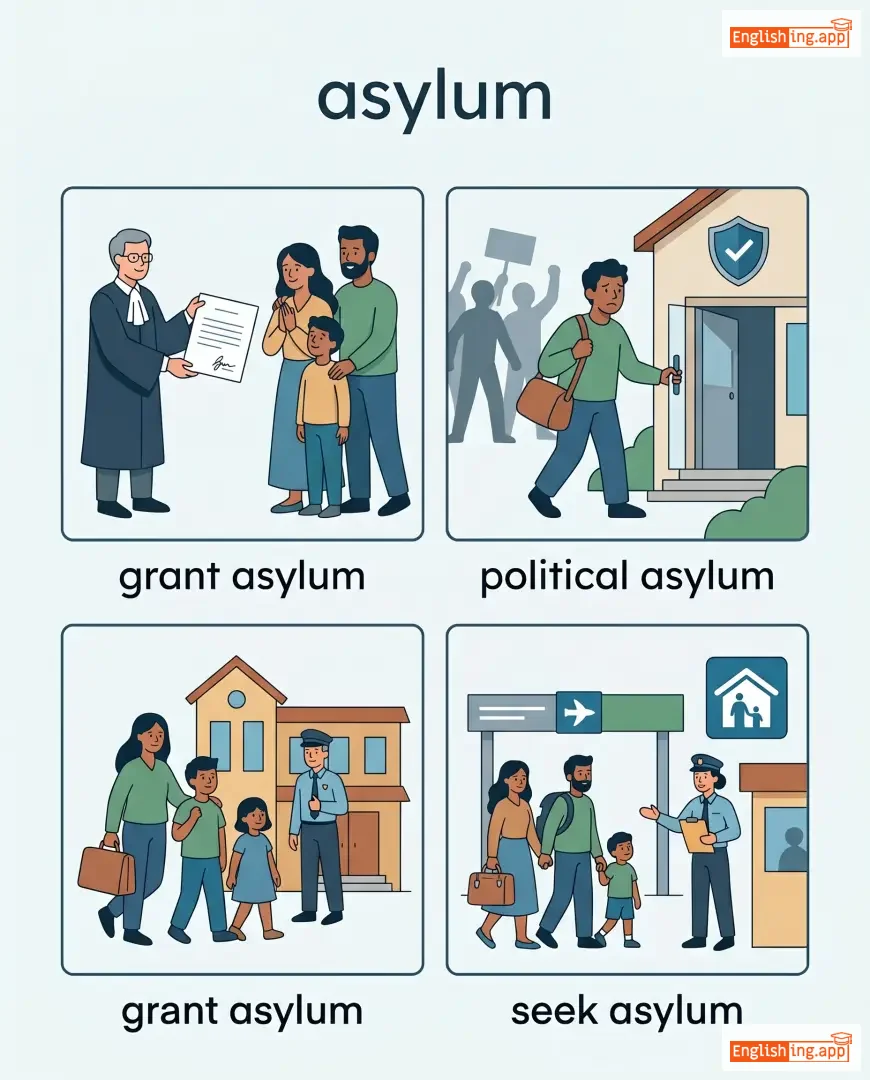
seek asylum
亡命を求める
••••••
|
To formally request protection in another country.
••••••
|
亡命を求める
Bōmei o motomeru
••••••
|
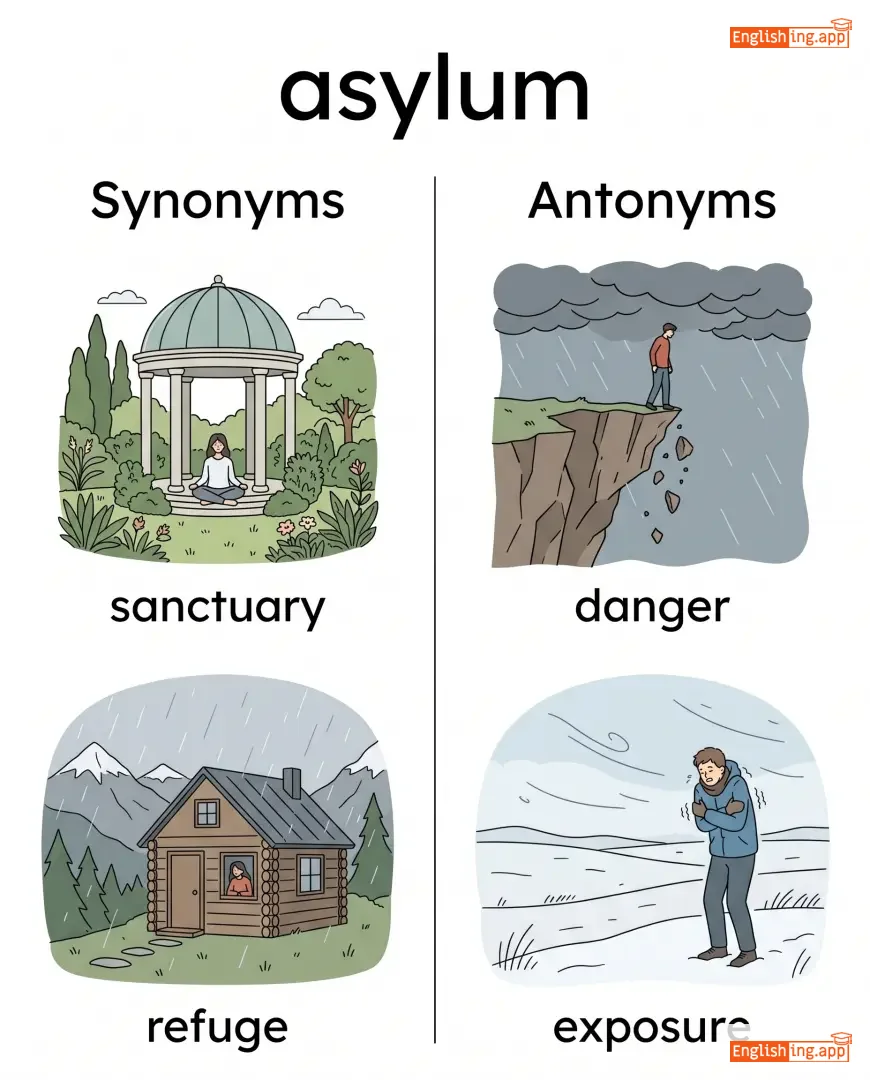
sanctuary, refuge, shelter, haven, protection
••••••
|
danger, exposure, threat
••••••
|
grant asylum, political asylum, seek asylum, asylum seeker
••••••
|
亡命は危険から逃れるために必要な保護を意味します。
••••••
|
|
🗳️
••••••
|
/ˈbælət/
noun
(バレット)
••••••
|
- •••••• |
投票用紙
touhyou youshi
••••••
|
- •••••• | - •••••• | - •••••• | - •••••• |
a process of voting, usually in secret; the paper used to record a vote
••••••
|
Voters cast their ballot in the election.
ボーターズ キャスト ゼア バレット イン ザ エレクション。
••••••
|
有権者は選挙で投票用紙を投じました。
yuukensha wa senkyo de touhyou youshi wo toujimashita.
••••••
|
cast a ballot
キャスト ア バレット
••••••
|
to vote in an election
••••••
|
投票する
touhyou suru
••••••
|
vote, poll, referendum, choice
••••••
|
abstention, refusal
••••••
|
secret ballot, ballot box, ballot paper, cast ballot
••••••
|
Ballotはバレット、日本では投票用紙で投票!
••••••
|
|
💼
••••••
|
/ˈbæŋkər/
noun
(バンカー)
••••••
|
- •••••• |
銀行家
ginkōka
••••••
|
- •••••• | - •••••• | - •••••• | - •••••• |
a person who works in or manages a bank
••••••
|
The banker approved the loan after reviewing the documents. |
銀行家は書類を確認した後、ローンを承認しました。
Ginkōka wa shorui o kakunin shita ato, rōn o shōnin shimashita.
••••••
|
- •••••• | - •••••• | - •••••• |
financier, investor, lender, executive, manager
••••••
|
borrower, debtor
••••••
|
senior banker, investment banker, central banker, private banker
••••••
|
銀行家はお金を扱う人 — ローンを承認し、銀行を管理する仕事をしている人。
••••••
|
|
🖼️
••••••
|
/ˈbænər/
noun
••••••
|
- •••••• | - •••••• | - •••••• | - •••••• | - •••••• | - •••••• |
a large printed sign used for advertisements or announcements
••••••
|
The company displayed a banner to advertise their new product. |
- •••••• | - •••••• | - •••••• | - •••••• |
sign, placard, poster, billboard
••••••
|
hidden, covered, concealed
••••••
|
display a banner, raise a banner, banner ad, large banner
••••••
|
No •••••• |
|
🛢️
••••••
|
/ˈbærəl/
noun
(バレル)
••••••
|
- •••••• |
大樽
o-taru
••••••
|
- •••••• | - •••••• | - •••••• | - •••••• |
a large cylindrical container used to hold liquids
••••••
|
The wine was stored in a wooden barrel. |
ワインは木製の大樽に保管されていた。
Wain wa mokusei no o-taru ni hokan sarete ita.
••••••
|
over a barrel |
in a helpless or difficult situation
••••••
|
困難な状況で
Konnan na joukyou de
••••••
|
cask, drum, keg, container
••••••
|
bottle, flask
••••••
|
oil barrel, wooden barrel, barrel of wine, barrel full
••••••
|
Barrel は大樽を意味し、ワイン用の大きな樽を想像してください。
••••••
|
|
🤝
••••••
|
/bɪˈhɑːf/
noun
(ビハフ)
••••••
|
- •••••• |
を代表して
wo daihyō shite
••••••
|
- •••••• | - •••••• | - •••••• | - •••••• |
as a representative of someone; in the interest of someone
••••••
|
She accepted the award on behalf of her team. |
彼女はチームを代表して賞を受け取りました。
Kanojo wa chīmu o daihyō shite shō o uketorimashita.
••••••
|
on someone's behalf |
as a representative of someone else
••••••
|
誰かを代表して
dareka o daihyō shite
••••••
|
interest, support, representation, favor
••••••
|
against, opposition
••••••
|
on behalf of, in behalf of, behalf letter, behalf request
••••••
|
'Be half' 覚えておいて — あなたは他の誰かの半分で、その人のために働いている!
••••••
|
|
🏠
••••••
|
/bɪˈlɒŋ/
verb
(ビロング)
••••••
|
- •••••• |
所属する
shozoku suru
••••••
|
belonged
ビロンド
••••••
|
belonged
ビロンド
••••••
|
belongs
ビロングス
••••••
|
belonging
ビロングイング
••••••
|
to be in the right place or to be a member of a group
••••••
|
She felt she truly belonged to the team.
彼女はチームに本当に所属していると感じていました。
••••••
|
彼女はチームに本当に所属していると感じていました。
Kanojo wa chīmu ni hontōni shozoku shite iru to kanjite imashita.
••••••
|
belong to
所属する
••••••
|
to be the property of someone or something
••••••
|
所属する
shozoku suru
••••••
|
fit, associate, connect, relate
••••••
|
exclude, detach, separate
••••••
|
belong to, feel belong, belong somewhere
••••••
|
Belongは‘所属する’意味で、何かの一部であることを示します。
••••••
|
|
⛪
••••••
|
/ˈbɪʃəp/
noun
(ビショップ)
••••••
|
- •••••• |
司教
shikyō
••••••
|
- •••••• | - •••••• | - •••••• | - •••••• |
a senior member of the Christian clergy, usually in charge of a diocese and empowered to confer holy orders.
••••••
|
The bishop delivered a powerful sermon during Sunday service. |
司教は日曜日の礼拝で力強い説教をしました。
Shikyō wa nichiyōbi no reihai de chikara tsuyoi sekkyō o shimashita.
••••••
|
move diagonally like a bishop |
to act or move in a way that avoids direct confrontation, like the bishop piece in chess.
••••••
|
ビショップのように斜めに動く
Bishoppu no yō ni naname ni ugoku
••••••
|
clergyman, priest, pastor, archbishop, prelate
••••••
|
layman, civilian
••••••
|
Catholic bishop, Anglican bishop, bishop's palace, ordained bishop
••••••
|
司教は教会のリーダーです。覚えておいてください、‘⛪ 司教が祈りを導く’。
••••••
|
|
🛂
••••••
|
/ˈbɔːrdər/
noun, verb
(ボーダー)
••••••
|
- •••••• |
国境
kokkyou
••••••
|
bordered
ボーダード
••••••
|
bordered
ボーダード
••••••
|
borders
ボーダーズ
••••••
|
bordering
ボーダリング
••••••
|
A line separating two political or geographical areas.
••••••
|
Bangladesh shares a long border with India.
バングラデシュはインドと長い国境を共有しています。
••••••
|
バングラデシュはインドと長い国境を共有しています。
Banguradeshu wa Indo to nagai kokkyou o kyōyū shiteimasu.
••••••
|
border on
border on
••••••
|
To be very close to something.
••••••
|
近くにいる
chikaku ni iru
••••••
|
boundary, edge, frontier, limit, margin
••••••
|
center, core
••••••
|
cross the border, border area, border security, border control
••••••
|
Border は国境を意味します 🛂 — バングラデシュとインドの国境を想像してみてください。
••••••
|
|
🏀
••••••
|
/baʊns/
verb
(baunsu)
••••••
|
- •••••• |
跳ね返る
hane kaeru
••••••
|
bounced
baunsudo
••••••
|
bounced
baunsudo
••••••
|
bounces
baunsesu
••••••
|
bouncing
baunsingu
••••••
|
to spring back after hitting something; to rebound.
••••••
|
The ball bounced off the wall and hit the window.
ボールは壁にバウンドして、窓に当たりました。
••••••
|
ボールは壁に当たって跳ね返り、窓に当たりました。
Bōru wa kabe ni atatte hane kaeri, mado ni atarimashita.
••••••
|
bounce back
バウンスバック
••••••
|
to recover quickly from difficulties
••••••
|
素早く回復する
subayaku kaifuku suru
••••••
|
rebound, spring, ricochet, leap, jump
••••••
|
fall, drop, sink
••••••
|
bounce off, bounce back, bounce a ball, bounce ideas
••••••
|
Bounceは跳ね返る、ボールが壁に当たって跳ね返るように。
••••••
|
|
🚨
••••••
|
/briːtʃ/
noun, verb
(ブリーチ)
••••••
|

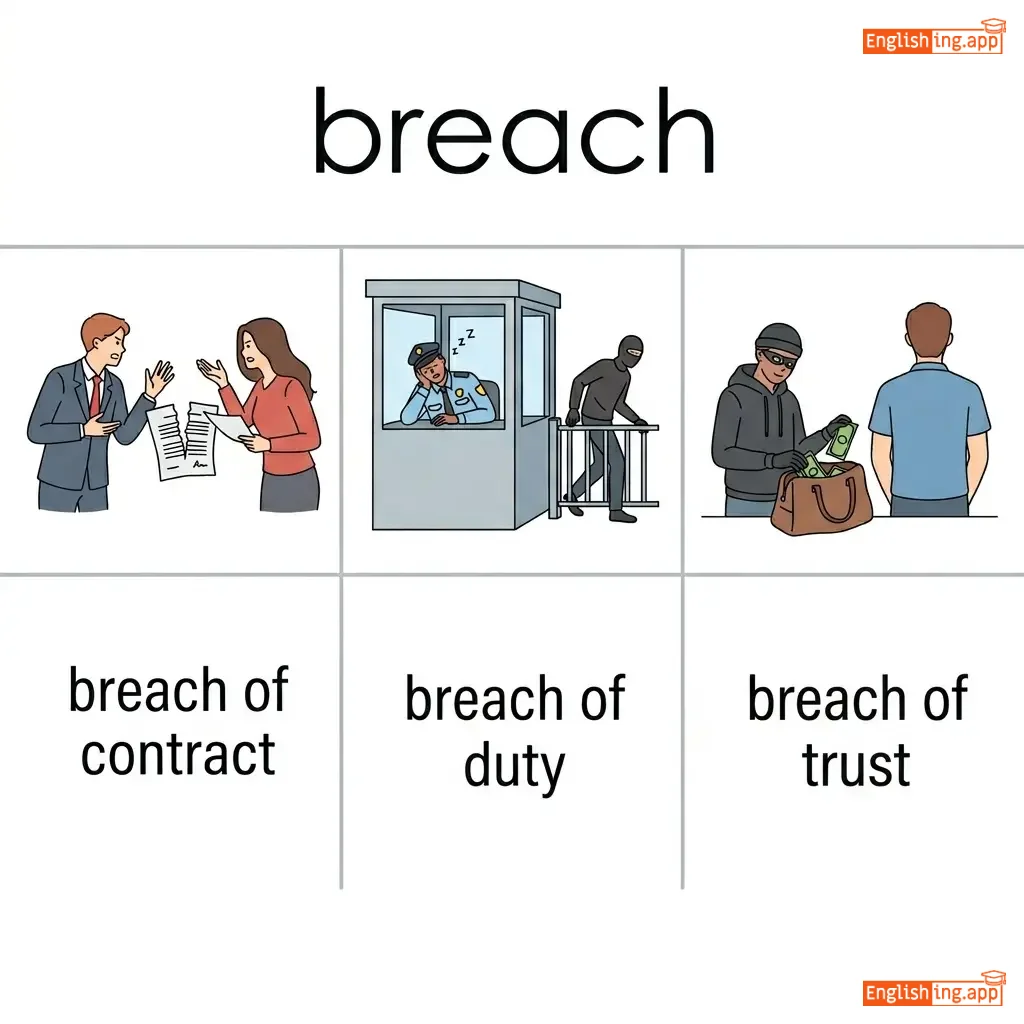
|
違反
ihan
••••••
|
breached
ブリーチド
••••••
|
breached
ブリーチド
••••••
|
breaches
ブリーチェス
••••••
|
breaching
ブリーチング
••••••
|
An act of breaking or failing to observe a law, agreement, or code of conduct; to break through.
••••••
|
The company was fined for a breach of contract.
その会社は契約違反で罰金を科せられました。
••••••
|
その会社は契約違反で罰金を科せられました。
Sono kaisha wa keiyaku ihan de bakkin wo kaseraremashita.
••••••
|
breach of trust
信頼の違反
••••••
|
A violation of confidence or duty.
••••••
|
信頼の違反
shinrai no ihan
••••••
|
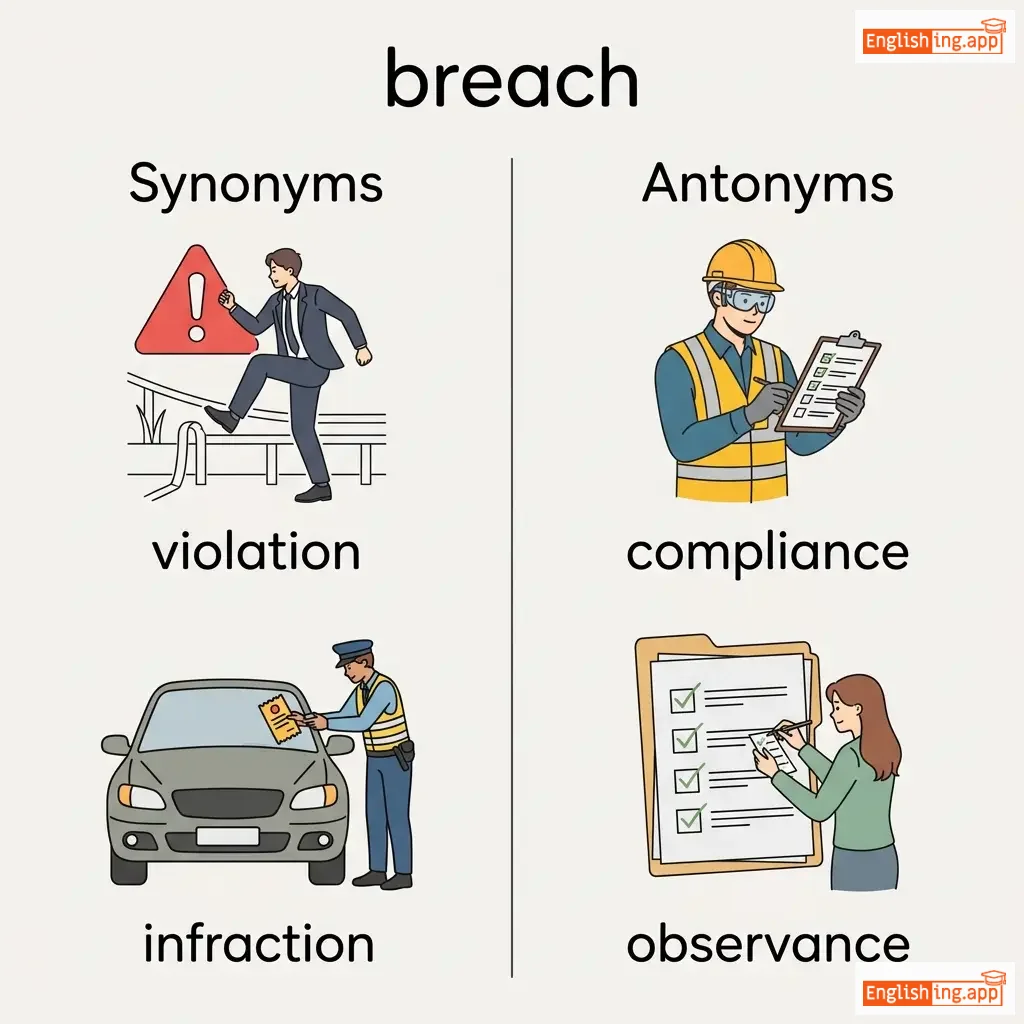
violation, infraction, contravention, infringement, rupture
••••••
|
compliance, observance, respect
••••••
|
breach of contract, breach of duty, breach of trust, security breach
••••••
|
Breach は違反を意味します — 契約や信頼の違反です。
••••••
|
|
⚰️
••••••
|
/ˈbɛriəl/
noun
(ベリアル)
••••••
|
- •••••• |
埋葬
maiso
••••••
|
- •••••• | - •••••• | - •••••• | - •••••• |
the act of placing a dead body into the ground.
••••••
|
The burial ceremony took place in the afternoon. |
埋葬の儀式は午後に行われた。
Maiso no gishiki wa gogo ni okonawareta.
••••••
|
- •••••• | - •••••• | - •••••• |
interment, entombment, inhumation
••••••
|
exhumation, resurrection
••••••
|
burial site, burial ground, burial ceremony
••••••
|
A 'maiso' is like a final 'resting' place for the dead.
••••••
|
|
❌
••••••
|
/ˈkænsəl/
verb
(キャンセル)
••••••
|
- •••••• |
キャンセル
kyanseru
••••••
|
canceled
キャンセルド
••••••
|
canceled
キャンセルド
••••••
|
cancels
キャンセルズ
••••••
|
canceling
キャンセリング
••••••
|
to decide that something planned will not take place
••••••
|
The flight was canceled due to heavy rain.
フライトは激しい雨のためキャンセルされました。
••••••
|
フライトは激しい雨のためキャンセルされました。
Furaito wa hageshī ame no tame kyansel saremashita.
••••••
|
cancel out
キャンセルアウト
••••••
|
to remove the effect of one thing by another
••••••
|
キャンセル
kyanseru
••••••
|
call off, revoke, abolish, terminate, nullify
••••••
|
approve, continue, confirm
••••••
|
cancel order, cancel meeting, cancel subscription, cancel flight
••••••
|
キャンセルは消すこと - 映画のチケットがキャンセルされたらもう見れません!
••••••
|
|
🧶
••••••
|
/ˈkɑːrpɪt/
noun
(カーペット)
••••••
|
- •••••• |
カーペット
kaapetto
••••••
|
- •••••• | - •••••• | - •••••• | - •••••• |
a thick woven floor covering
••••••
|
They bought a red carpet for the living room. |
彼らはリビングルーム用に赤いカーペットを買いました。
Karera wa ribingu rūmu-yō ni akai kāpetto o kaimashita.
••••••
|
roll out the red carpet |
to give someone very special treatment
••••••
|
特別扱いをする
tokubetsu atsukai o suru
••••••
|
rug, mat, floorcloth, covering
••••••
|
bare floor, tiles
••••••
|
red carpet, carpet cleaner, carpet shop, wall-to-wall carpet
••••••
|
Carpet は車の pet — 車の下にカーペットがあります!
••••••
|
|
🎰
••••••
|
/kəˈsiːnoʊ/
noun
(カジノ)
••••••
|
- •••••• |
カジノ
kajino
••••••
|
- •••••• | - •••••• | - •••••• | - •••••• |
a place where people gamble and play games of chance
••••••
|
They spent the evening playing cards at the casino. |
彼らはカジノでカードをして夜を過ごしました。
Karera wa kajino de kādo o shite yoru o sugoshimashita.
••••••
|
- •••••• | - •••••• | - •••••• |
gambling house, gaming hall, club, betting place
••••••
|
temple, church
••••••
|
casino game, casino table, casino resort, online casino
••••••
|
カジノ - お金をかけて運試し、幸運を祈って!
••••••
|
|
👕
••••••
|
/ˈkæʒuəl/
adjective
(カジュアル)
••••••
|
- •••••• |
カジュアル
kajuaru
••••••
|
- •••••• | - •••••• | - •••••• | - •••••• |
Relaxed and informal in style, manner, or appearance.
••••••
|
He wore casual clothes to the informal gathering.
彼はカジュアルな服を着て、非公式な集まりに参加した。
••••••
|
彼はカジュアルな服を着て、非公式な集まりに参加した。
Kare wa kajuaru na fuku o kite, hikōshiki na atsumari ni sanka shita.
••••••
|
casual acquaintance
カジュアルな知り合い
••••••
|
A person you know but not very well.
••••••
|
カジュアルな知り合い
kajuaru na shiriai
••••••
|
informal, relaxed, easygoing, nonchalant, laid-back
••••••
|
formal, serious, strict
••••••
|
casual clothes, casual meeting, casual conversation, casual approach
••••••
|
カジュアルな服装はリラックスしたスタイルを意味する
••••••
|

