Tidal Museum of Resilience
コックスバザールの村に住む若い historian スシュモナは、最近の高潮の記憶を残すためにボート博物館を開くことを決めた。 嵐の夜、彼女は人々が安全な場所を求めて desperate になっているのを見た。 夜明けに彼女は砂丘で奇妙な木製の浮きの discovery をした。 彼女は、そこに博物館を建てれば後世がその出来事の highlight を理解できると思った。 最初に彼女は住民からリスク detection データを集めた。 各インタビューは漁師たちとの新しい encounter となった。 村の immigrant の若者たちはボランティアをしたいと言った。 スシュモナは、展示を始めるには資金調達と marketing が非常に important だと知っていた。 彼女は地域ラジオで柔らかい frequency でジングルを放送した。 地元の女子学生たちは「アプの博物館は私たちにとって本当に excellent です」と言った。 円滑な operation を確保するために、彼らは展示する品物を including したリストを作成した。 彼らはボートの mechanism を示す模型を作った。 砂丘から見える青い海の landscape が訪問者を naturally 引きつけるだろうと皆が思った。 ガイドを訓練する間、若者たちはベンガル語で話したが、主要な用語は英語で naturally 発音した。 毎晩スシュモナは進捗の intensity を記録した。 村で newspaper を配達していた少年は無料パスを宣伝し始めた。 開館の日、皆が歌を歌って happiness を表した。 博物館が開かれたとき、スシュモナは、遺産を integrate すると災害の記憶が力に変わることを悟った。
|
絵文字
|
単語 | Images | 翻訳 | 過去 | 過去分詞 | 三人称単数 | 動名詞 | 意味 | 例文 | 例文の翻訳 | 表現例 | 表現例の意味 | 表現例の翻訳 | 同義語 | 対義語 | コロケーション | ニーモニック |
|---|---|---|---|---|---|---|---|---|---|---|---|---|---|---|---|---|---|
|
🙏
••••••
|
/ˈdɛspərət/
adjective
(デスぺレート)
••••••
|
- •••••• |
絶望的
zetsubōteki
••••••
|
- •••••• | - •••••• | - •••••• | - •••••• |
Feeling or showing a hopeless sense that a situation is so bad as to be impossible to deal with.
••••••
|
He was desperate to find a job before his savings ran out. |
彼は貯金が尽きる前に仕事を見つけることに必死だった。
Kare wa chokin ga tsukiru mae ni shigoto o mitsukeru koto ni hisshi datta.
••••••
|
desperate measures |
Extreme actions taken as a last resort in a difficult situation.
••••••
|
絶望的な手段
zetsubōteki na shudan
••••••
|
hopeless, despairing, frantic, urgent, reckless
••••••
|
hopeful, calm, confident
••••••
|
desperate attempt, desperate need, desperate cry, desperate situation
••••••
|
Desperate → ZETSU + bō → 絶望的な状況で仕事を必死に探す。
••••••
|
|
🔍
••••••
|
/dɪˈtɛkʃən/
noun
(ディテクション)
••••••
|
- •••••• |
検出
kenshutsu
••••••
|
- •••••• | - •••••• | - •••••• | - •••••• |
the action or process of identifying the presence of something
••••••
|
The detection of fraud in the system was swift. |
システム内での詐欺の検出は迅速でした。
Shisutemu-nai de no sagi no kenshutsu wa jinsoku deshita.
••••••
|
- •••••• | - •••••• | - •••••• |
discovery, identification, recognition
••••••
|
ignorance, oversight
••••••
|
detection of error, early detection, fraud detection, signal detection
••••••
|
ディテクション = 検出、何かを検出する
••••••
|
|
🔎
••••••
|
/dɪˈskʌvəri/
noun
(ディスカバリー)
••••••
|
- •••••• |
発見
hakken
••••••
|
- •••••• | - •••••• | - •••••• | - •••••• |
The act of finding or learning something for the first time.
••••••
|
The discovery of penicillin changed medical history. |
ペニシリンの発見は医学の歴史を変えた。
Penishirin no hakken wa igaku no rekishi o kaeta.
••••••
|
make a discovery |
to find or learn something new
••••••
|
発見をする
Hakken o suru
••••••
|
finding, invention, detection, revelation
••••••
|
loss, concealment
••••••
|
scientific discovery, new discovery, make a discovery, important discovery
••••••
|
Discovery = 発見 = 新しいものを発見することが発見だ。
••••••
|
|
🤝
••••••
|
/ɪnˈkaʊntər/
verb
(エンカウンター)
••••••
|
- •••••• |
遭遇する / 出会う
sōgū suru / deau
••••••
|
encountered
エンカウンタード
••••••
|
encountered
エンカウンタード
••••••
|
encounters
エンカウンターズ
••••••
|
encountering
エンカウンタリング
••••••
|
to unexpectedly meet someone or experience something, especially something difficult or new
••••••
|
During the hike, we encountered a wild bear.
ハイキング中に、私たちは野生のクマに遭遇しました。
••••••
|
ハイキング中に、私たちは野生のクマに遭遇しました。
Haikingu-chū ni, watashitachi wa yasei no kuma ni sōgū shimashita.
••••••
|
encounter difficulties
困難に直面する
••••••
|
to face problems or obstacles
••••••
|
困難に直面する
konnan ni chokumen suru
••••••
|
meet, face, confront, experience, come across
••••••
|
avoid, evade, escape
••••••
|
encounter problems, encounter difficulties, first encounter, unexpected encounter
••••••
|
遭遇することは、直面することに通じる!
••••••
|
|
⭐
••••••
|
/ˈeksələnt/
adjective
(エクセレント)
••••••
|
- •••••• |
優れた; 卓越した; 完璧な;
sugureta; takusetsu shita; kanpeki na
••••••
|
- •••••• | - •••••• | - •••••• | - •••••• |
extremely good; outstanding; superior
••••••
|
She received excellent grades in all her subjects.
彼女はすべての科目で優れた成績を収めました。
••••••
|
彼女はすべての科目で優れた成績を収めました。
Kanojo wa subete no kamoku de sugureta seiseki o osamemashita.
••••••
|
- •••••• | - •••••• | - •••••• |
outstanding, superb, magnificent, brilliant
••••••
|
poor, terrible, awful, mediocre
••••••
|
excellent performance, excellent quality, excellent service, excellent condition
••••••
|
'優れた' とは何かが抜きんでて良いことを示しています。
••••••
|
|
📡
••••••
|
/ˈfriː.kwən.si/
noun
(furiwensu)
••••••
|
- •••••• |
頻度
hindou
••••••
|
- •••••• | - •••••• | - •••••• | - •••••• |
The rate at which something occurs or is repeated over a period of time
••••••
|
The frequency of bus services has been increased during rush hours. |
ラッシュアワー中にバスの頻度が増加しました。
Rasshu awā chū ni basu no hindō ga zōka shimashita.
••••••
|
with increasing frequency |
happening more often
••••••
|
増加する頻度で
zōka suru hindō de
••••••
|
rate, occurrence, repetition, regularity, incidence
••••••
|
rarity, infrequency
••••••
|
high frequency, radio frequency, frequency of occurrence, frequency distribution
••••••
|
頻度とは、何かがどれだけ頻繁に起こるか、例えばラジオで同じ歌が何度も流れるようなものです。
••••••
|
|
😊
••••••
|
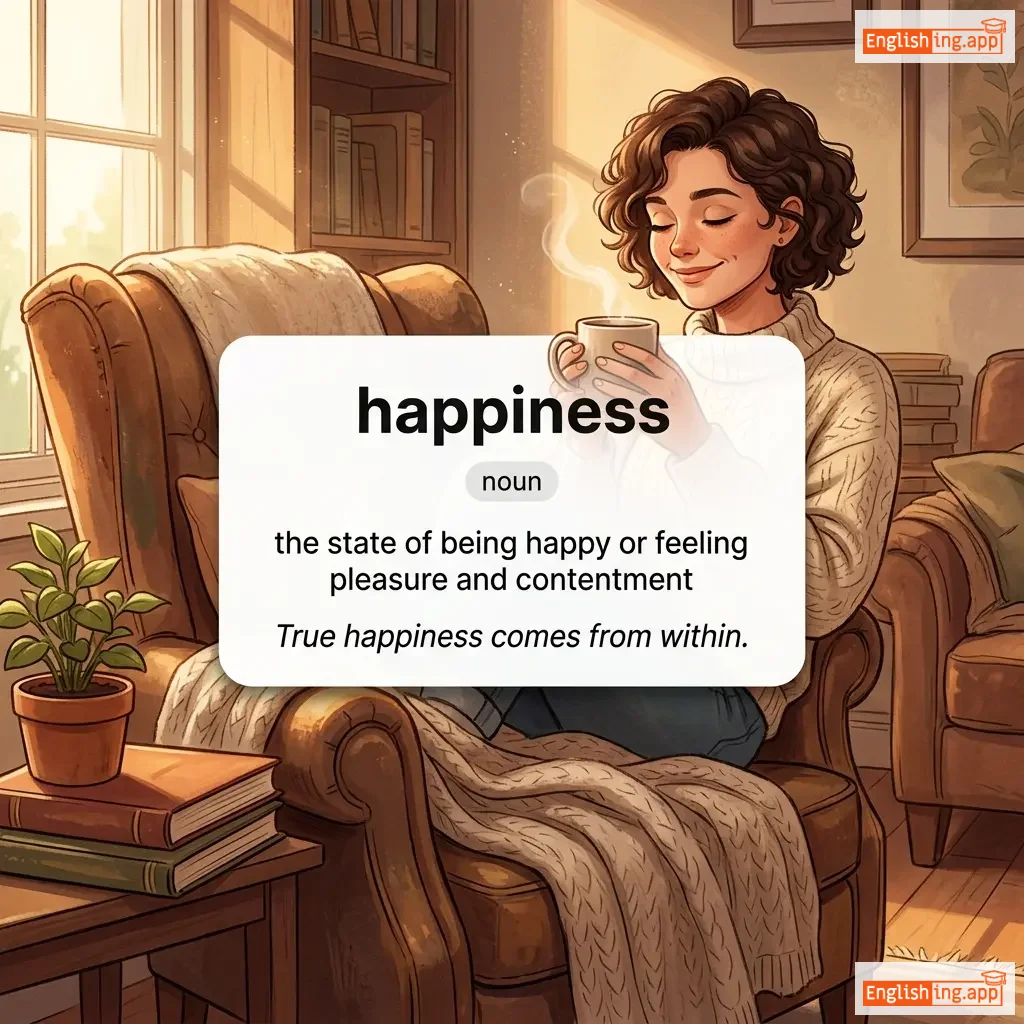
/ˈhæpinəs/
noun
(ハピネス)
••••••
|

|
幸せ
shiawase
••••••
|
- •••••• | - •••••• | - •••••• | - •••••• |
the state of being happy or feeling pleasure and contentment
••••••
|
True happiness comes from within. |
本当の幸せは内面から来る。
Hontō no shiawase wa naimen kara kuru.
••••••
|
pursuit of happiness |
the right or effort to seek personal fulfillment or joy
••••••
|
幸せの追求
shiawase no tsuikyū
••••••
|
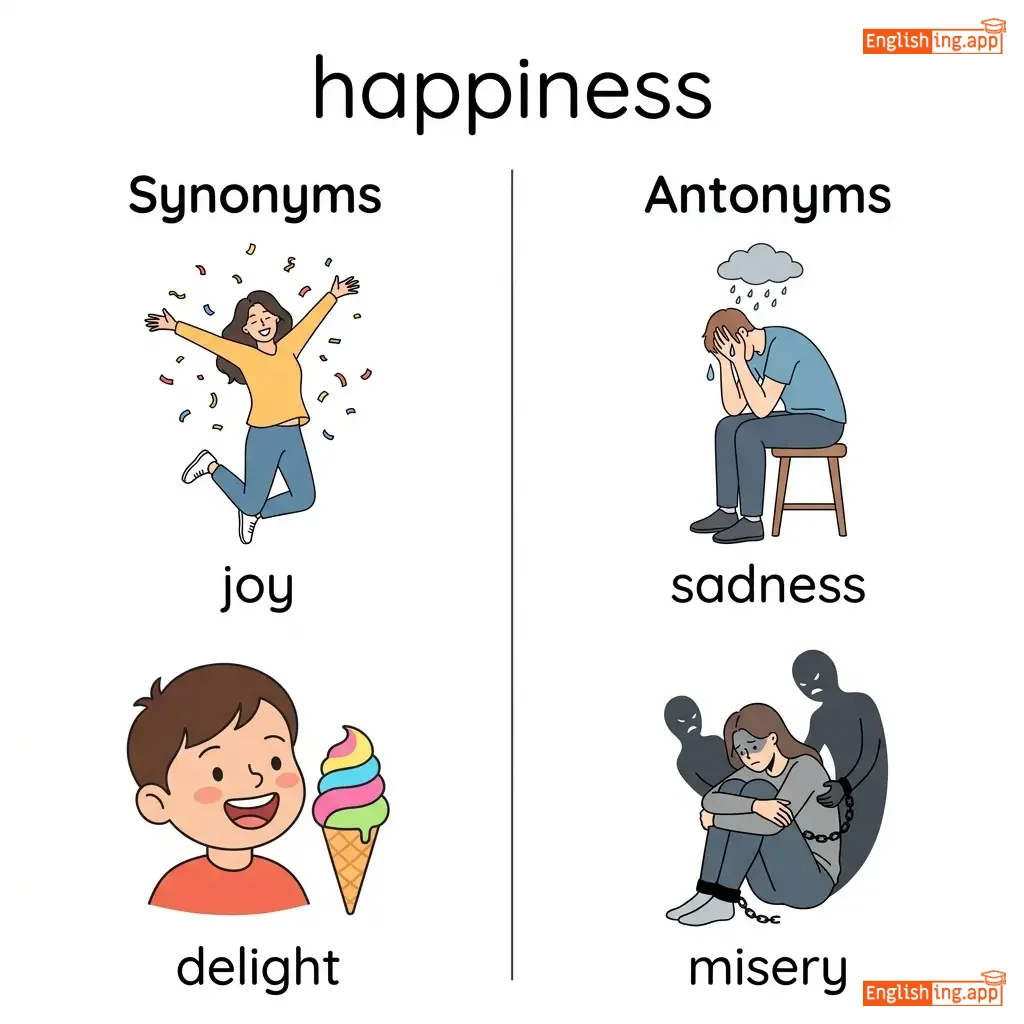
joy, delight, bliss, contentment, pleasure
••••••
|
sadness, misery, unhappiness
••••••
|
true happiness, bring happiness, pursue happiness, happiness and peace
••••••
|
幸せは心の平穏で、すべてが明るくなるようなもの 🌸
••••••
|
|
🖍️
••••••
|
/ˈhaɪˌlaɪt/
verb
(ハイライト)
••••••
|
- •••••• |
強調する
kyouchou suru
••••••
|
highlighted
ハイライトされた
••••••
|
highlighted
ハイライトされた
••••••
|
highlights
ハイライトする
••••••
|
highlighting
ハイライトすること
••••••
|
to emphasize or make something stand out
••••••
|
The teacher highlighted the most important points in the text.
先生はテキストで最も重要な点をハイライトしました。
••••••
|
先生はテキストで最も重要な点をハイライトしました。
Sensei wa tekisuto de mottomo juuyou na ten wo hairaito shimashita.
••••••
|
highlight reel
ハイライト集
••••••
|
a collection of the best or most memorable parts
••••••
|
ハイライト集
hairaito shuu
••••••
|
emphasize, stress, underline, showcase, feature
••••••
|
ignore, overlook, hide
••••••
|
highlight the issue, highlight a point, highlight text, highlight importance
••••••
|
強調することは、重要な部分を明るく照らすことのようなものです。
••••••
|
|
📚
••••••
|
/hɪˈstɔːriən/
noun
(ヒストリアン)
••••••
|
- •••••• |
歴史学者
rekishigakusha
••••••
|
- •••••• | - •••••• | - •••••• | - •••••• |
a person who studies or writes about history
••••••
|
The historian gave a lecture on ancient civilizations. |
歴史学者は古代文明について講義を行いました。
Rekishigakusha wa kodai bunmei ni tsuite kōgi o okonaimashita.
••••••
|
- •••••• | - •••••• | - •••••• |
scholar, researcher, chronicler, analyst
••••••
|
layman, amateur
••••••
|
famous historian, professional historian, military historian
••••••
|
Historian は history + 学者 → 歴史を学んでいる人
••••••
|
|
🧳
••••••
|
/ˈɪmɪɡrənt/
noun
(イミグラント)
••••••
|
- •••••• |
移民
imin
••••••
|
- •••••• | - •••••• | - •••••• | - •••••• |
a person who comes to live permanently in a foreign country
••••••
|
The city has welcomed many new immigrants this year. |
今年、市は多くの新しい移民を迎えました。
Kotoshi, shi wa ōku no atarashī imin o mukaemashita.
••••••
|
- •••••• | - •••••• | - •••••• |
settler, newcomer, migrant, expatriate
••••••
|
native, local
••••••
|
illegal immigrant, immigrant community, immigrant worker, immigrant family
••••••
|
Immigrant は移民を意味します。'in my grant' – 海外で助成金を得て移住することを想像してください。
••••••
|
|
⭐
••••••
|
/ɪmˈpɔːrtənt/
adjective
(インポータント)
••••••
|
|
重要
jūyō
••••••
|
- •••••• | - •••••• | - •••••• | - •••••• |
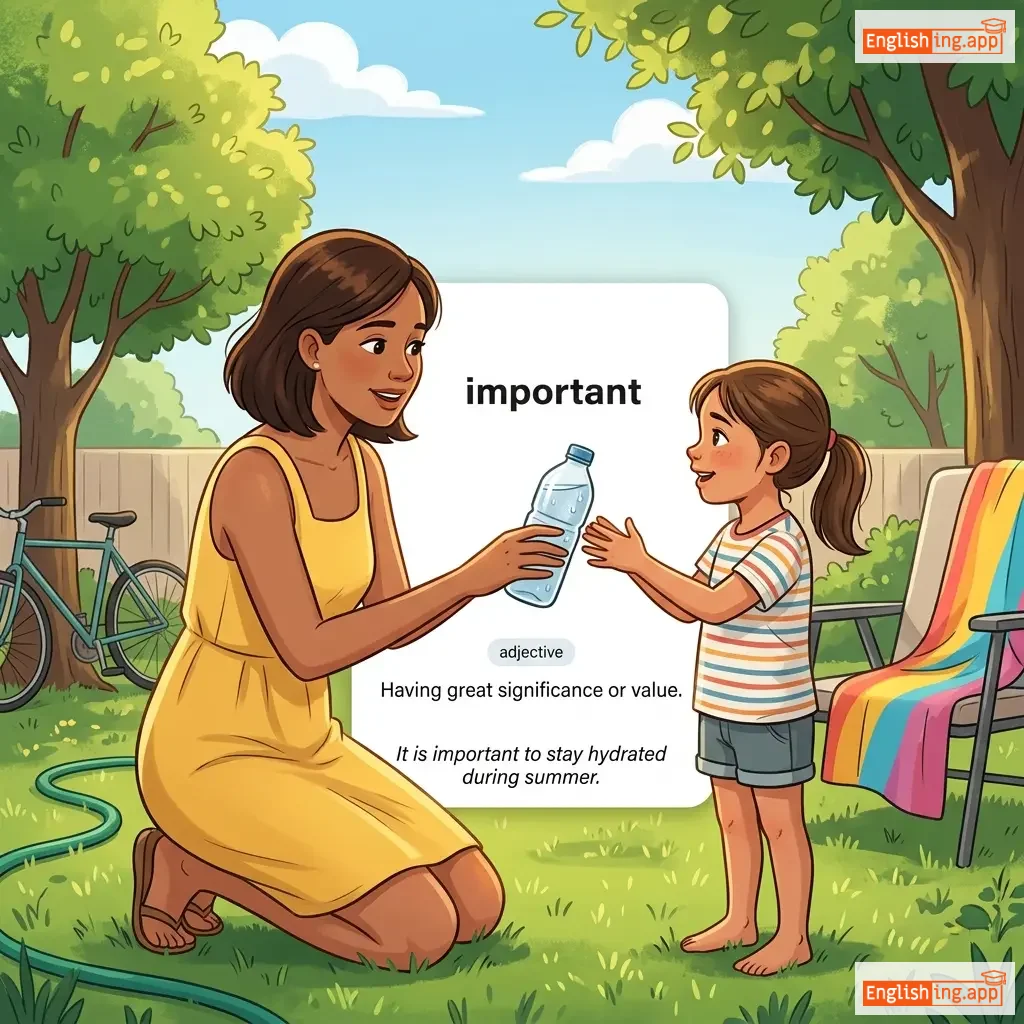
Having great significance or value.
••••••
|
It is important to stay hydrated during summer.
夏の間は水分補給が重要です。
••••••
|
夏の間は水分補給が重要です。
Natsu no aida wa suibun hokyū ga jūyō desu.
••••••
|
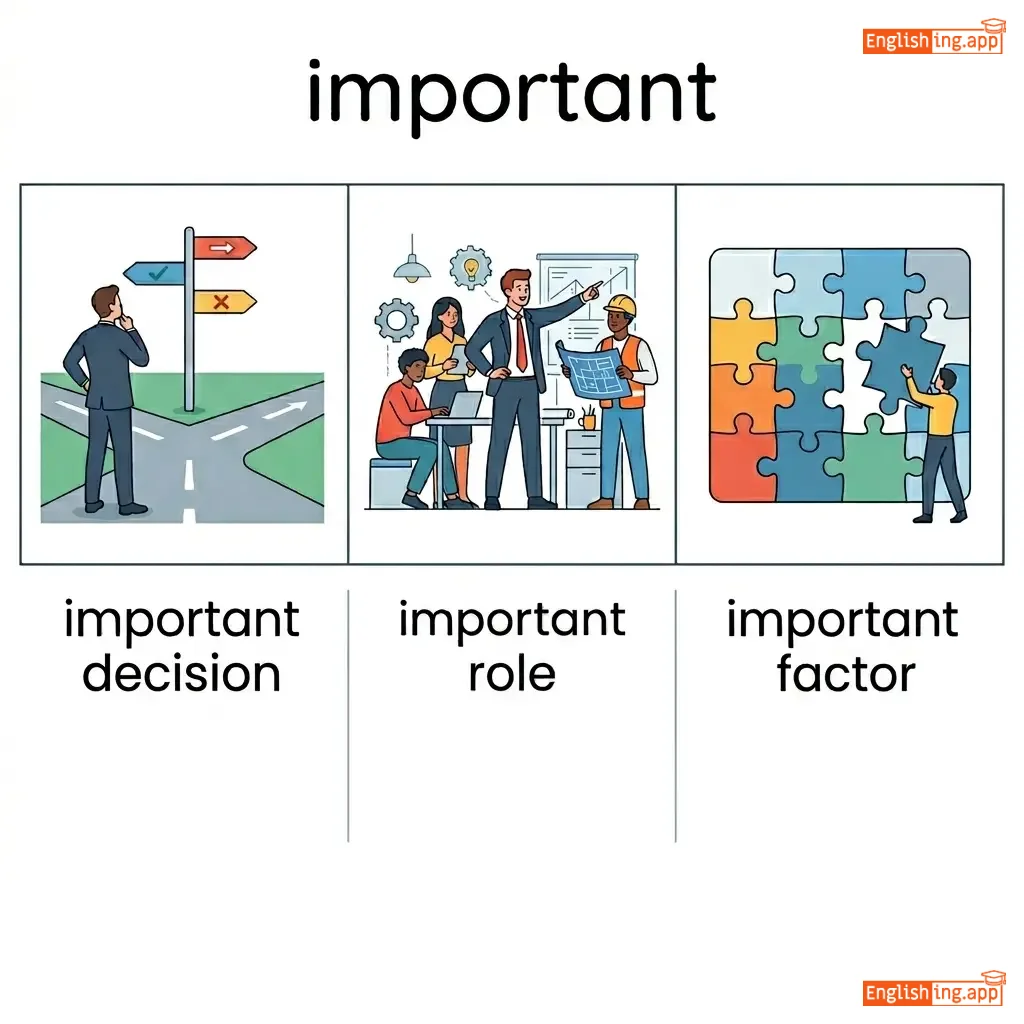
important role
重要な役割
••••••
|
a crucial part in a process or situation
••••••
|
重要な役割
jūyōna yakuwari
••••••
|
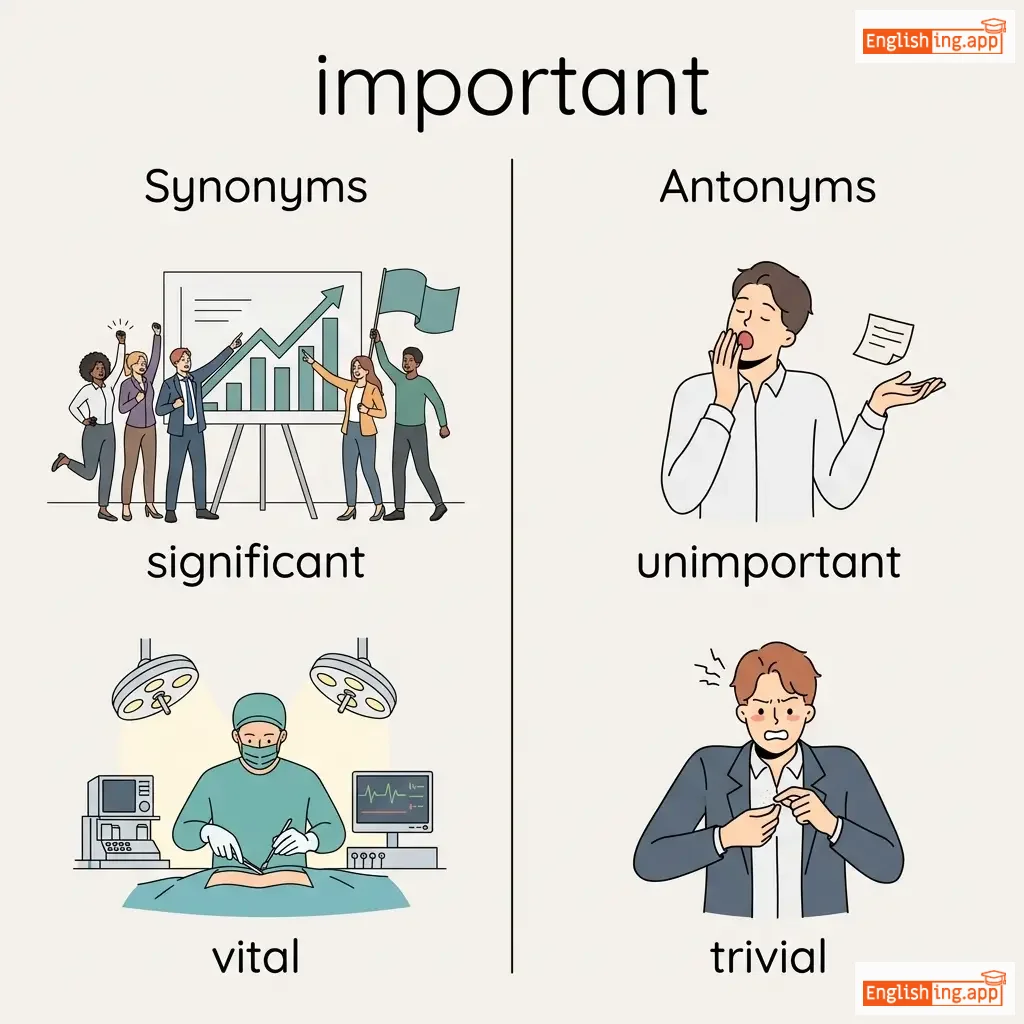
significant, vital, crucial, essential, meaningful
••••••
|
unimportant, trivial, minor
••••••
|
important decision, important role, important factor, important issue
••••••
|
重要は成功のために必要なもの、例えば夏の水分補給が重要です。
••••••
|
|
📋
••••••
|
/ɪnˈkluːdɪŋ/
preposition
(インクルーディング)
••••••
|
- •••••• |
含む
fukumu
••••••
|
- •••••• | - •••••• | - •••••• | - •••••• |
used to show that someone or something is part of a larger group
••••••
|
Many people attended the event, including students and teachers.
多くの人々がイベントに参加しました、学生や教師を含む。
••••••
|
多くの人々がイベントに参加しました、学生や教師を含む。
Ōku no hitobito ga ibento ni sanka shimashita, gakusei ya kyōshi o fukumu.
••••••
|
- •••••• | - •••••• | - •••••• |
such as, along with, together with, counting
••••••
|
excluding, except
••••••
|
including taxes, including costs, including examples
••••••
|
Including は含むの意味、例えば料理にご飯と野菜を含む。
••••••
|
|
🔗
••••••
|
/ˈɪntɪɡreɪt/
verb
(インテグレート)
••••••
|
- •••••• |
統合する
tōgō suru
••••••
|
integrated
インテグレーテッド
••••••
|
integrated
インテグレーテッド
••••••
|
integrates
インテグレーツ
••••••
|
integrating
インテグレーティング
••••••
|
To combine or bring together into a unified whole.
••••••
|
The new system integrates data from multiple sources.
新しいシステムは複数のソースからデータを統合します。
••••••
|
新しいシステムは複数のソースからデータを統合します。
Atarashī shisutemu wa fukusū no sōsu kara dēta o tōgō shimasu.
••••••
|
integrate into society
社会に統合する
••••••
|
To become part of a community or culture
••••••
|
社会に統合する
shakai ni tōgō suru
••••••
|
combine, merge, unify, assimilate, incorporate
••••••
|
separate, divide, segregate
••••••
|
integrate technology, integrate system, integrate into, integrate fully
••••••
|
統合 = into + great → 全てをまとめて偉大にする
••••••
|
|
🔥
••••••
|
/ɪnˈtɛnsəti/
noun
(インテンシティ)
••••••
|
- •••••• |
強度
kyoudo
••••••
|
- •••••• | - •••••• | - •••••• | - •••••• |
The quality of being extreme, strong, or forceful in degree.
••••••
|
The intensity of the storm frightened the villagers. |
嵐の強度は村人たちを驚かせた。
Arashi no kyoudo wa murabito-tachi o odorokaseta.
••••••
|
high intensity |
something done with a great level of force, effort, or energy
••••••
|
高強度
kou kyoudo
••••••
|
strength, force, power, severity, energy
••••••
|
weakness, mildness, softness
••••••
|
high intensity, emotional intensity, intensity of light, intensity level
••••••
|
強度は嵐のように、力をすべて注ぐことです。
••••••
|
|
🏔️
••••••
|
/ˈlænd.skeɪp/
noun
(ランドスケープ)
••••••
|
- •••••• |
風景
fūkei
••••••
|
- •••••• | - •••••• | - •••••• | - •••••• |
all the visible features of an area of countryside or land; the art of designing outdoor areas
••••••
|
The mountain landscape was breathtaking with its snow-capped peaks and green valleys. |
山の風景は雪で覆われた頂上と緑の谷が息を呑むほど美しかった。
Yama no fūkei wa yuki de ōwareta chōjō to midori no tani ga iki o nomu hodo utsukushikatta.
••••••
|
- •••••• | - •••••• | - •••••• |
scenery, terrain, countryside, vista
••••••
|
cityscape, urban area, interior, indoor space
••••••
|
mountain landscape, rural landscape, beautiful landscape
••••••
|
Land (ランド) + scape (風景) = 風景
••••••
|
|
📢
••••••
|
/ˈmɑːrkɪtɪŋ/
noun
(マーケティング)
••••••
|


|
マーケティング
māketingu
••••••
|
- •••••• | - •••••• | - •••••• | - •••••• |
The action or business of promoting and selling products or services, including market research and advertising.
••••••
|
The company invested heavily in digital marketing. |
その会社はデジタルマーケティングに多大な投資をしました。
Sono kaisha wa dejitaru māketingu ni tadaina tōshi o shimashita.
••••••
|
guerrilla marketing |
Unconventional and creative marketing strategies to promote a product.
••••••
|
ゲリラマーケティング
gerira māketingu
••••••
|
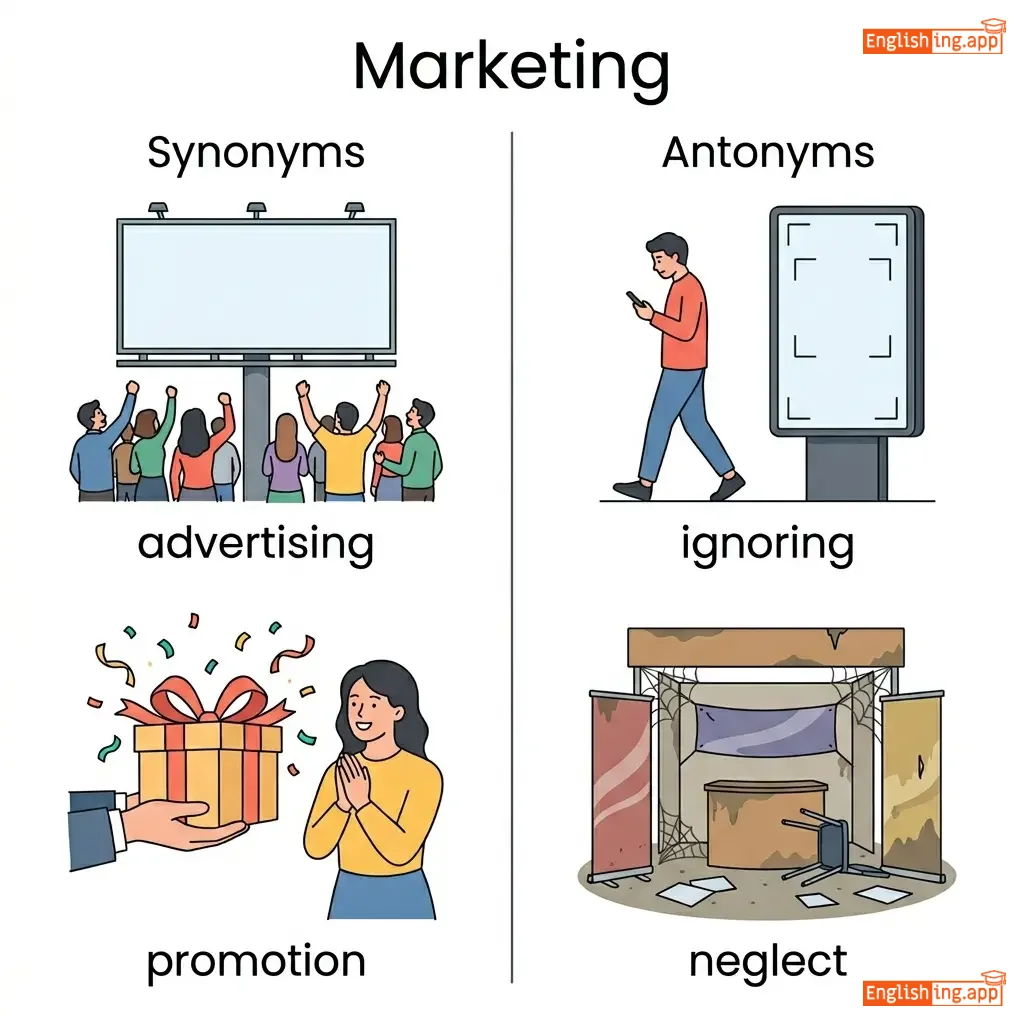
advertising, promotion, publicity, sales, merchandising
••••••
|
ignoring, neglect
••••••
|
marketing strategy, digital marketing, marketing campaign, marketing research, marketing mix
••••••
|
マーケティングは市場で物を売ることです!
••••••
|
|
⚙️
••••••
|
/ˈmɛkəˌnɪzəm/
noun
(メカニズム)
••••••
|
- •••••• |
機構
kikou
••••••
|
- •••••• | - •••••• | - •••••• | - •••••• |
A system of parts working together in a machine; a process or technique for achieving something.
••••••
|
The mechanism of the clock stopped working after years of use. |
時計の機構は長年の使用後に動作を停止した。
Tokei no kikou wa naganen no shiyou go ni dousa o teishi shita.
••••••
|
defense mechanism |
An unconscious process used to protect oneself from anxiety or stress.
••••••
|
防御機構
bougyo kikou
••••••
|
system, apparatus, device, structure, process
••••••
|
disorder, chaos, randomness
••••••
|
defense mechanism, coping mechanism, mechanical mechanism, complex mechanism
••••••
|
メカニズム = 機械の部品が一緒に働く仕組み。歯車のように動く!
••••••
|
|
🌱
••••••
|
/ˈnætʃrəli/
adverb
(ナチュラリー)
••••••
|
- •••••• |
自然に
shizen ni
••••••
|
- •••••• | - •••••• | - •••••• | - •••••• |
In a way that is normal, expected, or without effort.
••••••
|
He spoke so naturally that everyone felt comfortable.
彼はとてもナチュラリー話したので、みんなが快適に感じました。
••••••
|
彼はとても自然に話したので、みんなが快適に感じました。
Kare wa totemo shizen ni hanashita node, minna ga kaiteki ni kanjimashita.
••••••
|
naturally enough
ナチュラリーイナフ
••••••
|
Not surprisingly; as expected
••••••
|
自然に十分
shizen ni jūbun
••••••
|
obviously, surely, normally, effortlessly
••••••
|
unnaturally, artificially
••••••
|
behave naturally, speak naturally, occur naturally, naturally gifted
••••••
|
自然に—自然のように、何の努力もなく。
••••••
|
|
🗞️
••••••
|
/ˈnjuːzˌpeɪpər/
noun
(ニューペーパー)
••••••
|
- •••••• |
新聞
shinbun
••••••
|
- •••••• | - •••••• | - •••••• | - •••••• |
a printed publication (usually daily or weekly) containing news, articles, advertisements, and correspondence
••••••
|
I read the newspaper every morning.
私は毎朝新聞を読みます。
••••••
|
私は毎朝新聞を読みます。
Watashi wa mai asa shinbun o yomimasu.
••••••
|
- •••••• | - •••••• | - •••••• |
periodical, journal, publication, paper
••••••
|
magazine, online media
••••••
|
daily newspaper, local newspaper, national newspaper, newspaper article
••••••
|
Newspapers are the first place to get the NEWS
••••••
|
|
⚙️
••••••
|
/ˌɒpəˈreɪʃən/
noun
(オペレーション)
••••••
|
- •••••• |
手術
shujutsu
••••••
|
- •••••• | - •••••• | - •••••• | - •••••• |
an act or process of functioning or operating
••••••
|
The hospital performed a successful operation.
病院は成功した手術を行いました。
••••••
|
病院は成功した手術を行いました。
Byouin wa seikou shita shujutsu o okonai mashita.
••••••
|
- •••••• | - •••••• | - •••••• |
procedure, surgery, process, action
••••••
|
inactivity, stagnation
••••••
|
military operation, surgical operation, operation room, operation procedure
••••••
|
オペレーションを行うにはオペレーター(operator)が必要です。
••••••
|

