Tidal Museum of Resilience
一位名叫苏什莫娜的年轻 historian 在科克斯巴扎尔的一个村庄决定开设一座船只博物馆,以保存最近潮汐灾害的记忆。 在那个暴风雨的夜晚,她看到人们 desperate 地寻找安全的地方。 黎明时分,她有了一个 discovery——在沙丘上发现了一块奇怪的木制漂浮物。 她觉得在那里建一个博物馆可以让后代理解那场事件的 highlight。 一开始她从村民那里收集风险 detection 数据。 每次采访都让她与渔民有新的 encounter。 村里的 immigrant 青年们表示,他们很愿意做志愿者。 苏什莫娜知道,为了启动展览,筹集资金和 marketing 非常 important。 她在社区广播电台上以柔和的 frequency 播放宣传歌曲。 当地女学生说:“阿普的博物馆对我们来说真的很 excellent。” 为了保证顺利的 operation,他们列出了要 including 的文物清单。 他们制作了一个模型来展示船的 mechanism。 大家认为,从沙丘上看到的蓝色海洋 landscape 会 naturally 吸引游客。 在培训导游时,年轻人们讲孟加拉语,但关键术语 naturally 用英语发音。 每天晚上苏什莫娜都会记录项目的 intensity。 村里送 newspaper 的男孩开始推广免费门票。 开馆当天,大家唱歌表达自己的 happiness。 当博物馆开放时,苏什莫娜意识到,当你 integrate 文化遗产时,灾难的记忆会化为力量。
|
表情符号
|
单词 | Images | 翻译 | 过去时 | 过去分词 | 第三人称单数 | 动名词 | 含义 | 例句 | 例句翻译 | 示例表达 | 示例表达含义 | 示例表达翻译 | 同义词 | 反义词 | 搭配词 | 助记符 |
|---|---|---|---|---|---|---|---|---|---|---|---|---|---|---|---|---|---|
|
🙏
••••••
|
/ˈdɛspərət/
adjective
(déspèré)
••••••
|
- •••••• |
绝望
juewang
••••••
|
- •••••• | - •••••• | - •••••• | - •••••• |
Feeling or showing a hopeless sense that a situation is so bad as to be impossible to deal with.
••••••
|
He was desperate to find a job before his savings ran out. |
他迫切想找到一份工作,在他的储蓄用完之前。
Tā pòqiè xiǎng zhǎodào yī fèn gōngzuò, zài tā de chǔxù yòngwán zhīqián.
••••••
|
desperate measures |
Extreme actions taken as a last resort in a difficult situation.
••••••
|
绝望的措施
juéwàng de cuòshī
••••••
|
hopeless, despairing, frantic, urgent, reckless
••••••
|
hopeful, calm, confident
••••••
|
desperate attempt, desperate need, desperate cry, desperate situation
••••••
|
Desperate → JUE + wang → 绝望了才会采取极端措施。
••••••
|
|
🔍
••••••
|
/dɪˈtɛkʃən/
noun
(检测)
••••••
|
- •••••• |
检测
jiance
••••••
|
- •••••• | - •••••• | - •••••• | - •••••• |
the action or process of identifying the presence of something
••••••
|
The detection of fraud in the system was swift. |
系统中的欺诈检测迅速完成。
Xitong zhong de qizha jiance xunsu wancheng.
••••••
|
- •••••• | - •••••• | - •••••• |
discovery, identification, recognition
••••••
|
ignorance, oversight
••••••
|
detection of error, early detection, fraud detection, signal detection
••••••
|
检测像‘见’一样可以看到
••••••
|
|
🔎
••••••
|
/dɪˈskʌvəri/
noun
(dɪsˈkʌvəri)
••••••
|
- •••••• |
发现
fā xiàn
••••••
|
- •••••• | - •••••• | - •••••• | - •••••• |
The act of finding or learning something for the first time.
••••••
|
The discovery of penicillin changed medical history. |
青霉素的发现改变了医学历史。
Qīngméisù de fāxiàn gǎibiànle yīxué lìshǐ.
••••••
|
make a discovery |
to find or learn something new
••••••
|
做出发现
zuò chū fāxiàn
••••••
|
finding, invention, detection, revelation
••••••
|
loss, concealment
••••••
|
scientific discovery, new discovery, make a discovery, important discovery
••••••
|
Discovery = 发现 = 发现新事物就是一次发现。
••••••
|
|
🤝
••••••
|
/ɪnˈkaʊntər/
verb
(恩考特)
••••••
|
- •••••• |
遇见 / 遇到
yùjiàn / yùdào
••••••
|
encountered
恩考特德
••••••
|
encountered
恩考特德
••••••
|
encounters
恩考特斯
••••••
|
encountering
恩考特灵
••••••
|
to unexpectedly meet someone or experience something, especially something difficult or new
••••••
|
During the hike, we encountered a wild bear.
在徒步旅行中,我们遇到了一只野生熊。
••••••
|
在徒步旅行中,我们遇到了一只野生熊。
Zài túbù lǚxíng zhōng, wǒmen yùdào le yī zhī yěshēng xióng.
••••••
|
encounter difficulties
遇到困难
••••••
|
to face problems or obstacles
••••••
|
遇到困难
Yùdào kùnnán
••••••
|
meet, face, confront, experience, come across
••••••
|
avoid, evade, escape
••••••
|
encounter problems, encounter difficulties, first encounter, unexpected encounter
••••••
|
在遇到困难时,想象这就是一次‘遇见’困难的冒险!
••••••
|
|
⭐
••••••
|
/ˈeksələnt/
adjective
(èksèlènt)
••••••
|
- •••••• |
卓越的;出色的;优秀的;
zhuóyuè de; chūsè de; yōuxiù de
••••••
|
- •••••• | - •••••• | - •••••• | - •••••• |
extremely good; outstanding; superior
••••••
|
She received excellent grades in all her subjects.
她在所有科目中都得到了优秀的成绩。
••••••
|
她在所有科目中都得到了优秀的成绩。
Tā zài suǒyǒu kēmù zhōng dōu dédàole yōuxiù de chéngjī.
••••••
|
- •••••• | - •••••• | - •••••• |
outstanding, superb, magnificent, brilliant
••••••
|
poor, terrible, awful, mediocre
••••••
|
excellent performance, excellent quality, excellent service, excellent condition
••••••
|
‘卓越的’意味着优秀和无与伦比的好,体现了最高水平。
••••••
|
|
📡
••••••
|
/ˈfriː.kwən.si/
noun
(fú lí kè wén xī)
••••••
|
- •••••• |
频率
pinlü
••••••
|
- •••••• | - •••••• | - •••••• | - •••••• |
The rate at which something occurs or is repeated over a period of time
••••••
|
The frequency of bus services has been increased during rush hours. |
在高峰时段,公交车的频率已经增加。
Zài gāofēng shíduàn, gōngjiāo chē de pínlǜ yǐjīng zēngjiā.
••••••
|
with increasing frequency |
happening more often
••••••
|
以增加的频率
yǐ zēngjiā de pínlǜ
••••••
|
rate, occurrence, repetition, regularity, incidence
••••••
|
rarity, infrequency
••••••
|
high frequency, radio frequency, frequency of occurrence, frequency distribution
••••••
|
频率意味着某事物发生的频率,就像电台每小时播同一首歌。
••••••
|
|
😊
••••••
|
/ˈhæpinəs/
noun
(海皮尼斯)
••••••
|


|
幸福
xìngfú
••••••
|
- •••••• | - •••••• | - •••••• | - •••••• |
the state of being happy or feeling pleasure and contentment
••••••
|
True happiness comes from within. |
真正的幸福来自内心。
Zhēnzhèng de xìngfú láizì nèixīn.
••••••
|
pursuit of happiness |
the right or effort to seek personal fulfillment or joy
••••••
|
追求幸福
zhuīqiú xìngfú
••••••
|
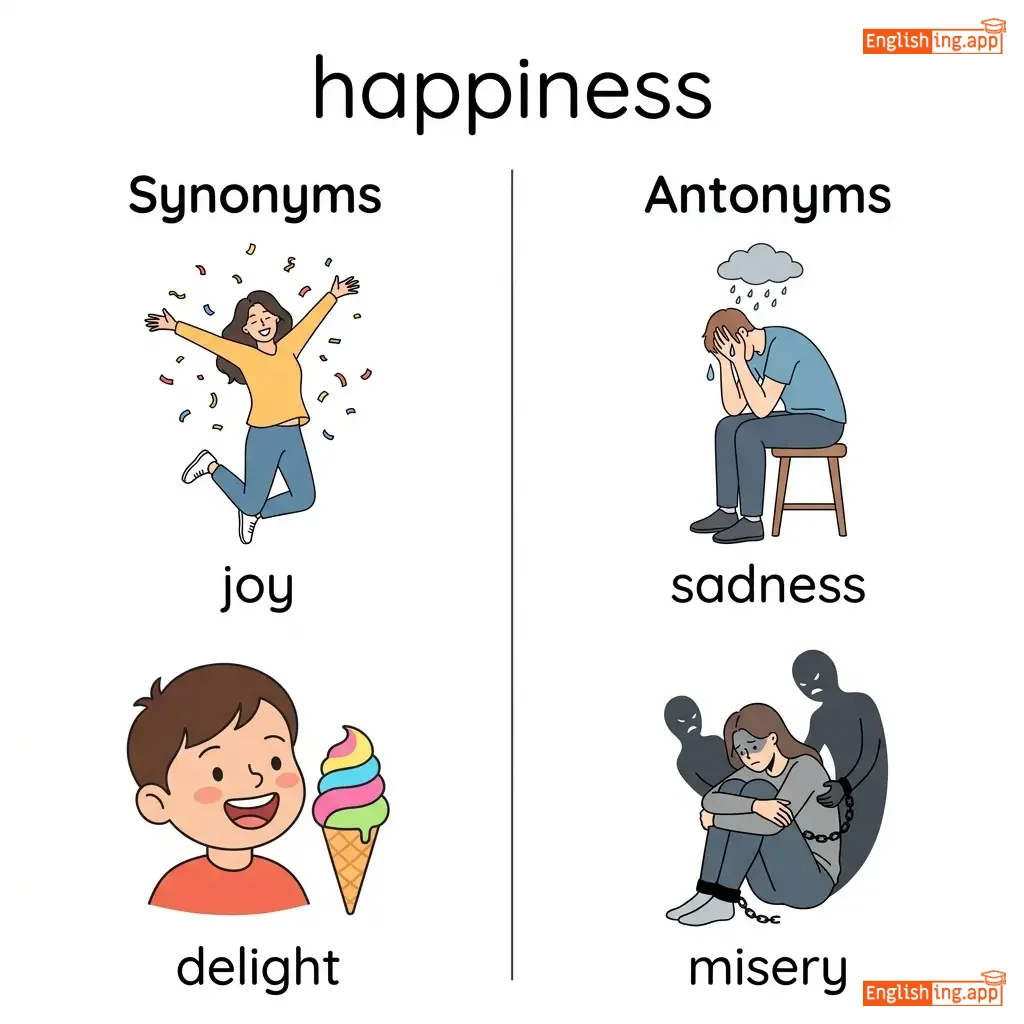
joy, delight, bliss, contentment, pleasure
••••••
|
sadness, misery, unhappiness
••••••
|
true happiness, bring happiness, pursue happiness, happiness and peace
••••••
|
幸福就像是内心的宁静,如同一束阳光照亮一切 ☀️
••••••
|
|
🖍️
••••••
|
/ˈhaɪˌlaɪt/
verb
(háilàit)
••••••
|
- •••••• |
突出
tuchu
••••••
|
highlighted
háilàitèd
••••••
|
highlighted
háilàitèd
••••••
|
highlights
háilàits
••••••
|
highlighting
háilàiting
••••••
|
to emphasize or make something stand out
••••••
|
The teacher highlighted the most important points in the text.
老师在文本中强调了最重要的要点。
••••••
|
老师在文本中强调了最重要的要点。
Lǎoshī zài wénběn zhōng qiángdiào le zuì zhòngyào de yàodiǎn.
••••••
|
highlight reel
精彩集锦
••••••
|
a collection of the best or most memorable parts
••••••
|
精彩集锦
jīngcǎi jíjǐn
••••••
|
emphasize, stress, underline, showcase, feature
••••••
|
ignore, overlook, hide
••••••
|
highlight the issue, highlight a point, highlight text, highlight importance
••••••
|
突出就像照亮某个部分,让它更容易被看到。
••••••
|
|
📚
••••••
|
/hɪˈstɔːriən/
noun
(历史学家)
••••••
|
- •••••• |
历史学家
lìshǐ xuéjiā
••••••
|
- •••••• | - •••••• | - •••••• | - •••••• |
a person who studies or writes about history
••••••
|
The historian gave a lecture on ancient civilizations. |
历史学家讲授了一堂关于古代文明的讲座。
Lìshǐ xuéjiā jiǎngshòule yī táng guānyú gǔdài wénmíng de jiǎngzuò.
••••••
|
- •••••• | - •••••• | - •••••• |
scholar, researcher, chronicler, analyst
••••••
|
layman, amateur
••••••
|
famous historian, professional historian, military historian
••••••
|
Historian 是历史 + 学家 → 专门研究历史的人
••••••
|
|
🧳
••••••
|
/ˈɪmɪɡrənt/
noun
(移民)
••••••
|
- •••••• |
移民
yímín
••••••
|
- •••••• | - •••••• | - •••••• | - •••••• |
a person who comes to live permanently in a foreign country
••••••
|
The city has welcomed many new immigrants this year. |
今年这座城市接纳了许多新的移民。
Jīnnián zhè zuò chéngshì jiēnàle xǔduō xīn de yímín.
••••••
|
- •••••• | - •••••• | - •••••• |
settler, newcomer, migrant, expatriate
••••••
|
native, local
••••••
|
illegal immigrant, immigrant community, immigrant worker, immigrant family
••••••
|
Immigrant 意味着移民,想象' in my grant' – 通过获得资助移居国外。
••••••
|
|
⭐
••••••
|
/ɪmˈpɔːrtənt/
adjective
(重要)
••••••
|


|
重要
zhòng yào
••••••
|
- •••••• | - •••••• | - •••••• | - •••••• |
Having great significance or value.
••••••
|
It is important to stay hydrated during summer.
夏季保持水分非常重要。
••••••
|
夏季保持水分非常重要。
Xiàjì bǎochí shuǐfèn fēicháng zhòngyào.
••••••
|
important role
重要角色
••••••
|
a crucial part in a process or situation
••••••
|
重要角色
zhòng yào juésè
••••••
|
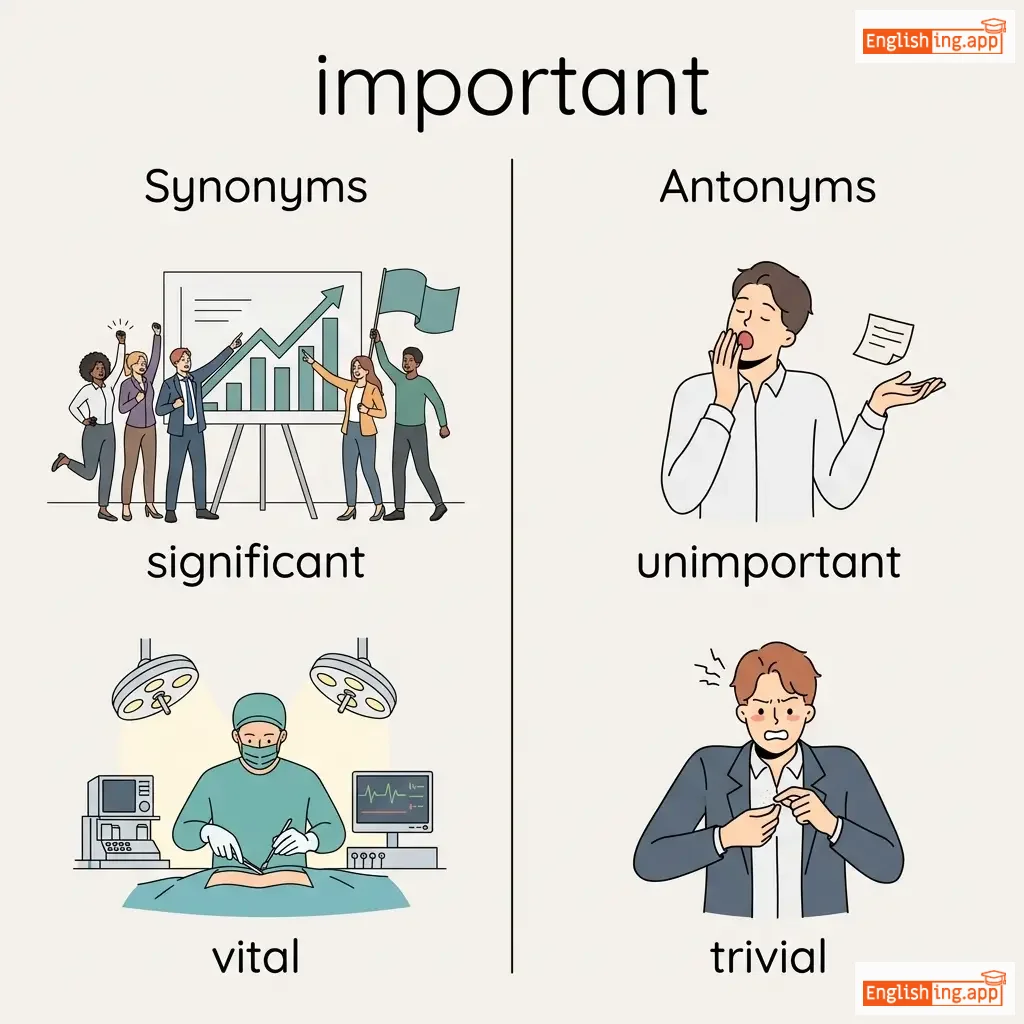
significant, vital, crucial, essential, meaningful
••••••
|
unimportant, trivial, minor
••••••
|
important decision, important role, important factor, important issue
••••••
|
重要意味着对成功至关重要,像喝水在夏天一样重要。
••••••
|
|
📋
••••••
|
/ɪnˈkluːdɪŋ/
preposition
(包括)
••••••
|
- •••••• |
包括
bao kuo
••••••
|
- •••••• | - •••••• | - •••••• | - •••••• |
used to show that someone or something is part of a larger group
••••••
|
Many people attended the event, including students and teachers.
许多人参加了这个活动,包括学生和教师。
••••••
|
许多人参加了这个活动,包括学生和教师。
Xǔduō rén cānjiāle zhège huódòng, bāokuò xuéshēng hé jiàoshī.
••••••
|
- •••••• | - •••••• | - •••••• |
such as, along with, together with, counting
••••••
|
excluding, except
••••••
|
including taxes, including costs, including examples
••••••
|
Including 意味着包括,就像一道菜中有米饭和蔬菜,包括。
••••••
|
|
🔗
••••••
|
/ˈɪntɪɡreɪt/
verb
(ɪntɪɡreɪt)
••••••
|
- •••••• |
整合
zhěnghé
••••••
|
integrated
ɪntɪɡreɪtɪd
••••••
|
integrated
ɪntɪɡreɪtɪd
••••••
|
integrates
ɪntɪɡreɪts
••••••
|
integrating
ɪntɪɡreɪtɪŋ
••••••
|
To combine or bring together into a unified whole.
••••••
|
The new system integrates data from multiple sources.
新系统整合来自多个来源的数据。
••••••
|
新系统整合来自多个来源的数据。
Xīn xìtǒng zhěnghé láizì duō gè láiyuán de shùjù.
••••••
|
integrate into society
融入社会
••••••
|
To become part of a community or culture
••••••
|
融入社会
róngrù shèhuì
••••••
|
combine, merge, unify, assimilate, incorporate
••••••
|
separate, divide, segregate
••••••
|
integrate technology, integrate system, integrate into, integrate fully
••••••
|
整合 = into + great → 将所有事物整合起来成为伟大
••••••
|
|
🔥
••••••
|
/ɪnˈtɛnsəti/
noun
(强度)
••••••
|
- •••••• |
强度
qiangdu
••••••
|
- •••••• | - •••••• | - •••••• | - •••••• |
The quality of being extreme, strong, or forceful in degree.
••••••
|
The intensity of the storm frightened the villagers. |
风暴的强度吓坏了村民。
Fengbao de qiangdu xiahuai le cunmin.
••••••
|
high intensity |
something done with a great level of force, effort, or energy
••••••
|
高强度
gao qiangdu
••••••
|
strength, force, power, severity, energy
••••••
|
weakness, mildness, softness
••••••
|
high intensity, emotional intensity, intensity of light, intensity level
••••••
|
强度意味着投入所有能量,就像一场风暴。
••••••
|
|
🏔️
••••••
|
/ˈlænd.skeɪp/
noun
(lændskeɪp)
••••••
|
- •••••• |
风景
fengjing
••••••
|
- •••••• | - •••••• | - •••••• | - •••••• |
all the visible features of an area of countryside or land; the art of designing outdoor areas
••••••
|
The mountain landscape was breathtaking with its snow-capped peaks and green valleys. |
山脉的风景令人叹为观止,雪山的山顶和绿色的山谷令人陶醉。
Shānmài de fēngjǐng lìng rén tàn wéi guānzhǐ, xuěshān de shāndǐng hé lǜsè de shāngǔ lìng rén táozuì.
••••••
|
- •••••• | - •••••• | - •••••• |
scenery, terrain, countryside, vista
••••••
|
cityscape, urban area, interior, indoor space
••••••
|
mountain landscape, rural landscape, beautiful landscape
••••••
|
Land (土地) + scape (风景) = 风景
••••••
|
|
📢
••••••
|
/ˈmɑːrkɪtɪŋ/
noun
(mǎkètíng)
••••••
|



|
市场营销
shìchǎng yíngxiāo
••••••
|
- •••••• | - •••••• | - •••••• | - •••••• |
The action or business of promoting and selling products or services, including market research and advertising.
••••••
|
The company invested heavily in digital marketing. |
公司在数字营销上进行了大量投资。
Gōngsī zài shùzì yíngxiāo shàng jìnxíngle dàliàng tóuzī.
••••••
|
guerrilla marketing |
Unconventional and creative marketing strategies to promote a product.
••••••
|
游击营销
yóujī yíngxiāo
••••••
|
advertising, promotion, publicity, sales, merchandising
••••••
|
ignoring, neglect
••••••
|
marketing strategy, digital marketing, marketing campaign, marketing research, marketing mix
••••••
|
市场营销就是让人买东西!
••••••
|
|
⚙️
••••••
|
/ˈmɛkəˌnɪzəm/
noun
(mɛkəˌnɪzəm)
••••••
|
- •••••• |
机制
jīzhì
••••••
|
- •••••• | - •••••• | - •••••• | - •••••• |
A system of parts working together in a machine; a process or technique for achieving something.
••••••
|
The mechanism of the clock stopped working after years of use. |
钟表的机制在多年使用后停止工作。
Zhōngbiǎo de jīzhì zài duō nián shǐyòng hòu tíngzhǐ gōngzuò.
••••••
|
defense mechanism |
An unconscious process used to protect oneself from anxiety or stress.
••••••
|
防御机制
fángyù jīzhì
••••••
|
system, apparatus, device, structure, process
••••••
|
disorder, chaos, randomness
••••••
|
defense mechanism, coping mechanism, mechanical mechanism, complex mechanism
••••••
|
机制 = 机器的各部分协同工作,像齿轮一样!
••••••
|
|
🌱
••••••
|
/ˈnætʃrəli/
adverb
(nàchúrèlì)
••••••
|
- •••••• |
自然地
zìrán de
••••••
|
- •••••• | - •••••• | - •••••• | - •••••• |
In a way that is normal, expected, or without effort.
••••••
|
He spoke so naturally that everyone felt comfortable.
他讲得如此自然,以至于每个人都感到舒服。
••••••
|
他讲得如此自然,以至于每个人都感到舒服。
Tā jiǎng dé rúcǐ zìrán, yǐzhì yú měi gèrén dōu gǎndào shūfú.
••••••
|
naturally enough
自然地足够
••••••
|
Not surprisingly; as expected
••••••
|
自然地足够
zìrán de zúgòu
••••••
|
obviously, surely, normally, effortlessly
••••••
|
unnaturally, artificially
••••••
|
behave naturally, speak naturally, occur naturally, naturally gifted
••••••
|
自然地就像大自然一样,无需努力。
••••••
|
|
🗞️
••••••
|
/ˈnjuːzˌpeɪpər/
noun
(niúzpeìpà)
••••••
|
- •••••• |
报纸
baozhi
••••••
|
- •••••• | - •••••• | - •••••• | - •••••• |
a printed publication (usually daily or weekly) containing news, articles, advertisements, and correspondence
••••••
|
I read the newspaper every morning.
wǒ měi tiān zǎo shàng dú zhèngwén.
••••••
|
我每天早上读报纸。
Wo mei tian zao shang du baozhi.
••••••
|
- •••••• | - •••••• | - •••••• |
periodical, journal, publication, paper
••••••
|
magazine, online media
••••••
|
daily newspaper, local newspaper, national newspaper, newspaper article
••••••
|
Newspapers are the first place to get the NEWS
••••••
|
|
⚙️
••••••
|
/ˌɒpəˈreɪʃən/
noun
(手术)
••••••
|
- •••••• |
手术
shǒushù
••••••
|
- •••••• | - •••••• | - •••••• | - •••••• |
an act or process of functioning or operating
••••••
|
The hospital performed a successful operation.
医院进行了成功的手术。
••••••
|
医院进行了成功的手术。
Yīyuàn jìnxíngle chénggōng de shǒushù.
••••••
|
- •••••• | - •••••• | - •••••• |
procedure, surgery, process, action
••••••
|
inactivity, stagnation
••••••
|
military operation, surgical operation, operation room, operation procedure
••••••
|
手术需要一个操作员 (operator)。
••••••
|

