The Detective's Dilemma
探偵アルマンは彼のclientと話していました。caseはかなり複雑でした。裕福なadultが亡くなり、警察はそれを自然なdeathだと考えていました。しかし、アルマンのagencyはそれがcrimeだと考えていました。アルマンは現場に行き、警察がdetectできなかったいくつかのevidenceを見つけました。彼は彼のagentに電話をかけ、「これは殺人だと確信している」と言いました。彼のagentは彼にagreedしました。調査を深める中で、アルマンは亡くなった人の家族全員が互いにaccuseしていることを知りました。ある時、家族の一員が事件の際にその場にいたことをadmittedしました。アルマンはその人物をarrestすることに決めました。しかし、彼の直感は、実際の犯人がまだ現場からapartであることを告げていました。彼はもし間違った人をblameすれば、真犯人は逃げてしまうことを理解しました。アルマンはこのdeadlyゲームの終わりを見つけなければなりませんでした。
|
絵文字
|
単語 | Images | 翻訳 | 過去 | 過去分詞 | 三人称単数 | 動名詞 | 意味 | 例文 | 例文の翻訳 | 表現例 | 表現例の意味 | 表現例の翻訳 | 同義語 | 対義語 | コロケーション | ニーモニック |
|---|---|---|---|---|---|---|---|---|---|---|---|---|---|---|---|---|---|
|
👉
••••••
|
/əˈkjuːz/
verb
••••••
|
|
- •••••• |
accused
••••••
|
accused
••••••
|
accuses
••••••
|
accusing
••••••
|
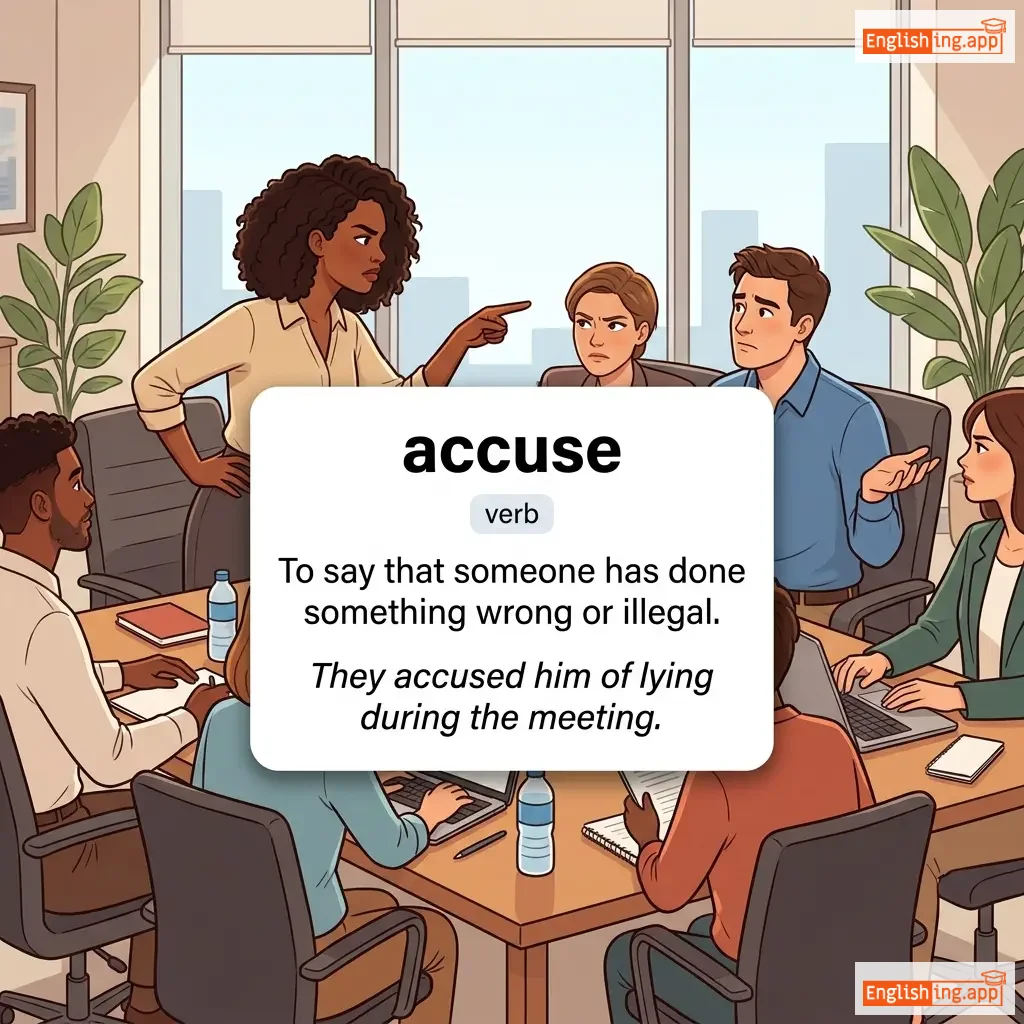
To say that someone has done something wrong or illegal.
••••••
|
They accused him of lying during the meeting. |
- •••••• |
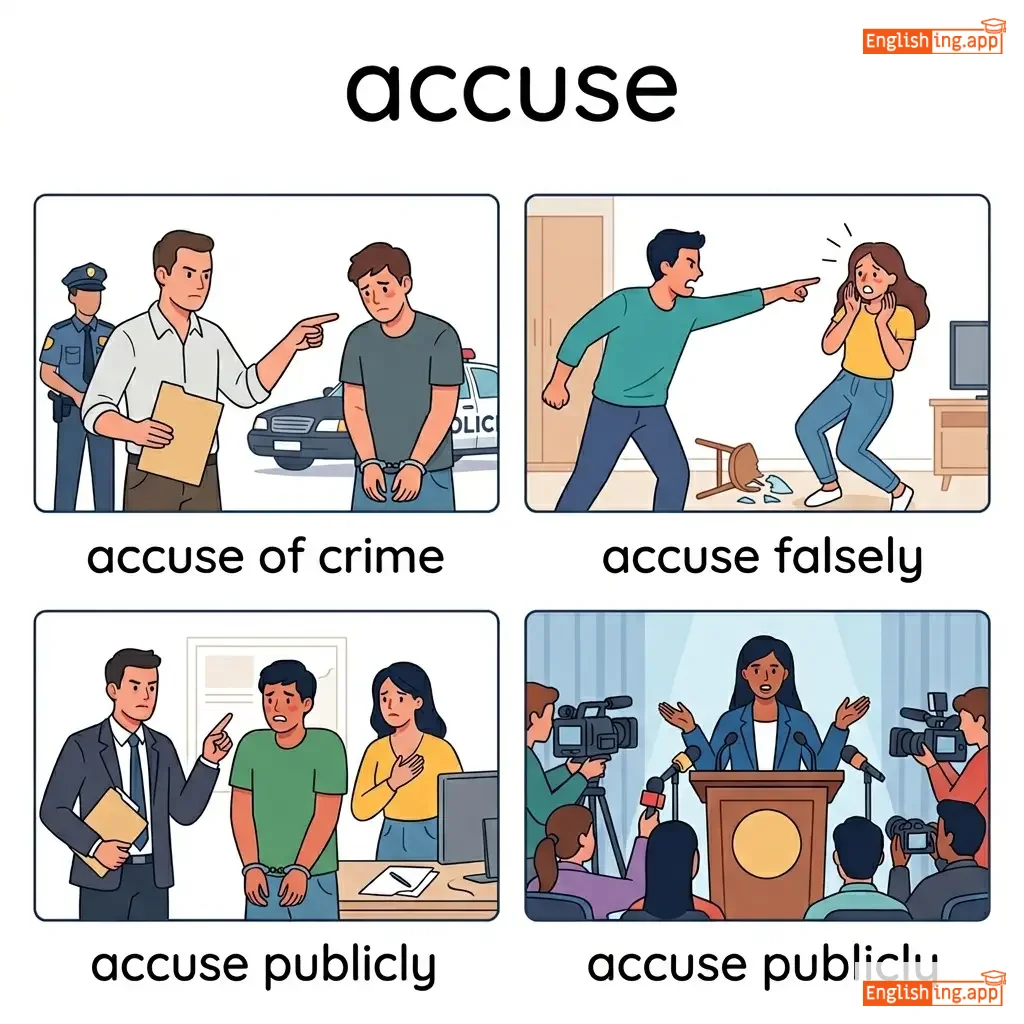
accuse someone falsely |
Blame someone without evidence.
••••••
|
- •••••• |
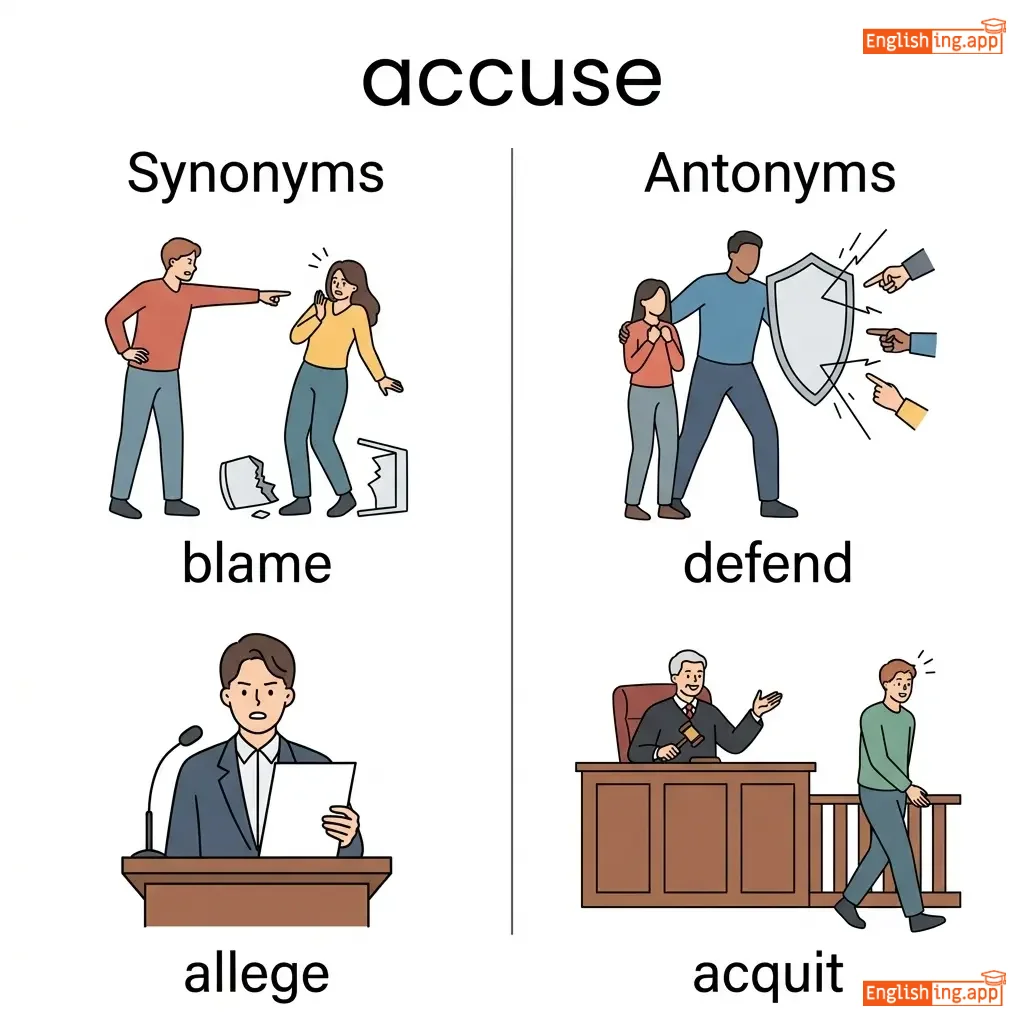
blame, allege, charge, indict
••••••
|
defend, acquit
••••••
|
accuse of crime, accuse falsely, accuse publicly
••••••
|
No •••••• |
|
🙋
••••••
|
/ədˈmɪt/
verb
(アドミット)
••••••
|
|
認める
mitomeru
••••••
|
admitted
アドミットした
••••••
|
admitted
アドミットした
••••••
|
admits
アドミットする
••••••
|
admitting
アドミットしている
••••••
|
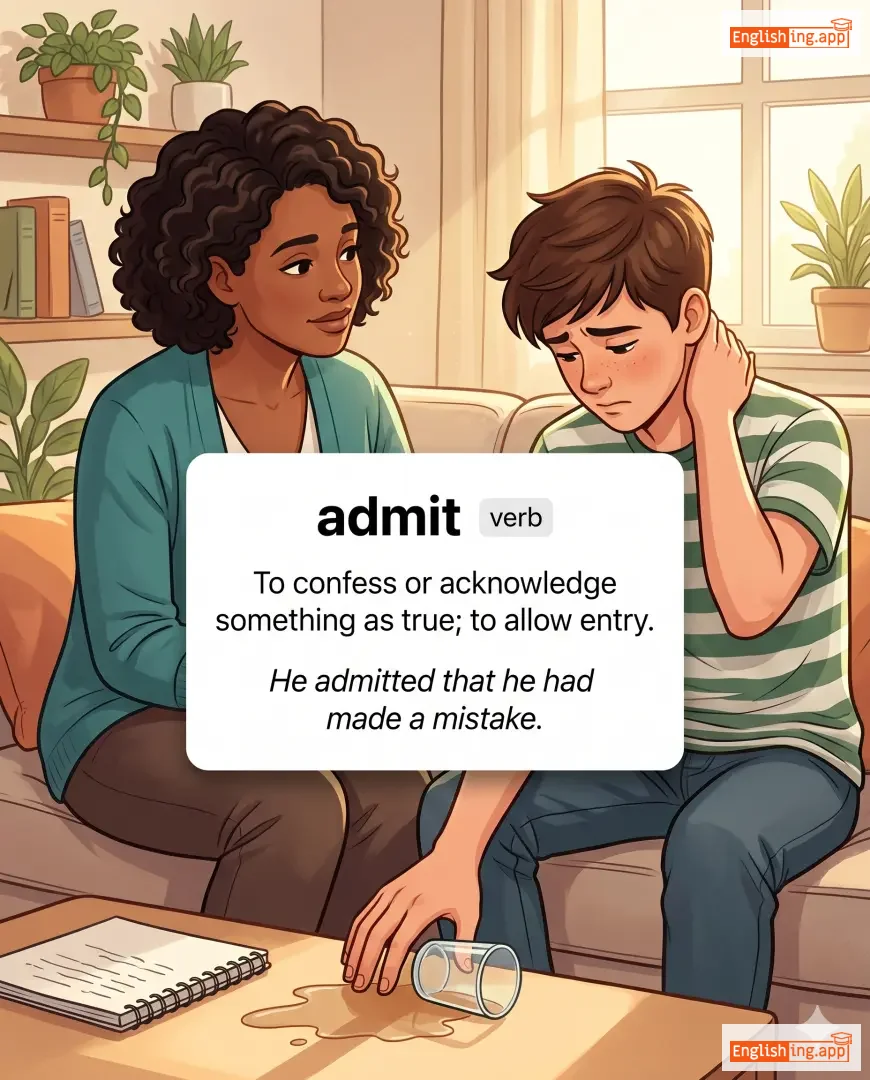
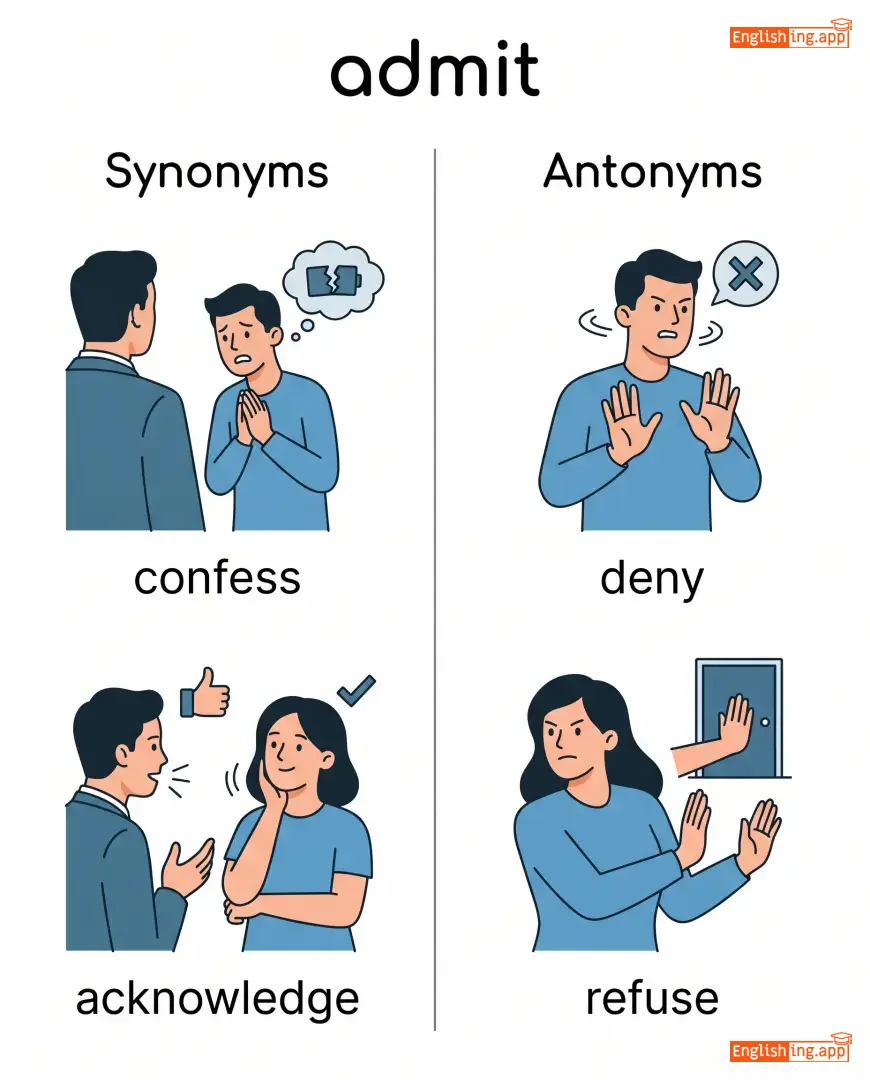
To confess or acknowledge something as true; to allow entry.
••••••
|
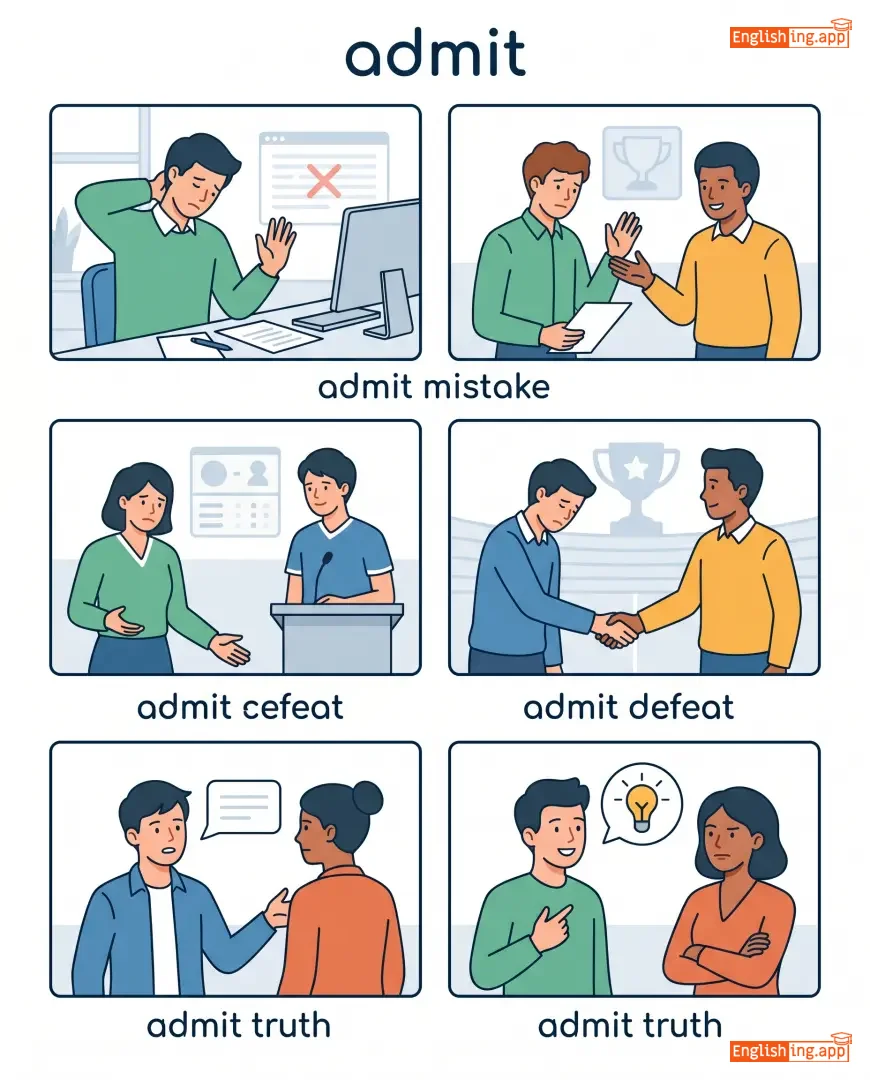
He admitted that he had made a mistake.
彼は間違いを犯したことを認めた。
••••••
|
彼は間違いを犯したことを認めた。
Kare wa machigai o okashita koto o mitometa.
••••••
|
admit defeat
敗北を認める
••••••
|
To accept that you have failed.
••••••
|
敗北を認める
Haiboku o mitomeru
••••••
|
confess, acknowledge, accept, allow, grant
••••••
|
deny, refuse, reject
••••••
|
admit mistake, admit defeat, admit truth, admit into
••••••
|
認めるとは、間違いを認めることです。
••••••
|
|
🧑
••••••
|
/ˈædʌlt/ or /əˈdʌlt/
noun
(アダルト)
••••••
|
- •••••• |
大人
otonna
••••••
|
- •••••• | - •••••• | - •••••• | - •••••• |
A fully grown or developed person; mature.
••••••
|
Children must be accompanied by an adult. |
子供は大人と一緒にいる必要があります。
Kodomo wa otona to issho ni iru hitsuyō ga arimasu.
••••••
|
young adult |
A person in their late teens or early twenties.
••••••
|
若い大人
wakai otona
••••••
|
grown-up, mature person, elder, senior
••••••
|
child, minor, infant
••••••
|
adult education, adult content, adult life, adult supervision
••••••
|
大人は完全に成長した意味で、映画の大人用チケットのように。
••••••
|
|
🏢
••••••
|
/ˈeɪ.dʒən.si/
noun
(エージェンシー)
••••••
|
- •••••• |
エージェンシー
e-jenshī
••••••
|
- •••••• | - •••••• | - •••••• | - •••••• |
An organization or business that provides a particular service.
••••••
|
She works at a travel agency. |
彼女は旅行代理店で働いています。
Kanojo wa ryokō dairi-ten de hataraiteimasu.
••••••
|
advertising agency |
A company that creates and manages advertisements for clients.
••••••
|
広告代理店
kōkoku dairi-ten
••••••
|
organization, firm, bureau, office, service
••••••
|
individual, client, customer
••••••
|
government agency, real estate agency, news agency, travel agency
••••••
|
Agencyは'組織'を意味します—'エージェンシーでサービスが提供される'と覚えましょう
••••••
|
|
🕵️
••••••
|
/ˈeɪ.dʒənt/
noun
(エージェント)
••••••
|
- •••••• |
エージェント
ējento
••••••
|
- •••••• | - •••••• | - •••••• | - •••••• |
A person who acts on behalf of another person or organization.
••••••
|
The real estate agent showed us several houses.
不動産エージェントは私たちにいくつかの家を見せてくれました。
••••••
|
不動産エージェントは私たちにいくつかの家を見せてくれました。
Fudōsan ējento wa watashitachi ni ikutsuka no ie o misete kuremashita.
••••••
|
secret agent
秘密のエージェント
••••••
|
A spy working for a government or organization.
••••••
|
秘密のエージェント
Himitsu no ējento
••••••
|
representative, delegate, envoy, broker, spy
••••••
|
principal, client, customer
••••••
|
travel agent, real estate agent, sports agent, insurance agent
••••••
|
エージェントは他のために働く、秘密のエージェントもその一つです。
••••••
|
|
👍
••••••
|
/əˈɡriː/
verb
(アグリー)
••••••
|
|
同意する
dōi suru
••••••
|
agreed
アグリード
••••••
|
agreed
アグリード
••••••
|
agrees
アグリーズ
••••••
|
agreeing
アグリーイング
••••••
|
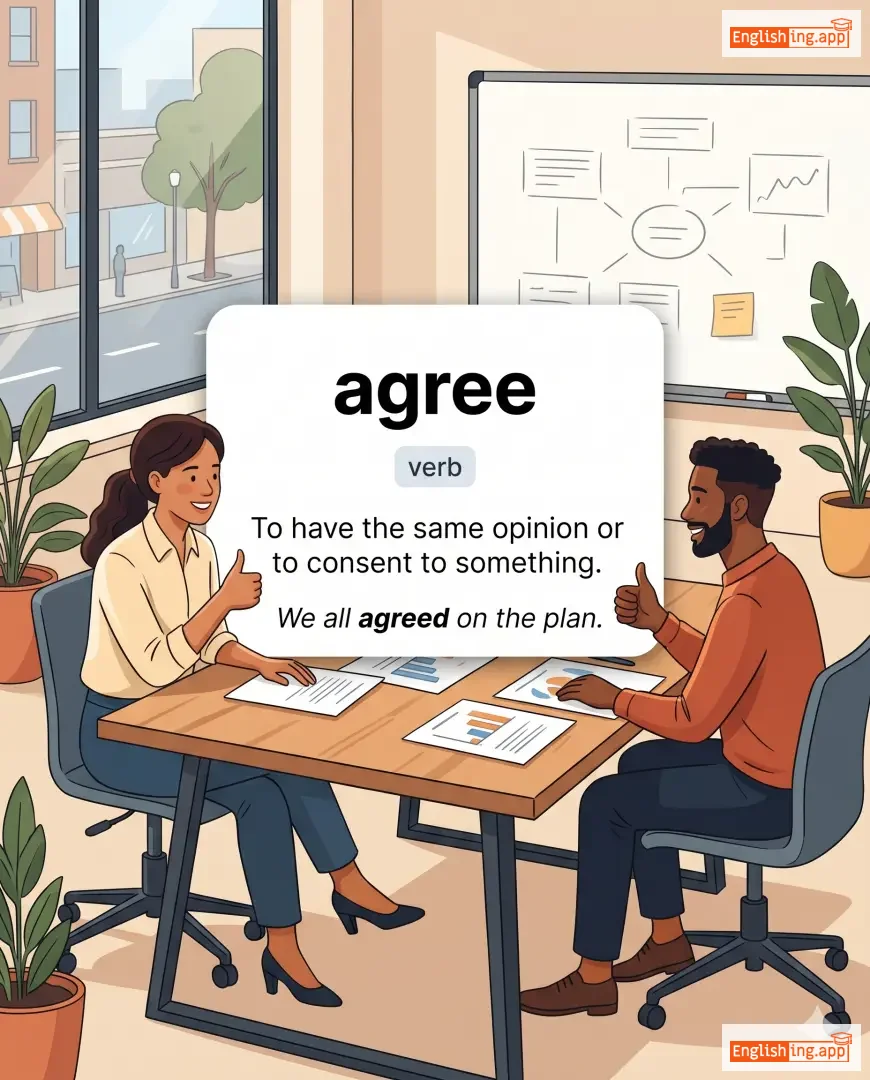
To have the same opinion or to consent to something.
••••••
|
We all agreed on the plan.
私たちは皆、計画に同意しました。
••••••
|
私たちは皆、計画に同意しました。
Watashitachi wa mina, keikaku ni dōi shimashita.
••••••
|
agree to disagree
同意して同意しない
••••••
|
To accept different opinions without conflict.
••••••
|
同意して同意しない
Dōi shite dōi shinai
••••••
|
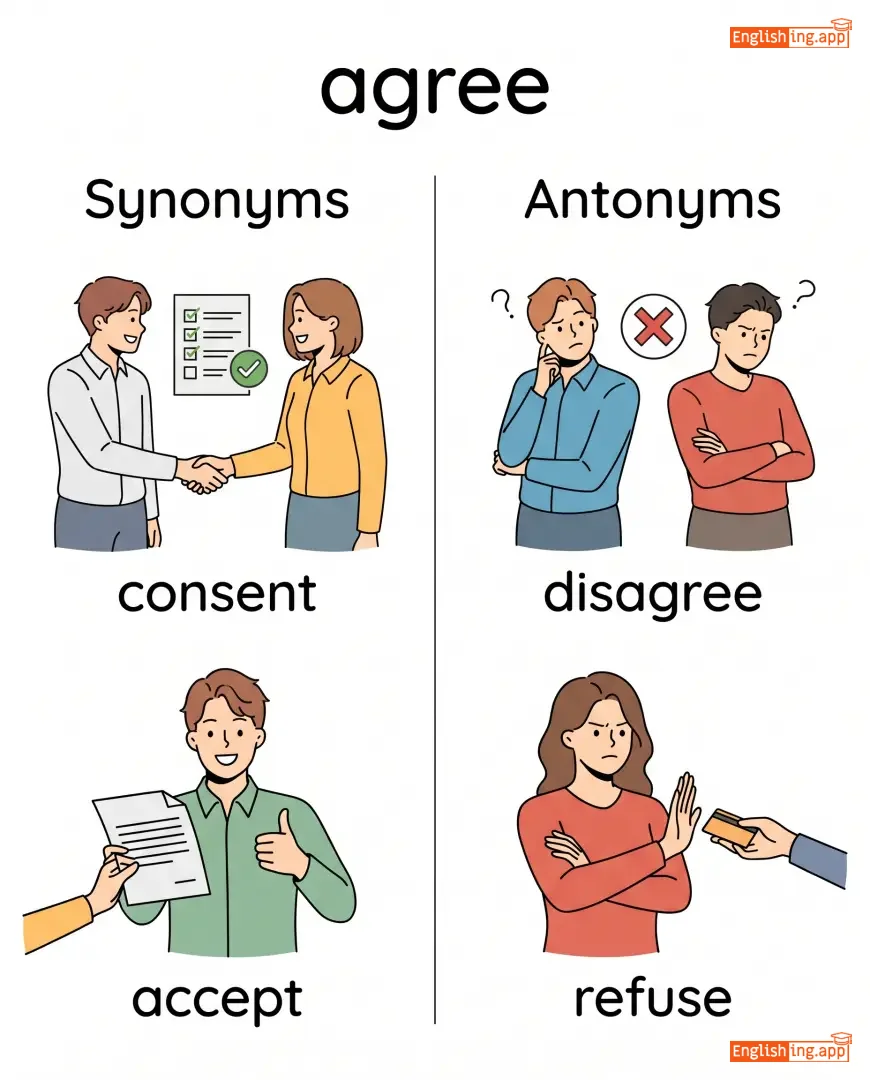
consent, accept, approve, concur, assent
••••••
|
disagree, refuse, oppose
••••••
|
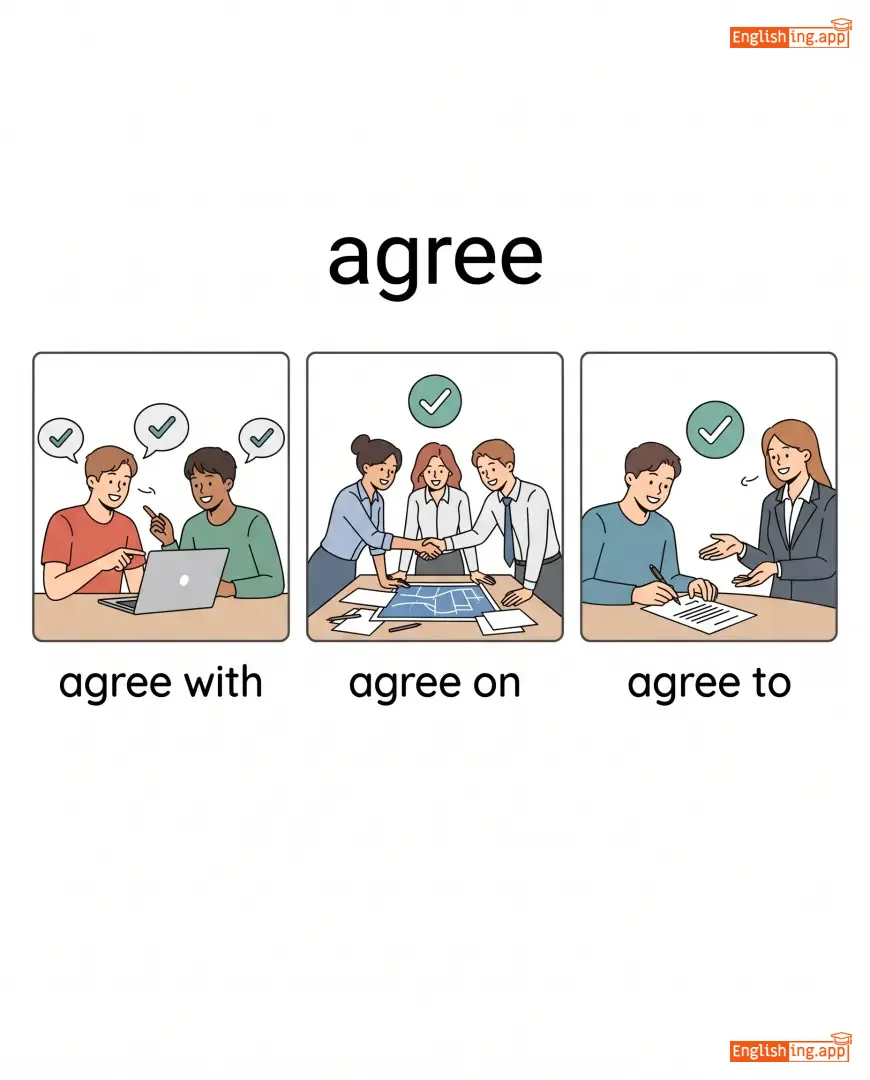
agree with, agree on, agree to, strongly agree
••••••
|
'Agree' は同意するという意味です — みんなでうなずいて同意するときのように。
••••••
|
|
↔️
••••••
|
/əˈpɑːrt/
adverb
••••••
|
- •••••• | - •••••• | - •••••• | - •••••• | - •••••• | - •••••• |
separated by distance or time; into pieces
••••••
|
They live miles apart from each other. |
- •••••• |
fall apart |
to break into pieces or fail completely
••••••
|
- •••••• |
separately, away, aside, alone, divided
••••••
|
together, close
••••••
|
miles apart, set apart, apart from, fall apart
••••••
|
No •••••• |
|
🚓
••••••
|
/əˈrɛst/
verb
(アレスト)
••••••
|
|
逮捕する
taiho suru
••••••
|
arrested
アレストド
••••••
|
arrested
アレストド
••••••
|
arrests
アレストス
••••••
|
arresting
アレスティング
••••••
|
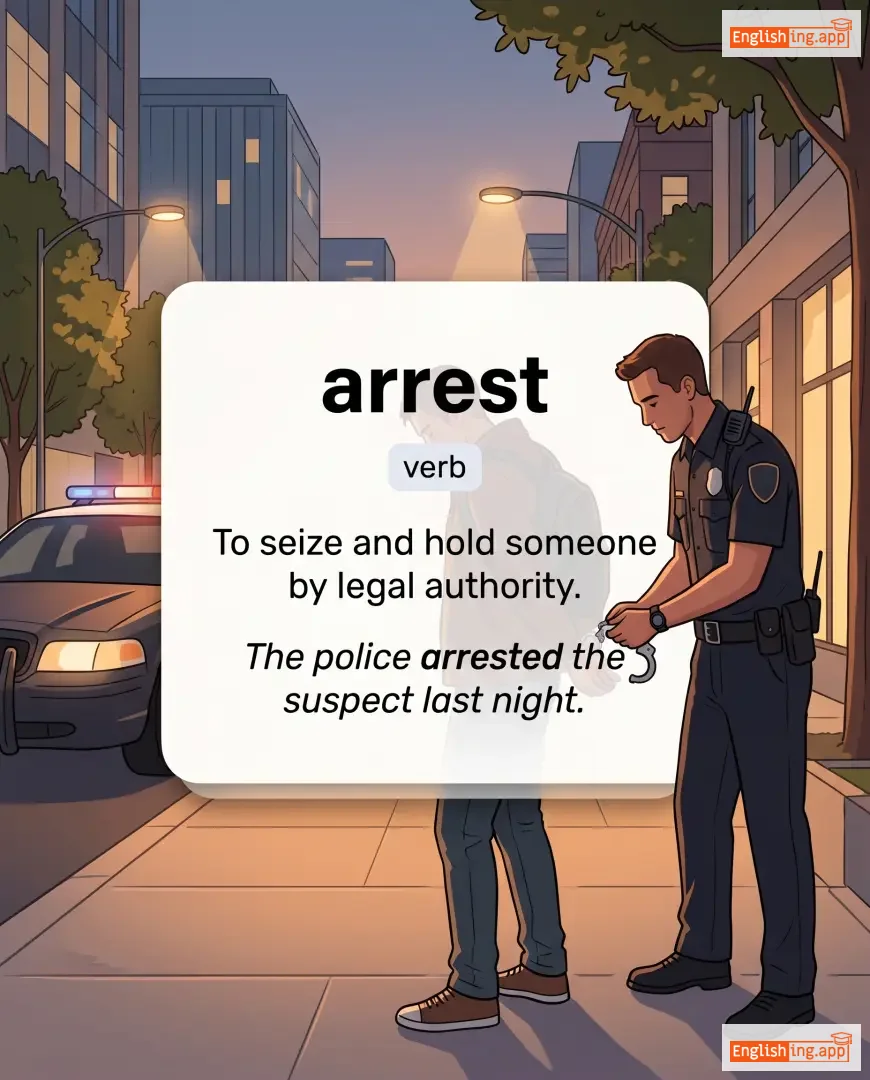
To seize and hold someone by legal authority.
••••••
|
The police arrested the suspect last night.
警察は昨晩、容疑者を逮捕した。
••••••
|
警察は昨晩、容疑者を逮捕した。
Keisatsu wa sakuban, yōgisha o taiho shita.
••••••
|
under arrest
逮捕中
••••••
|
In the custody of the police.
••••••
|
逮捕中
taiho-chū
••••••
|
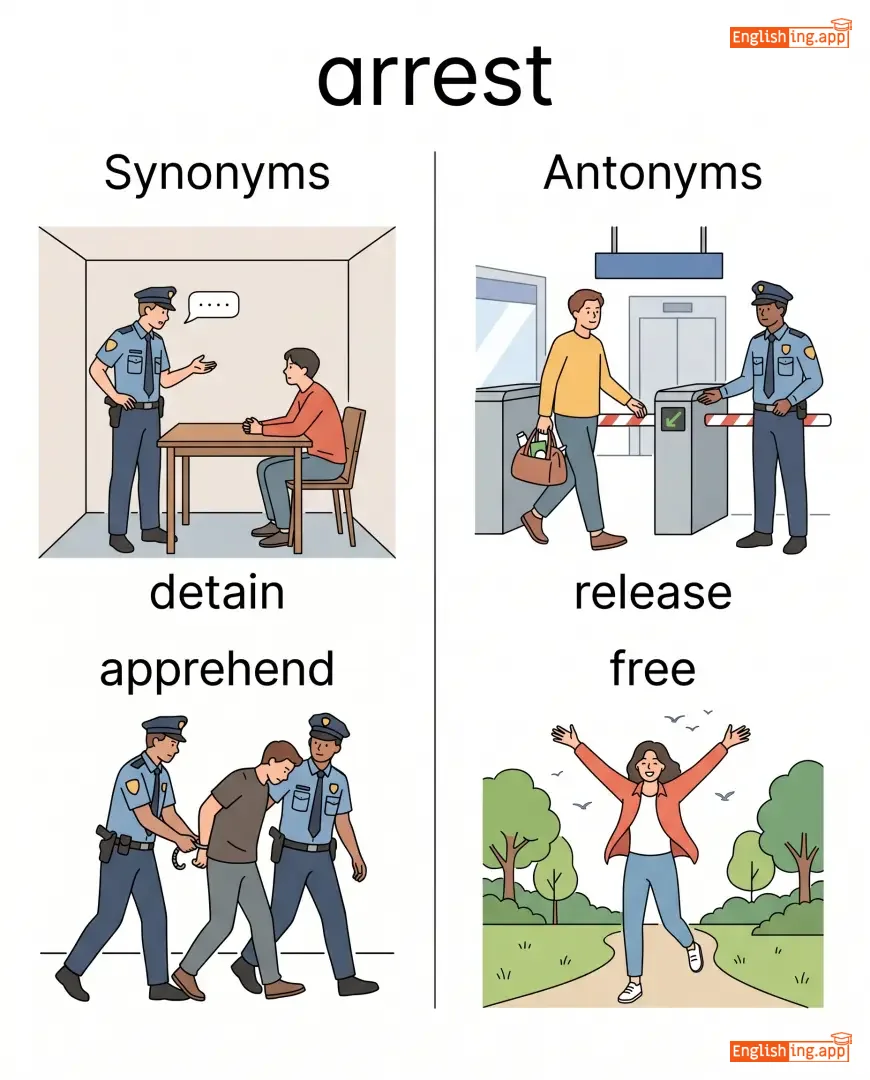
detain, apprehend, capture, seize, stop
••••••
|
release, free, liberate
••••••
|
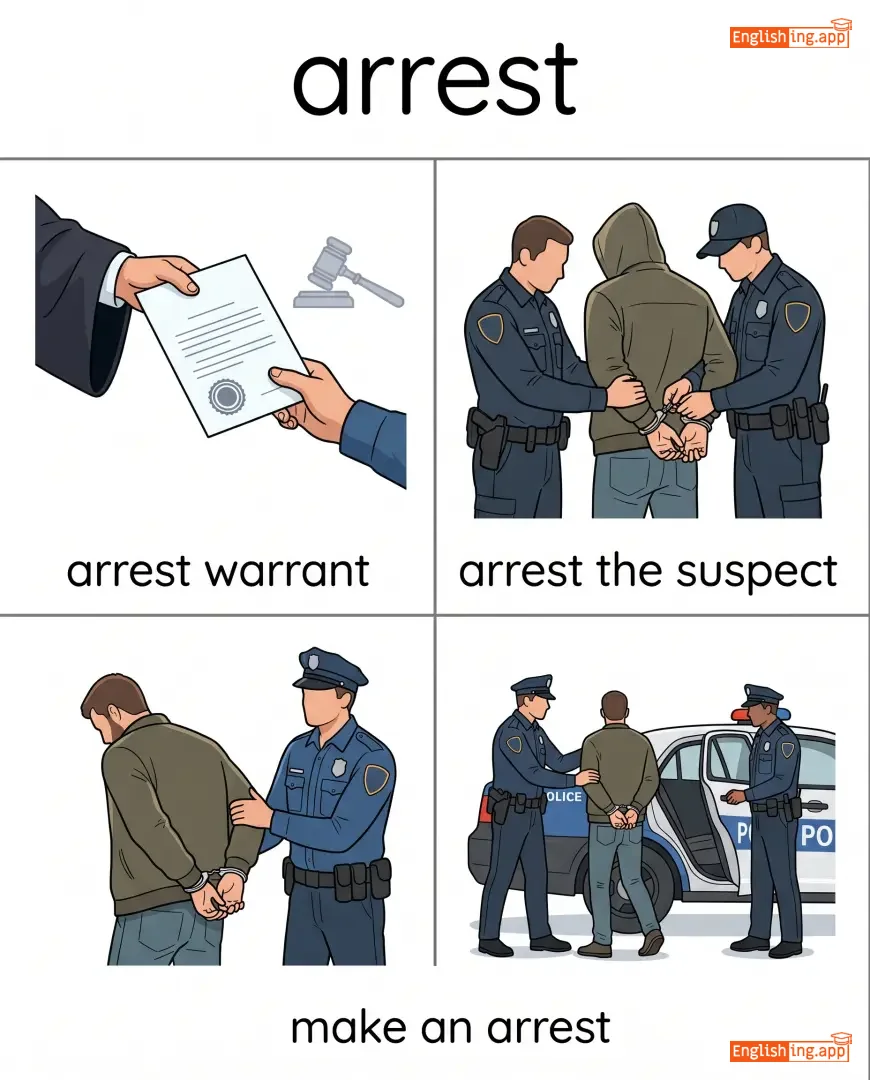
arrest warrant, arrest the suspect, make an arrest
••••••
|
Arrest は Rest できない—警察があなたを逮捕するから。
••••••
|
|
☝️
••••••
|
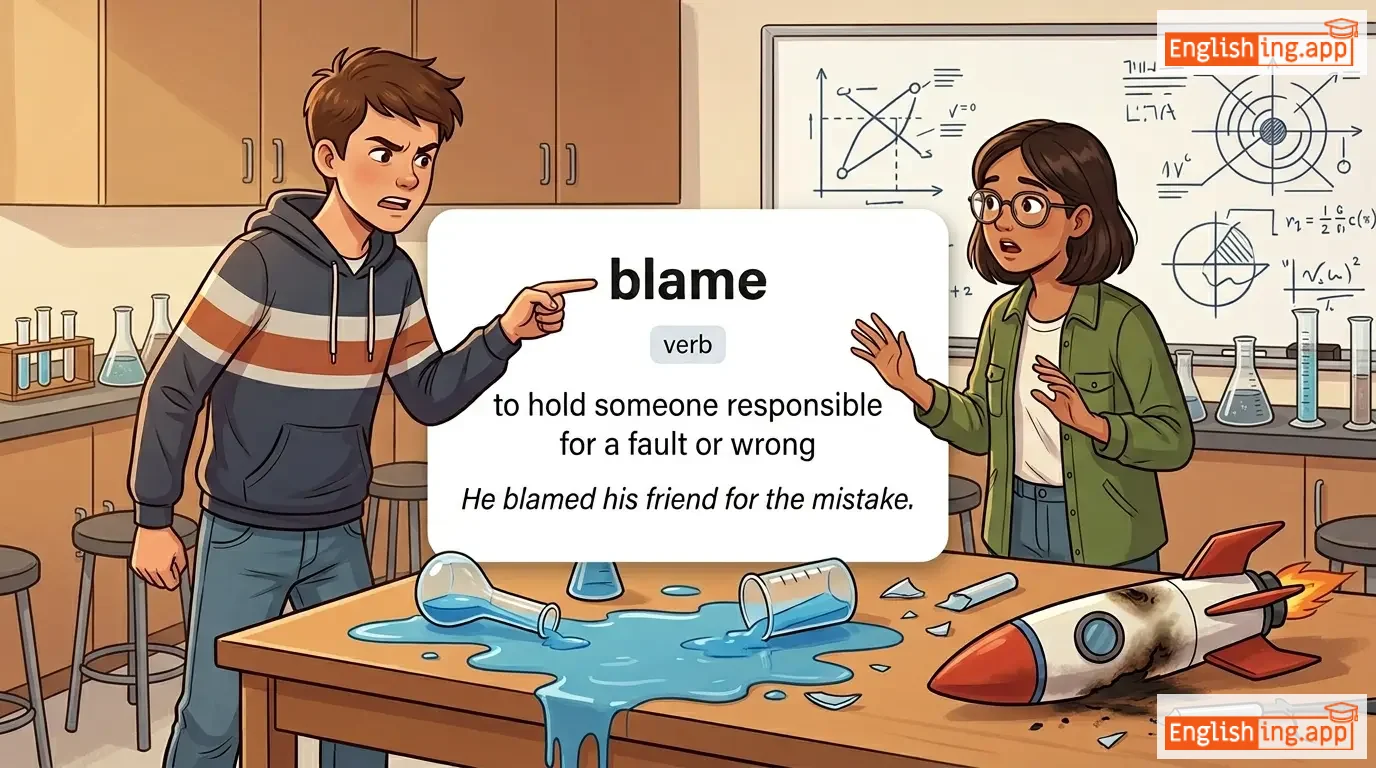
/bleɪm/
verb
(bureimu)
••••••
|
|
非難する
hinan suru
••••••
|
blamed
bureimudo
••••••
|
blamed
bureimudo
••••••
|
blames
bureimus
••••••
|
blaming
bureimingu
••••••
|
to hold someone responsible for a fault or wrong
••••••
|
He blamed his friend for the mistake.
彼はその間違いについて友人を非難しました。
••••••
|
彼はその間違いについて友人を非難しました。
Kare wa sono machigai ni tsuite yūjin wo hinan shimashita.
••••••
|
put the blame on
責任を負わせる
••••••
|
to make someone responsible for something bad
••••••
|
責任を負わせる
Sekinin wo owaseru
••••••
|
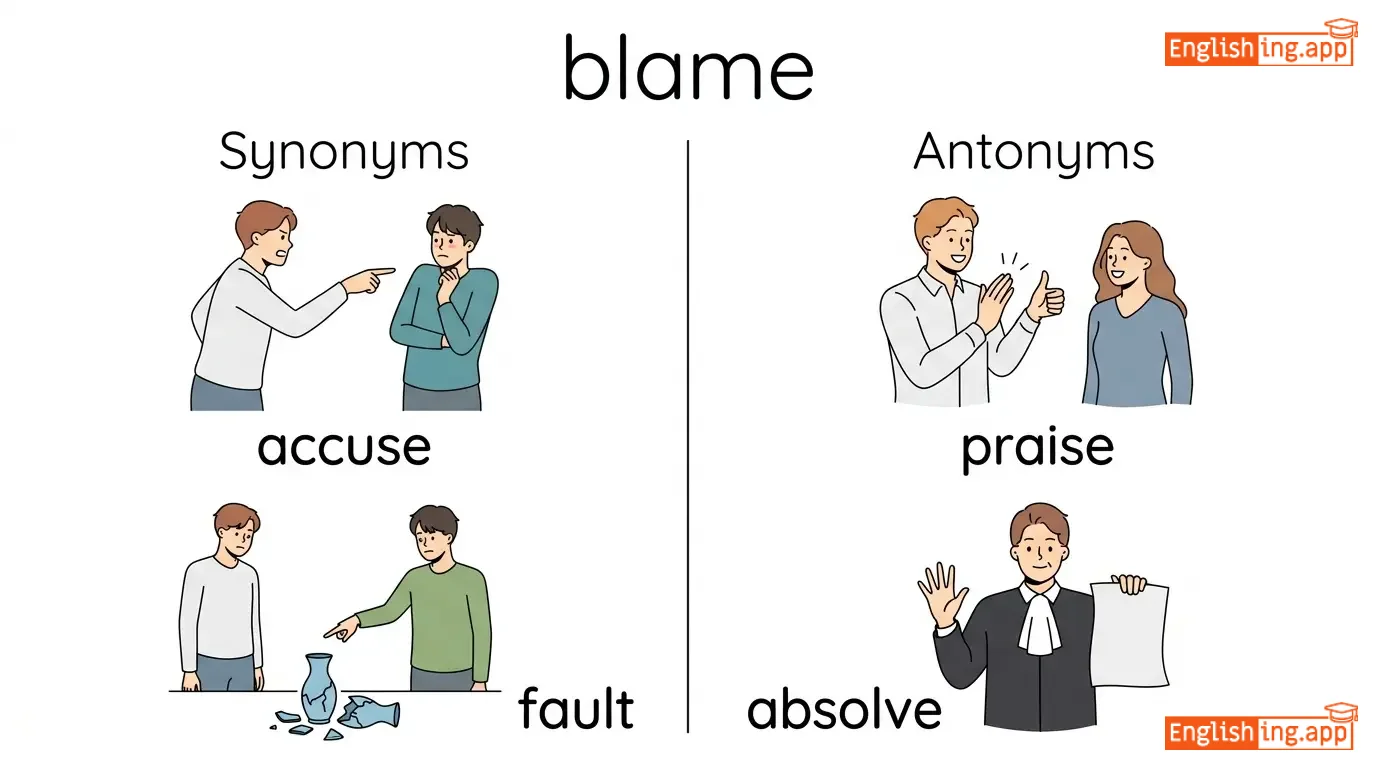
accuse, fault, charge, condemn
••••••
|
praise, absolve, forgive
••••••
|
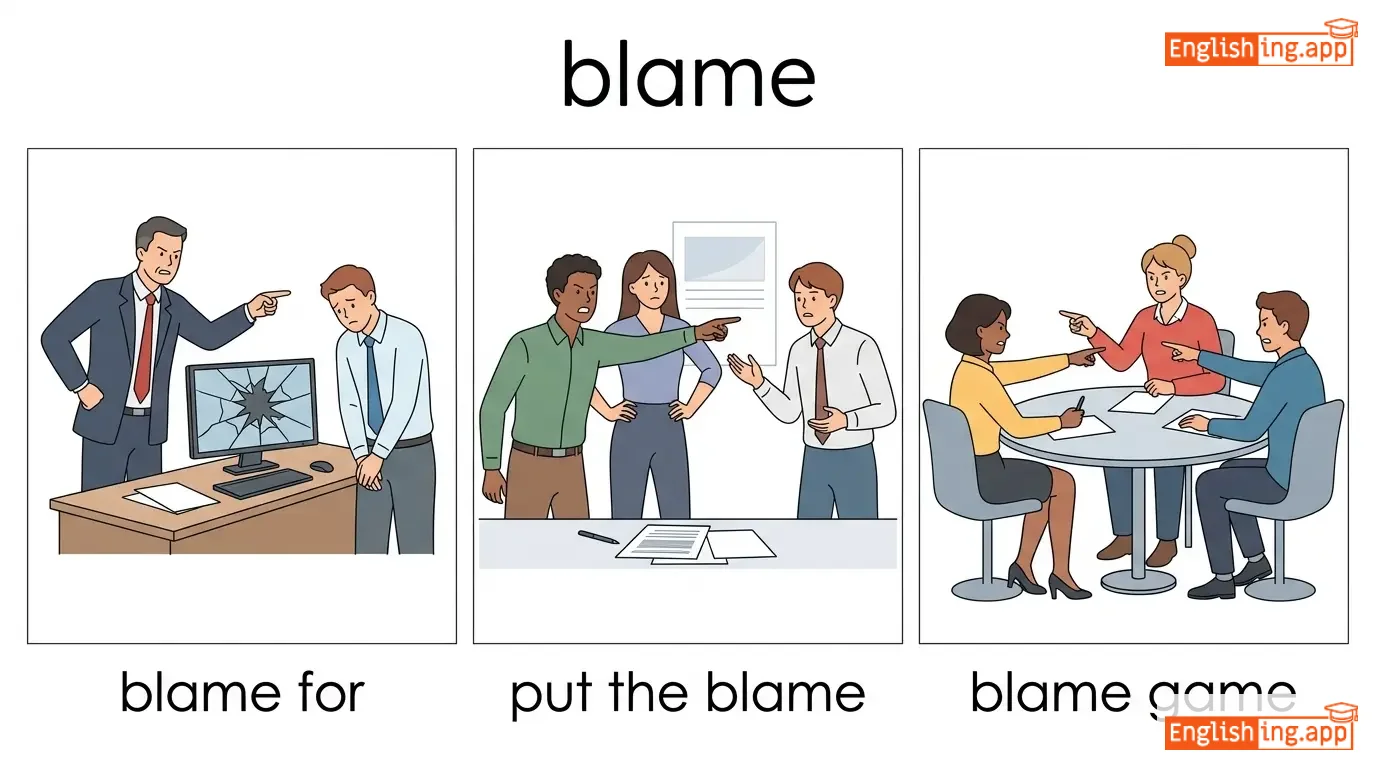
blame for, put the blame, blame game, blame others
••••••
|
Blame は非難するという意味—'Blame game' は非難し合うゲーム。
••••••
|
|
📦
••••••
|
/keɪs/
noun
(ケイス)
••••••
|
- •••••• |
ケース / 状況
keesu / joukyou
••••••
|
- •••••• | - •••••• | - •••••• | - •••••• |
A particular situation, occurrence, or an instance of something; also a container or covering for something.
••••••
|
In this case, we should wait for further instructions.
この場合は、さらに指示を待つべきです。
••••••
|
この場合は、さらに指示を待つべきです。
Kono baai wa, sara ni shiji o matsu beki desu.
••••••
|
in any case
いずれにしても
••••••
|
whatever happens; regardless of the situation
••••••
|
いずれにしても
Izureni shitemo
••••••
|
instance, example, situation, container, box
••••••
|
whole, entirety
••••••
|
in case of, legal case, strong case, special case
••••••
|
Caseはケース、裁判のケースや携帯電話のケースのように使われます
••••••
|
|
👤
••••••
|
/ˈklaɪənt/
noun
(クライアント)
••••••
|
- •••••• |
クライアント
kuraianto
••••••
|
- •••••• | - •••••• | - •••••• | - •••••• |
A person or organization using the services of a professional or company.
••••••
|
The lawyer met with her client to discuss the case. |
弁護士はクライアントと会ってケースを話し合った
bengoshi wa kuraianto to atte kēsu o hanashiatta
••••••
|
client base |
The group of clients a company serves.
••••••
|
クライアントベース
kuraianto bēsu
••••••
|
customer, patron, consumer, buyer
••••••
|
seller, provider
••••••
|
client meeting, client relationship, client support, client base
••••••
|
クライアント = いつもサービスを受ける人
••••••
|
|
🚔
••••••
|
/kraɪm/
noun
(クライム)
••••••
|
- •••••• |
犯罪
hanzai
••••••
|
- •••••• | - •••••• | - •••••• | - •••••• |
An illegal act punishable by law.
••••••
|
The police are investigating the crime.
警察は犯罪を調査しています。
••••••
|
警察は犯罪を調査しています。
Keisatsu wa hanzai o chōsa shiteimasu.
••••••
|
crime does not pay
犯罪は報われない。
••••••
|
crime ultimately brings punishment, not profit
••••••
|
犯罪は報われない。
Hanzai wa mukuwarenaī.
••••••
|
offense, felony, wrongdoing, violation
••••••
|
lawfulness, obedience
••••••
|
commit a crime, crime rate, crime scene, organized crime
••••••
|
犯罪を犯すと、必ず後悔と罰が待っている。
••••••
|
|
☠️
••••••
|
/ˈdedli/
adjective
(デッドリー)
••••••
|
- •••••• |
致命的
chimiteki
••••••
|
- •••••• | - •••••• | - •••••• | - •••••• |
causing or able to cause death; extremely dangerous
••••••
|
The snake's bite is deadly to humans. |
蛇の噛み傷は人間にとって致命的です。
Hebi no kamikizu wa ningen ni totte chimiteki desu.
••••••
|
deadly serious |
completely serious; not joking
••••••
|
死ぬほど真剣
shinu hodo shinken
••••••
|
fatal, lethal, dangerous, mortal, poisonous
••••••
|
harmless, safe, mild
••••••
|
deadly weapon, deadly virus, deadly poison, deadly attack
••••••
|
Deadly は致命的、まるで致命的な蛇のようだ!
••••••
|
|
💀
••••••
|
/dɛθ/
noun
(デス)
••••••
|
- •••••• |
死
shi
••••••
|
- •••••• | - •••••• | - •••••• | - •••••• |
The end of life; the permanent cessation of all vital functions.
••••••
|
The news of his death shocked everyone in the village. |
彼の死のニュースは村のすべての人々を驚かせました。
Kare no shi no nyūsu wa mura no subete no hitobito o odorokasemashita.
••••••
|
a matter of life and death |
something extremely important or urgent
••••••
|
生死にかかわる問題
seishi ni kakawaru mondai
••••••
|
demise, passing, end, expiration, departure
••••••
|
birth, life, existence
••••••
|
sudden death, tragic death, death penalty, cause of death, near death
••••••
|
Deathは日本語で死です。死が来るとすべてが終わります。
••••••
|
|
🕵️
••••••
|
/dɪˈtɛkt/
verb
(ディテクト)
••••••
|
|
検出する
kenshutsu suru
••••••
|
detected
ディテクテッド
••••••
|
detected
ディテクテッド
••••••
|
detects
ディテクツ
••••••
|
detecting
ディテクティング
••••••
|
To discover or identify the presence of something.
••••••
|
The device can detect smoke in the room.
そのデバイスは部屋の中の煙を検出できます。
••••••
|
そのデバイスは部屋の中の煙を検出できます。
Sono debaisu wa heya no naka no kemuri o kenshutsu dekimasu.
••••••
|
detect a problem
問題を検出する
••••••
|
To notice or discover an issue.
••••••
|
問題を検出する
Mondai o kenshutsu suru
••••••
|
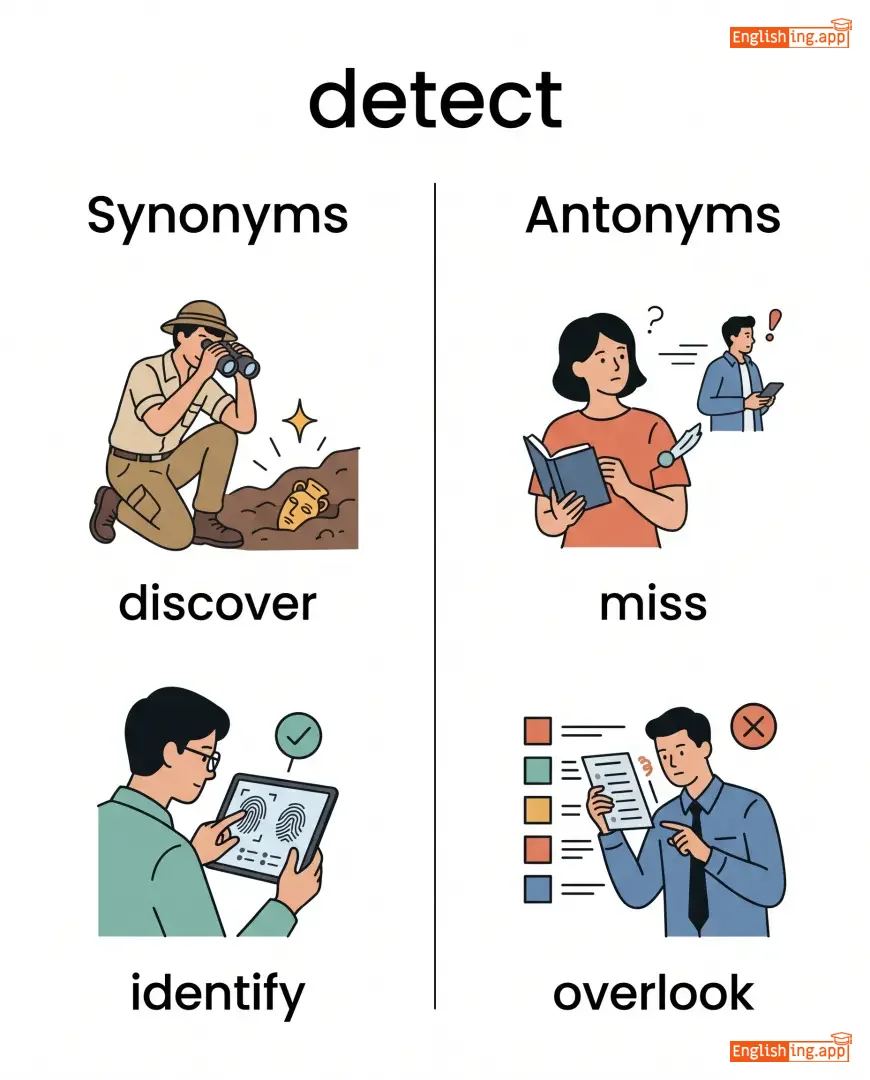
discover, identify, notice, sense, recognize
••••••
|
miss, overlook, ignore
••••••
|
detect a signal, detect movement, detect fraud, detect error
••••••
|
検出するは煙を見つける時にすることです。
••••••
|
|
🔍
••••••
|
/ˈɛv.ɪ.dəns/
noun
(エヴィデンス)
••••••
|
- •••••• |
証拠
shōko
••••••
|
- •••••• | - •••••• | - •••••• | - •••••• |
facts or information that show whether something is true or not
••••••
|
The lawyer presented new evidence in court. |
弁護士は法廷で新しい証拠を提出しました。
Bengoshi wa hotei de atarashī shōko o teishutsu shimashita.
••••••
|
hard evidence |
strong, undeniable proof
••••••
|
決定的証拠
ketteiteki shōko
••••••
|
proof, testimony, confirmation, validation, indication
••••••
|
denial, contradiction, disproof
••••••
|
present evidence, gather evidence, strong evidence, lack of evidence
••••••
|
証拠 = 何かが真実かを証明するもの。
••••••
|

