The Detective's Dilemma
Детектив Арман разговаривал со своим client. Case был довольно сложным. Богатый adult умер, и полиция списала это на естественную death. Но agency Армана считала, что это crime. Арман поехал на место происшествия и нашел некоторые evidence, которые полиция не смогла detect. Он позвонил своему agent и сказал: 'Я уверен, что это убийство.' Его agent agreed с ним. Глубже расследуя, Арман узнал, что все в семье умершего accuse друг друга. В какой-то момент один из членов семьи admitted, что он был на месте происшествия в момент инцидента. Арман решил arrest его. Но его интуиция подсказывала ему, что настоящий убийца все еще apart от места происшествия. Он понял, что если он blame не того человека, настоящий преступник уйдет от ответственности. Арману нужно было найти конец этой deadly игры.
Получите неограниченный доступ ко всем словам с подпиской Pro
Обновить до ProПолучите неограниченный доступ ко всем предложениям с подпиской Pro
Обновить до Pro|
Эмодзи
|
Слово | Images | Перевод | Прошедшее | Причастие прошедшего времени | Третье лицо единственного числа | Герундий | Значение | Пример предложения | Перевод примера предложения | Пример выражения | Значение примера выражения | Перевод примера выражения | Синонимы | Антонимы | Коллокации | Мнемоника |
|---|---|---|---|---|---|---|---|---|---|---|---|---|---|---|---|---|---|
|
👉
••••••
|
/əˈkjuːz/
verb
(акьюз)
••••••
|
|
обвинять
obvinyat
••••••
|
accused
акьюзд
••••••
|
accused
акьюзд
••••••
|
accuses
акьюсиз
••••••
|
accusing
акьюзинг
••••••
|
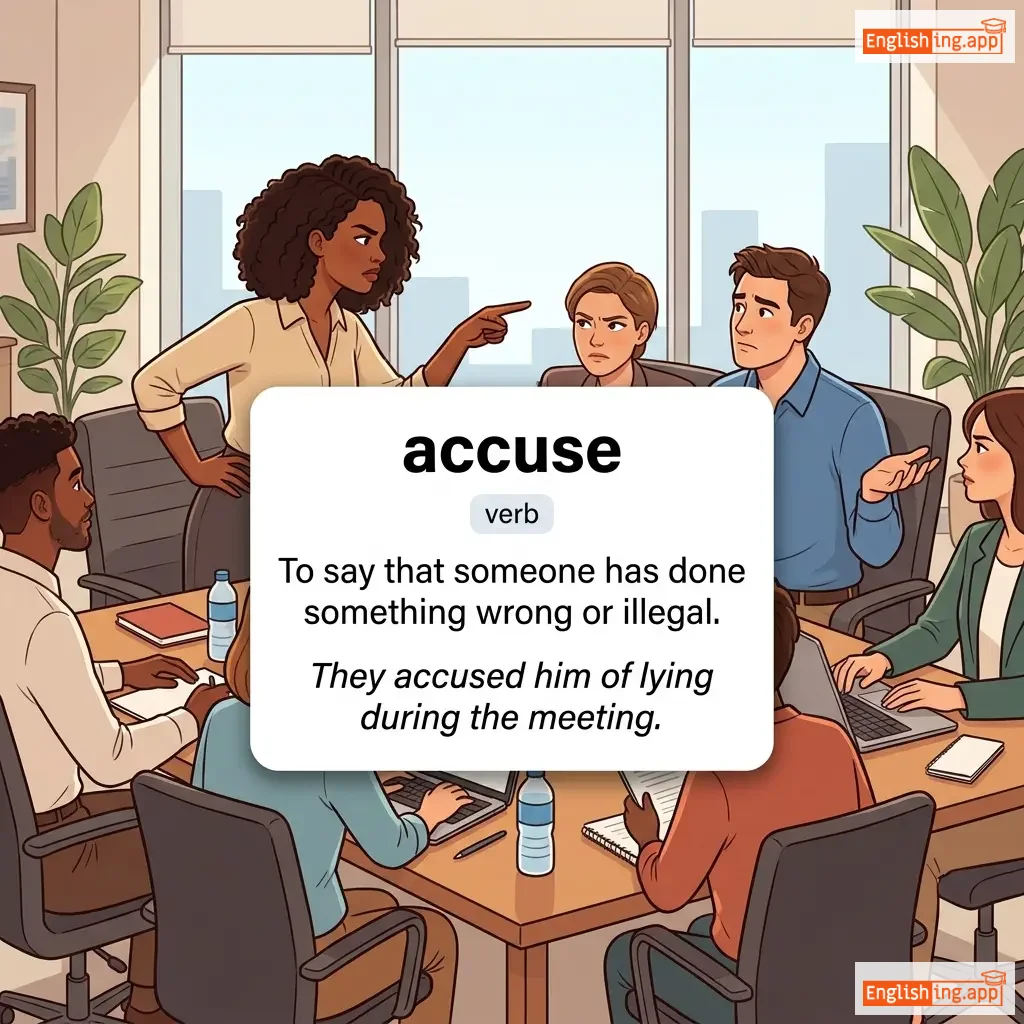
To say that someone has done something wrong or illegal.
••••••
|
They accused him of lying during the meeting.
Они обвинили его во лжи во время встречи.
••••••
|
Они обвинили его во лжи во время встречи.
Oni obvinili ego vo lzhi vo vremya vstrechi
••••••
|
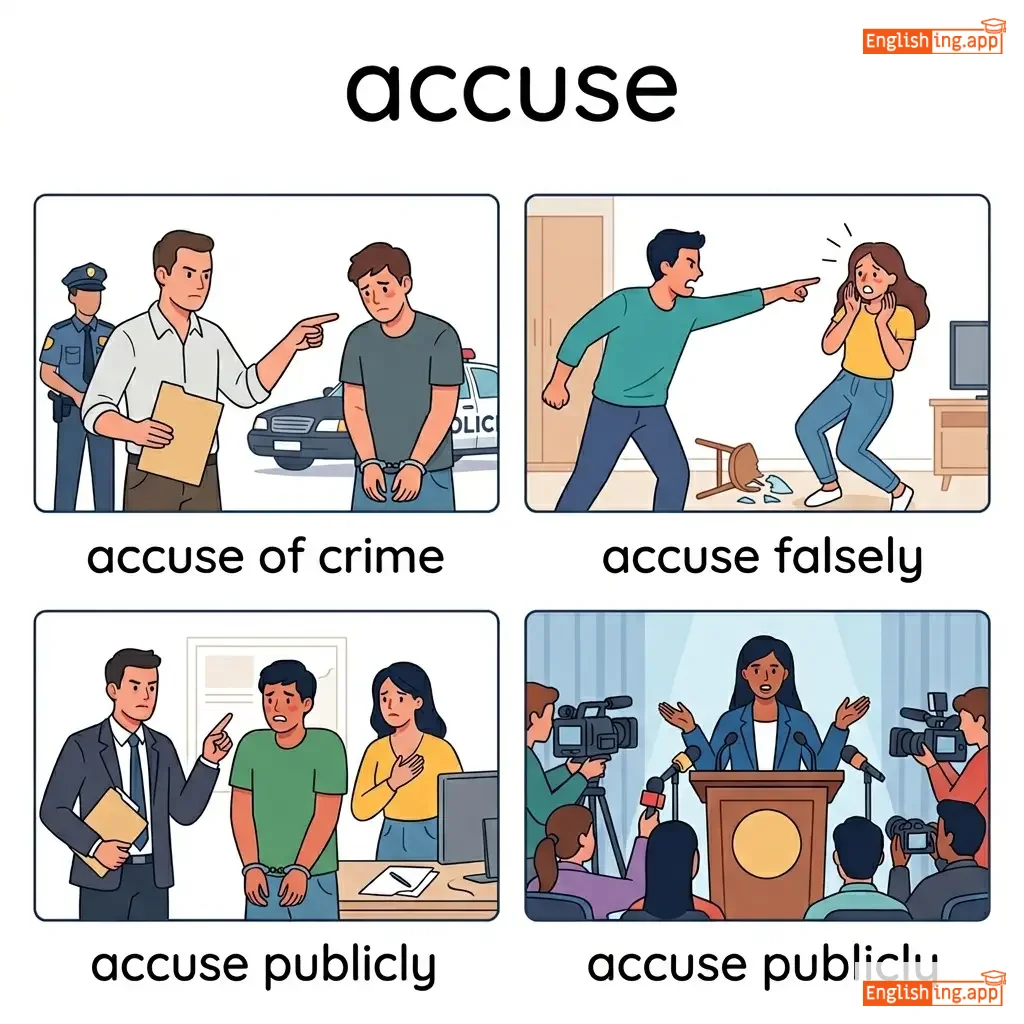
accuse someone falsely
обвинять кого-то ложно
••••••
|
Blame someone without evidence.
••••••
|
Обвинять кого-то ложно.
obvinyat kogo to lozhno
••••••
|
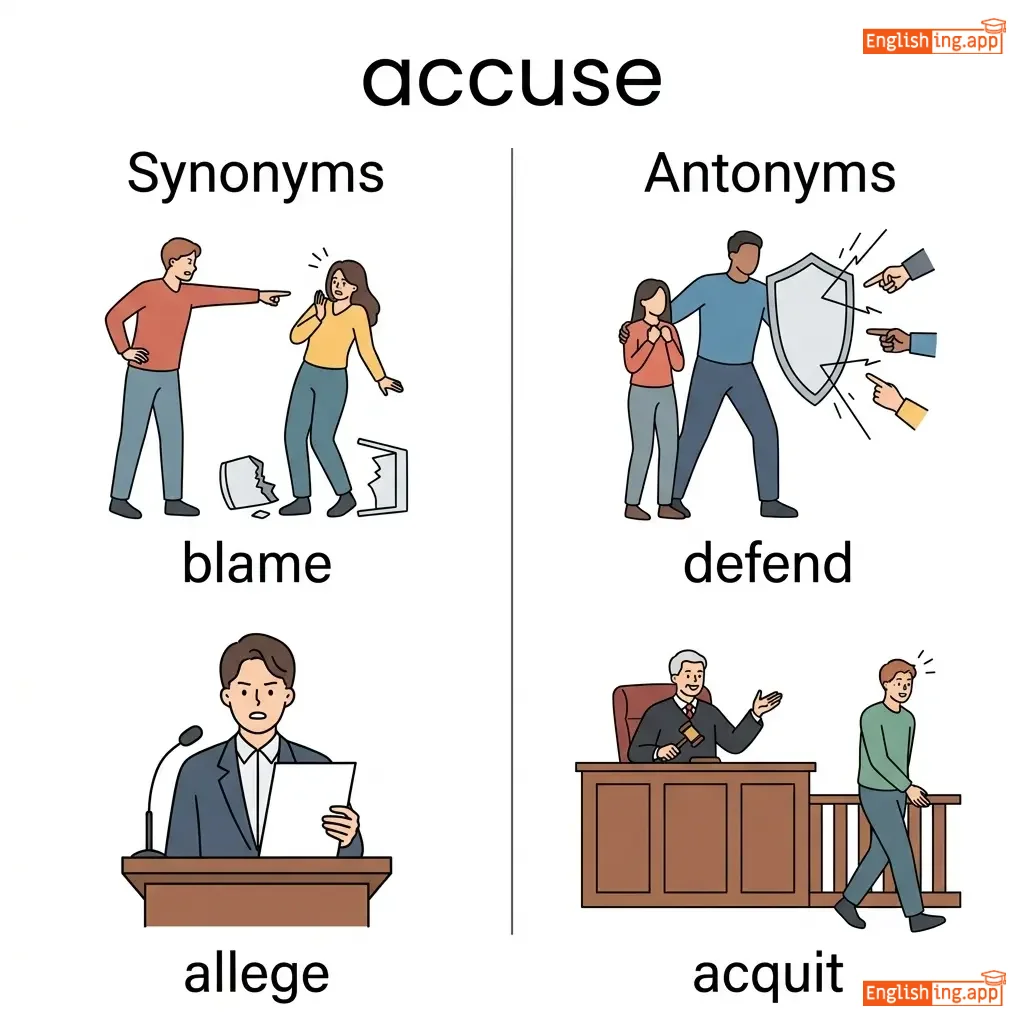
blame, allege, charge, indict
••••••
|
defend, acquit
••••••
|
accuse of crime, accuse falsely, accuse publicly
••••••
|
Акьюз звучит как a queue's — вообрази очередь у суда и шепчет обвинение,accuse = обвинять.
••••••
|
|
🙋
••••••
|
/ədˈmɪt/
verb
(адмитировать)
••••••
|
|
признавать
priznavat
••••••
|
admitted
адмитировал
••••••
|
admitted
адмитировал
••••••
|
admits
адмитирует
••••••
|
admitting
адмитируя
••••••
|
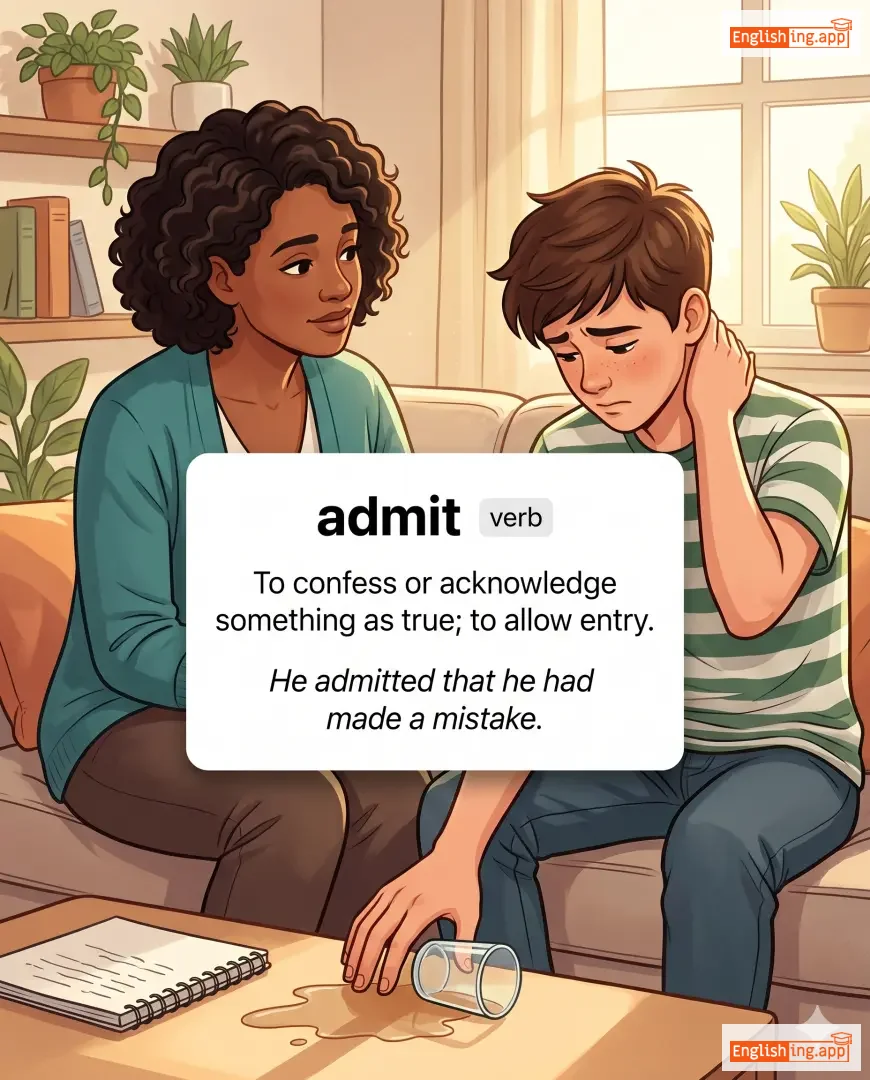
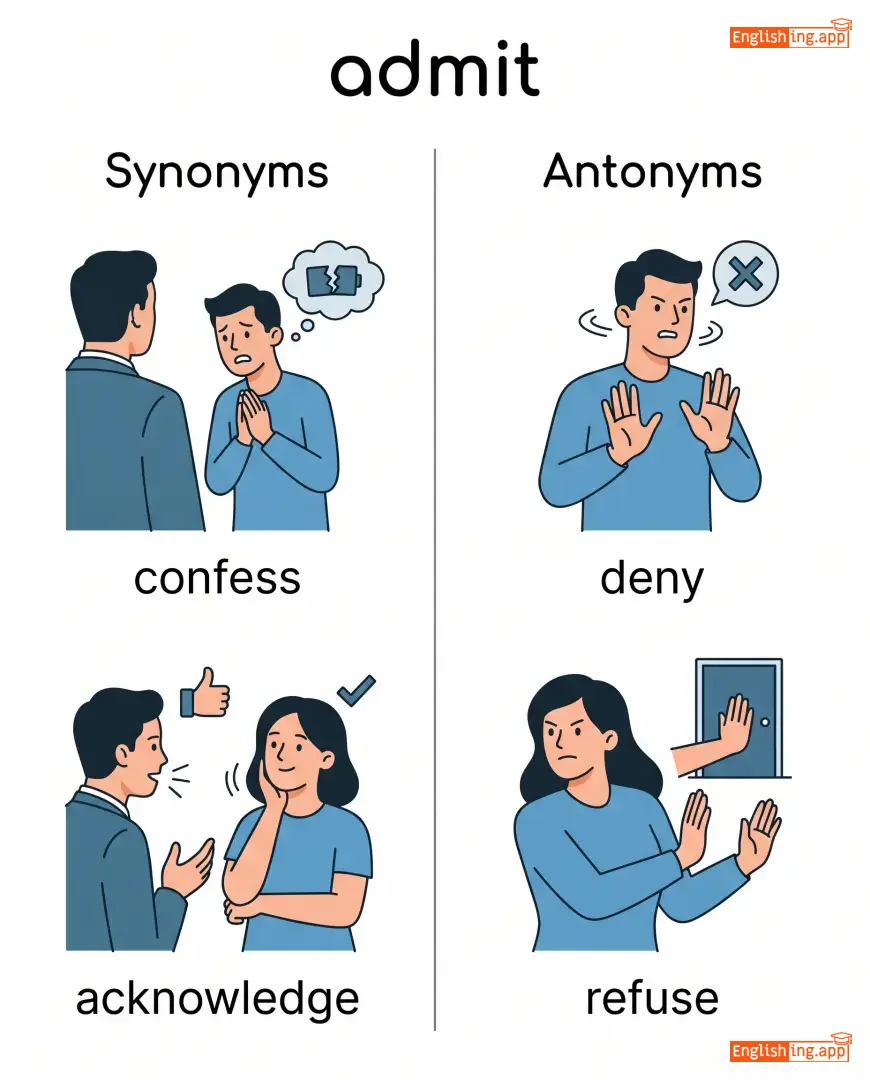
To confess or acknowledge something as true; to allow entry.
••••••
|
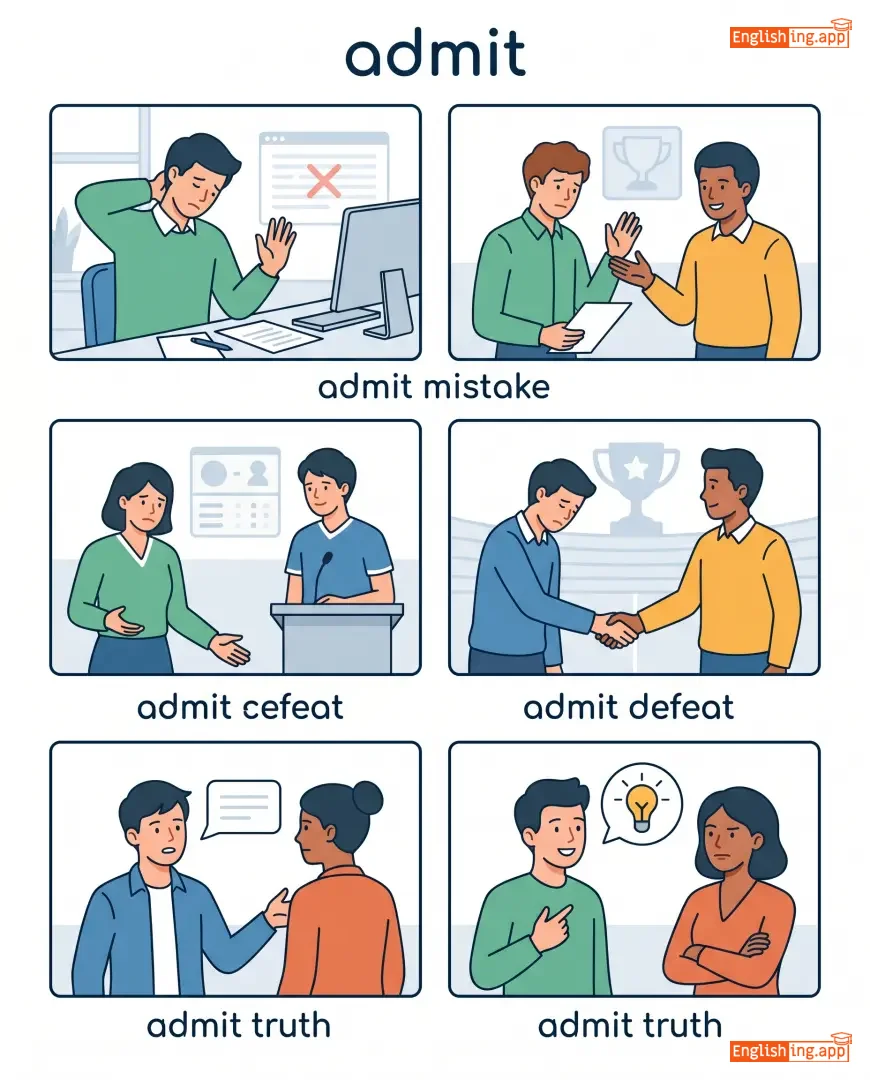
He admitted that he had made a mistake.
Он признал, что совершил ошибку.
••••••
|
Он признал, что совершил ошибку.
On priznal, chto sovershil oshibku.
••••••
|
admit defeat
признать поражение
••••••
|
To accept that you have failed.
••••••
|
признать поражение
priznat' porazhenie
••••••
|
confess, acknowledge, accept, allow, grant
••••••
|
deny, refuse, reject
••••••
|
admit mistake, admit defeat, admit truth, admit into
••••••
|
Признавать — это как признать ошибку или потерпеть поражение.
••••••
|
|
🧑
••••••
|
/ˈædʌlt/ or /əˈdʌlt/
noun
(адалт)
••••••
|
- •••••• |
взрослый
vzorosly
••••••
|
- •••••• | - •••••• | - •••••• | - •••••• |
A fully grown or developed person; mature.
••••••
|
Children must be accompanied by an adult. |
Дети должны быть в сопровождении взрослого.
Deti dolzhny byt' v soprovozhdenii vzroslogo.
••••••
|
young adult |
A person in their late teens or early twenties.
••••••
|
молодой взрослый
molodoy vzrosly
••••••
|
grown-up, mature person, elder, senior
••••••
|
child, minor, infant
••••••
|
adult education, adult content, adult life, adult supervision
••••••
|
Взрослый означает полностью развитый, как в кино, где нужно взрослое билеты.
••••••
|
|
🏢
••••••
|
/ˈeɪ.dʒən.si/
noun
(эйдженси)
••••••
|
- •••••• |
агентство
agentstvo
••••••
|
- •••••• | - •••••• | - •••••• | - •••••• |
An organization or business that provides a particular service.
••••••
|
She works at a travel agency. |
Она работает в туристическом агентстве.
Ona rabotaet v turistskom agentstve.
••••••
|
advertising agency |
A company that creates and manages advertisements for clients.
••••••
|
рекламное агентство
reklamnoye agentstvo
••••••
|
organization, firm, bureau, office, service
••••••
|
individual, client, customer
••••••
|
government agency, real estate agency, news agency, travel agency
••••••
|
Агентство означает 'организация' — запомните 'агентство, которое предоставляет услуги'
••••••
|
|
🕵️
••••••
|
/ˈeɪ.dʒənt/
noun
(агент)
••••••
|
- •••••• |
агент
agent
••••••
|
- •••••• | - •••••• | - •••••• | - •••••• |
A person who acts on behalf of another person or organization.
••••••
|
The real estate agent showed us several houses.
Риэлтор показал нам несколько домов.
••••••
|
Риэлтор показал нам несколько домов.
Rieltor pokazal nam neskol'ko domov.
••••••
|
secret agent
секретный агент
••••••
|
A spy working for a government or organization.
••••••
|
секретный агент
sekretnyy agent
••••••
|
representative, delegate, envoy, broker, spy
••••••
|
principal, client, customer
••••••
|
travel agent, real estate agent, sports agent, insurance agent
••••••
|
Агент - как в русском 'агент' или 'секретный агент'.
••••••
|
|
👍
••••••
|
/əˈɡriː/
verb
(æɡriː)
••••••
|
|
согласиться
soglasit'sya
••••••
|
agreed
æɡriːd
••••••
|
agreed
æɡriːd
••••••
|
agrees
æɡriːz
••••••
|
agreeing
æɡriːɪŋ
••••••
|
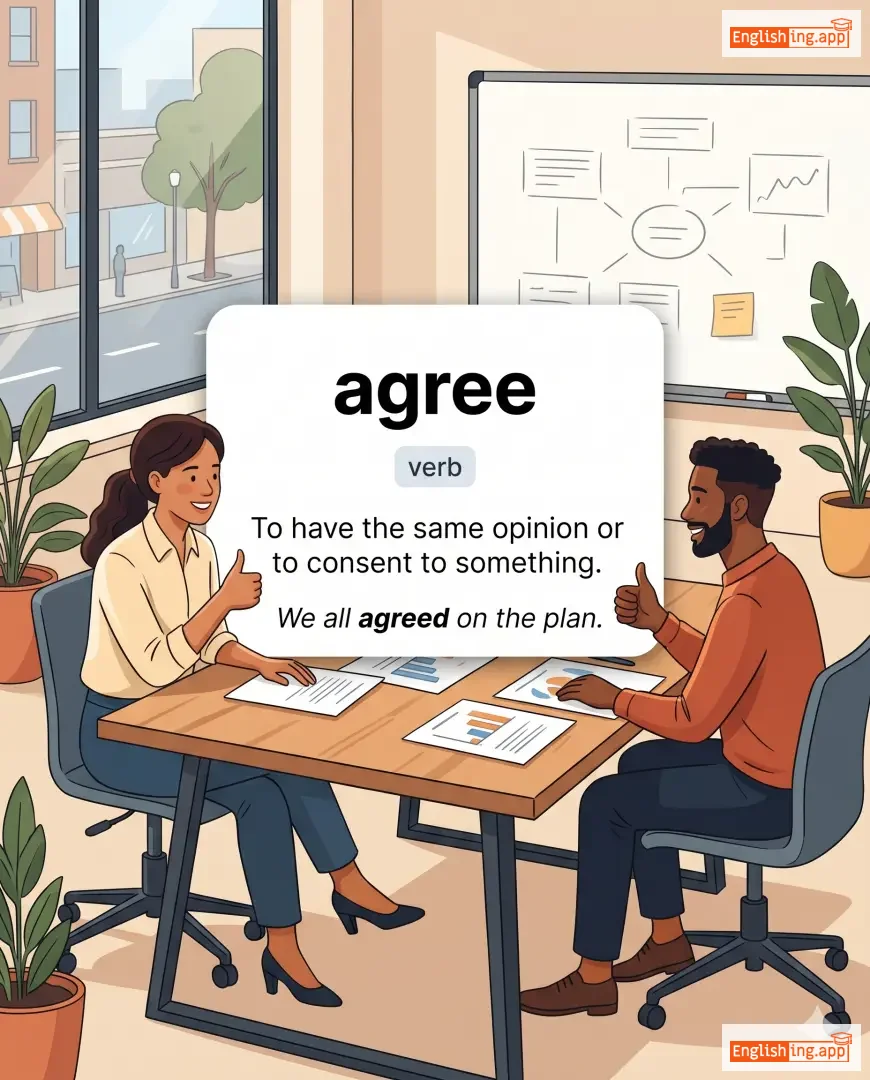
To have the same opinion or to consent to something.
••••••
|
We all agreed on the plan.
Мы все согласились с планом.
••••••
|
Мы все согласились с планом.
My vse soglasilis' s planom.
••••••
|
agree to disagree
согласен не соглашаться
••••••
|
To accept different opinions without conflict.
••••••
|
согласен не соглашаться
soglasen ne soglashat'sya
••••••
|
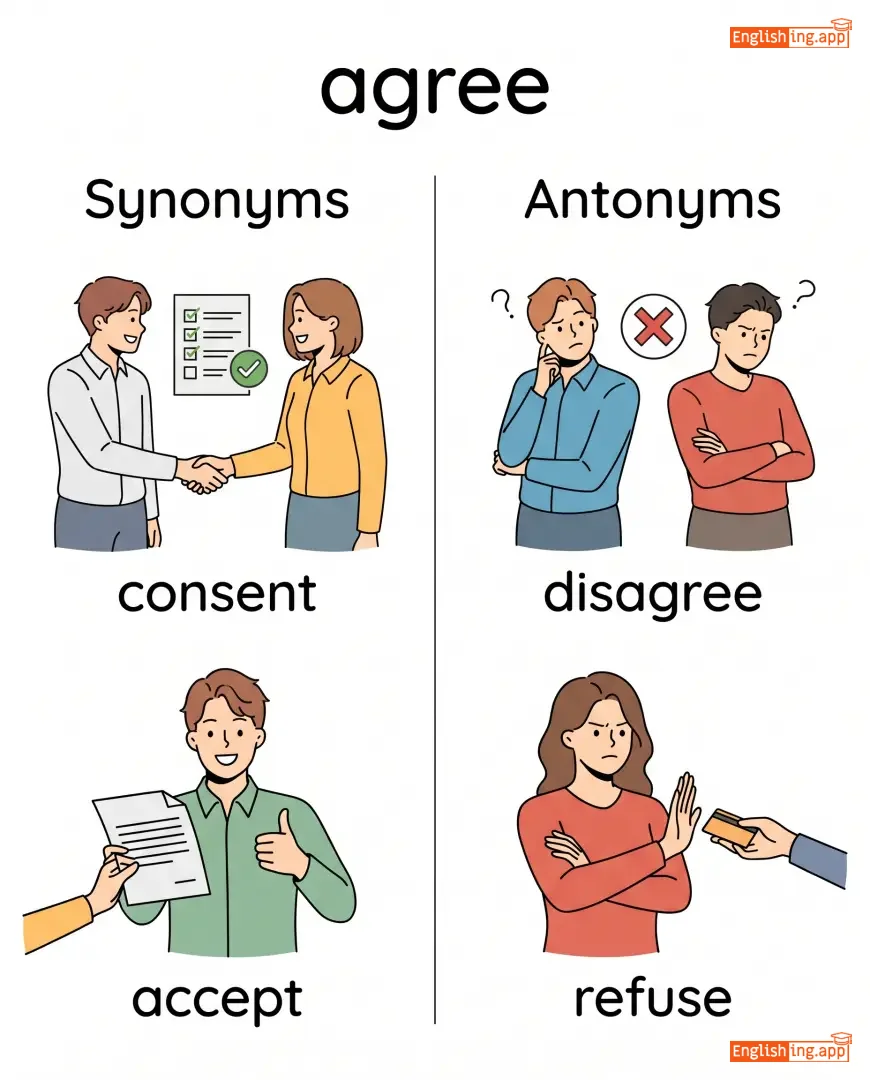
consent, accept, approve, concur, assent
••••••
|
disagree, refuse, oppose
••••••
|
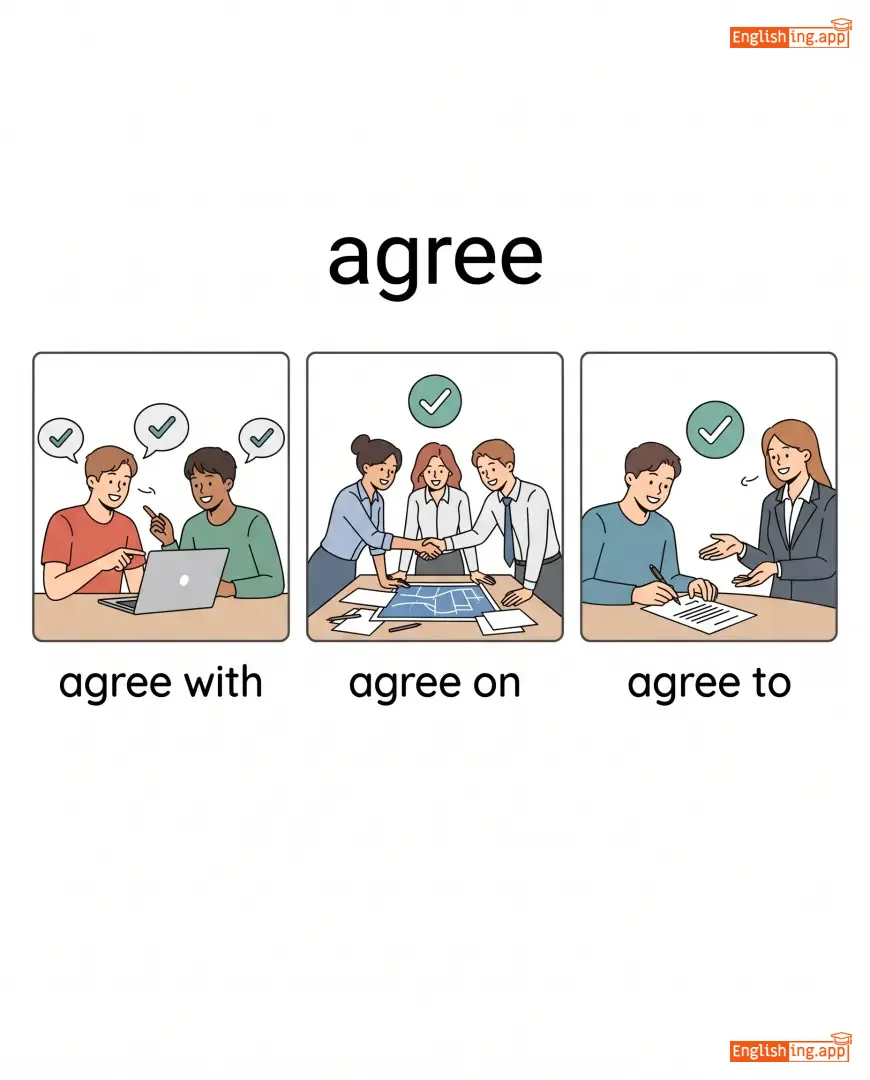
agree with, agree on, agree to, strongly agree
••••••
|
'Agree' означает согласиться — как когда все кивают и соглашаются.
••••••
|
|
↔️
••••••
|
/əˈpɑːrt/
adverb
(апарт)
••••••
|
- •••••• |
на расстоянии
apart
••••••
|
- •••••• | - •••••• | - •••••• | - •••••• |
separated by distance or time; into pieces
••••••
|
They live miles apart from each other.
Они живут на расстоянии многих миль друг от друга.
••••••
|
Они живут на расстоянии многих миль друг от друга.
Oni zhivut na rasstoyanii mnogikh mil drug ot druga
••••••
|
fall apart
фолл апарт
••••••
|
to break into pieces or fail completely
••••••
|
развалиться на куски
fall apart
••••••
|
separately, away, aside, alone, divided
••••••
|
together, close
••••••
|
miles apart, set apart, apart from, fall apart
••••••
|
Апарт = A PART, две части на расстоянии друг от друга; представь две половинки карты, разделенные милями.
••••••
|
|
🚓
••••••
|
/əˈrɛst/
verb
(aɾɛst)
••••••
|
|
арестовать
arestovat
••••••
|
arrested
aɾɛstəd
••••••
|
arrested
aɾɛstəd
••••••
|
arrests
aɾɛst
••••••
|
arresting
aɾɛstɪŋ
••••••
|
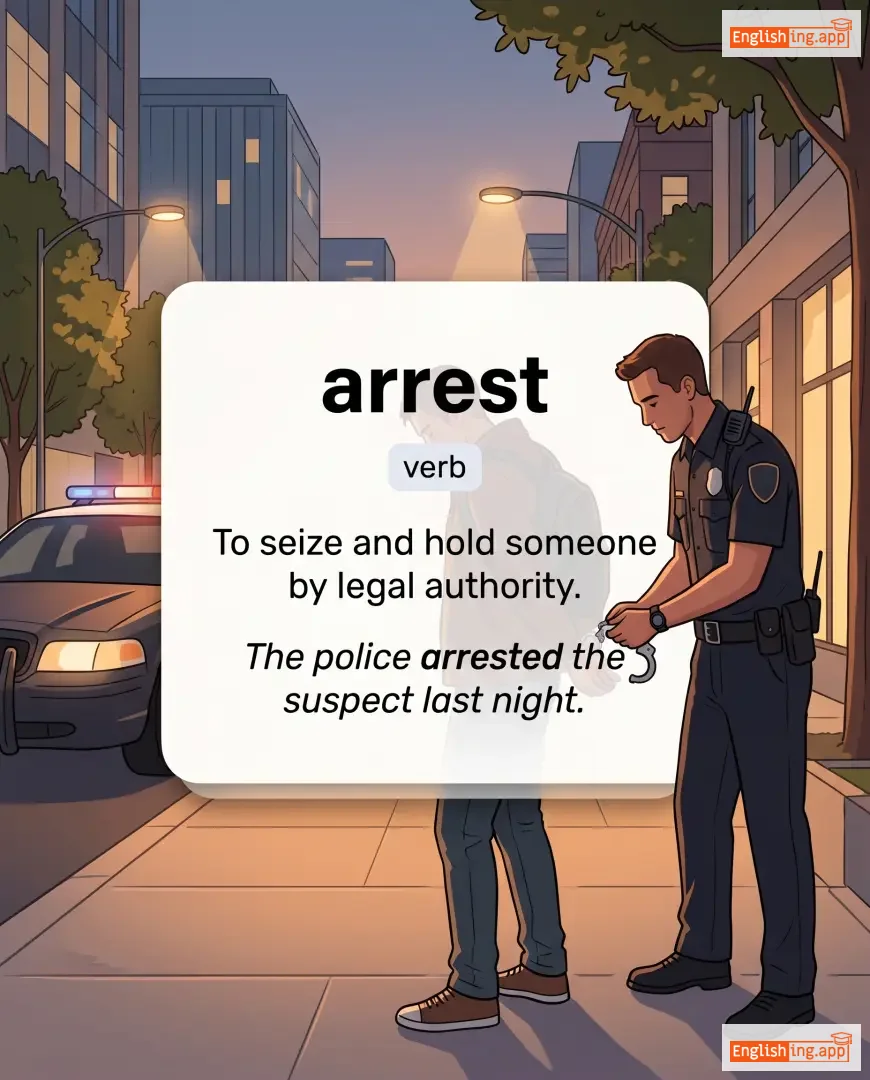
To seize and hold someone by legal authority.
••••••
|
The police arrested the suspect last night.
Полиция арестовала подозреваемого прошлой ночью.
••••••
|
Полиция арестовала подозреваемого прошлой ночью.
Politsiya arestovala podozrevaemogo proshloy noch'yu.
••••••
|
under arrest
под арестом
••••••
|
In the custody of the police.
••••••
|
под арестом
pod arestom
••••••
|
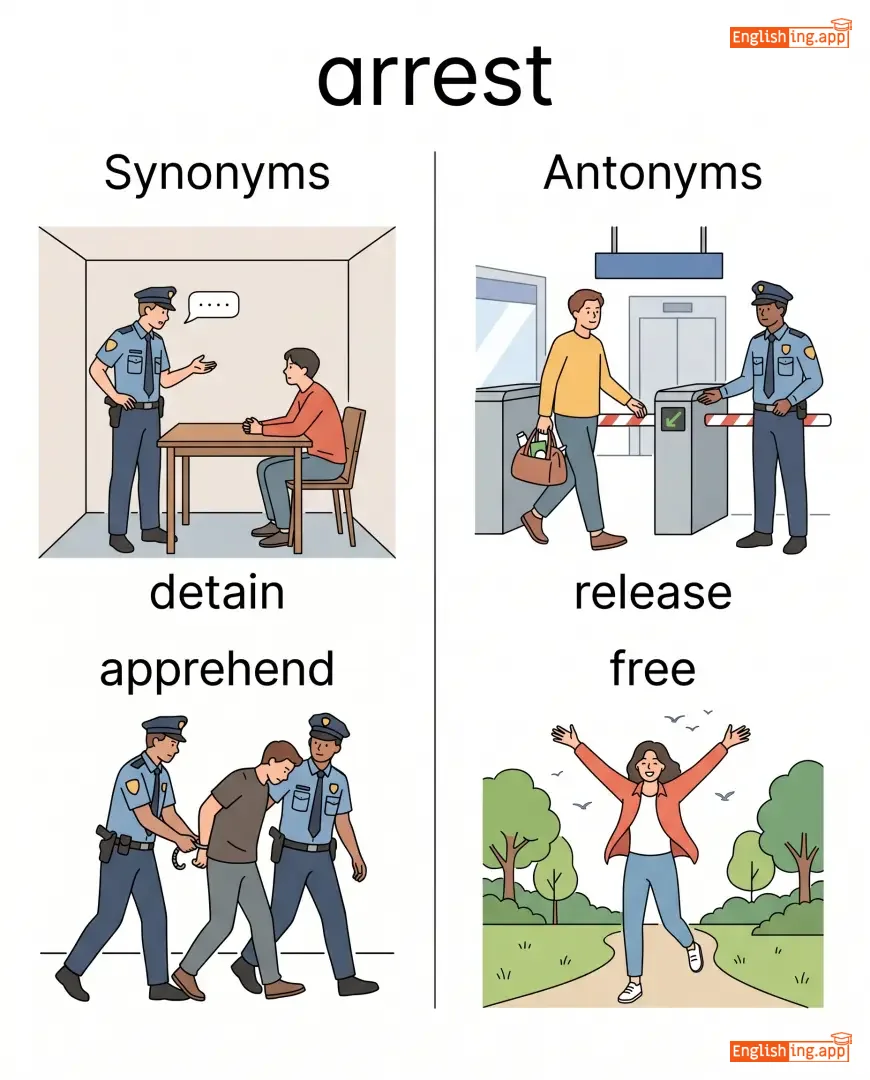
detain, apprehend, capture, seize, stop
••••••
|
release, free, liberate
••••••
|
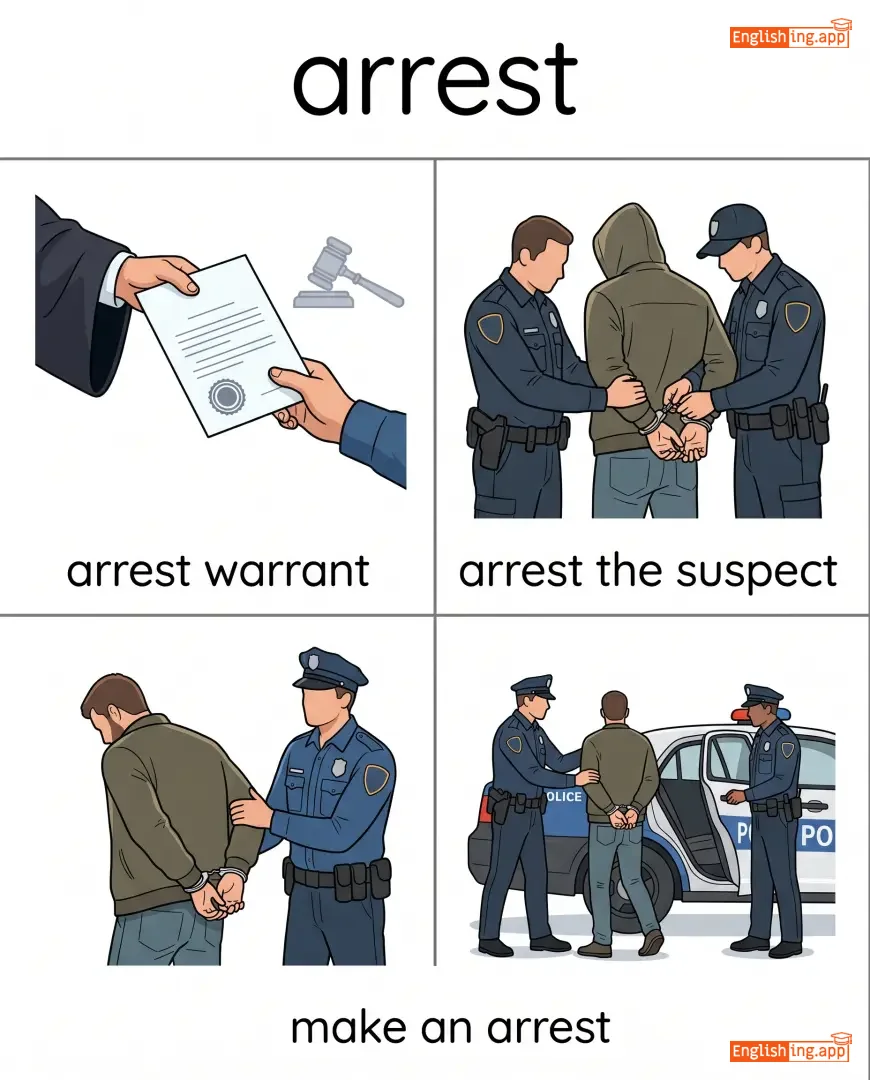
arrest warrant, arrest the suspect, make an arrest
••••••
|
Arrest - это когда ты rest в заключении, как если бы отдых был отнятый.
••••••
|
|
☝️
••••••
|
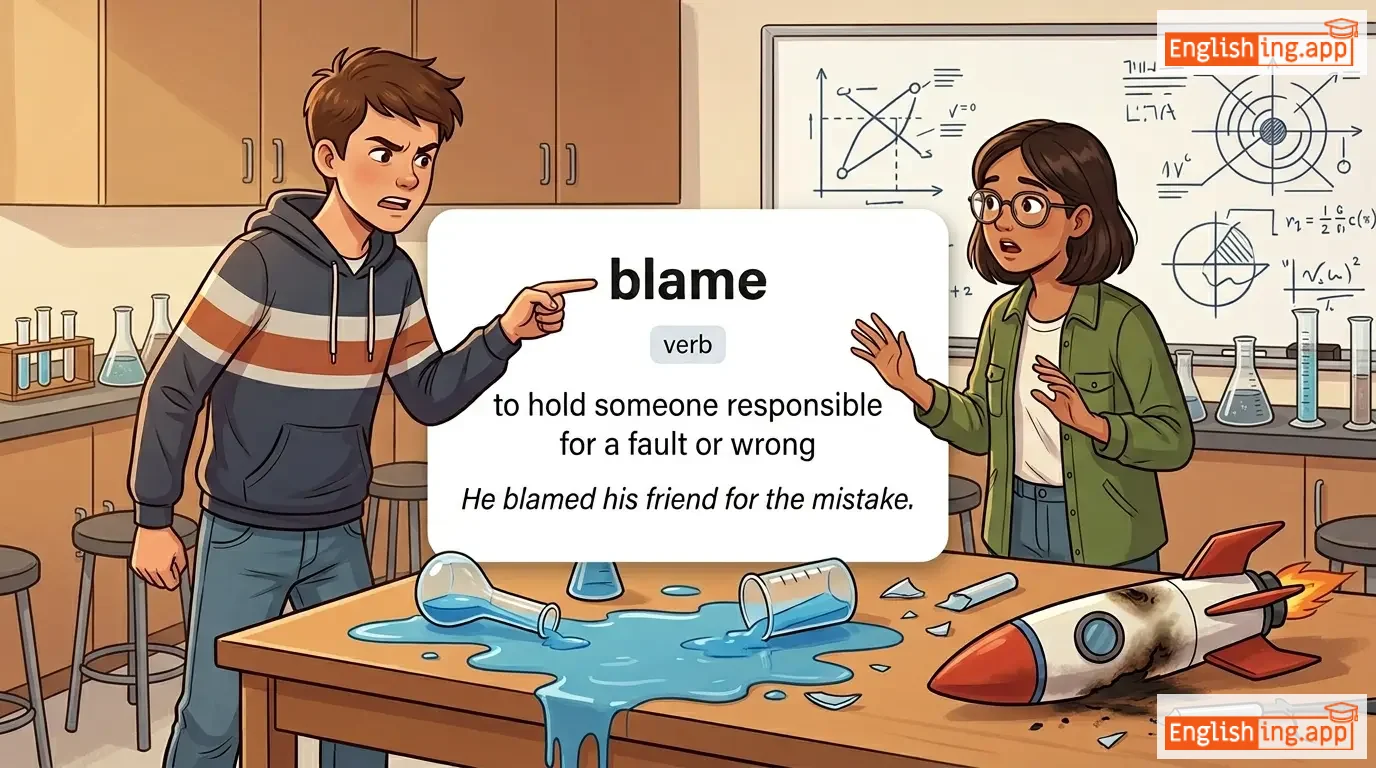
/bleɪm/
verb
(bleym)
••••••
|
|
обвинять
obvinyat
••••••
|
blamed
bleymd
••••••
|
blamed
bleymd
••••••
|
blames
bleyms
••••••
|
blaming
bleyming
••••••
|
to hold someone responsible for a fault or wrong
••••••
|
He blamed his friend for the mistake.
Он обвинил своего друга в ошибке.
••••••
|
Он обвинил своего друга в ошибке.
On obvinil svoego druga v oshibke.
••••••
|
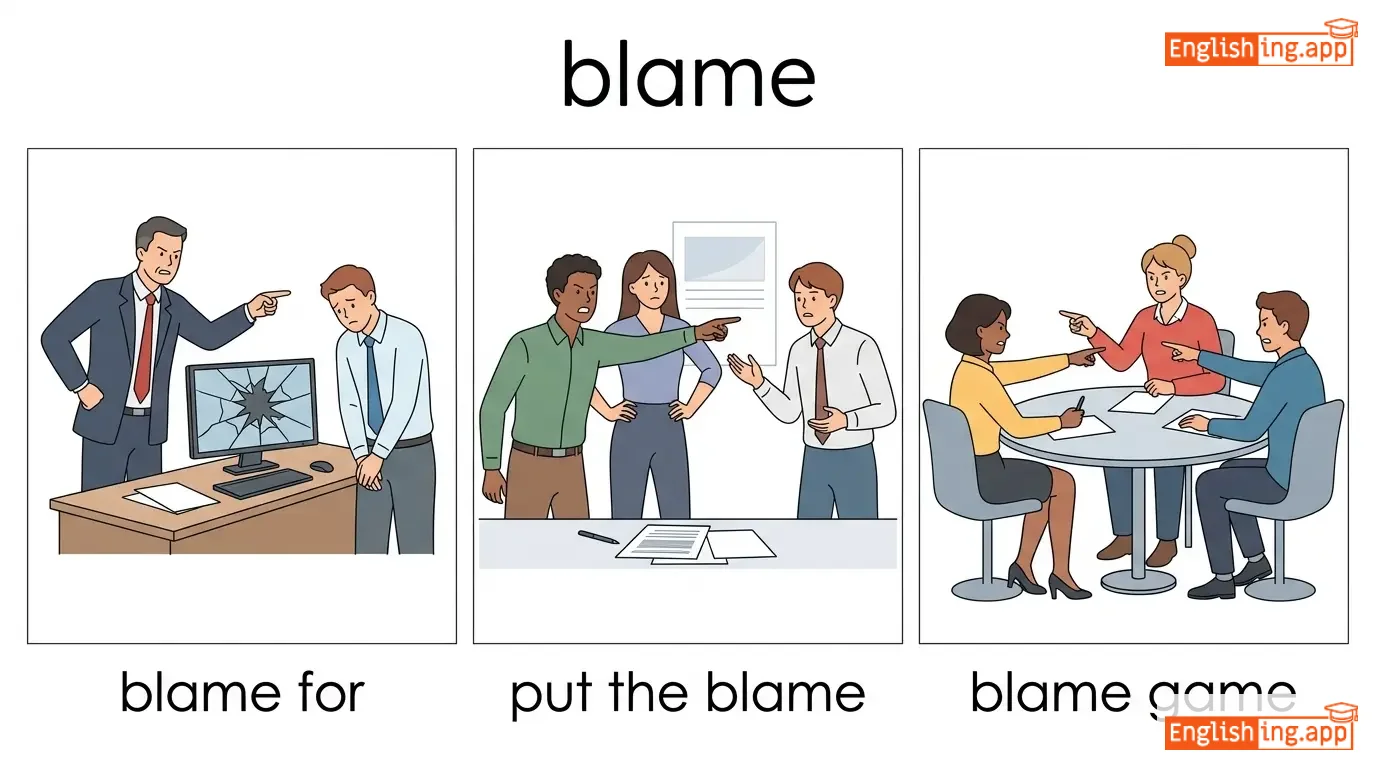
put the blame on
возложить вину на
••••••
|
to make someone responsible for something bad
••••••
|
возложить вину на
vozlozhit vinu na
••••••
|
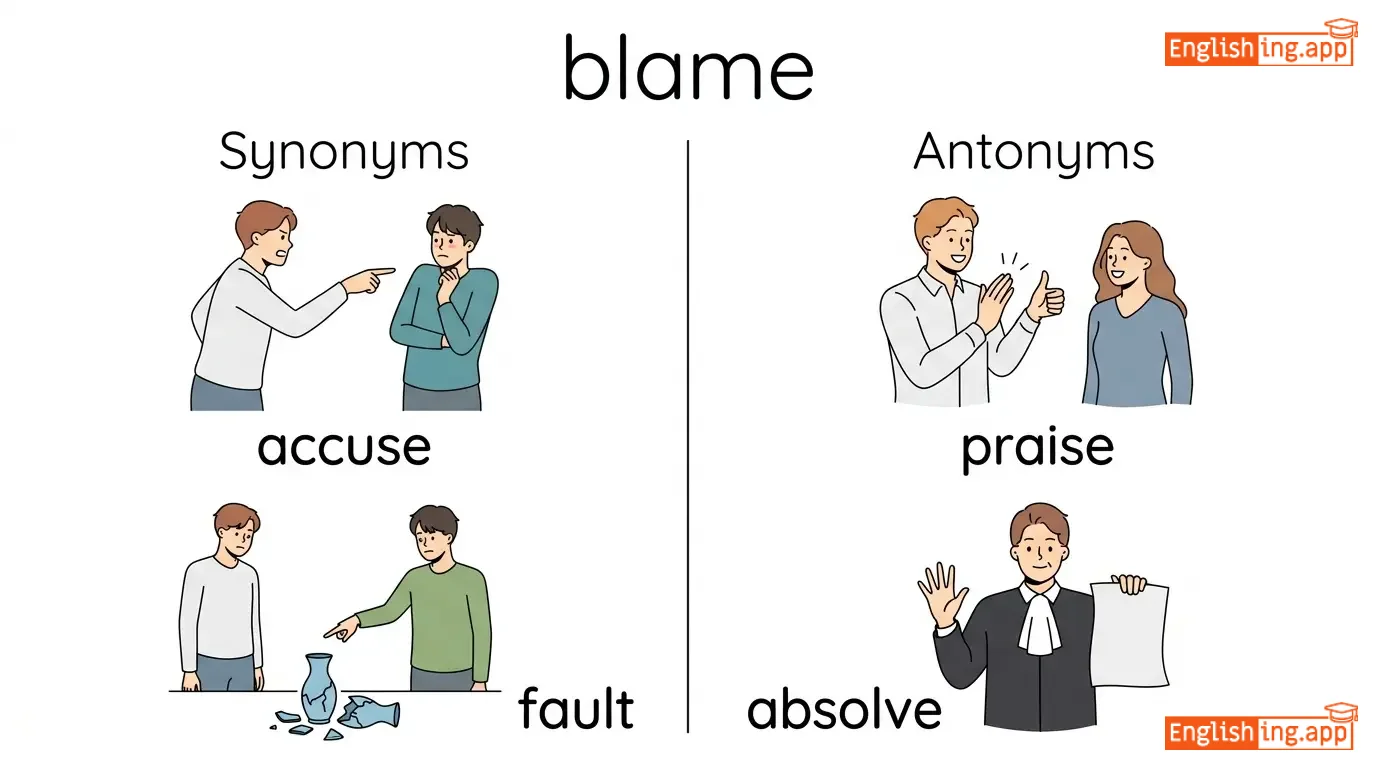
accuse, fault, charge, condemn
••••••
|
praise, absolve, forgive
••••••
|
blame for, put the blame, blame game, blame others
••••••
|
Blame значит обвинять—'Blame game' значит игра в обвинения.
••••••
|
|
📦
••••••
|
/keɪs/
noun
(kes)
••••••
|
- •••••• |
случай / ситуация
sluchay / situatsiya
••••••
|
- •••••• | - •••••• | - •••••• | - •••••• |
A particular situation, occurrence, or an instance of something; also a container or covering for something.
••••••
|
In this case, we should wait for further instructions.
В этом случае нам следует дождаться дальнейших инструкций.
••••••
|
В этом случае нам следует дождаться дальнейших инструкций.
V etom sluchaye nam sleduyet dozhdat'sya dal'neyshikh instruktsiy.
••••••
|
in any case
в любом случае
••••••
|
whatever happens; regardless of the situation
••••••
|
в любом случае
v lyubom sluchaye
••••••
|
instance, example, situation, container, box
••••••
|
whole, entirety
••••••
|
in case of, legal case, strong case, special case
••••••
|
Case означает случай, как судебный случай или чехол
••••••
|
|
👤
••••••
|
/ˈklaɪənt/
noun
(klajənt)
••••••
|
- •••••• |
клиент
klient
••••••
|
- •••••• | - •••••• | - •••••• | - •••••• |
A person or organization using the services of a professional or company.
••••••
|
The lawyer met with her client to discuss the case. |
Адвокат встретился с её клиентом, чтобы обсудить дело
Advokat vstretilsya s yeё klientom, chtoby obsluzhivat' delo
••••••
|
client base |
The group of clients a company serves.
••••••
|
клиентская база
klientskaia baza
••••••
|
customer, patron, consumer, buyer
••••••
|
seller, provider
••••••
|
client meeting, client relationship, client support, client base
••••••
|
Клиент = тот, кто всегда получает услугу
••••••
|
|
🚔
••••••
|
/kraɪm/
noun
(kraim)
••••••
|
- •••••• |
преступление
prestupleynie
••••••
|
- •••••• | - •••••• | - •••••• | - •••••• |
An illegal act punishable by law.
••••••
|
The police are investigating the crime.
Полиция расследует преступление.
••••••
|
Полиция расследует преступление.
Politsiya rassledyet prestupleniye.
••••••
|
crime does not pay
Преступление не приносит выгоды.
••••••
|
crime ultimately brings punishment, not profit
••••••
|
Преступление не приносит выгоды.
Prestuplenie ne prinosit vygody.
••••••
|
offense, felony, wrongdoing, violation
••••••
|
lawfulness, obedience
••••••
|
commit a crime, crime rate, crime scene, organized crime
••••••
|
Преступление всегда карается, как платить за ошибки.
••••••
|
|
☠️
••••••
|
/ˈdedli/
adjective
(дедли)
••••••
|
- •••••• |
смертельный
smertel'nyy
••••••
|
- •••••• | - •••••• | - •••••• | - •••••• |
causing or able to cause death; extremely dangerous
••••••
|
The snake's bite is deadly to humans. |
Укус змеи смертелен для людей.
Ukus zmei smertelen dlya lyudey.
••••••
|
deadly serious |
completely serious; not joking
••••••
|
смертельно серьезно
smertel'no seryozno
••••••
|
fatal, lethal, dangerous, mortal, poisonous
••••••
|
harmless, safe, mild
••••••
|
deadly weapon, deadly virus, deadly poison, deadly attack
••••••
|
Deadly означает смертельный — как смерть!
••••••
|
|
💀
••••••
|
/dɛθ/
noun
(дэθ)
••••••
|
- •••••• |
смерть
smert'
••••••
|
- •••••• | - •••••• | - •••••• | - •••••• |
The end of life; the permanent cessation of all vital functions.
••••••
|
The news of his death shocked everyone in the village. |
Новости о его смерти потрясли всех в деревне.
Novosti o yego smerti potryasli vsekh v derevne.
••••••
|
a matter of life and death |
something extremely important or urgent
••••••
|
вопрос жизни и смерти
vopros zhizni i smerti
••••••
|
demise, passing, end, expiration, departure
••••••
|
birth, life, existence
••••••
|
sudden death, tragic death, death penalty, cause of death, near death
••••••
|
Death по-русски это смерть, помни, с смертью все заканчивается.
••••••
|
|
🕵️
••••••
|
/dɪˈtɛkt/
verb
(дɪˈтɛкт)
••••••
|
|
обнаружить
obnaruzhit
••••••
|
detected
дɪˈтɛктед
••••••
|
detected
дɪˈтɛктед
••••••
|
detects
дɪˈтɛкtс
••••••
|
detecting
дɪˈтɛктɪн
••••••
|
To discover or identify the presence of something.
••••••
|
The device can detect smoke in the room.
устройство может обнаружить дым в комнате.
••••••
|
Устройство может обнаружить дым в комнате.
Ustroystvo mozhet obnaruzhit' dym v komnate.
••••••
|
detect a problem
обнаружить проблему
••••••
|
To notice or discover an issue.
••••••
|
обнаружить проблему
obnaruzhit problemy
••••••
|
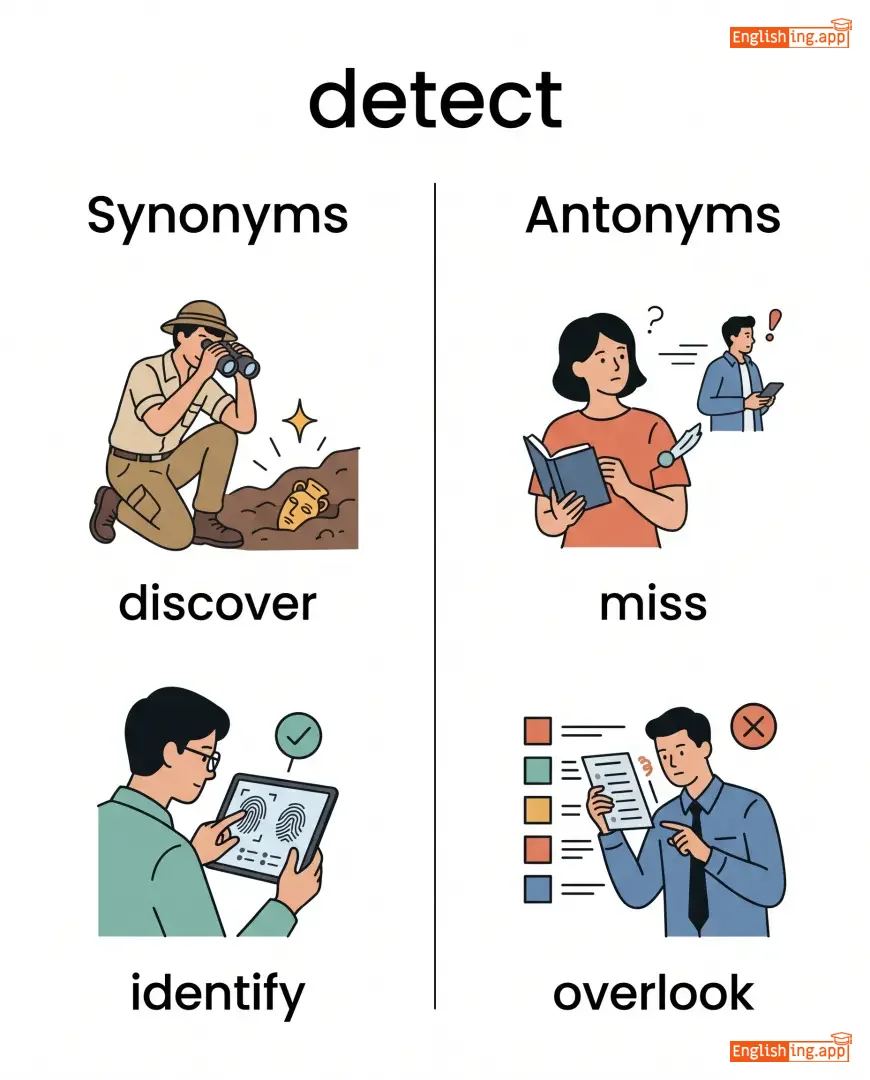
discover, identify, notice, sense, recognize
••••••
|
miss, overlook, ignore
••••••
|
detect a signal, detect movement, detect fraud, detect error
••••••
|
Обнаружить - это то, что ты делаешь, когда видишь дым.
••••••
|
|
🔍
••••••
|
/ˈɛv.ɪ.dəns/
noun
(эвидэнс)
••••••
|
- •••••• |
доказательство
dokazatel'stvo
••••••
|
- •••••• | - •••••• | - •••••• | - •••••• |
facts or information that show whether something is true or not
••••••
|
The lawyer presented new evidence in court. |
Адвокат представил новые доказательства в суде.
Advokat predstavil novye dokazyvatel'stva v sude.
••••••
|
hard evidence |
strong, undeniable proof
••••••
|
жесткое доказательство
zhestkoye dokazatel'stvo
••••••
|
proof, testimony, confirmation, validation, indication
••••••
|
denial, contradiction, disproof
••••••
|
present evidence, gather evidence, strong evidence, lack of evidence
••••••
|
Доказательство = то, что подтверждает, истинно ли что-то.
••••••
|

