The Spy Who Chose Peace
アリは spy だった。彼の仕事は war の間に敵の秘密を盗むことだった。彼の role は危険だった。
ある日、彼の king は言った。「アリ、行かなければならない。敵の king's の計画を知る必要がある。私たちはこの war に勝ちたい。」
アリは gun を取った。彼は知っていた — この任務で彼は die するかもしれない。もしかしたら shot されるかもしれない。もしかしたら dead になるかもしれない。
彼は敵地に入った。至る所に war があった。Guns、爆弾、死。彼の心には rage と恐怖の両方があった。
ある建物で、彼は敵の king's の書斎を見つけた。書類がいたるところにあった。war に関する計画だ。何人を kill するか、どの場所を capture するか。
突然、アリは何かを saw た。写真だ。敵の king's の家族。子どもたち、妻。彼らも怖がっていた。彼らも war を望んでいなかった。
アリは理解した。この war は誰のためにもよくない。両側で人々が dying ている。両側で家族が苦しんでいる。War は rage と死しかもたらさない。
彼は bold な決断をした。書類を持ち去らなかった。代わりにメッセージを書いた: "War must end. Let's talk. Let's find peace."
しかしその時、守衛が来た。"Spy!" と叫んだ。彼は gun を構えた。"I will kill you!"
アリは手を上げた。"No **gun"," と言った。"I don't want to kill. I want war to end."
"Flee!" と守衛は言った。"Flee 私があなたを shoot dead する前に!"
アリは flee しなかった。"Show これをあなたの king に見せて," と言い、message を渡した。"私の king も平和を望んでいると伝えてくれ。私たちはこの war に疲れている。"
守衛は困惑した。kill できる spy が平和の話をしているのか?
日々 passed。アリは囚われ held た。しかしその後、何かが変わった。King が彼を呼んだ。
"あなたの **message"," と敵の king は言った。"それが私に届いた。私の人々も疲れている。彼らもこの war が end することを望んでいる。"
彼らは horn を吹いた。発表があった — war は end する。両方の kings が会う。平和交渉が始まる。
アリが戻ると、彼の king は怒っていた。"お前は spy だった!お前の role は我々が war に勝つのを助けることだった!それを end することではない!"
"敬意を払って," とアリは言った。"war に勝つということはもっと多くの死を意味する。もっと多くの人が shot dead になる。もっと多くの rage が生まれる。私は bold な道を選んだ。私は平和を選んだ。"
"しかし war は我々に力を与える!War は我々に rule させる!" と king は叫んだ。
"しかし平和は我々に命を与える," とアリは答えた。"見てください — 我々の人々は祝っている。彼らは flag を hold している、rage ではなく希望で。彼らは怒りではなく喜びを show している。War は end するかもしれないが、人生は rise する。"
King は外を見た。確かに人々は幸せだった。もう guns はない、shot dead にされる恐怖もない。もう flee する必要もない。彼らは safe だった。
"おそらく," と king はゆっくり言った。"king ができる最も bold なことは、war を行うことではなく、それを end することだ。"
年が passed。War ended。両国は繁栄した。子どもたちは guns の音ではなく音楽を聞いて育った。kill を学ぶのではなく、生きることを学んだ。
ある日、誰かがアリに尋ねた。「怖くなかったのか?お前は spy だった。shot dead にされるかもしれなかった。killed されるかもしれなかった。」
アリは微笑んだ。"私は was 怖かった。でも私は気づいた — spy であることは war を助けることを意味しない。時には最も重要な role は平和を help することだ。War は簡単だ — あなたは hold gun, あなたは shoot, あなたは kill。平和は難しい — あなたは bold でなければならない、gun ではなく言葉で勇気を show しなければならない。あなたは make rage end し、希望を rise させなければならない。"
「もし彼らがあなたを had killed していたら?」と誰かが聞いた。
"その場合でも少なくとも," アリは言った、"私は命を奪うのではなく命を救おうとして died いただろう。War はいずれにせよ ended いただろう。すでにあまりにも多くの人が dead だ。あまりにも多くの母親が自分の息子が shot されるのを見た。あまりにも多くの人が自分の家を flee しなければならなかった。誰かが十分に bold に「もう十分だ」と言わなければならなかった。Let this war end。Let the guns fall。Let the flags of peace rise。"
そしてそれが、gun を持った spy が killing によってではなく、殺すことを選ばないことで英雄になった理由だ。show することで、たとえ war の中で、rage が満ちあふれ、kings rule が力で行われていても、一人の bold な人間が「no」と言えることを示した。それがすべてを変えることができる。
なぜなら時に hold するのが最も難しいのは gun ではなく、war must end と信じることだからだ。そして時に本当に bold であるということは、how to kill を学ぶのではなく、平和を rise させることを学ぶということなのだ。
|
絵文字
|
単語 | Images | 翻訳 | 過去 | 過去分詞 | 三人称単数 | 動名詞 | 意味 | 例文 | 例文の翻訳 | 表現例 | 表現例の意味 | 表現例の翻訳 | 同義語 | 対義語 | コロケーション | ニーモニック |
|---|---|---|---|---|---|---|---|---|---|---|---|---|---|---|---|---|---|
|
🦁
••••••
|
/boʊld/
adjective
(ボールド)
••••••
|
- •••••• |
大胆
daitan
••••••
|
- •••••• | - •••••• | - •••••• | - •••••• |
showing courage, confidence, or willingness to take risks
••••••
|
She made a bold decision to start her own business. |
彼女は自分のビジネスを始める大胆な決断を下した。
Kanojo wa jibun no bijinesu o hajimeru daitan na ketsudan o kudashita.
••••••
|
fortune favors the bold |
people who take risks often achieve success
••••••
|
運命は大胆な者に味方する
Unmei wa daitan na mono ni mikata suru
••••••
|
brave, courageous, daring, confident, fearless
••••••
|
timid, shy, fearful
••••••
|
bold decision, bold move, bold colors, bold step
••••••
|
大胆はboldと同じ意味です、リスクを取る人々が成功するように。
••••••
|
|
💀
••••••
|
/dɛd/
adjective, noun
(デッド)
••••••
|
- •••••• |
死んだ
shinda
••••••
|
- •••••• | - •••••• | - •••••• | - •••••• |
No longer alive; the end of life.
••••••
|
The old tree is completely dead. |
その古い木は完全に死んでいる。
Sono furui ki wa kanzen ni shindeiru.
••••••
|
dead end |
A situation with no progress or exit.
••••••
|
行き止まり
ikidomari
••••••
|
lifeless, deceased, expired, gone
••••••
|
alive, living, active
••••••
|
dead body, dead silence, dead end, dead serious
••••••
|
Dead は死んだ、終わりだ。
••••••
|
|
🔚
••••••
|
/ɛnd/
verb
(エンド)
••••••
|
- •••••• |
終了
shūryō
••••••
|
ended
エンデッド
••••••
|
ended
エンデッド
••••••
|
ends
エンズ
••••••
|
ending
エンディング
••••••
|
to bring something to a conclusion or stop
••••••
|
The meeting ended at 5 PM.
会議は午後5時に終了しました。
••••••
|
会議は午後5時に終了しました。
Kaigi wa gogo 5-ji ni shūryō shimashita.
••••••
|
at the end of the day
一日の終わりに
••••••
|
when everything is considered
••••••
|
一日の終わりに
ichinichi no owari ni
••••••
|
finish, conclude, terminate, cease
••••••
|
begin, start, commence
••••••
|
end game, happy end, tragic end, end result
••••••
|
Endは'終了'、映画の最後にThe Endと表示されるように!
••••••
|
|
🚩
••••••
|
/flæɡ/
noun, verb
••••••
|
|
- •••••• |
flagged
••••••
|
flagged
••••••
|
flags
••••••
|
flagging
••••••
|
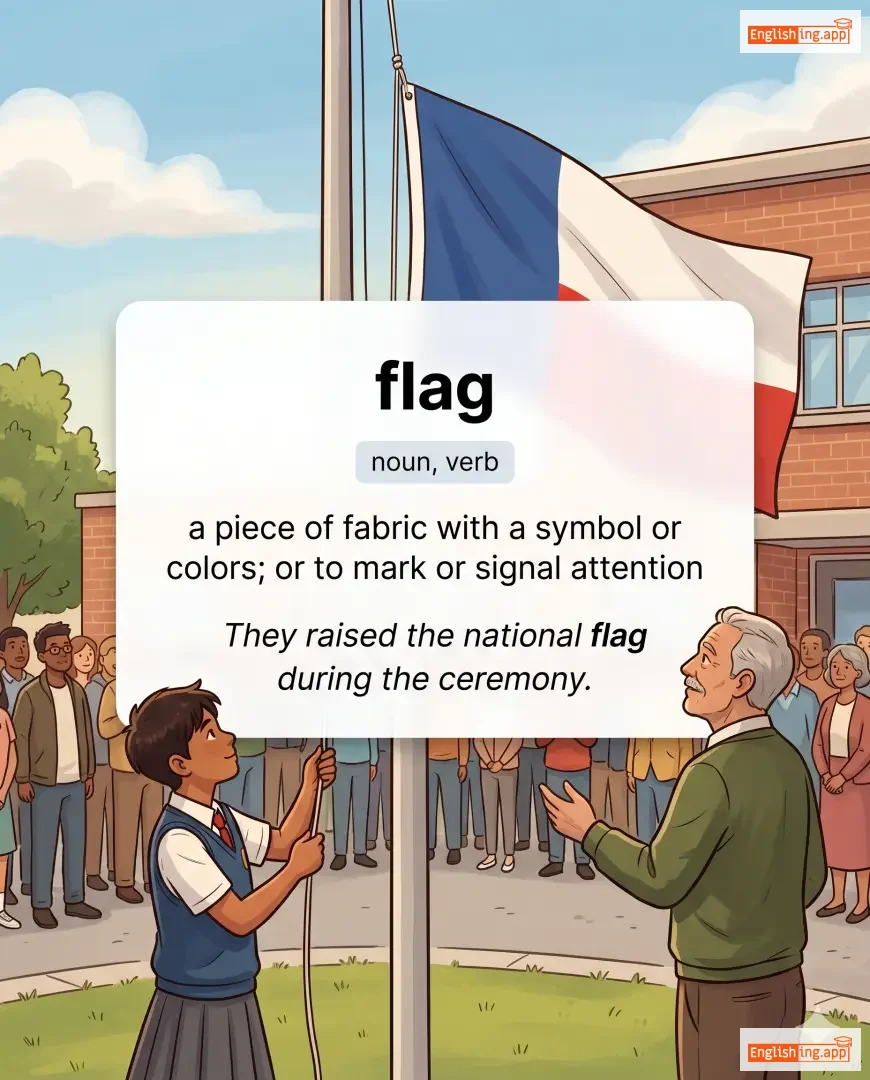
a piece of fabric with a symbol or colors; or to mark or signal attention
••••••
|
They raised the national flag during the ceremony. |
- •••••• |
red flag |
a warning sign or indication of danger
••••••
|
- •••••• |
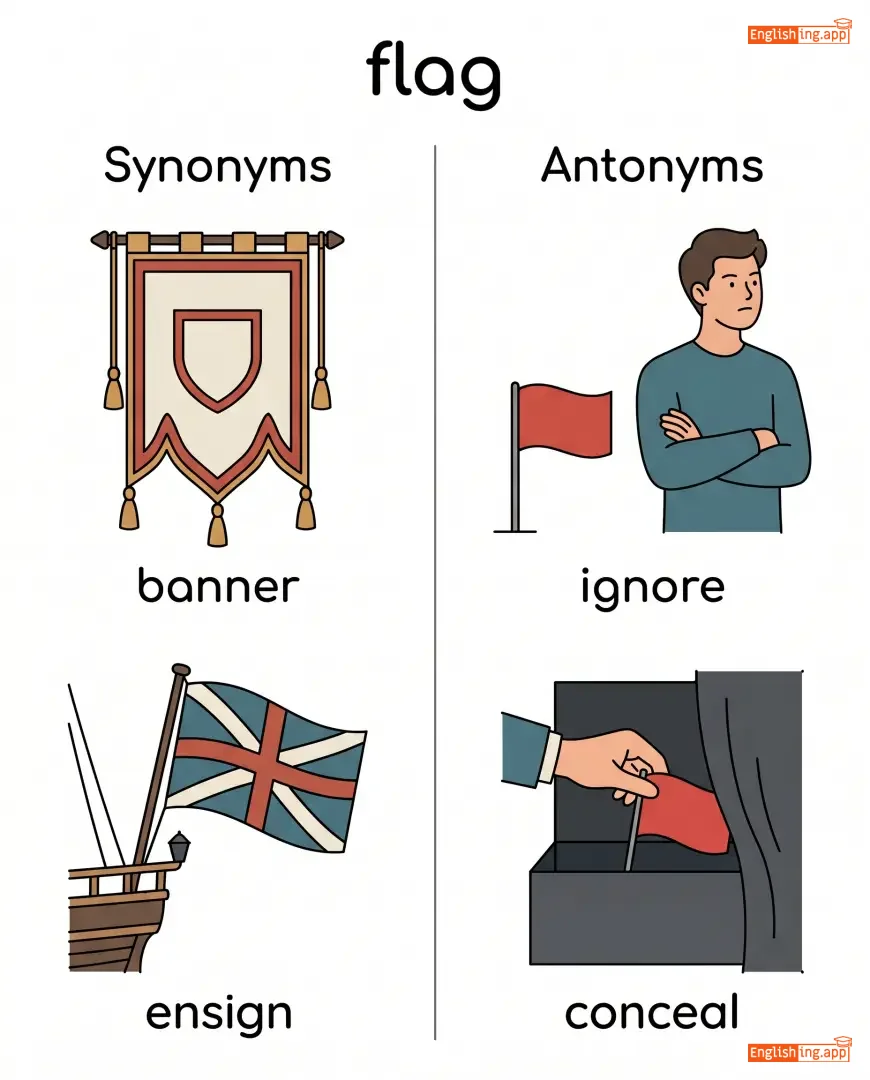
banner, ensign, signal, mark
••••••
|
ignore, conceal
••••••
|
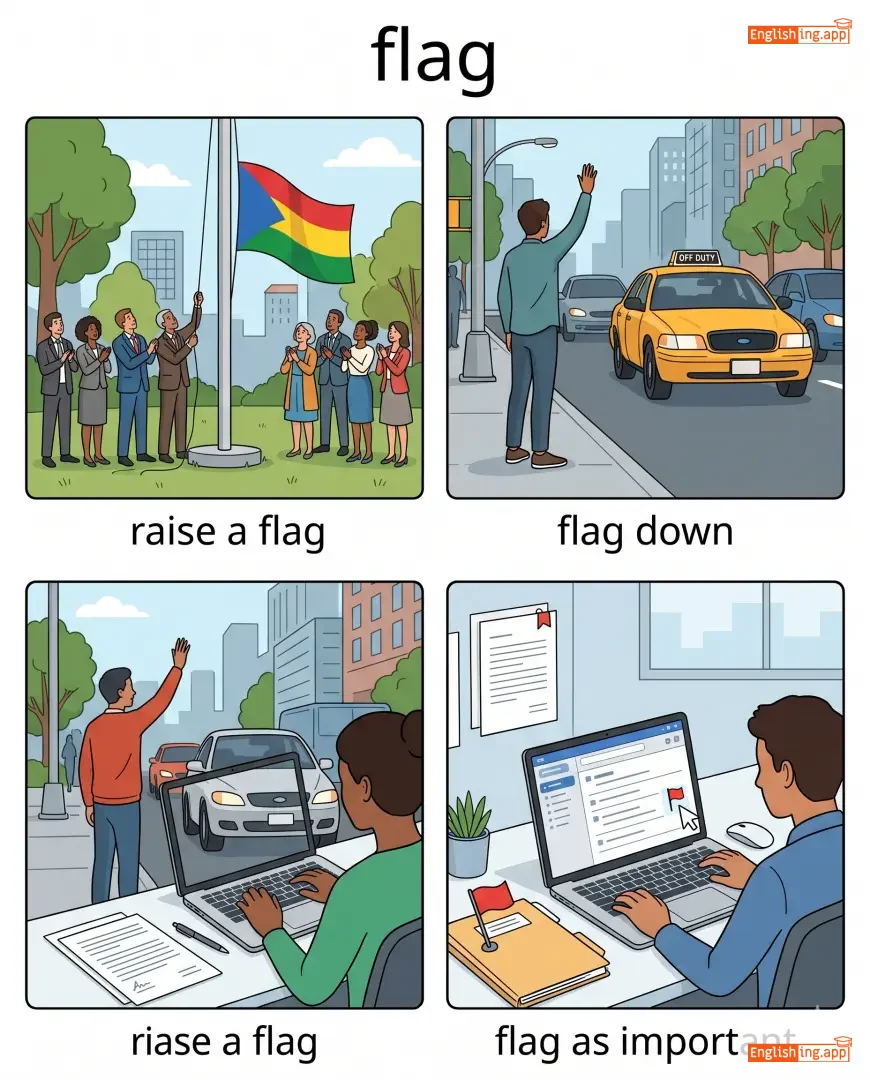
raise a flag, flag down, flag as important, flag a message
••••••
|
No •••••• |
|
🏃♂️
••••••
|
/fliː/
verb
(フリー)
••••••
|
- •••••• |
逃げる
nigeru
••••••
|
fled
フレッド
••••••
|
fled
フレッド
••••••
|
flees
フリーズ
••••••
|
fleeing
フリーイング
••••••
|
To run away from danger or a threatening situation.
••••••
|
The villagers had to flee during the flood.
村人たちは洪水の間に逃げなければなりませんでした。
••••••
|
村人たちは洪水の間に逃げなければなりませんでした。
Murabito-tachi wa kōzui no aida ni nige nakereba narimasen deshita.
••••••
|
flee the scene
現場から逃げる
••••••
|
To quickly leave the place where an incident or crime has happened.
••••••
|
事件現場から逃げる
Jiken genba kara nigeru
••••••
|
escape, run, abscond, bolt, evacuate
••••••
|
stay, remain
••••••
|
flee from danger, flee the country, flee war, flee the scene
••••••
|
Flee は逃げるという意味です 🏃♂️ - 洪水のときに皆逃げます。
••••••
|
|
🔫
••••••
|
/ɡʌn/
noun
(ガン)
••••••
|
- •••••• |
銃
jū
••••••
|
- •••••• | - •••••• | - •••••• | - •••••• |
a weapon that shoots bullets or other projectiles
••••••
|
The police officer carried a gun for protection. |
警察官は保護のために銃を携帯していました。
Keisatsukan wa hogo no tame ni jū o keitai shite imashita.
••••••
|
jump the gun |
to do something too soon or before the right time
••••••
|
先を越す
saki o kosu
••••••
|
firearm, pistol, rifle, revolver, weapon
••••••
|
peace, disarmament, safety
••••••
|
carry a gun, toy gun, gun control, load a gun
••••••
|
Gunは銃 — 銃を使わないと弾は発射されません。
••••••
|
|
✋
••••••
|
/hoʊld/
verb
(ホールド)
••••••
|
|
持つ
motsu
••••••
|
held
ヘルド
••••••
|
held
ヘルド
••••••
|
holds
ホールズ
••••••
|
holding
ホールディング
••••••
|
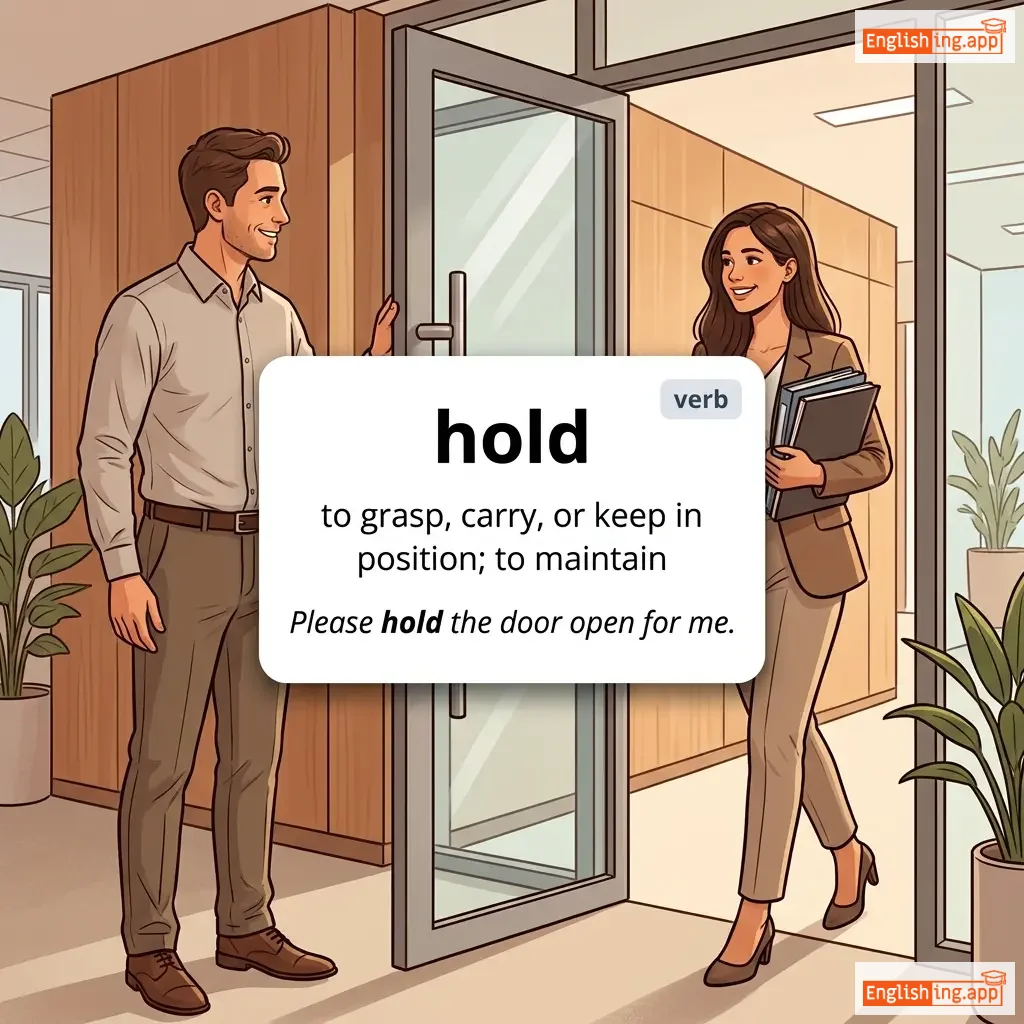
to grasp, carry, or keep in position; to maintain
••••••
|
Please hold the door open for me.
プリーズ ホールド ザ ドア オープン フォー ミ。
••••••
|
私のためにドアを開けたままにしておいてください。
Watashi no tame ni doa o aketa mama ni shite oite kudasai.
••••••
|
hold on
ホールド オン
••••••
|
to wait or pause briefly
••••••
|
待って
matte
••••••
|
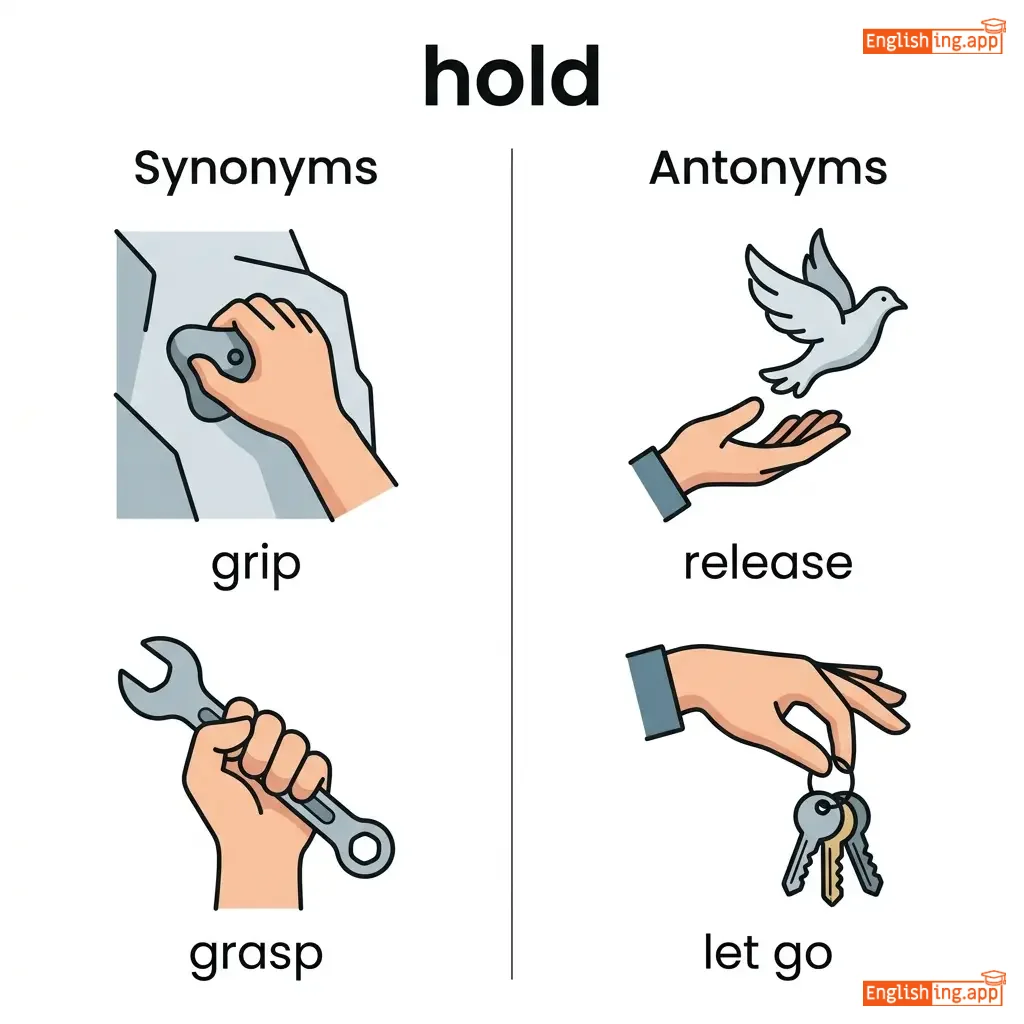
grip, grasp, keep, maintain, support
••••••
|
release, let go
••••••
|
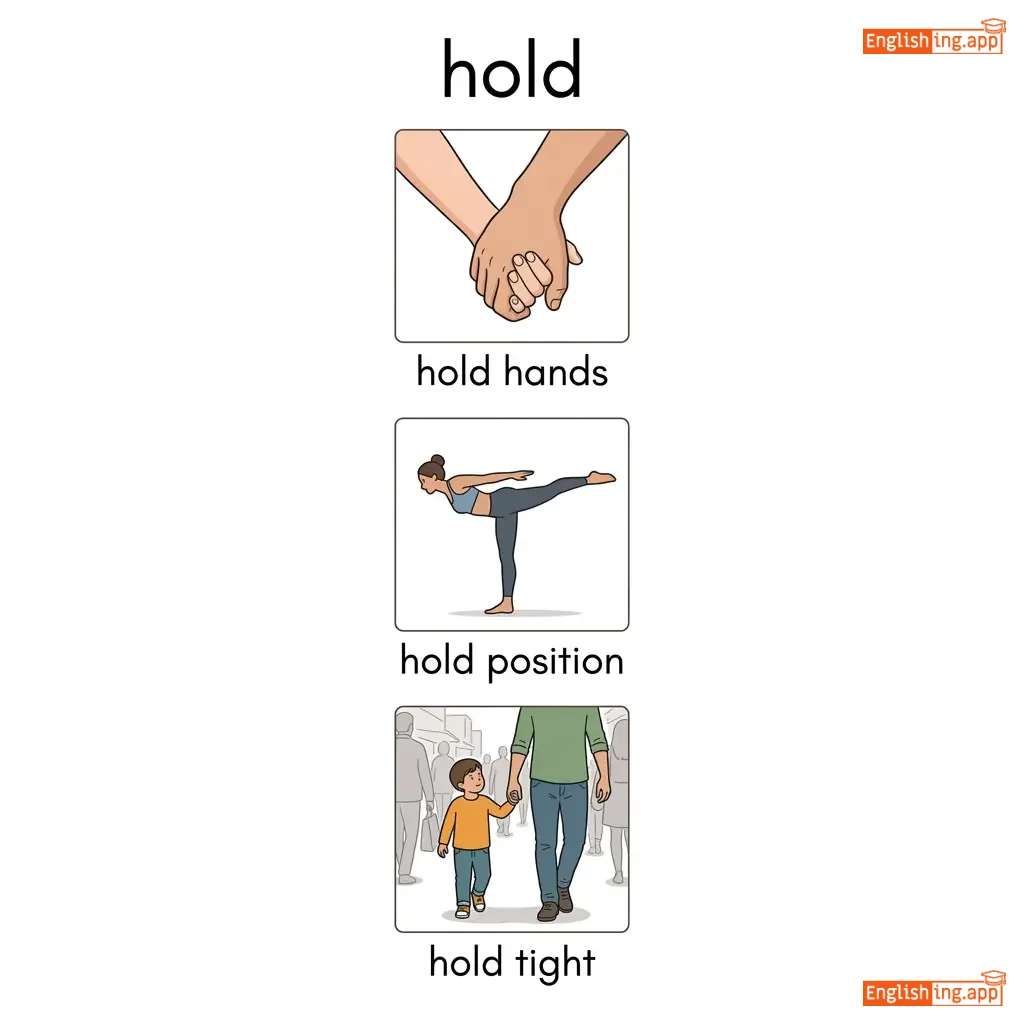
hold hands, hold position, hold tight, hold meeting
••••••
|
Hold は持つという意味です。電話を持つように。
••••••
|
|
📯
••••••
|
/hɔːrn/
noun
(ホーン)
••••••
|
- •••••• |
角, ホーン
kaku, hōn
••••••
|
- •••••• | - •••••• | - •••••• | - •••••• |
a hard, pointed part growing from the head of some animals; a device that makes a loud sound as a warning
••••••
|
The driver pressed the horn to warn the pedestrians. |
運転手は歩行者に警告するためにホーンを鳴らしました。
Untenshu wa hokōsha ni keikoku suru tame ni hōn o narashimashita.
••••••
|
toot your own horn |
to boast or brag about oneself
••••••
|
自分を自慢する
jibun o jiman suru
••••••
|
trumpet, alarm, antler, signal
••••••
|
silence, mute
••••••
|
car horn, blow horn, honk horn, horn sound
••••••
|
ホーンを鳴らす 📯 – 注意を引く、動物の角のように!
••••••
|
|
☠️
••••••
|
/kɪl/
verb
(キル)
••••••
|
|
殺す
korosu
••••••
|
killed
キルド
••••••
|
killed
キルド
••••••
|
kills
キルズ
••••••
|
killing
キリング
••••••
|
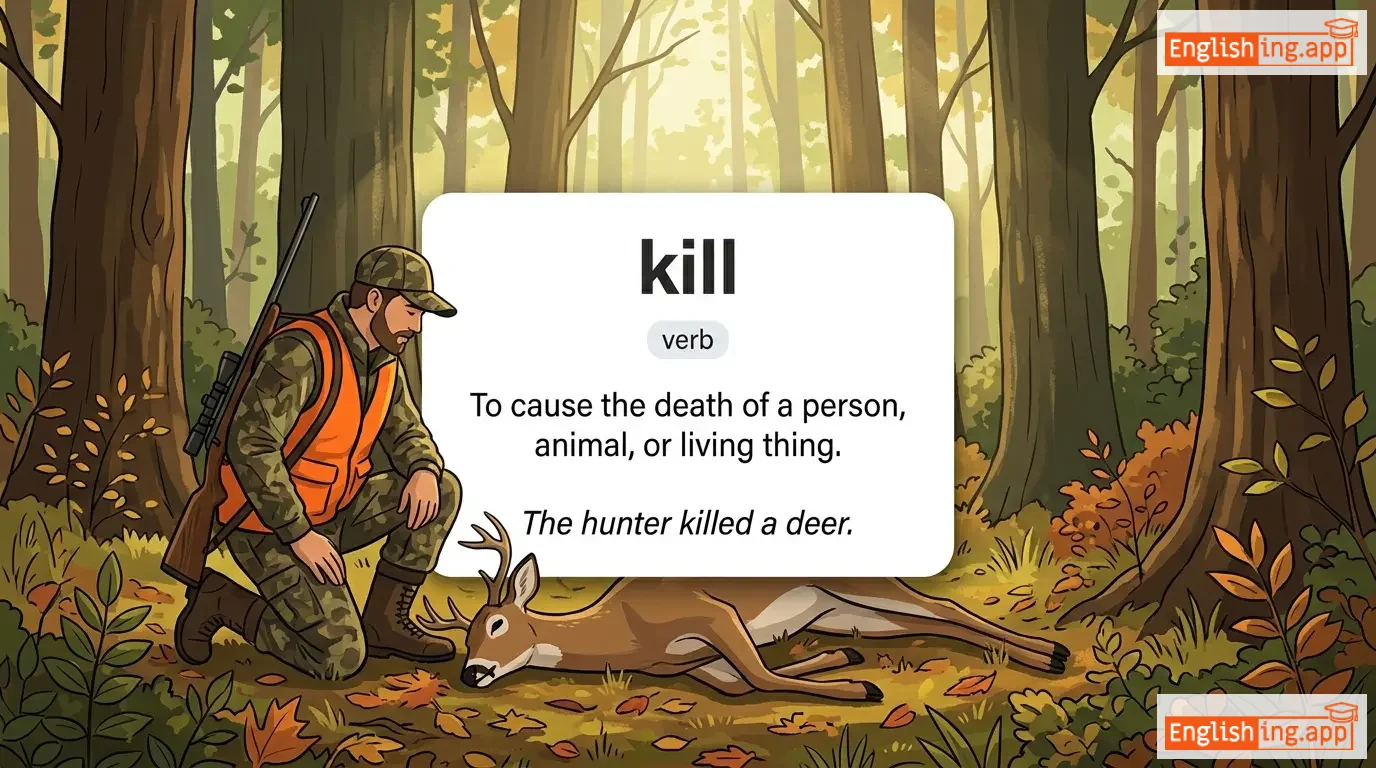
To cause the death of a person, animal, or living thing.
••••••
|
The hunter killed a deer.
ハンターは鹿を殺した。
••••••
|
ハンターは鹿を殺した。
Hantaa wa shika o koroshita.
••••••
|
kill time
時間を潰す
••••••
|
to spend time doing something unimportant while waiting
••••••
|
時間を潰す
Jikan o tsubusu
••••••
|
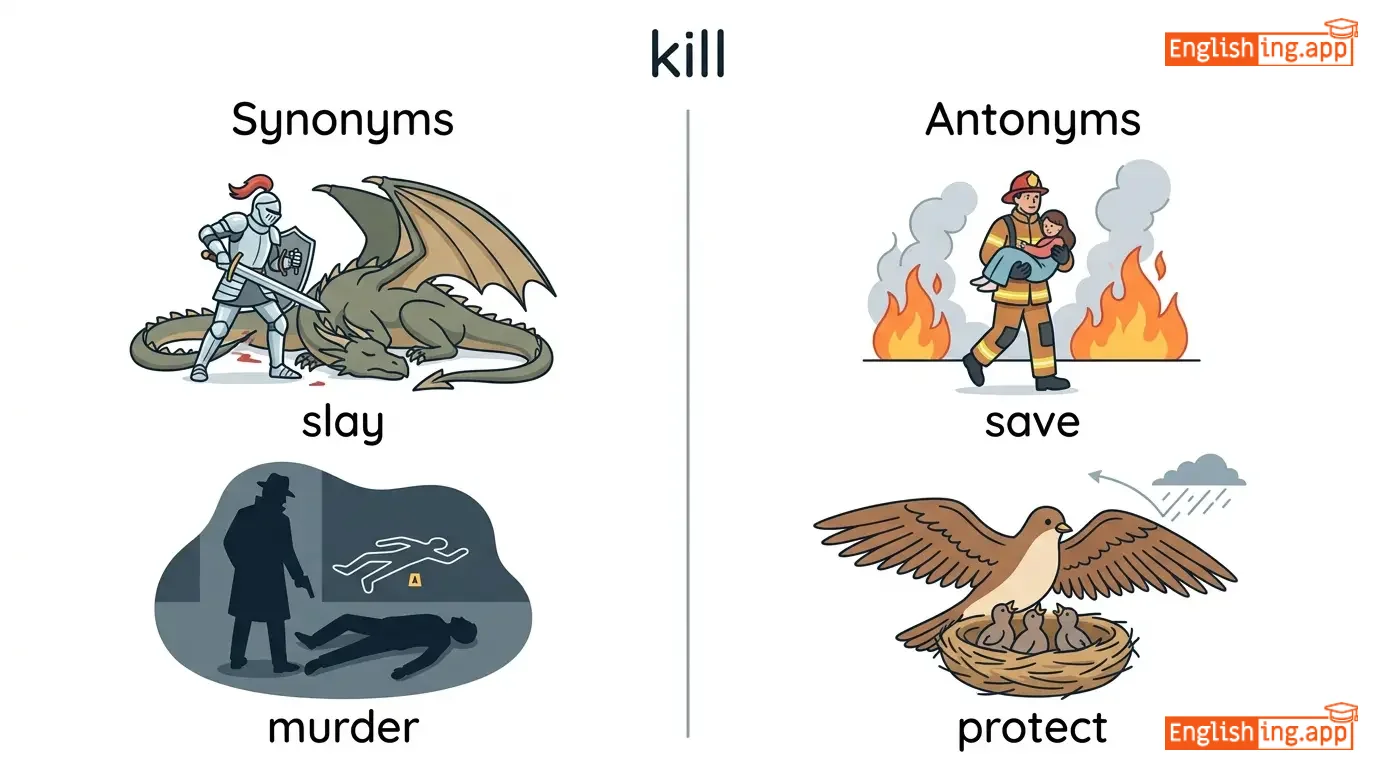
slay, murder, destroy, end, eliminate
••••••
|
save, protect, preserve
••••••
|
kill time, kill instantly, kill someone, kill the mood
••••••
|
殺すは殺す、時間を潰すは退屈な時間を過ごす。
••••••
|
|
👑
••••••
|
/kɪŋ/
noun
(キング)
••••••
|
- •••••• |
王
ou
••••••
|
- •••••• | - •••••• | - •••••• | - •••••• |
the male ruler of an independent state, especially one who inherits the position by right of birth
••••••
|
The king ruled the country with wisdom and fairness. |
王は知恵と公正で国を治めました。
Ou wa chie to kousei de kuni o osamemashita.
••••••
|
King of the hill |
a person who is the best or most powerful in a particular area
••••••
|
丘の王
oka no ou
••••••
|
monarch, ruler, emperor, sovereign, potentate
••••••
|
subject, commoner
••••••
|
king and queen, crowned king, king of England, king of the hill
••••••
|
👑 王は支配者、王冠をかぶる者。
••••••
|
|
🏃♂️
••••••
|
/pæs/
verb
••••••
|
- •••••• | - •••••• |
passed
••••••
|
passed
••••••
|
passes
••••••
|
passing
••••••
|
to move past or beyond something
••••••
|
He passed the test with flying colors. |
- •••••• |
pass the buck |
to shift responsibility to someone else
••••••
|
- •••••• |
move, go by, advance, transfer
••••••
|
stop, block, hinder
••••••
|
pass a test, pass by, pass on, pass away
••••••
|
No •••••• |
|
😡
••••••
|
/reɪdʒ/
noun
(レイジ)
••••••
|
- •••••• |
怒り
ikari
••••••
|
- •••••• | - •••••• | - •••••• | - •••••• |
intense anger or fury
••••••
|
She shouted in a fit of rage after hearing the news. |
彼女はそのニュースを聞いて怒りの叫び声を上げました。
Kanojo wa sono nyūsu o kiite ikari no sakebigoe o agemashita.
••••••
|
fly into a rage |
to suddenly become very angry
••••••
|
怒り狂う
ikari kuruu
••••••
|
fury, anger, wrath, temper, outrage
••••••
|
calm, peace, patience
••••••
|
fit of rage, blind rage, control rage, rage against
••••••
|
Rage = 怒り = 怒りが爆発するとき
••••••
|
|
🌅
••••••
|
/raɪz/
verb
••••••
|
|
- •••••• |
rose
••••••
|
risen
••••••
|
rises
••••••
|
rising
••••••
|
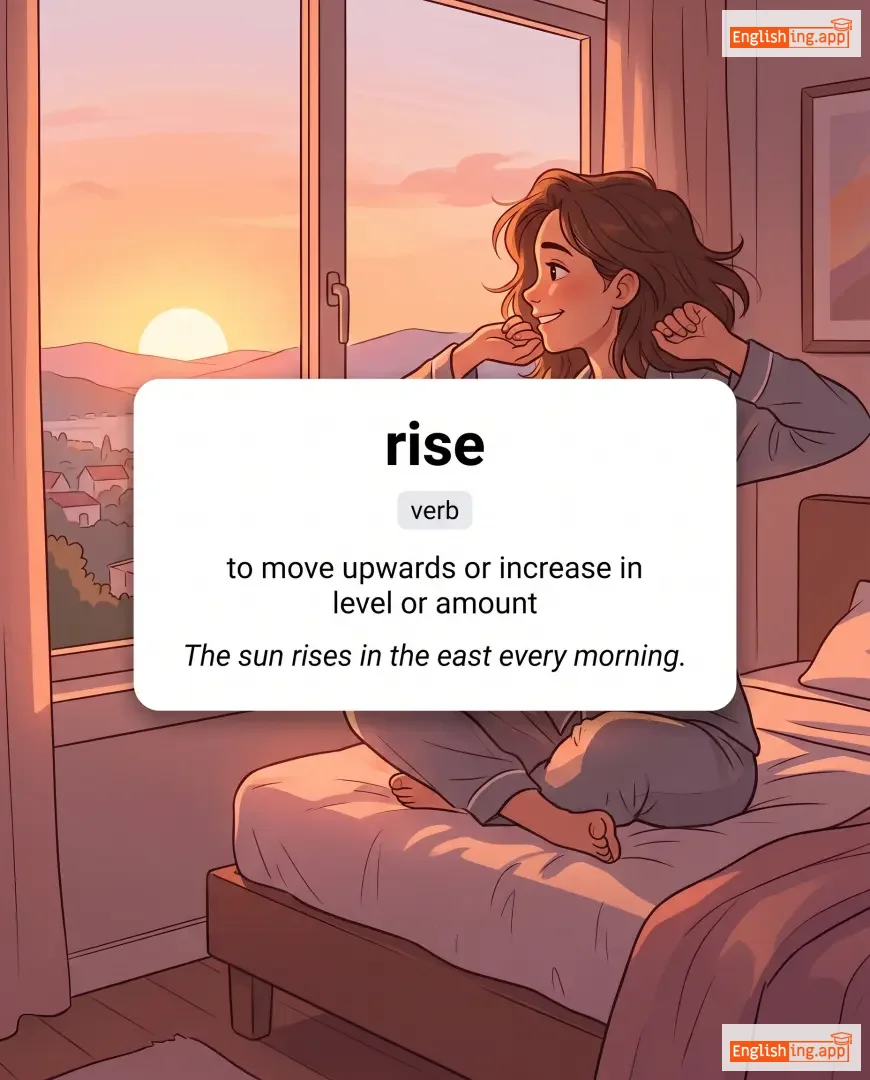
to move upwards or increase in level or amount
••••••
|
The sun rises in the east every morning. |
- •••••• |
rise and shine |
to wake up and become active, usually in the morning
••••••
|
- •••••• |
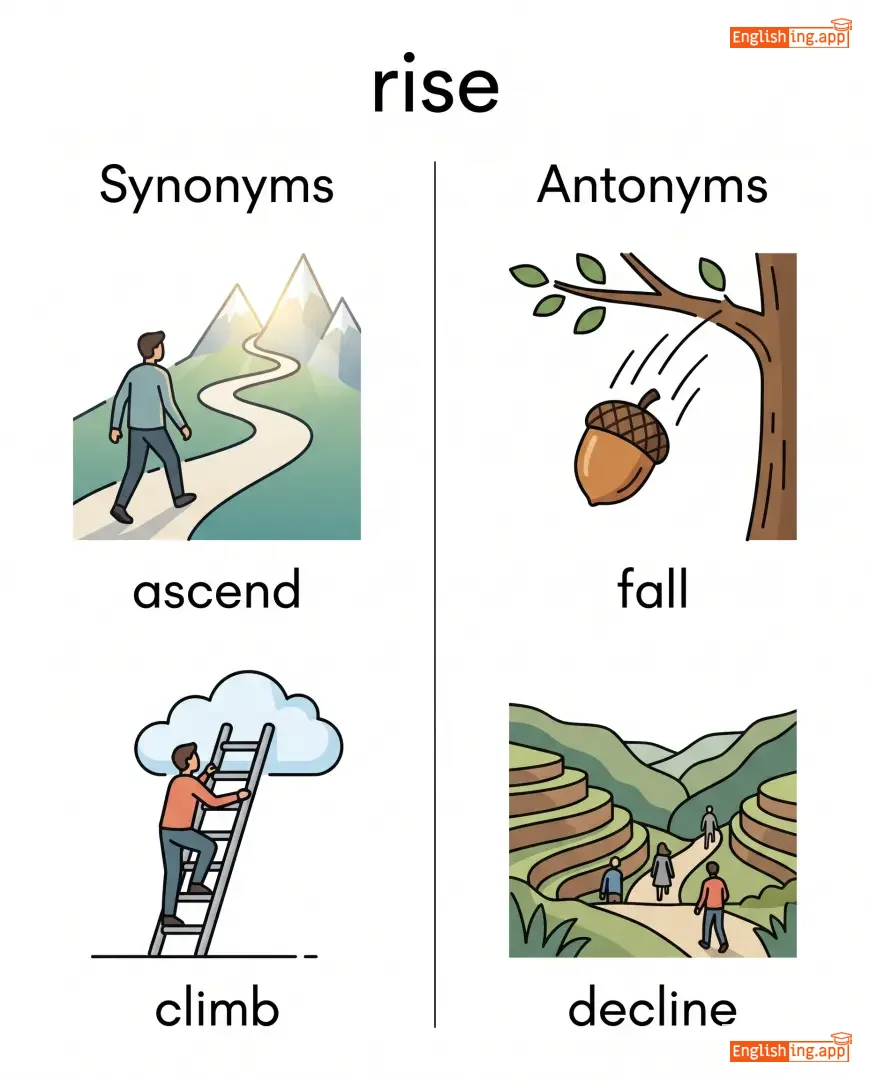
ascend, climb, grow, soar
••••••
|
fall, decline, drop
••••••
|
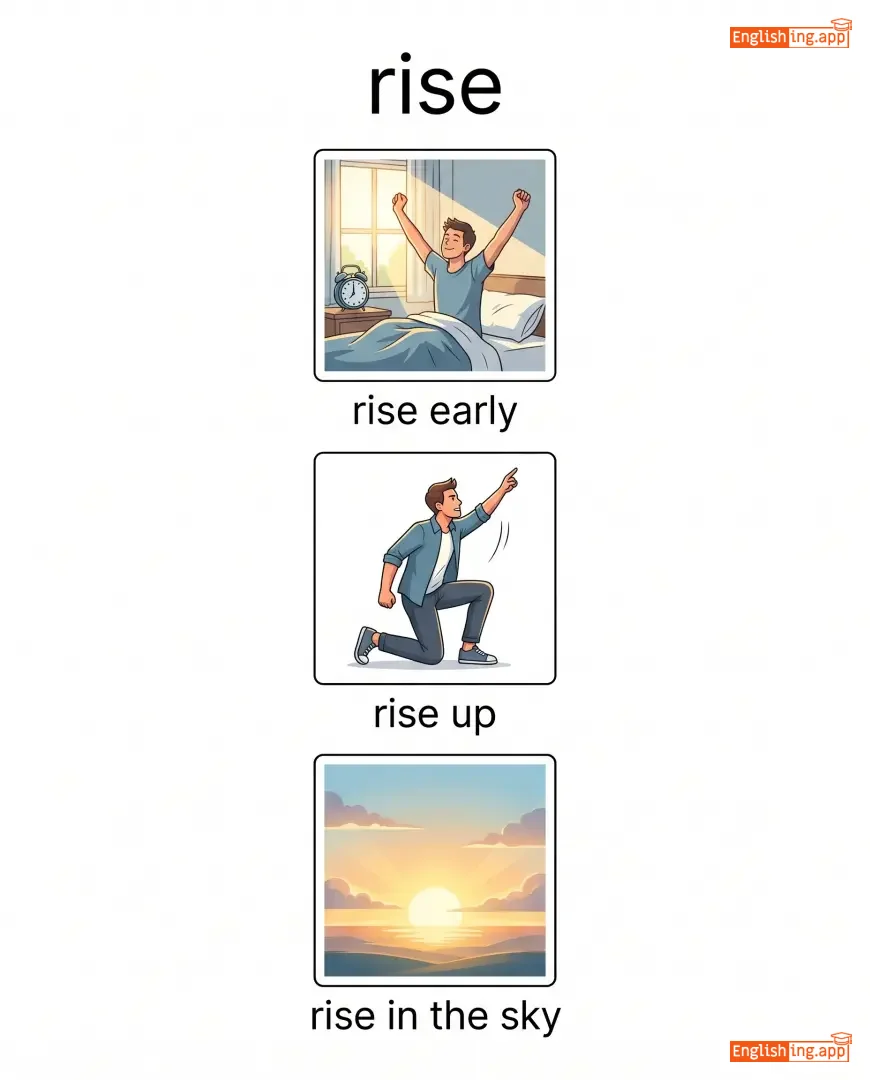
rise early, rise up, rise in the sky, rise to the occasion
••••••
|
No •••••• |
|
🎭
••••••
|
/roʊl/
noun
(ロール)
••••••
|
- •••••• |
役割
yakuwari
••••••
|
- •••••• | - •••••• | - •••••• | - •••••• |
a part or function of something
••••••
|
Her role in the project was crucial. |
彼女のプロジェクトでの役割は重要でした。
Kanojo no purojekuto de no yakuwari wa juuyou deshita.
••••••
|
- •••••• | - •••••• | - •••••• |
part, function, position, job
••••••
|
non-entity, spectator
••••••
|
play a role, important role, leadership role, major role
••••••
|
役割は物語の中でのあなたの役目です。
••••••
|
|
📏
••••••
|
/ruːl/
noun
(rūru)
••••••
|
- •••••• |
規則
kisei
••••••
|
- •••••• | - •••••• | - •••••• | - •••••• |
an accepted principle or instruction that states what is allowed or what must be done.
••••••
|
There are strict rules about safety in the lab. |
実験室には安全に関する厳しい規則があります。
jikken-shitsu ni wa anzen ni kansuru kibishī kisei ga arimasu.
••••••
|
break the rules |
to disobey or violate the rules
••••••
|
規則を破る
kisei o yaburu
••••••
|
law, regulation, guideline, command, principle
••••••
|
chaos, freedom, disorder
••••••
|
follow the rule, make a rule, strict rule, basic rule
••••••
|
規則を破ったら、学校からアウト!
••••••
|
|
🔒
••••••
|
/seɪf/
noun
(セーフ)
••••••
|
- •••••• |
金庫; 保護
kinko; hogo
••••••
|
- •••••• | - •••••• | - •••••• | - •••••• |
secure container for storing valuables; protection from danger
••••••
|
He kept his important documents in the office safe. |
彼は重要な書類をオフィスの金庫に保管していました。
Kare wa juuyou na shorui o ofisu no kinko ni hokan shite imashita.
••••••
|
- •••••• | - •••••• | - •••••• |
vault, strongbox, security, protection
••••••
|
danger, risk, threat, unsafe
••••••
|
bank safe, fire safe, combination safe, safe deposit
••••••
|
金庫(kinko)は、保護を提供します。
••••••
|
|
🏹
••••••
|
/ʃɒt/
noun, verb
(ショット)
••••••
|
- •••••• |
ショット
shotto
••••••
|
shot
ショット
••••••
|
shot
ショット
••••••
|
shots
ショット
••••••
|
shooting
シューティング
••••••
|
a single attempt to hit something, usually with a weapon or a ball
••••••
|
He took a shot at the goal.
彼はゴールに向かってショットを打った。
••••••
|
彼はゴールに向かってショットを打った。
Kare wa gōru ni mukatte shotto o utta.
••••••
|
Take a shot in the dark
暗闇の中でショットを打つ
••••••
|
to make a guess without any prior knowledge
••••••
|
暗闇の中でショットを打つ
Kurayami no naka de shotto o utsu
••••••
|
attempt, try, hit, strike
••••••
|
miss, fail
••••••
|
take a shot, shot at the target, long shot
••••••
|
Shot sounds like 'shot' of tea, aim well and shoot!
••••••
|
|
👀
••••••
|
/ʃoʊ/
verb
(ショー)
••••••
|
|
見せる
miseru
••••••
|
showed
ショード
••••••
|
shown
ショーン
••••••
|
shows
ショーズ
••••••
|
showing
ショーイング
••••••
|
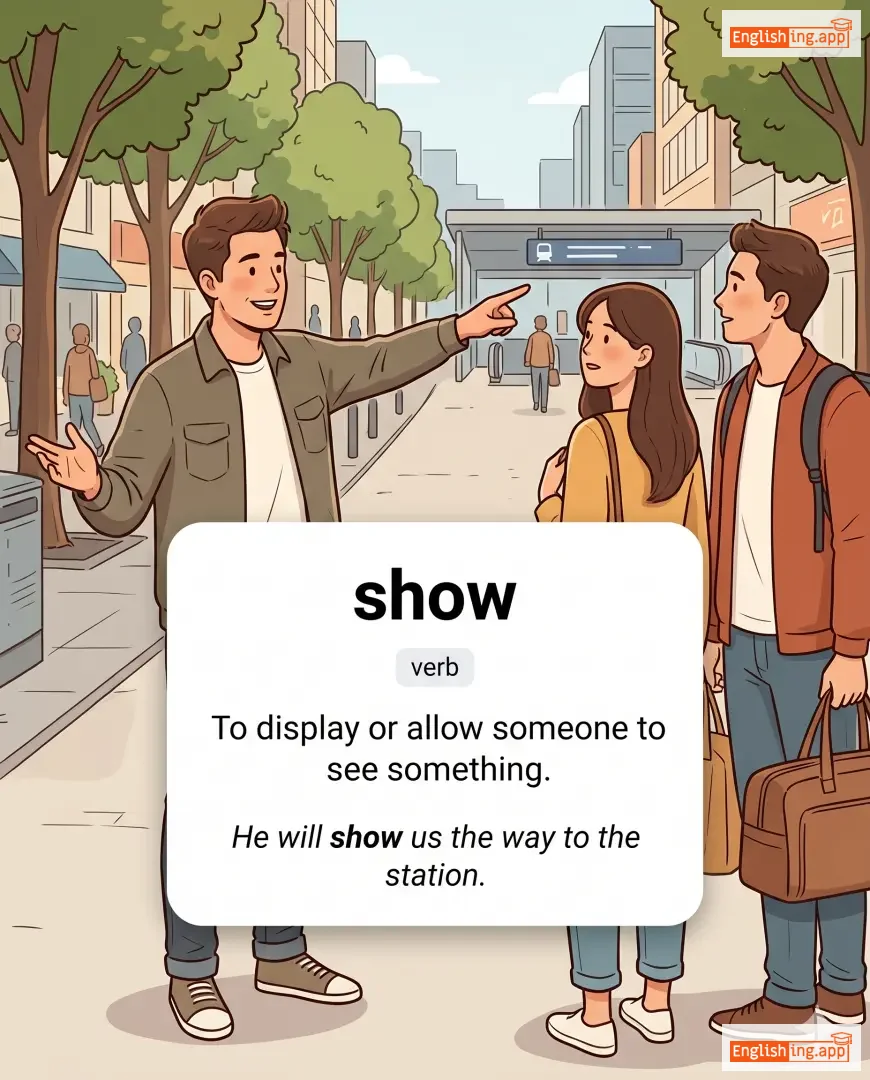
To display or allow someone to see something.
••••••
|
He will show us the way to the station.
彼は私たちに駅への道を見せてくれるでしょう。
••••••
|
彼は私たちに駅への道を見せてくれるでしょう。
Kare wa watashitachi ni eki e no michi wo misete kureru deshou.
••••••
|
show off
ショーオフ
••••••
|
to try to impress others by displaying abilities or possessions
••••••
|
見せびらかす
misebikasu
••••••
|
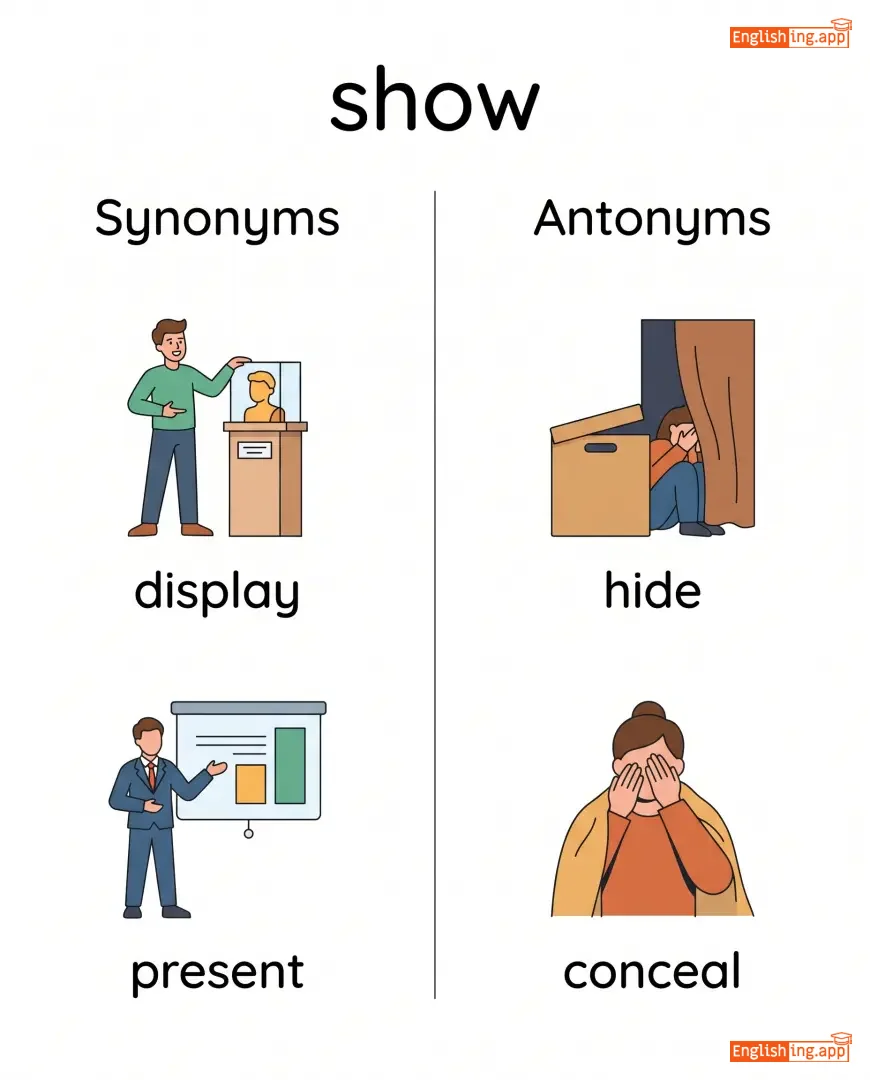
display, present, demonstrate, reveal, exhibit
••••••
|
hide, conceal, cover
••••••
|
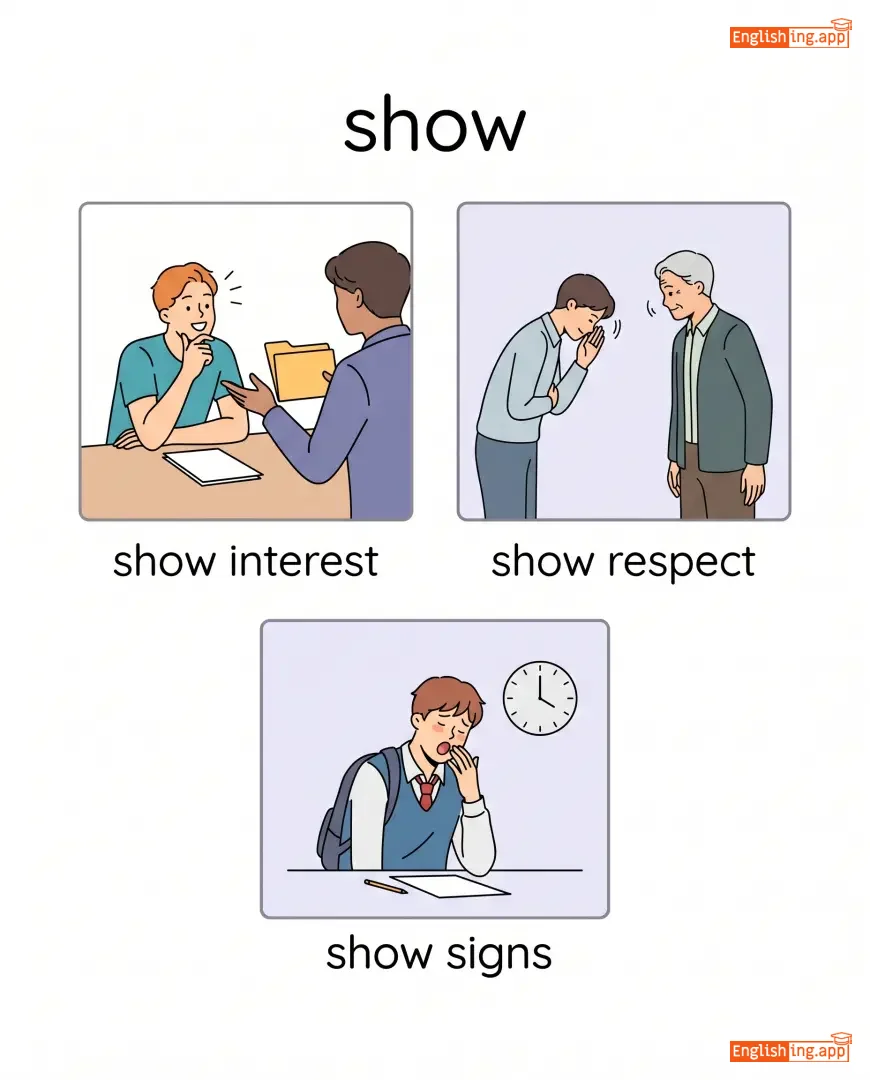
show interest, show respect, show signs, show off
••••••
|
Show は見せる意味 – テレビ番組ではすべて見せることが大切です。
••••••
|
|
🕵️♂️
••••••
|
/spaɪ/
verb
(supai)
••••••
|
- •••••• |
スパイする
supai suru
••••••
|
spied
supaid
••••••
|
spied
supaid
••••••
|
spies
supaizu
••••••
|
spying
supaiingu
••••••
|
to secretly collect information about a person, group, or country
••••••
|
He was caught spying on his neighbor through the window.
彼は窓越しに隣人をスパイしているところを捕まえられた。
••••••
|
彼は窓越しに隣人をスパイしているところを捕まえられた。
Kare wa madogoshi ni rinjin o supai shite iru tokoro o tsukamaerareta.
••••••
|
spy on someone
誰かをスパイする
••••••
|
to watch someone secretly
••••••
|
誰かをスパイする
dareka o supai suru
••••••
|
observe, watch, monitor, investigate, snoop
••••••
|
ignore, overlook
••••••
|
spy agency, spy mission, spy network, spy movie
••••••
|
Spyはスパイを意味します — 映画のスパイは秘密で観察します。
••••••
|
|
⚔️
••••••
|
/wɔːr/
noun
(ワー)
••••••
|
- •••••• |
戦争
sensou
••••••
|
- •••••• | - •••••• | - •••••• | - •••••• |
a state of armed conflict between different countries or different groups within a country
••••••
|
The war lasted for five years and caused great destruction.
戦争は5年間続き、大きな破壊を引き起こしました。
••••••
|
戦争は5年間続き、大きな破壊を引き起こしました。
Sensou wa go-nenkan tsuzuki, ōkina hakai o hikiokoshimashita.
••••••
|
- •••••• | - •••••• | - •••••• |
conflict, battle, combat, warfare
••••••
|
peace, harmony, ceasefire
••••••
|
civil war, world war, war zone, declare war
••••••
|
In Japanese, ‘戦争’ represents war, implying long-lasting destruction between nations.
••••••
|

