The Son Who Learned the Truth
ラフィはsonで、父親のことを「sir」と呼んでいました。His父は裁判官でした。
ある日、学校でラフィはtestを受けました。そのtestはとてもhardでした。ラフィはどうすればいいか分からず、隣の生徒の答えを写しました。
家に帰ると、his父が聞きました。「Test sonはどうだった?」
ラフィは言いました。「良かったです、sir。うまくできました。」
しかし心の中でラフィは、それがlieだと分かっていました。自分でやったわけではありません。Realな真実は——彼はカンニングしたのです。
次の日、先生が結果を発表しました。ラフィは95点を取りました。しかし先生はみんなをhallに集めました。
「話があります」と先生は言いました。「誰かがtestでカンニングしました。これは点数の問題ではなく、being true to yourself の問題です。」
ラフィのheadは下がり、his handは震えました。
家でhis父が言いました。「ラフィ、hereに来なさい。話がある。」
ラフィは怖がって言いました。「Yes sir?」
「先生から電話があった。彼女はhintをくれた。誰かがカンニングしたそうだ。お前か、son?」
ラフィはもう一度lieをつこうと思いましたが、his父のfaceを見て言えませんでした。
「Yes sir」とラフィはささやきました。「しました、ごめんなさい。」
His父は言いました。「Being trueでいてくれてありがとう。お前がカンニングしたと知ってhurtするが、lieをつかれる方がもっとhurtする。今、お前は自分の過ちをownした。それがrealな勇気だ。」
「それはhardだと分かっている」とhis父は続けました。「しかしfacing the truthはお前のdutyだ。Lyingは全てをhellにする。Just自分にtrueでいなさい。Just own自分のしたことを。」
ラフィは泣きました。「ごめんなさい、sir。怖かったんです。Testはとてもhardでした。みんなの期待が重くて、headが押しつぶされそうでした。」
His父はラフィのheadにhandを置いて言いました。「分かっているよ、son。だが覚えておきなさい——正直にface a hard testした方が、lieをつくよりもずっといい。Lieをつくと、自分自身を一番hurtする。人生のreal testは試験ではなく、hardな時でもbeing trueでいることだ。」
「どうすればいいですか、sir?」とラフィは聞きました。
「Faceするんだ。明日先生のところへ行き、Ownしたことを話しなさい。Realなストーリーを伝えるんだ。それがdutyだ。Hurtするだろうし、hardだろう。でもそれしかない。」
次の日、ラフィは先生のところへ行きました。「先生、話があります。私はtestでカンニングをしました。Liedしました。今ここにhereに来て、自分の過ちをownします。」
先生はhimを見て言いました。「ありがとう、being trueでいてくれて、ラフィ。これはrealな勇気が必要だったわね。罰は——もう一度testを受けること。そしてface it on your own。助けなしでね。」
「Yes ma'am」とラフィは言いました。「分かりました。それはjust fairです。」
ラフィはstudied hard。再testはもっとharderでした。しかし今度はon his ownでやりました。結果は65点。95ではなかったけれど、realな65でした。
家に帰ってhis父に言いました。「Sir、65点でした。Testをfacedしました。今回はtrueでした。」
His父は微笑みました。「偽りの95よりもこの65の方がずっと誇らしい。お前はdutyをfacedし、過ちをownedし、trueであった。それがrealな勝利だ、son。」
何年も後、ラフィは弁護士になりました。クライアントが聞きました。「法廷でlieをつくのを手伝ってくれますか?」
ラフィは言いました。「いいえ。私のdutyはface the truth、隠すことではありません。父から学びました——lieをつけば人生はhellになる。Trueでいれば、自分をownできる。Lie hurtsみんなを傷つける。Truthは今日hurtするかもしれないが、lie hurtsは永遠に続く。Just be real。どんなにhardでもfaceしなさい。Own自分のストーリー。それが生きる唯一の道だ。」
誰かが難しい案件を持ってhimのところに来るたびに、ラフィはあの日を思い出しました。学校のhallで立ち、headを下げ、handを震わせながらlieにfacingしていたあの日。His父のhandがheadに置かれたあの瞬間。そして言葉:「Just be true son。それがお前のreal dutyだ。」
時にはhardest testはhallの中ではなく、自分自身の中にある。自分のliesをowningし、trueであり続けること。たとえhurts like hellでも。その時こそ、人はrealになり、自分を本当にownするのです。
|
絵文字
|
単語 | Images | 翻訳 | 過去 | 過去分詞 | 三人称単数 | 動名詞 | 意味 | 例文 | 例文の翻訳 | 表現例 | 表現例の意味 | 表現例の翻訳 | 同義語 | 対義語 | コロケーション | ニーモニック |
|---|---|---|---|---|---|---|---|---|---|---|---|---|---|---|---|---|---|
|
🛡️
••••••
|
/ˈdjuːti/
noun
(デューティ)
••••••
|
- •••••• |
義務
gimu
••••••
|
- •••••• | - •••••• | - •••••• | - •••••• |
a moral or legal obligation; a responsibility
••••••
|
It is our duty to protect the environment. |
環境を守ることは私たちの義務です。
Kankyō o mamoru koto wa watashitachi no gimu desu.
••••••
|
call of duty |
a responsibility that must be carried out
••••••
|
義務の呼びかけ
gimu no yobikake
••••••
|
responsibility, obligation, task, assignment, commitment
••••••
|
freedom, choice, exemption
••••••
|
duty free, official duty, moral duty, line of duty
••••••
|
Duty は '義務'、警察官が義務を果たすように。
••••••
|
|
🙂
••••••
|
/feɪs/
noun/verb
••••••
|
|
- •••••• |
faced
••••••
|
faced
••••••
|
faces
••••••
|
facing
••••••
|
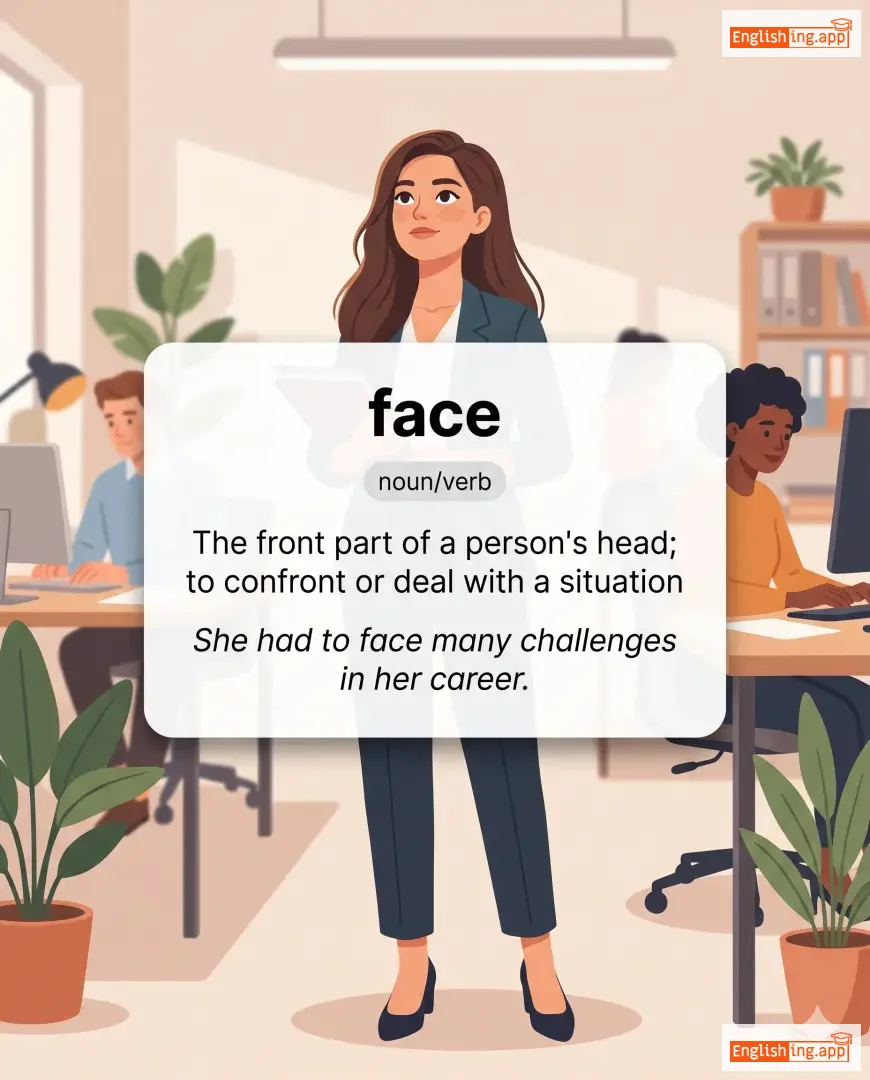
The front part of a person's head; to confront or deal with a situation
••••••
|
She had to face many challenges in her career. |
- •••••• |
face the music |
to accept the unpleasant consequences of one's actions
••••••
|
- •••••• |
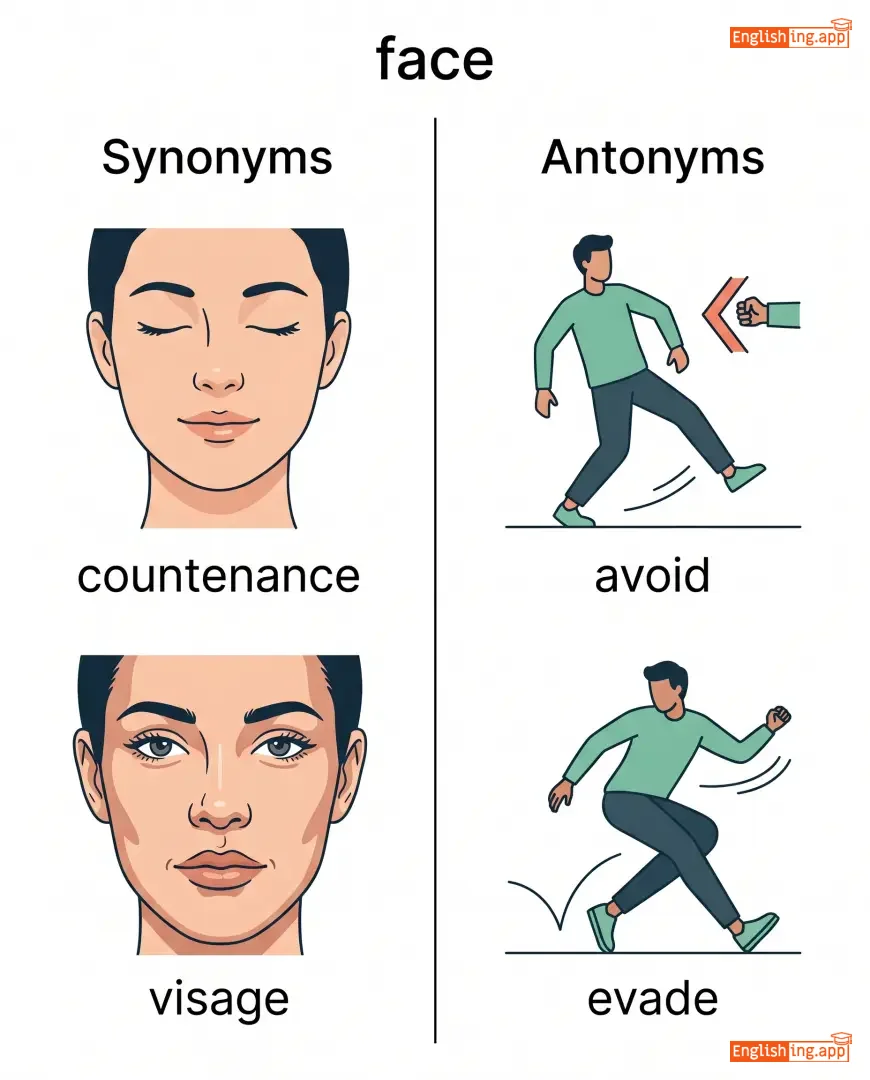
countenance, visage, confront, encounter
••••••
|
avoid, evade
••••••
|
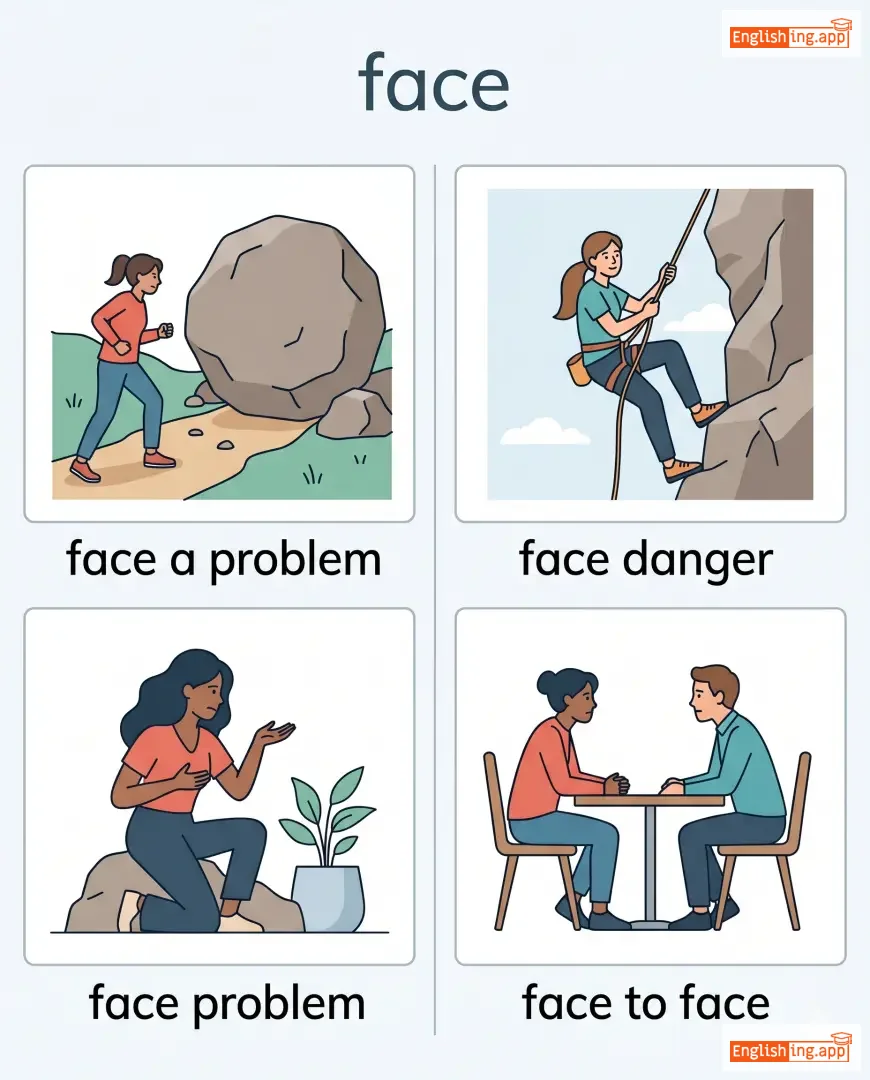
face a problem, face danger, face to face, face reality
••••••
|
No •••••• |
|
🏛️
••••••
|
/hɔːl/
noun
(ホール)
••••••
|
- •••••• |
ホール
hōru
••••••
|
- •••••• | - •••••• | - •••••• | - •••••• |
a large room or building for public gatherings, events, or passage
••••••
|
The graduation ceremony was held in the university hall.
卒業式は大学のホールで行われました。
••••••
|
卒業式は大学のホールで行われました。
Sotsugyō-shiki wa daigaku no hōru de okonaware mashita.
••••••
|
hall of fame
名誉の殿堂
••••••
|
a group or place honoring distinguished people
••••••
|
名誉の殿堂
meiyo no dendō
••••••
|
auditorium, chamber, corridor, passage, lobby
••••••
|
room, cubicle
••••••
|
lecture hall, concert hall, dining hall, entrance hall
••••••
|
ホール (hōru) は大きな場所で、大学のホールと同じです。思い出して、名誉の殿堂。
••••••
|
|
🤚
••••••
|
/hænd/
noun, verb
••••••
|
- •••••• | - •••••• |
handed
••••••
|
handed
••••••
|
hands
••••••
|
handing
••••••
|
the part of the body at the end of the arm used for holding things
••••••
|
She raised her hand to ask a question. |
- •••••• |
in safe hands |
being looked after by someone competent and reliable
••••••
|
- •••••• |
palm, fist, grip, hold
••••••
|
foot, neglect
••••••
|
shake hands, hand in, hand out, raise hand
••••••
|
No •••••• |
|
💪
••••••
|
/hɑːrd/
adjective
(ハード)
••••••
|
- •••••• |
硬い
katai
••••••
|
- •••••• | - •••••• | - •••••• | - •••••• |
solid, firm, or difficult to do or endure
••••••
|
The exam was very hard for most students. |
試験はほとんどの学生にとって非常に難しかった。
Shiken wa hotondo no gakusei ni totte hijou ni muzukashikatta.
••••••
|
hard nut to crack |
a difficult problem or person to deal with
••••••
|
難しい問題
muzukashii mondai
••••••
|
difficult, tough, rigid, strong, firm
••••••
|
easy, soft, simple
••••••
|
work hard, hard time, hard decision, hard life
••••••
|
Hardは固い、難しい、例えば難しい問題のように。
••••••
|
|
👤
••••••
|
/hɛd/
noun, verb
(ヘッド)
••••••
|
- •••••• |
頭 / リーダー
atama / rīdā
••••••
|
headed
ヘッディッド
••••••
|
headed
ヘッディッド
••••••
|
heads
ヘッズ
••••••
|
heading
ヘディング
••••••
|
The upper part of the human body or to lead or be in charge of something.
••••••
|
She turned her head to look out the window.
彼女は窓の外を見るために頭を回した。
••••••
|
彼女は窓の外を見るために頭を回した。
kanojo wa mado no soto o miru tame ni atama o mawaseta.
••••••
|
head over heels
頭から足元まで
••••••
|
completely in love
••••••
|
完全に恋に落ちる
kanzen ni koi ni ochiru
••••••
|
chief, leader, boss, director, skull
••••••
|
follower, subordinate
••••••
|
head of department, head office, head a team, shake your head
••••••
|
ヘッドは頭を意味します。頭から足元までが完全に恋に落ちるという意味です。
••••••
|
|
🔥
••••••
|
/hɛl/
noun
(ヘル)
••••••
|
- •••••• |
地獄
jigoku
••••••
|
- •••••• | - •••••• | - •••••• | - •••••• |
a place or state of great suffering and torment, often in religious belief
••••••
|
He feared that his sins would send him to hell. |
彼は自分の罪が彼を地獄に送るのではないかと恐れていました。
Kare wa jibun no tsumi ga kare o jigoku ni okuru no de wa nai ka to osorete imashita.
••••••
|
raise hell |
to cause trouble or a noisy disturbance
••••••
|
騒ぎを起こす
sawagi o okosu
••••••
|
inferno, torment, misery, damnation
••••••
|
heaven, paradise
••••••
|
living hell, go to hell, raise hell
••••••
|
地獄は苦しみの場所 🔥—「地獄」を思い出してください、痛みと苦しみがいっぱいの場所です。
••••••
|
|
📍
••••••
|
/hɪr/
adverb
(ヒア)
••••••
|
- •••••• |
ここ
koko
••••••
|
- •••••• | - •••••• | - •••••• | - •••••• |
in, at, or to this place
••••••
|
Please come here quickly.
ここに早く来てください。
••••••
|
ここに早く来てください。
Koko ni hayaku kite kudasai.
••••••
|
here and there
ここやあそこ
••••••
|
in various places
••••••
|
ここやあそこ
Koko ya asoko
••••••
|
present, nearby, close, around
••••••
|
there, away
••••••
|
come here, right here, here today, stay here
••••••
|
Hereは日本語でここ 📍 - 'ここ'といえば、'here'を思い出します
••••••
|
|
👨
••••••
|
/hɪm/
pronoun
(ハピネス)
••••••
|
- •••••• |
彼を
kare o
••••••
|
- •••••• | - •••••• | - •••••• | - •••••• |
Used to refer to a male person or animal already mentioned.
••••••
|
I saw him at the park yesterday. |
昨日公園で彼を見かけました。
Kinō kōen de kare o mikakemashita.
••••••
|
- •••••• | - •••••• | - •••••• |
that man, that boy, male person, he
••••••
|
her, she
••••••
|
with him, for him, about him, help him
••••••
|
Him は '彼を' を意味します – He の目的格が Him であることを覚えておいてください。
••••••
|
|
💡
••••••
|
/hɪnt/
noun/verb
(ヒント)
••••••
|
- •••••• |
ヒント
hinto
••••••
|
hinted
ヒンテッド
••••••
|
hinted
ヒンテッド
••••••
|
hints
ヒンツ
••••••
|
hinting
ヒンティング
••••••
|
a small piece of advice or suggestion; to suggest something indirectly
••••••
|
She gave me a hint about the surprise party.
彼女はサプライズパーティーについてヒントをくれた。
••••••
|
彼女はサプライズパーティーについてヒントをくれた。
Kanojo wa sapuraizu pātī ni tsuite hinto o kureta.
••••••
|
drop a hint
ヒントを出す
••••••
|
to give a subtle suggestion
••••••
|
ヒントを出す
hinto o dasu
••••••
|
suggestion, clue, indication, tip, advice
••••••
|
statement, declaration
••••••
|
subtle hint, useful hint, drop a hint, take the hint
••••••
|
Hint は日本語でもヒント、ゲームでヒントをもらうみたい
••••••
|
|
👦
••••••
|
/hɪz/
pronoun
(ヒズ)
••••••
|
- •••••• |
彼の
kare no
••••••
|
- •••••• | - •••••• | - •••••• | - •••••• |
belonging to or associated with a male person previously mentioned
••••••
|
This is his book on the table. |
これは彼の本です、テーブルの上にあります。
Kore wa kare no hon desu, tēburu no ue ni arimasu.
••••••
|
- •••••• | - •••••• | - •••••• |
belonging to him, owned by him
••••••
|
her, their
••••••
|
his book, his car, his house, his idea
••••••
|
Hisは彼のという意味です、覚えておいてください—He + is = His もの
••••••
|
|
🤕
••••••
|
/hɜːrt/
verb/adjective
(ハート)
••••••
|
- •••••• |
傷つける
kizutsukeru
••••••
|
hurt
ハート
••••••
|
hurt
ハート
••••••
|
hurts
ハーツ
••••••
|
hurting
ハーティング
••••••
|
to cause pain or injury; to feel pain
••••••
|
He hurt his knee while playing football.
ヒー ハート ヒズ ニー ワイル プレイング フットボール。
••••••
|
彼はサッカーをしている時に膝を傷つけた。
Kare wa sakkā o shite iru toki ni hiza o kizutsuketa.
••••••
|
hurt feelings
ハート フィーリングス
••••••
|
emotional pain caused by someone's words or actions
••••••
|
傷ついた感情
kizutsuita kanjō
••••••
|
injure, wound, damage, bruise
••••••
|
heal, comfort, soothe
••••••
|
hurt badly, hurt someone, hurt feelings
••••••
|
Hurtは傷つけること — 心も体も痛くなる。
••••••
|
|
⚖️
••••••
|
/dʒʌst/
adverb/adjective
(ジャスト)
••••••
|
- •••••• |
ちょうど、ただ、または公正で道徳的に正しい
choudo, tada, matawa kou-sei de doutokuteki ni tadashii
••••••
|
- •••••• | - •••••• | - •••••• | - •••••• |
Exactly, only, or fair and morally right.
••••••
|
She arrived just in time for the meeting. |
彼女は会議のためにちょうど時間通りに到着した。
Kanojo wa kaigi no tame ni choudo jikan doori ni touchaku shita.
••••••
|
just in case |
As a precaution; in case something happens.
••••••
|
念のため
nen no tame
••••••
|
fair, right, exact, only, merely
••••••
|
unfair, unjust, wrong
••••••
|
just now, just about, just because, just enough
••••••
|
JUSTはちょうど時間通り、公正で道徳的。
••••••
|
|
🤥
••••••
|
/laɪ/
verb
(ライ)
••••••
|
|
嘘をつく
uso o tsuku
••••••
|
lied
ライド
••••••
|
lied
ライド
••••••
|
lies
ライズ
••••••
|
lying
ライング
••••••
|
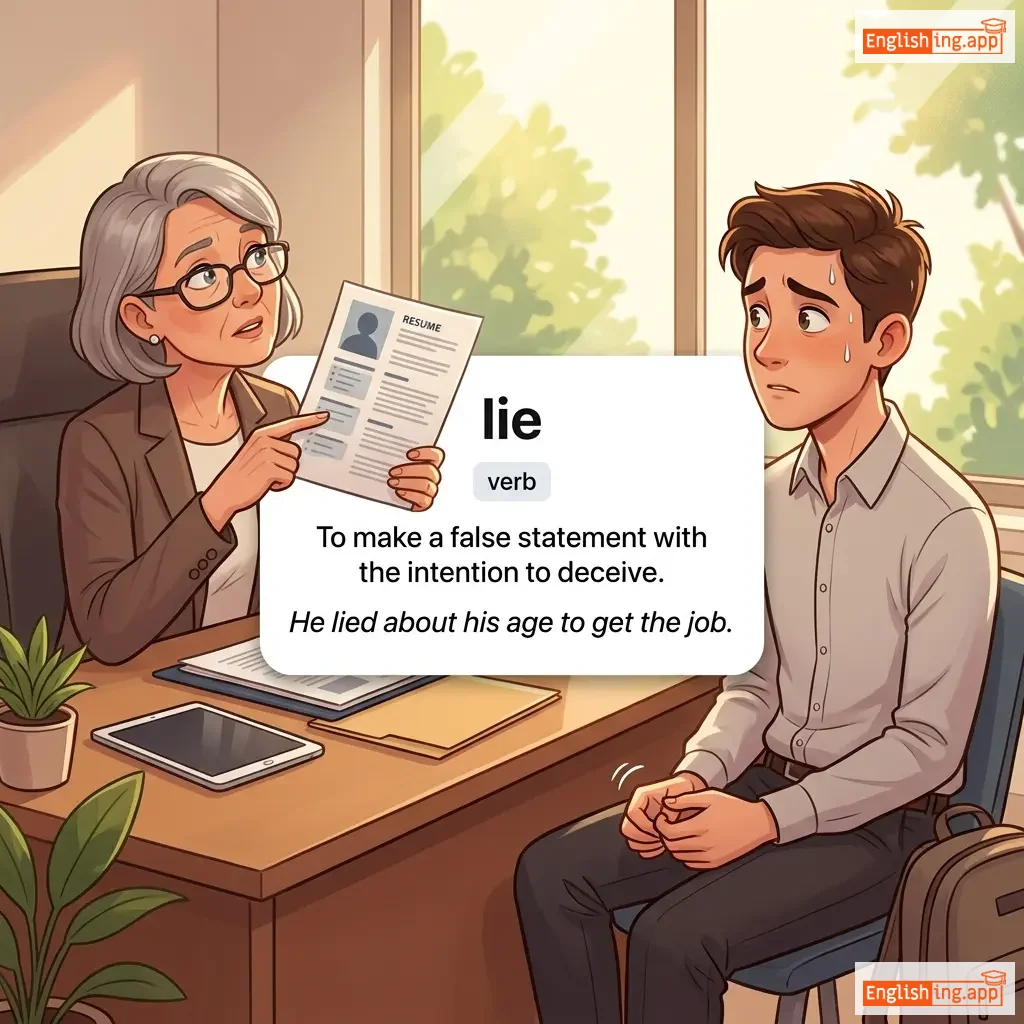
To make a false statement with the intention to deceive.
••••••
|
He lied about his age to get the job.
ヒー ライド アバウト ヒズ エイジ トゥ ゲット ザ ジョブ。
••••••
|
彼は仕事を得るために年齢について嘘をついた。
Kare wa shigoto o eru tame ni nenrei ni tsuite uso o tsuita.
••••••
|
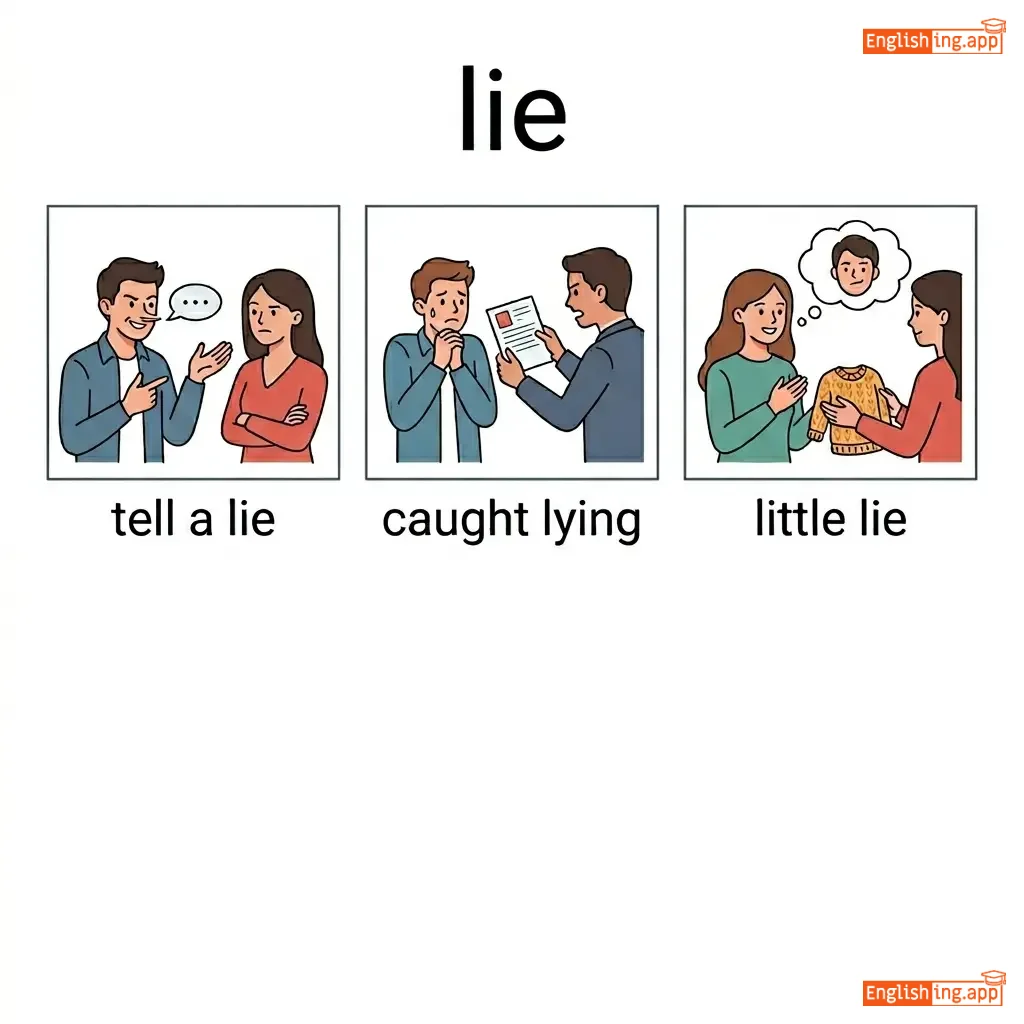
white lie
ホワイト ライ
••••••
|
A harmless or small lie told to avoid hurting someone.
••••••
|
白い嘘
Shiroi uso
••••••
|
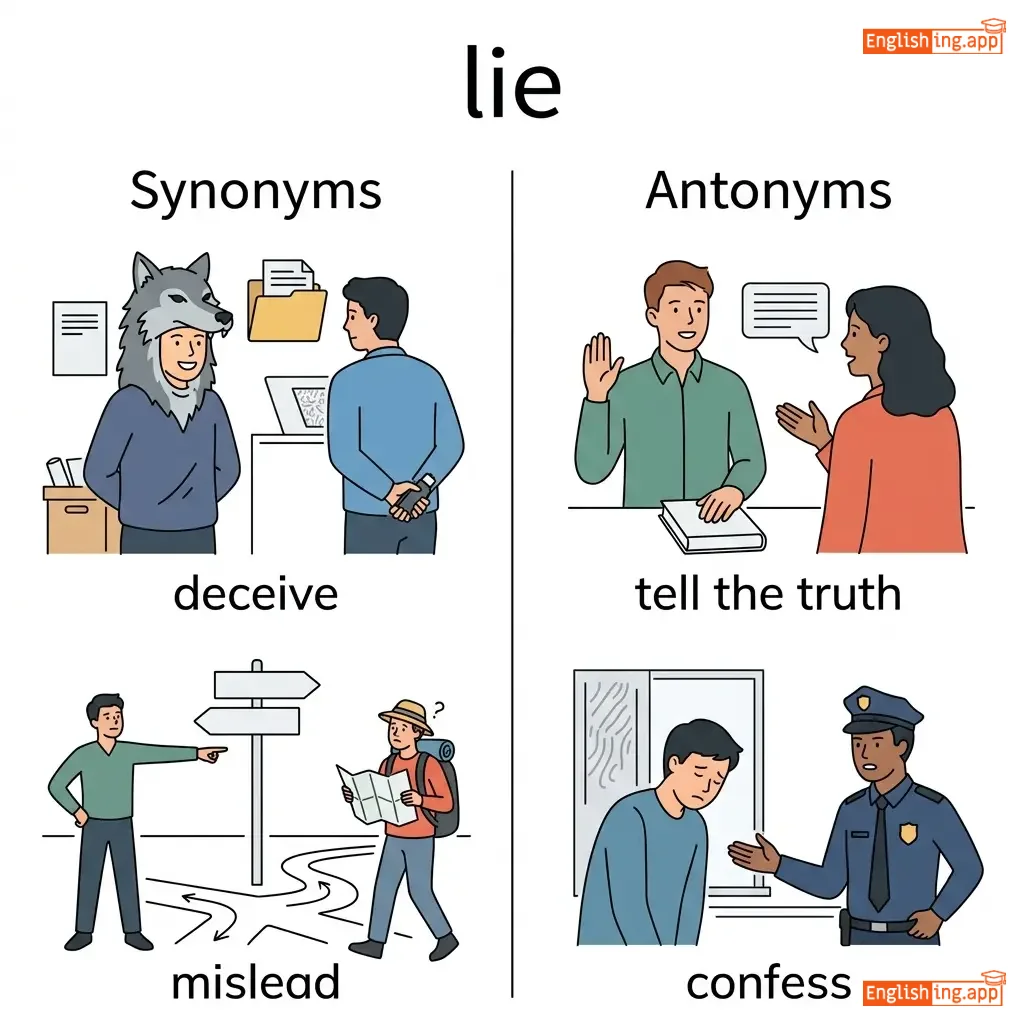
deceive, mislead, fib, falsify, invent
••••••
|
tell the truth, confess
••••••
|
tell a lie, caught lying, little lie, big lie
••••••
|
Lie (嘘をつく) は嘘をつくことです。
••••••
|
|
🏠
••••••
|
/oʊn/
verb, adjective
(own)
••••••
|
- •••••• |
所有する
shoyū suru
••••••
|
owned
owned
••••••
|
owned
owned
••••••
|
owns
owns
••••••
|
owning
owning
••••••
|
to possess something; belonging to oneself
••••••
|
She owns a beautiful house in the city.
彼女は市内に美しい家を持っています。
••••••
|
彼女は市内に美しい家を持っています。
Kanojo wa shinai ni utsukushī ie o motteimasu.
••••••
|
- •••••• | - •••••• | - •••••• |
possess, have, hold
••••••
|
lack, not have
••••••
|
own a house, own property, own up
••••••
|
Own means you possess something - '所有する'はあなたが何かを所有していることを意味します。
••••••
|
|
✅
••••••
|
/riːl/
adjective
(リアル)
••••••
|
- •••••• |
本物の; 真正の; 偽物ではない
honmono no; shinshou no; nisemono de wa nai
••••••
|
- •••••• | - •••••• | - •••••• | - •••••• |
actually existing; genuine; not imaginary or fake
••••••
|
This is a real diamond, not a fake one.
これは本物のダイヤモンドです。偽物ではありません。
••••••
|
これは本物のダイヤモンドです。偽物ではありません。
Kore wa honmono no daiyamondo desu. Nisemono de wa arimasen.
••••••
|
- •••••• | - •••••• | - •••••• |
genuine, authentic, actual, true, legitimate
••••••
|
fake, artificial, imaginary, false, counterfeit
••••••
|
real life, real estate, real world, real problem, real situation
••••••
|
本物のダイヤモンドは絶対に本物で、偽物ではありません!
••••••
|
|
👨
••••••
|
/sɜːr/
noun
(サー)
••••••
|
- •••••• |
サー
sā
••••••
|
- •••••• | - •••••• | - •••••• | - •••••• |
a respectful or formal form of address used for a man, typically one of higher social status or authority
••••••
|
Sir, may I assist you with your order? |
サー、注文をお手伝いできますか?
Sā, chūmon o o-tetsudai dekimasu ka?
••••••
|
- •••••• | - •••••• | - •••••• |
mister, gentleman, lord, master
••••••
|
madam, miss
••••••
|
Sir, dear sir, Sir John, Sir Thomas
••••••
|
サー (Sā)、尊敬を示すための言葉!
••••••
|
|
👦
••••••
|
/sʌn/
noun
(サン)
••••••
|
- •••••• |
息子
musuko
••••••
|
- •••••• | - •••••• | - •••••• | - •••••• |
a male child of a parent
••••••
|
His son is very talented in music. |
彼の息子は音楽に非常に才能があります。
Kare no musuko wa ongaku ni hijou ni sainou ga arimasu.
••••••
|
- •••••• | - •••••• | - •••••• |
child, offspring, male heir
••••••
|
daughter, female child
••••••
|
only son, beloved son, son of a king
••••••
|
His SON is so talented at music, you'll be proud of him.
••••••
|
|
📝
••••••
|
/test/
verb
(テスト)
••••••
|
|
テストする
tesuto suru
••••••
|
tested
テストされた
••••••
|
tested
テストされた
••••••
|
tests
テストする
••••••
|
testing
テスト中
••••••
|
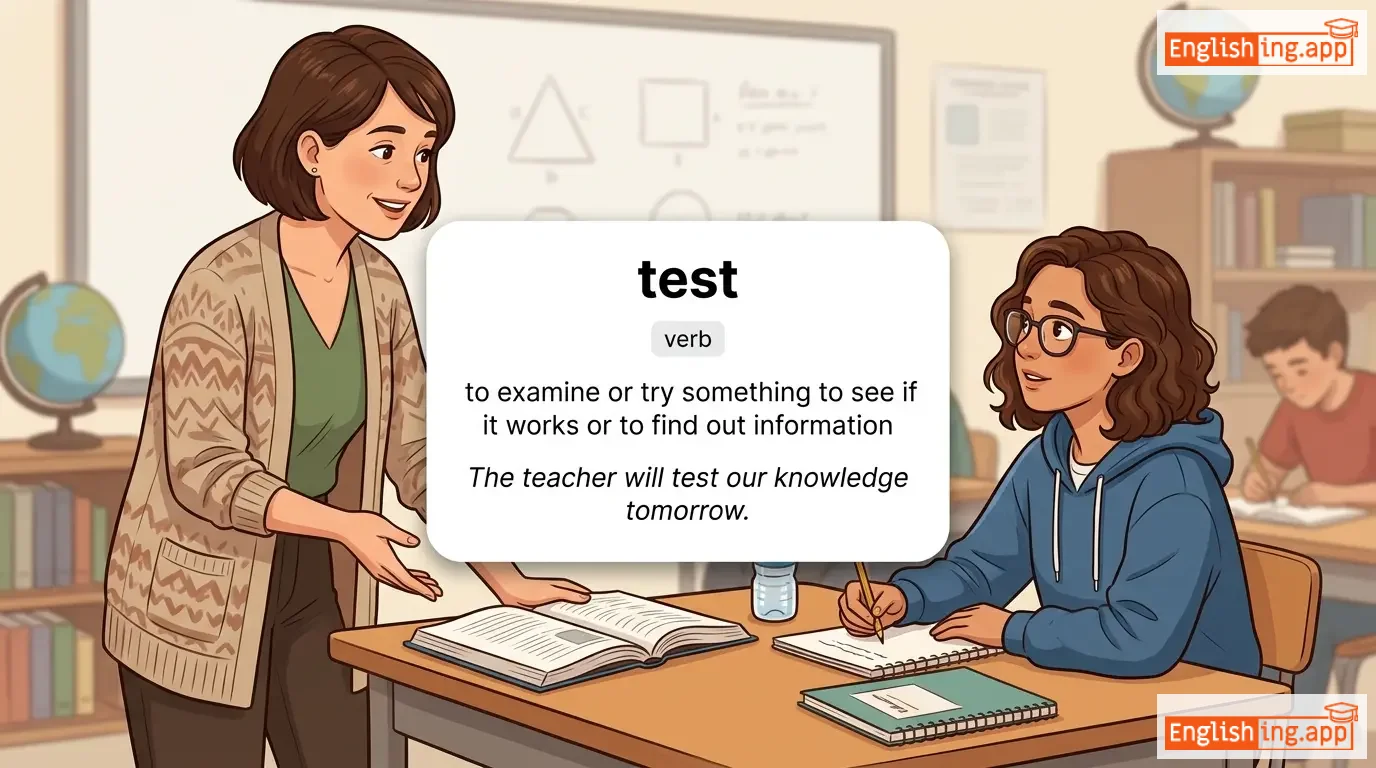
to examine or try something to see if it works or to find out information
••••••
|
The teacher will test our knowledge tomorrow.
先生は明日私たちの知識をテストします。
••••••
|
先生は明日私たちの知識をテストします。
Sensei wa ashita watashitachi no chishiki o tesuto shimasu.
••••••
|
- •••••• | - •••••• | - •••••• |
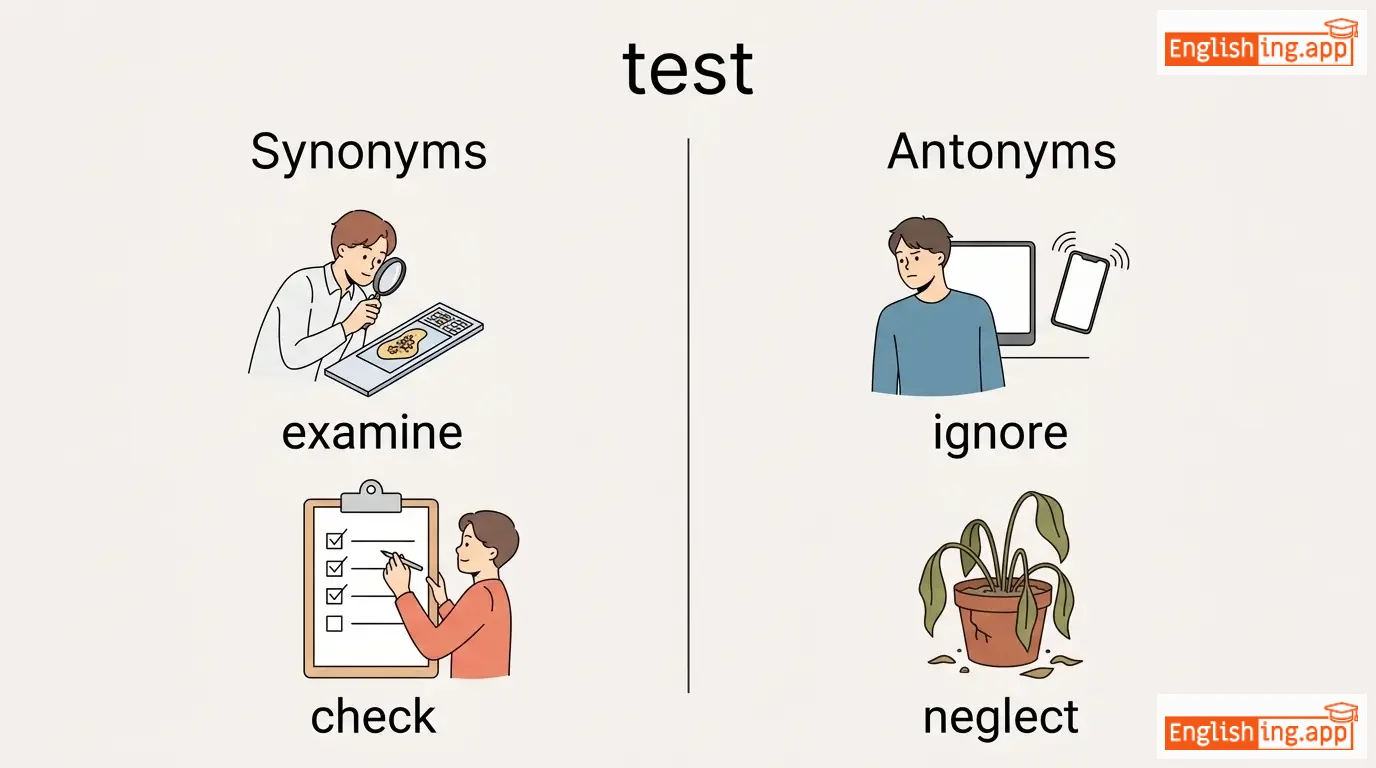
examine, check, try, evaluate
••••••
|
ignore, neglect
••••••
|
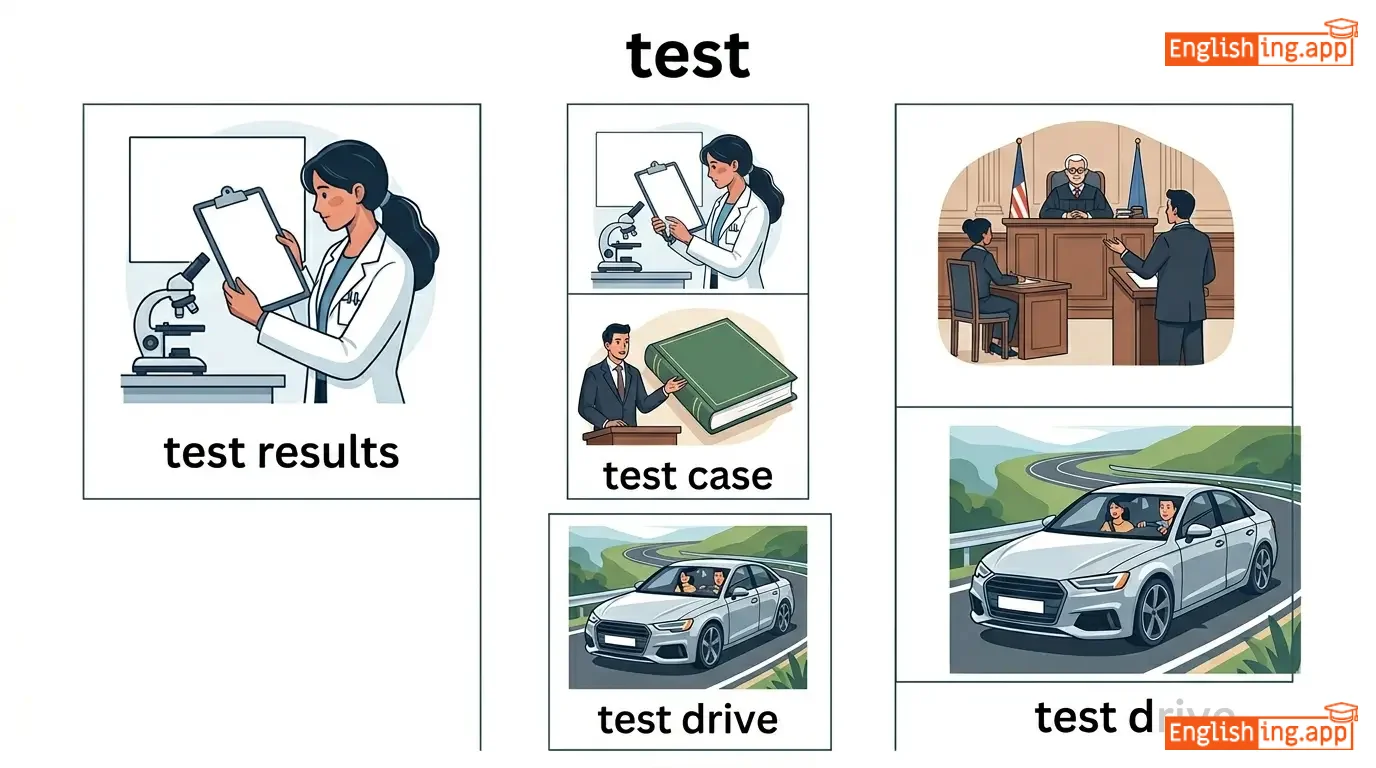
test results, test case, test drive, test positive, test negative, blood test
••••••
|
先生のようにテストして、知識を試しましょう。
••••••
|
|
✔️
••••••
|
/truː/
adjective
(トゥルー)
••••••
|
- •••••• |
真実
shinjitsu
••••••
|
- •••••• | - •••••• | - •••••• | - •••••• |
in accordance with fact or reality; correct
••••••
|
His story was true, and everyone believed him. |
彼の話は本当で、みんな彼を信じていました。
Kare no hanashi wa hontou de, minna kare wo shinjiteimashita.
••••••
|
true to oneself |
being loyal to one's own beliefs or values
••••••
|
自分自身に忠実であること
jibun jishin ni chuujitsu de aru koto
••••••
|
genuine, real, accurate, correct
••••••
|
false, incorrect, wrong
••••••
|
true story, true to yourself, true love, true meaning
••••••
|
True は真実、私たちの信念に基づいた道です。
••••••
|

