Causes and Prevention of Juvenile Crime
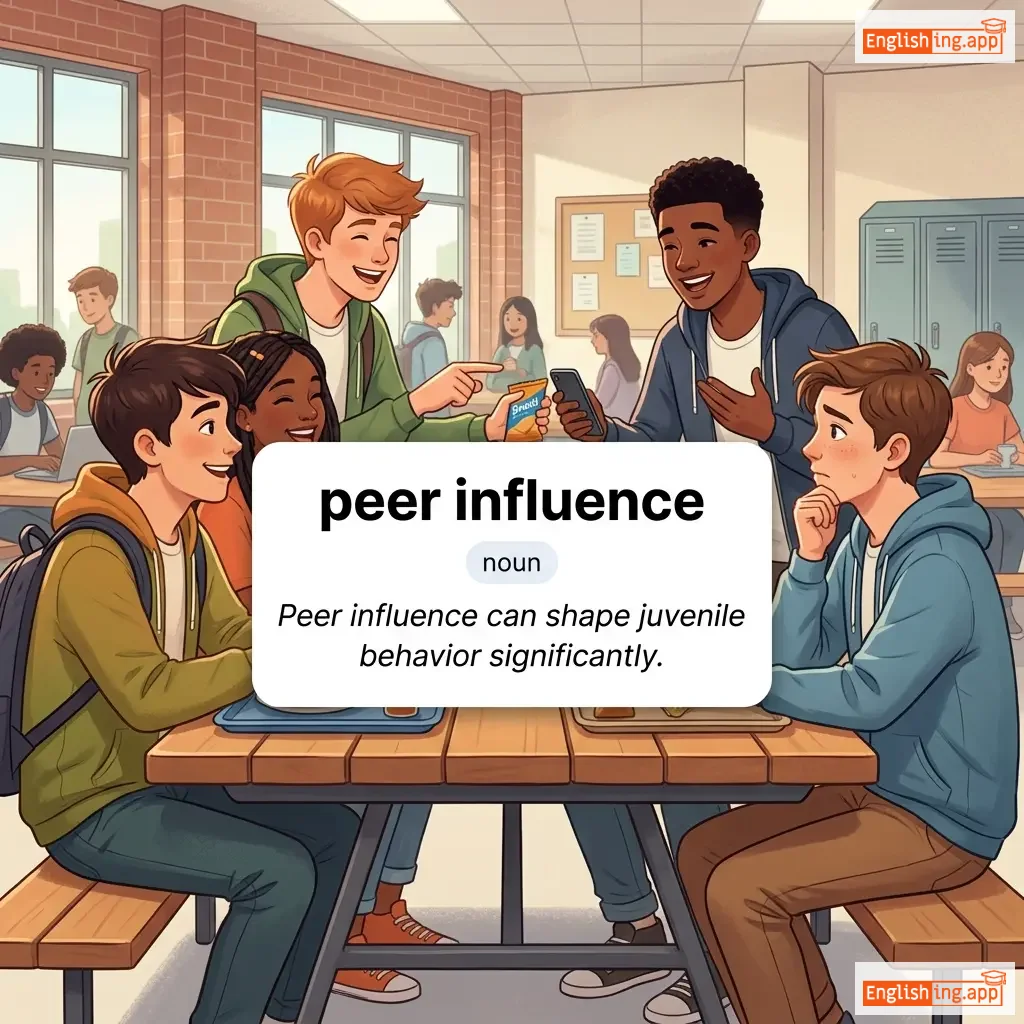
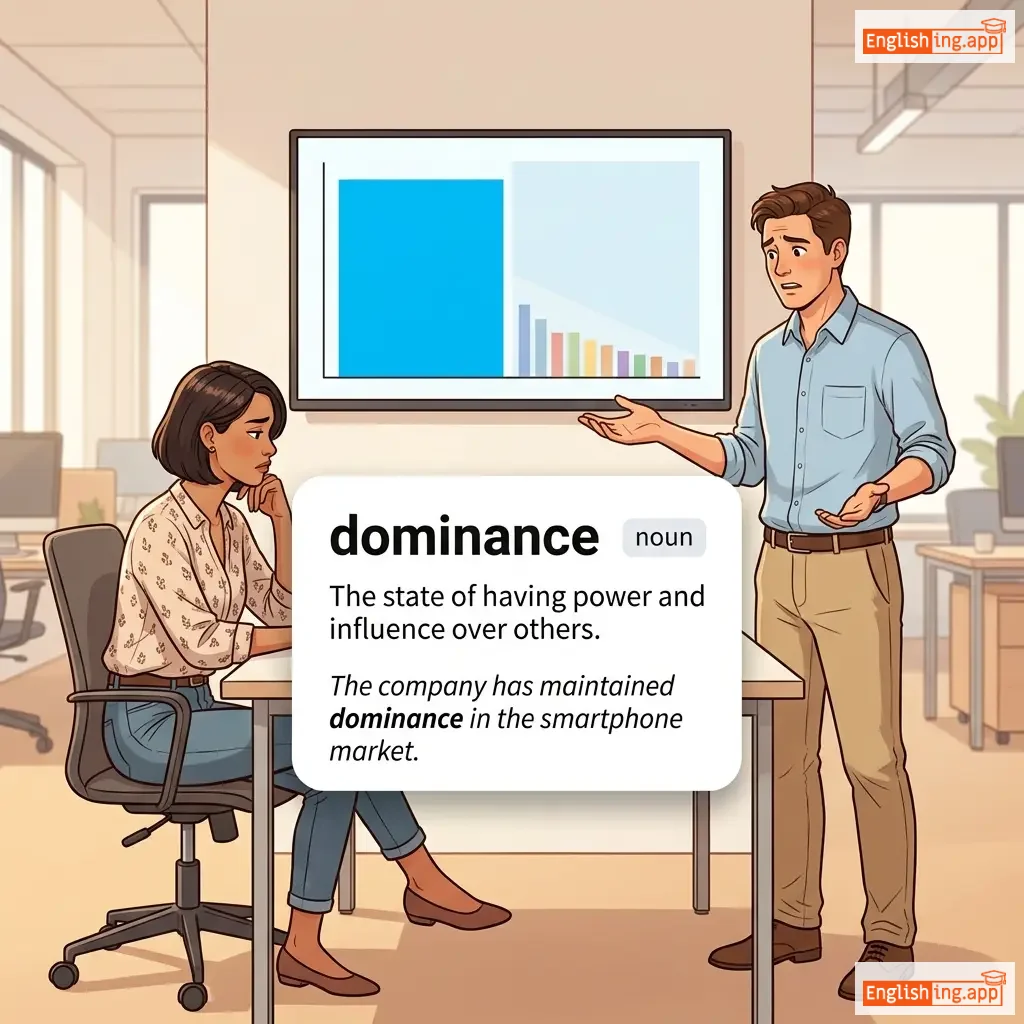
Peer influence 在青少年犯罪中极为重要。在这个年龄段,青少年希望摆脱家庭的 dominance,并与同龄人 unify。这种与邻居和伙伴的关系帮助他们 spontaneously acquire 不同的主题。但如果伴侣的性质是 unscrupulous,那么青少年可能会在他们的影响下成为犯罪倾向者。教育机构的 shortcomings 对青少年犯罪负有责任。缺乏 moral values 和基于 integrity 的教育在当今社会中非常突出。许多教育机构为教师提供 impartiality、诚实和 constructive recreation 的机会有限。结果,学生们感到 alienated 并开始表现出 counterproductive behaviors。例如,他们逃学并在街上 loiter,参与 substance abuse 和 eve teasing。Inadequate curricula 和 non-adaptive teaching methods 在青少年中产生了 discontent,这 propel 他们走向犯罪活动。
|
表情符号
|
单词 | Images | 含义 | 例句 | 同义词 | 反义词 |
|---|---|---|---|---|---|---|
|
#246
👥
|
pɪər ˈɪnfluəns
noun
••••••
|
|
The effect that members of a peer group have on each other, especially in terms of behavior, attitudes, and decision-making.
••••••
|
Peer influence can shape juvenile behavior significantly. |
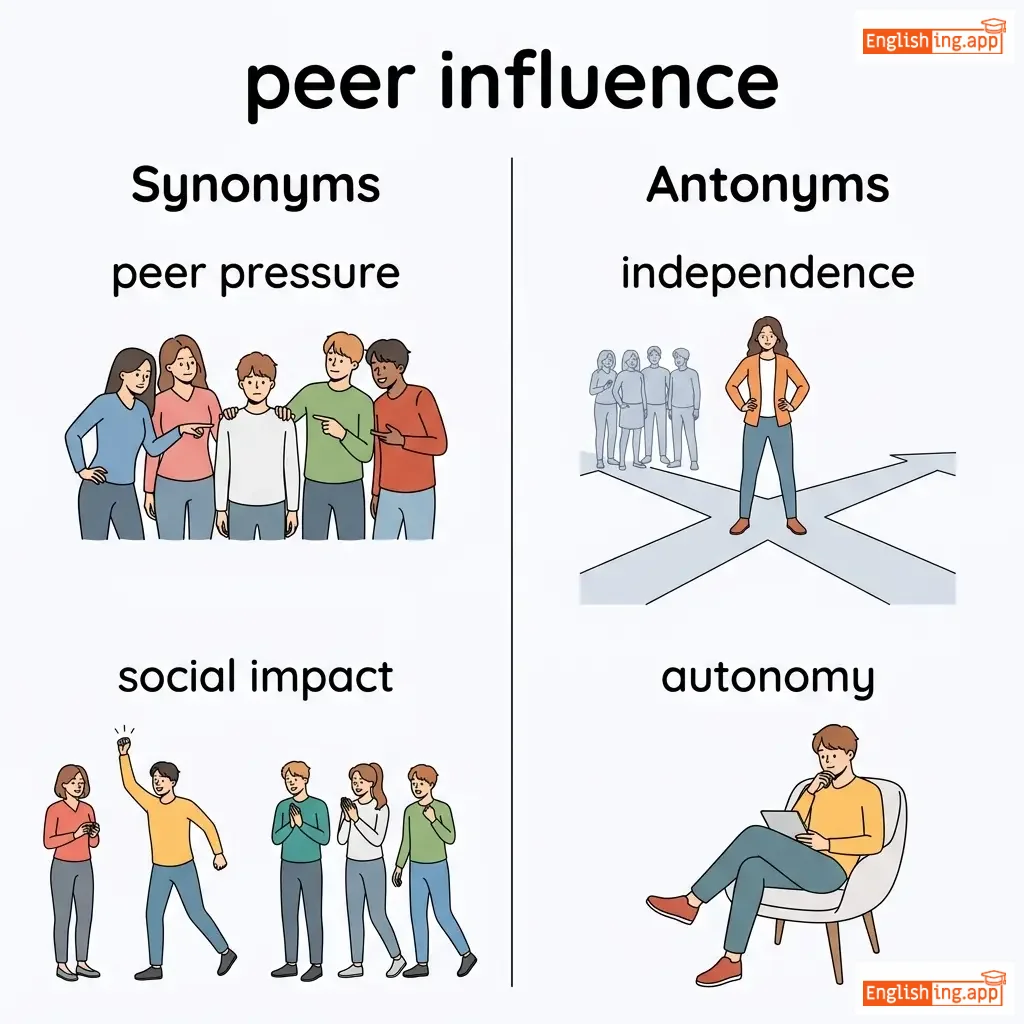
peer pressure, social impact
••••••
|
independence, autonomy
••••••
|
|
#247
👑
|
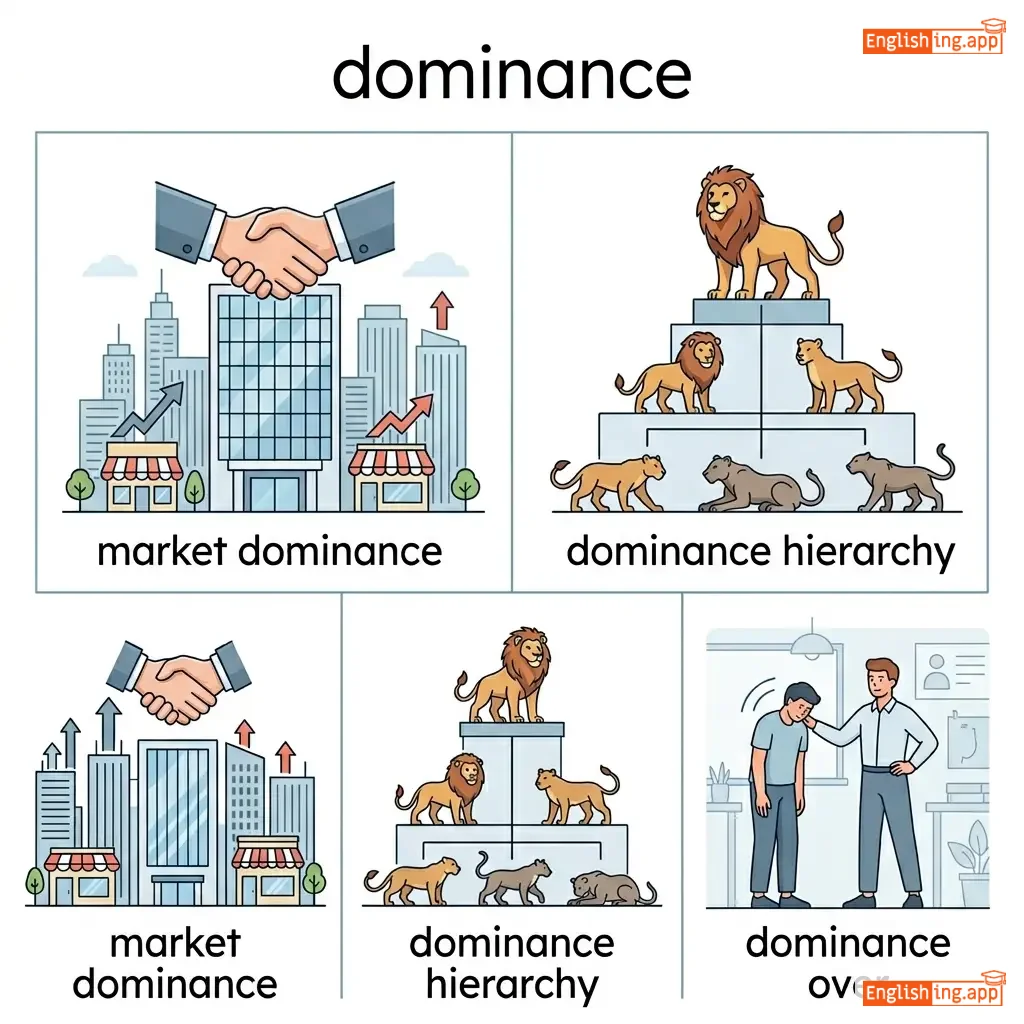
ˈdɒmɪnəns
noun
••••••
|
|
Power and influence over others; control or command over others.
••••••
|
Adolescents seek to escape parental dominance. |
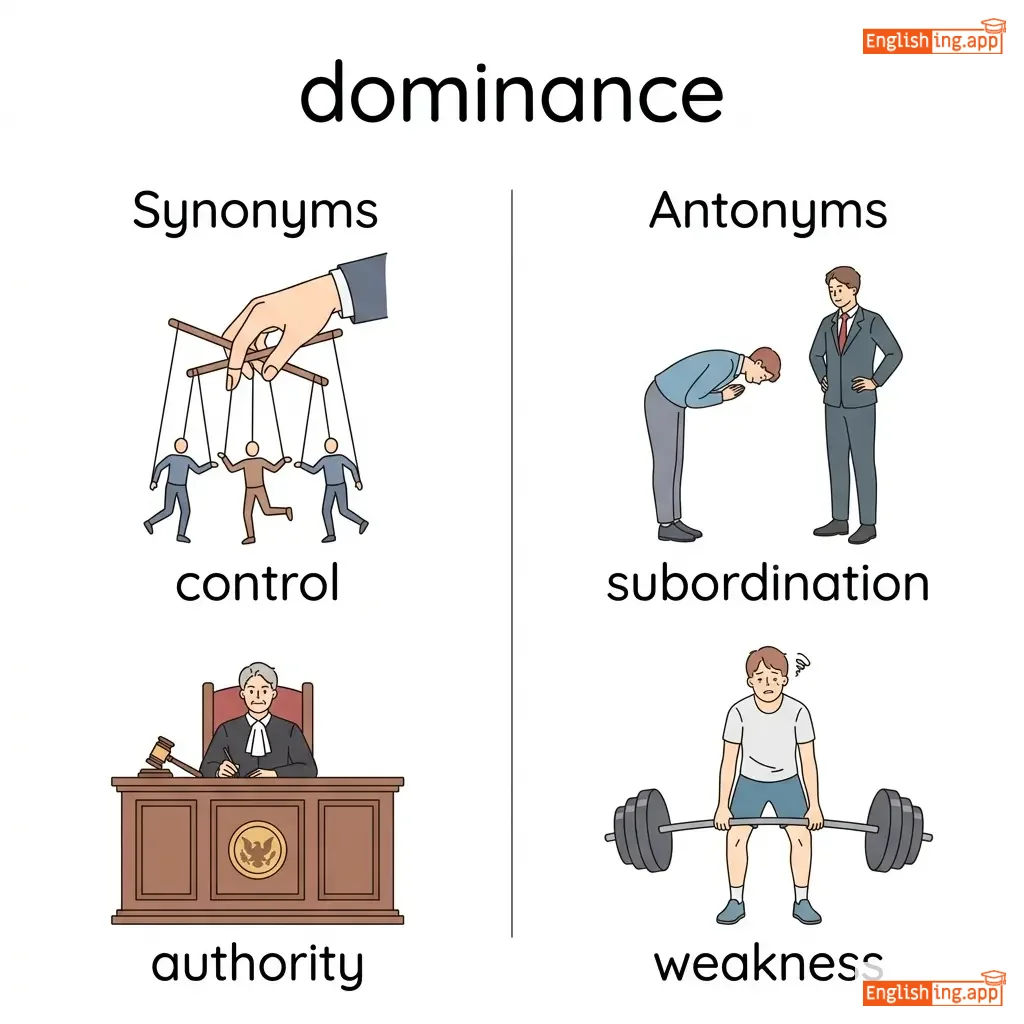
control, supremacy
••••••
|
subordination, inferiority
••••••
|
|
#248
🤝
|
ˈjuːnɪfaɪ
verb
••••••
|
|
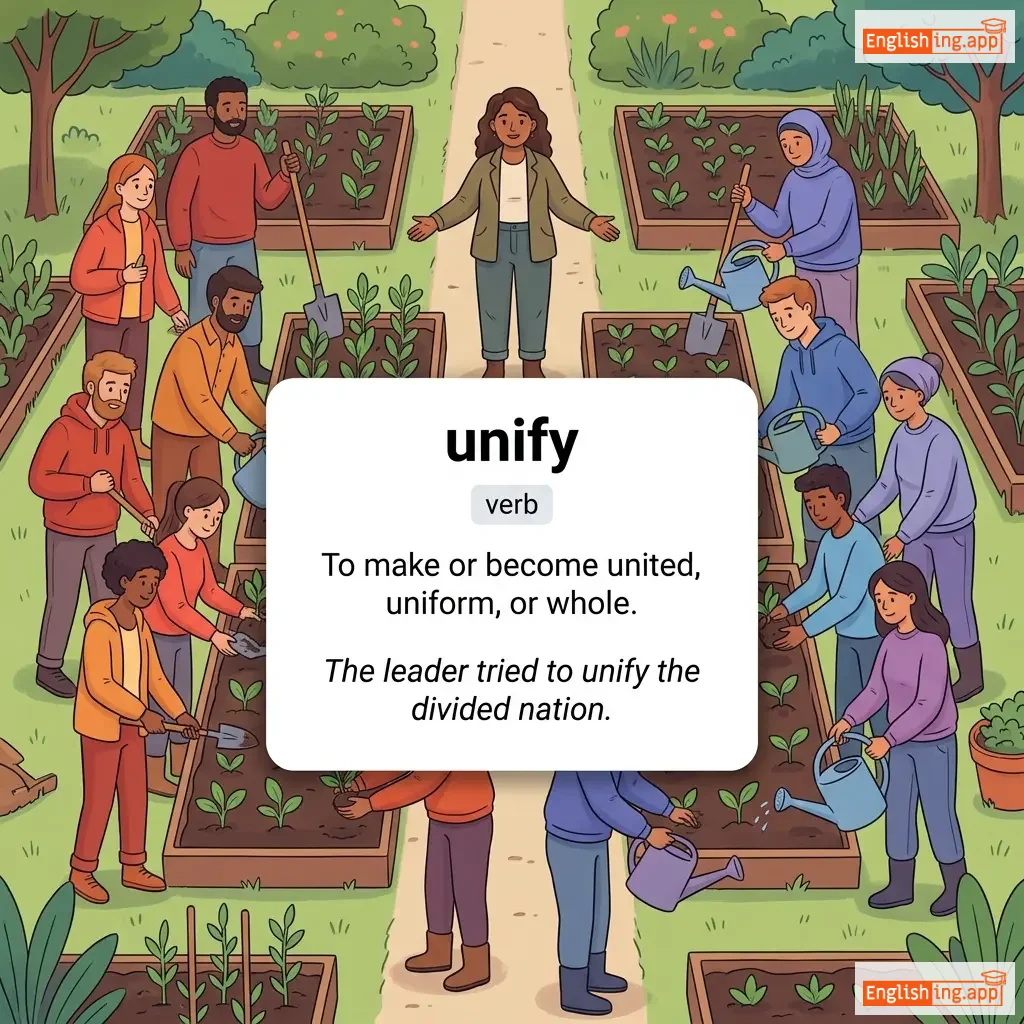
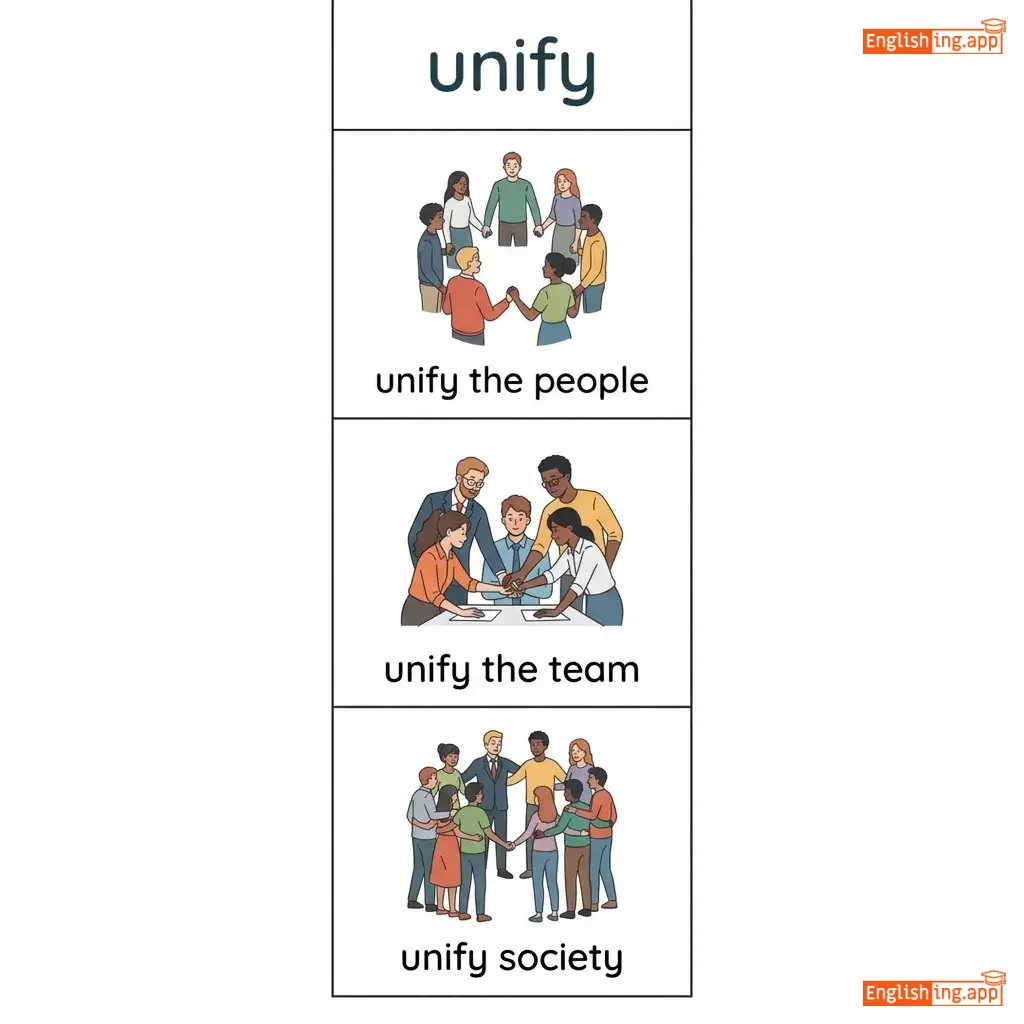
To make or become united, uniform, or whole; to bring together into a single unit.
••••••
|
Adolescents unify with peers for social acceptance. |
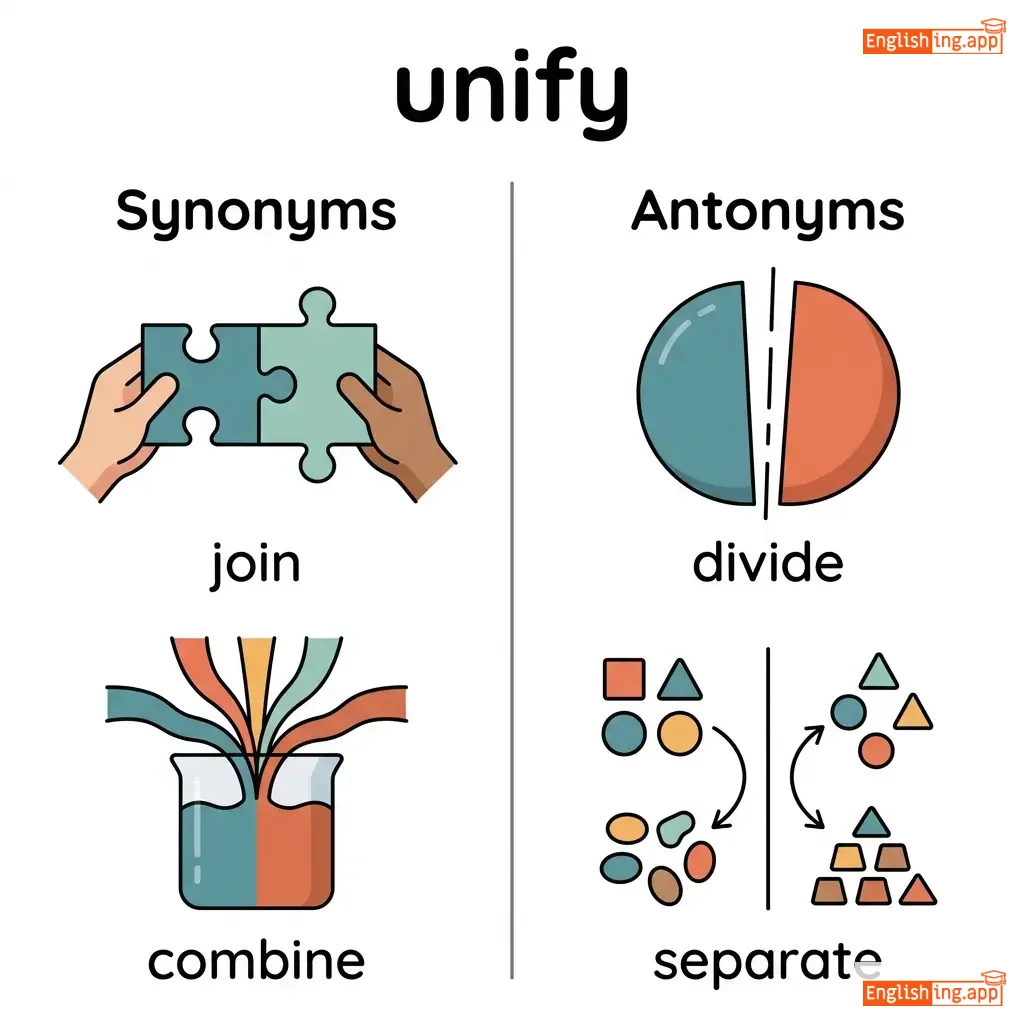
integrate, consolidate
••••••
|
divide, separate
••••••
|
|
#249
⚡
|
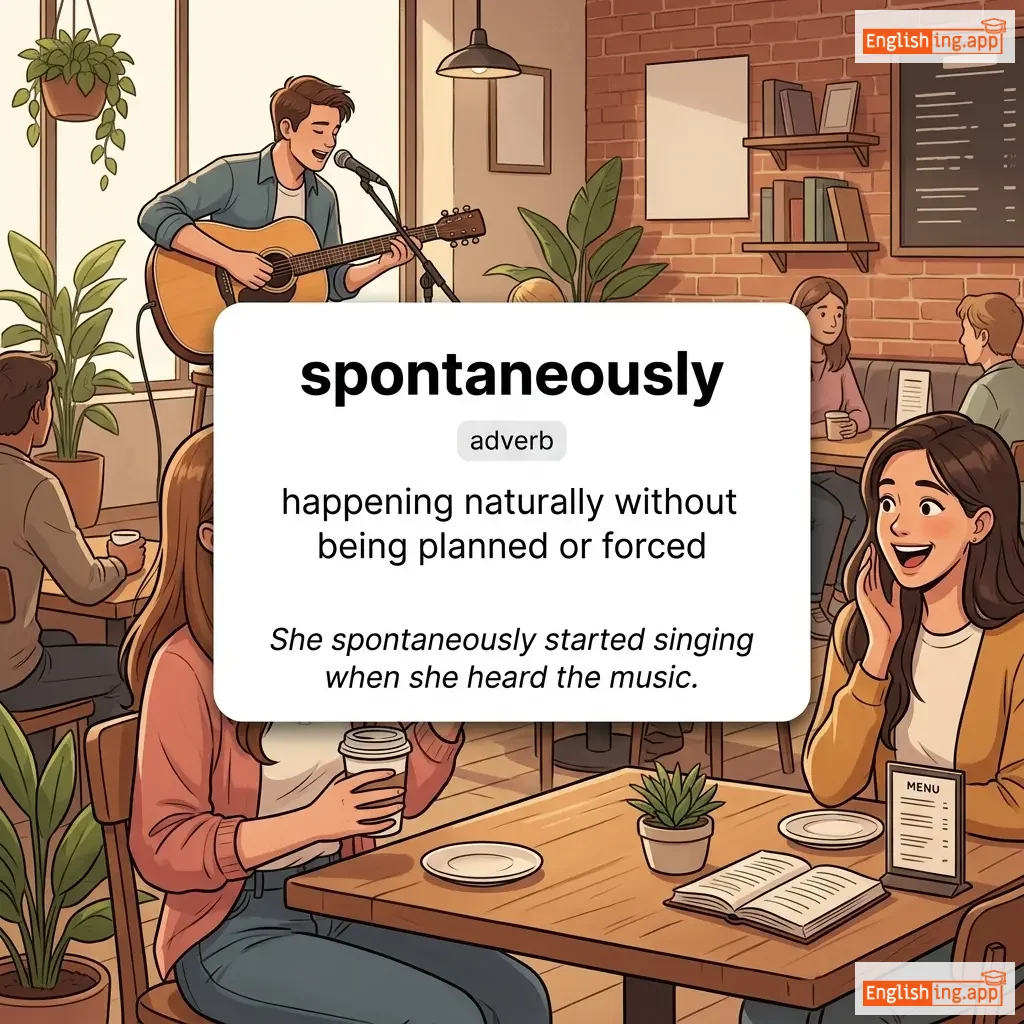
spɒnˈteɪnɪəsli
adverb
••••••
|
|
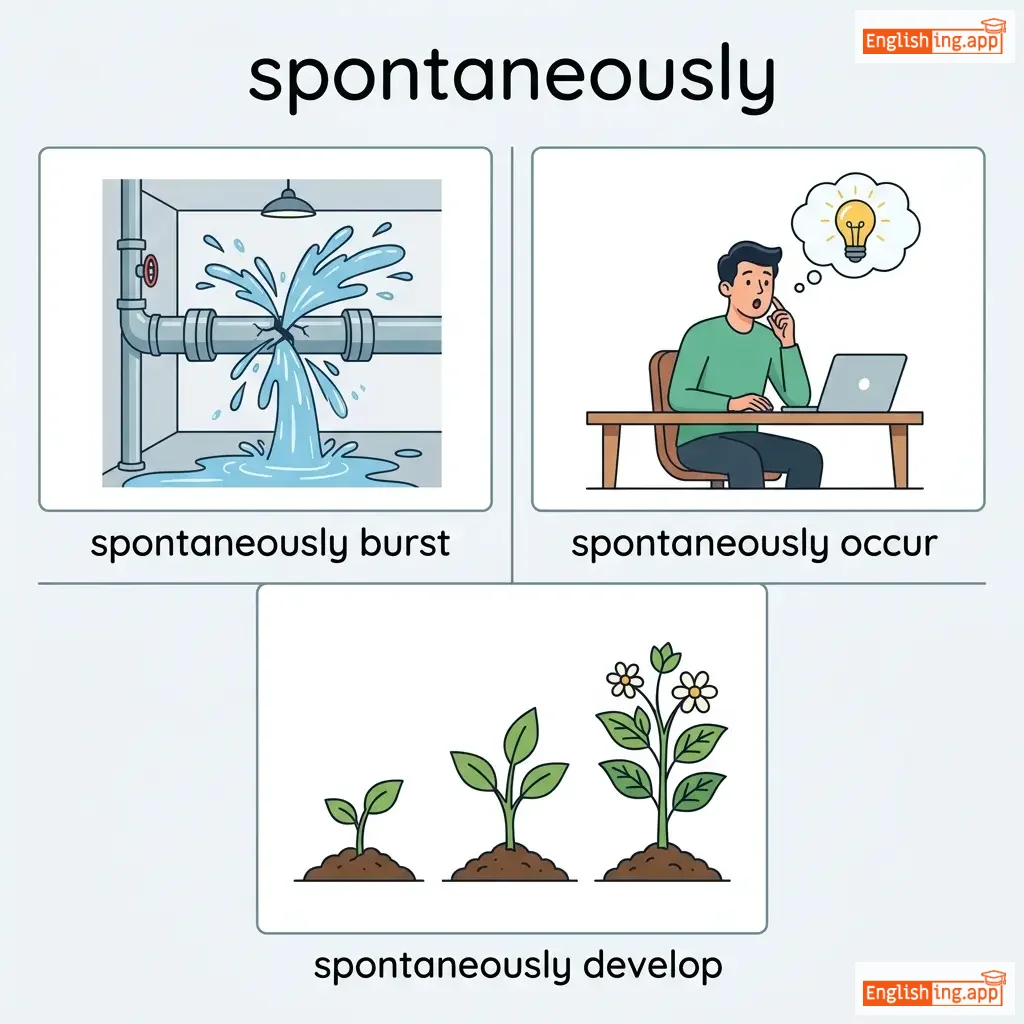
In a spontaneous way; naturally and without planning or external cause.
••••••
|
Children learn spontaneously through peer interactions. |
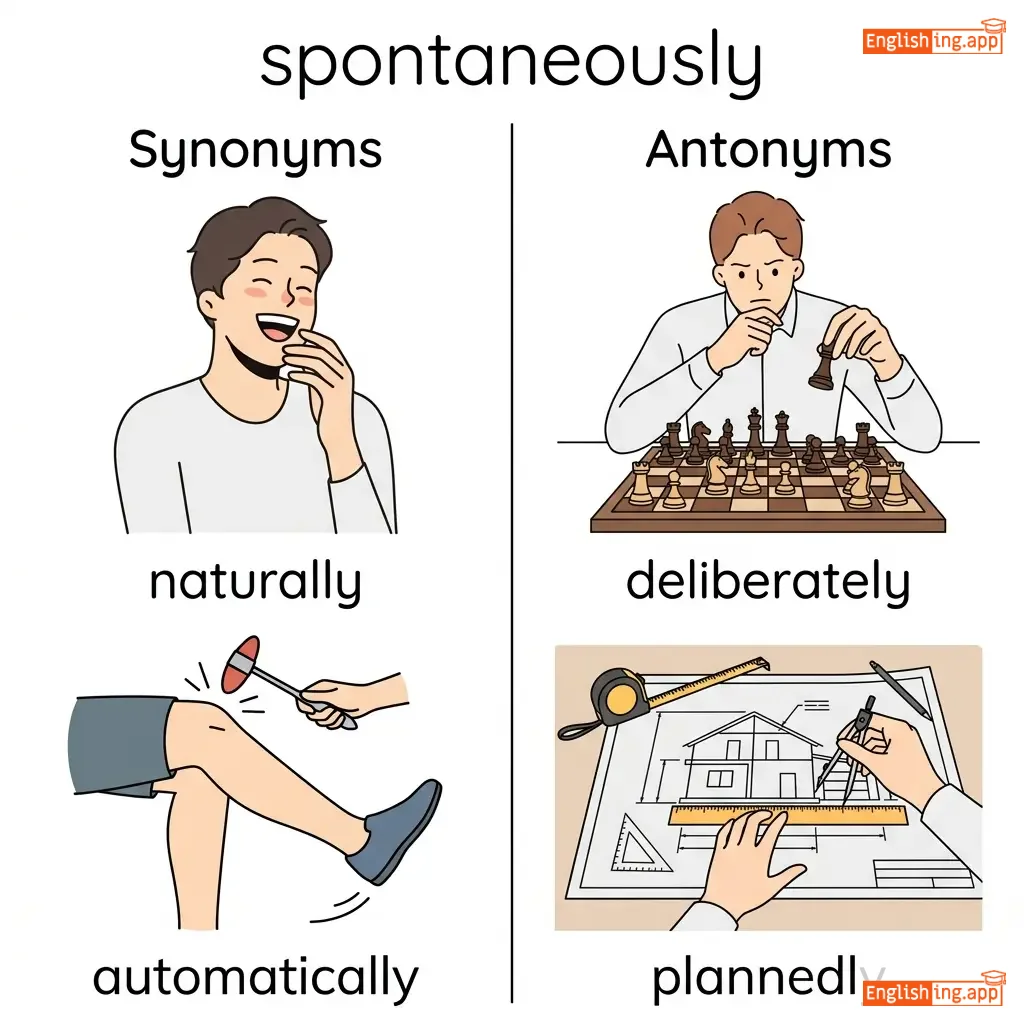
naturally, instinctively
••••••
|
deliberately, hesitantly
••••••
|
|
#250
📚
|
əˈkwaɪə
verb
••••••
|


|
To buy or obtain (an object or asset) for oneself; to learn or develop (a skill, habit, or quality).
••••••
|
Students acquire knowledge through various methods. |
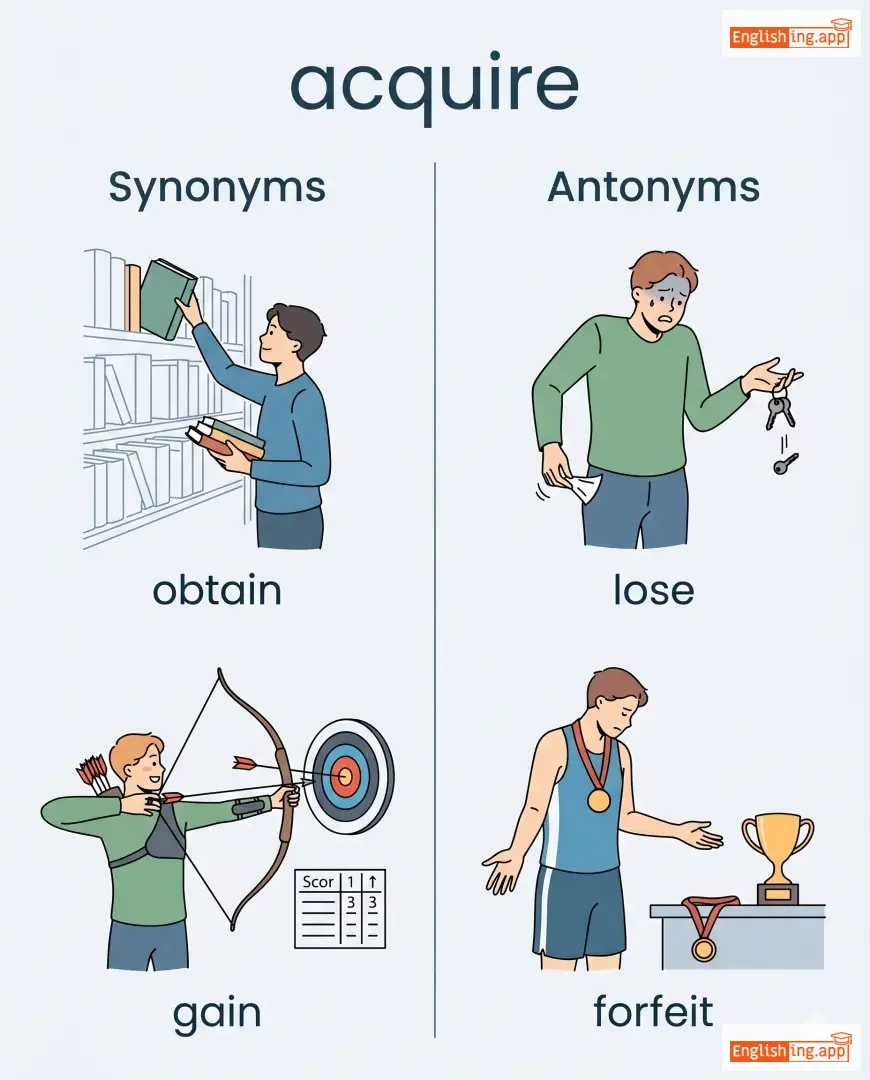
obtain, gain, learn
••••••
|
lose, forfeit, dispose
••••••
|
|
#251
😈
|
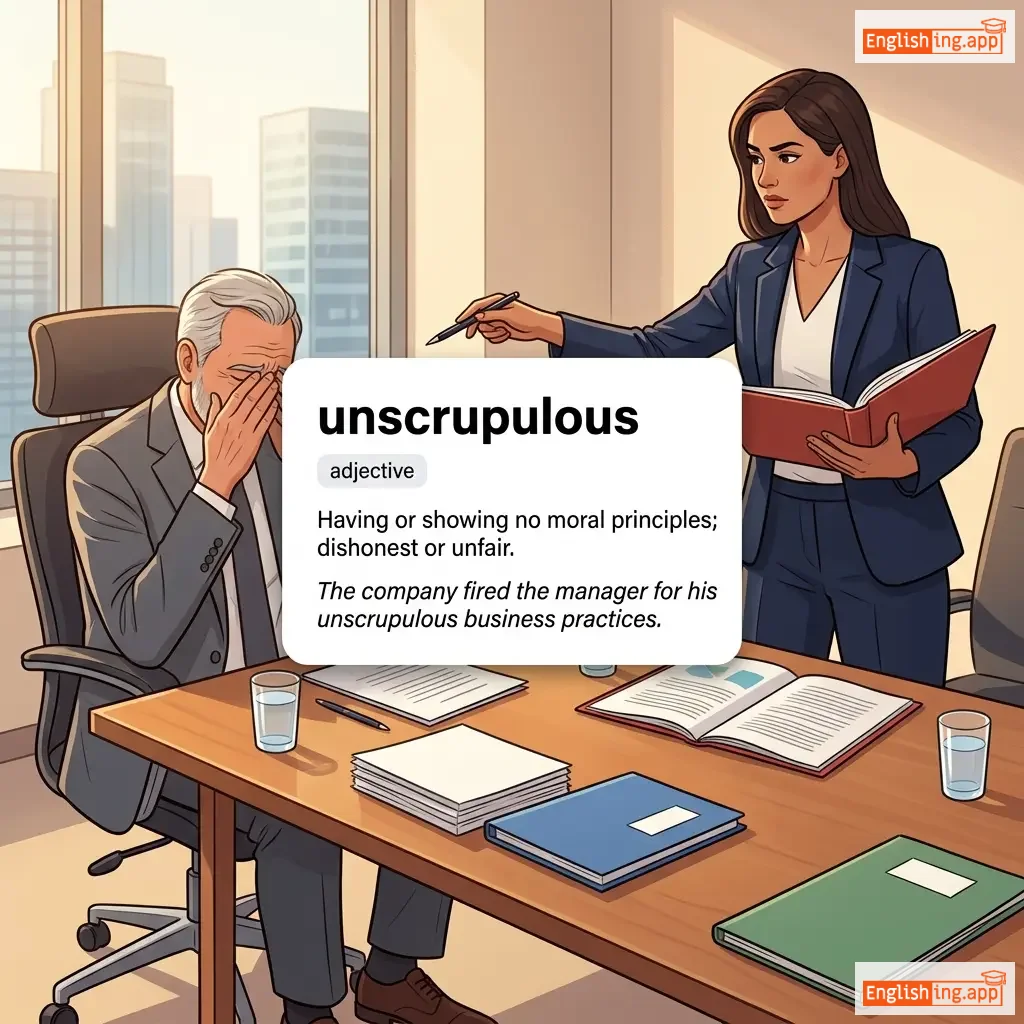
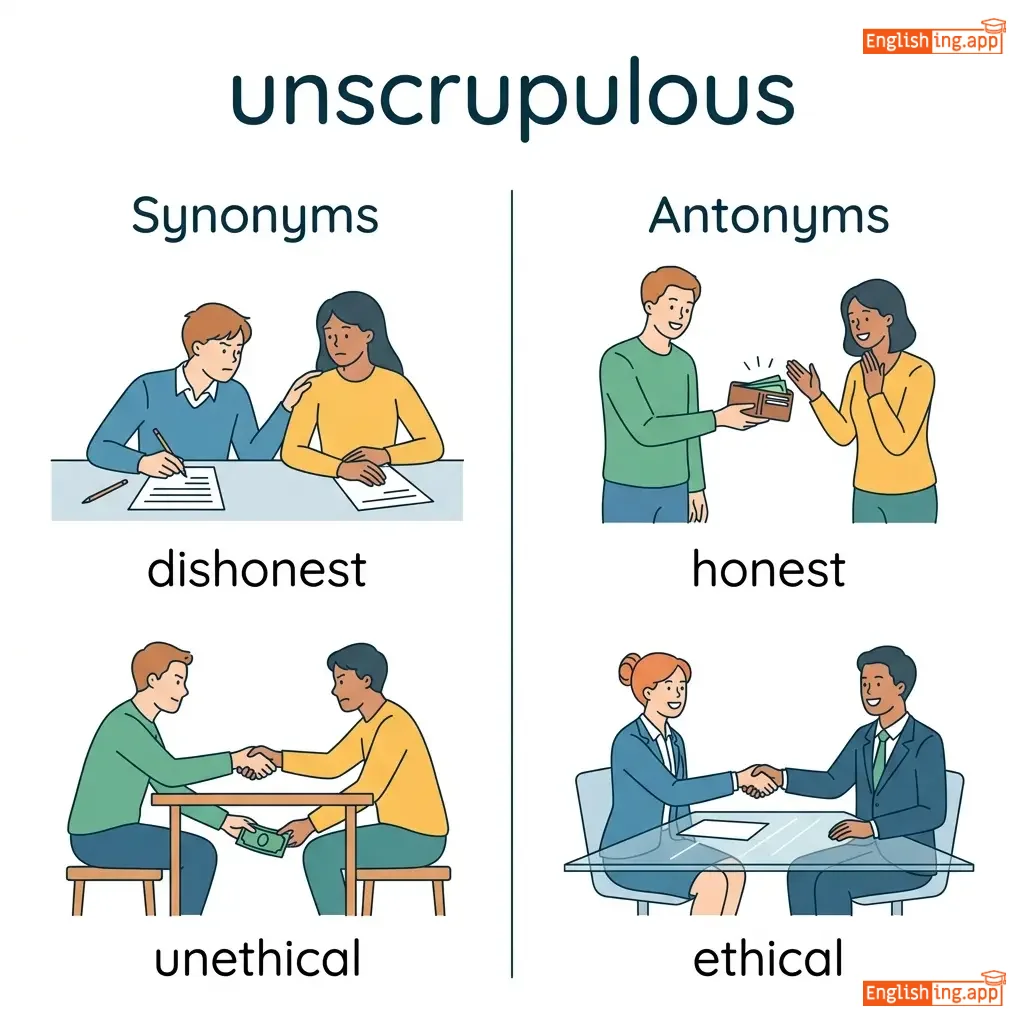
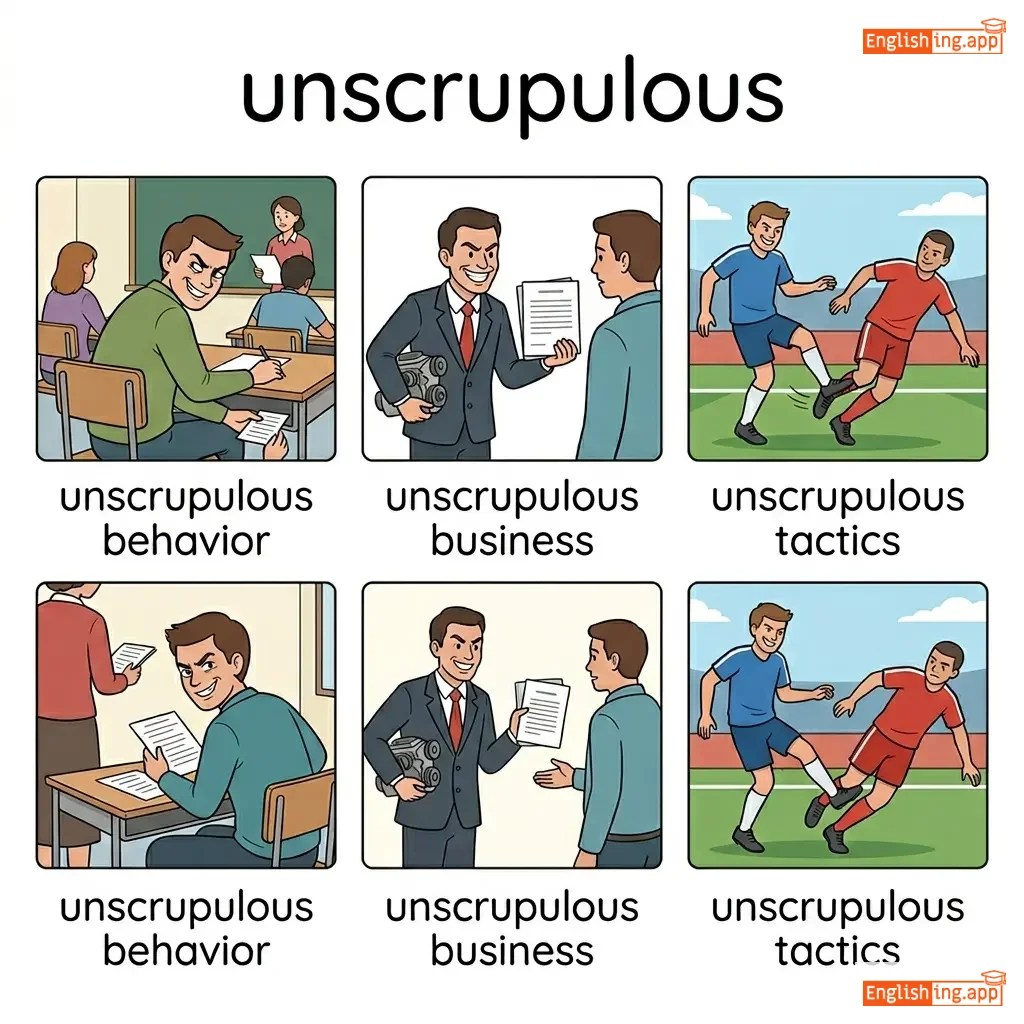
ʌnˈskruːpjʊləs
adjective
••••••
|
|
Having or showing no moral principles; not honest or fair.
••••••
|
Unscrupulous peers can lead adolescents to delinquency. |
immoral, deceitful
••••••
|
ethical, honest
••••••
|
|
#252
⚠️
|
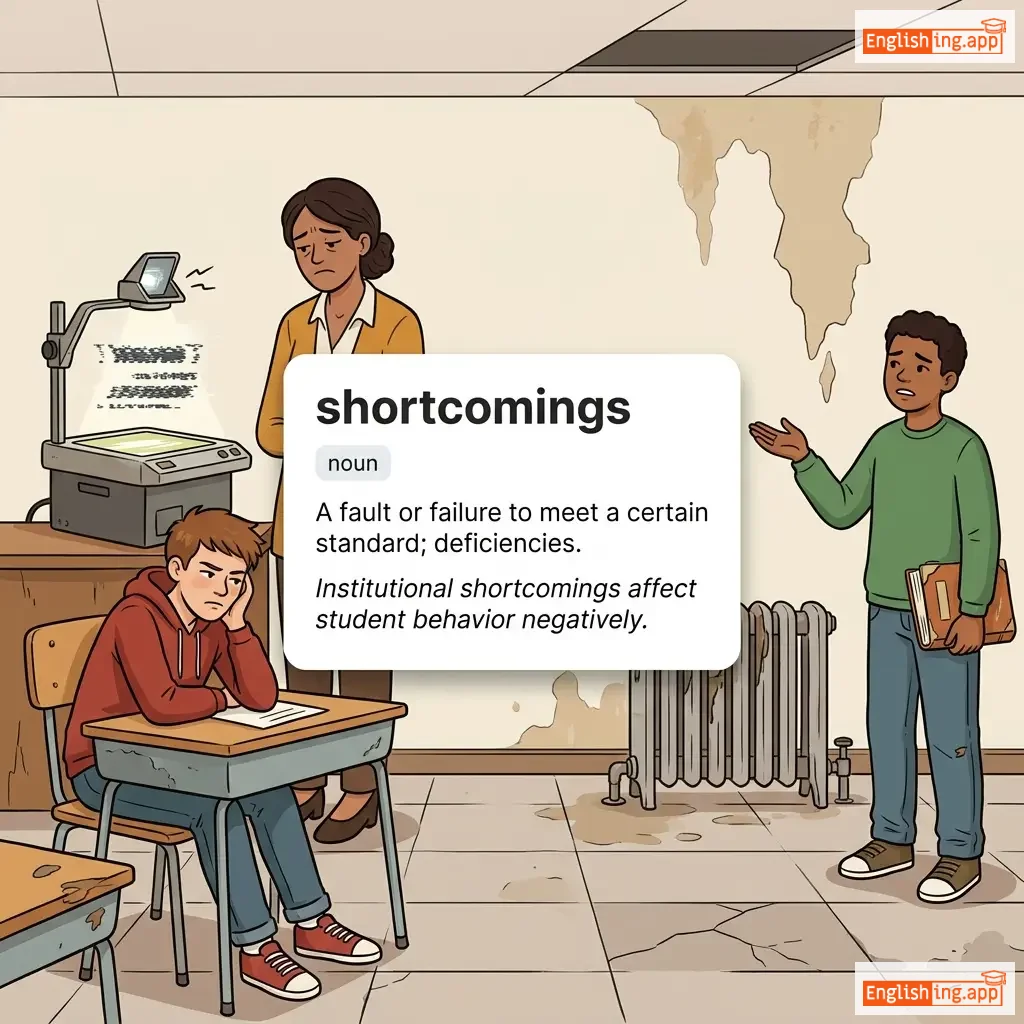
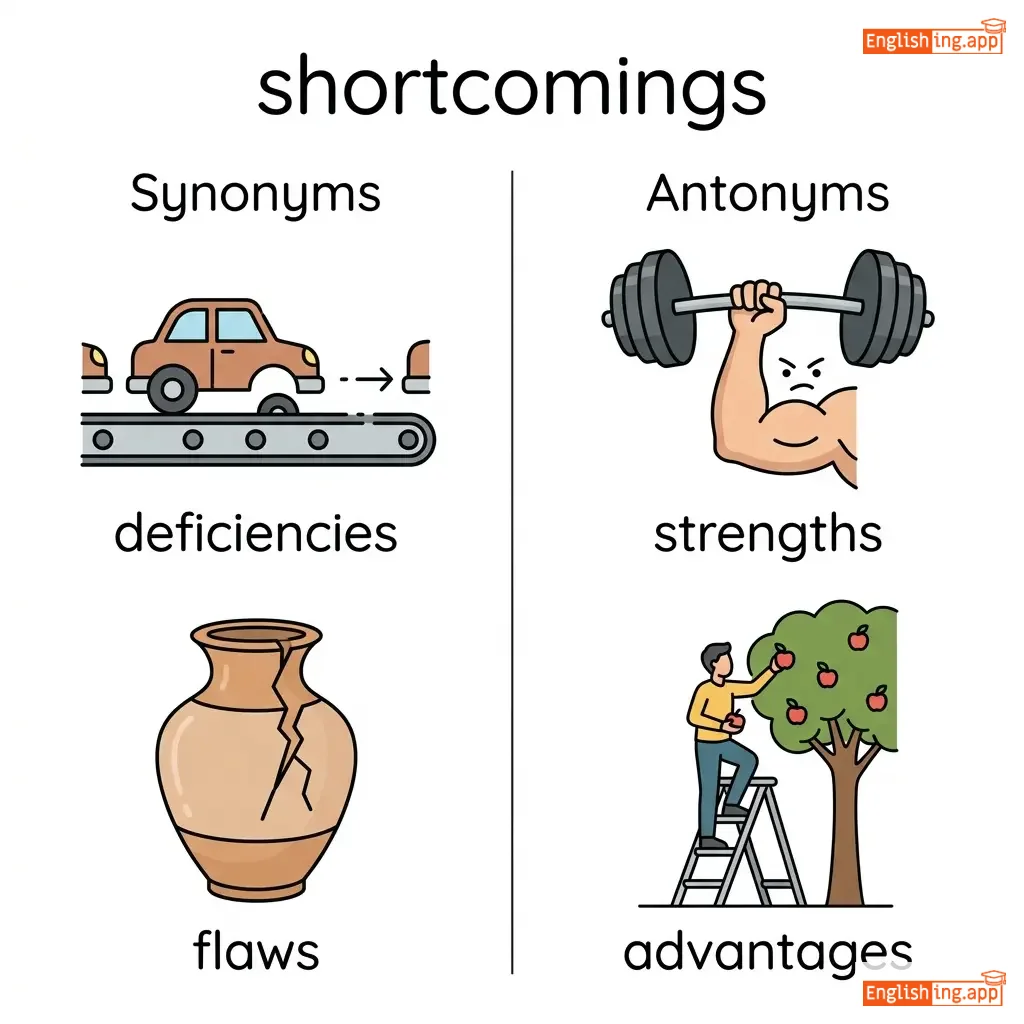
ˈʃɔːtkʌmɪŋz
noun
••••••
|
|
A fault or failure to meet a certain standard; deficiencies.
••••••
|
Institutional shortcomings affect student behavior negatively. |
deficiencies, flaws
••••••
|
strengths, advantages
••••••
|
|
#253
🏆
|
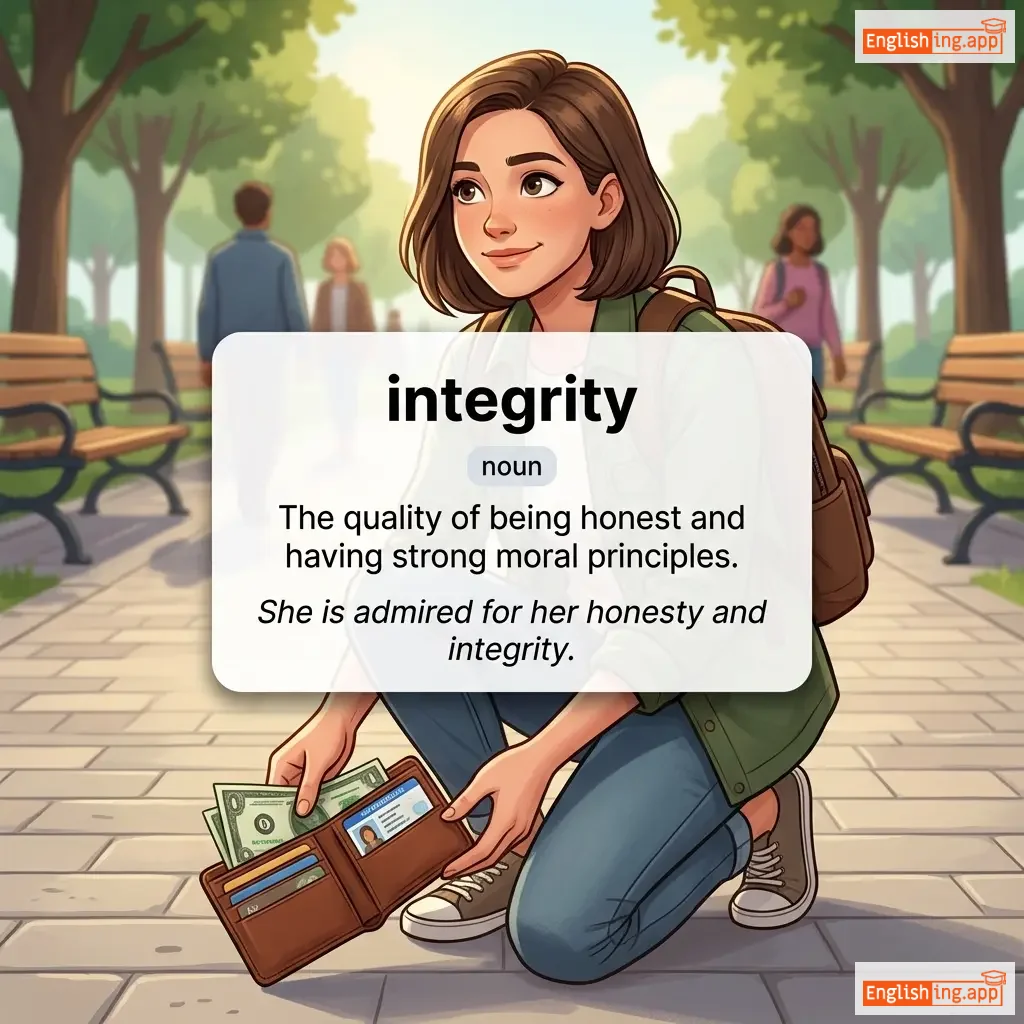
ɪnˈtɛɡrɪti
noun
••••••
|

|
The quality of being honest and having strong moral principles; moral uprightness.
••••••
|
Teachers' integrity fosters a positive learning environment. |
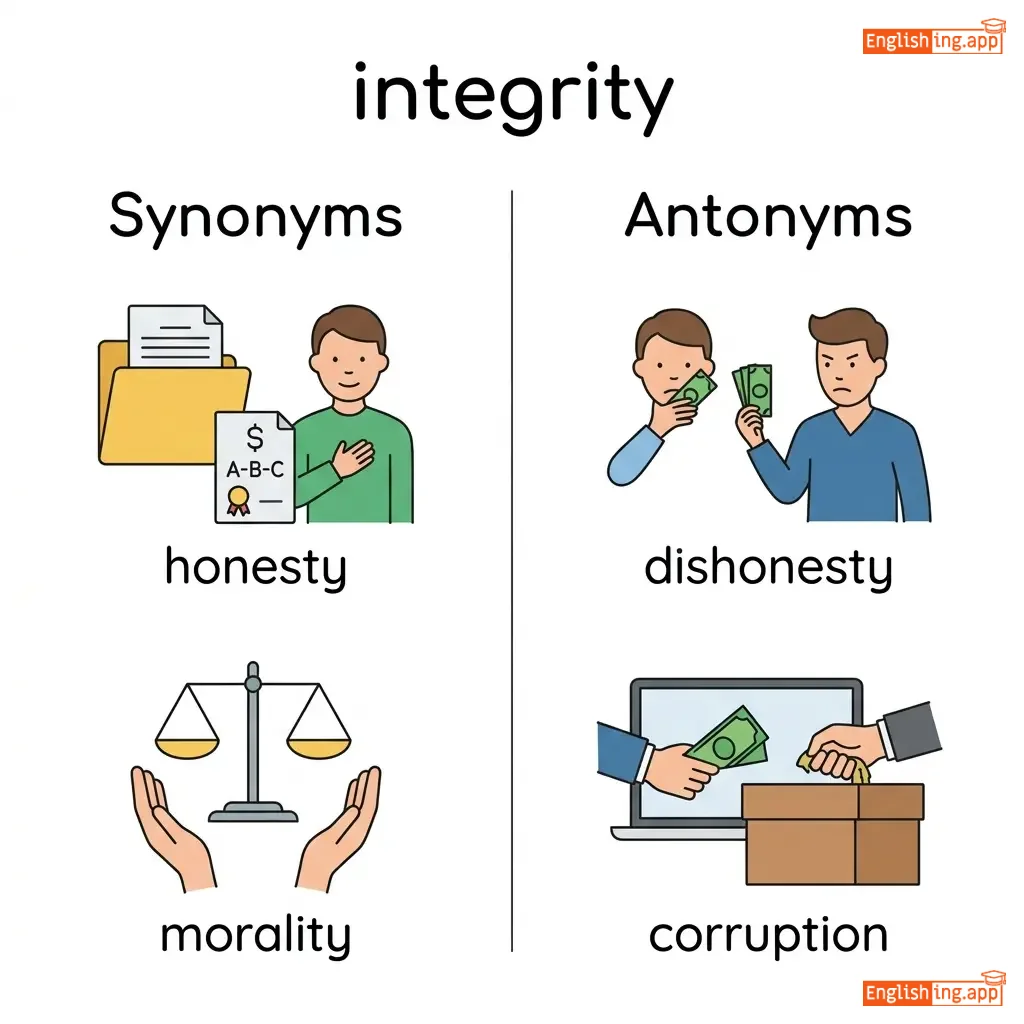
honesty, uprightness
••••••
|
dishonesty, corruption
••••••
|
|
#254
😔
|
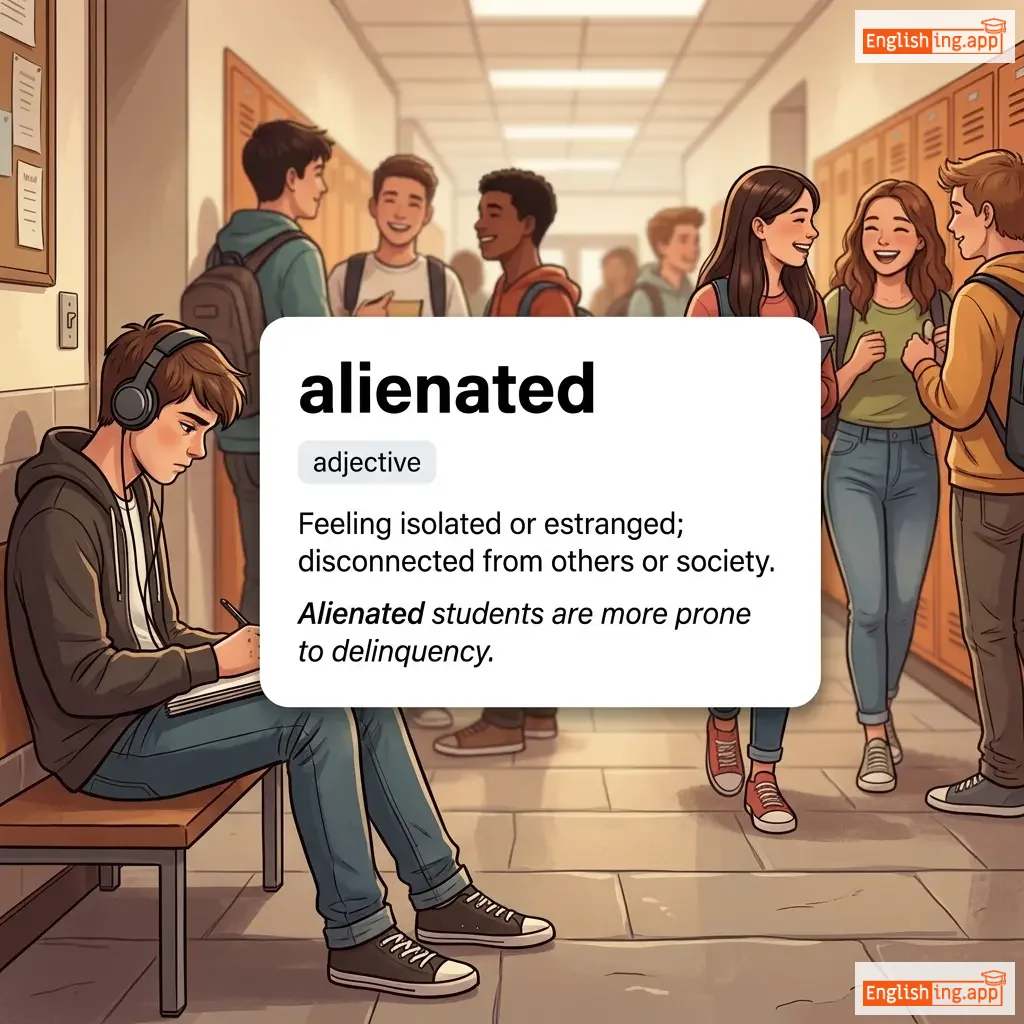
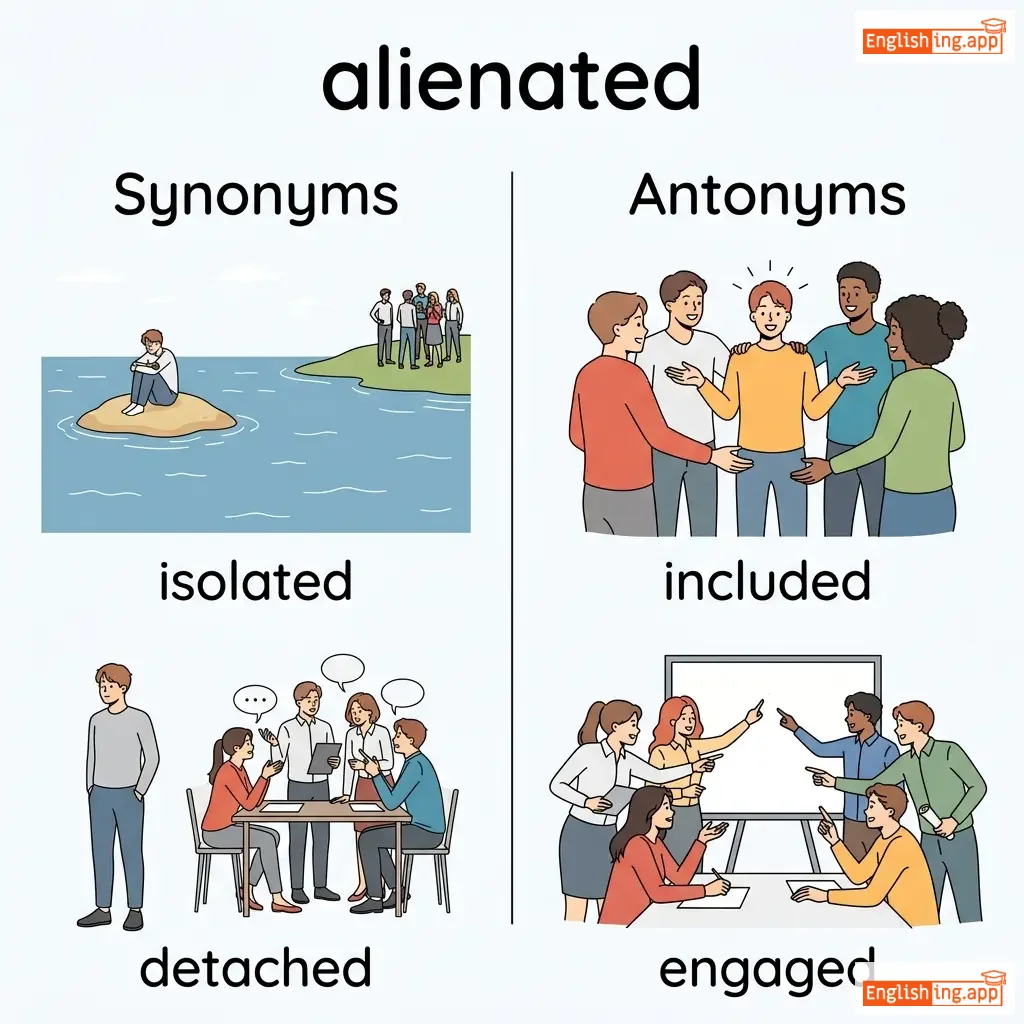
ˈeɪlɪəneɪtɪd
adjective
••••••
|
|
Feeling isolated or estranged; disconnected from others or society.
••••••
|
Alienated students are more prone to delinquency. |
isolated, detached
••••••
|
included, engaged
••••••
|
|
#255
🔄
|
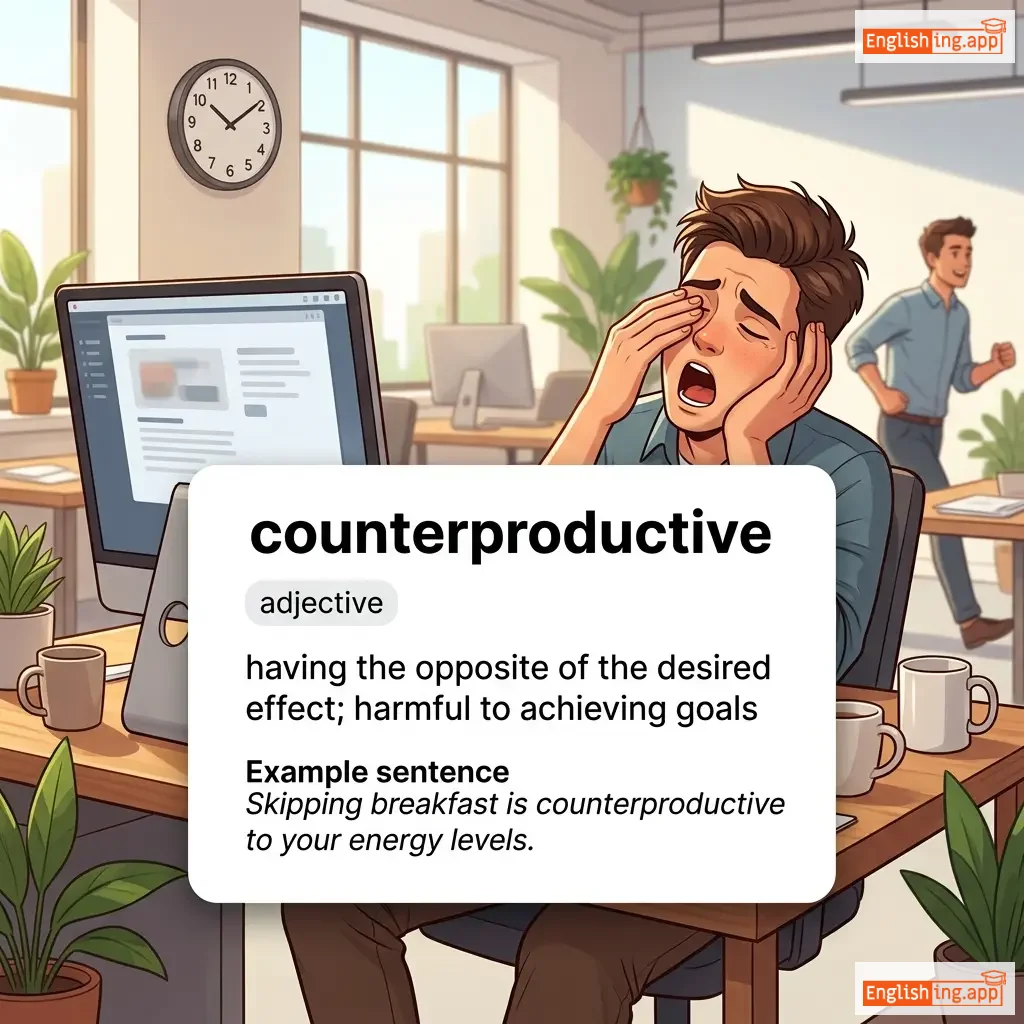
ˌkaʊntəprəˈdʌktɪv
adjective
••••••
|
|
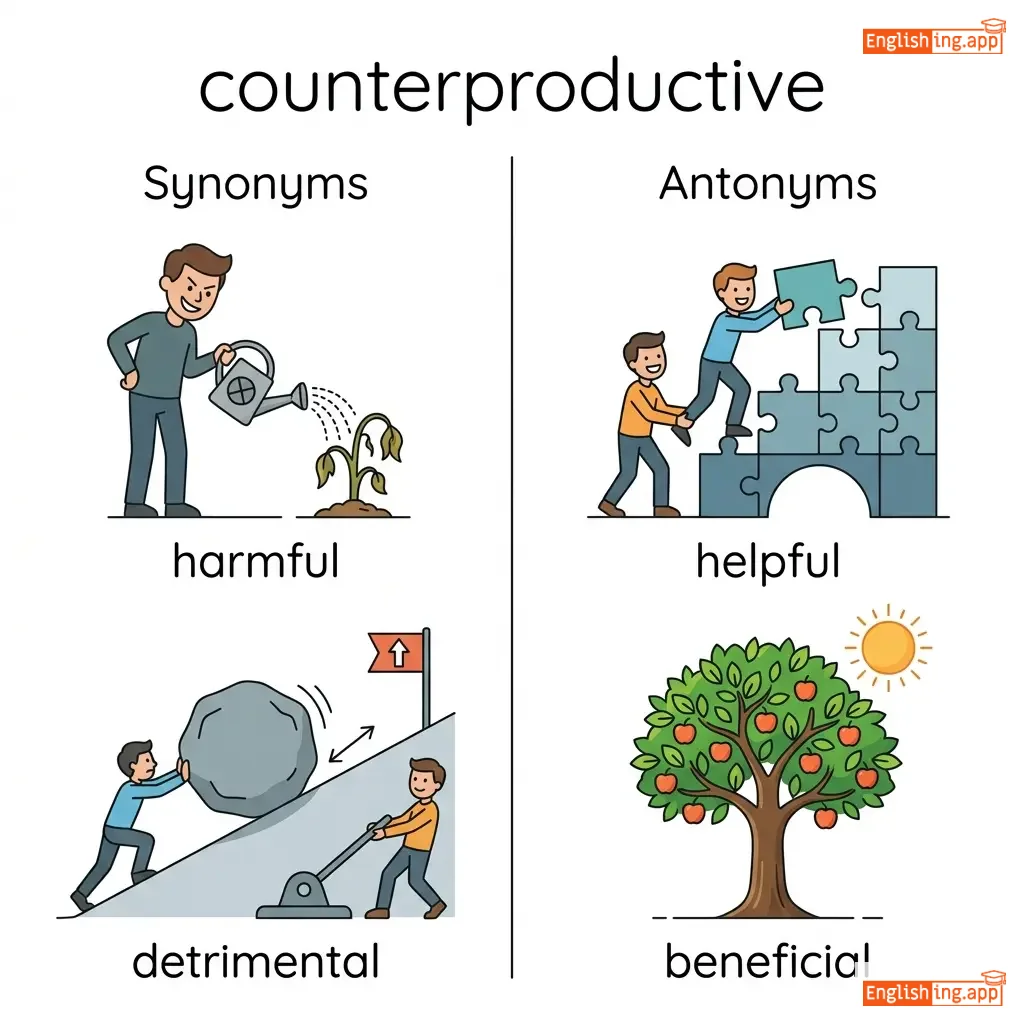
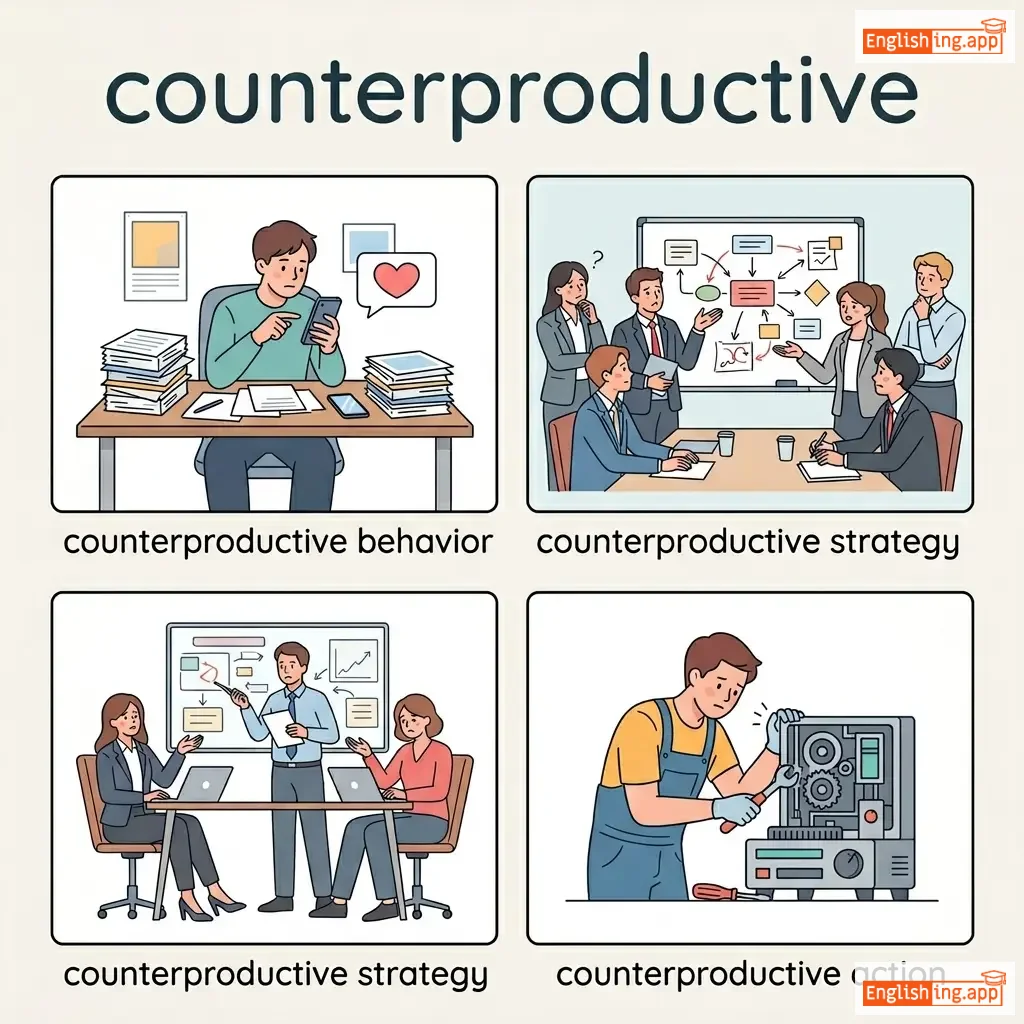
Having the opposite of the desired effect; tending to hinder rather than help.
••••••
|
Counterproductive activities often stem from dissatisfaction. |
detrimental, inefficient
••••••
|
beneficial, constructive
••••••
|
|
#256
🚀
|
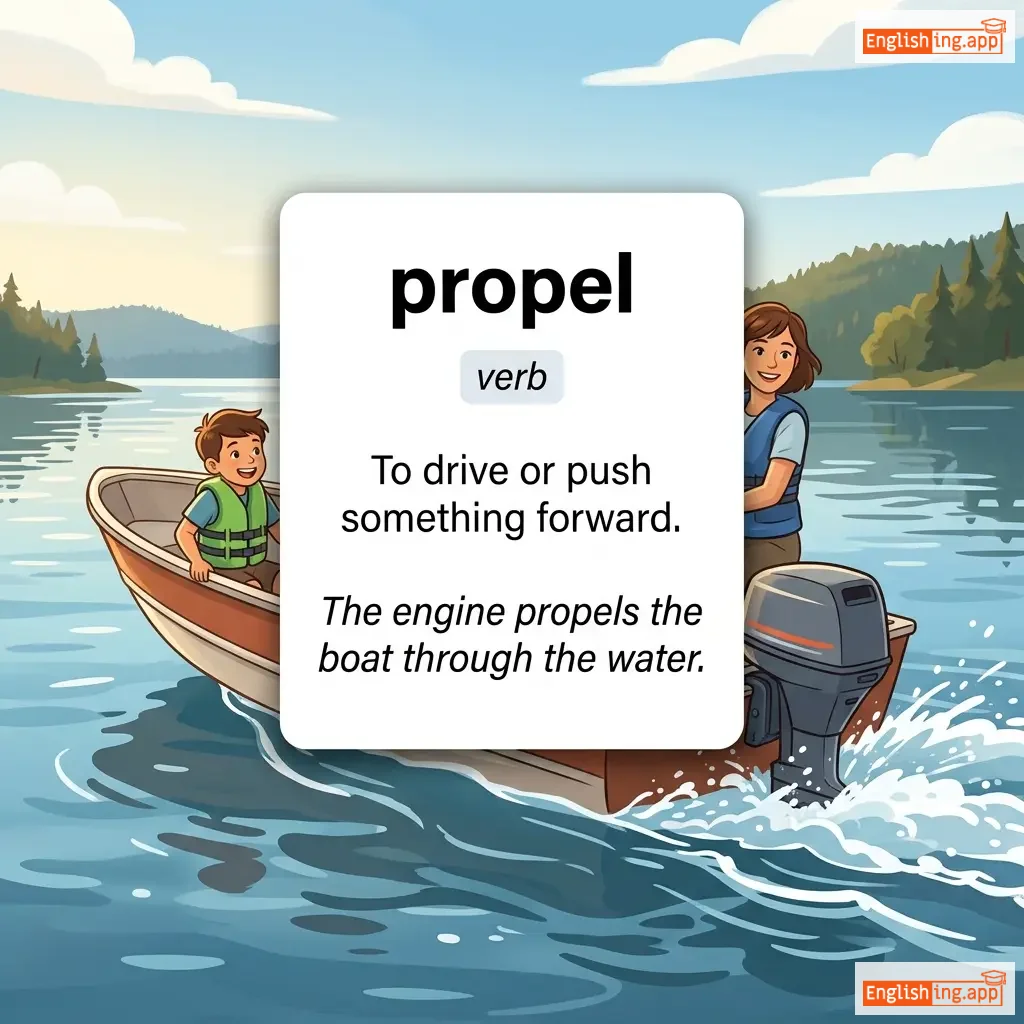
prəˈpel
verb
••••••
|
|
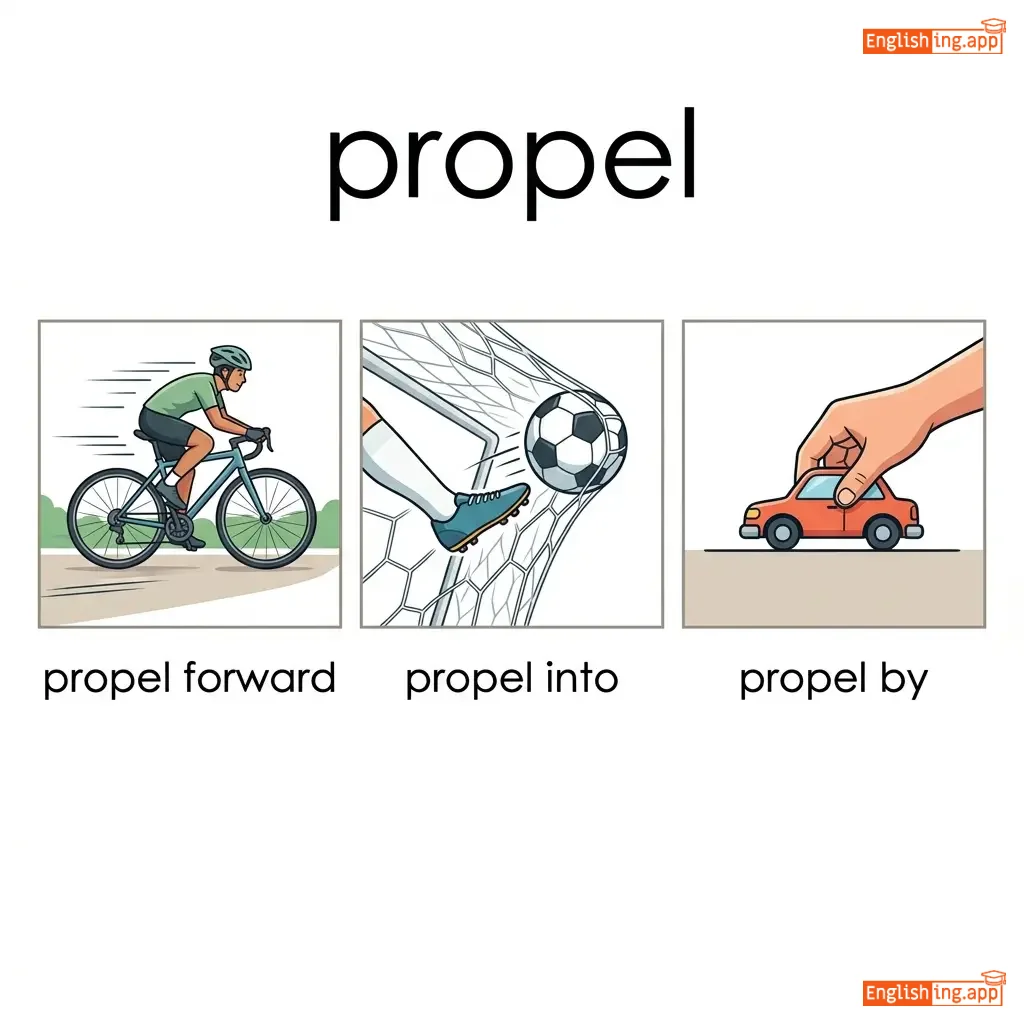
To drive, push, or cause to move in a particular direction, typically forward.
••••••
|
Lack of proper guidance can propel adolescents toward delinquency. |
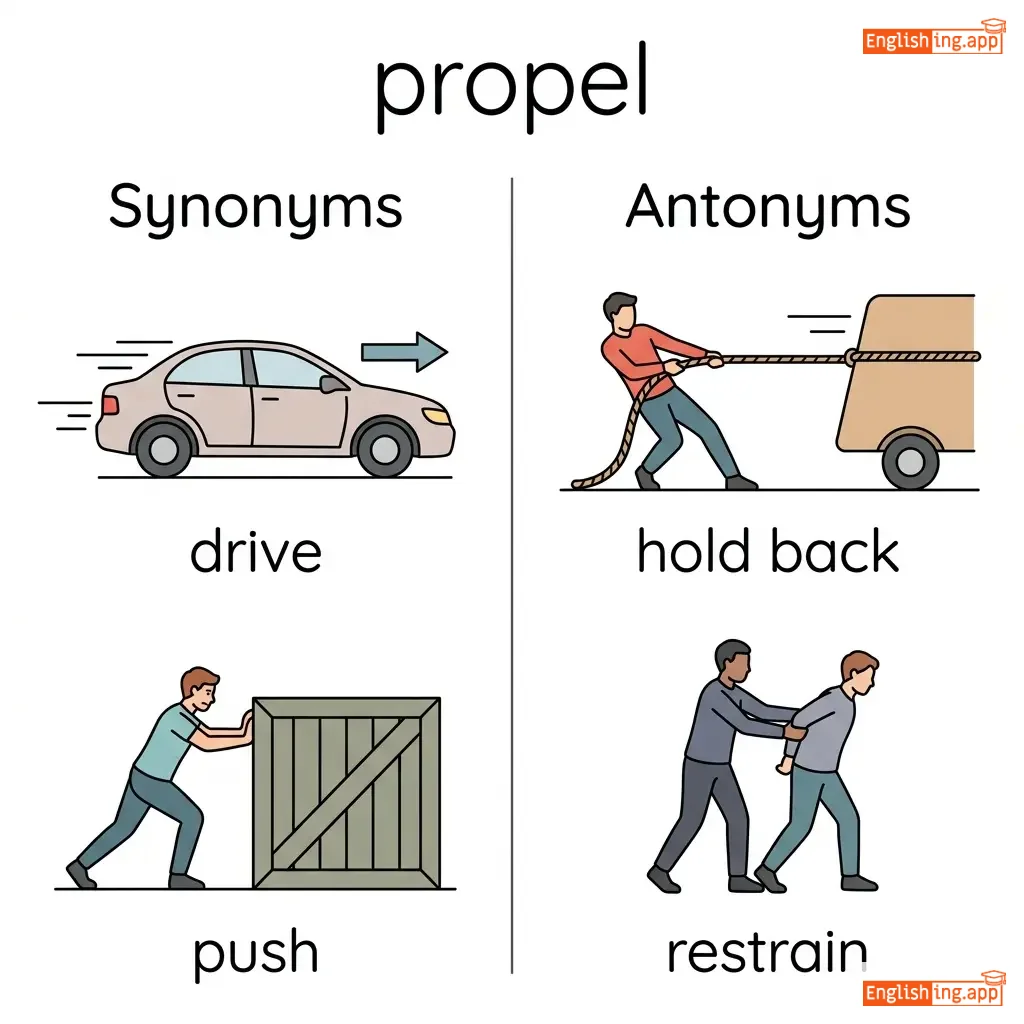
drive, push
••••••
|
hinder, restrain
••••••
|

