Causes and Prevention of Juvenile Crime
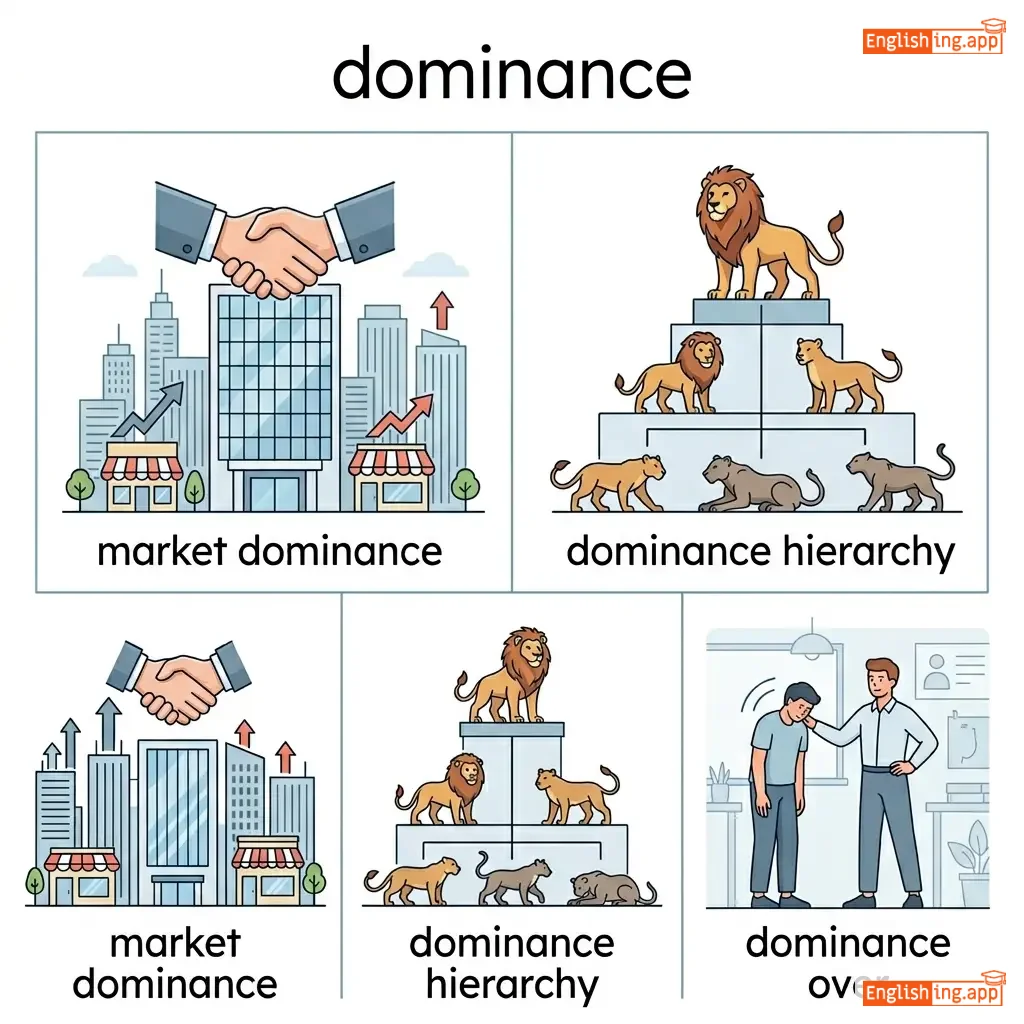
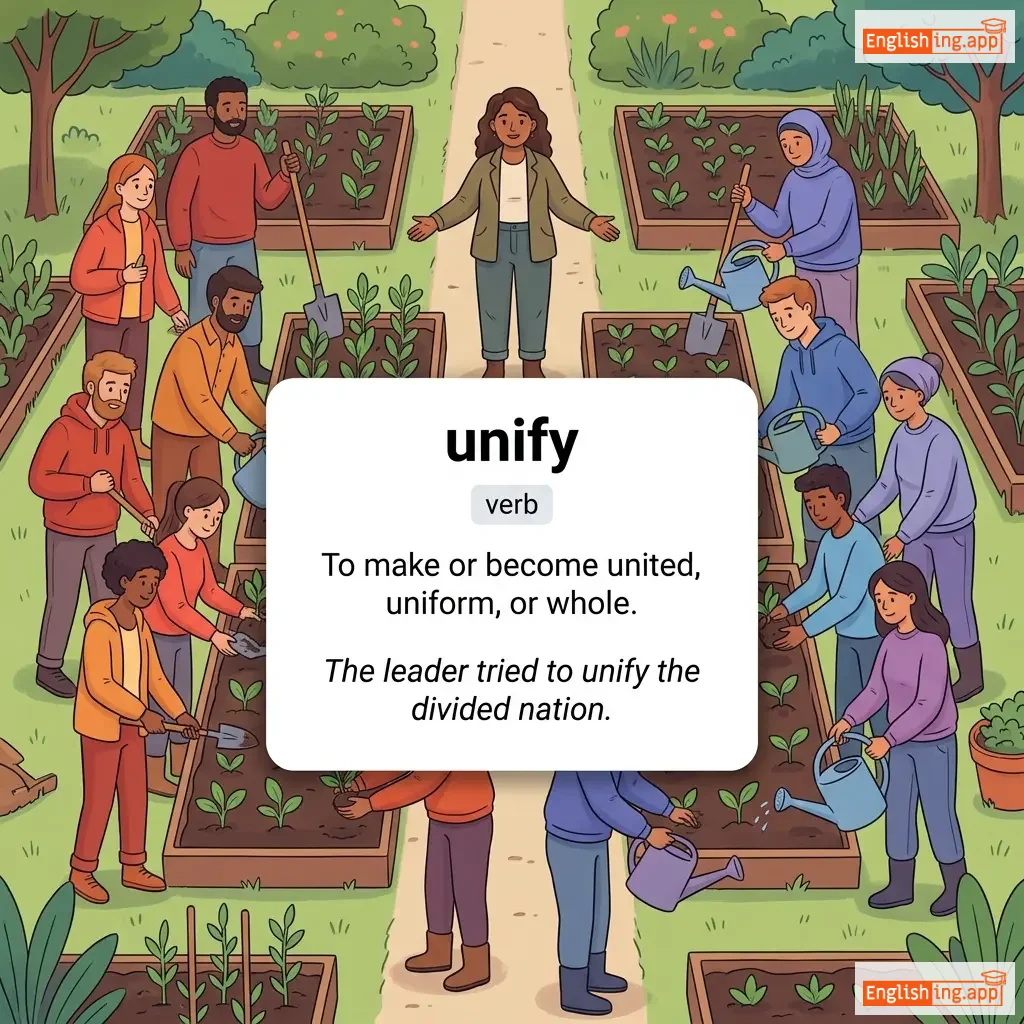
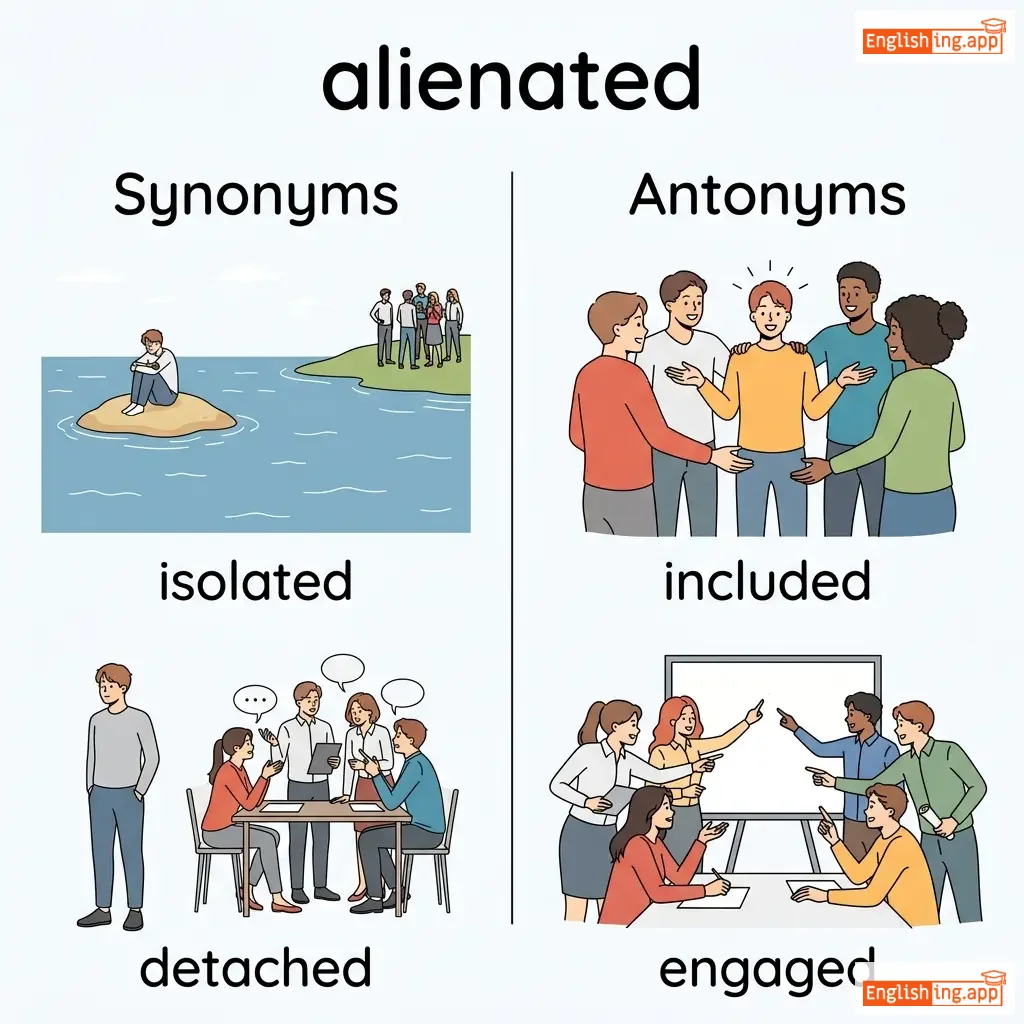
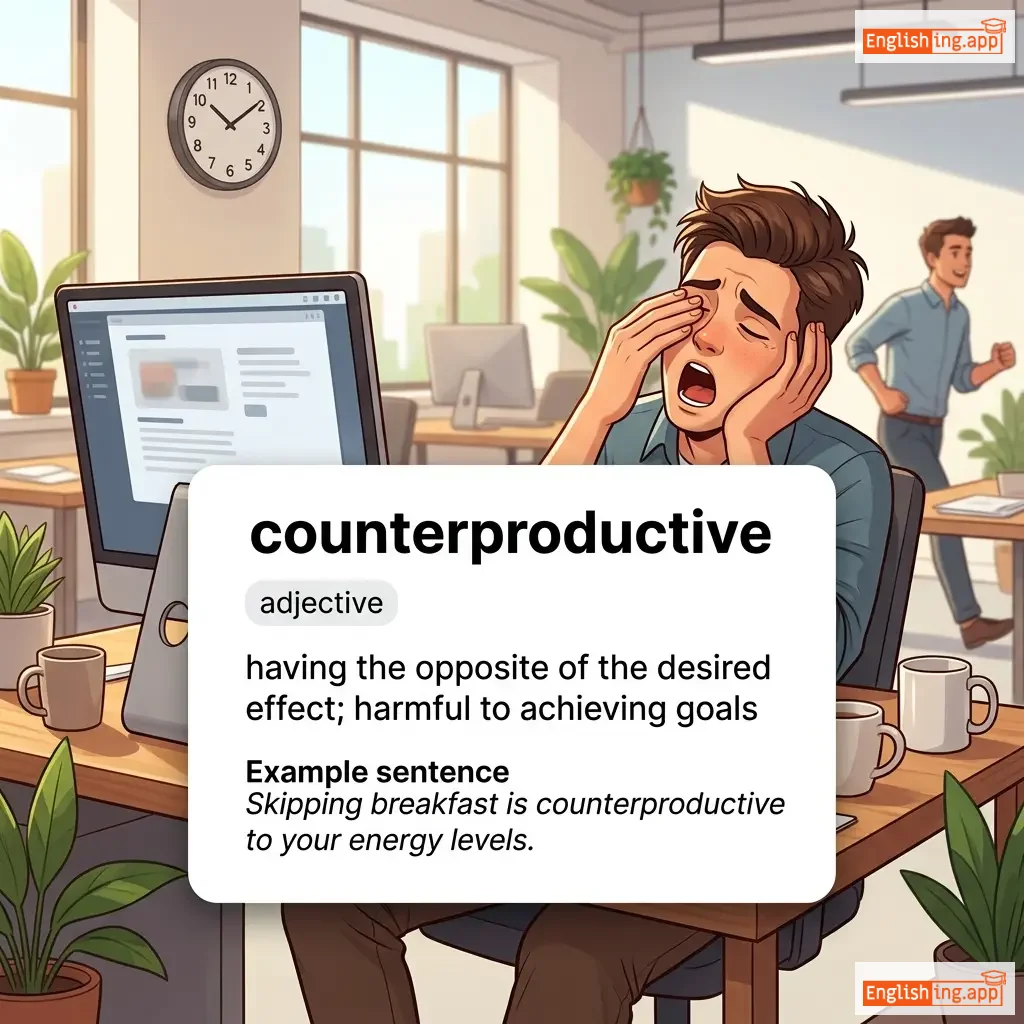
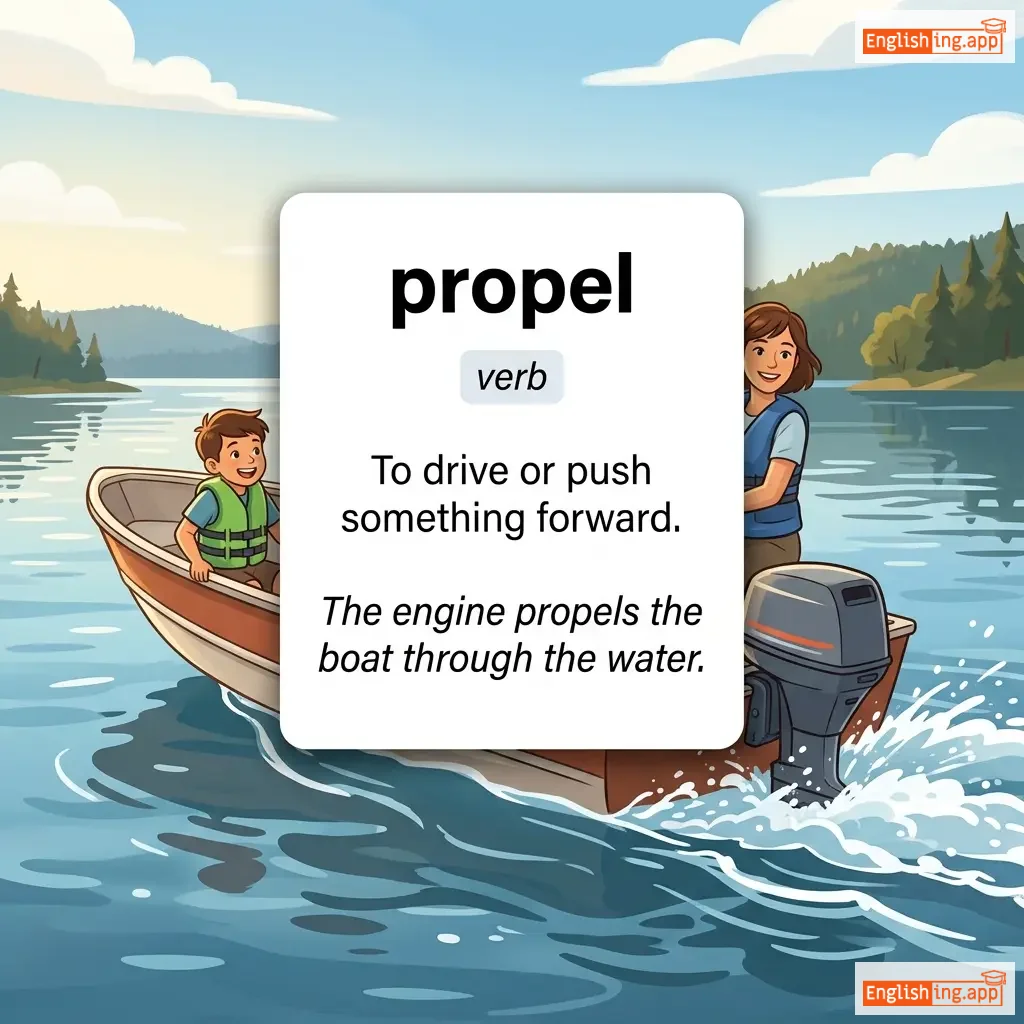
Peer influence は青少年犯罪において非常に重要です。この年齢の青少年は、家族の dominance から抜け出し、同年代の仲間と unify したがります。この近所や仲間との関係は、彼らが spontaneously 異なる主題を acquire するのに役立ちます。しかし、もし仲間が unscrupulous な性格であれば、青少年はその影響で犯罪を犯す可能性があります。教育機関の shortcomings は青少年犯罪の原因です。現代社会における moral values と integrity に基づく教育の欠如が顕著です。多くの機関は教師の impartiality、誠実さ、constructive recreation の機会が限られています。そのため、学生たちは alienated と感じ、counterproductive behaviors を示し始めます。例えば、学校をサボって loiter し、substance abuse や eve teasing に関与します。Inadequate curricula と non-adaptive teaching methods は青少年の間に discontent を生み出し、それが彼らを犯罪活動に propel します。
|
絵文字
|
単語 | Images | 意味 | 例文 | 同義語 | 対義語 |
|---|---|---|---|---|---|---|
|
#246
👥
|
pɪər ˈɪnfluəns
noun
••••••
|
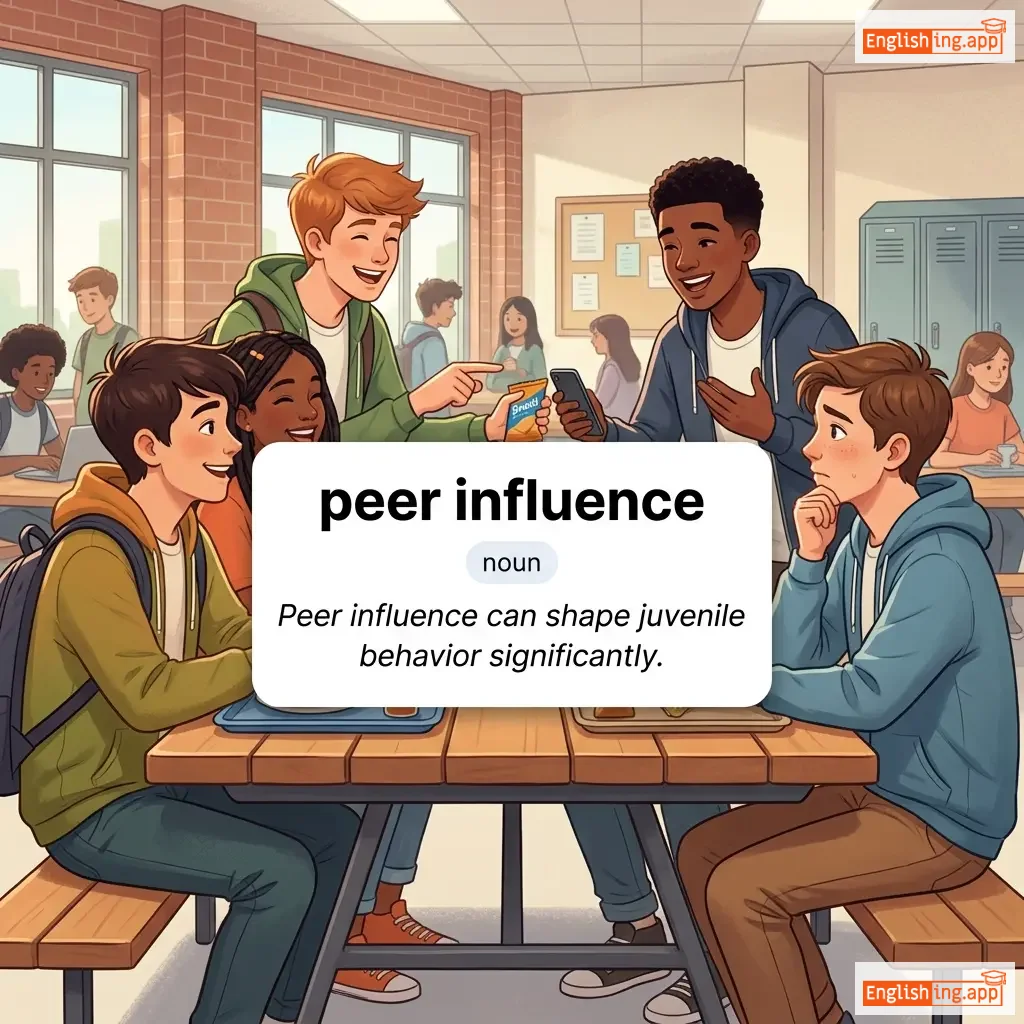
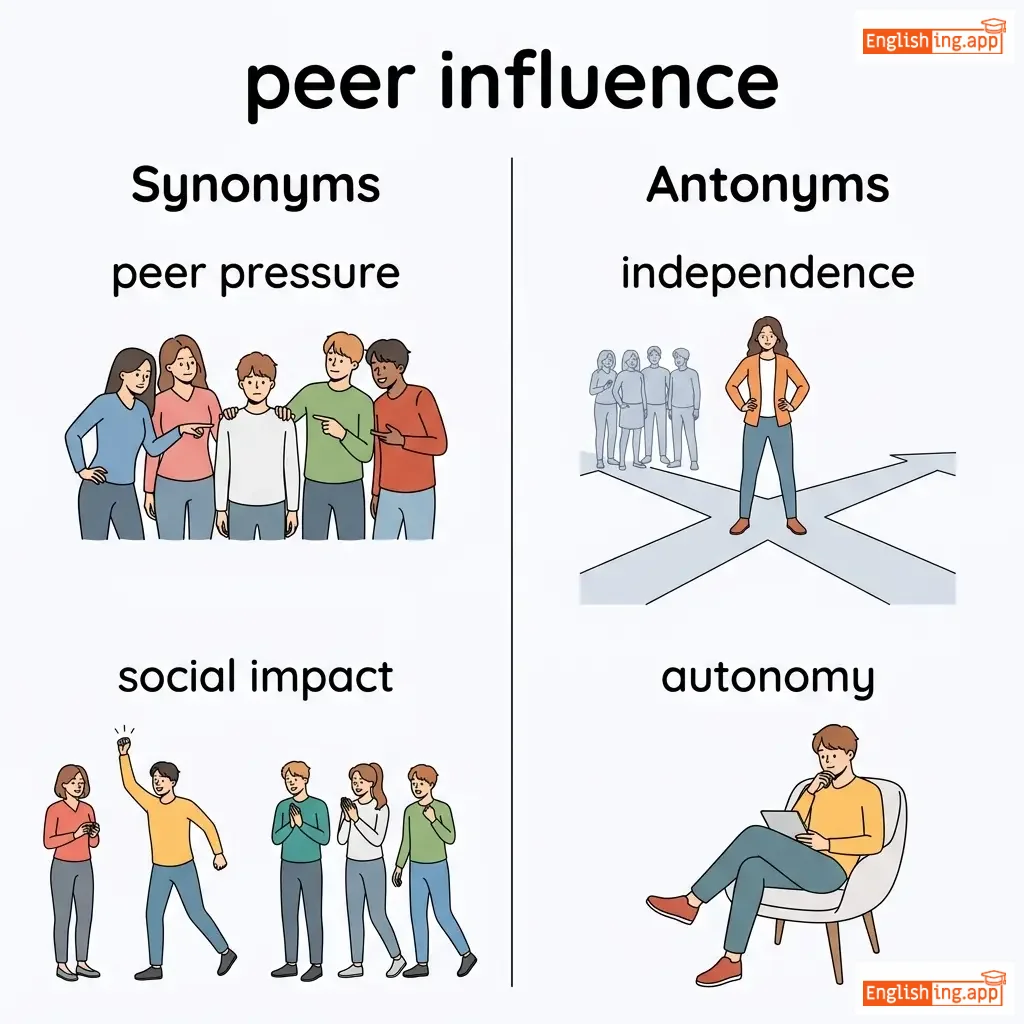
|
The effect that members of a peer group have on each other, especially in terms of behavior, attitudes, and decision-making.
••••••
|
Peer influence can shape juvenile behavior significantly. |
peer pressure, social impact
••••••
|
independence, autonomy
••••••
|
|
#247
👑
|
ˈdɒmɪnəns
noun
••••••
|
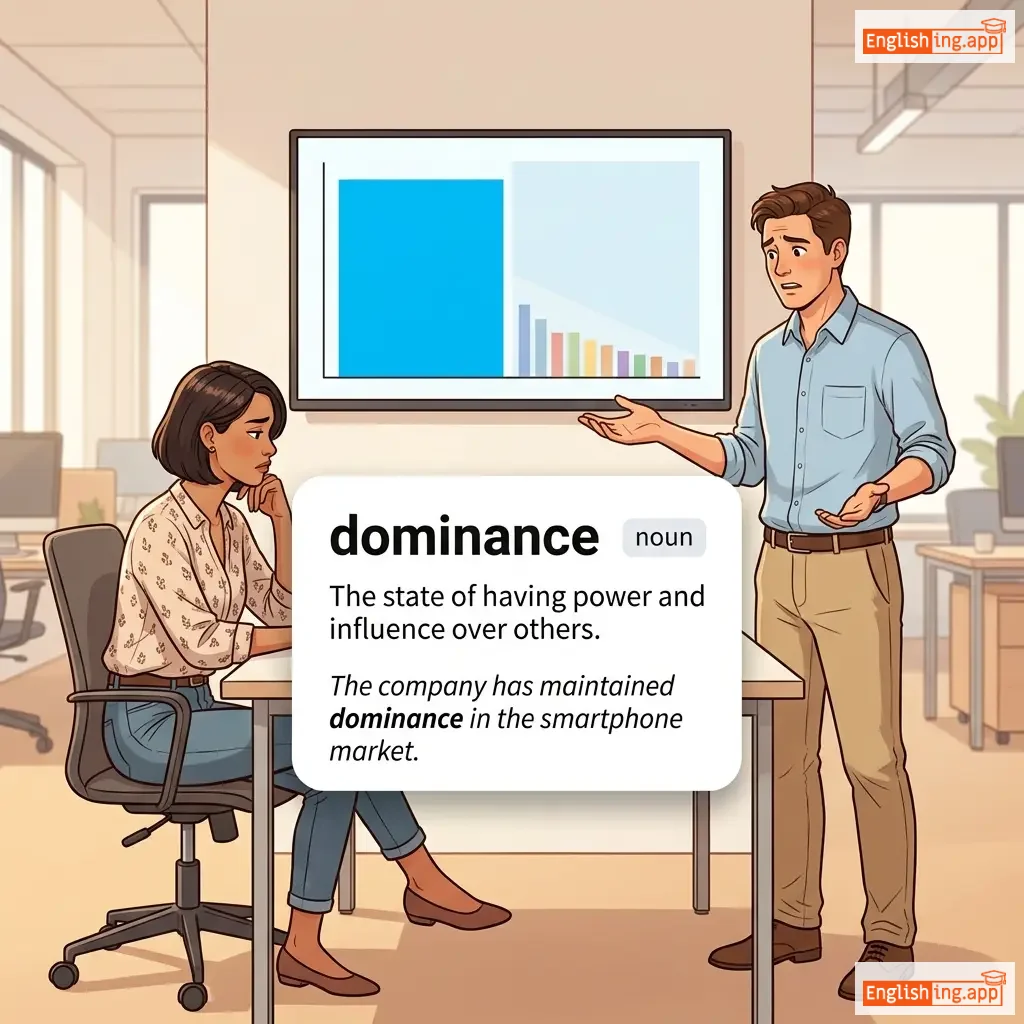
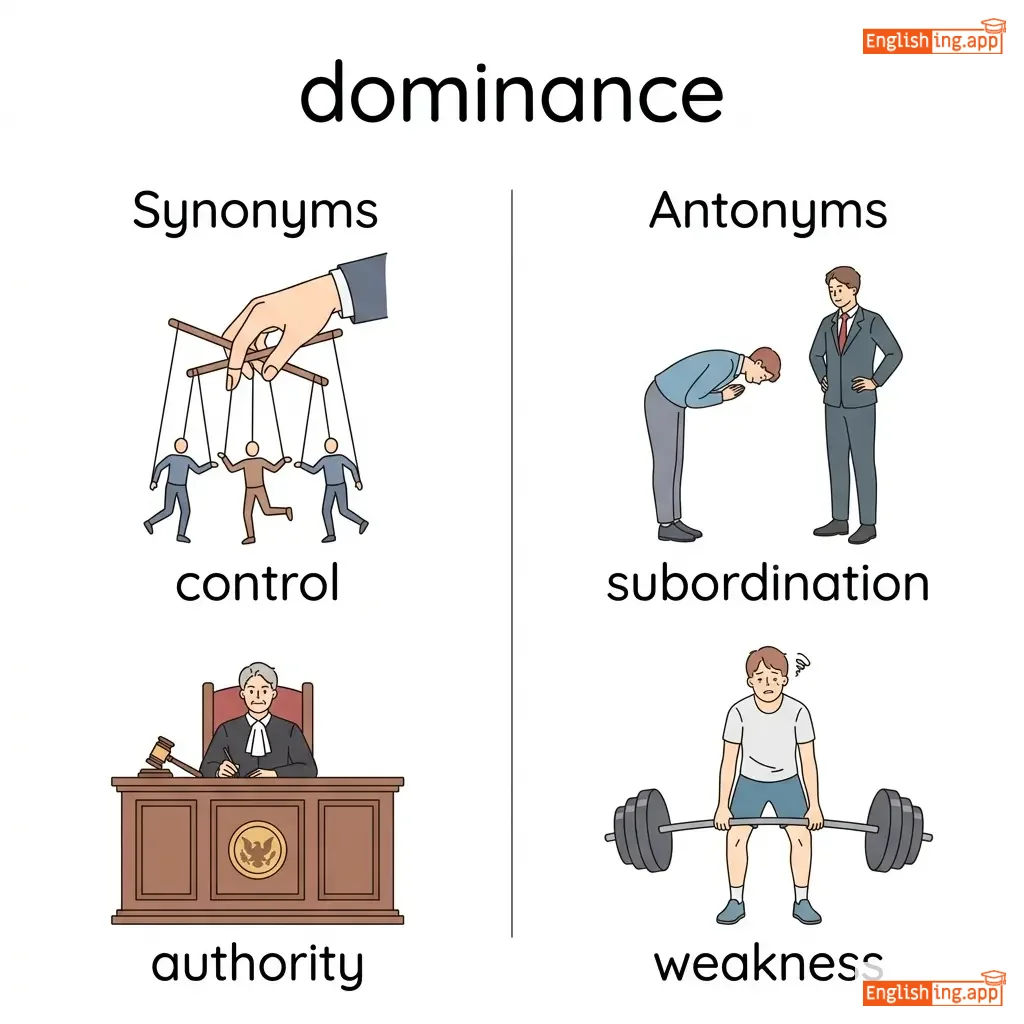
|
Power and influence over others; control or command over others.
••••••
|
Adolescents seek to escape parental dominance. |
control, supremacy
••••••
|
subordination, inferiority
••••••
|
|
#248
🤝
|
ˈjuːnɪfaɪ
verb
••••••
|
|
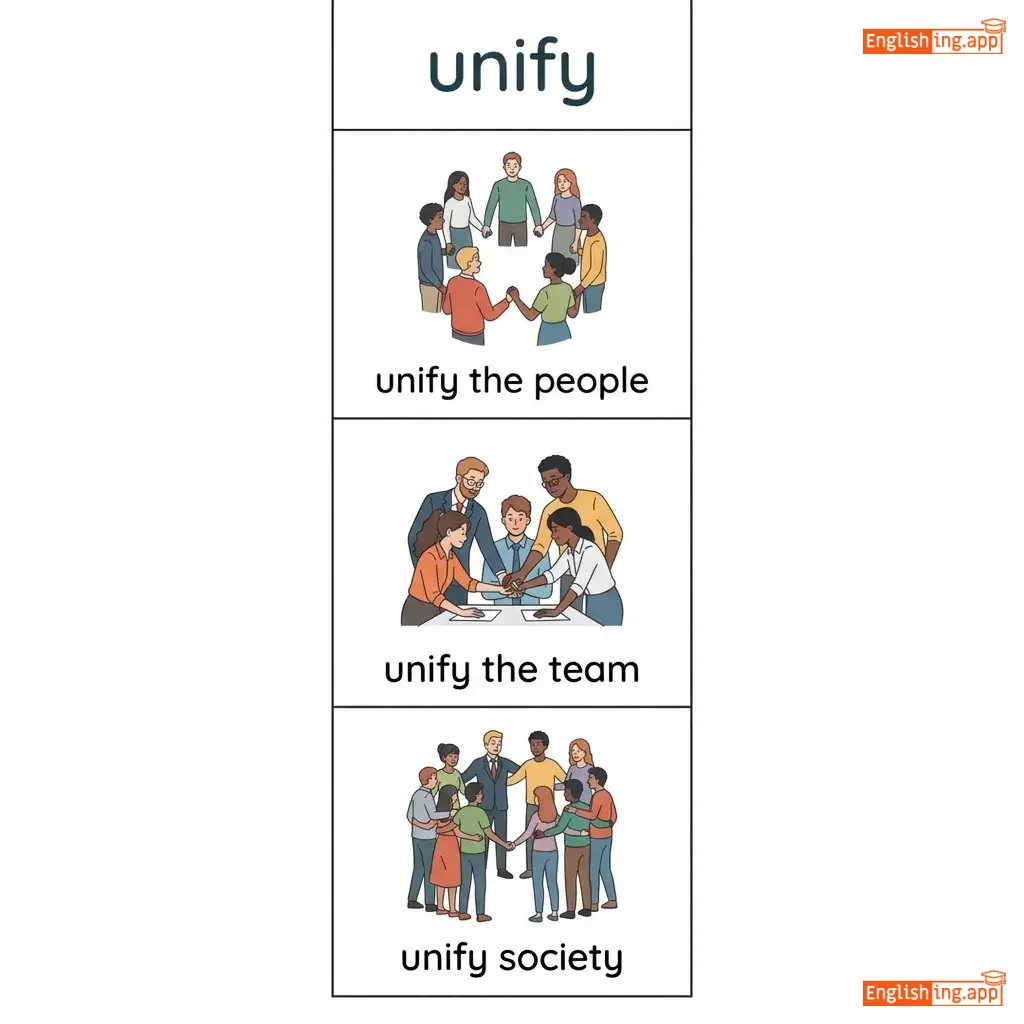
To make or become united, uniform, or whole; to bring together into a single unit.
••••••
|
Adolescents unify with peers for social acceptance. |
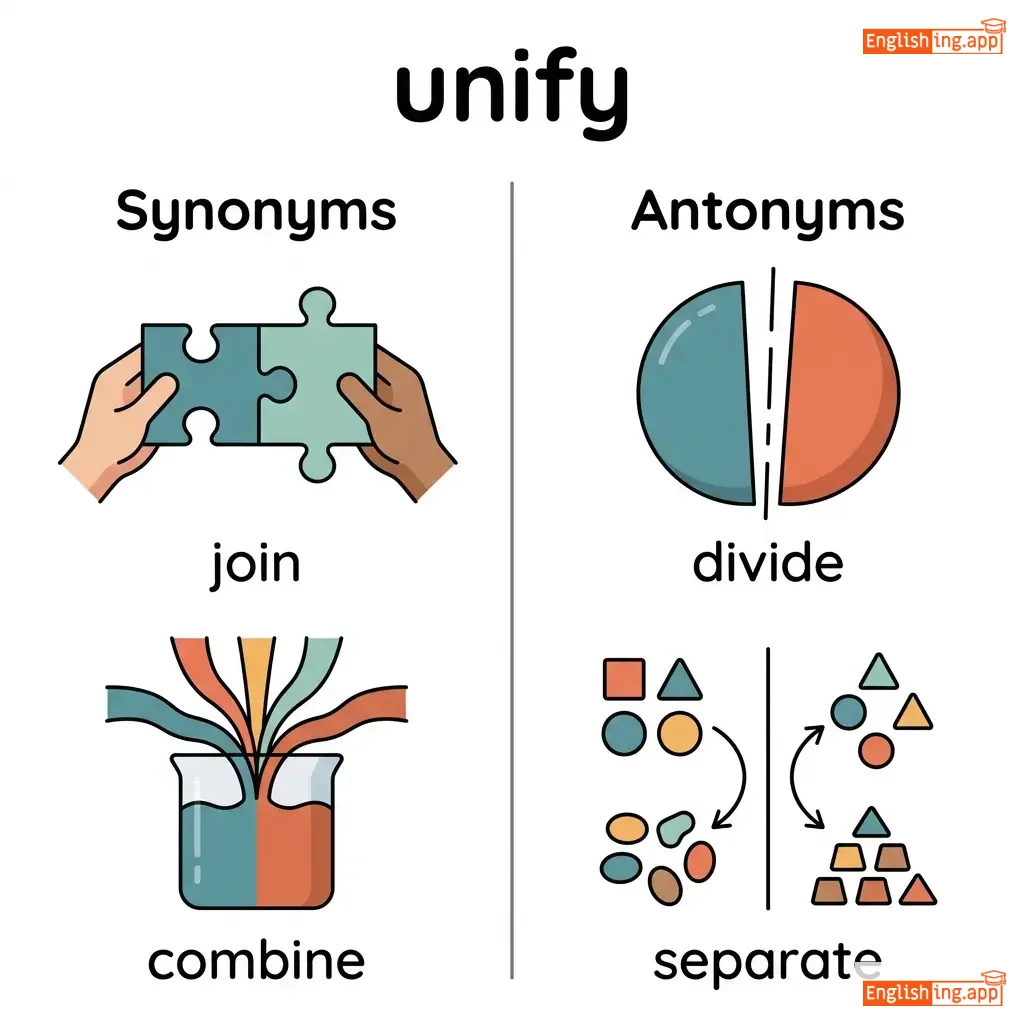
integrate, consolidate
••••••
|
divide, separate
••••••
|
|
#249
⚡
|
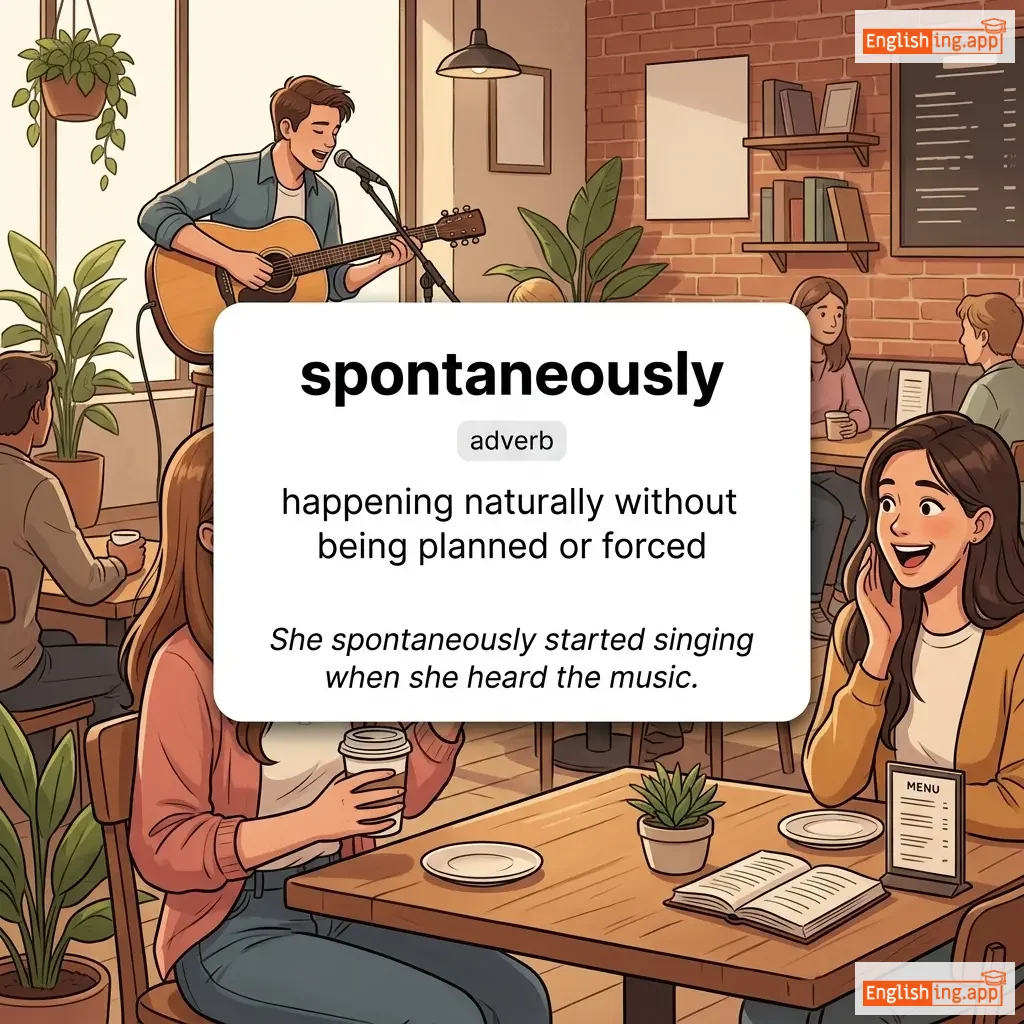
spɒnˈteɪnɪəsli
adverb
••••••
|
|
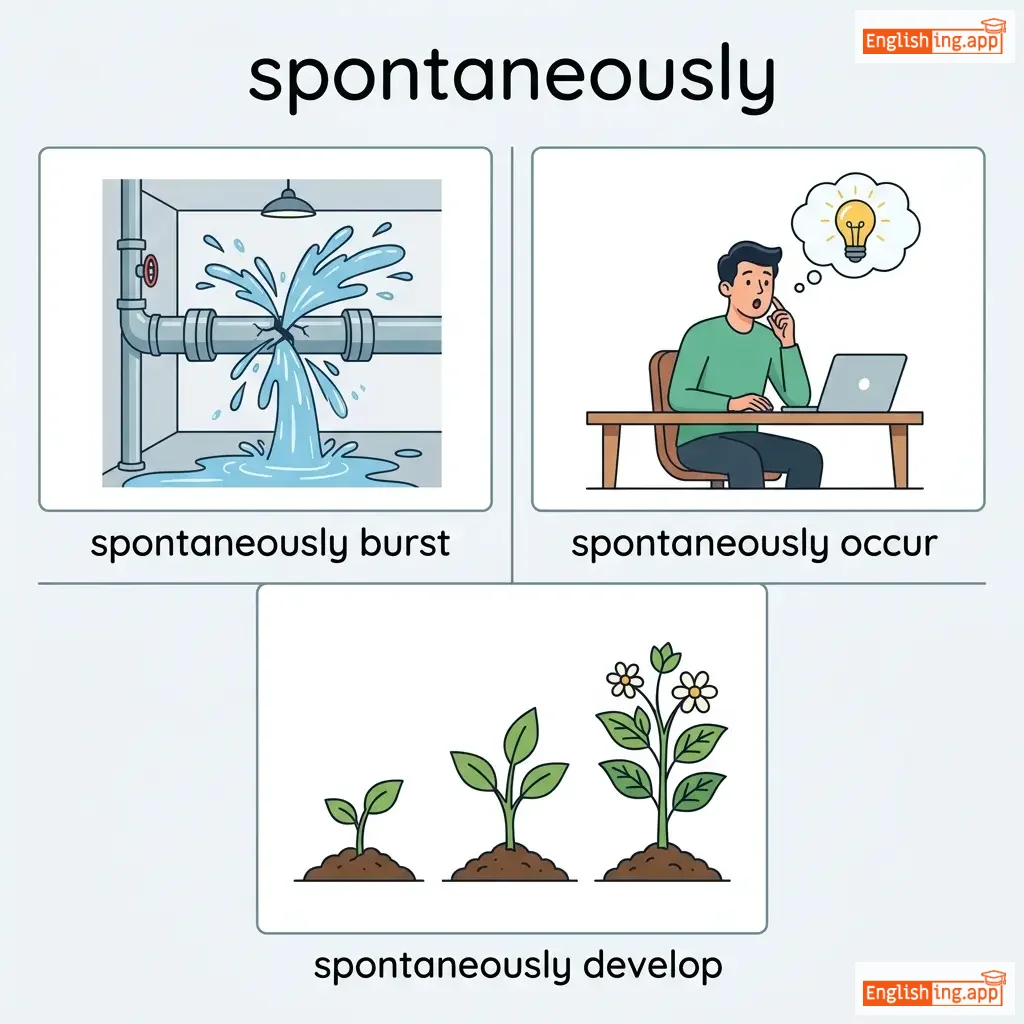
In a spontaneous way; naturally and without planning or external cause.
••••••
|
Children learn spontaneously through peer interactions. |
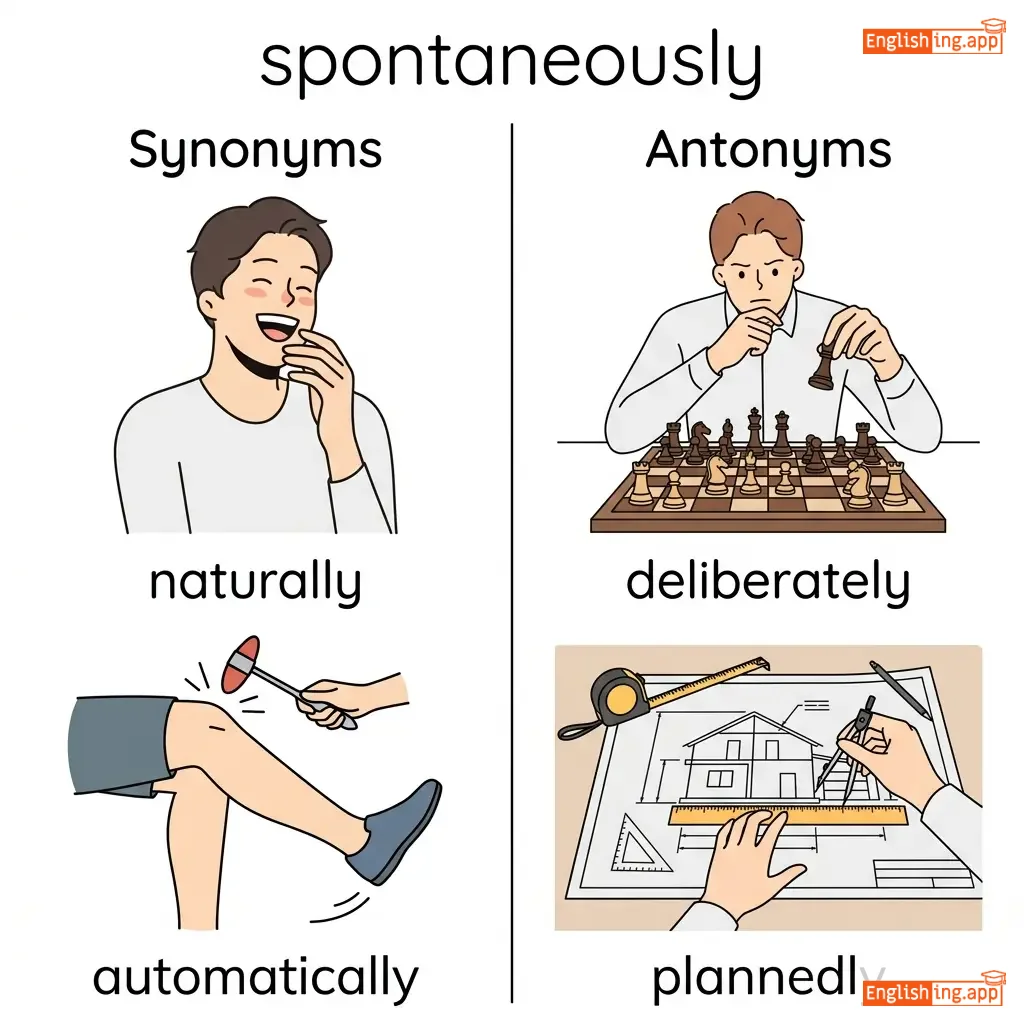
naturally, instinctively
••••••
|
deliberately, hesitantly
••••••
|
|
#250
📚
|
əˈkwaɪə
verb
••••••
|


|
To buy or obtain (an object or asset) for oneself; to learn or develop (a skill, habit, or quality).
••••••
|
Students acquire knowledge through various methods. |
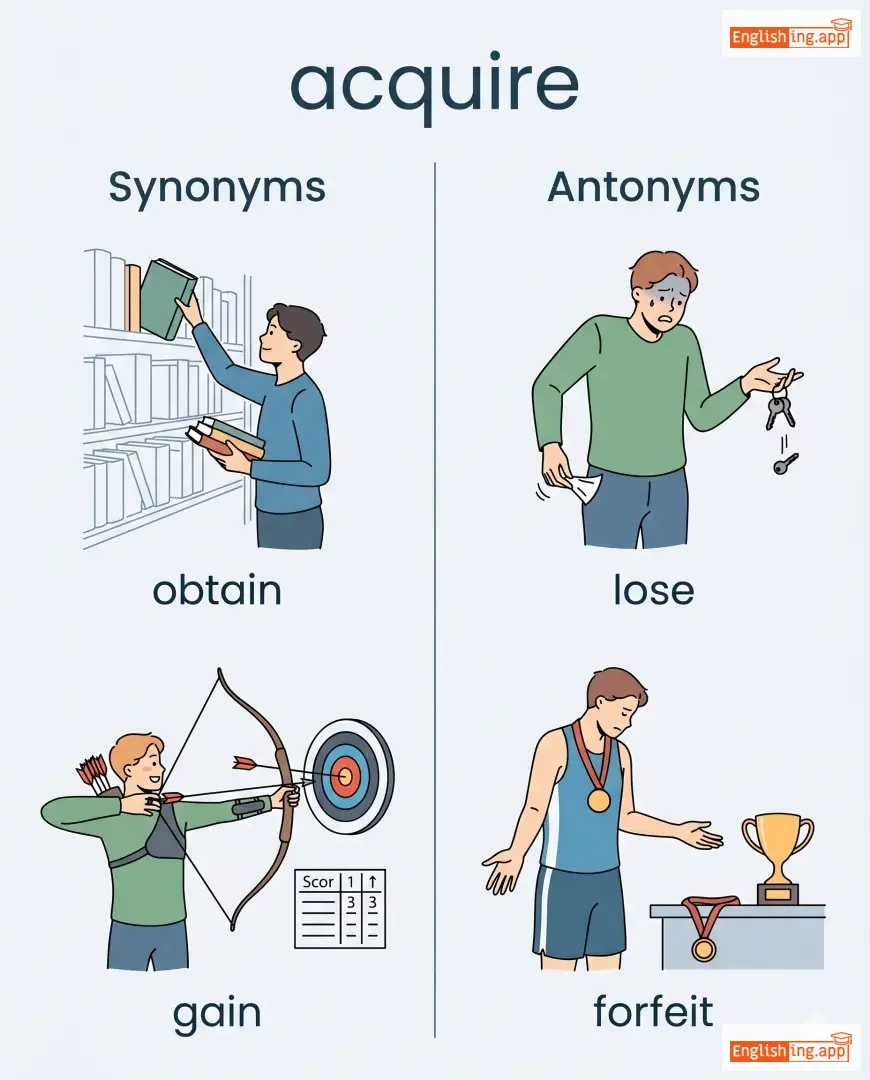
obtain, gain, learn
••••••
|
lose, forfeit, dispose
••••••
|
|
#251
😈
|
ʌnˈskruːpjʊləs
adjective
••••••
|
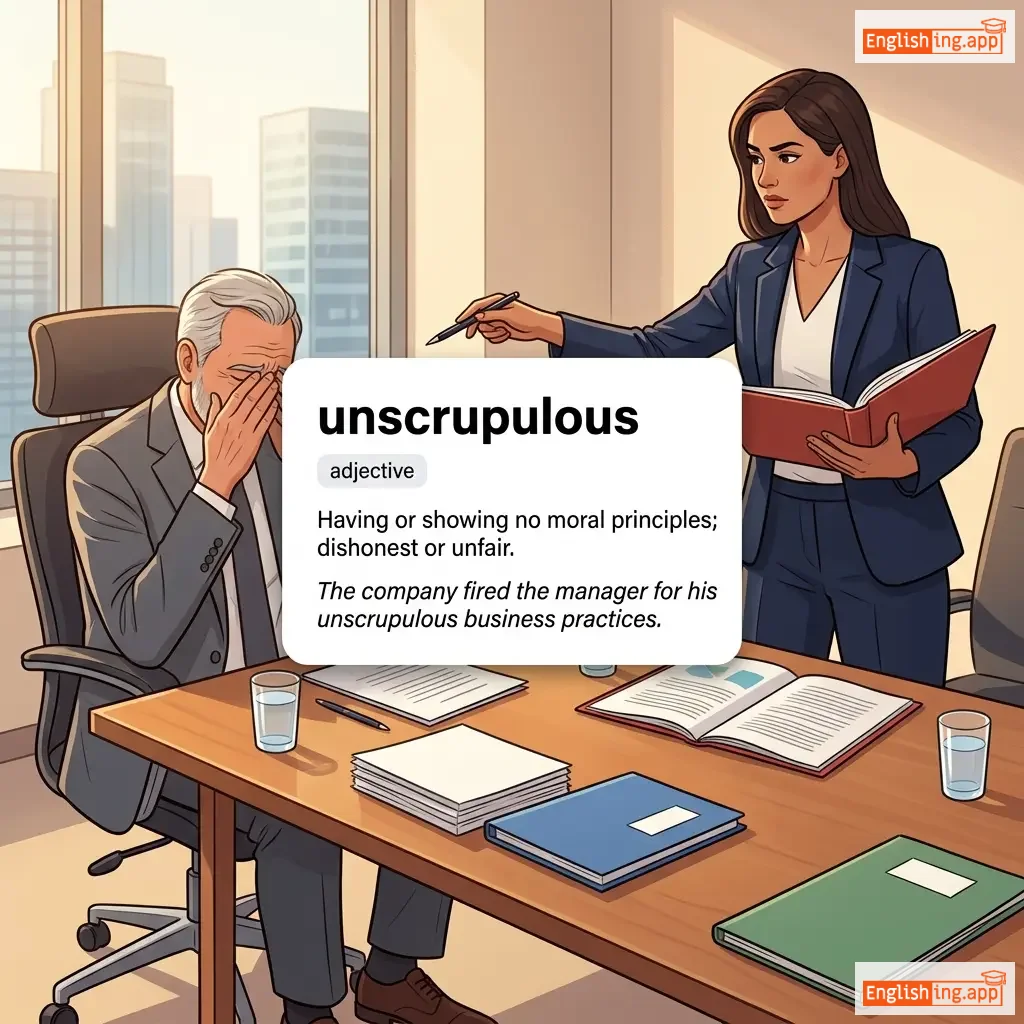
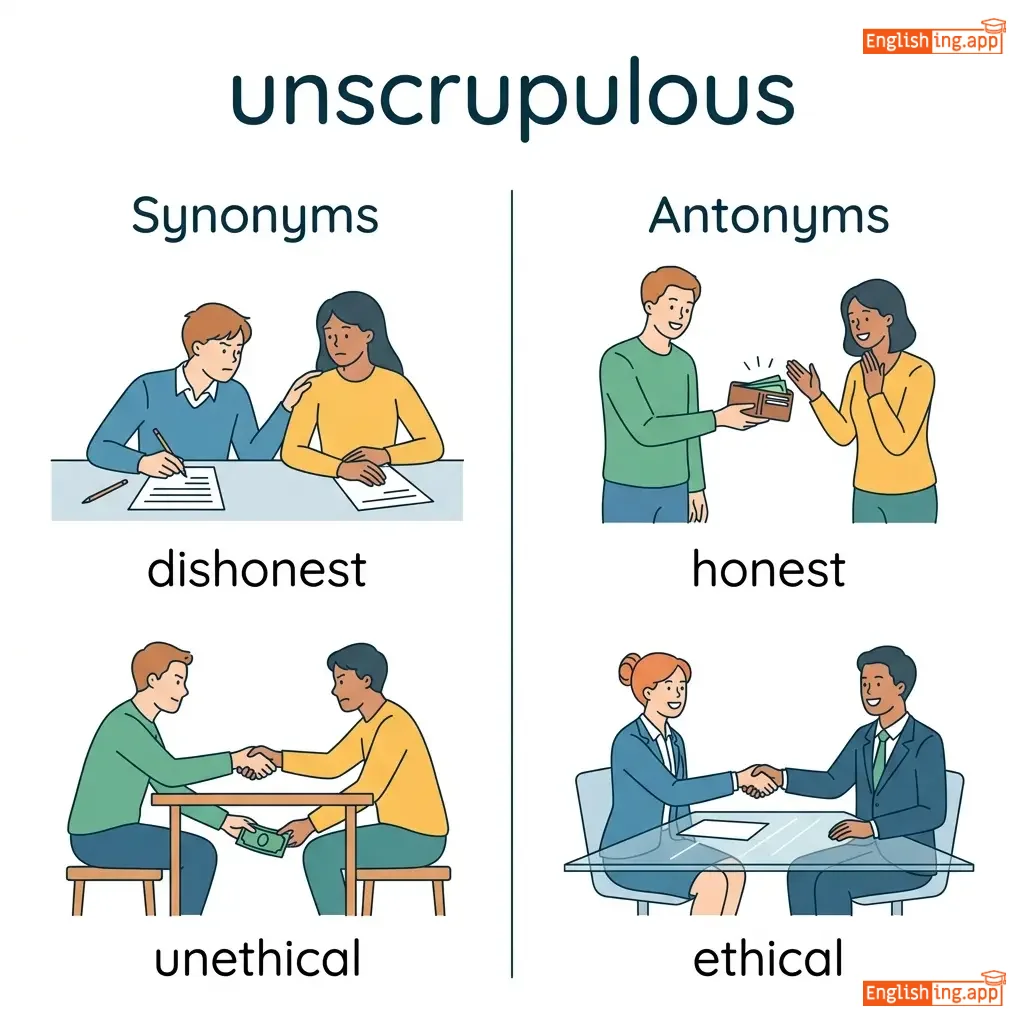
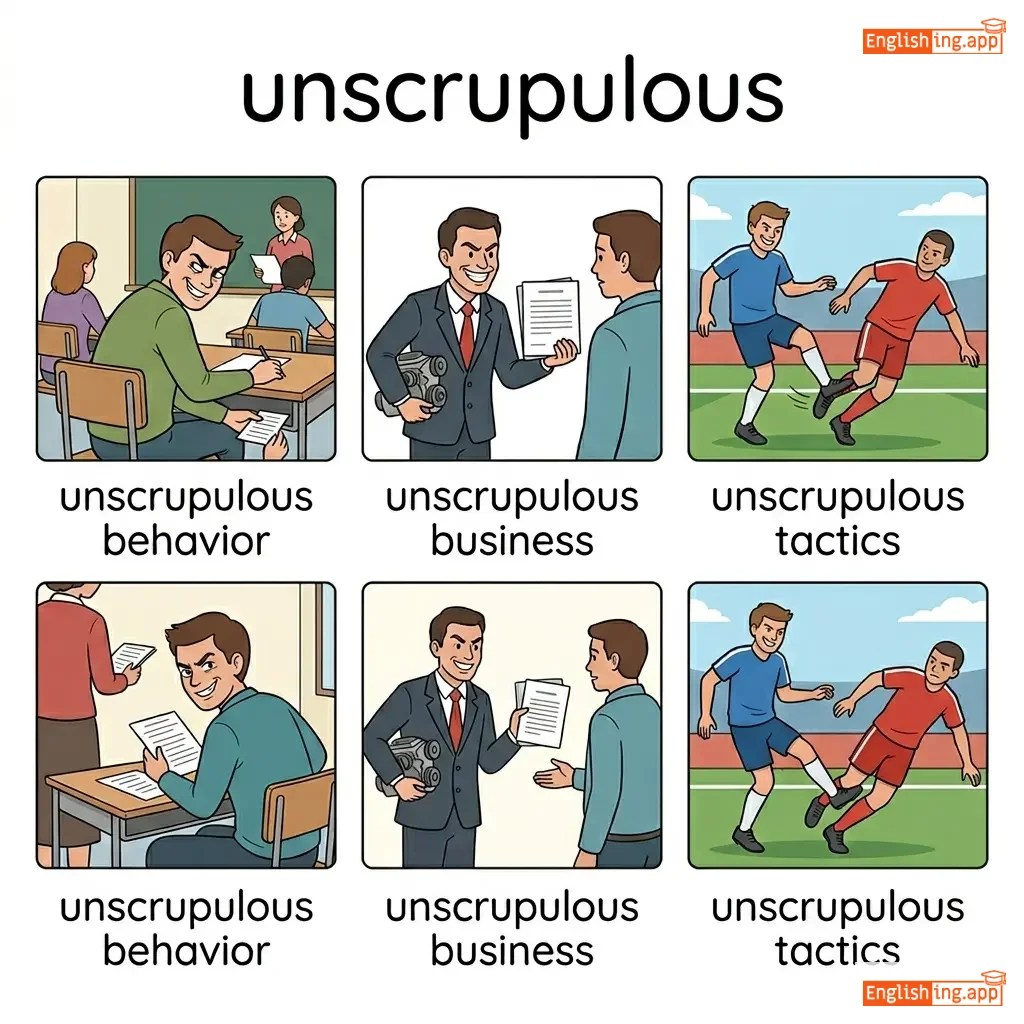
|
Having or showing no moral principles; not honest or fair.
••••••
|
Unscrupulous peers can lead adolescents to delinquency. |
immoral, deceitful
••••••
|
ethical, honest
••••••
|
|
#252
⚠️
|
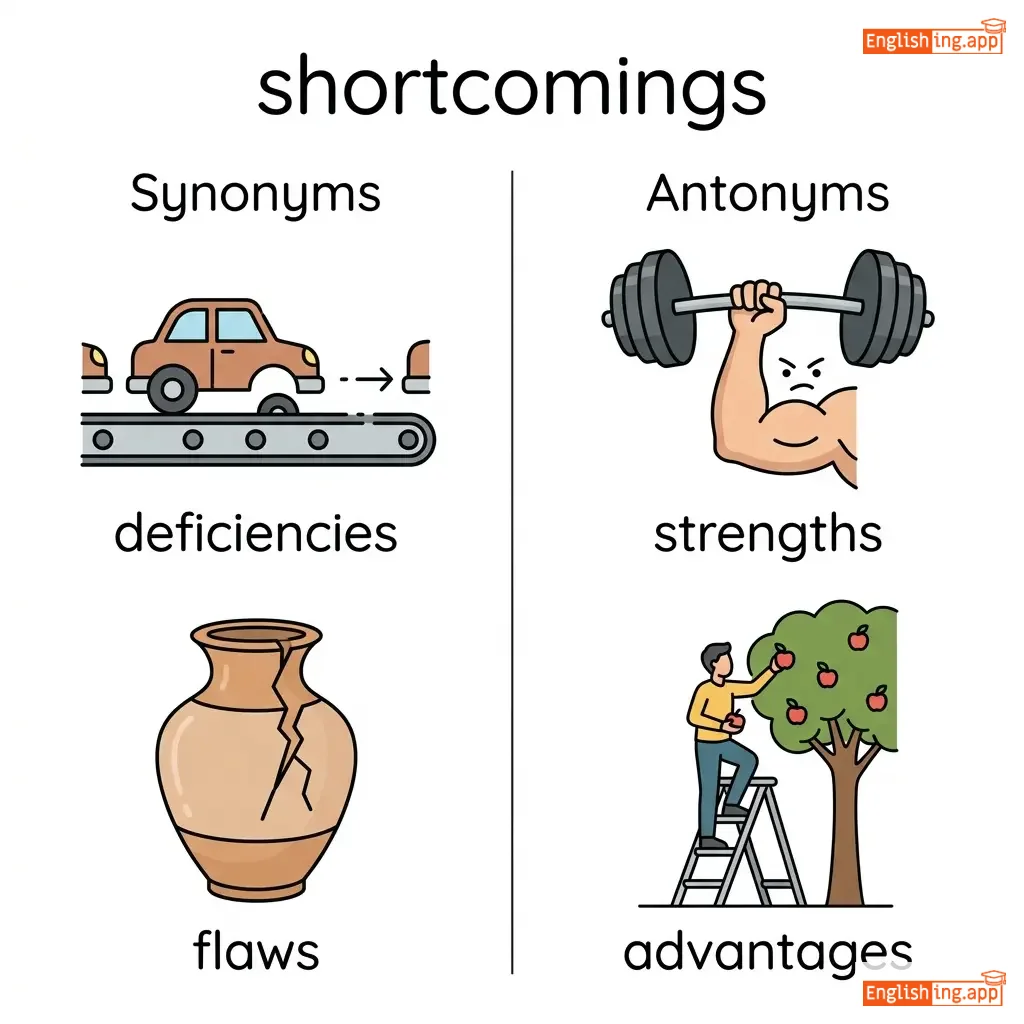
ˈʃɔːtkʌmɪŋz
noun
••••••
|
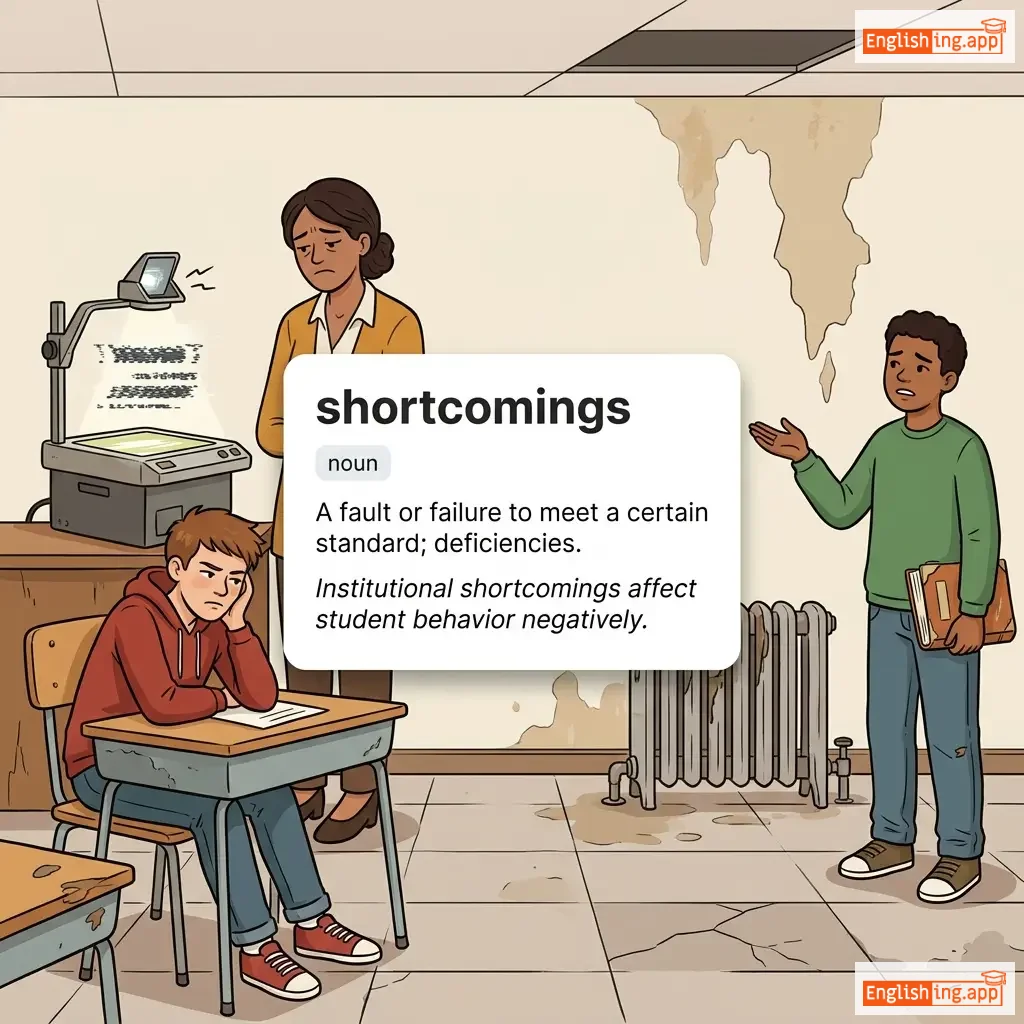
|
A fault or failure to meet a certain standard; deficiencies.
••••••
|
Institutional shortcomings affect student behavior negatively. |
deficiencies, flaws
••••••
|
strengths, advantages
••••••
|
|
#253
🏆
|
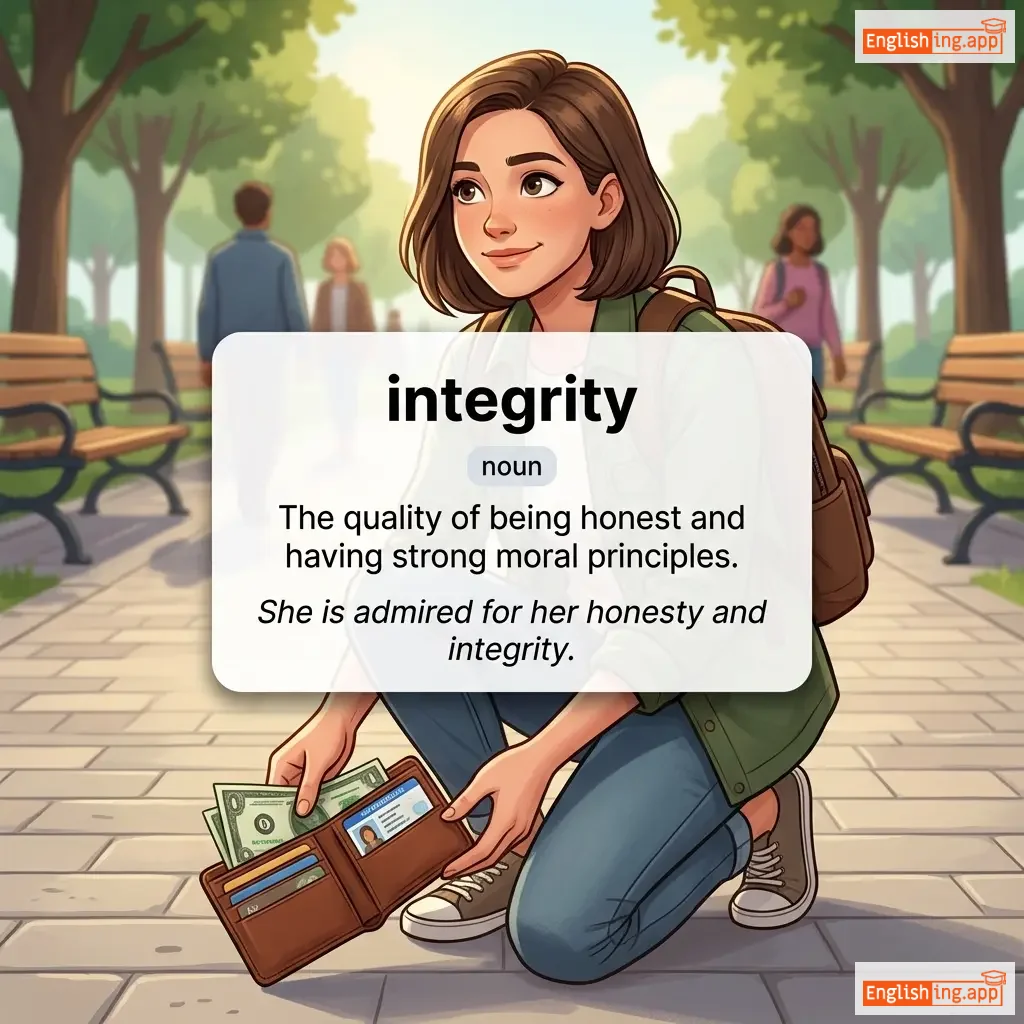
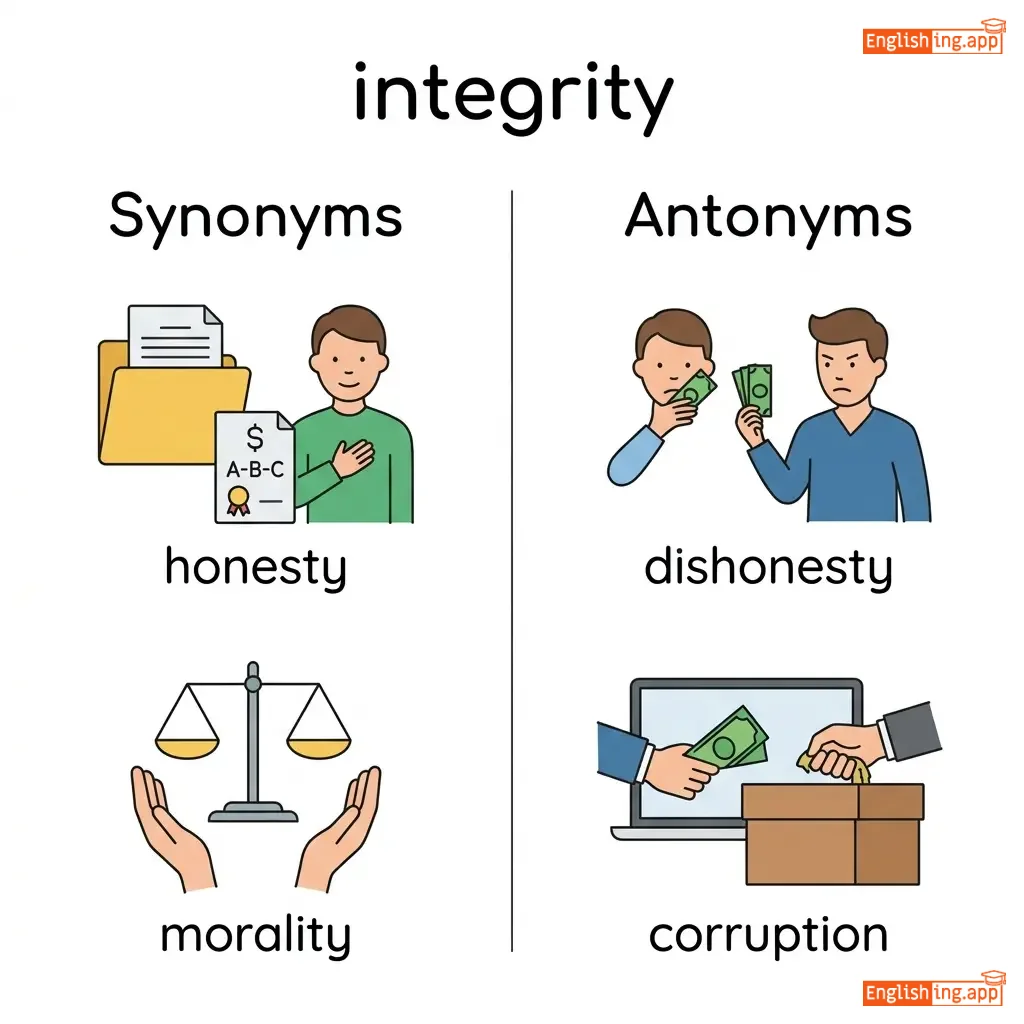
ɪnˈtɛɡrɪti
noun
••••••
|

|
The quality of being honest and having strong moral principles; moral uprightness.
••••••
|
Teachers' integrity fosters a positive learning environment. |
honesty, uprightness
••••••
|
dishonesty, corruption
••••••
|
|
#254
😔
|
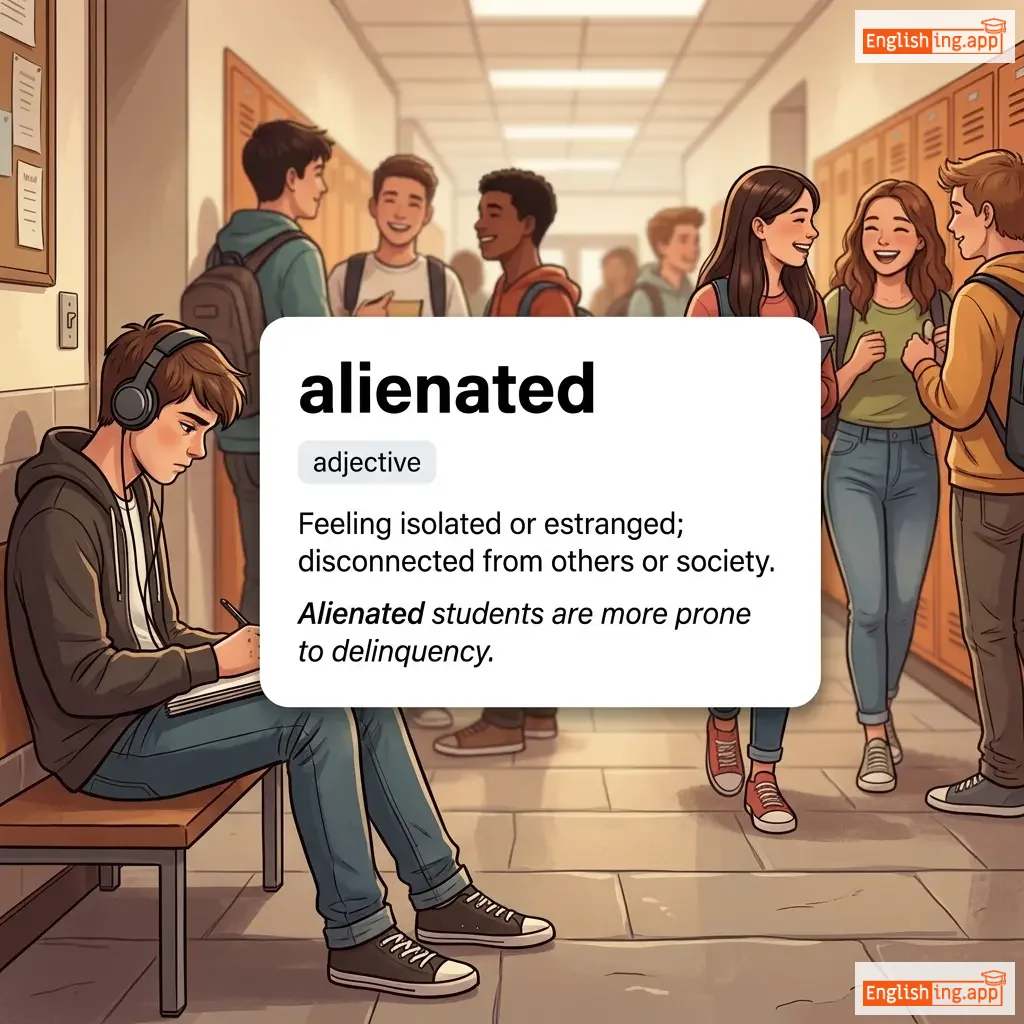
ˈeɪlɪəneɪtɪd
adjective
••••••
|
|
Feeling isolated or estranged; disconnected from others or society.
••••••
|
Alienated students are more prone to delinquency. |
isolated, detached
••••••
|
included, engaged
••••••
|
|
#255
🔄
|
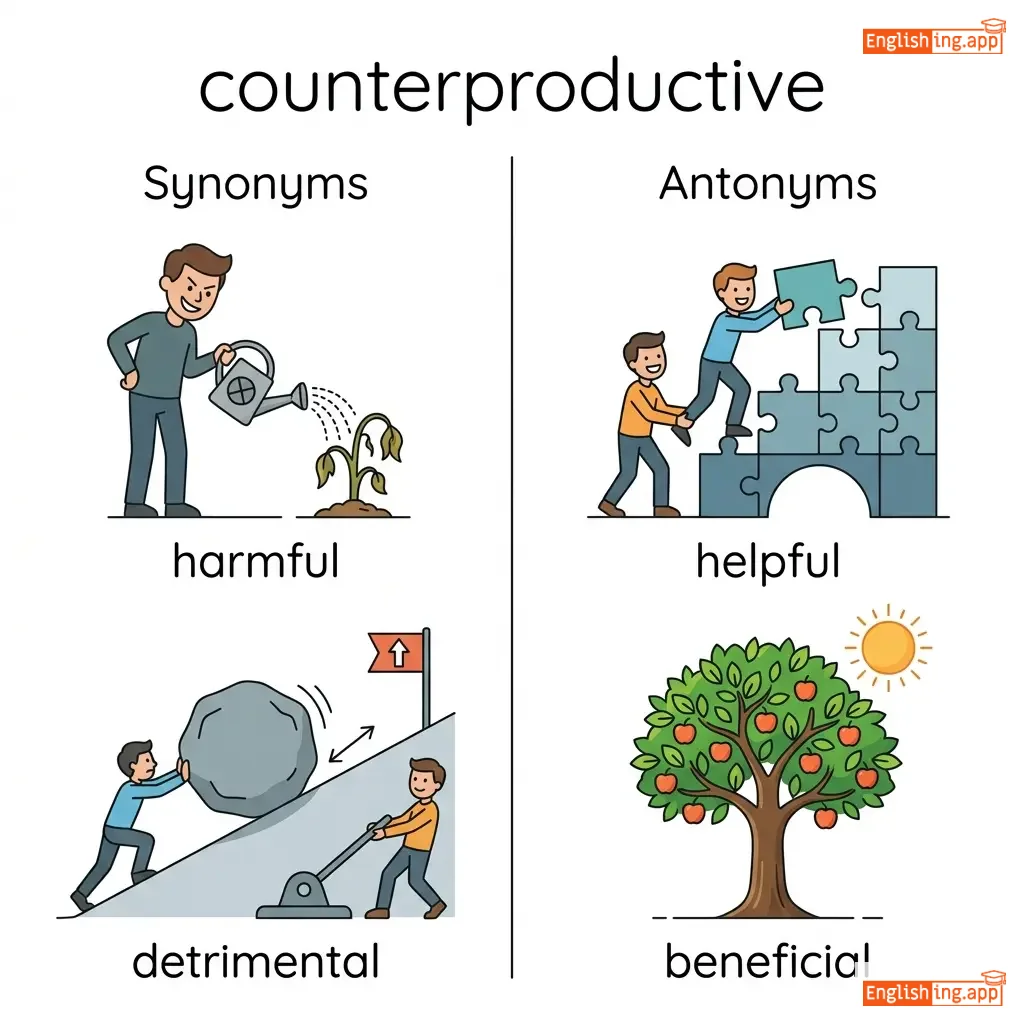
ˌkaʊntəprəˈdʌktɪv
adjective
••••••
|

|
Having the opposite of the desired effect; tending to hinder rather than help.
••••••
|
Counterproductive activities often stem from dissatisfaction. |
detrimental, inefficient
••••••
|
beneficial, constructive
••••••
|
|
#256
🚀
|
prəˈpel
verb
••••••
|
|
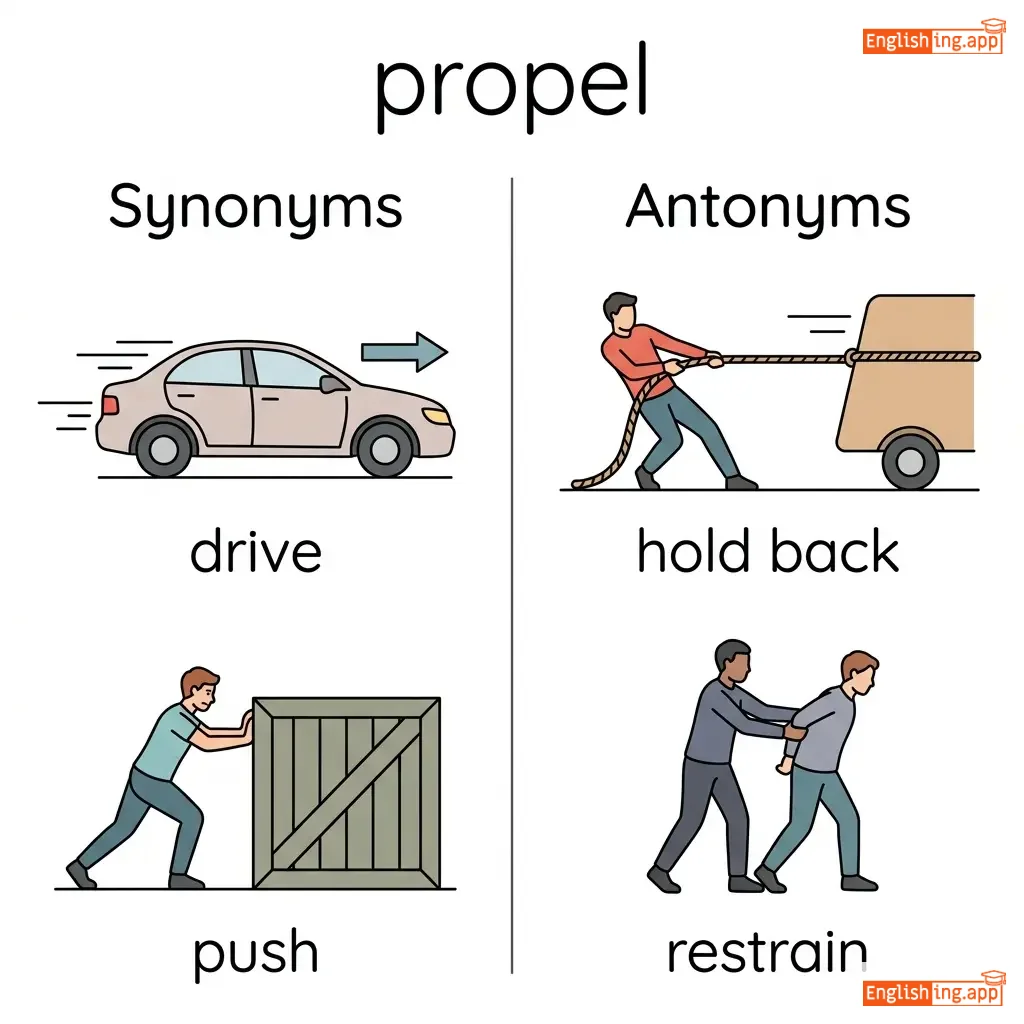
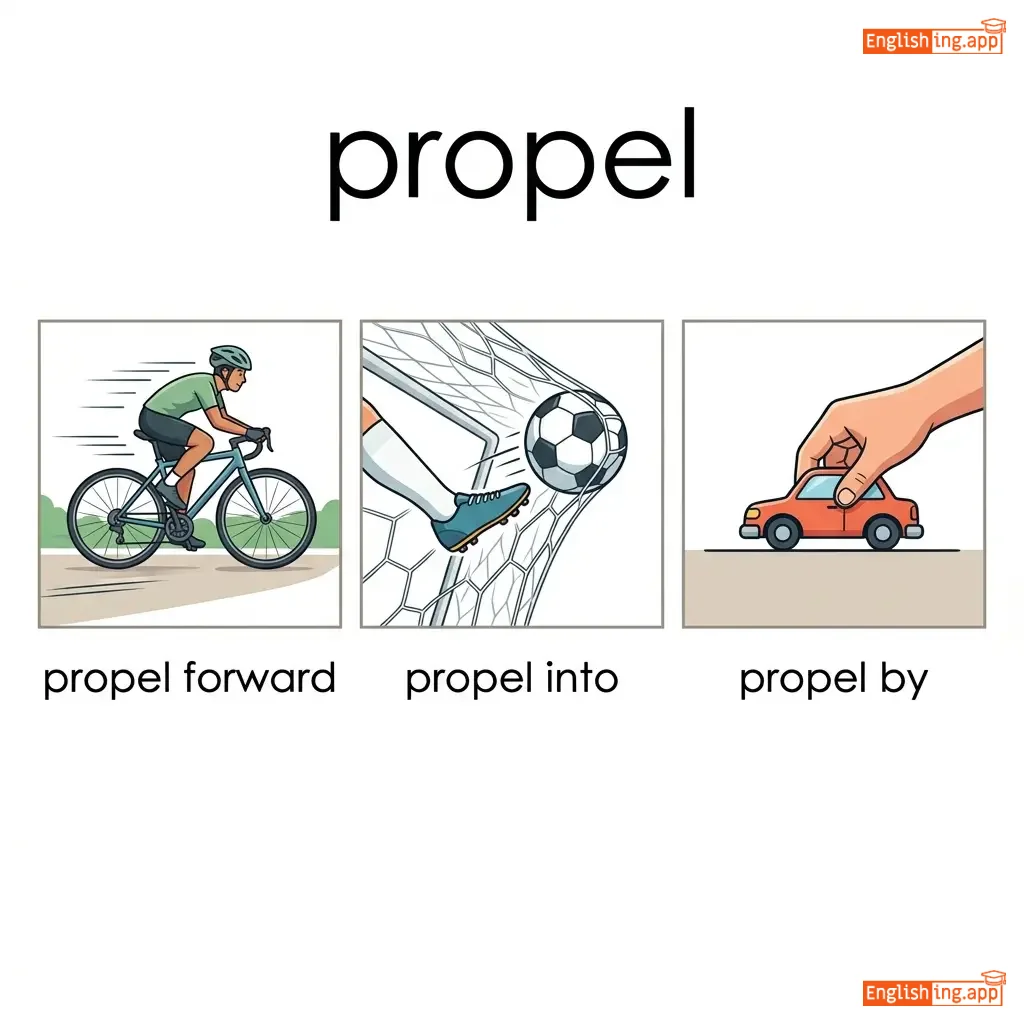
To drive, push, or cause to move in a particular direction, typically forward.
••••••
|
Lack of proper guidance can propel adolescents toward delinquency. |
drive, push
••••••
|
hinder, restrain
••••••
|

