Causes and Prevention of Juvenile Crime
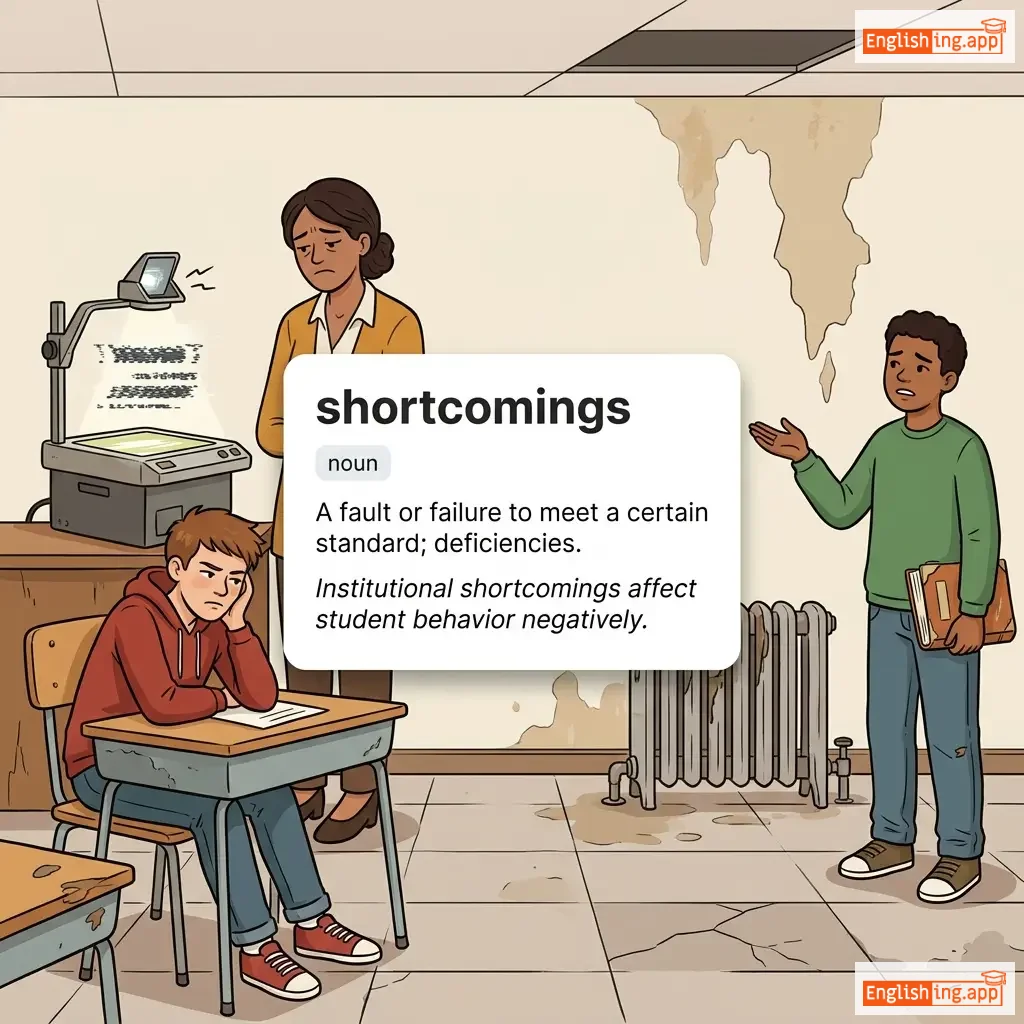
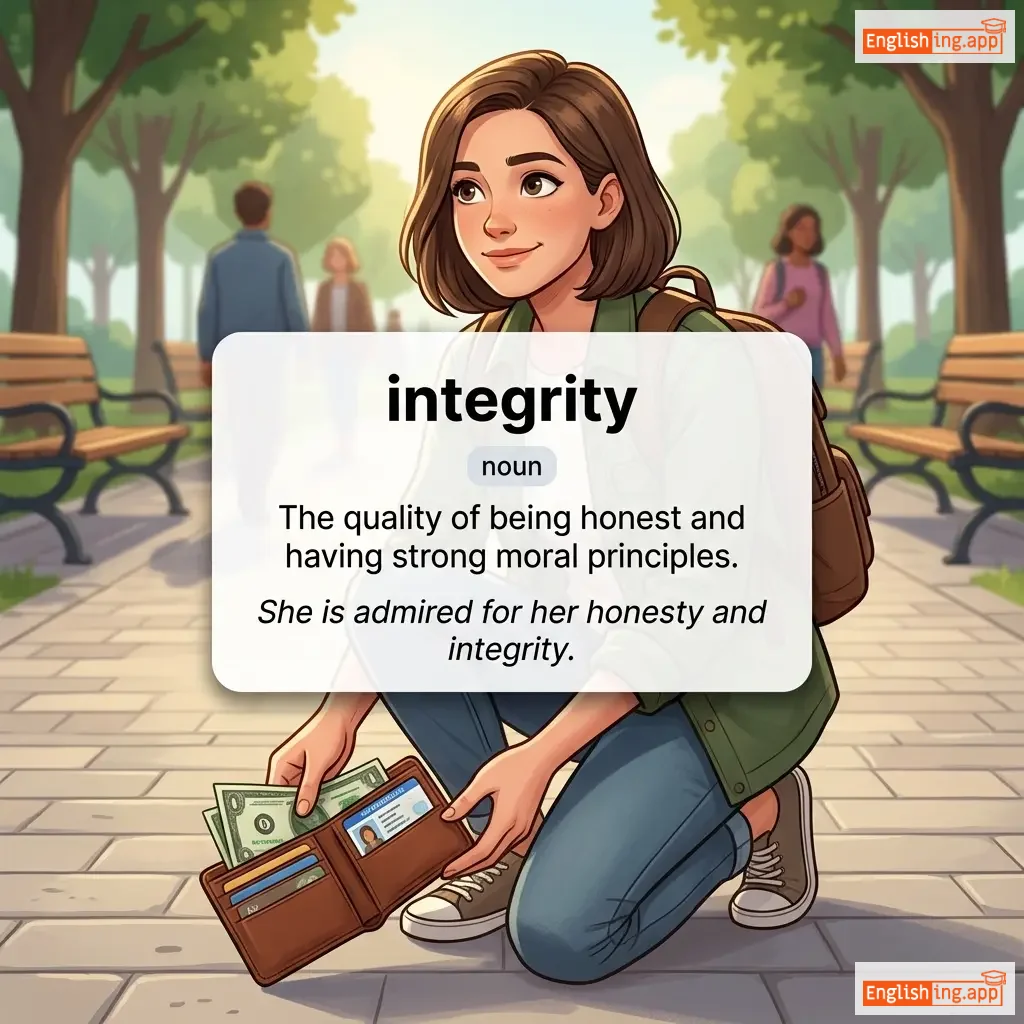
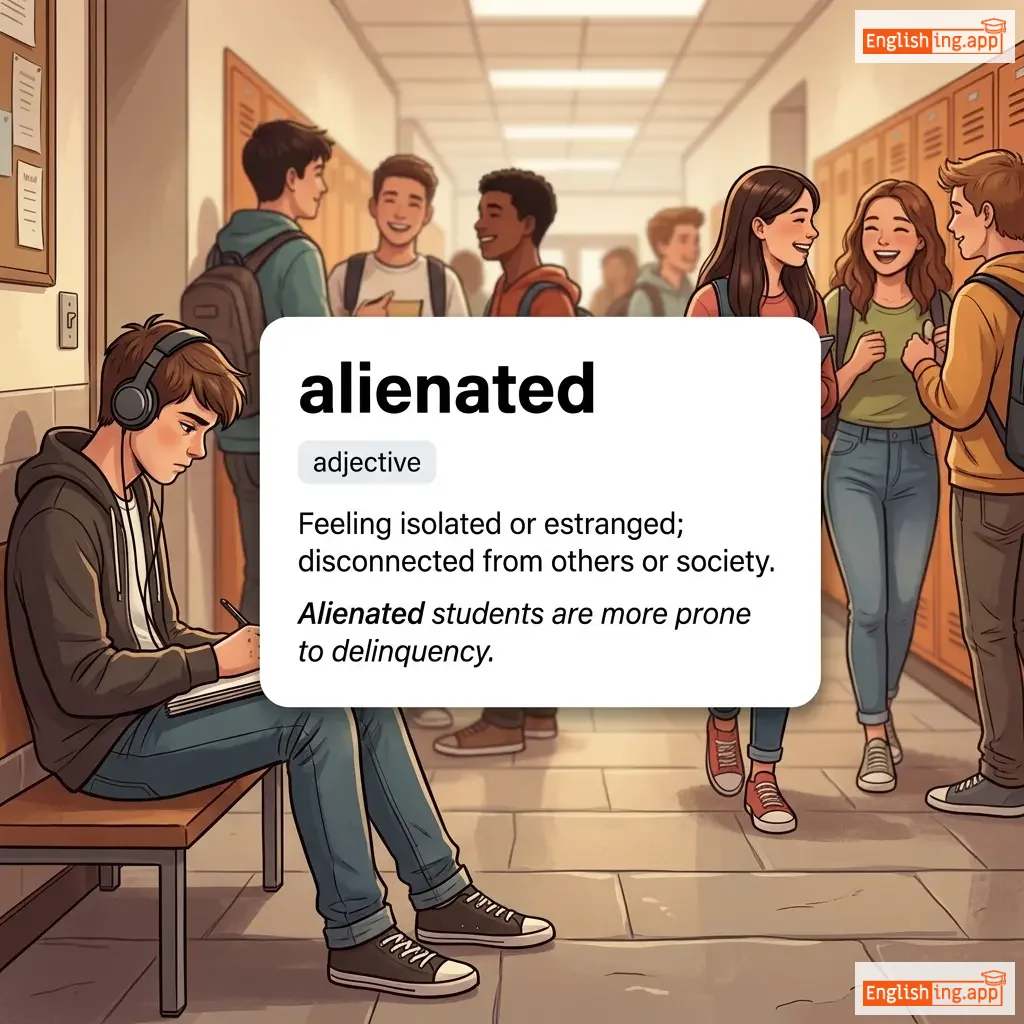
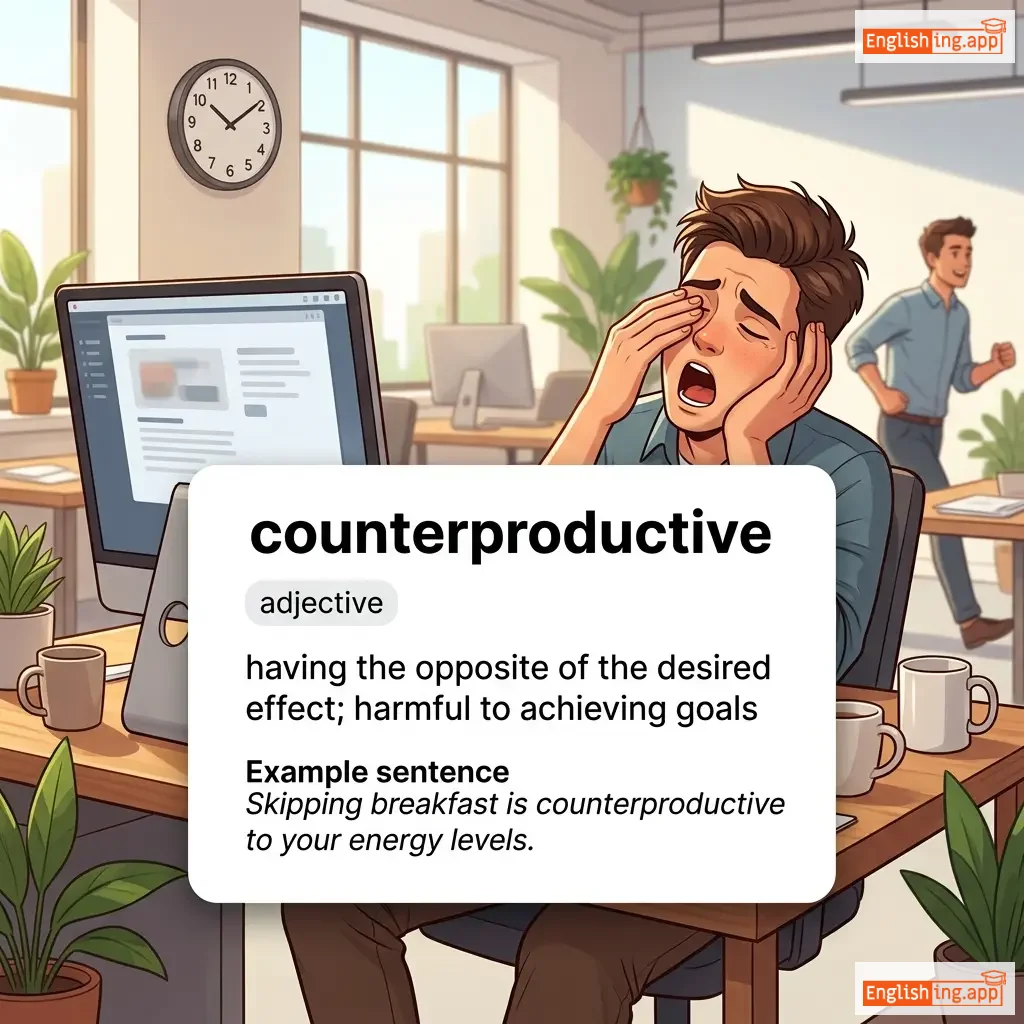
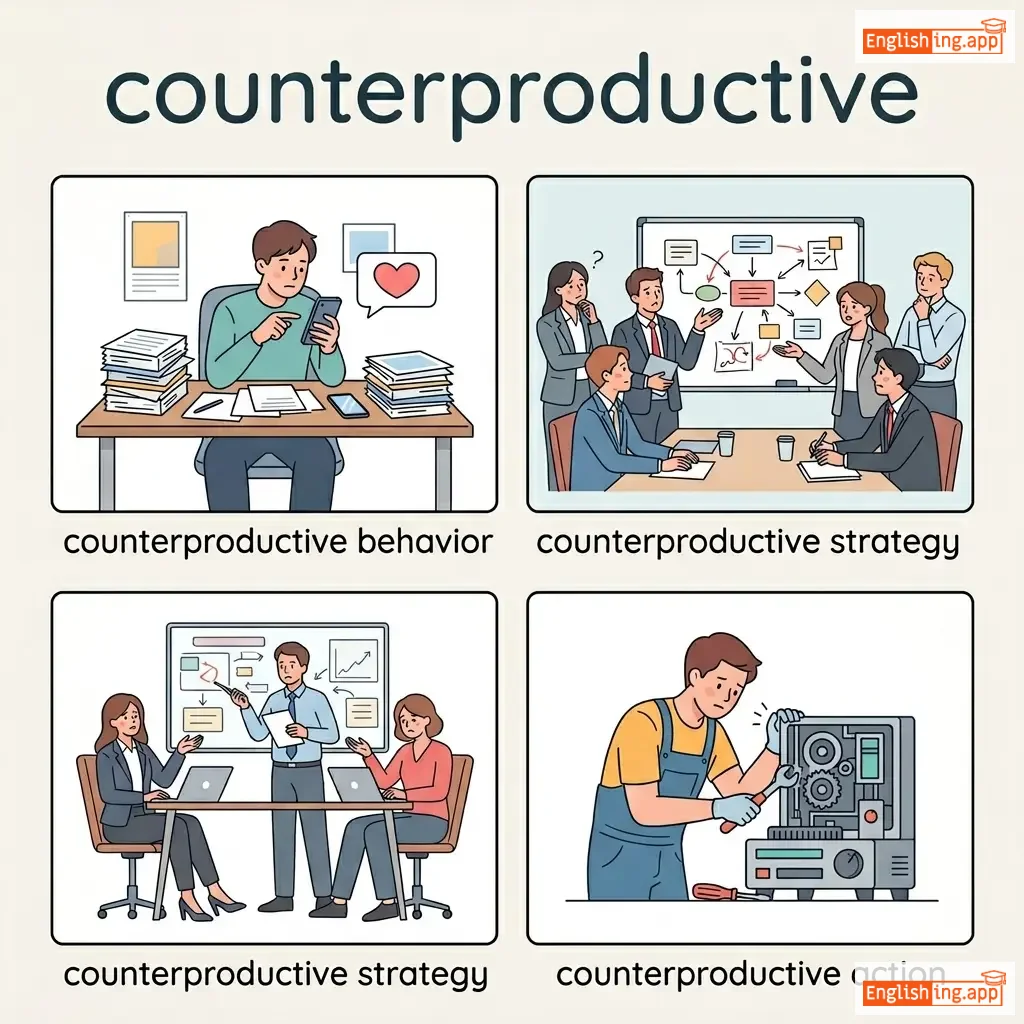
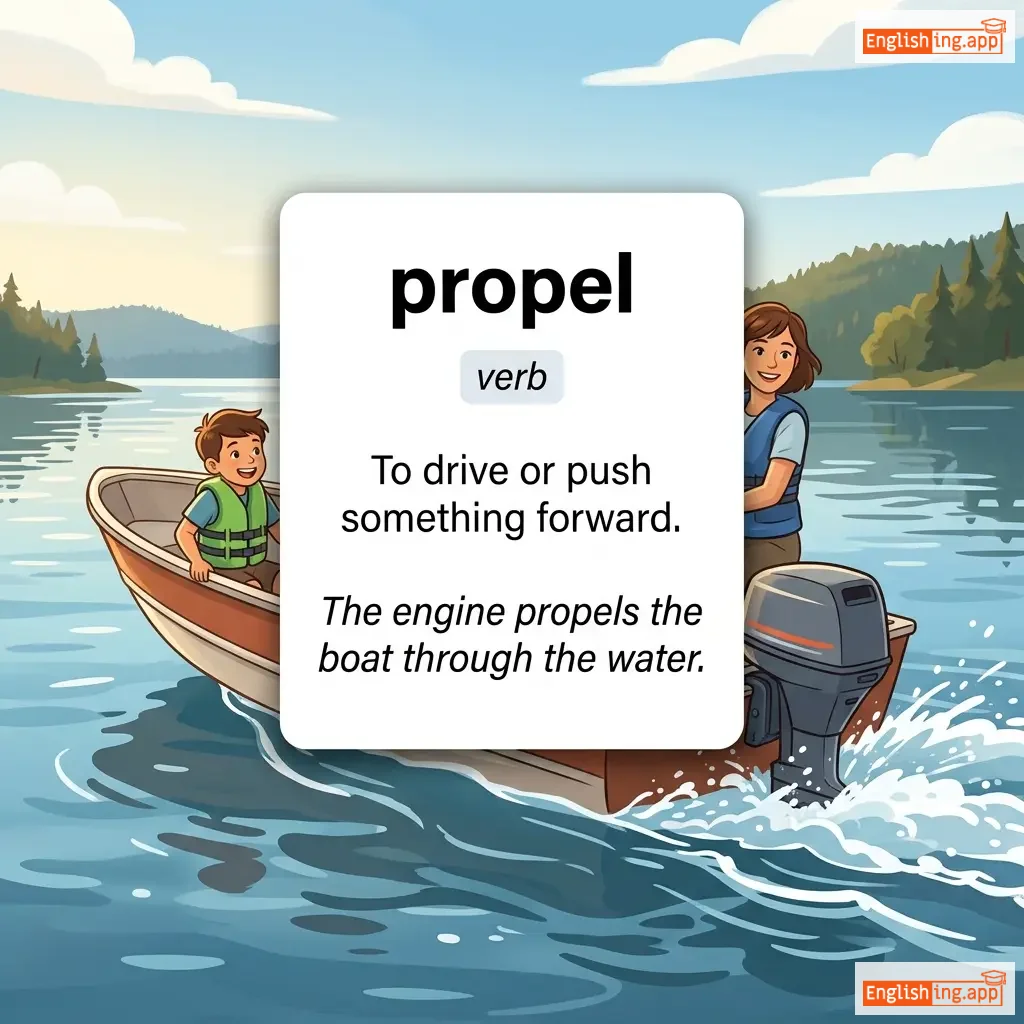
L'influence des pairs est extrêmement importante dans le crime juvénile. Les adolescents de cet âge veulent se libérer de la domination familiale et unify avec leurs pairs. Cette relation avec les voisins et les compagnons les aide à spontaneously acquire différents sujets. Mais si les compagnons sont de nature unscrupulous, les adolescents peuvent devenir enclins au crime sous leur influence. Les shortcomings des établissements éducatifs sont responsables du crime juvénile. L'absence de moral values et d'une éducation basée sur integrity est évidente dans la société actuelle. De nombreuses institutions offrent des opportunités limitées pour l'impartiality, la sincérité des enseignants et la constructive recreation. Par conséquent, les élèves se sentent alienated et commencent à montrer des counterproductive behaviors. Par exemple, ils sèchent l'école et loiter dans les rues, s'engagent dans l'abuse de substances et le eve teasing. Les inadequate curricula et les non-adaptive teaching methods créent un discontent parmi les adolescents, ce qui les propel vers des activités criminelles.
Message vocabulaire Pro
Passer à la version ProMessage phrases Pro
Passer à la version Pro|
Émoji
|
Mot | Images | Signification | Phrase d'Exemple | Synonymes | Antonymes |
|---|---|---|---|---|---|---|
|
#246
👥
|
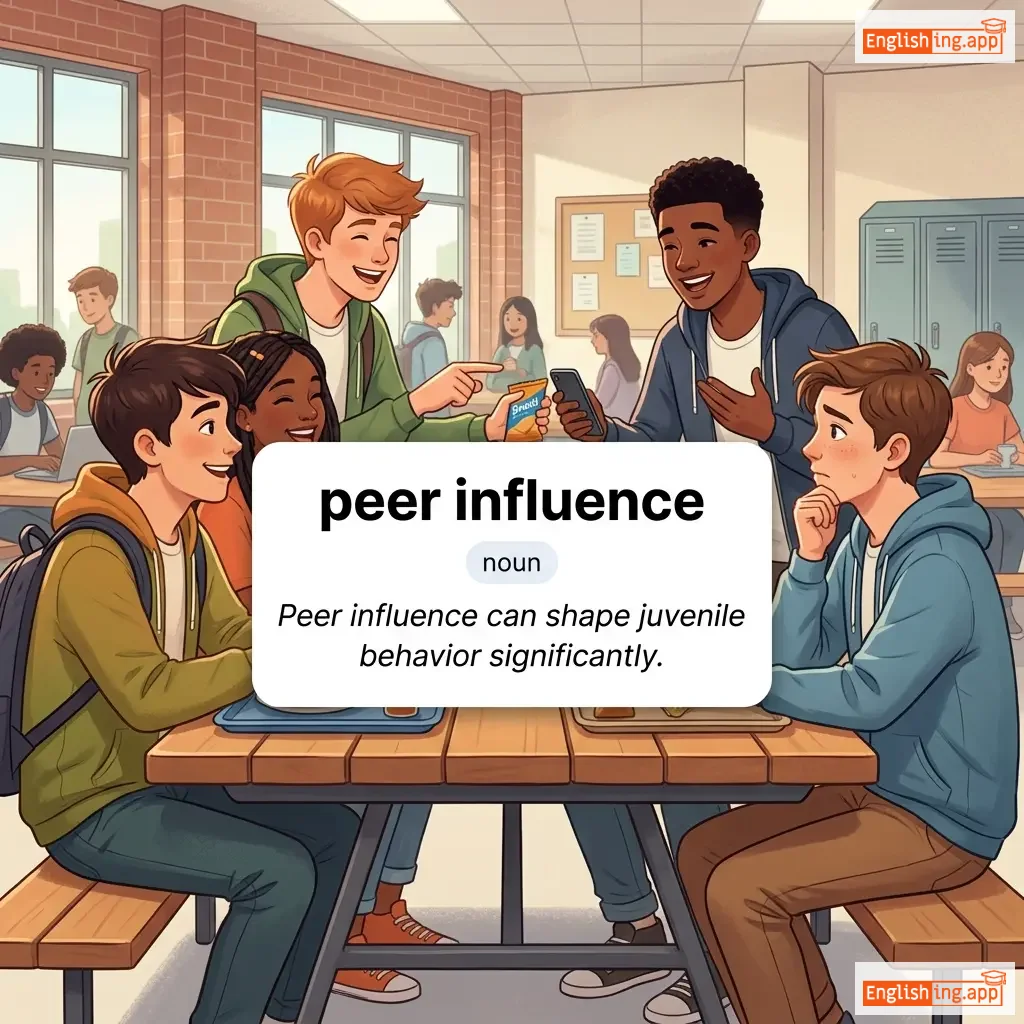
pɪər ˈɪnfluəns
noun
••••••
|
•••••• |
The effect that members of a peer group have on each other, especially in terms of behavior, attitudes, and decision-making.
••••••
|
Peer influence can shape juvenile behavior significantly. |
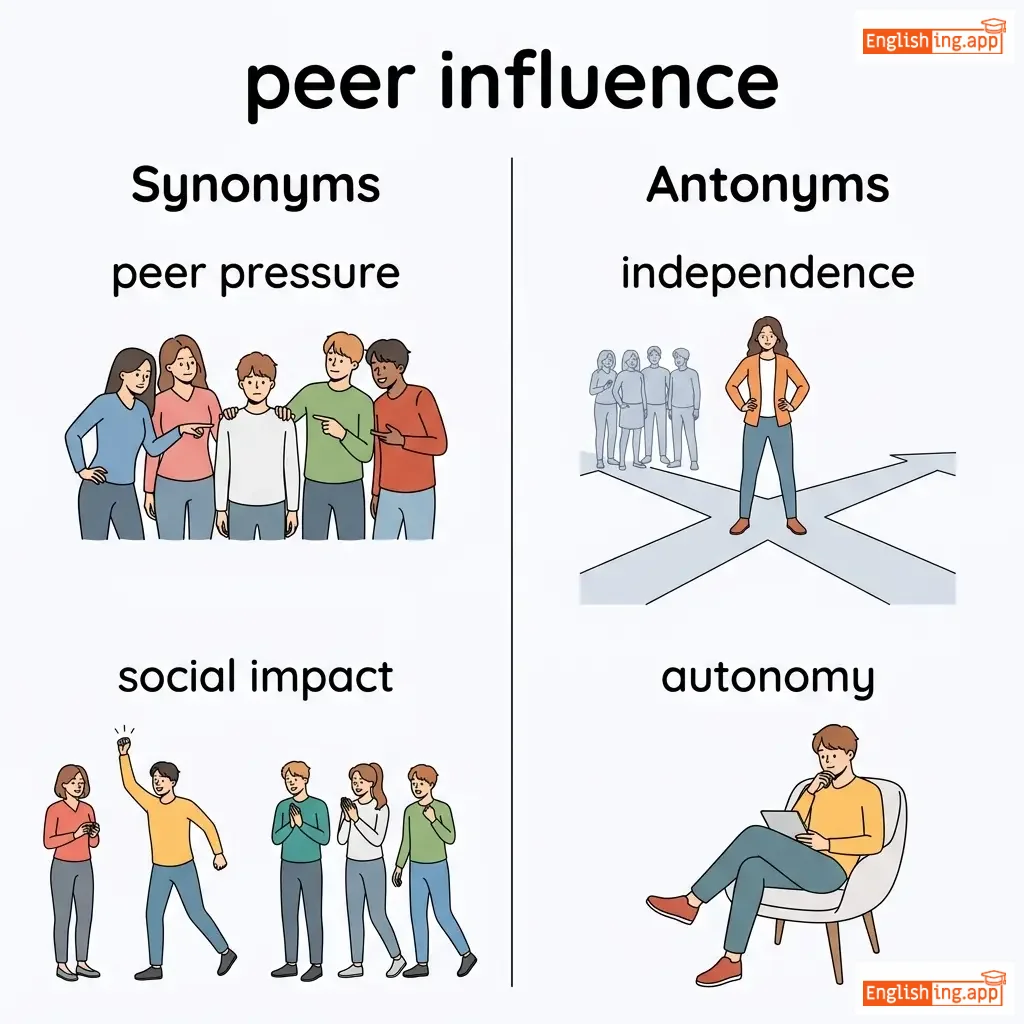
peer pressure, social impact
••••••
|
independence, autonomy
••••••
|
|
#247
👑
|
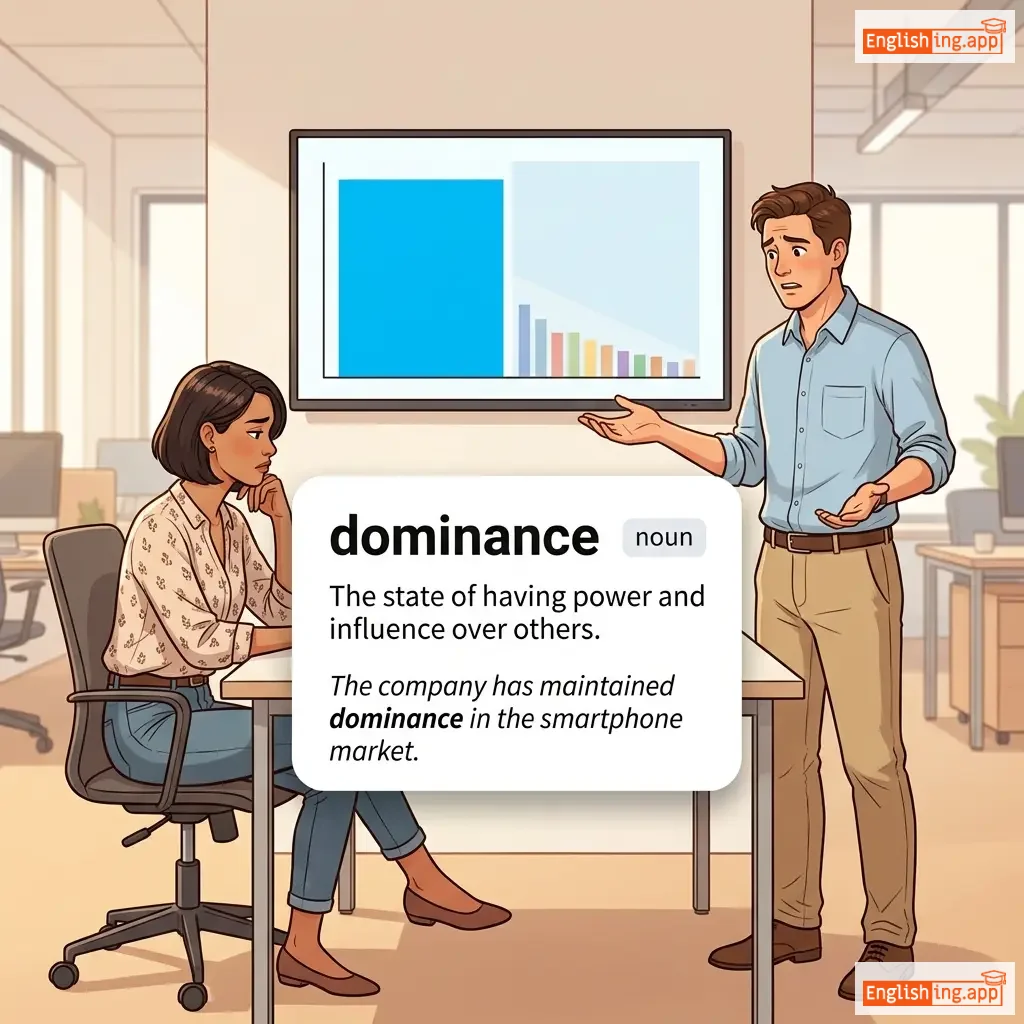
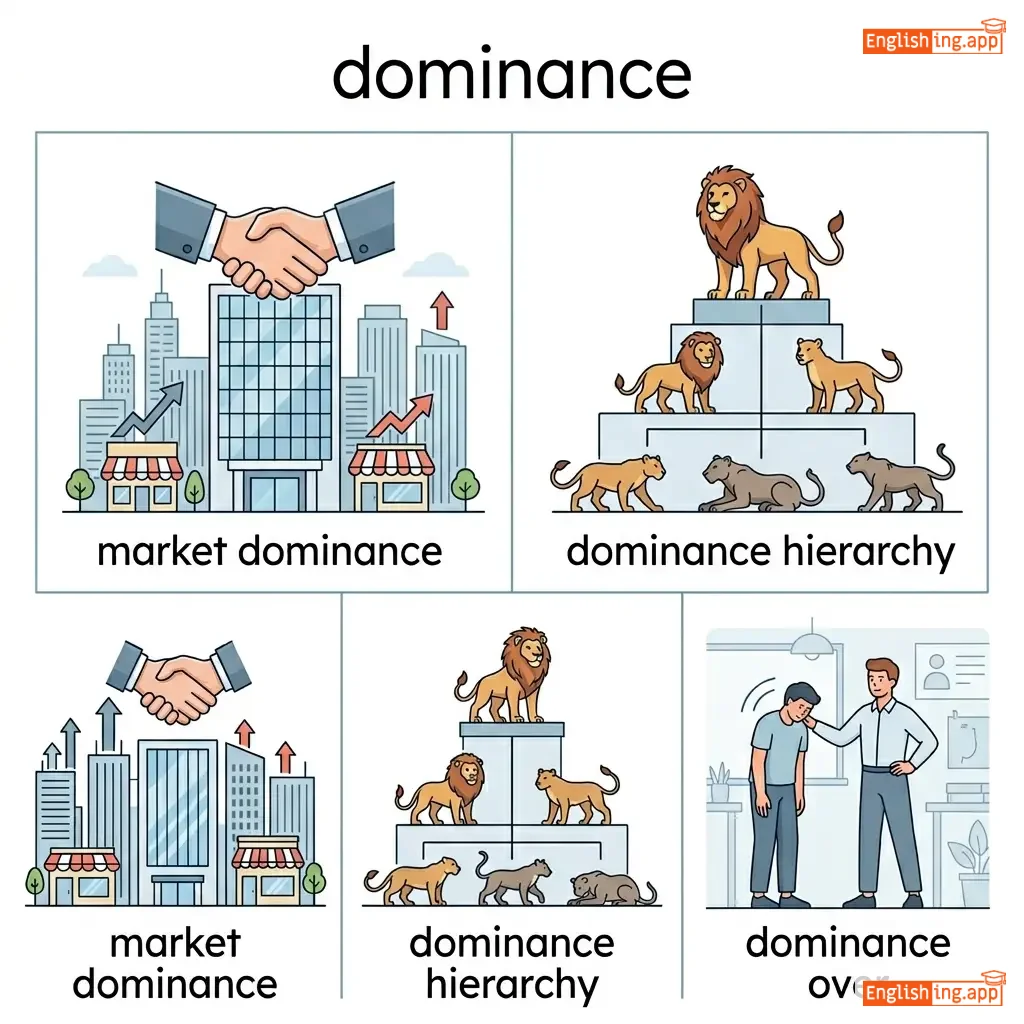
ˈdɒmɪnəns
noun
••••••
|
•••••• |
Power and influence over others; control or command over others.
••••••
|
Adolescents seek to escape parental dominance. |
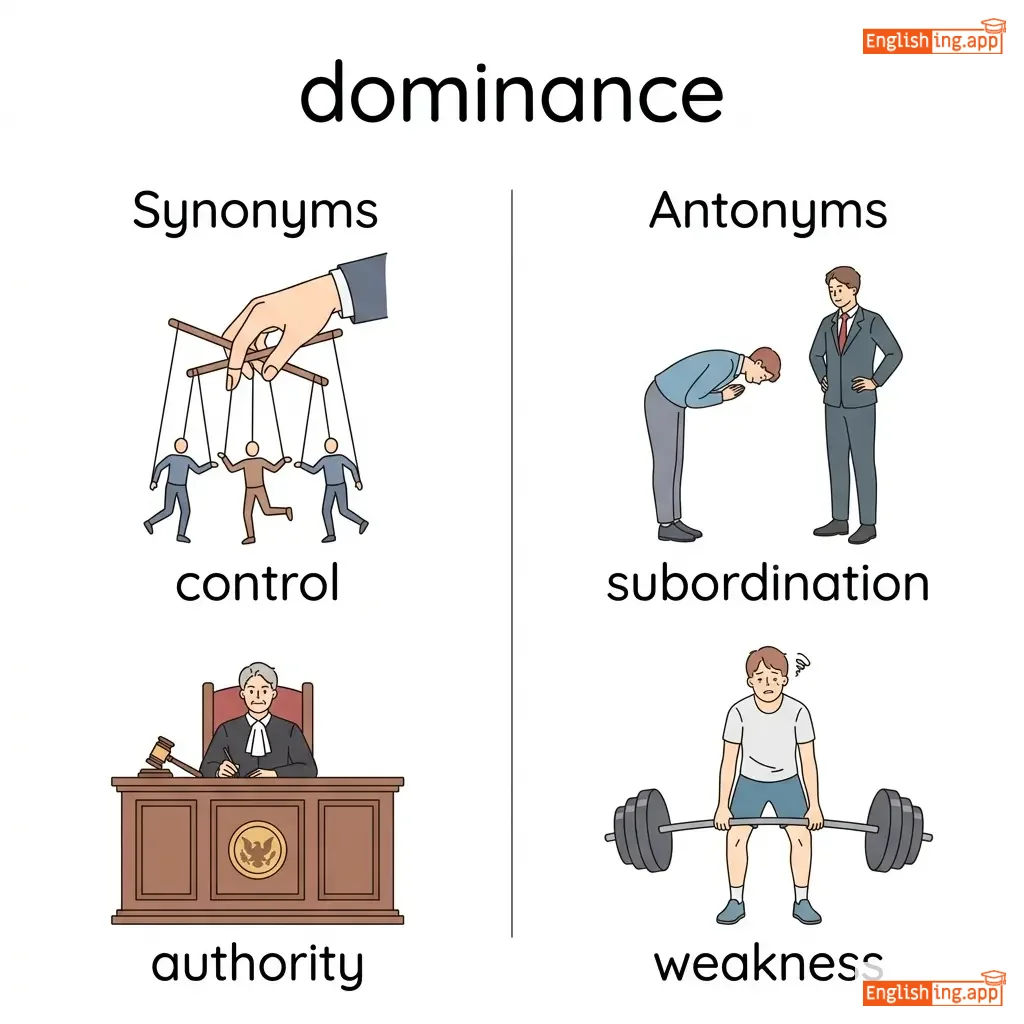
control, supremacy
••••••
|
subordination, inferiority
••••••
|
|
#248
🤝
|
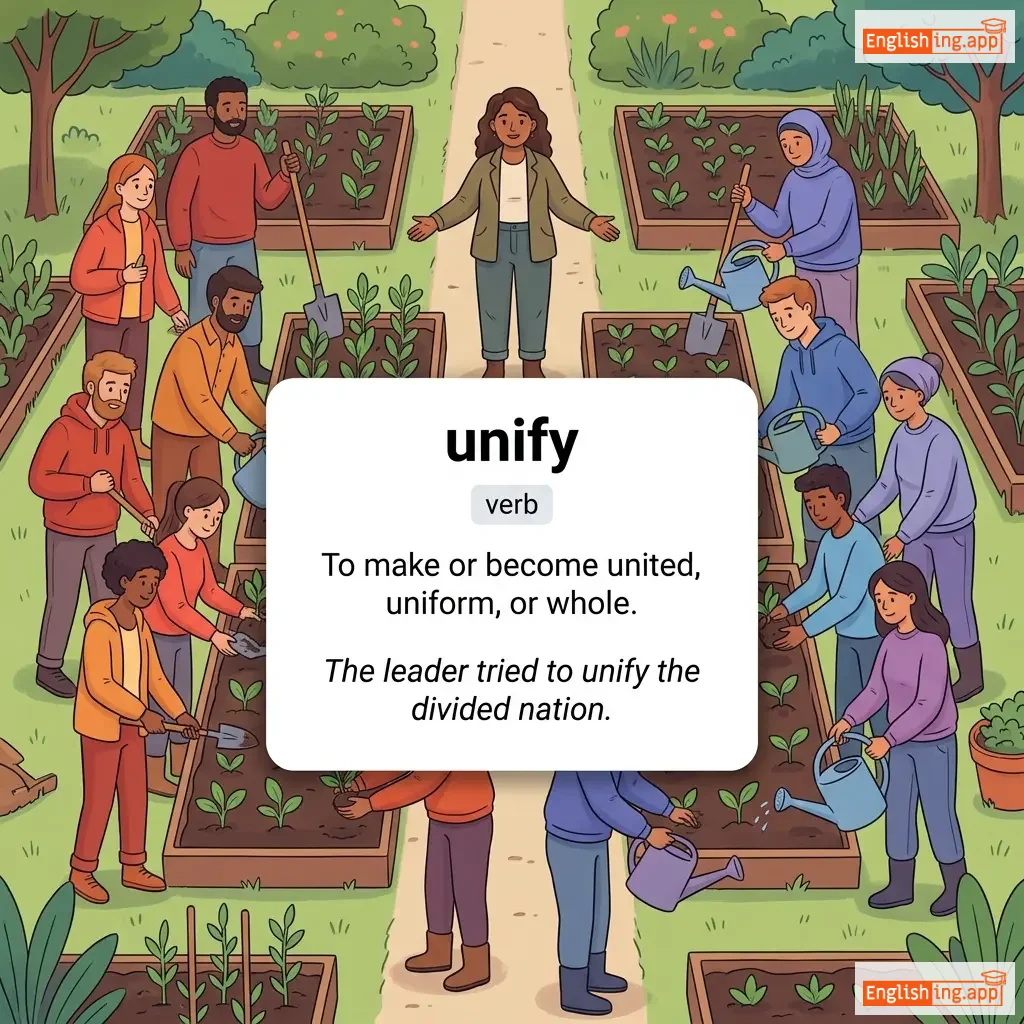
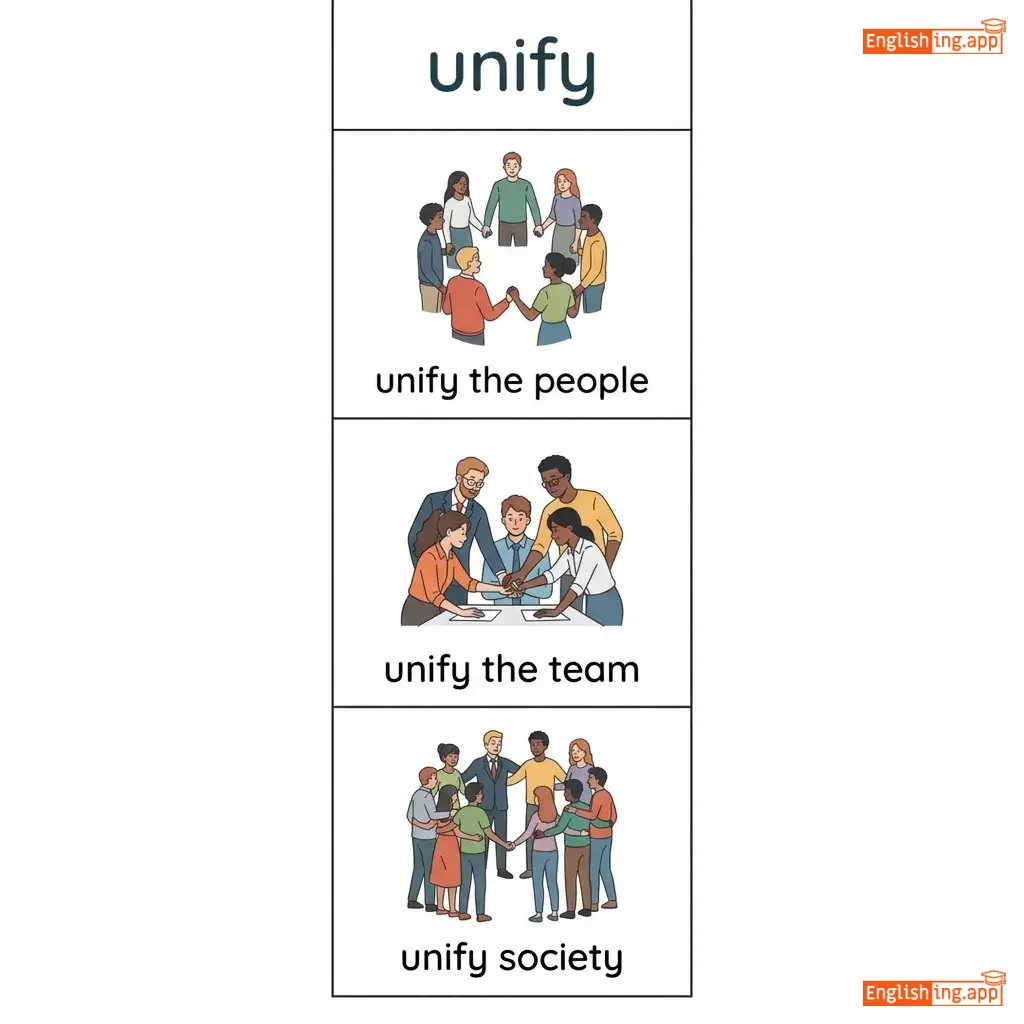
ˈjuːnɪfaɪ
verb
••••••
|
•••••• |
To make or become united, uniform, or whole; to bring together into a single unit.
••••••
|
Adolescents unify with peers for social acceptance. |
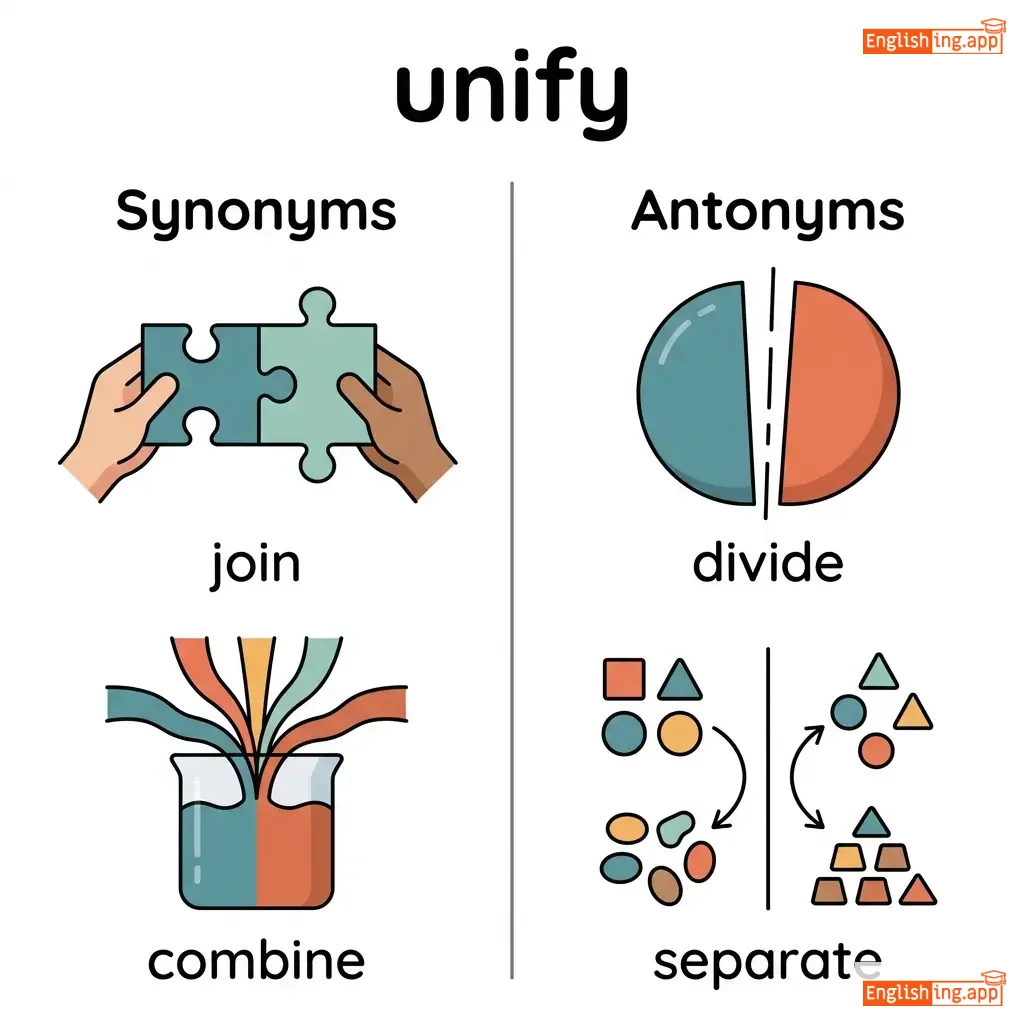
integrate, consolidate
••••••
|
divide, separate
••••••
|
|
#249
⚡
|
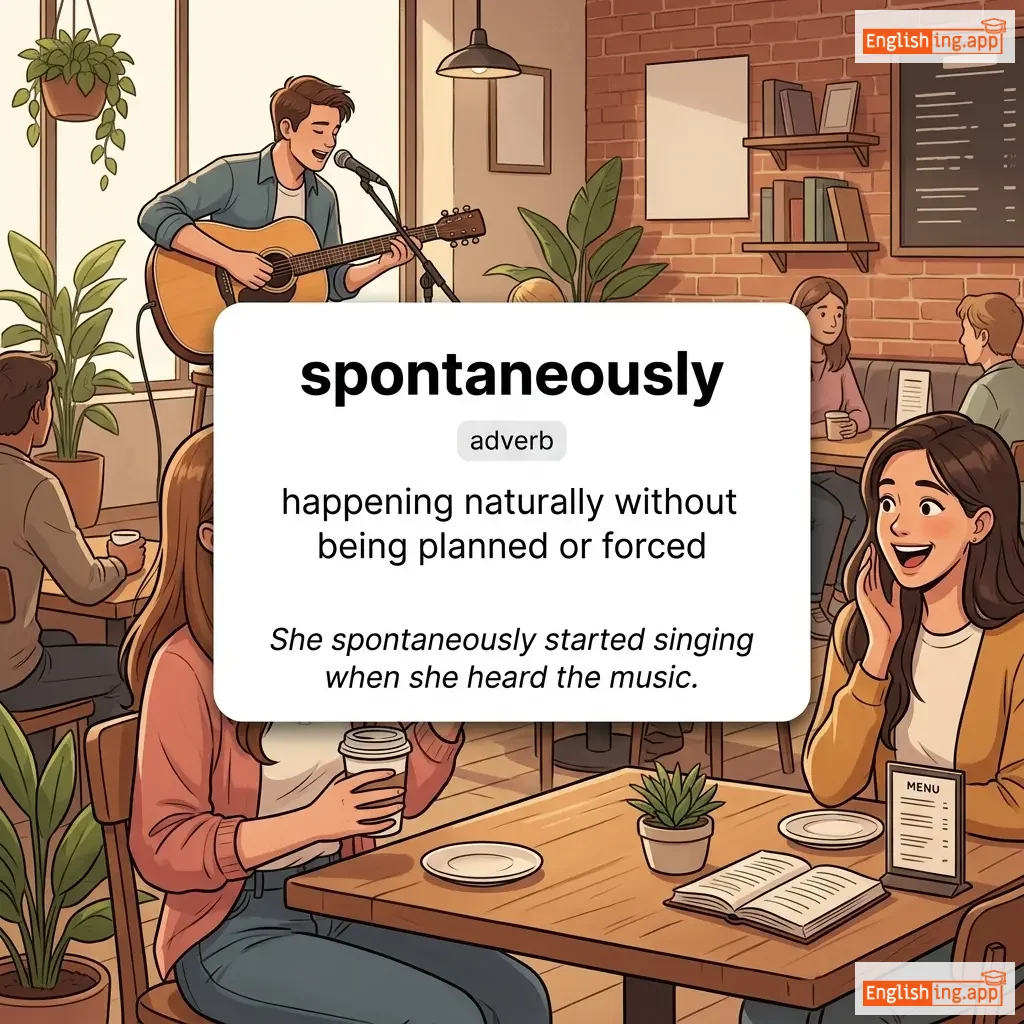
spɒnˈteɪnɪəsli
adverb
••••••
|
•••••• |
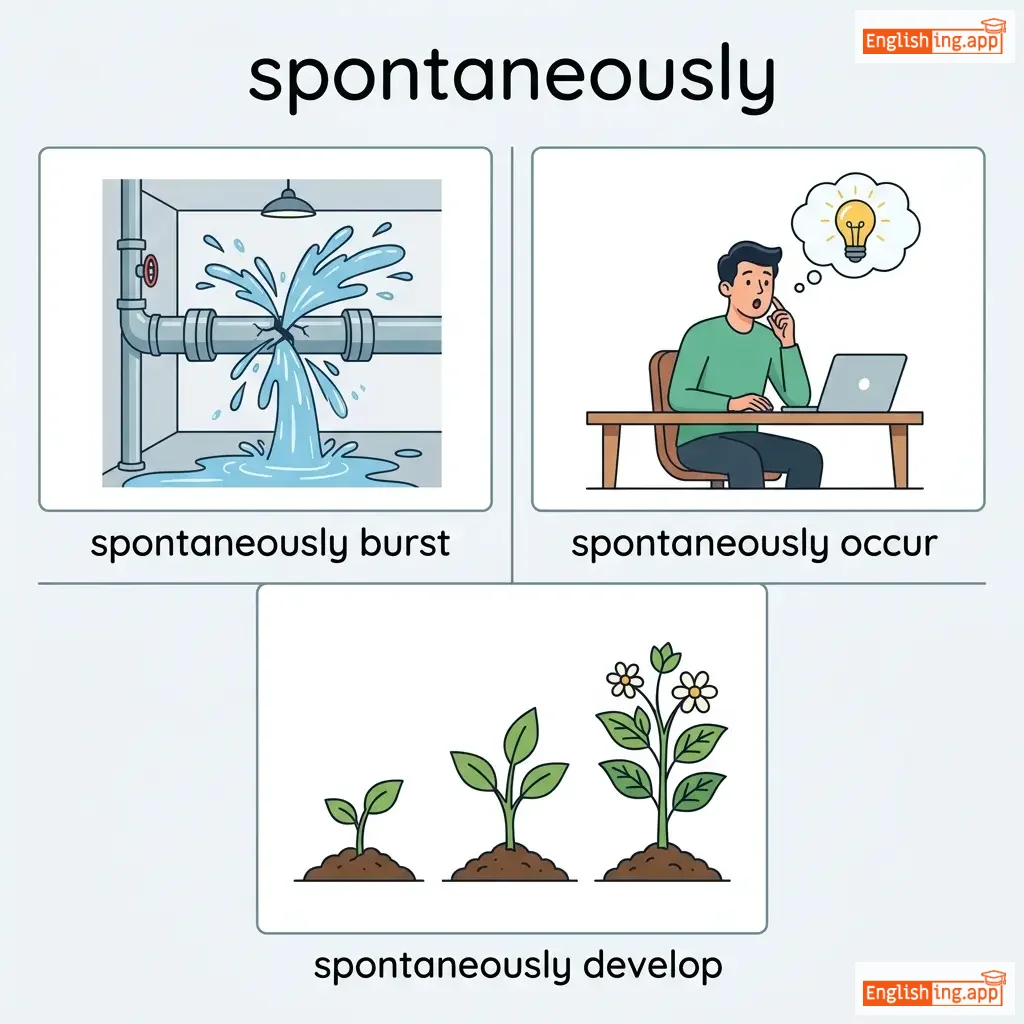
In a spontaneous way; naturally and without planning or external cause.
••••••
|
Children learn spontaneously through peer interactions. |
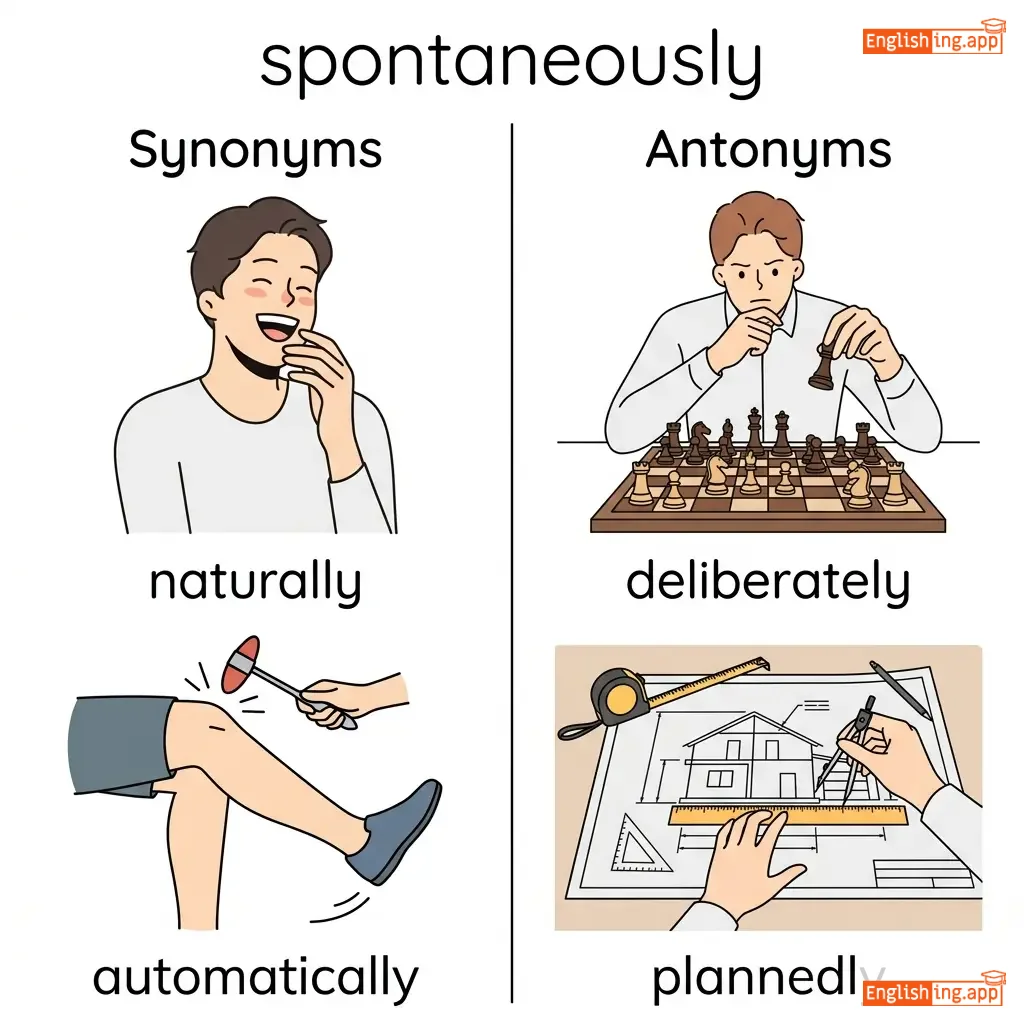
naturally, instinctively
••••••
|
deliberately, hesitantly
••••••
|
|
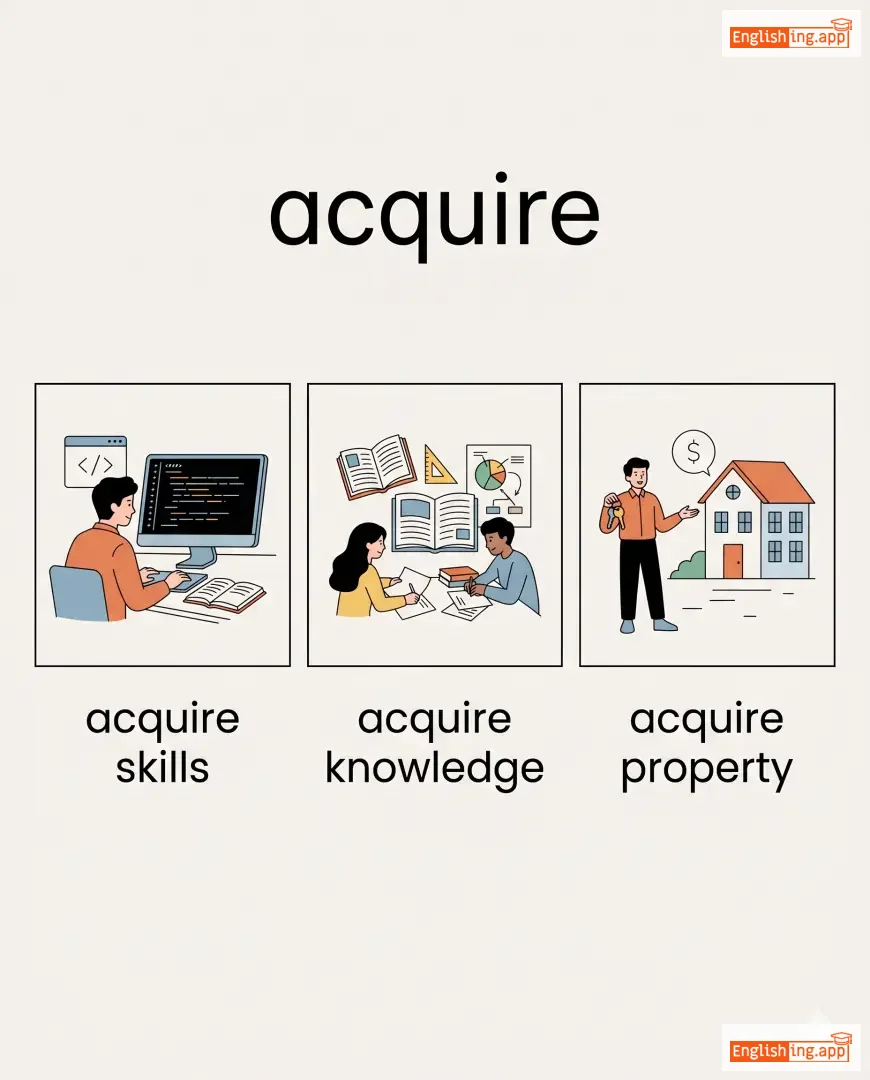
#250
📚
|
əˈkwaɪə
verb
••••••
|
•••••• |
To buy or obtain (an object or asset) for oneself; to learn or develop (a skill, habit, or quality).
••••••
|
Students acquire knowledge through various methods. |
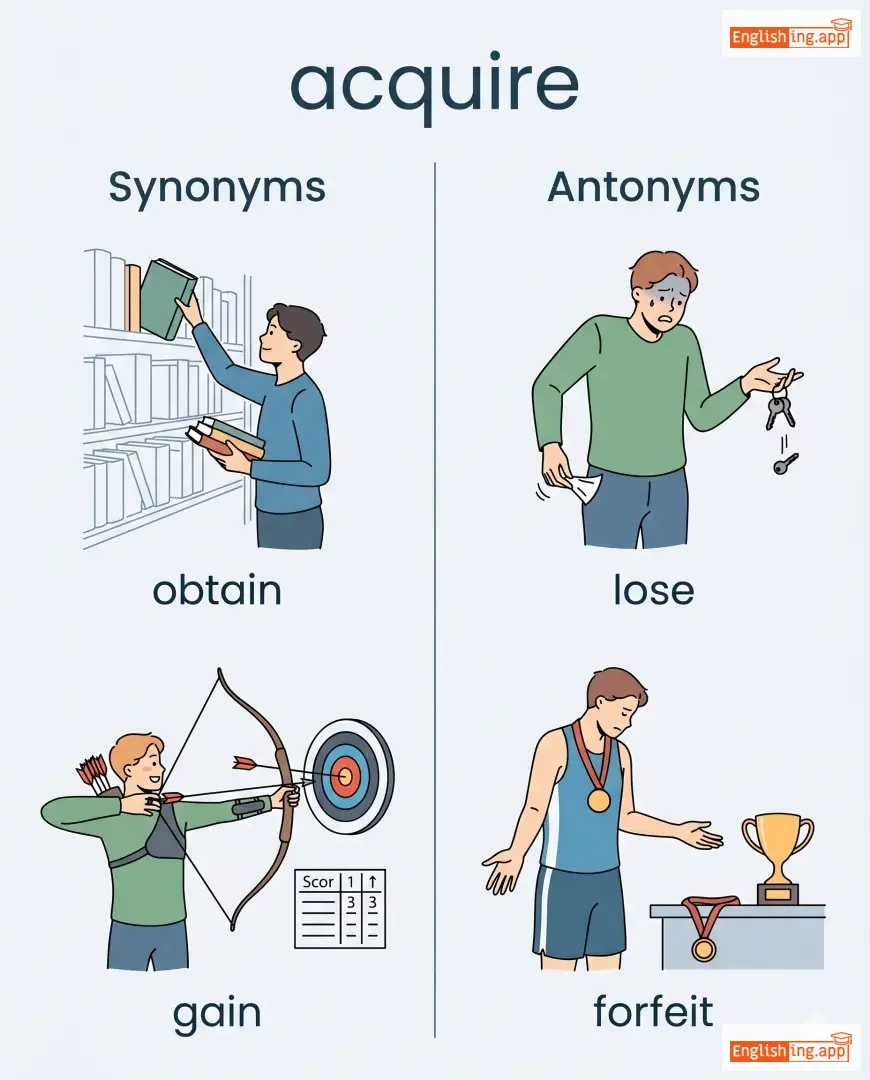
obtain, gain, learn
••••••
|
lose, forfeit, dispose
••••••
|
|
#251
😈
|
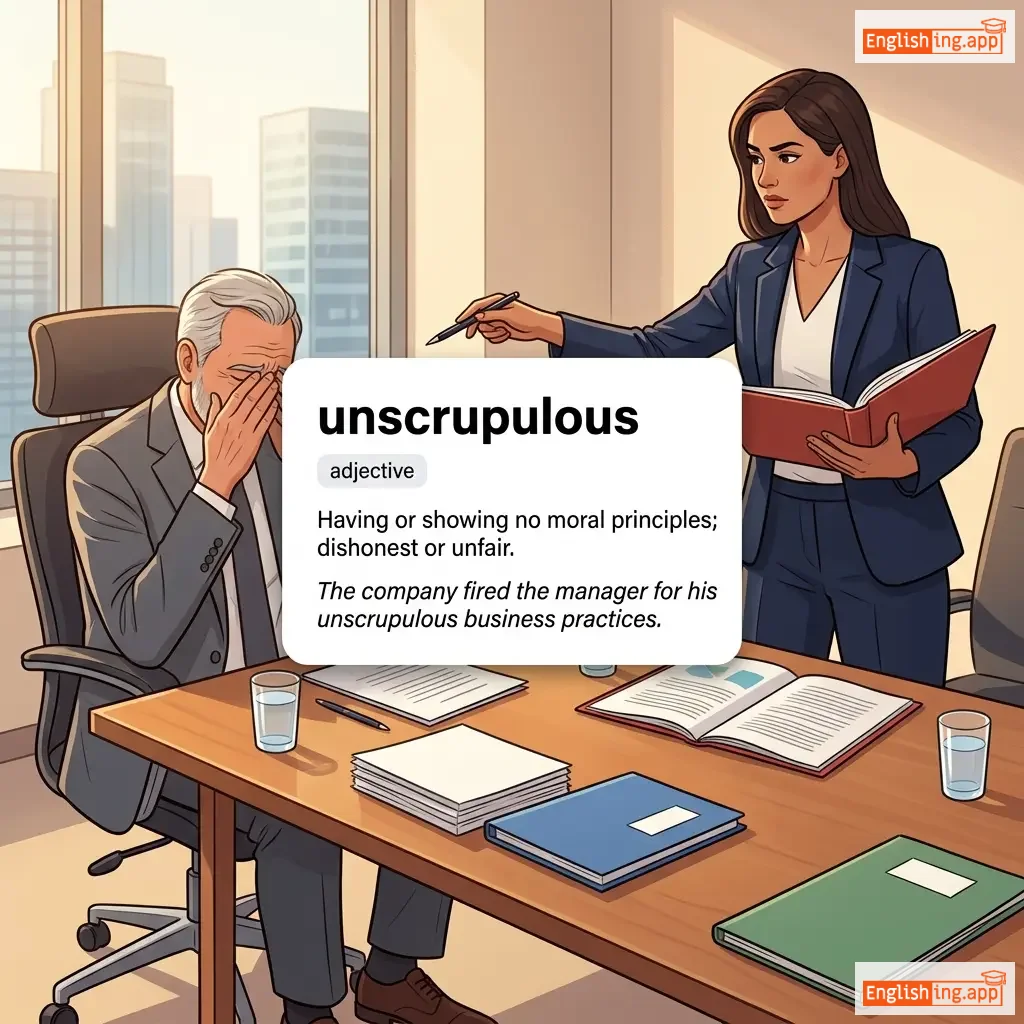
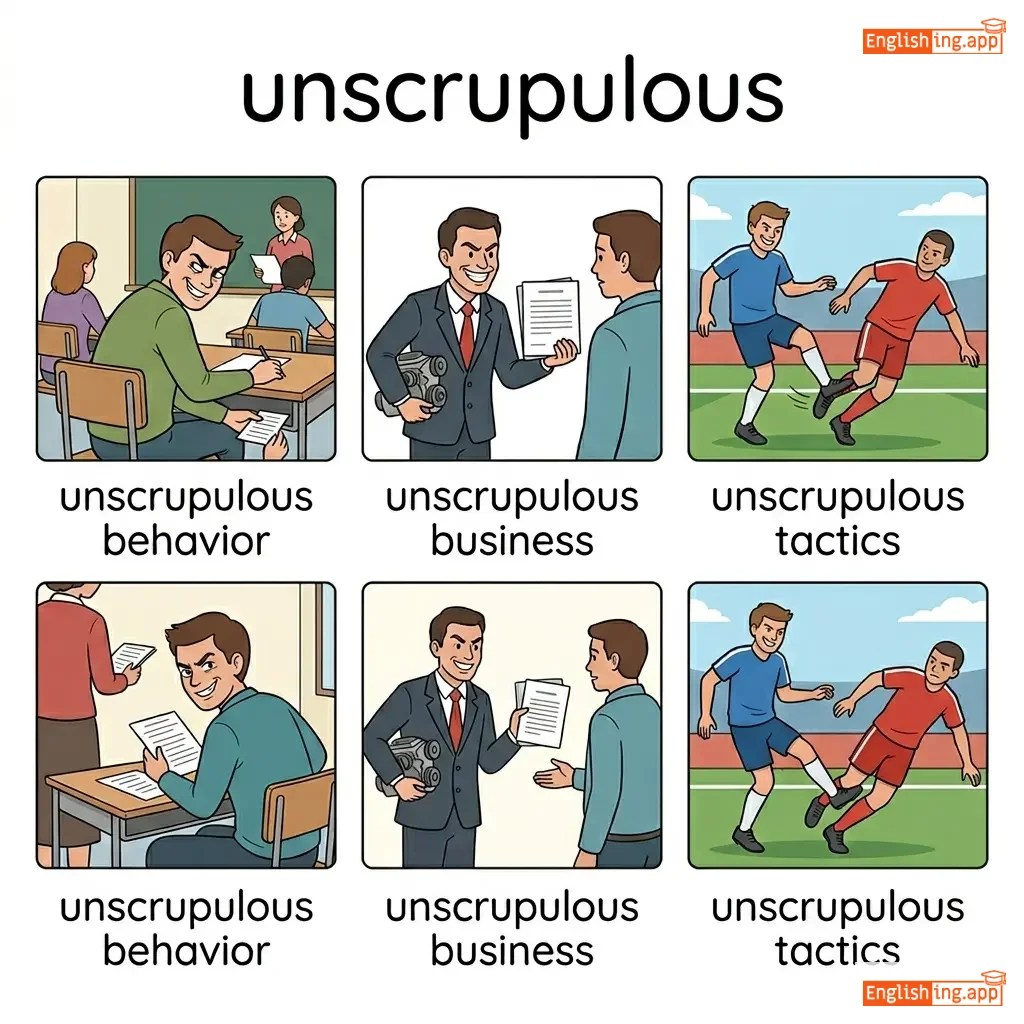
ʌnˈskruːpjʊləs
adjective
••••••
|
•••••• |
Having or showing no moral principles; not honest or fair.
••••••
|
Unscrupulous peers can lead adolescents to delinquency. |
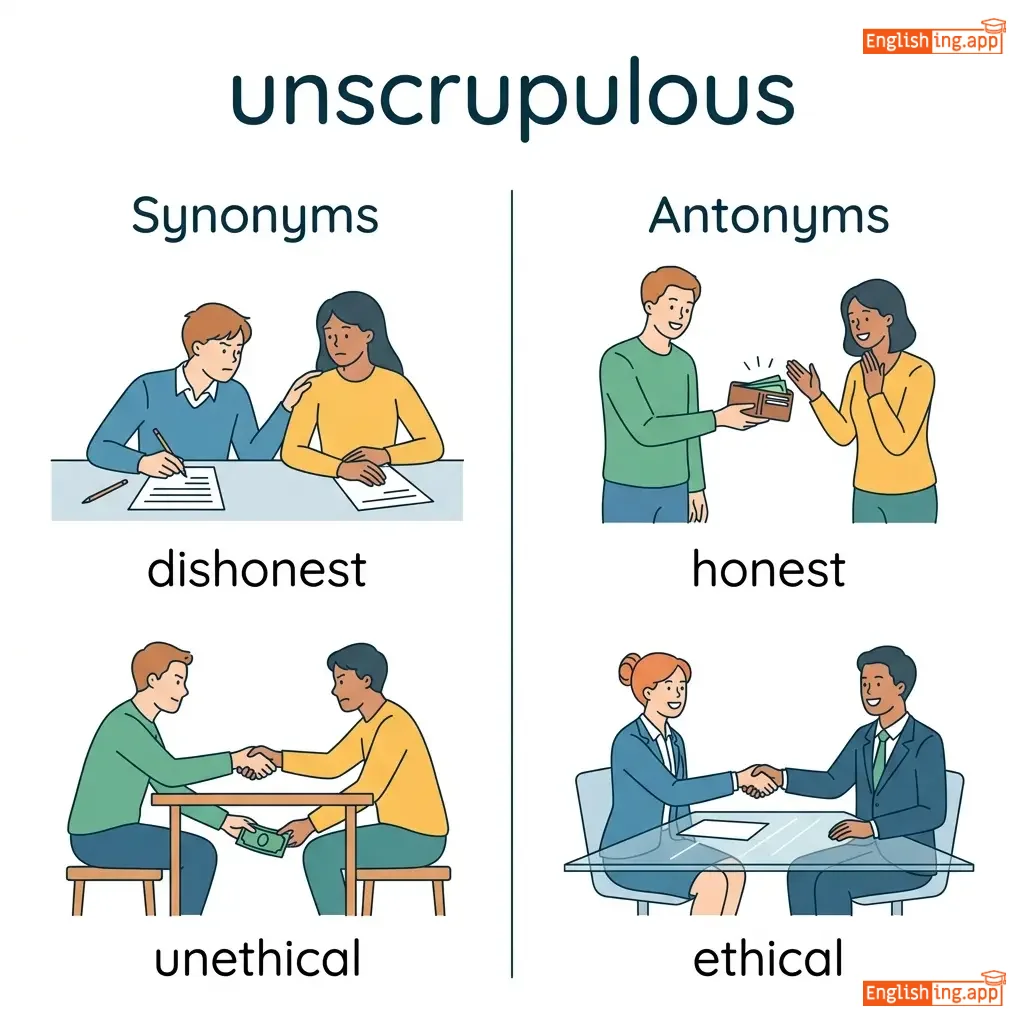
immoral, deceitful
••••••
|
ethical, honest
••••••
|
|
#252
⚠️
|
ˈʃɔːtkʌmɪŋz
noun
••••••
|
•••••• |
A fault or failure to meet a certain standard; deficiencies.
••••••
|
Institutional shortcomings affect student behavior negatively. |
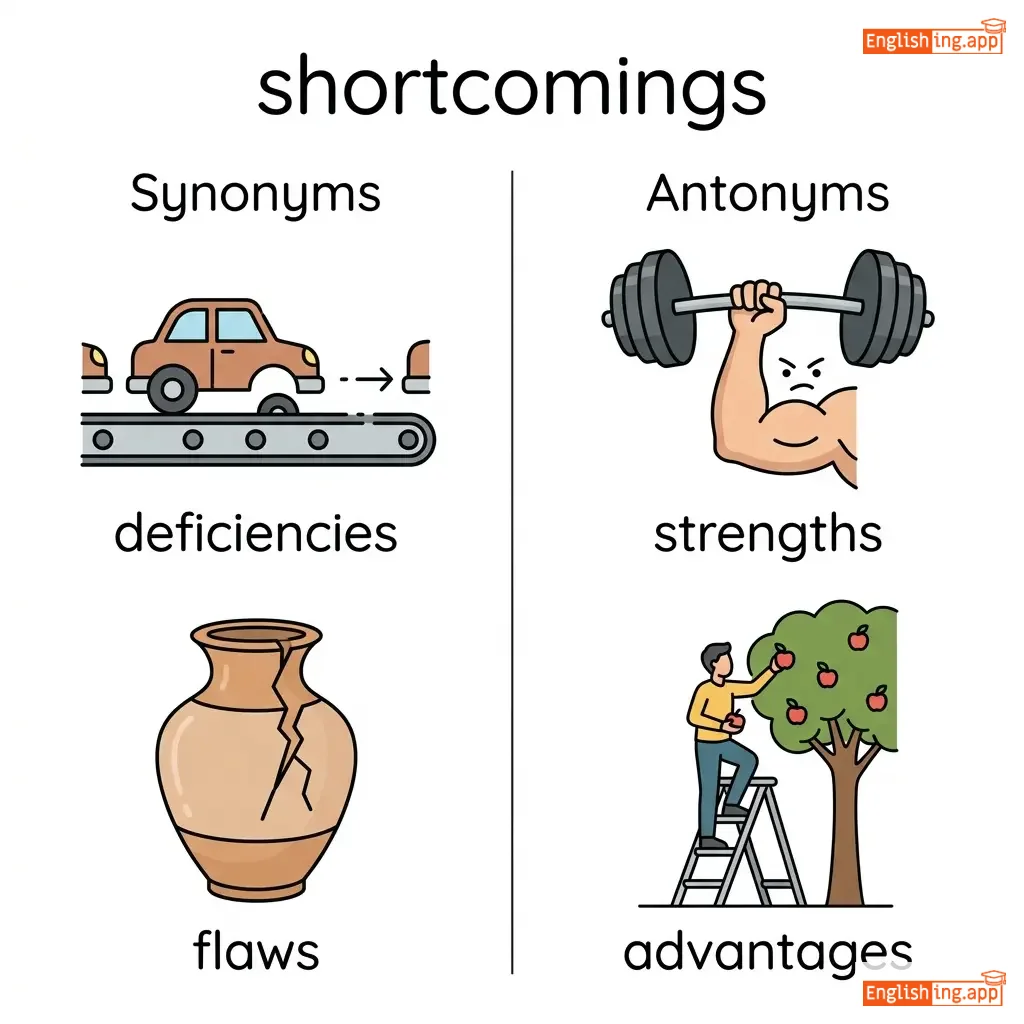
deficiencies, flaws
••••••
|
strengths, advantages
••••••
|
|
#253
🏆
|
ɪnˈtɛɡrɪti
noun
••••••
|
•••••• |
The quality of being honest and having strong moral principles; moral uprightness.
••••••
|
Teachers' integrity fosters a positive learning environment. |
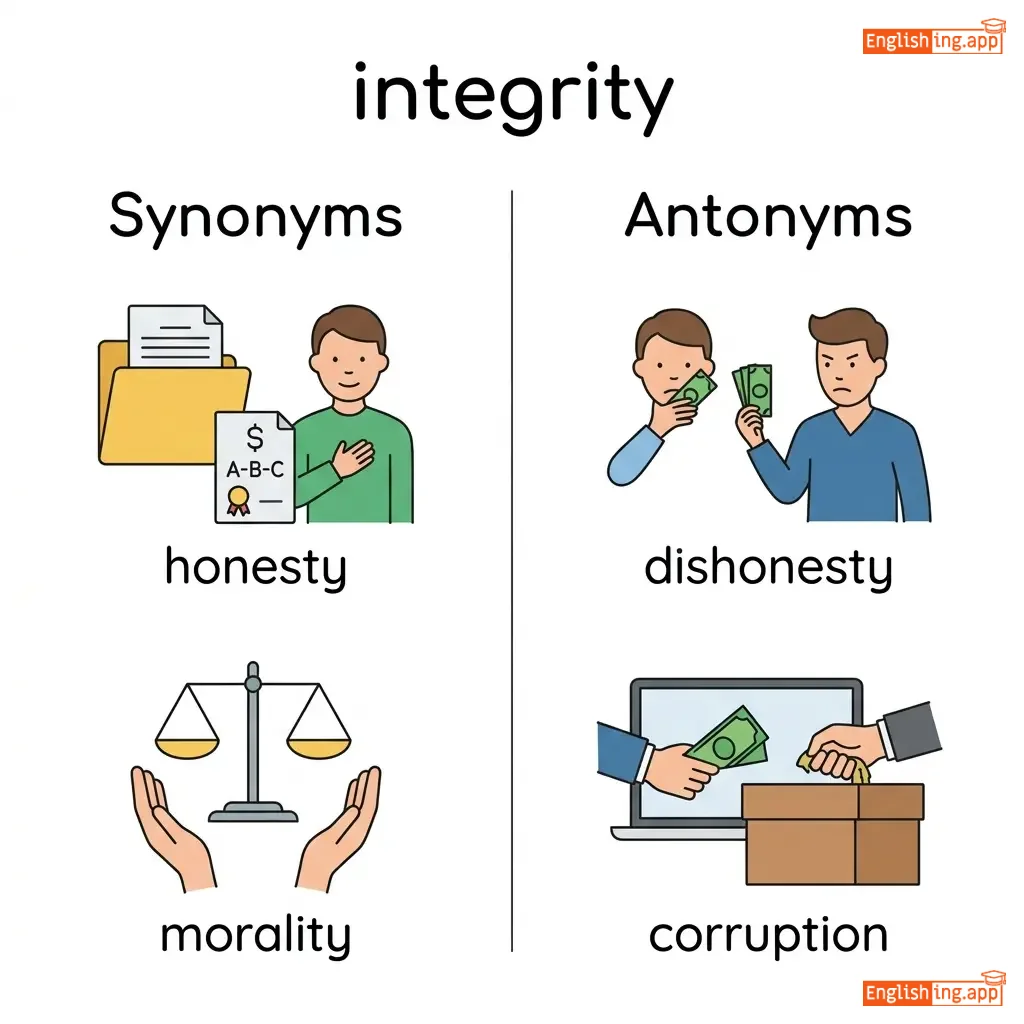
honesty, uprightness
••••••
|
dishonesty, corruption
••••••
|
|
#254
😔
|
ˈeɪlɪəneɪtɪd
adjective
••••••
|
•••••• |
Feeling isolated or estranged; disconnected from others or society.
••••••
|
Alienated students are more prone to delinquency. |
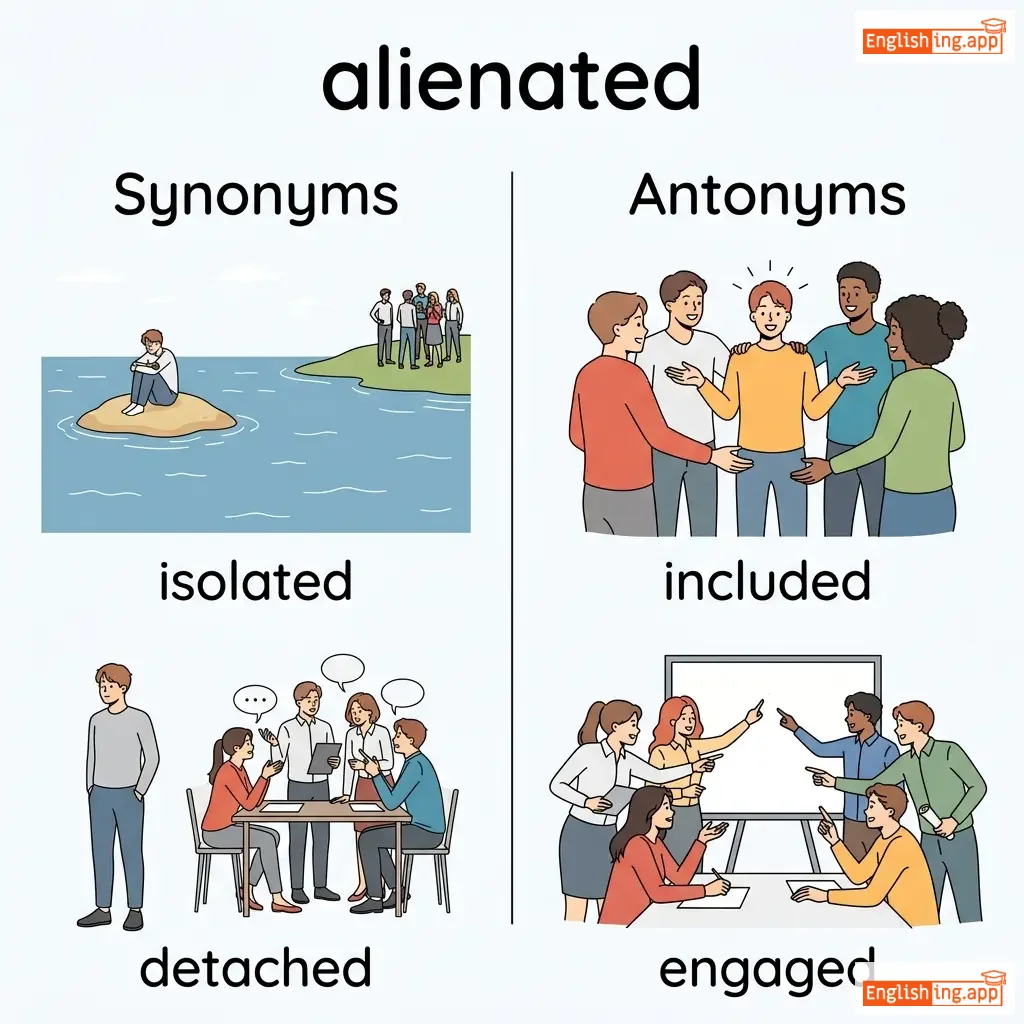
isolated, detached
••••••
|
included, engaged
••••••
|
|
#255
🔄
|
ˌkaʊntəprəˈdʌktɪv
adjective
••••••
|
•••••• |
Having the opposite of the desired effect; tending to hinder rather than help.
••••••
|
Counterproductive activities often stem from dissatisfaction. |
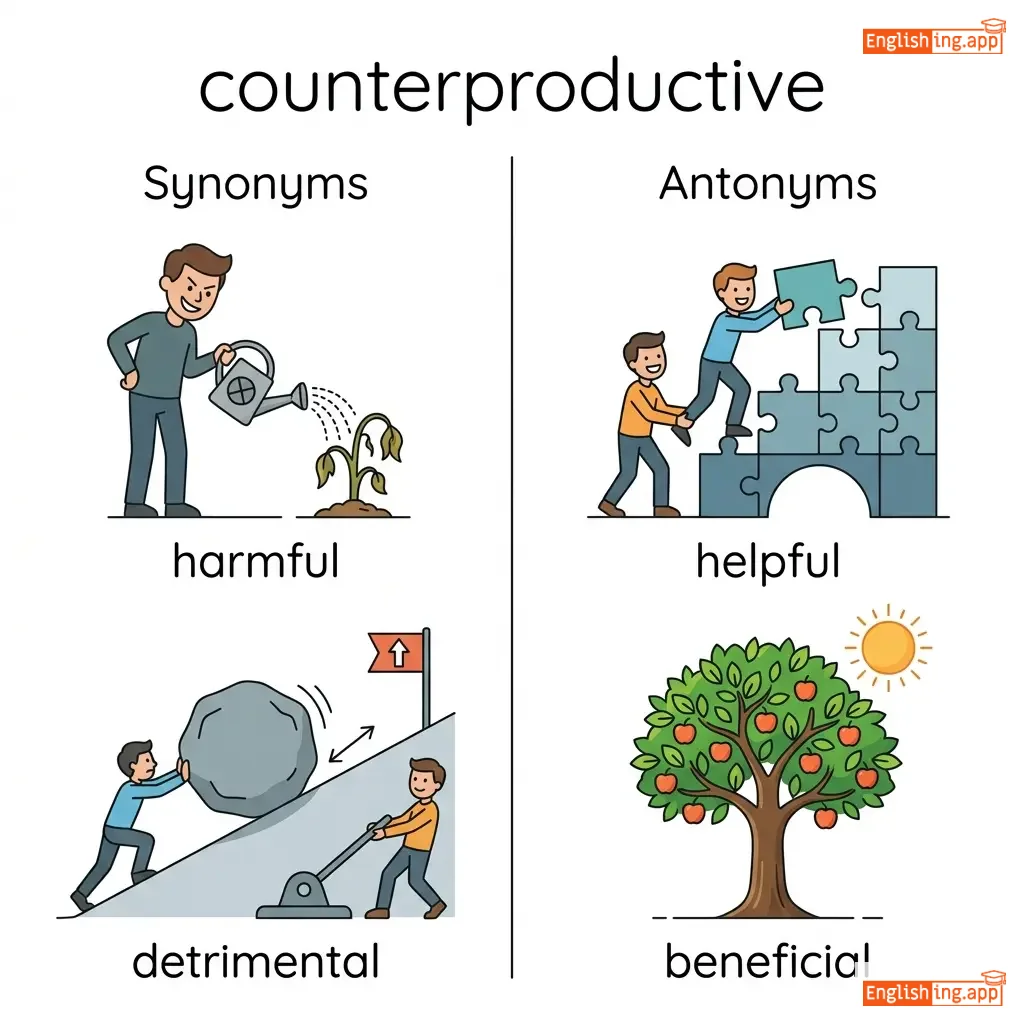
detrimental, inefficient
••••••
|
beneficial, constructive
••••••
|
|
#256
🚀
|
prəˈpel
verb
••••••
|
•••••• |
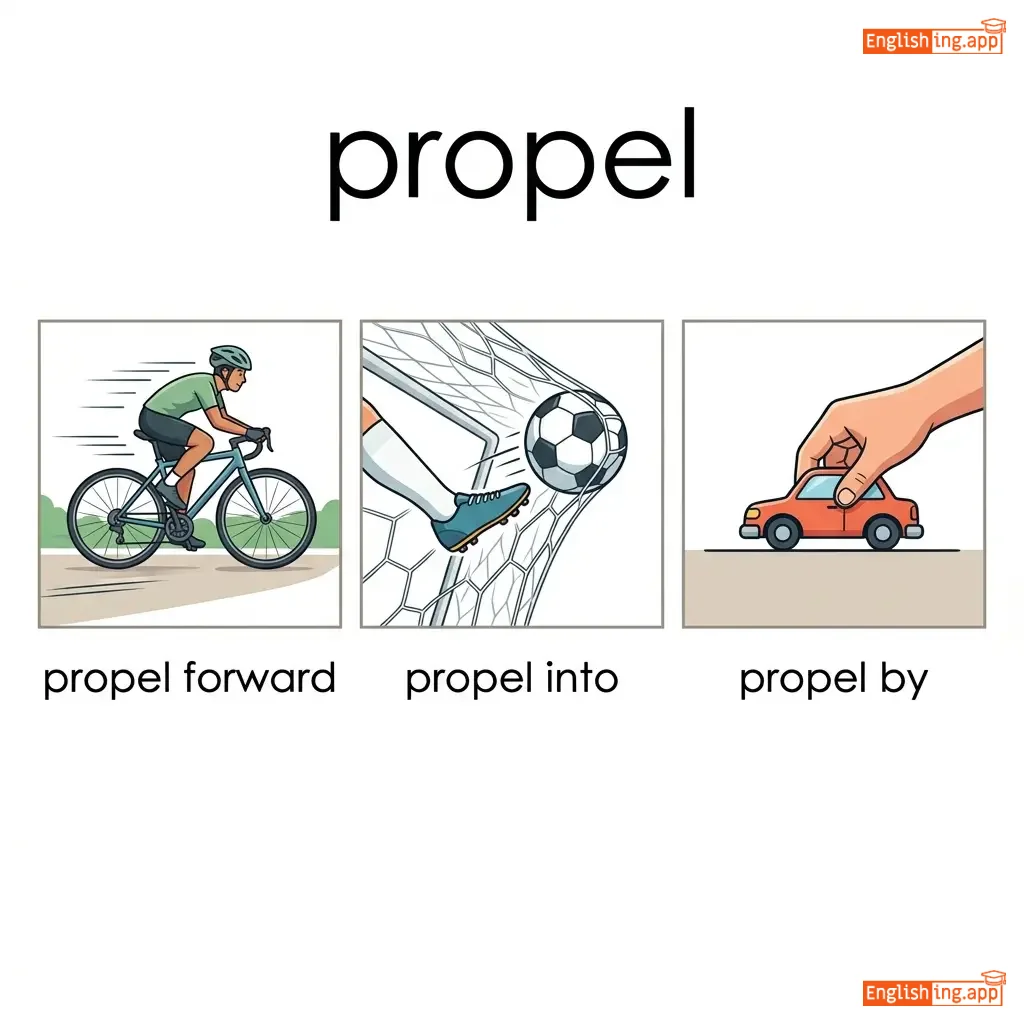
To drive, push, or cause to move in a particular direction, typically forward.
••••••
|
Lack of proper guidance can propel adolescents toward delinquency. |
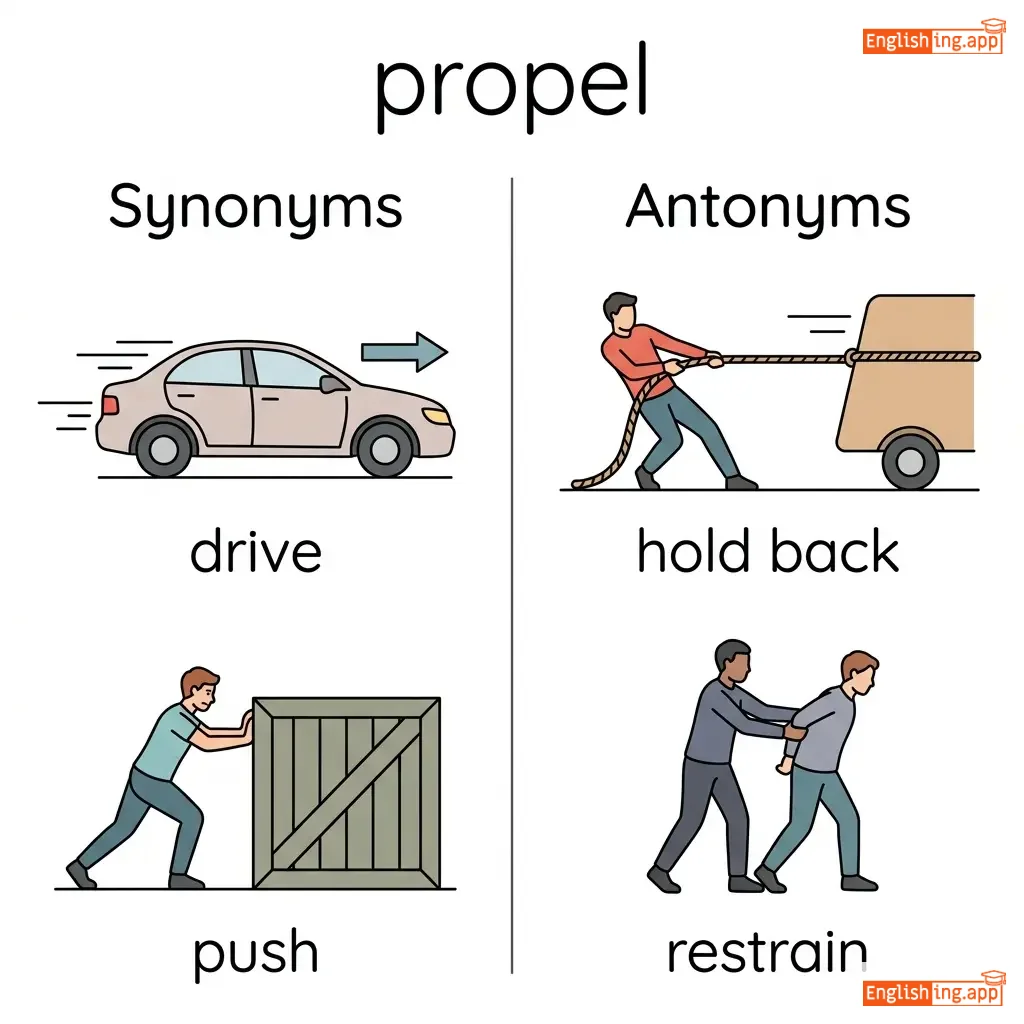
drive, push
••••••
|
hinder, restrain
••••••
|