Получите неограниченный доступ ко всем словам с подпиской Pro
Обновить до ProПолучите неограниченный доступ ко всем предложениям с подпиской Pro
Обновить до Pro|
Эмодзи
|
Слово | Images | Перевод | Прошедшее | Причастие прошедшего времени | Третье лицо единственного числа | Герундий | Значение | Пример предложения | Перевод примера предложения | Пример выражения | Значение примера выражения | Перевод примера выражения | Синонимы | Антонимы | Коллокации | Мнемоника |
|---|---|---|---|---|---|---|---|---|---|---|---|---|---|---|---|---|---|
|
😠
••••••
|
/ˈruːdli/
adverb
(рудли)
••••••
|
- •••••• |
грубо
grubo
••••••
|
- •••••• | - •••••• | - •••••• | - •••••• |
in an impolite or discourteous manner
••••••
|
He rudely interrupted the speaker during the presentation.
хи рудли интерраптед з спикер дьюринг з презенташн
••••••
|
Он грубо перебил докладчика во время презентации.
On grubo perebil dokladchika vo vremya prezentatsii.
••••••
|
- •••••• | - •••••• | - •••••• |
impolitely, discourteously, harshly, abruptly
••••••
|
politely, courteously, kindly, respectfully
••••••
|
rudely interrupted, rudely awakened, rudely dismissed
••••••
|
Rude → грубый; rudely → грубо (same root idea)
••••••
|
|
💔
••••••
|
/ˈruːɪn/
verb
(руин)
••••••
|
- •••••• |
разрушать
razrushat
••••••
|
ruined
руинированный
••••••
|
ruined
руинированный
••••••
|
ruins
руины
••••••
|
ruining
руинирующий
••••••
|
to destroy or severely damage something so that it no longer works or is of no use.
••••••
|
Heavy rain ruined the wedding decorations.
сильный дождь разрушил свадебные украшения.
••••••
|
Сильный дождь разрушил свадебные украшения.
Sil'nyy dozhd' razrushil svadebnye ukrasheniya.
••••••
|
go to ruin
идти к развалу
••••••
|
to deteriorate or be destroyed over time
••••••
|
идти к развалу
idti k razvalu
••••••
|
destroy, wreck, spoil, devastate, damage
••••••
|
build, repair, restore
••••••
|
ruin plans, ruin life, ruin relationship, ruin reputation
••••••
|
Когда всё рушится, как кирпичи, это всё разрушено!
••••••
|
|
📏
••••••
|
/ruːl/
noun
(rul)
••••••
|
- •••••• |
правило
pravilo
••••••
|
- •••••• | - •••••• | - •••••• | - •••••• |
an accepted principle or instruction that states what is allowed or what must be done.
••••••
|
There are strict rules about safety in the lab. |
В лаборатории есть строгие правила безопасности.
V laboratorii yest' strogiye pravila bezopasnosti.
••••••
|
break the rules |
to disobey or violate the rules
••••••
|
нарушить правила
narushit' pravila
••••••
|
law, regulation, guideline, command, principle
••••••
|
chaos, freedom, disorder
••••••
|
follow the rule, make a rule, strict rule, basic rule
••••••
|
Если нарушаешь правило, ты вылетаешь из школы.
••••••
|
|
👑
••••••
|
/ˈruːlər/
noun
(рулер)
••••••
|
- •••••• |
правитель; линейка
pravitel; lineyka
••••••
|
- •••••• | - •••••• | - •••••• | - •••••• |
A person who governs or controls a country; a straight-edged tool used for measuring or drawing lines
••••••
|
The ruler drew a straight line on the paper while the king was a powerful ruler of his kingdom.
Рулер провел прямую линию на бумаге, в то время как король был могущественным рулером своего королевства.
••••••
|
Рулер провел прямую линию на бумаге, в то время как король был могущественным рулером своего королевства.
Ruler provel pryamuyu liniyu na bumage, v to vremya kak korol byl mogushchestvennym rulerom svoego korolevstva.
••••••
|
rule of thumb
правило большого пальца
••••••
|
A general principle based on experience rather than a strict rule
••••••
|
общее правило
obschee pravilo
••••••
|
sovereign, monarch, leader, measuring stick, guide
••••••
|
subject, citizen, follower
••••••
|
absolute ruler, pencil ruler, steel ruler, ruler of the country
••••••
|
Рулер 👑 = правитель или линейка для измерения.
••••••
|
|
⚖️
••••••
|
/ˈruːlɪŋ/
noun
(рулинг)
••••••
|
- •••••• |
постановление
postanovlenie
••••••
|
- •••••• | - •••••• | - •••••• | - •••••• |
an official decision made by a judge or authority.
••••••
|
The court’s ruling favored the defendant. |
Постановление суда было в пользу обвиняемого.
Postanovlenie suda bylo v pol'zu obvinyaemogo.
••••••
|
ruling party |
the political party currently in power
••••••
|
правящая партия
pravyashchaya partiya
••••••
|
decision, verdict, judgment, decree, resolution
••••••
|
appeal, reversal
••••••
|
court ruling, final ruling, government ruling, new ruling
••••••
|
Судья вынес постановление (ruling), и судьба была решена!
••••••
|
|
🗣️
••••••
|
/ˈruːmər/
noun
(ру́мэр)
••••••
|
- •••••• |
слух
slukh
••••••
|
- •••••• | - •••••• | - •••••• | - •••••• |
a currently circulating story or report of uncertain or doubtful truth.
••••••
|
There’s a rumor that the company will merge next year. |
Ходит слух, что компания объединится в следующем году.
Khodit slukh, chto kompaniya ob'yedinit'sya v sleduyushchem godu.
••••••
|
spread a rumor |
to share unverified information with others
••••••
|
распространить слух
rasprostranit' slukh
••••••
|
gossip, hearsay, speculation, talk, buzz
••••••
|
fact, truth, confirmation
••••••
|
false rumor, spread rumor, rumor mill, wild rumor
••••••
|
Слухи, как ветер — они быстро разлетаются.
••••••
|
|
🗣️
••••••
|
/ˈruːmər/
noun
(румор)
••••••
|
- •••••• |
слух; сплетня; новость
slukh
••••••
|
- •••••• | - •••••• | - •••••• | - •••••• |
a currently circulating story or report of uncertain or doubtful truth; gossip
••••••
|
There's a rumour that the company will close next month.
Существует слух, что компания закроется в следующем месяце.
••••••
|
Существует слух, что компания закроется в следующем месяце.
sushchestvuet slukh, chto kompaniya zakroetsya v sleduyushchem mesyatse
••••••
|
- •••••• | - •••••• | - •••••• |
gossip, hearsay, speculation, whisper
••••••
|
fact, truth, certainty, confirmation
••••••
|
spread rumour, false rumour, rumour mill
••••••
|
Slukh in Russian sounds like 'sly' in gossip—easy connection to rumors.
••••••
|
|
🏃
••••••
|
/rʌn/
verb
(хэппинесс)
••••••
|


|
счастье
schastye
••••••
|
ran
••••••
|
run
••••••
|
runs
••••••
|
running
••••••
|
to move swiftly on foot by taking steps faster than walking
••••••
|
He runs every morning to stay fit. |
Она не могла скрыть своего счастья, когда получила награду.
Ona ne mogla skryt' svoego schast'ya, kogda poluchila nagradu.
••••••
|
run out of time |
to have no more time left to complete something
••••••
|
поиск счастья
poisk schast'ya
••••••
|
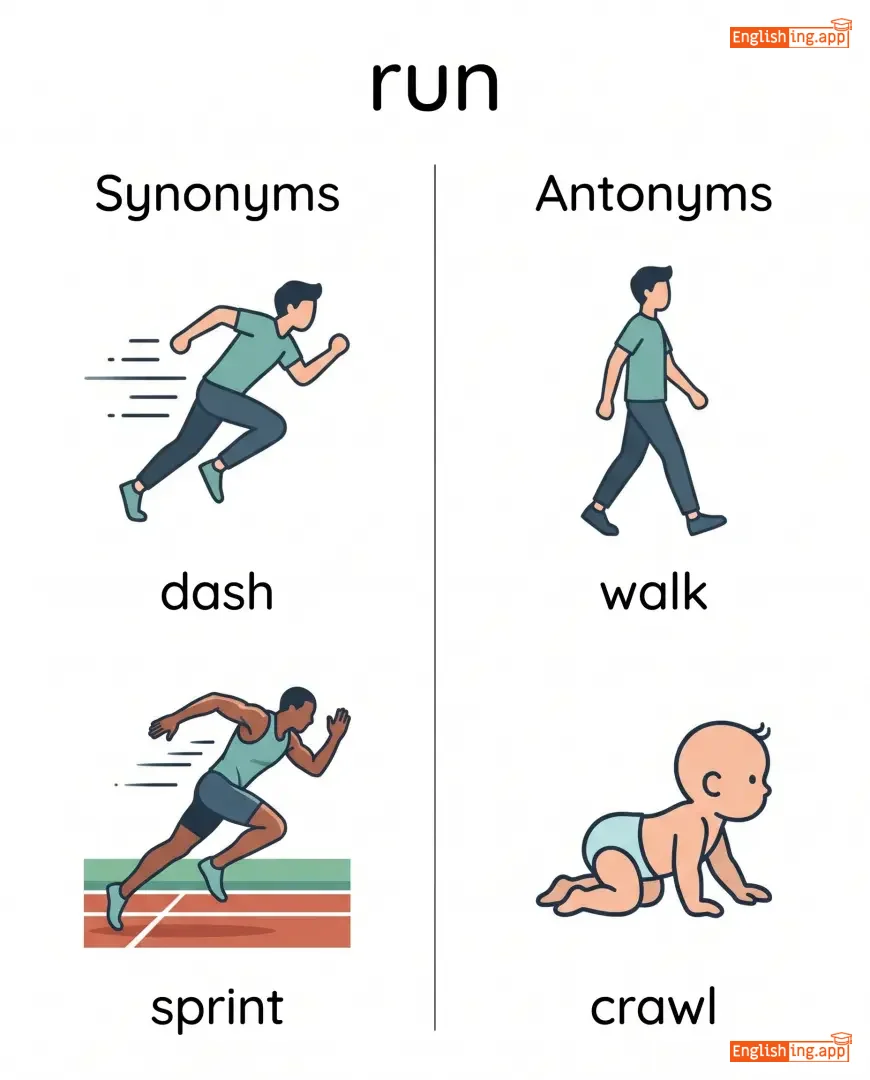
dash, sprint, jog, race, hurry
••••••
|
walk, crawl, stop
••••••
|
run fast, run quickly, run errands, run away, run business
••••••
|
Счастье — это когда все хорошо.
••••••
|
|
🏃♂️
••••••
|
/ˈrʌnɪŋ/
noun
(рʌнɪнг)
••••••
|
- •••••• |
бегать
begat
••••••
|
- •••••• | - •••••• | - •••••• |
running
рʌнɪнг
••••••
|
the action or sport of running
••••••
|
Running every morning keeps me healthy.
Running every morning keeps me healthy.
••••••
|
Бегать каждое утро помогает мне оставаться здоровым.
Begat kazhdoe utro pomogayet mne ostavat'sya zdorovym.
••••••
|
in the long run
in the long run
••••••
|
after a long time; eventually
••••••
|
в долгосрочной перспективе
v dolgosochnoy perspektive
••••••
|
jogging, sprinting, racing, exercise
••••••
|
resting, walking
••••••
|
go running, enjoy running, long-distance running, running shoes
••••••
|
Running означает бегать — бегай, пока не дойдешь до 'ing'!
••••••
|
|
🌾
••••••
|
/ˈrʊərəl/
adjective
(рурал)
••••••
|
- •••••• |
сельский
selskiy
••••••
|
- •••••• | - •••••• | - •••••• | - •••••• |
relating to the countryside rather than the town
••••••
|
He prefers the peaceful life of a rural village. |
Он предпочитает спокойную жизнь в сельской деревне.
On predpochitayet spokoynuyu zhizn' v selskoj derevne.
••••••
|
rural development |
improvement of the countryside areas
••••••
|
сельское развитие
selskoe razvitie
••••••
|
countryside, pastoral, rustic, provincial
••••••
|
urban, city
••••••
|
rural area, rural life, rural economy, rural community
••••••
|
Rural означает сельский — представьте, как в сельской местности спокойно, а в городе шум.
••••••
|
|
🏃
••••••
|
/rʌʃ/
verb
(раш)
••••••
|
- •••••• |
торопиться
toropit'sya
••••••
|
rushed
рашд
••••••
|
rushed
рашд
••••••
|
rushes
рашес
••••••
|
rushing
рашинг
••••••
|
to move or act with great speed or urgency
••••••
|
She had to rush to the meeting to make it on time.
Ей пришлось торопиться, чтобы успеть на встречу вовремя.
••••••
|
Ей пришлось торопиться, чтобы успеть на встречу вовремя.
Yey prishlos' toropit'sya, chtoby uspet' na vstrechu vovremya.
••••••
|
rush hour
час пик
••••••
|
the time when traffic is heaviest, usually when people are going to or leaving work
••••••
|
час пик
chas pik
••••••
|
hurry, race, speed, accelerate
••••••
|
slow down, delay, dawdle
••••••
|
rush to, rush in, rush hour, rush through
••••••
|
Не торопитесь, час пик наступает! - Don’t rush, rush hour is coming!
••••••
|
|
🇷🇺
••••••
|
/ˈrʌʃən/
adjective
(руссиан)
••••••
|
- •••••• |
русский
russkiy
••••••
|
- •••••• | - •••••• | - •••••• | - •••••• |
relating to Russia, its people, or its language
••••••
|
She is studying the Russian language at university.
Она изучает русский язык в университете.
••••••
|
Она изучает русский язык в университете.
Ona izuchayet russkiy yazyk v universitete
••••••
|
- •••••• | - •••••• | - •••••• |
Russian Federation, Slavonic, Eastern European
••••••
|
- •••••• |
Russian language, Russian culture, Russian literature
••••••
|
russian = rus + kiy: imagine a Russian guy on skis shouting 'rus ski' to remember rus-skiy
••••••
|
|
📦
••••••
|
/sæk/
verb
(sak)
••••••
|
- •••••• |
уволить
uvolit'
••••••
|
sacked
sakt
••••••
|
sacked
sakt
••••••
|
sacks
saks
••••••
|
sacking
saking
••••••
|
to dismiss from a job; to put something in a sack
••••••
|
The company sacked him for poor performance.
Компания уволила его за плохую работу.
••••••
|
Компания уволила его за плохую работу.
Kompaniya uvolila ego za plokhuyu rabotu.
••••••
|
- •••••• | - •••••• | - •••••• |
fire, dismiss, discharge, terminate
••••••
|
hire, employ, recruit, appoint
••••••
|
sack employee, get the sack, sack someone, sack goods
••••••
|
Sack = Уволить с работы, или что-то в мешке.
••••••
|
|
🙏
••••••
|
/ˈseɪkrɪd/
adjective
(сэкрид)
••••••
|
- •••••• |
священный
svyashchennyy
••••••
|
- •••••• | - •••••• | - •••••• | - •••••• |
connected with God or a religion and considered holy or deserving respect
••••••
|
The temple is a sacred place for the community.
Храм - это святое место для общины.
••••••
|
Храм - это святое место для общины.
Khram - eto svyatoe mesto dlya obshchiny.
••••••
|
sacred cow
священная корова
••••••
|
something considered immune from criticism or questioning
••••••
|
священная корова
svyashchennaya korova
••••••
|
holy, divine, blessed, revered
••••••
|
profane, secular, unholy
••••••
|
sacred place, sacred duty, sacred text, sacred tradition
••••••
|
Священный означает святый, как святое место или священная корова.
••••••
|
|
🕯️
••••••
|
/ˈsækrɪfaɪs/
noun, verb
••••••
|


|
- •••••• |
sacrificed
••••••
|
sacrificed
••••••
|
sacrifices
••••••
|
sacrificing
••••••
|
To give up something valuable for the sake of others or a higher purpose.
••••••
|
Parents often sacrifice their own comfort for their children. |
- •••••• |
make a sacrifice |
to give up something important for the benefit of others
••••••
|
- •••••• |
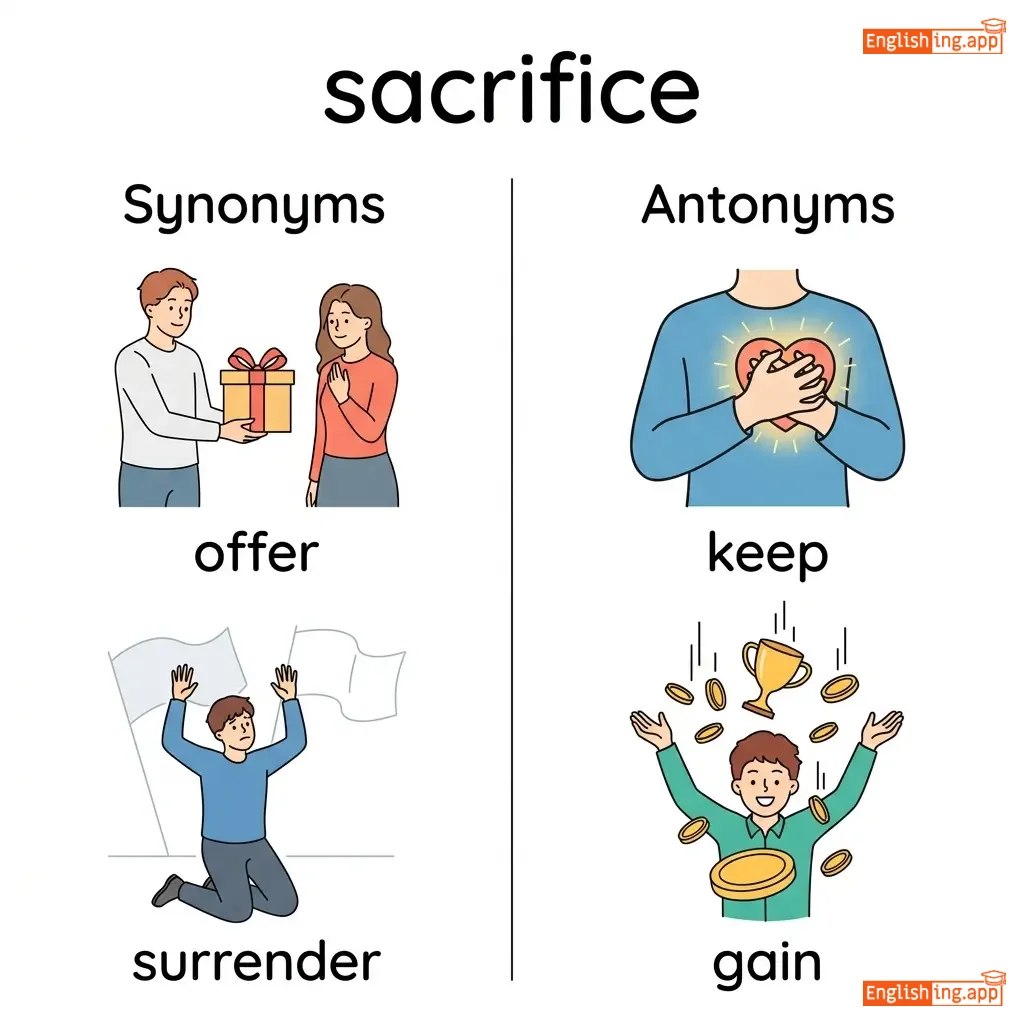
offer, surrender, relinquish, devotion, giving up
••••••
|
keep, gain, selfishness
••••••
|
make a sacrifice, ultimate sacrifice, personal sacrifice, sacrifice for
••••••
|
No •••••• |
|
😢
••••••
|
/sæd/
adjective
(сэд)
••••••
|
- •••••• |
грустный
grustnyy
••••••
|
- •••••• | - •••••• | - •••••• | - •••••• |
feeling or showing sorrow; unhappy
••••••
|
She felt sad after hearing the bad news. |
Она почувствовала грусть после того, как услышала плохие новости.
Ona pochuvstvovala grust' posle togo, kak uslyshala plokhie novosti.
••••••
|
sad but true |
something that is unfortunate but factual
••••••
|
грустно, но правда
grustno, no pravda
••••••
|
unhappy, sorrowful, depressed, gloomy
••••••
|
happy, joyful, cheerful
••••••
|
sad face, sad story, feel sad, sad news
••••••
|
Sad означает грустный—когда слышишь плохие новости, становится грустно.
••••••
|
|
😢
••••••
|
/ˈsædli/
adverb
(сэдли)
••••••
|
- •••••• |
грустно
grustno
••••••
|
- •••••• | - •••••• | - •••••• | - •••••• |
in a sorrowful or unhappy manner
••••••
|
She sadly waved goodbye as the train departed.
Она грустно помахала рукой, когда поезд отправлялся.
••••••
|
Она грустно помахала рукой, когда поезд отправлялся.
Ona grustno pomahala rukoy, kogda poezd otpravlyalsya.
••••••
|
sadly ever after
грустно навсегда
••••••
|
used ironically to indicate a disappointing ending
••••••
|
грустно навсегда
grustno navsegda
••••••
|
unhappily, sorrowfully, regretfully, mournfully
••••••
|
happily, joyfully
••••••
|
sadly missed, sadly disappointed, sadly mistaken
••••••
|
Grustno = sadly по-русски, легко запомнить.
••••••
|
|
😢
••••••
|
/ˈsæd.nəs/
noun
(сэднесс)
••••••
|
- •••••• |
грусть, печаль, боль
grust', pechal', bol'
••••••
|
- •••••• | - •••••• | - •••••• | - •••••• |
feeling of sorrow, unhappiness, or grief
••••••
|
Her sadness was evident after hearing the bad news.
Её грусть была очевидна после того, как она услышала плохие новости.
••••••
|
Её грусть была очевидна после того, как она услышала плохие новости.
Eyo grust' byla ochevidna posle togo, kak ona uslyshala plokhie novosti.
••••••
|
- •••••• | - •••••• | - •••••• |
sorrow, grief, melancholy, depression
••••••
|
happiness, joy, cheerfulness, delight
••••••
|
deep sadness, overwhelming sadness, sadness and grief
••••••
|
Грусть от плохих новостей
••••••
|
|
🔒
••••••
|
/seɪf/
noun
(сейф)
••••••
|
- •••••• |
сейф; защита
seyf; zashchita
••••••
|
- •••••• | - •••••• | - •••••• | - •••••• |
secure container for storing valuables; protection from danger
••••••
|
He kept his important documents in the office safe. |
Он хранит свои важные документы в офисном сейфе.
On khranit svoi vazhnye dokumenty v ofisnom seyfe.
••••••
|
- •••••• | - •••••• | - •••••• |
vault, strongbox, security, protection
••••••
|
danger, risk, threat, unsafe
••••••
|
bank safe, fire safe, combination safe, safe deposit
••••••
|
Сейф защищает ценные вещи, как защита от опасности.
••••••
|
|
🛡️
••••••
|
/ˈseɪfli/
adverb
(сэйфли)
••••••
|
- •••••• |
безопасно
bezopasno
••••••
|
- •••••• | - •••••• | - •••••• | - •••••• |
in a way that is not dangerous or likely to cause harm
••••••
|
The children crossed the road safely. |
Дети пересекли дорогу безопасно.
Deti peresehli dorogu bezopasno.
••••••
|
safe and sound |
unharmed and in good condition
••••••
|
цельная и невредимая
tsel'naya i nevredimaya
••••••
|
securely, harmlessly, cautiously, carefully
••••••
|
dangerously, recklessly
••••••
|
arrive safely, drive safely, travel safely, safely return
••••••
|
Safely означает безопасно — как если бы ты ехал с ремнем безопасности.
••••••
|
|
⚠️
••••••
|
/ˈseɪf.ti/
noun
(сейфти)
••••••
|
- •••••• |
безопасность
bezopasnost
••••••
|
- •••••• | - •••••• | - •••••• | - •••••• |
condition of being protected from danger, risk, or injury
••••••
|
The company prioritizes workplace safety above all else. |
Компания ставит безопасность на рабочем месте выше всего.
Kompaniya stavit bezopasnost na rabochem meste vyshe vsego
••••••
|
- •••••• | - •••••• | - •••••• |
security, protection, welfare, well-being
••••••
|
danger, hazard, risk, peril
••••••
|
safety measures, public safety, safety regulations, road safety
••••••
|
Безопасность = Safety, безопасное место лучше всего
••••••
|
|
⛵
••••••
|
/seɪl/
verb
(seil)
••••••
|
- •••••• |
плавать с парусами
plavat' s parusami
••••••
|
sailed
seild
••••••
|
sailed
seild
••••••
|
sails
seils
••••••
|
sailing
seiling
••••••
|
to travel on water in a boat or ship using sails or by wind power
••••••
|
They sailed across the Atlantic Ocean last summer.
Они переплыли Атлантический океан прошлым летом.
••••••
|
Они переплыли Атлантический океан прошлым летом.
Oni pereplyli Atlanticheskiy okean proshlym letom.
••••••
|
set sail
взять курс
••••••
|
to begin a journey by sea
••••••
|
отправиться в путь
otpravit'sya v put'
••••••
|
navigate, voyage, cruise, drift, glide
••••••
|
anchor, dock
••••••
|
sail away, sail across, sail on, sail through
••••••
|
Sail означает ‘путешествовать с парусами’ — представьте, что ‘Моря меня не спасли’, поездка начинается!
••••••
|
|
⛵
••••••
|
/ˈseɪ.lɪŋ/
noun, verb
(сейлинг)
••••••
|
- •••••• |
парусный спорт
parusny sport
••••••
|
sailed
сейлд
••••••
|
sailed
сейлд
••••••
|
sails
сейлс
••••••
|
sailing
сейлинг
••••••
|
The act of traveling in a boat or ship using sails; the sport or activity of navigating a boat with sails.
••••••
|
We went sailing on the lake during the summer.
Мы летом ходили на озере под парусами.
••••••
|
Мы летом ходили на озере под парусами.
My letom khodili na ozere pod parusami
••••••
|
plain sailing
легкое плавание
••••••
|
something that is easy and without problems
••••••
|
легкое плавание
legkoe plavanie
••••••
|
boating, yachting, navigating, cruising
••••••
|
anchoring, docking
••••••
|
sailing boat, sailing trip, sailing club, sailing race
••••••
|
Imagine 'сейлинг' gliding smoothly as 'parusny sport' on Russian waters.
••••••
|
|
⛵
••••••
|
/ˈseɪ.lər/
noun
(sejlor)
••••••
|
- •••••• |
моряк
moryak
••••••
|
- •••••• | - •••••• | - •••••• | - •••••• |
a person who works on a ship or boat; a member of a navy
••••••
|
The experienced sailor navigated the ship through the storm.
Опытный моряк провел корабль через бурю.
••••••
|
Опытный моряк провел корабль через бурю.
Opytniy moryak provel korabl' cherez buryu.
••••••
|
- •••••• | - •••••• | - •••••• |
seaman, mariner, seafarer
••••••
|
landlubber, passenger
••••••
|
experienced sailor, navy sailor, merchant sailor
••••••
|
Sailor – 'Moryak' is the Russian word for sailor, think of a sailor navigating through the storm!
••••••
|
|
😇
••••••
|
/seɪnt/
noun
(сэйнт)
••••••
|
- •••••• |
человек, признанный святым или добродетельным; очень добрый или терпеливый человек
chelovek, priznanny svyatym ili dobrodetelnym; ochen' dobryy ili terpelivyy chelovek
••••••
|
- •••••• | - •••••• | - •••••• | - •••••• |
person recognized as holy or virtuous; very kind or patient person
••••••
|
Mother Teresa was declared a saint by the Catholic Church.
Мать Тереза была канонизирована католической церковью.
••••••
|
Мать Тереза была канонизирована католической церковью.
mat' tereza byla kanonizirovana katolicheskoy tserkov'yu.
••••••
|
- •••••• | - •••••• | - •••••• |
holy person, martyr, angel, paragon
••••••
|
sinner, devil, villain, criminal
••••••
|
patron saint, saint's day, canonized saint
••••••
|
Святой человек признан церквью.
••••••
|
|
❤️
••••••
|
/seɪk/
noun
(seik)
••••••
|
- •••••• |
ради
radi
••••••
|
- •••••• | - •••••• | - •••••• | - •••••• |
for the purpose or reason of something
••••••
|
He did it for the sake of his family.
Он сделал это ради своей семьи.
••••••
|
Он сделал это ради своей семьи.
On sdelal eto radi svoey sem'i.
••••••
|
for the sake of
ради
••••••
|
for the purpose of achieving something
••••••
|
ради
radi
••••••
|
purpose, reason, benefit, interest
••••••
|
hindrance, obstacle, disadvantage
••••••
|
for the sake of, for the sake of love, for the sake of peace
••••••
|
Sake-ради своей семьи - Сделай это ради своей семьи!
••••••
|
|
🥗
••••••
|
/ˈsæləd/
noun
(салат)
••••••
|
- •••••• |
салат
salat
••••••
|
- •••••• | - •••••• | - •••••• | - •••••• |
a dish consisting of various ingredients, typically including vegetables, which are usually mixed with a dressing
••••••
|
She made a fresh salad with lettuce, tomatoes, and cucumbers. |
Она приготовила свежий салат с латук, помидорами и огурцами.
Ona prigotovila svezhiy salat s latuk, pomidorami i ogurtsami.
••••••
|
- •••••• | - •••••• | - •••••• |
greens, vegetable dish, mixed vegetables, side dish
••••••
|
main course, meat, protein
••••••
|
fresh salad, Caesar salad, green salad, vegetable salad
••••••
|
Салат делается из (латука, помидоров). (Salad is made with lettuce, tomatoes)
••••••
|
|
💰
••••••
|
/ˈsæl.ər.i/
noun
(сэлэри)
••••••
|
- •••••• |
зарплата
zarplata
••••••
|
- •••••• | - •••••• | - •••••• | - •••••• |
a fixed regular payment, typically paid on a monthly basis
••••••
|
She receives a good salary for her work as a teacher. |
Она получает хорошую зарплату за свою работу учителем.
Ona poluchayet khoroshuyu zarplatu za svoyu rabotu uchitelem
••••••
|
- •••••• | - •••••• | - •••••• |
wage, pay, income, earnings
••••••
|
debt, expense, cost
••••••
|
annual salary, monthly salary, basic salary, gross salary
••••••
|
Russian 'зарплата' (zarplata) reminds you of salary, directly linking regular payments.
••••••
|
|
💸
••••••
|
/seɪl/
noun
(сейл)
••••••
|
- •••••• |
распродажа
rasprodazha
••••••
|
- •••••• | - •••••• | - •••••• | - •••••• |
the exchange of a commodity for money; the action of selling something
••••••
|
The store is having a sale on winter clothing. |
Магазин проводит распродажу зимней одежды.
Magazin provodit rasprodazhu zimney odezhdy.
••••••
|
- •••••• | - •••••• | - •••••• |
transaction, deal, exchange, bargain
••••••
|
purchase, buy
••••••
|
clearance sale, hold a sale, end of season sale
••••••
|
Sale означает распродажу товаров, особенно зимней одежды.
••••••
|
|
🧂
••••••
|
/sɔːlt/
noun
(солт)
••••••
|
- •••••• |
соль
solt
••••••
|
- •••••• | - •••••• | - •••••• | - •••••• |
white crystalline substance used for seasoning food; sodium chloride
••••••
|
Please add some salt to the soup to enhance its flavor.
Пожалуйста, добавьте немного соли в суп, чтобы улучшить его вкус.
••••••
|
Пожалуйста, добавьте немного соли в суп, чтобы улучшить его вкус.
Pozhaluysta, dobavte nyemnogo soli v sup, chtoby uluchshit ego vkus.
••••••
|
- •••••• | - •••••• | - •••••• |
sodium chloride, table salt
••••••
|
sweet
••••••
|
table salt, sea salt, rock salt, pinch of salt, salty taste
••••••
|
Salt equals соль: imagine a shaker labeled SALT with the Russian word СОЛЬ shining, a tasty bilingual reminder.
••••••
|
|
➖
••••••
|
/seɪm/
adjective
(seim)
••••••
|
- •••••• |
одинаковый
odinakovyy
••••••
|
- •••••• | - •••••• | - •••••• | - •••••• |
identical; not different or changed
••••••
|
We wore the same dress at the party. |
Мы носили одинаковые платья на вечеринке.
My nosili odinakovyye plat'ya na vecherinke.
••••••
|
same old story |
a situation that is familiar and often disappointing
••••••
|
та же старая история
ta zhe staraya istoriya
••••••
|
identical, equal, similar, alike
••••••
|
different, distinct, varied
••••••
|
same time, same day, same place, same dress
••••••
|
Same означает одинаковый—это всегда одно и то же!
••••••
|
|
🔬
••••••
|
/ˈsæm.pəl/
noun
(samp-l)
••••••
|
- •••••• |
образец
obrazets
••••••
|
- •••••• | - •••••• | - •••••• | - •••••• |
a small part taken as an example of the whole; a specimen
••••••
|
The doctor took a blood sample for testing.
Доктор взял образец крови для анализа.
••••••
|
Доктор взял образец крови для анализа.
Doktor vzyal obrazets krovi dlya analiza.
••••••
|
- •••••• | - •••••• | - •••••• |
specimen, example, instance, model
••••••
|
whole, entirety, complete set
••••••
|
blood sample, free sample, sample size, random sample
••••••
|
Образец как часть целого для анализа.
••••••
|
|
⚖️
••••••
|
/ˈsæŋkʃən/
noun/verb
••••••
|
|
- •••••• |
sanctioned
••••••
|
sanctioned
••••••
|
sanctions
••••••
|
sanctioning
••••••
|
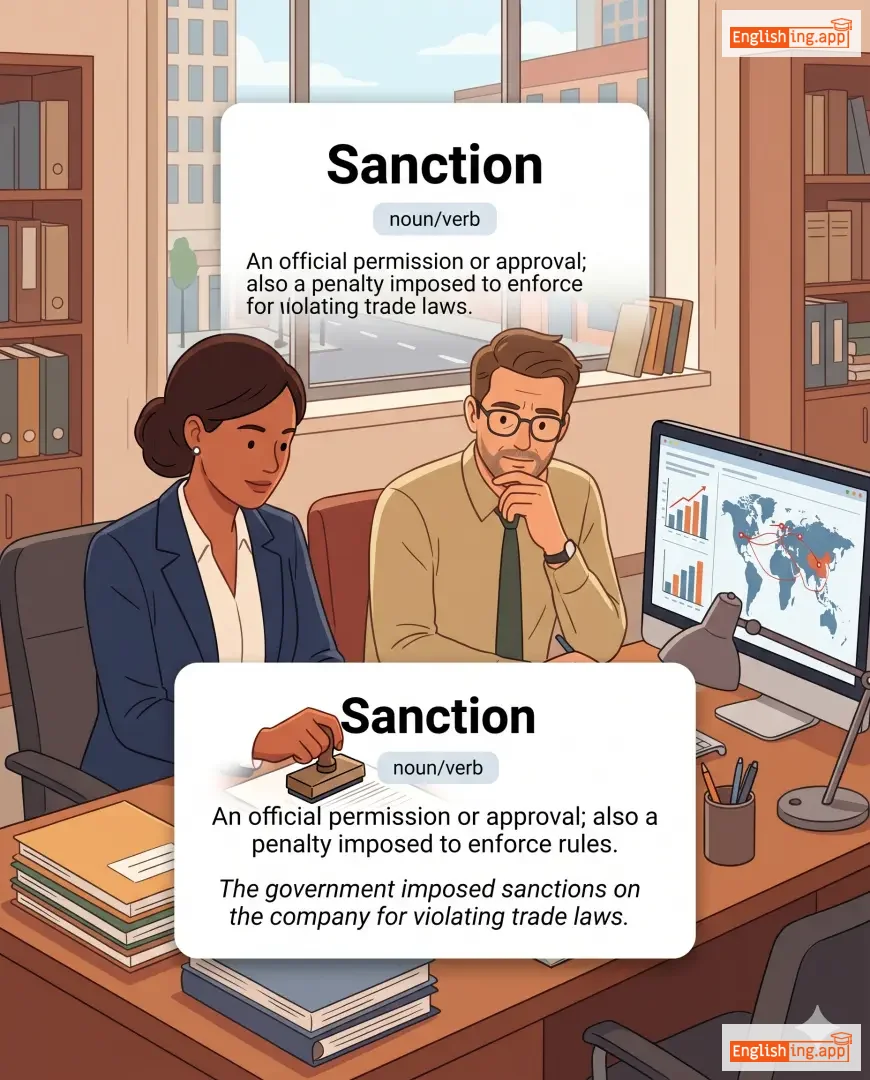
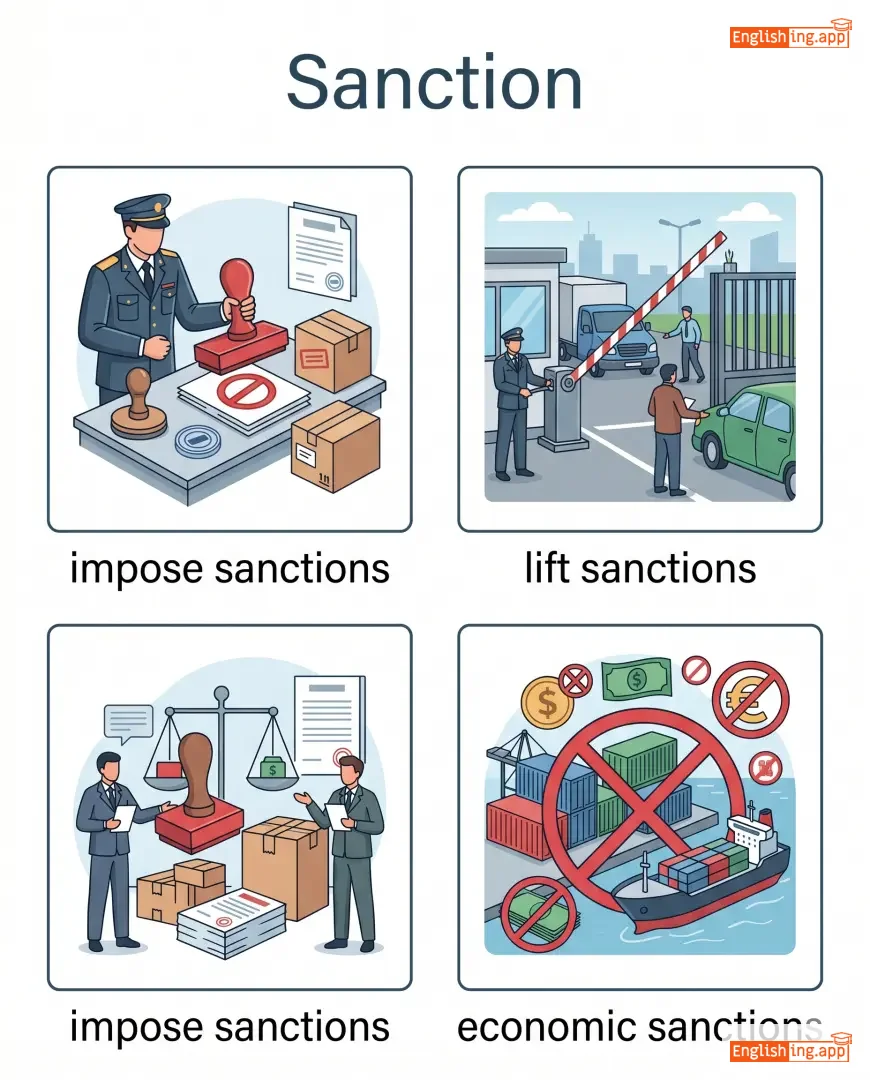
An official permission or approval; also a penalty imposed to enforce rules.
••••••
|
The government imposed sanctions on the company for violating trade laws. |
- •••••• |
economic sanctions |
penalties imposed by one country on another to enforce international law
••••••
|
- •••••• |
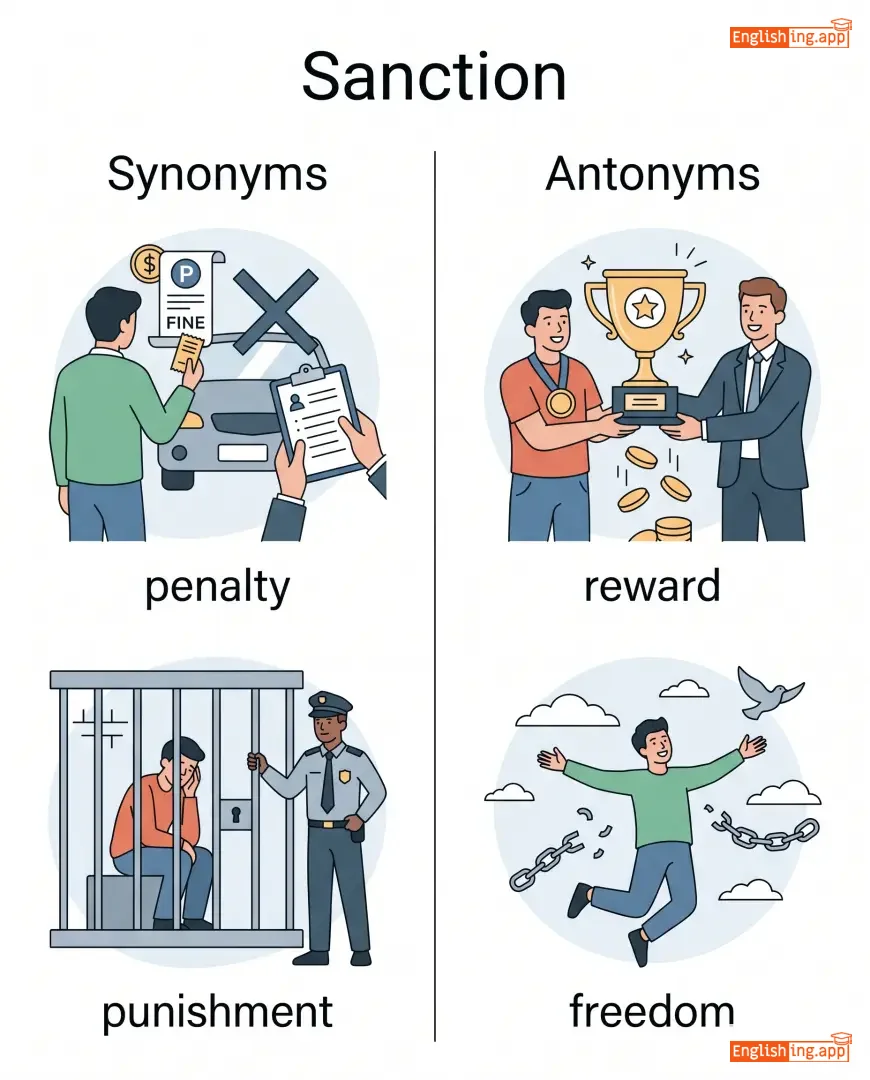
penalty, punishment, approval, authorization, restriction
••••••
|
reward, freedom, allowance
••••••
|
impose sanctions, lift sanctions, economic sanctions, trade sanctions
••••••
|
No •••••• |
|
🏖️
••••••
|
/sænd/
noun
(хэппинесс)
••••••
|
- •••••• |
счастье
schastye
••••••
|
- •••••• | - •••••• | - •••••• | - •••••• |
Small loose grains of crushed rock, found on beaches and deserts.
••••••
|
Children built castles out of sand on the beach. |
Она не могла скрыть своего счастья, когда получила награду.
Ona ne mogla skryt' svoego schast'ya, kogda poluchila nagradu.
••••••
|
bury one's head in the sand |
To ignore or avoid a problem.
••••••
|
поиск счастья
poisk schast'ya
••••••
|
grit, sediment, particles, silica, soil
••••••
|
rock, stone
••••••
|
grain of sand, desert sand, sand dunes, wet sand
••••••
|
Счастье - это быть счастливым, легко запомнить, когда ищешь счастье.
••••••
|
|
🥪
••••••
|
/ˈsændwɪtʃ/
noun
(сэндвич)
••••••
|
- •••••• |
сэндвич
sendvich
••••••
|
- •••••• | - •••••• | - •••••• | - •••••• |
two pieces of bread with food such as meat, cheese, or salad between them
••••••
|
I made a chicken sandwich for lunch. |
Я сделал куриный сэндвич на обед.
Ya sdelal kurinyy sendvich na obed.
••••••
|
caught in a sandwich |
to be trapped between two people or situations
••••••
|
запертый между двумя людьми или ситуациями
zaperthyy mezhdu dvumya lyud'mi ili situatsiyami
••••••
|
snack, sub, burger, roll, toastie
••••••
|
meal, feast
••••••
|
chicken sandwich, cheese sandwich, sandwich shop, eat a sandwich
••••••
|
Сэндвич - это что-то между двумя кусками хлеба. Представь, что ты застрял между двумя трудностями, как в сэндвиче.
••••••
|
|
🛰️
••••••
|
/ˈsætəlaɪt/
noun
(сателлит)
••••••
|
|
спутник
sputnik
••••••
|
- •••••• | - •••••• | - •••••• | - •••••• |
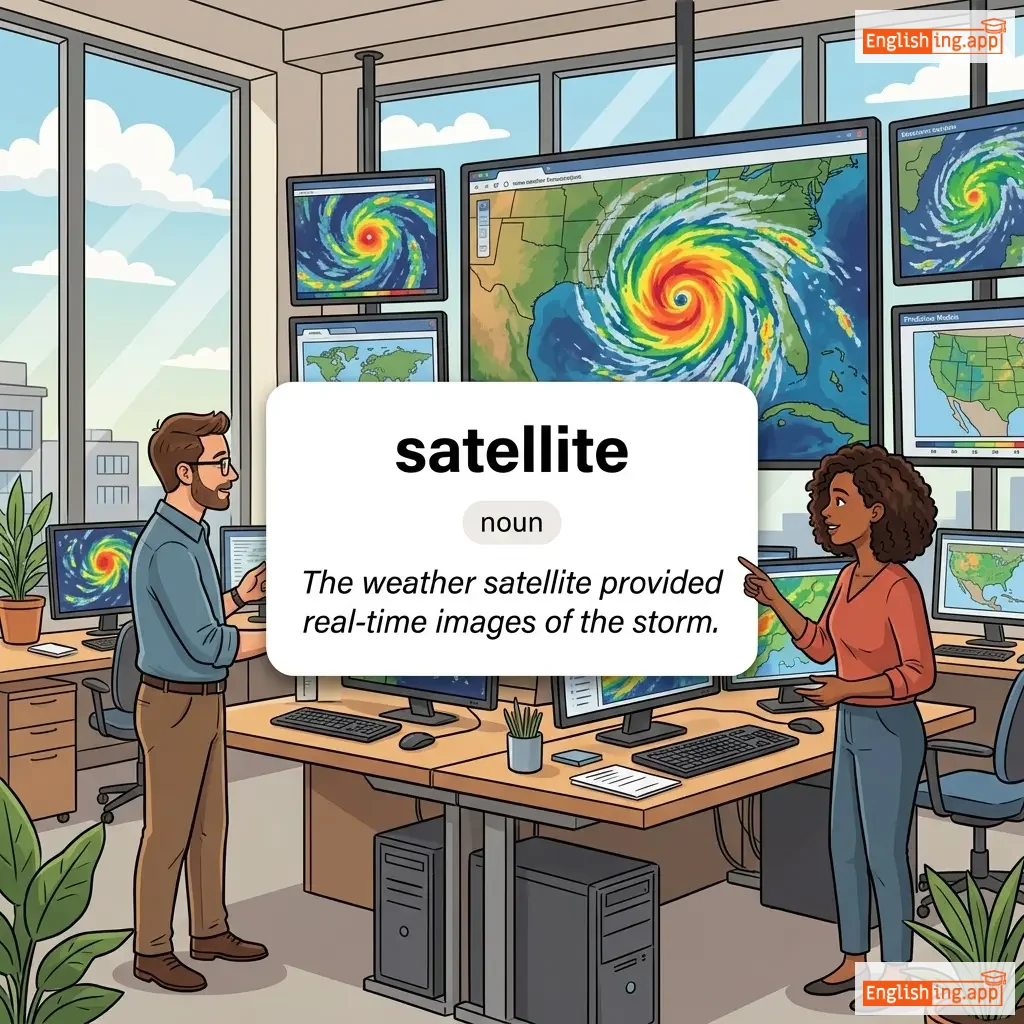
An artificial body placed in orbit around the earth or another planet to collect information or for communication.
••••••
|
The weather satellite provided real-time images of the storm. |
Метеорологический спутник предоставил изображения шторма в реальном времени.
Meteorologicheskiy sputnik predostavil izobrazheniya shtorma v real'nom vremeni.
••••••
|
satellite office |
A smaller office located separately from the main headquarters.
••••••
|
спутниковый офис
sputnikovyy ofis
••••••
|
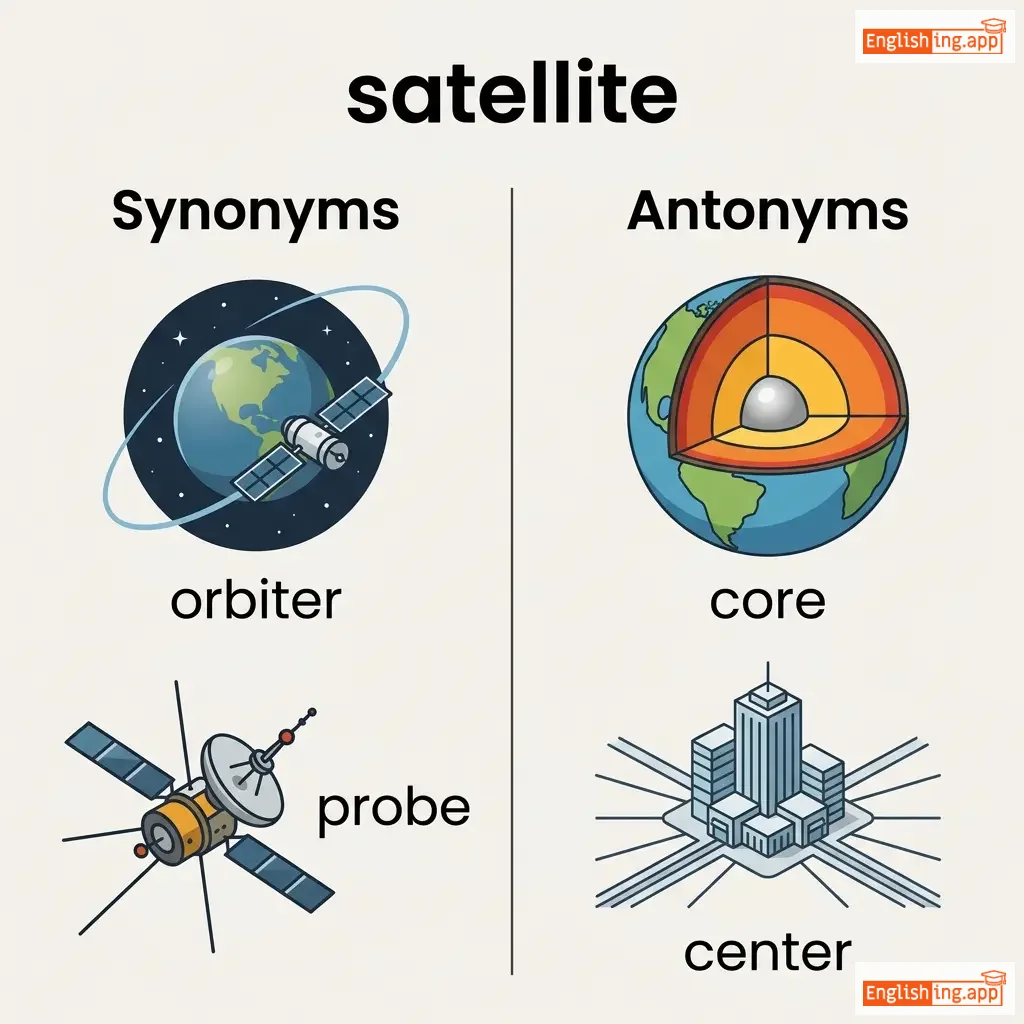
orbiter, probe, spacecraft, moon, companion
••••••
|
core, center
••••••
|
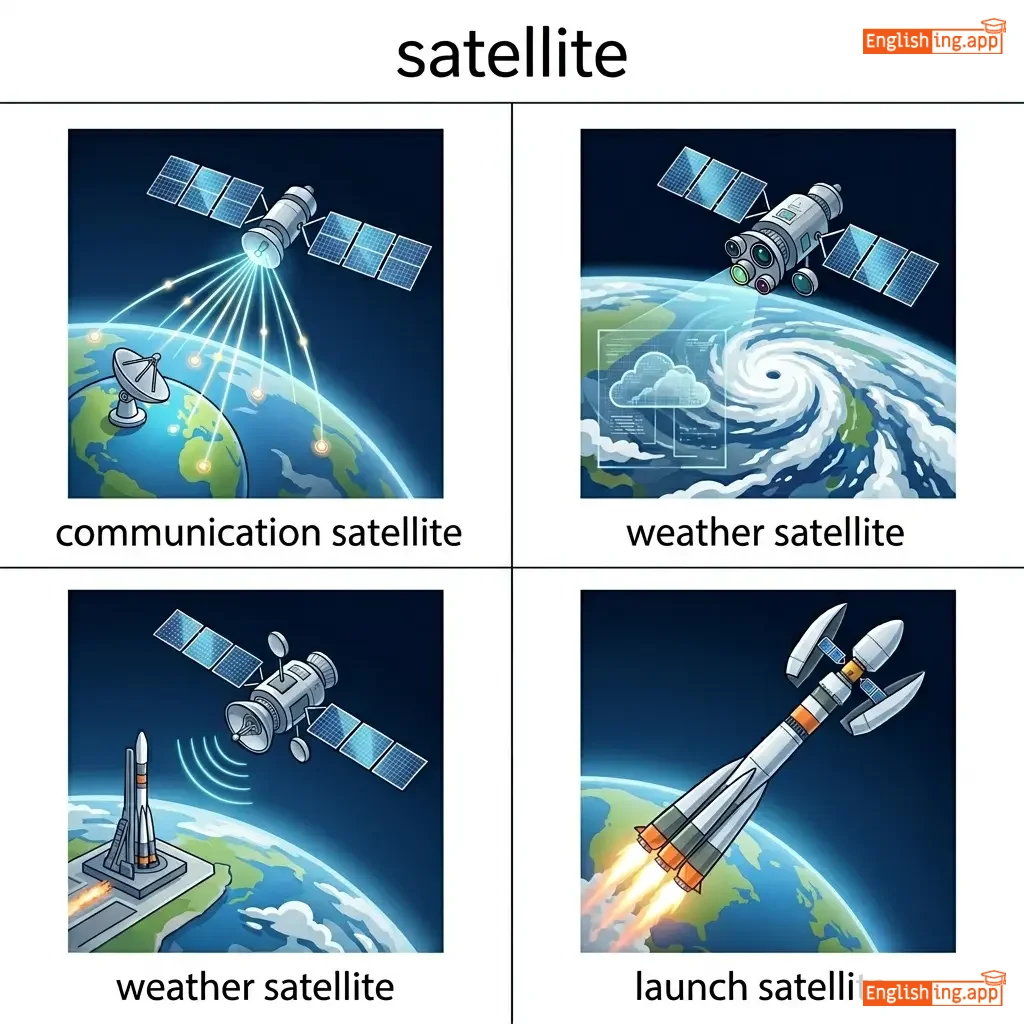
communication satellite, weather satellite, launch satellite, satellite dish
••••••
|
Спутник 🛰️ всегда вращается вокруг Земли, как эта мысль в твоей голове.
••••••
|
|
😊
••••••
|
/ˌsæt.ɪsˈfæk.ʃən/
noun
(сэтисфэкшн)
••••••
|
- •••••• |
удовлетворение
udovletvorenie
••••••
|
- •••••• | - •••••• | - •••••• | - •••••• |
fulfillment of one's wishes, expectations, or needs
••••••
|
She felt great satisfaction after completing the project. |
Она почувствовала большое удовлетворение после завершения проекта.
Ona pochuvstvovala bol'shoe udovletvorenie posle zaversheniya proyektu.
••••••
|
- •••••• | - •••••• | - •••••• |
contentment, fulfillment, pleasure, gratification
••••••
|
dissatisfaction, disappointment, frustration
••••••
|
job satisfaction, customer satisfaction, personal satisfaction
••••••
|
Udovletvorenie in Russian is like feeling satisfied after your hard work!
••••••
|
|
😊
••••••
|
/ˈsætɪsfaɪd/
adjective
(сэттифайд)
••••••
|
- •••••• |
удовлетворён
udovletvorjon
••••••
|
- •••••• | - •••••• | - •••••• | - •••••• |
Pleased or content with what has been achieved or received.
••••••
|
He felt satisfied after finishing his project. |
Он почувствовал удовлетворение после завершения своего проекта.
On pochuvstvoval udovletvorenie posle zaversheniya svoego proekta.
••••••
|
satisfied customer |
A customer who is happy with the service or product.
••••••
|
удовлетворённый клиент
udovletvorjonnyy klient
••••••
|
content, pleased, fulfilled, gratified
••••••
|
dissatisfied, unhappy, displeased
••••••
|
satisfied with, fully satisfied, satisfied customer, satisfied smile
••••••
|
Satisfied означает 'Sat' + 'is' + 'fine' → Он был удовлетворён, потому что всё было хорошо.
••••••
|
|
😊
••••••
|
/ˈsætɪsfaɪ/
verb
(satisfai)
••••••
|

|
удовлетворить
udovletvorit
••••••
|
satisfied
satisfeito
••••••
|
satisfied
satisfeito
••••••
|
satisfies
satisfaites
••••••
|
satisfying
satisfaire
••••••
|
to fulfill the desires, expectations, or needs of someone; to make content
••••••
|
The delicious meal satisfied our hunger completely.
Вкусная еда полностью удовлетворила наш голод.
••••••
|
Вкусная еда полностью удовлетворила наш голод.
Vkusnaya yeda polnost'yu udovletvorila nash golod.
••••••
|
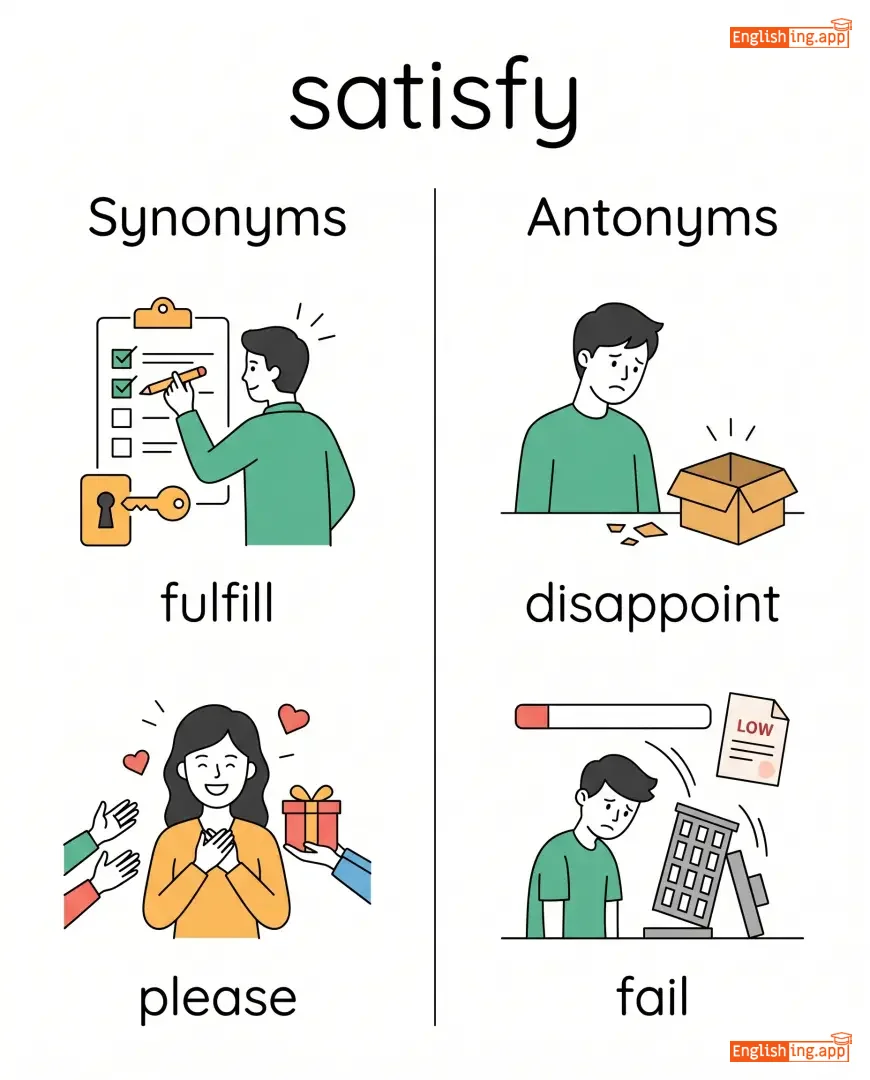
- •••••• | - •••••• | - •••••• |
fulfill, please, gratify, content
••••••
|
disappoint, frustrate, dissatisfy, displease
••••••
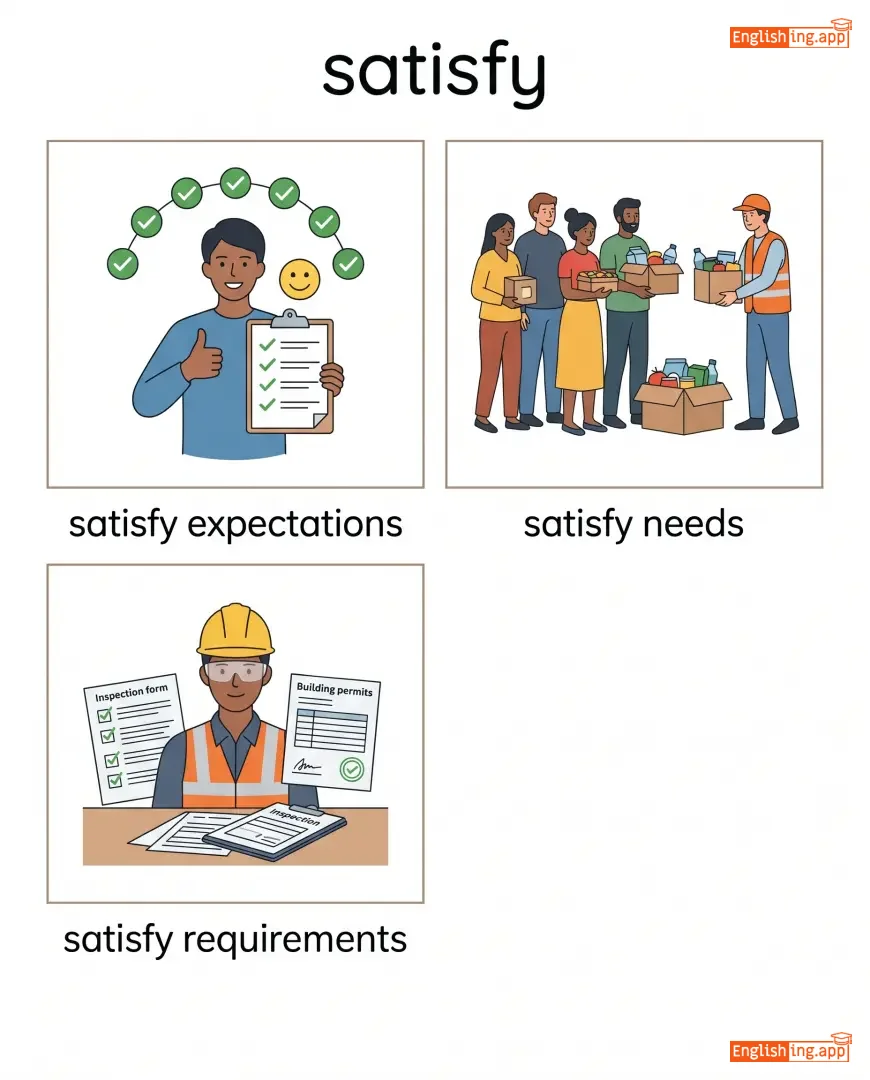
|
satisfy need, satisfy customer, satisfy requirement, fully satisfy
••••••
|
Удовлетворите голод вкусной едой!
••••••
|
|
📅
••••••
|
/ˈsætərdeɪ/
noun
(сэтердэй)
••••••
|
- •••••• |
суббота
subbota
••••••
|
- •••••• | - •••••• | - •••••• | - •••••• |
The day of the week between Friday and Sunday; traditionally the sixth day of the week
••••••
|
We are going to the beach on Saturday.
Мы идем на пляж в субботу.
••••••
|
Мы идем на пляж в субботу.
My idem na plyazh v subbotu.
••••••
|
Saturday night special
субботний вечер специальный
••••••
|
An inexpensive or improvised firearm; also refers to casual activities done on Saturday night
••••••
|
субботний вечер специальный
subbotniy vecher spetsialnyy
••••••
|
weekend day, Sabbath, sixth day, weekend
••••••
|
Monday, weekday
••••••
|
Saturday morning, Saturday night, next Saturday, every Saturday
••••••
|
Subbota sounds like 'sub' + 'bota', remember Russian Saturday
••••••
|
|
🥄
••••••
|
/sɔːs/
noun
(соус)
••••••
|
- •••••• |
соус
sous
••••••
|
- •••••• | - •••••• | - •••••• | - •••••• |
a liquid or semi-liquid substance served with food to add moisture and flavor
••••••
|
She added tomato sauce to her pasta.
Она добавила томатный соус в свою пасту.
••••••
|
Она добавила томатный соус в свою пасту.
Ona dobavila tomatnyy sous v svoyu pastu.
••••••
|
- •••••• | - •••••• | - •••••• |
gravy, dressing, condiment
••••••
|
dry seasoning, solid food
••••••
|
tomato sauce, soy sauce, hot sauce, pasta sauce, sauce bottle
••••••
|
Представьте, как томатный соус усиливает вкус пасты.
••••••
|
|
💾
••••••
|
/seɪv/
verb
(сейв)
••••••
|

|
спасать / сохранять
spasat' / soxranjat'
••••••
|
saved
сейвд
••••••
|
saved
сейвд
••••••
|
saves
сейвс
••••••
|
saving
сейвинг
••••••
|
To keep safe, to rescue, or to store for future use.
••••••
|
She managed to save enough money for a new bike.
ши мэнэйджд ту сейв инaф мани фор э ню байк.
••••••
|
Ей удалось накопить достаточно денег на новый велосипед.
Ey udalos' nakopit' dostatochno deneg na novyj velosiped.
••••••
|
save the day
сейв зэ дэй
••••••
|
To prevent failure or disaster at the last moment.
••••••
|
спасти положение
spasti polozhenie
••••••
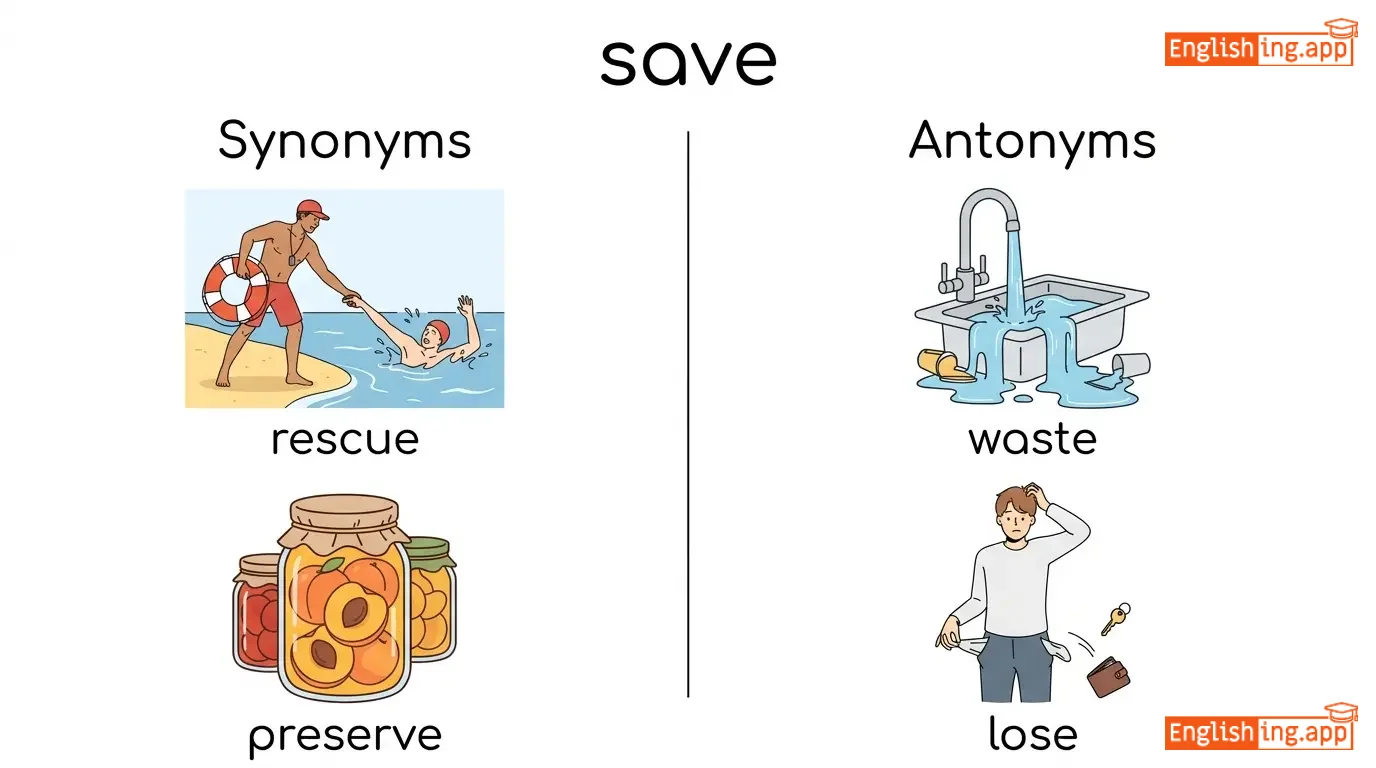
|
rescue, preserve, protect, conserve, store
••••••
|
waste, lose, spend
••••••
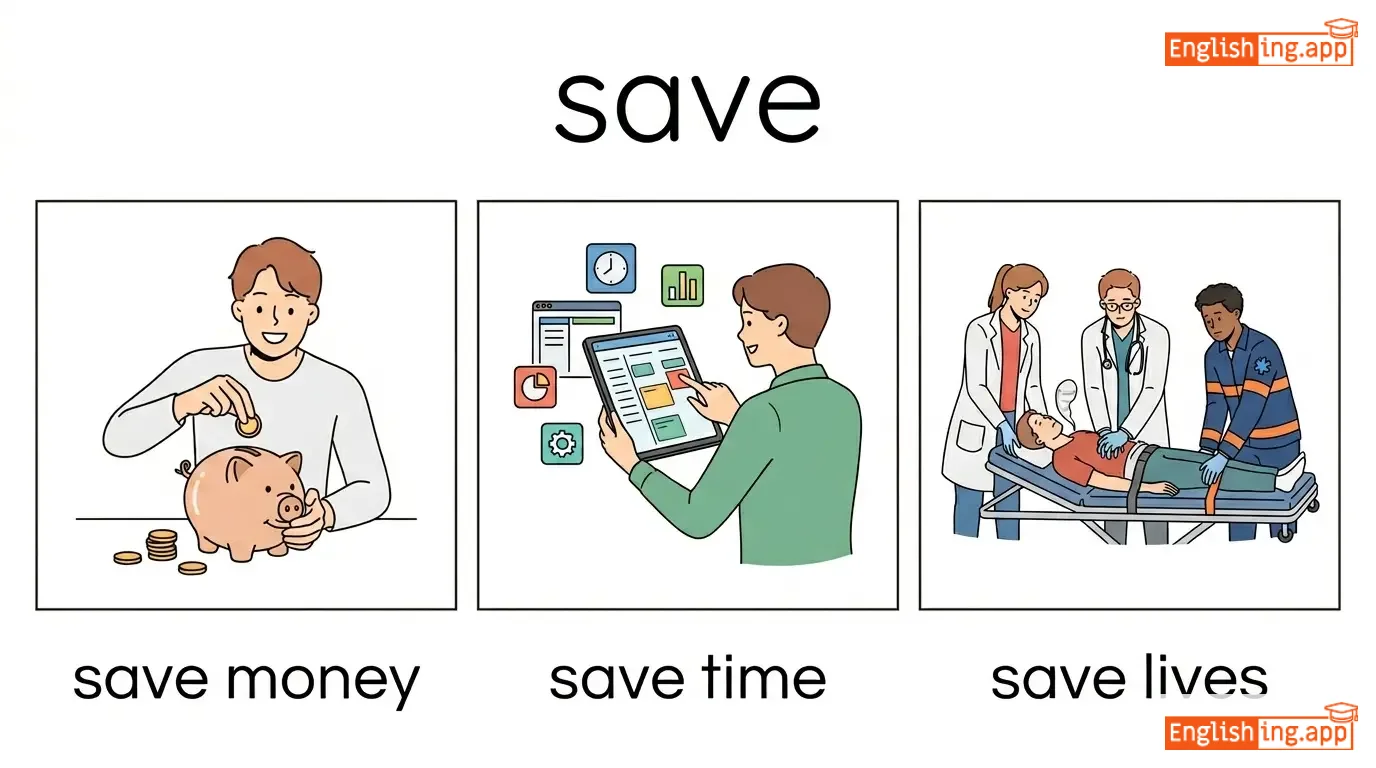
|
save money, save time, save lives, save energy
••••••
|
Save — как кнопка сохранения в компьютере. Спасать или сохранять.
••••••
|
|
💰
••••••
|
/ˈseɪvɪŋ/
noun
(séivink)
••••••
|
|
сбережения
sberezheniya
••••••
|
- •••••• | - •••••• | - •••••• | - •••••• |
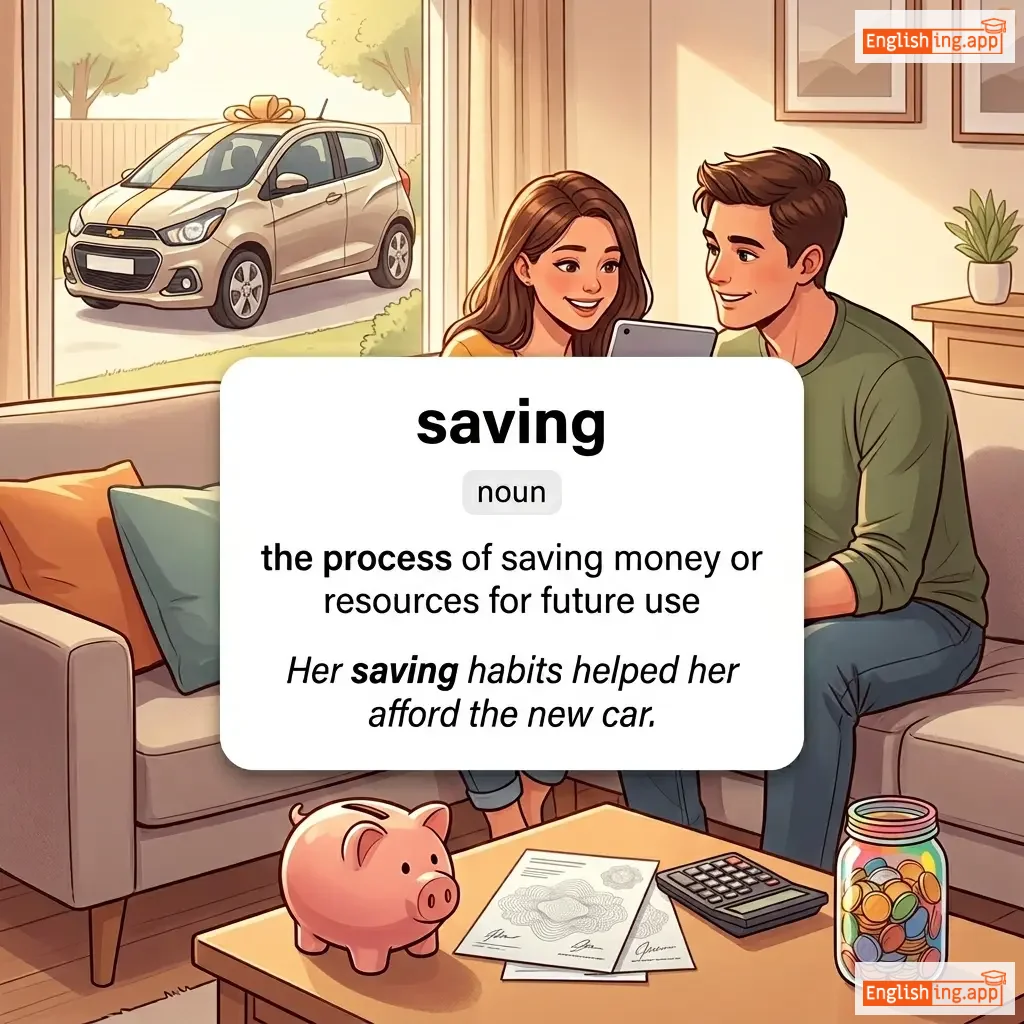
the process of saving money or resources for future use
••••••
|
Her saving habits helped her afford the new car. |
Её привычка к сбережениям помогла ей купить новый автомобиль.
Eyo privychka k sberezhjajm pomogla ej kupit' novyj avtomobil'
••••••
|
- •••••• | - •••••• | - •••••• |
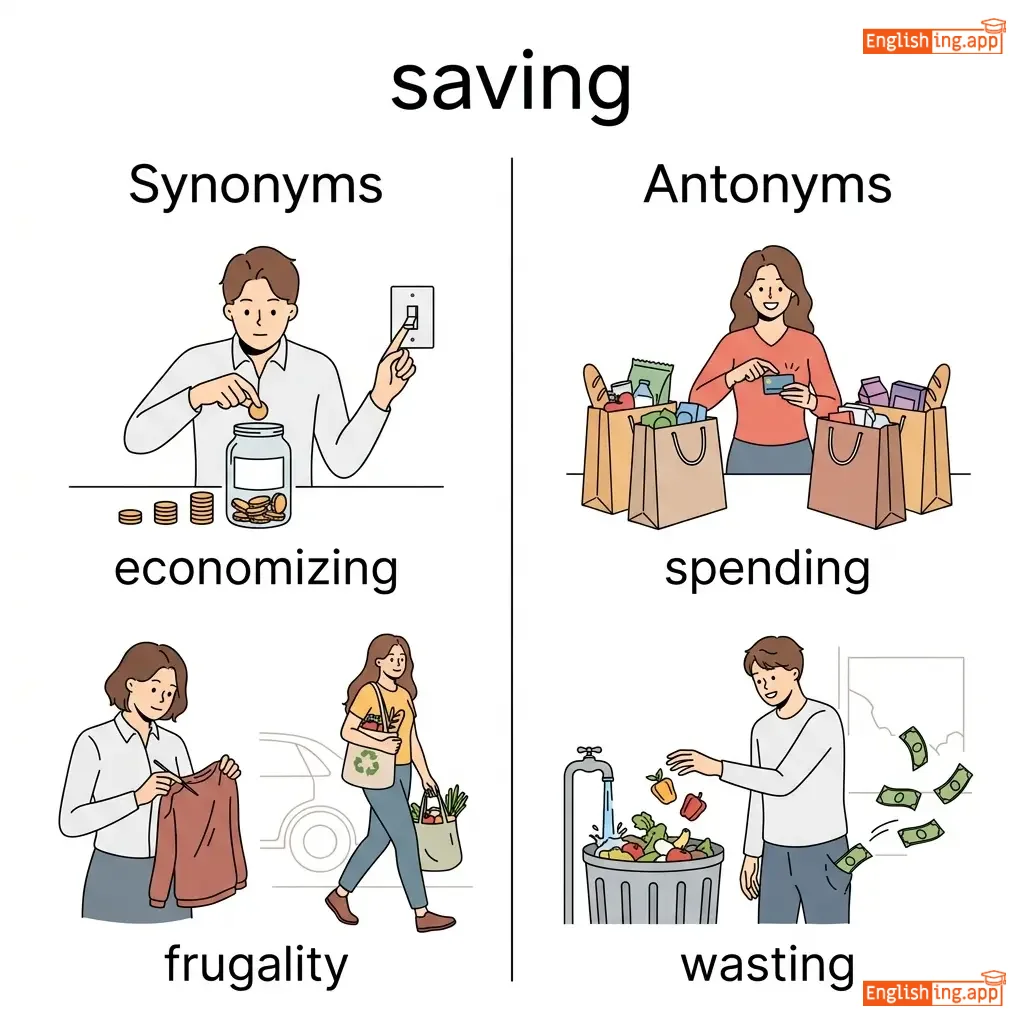
economizing, frugality, saving money, thrift
••••••
|
spending, wasting, squandering
••••••
|
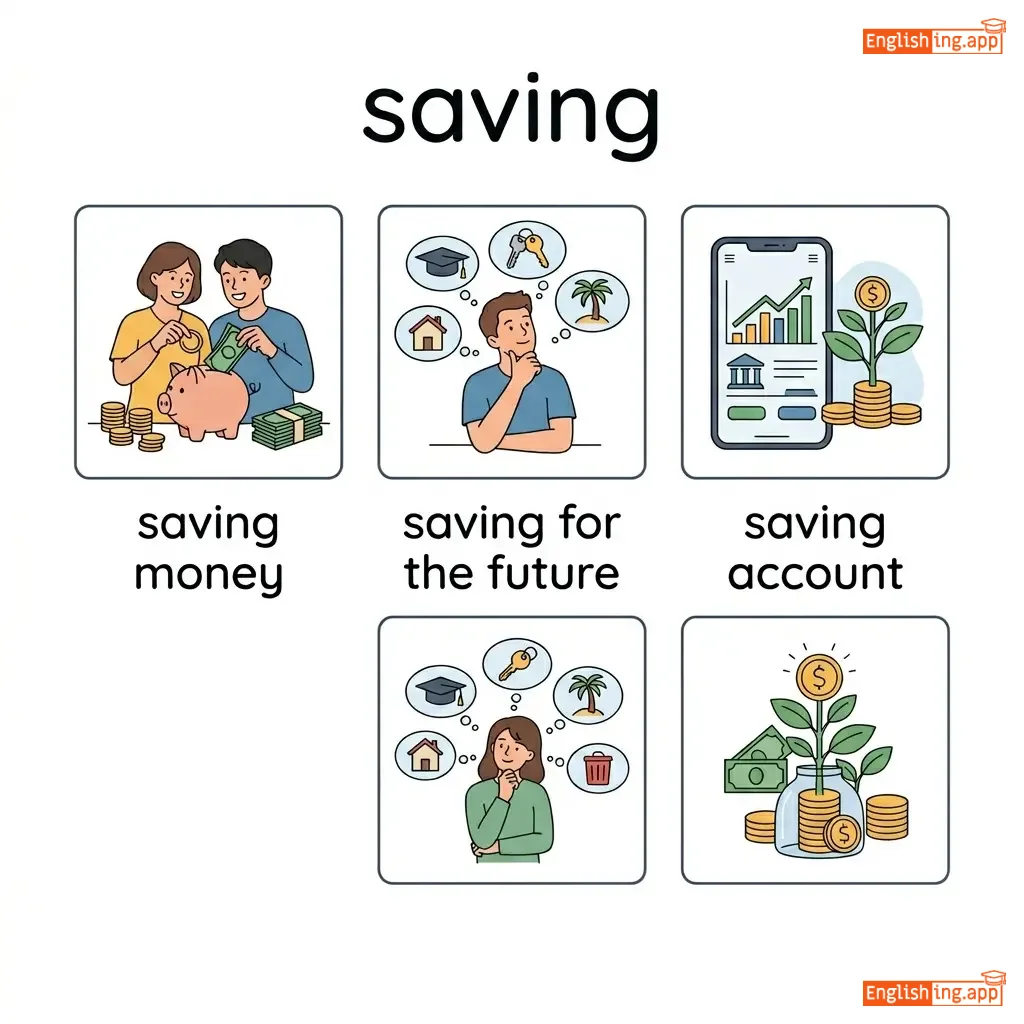
saving money, saving for the future, saving account
••••••
|
Сбережения - копи деньги для будущего. Сохраняй на будущее!
••••••
|
|
💬
••••••
|
/seɪ/
verb
(сей)
••••••
|

|
сказать
skazat
••••••
|
said
сейд
••••••
|
said
сейд
••••••
|
says
сейз
••••••
|
saying
сейинг
••••••
|
to speak words; to express something in words
••••••
|
She said hello to me.
ши сейд хелло ту ми.
••••••
|
Она сказала мне привет.
Ona skazala mne privet.
••••••
|
- •••••• | - •••••• | - •••••• |
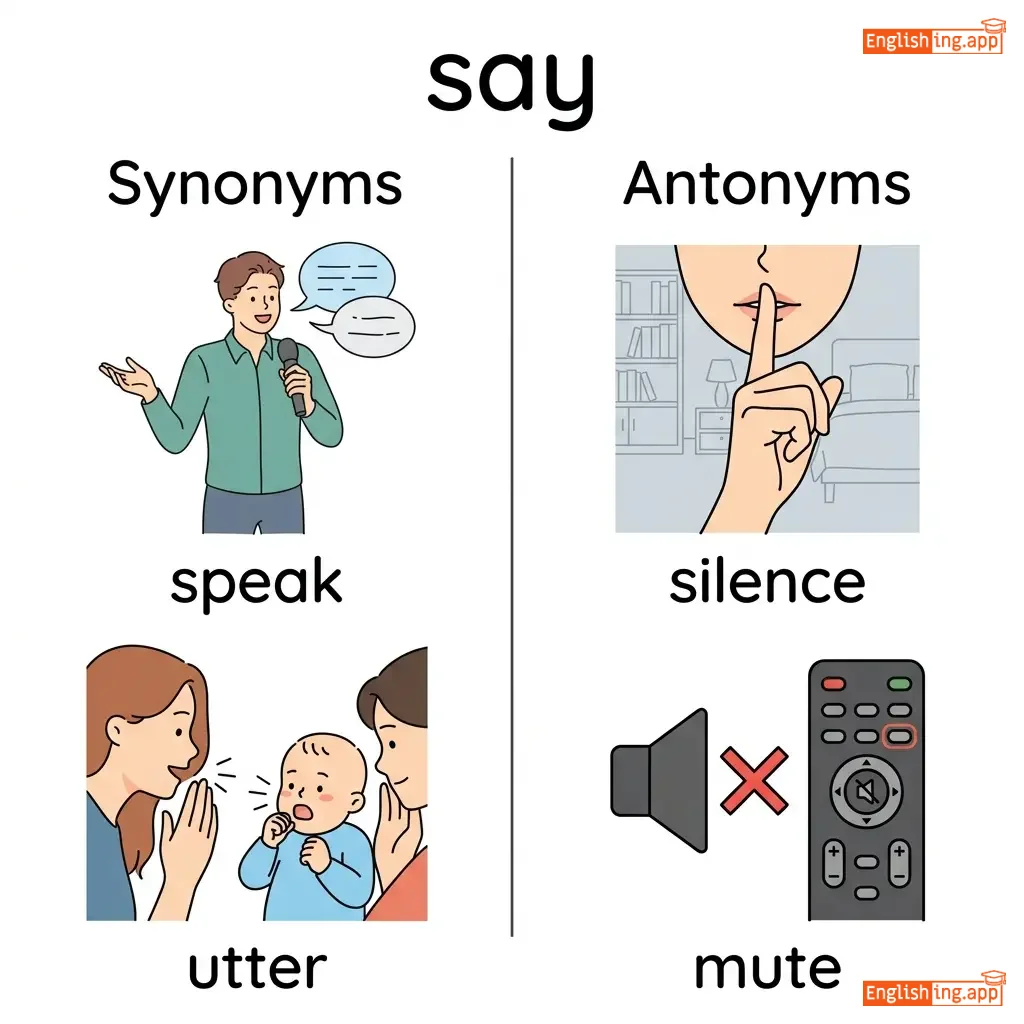
speak, tell, express, utter
••••••
|
listen, hear, remain silent
••••••
|
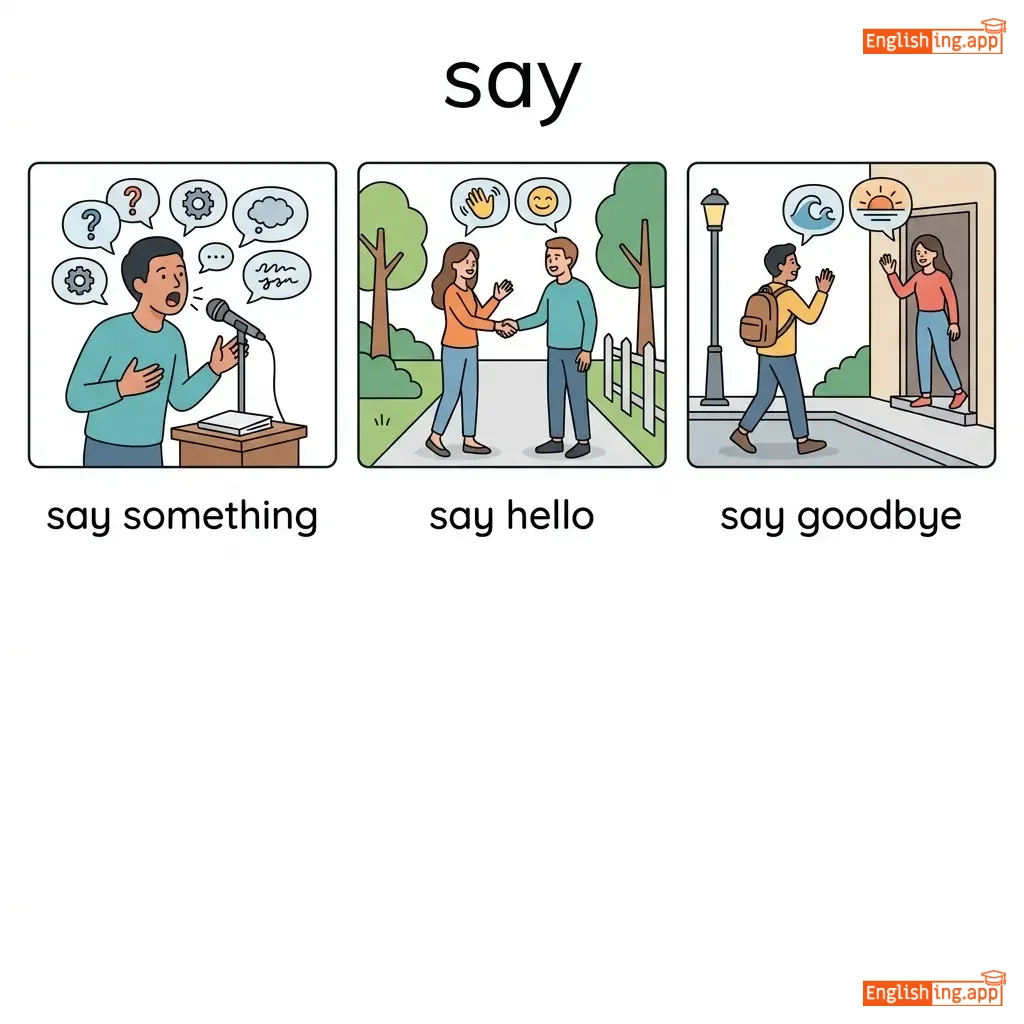
say hello, say goodbye, say something, say yes, say no, say please
••••••
|
Think 'skazat' sounds like 'say that'—easy to remember in Russian!
••••••
|
|
📏
••••••
|
/skeɪl/
noun/verb
(шкала)
••••••
|
- •••••• |
масштаб / увеличение размера
mashtab / uvelichenie razmera
••••••
|
scaled
масштабирован
••••••
|
scaled
масштабирован
••••••
|
scales
масштабирует
••••••
|
scaling
масштабирование
••••••
|
A system of ordered marks used for measurement; also means to climb or to adjust in size.
••••••
|
The company plans to scale its operations globally.
компания планирует расширить свои операции на глобальном уровне.
••••••
|
Компания планирует расширить свои операции на глобальном уровне.
Kompaniya planirovat rasshirit' svoi operatsii na global'nom urovne.
••••••
|
tip the scales
наклонить чашу весов
••••••
|
to influence the outcome of a situation
••••••
|
наклонить чашу весов
naklonit' chashu vesov
••••••
|
measure, climb, grade, ratio, expand
••••••
|
shrink, reduce, decrease
••••••
|
scale up, scale down, scale of measurement, scale a mountain
••••••
|
Шкала означает измерение или увеличение размера — помните, шкала = Контроль размера.
••••••
|
|
😱
••••••
|
/ˈskændəl/
noun
(скандал)
••••••
|
- •••••• |
скандал
skandal
••••••
|
- •••••• | - •••••• | - •••••• | - •••••• |
an event or action that causes public outrage or damage to one's reputation
••••••
|
The politician's affair became a public scandal. |
Роман политика стал общественным скандалом.
Roman politika stal obshchestvennym skandalom.
••••••
|
a scandalous affair |
an affair that causes a lot of public outrage
••••••
|
скандальная связь
skandal'naya svyaz'
••••••
|
controversy, disgrace, outrage, shame
••••••
|
honor, respect
••••••
|
public scandal, political scandal, media scandal, financial scandal
••••••
|
Scandal—it's like 'scan'—watch as the news scans your life!
••••••
|
|
😱
••••••
|
/skeər/
verb
(skeır)
••••••
|
- •••••• |
ispugat'
ispugat'
••••••
|
scared
ispugannyj
••••••
|
scared
ispugannyj
••••••
|
scares
ispugaet
••••••
|
scaring
ispugivayushchij
••••••
|
to frighten someone or make them feel afraid
••••••
|
The loud noise scared the baby.
Gromkij zvuk ispugnul rebyonka.
••••••
|
Gromkij zvuk ispugnul rebyonka.
Gromkij zvuk ispugnul rebyonka.
••••••
|
scare the hell out of
ispugat' do smerti
••••••
|
to frighten someone very badly
••••••
|
ispugat' kogo-to sil'no
ispugat' kogo-to sil'no
••••••
|
frighten, terrify, startle, alarm, shock
••••••
|
comfort, calm, reassure
••••••
|
scare off, scare away, big scare, sudden scare
••••••
|
Scare znachit ispugat' — predstav'te, chto vy ispugalis' ot fil'ma uzhasov.
••••••
|

