The Student Who Never Stopped Learning
Сабина — это преданная студентка, чье aspiration было стать инженером. Initially, делать practical работы было очень трудно для нее, especially, когда ее instruction руководства были написаны на английском языке. Ее школьный principal часто говорил: "Typically, студенты учат только теорию, но otherwise, вам нужно учить практические technique." Сабина completely приняла этот совет regarding и similarly начала учить в группе с одноклассниками. Однажды у них было сложное assignment, где им нужно было провести demonstration. Сабина была apparently нервной, но она сделала все вычисления precisely и obviously ее подготовка была хорошей. "Sometimes я думаю, что я не могу это сделать," сказала она literally, плача, своей подруге. Но ее усилия были намного больше, чем acceptable. В конце концов, на презентации Сабина впечатлила всех своей ясной demonstration. Principal сказал: "Ты доказала, что преданность делу и упорный труд действительно работают." Aspiration Сабины больше не является далеким мечтой; это достижимая цель.
Получите неограниченный доступ ко всем словам с подпиской Pro
Обновить до ProПолучите неограниченный доступ ко всем предложениям с подпиской Pro
Обновить до Pro|
Эмодзи
|
Слово | Images | Перевод | Значение | Пример предложения | Перевод примера предложения | Пример выражения | Значение примера выражения | Перевод примера выражения | Синонимы | Антонимы | Коллокации | Мнемоника |
|---|---|---|---|---|---|---|---|---|---|---|---|---|---|
|
👍
••••••
|
/əkˈsɛptəbəl/
adjective
(akseptabel)
••••••
|
- •••••• |
приемлемый
priemliemy
••••••
|
able to be agreed upon; satisfactory or suitable
••••••
|
Your proposal is acceptable to the committee. |
Ваше предложение приемлемо для комитета.
Vashe predlozhenie priyemlemo dlya komiteta.
••••••
|
socially acceptable |
considered appropriate by society
••••••
|
социально приемлемый
sotsial'no priyemlemyi
••••••
|
satisfactory, adequate, tolerable, suitable, agreeable
••••••
|
unacceptable, unsuitable, improper
••••••
|
acceptable level, acceptable standard, acceptable behavior, socially acceptable
••••••
|
Acceptable означает то, что можно принять, легко запомнить.
••••••
|
|
👀
••••••
|
/əˈperəntli/
adverb
(apyerentli)
••••••
|
- •••••• |
очевидно;
ochevidno
••••••
|
seemingly; as far as one knows or can see; clearly; evidently
••••••
|
Apparently, the meeting has been postponed to next week.
Очевидно, встреча была перенесена на следующую неделю.
••••••
|
Очевидно, встреча была перенесена на следующую неделю.
ochevidno, vstrecha byla perenesena na sleduyushchuyu nedelyu.
••••••
|
- •••••• | - •••••• | - •••••• |
seemingly, evidently, clearly, obviously
••••••
|
actually, really, truly, certainly
••••••
|
apparently not, apparently so, quite apparently
••••••
|
Когда кажется, что это очевидно — это именно так.
••••••
|
|
🚀
••••••
|
/ˌæspəˈreɪʃən/
noun
(аспи́рэйшн)
••••••
|


|
стремление
stremlenie
••••••
|
a strong desire to achieve something; ambition
••••••
|
Her aspiration is to become a doctor. |
Её стремление — стать врачом.
Eyo stremlenie — stat' vrachom.
••••••
|
high aspirations |
lofty ambitions or goals
••••••
|
высокие стремления
vysokie stremleniya
••••••
|
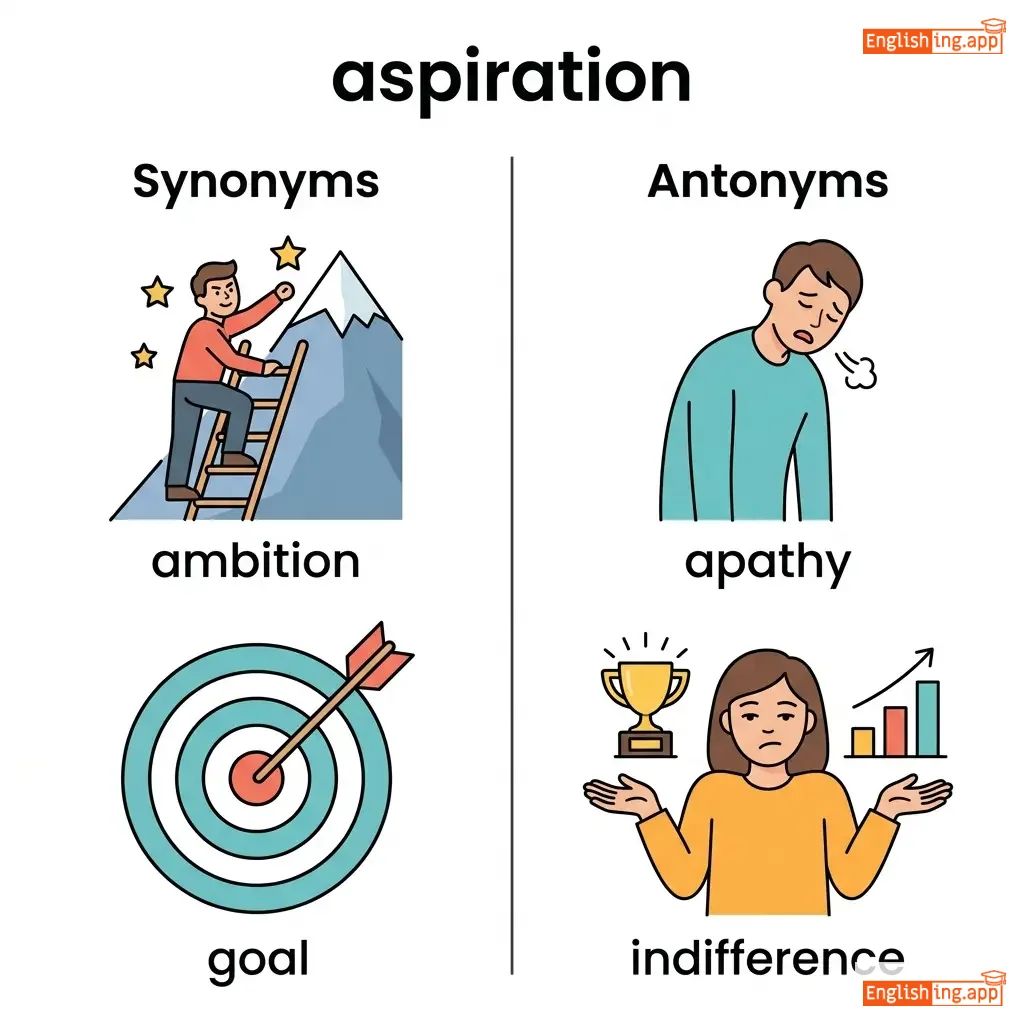
ambition, goal, aim, desire, dream
••••••
|
apathy, indifference
••••••
|
career aspiration, life aspiration, aspiration for success, high aspiration
••••••
|
Aspiration означает стремление — когда мы стремимся, наши стремления растут.
••••••
|
|
📄
••••••
|
/əˈsaɪnmənt/
noun
(эсайнмент)
••••••
|
- •••••• |
задание
zadanie
••••••
|
a task or piece of work given to someone as part of their duties
••••••
|
The students completed their homework assignment on time. |
Студенты выполнили свое домашнее задание вовремя.
Studenty vypolnili svoe domashnee zadanie vovremya.
••••••
|
writing assignment |
a task requiring written work
••••••
|
письменное задание
pis'mennoe zadanie
••••••
|
task, duty, job, responsibility, project
••••••
|
neglect, avoidance
••••••
|
school assignment, work assignment, group assignment, writing assignment
••••••
|
Assignment – это задание, которое учитель дал – работа, которая должна быть выполнена
••••••
|
|
🔄
••••••
|
/kəmˈpliːtli/
adverb
(kəmˈpliːtli)
••••••
|
- •••••• |
полностью
polnost'yu
••••••
|
totally; in every way possible
••••••
|
The room was completely silent. |
Комната была полностью тихой.
Komnata byla polnost'yu tikhoi.
••••••
|
- •••••• | - •••••• | - •••••• |
totally, entirely, fully, utterly
••••••
|
partially, incompletely
••••••
|
completely different, completely silent, completely destroyed, completely wrong
••••••
|
Completely означает полностью, как полностью тихо.
••••••
|
|
✊
••••••
|
/ˌdɛmənˈstreɪʃən/
noun
(демонстрация)
••••••
|
- •••••• |
демонстрация, протест
demonstratsiya, protest
••••••
|
the act of showing something clearly, or a public protest
••••••
|
The workers organized a demonstration for better wages. |
Рабочие организовали демонстрацию за повышение зарплаты.
Rabochiye organizovali demonstratsiyu za povysheniye zarplaty.
••••••
|
peaceful demonstration |
a non-violent public protest
••••••
|
мирная демонстрация
mirnaya demonstratsiya
••••••
|
protest, rally, march, display, presentation
••••••
|
silence, inaction
••••••
|
street demonstration, public demonstration, demonstration of power, demonstration of skills
••••••
|
Demonstration означает демонстрацию или протест
••••••
|
|
⭐
••••••
|
/ɪˈspeʃəli/
adverb
(эспешалли)
••••••
|
- •••••• |
особенно; особенно; прежде всего
osobenno; osobenno; prezhe vsego
••••••
|
particularly; in particular; above all
••••••
|
I love all fruits, especially mangoes.
Я люблю все фрукты, особенно манго.
••••••
|
Я люблю все фрукты, особенно манго.
Ya lyublyu vse frukty, osobenno mango.
••••••
|
- •••••• | - •••••• | - •••••• |
particularly, specifically, notably, chiefly, mainly
••••••
|
generally, broadly, commonly
••••••
|
especially important, especially difficult, especially when
••••••
|
Особенно манго - все любят!
••••••
|
|
⏳
••••••
|
/ɪˈnɪʃəli/
adverb
(инициально)
••••••
|
- •••••• |
поначалу
ponachalu
••••••
|
At the beginning; at first.
••••••
|
Initially, he refused the offer but later accepted it. |
Поначалу он отклонил предложение, но позже согласился.
Ponachalu on otklonil predlozhenie, no pozhe soglasilisya.
••••••
|
- •••••• | - •••••• | - •••••• |
at first, originally, at the start, to begin with
••••••
|
finally, eventually
••••••
|
initially planned, initially intended, initially thought
••••••
|
Поначалу означает в начале, как в начале всё кажется трудным.
••••••
|
|
📘
••••••
|
/ɪnˈstrʌkʃən/
noun
(инструкция)
••••••
|
- •••••• |
инструкция
instrukciya
••••••
|
Detailed information telling how something should be done or operated.
••••••
|
Please read the instruction carefully before using the machine. |
Пожалуйста, внимательно прочитайте инструкцию перед использованием машины.
Pozhaluysta, vnimatel'no prochitayte instrukciyu pered ispol'zovaniem mashiny.
••••••
|
follow instructions |
to do what is directed or advised
••••••
|
следовать инструкциям
sledovat' instrukciyam
••••••
|
direction, guideline, order, command, teaching
••••••
|
confusion, disorder, disorganization
••••••
|
give instruction, clear instruction, safety instruction, instruction manual
••••••
|
Инструкция — это то, что инструктор говорит, нужно делать без сомнений.
••••••
|
|
🔍
••••••
|
/ˈlɪtərəli/
adverb
(литерали)
••••••
|
- •••••• |
буквально
bukvalno
••••••
|
in a literal manner or sense; exactly
••••••
|
He was literally running for three hours without stopping. |
Он бегал буквально три часа без остановки.
On begal bukval'no tri chasa bez ostanovki.
••••••
|
- •••••• | - •••••• | - •••••• |
exactly, precisely, actually, really
••••••
|
figuratively, metaphorically
••••••
|
literally true, literally impossible, literally happened
••••••
|
Буквально означает в буквальном смысле – как сказать 'точно'!
••••••
|
|
🙄
••••••
|
/ˈɒbviəsli/
adverb
(obviyesli)
••••••
|
- •••••• |
очевидно
ochevidno
••••••
|
in a way that is easily perceived or understood; clearly
••••••
|
Obviously, he didn’t read the instructions.
Очевидно, он не прочитал инструкции.
••••••
|
Очевидно, он не прочитал инструкции.
Ochevidno, on ne prochital instruktsii.
••••••
|
- •••••• | - •••••• | - •••••• |
clearly, evidently, unmistakably, plainly
••••••
|
ambiguously, unclearly
••••••
|
obviously wrong, obviously clear, obviously upset
••••••
|
Очевидно, все ясно!
••••••
|
|
↔️❓
••••••
|
/ˈʌðərwaɪz/
adverb
(азэрувайз)
••••••
|
- •••••• |
иначе; по-другому
inache; po-drugomu
••••••
|
in a different way; if not; or else; apart from that
••••••
|
Study hard, otherwise you will fail the exam. |
Учись усердно, иначе ты провалишь экзамен.
Uchis' usyerdno, inache ty provalish' ekzamen
••••••
|
- •••••• | - •••••• | - •••••• |
or else, alternatively, differently, if not
••••••
|
likewise, similarly, correspondingly
••••••
|
or otherwise, otherwise known as, unless otherwise stated
••••••
|
Russian 'иначе' means 'otherwise'.
••••••
|
|
🔧
••••••
|
/ˈpræk.tɪ.kəl/
adjective
(praktikal)
••••••
|
|
практический
praktičeskij
••••••
|
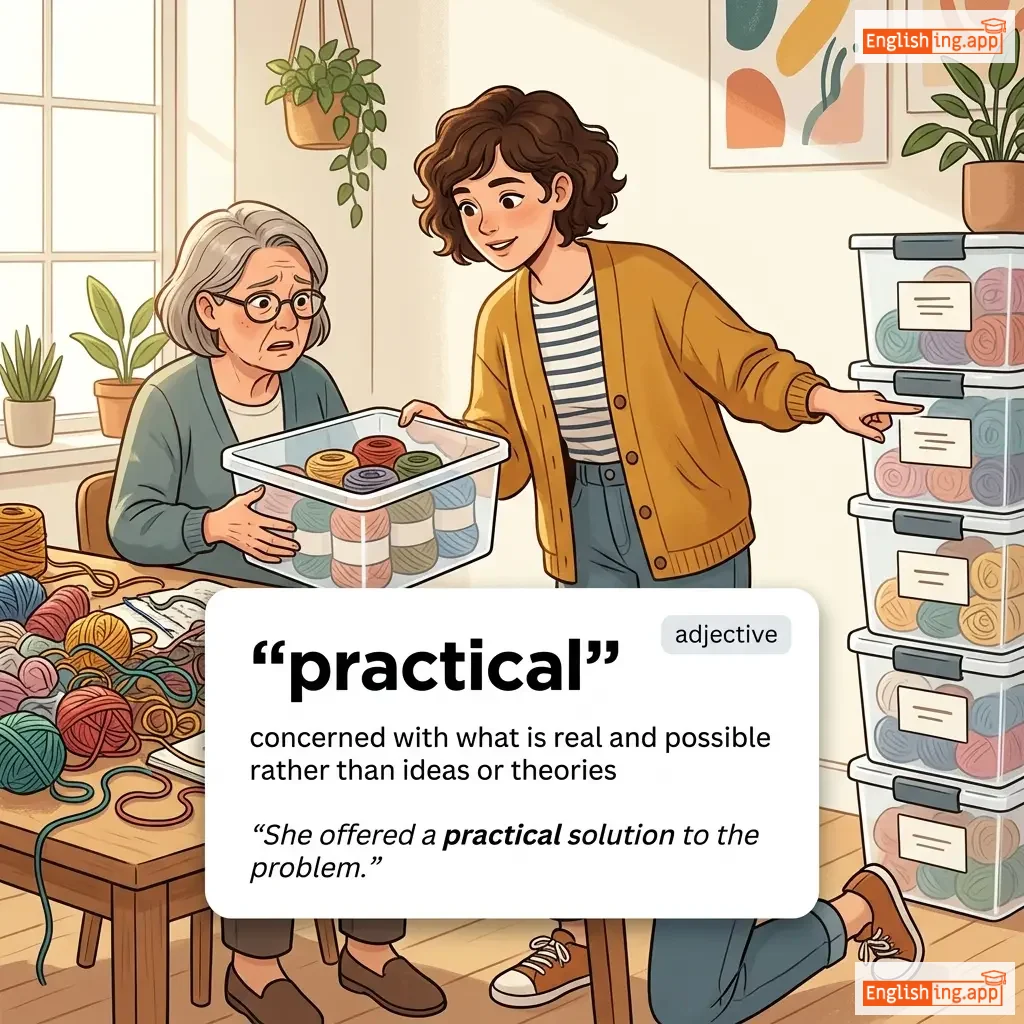
concerned with what is real and possible rather than ideas or theories
••••••
|
She offered a practical solution to the problem. |
Она предложила практическое решение проблемы.
Ona predlozhila prakticheskoe reshenie problemy.
••••••
|
practice makes perfect |
the more you practice something, the better you become at it
••••••
|
практика делает мастера
praktika delaet mastera
••••••
|
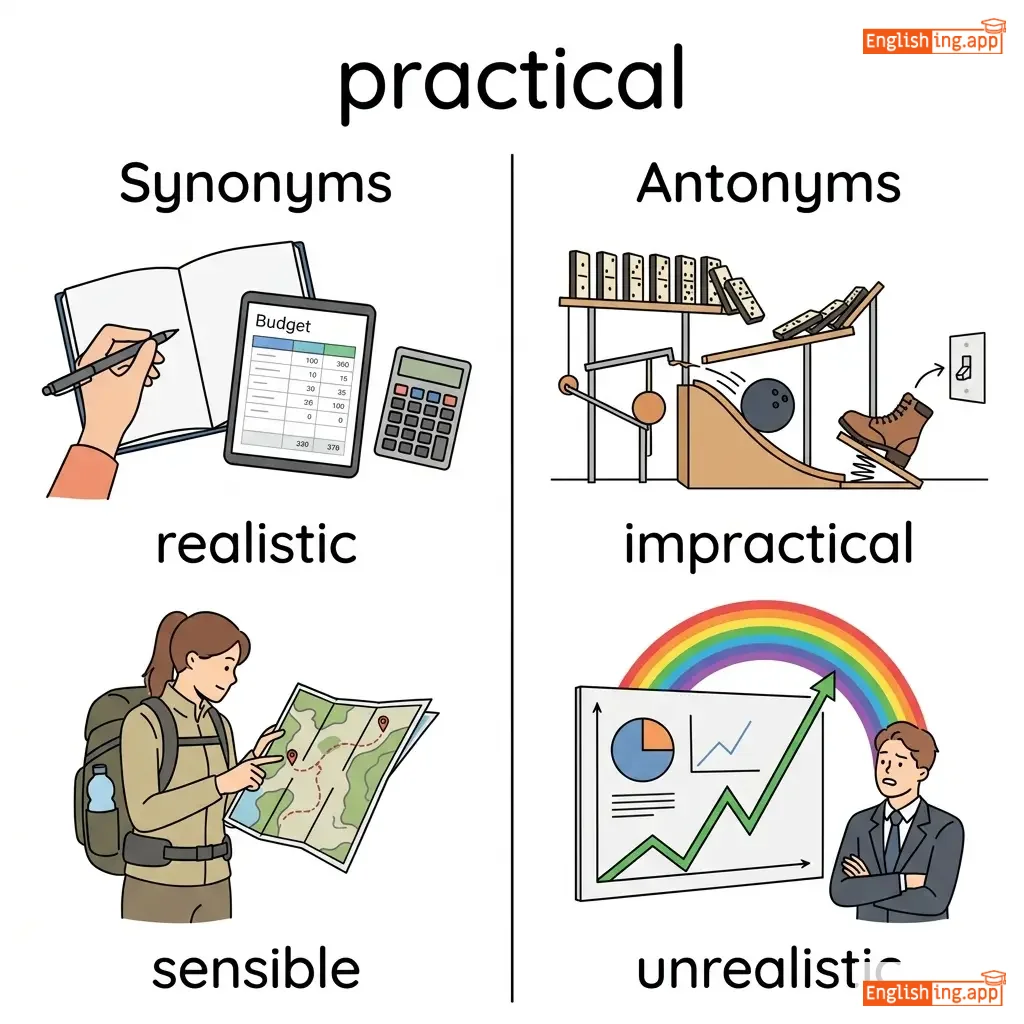
realistic, sensible, useful, logical, pragmatic
••••••
|
impractical, unrealistic, theoretical
••••••
|
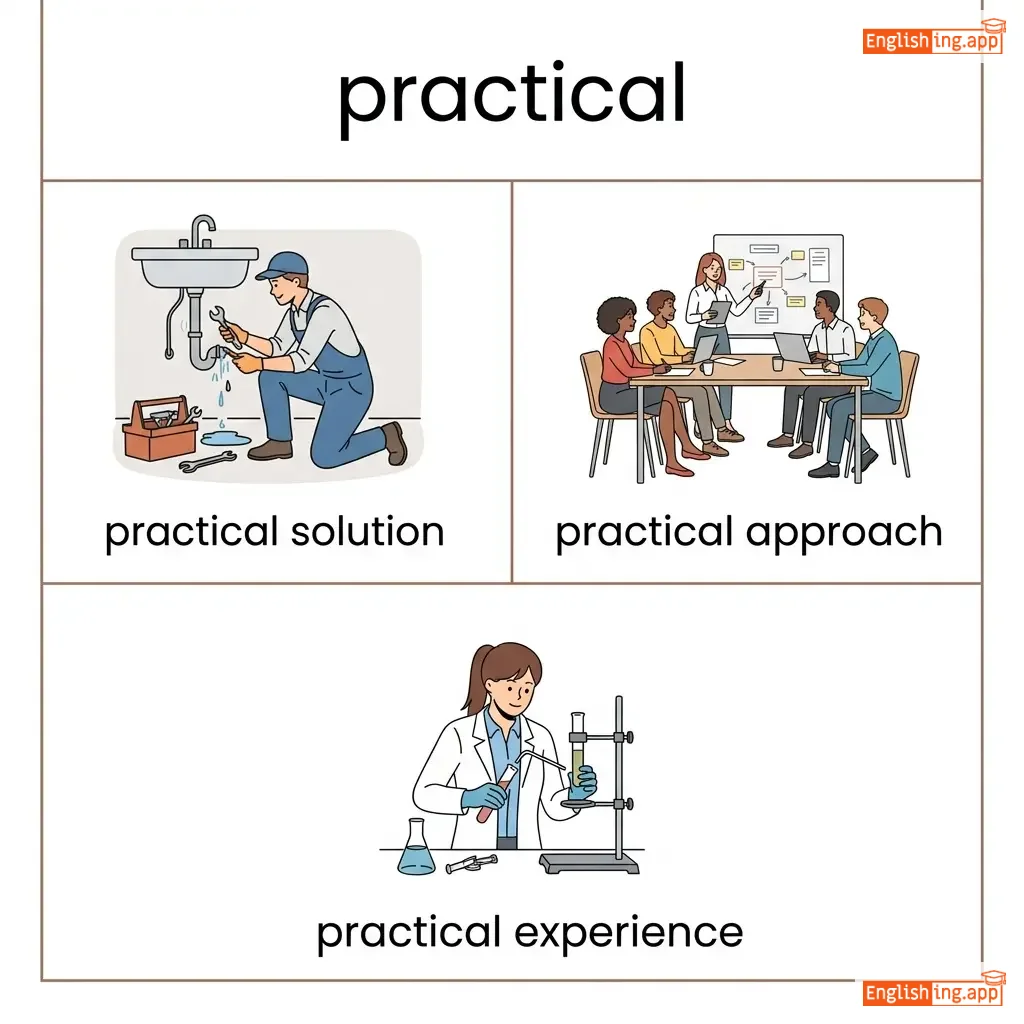
practical solution, practical approach, practical experience, practical advice
••••••
|
Практическое означает работать с реальностью, а не с теорией
••••••
|
|
📏
••••••
|
/prɪˈsaɪsli/
adverb
(прецизно)
••••••
|
|
точно
tochno
••••••
|
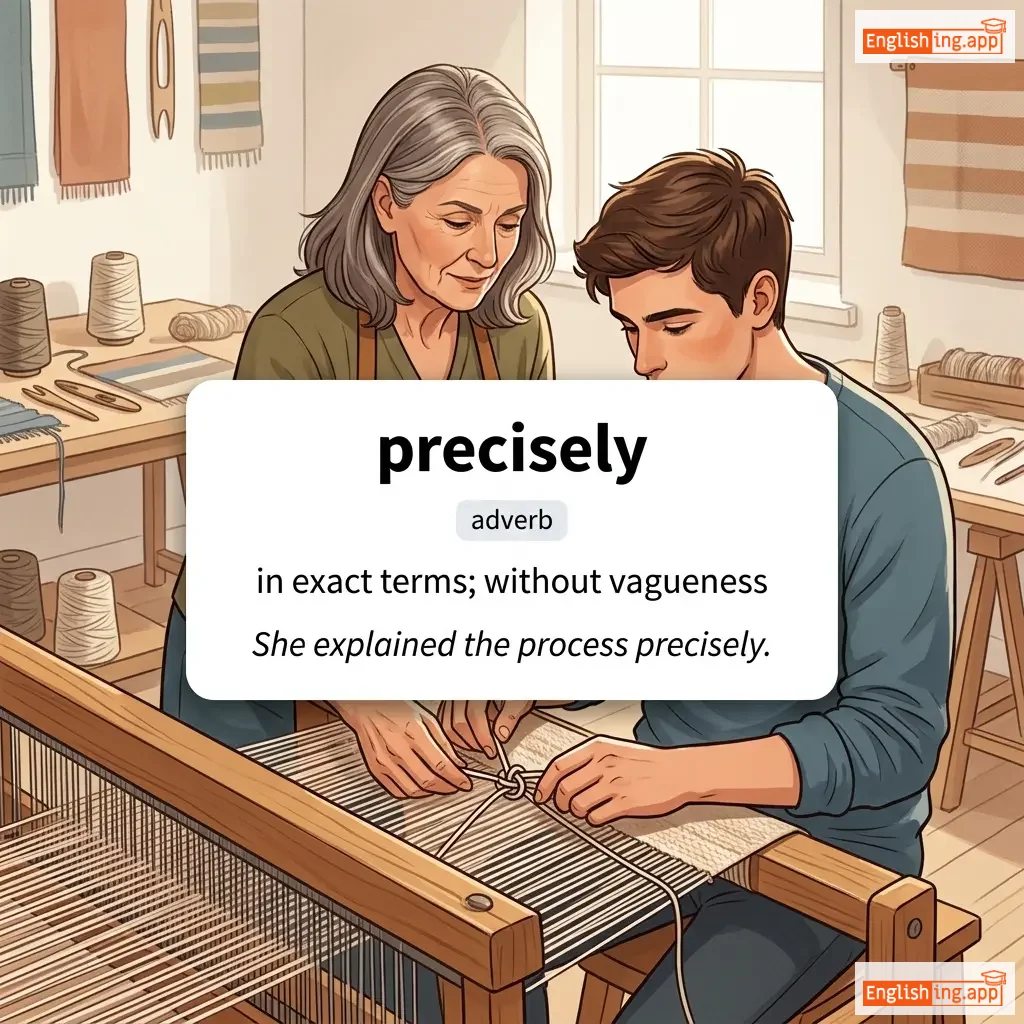
in exact terms; without vagueness
••••••
|
She explained the process precisely.
Она объяснила процесс точно.
••••••
|
Она объяснила процесс точно.
Ona ob'yasnila protsess tochno.
••••••
|
- •••••• | - •••••• | - •••••• |
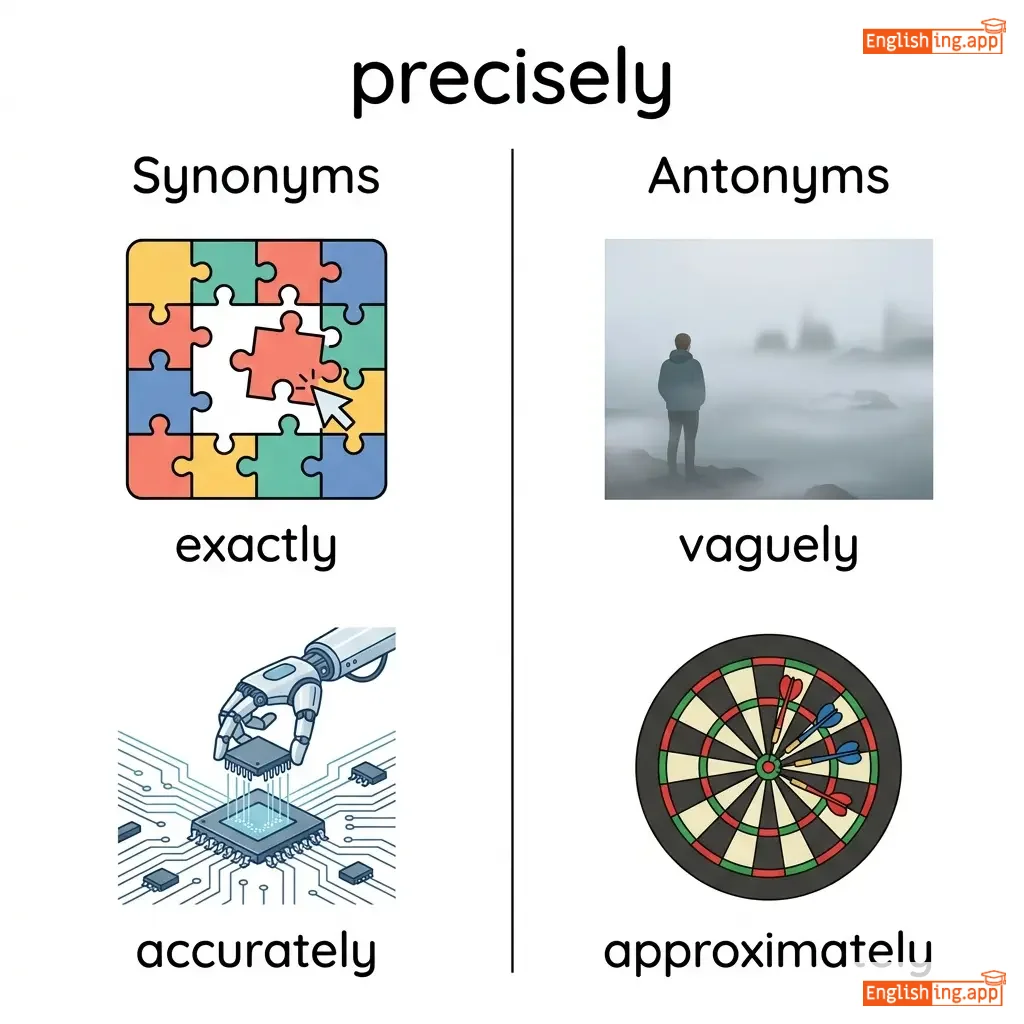
exactly, accurately, specifically, strictly
••••••
|
vaguely, approximately
••••••
|
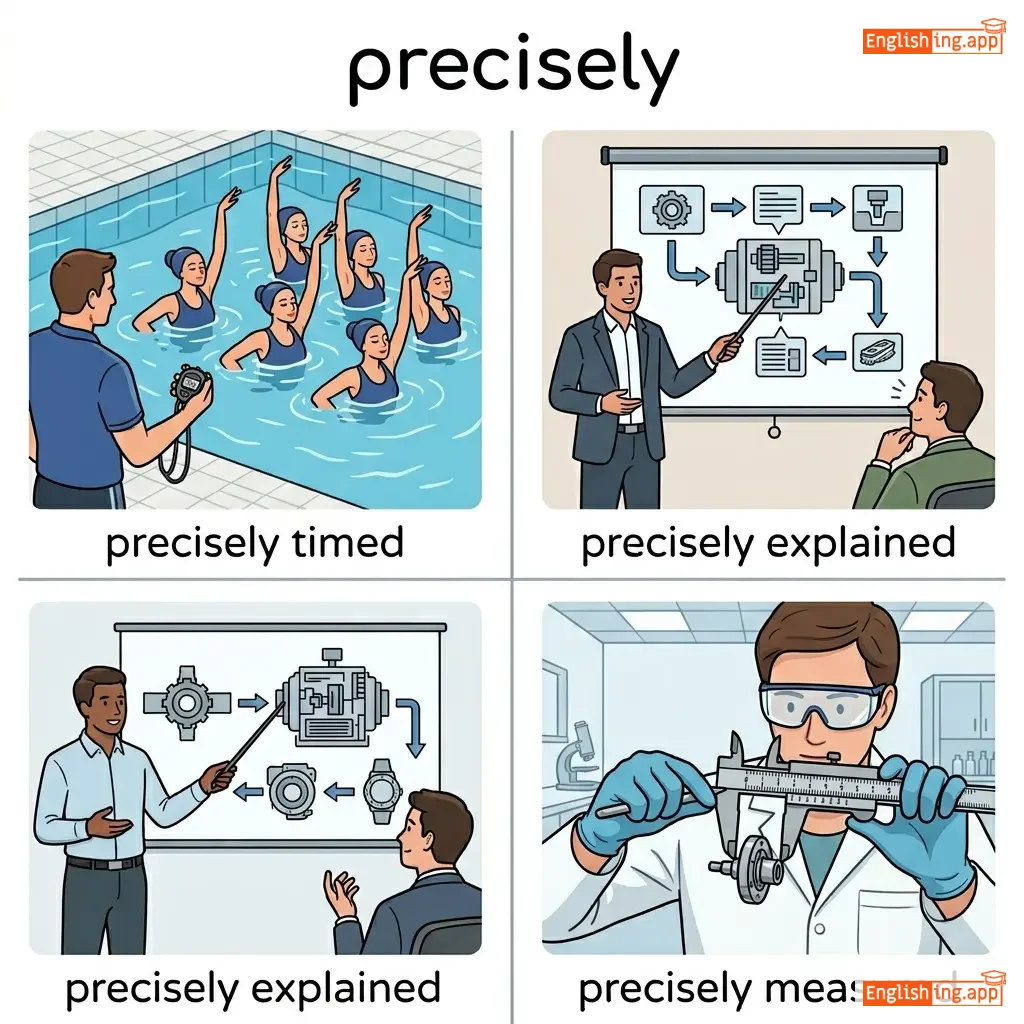
precisely timed, precisely explained, precisely measured
••••••
|
Precisely = Exactly, no vagueness!
••••••
|
|
🎓
••••••
|
/ˈprɪnsəpəl/
noun, adjective
(prɪnsɪpəl)
••••••
|
- •••••• |
директор, главный
direktor, glavniy
••••••
|
the person with the highest authority or most important position; main or most important
••••••
|
The school principal addressed the students in the auditorium. |
Директор школы обратился к ученикам в аудитории.
Direktor shkoly obratilsya k uchenikam v auditorii.
••••••
|
principal and interest |
the original amount of money invested or loaned and the charge for borrowing it
••••••
|
основной капитал и проценты
osnovnoy kapital i protsenty
••••••
|
head, leader, chief, primary, main
••••••
|
subordinate, minor, secondary
••••••
|
school principal, principal amount, principal role, principal office
••••••
|
Principal означает главного человека в школе, директора.
••••••
|
|
📜
••••••
|
/rɪˈɡɑrdɪŋ/
preposition
(рɪˈɡɑрдɪнɡ)
••••••
|
- •••••• |
относительно
otnositel'no
••••••
|
concerning or relating to
••••••
|
The decision regarding the meeting will be made tomorrow. |
Решение относительно встречи будет принято завтра.
Reshenie otnositel'no vstrechi budet prinyato zavtra.
••••••
|
- •••••• | - •••••• | - •••••• |
concerning, about, in relation to
••••••
|
- •••••• |
regarding the matter, regarding the issue, regarding the project
••••••
|
Относительно обсуждения решение будет принято
••••••
|
|
🔄
••••••
|
/ˈsɪmɪlərli/
adverb
(sɪmɪlɛrli)
••••••
|
- •••••• |
аналогично
analogichno
••••••
|
in a similar way
••••••
|
Similarly, we can achieve success with dedication and hard work. |
Аналогично, мы можем достичь успеха с помощью преданности и усердной работы.
Analogichno, my mozhem dostich' uspekha s pomoshch'yu predannosti i userdnoy raboty.
••••••
|
- •••••• | - •••••• | - •••••• |
alike, likewise, in the same way
••••••
|
differently, oppositely
••••••
|
similarly to, similarly minded, similarly structured
••••••
|
Similarly, like two sides of the same coin!
••••••
|
|
🔄
••••••
|
/ˈsʌm.taɪmz/
adverb
(samtaims)
••••••
|
- •••••• |
иногда
inogda
••••••
|
at times; occasionally; now and then
••••••
|
Sometimes I go for a walk in the evening.
samtaims ai gou for a walk in de ivning.
••••••
|
Иногда я гуляю вечером.
Inogda ya gulyayu vecherom.
••••••
|
- •••••• | - •••••• | - •••••• |
occasionally, at times, now and then, from time to time
••••••
|
always, never, constantly
••••••
|
sometimes difficult, sometimes happens, sometimes feel
••••••
|
Иногда ты гуляешь вечером, как и всегда.
••••••
|
|
🧘
••••••
|
/tɛkˈniːk/
noun
(тɛкˈниːк)
••••••
|
- •••••• |
техника
tekhnika
••••••
|
A particular way of carrying out a task, especially with skill.
••••••
|
She learned a new breathing technique in yoga class. |
Она изучила новую технику дыхания на занятиях йогой.
Ona izuchila novuyu tekhniku dykhaniya na zanyatiyakh yogoy.
••••••
|
by technique |
Done using a specific method or skill.
••••••
|
по технике
po tekhnike
••••••
|
method, procedure, style, craft, skill
••••••
|
incompetence, inability
••••••
|
teaching technique, special technique, breathing technique, painting technique
••••••
|
Техника - это метод, техника помогает сделать проще.
••••••
|
|
⏰
••••••
|
/ˈtɪpɪkli/
adverb
(типично)
••••••
|
- •••••• |
обычно
obychno
••••••
|
in a way that is typical of a particular person, thing, or group
••••••
|
She typically arrives at work at 9 AM.
Она обычно приходит на работу в 9 утра.
••••••
|
Она обычно приходит на работу в 9 утра.
Ona obychno prikhodit na rabotu v 9 utra.
••••••
|
- •••••• | - •••••• | - •••••• |
usually, ordinarily, commonly, customarily
••••••
|
unusually, rarely
••••••
|
typically on time, typically works, typically performs
••••••
|
Типично: всегда вовремя.
••••••
|

