The Student Who Never Stopped Learning
Sabina 是一个专注的学生,她的 aspiration 是成为一名工程师。Initially,做 practical 工作对她来说非常困难,especially 当她的 instruction 手册是用英语写的。她学校的 principal 常常说:"Typically,学生们只学习理论,但 otherwise 你需要学习实际的 technique。" Sabina completely 接受了这个关于的建议,并 similarly 开始和她的同学们一起进行小组学习。一天,他们有一个复杂的 assignment,需要做一个 demonstration。Sabina apparently 很紧张,但她做了所有的计算 precisely,并且 obviously 她的准备工作很好。她 literally 哭着对她的朋友说:"Sometimes 我觉得我做不到。" 但是她的努力远远超出了 acceptable 的标准。最后,在展示中,Sabina 以清晰的 demonstration 打动了所有人。Principal 说:"你证明了专注和努力工作真的有效。" Sabina 的 aspiration 不再是遥不可及的梦想,而是一个可以实现的目标。
|
表情符号
|
单词 | Images | 翻译 | 含义 | 例句 | 例句翻译 | 示例表达 | 示例表达含义 | 示例表达翻译 | 同义词 | 反义词 | 搭配词 | 助记符 |
|---|---|---|---|---|---|---|---|---|---|---|---|---|---|
|
👍
••••••
|
/əkˈsɛptəbəl/
adjective
(akseptable)
••••••
|
- •••••• |
可接受的
ke jieshou de
••••••
|
able to be agreed upon; satisfactory or suitable
••••••
|
Your proposal is acceptable to the committee. |
你的提议对委员会是可接受的。
Nide tiyi dui weiyuanhui shi ke jieshou de.
••••••
|
socially acceptable |
considered appropriate by society
••••••
|
社会上可接受的
shehui shang ke jieshou de
••••••
|
satisfactory, adequate, tolerable, suitable, agreeable
••••••
|
unacceptable, unsuitable, improper
••••••
|
acceptable level, acceptable standard, acceptable behavior, socially acceptable
••••••
|
Acceptable 是可以接受的,容易记住。
••••••
|
|
👀
••••••
|
/əˈperəntli/
adverb
(ā bǎi rén lì)
••••••
|
- •••••• |
显然;
xianran
••••••
|
seemingly; as far as one knows or can see; clearly; evidently
••••••
|
Apparently, the meeting has been postponed to next week.
显然,会议已被推迟到下周。
••••••
|
显然,会议已被推迟到下周。
xianran, huiyi yi bei tuichi dao xia zhou.
••••••
|
- •••••• | - •••••• | - •••••• |
seemingly, evidently, clearly, obviously
••••••
|
actually, really, truly, certainly
••••••
|
apparently not, apparently so, quite apparently
••••••
|
显然清晰的事情容易被看到
••••••
|
|
🚀
••••••
|
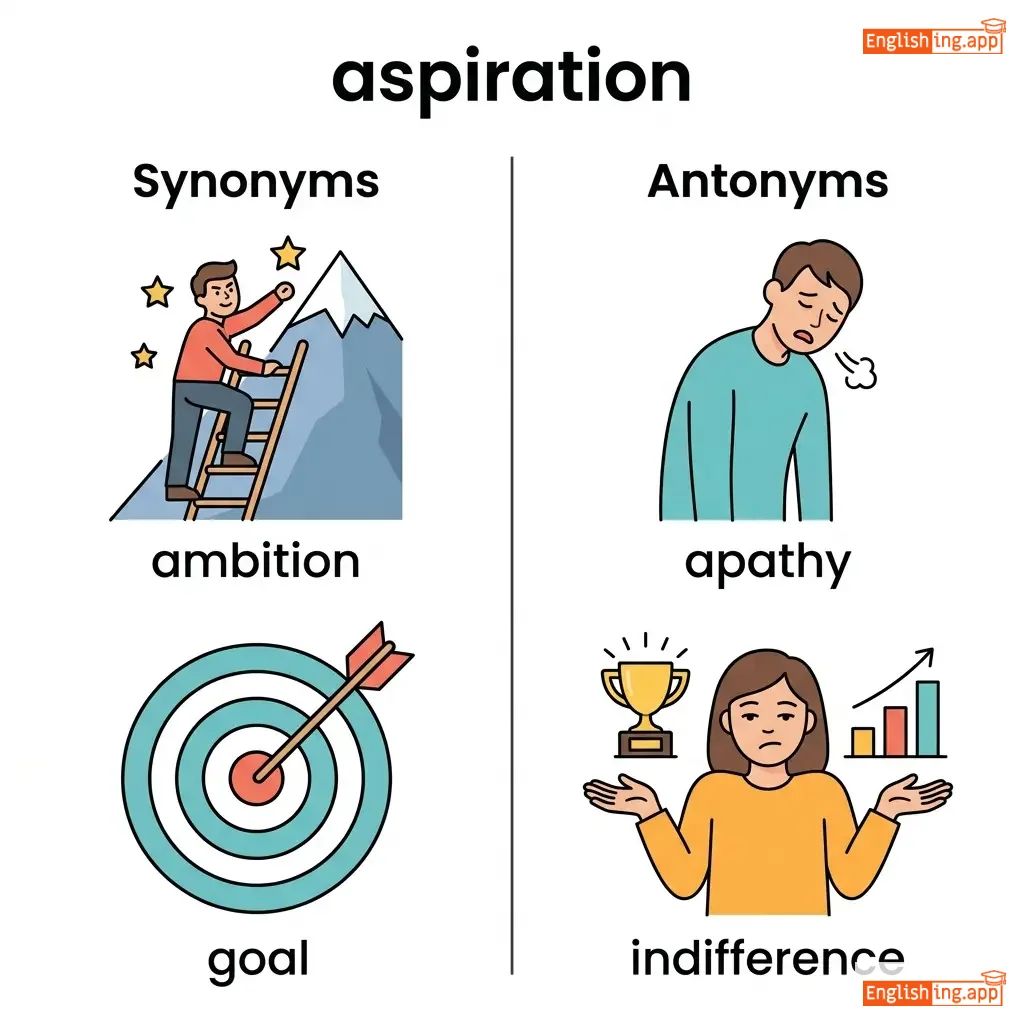
/ˌæspəˈreɪʃən/
noun
(阿斯皮雷申)
••••••
|


|
抱负
baofu
••••••
|
a strong desire to achieve something; ambition
••••••
|
Her aspiration is to become a doctor. |
她的抱负是成为一名医生。
Ta de baofu shi chengwei yi ming yisheng.
••••••
|
high aspirations |
lofty ambitions or goals
••••••
|
高远抱负
gaoyuan baofu
••••••
|
ambition, goal, aim, desire, dream
••••••
|
apathy, indifference
••••••
|
career aspiration, life aspiration, aspiration for success, high aspiration
••••••
|
Aspiration意味着抱负 — 当我们有抱负时,抱负就会更强烈。
••••••
|
|
📄
••••••
|
/əˈsaɪnmənt/
noun
(ā sài n mén tè)
••••••
|
- •••••• |
任务
renwu
••••••
|
a task or piece of work given to someone as part of their duties
••••••
|
The students completed their homework assignment on time. |
学生们按时完成了他们的家庭作业任务。
xueshengmen an shi wancheng le tamen de jiating zuoye renwu.
••••••
|
writing assignment |
a task requiring written work
••••••
|
写作任务
xiezuo renwu
••••••
|
task, duty, job, responsibility, project
••••••
|
neglect, avoidance
••••••
|
school assignment, work assignment, group assignment, writing assignment
••••••
|
Assignment是分配给你做的任务 – 教师分配的工作
••••••
|
|
🔄
••••••
|
/kəmˈpliːtli/
adverb
(kəmˈpliːtli)
••••••
|
- •••••• |
完全地
wánquán de
••••••
|
totally; in every way possible
••••••
|
The room was completely silent. |
房间完全安静。
Fángjiān wánquán ānjìng.
••••••
|
- •••••• | - •••••• | - •••••• |
totally, entirely, fully, utterly
••••••
|
partially, incompletely
••••••
|
completely different, completely silent, completely destroyed, completely wrong
••••••
|
Completely意味着完全地,就像完全安静。
••••••
|
|
✊
••••••
|
/ˌdɛmənˈstreɪʃən/
noun
(示威)
••••••
|
- •••••• |
示威, 示范
shìwēi, shìfàn
••••••
|
the act of showing something clearly, or a public protest
••••••
|
The workers organized a demonstration for better wages. |
工人们组织了一场争取更高工资的示威。
Gōngrén men zǔzhīle yī chǎng zhēngqǔ gèng gāo gōngzī de shìwēi.
••••••
|
peaceful demonstration |
a non-violent public protest
••••••
|
和平示威
hépíng shìwēi
••••••
|
protest, rally, march, display, presentation
••••••
|
silence, inaction
••••••
|
street demonstration, public demonstration, demonstration of power, demonstration of skills
••••••
|
Demonstration意味着展示或抗议
••••••
|
|
⭐
••••••
|
/ɪˈspeʃəli/
adverb
(特别)
••••••
|
- •••••• |
特别; 尤其是; 尤其
tèbié; yóuqí shì; yóuqí
••••••
|
particularly; in particular; above all
••••••
|
I love all fruits, especially mangoes.
我喜欢所有的水果,特别是芒果。
••••••
|
我喜欢所有的水果,特别是芒果。
Wǒ xǐhuān suǒyǒu de shuǐguǒ, tèbié shì mángguǒ.
••••••
|
- •••••• | - •••••• | - •••••• |
particularly, specifically, notably, chiefly, mainly
••••••
|
generally, broadly, commonly
••••••
|
especially important, especially difficult, especially when
••••••
|
特别是芒果 - 我最喜欢的!
••••••
|
|
⏳
••••••
|
/ɪˈnɪʃəli/
adverb
(一开始)
••••••
|
- •••••• |
一开始
yī kāishǐ
••••••
|
At the beginning; at first.
••••••
|
Initially, he refused the offer but later accepted it. |
一开始,他拒绝了这个提议,但后来接受了。
Yī kāishǐ, tā jùjuéle zhège tíyì, dàn hòulái jiēshòule.
••••••
|
- •••••• | - •••••• | - •••••• |
at first, originally, at the start, to begin with
••••••
|
finally, eventually
••••••
|
initially planned, initially intended, initially thought
••••••
|
一开始意味着最初,就像一开始一切看起来都很难。
••••••
|
|
📘
••••••
|
/ɪnˈstrʌkʃən/
noun
(指令)
••••••
|
- •••••• |
指令
zhiling
••••••
|
Detailed information telling how something should be done or operated.
••••••
|
Please read the instruction carefully before using the machine. |
请在使用机器前仔细阅读指令。
Qing zai shiyong jiqi qian zixi yuedu zhiling.
••••••
|
follow instructions |
to do what is directed or advised
••••••
|
遵循指令
zunxun zhiling
••••••
|
direction, guideline, order, command, teaching
••••••
|
confusion, disorder, disorganization
••••••
|
give instruction, clear instruction, safety instruction, instruction manual
••••••
|
指令就是讲师说的内容,必须按指示去做。
••••••
|
|
🔍
••••••
|
/ˈlɪtərəli/
adverb
(字面上)
••••••
|
- •••••• |
字面上
zimian shang
••••••
|
in a literal manner or sense; exactly
••••••
|
He was literally running for three hours without stopping. |
他字面上跑了三个小时没有停下来。
Ta zimian shang pao le san ge xiaoshi mei you ting xiala lai.
••••••
|
- •••••• | - •••••• | - •••••• |
exactly, precisely, actually, really
••••••
|
figuratively, metaphorically
••••••
|
literally true, literally impossible, literally happened
••••••
|
字面上意味着字面意义 – 就像说'准确'!
••••••
|
|
🙄
••••••
|
/ˈɒbviəsli/
adverb
(obviəsli)
••••••
|
- •••••• |
显然
xianran
••••••
|
in a way that is easily perceived or understood; clearly
••••••
|
Obviously, he didn’t read the instructions.
显然,他没有读说明书。
••••••
|
显然,他没有读说明书。
Xianran, ta meiyou du shuoming shu.
••••••
|
- •••••• | - •••••• | - •••••• |
clearly, evidently, unmistakably, plainly
••••••
|
ambiguously, unclearly
••••••
|
obviously wrong, obviously clear, obviously upset
••••••
|
显而易见,清晰明了!
••••••
|
|
↔️❓
••••••
|
/ˈʌðərwaɪz/
adverb
(átherwáiz)
••••••
|
- •••••• |
否则; 不然
fǒuzé; bùrán
••••••
|
in a different way; if not; or else; apart from that
••••••
|
Study hard, otherwise you will fail the exam. |
努力学习,否则你会考试失败。
Nǔlì xuéxí, fǒuzé nǐ huì kǎoshì shībài
••••••
|
- •••••• | - •••••• | - •••••• |
or else, alternatively, differently, if not
••••••
|
likewise, similarly, correspondingly
••••••
|
or otherwise, otherwise known as, unless otherwise stated
••••••
|
Chinese '否则' means 'otherwise'.
••••••
|
|
🔧
••••••
|
/ˈpræk.tɪ.kəl/
adjective
(pùlìkè)
••••••
|
|
实用的
shiyong de
••••••
|
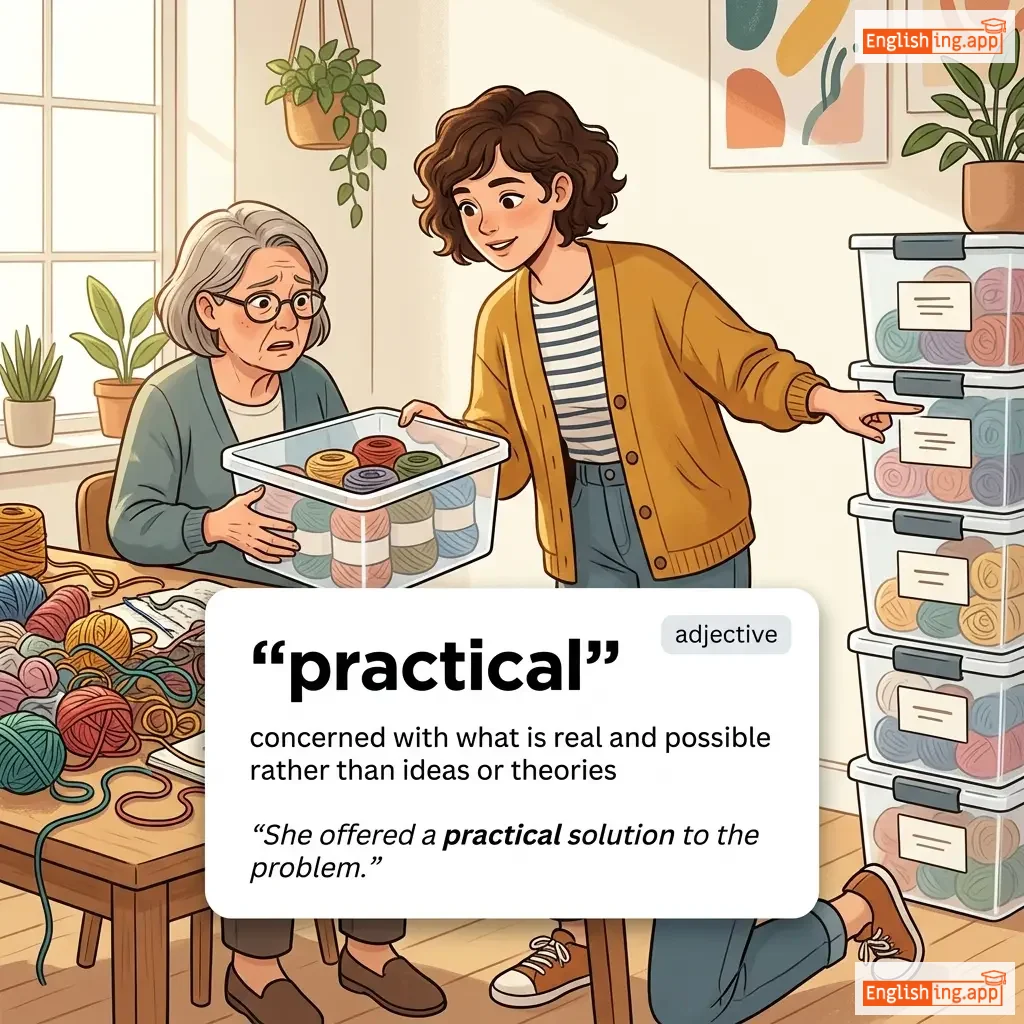
concerned with what is real and possible rather than ideas or theories
••••••
|
She offered a practical solution to the problem. |
她提供了一个实际的解决方案。
Ta tigongle yige shiji de jiejue fang'an.
••••••
|
practice makes perfect |
the more you practice something, the better you become at it
••••••
|
熟能生巧
shuneng shengqiao
••••••
|
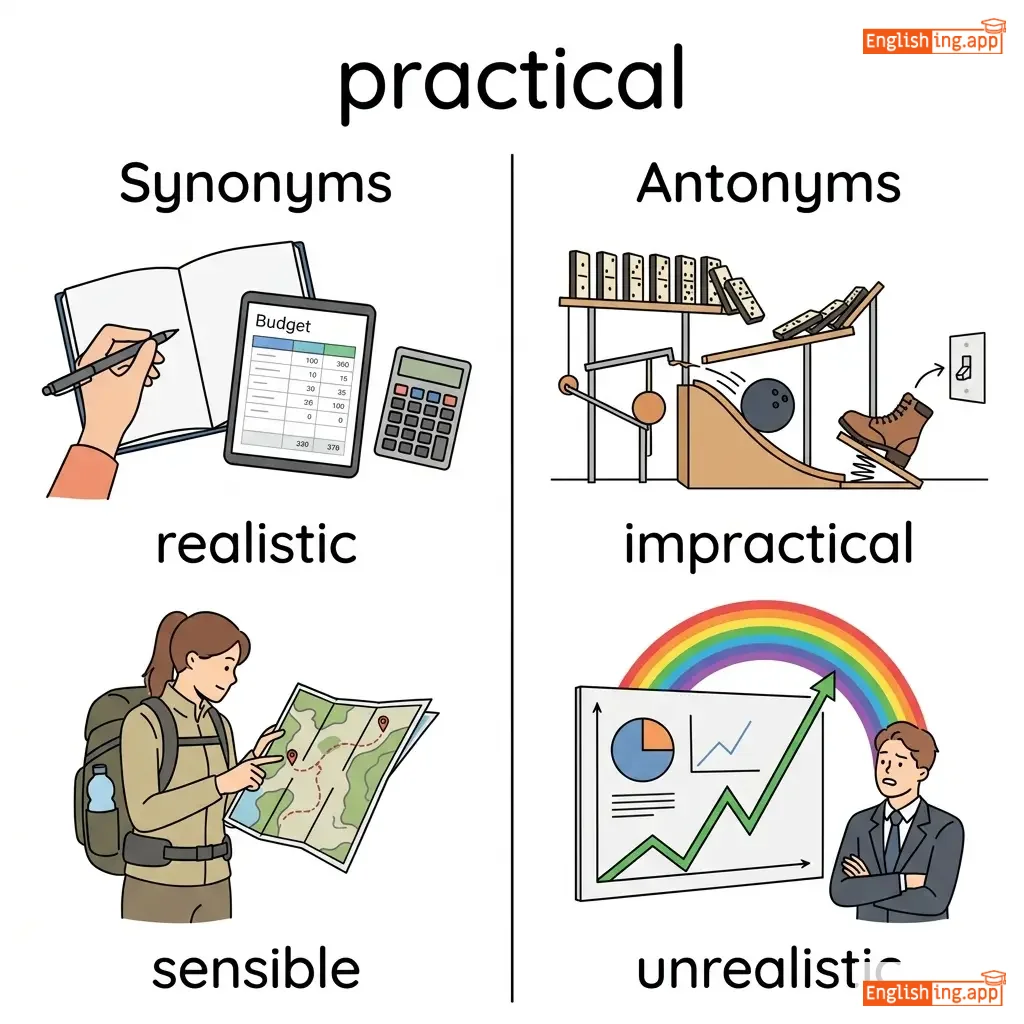
realistic, sensible, useful, logical, pragmatic
••••••
|
impractical, unrealistic, theoretical
••••••
|
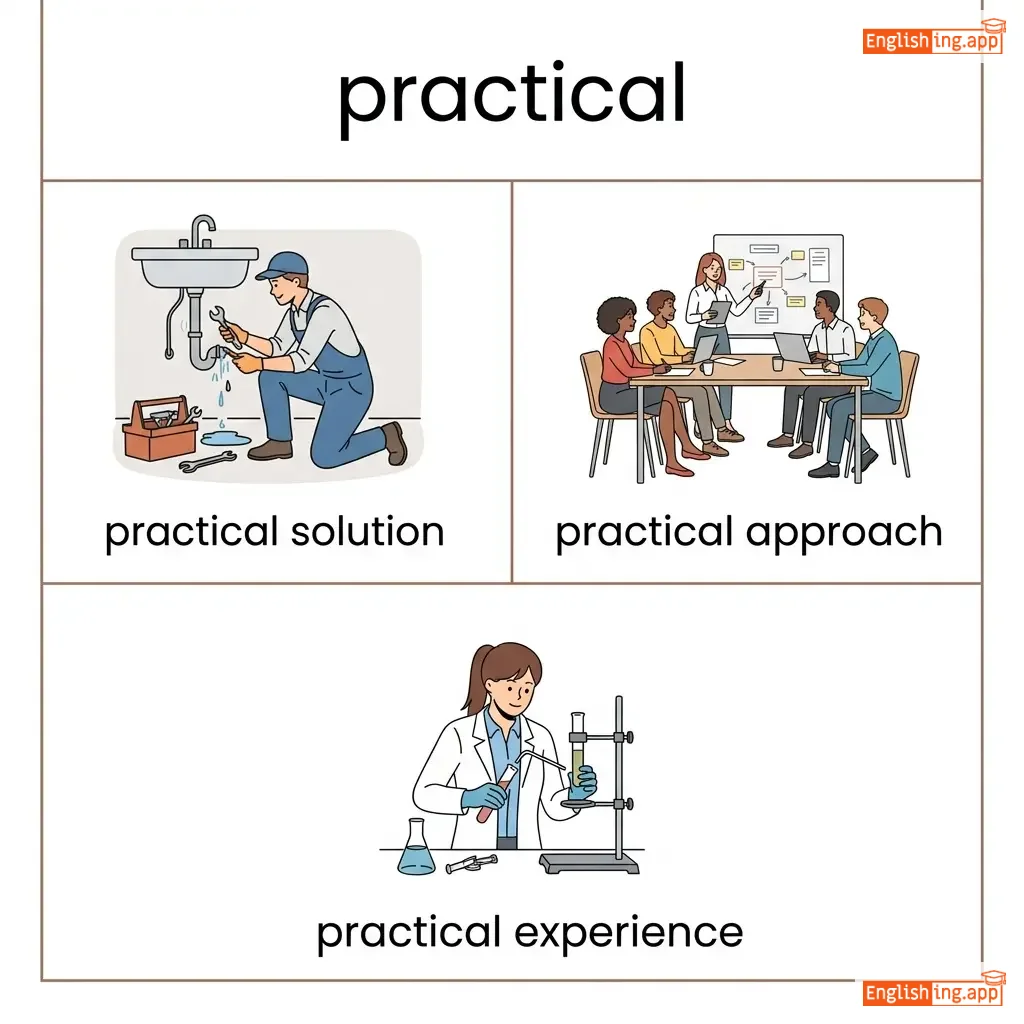
practical solution, practical approach, practical experience, practical advice
••••••
|
实用的意味着做真实的事情,而不是理论
••••••
|
|
📏
••••••
|
/prɪˈsaɪsli/
adverb
(精确地)
••••••
|
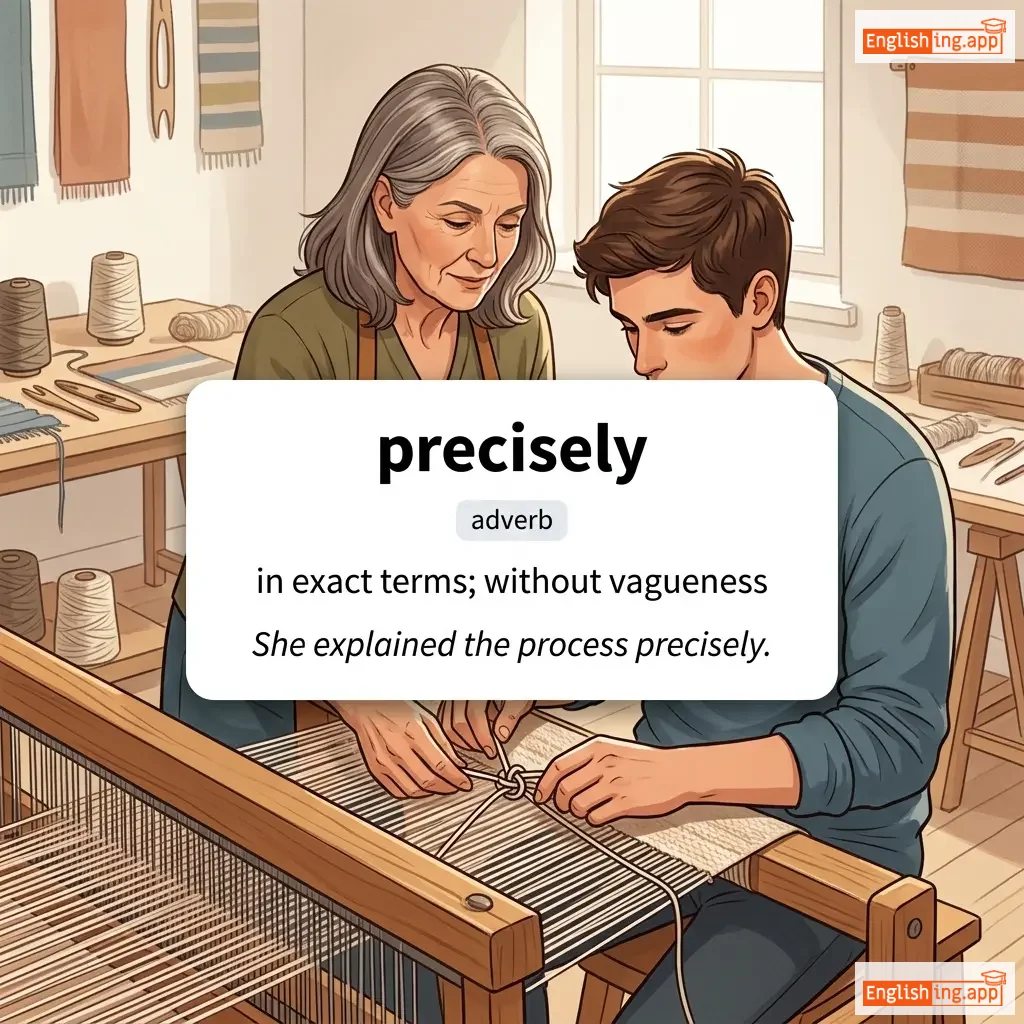
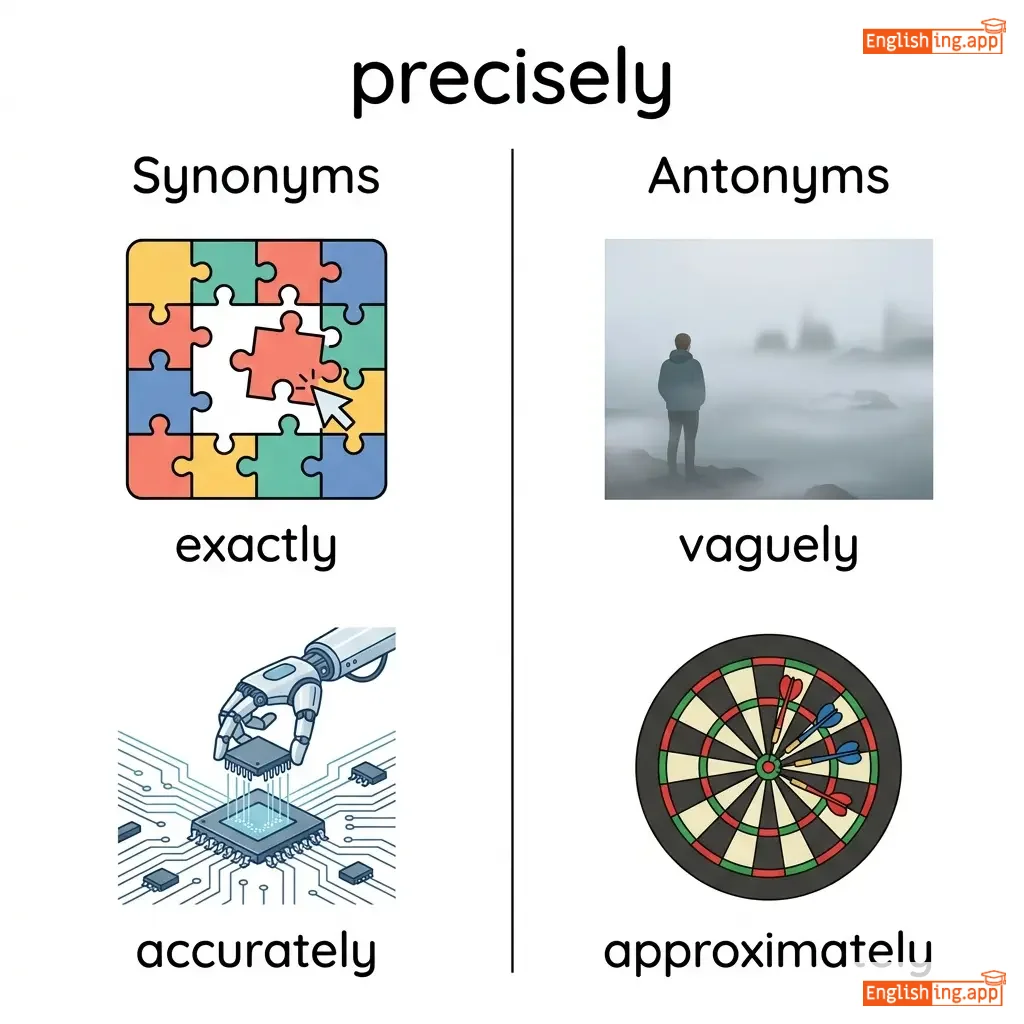
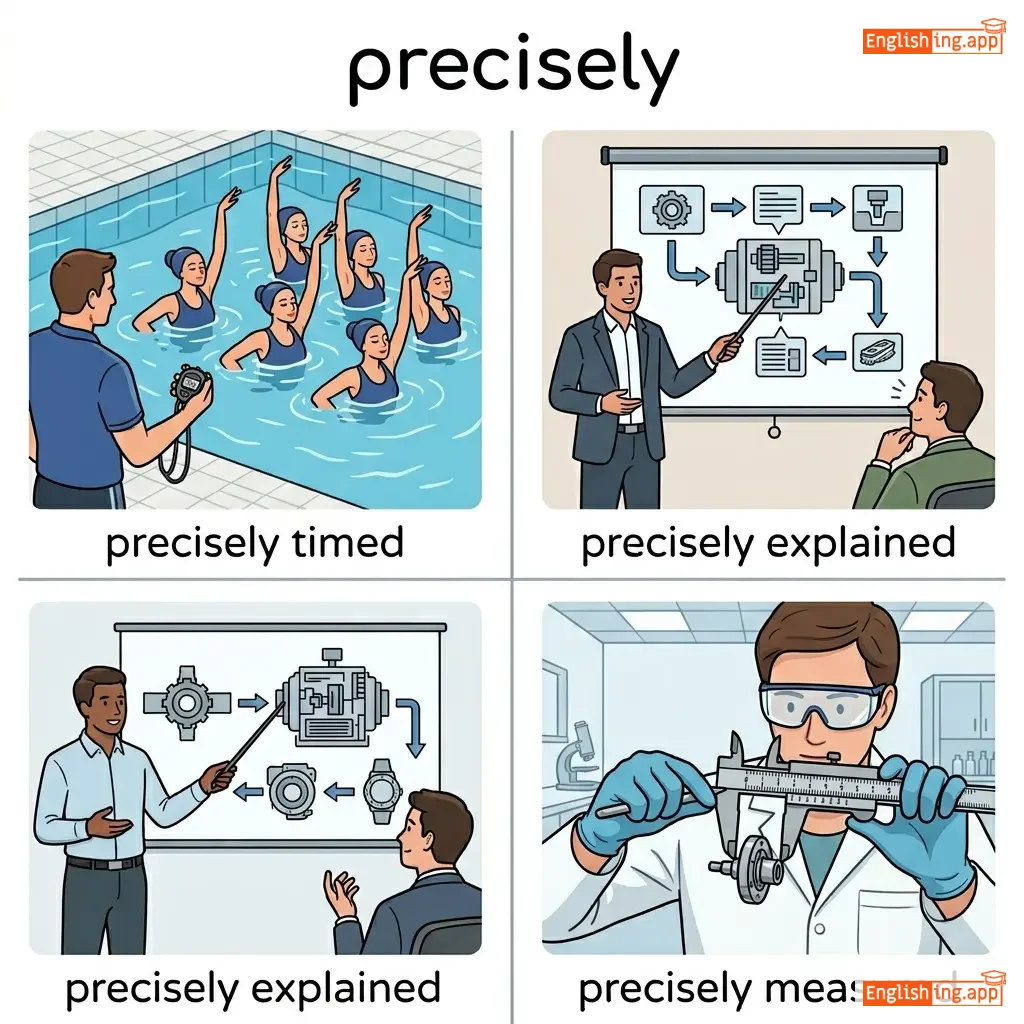
|
精确地
jingque de
••••••
|
in exact terms; without vagueness
••••••
|
She explained the process precisely.
她精确地解释了这个过程。
••••••
|
她精确地解释了这个过程。
Ta jingque de jiexi le zhege guocheng.
••••••
|
- •••••• | - •••••• | - •••••• |
exactly, accurately, specifically, strictly
••••••
|
vaguely, approximately
••••••
|
precisely timed, precisely explained, precisely measured
••••••
|
Precisely = Pinpoint accuracy!
••••••
|
|
🎓
••••••
|
/ˈprɪnsəpəl/
noun, adjective
(prɪnsɪpəl)
••••••
|
- •••••• |
校长
xiaozhang
••••••
|
the person with the highest authority or most important position; main or most important
••••••
|
The school principal addressed the students in the auditorium. |
学校的校长在礼堂里向学生们致辞。
Xuexiao de xiaozhang zai litang li xiang xueshengmen zhici.
••••••
|
principal and interest |
the original amount of money invested or loaned and the charge for borrowing it
••••••
|
本金和利息
benjin he lixi
••••••
|
head, leader, chief, primary, main
••••••
|
subordinate, minor, secondary
••••••
|
school principal, principal amount, principal role, principal office
••••••
|
Principal 在学校中代表校长,最重要的人。
••••••
|
|
📜
••••••
|
/rɪˈɡɑrdɪŋ/
preposition
(rɪˈɡɑrdɪŋ)
••••••
|
- •••••• |
关于
guanyu
••••••
|
concerning or relating to
••••••
|
The decision regarding the meeting will be made tomorrow. |
关于会议的决定将在明天做出。
Guanyu huiyi de jueding jiang zai mingtian zuochu.
••••••
|
- •••••• | - •••••• | - •••••• |
concerning, about, in relation to
••••••
|
- •••••• |
regarding the matter, regarding the issue, regarding the project
••••••
|
关于会议的决定将在明天做出
••••••
|
|
🔄
••••••
|
/ˈsɪmɪlərli/
adverb
(sɪmɪlɑɹli)
••••••
|
- •••••• |
类似地
lèisì de
••••••
|
in a similar way
••••••
|
Similarly, we can achieve success with dedication and hard work. |
以相似的方式,我们可以通过奉献和努力工作取得成功。
Yǐ xiāngsì de fāngshì, wǒmen kěyǐ tōngguò fèngxiàn hé nǔlì gōngzuò qǔdé chénggōng.
••••••
|
- •••••• | - •••••• | - •••••• |
alike, likewise, in the same way
••••••
|
differently, oppositely
••••••
|
similarly to, similarly minded, similarly structured
••••••
|
Similarly, working together towards the same goal!
••••••
|
|
🔄
••••••
|
/ˈsʌm.taɪmz/
adverb
(sǎm tái mǔs)
••••••
|
- •••••• |
有时
yǒu shí
••••••
|
at times; occasionally; now and then
••••••
|
Sometimes I go for a walk in the evening.
sǎm tái mǔs ài gǒu fǒr à wòk in dì ivníng.
••••••
|
有时我会在晚上散步。
Yǒu shí wǒ huì zài wǎnshàng sànbù.
••••••
|
- •••••• | - •••••• | - •••••• |
occasionally, at times, now and then, from time to time
••••••
|
always, never, constantly
••••••
|
sometimes difficult, sometimes happens, sometimes feel
••••••
|
有时,你会在夜晚走路就像以前一样。
••••••
|
|
🧘
••••••
|
/tɛkˈniːk/
noun
(tɛkˈnik)
••••••
|
- •••••• |
技巧
jiqiao
••••••
|
A particular way of carrying out a task, especially with skill.
••••••
|
She learned a new breathing technique in yoga class. |
她在瑜伽课上学会了一种新的呼吸技巧。
Tā zài yújiā kè shàng xuéhuìle yī zhǒng xīn de hūxī jìqiǎo.
••••••
|
by technique |
Done using a specific method or skill.
••••••
|
通过技巧
Tōngguò jìqiǎo
••••••
|
method, procedure, style, craft, skill
••••••
|
incompetence, inability
••••••
|
teaching technique, special technique, breathing technique, painting technique
••••••
|
技巧意味着方法,技巧让工作更轻松。
••••••
|
|
⏰
••••••
|
/ˈtɪpɪkli/
adverb
(典型地)
••••••
|
- •••••• |
通常
tōngcháng
••••••
|
in a way that is typical of a particular person, thing, or group
••••••
|
She typically arrives at work at 9 AM.
她通常在早上9点到达工作。
••••••
|
她通常在早上9点到达工作。
Tā tōngcháng zài zǎoshang 9 diǎn dào dá gōngzuò.
••••••
|
- •••••• | - •••••• | - •••••• |
usually, ordinarily, commonly, customarily
••••••
|
unusually, rarely
••••••
|
typically on time, typically works, typically performs
••••••
|
典型的:总是按时到达。
••••••
|

