語彙集

英単語辞書 | 単語の意味、定義、例文

noun C1
/streɪt/
海峡 (kaikyō)

A narrow passage of water connecting two seas or two large areas of water.

"The Strait of Gibraltar connects the Atlantic Ocean and the Mediterranean Sea."
"ジブラルタル海峡は大西洋と地中海を繋いでいます。" (Jiburataru kaikyou wa Taiseiyou to Chichuukai o tsunaideimasu.)
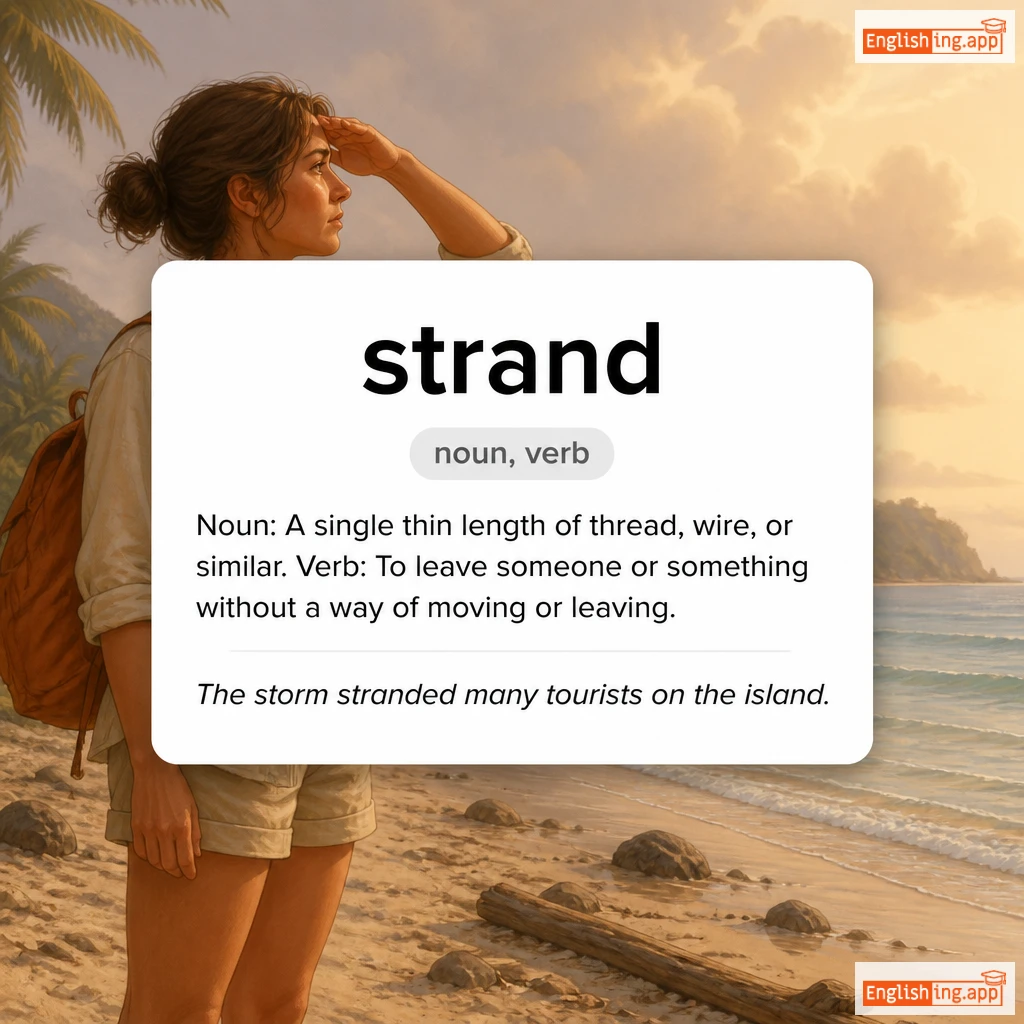
strand definition card — visual illustration of the meaning
noun, verb C1
/strænd/
糸 / 取り残された (ito / torinosokareta)

Noun: A single thin length of thread, wire, or similar. Verb: To leave someone or something without a way of moving or leaving.

"The storm stranded many tourists on the island."

"嵐は多くの観光客を島に取り残しました。" (Arashi wa ooku no kankōkyaku o shima ni torinoshimashita.)
strategic insights definition card — visual illustration of the meaning
noun C1
/strəˈtiː.dʒɪk ˈɪn.saɪts/
戦略的洞察 (senryakuteki dōsatsu)

Deep understanding and wisdom gained through careful analysis for planning purposes.

"Strategic insights guide policymaking."
"戦略的洞察は政策立案を導く。" (Senryakuteki dōsatsu wa seisaku ritsuan o michibiku.)
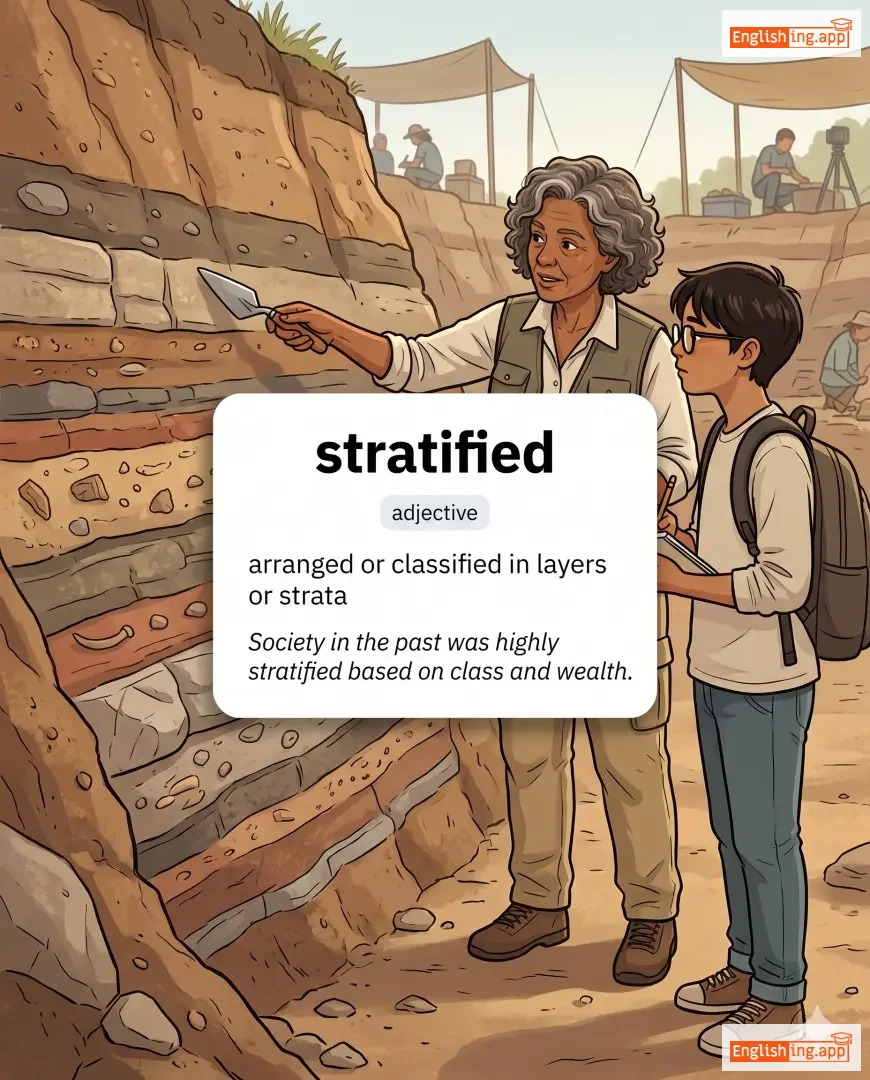
stratified definition card — visual illustration of the meaning
adjective C1
/ˈstrætɪfaɪd/

arranged or classified in layers or strata

"Society in the past was highly stratified based on class and wealth."

verb C1
/ˈstrætɪfaɪ/
階層化する (kaisōka suru)

to arrange or divide into layers, classes, or categories

"The researchers plan to stratify the data based on age groups."
"研究者たちは年齢層に基づいてデータを階層化する予定です。" (Kenkyūsha-tachi wa nenreisō ni motozuite dēta o kaisōka suru yotei desu.)
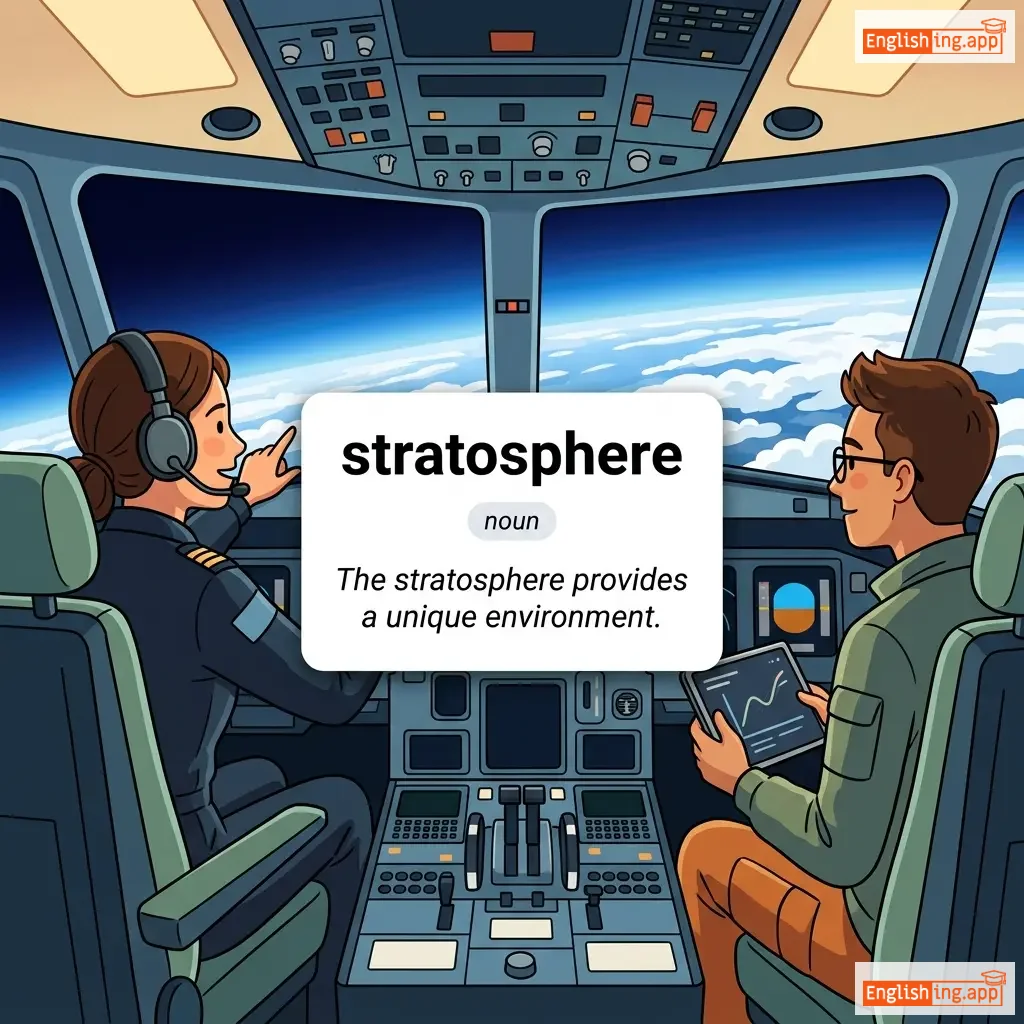
stratosphere definition card — visual illustration of the meaning
noun C1
ˈstræt.ə.sfɪər
成層圏 (seisouken)

The layer of the earth's atmosphere above the troposphere, extending to about 50 km above the earth's surface.

"The stratosphere provides a unique environment."

"成層圏は特別な環境を提供します。" (seisouken wa tokubetsu na kankyou o teikyou shimasu.)
noun C1
/ˈstrɑːtəm/
(sō)

a layer or level of material, or a social class in society

"The upper stratum of society enjoyed privileges not available to others."

"社会の上層部は他の人々が手に入れられない特権を享受していました。" (Shakai no jōsōbu wa hoka no hitobito ga te ni irarenai tokken o kyōju shite imashita.)
streamline definition card — visual illustration of the meaning
verb C1
/ˈstriːm.laɪn/
簡素化 (kansoka)

To make something more efficient by simplifying or eliminating unnecessary steps.

"The company is streamlining its processes."
"会社はプロセスを簡素化しています。" (Kaisha wa purosesu o kansoka shiteimasu.)
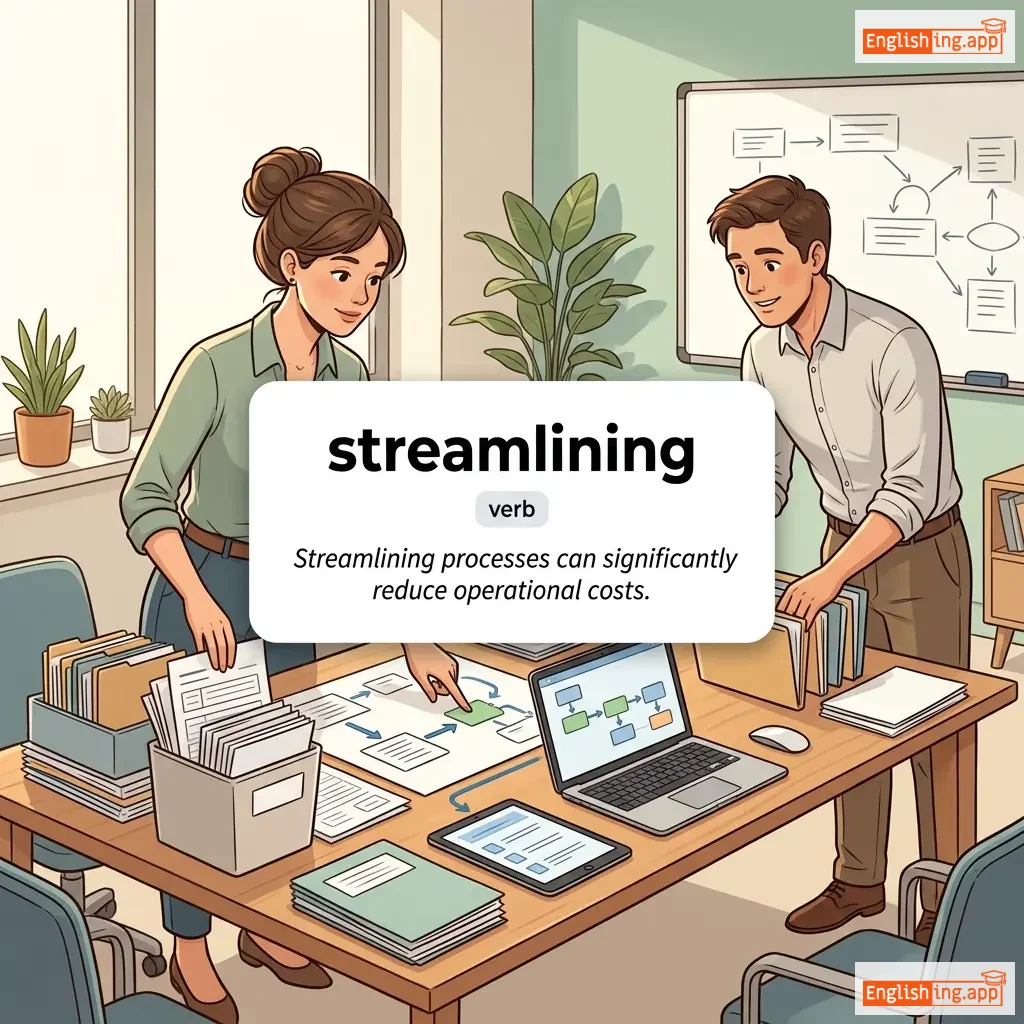
streamlining definition card — visual illustration of the meaning
verb C1
/ˈstriːmlaɪnɪŋ/
簡素化 (kansokuka)

The process of making an organization or system more efficient by simplifying or eliminating unnecessary steps

"Streamlining processes can significantly reduce operational costs."

"プロセスの簡素化は、運用コストを大幅に削減することができます。" (Purosesu no kansoka wa, un'yō kosuto o ōhaba ni sakugen suru koto ga dekimasu.)
adjective C1
/ˈstrɛnjuəs/
厳しい (kibishii)

Requiring or using great effort and energy.

"Climbing the mountain was a strenuous task."

"山登りは厳しい仕事だった。" (Yamanobori wa kibishī shigoto datta.)
verb C1
/struː/
まき散らす (makichirasu)

to scatter or spread things untidily over a surface or area

"Clothes were strewn across the floor."

"服が床に散らばっていた。" (Fuku ga yuka ni chirabatte ita.)
adjective C1
/ˈstraɪ.dənt/
耳障りな, うるさい (mimi-zawari na, urusai)

loud and harsh; presenting a point of view in a forceful way

"His strident voice made the debate uncomfortable."

"彼の耳障りな声は議論を不快にした。" (Kare no mimi-zawari na koe wa giron o fukai ni shita.)
noun C1
/straɪf/
争い、闘争 (arasoi, toso)

angry or violent conflict; struggle or discord

"The region has been torn apart by political strife."

"その地域は政治的な争いで引き裂かれました。" (Sono chiiki wa seijiteki na arasoi de hikisakaremashita.)
adjective C1
/ˈstrɪndʒənt/
厳格 (genkaku)

strict, precise, and exacting

"The government imposed stringent measures during the crisis."

"政府は危機の間に厳しい措置を課しました。" (Seifu wa kiki no aida ni genkaku na sochi o kashimashita.)
strut definition card — visual illustration of the meaning
verb C1
/strʌt/
堂々と歩く (dōdō to aruku)

to walk with a stiff, proud, and confident gait, often to show off

"He strutted across the stage after winning the award."

"彼は賞を受賞後、誇らしげにステージを歩いた。" (Kare wa shō o jushōgo, hokorashige ni sutēji o aruita.)
adjective C1
/ˈstʌm.pi/
短くて太い (mijikakute futoi)

short and thick; having a short, thick appearance

"The stumpy little dog wagged its tail enthusiastically."

"その短くて太い小さな犬は、興奮して尾を振っていました。" (Sono mijikakute futoi chiisana inu wa, kōfun shite o o futte imashita.)
adjective C1
/stjuːˈpɛndəs/
素晴らしい (subarashii)

extremely impressive; amazing in size, degree, or excellence

"The magician’s performance was simply stupendous."

"マジシャンのパフォーマンスはまさに素晴らしいものでした。" (Majishan no pafōmansu wa masani subarashī mono deshita.)
noun C1
/ˈstjuːpər/
昏迷 (konmi)

a state of near-unconsciousness or insensibility

"He remained in a stupor after hearing the shocking news."

"彼は衝撃的なニュースを聞いた後、昏迷状態に陥った。" (Kare wa shougeki-tekina nyuusu o kiita ato, konmi joutai ni ochiitta.)
noun C1
/ˈstaɪləs/
スタイラス (sutairasu)

a small tool used for writing, drawing, or touching screens

"She used a stylus to draw on her tablet."

"彼女はタブレットで絵を描くためにスタイラスを使用しました。" (Kanojo wa taburetto de e o kaku tame ni sutairasu o shiyō shimashita.)
verb C1
/ˈstaɪmi/
妨げる (samatageru)

to prevent or hinder the progress of something

"The new regulations could stymie small businesses."

"新しい規制は小規模なビジネスに障害をもたらす可能性があります。" (Atarashī kisei wa shōkibō na bijinesu ni shōgai o motarasu kanōsei ga arimasu.)
adjective C1
/swɑːv/
魅力的で洗練された (miryokuteki de senren sareta)

charming, confident, and elegant, often in a smooth or polished way

"He was a suave gentleman who impressed everyone at the party."
"彼はパーティーで全員に感銘を与えた洗練された紳士だった。" (Kare wa pātii de zen'in ni kanmei o ataeta senren sareta shinshi datta.)
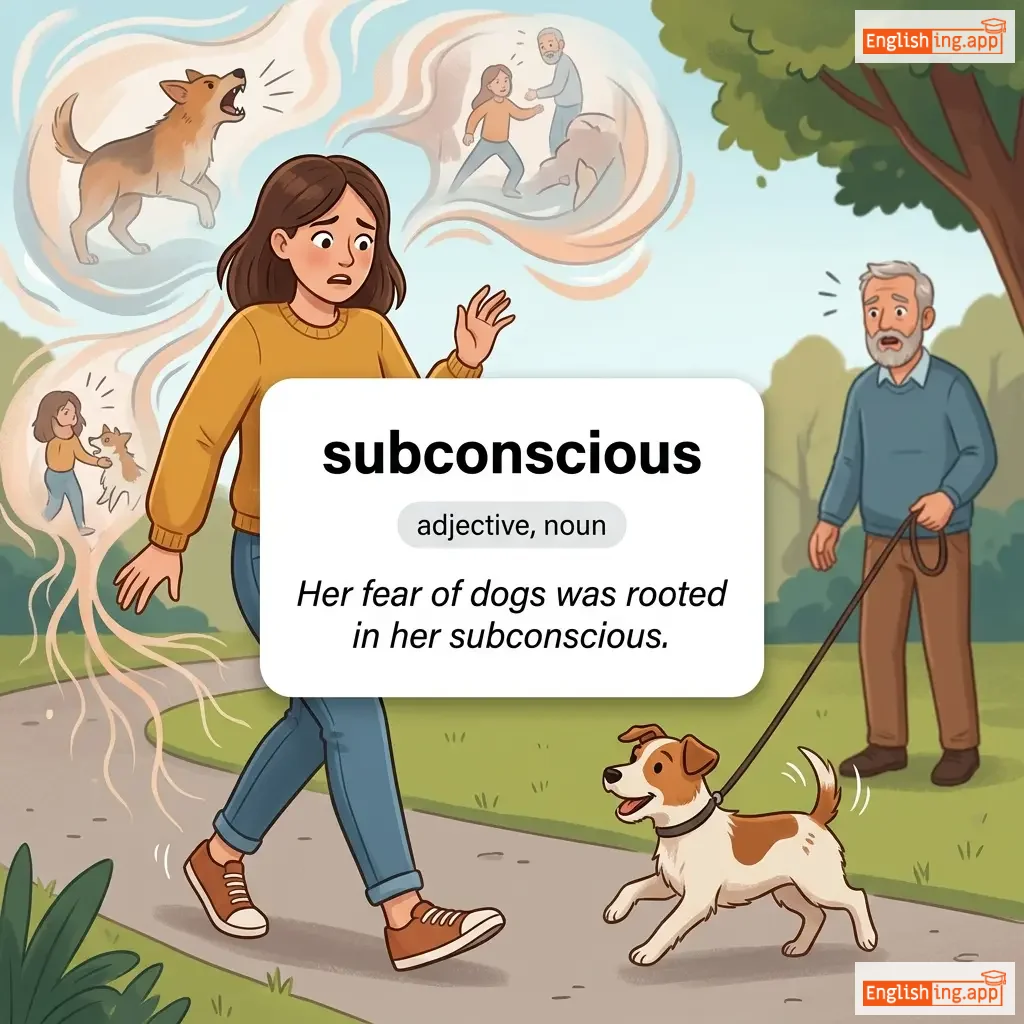
subconscious definition card — visual illustration of the meaning
adjective, noun C1
/ˌsʌbˈkɒn.ʃəs/
潜在意識 (senzai ishiki)

Relating to the part of the mind that influences thoughts and actions without full awareness.

"Her fear of dogs was rooted in her subconscious."

"彼女の犬に対する恐怖は彼女の潜在意識に根ざしていた。" (Kanojo no inu ni taisuru kyoufu wa kanojo no senzai ishiki ni nezashite ita.)
⚔️

subdue

verb C1
/səbˈdjuː/

To bring under control, especially by force; to overcome or quiet.

"The army was able to subdue the rebellion quickly."

noun C1
/səbˈdʒɛkʃən/
服従 (fukujū)

the act of bringing someone or something under control or domination

"The people suffered under the subjection of a cruel ruler."

"人々は残虐な支配者の下で苦しんでいた。" (Hitobito wa zangyaku na shihaisha no moto de kurushinde ita.)
adjective C1
/səbˈdʒɛktɪv/
主観的 (shukanteki)

based on personal feelings, tastes, or opinions rather than facts

"Beauty is often considered a subjective concept."
"美しさはしばしば主観的な概念と見なされます。" (Utsukushisa wa shibashiba shukanteki na gainen to minasaremasu.)
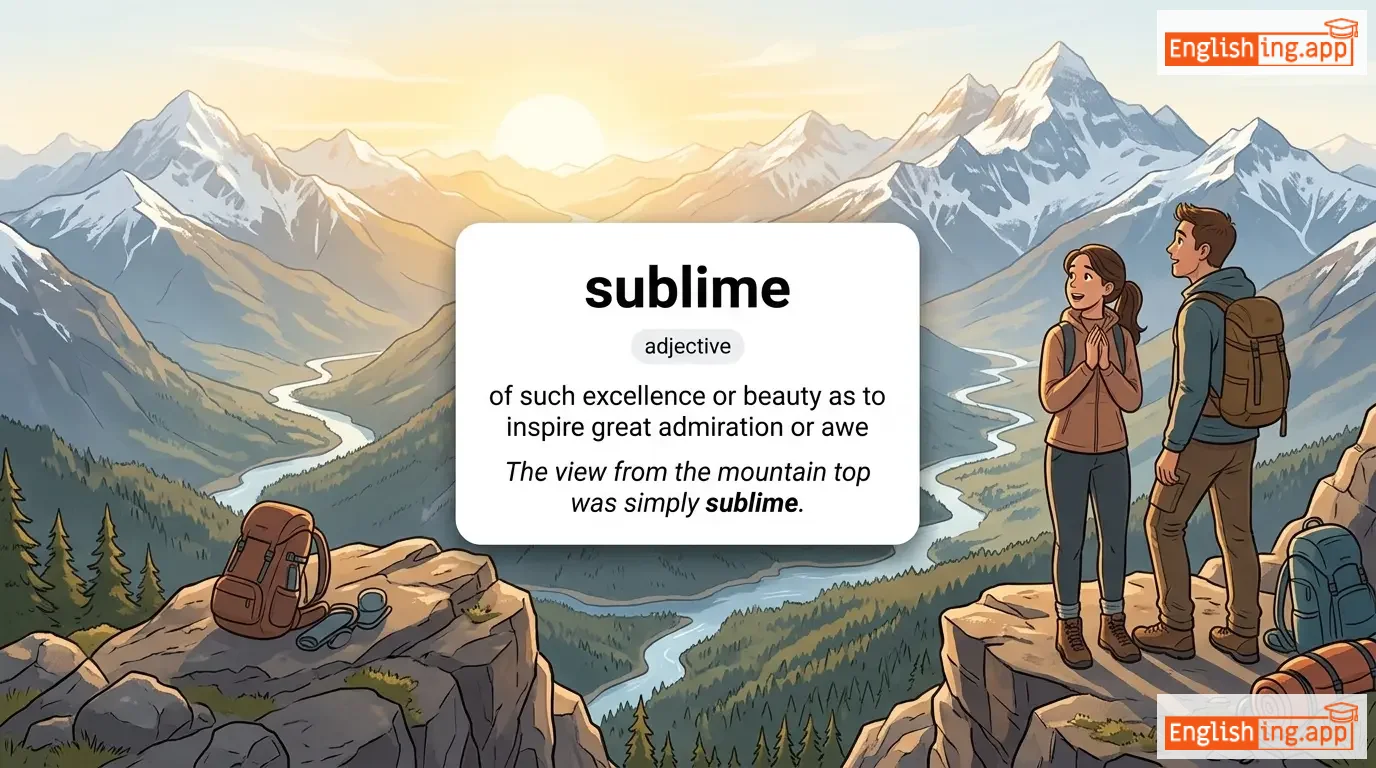
sublime definition card — visual illustration of the meaning
adjective C1
/səˈblaɪm/
崇高 (sūkō)

of such excellence or beauty as to inspire great admiration or awe

"The view from the mountain top was simply sublime."

"山頂からの景色は本当に崇高でした。" (Sanchō kara no keshiki wa hontōni sūkō deshita.)
subliminal definition card — visual illustration of the meaning
adjective C1
/sʌbˈlɪmɪnəl/
潜在意識 (senzai ishiki)

below the threshold of conscious perception but still influencing behavior or feelings

"The advertisement contained subliminal messages to influence consumers."

"広告には消費者に影響を与えるための潜在意識メッセージが含まれていた。" (Koukoku ni wa shouhisha ni eikyou wo ataeru tame no senzai ishiki messeeji ga fukumarete ita.)
verb C1
/səbˈmɜːrdʒ/
沈める (shizumeru)

to put under water or cover with liquid

"The floodwaters threatened to submerge the village."

"洪水の水が村を沈めると脅かしていました。" (kōzui no mizu ga mura o shizumeru to odokashite imashita.)
noun C1
/səbˈmɜːrdʒəns/
水没 (suibotsu)

the act or process of being submerged or going underwater

"The submergence of coastal areas is a major concern due to rising sea levels."

"海面上昇による沿岸地域の水没は重大な懸念事項です。" (Kaimen joushou ni yoru engan chiiki no suibotsu wa juudaina ken'en jikou desu.)
adjective C1
/səbˈmɪsɪv/
従順な (jūjun na)

ready to conform to the authority or will of others; meekly obedient or passive

"She was too submissive to challenge her boss's unfair decision."

"彼女は上司の不公平な決定に挑戦するには従順すぎた。" (Kanojo wa jōshi no fukōhei na kettei ni chōsen suru ni wa jūjun sugita.)
noun C1
/səbˈmɪtəl/
提出 (teishutsu)

the act of submitting something, especially a document for consideration or approval

"The contractor sent the submittal to the client for approval."

"請負業者は承認のために提出物を顧客に送信しました。" (Keiyaku gyōsha wa shōnin no tame ni teishutsumono o kokyaku ni sōshin shimashita.)
noun, adjective, verb C1
/səˈbɔːrdənət/ (noun/adjective), /səˈbɔːrdəˌneɪt/ (verb)
部下 (buka)

lower in rank or position; to treat as less important

"He manages ten subordinates in his department."
"彼は自分の部署で10人の部下を管理しています。" (Kare wa jibun no busho de juunin no buka o kanri shiteimasu.)
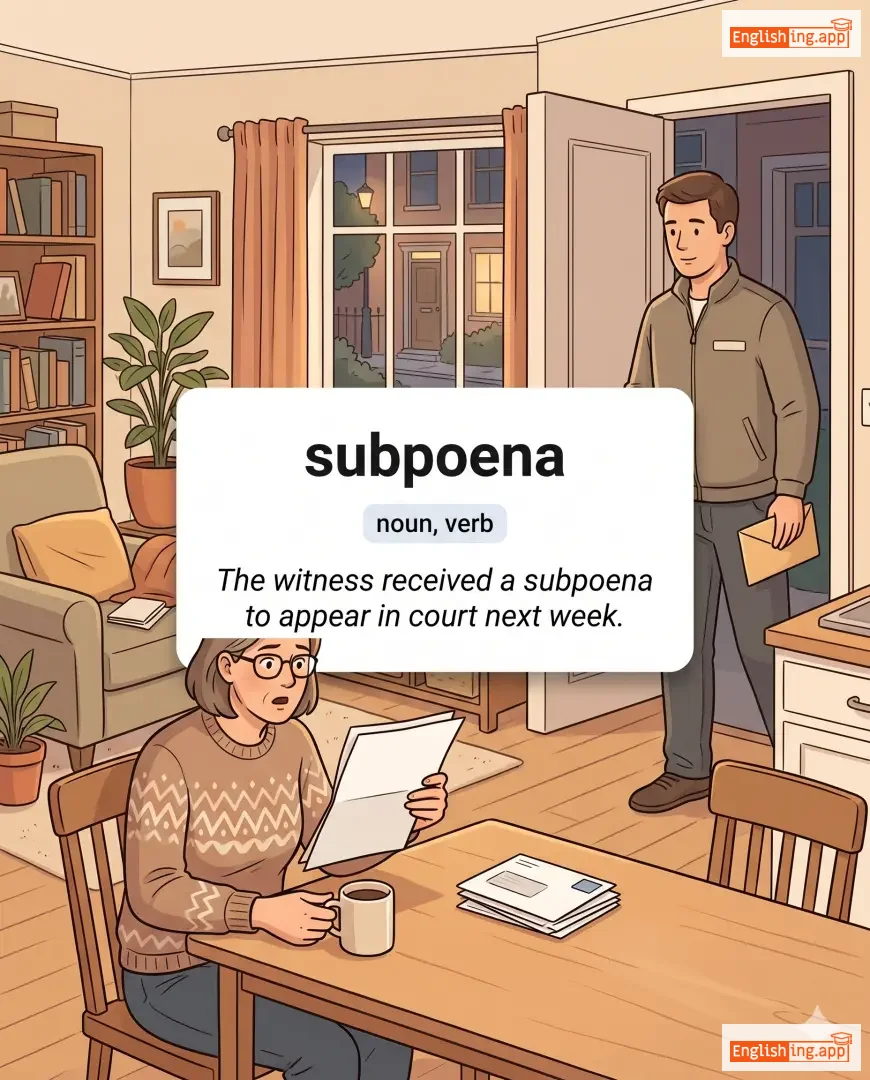
subpoena definition card — visual illustration of the meaning
noun, verb C1
/səˈpiːnə/
召喚状 (shokanjo)

a legal document ordering someone to attend court; to summon someone with such a document

"The witness received a subpoena to appear in court next week."

"証人は来週法廷に出廷するための召喚状を受け取った。" (Shōnin wa raishū hōtei ni shuttei suru tame no shōkanjō o uketotta.)
adjective C1
/səbˈsɜːviənt/

prepared to obey others unquestioningly; less important than something else

"She was too subservient to challenge his decision."
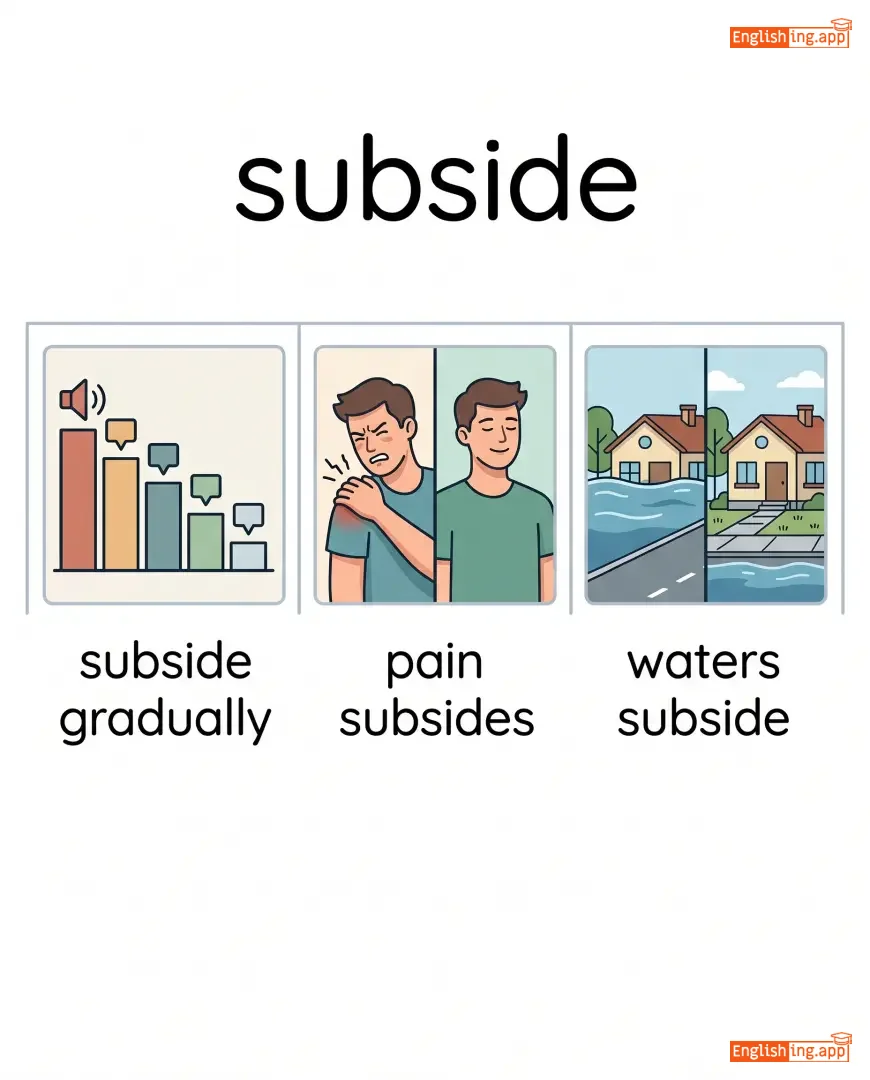
subside definition card — visual illustration of the meaning
verb C1
/səbˈsaɪd/
収束する (shūsoku suru)

to become less intense, violent, or severe; to sink or fall to a lower level

"After the storm, the floodwaters began to subside."

"嵐の後、洪水は収束し始めました。" (arashi no ato, kōzui wa shūsoku shi hajimemashita.)
noun, adjective C1
/səbˈsɪdiˌɛri/
子会社 (kogaisya)

a company controlled by a larger company; serving to assist or supplement something

"The multinational owns a subsidiary in Bangladesh."
"多国籍企業はバングラデシュに子会社を所有しています。" (Takokuseki kigyō wa Banguradeshū ni kogaisya o shoyū shiteimasu.)
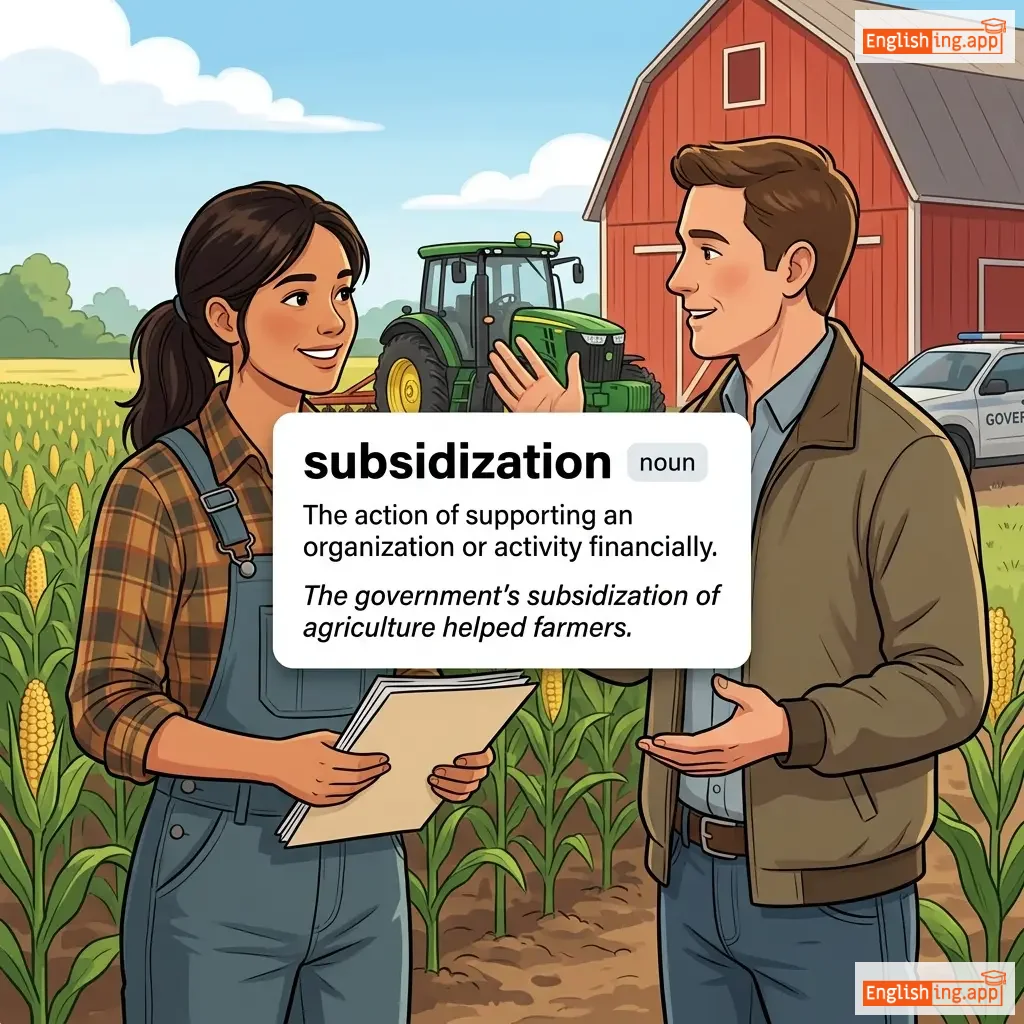
subsidization definition card — visual illustration of the meaning
noun C1
/ˌsʌbsɪdaɪˈzeɪʃən/
補助金 (hojokin)

The action of supporting an organization or activity financially.

"The government's subsidization of agriculture helped farmers."

"政府の農業への補助金は農家を助けました。" (Seifu no nōgyō e no hojokin wa nōka o tasukemashita.)
verb C1
/səbˈsɪst/
生き延びる (ikinobiru)

To maintain or support oneself, especially at a minimal level.

"Many villagers still subsist on fishing and farming."
"多くの村人は今でも漁業と農業で生計を立てています。" (Ooku no murabito wa imademo gyogyou to nougyou de sekei o tateteimasu.)
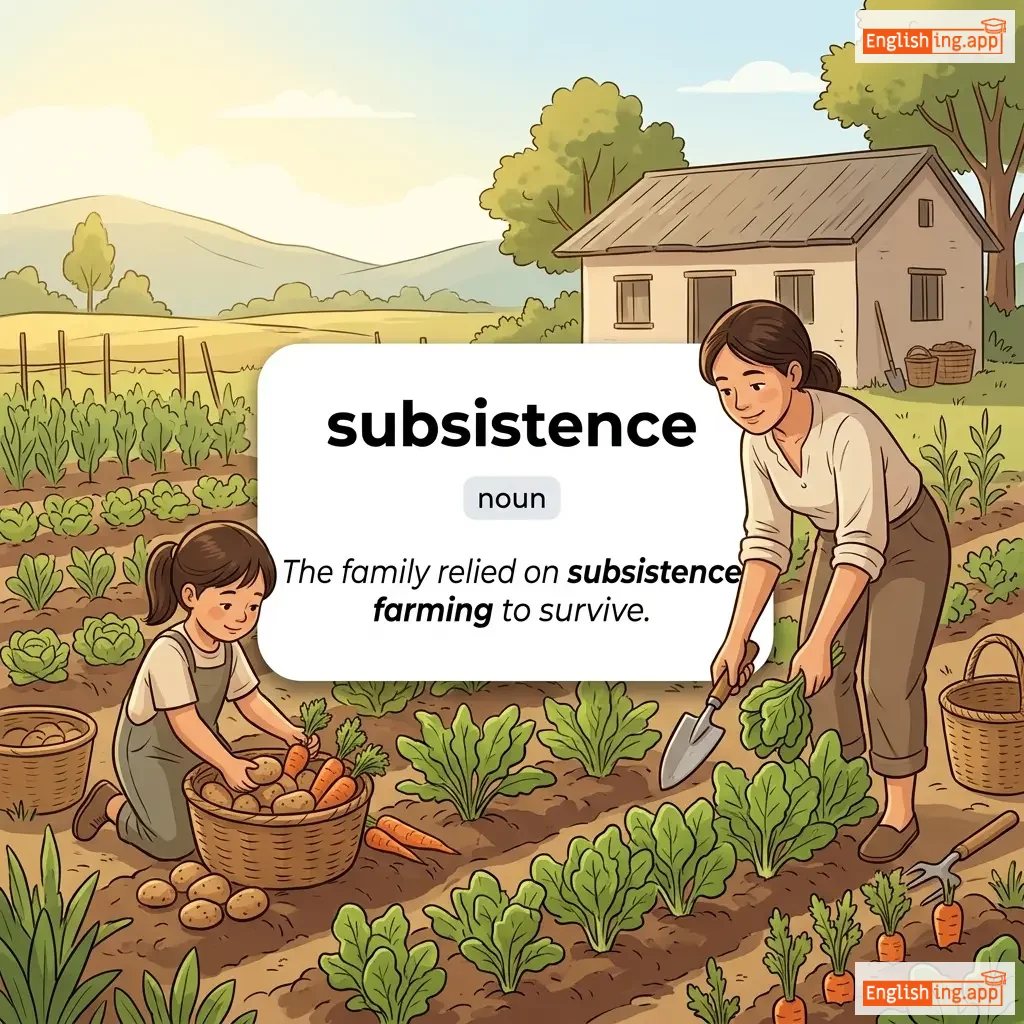
subsistence definition card — visual illustration of the meaning
noun C1
/səbˈsɪstəns/
生計 (seikei)

The action or fact of maintaining or supporting oneself, especially at a minimal level.

"The family relied on subsistence farming to survive."
"その家族は生計農業に依存して生きていました。" (Sono kazoku wa seikei nōgyō ni izon shite ikiteimashita.)
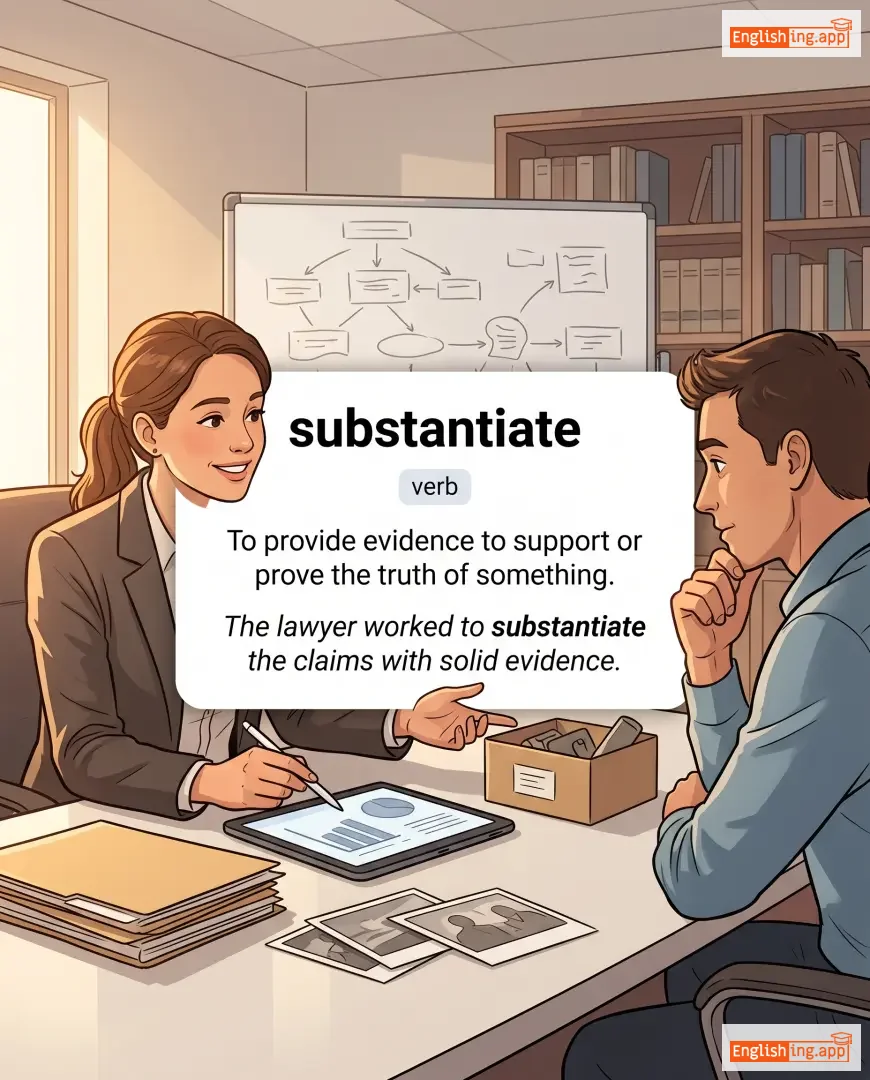
substantiate definition card — visual illustration of the meaning
verb C1
/səbˈstænʃieɪt/
立証する (ricchou suru)

To provide evidence to support or prove the truth of something.

"The lawyer worked to substantiate the claims with solid evidence."

"弁護士は確かな証拠でその主張を立証しようとしました。" (Bengoshi wa tashikana shōko de sono shuchō o risshō shiyou to shimashita.)
substantive definition card — visual illustration of the meaning
adjective C1
/ˈsʌbstəntɪv/
重要 (jūyō)

Having a firm basis in reality; important, meaningful, or considerable.

"The company made substantive changes to its policy."
"会社はその方針に重要な変更を加えました。" (Kaisha wa sono hōshin ni jūyō na henkō o kuwaemashita.)
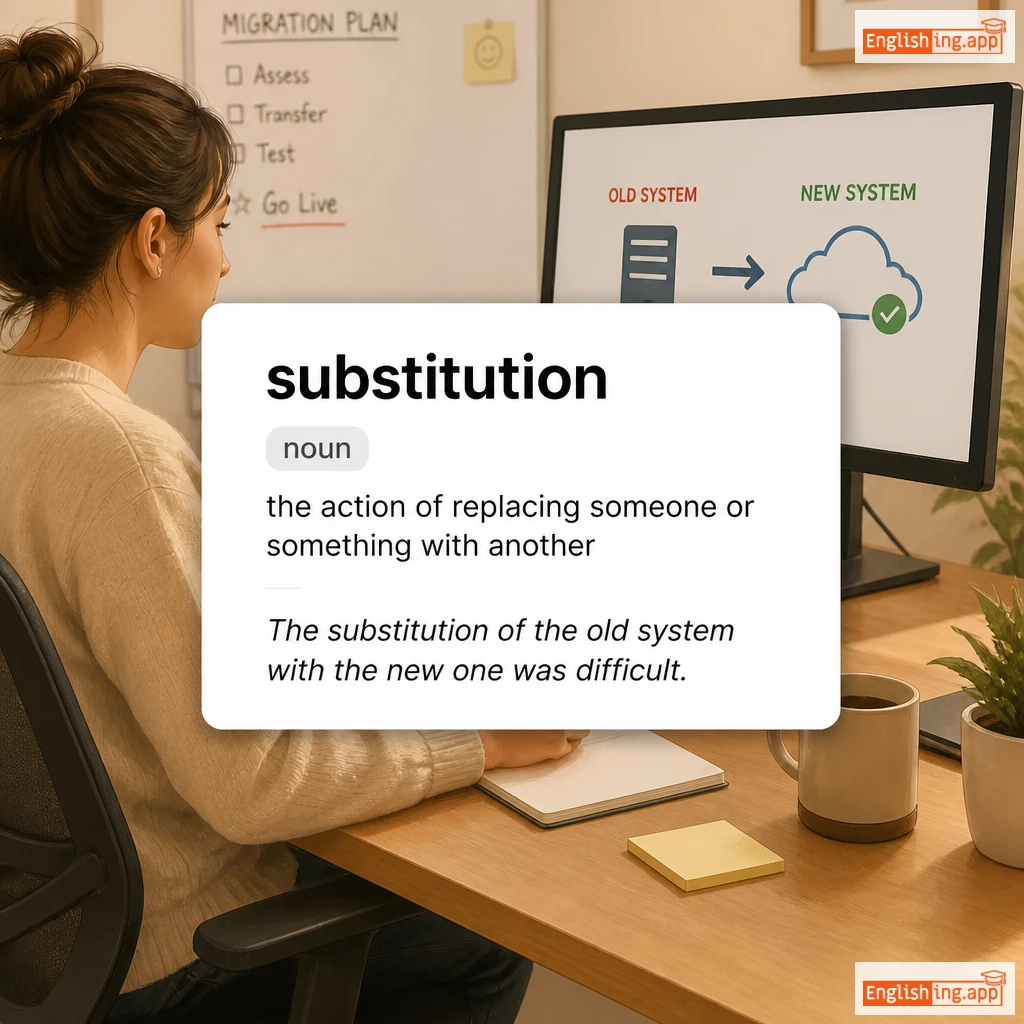
substitution definition card — visual illustration of the meaning
noun C1
/ˌsʌb.stɪˈtjuː.ʃən/
交換 (koukan)

the action of replacing someone or something with another

"The substitution of the old system with the new one was difficult."
"古いシステムを新しいシステムに置き換えることは難しかった。" (Furui shisutemu o atarashī shisutemu ni okikaeru koto wa muzukashikatta.)
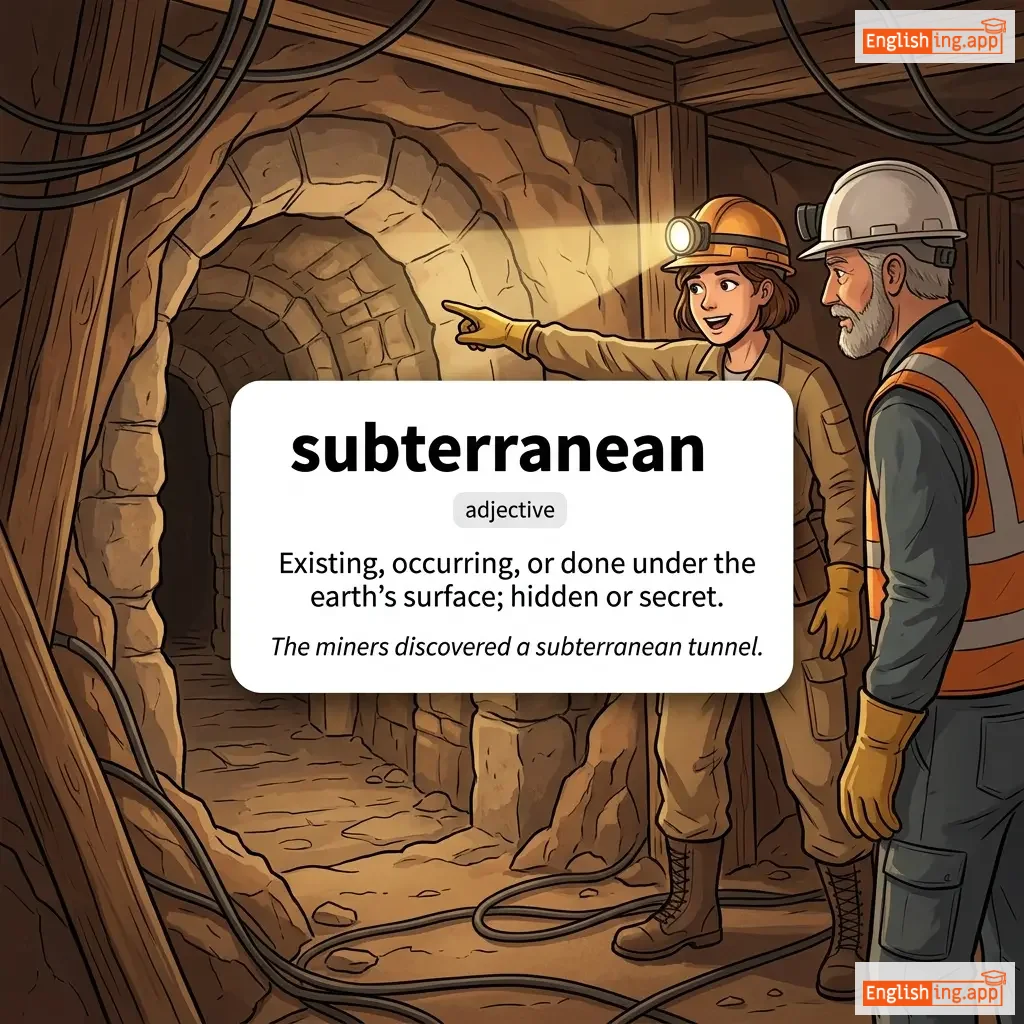
subterranean definition card — visual illustration of the meaning
adjective C1
/ˌsʌbtəˈreɪniən/
地下の (chika no)

Existing, occurring, or done under the earth’s surface; hidden or secret.

"The miners discovered a subterranean tunnel."
"鉱夫たちは地下のトンネルを発見しました。" (Kōfu-tachi wa chika no tonneru o hakken shimashita.)
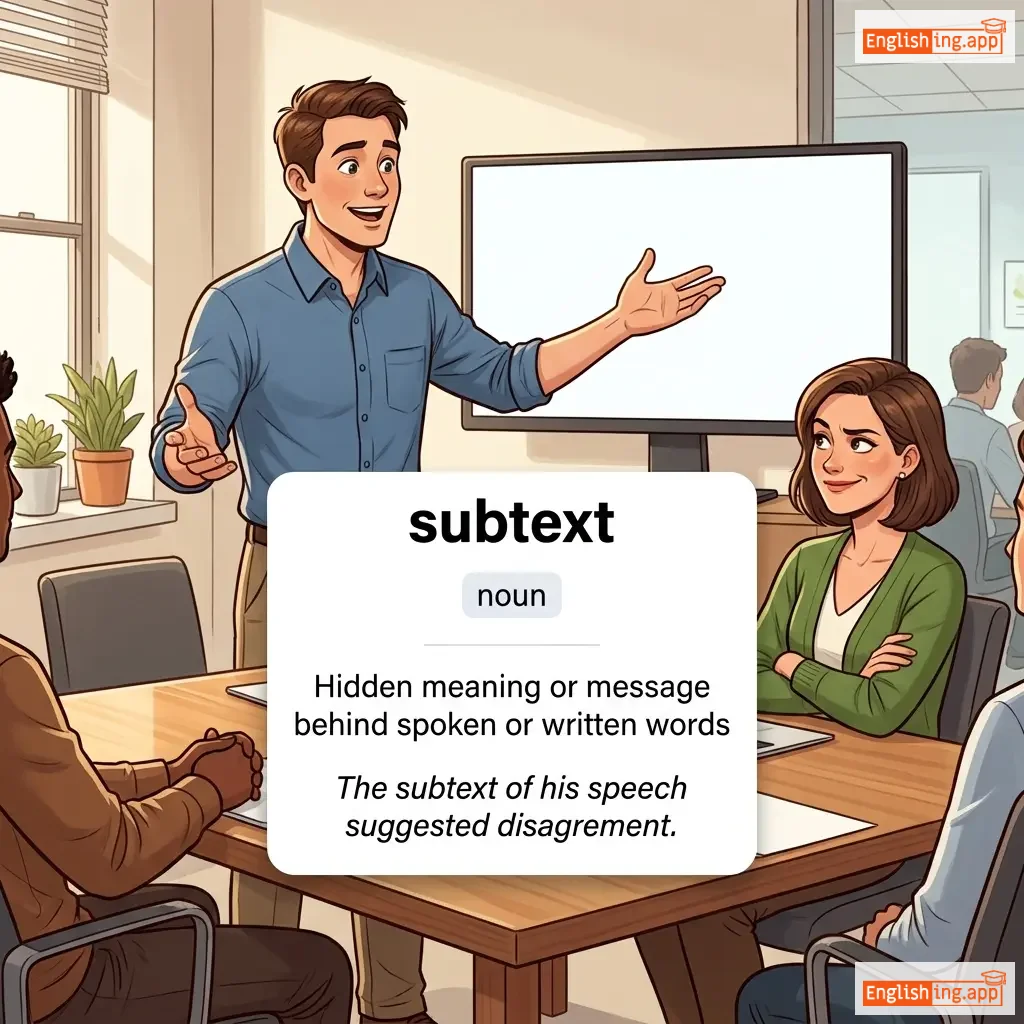
subtext definition card — visual illustration of the meaning
noun C1
ˈsʌb.tɛkst
サブテキスト (sabutekisuto)

Hidden meaning or message behind spoken or written words

"The subtext of his speech suggested disagreement."
"彼のスピーチのサブテキストは、意見の不一致を示唆していた。" (Kare no supīchi no sabutekisuto wa, iken no fuicchi o shisa shite ita.)
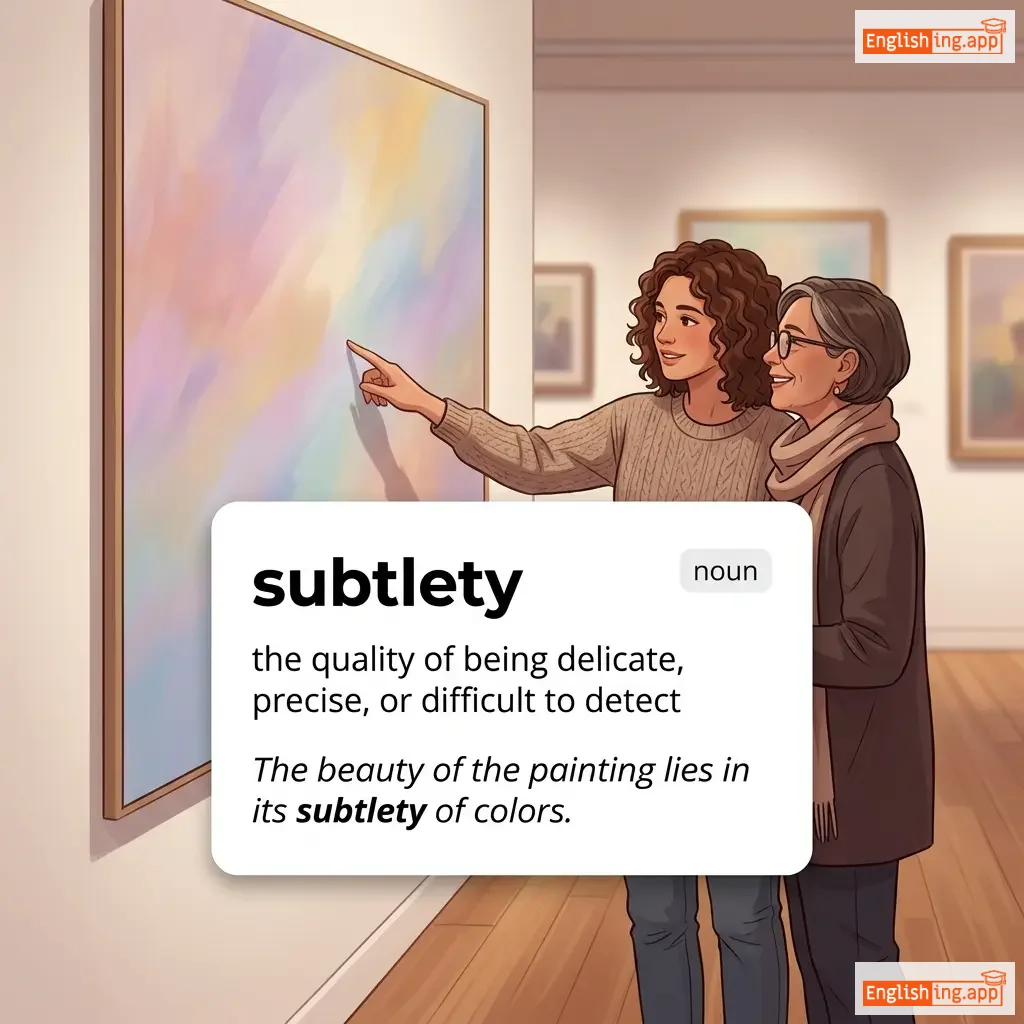
subtlety definition card — visual illustration of the meaning
noun C1
/ˈsʌtlti/
微妙さ (bimyōsa)

the quality of being delicate, precise, or difficult to detect

"The beauty of the painting lies in its subtlety of colors."

"絵の美しさは、その色の微妙さにあります。" (E no utsukushisa wa, sono iro no bimyo-sa ni arimasu.)
noun C1
/səbˈvɜːrʒən/
転覆 (tenpuku)

the act of trying to destroy or undermine an established system or authority

"The government accused the rebels of planning subversion."
"政府は反乱者が転覆を計画していると非難した。" (Seifu wa hanransha ga tenpuku o keikaku shite iru to hinan shita.)
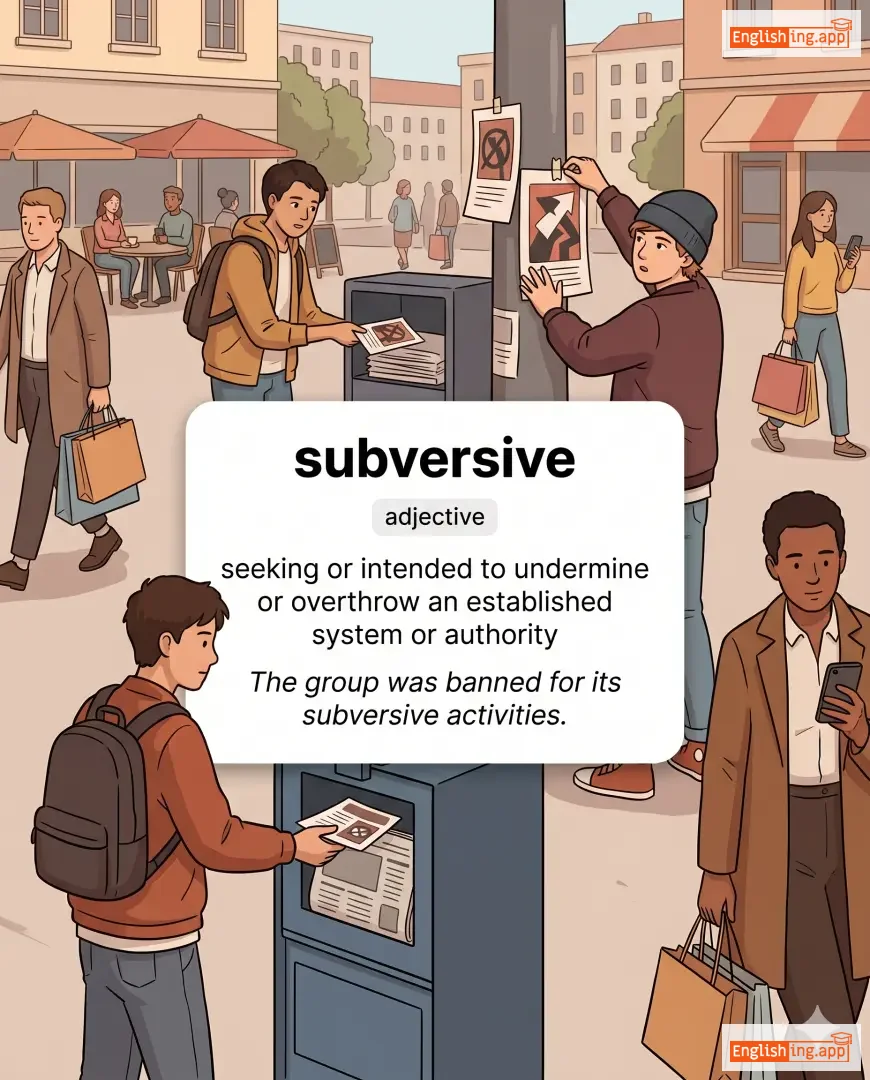
subversive definition card — visual illustration of the meaning
adjective C1
/səbˈvɜːrsɪv/
破壊的 (hakai teki)

seeking or intended to undermine or overthrow an established system or authority

"The group was banned for its subversive activities."

"そのグループは破壊的な活動のために禁止された。" (Sono gurūpu wa hakai teki na katsudō no tame ni kinshi sareta.)
⚔️

subvert

verb C1
/səbˈvɜːrt/

to undermine or overthrow an established system, authority, or institution

"The rebels tried to subvert the government."

adjective C1
/səkˈsɪŋkt/
簡潔な (kanketsu na)

Expressed in a clear and brief manner.

"Her presentation was succinct and easy to follow."

"彼女のプレゼンテーションは簡潔で理解しやすかった。" (Kanojo no purezentēshon wa kanketsu de rikai shiyasukatta.)
adjective/noun C1
/ˈsʌkjələnt/
ジューシーな (juushii na)

Juicy or full of juice; also refers to a plant with thick, fleshy leaves adapted to storing water.

"The steak was so succulent that everyone enjoyed it."

"ステーキはとてもジューシーで、皆が楽しんで食べました。" (Sutēki wa totemo juushii de, mina ga tanoshinde tabemashita.)