|
絵文字
|
単語 | Images | 翻訳 | 過去 | 過去分詞 | 三人称単数 | 動名詞 | 意味 | 例文 | 例文の翻訳 | 表現例 | 表現例の意味 | 表現例の翻訳 | 同義語 | 対義語 | コロケーション | ニーモニック |
|---|---|---|---|---|---|---|---|---|---|---|---|---|---|---|---|---|---|
|
🌱
••••••
|
/prəˈlɪfəreɪt/
verb
(プロリフェレート)
••••••
|
|
拡大する
kakudai suru
••••••
|
proliferated
プロリフェレーテッド
••••••
|
proliferated
プロリフェレーテッド
••••••
|
proliferates
プロリフェレーツ
••••••
|
proliferating
プロリフェレーティング
••••••
|
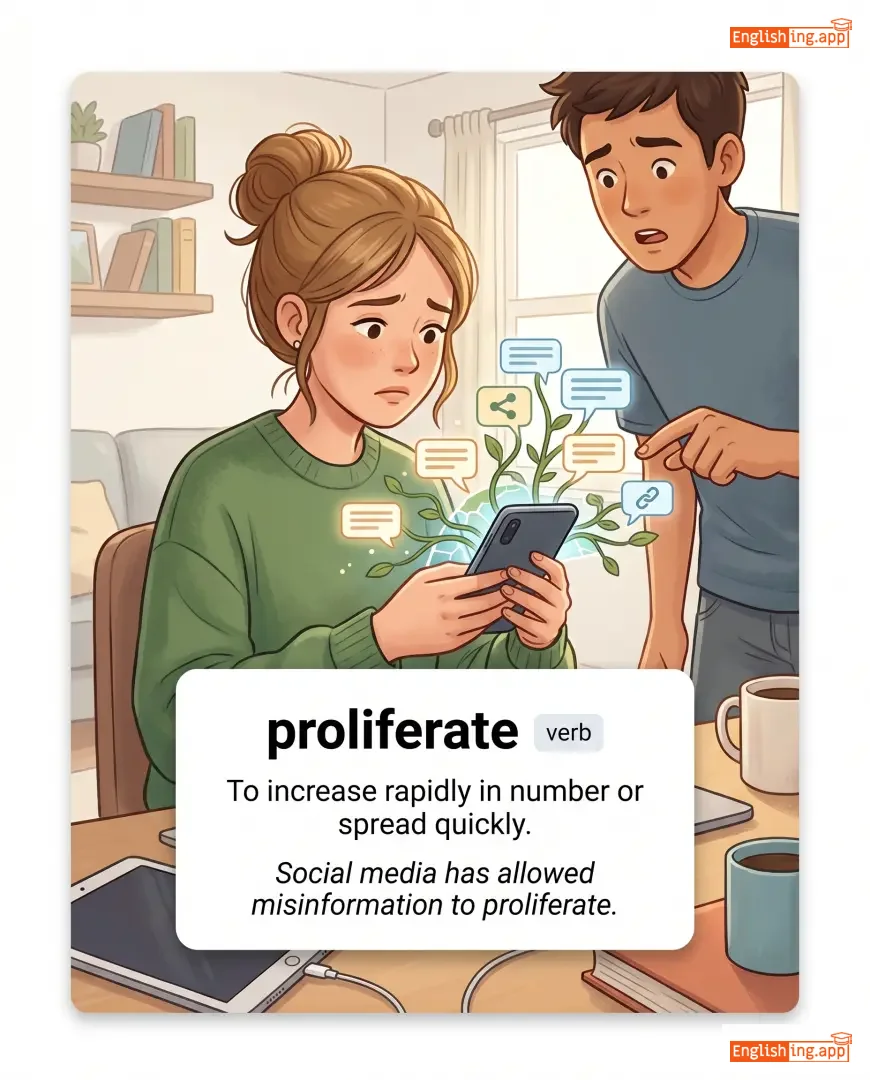
To increase rapidly in number or spread quickly.
••••••
|
Social media has allowed misinformation to proliferate.
ソーシャルメディアは、誤った情報を急速に広めることを可能にしました。
••••••
|
ソーシャルメディアは、誤った情報を急速に広めることを可能にしました。
Sōsharu media wa, ayamatta jōhō o kyūsoku ni hiromeru koto o kanō ni shimashita.
••••••
|
- •••••• | - •••••• | - •••••• |
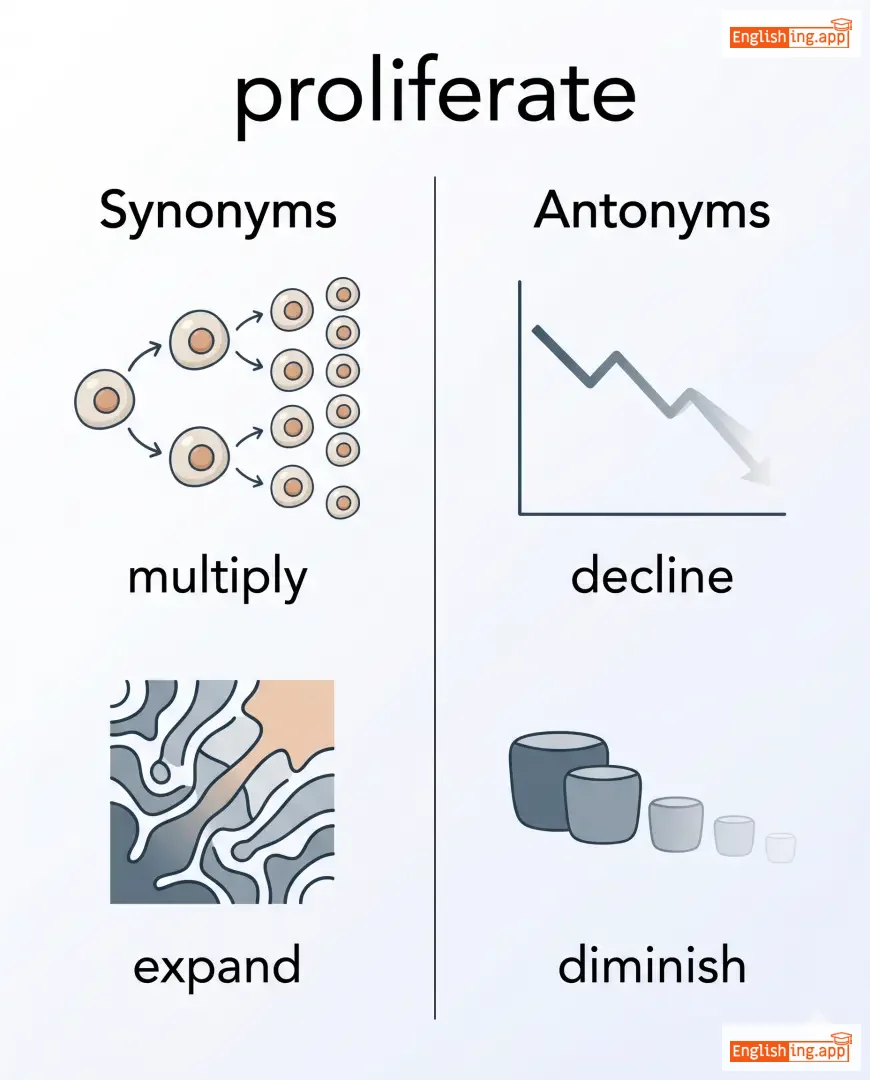
multiply, expand, grow, spread, escalate
••••••
|
decline, diminish, shrink
••••••
|
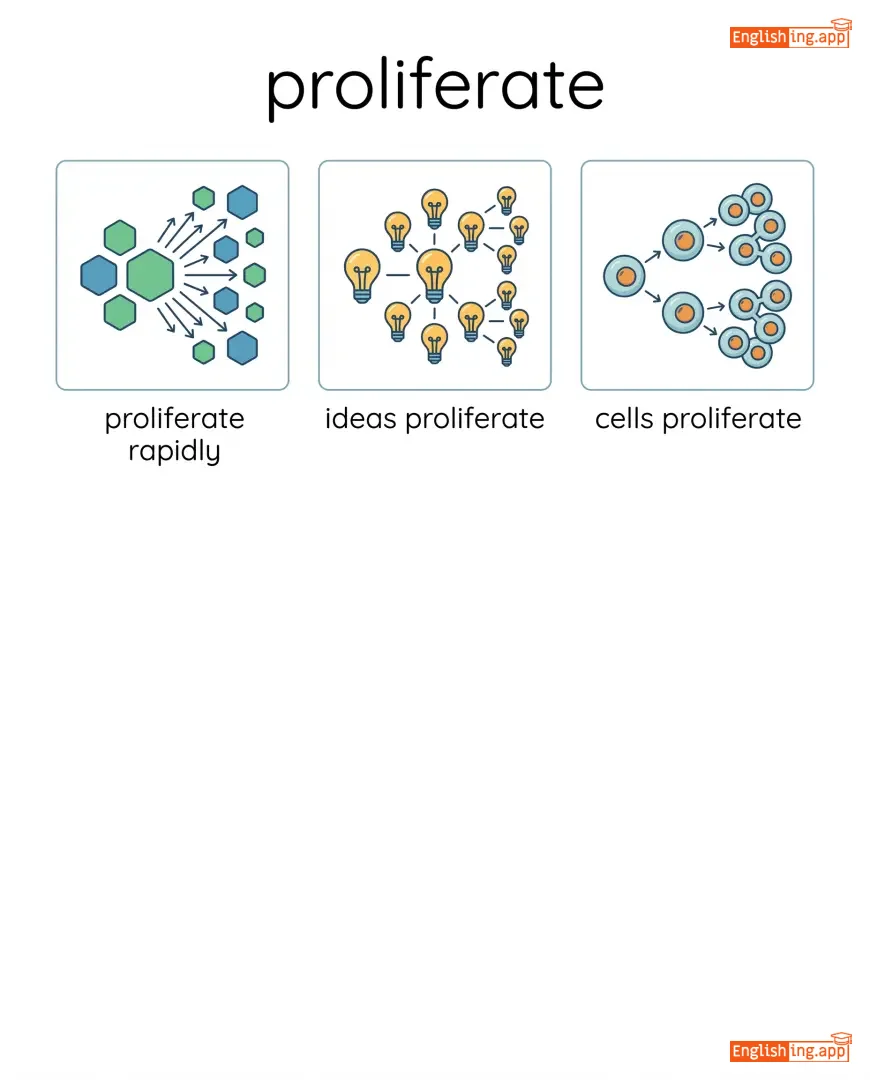
proliferate rapidly, ideas proliferate, cells proliferate
••••••
|
Proliferate は日本語で葉が急速に広がることに似ています。
••••••
|
|
🎯
••••••
|
/prəˈpɛnsəti/
noun
(プロペンシティ)
••••••
|
|
傾向
keikou
••••••
|
- •••••• | - •••••• | - •••••• | - •••••• |
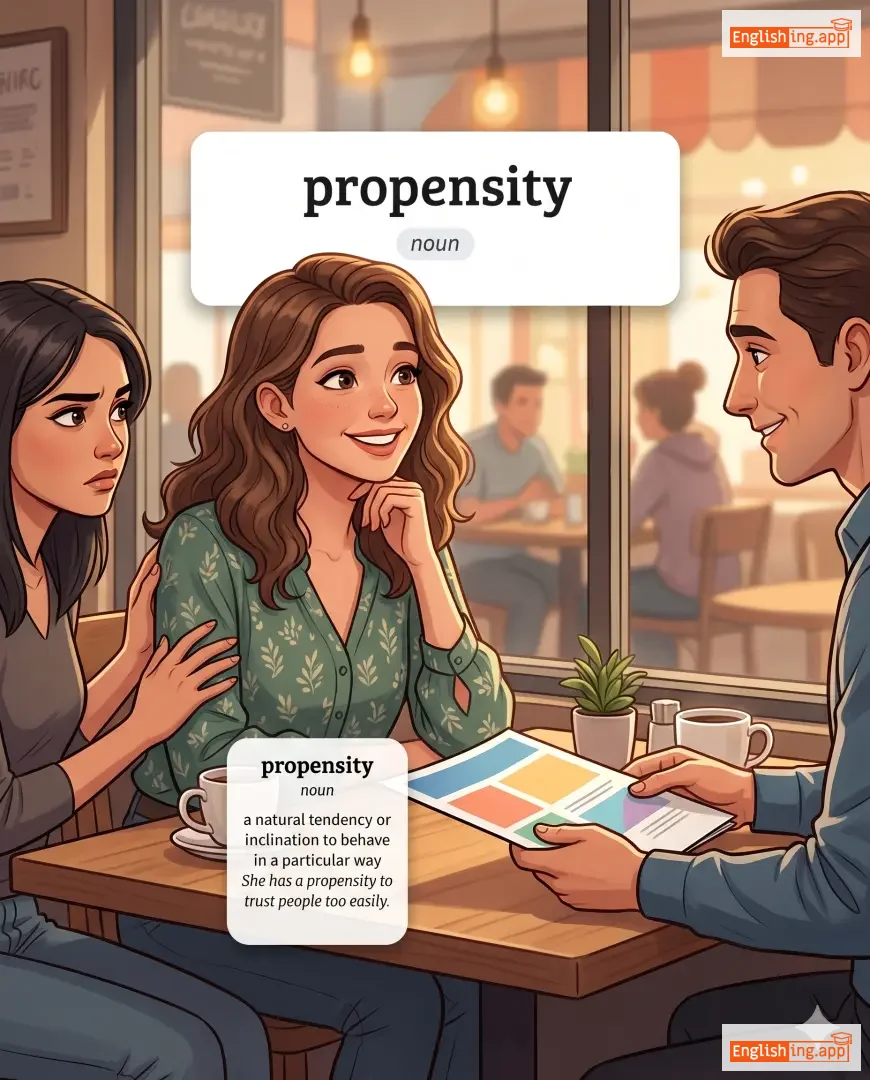
a natural tendency or inclination to behave in a particular way
••••••
|
She has a propensity to trust people too easily.
彼女は人々をあまりにも簡単に信じる傾向がある。
••••••
|
彼女は人々をあまりにも簡単に信じる傾向がある。
Kanojo wa hitobito o amari ni mo kantan ni shinjiru keikou ga aru.
••••••
|
- •••••• | - •••••• | - •••••• |
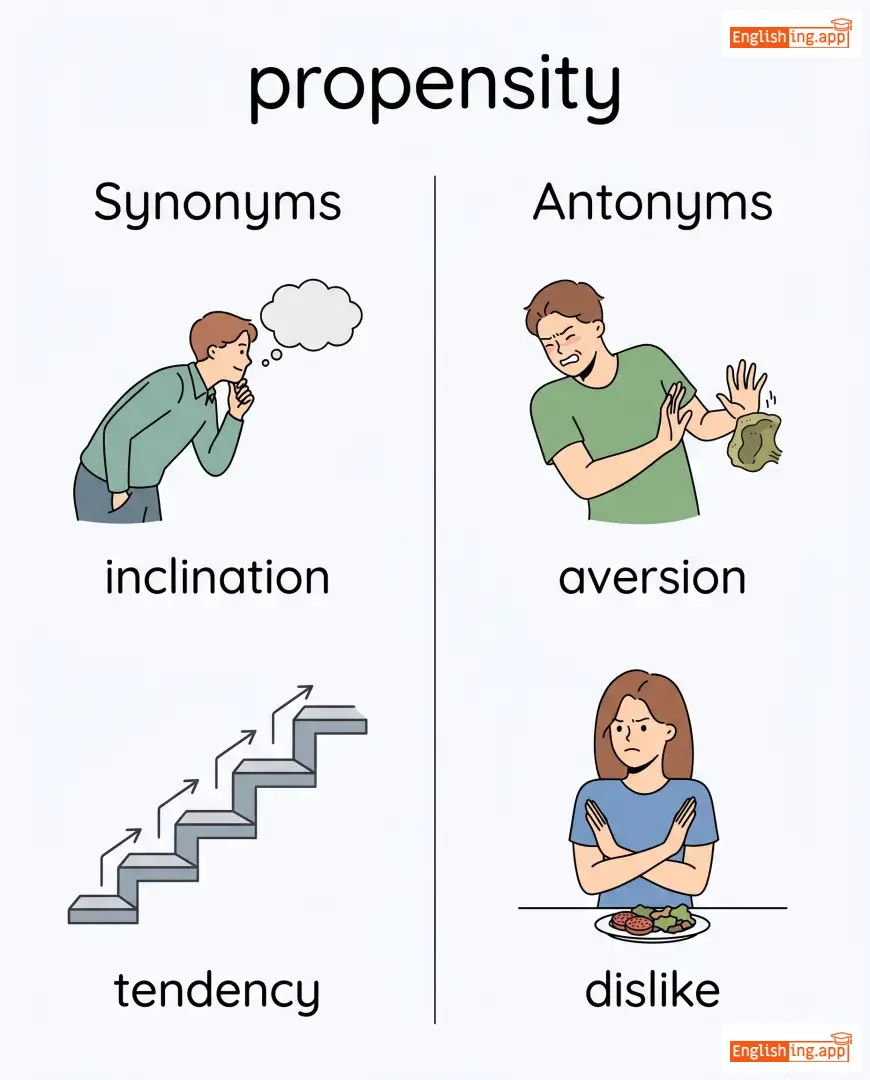
inclination, tendency, predisposition, leaning, proclivity
••••••
|
aversion, dislike, disinclination
••••••
|
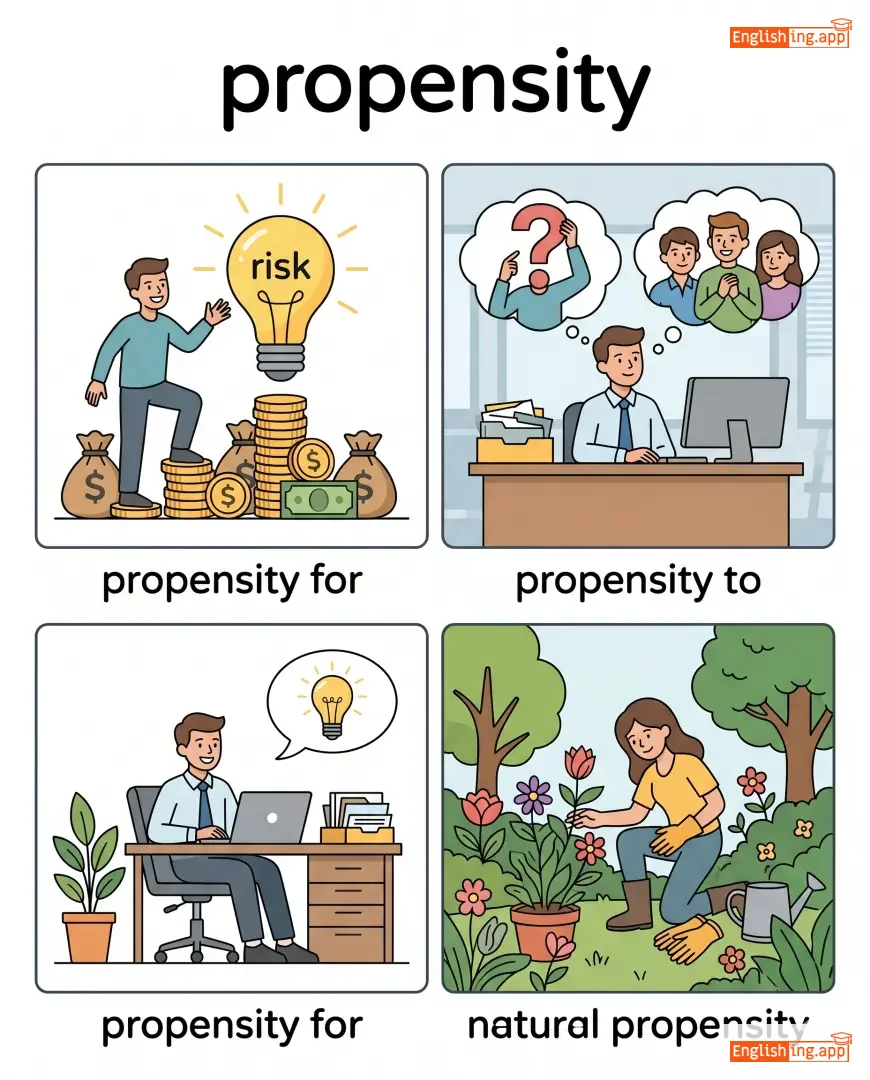
propensity for, propensity to, natural propensity, strong propensity
••••••
|
Propensity は傾向を意味します。'傾向' は自然な傾向を覚えてください。
••••••
|
|
🎁
••••••
|
/prəˈpɪʃieɪt/
verb
(プロピシエイト)
••••••
|
|
なだめる
nadameru
••••••
|
propitiated
プロピシエイテッド
••••••
|
propitiated
プロピシエイテッド
••••••
|
propitiates
プロピシエイツ
••••••
|
propitiating
プロピシエイティング
••••••
|
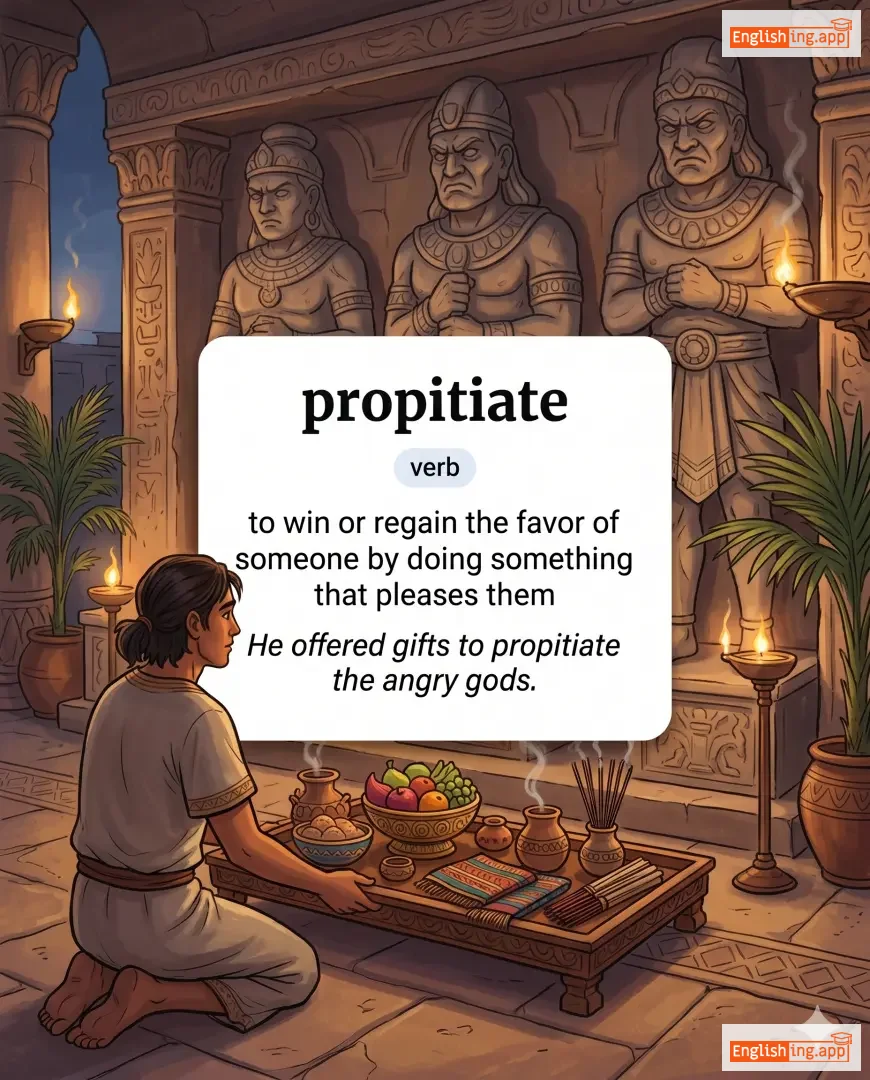
to win or regain the favor of someone by doing something that pleases them
••••••
|
He offered gifts to propitiate the angry gods.
彼は怒った神々をなだめるために贈り物を捧げました。
••••••
|
彼は怒った神々をなだめるために贈り物を捧げました。
Kare wa okotta kamigami o nadameru tame ni okurimono o sasagemashita.
••••••
|
- •••••• | - •••••• | - •••••• |
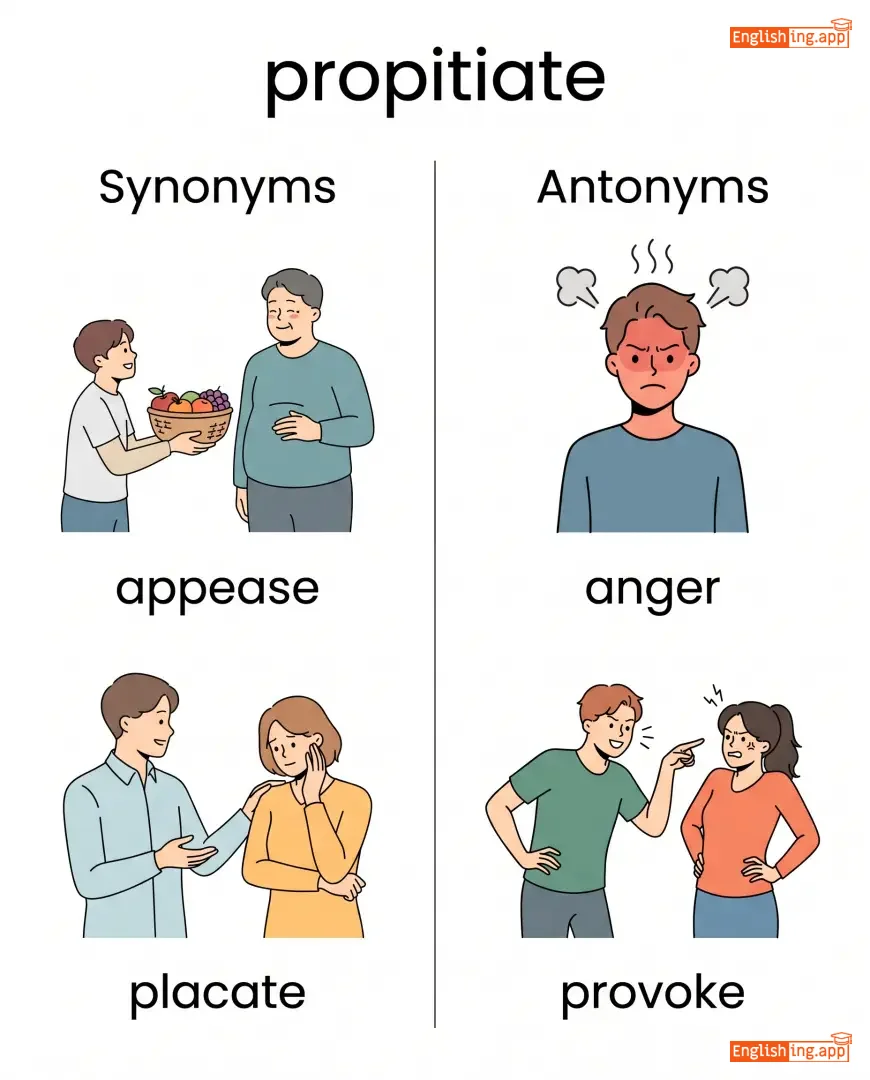
appease, placate, conciliate, mollify, pacify
••••••
|
anger, provoke, enrage
••••••
|
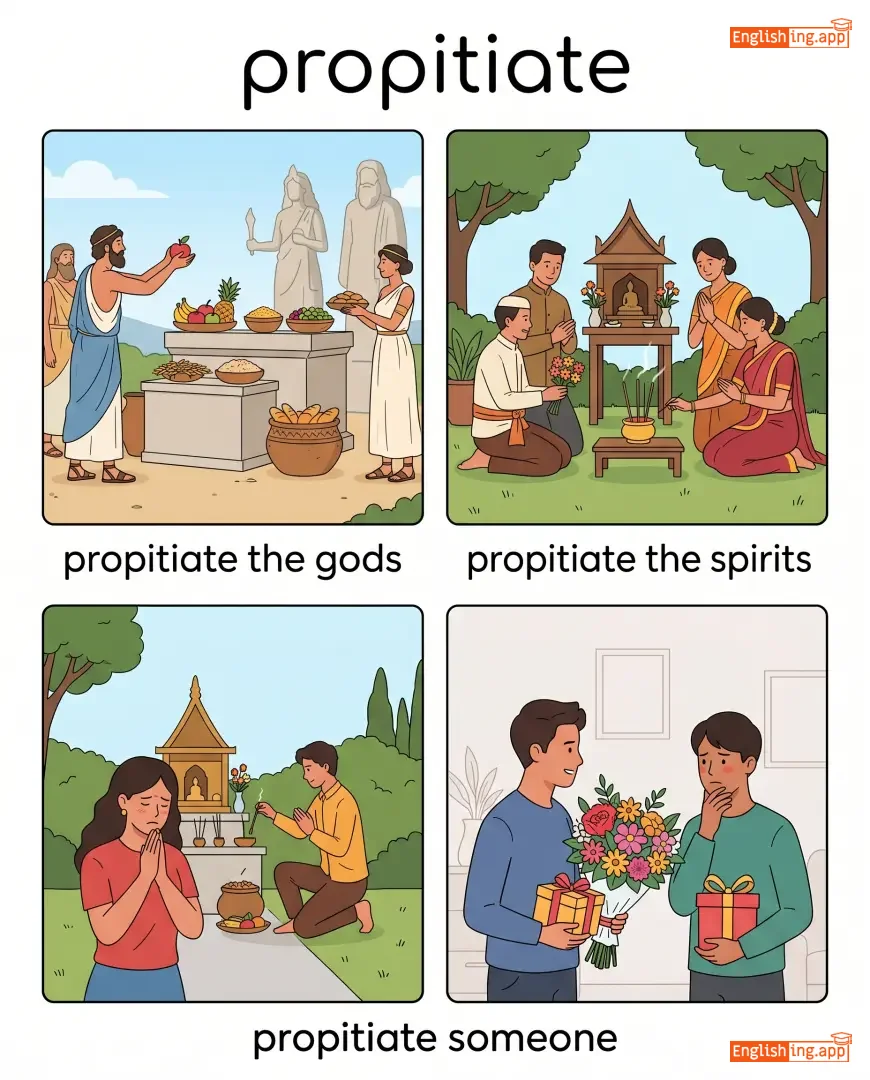
propitiate the gods, propitiate the spirits, propitiate someone
••••••
|
Propitiateは、贈り物で神々をなだめることを意味します。
••••••
|
|
🤵
••••••
|
/prəˈpraɪəti/
noun
(プロプライエティ)
••••••
|
|
適切
tekisetsu
••••••
|
- •••••• | - •••••• | - •••••• | - •••••• |
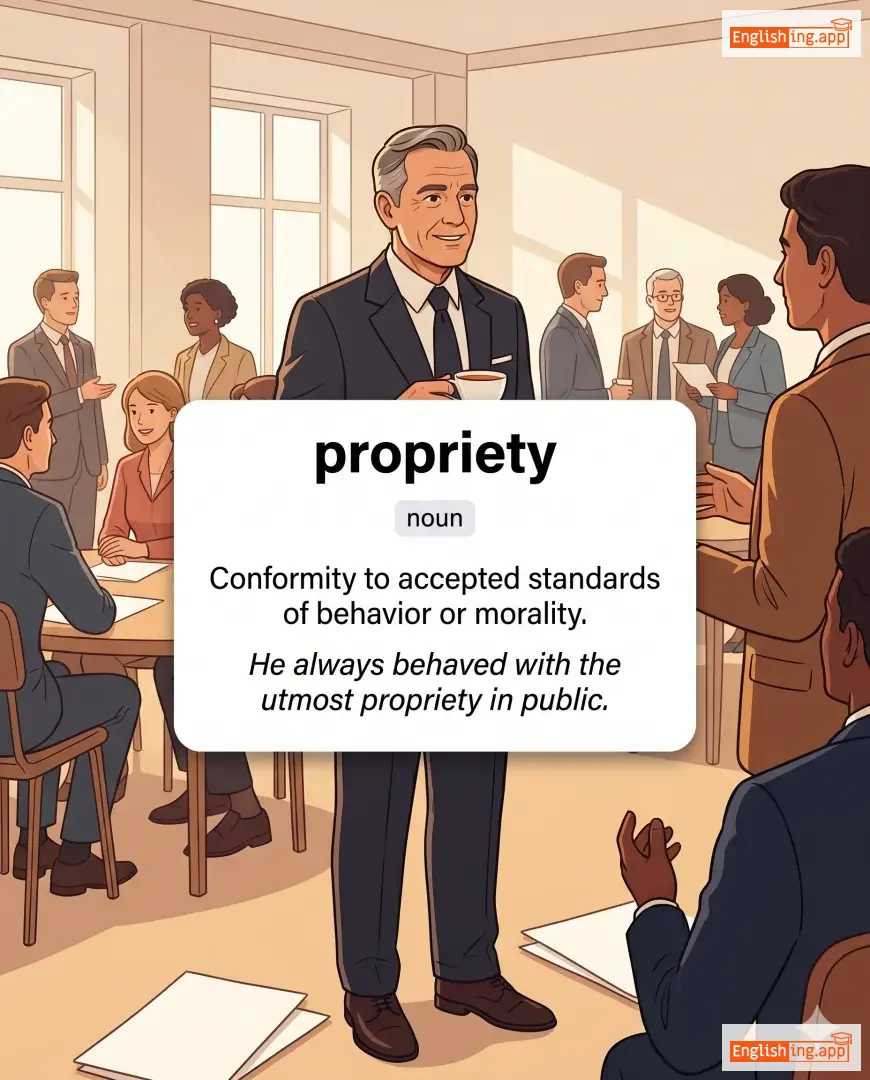
Conformity to accepted standards of behavior or morality.
••••••
|
He always behaved with the utmost propriety in public. |
彼は公共の場で常に最大限の適切さを持って振る舞いました。
Kare wa koukyou no ba de tsune ni saidaigen no tekisetsu-sa wo motte furumaimashita.
••••••
|
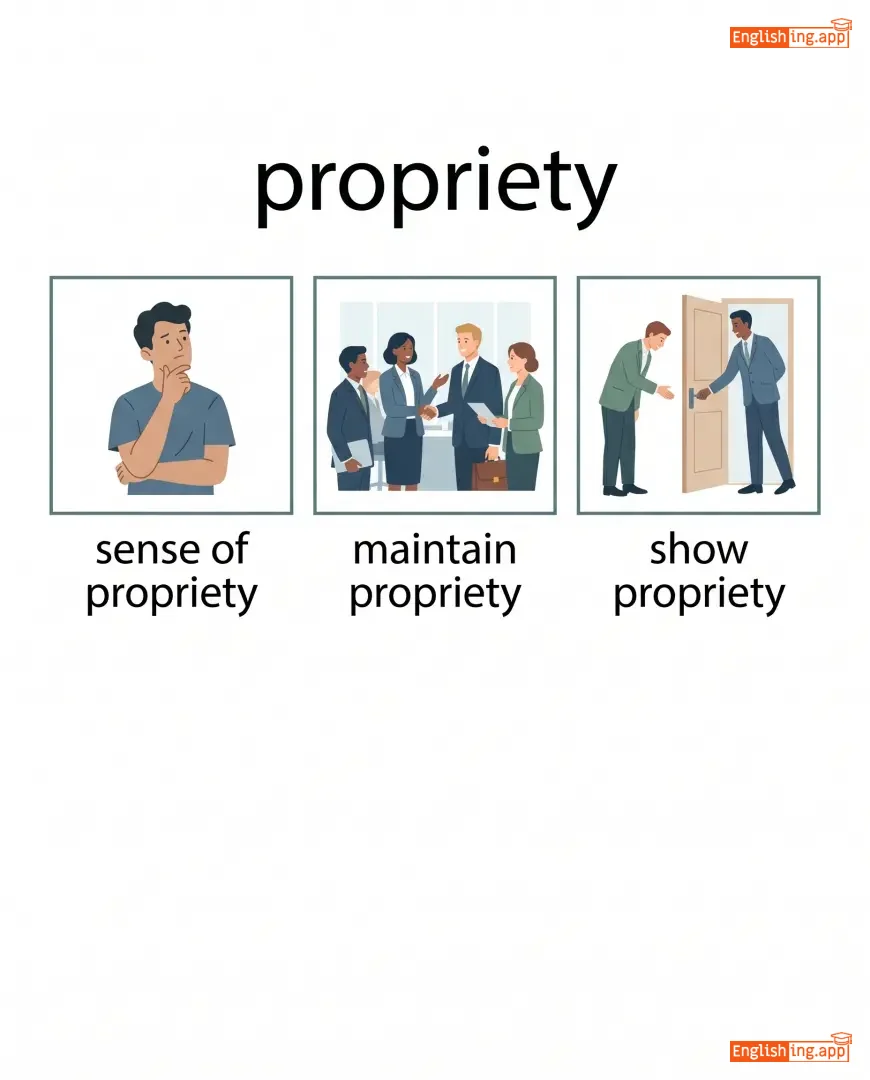
sense of propriety |
Awareness of what is socially acceptable and proper.
••••••
|
適切さの感覚
tekisetsu-sa no kankaku
••••••
|
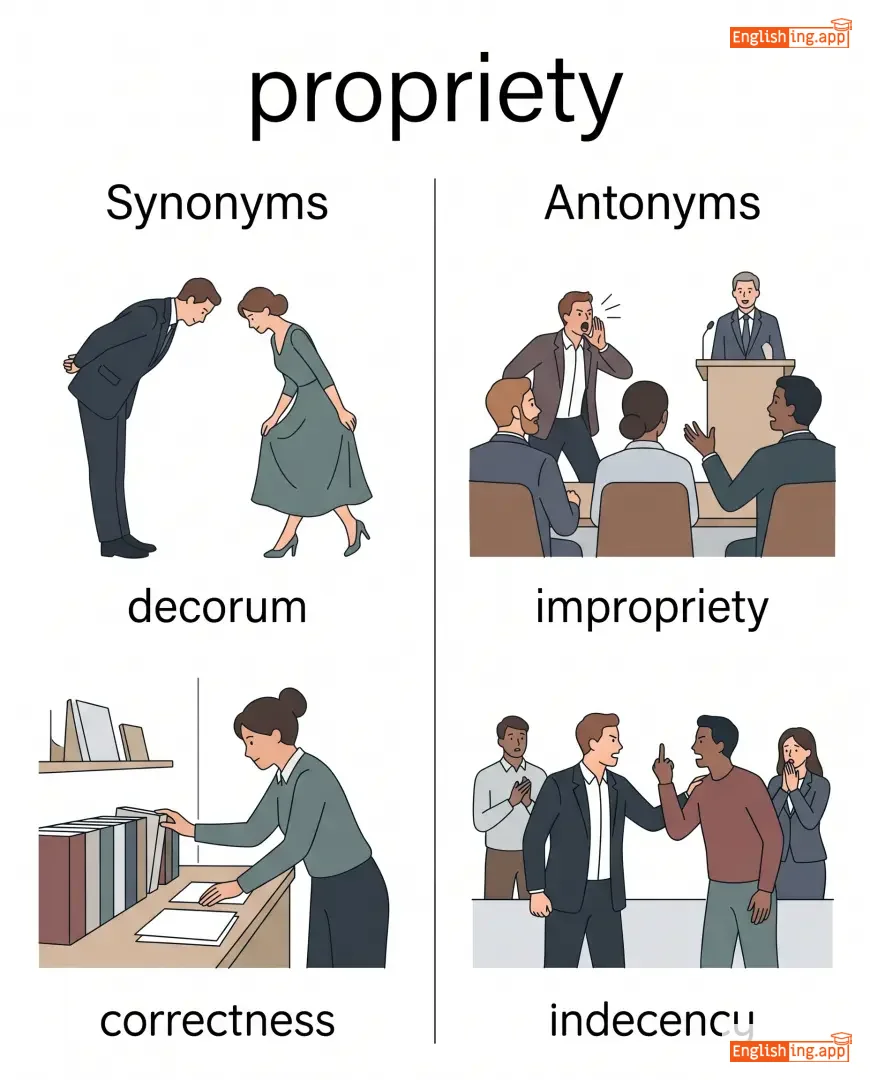
decorum, correctness, civility, respectability, modesty
••••••
|
impropriety, indecency, rudeness
••••••
|
sense of propriety, maintain propriety, show propriety, question of propriety
••••••
|
適切 = propriety
••••••
|
|
🚫
••••••
|
/proʊˈskraɪb/
verb
(プロスクリブ)
••••••
|
|
禁止する
kinshi suru
••••••
|
proscribed
プロスクリブド
••••••
|
proscribed
プロスクリブド
••••••
|
proscribes
プロスクリブス
••••••
|
proscribing
プロスクリビング
••••••
|
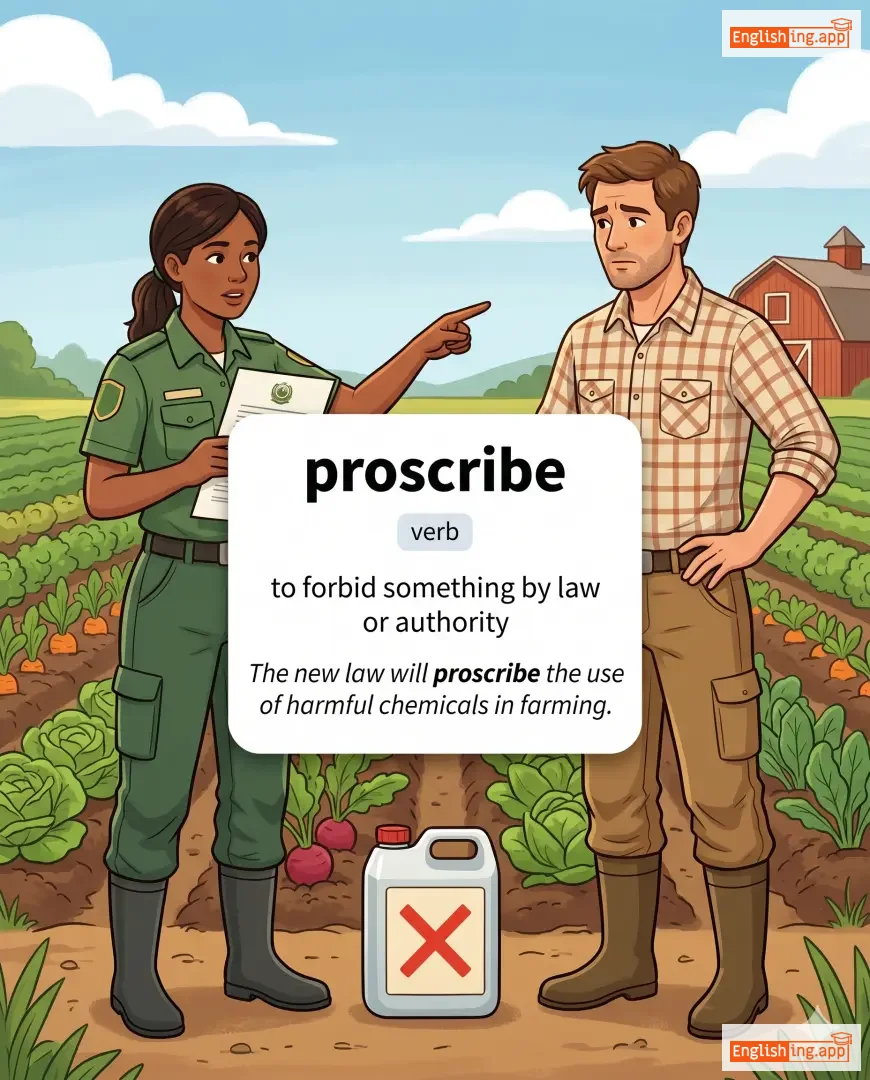
to forbid something by law or authority
••••••
|
The new law will proscribe the use of harmful chemicals in farming.
ザ ニュー ロー ウィル プロスクリブ ザ ユーズ オブ ハームフル ケミカルズ イン ファーミング。
••••••
|
新しい法律は農業で有害な化学物質の使用を禁止します。
Atarashī hōritsu wa nōgyō de yūgaina kagakubushitsu no shiyō o kinshi shimasu.
••••••
|
- •••••• | - •••••• | - •••••• |
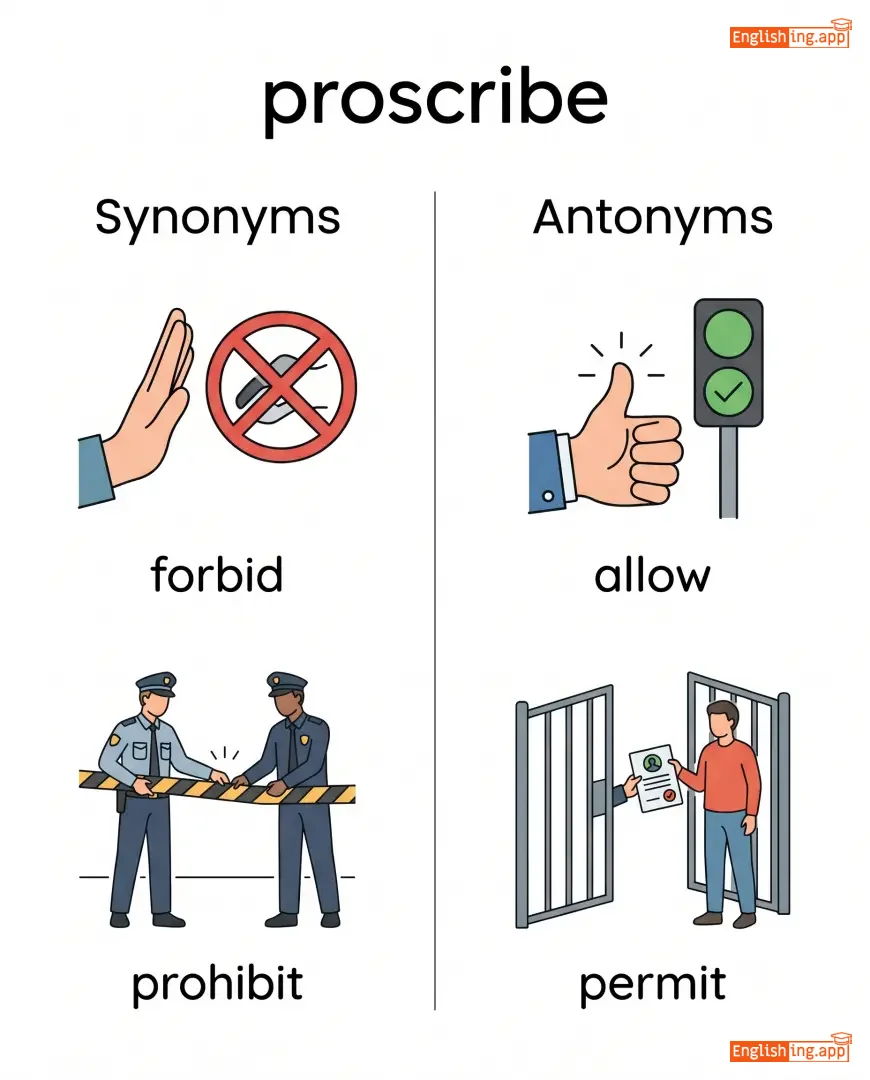
forbid, prohibit, ban, outlaw, restrict
••••••
|
allow, permit, authorize
••••••
|
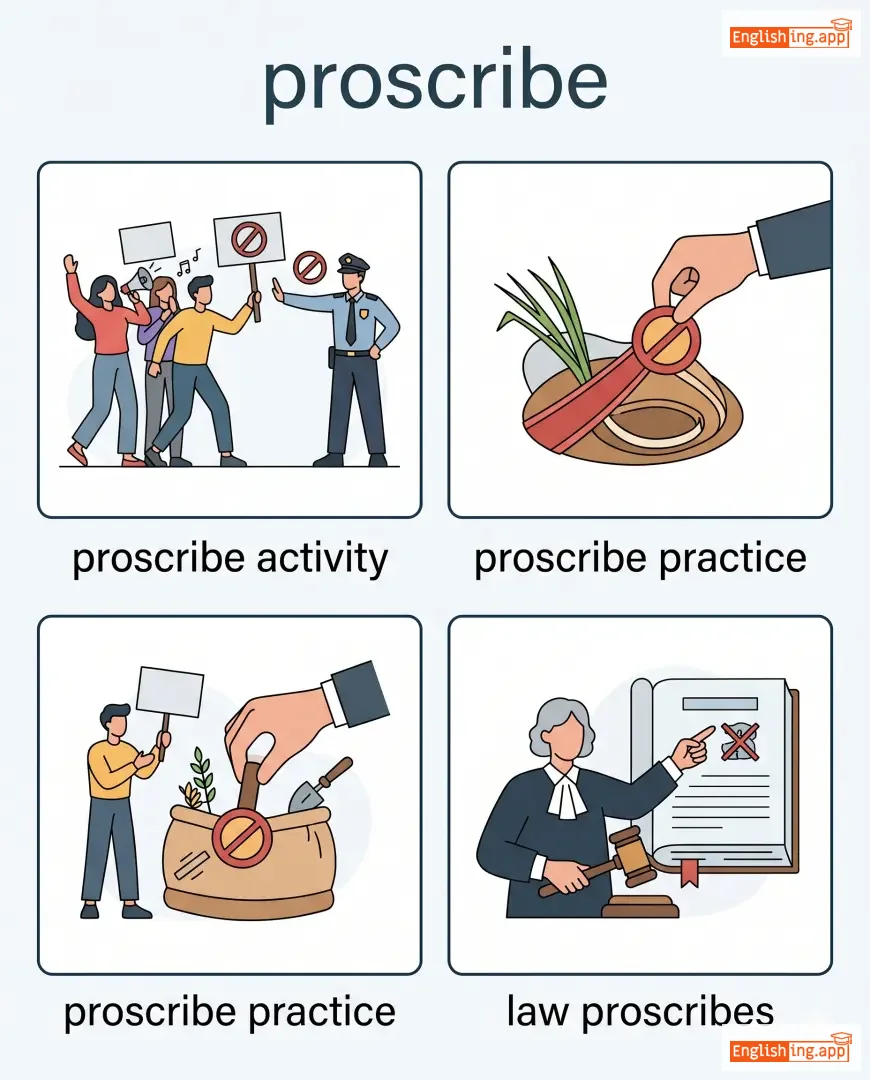
proscribe activity, proscribe practice, law proscribes, proscribe behavior
••••••
|
Proscribeは登録ではなく禁止すること 🚫
••••••
|
|
💰
••••••
|
/ˈprɒvɪdənt/
adjective
(プロビデント)
••••••
|
- •••••• |
先見の明のある
senken no mei no aru
••••••
|
- •••••• | - •••••• | - •••••• | - •••••• |
making or indicative of timely preparation for the future
••••••
|
She was provident in saving money for her children’s education. |
彼女は子供たちの教育のためにお金を節約する先見の明のある人だった。
Kanojo wa kodomotachi no kyōiku no tame ni okane o setsuyaku suru senken no mei no aru hito datta.
••••••
|
- •••••• | - •••••• | - •••••• |
prudent, farsighted, cautious, careful, thrifty
••••••
|
wasteful, careless, imprudent
••••••
|
provident planning, provident measures, provident fund, provident attitude
••••••
|
Provident = 未来のために準備する先見の明のある行動。
••••••
|
|
💪
••••••
|
/ˈpjuːɪsənt/
adjective
(ピュイサント)
••••••
|
- •••••• |
強力な
kyōryokuna
••••••
|
- •••••• | - •••••• | - •••••• | - •••••• |
having great power or influence; mighty
••••••
|
The king was a puissant ruler whose word was law. |
その王は強力な支配者で、その言葉は法律だった。
Sono ō wa kyōryokuna shihaisha de, sono kotoba wa hōritsu datta.
••••••
|
- •••••• | - •••••• | - •••••• |
powerful, mighty, strong, influential, dominant
••••••
|
weak, powerless, feeble
••••••
|
puissant leader, puissant empire, puissant authority
••••••
|
Puissantは強力な意味 – (push)する力があれば、強力な存在だ!
••••••
|
|
🧐
••••••
|
/pʌŋkˈtɪliəs/
adjective
(パンクティリオス)
••••••
|
- •••••• |
几帳面
kichoumen
••••••
|
- •••••• | - •••••• | - •••••• | - •••••• |
Showing great attention to detail or correct behavior.
••••••
|
She was punctilious in her attention to etiquette. |
彼女はマナーに対して非常に几帳面だった。
Kanojo wa manā ni taishite hijō ni kichōmen datta.
••••••
|
- •••••• | - •••••• | - •••••• |
meticulous, precise, scrupulous, exact, careful
••••••
|
careless, negligent, sloppy
••••••
|
punctilious attention, punctilious detail, punctilious manners, punctilious observer
••••••
|
Punctiliousは、几帳面な人のように、すべての詳細に気を使う(マナー)。
••••••
|
|
👃
••••••
|
/ˈpʌndʒənt/
adjective
(パンジェント)
••••••
|
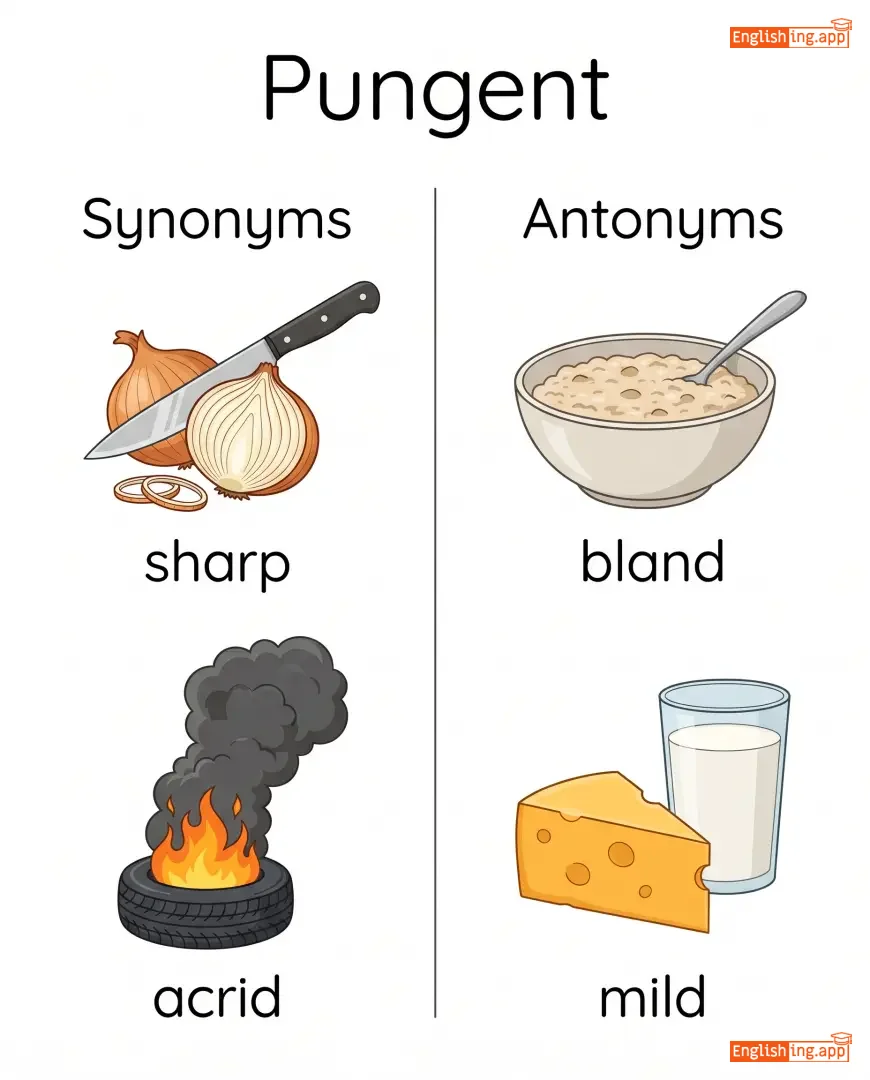
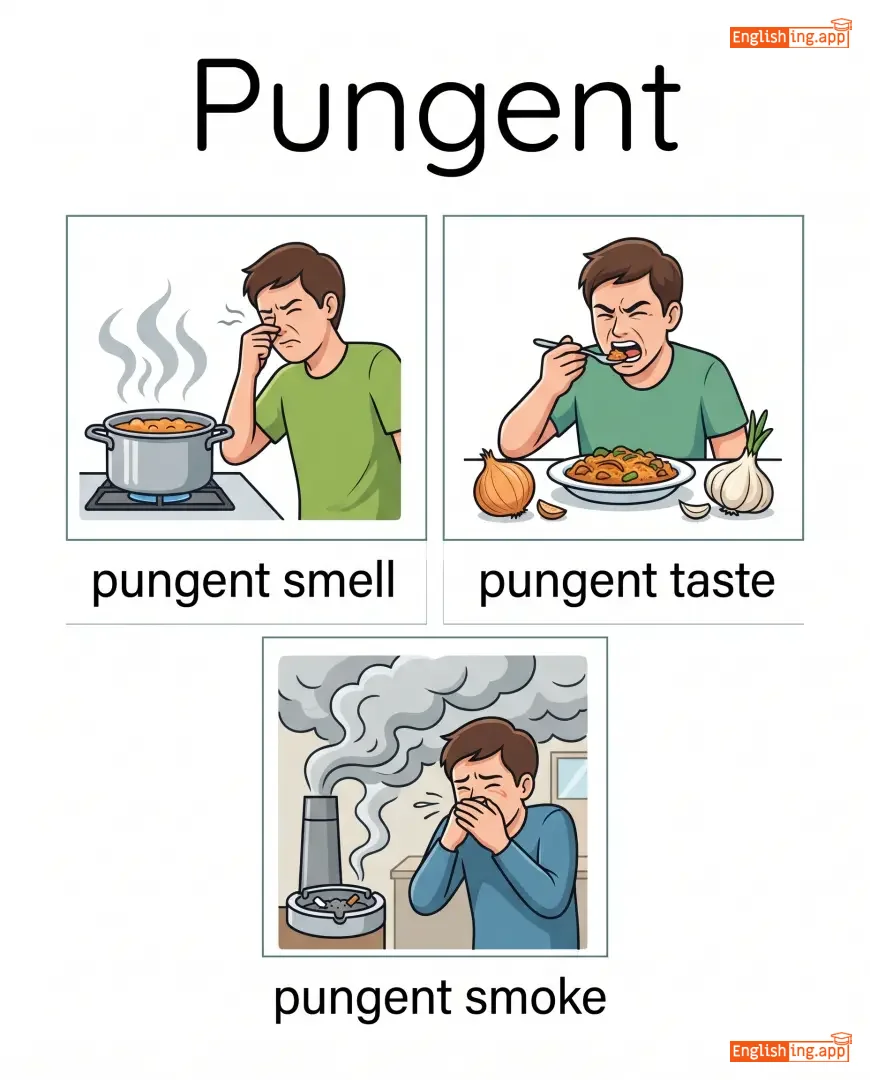
|
強い匂いや味
tsuyoi nioi ya aji
••••••
|
- •••••• | - •••••• | - •••••• | - •••••• |
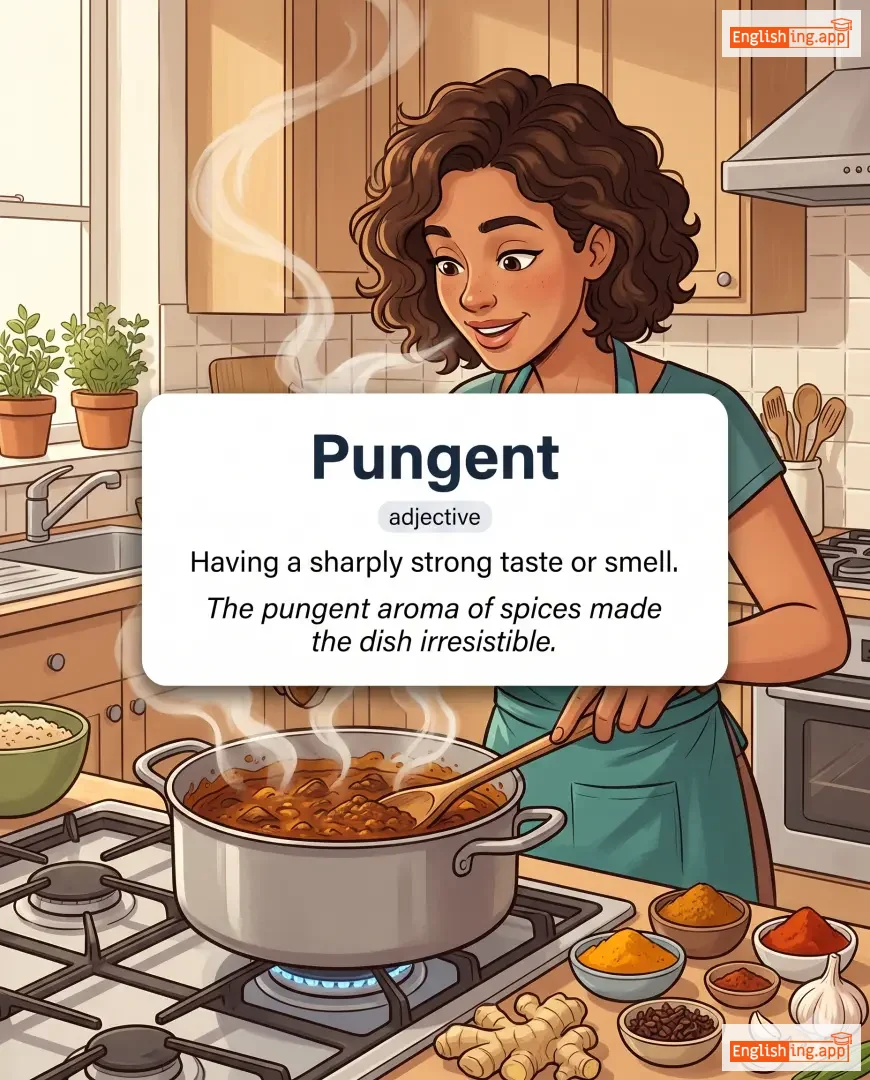
Having a sharply strong taste or smell.
••••••
|
The pungent aroma of spices made the dish irresistible. |
スパイスの強い香りがその料理を抗しがたくした。
supaisu no tsuyoi kaori ga sono ryouri wo kōshigataku shita.
••••••
|
pungent wit |
A sharp and biting sense of humor.
••••••
|
鋭いユーモア
surudoi yūmoa
••••••
|
sharp, acrid, biting, spicy, strong
••••••
|
bland, mild, weak
••••••
|
pungent smell, pungent taste, pungent smoke, pungent remark
••••••
|
Pungent は鋭い感覚を持っているように感じる。
••••••
|
|
📄
••••••
|
/ˈpɜːrpɔːrt/
verb
(パーポート)
••••••
|
- •••••• |
主張する
shuchou suru
••••••
|
purported
パーポーテッド
••••••
|
purported
パーポーテッド
••••••
|
purports
パーポーツ
••••••
|
purporting
パーポーティング
••••••
|
to claim or profess something, often falsely
••••••
|
The document purports to be an official government report.
その文書は公式な政府報告書であると主張しています。
••••••
|
その文書は公式な政府報告書であると主張しています。
Sono bunsho wa kōshiki na seifu hōkokusho de aru to shuchō shiteimasu.
••••••
|
- •••••• | - •••••• | - •••••• |
claim, profess, pretend, allege, assert
••••••
|
deny, disclaim, reject
••••••
|
purport to show, purport to prove, purport to represent
••••••
|
Purport = Purpose の主張 (主張する)
••••••
|
|
🐭
••••••
|
/ˌpjuːsɪˈlænɪməs/
adjective
(プシラニマス)
••••••
|
- •••••• |
臆病な
okubyona
••••••
|
- •••••• | - •••••• | - •••••• | - •••••• |
showing a lack of courage or determination; timid
••••••
|
The pusillanimous leader avoided making tough decisions. |
臆病なリーダーは難しい決断を避けていた。
Okubyona ri-da- wa muzukashii ketsudan wo saketeta.
••••••
|
- •••••• | - •••••• | - •••••• |
cowardly, timid, fearful, weak, spineless
••••••
|
brave, courageous, bold
••••••
|
pusillanimous attitude, pusillanimous approach, pusillanimous behavior
••••••
|
Pusillanimous は臆病なことを意味します。小さな 'pus' が怖がっているのを想像してください。
••••••
|
|
🌀
••••••
|
/ˈkwæɡˌmaɪər/
noun
(クワグマイア)
••••••
|
- •••••• |
沼地、困難な状況
numachi, konnan na joukyou
••••••
|
- •••••• | - •••••• | - •••••• | - •••••• |
a soft, wet area of land that gives way underfoot; a complex or dangerous situation
••••••
|
The hikers were trapped in a political quagmire. |
ハイカーたちは政治的な沼地に閉じ込められた。
Haikaa-tachi wa seijiteki na numachi ni tojikomerareta.
••••••
|
caught in a quagmire |
stuck in a difficult or complicated situation
••••••
|
困難な状況に陥る
konnan na joukyou ni ochiru
••••••
|
marsh, swamp, predicament, dilemma, mess
••••••
|
solution, clarity, stability
••••••
|
political quagmire, legal quagmire, financial quagmire, stuck in a quagmire
••••••
|
Quagmireは ‘quag’ (沼地) と ‘mire’ (困難な状況) を組み合わせた言葉 → quagmireは沼地や困難な状況
••••••
|
|
🐦
••••••
|
/kweɪl/
verb, noun
(クウェイル)
••••••
|
- •••••• |
恐怖を感じる; 小さくて短い尾の鳥
kyōfu o kanjiru; chiisakute mijikai o no tori
••••••
|
quailed
クウェイルド
••••••
|
quailed
クウェイルド
••••••
|
quails
クウェイルズ
••••••
|
quailing
クウェイリング
••••••
|
verb: to feel or show fear; noun: a small, short-tailed bird
••••••
|
She quailed at the sight of the approaching storm.
彼女は迫り来る嵐の光景に恐怖を感じた。
••••••
|
彼女は迫り来る嵐の光景に恐怖を感じた。
Kanojo wa semari kuru arashi no kōkei ni kyōfu o kanjita.
••••••
|
- •••••• | - •••••• | - •••••• |
shrink, cower, tremble, falter
••••••
|
endure, confront, brave
••••••
|
quail meat, quail eggs, quail in fear, quail before
••••••
|
Quailは鳥を意味し、嵐を見たらquailのように恐れるでしょう。
••••••
|
|
🎓
••••••
|
/ˈkwɒlɪfaɪd/
adjective
(クオリファイド)
••••••
|

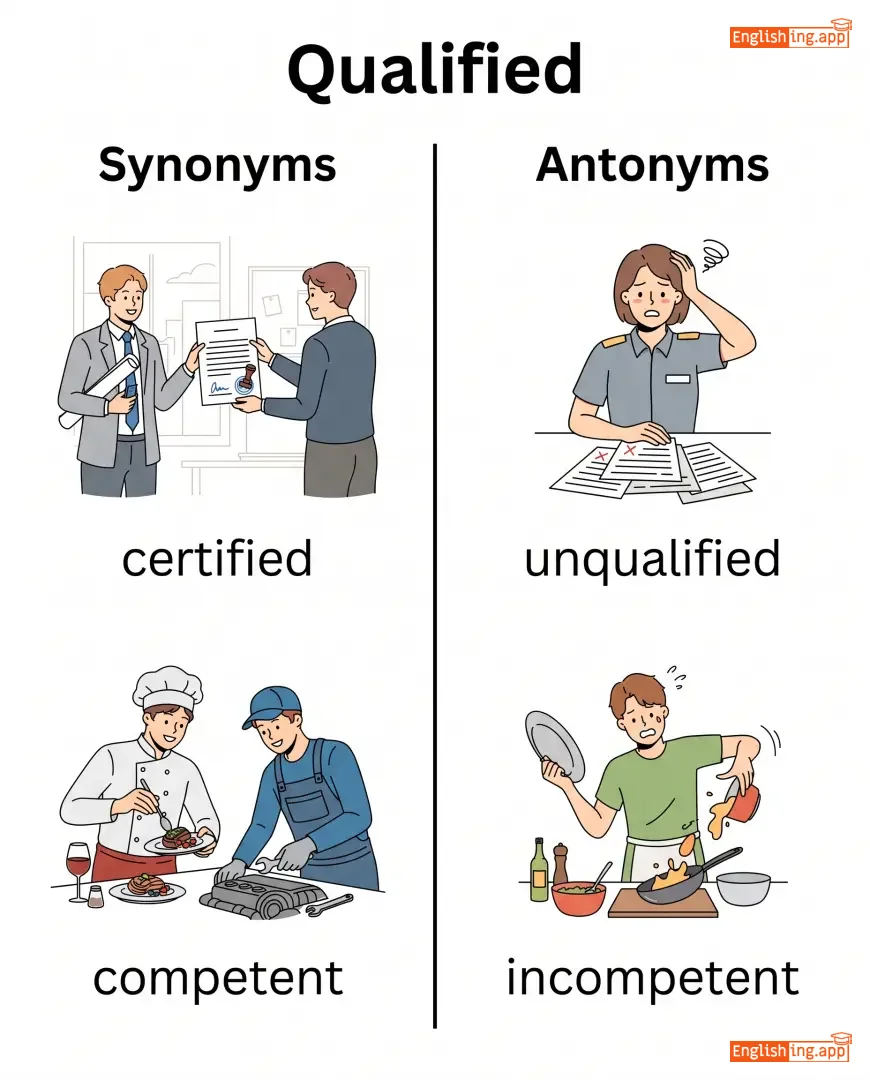

|
資格のある
shikaku no aru
••••••
|
- •••••• | - •••••• | - •••••• | - •••••• |
officially recognized as being trained or knowledgeable for a particular job or activity
••••••
|
She is a qualified doctor with years of experience.
彼女は経験豊富な資格を持つ医者です。
••••••
|
彼女は経験豊富な資格を持つ医者です。
Kanojo wa keiken houfu na shikaku wo motsu isha desu.
••••••
|
qualified success
資格のある成功
••••••
|
a success that is only partial or limited
••••••
|
資格のある成功
shikaku no aru seikou
••••••
|
certified, competent, skilled, trained, capable
••••••
|
unqualified, incompetent, incapable
••••••
|
qualified teacher, qualified candidate, qualified doctor, qualified professional
••••••
|
資格 = 経験 + 成功 → 資格のある人は常に成功します。
••••••
|
|
😟
••••••
|
/kwɑːm/
noun
(クワルム)
••••••
|
- •••••• |
疑念
ginen
••••••
|
- •••••• | - •••••• | - •••••• | - •••••• |
a feeling of doubt, worry, or fear about something
••••••
|
She had no qualm about speaking her mind.
シー ハッド ノー クワルム アバウト スピーキング ハー マインド。
••••••
|
彼女は自分の考えを言うことに疑念を持っていなかった。
Kanojo wa jibun no kangae o iu koto ni ginen o motte inakatta.
••••••
|
without qualm
ウィズアウト クワルム
••••••
|
with no hesitation or doubt
••••••
|
疑念なしで
ginen nashi de
••••••
|
doubt, hesitation, unease, misgiving, apprehension
••••••
|
confidence, certainty
••••••
|
qualm of conscience, moral qualm, serious qualm, qualm about
••••••
|
QualmはCalmのように聞こえますが、実際にはその逆の意味です→Calmではなく、疑念と恐れ!
••••••
|
|
❓
••••••
|
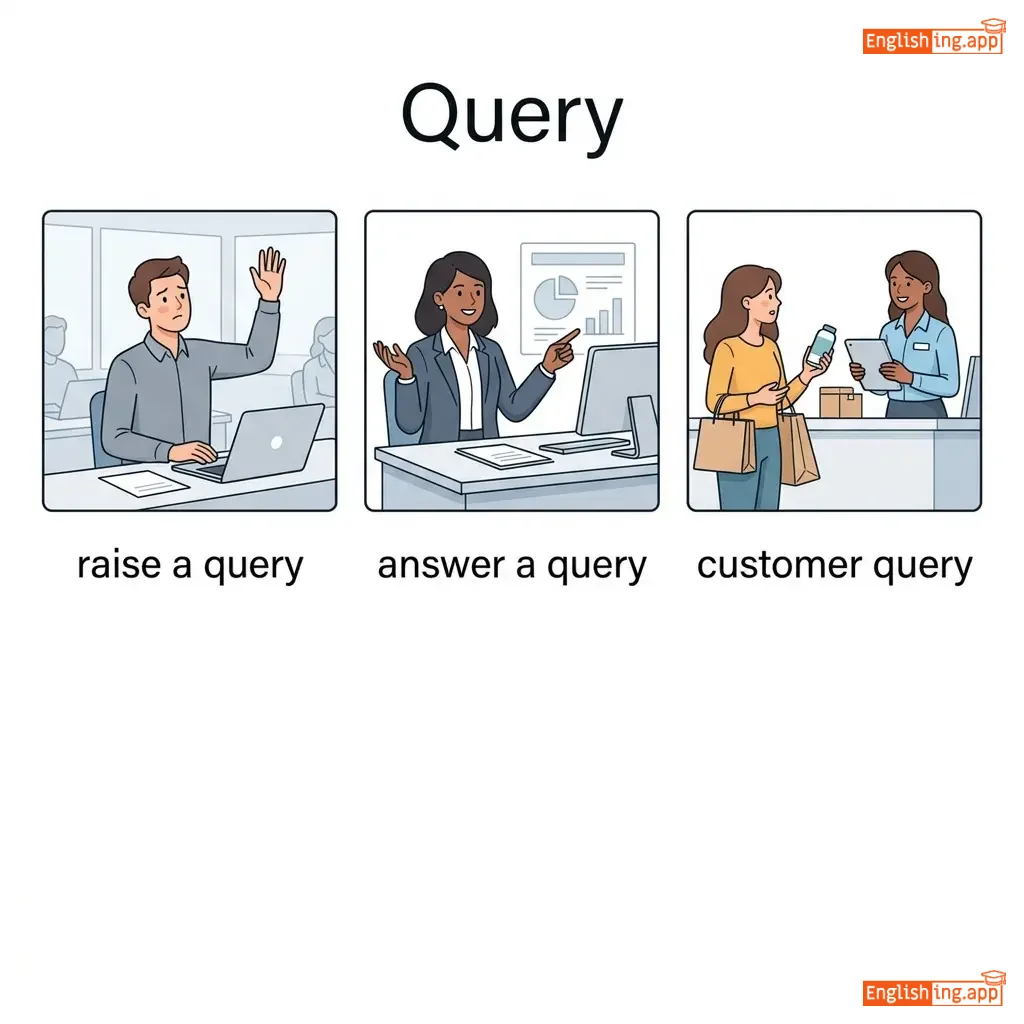
/ˈkwɪəri/
verb
(クエリ)
••••••
|

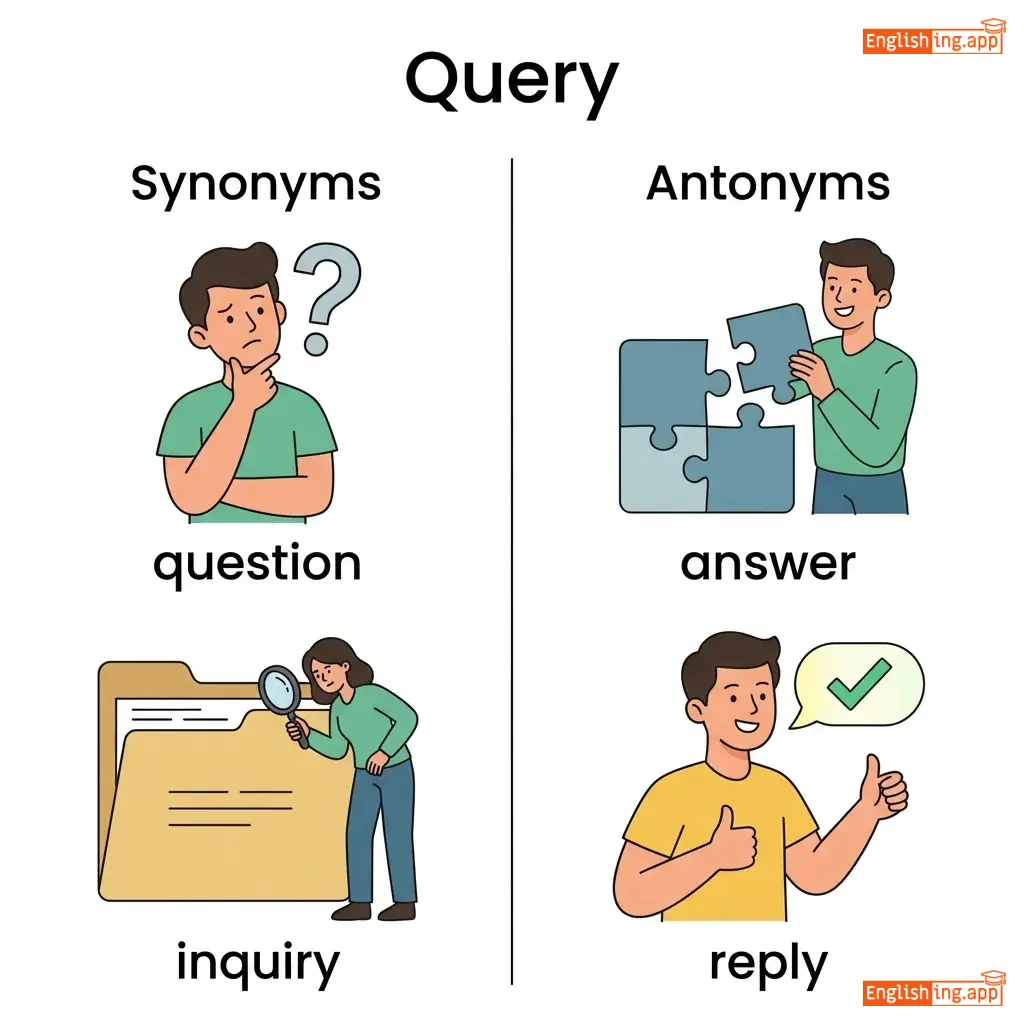
|
質問する
shitsumon suru
••••••
|
queried
クエリード
••••••
|
queried
クエリード
••••••
|
queries
クエリーズ
••••••
|
querying
クエリング
••••••
|
to ask a question; to express doubt about something
••••••
|
The student decided to query the professor about the assignment.
学生は課題について教授にクエリすることにした。
••••••
|
学生は課題について教授に質問することにした。
Gakusei wa kadai ni tsuite kyoushu ni shitsumon suru koto ni shita.
••••••
|
- •••••• | - •••••• | - •••••• |
question, ask, inquire, challenge
••••••
|
answer, accept, confirm
••••••
|
database query, search query, query results, SQL query, query language
••••••
|
Query sounds like ‘kueri’—remember it when you ‘shitsumon suru’ (ask a question).
••••••
|
|
🗣️
••••••
|
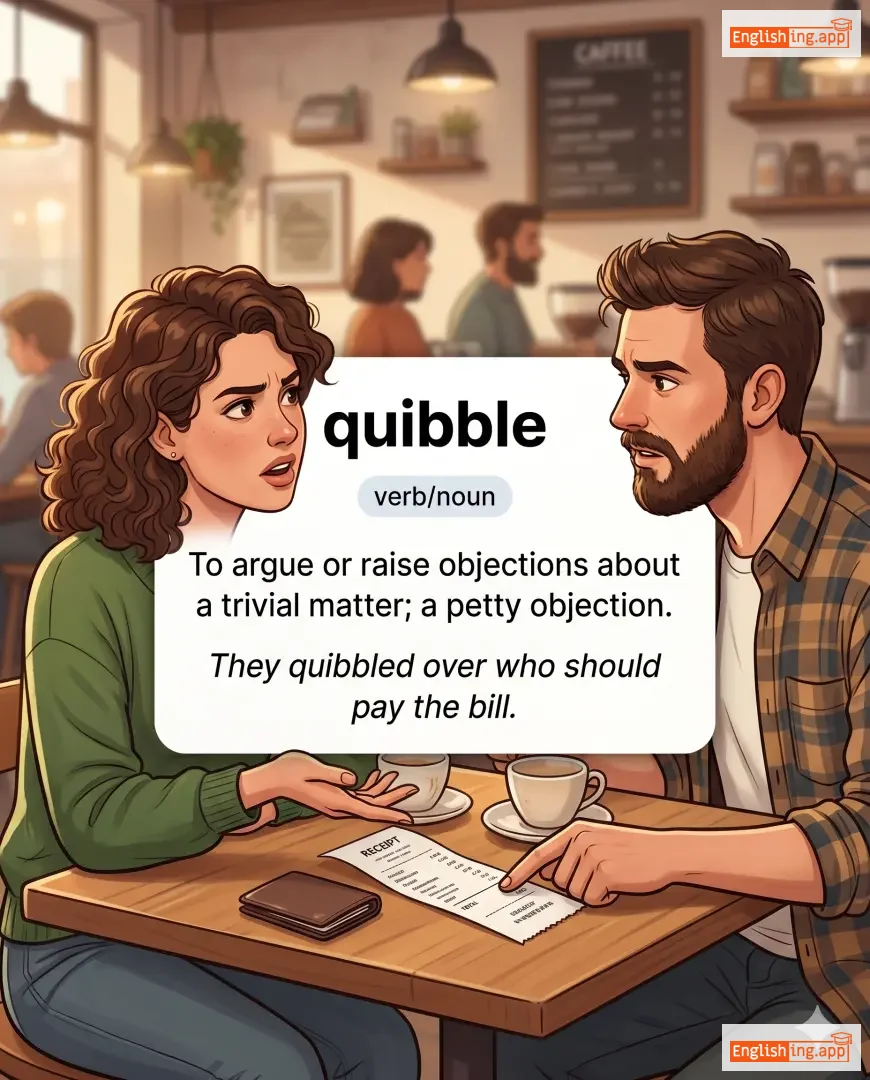
/ˈkwɪbəl/
verb/noun
••••••
|
|
- •••••• |
quibbled
••••••
|
quibbled
••••••
|
quibbles
••••••
|
quibbling
••••••
|
To argue or raise objections about a trivial matter; a petty objection.
••••••
|
They quibbled over who should pay the bill. |
- •••••• |
split hairs |
to argue about small or unimportant details
••••••
|
- •••••• |
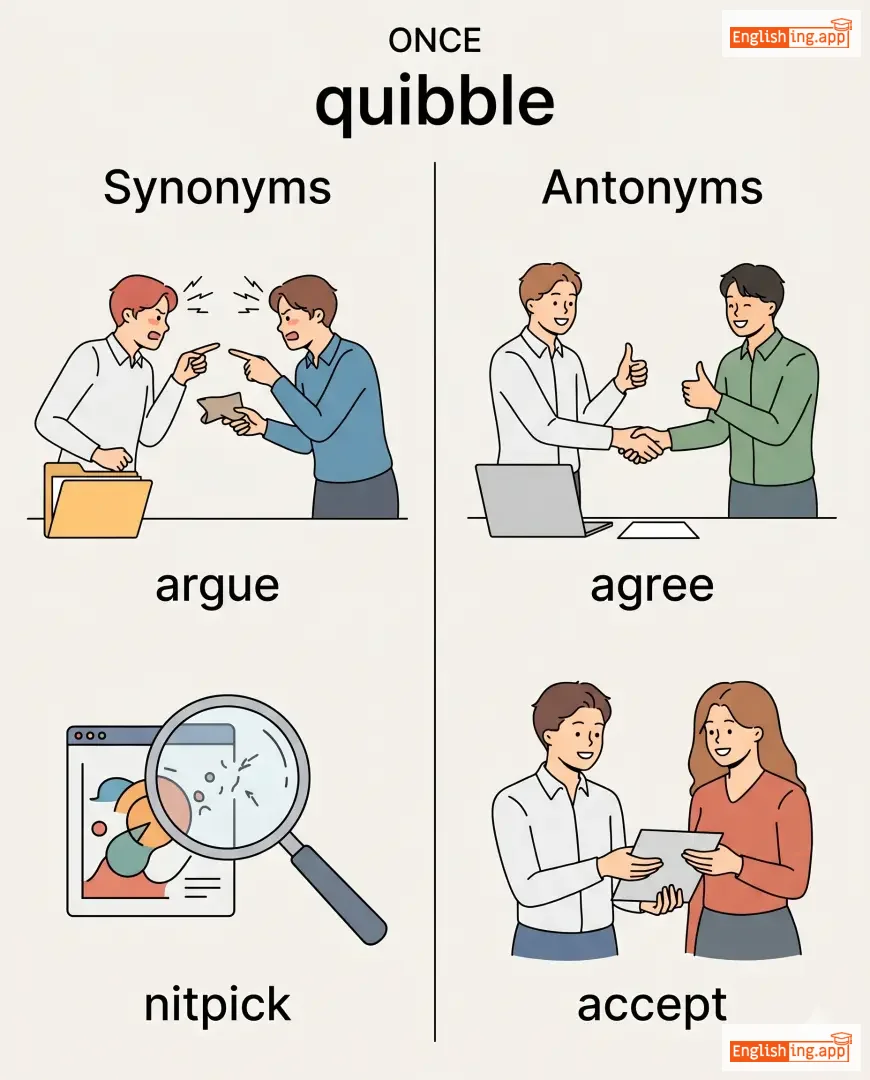
argue, nitpick, cavil, bicker, dispute
••••••
|
agree, accept, concede
••••••
|
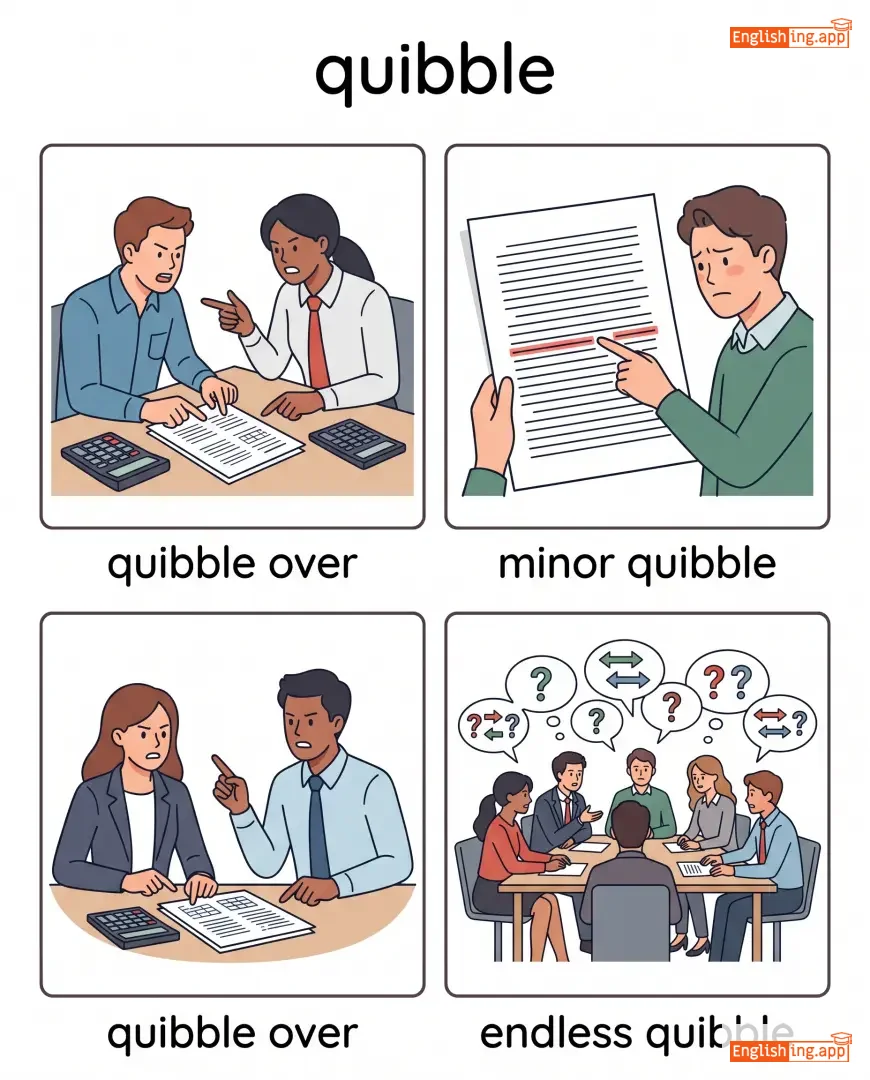
quibble over, minor quibble, endless quibble, quibble about details
••••••
|
No •••••• |
|
🤫
••••••
|
/kwaɪˈesnt/
adjective
(クワイエセント)
••••••
|
|
静止した; 穏やかな; 活動していない;
kwai-esent
••••••
|
- •••••• | - •••••• | - •••••• | - •••••• |
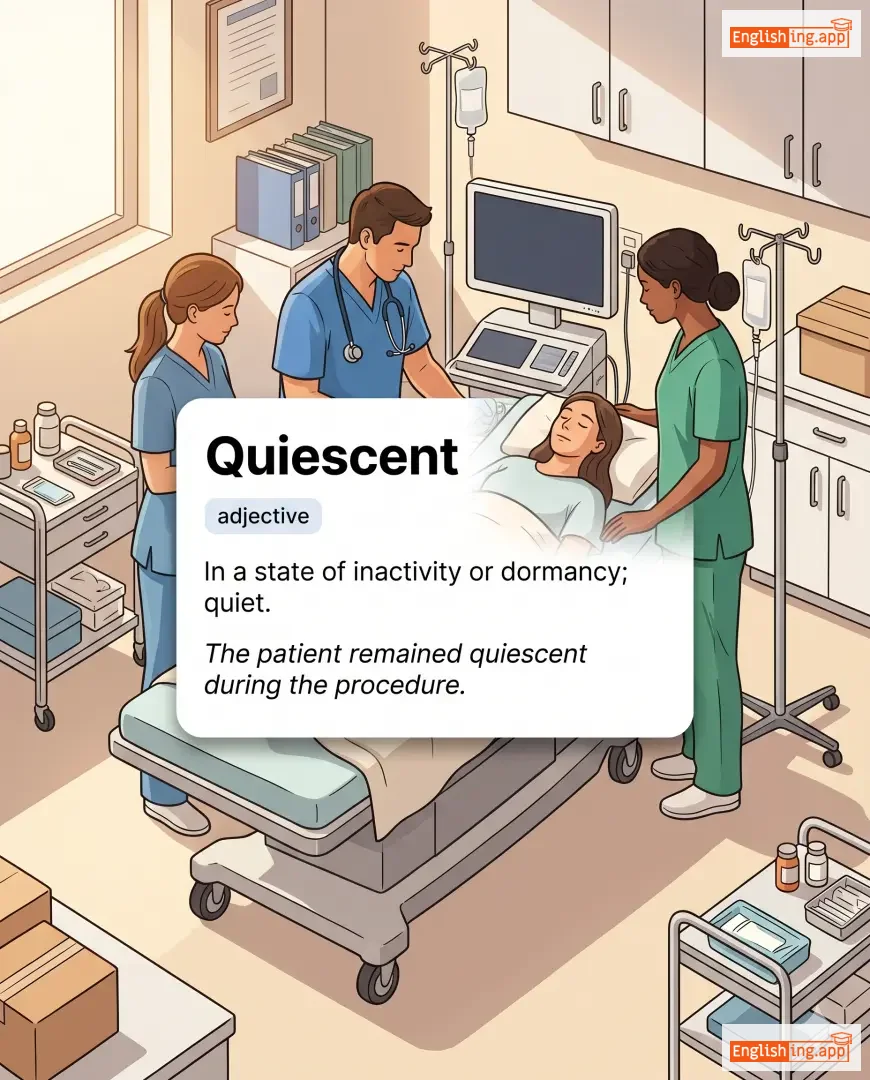
quiet; peaceful; inactive; dormant; at rest
••••••
|
The volcano has been quiescent for over a century. |
その火山は百年以上静止した状態です。
Sono kazan wa hyaku-nen ijō seishishita jōtai desu.
••••••
|
- •••••• | - •••••• | - •••••• |
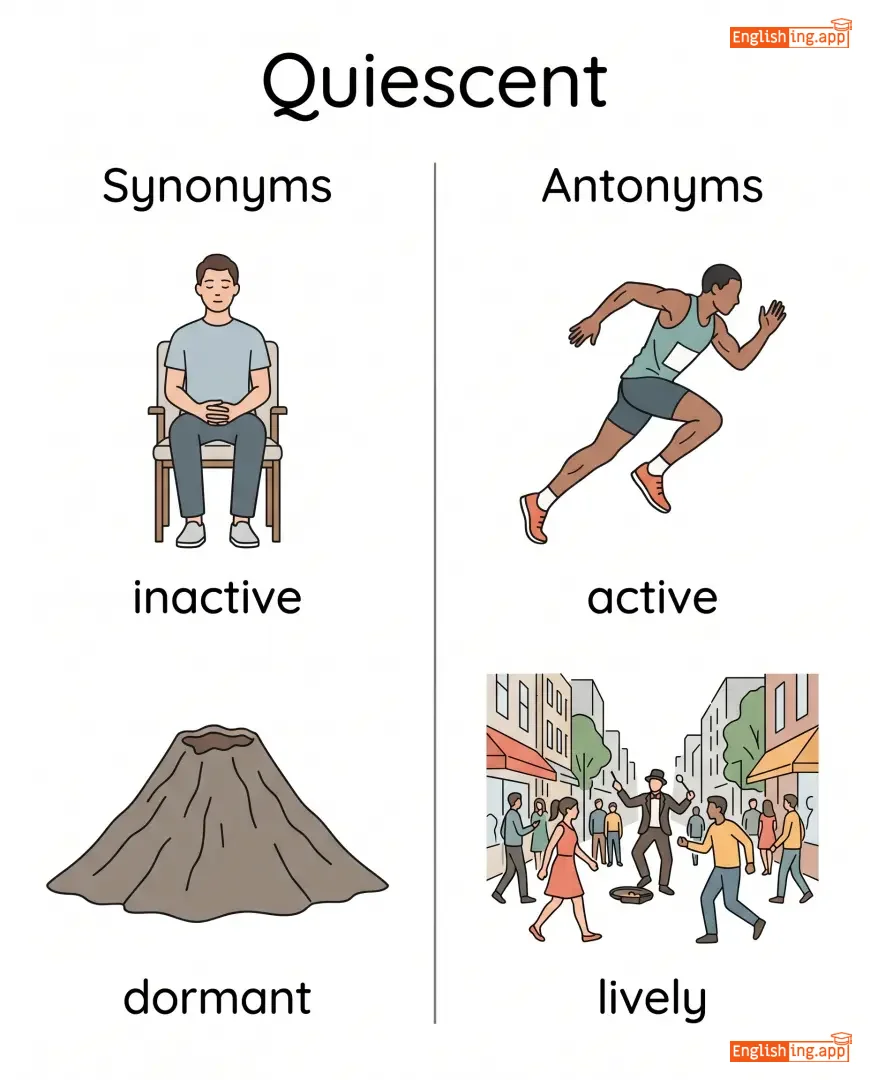
dormant, inactive, peaceful, still
••••••
|
active, turbulent, agitated, restless
••••••
|
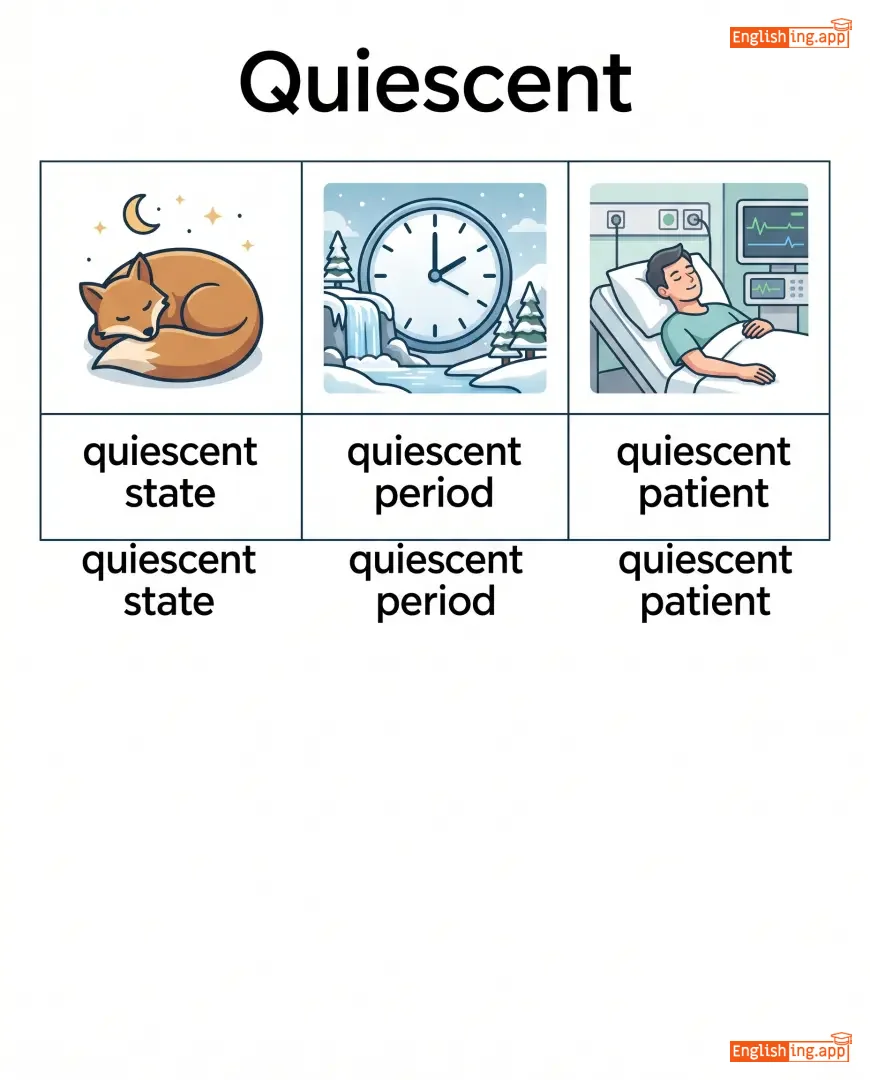
quiescent state, quiescent period, quiescent volcano
••••••
|
A peaceful volcano resting quietly, as it remains dormant for years.
••••••
|
|
👥
••••••
|
/ˈkwɔːrəm/
noun
(クォーラム)
••••••
|
- •••••• |
定足数
teizokusu
••••••
|
- •••••• | - •••••• | - •••••• | - •••••• |
The minimum number of members needed to conduct official business in a meeting.
••••••
|
The board meeting was postponed because there was no quorum. |
クォーラムがなかったため、理事会の会議は延期されました。
Kwōramu ga nakatta tame, rijikai no kaigi wa enki sare mashita.
••••••
|
- •••••• | - •••••• | - •••••• |
minimum attendance, required members, assembly, committee
••••••
|
absence, minority
••••••
|
quorum required, lack of quorum, quorum present, establish quorum
••••••
|
定足数がなければ会議は開催できない。
••••••
|
|
🗣️
••••••
|
/ˌrækənˈtɜːr/
noun
(ハピネス)
••••••
|
- •••••• |
幸せ
shiawase
••••••
|
- •••••• | - •••••• | - •••••• | - •••••• |
a person who tells anecdotes in a skillful and amusing way
••••••
|
The old man was a gifted raconteur who entertained everyone with his stories. |
彼女は賞を受け取ったとき、喜びを隠せなかった。
Kanojo wa shō o uketotta toki, yorokobi o kakusenakatta.
••••••
|
- •••••• | - •••••• | - •••••• |
storyteller, narrator, anecdotalist, spinner
••••••
|
listener, audience, silent person, introvert
••••••
|
gifted raconteur, accomplished raconteur, entertaining raconteur
••••••
|
幸せは人生の中で最も価値のある宝物です。
••••••
|
|
📢
••••••
|
/reɪl/
verb
(レイル)
••••••
|
- •••••• |
抗議する
kougi suru
••••••
|
railed
レイルド
••••••
|
railed
レイルド
••••••
|
rails
レイルズ
••••••
|
railing
レイリング
••••••
|
to complain or protest strongly about something
••••••
|
He railed against the unfair decision.
彼は不公平な決定に対して強く抗議した。
••••••
|
彼は不公平な決定に対して強く抗議した。
Kare wa fukouhei na kettei ni taishite tsuyoku kougi shita.
••••••
|
rail against
抗議する
••••••
|
to strongly criticize or protest
••••••
|
抗議する
kougi suru
••••••
|
protest, complain, denounce, criticize
••••••
|
praise, accept, support
••••••
|
rail against injustice, rail at fate, rail bitterly
••••••
|
抗議することは鉄道のレールの上に立つようなものです! 🚂
••••••
|
|
👑
••••••
|
/ˈreɪmənt/
noun
(レイメント)
••••••
|
- •••••• |
衣服
ifuku
••••••
|
- •••••• | - •••••• | - •••••• | - •••••• |
clothing, especially fine or formal wear
••••••
|
The king wore royal raiment during the ceremony. |
王は儀式の間、王族の衣服を着ていた。
Ou wa gishiki no aida, ouzoku no ifuku o kiteita.
••••••
|
- •••••• | - •••••• | - •••••• |
clothing, apparel, attire, garments
••••••
|
nakedness, bareness
••••••
|
royal raiment, ceremonial raiment, elegant raiment
••••••
|
Raiment = 王族の衣服、王様のような服👑
••••••
|
|
🌳
••••••
|
/ˌræm.ɪ.fɪˈkeɪ.ʃən/
noun
(ラミフィケーション)
••••••
|
- •••••• |
結果
kekka
••••••
|
- •••••• | - •••••• | - •••••• | - •••••• |
a consequence of an action or event, often complex or unwelcome.
••••••
|
The new law has serious social ramifications. |
新しい法律には深刻な社会的影響があります。
Atarashii houritsu ni wa shinkoku na shakaiteki eikyou ga arimasu.
••••••
|
- •••••• | - •••••• | - •••••• |
consequence, result, outcome, effect, implication
••••••
|
cause, origin, source
••••••
|
legal ramifications, social ramifications, unintended ramifications
••••••
|
Ramification は結果 — 行動の影響です。
••••••
|
|
🌌
••••••
|
/ˈreə.rɪ.faɪd/
adjective
••••••
|
|
- •••••• | - •••••• | - •••••• | - •••••• | - •••••• |
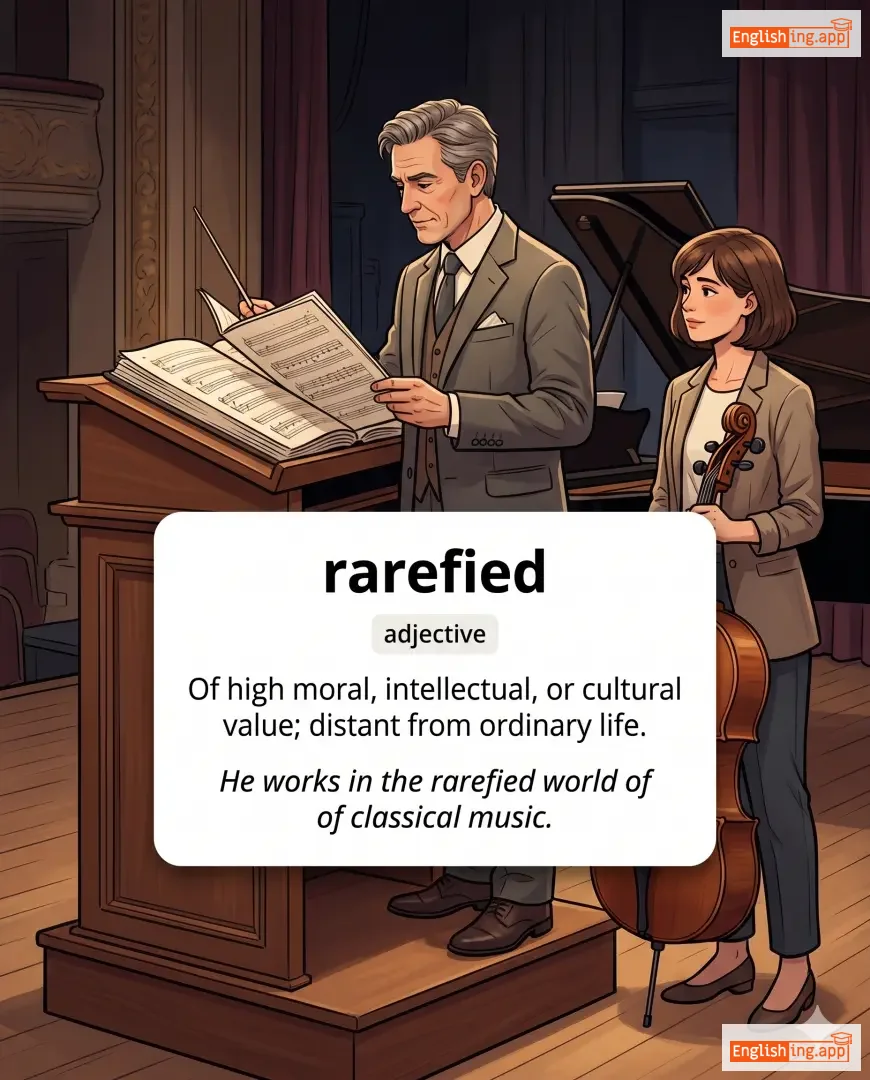
Of high moral, intellectual, or cultural value; distant from ordinary life.
••••••
|
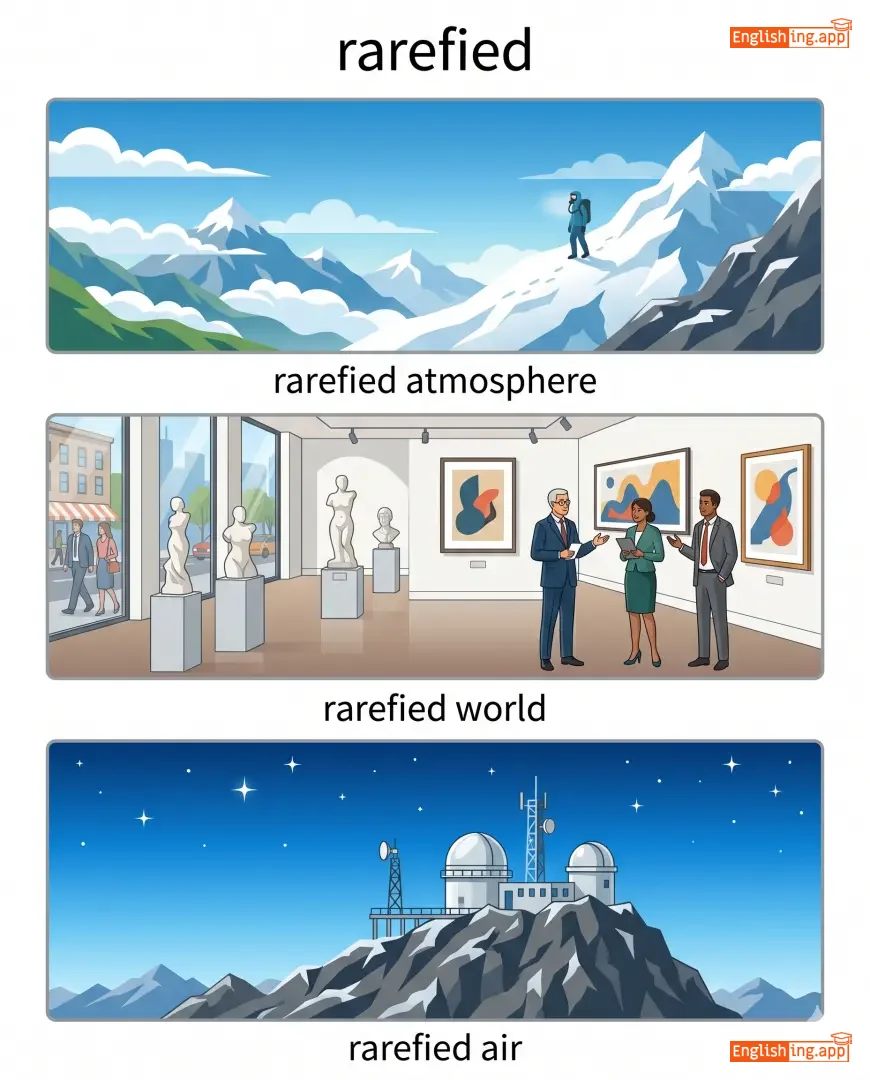
He works in the rarefied world of classical music. |
- •••••• | - •••••• | - •••••• | - •••••• |
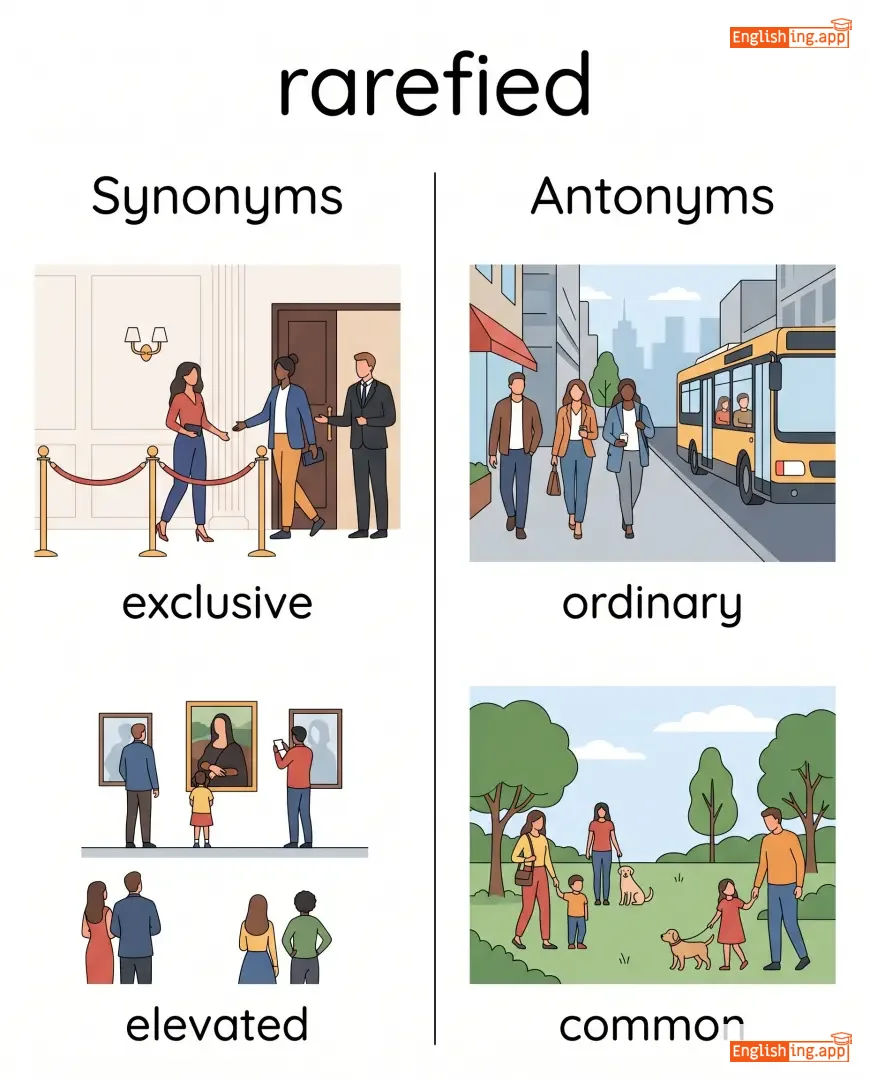
exclusive, elevated, refined, exalted, sophisticated
••••••
|
ordinary, common, mundane
••••••
|
rarefied atmosphere, rarefied world, rarefied air
••••••
|
No •••••• |
|
📖
••••••
|
/ˌræʃəˈnæl/
noun
(ラショナル)
••••••
|
- •••••• |
根本的な理由
konponteki na riyuu
••••••
|
- •••••• | - •••••• | - •••••• | - •••••• |
the underlying reason or explanation for something
••••••
|
The rationale behind his decision was clearly explained. |
彼の決断の背後にある理由は明確に説明されました。
Kare no ketsudan no haigo ni aru riyuu wa meikaku ni setsumei saremashita.
••••••
|
- •••••• | - •••••• | - •••••• |
reason, basis, explanation, justification, motive
••••••
|
irrationality, nonsense
••••••
|
rationale behind, clear rationale, sound rationale, provide a rationale
••••••
|
Rationale は 'Reason' の背後にある基本的な理由です—その理由を覚えておきましょう。
••••••
|

