Neighborhood Pledge for the River
すべてのmale親戚が早く到着し、川について尋ねました。 これほど多くのmanyイニシアチブの中で、どれから始めるべきかを議論しました。 ある人は言いました、'私たちはmass清掃を組織します。' ミラは言いました、'私はこの川での最初のmate船の遭難を覚えています。' 太陽光チームは氷片をmeltして農場に燃料を供給する手伝いをしました。 川の流れが変わったので、今ではそれはただのmere運河です。 各mill所有者はエネルギー節約の計画を提出しました。 彼らはもうmiss時間を無駄にできません。 新しい操作modeが皆に割り当てられました。 ボランティアは川のためにmore時間を投入すると約束しました。 会長は言いました、'この計画は私たちにとってmost最も重要です。' 希望がそれぞれの目にmuch輝いていました。 誓いは宣言しました、'今すぐmust行動しなければなりません。' 彼らはすべてのボランティアのnameが登録簿にあるかを再確認しました。 洪水がnear来るかどうかを調べるためにセンサーが設置されました。 子供たちは川のneck周辺でカニを見つけました。 ポケットパークの鳥たちは新しいnestを作っていました。 朝のnewsは皆を興奮させました。 次のnextイベントのスケジュールが発表されました。 開会の歌は本当にniceでした。
|
絵文字
|
単語 | Images | 翻訳 | 過去 | 過去分詞 | 三人称単数 | 動名詞 | 意味 | 例文 | 例文の翻訳 | 表現例 | 表現例の意味 | 表現例の翻訳 | 同義語 | 対義語 | コロケーション | ニーモニック |
|---|---|---|---|---|---|---|---|---|---|---|---|---|---|---|---|---|---|
|
👨
••••••
|
/meɪl/
noun/adjective
(メイル)
••••••
|
- •••••• |
男性
dansei
••••••
|
- •••••• | - •••••• | - •••••• | - •••••• |
a man or boy; relating to men or boys
••••••
|
The school has more male teachers than female teachers.
学校には女性の教師よりも男性の教師が多い。
••••••
|
学校には女性の教師よりも男性の教師が多い。
Gakkou ni wa josei no kyoushi yori mo dansei no kyoushi ga ooi.
••••••
|
male dominance
男性支配
••••••
|
a situation where men hold more power
••••••
|
男性支配
dansei shihai
••••••
|
man, boy, masculine, gentleman
••••••
|
female, woman
••••••
|
male student, male voice, male member, male worker
••••••
|
男性(Dansei)は男らしいことを意味します。
••••••
|
|
🔢
••••••
|
/ˈmɛni/
adjective
(meni)
••••••
|
- •••••• |
多くの
ooku no
••••••
|
- •••••• | - •••••• | - •••••• | - •••••• |
a large number of
••••••
|
Many students attended the lecture. |
多くの学生が講義に参加しました。
Ooku no gakusei ga kougi ni sanka shimashita.
••••••
|
many a time |
very often
••••••
|
何度も
nandomo
••••••
|
numerous, countless, several, various, multiple
••••••
|
few, little
••••••
|
many people, many years, many times, many ways
••••••
|
Many は多くの (ooku no)
••••••
|
|
🌐
••••••
|
/mæs/
noun
(マス)
••••••
|
- •••••• |
質量
shitsuryou
••••••
|
- •••••• | - •••••• | - •••••• | - •••••• |
a large body of matter with no specific shape; a large number of people or things
••••••
|
A huge mass of people gathered in the square.
広場に大勢の人々が集まりました。
••••••
|
広場に大勢の人々が集まりました。
Hiroba ni oozei no hitobito ga atsumarimashita.
••••••
|
critical mass
臨界質量
••••••
|
the minimum size or amount needed for something to start or be effective
••••••
|
臨界質量
rinkai shitsuryou
••••••
|
bulk, crowd, heap, volume, multitude
••••••
|
fragment, part, individual
••••••
|
mass production, mass movement, mass media, mass destruction
••••••
|
Massとは多くの人々が集まること、まるで'質量'のようです。
••••••
|
|
👫
••••••
|
/meɪt/
noun
(メイト)
••••••
|
- •••••• |
友達, 相棒
tomodachi, aibou
••••••
|
- •••••• | - •••••• | - •••••• | - •••••• |
a friend or companion; a partner in marriage or reproduction
••••••
|
He went fishing with his old school mate. |
彼は古い学校の友達と釣りに行きました。
Kare wa furui gakkou no tomodachi to tsuri ni ikimashita.
••••••
|
best mate |
a very close friend
••••••
|
親友
shinyuu
••••••
|
friend, companion, partner, buddy, ally
••••••
|
enemy, foe, rival
••••••
|
close mate, class mate, team mate, life mate
••••••
|
Mateは友達を意味します — 'mate'は友達として考えてみてください。
••••••
|
|
🧊
••••••
|
/mɛlt/
verb
(メルト)
••••••
|
|
溶ける
tokeru
••••••
|
melted
メルテッド
••••••
|
melted
メルテッド
••••••
|
melts
メルツ
••••••
|
melting
メルティング
••••••
|
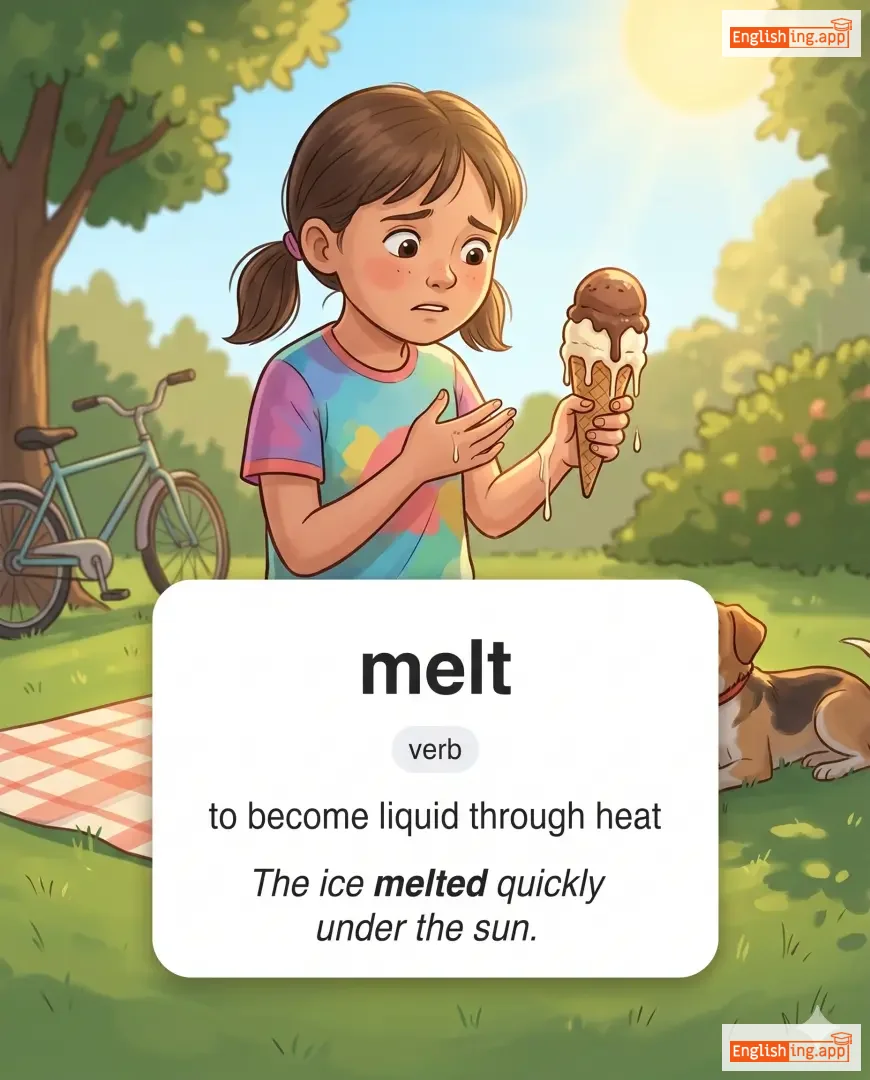
to become liquid through heat
••••••
|
The ice melted quickly under the sun.
アイスが太陽の下で早く溶けた。
••••••
|
氷は太陽の下で素早く溶けました。
Kōri wa taiyō no shita de subayaku tokemashita.
••••••
|
melt someone's heart
誰かの心を溶かす
••••••
|
to make someone feel love or sympathy
••••••
|
誰かの心を溶かす
dareka no kokoro wo tokasu
••••••
|
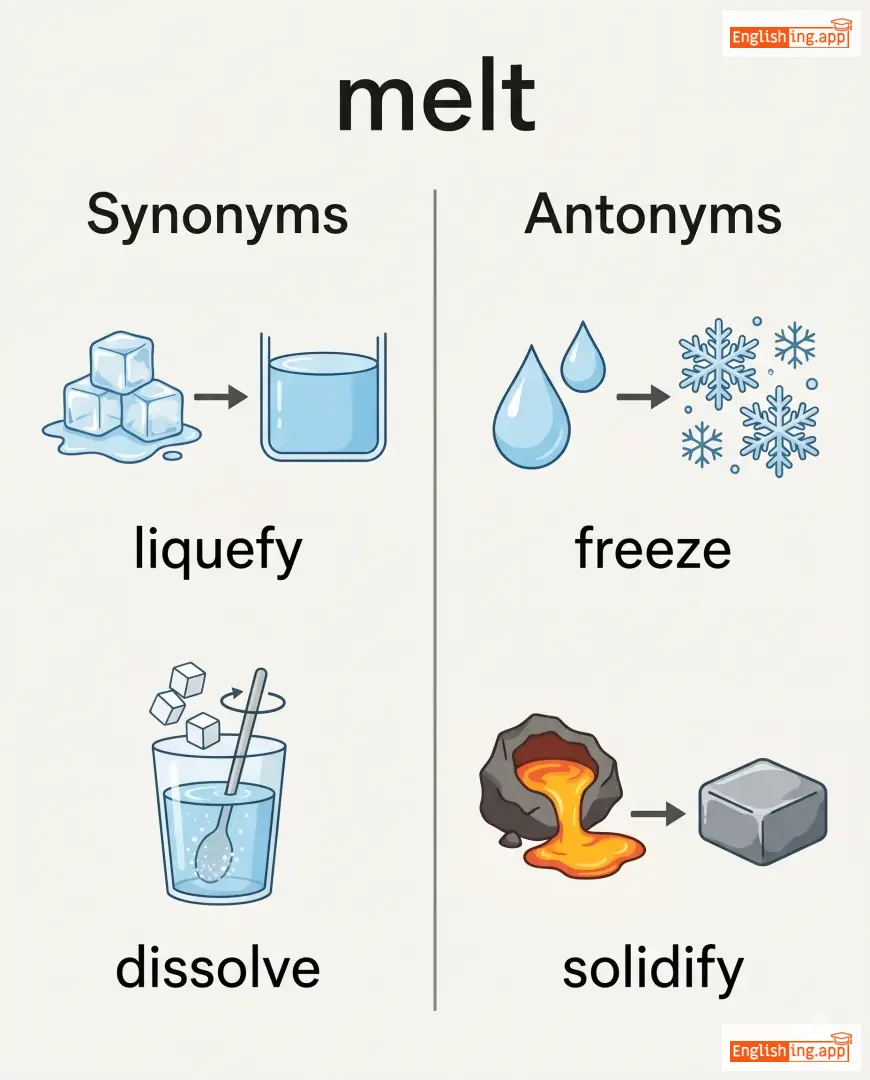
liquefy, dissolve, thaw, soften, fuse
••••••
|
freeze, solidify
••••••
|
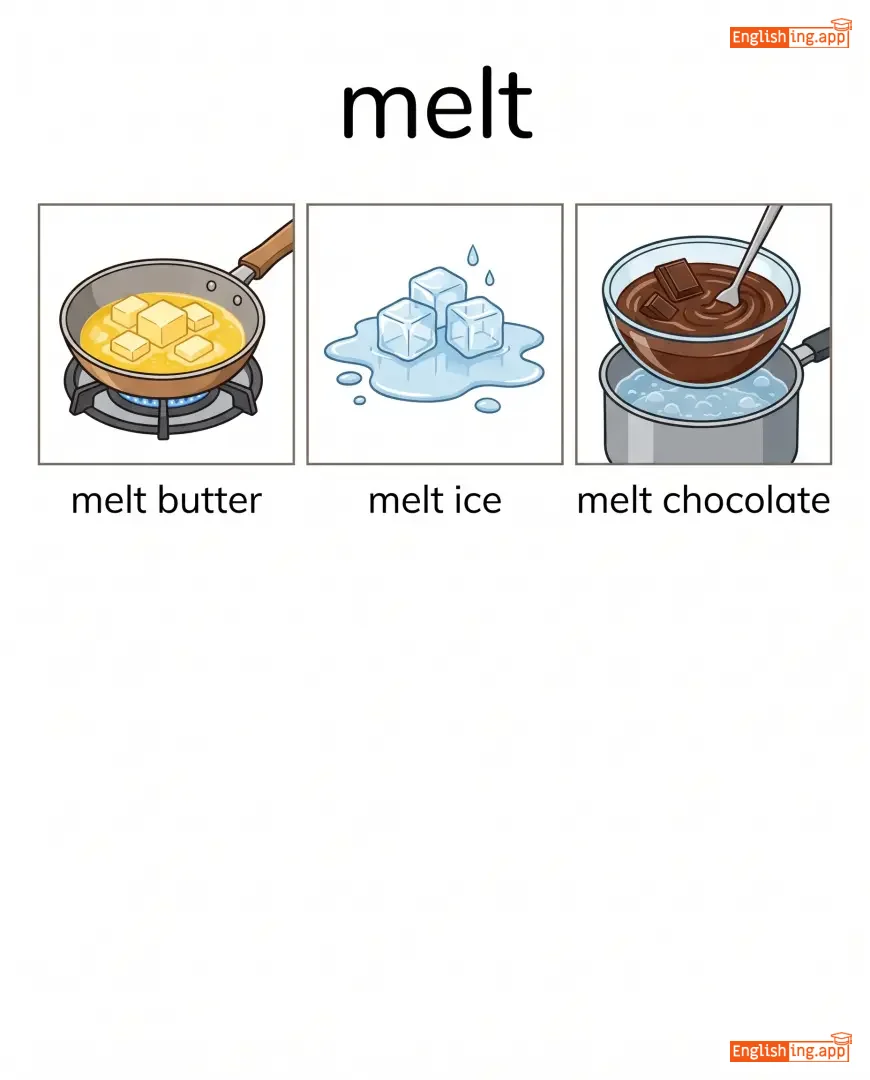
melt butter, melt ice, melt chocolate, melt in the sun
••••••
|
Meltは溶ける、氷が溶けるように。
••••••
|
|
✨
••••••
|
/mɪr/
adjective
(ミアー)
••••••
|
- •••••• |
単なる
tannaru
••••••
|
- •••••• | - •••••• | - •••••• | - •••••• |
Used to emphasize how small or insignificant something is.
••••••
|
It was a mere suggestion, not a command. |
それは単なる提案であり、命令ではありません。
Sore wa tannaru teian de ari, meirei de wa arimasen.
••••••
|
a mere formality |
Something done because it is expected, but without real importance
••••••
|
単なる形式
Tannaru keishiki
••••••
|
simple, trivial, insignificant, minor, slight
••••••
|
important, significant, major
••••••
|
mere coincidence, mere child, mere formality, mere mention
••••••
|
Mere は日本語で '単なる' を意味します — 覚えやすい!
••••••
|
|
🏭
••••••
|
/mɪl/
noun
(ミル)
••••••
|
- •••••• |
製粉所
seifunsho
••••••
|
- •••••• | - •••••• | - •••••• | - •••••• |
a building equipped with machinery for grinding grain or manufacturing goods
••••••
|
The old flour mill has been converted into a museum.
古い小麦粉工場は博物館に改装されました。
••••••
|
古い小麦粉工場は博物館に改装されました。
Furui komugiko kōjō wa hakubutsukan ni kaisō saremashita.
••••••
|
grind to a halt
停止するまで挽く
••••••
|
to slowly stop functioning or progressing
••••••
|
徐々に停止する
jojō ni teishi suru
••••••
|
factory, plant, workshop, foundry
••••••
|
field, farm
••••••
|
flour mill, textile mill, paper mill, steel mill
••••••
|
Mill は製粉所 — 製粉所では小麦が粉砕されます。
••••••
|
|
😢
••••••
|
/mɪs/
verb, noun
(ミス)
••••••
|
- •••••• |
失う / 恋しい
ushinau / koishii
••••••
|
missed
ミスド
••••••
|
missed
ミスド
••••••
|
misses
ミセス
••••••
|
missing
ミッシング
••••••
|
to fail to hit, reach, or meet; to feel the absence of someone or something
••••••
|
I really miss my family when I travel abroad.
海外旅行の際、家族を本当に恋しく感じます。
••••••
|
海外旅行の際、家族を本当に恋しく感じます。
Kaigai ryokou no sai, kazoku wo hontou ni koishiku kanjimasu.
••••••
|
miss the boat
チャンスを逃す
••••••
|
to miss an opportunity
••••••
|
チャンスを逃す
chansu o nogasu
••••••
|
long for, yearn, fail, omit
••••••
|
catch, attend, achieve
••••••
|
miss a chance, miss the bus, miss someone, miss an opportunity
••••••
|
失うことで何かを逃す、それはチャンスを逃すようなもの
••••••
|
|
📱
••••••
|
/moʊd/
noun
(モード)
••••••
|
- •••••• |
モード
mōdo
••••••
|
- •••••• | - •••••• | - •••••• | - •••••• |
A particular way or style in which something is done, experienced, or expressed.
••••••
|
The phone has a silent mode for meetings. |
電話には会議用のサイレントモードがあります。
Denwa ni wa kaigi-yō no sairento mōdo ga arimasu.
••••••
|
in mode |
To be in a particular state or style of action.
••••••
|
- •••••• |
manner, style, method, form, fashion
••••••
|
disorder, chaos
••••••
|
silent mode, airplane mode, survival mode, operating mode
••••••
|
飛行機モードにすると電話が使えなくなるので、モードは状態を意味します。
••••••
|
|
➕
••••••
|
/mɔːr/
adjective, adverb, pronoun
(モア)
••••••
|
- •••••• |
もっと
motto
••••••
|
- •••••• | - •••••• | - •••••• | - •••••• |
A greater or additional amount or degree.
••••••
|
She wanted more time to finish the project. |
彼女はプロジェクトを終わらせるためにもっと時間が欲しかった。
Kanojo wa purojekuto o owaraseru tame ni motto jikan ga hoshikatta.
••••••
|
more or less |
Approximately, almost.
••••••
|
多かれ少なかれ
ōkare sukunakare
••••••
|
additional, extra, further, greater
••••••
|
less, fewer
••••••
|
more than, much more, more time, more money
••••••
|
More は 'もっと' という意味—時間や労力をもっと求める。
••••••
|
|
📊
••••••
|
/moʊst/
adjective, adverb, pronoun
(モスト)
••••••
|
- •••••• |
ほとんど
hotondo
••••••
|
- •••••• | - •••••• | - •••••• | - •••••• |
the greatest in amount, degree, or number
••••••
|
Most people like to relax on weekends. |
ほとんどの人々は週末にリラックスすることを好む。
Hotondo no hitobito wa shūmatsu ni rirakkusu suru koto o konomu.
••••••
|
for the most part |
generally; in most cases
••••••
|
ほとんどの場合
hotondo no baai
••••••
|
majority, maximum, greatest, bulk, largest
••••••
|
least, fewest, minor
••••••
|
most people, most important, most of the time, most cases
••••••
|
Most = ほとんどの人々
••••••
|
|
💯
••••••
|
/mʌtʃ/
adjective, adverb, pronoun
(マッチ)
••••••
|
- •••••• |
多く
ooku
••••••
|
- •••••• | - •••••• | - •••••• | - •••••• |
a large amount or degree of something
••••••
|
She doesn’t have much time to finish the project. |
彼女はプロジェクトを終わらせるために多くの時間がない。
Kanojo wa purojekuto o owaraseru tame ni ooku no jikan ga nai.
••••••
|
much ado about nothing |
a lot of fuss about something unimportant
••••••
|
無駄な騒ぎ
mudana sawagi
••••••
|
a lot, plenty, abundant, great deal
••••••
|
little, few
••••••
|
too much, much more, much less, so much
••••••
|
多くは多くを意味します — 多くの努力が多くの成功を生み出す!
••••••
|
|
✅
••••••
|
/mʌst/
verb
(マスト)
••••••
|
- •••••• |
しなければならない
shinakereba naranai
••••••
|
musted
マステッド
••••••
|
musted
マステッド
••••••
|
musts
マスツ
••••••
|
musting
マスティング
••••••
|
to be required or obligated to
••••••
|
You must complete your homework before you go out.
あなたは外出する前に宿題を終わらせなければなりません。
••••••
|
あなたは外出する前に宿題を終わらせなければなりません。
Anata wa gaishutsu suru mae ni shukudai o owarasenakereba narimasen.
••••••
|
must do
しなければならない
••••••
|
something that absolutely needs to be done
••••••
|
しなければならない
shinakereba naranai
••••••
|
have to, should, need to, required
••••••
|
can, may, optional
••••••
|
must do, must see, must have
••••••
|
Must do it! 必要です。
••••••
|
|
🏷️
••••••
|
/neɪm/
verb
(ネイム)
••••••
|

|
名付ける
nazukeru
••••••
|
named
ネイムド
••••••
|
named
ネイムド
••••••
|
names
ネイムズ
••••••
|
naming
ネイミング
••••••
|
to give a title or designation to someone or something
••••••
|
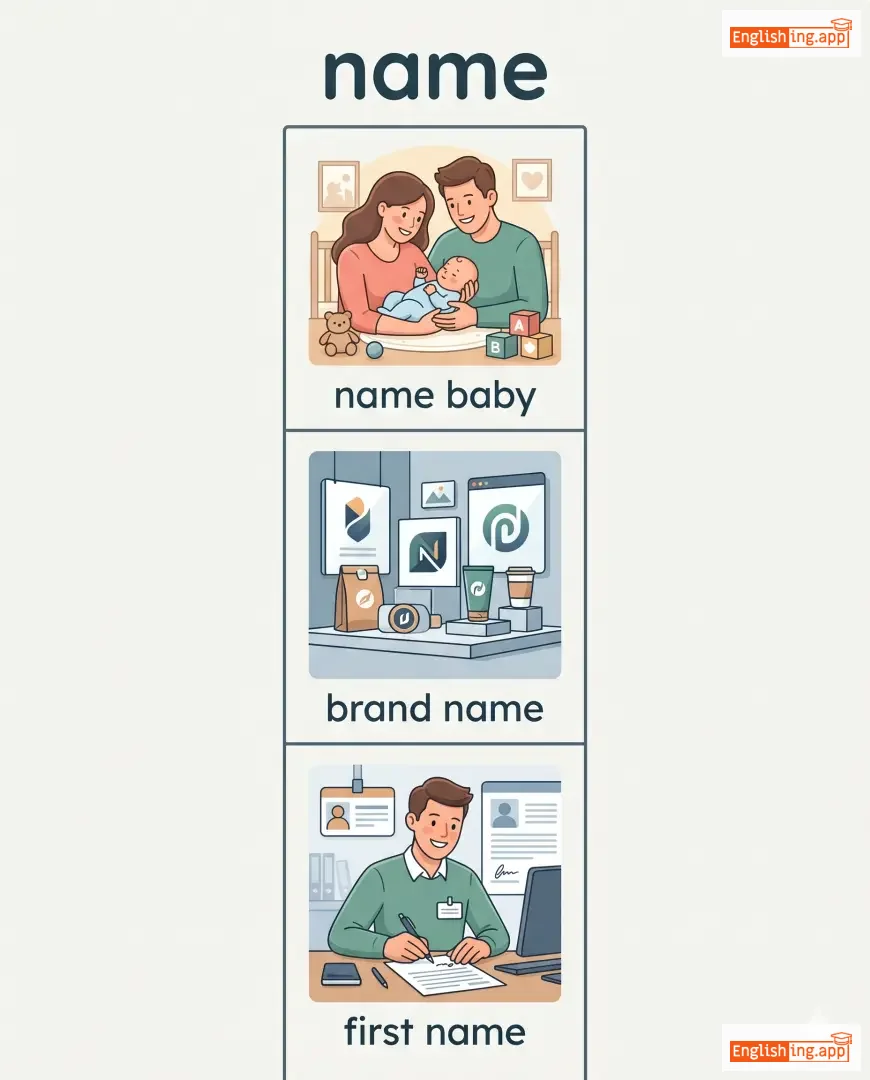
They decided to name their baby Sarah.
デイ ディサイデッド トゥ ネイム ゼア ベイビー サラ。
••••••
|
彼らは赤ちゃんにサラという名前を付けることに決めました。
Karera wa akachan ni Sara to iu namae o tsukeru koto ni kimemashita
••••••
|
- •••••• | - •••••• | - •••••• |
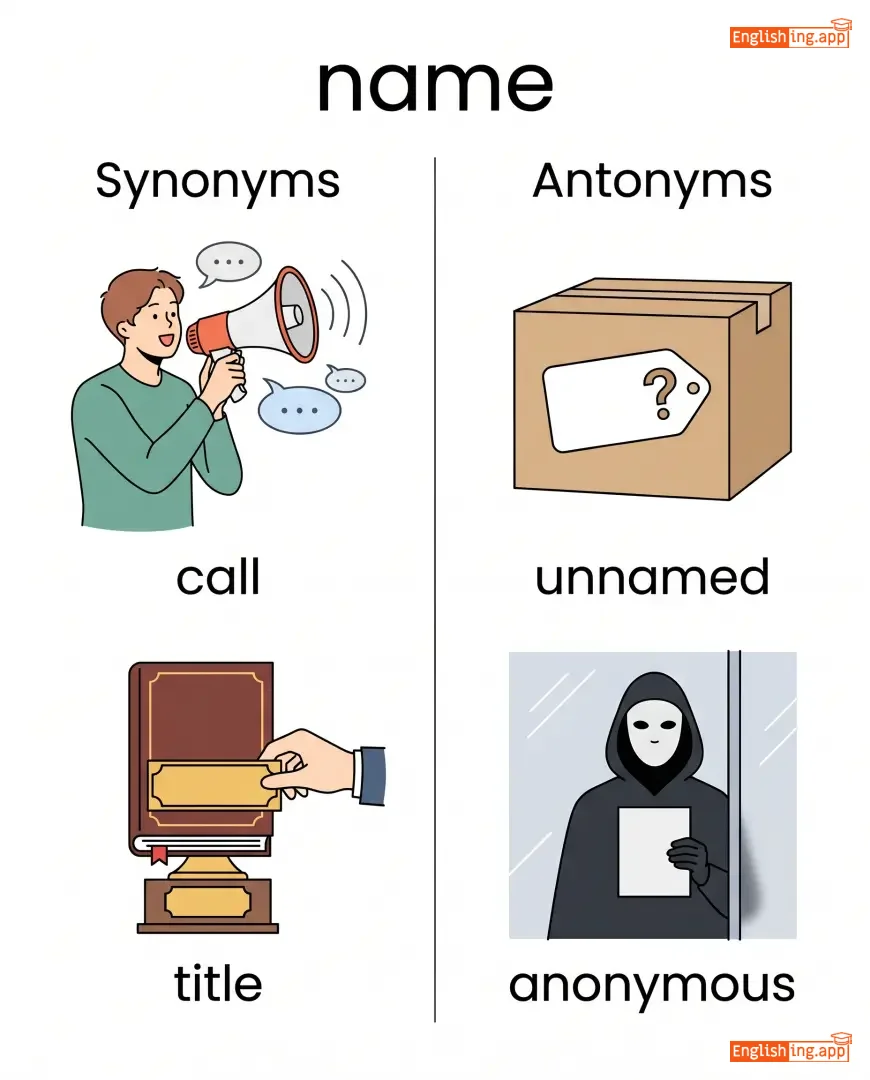
call, title, designate, label
••••••
|
unnamed, anonymous
••••••
|
name baby, brand name, first name, last name
••••••
|
名付ける = Name it with love!
••••••
|
|
📍
••••••
|
/nɪə(r)/
preposition
(ニア)
••••••
|
- •••••• |
近く
chikaku
••••••
|
- •••••• | - •••••• | - •••••• | - •••••• |
At or to a short distance away; close in space, time, or relationship.
••••••
|
There is a park near my house. |
私の家の近くに公園があります。
Watashi no ie no chikaku ni kōen ga arimasu.
••••••
|
near and dear |
very close and important to someone
••••••
|
非常に親しいと大切な
hijō ni shitashī to taisetsu na
••••••
|
close, adjacent, next to, nearby
••••••
|
far, distant
••••••
|
near future, near death, near place, near completion
••••••
|
Nearは近くを意味する—大切な人は近くにいるものです。
••••••
|
|
🦒
••••••
|
/nɛk/
noun
(nek)
••••••
|
- •••••• |
首
kubi
••••••
|
- •••••• | - •••••• | - •••••• | - •••••• |
the part of the body connecting the head and the shoulders
••••••
|
She wore a necklace around her neck. |
彼女は首にネックレスをつけていた。
Kanojo wa kubi ni nekkuresu wo tsuketeita.
••••••
|
- •••••• | - •••••• | - •••••• |
throat, collar, nape
••••••
|
head, chest
••••••
|
neck pain, neck injury, neck of the bottle
••••••
|
首 (kubi) は 'neck' に似ていて、首にネックレスを想像してください。
••••••
|
|
🪹
••••••
|
/nɛst/
noun
(ネスト)
••••••
|
- •••••• |
巣
su
••••••
|
- •••••• | - •••••• | - •••••• | - •••••• |
a structure built by birds or other animals to hold their eggs or young.
••••••
|
The bird built a nest in the tall tree. |
その鳥は高い木に巣を作った。
Sono tori wa takai ki ni su o tsukutta.
••••••
|
empty nest |
a home where children have grown up and left, leaving the parents alone.
••••••
|
空の巣
Sora no su
••••••
|
home, den, lair, shelter, abode
••••••
|
wilderness, outside
••••••
|
bird's nest, build a nest, cozy nest, empty nest
••••••
|
巣は鳥が育てる場所。鳥たちがその巣で眠り、育てる場所を想像しよう!
••••••
|
|
📰
••••••
|
/nuːz/
noun
(ニューヨーク)
••••••
|
- •••••• |
ニュース
nyūsu
••••••
|
- •••••• | - •••••• | - •••••• | - •••••• |
newly received or noteworthy information, especially about recent events
••••••
|
The news about the storm spread quickly. |
嵐に関するニュースはすぐに広まりました。
Arashi ni kansuru nyūsu wa sugu ni hiromarimashita.
••••••
|
- •••••• | - •••••• | - •••••• |
information, report, bulletin, update
••••••
|
silence, ignorance
••••••
|
breaking news, latest news, good news, bad news
••••••
|
NEWS = 新しい 事件 我々 知っているべき
••••••
|
|
⏭️
••••••
|
/nɛkst/
adjective
(ネクスト)
••••••
|
- •••••• |
次
tsugi
••••••
|
- •••••• | - •••••• | - •••••• | - •••••• |
immediately following in time, order, or place
••••••
|
The next train leaves at 9:00 AM. |
次の電車は午前9時に出発します。
Tsugi no densha wa gozen 9-ji ni shuppatsu shimasu.
••••••
|
- •••••• | - •••••• | - •••••• |
following, subsequent, upcoming, nearest
••••••
|
previous, prior
••••••
|
next day, next year, next time, next week
••••••
|
Next is always the NEXT thing to happen
••••••
|
|
😊
••••••
|
/naɪs/
adjective
(ナイス)
••••••
|
- •••••• |
素敵
suteki
••••••
|
- •••••• | - •••••• | - •••••• | - •••••• |
pleasant, kind, or enjoyable
••••••
|
She is a very nice person to work with. |
彼女は一緒に働くのにとても素敵な人です。
Kanojo wa issho ni hataraku no ni totemo suteki na hito desu.
••••••
|
nice and easy |
something simple and comfortable
••••••
|
素敵で簡単
suteki de kantan
••••••
|
pleasant, kind, friendly, agreeable, charming
••••••
|
mean, rude, unpleasant
••••••
|
nice day, nice person, nice weather, nice job, nice to meet
••••••
|
素敵な人はいつも楽しい
••••••
|

