Bridge Sensors and Sandbags
新しい川の橋には特別なfootセンサーが取り付けられました。 エンジニアたちは水質をテストするために新しいformを作りました。 Fourつの川を愛するチームがキャンプに集まりました。 彼らは上流の村々からのニュースfromを持ってきました。 貯水タンクはほぼfullでした。 地域社会のfundで新しいパイプが購入されました。 科学者たちは水生geneの保存を強調しました。 学生たちは自分たちの時間をgiveする準備ができていると言いました。 子どもたちは泥の中で小さなgold色の石を見つけました。 午後、友達たちはミニgolfトーナメントを開催しました。 ボランティアは純粋な力を使ってgrabネットを引き寄せました。 データチームは大きなgridで川の地図を表示しました。 仕事の後、みんなはほっとしたgrinを浮かべていました。 橋のロープに追加のgripパッドが取り付けられました。 突然hailが始まったとき、彼らはテントを閉じました。 子どもたちは川のそばで肩までhairを濡らしました。 彼らはステージの上にランタンをhangしました。 彼らは言いました、「私たちは自然をhateしていません。私たちはそれを愛しています。」 ボランティアたちは堤防を強化するためにhaul砂袋を運びました。 ミラは言いました、「私たちには揺るぎない決意があります。」
|
絵文字
|
単語 | Images | 翻訳 | 過去 | 過去分詞 | 三人称単数 | 動名詞 | 意味 | 例文 | 例文の翻訳 | 表現例 | 表現例の意味 | 表現例の翻訳 | 同義語 | 対義語 | コロケーション | ニーモニック |
|---|---|---|---|---|---|---|---|---|---|---|---|---|---|---|---|---|---|
|
🦶
••••••
|
/fʊt/
noun
(フット)
••••••
|
- •••••• |
足
ashi
••••••
|
- •••••• | - •••••• | - •••••• | - •••••• |
The lower extremity of the leg below the ankle, used for standing and walking.
••••••
|
He injured his foot while playing basketball. |
彼はバスケットボールをしているときに足をけがしました。
Kare wa basukettobōru o shite iru toki ni ashi o kega shimashita.
••••••
|
put your foot down |
to assert authority or take a firm stand
••••••
|
足を下ろす
Ashi o orosu
••••••
|
leg end, paw, hoof, base, bottom
••••••
|
head, top
••••••
|
bare foot, foot injury, left foot, right foot, foot step
••••••
|
足とFOOTが同じ意味であることを覚えておいてください。
••••••
|
|
📄
••••••
|
/fɔːrm/
noun, verb
(フォーム)
••••••
|
- •••••• |
形 / フォーム
katachi / fōmu
••••••
|
formed
フォームド
••••••
|
formed
フォームド
••••••
|
forms
フォームズ
••••••
|
forming
フォームイング
••••••
|
the shape or structure of something; to bring something into existence
••••••
|
Students filled out the registration form.
学生たちは登録フォームを記入しました。
••••••
|
学生たちは登録フォームを記入しました。
Gakusei-tachi wa tōroku fōmu o kinyū shimashita.
••••••
|
take form
形を取る
••••••
|
to start to develop a clear shape or structure
••••••
|
形を取る
katachi o toru
••••••
|
shape, structure, configuration, type, create
••••••
|
disorder, destroy, deform
••••••
|
application form, fill out form, form a team, form an opinion
••••••
|
Formはフォームを意味します。試験フォームを書くときのように。
••••••
|
|
4️⃣
••••••
|
/fɔːr/
numeral
(フォー)
••••••
|
- •••••• |
四
shi
••••••
|
- •••••• | - •••••• | - •••••• | - •••••• |
The number equivalent to the sum of two and two; one more than three.
••••••
|
She has four books on her desk. |
彼女の机には四冊の本があります。
Kanojo no tsukue ni wa shisatsu no hon ga arimasu.
••••••
|
four corners of the world |
everywhere in the world
••••••
|
世界の四隅
Sekai no yotsumi
••••••
|
quartet, quadruple, foursome, tetrad
••••••
|
three, five
••••••
|
four times, four years, four people, four seasons
••••••
|
四人の友達と一緒にいると、いつでも楽しい – Fourは四を意味することを忘れないで。
••••••
|
|
➡️
••••••
|
/frəm/ or /frʌm/
preposition
(フロム)
••••••
|
- •••••• |
から
kara
••••••
|
- •••••• | - •••••• | - •••••• | - •••••• |
Used to indicate the starting point of a journey, action, or source.
••••••
|
She came from Dhaka to visit her family. |
彼女はダッカから家族を訪ねて来ました。
Kanojo wa Dakkā kara kazoku o tazunete kimashita.
••••••
|
far from |
Very different from or not at all like.
••••••
|
遠くから
tōku kara
••••••
|
out of, away from, off, since, starting at
••••••
|
to, towards
••••••
|
from start, from scratch, from now, far from
••••••
|
FROMは'から'を意味します—例えばダッカから(Dakkā kara)旅が始まります。
••••••
|
|
🍶
••••••
|
/fʊl/
adjective
(フル)
••••••
|
- •••••• |
満杯
manpai
••••••
|
- •••••• | - •••••• | - •••••• | - •••••• |
Containing as much or as many as possible; complete.
••••••
|
The glass is full of water. |
グラスは水で満杯です。
Gurasu wa mizu de manpai desu.
••••••
|
full of life |
very energetic and lively
••••••
|
生き生きとした
ikiiki to shita
••••••
|
complete, filled, packed, crowded, entire
••••••
|
empty, vacant, partial
••••••
|
full of water, full moon, full capacity, full name, full potential
••••••
|
満杯は水でいっぱいのように、すべてが埋め尽くされている状態。
••••••
|
|
💰
••••••
|
/fʌnd/
noun/verb
(ファンド)
••••••
|
|
基金
kikin
••••••
|
funded
ファンデッド
••••••
|
funded
ファンデッド
••••••
|
funds
ファンズ
••••••
|
funding
ファンディング
••••••
|
a sum of money saved or made available for a particular purpose; to provide money for
••••••
|
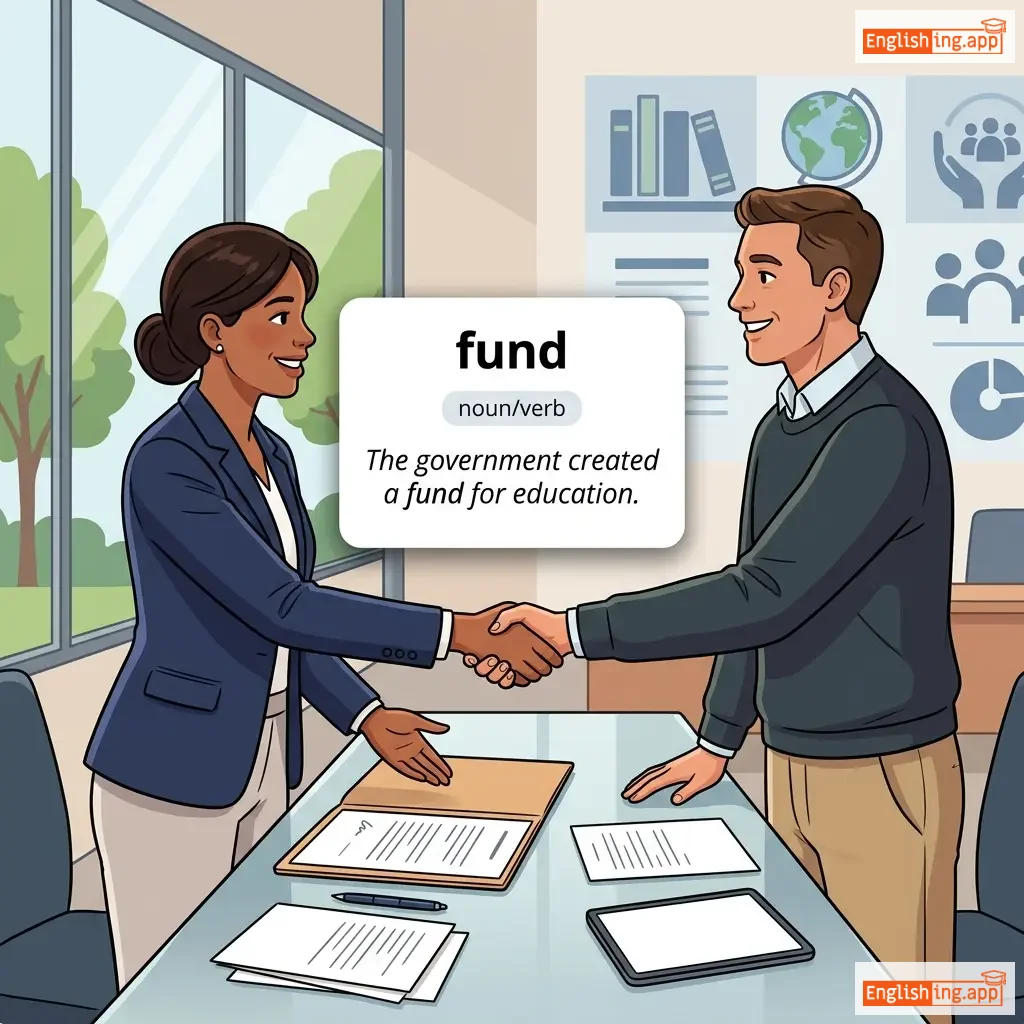
The government created a fund for education.
政府は教育のためのファンドを作成しました。
••••••
|
政府は教育のための基金を作成しました。
Seifu wa kyōiku no tame no kikin o sakusei shimashita.
••••••
|
mutual fund
投資信託
••••••
|
a professionally managed investment fund
••••••
|
投資信託
tōshi shintaku
••••••
|
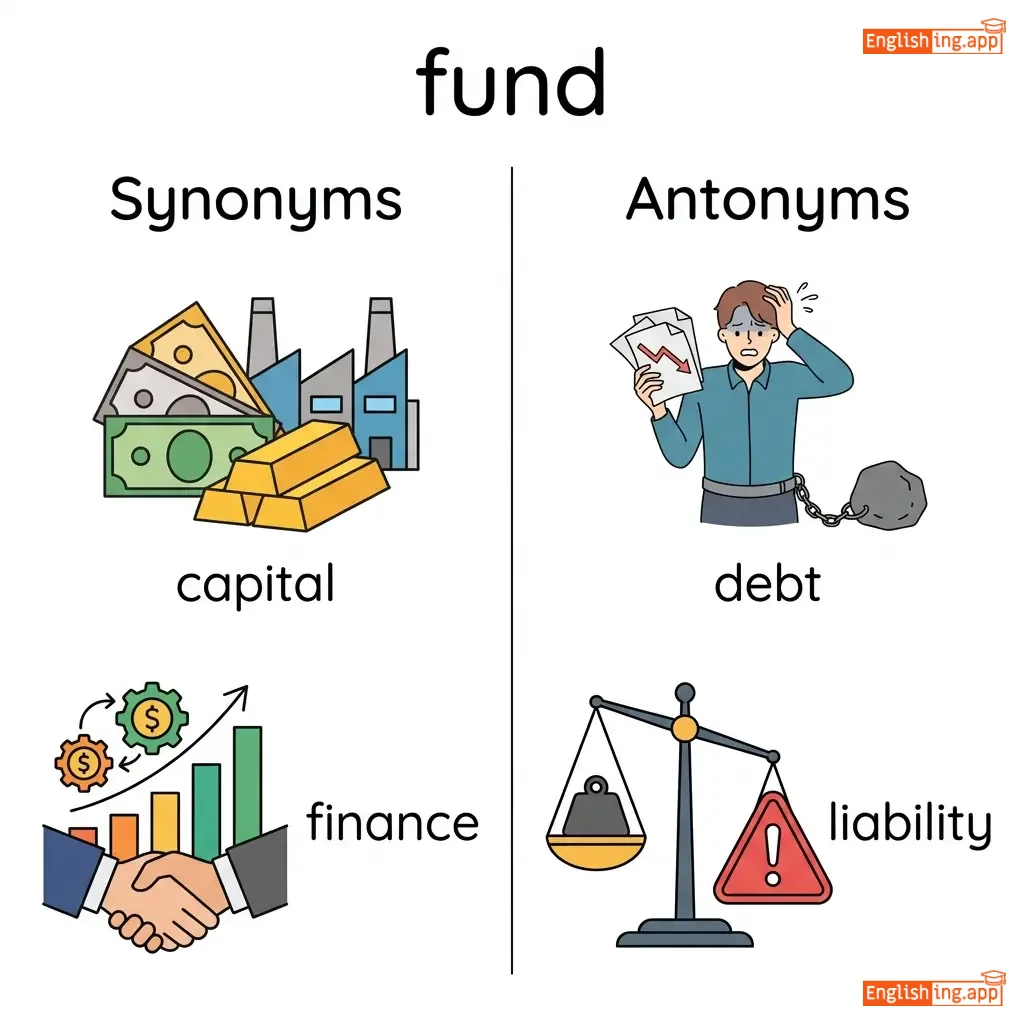
capital, finance, money, resource, investment
••••••
|
debt, liability
••••••
|
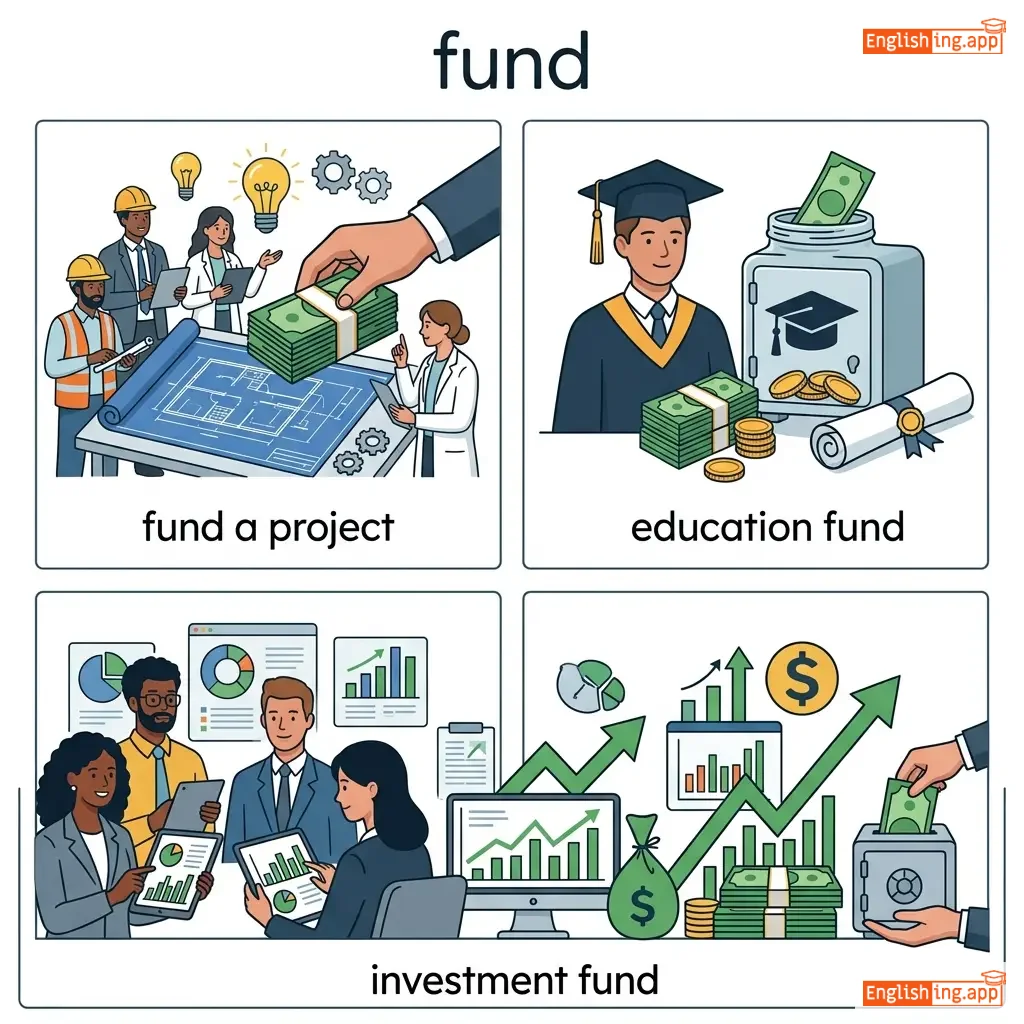
fund a project, education fund, investment fund, fund allocation
••••••
|
基金は基金を意味します — 基金 = 'ファンド配達', 楽しむためにお金が必要です。
••••••
|
|
🧬
••••••
|
/dʒiːn/
noun
(ジーン)
••••••
|
- •••••• |
遺伝子
iden-shi
••••••
|
- •••••• | - •••••• | - •••••• | - •••••• |
A unit of heredity in living organisms, transferred from parent to offspring, determining traits.
••••••
|
Eye color is influenced by genes inherited from parents. |
目の色は親から受け継いだ遺伝子によって影響を受けます。
me no iro wa oya kara uketsuida idenshi ni yotte eikyo o ukemasu.
••••••
|
in one's genes |
a natural trait inherited from family
••••••
|
誰かの遺伝子に
dareka no idenshi ni
••••••
|
DNA, chromosome, heredity, trait, genome
••••••
|
environment, nurture
••••••
|
gene mutation, gene therapy, human gene, dominant gene
••••••
|
遺伝子 = Gene、DNA 🧬 忘れないで!
••••••
|
|
🎁
••••••
|
/ɡɪv/
verb
(ギヴ)
••••••
|
|
与える
ataeru
••••••
|
gave
ギヴド
••••••
|
given
ギヴン
••••••
|
gives
ギヴズ
••••••
|
giving
ギヴィング
••••••
|
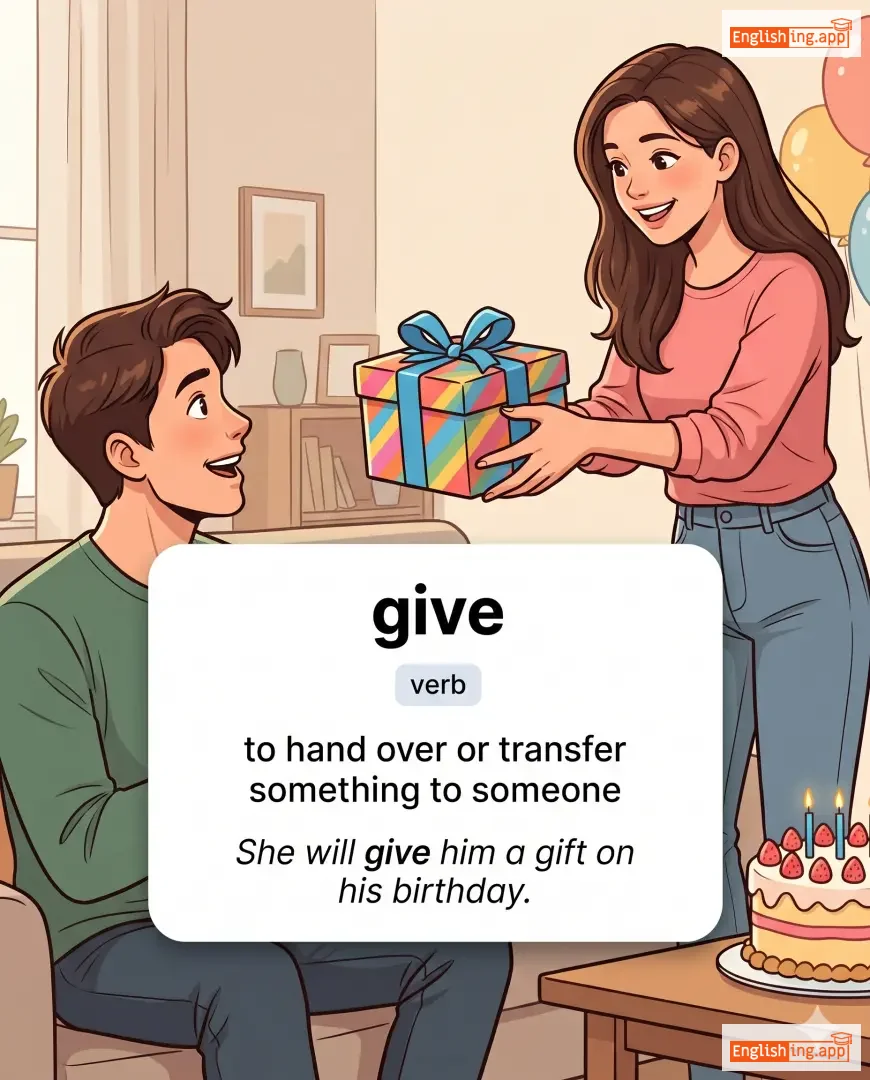
to hand over or transfer something to someone
••••••
|
She will give him a gift on his birthday.
彼女は彼の誕生日に彼にプレゼントをあげるつもりです。
••••••
|
彼女は彼の誕生日に彼にプレゼントをあげるつもりです。
Kanojo wa kare no tanjōbi ni kare ni purezento o ageru tsumori desu.
••••••
|
give up
ギブアップ
••••••
|
to stop trying or to surrender
••••••
|
諦める
akirameru
••••••
|
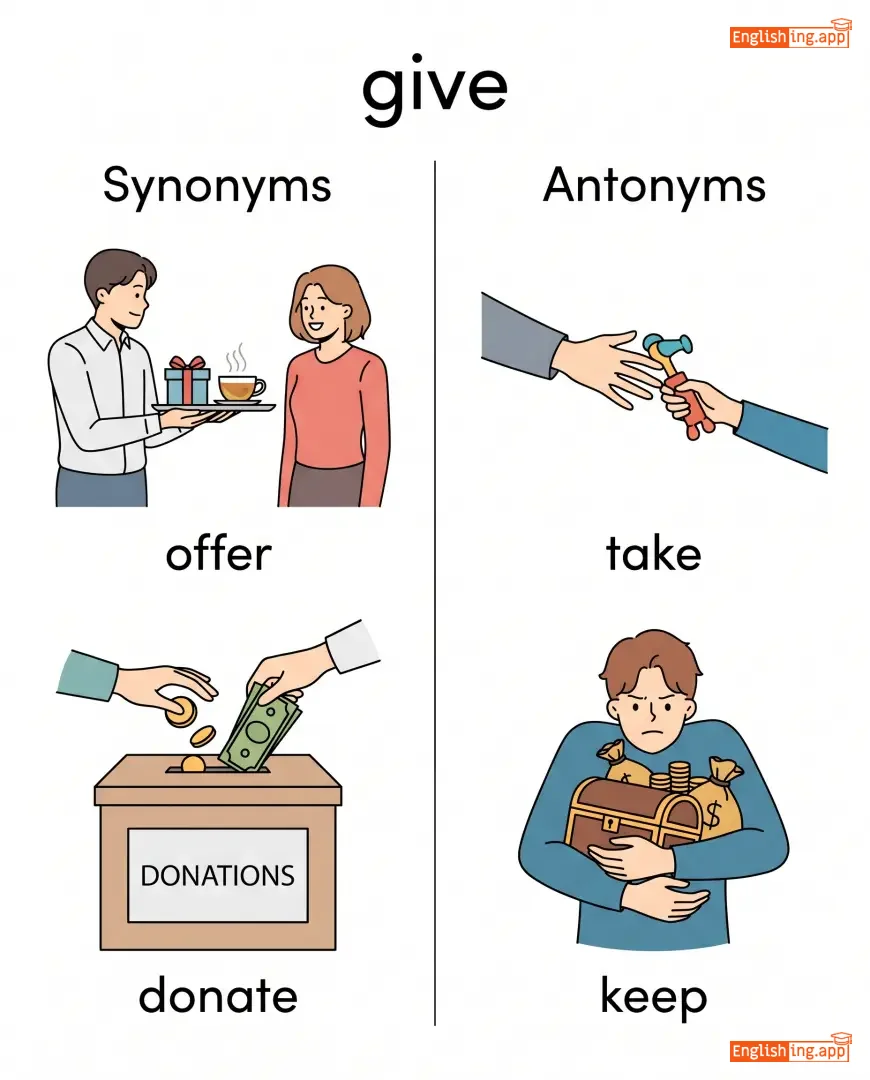
offer, donate, present, provide, deliver
••••••
|
take, keep
••••••
|
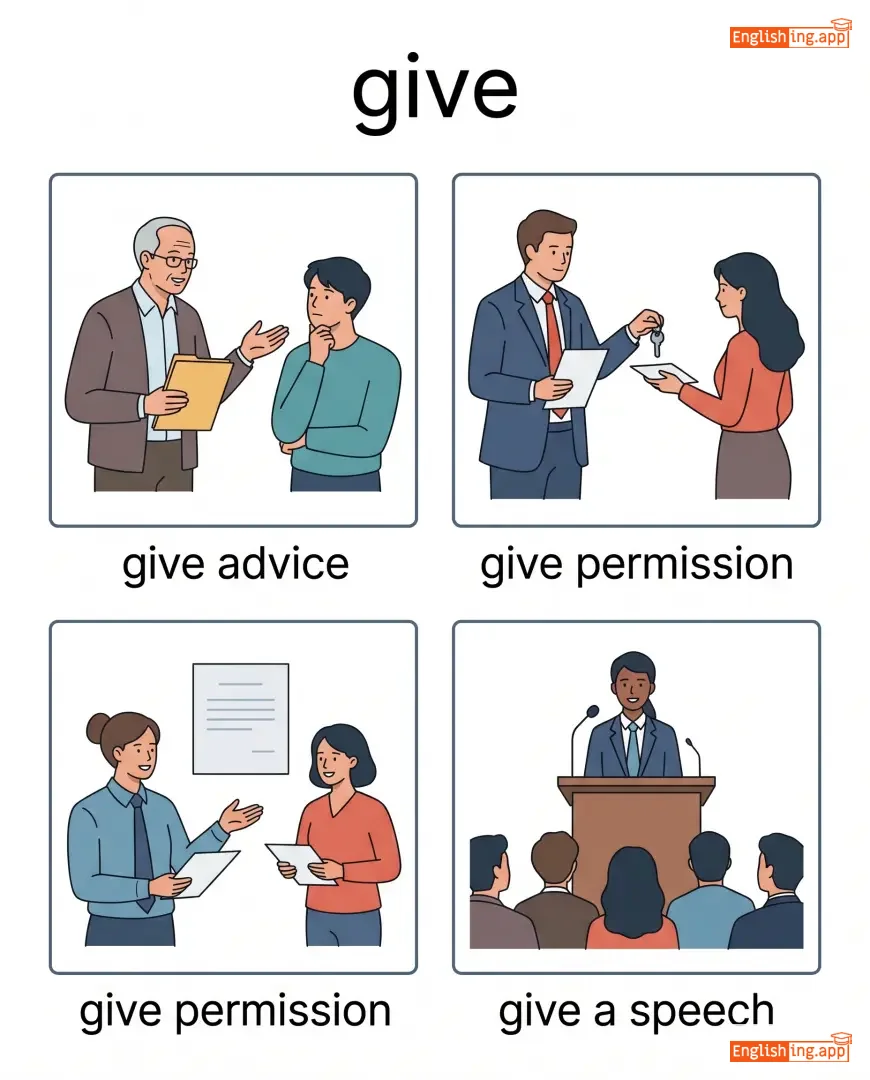
give advice, give permission, give a speech, give thanks
••••••
|
Give (与える) a gift, give (ギヴ).
••••••
|
|
🥇
••••••
|
/ɡoʊld/
noun
(ゴールド)
••••••
|
- •••••• |
金
kin
••••••
|
- •••••• | - •••••• | - •••••• | - •••••• |
a yellow precious metal used in jewelry and as money
••••••
|
The ring was made of pure gold. |
その指輪は純金でできていました。
Sono yubiwa wa junkin de dekite imashita.
••••••
|
worth its weight in gold |
extremely valuable
••••••
|
その重さに見合う価値がある
sono omosa ni miaū kachi ga aru
••••••
|
precious metal, wealth, treasure
••••••
|
worthlessness, poverty
••••••
|
pure gold, gold medal, gold mine, gold chain
••••••
|
金はいつでも価値があり、チャンスも金のように貴重です。
••••••
|
|
🏌️
••••••
|
/ɡɒlf/
noun
(ハピネス)
••••••
|
- •••••• |
幸福
kōfuku
••••••
|
- •••••• | - •••••• | - •••••• | - •••••• |
A game in which players use clubs to hit a ball into a series of holes on a course in as few strokes as possible.
••••••
|
He spends his weekends playing golf with his friends. |
彼女は賞を受け取ったとき、自分の幸福を隠すことができませんでした。
Kanojo wa shō o uketotta toki, jibun no kōfuku o kakusu koto ga dekimasen deshita.
••••••
|
a good walk spoiled |
A humorous phrase describing golf as ruining the enjoyment of walking.
••••••
|
幸福の追求
kōfuku no tsuikyū
••••••
|
sport, game, pastime, recreation
••••••
|
work, labor
••••••
|
play golf, golf course, golf club, professional golf
••••••
|
幸福はゴールのない旅のように感じる、いつも探し続けることが大切!
••••••
|
|
🤲
••••••
|
/ɡræb/
verb
(グラブ)
••••••
|
- •••••• |
掴む
tsukamu
••••••
|
grabbed
グラブド
••••••
|
grabbed
グラブド
••••••
|
grabs
グラブス
••••••
|
grabbing
グラビング
••••••
|
To seize something quickly and firmly.
••••••
|
He tried to grab the ball before it rolled away.
彼はボールが転がる前にそれを掴もうとしました。
••••••
|
彼はボールが転がる前にそれを掴もうとしました。
Kare wa bōru ga korogaru mae ni sore o tsukamō to shimashita.
••••••
|
grab a bite
ひとくち食べる
••••••
|
to have something to eat quickly
••••••
|
ひとくち食べる
hitokuchi taberu
••••••
|
seize, snatch, clutch, take, catch
••••••
|
release, let go
••••••
|
grab a chance, grab attention, grab a bite
••••••
|
掴むのは速さ、ひとくちのように!
••••••
|
|
🗺️
••••••
|
/ɡrɪd/
noun
(グリッド)
••••••
|
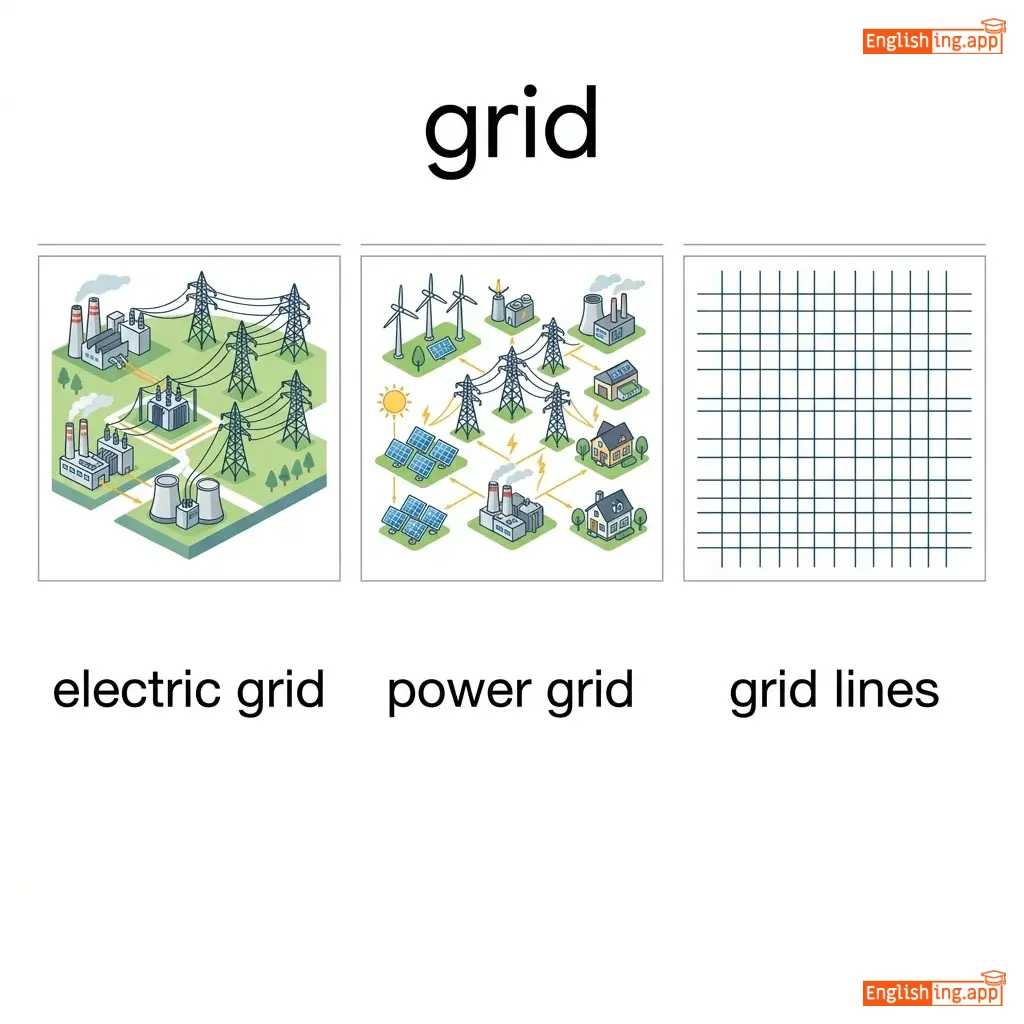
|
グリッド
guriddo
••••••
|
- •••••• | - •••••• | - •••••• | - •••••• |
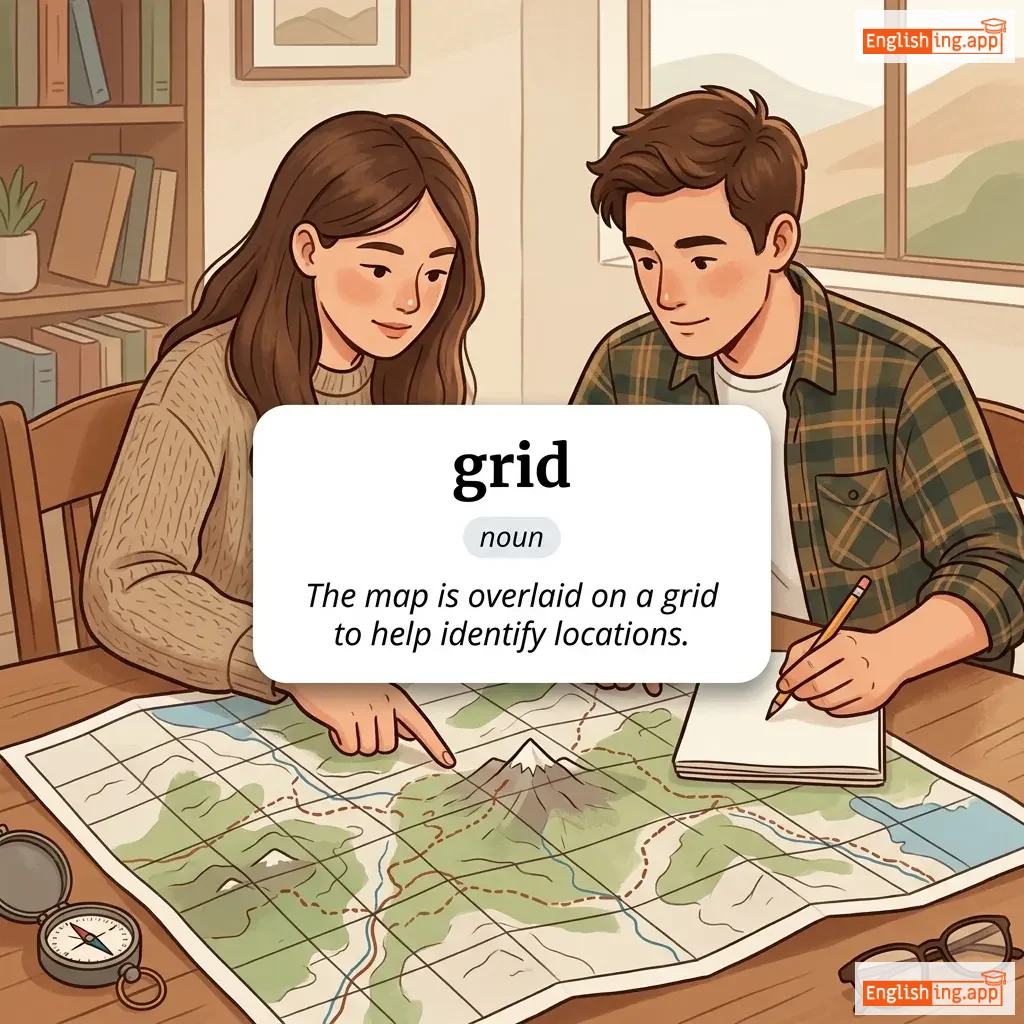
a network of lines that cross each other to form a series of squares or rectangles
••••••
|
The map is overlaid on a grid to help identify locations. |
地図は位置を特定するのに役立つようにグリッド上に重ねられています。
Chizu wa ichi o tokutei suru no ni yakudatsu yō ni guriddo-jō ni kasanerareteimasu.
••••••
|
- •••••• | - •••••• | - •••••• |
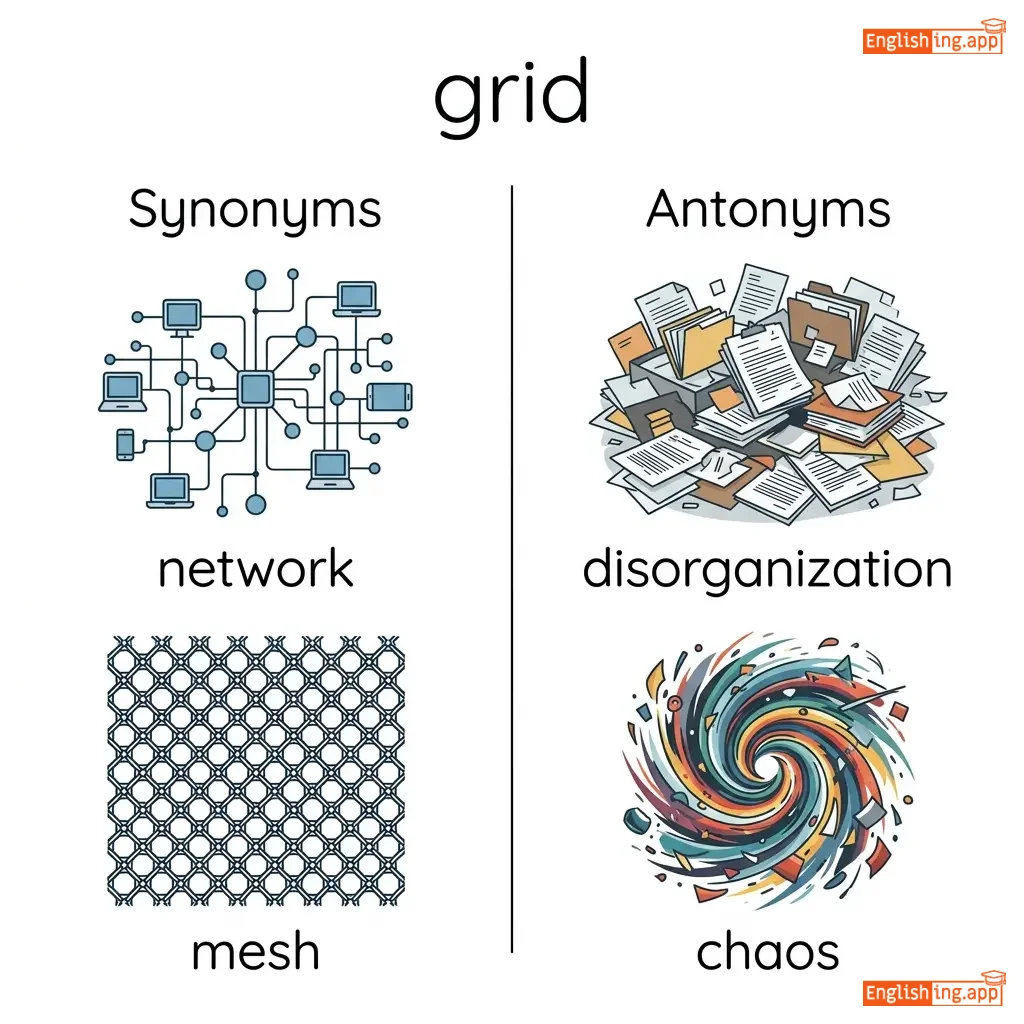
network, mesh, framework, matrix
••••••
|
disorganization, chaos
••••••
|
electric grid, power grid, grid lines, grid system
••••••
|
‘グリッド’は地図のように場所を特定するためのネットワーク、簡単に探せる場所を見つける手助けをします。
••••••
|
|
😁
••••••
|
/ɡrɪn/
verb, noun
(グリン)
••••••
|
- •••••• |
歯を見せて広く笑う
ha o misete hiroku warau
••••••
|
grinned
グリンド
••••••
|
grinned
グリンド
••••••
|
grins
グリンズ
••••••
|
grinning
グリニング
••••••
|
to smile broadly, often showing teeth
••••••
|
She grinned happily at the good news.
彼女は良いニュースを聞いてうれしそうに笑った。
••••••
|
彼女は良いニュースを聞いてうれしそうに笑った。
Kanojo wa yoi nyūsu o kiite ureshisō ni waratta.
••••••
|
grin and bear it
笑って耐える
••••••
|
to endure something unpleasant with good humor
••••••
|
笑って耐える
waratte taeru
••••••
|
smile, beam, smirk, chuckle
••••••
|
frown, scowl
••••••
|
big grin, cheeky grin, wide grin, grin broadly
••••••
|
笑って耐える、笑顔で頑張る
••••••
|
|
✊
••••••
|
/ɡrɪp/
verb
(グリップ)
••••••
|
- •••••• |
握る
nigiru
••••••
|
gripped
グリップド
••••••
|
gripped
グリップド
••••••
|
grips
グリップス
••••••
|
gripping
グリッピング
••••••
|
to hold something tightly or firmly
••••••
|
He gripped the steering wheel tightly.
彼はハンドルをしっかり握った。
••••••
|
彼はハンドルをしっかり握った。
Kare wa handoru o shikkari nigitta.
••••••
|
get a grip
グリップを取る
••••••
|
to control your emotions or behavior
••••••
|
自分をコントロールする
jibun o kontorōru suru
••••••
|
hold, grasp, clutch, seize, clasp
••••••
|
release, let go, drop
••••••
|
firm grip, lose grip, get a grip, tight grip
••••••
|
握るはグリップのようなもの — 落ちないようにしっかり握ろう!
••••••
|
|
🙌
••••••
|
/heɪl/
verb
(ヘイル)
••••••
|
- •••••• |
呼ぶ / 賞賛する
yobu / shōsan suru
••••••
|
hailed
ヘイルド
••••••
|
hailed
ヘイルド
••••••
|
hails
ヘイルズ
••••••
|
hailing
ヘイリング
••••••
|
To call out to attract attention or to praise enthusiastically.
••••••
|
The athlete was hailed as a hero after the victory.
アスリートは勝利後にヒーローとして称賛されました。
••••••
|
アスリートは勝利後にヒーローとして称賛されました。
Asurīto wa shōri go ni hīrō to shite shōsan saremashita.
••••••
|
hail a taxi
タクシーを呼ぶ
••••••
|
to signal and stop a taxi to get a ride
••••••
|
タクシーを呼ぶ
takushī o yobu
••••••
|
greet, call, acclaim, praise, salute
••••••
|
ignore, condemn, dismiss
••••••
|
hail a taxi, hail as a hero, hail the decision, hail enthusiastically
••••••
|
Hail = 人を賞賛したり、タクシーを呼ぶ
••••••
|
|
💇
••••••
|
/hɛər/
noun
(ヘア)
••••••
|
- •••••• |
髪
kami
••••••
|
- •••••• | - •••••• | - •••••• | - •••••• |
the fine threads growing from the skin of humans and animals
••••••
|
She has long, black hair. |
彼女は長くて黒い髪を持っています。
Kanojo wa nagakute kuroi kami o motteimasu.
••••••
|
let your hair down |
to relax and enjoy yourself without worrying
••••••
|
髪をおろす
kami o orosu
••••••
|
locks, strands, tresses, mane
••••••
|
baldness, bald head
••••••
|
long hair, curly hair, cut hair, hair color
••••••
|
髪 (kami) = Hair, 髪の毛は日本でヘア
••••••
|
|
🖼️
••••••
|
/hæŋ/
verb
••••••
|
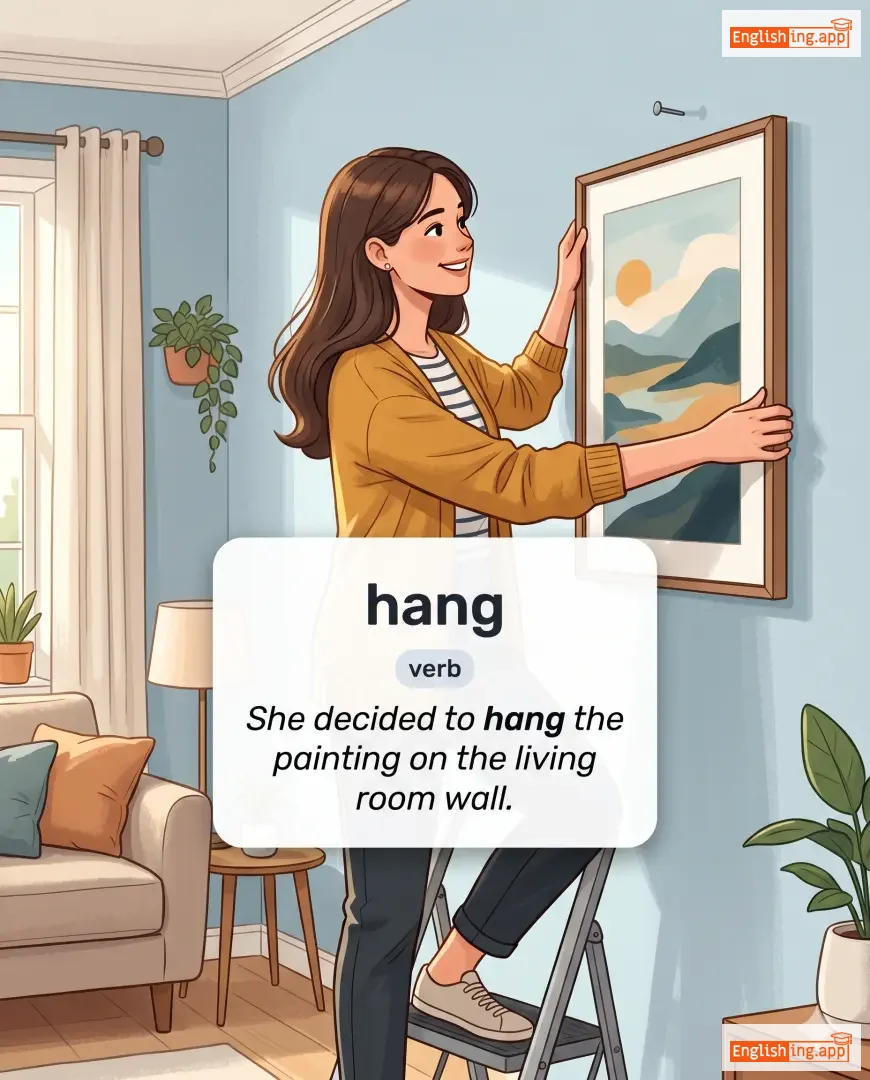
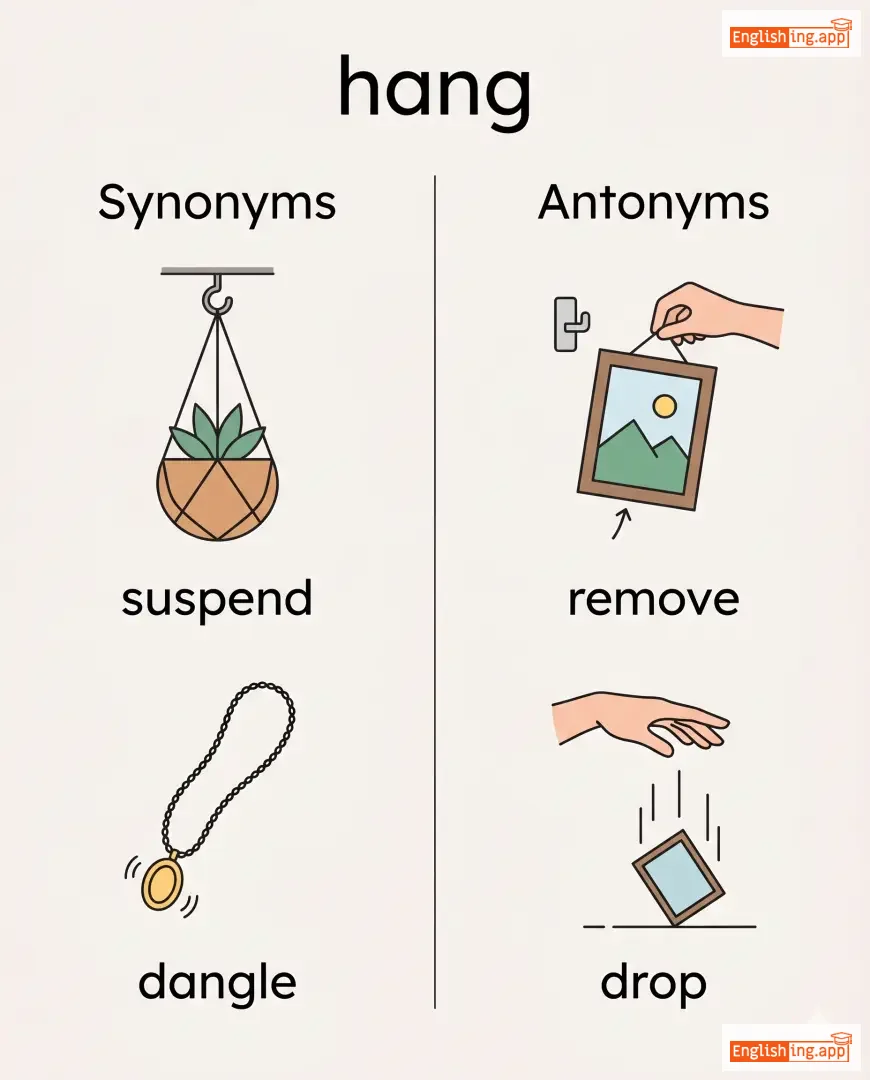
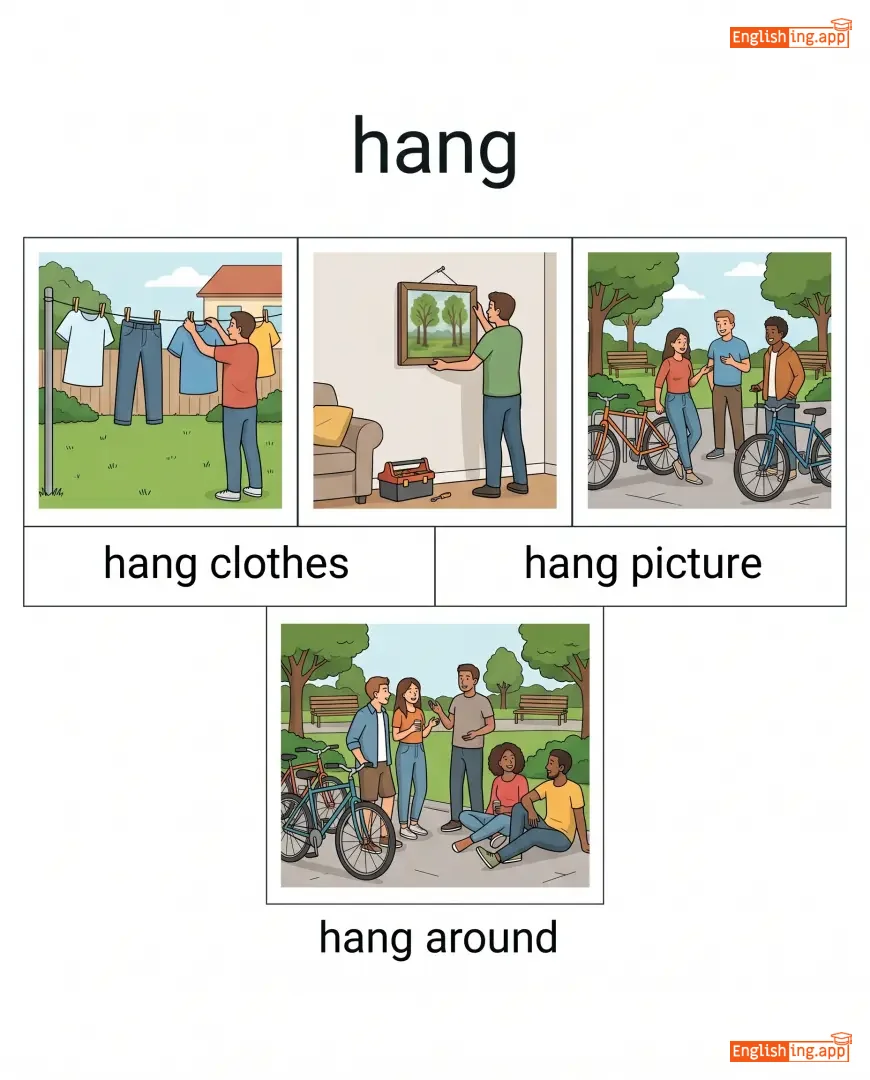
|
- •••••• |
hung
••••••
|
hung
••••••
|
hangs
••••••
|
hanging
••••••
|
to suspend or attach something from above so that it moves freely or is supported
••••••
|
She decided to hang the painting on the living room wall. |
- •••••• |
hang in there |
used to encourage someone to persevere through a difficult time
••••••
|
- •••••• |
suspend, dangle, attach, display, drape
••••••
|
remove, drop, take down
••••••
|
hang clothes, hang picture, hang around, hang up
••••••
|
No •••••• |
|
💔
••••••
|
/heɪt/
verb
••••••
|
|
- •••••• |
hated
••••••
|
hated
••••••
|
hates
••••••
|
hating
••••••
|
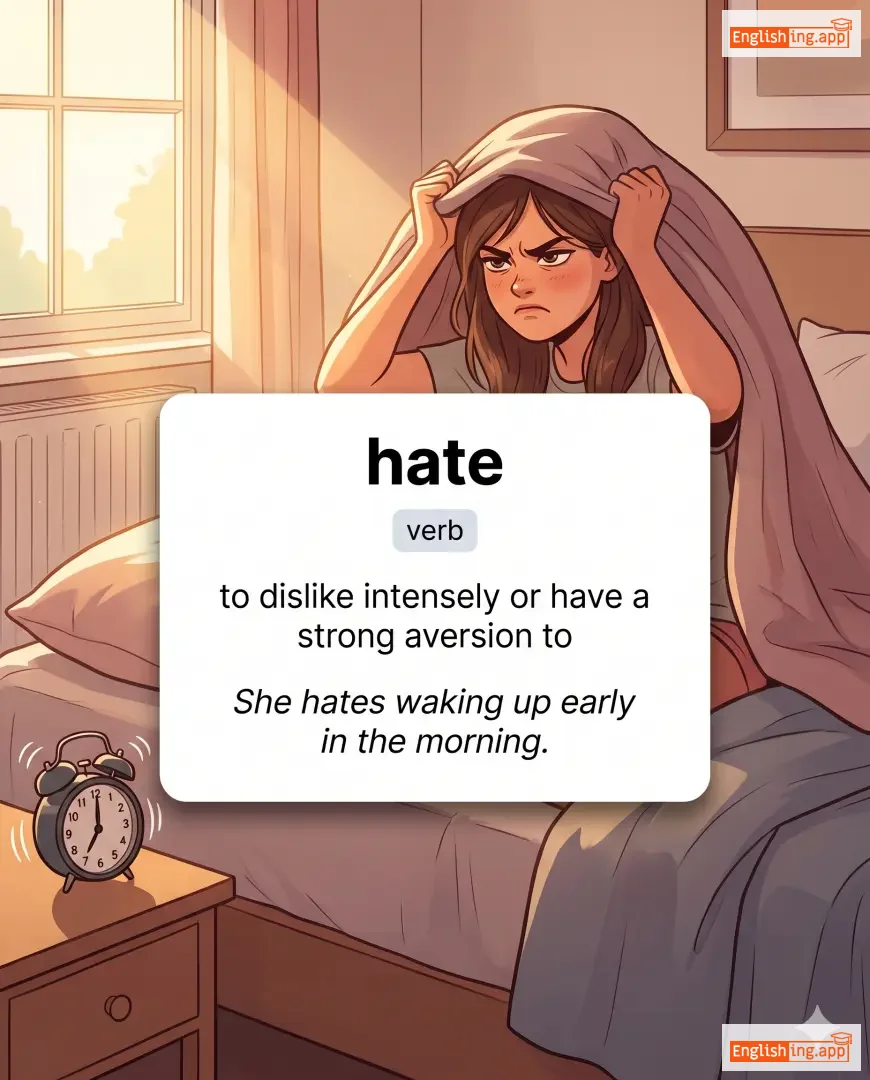
to dislike intensely or have a strong aversion to
••••••
|
She hates waking up early in the morning. |
- •••••• |
love to hate |
something disliked but still talked about often
••••••
|
- •••••• |
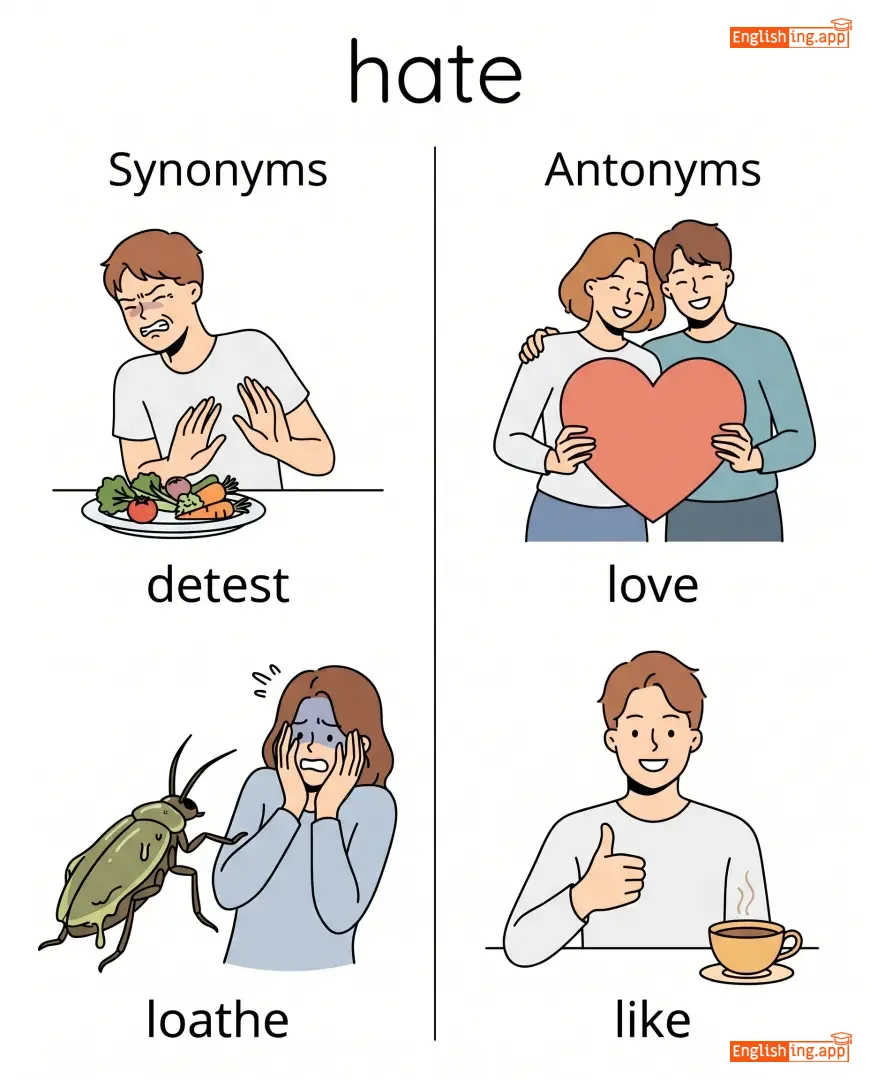
detest, loathe, despise, abhor
••••••
|
love, like, adore
••••••
|
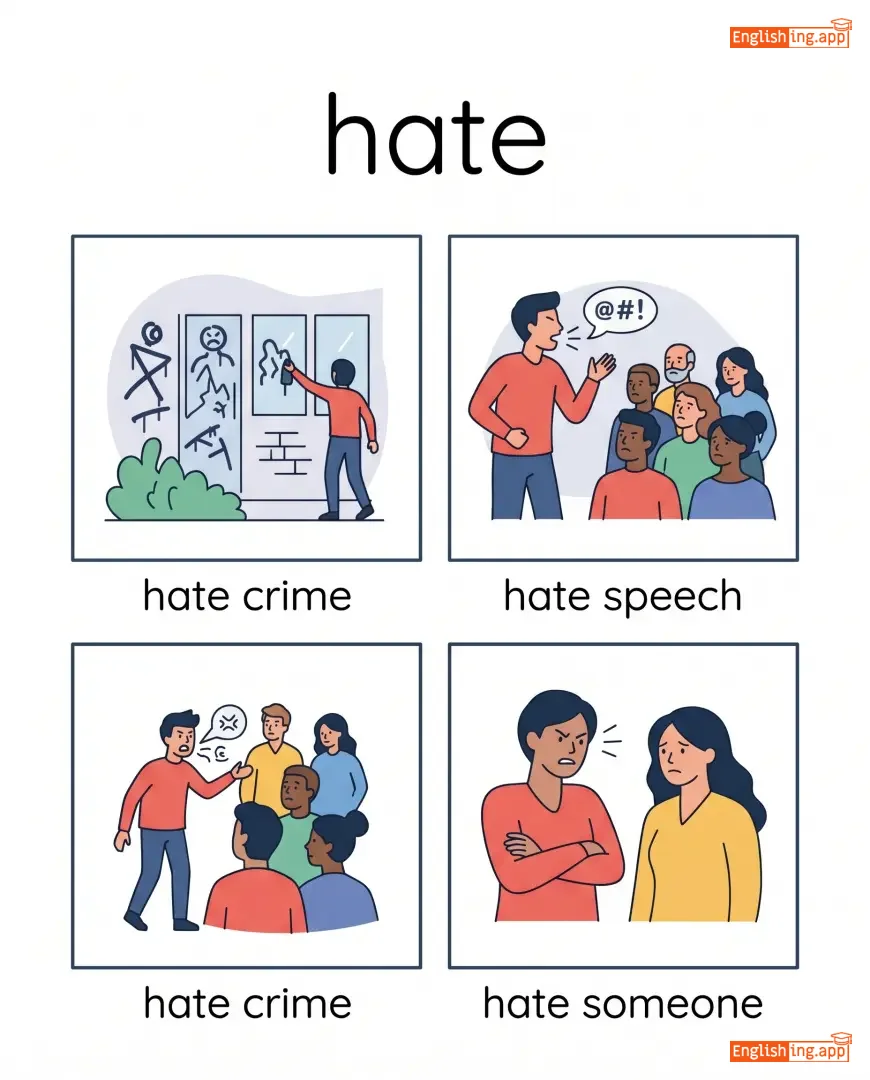
hate crime, hate speech, hate someone
••••••
|
No •••••• |
|
🚚
••••••
|
/hɔːl/
verb
(ホール)
••••••
|
- •••••• |
引っ張る
hipparu
••••••
|
hauled
ホールド
••••••
|
hauled
ホールド
••••••
|
hauls
ホールズ
••••••
|
hauling
ホーリング
••••••
|
to pull or drag something heavy with effort
••••••
|
The workers hauled the boxes into the truck.
作業員たちは箱をトラックに引きずり込んだ。
••••••
|
作業員たちは箱をトラックに引きずり込んだ。
Sagyouin-tachi wa hako o torakku ni hikizurikonda.
••••••
|
long haul
長い戦い
••••••
|
a long and difficult effort or process
••••••
|
長い戦い
nagai tatakai
••••••
|
drag, pull, carry, tow, transport
••••••
|
push, drop, release
••••••
|
haul goods, haul truck, haul cargo, long haul
••••••
|
トラックで haul は重い物を引っ張ること!
••••••
|
|
🙌
••••••
|
/hæv/
verb
(ハヴ)
••••••
|
- •••••• |
持っている
motte iru
••••••
|
had
ハッド
••••••
|
had
ハッド
••••••
|
has
ハズ
••••••
|
having
ハヴィング
••••••
|
to possess, own, or hold
••••••
|
They have three children.
彼らは三人の子供がいます。
••••••
|
彼らは三人の子供がいます。
Karera wa sannin no kodomo ga imasu.
••••••
|
have a good time
良い時間を過ごす
••••••
|
to enjoy oneself
••••••
|
良い時間を過ごす
Yoi jikan o sugosu
••••••
|
own, possess, hold, contain
••••••
|
lack, want
••••••
|
have fun, have dinner, have time, have a look
••••••
|
Haveは持っていること、'私は持っている'と言うように - I have it!
••••••
|

