Legal Clinic for River Guardians
地域の法律クリニックで、Ayeshaはいつsueすべきかを説明しました。 夕方には、チャリティボックスに入れられたsumの合計が発表されました。 雨の後、コミュニティのtapから水が配られました。 市長は木の伐採に追加のtaxを課すと誓いました。 ボランティアたちはten分間のハイライトビデオを制作しました。 The新しいプロジェクトは地元の市場を再形成するでしょう。 長老たちは文化的なtieを守るための話を共有しました。 彼らは子供たちのために安全なtipカードを作成しました。 エコトレイルでは、みんなが自分のtoeの配置に気をつけて歩きました。 Miraは言いました。「私たちは自分たちだけでなく、すべての生き物のためにtoo働いています。」 彼らは村の最も高いtopに風センサーを設置しました。 会議の後、twoチームが協力してゴミを集めました。 デモンストレーションでは、皆に水の正しいuseを教えました。 設備は海岸から来た古い青いvanで運ばれました。 遠隔地の村に到達するために、彼らは山道経由でドローンviaを飛ばしました。 夕暮れ時、全員が隣人を守るvowを立てました。 ウェブ開発者たちは新しいwebポータルを紹介しました。 小さなAdilは尋ねました。「whoが川の水を見ているのですか?」 彼の母親は答えました。「why私たちが自分でセンサーを設置しないのですか?」 子供たちは物語の輪をwitで満たしました。
|
絵文字
|
単語 | Images | 翻訳 | 過去 | 過去分詞 | 三人称単数 | 動名詞 | 意味 | 例文 | 例文の翻訳 | 表現例 | 表現例の意味 | 表現例の翻訳 | 同義語 | 対義語 | コロケーション | ニーモニック |
|---|---|---|---|---|---|---|---|---|---|---|---|---|---|---|---|---|---|
|
⚖️
••••••
|
/suː/
verb
(スー)
••••••
|
- •••••• |
訴える
uttaeru
••••••
|
sued
スード
••••••
|
sued
スード
••••••
|
sues
スーズ
••••••
|
suing
スイング
••••••
|
to bring a lawsuit against someone in a court of law
••••••
|
She decided to sue the company for damages.
彼女は損害賠償のために会社を訴えることに決めました。
••••••
|
彼女は損害賠償のために会社を訴えることに決めました。
Kanojo wa songai baishou no tame ni kaisha o uttaeru koto ni kimemashita.
••••••
|
- •••••• | - •••••• | - •••••• |
litigate, prosecute, charge, complain
••••••
|
defend, forgive
••••••
|
sue for damages, sue someone, sue in court
••••••
|
Sue means 'uttaeru' – like a lawsuit ⚖️
••••••
|
|
➕
••••••
|
/sʌm/
noun
(サム)
••••••
|
- •••••• |
合計
goukei
••••••
|
- •••••• | - •••••• | - •••••• | - •••••• |
the total amount resulting from the addition of two or more numbers or items
••••••
|
The sum of 8 and 12 is 20. |
8と12の合計は20です。
8 to 12 no goukei wa 20 desu.
••••••
|
sum up |
to summarize or give a brief statement of something
••••••
|
まとめる
matomeru
••••••
|
total, amount, aggregate, tally, whole
••••••
|
part, portion
••••••
|
large sum, total sum, sum of money, sum up, small sum
••••••
|
Sumは加算の結果 — 'sum'は合計です。
••••••
|
|
🔨
••••••
|
/tæp/
verb
(タップ)
••••••
|
- •••••• |
タップする
tappu suru
••••••
|
tapped
タップド
••••••
|
tapped
タップド
••••••
|
taps
タップス
••••••
|
tapping
タッピング
••••••
|
to strike something lightly, usually with a quick, sharp sound
••••••
|
He tapped on the door to get her attention.
彼は彼女の注意を引くためにドアをタップしました。
••••••
|
彼は彼女の注意を引くためにドアをタップしました。
Kare wa kanojo no chuui o hiku tame ni doa o tappu shimashita.
••••••
|
- •••••• | - •••••• | - •••••• |
knock, hit, strike, pat
••••••
|
slam, pound
••••••
|
tap on, tap the table, tap gently
••••••
|
ドアをタップ: 彼女の注意を引くためにタップする!
••••••
|
|
💸
••••••
|
/tæks/
noun
(tæksu)
••••••
|
- •••••• |
税金
zeikin
••••••
|
- •••••• | - •••••• | - •••••• | - •••••• |
a compulsory contribution to state revenue, typically levied on income or sales
••••••
|
The government increased the tax rate on luxury goods. |
政府は贅沢品に対する税率を引き上げました。
Seifu wa zeitakuhin ni taisuru zeiritsu o hikiagemashita.
••••••
|
- •••••• | - •••••• | - •••••• |
levy, duty, tariff
••••••
|
exemption, relief
••••••
|
pay taxes, tax return, tax rate
••••••
|
TAX - '税金' は政府があなたからお金を取る方法です。
••••••
|
|
🔟
••••••
|
/tɛn/
noun
(テン)
••••••
|
- •••••• |
十
juu
••••••
|
- •••••• | - •••••• | - •••••• | - •••••• |
the number following nine and preceding eleven
••••••
|
I have ten apples in the basket.
バスケットには十個のリンゴがあります。
••••••
|
バスケットには十個のリンゴがあります。
Basuketto ni wa juu ko no ringo ga arimasu.
••••••
|
- •••••• | - •••••• | - •••••• |
decade, 10
••••••
|
eleven, nine
••••••
|
ten years, ten people, ten times, ten minutes
••••••
|
十本の指、十は数字。
••••••
|
|
🌞
••••••
|
/ðə/
article
••••••
|
- •••••• | - •••••• | - •••••• | - •••••• | - •••••• | - •••••• |
used to specify a noun as something already mentioned or known
••••••
|
The sun rises in the east. |
- •••••• | - •••••• | - •••••• | - •••••• |
this, that
••••••
|
- •••••• |
the best, the first, the last
••••••
|
No •••••• |
|
🎀
••••••
|
/taɪ/
verb
(tai)
••••••
|
|
結ぶ
musubu
••••••
|
tied
taido
••••••
|
tied
taido
••••••
|
ties
taizu
••••••
|
tying
taingu
••••••
|
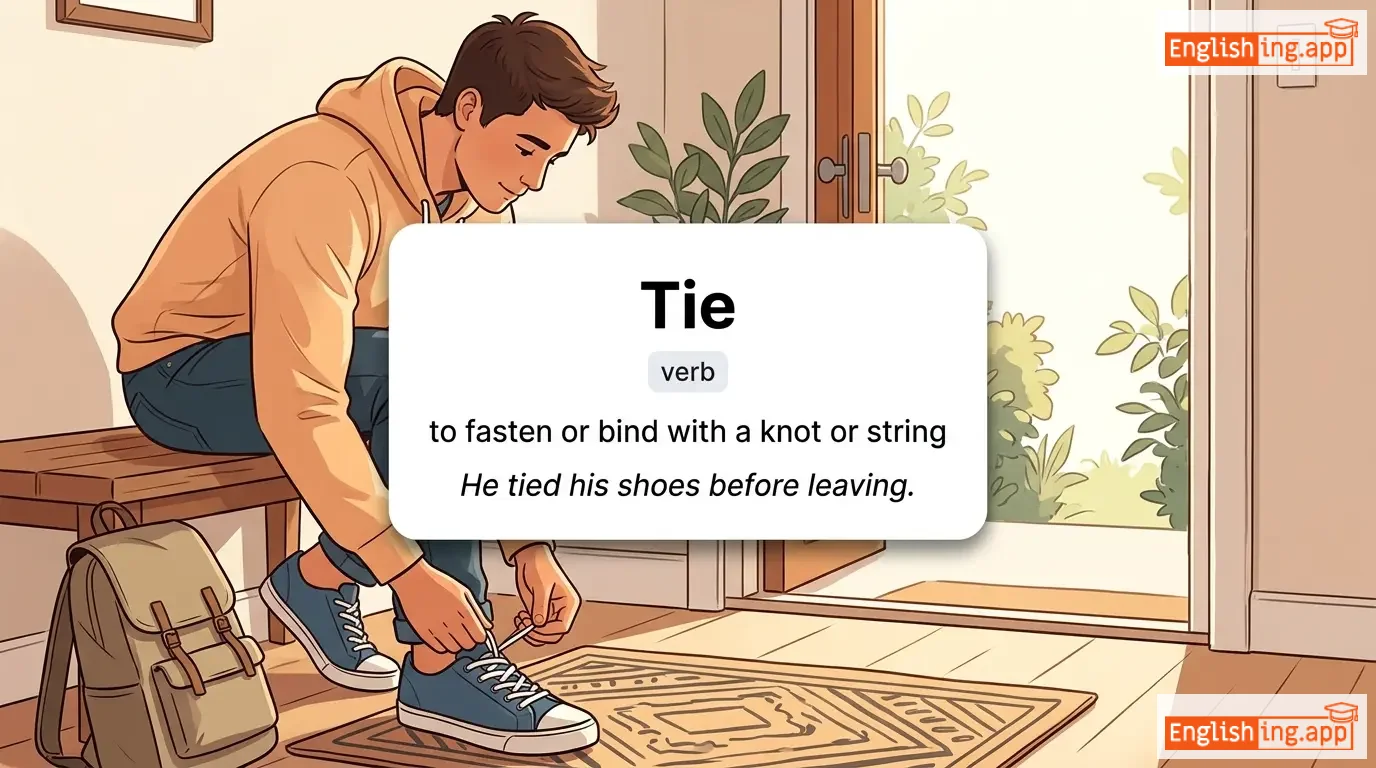
to fasten or bind with a knot or string
••••••
|
He tied his shoes before leaving.
彼は出かける前に靴を結びました。
••••••
|
彼は出かける前に靴を結びました。
Kare wa dekakeru mae ni kutsu o musubimashita.
••••••
|
tie the knot
結婚の誓い
••••••
|
to get married
••••••
|
結婚する
kekkon suru
••••••
|
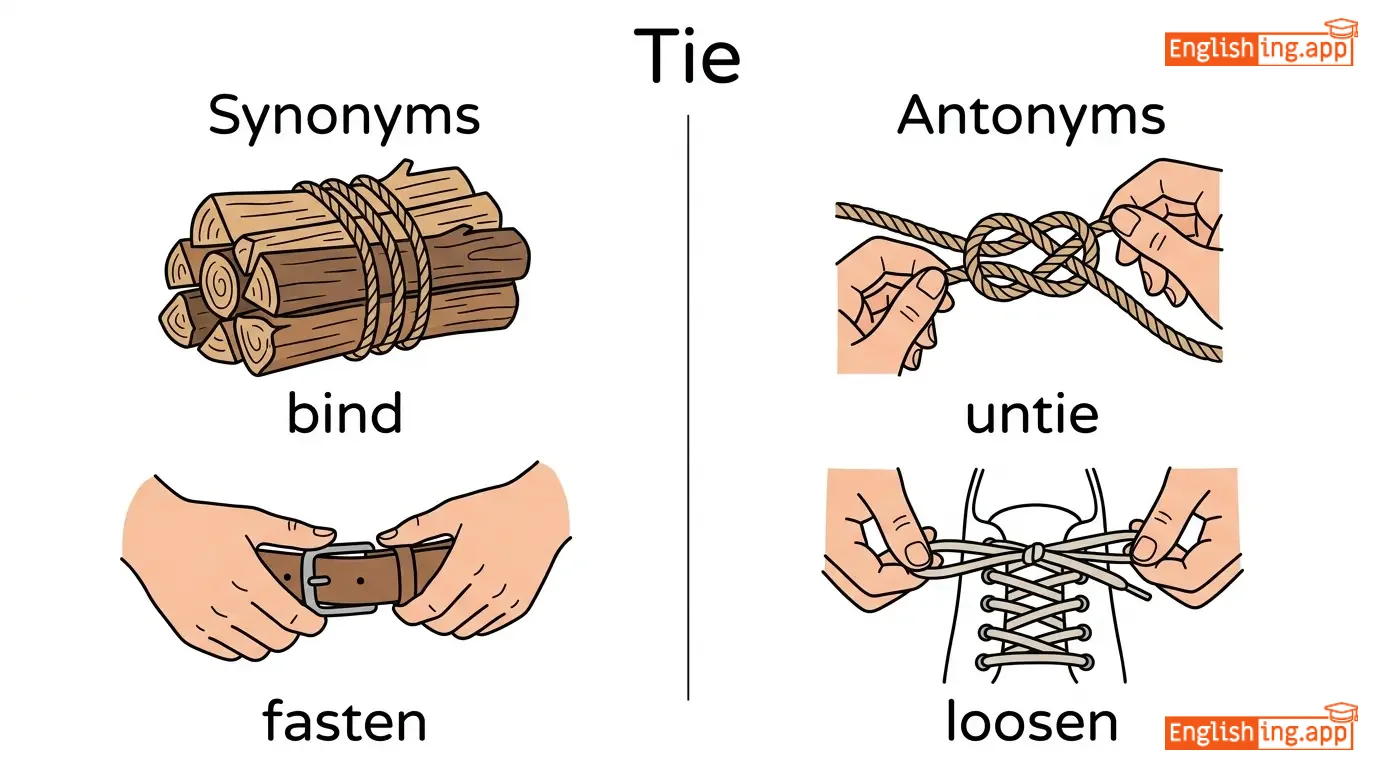
bind, fasten, knot, secure
••••••
|
untie, loosen
••••••
|
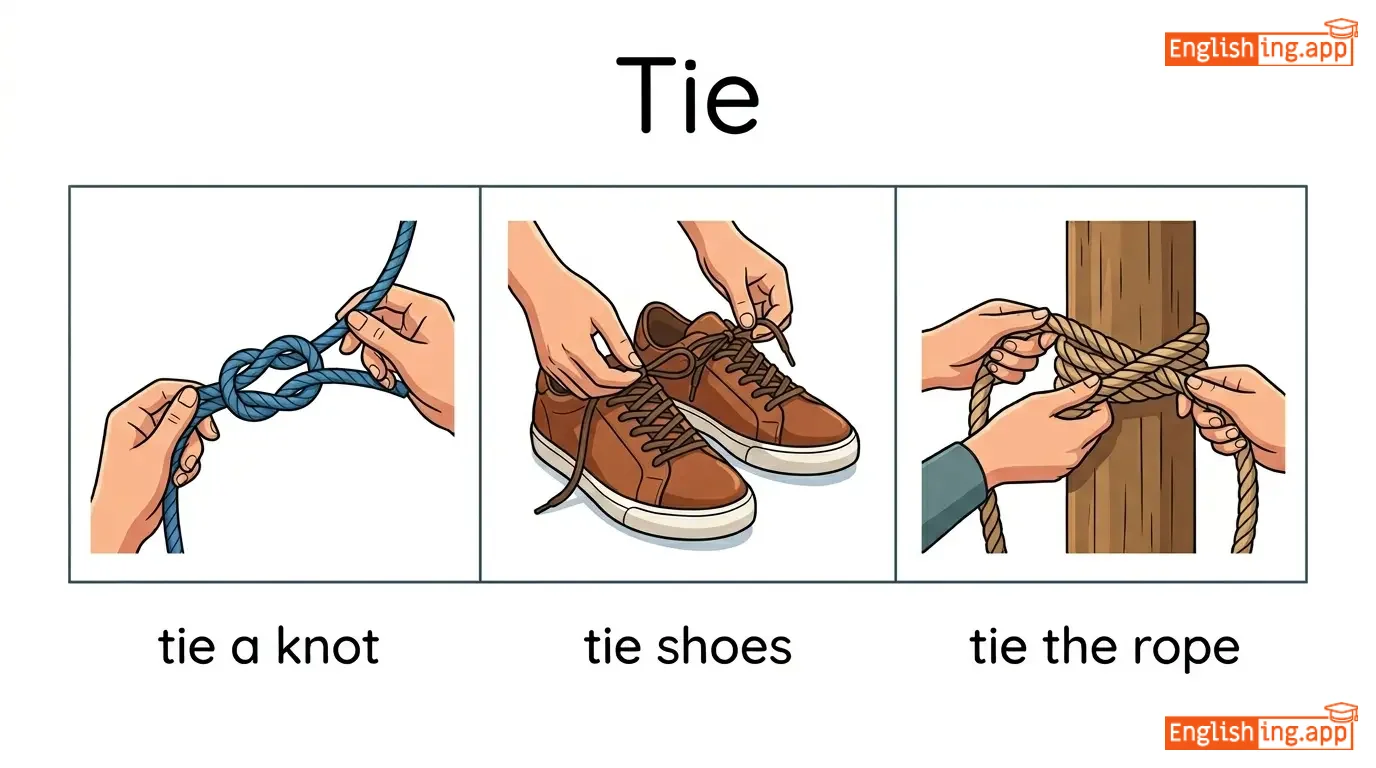
tie a knot, tie shoes, tie the rope
••••••
|
結び目を作って、結婚の誓いを立てよう!
••••••
|
|
💡
••••••
|
/tɪp/
noun
(ティップ)
••••••
|
- •••••• |
アドバイス
adobaisu
••••••
|
- •••••• | - •••••• | - •••••• | - •••••• |
a small but useful piece of advice
••••••
|
I received a tip on how to improve my presentation. |
プレゼンテーションを改善する方法についてアドバイスをもらいました。
Purezentēshon o kaizen suru hōhō ni tsuite adobaisu o moraimashita.
••••••
|
- •••••• | - •••••• | - •••••• |
hint, suggestion, advice, clue
••••••
|
misguidance
••••••
|
give a tip, follow a tip, valuable tip
••••••
|
Remember the tip of your pen for clear writing!
••••••
|
|
🦶
••••••
|
/toʊ/
noun
(トウ)
••••••
|
- •••••• |
足の指
ashi no yubi
••••••
|
- •••••• | - •••••• | - •••••• | - •••••• |
any of the five digits at the end of the human foot
••••••
|
He injured his toe while playing football. |
彼はサッカーをしているときに足の指を怪我しました。
Kare wa sakkaa wo shite iru toki ni ashi no yubi wo kega shimashita.
••••••
|
- •••••• | - •••••• | - •••••• |
foot, digit, appendage
••••••
|
none
••••••
|
toe injury, big toe, pinky toe
••••••
|
Toe = 足の指、サッカーで足の指をけが。
••••••
|
|
😔
••••••
|
/tuː/
adverb
(トゥー)
••••••
|
- •••••• |
過ぎる
sugiru
••••••
|
- •••••• | - •••••• | - •••••• | - •••••• |
to a higher degree than is desirable, permissible, or possible
••••••
|
She is too tired to continue working. |
彼女は働き続けるには疲れすぎている。
Kanojo wa hatarakitsuzukeru ni wa tsukaresugite iru.
••••••
|
too good to be true |
something that seems so perfect that it is hard to believe it is real
••••••
|
信じられないほど良い
Shinjirarenai hodo yoi
••••••
|
excessively, overly, extremely, very
••••••
|
barely, slightly, moderately
••••••
|
too much, too late, too many, too hard
••••••
|
お茶を飲みすぎると'過ぎる'くらい眠くなる – お茶を飲みすぎると'過ぎる'くらい疲れる。
••••••
|
|
🔝
••••••
|
/tɒp/
noun
(トップ)
••••••
|
- •••••• |
頂上
choujou
••••••
|
- •••••• | - •••••• | - •••••• | - •••••• |
the highest or uppermost point, part, or surface of something
••••••
|
The book is on the top shelf.
その本は上の棚にあります。
••••••
|
その本は上の棚にあります。
Sono hon wa ue no tana ni arimasu.
••••••
|
top of the world
世界の頂上
••••••
|
feeling extremely happy or successful
••••••
|
世界の頂上
Sekai no choujou
••••••
|
summit, peak, pinnacle, apex
••••••
|
bottom, base
••••••
|
top priority, top scorer, top rated, top of the list
••••••
|
Top of the world, where happiness reaches – 世界の頂上、幸福が届く場所。
••••••
|
|
2️⃣
••••••
|
/tuː/
noun
(トゥ)
••••••
|
- •••••• |
二
ni
••••••
|
- •••••• | - •••••• | - •••••• | - •••••• |
the number following one
••••••
|
She has two children.
彼女には二人の子供がいます。
••••••
|
彼女には二人の子供がいます。
Kanojo ni wa futari no kodomo ga imasu.
••••••
|
- •••••• | - •••••• | - •••••• |
pair, couple, duet
••••••
|
one, single
••••••
|
two weeks, two days, two people
••••••
|
二人で楽しい時間を過ごす
••••••
|
|
🛠️
••••••
|
/juːz/ (verb), /juːs/ (noun)
verb
(yūzu)
••••••
|
|
使う
tsukau
••••••
|
used
yūzudo
••••••
|
used
yūzudo
••••••
|
uses
yūzesu
••••••
|
using
yūzingu
••••••
|
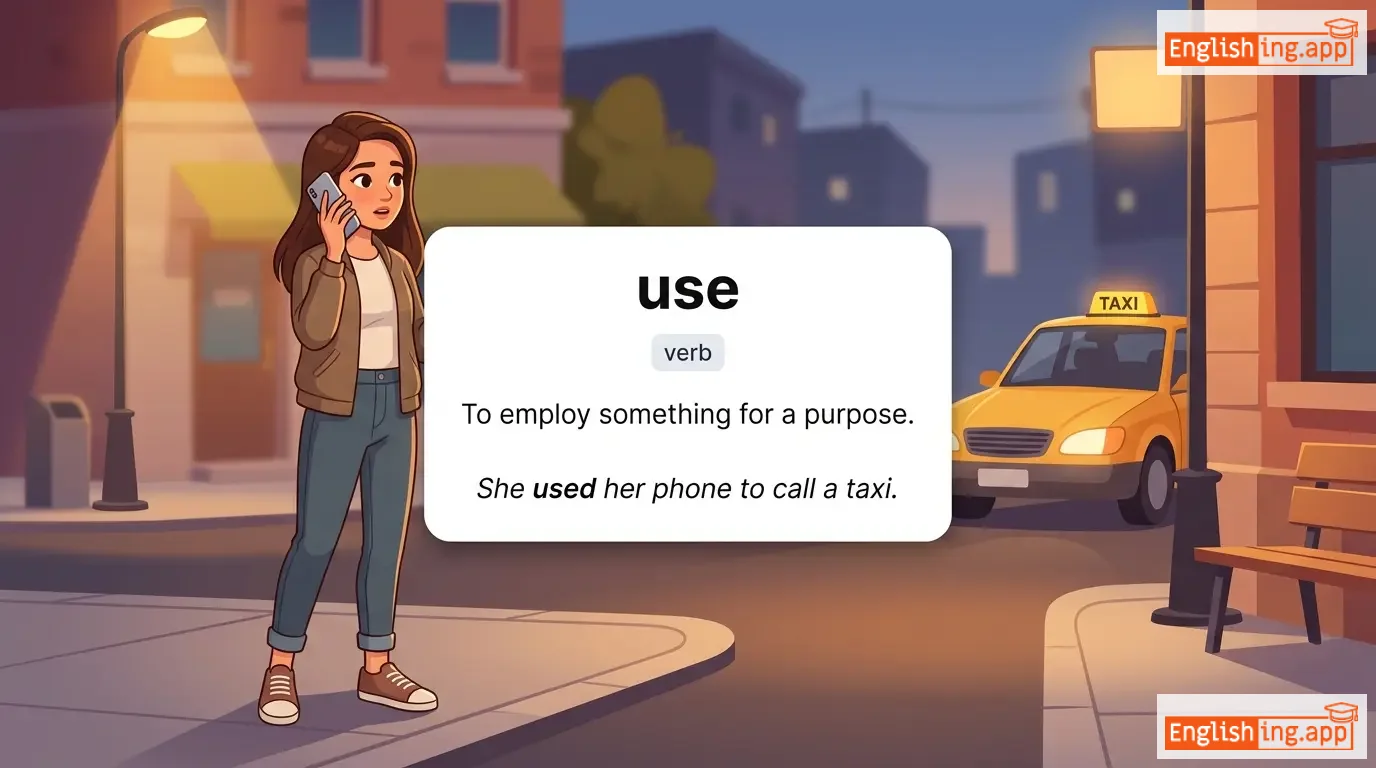
To employ something for a purpose.
••••••
|
She used her phone to call a taxi.
彼女はタクシーを呼ぶために電話を使いました。
••••••
|
彼女はタクシーを呼ぶために電話を使いました。
Kanojo wa takushī o yobu tame ni denwa o tsukaimashita.
••••••
|
make use of
使う
••••••
|
To take advantage of or utilize something.
••••••
|
使う
tsukau
••••••
|
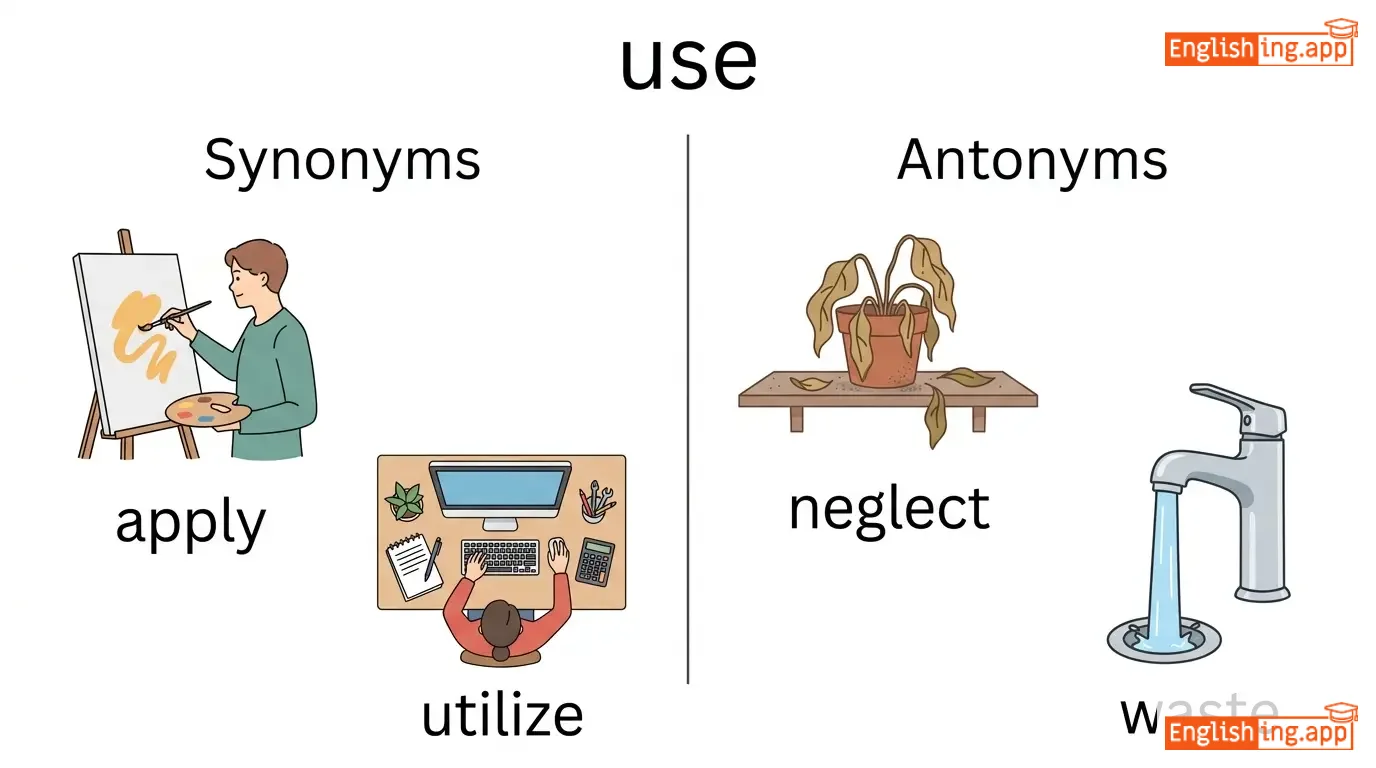
apply, utilize, employ, exploit, handle
••••••
|
neglect, waste, ignore
••••••
|
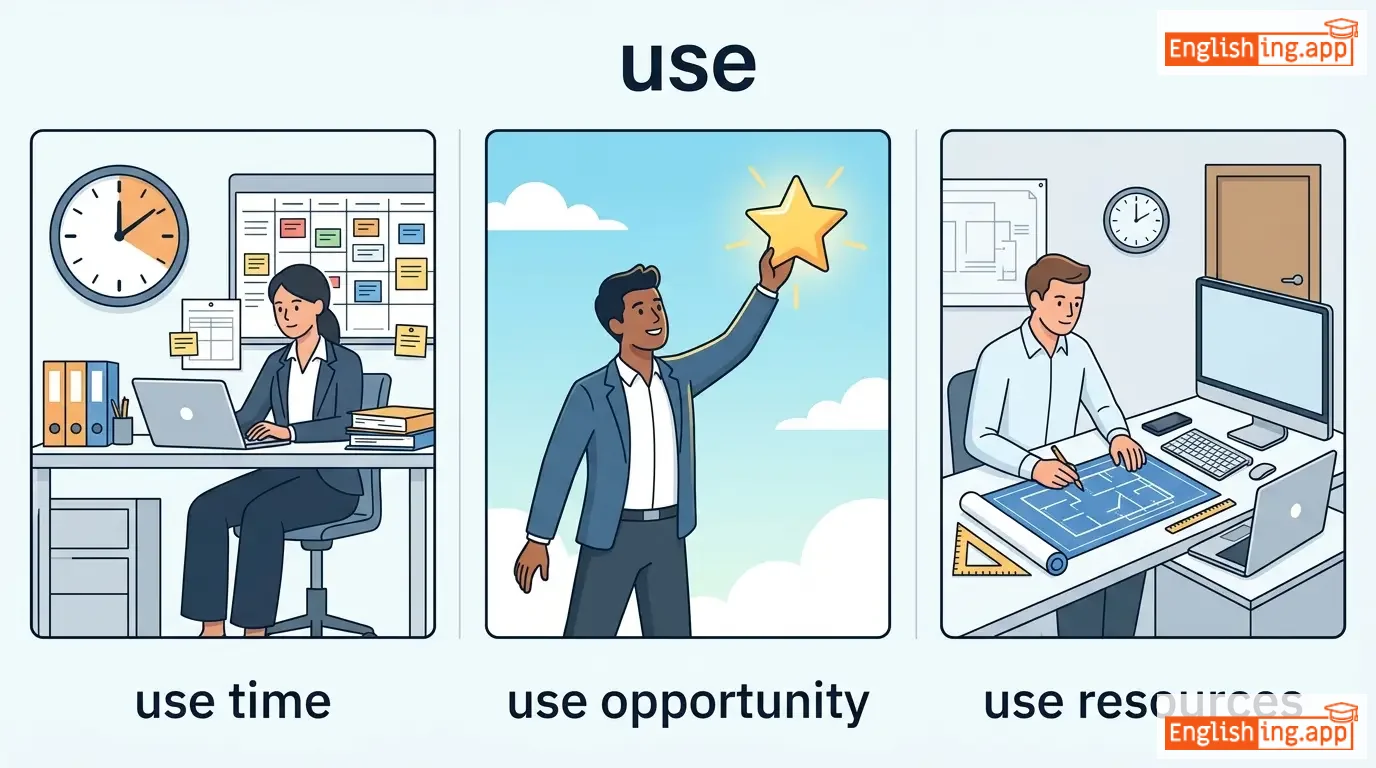
use time, use opportunity, use resources, use effectively
••••••
|
使うは使うことで、何かを有効に活用すること。
••••••
|
|
🚐
••••••
|
/væn/
noun
(バン)
••••••
|
- •••••• |
バン
ban
••••••
|
- •••••• | - •••••• | - •••••• | - •••••• |
a large vehicle used for transporting goods or people
••••••
|
The delivery van stopped in front of our house. |
配送バンが私たちの家の前で止まりました。
Haisou ban ga watashitachi no ie no mae de tomarimashita.
••••••
|
moving van |
a large vehicle used for transporting furniture when moving
••••••
|
引っ越しバン
hikkoshi ban
••••••
|
truck, vehicle, transporter, carrier
••••••
|
car, bike
••••••
|
delivery van, police van, moving van, camper van
••••••
|
バン — 大きな車、引っ越しや家具を運ぶのに使う。
••••••
|
|
➡️
••••••
|
/ˈvaɪə/ or /ˈviːə/
preposition
(ヴィア)
••••••
|
- •••••• |
経由で
keiyu de
••••••
|
- •••••• | - •••••• | - •••••• | - •••••• |
through, by way of, or using a particular route or means
••••••
|
She sent the documents via email. |
彼女はメールを通じて書類を送った。
Kanojo wa mēru o tōjite shorui o okutta.
••••••
|
- •••••• | - •••••• | - •••••• |
through, by, using, across, along
••••••
|
without, beyond
••••••
|
via email, via phone, via internet, travel via, communicate via
••••••
|
ヴィアは経由して進むこと、特定の道を通るイメージです。
••••••
|
|
🤝
••••••
|
/vaʊ/
verb
(バウ)
••••••
|

|
誓う
chikau
••••••
|
vowed
バウド
••••••
|
vowed
バウド
••••••
|
vows
バウズ
••••••
|
vowing
バウイング
••••••
|
to make a serious promise; to pledge solemnly
••••••
|
They vowed to love each other forever.
彼らは永遠に愛し合うことを誓いました。
••••••
|
彼らは永遠に愛し合うことを誓いました。
Karera wa eien ni aishi au koto o chikaimashita.
••••••
|
- •••••• | - •••••• | - •••••• |
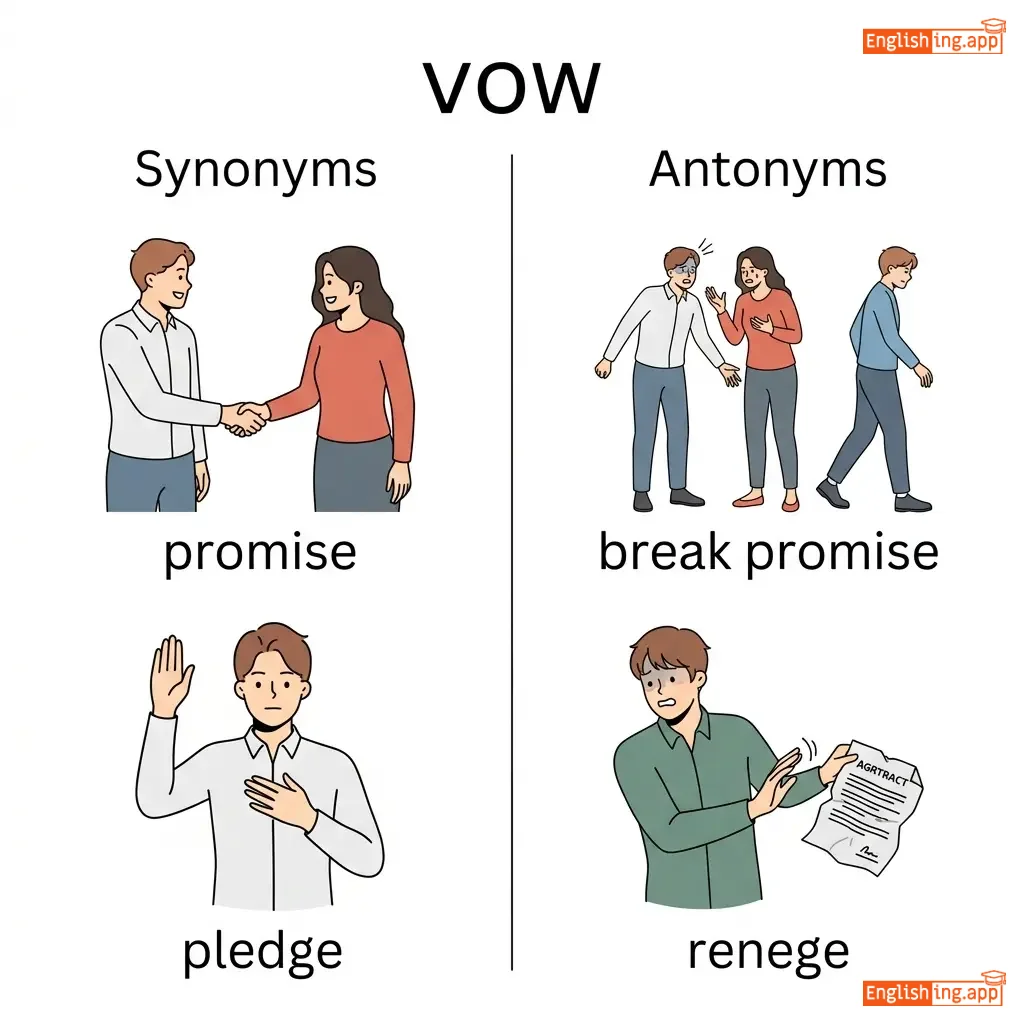
promise, pledge, swear, commit, declare
••••••
|
break promise, renege, withdraw
••••••
|
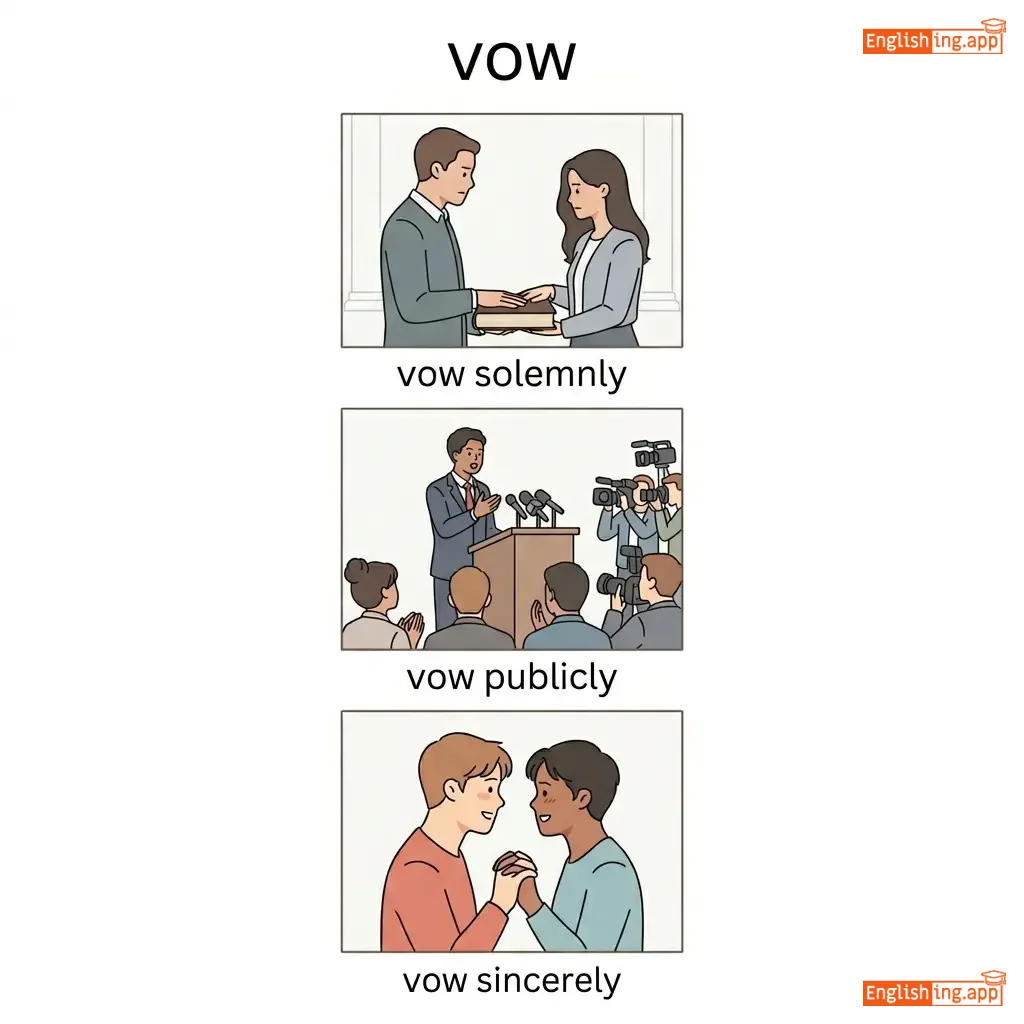
vow solemnly, vow publicly, vow sincerely, vow eternally, vow secretly
••••••
|
誓いは真剣な約束です
••••••
|
|
🕸️
••••••
|
/wɛb/
noun
••••••
|
- •••••• | - •••••• | - •••••• | - •••••• | - •••••• | - •••••• |
a network of fine threads spun by a spider or a complex interconnected system
••••••
|
The spider spun a large web in the corner of the room. |
- •••••• |
world wide web |
the global network of information on the internet
••••••
|
- •••••• |
network, mesh, net, lattice, system
••••••
|
disconnection, isolation
••••••
|
spider web, world wide web, tangled web, web browser
••••••
|
No •••••• |
|
🤔
••••••
|
/huː/
pronoun
(誰)
••••••
|
- •••••• |
誰
dare
••••••
|
- •••••• | - •••••• | - •••••• | - •••••• |
used to ask about a person or people
••••••
|
Who is coming to the party tonight? |
今晩パーティーに誰が来ますか?
Konban pātī ni dare ga kimasu ka?
••••••
|
- •••••• | - •••••• | - •••••• |
whoever, which person
••••••
|
none
••••••
|
who is, who are, who knows
••••••
|
In Japanese, just ask 'dare' to know 'who'!
••••••
|
|
❓
••••••
|
/waɪ/
adverb
(wai)
••••••
|
- •••••• |
なぜ
naze
••••••
|
- •••••• | - •••••• | - •••••• | - •••••• |
For what reason or purpose; used to ask about the cause of something
••••••
|
Why are you late today? |
今日はなぜ遅れましたか?
kyō wa naze okuremashita ka?
••••••
|
- •••••• | - •••••• | - •••••• |
wherefore, how come
••••••
|
because, therefore
••••••
|
why not, that's why, reason why
••••••
|
No •••••• |
|
🧠
••••••
|
/wɪt/
noun
(ウィット)
••••••
|
- •••••• |
機知
kichi
••••••
|
- •••••• | - •••••• | - •••••• | - •••••• |
the ability to use words and ideas in a quick and inventive way to create humor
••••••
|
Her sharp wit made everyone laugh at the party. |
彼女の鋭い機知でパーティーのみんなが笑いました。
kanojo no surudoi kichi de paatii no minna ga waraimashita.
••••••
|
at one's wit's end |
to be so worried, confused, or annoyed that you do not know what to do next
••••••
|
行き詰まりになる
ikizumari ni naru
••••••
|
humor, cleverness, intelligence, sharpness, quickness
••••••
|
dullness, stupidity, seriousness
••••••
|
sharp wit, quick wit, dry wit, display wit
••••••
|
Witは機知のようなもので、素早く機転をきかせてユーモアを生み出します。
••••••
|

