The Breakthrough That Changed Everything
ラフィはfundamentalな研究プロジェクトにpractically3ヶ月間取り組んでいましたが、何のbreakthroughも得られませんでした。毎日、彼は実験室で完全にconcentrationして作業していましたが、結果はdisappointingでした。彼の上司であるカリム教授は言いました、「ラフィ、このプロジェクトはchallengingだけど、諦めないで。」しかしラフィはfrustratedになっていました、なぜなら彼はdesperatelyとremarkableな結果を望んでいたからです。ある晩、みんなが帰った後、ラフィはunexpectedにミスを犯しました—彼は2つの化学物質を間違った割合で混ぜました。翌朝、彼はconsequenceとして、驚くべき反応が起こったことを発見しました!それはnightmareから抜け出すようなものでした。カリム教授はencouragingに言いました、「このopportunityを活かしなさい。」ラフィはcommitmentを示し、次の2週間で実験をsuccessfully完了しました。このimprovementは彼のキャリアだけでなく、部門全体にとってもbeneficialでした。今、ラフィはもう誰にもdependentではなく、独立した研究者になりました。彼のachievementは大学全体で祝われました。
|
絵文字
|
単語 | Images | 翻訳 | 意味 | 例文 | 例文の翻訳 | 表現例 | 表現例の意味 | 表現例の翻訳 | 同義語 | 対義語 | コロケーション | ニーモニック |
|---|---|---|---|---|---|---|---|---|---|---|---|---|---|
|
🏆
••••••
|
/əˈtʃiːvmənt/
noun
(アチーブメント)
••••••
|
- •••••• |
達成
tassei
••••••
|
Something that has been successfully completed or accomplished through effort or skill.
••••••
|
Graduating from university was her greatest achievement. |
大学を卒業することは彼女の最大の達成でした。
Daigaku o sotsugyō suru koto wa kanojo no saidai no tassei deshita.
••••••
|
a sense of achievement |
a feeling of pride in accomplishing something
••••••
|
達成感
tasseikan
••••••
|
accomplishment, success, triumph, attainment, feat
••••••
|
failure, defeat
••••••
|
great achievement, outstanding achievement, sense of achievement, academic achievement
••••••
|
Achievementは達成; 試験に合格すると達成感が得られる。
••••••
|
|
🌱
••••••
|
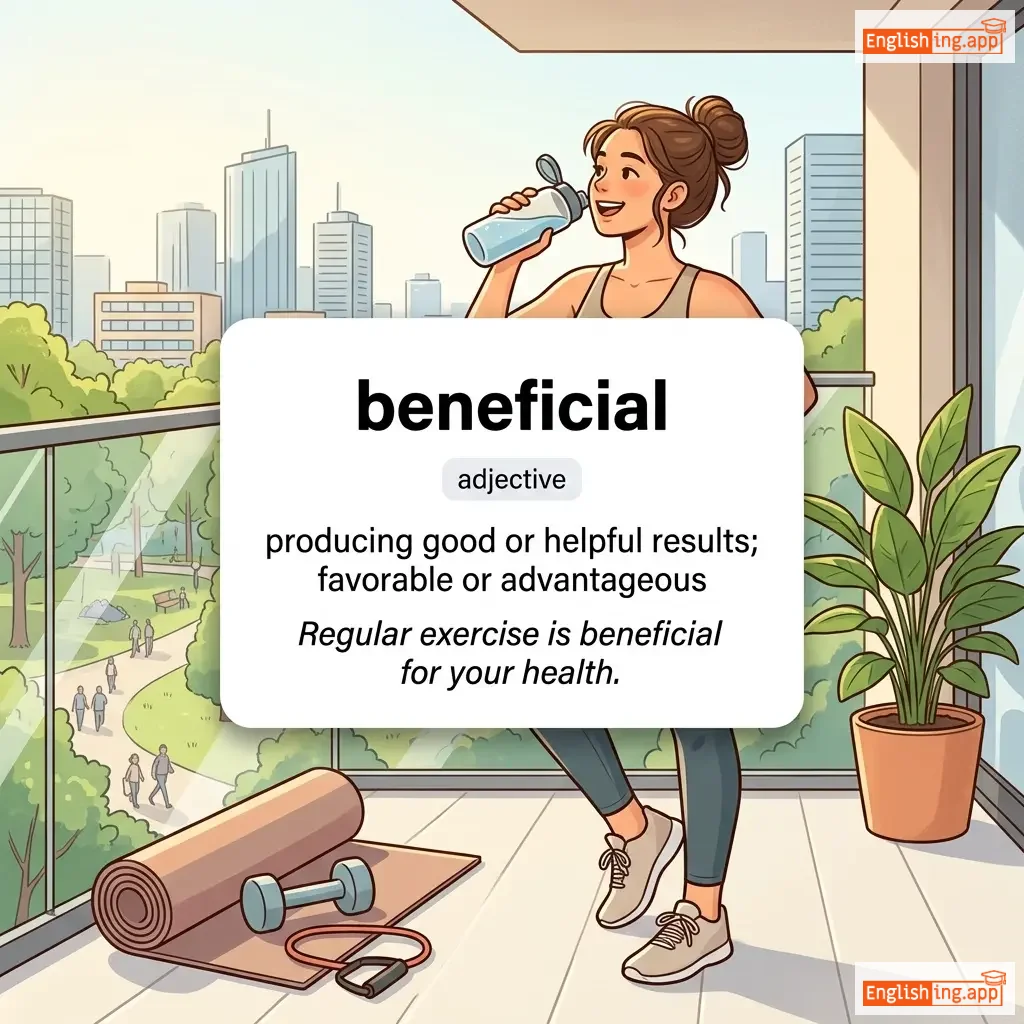
/ˌbɛnɪˈfɪʃəl/
adjective
(ベネフィシャル)
••••••
|
|
有益な
yuueki na
••••••
|
producing good or helpful results; favorable or advantageous
••••••
|
Regular exercise is beneficial for your health. |
定期的な運動はあなたの健康に有益です。
Teikiteki na undou wa anata no kenko ni yūeki desu.
••••••
|
- •••••• | - •••••• | - •••••• |
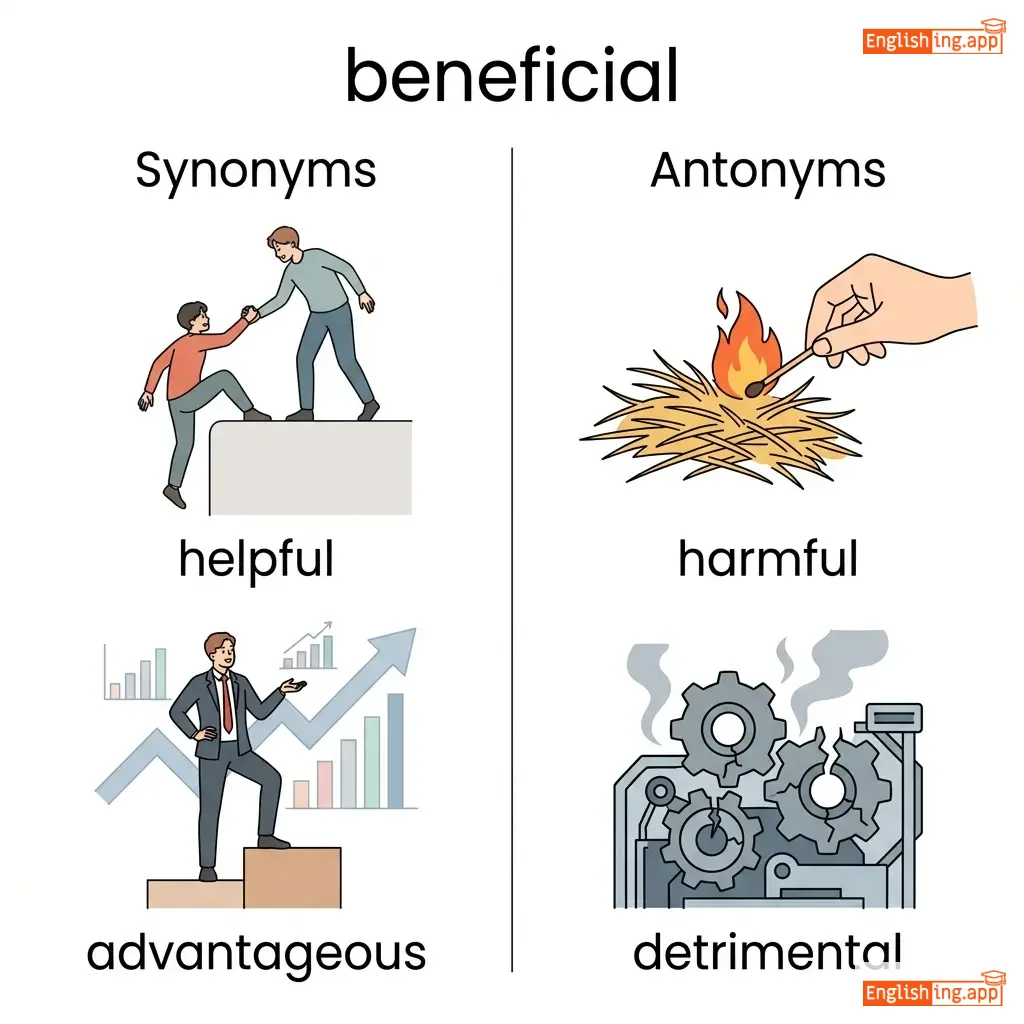
helpful, advantageous, favorable, useful, valuable
••••••
|
harmful, detrimental, disadvantageous
••••••
|
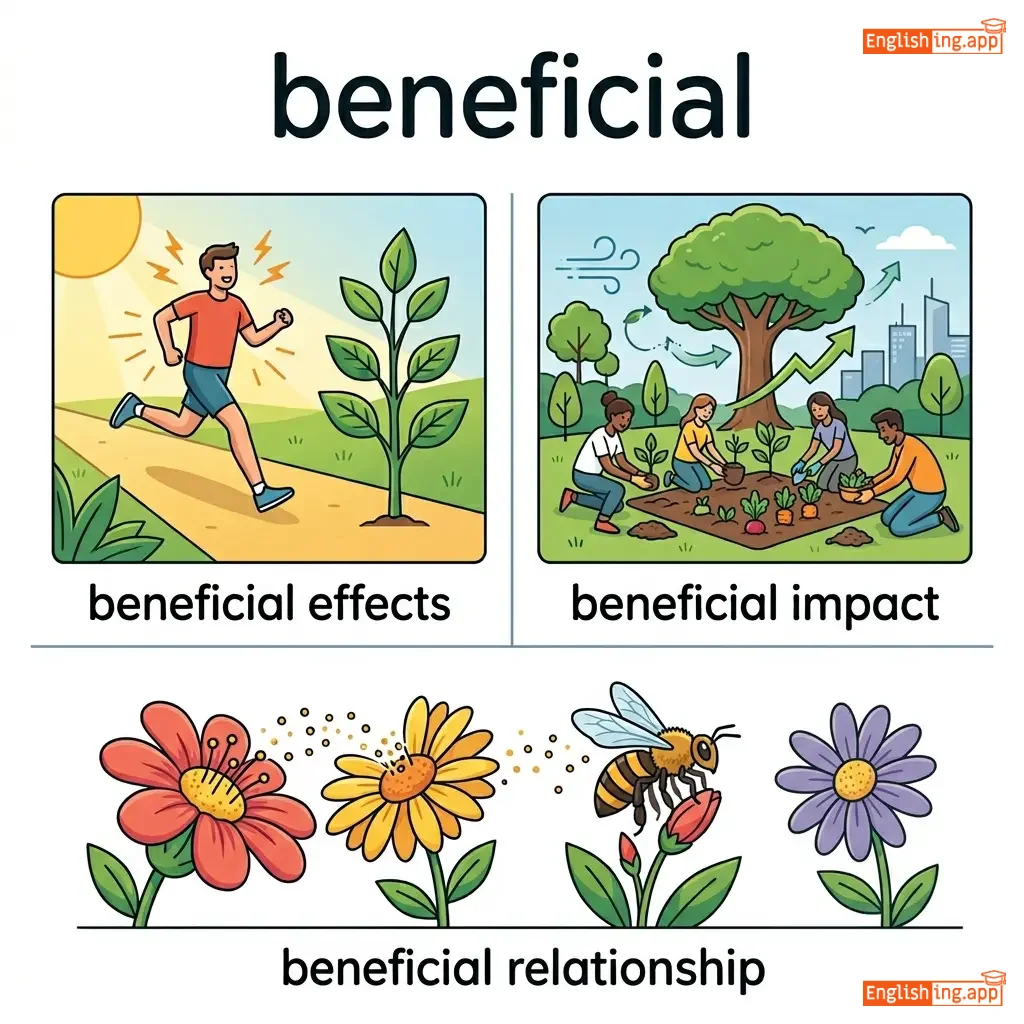
beneficial effects, beneficial impact, beneficial relationship, mutually beneficial
••••••
|
有益なは利益をもたらす、定期的な運動が健康に利益をもたらす
••••••
|
|
💡
••••••
|
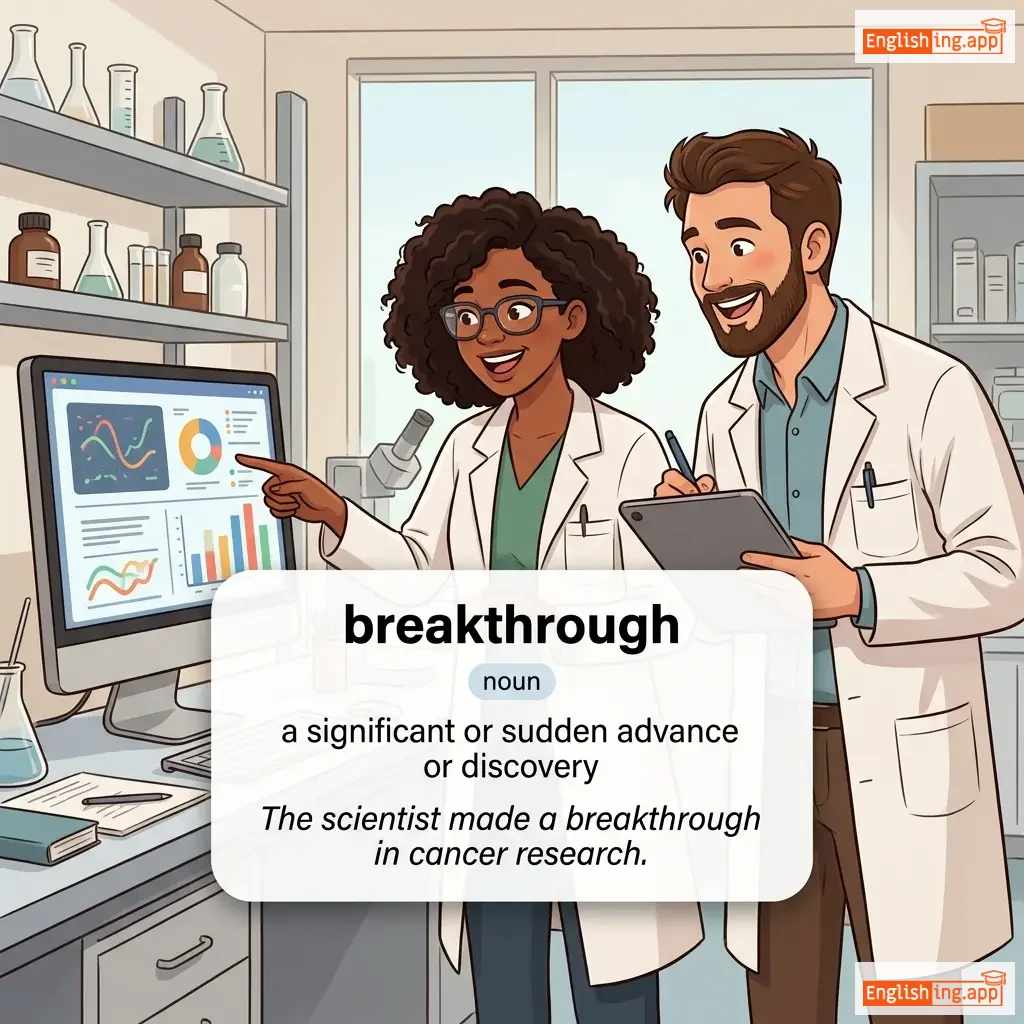
/ˈbrɛkθruː/
noun
••••••
|
|
- •••••• |
a significant or sudden advance or discovery
••••••
|
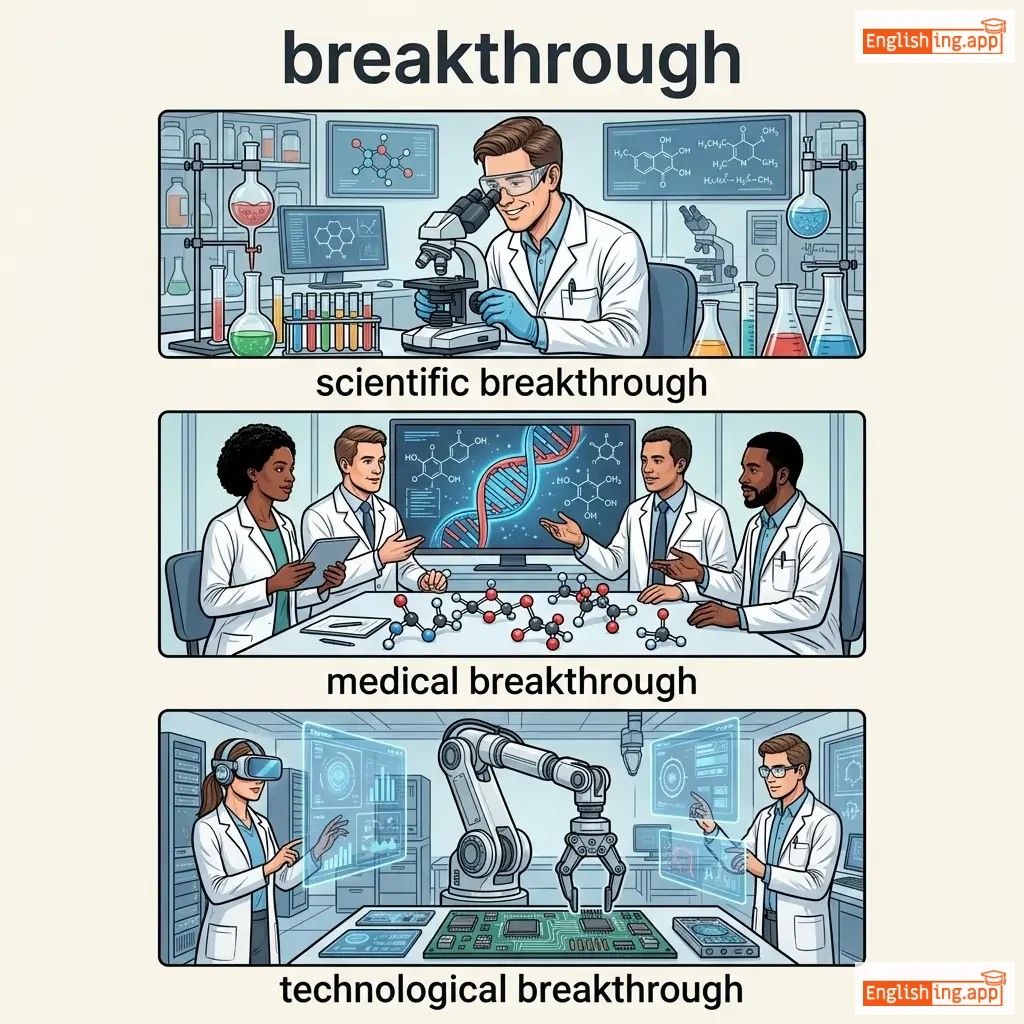
The scientist made a breakthrough in cancer research. |
- •••••• | - •••••• | - •••••• | - •••••• |
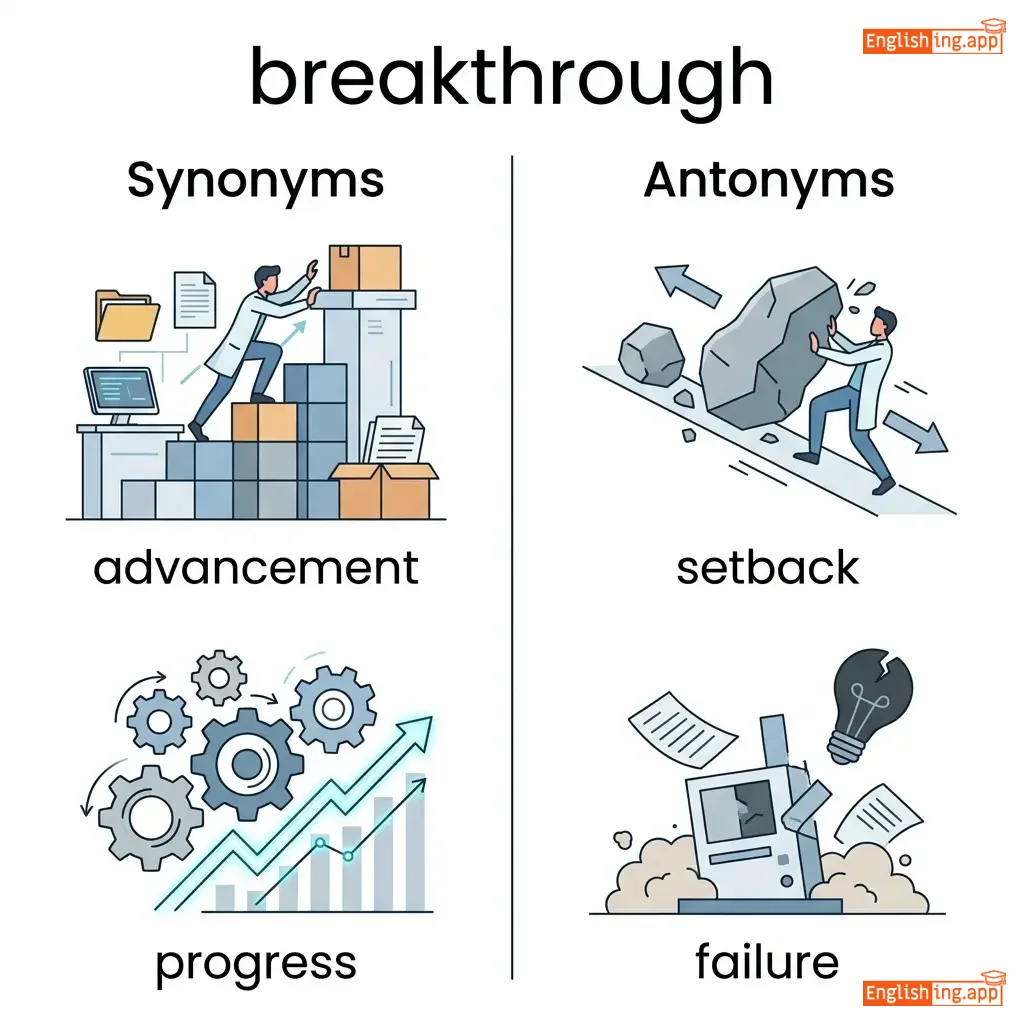
advancement, progress, discovery, innovation
••••••
|
setback, failure
••••••
|
scientific breakthrough, medical breakthrough, technological breakthrough
••••••
|
No •••••• |
|
⛰️
••••••
|
/ˈtʃælɪndʒɪŋ/
adjective
(チャレンジング)
••••••
|
- •••••• |
挑戦的な
chousenteki na
••••••
|
difficult in a way that tests one's abilities
••••••
|
The mountain climb was challenging but rewarding. |
山登りは挑戦的だったが、報われた。
Yamanobori wa chousenteki datta ga, mukuwareta.
••••••
|
- •••••• | - •••••• | - •••••• |
demanding, tough, hard, difficult
••••••
|
easy, simple
••••••
|
challenging task, challenging situation, highly challenging
••••••
|
Challenging is like ‘Challenge’ + ‘ING’ (something to test)
••••••
|
|
🤝
••••••
|
/kəˈmɪtmənt/
noun
••••••
|

|
- •••••• |
A promise or firm decision to do something; dedication or obligation to a cause or activity.
••••••
|
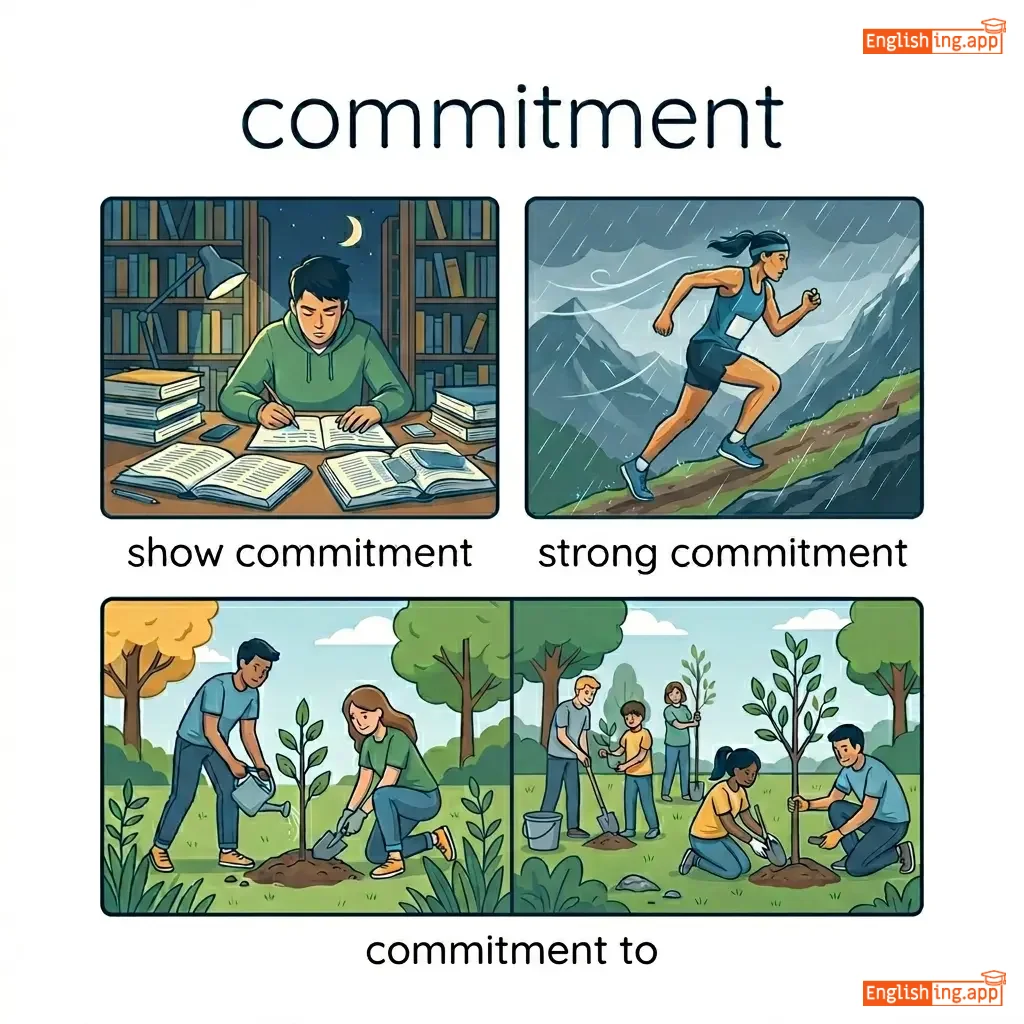
She showed great commitment to her studies. |
- •••••• |
a lifelong commitment |
A promise or responsibility that lasts for one's whole life.
••••••
|
- •••••• |
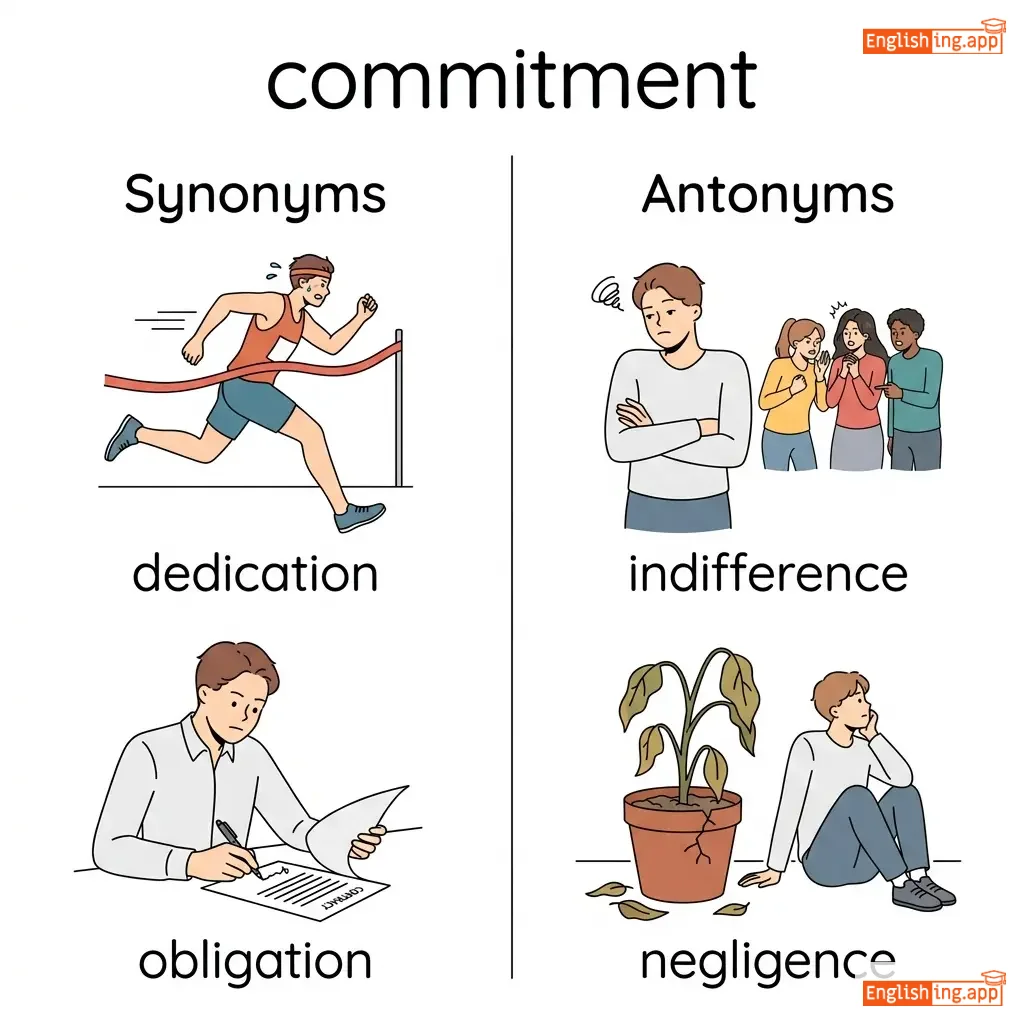
dedication, obligation, devotion, promise, responsibility
••••••
|
indifference, negligence, irresponsibility
••••••
|
strong commitment, show commitment, commitment to, long-term commitment
••••••
|
No •••••• |
|
🎯
••••••
|
/ˌkɒnsnˈtreɪʃən/
noun
(コンセントレーション)
••••••
|
|
集中力
shūchū-ryoku
••••••
|
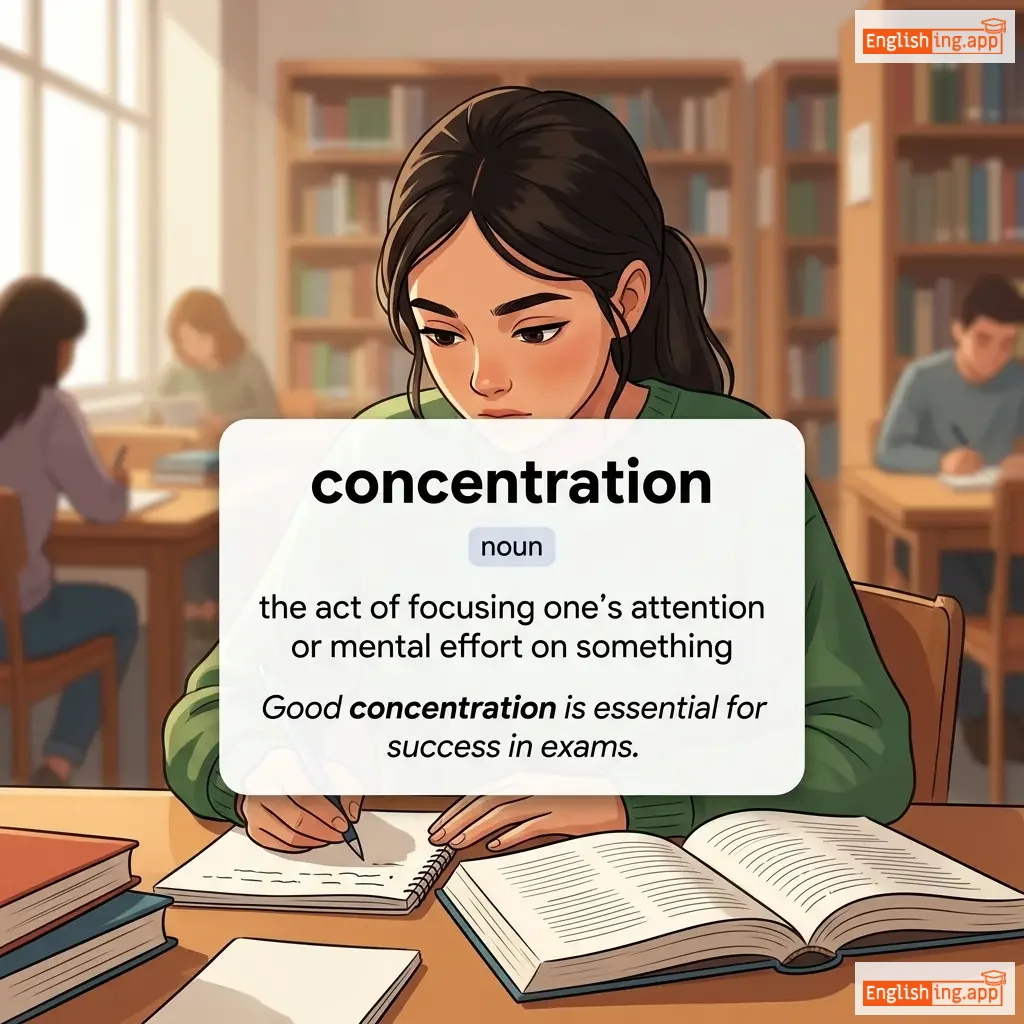
the act of focusing one's attention or mental effort on something
••••••
|
Good concentration is essential for success in exams.
試験に成功するためには、良い集中力が不可欠です。
••••••
|
試験に成功するためには、良い集中力が不可欠です。
Shiken ni seikou suru tame ni wa, yoi shūchū-ryoku ga fukaketsu desu.
••••••
|
lose concentration
集中力を失う
••••••
|
to be distracted and unable to focus
••••••
|
集中力を失う
shūchū-ryoku o ushinau
••••••
|
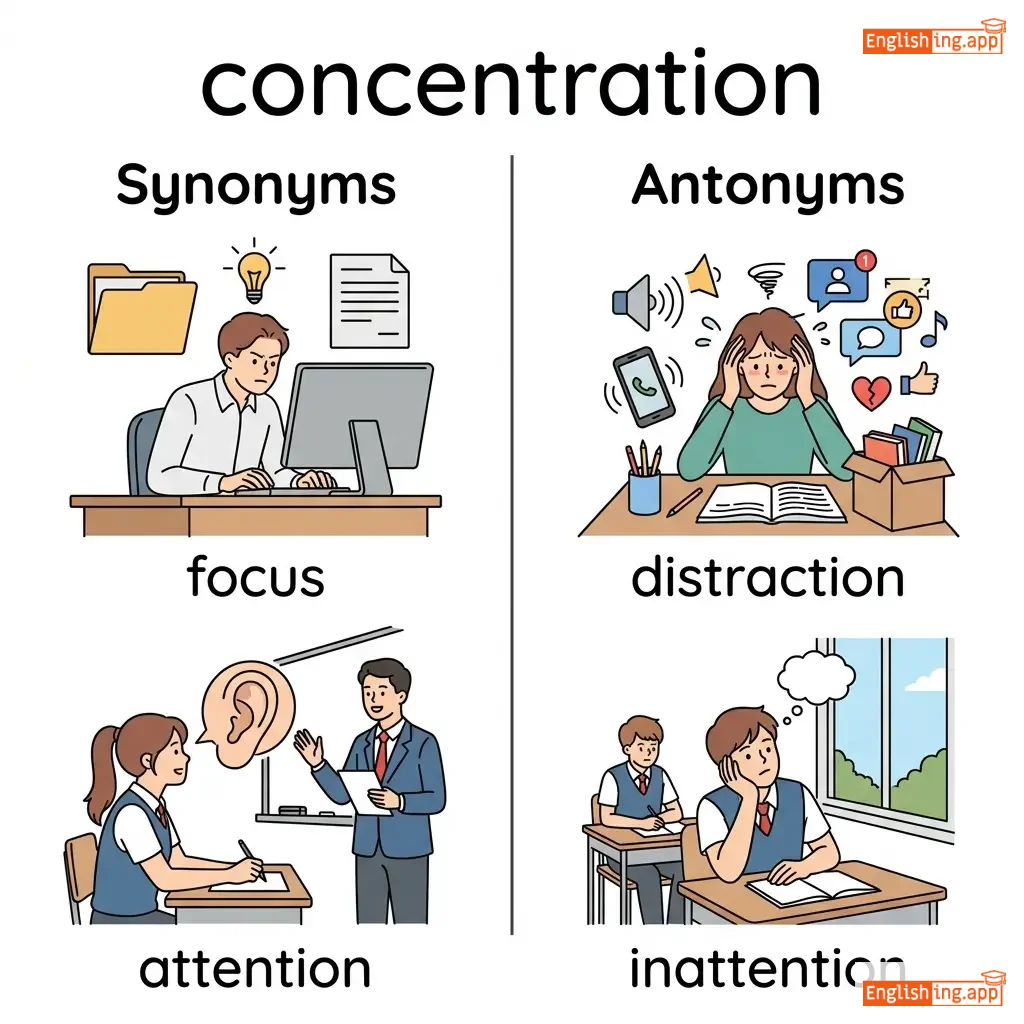
focus, attention, absorption, mindfulness
••••••
|
distraction, inattention
••••••
|
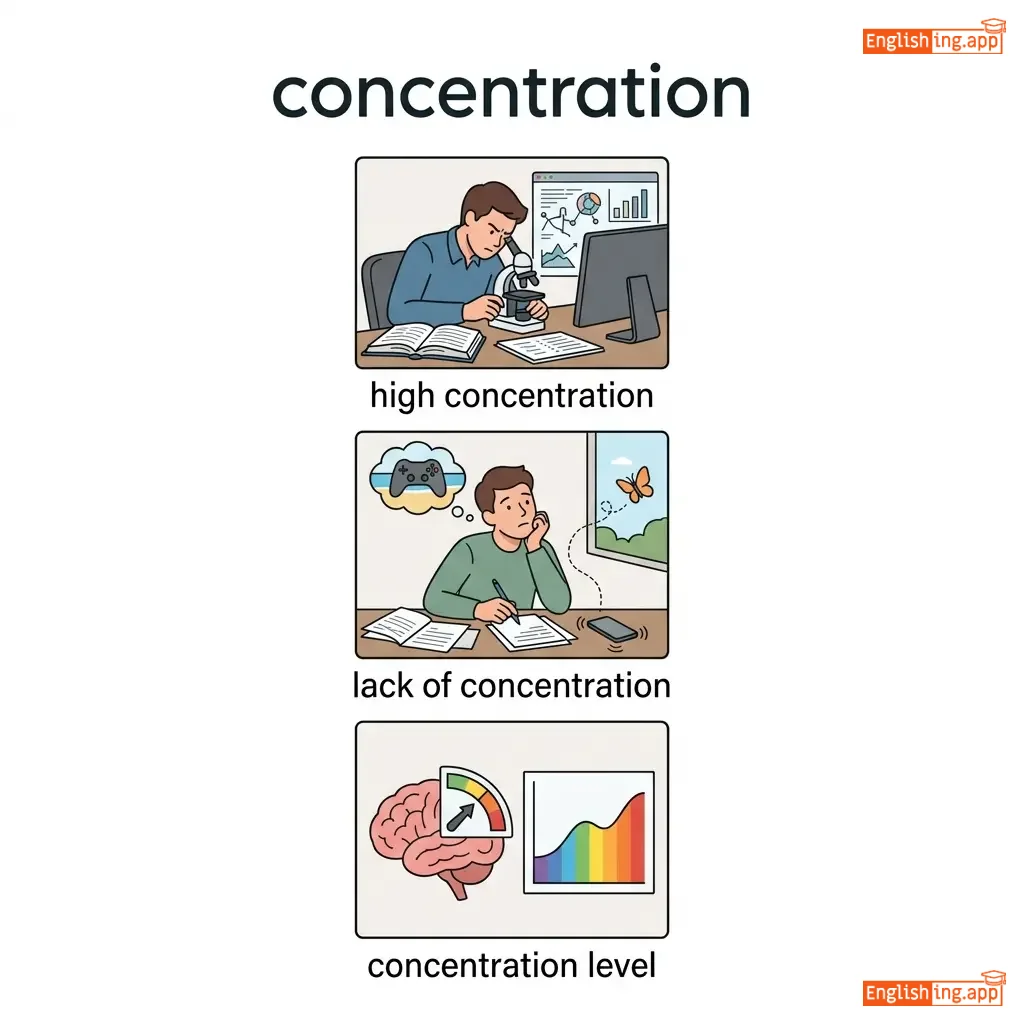
high concentration, lack of concentration, concentration level, concentration power
••••••
|
集中力は試験で目標に向かって集中すること。
••••••
|
|
⚖️
••••••
|
/ˈkɒnsɪkwəns/
noun
(コンシケンス)
••••••
|
|
結果
kekka
••••••
|
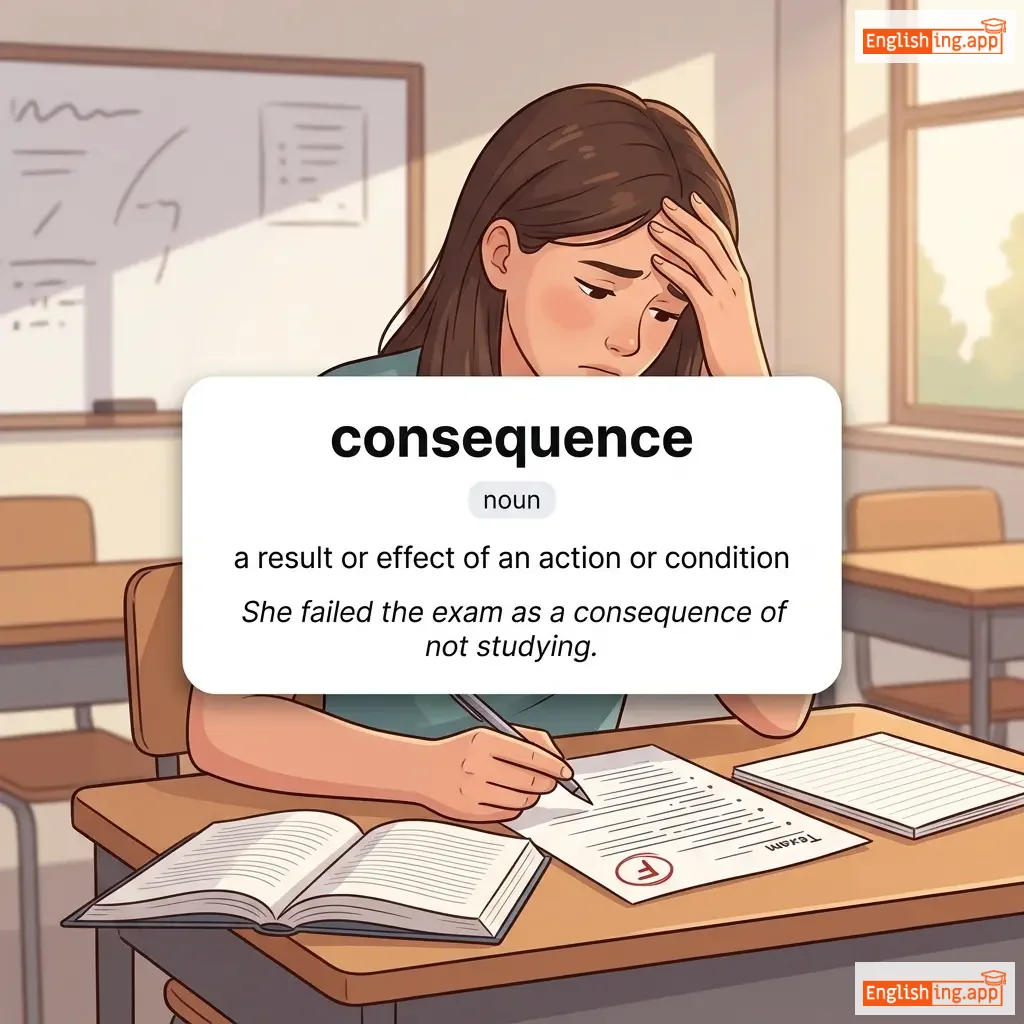
a result or effect of an action or condition
••••••
|
She failed the exam as a consequence of not studying. |
勉強しなかった結果、試験に落ちた。
Benkyō shinakatta kekka, shiken ni ochita.
••••••
|
face the consequences |
to accept the results of one's actions, especially bad ones
••••••
|
結果に直面する
kekka ni chokumen suru
••••••
|
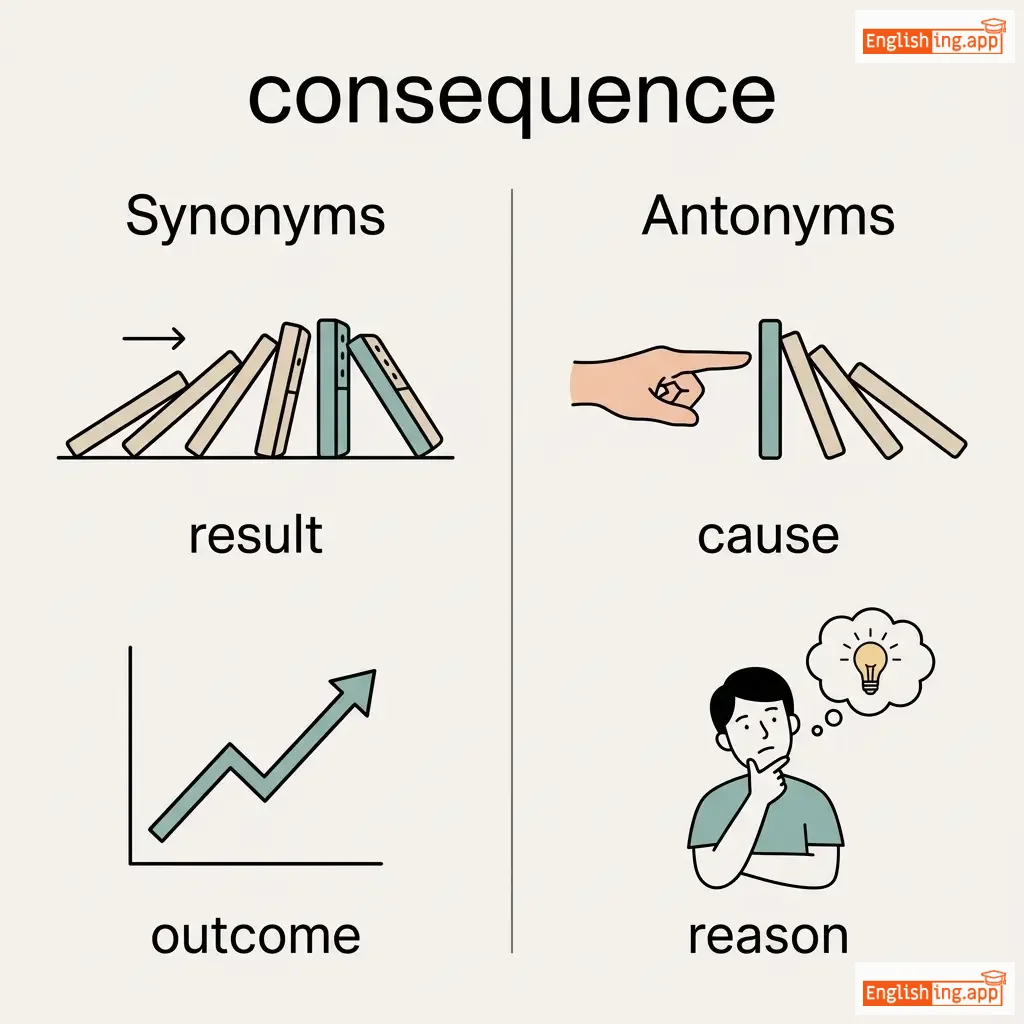
result, outcome, effect, aftermath, repercussion
••••••
|
cause, reason, origin
••••••
|
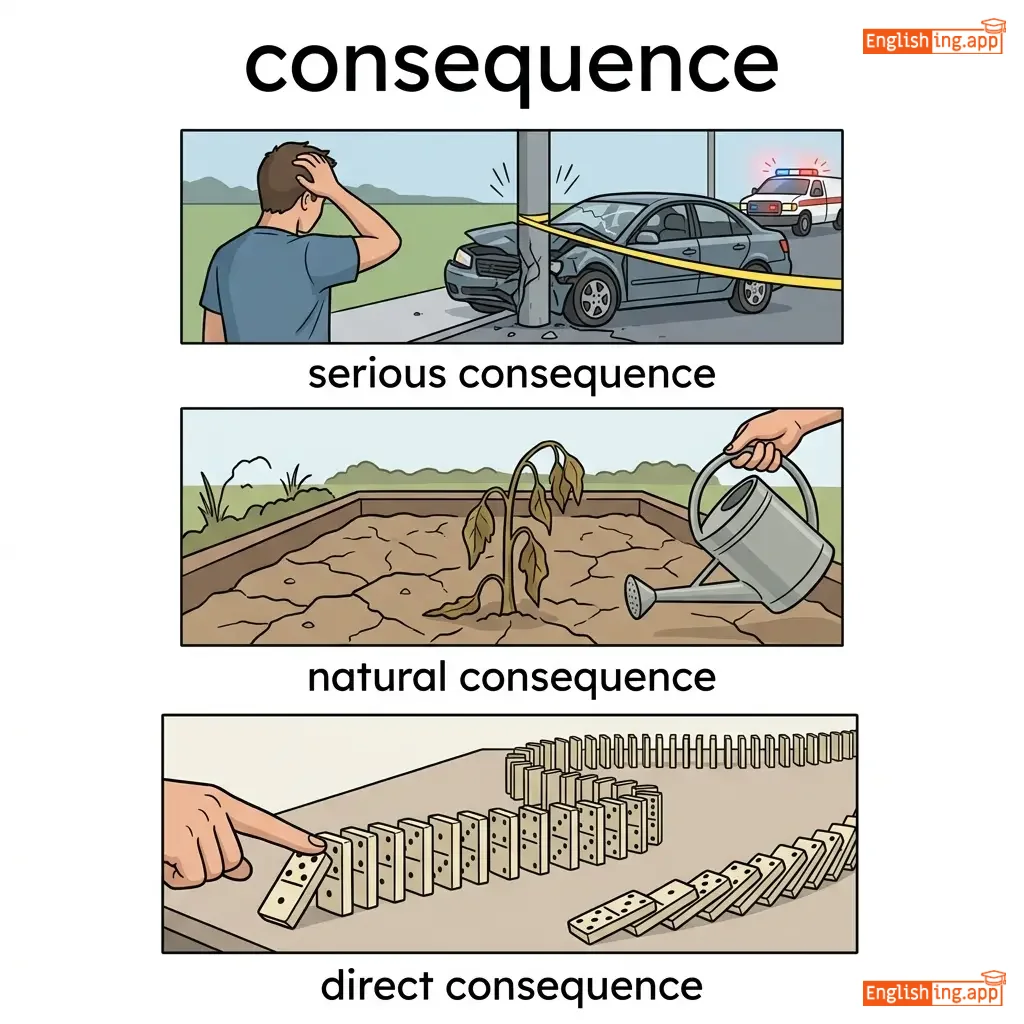
serious consequence, natural consequence, direct consequence, face consequences
••••••
|
結果は行動の結果であり、それが悪い結果であったとしても受け入れること。
••••••
|
|
🧒
••••••
|
/dɪˈpɛndənt/
adjective
(ディペンデント)
••••••
|
- •••••• |
依存
izon
••••••
|
Relying on someone or something else for support or help.
••••••
|
Children are dependent on their parents for care. |
子供たちは両親にケアを依存しています。
Kodomotachi wa ryōshin ni kea o izon shiteimasu.
••••••
|
dependent on |
Relying on someone or something.
••••••
|
依存する
izon suru
••••••
|
reliant, needy, subordinate, conditional, subject
••••••
|
independent, self-sufficient, autonomous
••••••
|
dependent on, financially dependent, emotionally dependent
••••••
|
依存は頼ることです - 子供たちは両親に依存しています。
••••••
|
|
😫
••••••
|
/ˈdɛspərətli/
adverb
(デスペレートリー)
••••••
|
- •••••• |
必死に
hisshi ni
••••••
|
in a way that shows despair or great need
••••••
|
He called for help desperately after the accident. |
事故後、彼は必死に助けを求めた。
Jiko go, kare wa hisshi ni tasuke o motometa.
••••••
|
desperately in need |
to require something urgently
••••••
|
必死に必要
hisshi ni hitsuyō
••••••
|
urgently, hopelessly, frantically, severely, badly
••••••
|
calmly, easily, leisurely
••••••
|
desperately need, desperately want, cry desperately, try desperately
••••••
|
必死に必要な時は必死に行動する。
••••••
|
|
😞
••••••
|
/ˌdɪsəˈpɔɪntɪd/
adjective
(disappoɪntid)
••••••
|
- •••••• |
失望した
shitsubou shita
••••••
|
sad or displeased because something has not happened as expected
••••••
|
She was disappointed with her exam results. |
彼女は試験結果に失望していた。
Kanojo wa shiken kekka ni shitsubou shite ita.
••••••
|
disappointed in someone |
feeling let down by a person's actions or behavior
••••••
|
誰かに失望する
dareka ni shitsubou suru
••••••
|
dissatisfied, upset, frustrated, let down, displeased
••••••
|
satisfied, pleased, content
••••••
|
feel disappointed, deeply disappointed, disappointed result, disappointed face
••••••
|
Dis + appointはあなたが期待していた人が失望させたから、‘失望した’です!
••••••
|
|
💪
••••••
|
/ɪnˈkʌrɪdʒɪŋ/
adjective
(エンクラジング)
••••••
|
- •••••• |
励みになる
hagemi ni naru
••••••
|
giving someone support or confidence; optimistic
••••••
|
Her words were very encouraging during the hard times.
彼女の言葉は、困難な時期に非常に励みになりました。
••••••
|
彼女の言葉は、困難な時期に非常に励みになりました。
Kanojo no kotoba wa, konnan na jiki ni hijō ni hagemi ni narimashita.
••••••
|
encouraging sign
励みになる兆し
••••••
|
a positive indication that something is improving
••••••
|
励みになる兆し
hagemi ni naru kizashi
••••••
|
supportive, hopeful, reassuring, promising, positive
••••••
|
discouraging, depressing
••••••
|
encouraging news, encouraging sign, encouraging smile, encouraging words
••••••
|
励みになる = エネルギー + 勇気 — 支援と自信を与える。
••••••
|
|
😤
••••••
|
/ˈfrʌstreɪtɪd/
adjective
(フラストレイテッド)
••••••
|
- •••••• |
フラストレーション
furasutore-shon
••••••
|
feeling annoyed or upset because of inability to achieve something
••••••
|
She felt frustrated after failing the exam. |
彼女は試験に失敗した後、フラストレーションを感じました。
Kanojo wa shiken ni shippai shita ato, furasutore-shon o kanjimashita.
••••••
|
- •••••• | - •••••• | - •••••• |
annoyed, upset, discouraged, disappointed
••••••
|
calm, content, pleased
••••••
|
feel frustrated, get frustrated, frustrated with
••••••
|
フラストレーションは、進む道が凍っているように感じる。
••••••
|
|
📖
••••••
|
/ˌfʌndəˈmɛntl/
adjective
••••••
|
- •••••• | - •••••• |
forming a necessary base or core; of central importance
••••••
|
Honesty is a fundamental principle of good leadership. |
- •••••• |
fundamental truth |
a basic and undeniable fact
••••••
|
- •••••• |
basic, essential, primary, foundational, vital
••••••
|
trivial, secondary
••••••
|
fundamental principle, fundamental right, fundamental importance, fundamental truth
••••••
|
No •••••• |
|
🔧
••••••
|
/ɪmˈpruːvmənt/
noun
(imprúvment)
••••••
|
- •••••• |
改善
kaizen
••••••
|
the act of making something better
••••••
|
There has been a significant improvement in his health.
彼の健康には重要な改善がありました。
••••••
|
彼の健康には重要な改善がありました。
kare no kenko ni wa jūyō na kaizen ga arimashita.
••••••
|
continuous improvement
継続的な改善
••••••
|
the ongoing effort to make things better
••••••
|
継続的な改善
keizokuteki na kaizen
••••••
|
progress, enhancement, advancement, growth, development
••••••
|
decline, deterioration, regression
••••••
|
health improvement, significant improvement, gradual improvement, scope for improvement
••••••
|
Improvement は改善です – 改善は improvement です
••••••
|
|
😱
••••••
|
/ˈnaɪtˌmɛər/
noun
••••••
|
- •••••• | - •••••• |
a frightening or unpleasant dream; a very distressing experience.
••••••
|
Last night, she had a terrifying nightmare. |
- •••••• |
a living nightmare |
a situation that is extremely unpleasant or terrifying in real life.
••••••
|
- •••••• |
bad dream, terror, horror, ordeal, trauma
••••••
|
dream, delight
••••••
|
terrible nightmare, have a nightmare, living nightmare, recurring nightmare
••••••
|
No •••••• |
|
🌟
••••••
|
/ˌɒp.əˈtjuː.nə.ti/
noun
(オポチュニティ)
••••••
|
- •••••• |
チャンス
chansu
••••••
|
A favorable chance or set of circumstances that makes it possible to do something.
••••••
|
She seized the opportunity to study abroad. |
彼女は海外で勉強するチャンスをつかんだ。
Kanojo wa kaigai de benkyō suru chansu o tsukanda.
••••••
|
once in a lifetime opportunity |
A very rare and unique chance that may never happen again.
••••••
|
人生で一度のチャンス
Jinsei de ichido no chansu
••••••
|
chance, prospect, possibility, option, occasion
••••••
|
misfortune, disadvantage, obstacle
••••••
|
golden opportunity, missed opportunity, career opportunity, business opportunity
••••••
|
チャンスは逃さずに、しっかり掴もう!
••••••
|
|
⚙️
••••••
|
/ˈpræk.tɪ.kəl.i/
adverb
(プラクティカリー)
••••••
|
- •••••• |
実質的に; ほぼ; ほぼ
jisshitsuteki ni; hobo; hobo
••••••
|
in a practical manner; almost; nearly
••••••
|
The project is practically finished.
そのプロジェクトは実質的に終了しました。
••••••
|
そのプロジェクトはほぼ終わりました。
Sono purojekuto wa hobo owarimashita.
••••••
|
- •••••• | - •••••• | - •••••• |
virtually, nearly, almost, essentially
••••••
|
theoretically, impractically, barely
••••••
|
practically impossible, practically speaking, practically finished
••••••
|
In Japanese, think of '実質的に' to remember practical things almost done.
••••••
|
|
⭐
••••••
|
/rɪˈmɑːrkəbl/
adjective
(rimarkaburu)
••••••
|
- •••••• |
注目すべき; 非凡な; 顕著な;
chūmoku subeki; hibōna; kencho na
••••••
|
worthy of attention; extraordinary; notable;
••••••
|
His recovery from the illness was remarkable. |
病気から回復することは注目すべきことでした。
Byōki kara kaifuku suru koto wa chūmoku subeki koto deshita.
••••••
|
- •••••• | - •••••• | - •••••• |
extraordinary, outstanding, exceptional, amazing
••••••
|
ordinary, unremarkable, common, typical
••••••
|
remarkable achievement, remarkable progress, remarkable talent
••••••
|
Remarkable = 注目すべき (worthy of attention) + 非凡な (extraordinary)
••••••
|
|
✅
••••••
|
/səkˈsɛsfəli/
adverb
(səkˈsɛsfəli)
••••••
|
- •••••• |
成功裏に
seikou ri ni
••••••
|
in a way that achieves a desired result
••••••
|
She passed the exam successfully after weeks of studying.
彼女は数週間の勉強の後、試験に成功裏に合格しました。
••••••
|
彼女は数週間の勉強の後、試験に成功裏に合格しました。
Kanojo wa suushukan no benkyou no ato, shiken ni seikou ri ni goukaku shimashita.
••••••
|
- •••••• | - •••••• | - •••••• |
effectively, proficiently, smoothly, favorably
••••••
|
unsuccessfully, poorly, ineffectively
••••••
|
successfully complete, successfully achieve, successfully execute
••••••
|
Successfully means achieving success 'seikou ri ni' (successfully)!
••••••
|
|
😮
••••••
|
/ˌʌnɪkˈspɛktɪd/
adjective
(anekspekted)
••••••
|
- •••••• |
予期しない
yoki shinai
••••••
|
not anticipated or predicted; surprising
••••••
|
We had an unexpected visitor last night. |
昨晩、予期しない訪問者が来ました。
Sakuban, yoki shinai hōmon-sha ga kimashita.
••••••
|
expect the unexpected |
be prepared for surprises or things you don’t foresee
••••••
|
予期しないことを予期する
yoki shinai koto o yoki suru
••••••
|
surprising, sudden, unforeseen, astonishing, abrupt
••••••
|
expected, predicted, planned
••••••
|
unexpected result, unexpected event, unexpected visitor, unexpected change
••••••
|
Un + expected = 予期していなかった — それが予期しない!
••••••
|

