The Breakthrough That Changed Everything
拉菲在他的fundamental研究项目上practically工作了三个月,但没有任何breakthrough。每天他都在实验室里全神贯注地工作,但结果令人disappointing。他的导师卡里姆教授说:"拉菲,尽管这个项目很challenging,你不要放弃。"但是拉菲感到frustrated,因为他desperately想要一个remarkable的结果。一天晚上,当大家都离开时,拉菲unexpected地犯了个错误——他将两种化学品以错误的比例混合了。第二天早上,他发现由于consequence,发生了一种非凡的反应!这就像从nightmare中走出来一样。卡里姆教授encouraging地说:"抓住这个opportunity。" 拉菲通过successfully完成接下来两周的实验,展示了他的commitment。这次improvement对他的职业生涯和整个部门来说都是beneficial的。现在拉菲不再dependent于任何人;他自己成为了一名独立的研究人员。他的achievement在整个大学里得到了庆祝。
|
表情符号
|
单词 | Images | 翻译 | 含义 | 例句 | 例句翻译 | 示例表达 | 示例表达含义 | 示例表达翻译 | 同义词 | 反义词 | 搭配词 | 助记符 |
|---|---|---|---|---|---|---|---|---|---|---|---|---|---|
|
🏆
••••••
|
/əˈtʃiːvmənt/
noun
(achīvmènt)
••••••
|
- •••••• |
成就
chéngjiù
••••••
|
Something that has been successfully completed or accomplished through effort or skill.
••••••
|
Graduating from university was her greatest achievement. |
大学毕业是她最大的成就。
Dàxué bìyè shì tā zuìdà de chéngjiù.
••••••
|
a sense of achievement |
a feeling of pride in accomplishing something
••••••
|
成就感
chéngjiù gǎn
••••••
|
accomplishment, success, triumph, attainment, feat
••••••
|
failure, defeat
••••••
|
great achievement, outstanding achievement, sense of achievement, academic achievement
••••••
|
Achievement就是成就;考试通过就是成就。
••••••
|
|
🌱
••••••
|
/ˌbɛnɪˈfɪʃəl/
adjective
(贝内菲舍尔)
••••••
|
|
有益的
you yi de
••••••
|
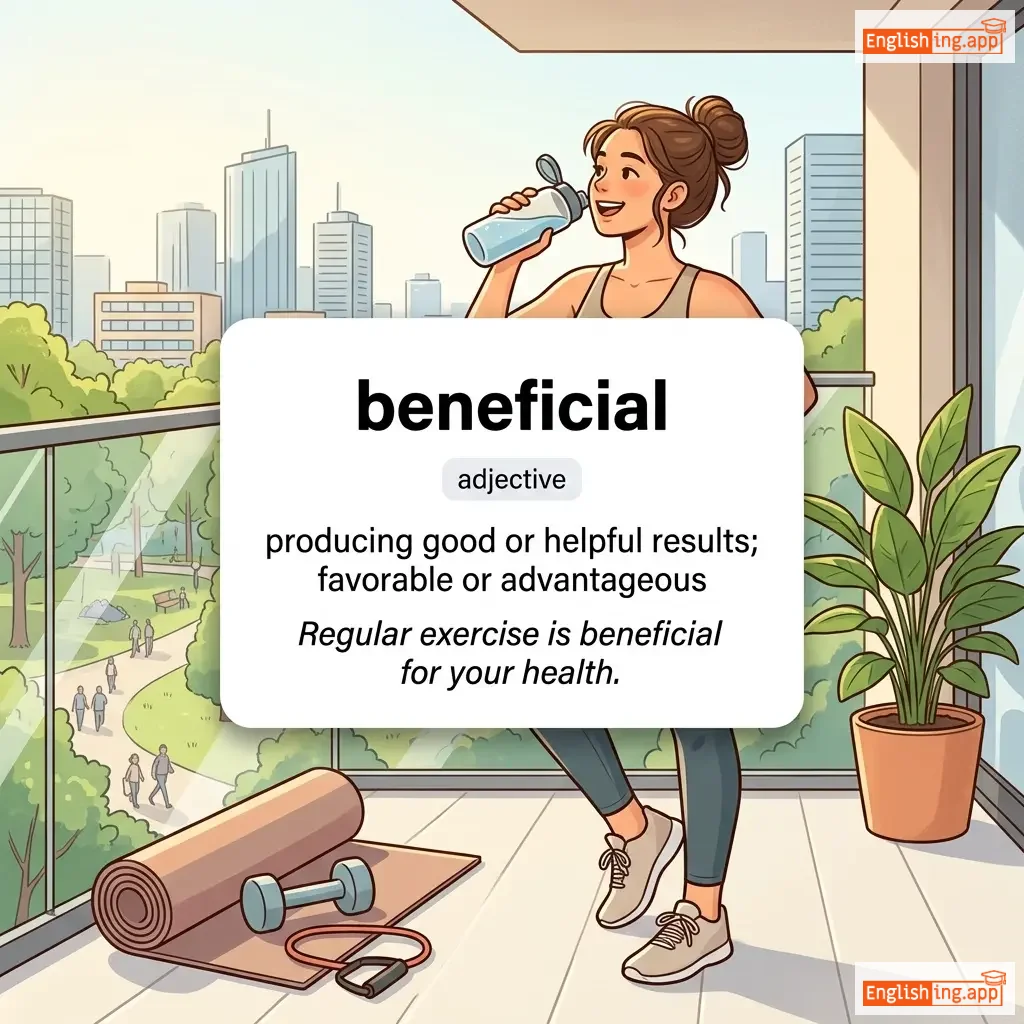
producing good or helpful results; favorable or advantageous
••••••
|
Regular exercise is beneficial for your health. |
定期锻炼对你的健康有益。
Dìngqí duànliàn duì nǐ de jiànkāng yǒuyì.
••••••
|
- •••••• | - •••••• | - •••••• |
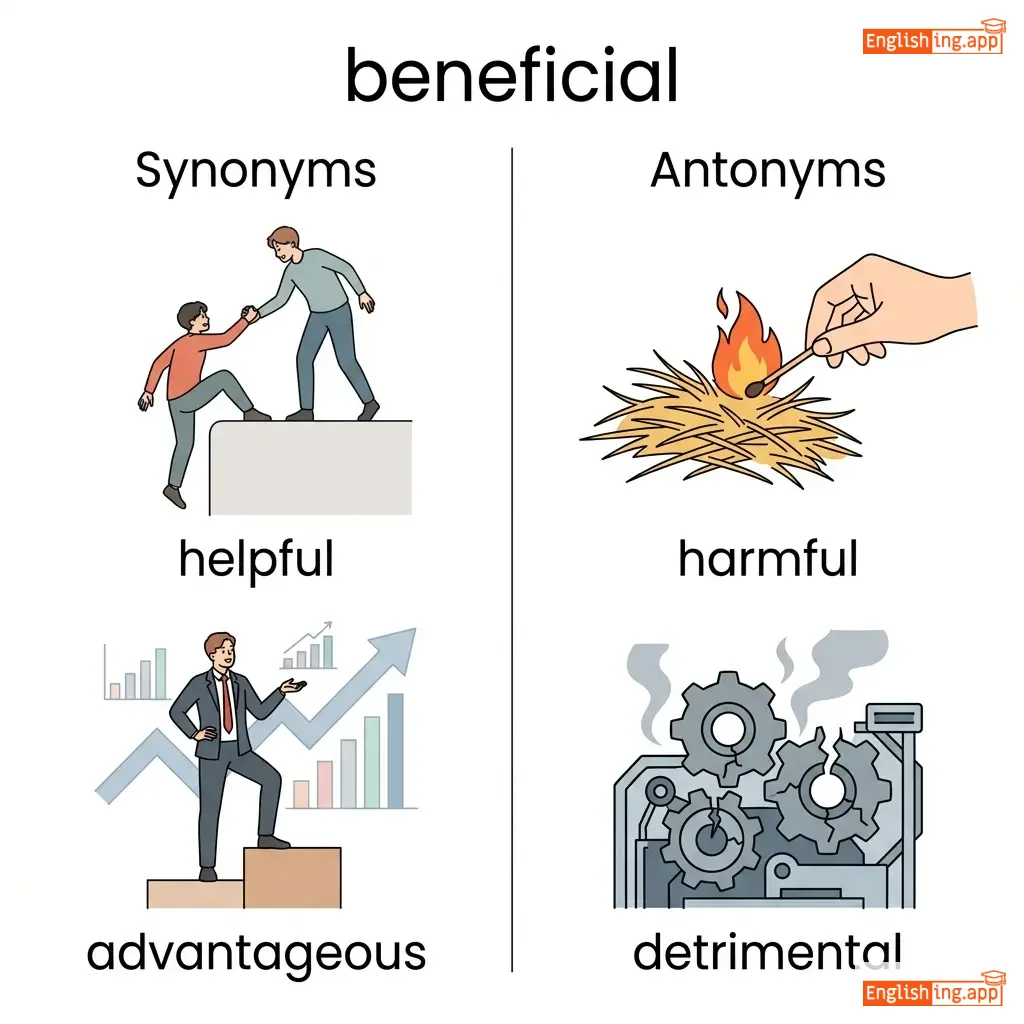
helpful, advantageous, favorable, useful, valuable
••••••
|
harmful, detrimental, disadvantageous
••••••
|
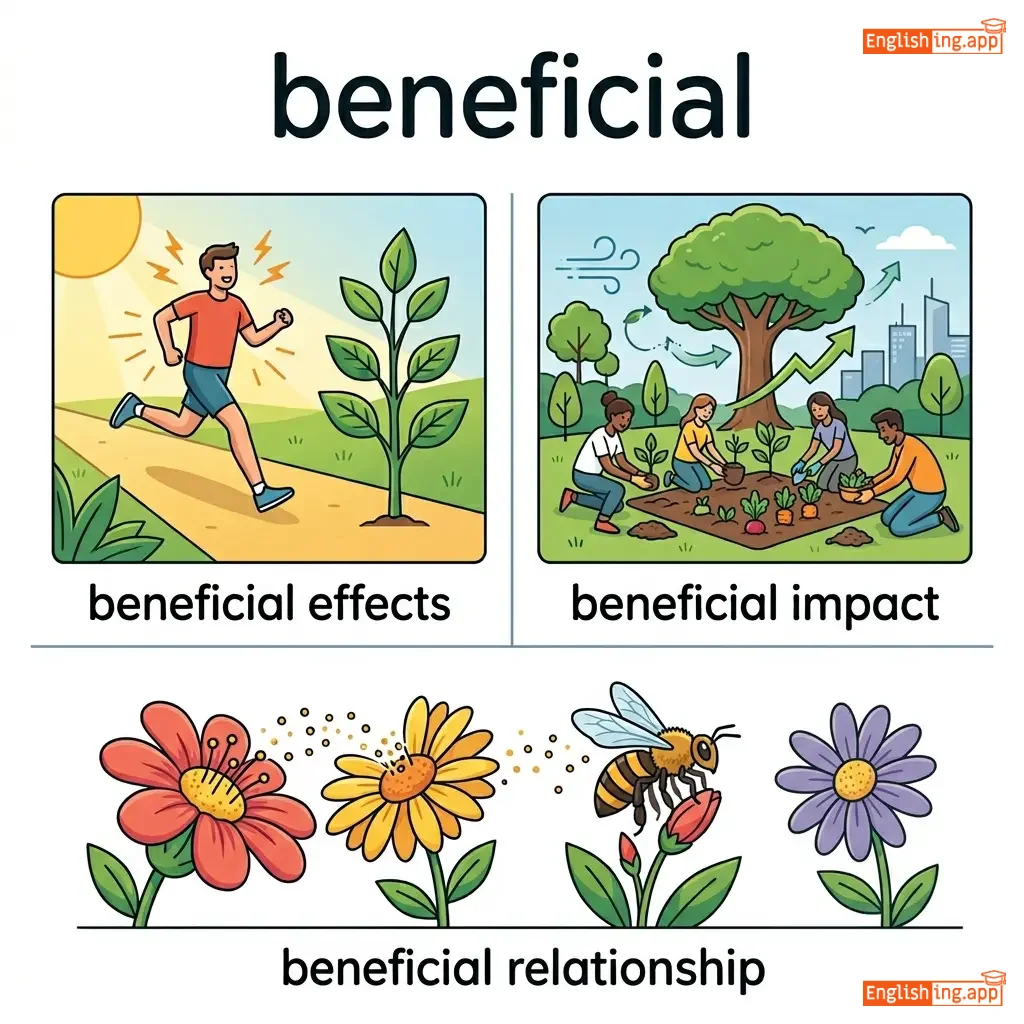
beneficial effects, beneficial impact, beneficial relationship, mutually beneficial
••••••
|
有益的 = 带来益处,像定期锻炼对健康的好处
••••••
|
|
💡
••••••
|
/ˈbrɛkθruː/
noun
••••••
|
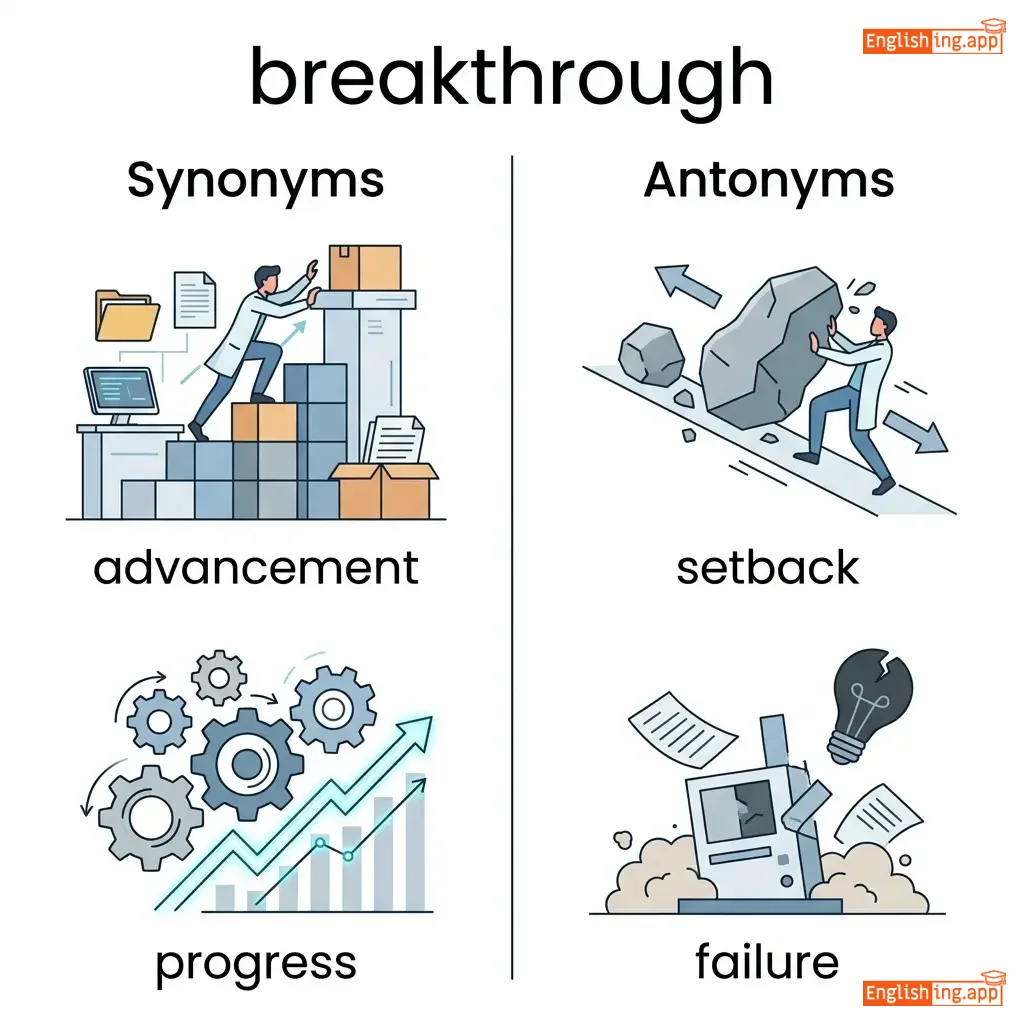
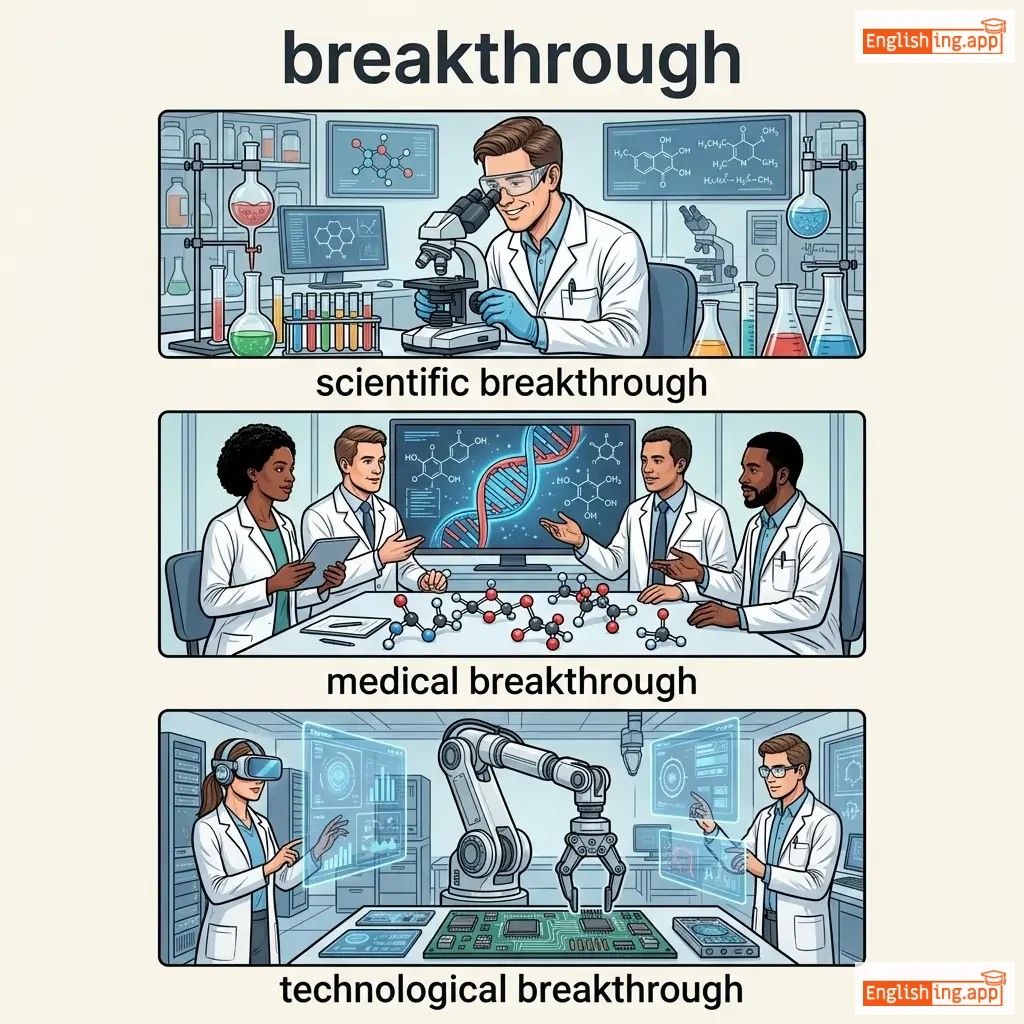
|
- •••••• |
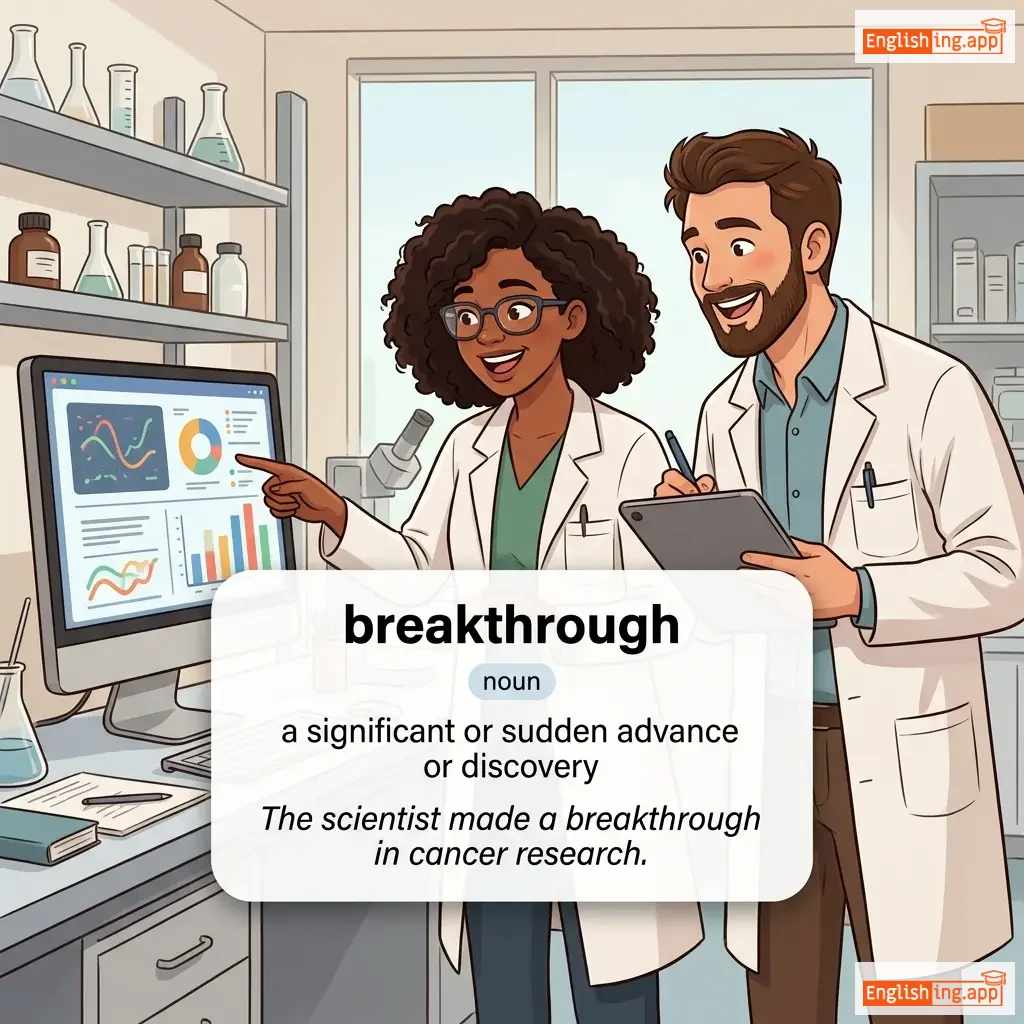
a significant or sudden advance or discovery
••••••
|
The scientist made a breakthrough in cancer research. |
- •••••• | - •••••• | - •••••• | - •••••• |
advancement, progress, discovery, innovation
••••••
|
setback, failure
••••••
|
scientific breakthrough, medical breakthrough, technological breakthrough
••••••
|
No •••••• |
|
⛰️
••••••
|
/ˈtʃælɪndʒɪŋ/
adjective
(挑战)
••••••
|
- •••••• |
具有挑战性的
jùyǒu tiǎozhàn xìng de
••••••
|
difficult in a way that tests one's abilities
••••••
|
The mountain climb was challenging but rewarding. |
爬山是具有挑战性的,但也是有回报的。
Páshān shì jùyǒu tiǎozhàn xìng de, dàn yě shì yǒu huíbào de.
••••••
|
- •••••• | - •••••• | - •••••• |
demanding, tough, hard, difficult
••••••
|
easy, simple
••••••
|
challenging task, challenging situation, highly challenging
••••••
|
Challenging is like ‘Challenge’ + ‘ING’ (something to test)
••••••
|
|
🤝
••••••
|
/kəˈmɪtmənt/
noun
••••••
|

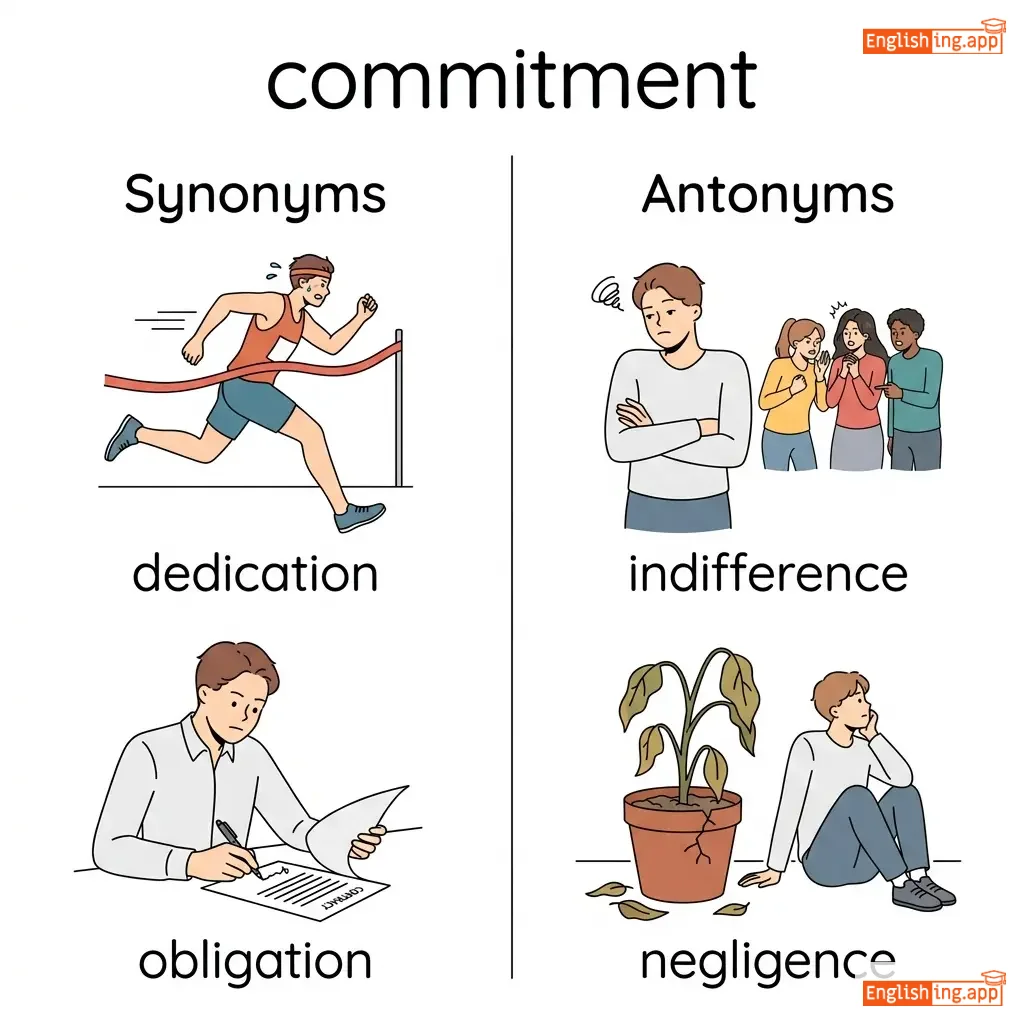

|
- •••••• |
A promise or firm decision to do something; dedication or obligation to a cause or activity.
••••••
|
She showed great commitment to her studies. |
- •••••• |
a lifelong commitment |
A promise or responsibility that lasts for one's whole life.
••••••
|
- •••••• |
dedication, obligation, devotion, promise, responsibility
••••••
|
indifference, negligence, irresponsibility
••••••
|
strong commitment, show commitment, commitment to, long-term commitment
••••••
|
No •••••• |
|
🎯
••••••
|
/ˌkɒnsnˈtreɪʃən/
noun
(kòn sèntè réi shén)
••••••
|
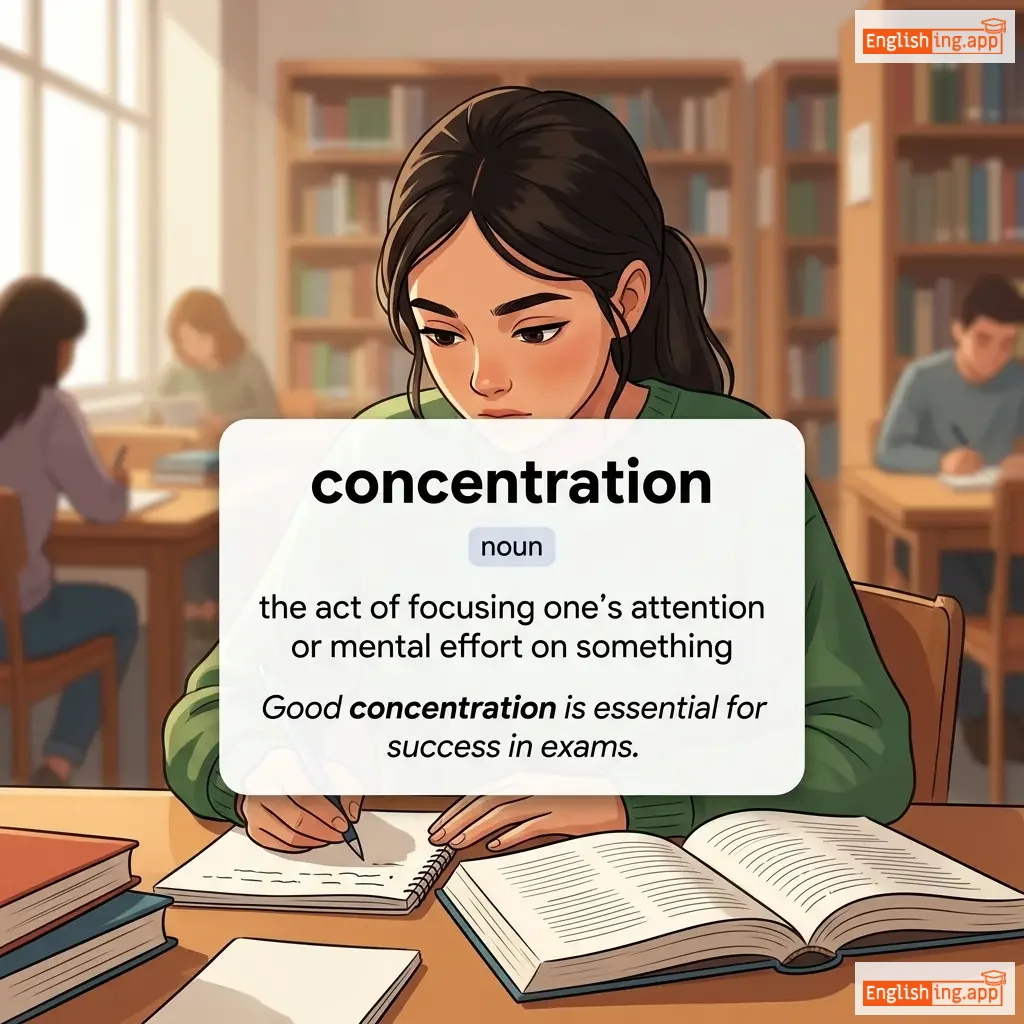
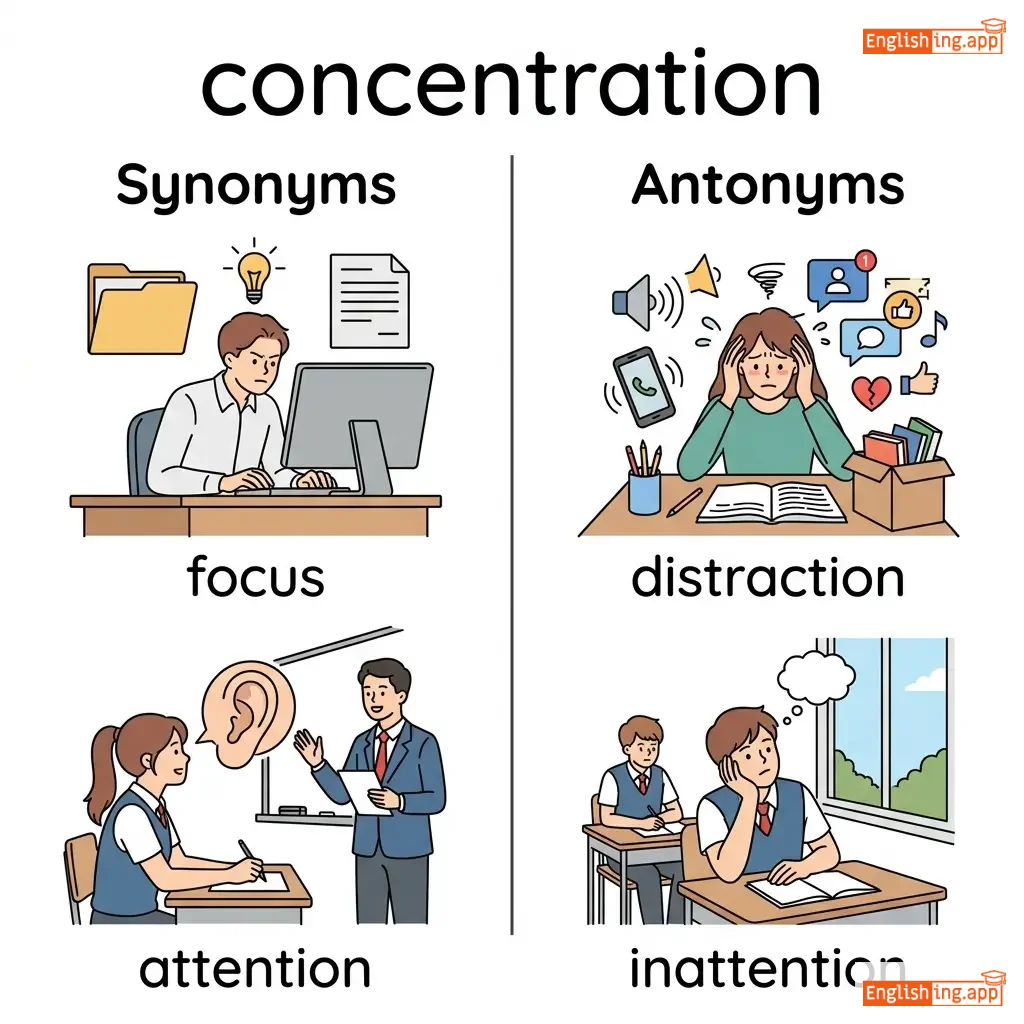
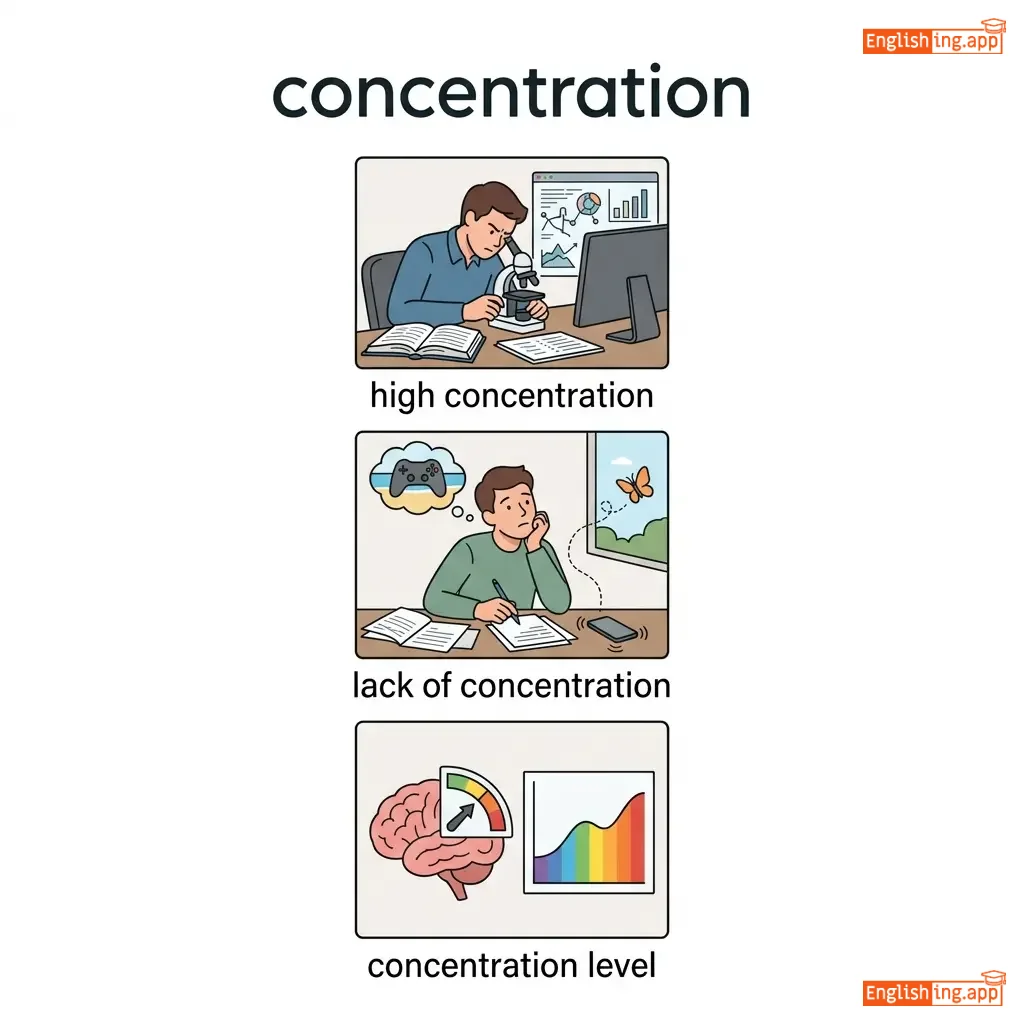
|
集中力
ji zhong li
••••••
|
the act of focusing one's attention or mental effort on something
••••••
|
Good concentration is essential for success in exams.
良好的专注力对于考试成功至关重要。
••••••
|
良好的专注力对于考试成功至关重要。
Liánghǎo de zhuānzhù lì duìyú kǎoshì chénggōng zhìguān zhòngyào.
••••••
|
lose concentration
失去集中力
••••••
|
to be distracted and unable to focus
••••••
|
失去集中力
shīqù jízhōng lì
••••••
|
focus, attention, absorption, mindfulness
••••••
|
distraction, inattention
••••••
|
high concentration, lack of concentration, concentration level, concentration power
••••••
|
专注力:就像考试中的激光一样聚焦目标。
••••••
|
|
⚖️
••••••
|
/ˈkɒnsɪkwəns/
noun
(kāngsīkuìwēn)
••••••
|
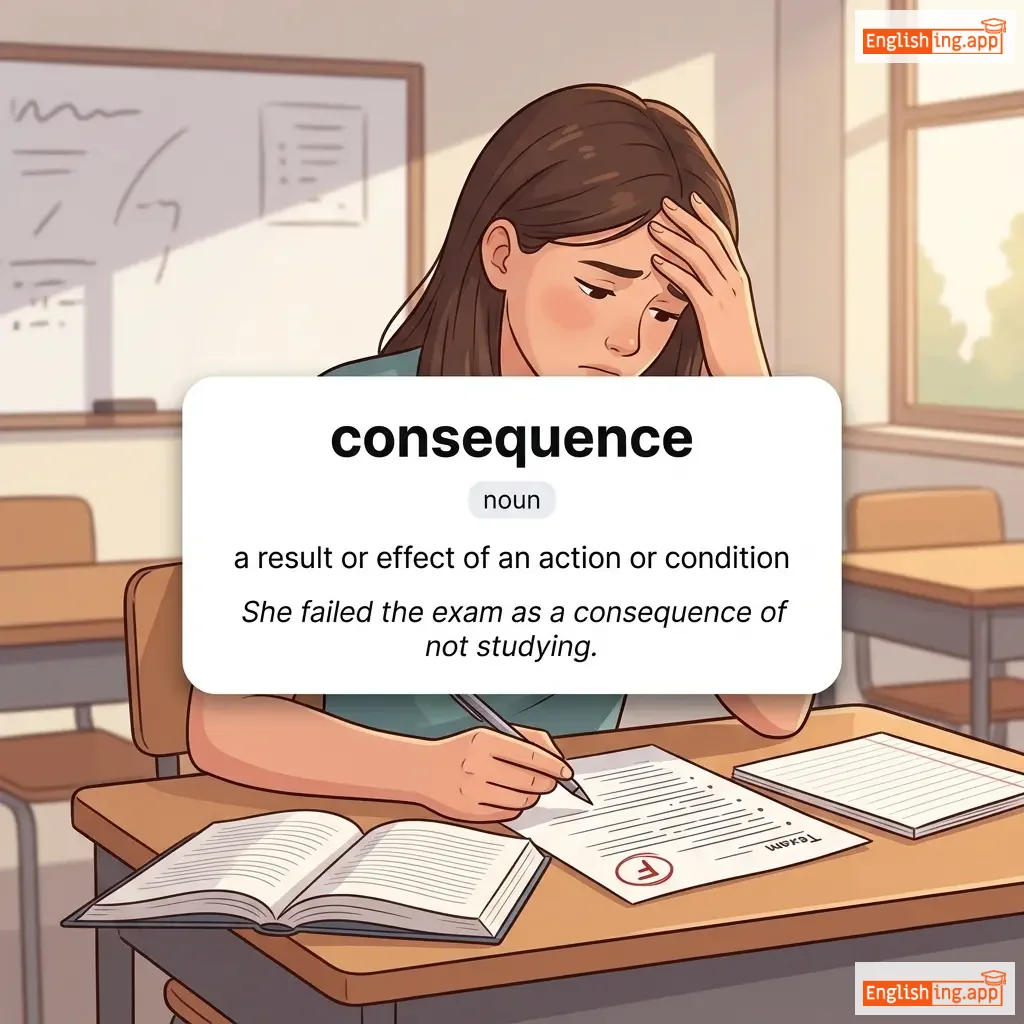
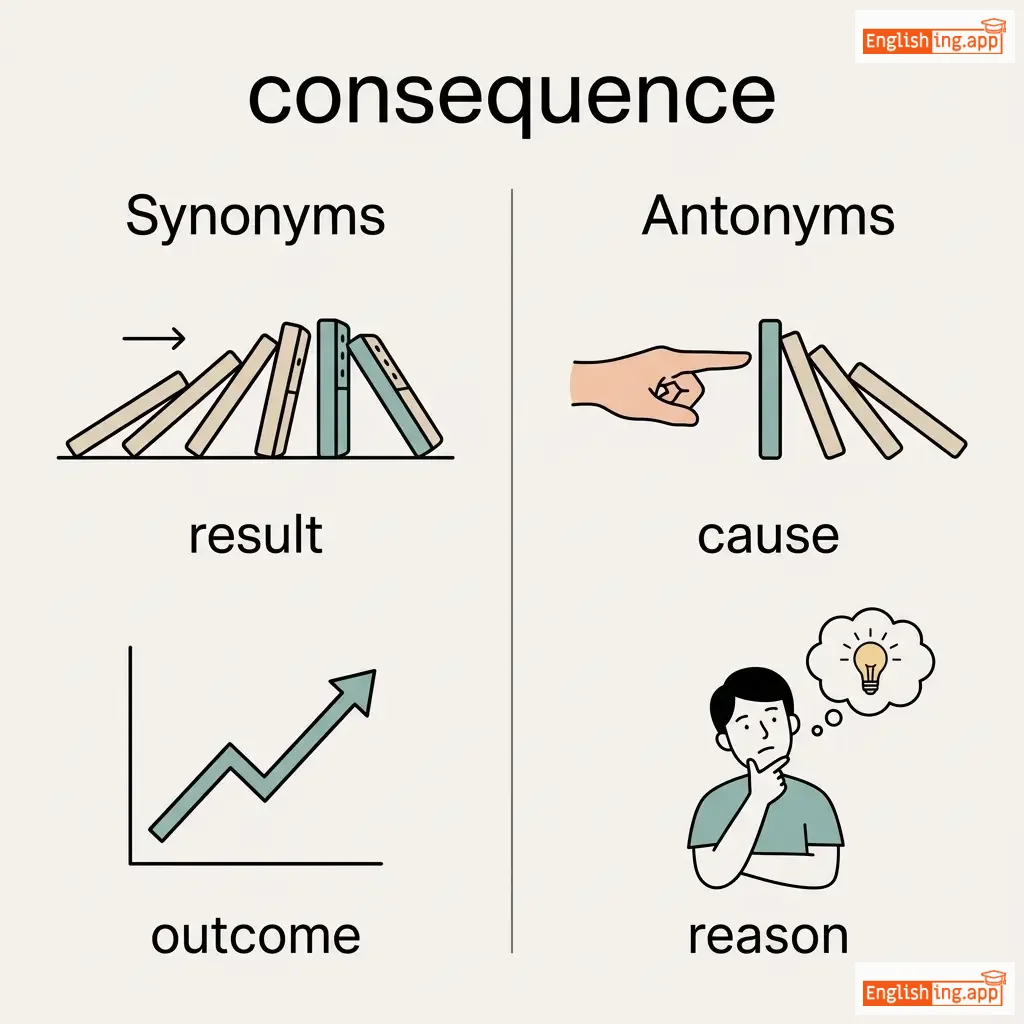
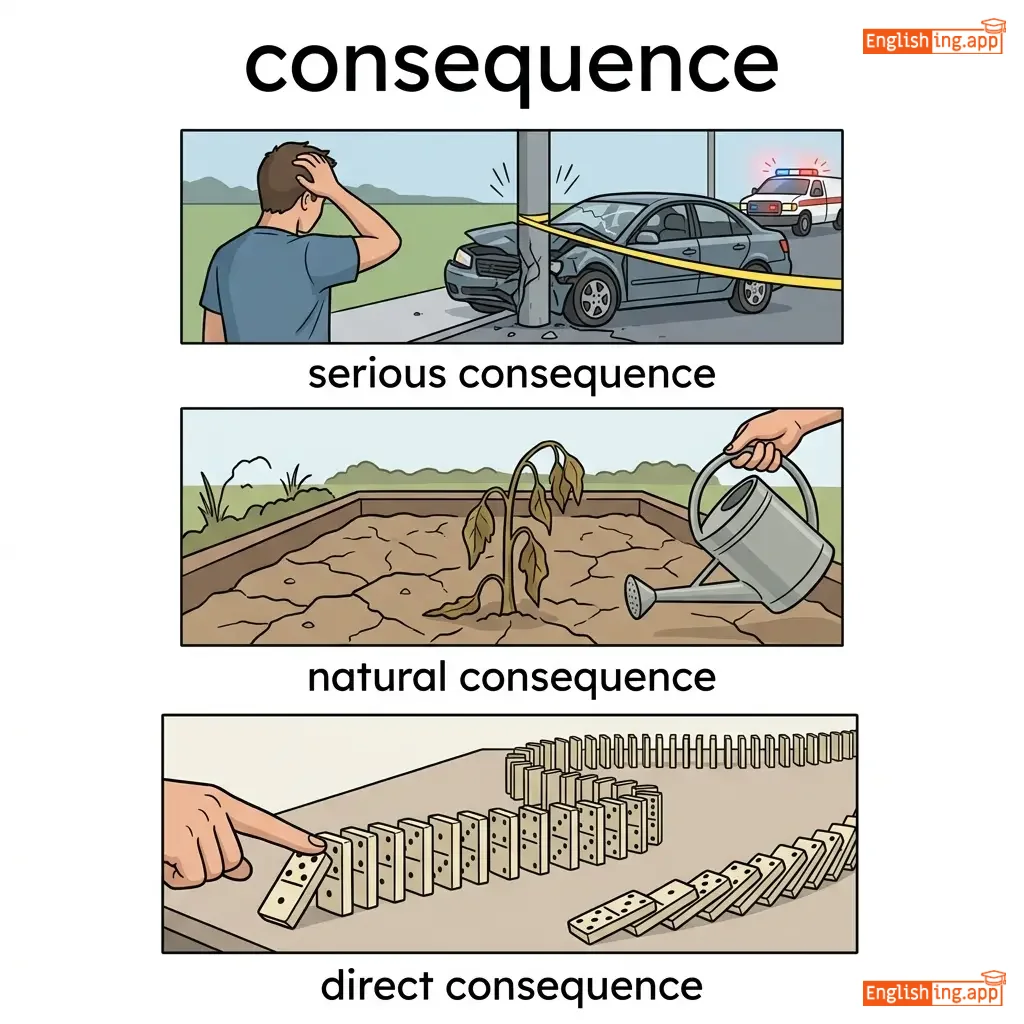
|
后果
hòuguǒ
••••••
|
a result or effect of an action or condition
••••••
|
She failed the exam as a consequence of not studying. |
她因未学习而未通过考试,结果就是这样。
Tā yīn wèi xuéxí ér wèi tōngguò kǎoshì, jiéguǒ jiùshì zhèyàng.
••••••
|
face the consequences |
to accept the results of one's actions, especially bad ones
••••••
|
面对后果
miànduì hòuguǒ
••••••
|
result, outcome, effect, aftermath, repercussion
••••••
|
cause, reason, origin
••••••
|
serious consequence, natural consequence, direct consequence, face consequences
••••••
|
后果是行动的结果,就像一个不好的后果。
••••••
|
|
🧒
••••••
|
/dɪˈpɛndənt/
adjective
(dɪˈpɛndənt)
••••••
|
- •••••• |
依赖
yīlài
••••••
|
Relying on someone or something else for support or help.
••••••
|
Children are dependent on their parents for care. |
孩子们依赖父母的照顾。
Háizimen yīlài fùmǔ de zhàogù.
••••••
|
dependent on |
Relying on someone or something.
••••••
|
依赖于
yīlài yú
••••••
|
reliant, needy, subordinate, conditional, subject
••••••
|
independent, self-sufficient, autonomous
••••••
|
dependent on, financially dependent, emotionally dependent
••••••
|
依赖意味着依靠,就像孩子们依赖父母一样。
••••••
|
|
😫
••••••
|
/ˈdɛspərətli/
adverb
(dɛsperətli)
••••••
|
- •••••• |
绝望地
juewang de
••••••
|
in a way that shows despair or great need
••••••
|
He called for help desperately after the accident. |
事故发生后,他绝望地呼叫帮助。
Shigu fasheng hou, ta juewang de hujiao bangzhu.
••••••
|
desperately in need |
to require something urgently
••••••
|
绝望中需要
juewang zhong xuyao
••••••
|
urgently, hopelessly, frantically, severely, badly
••••••
|
calmly, easily, leisurely
••••••
|
desperately need, desperately want, cry desperately, try desperately
••••••
|
绝望的人会在需要帮助时绝望地呼喊。
••••••
|
|
😞
••••••
|
/ˌdɪsəˈpɔɪntɪd/
adjective
(disəpɔɪntɪd)
••••••
|
- •••••• |
失望
shīwàng
••••••
|
sad or displeased because something has not happened as expected
••••••
|
She was disappointed with her exam results. |
她对考试结果感到失望。
Tā duì kǎoshì jiéguǒ gǎndào shīwàng.
••••••
|
disappointed in someone |
feeling let down by a person's actions or behavior
••••••
|
对某人失望
duì mǒu rén shīwàng
••••••
|
dissatisfied, upset, frustrated, let down, displeased
••••••
|
satisfied, pleased, content
••••••
|
feel disappointed, deeply disappointed, disappointed result, disappointed face
••••••
|
Dis + appoint 是你期待的某人让你失望了,所以 ‘失望’ 就是失望!
••••••
|
|
💪
••••••
|
/ɪnˈkʌrɪdʒɪŋ/
adjective
(ɛnˈkʊrɪdʒɪŋ)
••••••
|
- •••••• |
鼓舞人心
gǔwǔ rénxīn
••••••
|
giving someone support or confidence; optimistic
••••••
|
Her words were very encouraging during the hard times.
她在困难时期的话语非常鼓舞人心。
••••••
|
她在困难时期的话语非常鼓舞人心。
Tā zài kùnnán shíqī de huàyǔ fēicháng gǔwǔ rénxīn.
••••••
|
encouraging sign
鼓舞人心的迹象
••••••
|
a positive indication that something is improving
••••••
|
鼓舞人心的迹象
gǔwǔ rénxīn de jìxiàng
••••••
|
supportive, hopeful, reassuring, promising, positive
••••••
|
discouraging, depressing
••••••
|
encouraging news, encouraging sign, encouraging smile, encouraging words
••••••
|
鼓舞人心 = 能量 + 勇气 — 给予支持和信心。
••••••
|
|
😤
••••••
|
/ˈfrʌstreɪtɪd/
adjective
(弗鲁斯特雷特德)
••••••
|
- •••••• |
沮丧
jǔsàng
••••••
|
feeling annoyed or upset because of inability to achieve something
••••••
|
She felt frustrated after failing the exam. |
她在考试失败后感到沮丧。
Tā zài kǎoshì shībài hòu gǎndào jǔsàng.
••••••
|
- •••••• | - •••••• | - •••••• |
annoyed, upset, discouraged, disappointed
••••••
|
calm, content, pleased
••••••
|
feel frustrated, get frustrated, frustrated with
••••••
|
沮丧就像是冻结在冰冷的状态中,无法前进。
••••••
|
|
📖
••••••
|
/ˌfʌndəˈmɛntl/
adjective
••••••
|
- •••••• | - •••••• |
forming a necessary base or core; of central importance
••••••
|
Honesty is a fundamental principle of good leadership. |
- •••••• |
fundamental truth |
a basic and undeniable fact
••••••
|
- •••••• |
basic, essential, primary, foundational, vital
••••••
|
trivial, secondary
••••••
|
fundamental principle, fundamental right, fundamental importance, fundamental truth
••••••
|
No •••••• |
|
🔧
••••••
|
/ɪmˈpruːvmənt/
noun
(yímínpīrūvēmèn)
••••••
|
- •••••• |
改善
gǎishàn
••••••
|
the act of making something better
••••••
|
There has been a significant improvement in his health.
zài tā de jiànkāng zhōng yǒu yī gè zhòngdà de gǎishàn.
••••••
|
他的健康有了显著改善。
tā de jiànkāng yǒu le xiǎnzhù gǎishàn.
••••••
|
continuous improvement
bùduàn gǎishàn
••••••
|
the ongoing effort to make things better
••••••
|
持续改善
chíxù gǎishàn
••••••
|
progress, enhancement, advancement, growth, development
••••••
|
decline, deterioration, regression
••••••
|
health improvement, significant improvement, gradual improvement, scope for improvement
••••••
|
Improvement 就是改善 – 改善就是 improvement
••••••
|
|
😱
••••••
|
/ˈnaɪtˌmɛər/
noun
••••••
|
- •••••• | - •••••• |
a frightening or unpleasant dream; a very distressing experience.
••••••
|
Last night, she had a terrifying nightmare. |
- •••••• |
a living nightmare |
a situation that is extremely unpleasant or terrifying in real life.
••••••
|
- •••••• |
bad dream, terror, horror, ordeal, trauma
••••••
|
dream, delight
••••••
|
terrible nightmare, have a nightmare, living nightmare, recurring nightmare
••••••
|
No •••••• |
|
🌟
••••••
|
/ˌɒp.əˈtjuː.nə.ti/
noun
(机会)
••••••
|
- •••••• |
机会
jī huì
••••••
|
A favorable chance or set of circumstances that makes it possible to do something.
••••••
|
She seized the opportunity to study abroad. |
她抓住了去国外学习的机会。
Tā zhuāzhùle qù guówài xuéxí de jīhuì.
••••••
|
once in a lifetime opportunity |
A very rare and unique chance that may never happen again.
••••••
|
一生一次的机会
Yīshēng yīcì de jīhuì
••••••
|
chance, prospect, possibility, option, occasion
••••••
|
misfortune, disadvantage, obstacle
••••••
|
golden opportunity, missed opportunity, career opportunity, business opportunity
••••••
|
机会来临时,紧抓不放!
••••••
|
|
⚙️
••••••
|
/ˈpræk.tɪ.kəl.i/
adverb
(实践上)
••••••
|
- •••••• |
实际上; 几乎; 几乎
shijianshang; jihu; jihu
••••••
|
in a practical manner; almost; nearly
••••••
|
The project is practically finished.
这个项目实际上已经完成。
••••••
|
这个项目几乎完成。
Zhe ge xiangmu jihu wancheng.
••••••
|
- •••••• | - •••••• | - •••••• |
virtually, nearly, almost, essentially
••••••
|
theoretically, impractically, barely
••••••
|
practically impossible, practically speaking, practically finished
••••••
|
In Chinese, think of '实践上' for practical things almost done.
••••••
|
|
⭐
••••••
|
/rɪˈmɑːrkəbl/
adjective
(rimarkabl)
••••••
|
- •••••• |
值得注意的; 非凡的; 显著的;
zhí dé zhù yì de; fēi fán de; xiǎn zhù de
••••••
|
worthy of attention; extraordinary; notable;
••••••
|
His recovery from the illness was remarkable. |
他从疾病中恢复过来是值得注意的。
Tā cóng jíbìng zhōng huīfù guòlái shì zhídé zhùyì de.
••••••
|
- •••••• | - •••••• | - •••••• |
extraordinary, outstanding, exceptional, amazing
••••••
|
ordinary, unremarkable, common, typical
••••••
|
remarkable achievement, remarkable progress, remarkable talent
••••••
|
Remarkable = 值得注意的 (worthy of attention) + 非凡的 (extraordinary)
••••••
|
|
✅
••••••
|
/səkˈsɛsfəli/
adverb
(səkˈsɛsfəli)
••••••
|
- •••••• |
成功地
chenggong de
••••••
|
in a way that achieves a desired result
••••••
|
She passed the exam successfully after weeks of studying.
她经过数周的学习后成功通过了考试。
••••••
|
她经过数周的学习后成功通过了考试。
Ta jingguo shuzhou de xuexi hou chenggong tongguo le kaoshi.
••••••
|
- •••••• | - •••••• | - •••••• |
effectively, proficiently, smoothly, favorably
••••••
|
unsuccessfully, poorly, ineffectively
••••••
|
successfully complete, successfully achieve, successfully execute
••••••
|
Successfully means to do something 'chenggong de' (successfully)!
••••••
|
|
😮
••••••
|
/ˌʌnɪkˈspɛktɪd/
adjective
(anekspekted)
••••••
|
- •••••• |
出乎意料
chūhū yìliào
••••••
|
not anticipated or predicted; surprising
••••••
|
We had an unexpected visitor last night. |
我们昨晚有一个出乎意料的访客。
Wǒmen zuó wǎn yǒu yīgè chūhū yìliào de fǎngkè.
••••••
|
expect the unexpected |
be prepared for surprises or things you don’t foresee
••••••
|
期待出乎意料
qídài chūhū yìliào
••••••
|
surprising, sudden, unforeseen, astonishing, abrupt
••••••
|
expected, predicted, planned
••••••
|
unexpected result, unexpected event, unexpected visitor, unexpected change
••••••
|
Un + expected = 你没预料到的 — 就是出乎意料!
••••••
|

