Pictures of a Million Voices
市内全域で million 人による署名運動が始まった。 科学者たちは川の mineral バランスに関する新しい洞察を共有した。 鳥類研究チームは、いくつかの種が missing だと報告した。 彼らの中心となる mission は、それらの種を戻すことだ。 誰もが同じ mistake を繰り返さないよう注意していた。 議論では、商業の mixture が川の振る舞いをどう変えるかが探られた。 村の子どもたちは、川を守る想像上の monster を描いた。 主要な nominee スマナが次に登壇した。 彼女は「notably、この川は私たちの存在を変えました」と語った。 近くの nursery からの苗木が全員に配られた。 技師たちは川を流すために partial な堰を開けた。 今では、川の流れさえも通り過ぎる passing 車に歓声を上げているようだ。 計画は、川への圧力が passive にならないように設計された。 厳しい penalty 案が汚染者に対して提案された。 高齢漁師のために小さな pension 基金が設立された。 皆が「この取り組みは本当に perfect だ」と言った。 コーディネーターは付け加えた:「perhaps 最大の教訓は川そのものから来る。」 展示会には川の歴史的な picture がすべて飾られていた。 一人の western 教授が川の管理について語った。 彼の質問は、「whereas 多くの川が干上がっている中、私たちはどうやってこの川を生かし続けるのか?」だった。
|
絵文字
|
単語 | Images | 翻訳 | 意味 | 例文 | 例文の翻訳 | 表現例 | 表現例の意味 | 表現例の翻訳 | 同義語 | 対義語 | コロケーション | ニーモニック |
|---|---|---|---|---|---|---|---|---|---|---|---|---|---|
|
💰
••••••
|
/ˈmɪljən/
noun
(ミリオン)
••••••
|
- •••••• |
百万
hyakuman
••••••
|
the number equivalent to one thousand thousand (1,000,000)
••••••
|
The movie earned over a million dollars in its first week. |
その映画は最初の週に100万ドル以上を稼ぎました。
Sono eiga wa saisho no shū ni hyakuman doru ijō o kasegimashita.
••••••
|
one in a million |
something or someone very rare and special
••••••
|
百万の一
hyakuman no ichi
••••••
|
thousand thousand, 10^6, large number
••••••
|
zero, none
••••••
|
million dollars, million people, one in a million, several million
••••••
|
百万 - とても大きな数、百万の一のように珍しい!
••••••
|
|
⛏️
••••••
|
/ˈmɪnərəl/
noun
(ミネラル)
••••••
|
- •••••• |
鉱物
kōbutsu
••••••
|
a naturally occurring substance that is solid and inorganic, often used in industry or nutrition
••••••
|
Calcium is an important mineral for strong bones. |
カルシウムは強い骨のための重要な鉱物です。
Karushiumu wa tsuyoi hone no tame no jūyōna kōbutsu desu.
••••••
|
mineral water |
natural water that contains dissolved minerals
••••••
|
ミネラルウォーター
mineraru wōtā
••••••
|
ore, crystal, element, nutrient
••••••
|
organic matter
••••••
|
mineral water, mineral resource, mineral deposit, trace mineral
••••••
|
鉱物は'鉱'から来ている — 地球から採掘されたもの!
••••••
|
|
❓
••••••
|
/ˈmɪsɪŋ/
adjective
(mísing)
••••••
|
|
行方不明
yūkōfumei
••••••
|
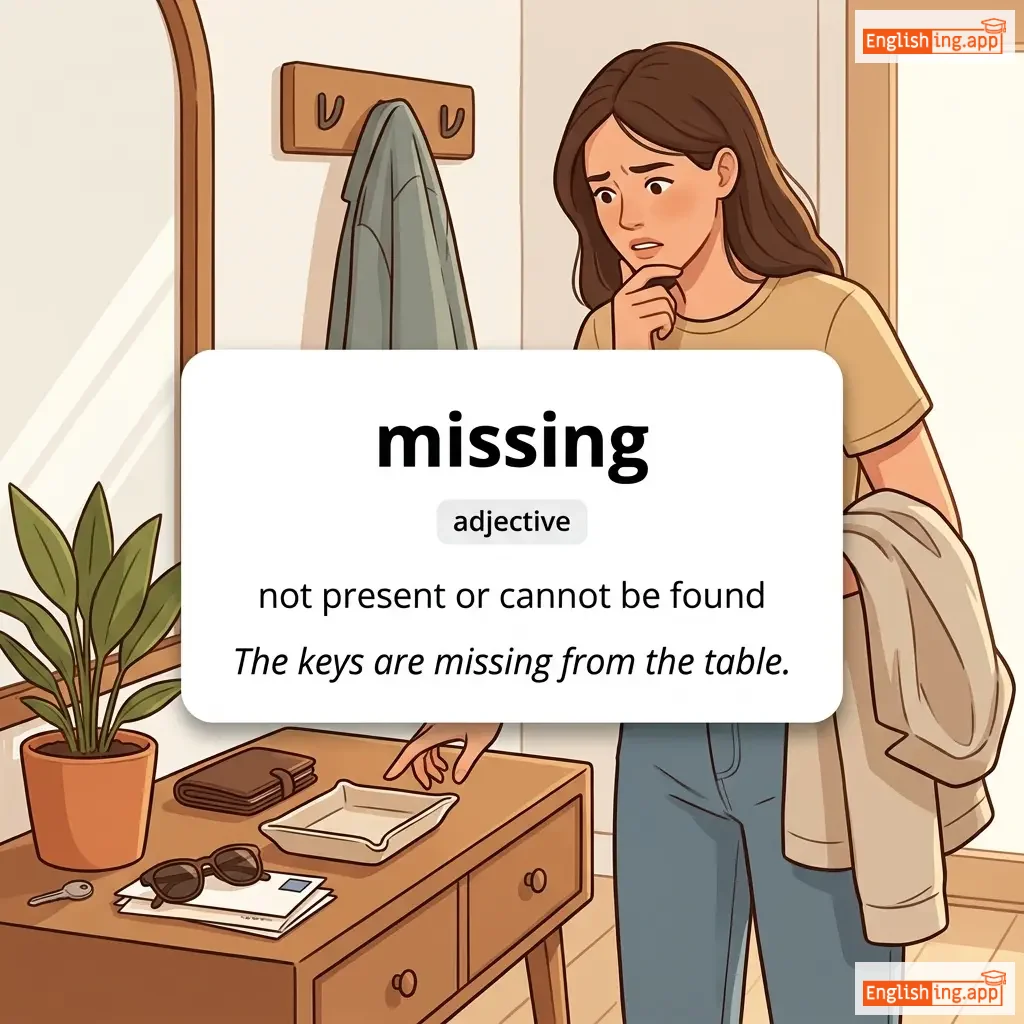
not present or cannot be found
••••••
|
The keys are missing from the table.
de keys are missing from de table.
••••••
|
テーブルから鍵が行方不明です。
Tēburu kara kagi ga yūkōfumei desu.
••••••
|
missing in action
missing in aksion
••••••
|
not present or unaccounted for
••••••
|
行方不明の状態
yūkōfumei no jōtai
••••••
|
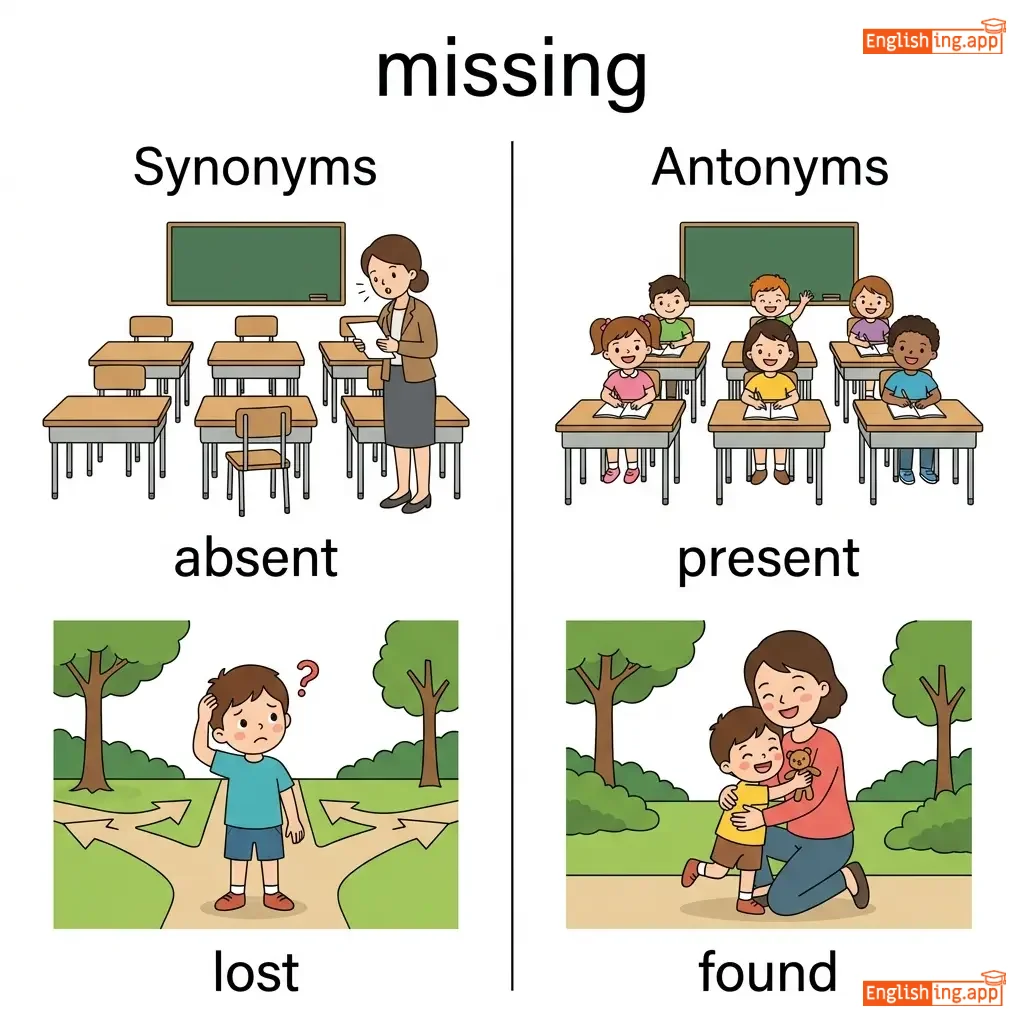
absent, lost, gone, vanished, misplaced
••••••
|
present, found
••••••
|
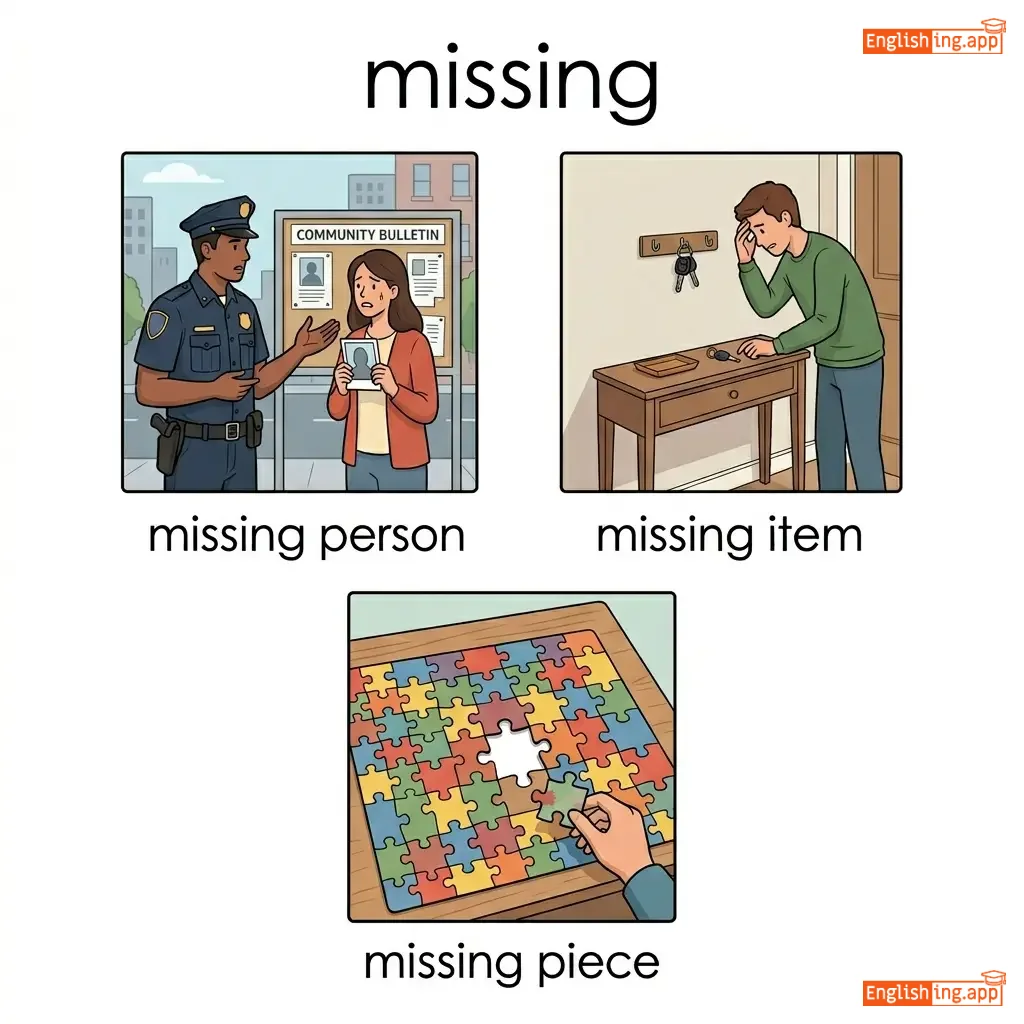
missing person, missing item, missing piece, missing child
••••••
|
Missing = 行方不明 – 何かが見つからない。
••••••
|
|
🚀
••••••
|
/ˈmɪʃən/
noun
(ミッション)
••••••
|
- •••••• |
ミッション / 任務
misshon / ninmu
••••••
|
an important assignment or task, often with a specific purpose
••••••
|
The astronauts were on a mission to explore Mars.
宇宙飛行士たちは火星を探査するためのミッションに出発しました。
••••••
|
宇宙飛行士たちは火星を探査するためのミッションに出発しました。
Uchuu hikoushi tachi wa kasei wo tansa suru tame no misshon ni shuppatsu shimashita.
••••••
|
mission accomplished
ミッション完了
••••••
|
a phrase used when a task has been successfully completed
••••••
|
ミッション完了
misshon kanryou
••••••
|
task, assignment, duty, operation, purpose
••••••
|
idleness, inaction
••••••
|
space mission, secret mission, diplomatic mission, mission statement
••••••
|
ミッションは任務です—Mars でのミッションは責任の象徴です。
••••••
|
|
❌
••••••
|
/mɪˈsteɪk/
noun
(ミステイク)
••••••
|
- •••••• |
間違い
machigai
••••••
|
An action or decision that is wrong or misguided.
••••••
|
She realized her mistake after submitting the wrong file. |
彼女は間違ったファイルを提出した後、自分の間違いに気づきました。
Kanojo wa machigatta fairu o teishutsu shita ato, jibun no machigai ni kizukimashita.
••••••
|
make a mistake |
to do something incorrectly
••••••
|
間違いを犯す
machigai o okasu
••••••
|
error, blunder, slip, misjudgment, fault
••••••
|
accuracy, correctness, truth
••••••
|
common mistake, big mistake, silly mistake, honest mistake
••••••
|
間違いは間違ったことを意味する日本語です。
••••••
|
|
🔀
••••••
|
/ˈmɪks.tʃər/
noun
(mikkusyaa)
••••••
|
- •••••• |
混合物
kongō-mono
••••••
|
a combination of different substances or elements
••••••
|
The cake batter is a mixture of flour, eggs, and milk.
ケーキの生地は小麦粉、卵、牛乳の混合物です。
••••••
|
ケーキの生地は小麦粉、卵、牛乳の混合物です。
Kēki no kiji wa komugiko, tamago, gyūnyū no kongō-mono desu.
••••••
|
- •••••• | - •••••• | - •••••• |
blend, combination, compound, fusion
••••••
|
separation, isolation, purity
••••••
|
mixture of, chemical mixture, complex mixture
••••••
|
混合物 - いろいろな材料を混ぜておいしいケーキを作ろう!
••••••
|
|
👹
••••••
|
/ˈmɒnstər/
noun
(ハピネス)
••••••
|
- •••••• |
幸せ
shiawase
••••••
|
an imaginary or large frightening creature
••••••
|
The child was afraid that a monster was hiding under the bed.
彼女は賞を受け取ったとき、自分の幸せを隠せなかった。
••••••
|
彼女は賞を受け取ったとき、自分の幸せを隠せなかった。
Kanojo wa shō o uketotta toki, jibun no shiawase o kakusenakatta.
••••••
|
monster hit
幸福の追求
••••••
|
a very successful or popular product or show
••••••
|
幸福の追求
kōfuku no suikyu
••••••
|
beast, creature, giant, demon, ogre
••••••
|
angel, human, friend
••••••
|
monster movie, sea monster, create a monster, monster hit
••••••
|
幸せ = Happiness — 幸せを求めて、いつも歩き続けよう!
••••••
|
|
💼
••••••
|
/ˌnɑm.əˈni/
noun
(ノミニー)
••••••
|
- •••••• |
ノミネートされた人
nominēto sareta hito
••••••
|
a person who is nominated for an office, award, or honor
••••••
|
She was the nominee for the Best Actress award. |
彼女は最優秀女優賞のノミネートされた人でした。
Kanojo wa sai yūshū joyū shō no nominēto sareta hito deshita.
••••••
|
- •••••• | - •••••• | - •••••• |
candidate, contender, designee
••••••
|
disqualified person, rejected candidate
••••••
|
presidential nominee, award nominee, party nominee
••••••
|
ノミネートされた人は大きな賞に選ばれた人です。
••••••
|
|
⭐
••••••
|
/ˈnoʊtəbli/
adverb
(ノータブリー)
••••••
|
- •••••• |
目立って
medatte
••••••
|
used to indicate something worthy of attention or significant
••••••
|
She is notably talented in painting.
彼女は絵画で際立って才能があります。
••••••
|
彼女は絵画で際立って才能があります。
Kanojo wa kaiga de medatte sainou ga arimasu.
••••••
|
- •••••• | - •••••• | - •••••• |
particularly, especially, significantly, remarkably
••••••
|
insignificantly, unremarkably
••••••
|
notably skilled, notably successful, notably different
••••••
|
目立っては、特別で重要なものを強調する言葉です。
••••••
|
|
🍼
••••••
|
/ˈnɜːrsəri/
noun
(ナーサリー)
••••••
|
- •••••• |
保育園
hoikuen
••••••
|
a room or place where young children are cared for
••••••
|
She works in a nursery, taking care of infants. |
彼女は保育園で働いており、赤ちゃんの世話をしています。
Kanojo wa hoikuen de hataraite ori, akachan no sewa o shiteimasu.
••••••
|
- •••••• | - •••••• | - •••••• |
daycare, preschool, kindergarten
••••••
|
school, home
••••••
|
nursery school, nursery teacher, nursery care
••••••
|
保育園 (hoikuen): 子供の世話をする場所
••••••
|
|
🧩
••••••
|
/ˈpɑːrʃəl/
adjective
(pāshiaru)
••••••
|
- •••••• |
部分的な、偏った
bubun-teki na, katagatta
••••••
|
existing only in part; biased toward one side
••••••
|
The report gave a partial view of the situation.
レポートは状況の部分的な見解を示しました。
••••••
|
レポートは状況の部分的な見解を示しました。
Repōto wa jōkyō no bubun-teki na kenkai o shimeshimashita.
••••••
|
partial to
部分的に
••••••
|
to show favor or preference for someone or something
••••••
|
~に偏っている
~ni katagatte iru
••••••
|
incomplete, biased, limited, fragmentary
••••••
|
complete, impartial, unbiased
••••••
|
partial view, partial payment, partial solution, partiality towards
••••••
|
Partial は不完全、そして日本語で部分的なまたは偏ったという意味です。
••••••
|
|
⏳
••••••
|
/ˈpæsɪŋ/
noun
(パッシング)
••••••
|
- •••••• |
通過, 死
tsuuka, shi
••••••
|
the act of moving past something or the end of someone's life
••••••
|
The passing of the leader was a great loss for the nation. |
リーダーの死は国にとって大きな損失でした。
Rīdā no shi wa kuni ni totte ōkina sonshitsu deshita.
••••••
|
in passing |
mentioned casually or briefly
••••••
|
通りすがりに
toorisugari ni
••••••
|
departure, death, transition, movement
••••••
|
arrival, birth
••••••
|
passing away, passing time, passing phase, passing car
••••••
|
Passing away は死ぬことを意味します — 例えば‘His passing made everyone sad’.
••••••
|
|
🧘
••••••
|
/ˈpæsɪv/
adjective
(パッシブ)
••••••
|
- •••••• |
受動的; (文法) 受動態
judōteki; (bunpō) judōtai
••••••
|
not actively responding or participating; in grammar, denoting the voice in which the subject undergoes the action
••••••
|
Instead of taking charge, he remained passive during the meeting. |
会議では責任を取る代わりに、彼は受動的なままでした。
Kaigi de wa sekinin o toru kawari ni, kare wa judōteki na mama deshita.
••••••
|
passive voice |
a grammatical construction where the subject is acted upon
••••••
|
受動態
judōtai
••••••
|
inactive, submissive, unresponsive, compliant, receptive
••••••
|
active, assertive, dynamic
••••••
|
passive income, passive resistance, passive investor, passive role, passive voice
••••••
|
受動的 → ‘パッシブ’ → 何もしない、ただ結果を受け取る。
••••••
|
|
⚖️
••••••
|
/ˈpɛnəlti/
noun
(ペナルティ)
••••••
|
- •••••• |
罰金
batsukin
••••••
|
A punishment imposed for breaking a law, rule, or contract.
••••••
|
He had to pay a heavy penalty for breaking the traffic rules. |
交通規則違反で重い罰金を払わなければなりませんでした。
Kōtsū kisoku ihan de omoi batsukin o harawanakereba narimasen deshita.
••••••
|
pay the penalty |
To suffer the consequences of one's actions.
••••••
|
罰金を払う
batsukin o harau
••••••
|
punishment, fine, sanction, retribution
••••••
|
reward, compensation
••••••
|
heavy penalty, death penalty, face penalty, penalty fee
••••••
|
Penalty = 罰金. 思い出して、それが罰です!
••••••
|
|
💰
••••••
|
/ˈpɛnʃən/
noun
(ペンション)
••••••
|
- •••••• |
年金
nenkin
••••••
|
A regular payment made during a person's retirement from an investment fund or employer.
••••••
|
After 30 years of service, he received a monthly pension. |
30年の勤務後、彼は毎月の年金を受け取りました。
30-nen no kinmugo, kare wa maitsuki no nenkin o ukemashita.
••••••
|
pension off |
To retire someone and give them a pension.
••••••
|
年金を受け取る
nenkin o uketoru
••••••
|
retirement fund, allowance, annuity, stipend
••••••
|
wage, salary
••••••
|
monthly pension, government pension, pension fund, pension plan
••••••
|
PEN + sion → 退職後に年金を受け取る
••••••
|
|
✅
••••••
|
/ˈpɜː.fɪkt/
adjective
(パーフェクト)
••••••
|
- •••••• |
完璧
kanpeki
••••••
|
Having no mistakes or flaws; being as good as possible.
••••••
|
Her performance was perfect in every way. |
彼女のパフォーマンスはすべての点で完璧でした。
Kanojo no pafōmansu wa subete no ten de kanpeki deshita.
••••••
|
practice makes perfect |
regular practice leads to improvement and mastery
••••••
|
練習が完璧を作る
Renshū ga kanpeki o tsukuru
••••••
|
flawless, ideal, impeccable, excellent
••••••
|
imperfect, flawed, faulty
••••••
|
perfect solution, perfect example, perfect timing, perfect condition
••••••
|
完璧は完璧なもの、何も欠けていない!
••••••
|
|
🤔
••••••
|
/pəˈhæps/
adverb
(パーハプス)
••••••
|
- •••••• |
おそらく; もしかしたら
osoraku; moshikashitara
••••••
|
possibly; maybe; used to express uncertainty or make a suggestion
••••••
|
Perhaps we should call before visiting to make sure they're home. |
おそらく、私たちは訪問する前に電話をかけて、彼らが家にいることを確認するべきです。
Osoraku, watashitachi wa hōmon suru mae ni denwa o kakete, karera ga ie ni iru koto o kakunin suru beki desu.
••••••
|
- •••••• | - •••••• | - •••••• |
maybe, possibly, conceivably, perchance, potentially
••••••
|
certainly, definitely, surely, undoubtedly, absolutely
••••••
|
perhaps not, perhaps so, perhaps because, perhaps more importantly
••••••
|
パーティーで何か面白いことが起こるかもしれない
••••••
|
|
🖼️
••••••
|
/ˈpɪktʃər/
noun
(ピクチャー)
••••••
|
- •••••• |
絵
e
••••••
|
a visual representation made by painting, drawing, or photography
••••••
|
The picture on the wall was painted by a famous artist. |
壁の絵は有名なアーティストによって描かれました。
Kabe no e wa yūmei na ātisuto ni yotte egakaremashita.
••••••
|
- •••••• | - •••••• | - •••••• |
image, photo, painting, snapshot
••••••
|
text, writing
••••••
|
take a picture, frame a picture, family picture
••••••
|
絵 (e) はまるで picture (ピクチャー) のように壁に描かれた!
••••••
|
|
🌎
••••••
|
/ˈwɛstərn/
adjective
(ウェスターン)
••••••
|
- •••••• |
西洋の
seiyō no
••••••
|
relating to or characteristic of the West, especially Europe and the Americas
••••••
|
She loves western music and culture. |
彼女は西洋の音楽と文化が大好きです。
Kanojo wa seiyō no ongaku to bunka ga daisuki desu.
••••••
|
- •••••• | - •••••• | - •••••• |
occidental, westernized
••••••
|
eastern, oriental
••••••
|
western culture, western philosophy, western world
••••••
|
西洋文化は西から来る - Western culture comes from the West.
••••••
|
|
⚖️
••••••
|
/wɛərˈæz/
conjunction
(ウェアアズ)
••••••
|
- •••••• |
〜一方で
ippō de
••••••
|
used to introduce a contrast or comparison between two facts
••••••
|
She prefers tea, whereas he likes coffee. |
彼女はお茶が好きですが、彼はコーヒーが好きです。
Kanojo wa ocha ga suki desu ga, kare wa kōhī ga suki desu.
••••••
|
- •••••• | - •••••• | - •••••• |
while, although, but, though
••••••
|
similarly, likewise
••••••
|
whereas clause, whereas statement, tea whereas coffee
••••••
|
Tea vs coffee 比較 - 日本語一方で
••••••
|

