The Scholar Who Solved Ancient Mysteries
ラヒーム博士は有名な scholar で、古代文明を研究していました。彼の専門は古代の写本を解読することでした。ある日、彼は失われた都市について言及している古文書の section を発見しました。彼の同僚たちは懐疑的でしたが、ラヒームは研究にとても serious でした。彼は、この発見が何十年もの疑問を satisfy できると信じていました。彼の学術界への service は計り知れません。ある seminar で、彼はその成果を発表しました。多くの人がそれを否定しようとしましたが、証拠は非常に説得力がありました。地元の senator は彼を scandal を作り出したと非難しましたが、ラヒームは集中を保ちました。彼のチームは、かつて settlers が住んでいた遺跡を発掘しました。彼らは roughly 50メートルの範囲に scattered した遺物を発見しました。遺跡のそれぞれの segment が新たな情報を明らかにしました。面白い出来事として、若い研究者が誤って古代の壺を scratched してしまい、皆が驚いたことがありました。ラヒームはミスは起こるものだと知っており、それも running 発掘作業の一部でした。彼の seventh 回目の遠征は最も成功しました。彼らは several の日常生活を描いた文書を発見しました。そのうちの一つには二人の古代の支配者の romance さえ記されていました。この情報は secular と宗教的な力の関係を理解する助けとなりました。彼の仕事は単なる学術的な serving ではなく、新しい世代にインスピレーションを与えました。大学の servant は、学生たちが今ではより考古学に興味を持つようになったと述べました。ラヒームの献身と体系的なアプローチは、忍耐と努力が歴史の秘密を解き明かすことができると証明しました。彼の遺産は、真実は常に好奇心旺盛な心を satisfies するということです。
|
絵文字
|
単語 | Images | 翻訳 | 過去 | 過去分詞 | 三人称単数 | 動名詞 | 意味 | 例文 | 例文の翻訳 | 表現例 | 表現例の意味 | 表現例の翻訳 | 同義語 | 対義語 | コロケーション | ニーモニック |
|---|---|---|---|---|---|---|---|---|---|---|---|---|---|---|---|---|---|
|
💞
••••••
|
/roʊˈmæns/
noun
(ロマンス)
••••••
|
- •••••• |
ロマンス、愛
romansh, ai
••••••
|
- •••••• | - •••••• | - •••••• | - •••••• |
a feeling of love, especially one that is exciting and mysterious
••••••
|
Their romance began during a summer trip to Paris.
彼らのロマンスはパリへの夏の旅行中に始まりました。
••••••
|
彼らのロマンスはパリへの夏の旅行中に始まりました。
Karera no romansh wa Pari e no natsu no ryokou-chuu ni hajimarimashita.
••••••
|
a whirlwind romance
嵐のようなロマンス
••••••
|
a romantic relationship that develops very quickly
••••••
|
非常に速く発展する恋愛関係
Hijou ni hayaku hatten suru ren'ai kankei
••••••
|
love, affection, passion, relationship, courtship
••••••
|
hatred, indifference, dislike
••••••
|
romance novel, true romance, secret romance, romantic relationship
••••••
|
ローマ(Rome)で始まるロマンチックな愛が、ロマンス(romance)です。
••••••
|
|
📊
••••••
|
/ˈrʌfli/
adverb
(ラフリー)
••••••
|
- •••••• |
おおよそ; 粗暴または暴力的な方法で
ooyoso; sobou matawa bouryokuteki na houhou de
••••••
|
- •••••• | - •••••• | - •••••• | - •••••• |
approximately; in a harsh or violent way
••••••
|
The project will take roughly three months to complete. |
このプロジェクトはおおよそ3ヶ月かかります。
Kono purojekuto wa ooyoso san kagetsu kakarimasu.
••••••
|
- •••••• | - •••••• | - •••••• |
approximately, about, around, harshly
••••••
|
exactly, precisely, gently, smoothly
••••••
|
roughly speaking, roughly equivalent, roughly estimated
••••••
|
Roughly, imagine the rough path to get to it.
••••••
|
|
🏃♂️
••••••
|
/ˈrʌnɪŋ/
noun
(ランニング)
••••••
|
- •••••• |
ランニング
ranningu
••••••
|
- •••••• | - •••••• | - •••••• |
running
ランニング
••••••
|
the action or sport of running
••••••
|
Running every morning keeps me healthy.
ランニングエブリーモーニングキープスミーヘルシー。
••••••
|
毎朝ランニングをすると健康が保たれます。
Maiasa ranningu wo suru to kenko ga tamararemasu.
••••••
|
in the long run
インザロングラン
••••••
|
after a long time; eventually
••••••
|
長い目で見ると
nagai mede miru to
••••••
|
jogging, sprinting, racing, exercise
••••••
|
resting, walking
••••••
|
go running, enjoy running, long-distance running, running shoes
••••••
|
Runningはランニングを意味する — ランニングして'ing'に到達する!
••••••
|
|
😊
••••••
|
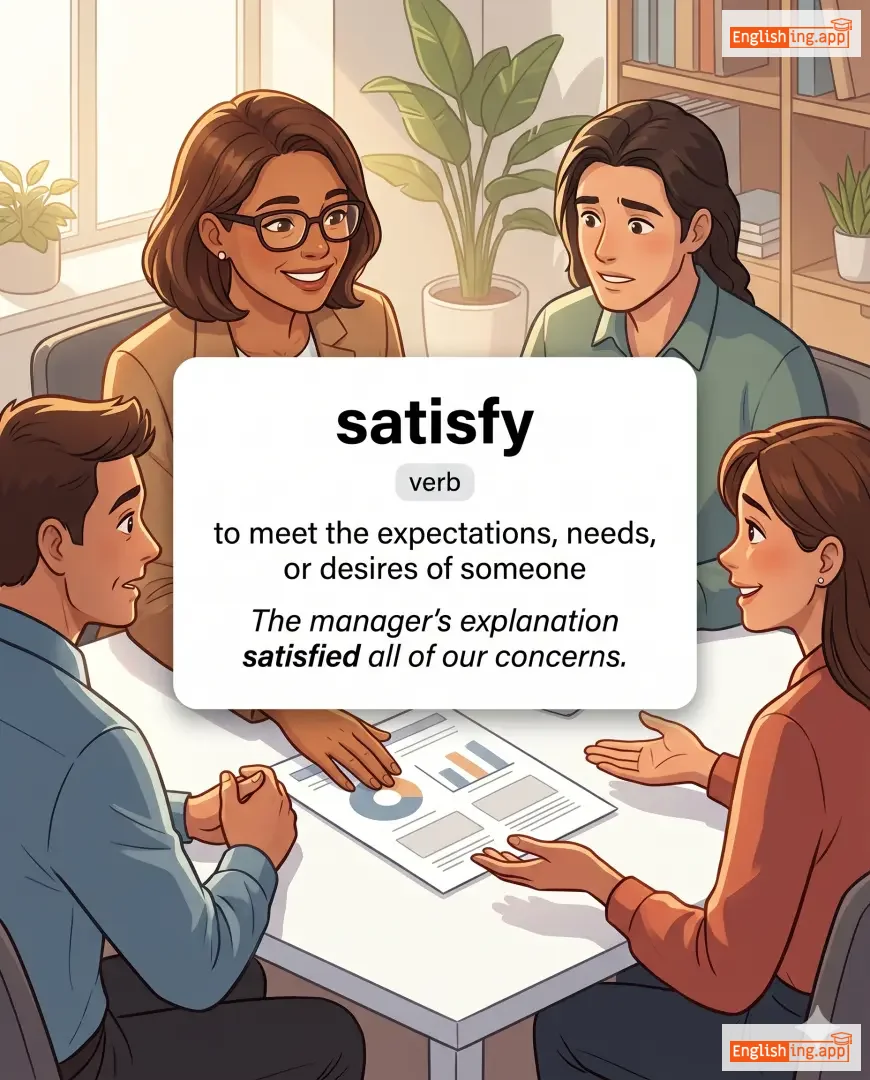
/ˈsætɪsfaɪ/
verb
(satisfai)
••••••
|
|
満たす
mitasu
••••••
|
satisfied
satisfaito
••••••
|
satisfied
satisfaito
••••••
|
satisfies
satisfai
••••••
|
satisfying
satisfaiingu
••••••
|
to fulfill the desires, expectations, or needs of someone; to make content
••••••
|
The delicious meal satisfied our hunger completely.
美味しい食事が私たちの空腹を完全に満たしました。
••••••
|
美味しい食事が私たちの空腹を完全に満たしました。
Oishii shokuji ga watashitachi no kuufuku wo kanzen ni mitashimashita.
••••••
|
- •••••• | - •••••• | - •••••• |
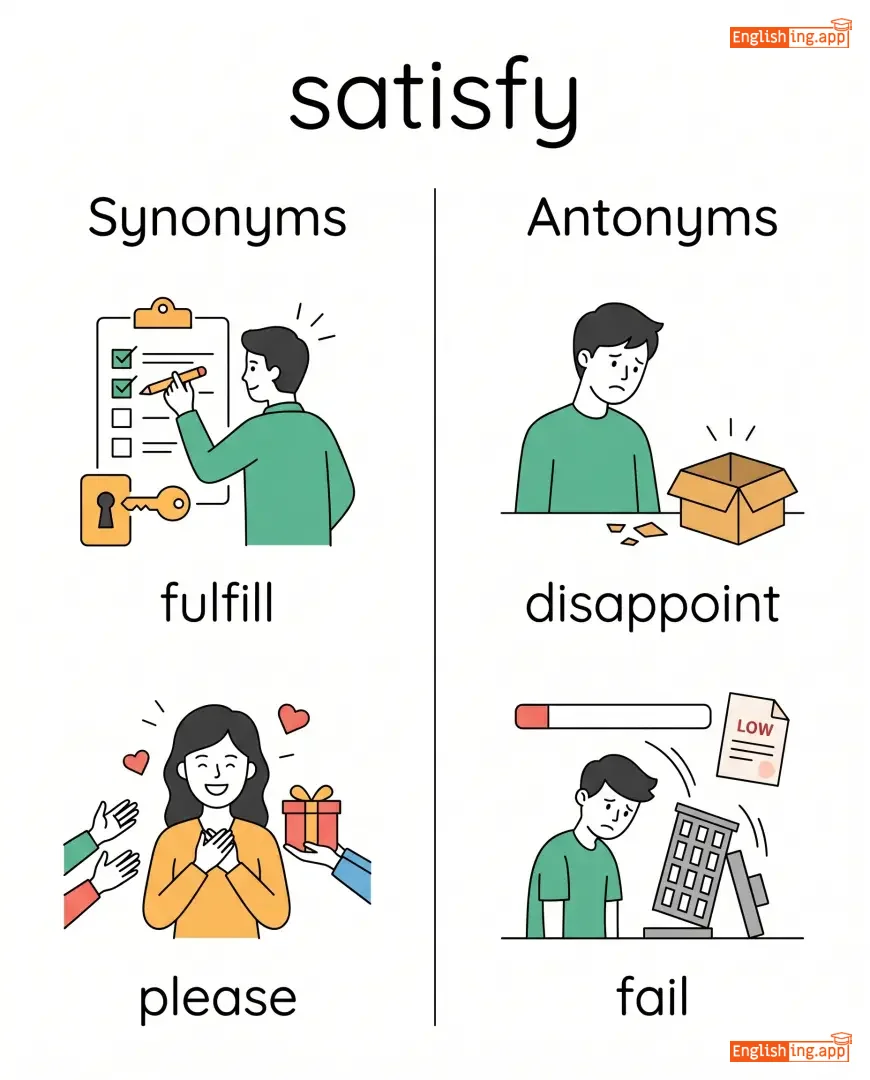
fulfill, please, gratify, content
••••••
|
disappoint, frustrate, dissatisfy, displease
••••••
|
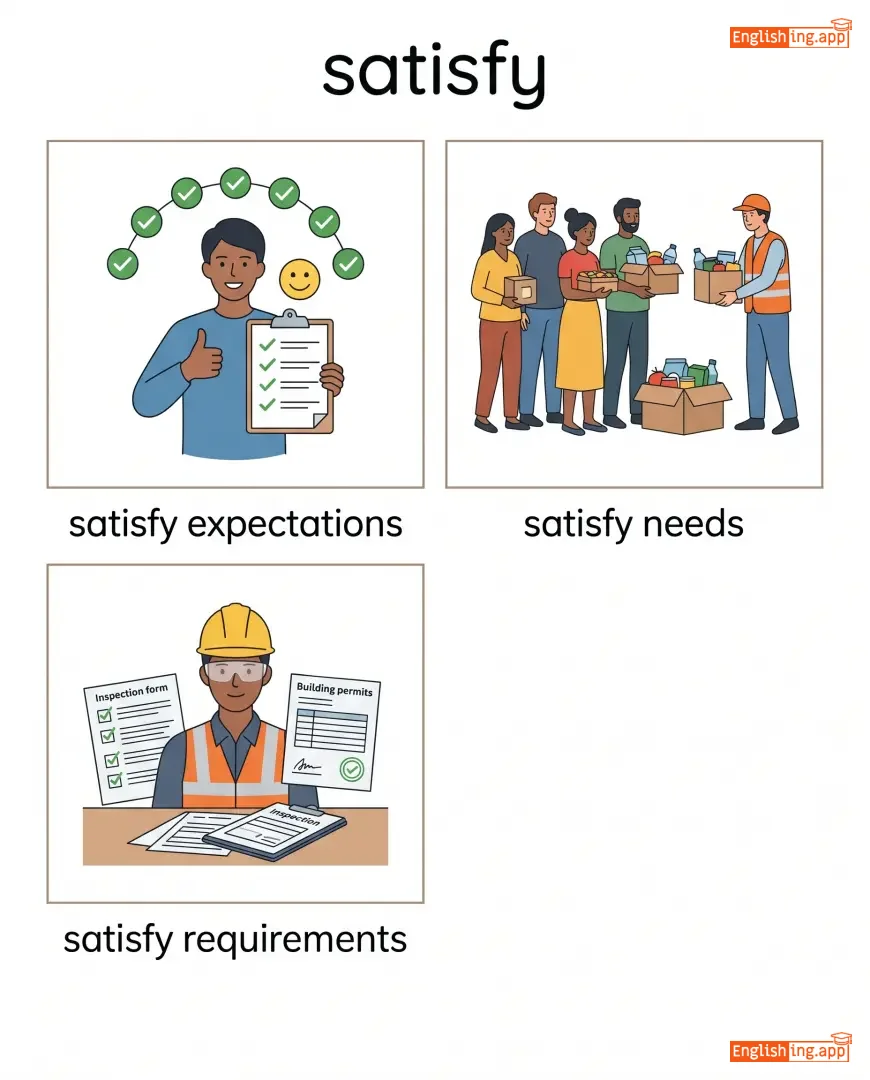
satisfy need, satisfy customer, satisfy requirement, fully satisfy
••••••
|
満たす料理で空腹を解消しよう!
••••••
|
|
😱
••••••
|
/ˈskændəl/
noun
(スキャンダル)
••••••
|
- •••••• |
スキャンダル
sukyandaru
••••••
|
- •••••• | - •••••• | - •••••• | - •••••• |
an event or action that causes public outrage or damage to one's reputation
••••••
|
The politician's affair became a public scandal. |
その政治家の不倫は公然のスキャンダルとなった。
Sono seijika no fukin wa kouzen no sukyandaru to natta.
••••••
|
a scandalous affair |
an affair that causes a lot of public outrage
••••••
|
スキャンダラスな関係
sukyandarasuna kankei
••••••
|
controversy, disgrace, outrage, shame
••••••
|
honor, respect
••••••
|
public scandal, political scandal, media scandal, financial scandal
••••••
|
Scandal—like scanning everything—watch out for people knowing your secrets!
••••••
|
|
🌾
••••••
|
/ˈskætər/
verb
(happiness)
••••••
|
- •••••• |
幸せ
shiawase
••••••
|
scattered
••••••
|
scattered
••••••
|
scatters
••••••
|
scattering
••••••
|
to throw or spread things over a wide area in different directions
••••••
|
The farmer scattered seeds across the field.
彼女は賞を受け取ったとき、幸せを隠せなかった。
••••••
|
彼女は賞を受け取ったとき、幸せを隠せなかった。
Kanojo wa shou wo uketotta toki, shiawase wo kakusenakatta.
••••••
|
scatter to the winds
幸せを追い求める
••••••
|
to disperse completely or destroy
••••••
|
幸せを追い求める
shiawase wo oi motomeru
••••••
|
disperse, spread, strew, distribute, sprinkle
••••••
|
collect, gather, assemble
••••••
|
scatter seeds, scatter leaves, scatter light, scatter everywhere
••••••
|
幸せ (shiawase) と happinessは同じ意味です。
••••••
|
|
🎓
••••••
|
/ˈskɒl.ər/
noun
(スカラー)
••••••
|
- •••••• |
学者; アカデミック
gakusha; akademikku
••••••
|
- •••••• | - •••••• | - •••••• | - •••••• |
a person who has studied a subject for a long time and knows a lot about it; an academic
••••••
|
The renowned scholar published several books on ancient history.
ðə rɪˈnaʊnd ˈskɒlər ˈpʌblɪʃt ˈsɛvrəl bʊks ɒn ˈeɪnʃənt ˈhɪstəri.
••••••
|
有名な学者は古代の歴史に関する本をいくつか出版しました。
yūmei na gakusha wa kodai no rekishi ni kansuru hon o ikutsu ka shuppan shimashita.
••••••
|
- •••••• | - •••••• | - •••••• |
academic, intellectual, researcher, learned person
••••••
|
ignoramus, illiterate
••••••
|
renowned scholar, distinguished scholar, scholarship program, scholarly work
••••••
|
学者は知識を通して世界を変える。
••••••
|
|
🐾
••••••
|
/skrætʃ/
verb
••••••
|
- •••••• |
幸せ
shiawase
••••••
|
scratched
••••••
|
scratched
••••••
|
scratches
••••••
|
scratching
••••••
|
to rub a surface or skin with something sharp or rough, often to relieve itching
••••••
|
The cat scratched the door to be let in. |
彼女は賞を受け取ったとき、自分の幸せを隠すことができませんでした。
Kanojo wa shō o uketotta toki, jibun no shiawase o kakusu koto ga dekimasen deshita.
••••••
|
from scratch |
from the very beginning without using anything that already exists
••••••
|
幸せを追い求める
shiawase o oi motomeru
••••••
|
scrape, rub, claw, mark, graze
••••••
|
polish, smooth
••••••
|
scratch card, scratch the surface, start from scratch, scratch one's head
••••••
|
幸せは心の中で育まれ、星のように輝く!
••••••
|
|
📚
••••••
|
/ˈsɛkʃən/
noun
(セクション)
••••••
|
- •••••• |
セクション
sekushon
••••••
|
- •••••• | - •••••• | - •••••• | - •••••• |
a distinct part or subdivision of something larger
••••••
|
This section of the report needs further review. |
この報告書のセクションは、さらに検討する必要があります。
Kono hōkokusho no sekushon wa, sarani kentō suru hitsuyō ga arimasu.
••••••
|
- •••••• | - •••••• | - •••••• |
part, division, segment, portion
••••••
|
whole, entirety
••••••
|
section of a book, business section, section leader
••••••
|
本のセクションは、大きなものの一部です。
••••••
|
|
🌍
••••••
|
/ˈsek.j ə.l ər/
adjective
(セキュラー)
••••••
|
- •••••• |
世俗的
sekyura
••••••
|
- •••••• | - •••••• | - •••••• | - •••••• |
not connected with religious or spiritual matters; worldly
••••••
|
The country maintains a secular government that separates religion from politics.
その国は宗教と政治を分離する世俗的な政府を維持している。
••••••
|
その国は宗教と政治を分離する世俗的な政府を維持している。
sono kuni wa shukyou to seiji o bunri suru sezokuteki na seifu o iji shite iru
••••••
|
- •••••• | - •••••• | - •••••• |
worldly, non-religious, temporal, civil
••••••
|
religious, spiritual, sacred, clerical
••••••
|
secular education, secular society, secular government, secular music
••••••
|
Sekyura: See-kyu-ra. Picture a globe 世界 wearing a badge reading 'Sec You Lar' to remind worldly not religious
••••••
|
|
🧩
••••••
|
/ˈsɛɡmənt/
noun
(セグメント)
••••••
|
- •••••• |
セグメント
segumento
••••••
|
- •••••• | - •••••• | - •••••• | - •••••• |
A part or section of something that is divided.
••••••
|
Each segment of the market has different needs. |
市場の各セグメントには異なるニーズがあります。
Shijō no kaku segumento ni wa kotonaru nīzu ga arimasu.
••••••
|
market segment |
A specific group of consumers within a market
••••••
|
市場セグメント
Shijō segumento
••••••
|
section, part, division, piece, portion
••••••
|
whole, entirety, unity
••••••
|
market segment, orange segment, segment of society
••••••
|
Segmentは「部分」のように感じます、市場セグメントは市場の一部です。
••••••
|
|
🎓
••••••
|
/ˈsɛm.ɪ.nɑːr/
noun
(セミナー)
••••••
|
- •••••• |
セミナー
seminā
••••••
|
- •••••• | - •••••• | - •••••• | - •••••• |
A meeting for discussion or training, especially in an academic setting.
••••••
|
The professor invited all students to attend the seminar on climate change.
教授はすべての学生を気候変動に関するセミナーに招待しました。
••••••
|
教授はすべての学生を気候変動に関するセミナーに招待しました。
Kyōju wa subete no gakusei o kikō hendō ni kansuru seminā ni shōtai shimashita.
••••••
|
seminar series
セミナーシリーズ
••••••
|
A sequence of related seminars on a particular subject.
••••••
|
セミナーシリーズ
seminā shirīzu
••••••
|
workshop, symposium, conference, lecture, tutorial
••••••
|
silence, self-study
••••••
|
attend seminar, seminar series, seminar hall, seminar discussion
••••••
|
セミナー - 学びの場 📚
••••••
|
|
👨⚖️
••••••
|
/ˈsɛnətər/
noun
(セネター)
••••••
|
- •••••• |
上院議員
jōin giin
••••••
|
- •••••• | - •••••• | - •••••• | - •••••• |
a member of a senate, especially in a legislative body
••••••
|
The senator spoke passionately about environmental policies.
そのセネターは環境政策について情熱的に話しました。
••••••
|
そのセネターは環境政策について情熱的に話しました。
Sono senetā wa kankyō seisaku ni tsuite jōnetsuteki ni hanashimashita.
••••••
|
- •••••• | - •••••• | - •••••• |
legislator, lawmaker, representative, congressman
••••••
|
citizen, elector
••••••
|
senator speech, senator election, senior senator, senator's office
••••••
|
セネター、社会の未来を守る戦士!
••••••
|
|
😐
••••••
|
/ˈsɪəriəs/
adjective
(シリアス)
••••••
|
- •••••• |
真剣
shinken
••••••
|
- •••••• | - •••••• | - •••••• | - •••••• |
showing deep thought, sincerity, or importance; not joking
••••••
|
She gave me a serious look before making her decision. |
彼女は決定を下す前に真剣な目で私を見ました。
Kanojo wa kettei o kudasu mae ni shinken na me de watashi o mimashita.
••••••
|
dead serious |
completely serious and not joking
••••••
|
本気で真剣
honki de shinken
••••••
|
grave, earnest, important, solemn, severe
••••••
|
trivial, playful, lighthearted
••••••
|
serious problem, serious matter, serious illness, serious mistake
••••••
|
真剣は真面目な態度 – 映画の真剣なシーンのように。
••••••
|
|
🧹
••••••
|
/ˈsɜːvənt/
noun
(サーヴァント)
••••••
|
- •••••• |
召使い
meshi-tsukai
••••••
|
- •••••• | - •••••• | - •••••• | - •••••• |
a person who performs duties for others, especially in a household
••••••
|
The servant opened the door for the guests. |
召使いは客のためにドアを開けました。
Meshi-tsukai wa kyaku no tame ni doa o akemashita.
••••••
|
public servant |
a person who works for the government
••••••
|
公務員
kōmuin
••••••
|
attendant, helper, aide, employee, worker
••••••
|
master, employer, boss
••••••
|
domestic servant, loyal servant, household servant, public servant
••••••
|
Servant サーブ、召使いも同じ。
••••••
|
|
🛎️
••••••
|
/ˈsɜːrvɪs/
noun
(サーヴィス)
••••••
|
|
サービス
sābisu
••••••
|
- •••••• | - •••••• | - •••••• | - •••••• |
the action of helping or doing work for someone; a system providing a public need
••••••
|
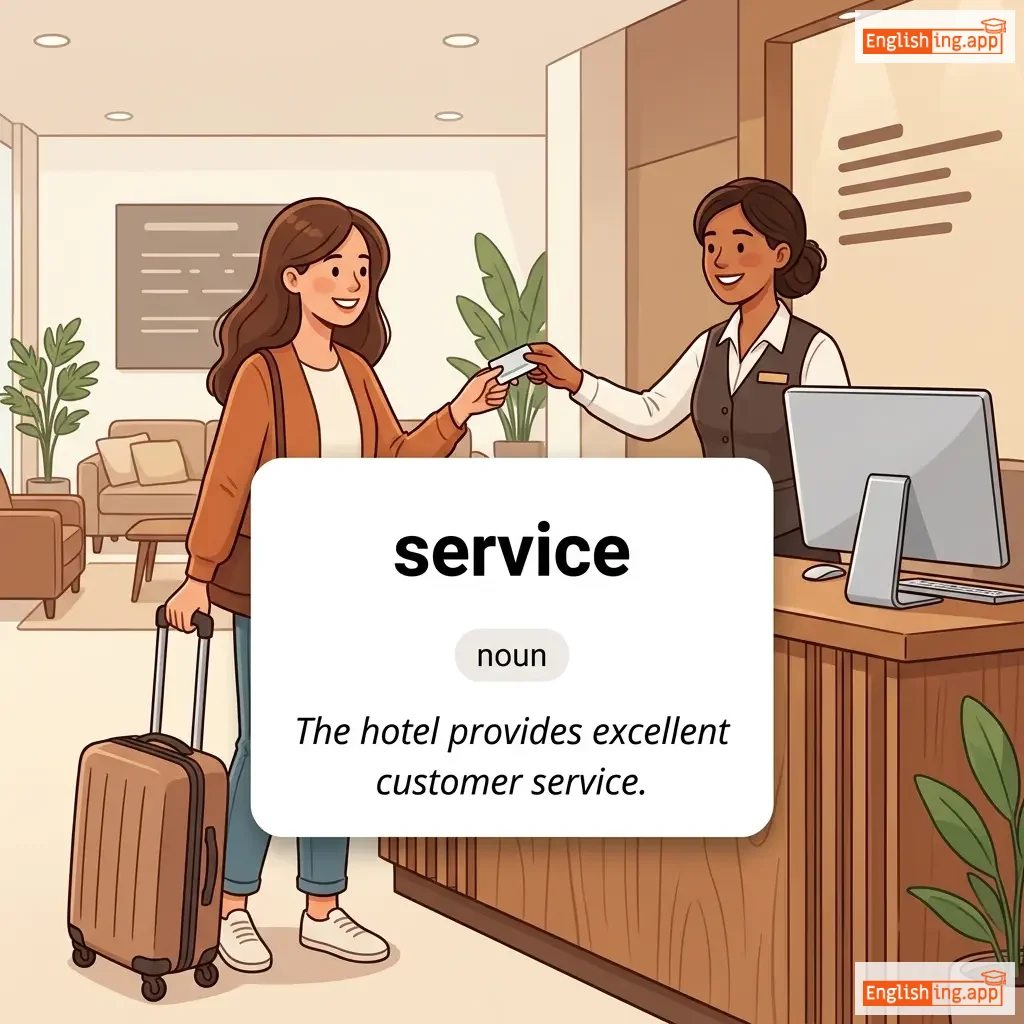
The hotel provides excellent customer service. |
ホテルは優れた顧客サービスを提供しています。
Hoteru wa sugureta kokyaku sābisu o teikyō shiteimasu.
••••••
|
in service |
currently working or functioning
••••••
|
サービス中
sābisu-chū
••••••
|
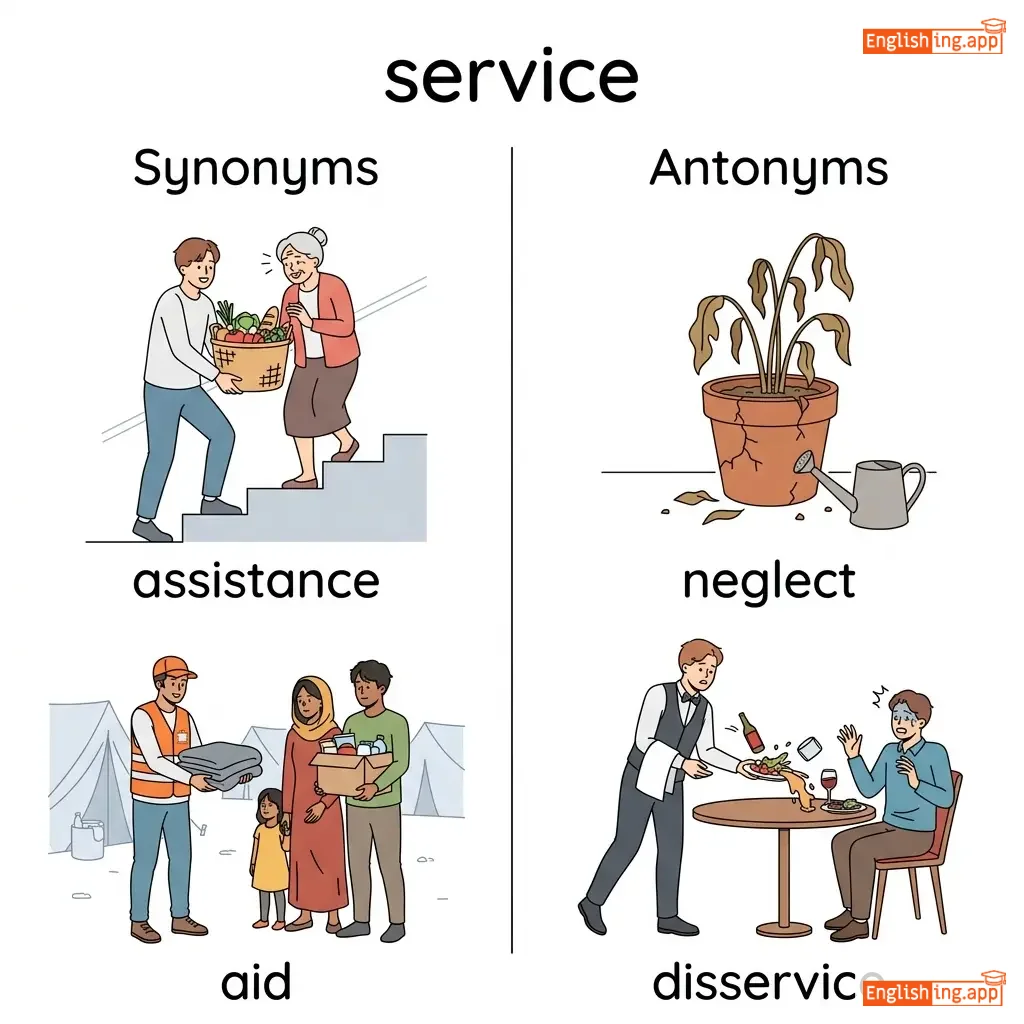
assistance, aid, duty, work
••••••
|
neglect, disservice
••••••
|
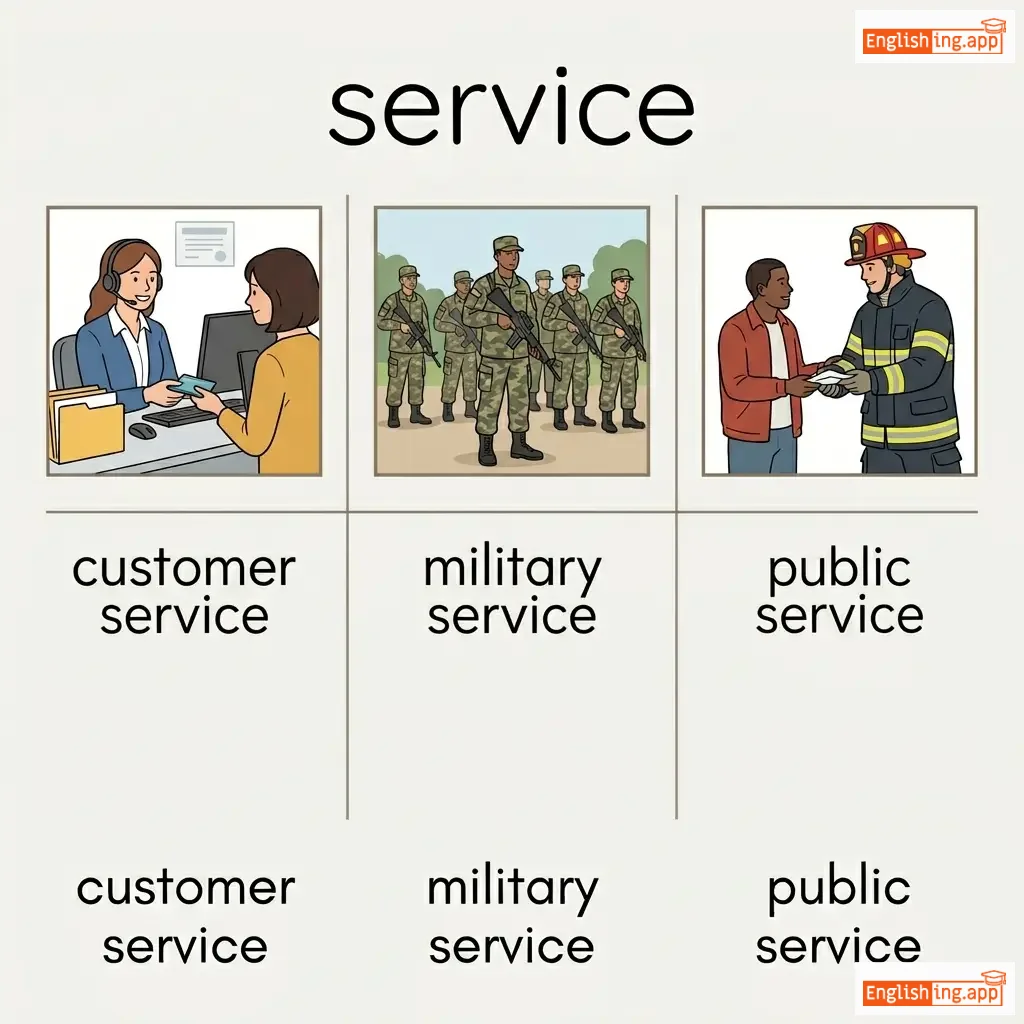
customer service, military service, public service, service industry
••••••
|
サービスは援助を意味し、レストランでのサービスは食事を提供することです。
••••••
|
|
🍛
••••••
|
/ˈsɜːvɪŋ/
noun
(サービング)
••••••
|
- •••••• |
ポーション
poshon
••••••
|
- •••••• | - •••••• | - •••••• | - •••••• |
a portion of food for one person; the act of giving food or drink to someone
••••••
|
He ate a large serving of rice and curry. |
彼は大きなポーションのご飯とカレーを食べました。
Kare wa ōkina poshon no gohan to karē o tabemashita.
••••••
|
second serving |
an additional portion of food after the first
••••••
|
2番目のポーション
2banme no poshon
••••••
|
portion, helping, dish, plateful
••••••
|
starvation, fasting
••••••
|
serving size, single serving, serving dish, double serving
••••••
|
Serving はポーション - 🍛 食べ物を提供する、それがポーション!
••••••
|
|
🏡
••••••
|
/ˈsɛtlər/
noun
(ˈsɛtlər)
••••••
|
- •••••• |
入植者
nyūshokusha
••••••
|
- •••••• | - •••••• | - •••••• | - •••••• |
a person who settles in a new area or land
••••••
|
The settlers arrived in the new town and started building homes. |
入植者たちは新しい町に到着し、家を建て始めました。
Nyūshokusha-tachi wa atarashī machi ni tōchaku shi, ie o tatehajimemashita.
••••••
|
- •••••• | - •••••• | - •••••• |
colonist, immigrant, pioneer, homesteader
••••••
|
migrant, nomad, transient
••••••
|
early settlers, land settlers, settlers of the new world
••••••
|
Settlers in Japan build new lives by establishing homes in new lands.
••••••
|
|
7️⃣
••••••
|
/ˈsɛvənθ/
adjective
(セブンス)
••••••
|
- •••••• |
七番目
nanabanme
••••••
|
- •••••• | - •••••• | - •••••• | - •••••• |
constituting number seven in a sequence; coming after the sixth
••••••
|
Her birthday is on the seventh of July. |
彼女の誕生日は7月7日です。
Kanojo no tanjoubi wa shichigatsu nanoka desu.
••••••
|
seventh heaven |
a state of extreme happiness or bliss
••••••
|
七つの天国
nanatsu no tengoku
••••••
|
7th, number seven, ordinal seven
••••••
|
sixth, eighth
••••••
|
seventh grade, seventh day, seventh month, seventh position
••••••
|
Seventh は七番目 — 覚えておいて、7️⃣ は七つの天国だ!
••••••
|
|
🔢
••••••
|
/ˈsɛvrəl/
adjective
(セヴェラル)
••••••
|
- •••••• |
いくつか
ikutsuka
••••••
|
- •••••• | - •••••• | - •••••• | - •••••• |
more than one but not many; a few
••••••
|
Several people attended the meeting yesterday. |
数人が昨日の会議に出席した。
Sūnin ga kinō no kaigi ni shusseki shita.
••••••
|
- •••••• | - •••••• | - •••••• |
few, numerous, multiple, various
••••••
|
few, none
••••••
|
several items, several years, several attempts
••••••
|
Seven is several, not too many, not too few!
••••••
|

