The Old Man and the Sea
サンティアゴは老いたfishermanでした。毎日彼は小さなboatで深いseaへ魚を釣りに行きました。ある日、彼は巨大なfishを釣りました。Fishは非常に大きく、彼のboatは転覆しそうでした。彼はnetでそのfishを捕まえようとしましたが、うまくいきませんでした。Fishは彼を深いseaに引きずり込みました。突然、大きなstormが始まりました。彼は強いwindと巨大なwavesにstruggleしなければなりませんでした。彼はaloneでしたが、braveでした。彼のsailは裂けていましたが、彼は諦めませんでした。彼は心の中でhopeを持っていました。三日後、彼はfinallyそのfishをcatchすることができました。しかし、その時にはfishの半分はサメに食べられていました。彼が岸に戻ったとき、皆は彼の勇気に驚きました。
|
絵文字
|
単語 | Images | 翻訳 | 過去 | 過去分詞 | 三人称単数 | 動名詞 | 意味 | 例文 | 例文の翻訳 | 表現例 | 表現例の意味 | 表現例の翻訳 | 同義語 | 対義語 | コロケーション | ニーモニック |
|---|---|---|---|---|---|---|---|---|---|---|---|---|---|---|---|---|---|
|
🧍
••••••
|
/əˈloʊn/
adjective, adverb
(アロン)
••••••
|
- •••••• |
一人
hitori
••••••
|
- •••••• | - •••••• | - •••••• | - •••••• |
having no one else present; on one's own
••••••
|
She prefers to live alone in her apartment. |
彼女はアパートで一人で暮らすのを好む。
Kanojo wa apāto de hitori de kurasu no o konomu.
••••••
|
leave someone alone |
to stop bothering or disturbing someone
••••••
|
誰かを一人にさせる
dareka o hitori ni saseru
••••••
|
solitary, lonely, isolated, unaccompanied, single
••••••
|
together, accompanied, united
••••••
|
feel alone, live alone, left alone, all alone
••••••
|
Aloneはall-oneを意味し、一人 (hitori) でいることを意味します。
••••••
|
|
⛵
••••••
|
/boʊt/
noun
(ボート)
••••••
|
- •••••• |
ボート
bōto
••••••
|
- •••••• | - •••••• | - •••••• | - •••••• |
a small vessel used for traveling on water
••••••
|
They took a boat across the river. |
彼らは川を渡るためにボートに乗った。
Karera wa kawa o wataru tame ni bōto ni notta.
••••••
|
miss the boat |
to miss an opportunity
••••••
|
- •••••• |
ship, vessel, canoe, yacht, ferry
••••••
|
submarine, aircraft
••••••
|
boat ride, fishing boat, sail a boat, boat trip
••••••
|
Boatはボートという意味です。ボートが水の上を進むように、boatも水上を進みます。
••••••
|
|
🦁
••••••
|
/breɪv/
adjective
(ブレイブ)
••••••
|
- •••••• |
勇敢な
yūkan na
••••••
|
- •••••• | - •••••• | - •••••• | - •••••• |
showing courage in the face of danger or difficulty
••••••
|
The brave firefighter rushed into the burning building. |
勇敢な消防士が燃える建物に飛び込んだ。
Yūkan na shōbōshi ga moeru tatemono ni tobikonda.
••••••
|
put on a brave face |
to pretend to be confident and cheerful despite difficulties
••••••
|
勇敢な顔をする
Yūkan na kao o suru
••••••
|
courageous, valiant, fearless, heroic, bold
••••••
|
cowardly, fearful, timid
••••••
|
brave man, brave soldier, brave attempt, brave enough
••••••
|
Braveは '勇敢な' という意味で、ライオンのように強くて怖くない。
••••••
|
|
🤲
••••••
|
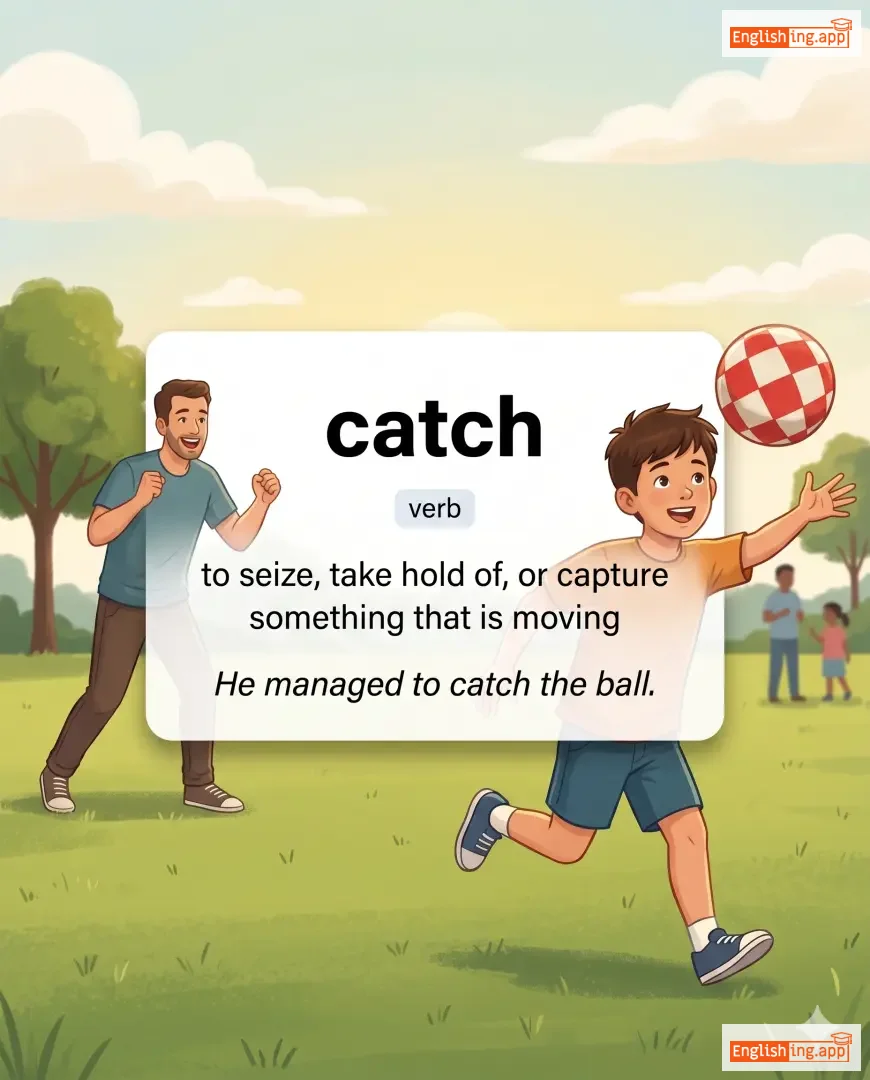
/kætʃ/
verb
••••••
|
|
- •••••• |
caught
••••••
|
caught
••••••
|
catches
••••••
|
catching
••••••
|
to seize, take hold of, or capture something that is moving
••••••
|
He managed to catch the ball. |
- •••••• |
catch someone's eye |
to attract someone's attention
••••••
|
- •••••• |
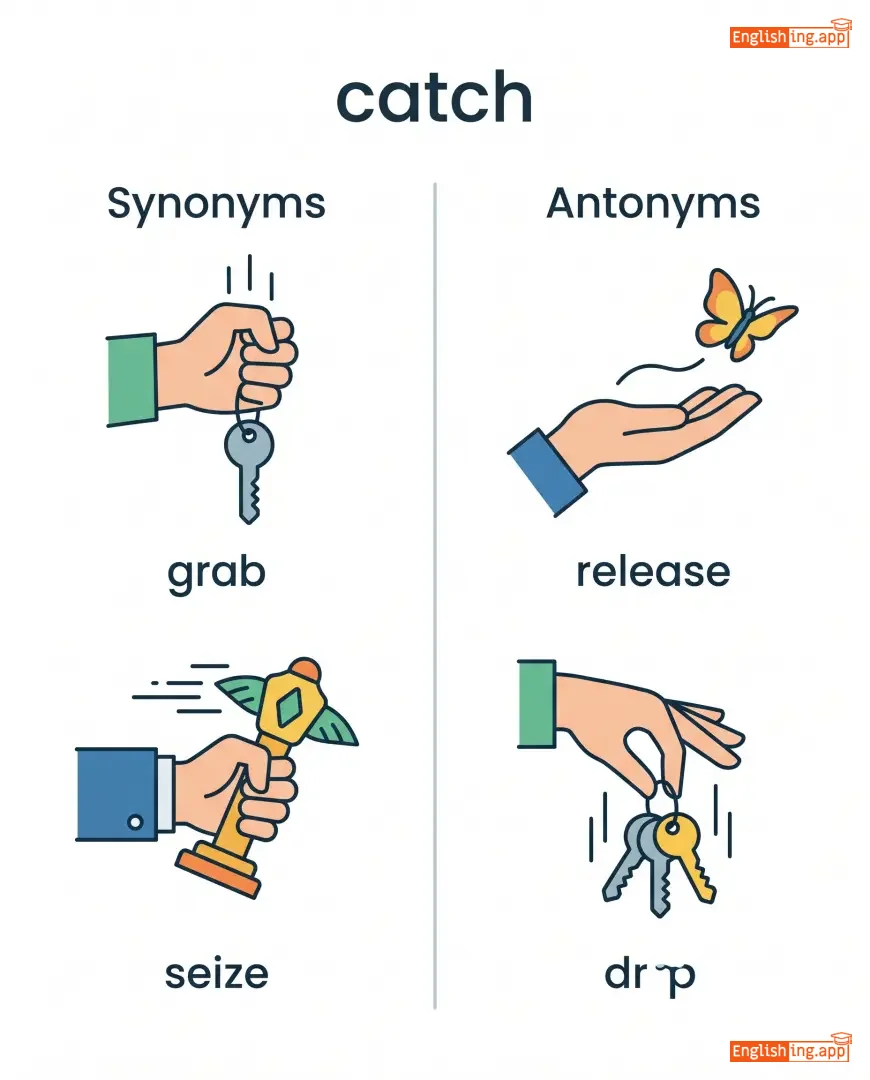
grab, seize, capture, grasp, snatch
••••••
|
release, drop, lose
••••••
|
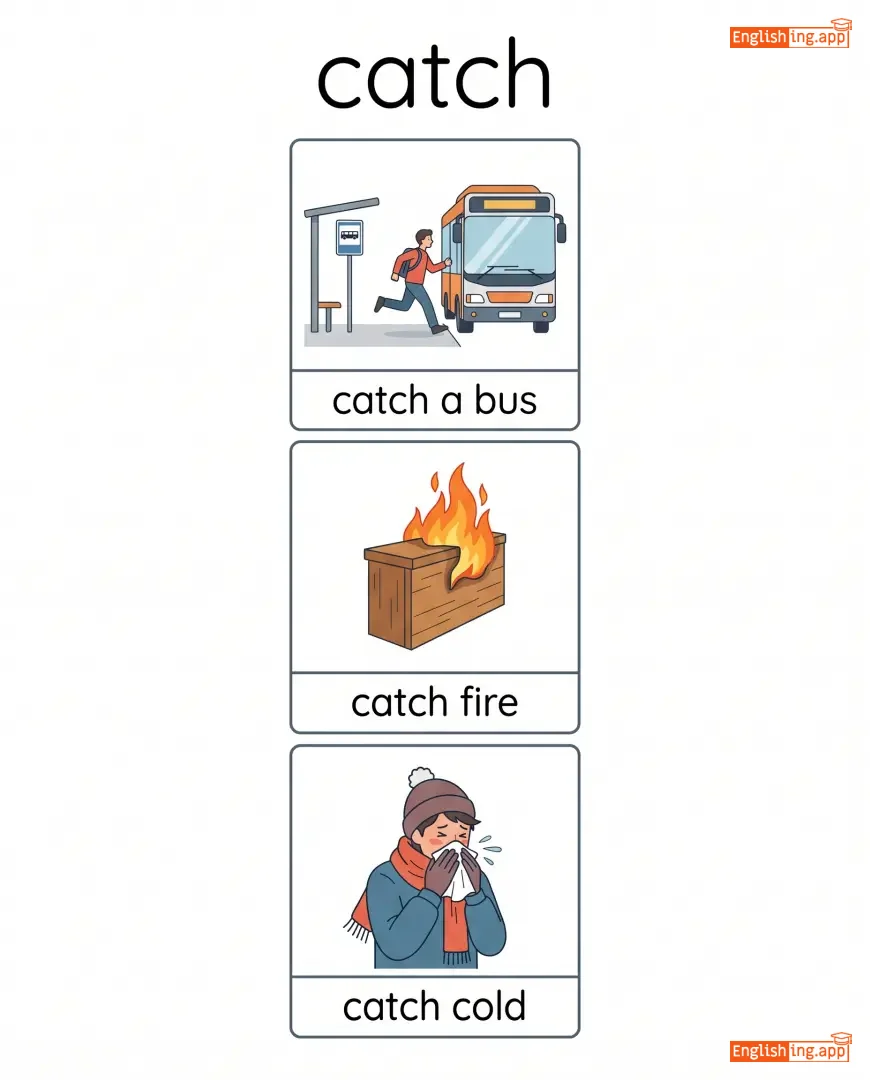
catch a bus, catch fire, catch cold, catch attention
••••••
|
No •••••• |
|
🏁
••••••
|
/ˈfaɪ.nəl.i/
adverb
(fainari)
••••••
|
- •••••• |
ついに
tsuini
••••••
|
- •••••• | - •••••• | - •••••• | - •••••• |
at last; after a long time; in the end; as the last point
••••••
|
After years of hard work, she finally achieved her goal.
長年の努力の後、彼女はついに目標を達成しました。
••••••
|
長年の努力の後、彼女はついに目標を達成しました。
Naganen no doryoku no ato, kanojo wa tsuini mokuhyō o tassei shimashita.
••••••
|
- •••••• | - •••••• | - •••••• |
lastly, eventually, ultimately, at last
••••••
|
initially, firstly, originally
••••••
|
finally arrive, finally understand, finally decide
••••••
|
ついに、長年の努力で目標を達成した!
••••••
|
|
🐟
••••••
|
/fɪʃ/
noun/verb
(ハピネス)
••••••
|
- •••••• |
幸せ
shiawase
••••••
|
fished
••••••
|
fished
••••••
|
fishes
••••••
|
fishing
••••••
|
an aquatic animal with gills, or to try to catch such animals
••••••
|
He went to the lake to fish early in the morning.
彼女は賞を受け取ったとき、幸せを隠すことができなかった。
••••••
|
彼女は賞を受け取ったとき、幸せを隠すことができなかった。
Kanojo wa shō o uketotta toki, shiawase o kakusu koto ga dekinakatta.
••••••
|
a big fish
幸せの追求
••••••
|
an important or powerful person
••••••
|
幸せの追求
Shiawase no tsuikyū
••••••
|
seafood, catch, angling, aquatic animal
••••••
|
mammal, invertebrate
••••••
|
catch fish, fried fish, fish market, fish tank
••••••
|
幸せは太陽の光のように周りを照らす。
••••••
|
|
🎣
••••••
|
/ˈfɪʃəmən/
noun
(フィッシャーマン)
••••••
|
- •••••• |
漁師
ryoushi
••••••
|
- •••••• | - •••••• | - •••••• | - •••••• |
a person who catches fish for a living or as a hobby
••••••
|
The fisherman went out to sea early in the morning. |
漁師は朝早く海へ出かけました。
Ryoushi wa asa hayaku umi e dekakemashita
••••••
|
teach a man to fish |
help someone become self-reliant rather than giving temporary aid
••••••
|
人に魚を釣る方法を教える
Hito ni sakana o tsuru hōhō o oshieru
••••••
|
angler, seafarer, mariner, fisher
••••••
|
none, landlubber
••••••
|
fisherman boat, local fisherman, skilled fisherman, deep-sea fisherman
••••••
|
Fishermanは魚を取る人という意味で、日本語の‘漁師’は覚えやすいです。
••••••
|
|
🌟
••••••
|
/hoʊp/
verb
••••••
|
- •••••• | - •••••• |
hoped
••••••
|
hoped
••••••
|
hopes
••••••
|
hoping
••••••
|
To want something to happen or be true and think it is possible.
••••••
|
I hope everything goes well with your exam. |
- •••••• |
hope against hope |
To continue to hope even when the situation seems hopeless.
••••••
|
- •••••• |
wish, desire, expect, trust, optimism
••••••
|
despair, doubt
••••••
|
hope for, hope that, lose hope, give hope
••••••
|
No •••••• |
|
🎣
••••••
|
/nɛt/
noun
(ネット)
••••••
|
- •••••• |
網
ami
••••••
|
- •••••• | - •••••• | - •••••• | - •••••• |
a piece of material made of threads or ropes woven together, used to catch or hold things
••••••
|
The fisherman cast his net into the sea. |
漁師は網を海に投げた。
Ryoushi wa ami wo umi ni nageta.
••••••
|
cast a wide net |
to try to reach or include as many people or things as possible
••••••
|
広い網を投げる
Hiroi ami wo nageru
••••••
|
mesh, web, lattice, trap
••••••
|
freedom, release
••••••
|
safety net, fishing net, cast net, catch in net
••••••
|
ネットは網を意味します - インターネットも網のように接続します
••••••
|
|
⛵
••••••
|
/seɪl/
verb
(seiru)
••••••
|
- •••••• |
帆を使って旅行する
ho wo tsukatte ryokou suru
••••••
|
sailed
seirudo
••••••
|
sailed
seirudo
••••••
|
sails
seirusu
••••••
|
sailing
seiringu
••••••
|
to travel on water in a boat or ship using sails or by wind power
••••••
|
They sailed across the Atlantic Ocean last summer.
彼らは昨年の夏、アトランティックオーシャンを渡りました。
••••••
|
彼らは昨年の夏、アトランティックオーシャンを渡りました。
Karera wa sakunen no natsu, Atorantikku Ōshan wo watarimashita.
••••••
|
set sail
出航する
••••••
|
to begin a journey by sea
••••••
|
航海を始める
kōkai wo hajimeru
••••••
|
navigate, voyage, cruise, drift, glide
••••••
|
anchor, dock
••••••
|
sail away, sail across, sail on, sail through
••••••
|
Sailは‘帆を使って航海する’という意味です —「海から出て行こう」と想像して、旅が始まります!
••••••
|
|
🌊
••••••
|
/siː/
noun
(海)
••••••
|
- •••••• |
海
umi
••••••
|
- •••••• | - •••••• | - •••••• | - •••••• |
a large body of salt water that covers most of the earth's surface
••••••
|
We went swimming in the sea.
私たちは海で泳ぎました。
••••••
|
私たちは海で泳ぎました。
Watashitachi wa umi de oyogimashita.
••••••
|
- •••••• | - •••••• | - •••••• |
ocean, waters, marine
••••••
|
land, shore, desert
••••••
|
deep sea, sea level, by the sea, rough sea
••••••
|
海は大きな水の世界、未知の冒険が待っている場所です。
••••••
|
|
🌪️
••••••
|
/stɔːrm/
noun
(ストーム)
••••••
|
- •••••• |
嵐
arashi
••••••
|
- •••••• | - •••••• | - •••••• | - •••••• |
a violent disturbance of the atmosphere with strong winds, rain, and often thunder
••••••
|
The storm caused major flooding in the area.
その嵐は地域で大きな洪水を引き起こしました。
••••••
|
その嵐は地域で大きな洪水を引き起こしました。
Sono arashi wa chiiki de ookina kouzui wo hikiokoshimashita.
••••••
|
storm in a teacup
ティーカップの嵐
••••••
|
a small problem that has been made much bigger than it really is
••••••
|
ティーカップの嵐
Tiikappu no arashi
••••••
|
tempest, hurricane, squall, thunderstorm
••••••
|
calm, tranquility
••••••
|
storm warning, storm surge, severe storm
••••••
|
嵐の中で、'storm' (嵐) が強くなることを覚えておいてください。
••••••
|
|
💪
••••••
|
/ˈstrʌɡl/
verb
(sutoruguru)
••••••
|
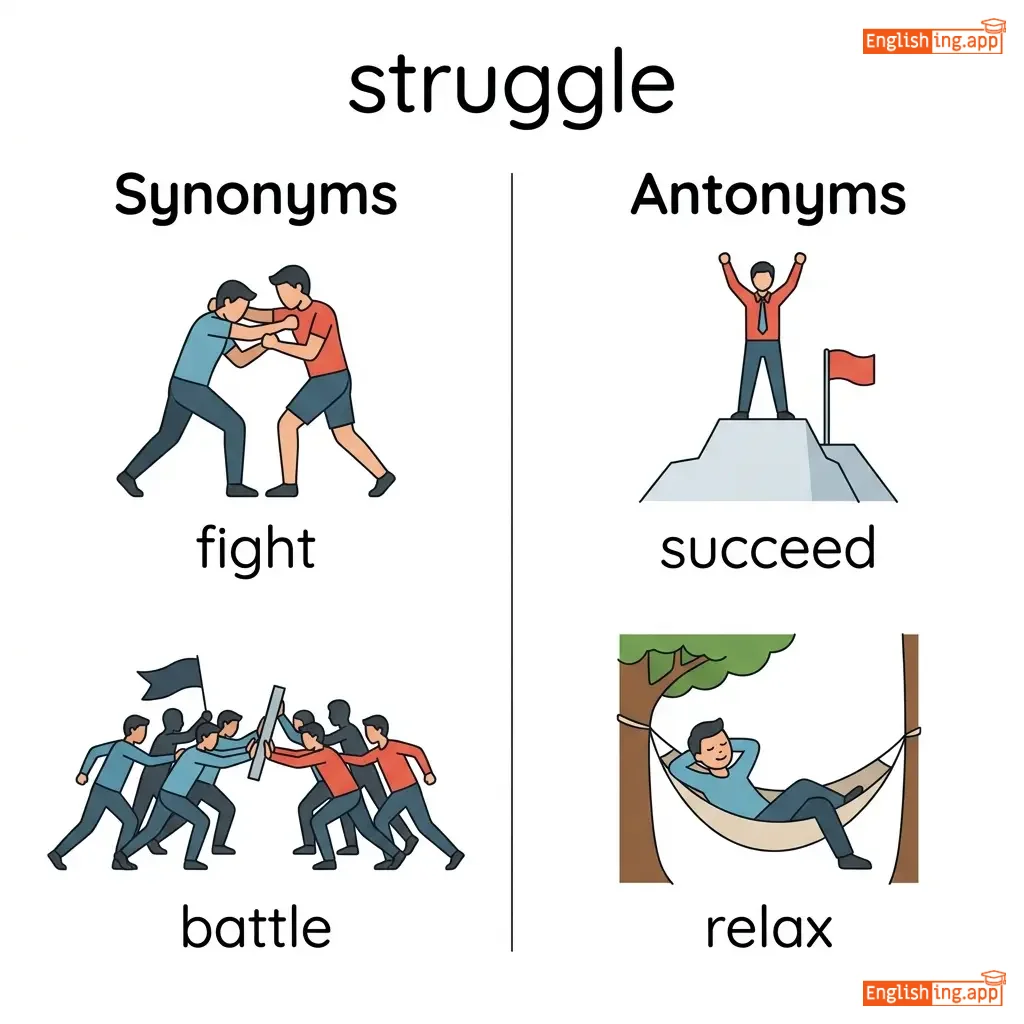
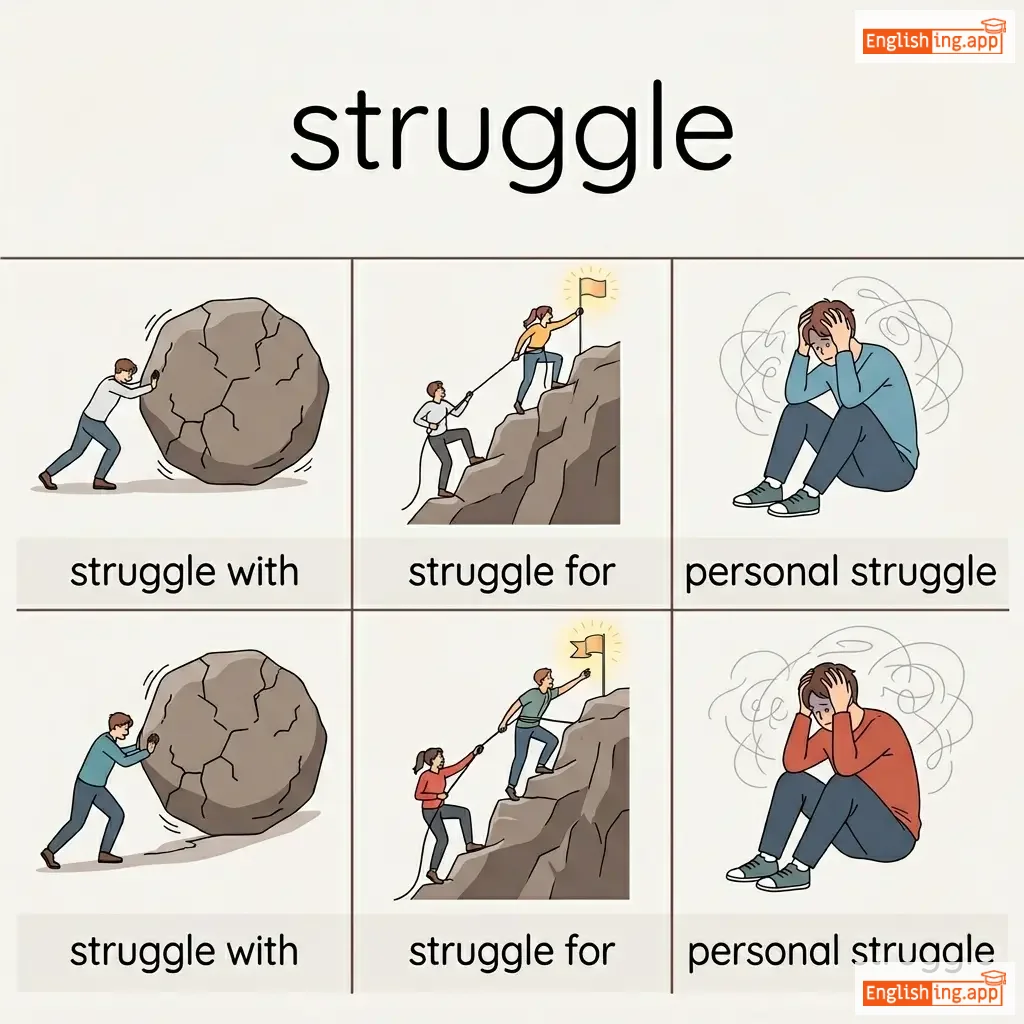
|
闘い
tatakai
••••••
|
struggled
sutorugurudo
••••••
|
struggled
sutorugurudo
••••••
|
struggles
sutorugurusu
••••••
|
struggling
sutoruguringu
••••••
|
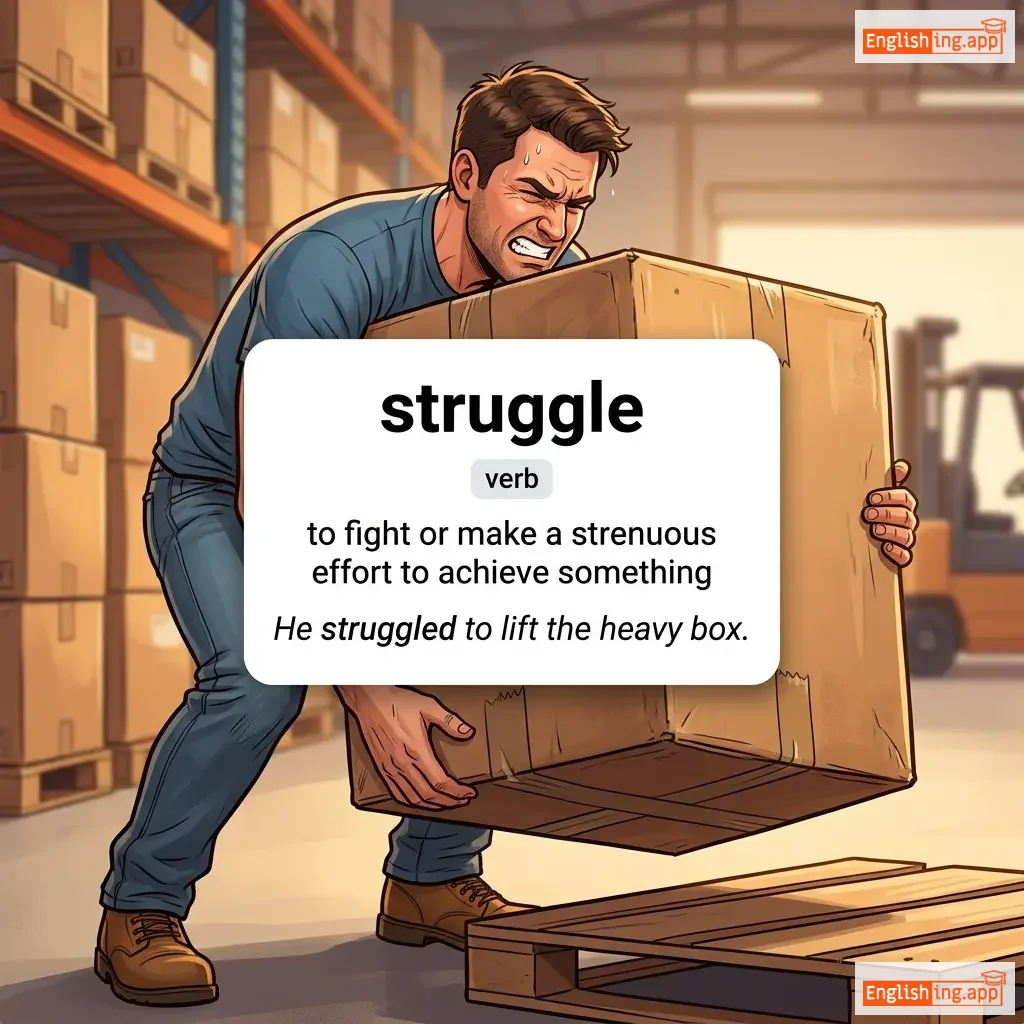
to fight or make a strenuous effort to achieve something
••••••
|
He struggled to lift the heavy box.
彼は重い箱を持ち上げるために苦闘していました。
••••••
|
彼は重い箱を持ち上げるために苦闘していました。
Kare wa omoi hako o mochiageru tame ni kutou shite imashita.
••••••
|
a struggle for survival
生存のための闘い
••••••
|
a difficult situation in which one is fighting to stay alive
••••••
|
生存のための闘い
seizon no tame no tatakai
••••••
|
fight, battle, strive, exert
••••••
|
succeed, relax
••••••
|
struggle with, struggle for, personal struggle
••••••
|
Struggling for success, like lifting a heavy weight
••••••
|
|
👋
••••••
|
/weɪv/
verb
(ウェイブ)
••••••
|
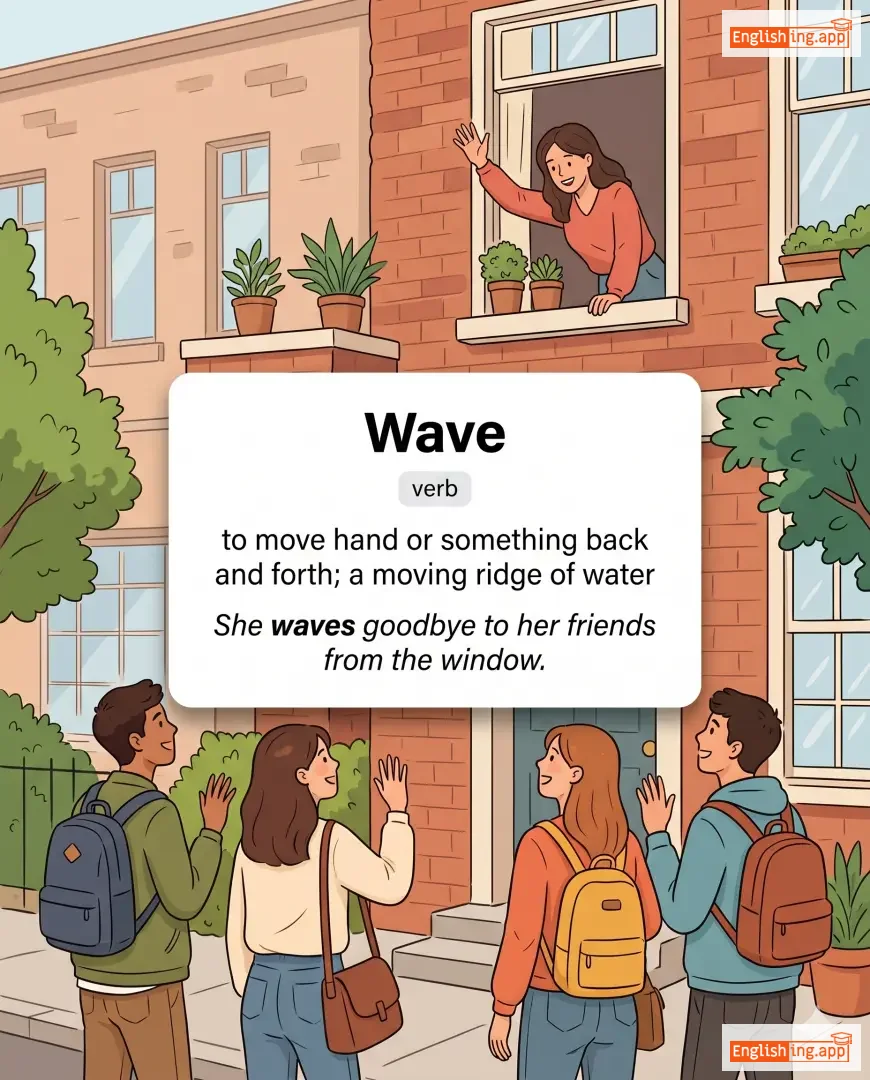
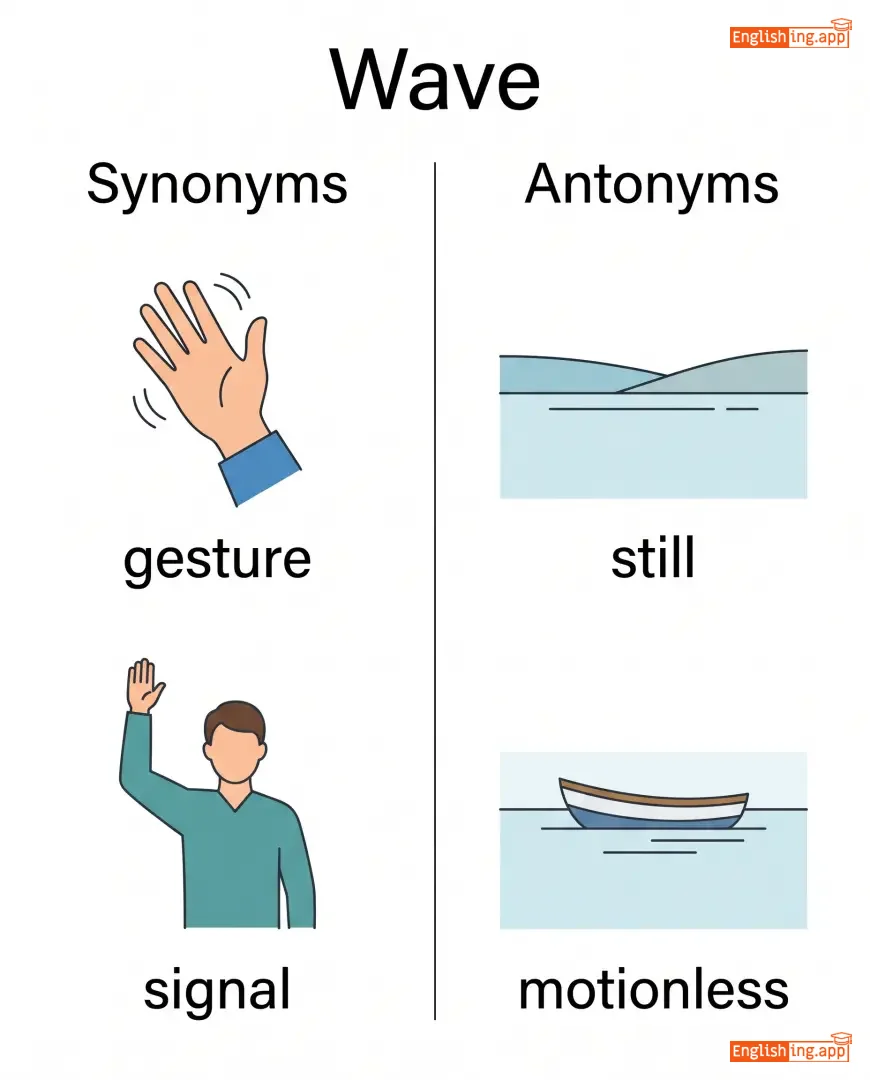
|
手を振る
te o furu
••••••
|
Waved
ウェイブド
••••••
|
Waved
ウェイブド
••••••
|
Waves
ウェイブス
••••••
|
Waving
ウェイビング
••••••
|
to move hand or something back and forth; a moving ridge of water
••••••
|
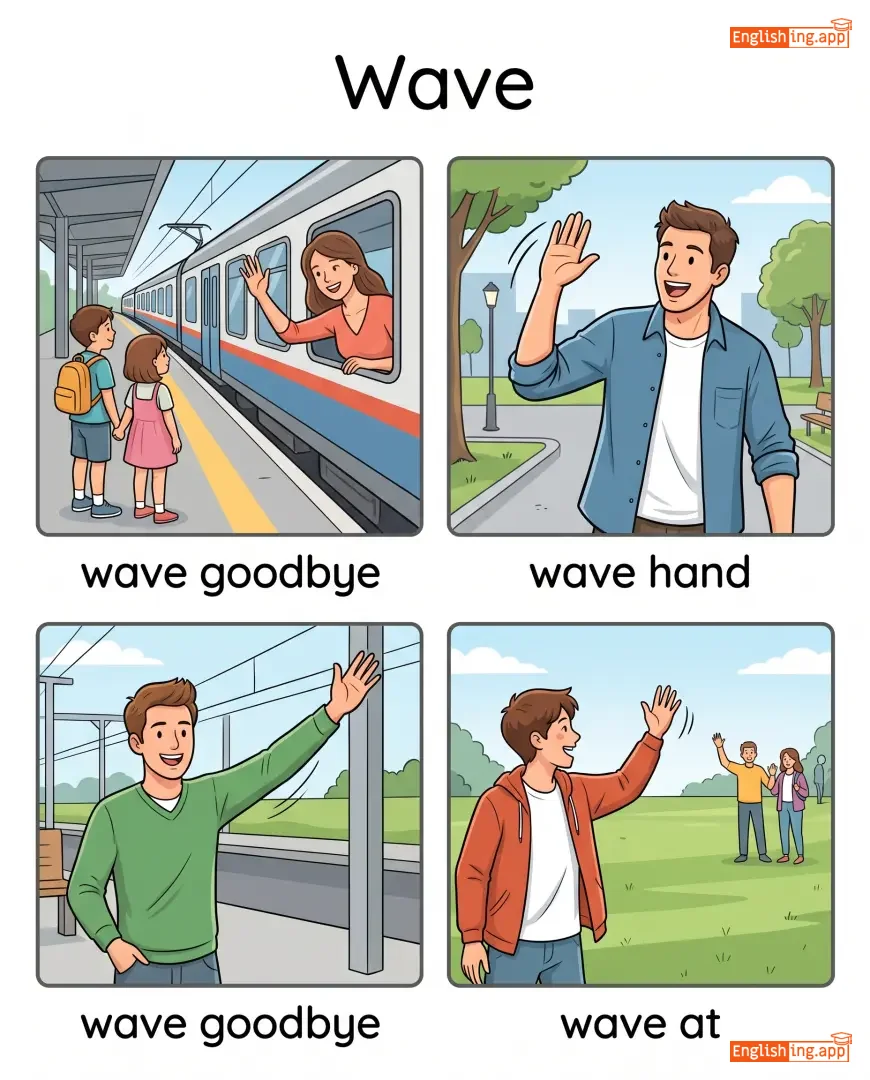
She waves goodbye to her friends from the window.
彼女は窓から友達に手を振ってさようならを言う。
••••••
|
彼女は窓から友達に手を振ってさようならを言う。
Kanojo wa mado kara tomodachi ni te o futte sayōnara o iu.
••••••
|
- •••••• | - •••••• | - •••••• |
gesture, signal, greet, undulate
••••••
|
still, motionless, steady, calm
••••••
|
wave goodbye, wave hand, wave at, wave frantically
••••••
|
海の波のように手を振るイメージ。
••••••
|
|
🌬️
••••••
|
/wɪnd/
noun
(ウィンド)
••••••
|
- •••••• |
風
kaze
••••••
|
- •••••• | - •••••• | - •••••• | - •••••• |
the natural movement of air, especially in the form of a current of air blowing from a particular direction
••••••
|
The wind blew the leaves off the trees.
風が木の葉を吹き飛ばした。
••••••
|
風が木の葉を吹き飛ばした。
Kaze ga ki no ha o fuki tobashita.
••••••
|
- •••••• | - •••••• | - •••••• |
breeze, gust, gale, draft
••••••
|
calm, stillness
••••••
|
strong wind, wind speed, wind direction, cold wind
••••••
|
風 - 風の音を聞くように感じる
••••••
|

