Rooftop Cinema Weekend
旧ダッカの歴史的な建物のstairが光のストリングで輝いていました。Raimaはにっこり笑って、「このweekend、屋上を小さな映画館に変えます」と言いました。彼女のgirlfriendJoyaはプレイリストを整えながら笑っていました。チームのrosterはボードに掛かっていて、各シフトが明確でした。Tanmoyは、各シーンの音のintervalを正確にする必要があると言いました。Shahedaのreactionは、ヴィンテージプロジェクターが動き出した時に貴重でした。Intriguingな光のショーがペリペットに沿って踊っていました。彼らはすべてのviewが障害物なくなるように椅子を並べました。「夜を少しromanticに保ってください」とJoyaはささやきました。Raimaはpersonallyチラシを配りました。「各映画のspecificメッセージを理解してください」と彼女は彼らに言いました。屋上の発電機のutilityは嵐の季節には貴重でした。近所の人々は古いcurrencyの紙幣を寄付しました。そのお金で彼らは新しいレンズを購入しました、それは彼らの貴重なassetとなりました。Niharは言いました、「間違いがあったらすぐにforgiveして前に進みましょう。」みんなが責任を持ってbehaveすれば、夜はスムーズに進むでしょう。彼らの目標は、最小限のminimumの休憩で5本の映画を上映することでした。ショーの前にホストはゲストを座席にdirectしました。クレジット後、安全なexitを確保しました。Raimaは微笑んで、「tomorrow」新しい友達と一緒にもっと思い出を作ることを約束しました。
|
絵文字
|
単語 | Images | 翻訳 | 過去 | 過去分詞 | 三人称単数 | 動名詞 | 意味 | 例文 | 例文の翻訳 | 表現例 | 表現例の意味 | 表現例の翻訳 | 同義語 | 対義語 | コロケーション | ニーモニック |
|---|---|---|---|---|---|---|---|---|---|---|---|---|---|---|---|---|---|
|
💎
••••••
|
/ˈæsɛt/
noun
(アセット)
••••••
|

|
資産
shisan
••••••
|
- •••••• | - •••••• | - •••••• | - •••••• |
a valuable person, skill, or resource; something owned that has value
••••••
|
Her communication skills are a great asset to the company.
彼女のコミュニケーション能力は会社にとって大きな資産です。
••••••
|
彼女のコミュニケーション能力は会社にとって大きな資産です。
Kanojo no komyunikēshon nōryoku wa kaisha ni totte ōkina shisan desu.
••••••
|
liquid asset
流動資産
••••••
|
an asset that can easily be converted into cash
••••••
|
流動資産
ryūdō shisan
••••••
|
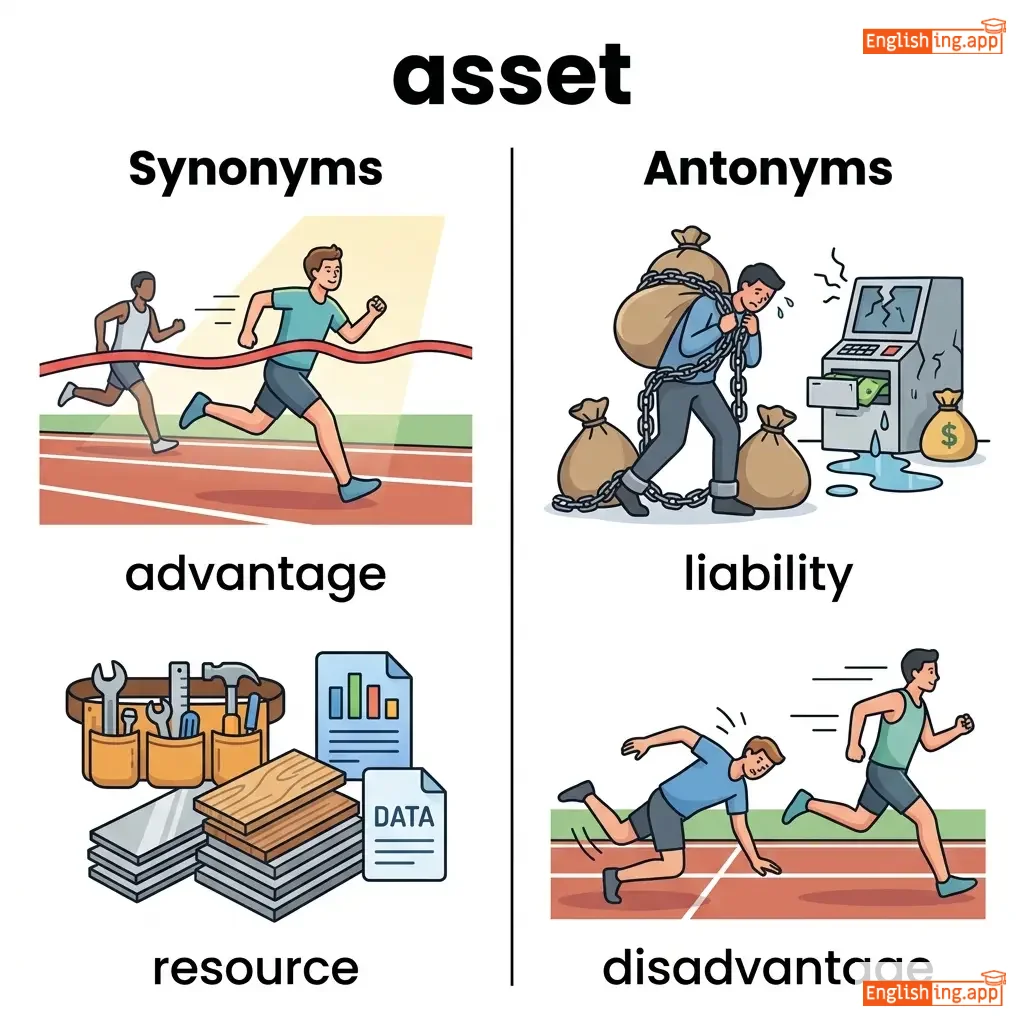
advantage, resource, property, benefit, strength
••••••
|
liability, disadvantage
••••••
|
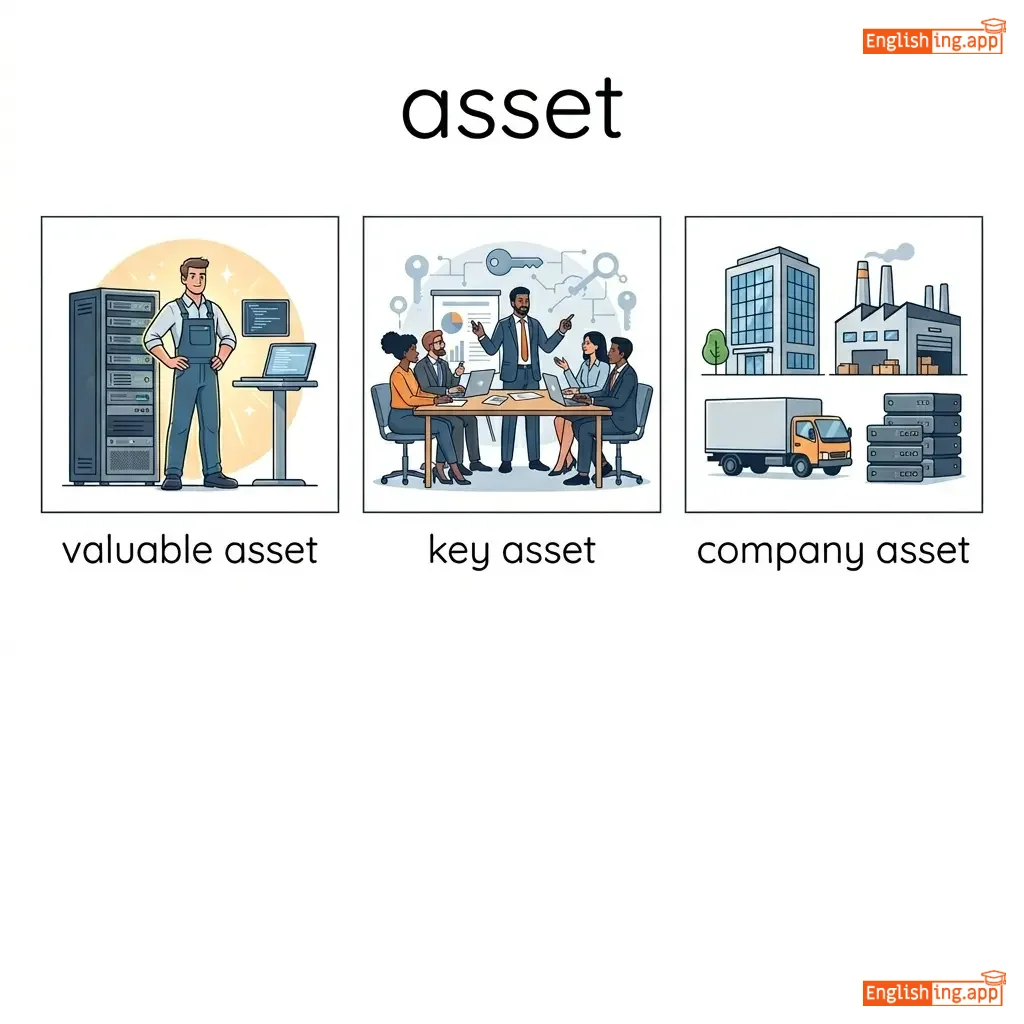
valuable asset, key asset, company asset, financial asset
••••••
|
Assetとは、価値があるものやリソース
••••••
|
|
🙂
••••••
|
/bɪˈheɪv/
verb
(ビヘイヴ)
••••••
|
|
振る舞う
furumau
••••••
|
behaved
ビヘイヴド
••••••
|
behaved
ビヘイヴド
••••••
|
behaves
ビヘイヴス
••••••
|
behaving
ビヘイヴィング
••••••
|
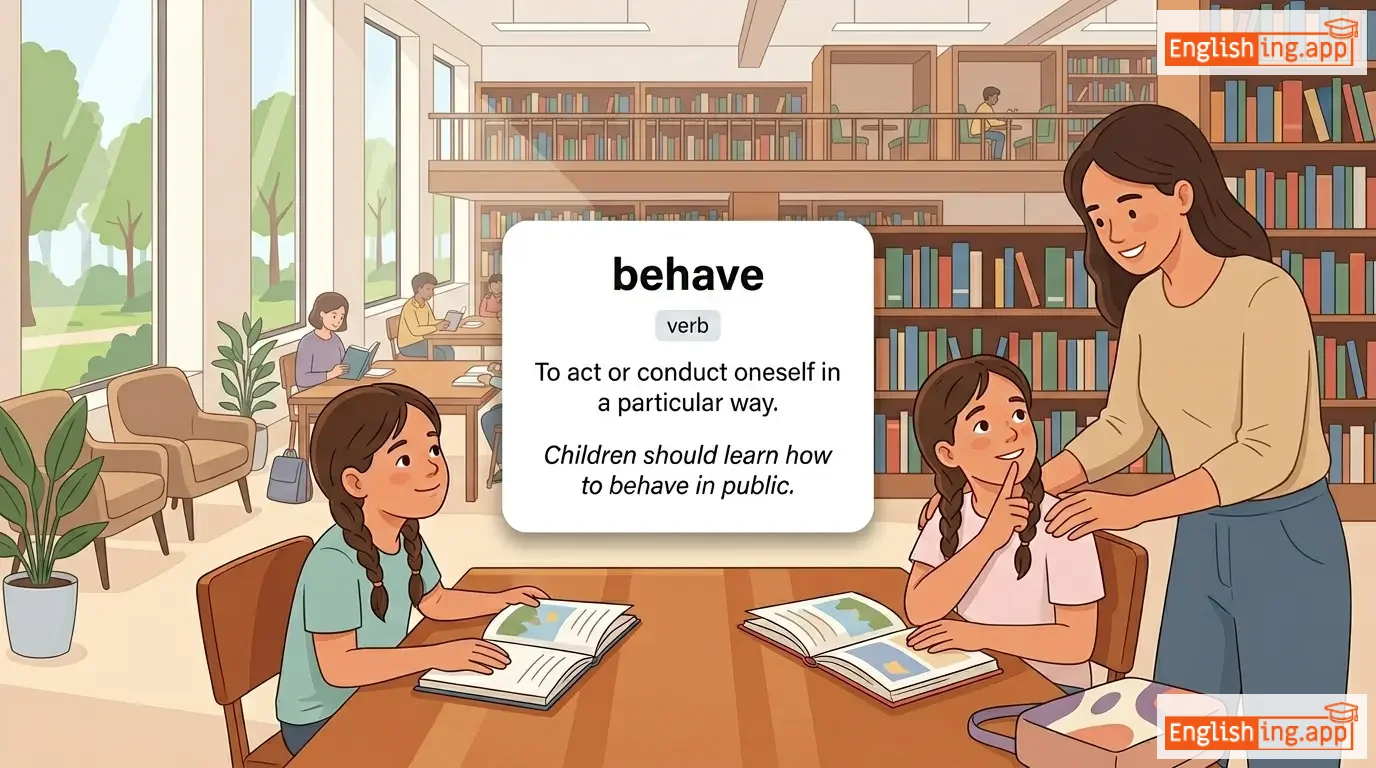
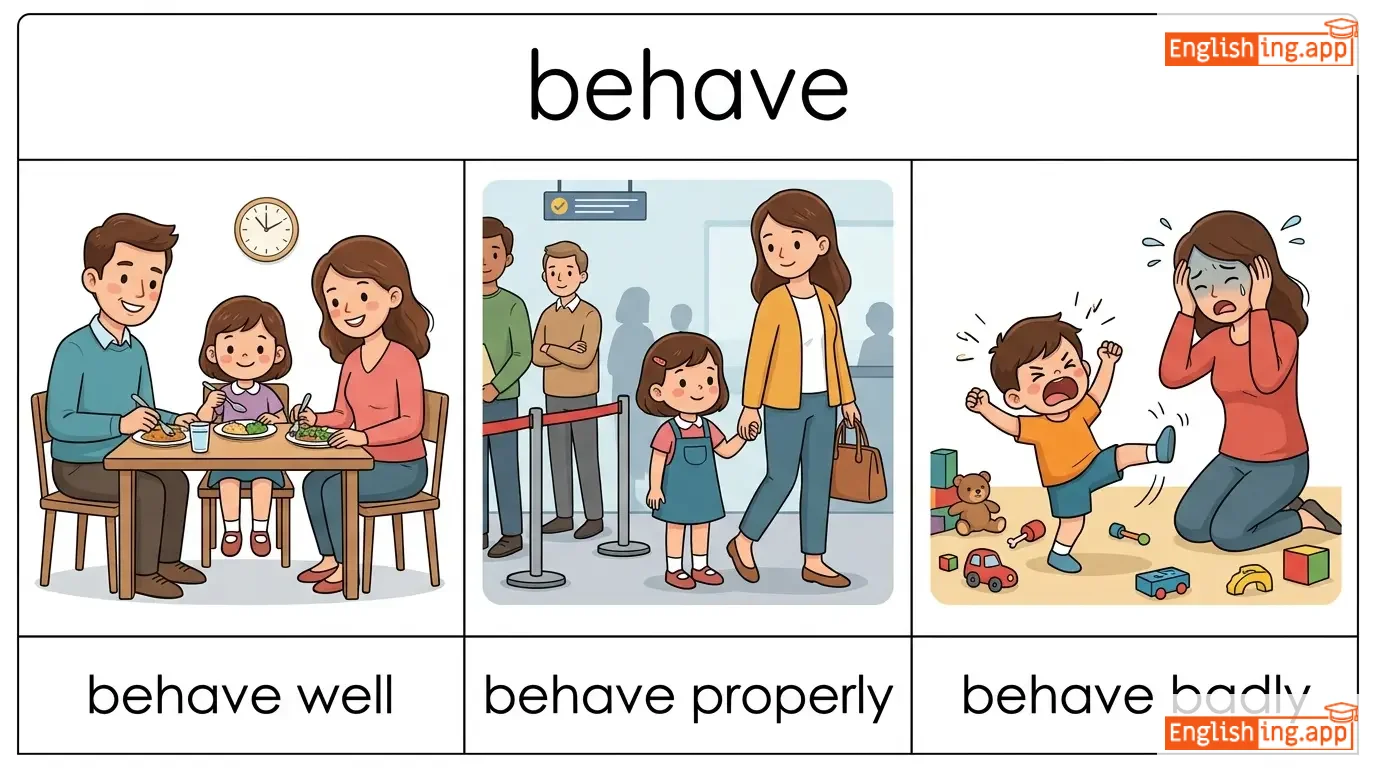
To act or conduct oneself in a particular way.
••••••
|
Children should learn how to behave in public.
子供たちは公共の場でどう振る舞うかを学ぶべきです。
••••••
|
子供たちは公共の場でどう振る舞うかを学ぶべきです。
kodomotachi wa kōkyō no ba de dō furumau ka o manabu beki desu.
••••••
|
behave yourself
自分を振る舞う
••••••
|
act properly; control your actions
••••••
|
正しく振る舞う
tadashiku furumau
••••••
|
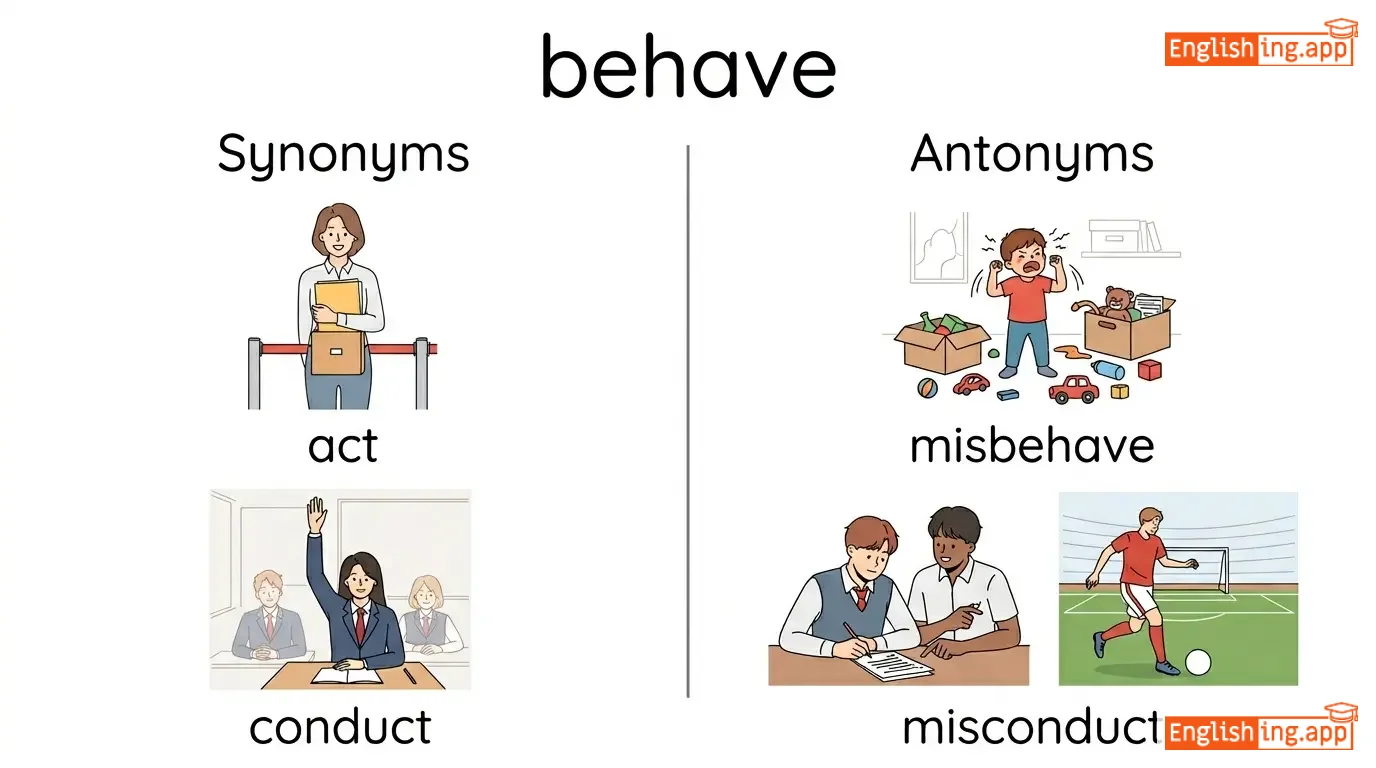
act, conduct, perform, operate
••••••
|
misbehave, misconduct
••••••
|
behave well, behave properly, behave badly
••••••
|
BEHAVE は正しく振る舞うという意味です — もし振る舞わなければ misbehave になります。
••••••
|
|
💱
••••••
|
/ˈkʌrənsi/
noun
(kæɹənsi)
••••••
|
|
通貨
tōka
••••••
|
- •••••• | - •••••• | - •••••• | - •••••• |
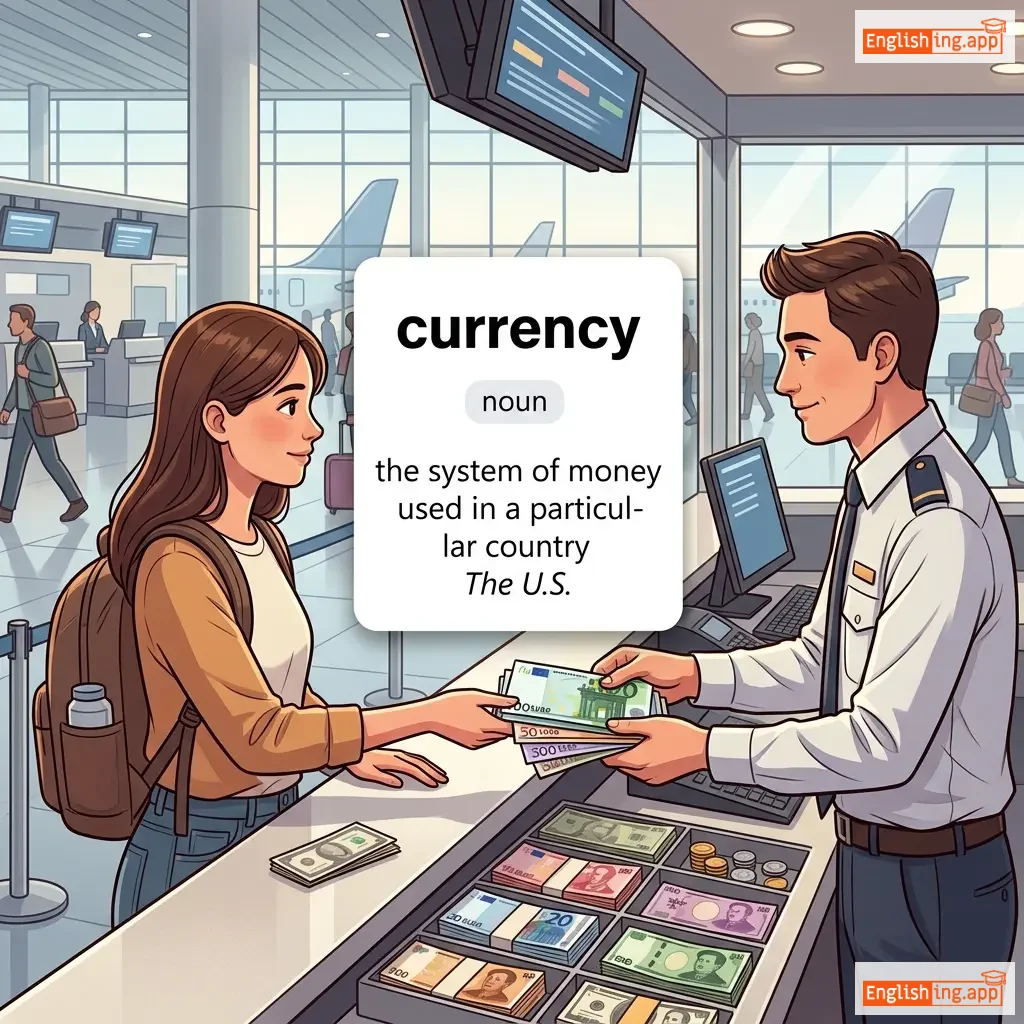
the system of money used in a particular country
••••••
|
The U.S. dollar is the official currency of the United States. |
アメリカドルはアメリカ合衆国の公式通貨です。
Amerika doru wa Amerika gasshūkoku no kōshiki tōka desu.
••••••
|
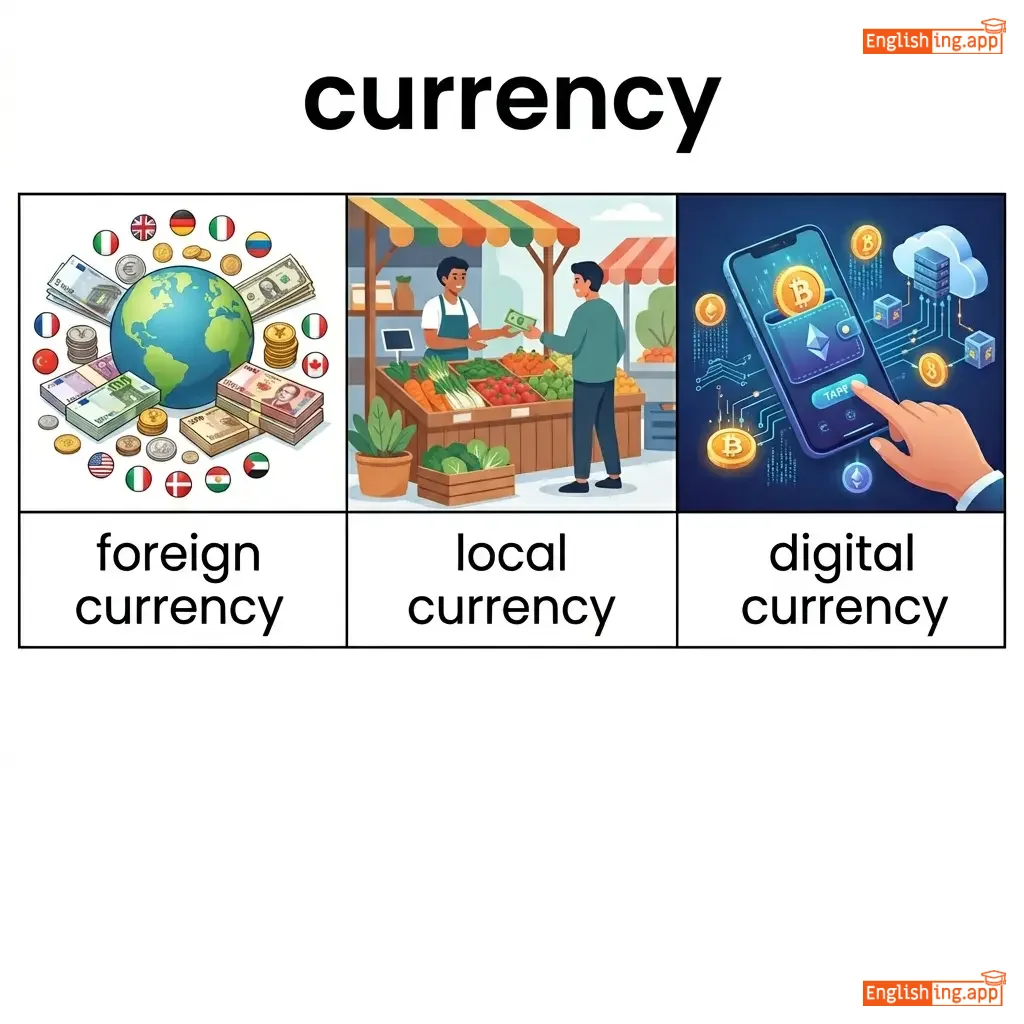
foreign currency |
money belonging to another country
••••••
|
外国通貨
gaikoku tōka
••••••
|
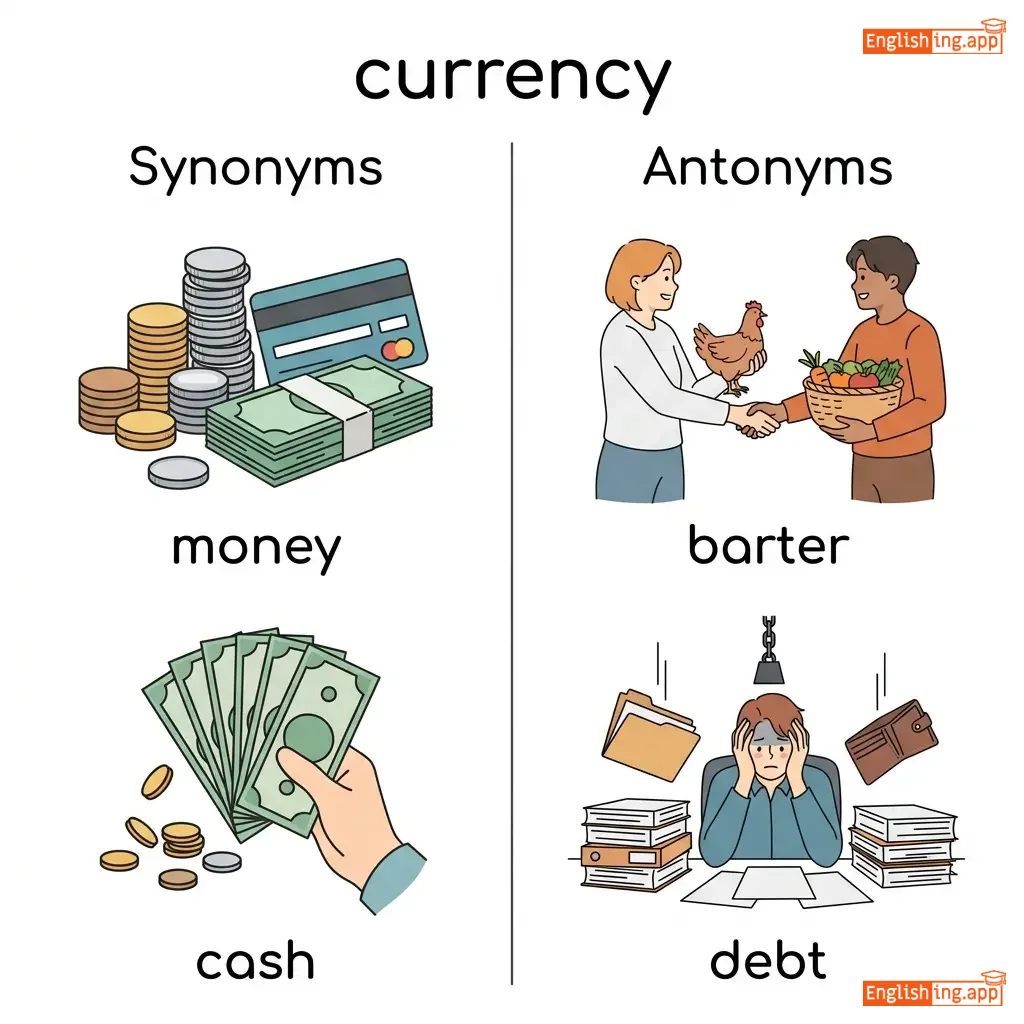
money, cash, coinage, tender, capital
••••••
|
barter, debt
••••••
|
foreign currency, local currency, digital currency, exchange currency
••••••
|
Currencyは通貨です — 流れるお金のように、currencyは流れる!
••••••
|
|
➡️
••••••
|
/dəˈrɛkt/ or /daɪˈrɛkt/
verb
(ダイレクト)
••••••
|
- •••••• |
指示する
shiji suru
••••••
|
directed
ダイレクテッド
••••••
|
directed
ダイレクテッド
••••••
|
directs
ダイレクツ
••••••
|
directing
ダイレクティング
••••••
|
to manage or control the course of something; to give instructions
••••••
|
She directed the team to complete the project on time.
彼女はチームにプロジェクトを時間通りに終わらせるよう指示しました。
••••••
|
彼女はチームにプロジェクトを時間通りに終わらせるよう指示しました。
Kanojo wa chīmu ni purojekuto o jikan dōri ni owaraseru yō shiji shimashita.
••••••
|
direct traffic
交通整理をする
••••••
|
to manage and guide the movement of vehicles
••••••
|
交通整理をする
kōtsū seiri o suru
••••••
|
guide, lead, manage, command, instruct
••••••
|
mislead, confuse
••••••
|
direct attention, direct action, direct contact, direct result
••••••
|
Direct は、指示を明確に — 交通整理をすることは精密に!
••••••
|
|
🚪
••••••
|
/ˈɛɡzɪt/
noun/verb
(エグジット)
••••••
|
- •••••• |
出口
deguchi
••••••
|
exited
エグジットした
••••••
|
exited
エグジットした
••••••
|
exits
エグジットする
••••••
|
exiting
エグジットしている
••••••
|
A way out of a place; the act of leaving.
••••••
|
He quickly found the nearest exit during the fire drill.
彼は火災訓練中に最寄りの出口をすぐに見つけた。
••••••
|
彼は火災訓練中に最寄りの出口をすぐに見つけた。
Kare wa kasai kunren-chū ni moyori no deguchi o sugu ni mitsuketa.
••••••
|
make an exit
出口を出る
••••••
|
to leave a place, often noticeably
••••••
|
出る
deru
••••••
|
departure, way out, escape, egress, leaving
••••••
|
entrance, arrival, entry
••••••
|
emergency exit, exit door, exit route, exit point
••••••
|
Exit 🚪 は出るという意味 — Exit は '出口' です。
••••••
|
|
🙏
••••••
|
/fərˈɡɪv/
verb
(フォーギブ)
••••••
|
|
許す
yurusu
••••••
|
forgave
フォーゲブ
••••••
|
forgiven
フォーギブン
••••••
|
forgives
フォーギブス
••••••
|
forgiving
フォーギビング
••••••
|
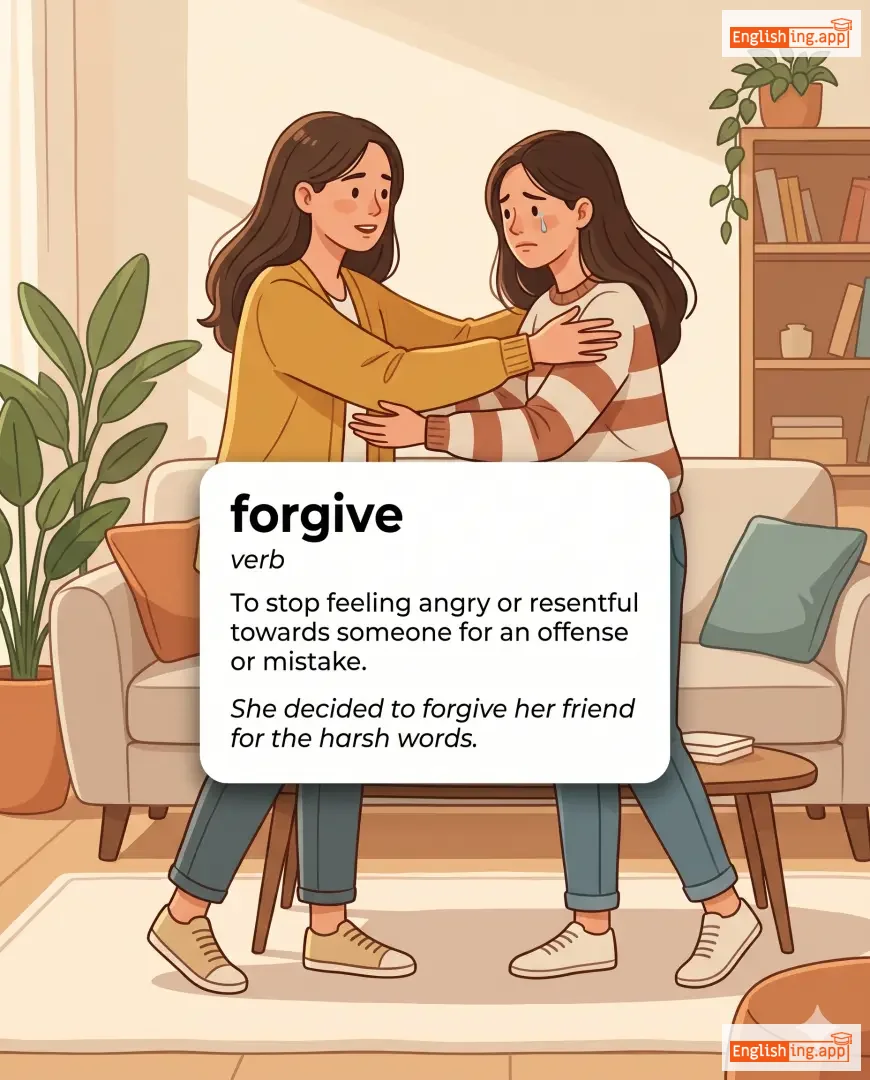
To stop feeling angry or resentful towards someone for an offense or mistake.
••••••
|
She decided to forgive her friend for the harsh words.
彼女は友達の厳しい言葉を許すことに決めました。
••••••
|
彼女は友達の厳しい言葉を許すことに決めました。
Kanojo wa tomodachi no kibishii kotoba o yurusu koto ni kimemashita.
••••••
|
forgive and forget
許して忘れる
••••••
|
To forgive someone and not remember the offense anymore.
••••••
|
許して忘れる
yurushite wasureru
••••••
|
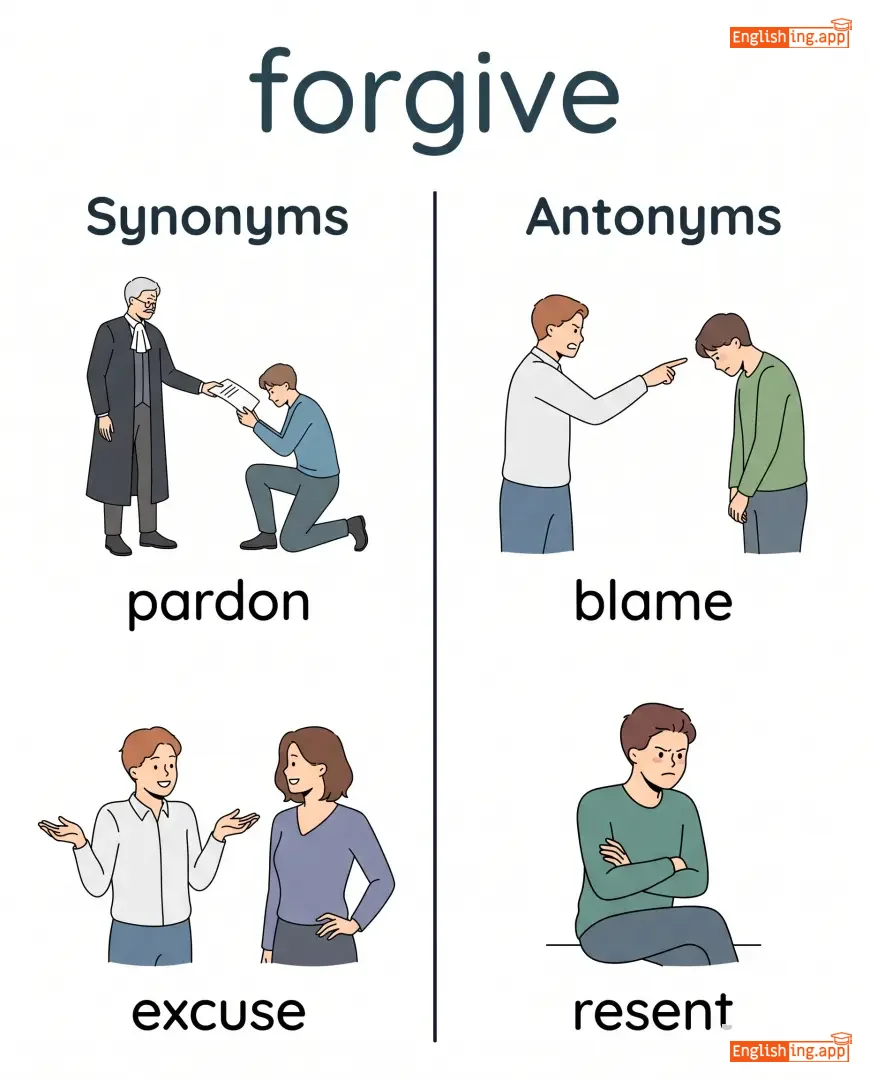
pardon, excuse, absolve, overlook, release
••••••
|
blame, resent, condemn
••••••
|
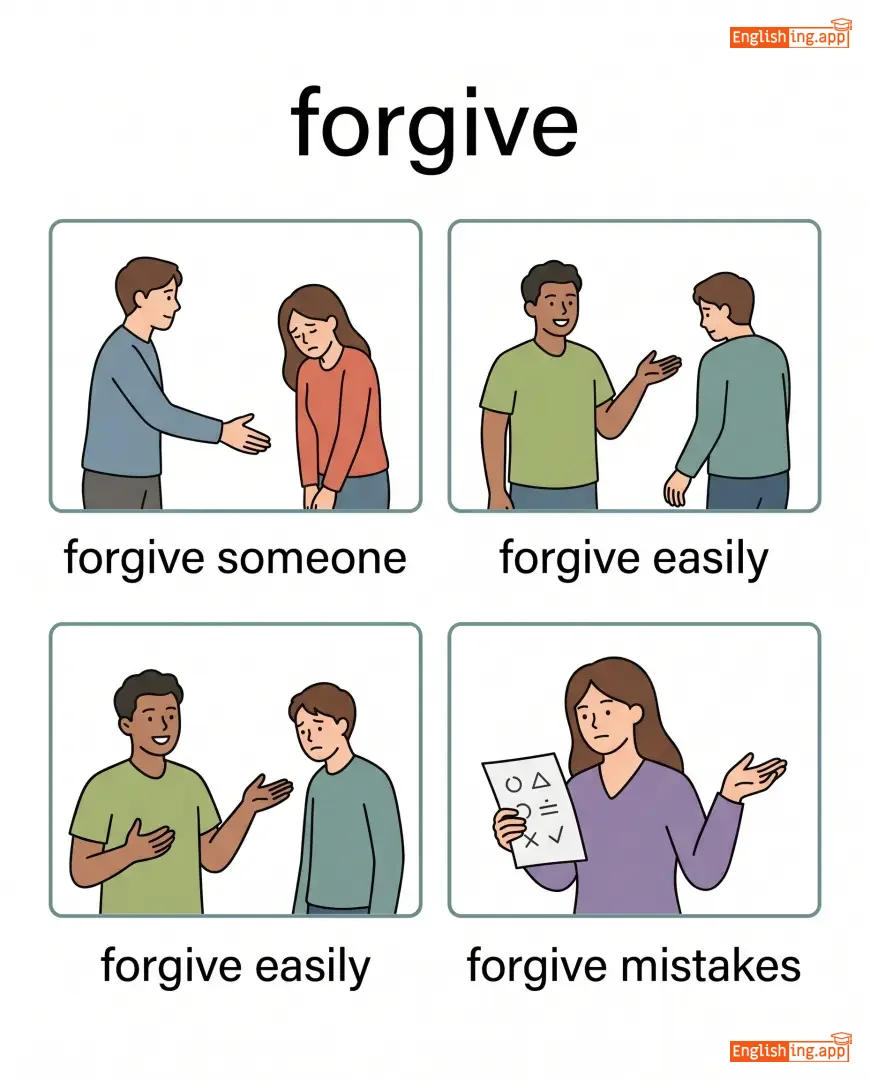
forgive someone, forgive easily, forgive mistakes, forgive sins
••••••
|
許すは忘れること (forget + give)。許すことは友情を強くする。
••••••
|
|
👩❤️👨
••••••
|
/ˈɡɜːrlfrɛnd/
noun
(ガールフレンド)
••••••
|
- •••••• |
彼女
kareshi
••••••
|
- •••••• | - •••••• | - •••••• | - •••••• |
A woman or girl with whom someone is romantically or emotionally involved.
••••••
|
He introduced his girlfriend to his family. |
彼は彼女を家族に紹介した。
Kare wa kanojo o kazoku ni shōkai shita.
••••••
|
meet the girlfriend |
To introduce one’s romantic partner to friends or family.
••••••
|
彼女を紹介する
Kanojo o shōkai suru
••••••
|
partner, companion, sweetheart, beloved, significant other
••••••
|
boyfriend, stranger
••••••
|
ex-girlfriend, girlfriend experience, girlfriend material, girlfriend problem
••••••
|
彼女 = 彼女 (kanojo) - あなたの大切な人。
••••••
|
|
⏱️
••••••
|
/ˈɪntərvəl/
noun
(インターバル)
••••••
|
- •••••• |
インターバル
intābaru
••••••
|
- •••••• | - •••••• | - •••••• | - •••••• |
a period of time between two events or points; a pause or break in activity
••••••
|
There was a short interval between the two performances.
二つの公演の間には短いインターバルがありました。
••••••
|
二つの公演の間には短いインターバルがありました。
Futatsu no kōen no aida ni wa mijikai intābaru ga arimashita.
••••••
|
at regular intervals
定期的なインターバルで
••••••
|
repeatedly at the same time gaps
••••••
|
定期的なインターバルで
Teikiteki na intābaru de
••••••
|
gap, break, pause, duration, span
••••••
|
continuation, flow
••••••
|
time interval, regular interval, short interval, interval training
••••••
|
インターバルは時間の間の小休止、まるでイベント間のポーズ。
••••••
|
|
🤔
••••••
|
/ɪnˈtriːɡɪŋ/
adjective
(イントリーギング)
••••••
|
- •••••• |
非常に興味深く、異常な; 好奇心を引き起こす
hijou ni kyomi-bukaku, ibōna; kōkishin o hikiokosu
••••••
|
- •••••• | - •••••• | - •••••• | - •••••• |
very interesting and unusual; arousing curiosity
••••••
|
The movie has an intriguing plot that keeps the audience hooked. |
その映画は観客を引き付ける非常に興味深いプロットを持っています。
Sono eiga wa kankyaku o hikitsukeru hijou ni kyomi-bukai purotto o motteimasu.
••••••
|
- •••••• | - •••••• | - •••••• |
fascinating, captivating, engaging, compelling, mysterious
••••••
|
boring, dull, uninteresting
••••••
|
intriguing idea, intriguing story, intriguing mystery, intriguing character
••••••
|
Intriguing は非常に興味深く異常な意味です。まるでみんなが ‘イントリーギング!’ と言うような映画のようです!
••••••
|
|
🔽
••••••
|
/ˈmɪnɪməm/
noun
(ミニマム)
••••••
|
|
最小限
saishōgen
••••••
|
- •••••• | - •••••• | - •••••• | - •••••• |
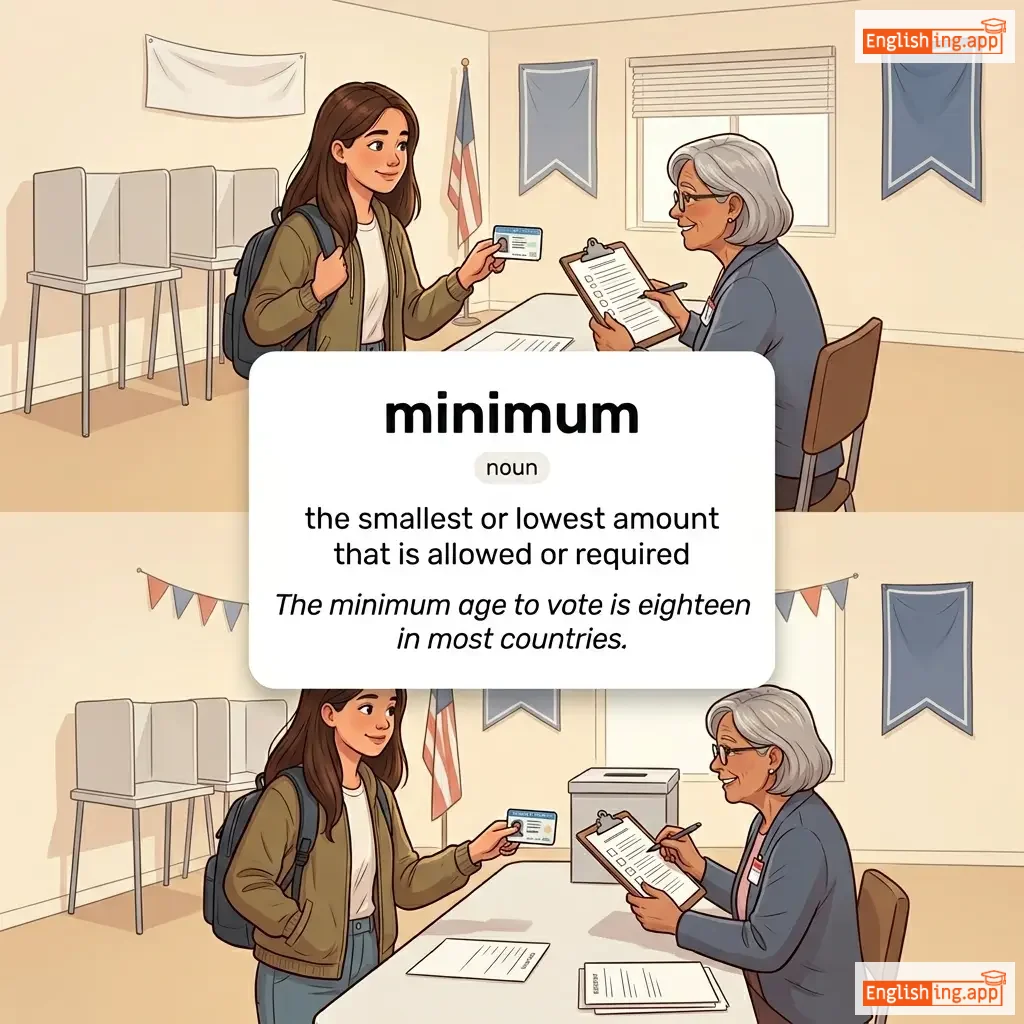
the smallest or lowest amount that is allowed or required
••••••
|
The minimum age to vote is eighteen in most countries. |
投票のための最小年齢は、ほとんどの国で18歳です。
Tōhyō no tame no saishō nenrei wa, hotondo no kuni de 18-sai desu.
••••••
|
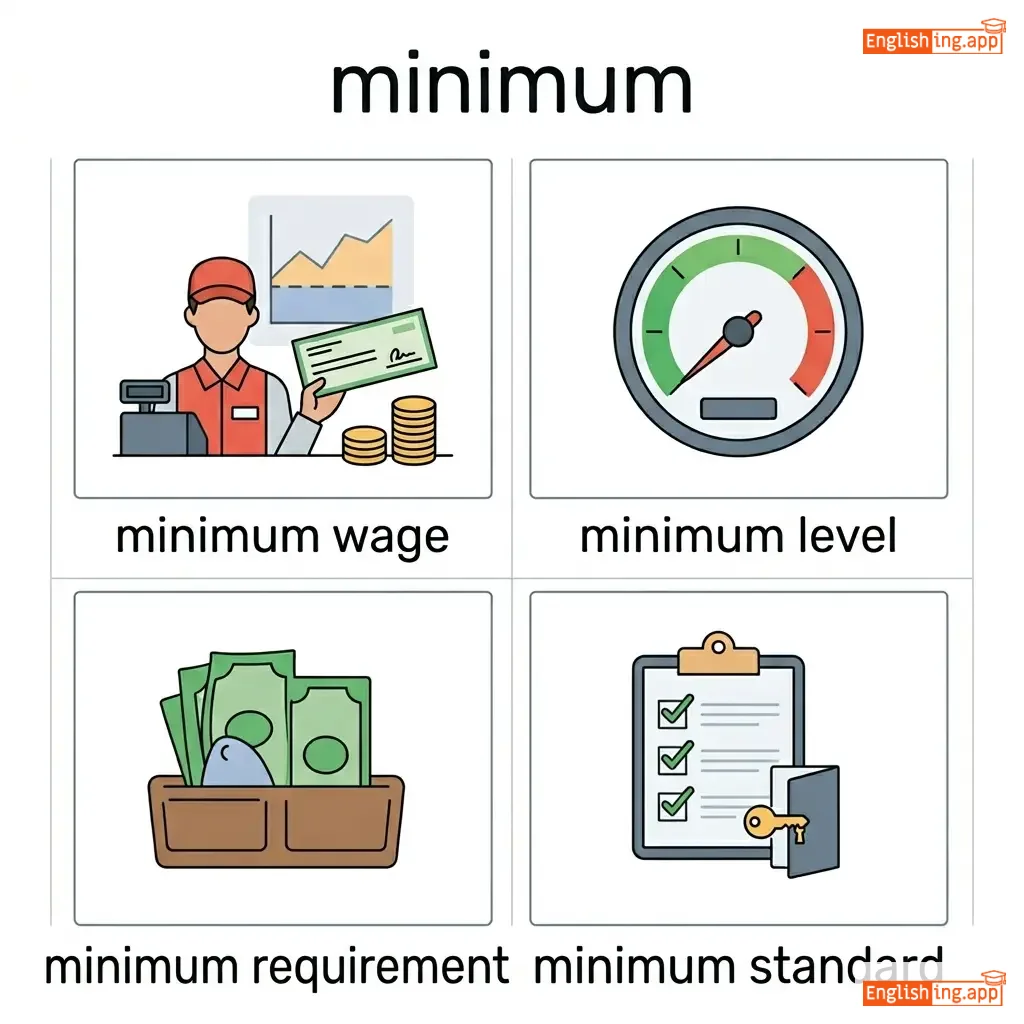
minimum wage |
the lowest amount of pay that employers can legally give workers
••••••
|
最低賃金
saitei chingin
••••••
|
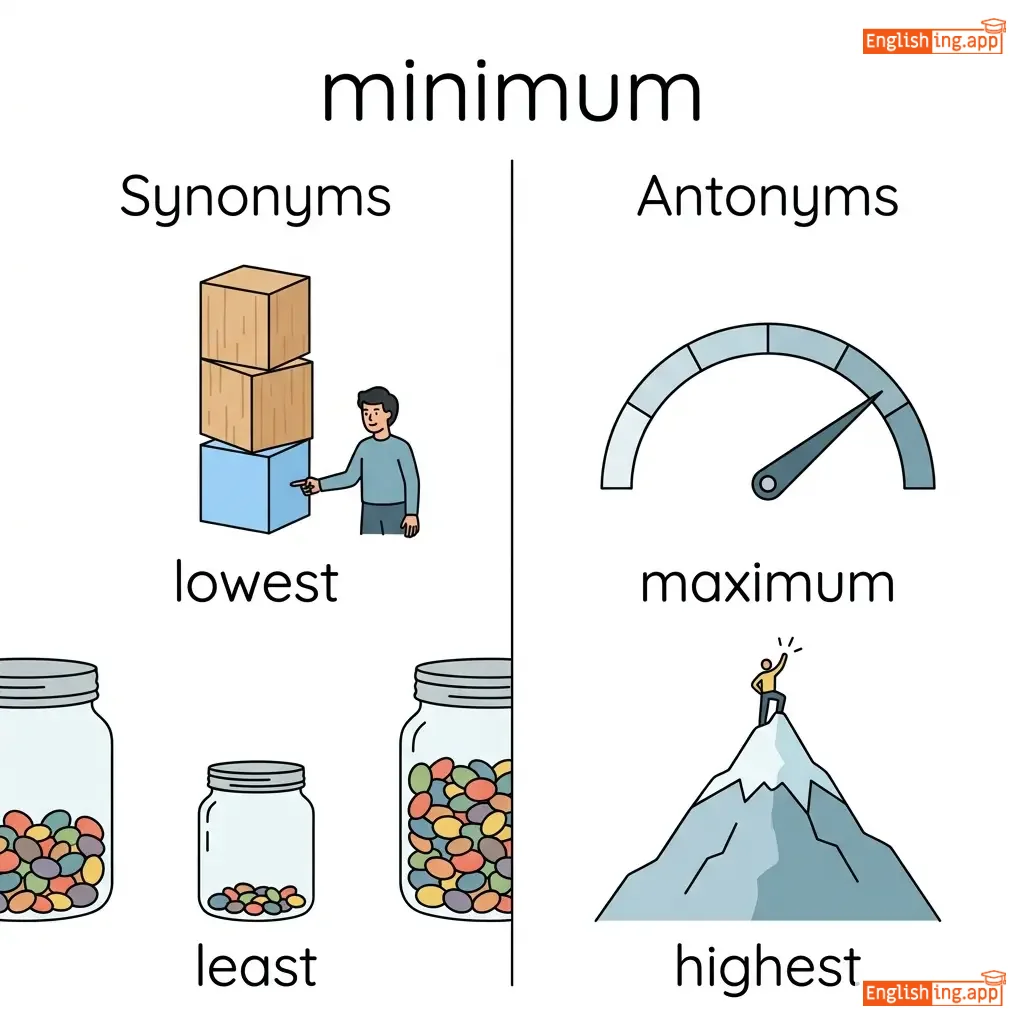
lowest, least, smallest, base
••••••
|
maximum, highest
••••••
|
minimum wage, minimum level, minimum requirement, minimum value
••••••
|
Minimum — 最も小さい量
••••••
|
|
👤
••••••
|
/ˈpɜr.sən.ə.li/
adverb
(パーソナリー)
••••••
|
- •••••• |
個人的に; 私の意見では; 自分のために; 自分自身で
kojinteki ni; watashi no iken dewa; jibun no tame ni; jibun jishin de
••••••
|
- •••••• | - •••••• | - •••••• | - •••••• |
as a person; in one's own opinion; for oneself; in person
••••••
|
Personally, I think the movie was excellent, though others disagree.
個人的に言うと、その映画は素晴らしいと思いますが、他の人は賛成していません。
••••••
|
個人的に言うと、その映画は素晴らしいと思いますが、他の人は賛成していません。
kojinteki ni iu to, sono eiga wa subarashī to omoimasu ga, hoka no hito wa sansei shiteimasen.
••••••
|
- •••••• | - •••••• | - •••••• |
individually, privately, subjectively, in my opinion, for myself
••••••
|
impersonally, objectively, generally, collectively, publicly
••••••
|
personally speaking, personally responsible, take personally, personally involved
••••••
|
個人的に = 私の意見では、自分のために
••••••
|
|
⚡
••••••
|
/riˈækʃən/
noun
(リアクション)
••••••
|
|
反応
hanno
••••••
|
- •••••• | - •••••• | - •••••• | - •••••• |
A response to a situation, event, or stimulus; also a chemical change involving reactants and products.
••••••
|
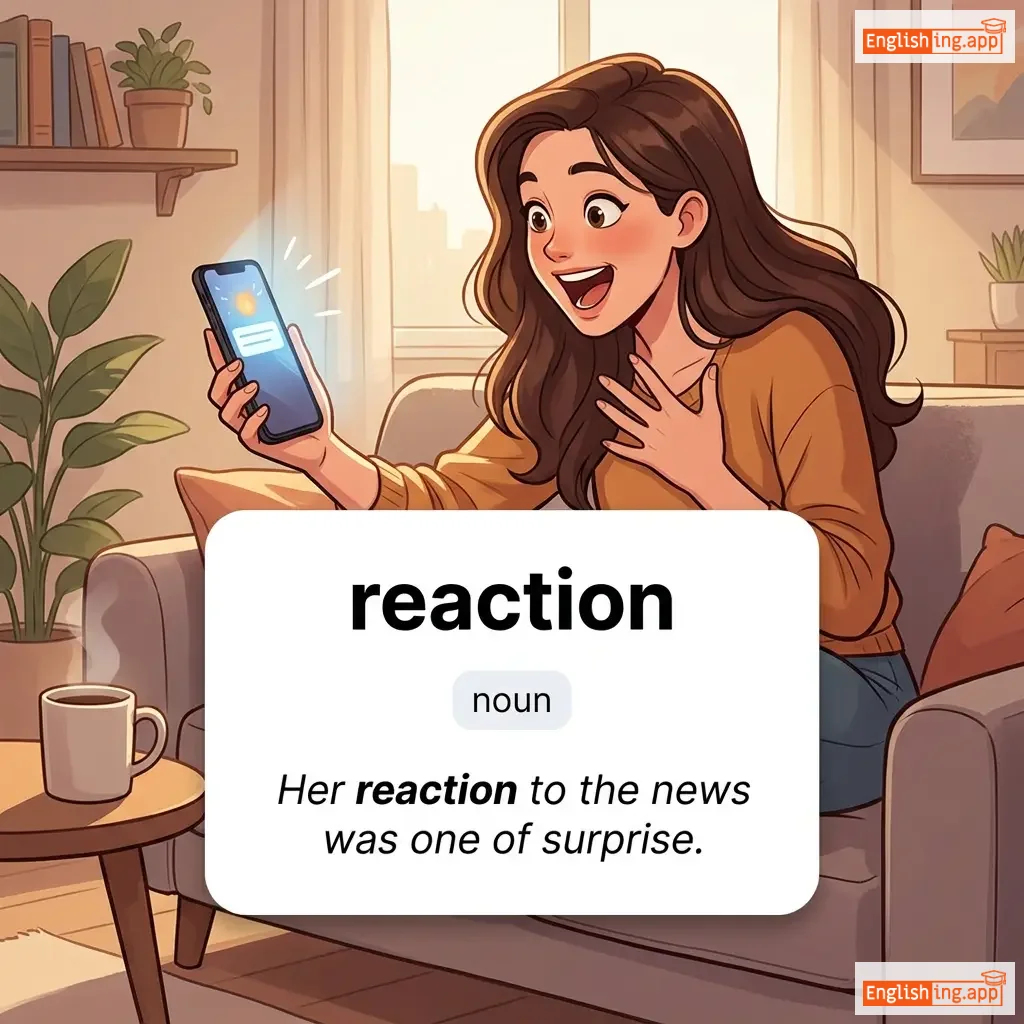
Her reaction to the news was one of surprise. |
ニュースに対する彼女の反応は驚きでした。
Nyūsu ni taisuru kanojo no hannou wa odoroki deshita.
••••••
|
knee-jerk reaction |
An immediate and automatic response without thought.
••••••
|
反射反応
Hansha hannou
••••••
|
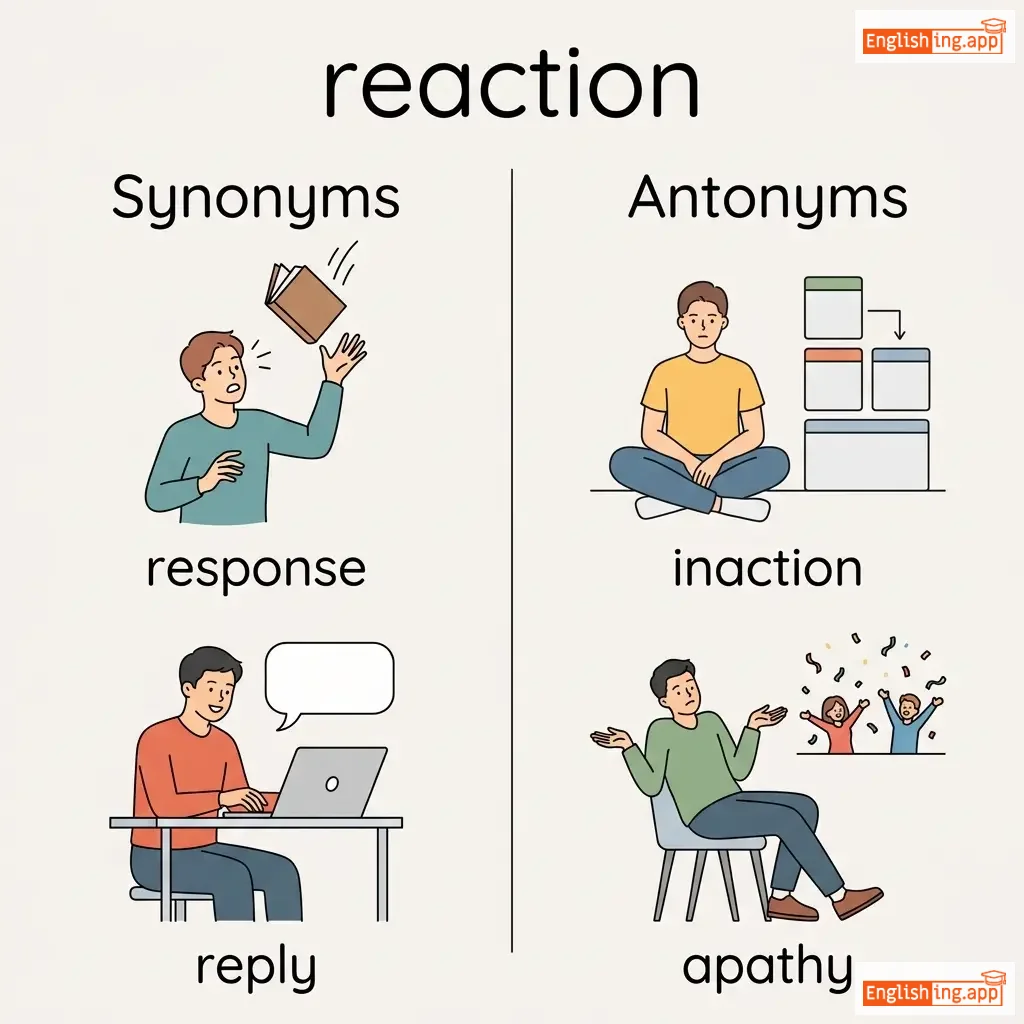
response, reply, reflex, feedback
••••••
|
inaction, apathy
••••••
|
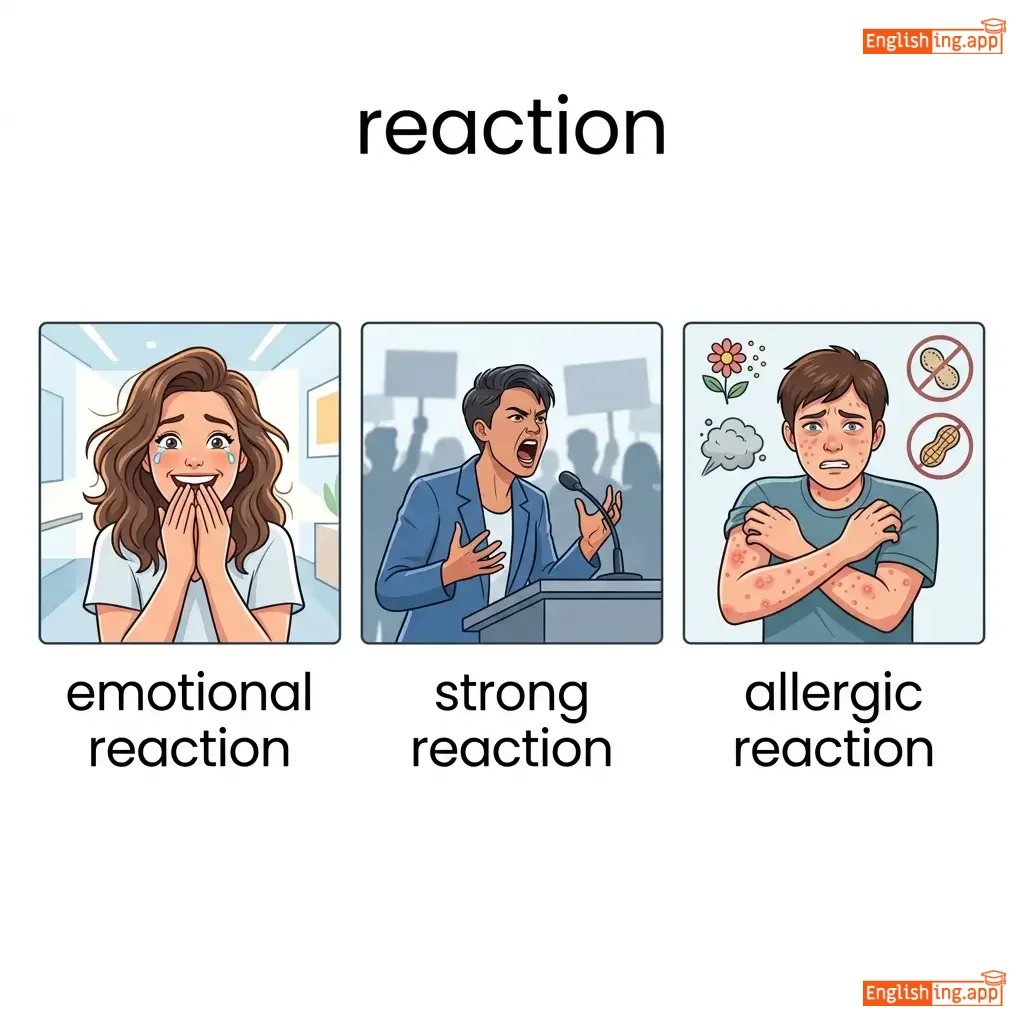
emotional reaction, strong reaction, allergic reaction, public reaction
••••••
|
リアクションは、膝の反応のように本能的に起こるものです。
••••••
|
|
💕
••••••
|
/roʊˈmæn.tɪk/
adjective
(ロマンチック)
••••••
|
- •••••• |
ロマンチック
romanchikku
••••••
|
- •••••• | - •••••• | - •••••• | - •••••• |
relating to love; idealistic; dreamy
••••••
|
They enjoyed a romantic dinner by candlelight.
彼らはろうそくの光でロマンチックなディナーを楽しんでいました。
••••••
|
彼らはろうそくの光でロマンチックなディナーを楽しんでいました。
Karera wa rousoku no hikari de romanchikku na dinā o tanoshinde imashita.
••••••
|
- •••••• | - •••••• | - •••••• |
loving, passionate, sentimental, dreamy
••••••
|
practical, realistic, unromantic, prosaic
••••••
|
romantic dinner, romantic movie, romantic relationship
••••••
|
ロマンチック = 愛とキャンドルライト
••••••
|
|
📋
••••••
|
/ˈrɑːstər/
noun
(ロスター)
••••••
|
- •••••• |
リスト
risuto
••••••
|
- •••••• | - •••••• | - •••••• | - •••••• |
A list or plan showing people’s duties or times when they are scheduled.
••••••
|
The manager updated the staff roster for next week. |
マネージャーは来週のスタッフリストを更新しました。
Manējā wa raishū no sutaffu risuto o kōshin shimashita.
••••••
|
- •••••• | - •••••• | - •••••• |
schedule, list, timetable, lineup, register
••••••
|
disorder, confusion
••••••
|
team roster, duty roster, staff roster, player roster
••••••
|
Rosterは義務のリストです;学校の名簿のようなものです。
••••••
|
|
📌
••••••
|
/spəˈsɪfɪk/
adjective
(especifico)
••••••
|
|
具体的
gutaiteki
••••••
|
- •••••• | - •••••• | - •••••• | - •••••• |
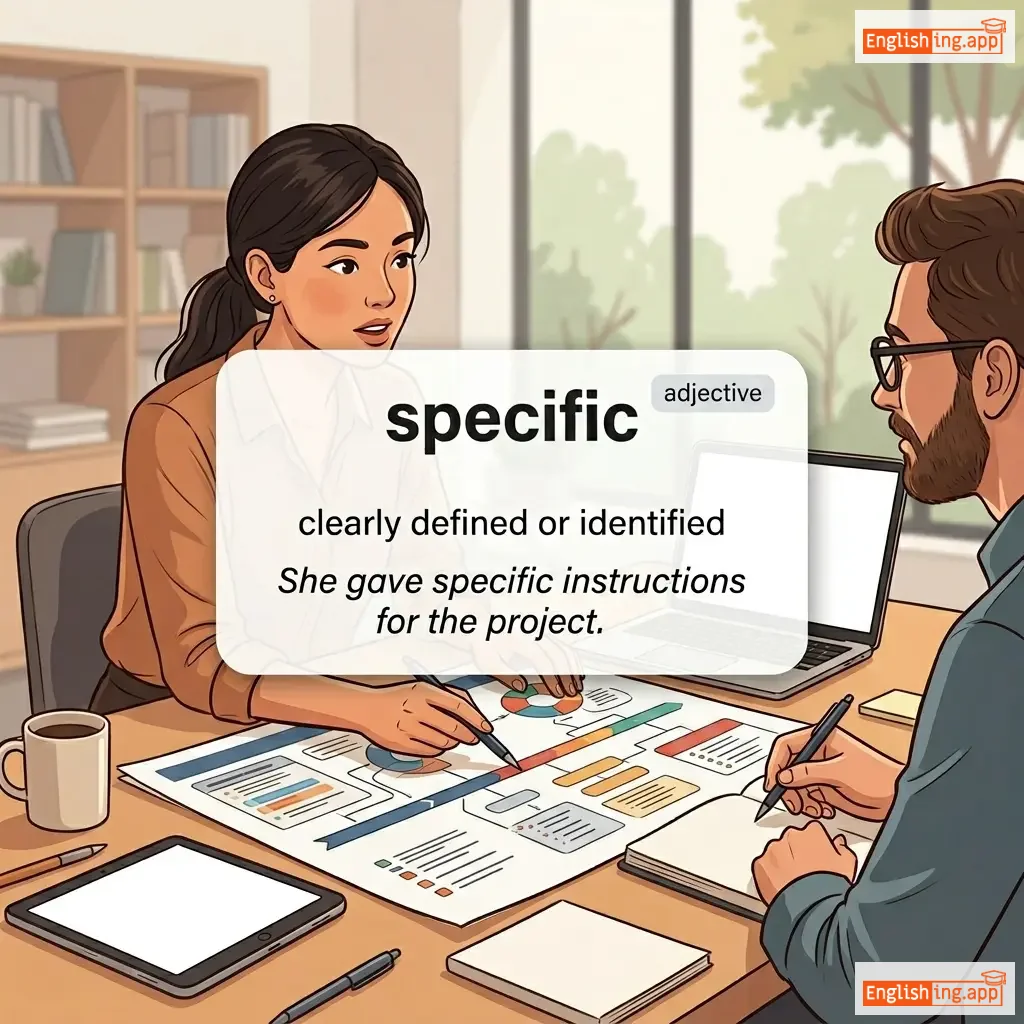
clearly defined or identified
••••••
|
She gave specific instructions for the project. |
彼女はプロジェクトのために具体的な指示を出しました。
Kanojo wa purojekuto no tame ni gutaiteki na shiji o dashimashita.
••••••
|
to be specific |
to clarify or state something exactly
••••••
|
具体的に言うと
gutaiteki ni iu to
••••••
|
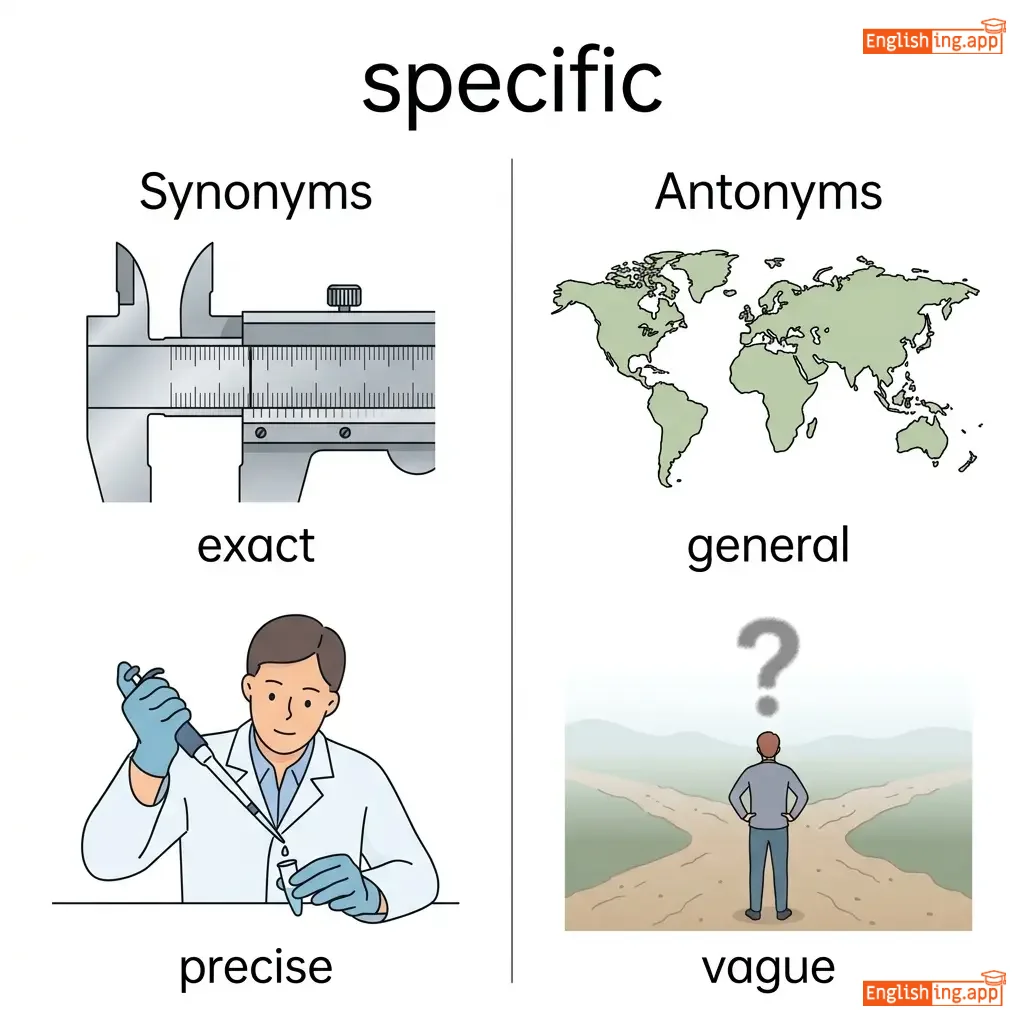
exact, precise, detailed, explicit
••••••
|
general, vague
••••••
|
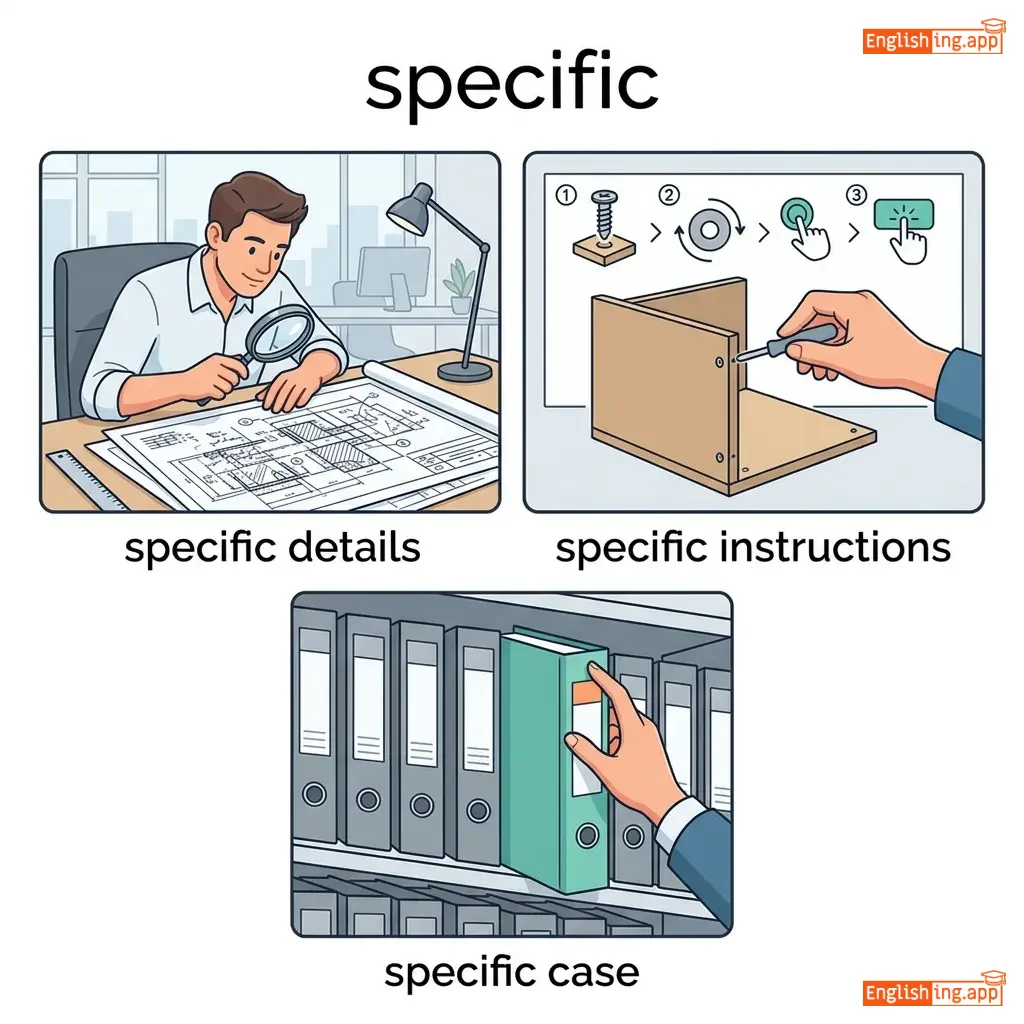
specific details, specific instructions, specific case, specific purpose
••••••
|
Specificは日本語で具体的、混乱なし
••••••
|
|
🪜
••••••
|
/stɛə/
noun
(ステア)
••••••
|
- •••••• |
階段
kaidan
••••••
|
- •••••• | - •••••• | - •••••• | - •••••• |
a step or set of steps leading from one level to another
••••••
|
He tripped on the stair and fell down. |
彼は階段でつまずいて転んだ。
Kare wa kaidan de tsumazuite koronda.
••••••
|
- •••••• | - •••••• | - •••••• |
step, staircase, flight of stairs
••••••
|
elevator, lift
••••••
|
climb the stairs, fall down the stairs
••••••
|
階段、私たちが階を上ったり下りたりする場所 – Stair means kaidan!
••••••
|
|
📆
••••••
|
/təˈmɒroʊ/
adverb
(トゥモロー)
••••••
|
- •••••• |
明日
ashita
••••••
|
- •••••• | - •••••• | - •••••• | - •••••• |
on the day after today; in the future
••••••
|
Tomorrow we will visit the museum. |
明日、私たちは博物館を訪れます。
Ashita, watashitachi wa hakubutsukan o otozuremasu.
••••••
|
- •••••• | - •••••• | - •••••• |
next day, following day
••••••
|
today, yesterday
••••••
|
tomorrow morning, by tomorrow, tomorrow's meeting
••••••
|
明日は今日の次の日です
••••••
|
|
🔌
••••••
|
/juːˈtɪləti/
noun
(ユーティリティ)
••••••
|
- •••••• |
有用性
yūyōsei
••••••
|
- •••••• | - •••••• | - •••••• | - •••••• |
The state of being useful, profitable, or beneficial.
••••••
|
The utility of smartphones in daily life is undeniable. |
スマートフォンの有用性は日常生活で否定できません。
Sumātofon no yūyōsei wa nichijō seikatsu de hitei dekimasen.
••••••
|
utility bill |
A bill for essential public services like water, electricity, or gas.
••••••
|
公共料金の請求書
kōkyō ryōkin no seikyū-sho
••••••
|
usefulness, benefit, practicality, service, advantage
••••••
|
uselessness, disadvantage
••••••
|
utility bill, utility company, utility service, utility value
••••••
|
Utilityは使う能力 - だから有用性は使えるという意味です。
••••••
|
|
👀
••••••
|
/vjuː/
noun/verb
(ビュー)
••••••
|
- •••••• |
ビュー
byu
••••••
|
viewed
ビュード
••••••
|
viewed
ビュード
••••••
|
views
ビューズ
••••••
|
viewing
ビューイング
••••••
|
the act of seeing or observing something, or an area of sight
••••••
|
She had a great view of the sunset from her balcony.
彼女はバルコニーから素晴らしい夕日の景色を眺めていました。
••••••
|
彼女はバルコニーから素晴らしい夕日の景色を眺めていました。
Kanojo wa barukonī kara subarashī yūhi no keshiki o nagamete imashita.
••••••
|
in view of
ビューオブ
••••••
|
considering or due to something
••••••
|
ビューオブ
byū obu
••••••
|
sight, observation, panorama, outlook
••••••
|
blindness, ignorance
••••••
|
take a view, have a view, beautiful view, view from the window
••••••
|
ビュー - 見るためにあなたが望んでいるものを探してください (Byū - miru tame ni anata ga nozonde iru mono o sagashite kudasai)
••••••
|
|
🌴
••••••
|
/ˈwiːkˌɛnd/
noun
(ウィークエンド)
••••••
|
- •••••• |
週末
shūmatsu
••••••
|
- •••••• | - •••••• | - •••••• | - •••••• |
the end of the week, typically regarded as Saturday and Sunday
••••••
|
They are planning a trip for the weekend. |
彼らは週末に旅行の計画を立てています。
Karera wa shūmatsu ni ryokō no keikaku o tateteimasu.
••••••
|
- •••••• | - •••••• | - •••••• |
rest days, holiday, break
••••••
|
workday
••••••
|
spend the weekend, weekend trip, weekend getaway
••••••
|
Weekend – 'We' enjoy the 'end' of the week!
••••••
|

