|
表情符号
|
单词 | Images | 翻译 | 过去时 | 过去分词 | 第三人称单数 | 动名词 | 含义 | 例句 | 例句翻译 | 示例表达 | 示例表达含义 | 示例表达翻译 | 同义词 | 反义词 | 搭配词 | 助记符 |
|---|---|---|---|---|---|---|---|---|---|---|---|---|---|---|---|---|---|
|
😔
••••••
|
/kəmˈpʌŋkʃən/
noun
(kèmpánkshēn)
••••••
|
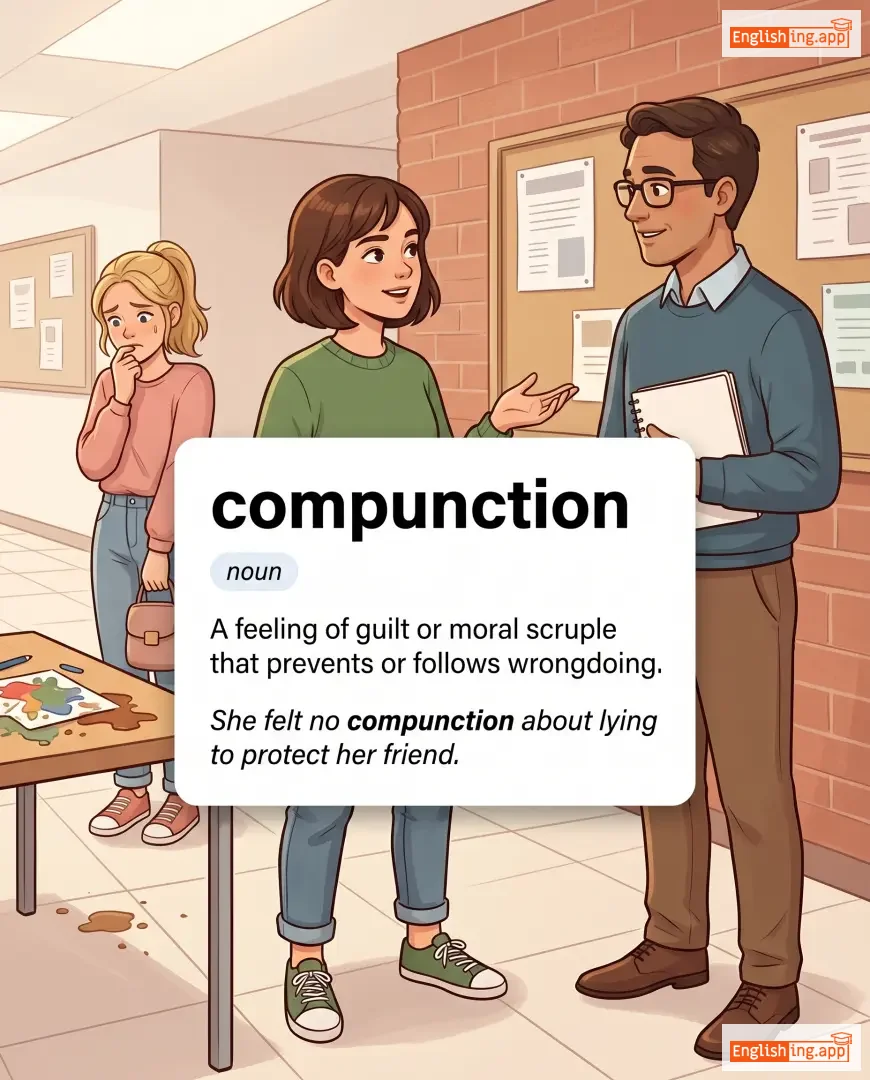
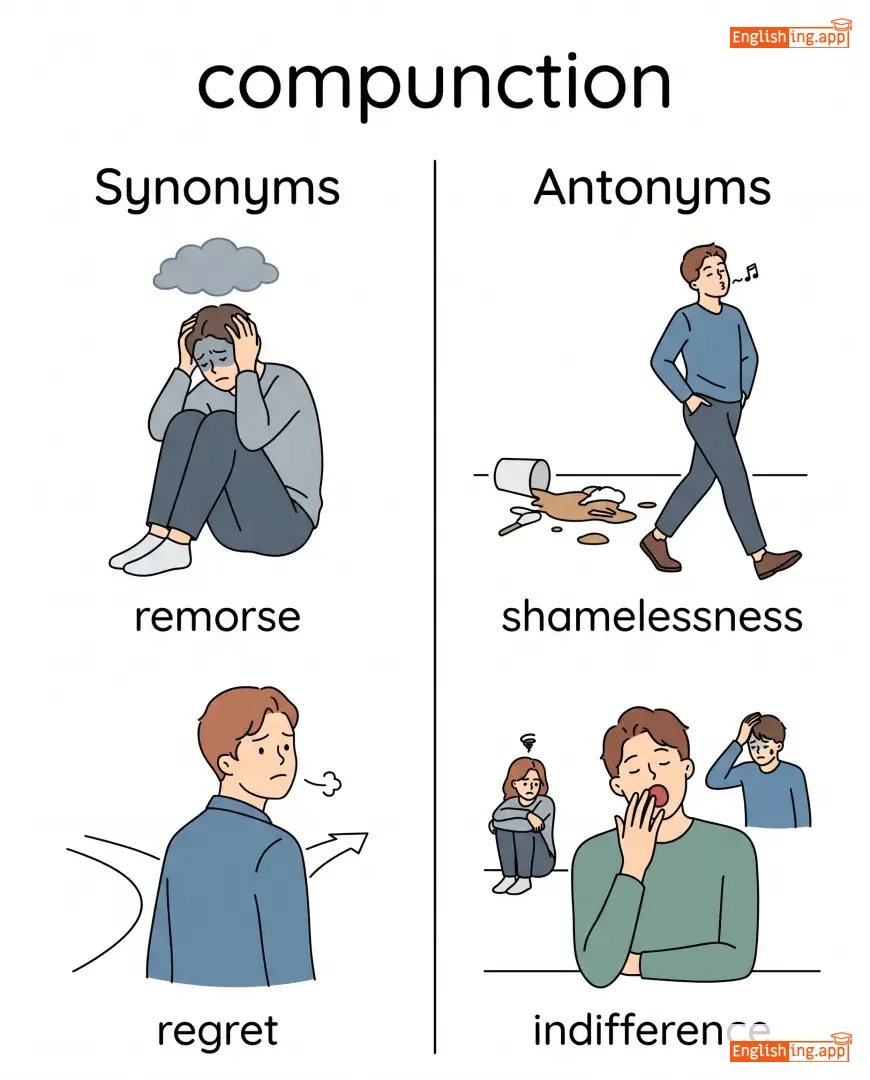
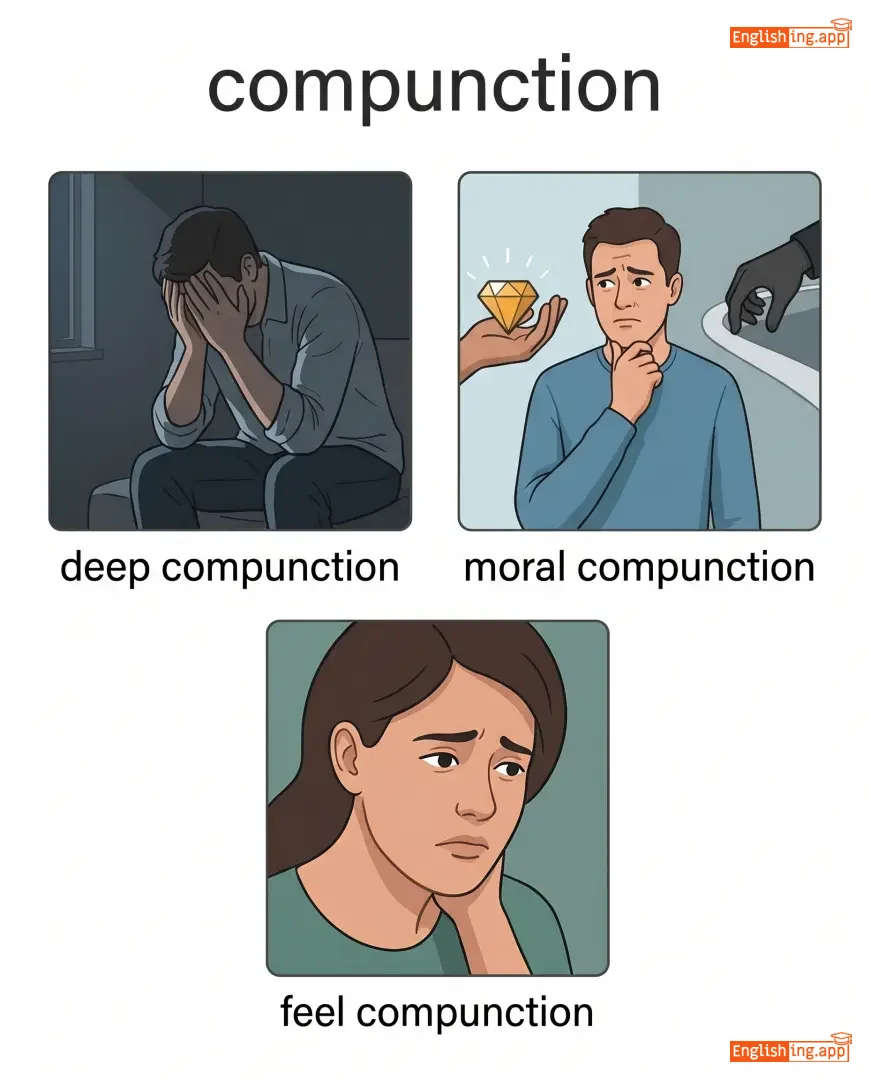
|
良心不安
liángxīn bù'ān
••••••
|
- •••••• | - •••••• | - •••••• | - •••••• |
A feeling of guilt or moral scruple that prevents or follows wrongdoing.
••••••
|
She felt no compunction about lying to protect her friend. |
她在撒谎以保护朋友时没有感到良心不安。
Tā zài sāhuǎng yǐ bǎohù péngyǒu shí méiyǒu gǎndào liángxīn bù'ān.
••••••
|
without compunction |
without any guilt or hesitation
••••••
|
没有良心不安
méiyǒu liángxīn bù'ān
••••••
|
remorse, regret, guilt, scruple, penitence
••••••
|
shamelessness, indifference
••••••
|
deep compunction, moral compunction, feel compunction
••••••
|
Compunction = 良心不安在撒谎后
••••••
|
|
🔍
••••••
|
/ˈkɒn.keɪv/
adjective
(kōng kāi)
••••••
|

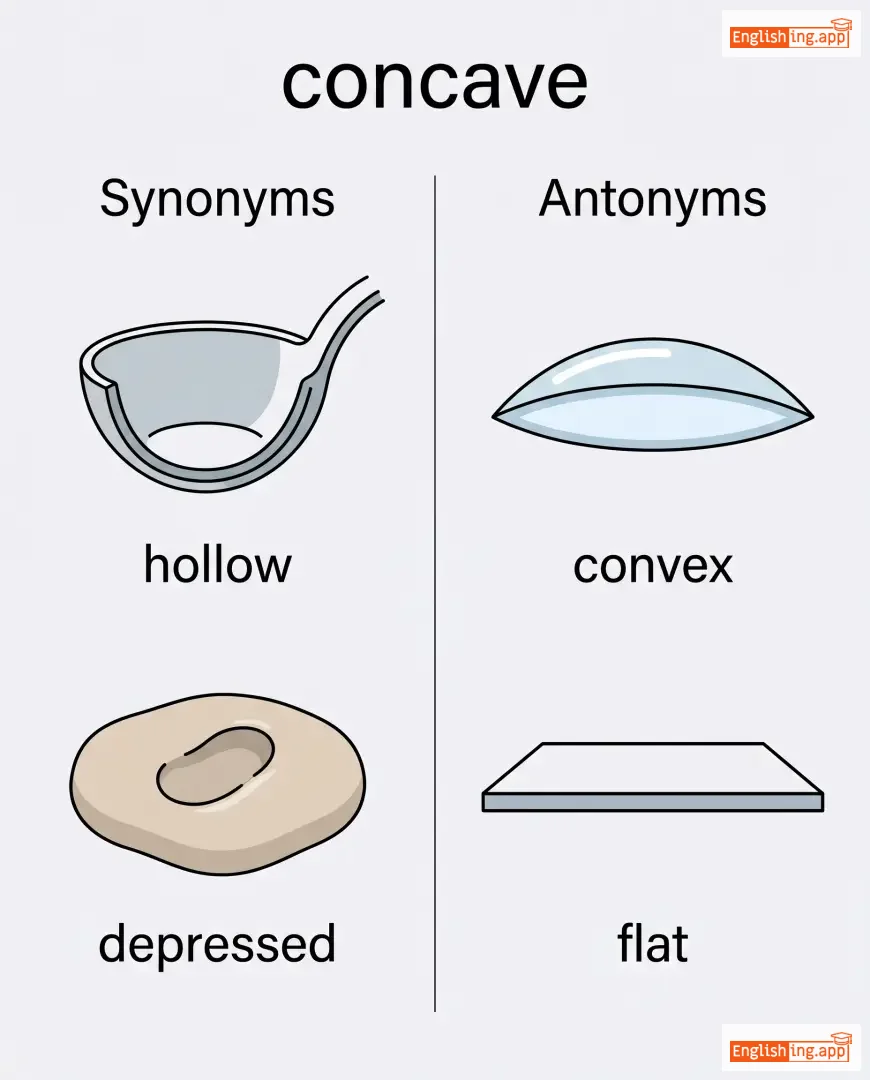

|
凹形
ao xing
••••••
|
- •••••• | - •••••• | - •••••• | - •••••• |
curved inward like the inside of a bowl
••••••
|
The mirror had a concave surface that magnified her reflection. |
镜子有一个凹形表面,放大了她的倒影。
Jingzi you yige ao xing biaomian, fangda le ta de daoying.
••••••
|
- •••••• | - •••••• | - •••••• |
hollow, depressed, sunken, indented, curving-inward
••••••
|
convex, flat, level
••••••
|
concave mirror, concave lens, concave shape, concave surface
••••••
|
凹形就像碗的内部弯曲的形状。
••••••
|
|
🕊️
••••••
|
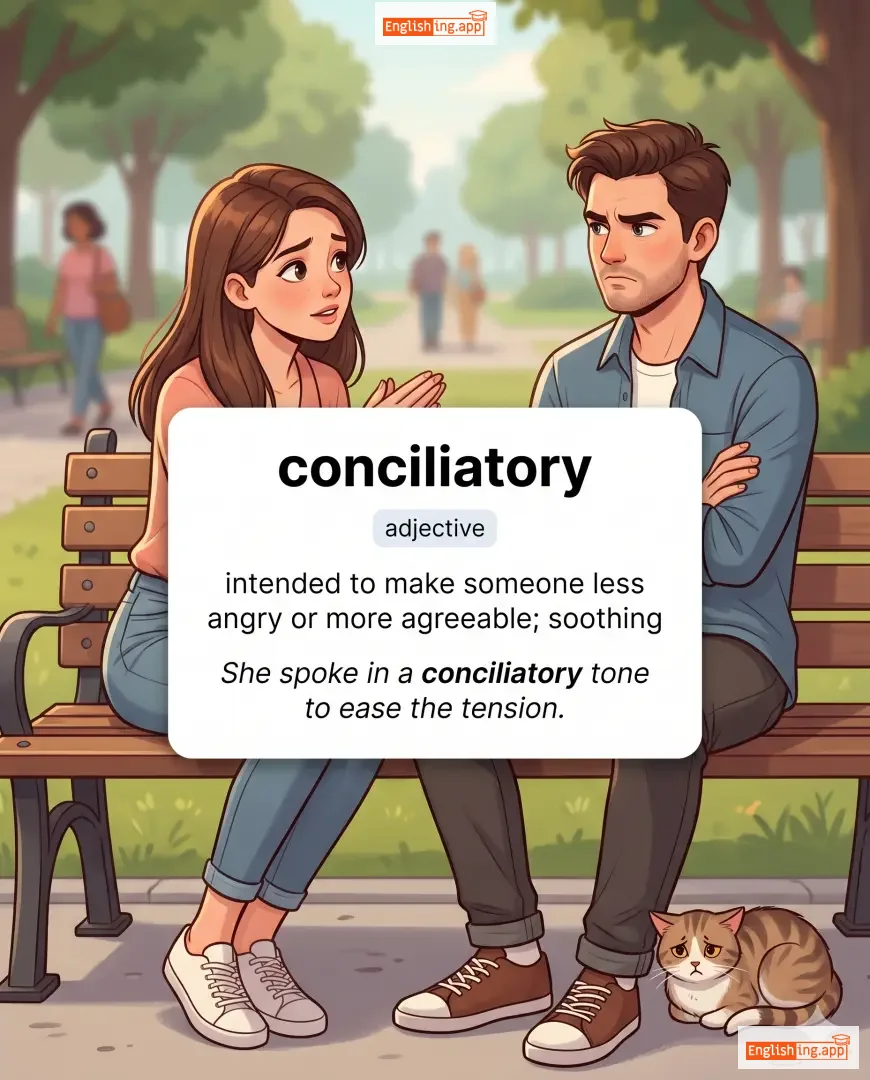
/kənˈsɪliətɔːri/
adjective
(kǒng-xī-lì-āo-tè-lì)
••••••
|
|
调解的
tiao jie de
••••••
|
- •••••• | - •••••• | - •••••• | - •••••• |
intended to make someone less angry or more agreeable; soothing
••••••
|
She spoke in a conciliatory tone to ease the tension. |
她以调解的语气说话,以缓解紧张气氛。
Tā yǐ tiáojiě de yǔqì shuōhuà, yǐ huǎnjiě jǐnzhāng qìfēn.
••••••
|
- •••••• | - •••••• | - •••••• |
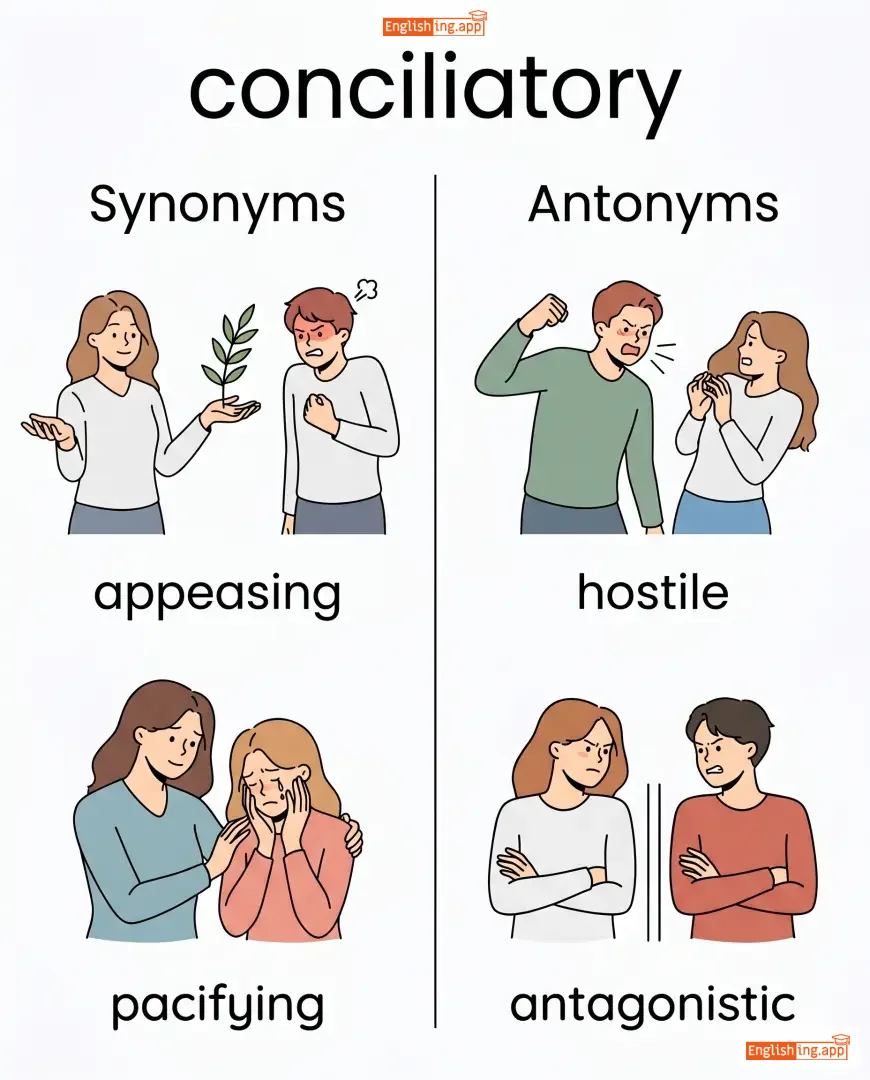
appeasing, pacifying, soothing, placatory, calming
••••••
|
hostile, antagonistic, confrontational
••••••
|
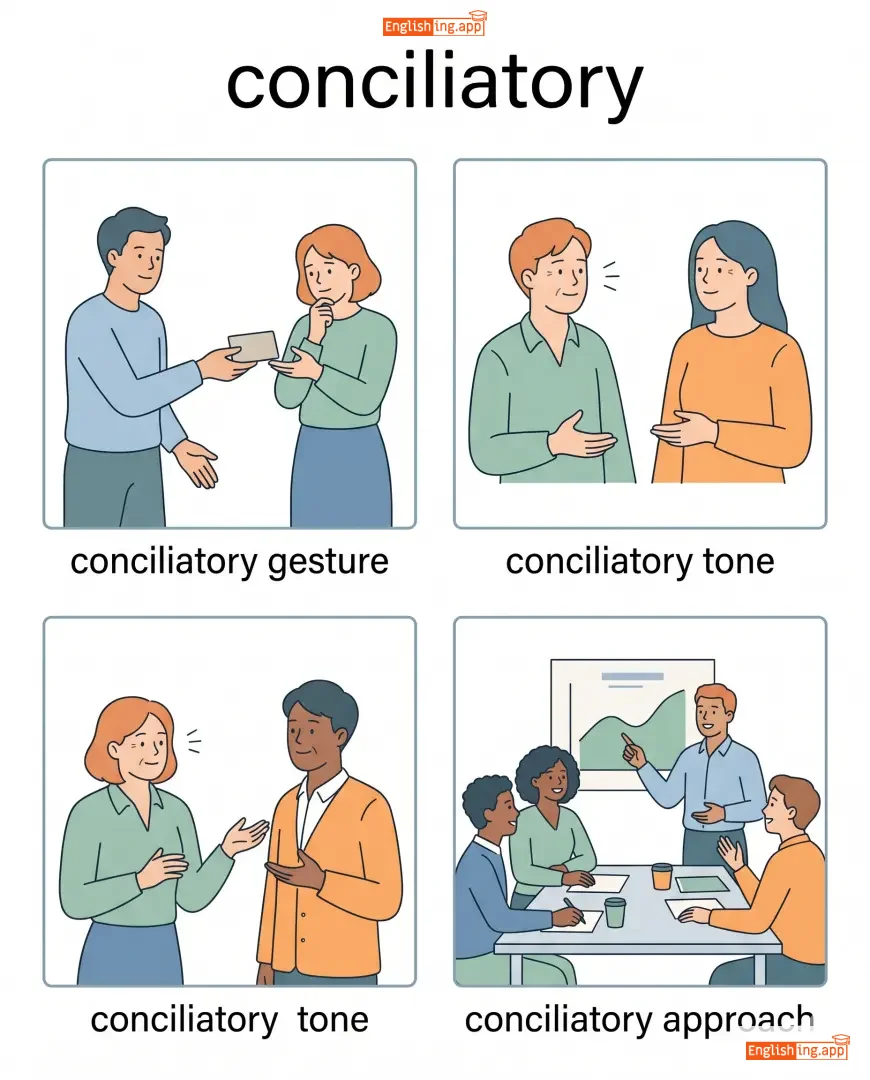
conciliatory gesture, conciliatory tone, conciliatory approach
••••••
|
调解的调解音调,缓解紧张
••••••
|
|
🧪
••••••
|
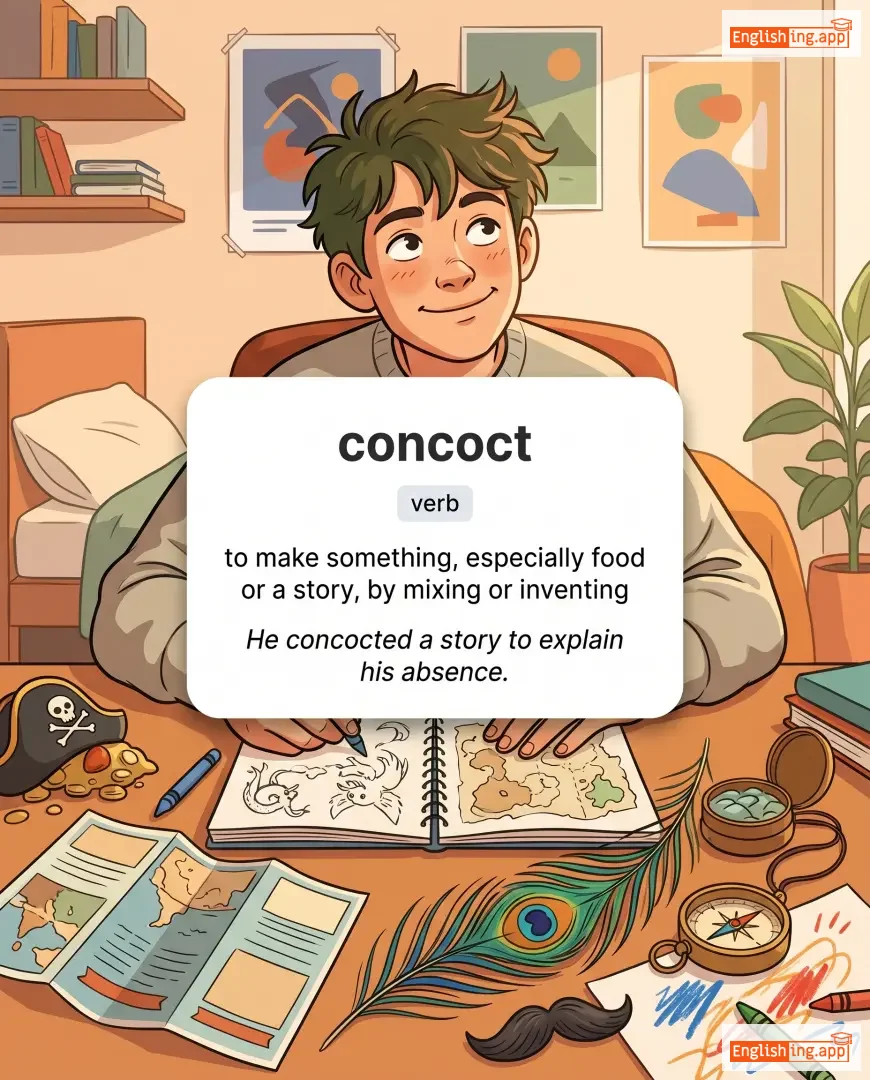
/kənˈkɒkt/
verb
(kənˈkɑkt)
••••••
|

|
混合或发明
hunhe huo faming
••••••
|
concocted
kənˈkɑktɪd
••••••
|
concocted
kənˈkɑktɪd
••••••
|
concocts
kənˈkɑkts
••••••
|
concocting
kənˈkɑktɪŋ
••••••
|
to make something, especially food or a story, by mixing or inventing
••••••
|
He concocted a story to explain his absence.
他编造了一个故事来解释他的缺席。
••••••
|
他编造了一个故事来解释他的缺席。
Ta bianzhao le yige gushi lai jiexplain ta de quexi.
••••••
|
concoct a plan
编制一个计划
••••••
|
to invent or devise a plan
••••••
|
编制一个计划
Bianzhi yi ge jihua
••••••
|
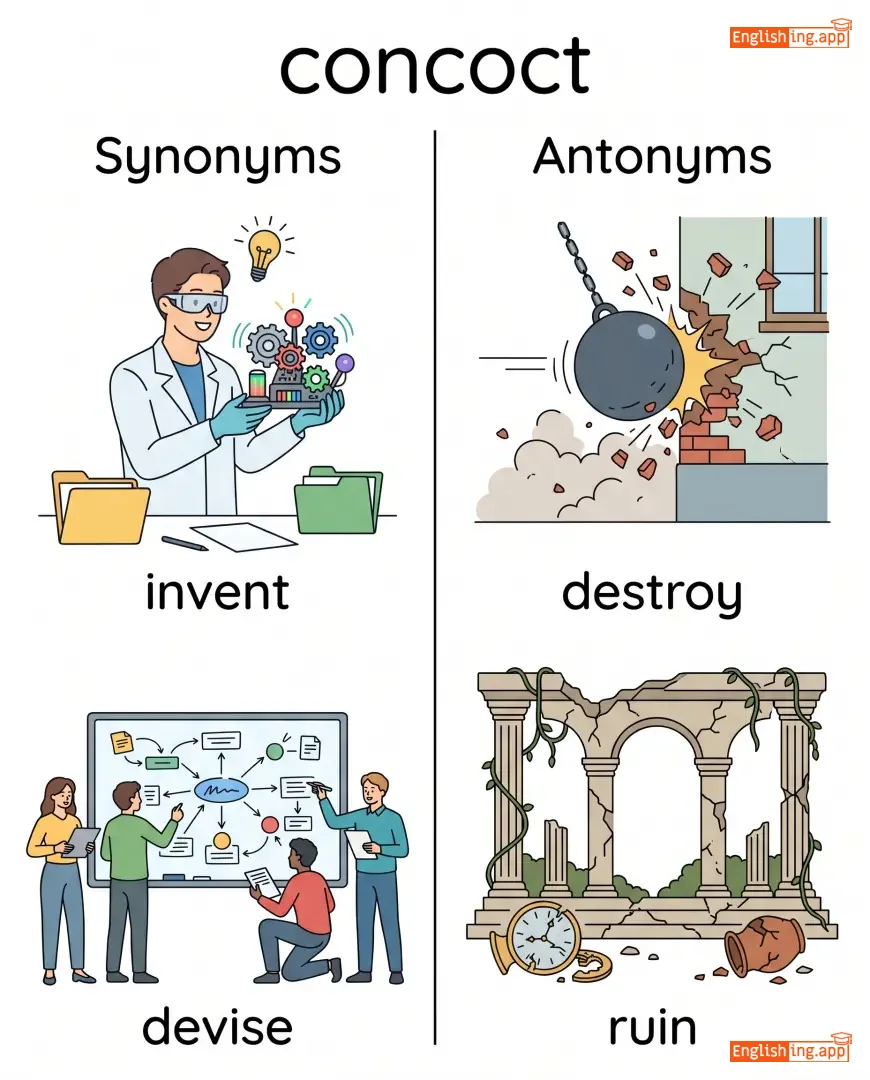
invent, devise, fabricate, prepare, create
••••••
|
destroy, ruin, dismantle
••••••
|
concoct a story, concoct a plan, concoct a dish
••••••
|
Concoct可以理解为用混合创造东西
••••••
|
|
➕
••••••
|
/kənˈkɒmɪtənt/
adjective
(kənˈkəmɪtənt)
••••••
|
|
伴随的
bànsuízhe de
••••••
|
- •••••• | - •••••• | - •••••• | - •••••• |
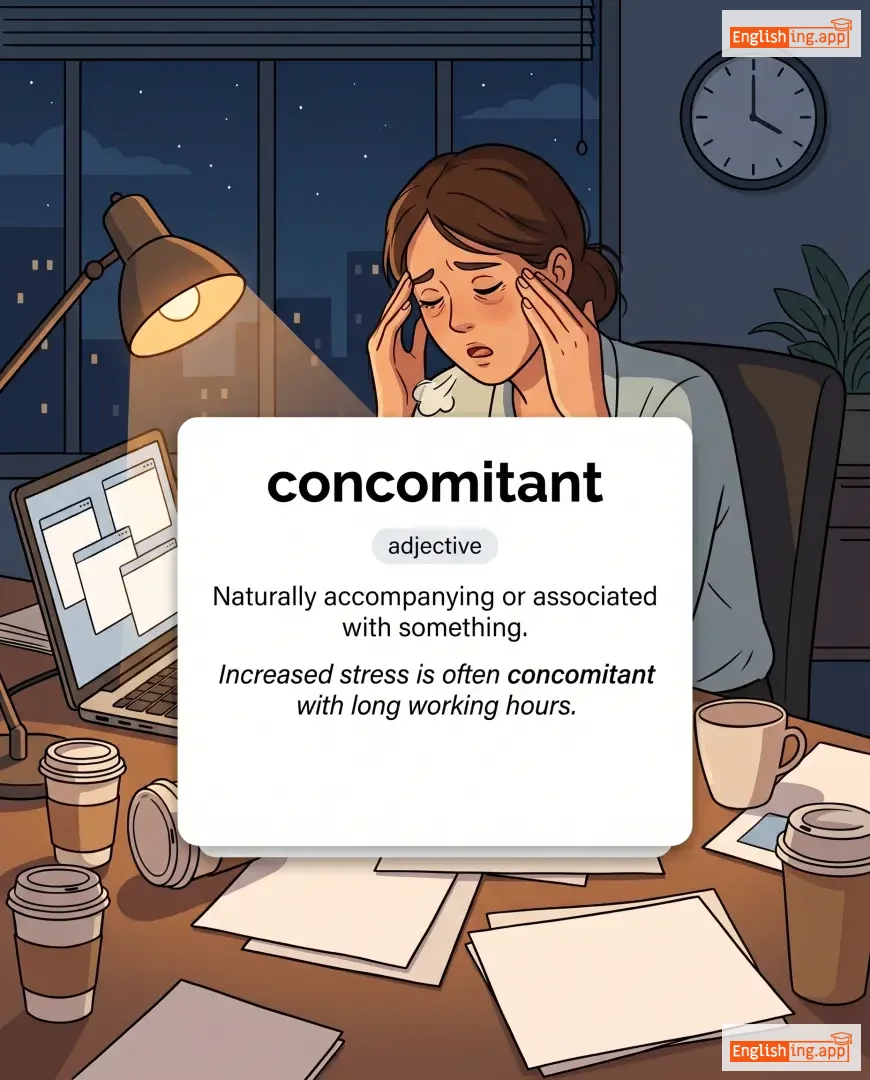
Naturally accompanying or associated with something.
••••••
|
Increased stress is often concomitant with long working hours.
增加的压力通常与长时间的工作时间并存。
••••••
|
增加的压力通常与长时间的工作时间并存。
Zēngjiā de yālì tōngcháng yǔ cháng shíjiān de gōngzuò shíjiān bìngcún.
••••••
|
- •••••• | - •••••• | - •••••• |
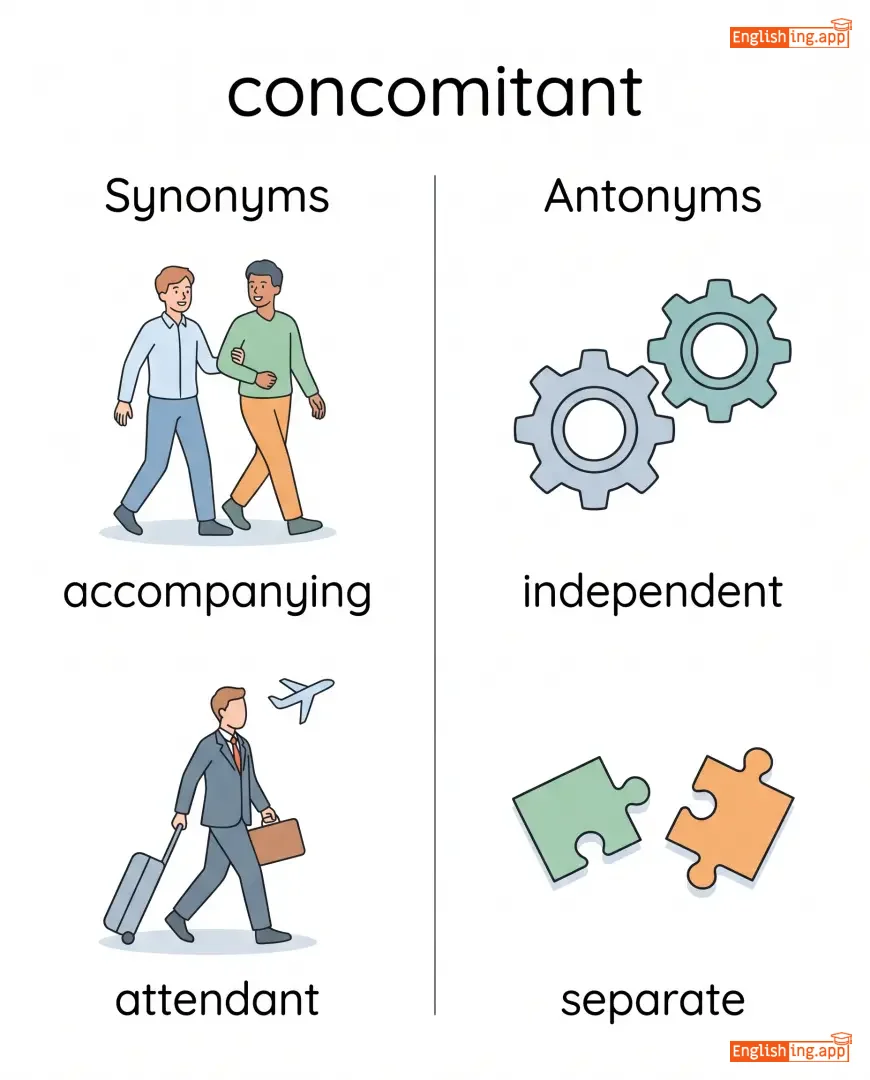
accompanying, attendant, coincident, simultaneous, related
••••••
|
independent, separate, unrelated
••••••
|
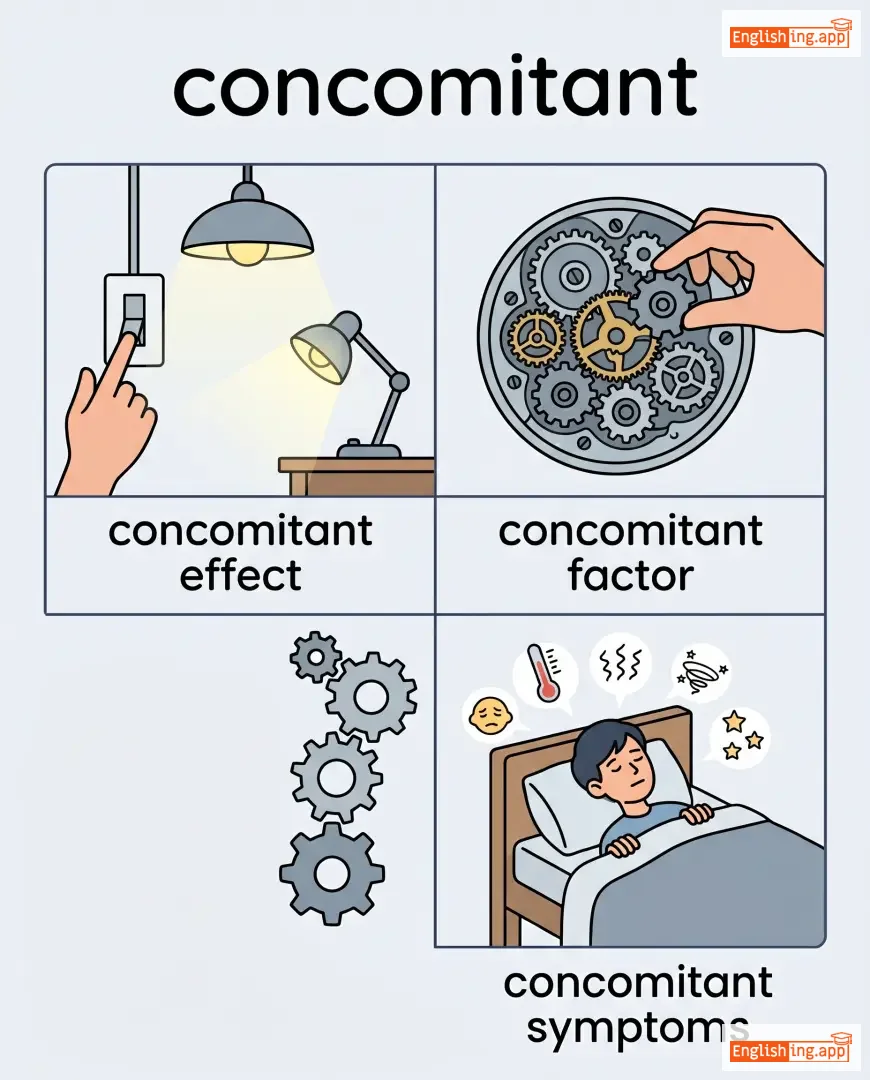
concomitant effect, concomitant factor, concomitant symptoms, concomitant risks
••••••
|
伴随 – 一起走,就像两个伴侣
••••••
|
|
🙈
••••••
|
/kənˈdəʊn/
verb
(宽容)
••••••
|

|
宽容
kuanrong
••••••
|
condoned
宽容了
••••••
|
condoned
宽容了
••••••
|
condones
宽容
••••••
|
condoning
宽容中
••••••
|
To accept or allow behavior that is morally wrong or offensive.
••••••
|
The manager refused to condone harassment in the workplace.
经理拒绝在工作场所宽容骚扰。
••••••
|
经理拒绝在工作场所宽容骚扰。
Jingli jujue zai gongzuo changsuo kuanrong saorao.
••••••
|
- •••••• | - •••••• | - •••••• |
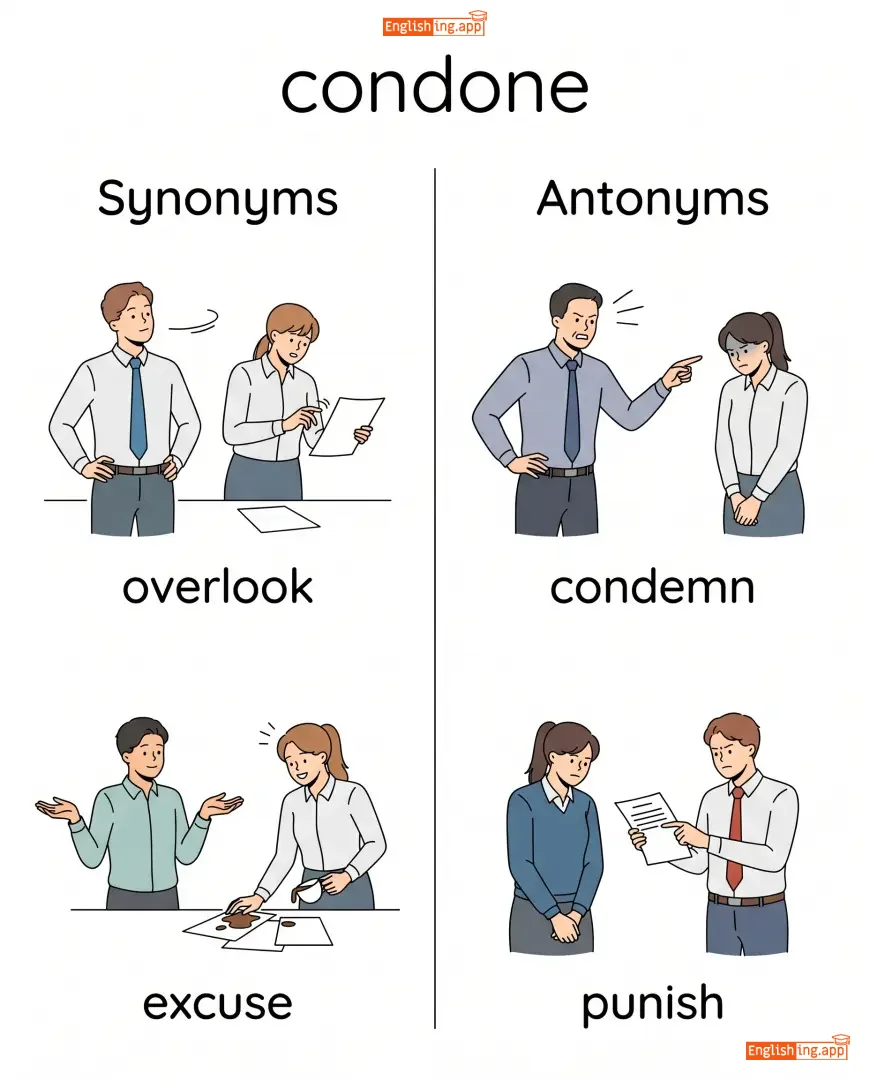
overlook, excuse, forgive, tolerate
••••••
|
condemn, punish, disapprove
••••••
|
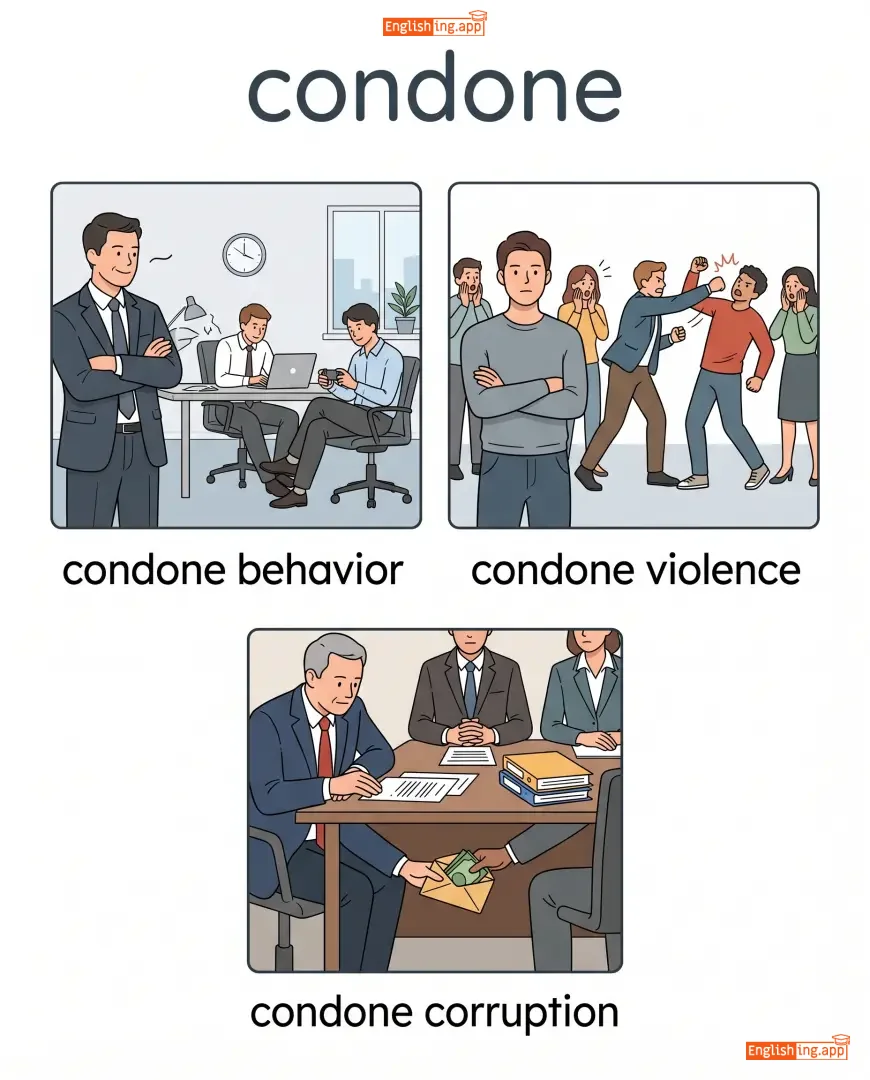
condone behavior, condone violence, condone corruption
••••••
|
Condone意味着没有条件地宽容
••••••
|
|
🤯
••••••
|
/kənˈfaʊnd/
verb
••••••
|

|
- •••••• |
confounded
••••••
|
confounded
••••••
|
confounds
••••••
|
confounding
••••••
|
to confuse or surprise someone, often by acting against their expectations
••••••
|
The magician's trick seemed to confound the entire audience. |
- •••••• |
confound it |
an old-fashioned exclamation of annoyance or frustration
••••••
|
- •••••• |
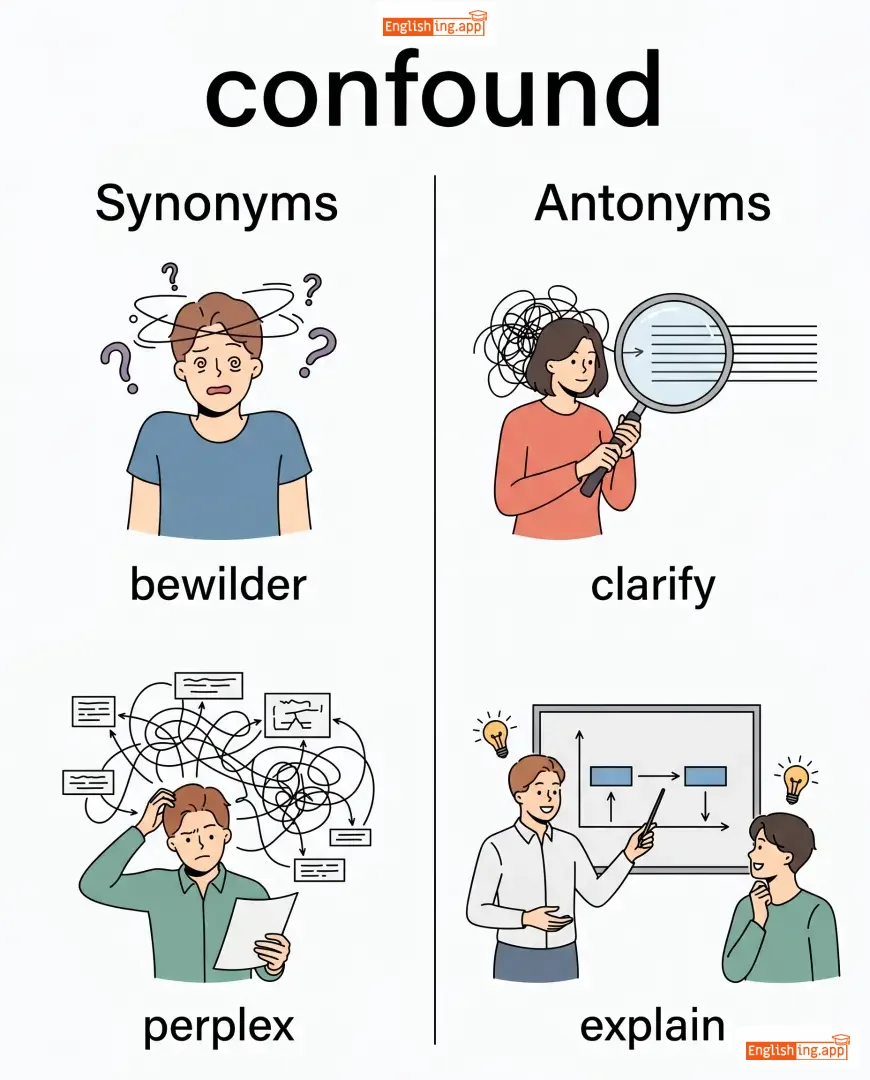
bewilder, perplex, baffle, amaze, astonish
••••••
|
clarify, explain, enlighten
••••••
|
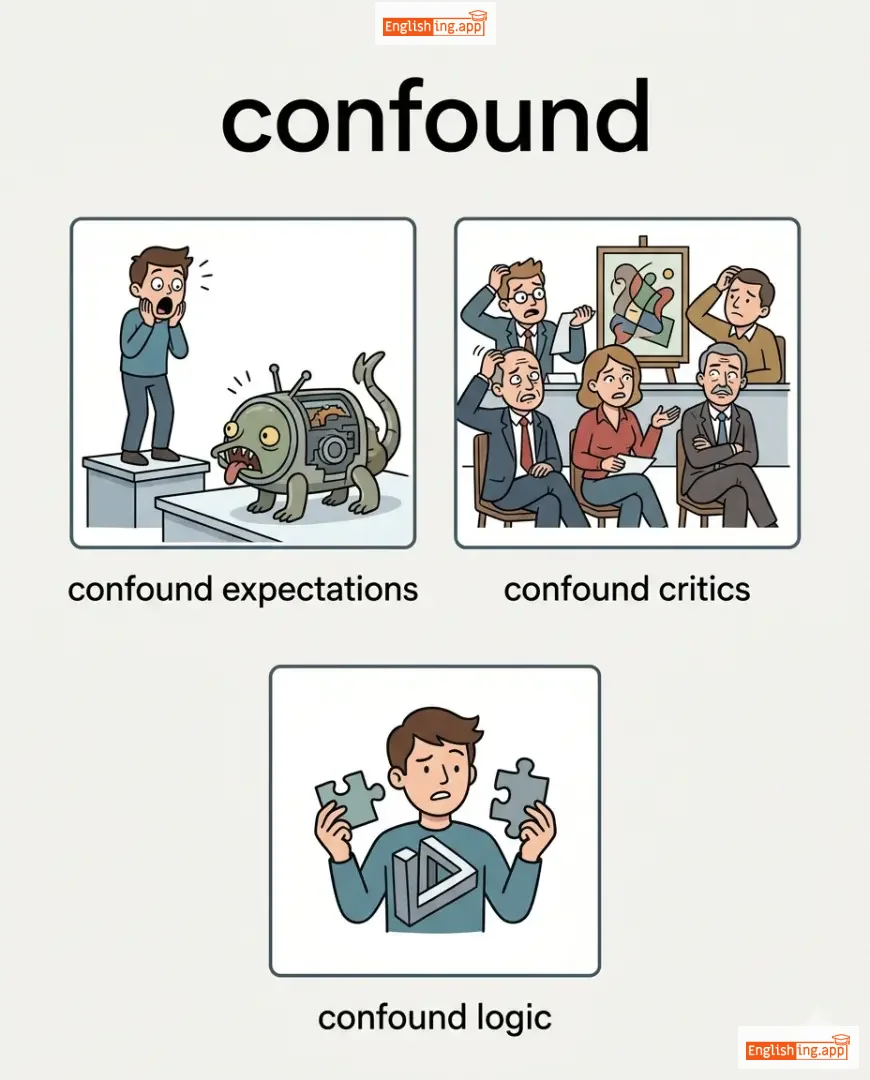
confound expectations, confound critics, confound logic, confound the mind
••••••
|
No •••••• |
|
😊
••••••
|
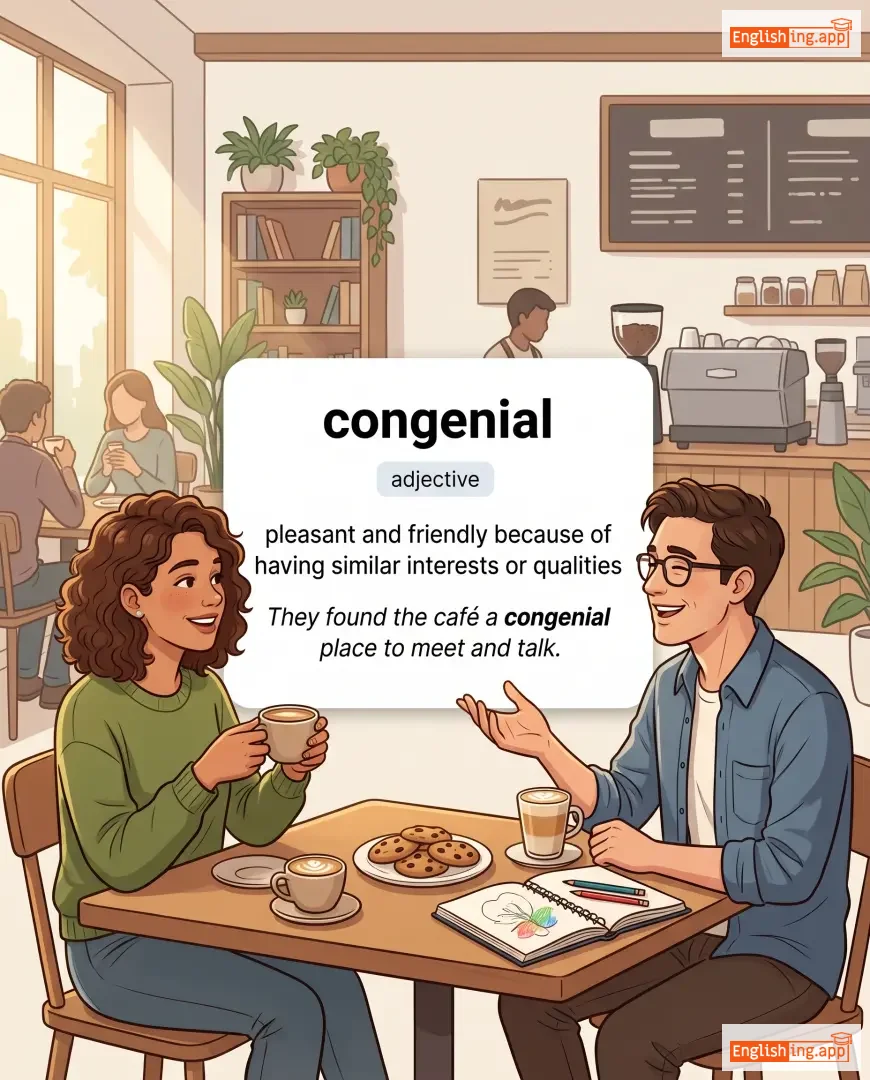
/kənˈdʒiːniəl/
adjective
(kón-jī-ni-ǎo)
••••••
|

|
和蔼可亲
hé'ǎi kěqīn
••••••
|
- •••••• | - •••••• | - •••••• | - •••••• |
pleasant and friendly because of having similar interests or qualities
••••••
|
They found the café a congenial place to meet and talk. |
他们发现那家咖啡馆是一个和蔼可亲的地方,适合见面和交谈。
Tāmen fāxiàn nà jiā kāfēi guǎn shì yīgè hé'ǎi kěqīn de dìfāng, shìhé jiànmiàn hé jiāotán.
••••••
|
- •••••• | - •••••• | - •••••• |
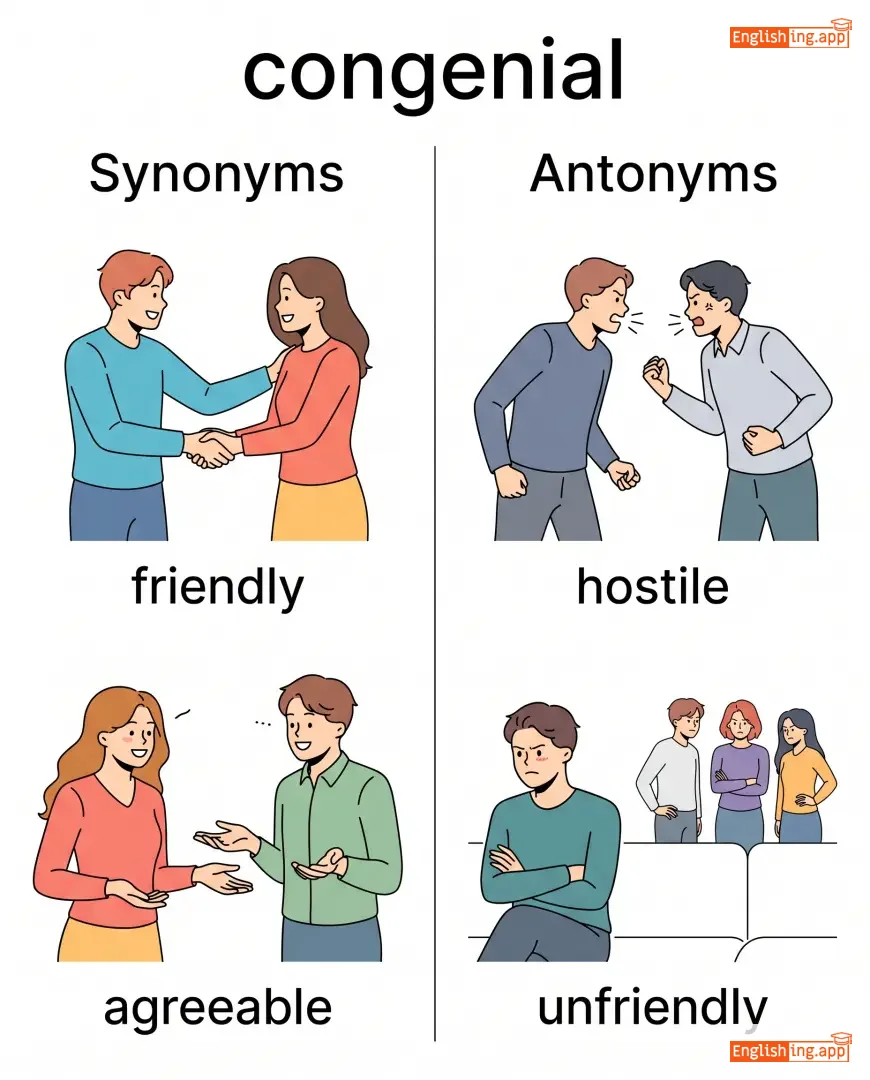
friendly, agreeable, pleasant, compatible
••••••
|
hostile, unfriendly, disagreeable
••••••
|
congenial atmosphere, congenial companion, congenial environment
••••••
|
Congenial 意味着和蔼可亲 — 就像朋友一样,和谐愉快!
••••••
|
|
💍
••••••
|
/ˈkɒndʒʊɡəl/
adjective
(kōngjūgǎo)
••••••
|



|
婚姻的
hūnyīn de
••••••
|
- •••••• | - •••••• | - •••••• | - •••••• |
relating to marriage or the relationship between husband and wife
••••••
|
They enjoyed a long life of conjugal happiness. |
他们享受了长久的婚姻幸福生活。
Tāmen xiǎngshòule chángjiǔ de hūnyīn xìngfú shēnghuó.
••••••
|
conjugal rights |
the rights enjoyed by married partners, especially sexual relations
••••••
|
婚姻权利
hūnyīn quánlì
••••••
|
marital, matrimonial, spousal, wedded
••••••
|
celibate, single
••••••
|
conjugal life, conjugal relationship, conjugal duties
••••••
|
婚姻生活 = 婚姻中的生活 - 婚姻 = 夫妻生活。
••••••
|
|
🎨
••••••
|
/ˌkɒn.əˈsɜːr/
noun
(kè nà sū ér)
••••••
|

|
行家
hangjia
••••••
|
- •••••• | - •••••• | - •••••• | - •••••• |
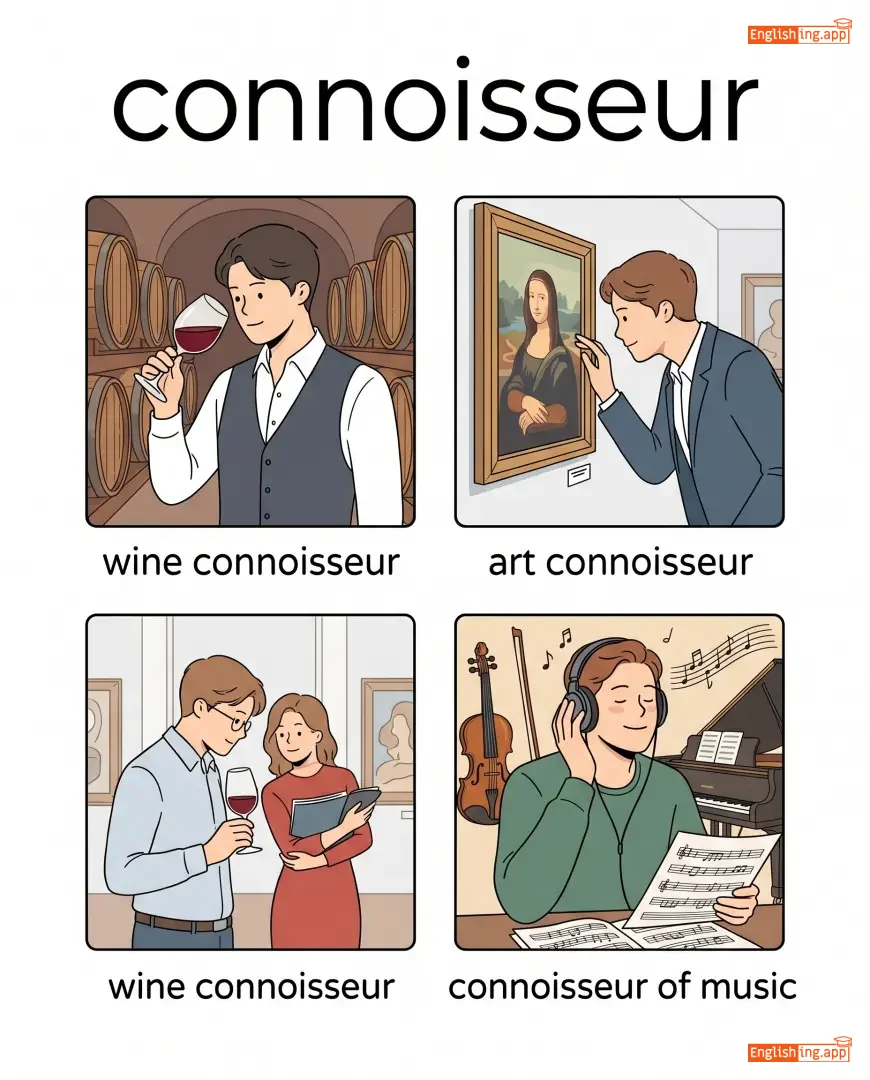
an expert judge in matters of taste, especially in food, art, or wine
••••••
|
She is a true connoisseur of fine art. |
她是美术的真正行家。
Tā shì měishù de zhēnzhèng hángjiā.
••••••
|
- •••••• | - •••••• | - •••••• |
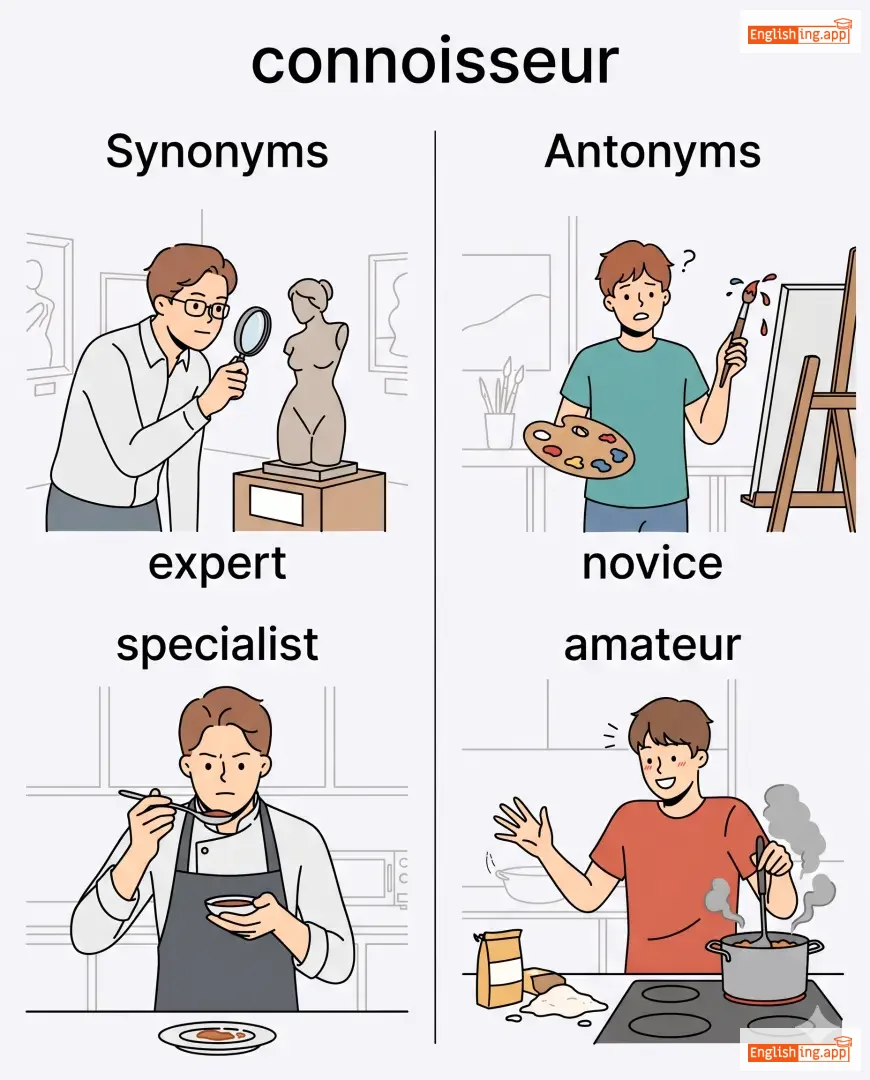
expert, specialist, critic, authority
••••••
|
novice, amateur, layman
••••••
|
wine connoisseur, art connoisseur, connoisseur of music
••••••
|
行家能够识别出最精致的东西,就像艺术或美酒一样。
••••••
|
|
🎖️
••••••
|
/ˈkɒnskrɪpt/
verb
(kōngsīpǔtè)
••••••
|

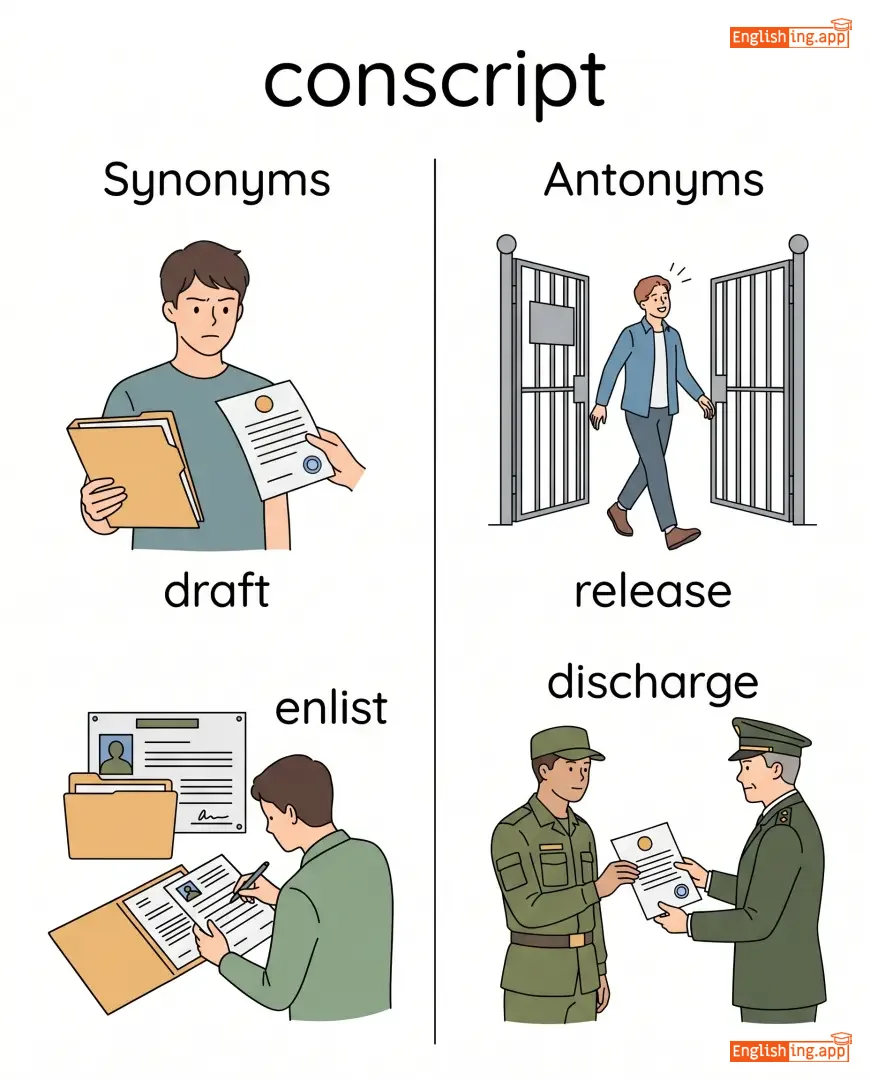

|
强迫某人参军
qiángpò mǒu rén cānjūn
••••••
|
conscripted
kōngsīpǔtèd
••••••
|
conscripted
kōngsīpǔtèd
••••••
|
conscripts
kōngsīpǔtès
••••••
|
conscripting
kōngsīpǔtīng
••••••
|
to force someone into military service
••••••
|
The government conscripted young men during the war.
政府在战争期间征召了年轻人。
••••••
|
政府在战争期间征召了年轻人。
Zhèngfǔ zài zhànzhēng qījiān zhēngzhào le niánqīng rén.
••••••
|
- •••••• | - •••••• | - •••••• |
draft, enlist, recruit, call up, mobilize
••••••
|
release, discharge, exempt
••••••
|
conscripted soldier, military conscript, conscript army, forcibly conscript
••••••
|
Conscripter 就是强迫加入军队的意思,像是兵役招募一样的过程。
••••••
|
|
⛪
••••••
|
/ˈkɒnsɪkreɪt/
verb
(康塞克雷特)
••••••
|


|
奉献
fèngxiàn
••••••
|
consecrated
康塞克雷特德
••••••
|
consecrated
康塞克雷特德
••••••
|
consecrates
康塞克雷特斯
••••••
|
consecrating
康塞克雷廷
••••••
|
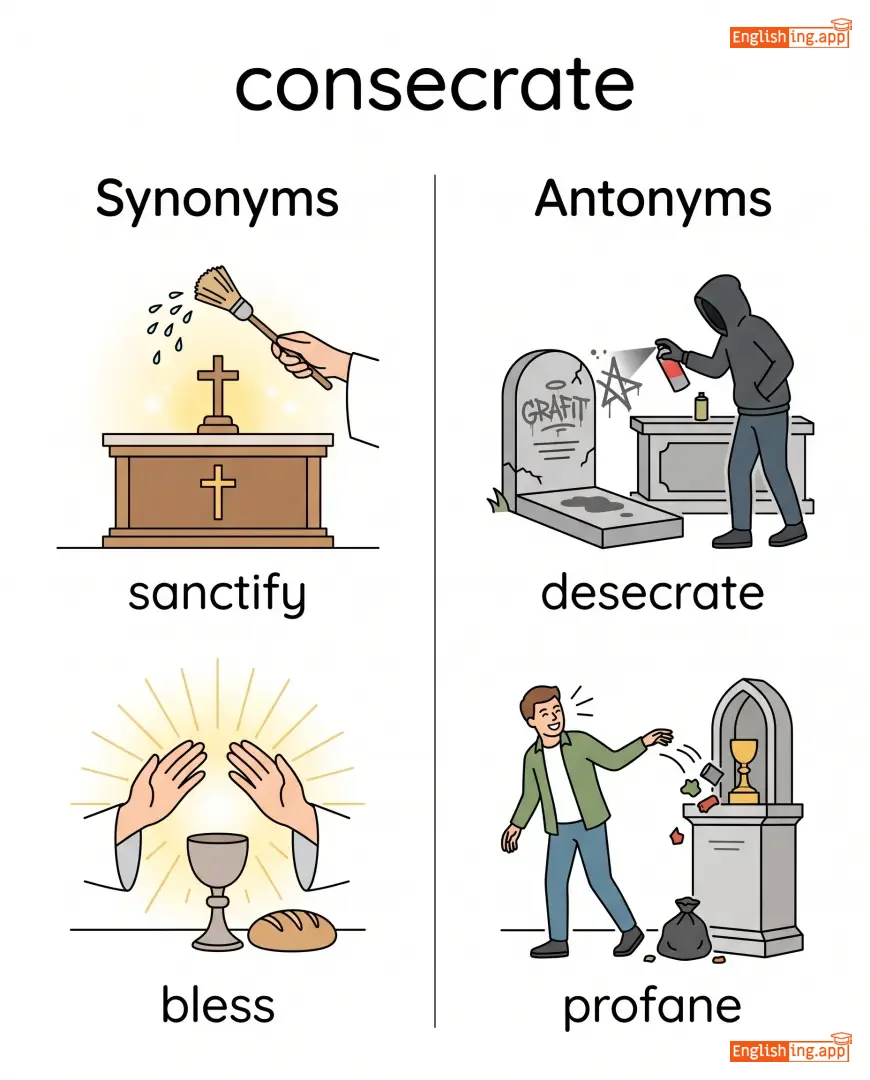
to make something sacred, usually through a religious ceremony
••••••
|
The church was consecrated by the bishop.
教堂由主教奉献。
••••••
|
教堂由主教奉献。
Jiàotáng yóu zhǔjiào fèngxiàn.
••••••
|
- •••••• | - •••••• | - •••••• |
sanctify, bless, dedicate, hallow, ordain
••••••
|
desecrate, profane, defile
••••••
|
consecrate a church, consecrated ground, consecrated life, consecrated host
••••••
|
Consecrate 和奉献一样,意味着通过仪式使某物变得神圣。
••••••
|
|
🏆
••••••
|
/kənˈtɛnd/
verb
(竞赛)
••••••
|

|
竞争,主张
jìngzhēng, zhǔzhāng
••••••
|
contended
竞赛过
••••••
|
contended
竞赛过
••••••
|
contends
竞赛
••••••
|
contending
竞赛中
••••••
|
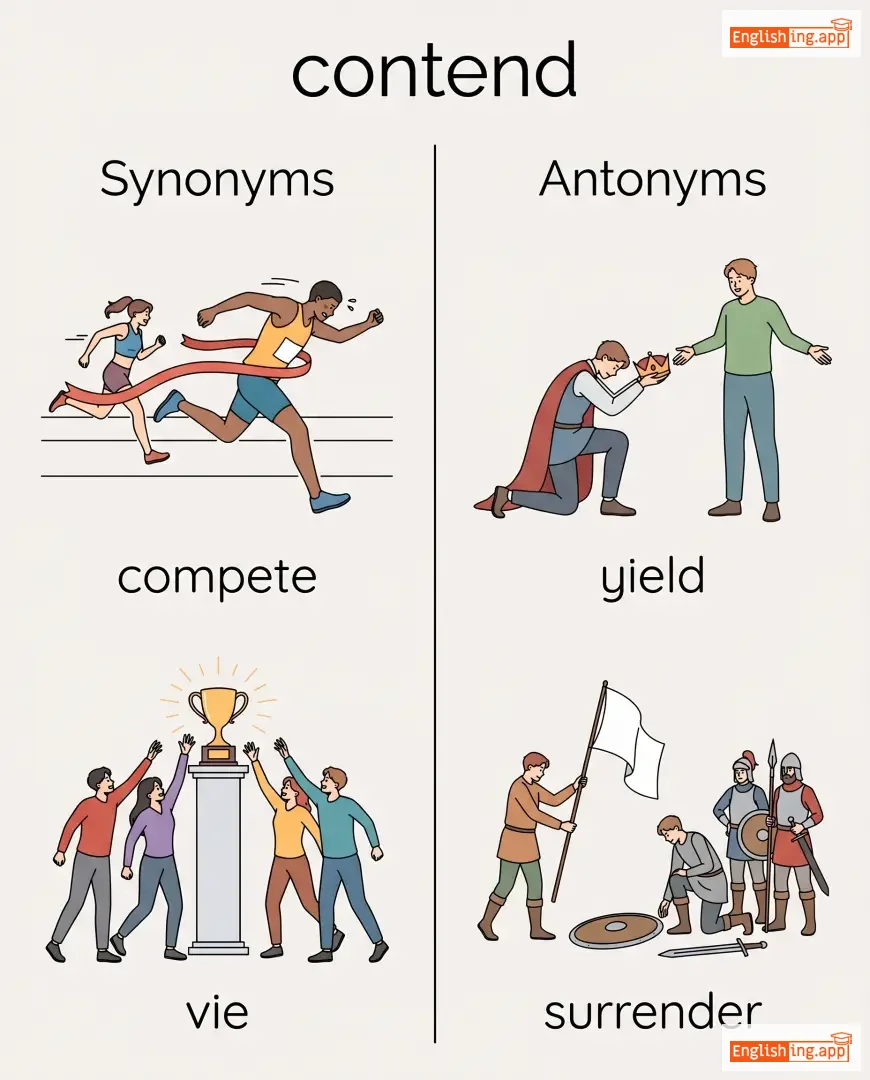
to strive or compete for something; to assert earnestly
••••••
|
Athletes from around the world contend for the championship.
来自世界各地的运动员为冠军而争斗。
••••••
|
来自世界各地的运动员为冠军而争斗。
Láizì shìjiè gèdì de yùndòngyuán wèi guànjūn ér zhēngdòu.
••••••
|
- •••••• | - •••••• | - •••••• |
compete, vie, struggle, assert
••••••
|
yield, surrender, concede
••••••
|
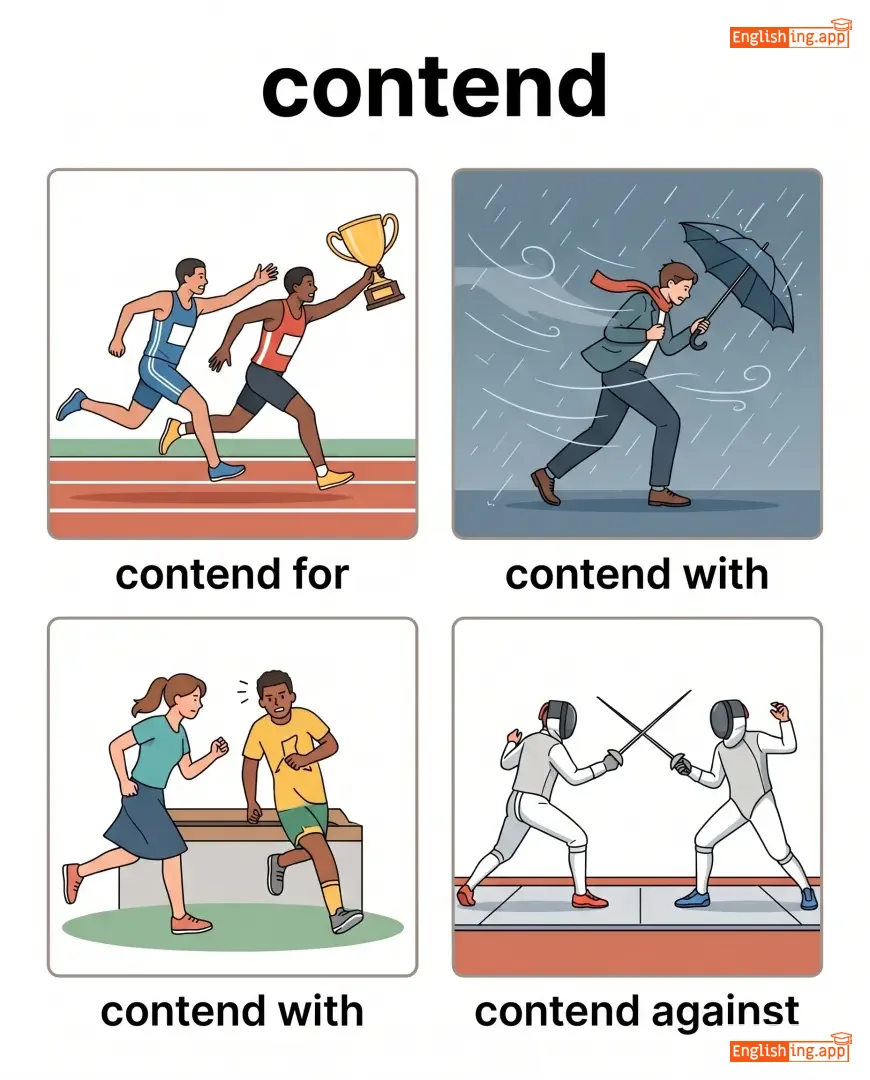
contend for, contend with, contend against, contend successfully
••••••
|
Contend 就是争夺 - 总是在竞赛中 contend
••••••
|
|
🔥
••••••
|
/kənˈtɛnʃəs/
adjective
(kənˈtɛnʃəs)
••••••
|
|
有争议的
yǒu zhēngyì de
••••••
|
- •••••• | - •••••• | - •••••• | - •••••• |
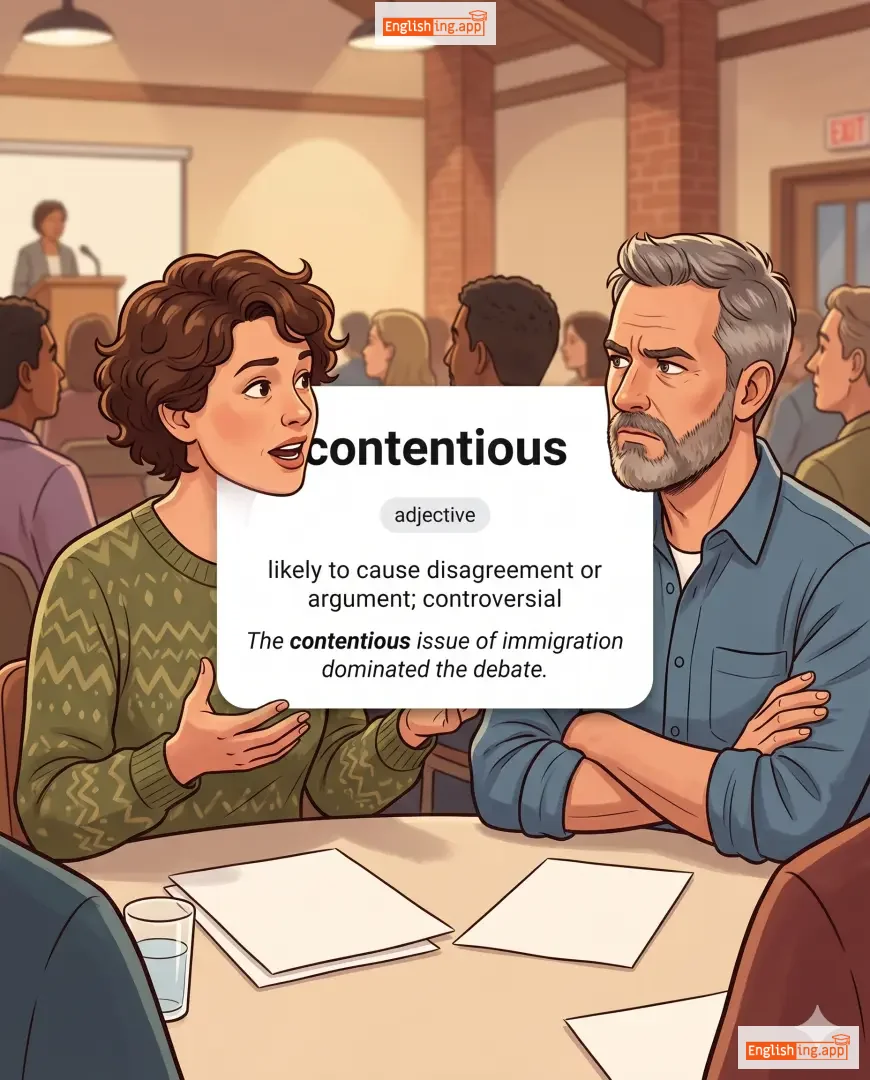
likely to cause disagreement or argument; controversial
••••••
|
The contentious issue of immigration dominated the debate. |
移民问题的争议性在辩论中占据主导地位。
Yímín wèntí de zhēngyì xìng zài biànlùn zhōng zhànjù zhǔdǎo dìwèi.
••••••
|
- •••••• | - •••••• | - •••••• |
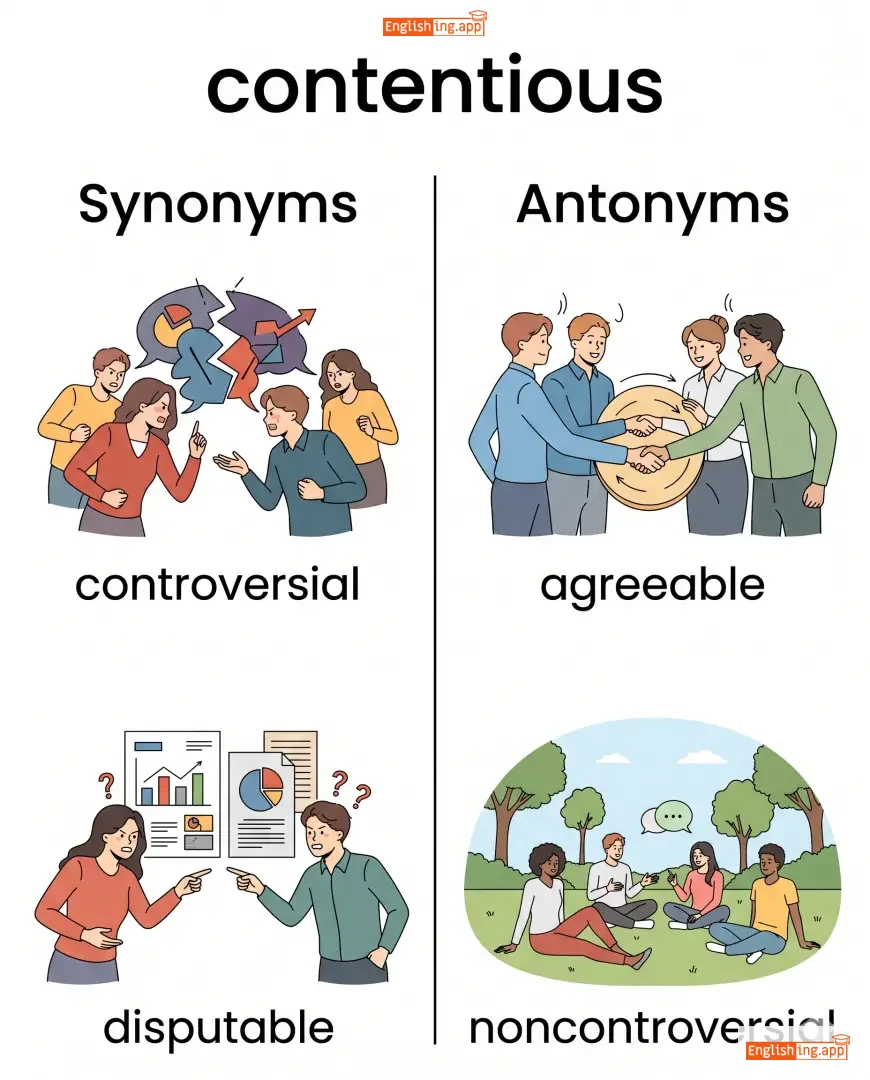
controversial, disputable, debatable, argumentative
••••••
|
agreeable, noncontroversial
••••••
|
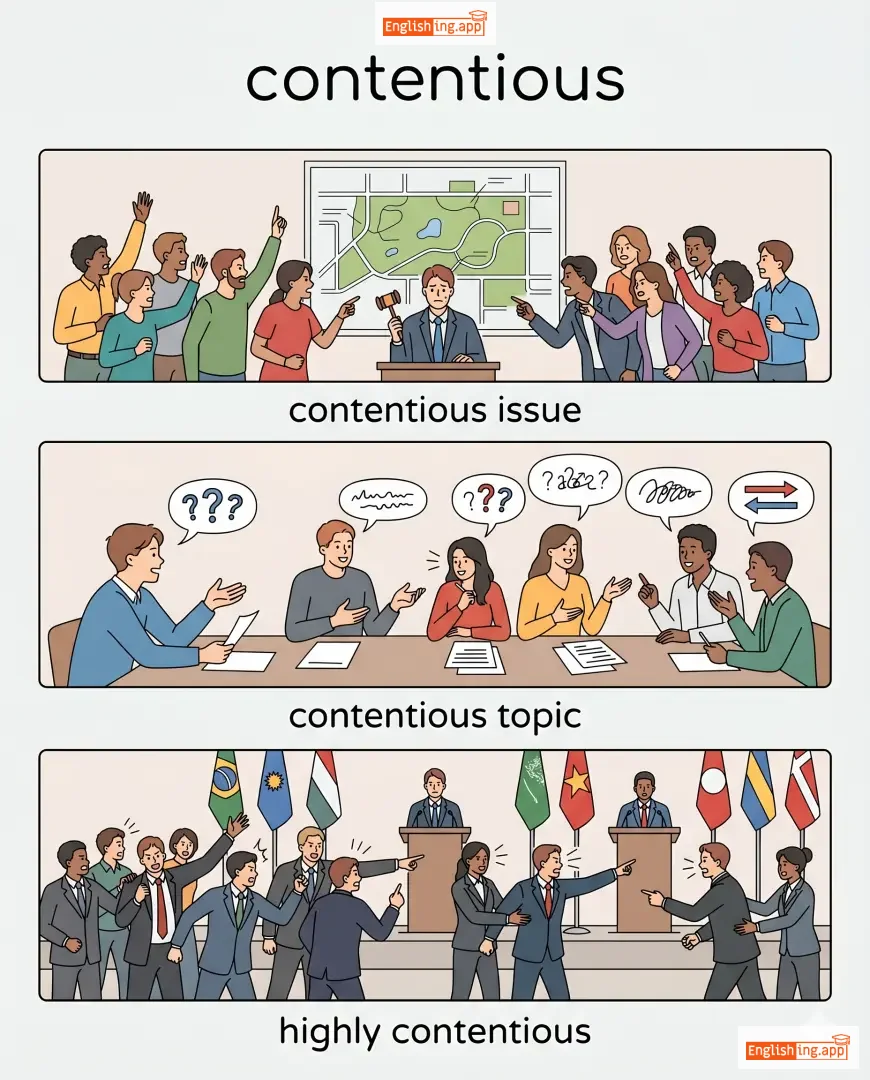
contentious issue, contentious topic, highly contentious, contentious debate
••••••
|
Contentious 带来争议,就像 '有争议的' 一样。
••••••
|
|
🏘️
••••••
|
/kənˈtɪɡ.ju.əs/
adjective
(kōngtíguò)
••••••
|
|
相邻
xianglin
••••••
|
- •••••• | - •••••• | - •••••• | - •••••• |
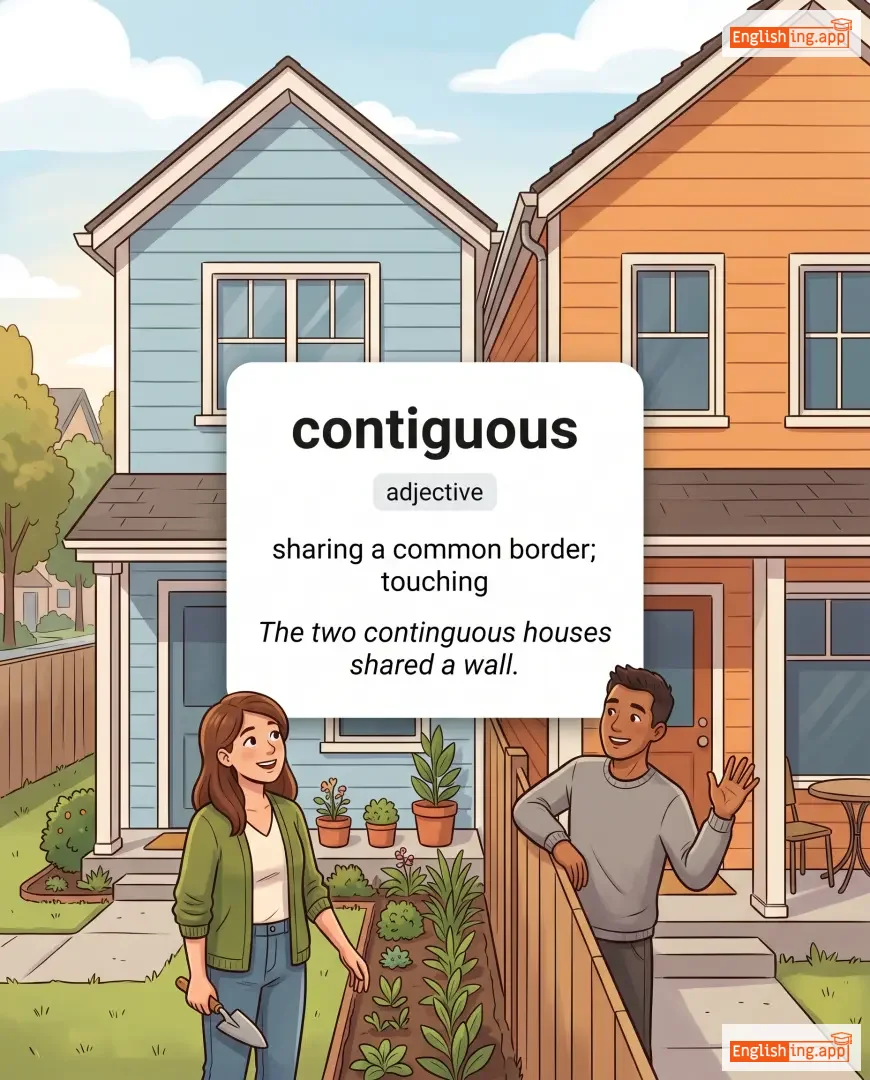
sharing a common border; touching
••••••
|
The two continguous houses shared a wall. |
这两座相邻的房子共享了一面墙。
Zhe liang zuo xianglin de fangzi gongxiang le yi mian qiang.
••••••
|
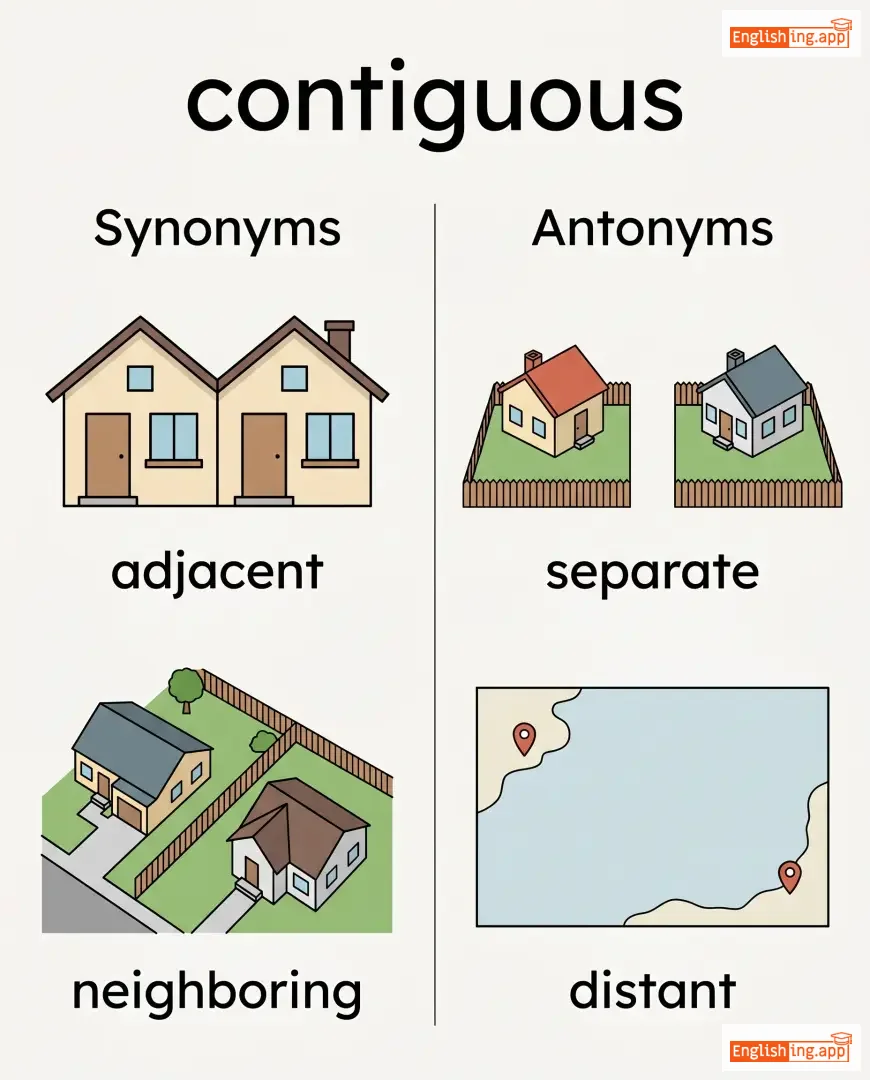
- •••••• | - •••••• | - •••••• |
adjacent, neighboring, bordering, touching
••••••
|
separate, distant
••••••
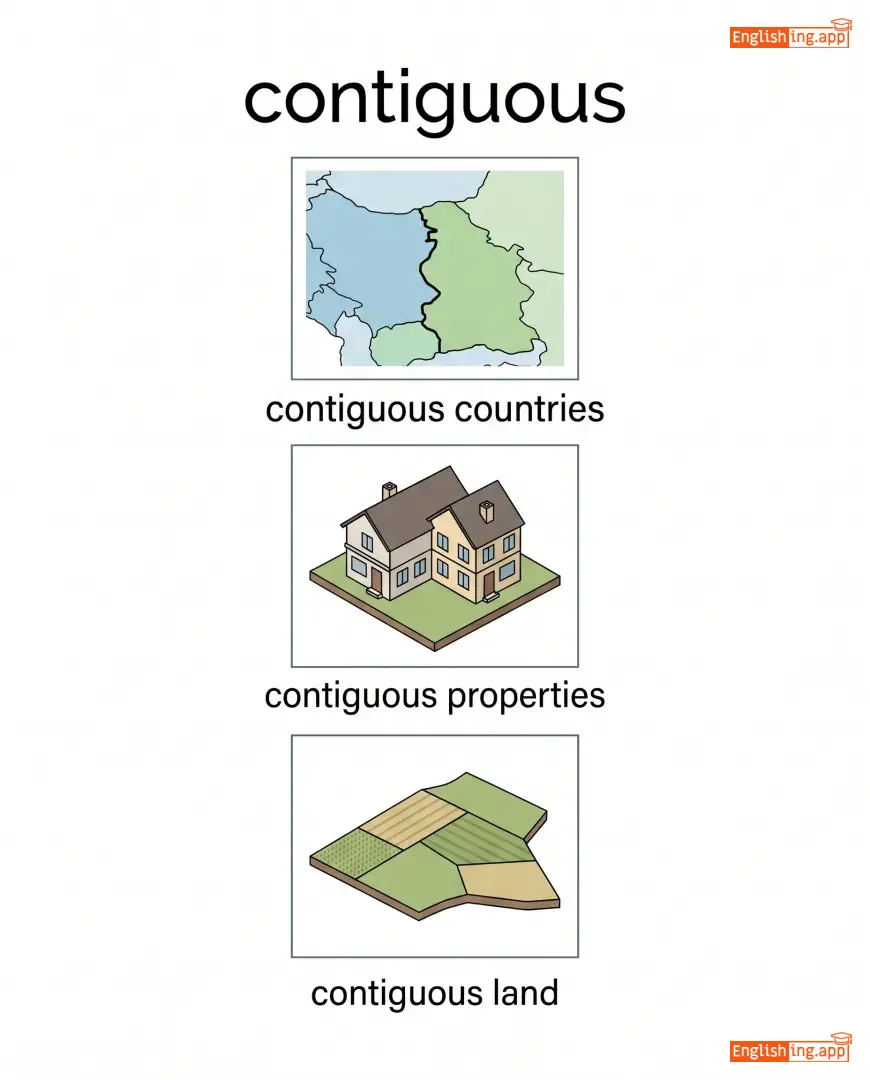
|
contiguous countries, contiguous properties, contiguous land
••••••
|
Xianglin houses share, 相邻 wall shared
••••••
|
|
🧘
••••••
|
/ˈkɒn.tɪ.nəns/
noun
(kōngtíněnsī)
••••••
|
|
节制
jiezhi
••••••
|
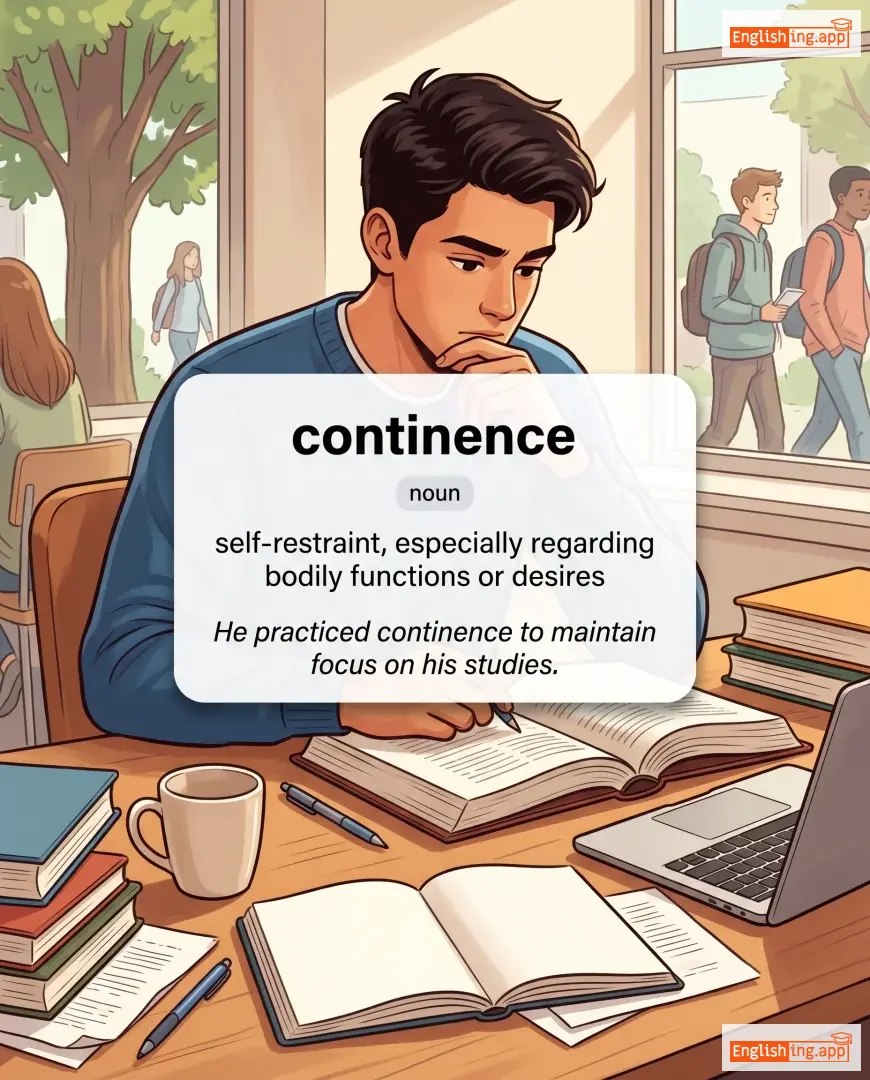
- •••••• | - •••••• | - •••••• | - •••••• |
self-restraint, especially regarding bodily functions or desires
••••••
|
He practiced continence to maintain focus on his studies. |
他练习节制以保持对学业的专注。
Tā liànxí jiezhi yǐ bǎochí duì xuéyè de zhuānzhù.
••••••
|
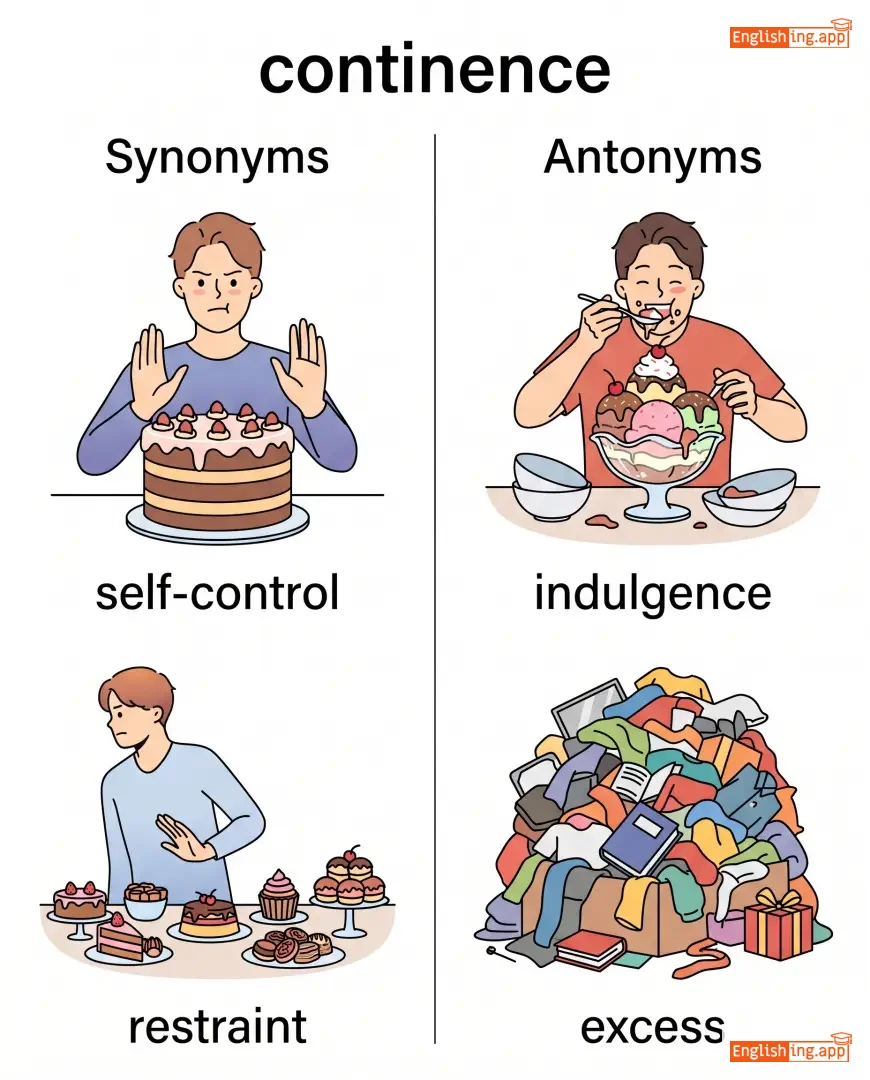
- •••••• | - •••••• | - •••••• |
self-control, restraint, moderation, abstinence
••••••
|
indulgence, excess
••••••
|
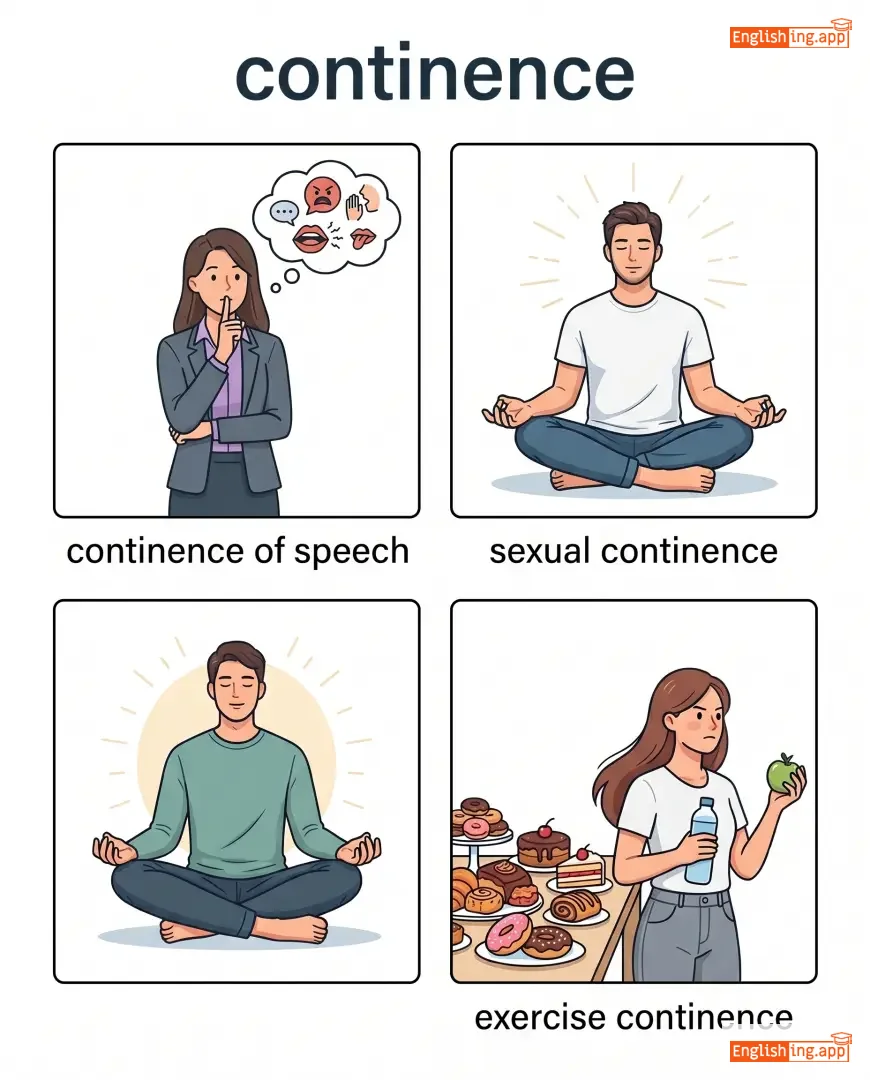
continence of speech, sexual continence, exercise continence
••••••
|
集中精力,节制 - 自我克制
••••••
|
|
😔
••••••
|
/kənˈtraɪt/
adjective
(kənˈtraɪt)
••••••
|


|
懊悔的
àohuǐ de
••••••
|
- •••••• | - •••••• | - •••••• | - •••••• |
feeling or showing remorse or guilt
••••••
|
She was contrite after realizing her mistake. |
她在意识到自己的错误后感到懊悔。
Tā zài yìshí dào zìjǐ de cuòwù hòu gǎndào àohuǐ.
••••••
|
- •••••• | - •••••• | - •••••• |
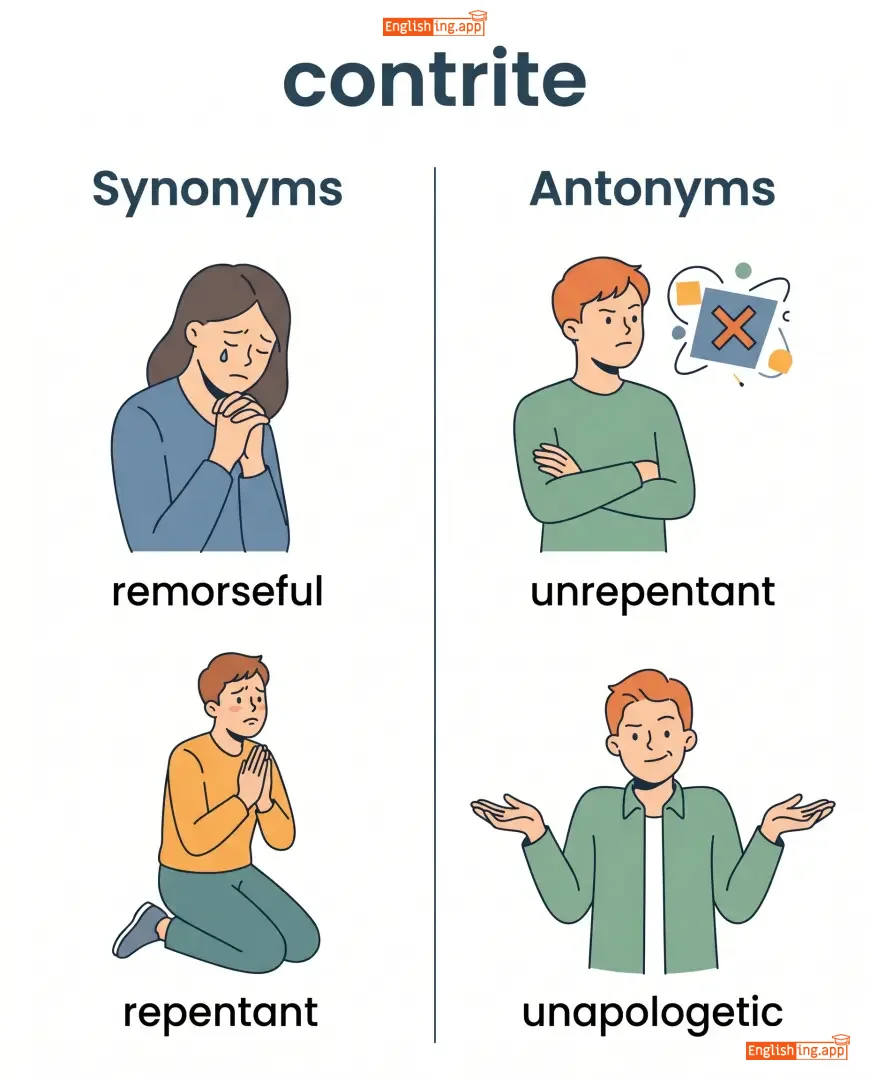
remorseful, repentant, sorry, penitent, regretful
••••••
|
unrepentant, unapologetic
••••••
|
look contrite, feel contrite, genuinely contrite, appear contrite
••••••
|
Con TRITE 错误后,懊悔的感觉
••••••
|
|
😠
••••••
|
/ˌkɒn.tjʊˈmeɪ.ʃəs/
adjective
(kāngtúméixiè sī)
••••••
|
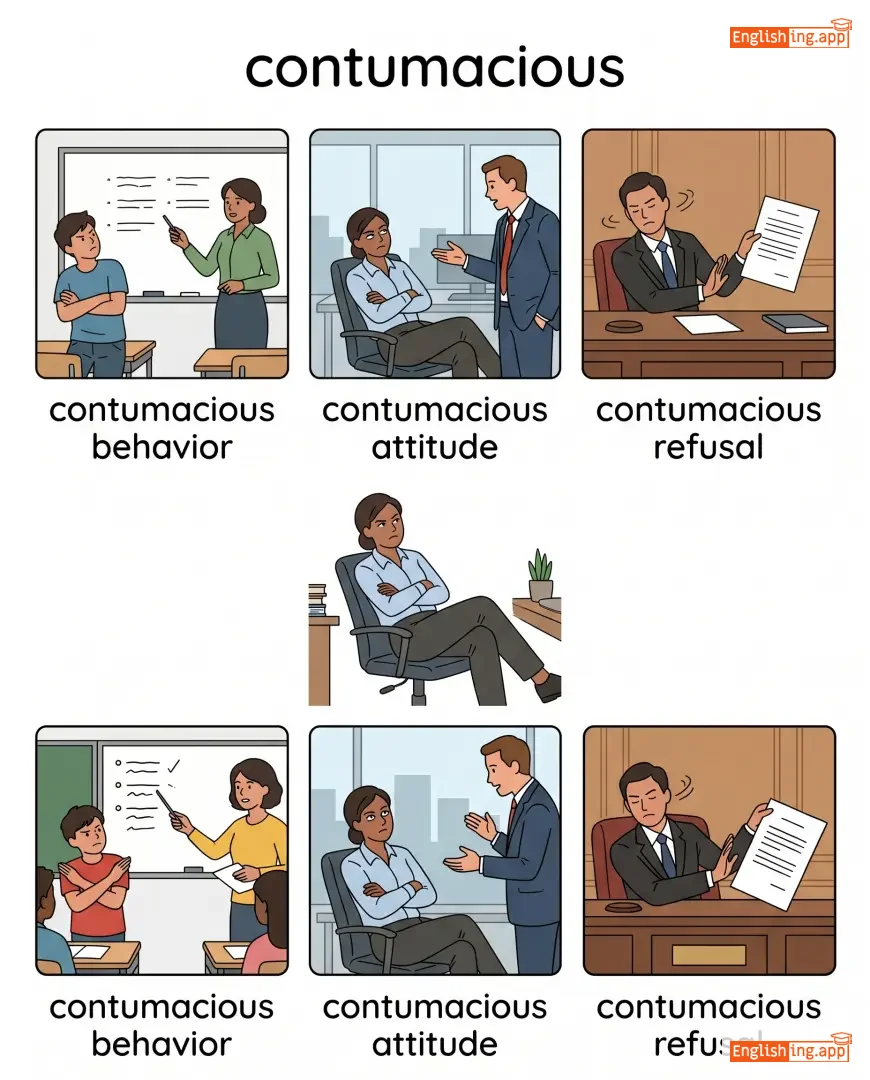
|
固执的, 叛逆的
gùzhí de, pànnì de
••••••
|
- •••••• | - •••••• | - •••••• | - •••••• |
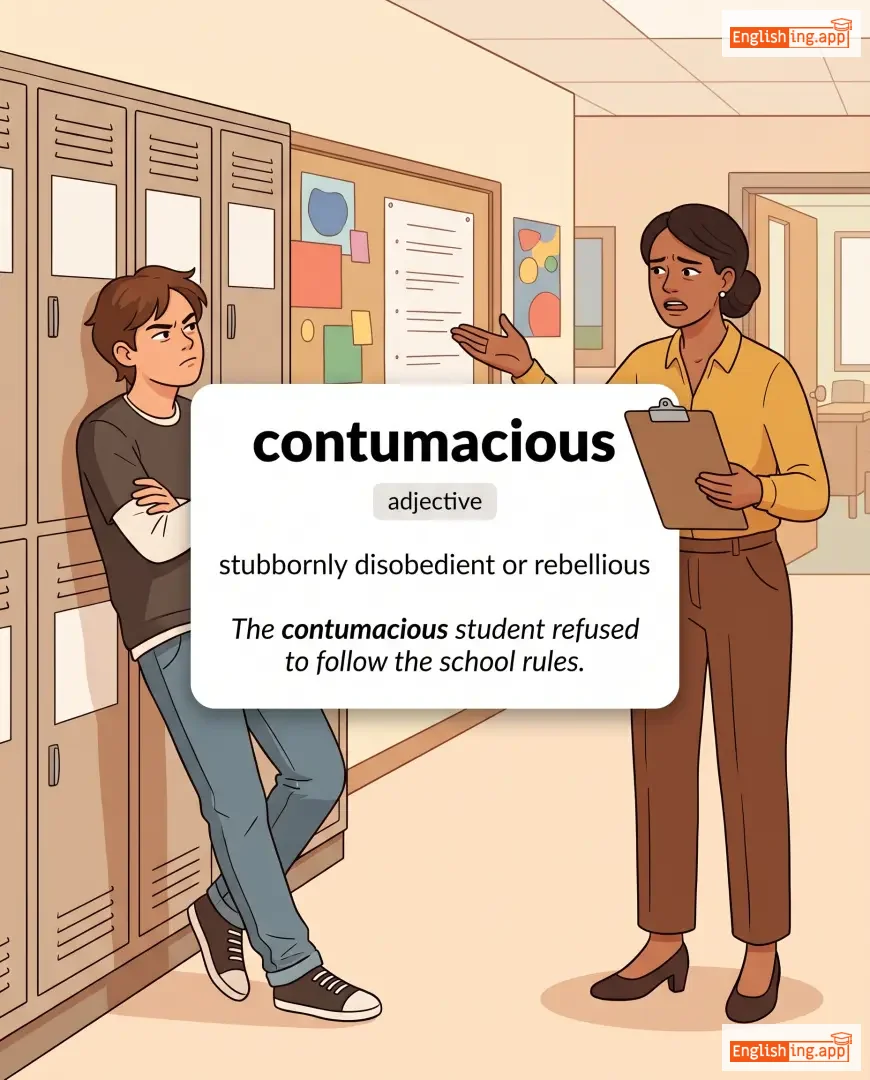
stubbornly disobedient or rebellious
••••••
|
The contumacious student refused to follow the school rules.
那位倔强的学生拒绝遵守学校的规章制度。
••••••
|
那位固执的学生拒绝遵守学校的规章制度。
Nà wèi gùzhí de xuéshēng jùjué zūnshǒu xuéxiào de guīzhāng zhìdù.
••••••
|
- •••••• | - •••••• | - •••••• |
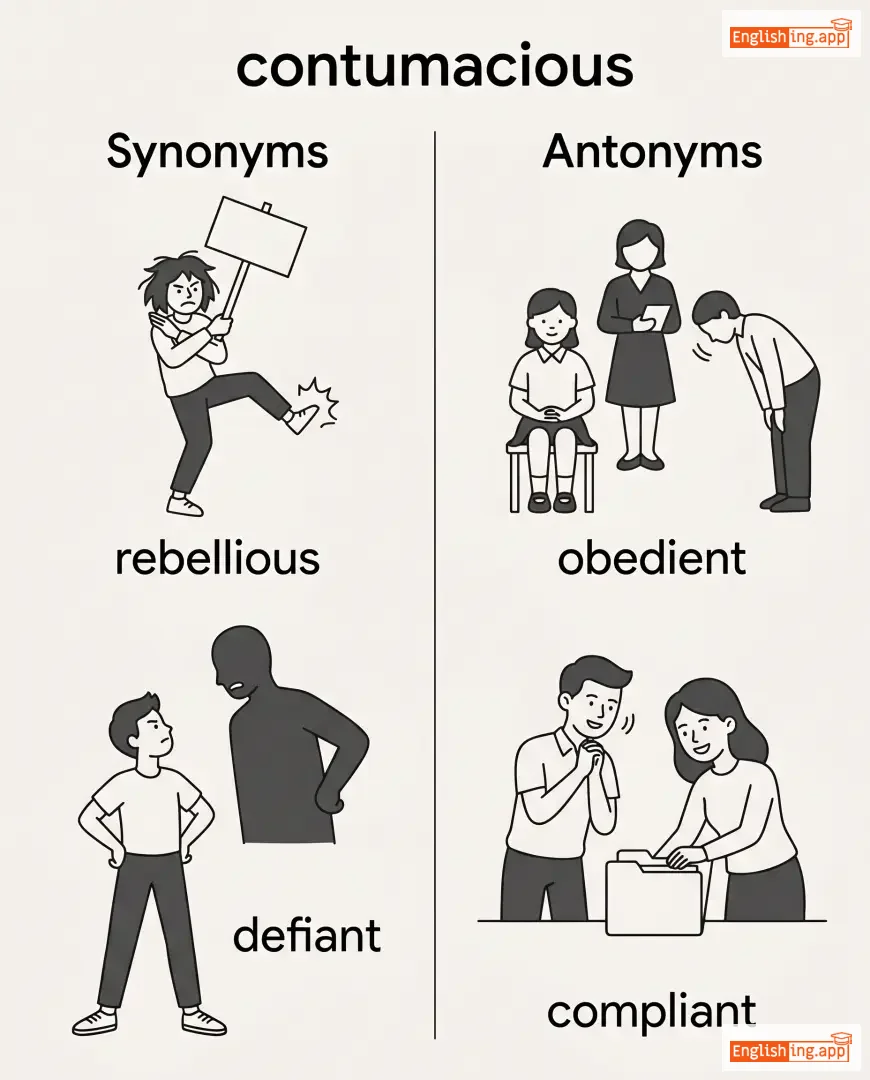
rebellious, defiant, insubordinate, disobedient
••••••
|
obedient, compliant, submissive
••••••
|
contumacious behavior, contumacious attitude, contumacious refusal
••••••
|
Contumacious 意味着固执,反叛 - 就像'抗拒'一样
••••••
|
|
🧩
••••••
|
/kəˈnʌndrəm/
noun
(困惑)
••••••
|
|
难题
nanti
••••••
|
- •••••• | - •••••• | - •••••• | - •••••• |
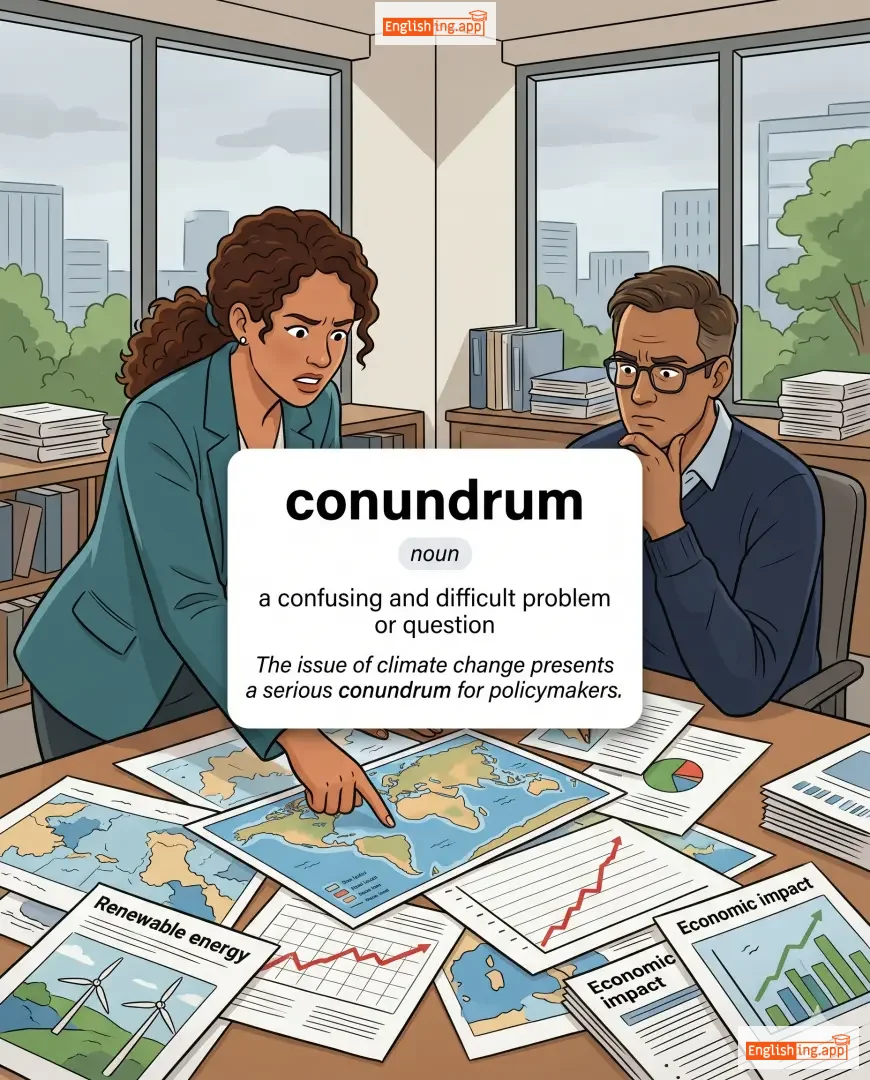
a confusing and difficult problem or question
••••••
|
The issue of climate change presents a serious conundrum for policymakers. |
气候变化问题为政策制定者带来了一个严重的难题。
Qihou bianhua wenti wei zhengce zhidingzhe dailai le yi ge yanzhong de nanti.
••••••
|
- •••••• | - •••••• | - •••••• |
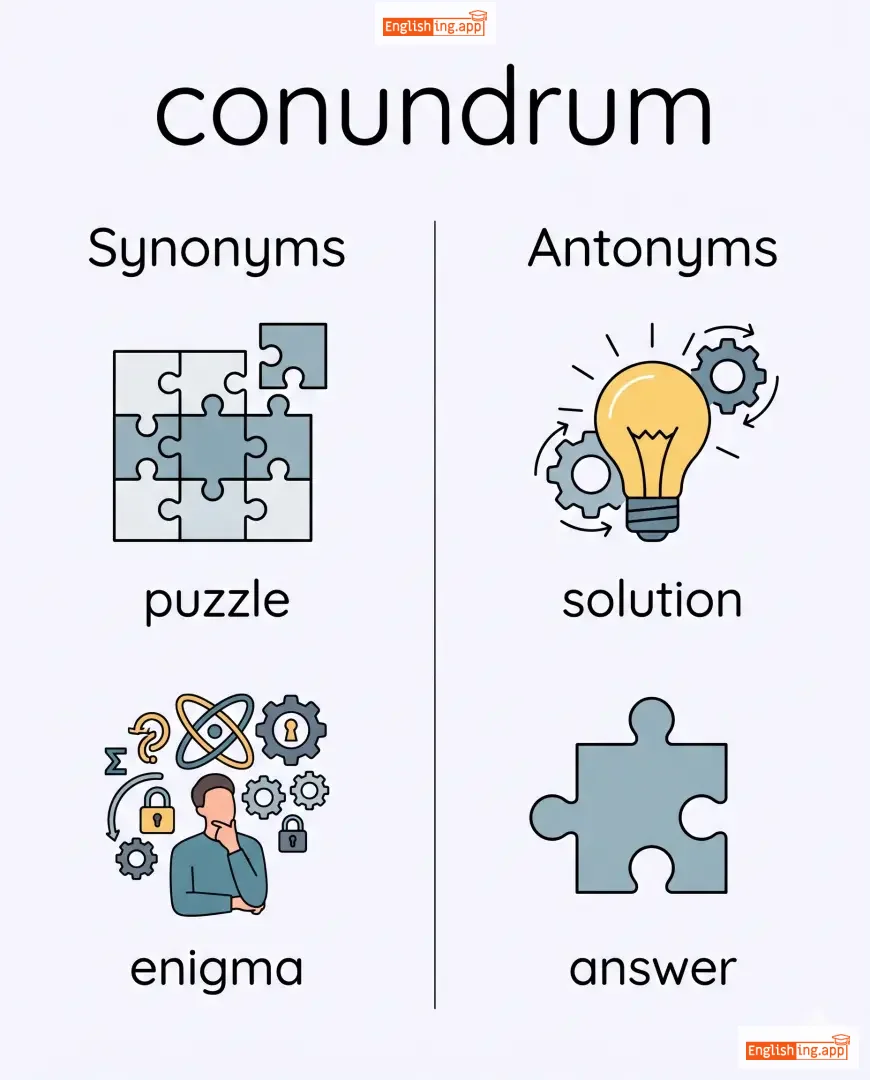
puzzle, enigma, riddle, dilemma, problem
••••••
|
solution, answer, clarity
••••••
|
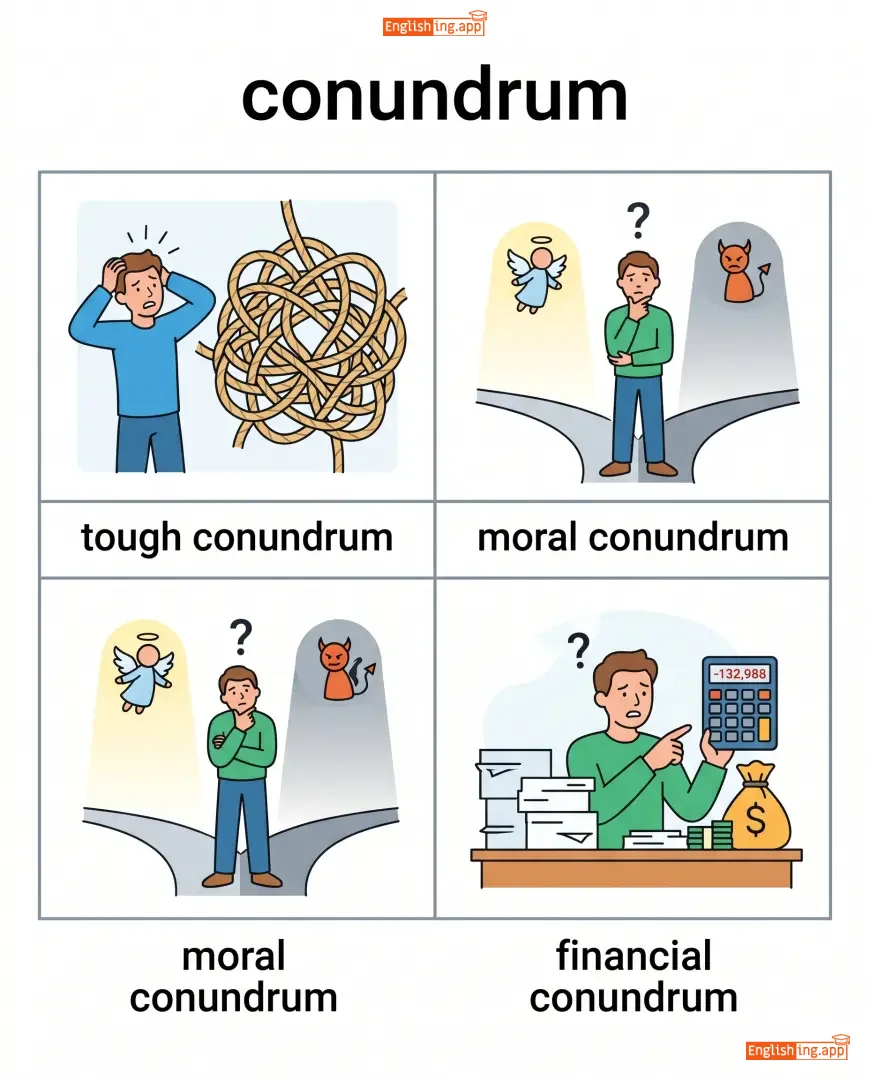
tough conundrum, moral conundrum, financial conundrum
••••••
|
想象一个难以解决的难题,带来困扰但需要解答。
••••••
|
|
🎤
••••••
|
/kənˈvɛnʃən/
noun
(会议)
••••••
|

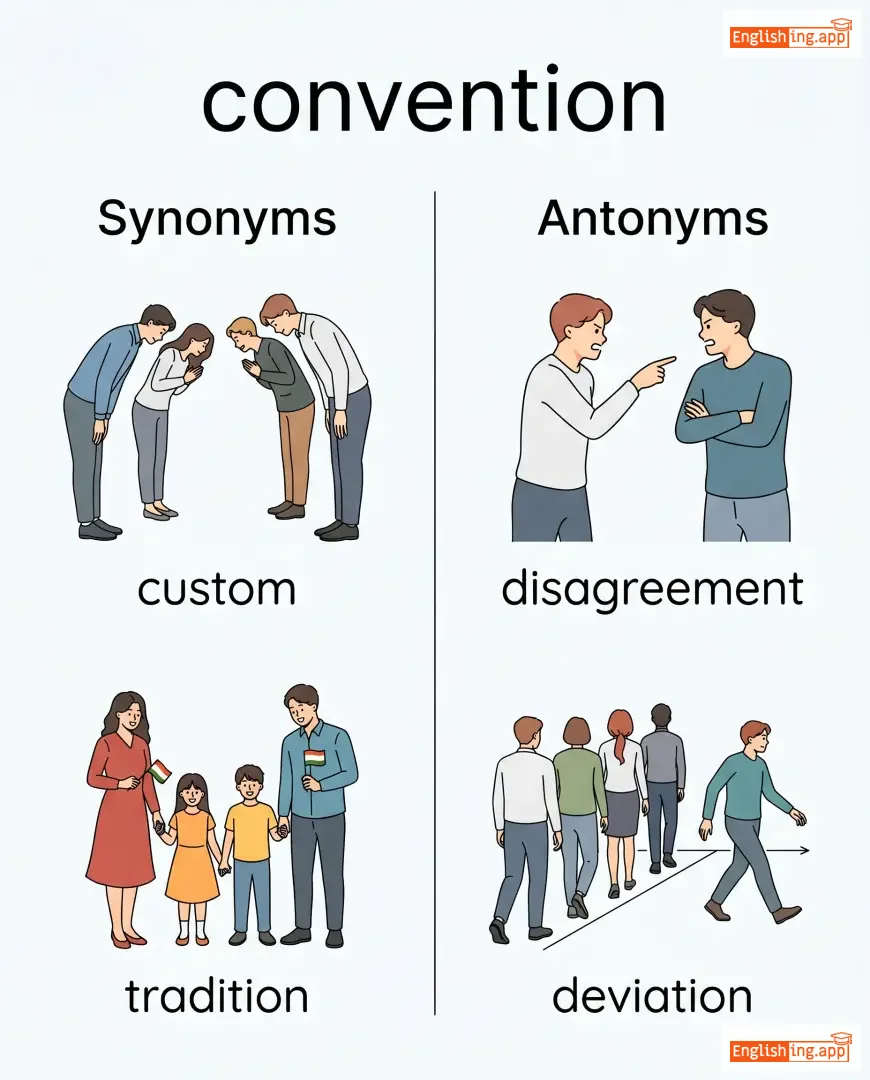

|
会议
huiyi
••••••
|
- •••••• | - •••••• | - •••••• | - •••••• |
a widely accepted way of behaving or doing something; a formal meeting
••••••
|
The annual writers' convention was held in Dhaka.
年度作家大会在达卡举行。
••••••
|
年度作家大会在达卡举行。
Niandu zuojia dahui zai Daka juxing.
••••••
|
- •••••• | - •••••• | - •••••• |
custom, tradition, meeting, assembly
••••••
|
disagreement, deviation
••••••
|
social convention, international convention, follow convention, break convention
••••••
|
会议使大家聚集 - Convention brings people together
••••••
|
|
🔄
••••••
|
/kənˈvɜːrdʒ/
verb
(kənvɜrdʒ)
••••••
|

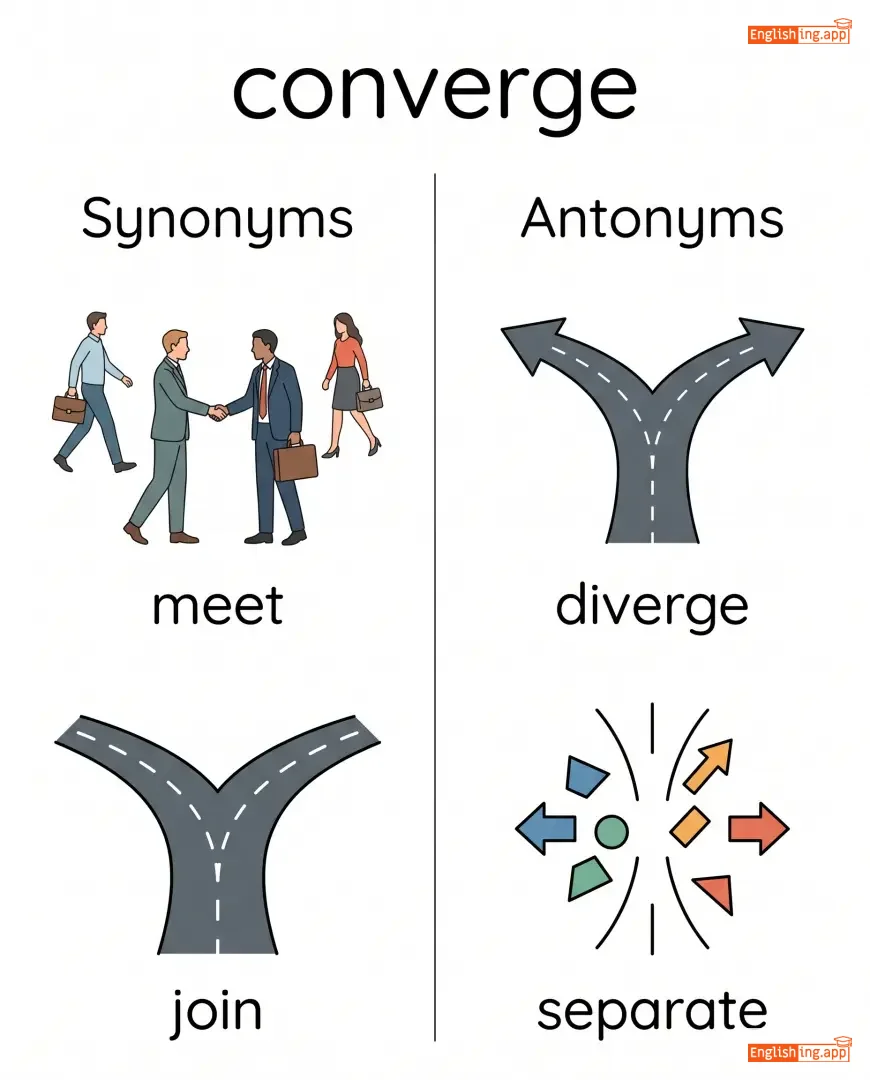

|
汇合
huìhé
••••••
|
converged
kənvɜrdʒd
••••••
|
converged
kənvɜrdʒd
••••••
|
converges
kənvɜrdʒɪz
••••••
|
converging
kənvɜrdʒɪŋ
••••••
|
to come together from different directions; to meet at a point
••••••
|
The roads converge at the city center.
这些路在市中心汇合。
••••••
|
这些路在市中心汇合。
Zhèxiē lù zài shì zhōngxīn huìhé.
••••••
|
- •••••• | - •••••• | - •••••• |
meet, unite, merge, come together, join
••••••
|
diverge, separate, spread, scatter
••••••
|
converge on, converge at, converge together, roads converge, lines converge
••••••
|
想象几条道路在一个中心点汇聚
••••••
|
|
🔵
••••••
|
/ˈkɒnvɛks/
adjective
(kāngwéikèsī)
••••••
|

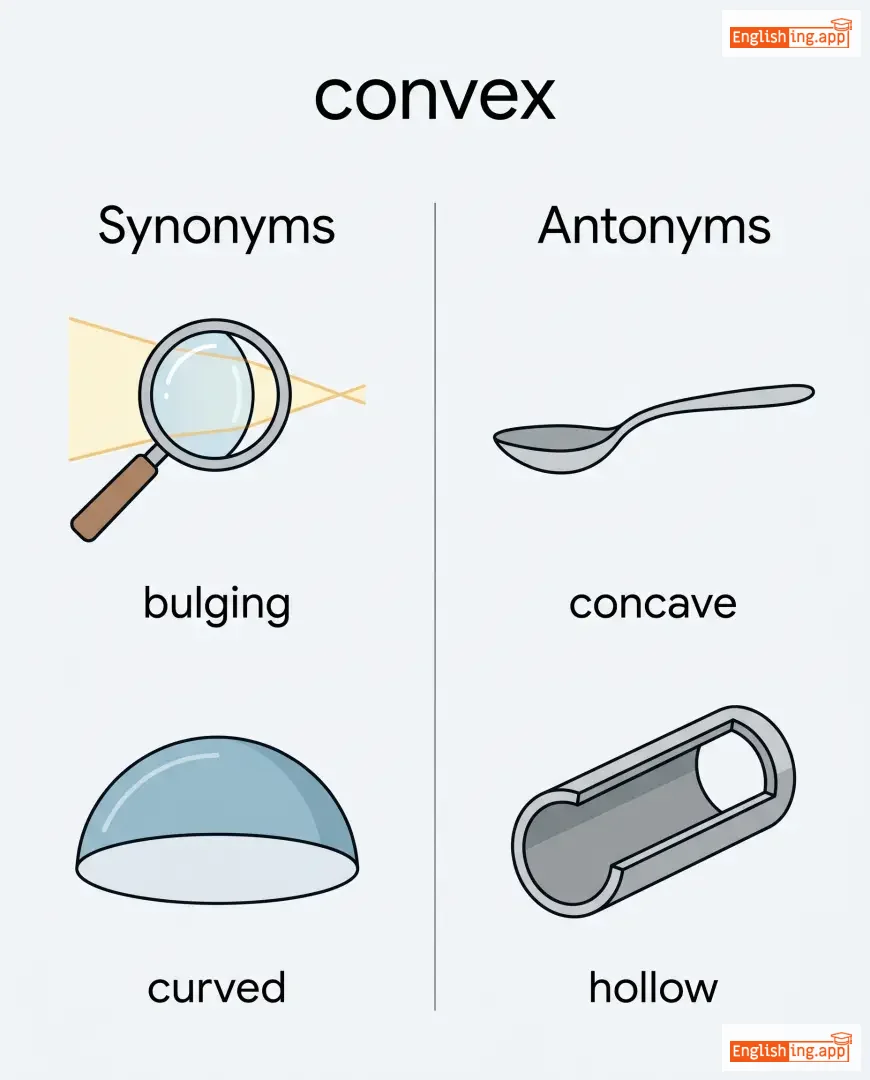

|
凸的,向外弯曲的
tū de, xiàng wài wānqū de
••••••
|
- •••••• | - •••••• | - •••••• | - •••••• |
curved or rounded outward
••••••
|
The lens has a convex shape to focus light. |
该镜片具有凸形状以聚焦光线。
Gāi jìngpiàn jùyǒu tū xíngzhuàng yǐ jùjiāo guāngxiàn.
••••••
|
- •••••• | - •••••• | - •••••• |
bulging, curved, arched, rounded
••••••
|
concave, hollow, depressed
••••••
|
convex lens, convex mirror, convex surface
••••••
|
凸透镜向外弯曲,像一个凸起的形状。
••••••
|
|
🎉
••••••
|
/kənˈvɪviəl/
adjective
(kěn wéi bì āo)
••••••
|

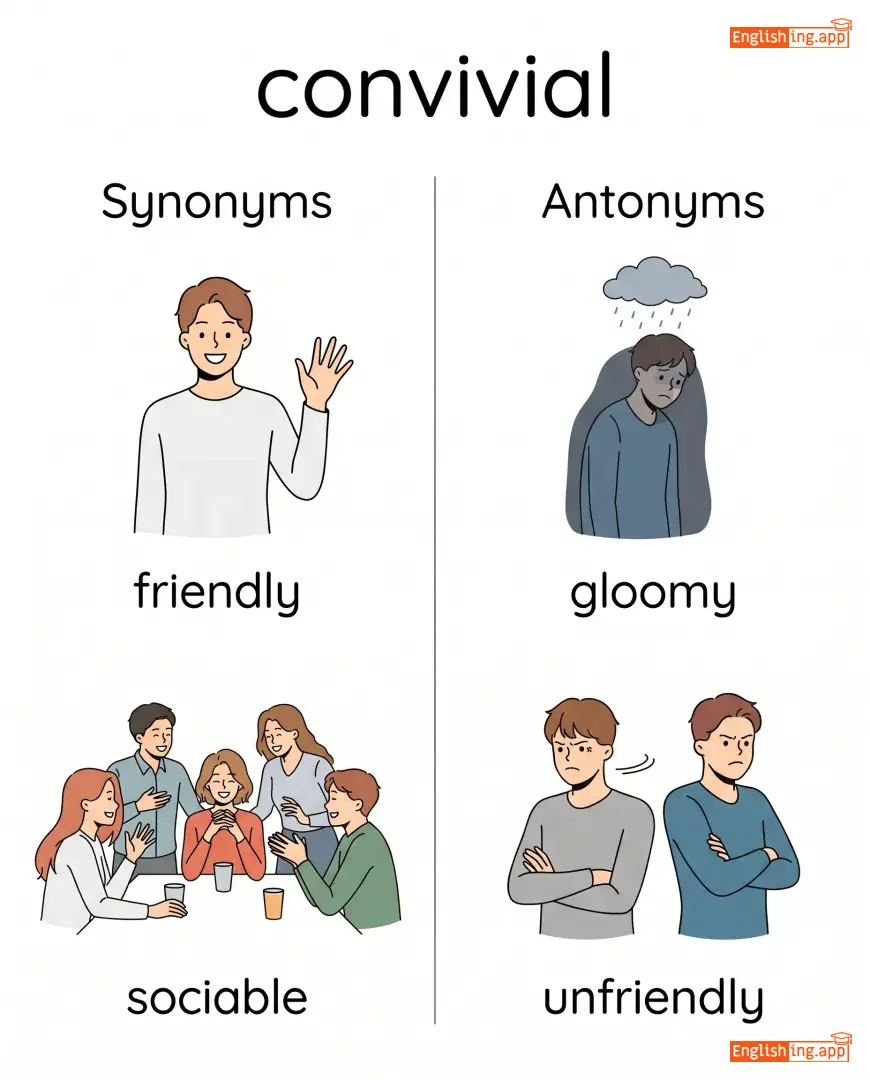

|
友好、活跃和愉快;社交
yǒuhǎo, huóyuè hé yúkuài; shèjiāo
••••••
|
- •••••• | - •••••• | - •••••• | - •••••• |
friendly, lively, and enjoyable; sociable
••••••
|
The party had a convivial atmosphere with music and laughter.
派对上有着充满活力的氛围,伴随着音乐和欢笑。
••••••
|
派对上有着充满活力的氛围,伴随着音乐和欢笑。
Pàiduì shàng yǒuzhe chōngmǎn huó lì de fēnwéi, bànsuízhe yīnyuè hé huānlaugh.
••••••
|
- •••••• | - •••••• | - •••••• |
friendly, sociable, jovial, festive
••••••
|
gloomy, unfriendly
••••••
|
convivial gathering, convivial mood, convivial atmosphere
••••••
|
派对上 CONVIVIAL,大家开怀大笑
••••••
|
|
🌀
••••••
|
/ˈkɒnvəluːtɪd/
adjective
(kənvōlùtɛd)
••••••
|

|
复杂,错综的
fuza, cuozong de
••••••
|
- •••••• | - •••••• | - •••••• | - •••••• |
complex, intricate, and difficult to follow
••••••
|
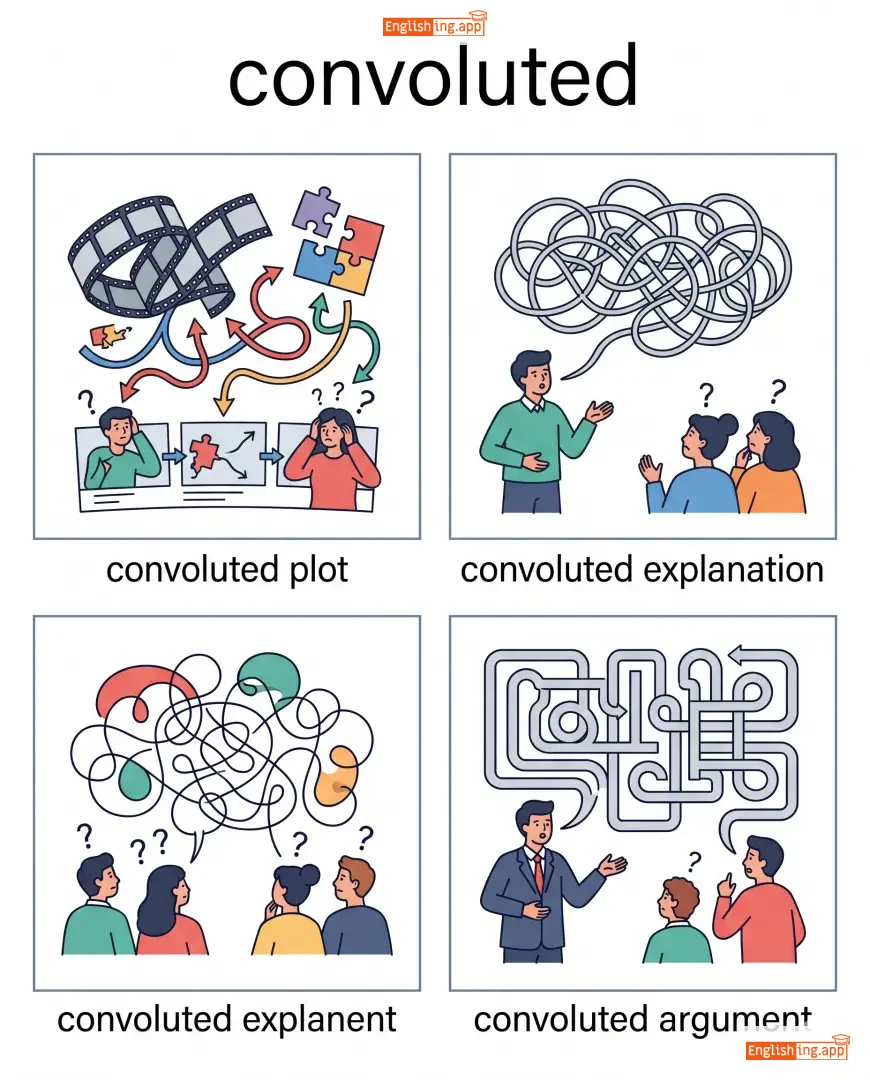
The plot of the movie was so convoluted that I lost track halfway. |
电影的情节如此复杂,以至于我半途失去了方向。
Dianying de qingjie ruci fuza, yi zhi yu wo bantú shīqùle fangxiang.
••••••
|
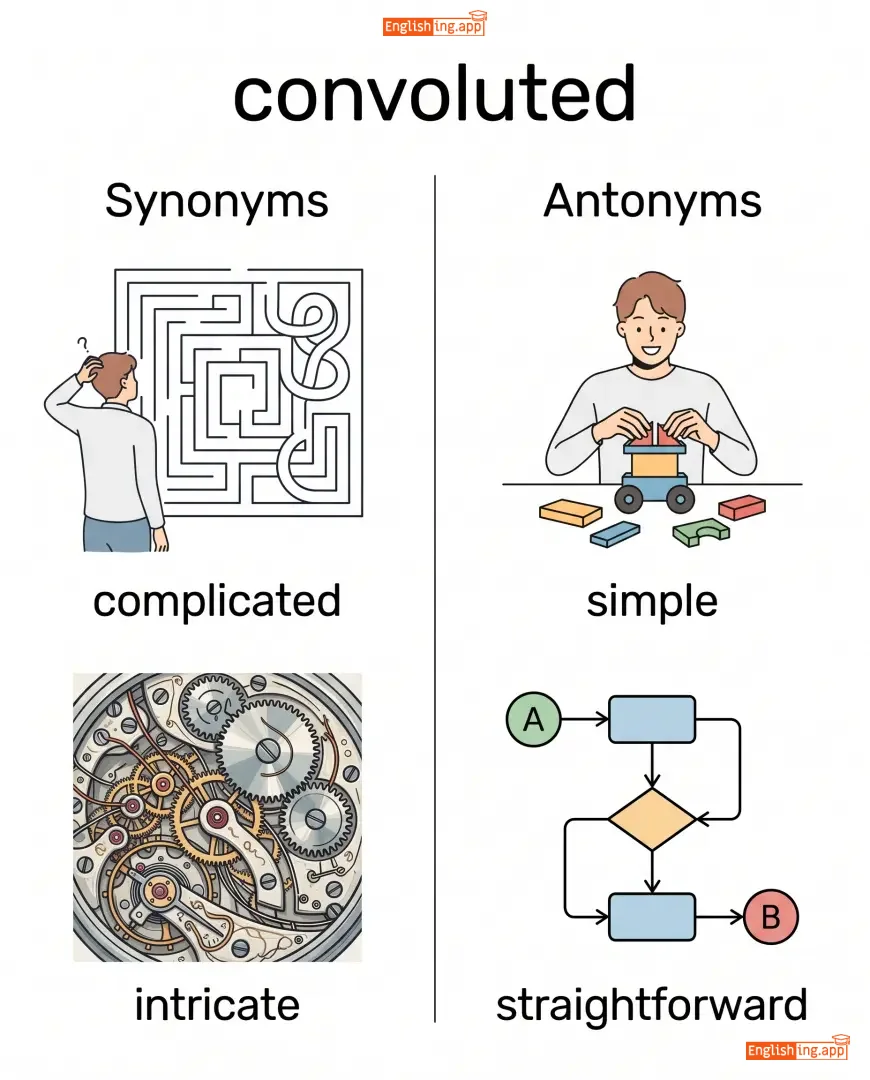
- •••••• | - •••••• | - •••••• |
complicated, intricate, twisted, tangled
••••••
|
simple, straightforward
••••••
|
convoluted plot, convoluted explanation, convoluted argument
••••••
|
复杂的道路,找不到出口
••••••
|
|
📝
••••••
|
/ˈkoʊpiəs/
adjective
(kōpīyās)
••••••
|
|
大量
dà liàng
••••••
|
- •••••• | - •••••• | - •••••• | - •••••• |
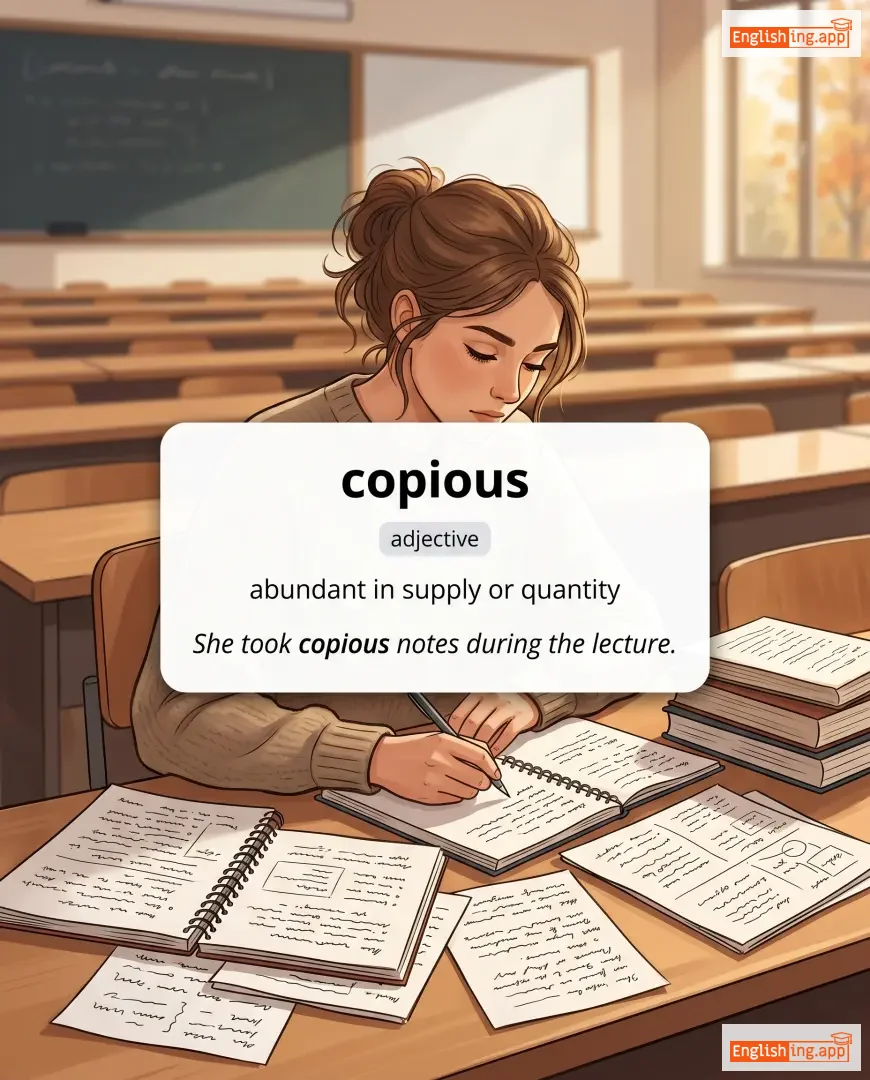
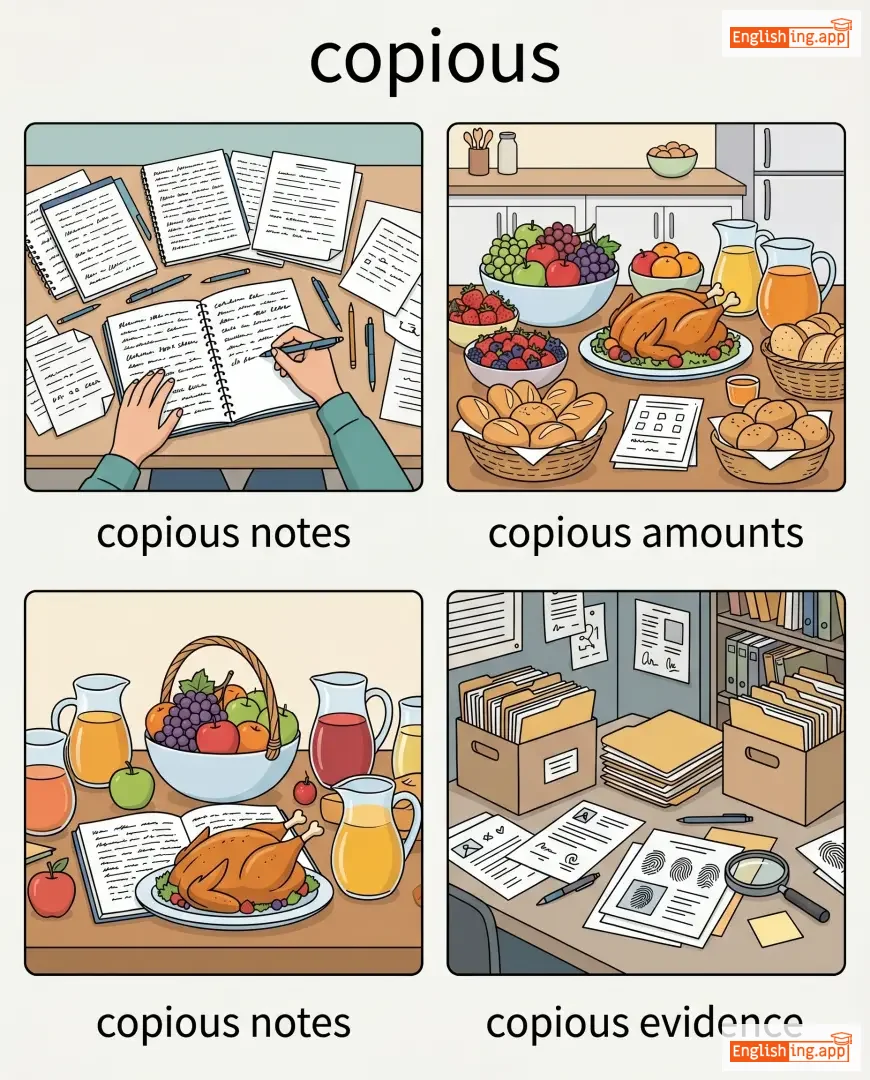
abundant in supply or quantity
••••••
|
She took copious notes during the lecture.
Shī tūk kōpīyās nōts dūring dhe lēkchur.
••••••
|
她在讲座期间做了大量笔记。
Tā zài jiǎngzuò qījiān zuòle dà liàng bǐjì.
••••••
|
- •••••• | - •••••• | - •••••• |
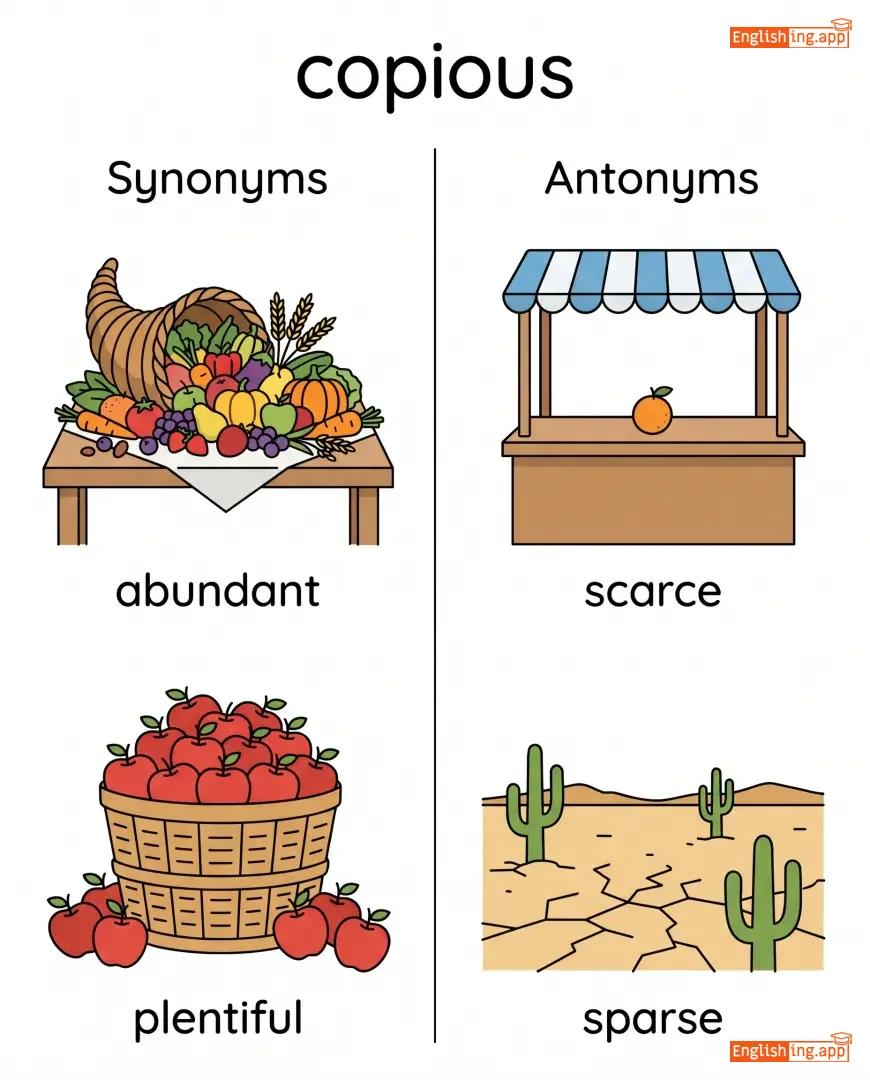
abundant, plentiful, ample, profuse
••••••
|
scarce, sparse, meager
••••••
|
copious notes, copious amounts, copious evidence, copious writing
••••••
|
Co-PIOUS 记下了很多笔记 - 大量意味着很多。
••••••
|

