|
表情符号
|
单词 | Images | 翻译 | 过去时 | 过去分词 | 第三人称单数 | 动名词 | 含义 | 例句 | 例句翻译 | 示例表达 | 示例表达含义 | 示例表达翻译 | 同义词 | 反义词 | 搭配词 | 助记符 |
|---|---|---|---|---|---|---|---|---|---|---|---|---|---|---|---|---|---|
|
🔚
••••••
|
/ˈkoʊdə/
noun
(科达)
••••••
|
|
尾声
weisheng
••••••
|
- •••••• | - •••••• | - •••••• | - •••••• |
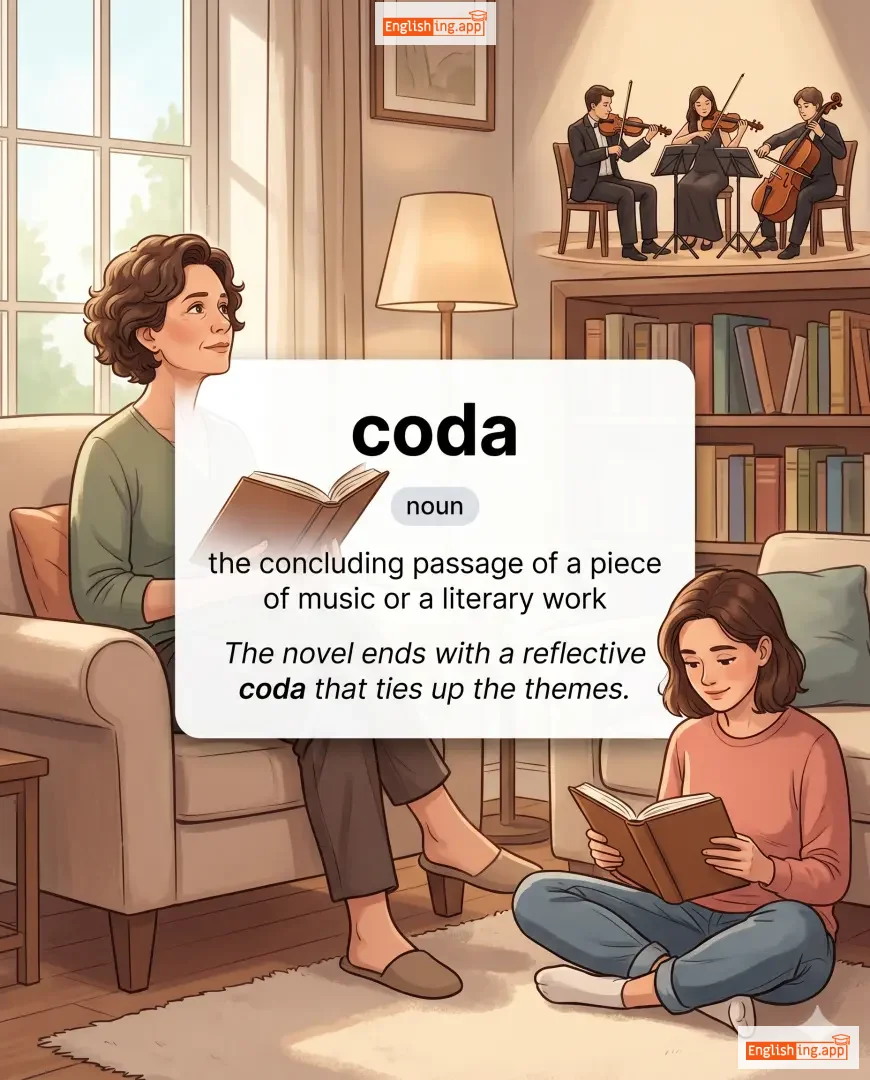
the concluding passage of a piece of music or a literary work
••••••
|
The novel ends with a reflective coda that ties up the themes. |
这部小说以一段反思性的尾声结束,将主题联系起来。
Zhe bu xiaoshuo yi yi duan fanshixing de weisheng jie shu, jiang zhutian lianxi qilai.
••••••
|
- •••••• | - •••••• | - •••••• |
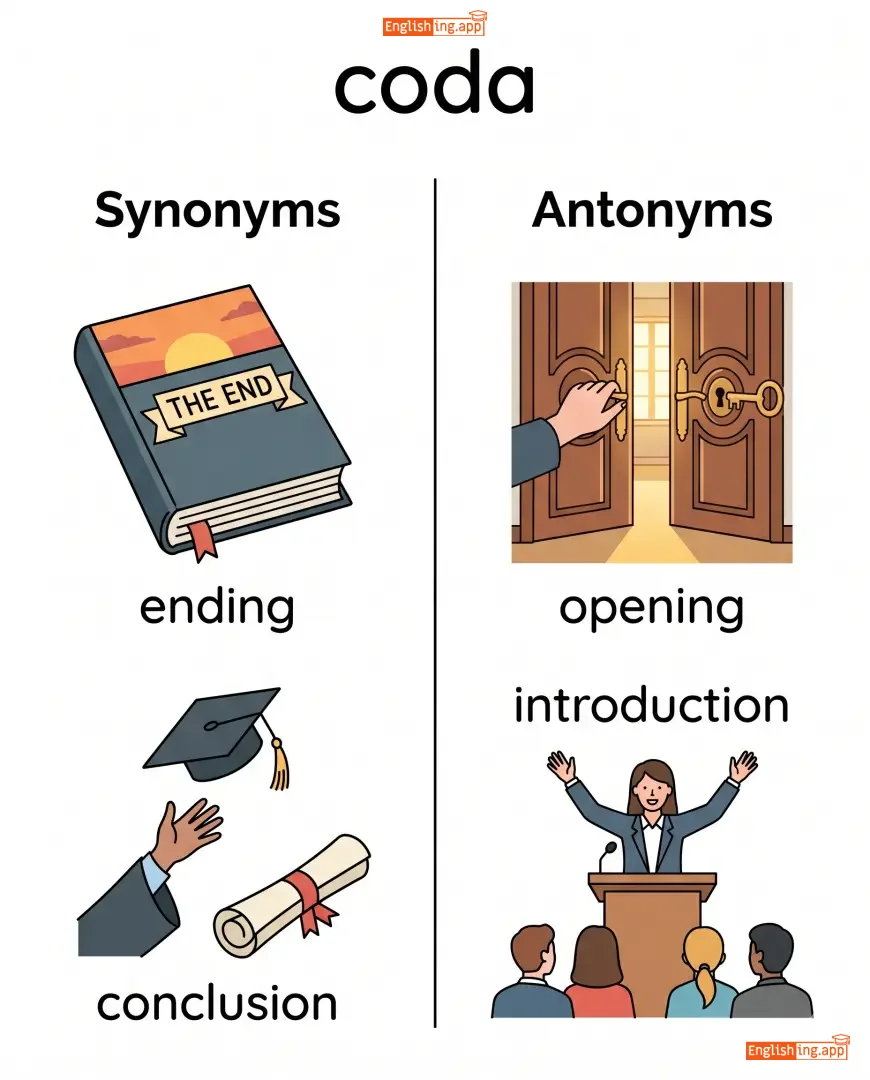
ending, conclusion, finale, epilogue
••••••
|
opening, introduction, beginning
••••••
|
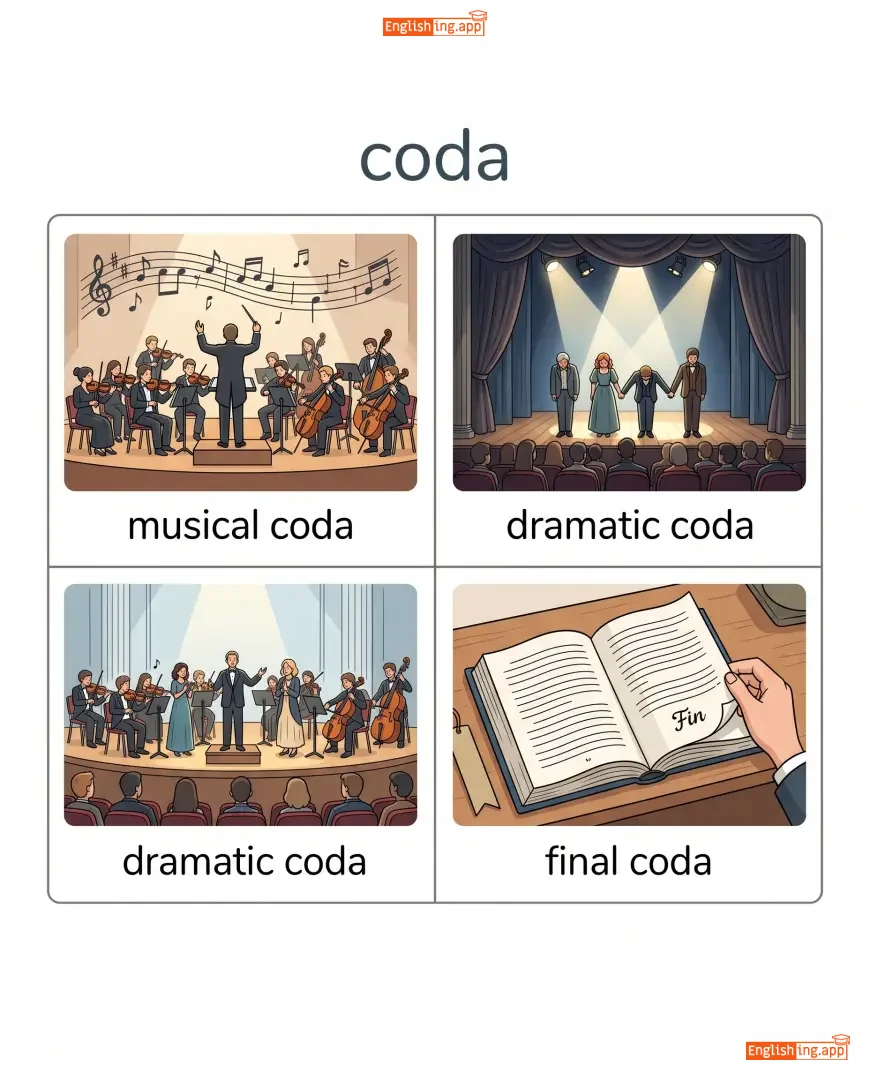
musical coda, dramatic coda, final coda
••••••
|
Coda 就像音乐或文学作品的结束部分,像尾声一样。
••••••
|
|
🧠
••••••
|
/ˈkoʊdʒənt/
adjective
(科金特)
••••••
|
|
清晰且合乎逻辑
qīngxī qiě héhū luójí
••••••
|
- •••••• | - •••••• | - •••••• | - •••••• |
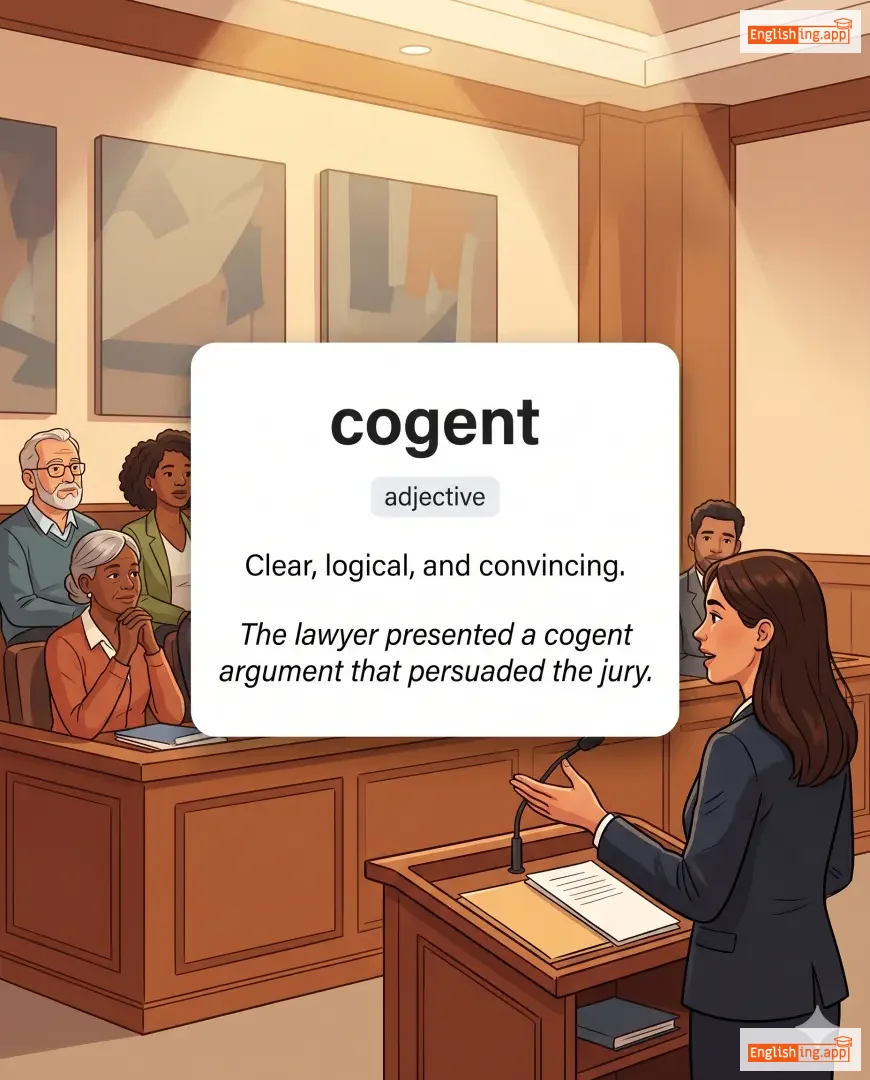
Clear, logical, and convincing.
••••••
|
The lawyer presented a cogent argument that persuaded the jury. |
律师提出了一个清晰且合乎逻辑的论点,说服了陪审团。
Lǜshī tíchūle yīgè qīngxī qiě héhū luójí de lùndiǎn, shuōfúle péishěn tuán.
••••••
|
- •••••• | - •••••• | - •••••• |
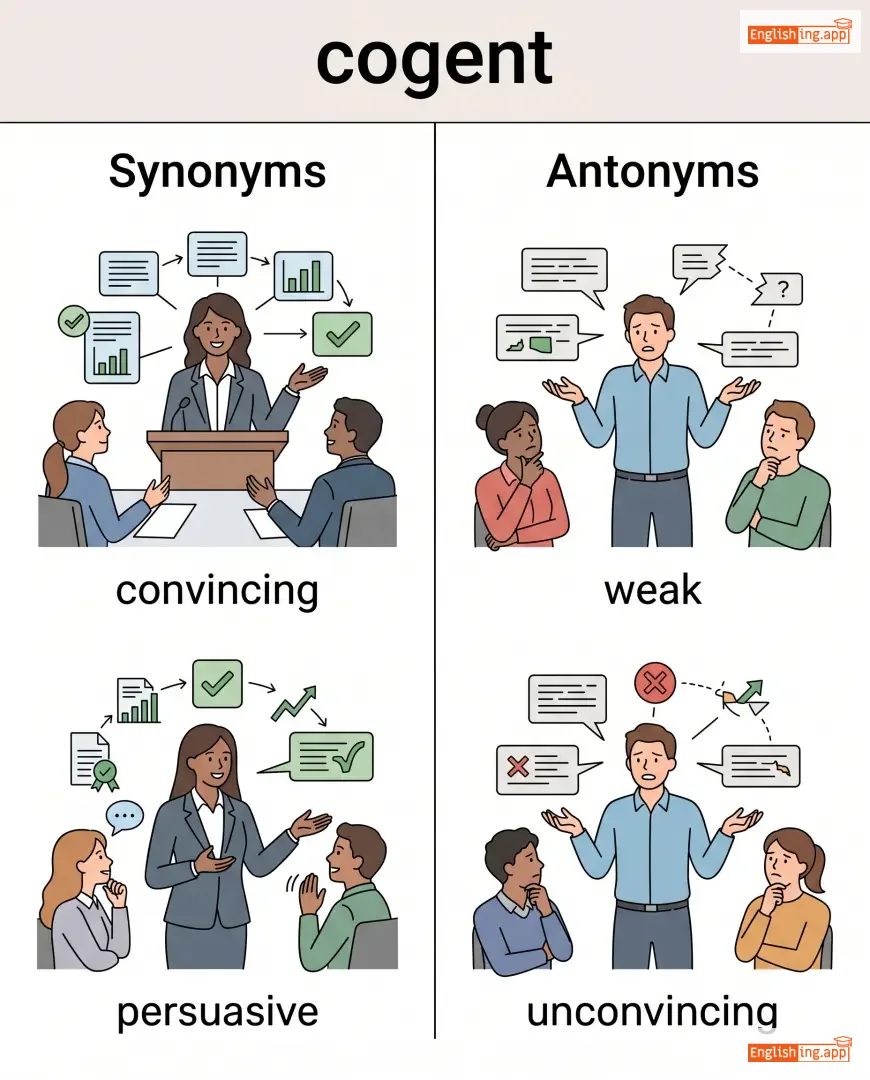
convincing, persuasive, compelling, logical, forceful
••••••
|
weak, unconvincing, illogical
••••••
|
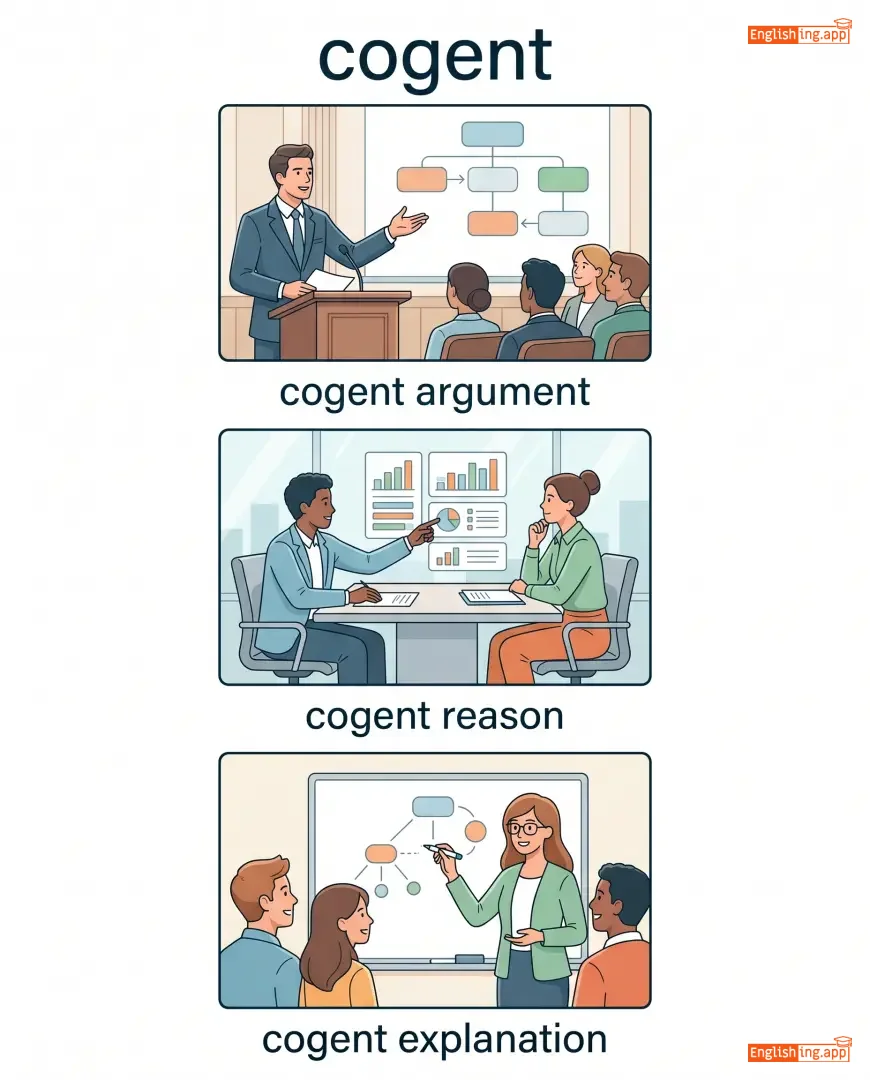
cogent argument, cogent reason, cogent explanation, cogent evidence
••••••
|
Cogent意味着清晰且有说服力—在中文里,Co-Gent = 就像清晰的逻辑让人信服。
••••••
|
|
⚖️
••••••
|
/kəˈmɛnʃərət/
adjective
(kěménsīruìtè)
••••••
|


|
相称的
xiangcheng de
••••••
|
- •••••• | - •••••• | - •••••• | - •••••• |
corresponding in size, degree, or extent; proportionate
••••••
|
Salary will be commensurate with experience. |
薪资将与经验相称。
Xīn zī jiāng yǔ jīng yàn xiāng chèn.
••••••
|
- •••••• | - •••••• | - •••••• |
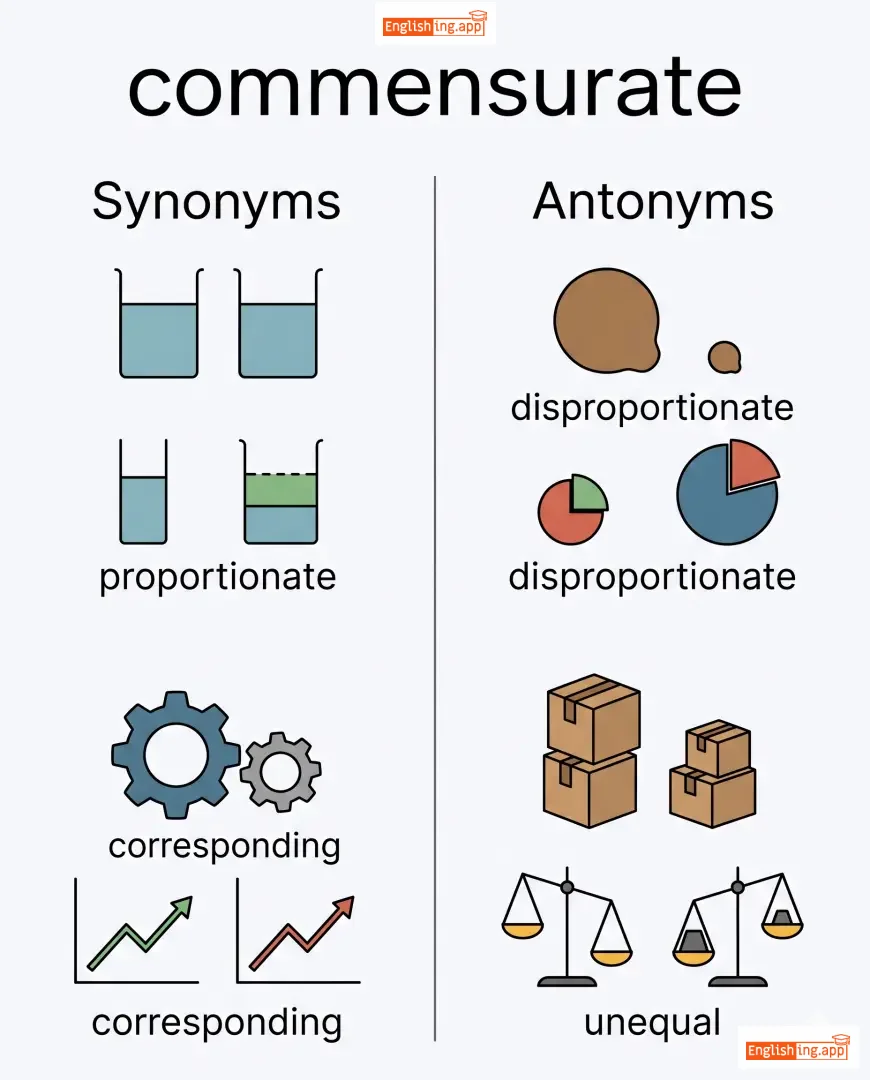
proportionate, corresponding, equal, comparable, adequate
••••••
|
disproportionate, unequal, inappropriate
••••••
|
commensurate with, commensurate salary, commensurate benefits, commensurate reward
••••••
|
Commensurate 是指与经验成比例,不少也不少。
••••••
|
|
📚
••••••
|
/kəmˈpɛndiəm/
noun
(kompendium)
••••••
|
|
汇编
huìbiān
••••••
|
- •••••• | - •••••• | - •••••• | - •••••• |
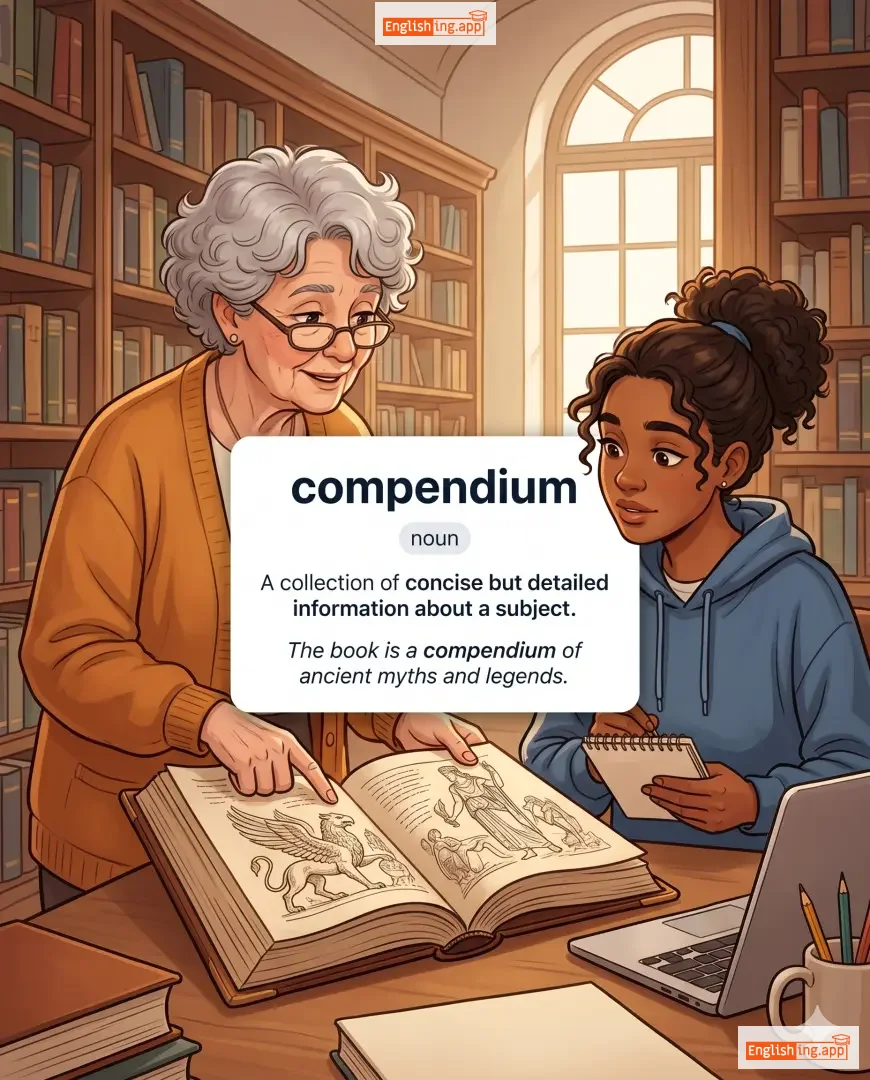
A collection of concise but detailed information about a subject.
••••••
|
The book is a compendium of ancient myths and legends.
这本书是关于古代神话和传说的汇编。
••••••
|
这本书是关于古代神话和传说的汇编。
Zhè běn shū shì guānyú gǔdài shénhuà hé chuánshuō de huìbiān.
••••••
|
- •••••• | - •••••• | - •••••• |
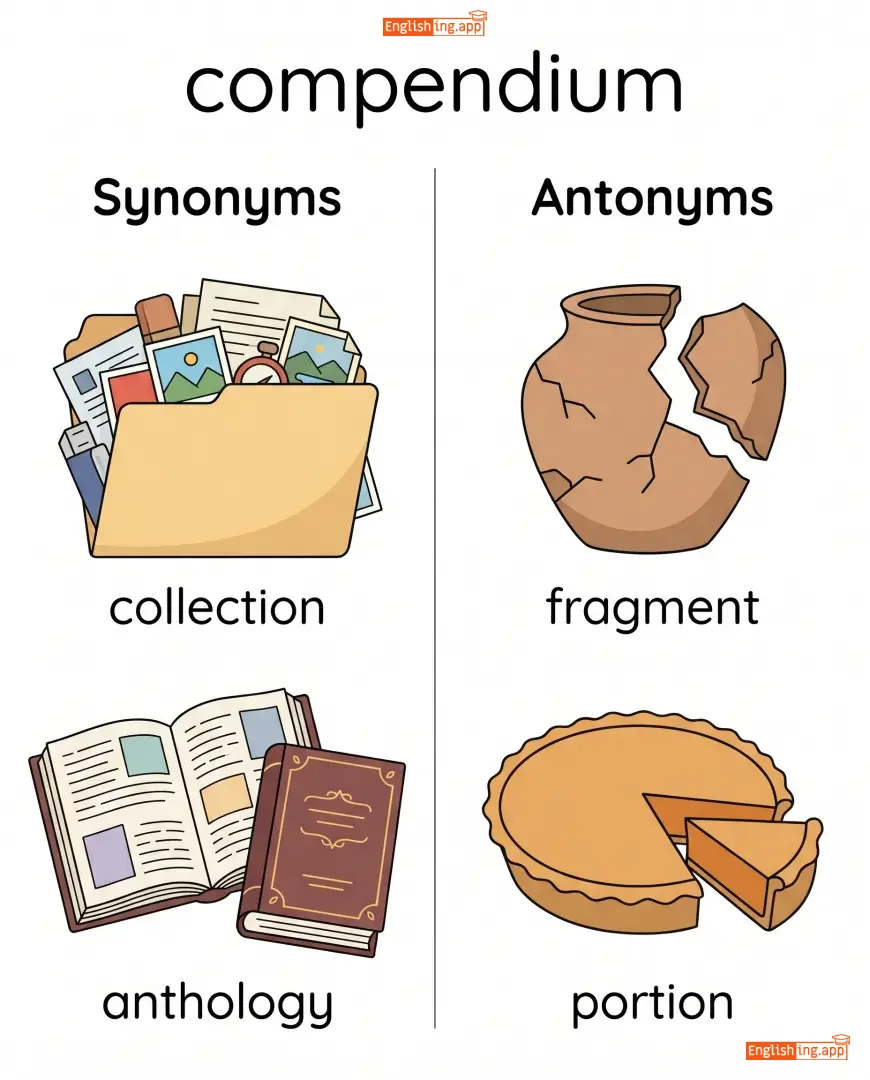
collection, anthology, digest, summary, compilation
••••••
|
fragment, portion, extract
••••••
|
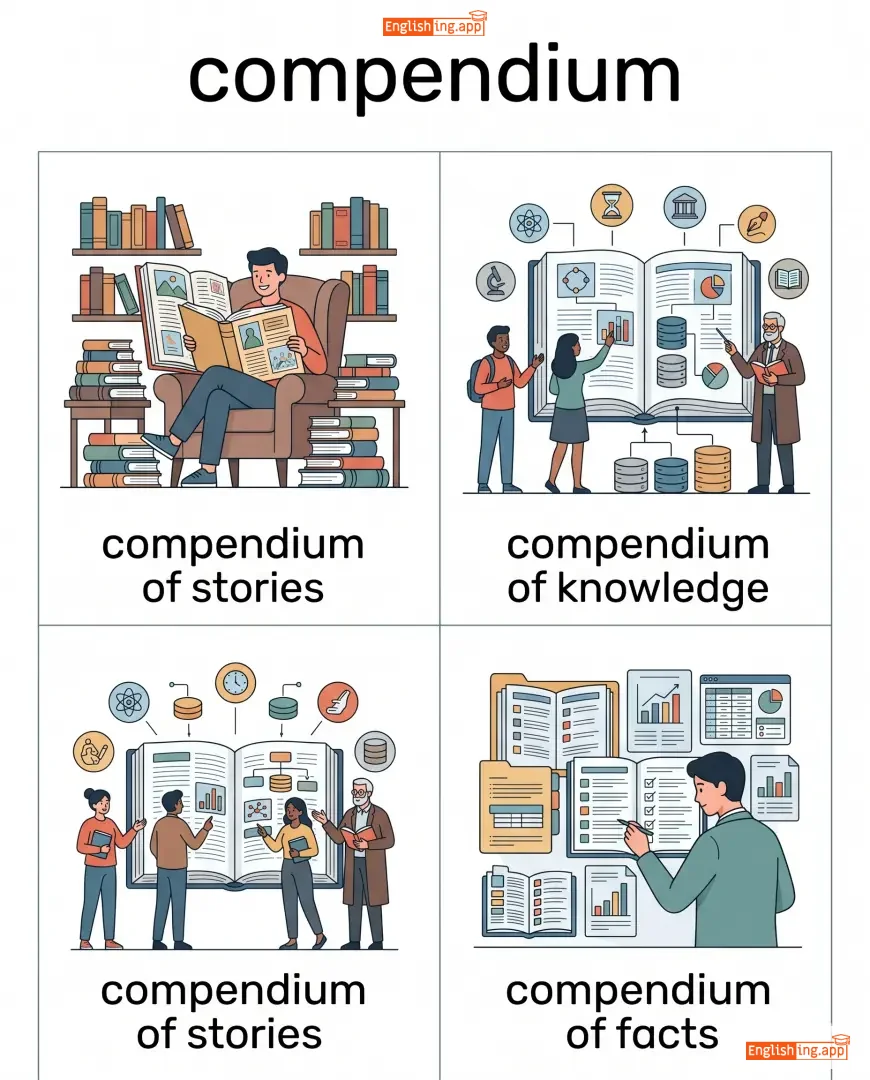
compendium of stories, compendium of knowledge, compendium of facts, compendium of laws
••••••
|
汇编是把所有资料整合成一个集合
••••••
|
|
🤗
••••••
|
/kəmˈpleɪzənt/
adjective
(kè pí lěi zāng tè)
••••••
|

|
过于顺从
guò yú shùn cóng
••••••
|
- •••••• | - •••••• | - •••••• | - •••••• |
willing to please others or to accept what they do or say without protest
••••••
|
He was too complaisant to refuse their demands. |
他太顺从以至于无法拒绝他们的要求。
Tā tài shùn cóng yǐ zhì yú wú fǎ jù jué tāmen de yāo qiú.
••••••
|
- •••••• | - •••••• | - •••••• |
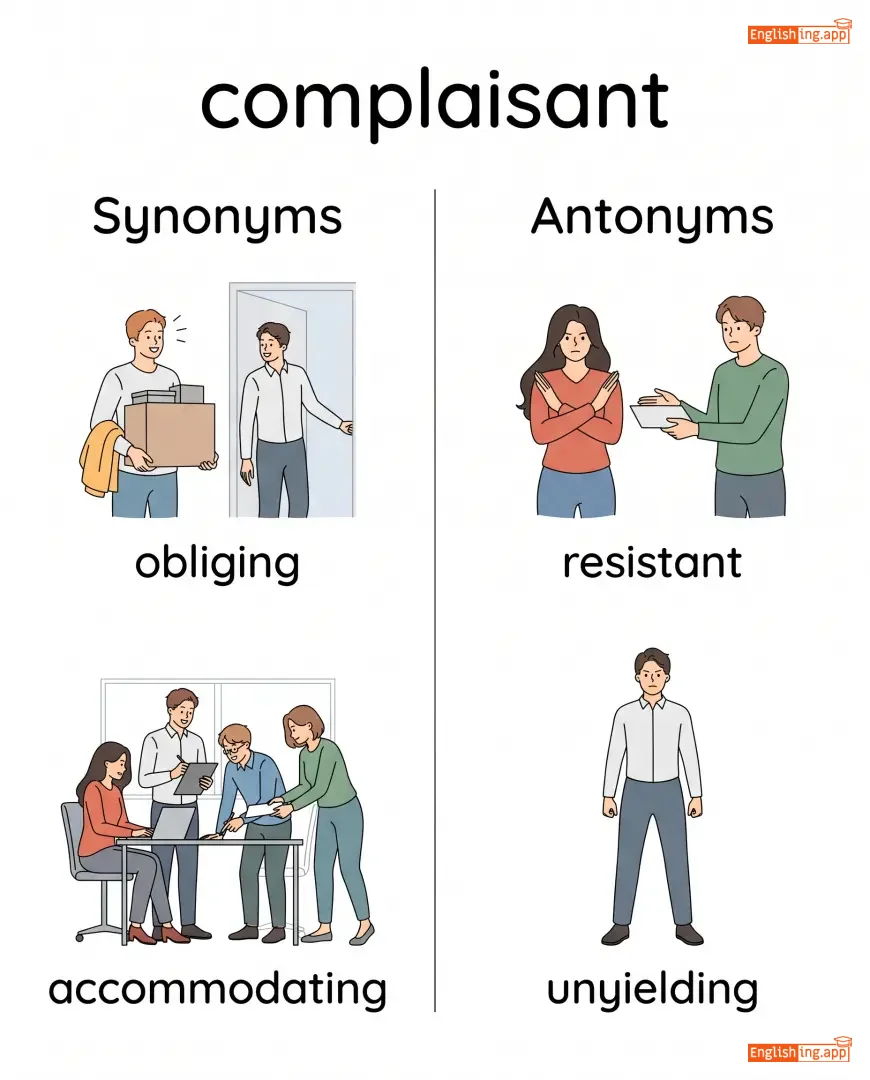
obliging, accommodating, agreeable, cooperative
••••••
|
resistant, unyielding
••••••
|
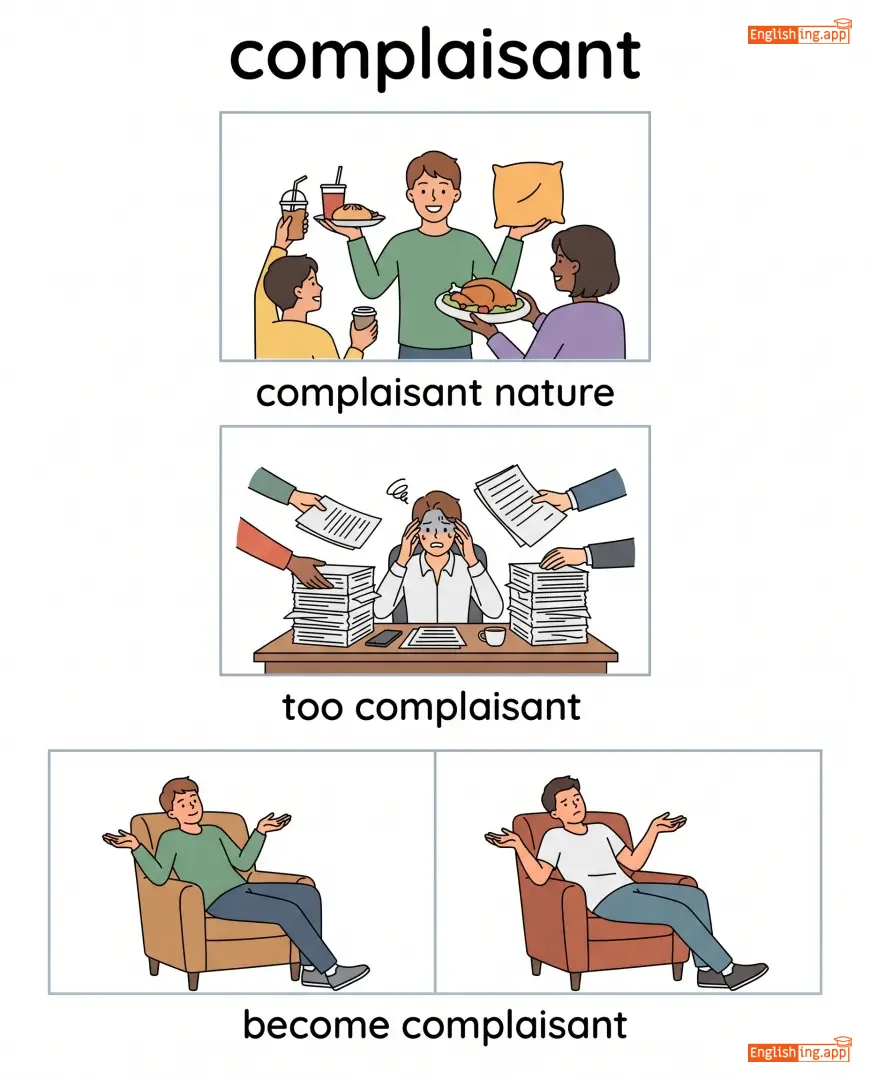
complaisant nature, too complaisant, become complaisant
••••••
|
顺从 – 总是同意他人的要求
••••••
|
|
🙇
••••••
|
/kəmˈplaɪənt/
adjective
(kəmˈplaɪənt)
••••••
|
|
顺从
shùncóng
••••••
|
- •••••• | - •••••• | - •••••• | - •••••• |
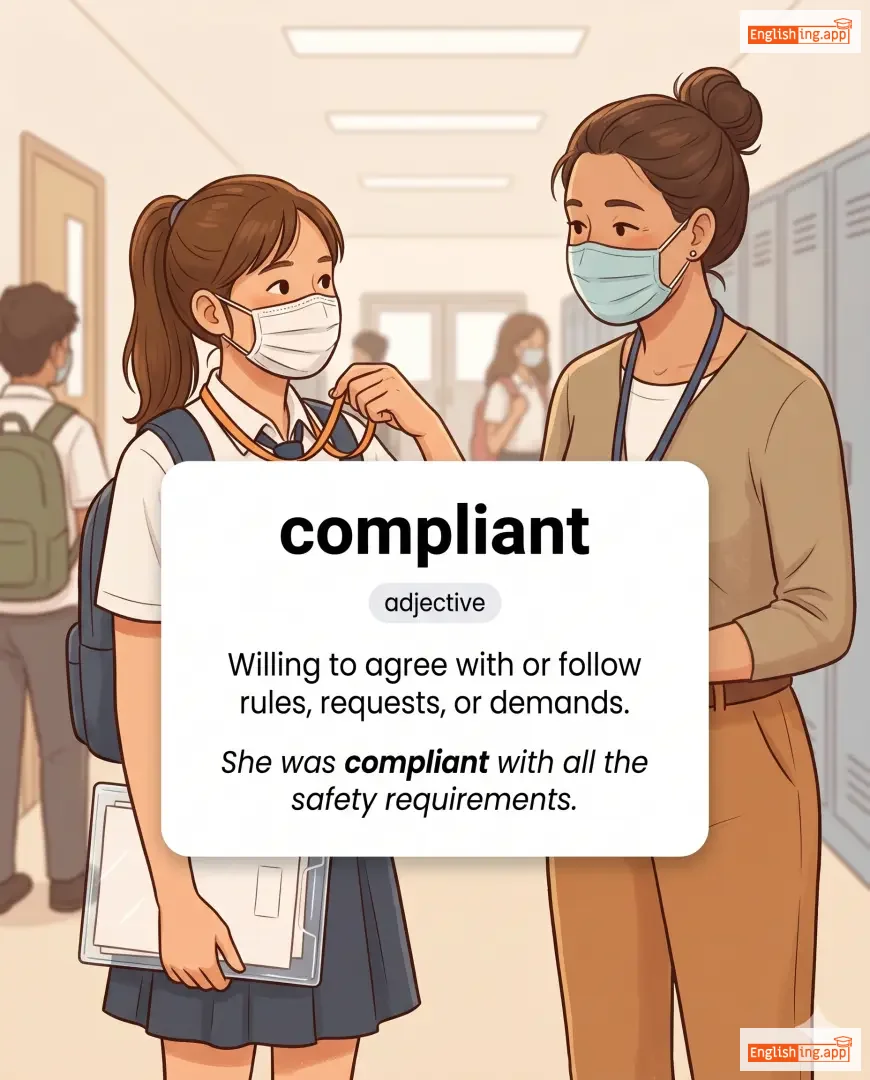
Willing to agree with or follow rules, requests, or demands.
••••••
|
She was compliant with all the safety requirements.
她遵守了所有安全要求。
••••••
|
她遵守了所有安全要求。
Tā zūnshǒu le suǒyǒu ānquán yāoqiú.
••••••
|
- •••••• | - •••••• | - •••••• |
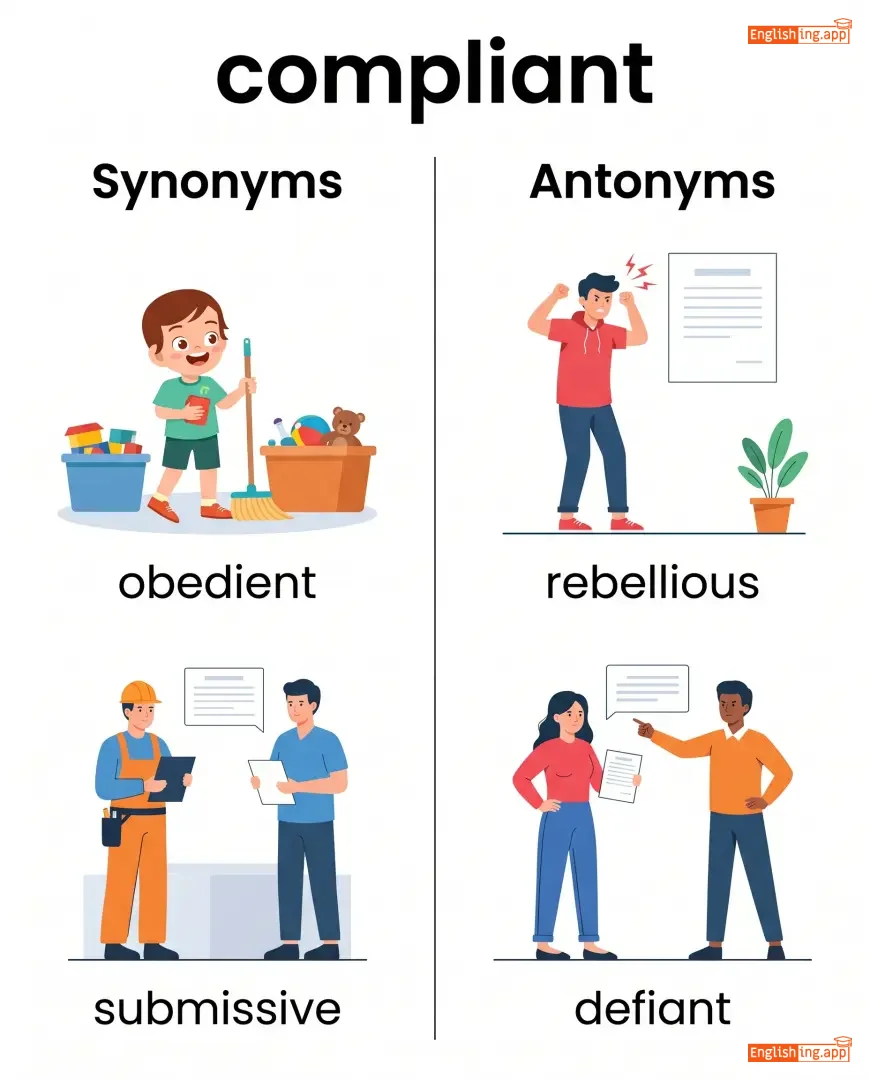
obedient, submissive, docile, accommodating
••••••
|
rebellious, defiant, resistant
••••••
|
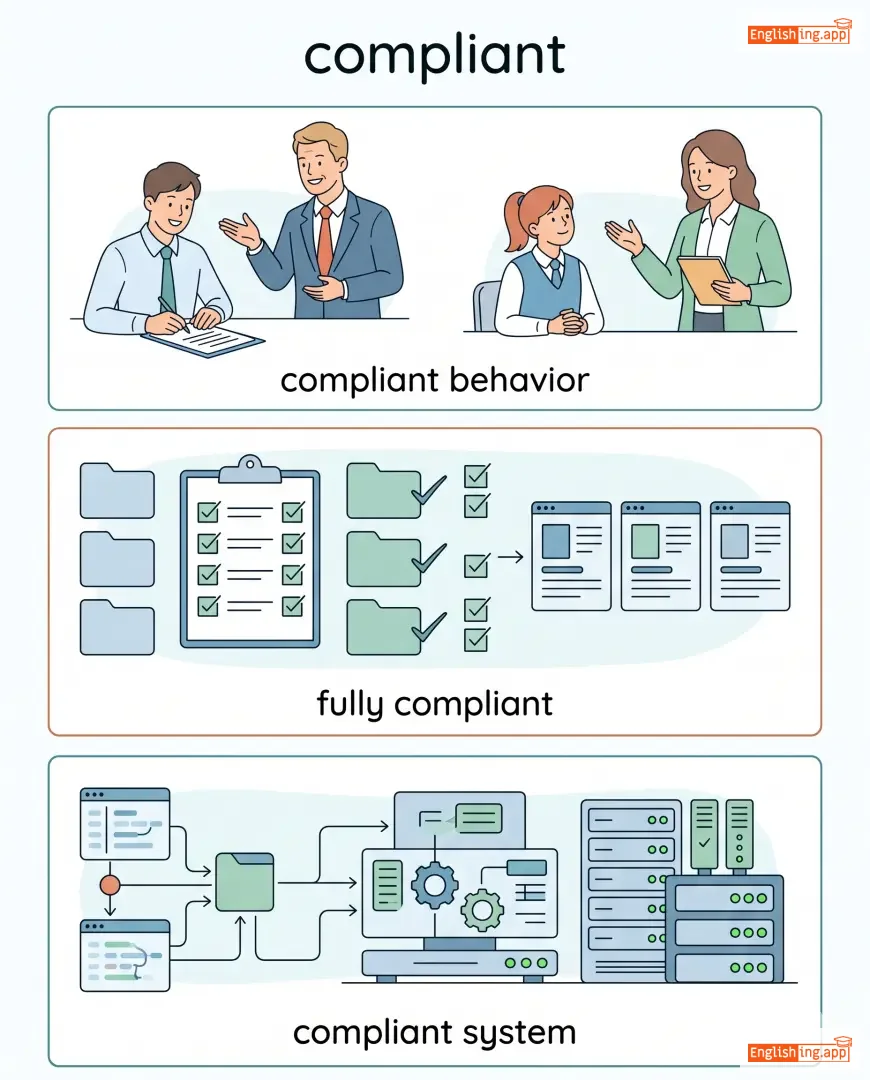
compliant behavior, fully compliant, compliant system, compliant child
••••••
|
顺从就是遵守规则,不反抗。
••••••
|
|
🕊️
••••••
|
/kənˈsɪliətɔːri/
adjective
(kǒng-xī-lì-āo-tè-lì)
••••••
|
|
调解的
tiao jie de
••••••
|
- •••••• | - •••••• | - •••••• | - •••••• |
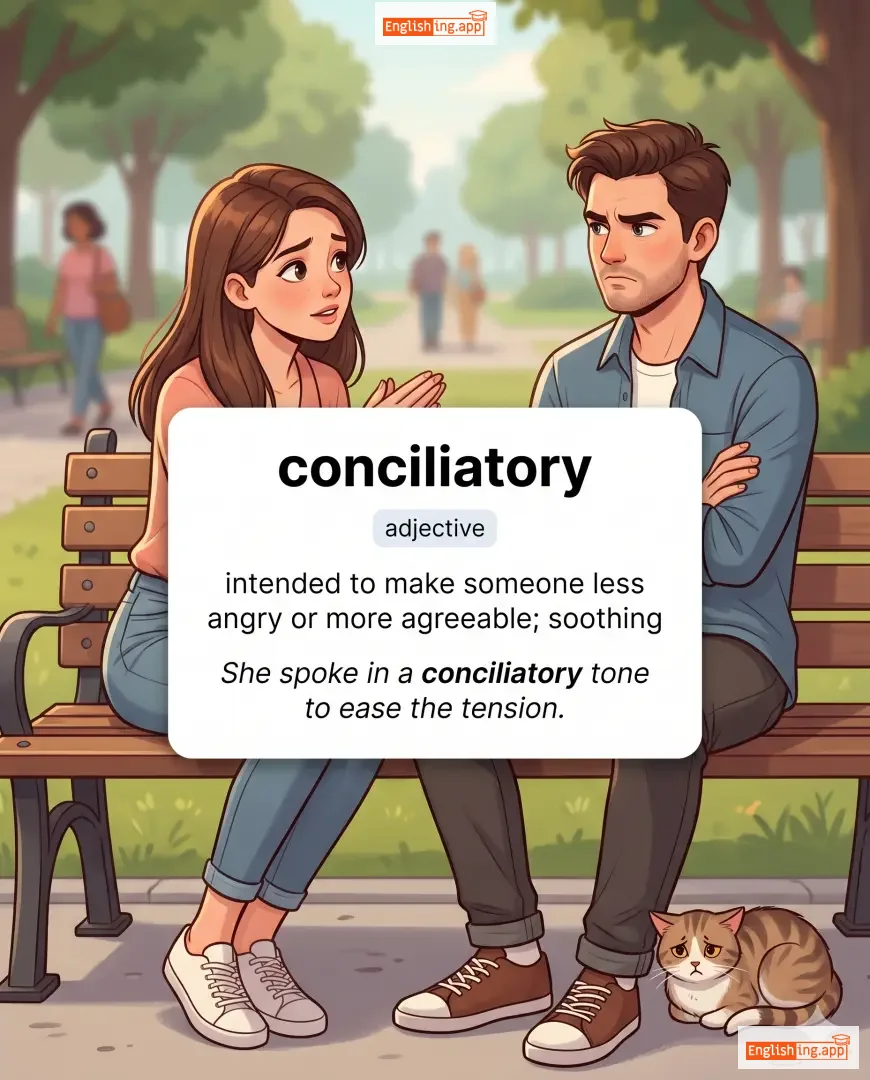
intended to make someone less angry or more agreeable; soothing
••••••
|
She spoke in a conciliatory tone to ease the tension. |
她以调解的语气说话,以缓解紧张气氛。
Tā yǐ tiáojiě de yǔqì shuōhuà, yǐ huǎnjiě jǐnzhāng qìfēn.
••••••
|
- •••••• | - •••••• | - •••••• |
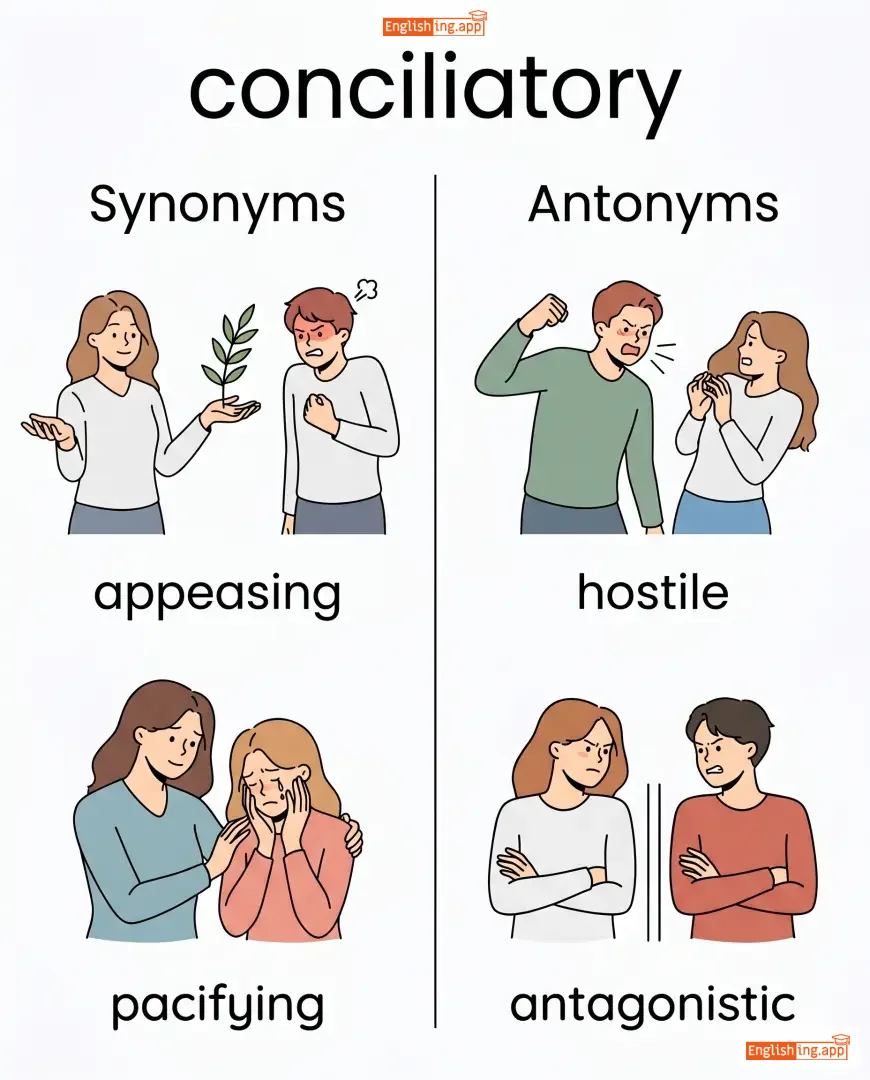
appeasing, pacifying, soothing, placatory, calming
••••••
|
hostile, antagonistic, confrontational
••••••
|
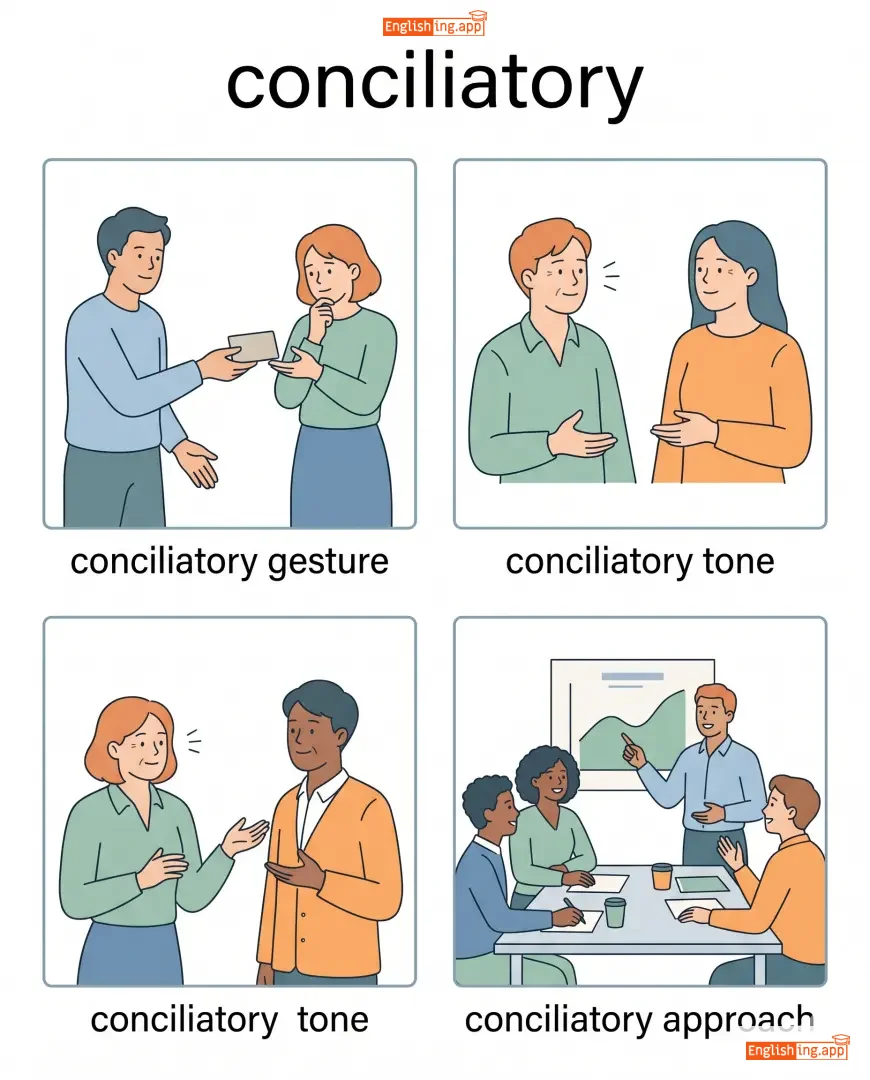
conciliatory gesture, conciliatory tone, conciliatory approach
••••••
|
调解的调解音调,缓解紧张
••••••
|
|
🙈
••••••
|
/kənˈdəʊn/
verb
(宽容)
••••••
|
|
宽容
kuanrong
••••••
|
condoned
宽容了
••••••
|
condoned
宽容了
••••••
|
condones
宽容
••••••
|
condoning
宽容中
••••••
|
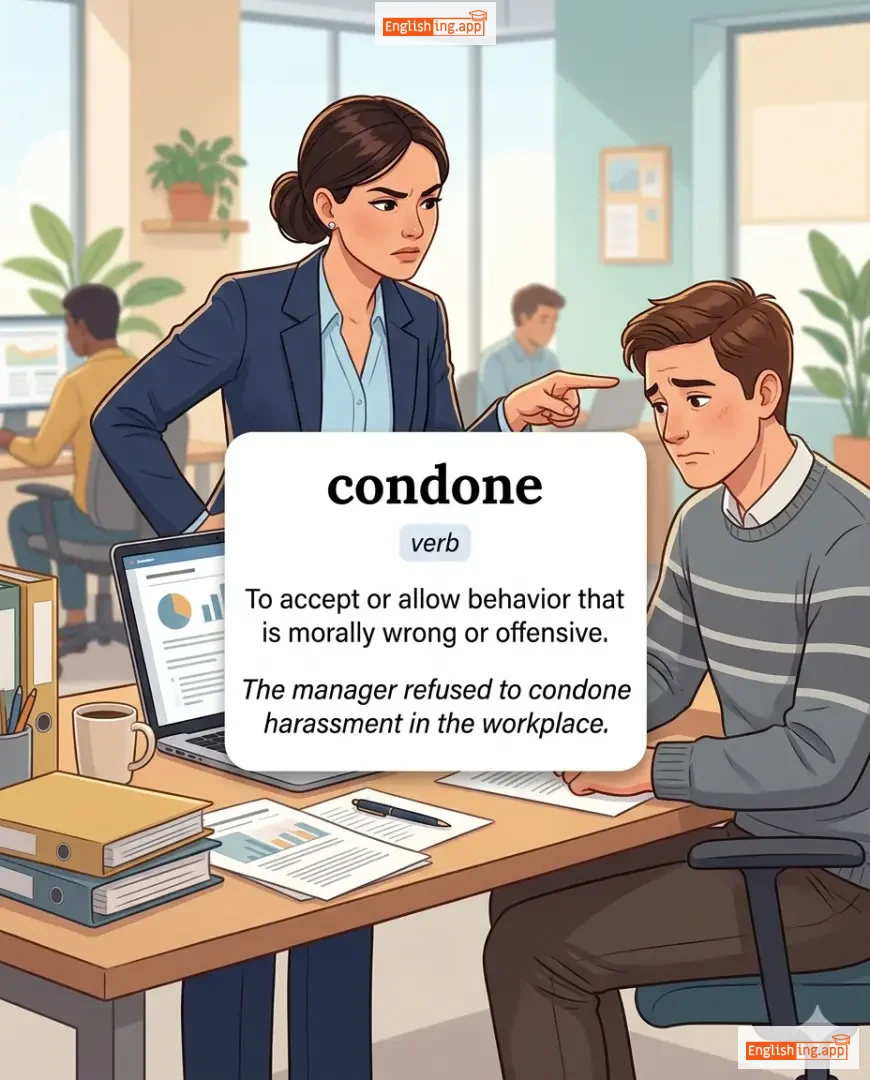
To accept or allow behavior that is morally wrong or offensive.
••••••
|
The manager refused to condone harassment in the workplace.
经理拒绝在工作场所宽容骚扰。
••••••
|
经理拒绝在工作场所宽容骚扰。
Jingli jujue zai gongzuo changsuo kuanrong saorao.
••••••
|
- •••••• | - •••••• | - •••••• |
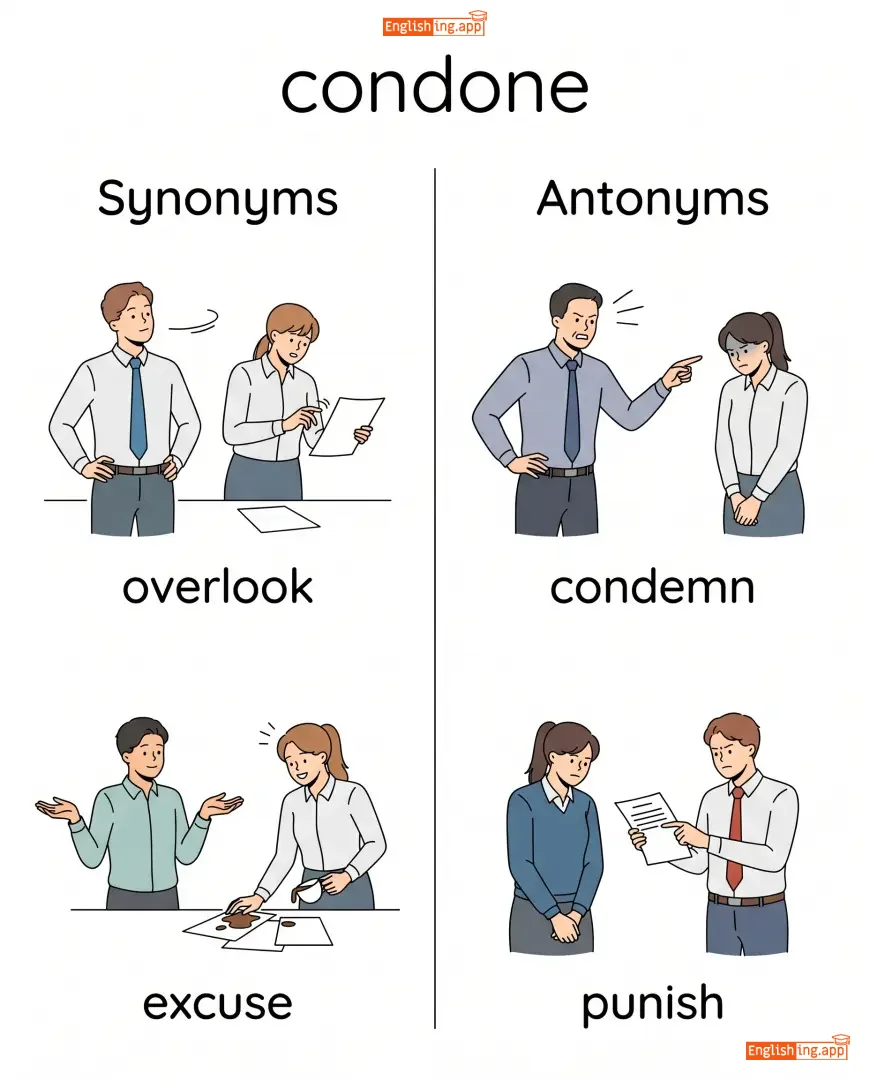
overlook, excuse, forgive, tolerate
••••••
|
condemn, punish, disapprove
••••••
|
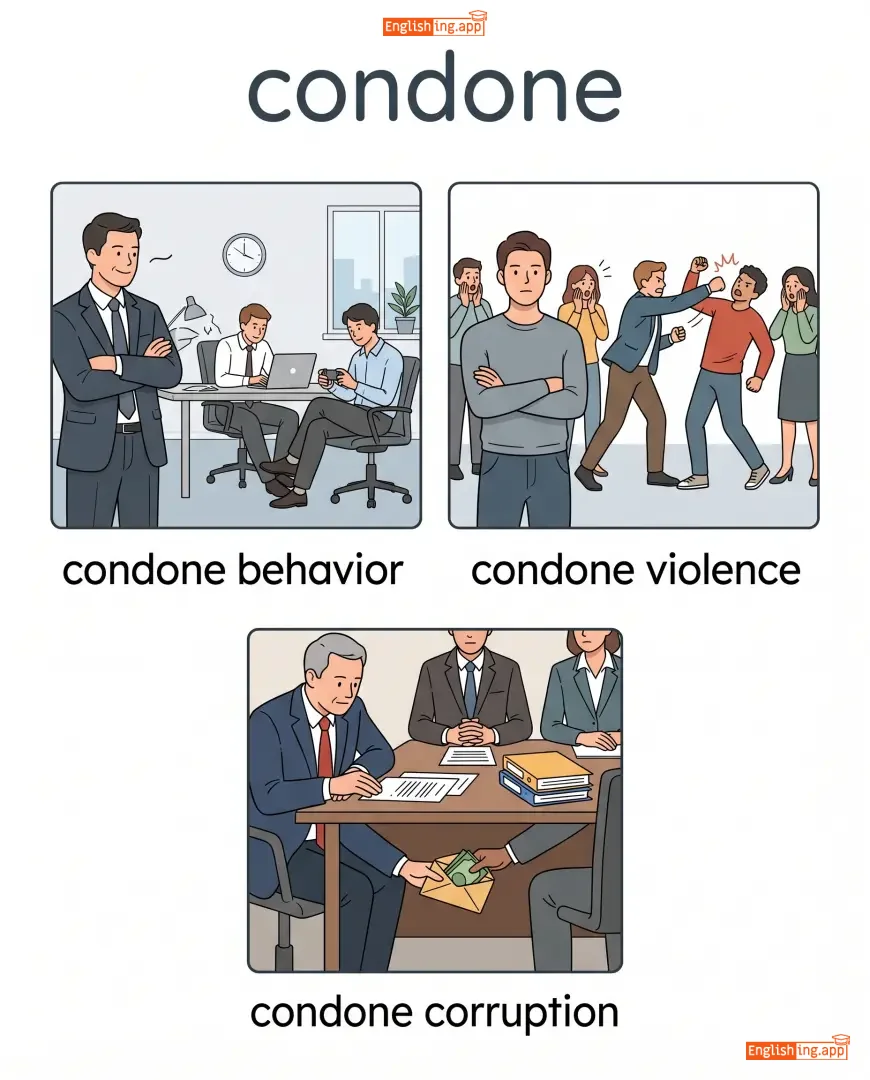
condone behavior, condone violence, condone corruption
••••••
|
Condone意味着没有条件地宽容
••••••
|
|
🤯
••••••
|
/kənˈfaʊnd/
verb
••••••
|
|
- •••••• |
confounded
••••••
|
confounded
••••••
|
confounds
••••••
|
confounding
••••••
|
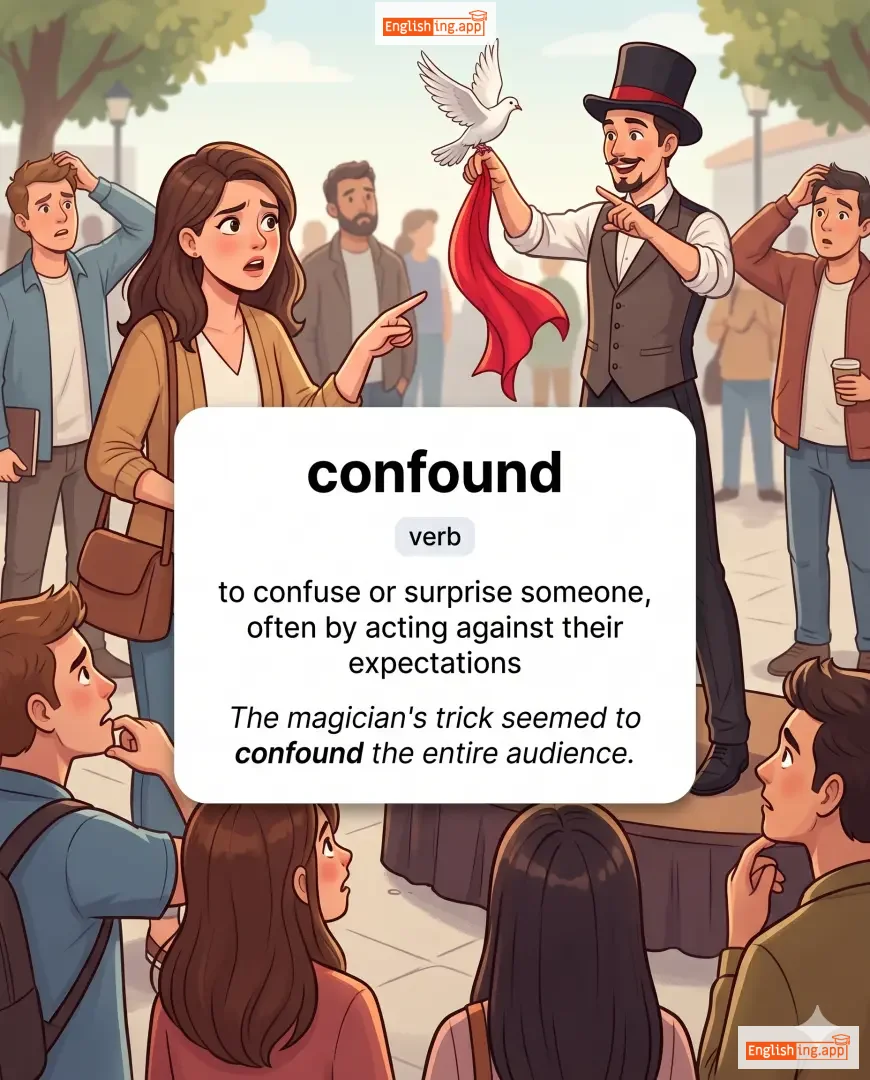
to confuse or surprise someone, often by acting against their expectations
••••••
|
The magician's trick seemed to confound the entire audience. |
- •••••• |
confound it |
an old-fashioned exclamation of annoyance or frustration
••••••
|
- •••••• |
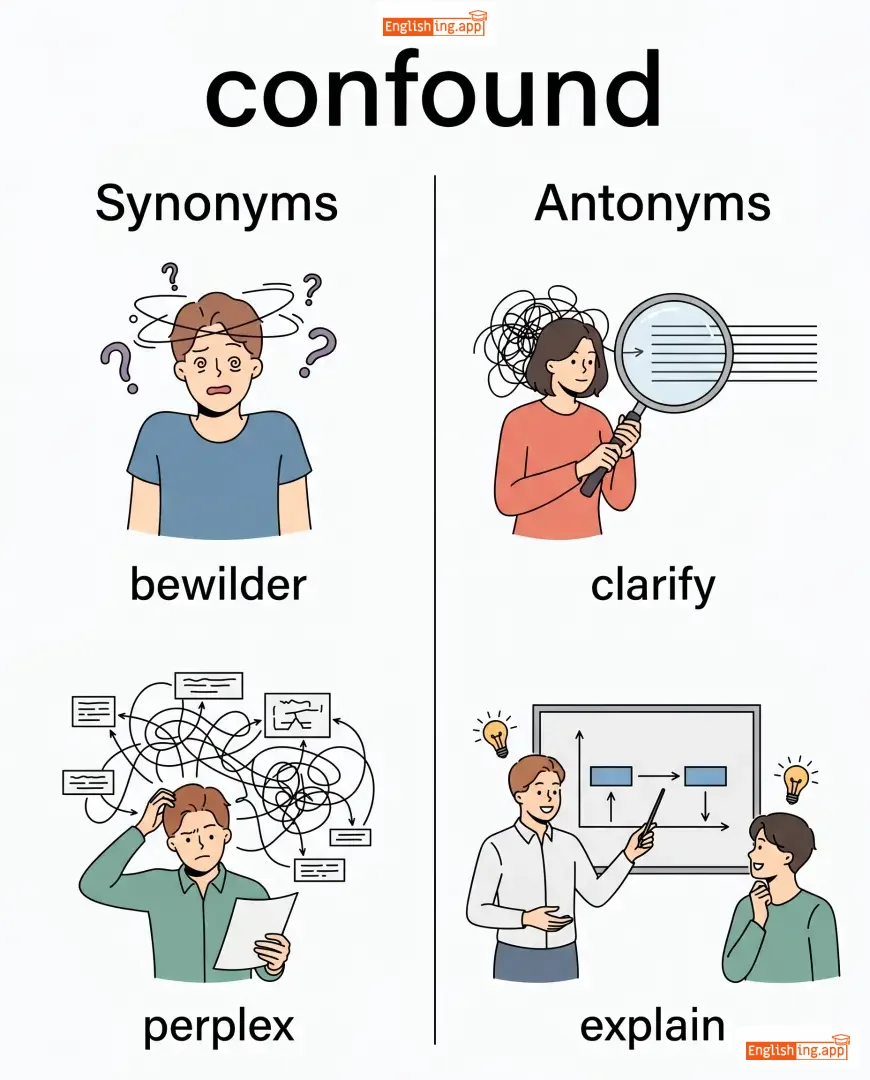
bewilder, perplex, baffle, amaze, astonish
••••••
|
clarify, explain, enlighten
••••••
|
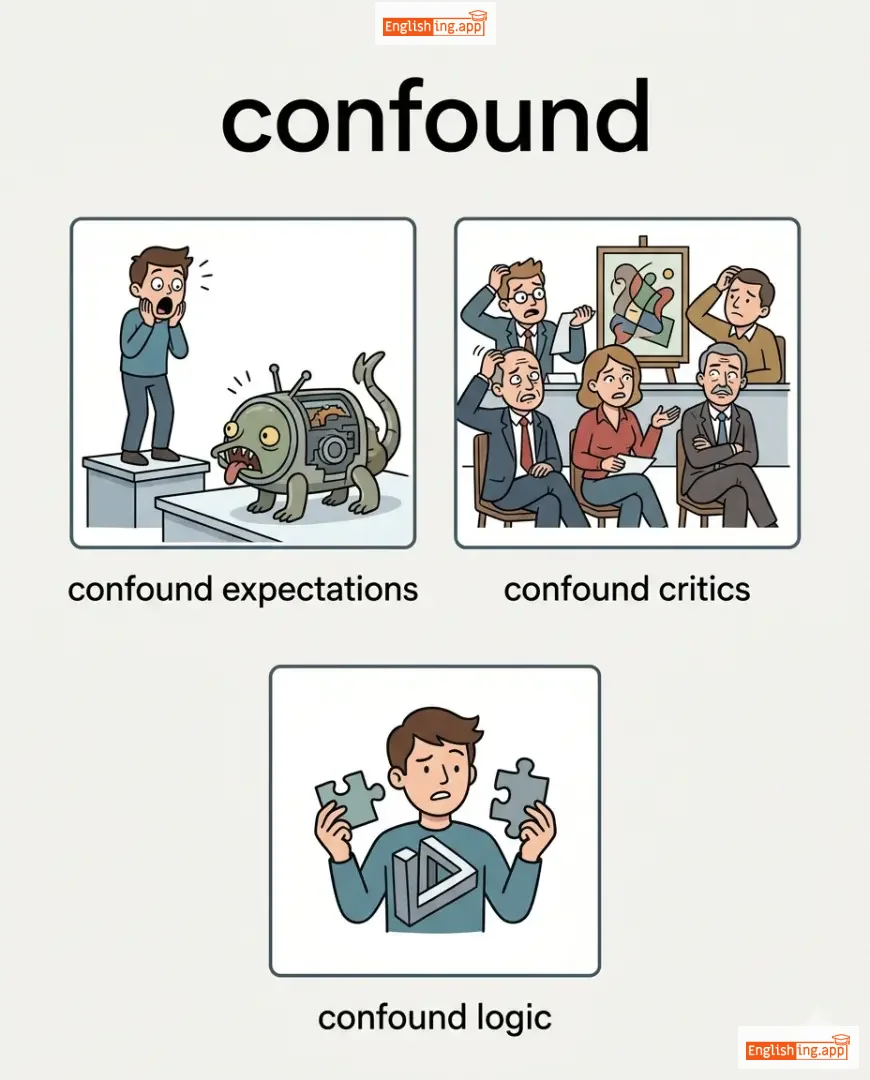
confound expectations, confound critics, confound logic, confound the mind
••••••
|
No •••••• |
|
🎨
••••••
|
/ˌkɒn.əˈsɜːr/
noun
(kè nà sū ér)
••••••
|


|
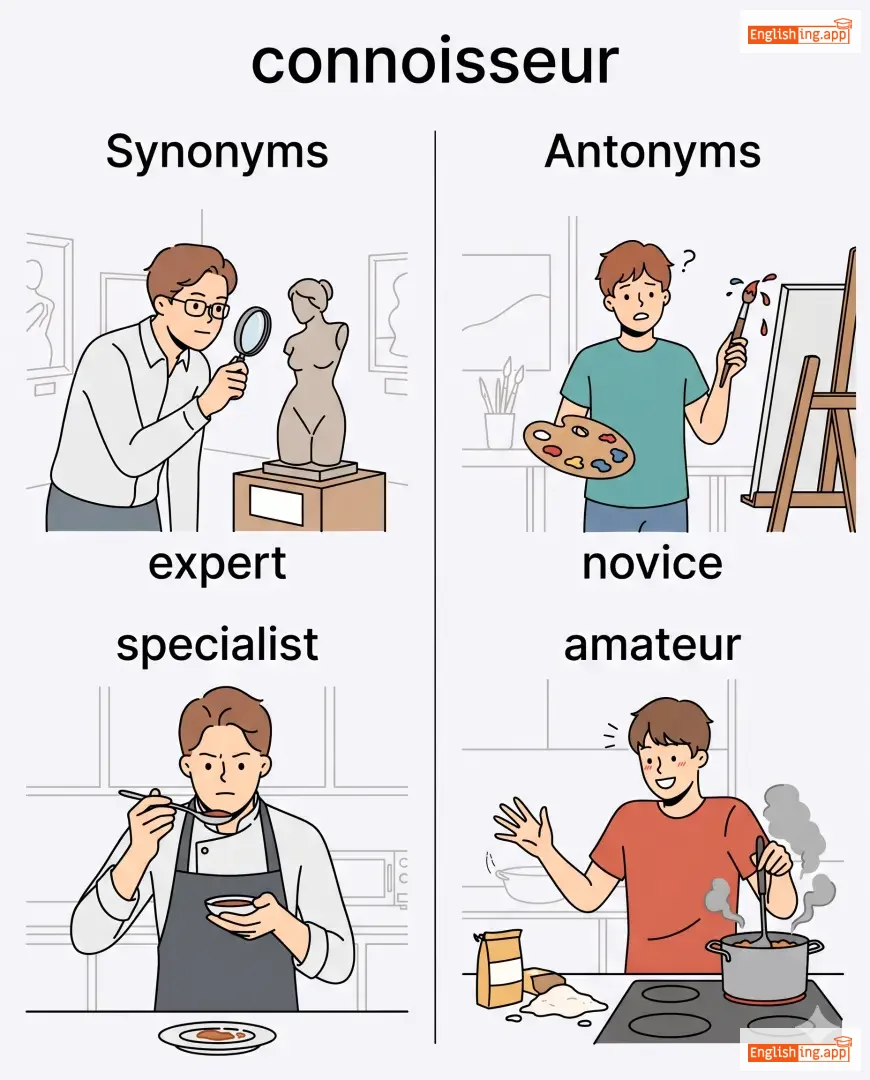
行家
hangjia
••••••
|
- •••••• | - •••••• | - •••••• | - •••••• |
an expert judge in matters of taste, especially in food, art, or wine
••••••
|
She is a true connoisseur of fine art. |
她是美术的真正行家。
Tā shì měishù de zhēnzhèng hángjiā.
••••••
|
- •••••• | - •••••• | - •••••• |
expert, specialist, critic, authority
••••••
|
novice, amateur, layman
••••••
|
wine connoisseur, art connoisseur, connoisseur of music
••••••
|
行家能够识别出最精致的东西,就像艺术或美酒一样。
••••••
|
|
⚔️
••••••
|
/kənˈtɛnʃən/
noun
(kənˈtɛnʃən)
••••••
|
|
争议, 分歧
zhēngyì, fēnqí
••••••
|
- •••••• | - •••••• | - •••••• | - •••••• |
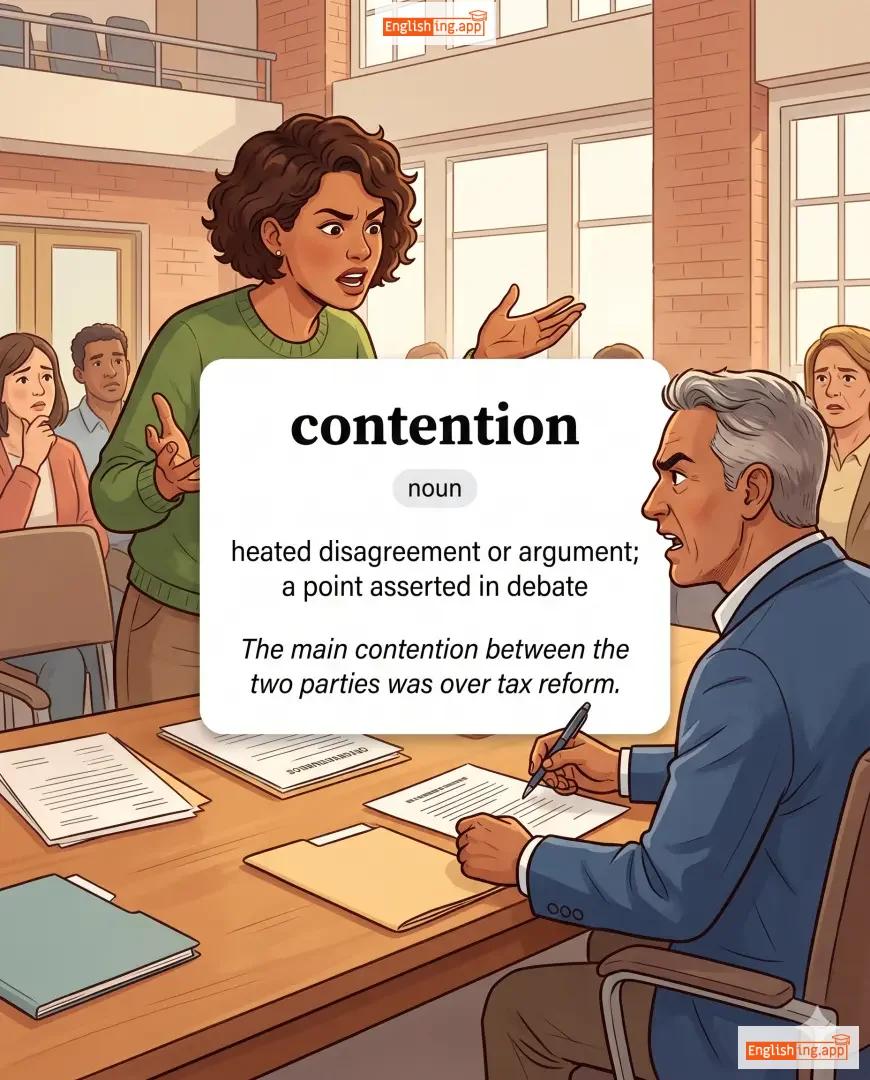
heated disagreement or argument; a point asserted in debate
••••••
|
The main contention between the two parties was over tax reform. |
两党之间的主要争议是关于税务改革。
Liǎng dǎng zhī jiān de zhǔyào zhēngyì shì guānyú shuìwù gǎigé.
••••••
|
- •••••• | - •••••• | - •••••• |
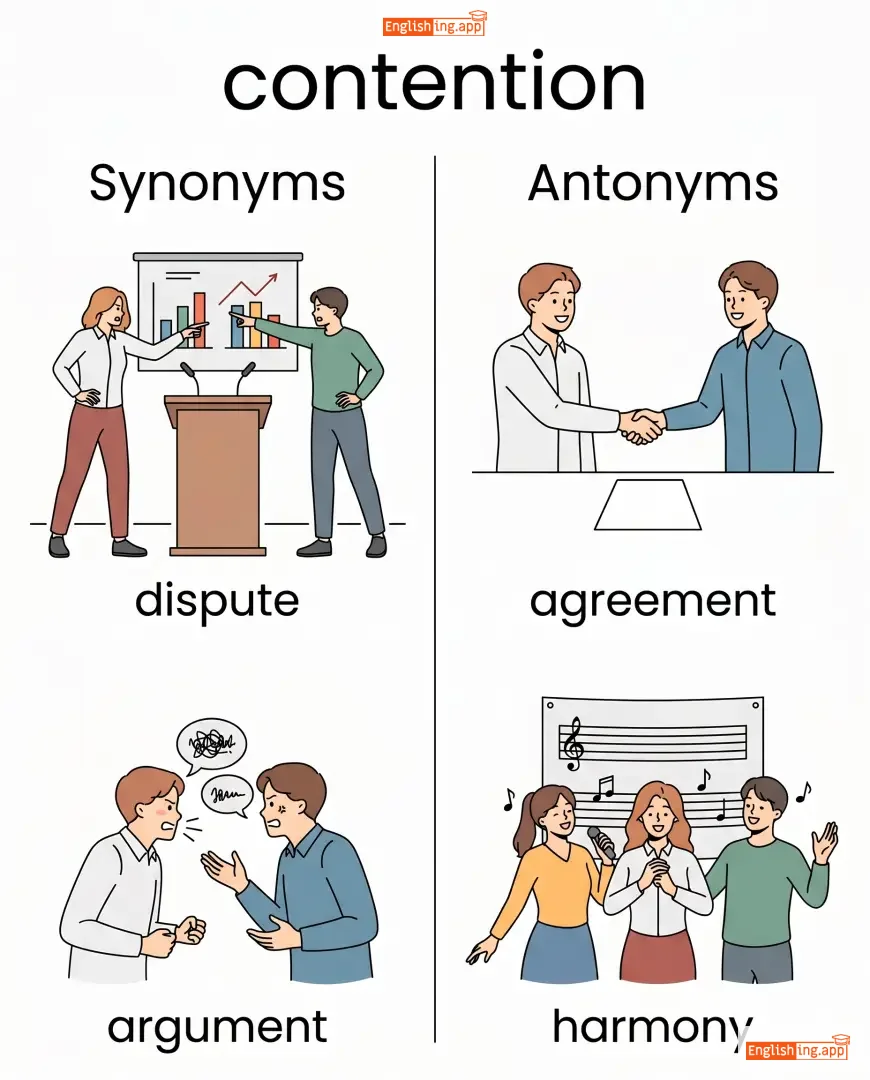
dispute, argument, debate, disagreement
••••••
|
agreement, harmony
••••••
|
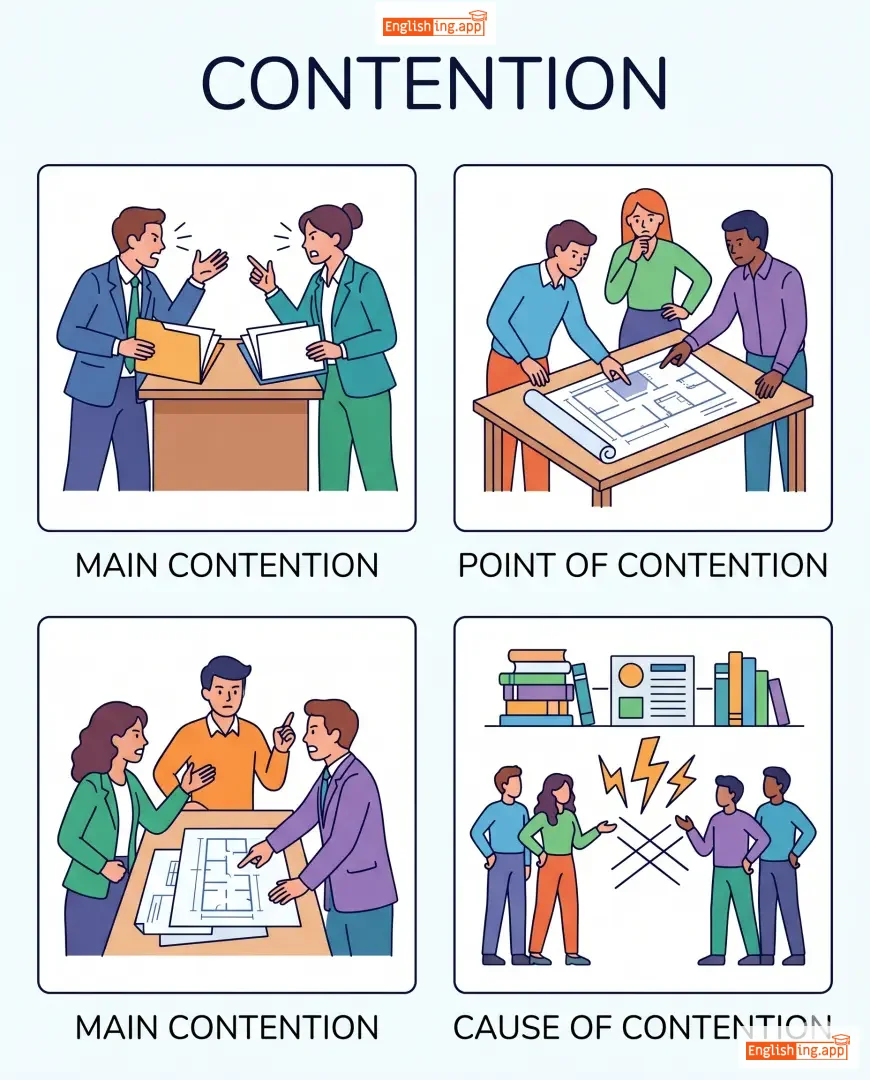
main contention, point of contention, cause of contention, fierce contention
••••••
|
Contention 是当两个党派在争论 - Imagine two parties in contention
••••••
|
|
🔥
••••••
|
/kənˈtɛnʃəs/
adjective
(kənˈtɛnʃəs)
••••••
|
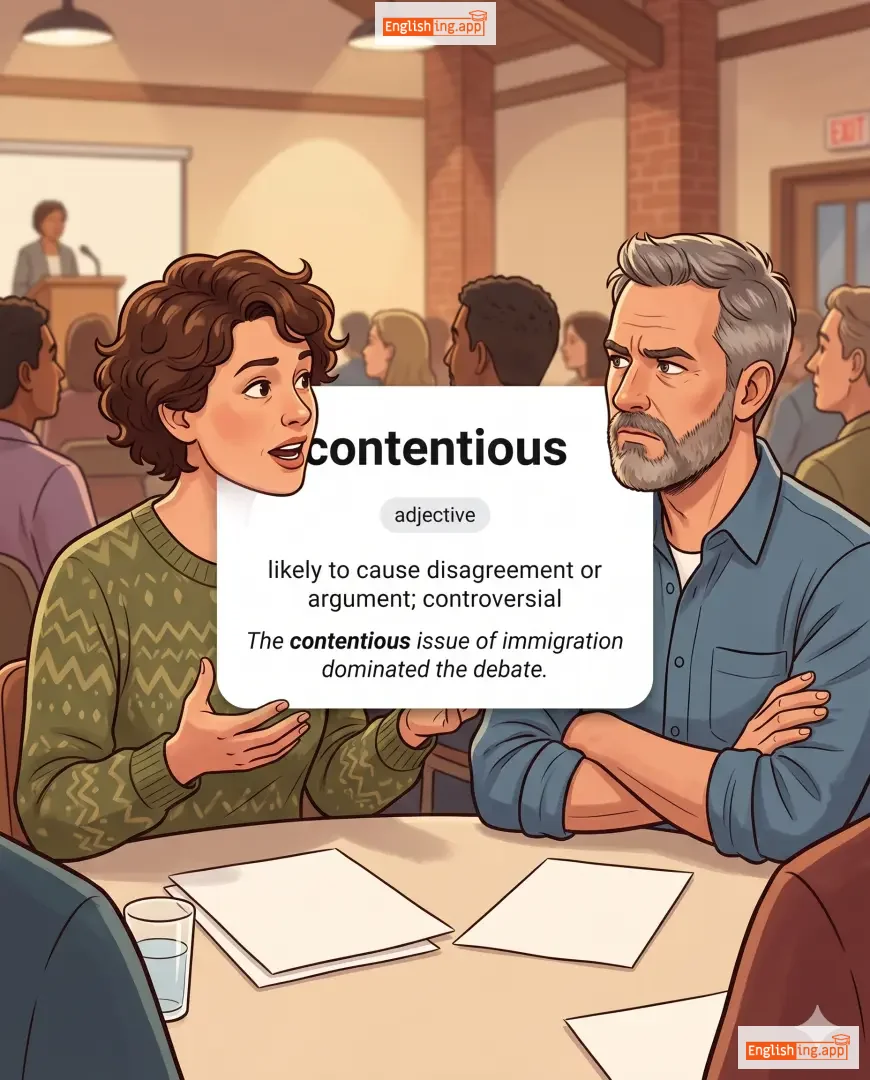
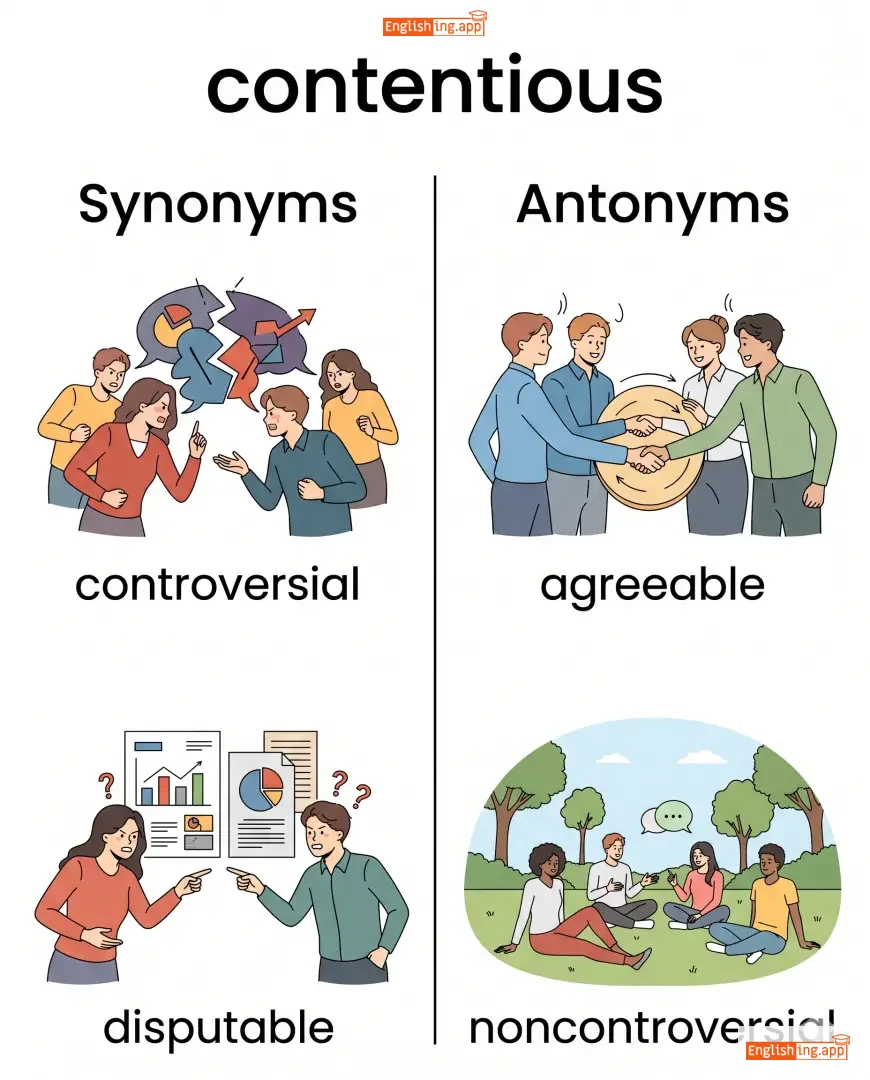
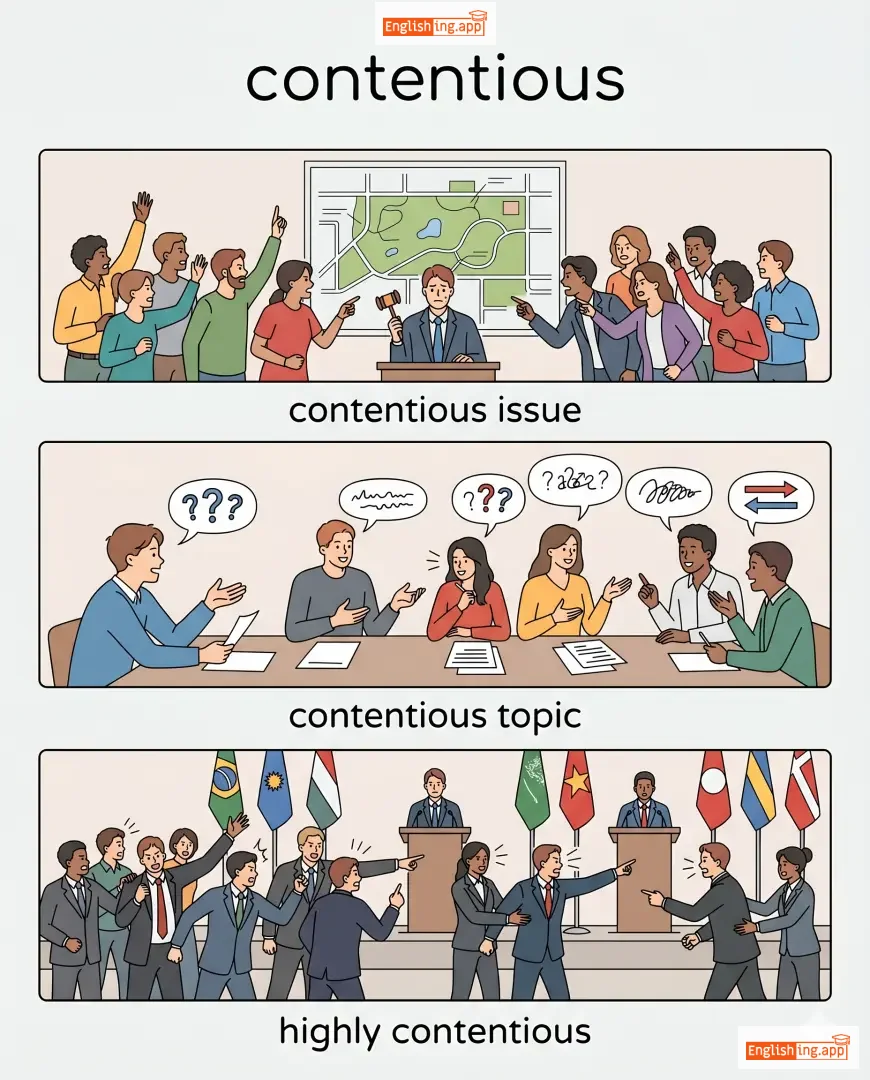
|
有争议的
yǒu zhēngyì de
••••••
|
- •••••• | - •••••• | - •••••• | - •••••• |
likely to cause disagreement or argument; controversial
••••••
|
The contentious issue of immigration dominated the debate. |
移民问题的争议性在辩论中占据主导地位。
Yímín wèntí de zhēngyì xìng zài biànlùn zhōng zhànjù zhǔdǎo dìwèi.
••••••
|
- •••••• | - •••••• | - •••••• |
controversial, disputable, debatable, argumentative
••••••
|
agreeable, noncontroversial
••••••
|
contentious issue, contentious topic, highly contentious, contentious debate
••••••
|
Contentious 带来争议,就像 '有争议的' 一样。
••••••
|
|
😔
••••••
|
/kənˈtraɪt/
adjective
(kənˈtraɪt)
••••••
|
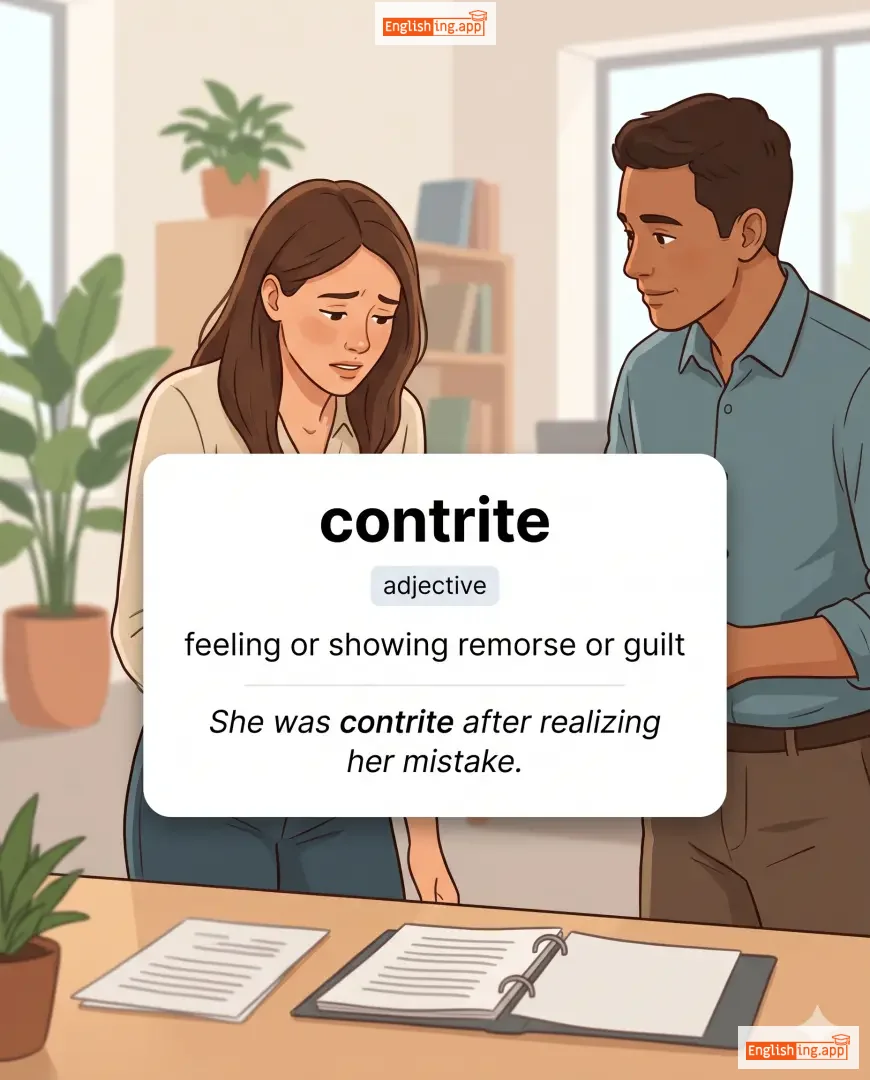
|
懊悔的
àohuǐ de
••••••
|
- •••••• | - •••••• | - •••••• | - •••••• |
feeling or showing remorse or guilt
••••••
|
She was contrite after realizing her mistake. |
她在意识到自己的错误后感到懊悔。
Tā zài yìshí dào zìjǐ de cuòwù hòu gǎndào àohuǐ.
••••••
|
- •••••• | - •••••• | - •••••• |
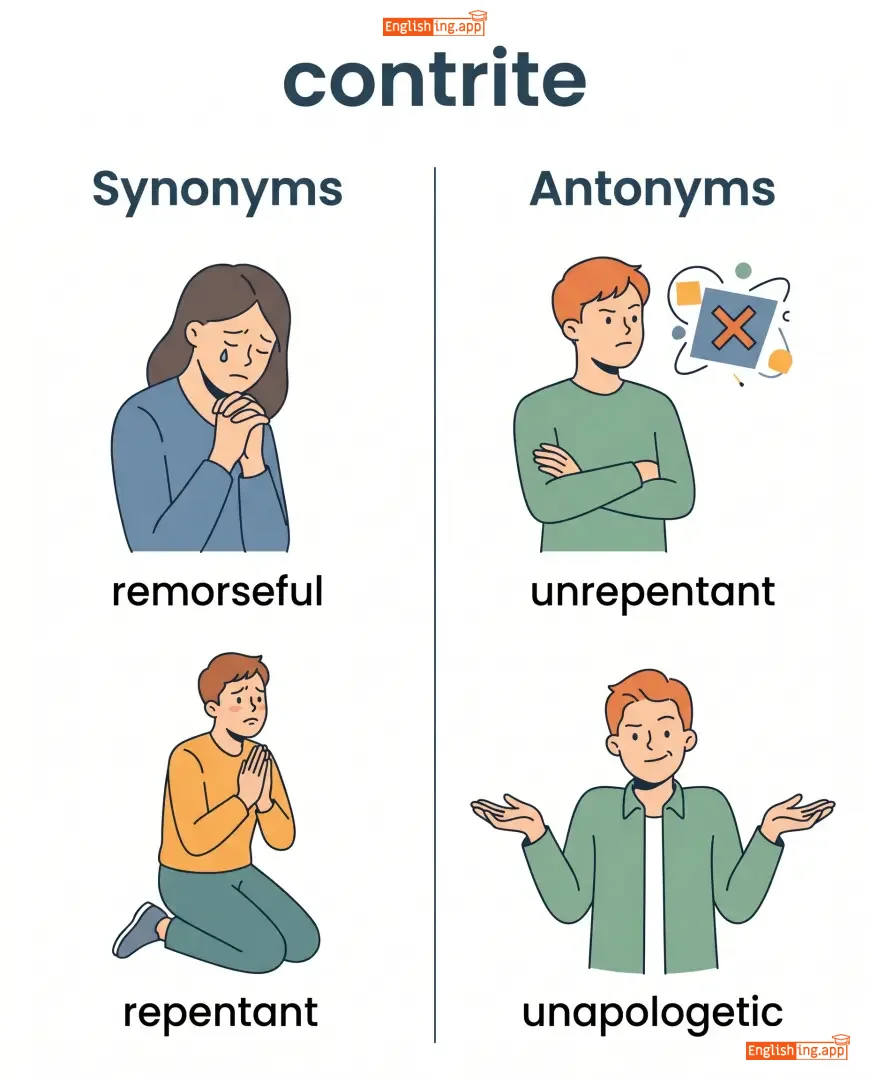
remorseful, repentant, sorry, penitent, regretful
••••••
|
unrepentant, unapologetic
••••••
|
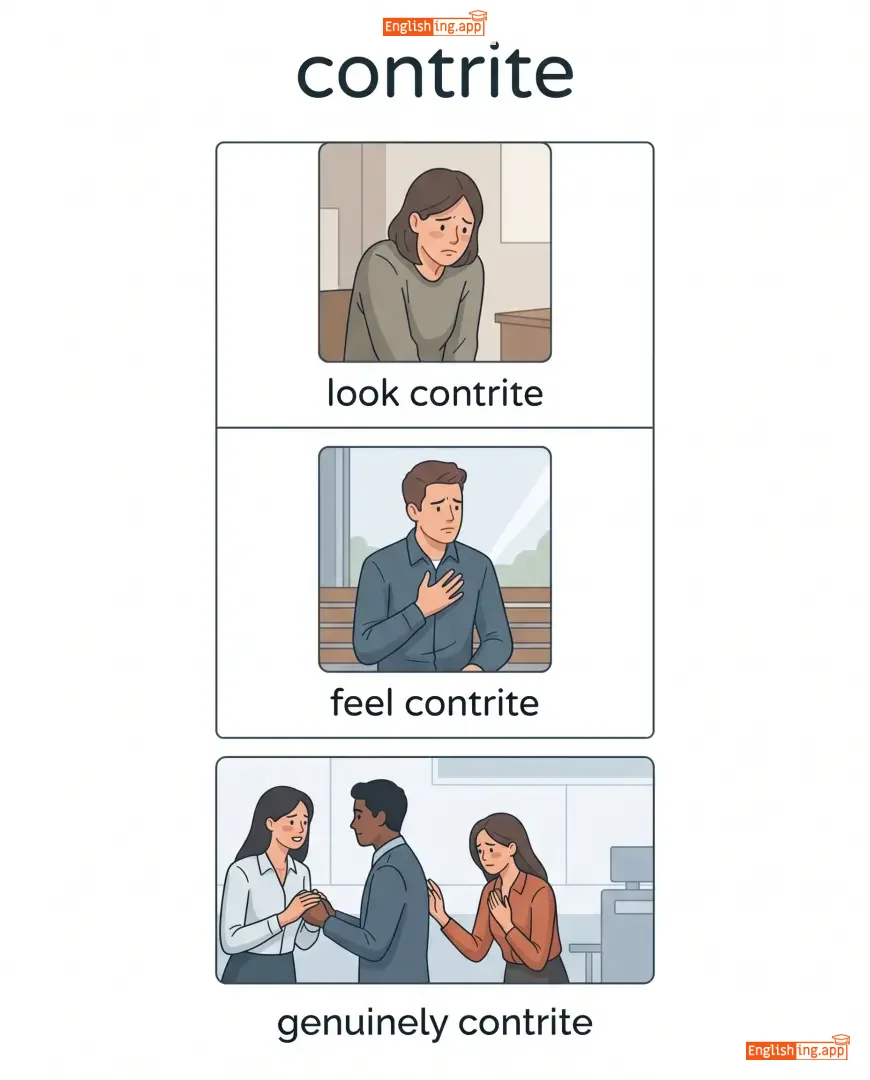
look contrite, feel contrite, genuinely contrite, appear contrite
••••••
|
Con TRITE 错误后,懊悔的感觉
••••••
|
|
🧩
••••••
|
/kəˈnʌndrəm/
noun
(困惑)
••••••
|
|
难题
nanti
••••••
|
- •••••• | - •••••• | - •••••• | - •••••• |
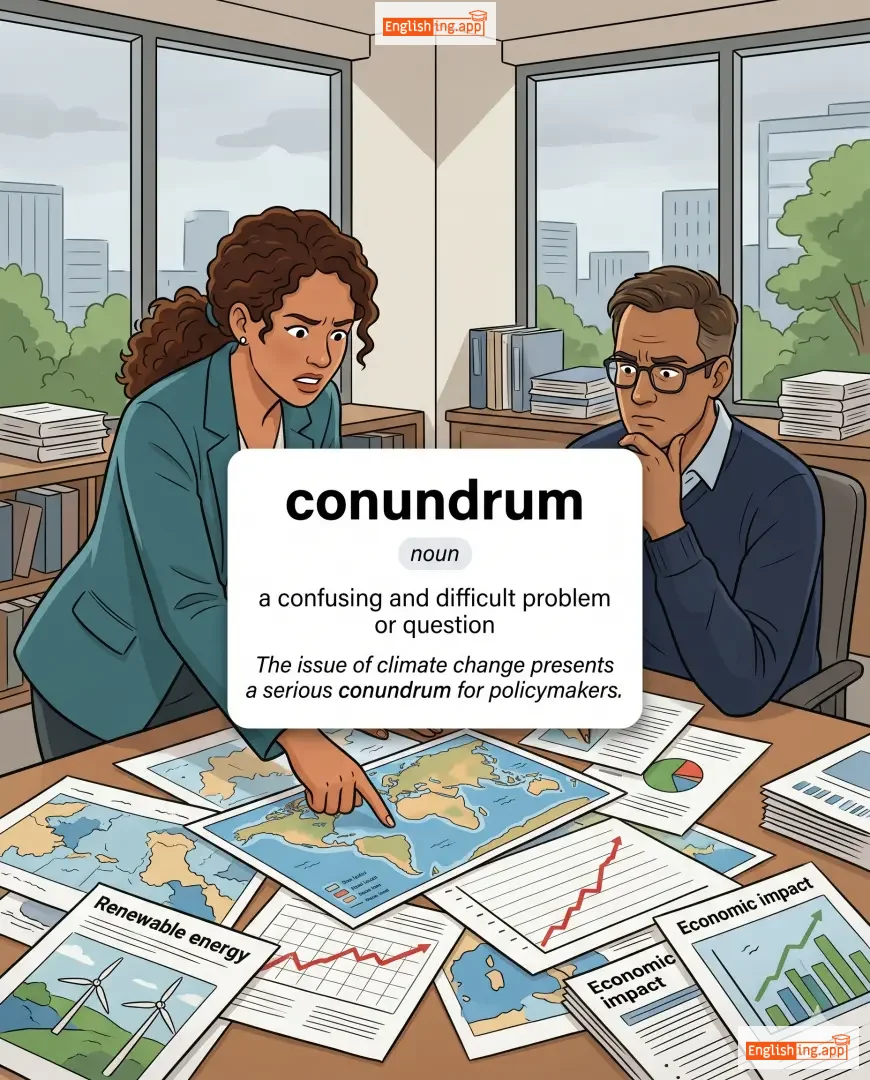
a confusing and difficult problem or question
••••••
|
The issue of climate change presents a serious conundrum for policymakers. |
气候变化问题为政策制定者带来了一个严重的难题。
Qihou bianhua wenti wei zhengce zhidingzhe dailai le yi ge yanzhong de nanti.
••••••
|
- •••••• | - •••••• | - •••••• |
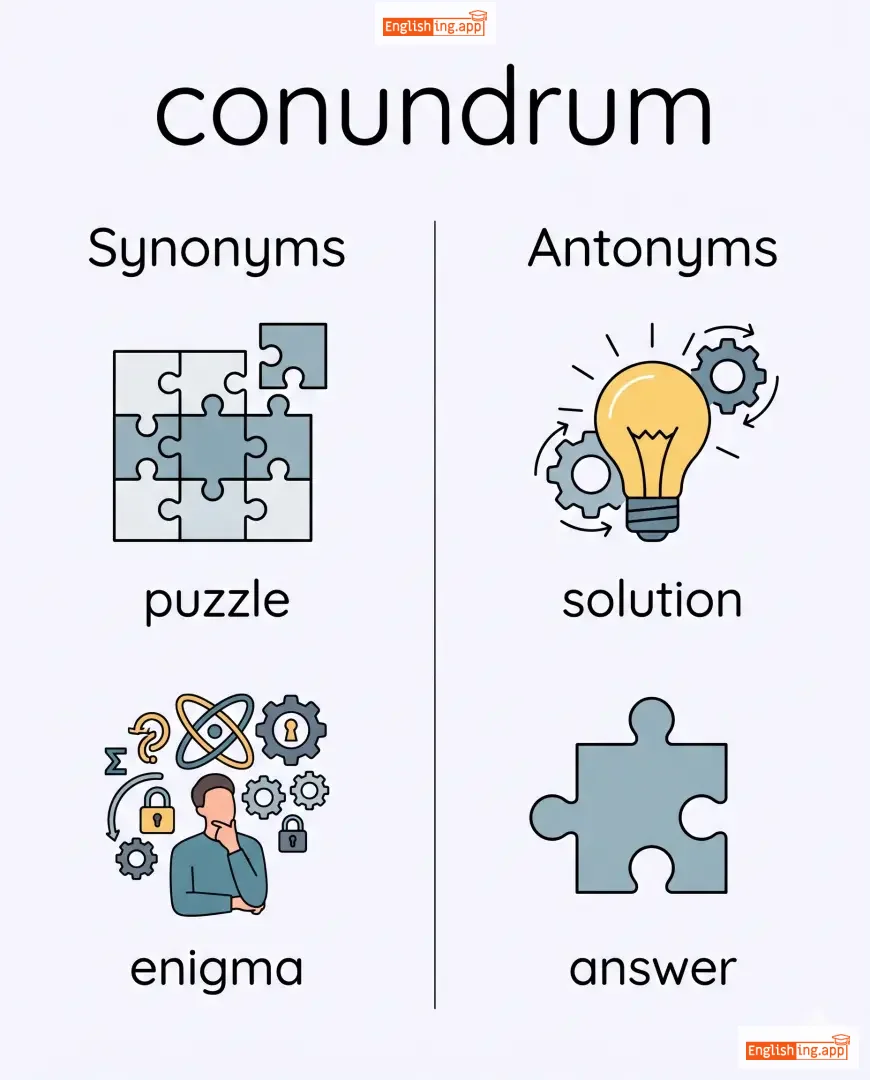
puzzle, enigma, riddle, dilemma, problem
••••••
|
solution, answer, clarity
••••••
|
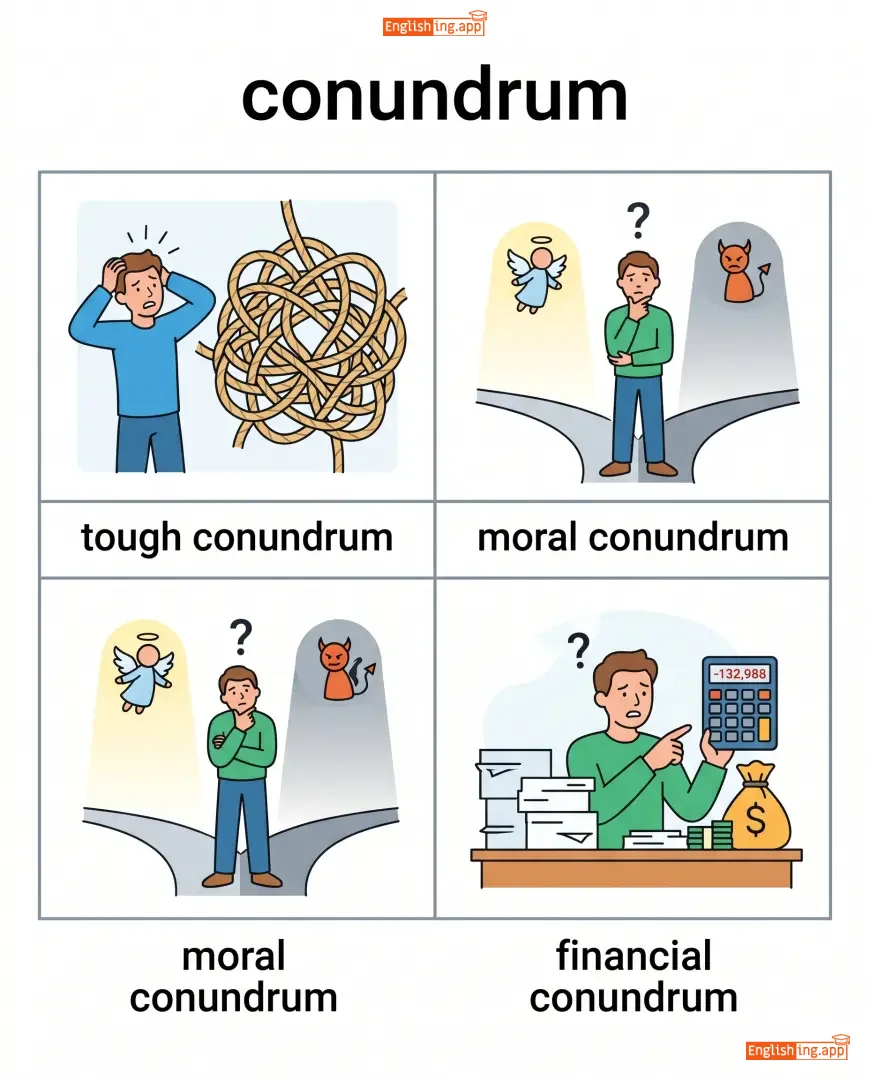
tough conundrum, moral conundrum, financial conundrum
••••••
|
想象一个难以解决的难题,带来困扰但需要解答。
••••••
|
|
🔄
••••••
|
/kənˈvɜːrdʒ/
verb
(kənvɜrdʒ)
••••••
|

|
汇合
huìhé
••••••
|
converged
kənvɜrdʒd
••••••
|
converged
kənvɜrdʒd
••••••
|
converges
kənvɜrdʒɪz
••••••
|
converging
kənvɜrdʒɪŋ
••••••
|
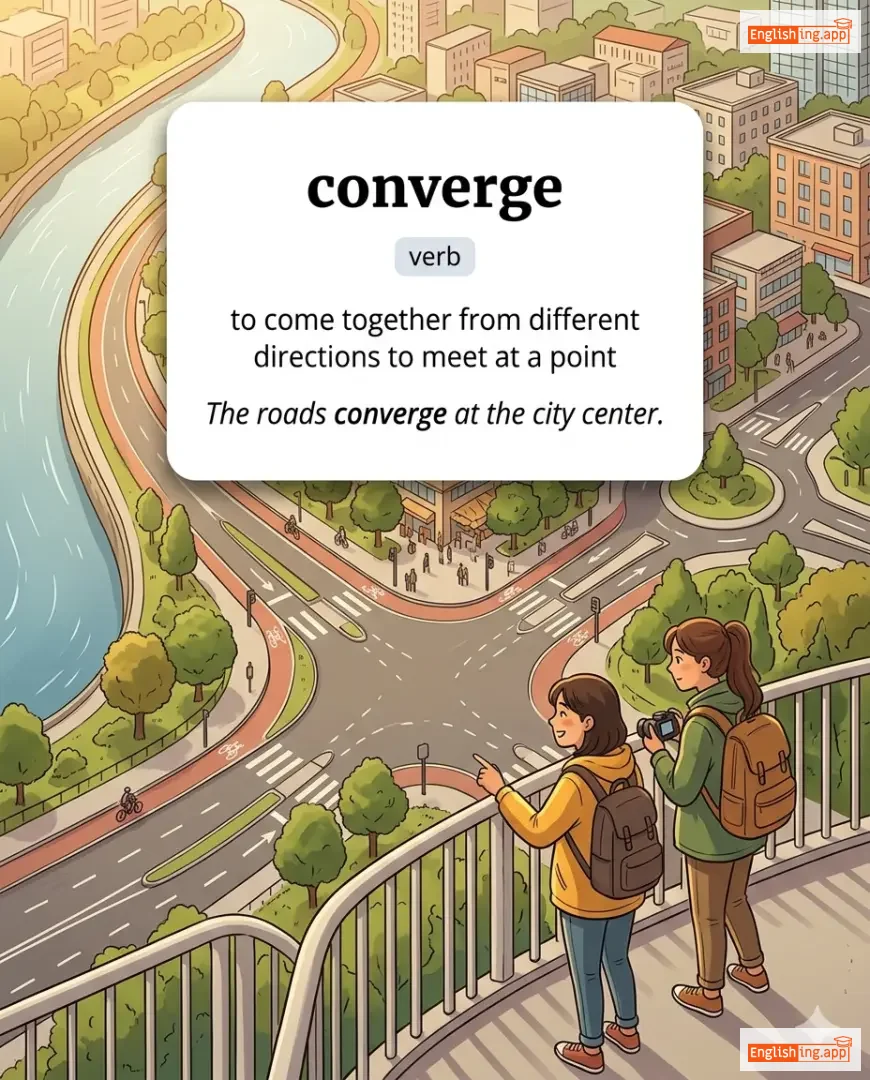
to come together from different directions; to meet at a point
••••••
|
The roads converge at the city center.
这些路在市中心汇合。
••••••
|
这些路在市中心汇合。
Zhèxiē lù zài shì zhōngxīn huìhé.
••••••
|
- •••••• | - •••••• | - •••••• |
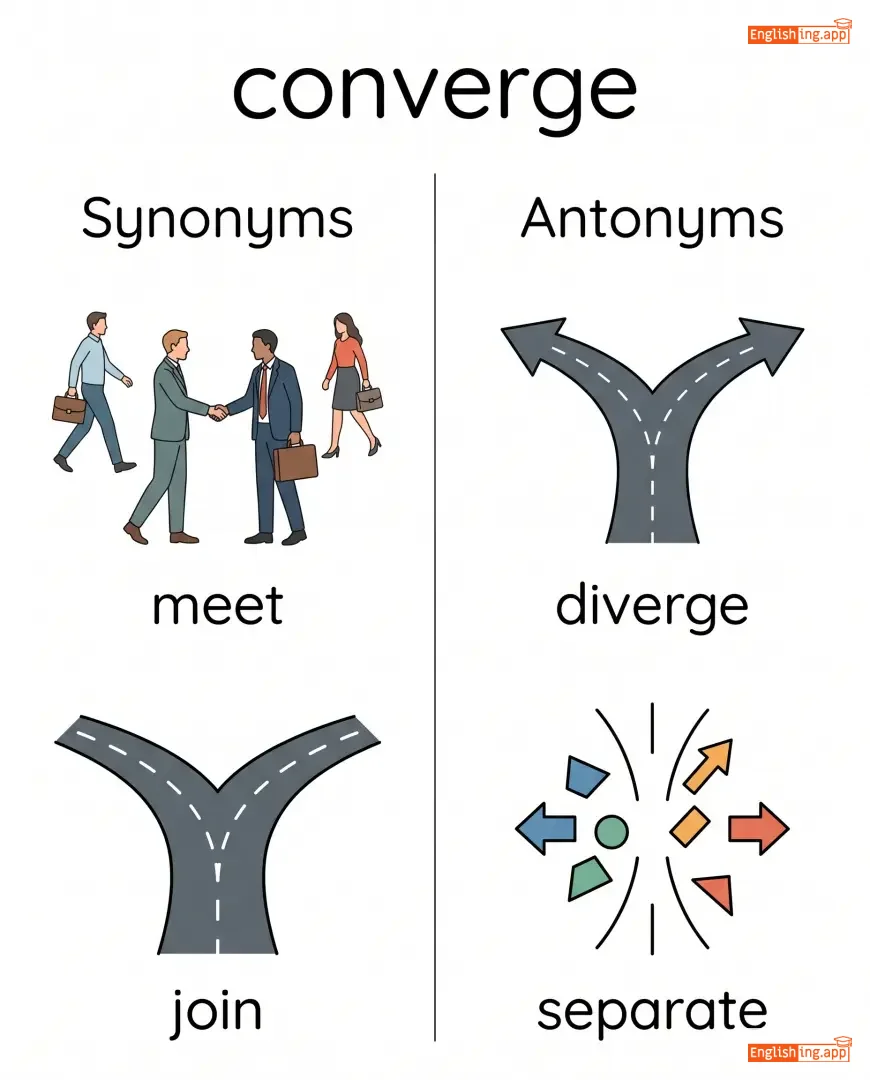
meet, unite, merge, come together, join
••••••
|
diverge, separate, spread, scatter
••••••
|
converge on, converge at, converge together, roads converge, lines converge
••••••
|
想象几条道路在一个中心点汇聚
••••••
|
|
🌀
••••••
|
/ˈkɒnvəluːtɪd/
adjective
(kənvōlùtɛd)
••••••
|

|
复杂,错综的
fuza, cuozong de
••••••
|
- •••••• | - •••••• | - •••••• | - •••••• |
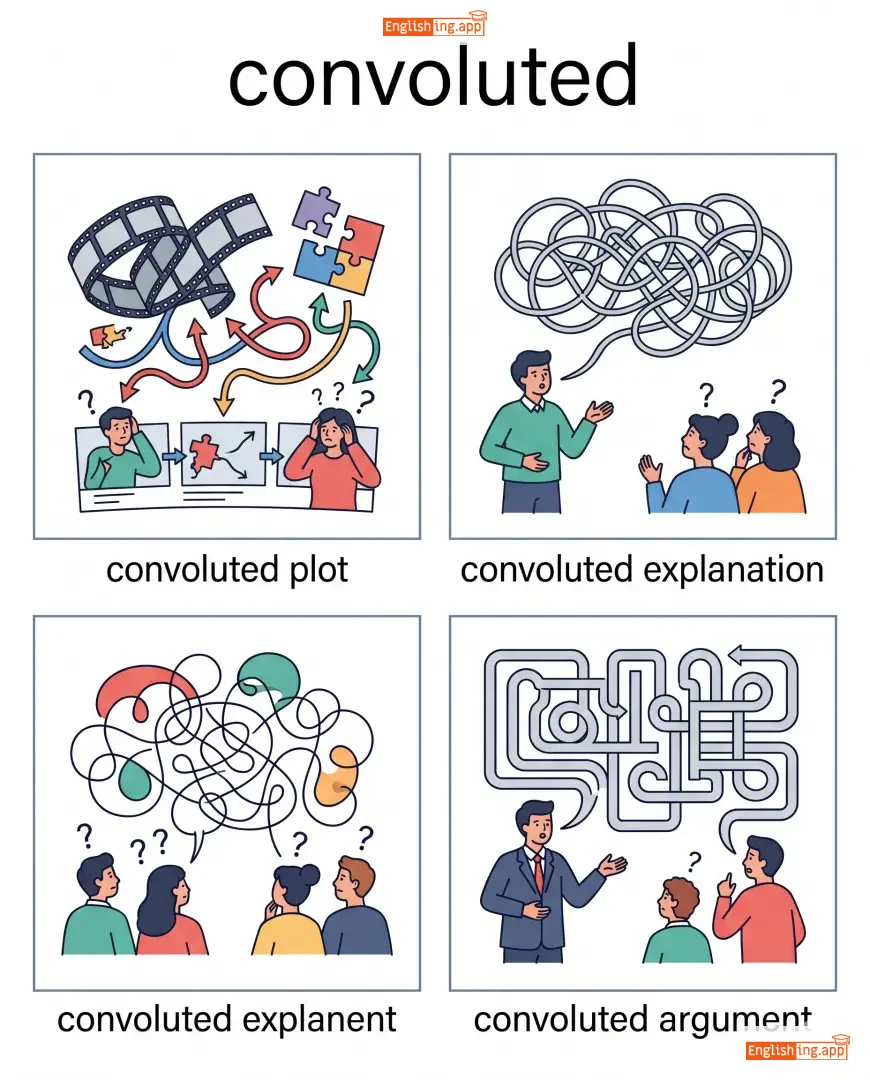
complex, intricate, and difficult to follow
••••••
|
The plot of the movie was so convoluted that I lost track halfway. |
电影的情节如此复杂,以至于我半途失去了方向。
Dianying de qingjie ruci fuza, yi zhi yu wo bantú shīqùle fangxiang.
••••••
|
- •••••• | - •••••• | - •••••• |
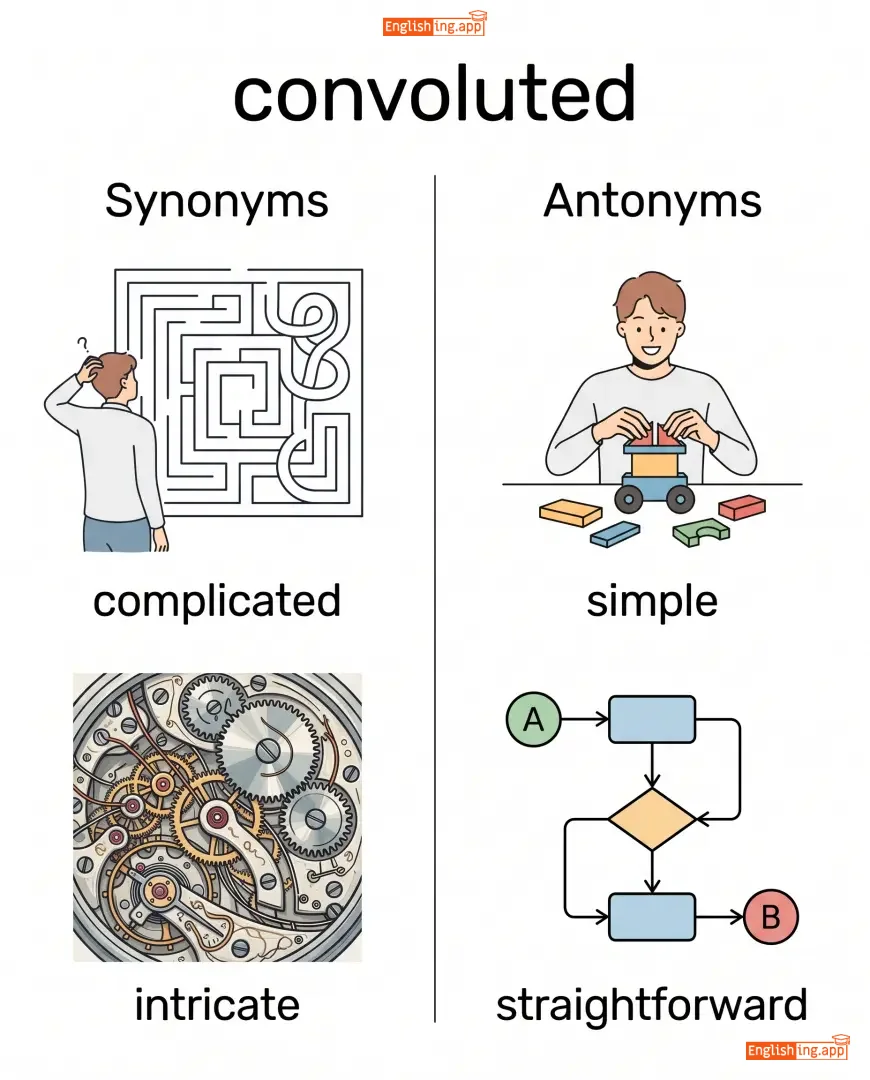
complicated, intricate, twisted, tangled
••••••
|
simple, straightforward
••••••
|
convoluted plot, convoluted explanation, convoluted argument
••••••
|
复杂的道路,找不到出口
••••••
|
|
😨
••••••
|
/ˈkreɪvən/
adjective
(kè rèn)
••••••
|
|
懦夫
nuo fu
••••••
|
- •••••• | - •••••• | - •••••• | - •••••• |
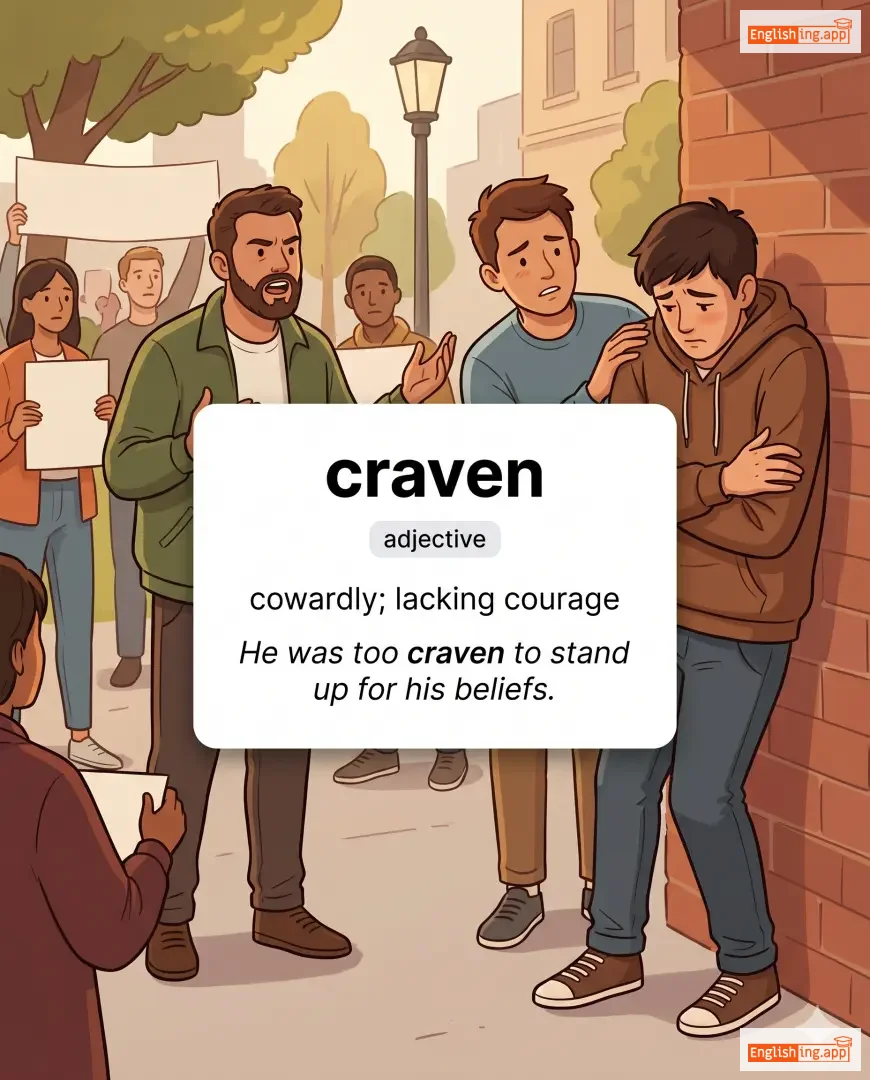
cowardly; lacking courage
••••••
|
He was too craven to stand up for his beliefs.
他太懦弱,无法捍卫自己的信念。
••••••
|
他太懦弱,无法捍卫自己的信念。
Ta tai nuo ruo, wu fa han wei zi ji de xin nian.
••••••
|
- •••••• | - •••••• | - •••••• |
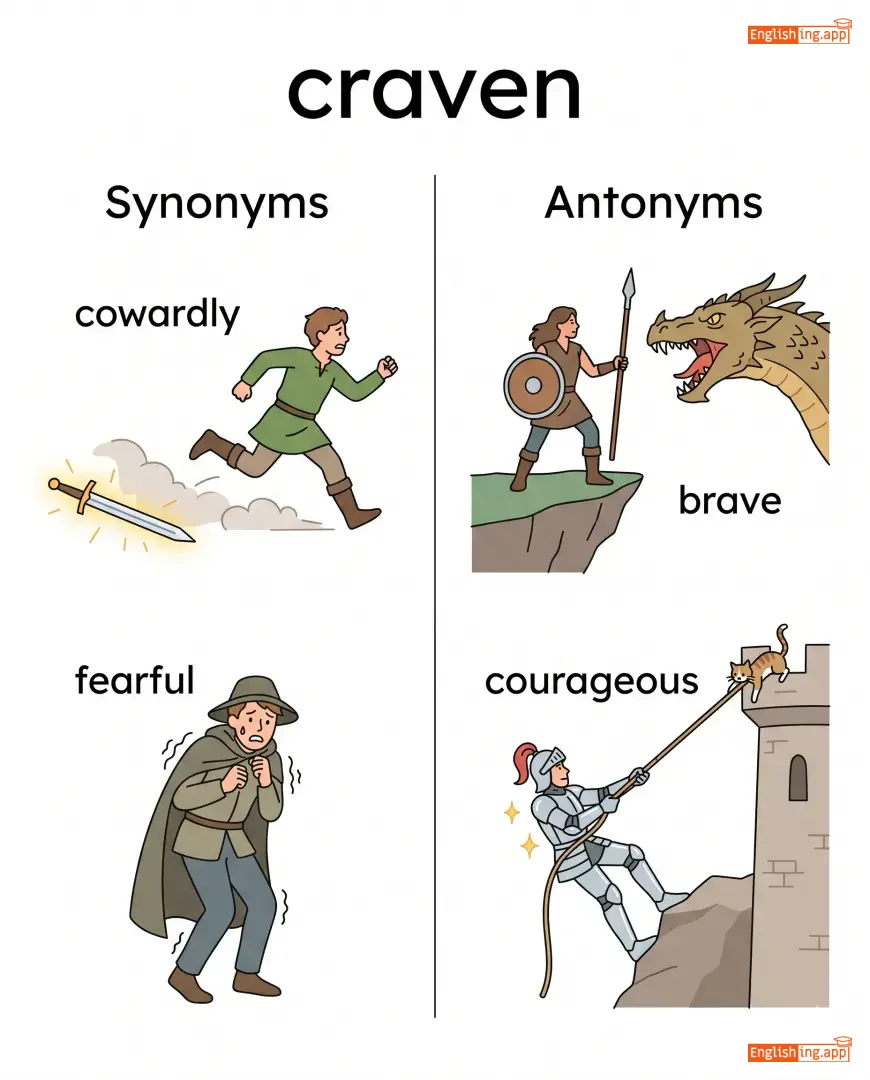
cowardly, fearful, timid, pusillanimous
••••••
|
brave, courageous, bold
••••••
|
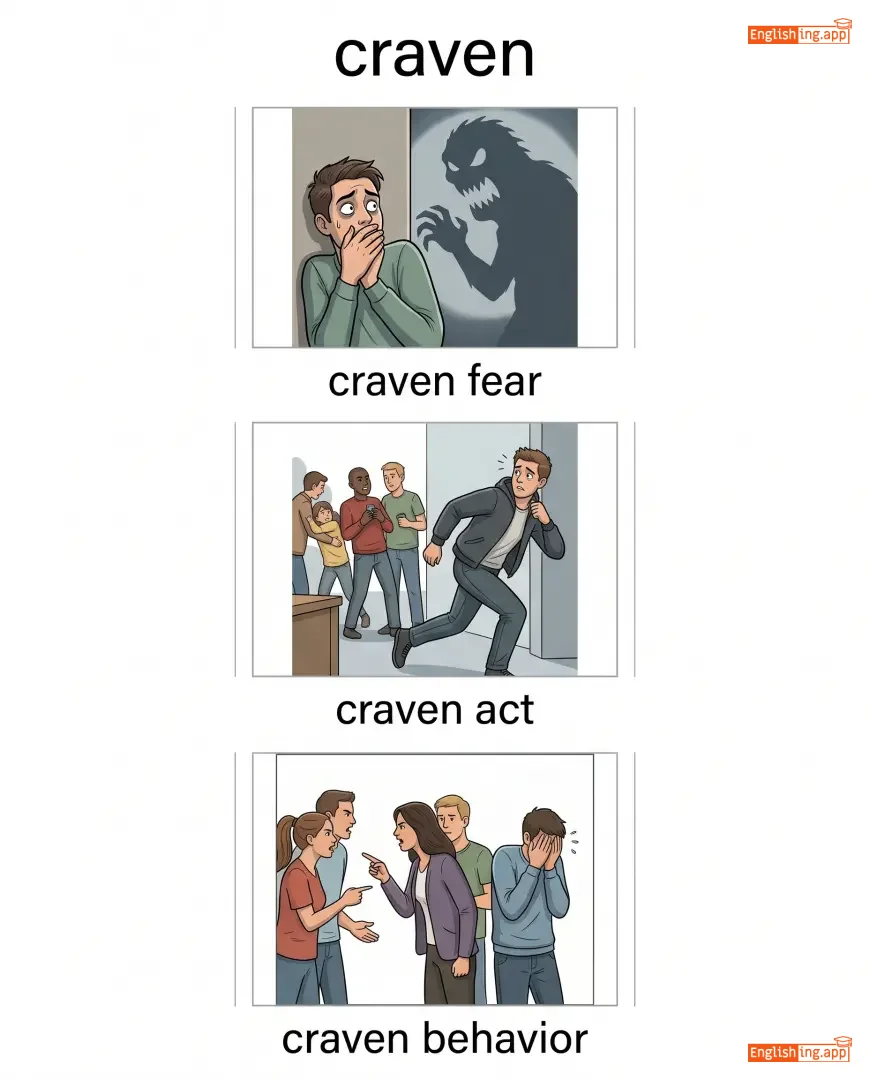
craven fear, craven act, craven behavior
••••••
|
CRAVE 没有勇气,懦夫
••••••
|
|
😨
••••••
|
/dɔːnt/
verb
(daunt)
••••••
|

|
威吓
weihe
••••••
|
daunted
daunted
••••••
|
daunted
daunted
••••••
|
daunts
daunts
••••••
|
daunting
daunting
••••••
|
to make someone feel intimidated, discouraged, or less confident
••••••
|
The steep climb did not daunt the experienced hikers.
陡峭的攀登没有让经验丰富的登山者气馁。
••••••
|
陡峭的攀登没有让经验丰富的登山者气馁。
Dǒuqiào de pāndēng méiyǒu ràng jīngyàn fēngfù de dēngshān zhě qìněi.
••••••
|
nothing daunts him
没有什么能让他气馁
••••••
|
he is not easily discouraged or intimidated
••••••
|
没有什么能让他气馁
Méiyǒu shénme néng ràng tā qìněi
••••••
|
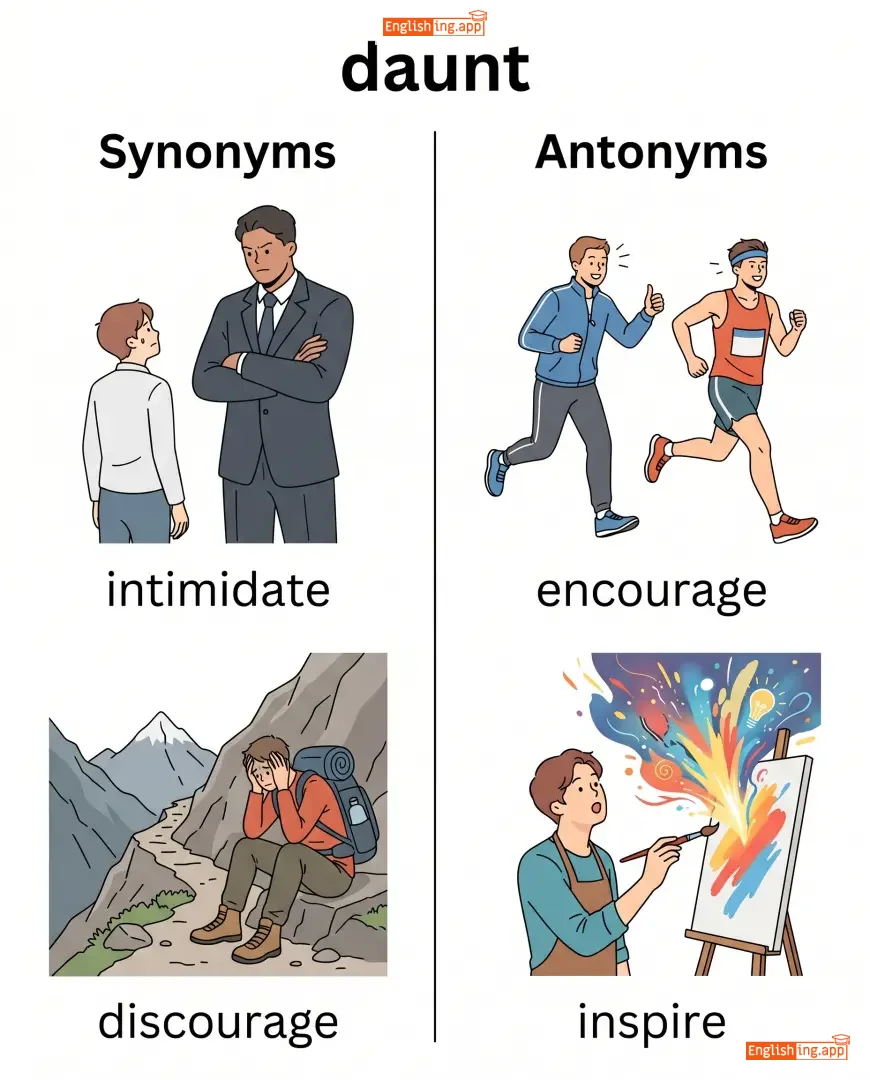
intimidate, discourage, dishearten, deter, frighten
••••••
|
encourage, inspire, embolden
••••••
|
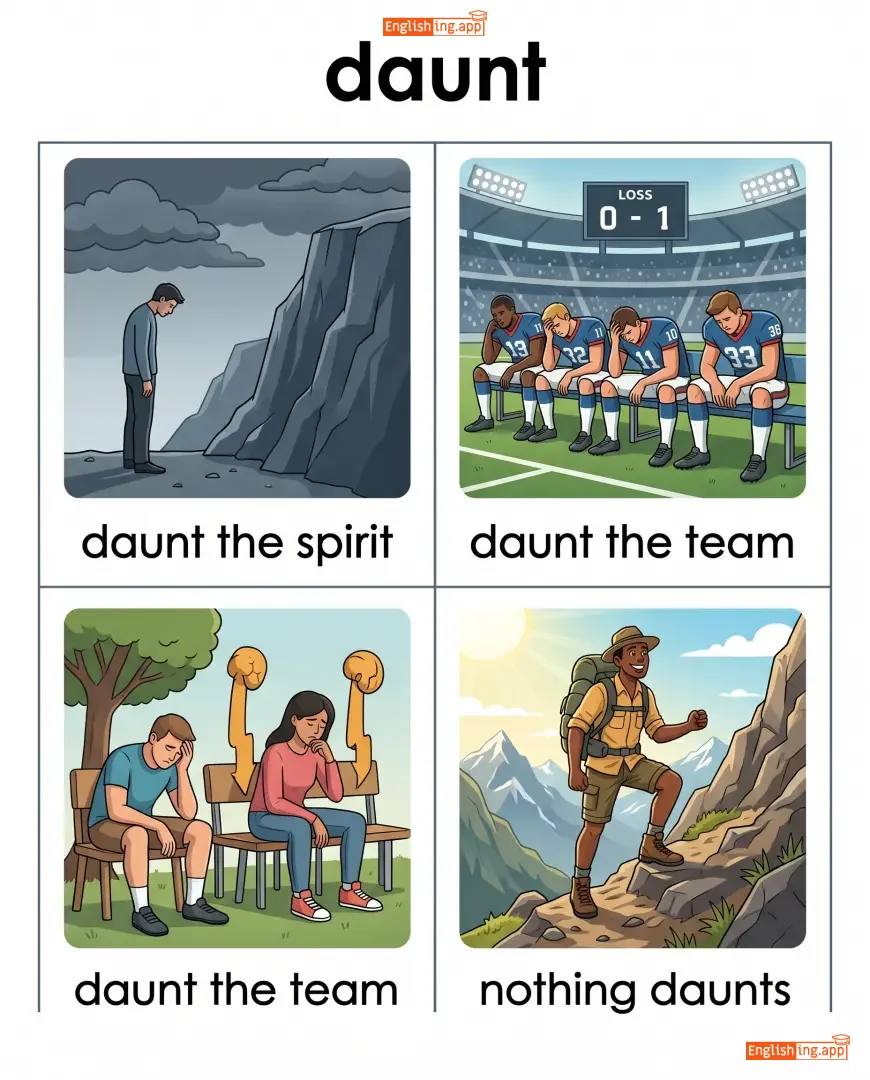
daunt the spirit, daunt the team, nothing daunts, daunt the enemy
••••••
|
Don't (daunt) 威吓—Daunt意味着威吓
••••••
|
|
📜
••••••
|
/dɪˈkɔːrəm/
noun
(dè kè lún)
••••••
|

|
礼仪
lǐyí
••••••
|
- •••••• | - •••••• | - •••••• | - •••••• |
behavior in keeping with good taste and propriety
••••••
|
The students maintained decorum during the ceremony. |
学生们在仪式期间保持了礼仪。
Xuéshēngmen zài yíshì qījiān bǎochí le lǐyí.
••••••
|
maintain decorum |
to behave in a proper and respectful manner
••••••
|
保持礼仪
bǎochí lǐyí
••••••
|
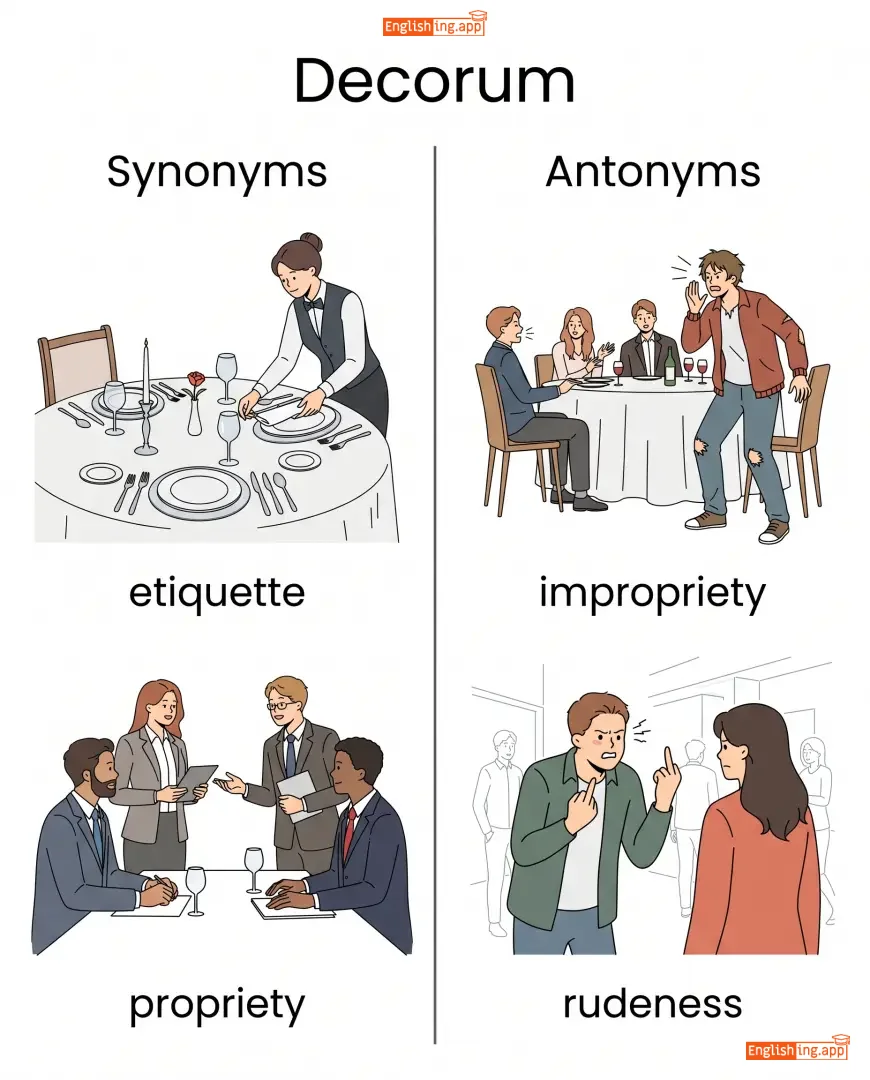
etiquette, propriety, manners, civility, dignity
••••••
|
impropriety, rudeness, disorder
••••••
|
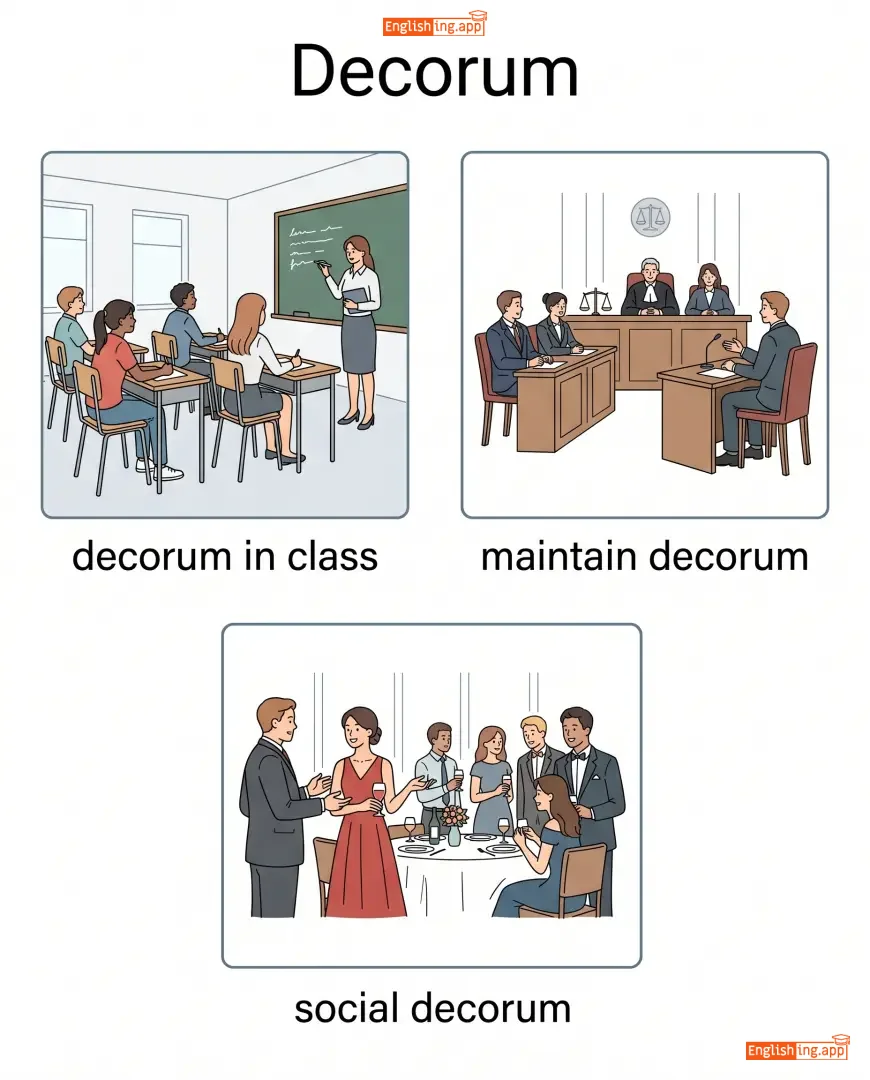
decorum in class, maintain decorum, social decorum
••••••
|
礼仪意味着保持得体和尊重的行为。
••••••
|
|
⚠️
••••••
|
/dɪˈfɔːlt/
noun, verb
(默认)
••••••
|

|
违约
wéiyuē
••••••
|
defaulted
默认ed
••••••
|
defaulted
默认ed
••••••
|
defaults
默认s
••••••
|
defaulting
默认ing
••••••
|
failure to fulfill an obligation, especially to repay a loan
••••••
|
The company defaulted on its loan payments.
公司在贷款支付方面违约。
••••••
|
公司在贷款支付方面违约。
Gōngsī zài dàikuǎn zhīfù fāngmiàn wéiyuē.
••••••
|
in default
违约
••••••
|
in a state of failing to fulfill an obligation
••••••
|
违约状态
wéiyuē zhuàngtài
••••••
|
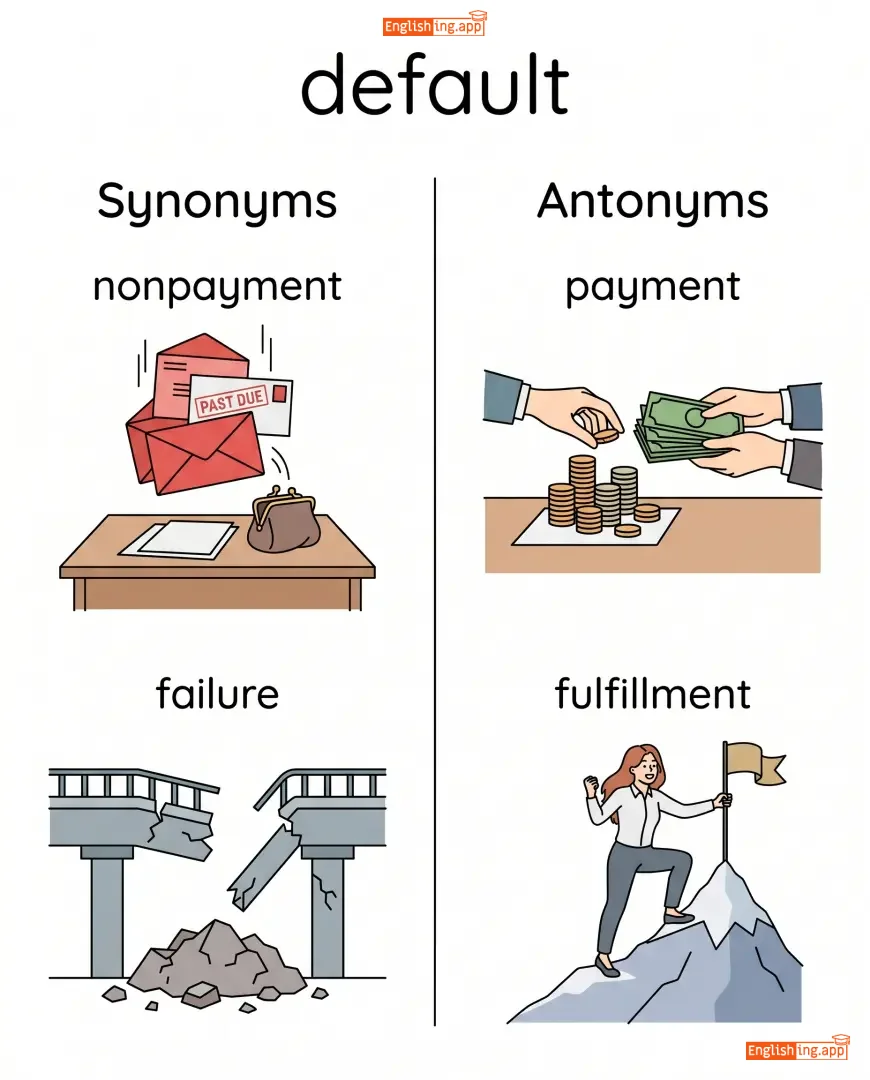
nonpayment, failure, negligence, omission
••••••
|
payment, fulfillment, compliance
••••••
|
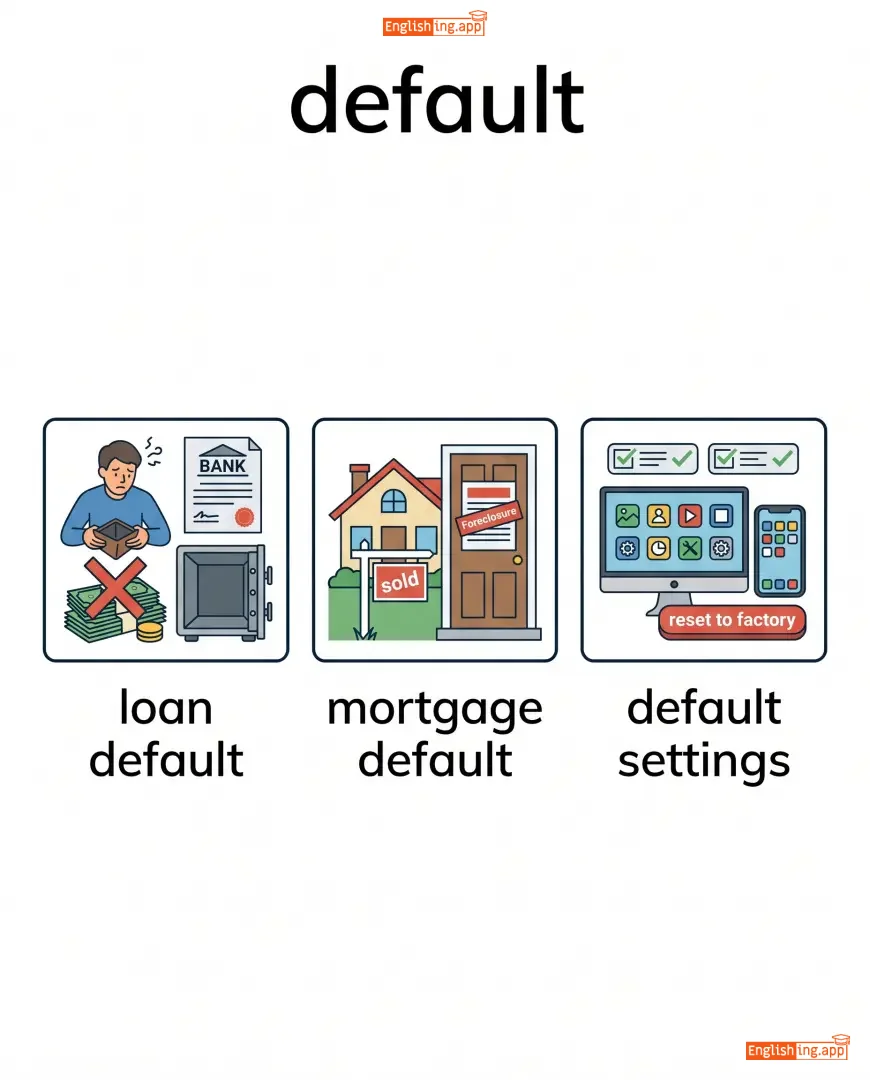
loan default, mortgage default, default settings, default judgment
••••••
|
Default → 不偿还债务
••••••
|
|
🙏
••••••
|
/ˈdɛfərəns/
noun
(迪弗伦斯)
••••••
|
|
尊敬
zūnjìng
••••••
|
- •••••• | - •••••• | - •••••• | - •••••• |
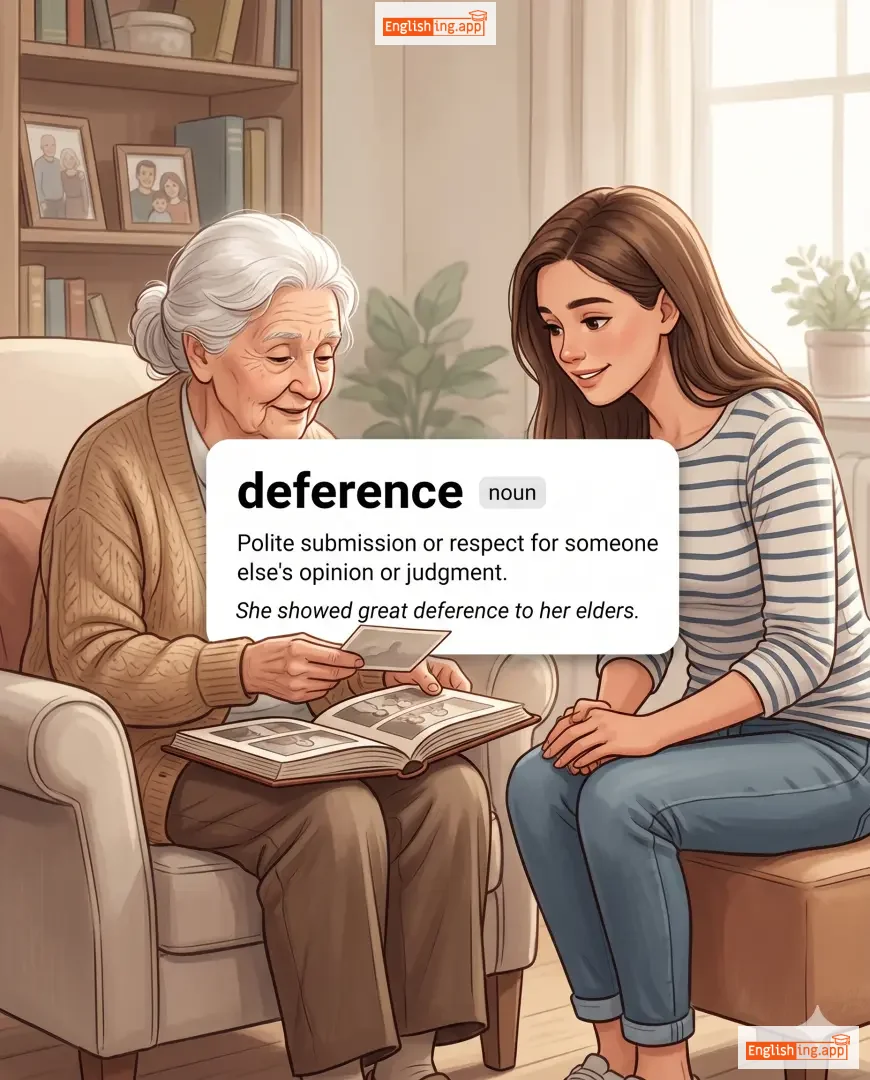
Polite submission or respect for someone else's opinion or judgment.
••••••
|
She showed great deference to her elders. |
她对长辈表现出极大的尊敬。
Tā duì zhǎngbèi biǎoxiàn chū jí dà de zūnzhòng.
••••••
|
in deference to |
Out of respect or regard for someone or something.
••••••
|
出于尊敬
chū yú zūnzhòng
••••••
|
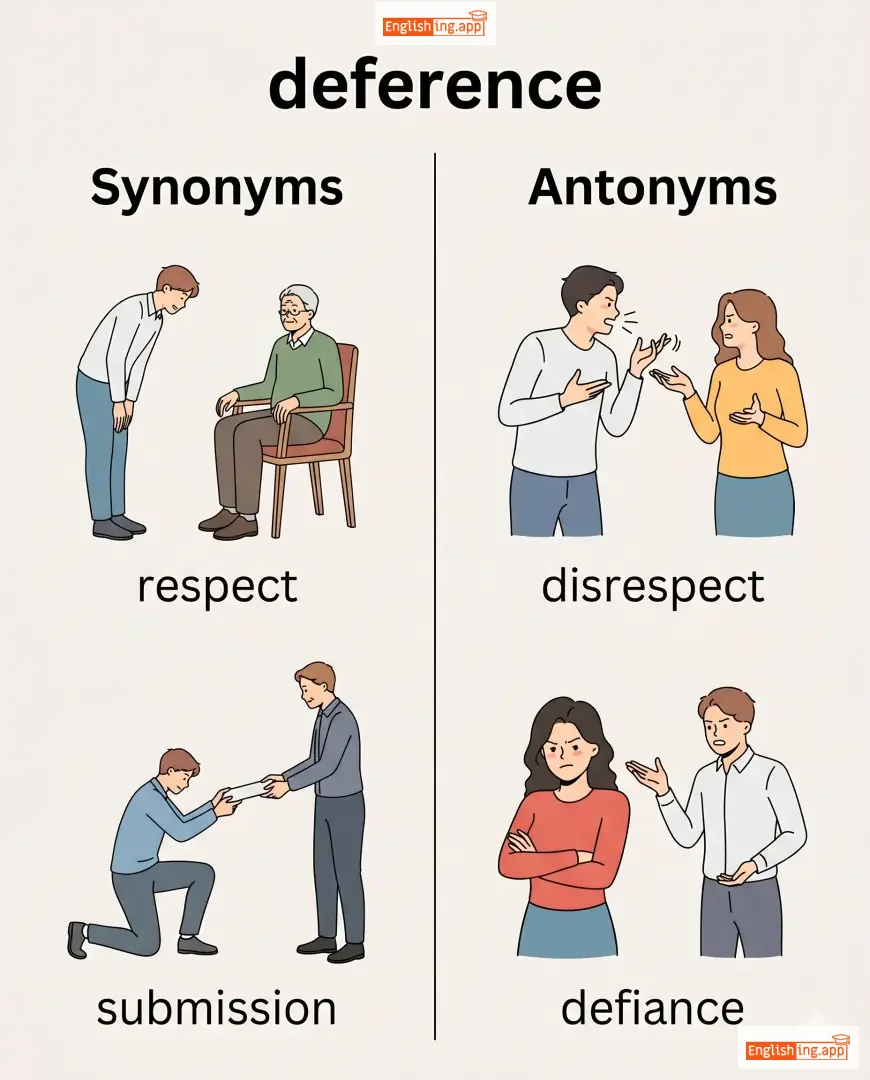
respect, submission, obedience, reverence
••••••
|
disrespect, defiance, disregard
••••••
|
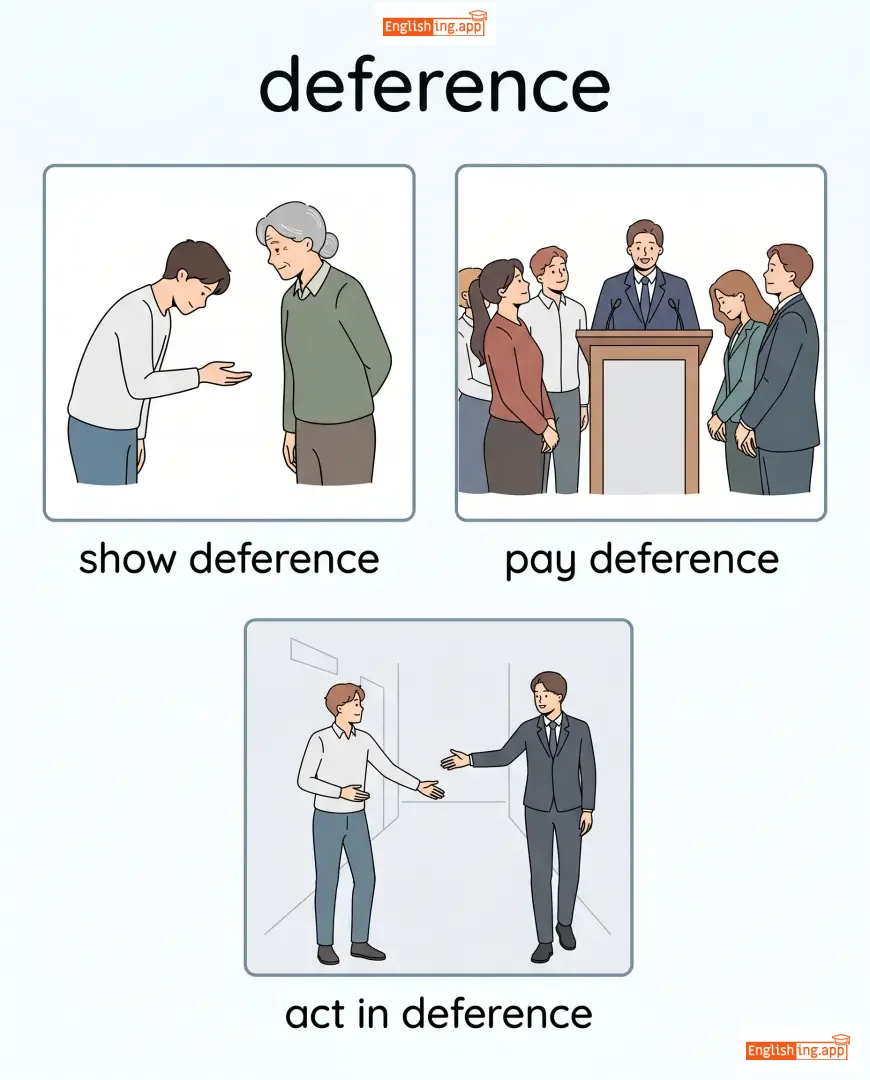
show deference, pay deference, act in deference
••••••
|
Deference意味着defer (推迟) + ence → 为了尊重他人而推迟自己的意愿。
••••••
|
|
📝
••••••
|
/dɪˈlɪnieɪt/
verb
(德利尼埃特)
••••••
|

|
描绘
miaohui
••••••
|
delineated
德利尼埃特德
••••••
|
delineated
德利尼埃特德
••••••
|
delineates
德利尼埃特斯
••••••
|
delineating
德利尼埃廷
••••••
|
to describe, portray, or define something precisely and clearly
••••••
|
The contract clearly delineates the responsibilities of each party.
合同清楚地划定了各方的责任。
••••••
|
合同清楚地划定了各方的责任。
Hetong qingchu de huading le ge fang de zeren.
••••••
|
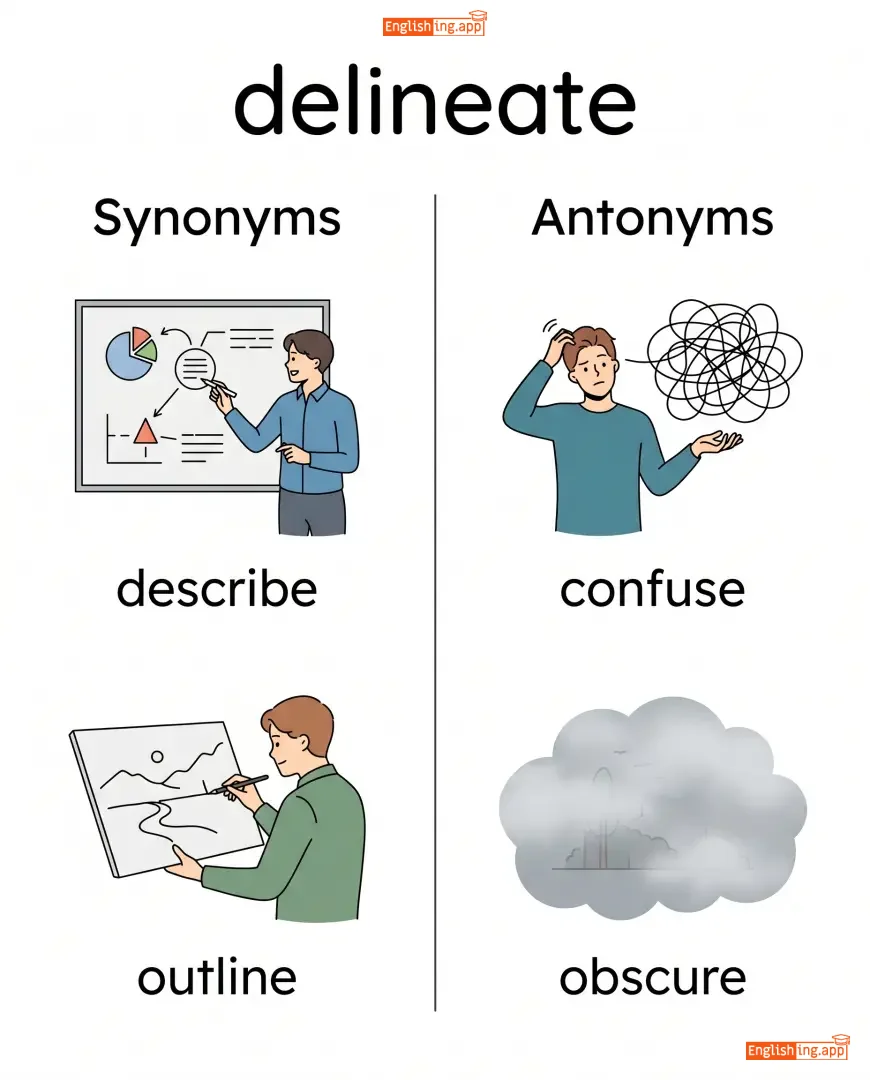
- •••••• | - •••••• | - •••••• |
describe, outline, depict, portray, specify
••••••
|
confuse, obscure, distort
••••••
|
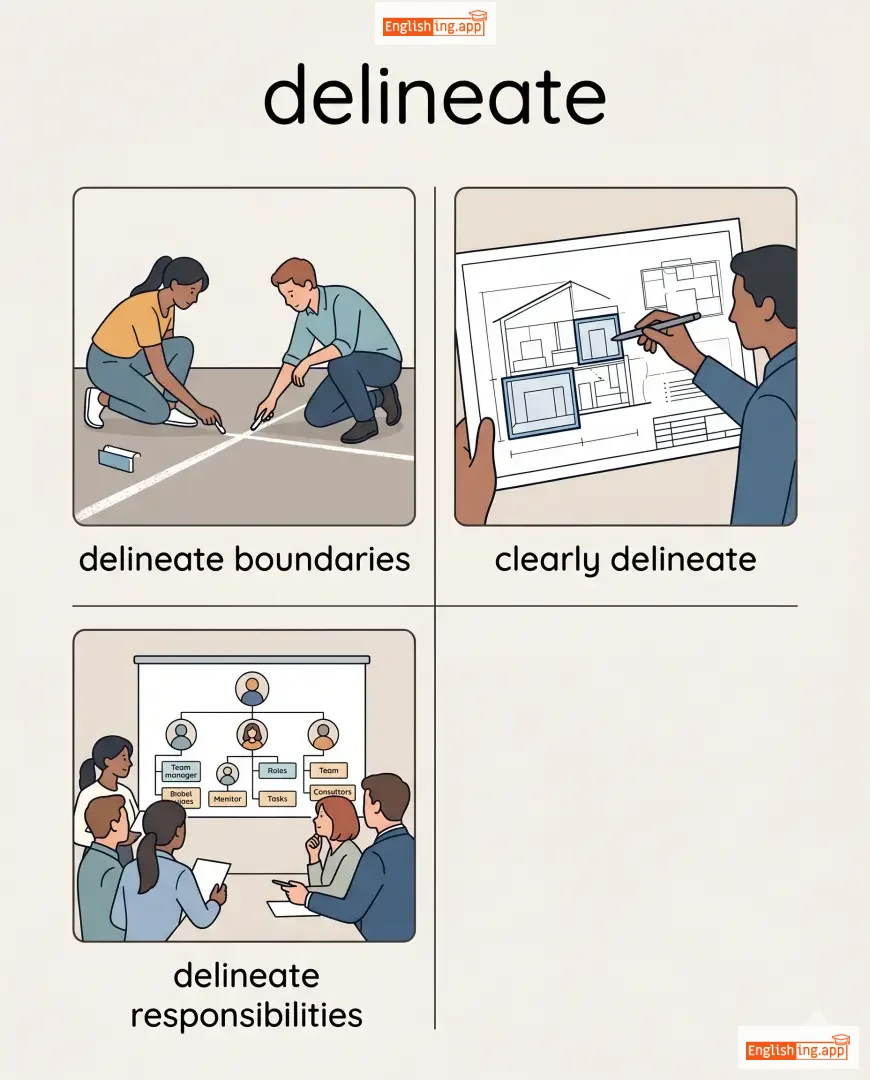
delineate boundaries, clearly delineate, delineate responsibilities, delineate process
••••••
|
描绘像是清晰地画出一条线。
••••••
|
|
🗣️
••••••
|
/ˈdɛnɪˌɡreɪt/
verb
(denigrate)
••••••
|
|
贬低
biǎndī
••••••
|
denigrated
denigrated
••••••
|
denigrated
denigrated
••••••
|
denigrates
denigrates
••••••
|
denigrating
denigrating
••••••
|
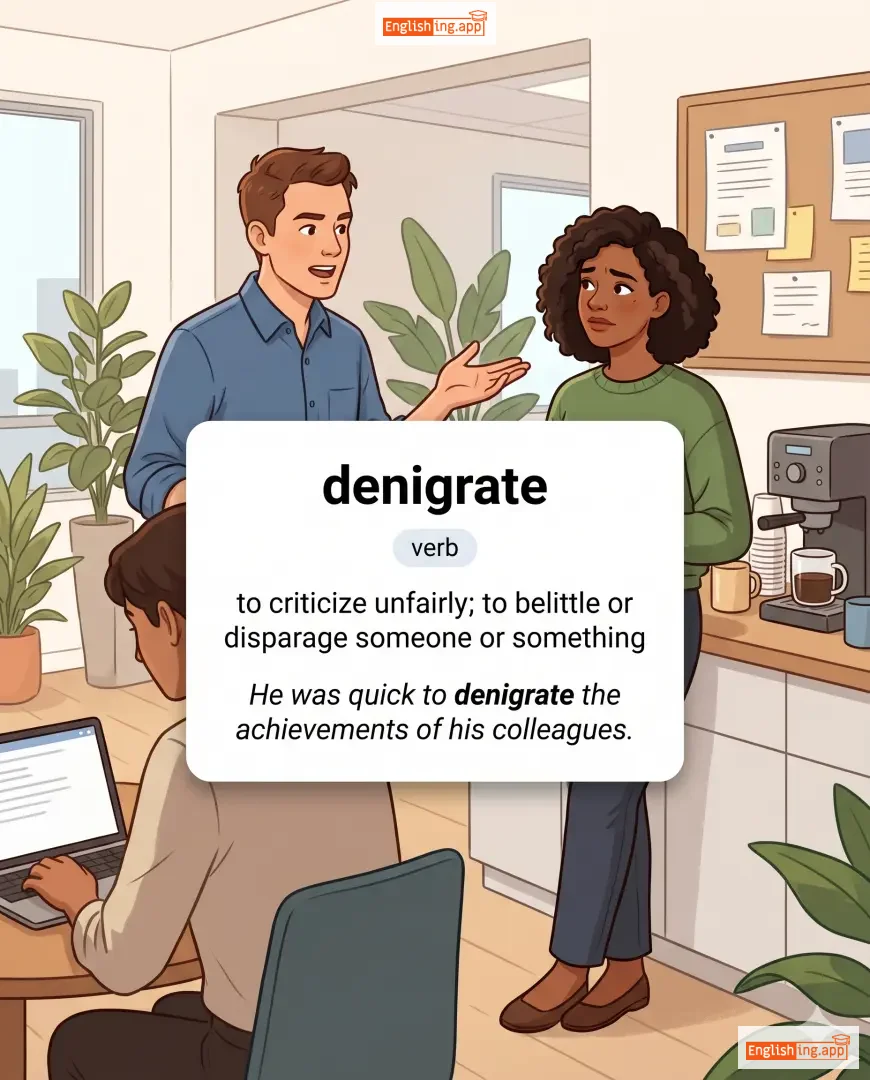
to criticize unfairly; to belittle or disparage someone or something
••••••
|
He was quick to denigrate the achievements of his colleagues.
他很快就贬低了同事们的成就。
••••••
|
他很快就贬低了同事们的成就。
Tā hěn kuài jiù biǎndīle tóngshìmen de chéngjiù.
••••••
|
- •••••• | - •••••• | - •••••• |
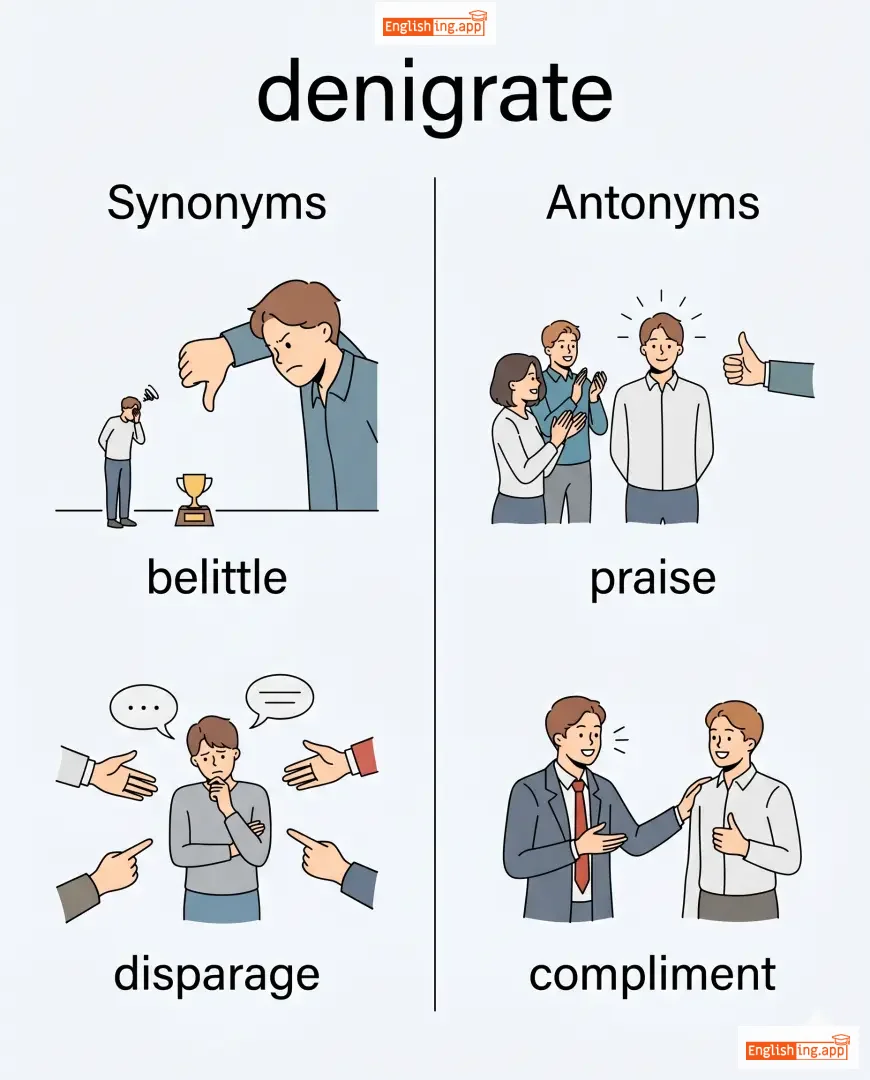
belittle, disparage, defame, slander, deprecate
••••••
|
praise, compliment, honor
••••••
|
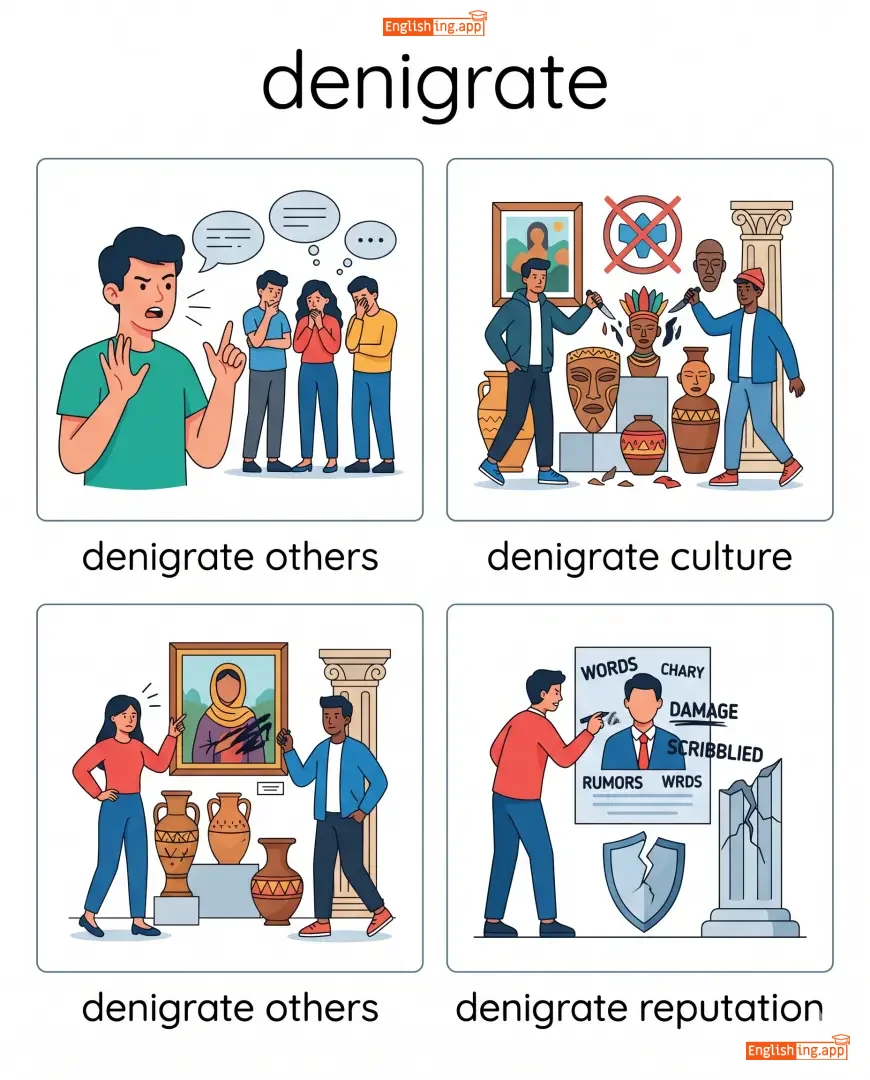
denigrate others, denigrate culture, denigrate reputation, denigrate efforts
••••••
|
‘Denigrate’ = 低(di)指责,‘biǎndī’ 比较近
••••••
|
|
😂
••••••
|
/dɪˈraɪd/
verb
(dɪˈraɪd)
••••••
|
|
嘲笑
chaoxiao
••••••
|
derided
dɪˈraɪdɪd
••••••
|
derided
dɪˈraɪdɪd
••••••
|
derides
dɪˈraɪdz
••••••
|
deriding
dɪˈraɪdɪŋ
••••••
|
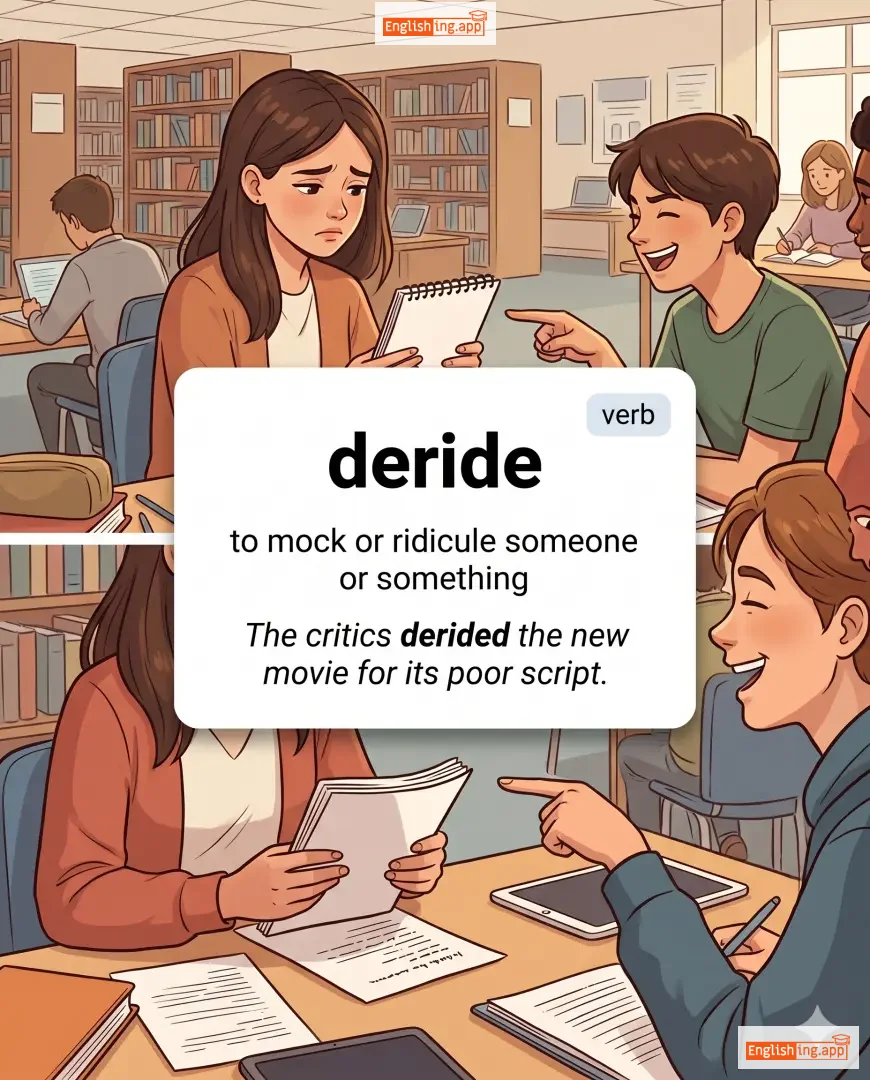
to mock or ridicule someone or something
••••••
|
The critics derided the new movie for its poor script.
评论家嘲笑了这部新电影,因其糟糕的剧本。
••••••
|
评论家嘲笑了这部新电影,因其糟糕的剧本。
Pinglünjiā cháoxiàole zhè bù xīn diànyǐng, yīn qí zāogāo de jùběn.
••••••
|
- •••••• | - •••••• | - •••••• |
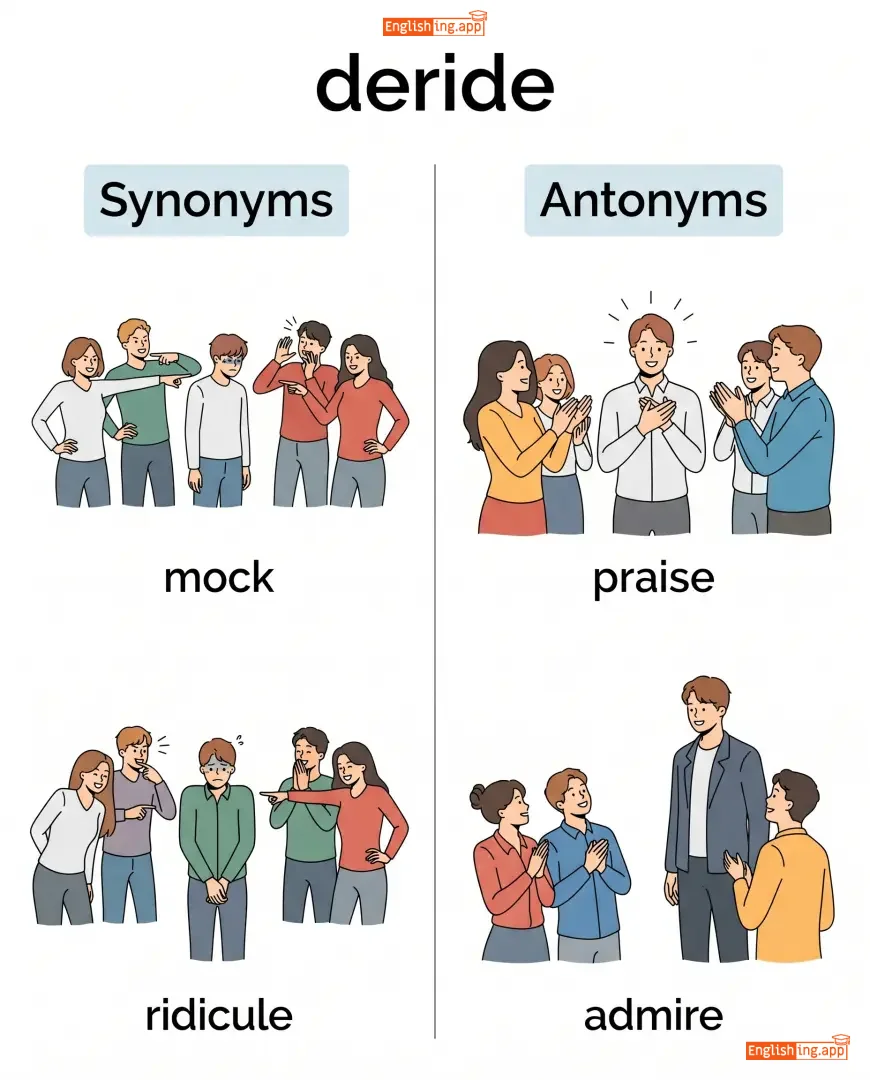
mock, ridicule, scorn, sneer, jeer
••••••
|
praise, admire, respect
••••••
|
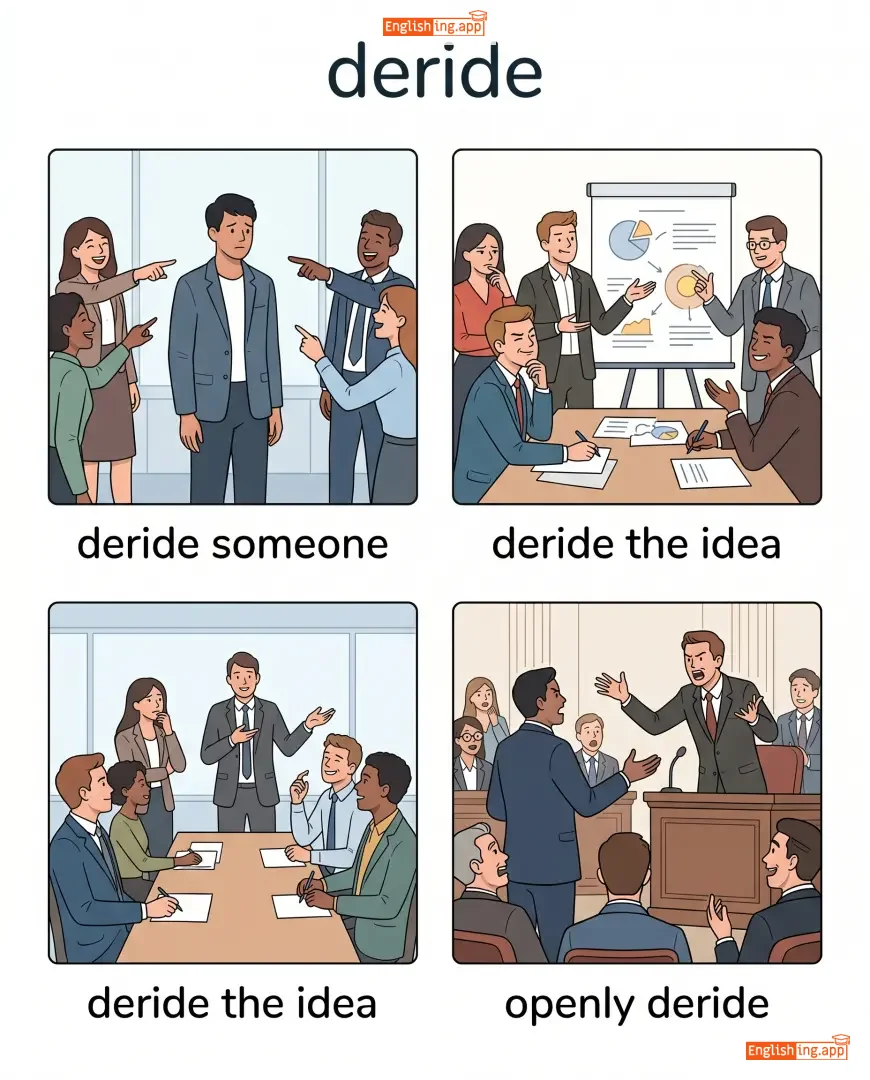
deride someone, deride the idea, openly deride
••••••
|
‘Deride’像‘嘲笑’ – 以一种鄙视的态度嘲笑别人。
••••••
|
|
🔄
••••••
|
/dɪˈrɪvətɪv/
noun, adjective
(德里瓦蒂夫)
••••••
|
|
衍生物
yǎn shēng wù
••••••
|
- •••••• | - •••••• | - •••••• | - •••••• |
Something that is based on another source; in math, a measure of how a function changes.
••••••
|
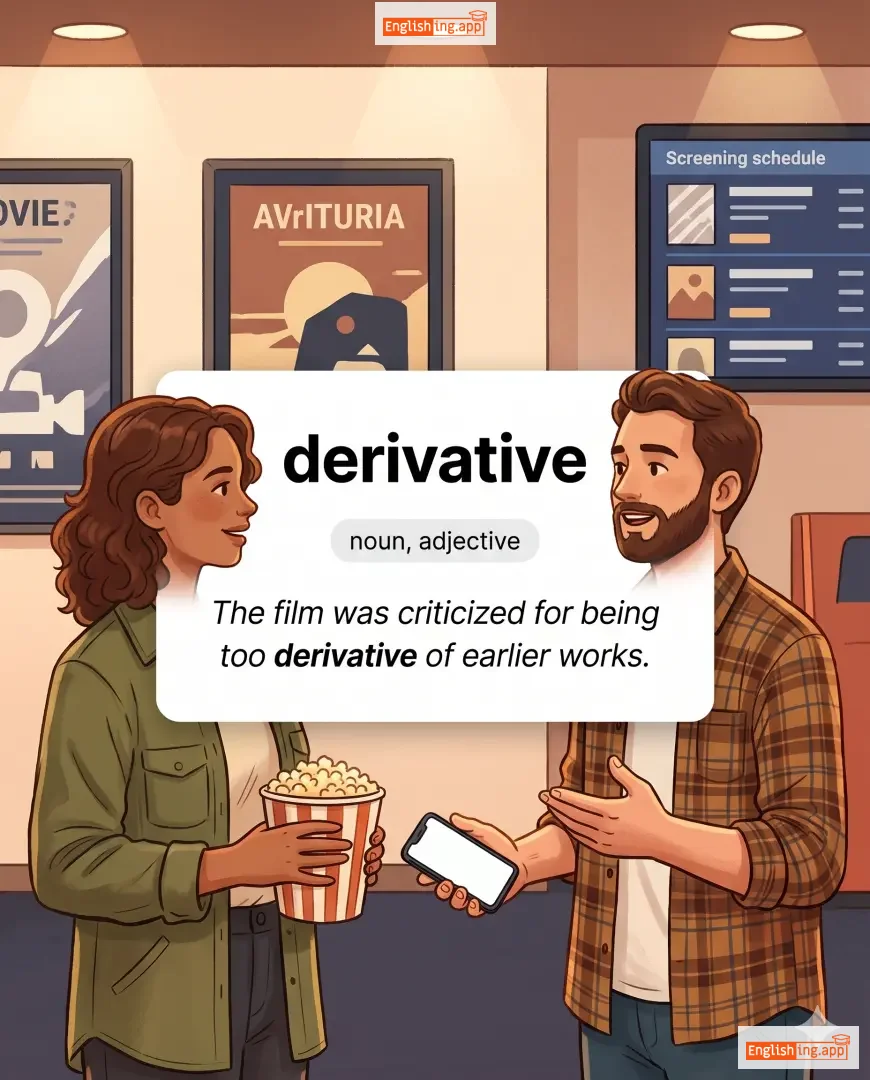
The film was criticized for being too derivative of earlier works.
这部电影因过于模仿早期作品而受到批评。
••••••
|
这部电影因过于模仿早期作品而受到批评。
Zhè bù diànyǐng yīn guòyú mófǎng zǎoqī zuòpǐn ér shòudào pīpíng.
••••••
|
- •••••• | - •••••• | - •••••• |
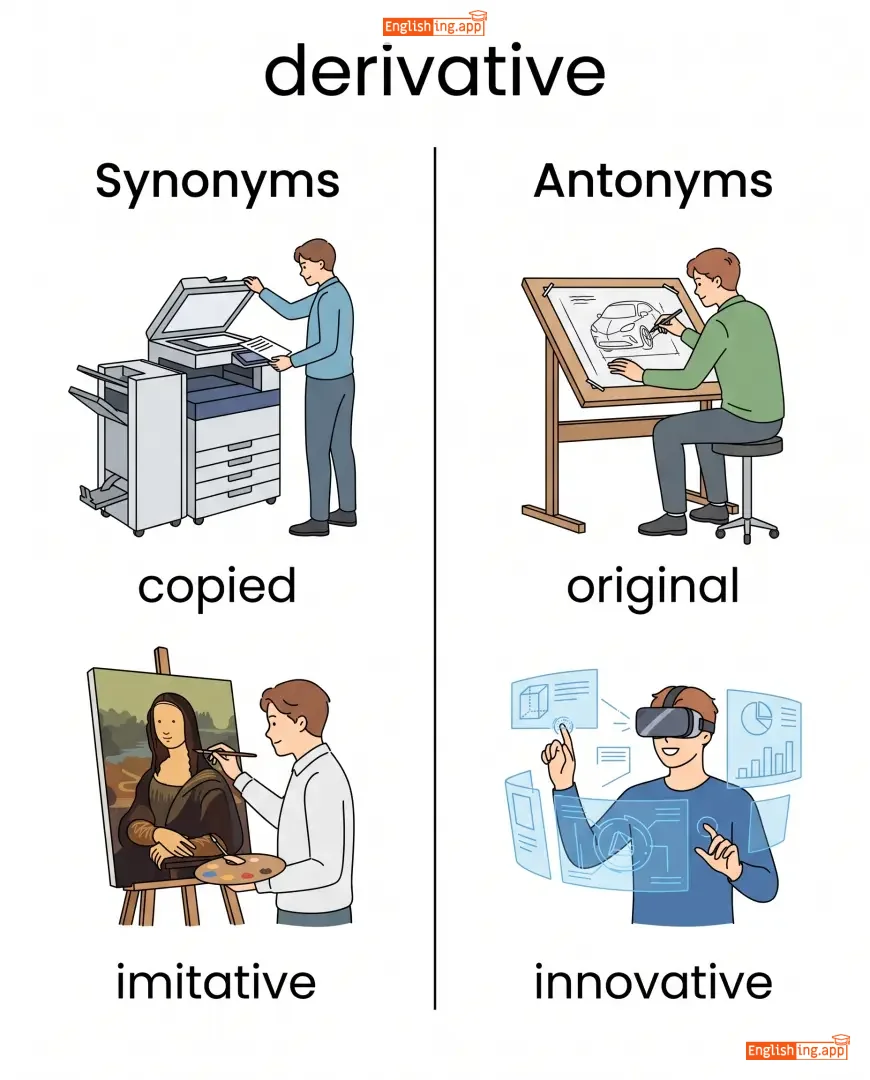
copied, imitative, secondary, unoriginal
••••••
|
original, innovative, creative
••••••
|
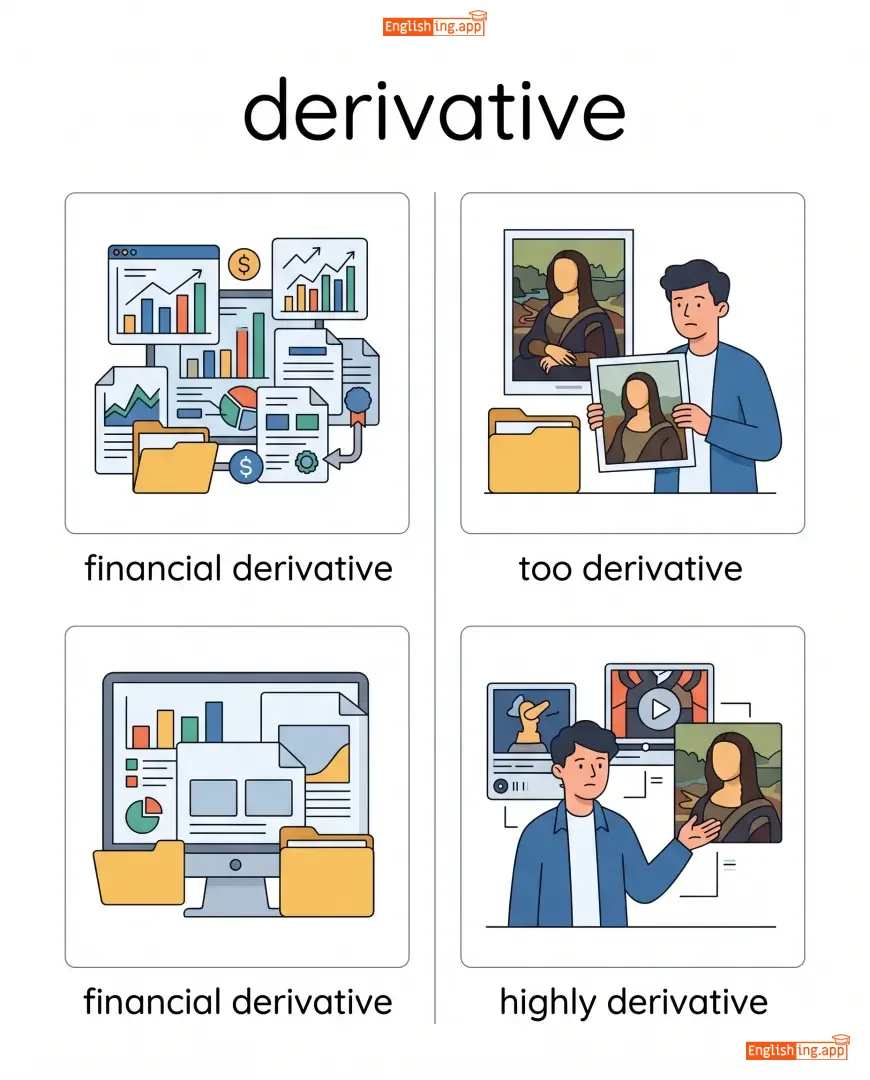
financial derivative, too derivative, highly derivative
••••••
|
衍生物意味着来自别的东西 – '德里瓦蒂夫'意味着模仿。
••••••
|

