The Voice of Truth in Troubled Times
萨迪亚是一位敬业的correspondent,她认为journalism是一项神圣的职责。她在一家provincial报纸工作,那里publishing的自由有限。Regulatory当局和administration希望所有新闻以conventional的方式编写,并传播propaganda。但萨迪亚deliberately报道真相,这常常让有权势的人感到uncomfortable。有一天,出现了一个administrative丑闻,一个commissioner被characterized为诚实,但事实并非如此。萨迪亚通过她的correspondence和与其他记者的coordination收集了证据。一群地方领导人开始proceeding来恐吓她,但她坚决站出来为真相发声。她说:“Journalism不仅仅是一种职业,它是一项责任。”其他commentator们支持她的勇气,出版公司也给予她支持。没有accommodation,萨迪亚完成了她的调查,并deliberately发布了所有事实。她的决定不走conventional路线为journalism树立了一个新标准。在provincial层面,这是首次公开曝光regulatory和administrative的腐败。萨迪亚的pronounced行动激励了其他记者讲述真相的重要性。
|
表情符号
|
单词 | Images | 翻译 | 过去时 | 过去分词 | 第三人称单数 | 动名词 | 含义 | 例句 | 例句翻译 | 示例表达 | 示例表达含义 | 示例表达翻译 | 同义词 | 反义词 | 搭配词 | 助记符 |
|---|---|---|---|---|---|---|---|---|---|---|---|---|---|---|---|---|---|
|
🏠
••••••
|
/əˌkɒməˈdeɪʃən/
noun
(ā kè mó dé shēn)
••••••
|
- •••••• |
住宿
zhùsù
••••••
|
- •••••• | - •••••• | - •••••• | - •••••• |
a room, group of rooms, or building in which someone may live or stay
••••••
|
The hotel provides comfortable accommodation for tourists.
酒店为游客提供舒适的住宿。
••••••
|
酒店为游客提供舒适的住宿。
Jiǔdiàn wèi yóukè tígōng shūshì de zhùsù.
••••••
|
- •••••• | - •••••• | - •••••• |
housing, lodging, residence, shelter
••••••
|
homelessness, displacement, eviction
••••••
|
student accommodation, temporary accommodation, book accommodation
••••••
|
住宿 (zhùsù) means accommodation in Chinese.
••••••
|
|
🏛️
••••••
|
/ədˌmɪnɪˈstreɪʃən/
noun
(行政管理)
••••••
|
- •••••• |
行政管理
xingzheng guanli
••••••
|
- •••••• | - •••••• | - •••••• | - •••••• |
The management or organization of a business, institution, or government.
••••••
|
The new administration introduced several reforms. |
新政府推出了若干改革。
xin zhengfu tuichu le ruogan gaige.
••••••
|
public administration |
The management of government affairs and policies.
••••••
|
公共行政
gonggong xingzheng
••••••
|
management, governance, supervision, leadership, control
••••••
|
mismanagement, neglect, chaos
••••••
|
school administration, government administration, business administration, administration office
••••••
|
行政管理,政府有序安排,所有事务井井有条!
••••••
|
|
🏢
••••••
|
/ədˈmɪnɪstrətɪv/
adjective
(行政的)
••••••
|



|
行政的
xingzheng de
••••••
|
- •••••• | - •••••• | - •••••• | - •••••• |
relating to the management or organization of an institution or business
••••••
|
She handles all the administrative tasks in the office. |
她处理办公室的所有行政工作。
Ta chuli bangongshi de suoyou xingzheng gongzuo.
••••••
|
- •••••• | - •••••• | - •••••• |
managerial, executive, organizational, supervisory
••••••
|
non-managerial, subordinate
••••••
|
administrative staff, administrative work, administrative office, administrative system
••••••
|
Admin代表办公室,所以行政的意思是与办公室的管理相关 🏢
••••••
|
|
🖊️
••••••
|
/ˈkærəktəraɪz/
verb
••••••
|
- •••••• | - •••••• |
characterized
••••••
|
characterized
••••••
|
characterizes
••••••
|
characterizing
••••••
|
to describe or portray the distinctive features or qualities of someone or something
••••••
|
The author characterizes the hero as brave and selfless. |
- •••••• |
characterize as |
to describe someone or something in a particular way
••••••
|
- •••••• |
depict, portray, define, describe, represent
••••••
|
misrepresent, distort
••••••
|
characterize as, clearly characterize, characterizes the style
••••••
|
No •••••• |
|
🎙️
••••••
|
/ˈkɒmənˌteɪtər/
noun
(kəmɛnˈteɪtər)
••••••
|
- •••••• |
解说员
jiěshuōyuán
••••••
|
- •••••• | - •••••• | - •••••• | - •••••• |
a person who reports and discusses events, especially on TV or radio
••••••
|
The commentator described the football match in detail. |
解说员详细描述了足球比赛。
Jiěshuōyuán xiángxì miáoshùle zúqiú bǐsài.
••••••
|
- •••••• | - •••••• | - •••••• |
announcer, reporter, narrator, broadcaster, critic
••••••
|
audience, listener
••••••
|
sports commentator, political commentator, live commentator, TV commentator
••••••
|
解说员就像是电视上解说比赛的专家,帮你了解比赛细节。
••••••
|
|
👮♂️
••••••
|
/kəˈmɪʃənər/
noun
(专员)
••••••
|
- •••••• |
专员
zhuānyuán
••••••
|
- •••••• | - •••••• | - •••••• | - •••••• |
an official in charge of a particular department or area
••••••
|
The police commissioner addressed the media about the incident.
警察专员向媒体介绍了事件。
••••••
|
警察专员向媒体介绍了事件。
Jǐngchá zhuānyuán xiàng méitǐ jièshào le shìjiàn.
••••••
|
- •••••• | - •••••• | - •••••• |
official, director, superintendent, chief, officer
••••••
|
subordinate, employee
••••••
|
police commissioner, election commissioner, city commissioner, commissioner office
••••••
|
专员意味着负责人,专员是担任责任的人。
••••••
|
|
⛪
••••••
|
/ˌkɒŋɡrɪˈɡeɪʃən/
noun
(kɒŋɡrɪˈɡeɪʃən)
••••••
|
- •••••• |
集会
jihui
••••••
|
- •••••• | - •••••• | - •••••• | - •••••• |
a group of people assembled for religious worship or a common purpose
••••••
|
The congregation gathered to hear the sermon. |
集会聚集在一起聆听讲道。
Jihui juzhi zai yiqi lingting jiangdao.
••••••
|
- •••••• | - •••••• | - •••••• |
audience, assembly, crowd, gathering
••••••
|
individual, loner
••••••
|
church congregation, religious congregation, large congregation
••••••
|
Congregation 是人们集合的地方,'ji' + 'hui' = 聚会
••••••
|
|
🏛️
••••••
|
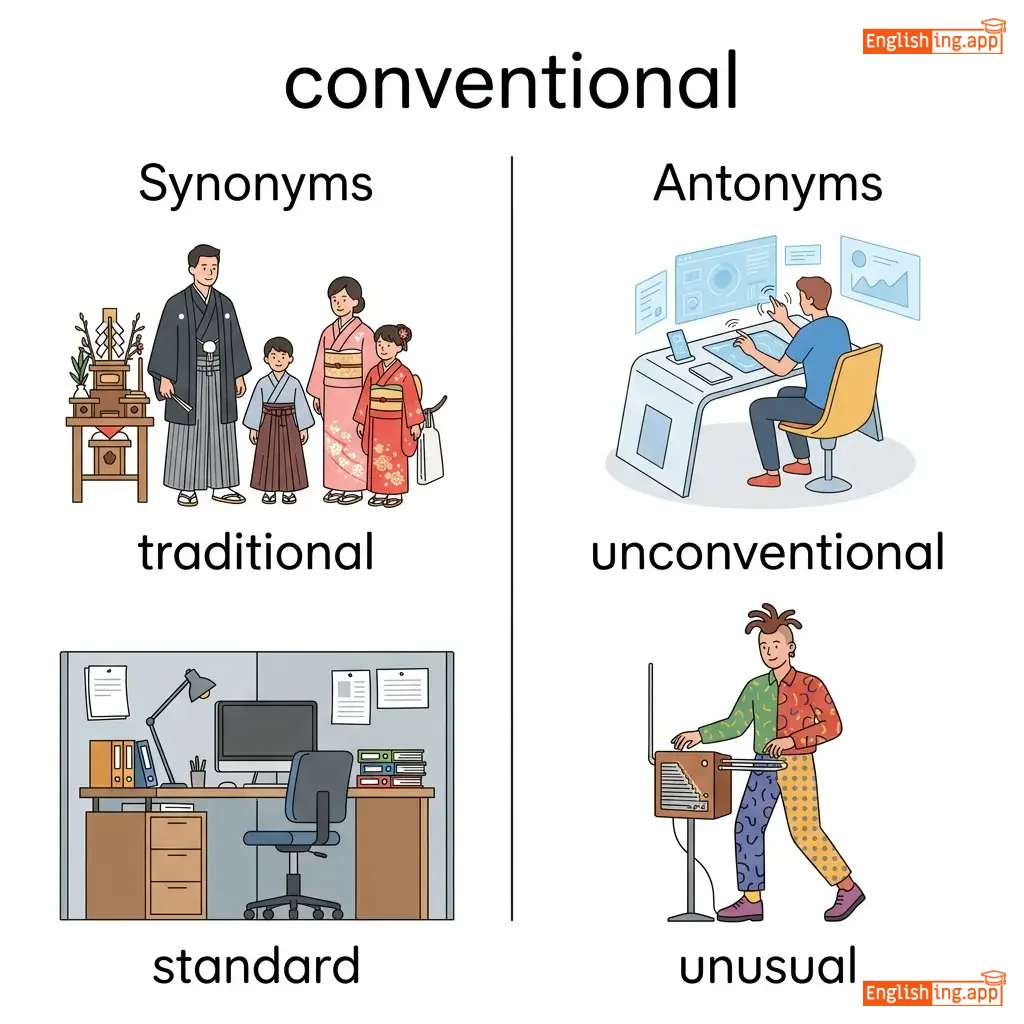
/kənˈvenʃənəl/
adjective
(kənˈvɛnʃənəl)
••••••
|


|
传统的; 传统的; 通常接受的; 受习俗约束
chuántǒng de; chuántǒng de; tōngcháng jiēshòu de; shòu xí sú yuēshù
••••••
|
- •••••• | - •••••• | - •••••• | - •••••• |
following traditional practices; customary; generally accepted; bound by convention
••••••
|
She chose a conventional wedding dress for her big day. |
她为她的大日子选择了一件传统的婚纱。
Tā wèi tā de dà rìzi xuǎnzéle yī jiàn chuántǒng de hūnshā.
••••••
|
- •••••• | - •••••• | - •••••• |
traditional, orthodox, standard, normal
••••••
|
unconventional, innovative, radical, modern
••••••
|
conventional wisdom, conventional approach, conventional medicine
••••••
|
传统婚礼的选择
••••••
|
|
🤝
••••••
|
/kəʊˌɔːdɪˈneɪʃən/
noun
(协调)
••••••
|
- •••••• |
协调
xie tiao
••••••
|
- •••••• | - •••••• | - •••••• | - •••••• |
the process of organizing different elements to work together effectively
••••••
|
The coordination between the teams was flawless. |
团队之间的协调无可挑剔。
Tuan dui zhi jian de xie tiao wu ke tiao ti.
••••••
|
- •••••• | - •••••• | - •••••• |
organization, collaboration, synchronization, harmony
••••••
|
disorganization, chaos, confusion
••••••
|
team coordination, coordination efforts, effective coordination
••••••
|
Coordination意味着组织元素一起工作,就像'co'意味着一起
••••••
|
|
📬
••••••
|
/ˌkɔr.əˈspɑn.dəns/
noun
(通信)
••••••
|
- •••••• |
通信;相似或等价;通过交换信件进行的沟通
tongxin; xiangsi huo dengjia; tongguo jiaohu xinjian jinxing de goutong
••••••
|
- •••••• | - •••••• | - •••••• | - •••••• |
letters sent or received; similarity or equivalence; communication by exchange of letters
••••••
|
The historical correspondence between the two famous writers was recently published. |
两位著名作家之间的历史通信最近已发布。
Liang wei zhuming zuojia zhijian de lishi tongxin zuijin yi fabu.
••••••
|
- •••••• | - •••••• | - •••••• |
letters, communication, mail, similarity
••••••
|
silence, difference, dissimilarity
••••••
|
business correspondence, private correspondence, email correspondence
••••••
|
通信就像通过信件来交换思想和信息。
••••••
|
|
📰
••••••
|
/ˌkɒrəˈspɒndənt/
noun
(记者)
••••••
|
- •••••• |
记者
jìzhě
••••••
|
- •••••• | - •••••• | - •••••• | - •••••• |
A journalist who reports news from a particular place or on a particular subject.
••••••
|
The foreign correspondent reported live from Paris. |
外国记者从巴黎进行现场直播报道。
Wàiguó jìzhě cóng bālí jìnxíng xiànchǎng zhíbò bàodào.
••••••
|
war correspondent |
A journalist who reports from areas of armed conflict.
••••••
|
战争记者
zhànzhēng jìzhě
••••••
|
reporter, journalist, writer, newsman
••••••
|
audience, reader
••••••
|
foreign correspondent, special correspondent, chief correspondent
••••••
|
Correspondent 意味着一个传递新闻的人 — 就像新闻需要相互联系。
••••••
|
|
🎯
••••••
|
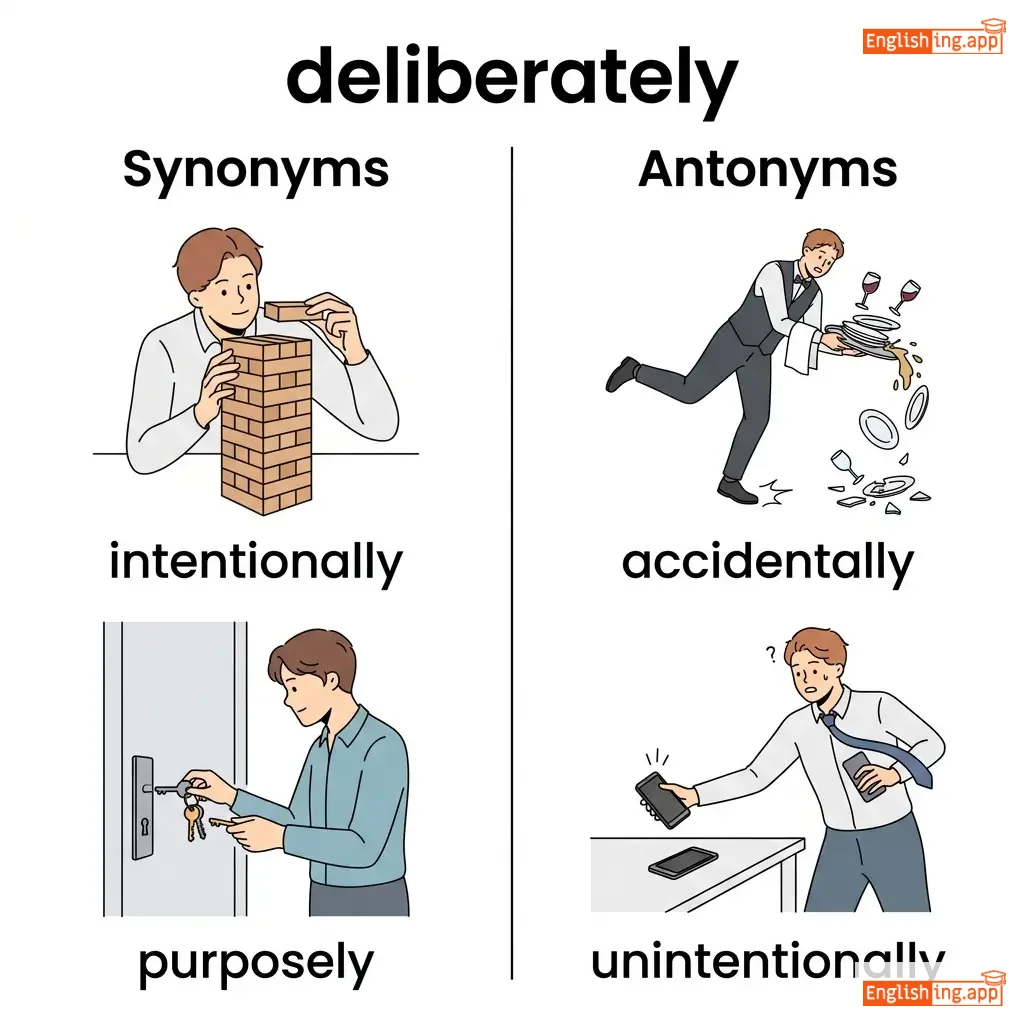
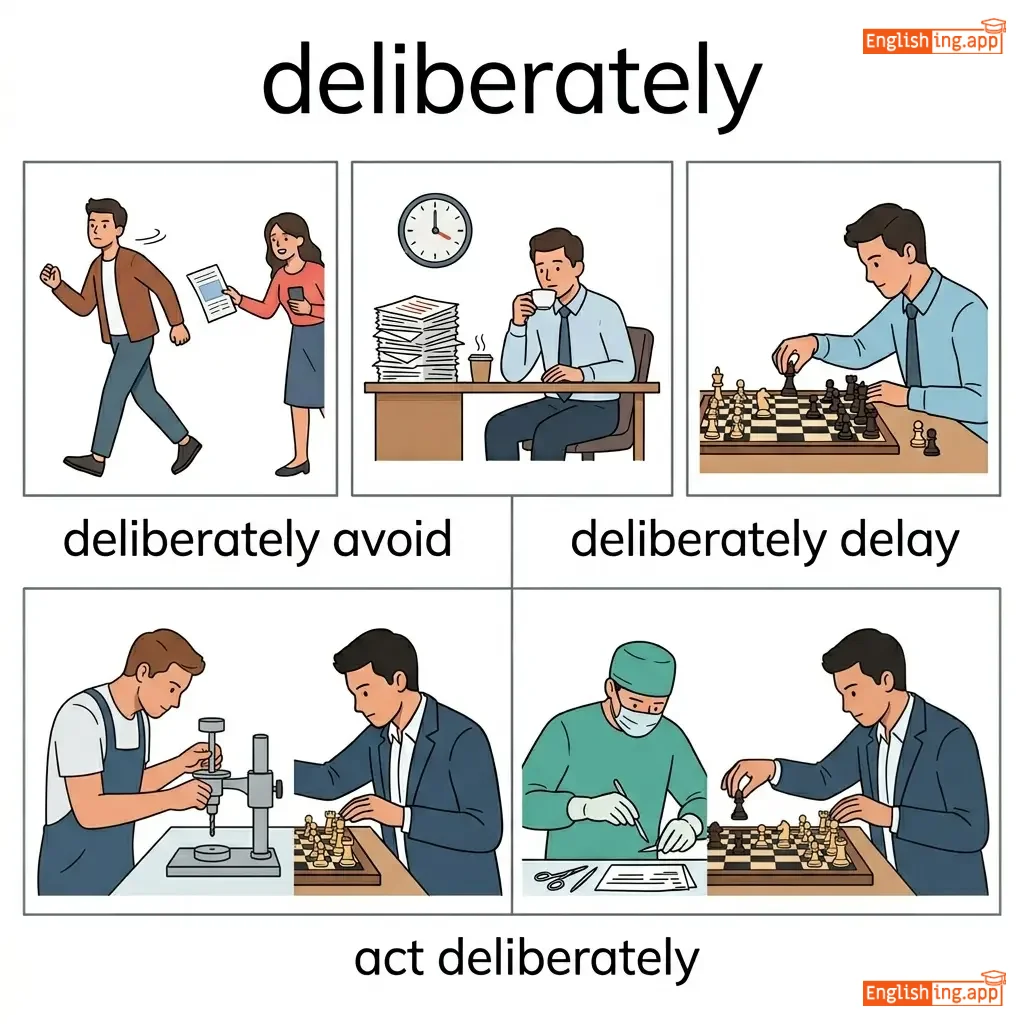
/dɪˈlɪb.ər.ət.li/
adverb
(dɪˈlɪbərətli)
••••••
|

|
故意地;有意地;经过深思熟虑
gùyì de; yǒuyì de; jīngguò shēnsī shúlǜ
••••••
|
- •••••• | - •••••• | - •••••• | - •••••• |
intentionally; on purpose; with careful consideration
••••••
|
He deliberately chose not to answer the question.
他故意选择不回答问题。
••••••
|
他故意选择不回答问题。
Tā gùyì xuǎnzé bù huídá wèntí.
••••••
|
- •••••• | - •••••• | - •••••• |
intentionally, purposely, consciously
••••••
|
accidentally, unintentionally, carelessly
••••••
|
deliberately avoid, deliberately choose, deliberately ignore
••••••
|
选择好决定时,你得故意去做,像选电影一样
••••••
|
|
📰
••••••
|
/ˈdʒɜːrnəlɪzəm/
noun
(新闻学)
••••••
|
- •••••• |
新闻学
xīnwénxué
••••••
|
- •••••• | - •••••• | - •••••• | - •••••• |
the activity or profession of collecting, writing, and publishing news and articles for newspapers, magazines, or broadcast media
••••••
|
He studied journalism to become a news reporter. |
他学习新闻学成为新闻记者。
Tā xuéxí xīnwénxué chéngwéi xīnwén jìzhě.
••••••
|
yellow journalism |
journalism that is based upon sensationalism and exaggeration
••••••
|
黄色新闻
huángsè xīnwén
••••••
|
reporting, news writing, media, press, communication
••••••
|
fiction, silence
••••••
|
investigative journalism, professional journalism, modern journalism, online journalism, citizen journalism
••••••
|
新闻学是关于讲故事的艺术,新闻学就是写新闻!
••••••
|
|
⚖️
••••••
|
/prəˈsiːdɪŋ/
noun
(prəˈsiːdɪŋ)
••••••
|
- •••••• |
程序
chengxu
••••••
|
- •••••• | - •••••• | - •••••• | - •••••• |
a course of action; often used for a legal process or event
••••••
|
The court proceedings lasted for several hours.
法庭程序持续了几个小时。
••••••
|
法庭程序持续了几个小时。
Fating chengxu chixu le jige xiaoshi.
••••••
|
- •••••• | - •••••• | - •••••• |
process, action, event, case, trial
••••••
|
inaction, stoppage
••••••
|
legal proceeding, court proceeding, official proceeding, ongoing proceeding
••••••
|
Proceeding是指法院程序继续进行。
••••••
|
|
🔊
••••••
|
/prəˈnaʊnst/
adjective
(prəˈnaʊnst)
••••••
|
- •••••• |
明显的
mingxian de
••••••
|
- •••••• | - •••••• | - •••••• | - •••••• |
very noticeable or strongly marked
••••••
|
There is a pronounced difference between the two styles. |
这两种风格之间有明显的区别。
Zhe liang zhong fengge zhijian you mingxian de qubie.
••••••
|
- •••••• | - •••••• | - •••••• |
distinct, marked, evident, clear, obvious
••••••
|
subtle, faint, hidden
••••••
|
pronounced effect, pronounced difference, pronounced tendency, pronounced feature
••••••
|
Pronounced意味着清楚地说——因此,明显的
••••••
|
|
📢
••••••
|
/ˌprɒpəˈɡændə/
noun
(宣传)
••••••
|
- •••••• |
宣传
xuān chuán
••••••
|
- •••••• | - •••••• | - •••••• | - •••••• |
Information, especially biased or misleading, used to promote a political cause or point of view.
••••••
|
The regime spread propaganda to control public opinion. |
政权传播宣传以控制公众舆论。
zhèngquán chuánbò xuānchuán yǐ kòngzhì gōngzhòng yúlùn.
••••••
|
propaganda machine |
An organized effort to spread biased information systematically.
••••••
|
宣传机器
xuān chuán jī qì
••••••
|
promotion, publicity, misinformation, indoctrination, advertising
••••••
|
truth, fact, information
••••••
|
spread propaganda, political propaganda, propaganda campaign, propaganda machine
••••••
|
宣传即是让别人相信你想让他们相信的东西
••••••
|
|
🏞️
••••••
|
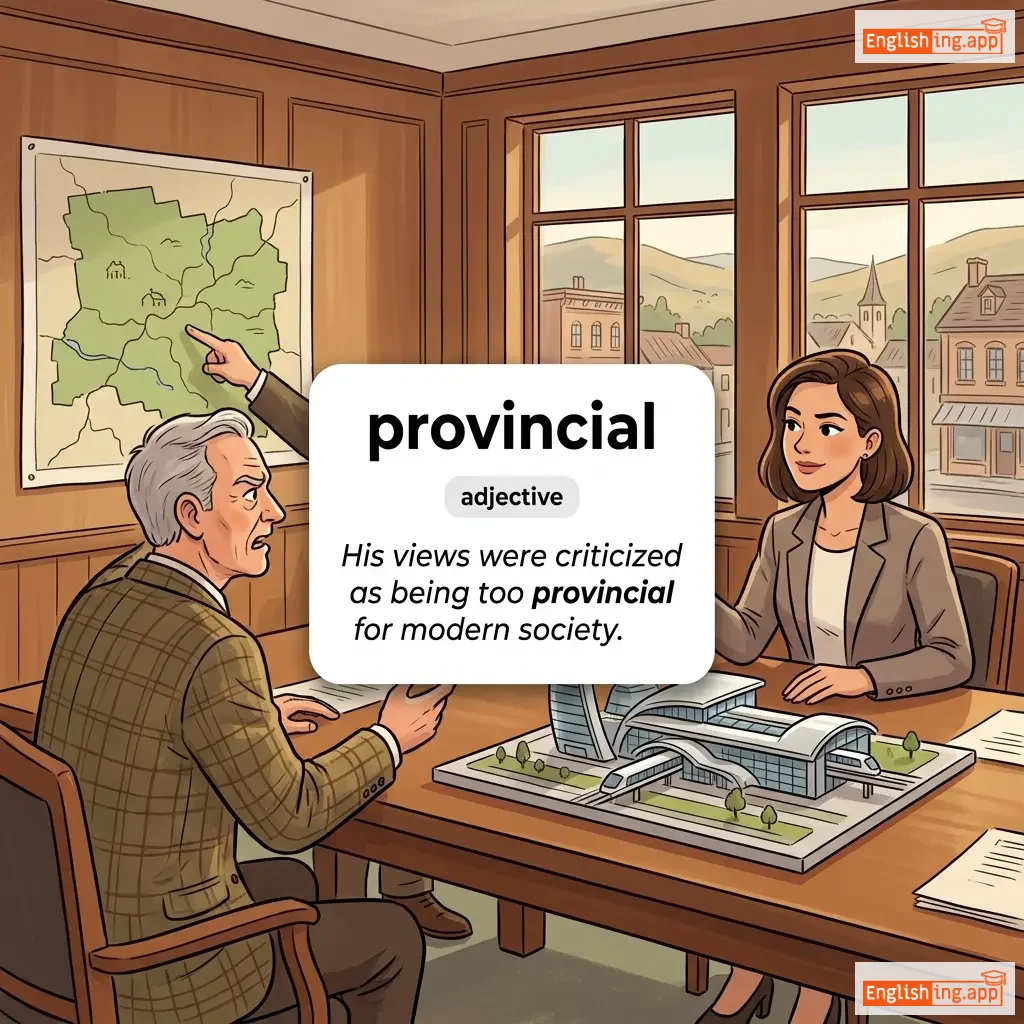
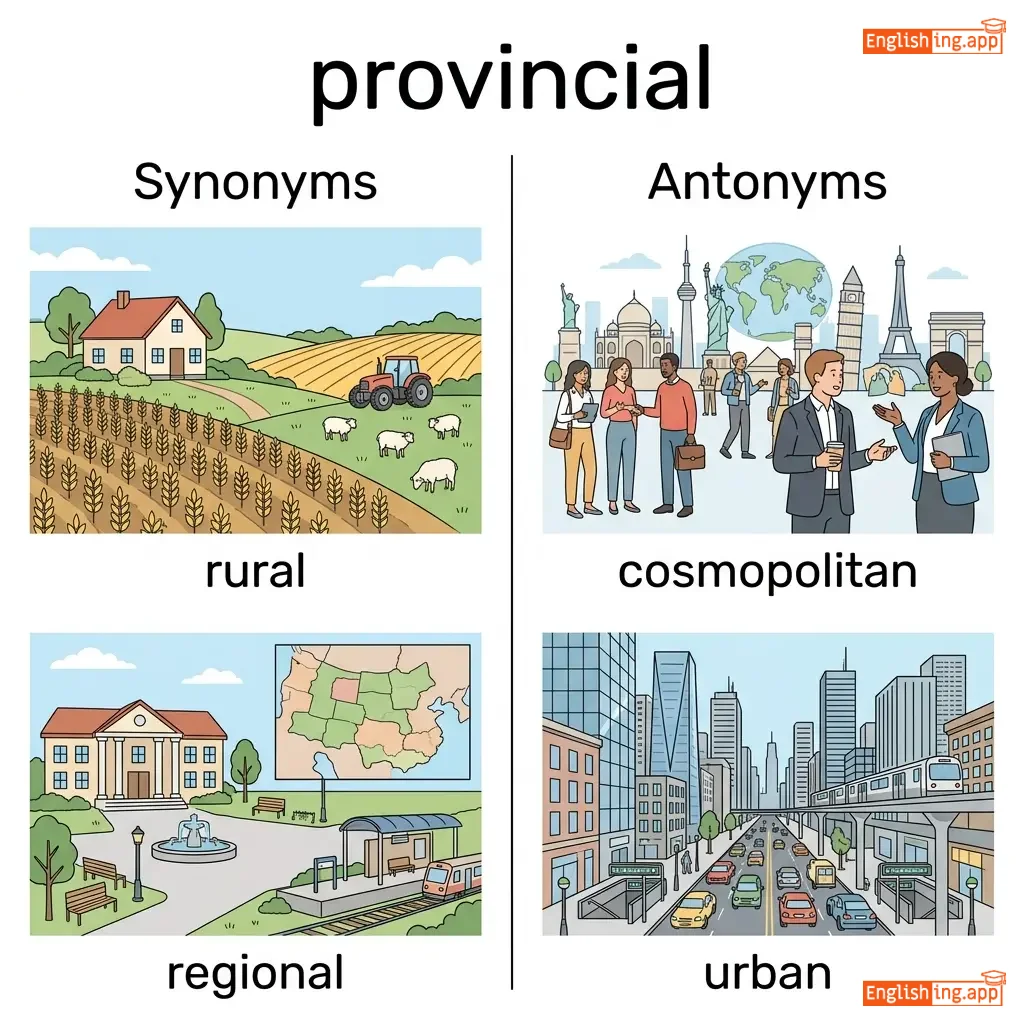
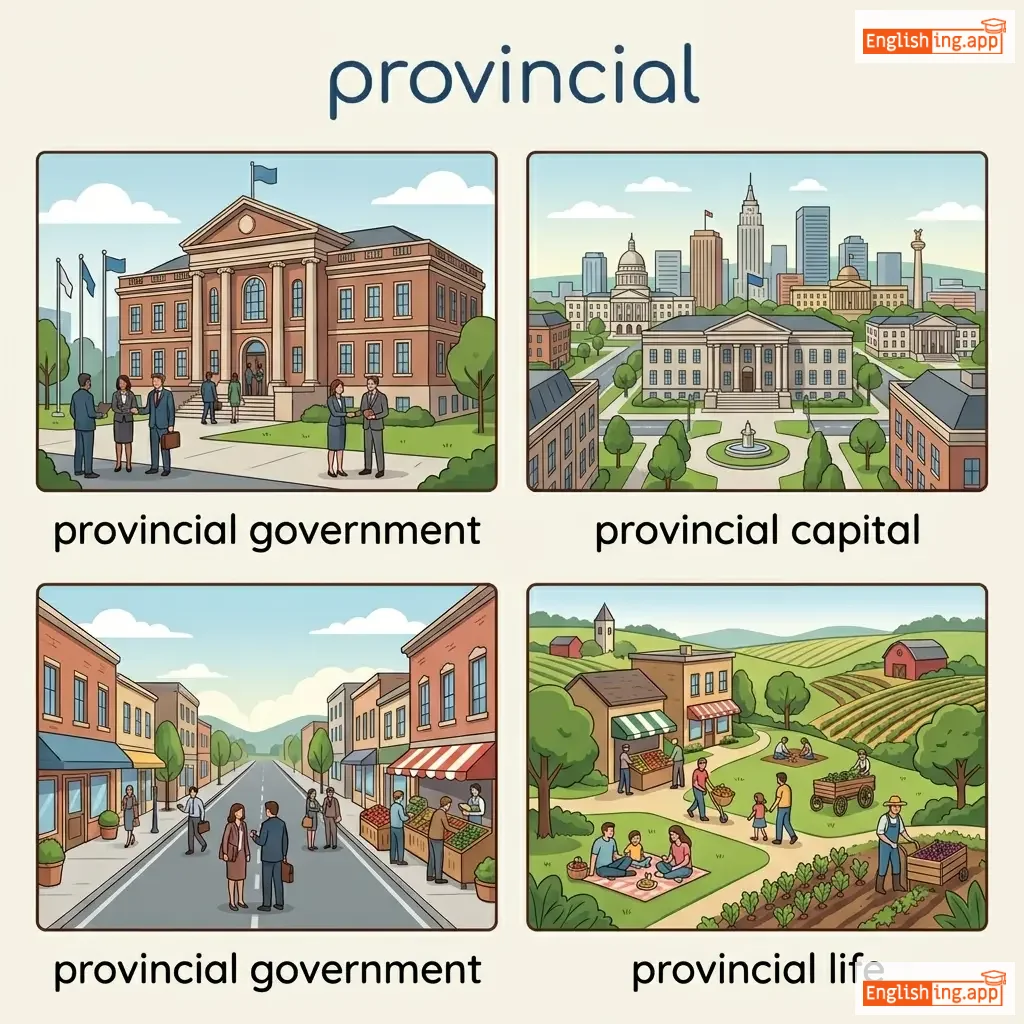
/prəˈvɪnʃəl/
adjective
(puluvinsial)
••••••
|
|
省级的
shengji de
••••••
|
- •••••• | - •••••• | - •••••• | - •••••• |
relating to a province or the regions outside the capital city; often suggesting narrow-mindedness
••••••
|
His views were criticized as being too provincial for modern society.
他的观点被批评为对现代社会来说过于狭隘。
••••••
|
他的观点被批评为对现代社会来说过于狭隘。
tā de guāndiǎn bèi pīpíng wéi duì xiàndài shèhuì lái shuō guòyú xiá'ài.
••••••
|
provincial attitude
狭隘的态度
••••••
|
a narrow or limited way of thinking
••••••
|
狭隘的思维
xiá'ài de sīwéi
••••••
|
rural, regional, parochial, local, insular
••••••
|
cosmopolitan, urban, worldly
••••••
|
provincial government, provincial capital, provincial life, provincial politics
••••••
|
Provincial意味着省份,通常意味着狭隘的思想。
••••••
|
|
📚
••••••
|
/ˈpʌblɪʃɪŋ/
noun
••••••
|
- •••••• | - •••••• | - •••••• | - •••••• | - •••••• | - •••••• |
the business or activity of preparing and issuing books, journals, or other material for sale
••••••
|
He works in the publishing industry as an editor. |
- •••••• | - •••••• | - •••••• | - •••••• |
printing, issuing, releasing, distribution
••••••
|
concealing, hiding, withholding
••••••
|
publishing house, publishing industry, publishing process, digital publishing
••••••
|
No •••••• |
|
⚖️
••••••
|
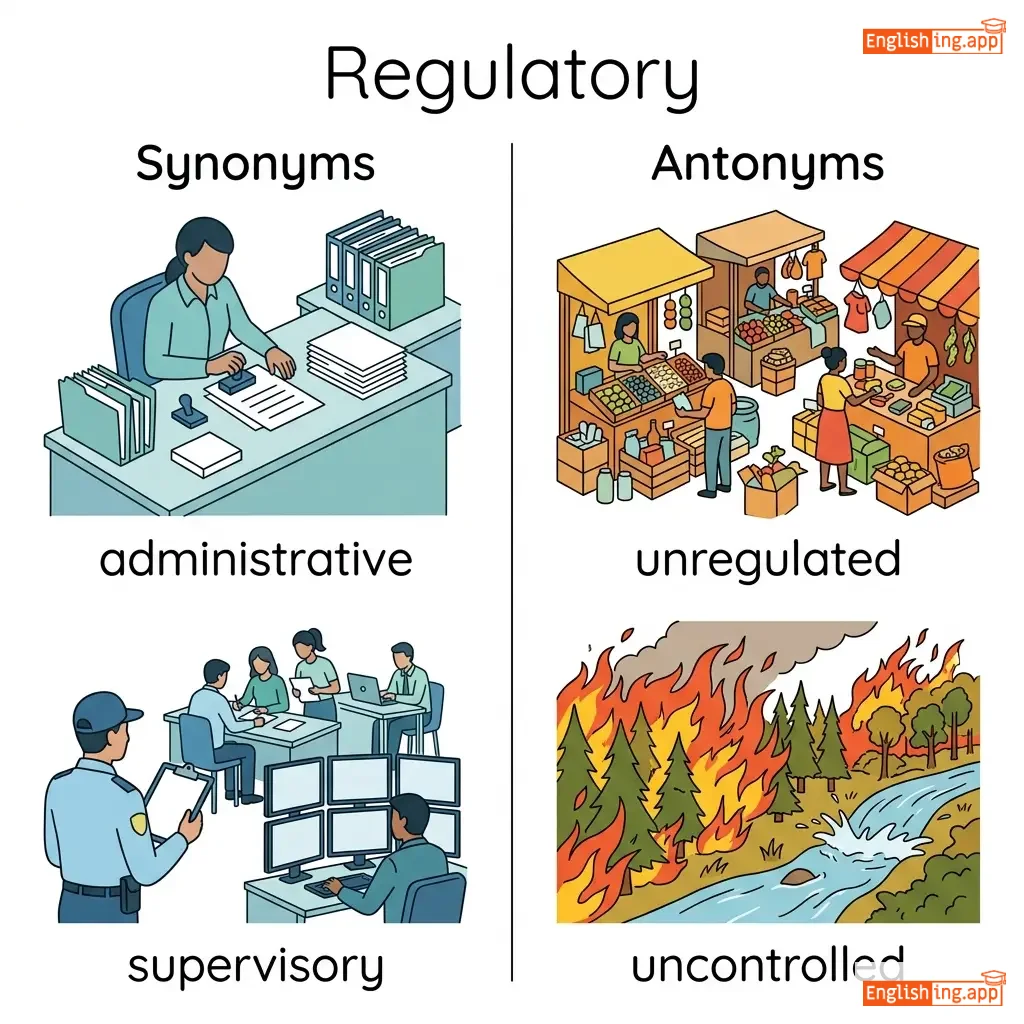
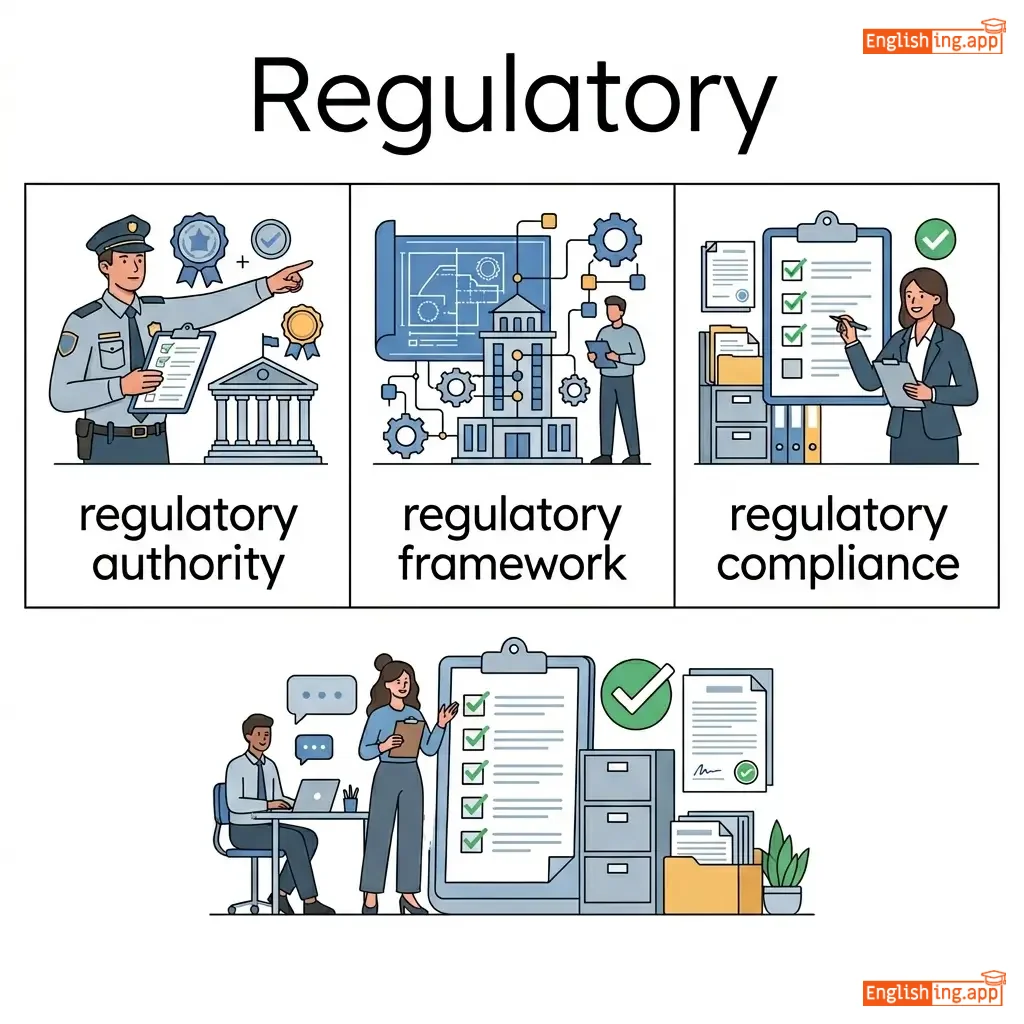
/ˈrɛɡjʊlətɔːri/
adjective
(règuìlètuōlì)
••••••
|

|
监管的
jiānguǎn de
••••••
|
- •••••• | - •••••• | - •••••• | - •••••• |
relating to the rules or laws made by an authority to control an activity or process
••••••
|
The company must comply with all regulatory requirements before launching the product. |
公司必须在推出产品之前遵守所有监管要求。
Gōngsī bìxū zài tuīchū chǎnpǐn zhīqián zūnshǒu suǒyǒu jiānguǎn yāoqiú.
••••••
|
- •••••• | - •••••• | - •••••• |
administrative, supervisory, controlling, governing, legislative
••••••
|
unregulated, uncontrolled
••••••
|
regulatory authority, regulatory framework, regulatory compliance, regulatory body
••••••
|
监管的意味着遵守规则 — 就像遵守交通规则 🚦
••••••
|
|
😣
••••••
|
/ʌnˈkʌmfətəbl/
adjective
(ʌnˈkʌmfətəbl)
••••••
|
- •••••• |
不舒服
bù shūfu
••••••
|
- •••••• | - •••••• | - •••••• | - •••••• |
causing or feeling physical or emotional discomfort
••••••
|
He felt uncomfortable during the long meeting. |
在长时间的会议中,他感到不舒服。
Zài cháng shíjiān de huìyì zhōng, tā gǎndào bù shūfu.
••••••
|
make someone uncomfortable |
to cause someone to feel uneasy or awkward
••••••
|
让某人感到不舒服
ràng mǒu rén gǎndào bù shūfu
••••••
|
uneasy, awkward, embarrassed, uneasy, distressed
••••••
|
comfortable, relaxed, pleasant
••••••
|
feel uncomfortable, uncomfortable situation, uncomfortable silence, make uncomfortable
••••••
|
UN + 舒服 = 不舒服,记住这个意思就是不舒服。
••••••
|

