The Voice of Truth in Troubled Times
サディアは献身的なcorrespondentであり、journalismを聖なる義務と考えていました。彼女はprovincial新聞で働いており、そこでのpublishingの自由は限られていました。Regulatory当局とadministrationは、すべてのニュースをconventionalな方法で書き、propagandaを広めることを望んでいました。しかしサディアはdeliberately真実を報道し、それはしばしば権力者にとってuncomfortableでした。ある日、administrativeスキャンダルが明るみに出ました。そこで、あるcommissionerは正直であるとcharacterizedされていましたが、実際は異なっていました。サディアはcorrespondenceや他のジャーナリストとのcoordinationを通じて証拠を集めました。地元のリーダーたちのcongregationが彼女を脅すためにproceedingを始めましたが、彼女は真実のためにpronouncedな立場を取ることにしました。「Journalismは単なる職業ではなく、責任である」と彼女は言いました。その他のcommentatorたちが彼女の勇気を支持し、出版元は彼女を支持しました。Accommodationなしで、サディアは調査を完了し、deliberatelyすべての事実を公開しました。彼女のconventionalでない決断は、journalismに新たな基準を打ち立てました。Provincialレベルでは、regulatoryおよびadministrativeの腐敗が公に暴露されたのはこれが初めてでした。サディアのpronounced行動は、他のジャーナリストに真実を語る重要性を促しました。
|
絵文字
|
単語 | Images | 翻訳 | 過去 | 過去分詞 | 三人称単数 | 動名詞 | 意味 | 例文 | 例文の翻訳 | 表現例 | 表現例の意味 | 表現例の翻訳 | 同義語 | 対義語 | コロケーション | ニーモニック |
|---|---|---|---|---|---|---|---|---|---|---|---|---|---|---|---|---|---|
|
🏠
••••••
|
/əˌkɒməˈdeɪʃən/
noun
(アコモデーション)
••••••
|
- •••••• |
宿泊施設
shukuhaku shisetsu
••••••
|
- •••••• | - •••••• | - •••••• | - •••••• |
a room, group of rooms, or building in which someone may live or stay
••••••
|
The hotel provides comfortable accommodation for tourists.
ホテルは観光客のために快適な宿泊施設を提供します。
••••••
|
ホテルは観光客のために快適な宿泊施設を提供します。
Hoteru wa kankōkyaku no tame ni kaiteki na shukuhaku shisetsu o teikyō shimasu.
••••••
|
- •••••• | - •••••• | - •••••• |
housing, lodging, residence, shelter
••••••
|
homelessness, displacement, eviction
••••••
|
student accommodation, temporary accommodation, book accommodation
••••••
|
Accommodation in Japanese is '宿泊施設' (shukuhaku shisetsu), a place to stay.
••••••
|
|
🏛️
••••••
|
/ədˌmɪnɪˈstreɪʃən/
noun
(アドミニストレーション)
••••••
|
- •••••• |
行政
gyousei
••••••
|
- •••••• | - •••••• | - •••••• | - •••••• |
The management or organization of a business, institution, or government.
••••••
|
The new administration introduced several reforms. |
新しい行政は幾つかの改革を導入しました。
atarashii gyousei wa ikutsuka no kaikaku o dounyuu shimashita.
••••••
|
public administration |
The management of government affairs and policies.
••••••
|
公共行政
koukyou gyousei
••••••
|
management, governance, supervision, leadership, control
••••••
|
mismanagement, neglect, chaos
••••••
|
school administration, government administration, business administration, administration office
••••••
|
行政は「アドミニストレーション」の日本語、整理整頓された組織!
••••••
|
|
🏢
••••••
|
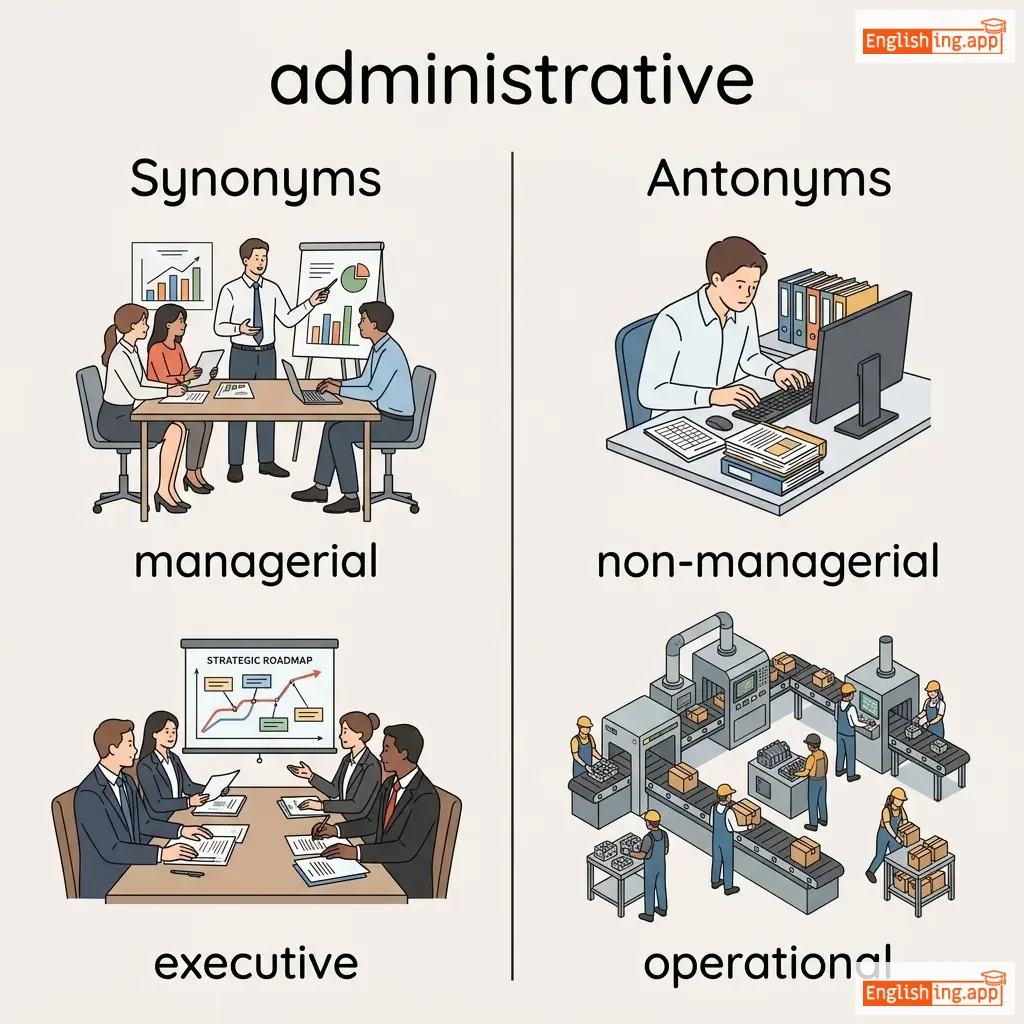
/ədˈmɪnɪstrətɪv/
adjective
(アドミニストレイティブ)
••••••
|


|
行政的な
gyouseiteki na
••••••
|
- •••••• | - •••••• | - •••••• | - •••••• |
relating to the management or organization of an institution or business
••••••
|
She handles all the administrative tasks in the office. |
彼女はオフィスのすべての行政的な業務を担当しています。
Kanojo wa ofisu no subete no gyouseiteki na gyoumu wo tantou shiteimasu.
••••••
|
- •••••• | - •••••• | - •••••• |
managerial, executive, organizational, supervisory
••••••
|
non-managerial, subordinate
••••••
|
administrative staff, administrative work, administrative office, administrative system
••••••
|
Adminはオフィスを意味するので、行政的なはオフィスの管理に関連している意味です 🏢
••••••
|
|
🖊️
••••••
|
/ˈkærəktəraɪz/
verb
••••••
|
- •••••• | - •••••• |
characterized
••••••
|
characterized
••••••
|
characterizes
••••••
|
characterizing
••••••
|
to describe or portray the distinctive features or qualities of someone or something
••••••
|
The author characterizes the hero as brave and selfless. |
- •••••• |
characterize as |
to describe someone or something in a particular way
••••••
|
- •••••• |
depict, portray, define, describe, represent
••••••
|
misrepresent, distort
••••••
|
characterize as, clearly characterize, characterizes the style
••••••
|
No •••••• |
|
🎙️
••••••
|
/ˈkɒmənˌteɪtər/
noun
(コメントレーター)
••••••
|
- •••••• |
解説者
kaisetsusha
••••••
|
- •••••• | - •••••• | - •••••• | - •••••• |
a person who reports and discusses events, especially on TV or radio
••••••
|
The commentator described the football match in detail. |
解説者はサッカーの試合を詳細に説明しました。
Kaisetsusha wa sakkā no shiai o shōsai ni setsumei shimashita.
••••••
|
- •••••• | - •••••• | - •••••• |
announcer, reporter, narrator, broadcaster, critic
••••••
|
audience, listener
••••••
|
sports commentator, political commentator, live commentator, TV commentator
••••••
|
解説者はテレビでスポーツの試合を解説する人です。
••••••
|
|
👮♂️
••••••
|
/kəˈmɪʃənər/
noun
(コミッショナー)
••••••
|
- •••••• |
コミッショナー
komisshonā
••••••
|
- •••••• | - •••••• | - •••••• | - •••••• |
an official in charge of a particular department or area
••••••
|
The police commissioner addressed the media about the incident.
警察のコミッショナーは、事件についてメディアに話しました。
••••••
|
警察のコミッショナーは、事件についてメディアに話しました。
Keisatsu no komisshonā wa, jiken ni tsuite media ni hanashimashita.
••••••
|
- •••••• | - •••••• | - •••••• |
official, director, superintendent, chief, officer
••••••
|
subordinate, employee
••••••
|
police commissioner, election commissioner, city commissioner, commissioner office
••••••
|
コミッショナーは責任を意味し、コミッショナーはその責任を持つ人です。
••••••
|
|
⛪
••••••
|
/ˌkɒŋɡrɪˈɡeɪʃən/
noun
(コングリゲイション)
••••••
|
- •••••• |
集会
shukai
••••••
|
- •••••• | - •••••• | - •••••• | - •••••• |
a group of people assembled for religious worship or a common purpose
••••••
|
The congregation gathered to hear the sermon. |
集会は説教を聞くために集まりました。
Shukai wa sekkyou o kiku tame ni atsumarimashita.
••••••
|
- •••••• | - •••••• | - •••••• |
audience, assembly, crowd, gathering
••••••
|
individual, loner
••••••
|
church congregation, religious congregation, large congregation
••••••
|
Congregation は人々が集まる場所なので、'shu' + 'kai' = 集会
••••••
|
|
🏛️
••••••
|
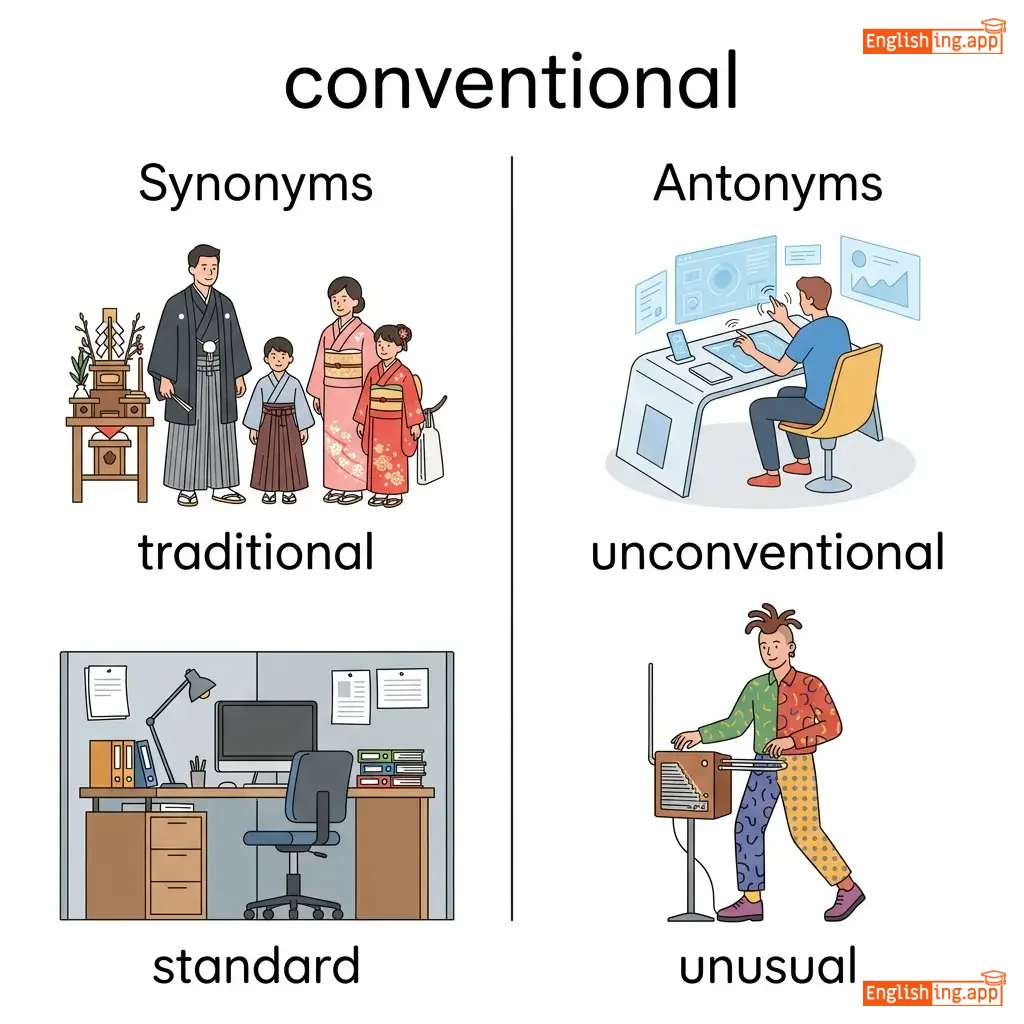
/kənˈvenʃənəl/
adjective
(コンヴェンショナル)
••••••
|


|
伝統的な; 従来の; 一般的に受け入れられている; 慣習に基づく
dentōteki na; jōraiteki na; ippan-teki ni ukeirarete iru; kanshū ni motozuku
••••••
|
- •••••• | - •••••• | - •••••• | - •••••• |
following traditional practices; customary; generally accepted; bound by convention
••••••
|
She chose a conventional wedding dress for her big day. |
彼女は彼女の大きな日用に伝統的な結婚式のドレスを選びました。
Kanojo wa kanojo no ōkina hi yō ni dentōteki na kekkonshiki no doresu o erabimashita.
••••••
|
- •••••• | - •••••• | - •••••• |
traditional, orthodox, standard, normal
••••••
|
unconventional, innovative, radical, modern
••••••
|
conventional wisdom, conventional approach, conventional medicine
••••••
|
伝統が今も受け入れられている
••••••
|
|
🤝
••••••
|
/kəʊˌɔːdɪˈneɪʃən/
noun
(コーディネーション)
••••••
|
- •••••• |
調整
chōsei
••••••
|
- •••••• | - •••••• | - •••••• | - •••••• |
the process of organizing different elements to work together effectively
••••••
|
The coordination between the teams was flawless. |
チーム間の調整は完璧でした。
Chīmu kan no chōsei wa kanpeki deshita.
••••••
|
- •••••• | - •••••• | - •••••• |
organization, collaboration, synchronization, harmony
••••••
|
disorganization, chaos, confusion
••••••
|
team coordination, coordination efforts, effective coordination
••••••
|
Coordinationは要素を一緒に働かせること、'co'が一緒を意味するように
••••••
|
|
📬
••••••
|
/ˌkɔr.əˈspɑn.dəns/
noun
(コレスポンデンス)
••••••
|
- •••••• |
通信; 類似または同等; 手紙の交換によるコミュニケーション
tsuushin; ruiji mata wa doutou; tegami no koukan ni yoru komyunikēshon
••••••
|
- •••••• | - •••••• | - •••••• | - •••••• |
letters sent or received; similarity or equivalence; communication by exchange of letters
••••••
|
The historical correspondence between the two famous writers was recently published. |
二人の有名な作家の間の歴史的な通信は最近発表されました。
Futari no yuumei na sakka no aida no rekishiteki na tsuushin wa saikin happyou saremashita.
••••••
|
- •••••• | - •••••• | - •••••• |
letters, communication, mail, similarity
••••••
|
silence, difference, dissimilarity
••••••
|
business correspondence, private correspondence, email correspondence
••••••
|
コレスポンデンスは、手紙を交換することによって情報をやり取りする方法です。
••••••
|
|
📰
••••••
|
/ˌkɒrəˈspɒndənt/
noun
(コレスポンデント)
••••••
|
- •••••• |
通信員
tsūshin'in
••••••
|
- •••••• | - •••••• | - •••••• | - •••••• |
A journalist who reports news from a particular place or on a particular subject.
••••••
|
The foreign correspondent reported live from Paris. |
外国の通信員がパリからライブで報告した。
Gaikoku no tsūshin'in ga Pari kara raibu de hōkoku shita.
••••••
|
war correspondent |
A journalist who reports from areas of armed conflict.
••••••
|
戦争通信員
sensō tsūshin'in
••••••
|
reporter, journalist, writer, newsman
••••••
|
audience, reader
••••••
|
foreign correspondent, special correspondent, chief correspondent
••••••
|
Correspondent はニュースを伝える人です — 通信は繋がりを意味します。
••••••
|
|
🎯
••••••
|
/dɪˈlɪb.ər.ət.li/
adverb
(dɪˈlɪbərətli)
••••••
|

|
意図的に; わざと; 慎重に考えた上で
itotekini; wazato; shinchou ni kangaeta ue de
••••••
|
- •••••• | - •••••• | - •••••• | - •••••• |
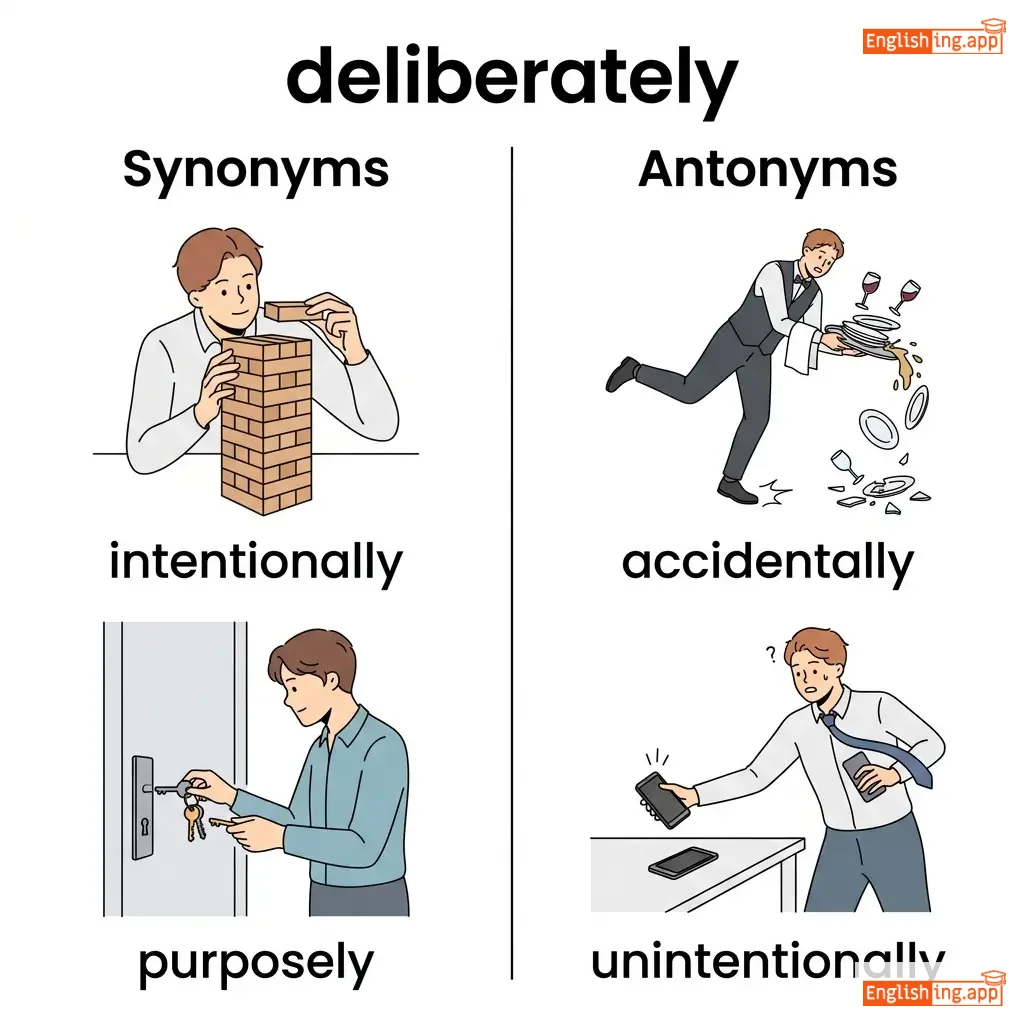
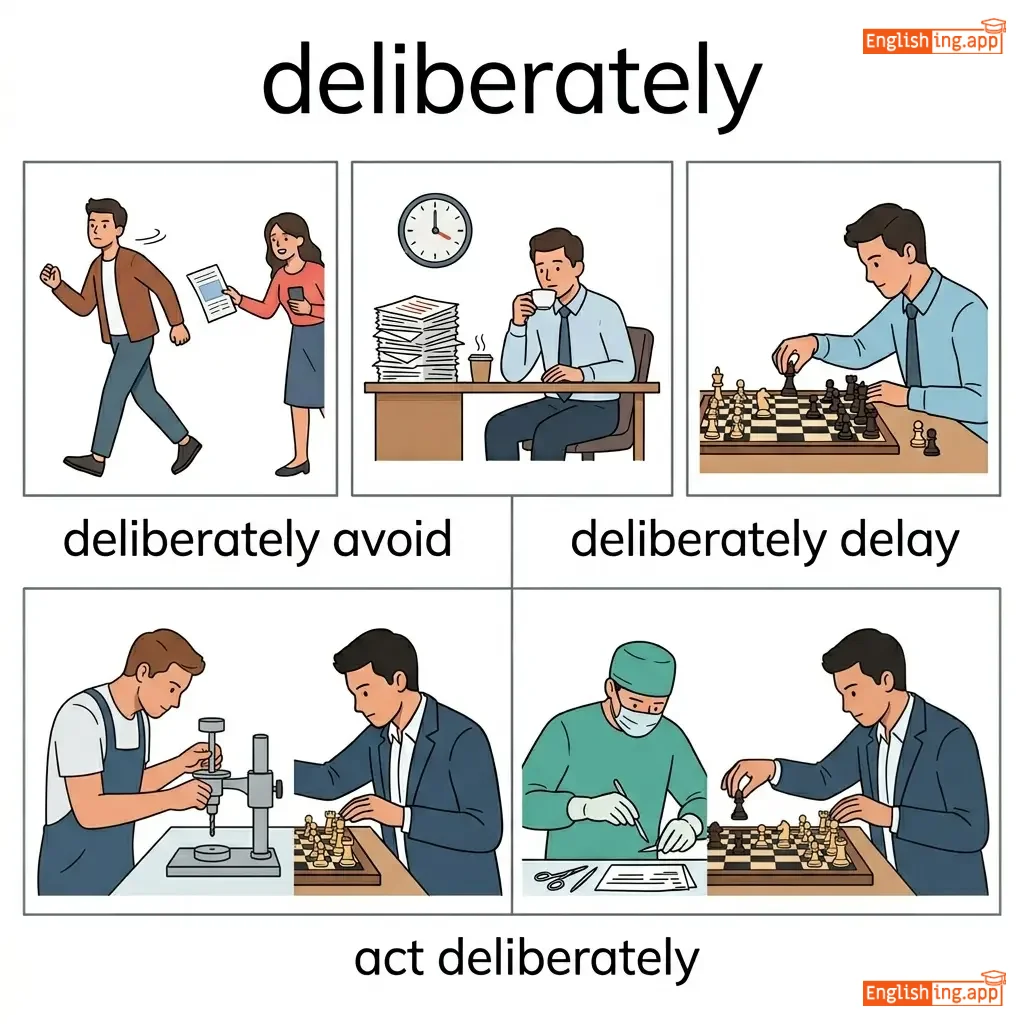
intentionally; on purpose; with careful consideration
••••••
|
He deliberately chose not to answer the question.
彼はわざと質問に答えないことを選びました。
••••••
|
彼はわざと質問に答えないことを選びました。
Kare wa wazato shitsumon ni kotaenai koto o erabimashita.
••••••
|
- •••••• | - •••••• | - •••••• |
intentionally, purposely, consciously
••••••
|
accidentally, unintentionally, carelessly
••••••
|
deliberately avoid, deliberately choose, deliberately ignore
••••••
|
意図的に計画することは、カフェで選ぶ時のように慎重であるべきだ。
••••••
|
|
📰
••••••
|
/ˈdʒɜːrnəlɪzəm/
noun
(ジャーナリズム)
••••••
|
- •••••• |
ジャーナリズム
jānarizumu
••••••
|
- •••••• | - •••••• | - •••••• | - •••••• |
the activity or profession of collecting, writing, and publishing news and articles for newspapers, magazines, or broadcast media
••••••
|
He studied journalism to become a news reporter. |
彼はニュースリポーターになるためにジャーナリズムを学びました。
Kare wa nyūsu ripōtā ni naru tame ni jānarizumu o manabimashita.
••••••
|
yellow journalism |
journalism that is based upon sensationalism and exaggeration
••••••
|
黄色いジャーナリズム
kiiroi jānarizumu
••••••
|
reporting, news writing, media, press, communication
••••••
|
fiction, silence
••••••
|
investigative journalism, professional journalism, modern journalism, online journalism, citizen journalism
••••••
|
ジャーナリズムはニュースを集めて書くこと、それがジャーナリズムです!
••••••
|
|
⚖️
••••••
|
/prəˈsiːdɪŋ/
noun
(prəˈsiːdɪŋ)
••••••
|
- •••••• |
手続き
tetsudzuki
••••••
|
- •••••• | - •••••• | - •••••• | - •••••• |
a course of action; often used for a legal process or event
••••••
|
The court proceedings lasted for several hours.
裁判所の手続きは数時間続きました。
••••••
|
裁判所の手続きは数時間続きました。
Saibansho no tetsudzuki wa suujikan tsuzukimashita.
••••••
|
- •••••• | - •••••• | - •••••• |
process, action, event, case, trial
••••••
|
inaction, stoppage
••••••
|
legal proceeding, court proceeding, official proceeding, ongoing proceeding
••••••
|
Proceedingは裁判所の手続きの進行中を意味します。
••••••
|
|
🔊
••••••
|
/prəˈnaʊnst/
adjective
(プロナウンド)
••••••
|
- •••••• |
顕著な
kenchona
••••••
|
- •••••• | - •••••• | - •••••• | - •••••• |
very noticeable or strongly marked
••••••
|
There is a pronounced difference between the two styles. |
二つのスタイルの間には顕著な違いがあります。
Futatsu no sutairu no aida ni wa kenchona chigai ga arimasu.
••••••
|
- •••••• | - •••••• | - •••••• |
distinct, marked, evident, clear, obvious
••••••
|
subtle, faint, hidden
••••••
|
pronounced effect, pronounced difference, pronounced tendency, pronounced feature
••••••
|
Pronouncedは明確に言われたという意味 — だから顕著な
••••••
|
|
📢
••••••
|
/ˌprɒpəˈɡændə/
noun
(プロパガンダ)
••••••
|
- •••••• |
プロパガンダ
puropaganda
••••••
|
- •••••• | - •••••• | - •••••• | - •••••• |
Information, especially biased or misleading, used to promote a political cause or point of view.
••••••
|
The regime spread propaganda to control public opinion. |
政権は世論をコントロールするためにプロパガンダを広めた。
seiken wa seiron o kontorōru suru tame ni puropaganda o hirometa.
••••••
|
propaganda machine |
An organized effort to spread biased information systematically.
••••••
|
プロパガンダ機械
puropaganda kikai
••••••
|
promotion, publicity, misinformation, indoctrination, advertising
••••••
|
truth, fact, information
••••••
|
spread propaganda, political propaganda, propaganda campaign, propaganda machine
••••••
|
プロパガンダは、ただし、しばしば情報を歪めて、ある目的を達成するために使用されます。
••••••
|
|
🏞️
••••••
|
/prəˈvɪnʃəl/
adjective
(プロヴィンシャル)
••••••
|
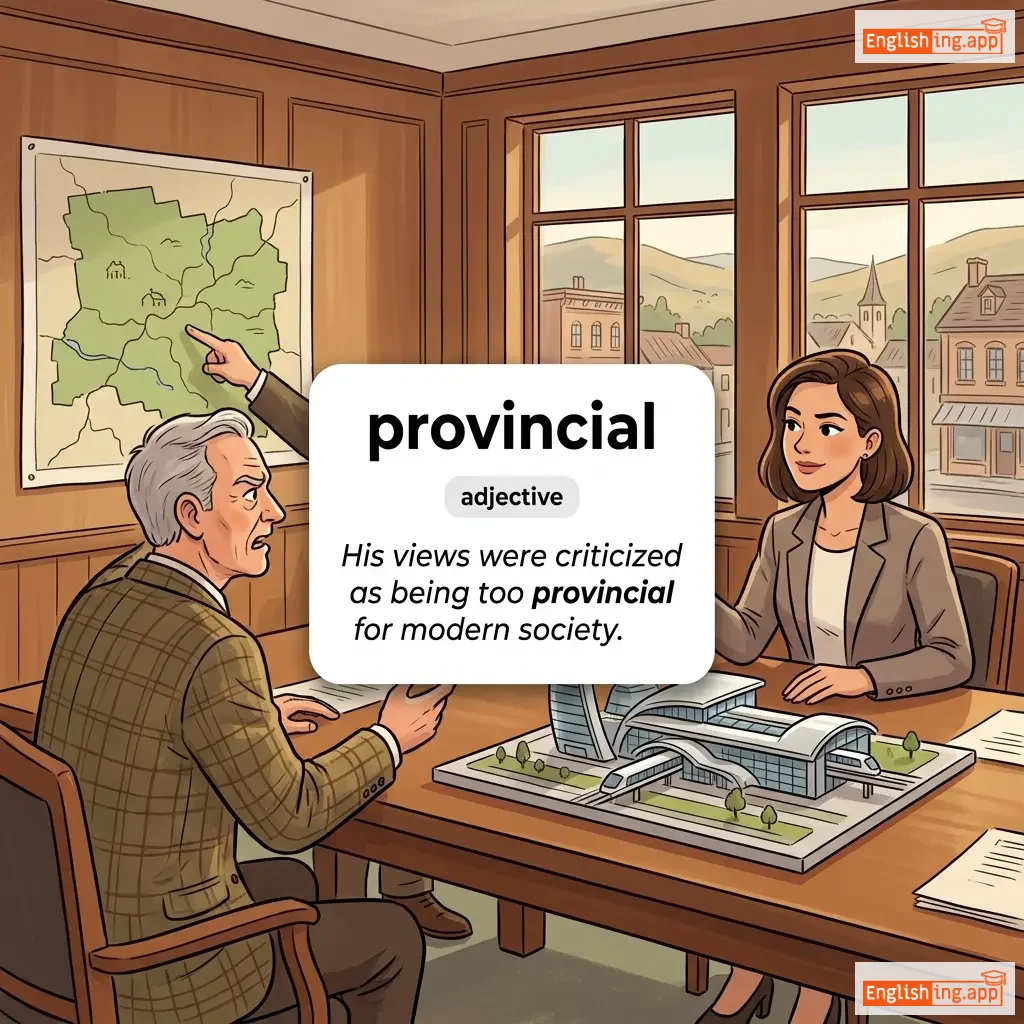
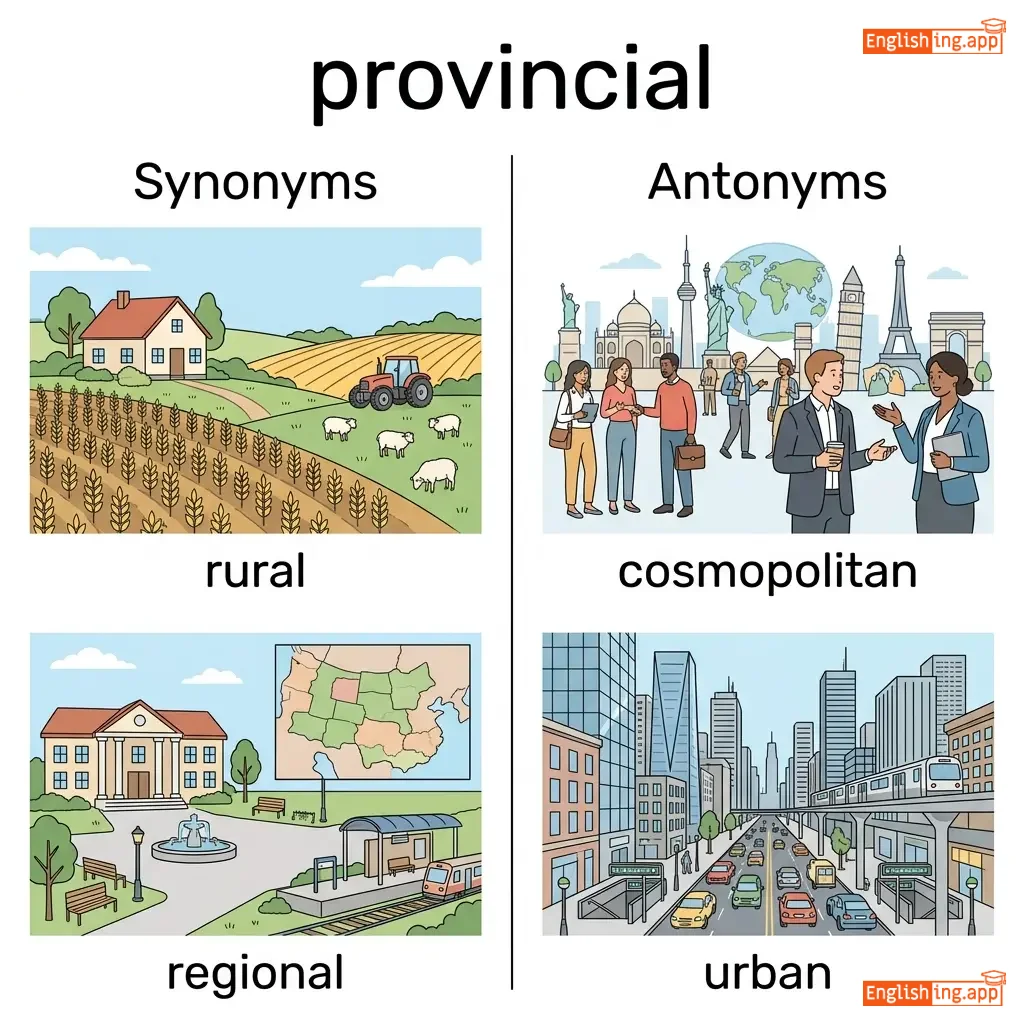
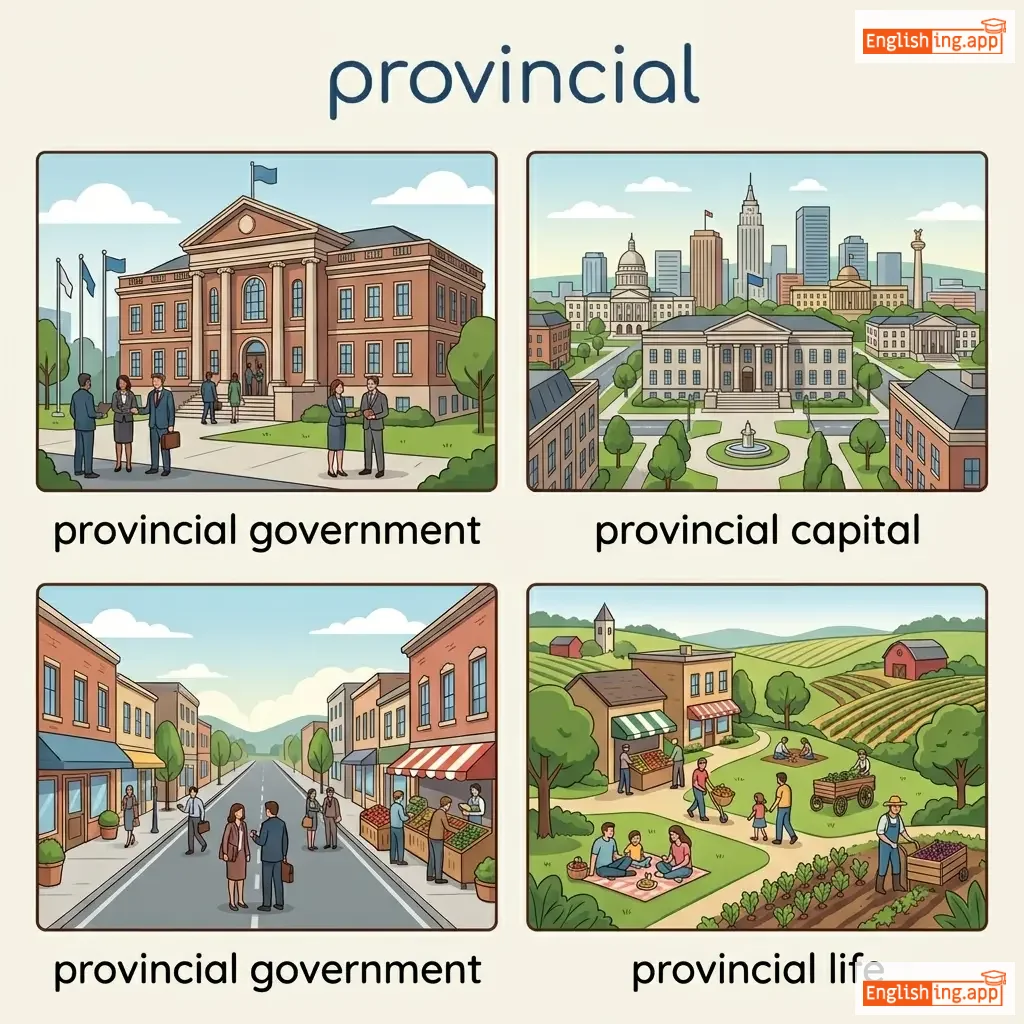
|
地方的
chihō-teki
••••••
|
- •••••• | - •••••• | - •••••• | - •••••• |
relating to a province or the regions outside the capital city; often suggesting narrow-mindedness
••••••
|
His views were criticized as being too provincial for modern society.
彼の意見は現代社会にはあまりにもプロヴィンシャルだと批判されました。
••••••
|
彼の意見は現代社会にはあまりにもプロヴィンシャルだと批判されました。
kare no iken wa gendai shakai ni wa amari ni mo purovinsharu da to hihan saremashita.
••••••
|
provincial attitude
プロヴィンシャルな態度
••••••
|
a narrow or limited way of thinking
••••••
|
狭い考え方
semai kangaekata
••••••
|
rural, regional, parochial, local, insular
••••••
|
cosmopolitan, urban, worldly
••••••
|
provincial government, provincial capital, provincial life, provincial politics
••••••
|
Provincialは地方に関することで、制限的な思考を示唆します。
••••••
|
|
📚
••••••
|
/ˈpʌblɪʃɪŋ/
noun
••••••
|
- •••••• | - •••••• | - •••••• | - •••••• | - •••••• | - •••••• |
the business or activity of preparing and issuing books, journals, or other material for sale
••••••
|
He works in the publishing industry as an editor. |
- •••••• | - •••••• | - •••••• | - •••••• |
printing, issuing, releasing, distribution
••••••
|
concealing, hiding, withholding
••••••
|
publishing house, publishing industry, publishing process, digital publishing
••••••
|
No •••••• |
|
⚖️
••••••
|
/ˈrɛɡjʊlətɔːri/
adjective
(レギュラトリー)
••••••
|

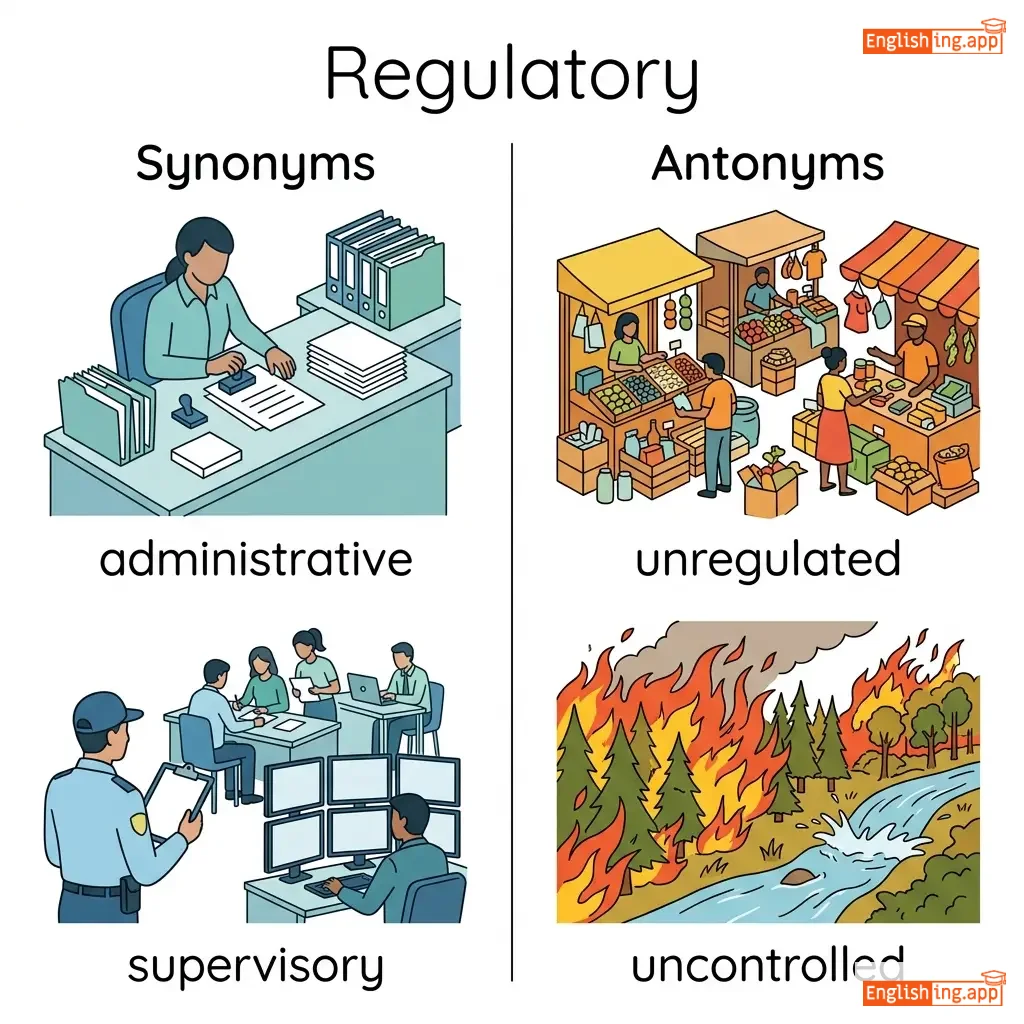
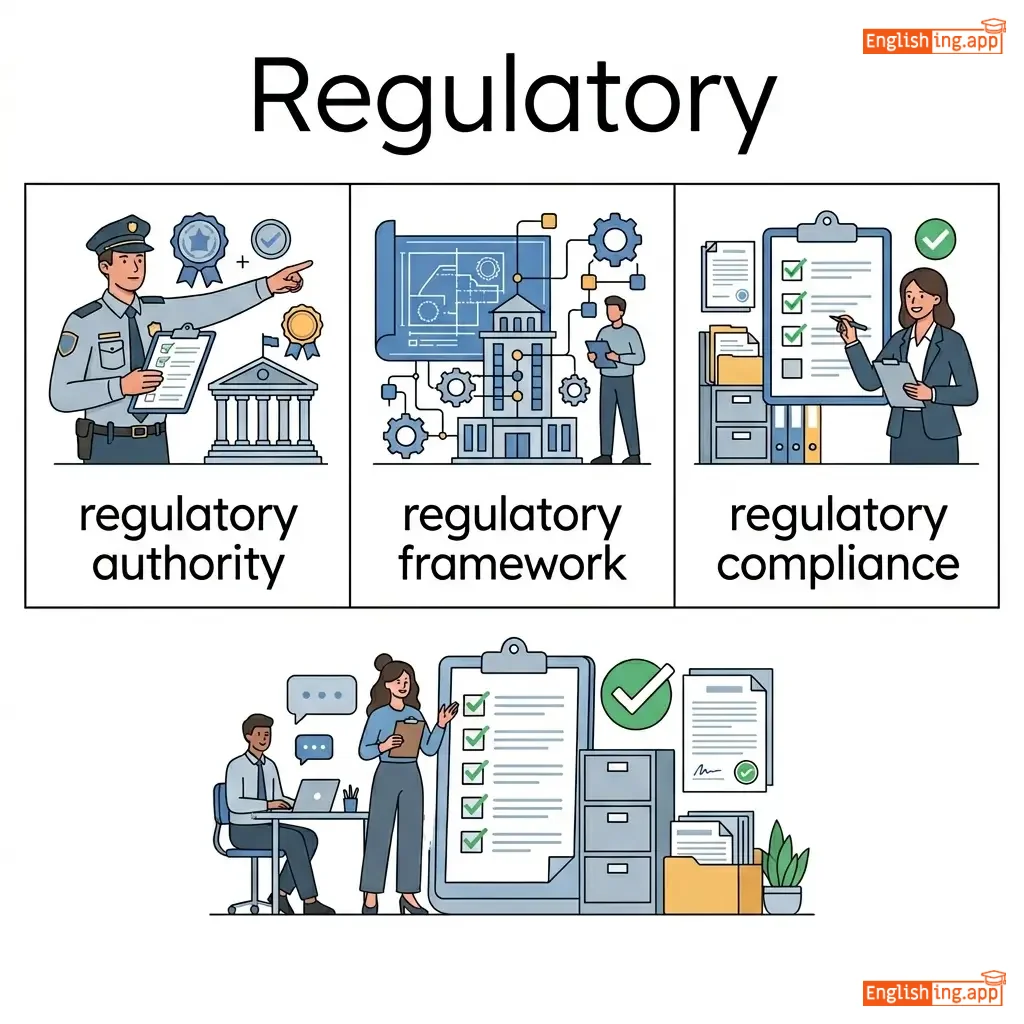
|
規制の
kisei no
••••••
|
- •••••• | - •••••• | - •••••• | - •••••• |
relating to the rules or laws made by an authority to control an activity or process
••••••
|
The company must comply with all regulatory requirements before launching the product. |
企業は製品を発売する前にすべての規制要件を満たさなければなりません。
Kigyō wa seihin o hatsubai suru mae ni subete no kisei yōken o mitasanakereba narimasen.
••••••
|
- •••••• | - •••••• | - •••••• |
administrative, supervisory, controlling, governing, legislative
••••••
|
unregulated, uncontrolled
••••••
|
regulatory authority, regulatory framework, regulatory compliance, regulatory body
••••••
|
規制のとは、ルールに従うこと — 交通ルールを守るように 🚦
••••••
|
|
😣
••••••
|
/ʌnˈkʌmfətəbl/
adjective
(アンカムフォータブル)
••••••
|
- •••••• |
不快
fukai
••••••
|
- •••••• | - •••••• | - •••••• | - •••••• |
causing or feeling physical or emotional discomfort
••••••
|
He felt uncomfortable during the long meeting. |
長い会議の間、彼は不快に感じました。
Nagai kaigi no aida, kare wa fukai ni kanjimashita.
••••••
|
make someone uncomfortable |
to cause someone to feel uneasy or awkward
••••••
|
誰かを不快にさせる
dareka o fukai ni saseru
••••••
|
uneasy, awkward, embarrassed, uneasy, distressed
••••••
|
comfortable, relaxed, pleasant
••••••
|
feel uncomfortable, uncomfortable situation, uncomfortable silence, make uncomfortable
••••••
|
UN + 快 = 不快、覚えておいて、不快は不安や気まずさを意味します。
••••••
|

