Получите неограниченный доступ ко всем словам с подпиской Pro
Обновить до ProПолучите неограниченный доступ ко всем предложениям с подпиской Pro
Обновить до Pro|
Эмодзи
|
Слово | Images | Перевод | Прошедшее | Причастие прошедшего времени | Третье лицо единственного числа | Герундий | Значение | Пример предложения | Перевод примера предложения | Пример выражения | Значение примера выражения | Перевод примера выражения | Синонимы | Антонимы | Коллокации | Мнемоника |
|---|---|---|---|---|---|---|---|---|---|---|---|---|---|---|---|---|---|
|
🏷️
••••••
|
/ˌæpəˈleɪʃən/
noun
(æpəˈleɪʃən)
••••••
|

|
наименование / титул
naimenovanie / titul
••••••
|
- •••••• | - •••••• | - •••••• | - •••••• |
a name or title
••••••
|
The city has earned the appellation 'The Big Apple'. |
Город получил титул 'Большое Яблоко'.
Gorod poluchil titul 'Bol'shoye Yabloko'.
••••••
|
- •••••• | - •••••• | - •••••• |
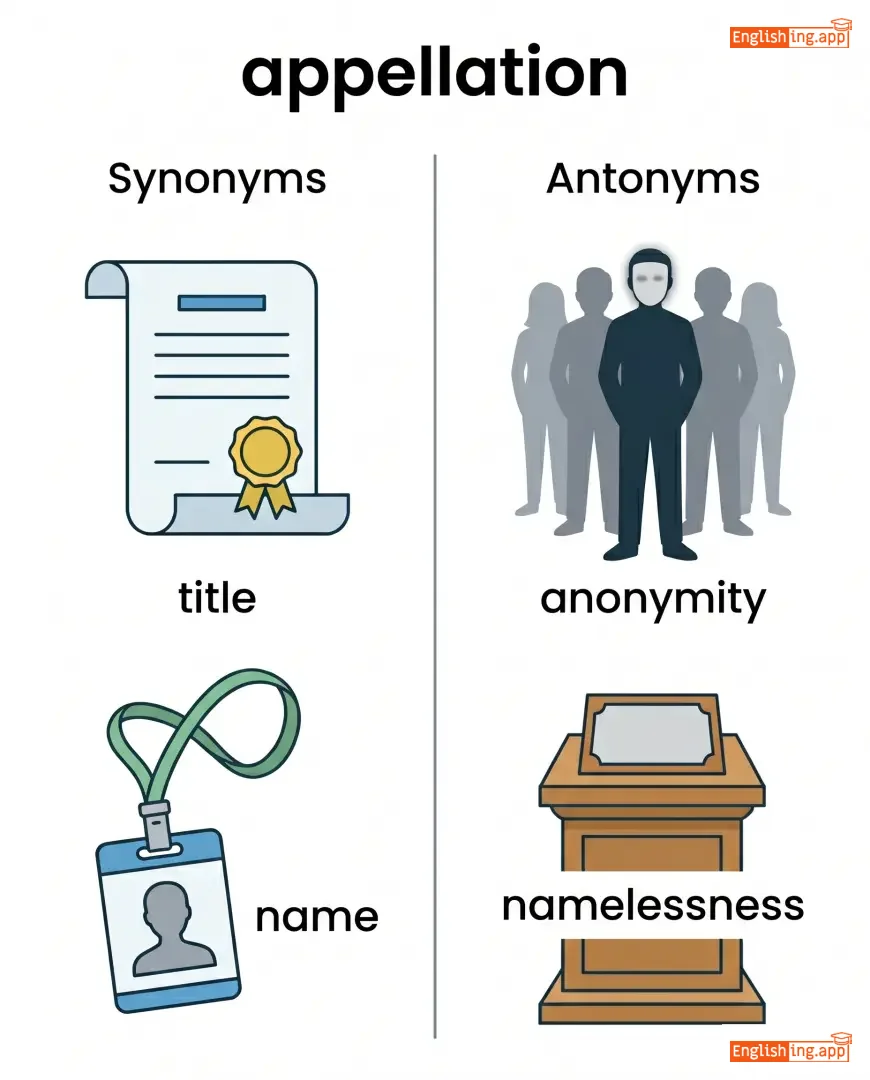
title, name, designation, label, epithet
••••••
|
anonymity, namelessness
••••••
|
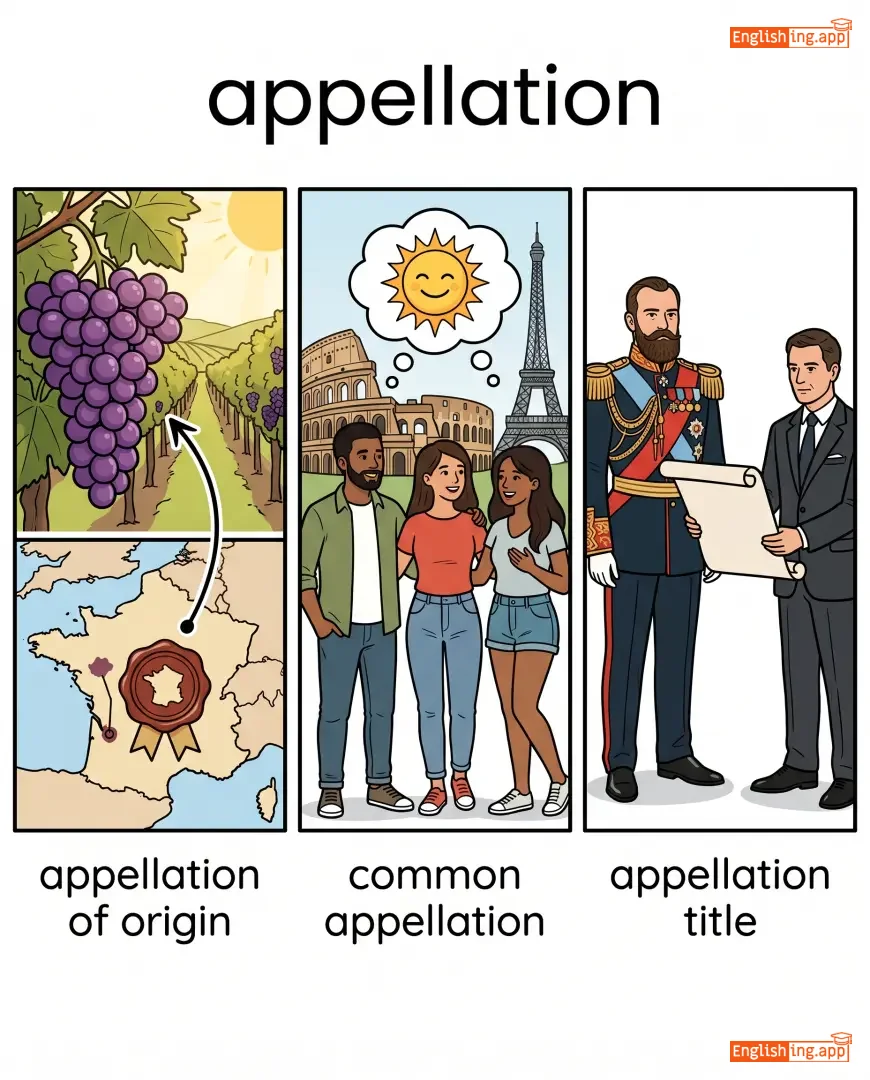
appellation of origin, common appellation, appellation title
••••••
|
Appellation означает наименование/титул — Сопоставь с яблоком 🍎
••••••
|
|
🎯
••••••
|
/ˈæpəzɪt/
adjective
(эпозит)
••••••
|
|
уместный
umestny
••••••
|
- •••••• | - •••••• | - •••••• | - •••••• |
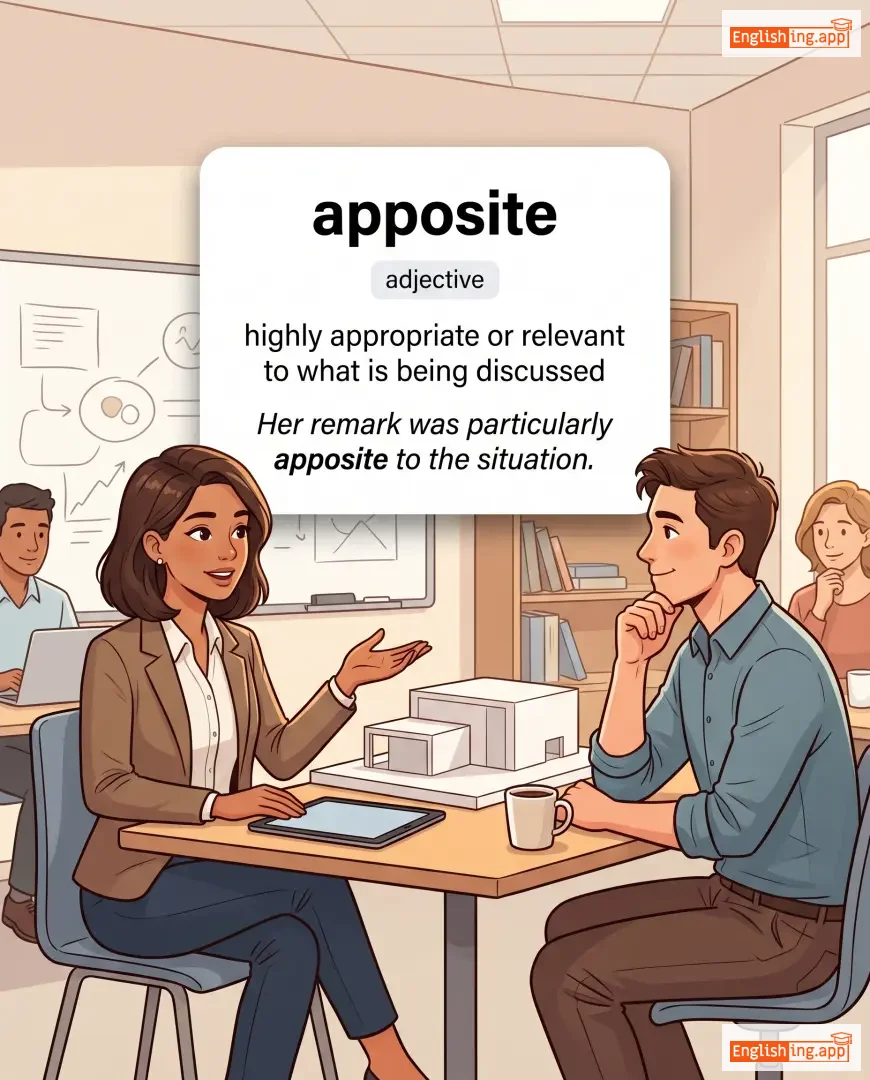
highly appropriate or relevant to what is being discussed
••••••
|
Her remark was particularly apposite to the situation. |
Её замечание было особенно уместным для ситуации.
Eyo zamechaniye bylo osobenno umestnym dlya situatsii.
••••••
|
- •••••• | - •••••• | - •••••• |
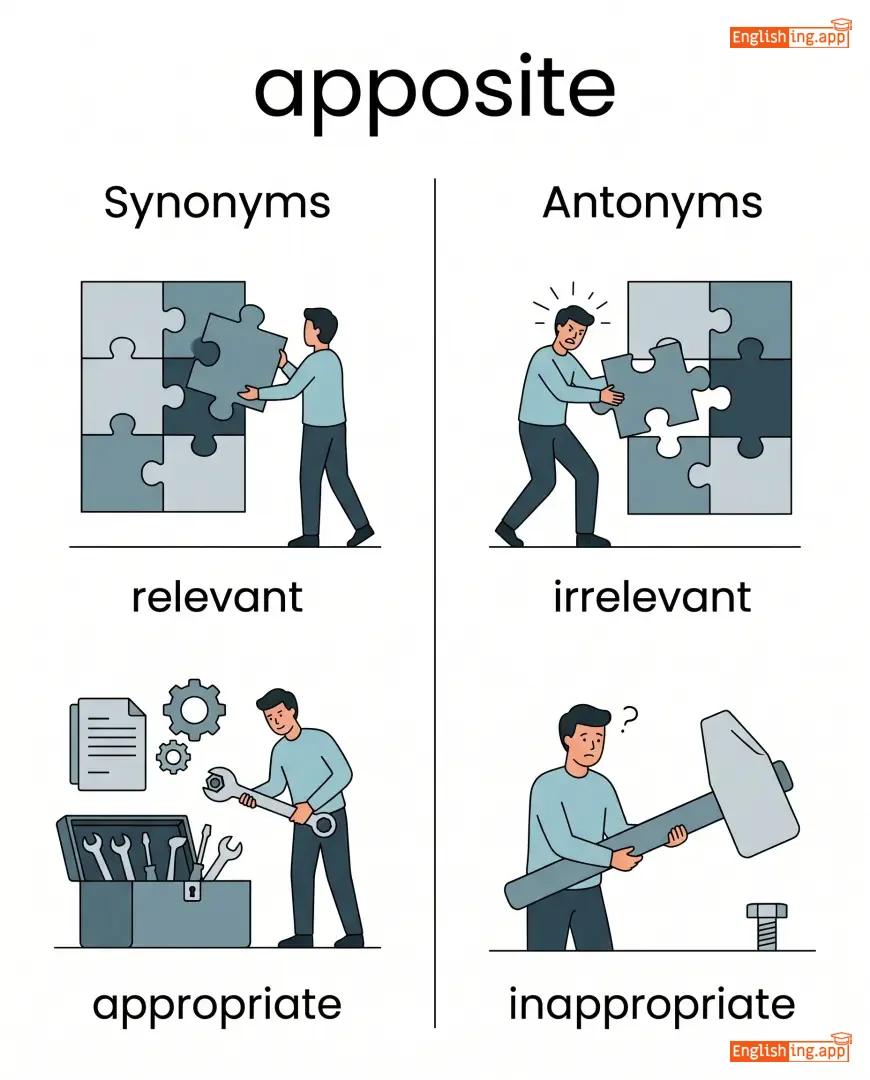
relevant, appropriate, fitting, suitable, pertinent
••••••
|
irrelevant, inappropriate, unsuitable
••••••
|
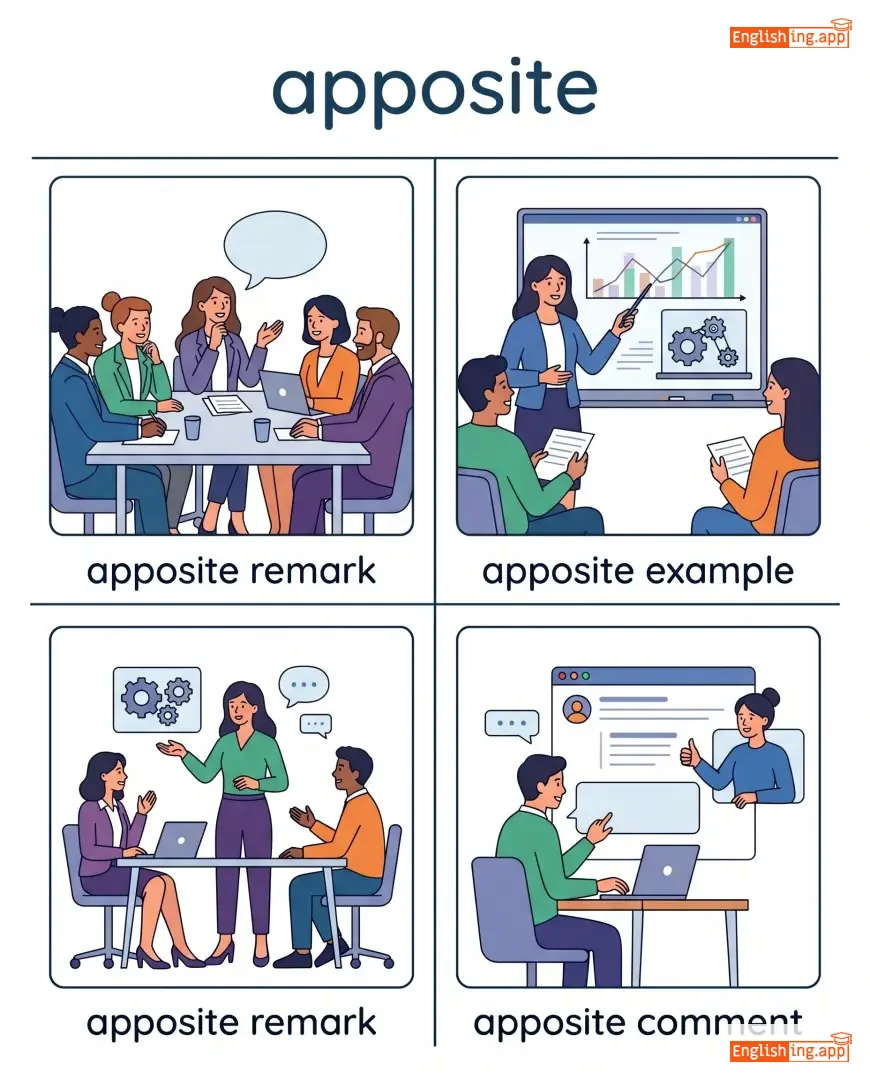
apposite remark, apposite example, apposite comment, apposite observation
••••••
|
Apposite – это уместно, как ключ, который подходит!
••••••
|
|
📢
••••••
|
/əˈpraɪz/
verb
(apraiz)
••••••
|
|
проинформировать
proinformirovat'
••••••
|
apprised
apraizd
••••••
|
apprised
apraizd
••••••
|
apprises
apraizes
••••••
|
apprising
apraizing
••••••
|
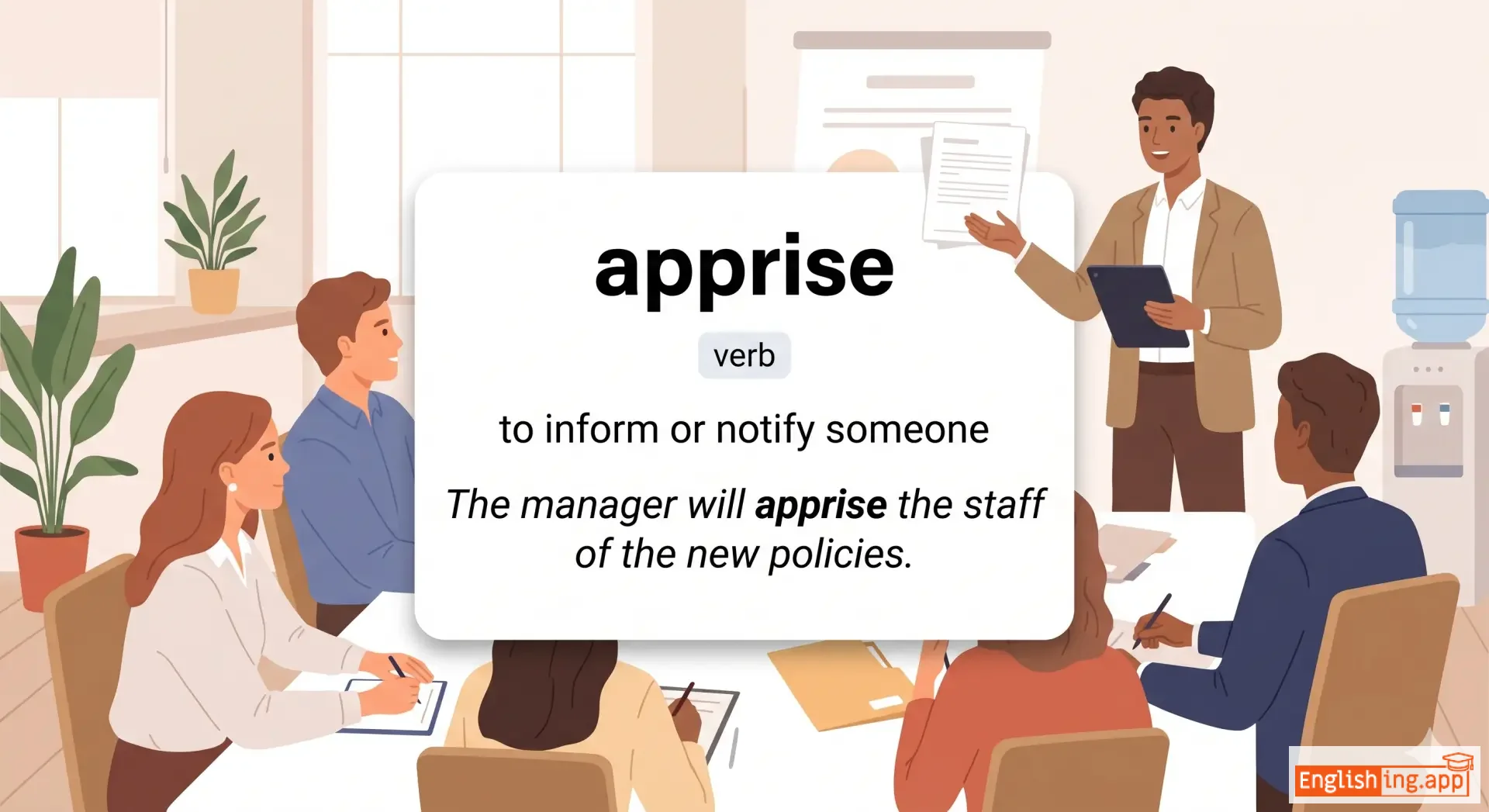
to inform or notify someone
••••••
|
The manager will apprise the staff of the new policies.
Менеджер проинформирует персонал о новых политиках.
••••••
|
Менеджер проинформирует персонал о новых политиках.
Menedzher proinformiruet personal o novykh politikakh.
••••••
|
keep apprised
быть в курсе
••••••
|
to keep informed about something
••••••
|
быть в курсе
byt' v kursye
••••••
|
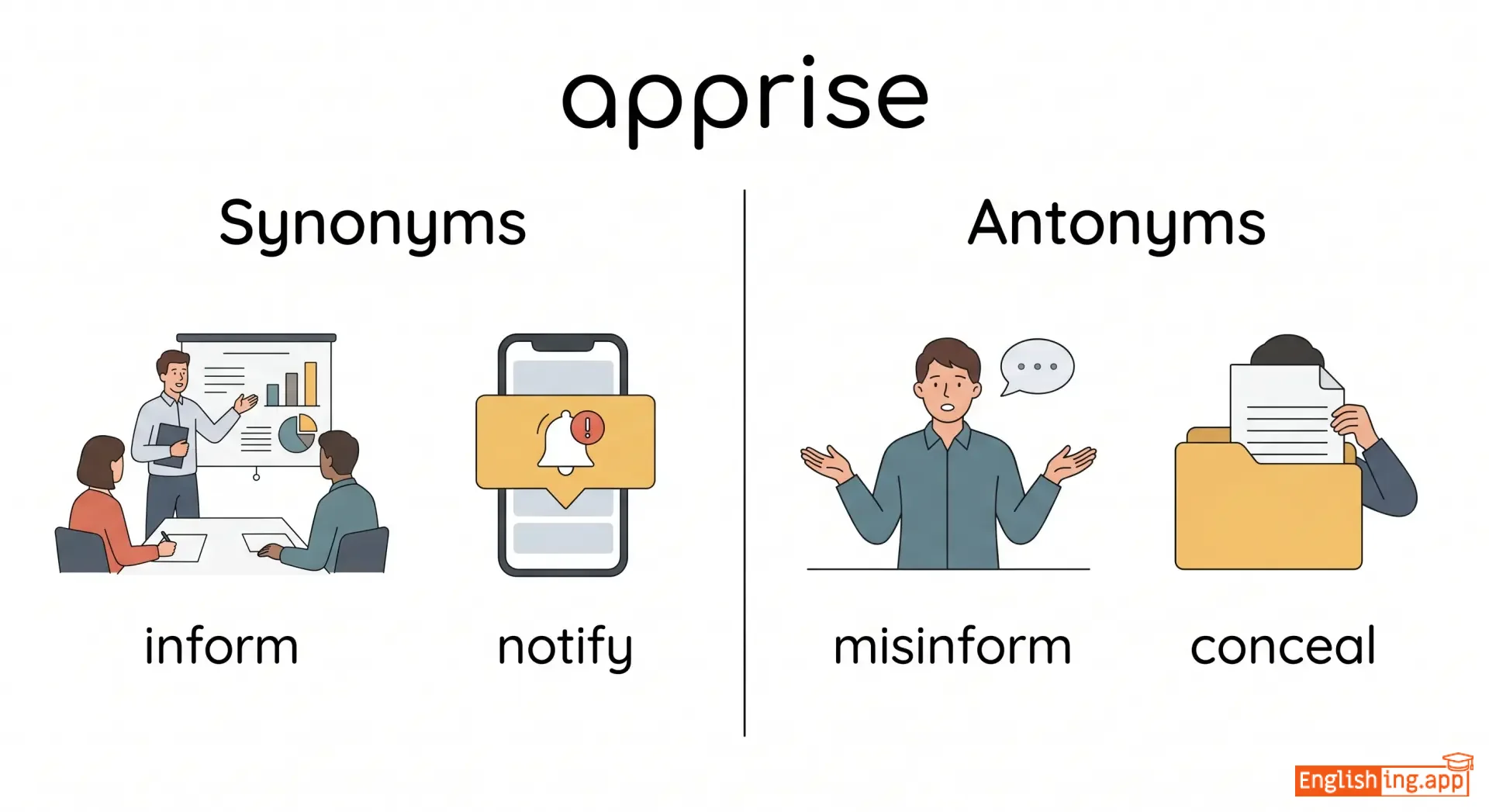
inform, notify, brief, update, advise
••••••
|
misinform, conceal
••••••
|
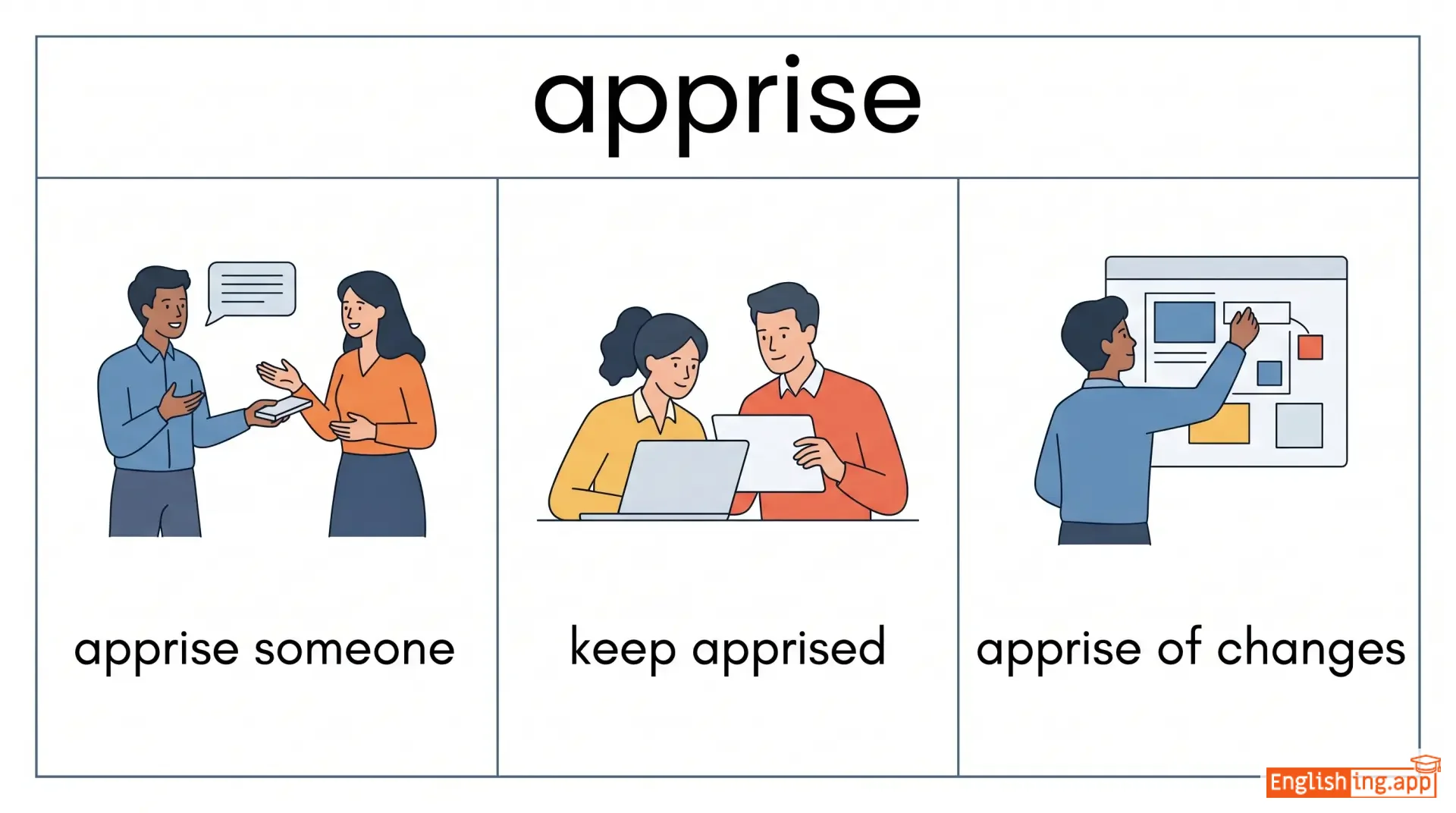
apprise someone, keep apprised, apprise of changes
••••••
|
Apprise — похоже на 'информировать', когда новости важны.
••••••
|
|
👍
••••••
|
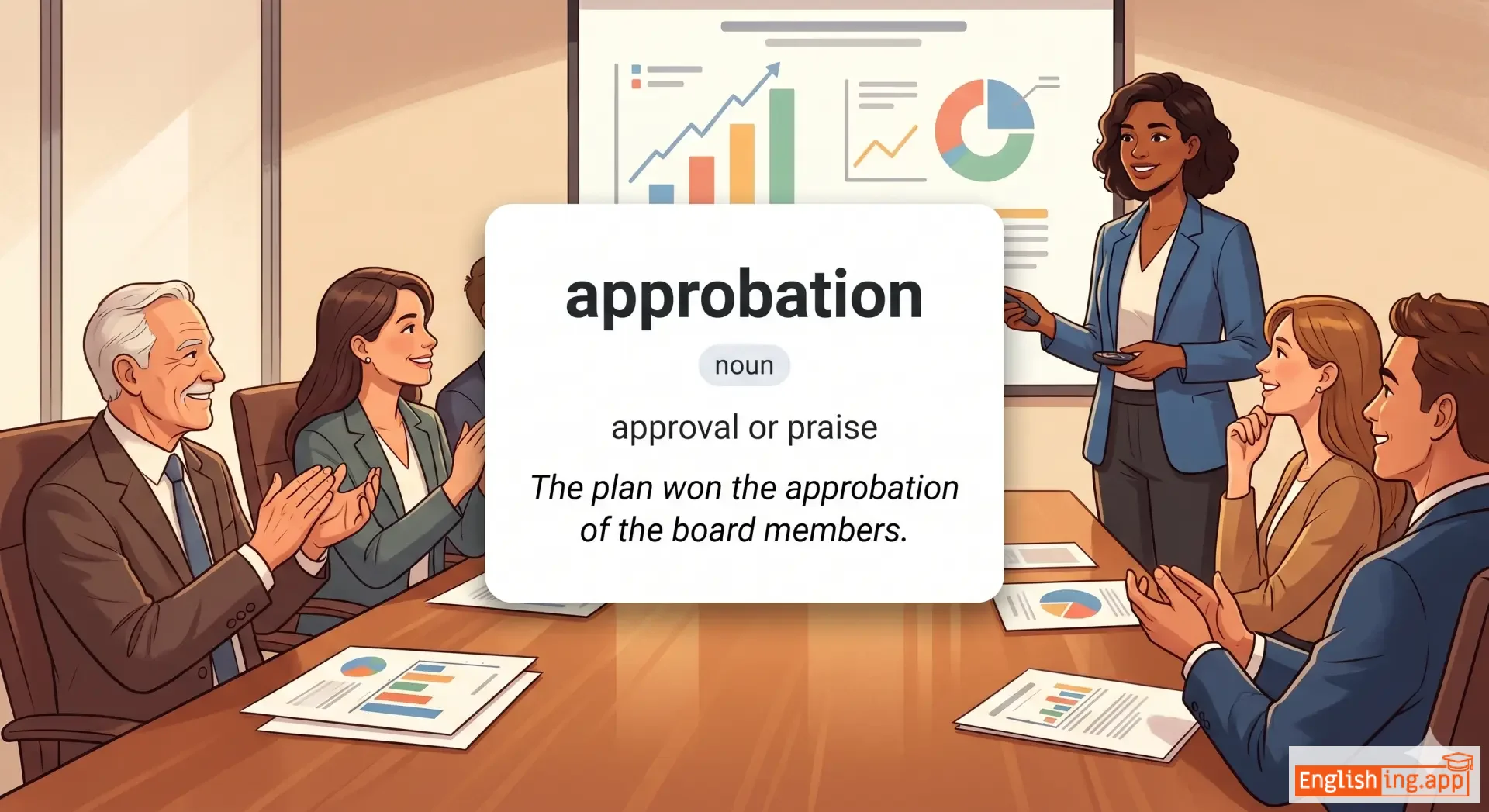
/ˌæprəˈbeɪʃən/
noun
(aprobéishon)
••••••
|
|
одобрение / похвала
odobrenie / pokhvala
••••••
|
- •••••• | - •••••• | - •••••• | - •••••• |
approval or praise
••••••
|
The plan won the approbation of the board members.
План получил одобрение членов совета.
••••••
|
План получил одобрение членов совета.
Plan poluchil odobrenie chlenov soveta.
••••••
|
- •••••• | - •••••• | - •••••• |
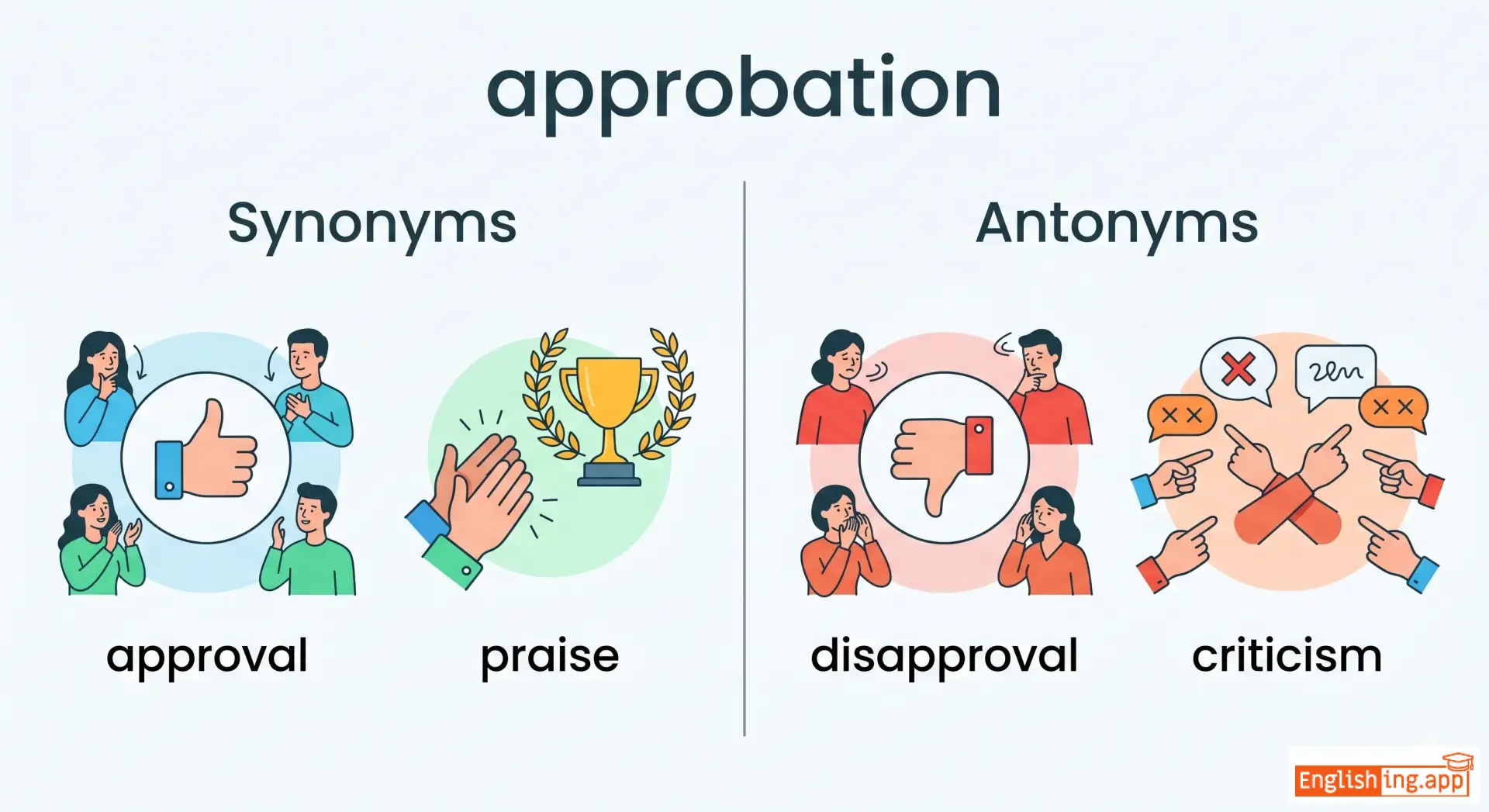
approval, praise, endorsement, admiration, recognition
••••••
|
disapproval, criticism, rejection
••••••
|
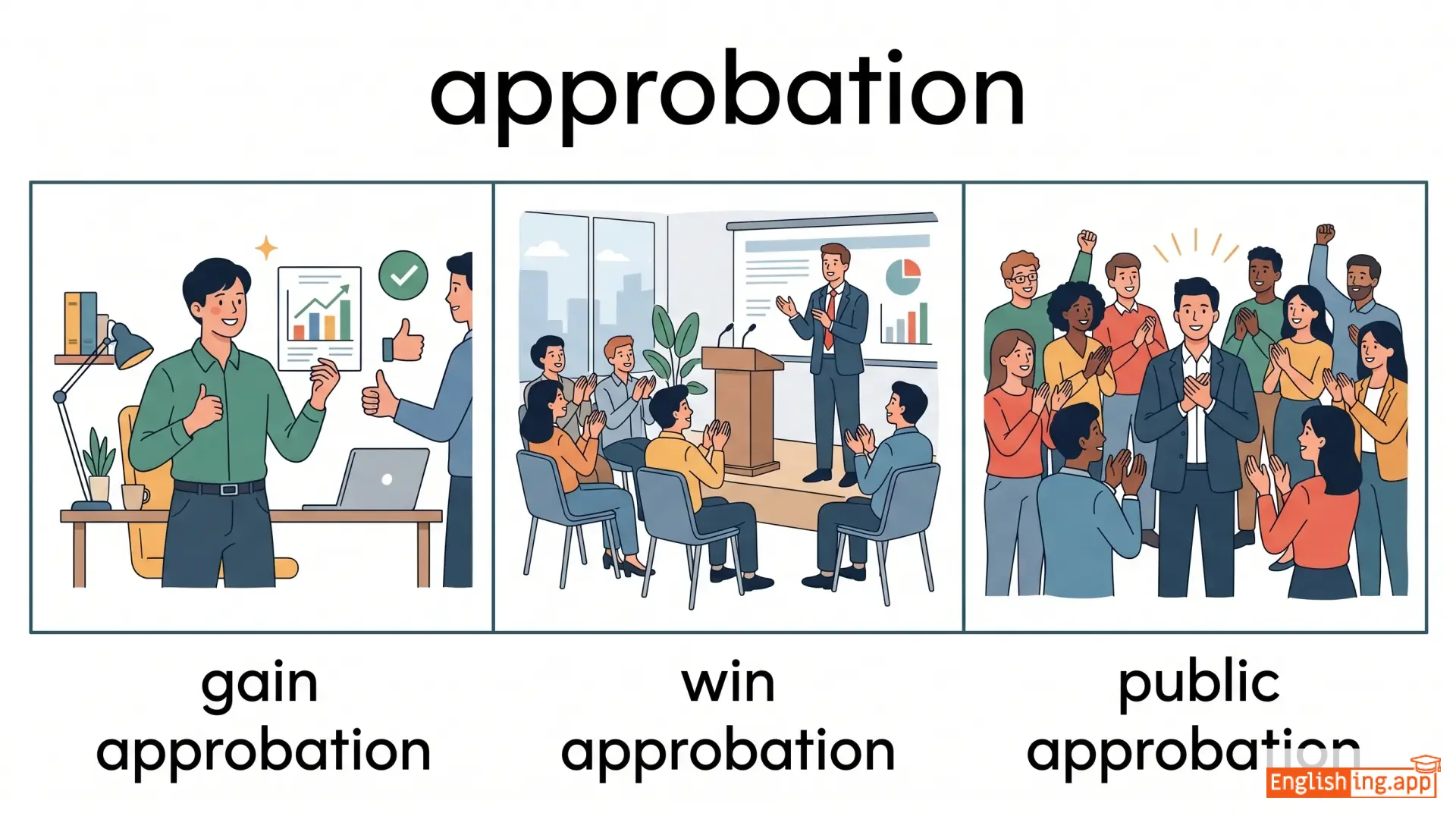
gain approbation, win approbation, public approbation, official approbation
••••••
|
Approbation означает approval—при approval приложения все рады.
••••••
|
|
✔️
••••••
|
/əˈproʊpriət/ (adj), /əˈproʊprieɪt/ (verb)
adjective, verb
(apropriéit)
••••••
|
|
уместный / присваивать
umestny / prisvaivat
••••••
|
appropriated
apropiéit
••••••
|
appropriated
apropiéit
••••••
|
appropriates
apropieits
••••••
|
appropriating
apropiáting
••••••
|
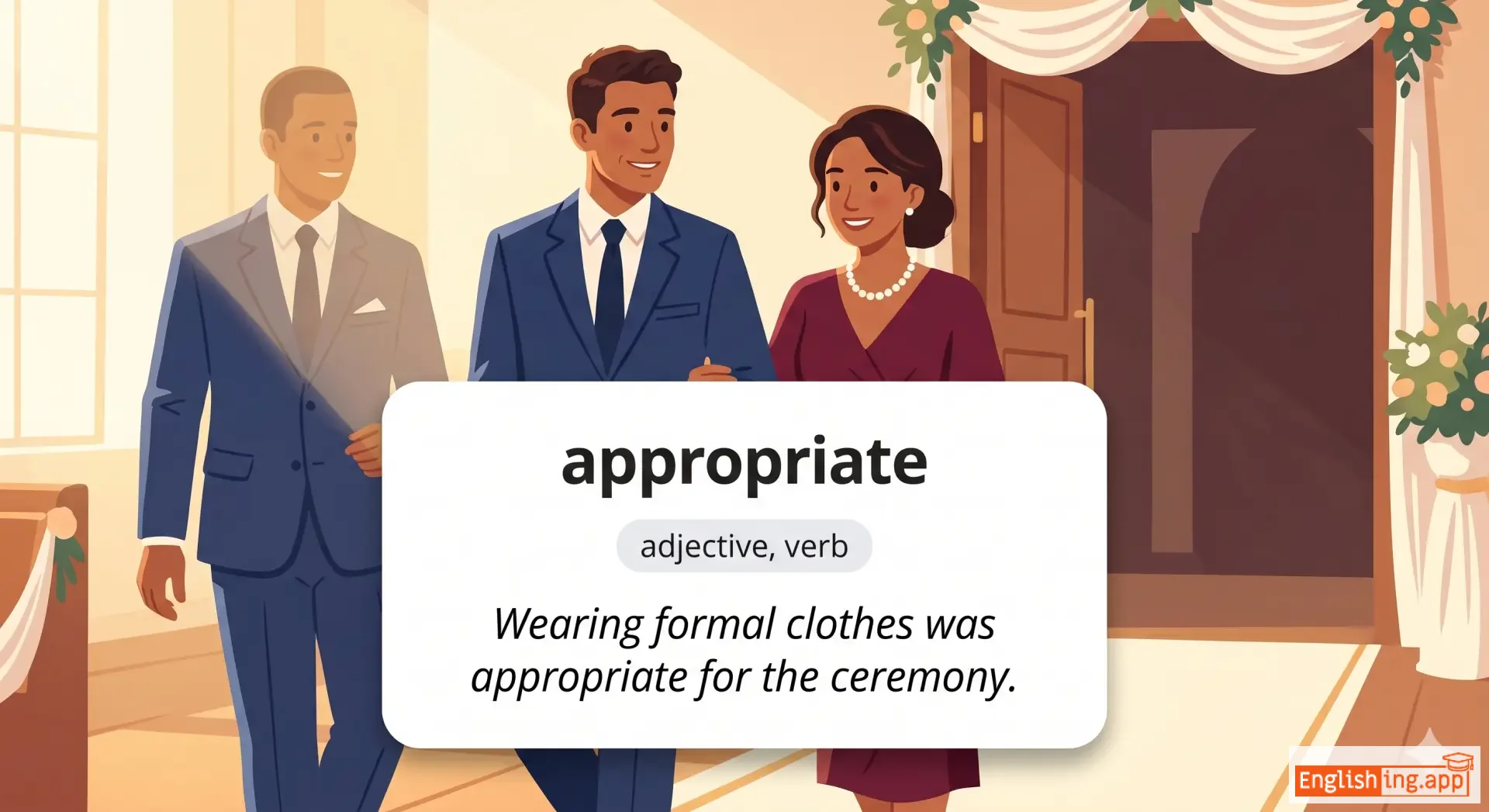
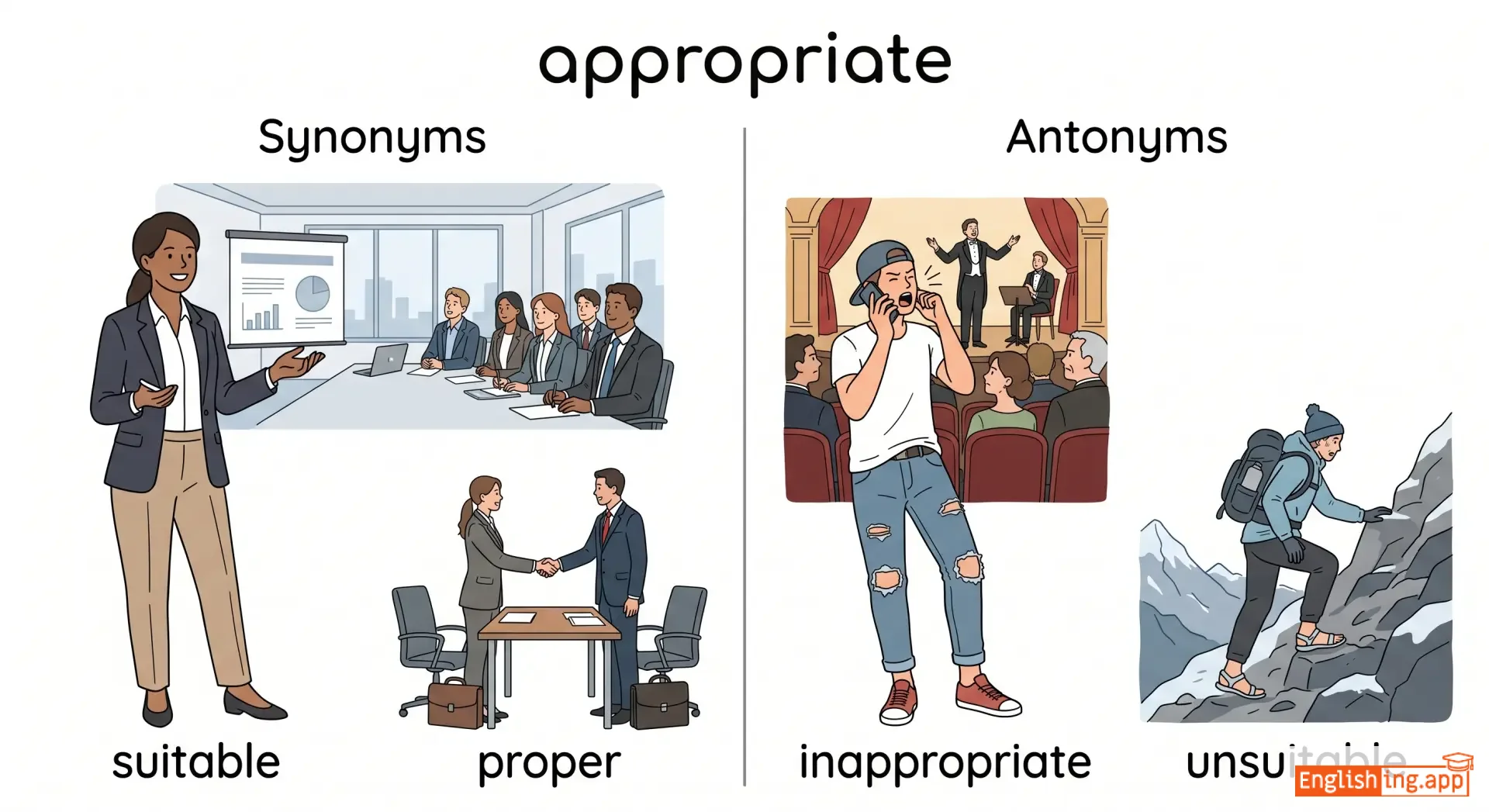
suitable or proper in the circumstances (adj); to take something for one’s own use, often without permission (verb)
••••••
|
Wearing formal clothes was appropriate for the ceremony.
Ношение формальной одежды было уместным для церемонии.
••••••
|
Носить формальную одежду было уместно для церемонии.
Nosit' formal'nuyu odezhdu bylo umestno dlya tseremonii.
••••••
|
- •••••• | - •••••• | - •••••• |
suitable, proper, fitting, apt, seize
••••••
|
inappropriate, unsuitable
••••••
|
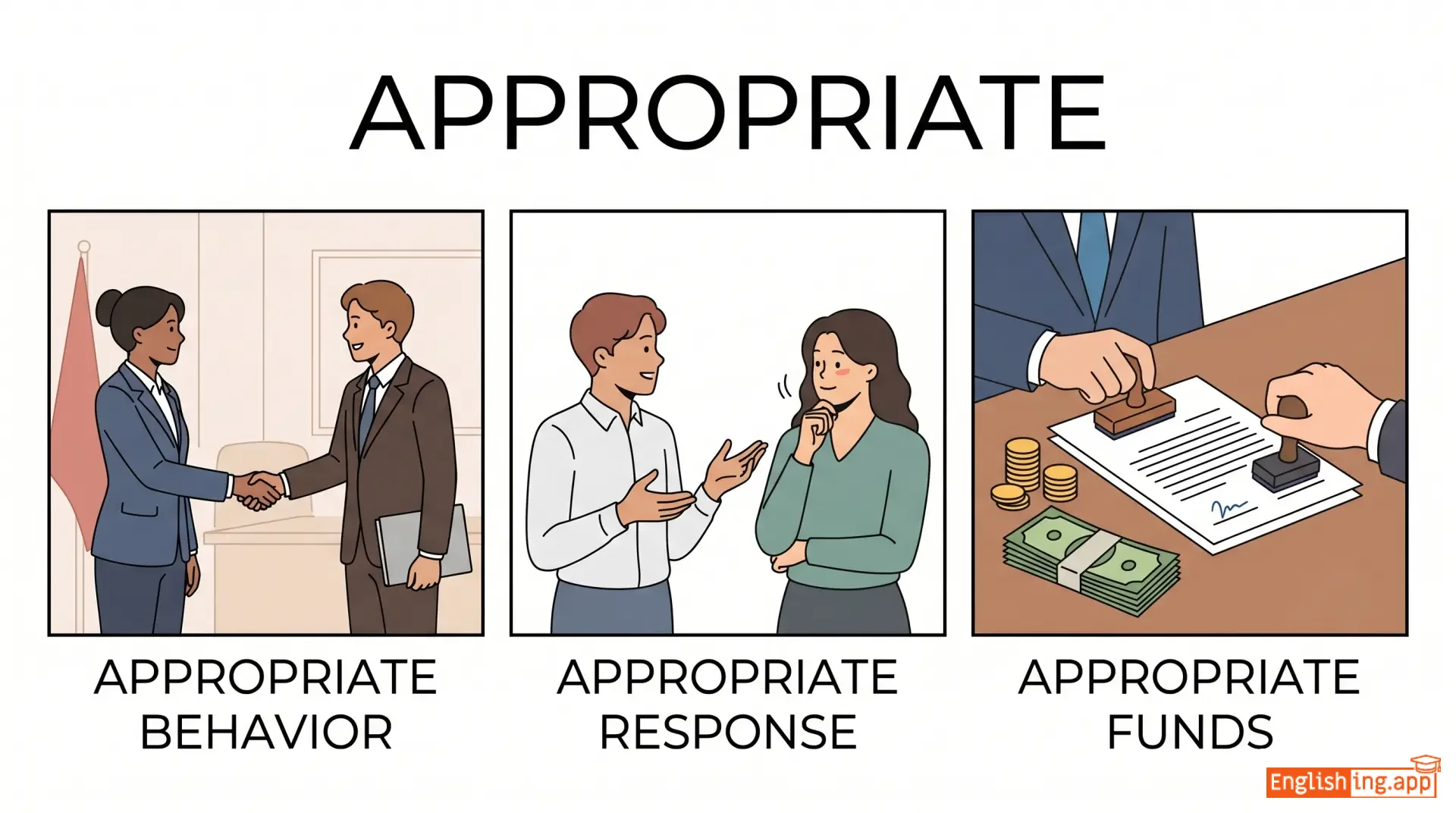
appropriate behavior, appropriate response, appropriate funds, culturally appropriate
••••••
|
Appropriate означает правильный—что подходит для ситуации, а иногда и взять что-то без разрешения.
••••••
|
|
📌
••••••
|
/ˌæ.prəˈpoʊ/
adjective/adverb
(апропо)
••••••
|
|
уместный
umestny
••••••
|
- •••••• | - •••••• | - •••••• | - •••••• |
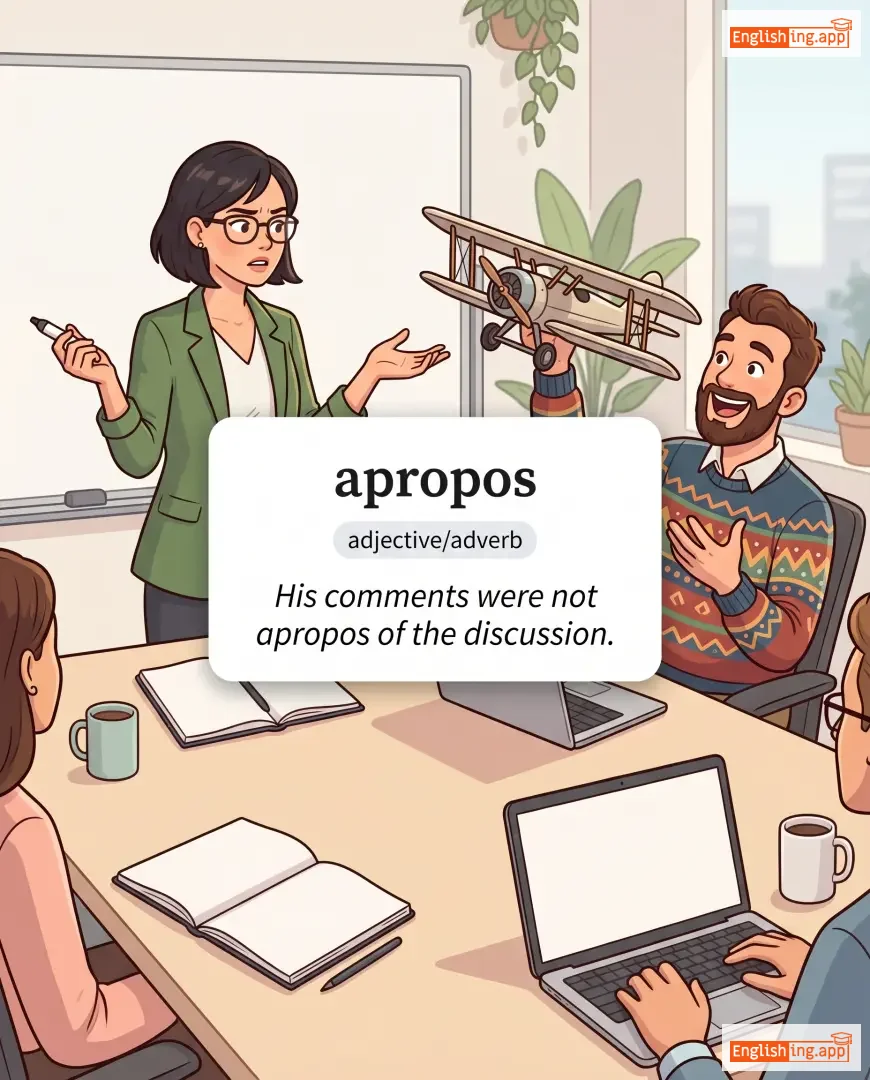
Appropriate to the situation; relevant. As an adverb, it means 'with reference to' or 'regarding'.
••••••
|
His comments were not apropos of the discussion.
Его комментарии не были апропо для обсуждения.
••••••
|
Его комментарии не были уместными для обсуждения.
Ego kommentarii ne byli umestnymi dlya obsuzhdeniya.
••••••
|
- •••••• | - •••••• | - •••••• |
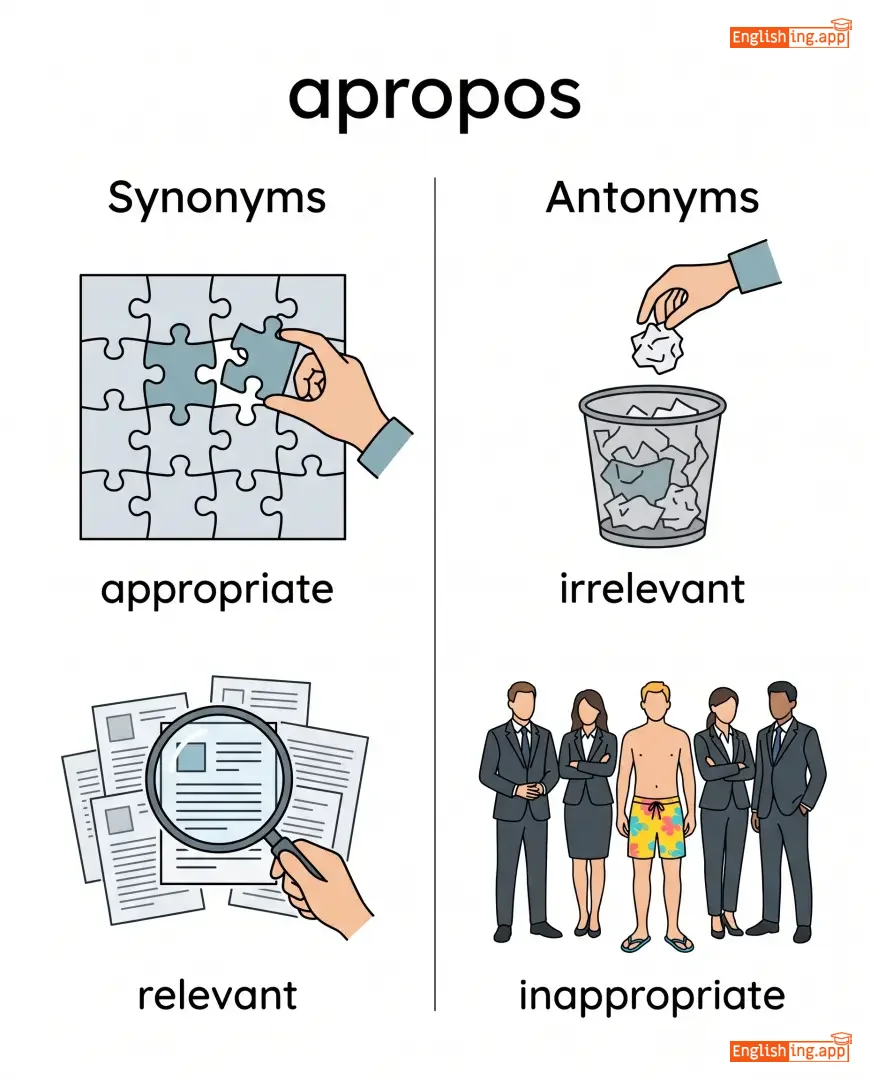
appropriate, relevant, suitable, pertinent
••••••
|
irrelevant, inappropriate
••••••
|
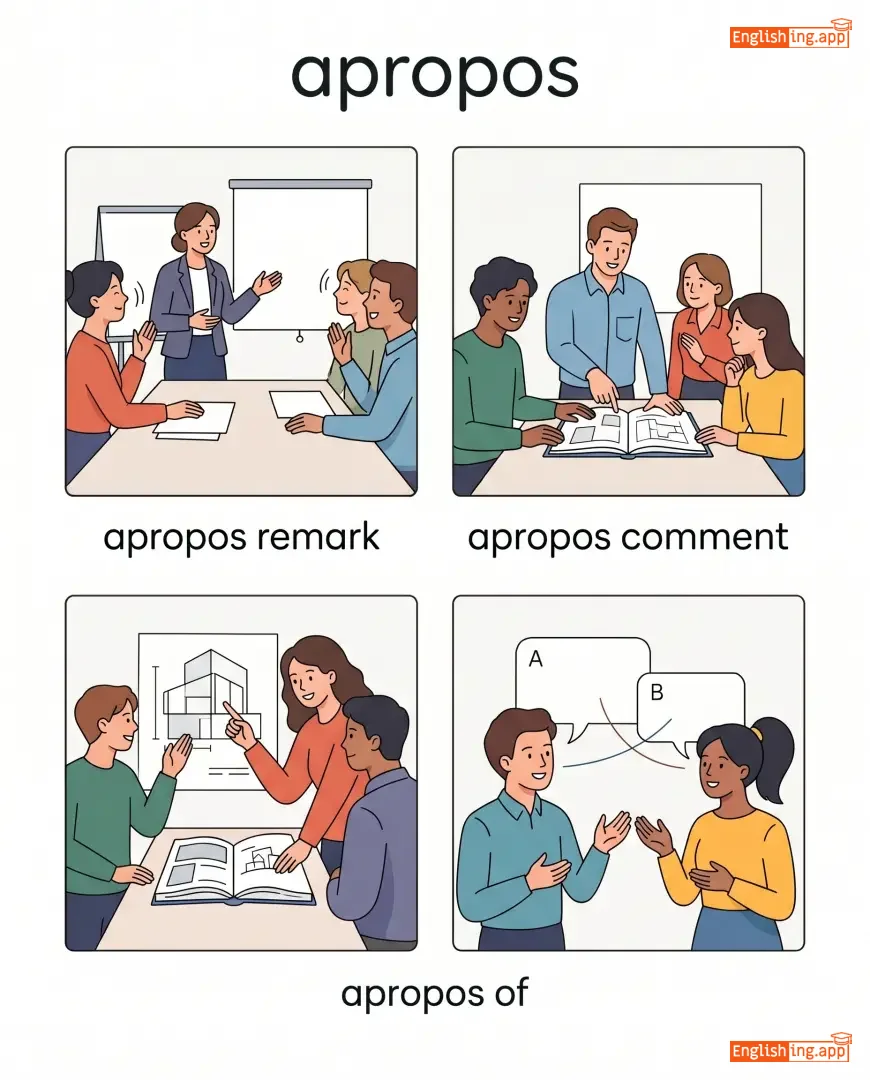
apropos remark, apropos comment, apropos of
••••••
|
Apropos означает релевантный—как предложить, это должно быть Apropos!
••••••
|
|
🎨
••••••
|
/ˌær.əˈbesk/
noun
(арабеск)
••••••
|
|
орнаментальный дизайн
ornamental'nyy dizayn
••••••
|
- •••••• | - •••••• | - •••••• | - •••••• |
a complex, ornate design featuring intertwined flowing lines, often used in architecture or ballet poses
••••••
|
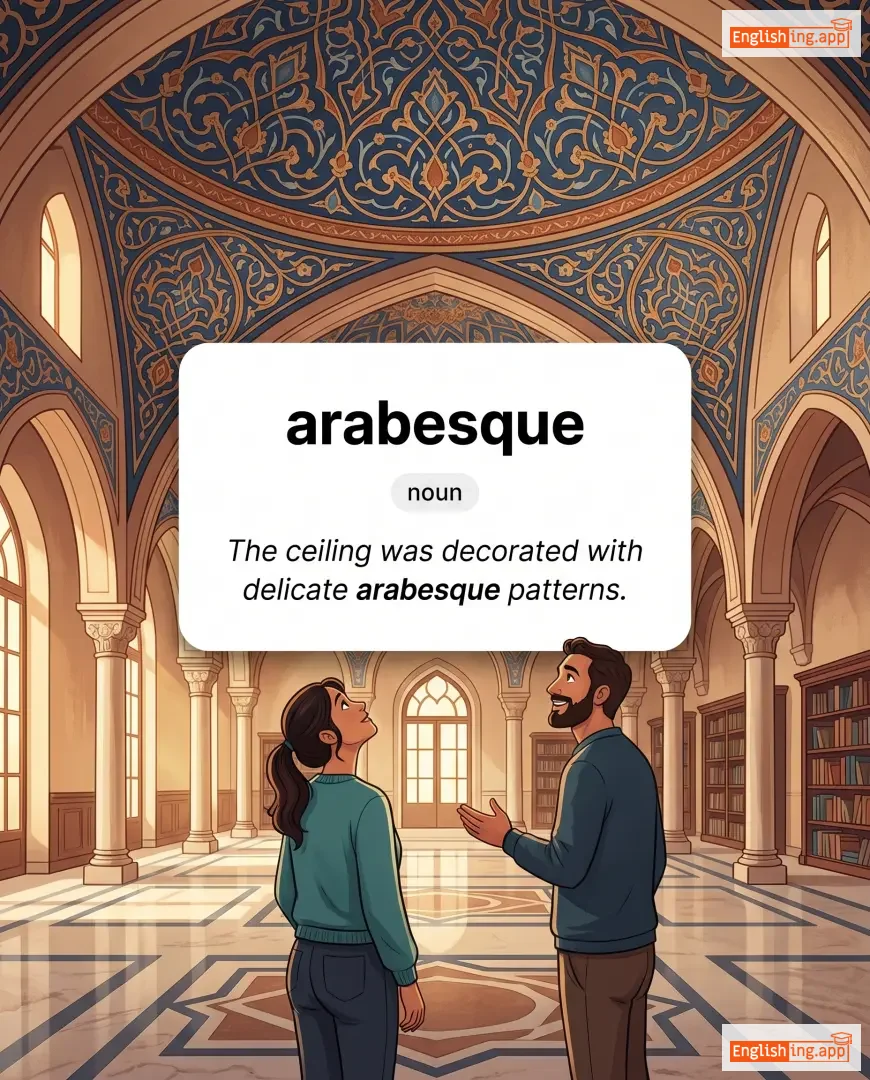
The ceiling was decorated with delicate arabesque patterns. |
Потолок был украшен изысканными арабесками.
Potolok byl ukrashen izyskannymi arabeskami.
••••••
|
- •••••• | - •••••• | - •••••• |
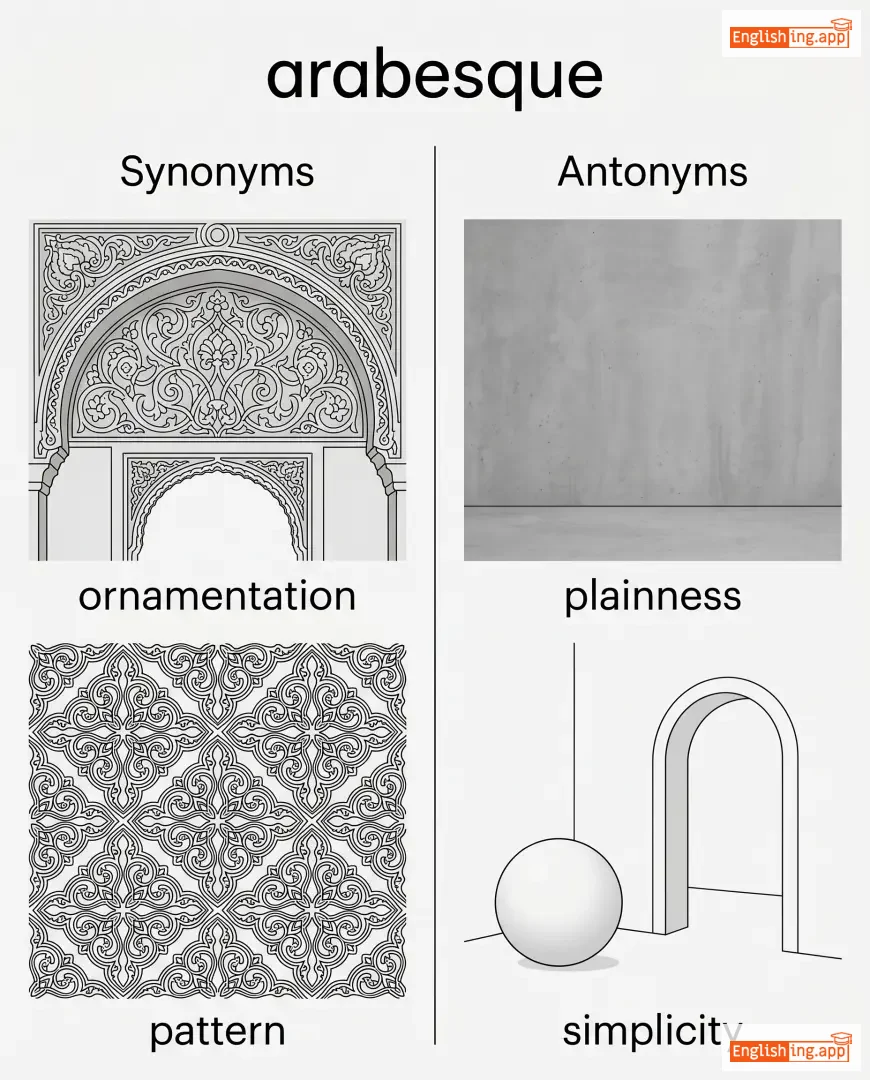
ornamentation, pattern, motif, design, flourish
••••••
|
plainness, simplicity
••••••
|
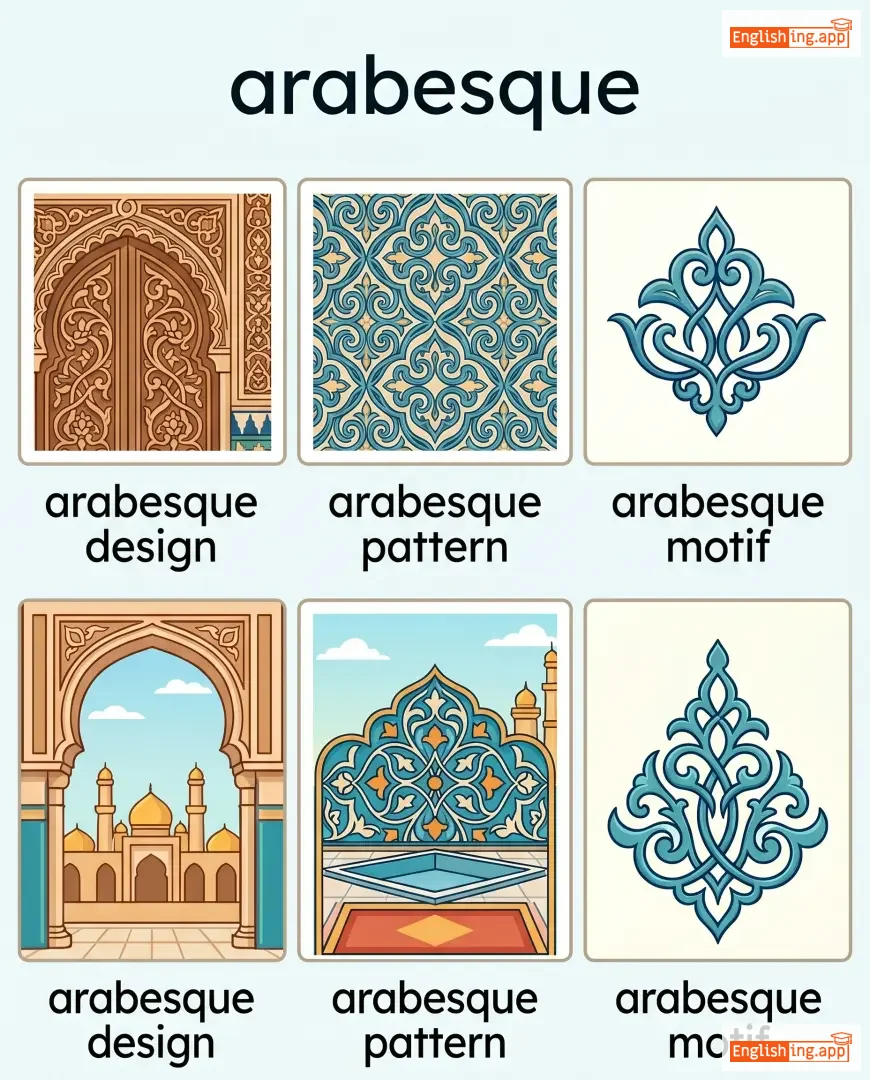
arabesque design, arabesque pattern, arabesque motif, arabesque architecture
••••••
|
Арабески можно найти в архитектуре арабских мечетей 🎨
••••••
|
|
🏺
••••••
|
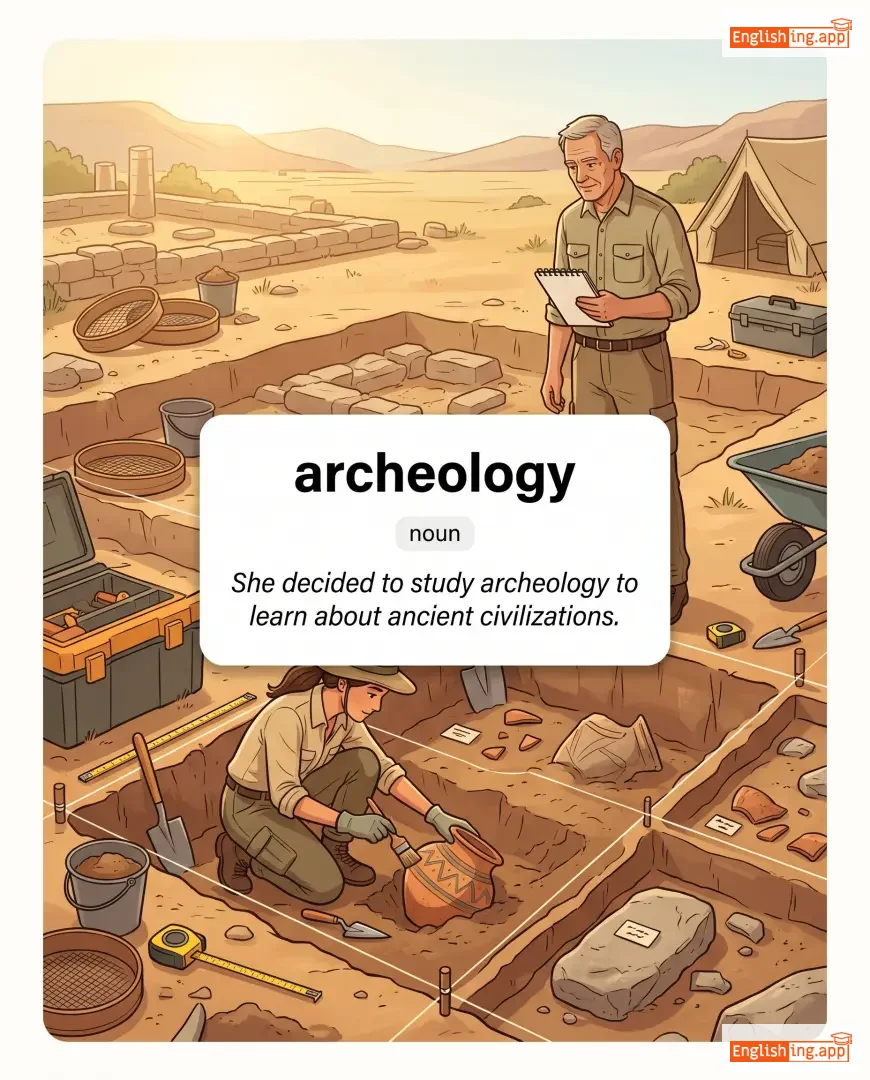
/ˌɑːr.kiˈɑː.lə.dʒi/
noun
(археология)
••••••
|

|
археология
arkheologiya
••••••
|
- •••••• | - •••••• | - •••••• | - •••••• |
the study of human history and prehistory through excavation and analysis of artifacts and structures
••••••
|
She decided to study archeology to learn about ancient civilizations. |
Она решила изучать археологию, чтобы узнать о древних цивилизациях.
Ona reshil izuchat' arkheologiyu, chtoby uznat' o drevnikh tsivilizatsiyakh.
••••••
|
- •••••• | - •••••• | - •••••• |
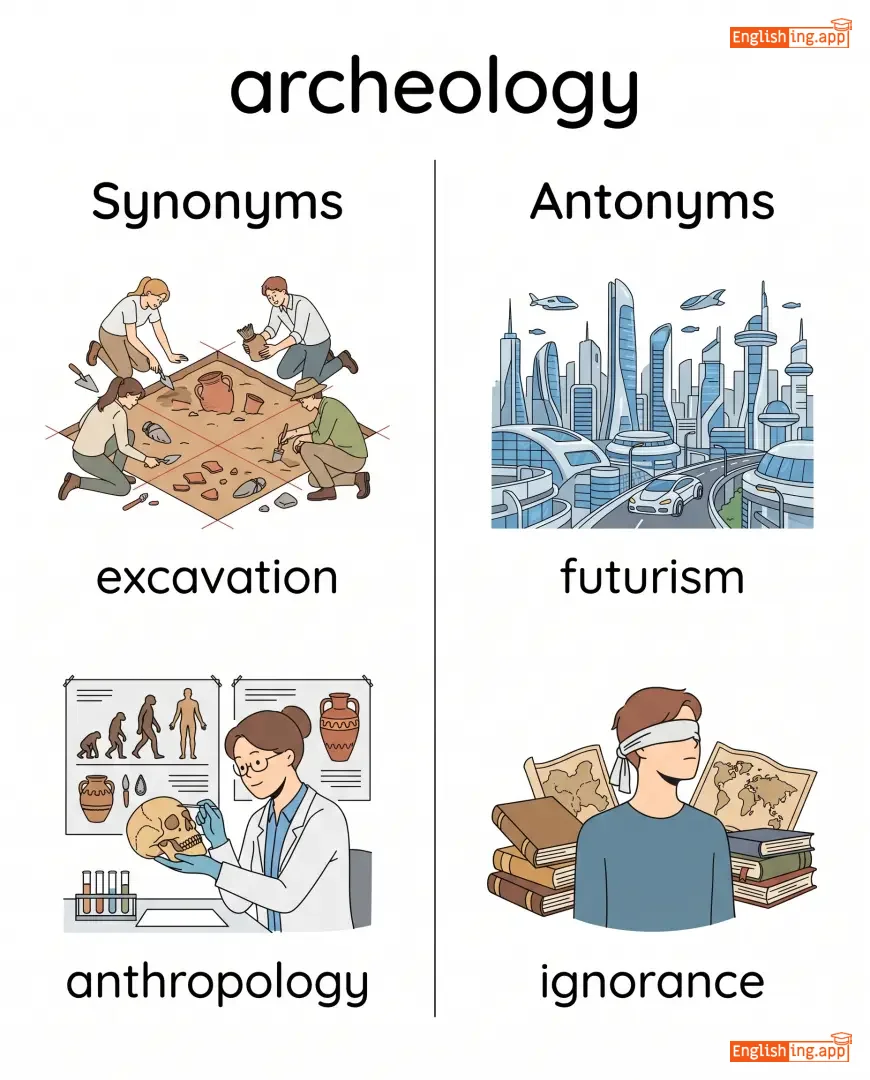
excavation, anthropology, prehistory, paleontology, history
••••••
|
futurism, ignorance
••••••
|
study archeology, archeology department, archeology site, archeology research
••••••
|
Археология - изучение древних 'архов' и артефактов
••••••
|
|
❤️
••••••
|
/ˈɑːrdər/
noun
(ардор)
••••••
|

|
страсть, энтузиазм
ardor
••••••
|
- •••••• | - •••••• | - •••••• | - •••••• |
Great enthusiasm or passion.
••••••
|
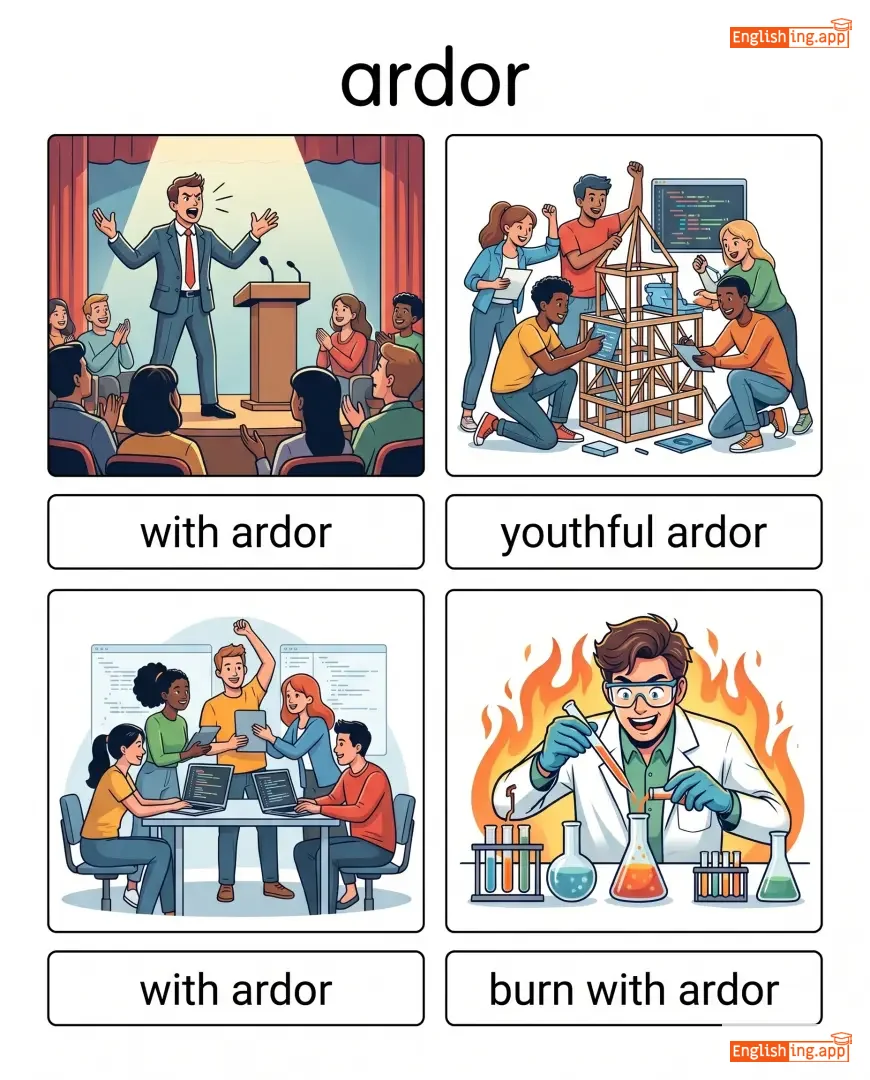
She spoke with ardor about her new project. |
Она говорила с страстью о своем новом проекте.
Ona govorila s strast'yu o svoem novom proyekte.
••••••
|
burn with ardor |
To be filled with strong passion or enthusiasm.
••••••
|
гореть страстью
goret' strastyu
••••••
|
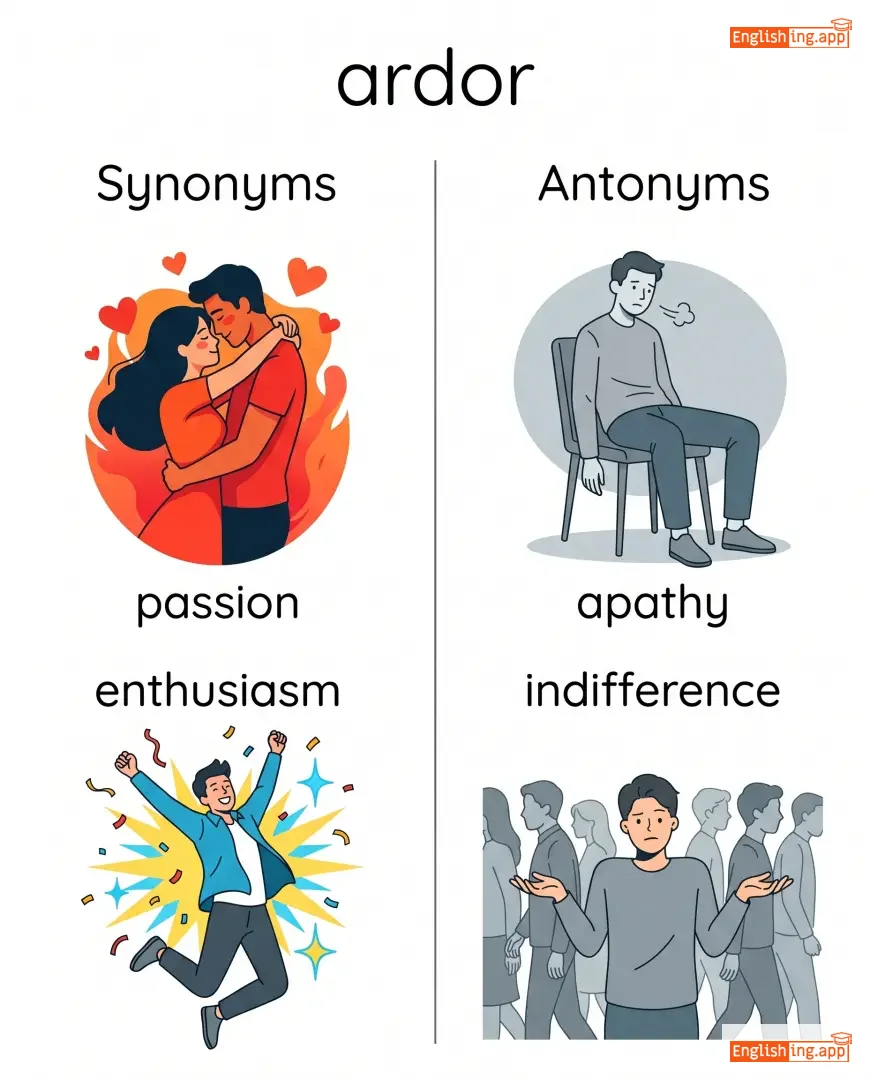
passion, enthusiasm, fervor, zeal, devotion
••••••
|
apathy, indifference
••••••
|
with ardor, youthful ardor, burn with ardor, ardor for learning
••••••
|
Ardor — это как ‚ardent‘, полное пламени страсть в вашем сердце.
••••••
|
|
⛰️
••••••
|
/ˈɑːrdʒuəs/
adjective
(ардюэс)
••••••
|
|
трудный
trudnyy
••••••
|
- •••••• | - •••••• | - •••••• | - •••••• |
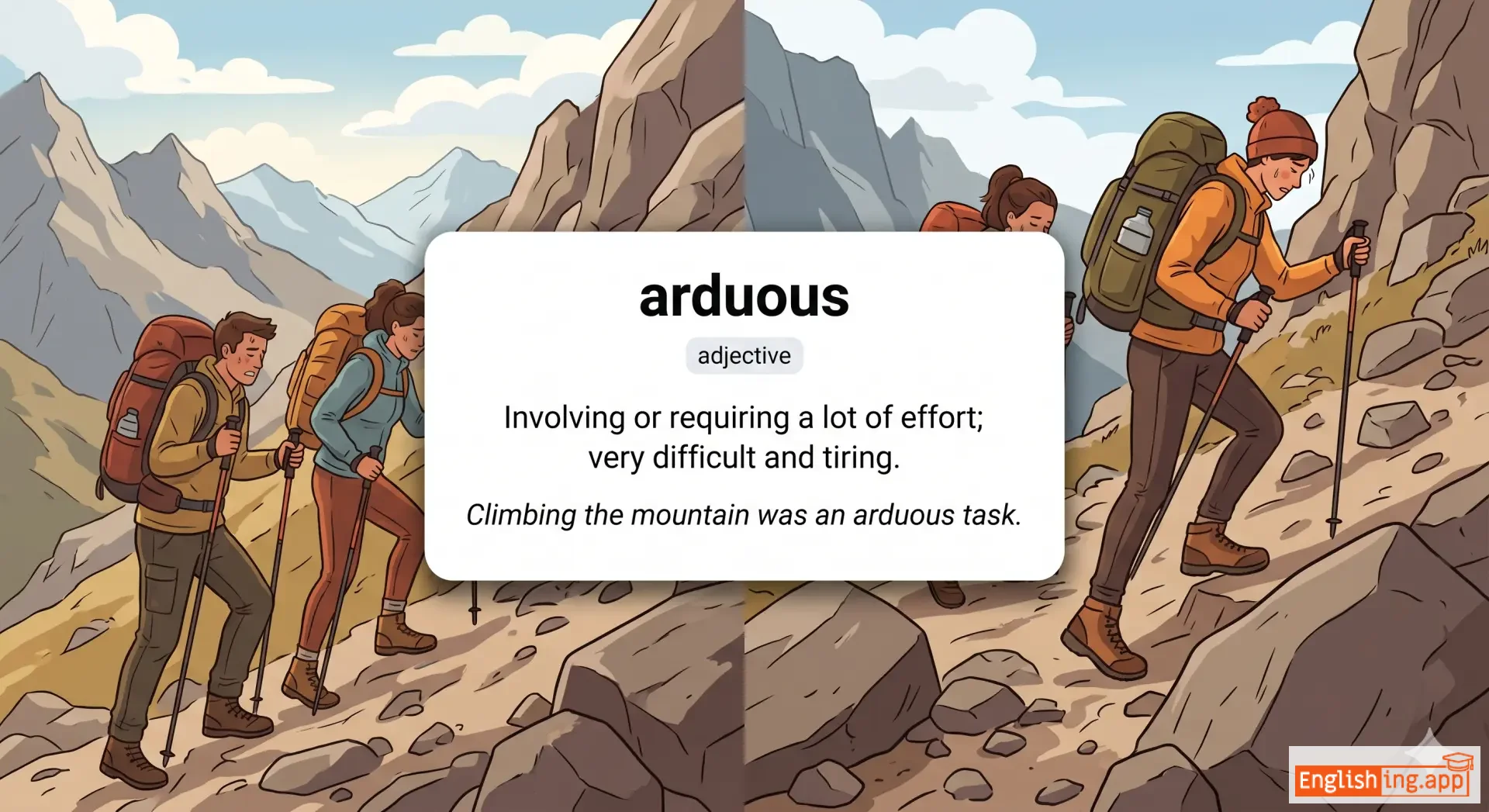
Involving or requiring a lot of effort; very difficult and tiring.
••••••
|
Climbing the mountain was an arduous task. |
Подъем на гору был трудной задачей.
Podyem na goru byl trudnoy zadachey.
••••••
|
- •••••• | - •••••• | - •••••• |
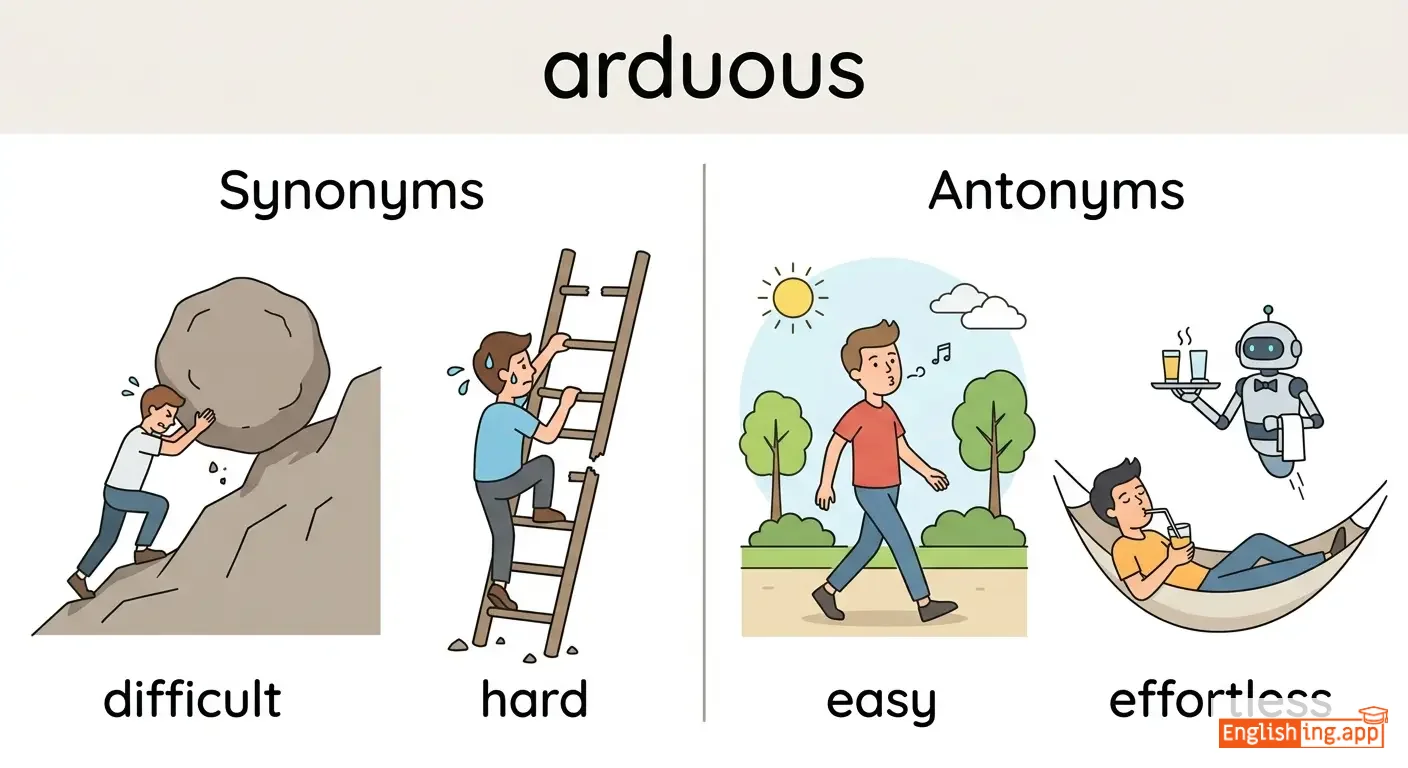
difficult, hard, demanding, strenuous, exhausting
••••••
|
easy, effortless
••••••
|
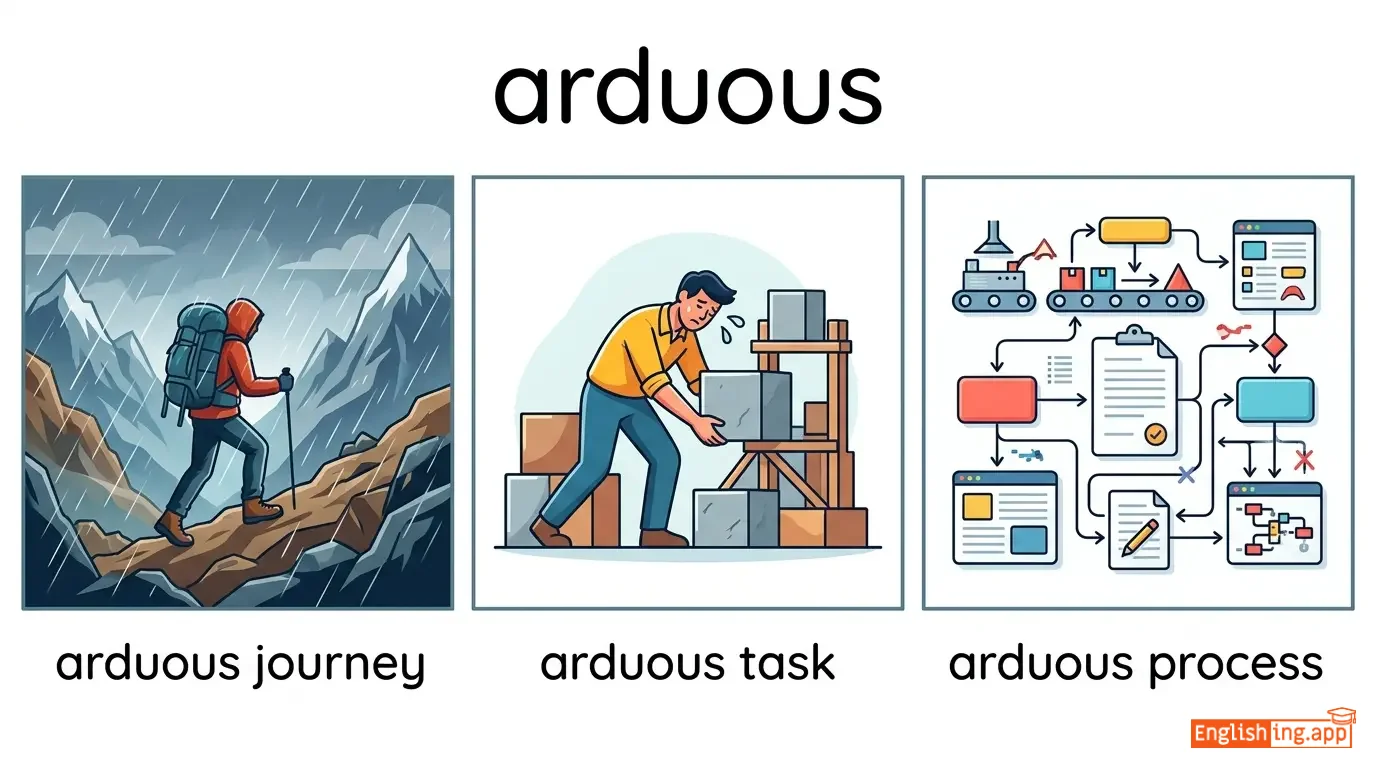
arduous journey, arduous task, arduous process, arduous climb
••••••
|
Arduous значит hard + ous – очень трудная задача.
••••••
|
|
🗣️
••••••
|
/ˈɑːrɡoʊ/
noun
(арго)
••••••
|
|
специальный жаргон
spetsial'nyy zhargon
••••••
|
- •••••• | - •••••• | - •••••• | - •••••• |
the specialized vocabulary or jargon of a particular group, especially one with a common interest or occupation
••••••
|
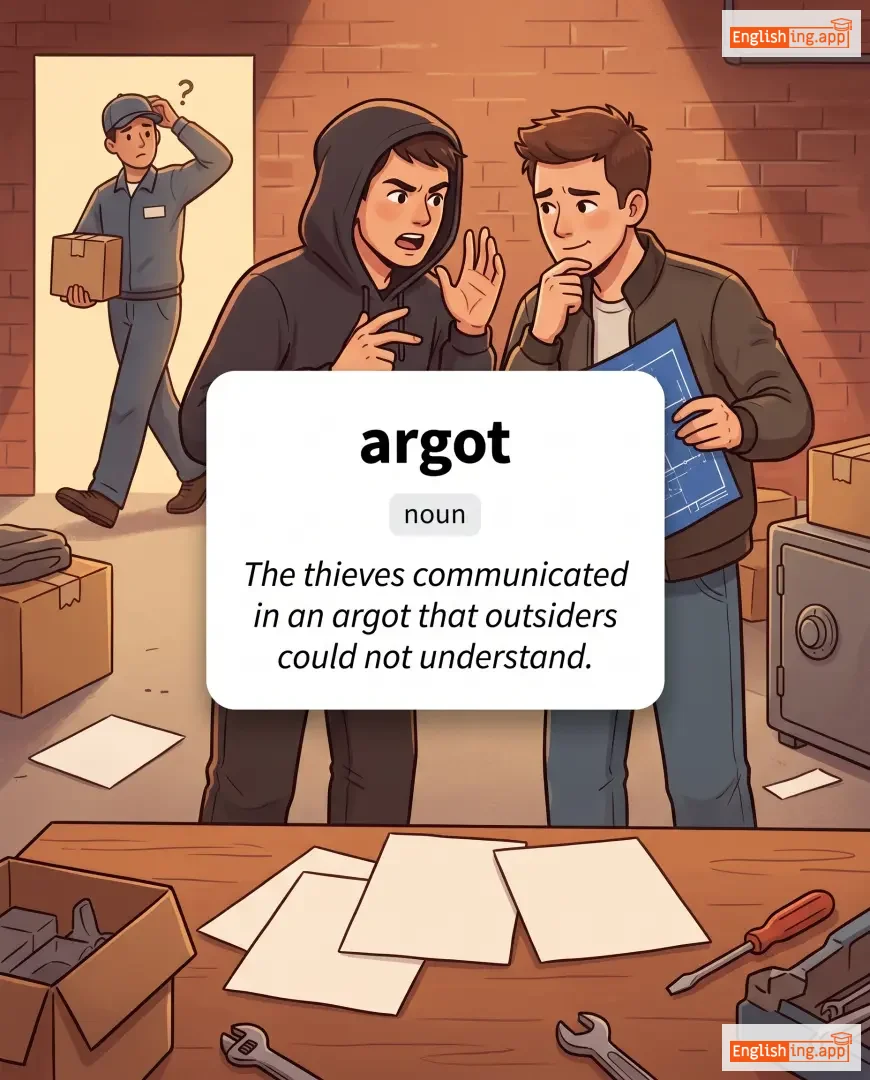
The thieves communicated in an argot that outsiders could not understand.
Воры общались на арго, которое незнакомцы не могли понять.
••••••
|
Воры общались на арго, которое незнакомцы не могли понять.
Vory obshchalis' na argo, kotoroye neznamtsony ne mogli ponyat'.
••••••
|
- •••••• | - •••••• | - •••••• |
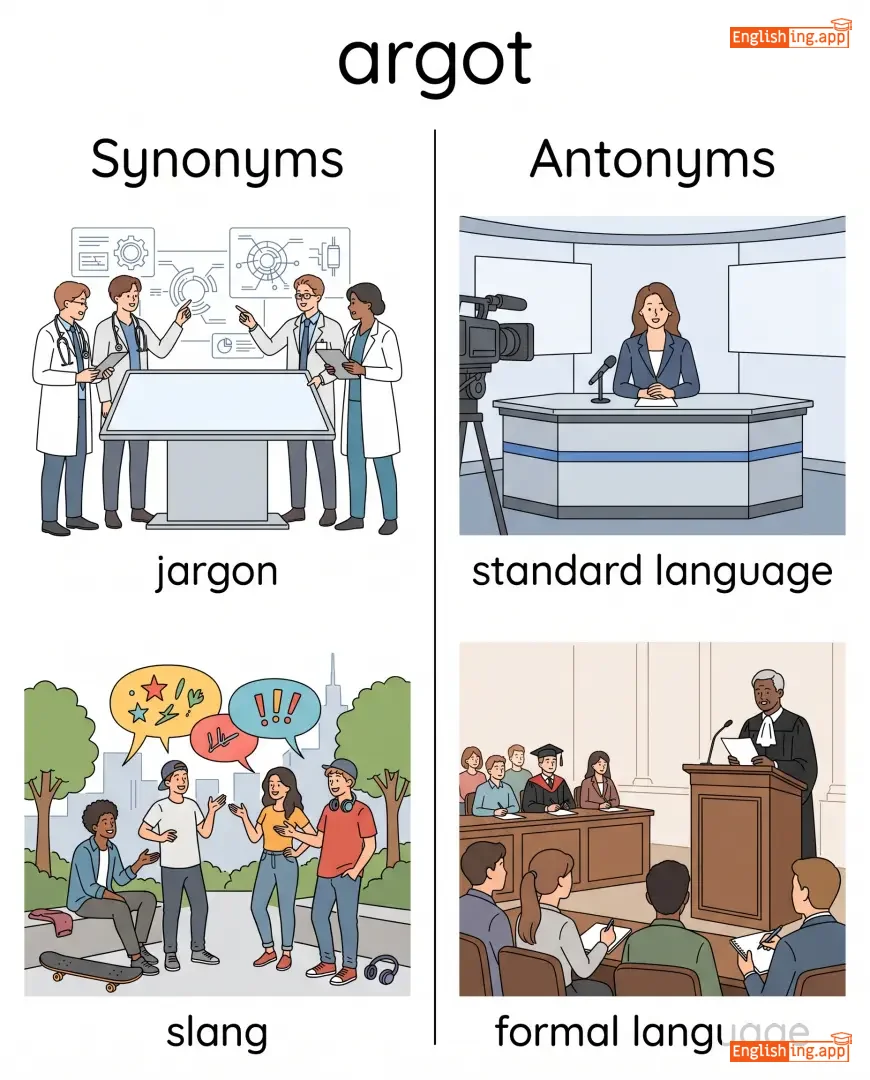
jargon, slang, dialect, lingo, terminology
••••••
|
standard language, formal language
••••••
|
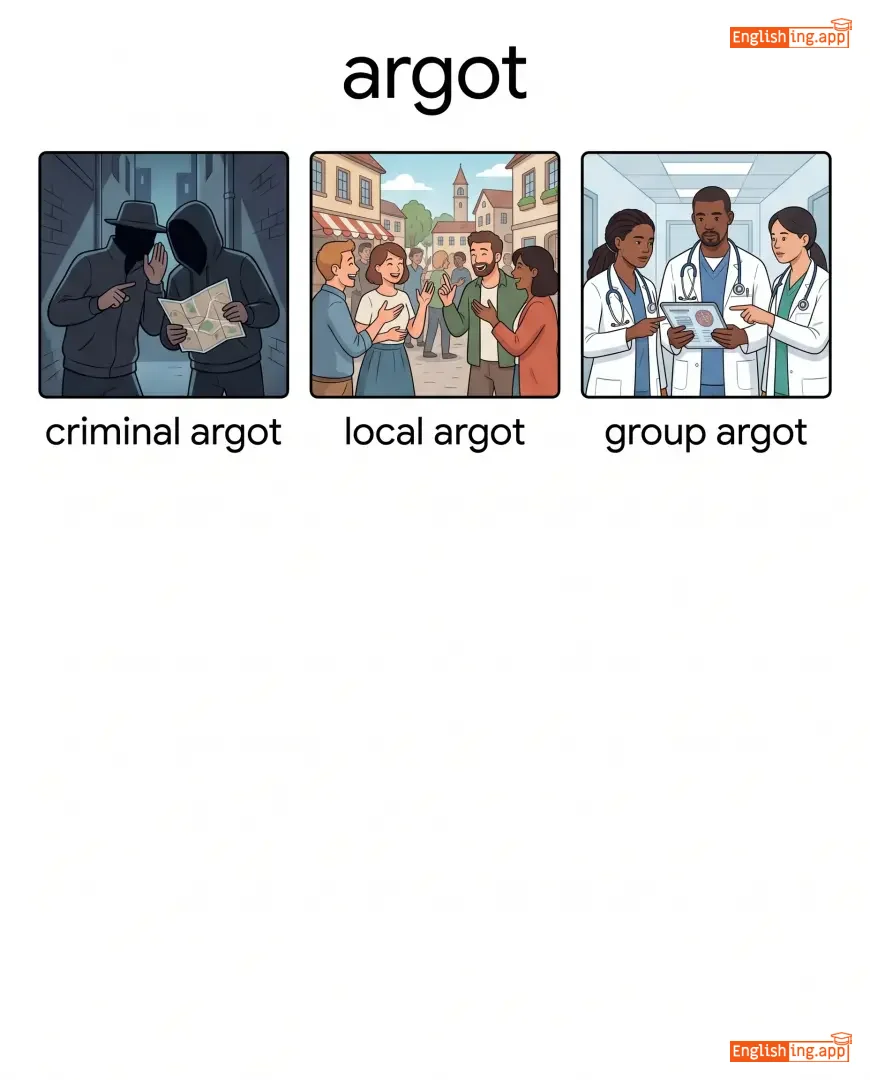
criminal argot, local argot, group argot, secret argot
••••••
|
Арго – это тайный язык групп, как у воришек, скрытый от посторонних
••••••
|
|
🚓
••••••
|
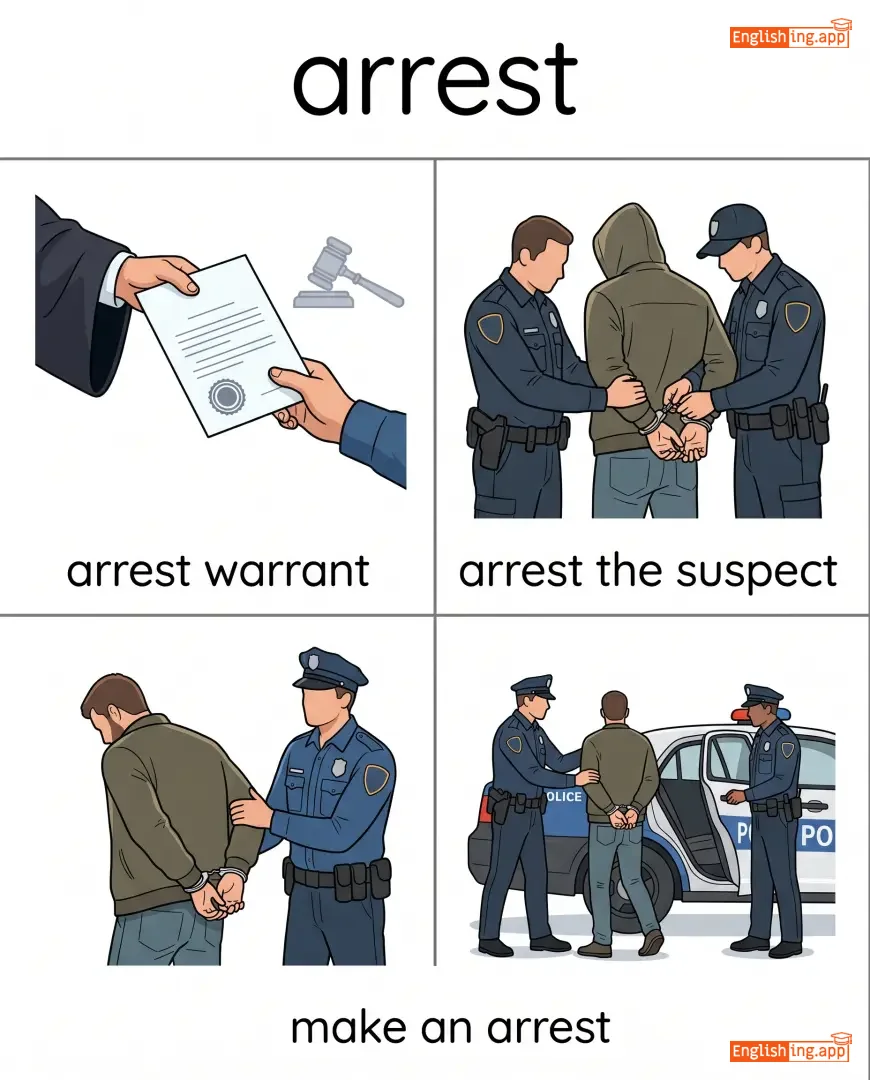
/əˈrɛst/
verb
(aɾɛst)
••••••
|
|
арестовать
arestovat
••••••
|
arrested
aɾɛstəd
••••••
|
arrested
aɾɛstəd
••••••
|
arrests
aɾɛst
••••••
|
arresting
aɾɛstɪŋ
••••••
|
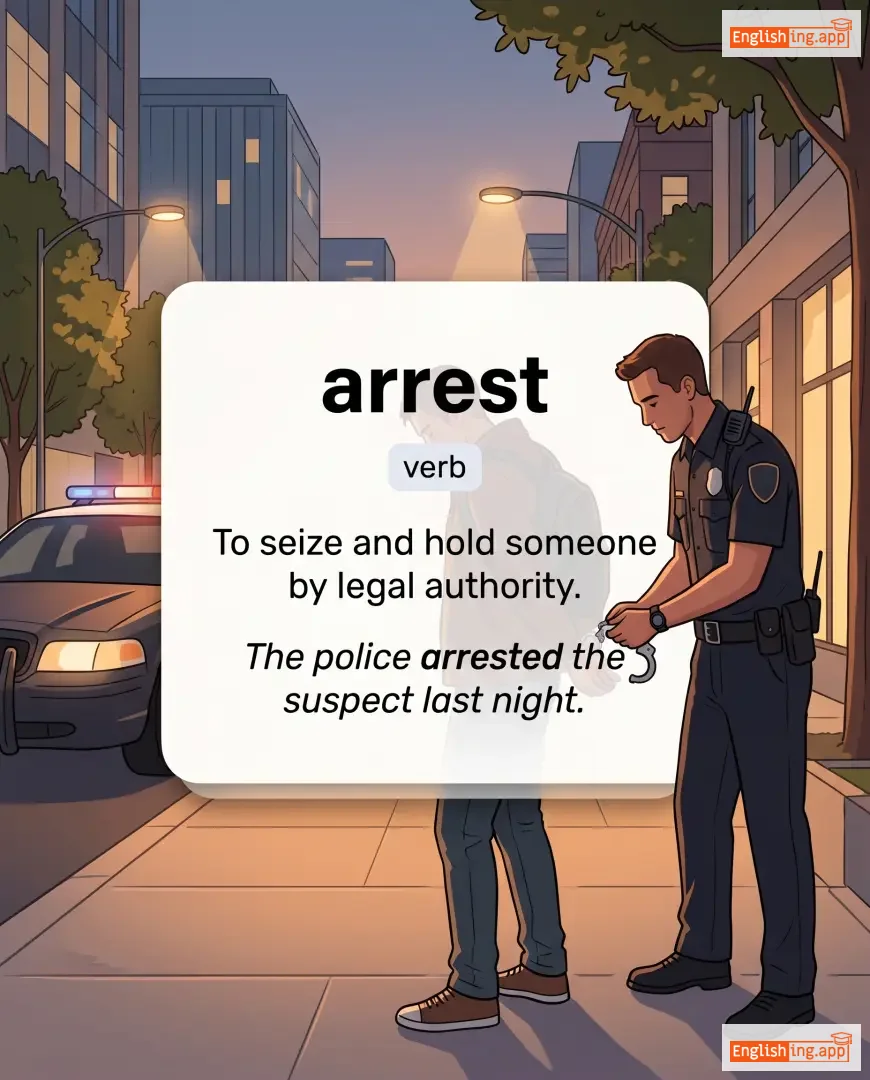
To seize and hold someone by legal authority.
••••••
|
The police arrested the suspect last night.
Полиция арестовала подозреваемого прошлой ночью.
••••••
|
Полиция арестовала подозреваемого прошлой ночью.
Politsiya arestovala podozrevaemogo proshloy noch'yu.
••••••
|
under arrest
под арестом
••••••
|
In the custody of the police.
••••••
|
под арестом
pod arestom
••••••
|
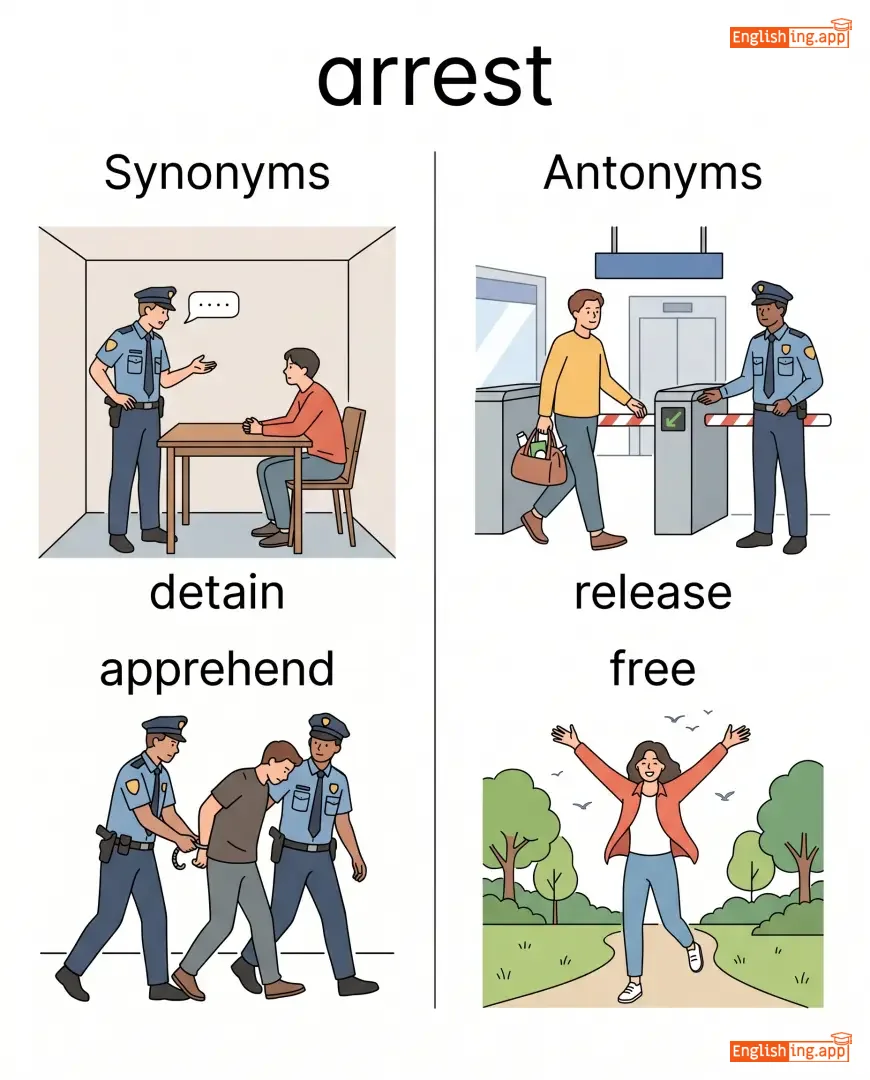
detain, apprehend, capture, seize, stop
••••••
|
release, free, liberate
••••••
|
arrest warrant, arrest the suspect, make an arrest
••••••
|
Arrest - это когда ты rest в заключении, как если бы отдых был отнятый.
••••••
|
|
🏺
••••••
|
/ˈɑːrtɪˌfækt/
noun
(ɑːrtɪfækt)
••••••
|

|
артефакт
artefakt
••••••
|
- •••••• | - •••••• | - •••••• | - •••••• |
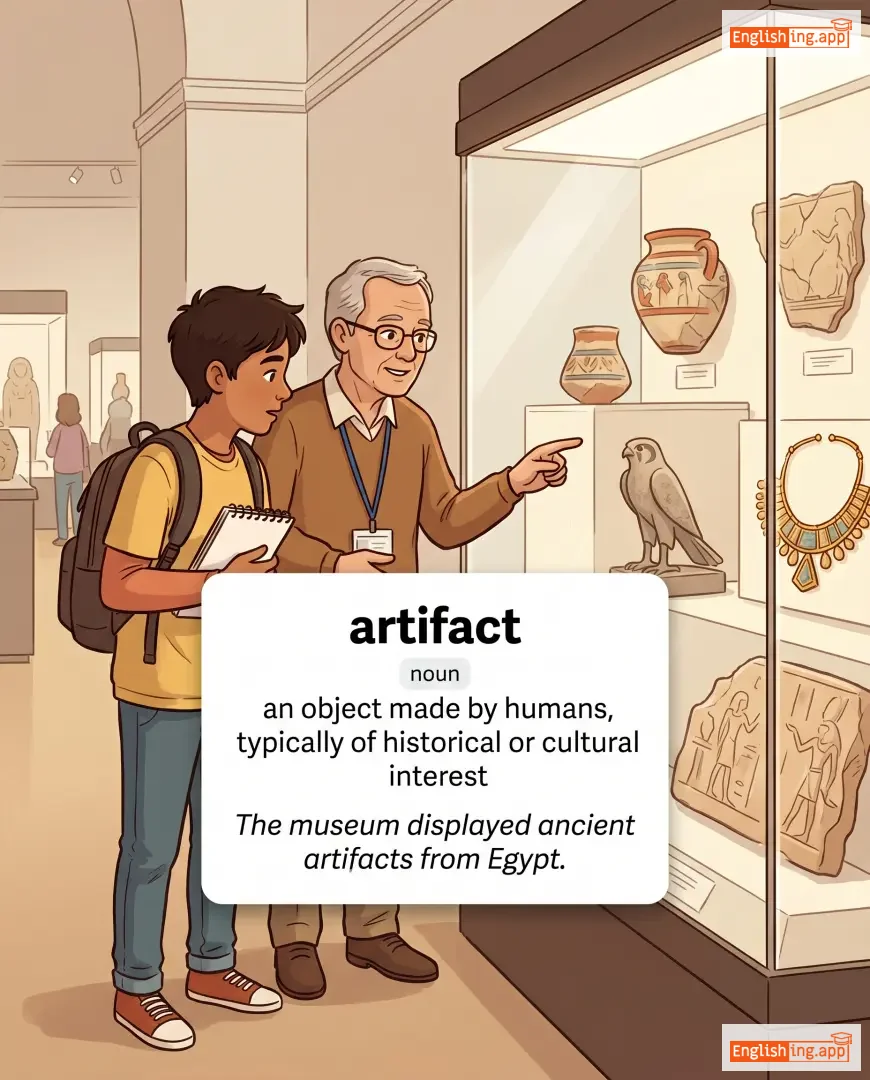
an object made by humans, typically of historical or cultural interest
••••••
|
The museum displayed ancient artifacts from Egypt.
Музей выставил древние артефакты из Египта.
••••••
|
Музей выставил древние артефакты из Египта.
Muzey vystavil drevnie artefakty iz Egipta.
••••••
|
- •••••• | - •••••• | - •••••• |
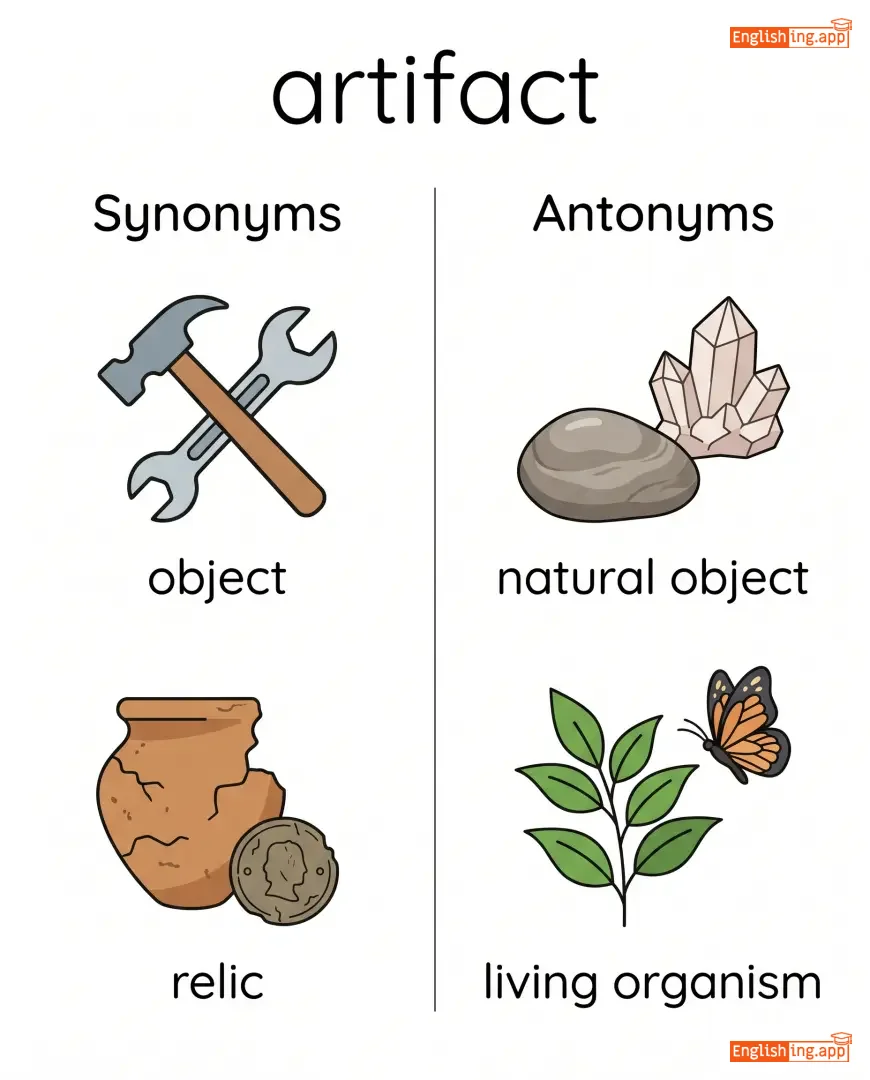
object, relic, antiquity, remain, heirloom
••••••
|
natural object, living organism
••••••
|
ancient artifact, historical artifact, cultural artifact, rare artifact
••••••
|
Артефакт: Арт (искусство) + Факт (доказательство), объект, созданный людьми в прошлом.
••••••
|
|
😊
••••••
|
/ˈɑːrtləs/
adjective
(артлес)
••••••
|
|
простодушный, естественный
prostodushnyy, yestestvennyy
••••••
|
- •••••• | - •••••• | - •••••• | - •••••• |
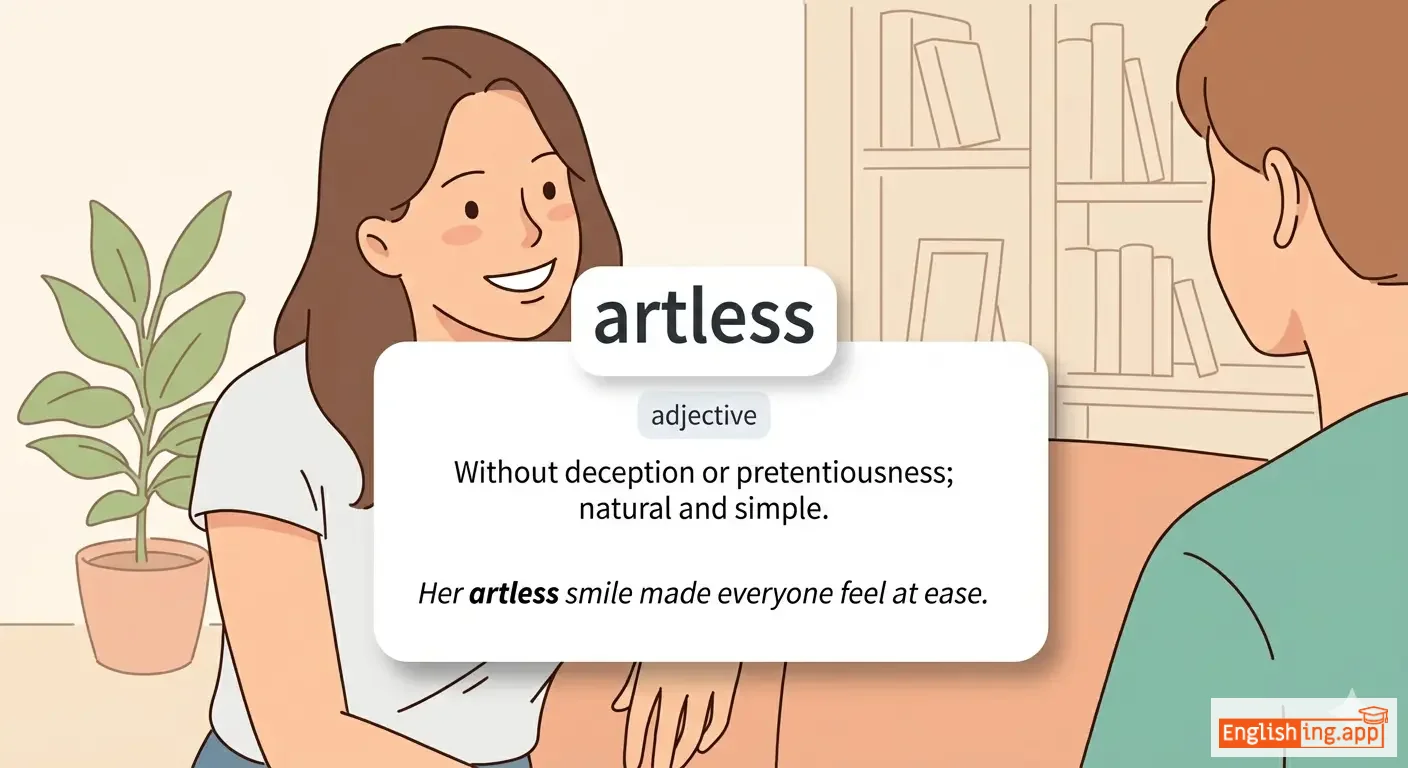
Without deception or pretentiousness; natural and simple.
••••••
|
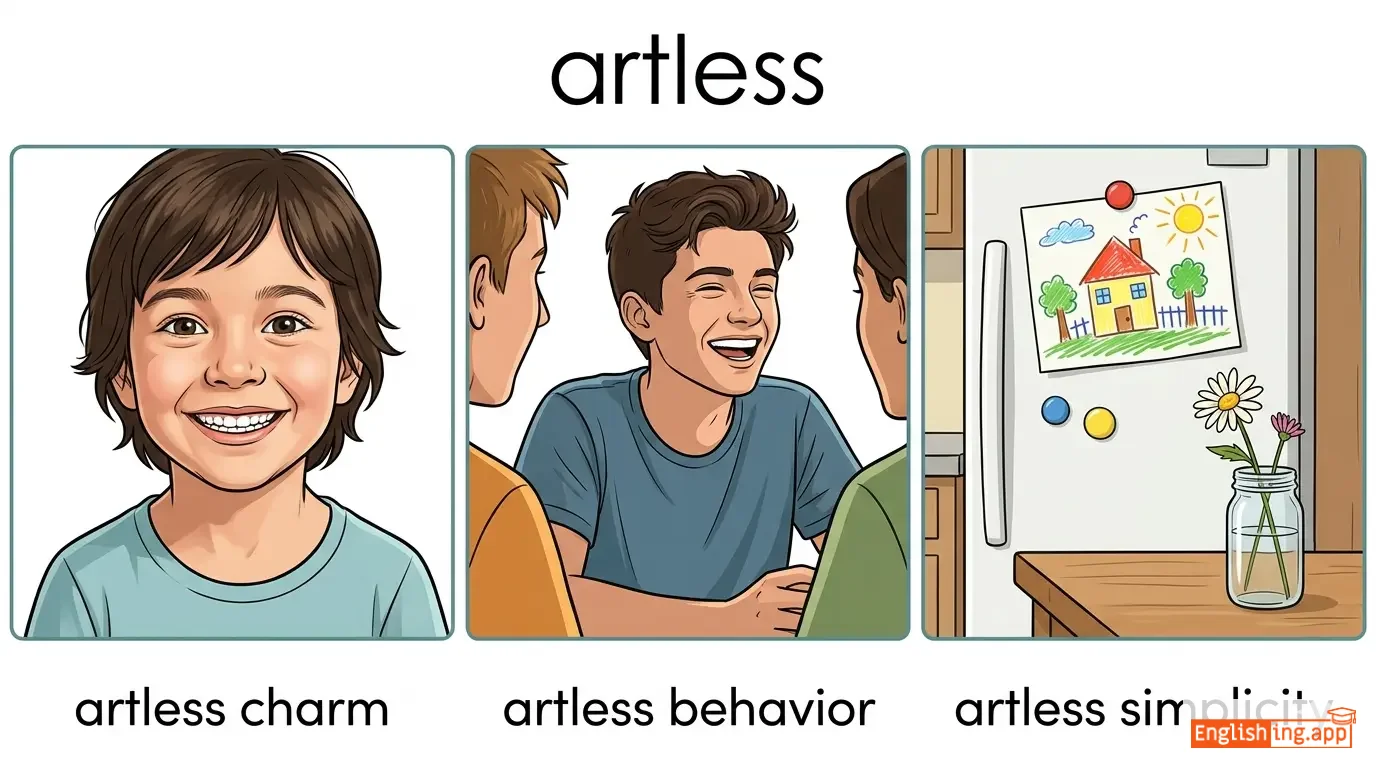
Her artless smile made everyone feel at ease. |
Её простодушная улыбка заставила всех почувствовать себя комфортно.
eyo prostodushnaya ulybka zastavila vsekh pochuvstvovat' sebya komfortno.
••••••
|
- •••••• | - •••••• | - •••••• |
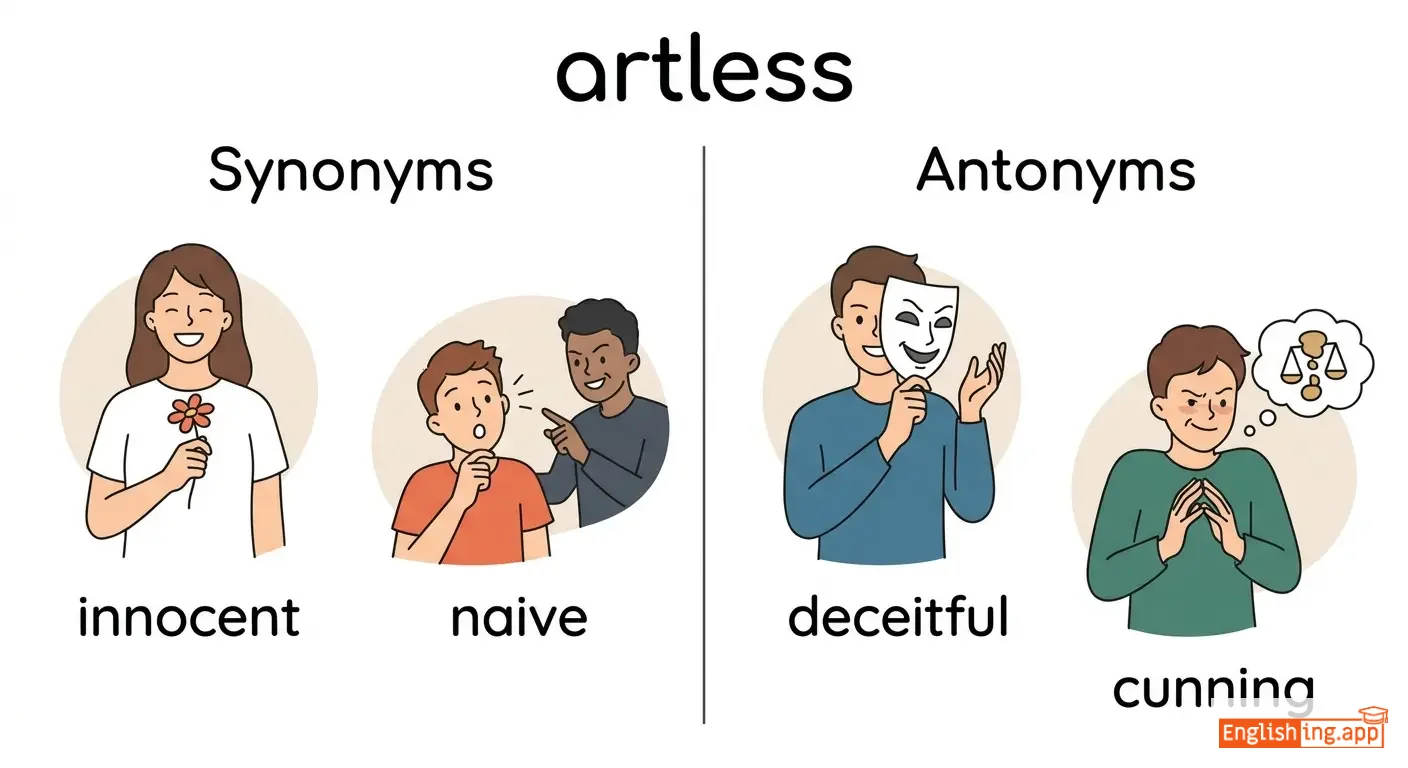
innocent, naive, guileless, sincere, genuine
••••••
|
deceitful, cunning, pretentious
••••••
|
artless charm, artless behavior, artless simplicity
••••••
|
Без искусства - быть артлесом, как простодушная улыбка.
••••••
|
|
🙏
••••••
|
/əˈsɛt.ɪk/
adjective
(асетик)
••••••
|
|
аскетический
asketicheskiy
••••••
|
- •••••• | - •••••• | - •••••• | - •••••• |
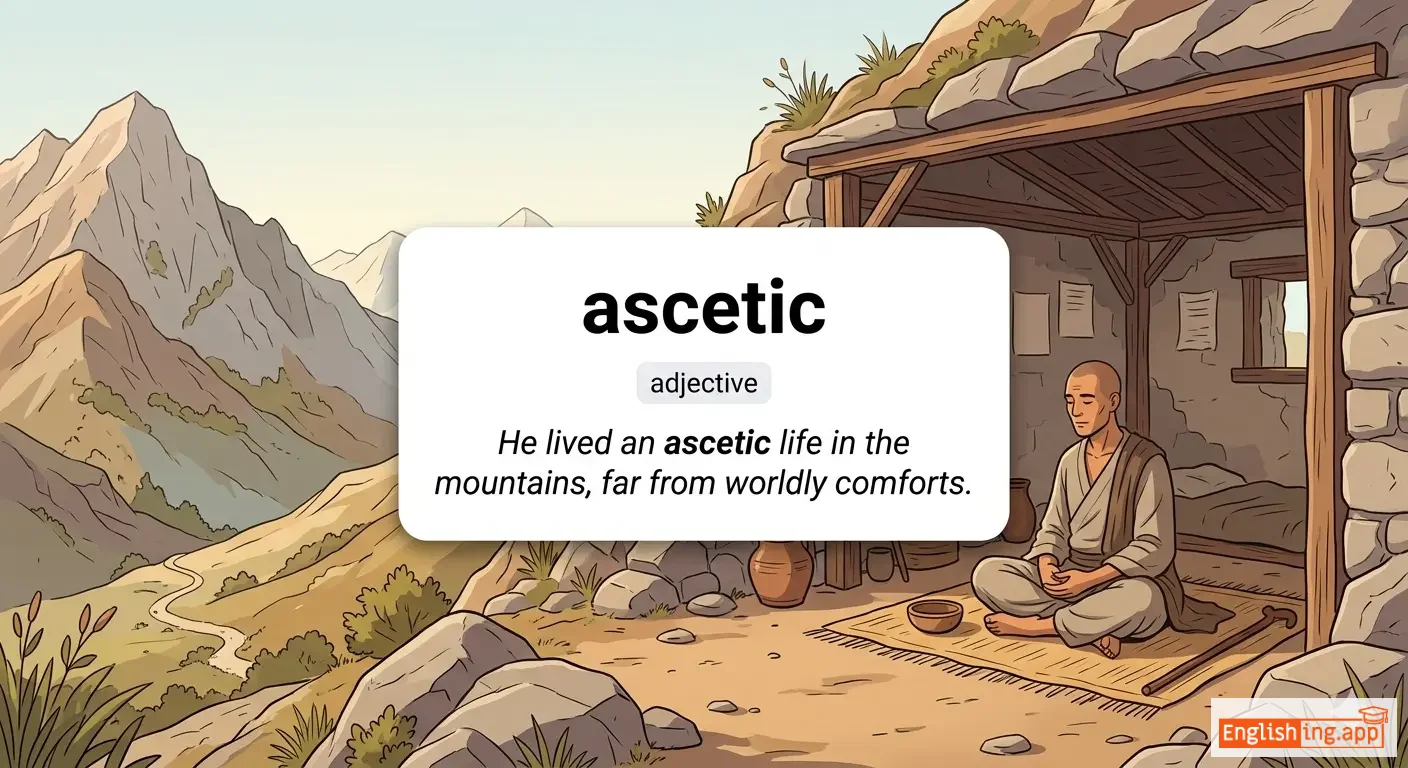
Practicing strict self-denial and abstaining from worldly pleasures, often for religious reasons.
••••••
|
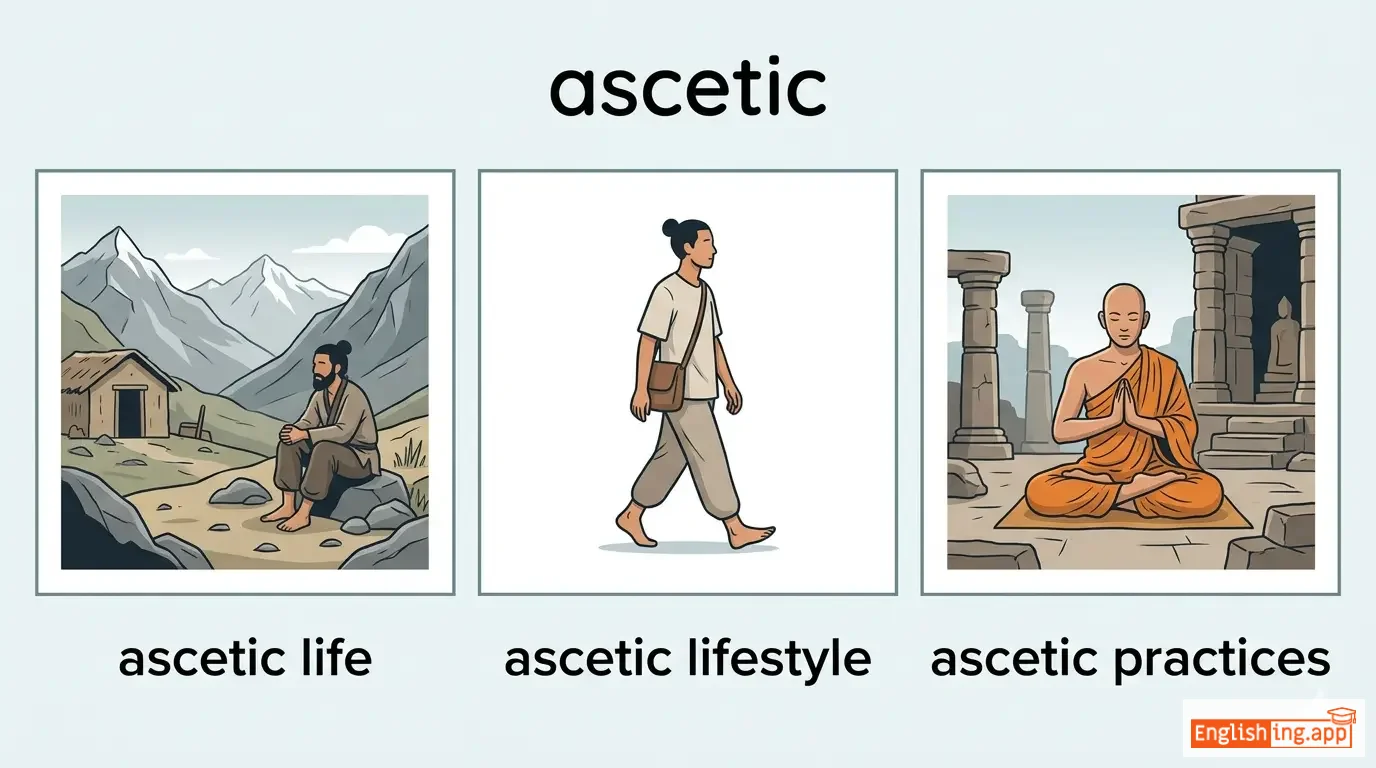
He lived an ascetic life in the mountains, far from worldly comforts. |
Он вел аскетическую жизнь в горах, вдали от мирских удобств.
On vel asketicheskuyu zhizn' v gorakh, vdali ot mirskikh udobstv.
••••••
|
- •••••• | - •••••• | - •••••• |
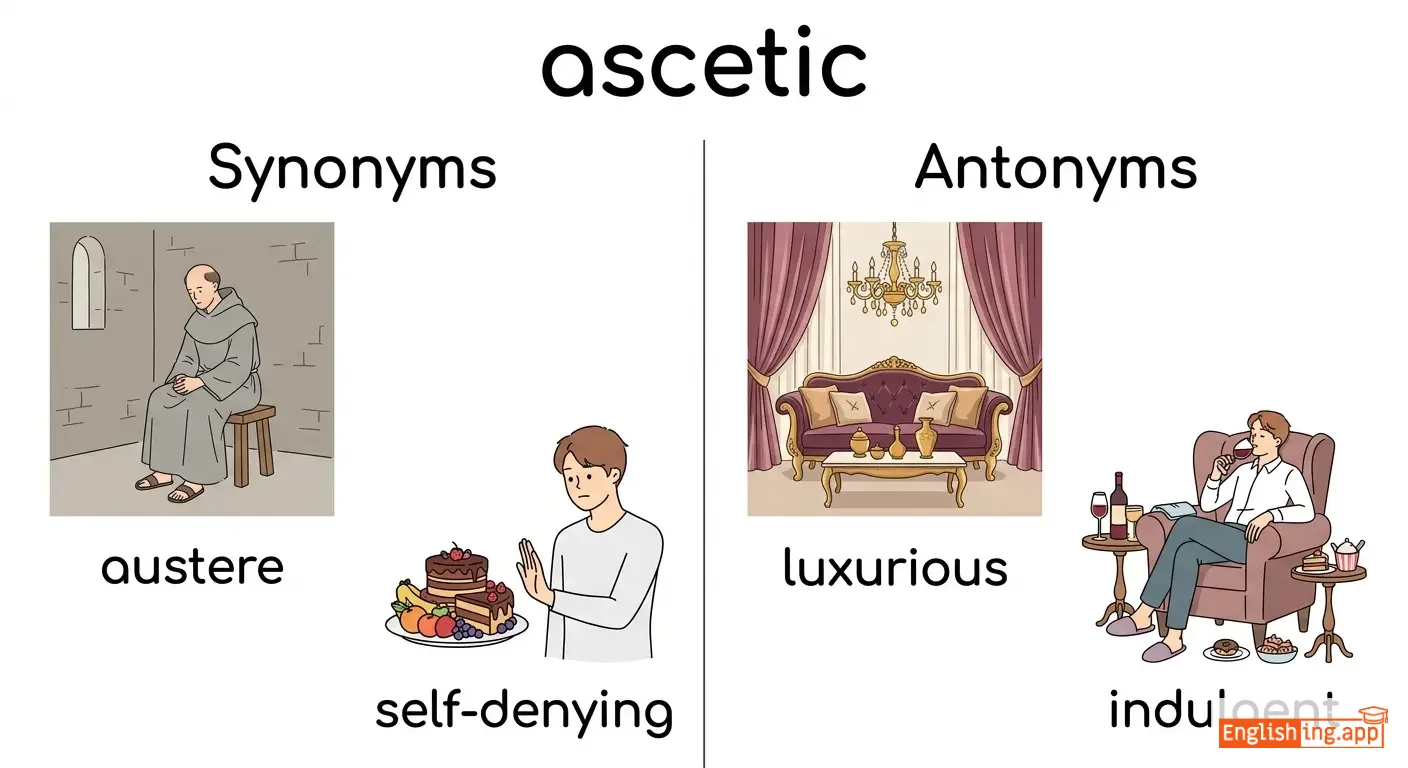
austere, self-denying, monkish, frugal, disciplined
••••••
|
luxurious, indulgent, hedonistic
••••••
|
ascetic life, ascetic lifestyle, ascetic practices, ascetic monk
••••••
|
Аскет — тот, кто отказывается от удовольствий, как монах в горах.
••••••
|
|
⚡
••••••
|
/əˈsper.ɪ.ti/
noun
(аспэрити)
••••••
|
|
резкость
uhsperitee
••••••
|
- •••••• | - •••••• | - •••••• | - •••••• |
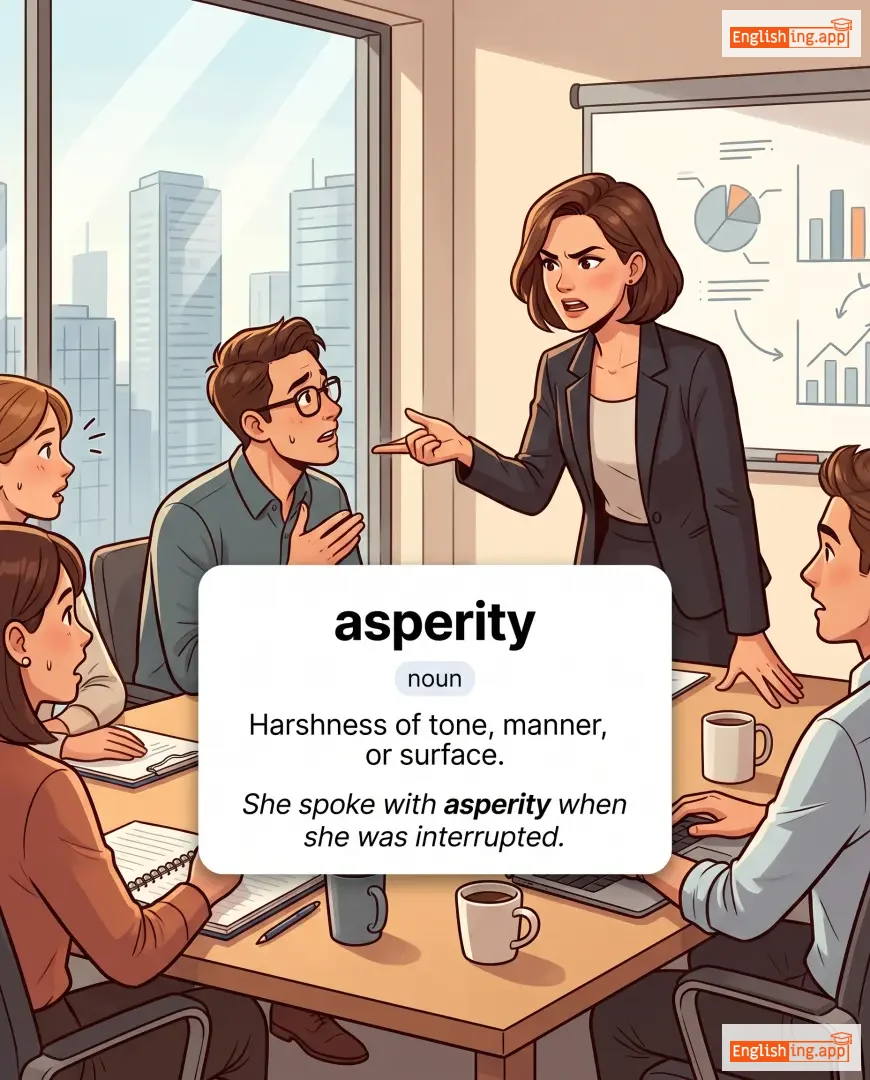
Harshness of tone, manner, or surface.
••••••
|
She spoke with asperity when she was interrupted.
Она говорила с резкостью, когда её прервали.
••••••
|
Она говорила с резкостью, когда её прервали.
Ona govorila s rezkost, kogda eyo prervali.
••••••
|
- •••••• | - •••••• | - •••••• |
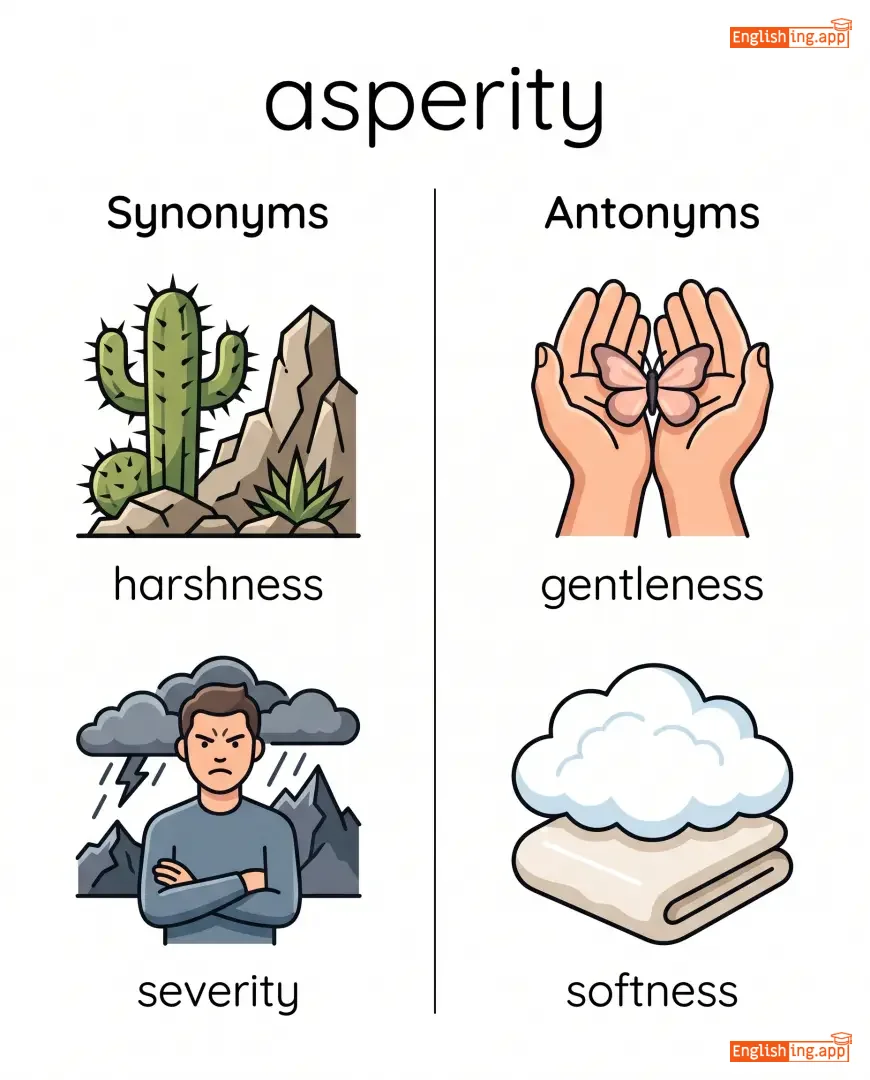
harshness, severity, sharpness, roughness
••••••
|
gentleness, softness, kindness
••••••
|
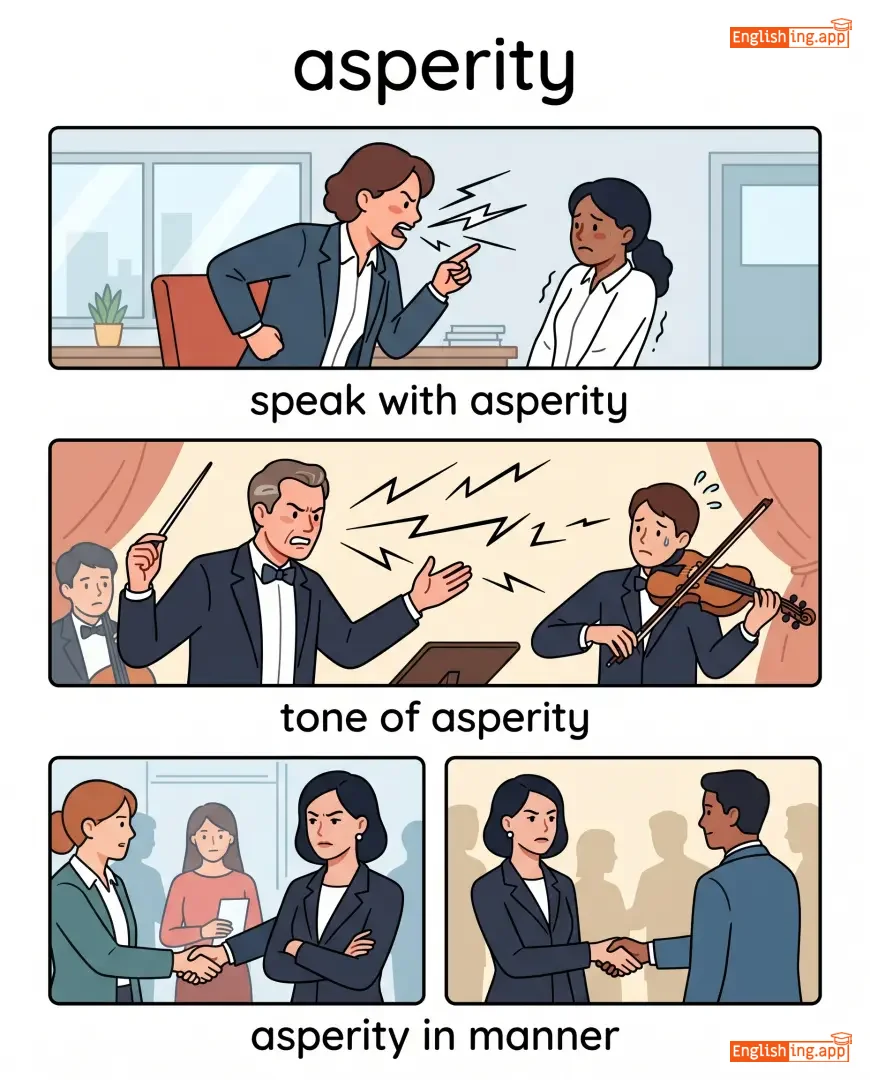
speak with asperity, tone of asperity, asperity in manner
••••••
|
АСПЕРИТИ — РЕЗКОСТЬ В ТОНЕ: представить AS PER ITY как смешанный образ русского голоса, и запомни, что резкость — это про тон голоса.
••••••
|
|
🗣️
••••••
|
/əˈspɜːr.ʒən/
noun
(асперсия)
••••••
|
|
клевета
kleveta
••••••
|
- •••••• | - •••••• | - •••••• | - •••••• |
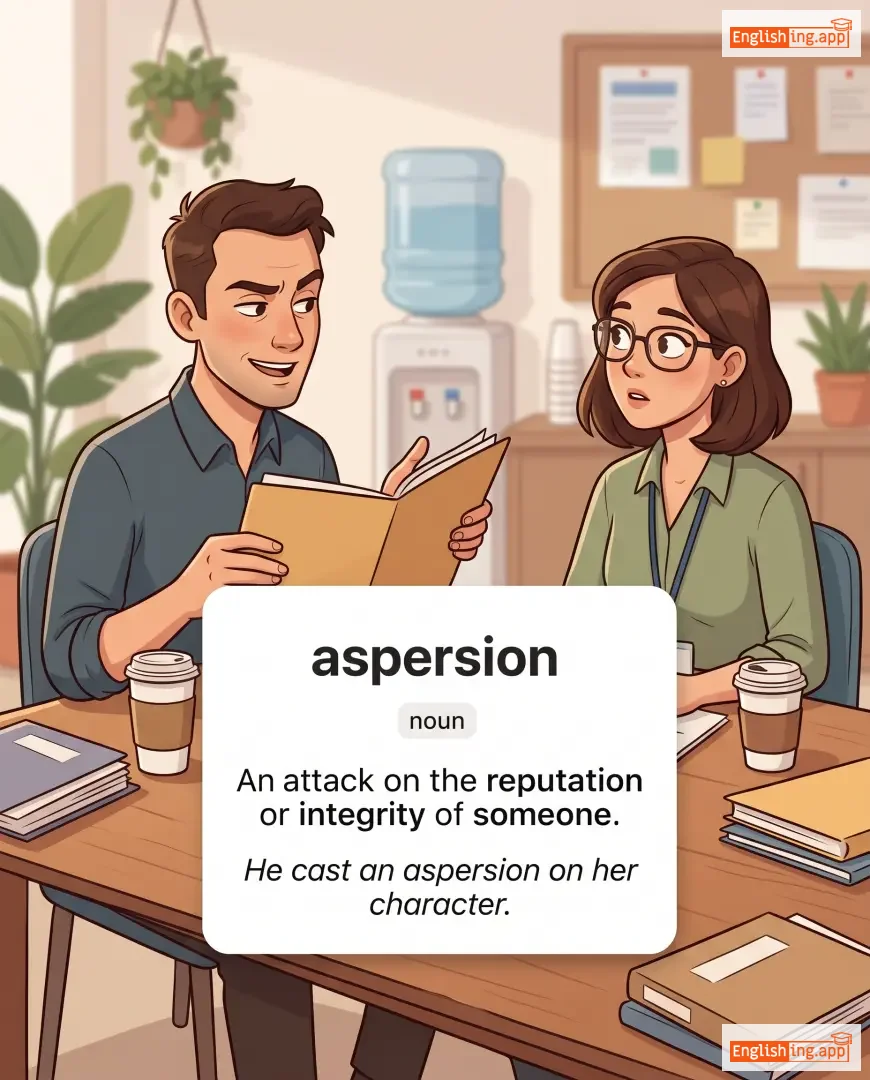
An attack on the reputation or integrity of someone.
••••••
|
He cast an aspersion on her character.
Он бросил тень на её характер.
••••••
|
Он бросил клевету на её характер.
On brosil klevetu na yeye kharakter.
••••••
|
cast aspersions
клеветать
••••••
|
to make damaging or critical remarks about someone
••••••
|
клеветать
klevetat
••••••
|
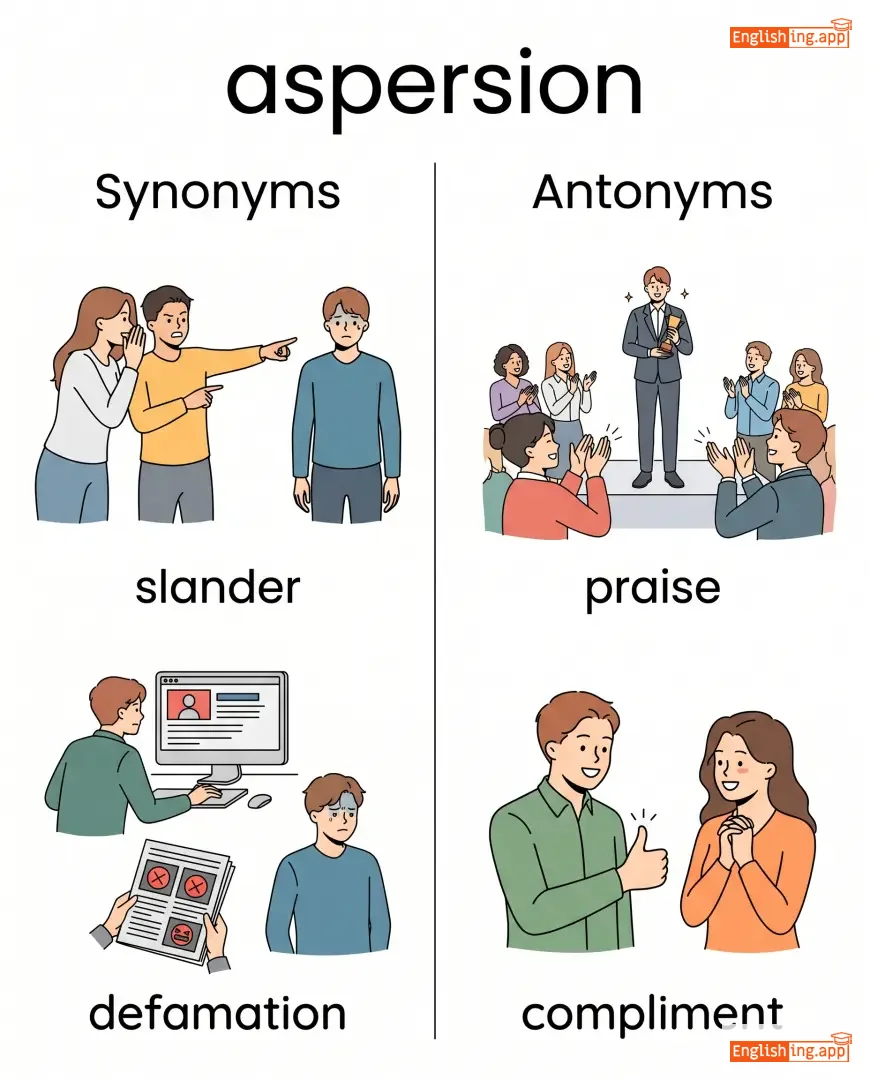
slander, defamation, smear, accusation, criticism
••••••
|
praise, compliment, approval
••••••
|
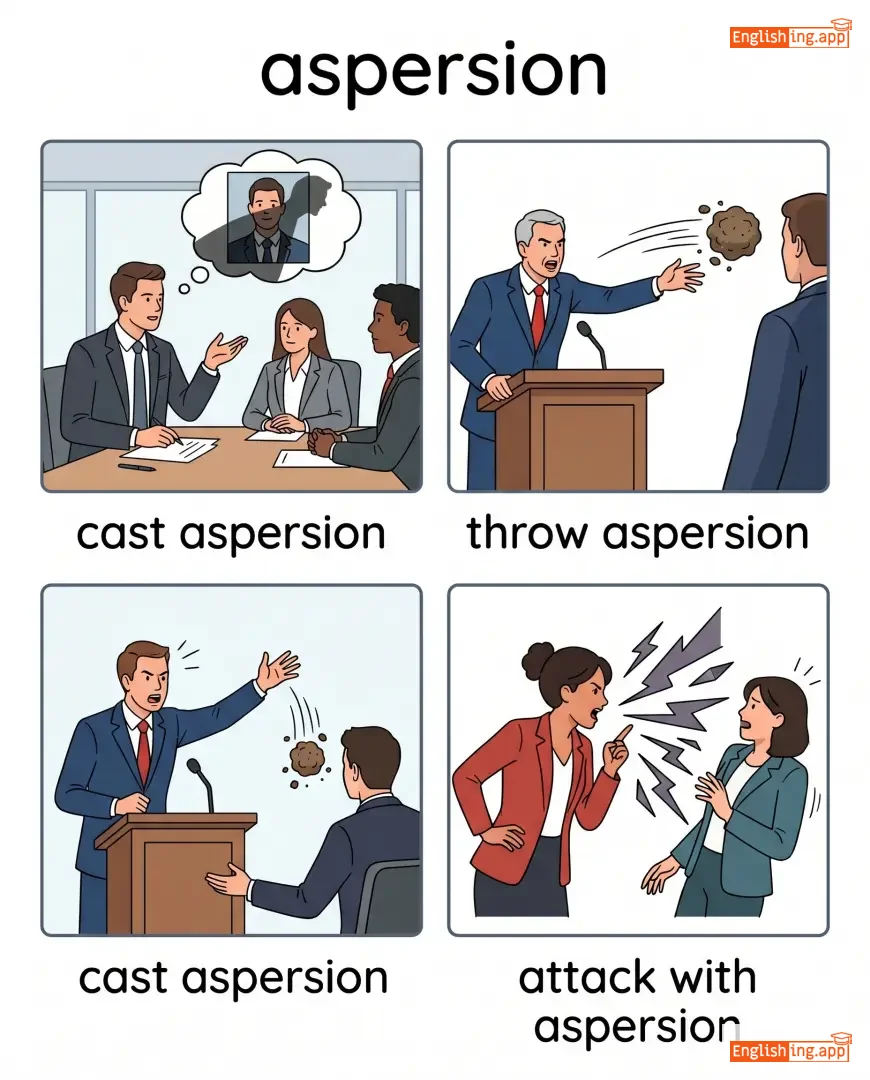
cast aspersion, throw aspersion, attack with aspersion
••••••
|
Aspersion – клевета, вредная для чести.
••••••
|
|
📚
••••••
|
/əˈsɪdʒuəs/
adjective
(ассидуус)
••••••
|
|
усердный
usyerudny
••••••
|
- •••••• | - •••••• | - •••••• | - •••••• |
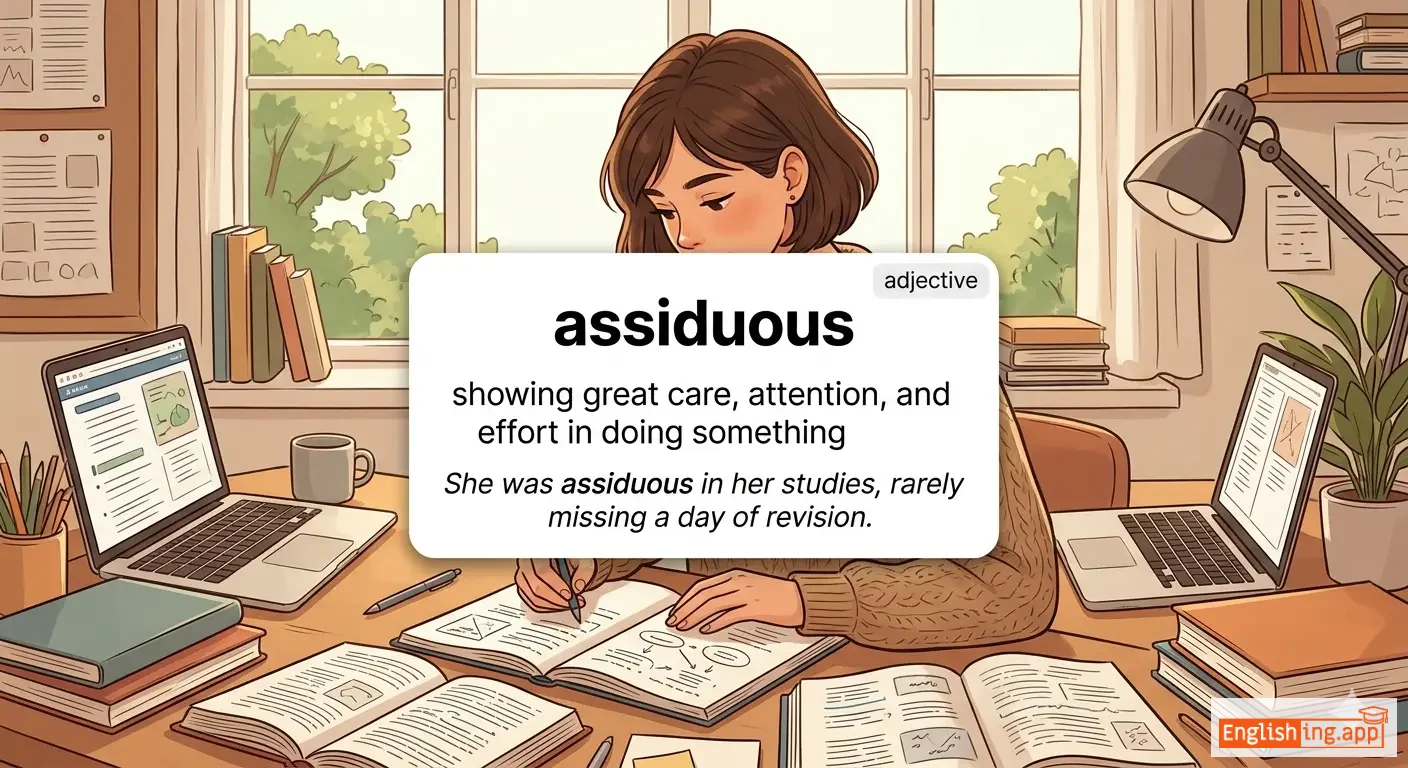
showing great care, attention, and effort in doing something
••••••
|
She was assiduous in her studies, rarely missing a day of revision. |
Она была усердной в своих учебных занятиях, редко пропускала день занятий.
Ona byla usyernoy v svoikh uchebnykh zanyatiyakh, redko propuskala den' zanyatiy.
••••••
|
assiduous effort |
persistent and careful effort
••••••
|
усердное усилие
usyerdnoye usiliye
••••••
|
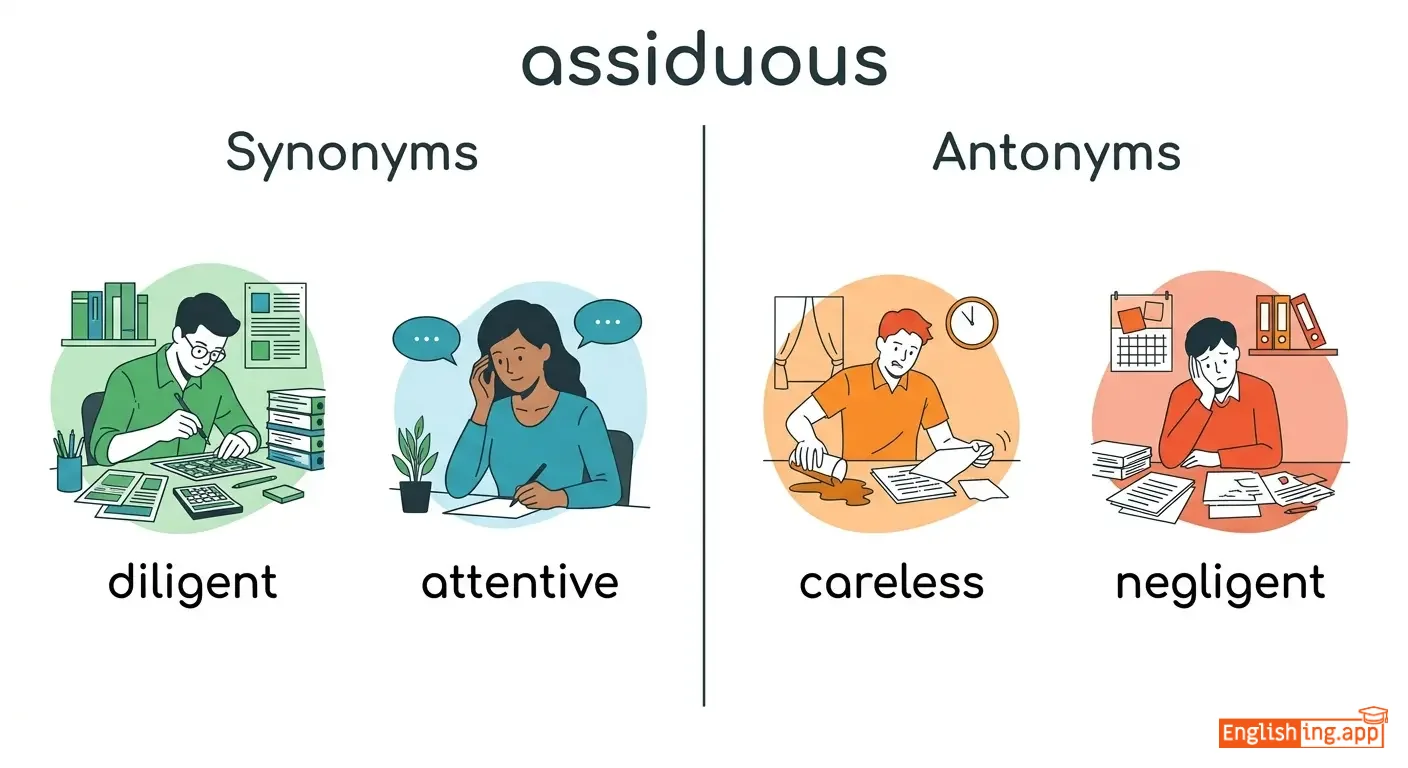
diligent, attentive, careful, industrious, meticulous
••••••
|
careless, negligent, lazy
••••••
|
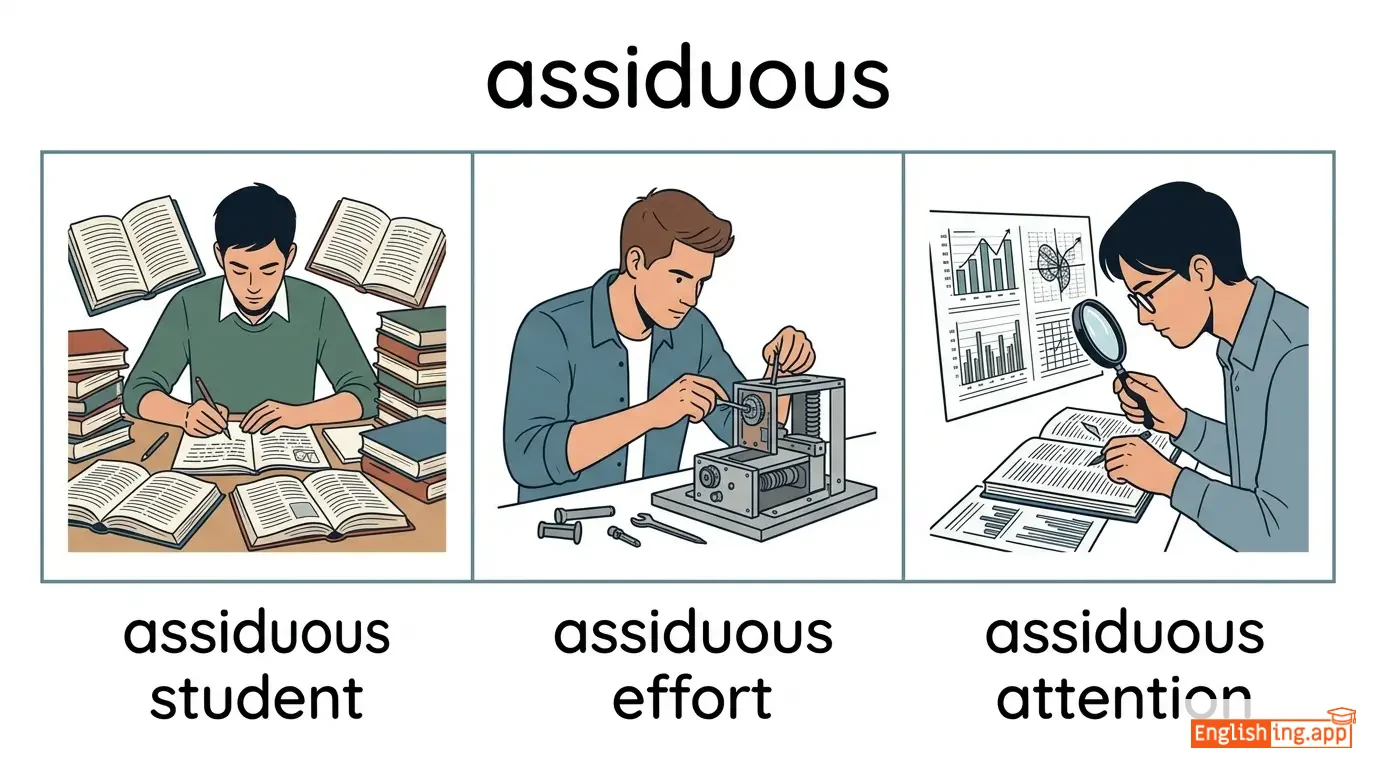
assiduous student, assiduous effort, assiduous attention, assiduous care
••••••
|
Assiduous – усердный, работай с усердием, каждый день как усердный труд.
••••••
|
|
😌
••••••
|
/əˈsweɪdʒ/
verb
(assveydzh)
••••••
|
|
успокаивать
uspokaivat
••••••
|
assuaged
assveydzhd
••••••
|
assuaged
assveydzhd
••••••
|
assuages
assveydzhiz
••••••
|
assuaging
assveydzhing
••••••
|
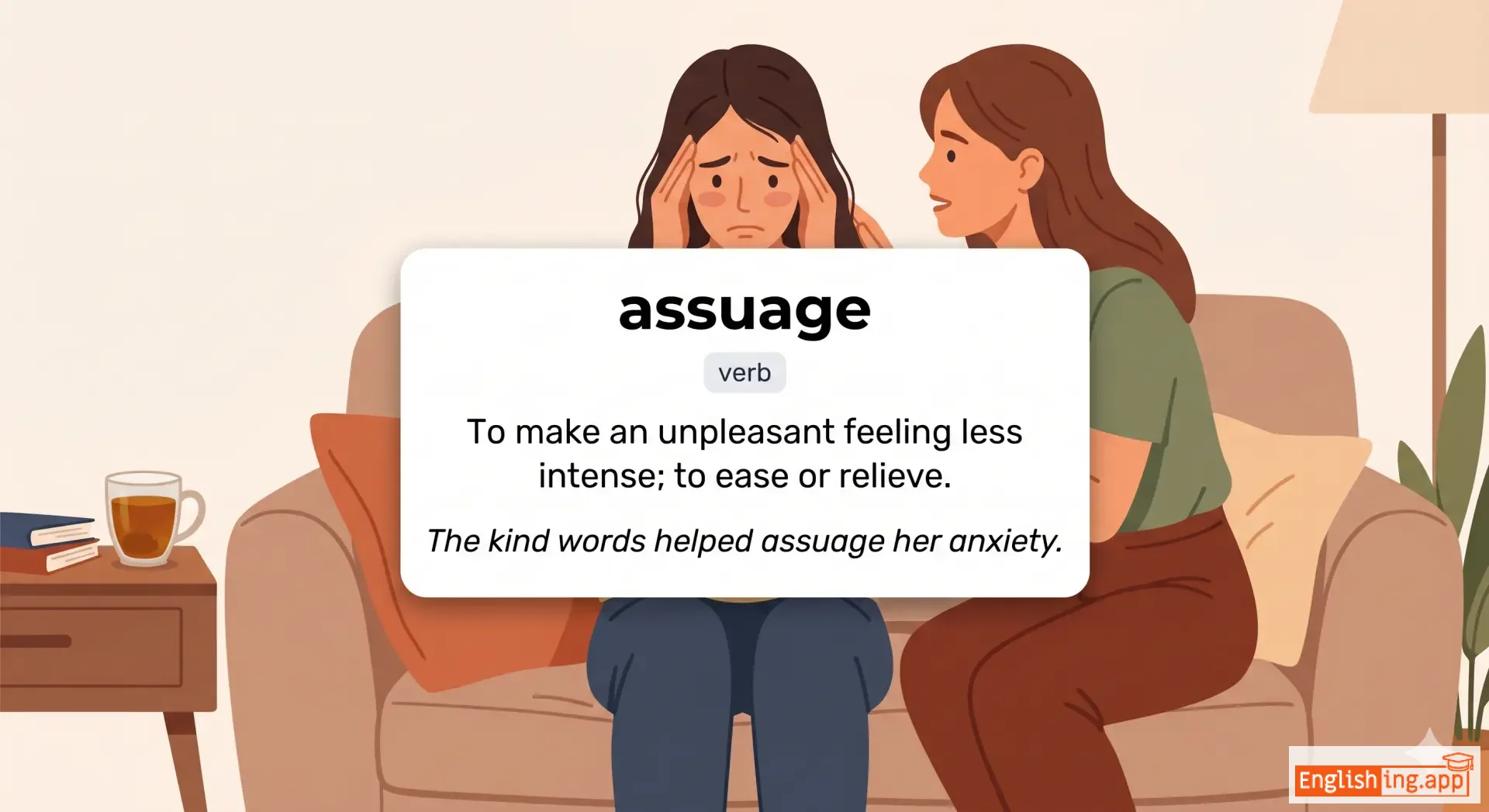
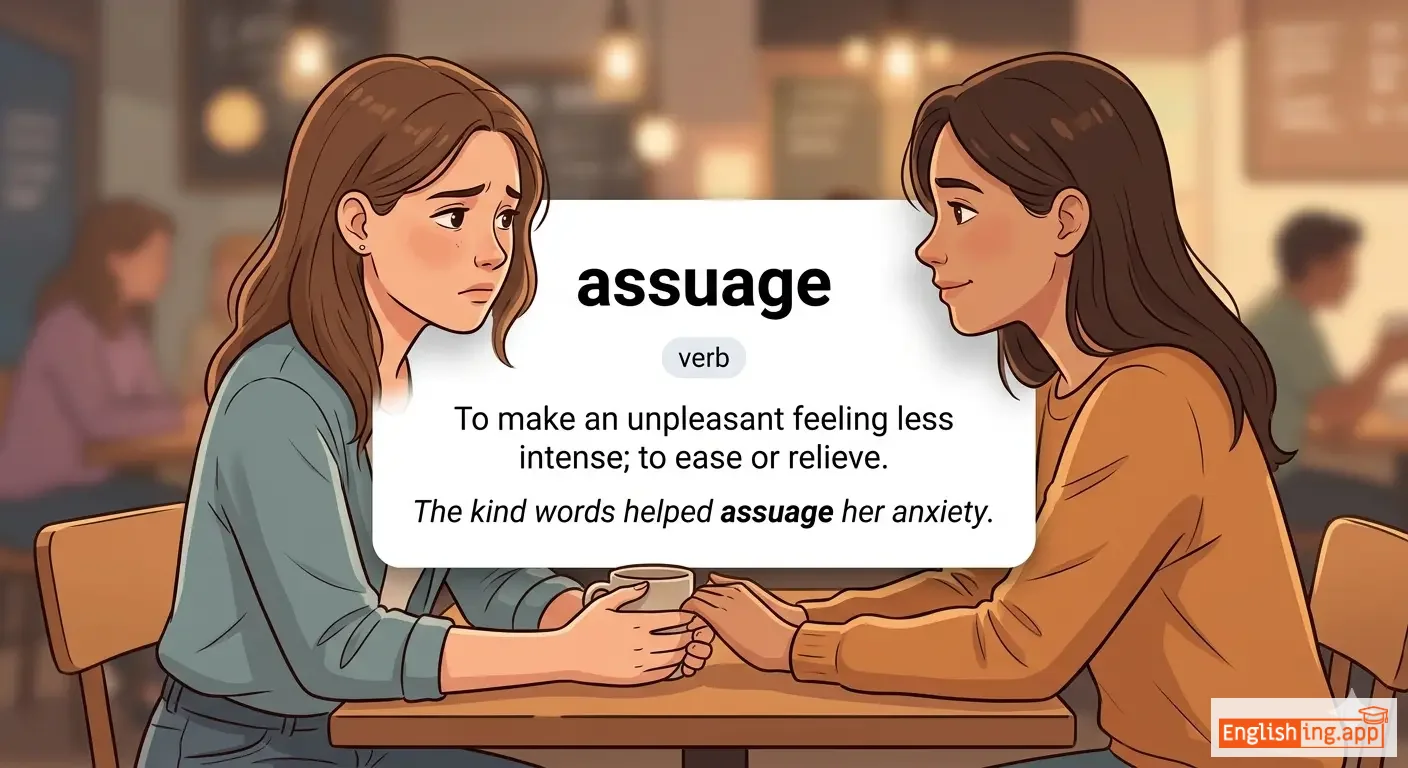
To make an unpleasant feeling less intense; to ease or relieve.
••••••
|
The kind words helped assuage her anxiety.
Добрые слова помогли облегчить её тревогу.
••••••
|
Добрые слова помогли облегчить её тревогу.
Dobrye slova pomogli oblegchit' yeyo trevogu.
••••••
|
assuage one's fears
успокоить чьи-то страхи
••••••
|
to calm or reduce someone's fears
••••••
|
успокоить чьи-то страхи
uspokoit' ch'yto strakhi
••••••
|
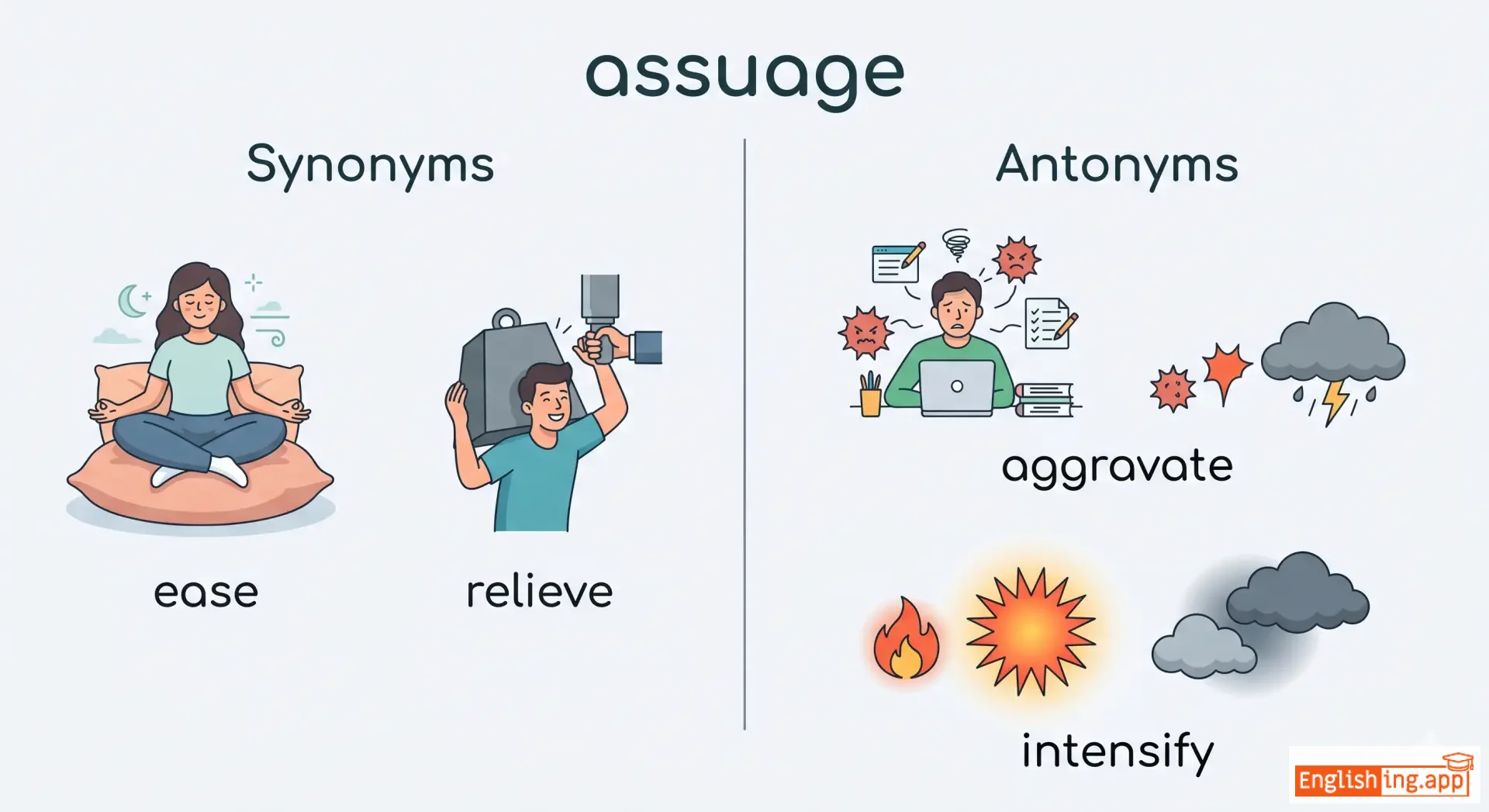
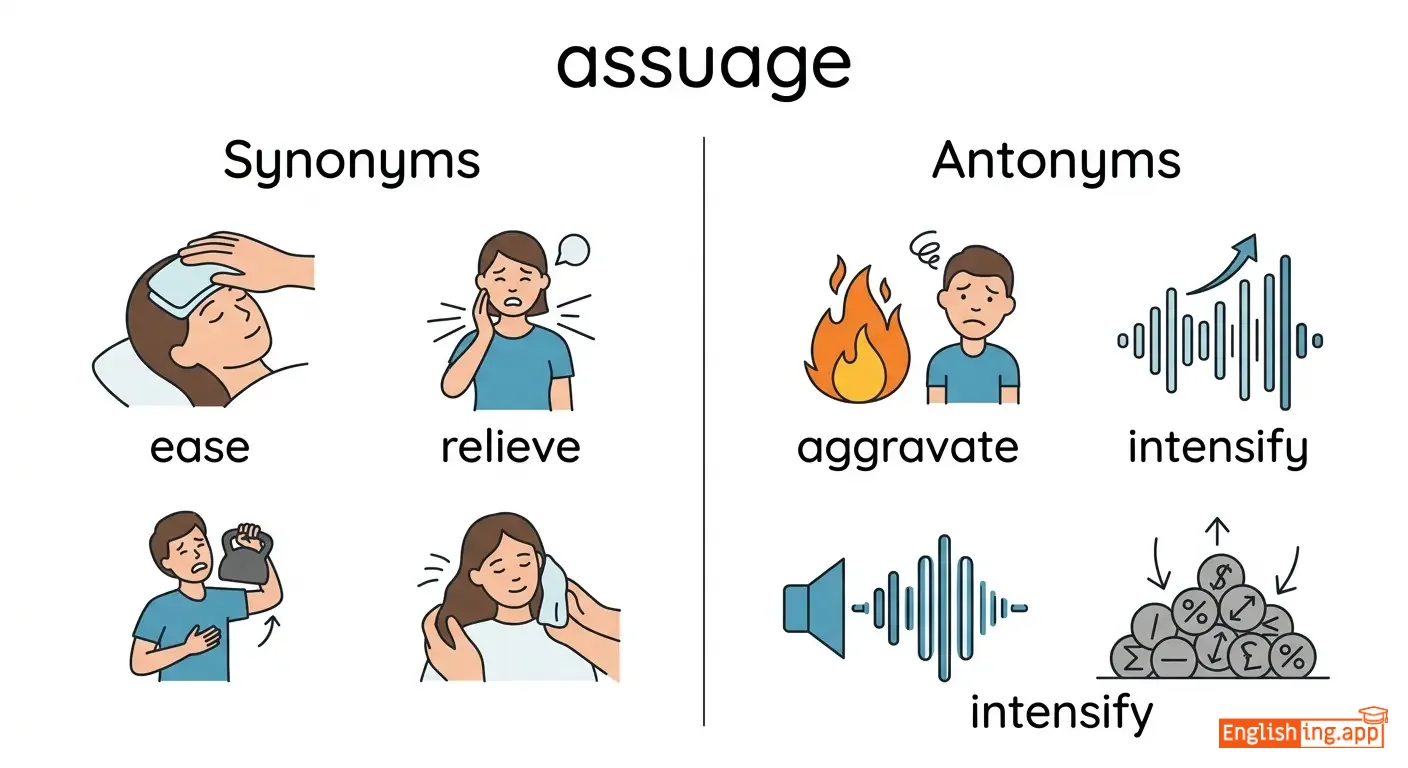
ease, relieve, alleviate, soothe, pacify
••••••
|
aggravate, intensify, worsen
••••••
|
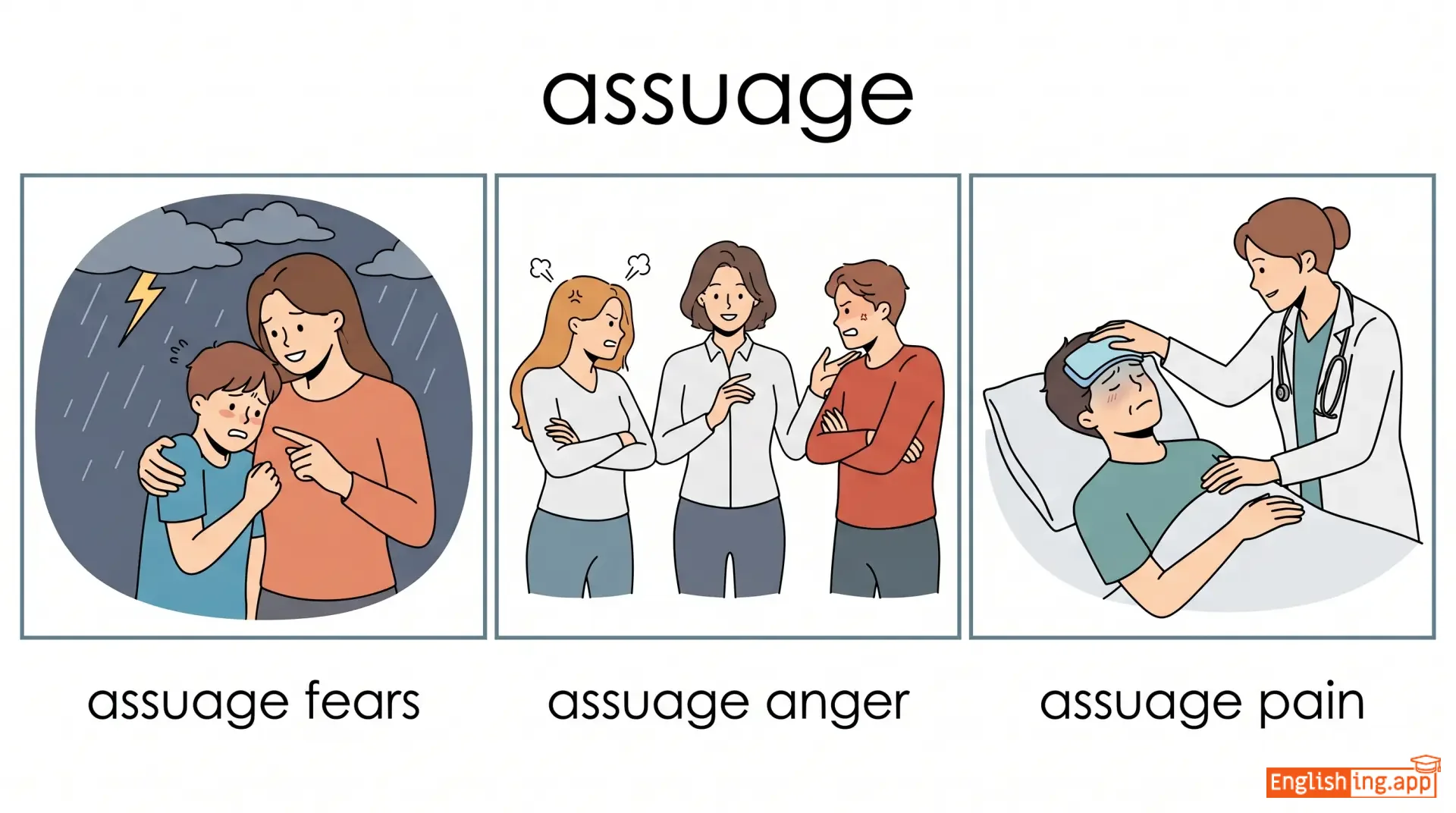
assuage fears, assuage anger, assuage pain
••••••
|
Assuage означает 'успокаивающее сообщение' - успокаивающее сообщение.
••••••
|
|
🍋
••••••
|
/əˈstrɪndʒənt/
adjective
(æstrɪnʐənt)
••••••
|
|
строгий
stroh-giy
••••••
|
- •••••• | - •••••• | - •••••• | - •••••• |
sharp or severe in manner or style; also describes a substance that contracts skin or body tissues
••••••
|
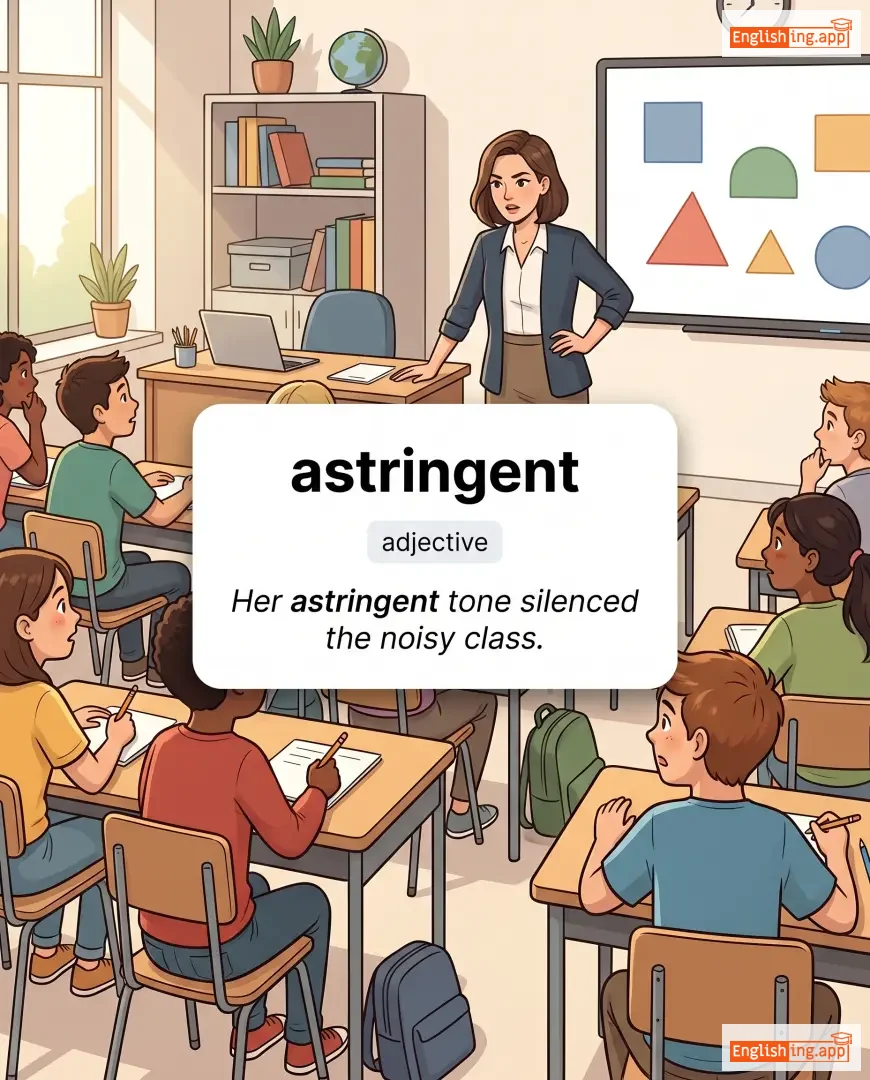
Her astringent tone silenced the noisy class. |
Ее строгий тон заставил шумный класс замолчать.
ye-yo stro-giy ton zas-til shum-nee klass zamol-chat
••••••
|
- •••••• | - •••••• | - •••••• |
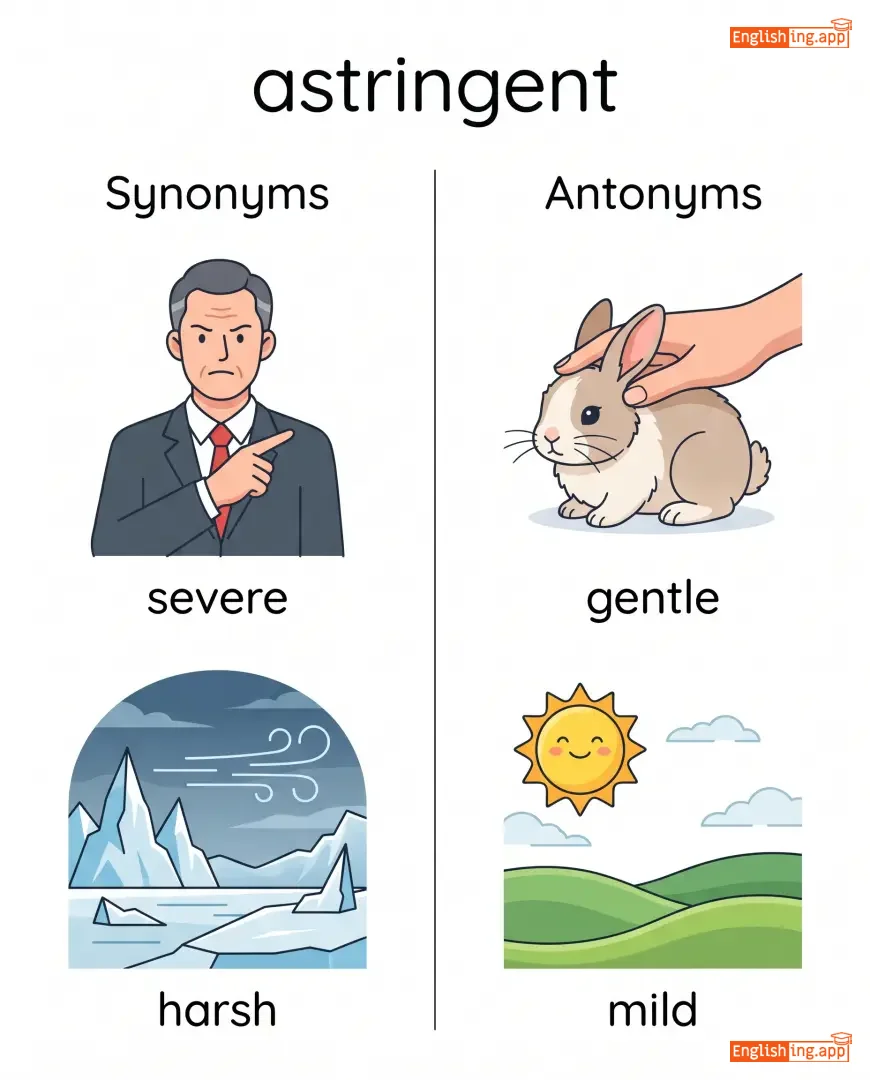
severe, harsh, stern, strict, biting
••••••
|
gentle, mild, lenient
••••••
|
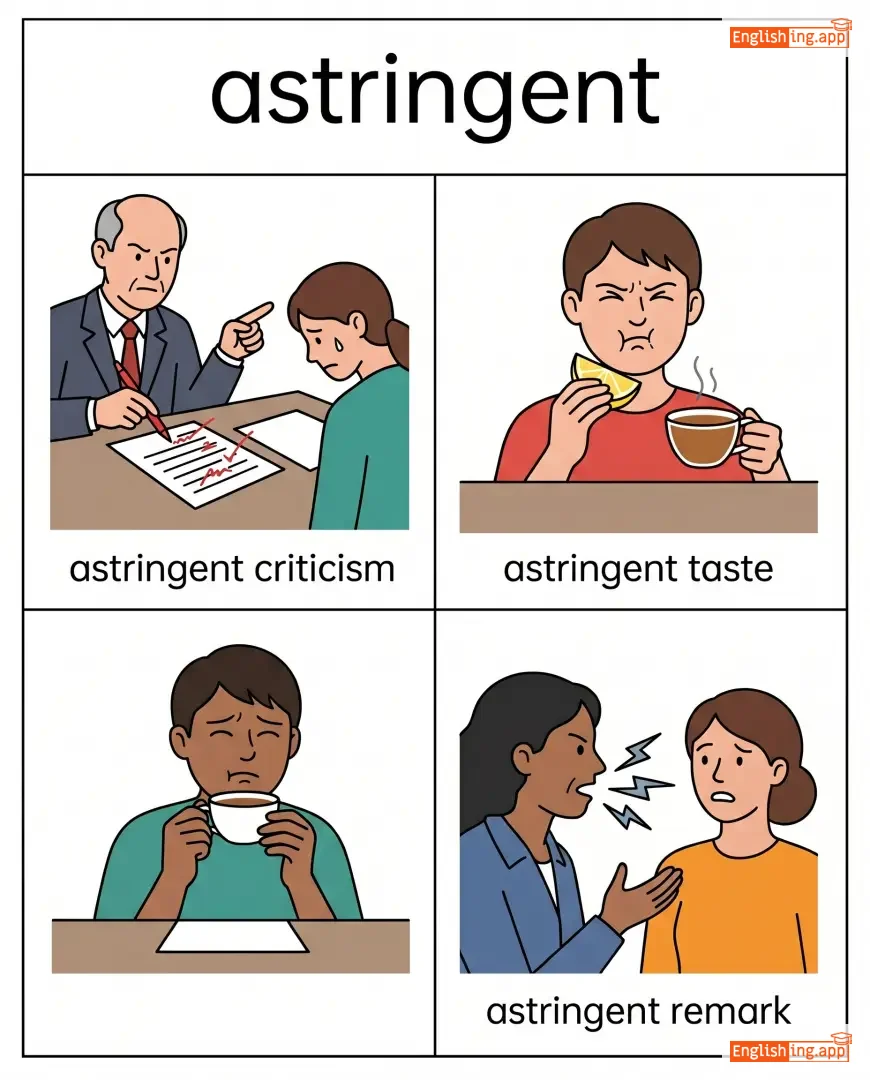
astringent criticism, astringent taste, astringent remark
••••••
|
Вкус лимона очень строгий, он напоминает резкое поведение.
••••••
|
|
🏥
••••••
|
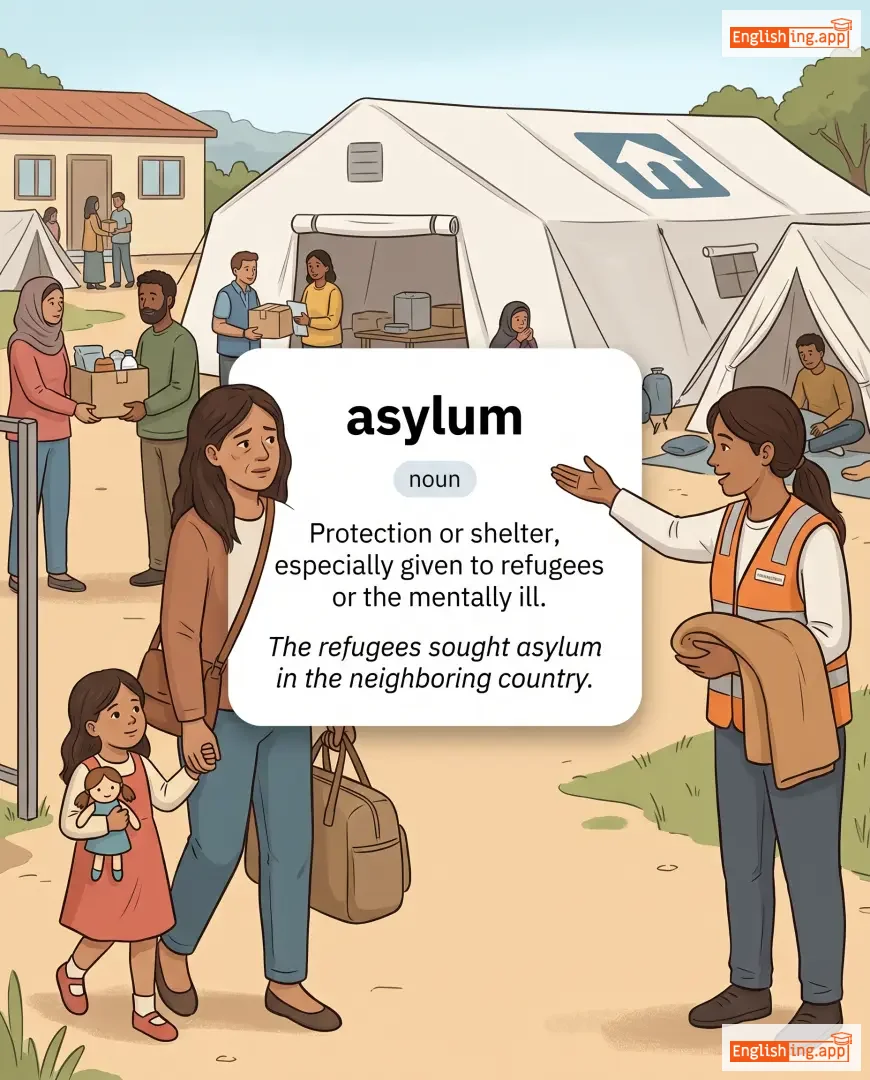
/əˈsaɪləm/
noun
(асайлум)
••••••
|

|
убежище
ubezhishche
••••••
|
- •••••• | - •••••• | - •••••• | - •••••• |
Protection or shelter, especially given to refugees or the mentally ill.
••••••
|
The refugees sought asylum in the neighboring country.
Беженцы искали убежище в соседней стране.
••••••
|
Беженцы искали убежище в соседней стране.
Bezhtsy iskali ubezhishche v sosedney strane.
••••••
|
seek asylum
подавать на убежище
••••••
|
To formally request protection in another country.
••••••
|
подавать на убежище
podavat' na ubezhishche
••••••
|
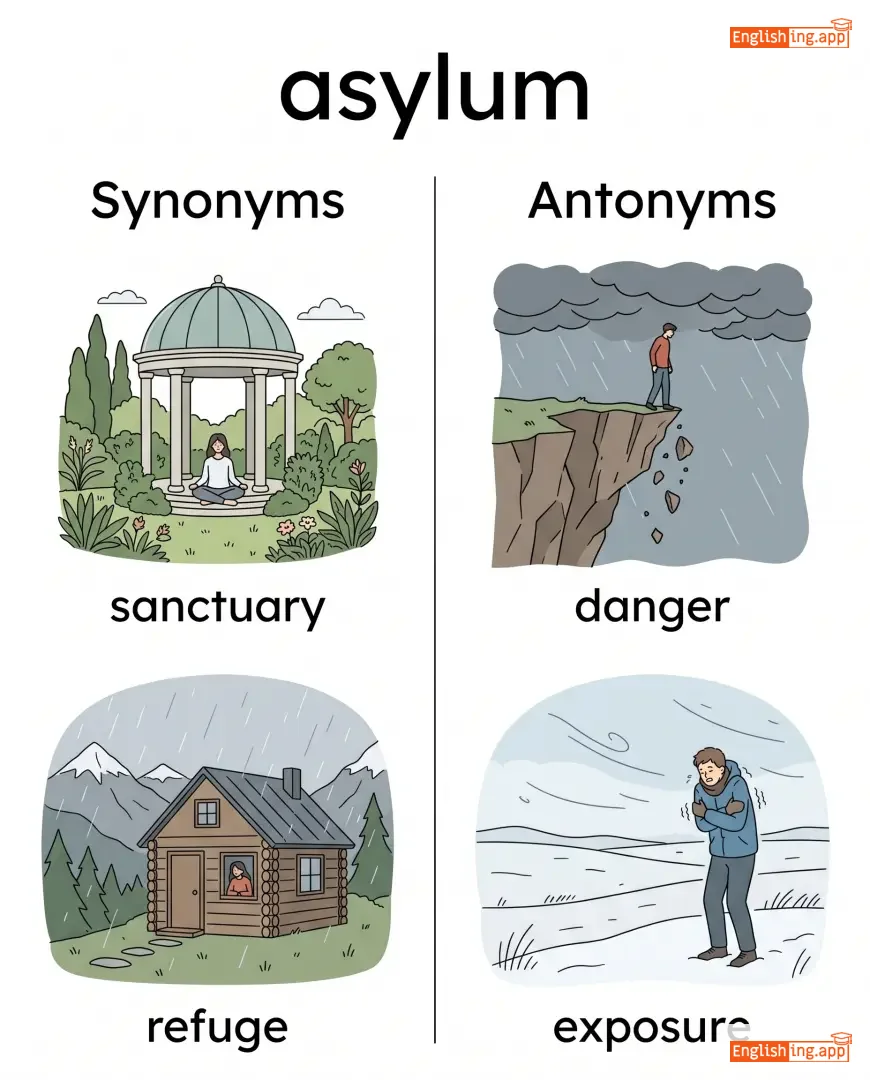
sanctuary, refuge, shelter, haven, protection
••••••
|
danger, exposure, threat
••••••
|
grant asylum, political asylum, seek asylum, asylum seeker
••••••
|
Убежище означает защиту для тех, кто ищет безопасность.
••••••
|
|
🧬
••••••
|
/ˈætəvɪzəm/
noun
(атавизм)
••••••
|
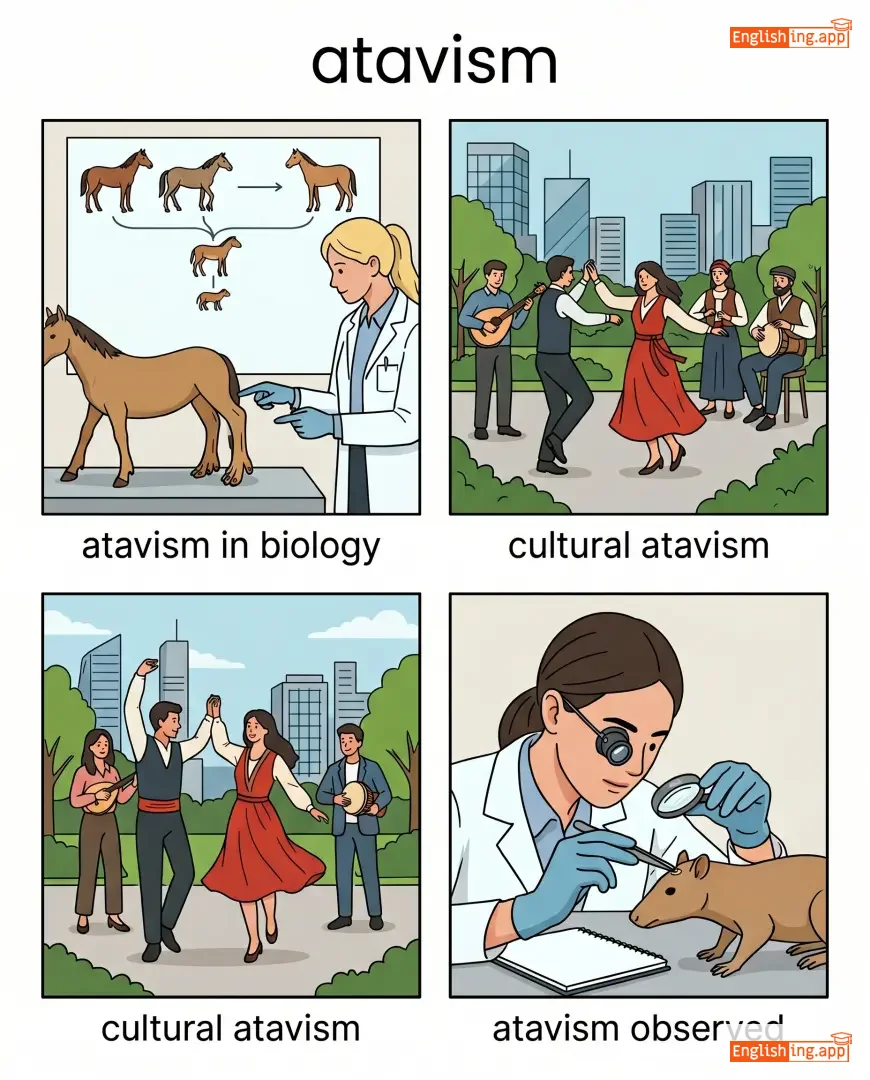
|
атавизм
atavizm
••••••
|
- •••••• | - •••••• | - •••••• | - •••••• |
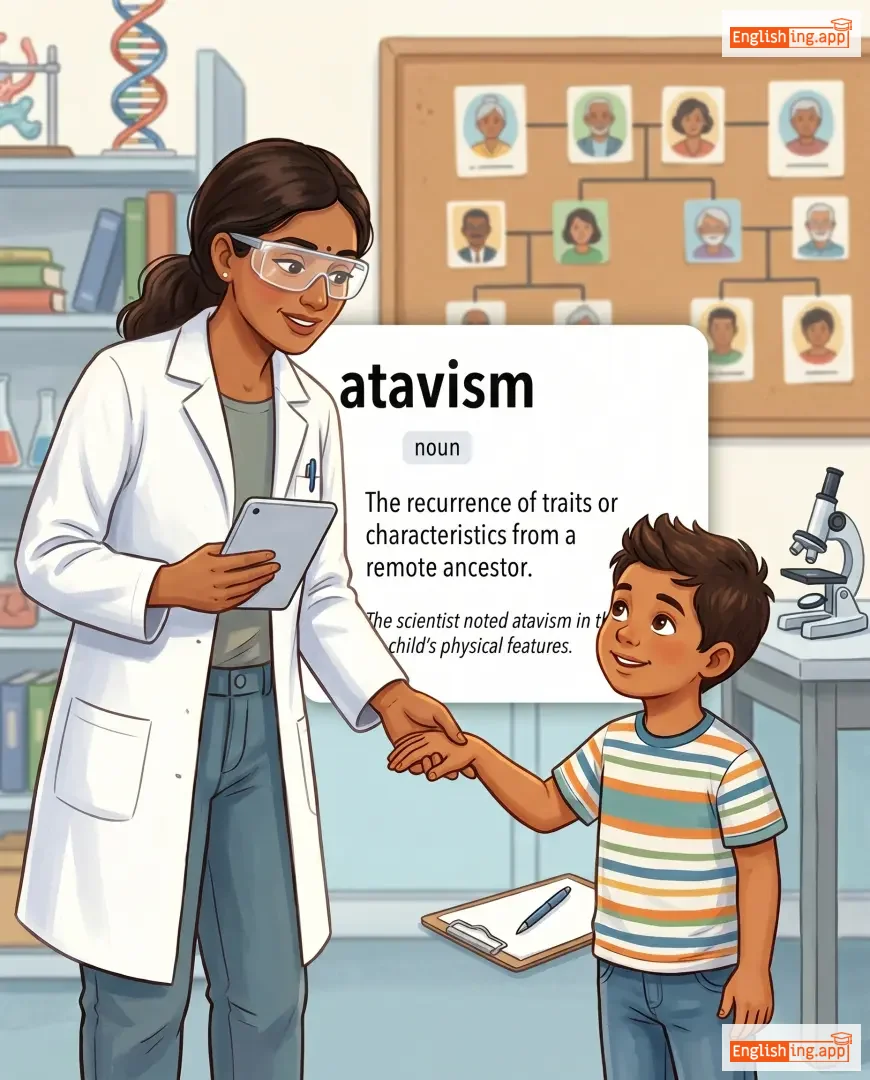
The recurrence of traits or characteristics from a remote ancestor.
••••••
|
The scientist noted atavism in the child’s physical features. |
Учёный заметил атавизм в физических характеристиках ребёнка.
Uchyonnyy zameetil atavizm v fizicheskikh kharakteristikakh rebyonka.
••••••
|
- •••••• | - •••••• | - •••••• |
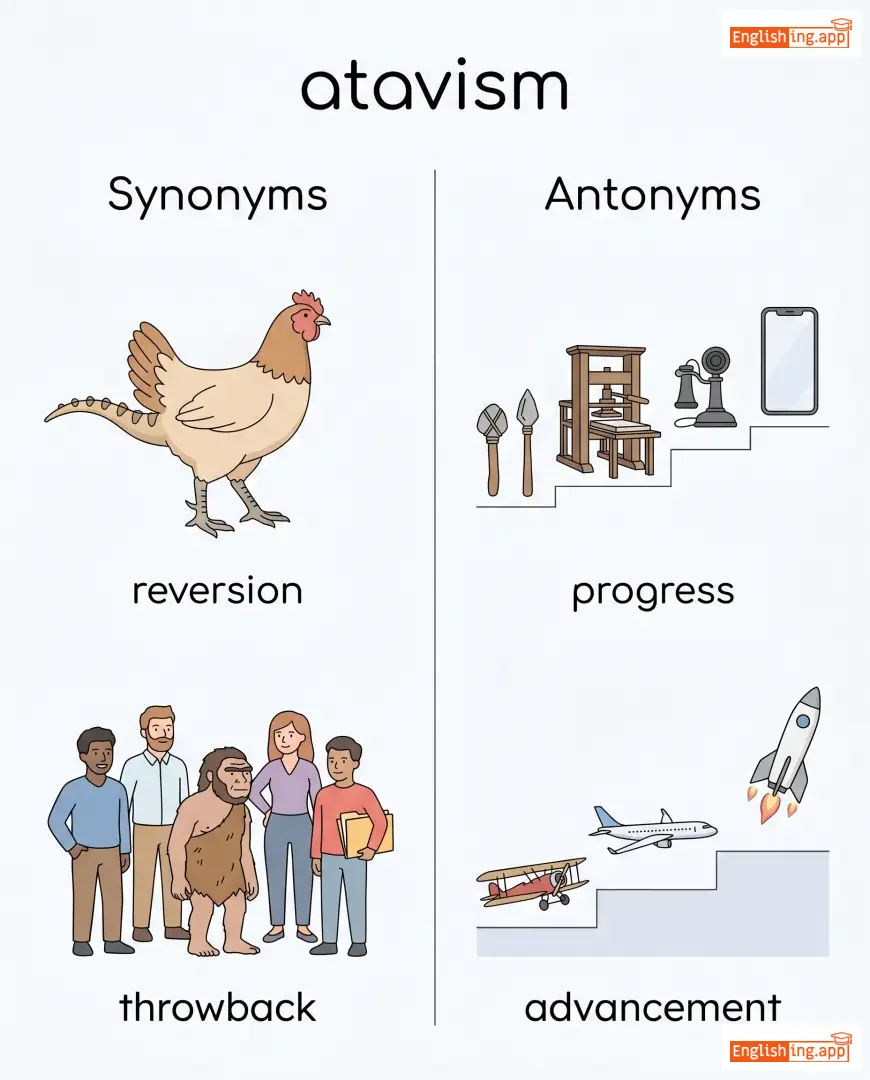
reversion, throwback, regression, recurrence
••••••
|
progress, advancement, innovation
••••••
|
atavism in biology, cultural atavism, atavism observed
••••••
|
Атавизм – это черты предков, которые возвращаются.
••••••
|
|
🔽
••••••
|
/əˈtɛnjueɪt/
verb
(аттенюа́т)
••••••
|
|
ослабить
oslabit'
••••••
|
attenuated
аттеню́ировал
••••••
|
attenuated
аттеню́ирован
••••••
|
attenuates
аттеню́ирует
••••••
|
attenuating
аттеню́ируя
••••••
|
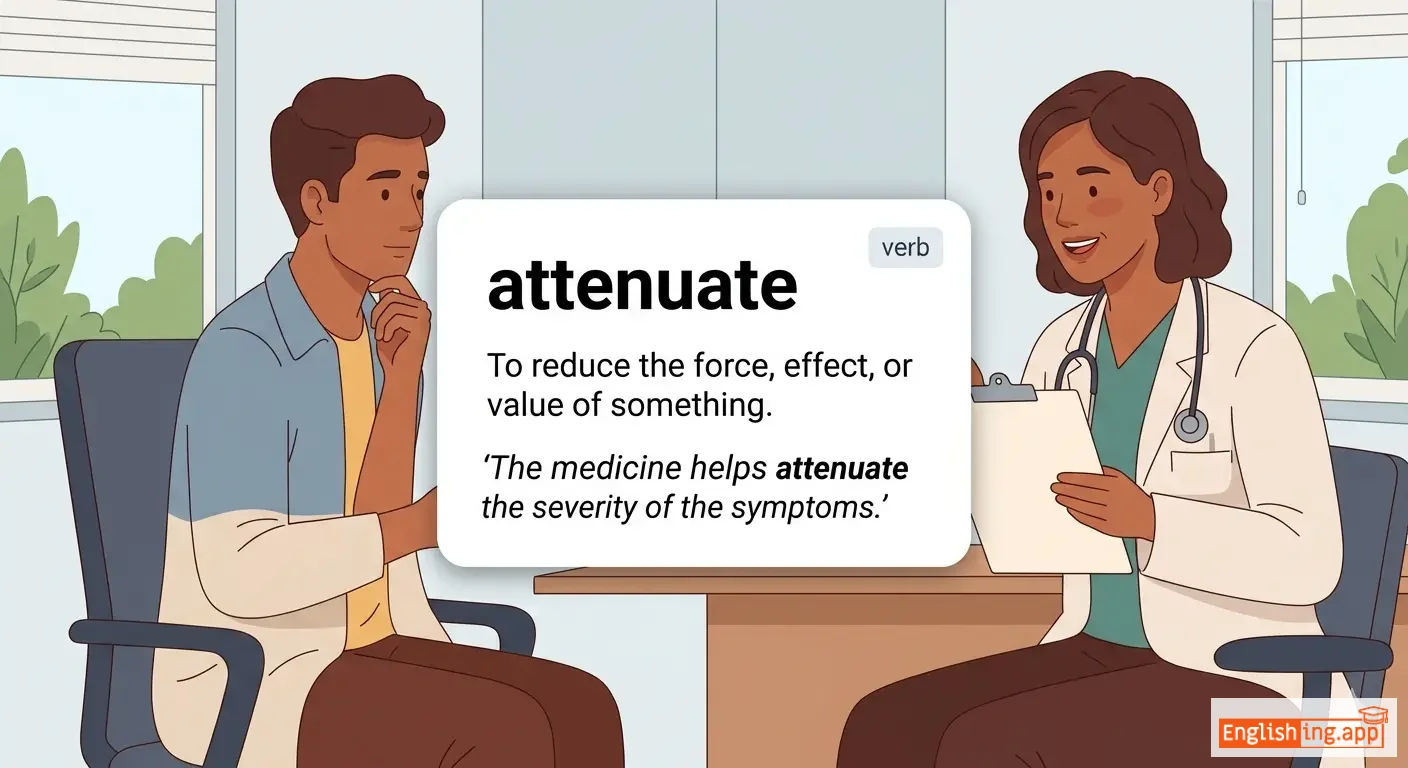
To reduce the force, effect, or value of something.
••••••
|
The medicine helps attenuate the severity of the symptoms.
Лекарство помогает ослабить тяжесть симптомов.
••••••
|
Лекарство помогает ослабить тяжесть симптомов.
Lekarstvo pomogaet oslabit' tyazhest' simptomov.
••••••
|
- •••••• | - •••••• | - •••••• |
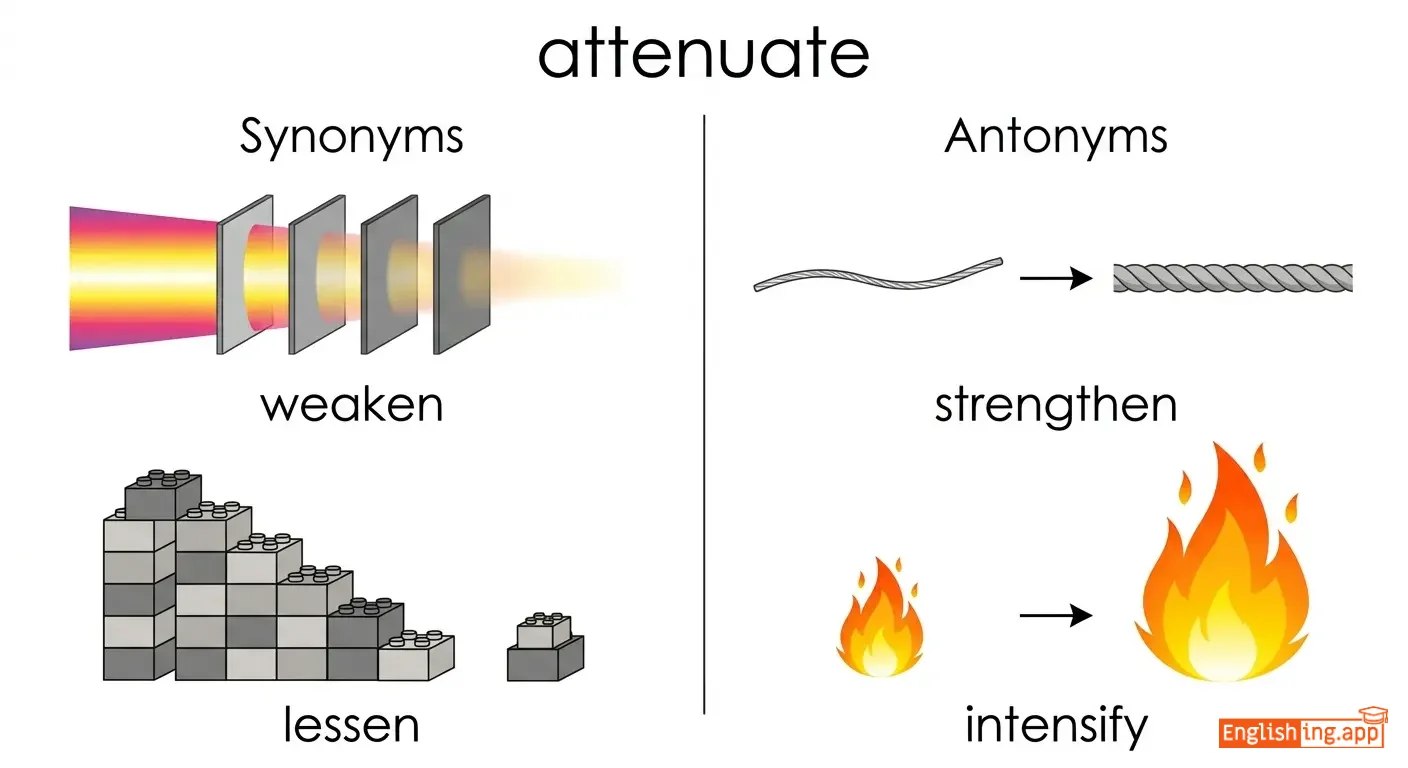
weaken, lessen, diminish, dilute, reduce
••••••
|
strengthen, intensify
••••••
|
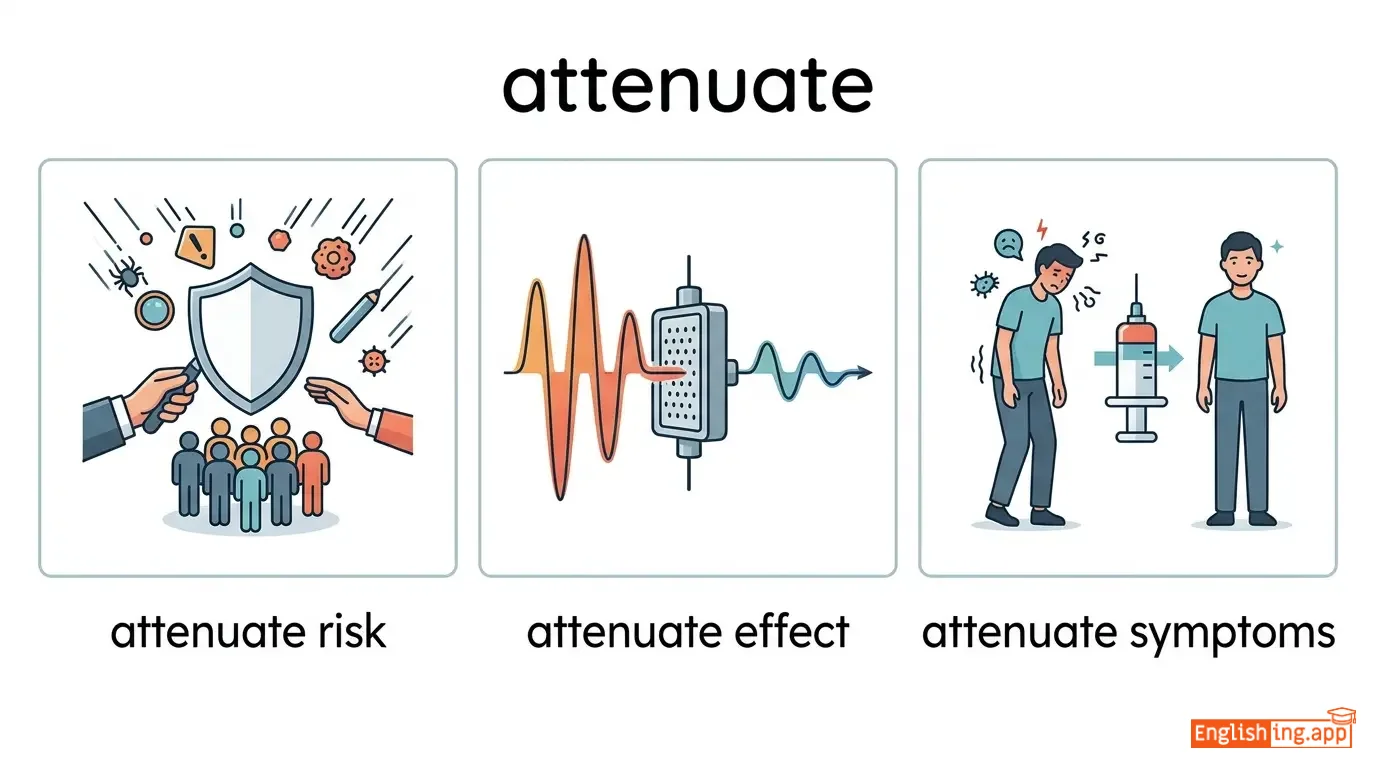
attenuate risk, attenuate effect, attenuate symptoms
••••••
|
Attenuate = ослабить → ослабить.
••••••
|
|
🦁
••••••
|
/ɔːˈdeɪ.ʃəs/
adjective
(аудейшес)
••••••
|
|
дерзкий
derzkii
••••••
|
- •••••• | - •••••• | - •••••• | - •••••• |
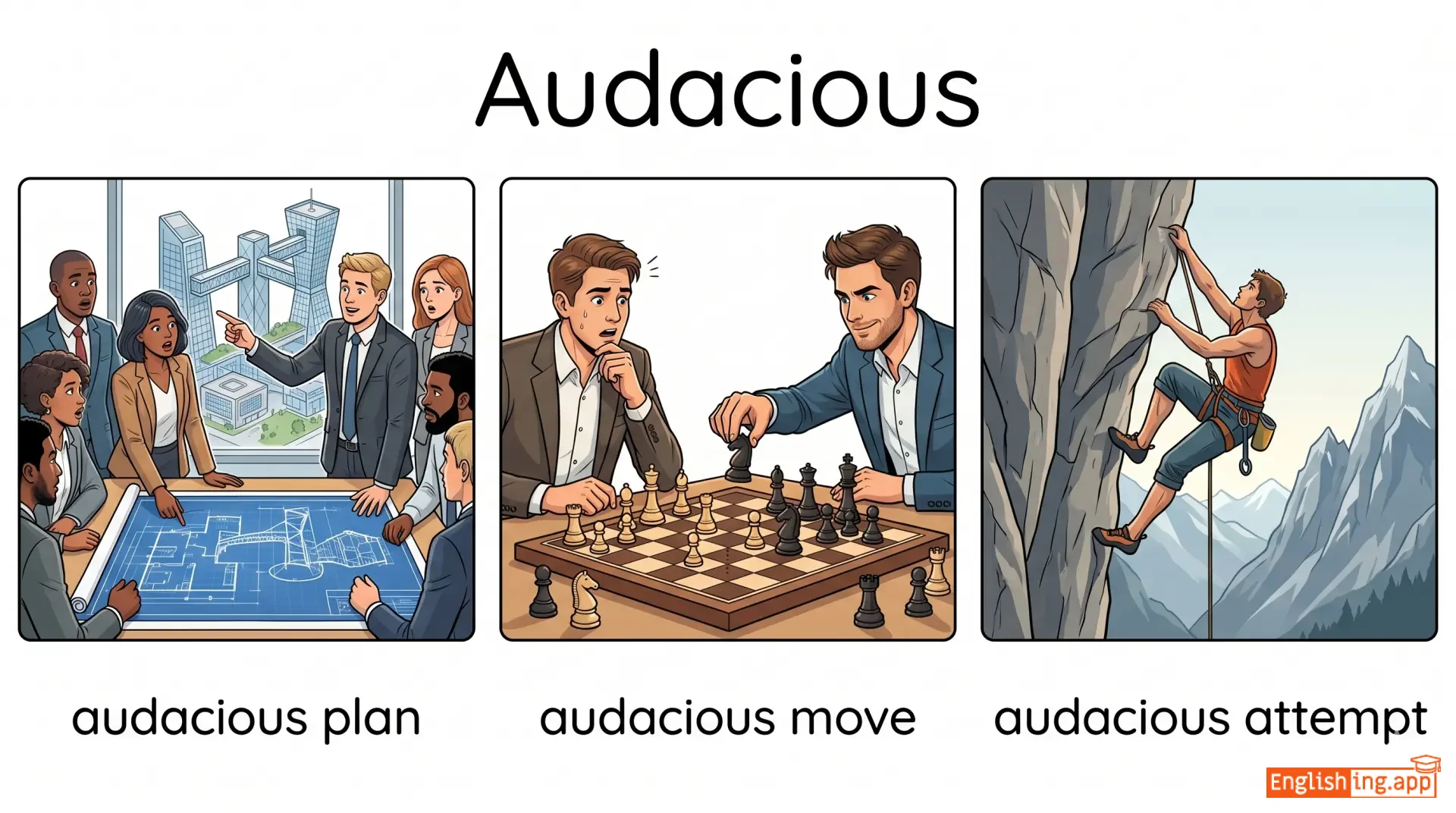
showing willingness to take bold risks; daring
••••••
|
His audacious plan to climb the mountain without proper equipment shocked everyone. |
Его дерзкий план взобраться на гору без необходимого снаряжения шокировал всех.
Yego derzkii plan vzobrat'sya na goru bez neobkhodimogo snaryazheniya shokiroval vsekh.
••••••
|
- •••••• | - •••••• | - •••••• |
bold, daring, fearless, brave
••••••
|
timid, cautious, careful, cowardly
••••••
|
audacious plan, audacious move, audacious behavior
••••••
|
дерзкий = человек, который не боится рискованных поступков
••••••
|
|
🥋
••••••
|
/ɔːˈstɪə/
adjective
(остир)
••••••
|
|
строгий, простой
stroh-giy, pro-stoy
••••••
|
- •••••• | - •••••• | - •••••• | - •••••• |
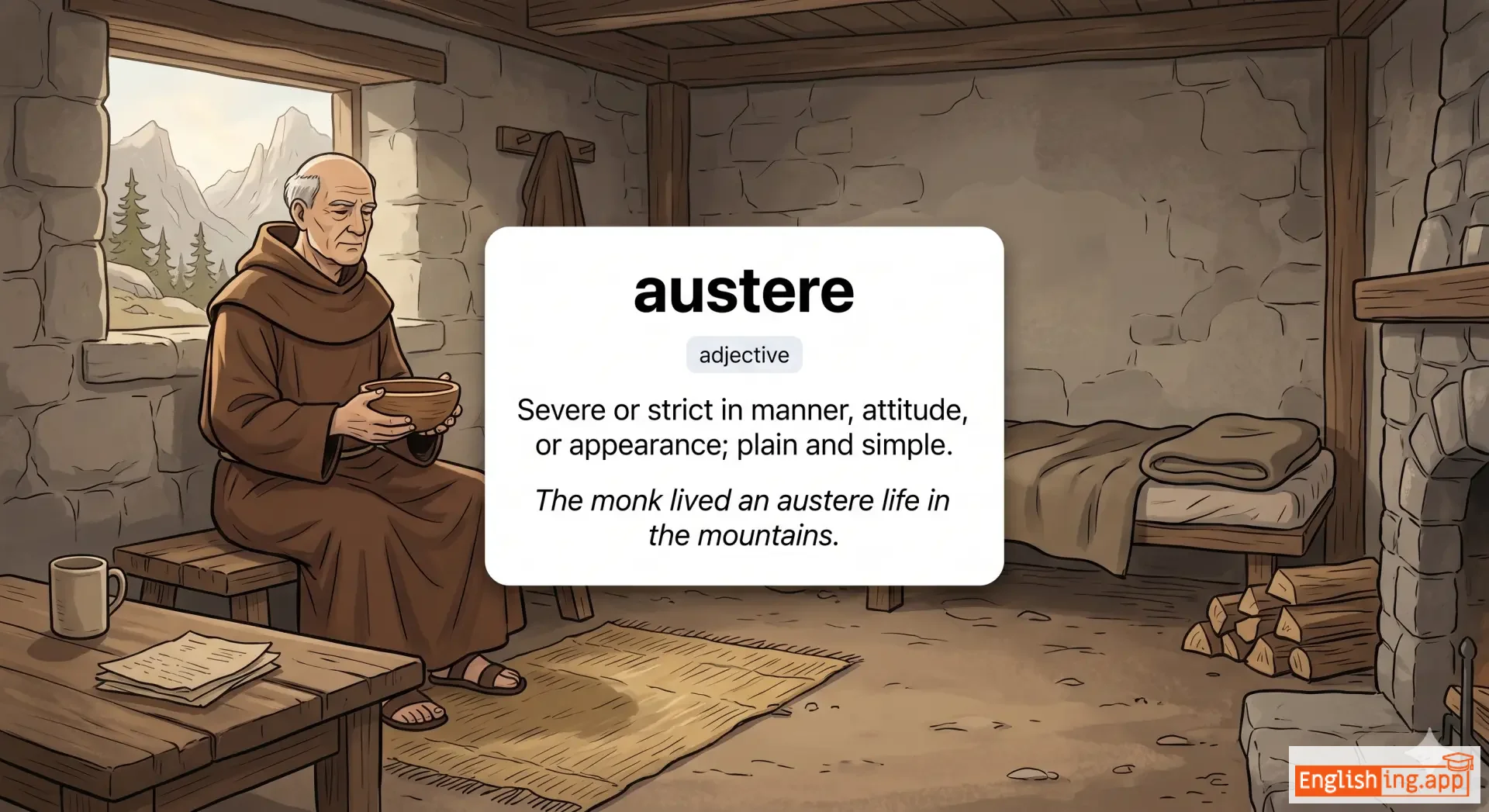
Severe or strict in manner, attitude, or appearance; plain and simple.
••••••
|
The monk lived an austere life in the mountains. |
Монах вел строгую жизнь в горах.
Monakh vel stro-guyu zhizn v gorakh.
••••••
|
- •••••• | - •••••• | - •••••• |
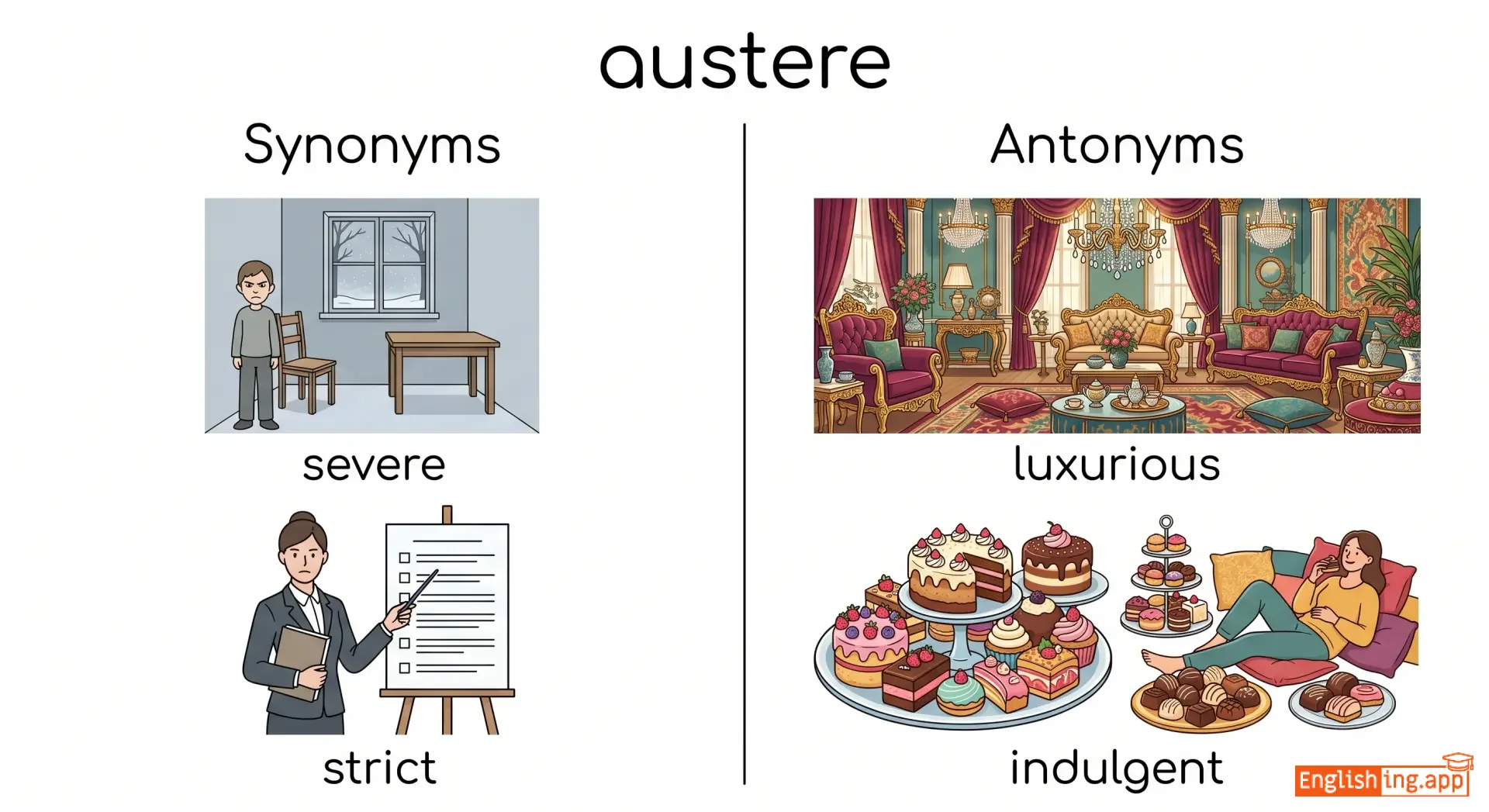
severe, strict, stern, simple, plain
••••••
|
luxurious, indulgent, elaborate
••••••
|
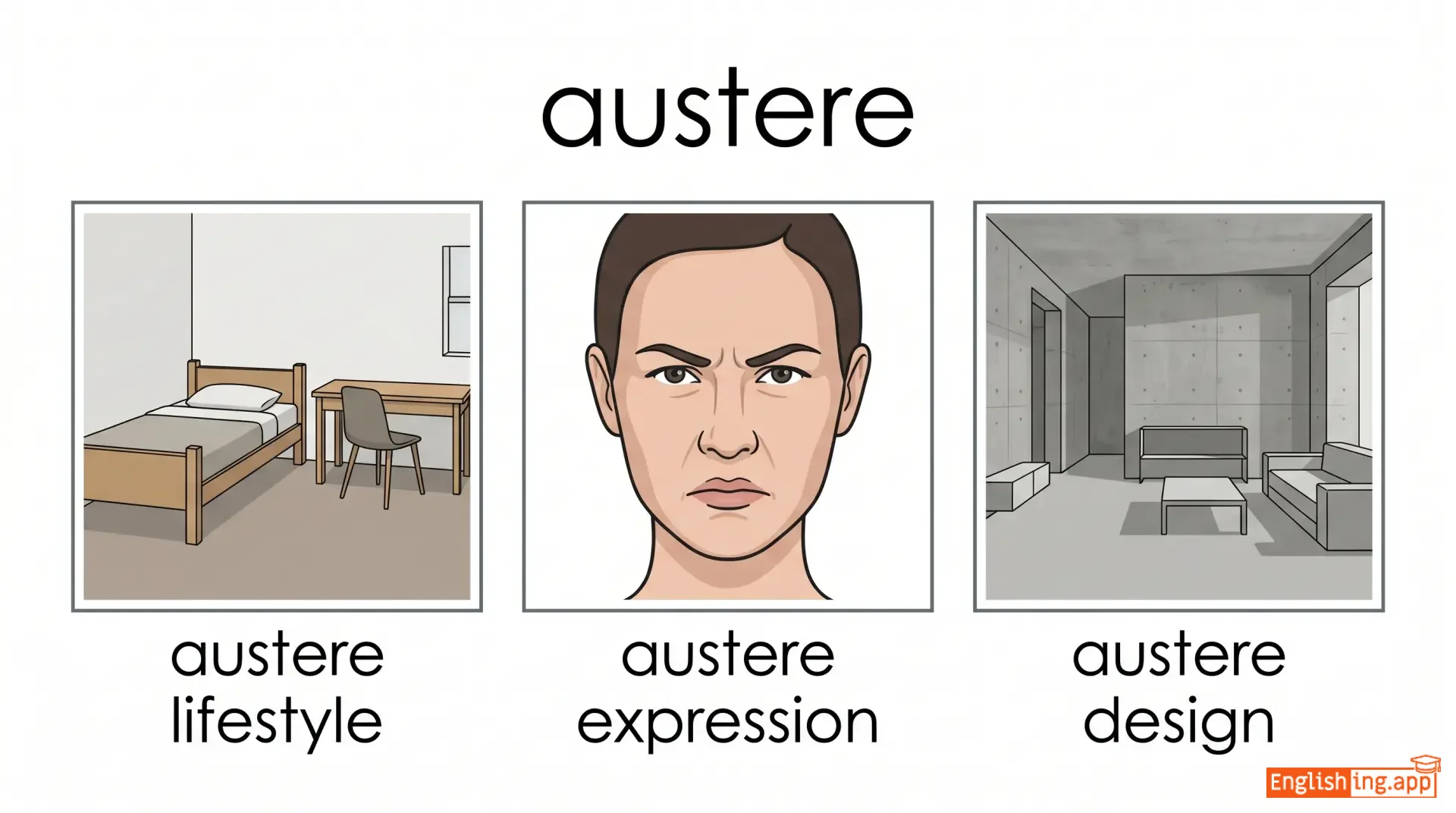
austere lifestyle, austere expression, austere design
••••••
|
Austere значит austro строгий, без лишних деталей – austere life, жизнь без роскоши.
••••••
|

