The Betrayal
戦場でbattleがbegunしました。王は自分のarmyを率いて敵にattackを仕掛ける準備ができていました。彼のally、将軍は彼の横に立っていました。王は勝利に対して強いbeliefを持っていました。しかし、彼は将軍が自分をbetrayする計画を立てていることを知りませんでした。戦争がbeganしてしばらくして、将軍は兵士たちを連れて退却を始めました。王は一人になりました。敵の兵士たちが彼を取り囲みました。一つのarrowが彼の腕に当たりました。彼はbleedし始めました。彼は将軍の裏切りを決して許すことはできないと感じました。このbitterな気持ちで彼は戦い続けました。彼は百人のように戦い、まるでbeastのようでした。しかし、長くは持ちませんでした。敵は彼を捕らえました。王はすべてのblameを運命に押し付けました。彼はこの状況からどう抜け出すかを考えていました。
|
絵文字
|
単語 | Images | 翻訳 | 過去 | 過去分詞 | 三人称単数 | 動名詞 | 意味 | 例文 | 例文の翻訳 | 表現例 | 表現例の意味 | 表現例の翻訳 | 同義語 | 対義語 | コロケーション | ニーモニック |
|---|---|---|---|---|---|---|---|---|---|---|---|---|---|---|---|---|---|
|
🏃
••••••
|
/əˈbændən/
verb
(アバンドン)
••••••
|
|
放棄する
hōki suru
••••••
|
abandoned
アバンドンド
••••••
|
abandoned
アバンドンド
••••••
|
abandons
アバンドンズ
••••••
|
abandoning
アバンドニング
••••••
|
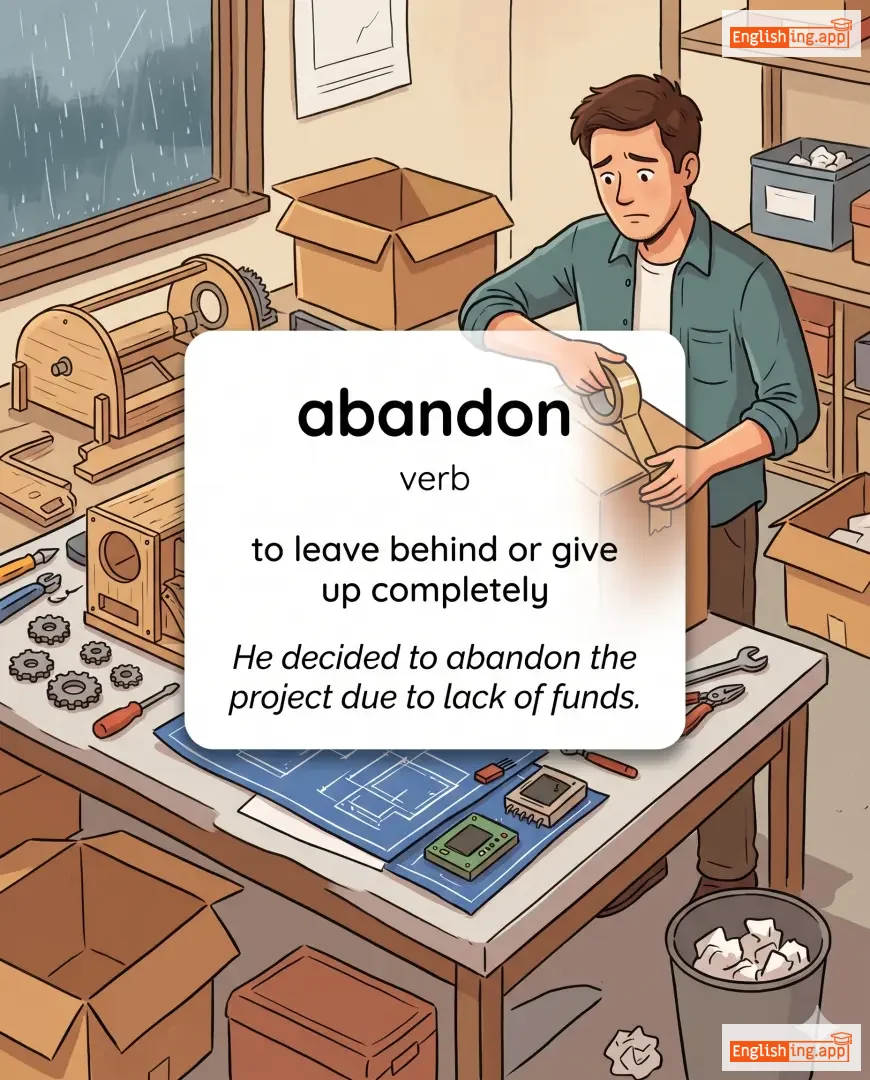
to leave behind or give up completely
••••••
|
He decided to abandon the project due to lack of funds.
彼は資金不足のため、プロジェクトをアバンドンすることに決めました。
••••••
|
彼は資金不足のため、プロジェクトを放棄することに決めました。
Kare wa shikin fusoku no tame, purojekuto o hōki suru koto ni kimemashita.
••••••
|
abandon ship
船を放棄する
••••••
|
to leave a failing situation quickly
••••••
|
船を放棄する
fune o hōki suru
••••••
|
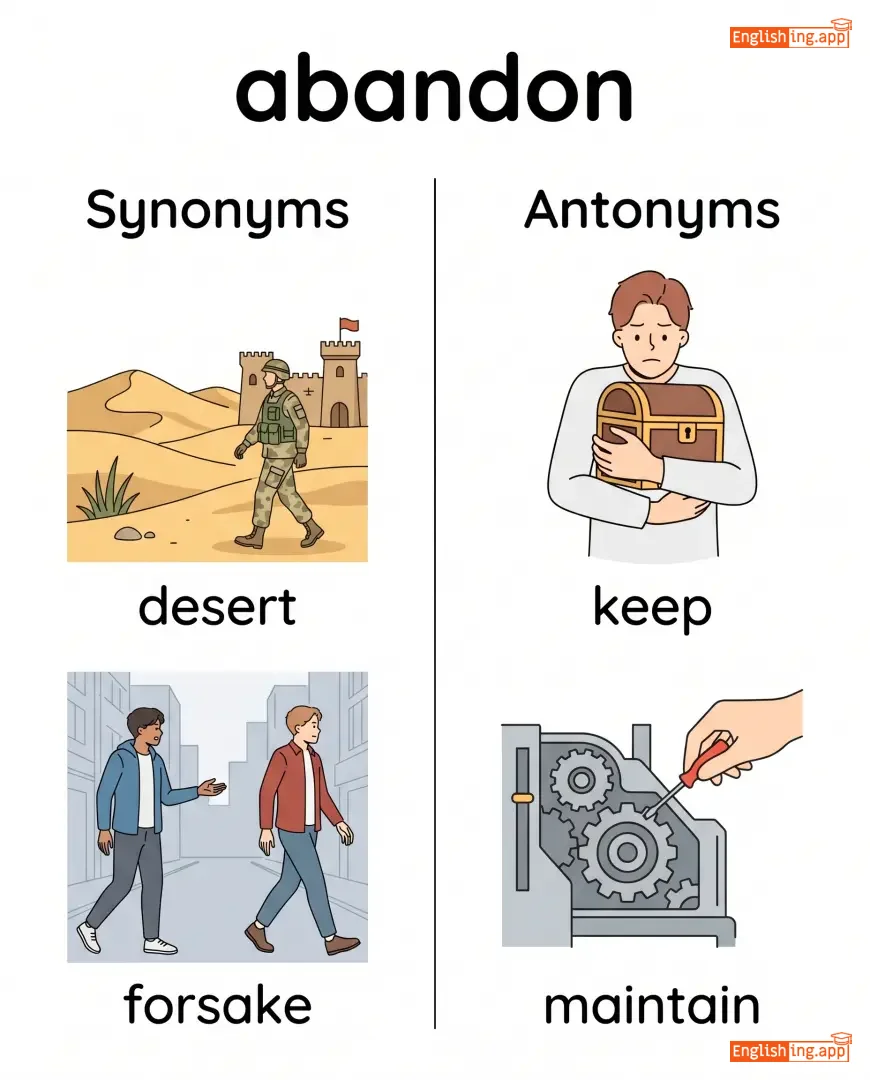
desert, forsake, leave, quit, relinquish
••••••
|
keep, maintain, continue
••••••
|
abandon hope, abandon plan, abandon effort, abandon project
••••••
|
放棄するは、BandOn(バンドン)を放って行くようなものです。
••••••
|
|
🚫
••••••
|
/əˈbjuːs/ (verb), /əˈbjuːs/ (noun)
verb, noun
••••••
|
- •••••• |
虐待
gyakudai
••••••
|
abused
••••••
|
abused
••••••
|
abuses
••••••
|
abusing
••••••
|
to use something in a harmful way; to treat someone badly or cruelly
••••••
|
He was accused of abusing his power. |
彼は自分の権力を虐待したとして告発されました。
Kare wa jibun no kenryoku o gyakudai shita to shite kokuhatsu saremashita.
••••••
|
substance abuse |
the harmful or excessive use of drugs or alcohol
••••••
|
薬物乱用
yakubutsu ranyō
••••••
|
mistreat, misuse, exploit, harm, oppress
••••••
|
respect, protect, cherish
••••••
|
child abuse, drug abuse, verbal abuse, abuse of power
••••••
|
虐待は虐待を意味します — バスの運転手が不正にブレーキをかけるのを想像してください 🚫
••••••
|
|
🤝
••••••
|
/ˈælaɪ/
verb
(アライ)
••••••
|
- •••••• |
味方
mikata
••••••
|
allied
アライド
••••••
|
allied
アライド
••••••
|
allies
アライズ
••••••
|
allying
アライング
••••••
|
To unite or form a connection or partnership with another person, group, or nation.
••••••
|
The two countries decided to ally against their common enemy.
二国は共通の敵に対して連携することを決定した。
••••••
|
二国は共通の敵に対して連携することを決定した。
Nikoku wa kyōtsū no teki ni taishite renkei suru koto o kettei shita.
••••••
|
ally with
と一緒に連携する
••••••
|
To form a partnership or alliance with someone.
••••••
|
と一緒に連携する
to issho ni renkei suru
••••••
|
associate, unite, partner, combine, join
••••••
|
oppose, resist, separate
••••••
|
ally with, strong ally, loyal ally, ally against
••••••
|
AllyはAll + I、誰かと一緒に味方になることを意味します。
••••••
|
|
🪖
••••••
|
/ˈɑːrmi/
noun
(アーミー)
••••••
|
- •••••• |
軍隊
guntai
••••••
|
- •••••• | - •••••• | - •••••• | - •••••• |
a large organized military force trained for war
••••••
|
The army protected the border from attack. |
軍隊は攻撃から国境を守った。
guntai wa kougeki kara kokkyou wo mamotta.
••••••
|
join the army |
to enlist in the military service
••••••
|
軍隊に入る
guntai ni hairu
••••••
|
military, troops, forces, soldiers
••••••
|
civilians, noncombatants
••••••
|
army base, army officer, join the army, regular army
••••••
|
Army = 軍隊, 🪖 戦争に備える軍事力
••••••
|
|
🏹
••••••
|
/ˈæroʊ/
noun
(アロー)
••••••
|
- •••••• |
矢
ya
••••••
|
- •••••• | - •••••• | - •••••• | - •••••• |
a thin, straight weapon with a pointed tip, shot from a bow
••••••
|
The hunter shot an arrow at the target. |
猟師はターゲットに矢を射った。
Ryoushi wa tāgetto ni ya o itta.
••••••
|
arrow of time |
the concept that time moves in only one direction, from past to future
••••••
|
時間の矢
jikan no ya
••••••
|
dart, shaft, bolt, missile, projectile
••••••
|
none, null
••••••
|
shoot an arrow, bow and arrow, arrow flight, arrow tip
••••••
|
矢はarrowを意味します — ヒーローが弓で矢を放つことを覚えておいてください 🏹
••••••
|
|
⚔️
••••••
|
/əˈsɔːlt/
noun, verb
(アソルト)
••••••
|
- •••••• |
暴行
bōkō
••••••
|
assaulted
アソルテッド
••••••
|
assaulted
アソルテッド
••••••
|
assaults
アソルツ
••••••
|
assaulting
アソルティング
••••••
|
a physical attack or to attack someone violently
••••••
|
He was charged with assault after the fight.
彼は喧嘩の後で暴行の罪で起訴されました。
••••••
|
喧嘩の後で暴行の罪で起訴されました。
Kenka no ato de bōkō no tsumi de kisosaremashita.
••••••
|
sexual assault
性的暴行
••••••
|
unwanted sexual contact or attack
••••••
|
性的暴行
seiteki bōkō
••••••
|
attack, strike, aggression, offensive
••••••
|
defense, protection
••••••
|
commit assault, charged with assault, physical assault
••••••
|
Assaultは暴行を意味します — 'A Salt attack'を塩の攻撃として覚えておいてください。
••••••
|
|
⚔️
••••••
|
/əˈtæk/
verb
(アタック)
••••••
|
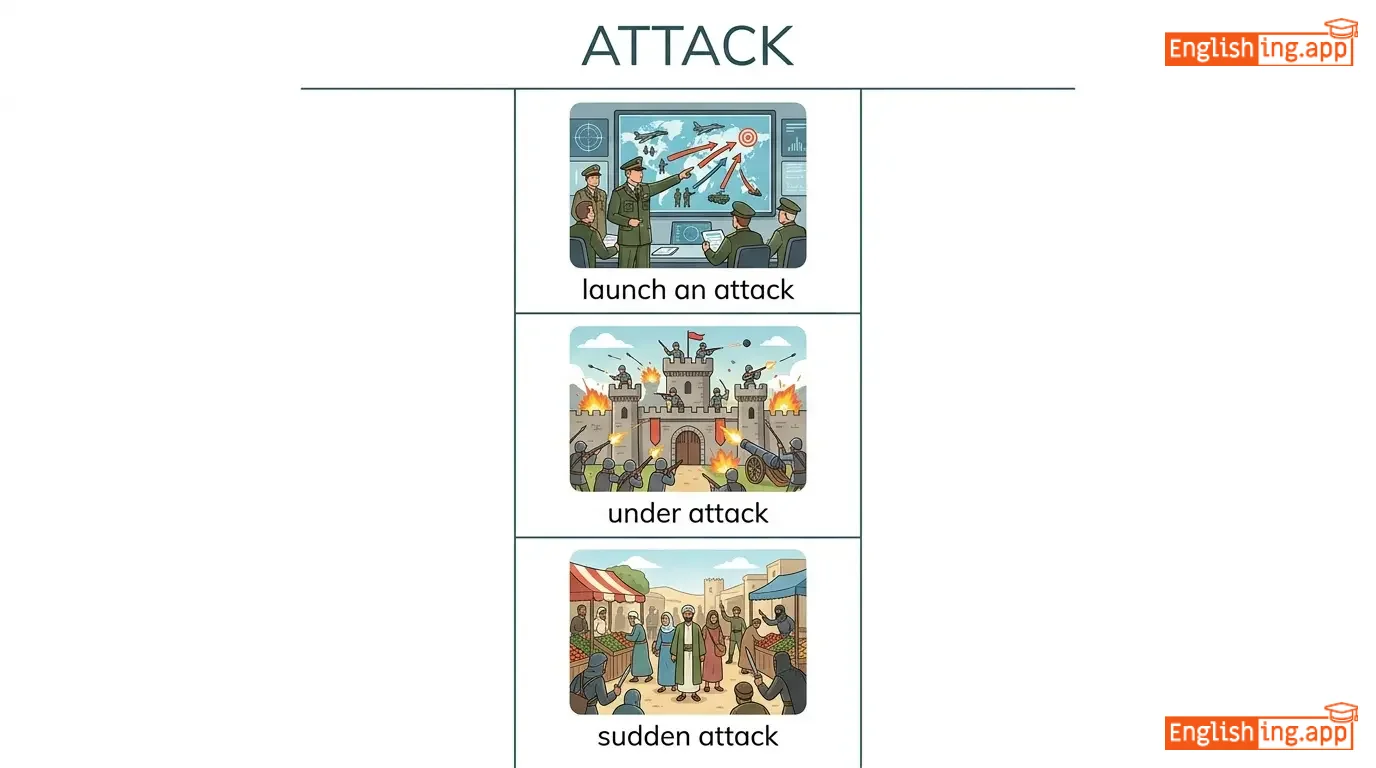
|
攻撃する
kōgeki suru
••••••
|
attacked
アタックド
••••••
|
attacked
アタックド
••••••
|
attacks
アタックス
••••••
|
attacking
アタッキング
••••••
|
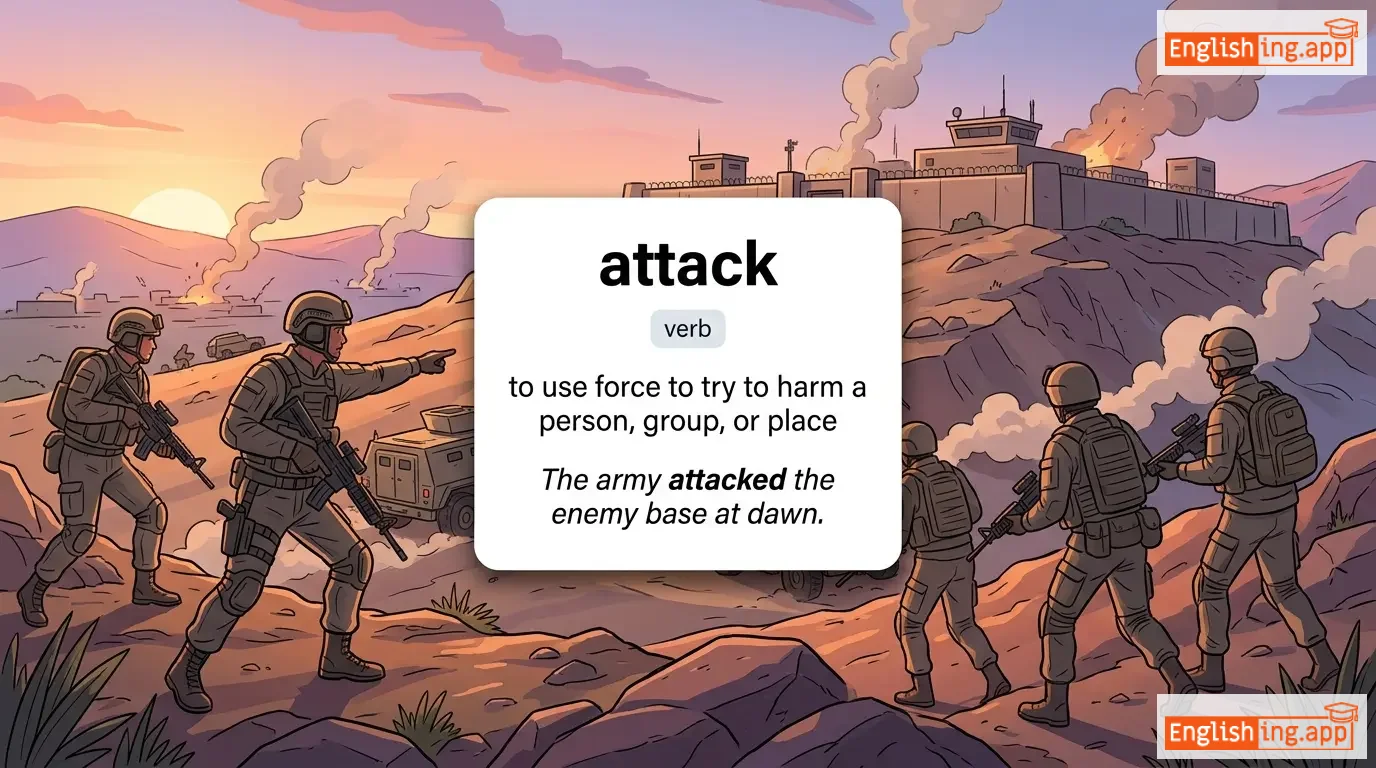
to use force to try to harm a person, group, or place
••••••
|
The army attacked the enemy base at dawn.
軍隊は夜明けに敵基地を攻撃した。
••••••
|
軍隊は夜明けに敵基地を攻撃した。
Guntai wa yoake ni teki kichi o kōgeki shita.
••••••
|
heart attack
心臓発作
••••••
|
a sudden serious medical condition when the heart stops working properly
••••••
|
心臓発作
shinzō hossa
••••••
|
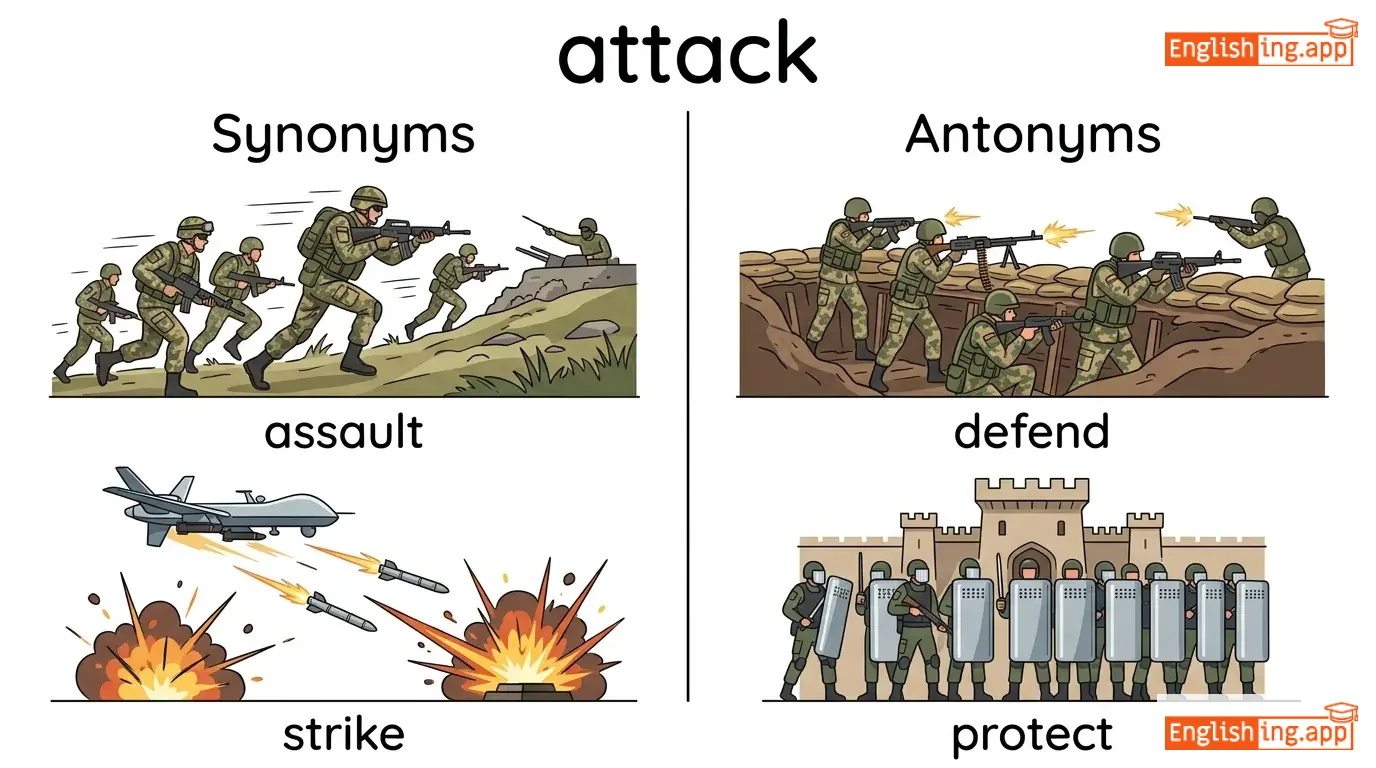
assault, strike, charge, raid, ambush
••••••
|
defend, protect, guard
••••••
|
launch an attack, under attack, sudden attack, heart attack
••••••
|
攻撃する = 最初の一歩を踏み出すこと!⚔️
••••••
|
|
⚔️
••••••
|
/ˈbætəl/
noun/verb
(バトル)
••••••
|
- •••••• |
戦い
tatakai
••••••
|
battled
バトルド
••••••
|
battled
バトルド
••••••
|
battles
バトルズ
••••••
|
battling
バトリング
••••••
|
A fight between armed forces or a struggle to achieve or resist something.
••••••
|
The soldiers prepared for the final battle.
兵士たちは最終決戦の準備をしました。
••••••
|
兵士たちは最終決戦の準備をしました。
Heishi-tachi wa saishū kessen no junbi o shimashita.
••••••
|
fight an uphill battle
困難な戦いを戦う
••••••
|
to struggle against great difficulties
••••••
|
困難な戦いを戦う
konnan na tatakai o tatakau
••••••
|
fight, conflict, clash, war, struggle
••••••
|
peace, truce
••••••
|
win a battle, lose a battle, fierce battle, battle against
••••••
|
Battle は戦いを意味します。ゲームでバット(bat)で戦うように。
••••••
|
|
🐅
••••••
|
/biːst/
noun
(ビースト)
••••••
|
- •••••• |
獣 / 動物
kemono / dōbutsu
••••••
|
- •••••• | - •••••• | - •••••• | - •••••• |
a large or dangerous animal; a cruel or brutal person
••••••
|
The lion is known as the king of beasts.
ライオンは獣の王として知られています。
••••••
|
ライオンは獣の王として知られています。
Raion wa kemono no ō toshite shirareteimasu.
••••••
|
beauty and the beast
美女と野獣
••••••
|
used to describe two very different people or things, one beautiful and one ugly or fierce
••••••
|
美女と野獣
Bijo to yaju
••••••
|
animal, brute, monster, creature, savage
••••••
|
human, angel
••••••
|
wild beast, ferocious beast, king of beasts, mythical beast
••••••
|
Beast とは獣 — ‘ビースト’ は‘大きくて危険’と思い出す 🦁
••••••
|
|
🚀
••••••
|
/bɪˈɡɪn/
verb
(ビギン)
••••••
|
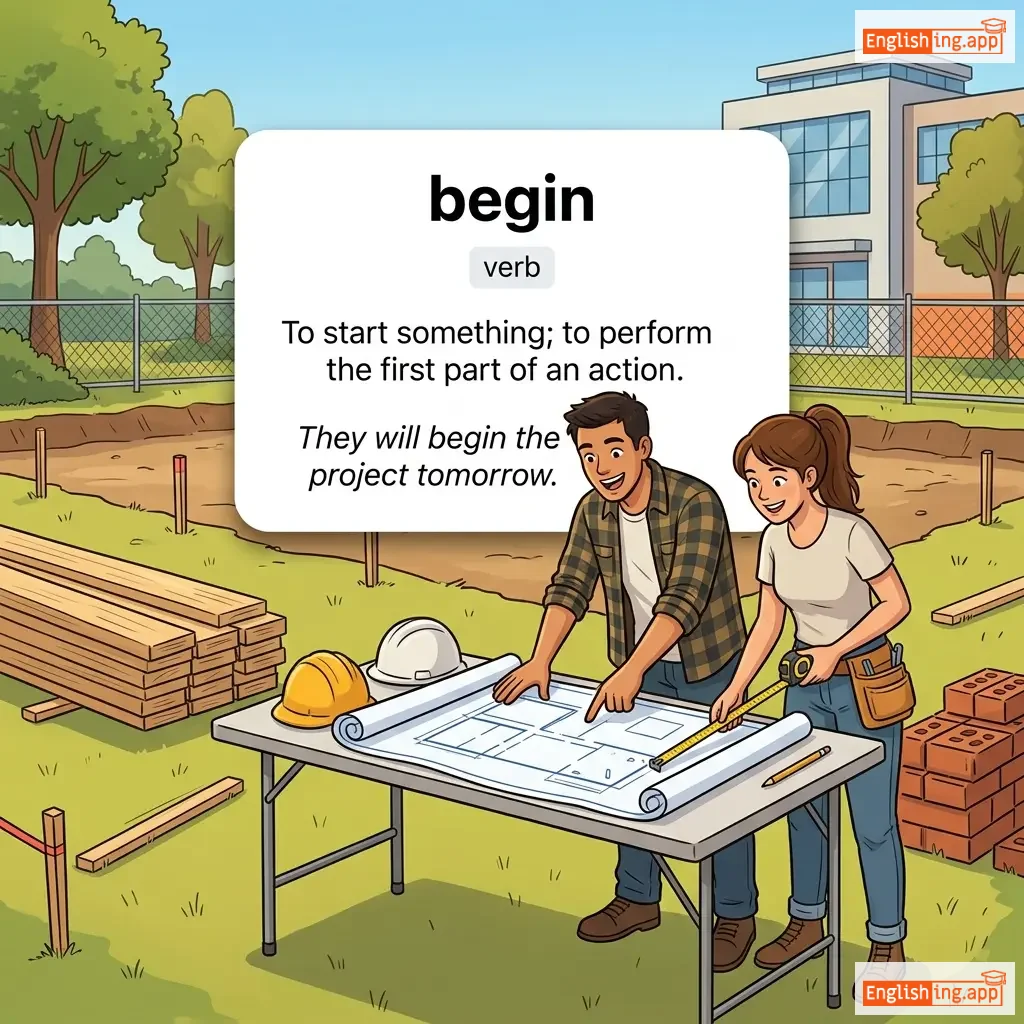
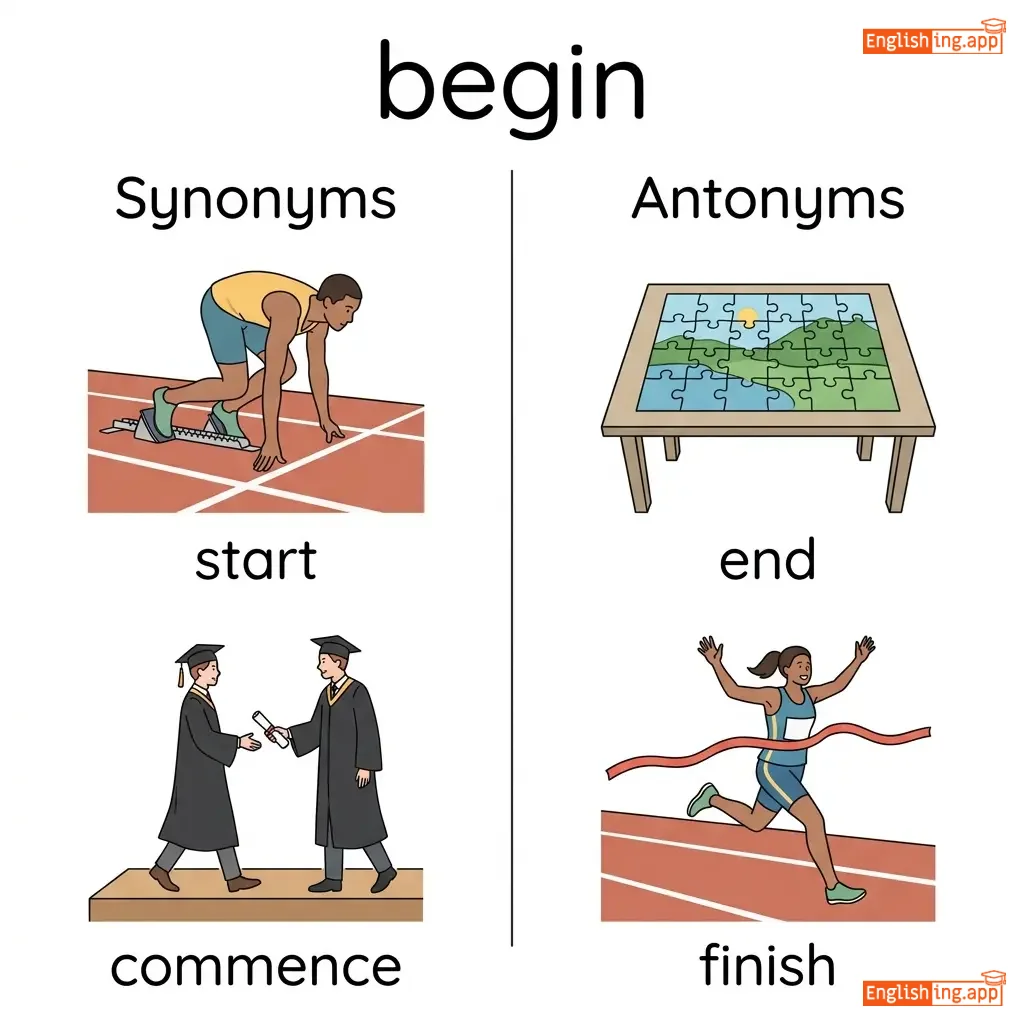
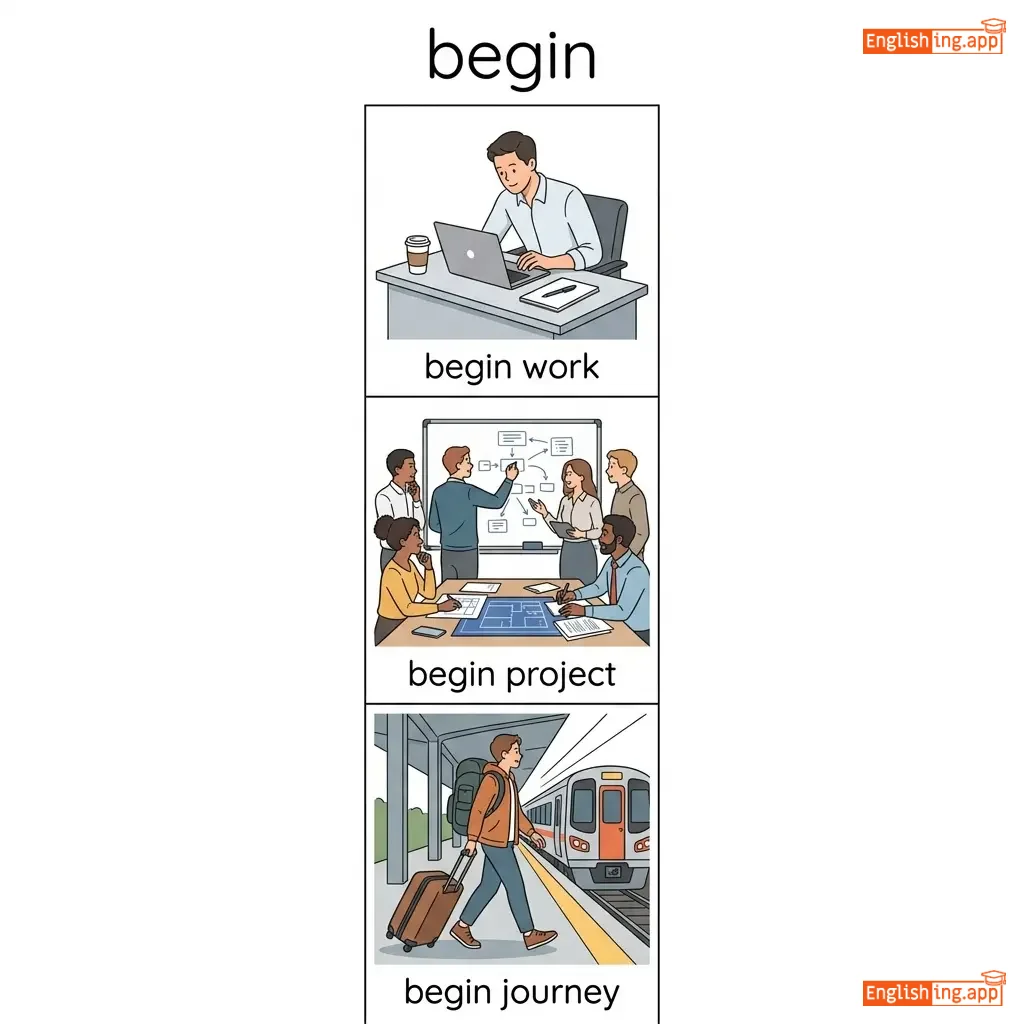
|
始める
hajimeru
••••••
|
began
ビゲン
••••••
|
begun
ビガン
••••••
|
begins
ビギンズ
••••••
|
beginning
ビギニング
••••••
|
To start something; to perform the first part of an action.
••••••
|
They will begin the project tomorrow.
彼らは明日プロジェクトを開始する予定です。
••••••
|
彼らは明日プロジェクトを開始する予定です。
Karera wa ashita purojekuto o kaishi suru yotei desu.
••••••
|
to begin with
まず最初に
••••••
|
as the first consideration
••••••
|
まず最初に
Mazu saisho ni
••••••
|
start, commence, initiate, launch
••••••
|
end, finish, conclude
••••••
|
begin work, begin project, begin journey, begin process
••••••
|
始める=開始。‘始める’は、行動を始めるという意味です!
••••••
|
|
🙏
••••••
|
/bɪˈliːf/
noun
(ビリーフ)
••••••
|
- •••••• |
信念
shinnen
••••••
|
- •••••• | - •••••• | - •••••• | - •••••• |
an acceptance that something exists or is true, especially without proof
••••••
|
Her belief in kindness inspired many people. |
彼女の親切さへの信念は多くの人々にインスピレーションを与えました。
kanojo no shinsetsu sa e no shinnen wa ooku no hitobito ni insupireeshon wo ataemashita.
••••••
|
beyond belief |
something that is very surprising or hard to imagine
••••••
|
信念を超えて
shinnen wo koete
••••••
|
faith, trust, conviction, opinion, view
••••••
|
doubt, disbelief, skepticism
••••••
|
strong belief, personal belief, religious belief, belief system
••••••
|
信念は‘信じる’という意味—Believe + Faith = 信念 (信念の組み合わせ)
••••••
|
|
🗡️
••••••
|
/bɪˈtreɪ/
verb
••••••
|
|
- •••••• |
betrayed
••••••
|
betrayed
••••••
|
betrays
••••••
|
betraying
••••••
|
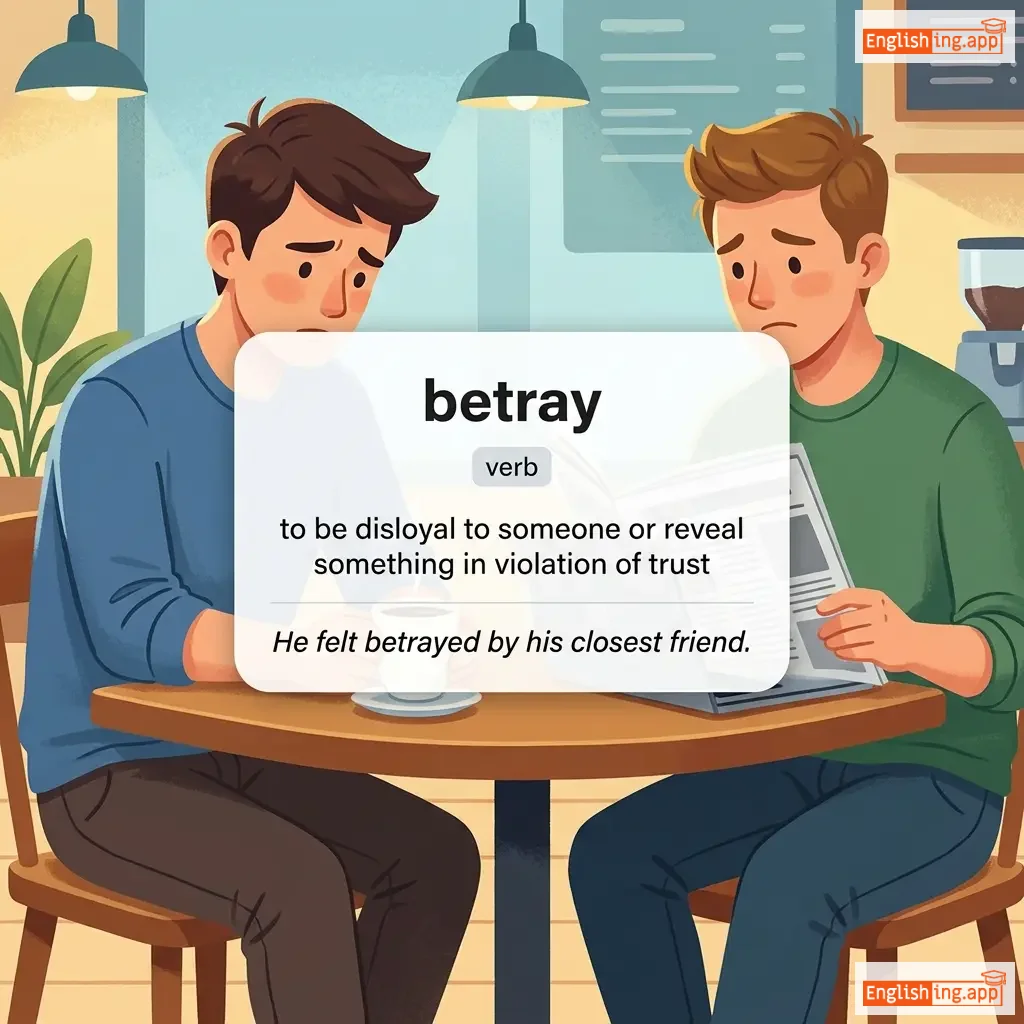
to be disloyal to someone or reveal something in violation of trust
••••••
|
He felt betrayed by his closest friend. |
- •••••• |
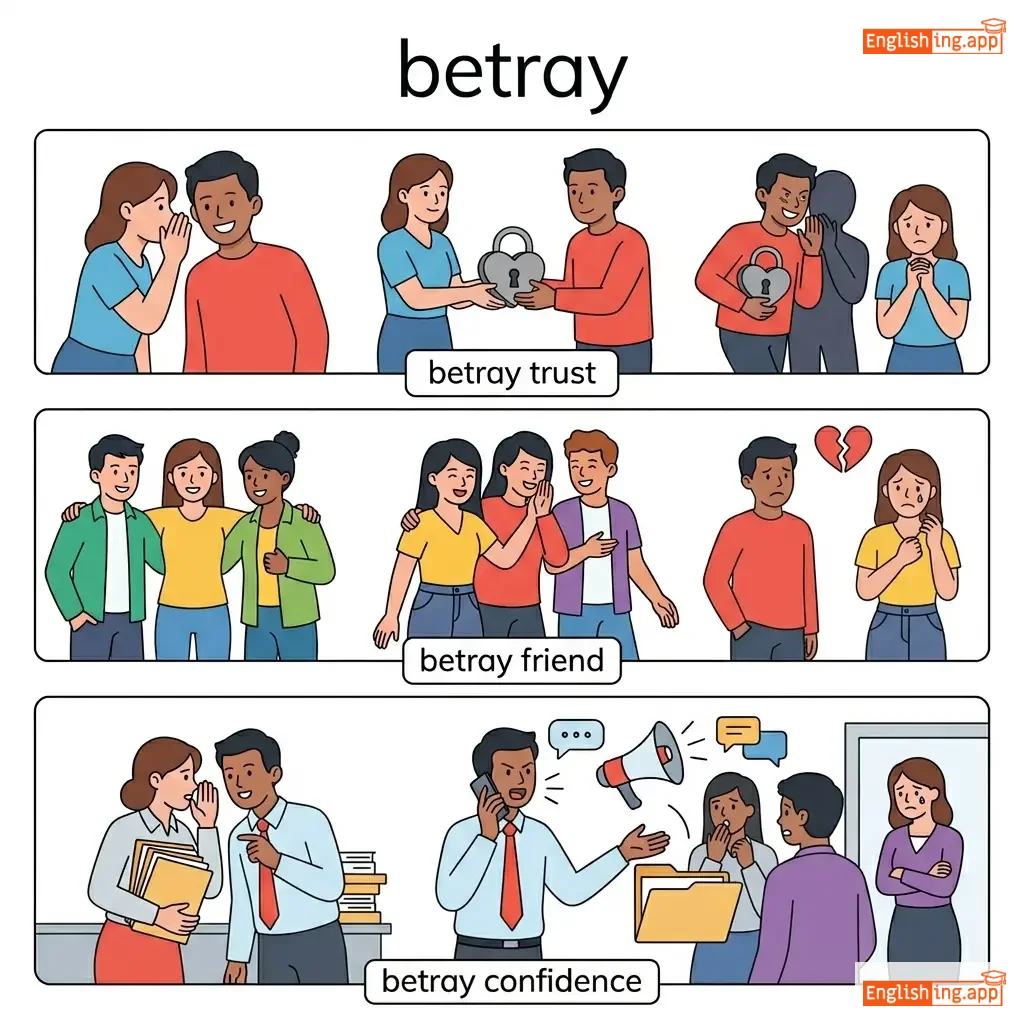
betray someone's trust |
to reveal secrets or act against someone's confidence
••••••
|
- •••••• |
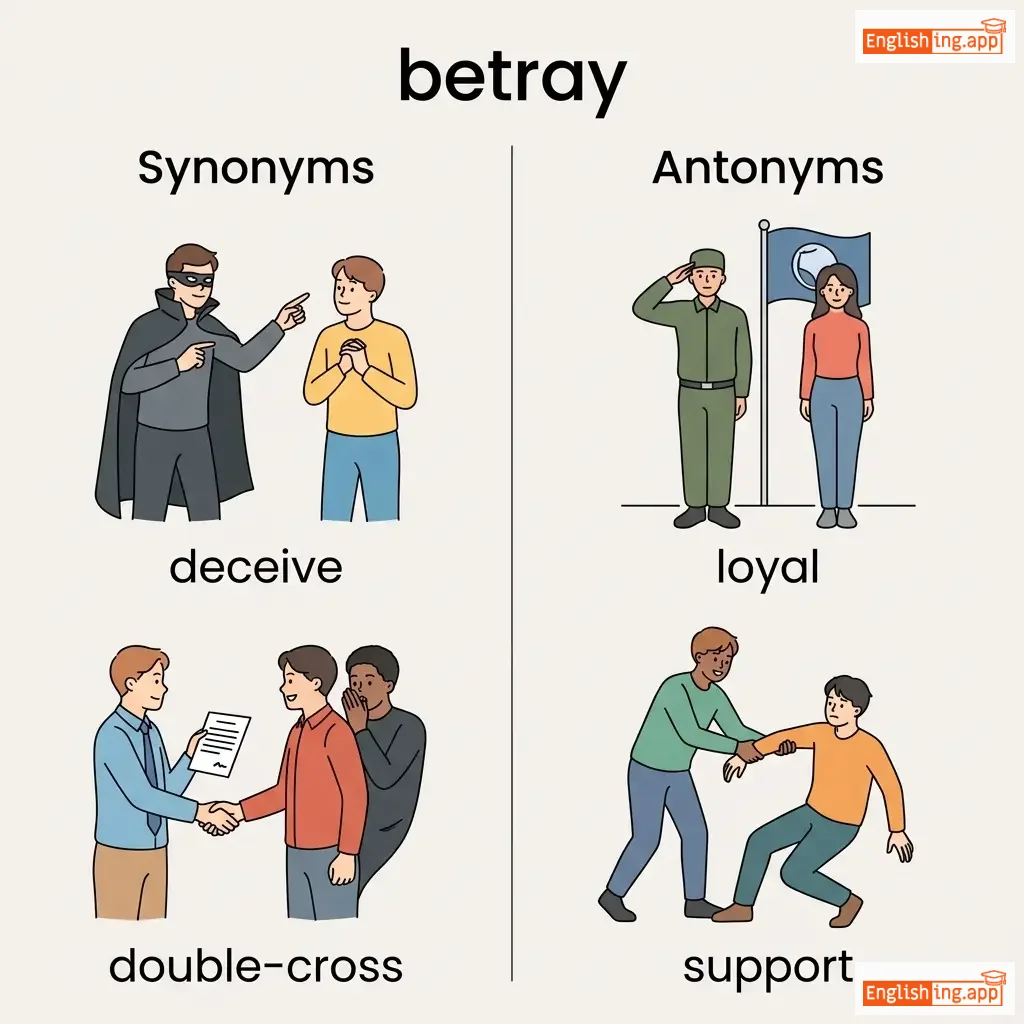
deceive, double-cross, expose, reveal, backstab
••••••
|
loyal, support, protect
••••••
|
betray trust, betray friend, betray confidence
••••••
|
No •••••• |
|
🍋
••••••
|
/ˈbɪtər/
adjective
(ビター)
••••••
|
- •••••• |
苦い
nigai
••••••
|
- •••••• | - •••••• | - •••••• | - •••••• |
having a sharp, unpleasant taste or showing strong hostility or resentment
••••••
|
She felt bitter about losing the competition. |
彼女は競争に負けた後、苦い気持ちを抱えました。
Kanojo wa kyousou ni maketa ato, nigai kimochi wo kakaemashita.
••••••
|
bitter pill to swallow |
an unpleasant fact or situation that must be accepted
••••••
|
飲み込みにくい苦い薬
nomikomi nikui nigai kusuri
••••••
|
harsh, resentful, sour, acrid, severe
••••••
|
sweet, pleasant, delightful
••••••
|
bitter taste, bitter truth, bitter experience, bitter rival
••••••
|
苦い経験、人生の苦い瞬間
••••••
|
|
⚫
••••••
|
/blæk/
adjective
(ブラック)
••••••
|
- •••••• |
黒
kuro
••••••
|
- •••••• | - •••••• | - •••••• | - •••••• |
of the very darkest color due to the absence of light
••••••
|
She wore a black dress to the party. |
彼女はパーティーに黒いドレスを着ていった。
Kanojo wa pātī ni kuroi doresu o kite itta.
••••••
|
black and white |
clear and straightforward
••••••
|
明確で直接的
meikaku de chokusetsuteki
••••••
|
dark, ebony, jet, inky
••••••
|
white, bright
••••••
|
black dress, black coffee, pitch black, black hole
••••••
|
Blackは黒を意味する—'Black coffee'はミルクなしのコーヒーを意味する。
••••••
|
|
☝️
••••••
|
/bleɪm/
verb
(bureimu)
••••••
|
|
非難する
hinan suru
••••••
|
blamed
bureimudo
••••••
|
blamed
bureimudo
••••••
|
blames
bureimus
••••••
|
blaming
bureimingu
••••••
|
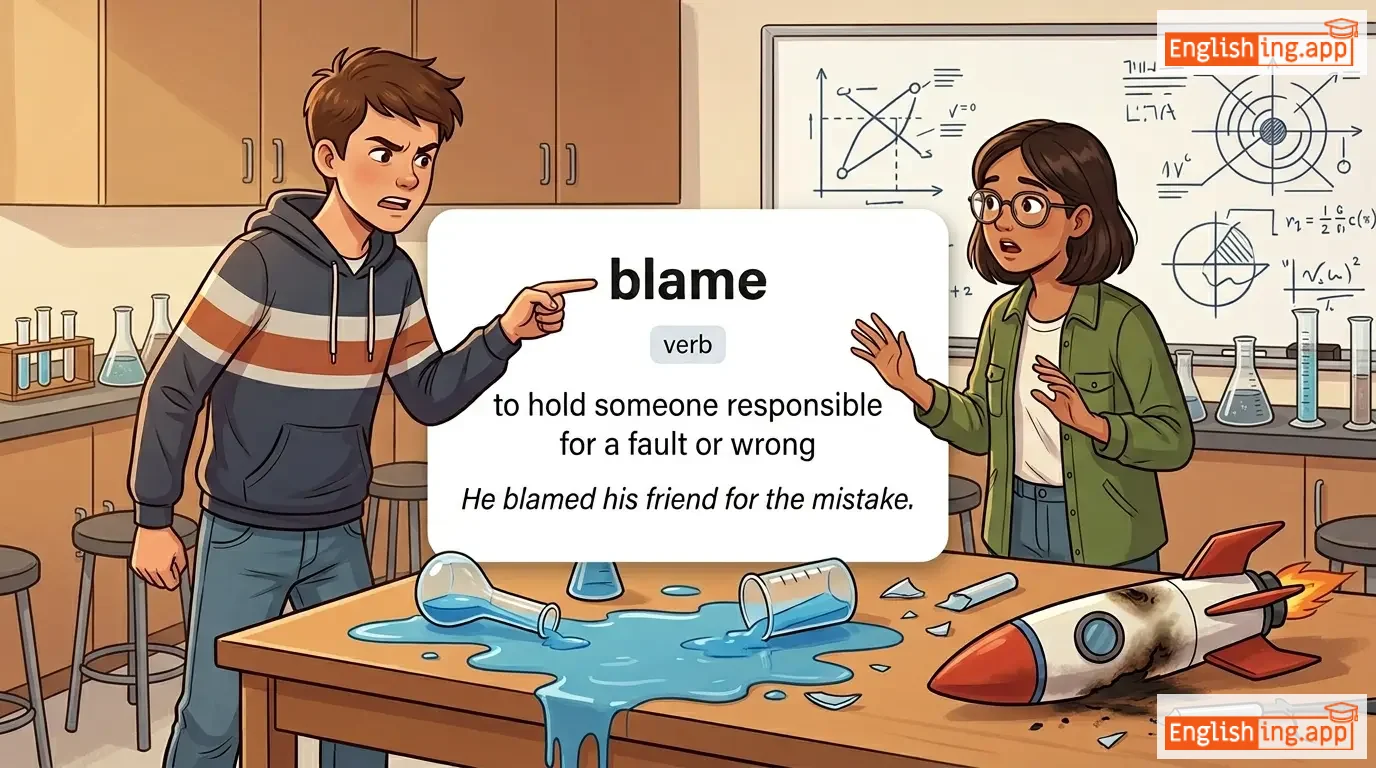
to hold someone responsible for a fault or wrong
••••••
|
He blamed his friend for the mistake.
彼はその間違いについて友人を非難しました。
••••••
|
彼はその間違いについて友人を非難しました。
Kare wa sono machigai ni tsuite yūjin wo hinan shimashita.
••••••
|
put the blame on
責任を負わせる
••••••
|
to make someone responsible for something bad
••••••
|
責任を負わせる
Sekinin wo owaseru
••••••
|
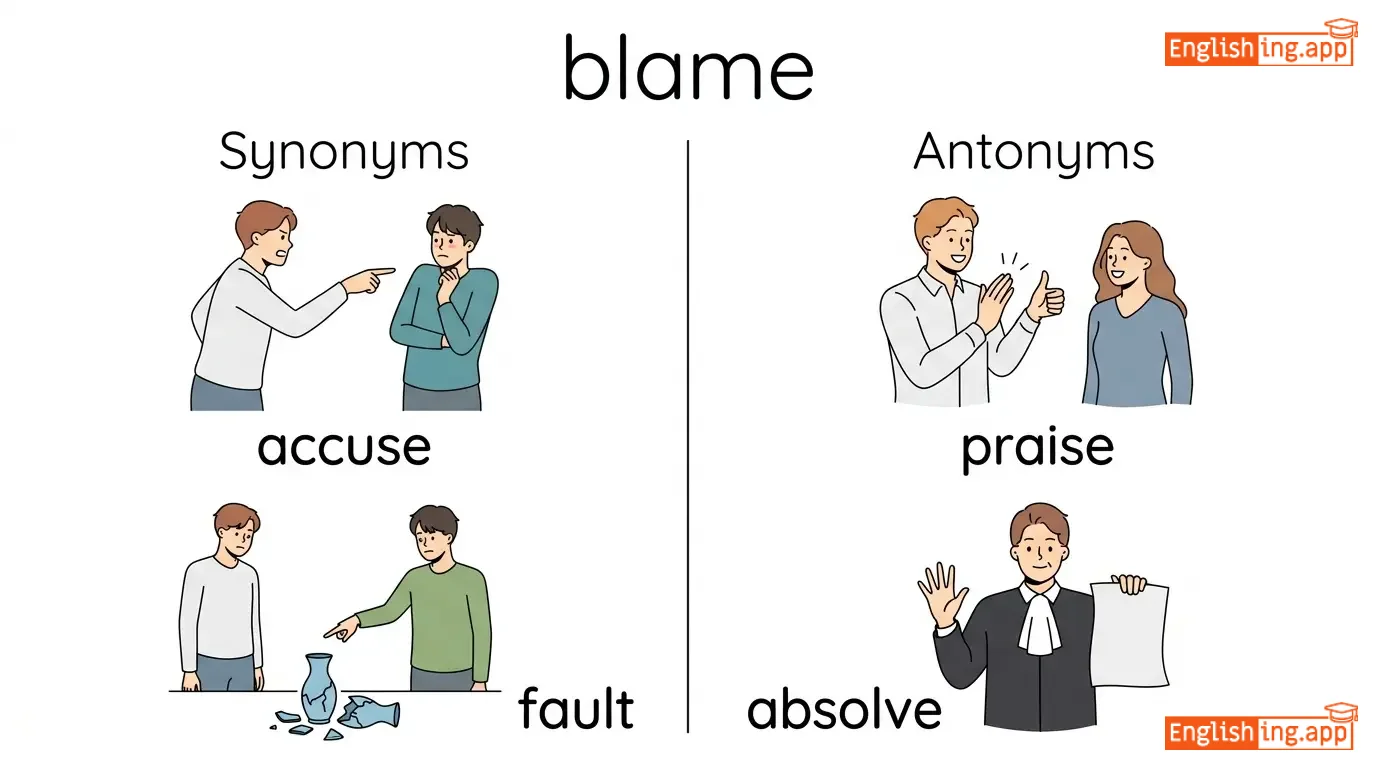
accuse, fault, charge, condemn
••••••
|
praise, absolve, forgive
••••••
|
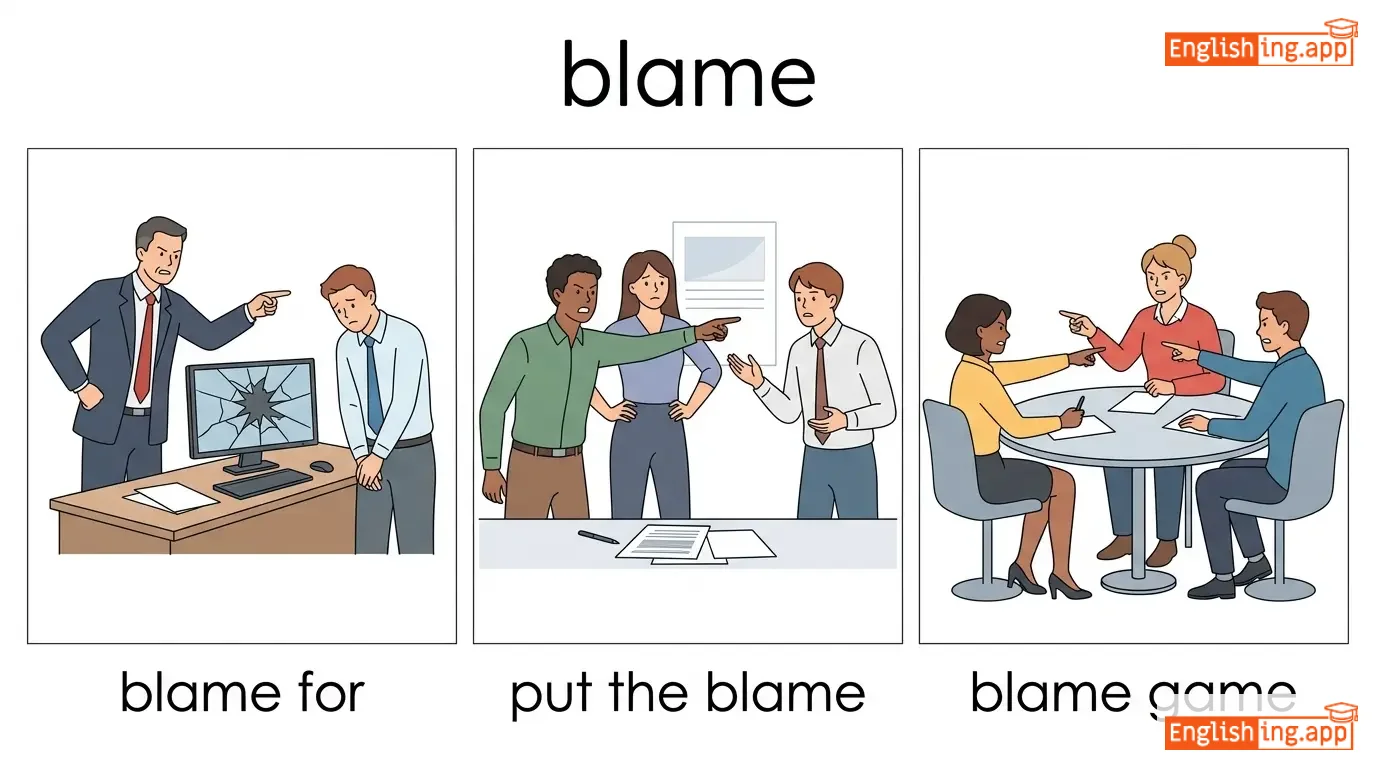
blame for, put the blame, blame game, blame others
••••••
|
Blame は非難するという意味—'Blame game' は非難し合うゲーム。
••••••
|
|
💥
••••••
|
/blæst/
noun, verb
(ブラスト)
••••••
|
- •••••• |
爆発、強い衝撃
bakuhatsu, tsuyoi shougeki
••••••
|
blasted
ブラステッド
••••••
|
blasted
ブラステッド
••••••
|
blasts
ブラストス
••••••
|
blasting
ブラスティング
••••••
|
a strong gust of wind, an explosion, or a loud sound; to destroy or shatter by explosion
••••••
|
The explosion sent a powerful blast through the building.
爆発は建物を通して強力な爆風を送った。
••••••
|
爆発は建物を通して強力な爆風を送った。
Bakuhatsu wa tatemono o tōshite kyōryoku na bakufū o okutta.
••••••
|
have a blast
楽しんで
••••••
|
to have a very enjoyable time
••••••
|
楽しんで
tanoshinde
••••••
|
explosion, burst, boom, gust, detonation
••••••
|
silence, calm, stillness
••••••
|
blast wave, blast furnace, blast off, blasting sound
••••••
|
Blastは爆発を意味し、'Have a blast'は楽しい時間を過ごすこと、爆発のように楽しい
••••••
|
|
🩸
••••••
|
/bliːd/
verb
(ブリード)
••••••
|
- •••••• |
出血する
shukketsu suru
••••••
|
bled
ブレッド
••••••
|
bled
ブレッド
••••••
|
bleeds
ブリードス
••••••
|
bleeding
ブリーディング
••••••
|
to lose blood from the body, especially due to injury
••••••
|
She began to bleed from the cut on her arm.
彼女は腕の切り傷から血を流し始めた。
••••••
|
彼女は腕の切り傷から血を流し始めた。
Kanojo wa ude no kirikizu kara chi wo nagashihajimeta.
••••••
|
- •••••• | - •••••• | - •••••• |
hemorrhage, ooze, drip, seep
••••••
|
heal, stop
••••••
|
bleed heavily, bleed profusely, bleed out, bleed internally
••••••
|
Blee(d) は日本語で出血するという意味です。覚えておいて:切ると血が出る!
••••••
|
|
🙈
••••••
|
/blaɪnd/
adjective
••••••
|
- •••••• | - •••••• | - •••••• | - •••••• | - •••••• | - •••••• |
Unable to see because of injury, disease, or a congenital condition.
••••••
|
He has been blind since birth. |
- •••••• |
blind faith |
Complete trust without questioning or evidence.
••••••
|
- •••••• |
sightless, visionless, unseeing, eyeless
••••••
|
sighted, seeing
••••••
|
blind person, blind alley, blind spot, blindfold
••••••
|
No •••••• |
|
🧱
••••••
|
/blɑːk/
noun, verb
(ブロック)
••••••
|
|
ブロック
burokku
••••••
|
blocked
ブロックド
••••••
|
blocked
ブロックド
••••••
|
blocks
ブロックス
••••••
|
blocking
ブロッキング
••••••
|
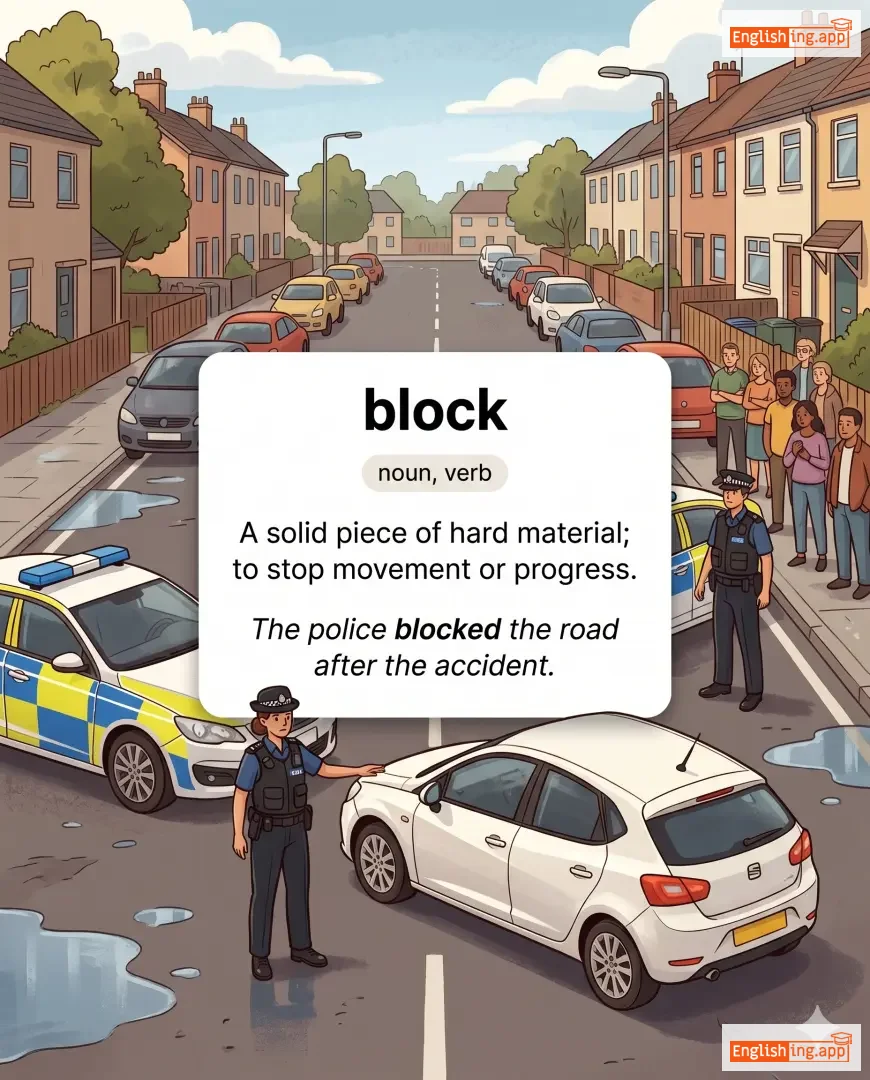
A solid piece of hard material; to stop movement or progress.
••••••
|
The police blocked the road after the accident.
警察は事故後に道路をブロックしました。
••••••
|
警察は事故後に道路をブロックしました。
Keisatsu wa jiko go ni dōro o burokkushimashita.
••••••
|
writer's block
ライターズ・ブロック
••••••
|
The inability to think of what to write.
••••••
|
ライターズ・ブロック
raitāzu burokkū
••••••
|
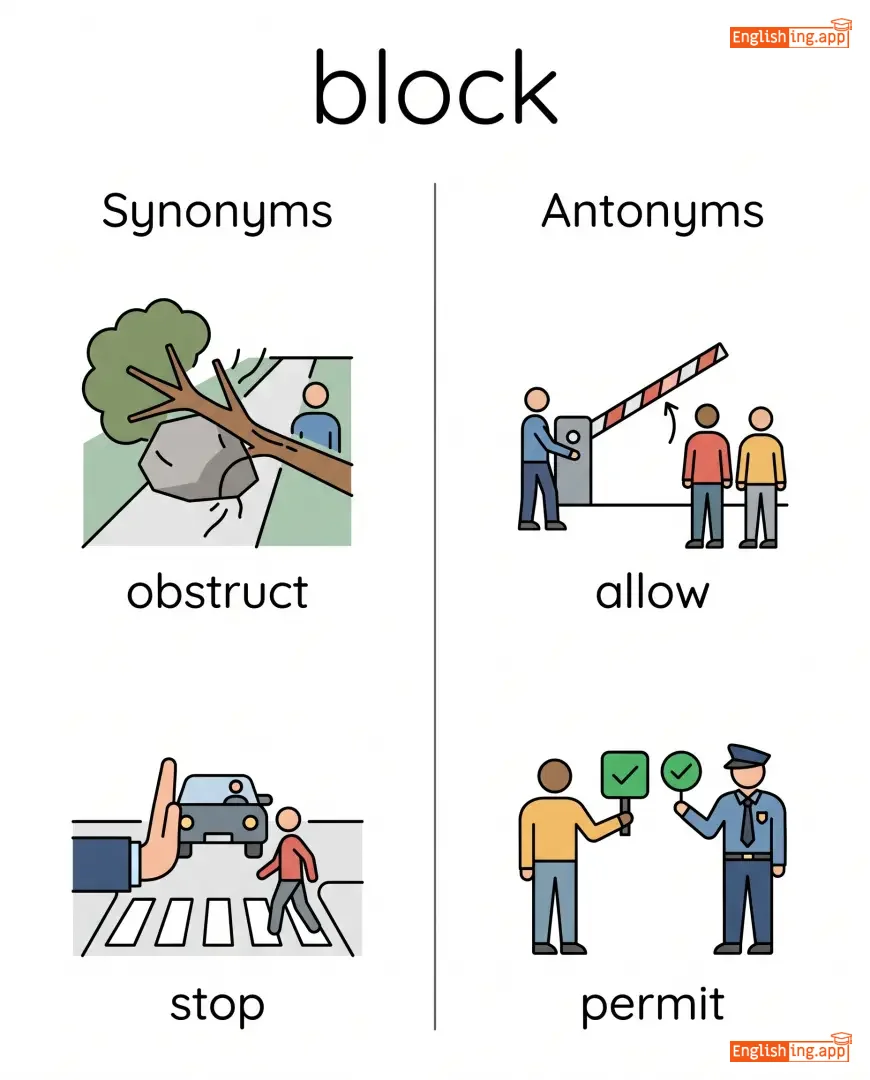
obstruct, stop, hinder, barrier, cube
••••••
|
allow, permit, unblock
••••••
|
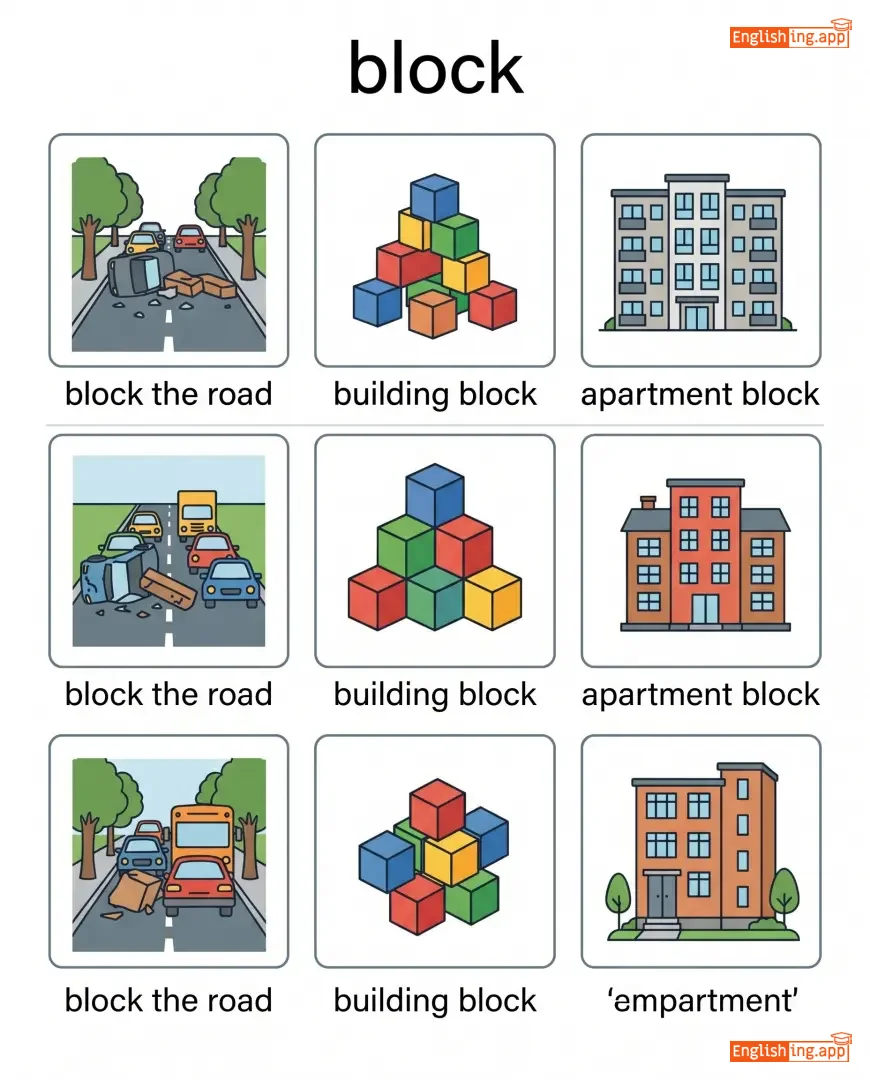
block the road, building block, apartment block, block out
••••••
|
道路をブロックするように、ライターズ・ブロックも思いつかないことです。
••••••
|
|
🩸
••••••
|
/blʌd/
noun
(ブラッド)
••••••
|
- •••••• |
血液
ketsueki
••••••
|
- •••••• | - •••••• | - •••••• | - •••••• |
The red liquid that circulates in the arteries and veins of humans and animals.
••••••
|
The doctor took a sample of blood for testing. |
医師はテストのために血液サンプルを取った。
Ishi wa tesuto no tame ni ketsueki sanpuru o totta.
••••••
|
blood is thicker than water |
Family relationships are stronger than other relationships.
••••••
|
血は水より濃い
Chi wa mizu yori koi
••••••
|
plasma, lifeblood, gore, vital fluid
••••••
|
water, pus
••••••
|
blood pressure, blood test, blood group, blood donation
••••••
|
Blood は '血液' を意味します – '血は水より濃い' という言葉を覚えておきましょう。
••••••
|

