The Betrayal
战斗已经在battle开始了。国王准备带领他的army去attack敌人。他的ally,将军,站在他身边。国王对胜利有着强烈的belief。但他不知道他的将军计划betray他。战争began不久后,将军开始带领士兵撤退。国王被孤立了。敌人的士兵将他包围了。一支arrow击中了他的手臂。他开始bleed。他觉得自己永远无法原谅将军的背叛。带着这种bitter的感觉,他继续战斗。他像百人一样战斗,就像他是一个beast。但他无法坚持太久。敌人抓住了他。国王把所有的blame归咎于命运。他在想自己如何摆脱这种局面。
|
表情符号
|
单词 | Images | 翻译 | 过去时 | 过去分词 | 第三人称单数 | 动名词 | 含义 | 例句 | 例句翻译 | 示例表达 | 示例表达含义 | 示例表达翻译 | 同义词 | 反义词 | 搭配词 | 助记符 |
|---|---|---|---|---|---|---|---|---|---|---|---|---|---|---|---|---|---|
|
🏃
••••••
|
/əˈbændən/
verb
(放弃)
••••••
|
|
放弃
fangqi
••••••
|
abandoned
放弃
••••••
|
abandoned
放弃
••••••
|
abandons
放弃
••••••
|
abandoning
放弃
••••••
|
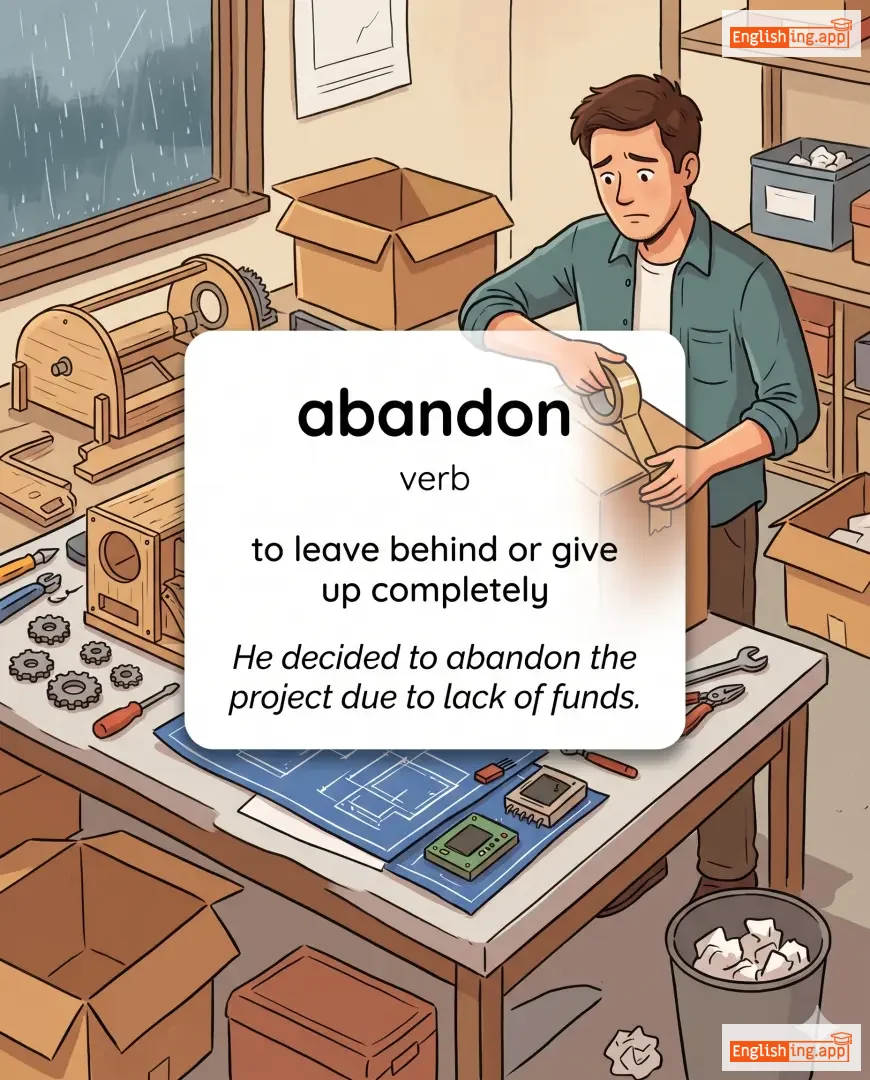
to leave behind or give up completely
••••••
|
He decided to abandon the project due to lack of funds.
他决定由于缺乏资金而放弃这个项目。
••••••
|
他决定由于缺乏资金而放弃这个项目。
Ta jueding youyu quefa zijin er fangqi zhege xiangmu.
••••••
|
abandon ship
弃船
••••••
|
to leave a failing situation quickly
••••••
|
弃船
qi chuan
••••••
|
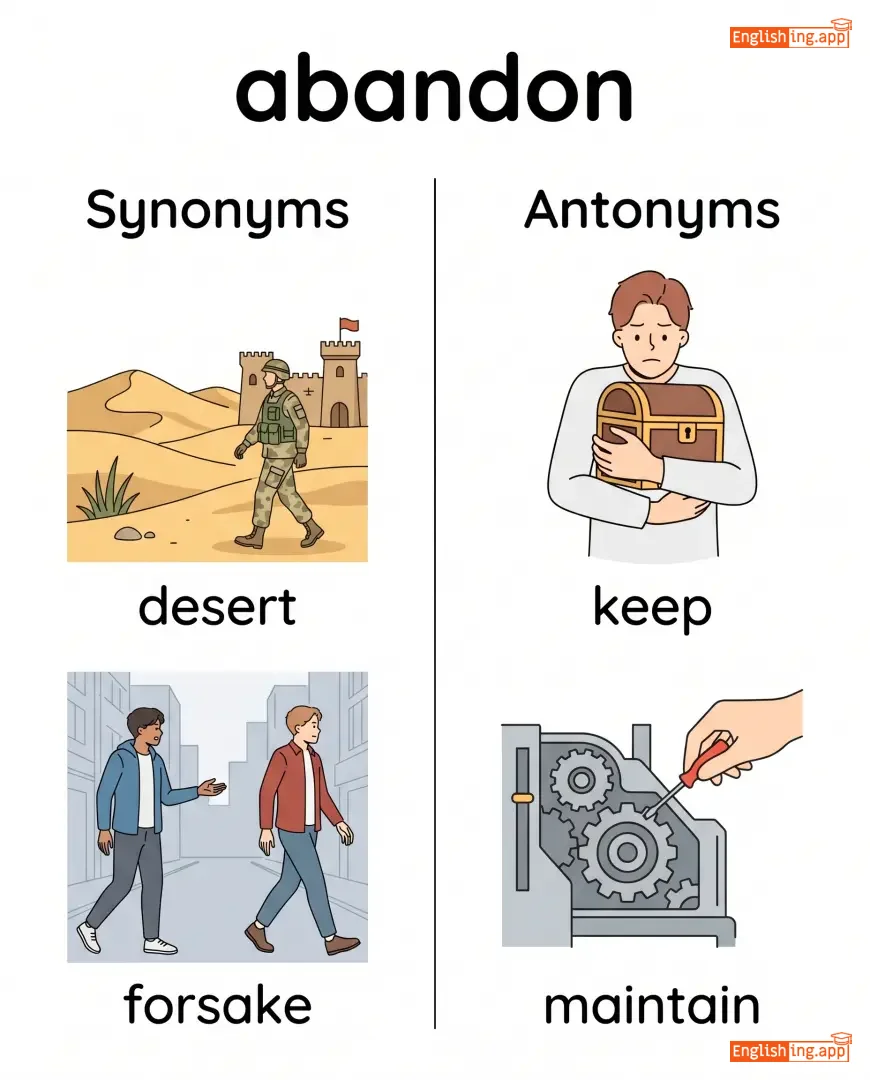
desert, forsake, leave, quit, relinquish
••••••
|
keep, maintain, continue
••••••
|
abandon hope, abandon plan, abandon effort, abandon project
••••••
|
放弃就是离开,就像 BandOn(邦顿)离开一样。
••••••
|
|
🚫
••••••
|
/əˈbjuːs/ (verb), /əˈbjuːs/ (noun)
verb, noun
••••••
|
- •••••• |
滥用
lanyong
••••••
|
abused
••••••
|
abused
••••••
|
abuses
••••••
|
abusing
••••••
|
to use something in a harmful way; to treat someone badly or cruelly
••••••
|
He was accused of abusing his power. |
他被指控滥用职权。
Ta bei zhikong lanyong zhiquan.
••••••
|
substance abuse |
the harmful or excessive use of drugs or alcohol
••••••
|
物质滥用
wuzhi lanyong
••••••
|
mistreat, misuse, exploit, harm, oppress
••••••
|
respect, protect, cherish
••••••
|
child abuse, drug abuse, verbal abuse, abuse of power
••••••
|
滥用代表滥用 — 想象‘bus’司机恶意踩刹车 🚫
••••••
|
|
🤝
••••••
|
/ˈælaɪ/
verb
(阿里)
••••••
|
- •••••• |
盟友
méng yǒu
••••••
|
allied
联盟
••••••
|
allied
联盟
••••••
|
allies
盟友
••••••
|
allying
结盟
••••••
|
To unite or form a connection or partnership with another person, group, or nation.
••••••
|
The two countries decided to ally against their common enemy.
这两个国家决定联合对抗共同的敌人。
••••••
|
这两个国家决定联合对抗共同的敌人。
Zhè liǎng gè guójiā juédìng liánhé duìkàng gòngtóng de dírén.
••••••
|
ally with
与...结盟
••••••
|
To form a partnership or alliance with someone.
••••••
|
与...结盟
yǔ...jiéméng
••••••
|
associate, unite, partner, combine, join
••••••
|
oppose, resist, separate
••••••
|
ally with, strong ally, loyal ally, ally against
••••••
|
Ally 代表 All + I,联合形成伙伴关系。
••••••
|
|
🪖
••••••
|
/ˈɑːrmi/
noun
(ārmí)
••••••
|
- •••••• |
军队
jundui
••••••
|
- •••••• | - •••••• | - •••••• | - •••••• |
a large organized military force trained for war
••••••
|
The army protected the border from attack. |
军队保护了边境免受攻击。
jundui baohule bianjing mian shou gongji.
••••••
|
join the army |
to enlist in the military service
••••••
|
加入军队
jiaru jundui
••••••
|
military, troops, forces, soldiers
••••••
|
civilians, noncombatants
••••••
|
army base, army officer, join the army, regular army
••••••
|
Army = 军队, 🪖 为战争准备的力量
••••••
|
|
🏹
••••••
|
/ˈæroʊ/
noun
(艾罗)
••••••
|
- •••••• |
箭
jian
••••••
|
- •••••• | - •••••• | - •••••• | - •••••• |
a thin, straight weapon with a pointed tip, shot from a bow
••••••
|
The hunter shot an arrow at the target. |
猎人向目标射出了一支箭。
Lièrén xiàng mùbiāo shè chūle yī zhī jiàn.
••••••
|
arrow of time |
the concept that time moves in only one direction, from past to future
••••••
|
时间的箭
shíjiān de jiàn
••••••
|
dart, shaft, bolt, missile, projectile
••••••
|
none, null
••••••
|
shoot an arrow, bow and arrow, arrow flight, arrow tip
••••••
|
箭意味着arrow — 记住英雄用弓射箭 🏹
••••••
|
|
⚔️
••••••
|
/əˈsɔːlt/
noun, verb
(阿索尔特)
••••••
|
- •••••• |
攻击
gōngjī
••••••
|
assaulted
阿索尔特德
••••••
|
assaulted
阿索尔特德
••••••
|
assaults
阿索尔特斯
••••••
|
assaulting
阿索尔廷
••••••
|
a physical attack or to attack someone violently
••••••
|
He was charged with assault after the fight.
他在打斗后被指控袭击。
••••••
|
他在打斗后因袭击被指控。
Tā zài dǎdòu hòu yīn xíjī bèi zhǐkòng.
••••••
|
sexual assault
性侵害
••••••
|
unwanted sexual contact or attack
••••••
|
性侵害
xìng qīnhài
••••••
|
attack, strike, aggression, offensive
••••••
|
defense, protection
••••••
|
commit assault, charged with assault, physical assault
••••••
|
Assault意味着攻击 — 想想' A Salt attack'就像盐的攻击。
••••••
|
|
⚔️
••••••
|
/əˈtæk/
verb
(āták)
••••••
|
|
攻击
gōngjī
••••••
|
attacked
ātàkèd
••••••
|
attacked
ātàkèd
••••••
|
attacks
ātākè
••••••
|
attacking
ātàkīng
••••••
|
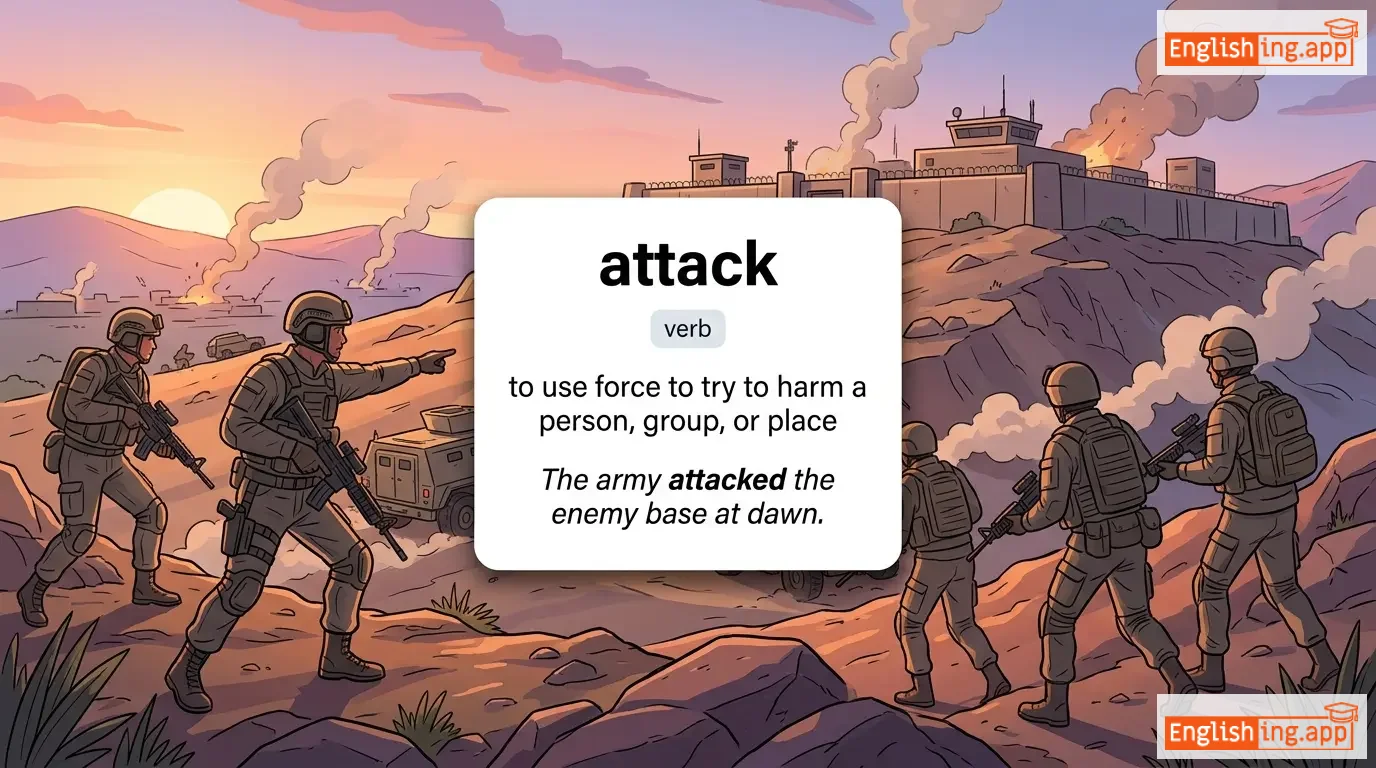
to use force to try to harm a person, group, or place
••••••
|
The army attacked the enemy base at dawn.
jūn duì zǎo fāng duì dìrén jūn jī huǐhù
••••••
|
军队在黎明时攻击了敌方基地。
Jūn duì zài límíng shí gōngjīle dí fāng jī dì.
••••••
|
heart attack
xīnzhì qìngjī
••••••
|
a sudden serious medical condition when the heart stops working properly
••••••
|
心脏病发作
xīnzhàng bìng fāzuò
••••••
|
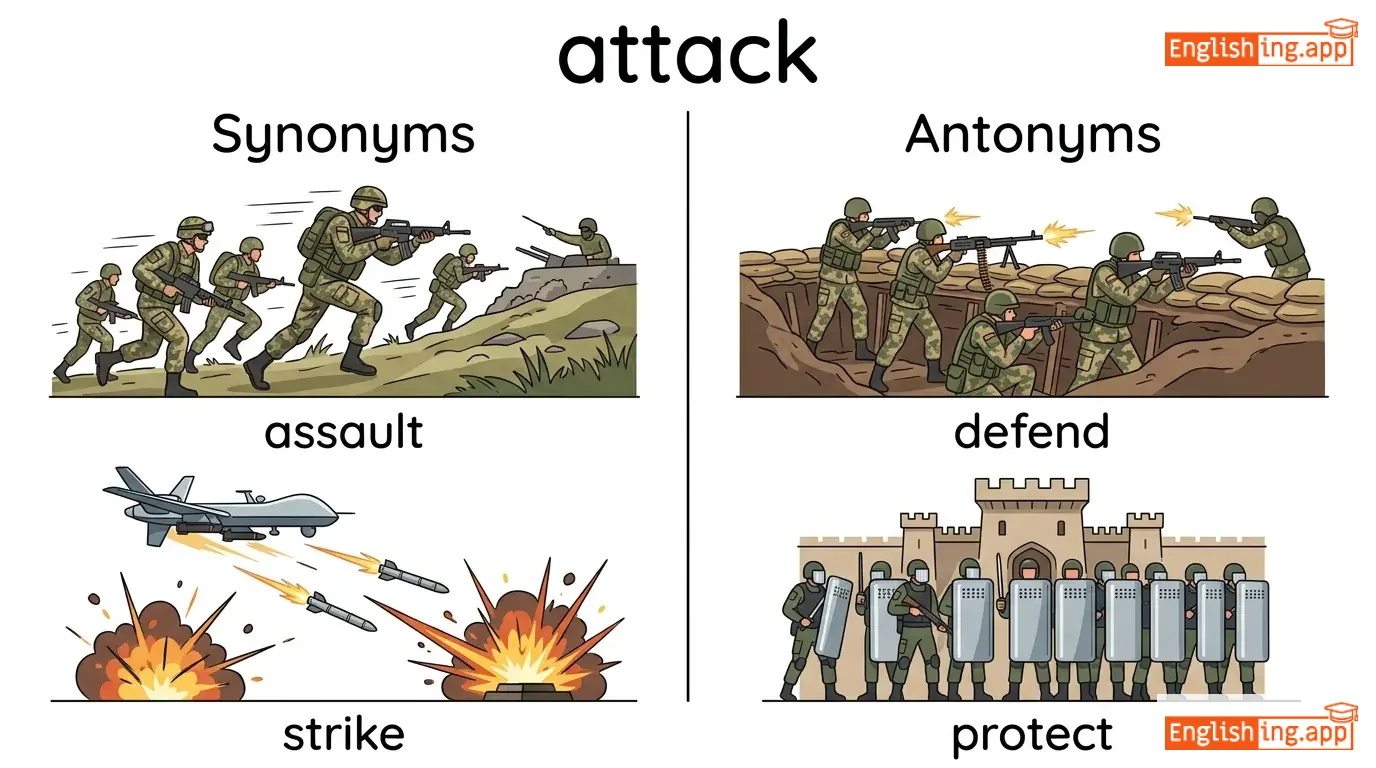
assault, strike, charge, raid, ambush
••••••
|
defend, protect, guard
••••••
|
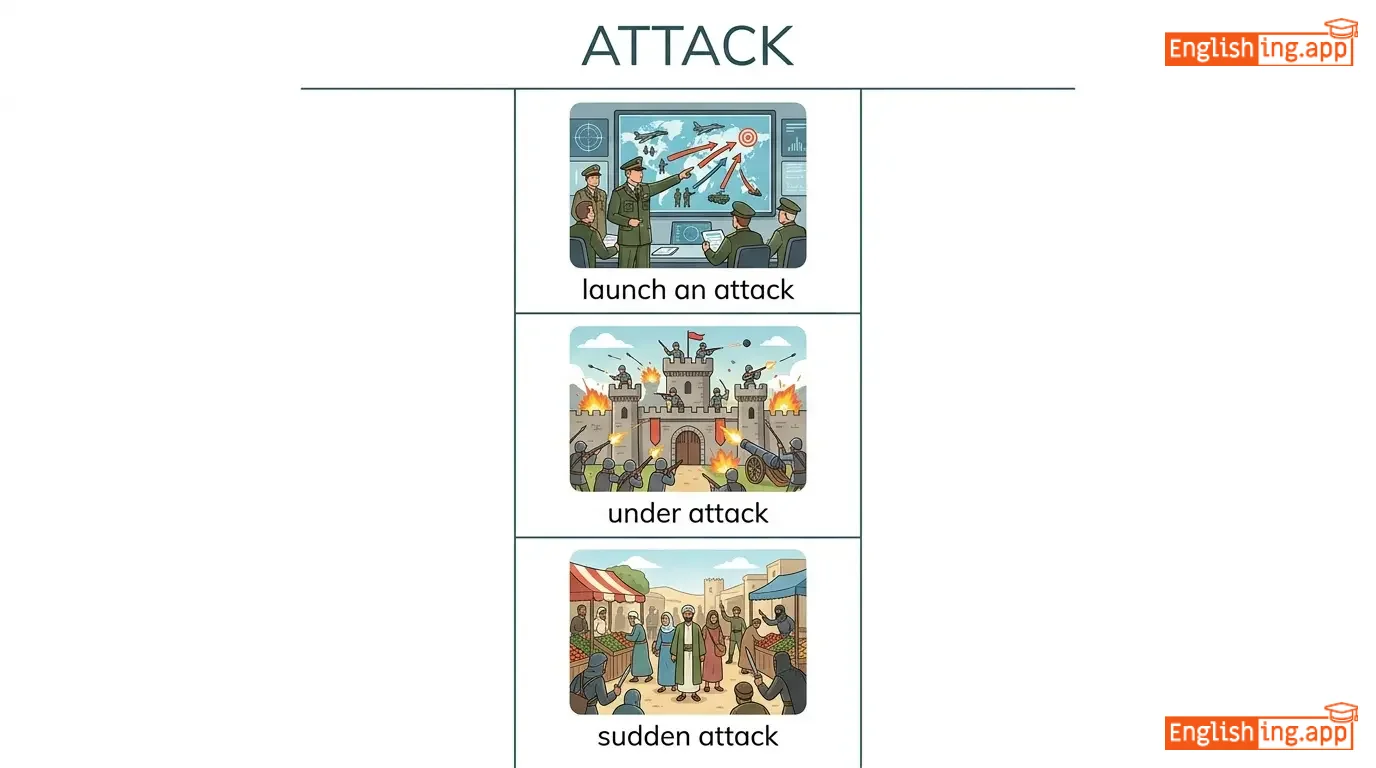
launch an attack, under attack, sudden attack, heart attack
••••••
|
攻击 = 进攻就是最好的防守! ⚔️
••••••
|
|
⚔️
••••••
|
/ˈbætəl/
noun/verb
(bàtè)
••••••
|
- •••••• |
战斗
zhàndòu
••••••
|
battled
bàtèd
••••••
|
battled
bàtèd
••••••
|
battles
bàtèls
••••••
|
battling
bàtɪlɪŋ
••••••
|
A fight between armed forces or a struggle to achieve or resist something.
••••••
|
The soldiers prepared for the final battle.
士兵们为最后的战斗做好了准备。
••••••
|
士兵们为最后的战斗做好了准备。
Shìbīng men wèi zuìhòu de zhàndòu zuòhǎo le zhǔnbèi.
••••••
|
fight an uphill battle
进行艰难的战斗
••••••
|
to struggle against great difficulties
••••••
|
进行艰难的战斗
jìnxíng jiānnán de zhàndòu
••••••
|
fight, conflict, clash, war, struggle
••••••
|
peace, truce
••••••
|
win a battle, lose a battle, fierce battle, battle against
••••••
|
Battle 意味着战斗,就像你用球棒(bat)打比赛时的斗争。
••••••
|
|
🐅
••••••
|
/biːst/
noun
(bìsīté)
••••••
|
- •••••• |
野兽 / 动物
yěshòu / dòngwù
••••••
|
- •••••• | - •••••• | - •••••• | - •••••• |
a large or dangerous animal; a cruel or brutal person
••••••
|
The lion is known as the king of beasts.
狮子被誉为兽中之王。
••••••
|
狮子被誉为兽中之王。
Shīzi bèi yù wéi shòu zhōng zhī wáng.
••••••
|
beauty and the beast
美女与野兽
••••••
|
used to describe two very different people or things, one beautiful and one ugly or fierce
••••••
|
美女与野兽
měinǚ yǔ yěshòu
••••••
|
animal, brute, monster, creature, savage
••••••
|
human, angel
••••••
|
wild beast, ferocious beast, king of beasts, mythical beast
••••••
|
Beast 就是野兽 — ‘比斯特’想到‘庞大和凶猛’ 🦁
••••••
|
|
🚀
••••••
|
/bɪˈɡɪn/
verb
(bɪˈɡɪn)
••••••
|
|
开始
kaishi
••••••
|
began
bɪˈɡæn
••••••
|
begun
bɪˈɡʌn
••••••
|
begins
bɪˈɡɪnz
••••••
|
beginning
bɪˈɡɪnɪŋ
••••••
|
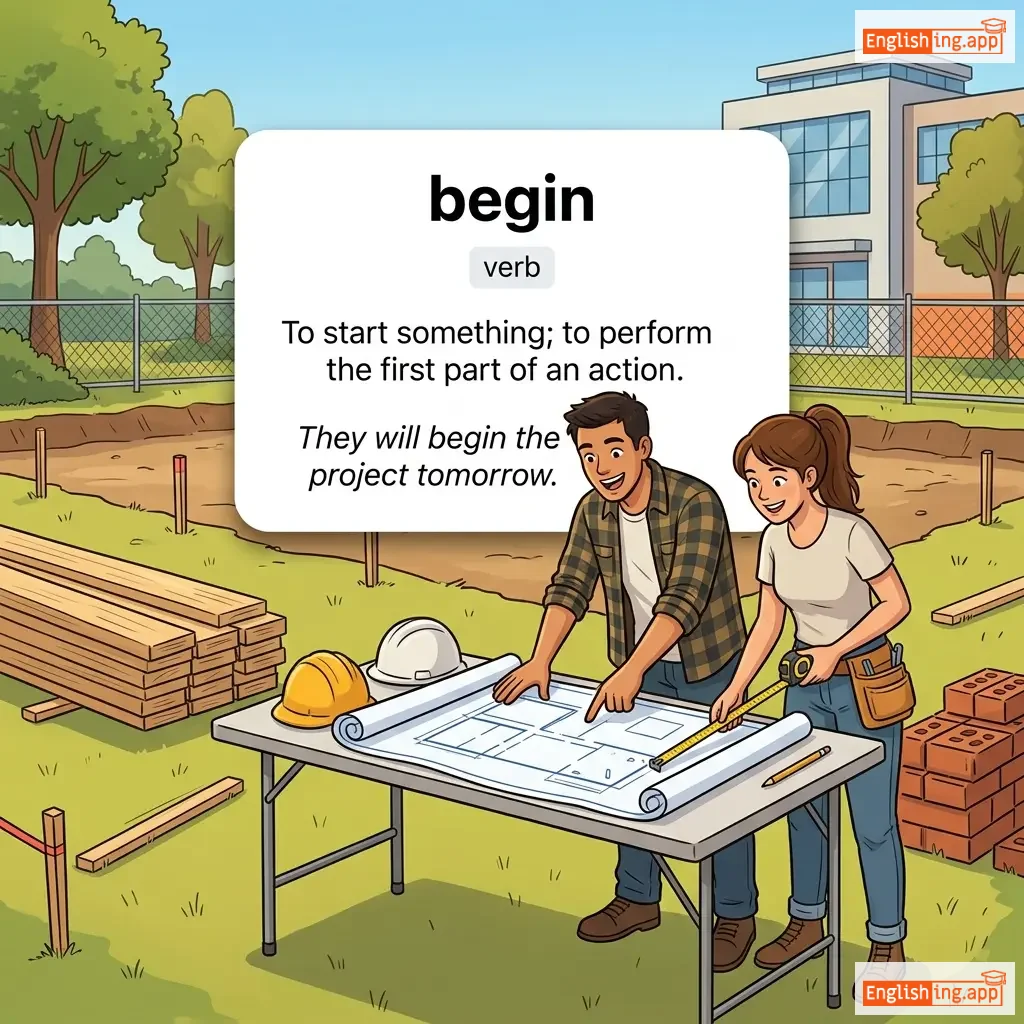
To start something; to perform the first part of an action.
••••••
|
They will begin the project tomorrow.
他们明天将开始项目。
••••••
|
他们明天将开始项目。
Tāmen míngtiān jiāng kāishǐ xiàngmù.
••••••
|
to begin with
首先
••••••
|
as the first consideration
••••••
|
首先
shǒuxiān
••••••
|
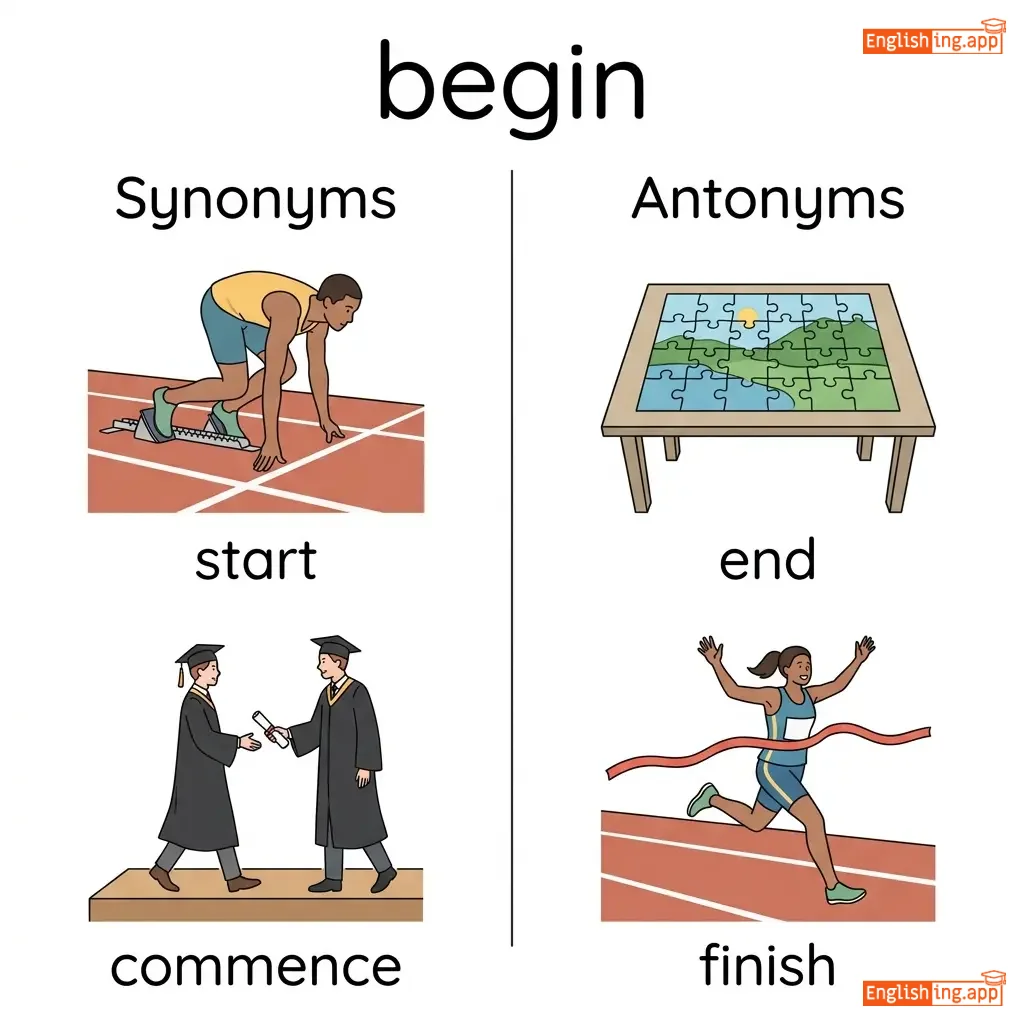
start, commence, initiate, launch
••••••
|
end, finish, conclude
••••••
|
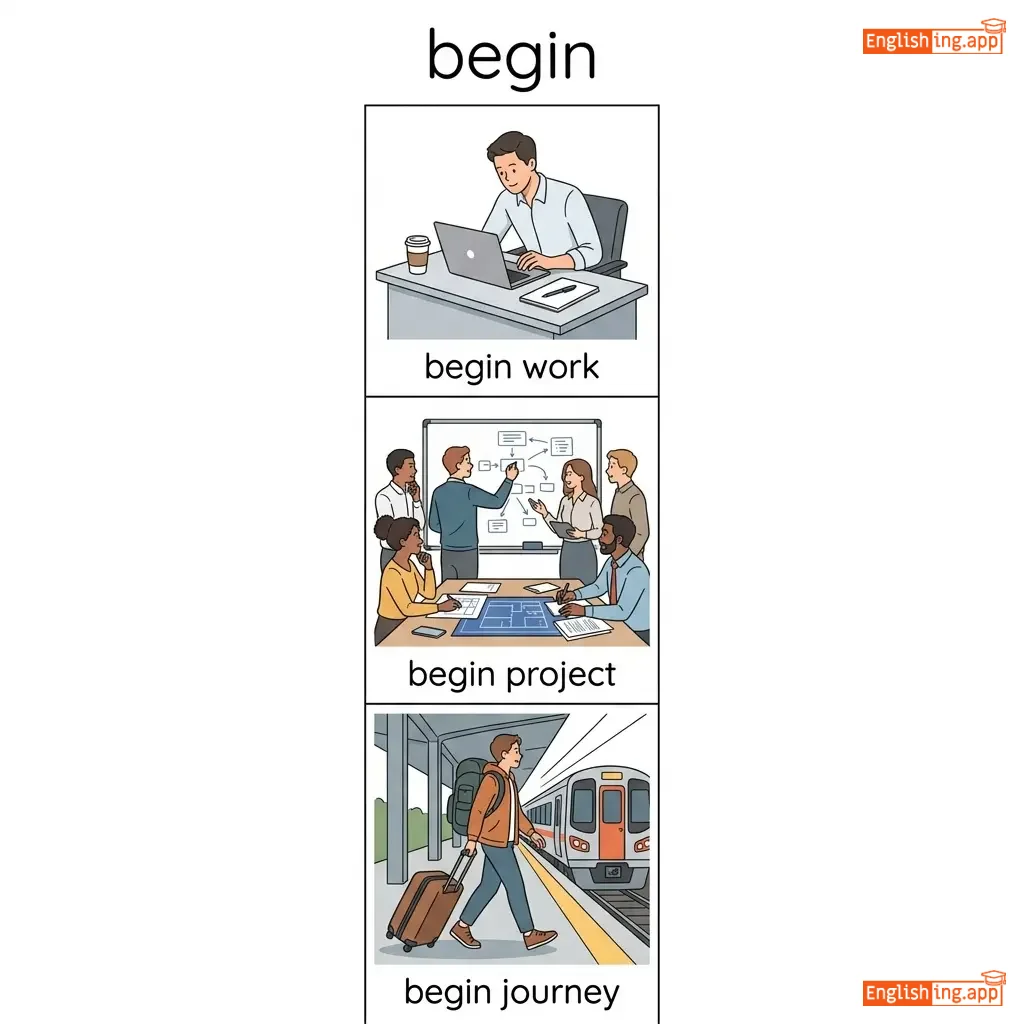
begin work, begin project, begin journey, begin process
••••••
|
开始等于启动。记住,‘开始’意味着启动!
••••••
|
|
🙏
••••••
|
/bɪˈliːf/
noun
(bi-lif)
••••••
|
- •••••• |
信仰
xinyang
••••••
|
- •••••• | - •••••• | - •••••• | - •••••• |
an acceptance that something exists or is true, especially without proof
••••••
|
Her belief in kindness inspired many people. |
她对善良的信仰激励了许多人。
ta dui shanliang de xinyang jili le xu duo ren.
••••••
|
beyond belief |
something that is very surprising or hard to imagine
••••••
|
超越信仰
chaoyue xinyang
••••••
|
faith, trust, conviction, opinion, view
••••••
|
doubt, disbelief, skepticism
••••••
|
strong belief, personal belief, religious belief, belief system
••••••
|
信仰等于‘信仰’—Believe + Faith = 信仰 (信仰的组合)
••••••
|
|
🗡️
••••••
|
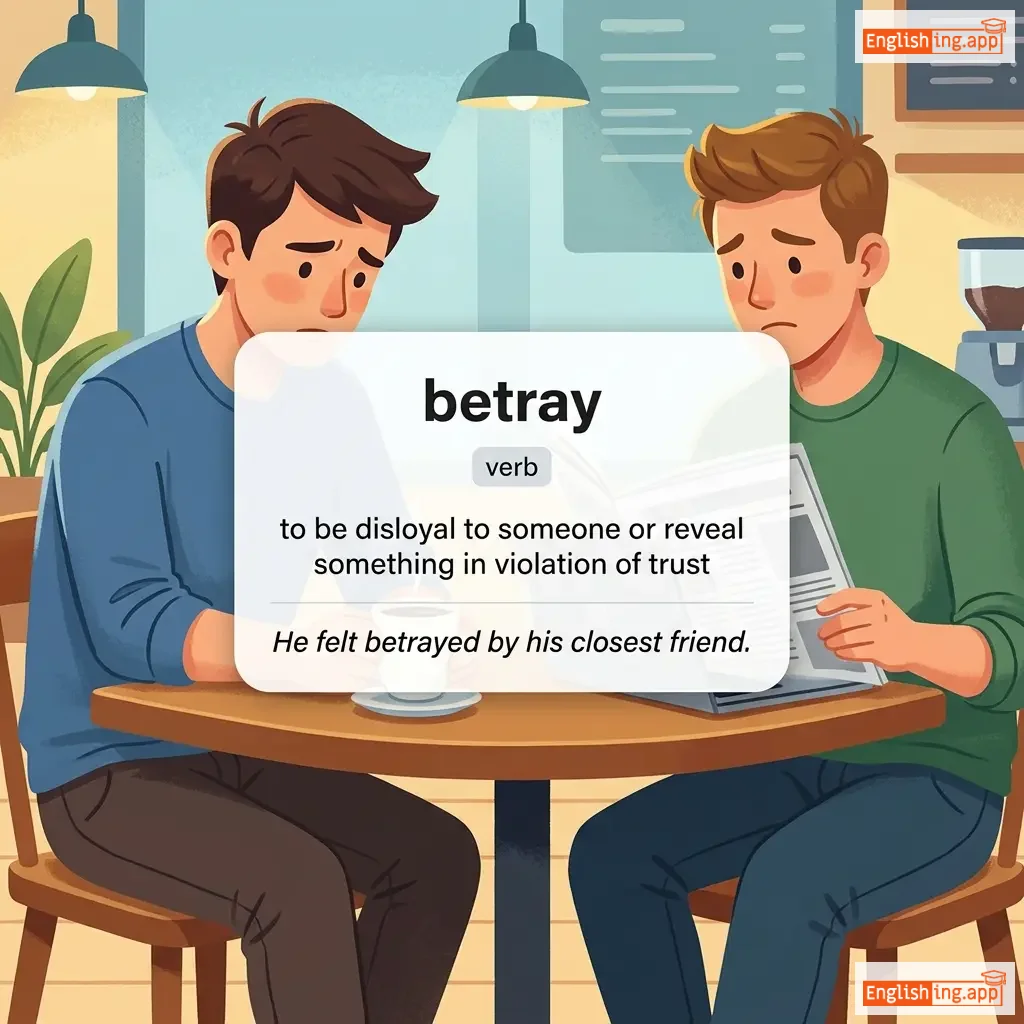
/bɪˈtreɪ/
verb
••••••
|
|
- •••••• |
betrayed
••••••
|
betrayed
••••••
|
betrays
••••••
|
betraying
••••••
|
to be disloyal to someone or reveal something in violation of trust
••••••
|
He felt betrayed by his closest friend. |
- •••••• |
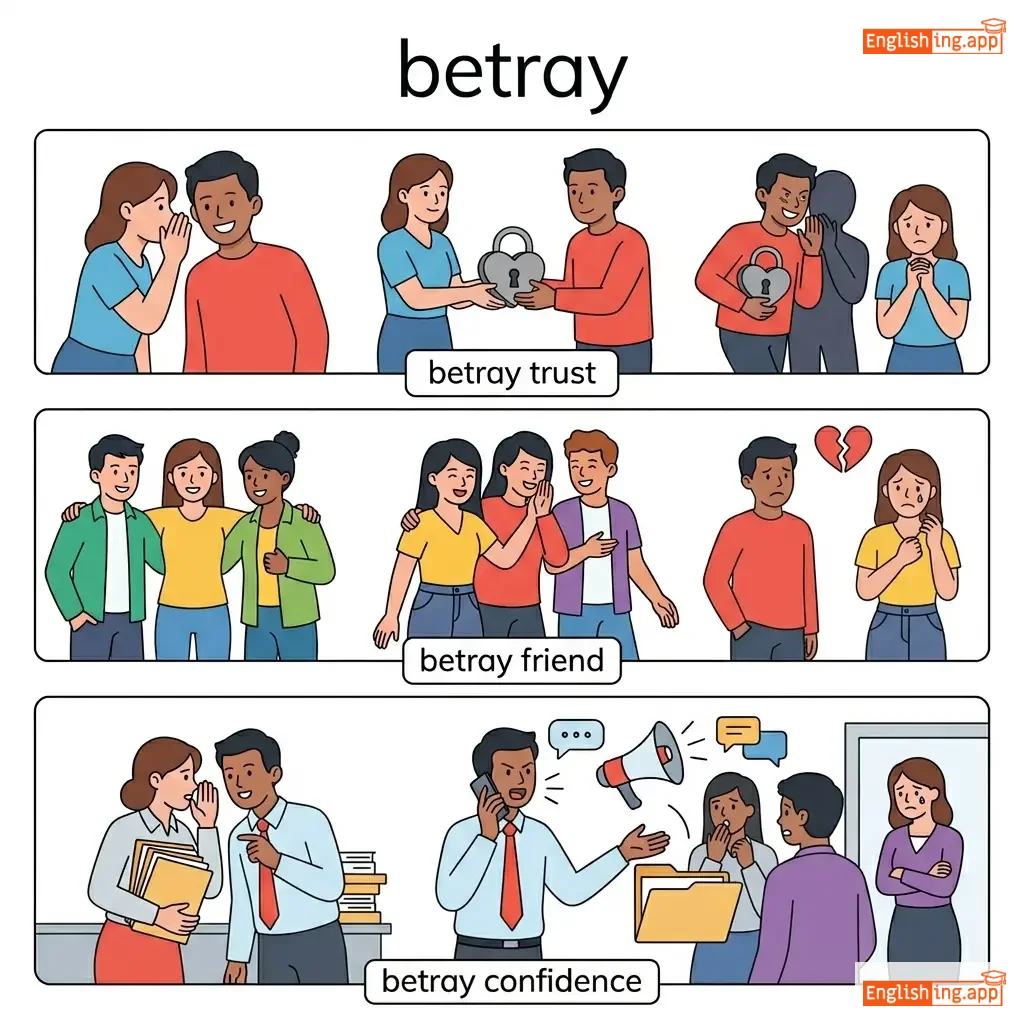
betray someone's trust |
to reveal secrets or act against someone's confidence
••••••
|
- •••••• |
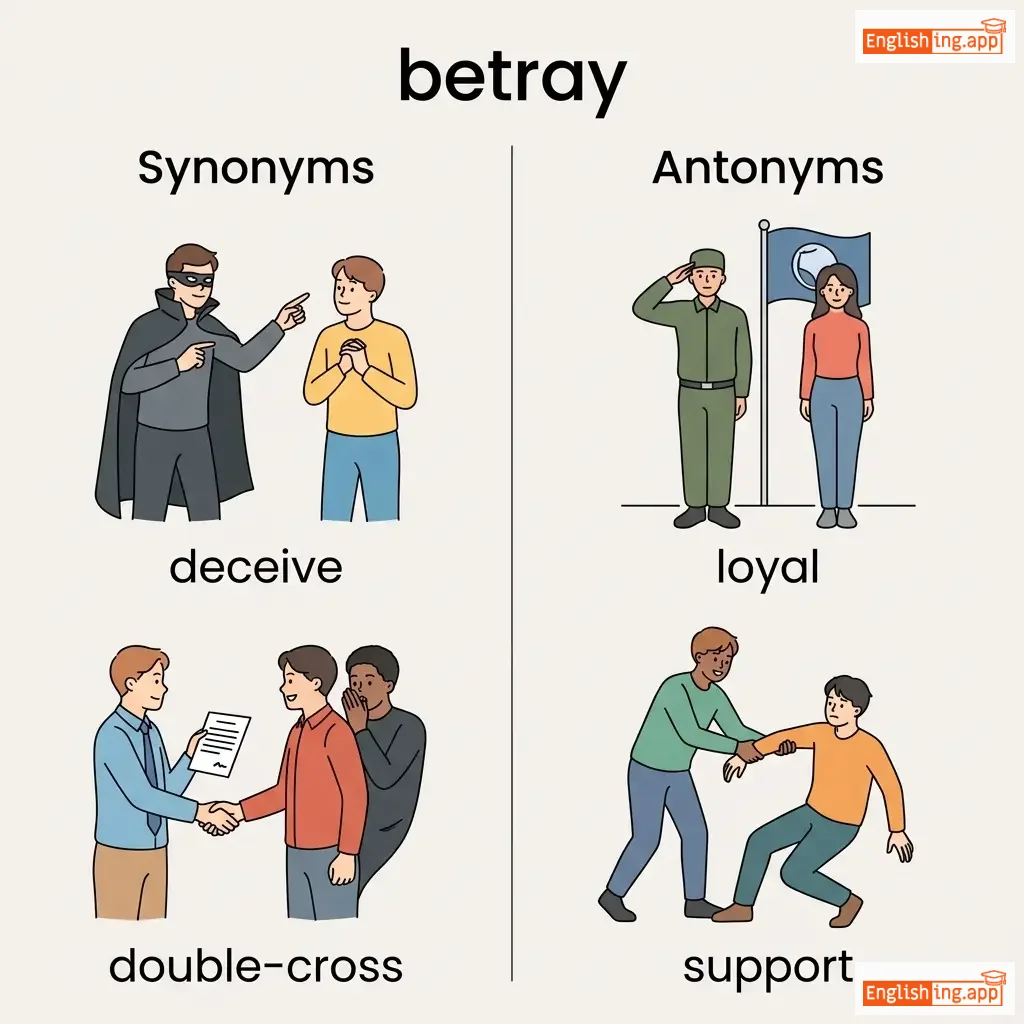
deceive, double-cross, expose, reveal, backstab
••••••
|
loyal, support, protect
••••••
|
betray trust, betray friend, betray confidence
••••••
|
No •••••• |
|
🍋
••••••
|
/ˈbɪtər/
adjective
(bitter)
••••••
|
- •••••• |
苦涩
kuse
••••••
|
- •••••• | - •••••• | - •••••• | - •••••• |
having a sharp, unpleasant taste or showing strong hostility or resentment
••••••
|
She felt bitter about losing the competition. |
她在失去比赛后感到苦涩。
Tā zài shīqù bǐsài hòu gǎndào kǔsè.
••••••
|
bitter pill to swallow |
an unpleasant fact or situation that must be accepted
••••••
|
难以吞咽的苦果
nán yǐ tūn yàn de kǔ guǒ
••••••
|
harsh, resentful, sour, acrid, severe
••••••
|
sweet, pleasant, delightful
••••••
|
bitter taste, bitter truth, bitter experience, bitter rival
••••••
|
苦涩如人生,面对那些不易的时刻
••••••
|
|
⚫
••••••
|
/blæk/
adjective
(黑色)
••••••
|
- •••••• |
黑色
heise
••••••
|
- •••••• | - •••••• | - •••••• | - •••••• |
of the very darkest color due to the absence of light
••••••
|
She wore a black dress to the party. |
她穿着一件黑色的裙子参加派对。
Tā chuān zhe yī jiàn hēi sè de qúnzi cānjiā pàiduì.
••••••
|
black and white |
clear and straightforward
••••••
|
清晰直接
qīngxī zhíjiē
••••••
|
dark, ebony, jet, inky
••••••
|
white, bright
••••••
|
black dress, black coffee, pitch black, black hole
••••••
|
Black意味着黑色—'Black coffee'意味着没有牛奶的咖啡。
••••••
|
|
☝️
••••••
|
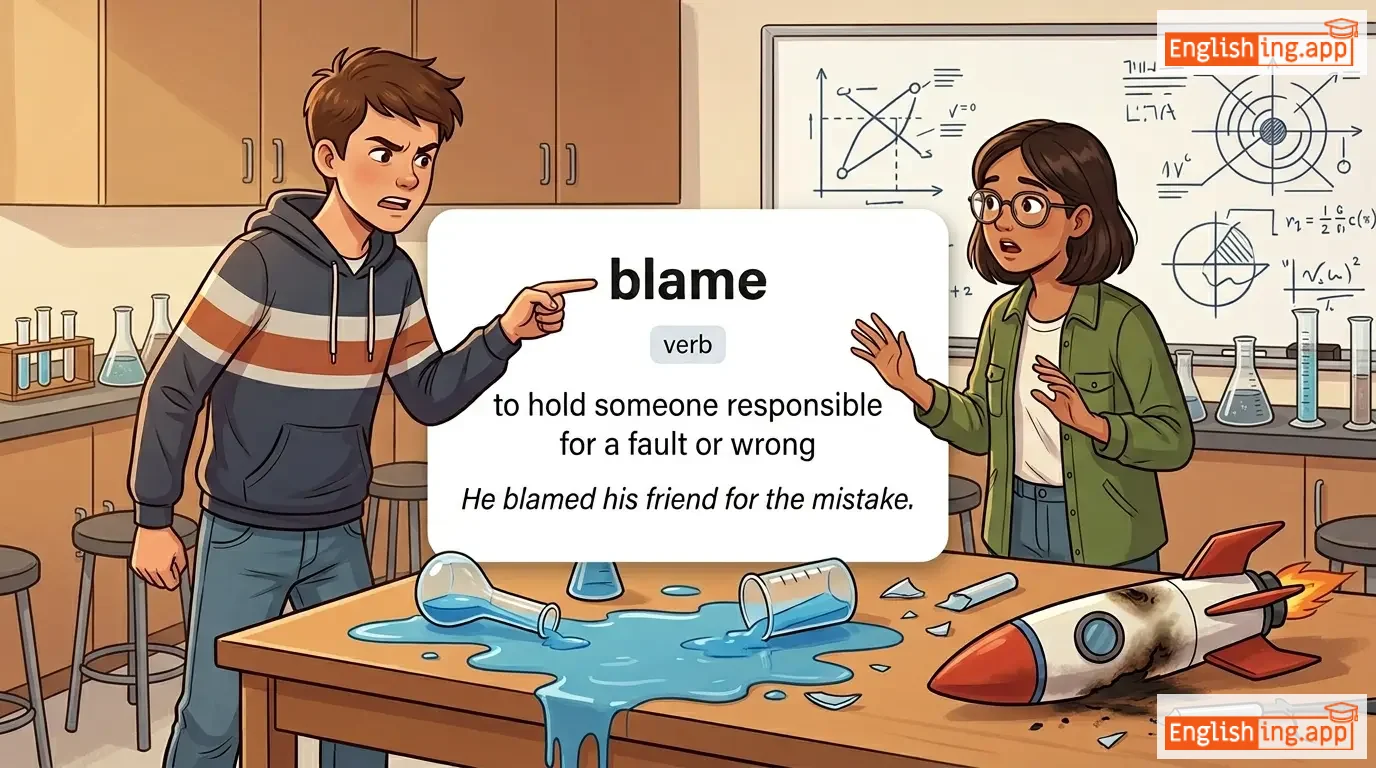
/bleɪm/
verb
(bleim)
••••••
|
|
责怪
zeguai
••••••
|
blamed
bleimd
••••••
|
blamed
bleimd
••••••
|
blames
bleims
••••••
|
blaming
bleiming
••••••
|
to hold someone responsible for a fault or wrong
••••••
|
He blamed his friend for the mistake.
他把错误归咎于他的朋友。
••••••
|
他把错误归咎于他的朋友。
Ta ba cuowu guijiu yu tade pengyou.
••••••
|
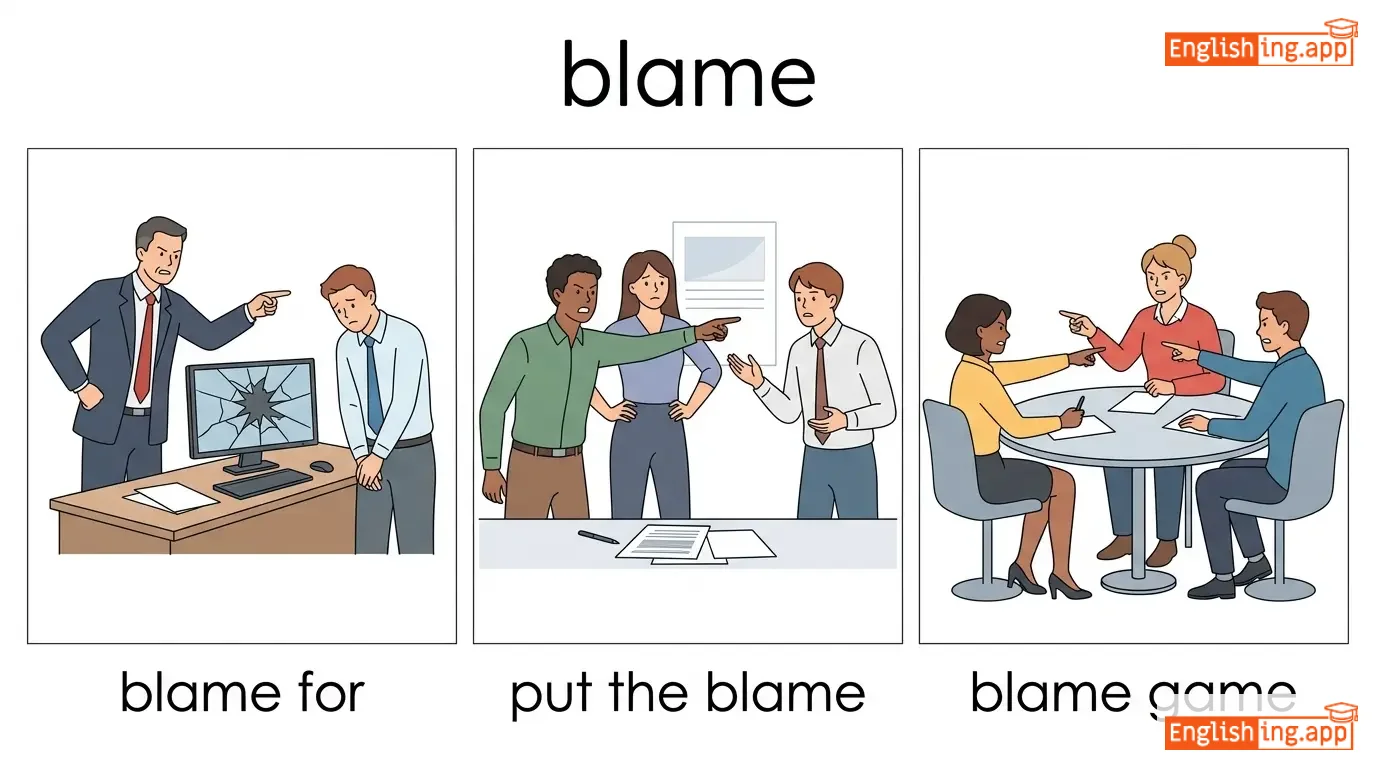
put the blame on
把责任推到
••••••
|
to make someone responsible for something bad
••••••
|
把责任推到
Ba zeren tuidao
••••••
|
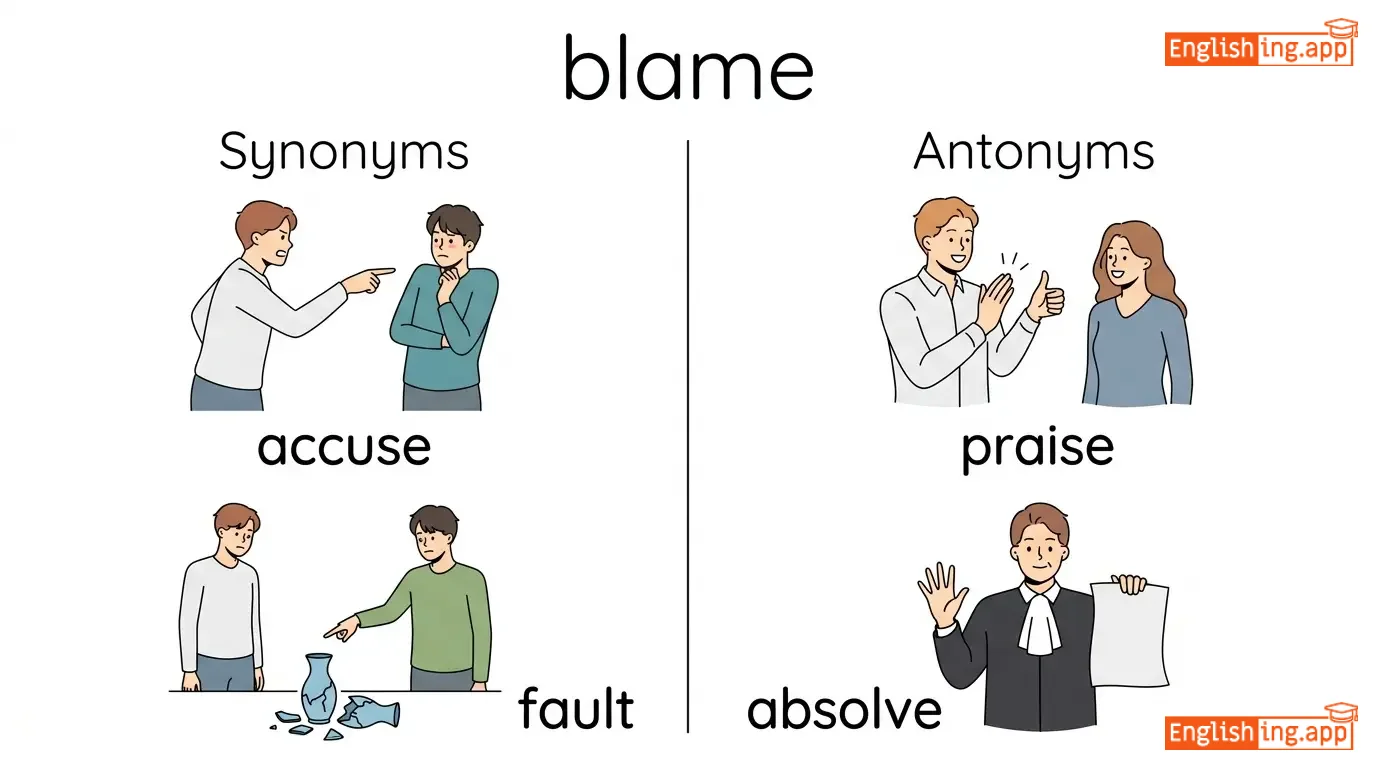
accuse, fault, charge, condemn
••••••
|
praise, absolve, forgive
••••••
|
blame for, put the blame, blame game, blame others
••••••
|
Blame 意思是责怪—'Blame game' 意思是推卸责任的游戏。
••••••
|
|
💥
••••••
|
/blæst/
noun, verb
(爆炸)
••••••
|
- •••••• |
爆炸, 强烈撞击
baozha, qianglie zhuangji
••••••
|
blasted
爆炸的
••••••
|
blasted
爆炸的
••••••
|
blasts
爆炸
••••••
|
blasting
爆炸
••••••
|
a strong gust of wind, an explosion, or a loud sound; to destroy or shatter by explosion
••••••
|
The explosion sent a powerful blast through the building.
爆炸通过大楼发送了一股强劲的爆风。
••••••
|
爆炸通过大楼发送了一股强劲的爆风。
Baozha tongguo dalou faxian le yi gu qiang jin de baofeng.
••••••
|
have a blast
玩得开心
••••••
|
to have a very enjoyable time
••••••
|
玩得开心
wan de kaixin
••••••
|
explosion, burst, boom, gust, detonation
••••••
|
silence, calm, stillness
••••••
|
blast wave, blast furnace, blast off, blasting sound
••••••
|
Blast意味着爆炸,而'Have a blast'意味着度过愉快的时光,像爆炸般的乐趣
••••••
|
|
🩸
••••••
|
/bliːd/
verb
(blid)
••••••
|
- •••••• |
流血
liuxue
••••••
|
bled
bled
••••••
|
bled
bled
••••••
|
bleeds
blids
••••••
|
bleeding
bliding
••••••
|
to lose blood from the body, especially due to injury
••••••
|
She began to bleed from the cut on her arm.
她开始从她手臂上的割伤出血。
••••••
|
她开始从她手臂上的割伤出血。
Ta kaishi cong ta shoubi shang de ge shang chuxue.
••••••
|
- •••••• | - •••••• | - •••••• |
hemorrhage, ooze, drip, seep
••••••
|
heal, stop
••••••
|
bleed heavily, bleed profusely, bleed out, bleed internally
••••••
|
Blee(d) 听起来像流血,记住:如果割伤了,就会流血!
••••••
|
|
🙈
••••••
|
/blaɪnd/
adjective
••••••
|
- •••••• | - •••••• | - •••••• | - •••••• | - •••••• | - •••••• |
Unable to see because of injury, disease, or a congenital condition.
••••••
|
He has been blind since birth. |
- •••••• |
blind faith |
Complete trust without questioning or evidence.
••••••
|
- •••••• |
sightless, visionless, unseeing, eyeless
••••••
|
sighted, seeing
••••••
|
blind person, blind alley, blind spot, blindfold
••••••
|
No •••••• |
|
🧱
••••••
|
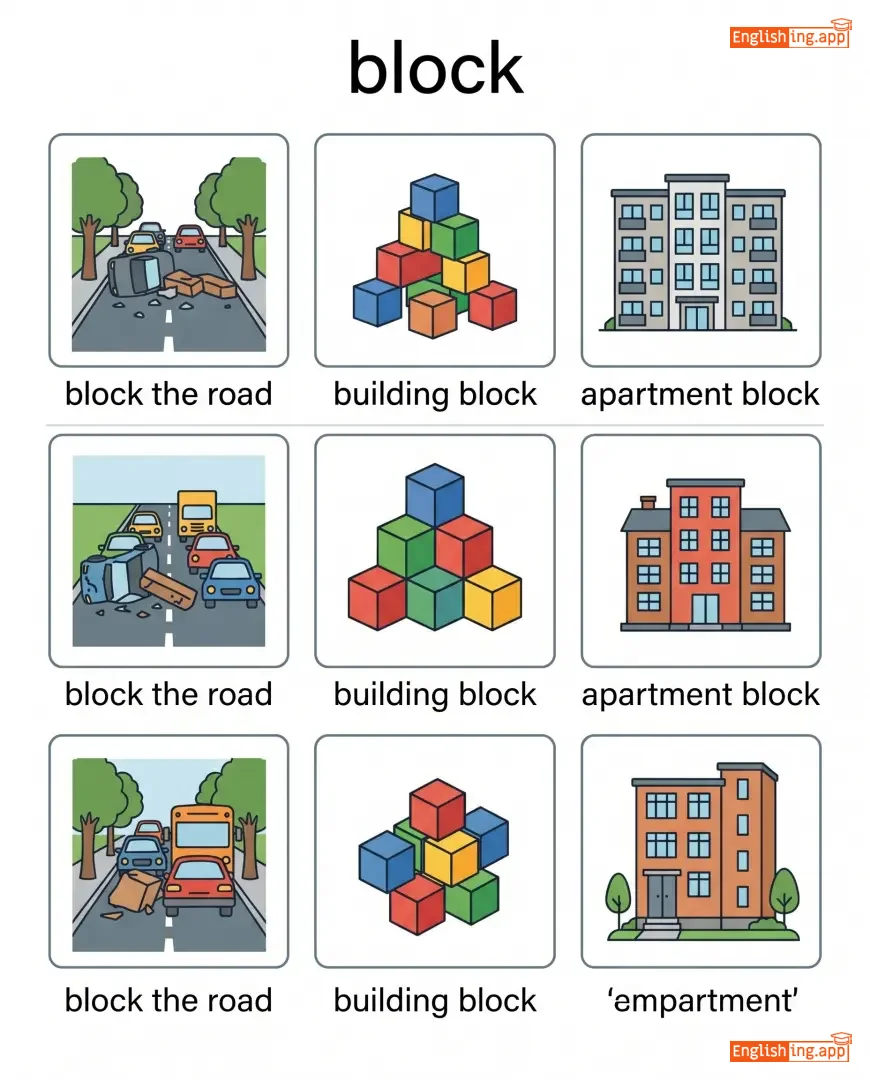
/blɑːk/
noun, verb
(布洛克)
••••••
|
|
封锁
fengsuo
••••••
|
blocked
阻塞
••••••
|
blocked
阻塞
••••••
|
blocks
阻塞
••••••
|
blocking
阻塞
••••••
|
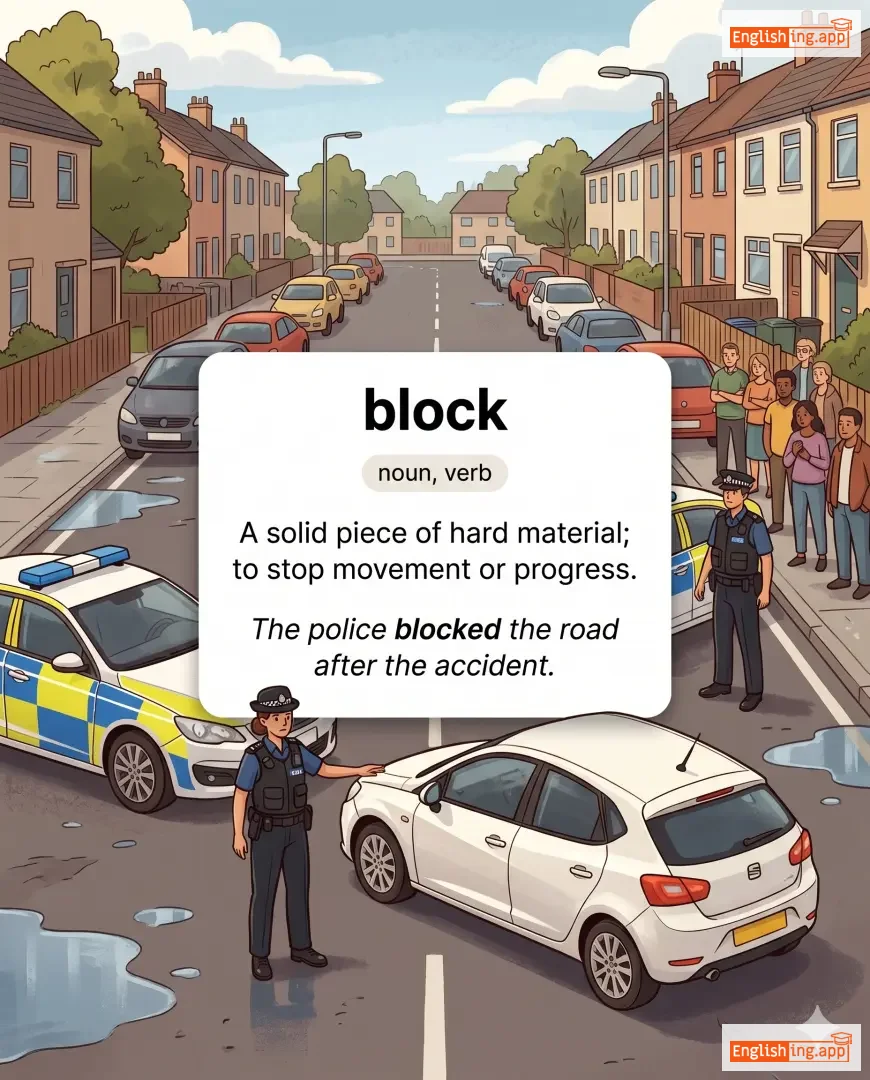
A solid piece of hard material; to stop movement or progress.
••••••
|
The police blocked the road after the accident.
警察在事故后封锁了道路。
••••••
|
警察在事故后封锁了道路。
Jingcha zai shigu hou fengsuo le daolu.
••••••
|
writer's block
作家阻塞
••••••
|
The inability to think of what to write.
••••••
|
作家阻塞
zuojia zuse
••••••
|
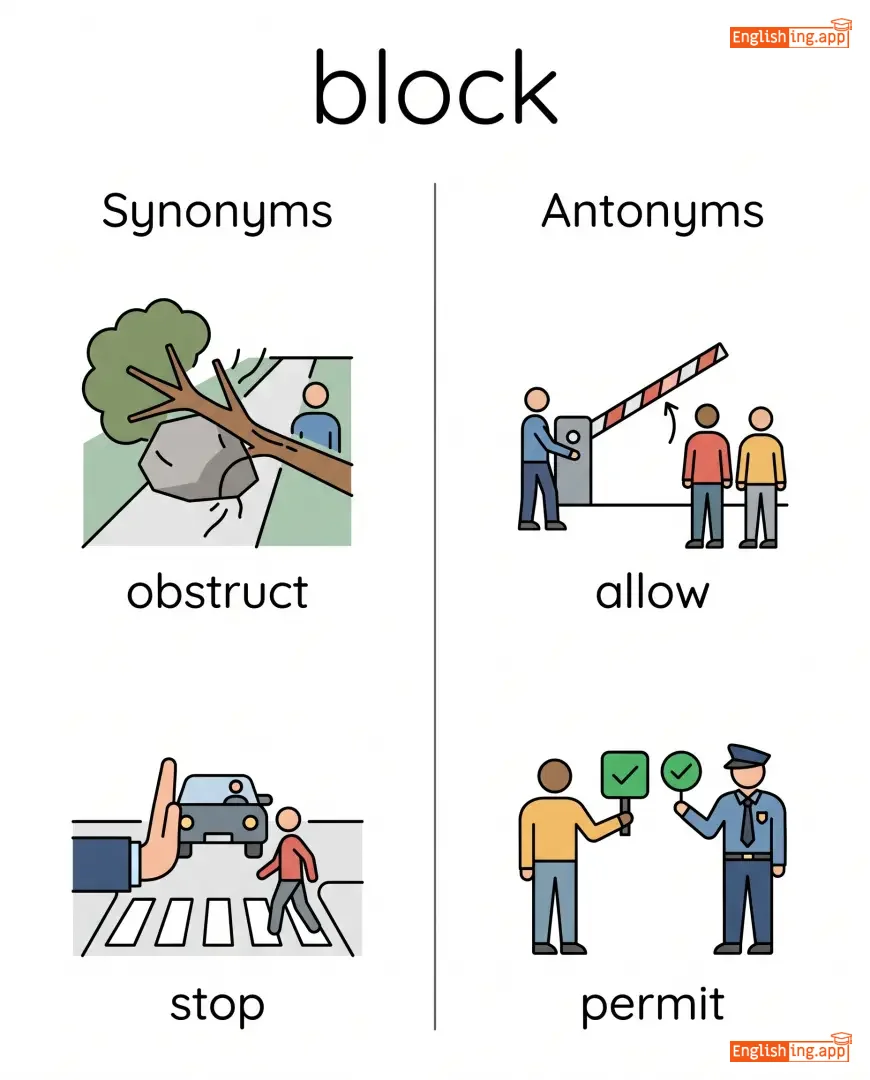
obstruct, stop, hinder, barrier, cube
••••••
|
allow, permit, unblock
••••••
|
block the road, building block, apartment block, block out
••••••
|
封锁就像写作阻塞,不能想出写什么。
••••••
|
|
🩸
••••••
|
/blʌd/
noun
(blud)
••••••
|
- •••••• |
血液
xueye
••••••
|
- •••••• | - •••••• | - •••••• | - •••••• |
The red liquid that circulates in the arteries and veins of humans and animals.
••••••
|
The doctor took a sample of blood for testing. |
医生取了一份血液样本进行测试。
Yisheng qule yifen xueye yangben jinxing ceshi.
••••••
|
blood is thicker than water |
Family relationships are stronger than other relationships.
••••••
|
血浓于水
Xue nong yu shui
••••••
|
plasma, lifeblood, gore, vital fluid
••••••
|
water, pus
••••••
|
blood pressure, blood test, blood group, blood donation
••••••
|
Blood 意味着 '血液' – 记住谚语 '血浓于水'。
••••••
|

