|
絵文字
|
単語 | Images | 翻訳 | 過去 | 過去分詞 | 三人称単数 | 動名詞 | 意味 | 例文 | 例文の翻訳 | 表現例 | 表現例の意味 | 表現例の翻訳 | 同義語 | 対義語 | コロケーション | ニーモニック |
|---|---|---|---|---|---|---|---|---|---|---|---|---|---|---|---|---|---|
|
🎨
••••••
|
/rəˈkoʊkoʊ/
adjective
(ロココ)
••••••
|
|
ロココ
rokoko
••••••
|
- •••••• | - •••••• | - •••••• | - •••••• |
characterized by ornate detail and elaborate decoration, especially in art, architecture, and design
••••••
|
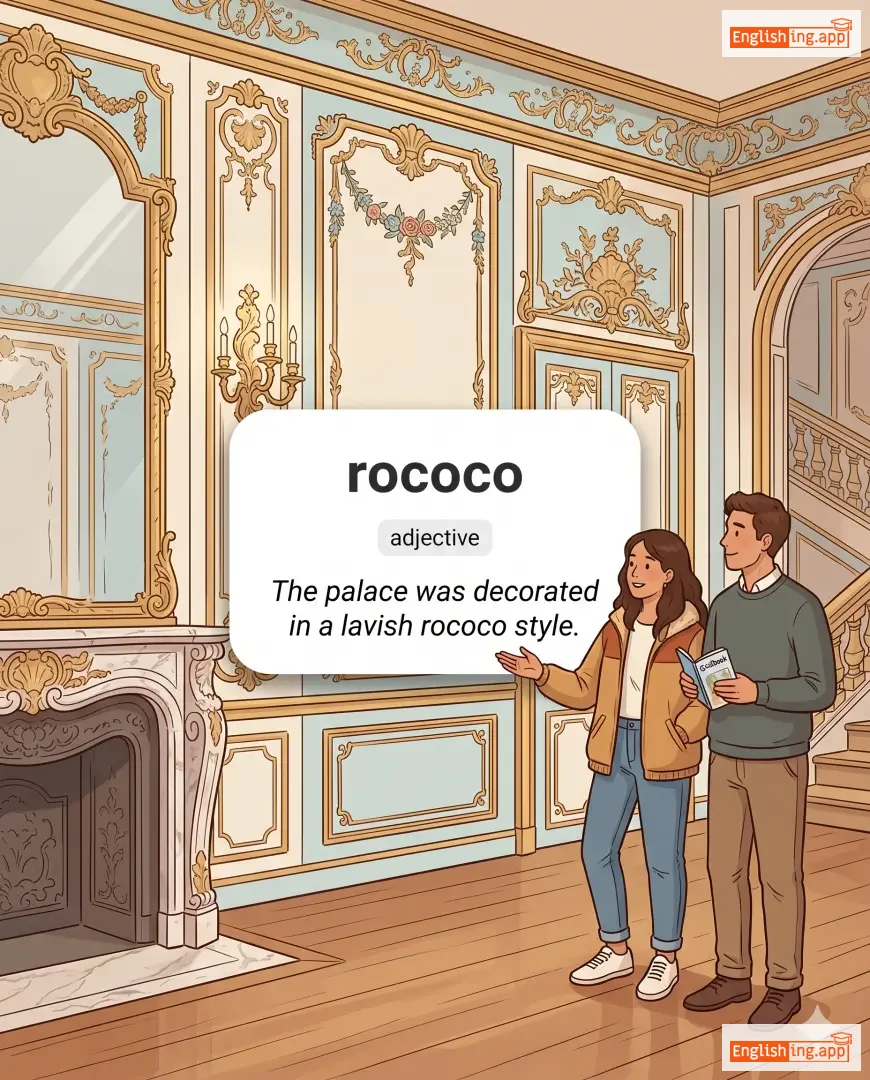
The palace was decorated in a lavish rococo style. |
宮殿は豪華なロココ様式で装飾されていました。
Kyūden wa gōka na rokoko yōshiki de sōshoku sareteimashita.
••••••
|
- •••••• | - •••••• | - •••••• |
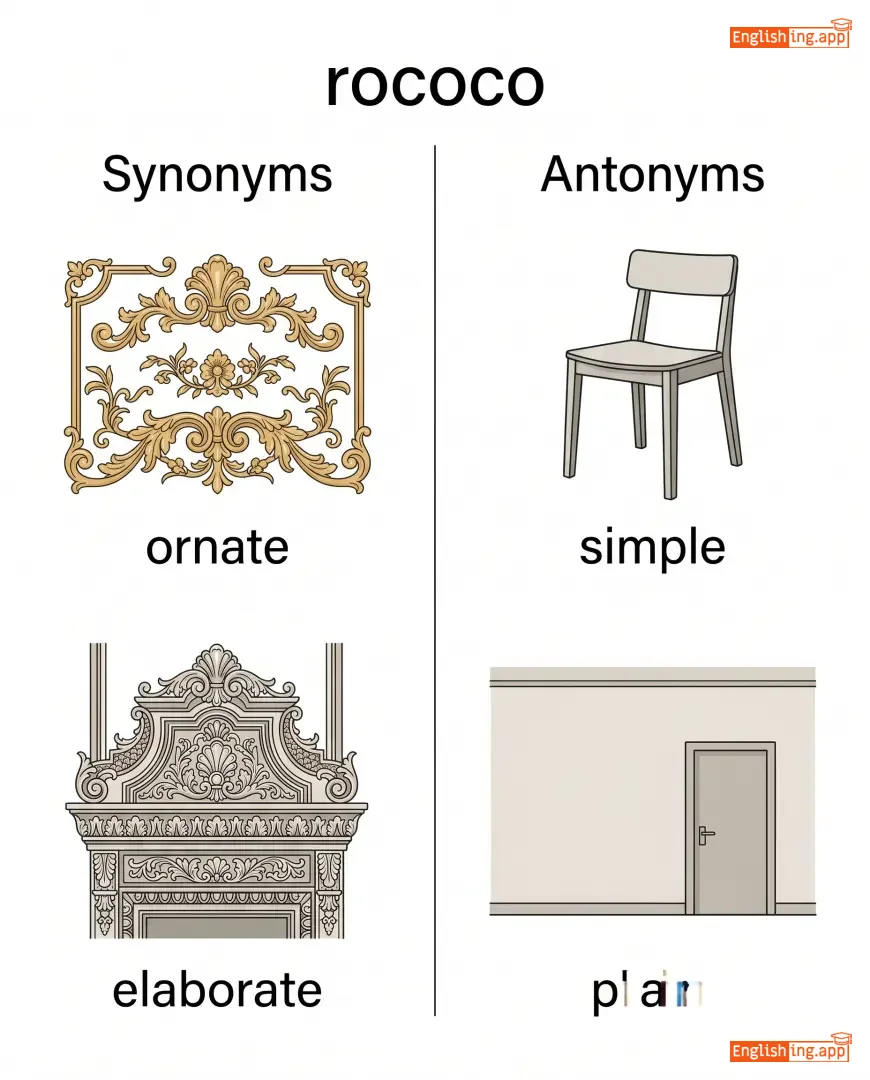
ornate, elaborate, decorative, baroque, fancy
••••••
|
simple, plain, austere
••••••
|
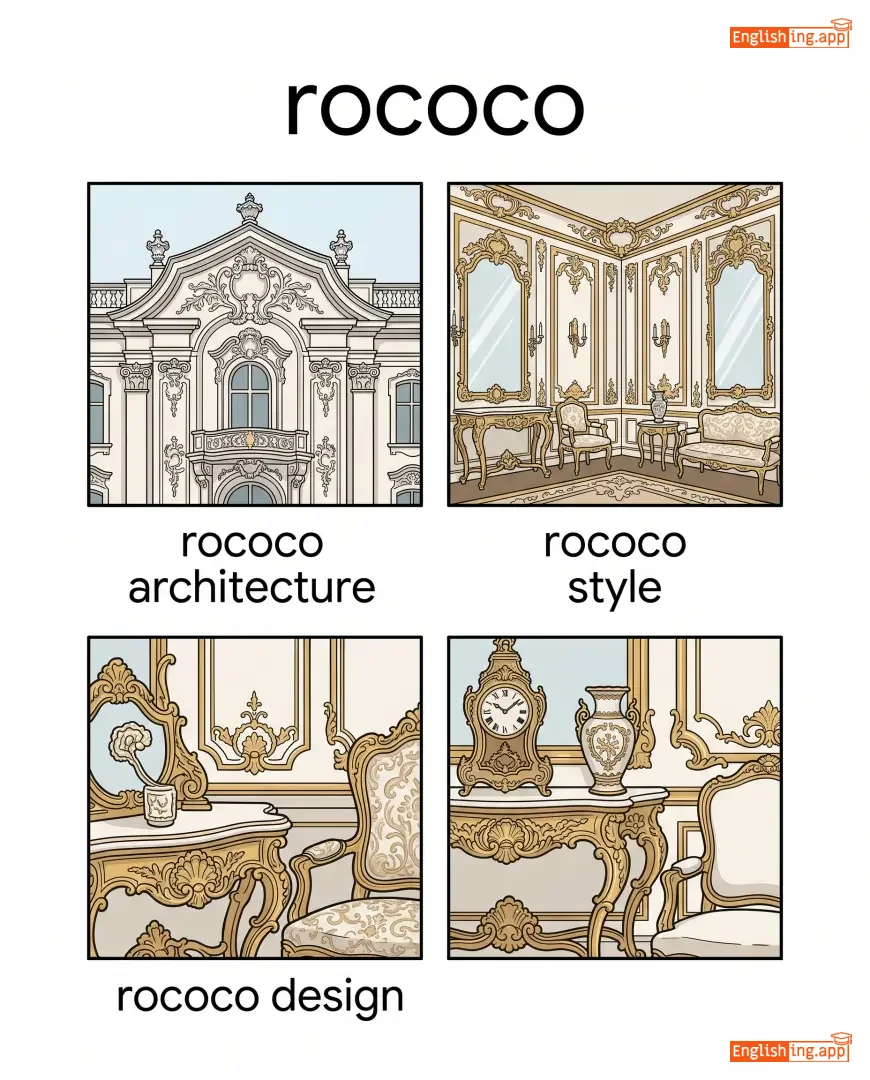
rococo architecture, rococo style, rococo design, rococo decoration
••••••
|
ロココ = 豪華で精緻な装飾が特徴のスタイル
••••••
|
|
📑
••••••
|
/ˈruːbrɪk/
noun
(ルーブリック)
••••••
|
|
評価基準 / 指針
rubrik
••••••
|
- •••••• | - •••••• | - •••••• | - •••••• |
A set of instructions, rules, or a heading in a document, often used for grading criteria.
••••••
|
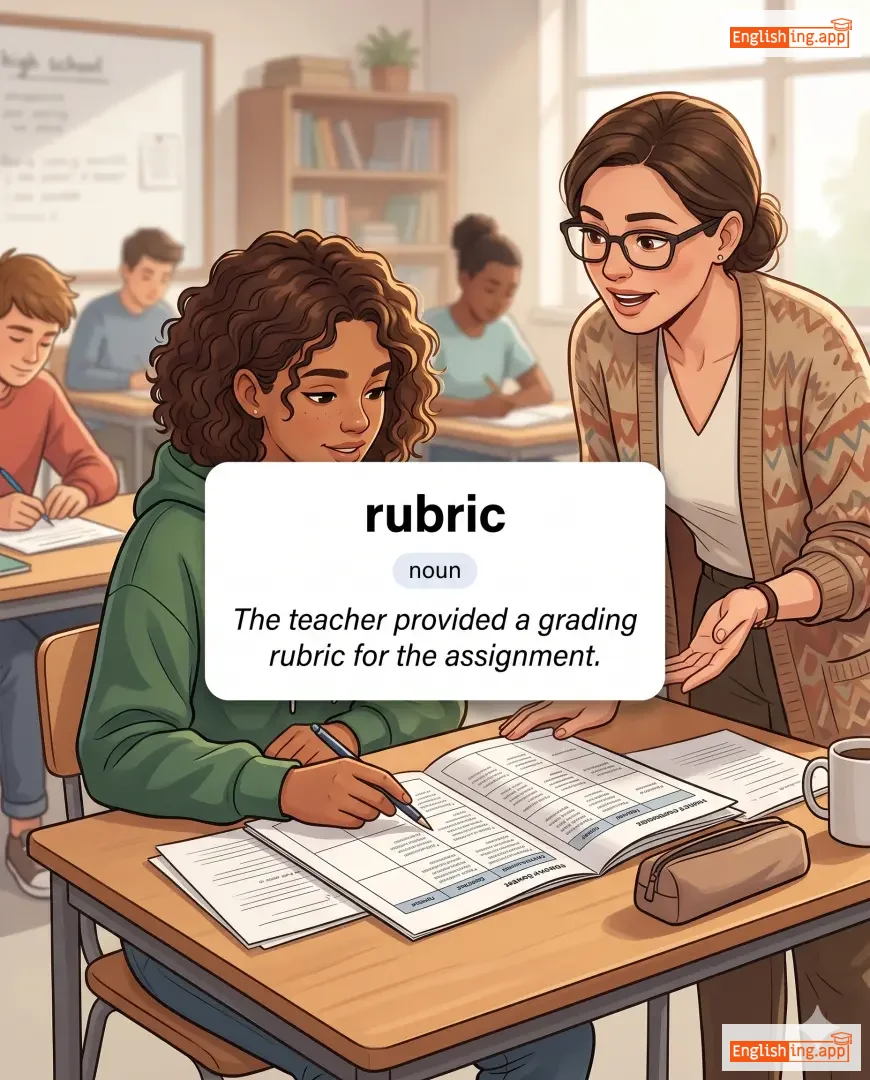
The teacher provided a grading rubric for the assignment. |
教師は課題のための評価基準を提供しました。
Kyōshi wa kadai no tame no hyōka kijun o teikyō shimashita.
••••••
|
under the rubric of |
classified or considered under a particular category.
••••••
|
~の範囲内で
~no han'i-nai de
••••••
|
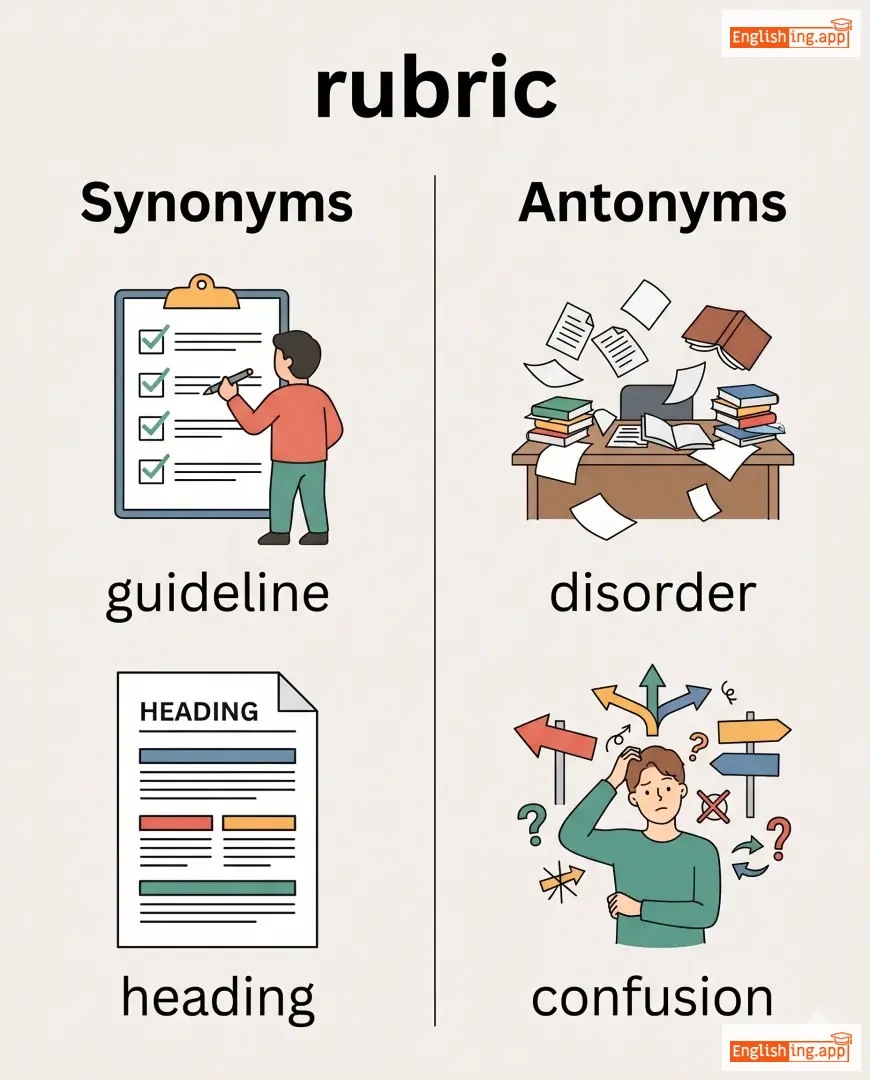
guideline, heading, category, rule
••••••
|
disorder, confusion
••••••
|
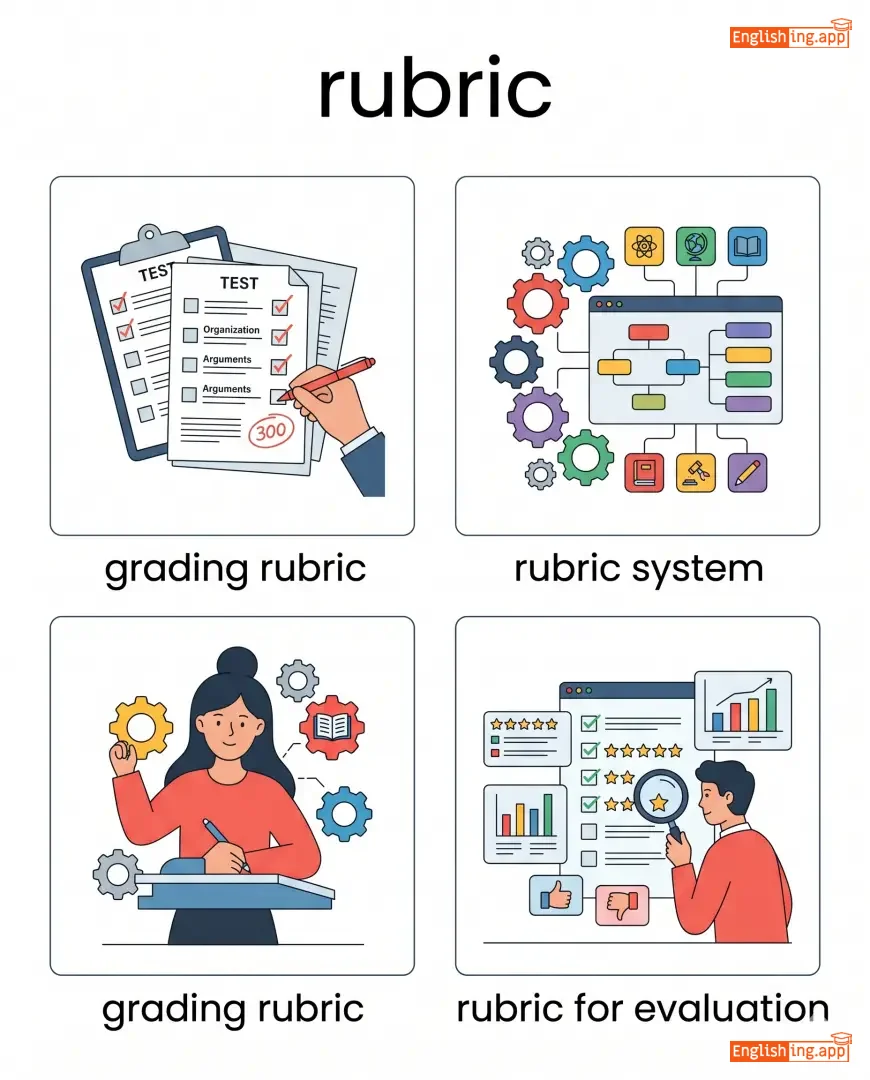
grading rubric, rubric system, rubric for evaluation
••••••
|
Rubric = 規則書 📑 - 評価基準。
••••••
|
|
😔
••••••
|
/ruː/
verb
(ルー)
••••••
|
|
後悔する
koukaisuru
••••••
|
rued
ルード
••••••
|
rued
ルード
••••••
|
rues
ルーズ
••••••
|
ruing
ルイング
••••••
|
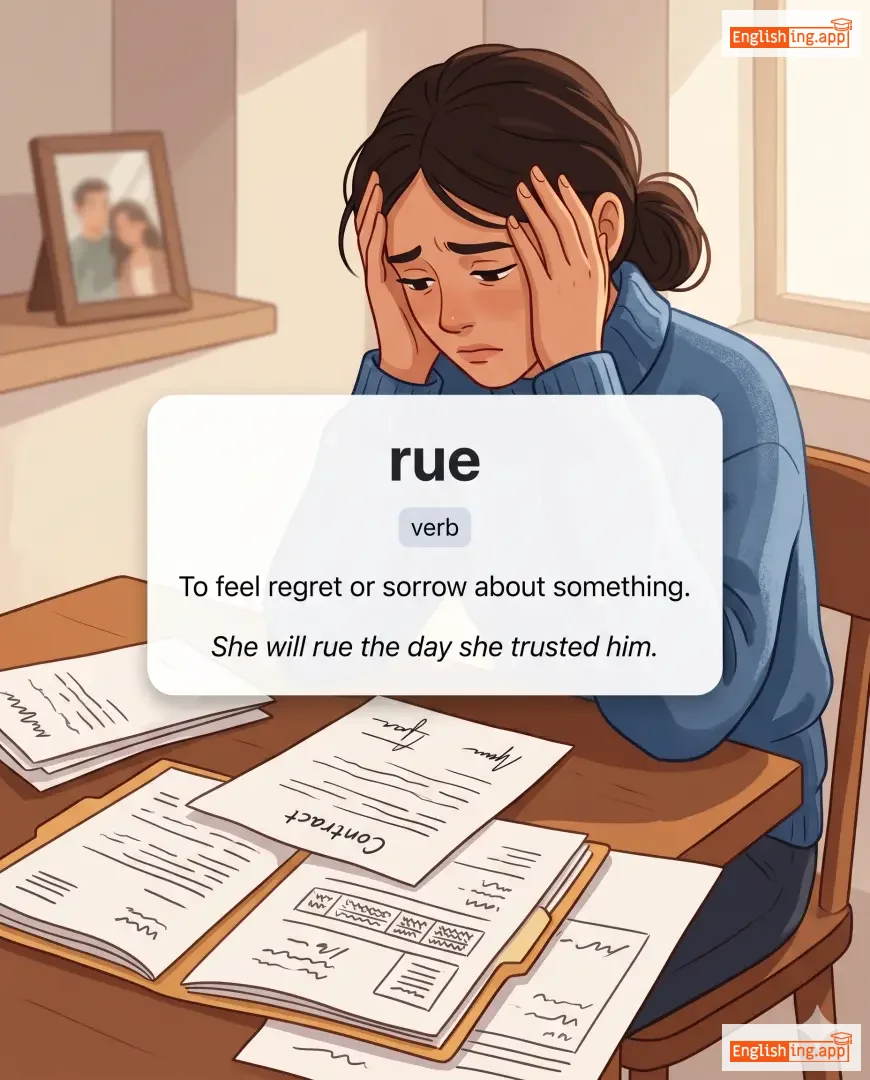
To feel regret or sorrow about something.
••••••
|
She will rue the day she trusted him.
彼女は彼を信じたその日を後悔するだろう。
••••••
|
彼女は彼を信じたその日を後悔するだろう。
Kanojo wa kare o shinjita sono hi o koukai suru darou.
••••••
|
rue the day
その日を後悔する
••••••
|
to bitterly regret a particular event or decision
••••••
|
その日を後悔する
Sono hi o koukai suru
••••••
|
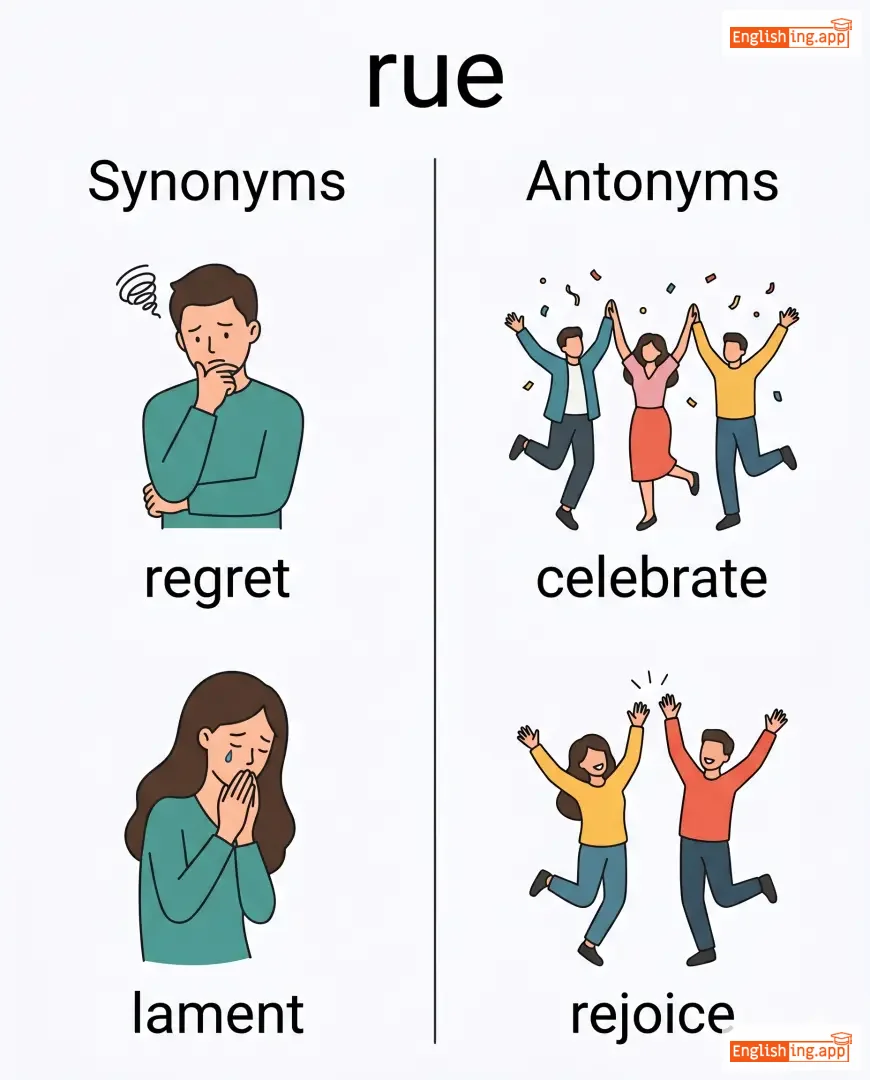
regret, lament, repent, mourn
••••••
|
celebrate, rejoice
••••••
|
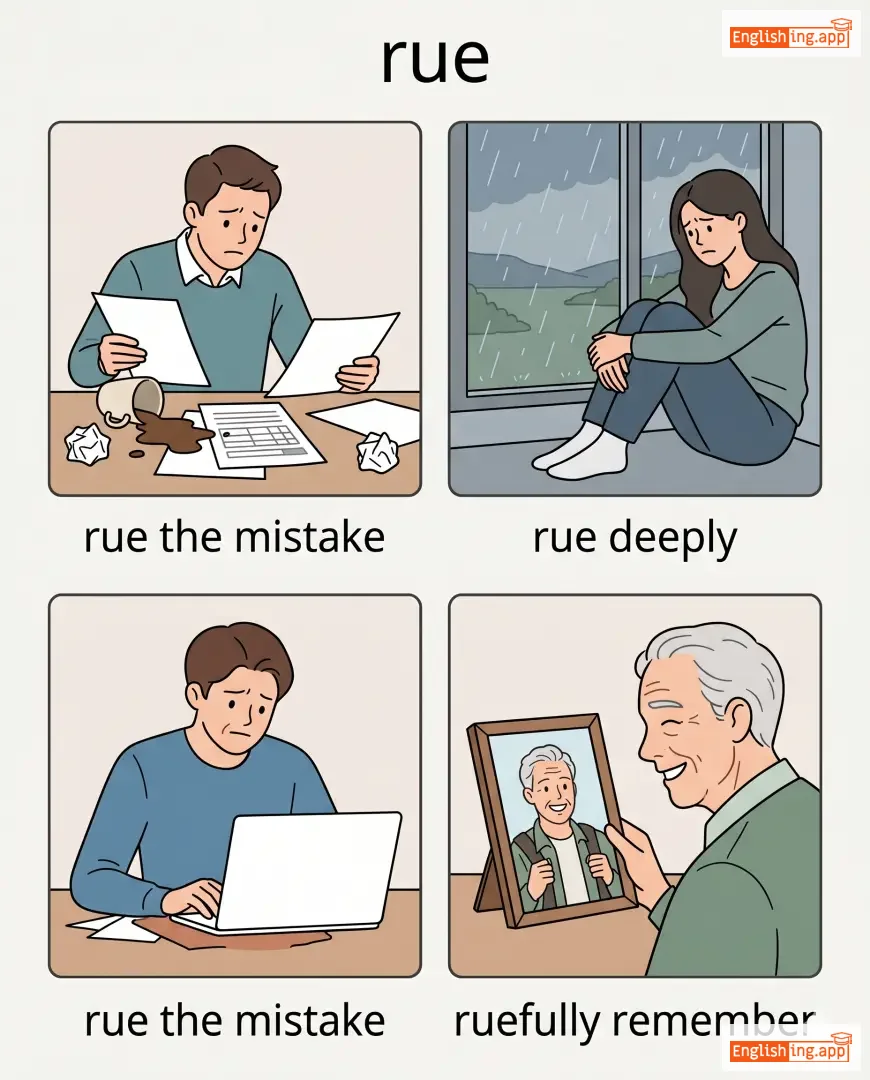
rue the mistake, rue deeply, ruefully remember, rue the decision
••••••
|
Rueは後悔を意味し、間違いを犯したときに感じる後悔です。
••••••
|
|
🎭
••••••
|
/ruːz/
noun
(ルーズ)
••••••
|
|
策略
senryaku
••••••
|
- •••••• | - •••••• | - •••••• | - •••••• |
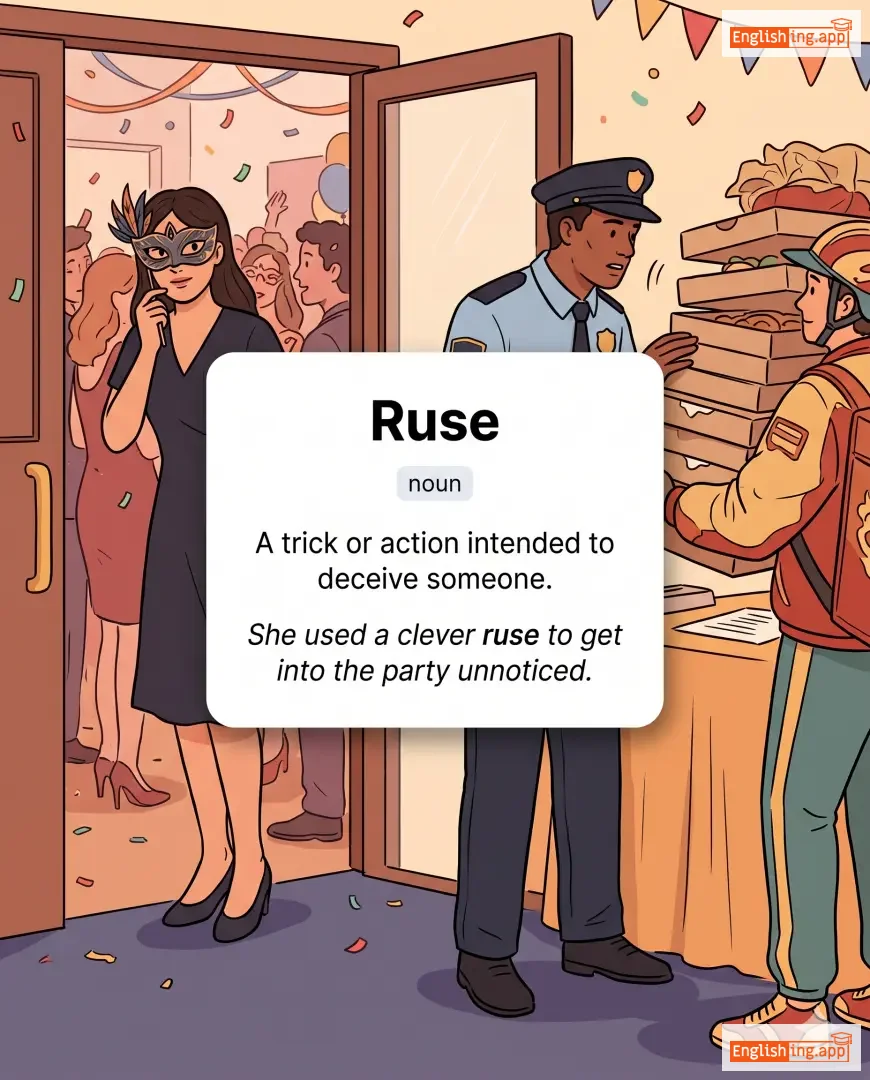
A trick or action intended to deceive someone.
••••••
|
She used a clever ruse to get into the party unnoticed. |
彼女はパーティーに気づかれずに入るために巧妙な策略を使った。
Kanojo wa pātii ni kizukarezuni hairu tame ni kōmyōna senryaku o tsukatta.
••••••
|
a ruse to an end |
A deceptive trick used to achieve a particular goal.
••••••
|
目的のための策略
Mokuteki no tame no senryaku
••••••
|
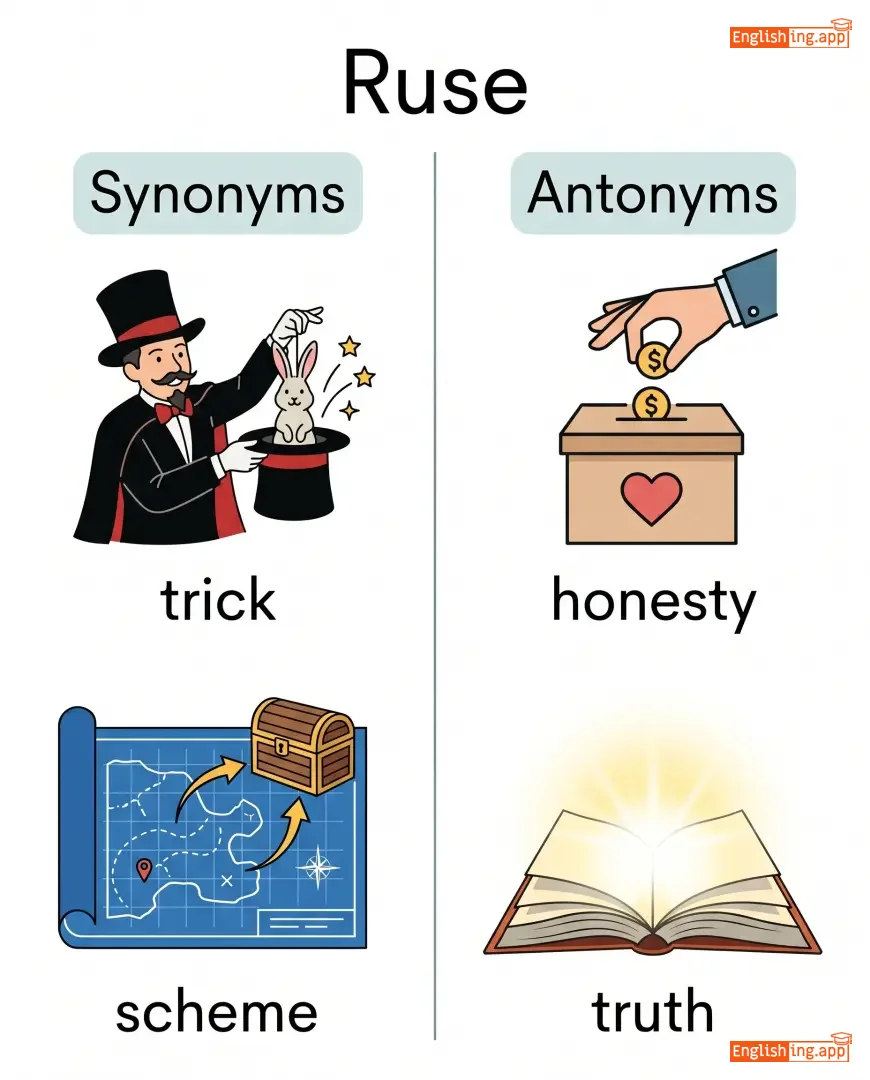
trick, scheme, ploy, tactic, deception
••••••
|
honesty, truth, openness
••••••
|
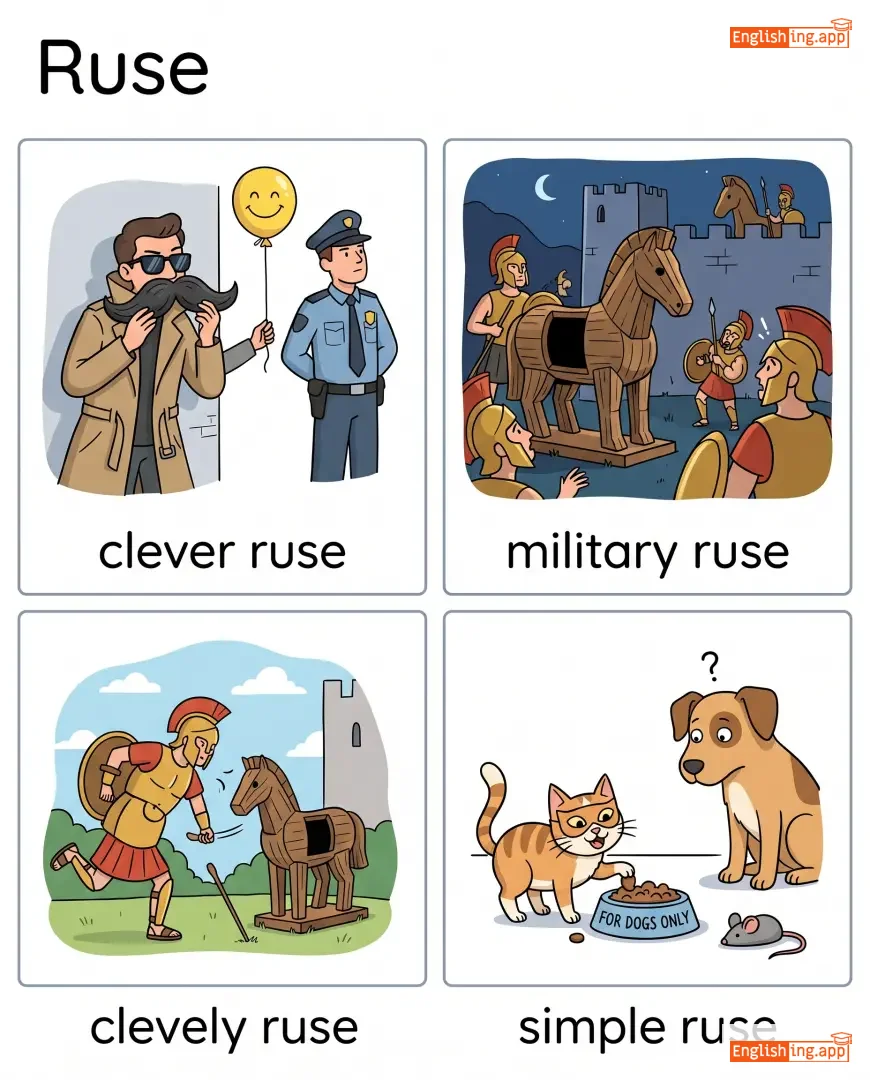
clever ruse, military ruse, simple ruse, ruse to escape
••••••
|
RUSEは策略を意味し、'策略で入る'のように使います。
••••••
|
|
👴
••••••
|
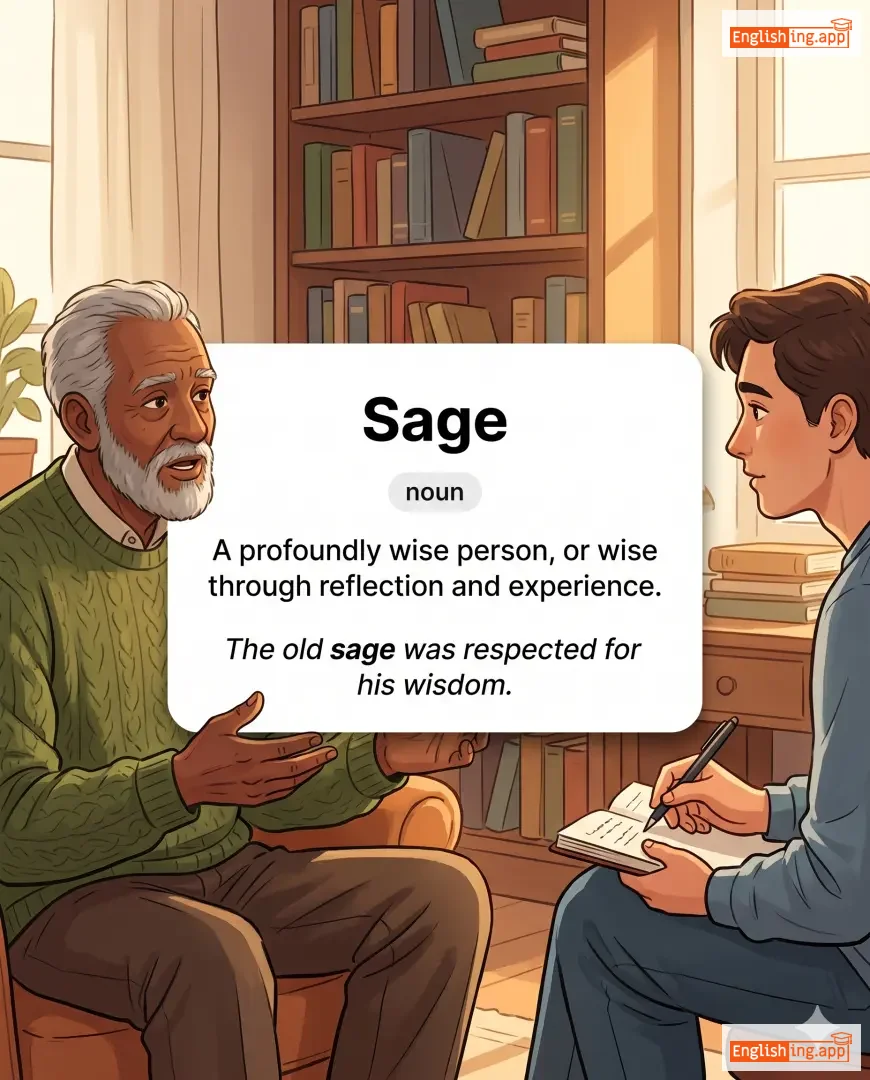
/seɪdʒ/
noun
(セージ)
••••••
|
|
賢者
kenja
••••••
|
- •••••• | - •••••• | - •••••• | - •••••• |
A profoundly wise person, or wise through reflection and experience.
••••••
|
The old sage was respected for his wisdom. |
その古い賢者はその知恵で尊敬されていました。
Sono furui kenja wa sono chie de sonkei sarete imashita.
••••••
|
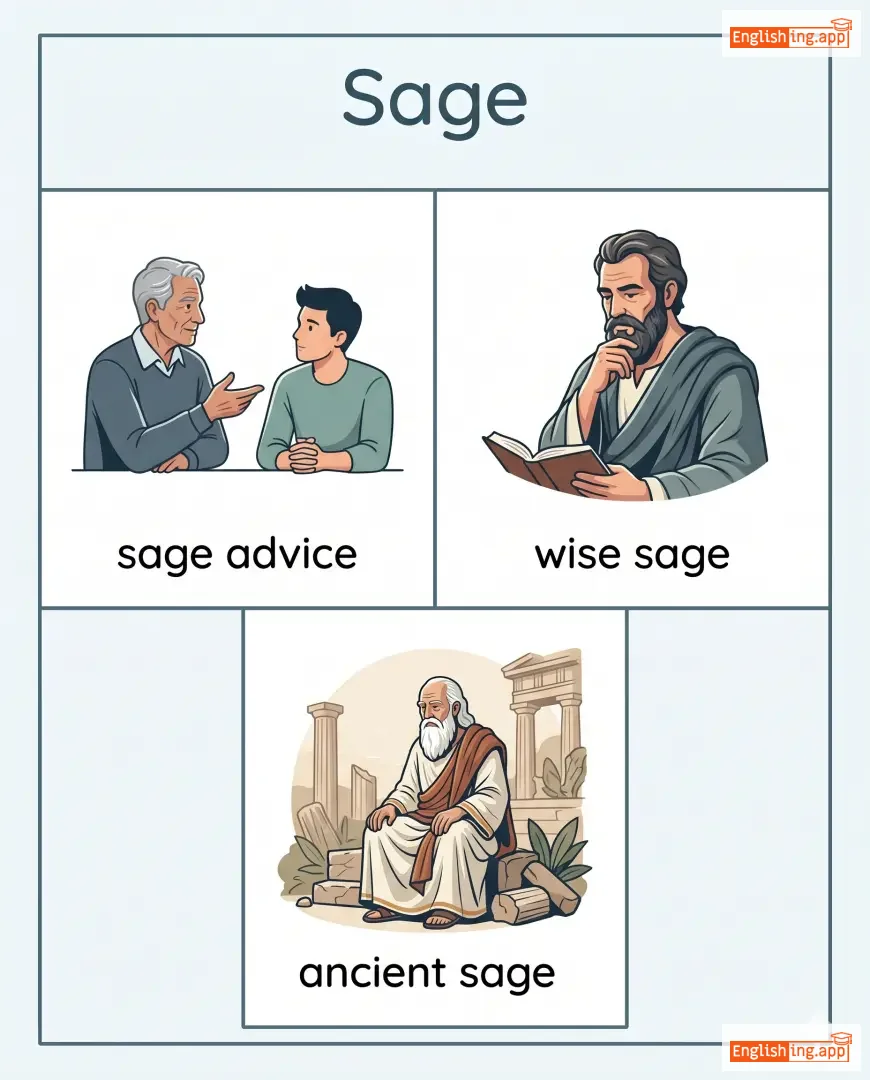
sage advice |
very wise or sensible advice
••••••
|
賢者のアドバイス
kenja no adobaisu
••••••
|
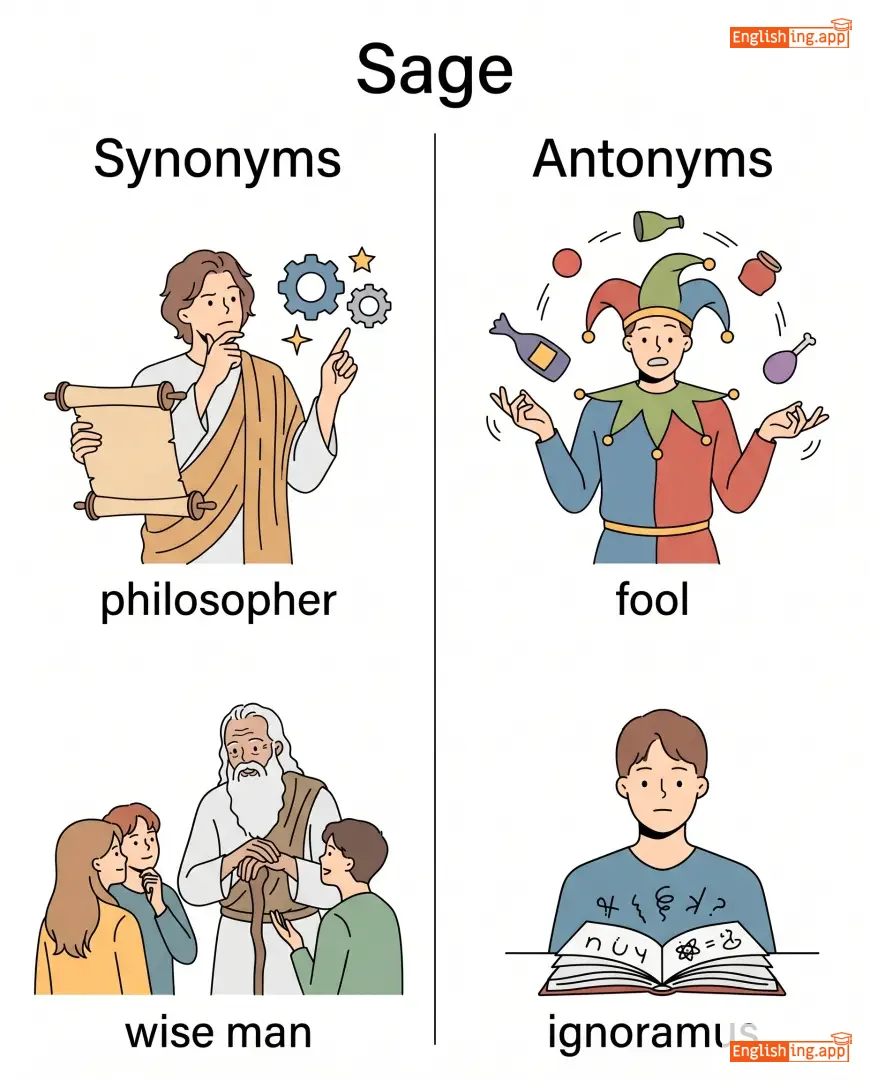
philosopher, wise man, guru, thinker
••••••
|
fool, ignoramus
••••••
|
sage advice, wise sage, ancient sage, sage counsel
••••••
|
賢者 = Sage, 何でも知っているような人物。
••••••
|
|
😏
••••••
|
/səˈleɪʃəs/
adjective
(サレイシャス)
••••••
|
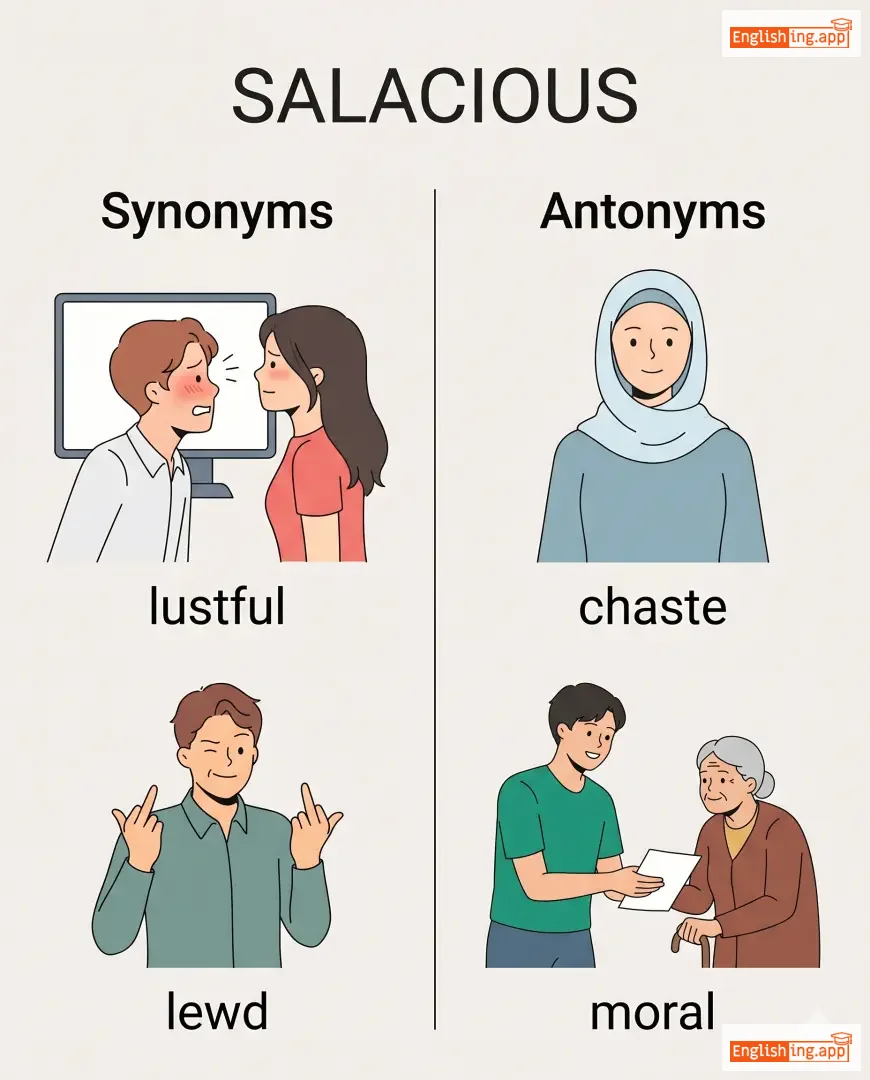
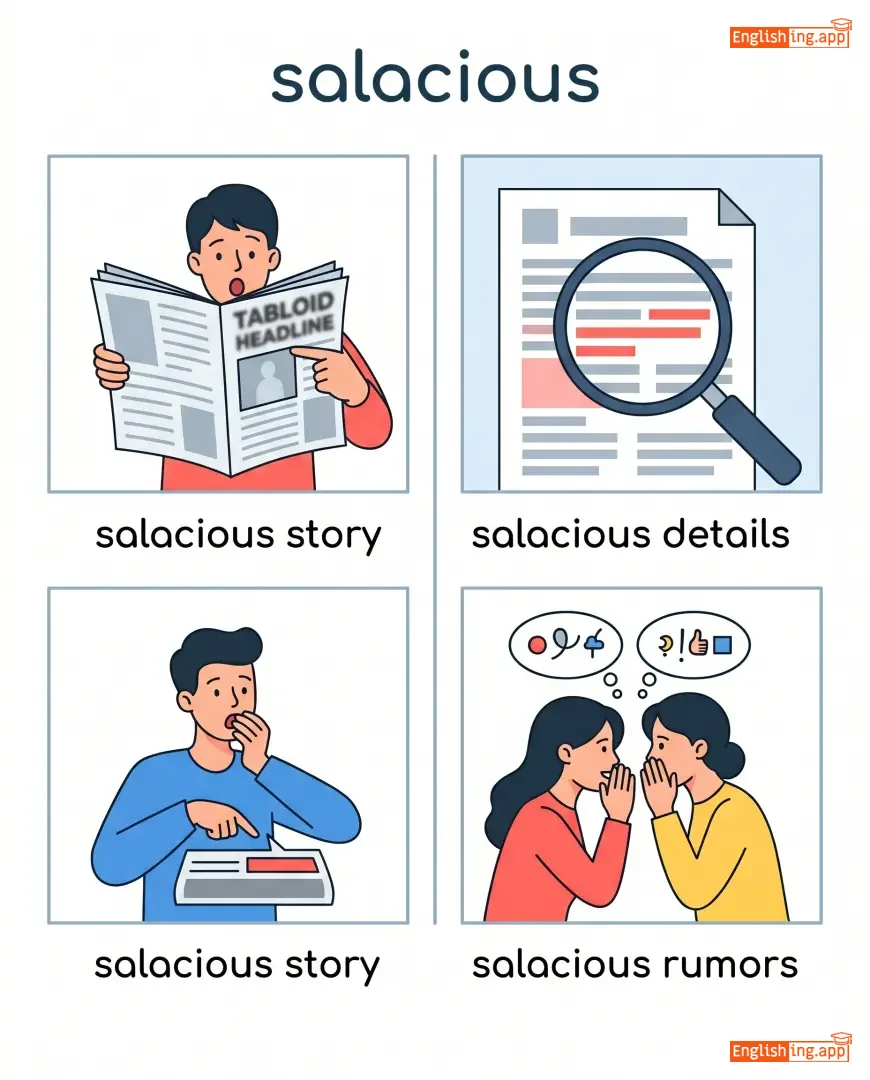
|
わいせつな
waisetsu na
••••••
|
- •••••• | - •••••• | - •••••• | - •••••• |
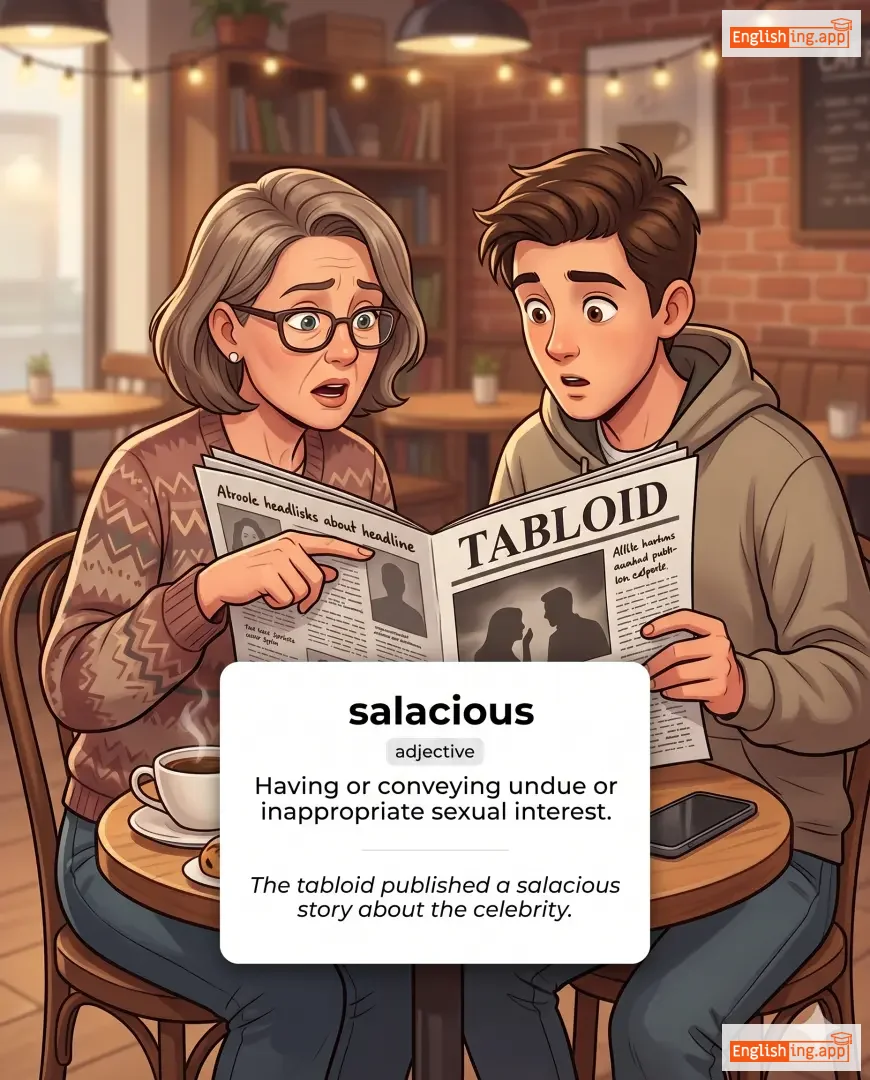
Having or conveying undue or inappropriate sexual interest.
••••••
|
The tabloid published a salacious story about the celebrity. |
タブロイドはそのセレブに関するわいせつな話を公開した。
Taburoido wa sono serebu ni kansuru waisetsu na hanashi o kōkai shita.
••••••
|
- •••••• | - •••••• | - •••••• |
lustful, lewd, obscene, lascivious
••••••
|
chaste, moral, decent
••••••
|
salacious story, salacious details, salacious rumors, salacious gossip
••••••
|
Sala + 欲望 = わいせつな (わいせつな)
••••••
|
|
🌱
••••••
|
/səˈluː.bri.əs/
adjective
(サルブリオス)
••••••
|
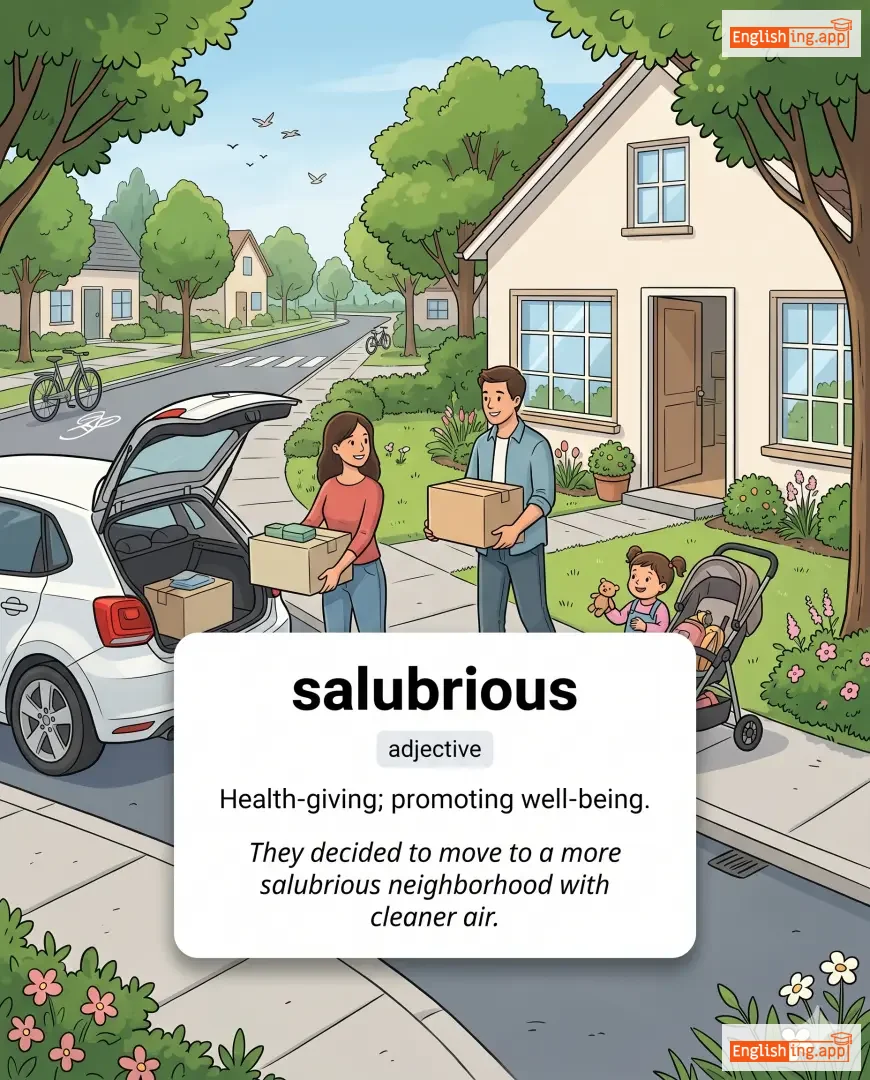
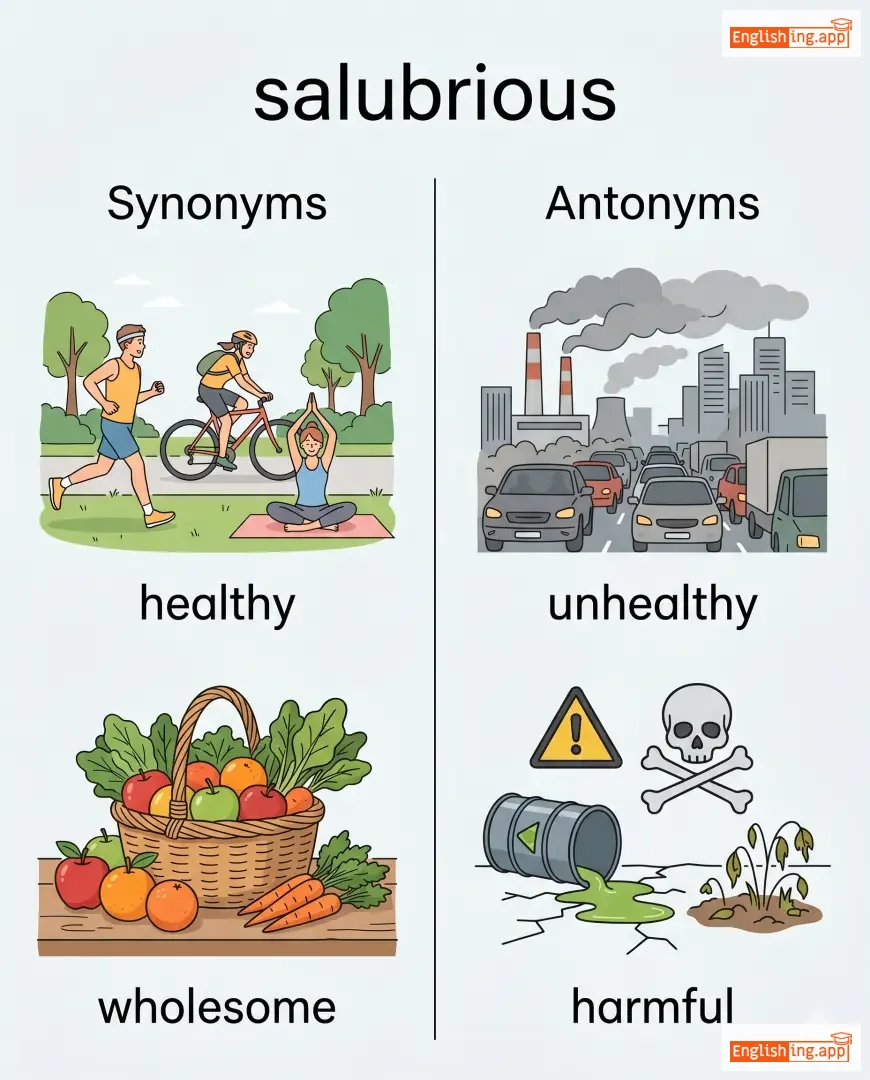
|
健康的な
kenkōtekina
••••••
|
- •••••• | - •••••• | - •••••• | - •••••• |
Health-giving; promoting well-being.
••••••
|
They decided to move to a more salubrious neighborhood with cleaner air. |
彼らは、より健康的な空気の清潔な街区に引っ越すことに決めました。
Karera wa, yori kenkōtekina kūki no seiketsu na kaku ni hikkosu koto ni kimemashita.
••••••
|
- •••••• | - •••••• | - •••••• |
healthy, wholesome, beneficial, hygienic, invigorating
••••••
|
unhealthy, harmful, insalubrious
••••••
|
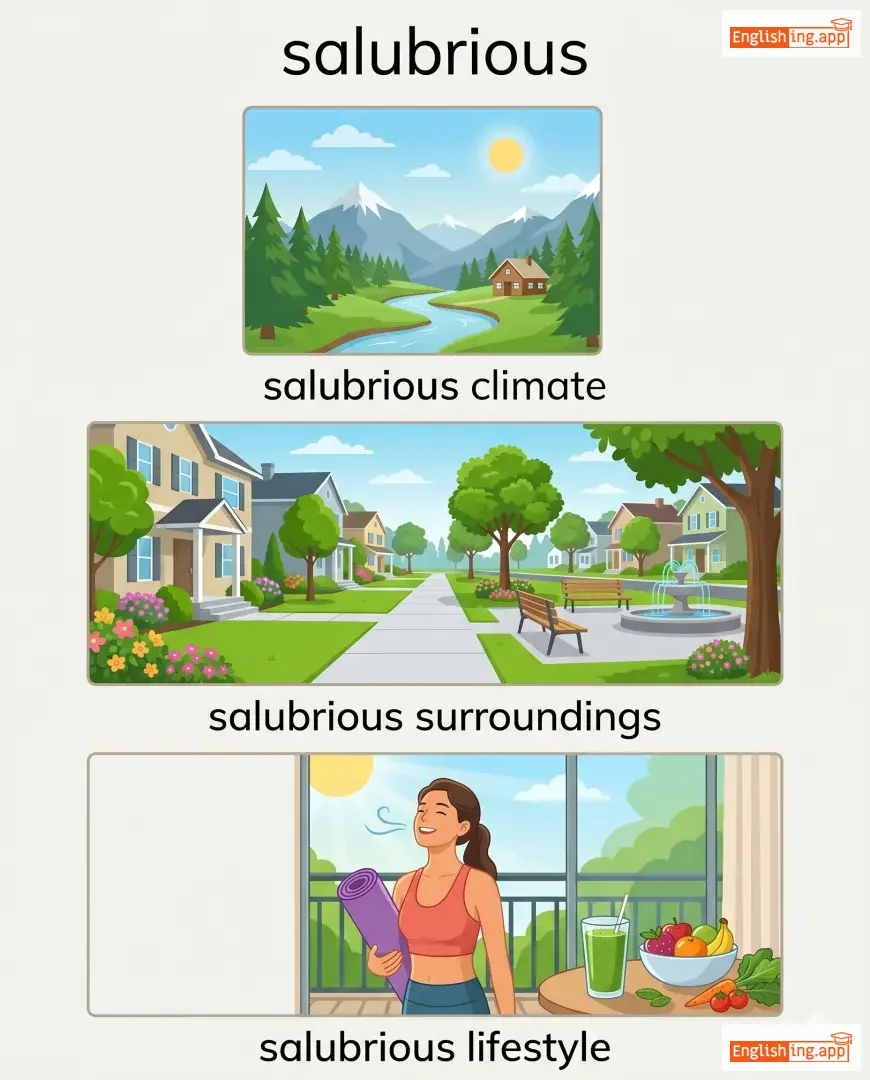
salubrious climate, salubrious surroundings, salubrious lifestyle
••••••
|
Salubriousは健康的な環境を意味し、健康をサポートする場所です。
••••••
|
|
🌱
••••••
|
/ˈsæljʊˌtɛri/
adjective
(サルタリー)
••••••
|
|
有益な
yūeki na
••••••
|
- •••••• | - •••••• | - •••••• | - •••••• |
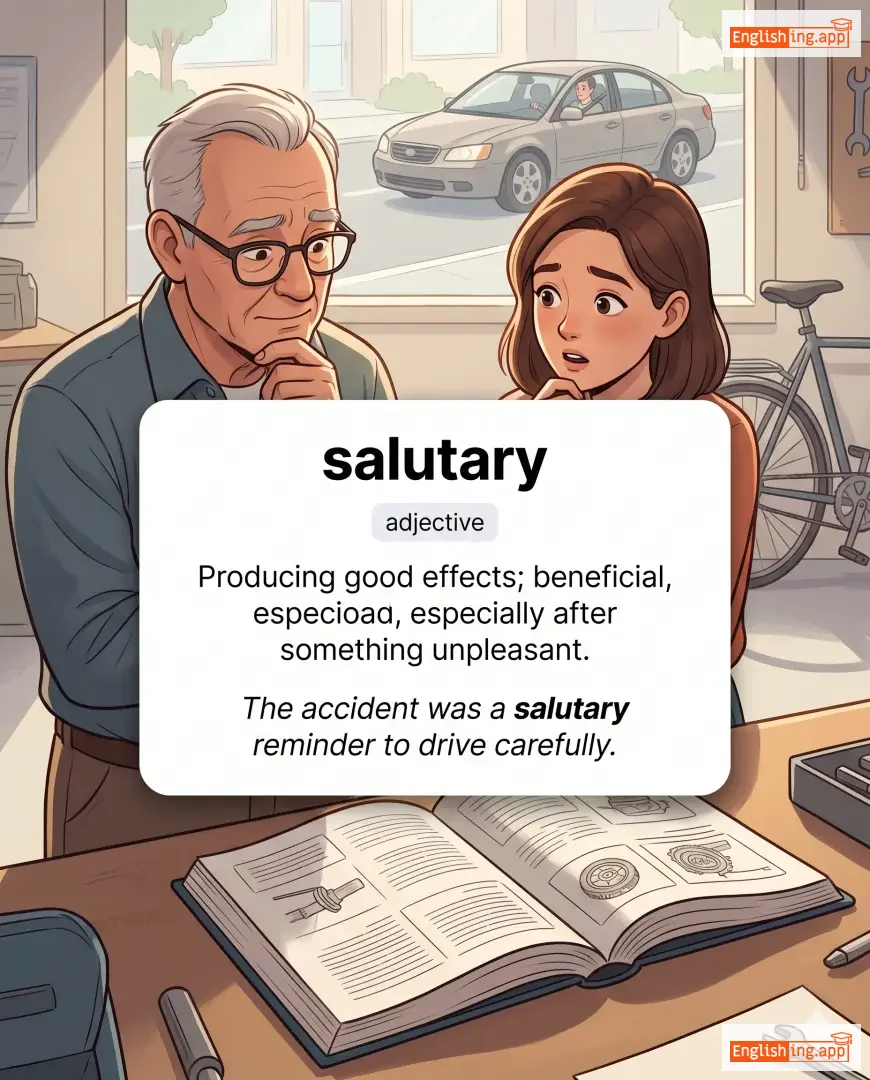
Producing good effects; beneficial, especially after something unpleasant.
••••••
|
The accident was a salutary reminder to drive carefully. |
その事故は、慎重に運転することを思い出させる有益な教訓でした。
Sono jiko wa, shinchou ni unten suru koto o omoidasa seru yūeki na kyōkun deshita.
••••••
|
- •••••• | - •••••• | - •••••• |
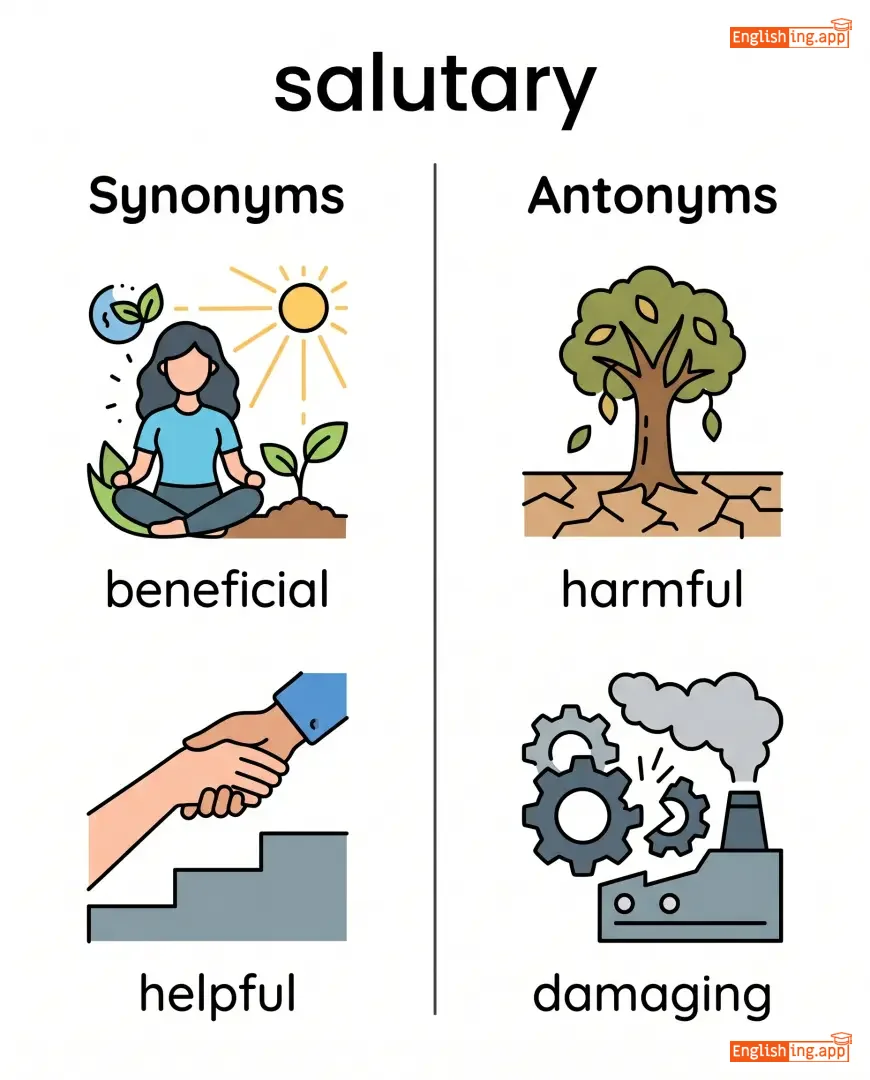
beneficial, helpful, useful, advantageous, valuable
••••••
|
harmful, damaging, detrimental
••••••
|
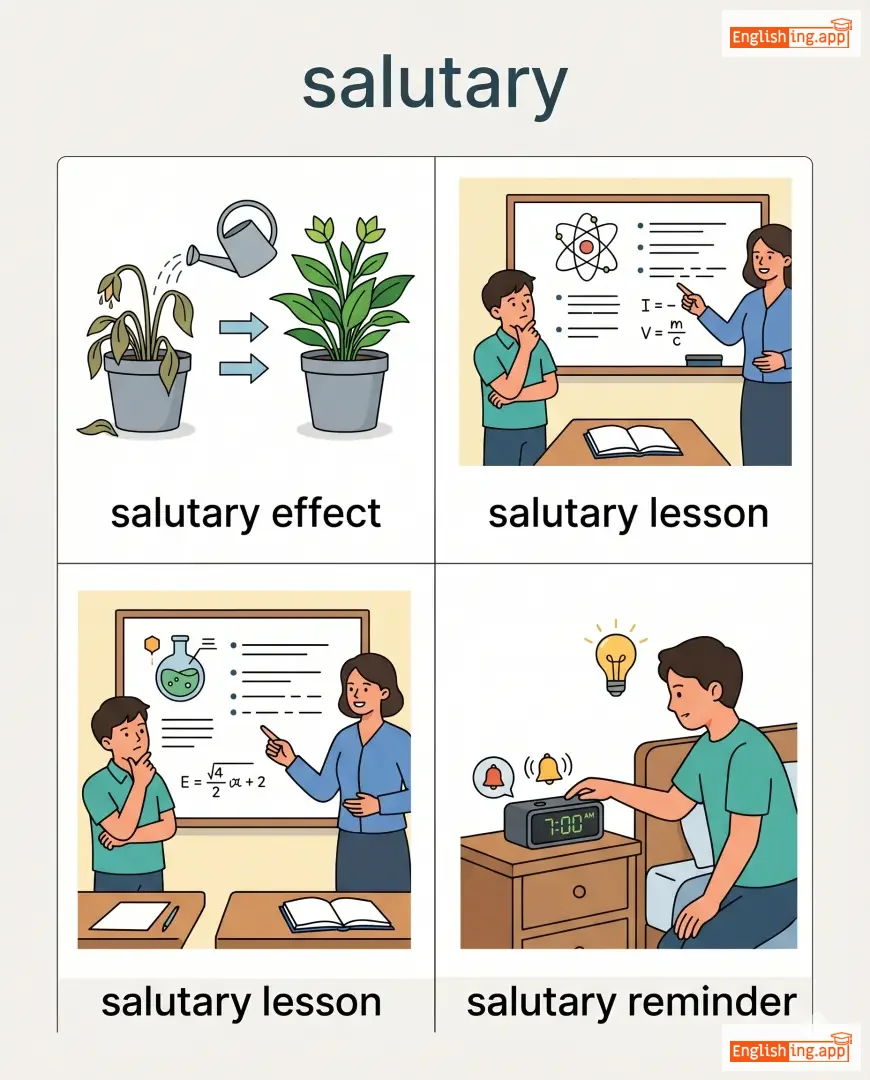
salutary effect, salutary lesson, salutary reminder, salutary influence
••••••
|
有益なことは、良い結果をもたらすことで、特に不快なことの後に役立ちます。
••••••
|
|
⚖️
••••••
|
/ˈsæŋkʃən/
noun/verb
••••••
|
|
- •••••• |
sanctioned
••••••
|
sanctioned
••••••
|
sanctions
••••••
|
sanctioning
••••••
|
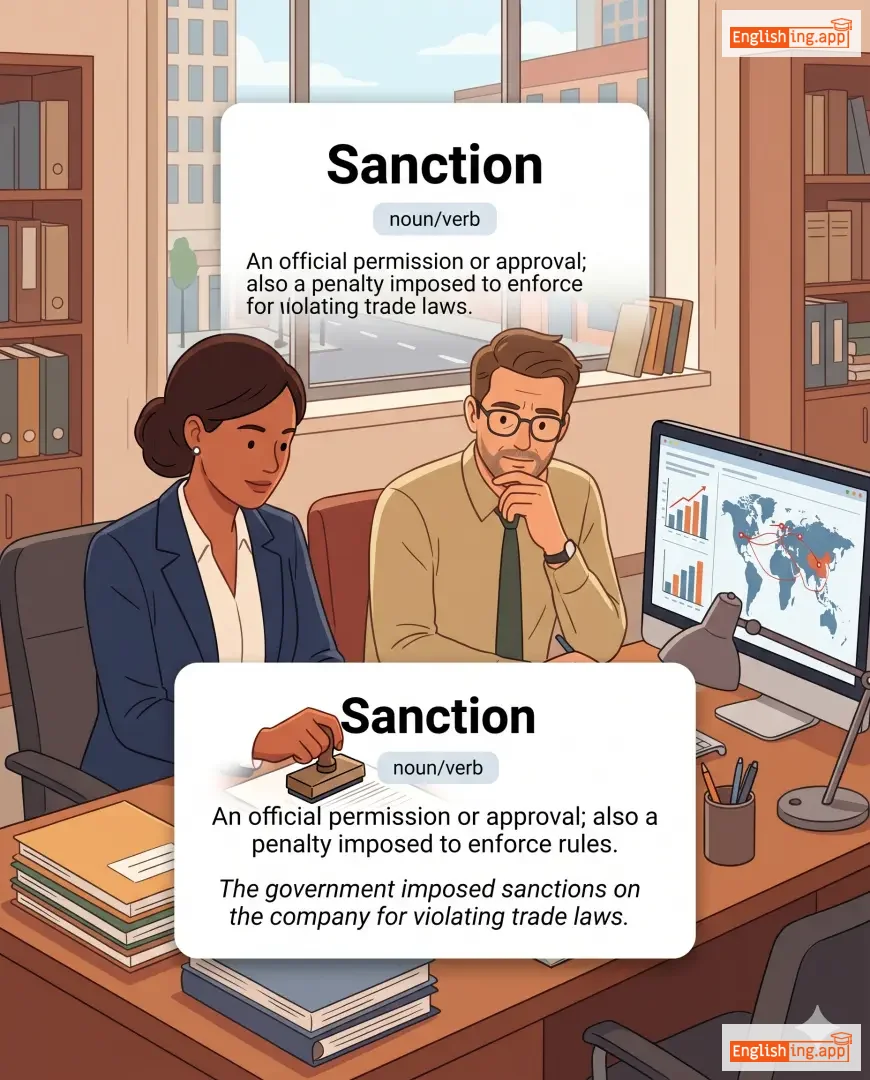
An official permission or approval; also a penalty imposed to enforce rules.
••••••
|
The government imposed sanctions on the company for violating trade laws. |
- •••••• |
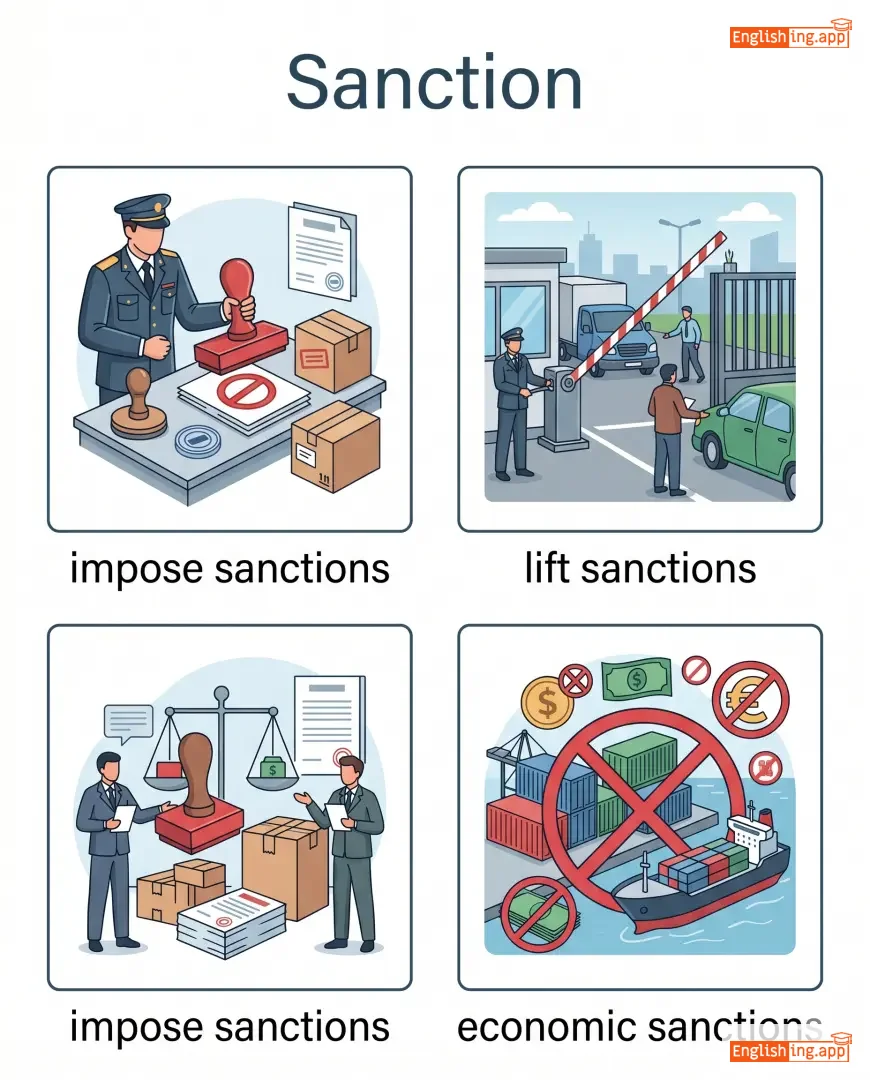
economic sanctions |
penalties imposed by one country on another to enforce international law
••••••
|
- •••••• |
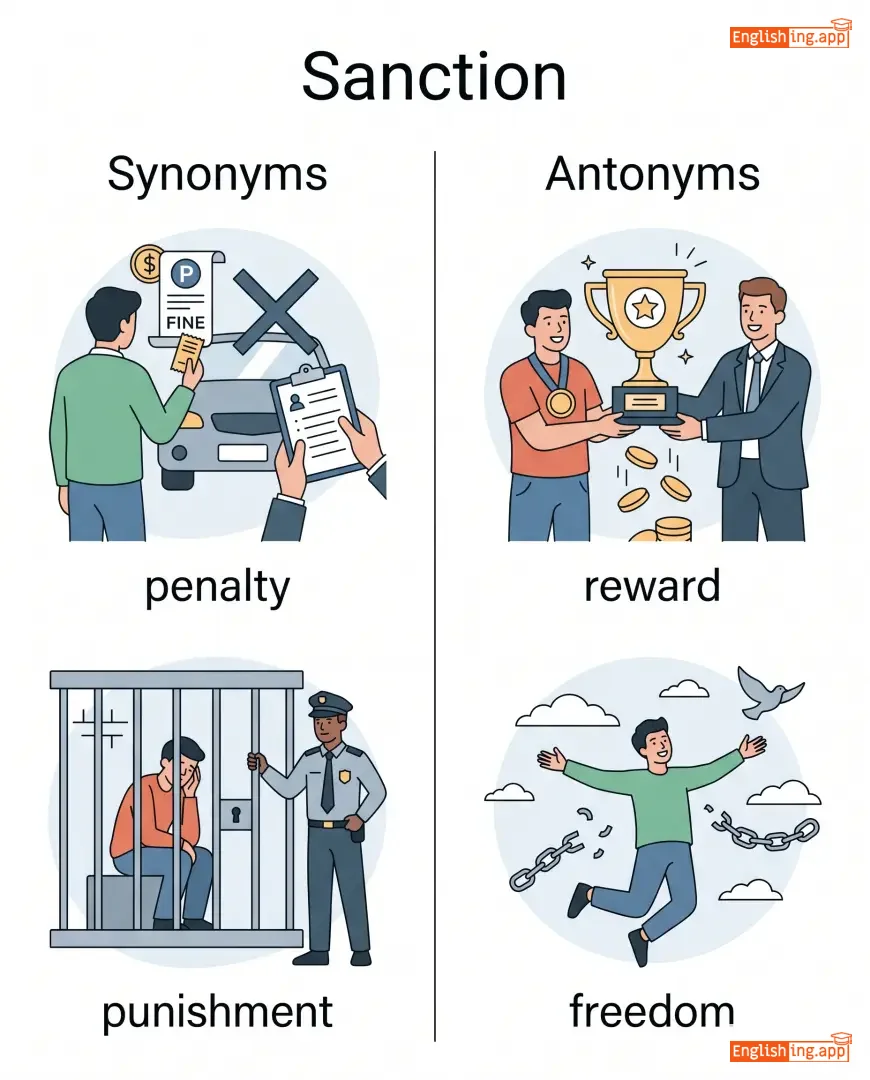
penalty, punishment, approval, authorization, restriction
••••••
|
reward, freedom, allowance
••••••
|
impose sanctions, lift sanctions, economic sanctions, trade sanctions
••••••
|
No •••••• |
|
😒
••••••
|
/sɑːrˈdɒnɪk/
adjective
(ハピネス)
••••••
|
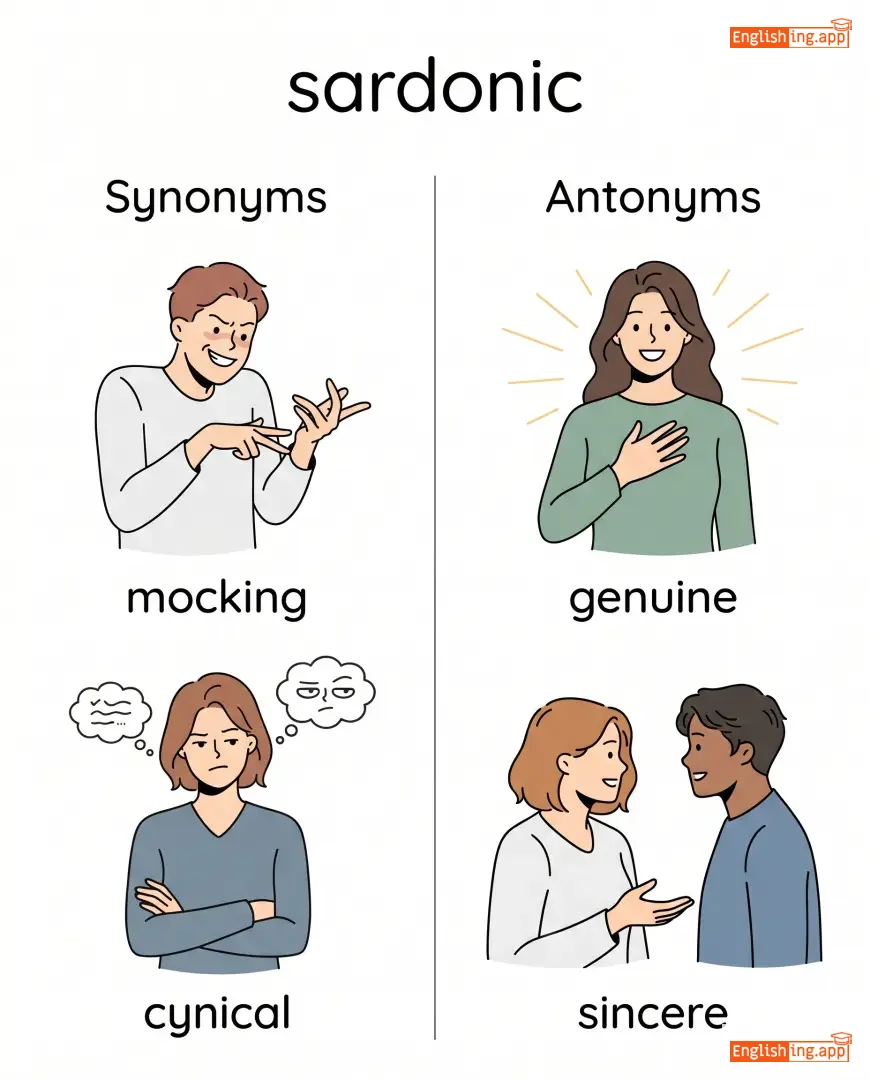
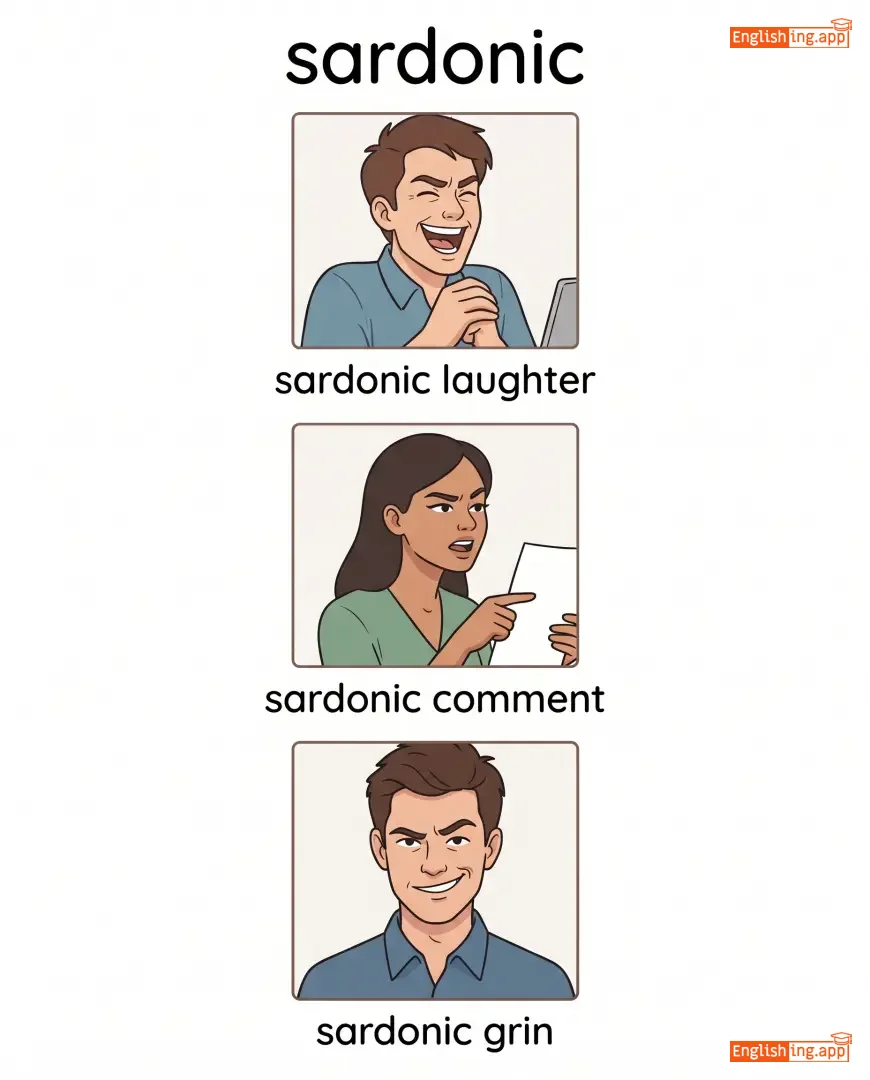
|
幸福
koufuku
••••••
|
- •••••• | - •••••• | - •••••• | - •••••• |
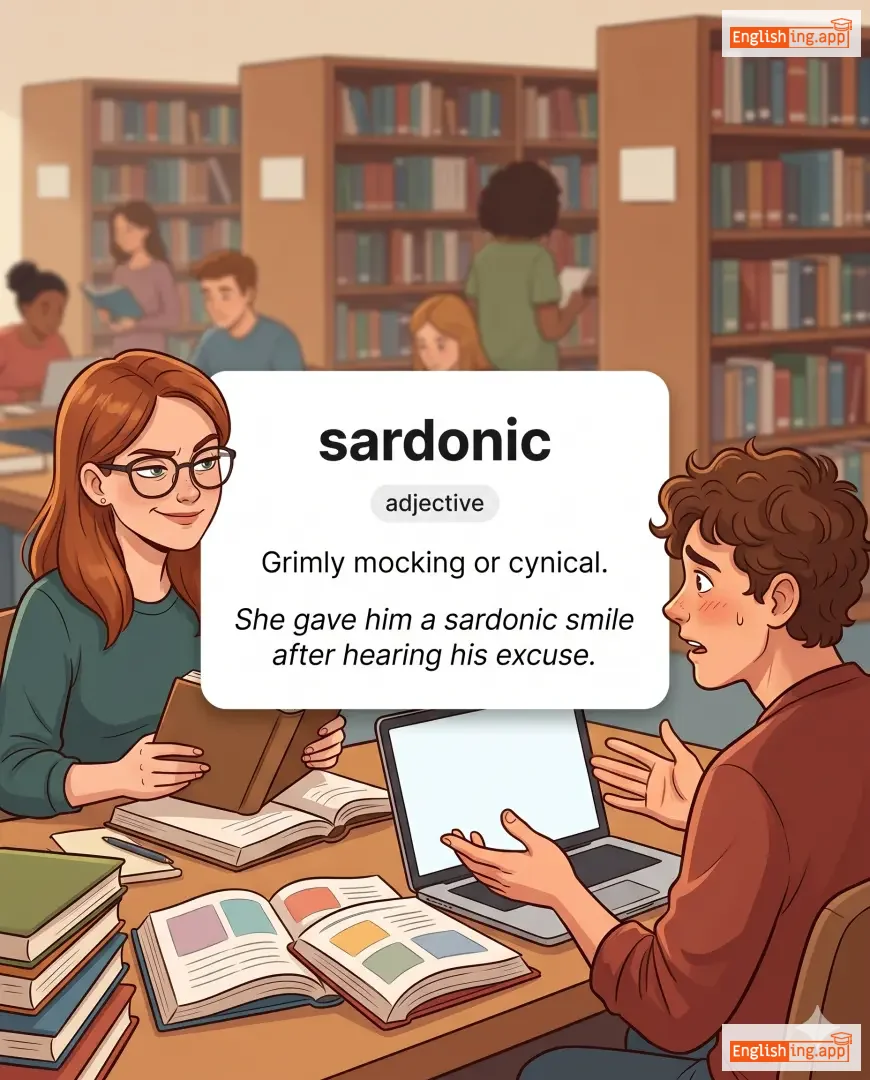
Grimly mocking or cynical.
••••••
|
She gave him a sardonic smile after hearing his excuse. |
彼女は賞を受け取ったとき、自分の幸福を隠すことができませんでした。
Kanojo wa shō o uketotta toki, jibun no kōfuku o kakusu koto ga dekimasen deshita.
••••••
|
sardonic smile |
a mocking or cynical smile
••••••
|
幸福を追い求める
kōfuku o oimotomeru
••••••
|
mocking, cynical, scornful, sarcastic
••••••
|
genuine, sincere
••••••
|
sardonic laughter, sardonic comment, sardonic grin
••••••
|
幸福 = '幸せ' – 幸せを追い求めて、毎日を幸せで満たす!
••••••
|
|
👔
••••••
|
/sɑːrˈtɔːriəl/
adjective
(サートリアル)
••••••
|

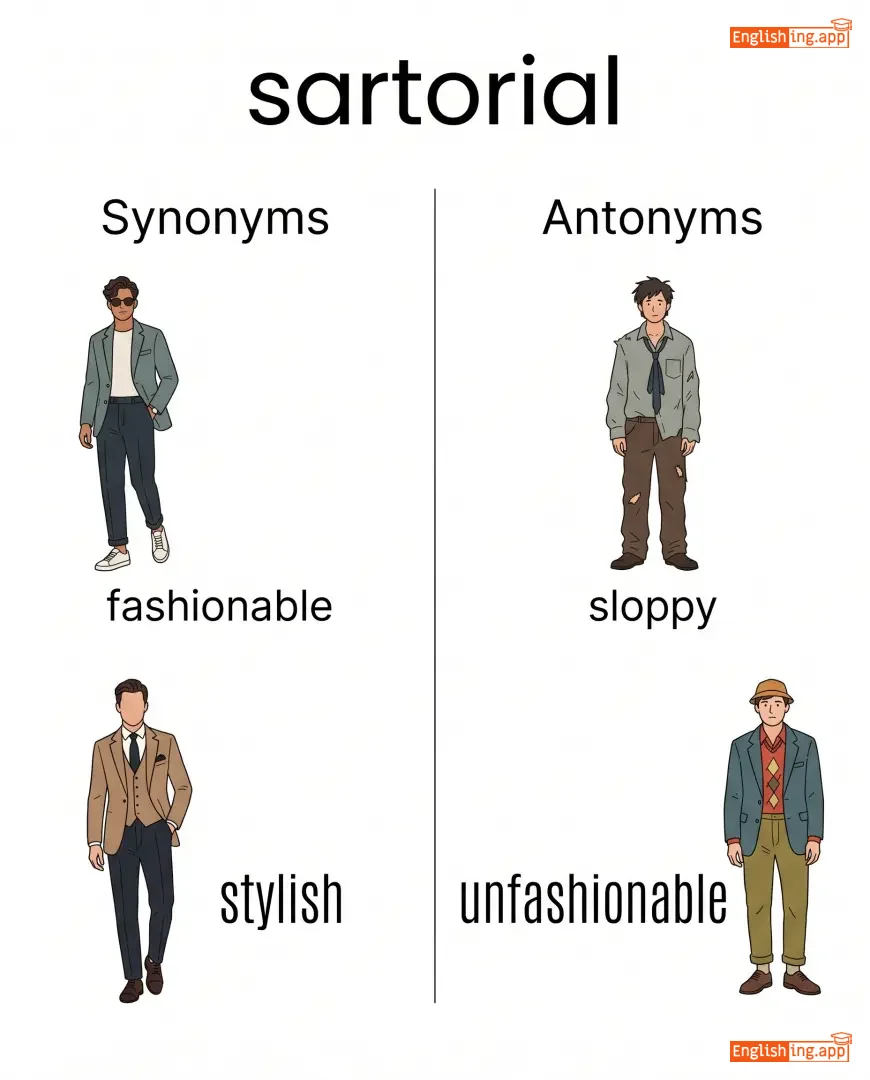
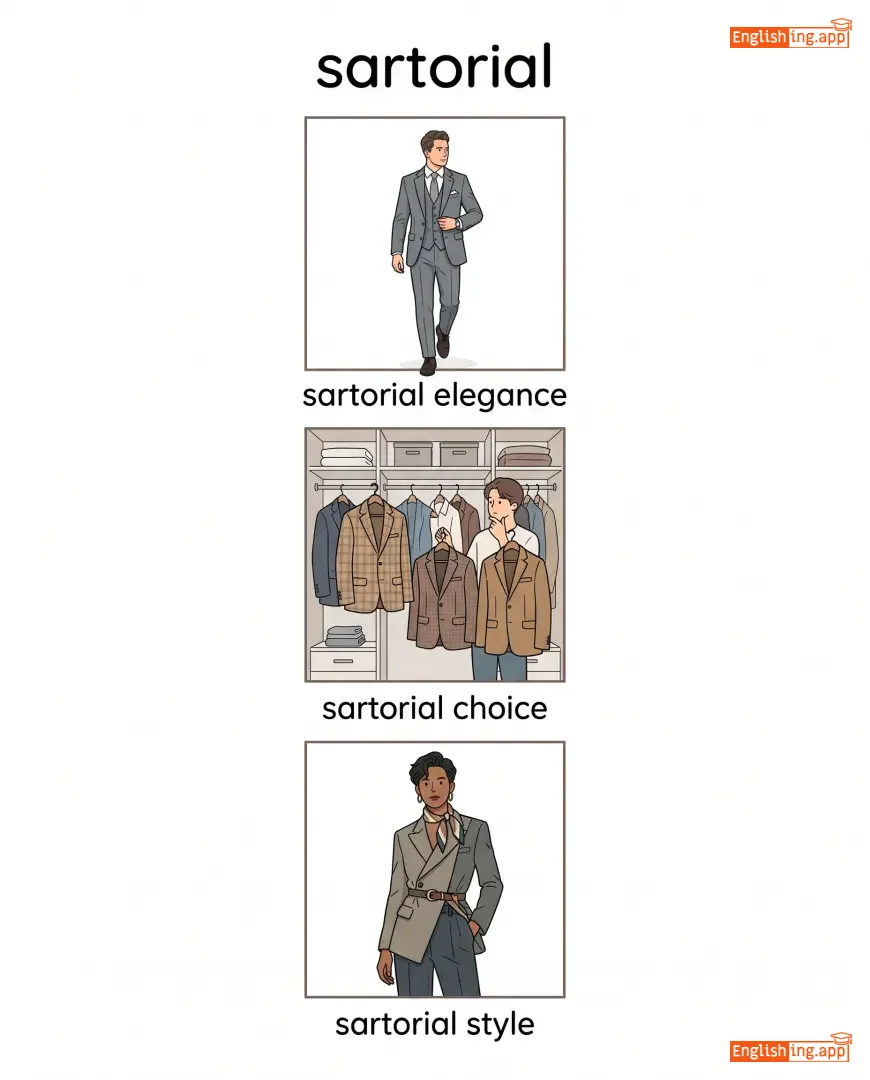
|
仕立てに関する
shitate ni kansuru
••••••
|
- •••••• | - •••••• | - •••••• | - •••••• |
Relating to tailoring, clothes, or style of dress.
••••••
|
The actor is known for his sartorial elegance on the red carpet. |
その俳優はレッドカーペットでのサートリアルな優雅さで知られています。
Sono haiyu wa reddo kāpetto de no sātoriaru na yūgasa de shirareteimasu.
••••••
|
sartorial elegance |
stylish and sophisticated clothing sense
••••••
|
サートリアルな優雅さ
sātoriaru na yūgasa
••••••
|
fashionable, stylish, elegant, dapper
••••••
|
sloppy, unfashionable
••••••
|
sartorial elegance, sartorial choice, sartorial style
••••••
|
Sartorialは衣服に関係する - Shirtorial、シャツと衣服を覚えてください。
••••••
|
|
🍽️
••••••
|
/ˈseɪʃiˌeɪt/
verb
(seishiet)
••••••
|
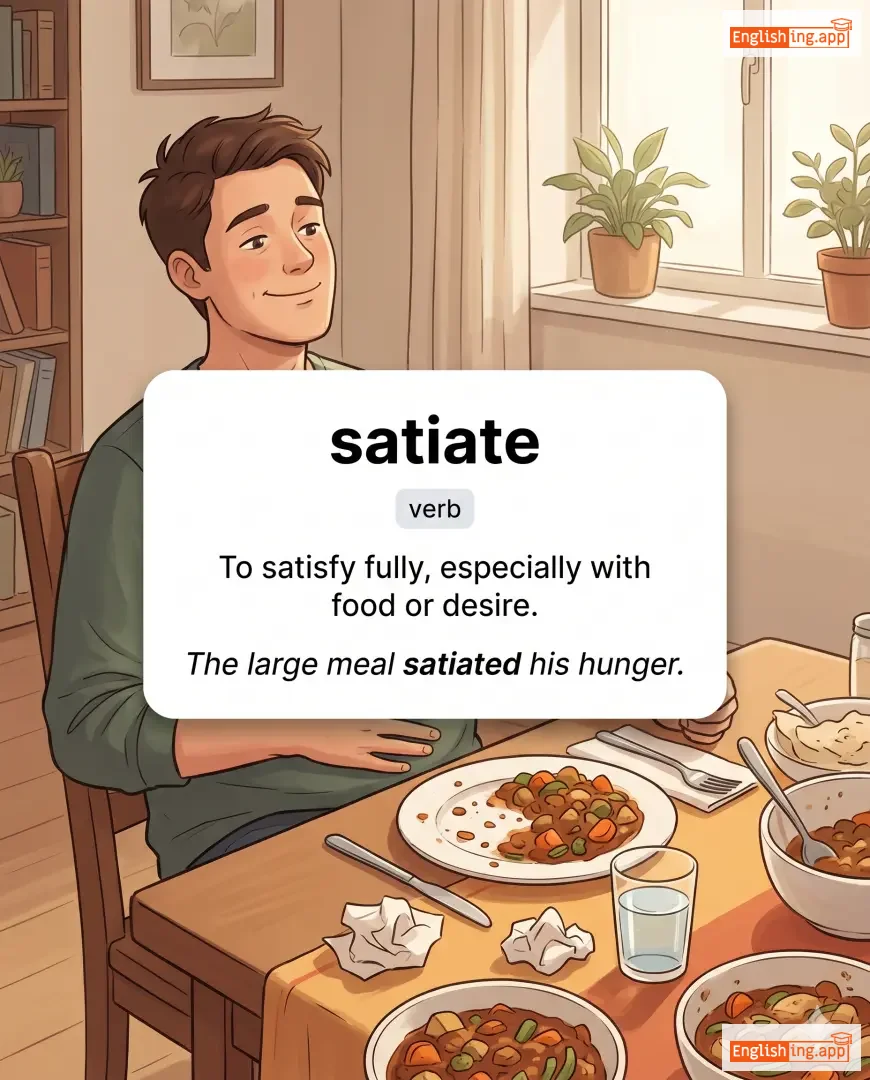
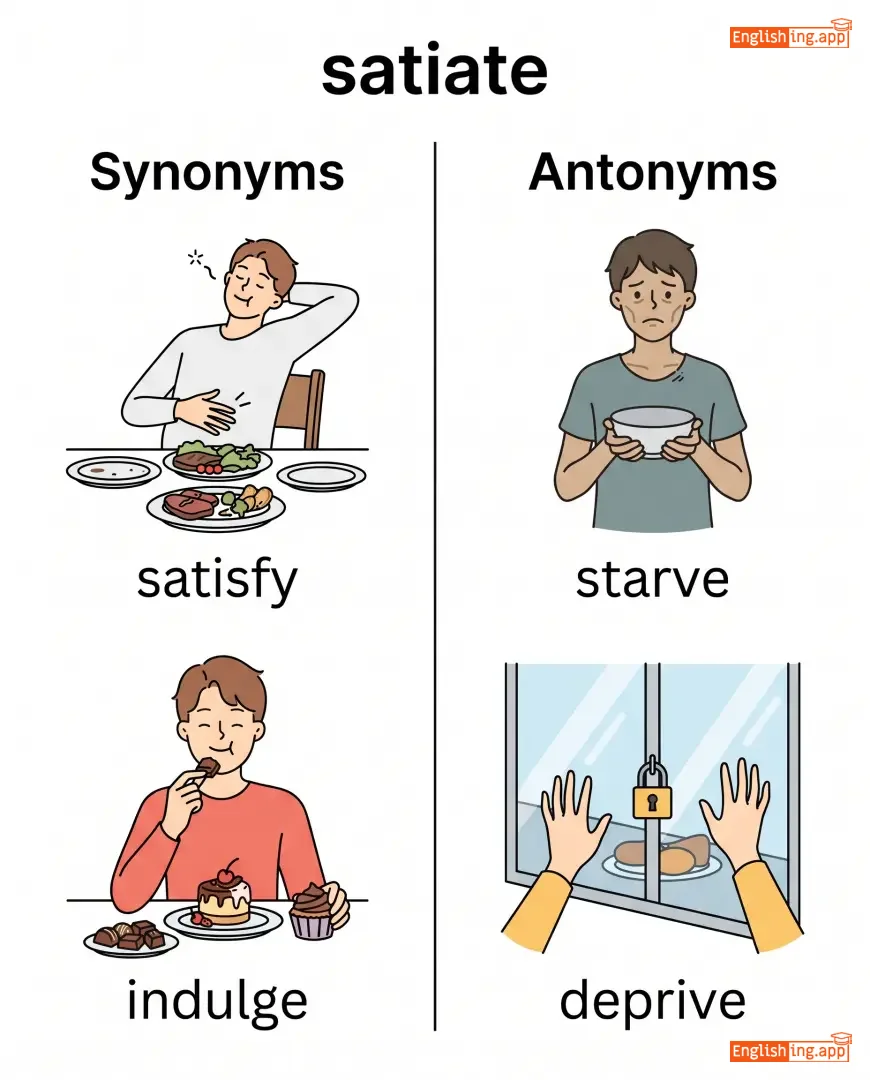
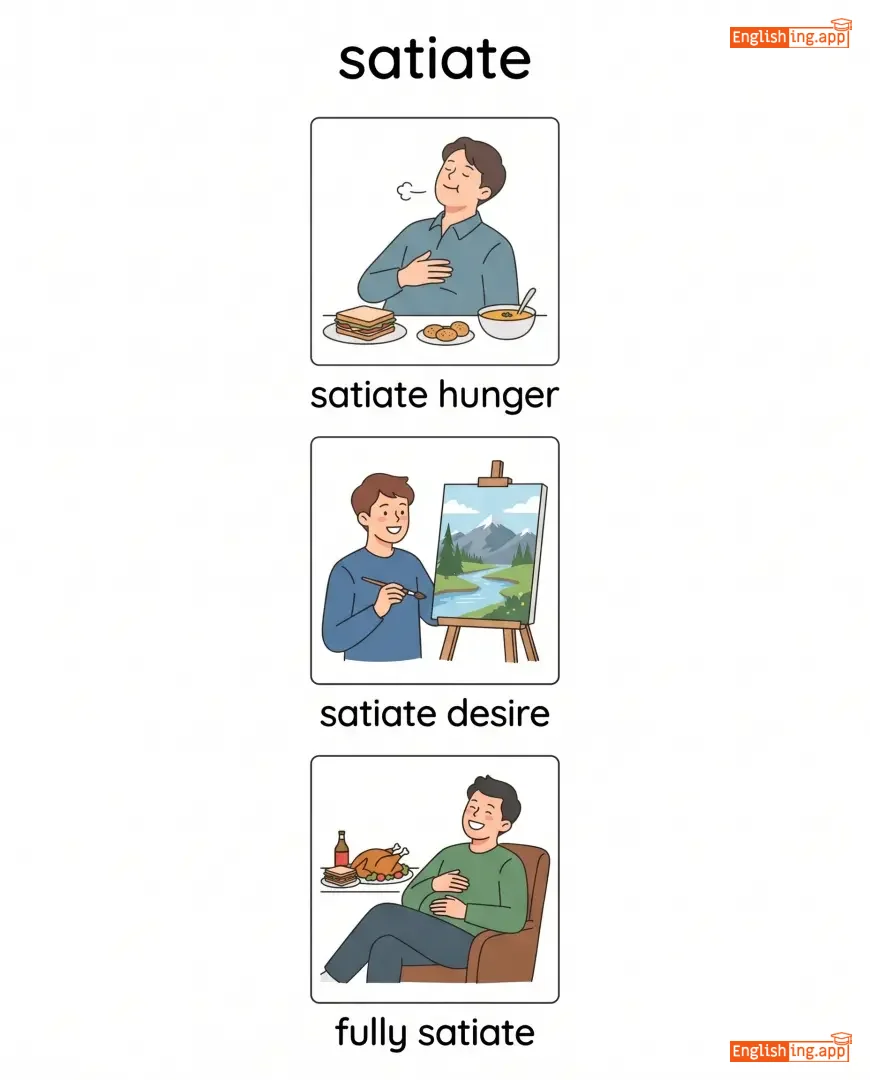
|
満たす
mitasu
••••••
|
satiated
seishieted
••••••
|
satiated
seishieted
••••••
|
satiates
seishiets
••••••
|
satiating
seishieting
••••••
|
To satisfy fully, especially with food or desire.
••••••
|
The large meal satiated his hunger.
大きな食事が彼の空腹を満たしました。
••••••
|
大きな食事が彼の空腹を満たしました。
Ookina shokuji ga kare no kuufuku o mitashimashita.
••••••
|
- •••••• | - •••••• | - •••••• |
satisfy, indulge, fulfill, gratify
••••••
|
starve, deprive
••••••
|
satiate hunger, satiate desire, fully satiate
••••••
|
‘セッション’後、食事を完全に食べて満たされる – satiate
••••••
|
|
💧
••••••
|
/ˈsætʃəˌreɪt/
verb
••••••
|
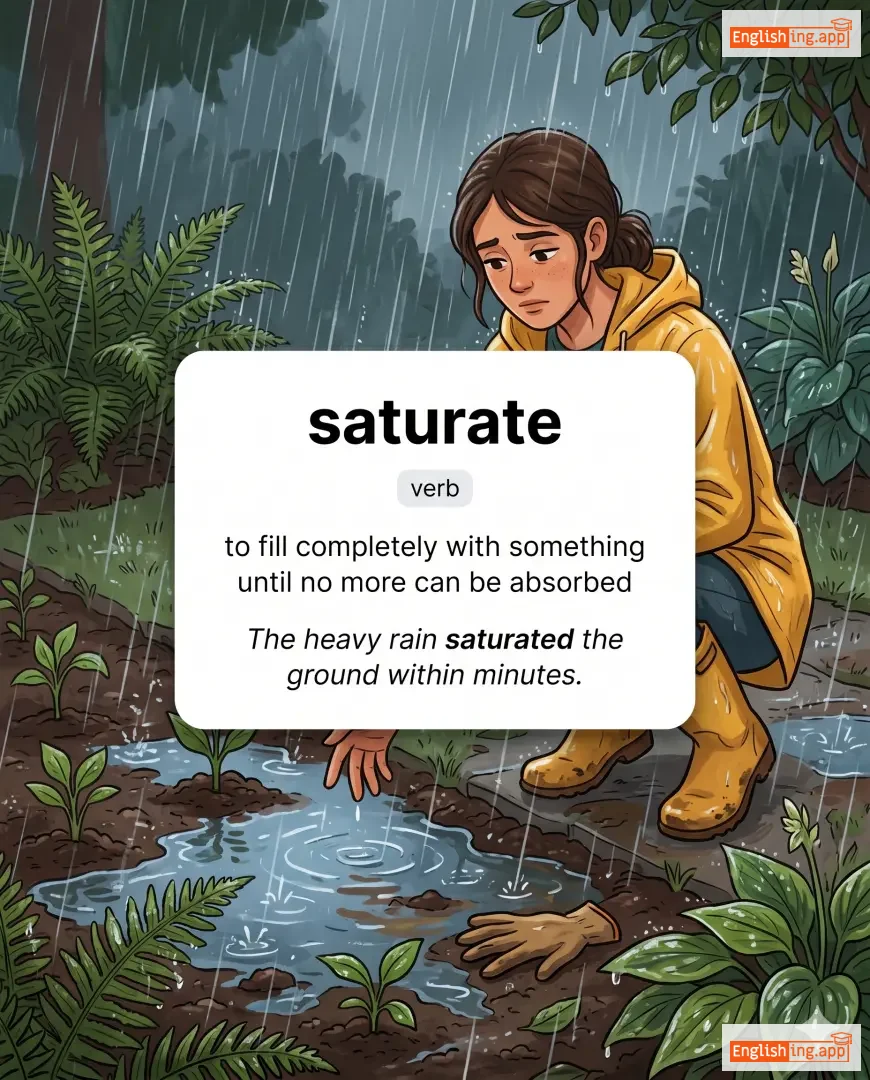
|
- •••••• |
saturated
••••••
|
saturated
••••••
|
saturates
••••••
|
saturating
••••••
|
to fill completely with something until no more can be absorbed
••••••
|
The heavy rain saturated the ground within minutes. |
- •••••• |
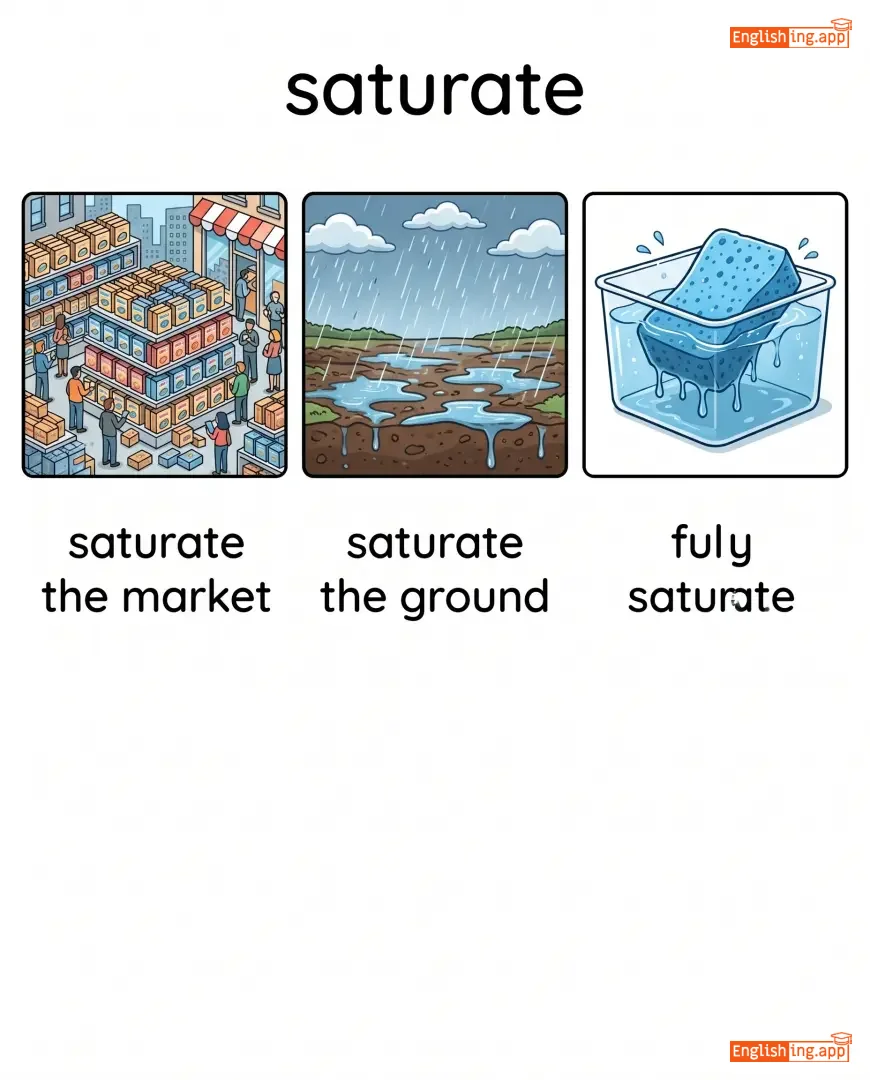
saturate the market |
to supply so much of a product that demand is fully met or exceeded
••••••
|
- •••••• |
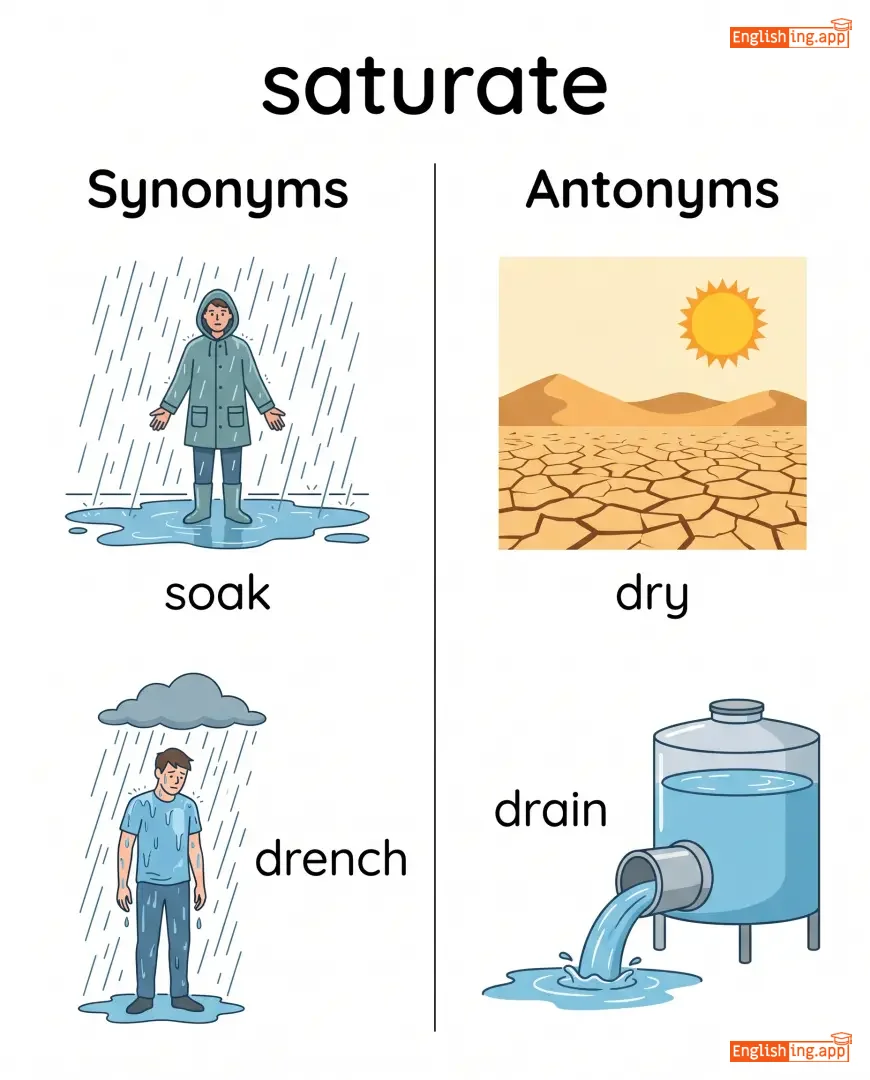
soak, drench, flood, permeate, fill
••••••
|
dry, drain, empty
••••••
|
saturate the market, saturate the ground, fully saturate, saturate completely
••••••
|
No •••••• |
|
😔
••••••
|
/ˈsætərˌnaɪn/
adjective
(サターンナイン)
••••••
|
|
陰気な
inki na
••••••
|
- •••••• | - •••••• | - •••••• | - •••••• |
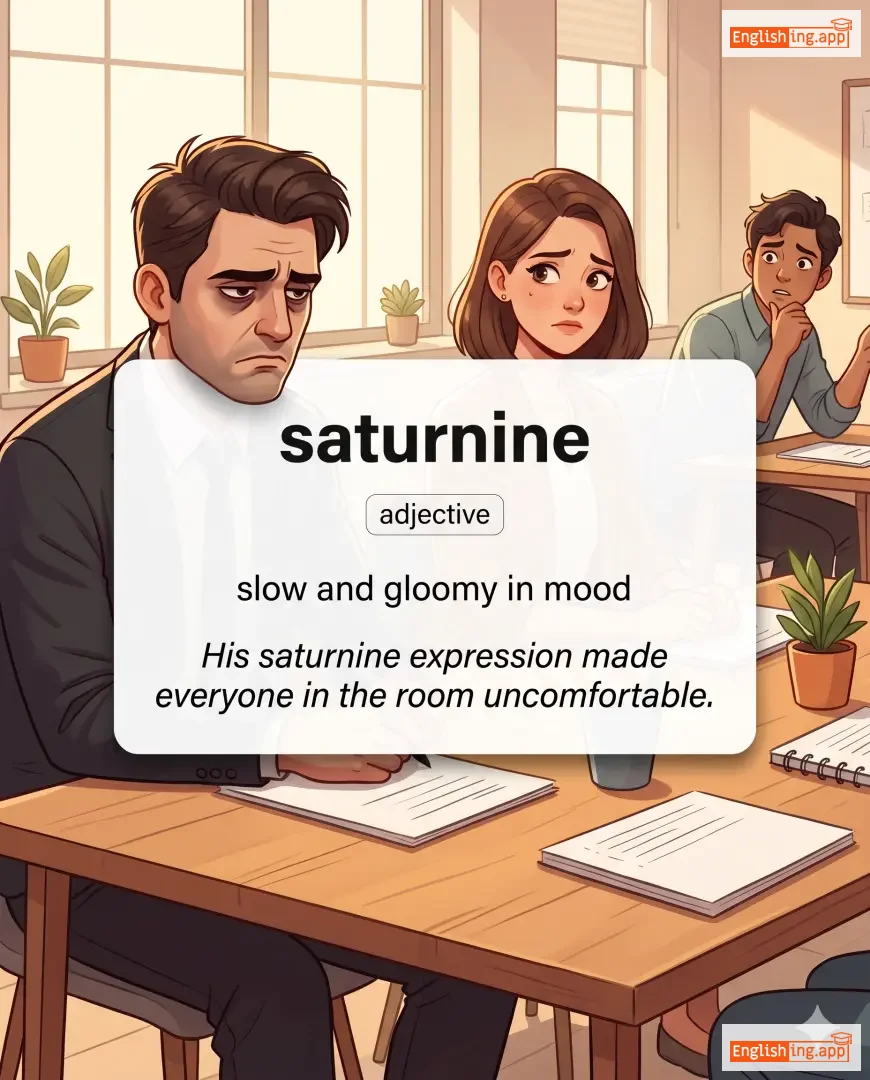
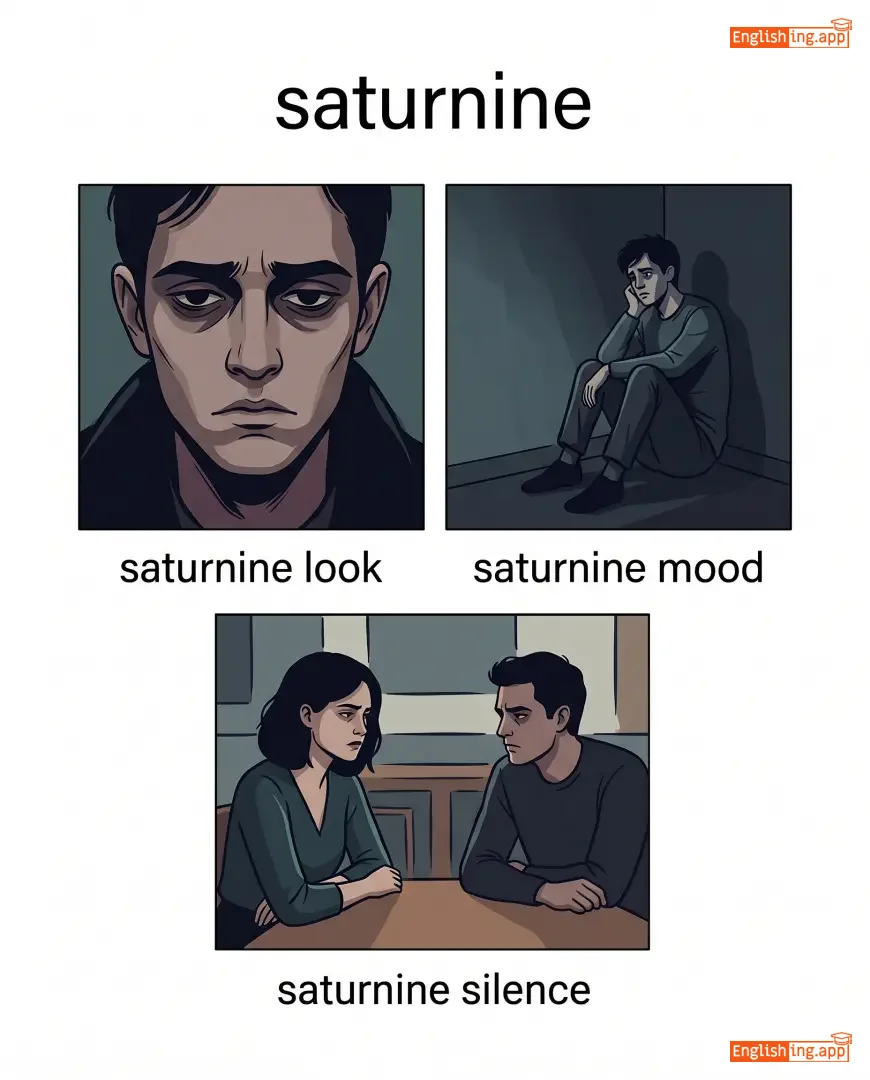
slow and gloomy in mood
••••••
|
His saturnine expression made everyone in the room uncomfortable. |
彼の陰気な表情は部屋の中の誰もが不快に感じさせた。
Kare no in'kina hyōjō wa heya no naka no dare mo ga fukai ni kanjisaseta.
••••••
|
- •••••• | - •••••• | - •••••• |
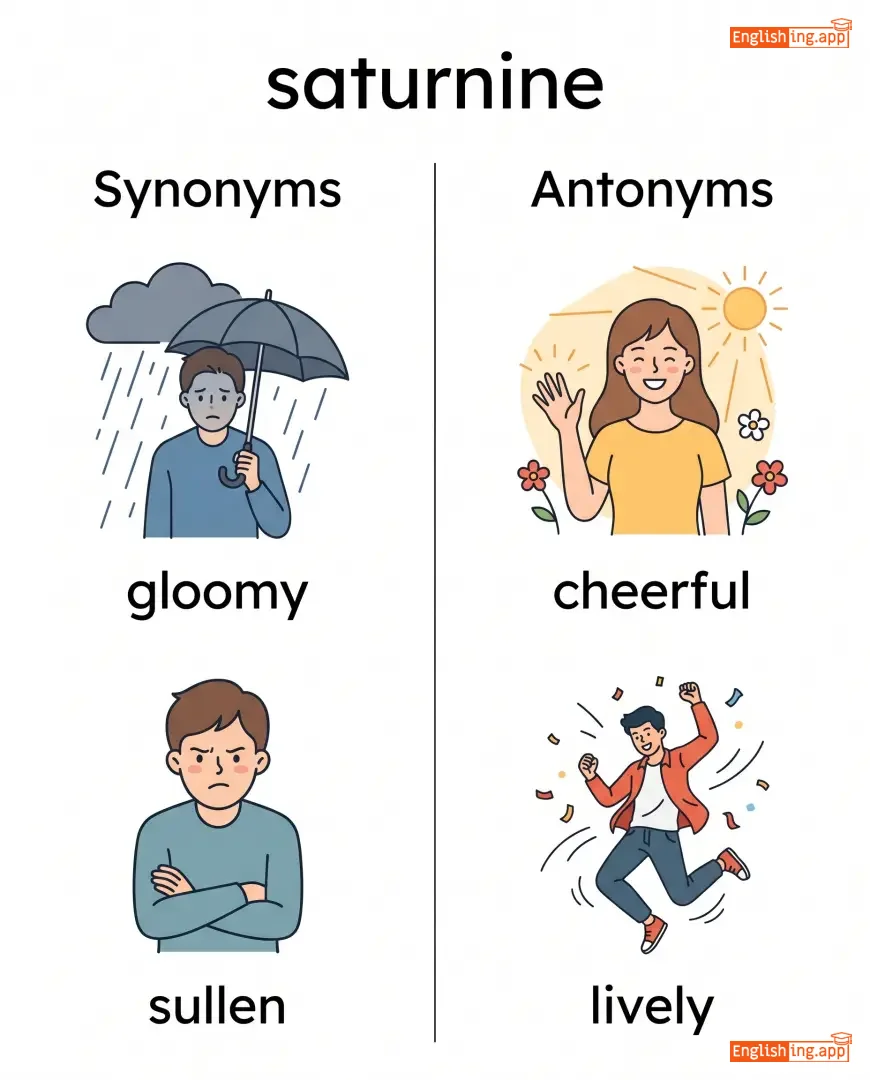
gloomy, sullen, morose, dour, melancholy
••••••
|
cheerful, lively, joyful
••••••
|
saturnine look, saturnine mood, saturnine silence, saturnine personality
••••••
|
Saturnineは陰気な意味—土星のように冷たく遠い。
••••••
|
|
🐐
••••••
|
/ˈsætər/
noun
(ハピネス)
••••••
|
|
幸せ
shiawase
••••••
|
- •••••• | - •••••• | - •••••• | - •••••• |
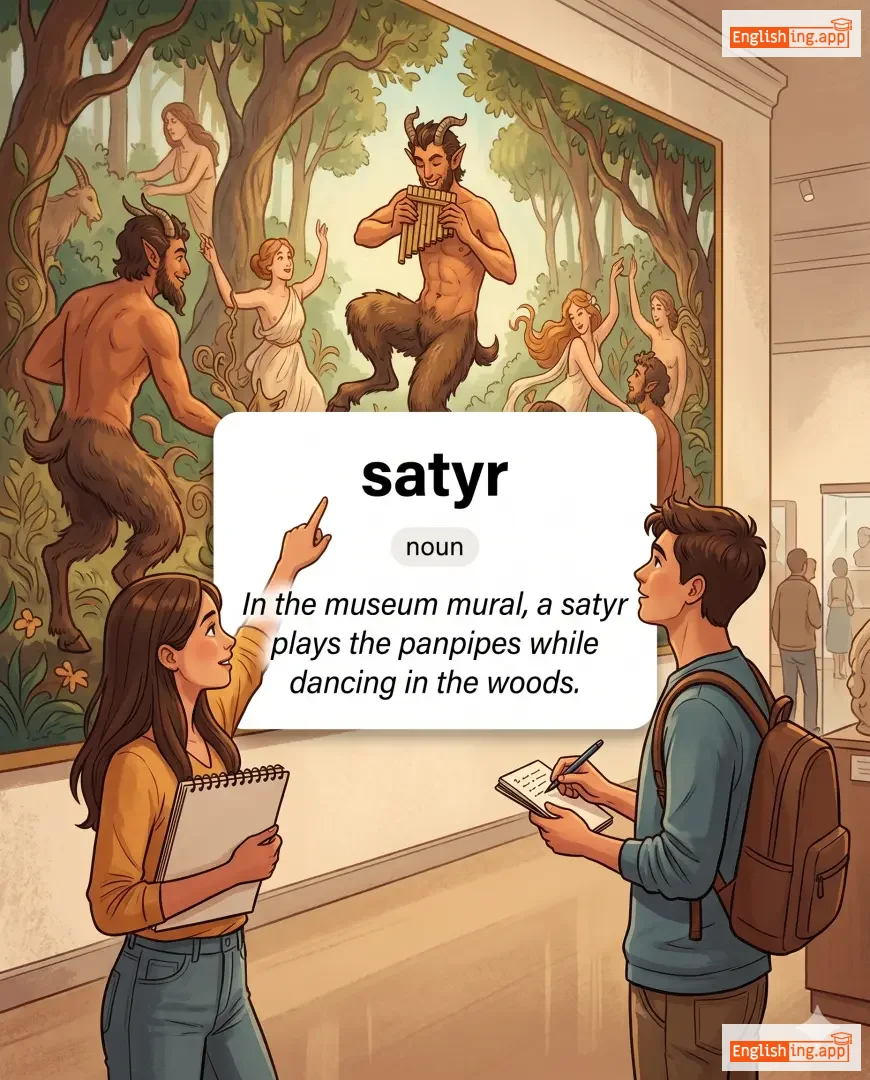
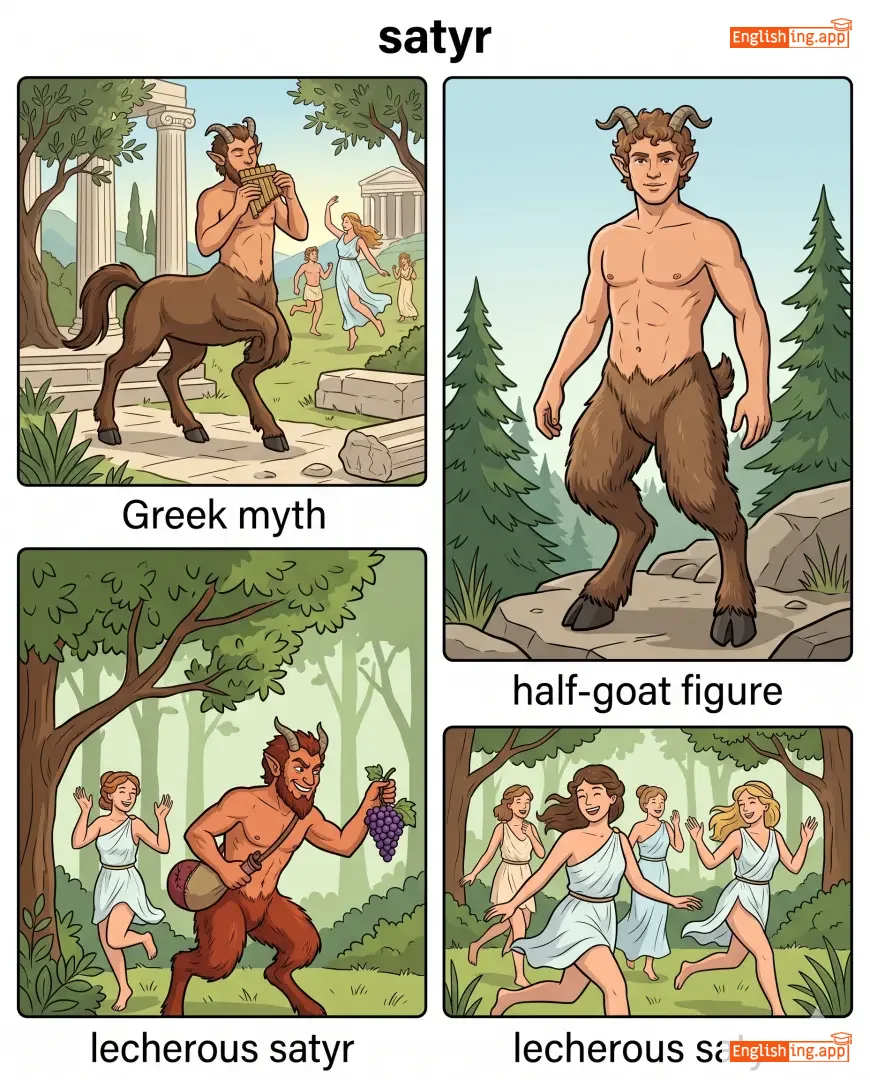
a creature from Greek mythology depicted as a lustful being, often half-man and half-goat; by extension, a lecherous man
••••••
|
In the museum mural, a satyr plays the panpipes while dancing in the woods. |
彼女は賞を受け取ったとき、自分の幸せを隠すことができませんでした。
Kanojo wa shou wo uketotta toki, jibun no shiawase wo kakusu koto ga dekimasen deshita.
••••••
|
- •••••• | - •••••• | - •••••• |
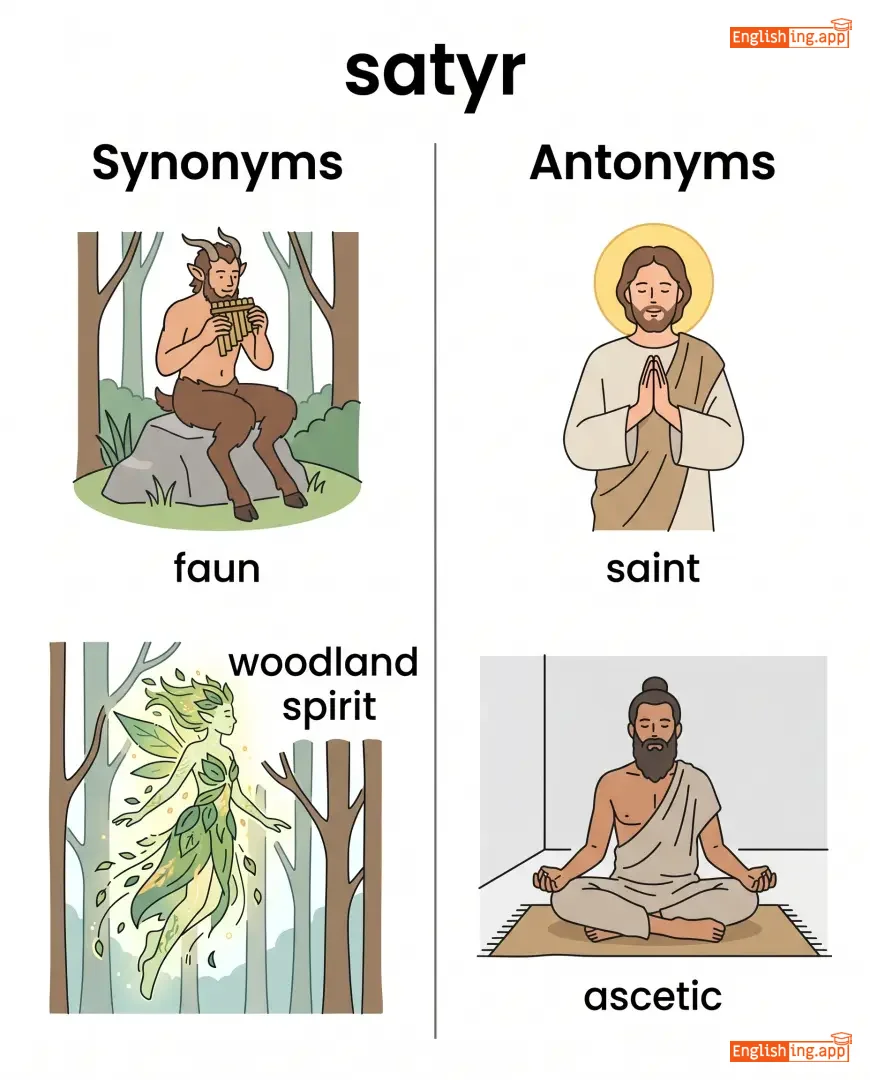
faun, woodland spirit, lecher, rake
••••••
|
saint, ascetic
••••••
|
Greek myth, half-goat figure, lecherous satyr, satyr plays
••••••
|
幸せは人生の目標です。「幸せ」を探し続けていると感じましょう!
••••••
|
|
😋
••••••
|
/ˈseɪ.vər/
verb
(セイヴァー)
••••••
|
|
味わう
ajiwau
••••••
|
savored
セイヴァード
••••••
|
savored
セイヴァード
••••••
|
savors
セイヴァーズ
••••••
|
savoring
セイヴァリング
••••••
|
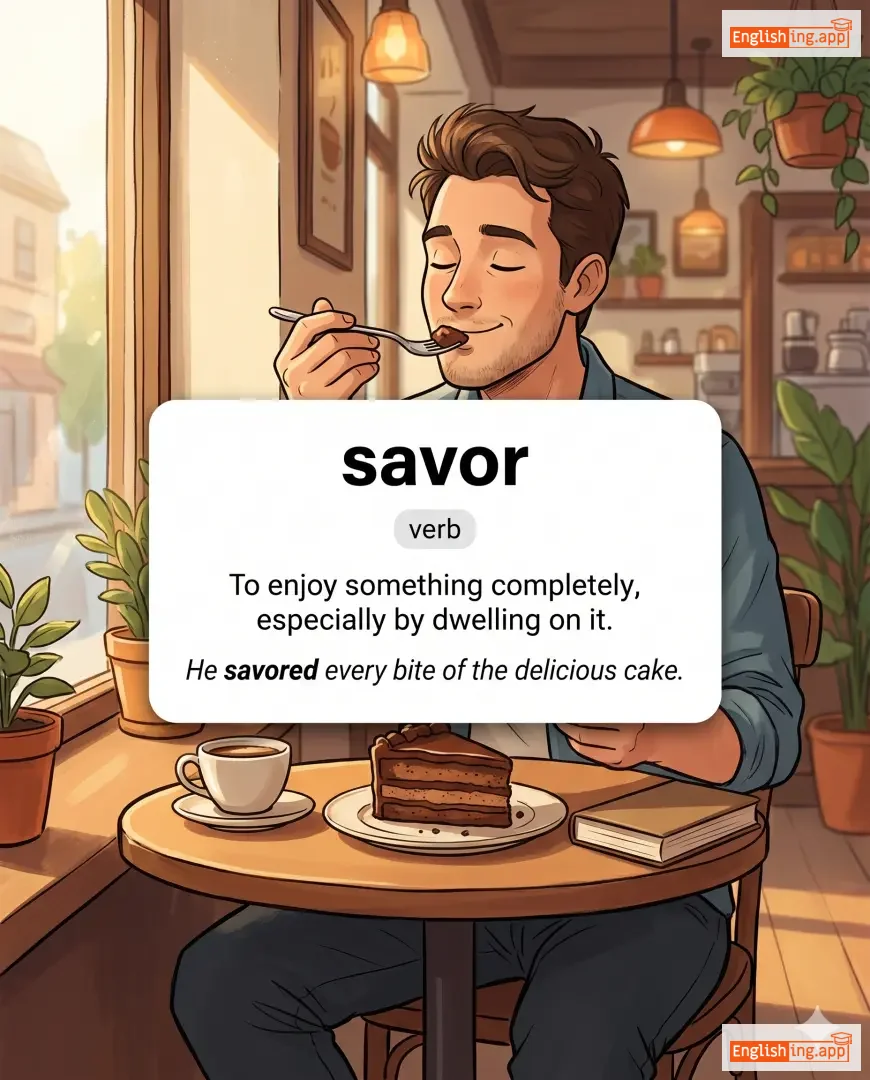
To enjoy something completely, especially by dwelling on it.
••••••
|
He savored every bite of the delicious cake.
彼はおいしいケーキの一口一口を味わった。
••••••
|
彼はおいしいケーキの一口一口を味わった。
Kare wa oishii kēki no hitokuchi hitokuchi o ajiwatta.
••••••
|
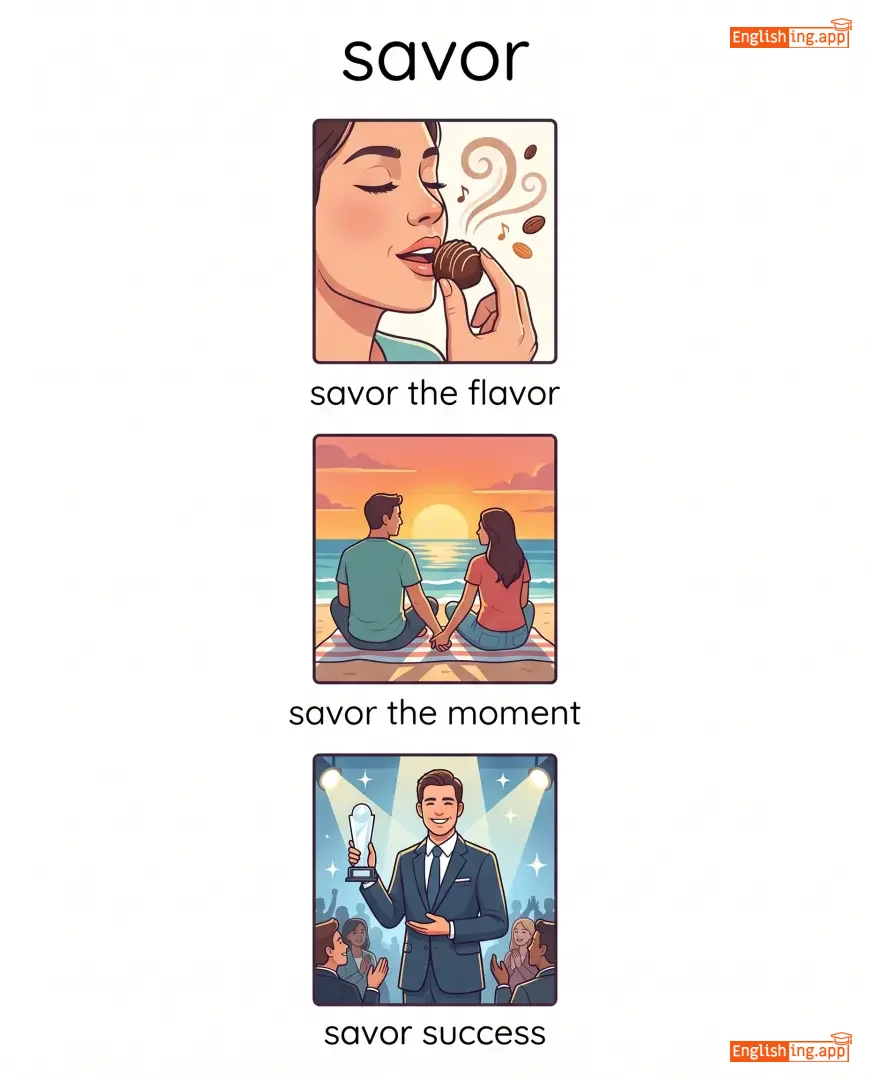
savor the moment
その瞬間を楽しむ
••••••
|
To fully appreciate and enjoy a particular experience.
••••••
|
その瞬間を楽しむ
Sono shunkan o tanoshimu
••••••
|
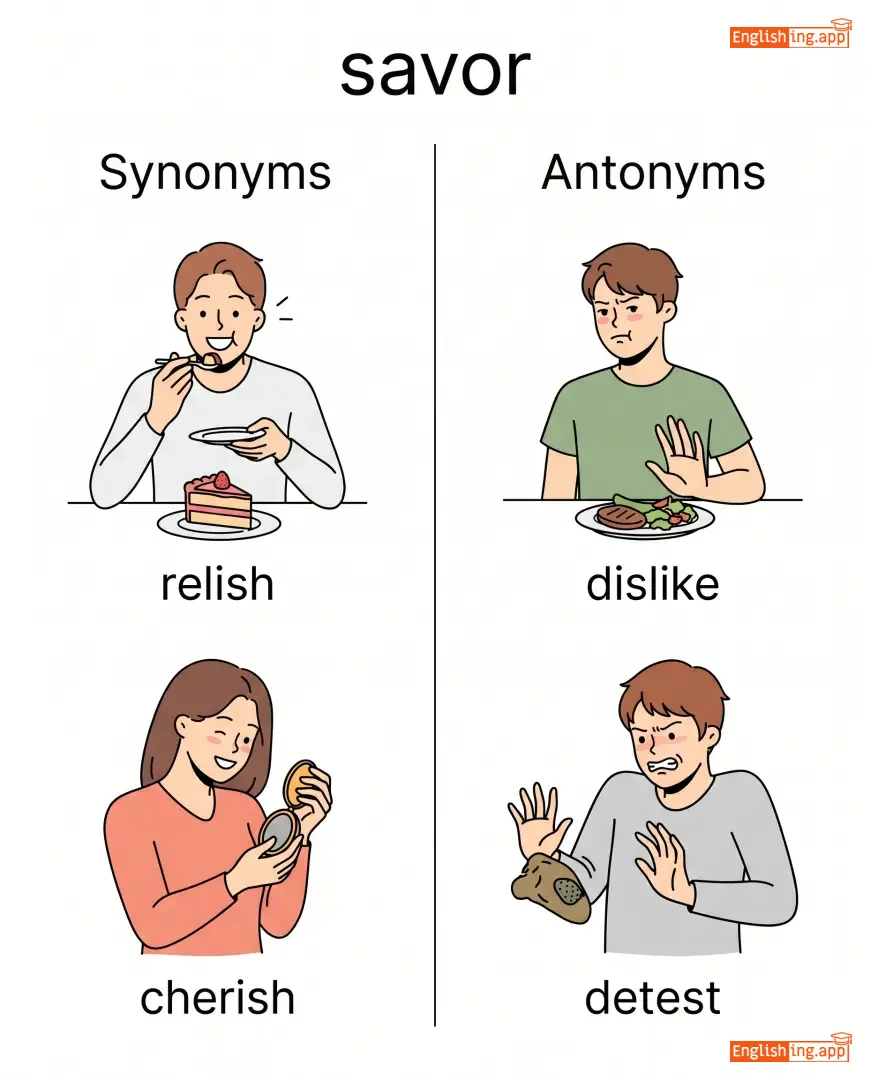
relish, cherish, appreciate, enjoy, delight in
••••••
|
dislike, detest, avoid
••••••
|
savor the flavor, savor the moment, savor success
••••••
|
Savorは、味わうこと、そして瞬間を楽しむことです。
••••••
|
|
📊
••••••
|
/skiːˈmætɪk/
noun, adjective
(スキーマティック)
••••••
|
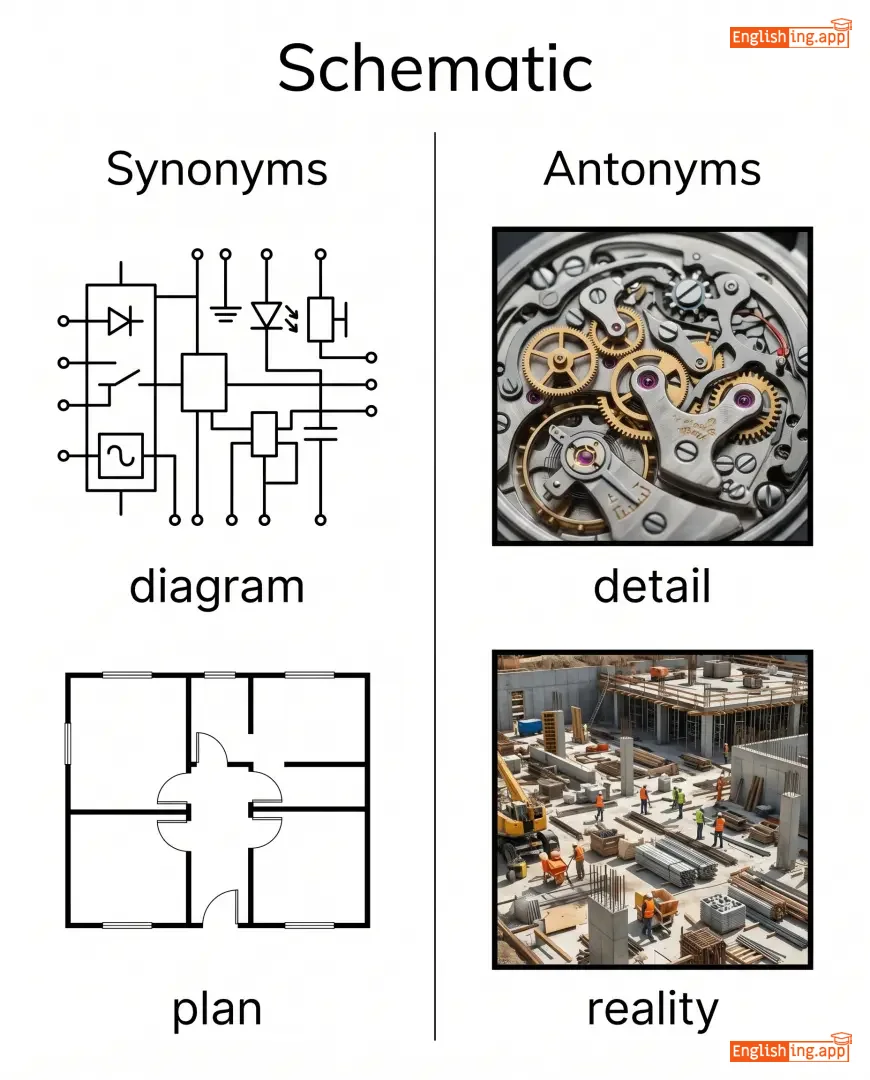
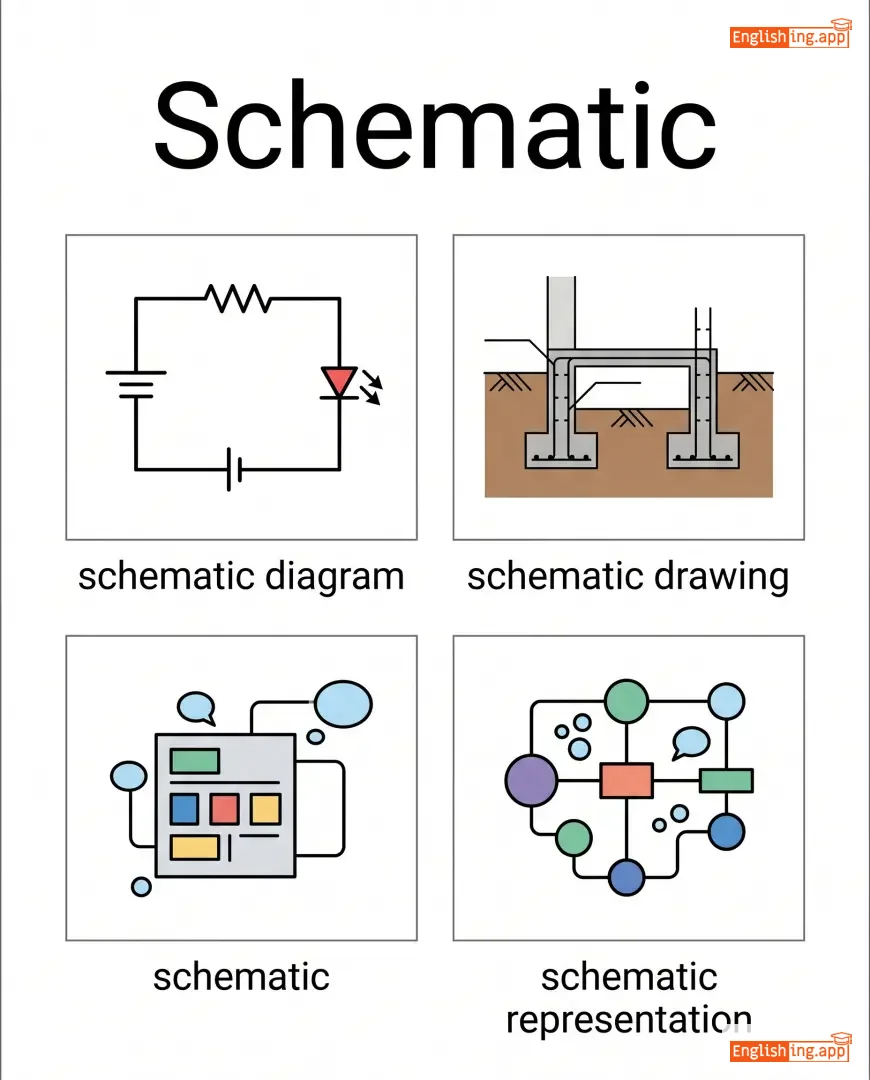
|
回路図
kairozu
••••••
|
- •••••• | - •••••• | - •••••• | - •••••• |
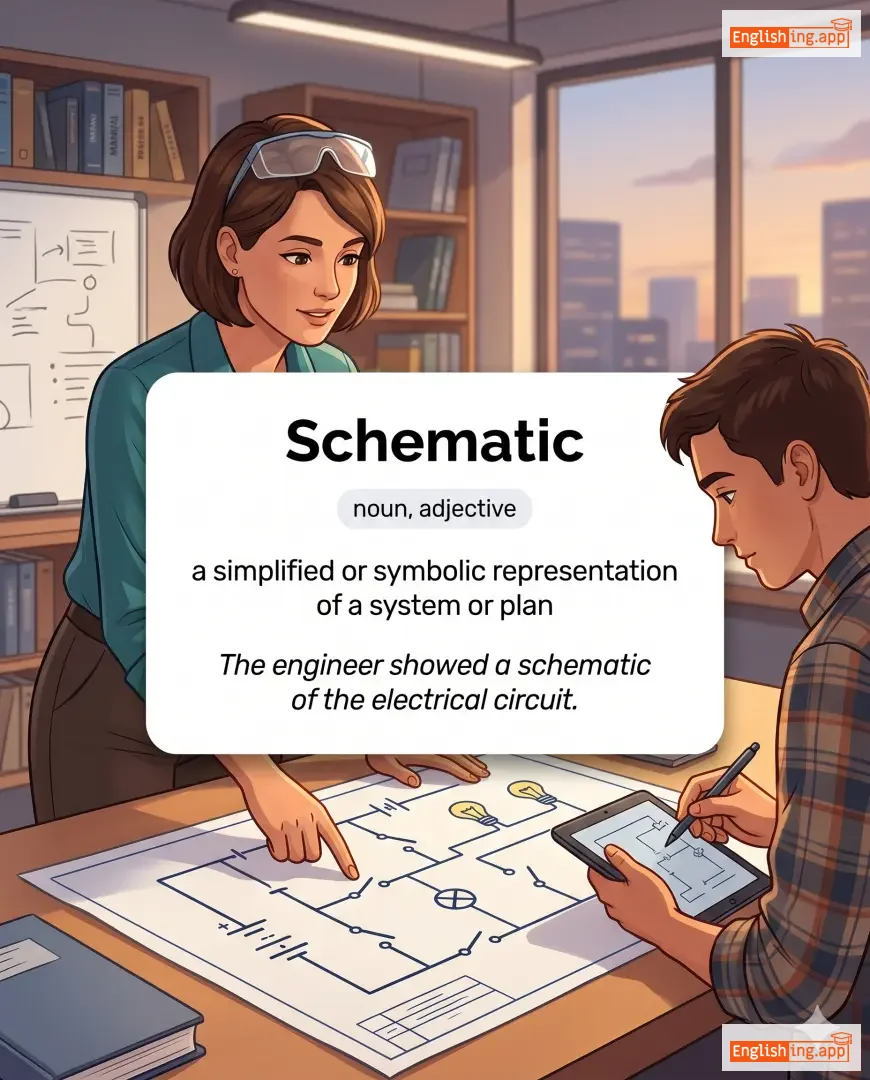
a simplified or symbolic representation of a system or plan
••••••
|
The engineer showed a schematic of the electrical circuit. |
エンジニアは電気回路の回路図を示しました。
Enjinia wa denki kairo no kairozu o shimeshimashita.
••••••
|
- •••••• | - •••••• | - •••••• |
diagram, plan, chart, blueprint, outline
••••••
|
detail, reality
••••••
|
schematic diagram, schematic drawing, schematic representation
••••••
|
回路図は簡単な回路の図で、計画を示すために使うよ。
••••••
|
|
💧
••••••
|
/sɪˈkriːt/
verb
(sikuret)
••••••
|
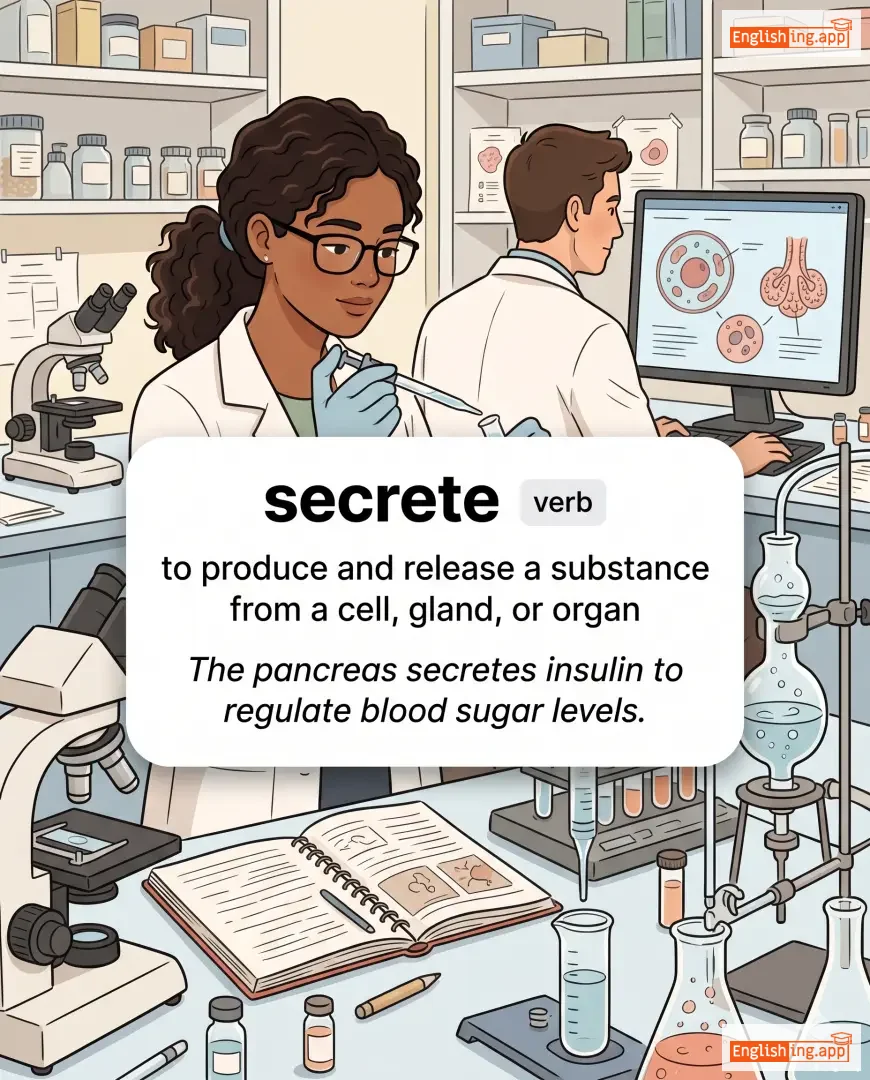
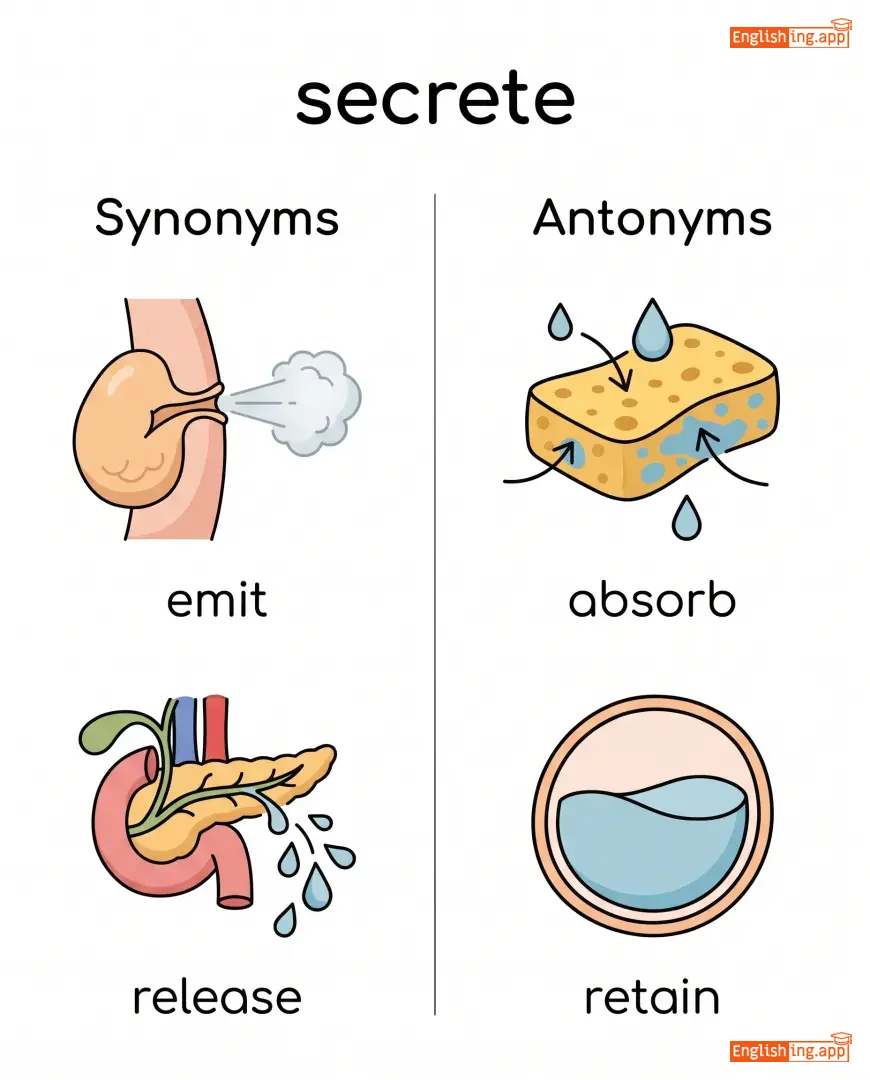
|
分泌する
bimpisu suru
••••••
|
secreted
sikuretedo
••••••
|
secreted
sikuretedo
••••••
|
secretes
sikuretsu
••••••
|
secreting
sikuretingu
••••••
|
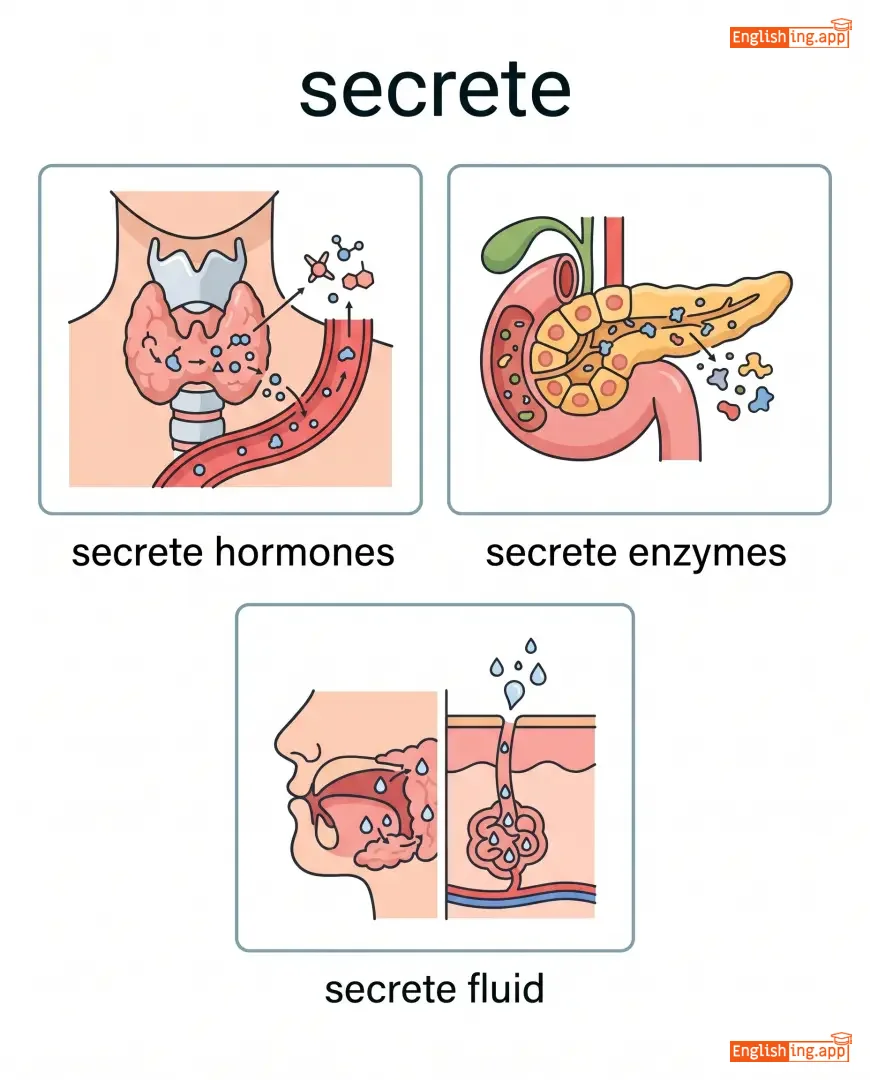
to produce and release a substance from a cell, gland, or organ
••••••
|
The pancreas secretes insulin to regulate blood sugar levels.
膵臓は血糖値を調整するためにインスリンを分泌します。
••••••
|
膵臓は血糖値を調整するためにインスリンを分泌します。
Suizō wa kettōchi o chōsei suru tame ni insurīn o bimpisu shimasu.
••••••
|
- •••••• | - •••••• | - •••••• |
emit, release, discharge, excrete, produce
••••••
|
absorb, retain, hold
••••••
|
secrete hormones, secrete enzymes, secrete fluid, secrete mucus
••••••
|
Secretを分泌する、つまり体から出すことです。
••••••
|
|
⚖️
••••••
|
/sɪˈdɪʃ.ən/
noun
(反乱罪)
••••••
|
|
反乱罪
hanran zai
••••••
|
- •••••• | - •••••• | - •••••• | - •••••• |
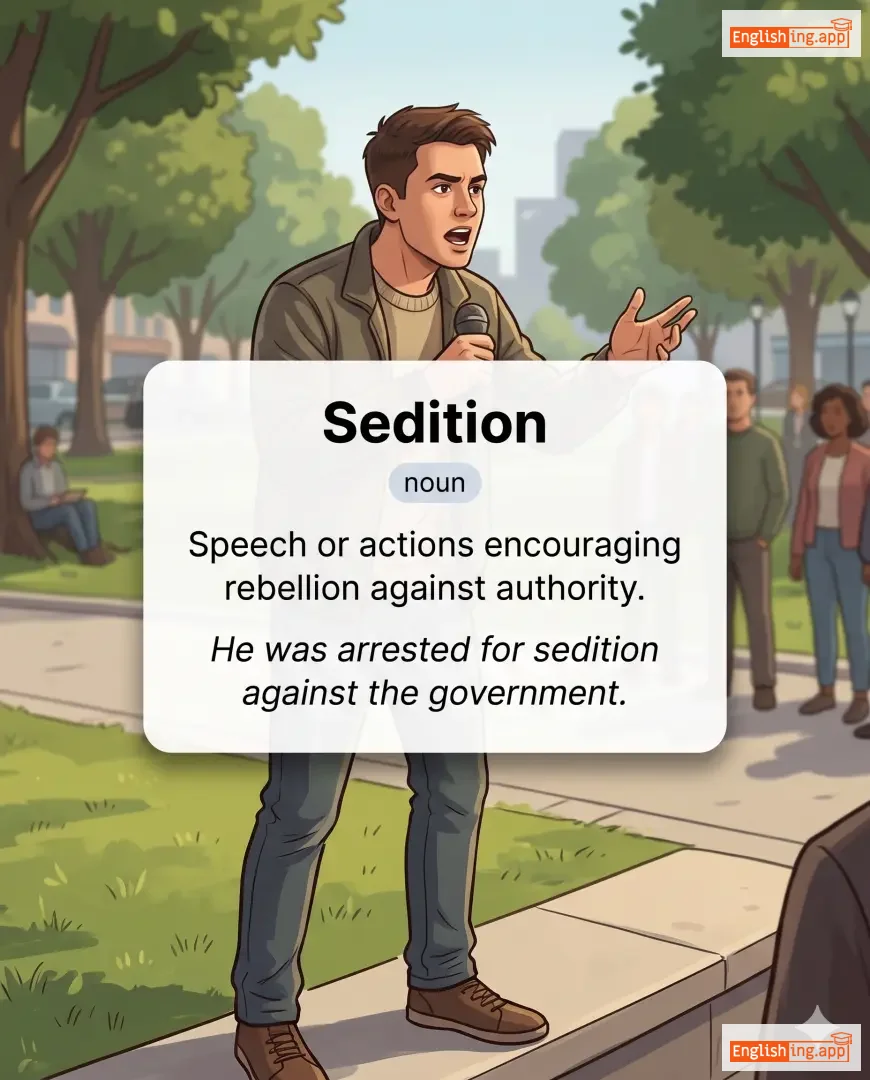
conduct or speech inciting people to rebel against authority; treason
••••••
|
The activist was charged with sedition for his inflammatory speeches. |
活動家はその扇動的な演説のために反乱罪で起訴された。
Katsudōka wa sono sendō-teki na enzetsu no tame ni hanran-zai de kiso sareta.
••••••
|
- •••••• | - •••••• | - •••••• |
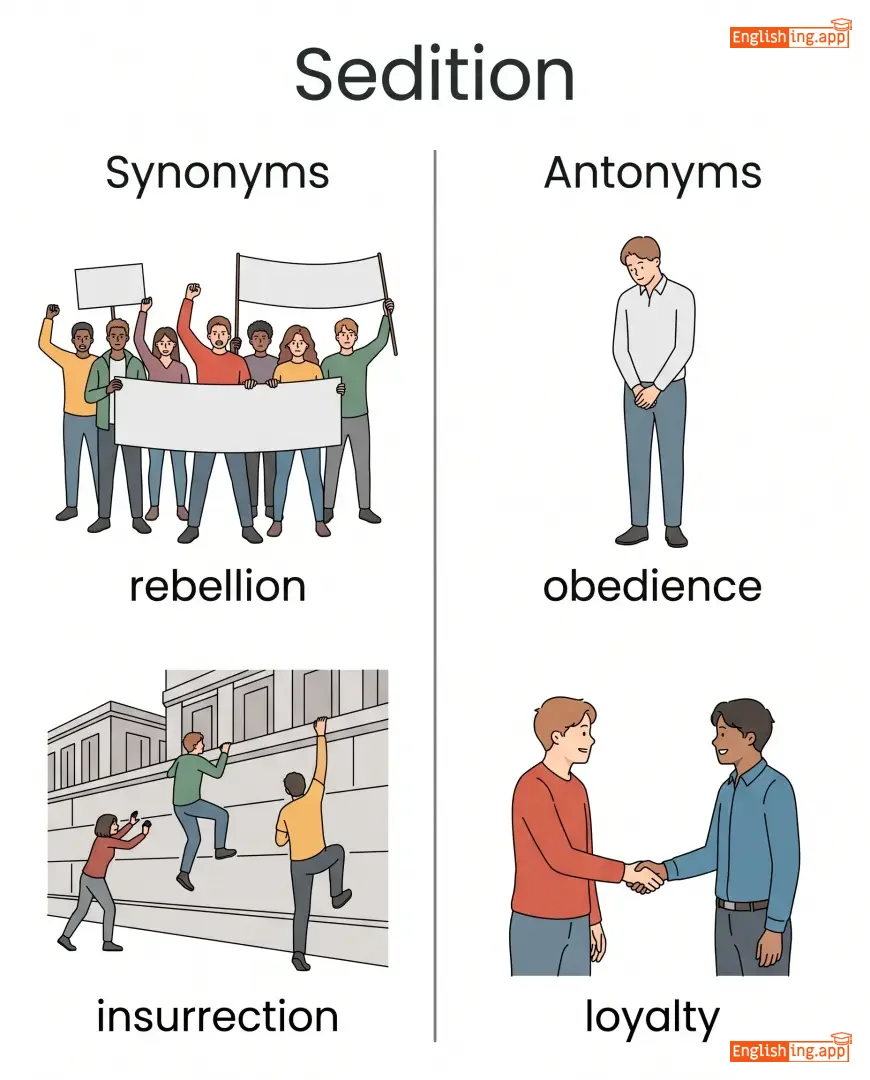
rebellion, mutiny, insurrection, treason
••••••
|
loyalty, allegiance, obedience, patriotism
••••••
|
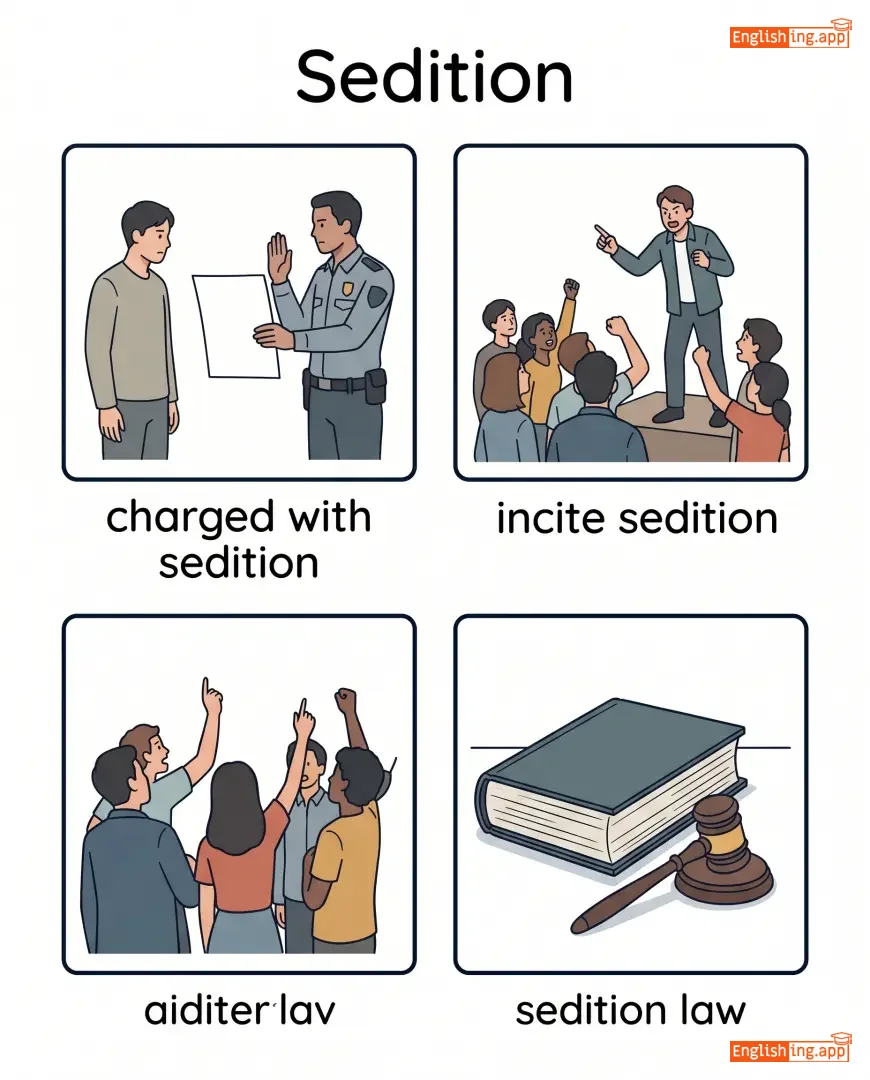
charged with sedition, sedition law, acts of sedition, sedition trial
••••••
|
In Japanese, '反乱罪' means rebellion, directly related to sedition.
••••••
|
|
💪
••••••
|
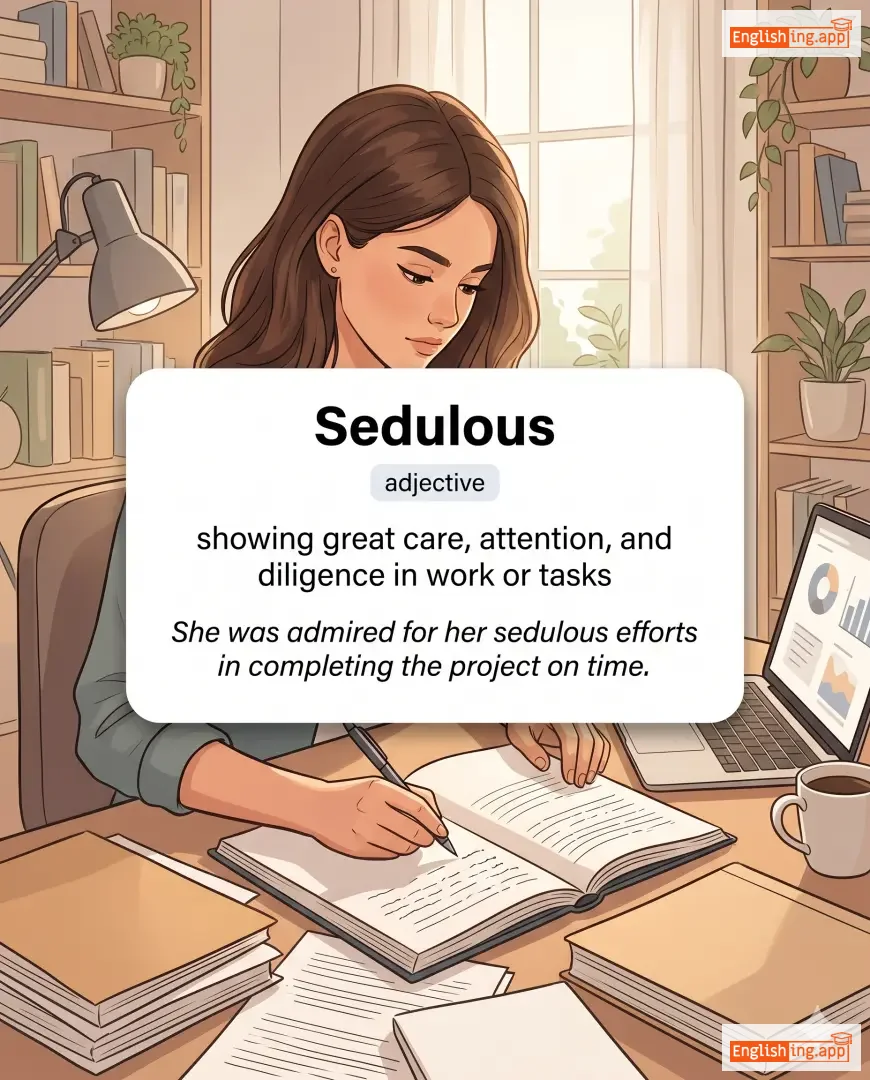
/ˈsed.j ə.l ə s/
adjective
(セデュラス)
••••••
|
|
勤勉な; 立派な;
kinben na; rippana;
••••••
|
- •••••• | - •••••• | - •••••• | - •••••• |
showing dedication and diligence; persistent and careful in work
••••••
|
She was sedulous in her research, spending hours in the library every day. |
彼女は研究に勤勉で、毎日図書館で何時間も過ごしていました。
Kanojo wa kenkyuu ni kinben de, mainichi toshokan de nanjikan mo sugoshite imashita.
••••••
|
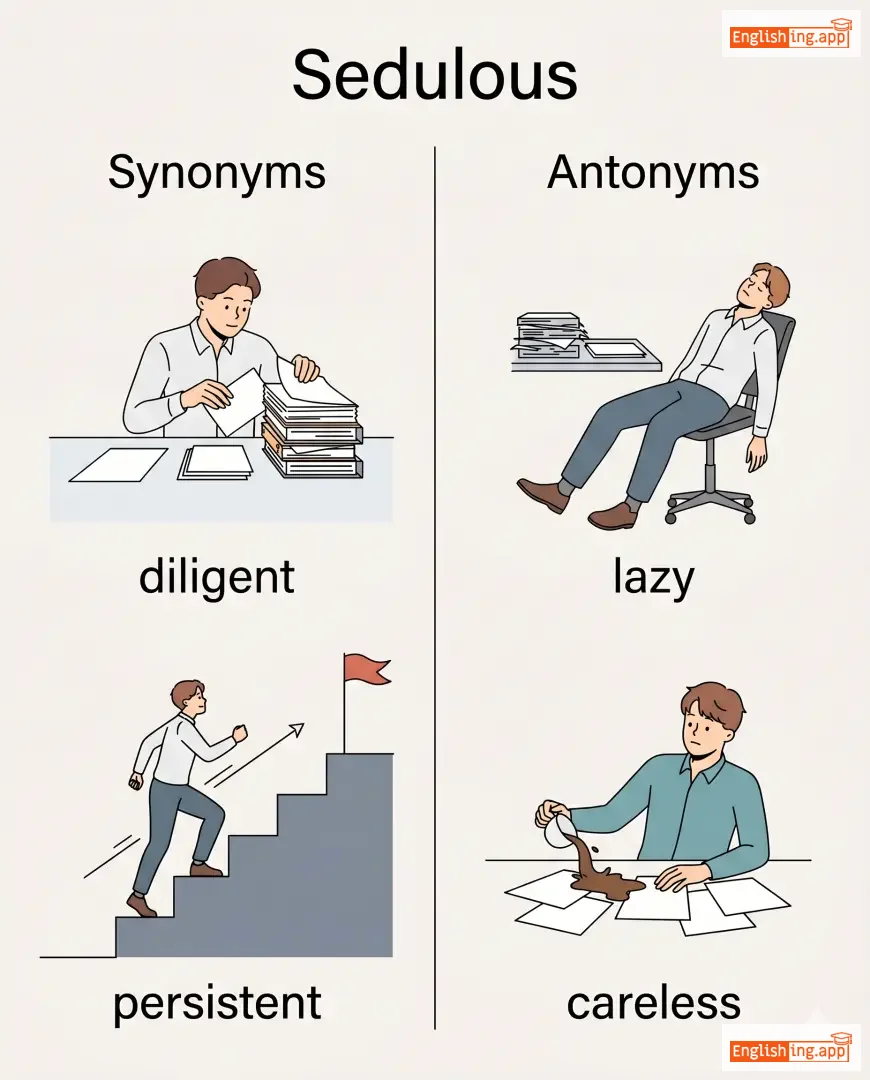
- •••••• | - •••••• | - •••••• |
diligent, industrious, persistent, assiduous
••••••
|
lazy, careless, negligent, idle
••••••
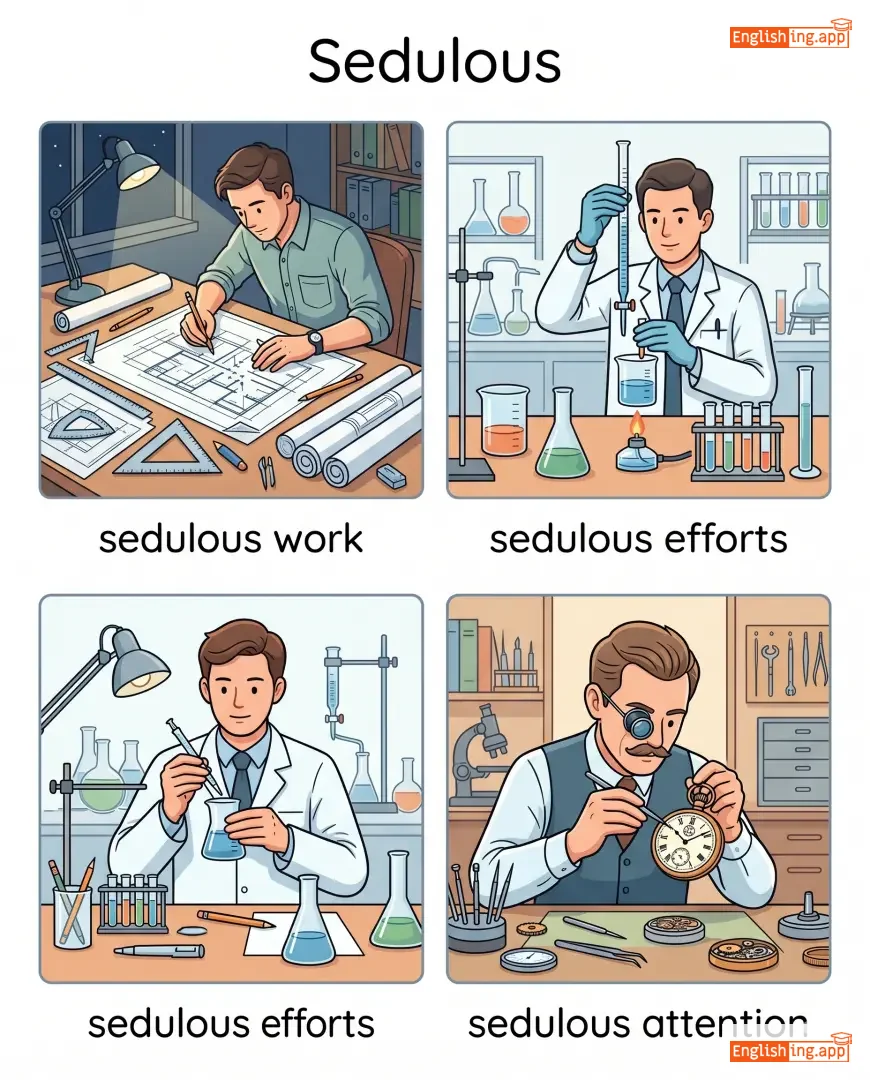
|
sedulous effort, sedulous attention, sedulous work, sedulous care
••••••
|
目標に対して粘り強く、注意深く努力すること
••••••
|
|
🌍
••••••
|
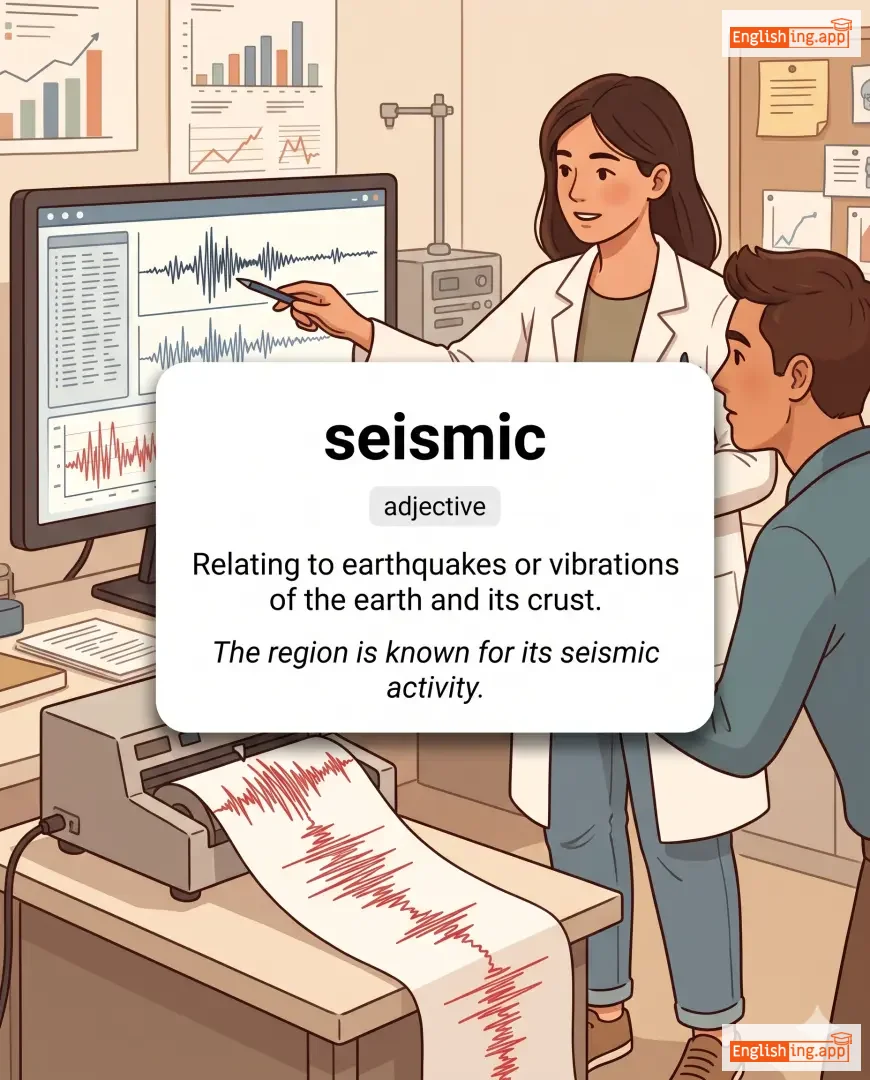
/ˈsaɪz.mɪk/
adjective
(シスミック)
••••••
|
|
地震の
jishin no
••••••
|
- •••••• | - •••••• | - •••••• | - •••••• |
Relating to earthquakes or vibrations of the earth and its crust.
••••••
|
The region is known for its seismic activity.
その地域は地震活動で知られています。
••••••
|
その地域は地震活動で知られています。
Sono chiiki wa jishin katsudō de shirareteimasu.
••••••
|
seismic shift
地震の変化
••••••
|
A major and significant change.
••••••
|
地震の変化
jishin no henka
••••••
|
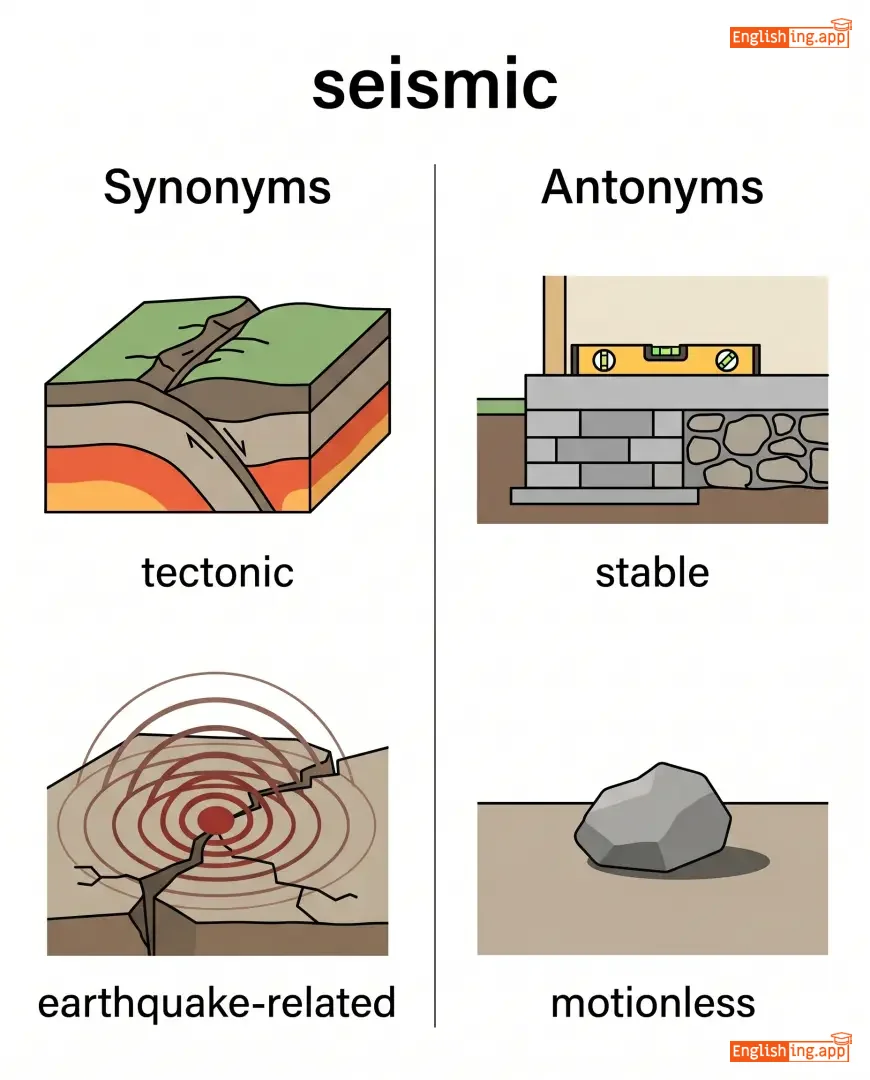
tectonic, earthquake-related, vibrational, geological, ground-shaking
••••••
|
stable, motionless, calm
••••••
|
seismic activity, seismic waves, seismic hazard, seismic risk, seismic shift
••••••
|
シスミックは地震に関連しています。
••••••
|
|
💋
••••••
|
/ˈsɛnʃuəl/
adjective
(センシュアル)
••••••
|
|
官能的
kannōteki
••••••
|
- •••••• | - •••••• | - •••••• | - •••••• |
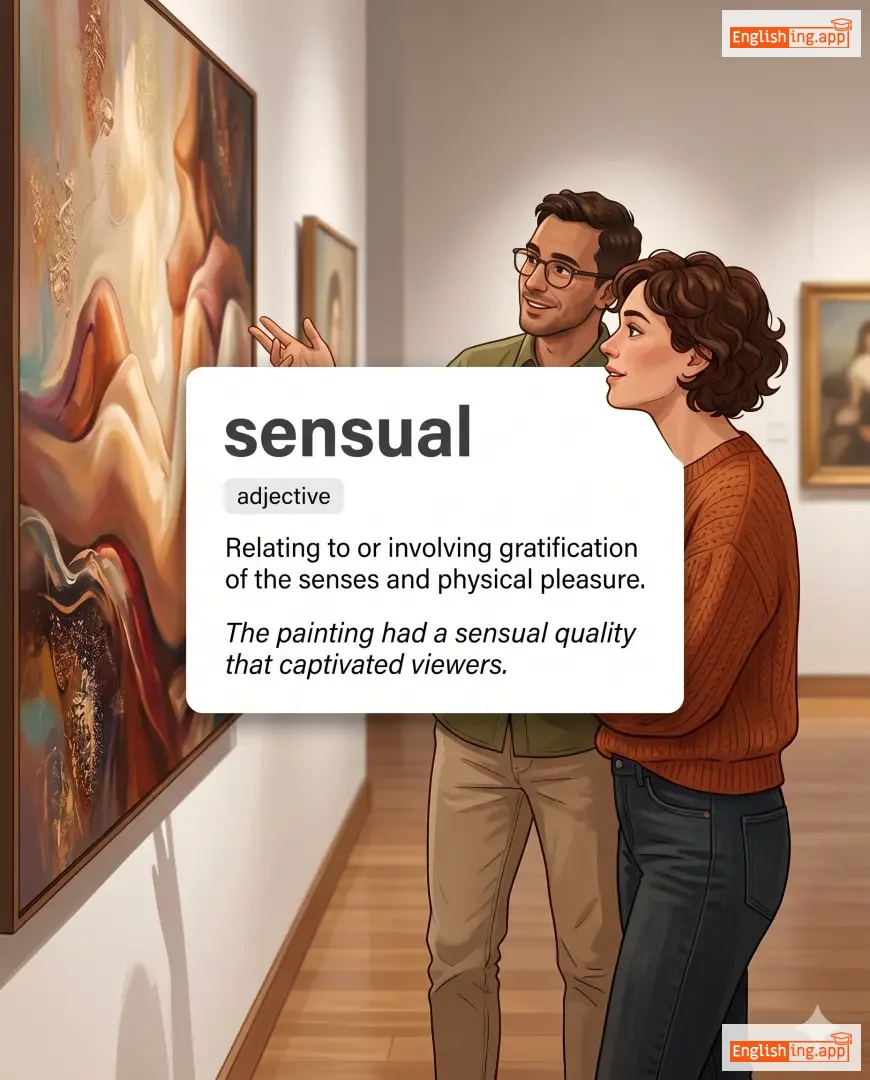
Relating to or involving gratification of the senses and physical pleasure.
••••••
|
The painting had a sensual quality that captivated viewers. |
その絵は視覚的な魅力があり、観客を魅了しました。
Sono e wa shikakuteki na miryoku ga ari, kankyaku o miryō shimashita.
••••••
|
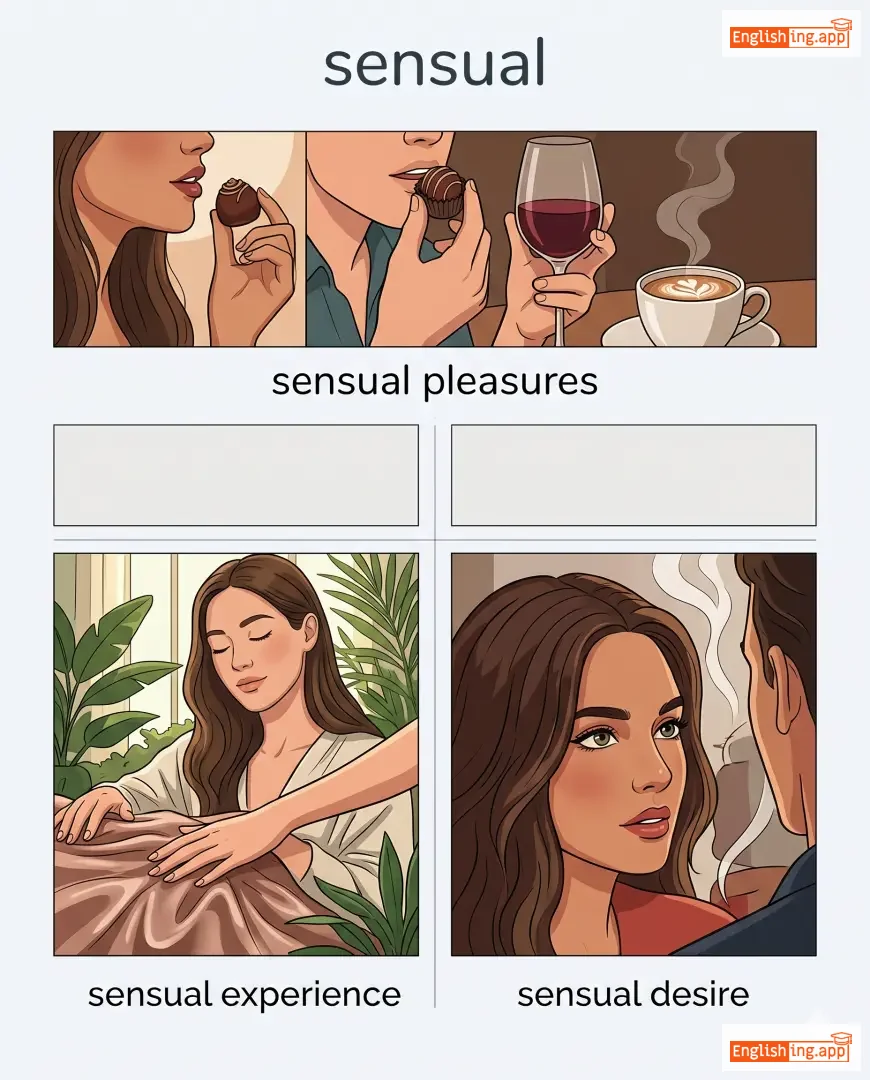
sensual pleasures |
pleasures that appeal to the physical senses
••••••
|
官能的な快楽
kannōteki na kairaku
••••••
|
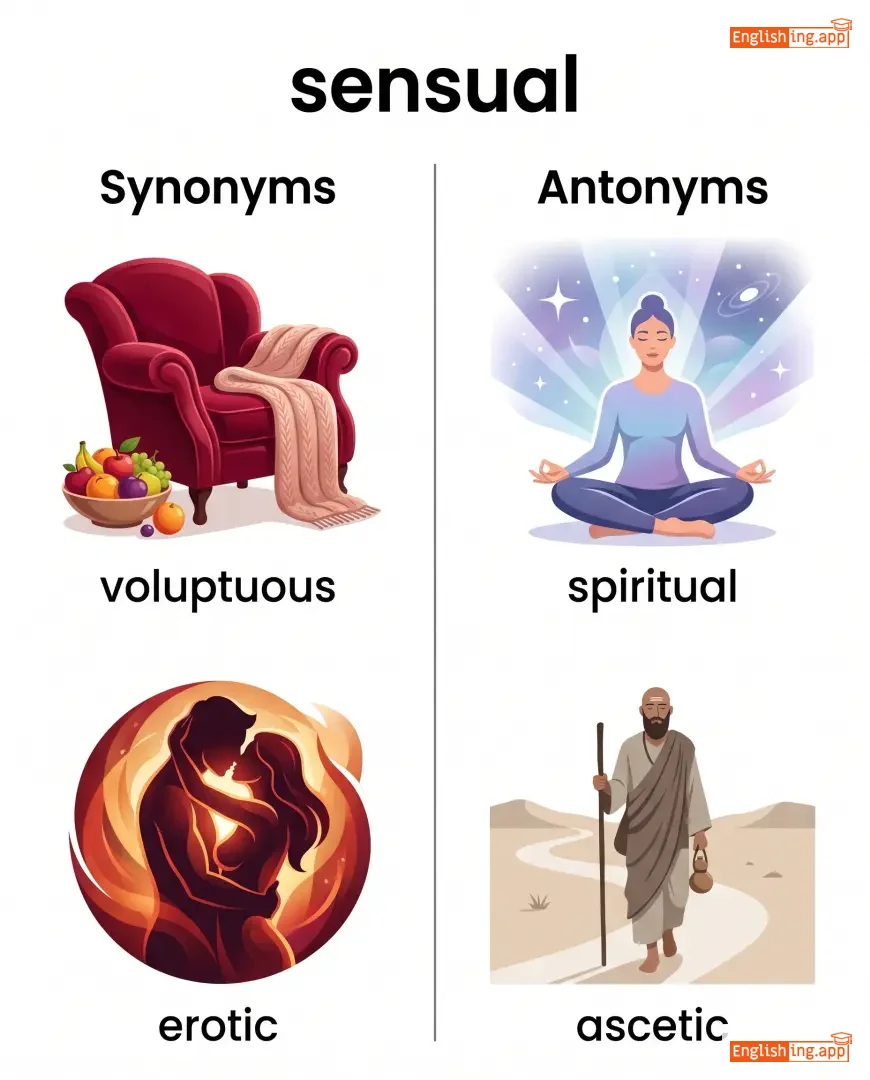
voluptuous, erotic, physical, carnal
••••••
|
spiritual, ascetic
••••••
|
sensual pleasures, sensual experience, sensual desire, sensual attraction
••••••
|
官能的 = 感覚 + 快楽
••••••
|
|
🌹
••••••
|
/ˈsɛnʃuəs/
adjective
(センスアス)
••••••
|
|
官能的
kannō-teki
••••••
|
- •••••• | - •••••• | - •••••• | - •••••• |
Relating to or affecting the senses rather than the intellect; pleasing to the senses.
••••••
|
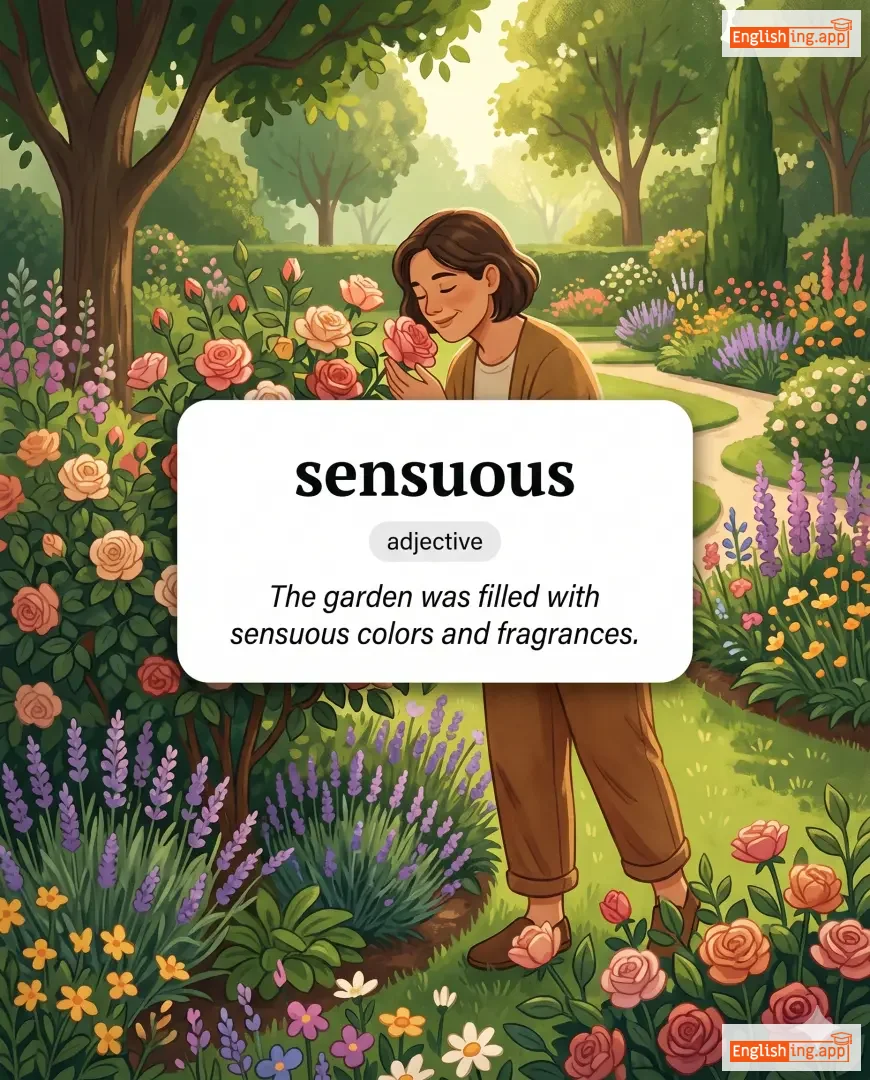
The garden was filled with sensuous colors and fragrances. |
庭は官能的な色と香りで満たされていた。
Niwa wa kannō-teki na iro to kaori de mitasarete ita.
••••••
|
sensuous beauty |
beauty that appeals directly to the senses
••••••
|
官能的な美
Kannō-teki na bi
••••••
|
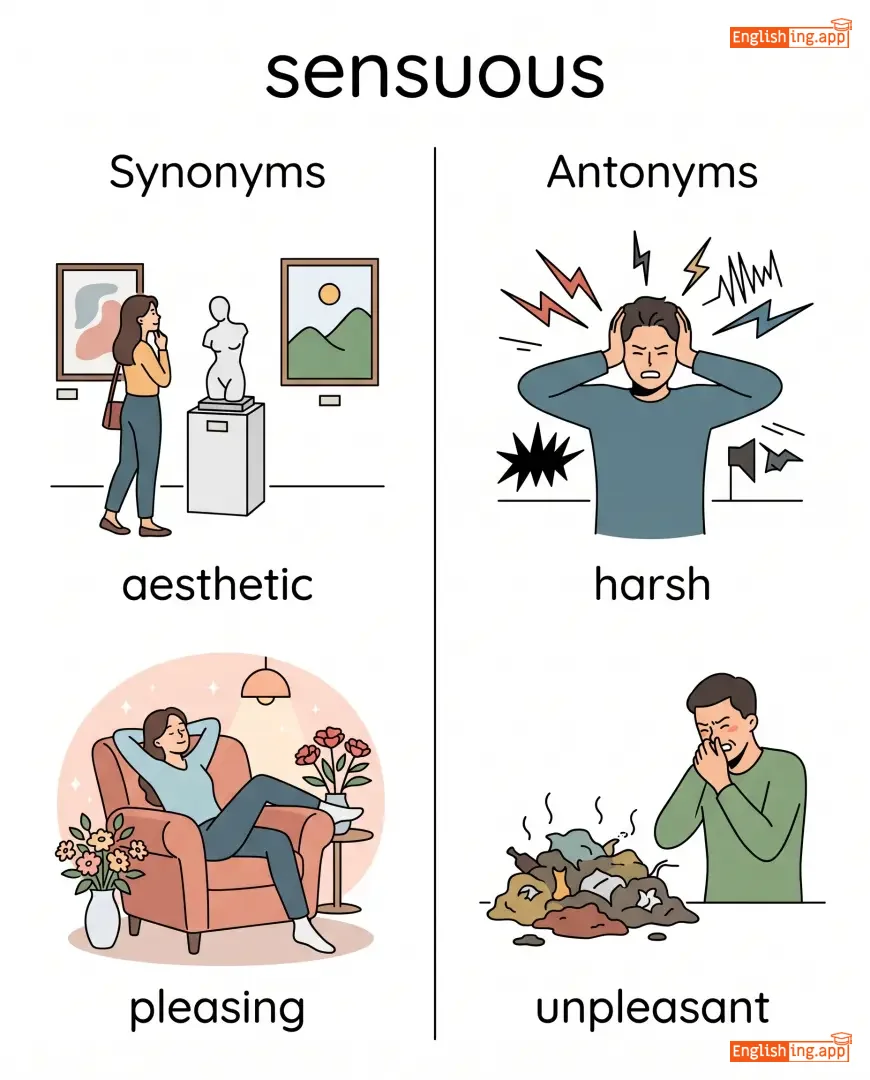
aesthetic, pleasing, luxurious, lush
••••••
|
harsh, unpleasant
••••••
|
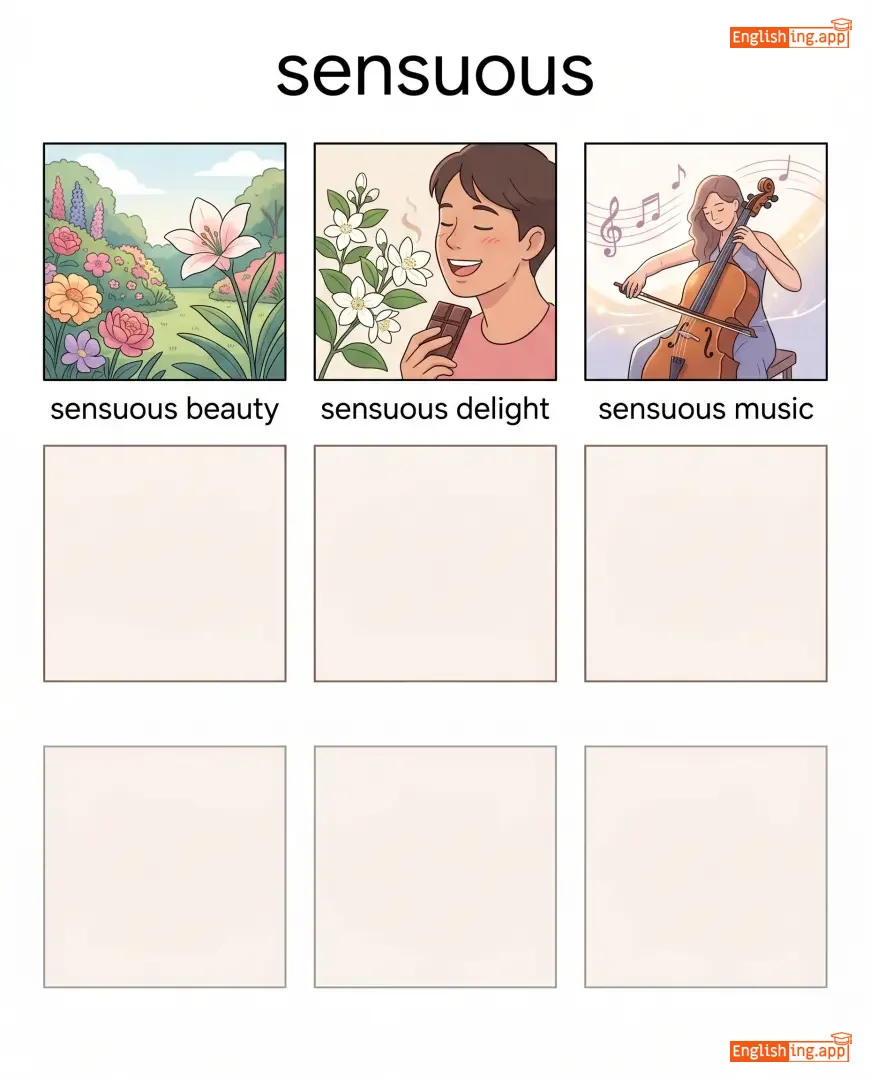
sensuous beauty, sensuous delight, sensuous music, sensuous atmosphere
••••••
|
官能的 = 感覚 + 喜び → 感覚に喜びを与えるもの。
••••••
|
|
👁️
••••••
|
/ˈsɛnʃənt/
adjective
(センティエント)
••••••
|
|
感覚的
kankakuteki
••••••
|
- •••••• | - •••••• | - •••••• | - •••••• |
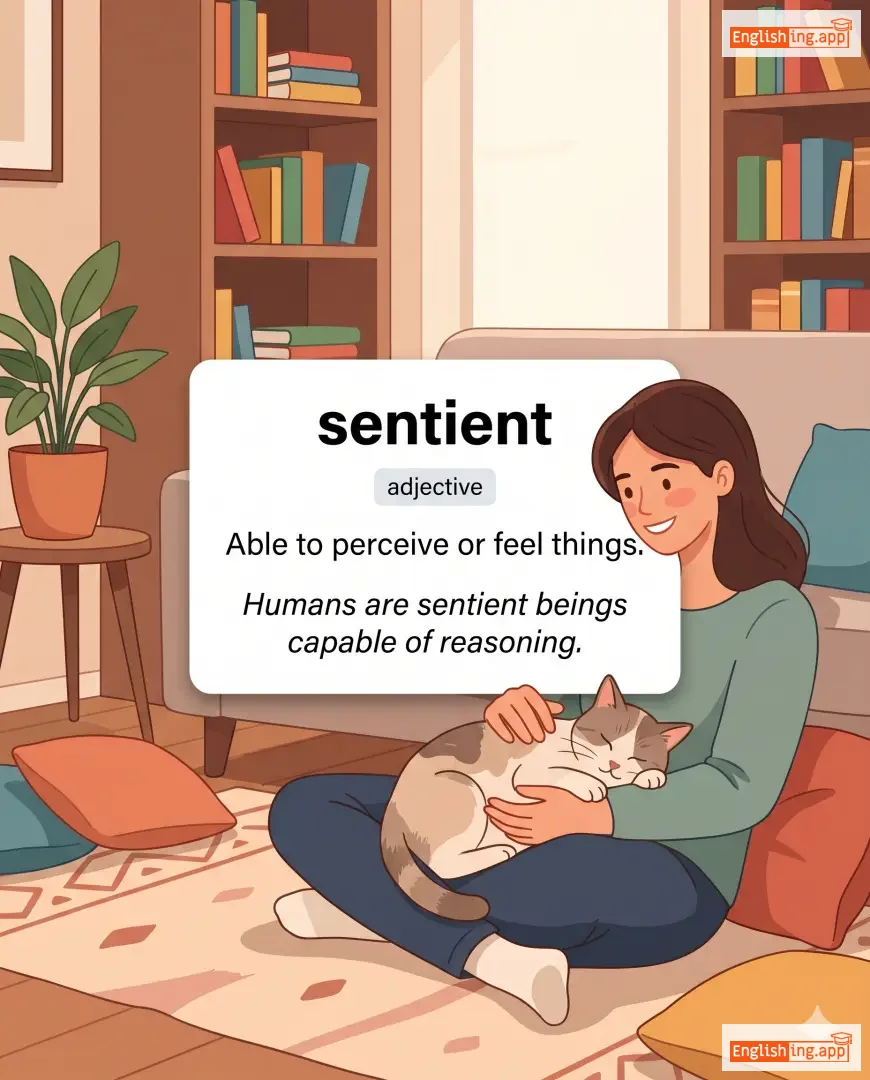
Able to perceive or feel things.
••••••
|
Humans are sentient beings capable of reasoning.
人間は推論する能力を持った感覚的存在です。
••••••
|
人間は推論する能力を持った感覚的存在です。
Ningen wa suiron suru nouryoku o motta kankakuteki sonzai desu.
••••••
|
- •••••• | - •••••• | - •••••• |
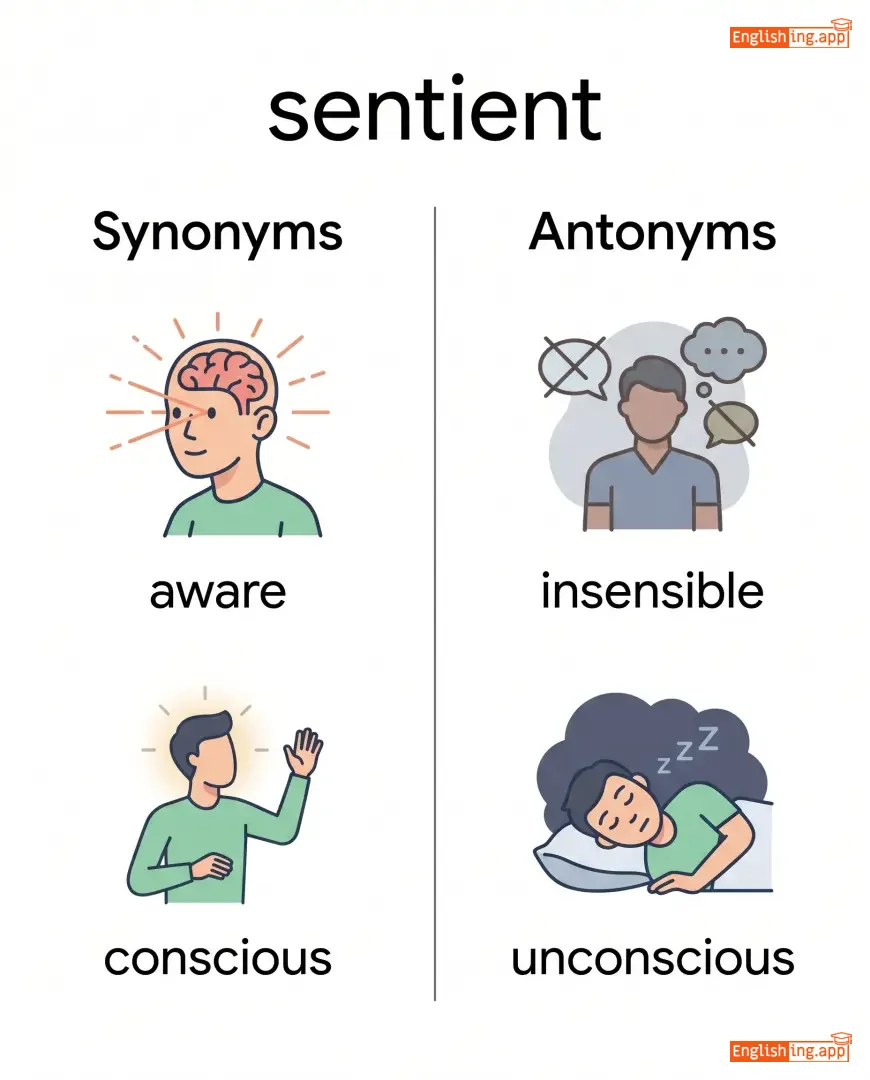
aware, conscious, responsive, perceptive
••••••
|
insensible, unconscious
••••••
|
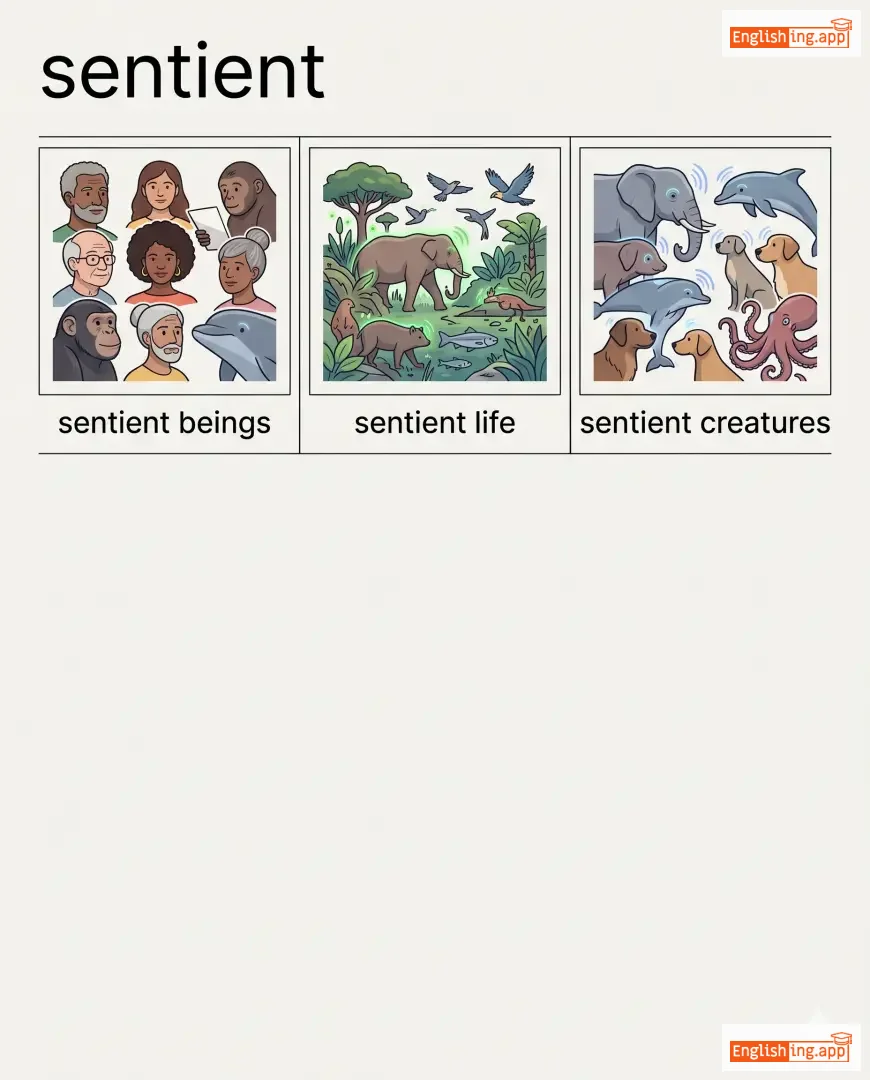
sentient beings, sentient life, sentient creatures
••••••
|
Sentientは‘感覚’を意味します — 感じたり知覚したりできる存在。
••••••
|
|
🙇
••••••
|
/ˈsɜːrvaɪl/ or /ˈsɜːrvəl/
adjective
(サーヴァイル)
••••••
|
|
卑屈な
hikutsuna
••••••
|
- •••••• | - •••••• | - •••••• | - •••••• |
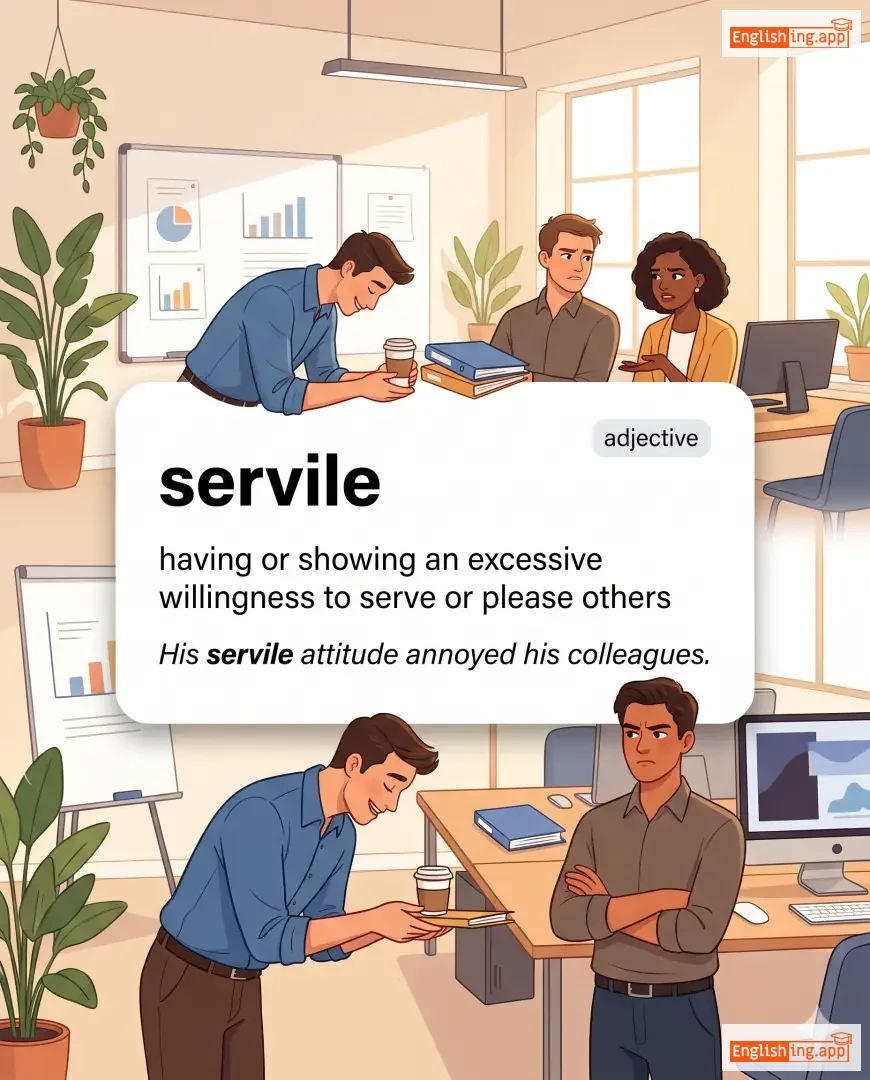
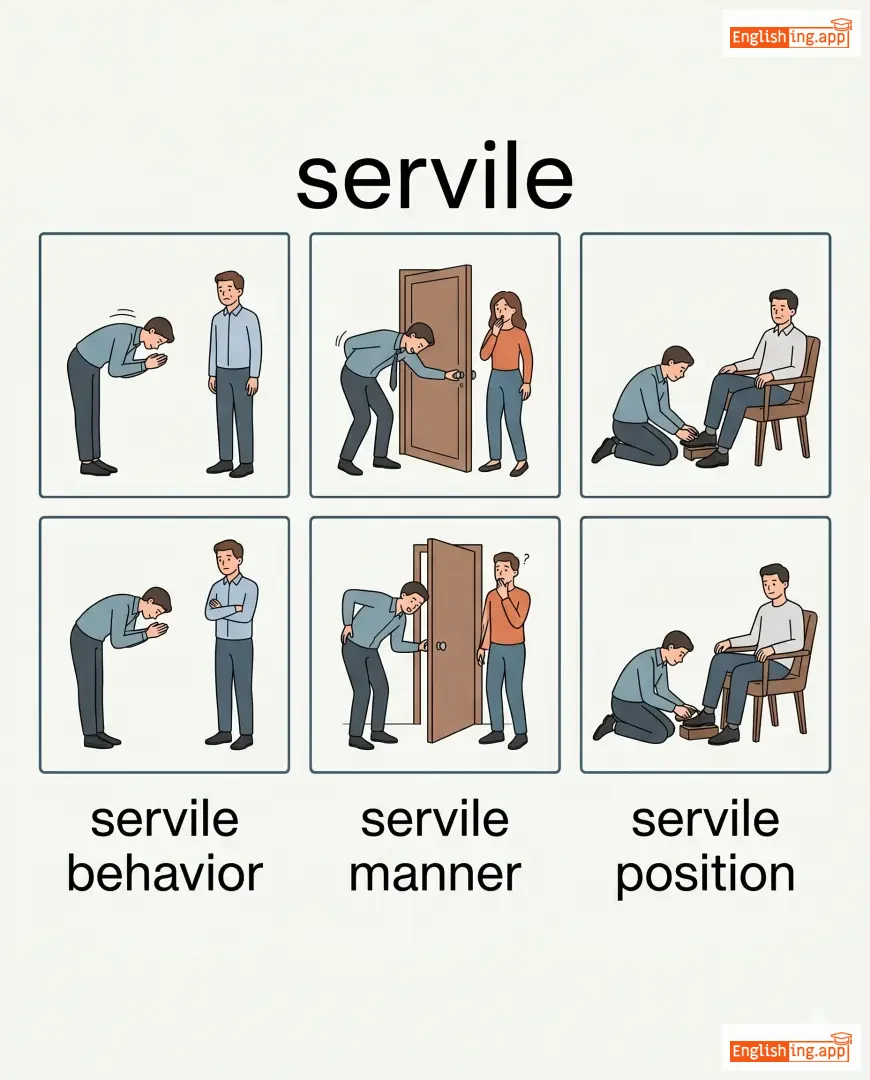
having or showing an excessive willingness to serve or please others
••••••
|
His servile attitude annoyed his colleagues. |
彼の卑屈な態度は同僚を困らせていました。
Kare no hikutsuna taido wa dōryō o komarasete imashita.
••••••
|
- •••••• | - •••••• | - •••••• |
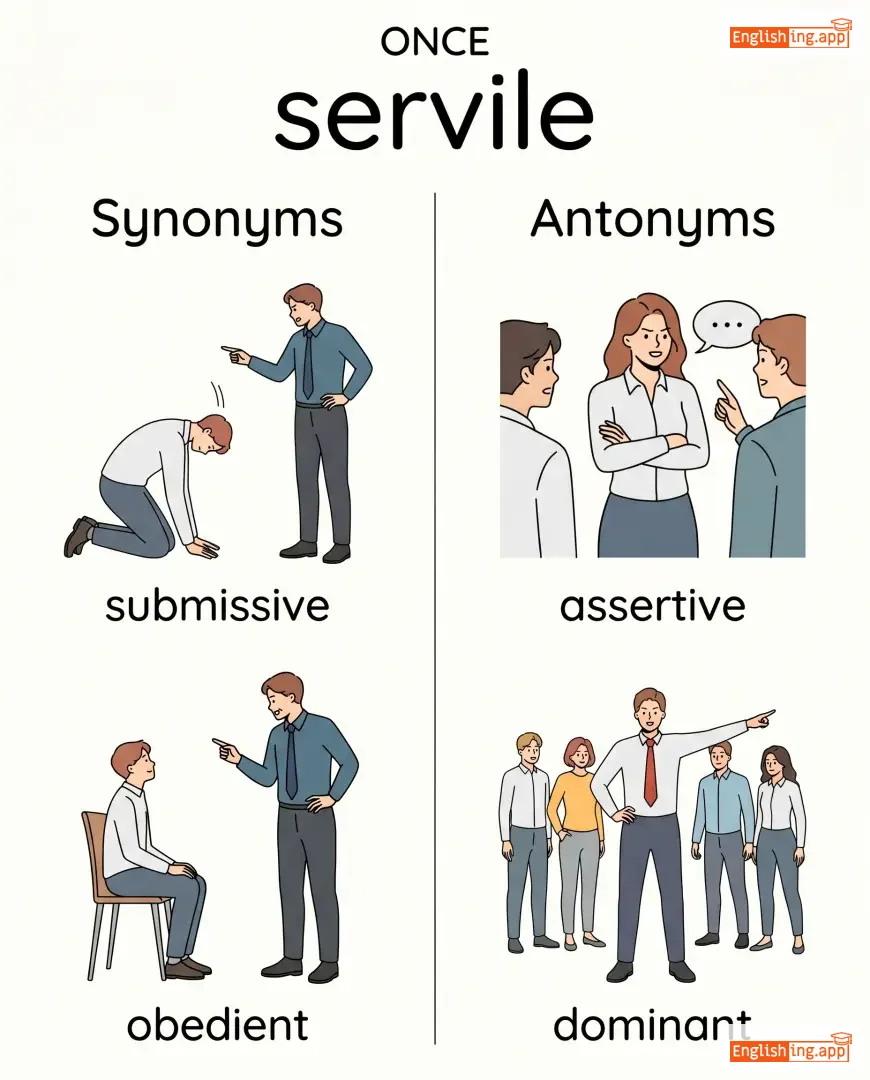
submissive, obedient, slavish, deferential
••••••
|
assertive, dominant, independent
••••••
|
servile behavior, servile manner, servile position
••••••
|
卑屈なとは、常に他人を喜ばせようとするような姿勢です。
••••••
|

