|
表情符号
|
单词 | Images | 翻译 | 过去时 | 过去分词 | 第三人称单数 | 动名词 | 含义 | 例句 | 例句翻译 | 示例表达 | 示例表达含义 | 示例表达翻译 | 同义词 | 反义词 | 搭配词 | 助记符 |
|---|---|---|---|---|---|---|---|---|---|---|---|---|---|---|---|---|---|
|
🎨
••••••
|
/rəˈkoʊkoʊ/
adjective
(洛可可)
••••••
|
|
洛可可
luò kě kě
••••••
|
- •••••• | - •••••• | - •••••• | - •••••• |
characterized by ornate detail and elaborate decoration, especially in art, architecture, and design
••••••
|
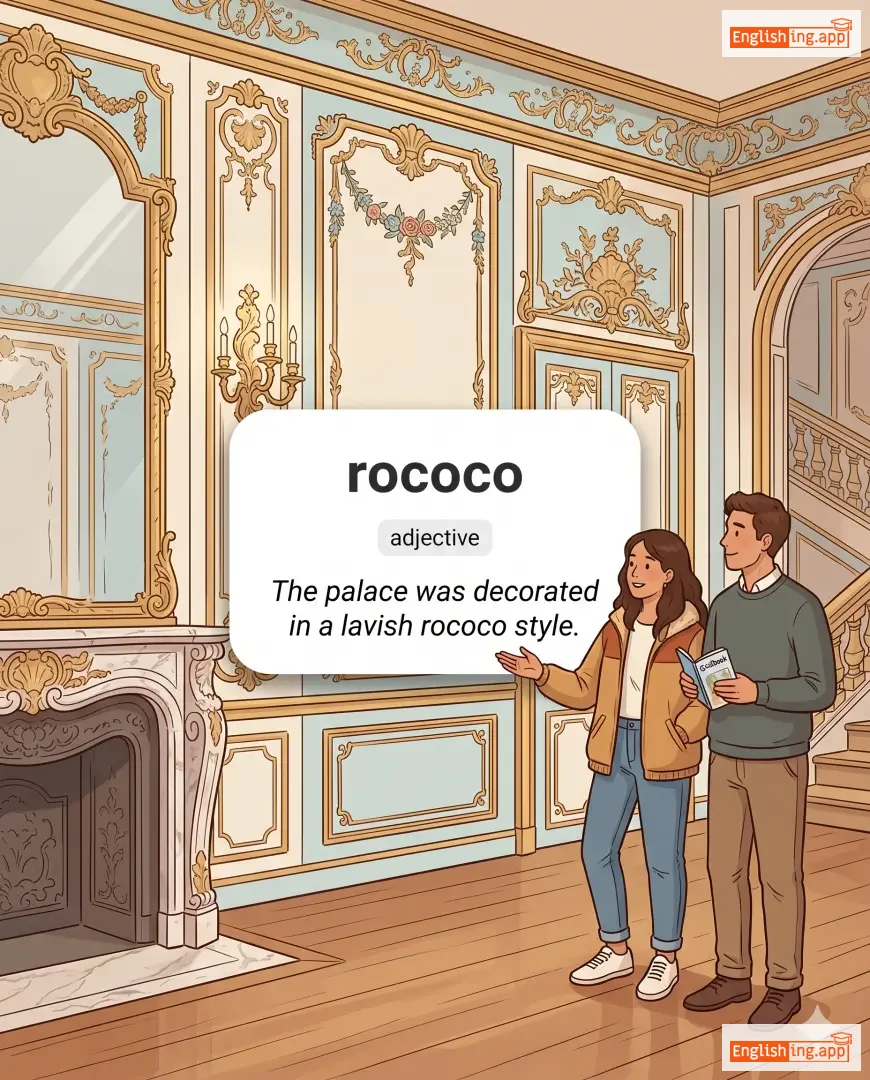
The palace was decorated in a lavish rococo style. |
宫殿以奢华的洛可可风格装饰。
Gōngdiàn yǐ shēhuá de luò kě kě fēnggé zhuāngshì.
••••••
|
- •••••• | - •••••• | - •••••• |
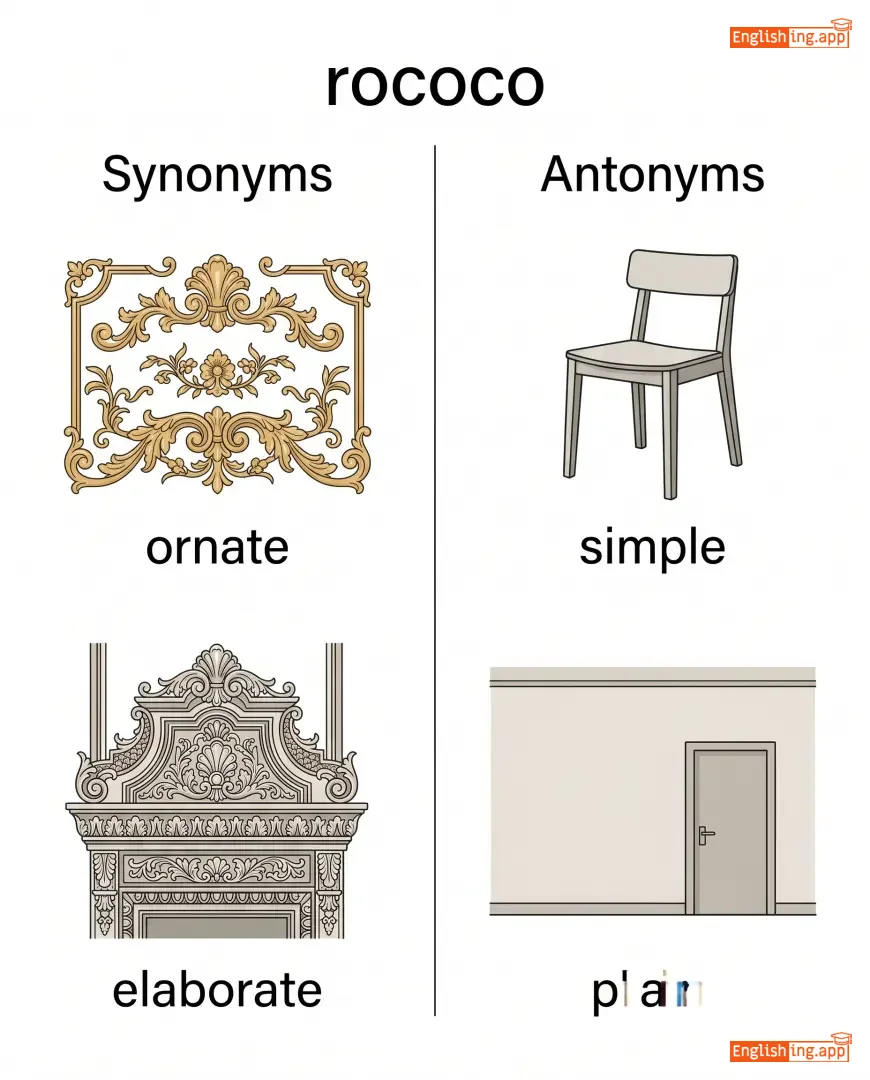
ornate, elaborate, decorative, baroque, fancy
••••••
|
simple, plain, austere
••••••
|
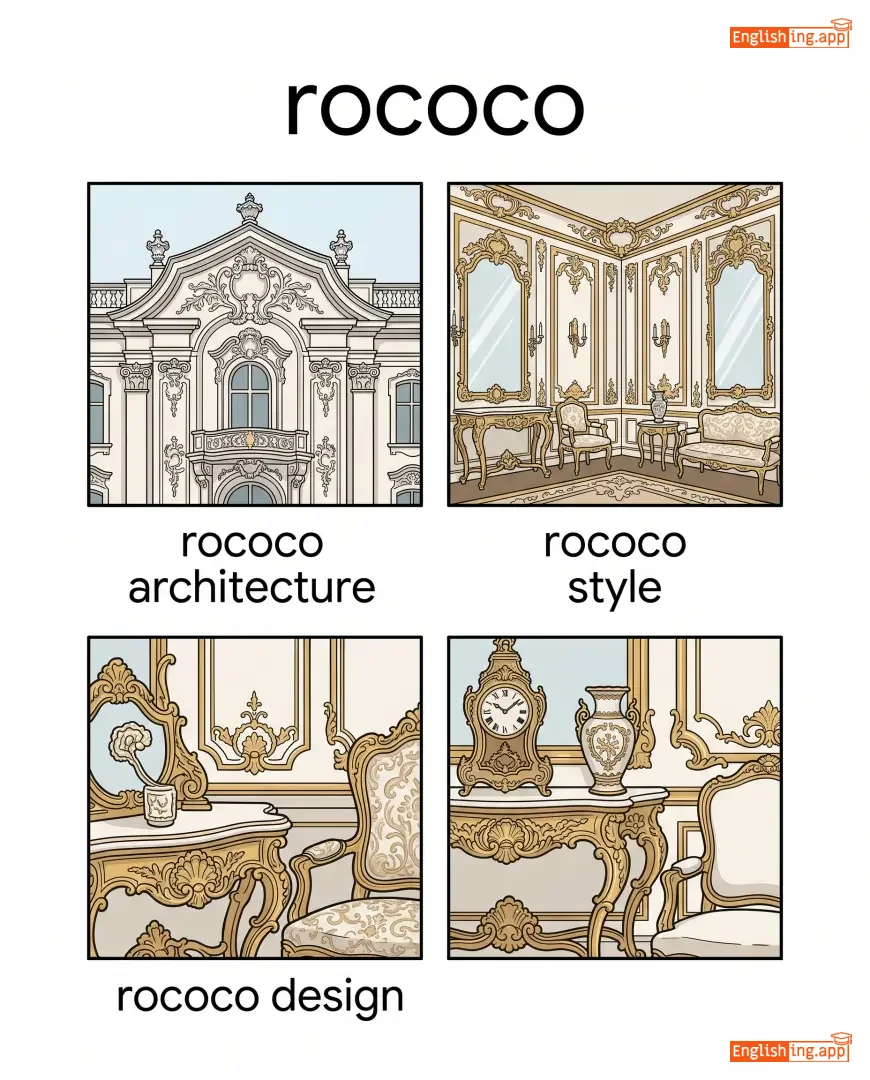
rococo architecture, rococo style, rococo design, rococo decoration
••••••
|
洛可可 = 丰富装饰的艺术风格
••••••
|
|
📑
••••••
|
/ˈruːbrɪk/
noun
(rúbùlìkè)
••••••
|
|
评分标准 / 指南
rubrik
••••••
|
- •••••• | - •••••• | - •••••• | - •••••• |
A set of instructions, rules, or a heading in a document, often used for grading criteria.
••••••
|
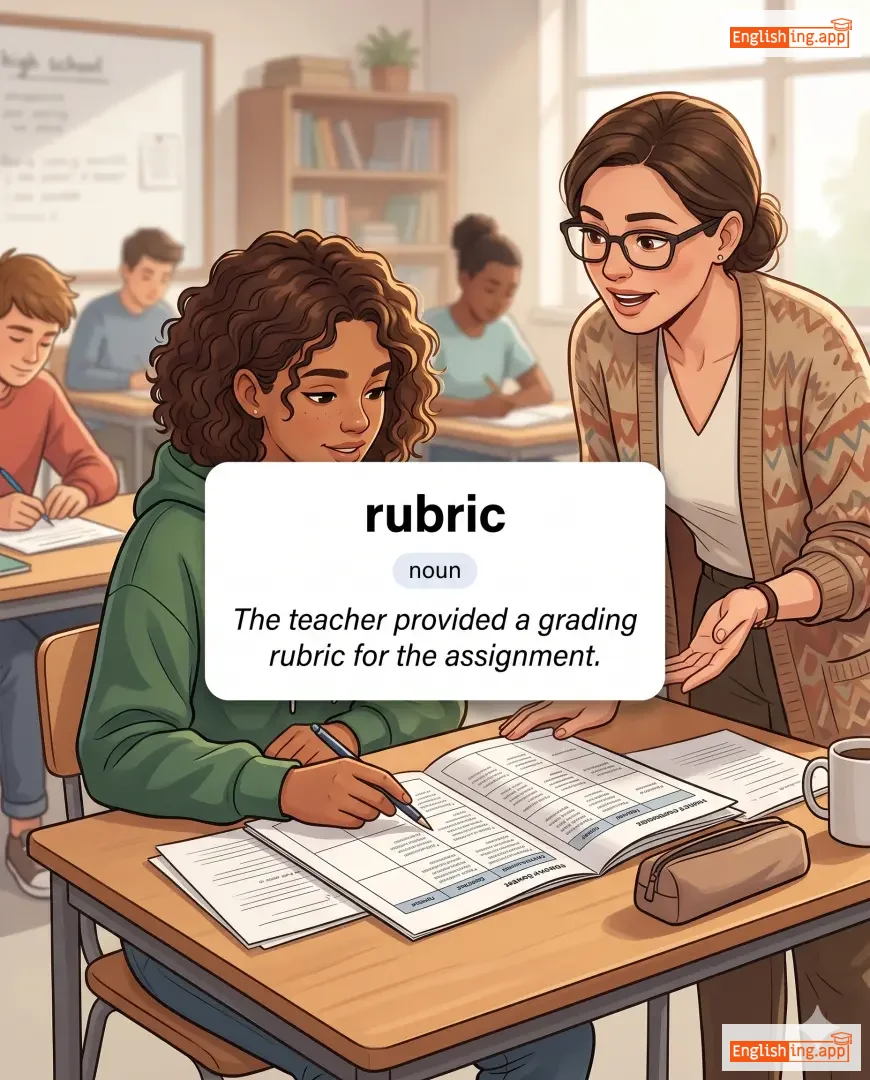
The teacher provided a grading rubric for the assignment. |
老师提供了一个作业评分标准。
lǎoshī tígōngle yīgè zuòyè píngfēn biāozhǔn.
••••••
|
under the rubric of |
classified or considered under a particular category.
••••••
|
在...的指导下
zài... de zhǐdǎo xià
••••••
|
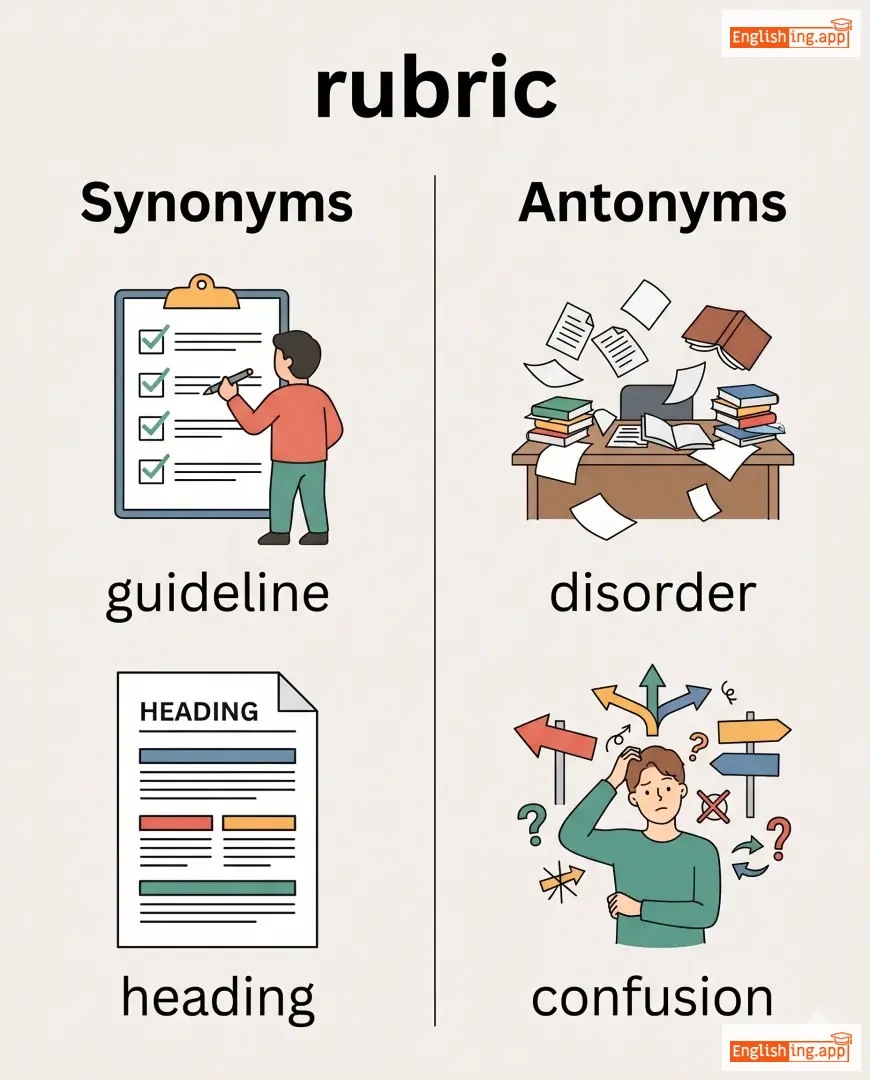
guideline, heading, category, rule
••••••
|
disorder, confusion
••••••
|
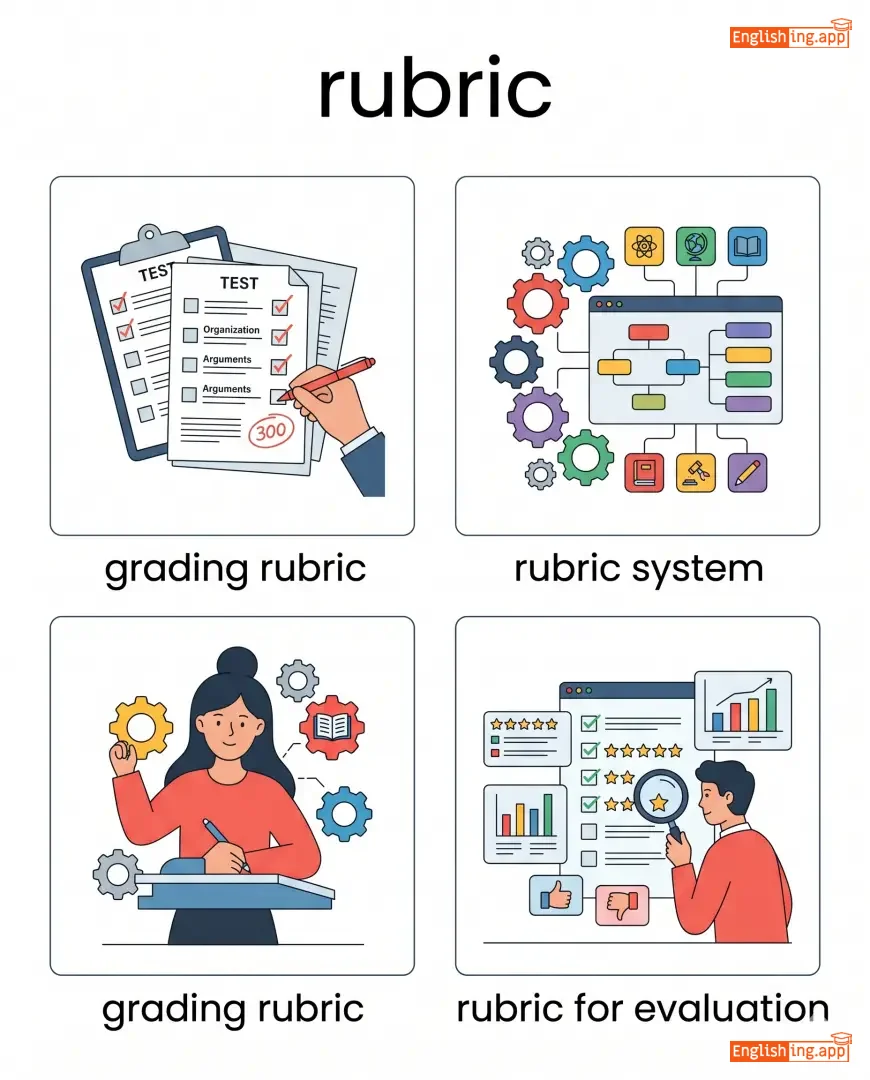
grading rubric, rubric system, rubric for evaluation
••••••
|
Rubric = 规则书 📑 - 评分标准。
••••••
|
|
😔
••••••
|
/ruː/
verb
(ru)
••••••
|
|
后悔
hòuhuǐ
••••••
|
rued
rúi dé
••••••
|
rued
rúi dé
••••••
|
rues
rù sī
••••••
|
ruing
ruīng
••••••
|
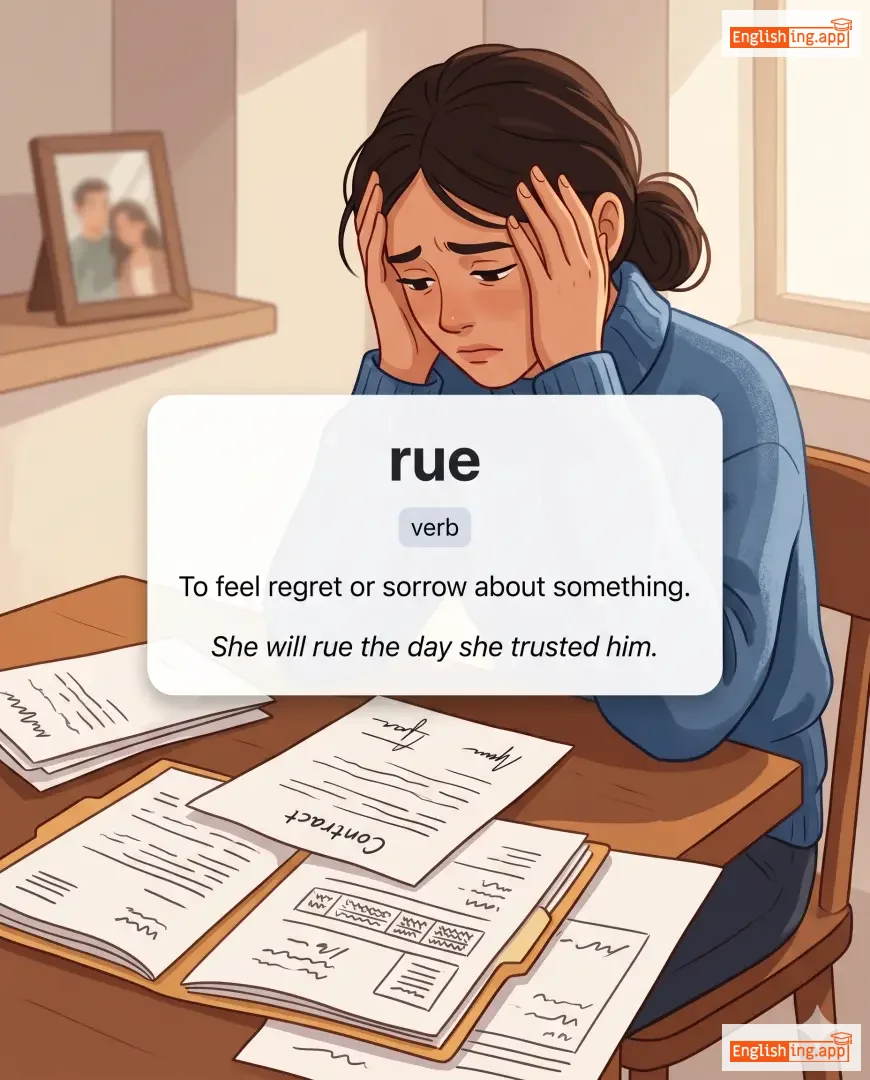
To feel regret or sorrow about something.
••••••
|
She will rue the day she trusted him.
她将会后悔她信任他那一天。
••••••
|
她将会后悔她信任他那一天。
Tā jiāng huì hòuhuǐ tā xìnrèn tā nà yītiān.
••••••
|
rue the day
后悔那一天
••••••
|
to bitterly regret a particular event or decision
••••••
|
后悔那一天
Hòuhuǐ nà yītiān
••••••
|
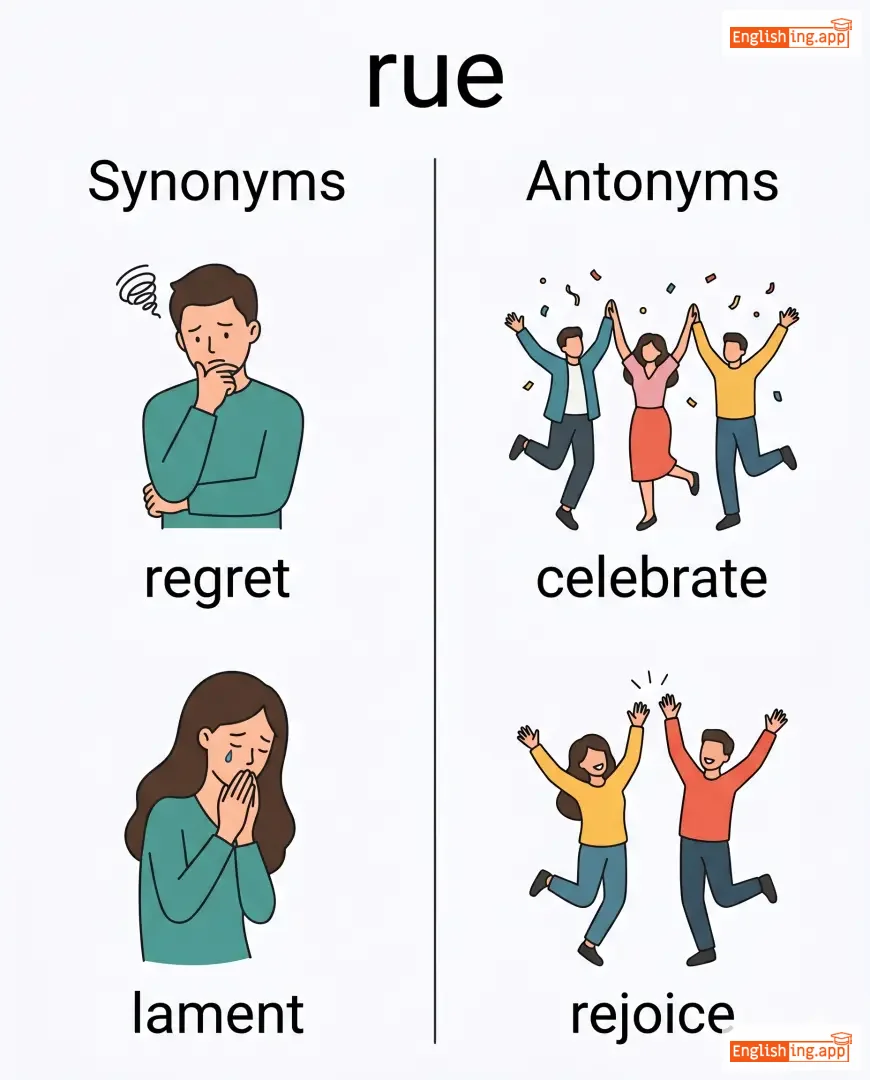
regret, lament, repent, mourn
••••••
|
celebrate, rejoice
••••••
|
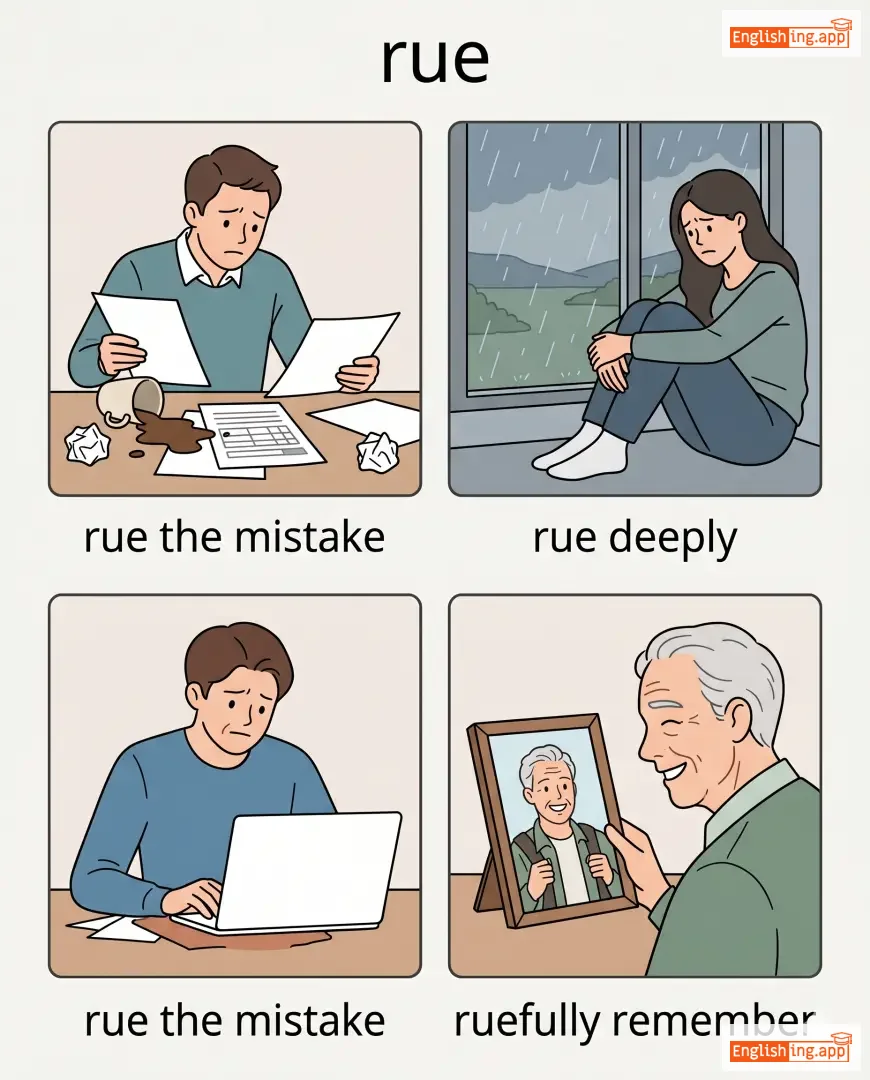
rue the mistake, rue deeply, ruefully remember, rue the decision
••••••
|
Rue 意味着后悔,像是你做错了事情会后悔。
••••••
|
|
🎭
••••••
|
/ruːz/
noun
(rúz)
••••••
|
|
诡计
guǐjì
••••••
|
- •••••• | - •••••• | - •••••• | - •••••• |
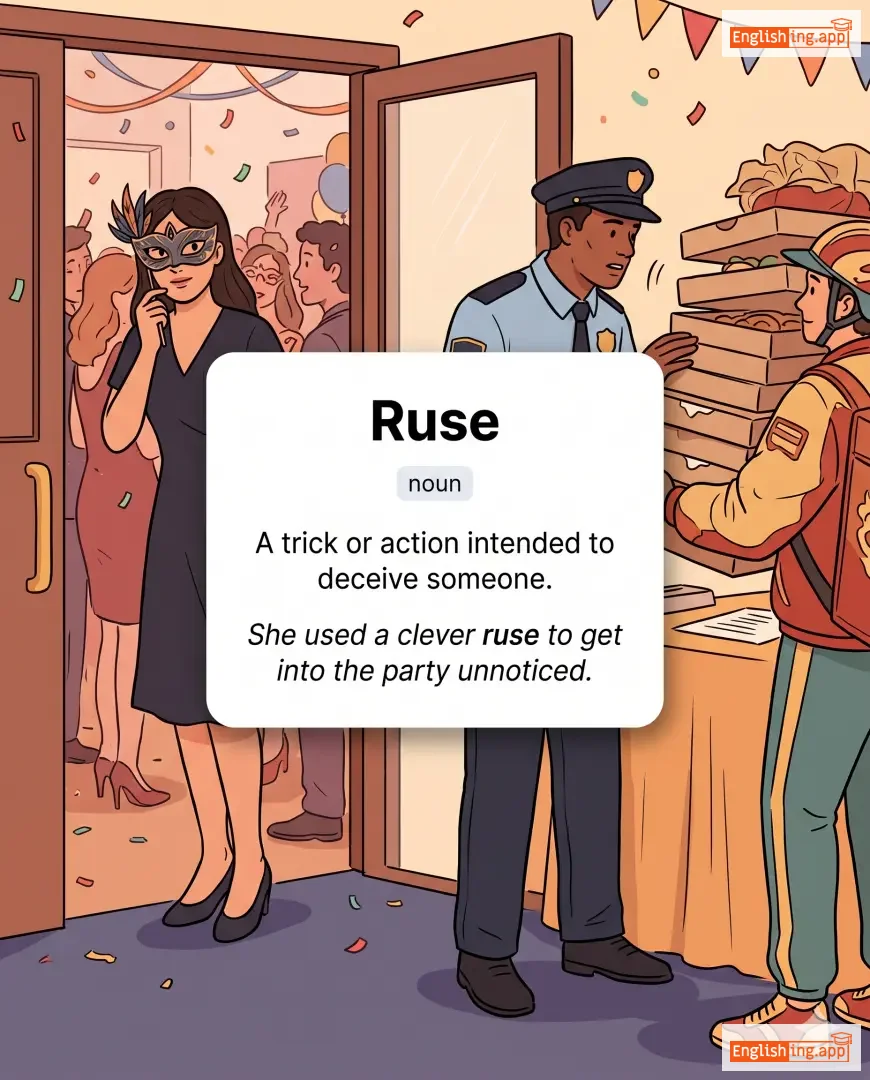
A trick or action intended to deceive someone.
••••••
|
She used a clever ruse to get into the party unnoticed. |
她用一个巧妙的诡计进入了派对,没人注意到她。
Tā yòng yīgè qiǎomiào de guǐjì jìnrùle pàiduì, méi rén zhùyì dào tā.
••••••
|
a ruse to an end |
A deceptive trick used to achieve a particular goal.
••••••
|
为了目的而使用的诡计
Wèile mùdì ér shǐyòng de guǐjì
••••••
|
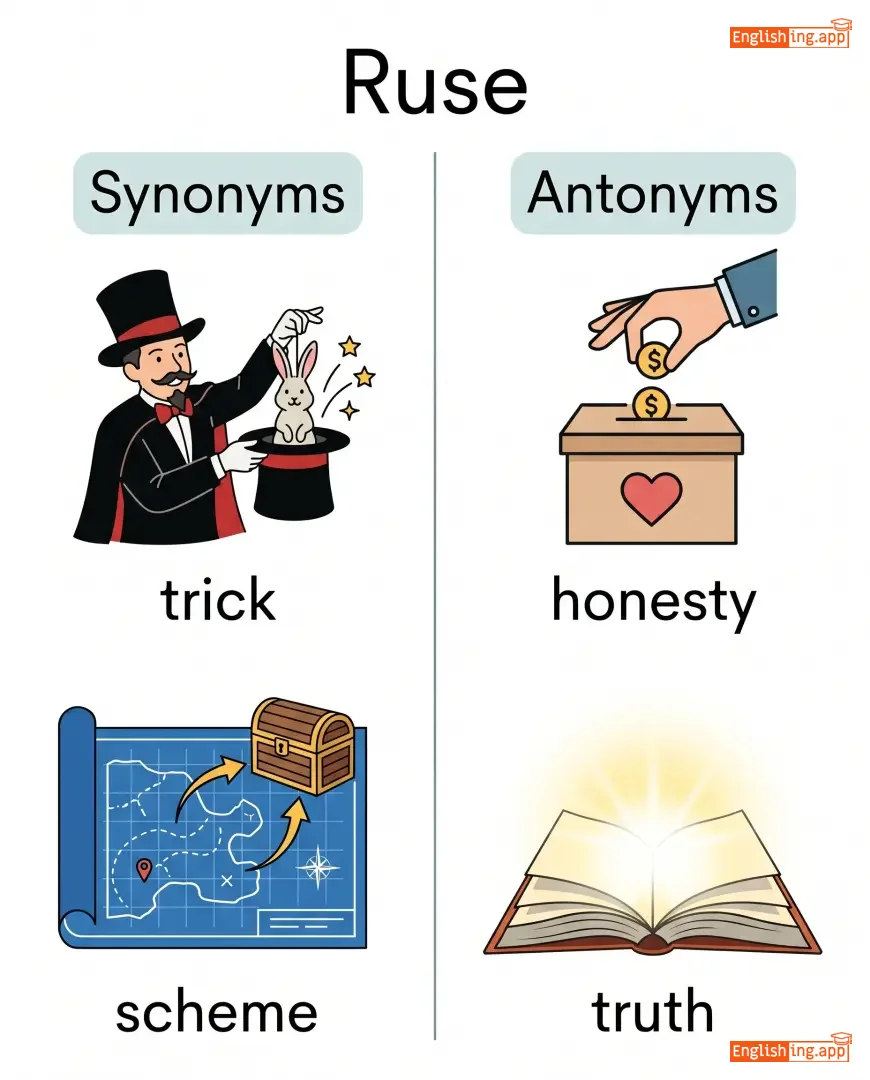
trick, scheme, ploy, tactic, deception
••••••
|
honesty, truth, openness
••••••
|
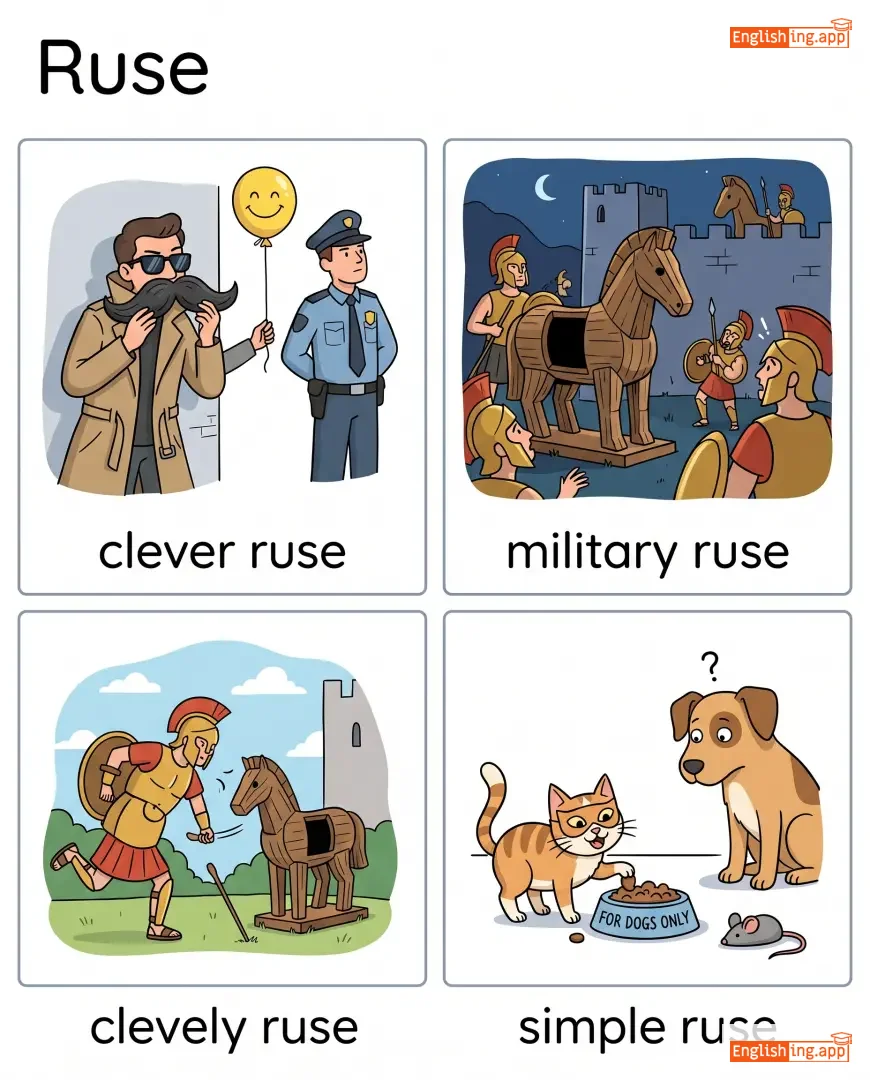
clever ruse, military ruse, simple ruse, ruse to escape
••••••
|
RUSE意味着诡计,就像‘她用诡计进入’一样。
••••••
|
|
👴
••••••
|
/seɪdʒ/
noun
(海皮尼斯)
••••••
|
|
智者
zhìzhě
••••••
|
- •••••• | - •••••• | - •••••• | - •••••• |
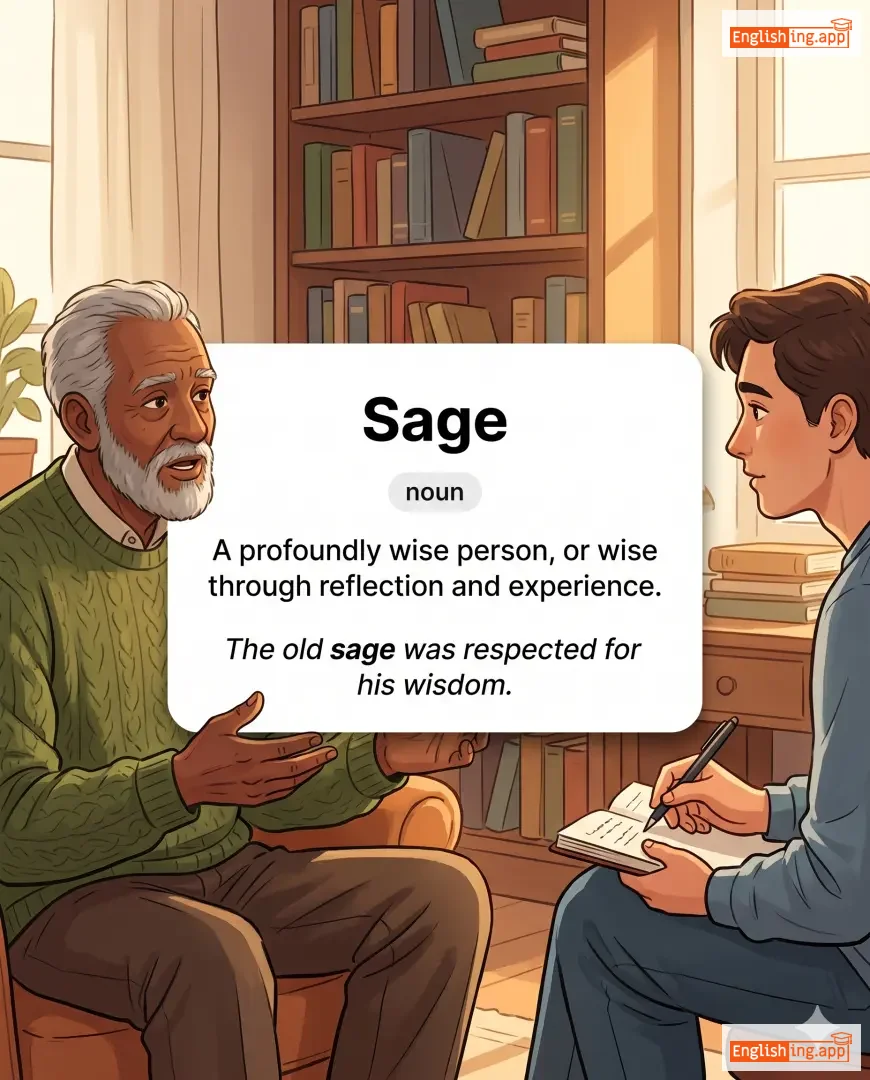
A profoundly wise person, or wise through reflection and experience.
••••••
|
The old sage was respected for his wisdom. |
这位年长的智者因其智慧而受到尊敬。
Zhè wèi nián zhǎng de zhìzhě yīn qí zhìhuì ér shòudào zūnjìng.
••••••
|
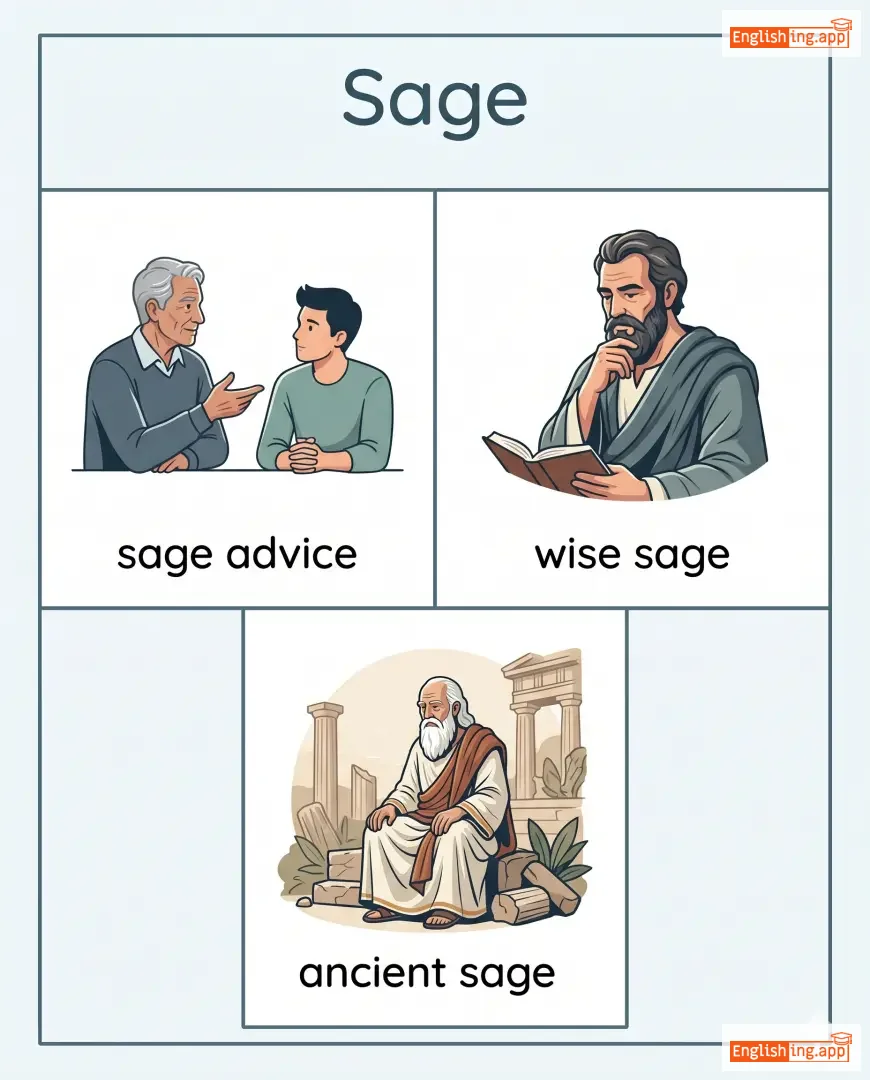
sage advice |
very wise or sensible advice
••••••
|
智慧之言
zhìhuì zhī yán
••••••
|
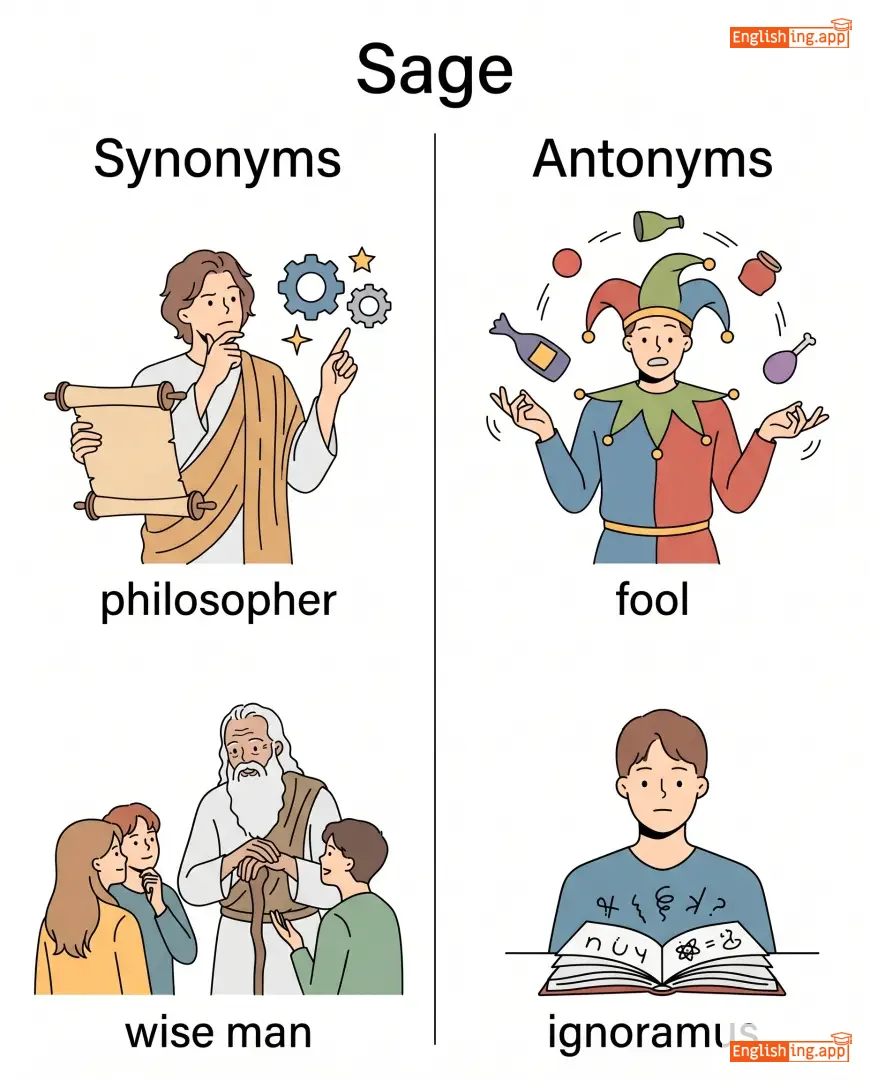
philosopher, wise man, guru, thinker
••••••
|
fool, ignoramus
••••••
|
sage advice, wise sage, ancient sage, sage counsel
••••••
|
智者 = Sage, 反映经验的智慧。
••••••
|
|
😏
••••••
|
/səˈleɪʃəs/
adjective
(萨莱谢斯)
••••••
|

|
淫秽的
yínhuì de
••••••
|
- •••••• | - •••••• | - •••••• | - •••••• |
Having or conveying undue or inappropriate sexual interest.
••••••
|
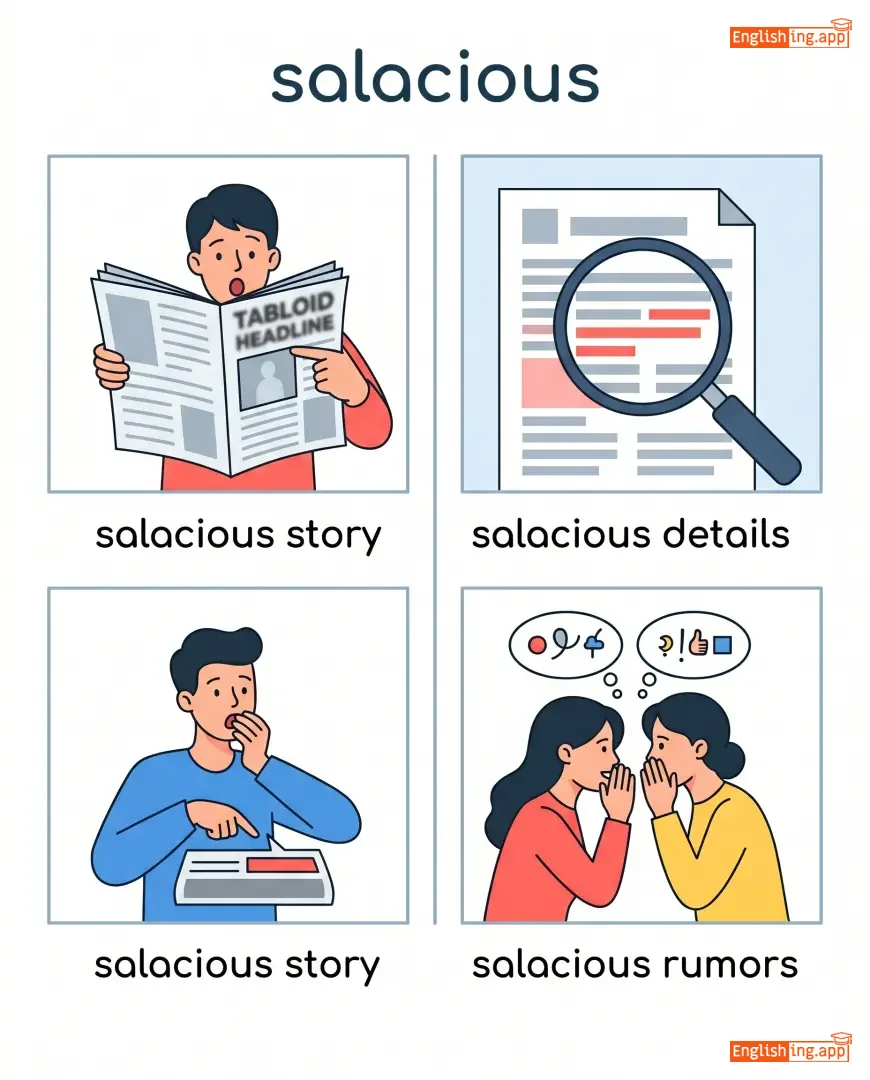
The tabloid published a salacious story about the celebrity. |
小报发布了关于名人的淫秽故事。
Xiǎobào fābùle guānyú míngrén de yínhuì gùshì.
••••••
|
- •••••• | - •••••• | - •••••• |
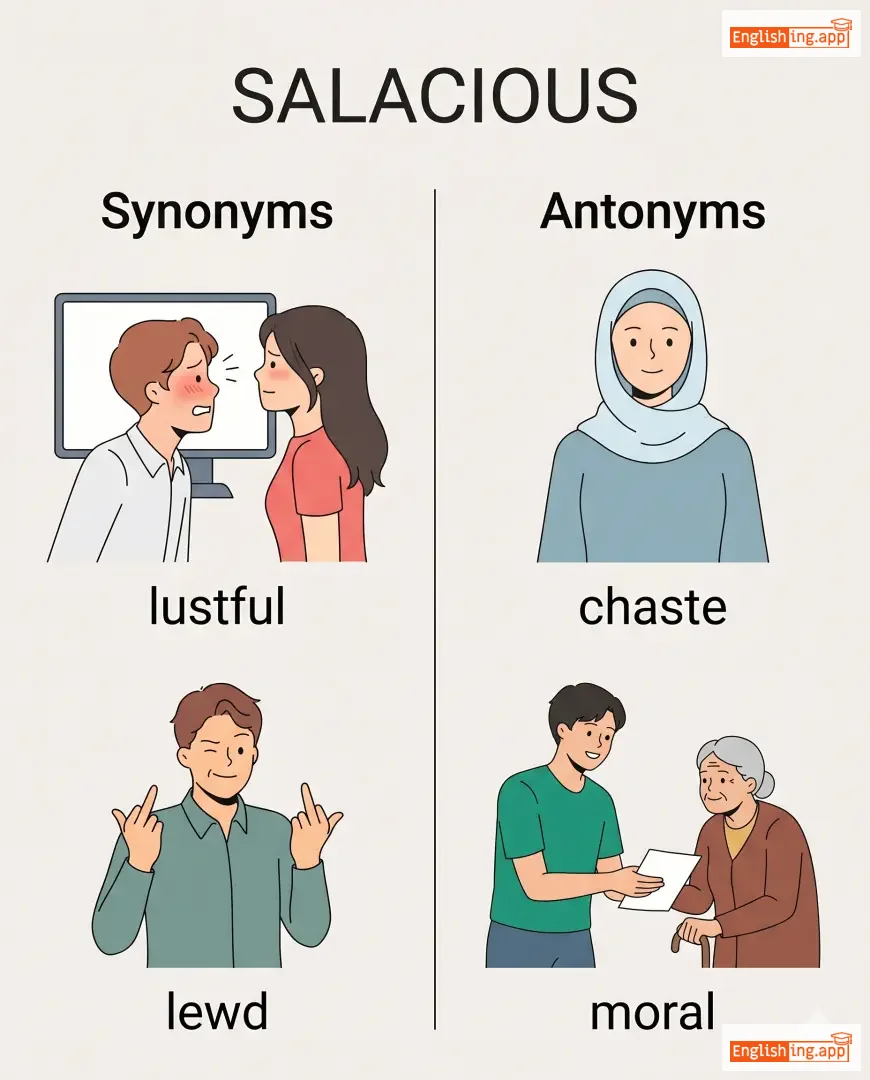
lustful, lewd, obscene, lascivious
••••••
|
chaste, moral, decent
••••••
|
salacious story, salacious details, salacious rumors, salacious gossip
••••••
|
Sala + lust = 淫秽的 (yínhuì de)
••••••
|
|
🌱
••••••
|
/səˈluː.bri.əs/
adjective
(sā lù bù rì ào sī)
••••••
|
|
有益健康的
you yi jian kang de
••••••
|
- •••••• | - •••••• | - •••••• | - •••••• |
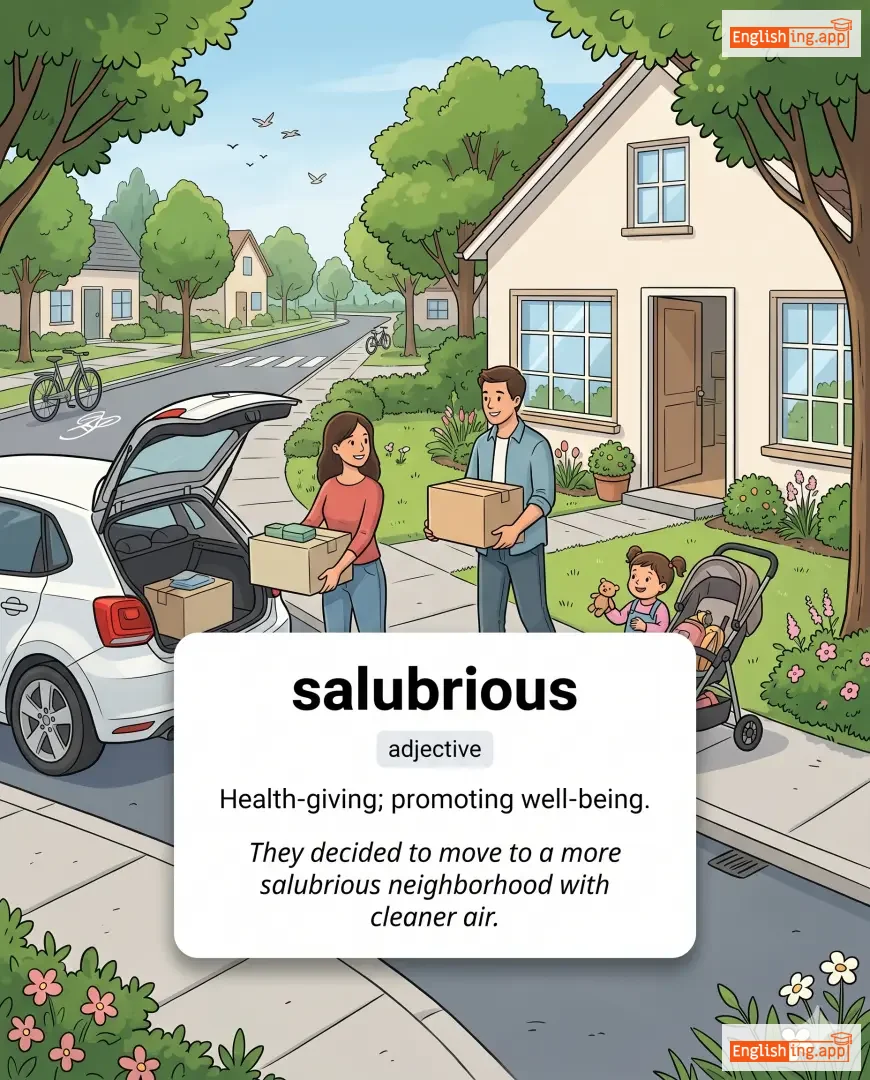
Health-giving; promoting well-being.
••••••
|
They decided to move to a more salubrious neighborhood with cleaner air. |
他们决定搬到一个更有益健康的社区,那里有更清新的空气。
Tāmen juédìng bān dào yīgè gèng yǒuyì jiànkāng de shèqū, nàlǐ yǒu gèng qīngxīn de kōngqì.
••••••
|
- •••••• | - •••••• | - •••••• |
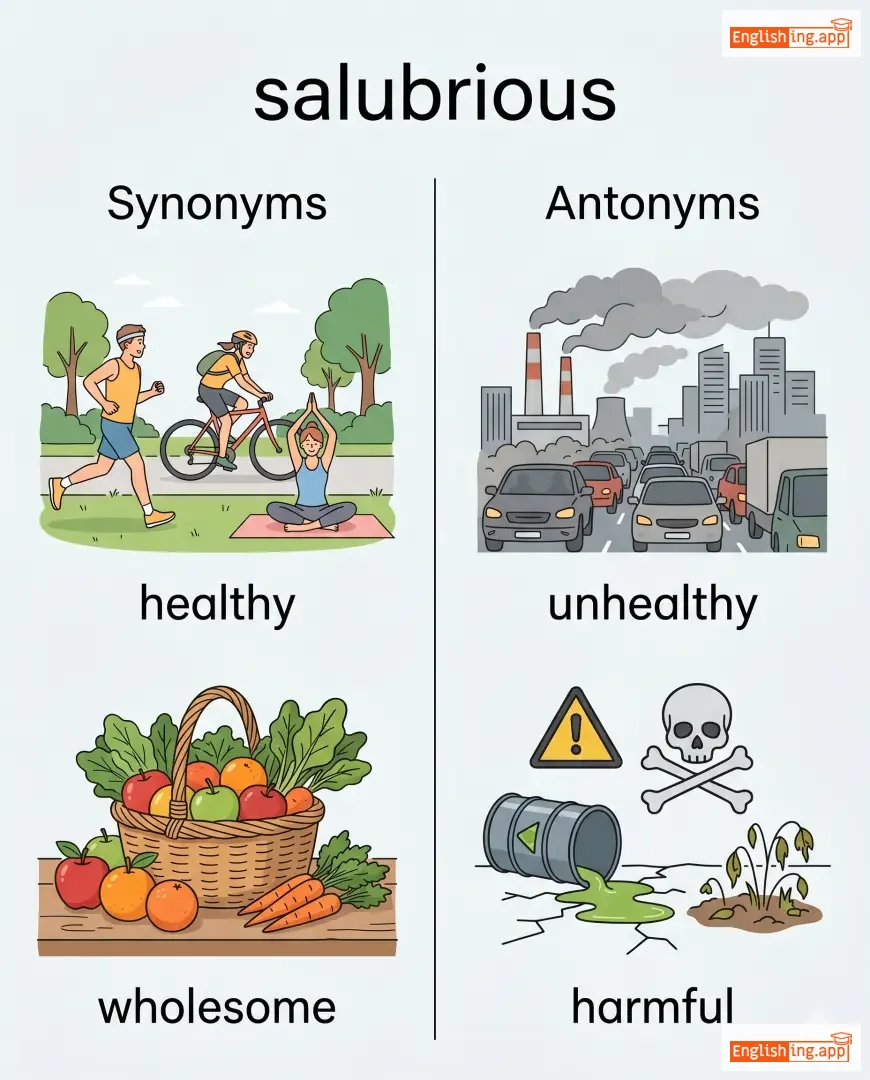
healthy, wholesome, beneficial, hygienic, invigorating
••••••
|
unhealthy, harmful, insalubrious
••••••
|
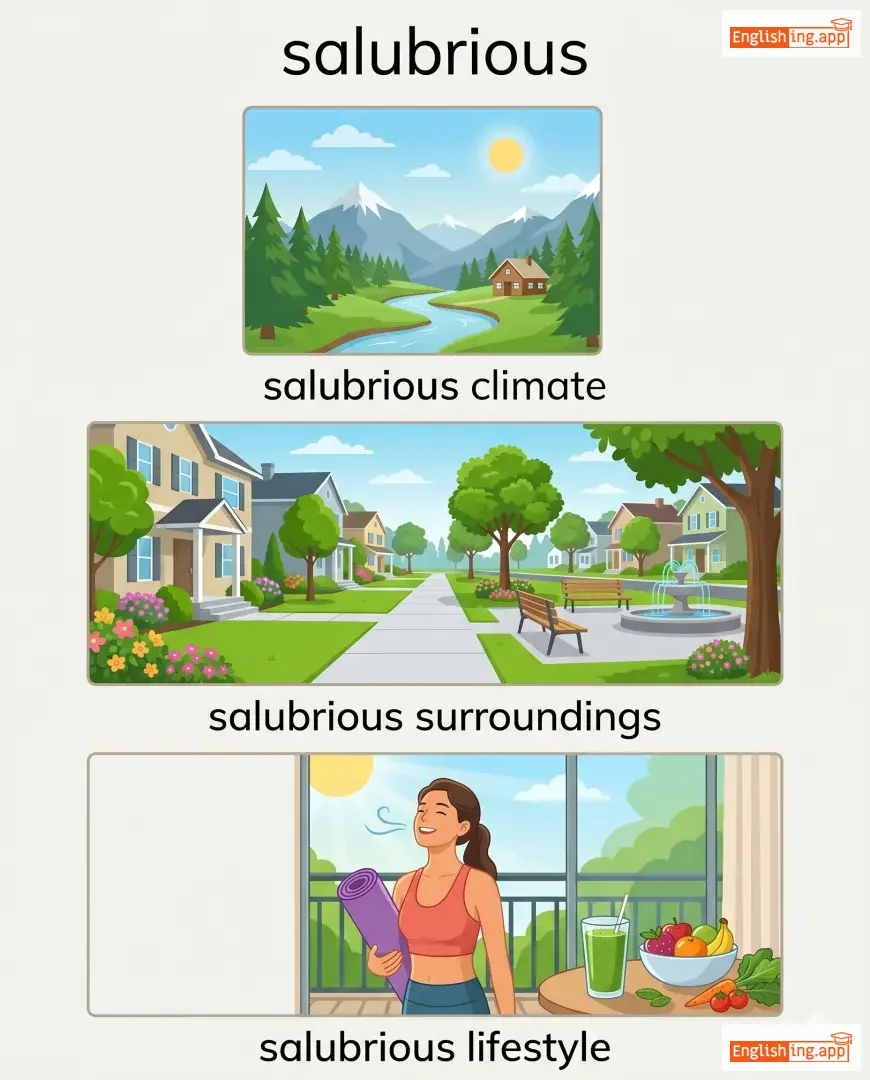
salubrious climate, salubrious surroundings, salubrious lifestyle
••••••
|
Salubrious代表健康的地方,有清新的空气和舒适的环境。
••••••
|
|
🌱
••••••
|
/ˈsæljʊˌtɛri/
adjective
(萨律塔瑞)
••••••
|
|
有益的
youyi de
••••••
|
- •••••• | - •••••• | - •••••• | - •••••• |
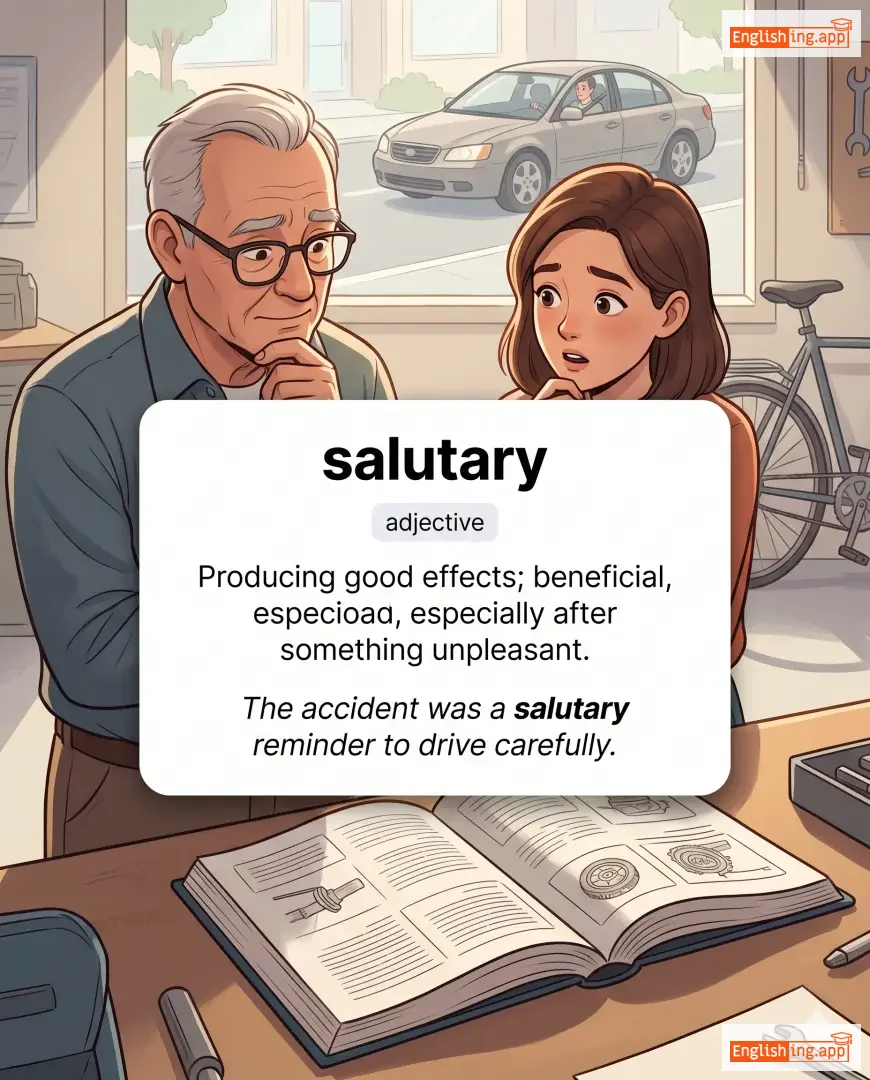
Producing good effects; beneficial, especially after something unpleasant.
••••••
|
The accident was a salutary reminder to drive carefully. |
这场事故是一个有益的提醒,要小心驾驶。
Zhe chang shigu shi yige youyi de tixing, yao xiaoxin jiashi.
••••••
|
- •••••• | - •••••• | - •••••• |
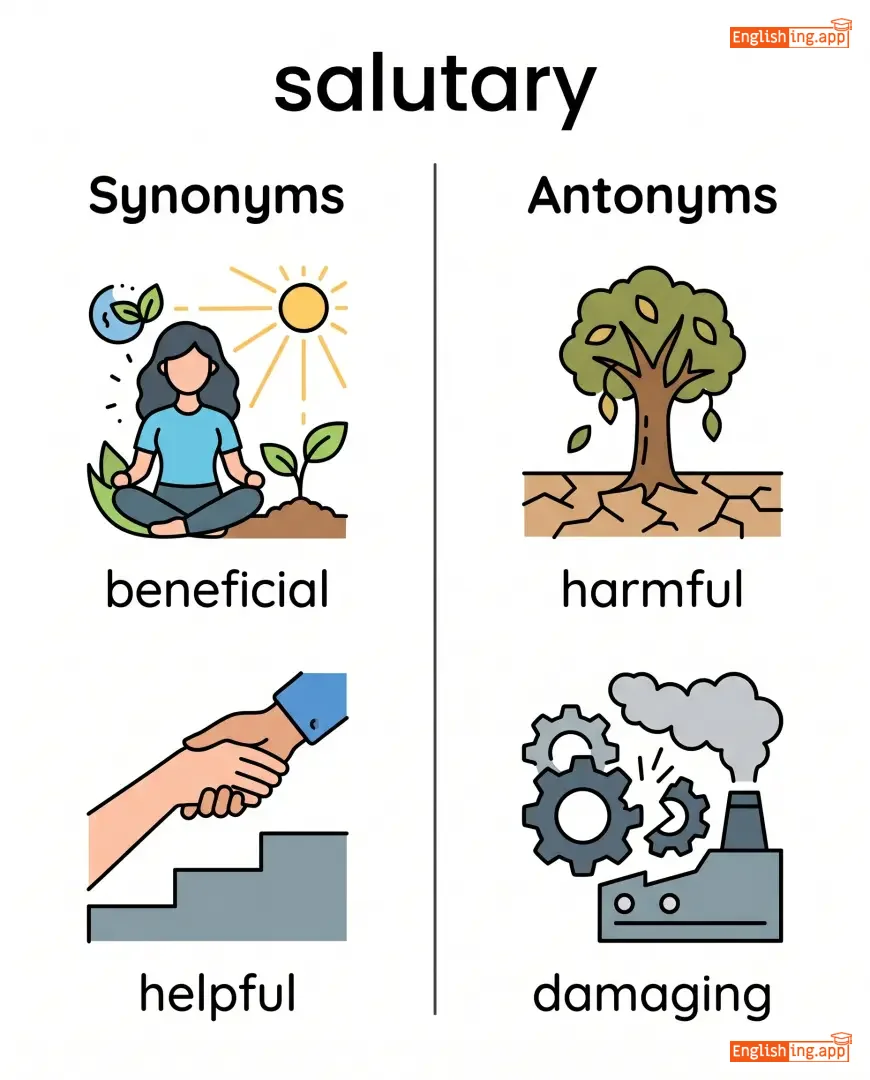
beneficial, helpful, useful, advantageous, valuable
••••••
|
harmful, damaging, detrimental
••••••
|
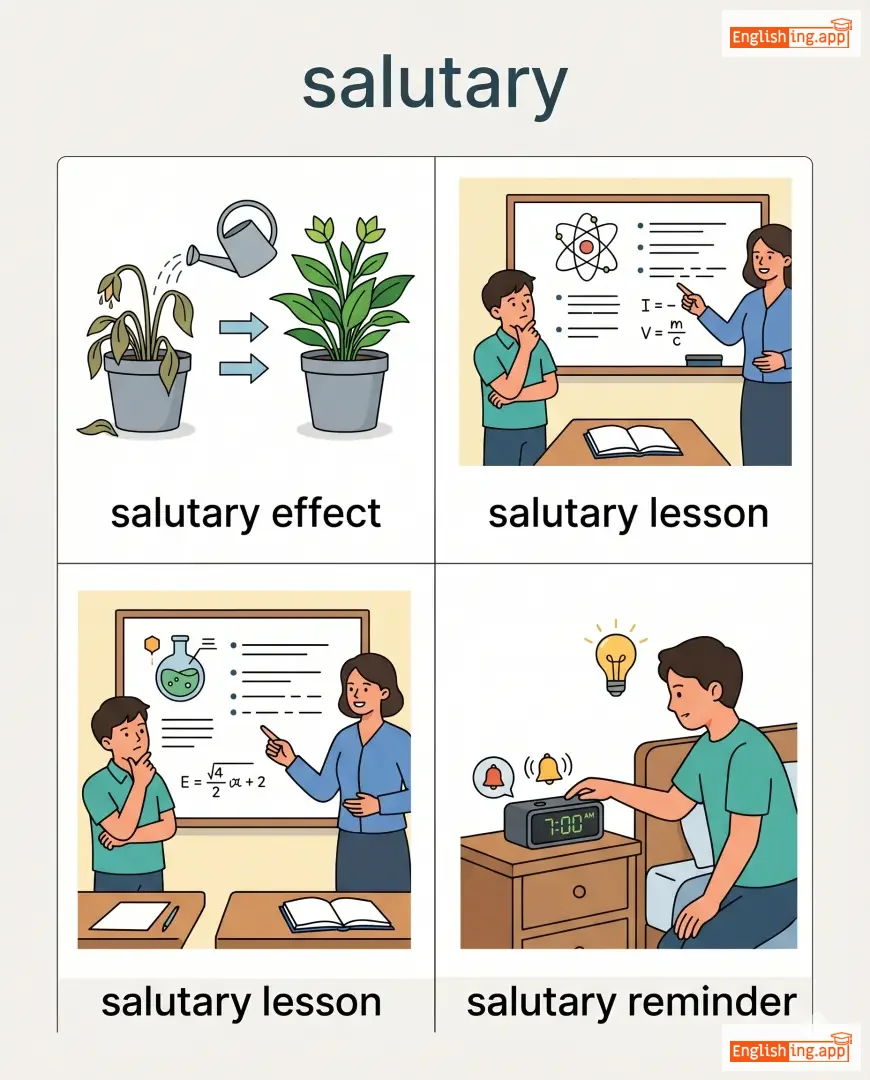
salutary effect, salutary lesson, salutary reminder, salutary influence
••••••
|
有益的就是帮助你产生良好影响,尤其在不愉快之后。
••••••
|
|
⚖️
••••••
|
/ˈsæŋkʃən/
noun/verb
••••••
|

|
- •••••• |
sanctioned
••••••
|
sanctioned
••••••
|
sanctions
••••••
|
sanctioning
••••••
|
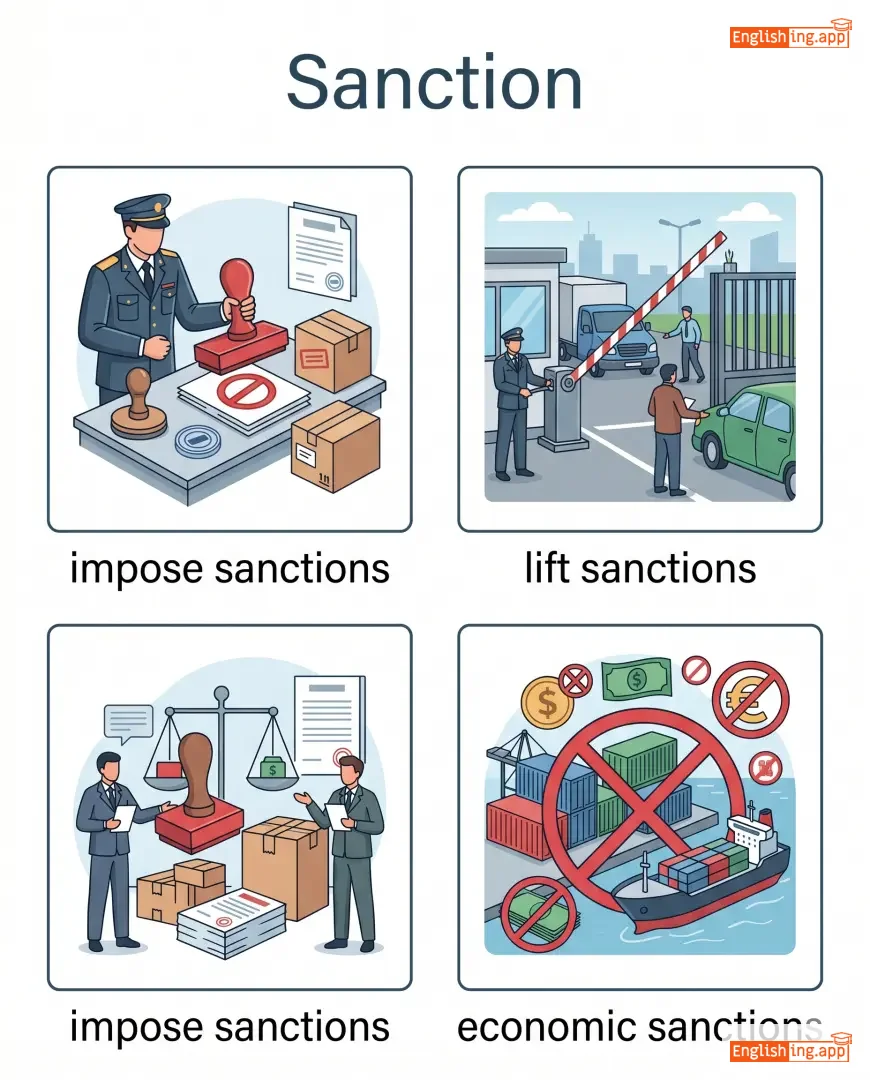
An official permission or approval; also a penalty imposed to enforce rules.
••••••
|
The government imposed sanctions on the company for violating trade laws. |
- •••••• |
economic sanctions |
penalties imposed by one country on another to enforce international law
••••••
|
- •••••• |
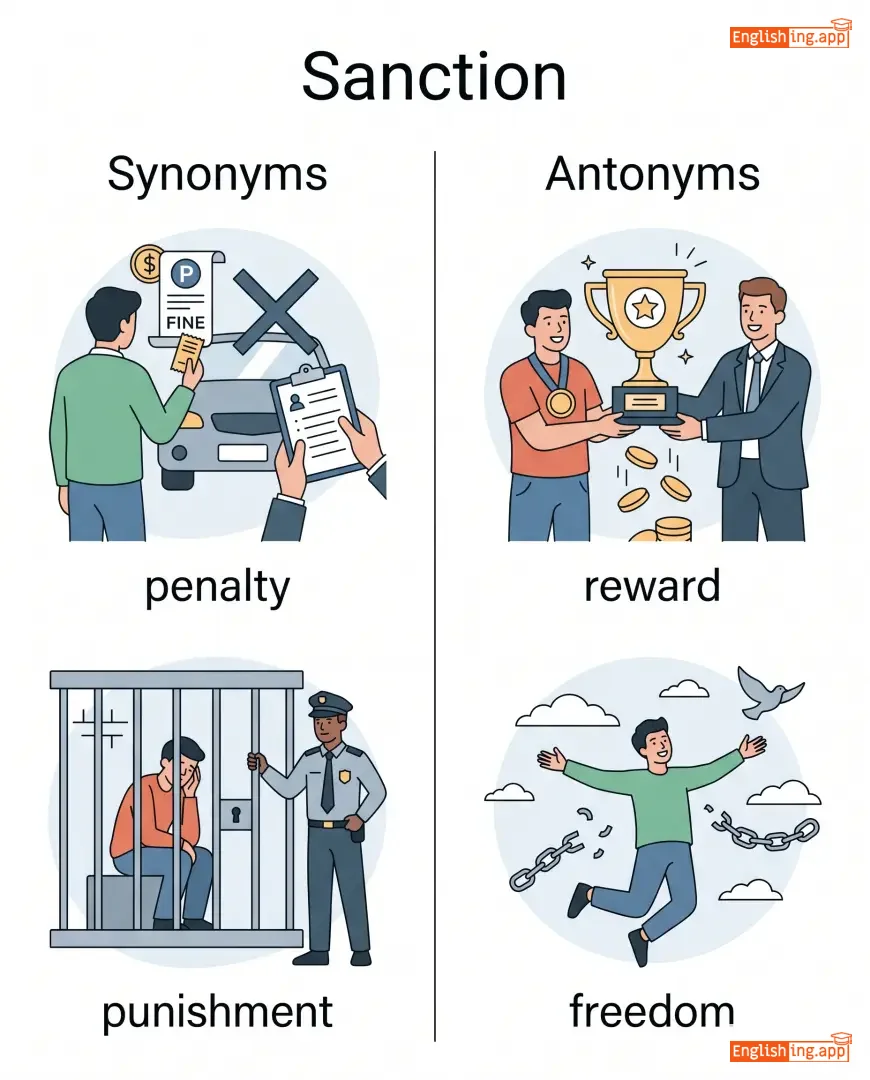
penalty, punishment, approval, authorization, restriction
••••••
|
reward, freedom, allowance
••••••
|
impose sanctions, lift sanctions, economic sanctions, trade sanctions
••••••
|
No •••••• |
|
😒
••••••
|
/sɑːrˈdɒnɪk/
adjective
(happiness)
••••••
|
|
幸福
xingfu
••••••
|
- •••••• | - •••••• | - •••••• | - •••••• |
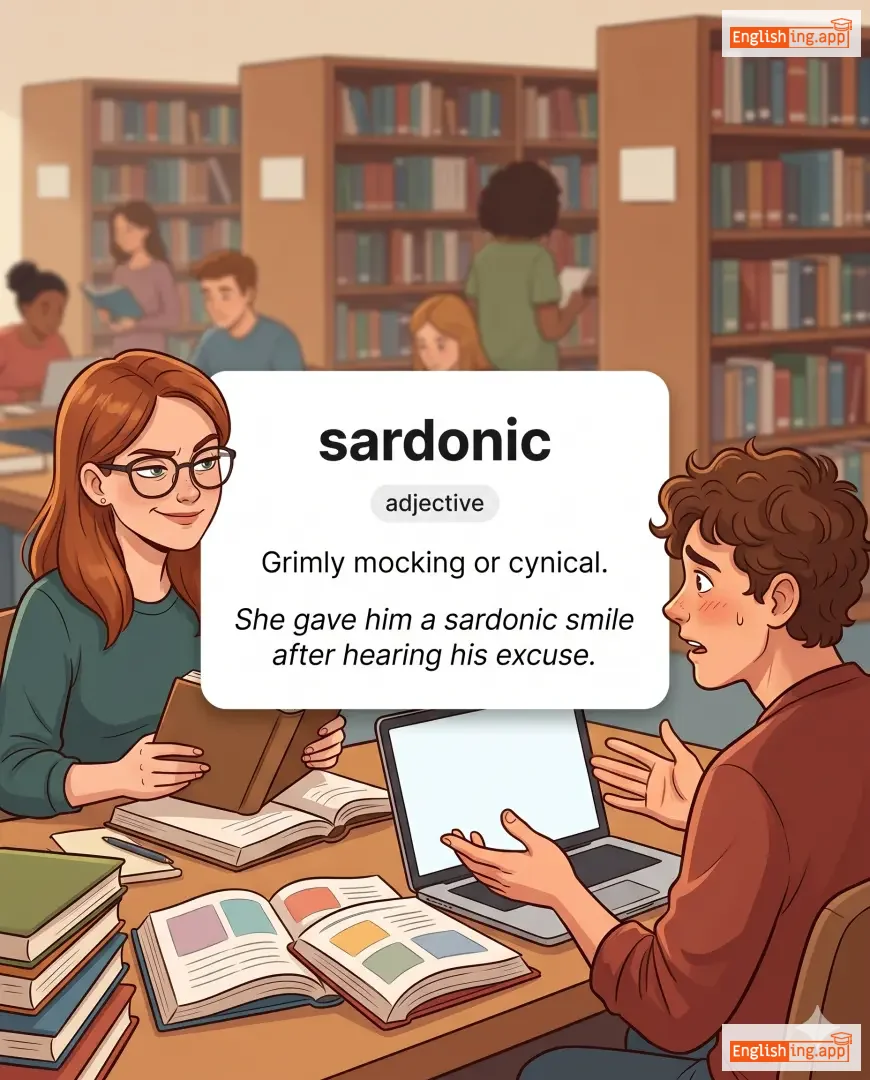
Grimly mocking or cynical.
••••••
|
She gave him a sardonic smile after hearing his excuse. |
她在收到奖项时,无法隐藏自己的幸福。
Tā zài shōudào jiǎngxiàng shí, wúfǎ yǐncáng zìjǐ de xìngfú.
••••••
|
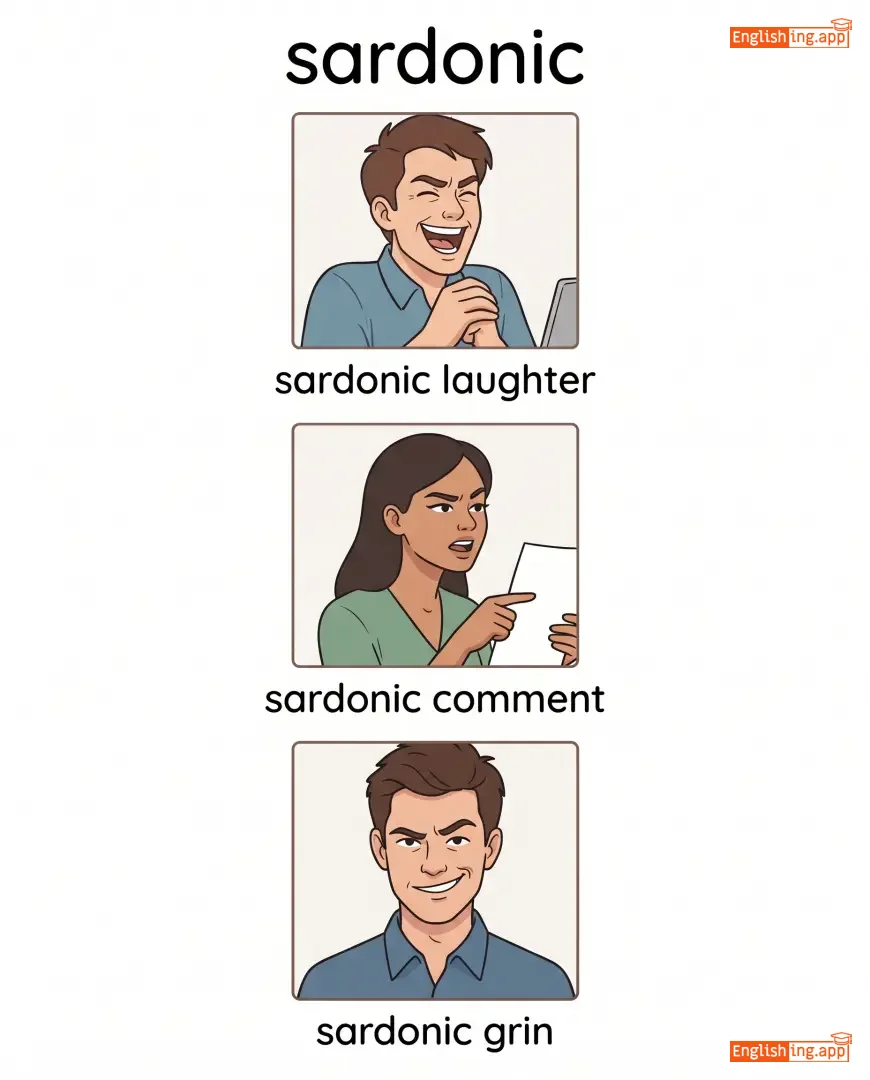
sardonic smile |
a mocking or cynical smile
••••••
|
追求幸福
zhuīqiú xìngfú
••••••
|
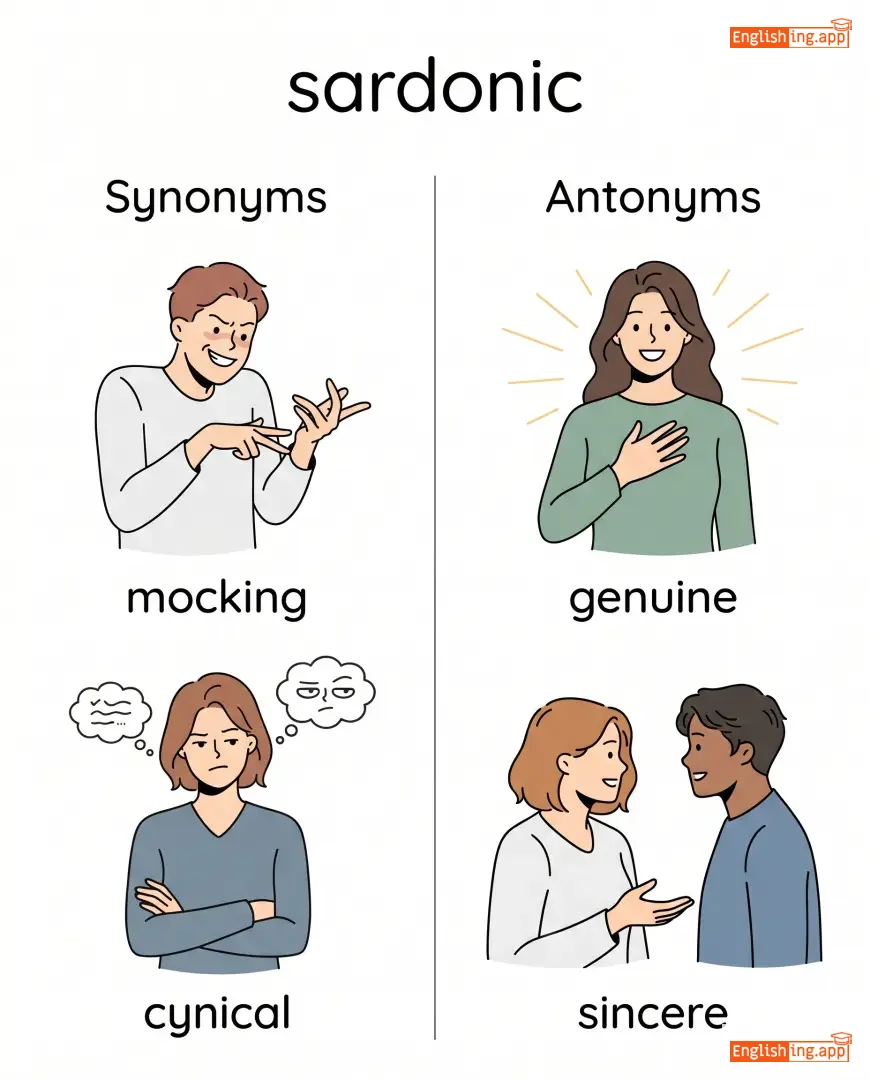
mocking, cynical, scornful, sarcastic
••••••
|
genuine, sincere
••••••
|
sardonic laughter, sardonic comment, sardonic grin
••••••
|
幸福 = '幸福' – 找到幸福,让每一天都充满喜悦!
••••••
|
|
👔
••••••
|
/sɑːrˈtɔːriəl/
adjective
(萨托里尔)
••••••
|

|
与裁缝相关
yu caifeng xiangguan
••••••
|
- •••••• | - •••••• | - •••••• | - •••••• |
Relating to tailoring, clothes, or style of dress.
••••••
|
The actor is known for his sartorial elegance on the red carpet. |
这位演员因其在红毯上的裁缝优雅而闻名。
Zhe wei yan yuan yin qi zai hongtan shang de caifeng youya er wenming.
••••••
|
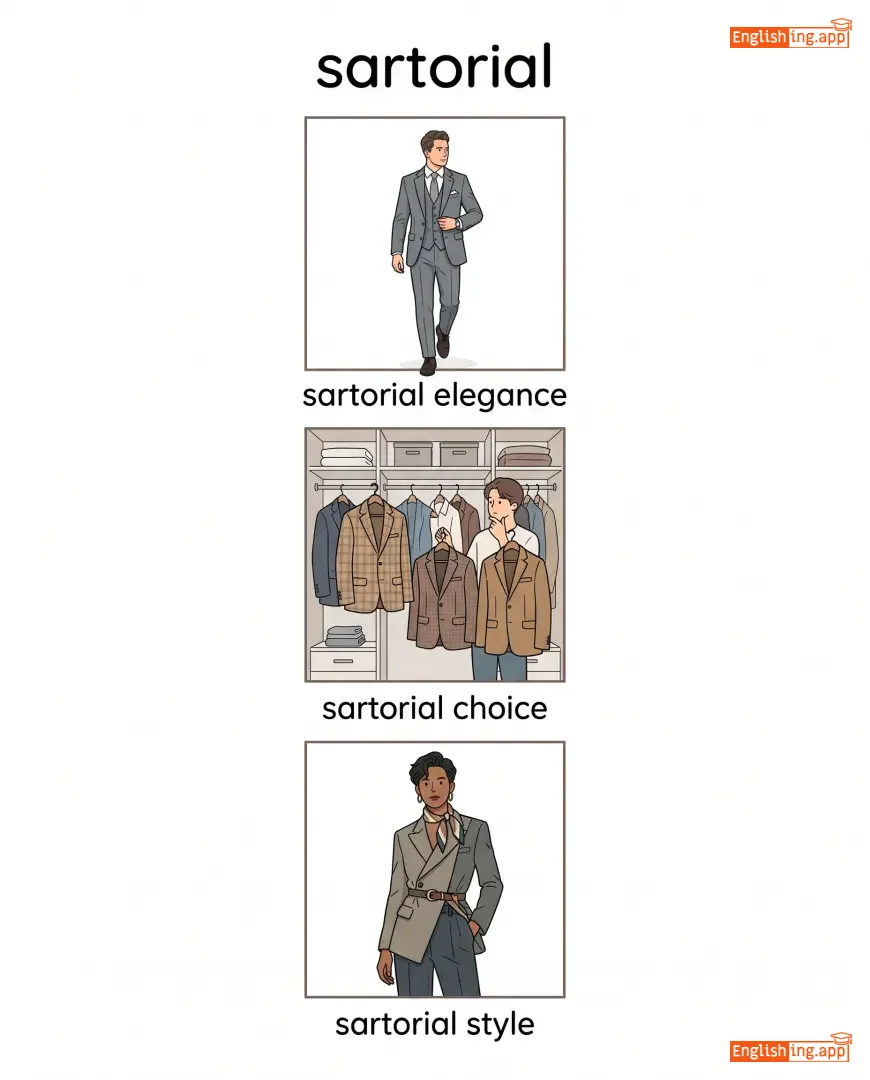
sartorial elegance |
stylish and sophisticated clothing sense
••••••
|
裁缝优雅
caifeng youya
••••••
|
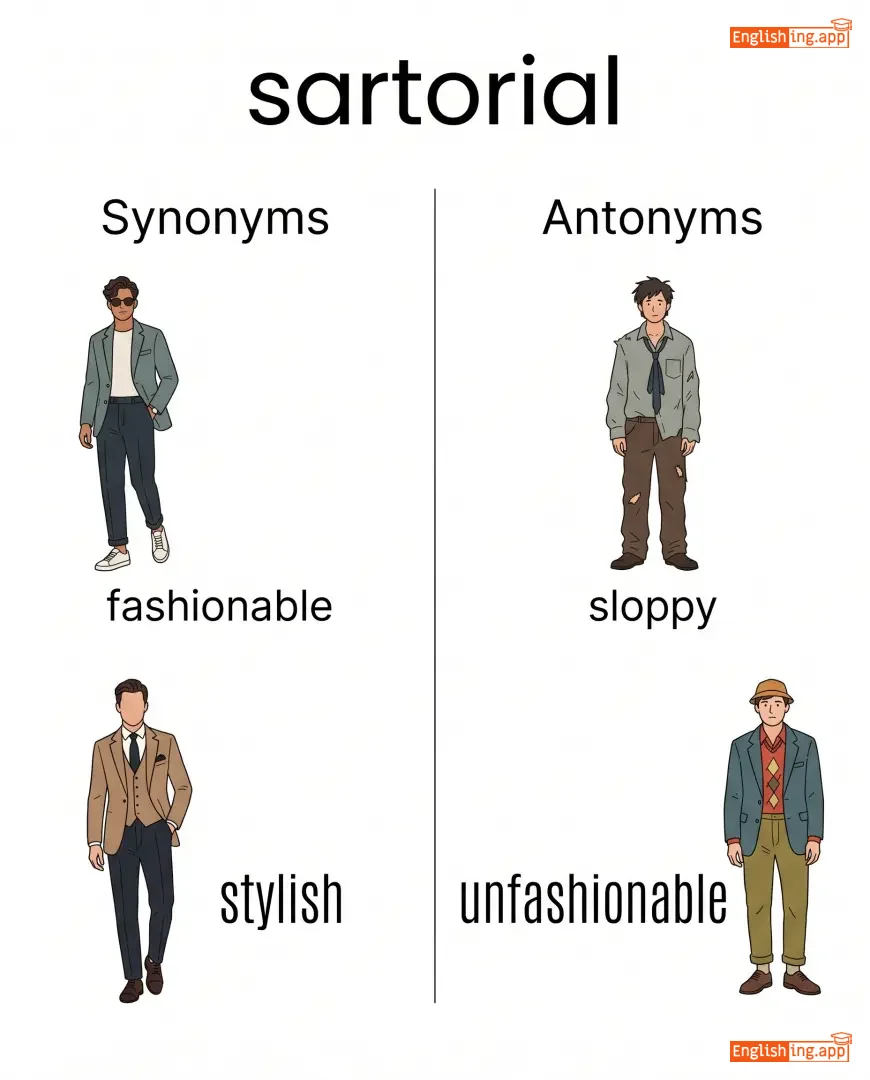
fashionable, stylish, elegant, dapper
••••••
|
sloppy, unfashionable
••••••
|
sartorial elegance, sartorial choice, sartorial style
••••••
|
Sartorial意味着衣服——Shirtorial记住,意思是衬衫和衣服。
••••••
|
|
🍽️
••••••
|
/ˈseɪʃiˌeɪt/
verb
(seishiet)
••••••
|
|
满足
manzu
••••••
|
satiated
seishieted
••••••
|
satiated
seishieted
••••••
|
satiates
seishiets
••••••
|
satiating
seishieting
••••••
|
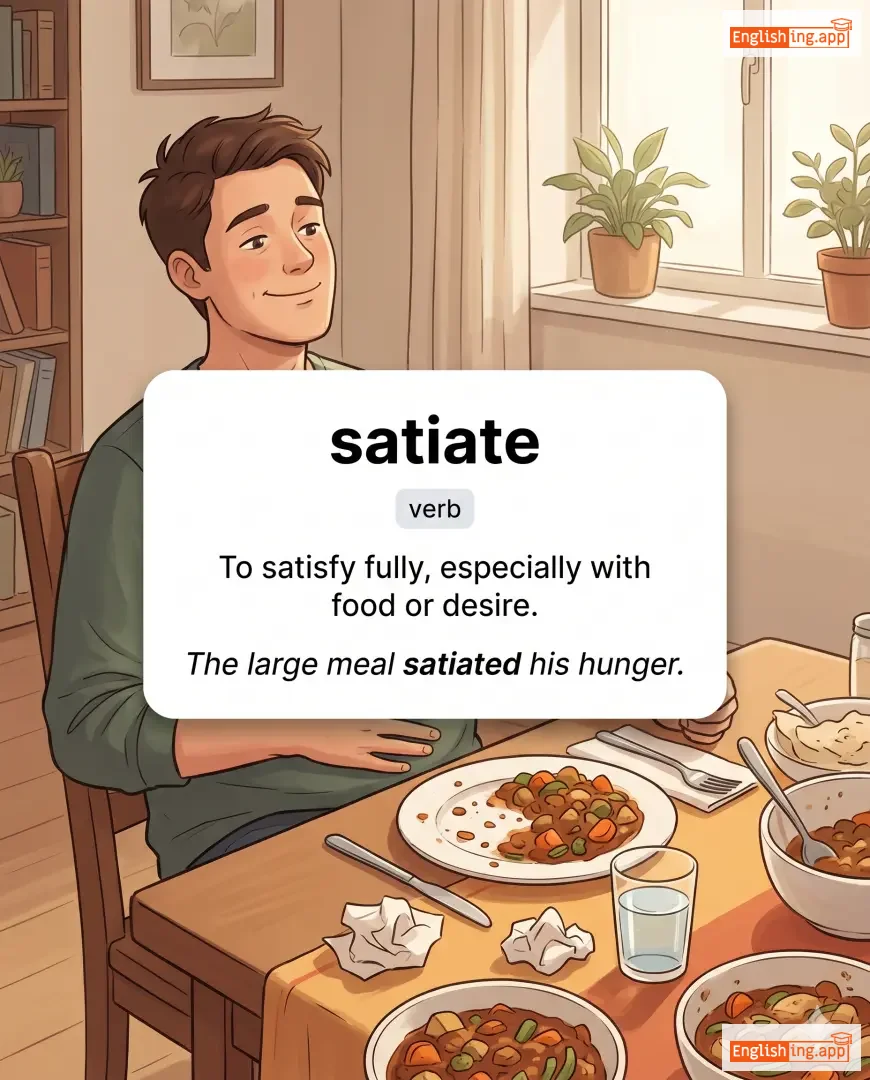
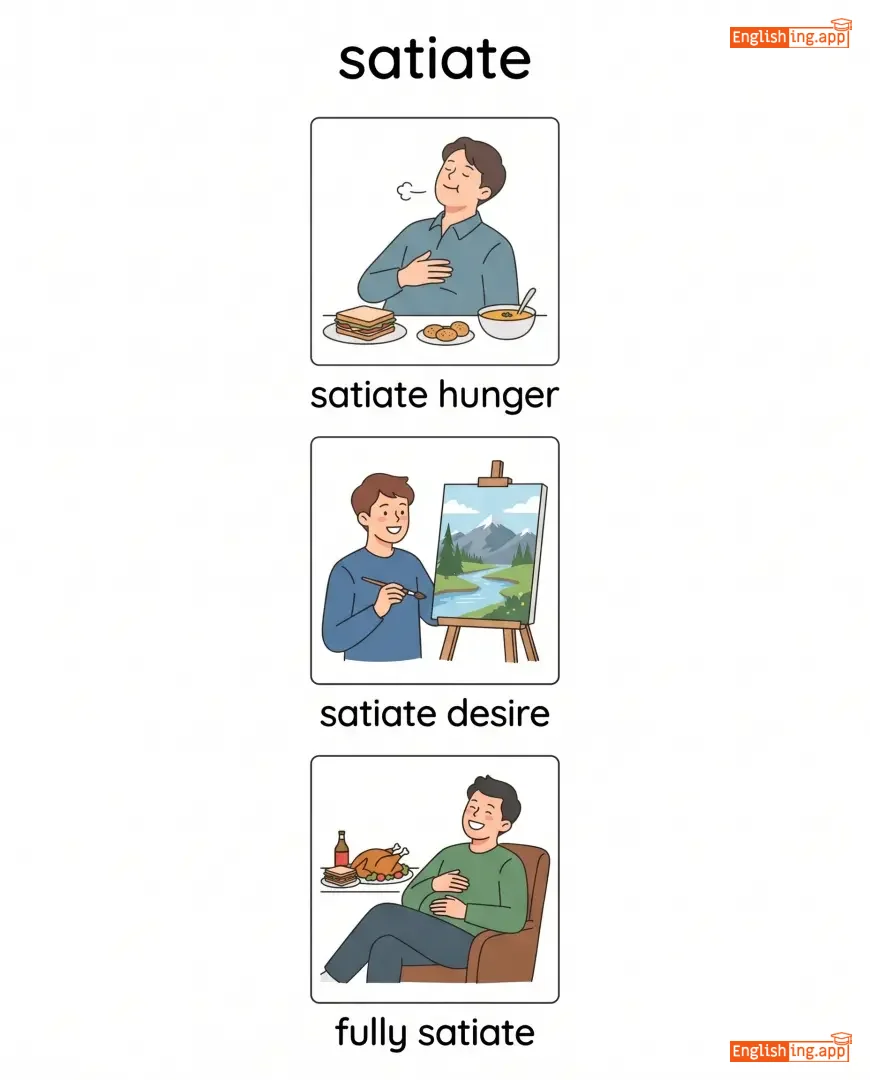
To satisfy fully, especially with food or desire.
••••••
|
The large meal satiated his hunger.
大餐 seishieted 他的饥饿。
••••••
|
丰盛的餐食满足了他的饥饿。
Fengsheng de canji manzu le tade jihu.
••••••
|
- •••••• | - •••••• | - •••••• |
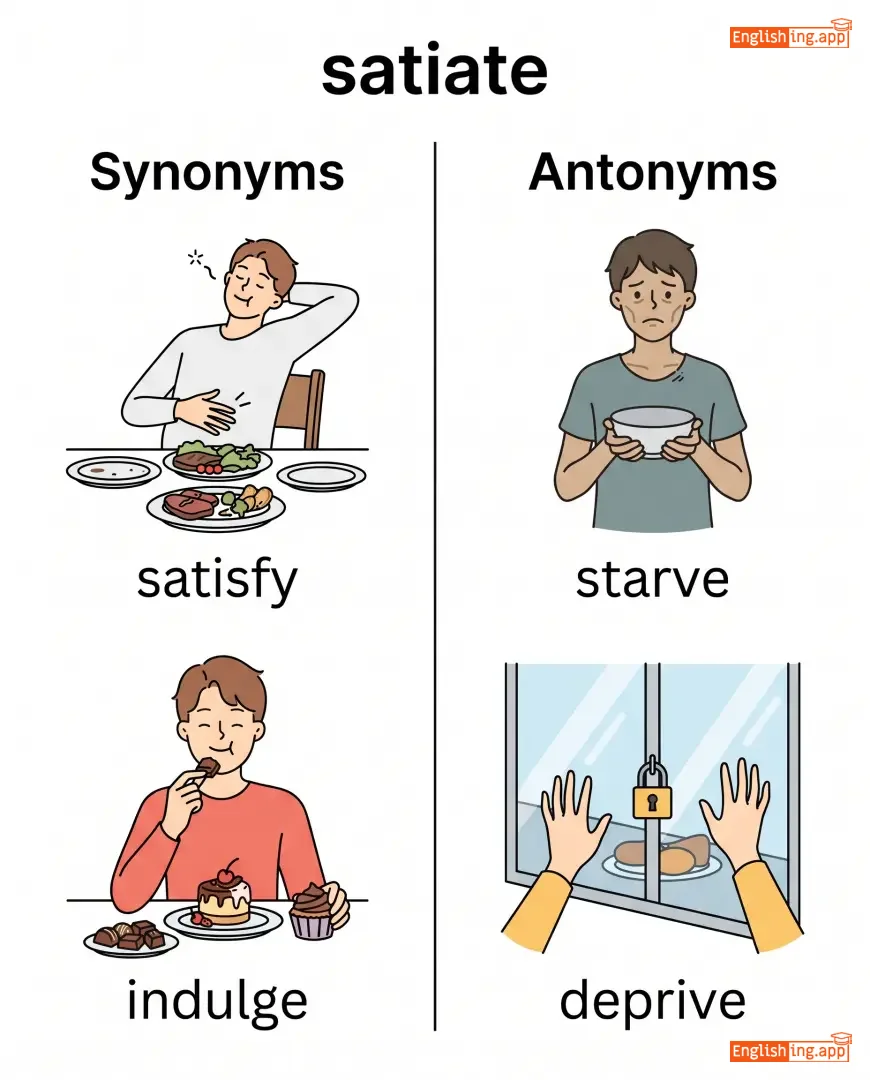
satisfy, indulge, fulfill, gratify
••••••
|
starve, deprive
••••••
|
satiate hunger, satiate desire, fully satiate
••••••
|
‘会议’后,你会感到完全满足,成为 satiate
••••••
|
|
💧
••••••
|
/ˈsætʃəˌreɪt/
verb
••••••
|
|
- •••••• |
saturated
••••••
|
saturated
••••••
|
saturates
••••••
|
saturating
••••••
|
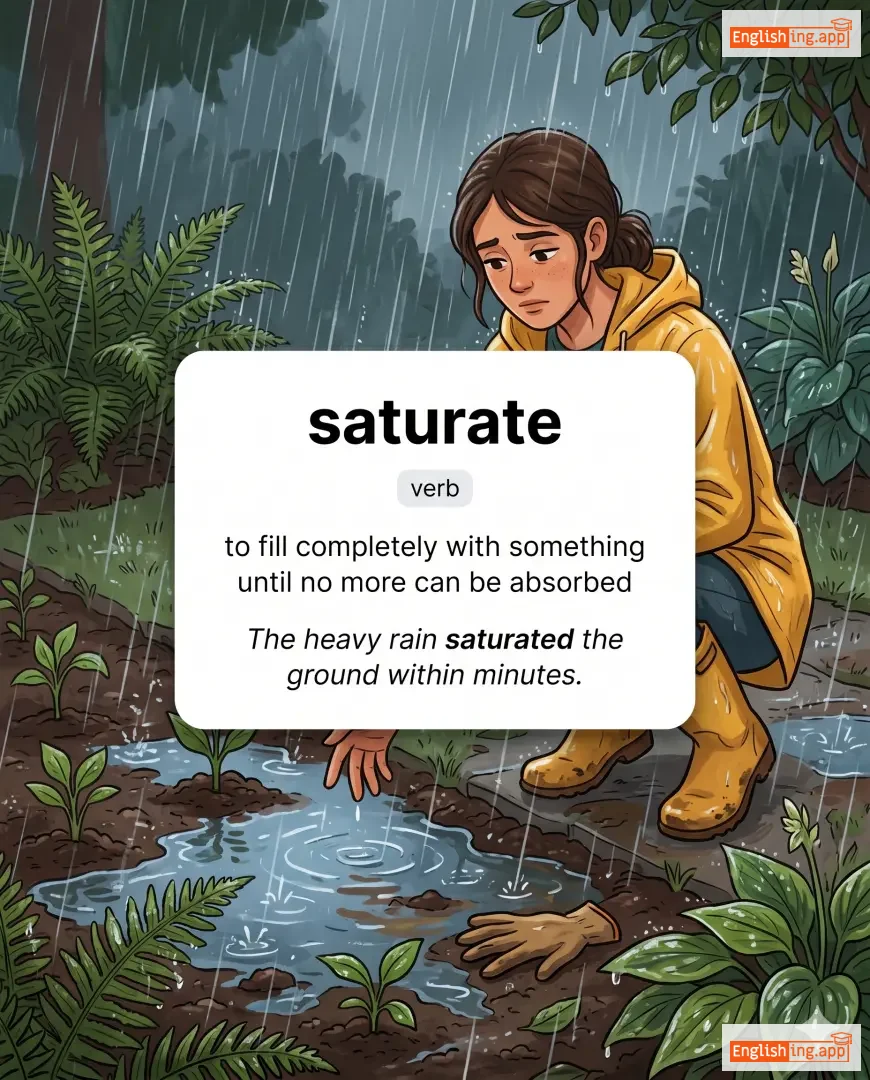
to fill completely with something until no more can be absorbed
••••••
|
The heavy rain saturated the ground within minutes. |
- •••••• |
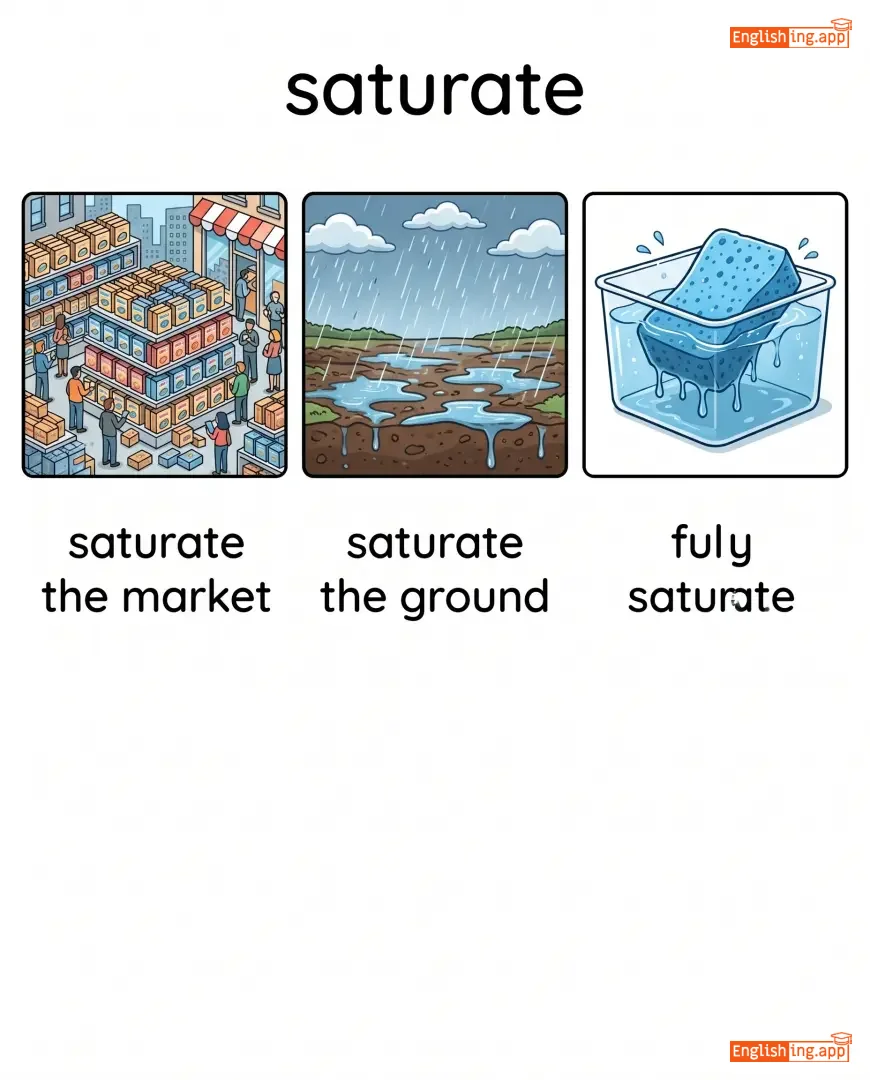
saturate the market |
to supply so much of a product that demand is fully met or exceeded
••••••
|
- •••••• |
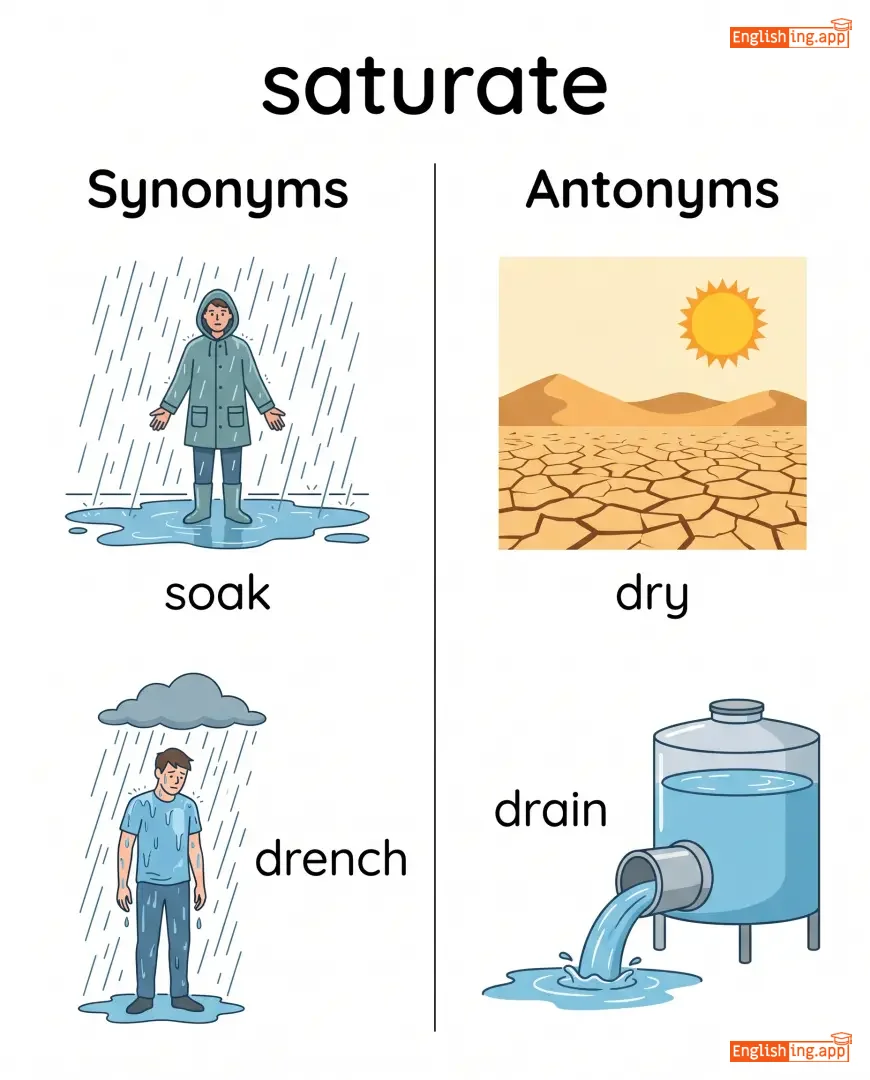
soak, drench, flood, permeate, fill
••••••
|
dry, drain, empty
••••••
|
saturate the market, saturate the ground, fully saturate, saturate completely
••••••
|
No •••••• |
|
😔
••••••
|
/ˈsætərˌnaɪn/
adjective
(萨图尔奈恩)
••••••
|
|
忧郁的
yōuyù de
••••••
|
- •••••• | - •••••• | - •••••• | - •••••• |
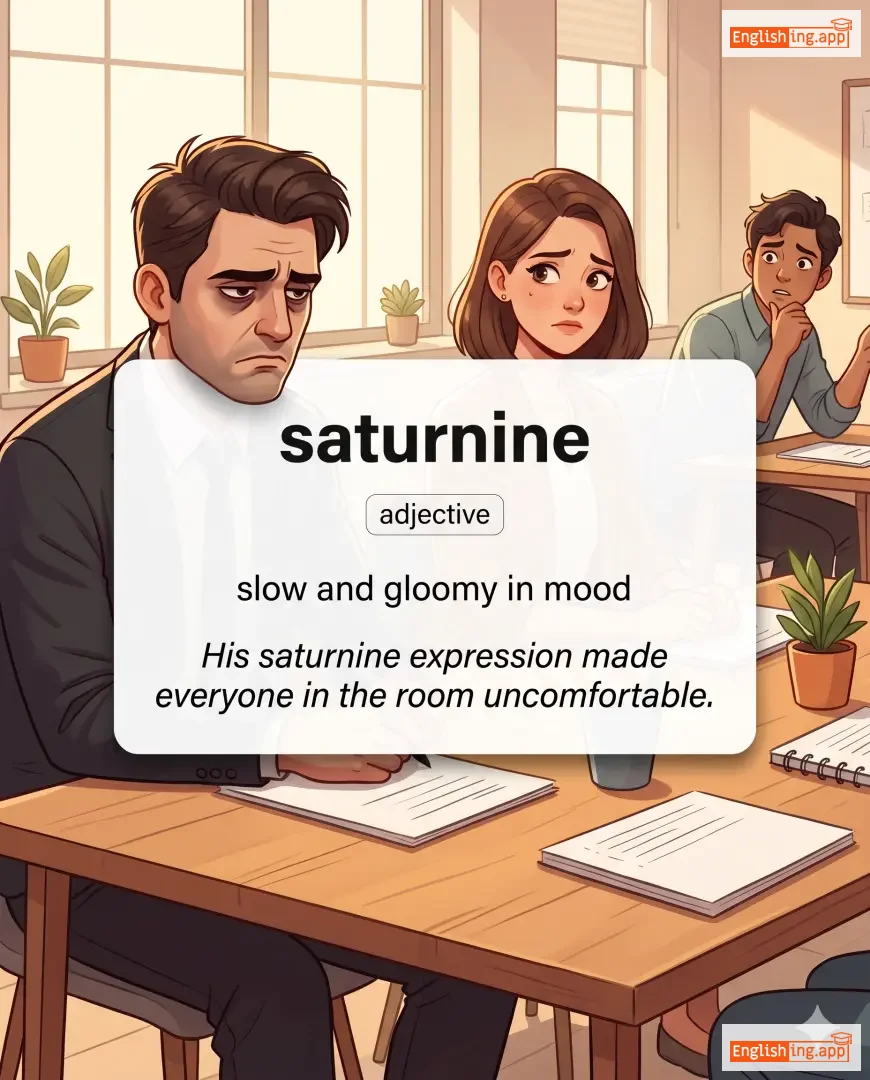
slow and gloomy in mood
••••••
|
His saturnine expression made everyone in the room uncomfortable. |
他的忧郁表情让房间里的人都感到不舒服。
Tā de yōuyù biǎoqíng ràng fángjiān lǐ de rén dōu gǎndào bù shūfú.
••••••
|
- •••••• | - •••••• | - •••••• |
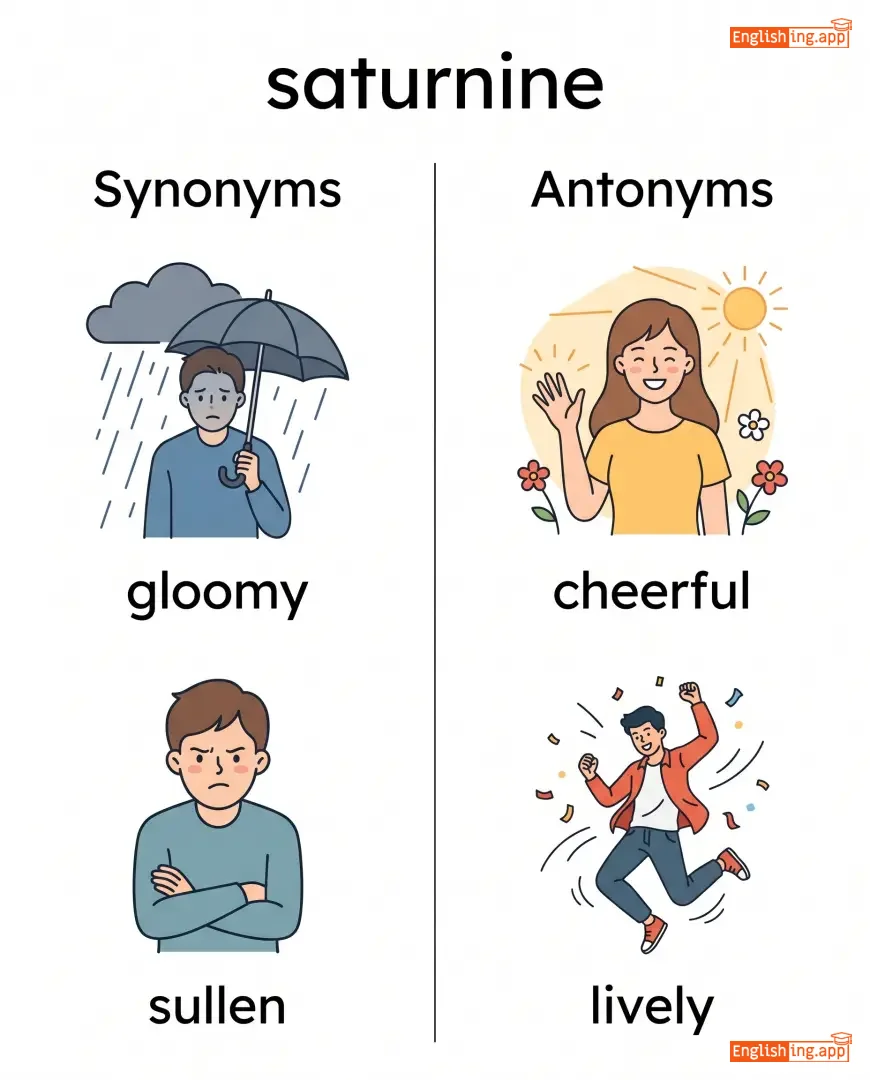
gloomy, sullen, morose, dour, melancholy
••••••
|
cheerful, lively, joyful
••••••
|
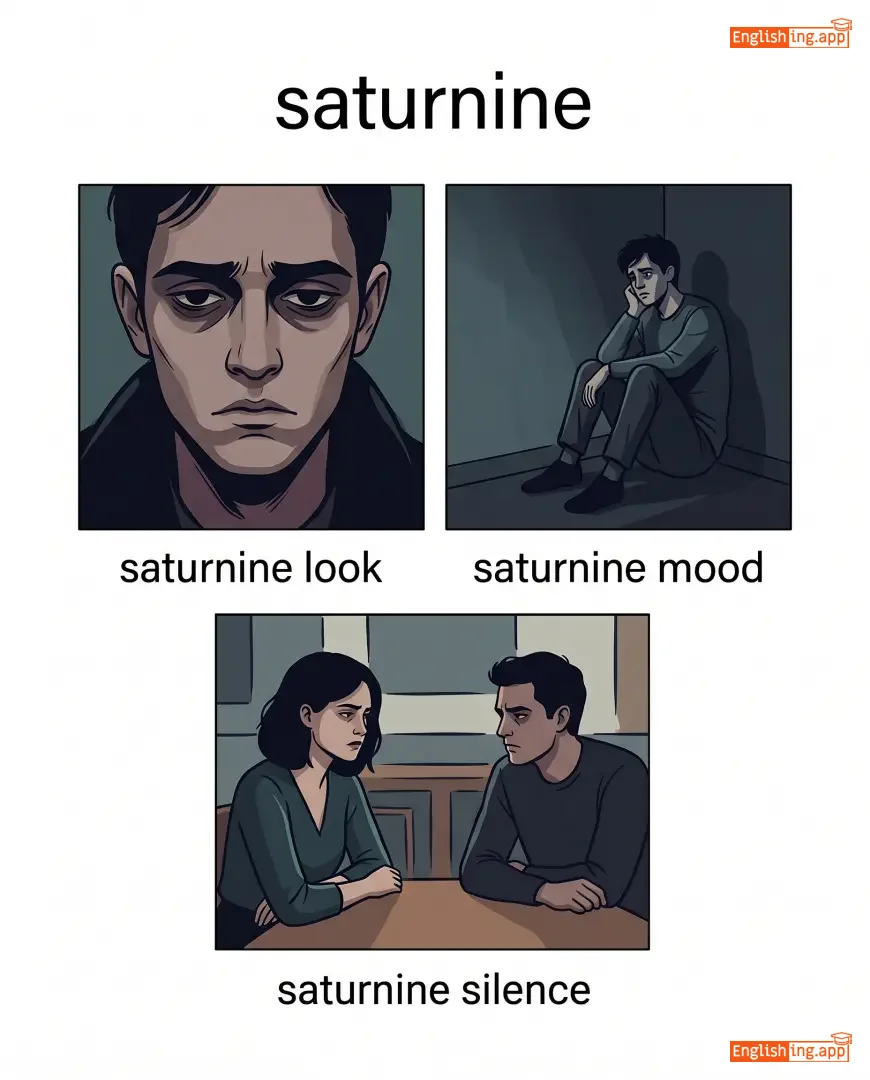
saturnine look, saturnine mood, saturnine silence, saturnine personality
••••••
|
Saturnine意味着忧郁—像土星一样,冷且遥远。
••••••
|
|
🐐
••••••
|
/ˈsætər/
noun
(海皮尼斯)
••••••
|
|
幸福
xingfu
••••••
|
- •••••• | - •••••• | - •••••• | - •••••• |
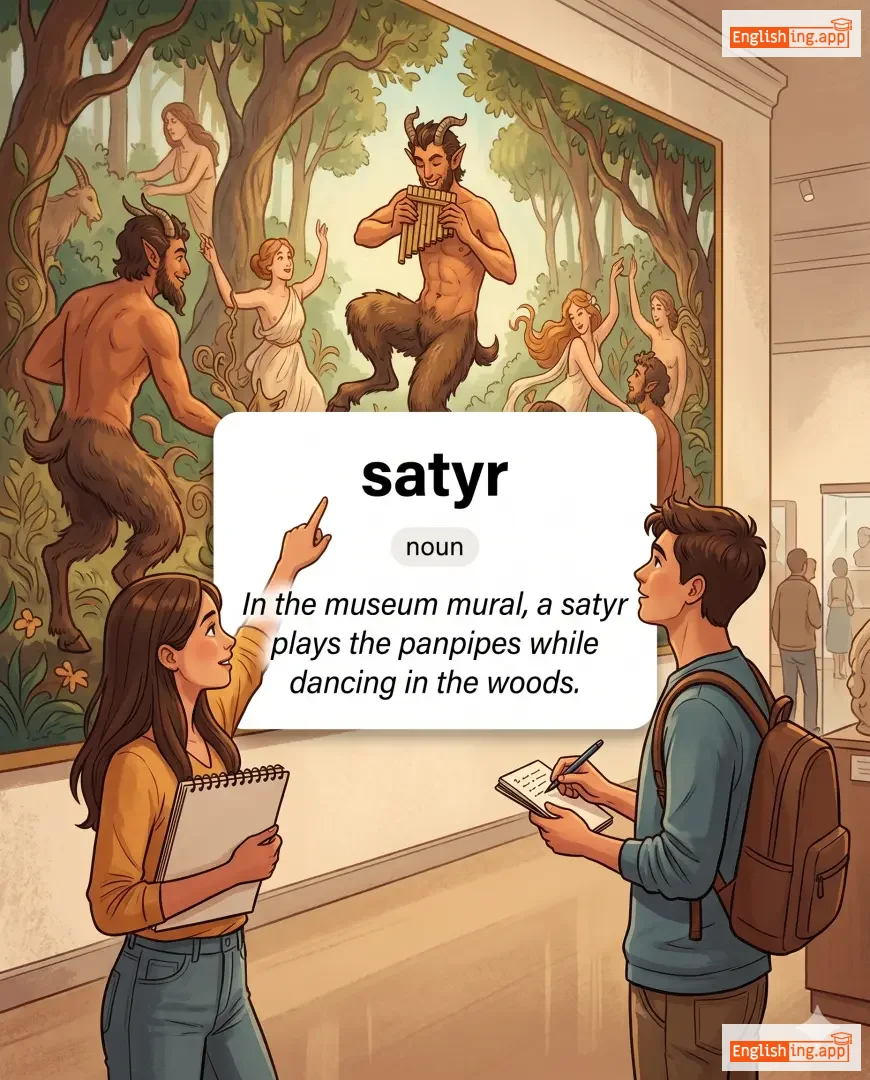
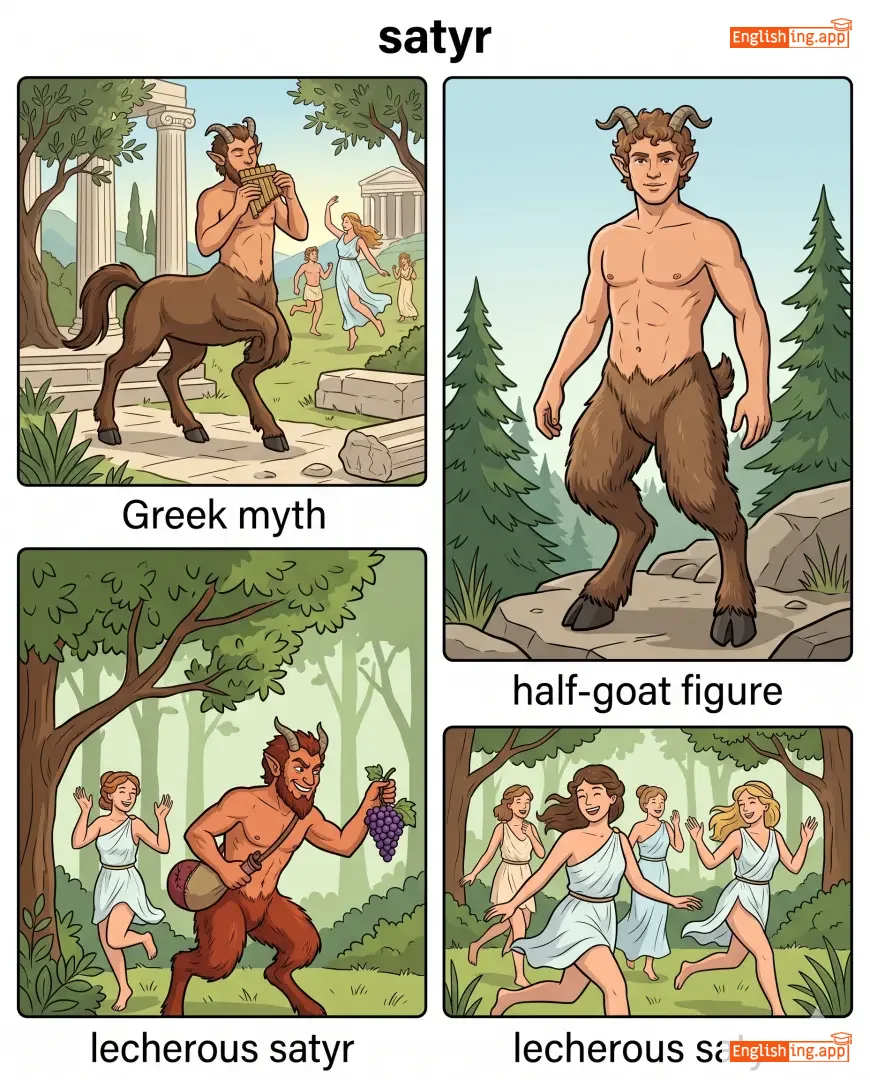
a creature from Greek mythology depicted as a lustful being, often half-man and half-goat; by extension, a lecherous man
••••••
|
In the museum mural, a satyr plays the panpipes while dancing in the woods. |
当她获得奖项时,她无法掩饰自己的幸福。
Dang ta huode jiangxiang shi, ta wufa yanshi ziji de xingfu.
••••••
|
- •••••• | - •••••• | - •••••• |
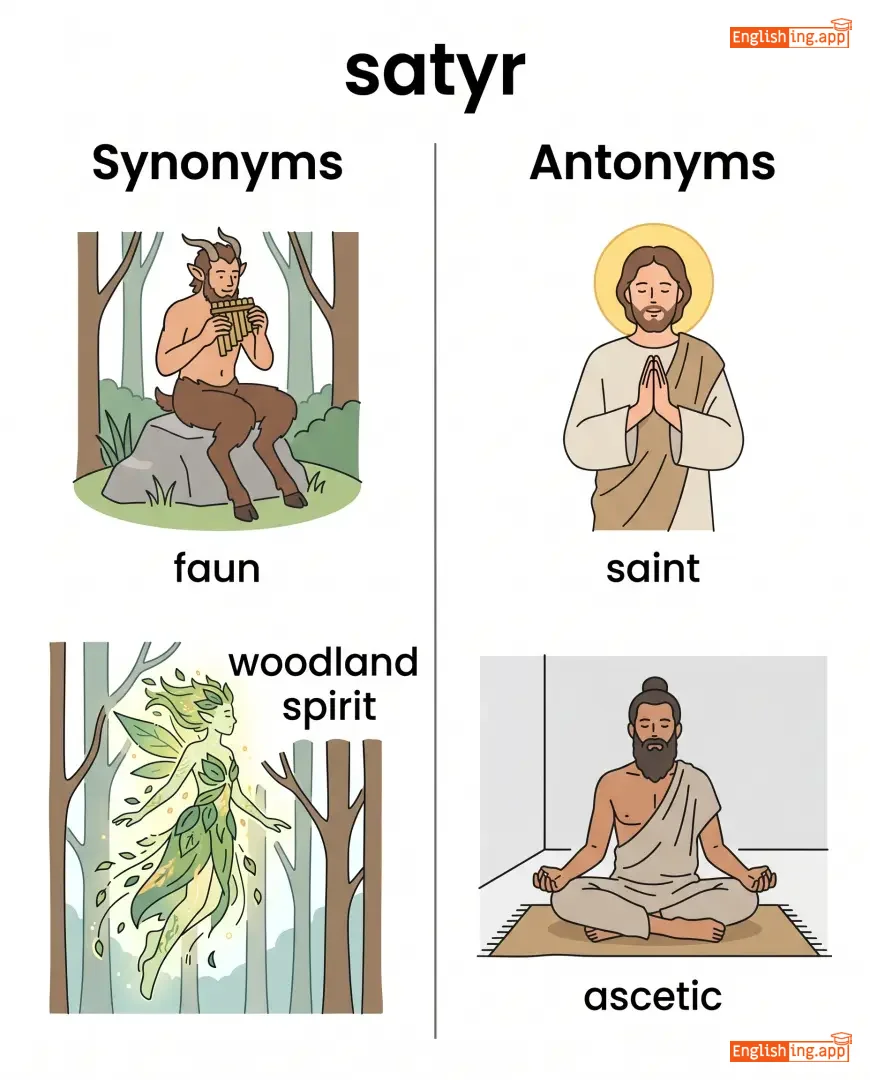
faun, woodland spirit, lecher, rake
••••••
|
saint, ascetic
••••••
|
Greek myth, half-goat figure, lecherous satyr, satyr plays
••••••
|
幸福是心情愉快的体现,想象你每天都笑得开心。
••••••
|
|
😋
••••••
|
/ˈseɪ.vər/
verb
(赛佛)
••••••
|


|
尽情享受
jìnqíng xiǎngshòu
••••••
|
savored
赛佛德
••••••
|
savored
赛佛德
••••••
|
savors
赛佛斯
••••••
|
savoring
赛佛林
••••••
|
To enjoy something completely, especially by dwelling on it.
••••••
|
He savored every bite of the delicious cake.
他细细品味着美味的蛋糕。
••••••
|
他细细品味着美味的蛋糕。
Tā xìxì pǐnwèi zhe měiwèi de dàngāo.
••••••
|
savor the moment
享受此刻
••••••
|
To fully appreciate and enjoy a particular experience.
••••••
|
享受此刻
Xiǎngshòu cǐkè
••••••
|
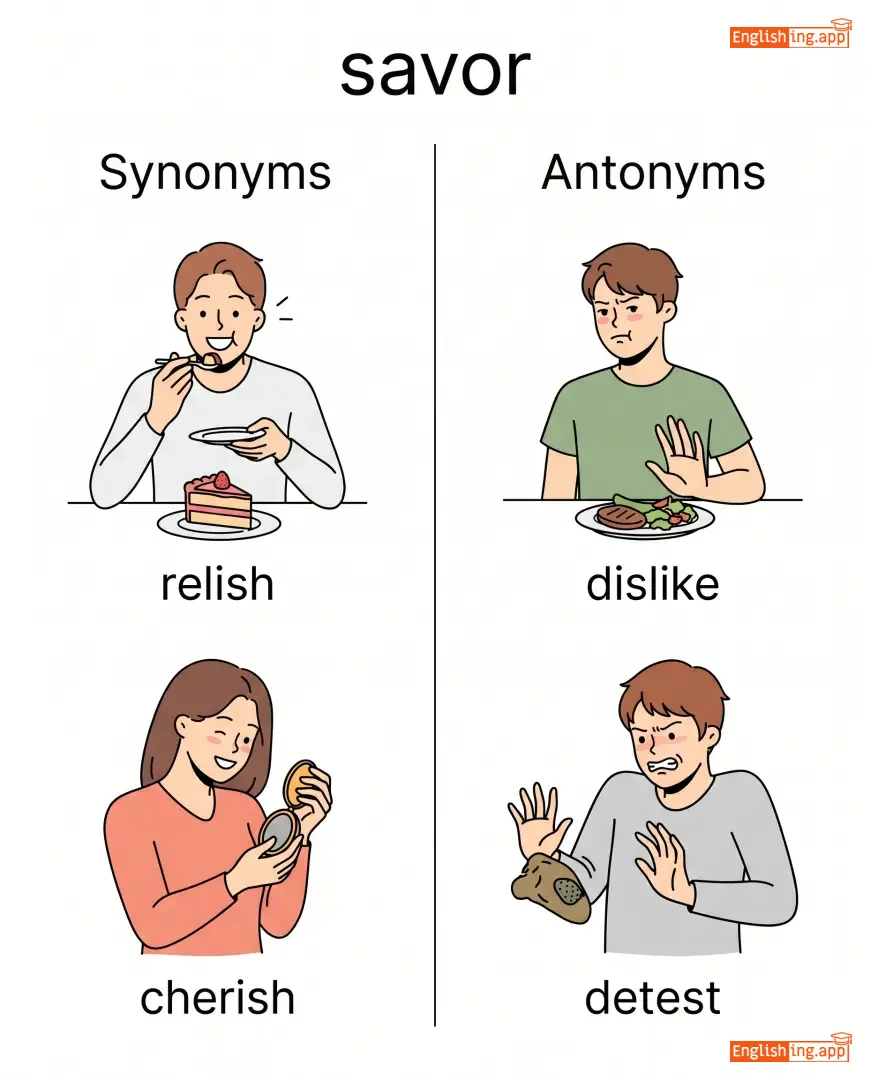
relish, cherish, appreciate, enjoy, delight in
••••••
|
dislike, detest, avoid
••••••
|
savor the flavor, savor the moment, savor success
••••••
|
Savor就像美食一样,慢慢品味每个瞬间。
••••••
|
|
📊
••••••
|
/skiːˈmætɪk/
noun, adjective
(sī mǎ tè kè)
••••••
|

|
示意图
shì yì tú
••••••
|
- •••••• | - •••••• | - •••••• | - •••••• |
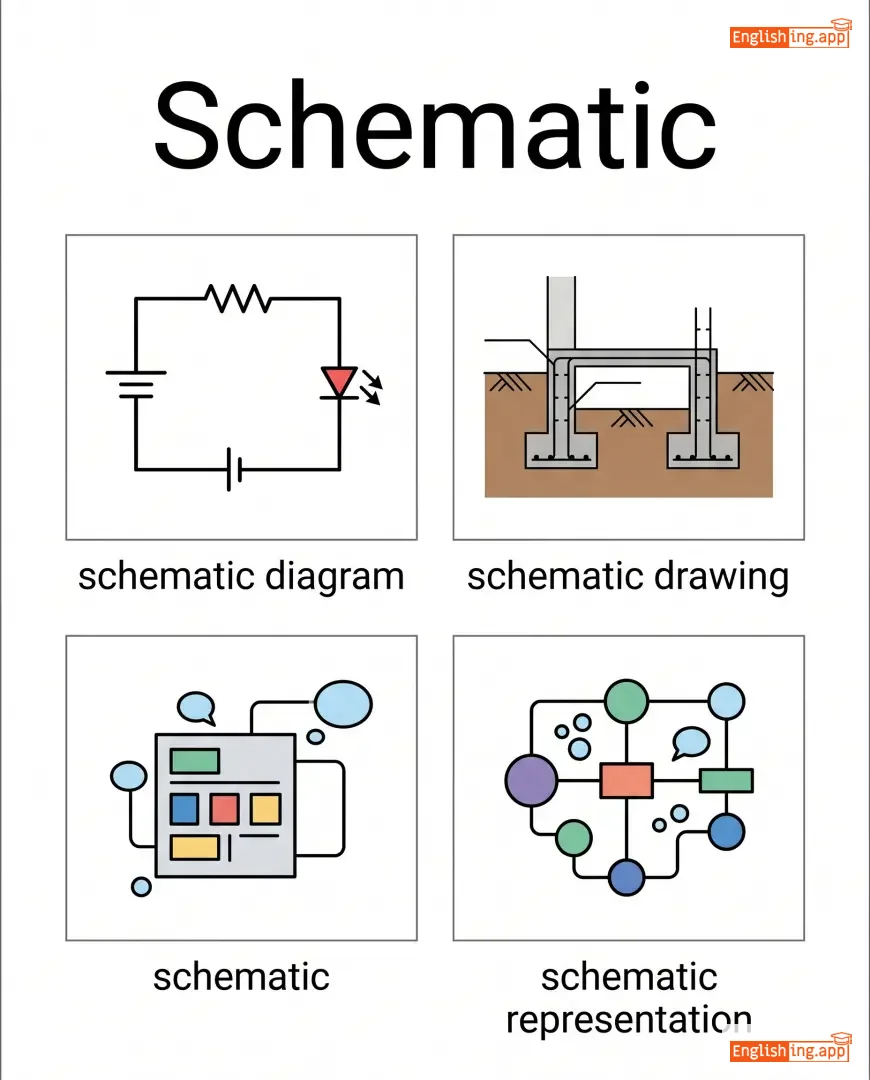
a simplified or symbolic representation of a system or plan
••••••
|
The engineer showed a schematic of the electrical circuit. |
工程师展示了电气电路的示意图。
Gōngchéngshī zhǎnshì le diànqì diànlù de shì yì tú.
••••••
|
- •••••• | - •••••• | - •••••• |
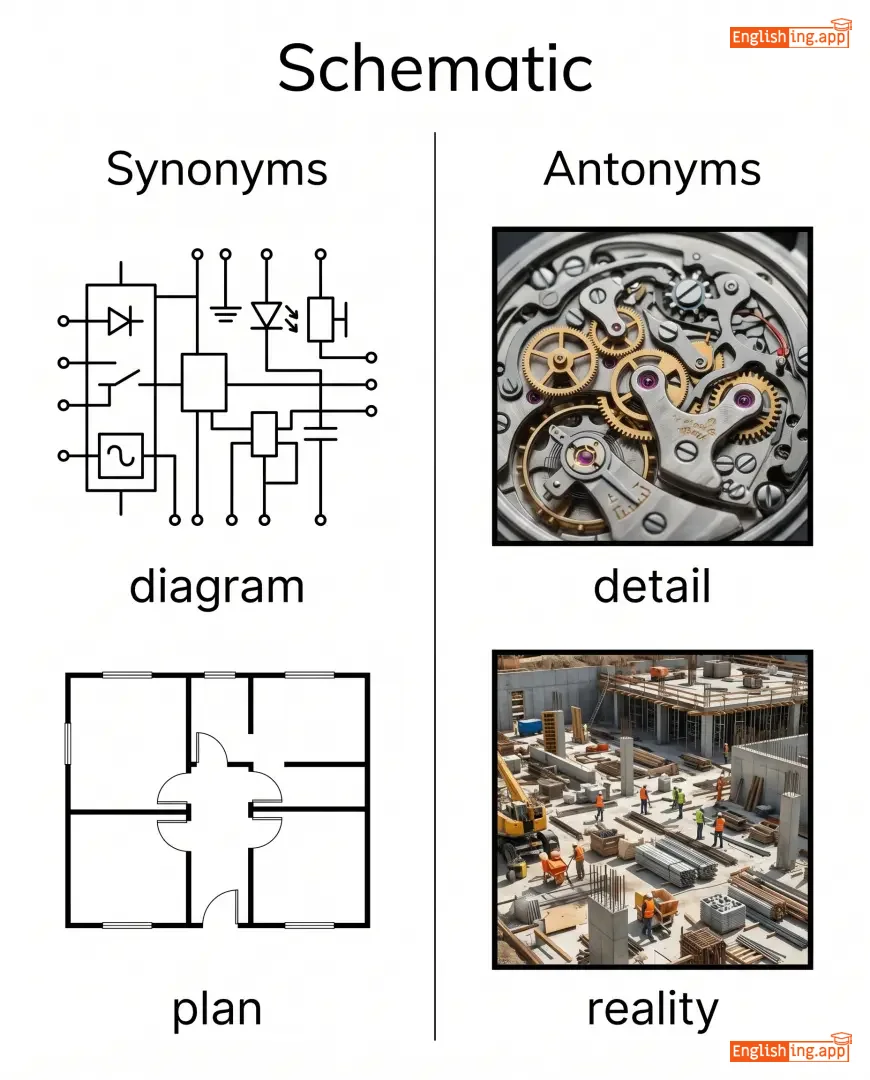
diagram, plan, chart, blueprint, outline
••••••
|
detail, reality
••••••
|
schematic diagram, schematic drawing, schematic representation
••••••
|
示意图就像是一个简化的电路图,帮助理解。
••••••
|
|
💧
••••••
|
/sɪˈkriːt/
verb
(sīkrèt)
••••••
|

|
分泌
fēnmì
••••••
|
secreted
sīkrèted
••••••
|
secreted
sīkrèted
••••••
|
secretes
sīkrèts
••••••
|
secreting
sīkrèting
••••••
|
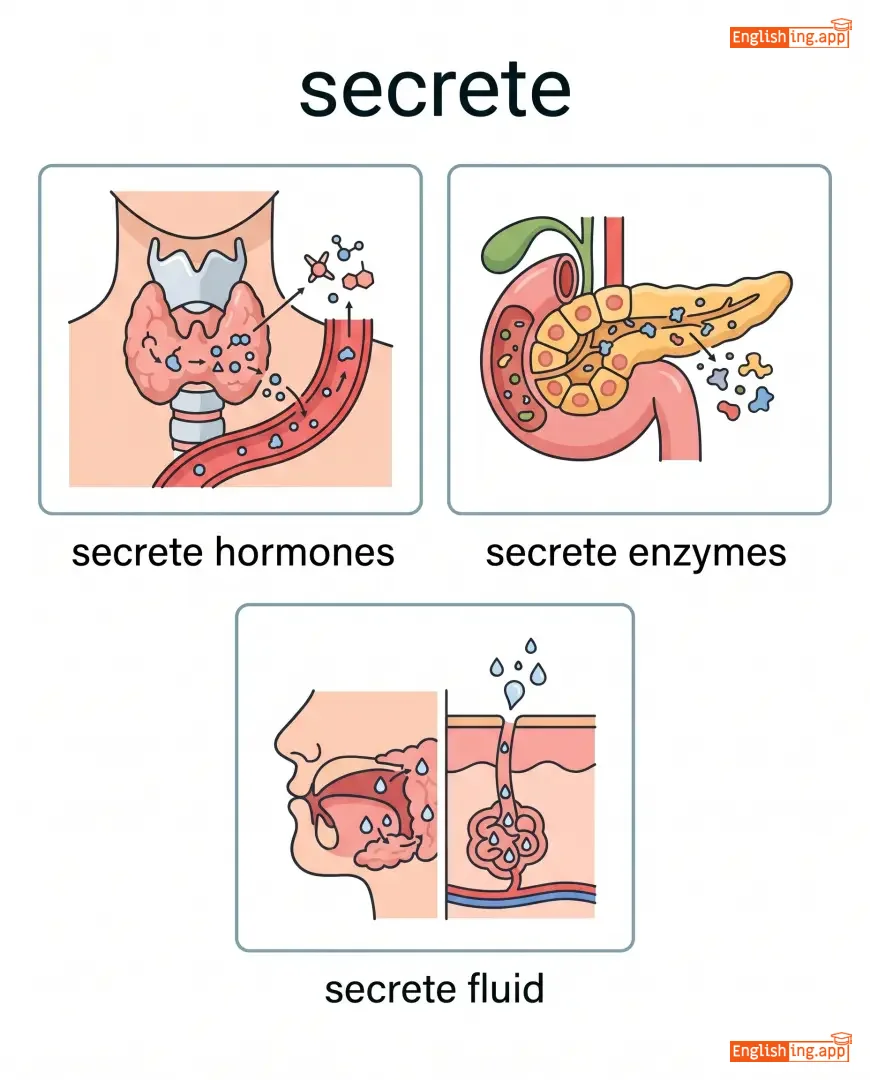
to produce and release a substance from a cell, gland, or organ
••••••
|
The pancreas secretes insulin to regulate blood sugar levels.
胰腺分泌胰岛素以调节血糖水平。
••••••
|
胰腺分泌胰岛素以调节血糖水平。
Yíxiàn fēnmì yídǎosù yǐ tiáojié xuètáng shuǐpíng.
••••••
|
- •••••• | - •••••• | - •••••• |
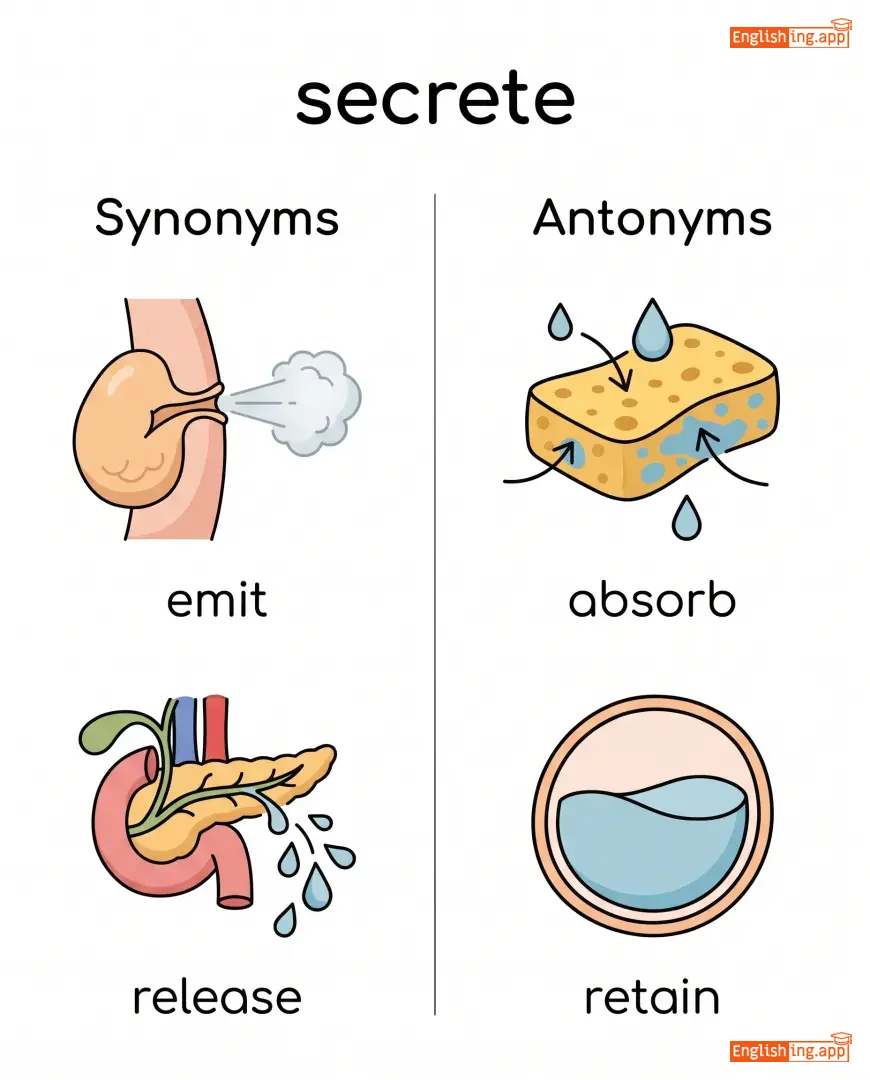
emit, release, discharge, excrete, produce
••••••
|
absorb, retain, hold
••••••
|
secrete hormones, secrete enzymes, secrete fluid, secrete mucus
••••••
|
分泌就是把东西从体内分出来, 'secret' 有类似的意思。
••••••
|
|
⚖️
••••••
|
/sɪˈdɪʃ.ən/
noun
(煽动罪)
••••••
|

|
煽动罪
shāndòng zuì
••••••
|
- •••••• | - •••••• | - •••••• | - •••••• |
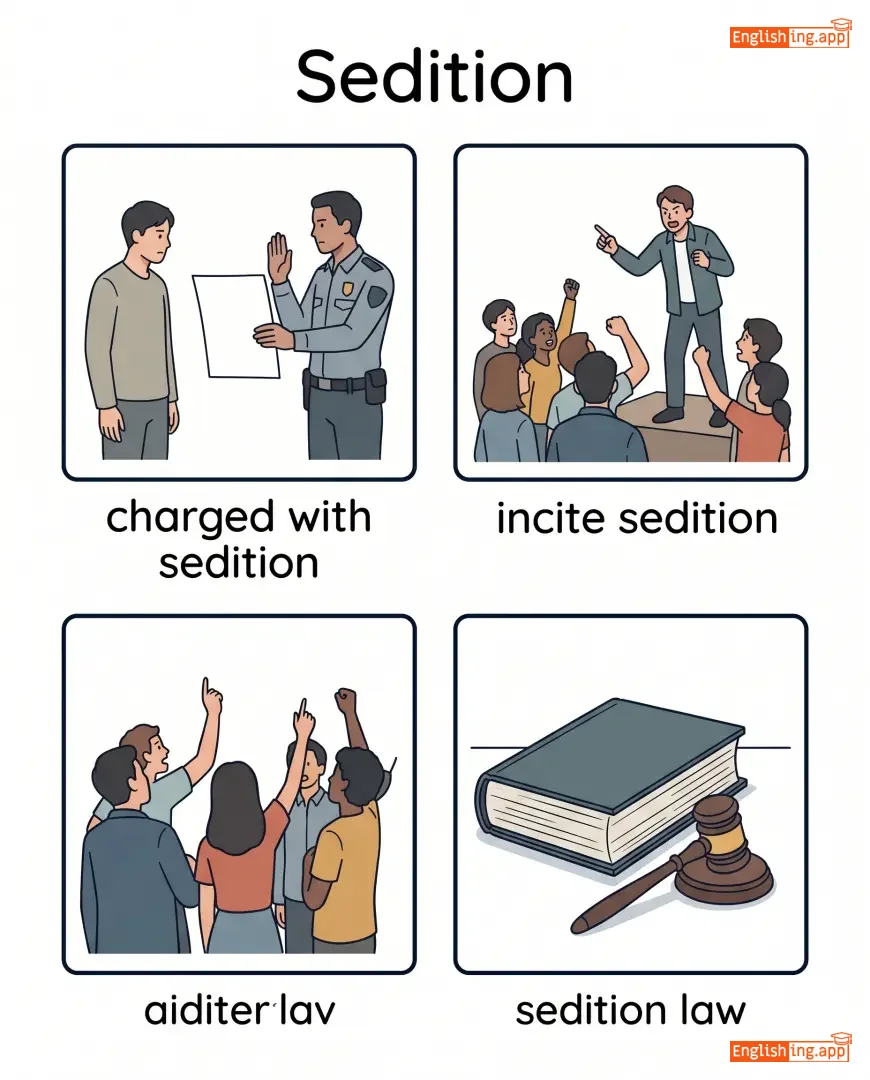
conduct or speech inciting people to rebel against authority; treason
••••••
|
The activist was charged with sedition for his inflammatory speeches. |
因其煽动性言论,该活动家被控煽动罪。
Yīn qí shāndòngxìng yánlùn, gāi huódòngjiā bèi kòng shāndòng zuì.
••••••
|
- •••••• | - •••••• | - •••••• |
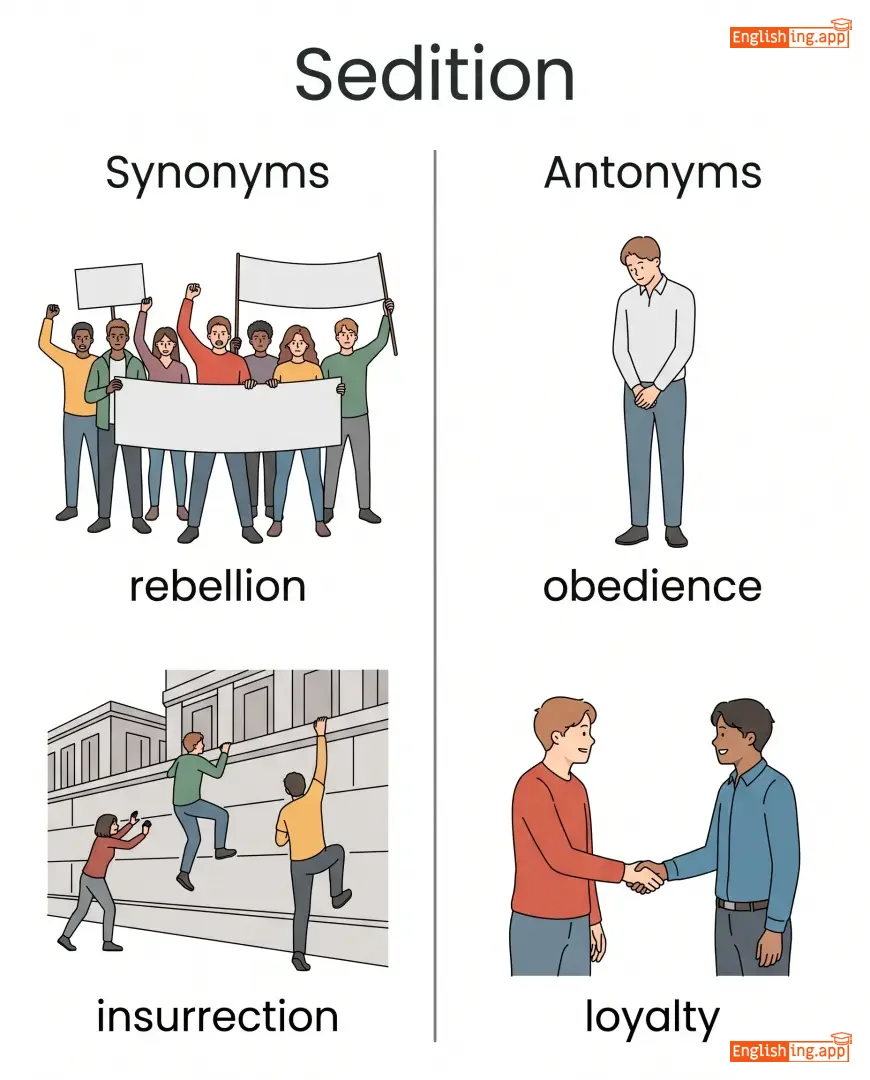
rebellion, mutiny, insurrection, treason
••••••
|
loyalty, allegiance, obedience, patriotism
••••••
|
charged with sedition, sedition law, acts of sedition, sedition trial
••••••
|
In Chinese, '煽动罪' literally means 'inciting crime,' perfect for remembering sedition.
••••••
|
|
💪
••••••
|
/ˈsed.j ə.l ə s/
adjective
(塞杜洛斯)
••••••
|
|
勤奋的; 努力的;
qínfèn de; nǔlì de;
••••••
|
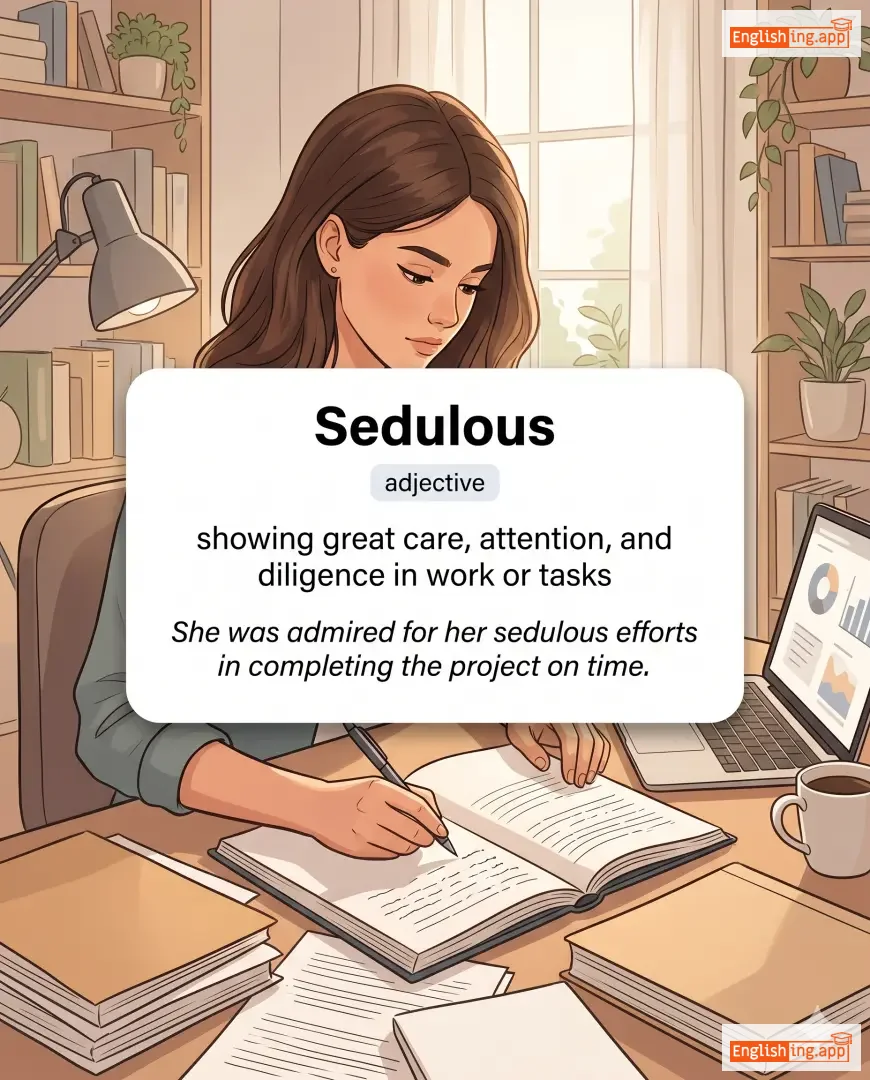
- •••••• | - •••••• | - •••••• | - •••••• |
showing dedication and diligence; persistent and careful in work
••••••
|
She was sedulous in her research, spending hours in the library every day. |
她在研究中非常勤奋,每天都在图书馆度过数小时。
Tā zài yánjiū zhōng fēicháng qínfèn, měitiān dōu zài túshūguǎn dùguò shù xiǎoshí.
••••••
|
- •••••• | - •••••• | - •••••• |
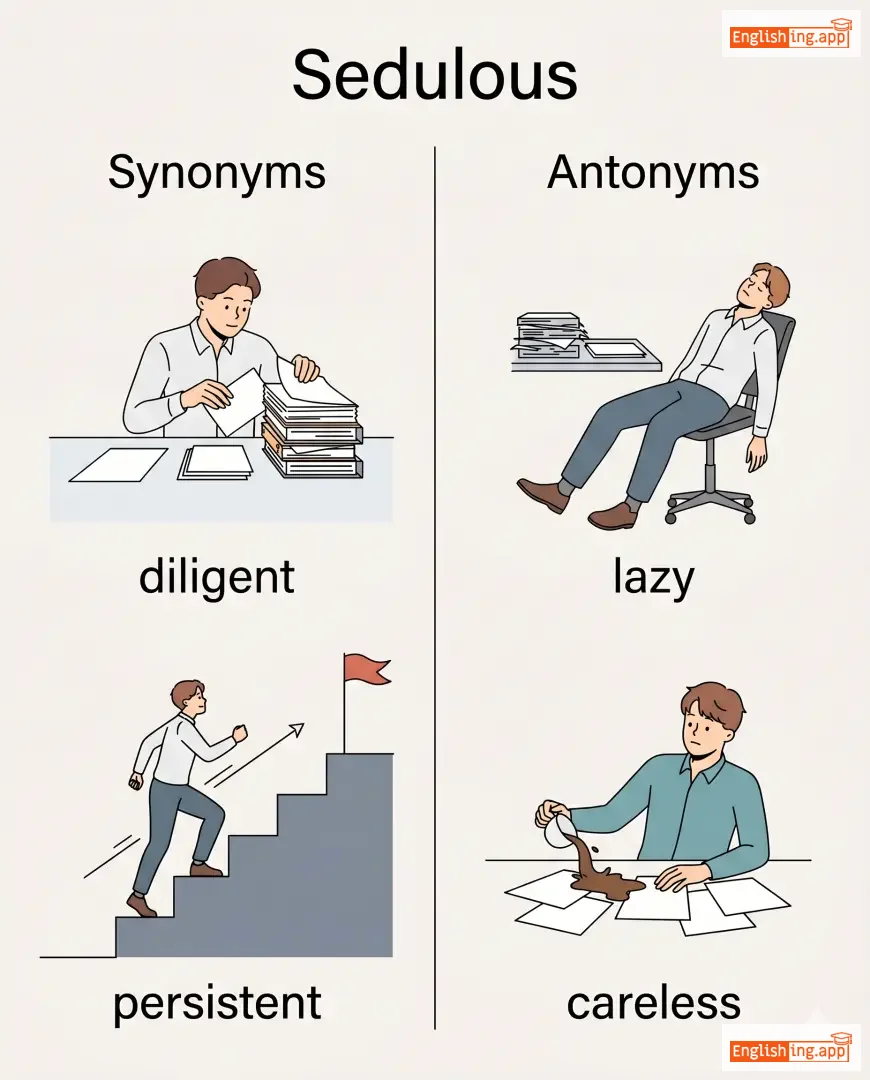
diligent, industrious, persistent, assiduous
••••••
|
lazy, careless, negligent, idle
••••••
|
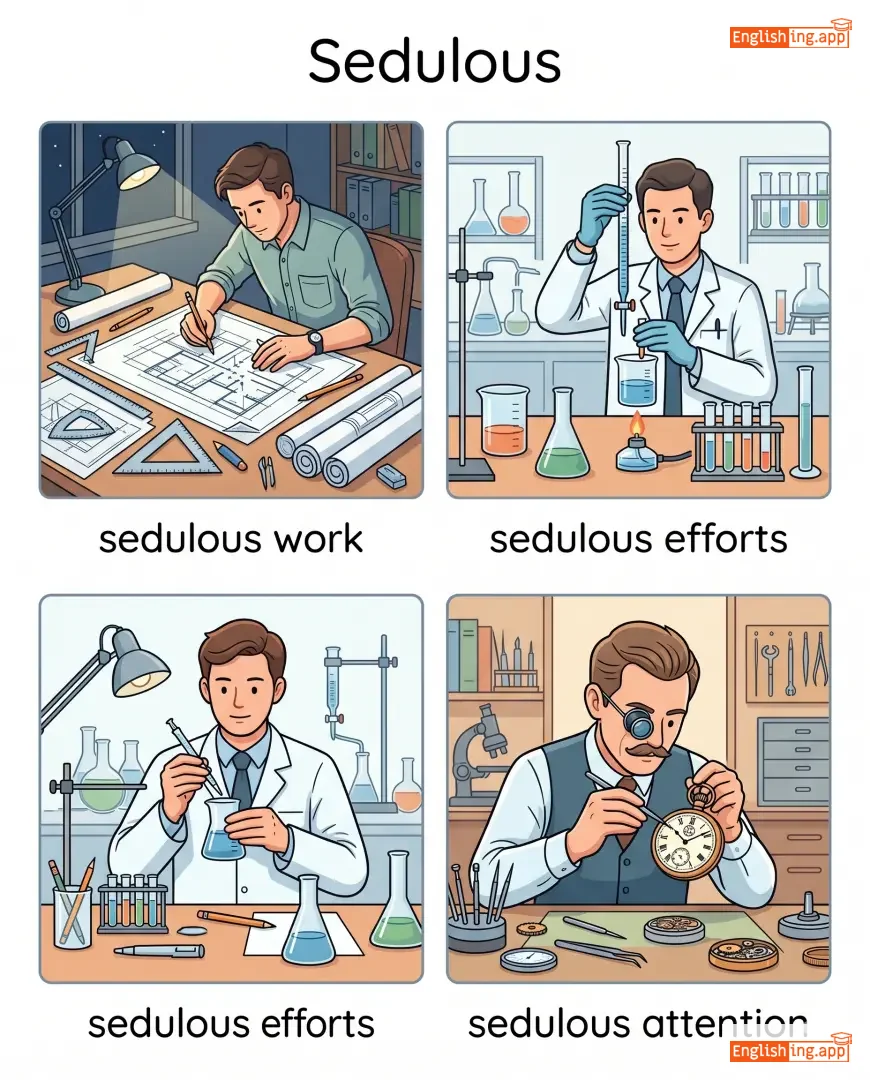
sedulous effort, sedulous attention, sedulous work, sedulous care
••••••
|
通过持续的努力和献身实现成功
••••••
|
|
🌍
••••••
|
/ˈsaɪz.mɪk/
adjective
(地震的)
••••••
|
|
地震的
dìzhèndè
••••••
|
- •••••• | - •••••• | - •••••• | - •••••• |
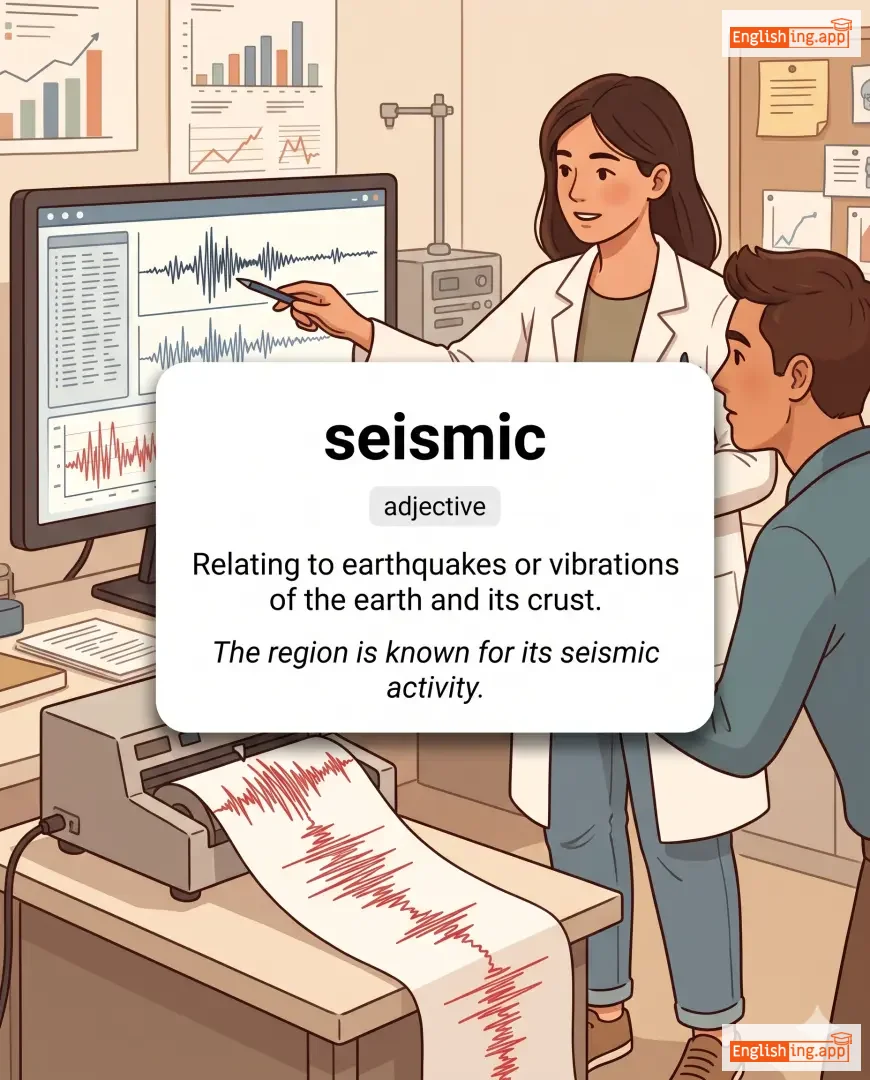
Relating to earthquakes or vibrations of the earth and its crust.
••••••
|
The region is known for its seismic activity.
该地区以其地震活动而闻名。
••••••
|
该地区以其地震活动而闻名。
Gāi dìqū yǐ qí dìzhèn huódòng ér wénmíng.
••••••
|
seismic shift
地震变动
••••••
|
A major and significant change.
••••••
|
地震变动
dìzhèn biàndòng
••••••
|
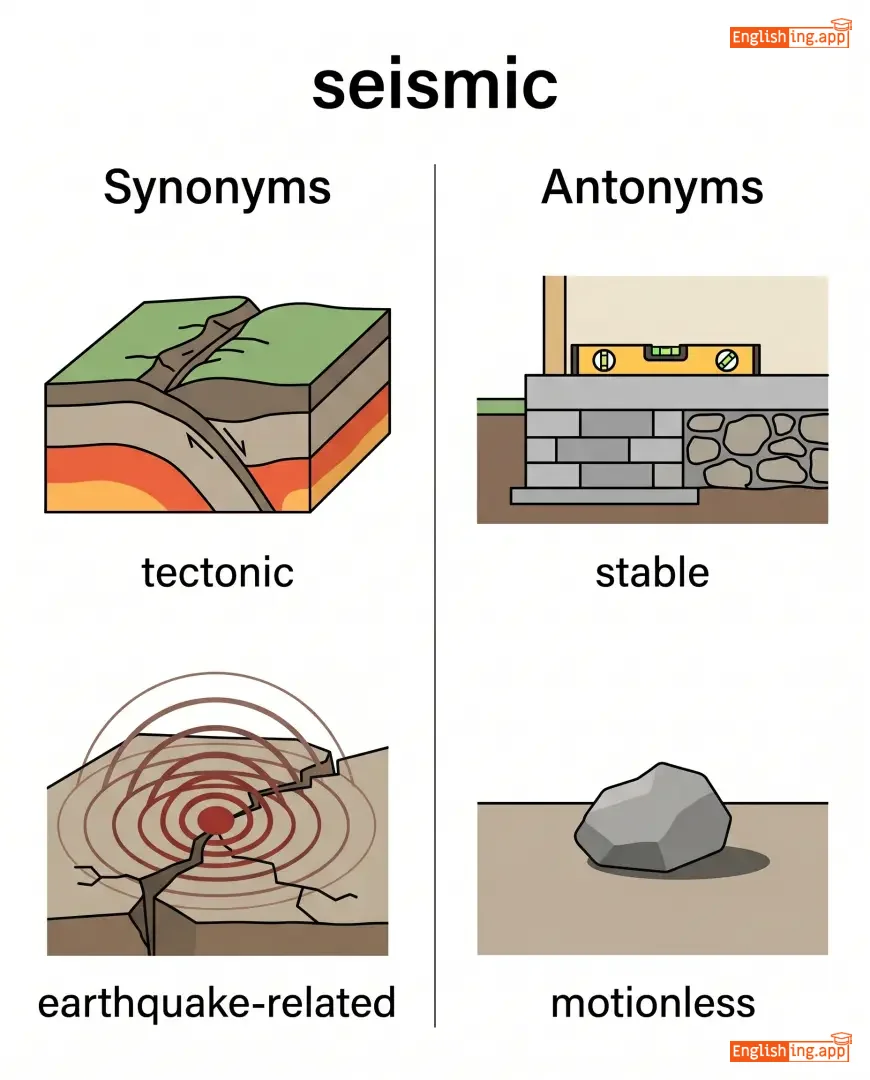
tectonic, earthquake-related, vibrational, geological, ground-shaking
••••••
|
stable, motionless, calm
••••••
|
seismic activity, seismic waves, seismic hazard, seismic risk, seismic shift
••••••
|
地震的意味着地球的震动。
••••••
|
|
💋
••••••
|
/ˈsɛnʃuəl/
adjective
(性感)
••••••
|
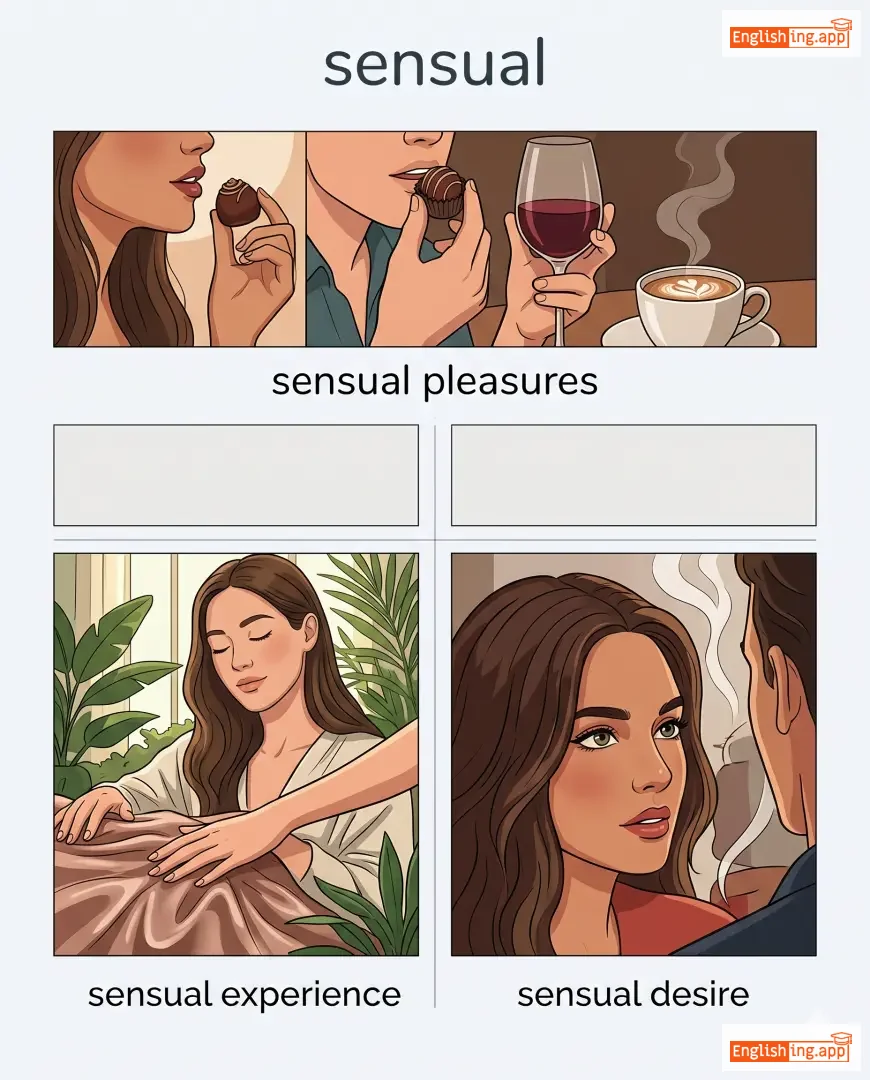
|
性感
xìnggǎn
••••••
|
- •••••• | - •••••• | - •••••• | - •••••• |
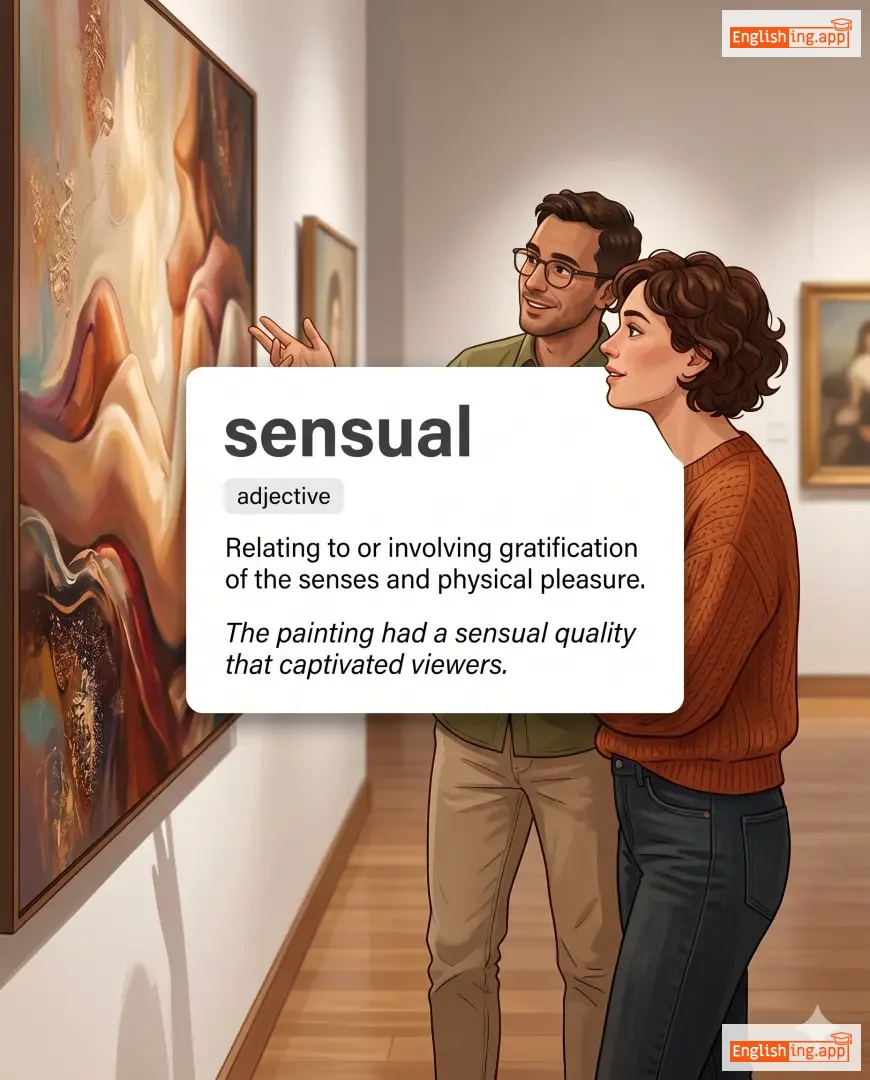
Relating to or involving gratification of the senses and physical pleasure.
••••••
|
The painting had a sensual quality that captivated viewers. |
这幅画有一种性感的质量,吸引了观众。
Zhè fú huà yǒu yī zhǒng xìnggǎn de zhìliàng, xīyǐnle guānzhòng.
••••••
|
sensual pleasures |
pleasures that appeal to the physical senses
••••••
|
性感的享乐
xìnggǎn de xiǎnglè
••••••
|
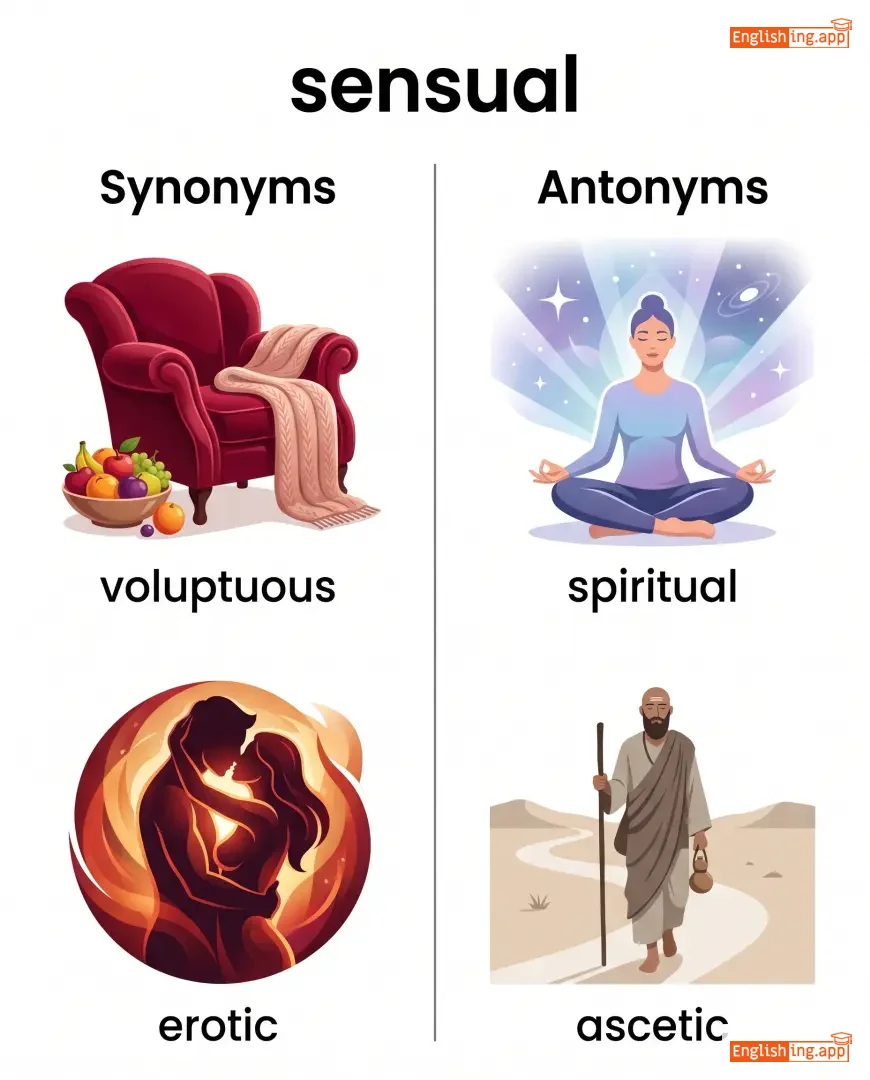
voluptuous, erotic, physical, carnal
••••••
|
spiritual, ascetic
••••••
|
sensual pleasures, sensual experience, sensual desire, sensual attraction
••••••
|
性感 = 感官 + 快乐
••••••
|
|
🌹
••••••
|
/ˈsɛnʃuəs/
adjective
(sɛnʃuəs)
••••••
|
|
感官的
gǎnguān de
••••••
|
- •••••• | - •••••• | - •••••• | - •••••• |
Relating to or affecting the senses rather than the intellect; pleasing to the senses.
••••••
|
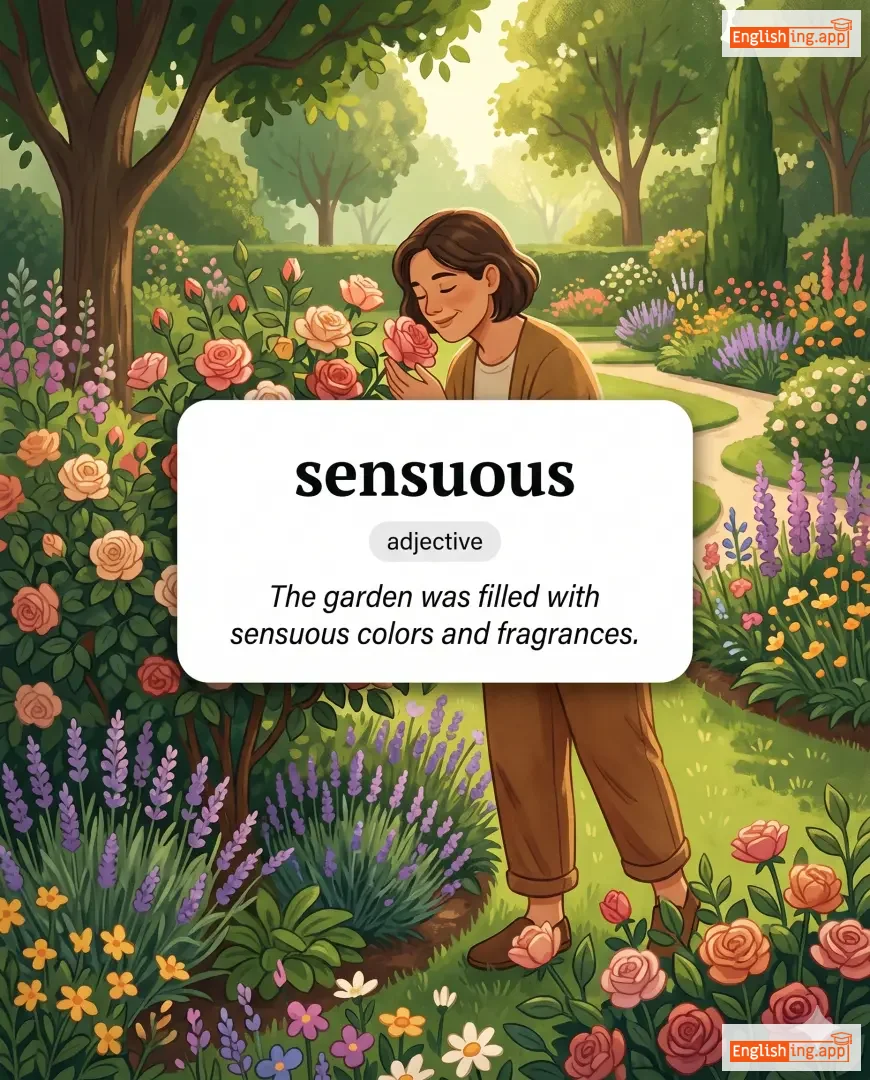
The garden was filled with sensuous colors and fragrances. |
花园里充满了感官的色彩和香气。
Huāyuán lǐ chōngmǎnle gǎnguān de sècǎi hé xiāngqì.
••••••
|
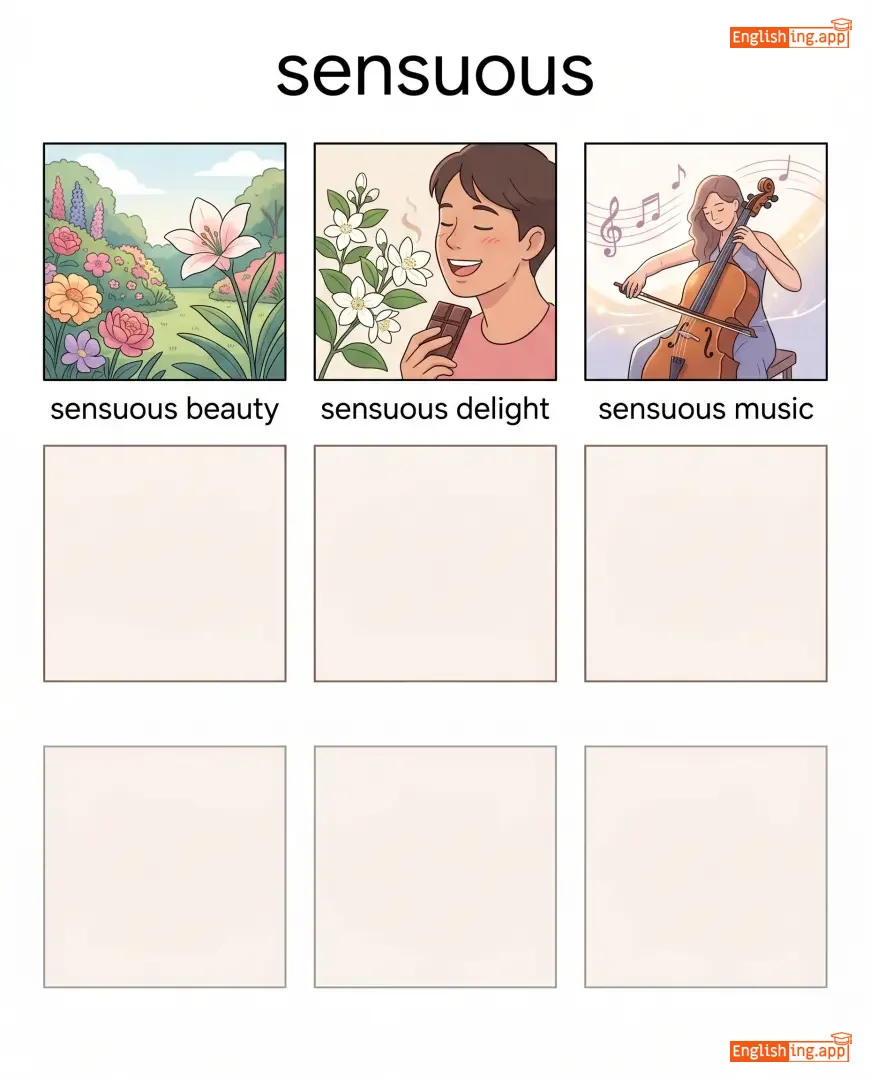
sensuous beauty |
beauty that appeals directly to the senses
••••••
|
感官之美
gǎnguān zhī měi
••••••
|
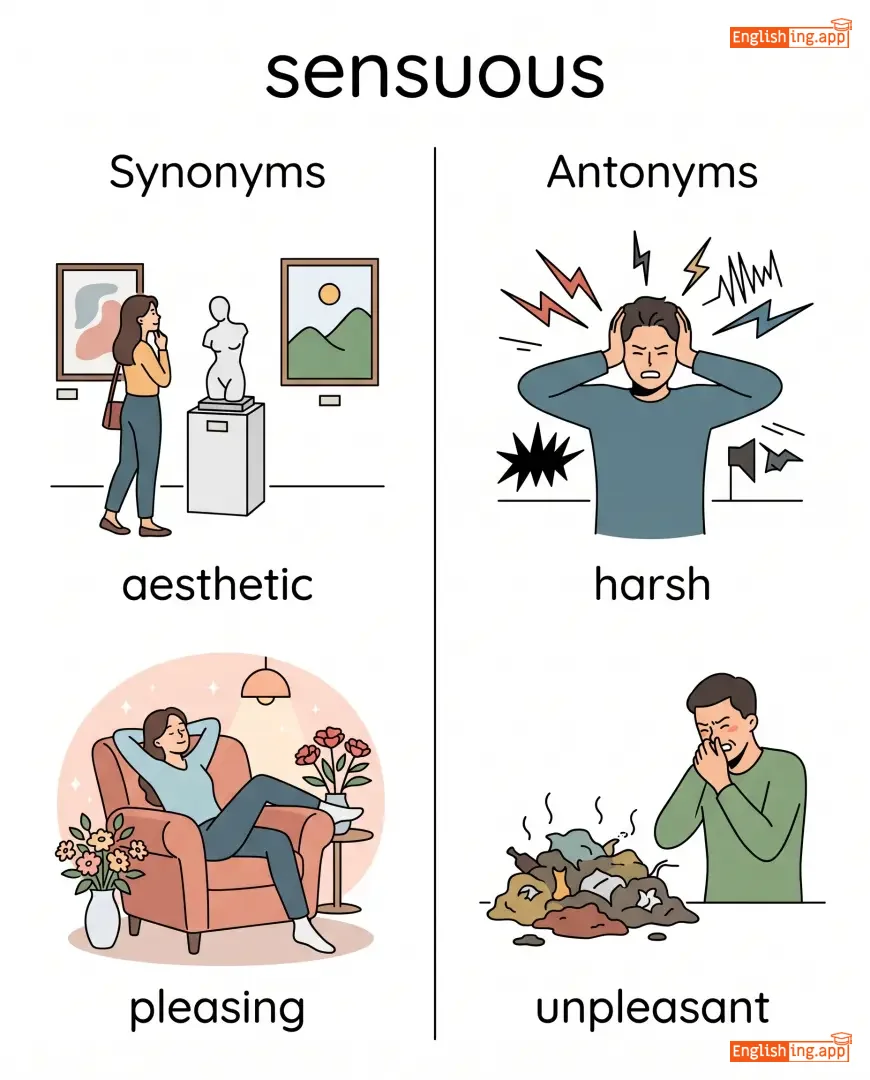
aesthetic, pleasing, luxurious, lush
••••••
|
harsh, unpleasant
••••••
|
sensuous beauty, sensuous delight, sensuous music, sensuous atmosphere
••••••
|
感官的 = 感觉 + 美丽 → 打动感官的美丽。
••••••
|
|
👁️
••••••
|
/ˈsɛnʃənt/
adjective
(森提恩特)
••••••
|
|
有感觉的
you ganjue de
••••••
|
- •••••• | - •••••• | - •••••• | - •••••• |
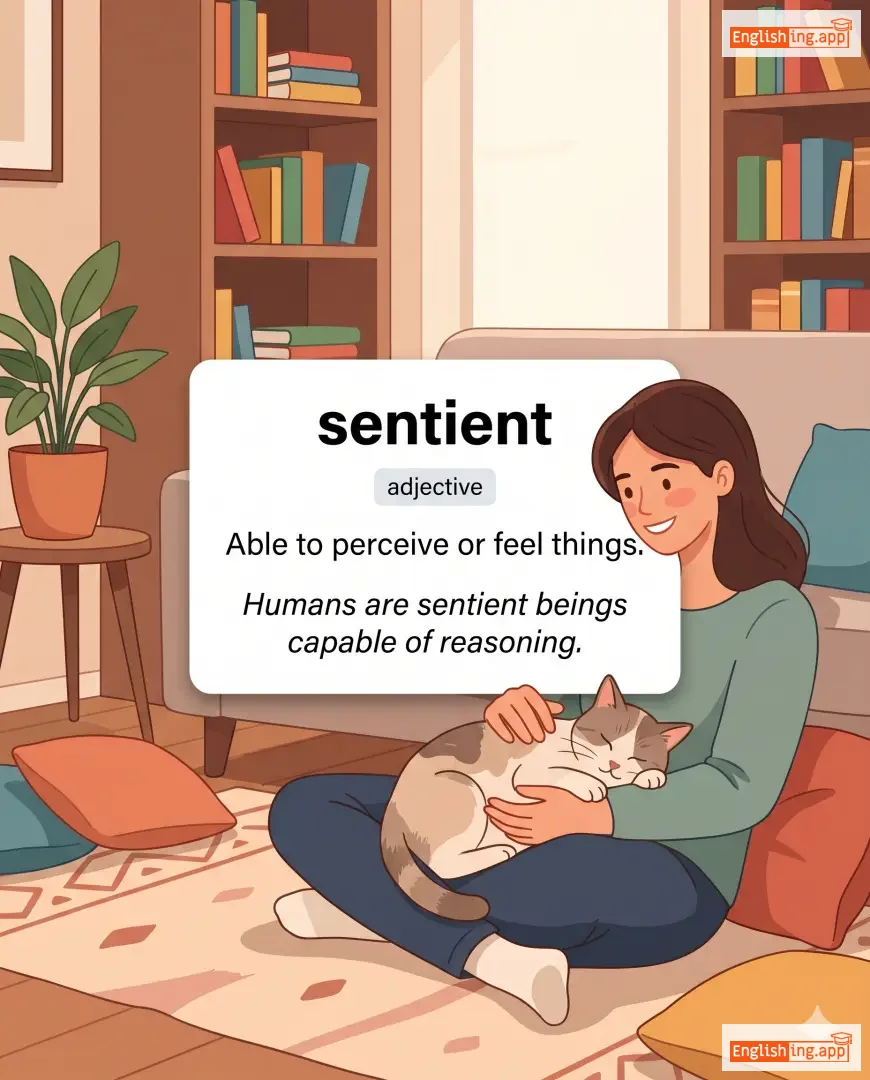
Able to perceive or feel things.
••••••
|
Humans are sentient beings capable of reasoning.
人类是能够推理的感知生命。
••••••
|
人类是能够推理的感知生命。
Rénlèi shì nénggòu tuīlǐ de gǎnzhī shēngmìng.
••••••
|
- •••••• | - •••••• | - •••••• |
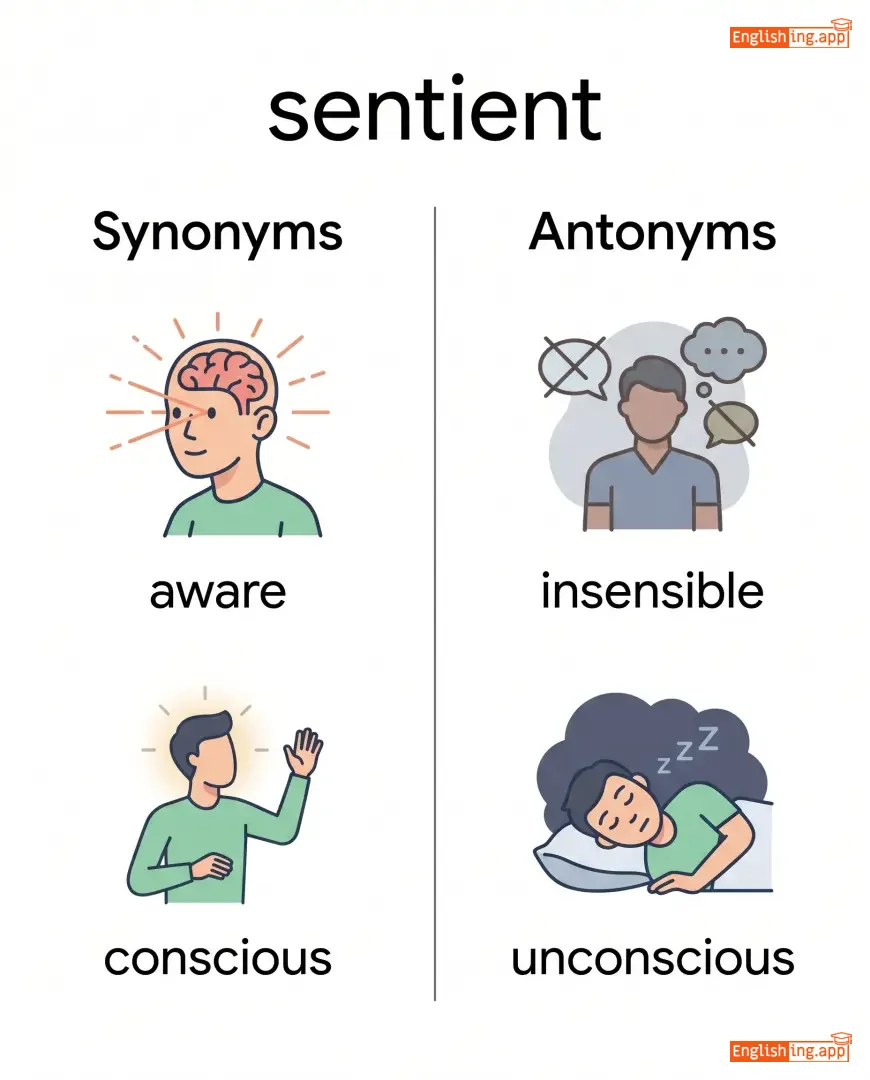
aware, conscious, responsive, perceptive
••••••
|
insensible, unconscious
••••••
|
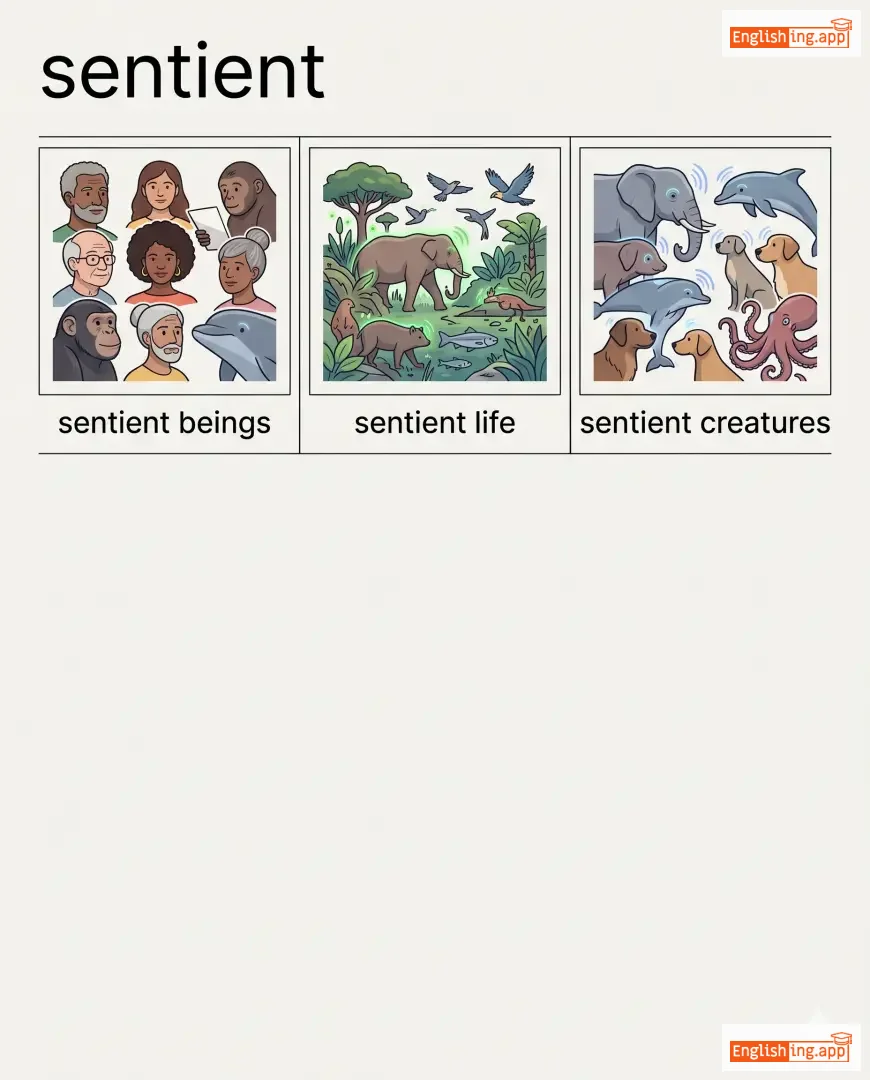
sentient beings, sentient life, sentient creatures
••••••
|
Sentient 意味着‘感觉’ — 能够感知或感觉的生命。
••••••
|
|
🙇
••••••
|
/ˈsɜːrvaɪl/ or /ˈsɜːrvəl/
adjective
(sāwái'ěr)
••••••
|
|
奴颜婢膝
nú yán bì xī
••••••
|
- •••••• | - •••••• | - •••••• | - •••••• |
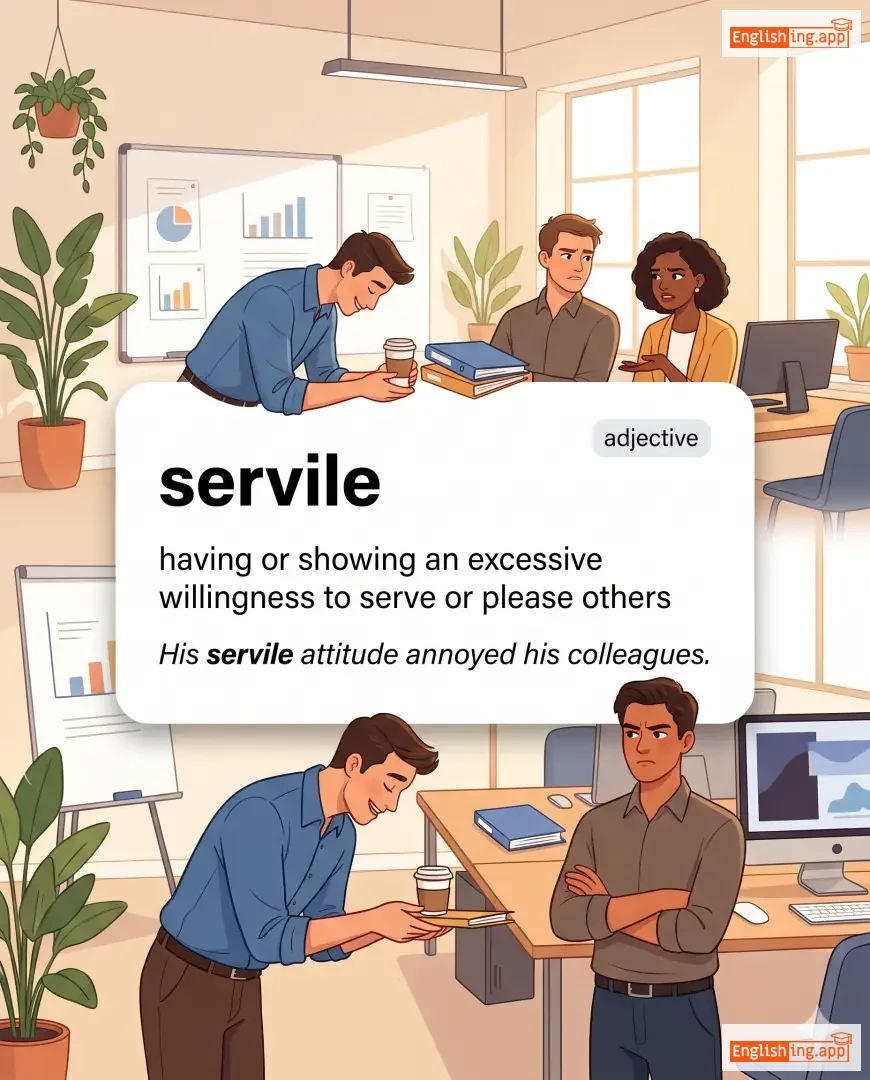
having or showing an excessive willingness to serve or please others
••••••
|
His servile attitude annoyed his colleagues. |
他的奴颜婢膝的态度让同事们感到烦恼。
Tā de nú yán bì xī de tàidù ràng tóngshìmen gǎndào fánnǎo.
••••••
|
- •••••• | - •••••• | - •••••• |
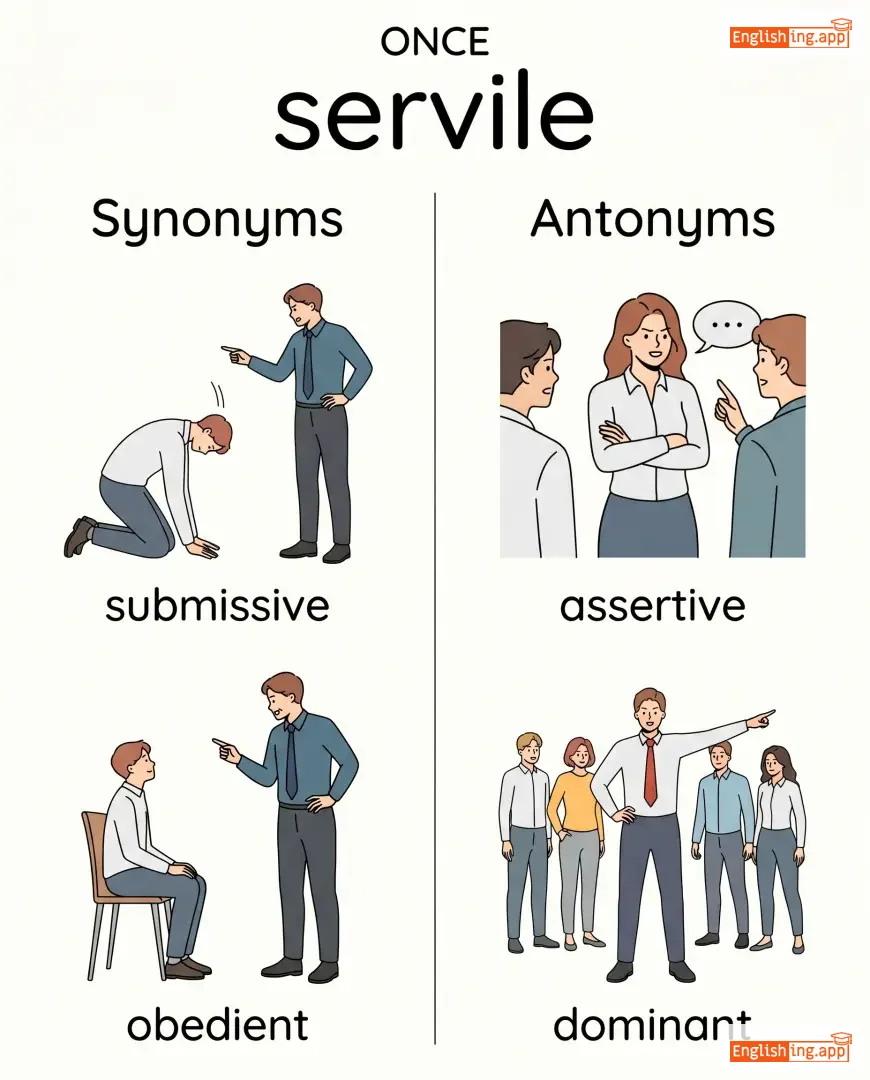
submissive, obedient, slavish, deferential
••••••
|
assertive, dominant, independent
••••••
|
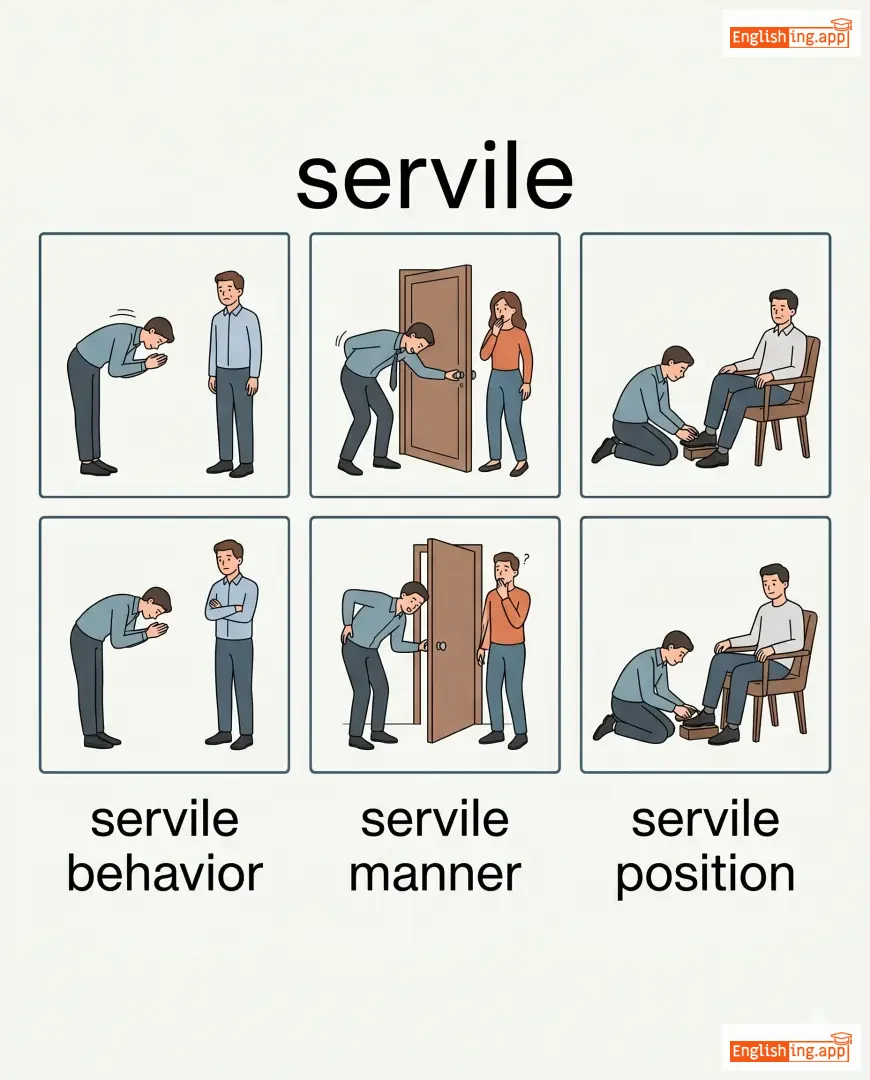
servile behavior, servile manner, servile position
••••••
|
奴颜婢膝就像是总是准备取悦他人,像仆人一样。
••••••
|

