|
絵文字
|
単語 | Images | 翻訳 | 過去 | 過去分詞 | 三人称単数 | 動名詞 | 意味 | 例文 | 例文の翻訳 | 表現例 | 表現例の意味 | 表現例の翻訳 | 同義語 | 対義語 | コロケーション | ニーモニック |
|---|---|---|---|---|---|---|---|---|---|---|---|---|---|---|---|---|---|
|
🌌
••••••
|
/səˈlɛstiəl/
adjective
(セレスティアル)
••••••
|

|
天体の
tentai no
••••••
|
- •••••• | - •••••• | - •••••• | - •••••• |
relating to the sky, stars, or heavens
••••••
|
The telescope revealed many celestial bodies in the night sky. |
望遠鏡は夜空に多くの天体を明らかにしました。
Bōenkyō wa yozora ni ōku no tentai o akiraka ni shimashita.
••••••
|
- •••••• | - •••••• | - •••••• |
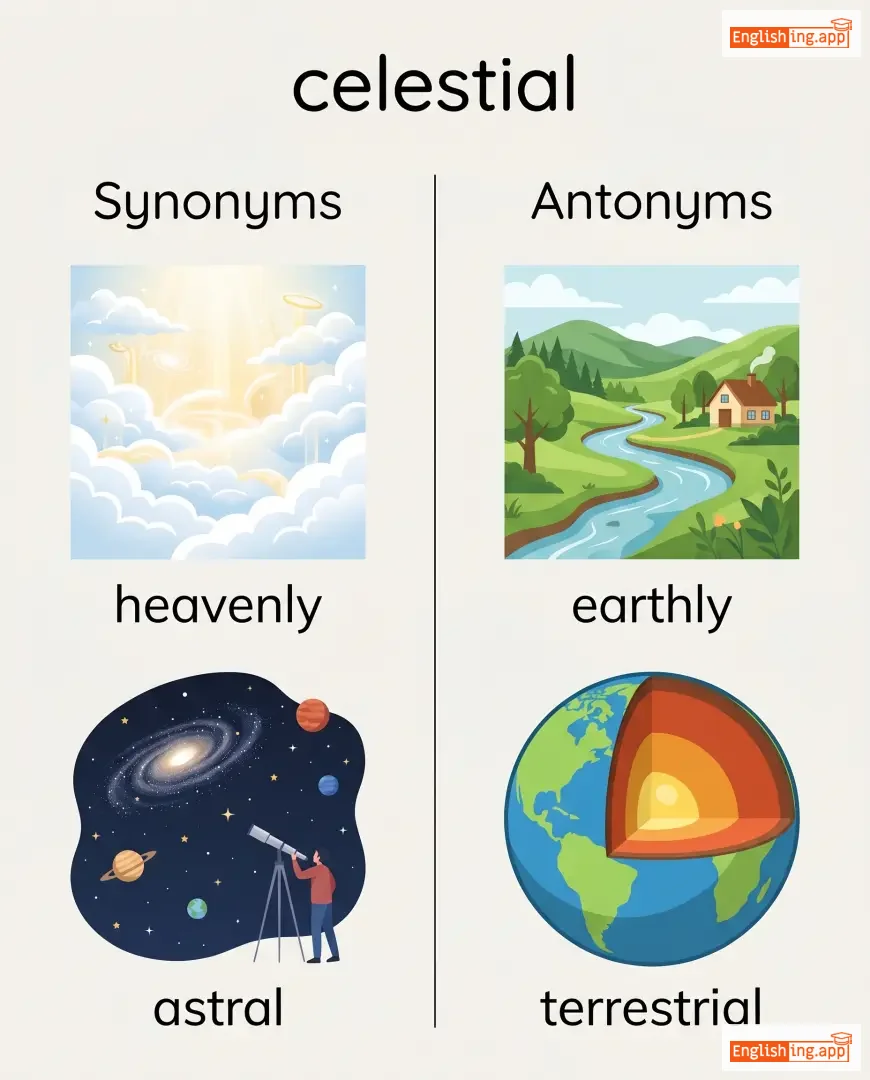
heavenly, astral, cosmic, stellar
••••••
|
earthly, terrestrial, mundane
••••••
|
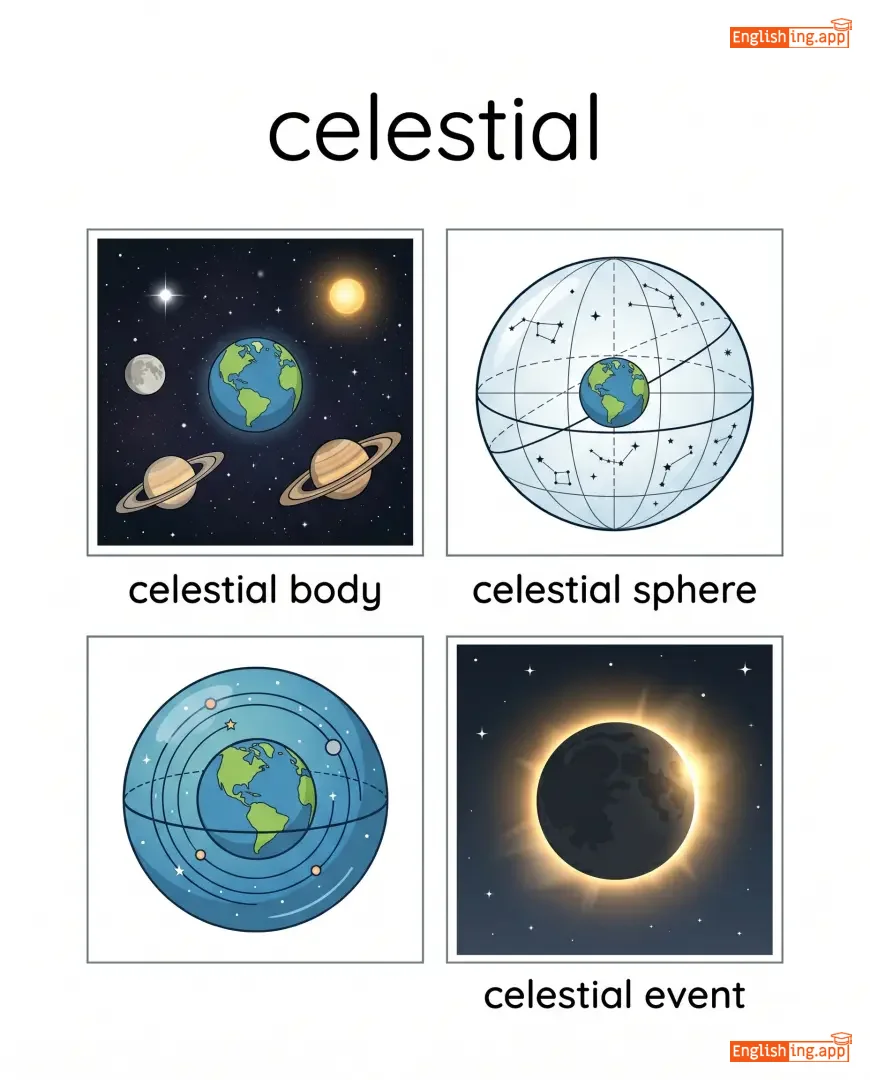
celestial body, celestial sphere, celestial event, celestial navigation
••••••
|
天体の意味は空に関連しています。星が輝く夜空を思い浮かべてください。
••••••
|
|
🌀
••••••
|
/sɛnˈtrɪfjʊɡəl/
adjective
(セントリフガル)
••••••
|
|
遠心
enshin
••••••
|
- •••••• | - •••••• | - •••••• | - •••••• |
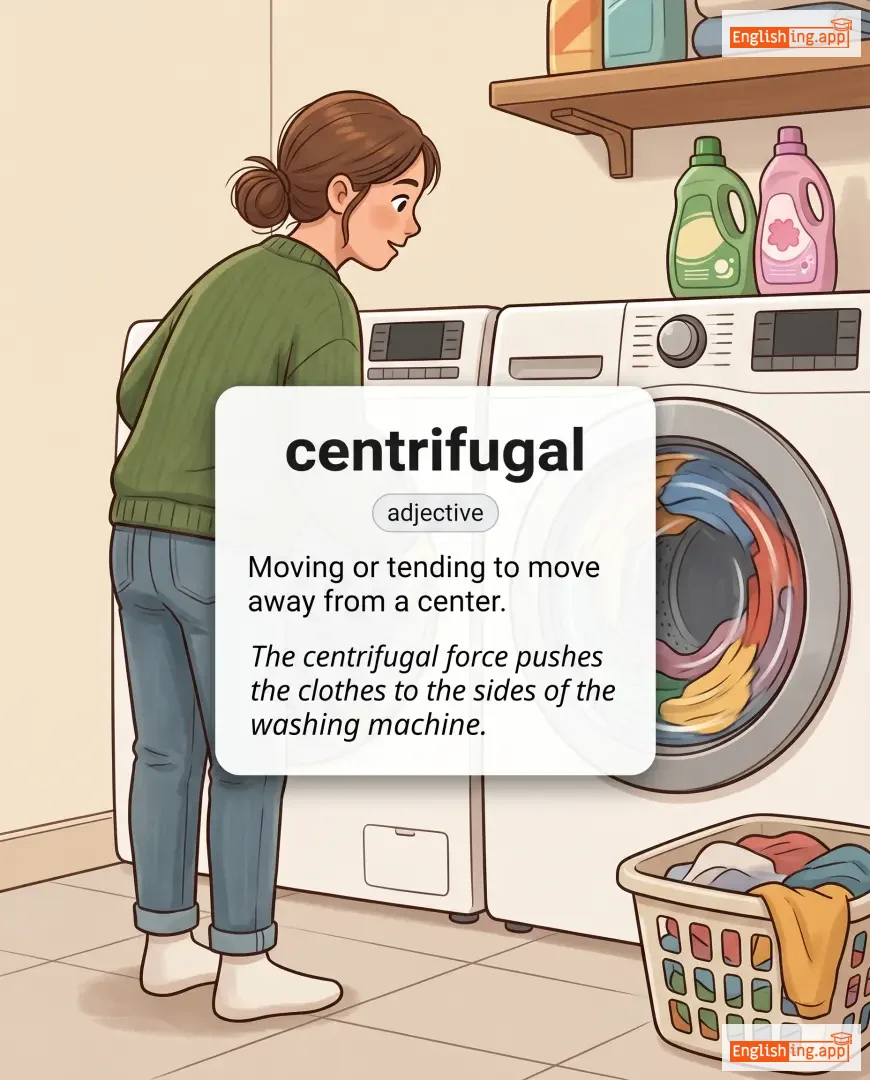
Moving or tending to move away from a center.
••••••
|
The centrifugal force pushes the clothes to the sides of the washing machine. |
遠心力は洗濯機の側面に服を押しやる。
Enshinryoku wa sentakuki no sokumen ni fuku o oshiyaru.
••••••
|
- •••••• | - •••••• | - •••••• |
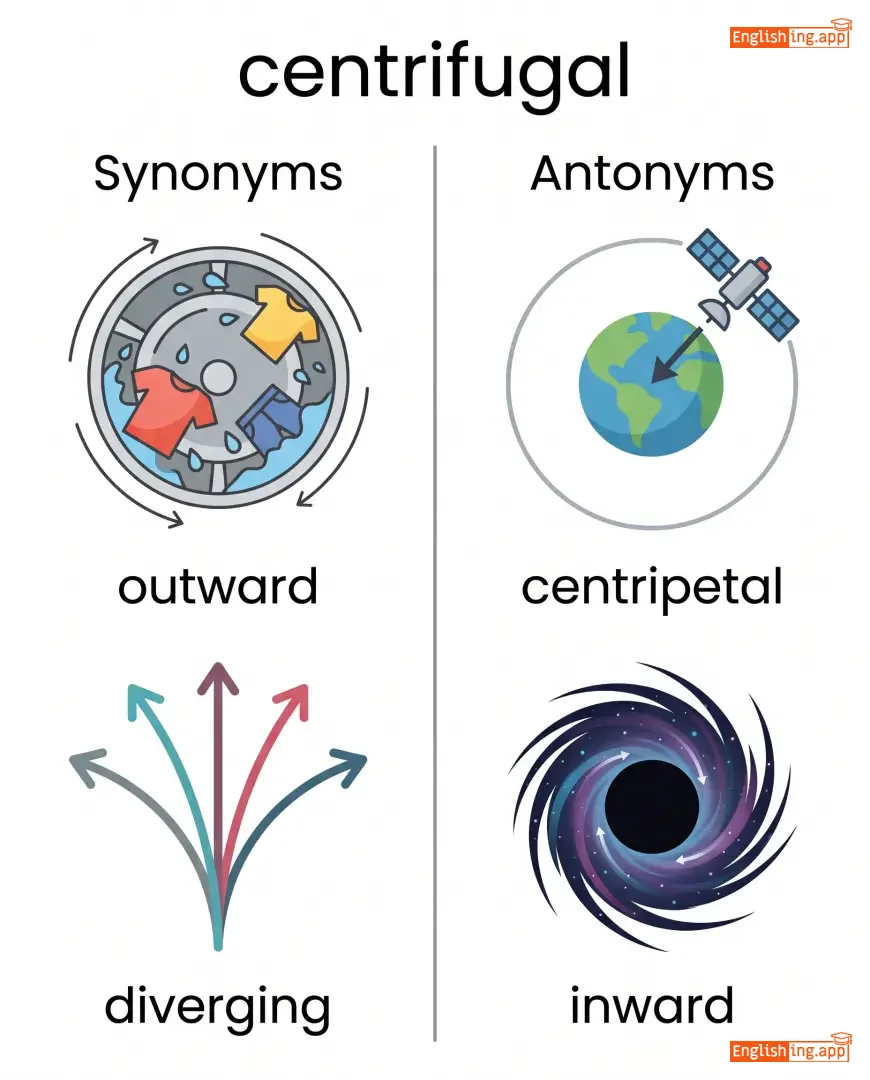
outward, diverging, radiating, spreading
••••••
|
centripetal, inward
••••••
|
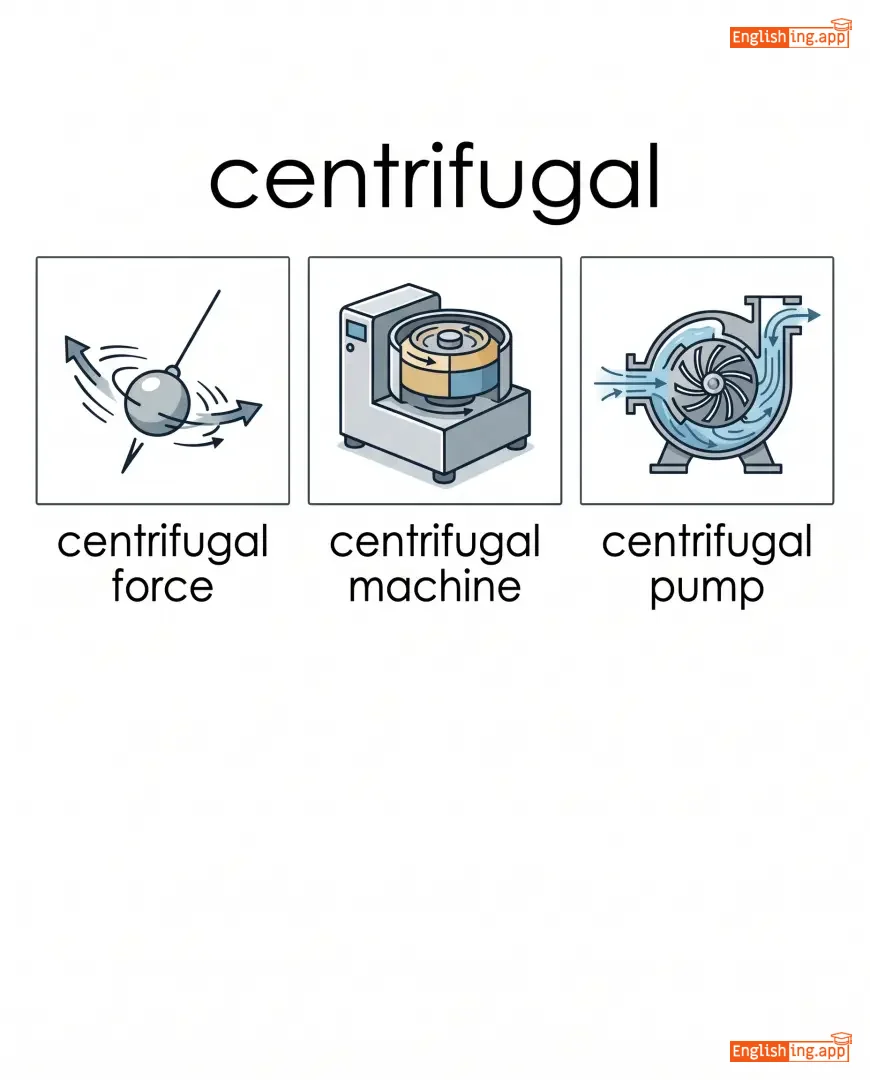
centrifugal force, centrifugal machine, centrifugal pump, centrifugal action
••••••
|
遠心 = 中心から離れる力、中心から遠ざかることを意味する。
••••••
|
|
🌌
••••••
|
/sɛnˈtrɪpɪtəl/
adjective
(センチリピタル)
••••••
|
|
向心力
koushinryoku
••••••
|
- •••••• | - •••••• | - •••••• | - •••••• |
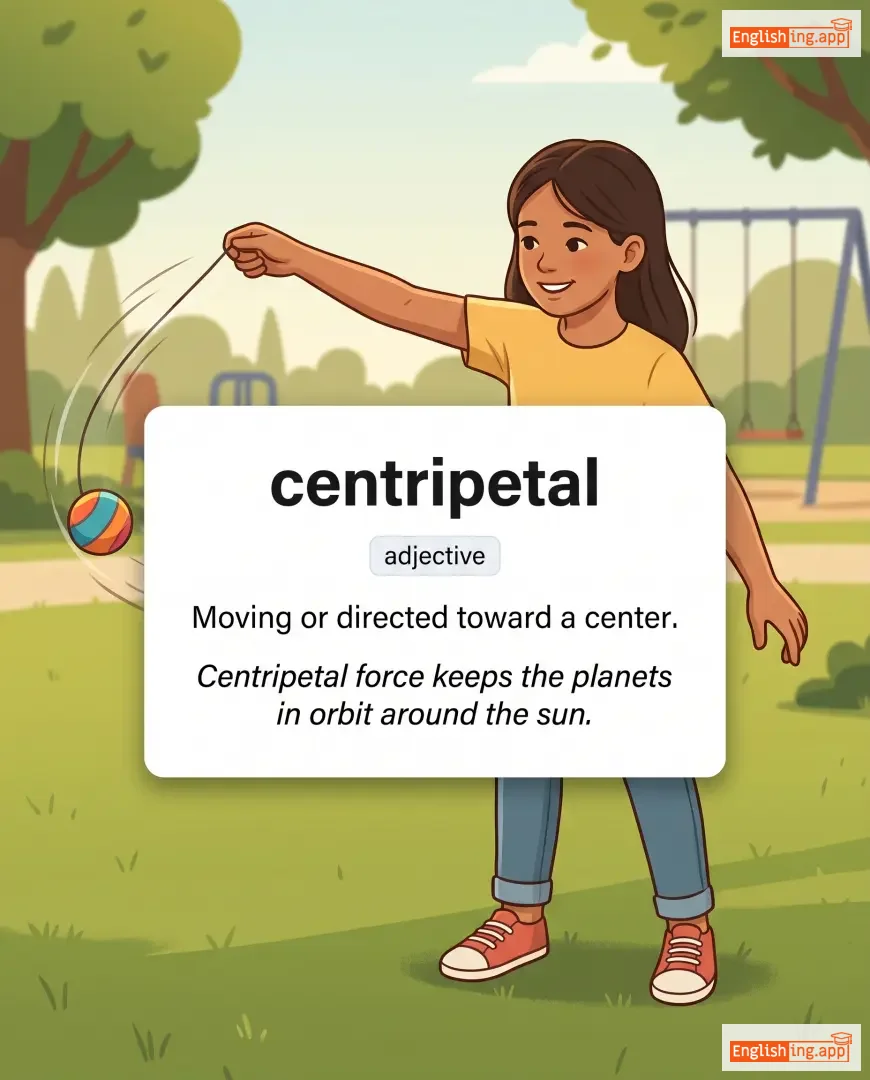
Moving or directed toward a center.
••••••
|
Centripetal force keeps the planets in orbit around the sun. |
向心力は惑星を太陽の周りの軌道に保ちます。
Koushinryoku wa wakusei o taiyō no mawari no kidō ni tamochimasu.
••••••
|
- •••••• | - •••••• | - •••••• |
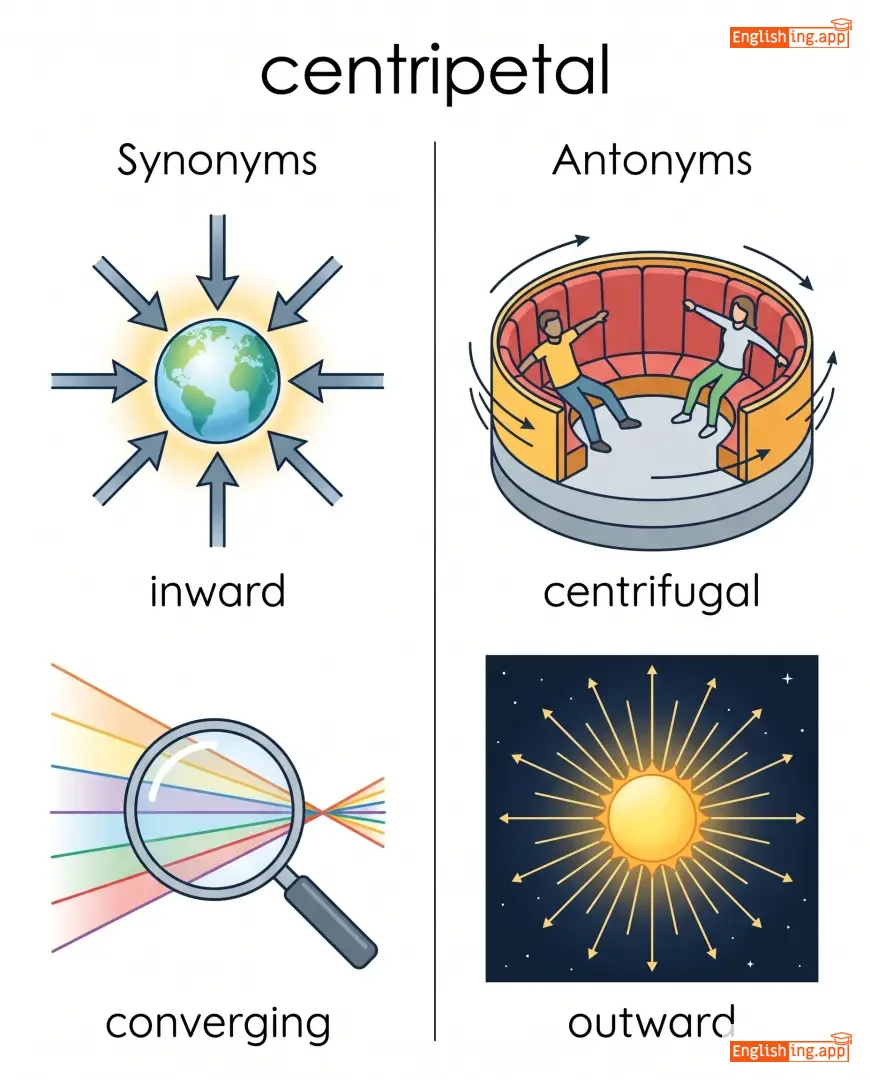
inward, converging, focusing, central
••••••
|
centrifugal, outward
••••••
|
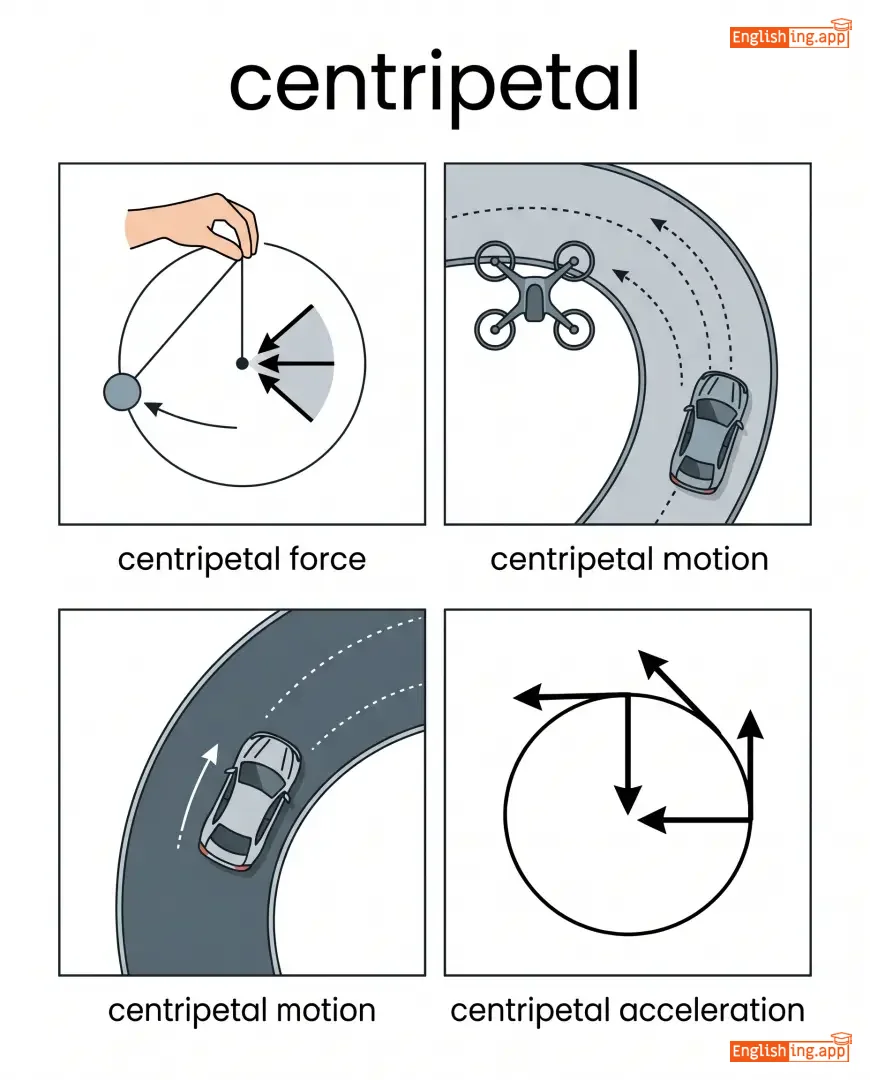
centripetal force, centripetal motion, centripetal acceleration
••••••
|
花びらが中心に向かうように、centripetal = 向心力
••••••
|
|
🥇
••••••
|
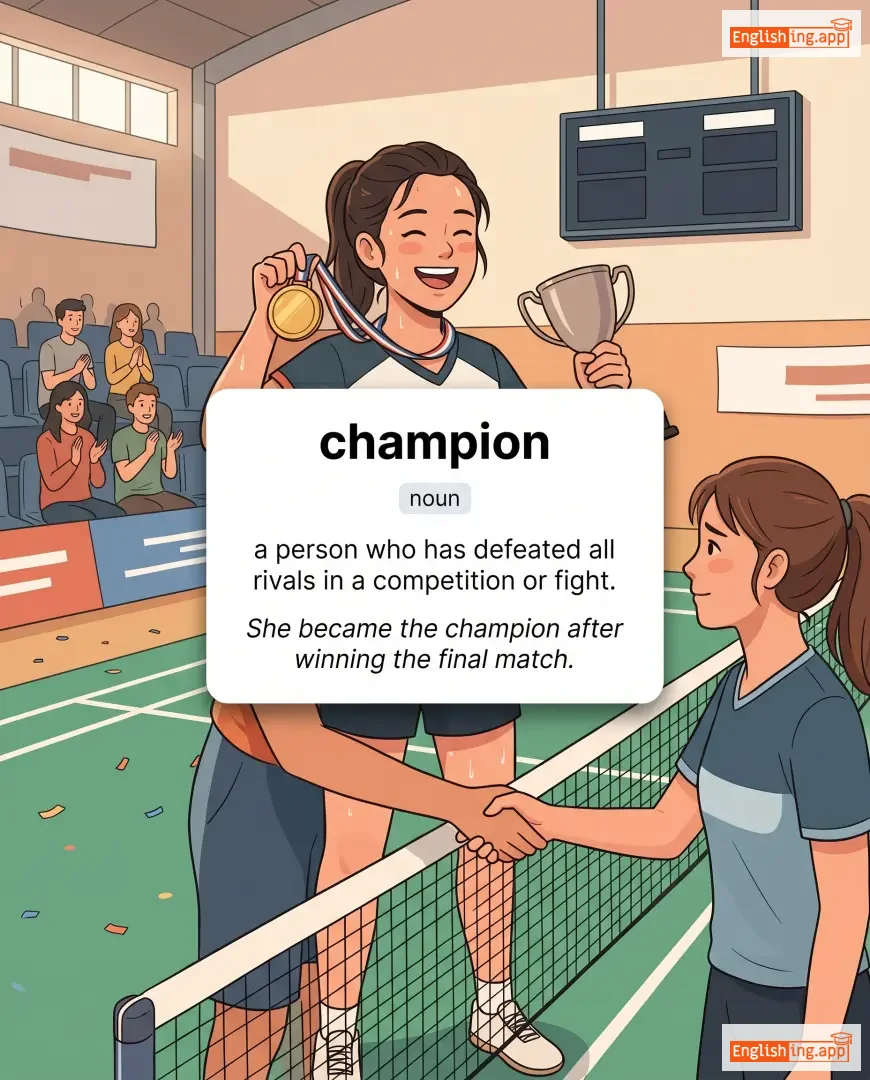
/ˈtʃæmpiən/
noun
(チャンピオン)
••••••
|
|
チャンピオン
champion
••••••
|
- •••••• | - •••••• | - •••••• | - •••••• |
a person who has defeated all rivals in a competition or fight.
••••••
|
She became the champion after winning the final match. |
彼女は決勝戦に勝った後、チャンピオンになった。
Kanojo wa kesshousen ni katta ato, champion ni natta.
••••••
|
defend the champion |
to maintain one’s title against challengers
••••••
|
チャンピオンを守る
champion o mamoru
••••••
|
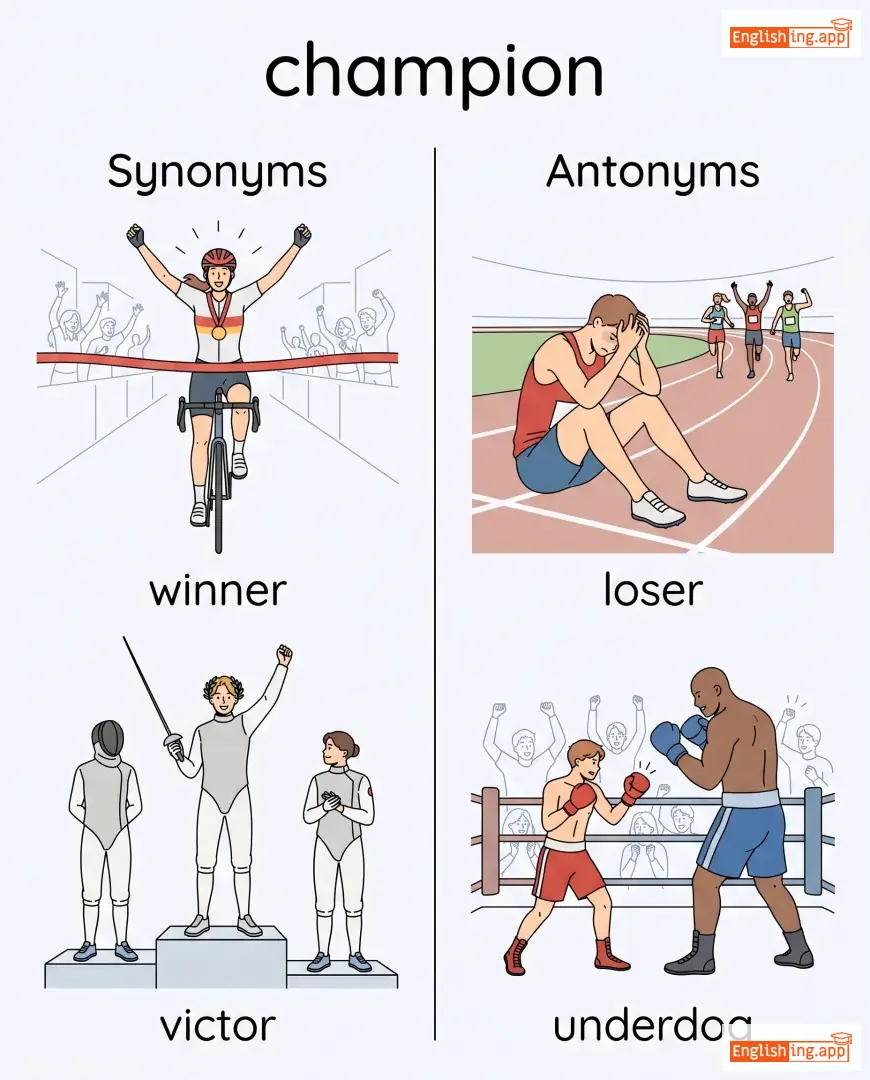
winner, victor, titleholder, hero, defender
••••••
|
loser, underdog
••••••
|
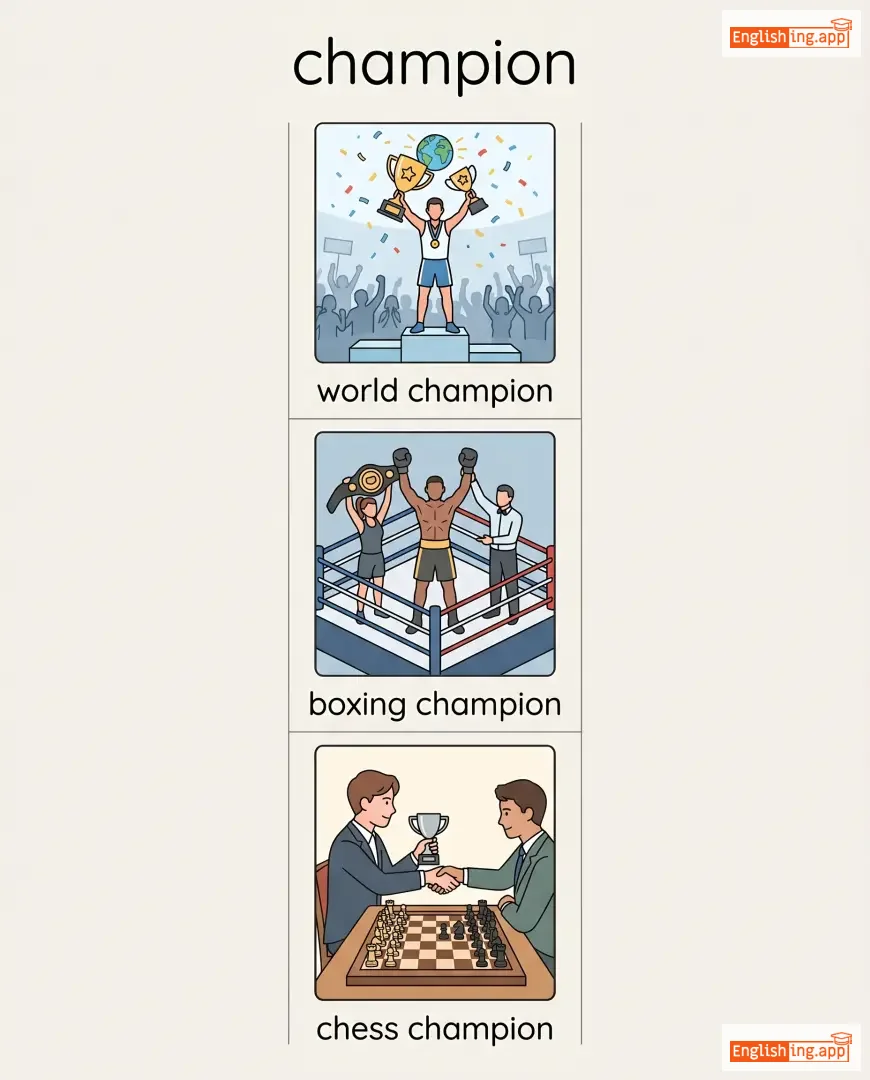
world champion, boxing champion, chess champion, defend champion
••••••
|
Champion means 'camp' + 'lion'—チャンピオンはライオンのように勝利する。
••••••
|
|
📉
••••••
|
/ˈtʃeɪ.sən/
verb
(チェイセン)
••••••
|
|
戒める / 征服する
imashimeru / seifuku suru
••••••
|
chastened
チェイセンド
••••••
|
chastened
チェイセンド
••••••
|
chastens
チェイセンズ
••••••
|
chastening
チェイセニング
••••••
|
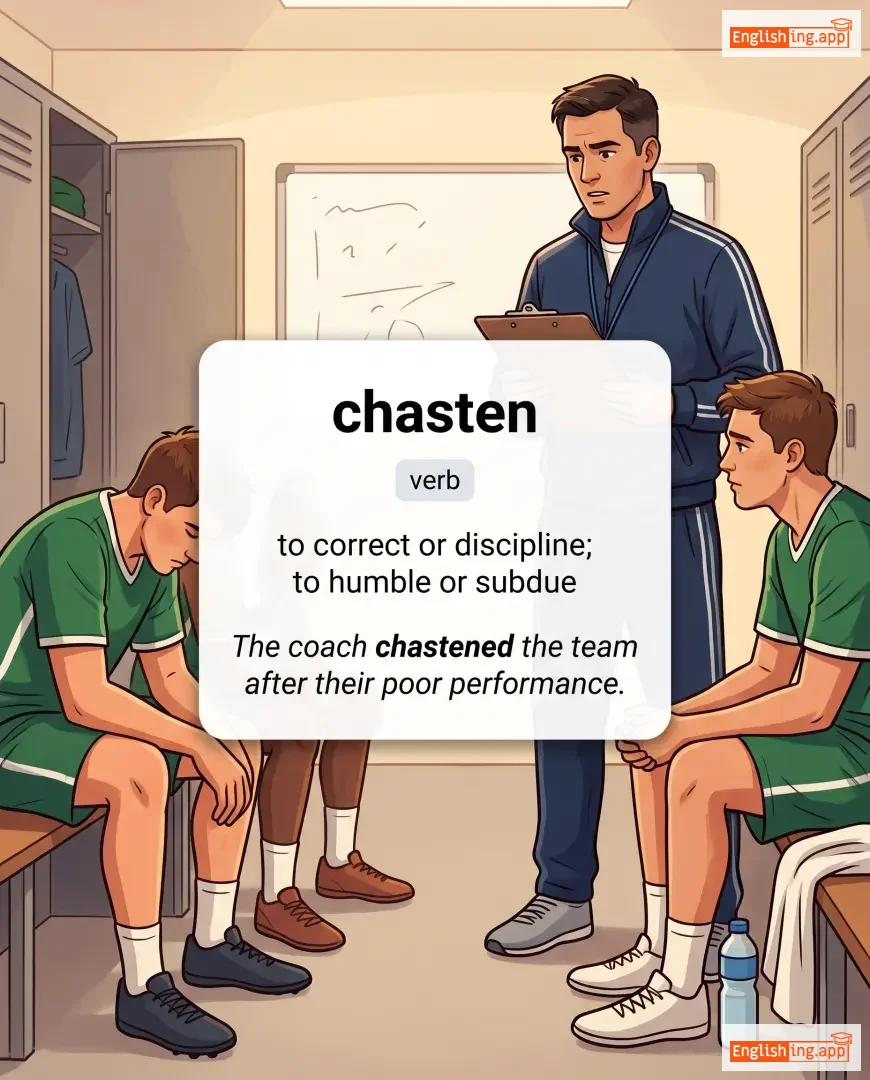
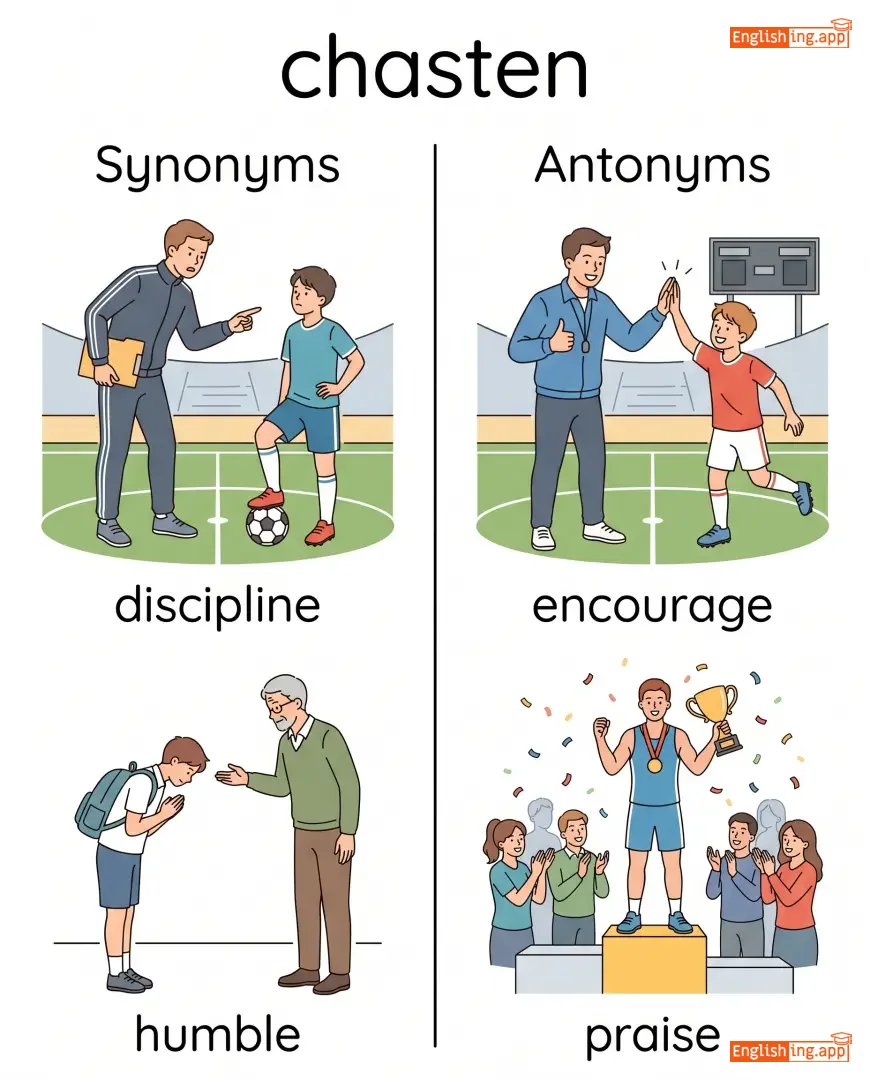
to correct or discipline; to humble or subdue
••••••
|
The coach chastened the team after their poor performance.
コーチは彼らの悪いパフォーマンスの後、チームを戒めた。
••••••
|
コーチは彼らの悪いパフォーマンスの後、チームを戒めた。
Kōchi wa karera no warui pafōmansu no ato, chīmu o imashimeta.
••••••
|
- •••••• | - •••••• | - •••••• |
discipline, humble, correct, subdue, restrain
••••••
|
encourage, praise, reward
••••••
|
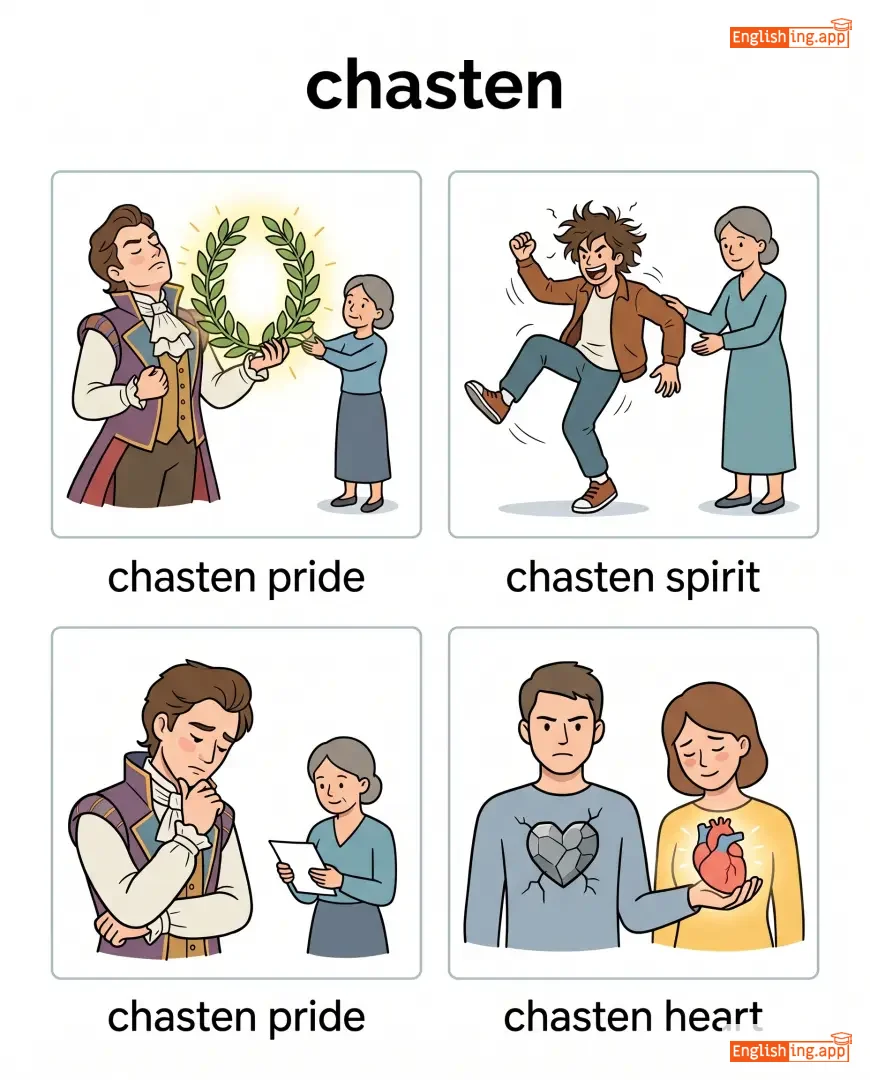
chasten pride, chasten spirit, chasten heart, chasten mind
••••••
|
Chasten は日本語で戒める、しっかりと指導することを意味します。
••••••
|
|
🃏
••••••
|
/ʃɪˈkeɪnəri/
noun
(チカネリ)
••••••
|
|
詐欺
sagi
••••••
|
- •••••• | - •••••• | - •••••• | - •••••• |
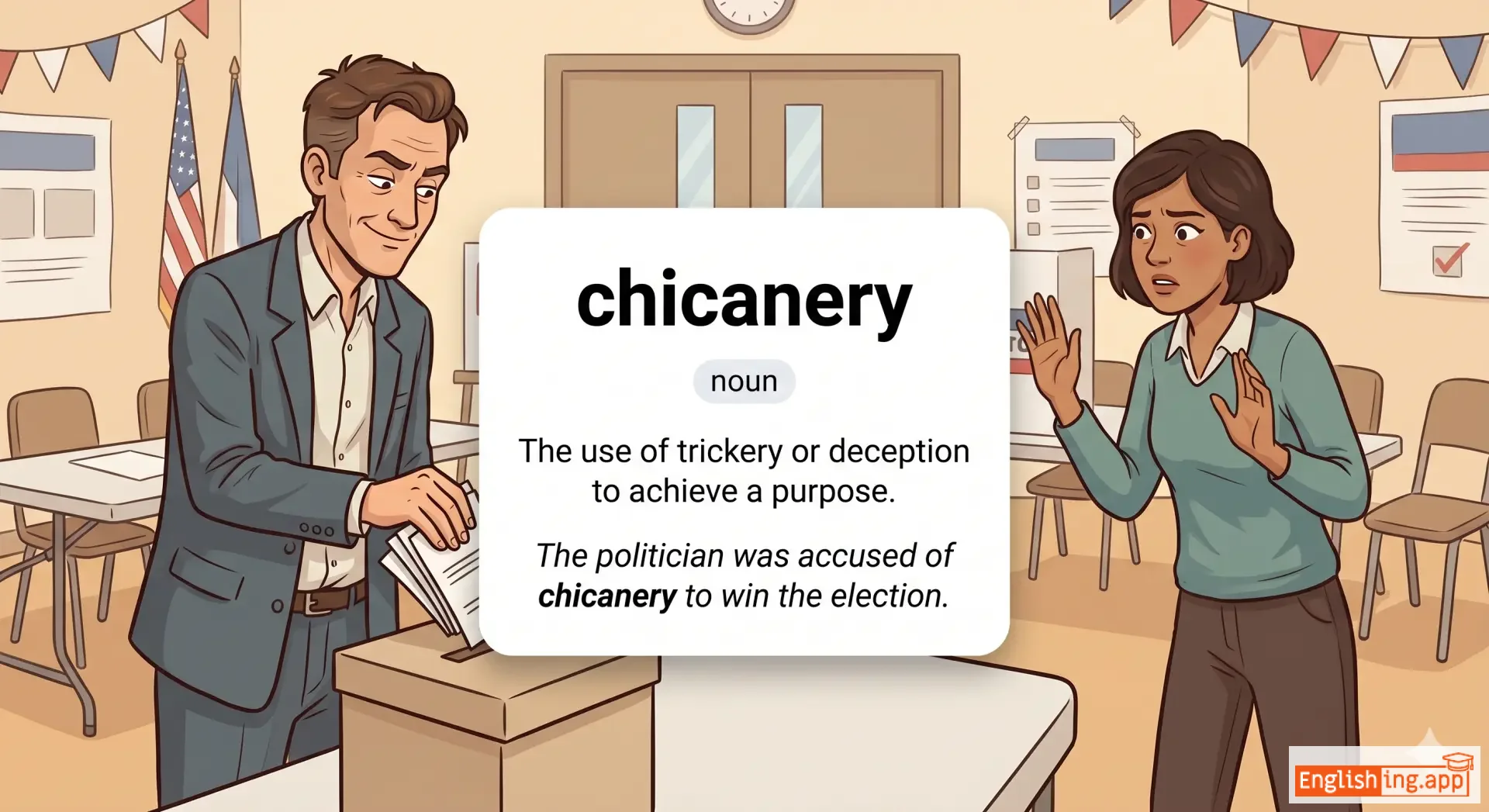
The use of trickery or deception to achieve a purpose.
••••••
|
The politician was accused of chicanery to win the election. |
その政治家は選挙に勝つために詐欺を使ったとして非難された。
Sono seijika wa senkyo ni katsu tame ni sagi wo tsukatta toshite hinan sareta.
••••••
|
- •••••• | - •••••• | - •••••• |
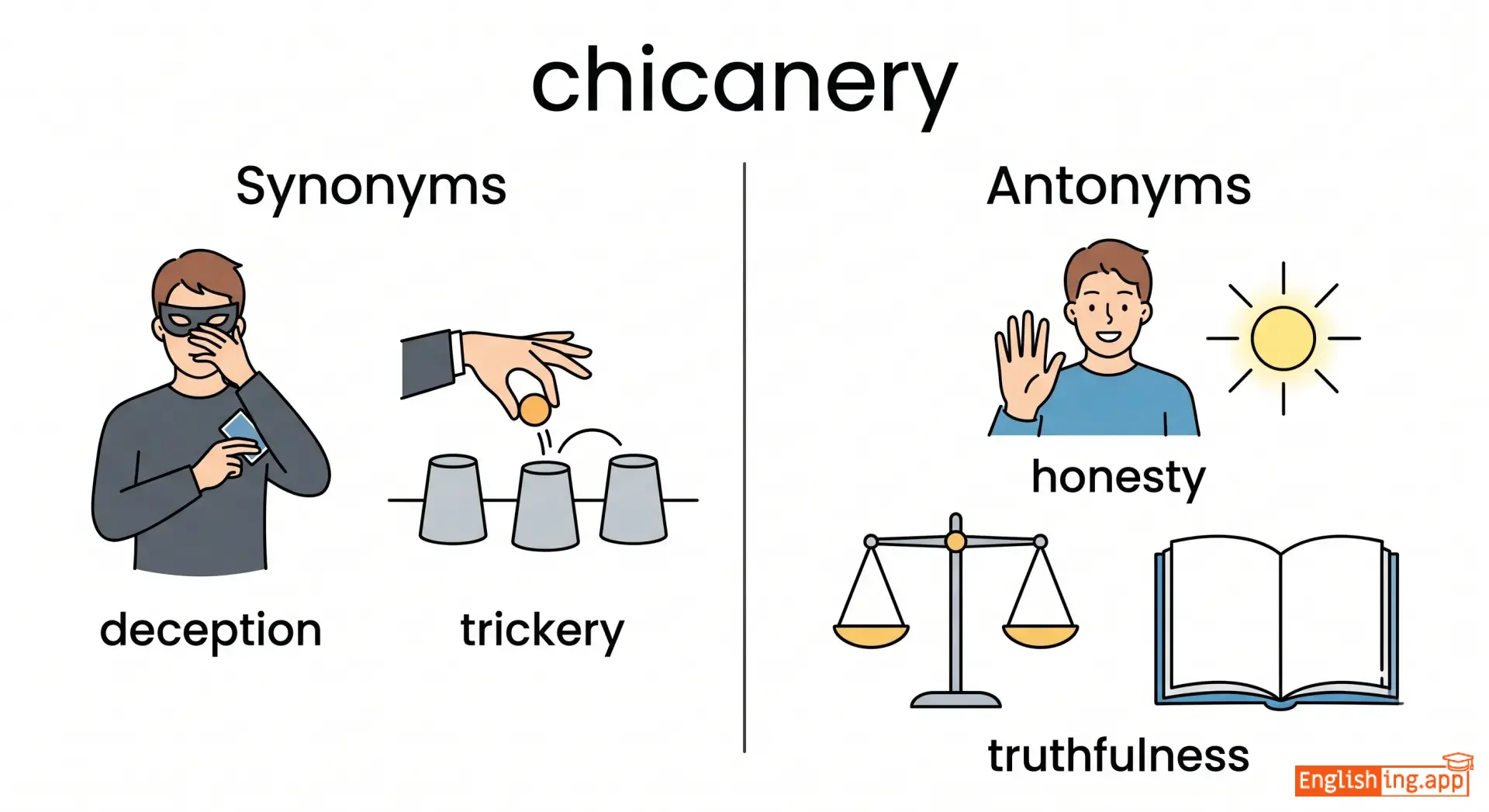
deception, trickery, fraud, deceit, dishonesty
••••••
|
honesty, truthfulness, integrity
••••••
|
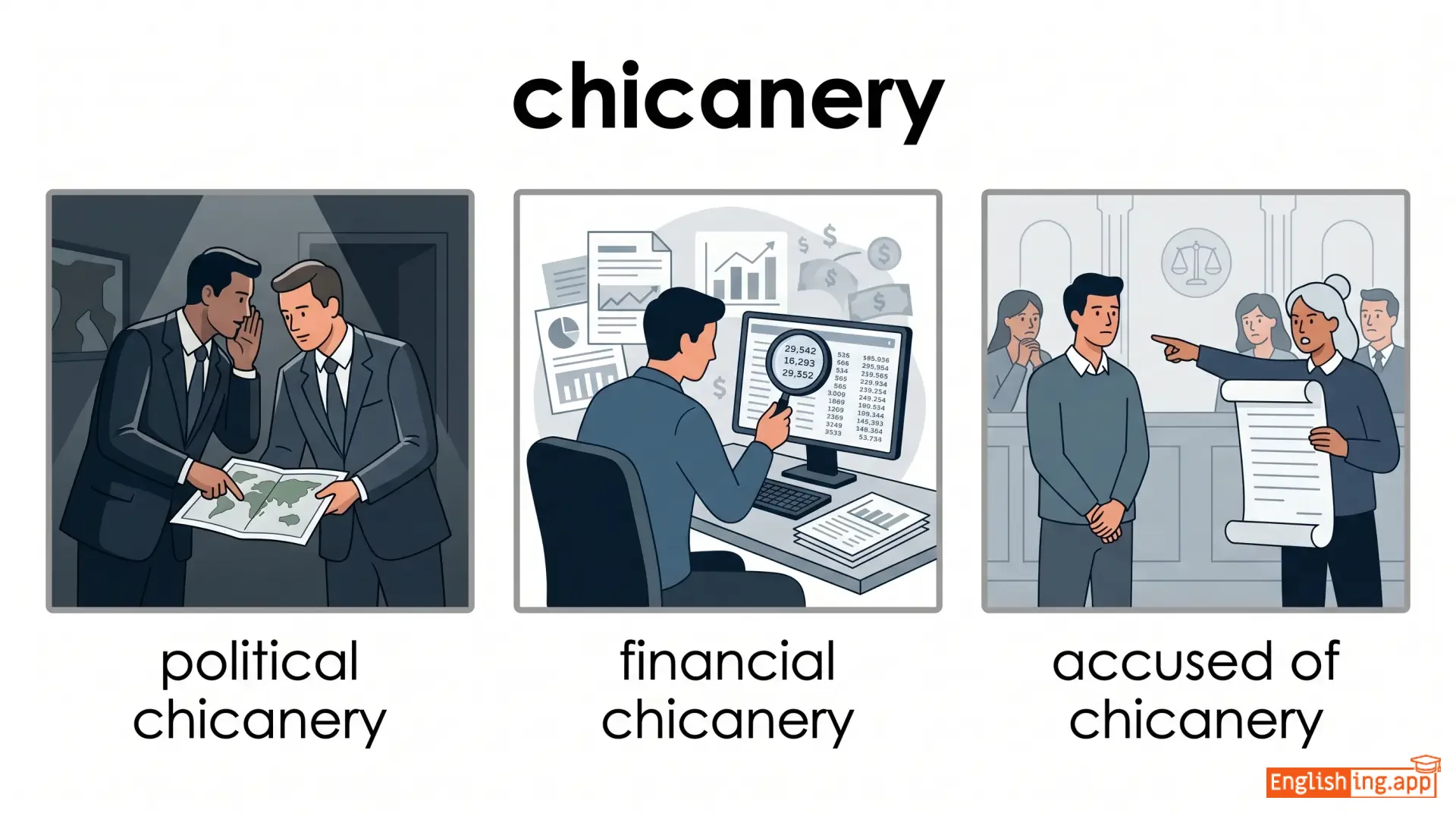
political chicanery, financial chicanery, accused of chicanery, expose chicanery
••••••
|
チカネリ (chicanery) で騙す意味、詐欺。
••••••
|
|
⚔️
••••••
|
/ˈʃɪvəlri/
noun
(shivaruri)
••••••
|
|
騎士道
kishidou
••••••
|
- •••••• | - •••••• | - •••••• | - •••••• |
The medieval knightly system with its moral, social, and religious code; courteous behavior, especially toward women.
••••••
|
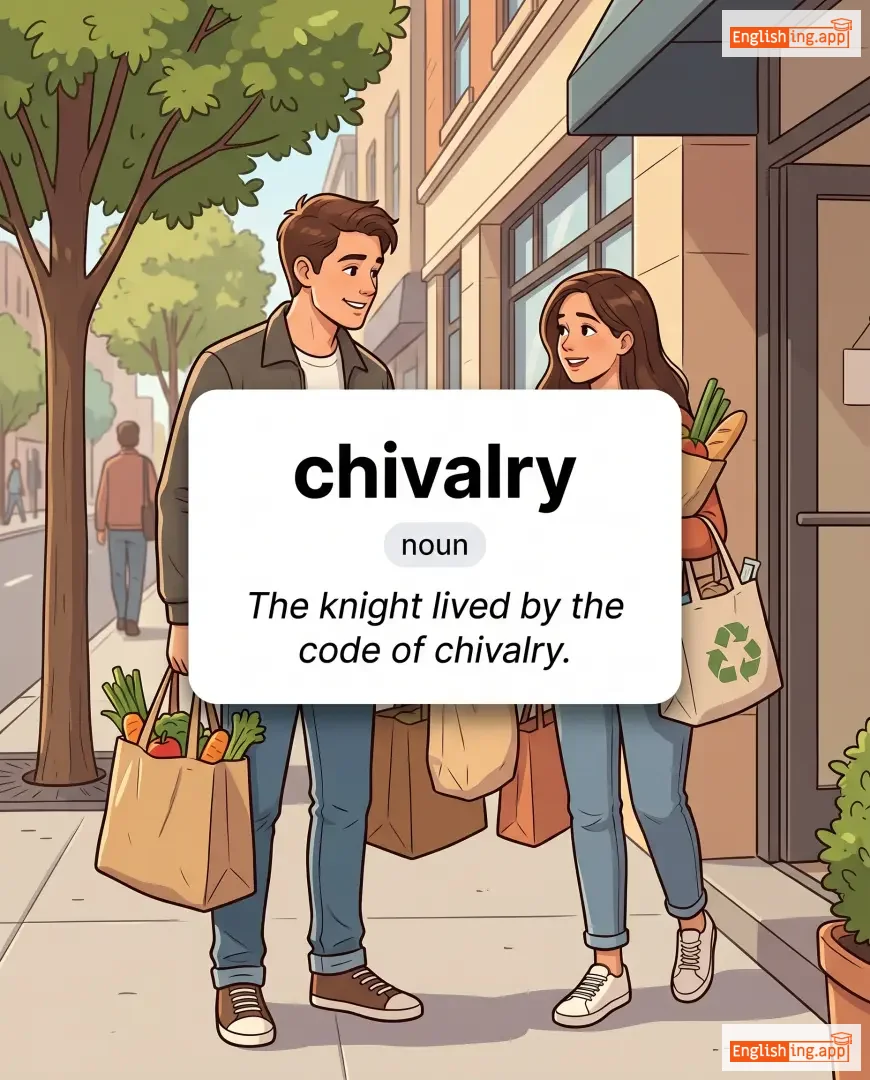
The knight lived by the code of chivalry.
騎士は騎士道の規範に従って生きていました。
••••••
|
騎士は騎士道の規範に従って生きていました。
Kishi wa kishidō no kihon ni shitagatte ikite imashita.
••••••
|
code of chivalry
騎士道の規範
••••••
|
The set of rules and ideals guiding knightly honor and behavior.
••••••
|
騎士道の規範
Kishidō no kihon
••••••
|
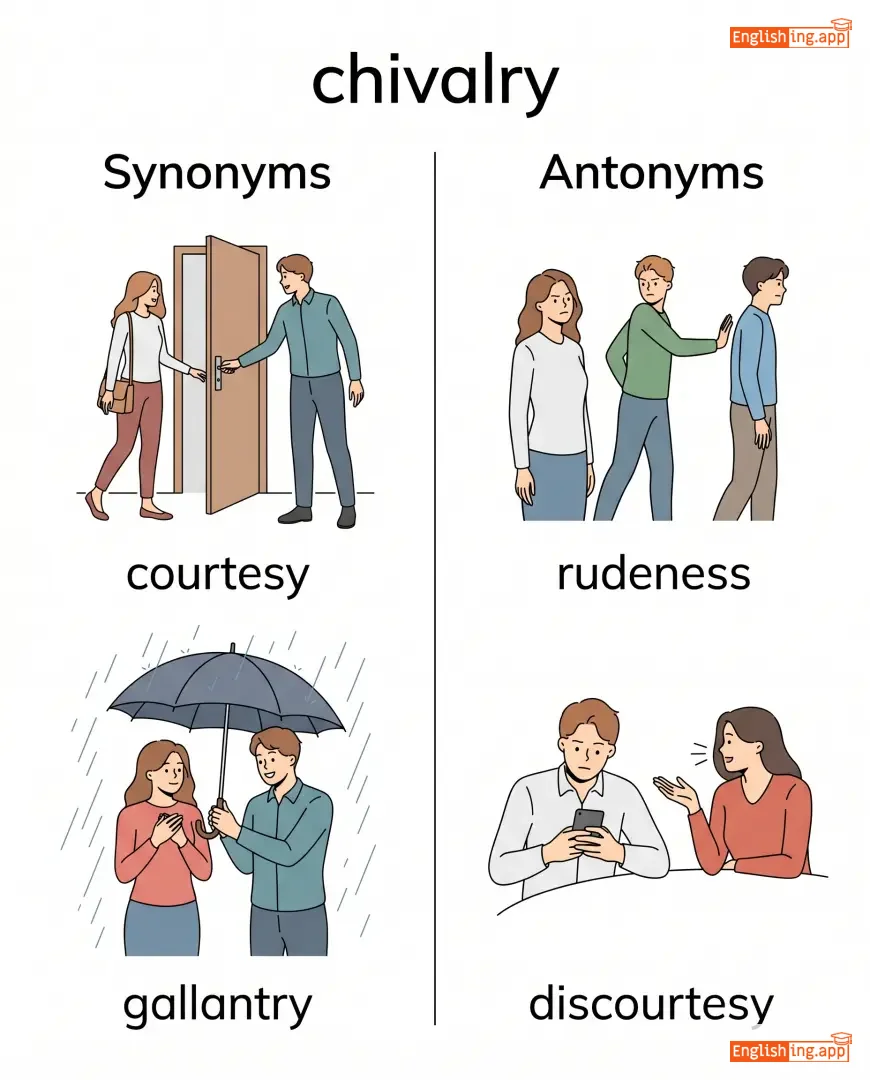
courtesy, gallantry, honor, knightliness
••••••
|
rudeness, discourtesy, dishonor
••••••
|
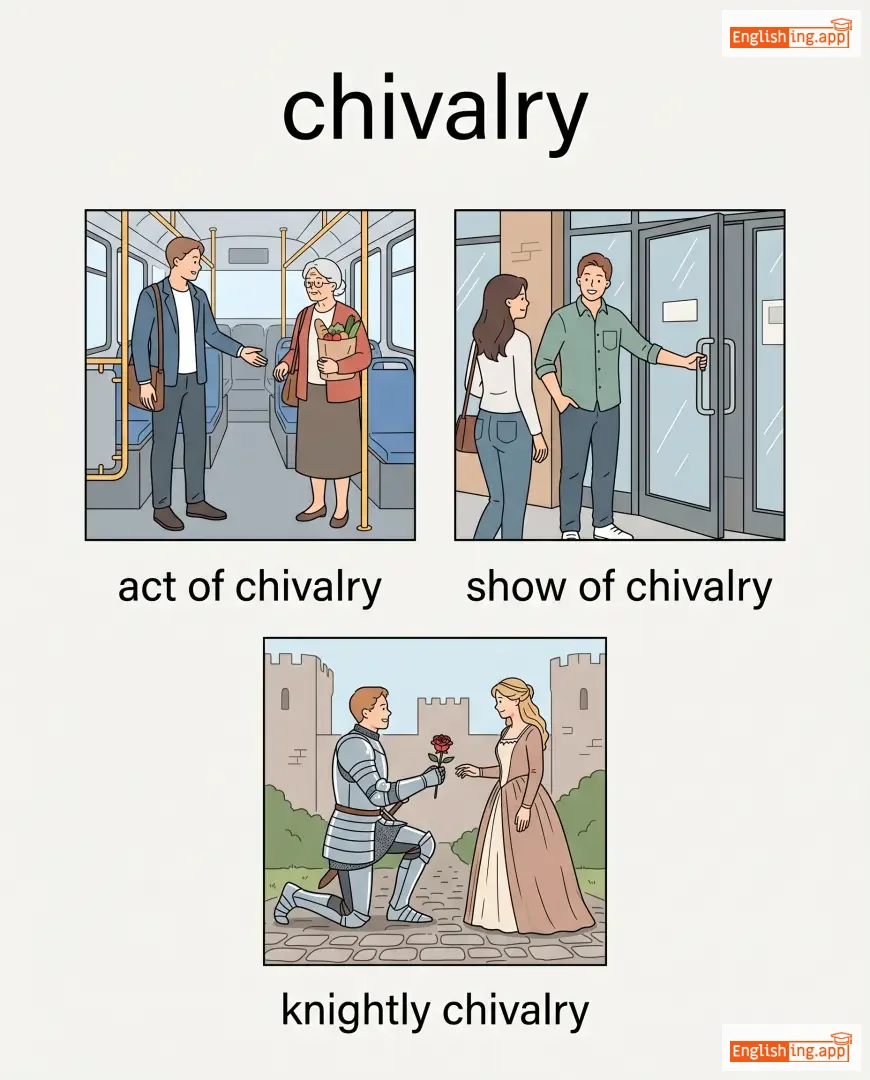
act of chivalry, show of chivalry, knightly chivalry, code of chivalry
••••••
|
Chivalry は騎士道 ⚔️です。騎士が礼儀正しいルールに従うことを思い浮かべてください。
••••••
|
|
🙄
••••••
|
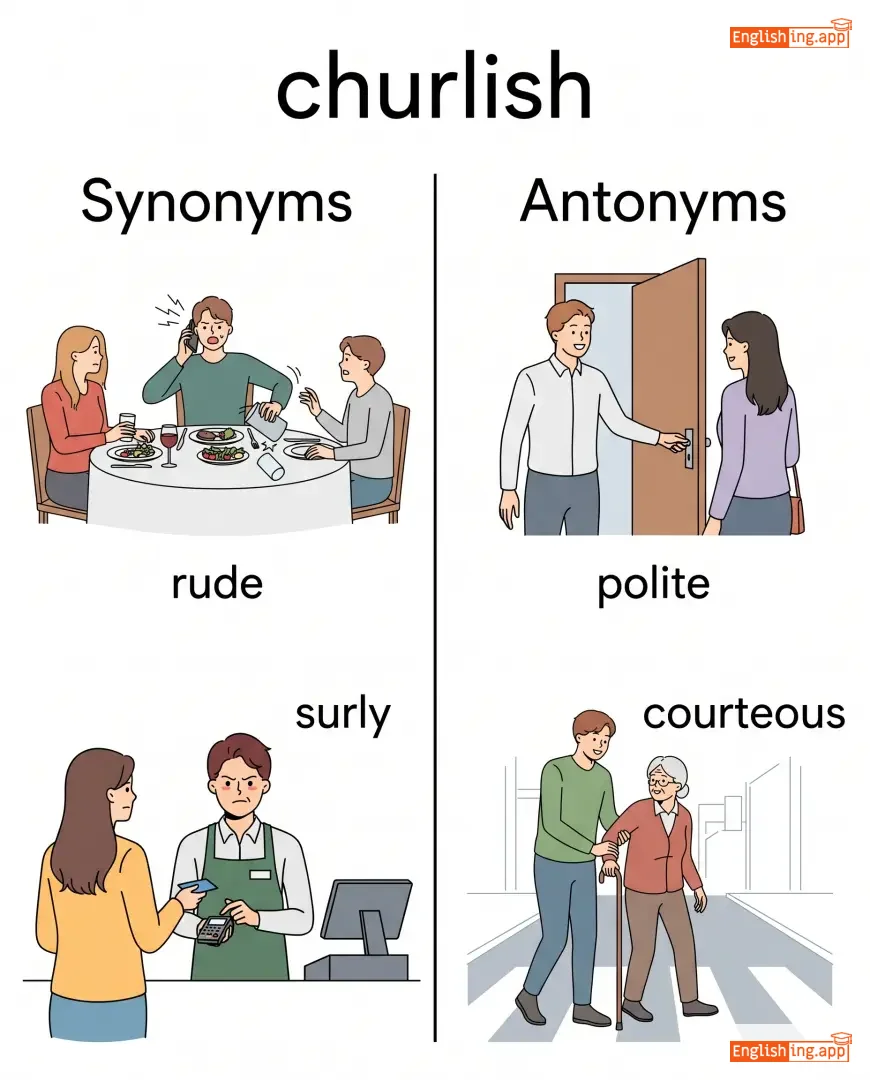
/ˈtʃɜːrlɪʃ/
adjective
(チャーリッシュ)
••••••
|

|
無礼
burei
••••••
|
- •••••• | - •••••• | - •••••• | - •••••• |
Rude in a mean-spirited and surly way.
••••••
|
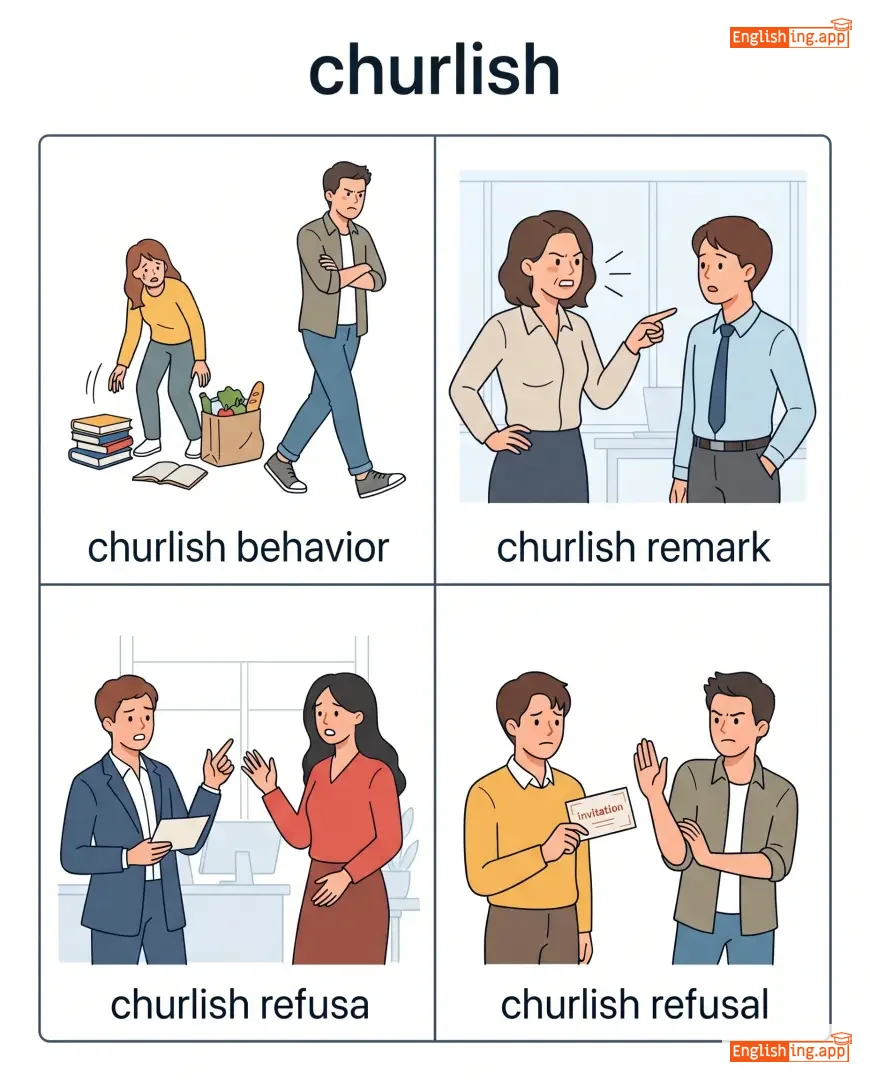
It would be churlish to refuse her kind invitation. |
彼女の親切な招待を断るのは無礼だろう。
Kanojo no shinsetsuna shōtai o kotowaru no wa burei darou.
••••••
|
- •••••• | - •••••• | - •••••• |
rude, surly, boorish, ill-mannered, impolite
••••••
|
polite, courteous, civil
••••••
|
churlish behavior, churlish remark, churlish refusal, act churlish
••••••
|
Churlish は無礼を意味します— 'churl' はいつも無礼です。
••••••
|
|
🌀
••••••
|
/sərˈkjuːɪtəs/
adjective
(サーキュイタス)
••••••
|

|
迂回路
ukairō
••••••
|
- •••••• | - •••••• | - •••••• | - •••••• |
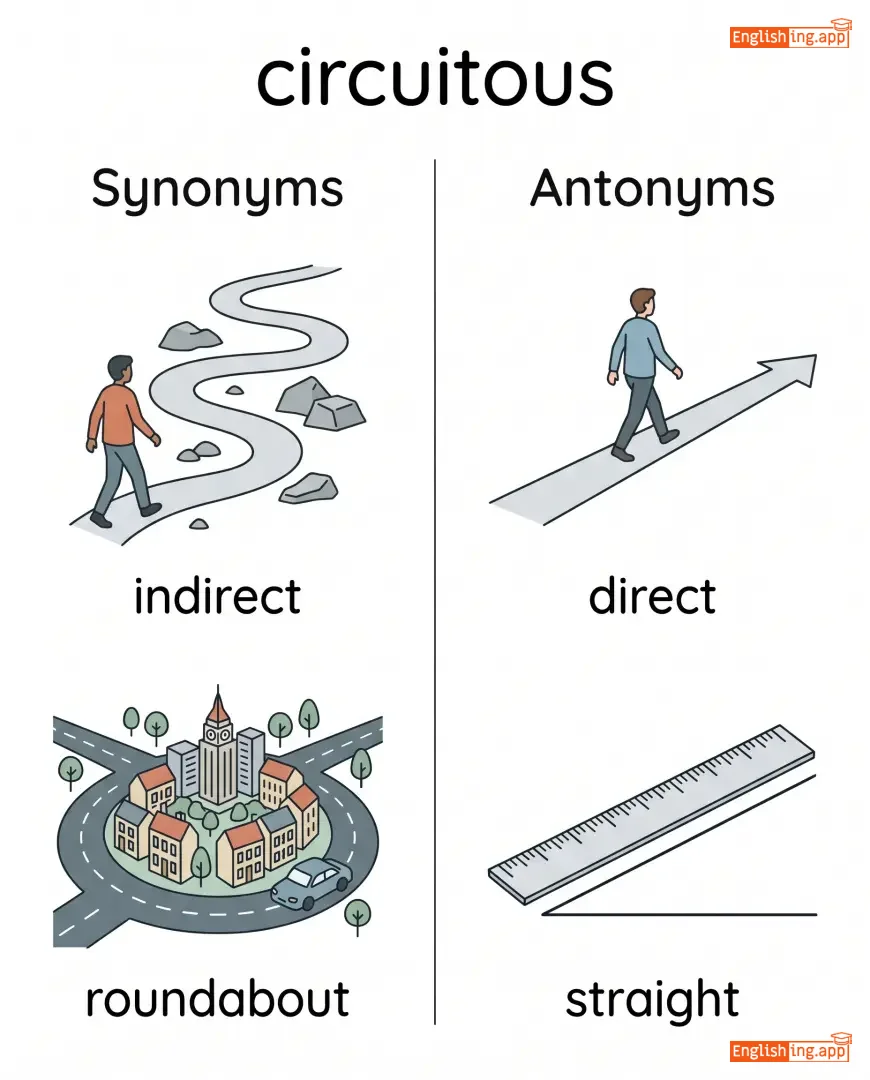
Longer than the most direct way; roundabout.
••••••
|
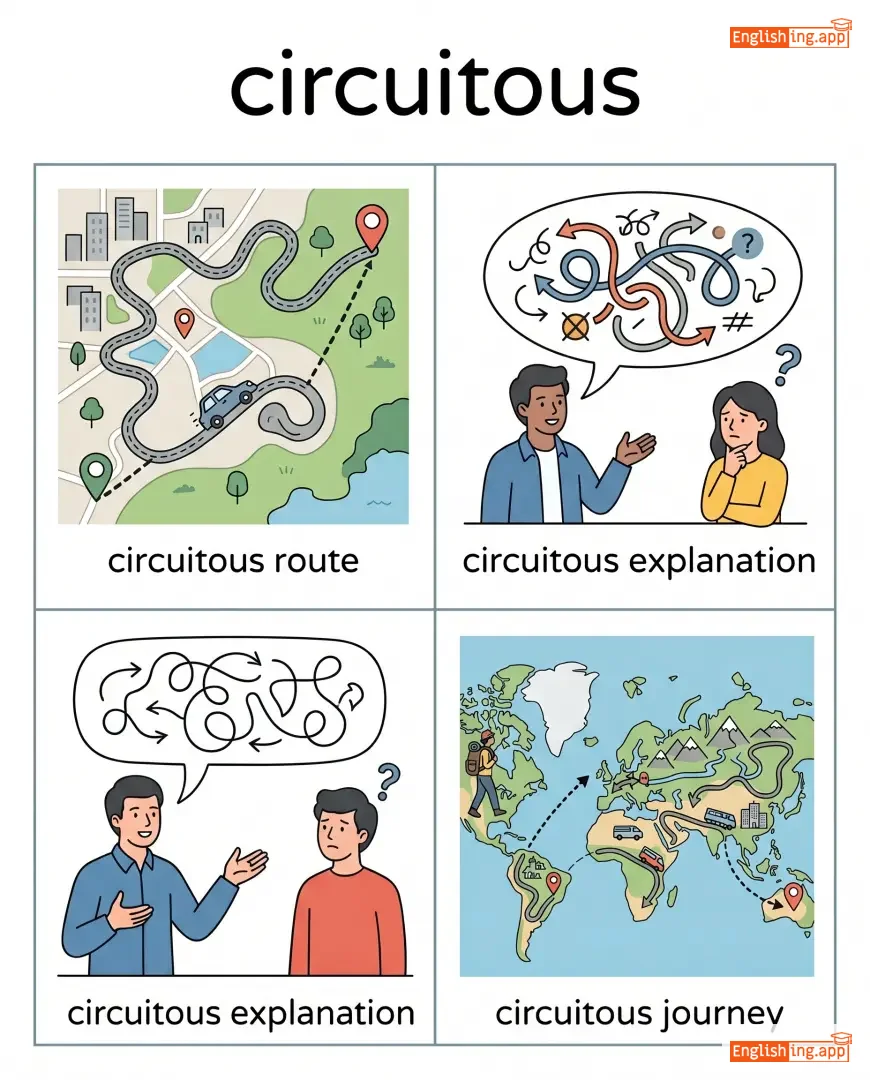
He took a circuitous route to avoid traffic. |
彼は渋滞を避けるために迂回路を取った。
Kare wa jūtai o sakeru tame ni ukairō o totta.
••••••
|
- •••••• | - •••••• | - •••••• |
indirect, roundabout, winding, meandering, convoluted
••••••
|
direct, straight, straightforward
••••••
|
circuitous route, circuitous explanation, circuitous journey
••••••
|
Circuitous は '回り道' を意味する → 迂回路
••••••
|
|
🧙♀️
••••••
|
/klɛərˈvɔɪənt/
noun, adjective
••••••
|

|
- •••••• | - •••••• | - •••••• | - •••••• | - •••••• |
a person who claims to have clairvoyance; having the ability to see beyond normal senses
••••••
|
The clairvoyant predicted that she would travel abroad soon. |
- •••••• | - •••••• | - •••••• | - •••••• |
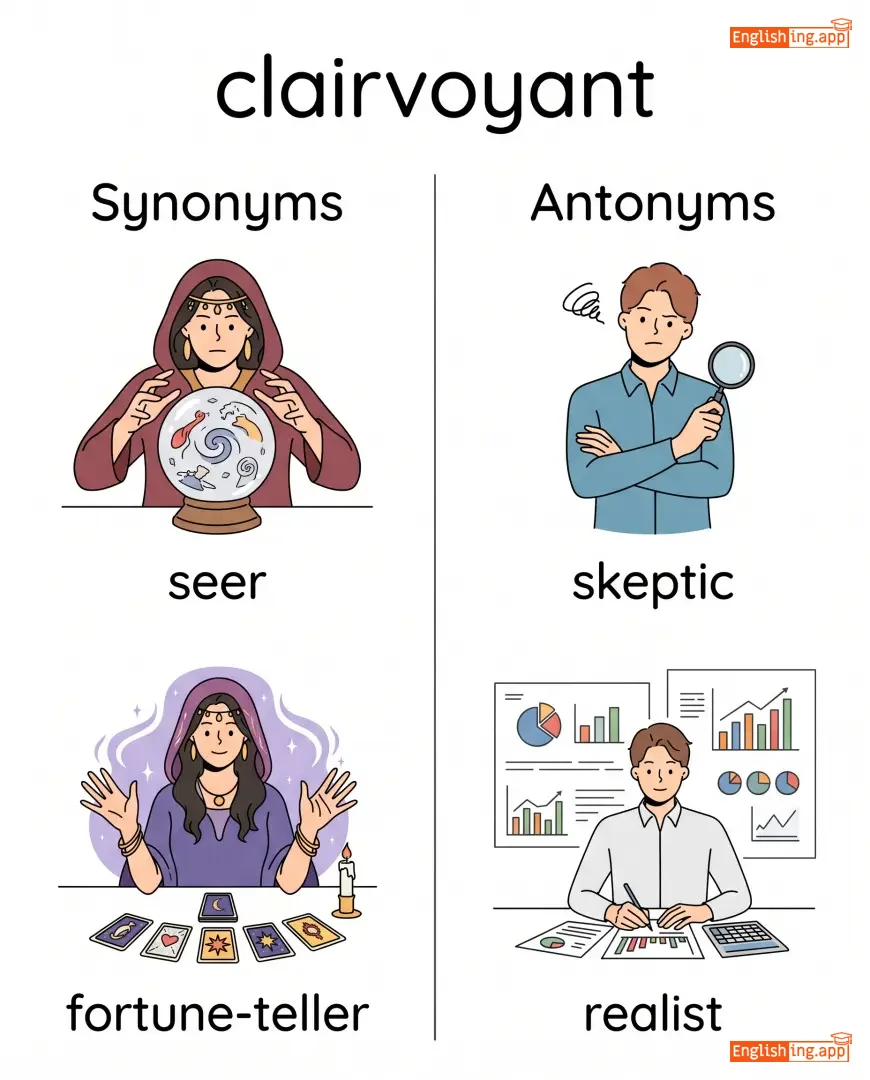
seer, fortune-teller, psychic, medium
••••••
|
skeptic, realist
••••••
|
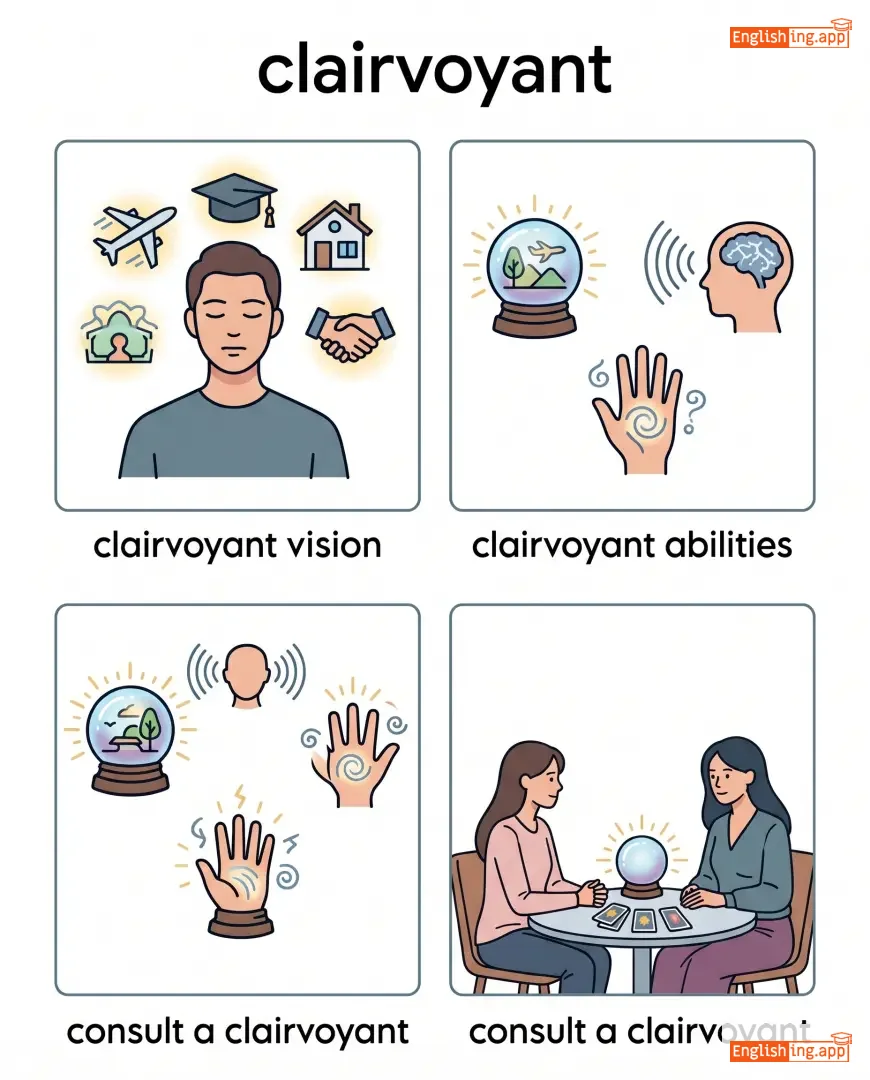
clairvoyant vision, clairvoyant abilities, consult a clairvoyant
••••••
|
No •••••• |
|
📢
••••••
|
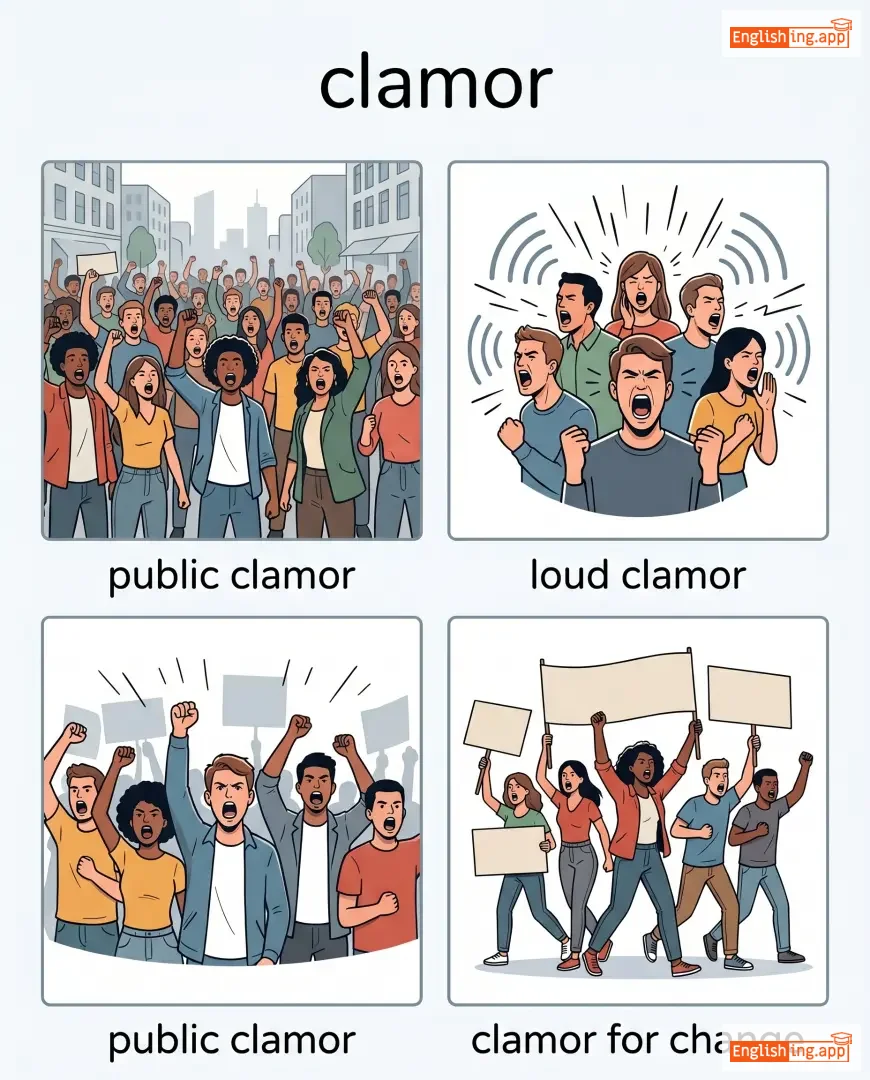
/ˈklæmər/
noun
(クラマー)
••••••
|
|
騒音
souon
••••••
|
- •••••• | - •••••• | - •••••• | - •••••• |
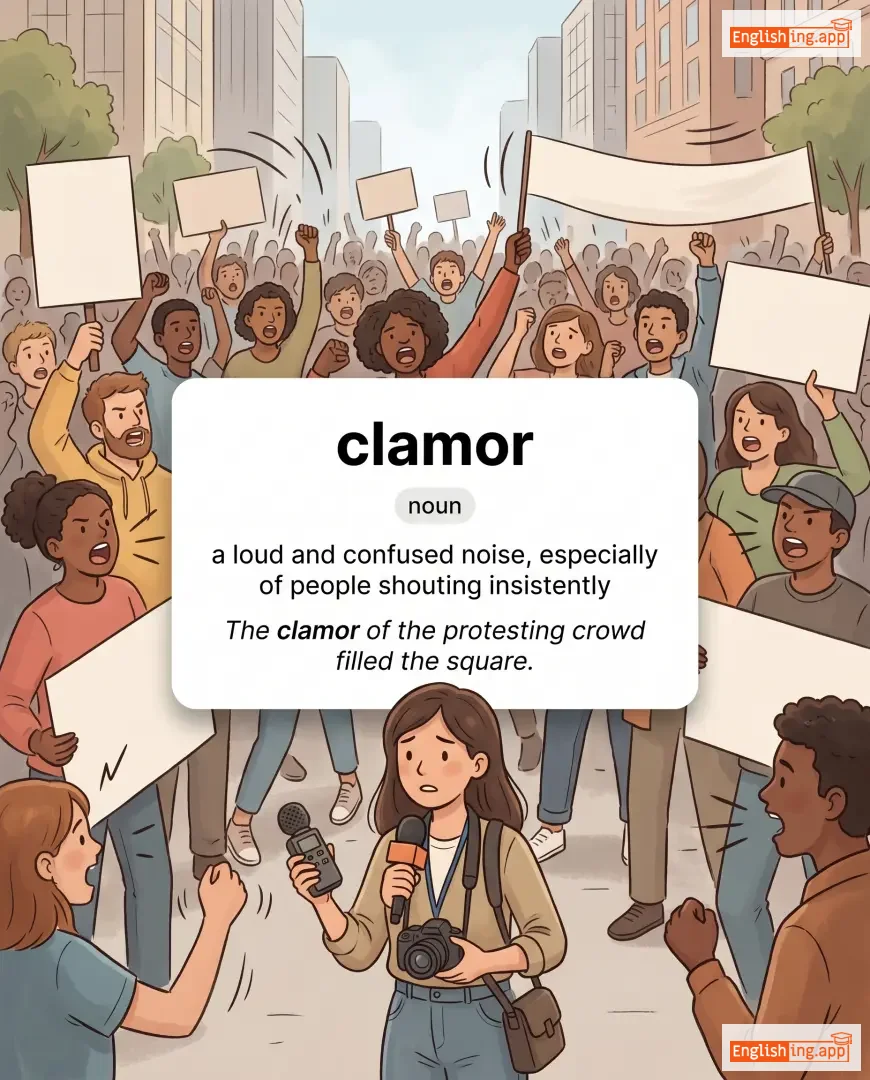
a loud and confused noise, especially of people shouting insistently
••••••
|
The clamor of the protesting crowd filled the square.
抗議する群衆のクラマーが広場を埋め尽くした。
••••••
|
抗議する群衆の騒音が広場を埋め尽くした。
Kougi suru gunshuu no souon ga hiroba wo umetsukushita.
••••••
|
raise a clamor
クラマーを上げる
••••••
|
to express strong demands or complaints loudly
••••••
|
騒音を上げる
souon wo ageru
••••••
|
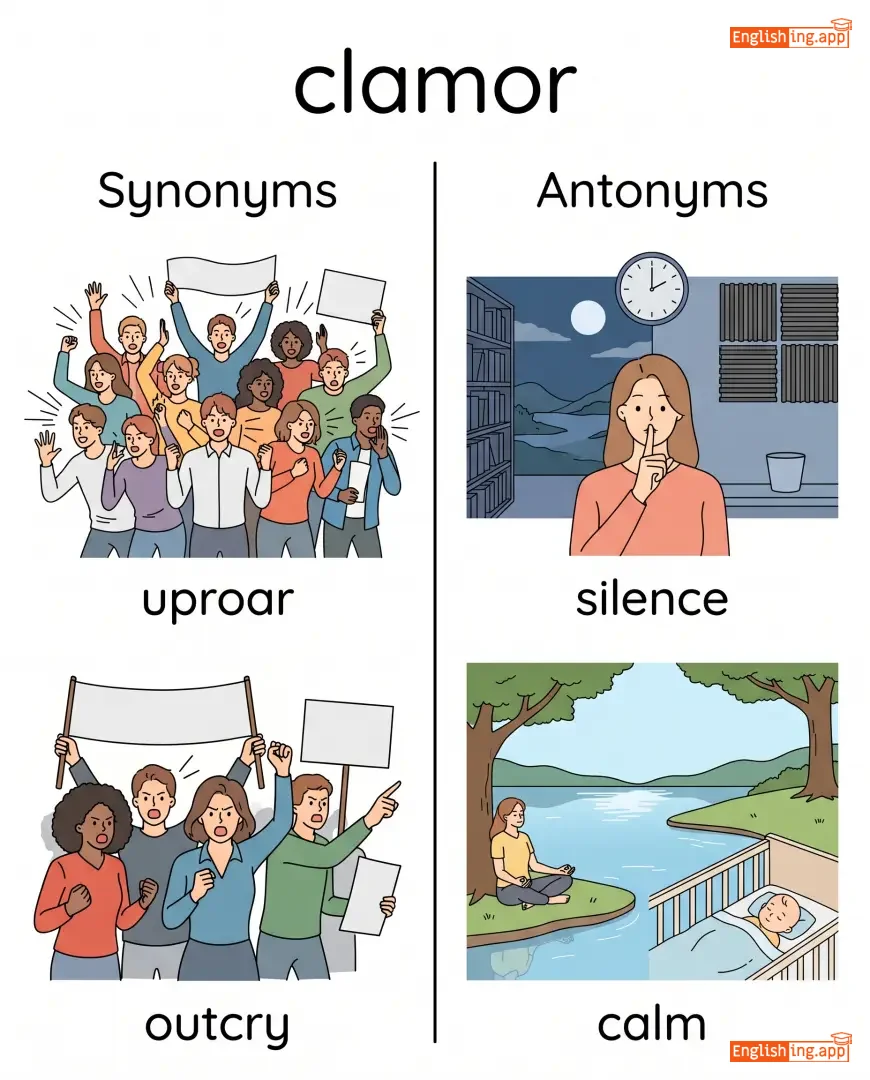
uproar, outcry, noise, din, commotion
••••••
|
silence, calm, quiet
••••••
|
public clamor, loud clamor, clamor for change, clamor of voices
••••••
|
Clamorは日本語で騒音。抗議の声が広場に響くような感じ!
••••••
|
|
👥
••••••
|
/kliːk/
noun
(クリック)
••••••
|


|
クリーク
kuriiku
••••••
|
- •••••• | - •••••• | - •••••• | - •••••• |
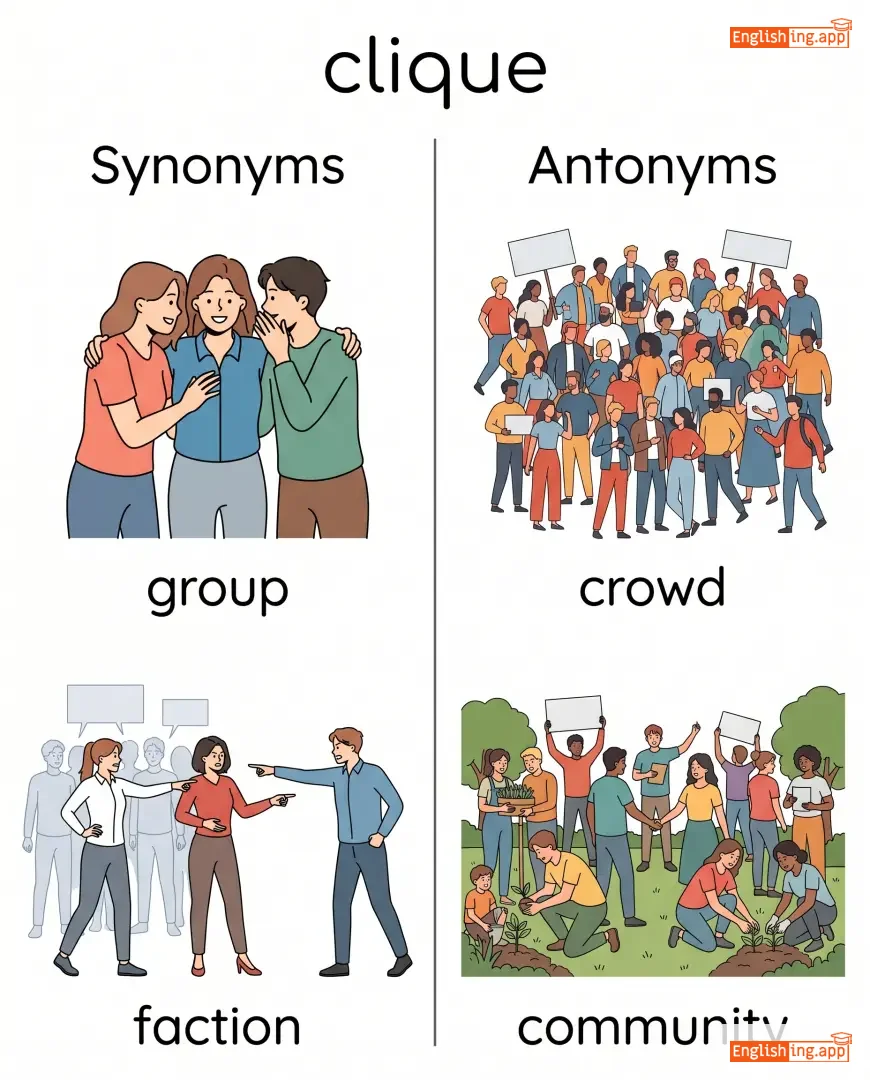
a small, exclusive group of people
••••••
|
The students formed a clique that excluded others. |
学生たちは他の人を排除したクリークを作った。
Gakusei-tachi wa hoka no hito o haijo shita kuriiku o tsukutta.
••••••
|
- •••••• | - •••••• | - •••••• |
group, faction, circle, set, gang
••••••
|
crowd, community, mass
••••••
|
school clique, social clique, exclusive clique
••••••
|
クリークを作ると、誰でも入れない
••••••
|
|
⛪
••••••
|
/ˈklɔɪstər/
noun
(クロイスター)
••••••
|
|
回廊
kairou
••••••
|
- •••••• | - •••••• | - •••••• | - •••••• |
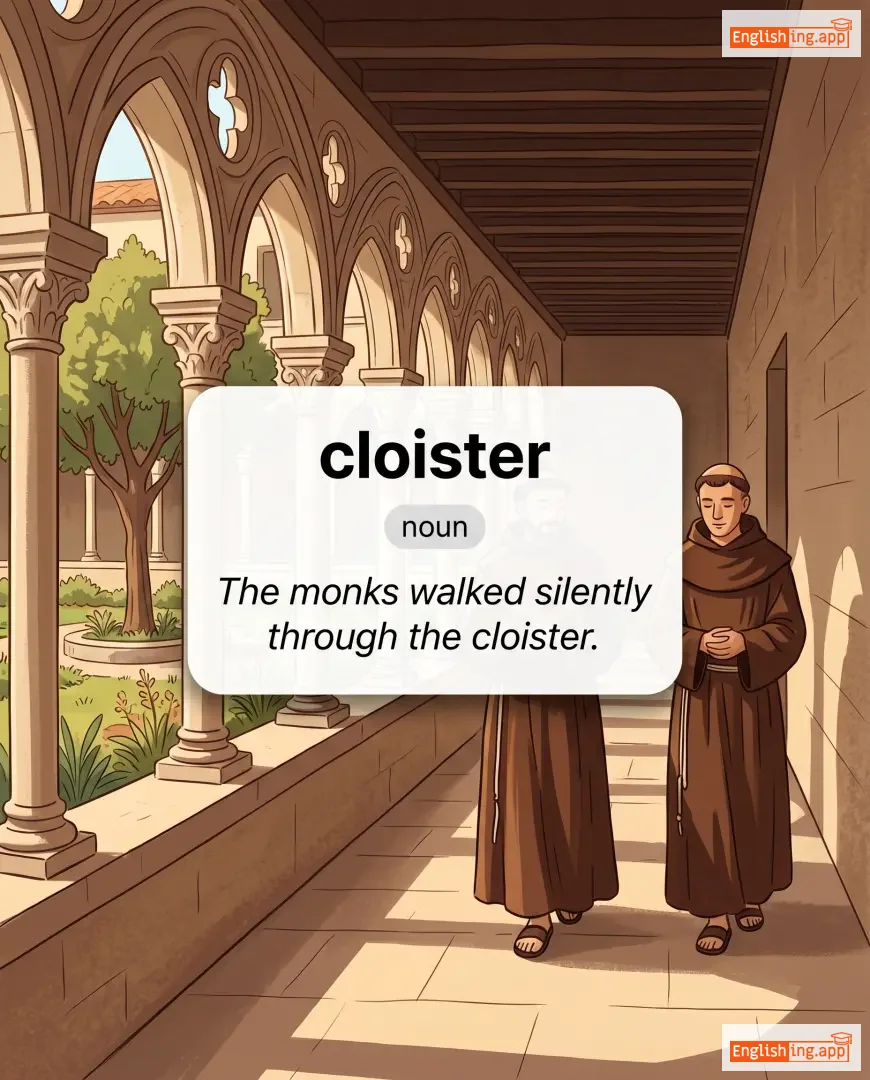
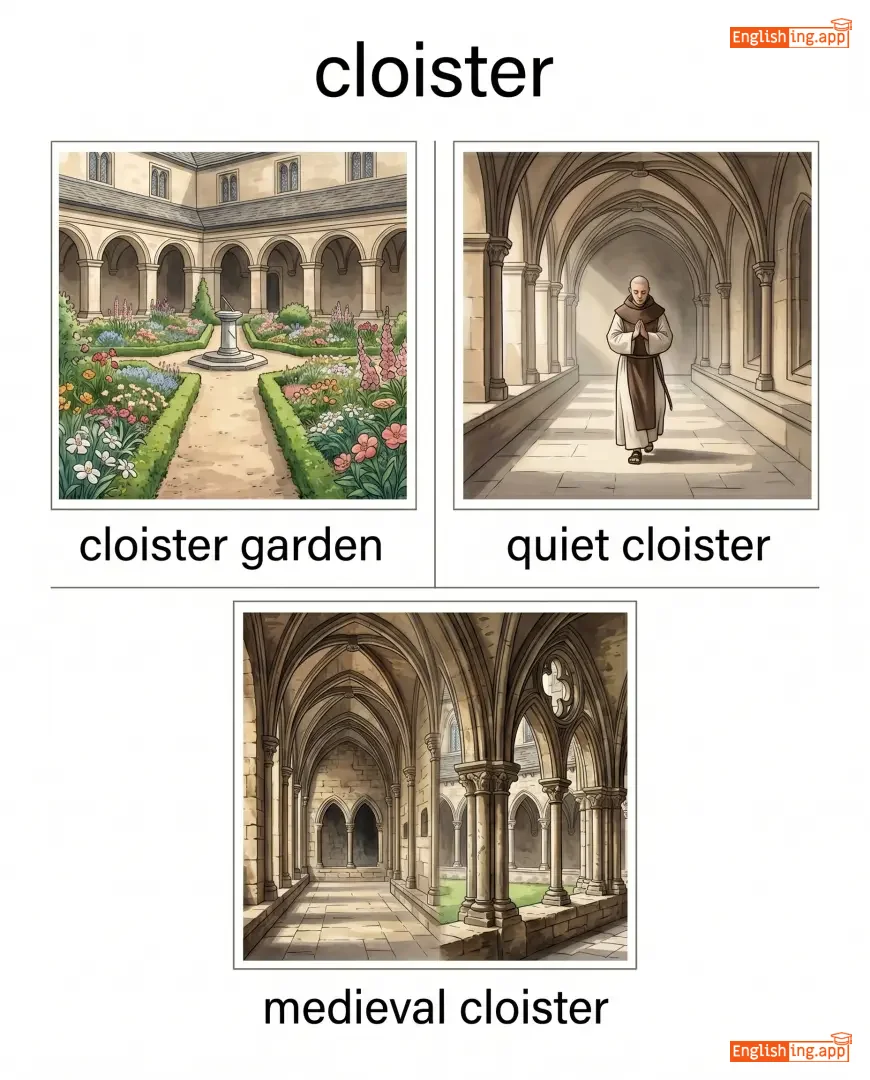
a covered walk in a convent, monastery, or cathedral, typically with a wall on one side and a colonnade open to a quadrangle on the other.
••••••
|
The monks walked silently through the cloister.
修道士たちは静かに回廊を歩いていた。
••••••
|
修道士たちは静かに回廊を歩いていた。
Shūdōshi-tachi wa shizuka ni kairou o aruite ita.
••••••
|
- •••••• | - •••••• | - •••••• |
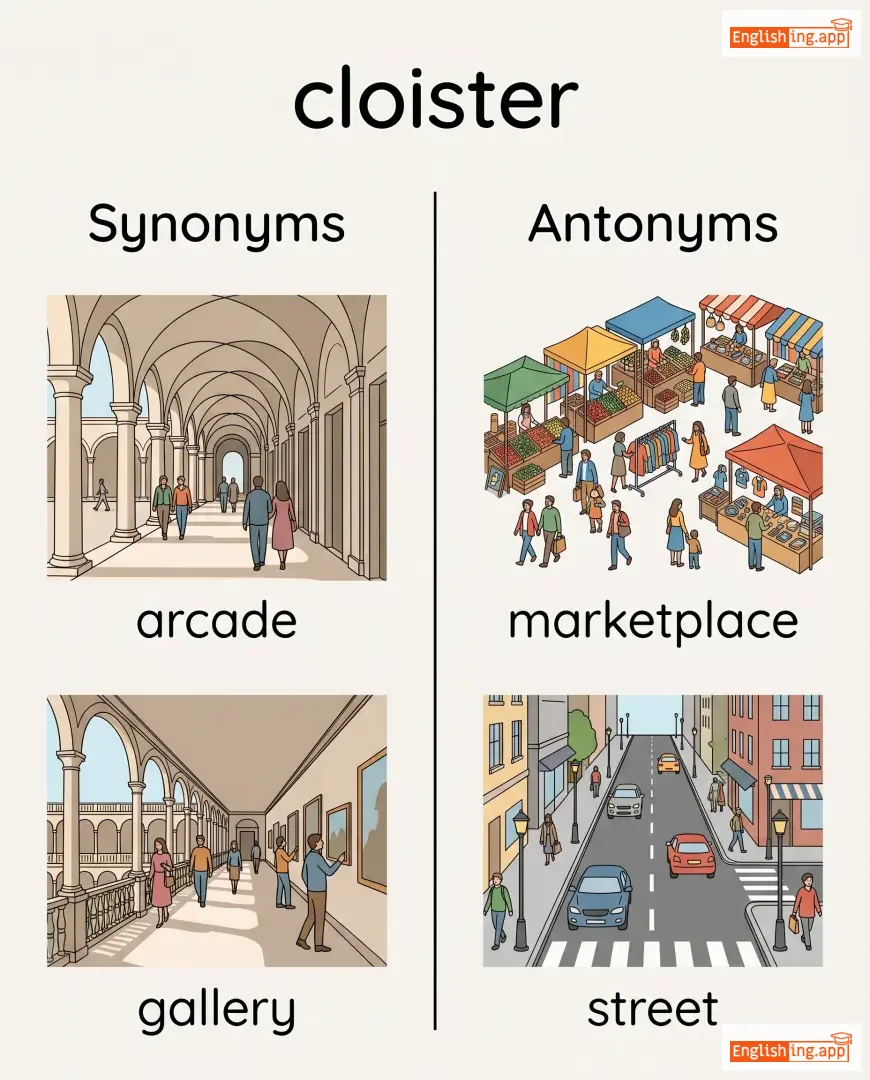
arcade, gallery, walkway, monastery, abbey
••••••
|
marketplace, street, outside
••••••
|
cloister garden, quiet cloister, medieval cloister, cloister life
••••••
|
回廊は修道院や聖堂の静かな歩道で、心を落ち着かせる場所です。
••••••
|
|
🧪
••••••
|
/koʊˈæɡjəˌleɪt/
verb
(コアギュレイト)
••••••
|
|
凝固
gyōkō
••••••
|
coagulated
コアギュレイテッド
••••••
|
coagulated
コアギュレイテッド
••••••
|
coagulates
コアギュレイツ
••••••
|
coagulating
コアギュレイティング
••••••
|
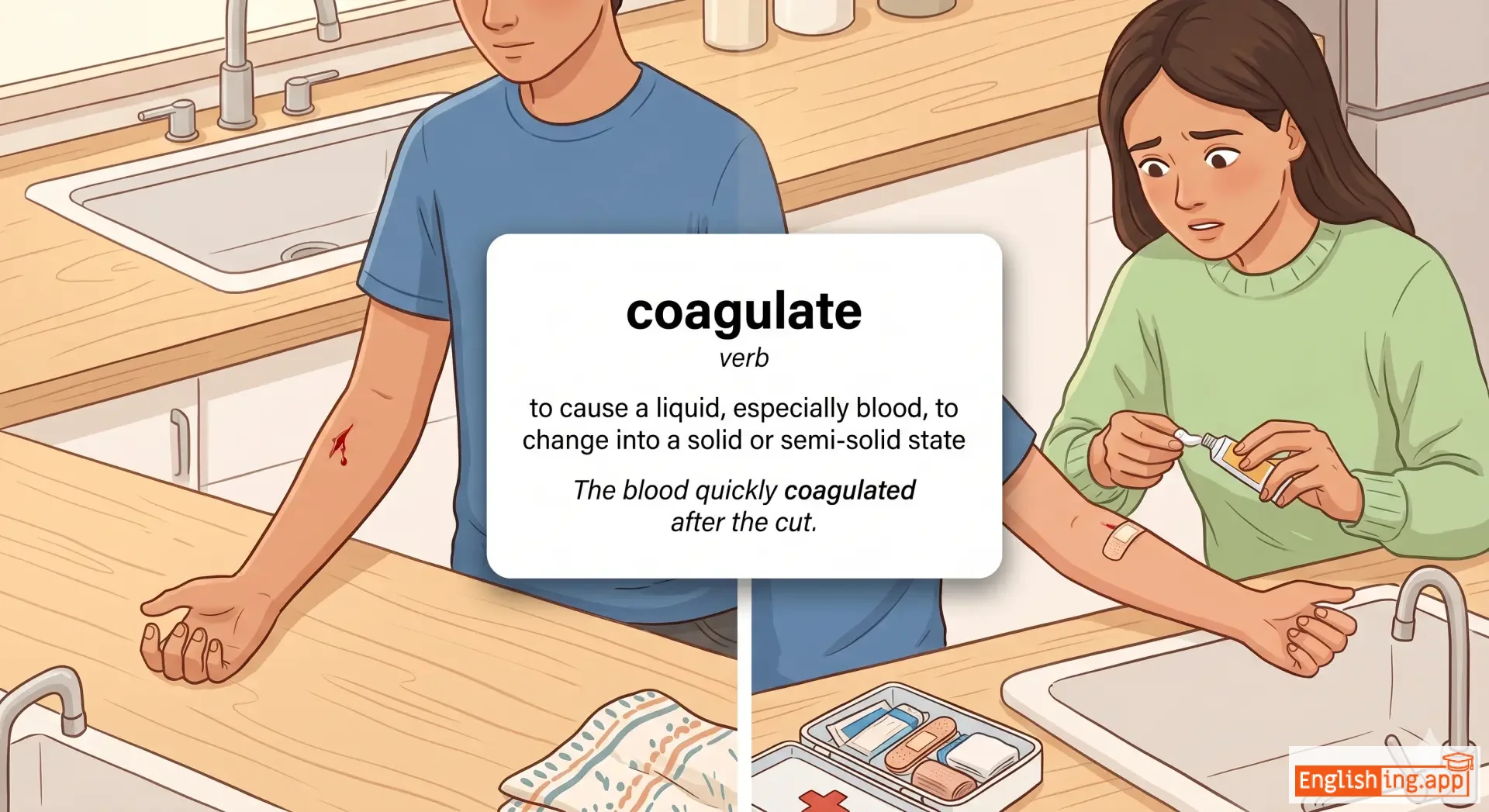
to cause a liquid, especially blood, to change into a solid or semi-solid state
••••••
|
The blood quickly coagulated after the cut.
切り傷の後、血液はすぐに凝固しました。
••••••
|
切り傷の後、血液はすぐに凝固しました。
Kirikizu no ato, ketsueki wa sugu ni gyōkō shimashita.
••••••
|
- •••••• | - •••••• | - •••••• |
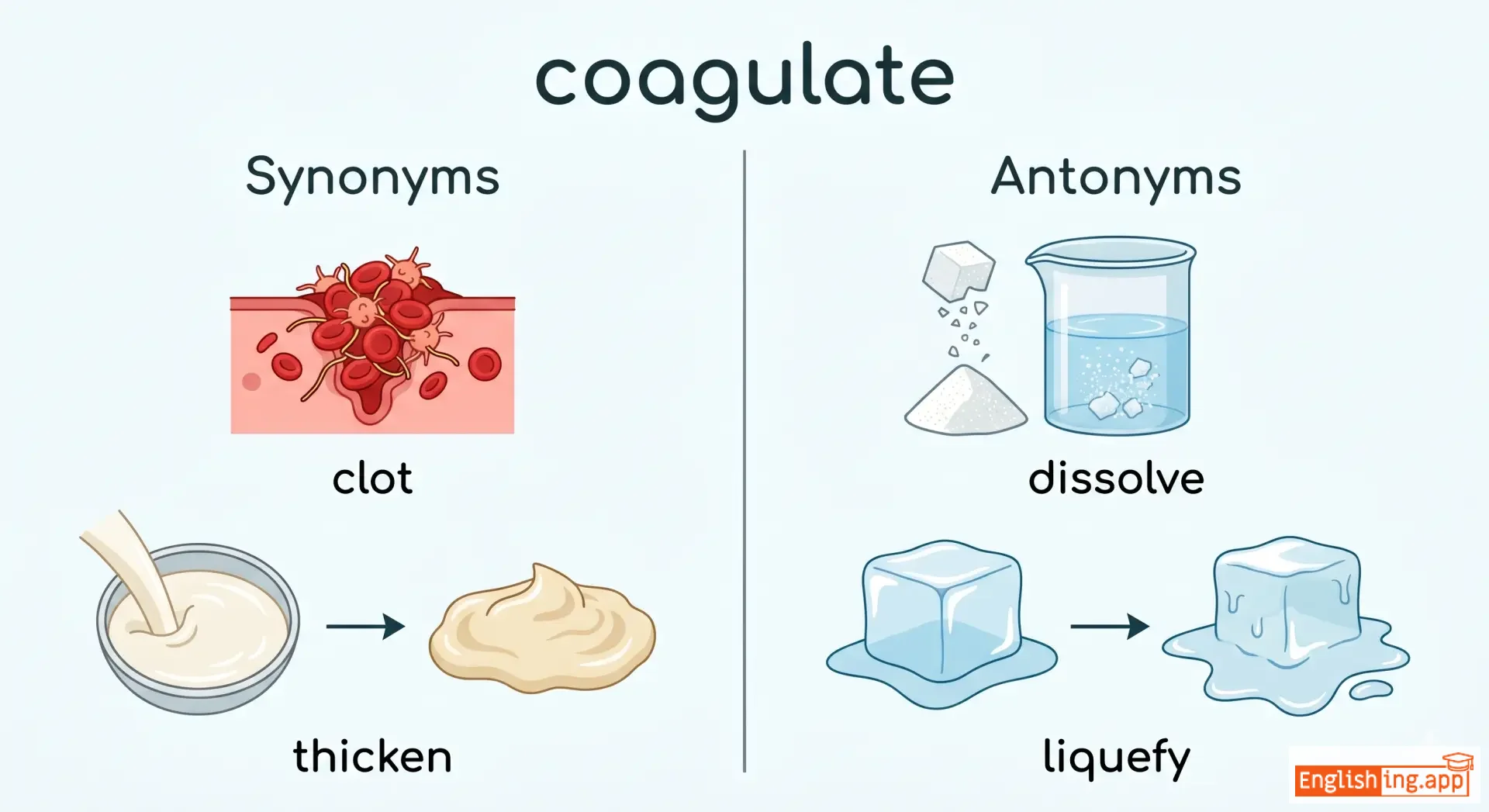
clot, thicken, curdle, congeal
••••••
|
dissolve, liquefy, melt
••••••
|
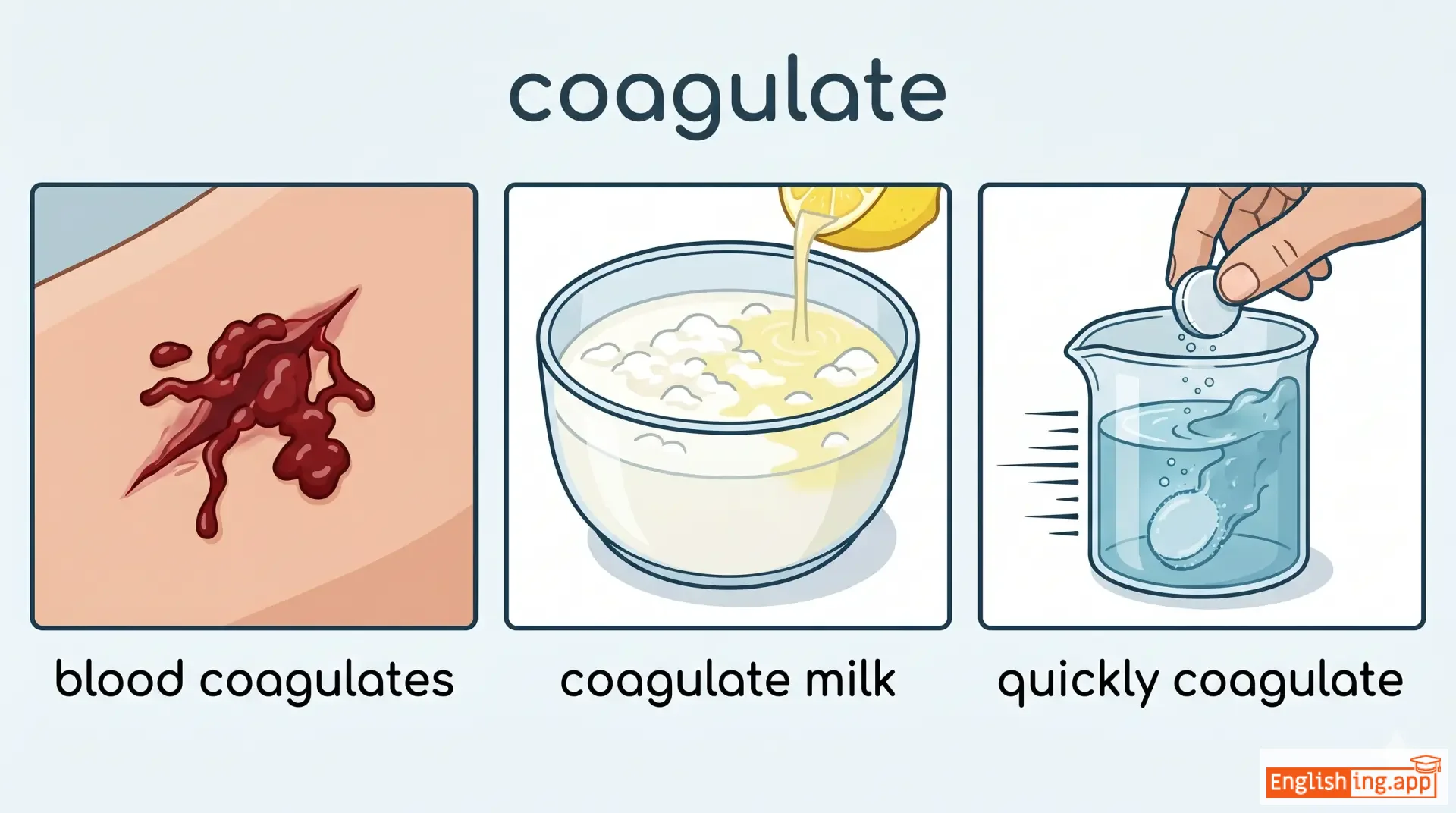
blood coagulates, coagulate milk, quickly coagulate
••••••
|
切ると血液が凝固する
••••••
|
|
🔗
••••••
|
/ˌkoʊəˈlɛs/
verb
(コアレス)
••••••
|

|
団結する
danketsu suru
••••••
|
coalesced
コアレスド
••••••
|
coalesced
コアレスド
••••••
|
coalesces
コアレスズ
••••••
|
coalescing
コアレスイング
••••••
|
to come together to form one whole or unite into a single entity
••••••
|
The two political parties decided to coalesce for the election.
二つの政治的な政党は選挙のために団結することを決定しました。
••••••
|
二つの政治的な政党は選挙のために団結することを決定しました。
Futatsu no seijiteki na seitō wa senkyo no tame ni danketsu suru koto o kettei shimashita.
••••••
|
- •••••• | - •••••• | - •••••• |
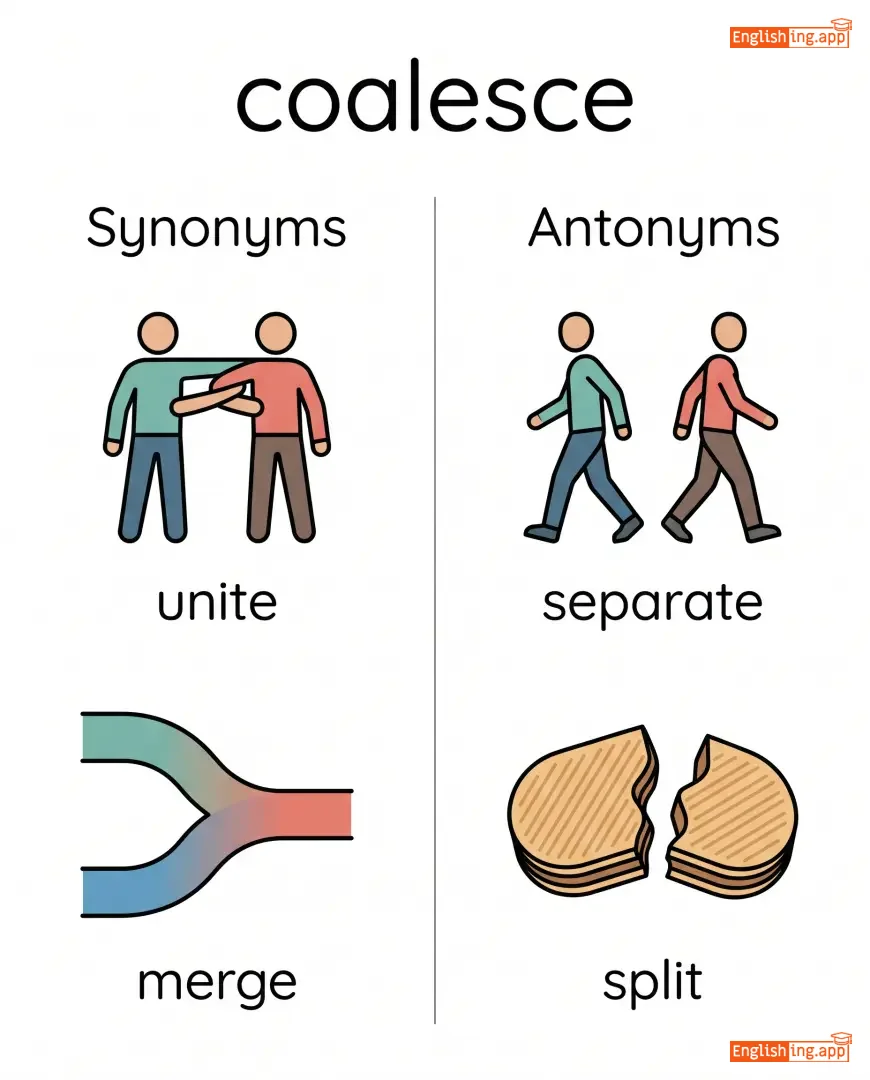
unite, merge, combine, fuse, integrate
••••••
|
separate, split, divide
••••••
|
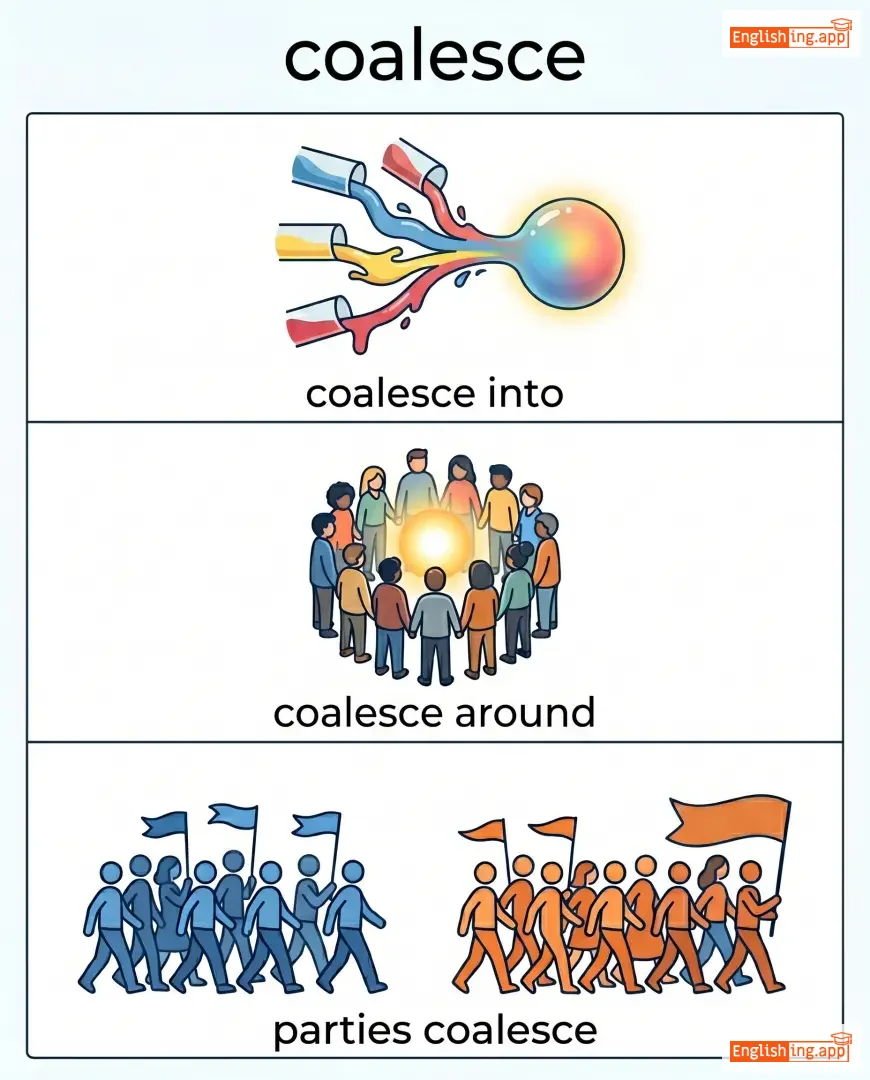
coalesce into, coalesce around, parties coalesce
••••••
|
Coal + つ = 一緒に集まるようなもの
••••••
|
|
🔚
••••••
|
/ˈkoʊdə/
noun
(コーダ)
••••••
|
|
コーダ
koda
••••••
|
- •••••• | - •••••• | - •••••• | - •••••• |
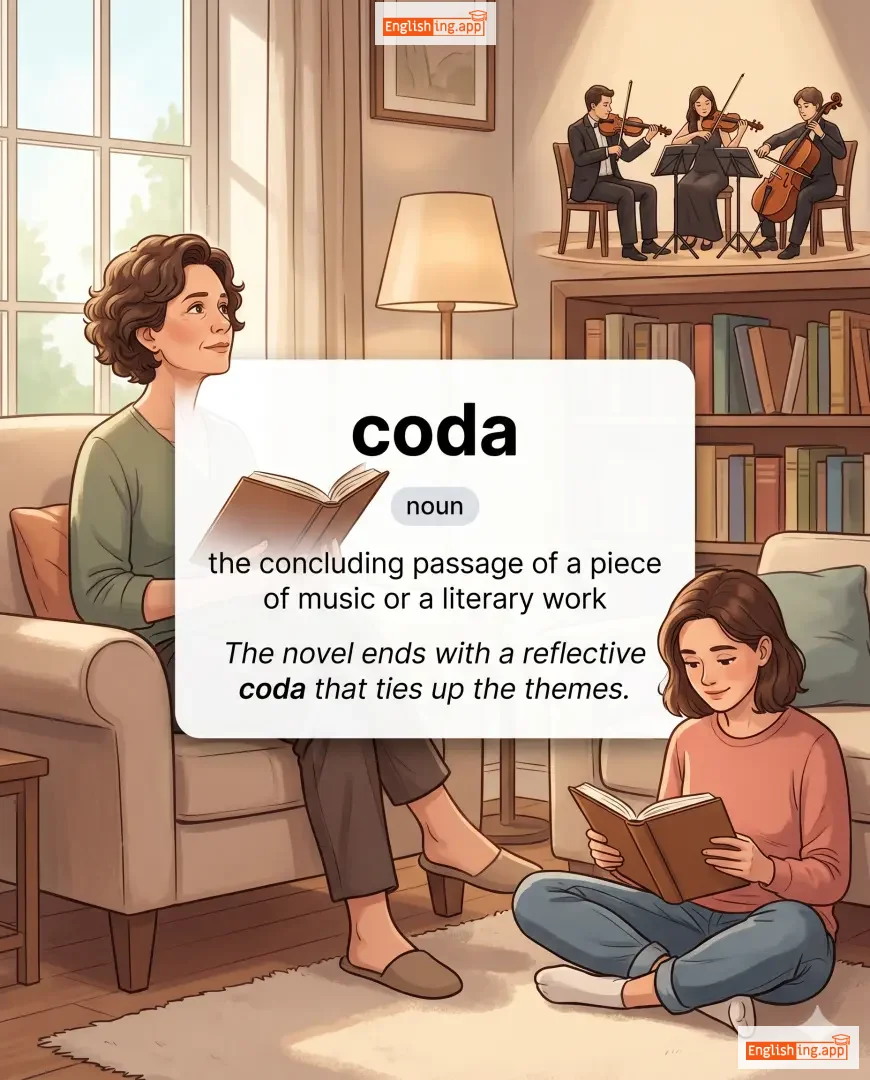
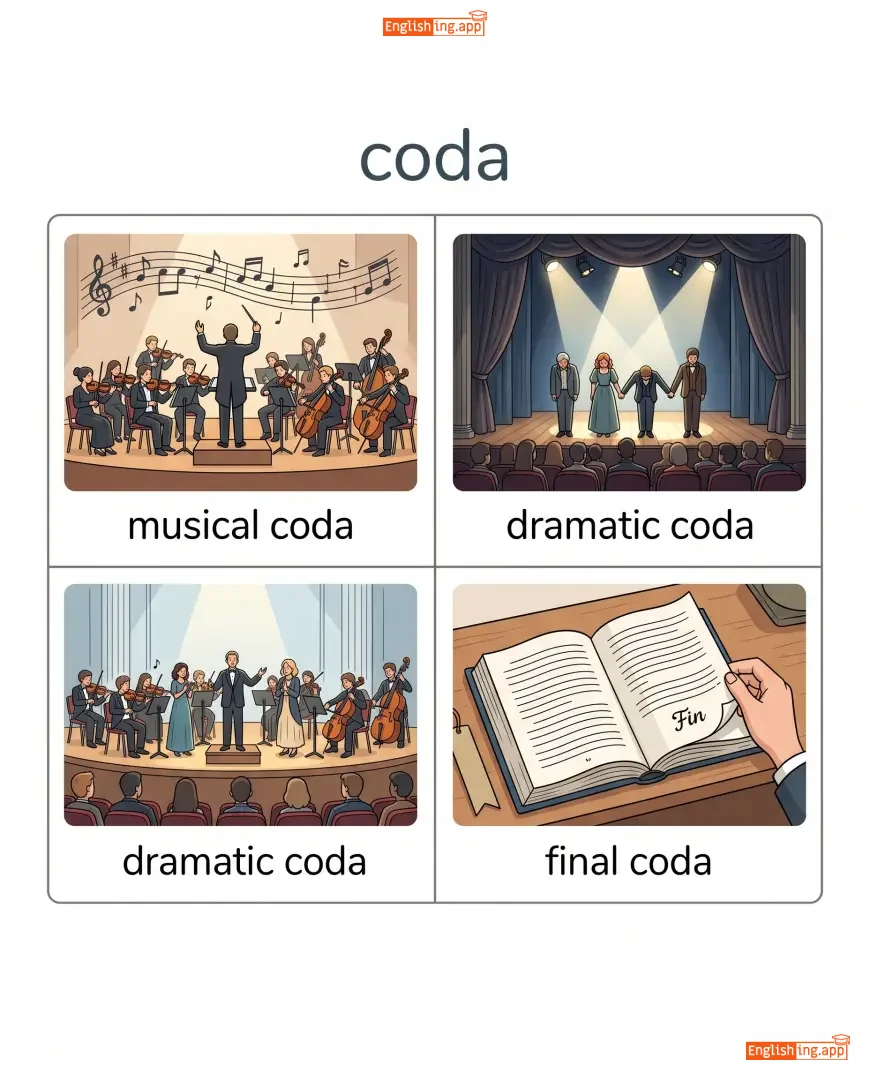
the concluding passage of a piece of music or a literary work
••••••
|
The novel ends with a reflective coda that ties up the themes. |
その小説は、テーマを結びつける反省的なコーダで終わります。
Sono shousetsu wa, tēma o musubitsukeru hanseiteki na koda de owarimasu.
••••••
|
- •••••• | - •••••• | - •••••• |
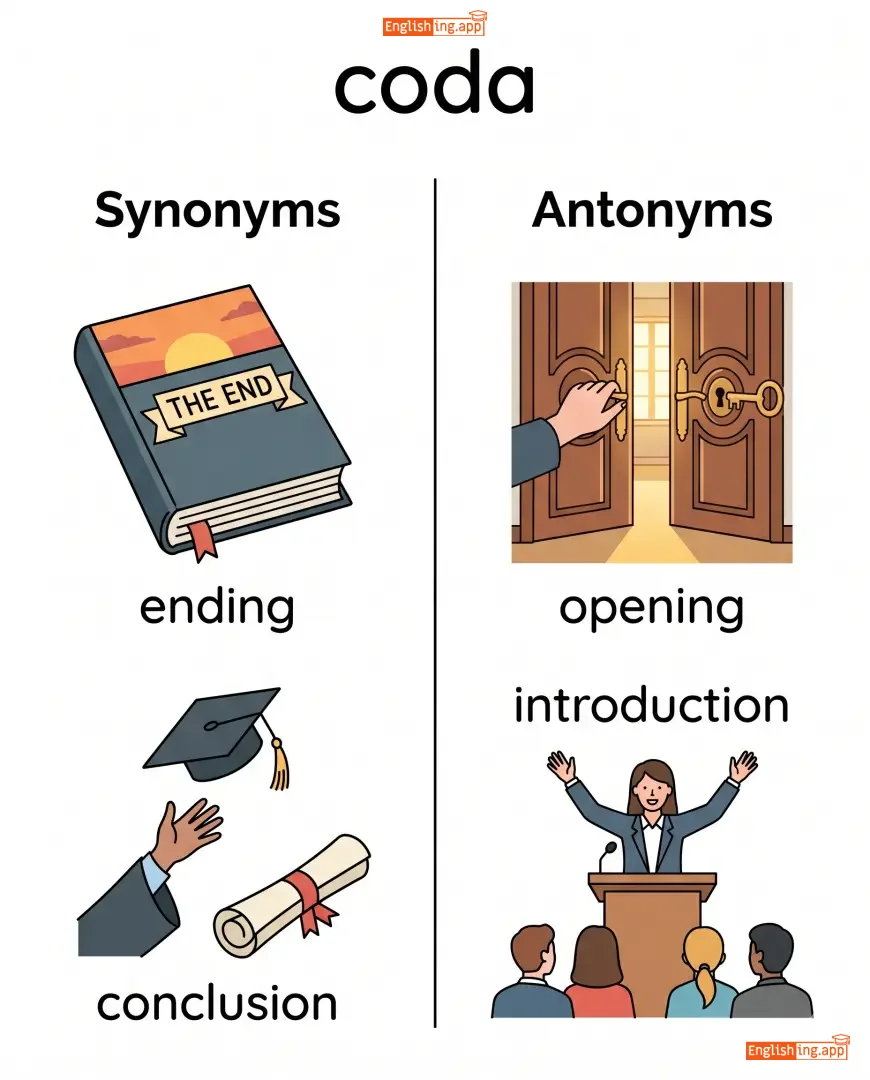
ending, conclusion, finale, epilogue
••••••
|
opening, introduction, beginning
••••••
|
musical coda, dramatic coda, final coda
••••••
|
Codaは作品の終わりの部分です。音楽や本の最後の部分のように。
••••••
|
|
📚
••••••
|
/ˈkəʊ.dɪ.faɪ/
verb
(コーディファイ)
••••••
|

|
体系化する
taikeika suru
••••••
|
codified
コーディファイド
••••••
|
codified
コーディファイド
••••••
|
codifies
コーディファイズ
••••••
|
codifying
コーディファイング
••••••
|
to arrange laws, rules, or ideas into a clear and systematic code
••••••
|
The committee worked to codify the existing laws.
委員会は既存の法律をコーディファイするために取り組みました。
••••••
|
委員会は既存の法律を体系化するために取り組みました。
Iinkai wa kizon no hōritsu o taikeika suru tame ni torikimimashita.
••••••
|
- •••••• | - •••••• | - •••••• |
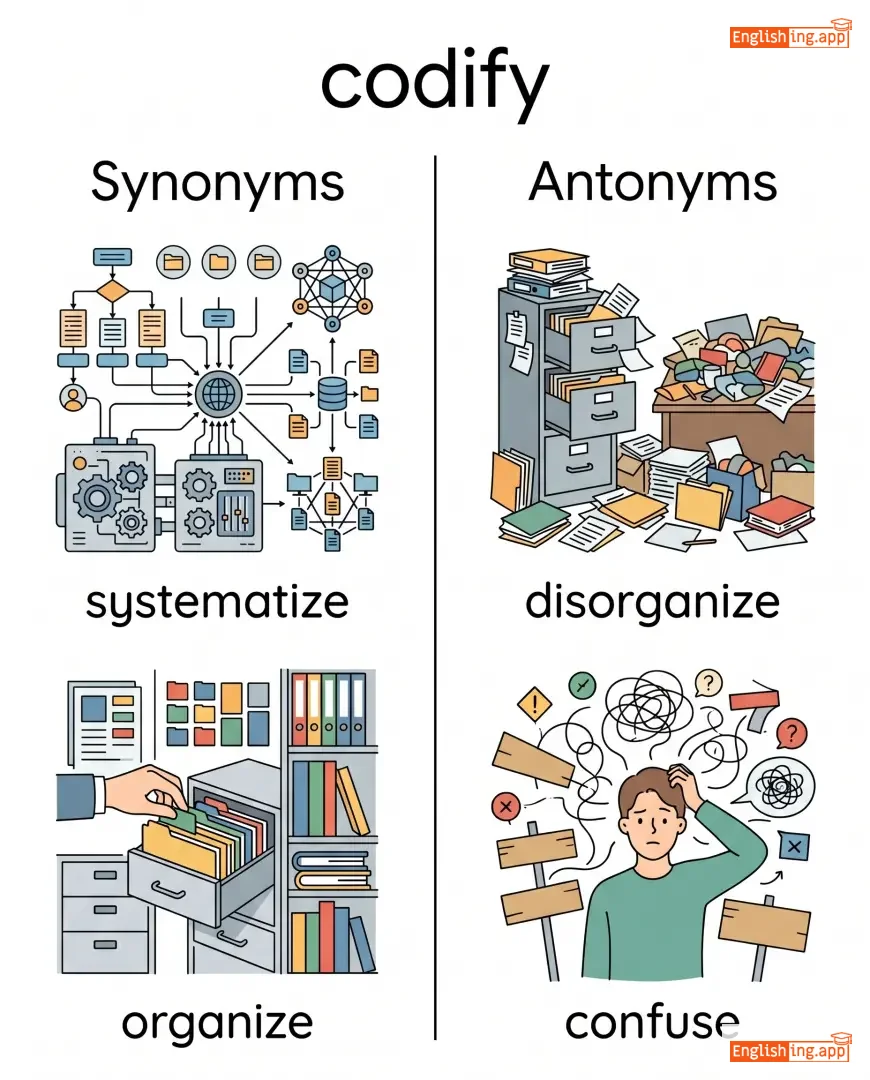
systematize, organize, arrange, classify
••••••
|
disorganize, confuse
••••••
|
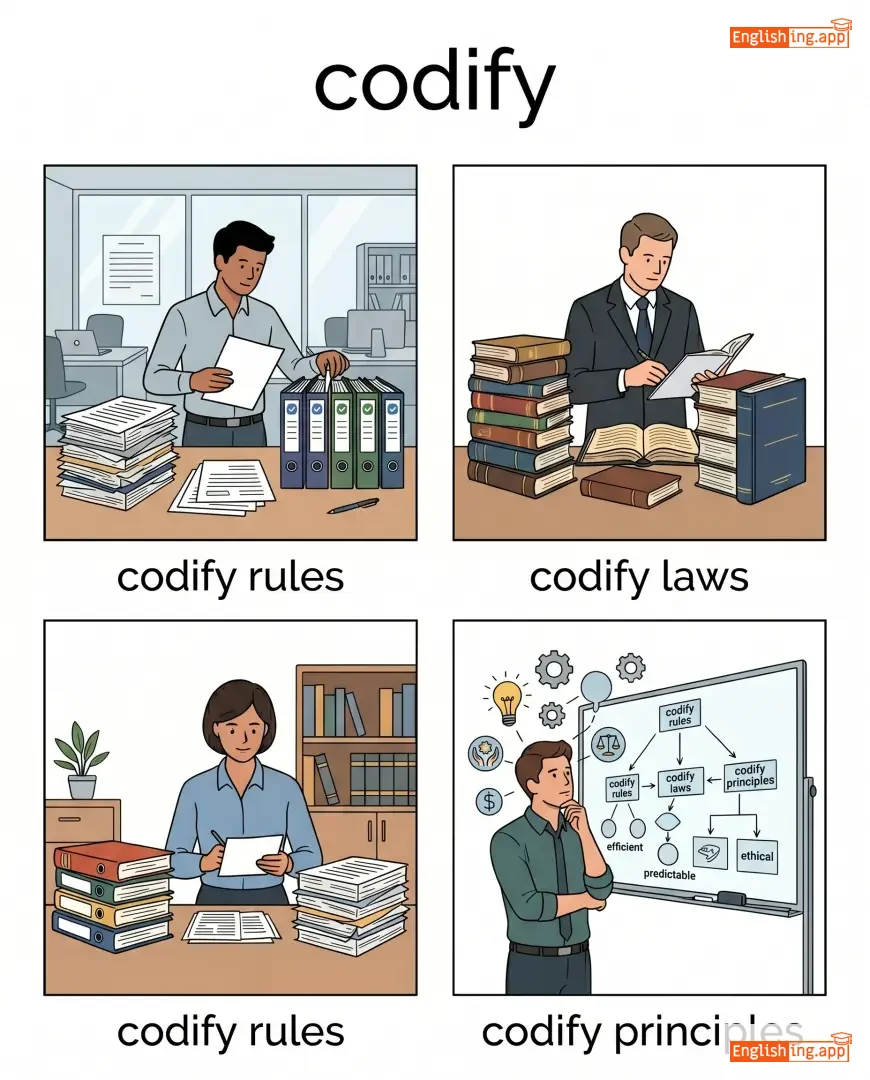
codify rules, codify laws, codify principles, codify knowledge
••••••
|
CODEのようにすべてを整理する—コーディファイは法律を整理すること
••••••
|
|
📘
••••••
|
/ˈkɒɡnɪzənt/
adjective
(コグニザント)
••••••
|
|
認識している
ninshiki shite iru
••••••
|
- •••••• | - •••••• | - •••••• | - •••••• |
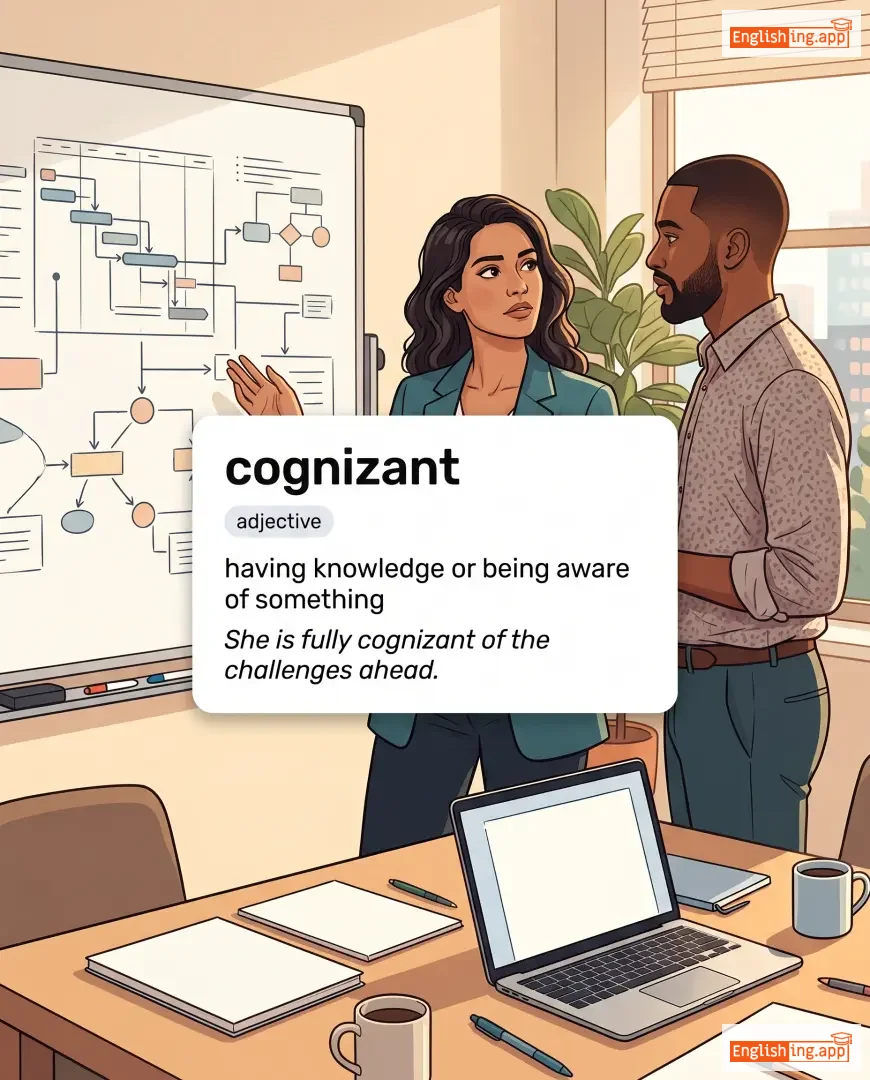
having knowledge or being aware of something
••••••
|
She is fully cognizant of the challenges ahead.
彼女は前方に待ち受けている課題を完全に認識しています。
••••••
|
彼女は前方に待ち受けている課題を完全に認識しています。
Kanojo wa zenpou ni machiukete iru kadai o kanzen ni ninshiki shite imasu.
••••••
|
- •••••• | - •••••• | - •••••• |
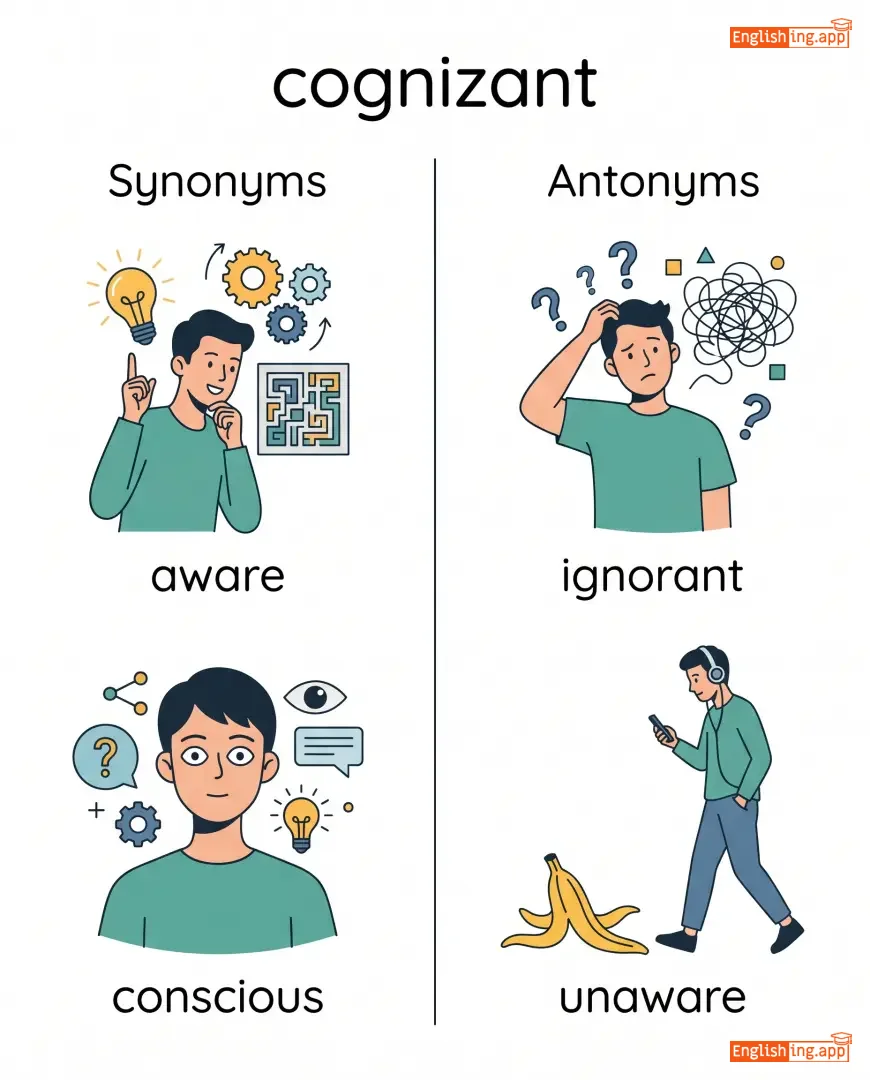
aware, conscious, informed, mindful
••••••
|
ignorant, unaware, oblivious
••••••
|
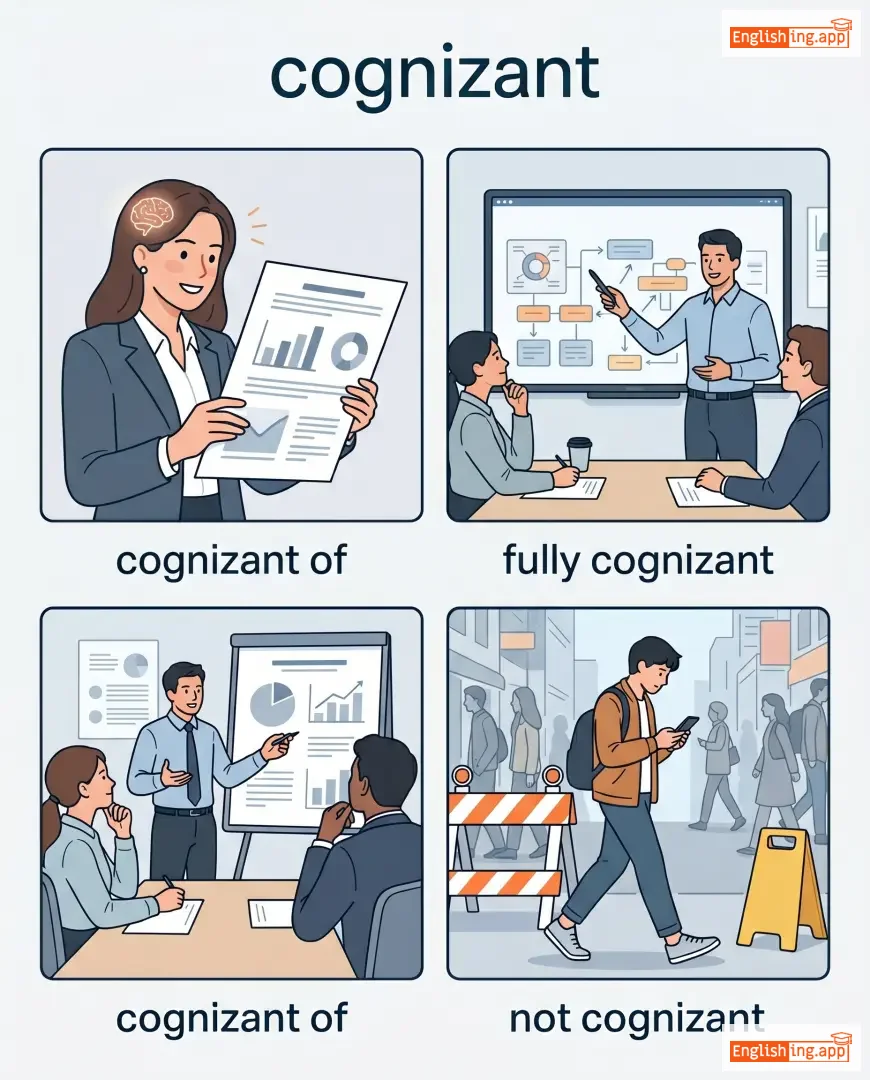
cognizant of, fully cognizant, not cognizant
••••••
|
Cognizantは、何かを認識しているという意味で、課題を認識している彼女のようです。
••••••
|
|
🖼️
••••••
|
/kəˈlɑːʒ/
noun
(コラージュ)
••••••
|


|
コラージュ
koraju
••••••
|
- •••••• | - •••••• | - •••••• | - •••••• |
A piece of art made by sticking various materials such as photographs or paper onto a surface.
••••••
|
She created a collage using old magazine pictures.
彼女は古い雑誌の写真を使ってコラージュを作りました。
••••••
|
彼女は古い雑誌の写真を使ってコラージュを作りました。
Kanojo wa furui zasshi no shashin o tsukatte koraju o tsukurimashita.
••••••
|
- •••••• | - •••••• | - •••••• |
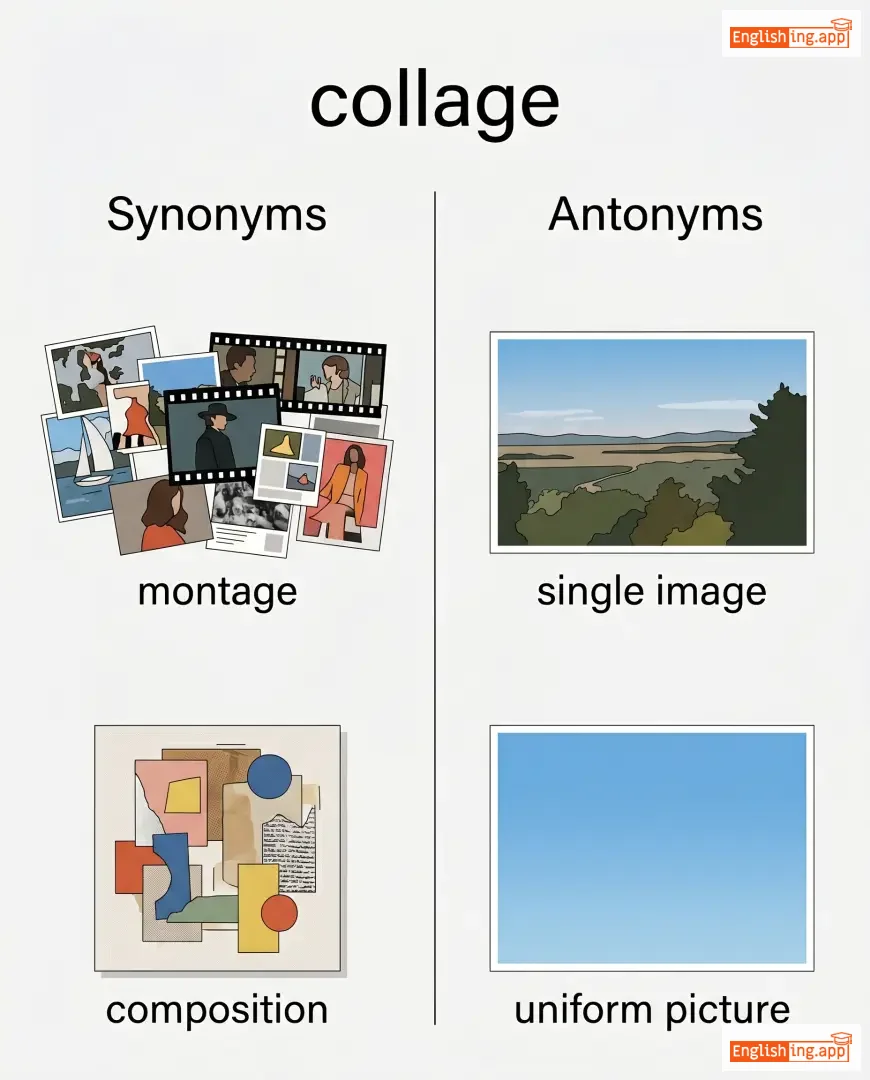
montage, composition, assemblage, artwork
••••••
|
single image, uniform picture
••••••
|
art collage, photo collage, digital collage, create a collage
••••••
|
コラージュは異なる素材を貼り合わせて、新しい芸術を作り出すもの。
••••••
|
|
⚖️
••••••
|
/kəˈmɛnʃərət/
adjective
(コメンスレート)
••••••
|


|
比例的
hireteki
••••••
|
- •••••• | - •••••• | - •••••• | - •••••• |
corresponding in size, degree, or extent; proportionate
••••••
|
Salary will be commensurate with experience. |
給料は経験に比例します。
Kyūryō wa keiken ni hire shimasu.
••••••
|
- •••••• | - •••••• | - •••••• |
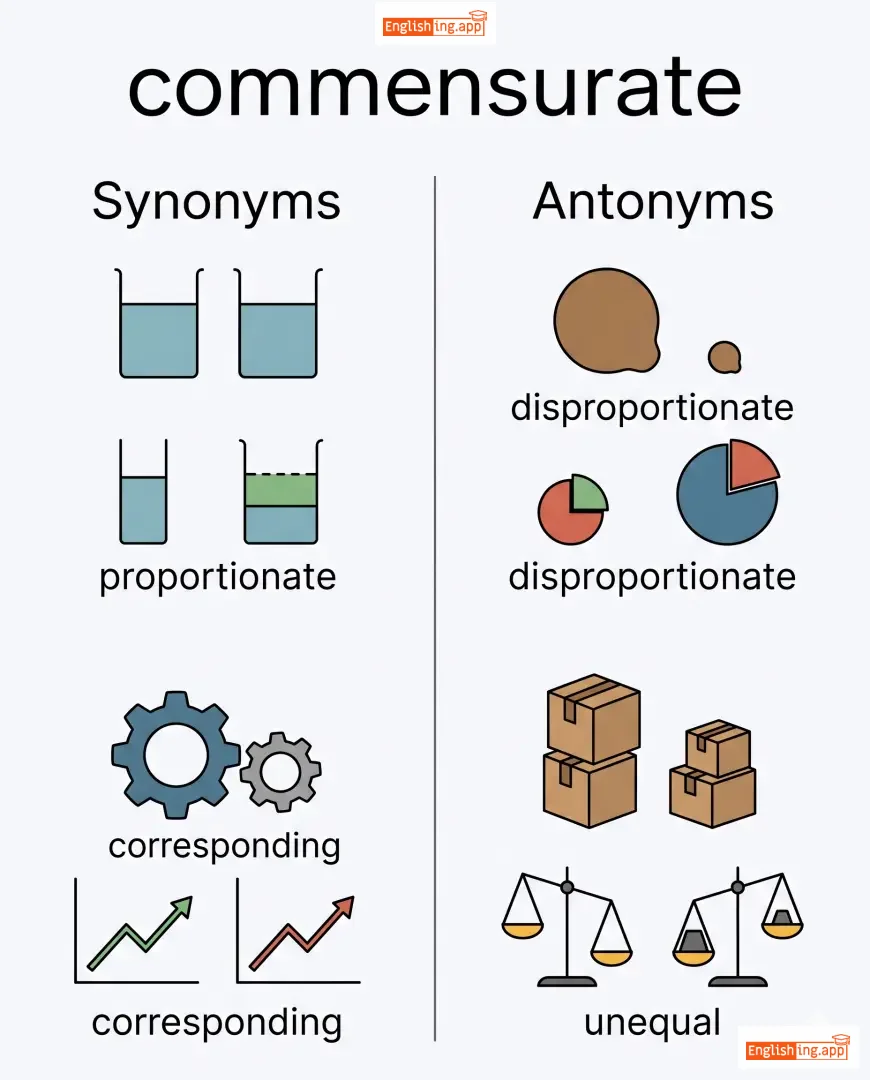
proportionate, corresponding, equal, comparable, adequate
••••••
|
disproportionate, unequal, inappropriate
••••••
|
commensurate with, commensurate salary, commensurate benefits, commensurate reward
••••••
|
Commensurate は、経験に比例して支払われることを意味します。
••••••
|
|
📚
••••••
|
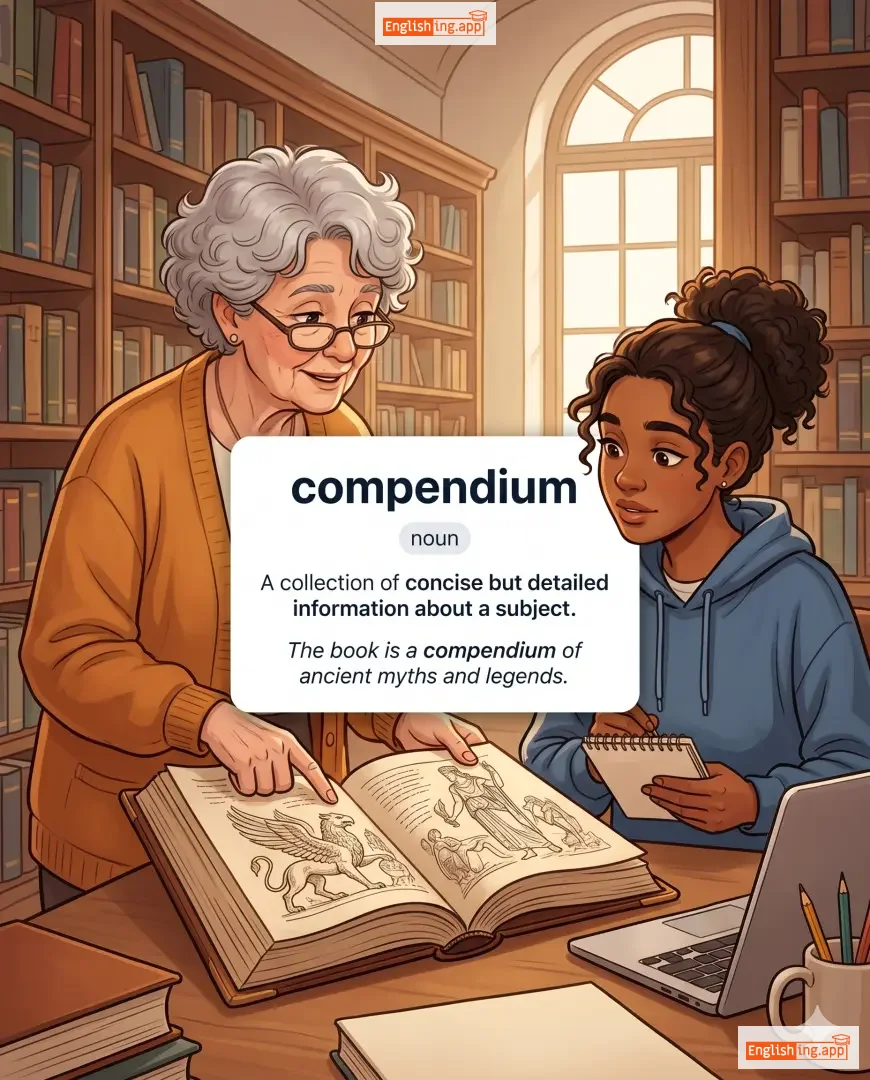
/kəmˈpɛndiəm/
noun
(コンペンディウム)
••••••
|
|
コンペンディウム
konpendium
••••••
|
- •••••• | - •••••• | - •••••• | - •••••• |
A collection of concise but detailed information about a subject.
••••••
|
The book is a compendium of ancient myths and legends.
その本は古代の神話と伝説のコンペンディウムです。
••••••
|
その本は古代の神話と伝説のコンペンディウムです。
Sono hon wa kodai no shinwa to densetsu no konpendium desu.
••••••
|
- •••••• | - •••••• | - •••••• |
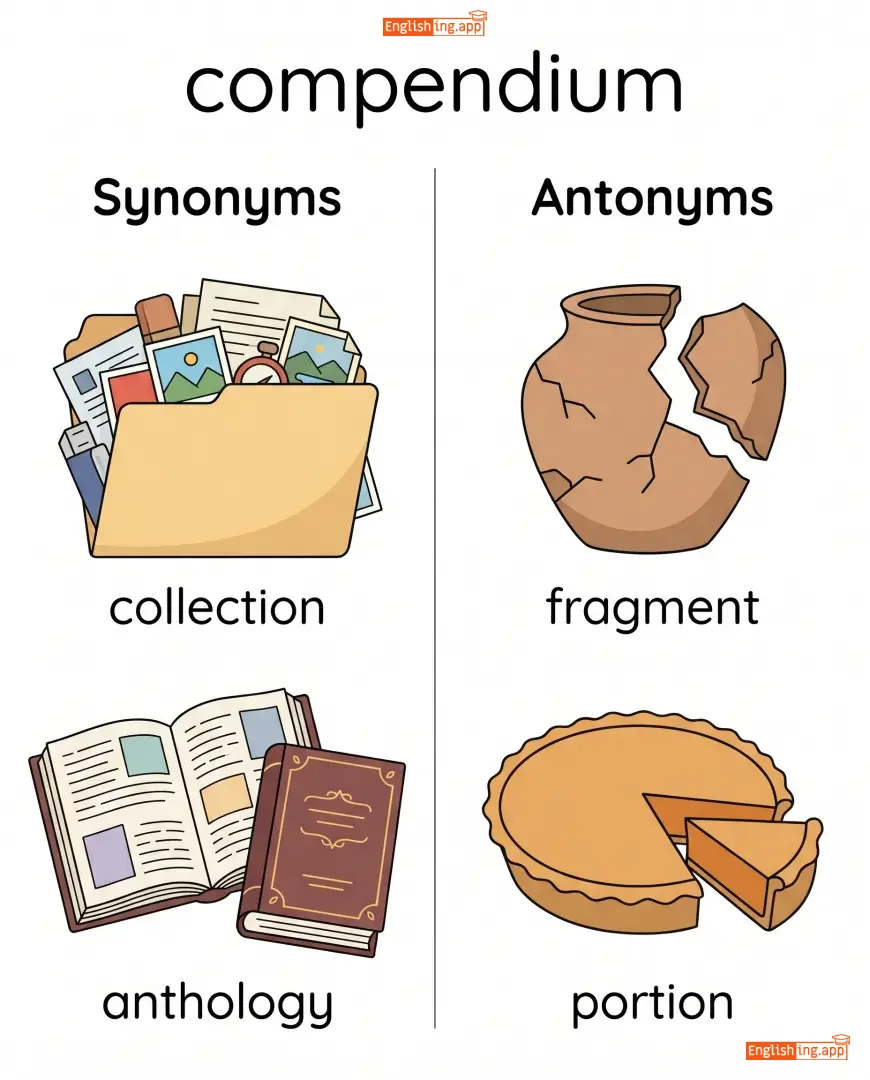
collection, anthology, digest, summary, compilation
••••••
|
fragment, portion, extract
••••••
|
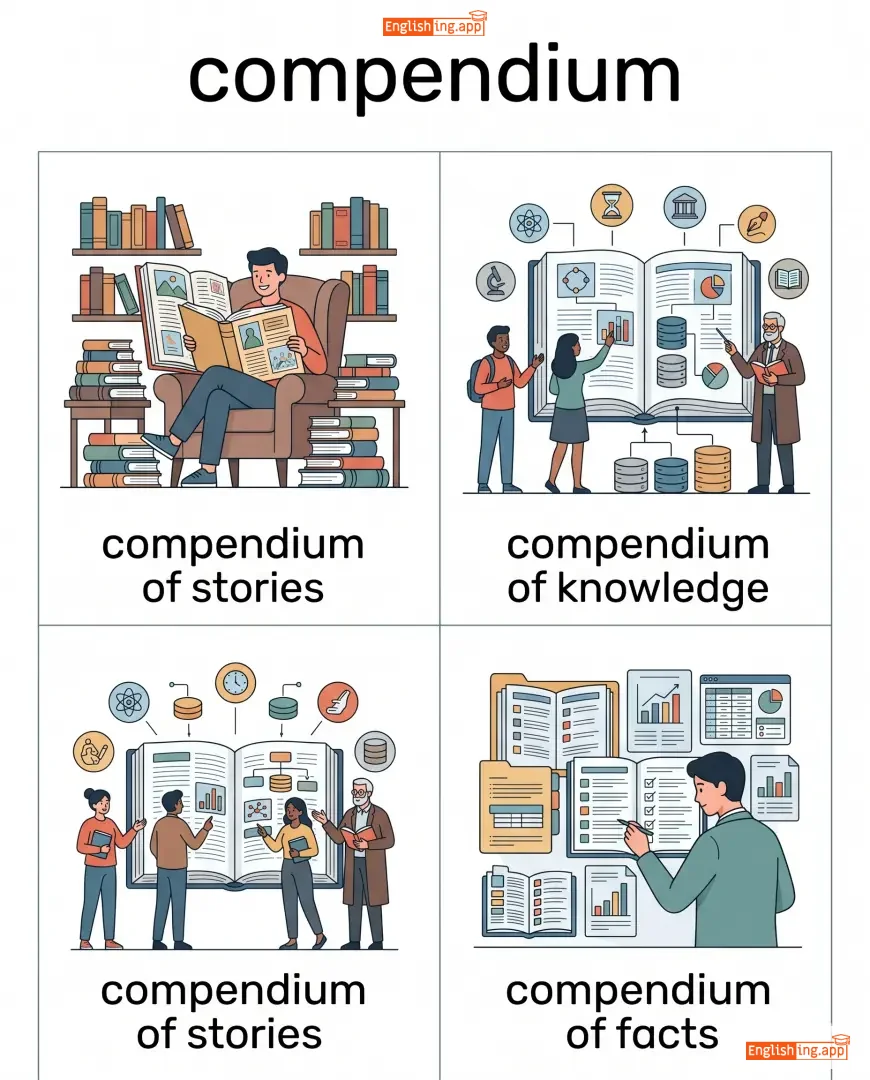
compendium of stories, compendium of knowledge, compendium of facts, compendium of laws
••••••
|
コンペンディウムは「コンパクト」+「データ」を集めたもの。
••••••
|
|
😌
••••••
|
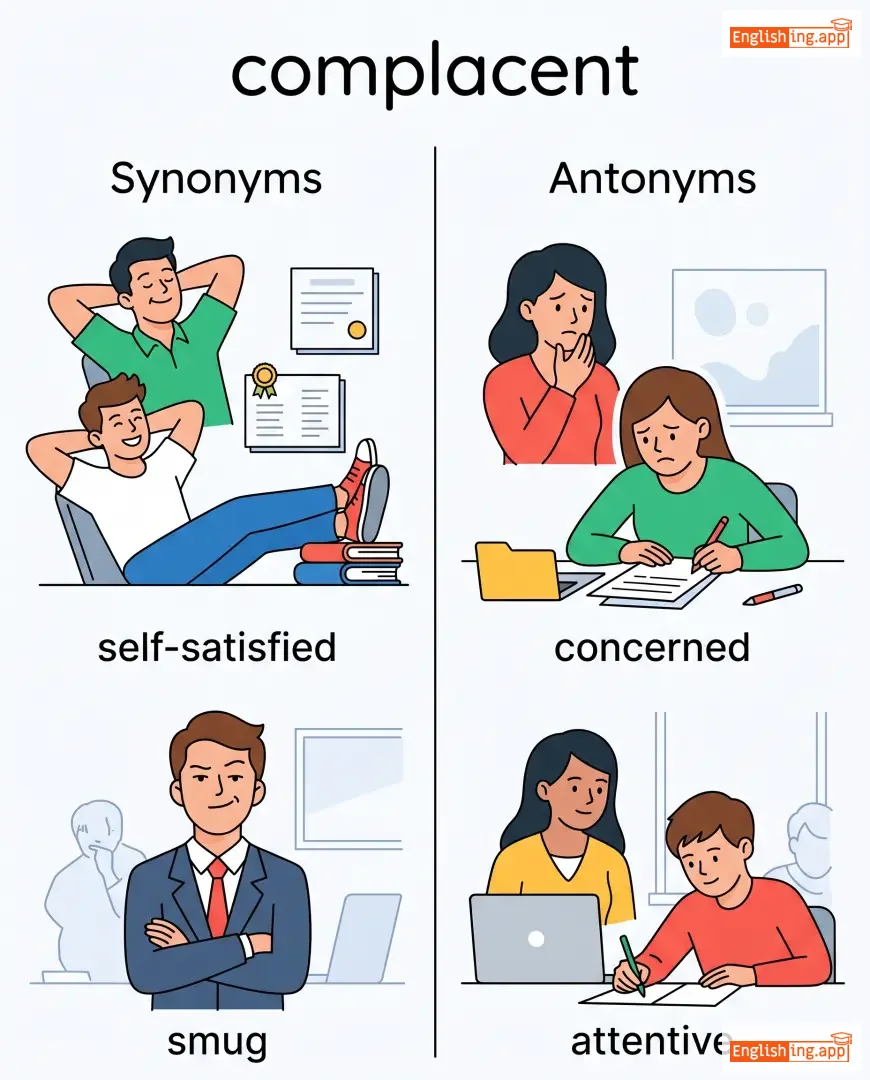
/kəmˈpleɪsənt/
adjective
(kəmˈpleɪsənt)
••••••
|

|
自己満足
jikimanzoku
••••••
|
- •••••• | - •••••• | - •••••• | - •••••• |
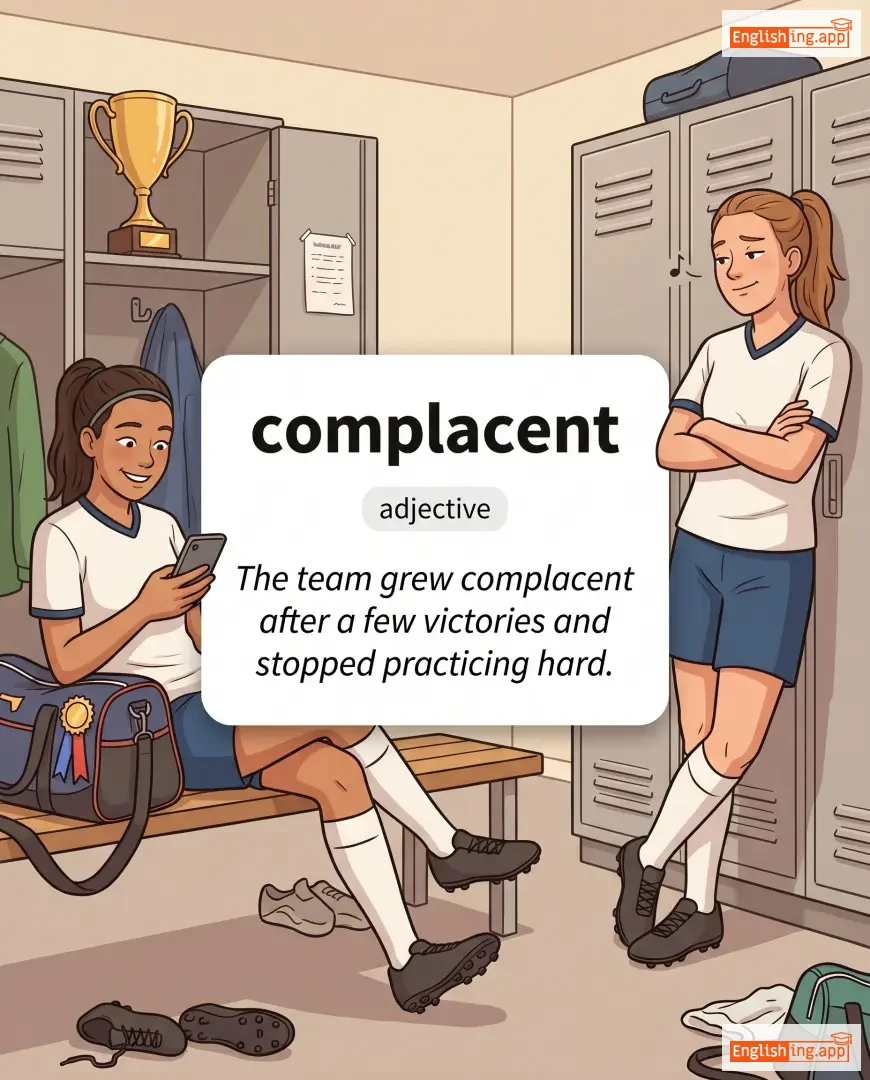
showing self-satisfaction and a lack of concern about potential dangers or problems
••••••
|
The team grew complacent after a few victories and stopped practicing hard. |
チームは数回の勝利の後、自己満足し、練習をやめた。
Chiimu wa suukai no shouri no ato, jikimanzoku shi, renshuu o yameta.
••••••
|
rest on one's laurels |
to become complacent and stop putting in effort after achieving success
••••••
|
自分の laurels に依存する
jibun no laurels ni izon suru
••••••
|
self-satisfied, smug, content, indifferent, unconcerned
••••••
|
concerned, attentive, cautious
••••••
|
complacent attitude, dangerously complacent, complacent about, complacent in
••••••
|
自己満足 – 成功した後、次に進まず、満足すること。
••••••
|
|
🤗
••••••
|
/kəmˈpleɪzənt/
adjective
(コンプレイザント)
••••••
|

|
過度に従順
kado ni jūjun
••••••
|
- •••••• | - •••••• | - •••••• | - •••••• |
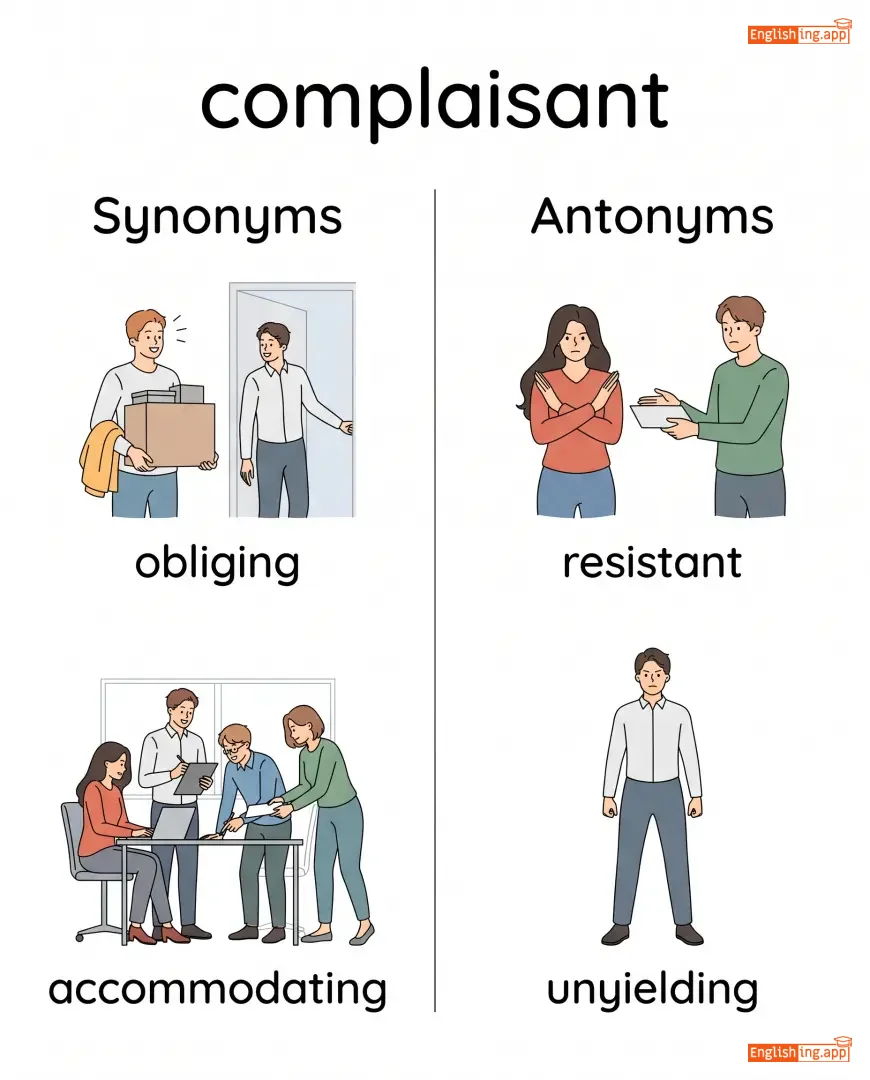
willing to please others or to accept what they do or say without protest
••••••
|
He was too complaisant to refuse their demands. |
彼は彼らの要求を断るにはあまりにも従順すぎた。
Kare wa karera no yōkyū wo kotowaru ni wa amari ni mo jūjun sugita.
••••••
|
- •••••• | - •••••• | - •••••• |
obliging, accommodating, agreeable, cooperative
••••••
|
resistant, unyielding
••••••
|
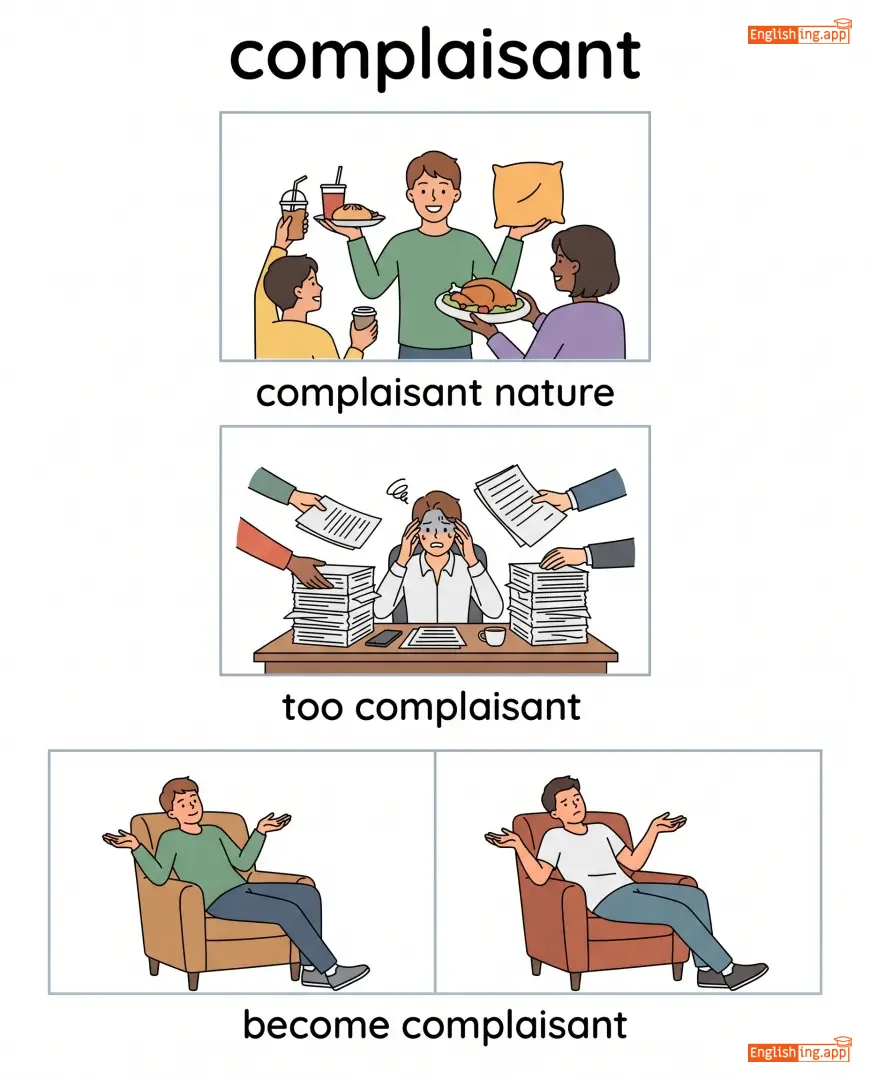
complaisant nature, too complaisant, become complaisant
••••••
|
従順 – いつも他人に従う
••••••
|
|
➕
••••••
|
/ˈkɒmplɪmənt/
noun/verb
(コンプリメント)
••••••
|

|
補完
hokan
••••••
|
complemented
コンプリメントした
••••••
|
complemented
コンプリメントした
••••••
|
complements
コンプリメントする
••••••
|
complementing
コンプリメントしている
••••••
|
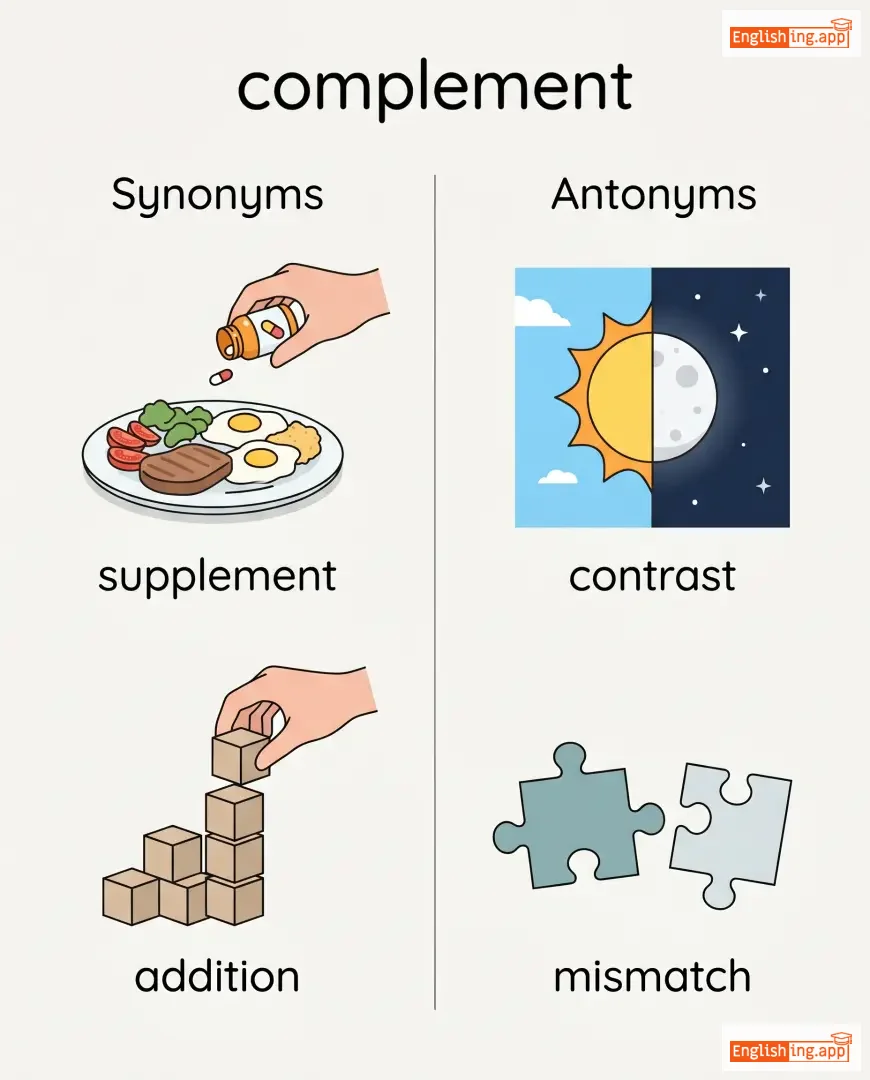
something that completes or goes well with something; to add something that enhances or improves
••••••
|
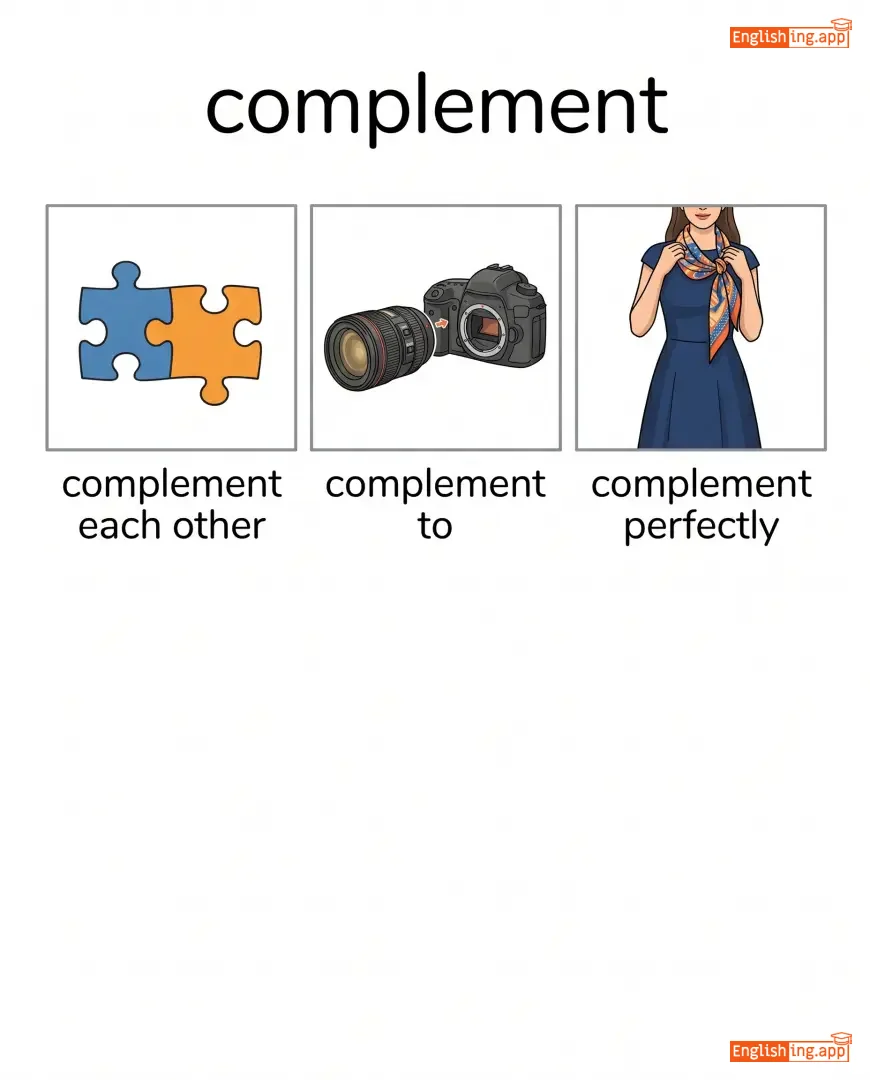
The scarf complements her outfit perfectly.
スカーフは彼女の服装を完璧に補完します。
••••••
|
スカーフは彼女の服装を完璧に補完します。
Sukafu wa kanojo no fukusou o kanpeki ni hokan shimasu.
••••••
|
perfect complement
完璧な補完
••••••
|
something that completes another thing in the best possible way
••••••
|
完璧な補完
kanpeki na hokan
••••••
|
supplement, addition, counterpart, companion, match
••••••
|
contrast, mismatch
••••••
|
complement each other, complement to, complement perfectly, complement system
••••••
|
補完 = 完成 + 追加、他のものをさらに良くするもの
••••••
|
|
🙇
••••••
|
/kəmˈplaɪənt/
adjective
(コンプライアント)
••••••
|
|
従順
juujun
••••••
|
- •••••• | - •••••• | - •••••• | - •••••• |
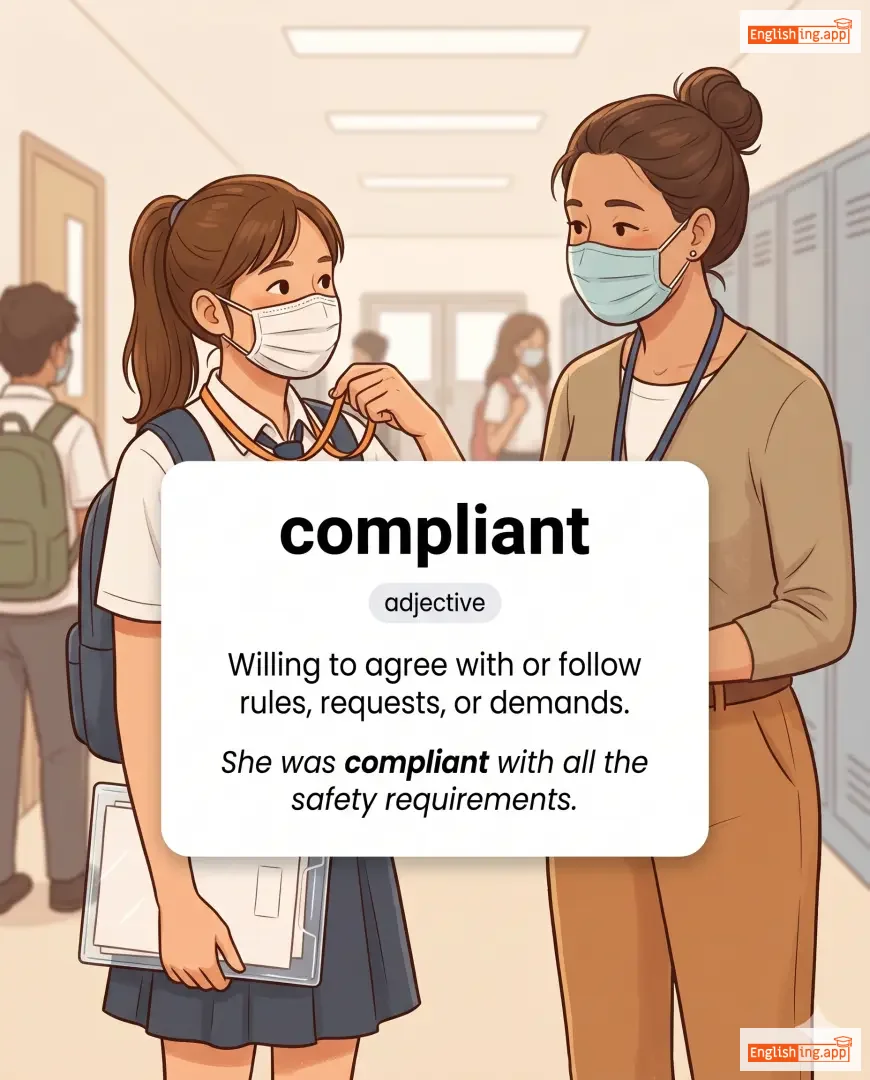
Willing to agree with or follow rules, requests, or demands.
••••••
|
She was compliant with all the safety requirements.
彼女はすべての安全要件に従いました。
••••••
|
彼女はすべての安全要件に従いました。
Kanojo wa subete no anzen youken ni shitagaimashita.
••••••
|
- •••••• | - •••••• | - •••••• |
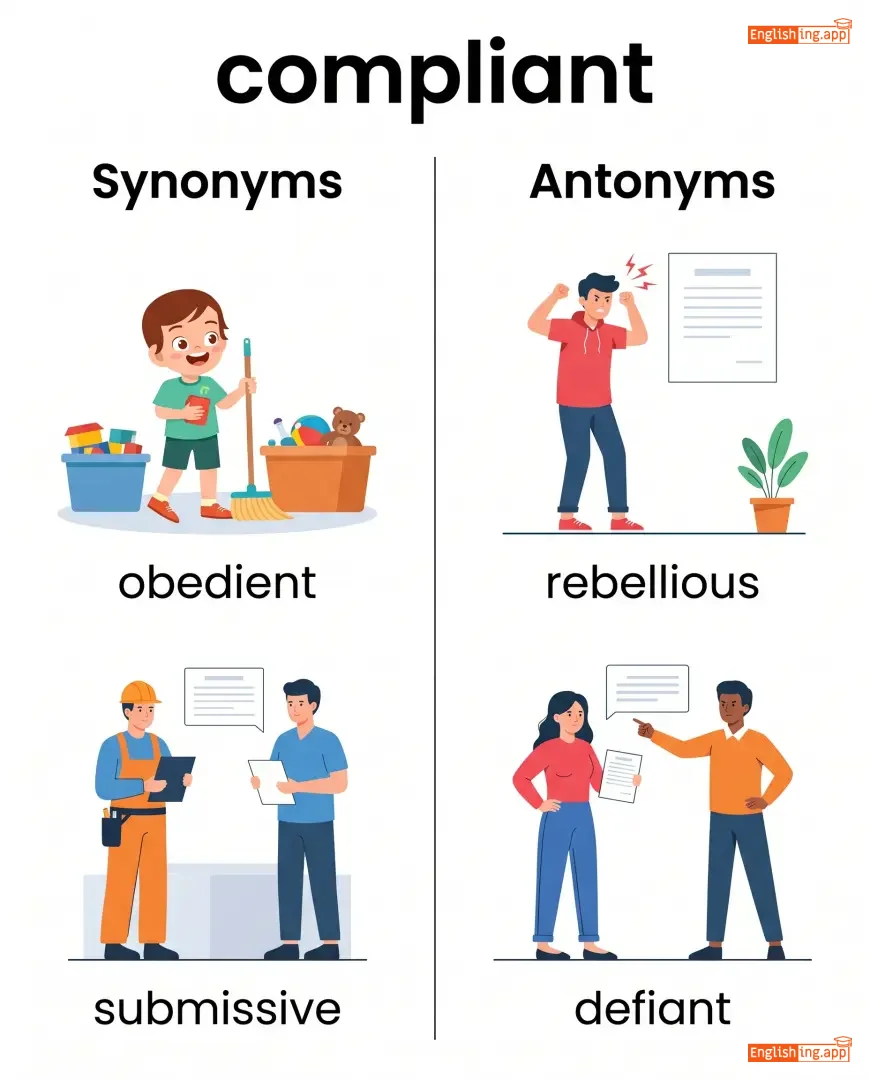
obedient, submissive, docile, accommodating
••••••
|
rebellious, defiant, resistant
••••••
|
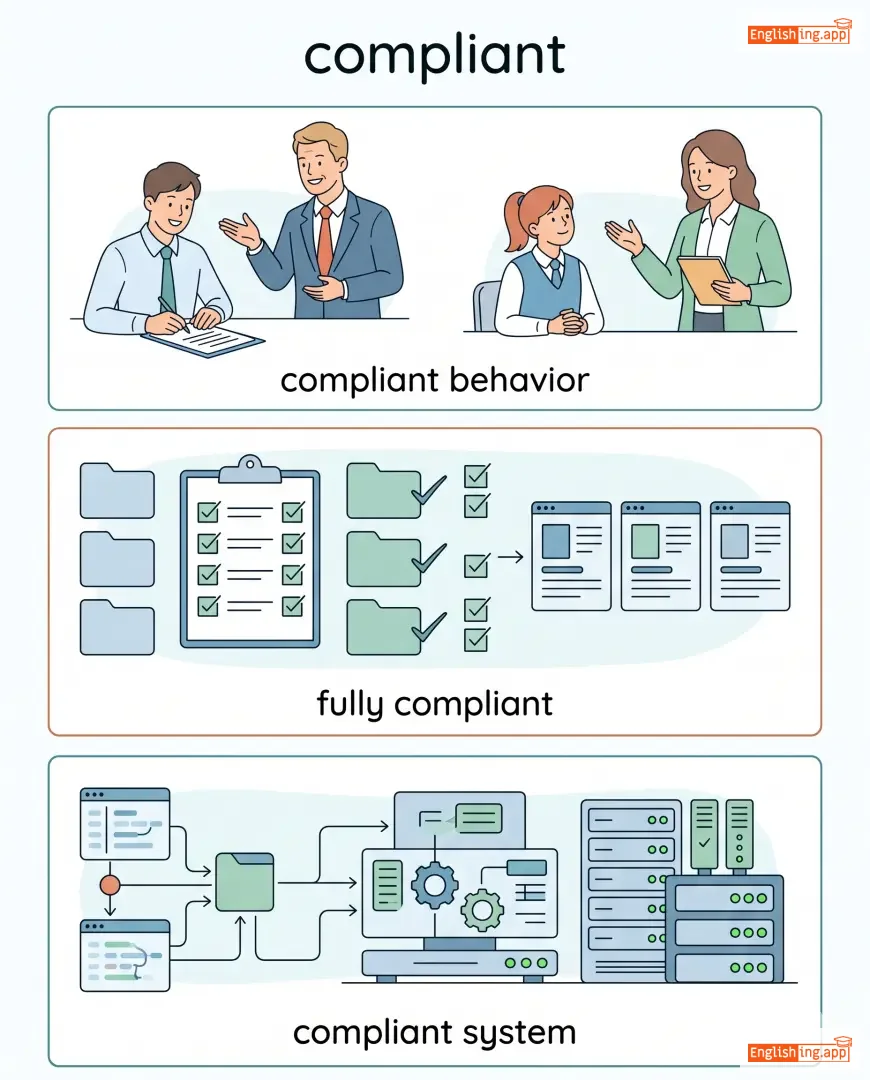
compliant behavior, fully compliant, compliant system, compliant child
••••••
|
従順とは、ルールに従うことです。
••••••
|

