The Experiment in the Sky
サミール博士は若い科学者で、artificial 雨を研究していました。彼の考えは、もし自然が雨を与えないなら、人間が electrical 信号を使ってそれを originate できるというものでした。しかし、このプロジェクトの倫理性については広く議論されました——ある人は「神の設計に干渉している」と言い、他の人は「unacceptable」と呼びました。
サミール博士は、それが簡単ではないことを知っていました。彼は helicopter からの雲の種まき実験を行いました。興味深いことに、数分以内に雨が降り始めました。ジャーナリストたちはこの出来事を exaggerated し、「人間は神になった!」と言いました。
しかし数時間後、過剰な electrical 電荷が destructive な嵐を引き起こしました。サミール博士は、自然は administered できない——尊重しなければならないと悟りました。
そのsubsequent実験では、彼はより慎重になりました。今回は、自然と科学が simultaneously に働く雲化学の synthesis に取り組みました。彼はよくこう言っていました:「科学は傲慢を reproduce すべきではなく、調和を reproduce すべきだ。」
ある日、一人の missionary が彼に言いました:「あなたは神の法を破っている。」サミール博士は静かに答えました:「私はただ、神がどのように働くのかを理解したいだけです。」彼の言葉は非常に thought-provoking で、広範な theological 論争を引き起こしました。
数か月後、彼のプロジェクトは世界的な注目を集めました。懐疑的な人もいましたが、結果は virtually 成功しました。国際誌はこれを「将来の農業を革命化する可能性のある forthcoming イノベーション」と評しました。
最後の声明で、サミール博士はこう言いました:「人類の進歩は、科学と良心が共に働くときにのみ安全である。」彼のメッセージは undoubtedly、自然と戦うのではなく、協力することこそが真の知性の究極の形であることを世界に思い出させました。
|
絵文字
|
単語 | Images | 翻訳 | 過去 | 過去分詞 | 三人称単数 | 動名詞 | 意味 | 例文 | 例文の翻訳 | 表現例 | 表現例の意味 | 表現例の翻訳 | 同義語 | 対義語 | コロケーション | ニーモニック |
|---|---|---|---|---|---|---|---|---|---|---|---|---|---|---|---|---|---|
|
🔓
••••••
|
/ˌæktɪˈveɪʃən/
noun
(アクティベーション)
••••••
|
- •••••• |
アクティベーション
akutibēshon
••••••
|
- •••••• | - •••••• | - •••••• | - •••••• |
the act of making something start functioning
••••••
|
The activation of the system took longer than expected. |
システムのアクティベーションは予想よりも時間がかかりました。
Shisutemu no akutibēshon wa yosō yori mo jikan ga kakarimashita.
••••••
|
- •••••• | - •••••• | - •••••• |
initiation, triggering, launching, starting
••••••
|
deactivation, stoppage, termination
••••••
|
system activation, activation process, activation code
••••••
|
システムのアクティベーションは新しい冒険を始めるようなものです!
••••••
|
|
💊
••••••
|
/ədˈmɪnɪstər/
verb
(アドミニスター)
••••••
|
|
管理する / 適用する
kanri suru / tekiyou suru
••••••
|
administered
アドミニスタード
••••••
|
administered
アドミニスタード
••••••
|
administers
アドミニスターズ
••••••
|
administering
アドミニスターリング
••••••
|
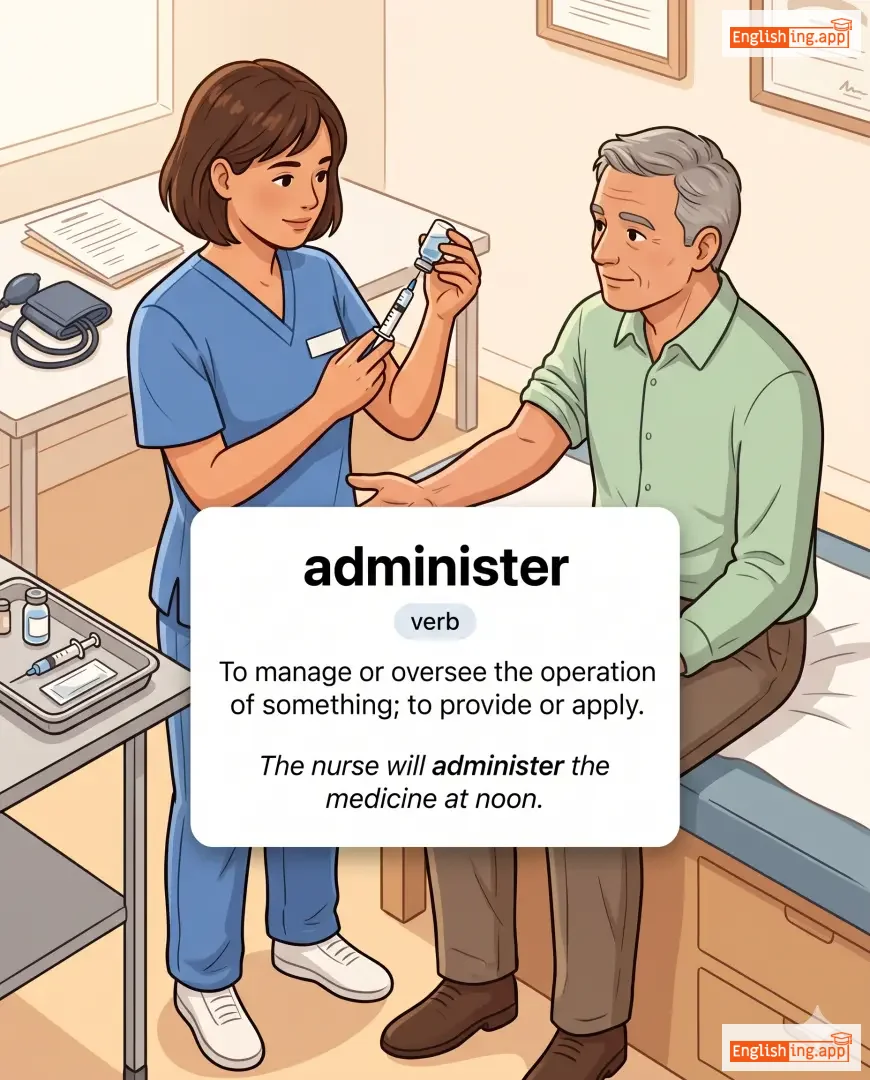
To manage or oversee the operation of something; to provide or apply.
••••••
|
The nurse will administer the medicine at noon.
ナースは正午に薬を施す予定です。
••••••
|
ナースは正午に薬を施す予定です。
Nasu wa shougo ni kusuri wo hodokosu yotei desu.
••••••
|
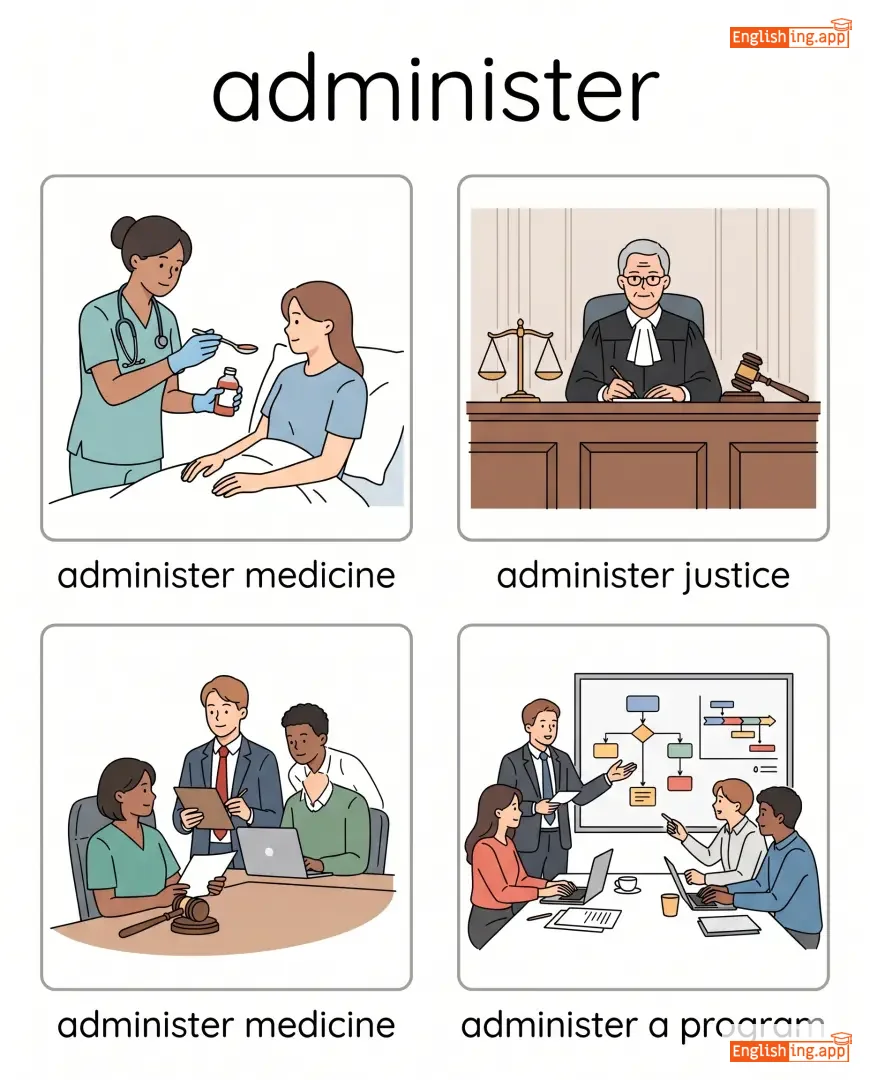
administer justice
司法を施行する
••••••
|
To ensure that laws and fairness are upheld.
••••••
|
司法を施行する
Shihou wo shikkou suru
••••••
|
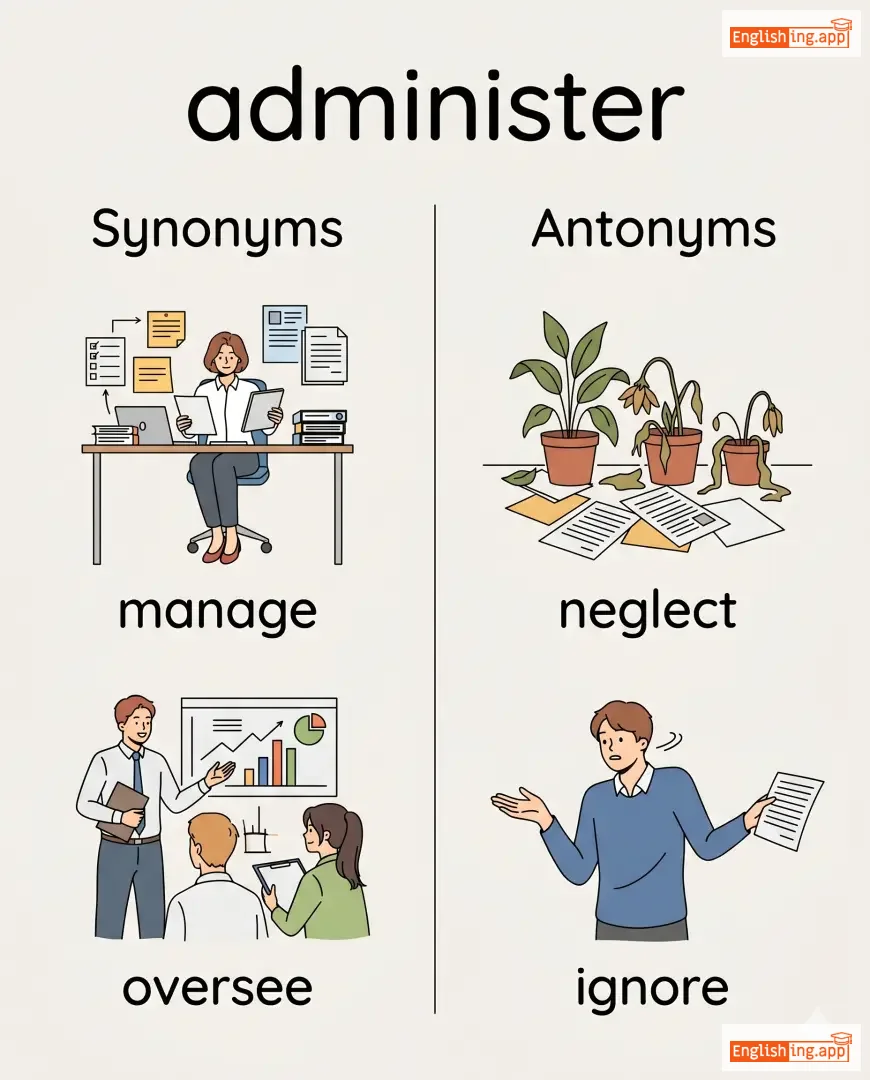
manage, oversee, control, execute, apply
••••••
|
neglect, ignore
••••••
|
administer medicine, administer justice, administer a program, administer funds
••••••
|
Administerは管理する意味。管理者が全てを管理します。
••••••
|
|
🤖
••••••
|
/ˌɑːrtɪˈfɪʃəl/
adjective
(ārtifisharu)
••••••
|
|
人工
jinkō
••••••
|
- •••••• | - •••••• | - •••••• | - •••••• |
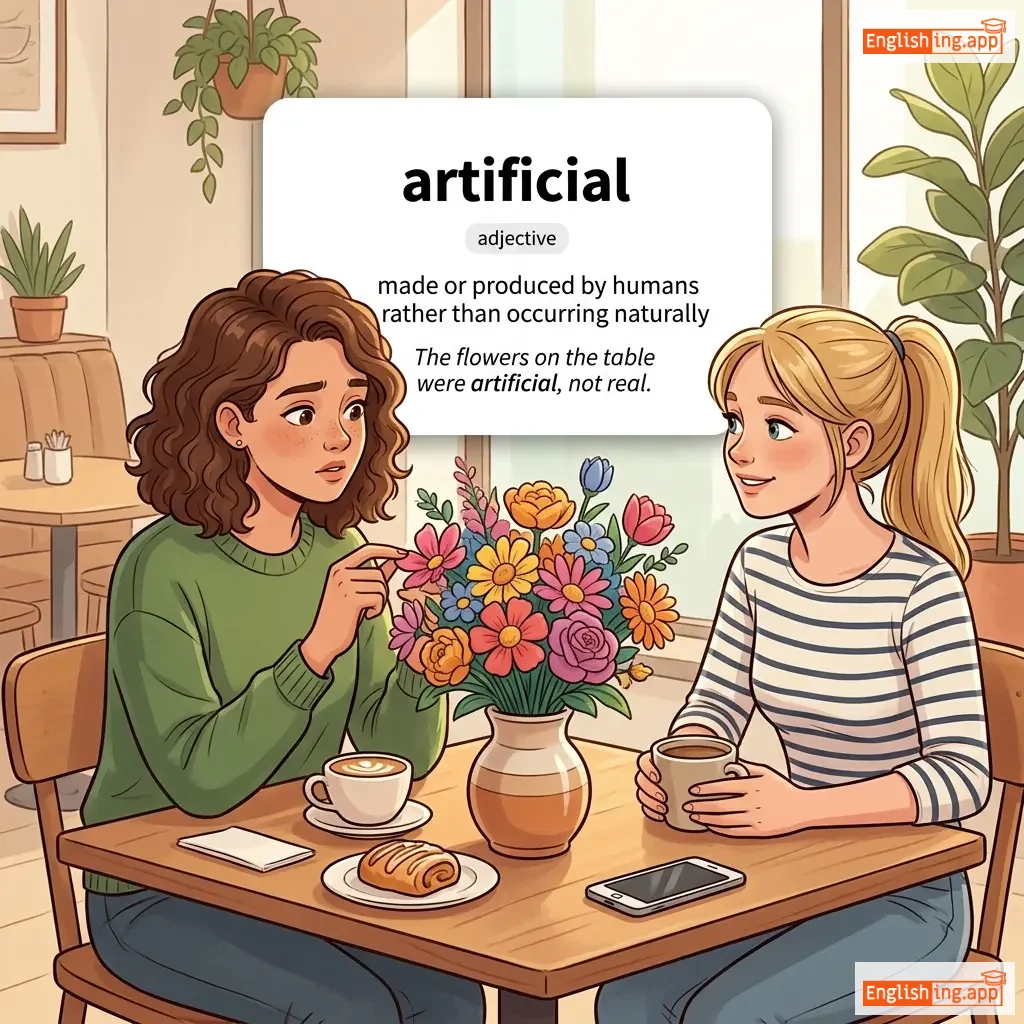
made or produced by humans rather than occurring naturally
••••••
|
The flowers on the table were artificial, not real.
テーブルの上の花は人工のもので、本物ではありません。
••••••
|
テーブルの上の花は人工のもので、本物ではありません。
Tēburu no ue no hana wa jinkō no mono de, honmono de wa arimasen.
••••••
|
artificial intelligence
人工知能
••••••
|
the simulation of human intelligence by machines
••••••
|
人工知能
jinkō chinō
••••••
|
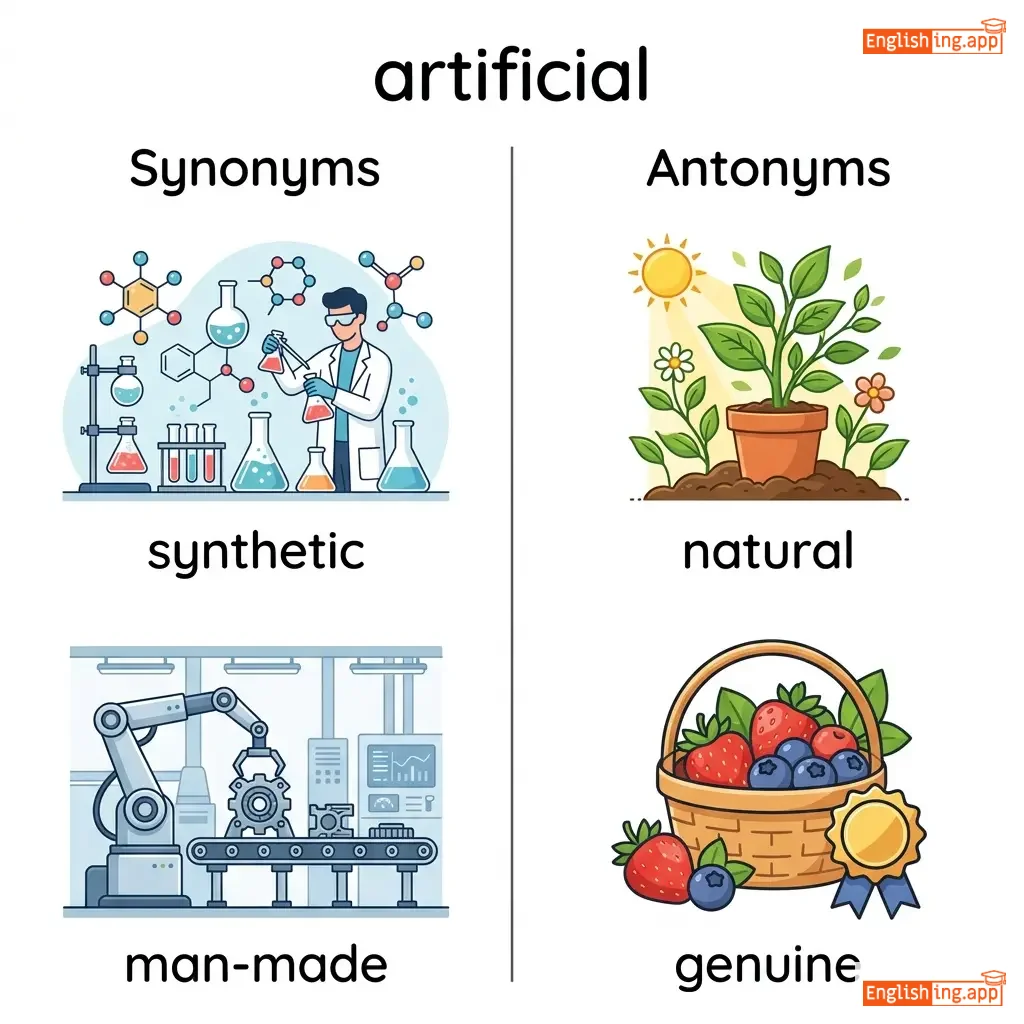
synthetic, man-made, fake, unnatural, imitation
••••••
|
natural, genuine, real
••••••
|
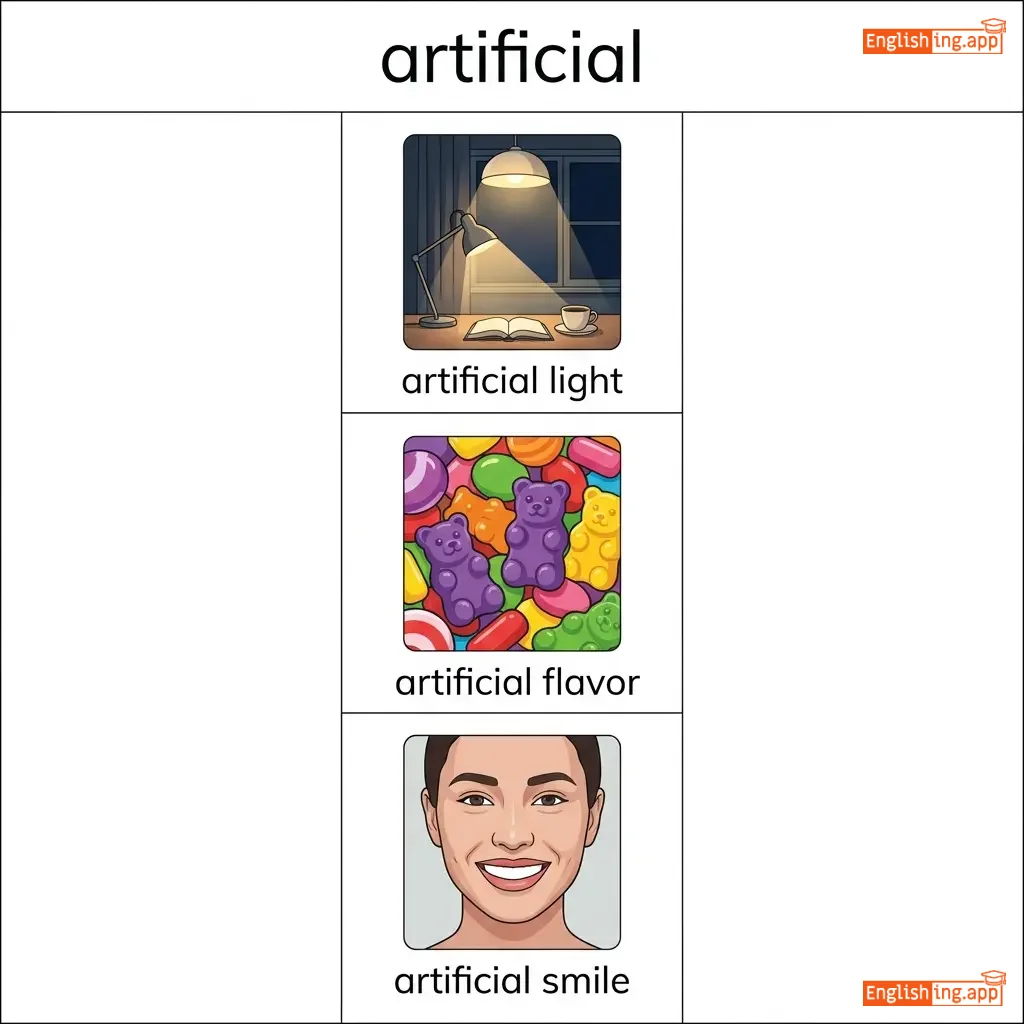
artificial light, artificial flavor, artificial smile, artificial limb
••••••
|
Artificial = 人工, '人間が作ったので、Artificial'
••••••
|
|
🌀
••••••
|
/dɪˈstrʌktɪv/
adjective
(デストラクティブ)
••••••
|
- •••••• |
破壊的な
hakai teki na
••••••
|
- •••••• | - •••••• | - •••••• | - •••••• |
Causing great and irreparable harm or damage.
••••••
|
Hurricanes are often destructive to coastal cities.
ハリケーンは沿岸都市にとってしばしば破壊的です。
••••••
|
ハリケーンは沿岸都市にとってしばしば破壊的です。
Harikēn wa engan toshi ni totte shibashiba hakai-teki desu.
••••••
|
destructive criticism
破壊的批判
••••••
|
Criticism that is harmful rather than helpful.
••••••
|
破壊的批判
hakai-teki hihan
••••••
|
damaging, harmful, devastating, ruinous, catastrophic
••••••
|
constructive, helpful, beneficial
••••••
|
destructive force, destructive behavior, destructive power, destructive effect
••••••
|
Destructiveは破壊することを意味します – 破壊的な。
••••••
|
|
⚡
••••••
|
/ɪˈlɛktrɪkəl/
adjective
(エレクトリカル)
••••••
|
- •••••• |
電気的な
denkitena
••••••
|
- •••••• | - •••••• | - •••••• | - •••••• |
related to electricity or the use of electrical power
••••••
|
The electrical system in the house needs repair. |
家の電気システムは修理が必要です。
Ie no denki shisutemu wa shūri ga hitsuyō desu.
••••••
|
- •••••• | - •••••• | - •••••• |
power, electric, electronic, voltage-related
••••••
|
non-electric, mechanical
••••••
|
electrical system, electrical engineer, electrical power, electrical circuit
••••••
|
電気的な = 電気に関する ⚡
••••••
|
|
📢
••••••
|
/ɪɡˈzædʒəˌreɪt/
verb
(イグザジェレイト)
••••••
|
- •••••• |
誇張する
kochou suru
••••••
|
exaggerated
イグザジェレイテッド
••••••
|
exaggerated
イグザジェレイテッド
••••••
|
exaggerates
イグザジェレイツ
••••••
|
exaggerating
イグザジェレイティング
••••••
|
to describe something as better, worse, or more important than it really is
••••••
|
He tends to exaggerate his achievements.
彼は自分の業績を誇張しがちだ。
••••••
|
彼は自分の業績を誇張しがちだ。
kare wa jibun no gyouseki o kochou shigachi da.
••••••
|
make a mountain out of a molehill
山を作って、モグラの丘を作る
••••••
|
to make a small problem seem much bigger than it is
••••••
|
山を作って、モグラの丘を作る
yama o tsukutte, mogura no oka o tsukuru
••••••
|
overstate, overemphasize, amplify, embellish
••••••
|
understate, minimize, downplay
••••••
|
exaggerate claims, exaggerate importance, exaggerate details, exaggerate achievements
••••••
|
誇張するは大げさに言うことで、山を作ってモグラの丘を作るようなものです。
••••••
|
|
📅
••••••
|
/ˌfɔːrθˈkʌmɪŋ/
adjective
(フォースカミング)
••••••
|
- •••••• |
近づいている
chikadzuiteiru
••••••
|
- •••••• | - •••••• | - •••••• | - •••••• |
about to happen soon; willing to share information
••••••
|
The company announced its forthcoming product launch. |
会社は近づいている製品の発売を発表しました。
Kaisha wa chikadzuiteiru seihin no hatsubai o happyou shimashita.
••••••
|
- •••••• | - •••••• | - •••••• |
upcoming, imminent, approaching, pending, willing
••••••
|
past, previous, unwilling
••••••
|
forthcoming event, forthcoming meeting, forthcoming details, forthcoming report
••••••
|
'Forthcoming event' はすぐに起こることを意味します – 近づいている=upcoming.
••••••
|
|
🚁
••••••
|
/ˈhɛlɪˌkɒptər/
noun
(ヘリコプター)
••••••
|
- •••••• |
ヘリコプター
herikoputā
••••••
|
- •••••• | - •••••• | - •••••• | - •••••• |
an aircraft with rotating blades that can take off and land vertically
••••••
|
The helicopter landed safely on the hospital roof. |
ヘリコプターは病院の屋上に安全に着陸しました。
Herikoputā wa byōin no okujō ni anzen ni chakuriku shimashita.
••••••
|
helicopter parenting |
a style of parenting where parents are overly focused on their children
••••••
|
ヘリコプターペアレンティング
Herikoputā pērentingu
••••••
|
chopper, rotorcraft, whirlybird
••••••
|
airplane, glider
••••••
|
helicopter ride, helicopter landing, helicopter rescue
••••••
|
ヘリコプター 🚁 ‘ヘリ’ は空を意味し、‘コプター’ は回転するブレードを意味します。
••••••
|
|
🙏
••••••
|
/ˈmɪʃəneri/
noun
(ミッショナリー)
••••••
|
- •••••• |
宣教師
senkyōshi
••••••
|
- •••••• | - •••••• | - •••••• | - •••••• |
a person sent on a religious mission, especially to promote Christianity in a foreign country
••••••
|
The missionary spent years helping local communities in Africa.
その宣教師はアフリカで地元のコミュニティを支援するために何年も費やしました。
••••••
|
その宣教師はアフリカで地元のコミュニティを支援するために何年も費やしました。
Sono senkyōshi wa Afurika de jimoto no komyuniti o shien suru tame ni nannen mo tsuiyashimashita.
••••••
|
missionary work
宣教活動
••••••
|
religious work aimed at spreading faith or helping others
••••••
|
宣教活動
senkyō katsudō
••••••
|
evangelist, preacher, apostle, minister, messenger
••••••
|
nonbeliever, secularist
••••••
|
Christian missionary, missionary work, missionary society, missionary school
••••••
|
宣教師は‘ミッション’を持っていて、信仰を広めるために出発します!
••••••
|
|
🌱
••••••
|
/əˈrɪdʒɪneɪt/
verb
(オリジネイト)
••••••
|
- •••••• |
起源する
kigen suru
••••••
|
originated
オリジネイテッド
••••••
|
originated
オリジネイテッド
••••••
|
originates
オリジネイツ
••••••
|
originating
オリジネイティング
••••••
|
to come into existence; to begin; to create or produce
••••••
|
The tradition originated in ancient times.
その伝統は古代の時代に起源を持っています。
••••••
|
その伝統は古代の時代に起源を持っています。
Sono dentō wa kodai no jidai ni kigen o motteimasu.
••••••
|
originate from
から起源する
••••••
|
to come from a particular place or source
••••••
|
から起源する
kara kigen suru
••••••
|
begin, arise, emerge, derive, start
••••••
|
end, finish, conclude
••••••
|
originate idea, originate from, originate request, originate concept
••••••
|
Origin は始まりを意味し、originate は起源を意味します 🌱
••••••
|
|
🐣
••••••
|
/ˌriːprəˈdjuːs/
verb
(リプロデュース)
••••••
|
- •••••• |
再生する, 繁殖する
saisei suru, hanshoku suru
••••••
|
reproduced
リプロデュースド
••••••
|
reproduced
リプロデュースド
••••••
|
reproduces
リプロデュースズ
••••••
|
reproducing
リプロデュースイング
••••••
|
To make a copy of something; to generate offspring.
••••••
|
Many animals reproduce rapidly in favorable conditions.
多くの動物は好ましい条件下で急速に繁殖します。
••••••
|
多くの動物は好ましい条件下で急速に繁殖します。
Ōku no dōbutsu wa konomashī jōkenka de kyūsoku ni hanshoku shimasu.
••••••
|
- •••••• | - •••••• | - •••••• |
replicate, duplicate, breed, procreate
••••••
|
destroy, eradicate, terminate
••••••
|
reproduce quickly, reproduce a document, reproduce naturally
••••••
|
リプロデュースは、コピーを作るか、または新しい生命を繁殖させること。
••••••
|
|
⏱️
••••••
|
/ˌsaɪ.məlˈteɪ.ni.əs.li/
adverb
(シムルタネオスリー)
••••••
|
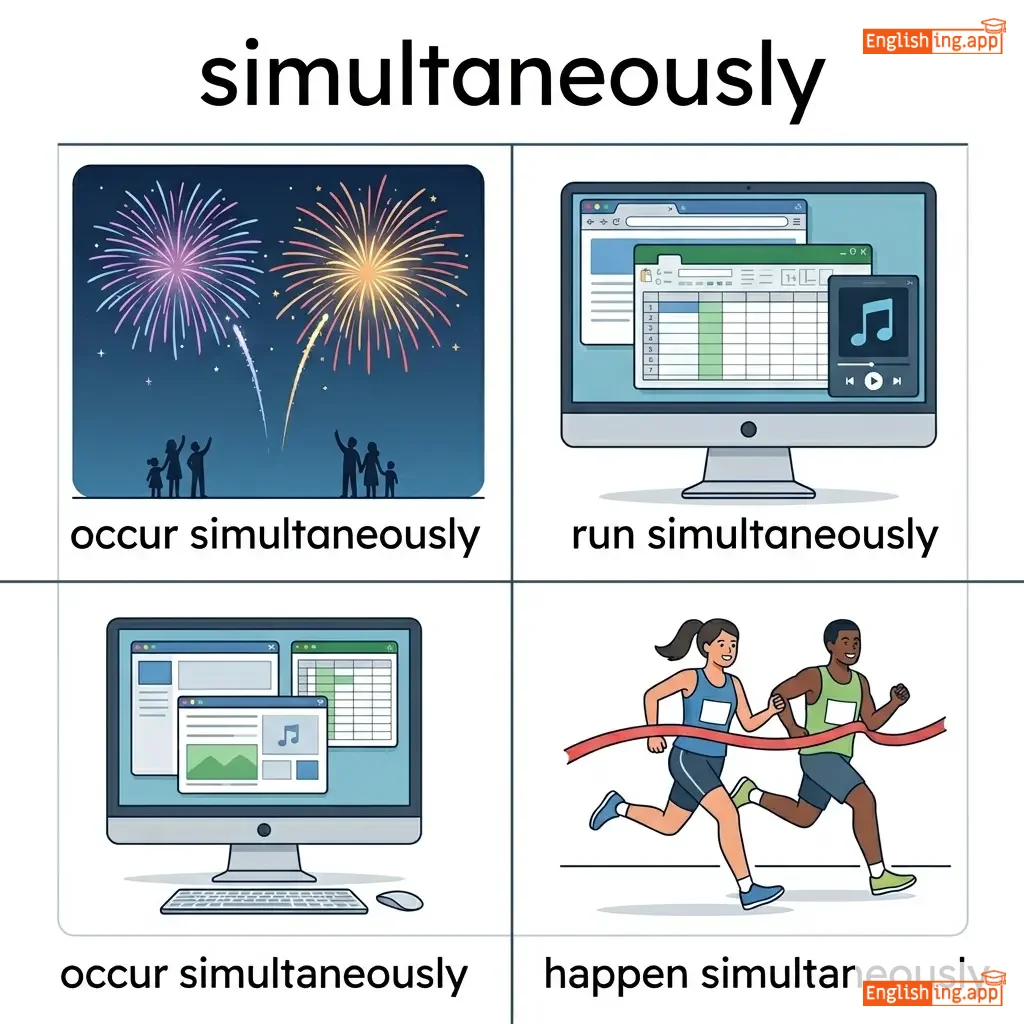
|
同時に
douji ni
••••••
|
- •••••• | - •••••• | - •••••• | - •••••• |
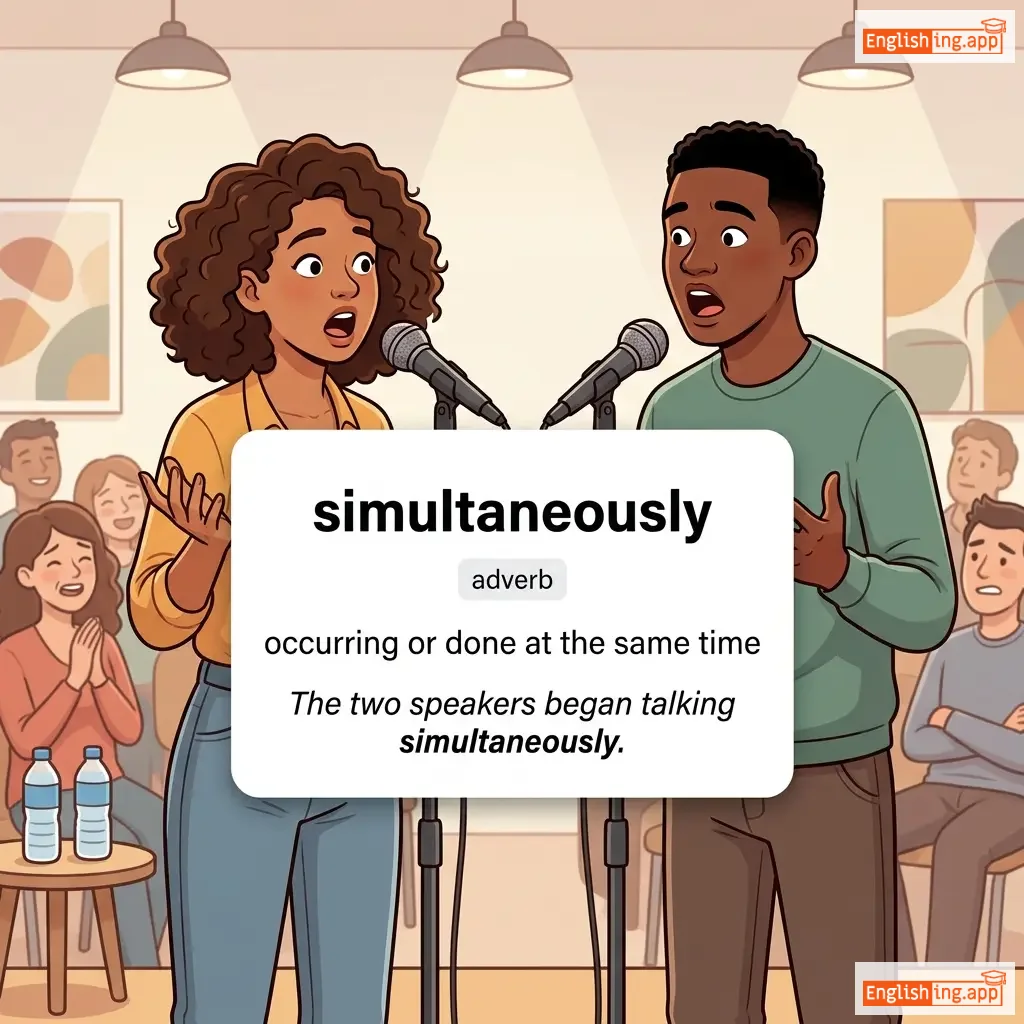
occurring or done at the same time
••••••
|
The two speakers began talking simultaneously.
二人のスピーカーは同時に話し始めました。
••••••
|
二人のスピーカーは同時に話し始めました。
Futari no supiikaa wa douji ni hanashihajimemashita.
••••••
|
- •••••• | - •••••• | - •••••• |
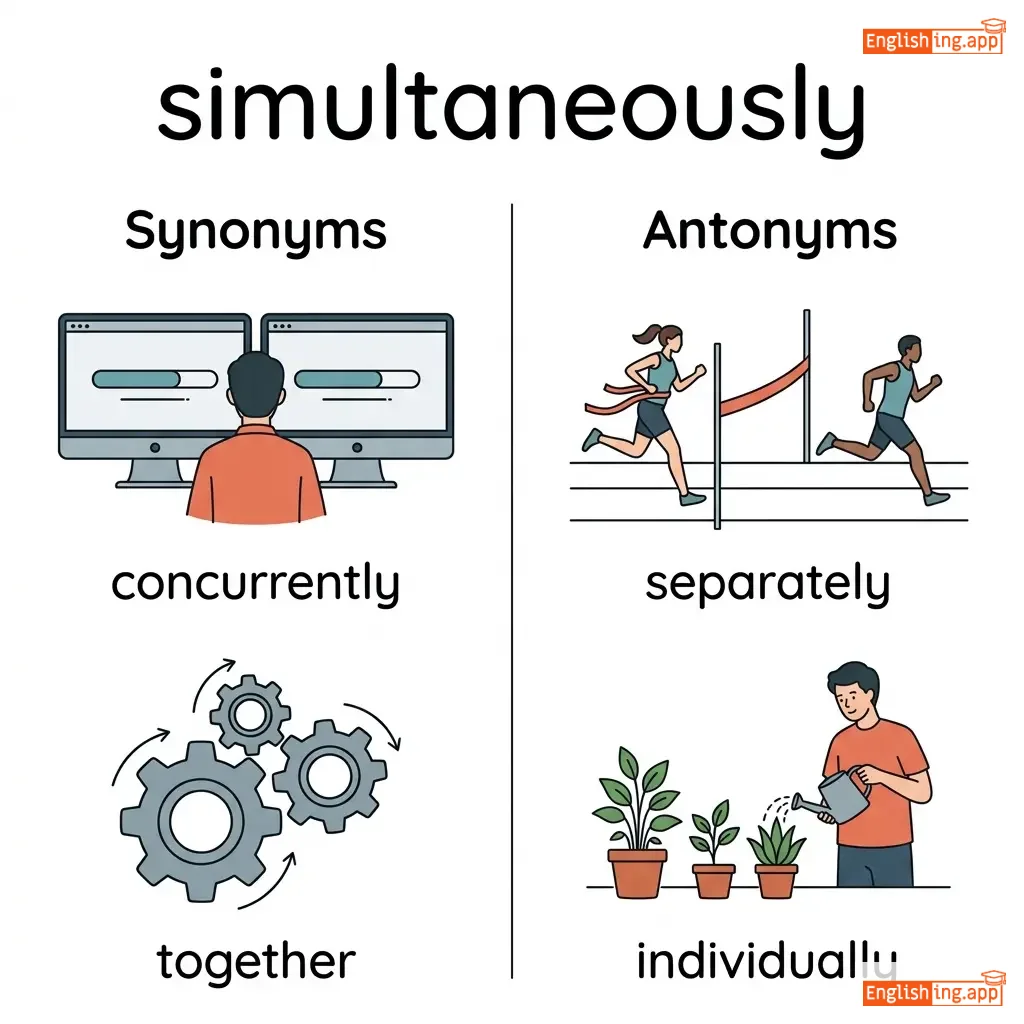
concurrently, together, synchronously, at once, in unison
••••••
|
separately, individually, consecutively
••••••
|
occur simultaneously, run simultaneously, happen simultaneously, work simultaneously
••••••
|
同時には同じ時間に – 二人が同時に話している!
••••••
|
|
➡️
••••••
|
/ˈsʌbsɪkwənt/
adjective
(サブスィクウェント)
••••••
|
|
その後の
sono ato no
••••••
|
- •••••• | - •••••• | - •••••• | - •••••• |
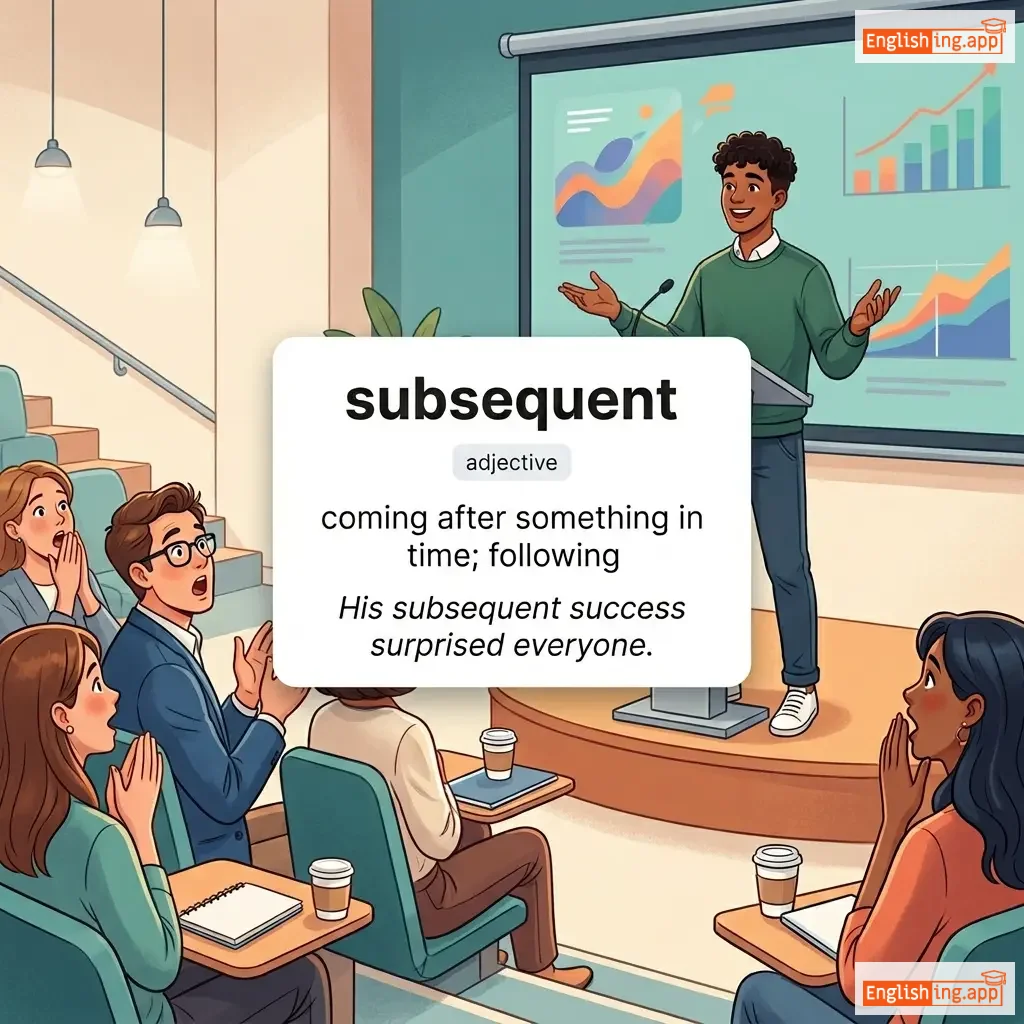
coming after something in time; following
••••••
|
His subsequent success surprised everyone. |
彼のその後の成功は、皆を驚かせました。
Kare no sono ato no seikou wa, mina o odoro kasemashita.
••••••
|
subsequent to |
happening or coming after something
••••••
|
その後の
sono ato no
••••••
|
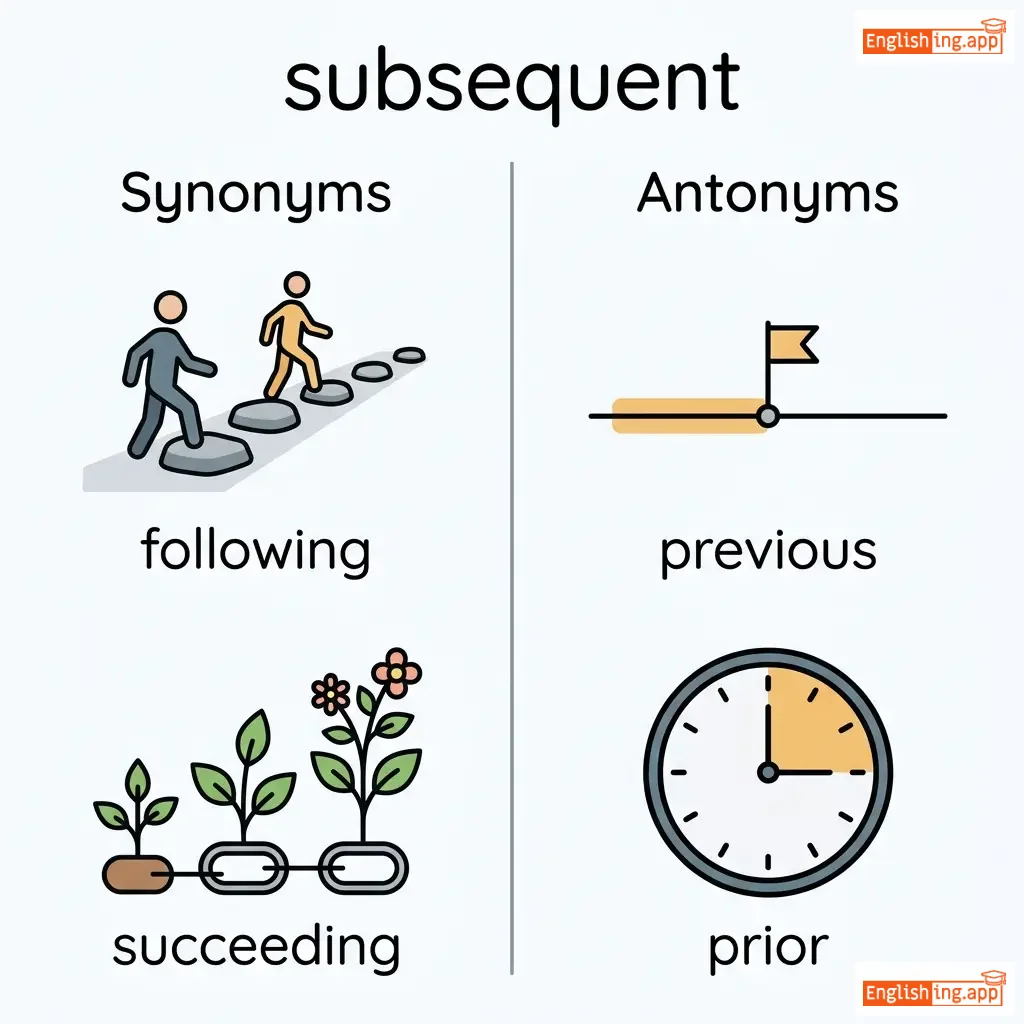
following, succeeding, later, ensuing, successive
••••••
|
previous, prior, former
••••••
|
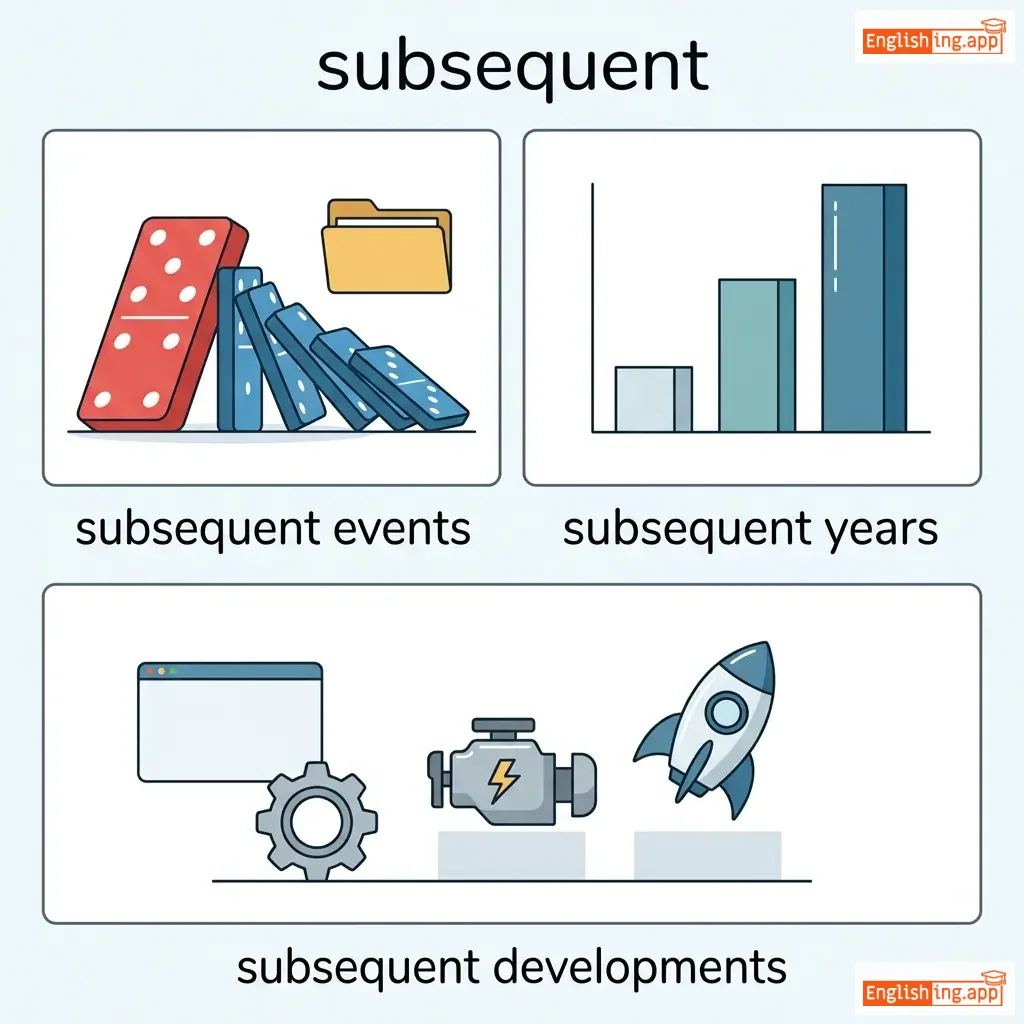
subsequent events, subsequent years, subsequent developments, subsequent changes
••••••
|
Subsequent とは何かの後に続くこと、だから「その後の」。
••••••
|
|
⚗️
••••••
|
/ˈsɪnθəsɪs/
noun
••••••
|
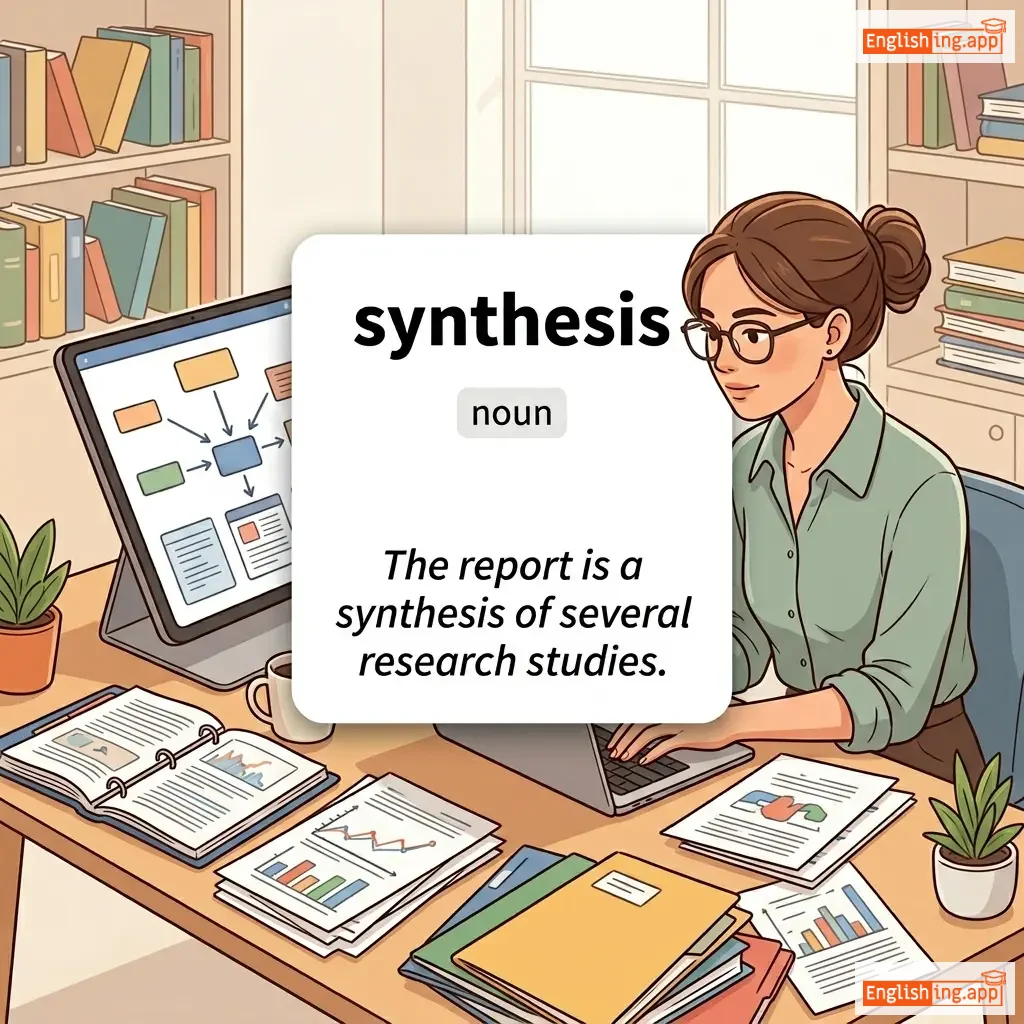
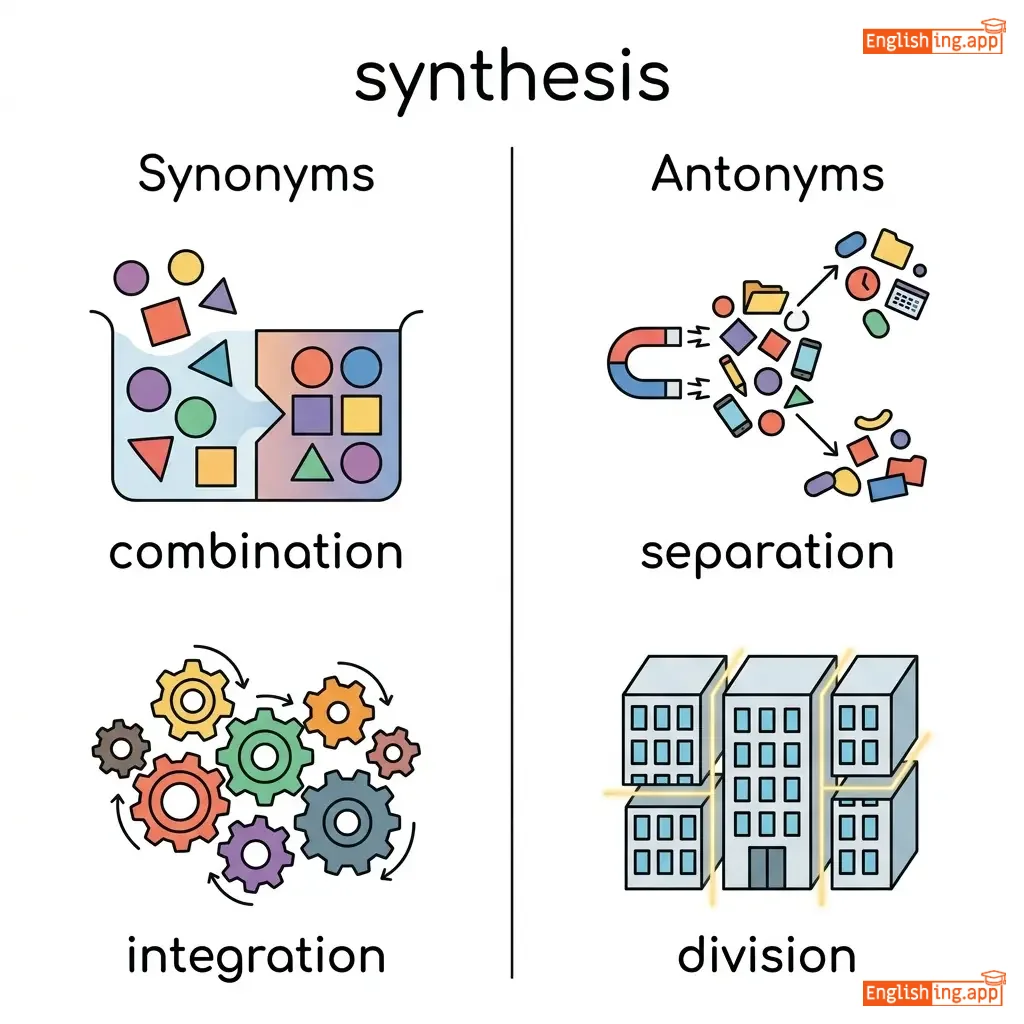
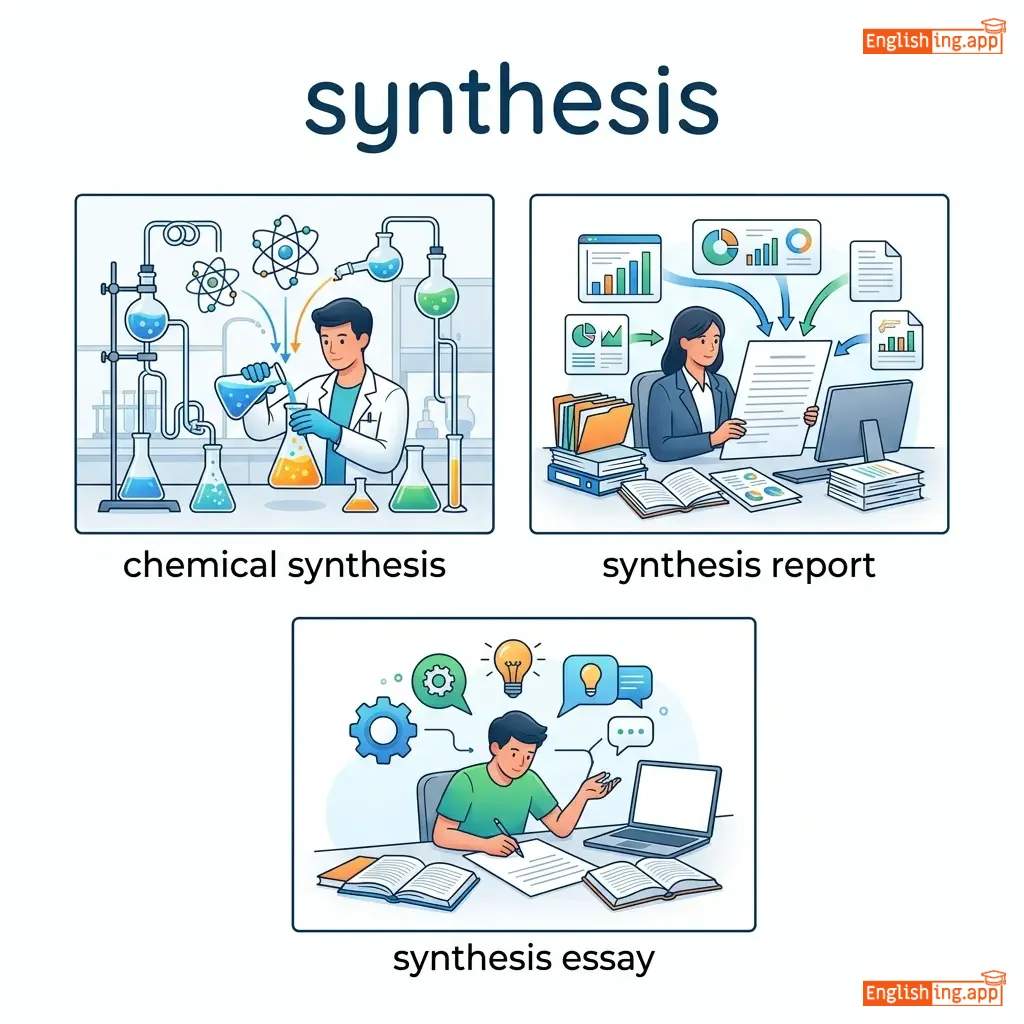
|
- •••••• | - •••••• | - •••••• | - •••••• | - •••••• |
The combination of different ideas, elements, or substances into a coherent whole.
••••••
|
The report is a synthesis of several research studies. |
- •••••• |
thesis-antithesis-synthesis |
A philosophical framework where opposing ideas resolve into a new understanding.
••••••
|
- •••••• |
combination, integration, fusion, amalgamation, unification
••••••
|
separation, division, analysis
••••••
|
chemical synthesis, synthesis report, synthesis essay, data synthesis
••••••
|
No •••••• |
|
✝️
••••••
|
/ˌθiːəˈlɒdʒɪkl/
adjective
(神学的)
••••••
|
- •••••• |
神学的
shingakuteki
••••••
|
- •••••• | - •••••• | - •••••• | - •••••• |
Relating to the study of theology or religious belief.
••••••
|
He wrote a theological paper on the concept of divine justice. |
彼は神の正義の概念についての神学的な論文を書いた。
Kare wa kami no seigi no gainen ni tsuite no shingakuteki na ronbun o kaita.
••••••
|
- •••••• | - •••••• | - •••••• |
religious, doctrinal, scriptural, ecclesiastical
••••••
|
secular, worldly
••••••
|
theological debate, theological study, theological education, theological issues
••••••
|
Theological = 神学 + ロジック (論理)
••••••
|
|
💭
••••••
|
/ˈθɔːtˌproʊvɪkɪŋ/
adjective
(ソート-プロヴォーキング)
••••••
|
- •••••• |
考えさせる
kangae saseru
••••••
|
- •••••• | - •••••• | - •••••• | - •••••• |
stimulating careful consideration or thought
••••••
|
The movie was deeply thought-provoking and left a lasting impression. |
その映画は深く考えさせられ、永続的な印象を残しました。
Sono eiga wa fukaku kangae saserare, eizoku-teki na inshō o nokoshimashita.
••••••
|
- •••••• | - •••••• | - •••••• |
stimulating, insightful, profound, reflective
••••••
|
unthoughtful, shallow
••••••
|
thought-provoking question, thought-provoking film, thought-provoking book
••••••
|
考えさせる - This movie will make you think long after!
••••••
|
|
🚫
••••••
|
/ˌʌn.əkˈsep.tə.bəl/
adjective
(an'ekkuseputāburu)
••••••
|
- •••••• |
受け入れられない
ukeirerarenai
••••••
|
- •••••• | - •••••• | - •••••• | - •••••• |
not satisfactory or allowable; not acceptable
••••••
|
The quality of work was completely unacceptable.
仕事の質は完全に受け入れられませんでした。
••••••
|
仕事の質は完全に受け入れられませんでした。
Shigoto no shitsu wa kanzen ni ukeireraremasen deshita.
••••••
|
- •••••• | - •••••• | - •••••• |
intolerable, unsatisfactory, inadmissible
••••••
|
acceptable, satisfactory, adequate
••••••
|
unacceptable behavior, unacceptable conditions, completely unacceptable
••••••
|
Japanese: '受け入れられない' = '受け入れ' (accept) + 'られない' (not)
••••••
|
|
✔️
••••••
|
/ʌnˈdaʊtɪdli/
adverb
(アンダウティッドリー)
••••••
|
- •••••• |
間違いなく
machigainaku
••••••
|
- •••••• | - •••••• | - •••••• | - •••••• |
without a doubt, certainly
••••••
|
He is undoubtedly the best player on the team. |
彼は間違いなくチームで一番の選手です。
Kare wa machigainaku chīmu de ichiban no senshu desu.
••••••
|
- •••••• | - •••••• | - •••••• |
certainly, definitely, unquestionably, assuredly
••••••
|
doubtfully, uncertainly
••••••
|
undoubtedly true, undoubtedly the best, undoubtedly right
••••••
|
Undoubtedly – Think of 'doubt' being taken away – It's certain!
••••••
|
|
💻
••••••
|
/ˈvɜː.tʃu.ə.li/
adverb
(ヴァーチュアリー)
••••••
|
- •••••• |
ほとんど, バーチャル
hotondo, bācharu
••••••
|
- •••••• | - •••••• | - •••••• | - •••••• |
almost or nearly, but not completely; by means of computer technology
••••••
|
The meeting was held virtually due to travel restrictions. |
旅行制限のため、会議はバーチャルで行われました。
Ryokō seigen no tame, kaigi wa bācharu de okonawaremashita.
••••••
|
virtually impossible |
almost impossible to do or achieve
••••••
|
ほとんど不可能
hotondo fukanō
••••••
|
almost, nearly, practically, effectively, essentially
••••••
|
completely, totally, physically
••••••
|
virtually impossible, virtually all, held virtually, virtually unchanged
••••••
|
Virtually はオンラインまたはほとんど — ‘virtual class’ は実際にオンラインクラスを意味します 💻
••••••
|

