When Nature Speaks in Thunder
サルマ博士は気候科学者で、ハリケーンのパターンを広範囲に研究していました。彼女の望遠鏡と衛星データを使って、彼女は嵐の規模と暴力が劇的に増加しているのを見ました。「これはひどく ひどい状況です」と彼女は死亡率を見て言いました。彼女の仮定は、気候データを蓄積できれば、対応するパターンが見つかるだろうというものでした。彼女は温度変動と生物学的システムとの関連性に焦点を当てました。「私たちは重要な閾値を越えました」と彼女は警告しました。政府と国際機関は彼女の研究を真剣に受け止め、適切に対応しようとしました。彼女の伝達は他の科学者たちに適応戦略を開発するよう刺激しました。何人かはこれらはただの仮定だと言いましたが、連続するハリケーンが彼女が正しかったことを証明しました。コミュニティのリーダーたちは、インフラを安定させ、適切に準備する必要があることを理解しました。生物学的多様性を保護し、沿岸地域を強化する取り組みが始まりました。挑戦の規模が巨大であったにもかかわらず、人々は諦めませんでした。対応する行動が国際レベルで取られ、知識の伝達が確保されました。サルマ博士の広範囲に記録された研究は、私たちが劇的に行動すれば、適応が可能であることを証明しました。
|
絵文字
|
単語 | Images | 翻訳 | 過去 | 過去分詞 | 三人称単数 | 動名詞 | 意味 | 例文 | 例文の翻訳 | 表現例 | 表現例の意味 | 表現例の翻訳 | 同義語 | 対義語 | コロケーション | ニーモニック |
|---|---|---|---|---|---|---|---|---|---|---|---|---|---|---|---|---|---|
|
📚
••••••
|
/əˈkjuːmjəleɪt/
verb
(アキュムレート)
••••••
|
- •••••• |
蓄積する
chikuseki suru
••••••
|
accumulated
アキュムレーテッド
••••••
|
accumulated
アキュムレーテッド
••••••
|
accumulates
アキュムレーツ
••••••
|
accumulating
アキュムレーティング
••••••
|
to gather or collect things gradually over time
••••••
|
She managed to accumulate a small fortune through wise investments.
彼女は賢明な投資を通じて少しの富を積み上げることができました。
••••••
|
彼女は賢明な投資を通じて少しの富を積み上げることができました。
Kanojo wa kenmei na tōshi o tōjite sukoshi no tomi o tsumiageru koto ga dekimashita.
••••••
|
- •••••• | - •••••• | - •••••• |
amass, collect, gather, pile up, hoard
••••••
|
spend, scatter, disperse
••••••
|
accumulate wealth, accumulate knowledge, accumulate experience, gradually accumulate
••••••
|
Accumulate → AC+マユが物を集める → 蓄積する
••••••
|
|
🔄
••••••
|
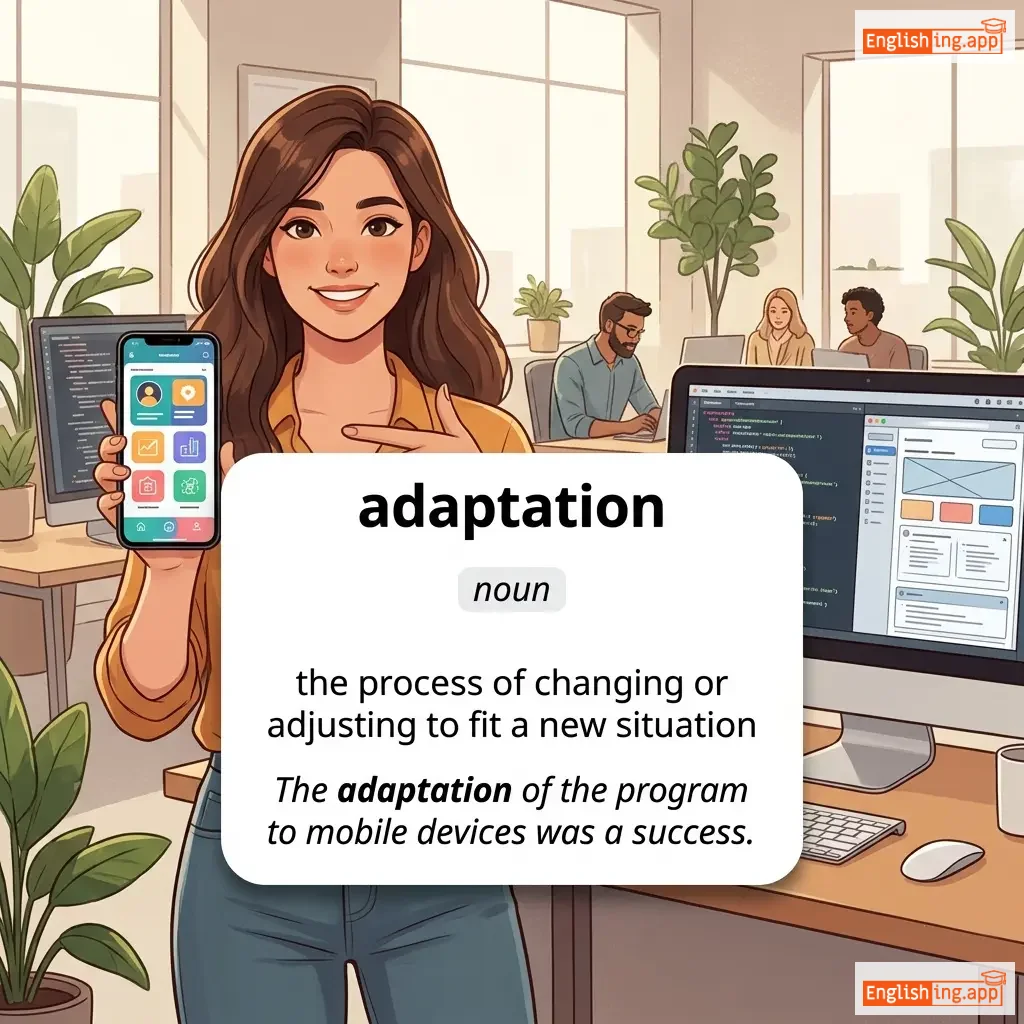
/ˌædæpˈteɪʃən/
noun
(アダプテーション)
••••••
|
|
適応
tekiou
••••••
|
- •••••• | - •••••• | - •••••• | - •••••• |
the process of changing or adjusting to fit a new situation
••••••
|
The adaptation of the program to mobile devices was a success. |
プログラムのモバイルデバイスへの適応は成功しました。
Puroguramu no mobairu debaizu e no tekiou wa seikou shimashita.
••••••
|
- •••••• | - •••••• | - •••••• |
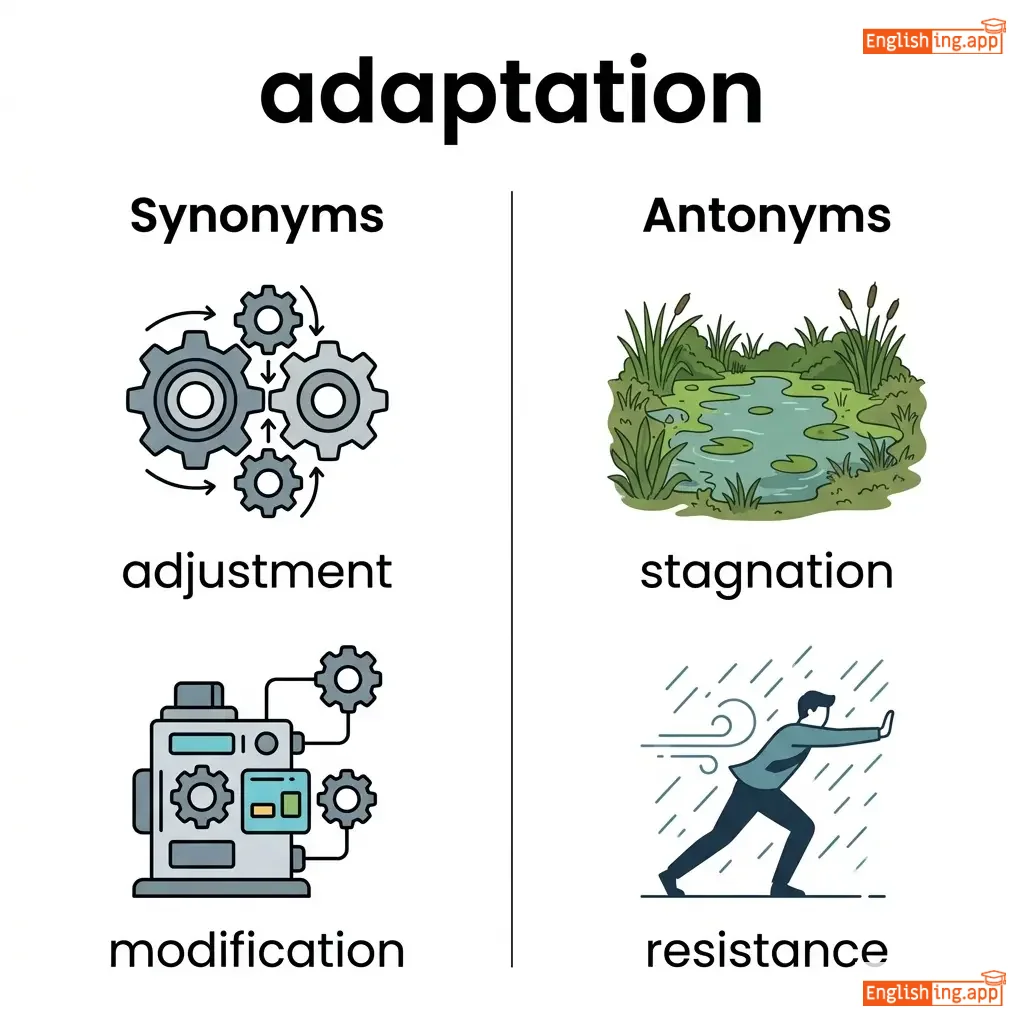
adjustment, modification, alteration, change
••••••
|
stagnation, resistance, inflexibility
••••••
|
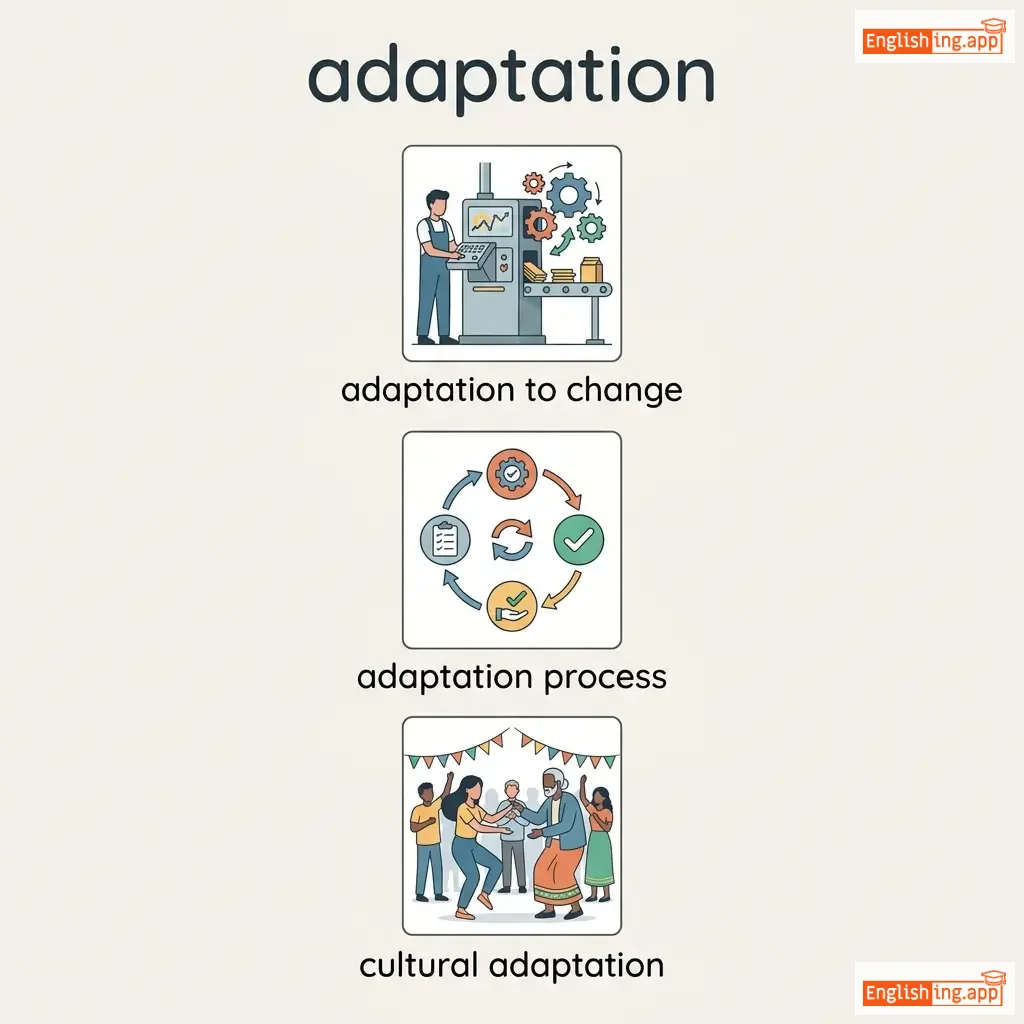
adaptation to change, adaptation process, cultural adaptation
••••••
|
Adaptation is like adjusting your clothes to fit the weather!
••••••
|
|
✔️
••••••
|
/ˈædɪkwətli/
adverb
(アディクウェトリー)
••••••
|
- •••••• |
適切に
tekisetsu ni
••••••
|
- •••••• | - •••••• | - •••••• | - •••••• |
in a satisfactory manner
••••••
|
He completed the task adequately, but could improve next time. |
彼は適切に仕事を終えましたが、次回は改善できるでしょう。
Kare wa tekisetsu ni shigoto o oemashita ga, jikai wa kaizen dekiru deshō.
••••••
|
- •••••• | - •••••• | - •••••• |
sufficiently, properly, acceptably
••••••
|
inadequately, insufficiently
••••••
|
adequately prepared, adequately equipped, adequately addressed
••••••
|
適切に意味するのは十分にやること、足りないことではない!
••••••
|
|
🤔
••••••
|
/əˈsʌmpʃən/
noun
(アサンプション)
••••••
|
- •••••• |
仮定
katei
••••••
|
- •••••• | - •••••• | - •••••• | - •••••• |
A belief or statement taken for granted without proof.
••••••
|
His assumption about the results turned out to be wrong.
ヒズアサンプションアバウトザリザルツターンドアウトトゥビーウォング。
••••••
|
彼の結果に関する仮定は間違っていることが証明された。
Kare no kekka ni kansuru katei wa machigatte iru koto ga shōmei sareta.
••••••
|
work on the assumption
ワークオンザアサンプション
••••••
|
to proceed based on something being true
••••••
|
仮定に基づいて作業する
katei ni motozuite sagyō suru
••••••
|
belief, presumption, supposition, expectation
••••••
|
fact, certainty, reality
••••••
|
make an assumption, false assumption, assumption of power
••••••
|
仮定は、証拠なしで真実だと思い込むこと。
••••••
|
|
🧬
••••••
|
/ˌbaɪəˈlɒdʒɪkl̩/
adjective
(バイオロジカル)
••••••
|
- •••••• |
生物学的
seibutsugakuteki
••••••
|
- •••••• | - •••••• | - •••••• | - •••••• |
relating to the science of biology or to life and living organisms
••••••
|
She is studying biological sciences at university. |
彼女は大学で生物学的な科学を学んでいます。
Kanojo wa daigaku de seibutsugakuteki na kagaku o manandeimasu.
••••••
|
biological clock |
the natural timing mechanism in the body that influences processes like sleep and fertility
••••••
|
生物学的な時計
seibutsugakuteki na tokei
••••••
|
organic, natural, life-related, physiological
••••••
|
artificial, synthetic
••••••
|
biological science, biological research, biological process, biological parents
••••••
|
Biological = BIO (生命) + Logical (論理) = 生命の論理
••••••
|
|
🔗
••••••
|
/kəˈrɛspɒndɪŋ/
adjective
(コレスポンディング)
••••••
|
- •••••• |
対応する
taiō suru
••••••
|
- •••••• | - •••••• | - •••••• | - •••••• |
matching or related to something
••••••
|
The corresponding page in the book explains the process in detail.
本の対応するページは、そのプロセスを詳細に説明しています。
••••••
|
本の対応するページは、そのプロセスを詳細に説明しています。
Hon no taiō suru pēji wa, sono purosesu o shōsai ni setsumei shiteimasu.
••••••
|
- •••••• | - •••••• | - •••••• |
matching, related, equivalent, parallel
••••••
|
unrelated, different
••••••
|
corresponding parts, corresponding details, corresponding figure
••••••
|
何かと'対応する'がうまく合うことを覚えておいてください。
••••••
|
|
📈
••••••
|
/drəˈmætɪkli/
adverb
(ドラマティックリー)
••••••
|
- •••••• |
劇的に
gekiteki ni
••••••
|
- •••••• | - •••••• | - •••••• | - •••••• |
in a sudden, striking, or exaggerated way
••••••
|
Sales increased dramatically after the campaign. |
キャンペーン後、売上は劇的に増加しました。
Kyanpēn go, uriage wa gekiteki ni zōka shimashita.
••••••
|
change dramatically |
to alter in a sudden and significant way
••••••
|
劇的に変化する
gekiteki ni henka suru
••••••
|
suddenly, sharply, significantly, strikingly
••••••
|
slightly, gradually
••••••
|
increase dramatically, change dramatically, drop dramatically, improve dramatically
••••••
|
劇的にとは、まるでドラマのように急激な変化が起きることです。
••••••
|
|
🌍
••••••
|
/ɪkˈstɛnsɪvli/
adverb
(イクステンシブリー)
••••••
|
- •••••• |
広範囲に
kouhani ni
••••••
|
- •••••• | - •••••• | - •••••• | - •••••• |
in a thorough or wide-ranging manner
••••••
|
She traveled extensively across Europe for her research. |
彼女は研究のためにヨーロッパを広範囲に旅行しました。
Kanojo wa kenkyuu no tame ni Yooroppa wo kouhani ni ryokou shimashita.
••••••
|
- •••••• | - •••••• | - •••••• |
comprehensively, widely, thoroughly, broadly
••••••
|
narrowly, slightly
••••••
|
extensively researched, extensively traveled, extensively studied
••••••
|
Extensivelyは‘広範囲に’を意味し、ヨーロッパ中を旅行すること
••••••
|
|
🌀
••••••
|
/ˈhʌrɪkən/
noun
(ハリケーン)
••••••
|
- •••••• |
ハリケーン
harikeen
••••••
|
- •••••• | - •••••• | - •••••• | - •••••• |
A violent tropical storm with very strong winds and heavy rain.
••••••
|
The hurricane destroyed hundreds of homes along the coast. |
ハリケーンは沿岸の数百軒の家を破壊しました。
Harikēn wa engan no suuhyaku ken no ie o hakai shimashita.
••••••
|
ride out the hurricane |
To survive or endure a difficult or dangerous situation.
••••••
|
ハリケーンを乗り越える
Harikēn o norikoeru
••••••
|
storm, cyclone, typhoon, tempest, whirlwind
••••••
|
calm, stillness, tranquility
••••••
|
violent hurricane, hurricane season, hurricane warning
••••••
|
ハリケーン - 'ハ'は強い風を示す!
••••••
|
|
📏
••••••
|
/ˈmæɡnɪtuːd/
noun
(マグニチュード)
••••••
|
- •••••• |
規模
kibo
••••••
|
- •••••• | - •••••• | - •••••• | - •••••• |
the great size, extent, or importance of something
••••••
|
The magnitude of the earthquake shocked the nation. |
地震の規模は国を驚かせました。
Jishin no kibo wa kuni o odorokasemashita.
••••••
|
of great magnitude |
something of great size or importance
••••••
|
大規模な
daikibona
••••••
|
extent, scale, size, importance, intensity
••••••
|
triviality, insignificance, smallness
••••••
|
earthquake magnitude, magnitude of problem, magnitude scale
••••••
|
Magnitudeは大きな地震のように — 大きな影響やサイズ。
••••••
|
|
⚰️
••••••
|
/mɔːˈtæləti/
noun
(モータリティ)
••••••
|
- •••••• |
死亡率
shibō-ritsu
••••••
|
- •••••• | - •••••• | - •••••• | - •••••• |
the state of being subject to death; the death rate of a population
••••••
|
Advancements in medicine have reduced child mortality significantly. |
医療の進歩により、乳児死亡率が大幅に減少しました。
Iryō no shinpo ni yori, nyūji shibō-ritsu ga ōhaba ni genshō shimashita.
••••••
|
face one's mortality |
to confront or accept the reality of death
••••••
|
自分の死亡率に直面する
jibun no shibō-ritsu ni chokumen suru
••••••
|
fatality, death rate, perishability, transience, demise
••••••
|
immortality, eternity, perpetuity
••••••
|
mortality rate, infant mortality, human mortality, mortality statistics
••••••
|
Mortalityはmortal(死ぬ)という意味です — 覚えておいてください、私たちは皆死にます。
••••••
|
|
🔦
••••••
|
/ˈspɒt.laɪt/
noun
••••••
|
- •••••• | - •••••• | - •••••• | - •••••• | - •••••• | - •••••• |
a strong beam of light directed onto a particular area; figuratively, public attention
••••••
|
The singer stood proudly in the spotlight. |
- •••••• |
in the spotlight |
receiving a lot of public attention
••••••
|
- •••••• |
highlight, focus, limelight, glare
••••••
|
obscurity, shadow
••••••
|
under spotlight, grab spotlight, media spotlight, stage spotlight
••••••
|
No •••••• |
|
⚖️
••••••
|
/ˈsteɪ.bə.laɪz/
verb
(ステイビライズ)
••••••
|
- •••••• |
安定させる
antei saseru
••••••
|
stabilized
ステイビライズド
••••••
|
stabilized
ステイビライズド
••••••
|
stabilizes
ステイビライズズ
••••••
|
stabilizing
ステイビライズイング
••••••
|
to make something steady, secure, or unlikely to change suddenly
••••••
|
The government took measures to stabilize the economy.
政府は経済を安定させるための措置を講じた。
••••••
|
政府は経済を安定させるための措置を講じた。
seifu wa keizai o antei saseru tame no sochi o kōjita.
••••••
|
stabilize the situation
状況を安定させる
••••••
|
to bring a situation under control or make it steady
••••••
|
状況を安定させる
jōkyō o antei saseru
••••••
|
steady, secure, balance, fix, support
••••••
|
destabilize, weaken, disrupt
••••••
|
stabilize economy, stabilize situation, stabilize prices, stabilize market
••••••
|
Stable + eyes → 目(eyes)があればすべて安定(antei)する
••••••
|
|
🔭
••••••
|
/ˈtɛlɪˌskoʊp/
noun
(望遠鏡)
••••••
|
- •••••• |
望遠鏡
bōenkyō
••••••
|
- •••••• | - •••••• | - •••••• | - •••••• |
An optical instrument used to make distant objects appear closer and larger by collecting and focusing light.
••••••
|
The astronomer used a telescope to observe the distant planets. |
天文学者は遠くの惑星を観察するために望遠鏡を使用しました。
Tenmongakusha wa tōku no wakusei o kansatsu suru tame ni bōenkyō o shiyō shimashita.
••••••
|
turn the telescope on |
to focus on or direct attention toward something
••••••
|
望遠鏡をオンにする
bōenkyō o on ni suru
••••••
|
scope, spyglass, binoculars, glass
••••••
|
microscope, naked eye
••••••
|
powerful telescope, optical telescope, space telescope, through a telescope
••••••
|
望遠鏡で遠くを見れば、telescope の意味がよくわかります。
••••••
|
|
😖
••••••
|
/ˈtɛrɪbəl/
adjective
••••••
|
- •••••• | - •••••• | - •••••• | - •••••• | - •••••• | - •••••• |
extremely bad or unpleasant
••••••
|
The food at that restaurant was terrible. |
- •••••• |
a terrible mistake |
a very bad or serious error
••••••
|
- •••••• |
awful, dreadful, horrible, appalling
••••••
|
wonderful, excellent, good
••••••
|
terrible accident, terrible pain, terrible mistake, terrible situation
••••••
|
No •••••• |
|
😢
••••••
|
/ˈtɛrəbli/
adverb
(テリブリー)
••••••
|
- •••••• |
ひどく
hidoku
••••••
|
- •••••• | - •••••• | - •••••• | - •••••• |
to a very great or extreme degree; very badly or unpleasantly
••••••
|
He felt terribly sad after hearing the news. |
彼はそのニュースを聞いた後、ひどく悲しく感じました。
Kare wa sono nyūsu o kiita ato, hidoku kanashiku kanjimashita.
••••••
|
terribly sorry |
feeling extremely apologetic or regretful
••••••
|
ひどく謝る
hidoku ayamaru
••••••
|
extremely, awfully, horribly, dreadfully, badly
••••••
|
slightly, mildly
••••••
|
terribly sorry, terribly wrong, terribly cold, terribly slow
••••••
|
Terribly は非常に悪いか非常に良いという意味です — つまり、非常に!覚えておいて:『ひどく良い』または『ひどく悪い』。
••••••
|
|
🚪
••••••
|
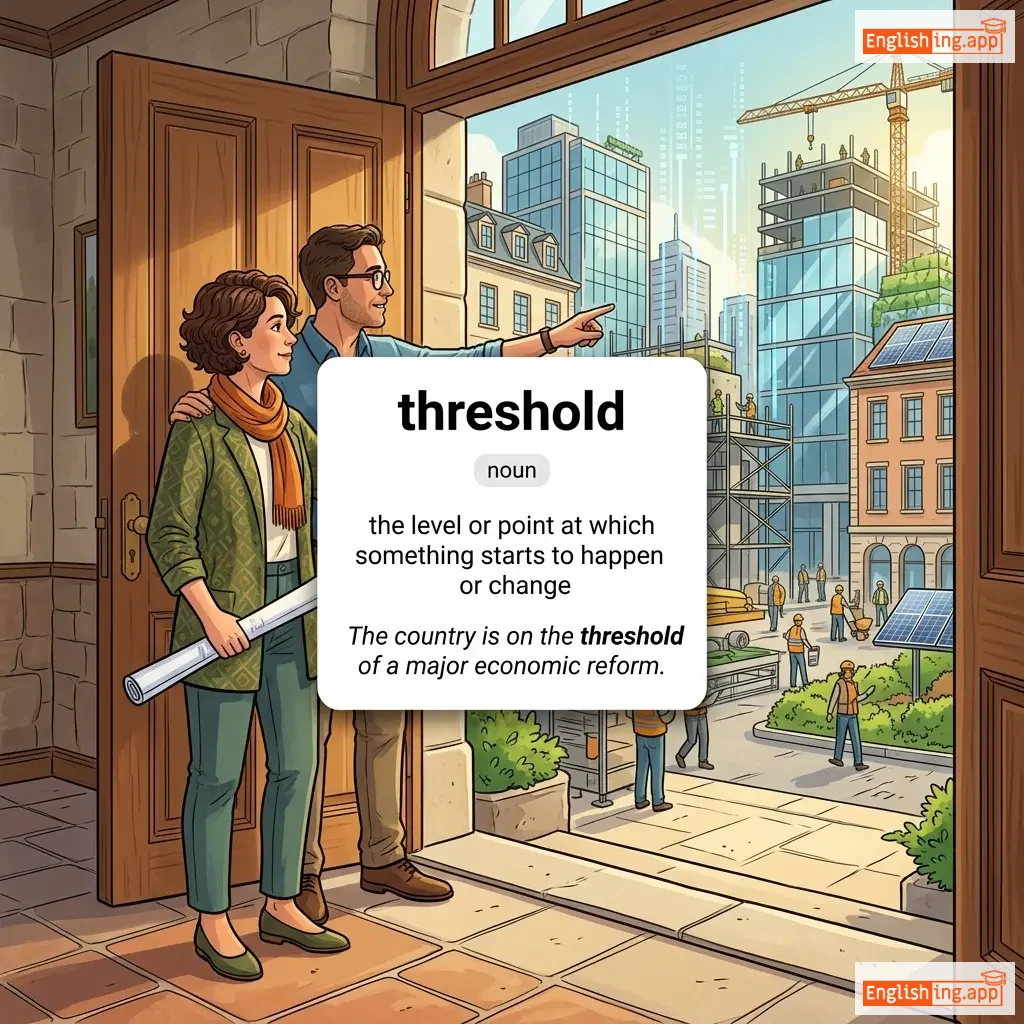
/ˈθreʃ.həʊld/
noun
(スレッショルド)
••••••
|
|
しきい
shiki
••••••
|
- •••••• | - •••••• | - •••••• | - •••••• |
the level or point at which something starts to happen or change
••••••
|
The country is on the threshold of a major economic reform. |
その国は重要な経済改革のしきいにあります。
Sono kuni wa juuyou na keizai kaikaku no shikai ni arimasu.
••••••
|
cross the threshold |
to begin a new phase or experience
••••••
|
- •••••• |
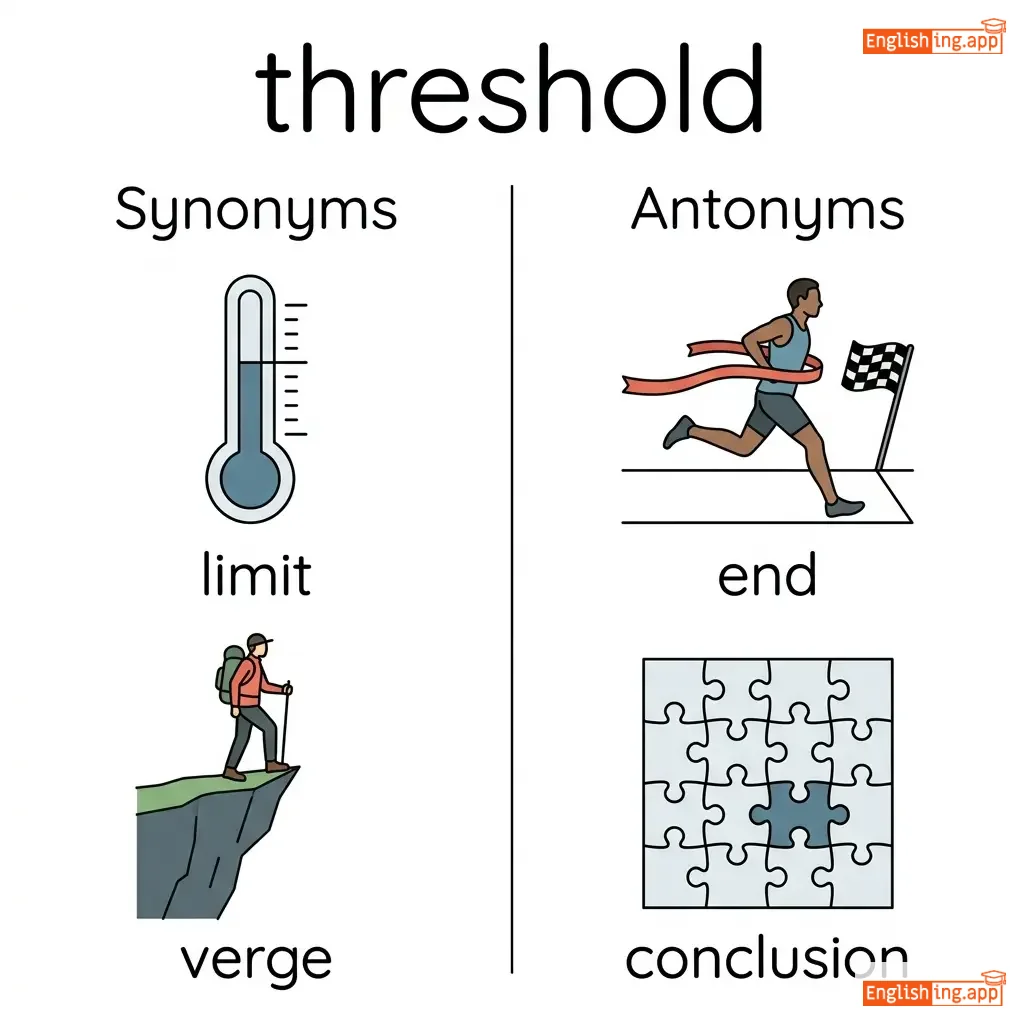
limit, verge, brink, gateway, entry
••••••
|
end, conclusion
••••••
|
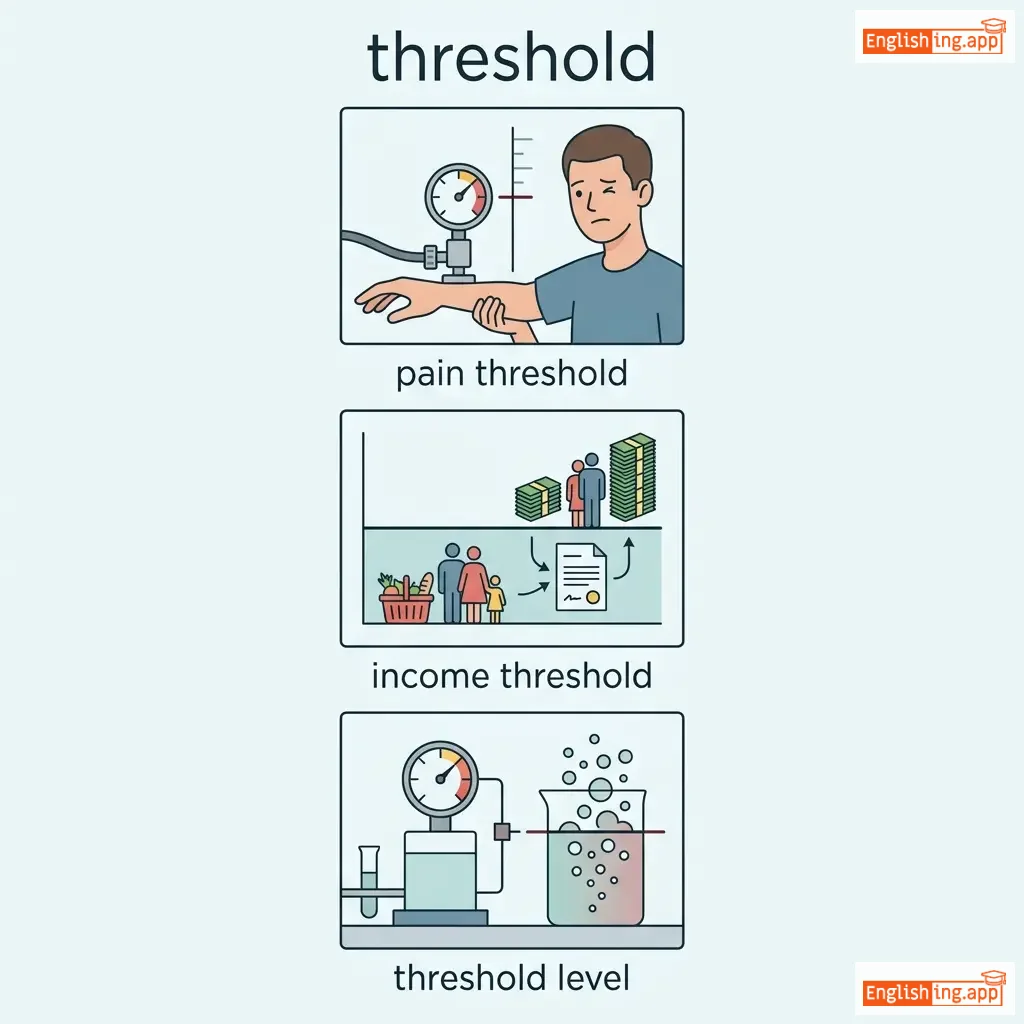
pain threshold, income threshold, threshold level, at the threshold
••••••
|
しきいは新しい段階の始まりの瞬間です。
••••••
|
|
📡
••••••
|
/trænzˈmɪʃən/
noun
(トランスミッション)
••••••
|
- •••••• |
伝送, 送信
densou, soushin
••••••
|
- •••••• | - •••••• | - •••••• | - •••••• |
the act of sending, passing, or spreading something such as information, energy, or disease
••••••
|
The transmission of data over the internet is very fast. |
インターネット上でのデータの伝送は非常に速い。
Inta-netto jou de no deeta no densou wa hijou ni hayai.
••••••
|
word-of-mouth transmission |
the spreading of information by verbal communication
••••••
|
口伝えによる伝達
kuchidutae ni yoru dentatsu
••••••
|
transfer, communication, sending, broadcast, spread
••••••
|
retention, containment
••••••
|
data transmission, disease transmission, power transmission
••••••
|
Transmission = 転送 + ミッション – データや病気を送るミッション。
••••••
|
|
⚖️
••••••
|
/ˌvɛəriˈeɪʃən/
noun
(ベリヤション)
••••••
|
- •••••• |
変化
henka
••••••
|
- •••••• | - •••••• | - •••••• | - •••••• |
A change or slight difference in condition, amount, or level.
••••••
|
There is a wide variation in climate across the country. |
国全体で気候に大きな変化があります。
koku zentai de kikou ni ookina henka ga arimasu.
••••••
|
without variation |
always the same; without change
••••••
|
変化なし
henka nashi
••••••
|
difference, diversity, alteration, change, modification
••••••
|
uniformity, sameness, consistency
••••••
|
climate variation, price variation, genetic variation, significant variation
••••••
|
Variationは変化を意味します; 歌に少し変化を加えると、もっと楽しくなります。
••••••
|
|
💥
••••••
|
/ˈvaɪ.ə.ləns/
noun
(ヴァイオレンス)
••••••
|
- •••••• |
暴力
bōryoku
••••••
|
- •••••• | - •••••• | - •••••• | - •••••• |
behavior involving physical force intended to hurt or damage
••••••
|
The protest turned into an act of violence.
抗議は暴力行為に変わった。
••••••
|
抗議は暴力行為に変わった。
Kōgi wa bōryoku kōi ni kawatta.
••••••
|
domestic violence
家庭内暴力
••••••
|
violence or abuse within a household, often between partners
••••••
|
家庭内暴力
kateinai bōryoku
••••••
|
aggression, brutality, force, cruelty, assault
••••••
|
peace, calm, harmony
••••••
|
use violence, outbreak of violence, act of violence, prevent violence
••••••
|
‘暴力’は violence、戦いと大きな音💥を想像して、それが暴力だ!
••••••
|

