Breaking Barriers in Education
ファリハはelementary学校の校長で、そこでharassmentと差別がcontinuingな問題でした。彼女は、すべての人にinevitably、integrationと平等なorientationが導入されなければならないことを知っていました。Institution内のdifferenceはincreasingしていました。Repeatedly、彼女はlegislatureに新しい法律を求めて訴えました。それにより、accordinglyすべての生徒を守ることができます。何人かはmanipulationを使って現状維持を試みましたが、ファリハはそのexpressionの偏見に挑戦しました。彼女はpreliminary会議を招集し、教師と保護者はrespectively自分たちの懸念を共有しました。「Continuousな努力なしでは、私たちは成功できません」と彼女は言いました。彼女は、すべてのバックグラウンドの学生が一緒に学び、equivalentな機会を得られるようにするプログラムをcoordinateしました。Integrationを通じて、彼女はdifferenceが実際に強みとなることを証明しました。Legislatureは新しいガイドラインを可決し、accordingly学校はポリシーを更新しました。Harassmentを防止するために厳しい措置が取られました。ファリハのcontinuousとcontinuingの献身により、elementary教育システムはinevitably変革しました。
|
絵文字
|
単語 | Images | 翻訳 | 過去 | 過去分詞 | 三人称単数 | 動名詞 | 意味 | 例文 | 例文の翻訳 | 表現例 | 表現例の意味 | 表現例の翻訳 | 同義語 | 対義語 | コロケーション | ニーモニック |
|---|---|---|---|---|---|---|---|---|---|---|---|---|---|---|---|---|---|
|
➡️
••••••
|
/əˈkɔːr.dɪŋ.li/
adverb
(アコーディングリー)
••••••
|
- •••••• |
したがって; このように; 状況に応じて
shitagatte; kono yō ni; jōkyō ni ōjite
••••••
|
- •••••• | - •••••• | - •••••• | - •••••• |
in a way that is appropriate to the particular circumstances; therefore; consequently
••••••
|
The weather was bad, so the event was cancelled accordingly. |
天気が悪かったので、イベントはそのようにキャンセルされました。
Tenki ga warukatta node, ibento wa sono yō ni kyansuru sare mashita.
••••••
|
- •••••• | - •••••• | - •••••• |
therefore, consequently, thus, hence
••••••
|
inappropriately, unsuitably
••••••
|
act accordingly, respond accordingly, plan accordingly
••••••
|
‘accordingly’は状況に合わせて結果を出すものだと覚えておきましょう。
••••••
|
|
➡️
••••••
|
/kənˈtɪnjuɪŋ/
verb
(コンティニュイング)
••••••
|
- •••••• |
続ける
tsuzukeru
••••••
|
continued
コンティニュード
••••••
|
continued
コンティニュード
••••••
|
continues
コンティニュース
••••••
|
continuing
コンティニュイング
••••••
|
to keep doing something without stopping
••••••
|
They are continuing their journey despite the rain.
雨にもかかわらず、彼らは旅を続けています。
••••••
|
雨にもかかわらず、彼らは旅を続けています。
Ame ni mo kakawarazu, karera wa tabi o tsuzuketeimasu.
••••••
|
continue on
続ける
••••••
|
to keep moving or progressing forward
••••••
|
進み続ける
susumitsuzukeru
••••••
|
persist, proceed, carry on, maintain, keep up
••••••
|
stop, cease, end
••••••
|
continue working, continue learning, continue to grow, continuing education
••••••
|
続ける = 止めるな、前に進め ➡️
••••••
|
|
📈
••••••
|
/kənˈtɪn.ju.əs/
adjective
(kontinyuus)
••••••
|
- •••••• |
連続的
renzokuteki
••••••
|
- •••••• | - •••••• | - •••••• | - •••••• |
forming an unbroken whole; without interruption
••••••
|
The factory operates on a continuous 24-hour schedule.
工場は24時間連続したスケジュールで稼働しています。
••••••
|
工場は24時間連続したスケジュールで稼働しています。
Koujou wa 24 jikan renzokushita sukejuuru de kadou shiteimasu.
••••••
|
- •••••• | - •••••• | - •••••• |
uninterrupted, unbroken, constant, perpetual
••••••
|
intermittent, broken, sporadic
••••••
|
continuous operation, continuous improvement, continuous flow
••••••
|
Continuousは日本語で連続的、工場が途切れずに働き続けるようなものです。
••••••
|
|
🤝
••••••
|
/koʊˈɔːrdɪˌneɪt/
verb
(コオーディネート)
••••••
|
- •••••• |
調整する
chousei suru
••••••
|
coordinated
コオーディネイテッド
••••••
|
coordinated
コオーディネイテッド
••••••
|
coordinates
コオーディネイツ
••••••
|
coordinating
コオーディネイティング
••••••
|
to organize people or things so that they work together effectively
••••••
|
We need to coordinate our efforts to finish the project on time.
私たちはプロジェクトを時間通りに終わらせるために努力を調整する必要があります。
••••••
|
私たちはプロジェクトを時間通りに終わらせるために努力を調整する必要があります。
Watashitachi wa purojekuto o jikan doori ni owaraseru tame ni doryoku o chousei suru hitsuyou ga arimasu.
••••••
|
coordinate with someone
誰かと調整する
••••••
|
to work together with someone to achieve a common goal
••••••
|
誰かと調整する
Dareka to chousei suru
••••••
|
organize, arrange, harmonize, integrate, manage
••••••
|
disorganize, disrupt, confuse
••••••
|
coordinate activities, coordinate efforts, coordinate team, coordinate plan
••••••
|
Co + ordinate — みんなが一緒に仕事をするために調整する。🤝
••••••
|
|
⚖️
••••••
|
/ˈdɪfərəns/
noun
(ディファレンス)
••••••
|
- •••••• |
違い
chigai
••••••
|
- •••••• | - •••••• | - •••••• | - •••••• |
A point or way in which things are not the same.
••••••
|
There is a big difference between theory and practice. |
理論と実践の間に大きな違いがあります。
Riron to jissen no aida ni ōkina chigai ga arimasu.
••••••
|
make a difference |
To have a significant impact or effect
••••••
|
違いを作る
chigai o tsukuru
••••••
|
distinction, variation, contrast, diversity, disparity
••••••
|
similarity, resemblance, sameness
••••••
|
big difference, subtle difference, cultural difference, make a difference
••••••
|
違いは物が異なるとき、覚えておいて '違うと違い'。
••••••
|
|
⚖️
••••••
|
/dɪˌskrɪmɪˈneɪʃən/
noun
(ディスクリミネーション)
••••••
|
- •••••• |
差別
sabetsu
••••••
|
- •••••• | - •••••• | - •••••• | - •••••• |
Unfair treatment of people based on race, gender, age, or other differences.
••••••
|
The law prohibits discrimination in the workplace. |
法律は職場での差別を禁じています。
Hōritsu wa shokuba de no sabetsu o kinjiteimasu.
••••••
|
racial discrimination |
unfair treatment based on race
••••••
|
人種差別
jinshu sabetsu
••••••
|
prejudice, bias, unfairness, inequality
••••••
|
equality, fairness, justice
••••••
|
racial discrimination, gender discrimination, fight discrimination, workplace discrimination
••••••
|
差別 = dis + 犯罪、だから差別は犯罪です。
••••••
|
|
📘
••••••
|
/ˌɛlɪˈmɛntəri/
adjective
(エレメンタリー)
••••••
|
- •••••• |
基本的な
kihonteki na
••••••
|
- •••••• | - •••••• | - •••••• | - •••••• |
Relating to the basic or fundamental aspects of something; simple or easy to understand.
••••••
|
She gave an elementary explanation of the problem. |
彼女は問題の基本的な説明をしました。
Kanojo wa mondai no kihonteki na setsumei o shimashita.
••••••
|
elementary, my dear Watson |
A phrase used to suggest that the solution to a problem is simple.
••••••
|
基本的な、親愛なるワトソン
kihonteki na, shin'ainaru Watson
••••••
|
basic, fundamental, simple, introductory, rudimentary
••••••
|
advanced, complex, sophisticated
••••••
|
elementary school, elementary knowledge, elementary level, elementary course
••••••
|
基本的なは、英語でのelementaryと同じように、基本的で簡単なことを意味します。
••••••
|
|
⚖️
••••••
|
/ɪˈkwɪv.ə.lənt/
adjective
(エクイヴァレント)
••••••
|
- •••••• |
等価; 同等
tōka; dōtō
••••••
|
- •••••• | - •••••• | - •••••• | - •••••• |
equal in value, amount, function, or meaning; having the same effect or result
••••••
|
This amount is equivalent to ten dollars. |
この金額は10ドルに相当します。
Kono kingaku wa 10 doru ni sōtō shimasu
••••••
|
- •••••• | - •••••• | - •••••• |
equal, same, comparable, identical
••••••
|
different, unequal, distinct
••••••
|
equivalent value, equivalent amount, equivalent to
••••••
|
日本語: 'エクイヴァレント'は'同じ'を意味します。数字が等しいように、ものが等しいことをイメージしましょう。
••••••
|
|
🙂
••••••
|
/ɪkˈsprɛʃən/
noun
(エクスプレッション)
••••••
|
- •••••• |
表現
hyougen
••••••
|
- •••••• | - •••••• | - •••••• | - •••••• |
the act of putting thoughts or feelings into words, actions, or facial gestures
••••••
|
His facial expression showed surprise.
彼の顔の表情は驚きを示していた。
••••••
|
彼の顔の表情は驚きを示していた。
Kare no kao no hyoujou wa odoroki o shimeshite ita.
••••••
|
facial expression
顔の表情
••••••
|
the look on someone's face that conveys emotion
••••••
|
顔の表情
kao no hyougen
••••••
|
statement, utterance, manifestation, phrase, gesture
••••••
|
silence, suppression
••••••
|
facial expression, expression of love, free expression, expression of opinion
••••••
|
表現 = 顔の表情で感情がわかる。
••••••
|
|
🚫
••••••
|
/həˈræsmənt/
noun
(ハラスメント)
••••••
|
- •••••• |
嫌がらせ
iyagarase
••••••
|
- •••••• | - •••••• | - •••••• | - •••••• |
aggressive pressure or intimidation; unwanted and repeated behavior causing discomfort
••••••
|
The company has a strict policy against workplace harassment.
その会社には職場でのハラスメントに対する厳しいポリシーがあります。
••••••
|
その会社には職場でのハラスメントに対する厳しいポリシーがあります。
Sono kaisha ni wa shokuba de no harasumento ni taisuru kibishii porishī ga arimasu.
••••••
|
sexual harassment
性的ハラスメント
••••••
|
unwanted sexual behavior that causes offense or humiliation
••••••
|
性的ハラスメント
seiteki harasumento
••••••
|
bullying, abuse, intimidation, persecution, annoyance
••••••
|
support, respect
••••••
|
workplace harassment, verbal harassment, sexual harassment, report harassment
••••••
|
Harassmentは嫌なこと — だからharassmentは繰り返し嫌なことです。
••••••
|
|
➕
••••••
|
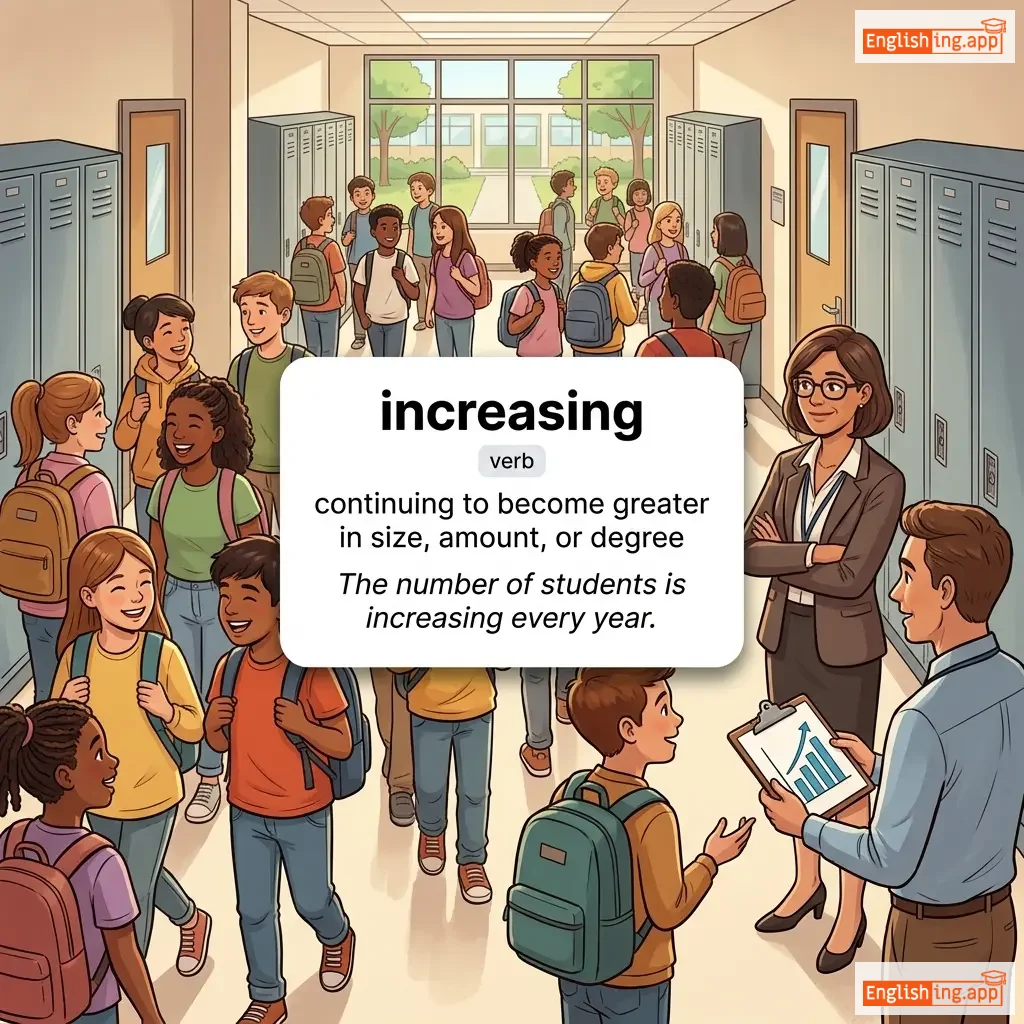
/ɪnˈkriːsɪŋ/
verb
(inkuriisingu)
••••••
|
|
増加
zōka
••••••
|
increased
inkurisuto
••••••
|
increased
inkurisuto
••••••
|
increases
inkurisesu
••••••
|
increasing
inkuriisingu
••••••
|
continuing to become greater in size, amount, or degree
••••••
|
The number of students is increasing every year.
学生の数は毎年増加しています。
••••••
|
学生の数は毎年増加しています。
Gakusei no kazu wa mainen zōka shiteimasu.
••••••
|
increasing returns
増加するリターン
••••••
|
when output grows faster than input
••••••
|
増加するリターン
zōka suru ritān
••••••
|
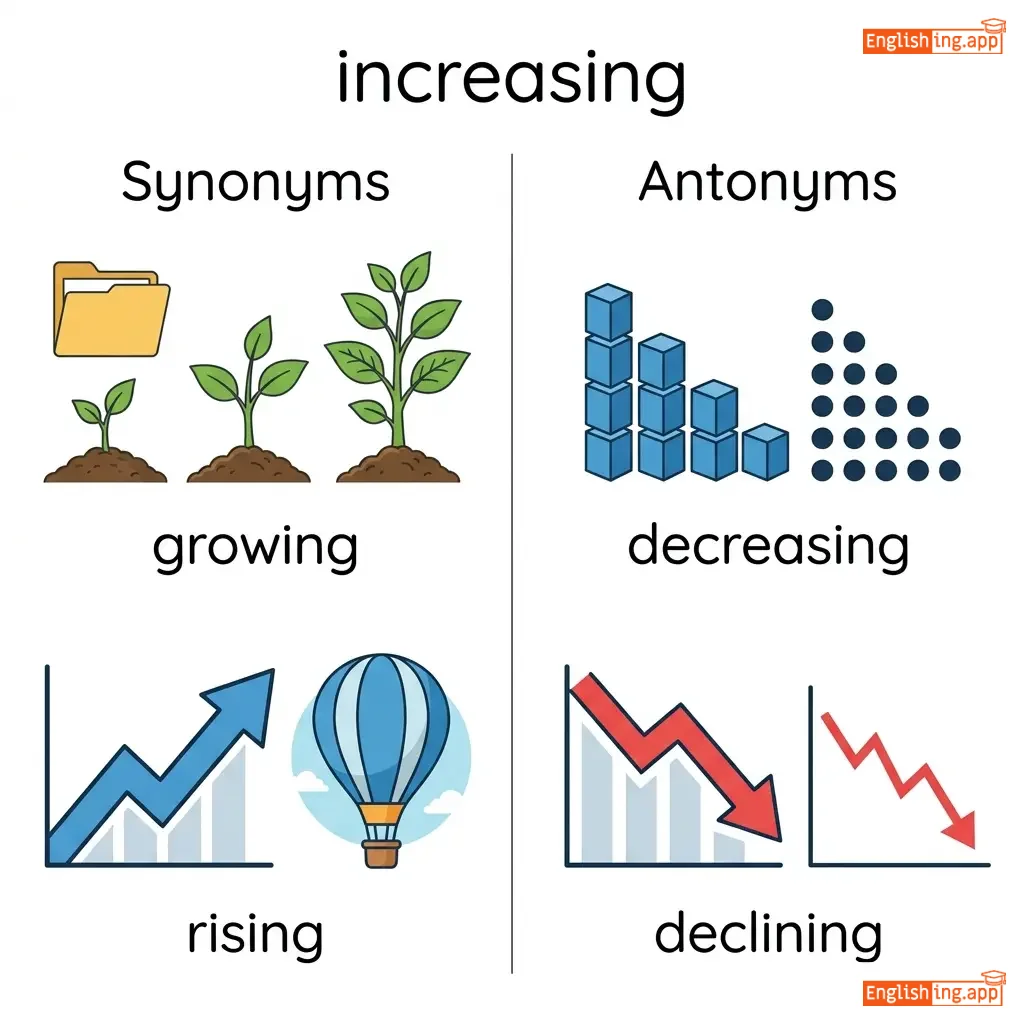
growing, rising, expanding, escalating, mounting
••••••
|
decreasing, declining, reducing
••••••
|
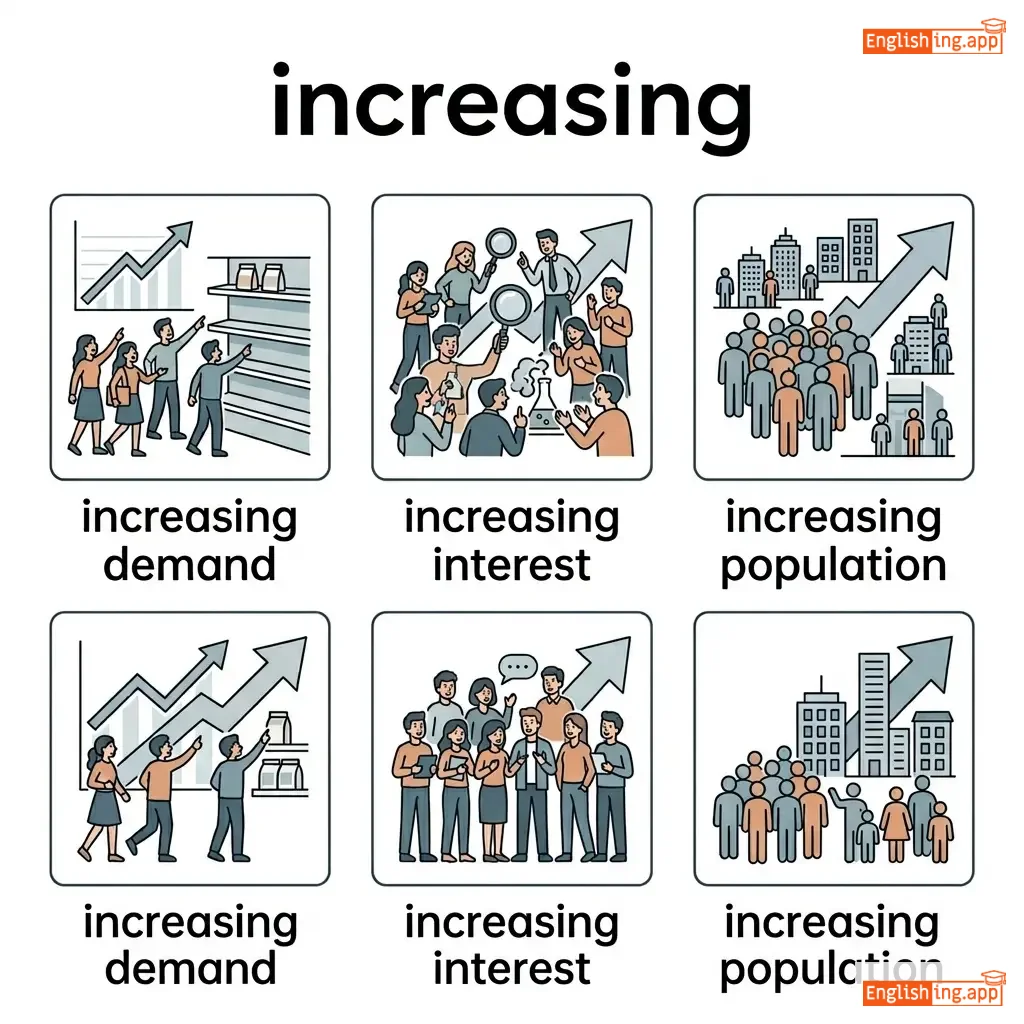
increasing demand, increasing interest, increasing population, increasing rate
••••••
|
Increasingはすべてが増加していること ➕ たとえば給与が増えると幸せも増える
••••••
|
|
☠️
••••••
|
/ɪnˈɛvɪtəbl/
adjective
(イネヴィタブル)
••••••
|
|
避けられない
sakerarenai
••••••
|
- •••••• | - •••••• | - •••••• | - •••••• |
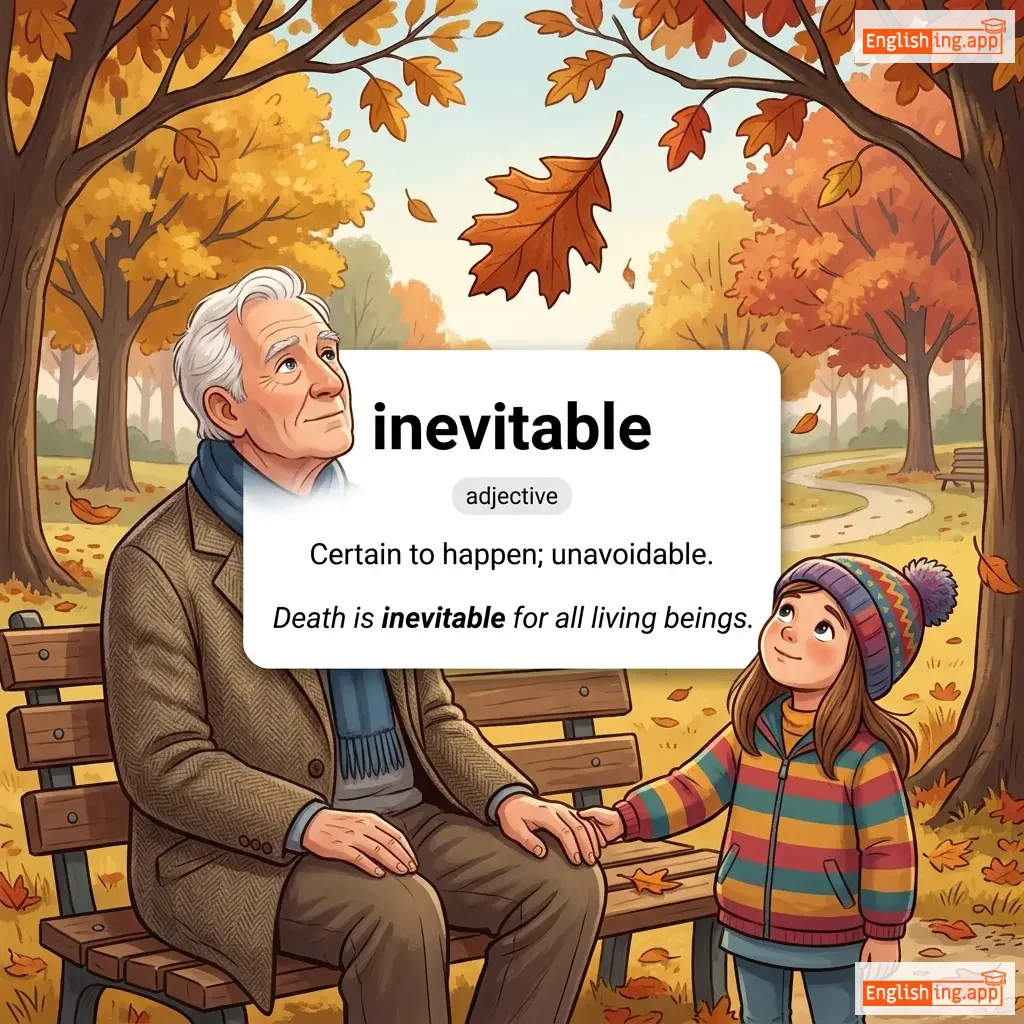
Certain to happen; unavoidable.
••••••
|
Death is inevitable for all living beings. |
死はすべての生物にとって避けられない。
shi wa subete no seibutsu ni totte sakerarenai.
••••••
|
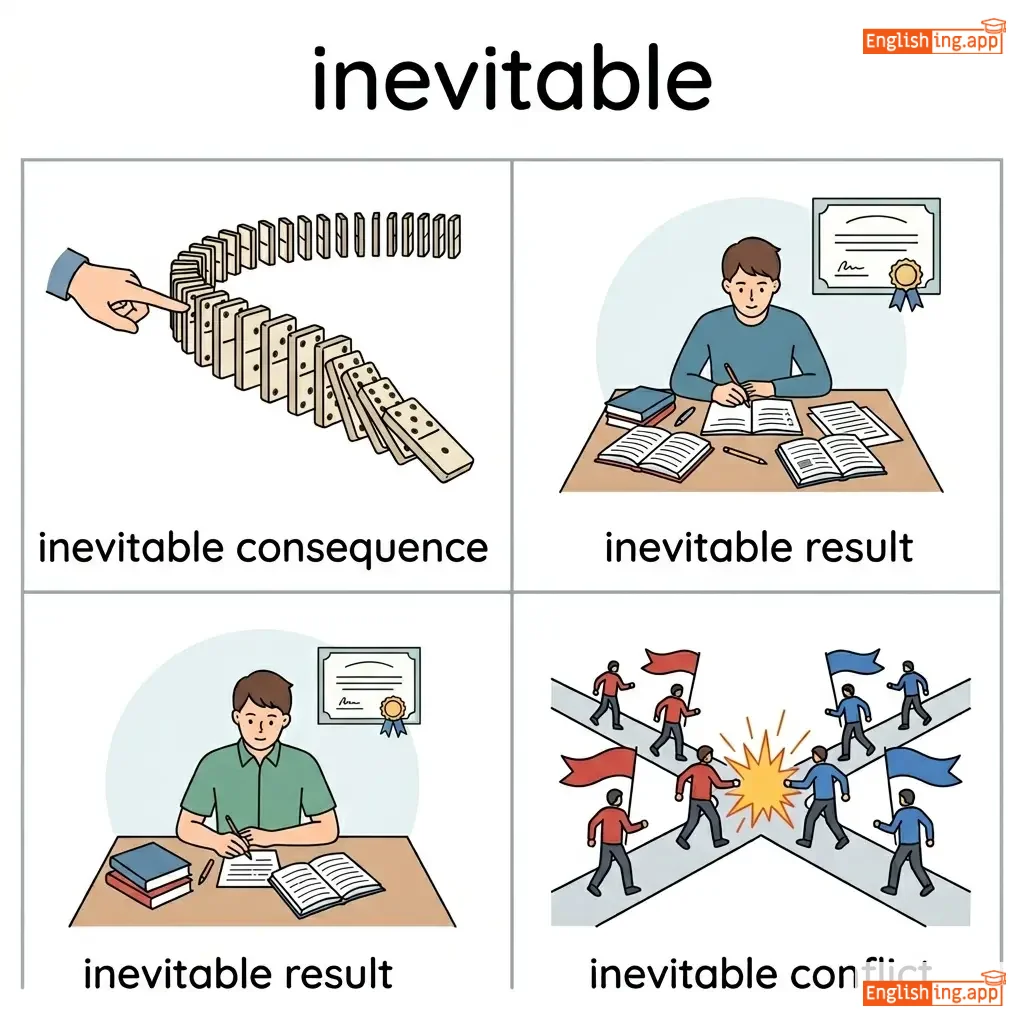
the inevitable result |
The certain outcome of an action or situation.
••••••
|
避けられない結果
sakerarenai kekka
••••••
|
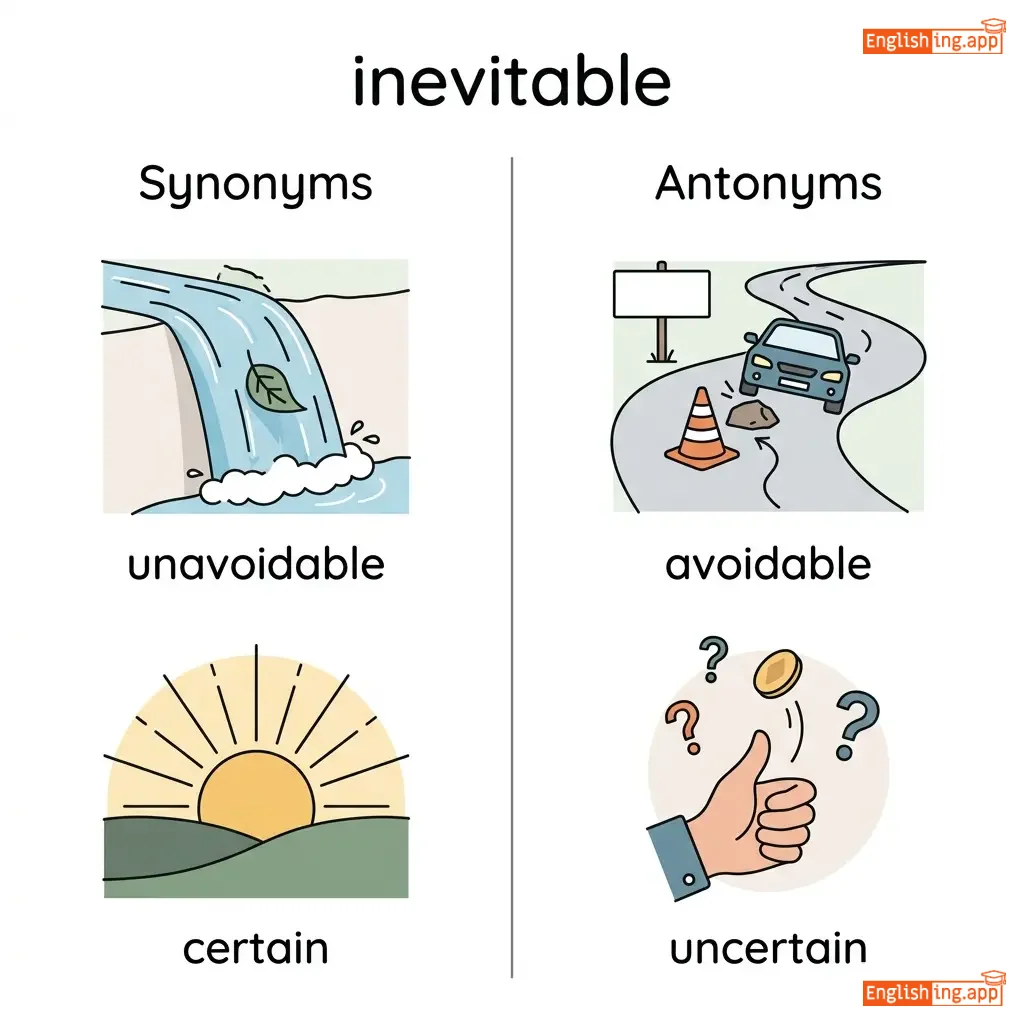
unavoidable, certain, destined, fated
••••••
|
avoidable, uncertain
••••••
|
inevitable consequence, inevitable result, inevitable conflict
••••••
|
Inevitableは'避けられない'を意味します - 死のように。
••••••
|
|
🏥
••••••
|
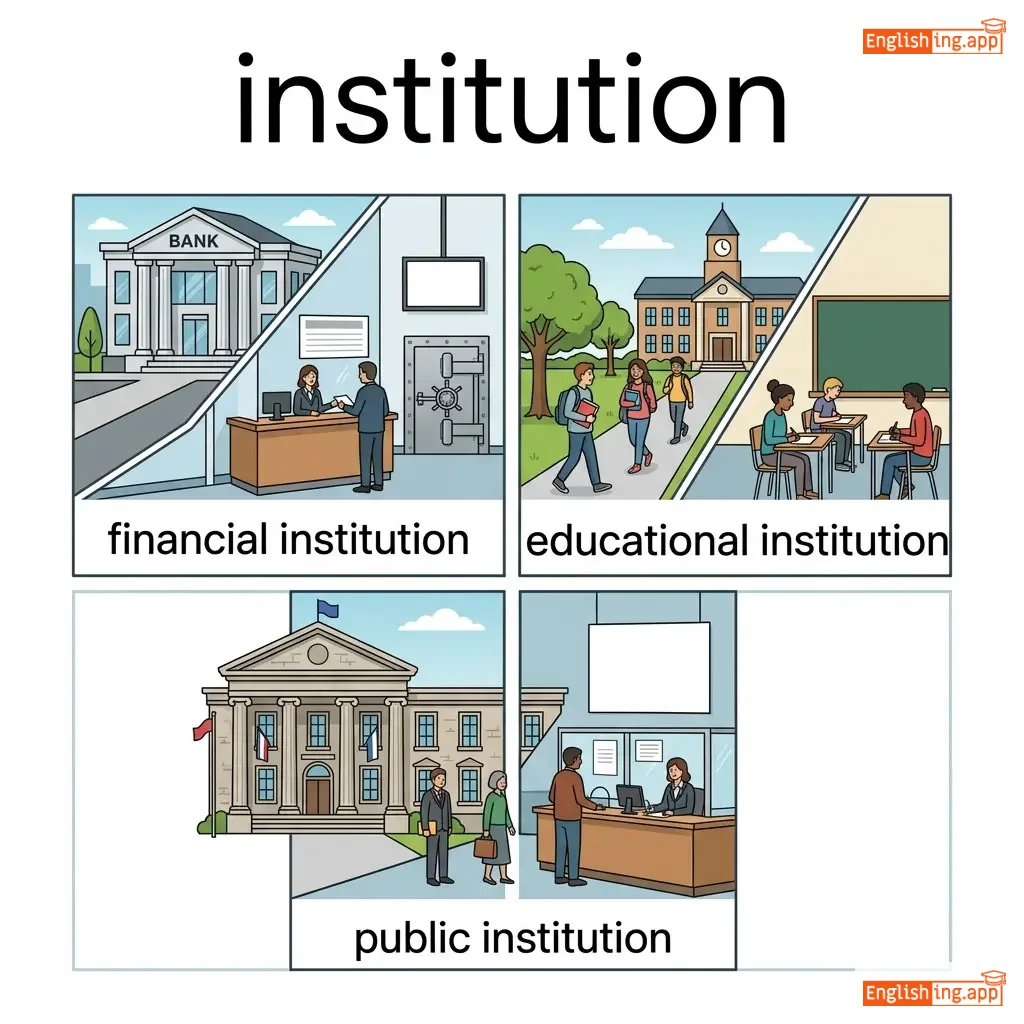
/ˌɪnstɪˈtjuːʃən/
noun
(insutitūshon)
••••••
|
|
機関
kikan
••••••
|
- •••••• | - •••••• | - •••••• | - •••••• |
an established organization, especially one dedicated to education, public service, or a particular purpose
••••••
|
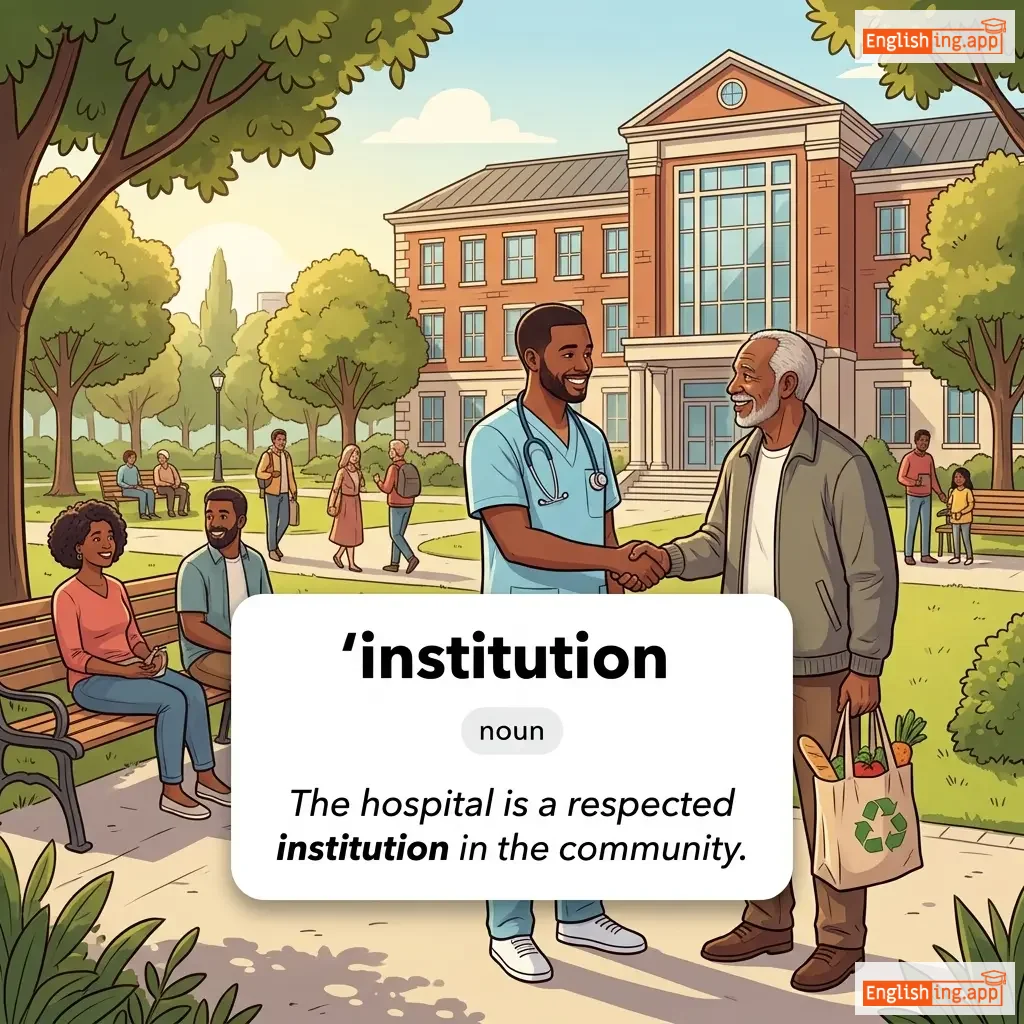
The hospital is a respected institution in the community. |
病院は地域社会で尊敬されている機関です。
Byōin wa chiiki shakai de sonkei sarete iru kikan desu.
••••••
|
an institution |
something or someone long established and respected
••••••
|
機関
kikan
••••••
|
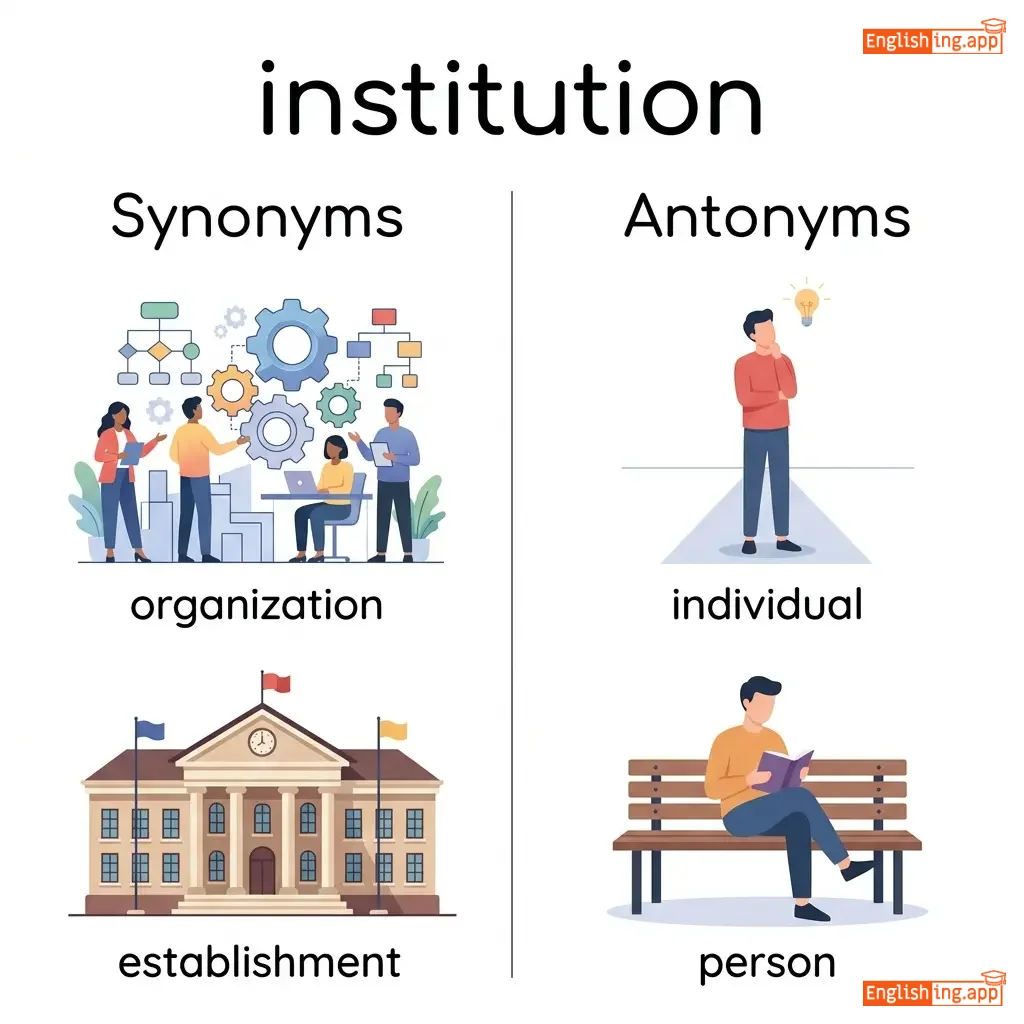
organization, establishment, foundation, facility, entity
••••••
|
individual, person
••••••
|
financial institution, educational institution, public institution, government institution
••••••
|
機関 = 重要な組織、例えば大学や病院のような。
••••••
|
|
🧩
••••••
|
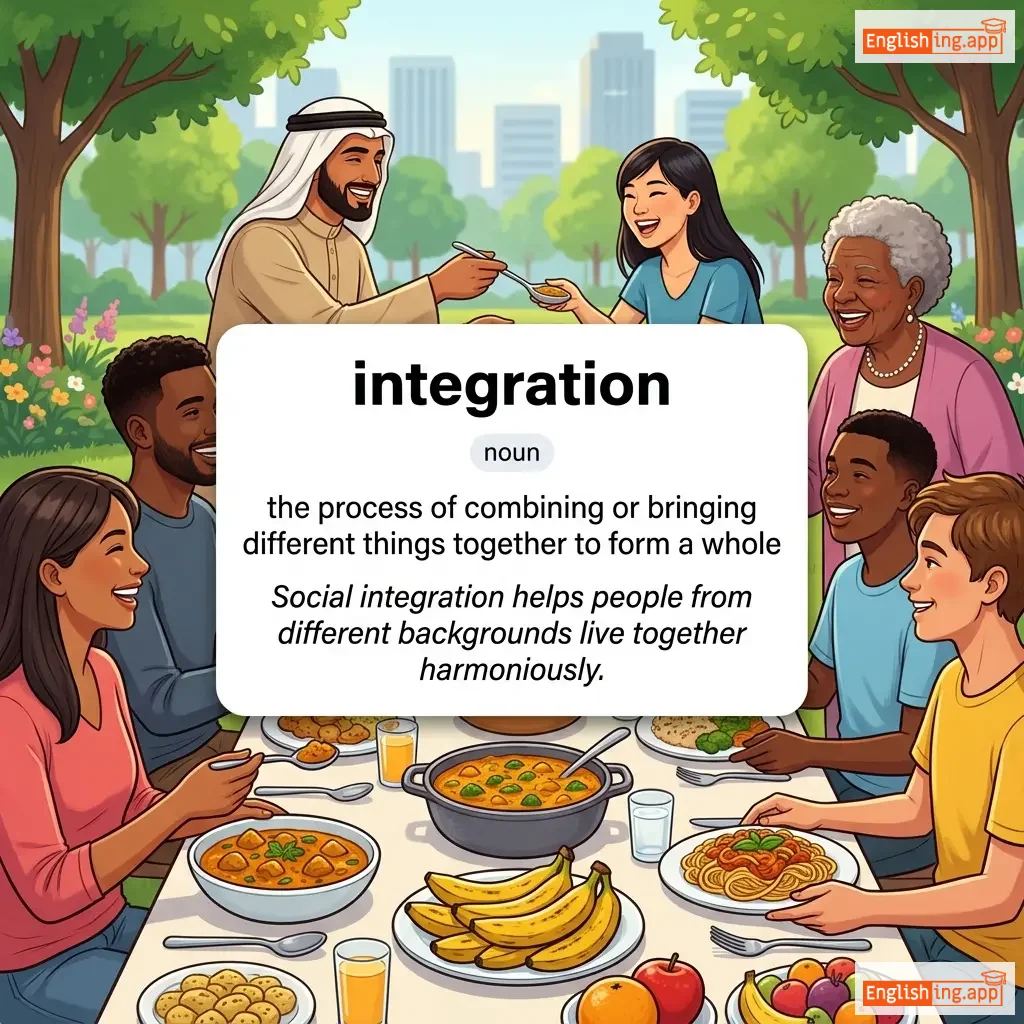
/ˌɪntɪˈɡreɪʃən/
noun
(インテグレーション)
••••••
|
|
統合
tōgō
••••••
|
- •••••• | - •••••• | - •••••• | - •••••• |
the process of combining or bringing different things together to form a whole
••••••
|
Social integration helps people from different backgrounds live together harmoniously. |
社会的統合は、異なる背景を持つ人々が調和して一緒に住むのを助けます。
Shakaiteki tōgō wa, kotonaru haikei o motsu hitobito ga chōwa shite issho ni sumu no o tasukemasu.
••••••
|
- •••••• | - •••••• | - •••••• |
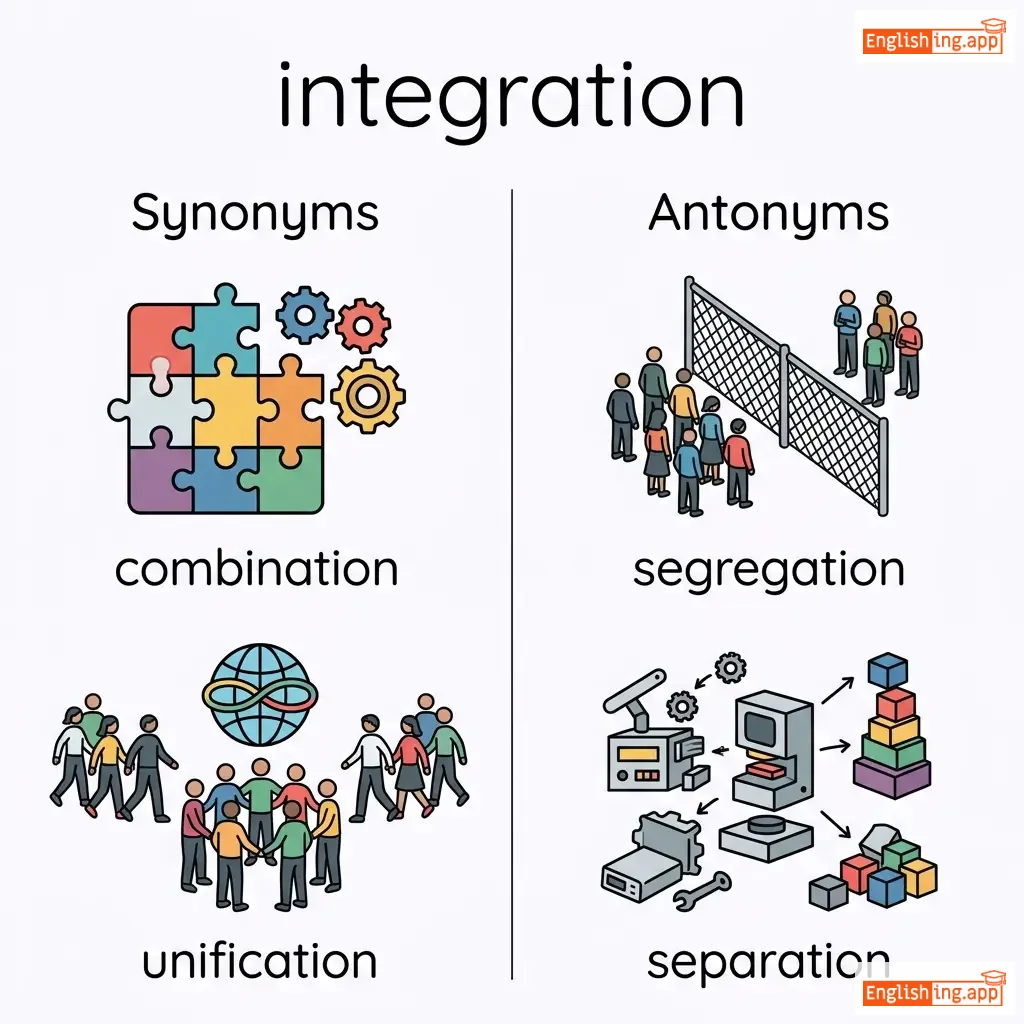
combination, unification, merging, inclusion, assimilation
••••••
|
segregation, separation
••••••
|
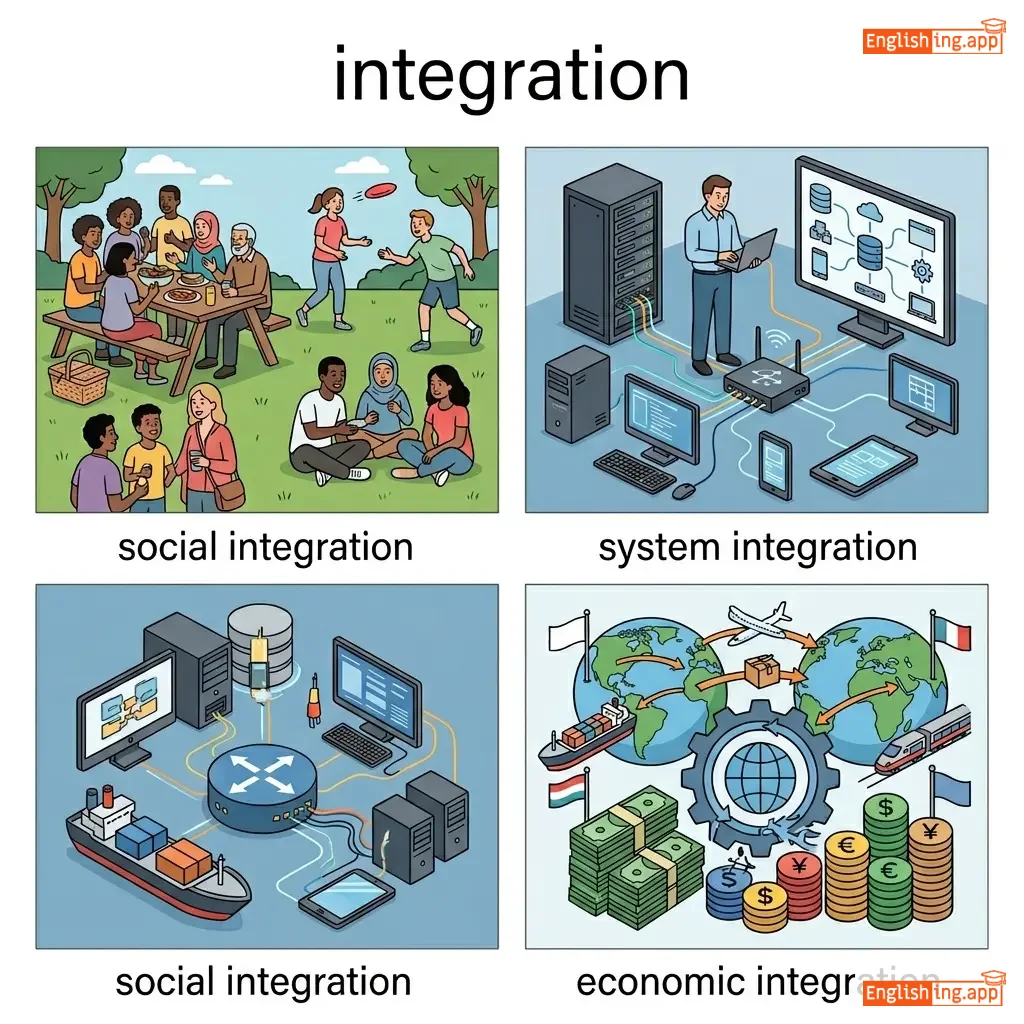
social integration, system integration, economic integration, cultural integration
••••••
|
統合とは「すべてを一つにまとめる」 – すべてを一つの部分にすること!
••••••
|
|
🏛️
••••••
|
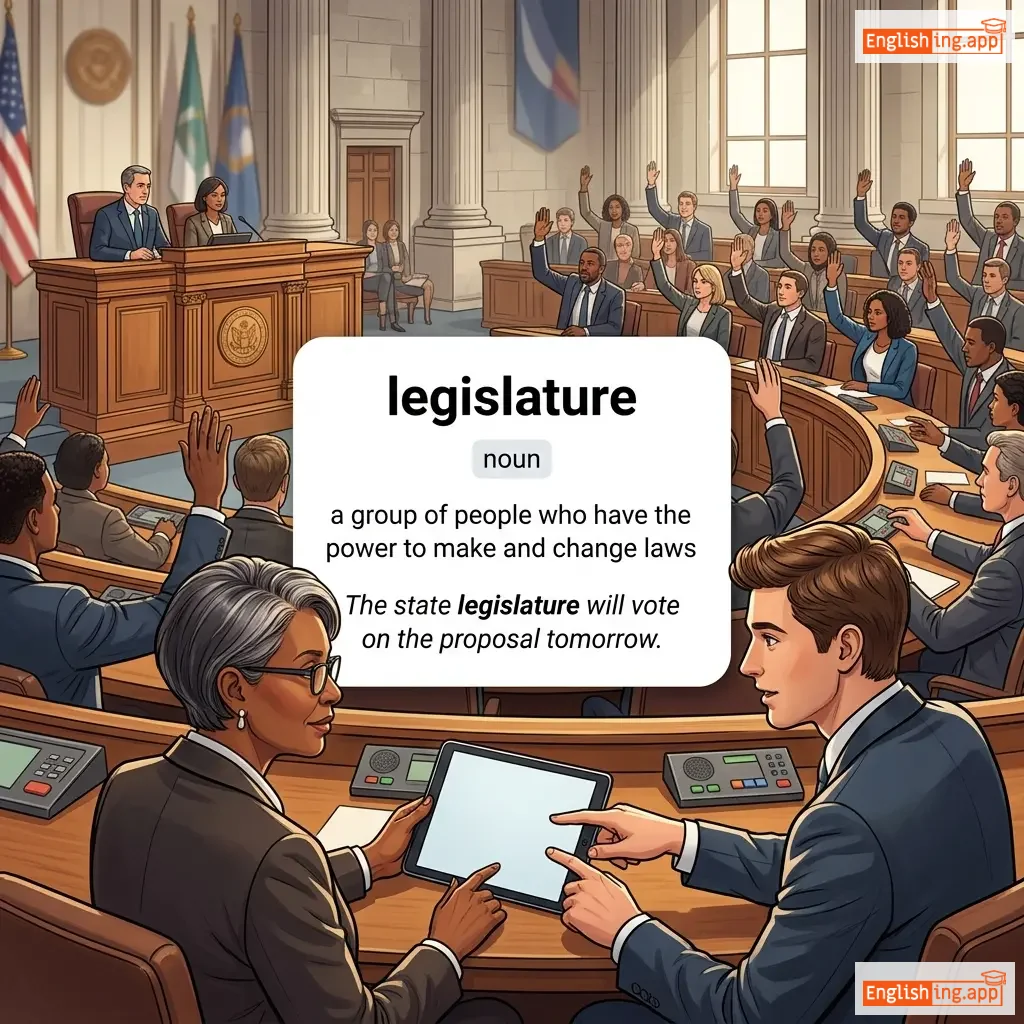
/ˈlɛdʒɪsˌleɪtʃər/
noun
(レジスレイチャー)
••••••
|
|
立法機関
rippō kikan
••••••
|
- •••••• | - •••••• | - •••••• | - •••••• |
a group of people who have the power to make and change laws
••••••
|
The state legislature will vote on the proposal tomorrow.
州の立法機関は明日提案について投票します。
••••••
|
州の立法機関は明日提案について投票します。
Shū no rippō kikan wa ashita teian ni tsuite tōhyō shimasu.
••••••
|
- •••••• | - •••••• | - •••••• |
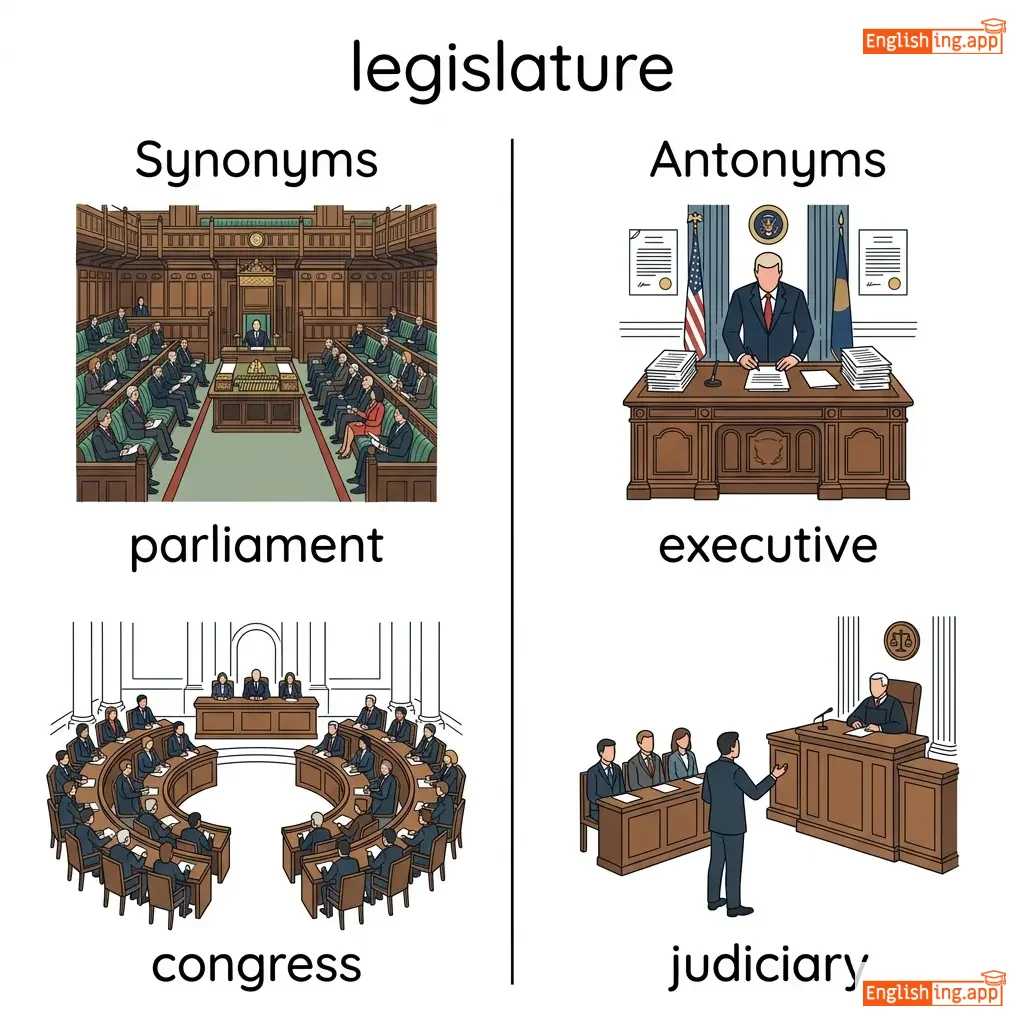
parliament, congress, assembly, senate
••••••
|
executive, judiciary
••••••
|
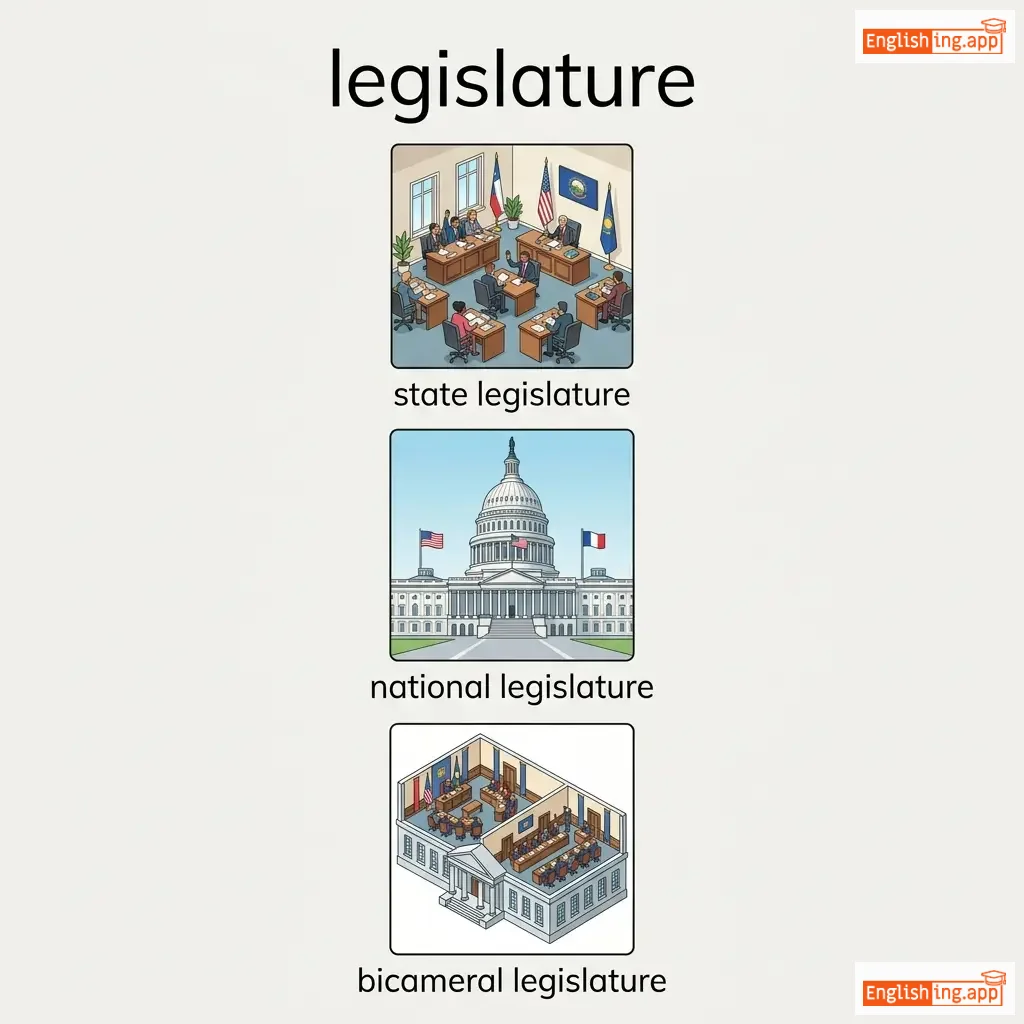
state legislature, national legislature, bicameral legislature
••••••
|
Legislature は立法機関 — ここで法律を作り、変更します。
••••••
|
|
🎭
••••••
|
/məˌnɪpjʊˈleɪʃən/
noun
••••••
|
|
- •••••• | - •••••• | - •••••• | - •••••• | - •••••• |
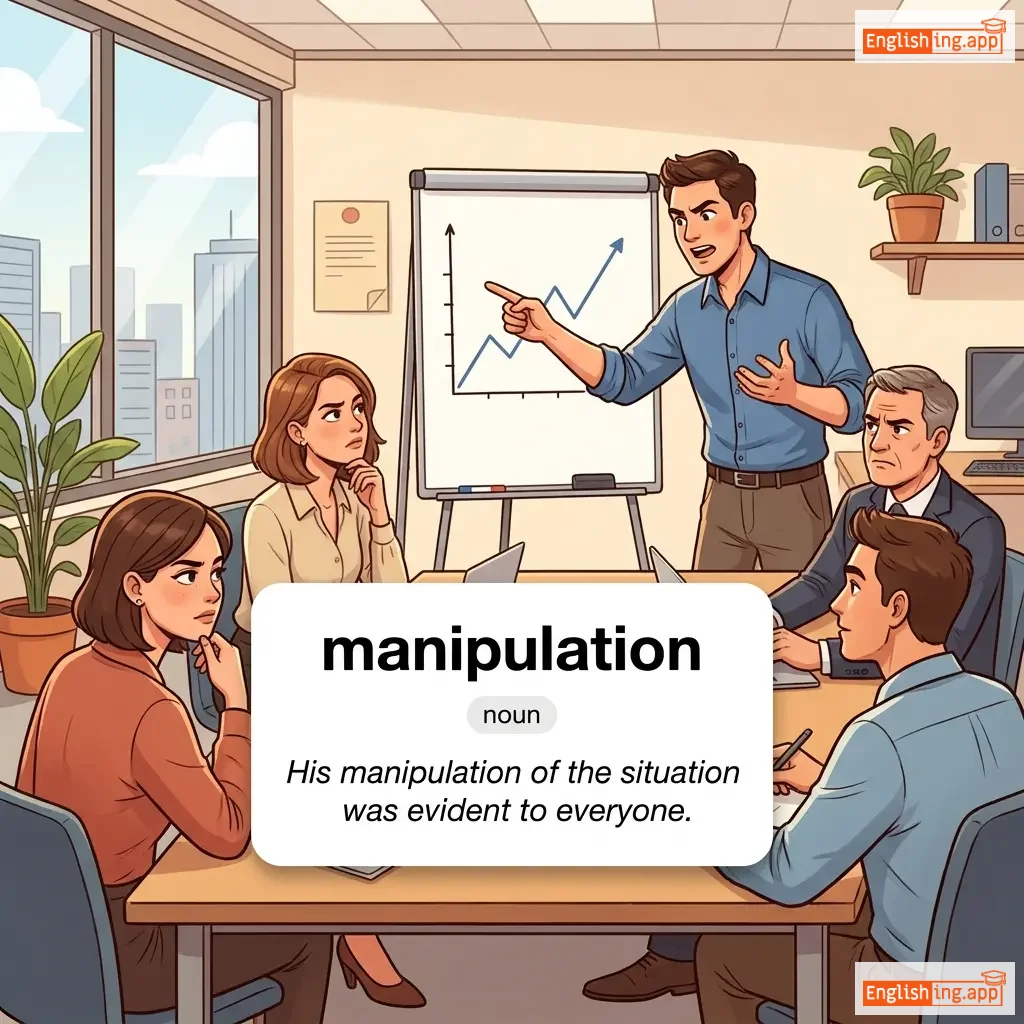
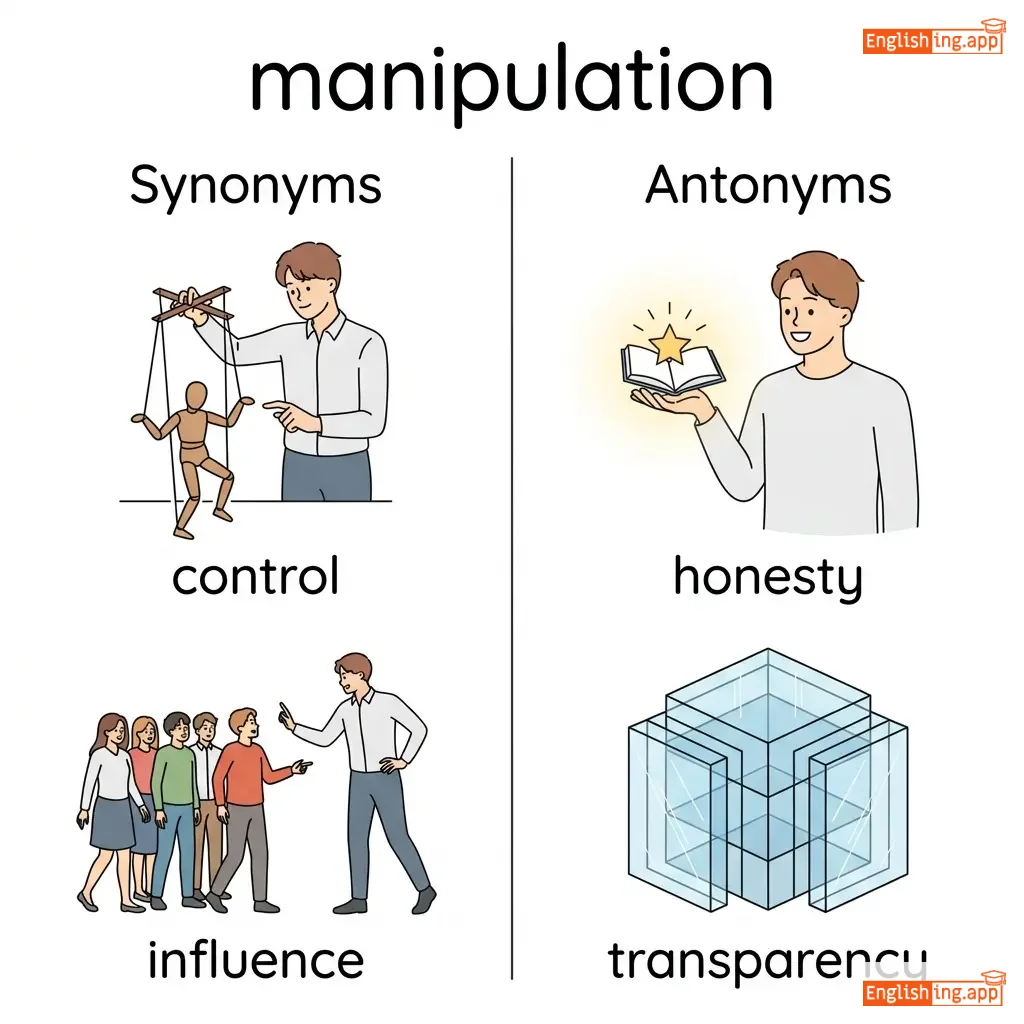
the action of controlling or influencing something or someone cleverly or unfairly
••••••
|
His manipulation of the situation was evident to everyone. |
- •••••• | - •••••• | - •••••• | - •••••• |
control, influence, handling, exploitation
••••••
|
honesty, transparency
••••••
|
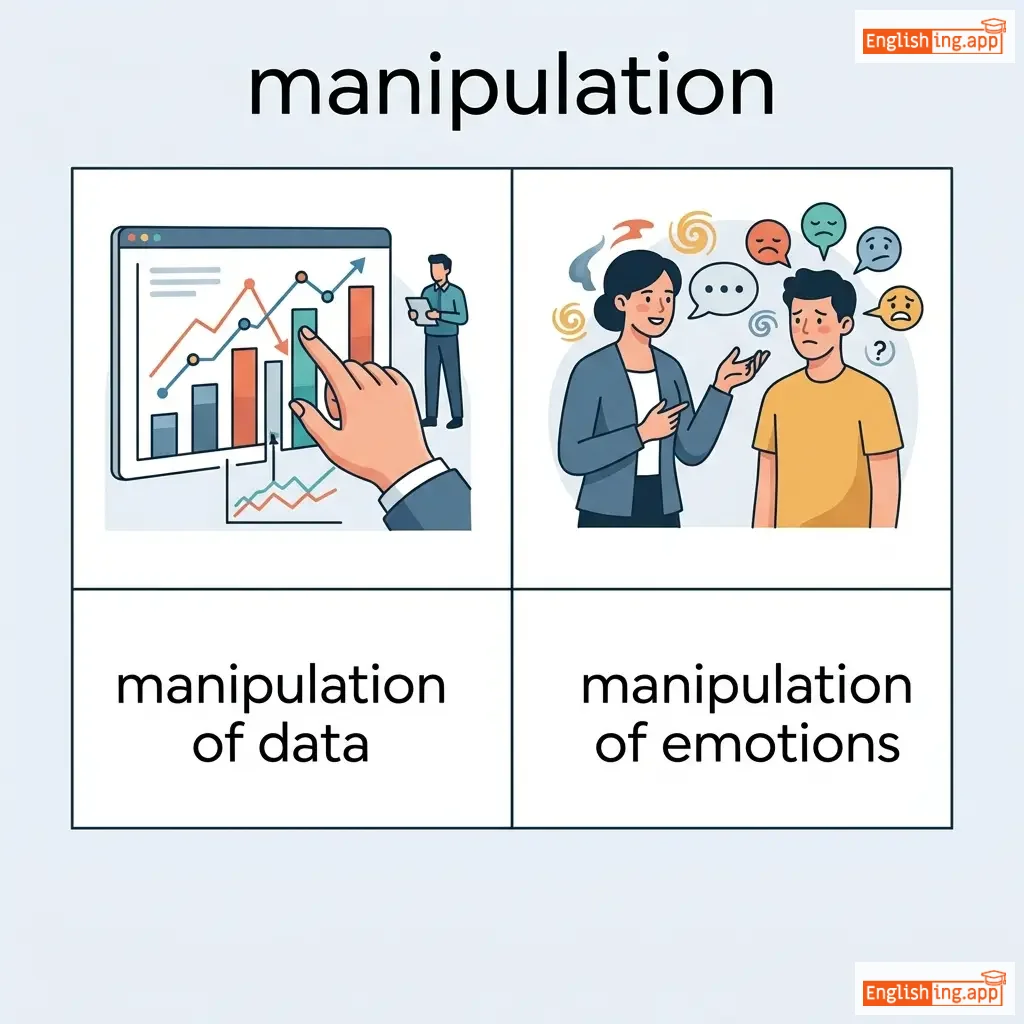
manipulation of data, manipulation of emotions
••••••
|
No •••••• |
|
📘
••••••
|
/ˌɔː.ri.enˈteɪ.ʃən/
noun
(オリエンテーション)
••••••
|
- •••••• |
オリエンテーション
orientēshon
••••••
|
- •••••• | - •••••• | - •••••• | - •••••• |
the process of becoming familiar with a new situation or environment
••••••
|
The company provides an orientation for all new employees. |
会社はすべての新しい従業員にオリエンテーションを提供します。
Kaisha wa subete no atarashī jūgyōin ni orientēshon o teikyō shimasu.
••••••
|
new employee orientation |
a training session to introduce new workers to an organization
••••••
|
新しい従業員のオリエンテーション
atarashī jūgyōin no orientēshon
••••••
|
introduction, initiation, training, induction, adjustment
••••••
|
confusion, disorientation
••••••
|
orientation session, orientation program, student orientation, cultural orientation
••••••
|
Orientation はオリエンテーションです - 会社に入ったとき、オリエンテーションを受けます 📘。
••••••
|
|
📝
••••••
|
/prɪˈlɪmɪˌneri/
adjective
(プリリミナリー)
••••••
|
|
予備的
yobiteki
••••••
|
- •••••• | - •••••• | - •••••• | - •••••• |
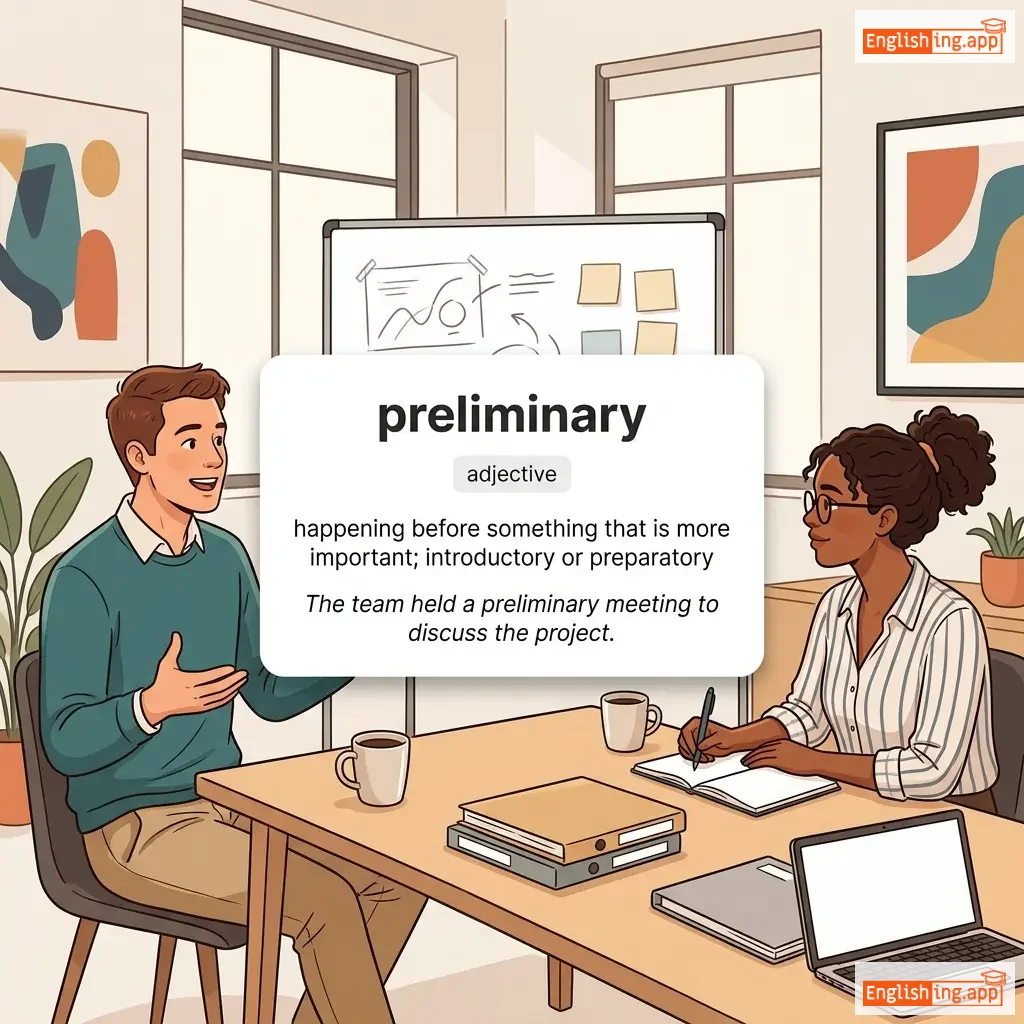
happening before something that is more important; introductory or preparatory
••••••
|
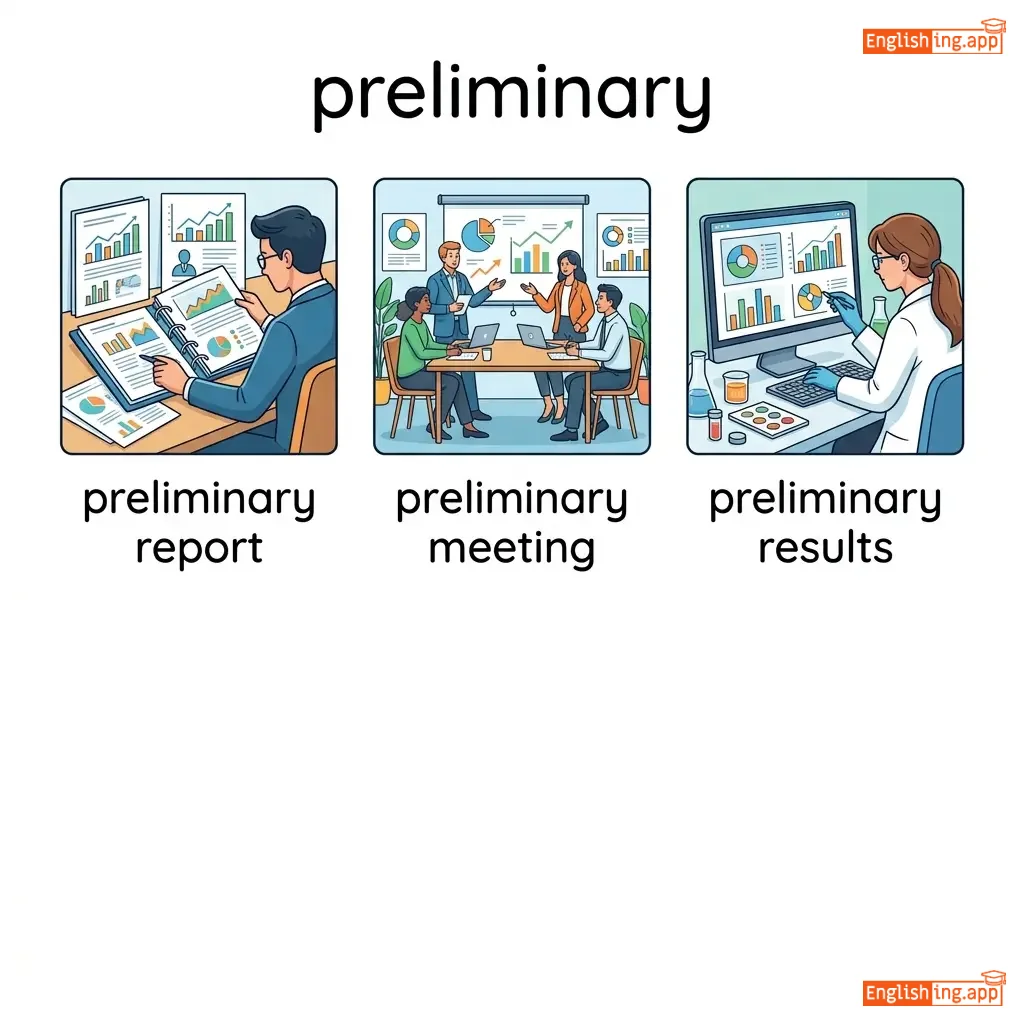
The team held a preliminary meeting to discuss the project.
チームはプロジェクトについて議論するために予備的なミーティングを開きました。
••••••
|
チームはプロジェクトについて議論するために予備的なミーティングを開きました。
Chīmu wa purojekuto ni tsuite giron suru tame ni yobiteki na mītingu o hirakimashita.
••••••
|
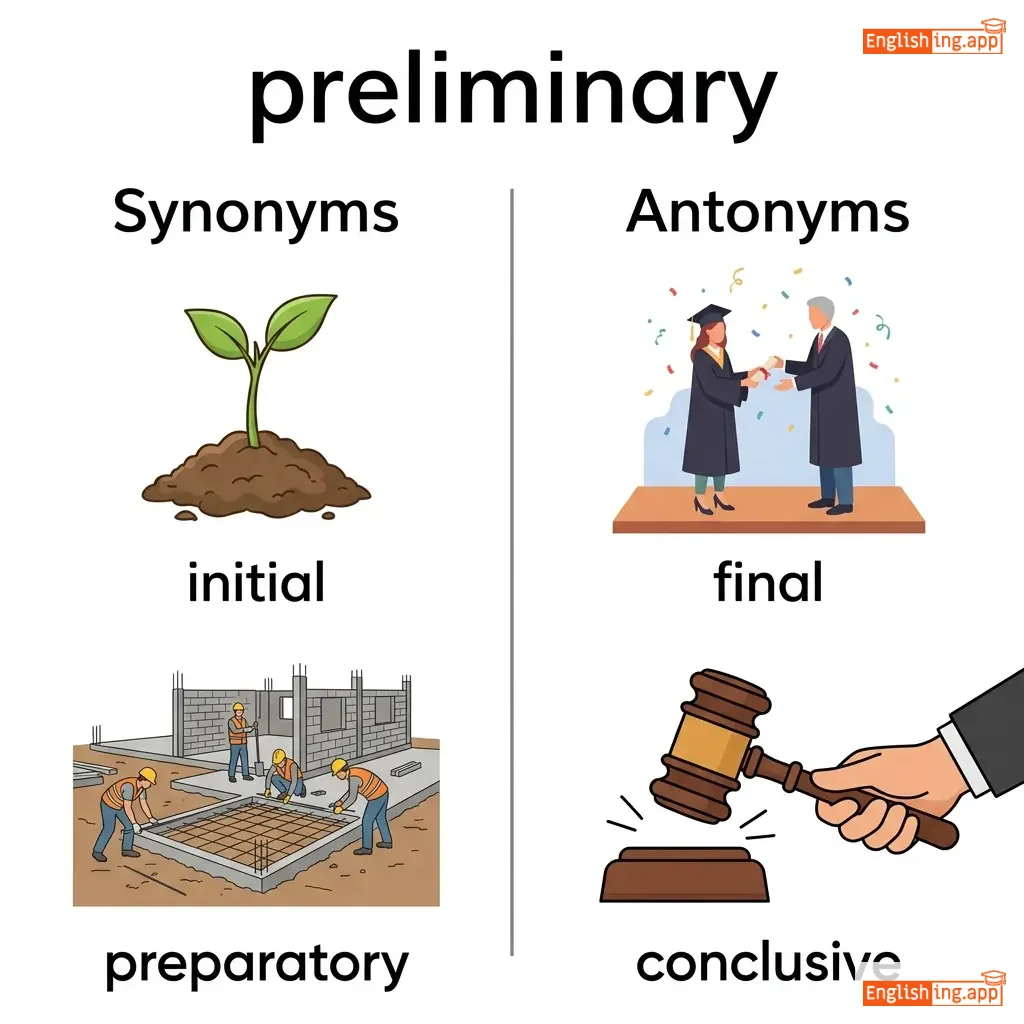
- •••••• | - •••••• | - •••••• |
initial, preparatory, introductory, prior, opening
••••••
|
final, conclusive, ultimate
••••••
|
preliminary report, preliminary meeting, preliminary results, preliminary round
••••••
|
Preliminary は ‘Pre’ つまり、重要なことが起こる前のステップです!
••••••
|
|
🔁
••••••
|
/rɪˈpiː.tɪd.li/
adverb
(リピートリ)
••••••
|
- •••••• |
繰り返し; 何度も
kurikaeshi; nando mo
••••••
|
- •••••• | - •••••• | - •••••• | - •••••• |
again and again; many times over
••••••
|
He repeatedly asked for help with his homework. |
彼は宿題について何度も助けを求めました。
Kare wa shukudai ni tsuite nando mo tasuke o motomemashita.
••••••
|
- •••••• | - •••••• | - •••••• |
continuously, constantly, frequently
••••••
|
rarely, seldom, occasionally
••••••
|
repeatedly warned, repeatedly asked, repeatedly told
••••••
|
Imagine repeating your request in Japanese for help with homework.
••••••
|
|
📋
••••••
|
/rɪˈspektɪvli/
adverb
(リスペクティブリー)
••••••
|
- •••••• |
それぞれ; 指定された順序で; 別々に、そしてすでに言及された順序で
sorezore
••••••
|
- •••••• | - •••••• | - •••••• | - •••••• |
in the order given; separately and in the order already mentioned
••••••
|
John and Mary are 25 and 30 years old respectively.
ジョンとメアリーはそれぞれ25歳と30歳です。
••••••
|
ジョンとメアリーはそれぞれ25歳と30歳です。
Jon to Mearī wa sorezore 25-sai to 30-sai desu.
••••••
|
- •••••• | - •••••• | - •••••• |
separately, individually, correspondingly
••••••
|
collectively, together, jointly
••••••
|
respectively speaking, respectively mentioned, respectively assigned
••••••
|
Respectively in Japanese sounds like 'sorezore', representing separate but in sequence.
••••••
|

