Breaking Barriers in Education
Fariha 是一所 elementary 学校的校长,该校的 harassment 和歧视是一个 continuing 问题。她知道,必须为每个人 inevitably 引入 integration 和平等的 orientation。Institution 内部的 difference 正在 increasing。她 repeatedly 向 legislature 提出请求,希望能通过新法律 accordingly 保护所有学生。有些人试图通过 manipulation 维持现状,但 Fariha 挑战了他们的 expression 的偏见。她召开了一次 preliminary 会议,教师和家长 respectively 分享了他们的关注。她说:“没有 continuous 努力,我们无法成功。”她 coordinate 了一项计划,让来自不同背景的学生一起学习,并获得 equivalent 的机会。通过 integration,她证明了 difference 实际上可以成为一种力量。Legislature 通过了新的指导方针,accordingly 学校更新了他们的政策。学校采取了严格的措施来停止 harassment。由于 Fariha continuous 和 continuing 的奉献精神,elementary 教育系统 inevitably 发生了变化。
|
表情符号
|
单词 | Images | 翻译 | 过去时 | 过去分词 | 第三人称单数 | 动名词 | 含义 | 例句 | 例句翻译 | 示例表达 | 示例表达含义 | 示例表达翻译 | 同义词 | 反义词 | 搭配词 | 助记符 |
|---|---|---|---|---|---|---|---|---|---|---|---|---|---|---|---|---|---|
|
➡️
••••••
|
/əˈkɔːr.dɪŋ.li/
adverb
(əˈkɔr.dɪŋ.li)
••••••
|
- •••••• |
因此; 所以; 根据情况
yīncǐ; suǒyǐ; gēnjù qíngkuàng
••••••
|
- •••••• | - •••••• | - •••••• | - •••••• |
in a way that is appropriate to the particular circumstances; therefore; consequently
••••••
|
The weather was bad, so the event was cancelled accordingly. |
天气不好,所以活动因此被取消。
Tiānmù bù hǎo, suǒyǐ huódòng yīncǐ bèi qǔxiāo.
••••••
|
- •••••• | - •••••• | - •••••• |
therefore, consequently, thus, hence
••••••
|
inappropriately, unsuitably
••••••
|
act accordingly, respond accordingly, plan accordingly
••••••
|
记住:'accordingly' 表示随着情况而改变的结果。
••••••
|
|
➡️
••••••
|
/kənˈtɪnjuɪŋ/
verb
(继续)
••••••
|
- •••••• |
继续
jixu
••••••
|
continued
继续
••••••
|
continued
继续
••••••
|
continues
继续
••••••
|
continuing
继续
••••••
|
to keep doing something without stopping
••••••
|
They are continuing their journey despite the rain.
尽管下雨,他们仍在继续他们的旅程。
••••••
|
尽管下雨,他们仍在继续他们的旅程。
Jinguan xia yu, tamen reng zai jixu tamen de lüxing.
••••••
|
continue on
继续前进
••••••
|
to keep moving or progressing forward
••••••
|
继续前进
jixu qianjin
••••••
|
persist, proceed, carry on, maintain, keep up
••••••
|
stop, cease, end
••••••
|
continue working, continue learning, continue to grow, continuing education
••••••
|
继续 = 永远不停,继续向前走 ➡️
••••••
|
|
📈
••••••
|
/kənˈtɪn.ju.əs/
adjective
(kontinyuus)
••••••
|
- •••••• |
连续的
lianxu de
••••••
|
- •••••• | - •••••• | - •••••• | - •••••• |
forming an unbroken whole; without interruption
••••••
|
The factory operates on a continuous 24-hour schedule.
工厂按照连续的24小时工作计划运行。
••••••
|
工厂按照连续的24小时工作计划运行。
Gongchang anzhao lianxu de 24 xiaoshi gongzuo jihua yunxing.
••••••
|
- •••••• | - •••••• | - •••••• |
uninterrupted, unbroken, constant, perpetual
••••••
|
intermittent, broken, sporadic
••••••
|
continuous operation, continuous improvement, continuous flow
••••••
|
Continuous在中文里是连续的,就像工厂24小时不停的运行。
••••••
|
|
🤝
••••••
|
/koʊˈɔːrdɪˌneɪt/
verb
(科-奥-迪-内特)
••••••
|
- •••••• |
协调
xie tiao
••••••
|
coordinated
科-奥-迪-内特德
••••••
|
coordinated
科-奥-迪-内特德
••••••
|
coordinates
科-奥-迪-内特斯
••••••
|
coordinating
科-奥-迪-内特-英
••••••
|
to organize people or things so that they work together effectively
••••••
|
We need to coordinate our efforts to finish the project on time.
我们需要协调我们的努力,以便按时完成项目。
••••••
|
我们需要协调我们的努力,以便按时完成项目。
Women xuyao xietiao women de nuli, yi bian anshi wancheng xiangmu.
••••••
|
coordinate with someone
与某人协调
••••••
|
to work together with someone to achieve a common goal
••••••
|
与某人协调
Yu mou ren xie tiao
••••••
|
organize, arrange, harmonize, integrate, manage
••••••
|
disorganize, disrupt, confuse
••••••
|
coordinate activities, coordinate efforts, coordinate team, coordinate plan
••••••
|
Co + ordinate — 就像所有人一起配合完成共同目标。🤝
••••••
|
|
⚖️
••••••
|
/ˈdɪfərəns/
noun
(difenren)
••••••
|
- •••••• |
区别
qubie
••••••
|
- •••••• | - •••••• | - •••••• | - •••••• |
A point or way in which things are not the same.
••••••
|
There is a big difference between theory and practice. |
理论和实践之间有很大的区别。
Lǐlùn hé shíjiàn zhī jiān yǒu hěn dà de qūbié.
••••••
|
make a difference |
To have a significant impact or effect
••••••
|
产生影响
chǎnshēng yǐngxiǎng
••••••
|
distinction, variation, contrast, diversity, disparity
••••••
|
similarity, resemblance, sameness
••••••
|
big difference, subtle difference, cultural difference, make a difference
••••••
|
区别是当某事物不一样时,记住'不同和区别'.
••••••
|
|
⚖️
••••••
|
/dɪˌskrɪmɪˈneɪʃən/
noun
(歧视)
••••••
|
- •••••• |
歧视
qishi
••••••
|
- •••••• | - •••••• | - •••••• | - •••••• |
Unfair treatment of people based on race, gender, age, or other differences.
••••••
|
The law prohibits discrimination in the workplace. |
法律禁止在工作场所歧视。
Fǎlǜ jìnzhǐ zài gōngzuò chǎngsuǒ qíshì.
••••••
|
racial discrimination |
unfair treatment based on race
••••••
|
种族歧视
zhǒngzú qíshì
••••••
|
prejudice, bias, unfairness, inequality
••••••
|
equality, fairness, justice
••••••
|
racial discrimination, gender discrimination, fight discrimination, workplace discrimination
••••••
|
歧视 = dis + 犯罪,所以歧视是犯罪。
••••••
|
|
📘
••••••
|
/ˌɛlɪˈmɛntəri/
adjective
(基础的)
••••••
|
- •••••• |
基础的
jīchǔ de
••••••
|
- •••••• | - •••••• | - •••••• | - •••••• |
Relating to the basic or fundamental aspects of something; simple or easy to understand.
••••••
|
She gave an elementary explanation of the problem. |
她给出了一个问题的基础性解释。
Tā gěichūle yīgè wèntí de jīchǔ xìng jiěshì.
••••••
|
elementary, my dear Watson |
A phrase used to suggest that the solution to a problem is simple.
••••••
|
基础的,我亲爱的沃森
jīchǔ de, wǒ qīn'ài de wò sēn
••••••
|
basic, fundamental, simple, introductory, rudimentary
••••••
|
advanced, complex, sophisticated
••••••
|
elementary school, elementary knowledge, elementary level, elementary course
••••••
|
基础的意味着简单和基本,就像英文中的elementary一样。
••••••
|
|
⚖️
••••••
|
/ɪˈkwɪv.ə.lənt/
adjective
(等价)
••••••
|
- •••••• |
等价的; 相等的
dengjia de; xiangdeng de
••••••
|
- •••••• | - •••••• | - •••••• | - •••••• |
equal in value, amount, function, or meaning; having the same effect or result
••••••
|
This amount is equivalent to ten dollars. |
这个金额等于十美元。
Zhe ge jine dengyu shi mei yuan
••••••
|
- •••••• | - •••••• | - •••••• |
equal, same, comparable, identical
••••••
|
different, unequal, distinct
••••••
|
equivalent value, equivalent amount, equivalent to
••••••
|
中文: '等价'意味着两者相等,就像两个数字相等一样。
••••••
|
|
🙂
••••••
|
/ɪkˈsprɛʃən/
noun
(表情)
••••••
|
- •••••• |
表情
biaoqing
••••••
|
- •••••• | - •••••• | - •••••• | - •••••• |
the act of putting thoughts or feelings into words, actions, or facial gestures
••••••
|
His facial expression showed surprise.
他的面部表情显示了惊讶。
••••••
|
他的面部表情显示了惊讶。
Tā de miànbù biǎoqíng xiǎnshìle jīngyà.
••••••
|
facial expression
面部表情
••••••
|
the look on someone's face that conveys emotion
••••••
|
面部表情
miànbù biǎoqíng
••••••
|
statement, utterance, manifestation, phrase, gesture
••••••
|
silence, suppression
••••••
|
facial expression, expression of love, free expression, expression of opinion
••••••
|
表情 = 通过面部看到情绪
••••••
|
|
🚫
••••••
|
/həˈræsmənt/
noun
(哈雷斯门特)
••••••
|
- •••••• |
骚扰
saorao
••••••
|
- •••••• | - •••••• | - •••••• | - •••••• |
aggressive pressure or intimidation; unwanted and repeated behavior causing discomfort
••••••
|
The company has a strict policy against workplace harassment.
公司对职场骚扰有严格的政策。
••••••
|
公司对职场骚扰有严格的政策。
Gōngsī duì zhíchǎng sāorǎo yǒu yángé de zhèngcè.
••••••
|
sexual harassment
性骚扰
••••••
|
unwanted sexual behavior that causes offense or humiliation
••••••
|
性骚扰
xìng sāorǎo
••••••
|
bullying, abuse, intimidation, persecution, annoyance
••••••
|
support, respect
••••••
|
workplace harassment, verbal harassment, sexual harassment, report harassment
••••••
|
骚扰意味着打扰——骚扰意味着不停地打扰。
••••••
|
|
➕
••••••
|
/ɪnˈkriːsɪŋ/
verb
(yincrisiing)
••••••
|
|
增加
zengjia
••••••
|
increased
yincristed
••••••
|
increased
yincristed
••••••
|
increases
yincreces
••••••
|
increasing
yincrisiing
••••••
|
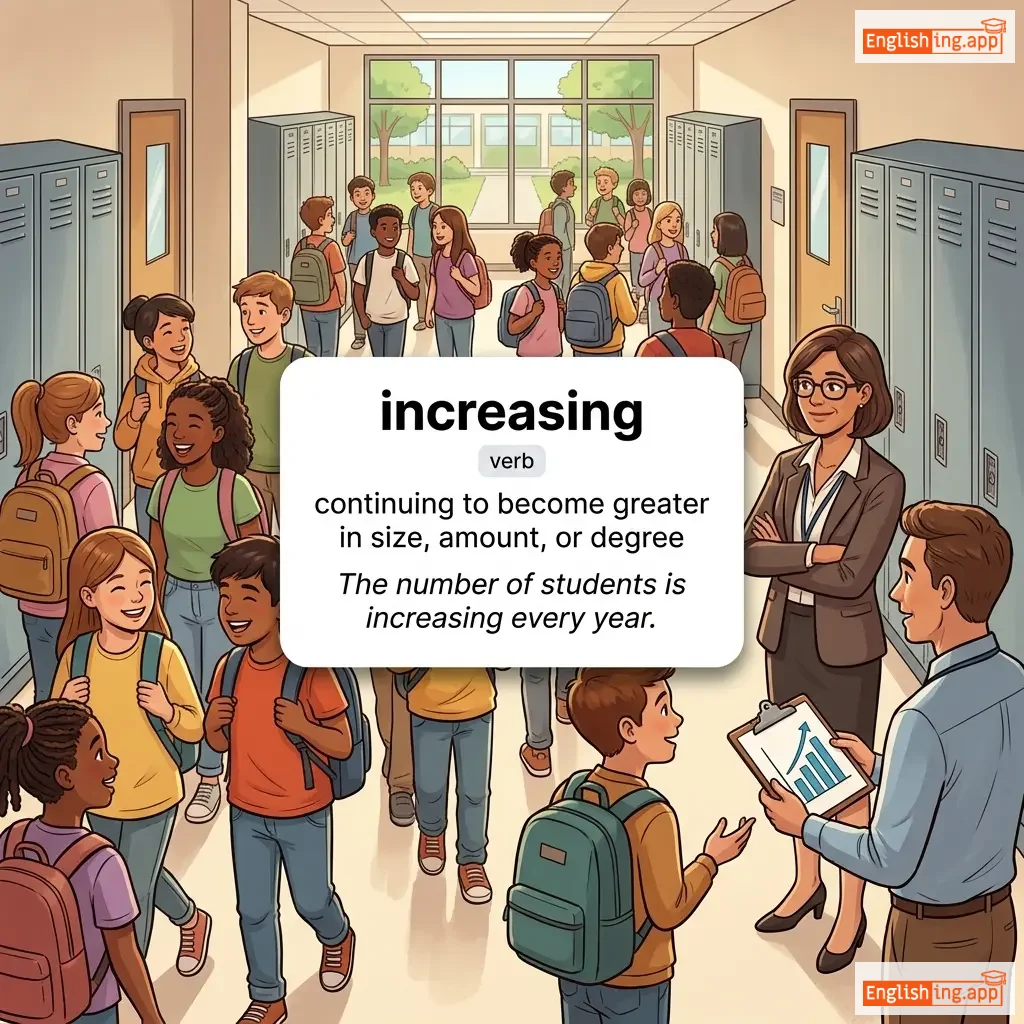
continuing to become greater in size, amount, or degree
••••••
|
The number of students is increasing every year.
学生人数每年都在增加。
••••••
|
学生人数每年都在增加。
Xuesheng renshu meinian dou zai zengjia.
••••••
|
increasing returns
递增回报
••••••
|
when output grows faster than input
••••••
|
递增回报
dizeng huibao
••••••
|
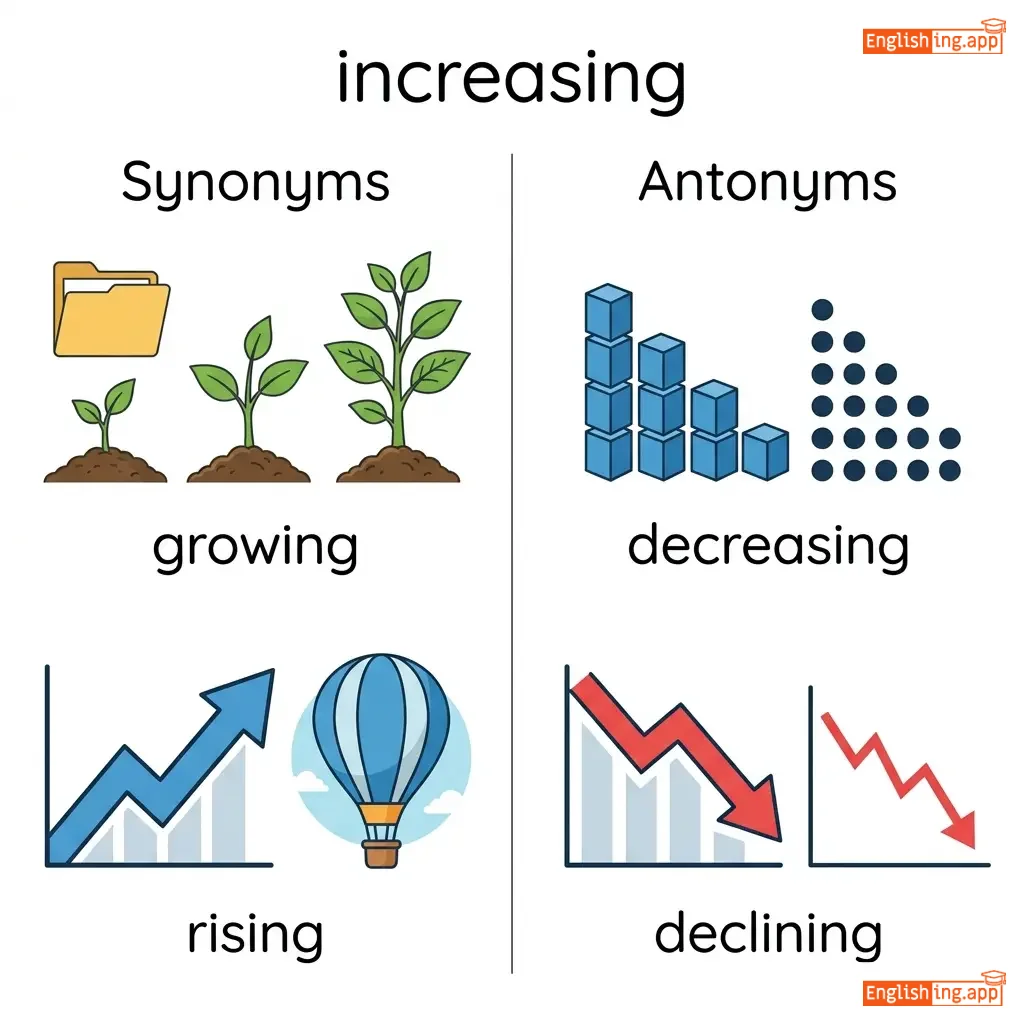
growing, rising, expanding, escalating, mounting
••••••
|
decreasing, declining, reducing
••••••
|
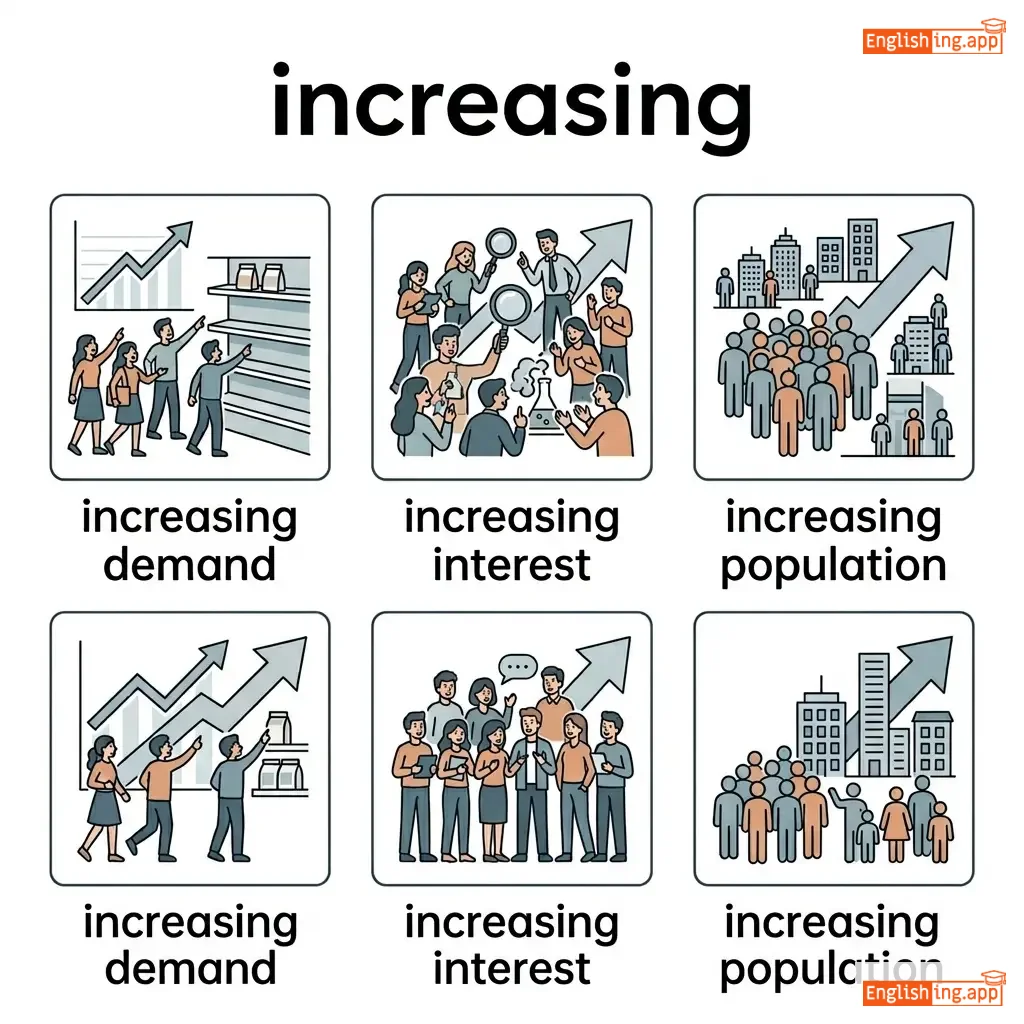
increasing demand, increasing interest, increasing population, increasing rate
••••••
|
Increasing意味着一切都在增加 ➕ 比如工资增加
••••••
|
|
☠️
••••••
|
/ɪnˈɛvɪtəbl/
adjective
(必然的)
••••••
|
|
不可避免
bù kě bì miǎn
••••••
|
- •••••• | - •••••• | - •••••• | - •••••• |
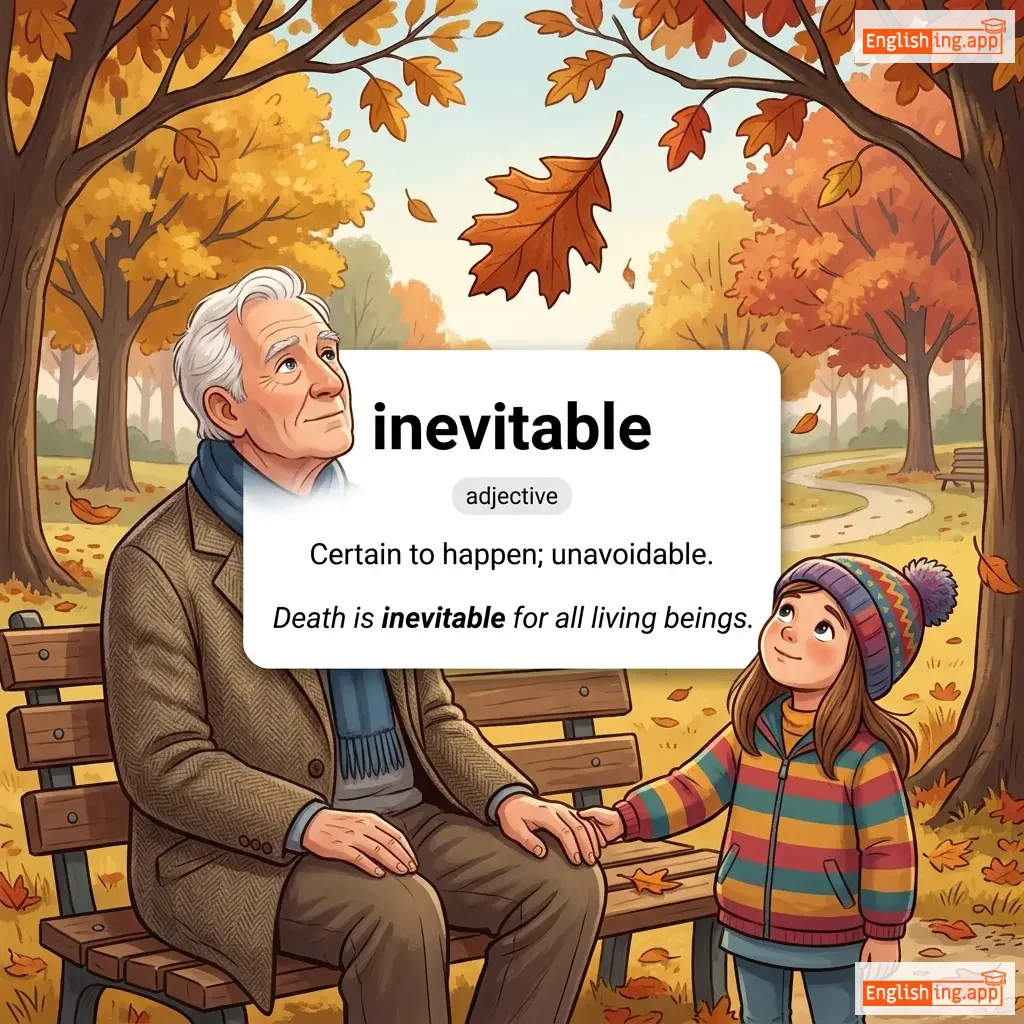
Certain to happen; unavoidable.
••••••
|
Death is inevitable for all living beings. |
死亡对于所有生物来说是不可避免的。
sǐwáng duì yú suǒyǒu shēngwù lái shuō shì bù kě bì miǎn de.
••••••
|
the inevitable result |
The certain outcome of an action or situation.
••••••
|
不可避免的结果
bù kě bì miǎn de jié guǒ
••••••
|
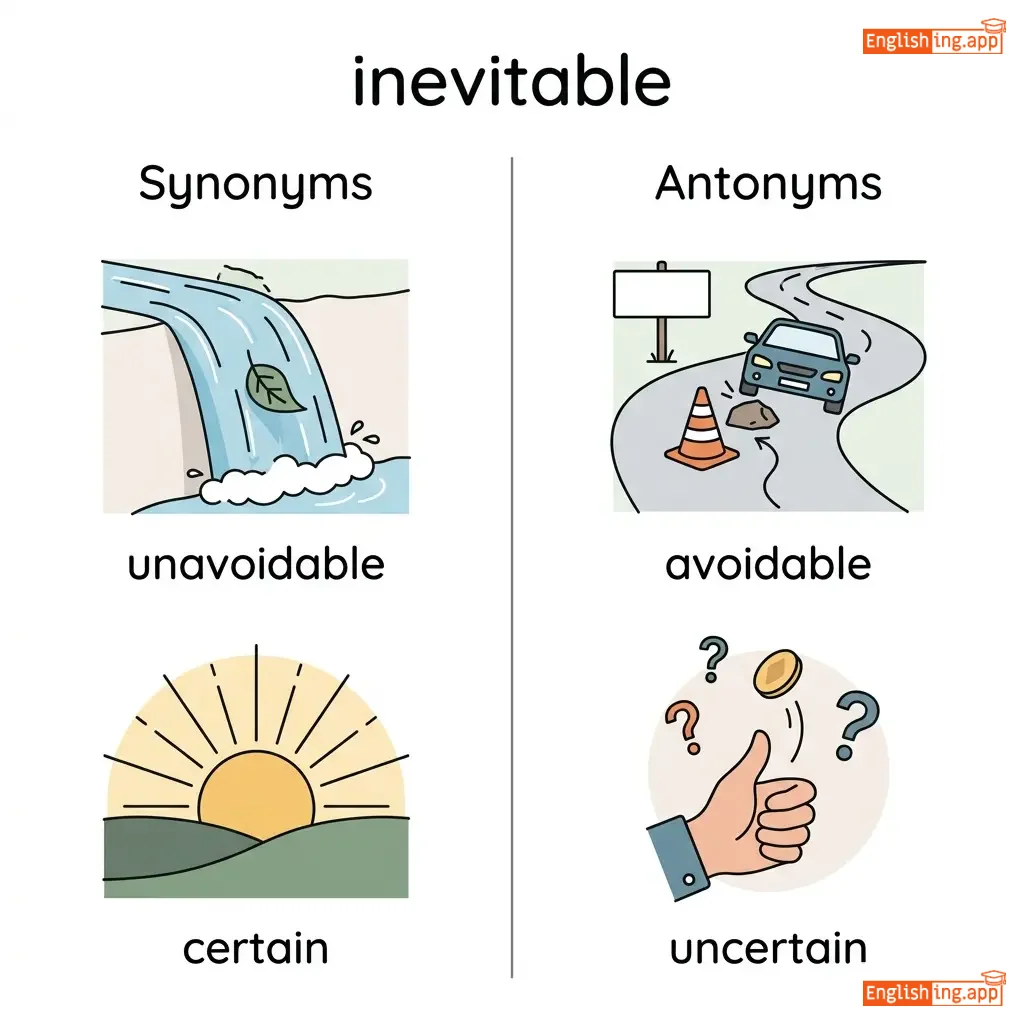
unavoidable, certain, destined, fated
••••••
|
avoidable, uncertain
••••••
|
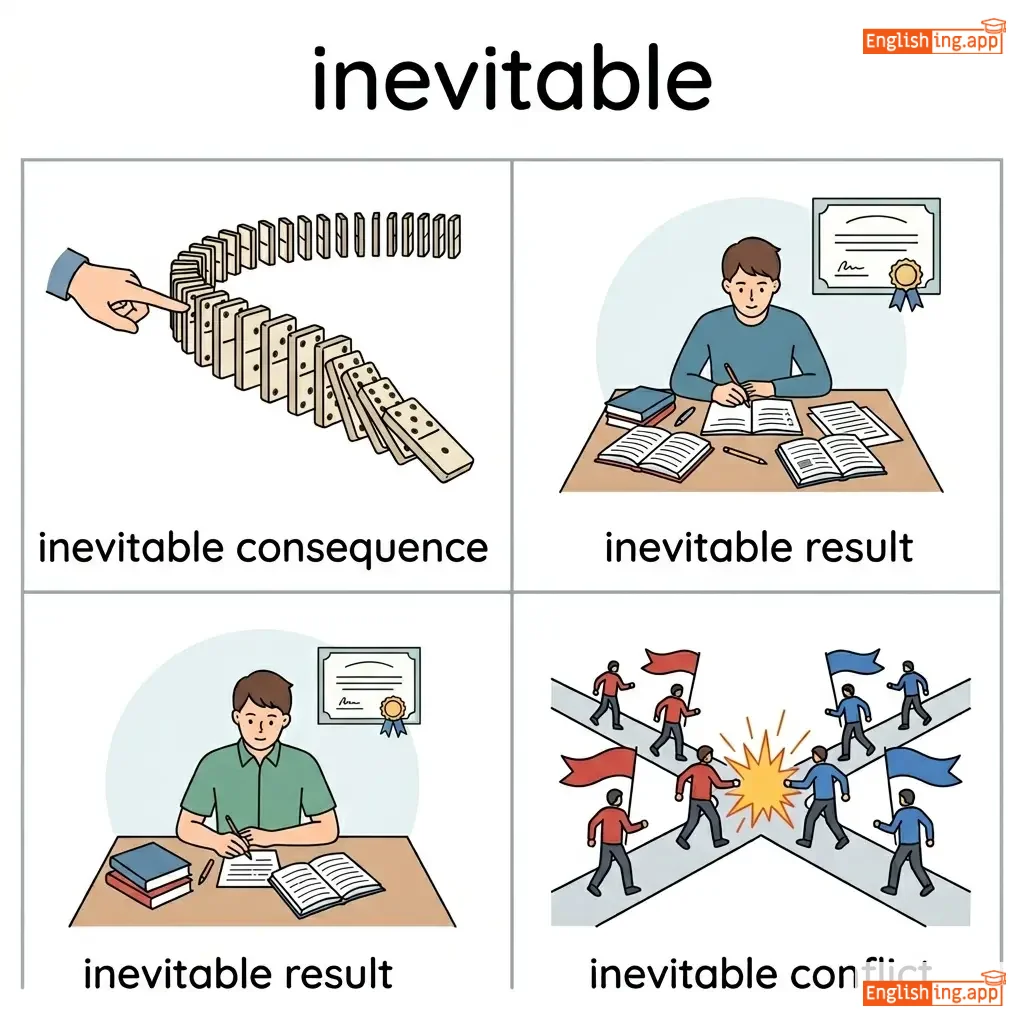
inevitable consequence, inevitable result, inevitable conflict
••••••
|
Inevitable意味着'无法避免' - 就像死亡。
••••••
|
|
🏥
••••••
|
/ˌɪnstɪˈtjuːʃən/
noun
(yīn sī tì tú xiǎn)
••••••
|
|
机构
jīgòu
••••••
|
- •••••• | - •••••• | - •••••• | - •••••• |
an established organization, especially one dedicated to education, public service, or a particular purpose
••••••
|
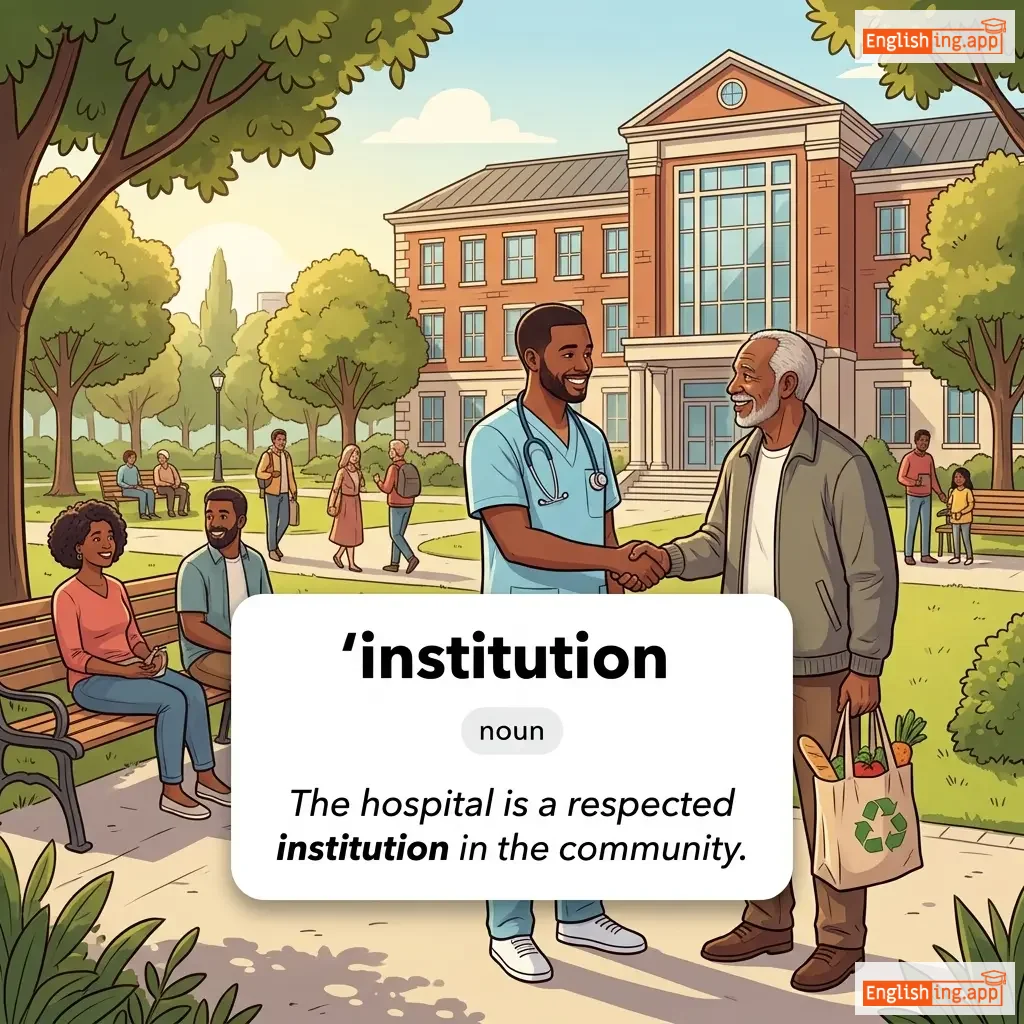
The hospital is a respected institution in the community. |
医院是社区中的一个受人尊敬的机构。
Yī yuàn shì shè qū zhōng de yī gè shòu rén zūn jìng de jī gòu.
••••••
|
an institution |
something or someone long established and respected
••••••
|
一个机构
yī gè jī gòu
••••••
|
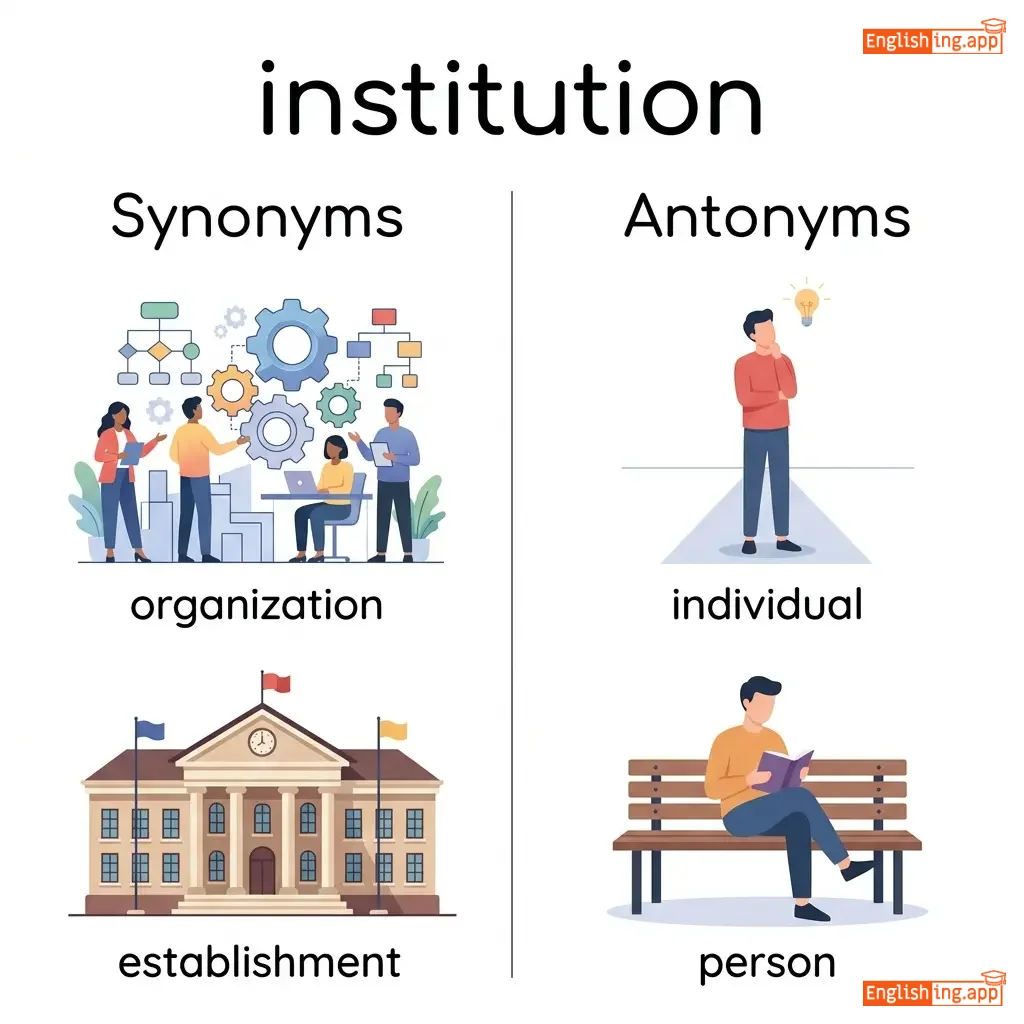
organization, establishment, foundation, facility, entity
••••••
|
individual, person
••••••
|
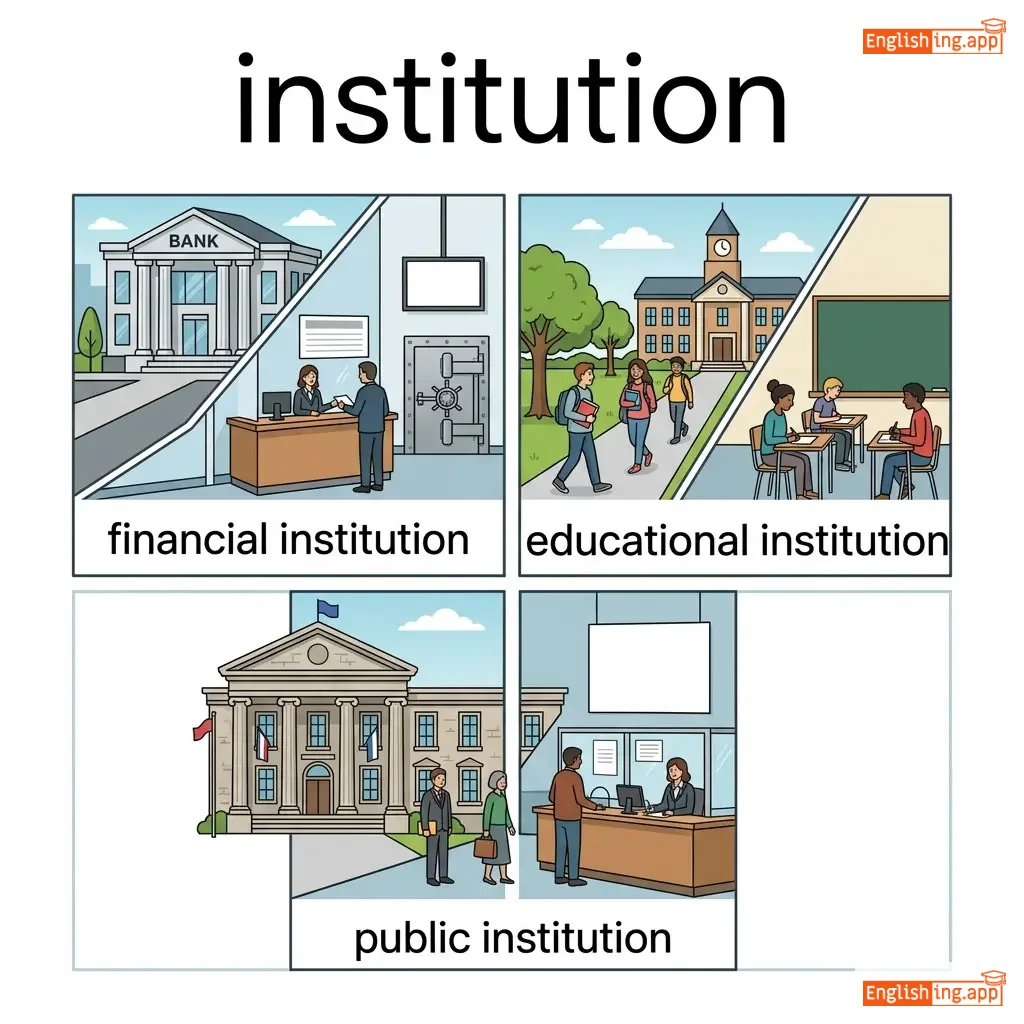
financial institution, educational institution, public institution, government institution
••••••
|
机构 = 重要的组织,如大学或医院。
••••••
|
|
🧩
••••••
|
/ˌɪntɪˈɡreɪʃən/
noun
(yīntèɡrèɪshən)
••••••
|
|
整合
zhěnghé
••••••
|
- •••••• | - •••••• | - •••••• | - •••••• |
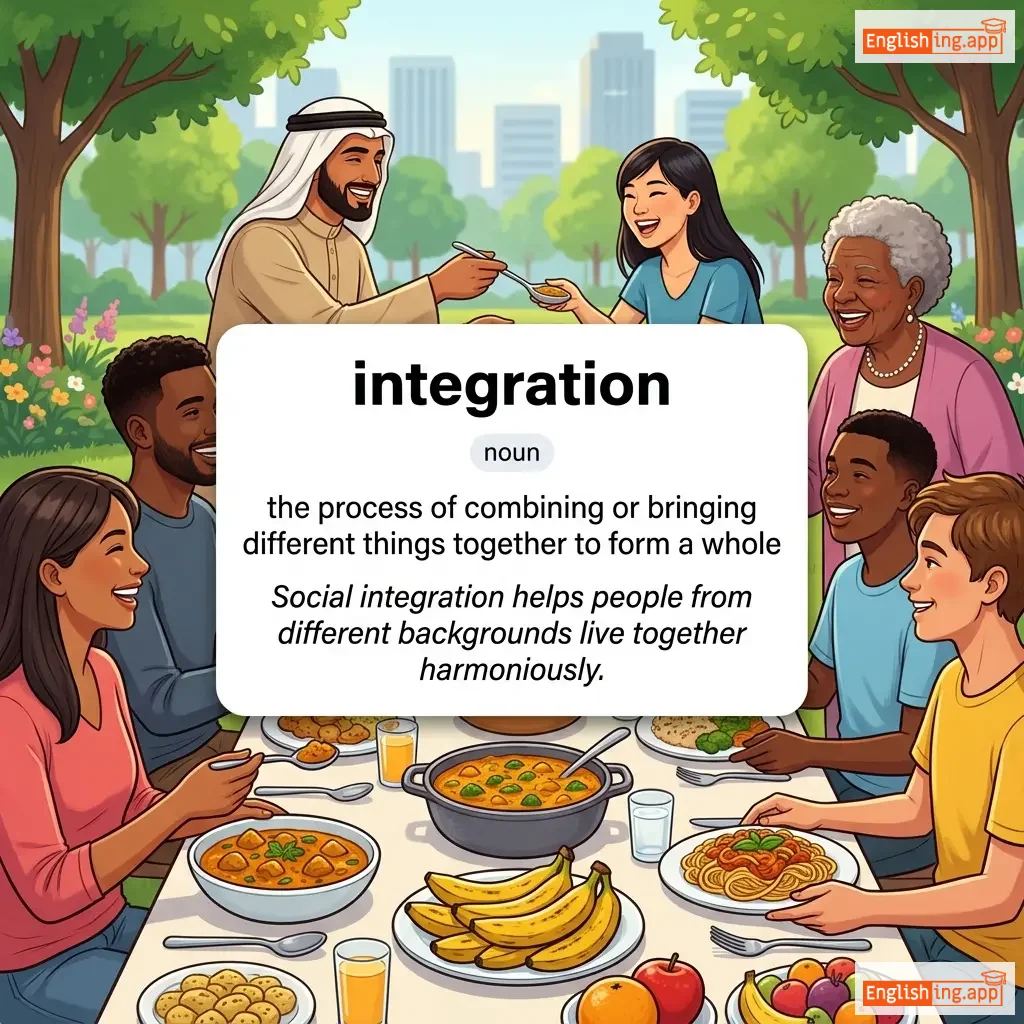
the process of combining or bringing different things together to form a whole
••••••
|
Social integration helps people from different backgrounds live together harmoniously. |
社会整合帮助来自不同背景的人和谐相处。
Shèhuì zhěnghé bāngzhù láizì bùtóng bèijǐng de rén héxié xiāngchǔ.
••••••
|
- •••••• | - •••••• | - •••••• |
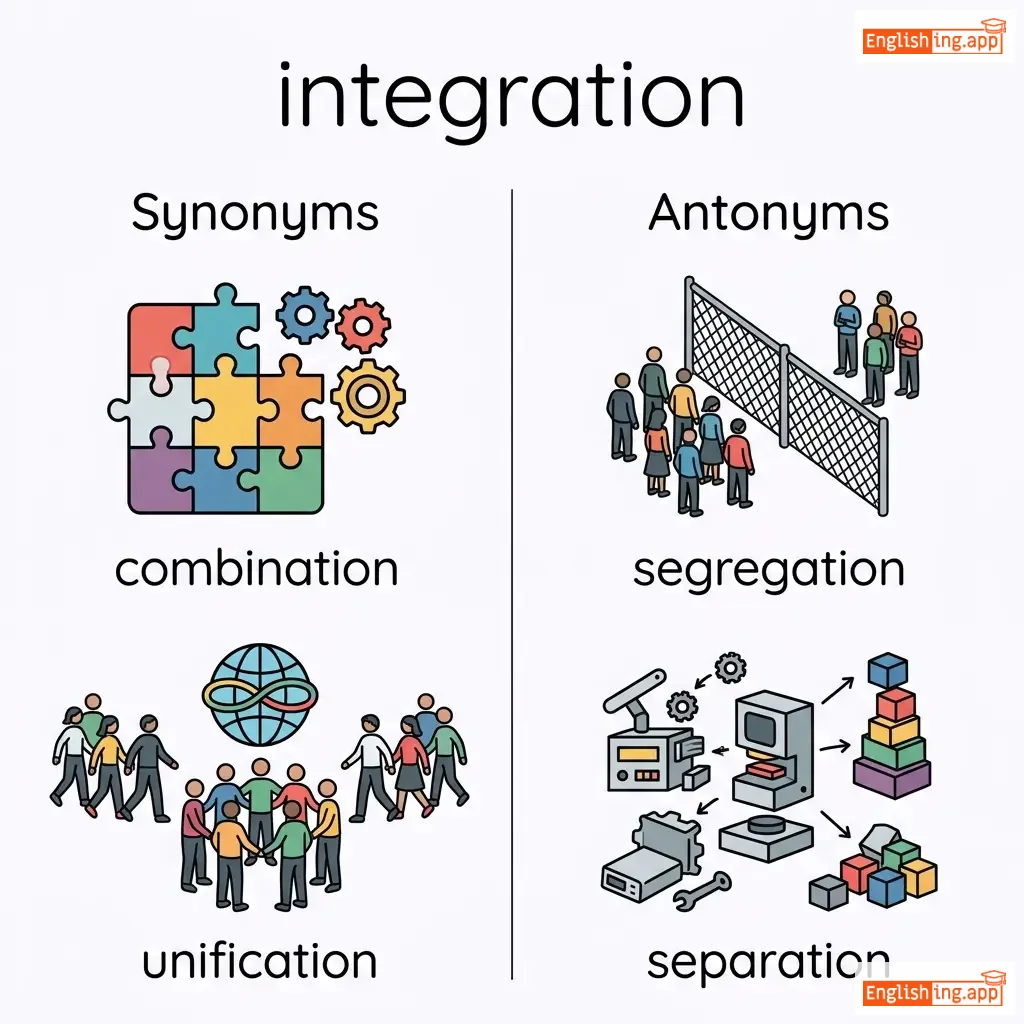
combination, unification, merging, inclusion, assimilation
••••••
|
segregation, separation
••••••
|
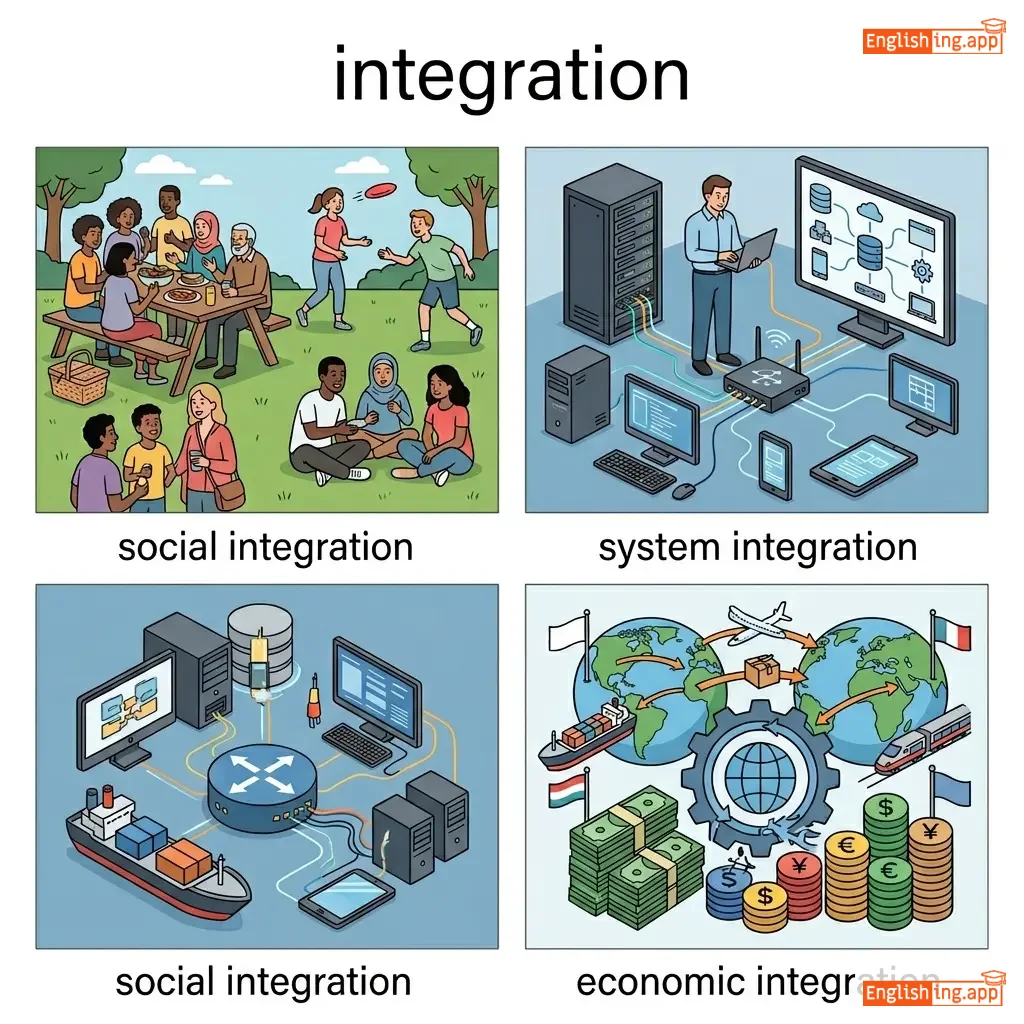
social integration, system integration, economic integration, cultural integration
••••••
|
整合意味着把一切结合成一个整体 – 让所有东西成为一个完整的部分!
••••••
|
|
🏛️
••••••
|
/ˈlɛdʒɪsˌleɪtʃər/
noun
(lɛdʒɪsˌleɪtʃər)
••••••
|
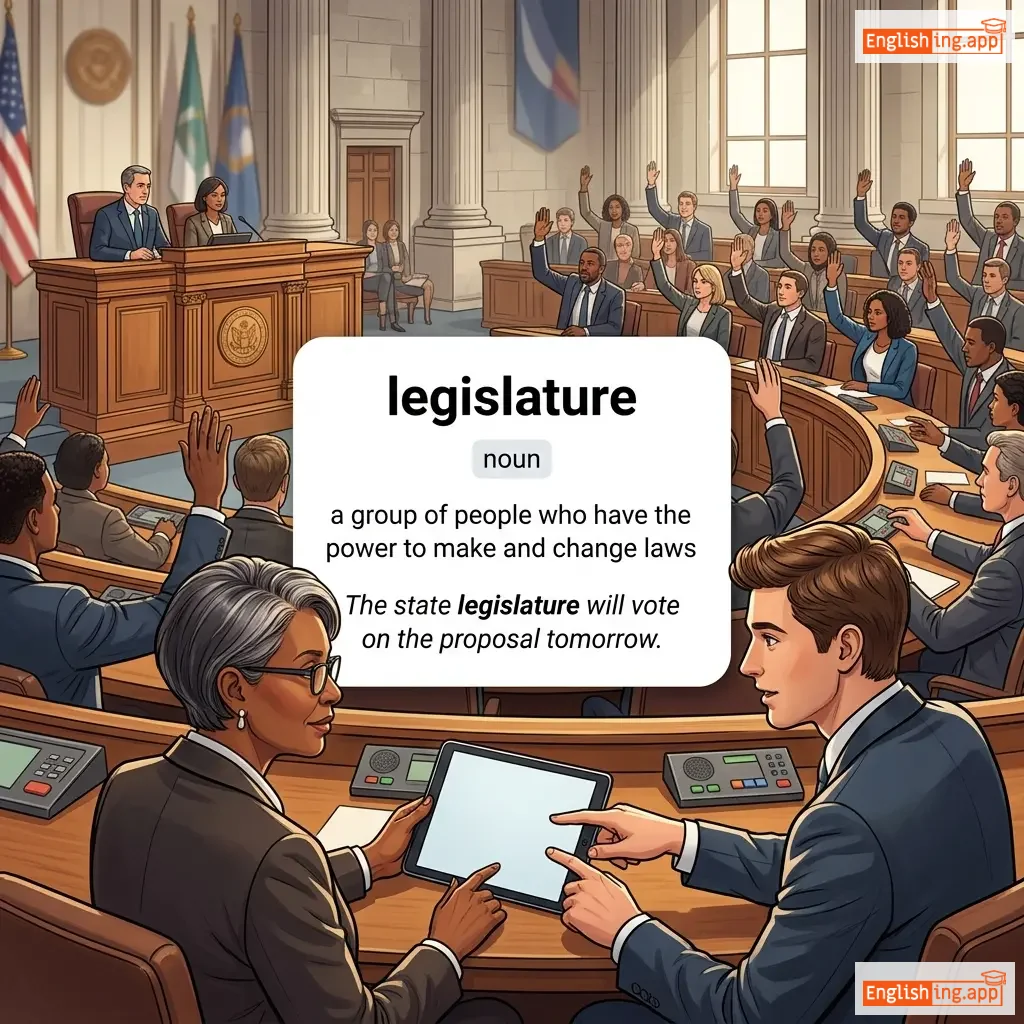
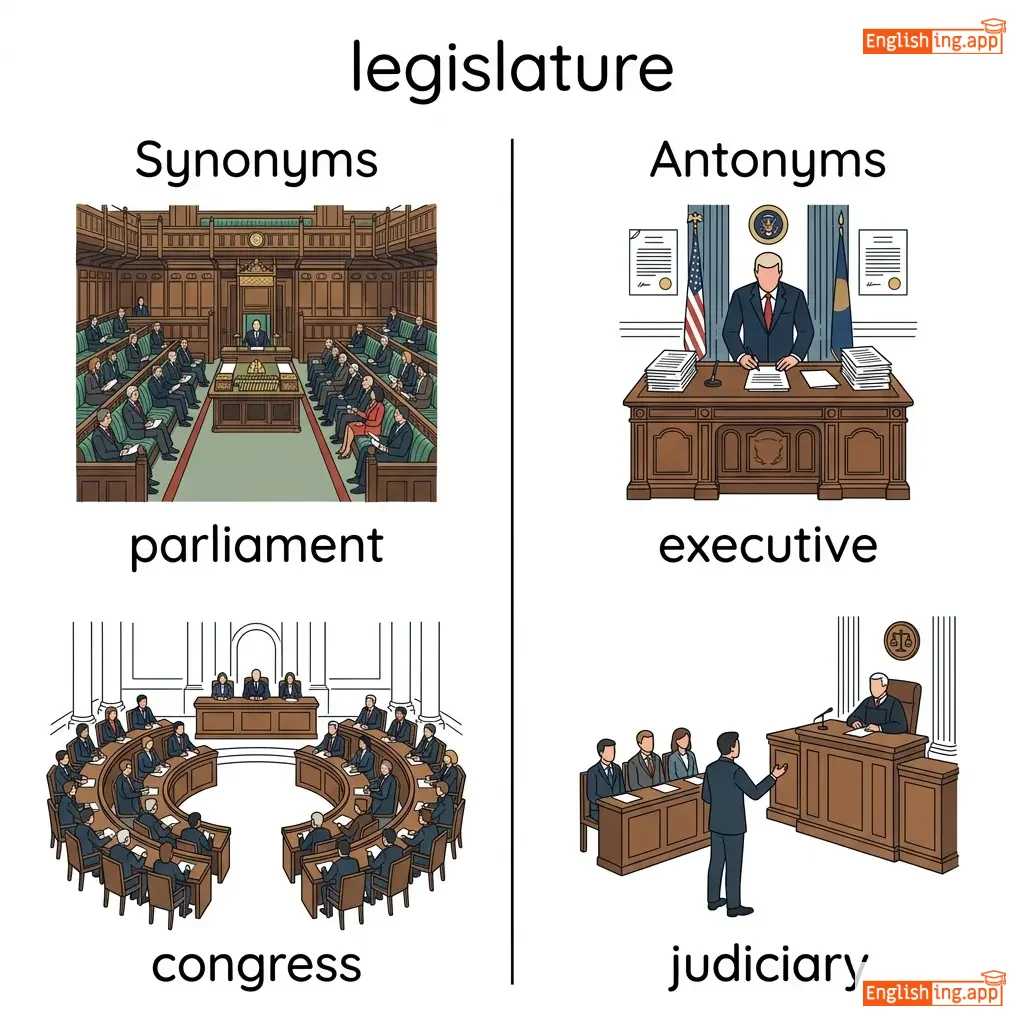
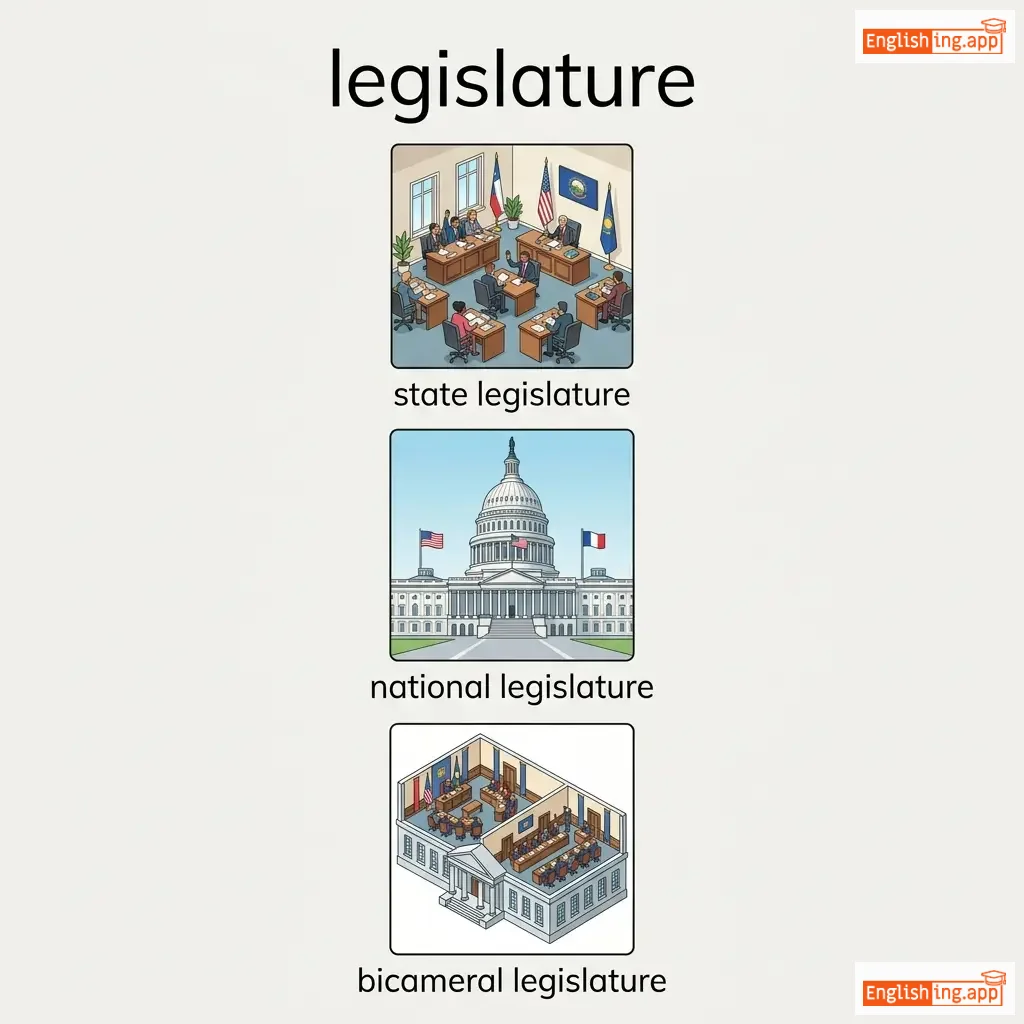
|
立法机关
lifǎ jīguān
••••••
|
- •••••• | - •••••• | - •••••• | - •••••• |
a group of people who have the power to make and change laws
••••••
|
The state legislature will vote on the proposal tomorrow.
州立立法机构明天将对提案进行投票。
••••••
|
州立立法机关明天将对提案进行投票。
Zhōu lì lìfǎ jīguān míngtiān jiāng duì tí'àn jìnxíng tóupiào.
••••••
|
- •••••• | - •••••• | - •••••• |
parliament, congress, assembly, senate
••••••
|
executive, judiciary
••••••
|
state legislature, national legislature, bicameral legislature
••••••
|
Legislature 意味着立法机关 — 它是制定法律的地方。
••••••
|
|
🎭
••••••
|
/məˌnɪpjʊˈleɪʃən/
noun
••••••
|

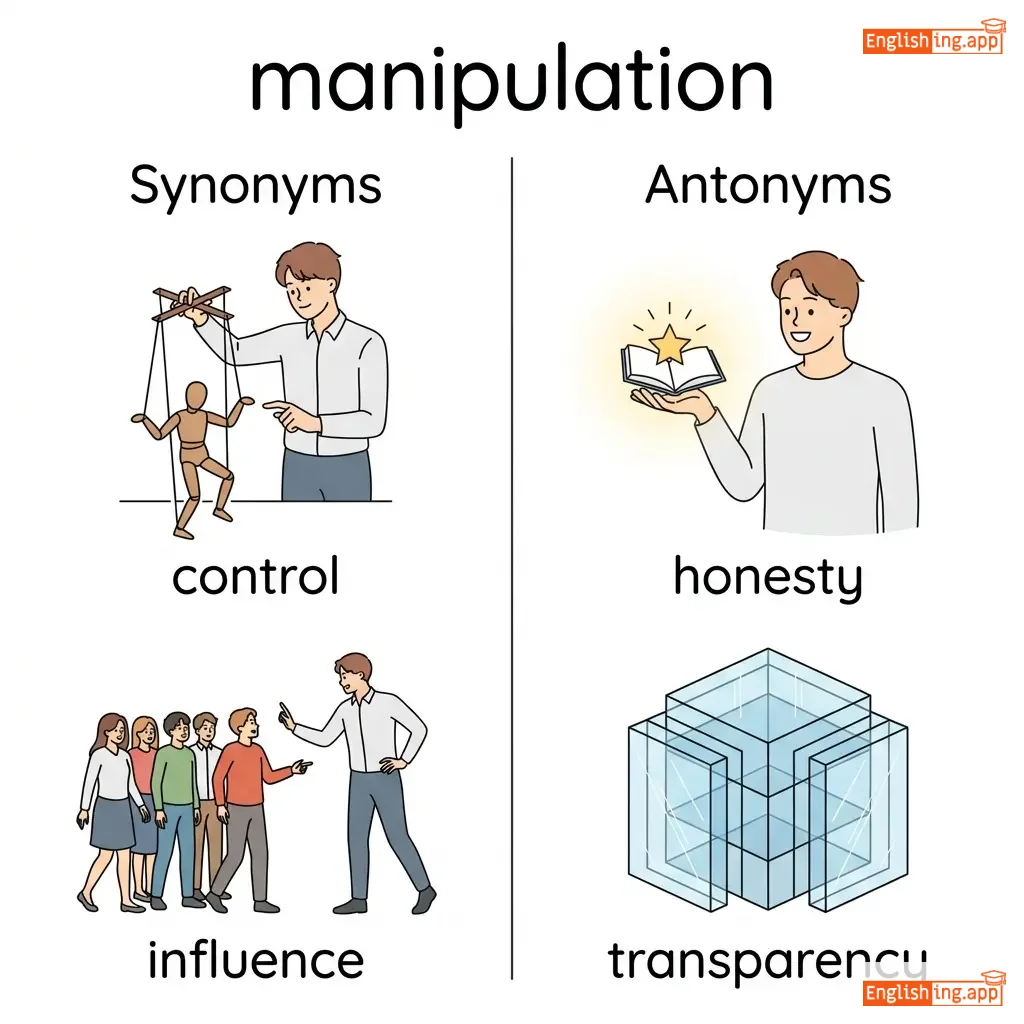
|
- •••••• | - •••••• | - •••••• | - •••••• | - •••••• |
the action of controlling or influencing something or someone cleverly or unfairly
••••••
|
His manipulation of the situation was evident to everyone. |
- •••••• | - •••••• | - •••••• | - •••••• |
control, influence, handling, exploitation
••••••
|
honesty, transparency
••••••
|
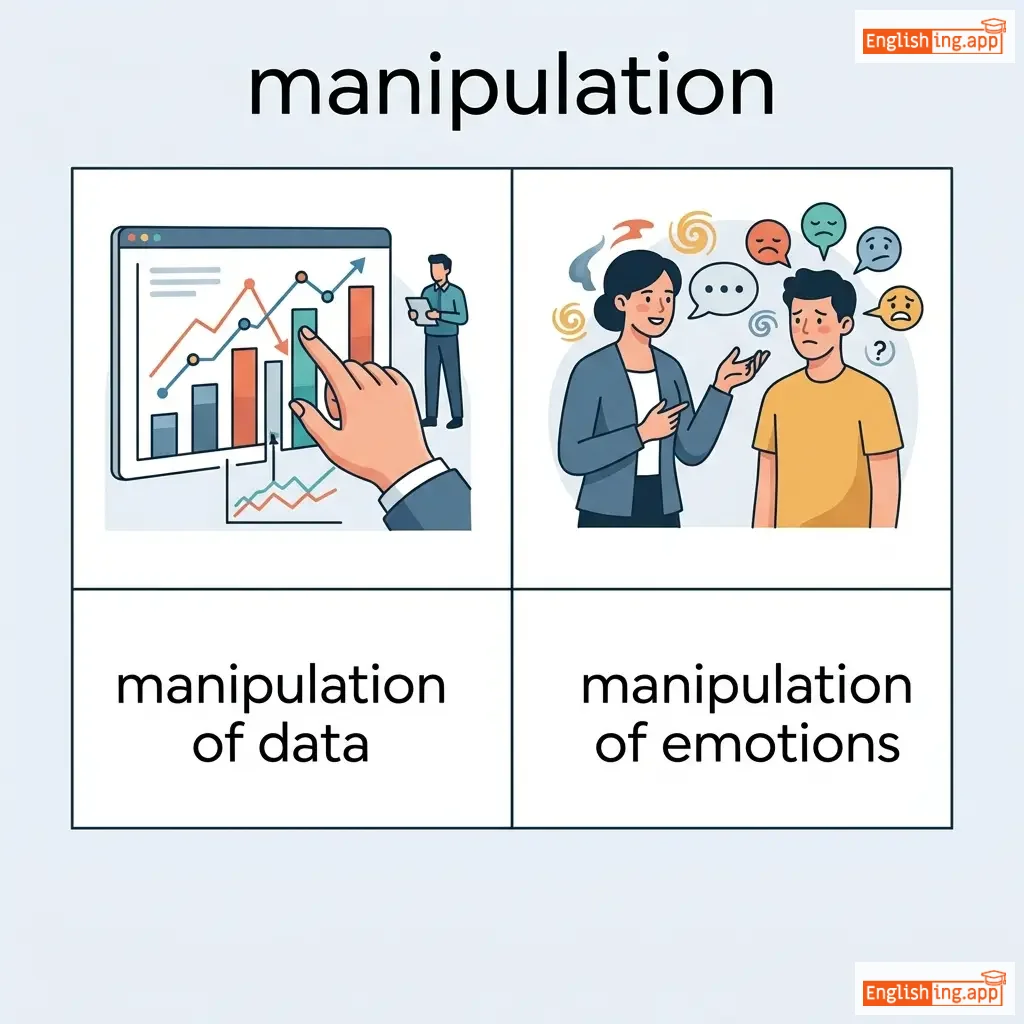
manipulation of data, manipulation of emotions
••••••
|
No •••••• |
|
📘
••••••
|
/ˌɔː.ri.enˈteɪ.ʃən/
noun
(定向)
••••••
|
- •••••• |
定向
dingxiang
••••••
|
- •••••• | - •••••• | - •••••• | - •••••• |
the process of becoming familiar with a new situation or environment
••••••
|
The company provides an orientation for all new employees. |
公司为所有新员工提供定向培训。
Gongsi wei suoyou xin yuangong tigong dingxiang peixun.
••••••
|
new employee orientation |
a training session to introduce new workers to an organization
••••••
|
新员工定向培训
xin yuangong dingxiang peixun
••••••
|
introduction, initiation, training, induction, adjustment
••••••
|
confusion, disorientation
••••••
|
orientation session, orientation program, student orientation, cultural orientation
••••••
|
Orientation 意味着定向 - 当你加入公司时,你会得到定向培训 📘。
••••••
|
|
📝
••••••
|
/prɪˈlɪmɪˌneri/
adjective
(前期)
••••••
|
|
初步
chubu
••••••
|
- •••••• | - •••••• | - •••••• | - •••••• |
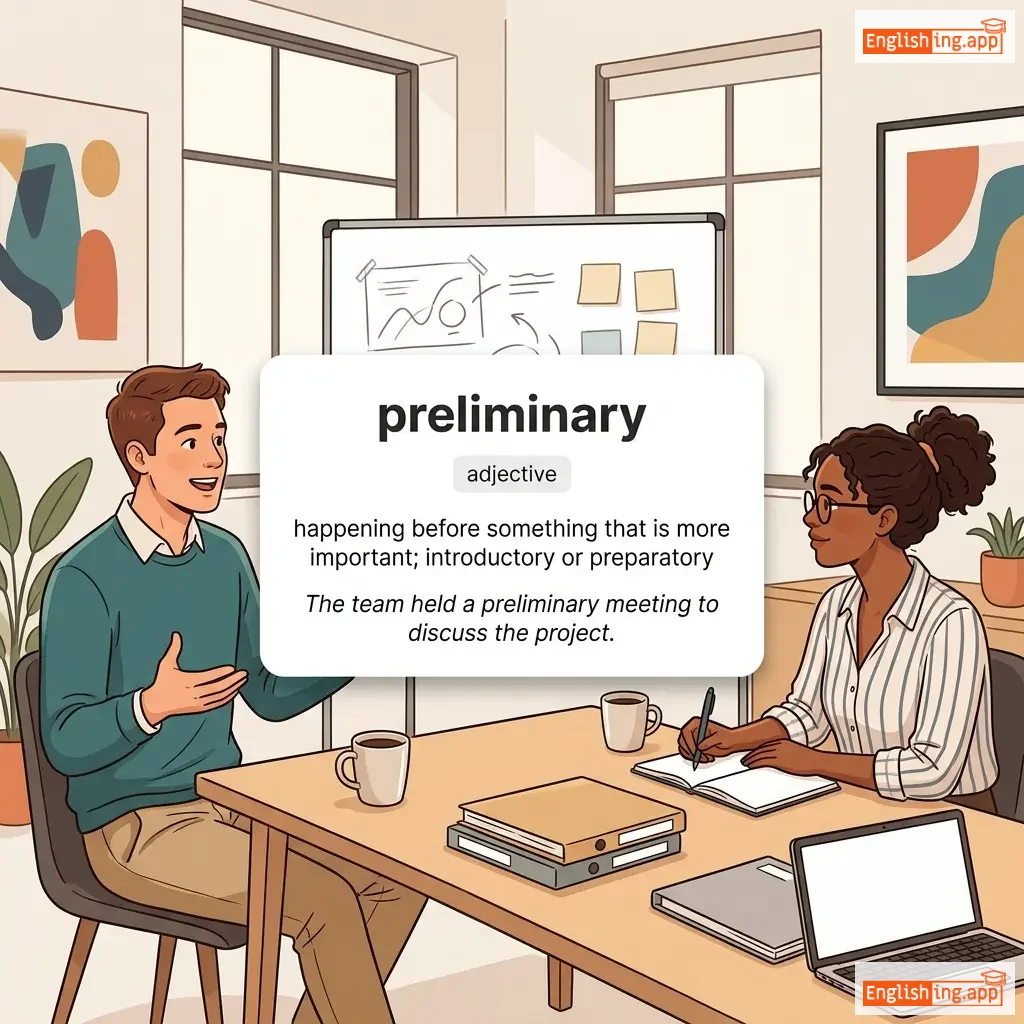
happening before something that is more important; introductory or preparatory
••••••
|
The team held a preliminary meeting to discuss the project.
团队举行了初步会议,讨论项目。
••••••
|
团队举行了初步会议,讨论项目。
Tuandui juxing le chubu huiyi, taolun xiangmu.
••••••
|
- •••••• | - •••••• | - •••••• |
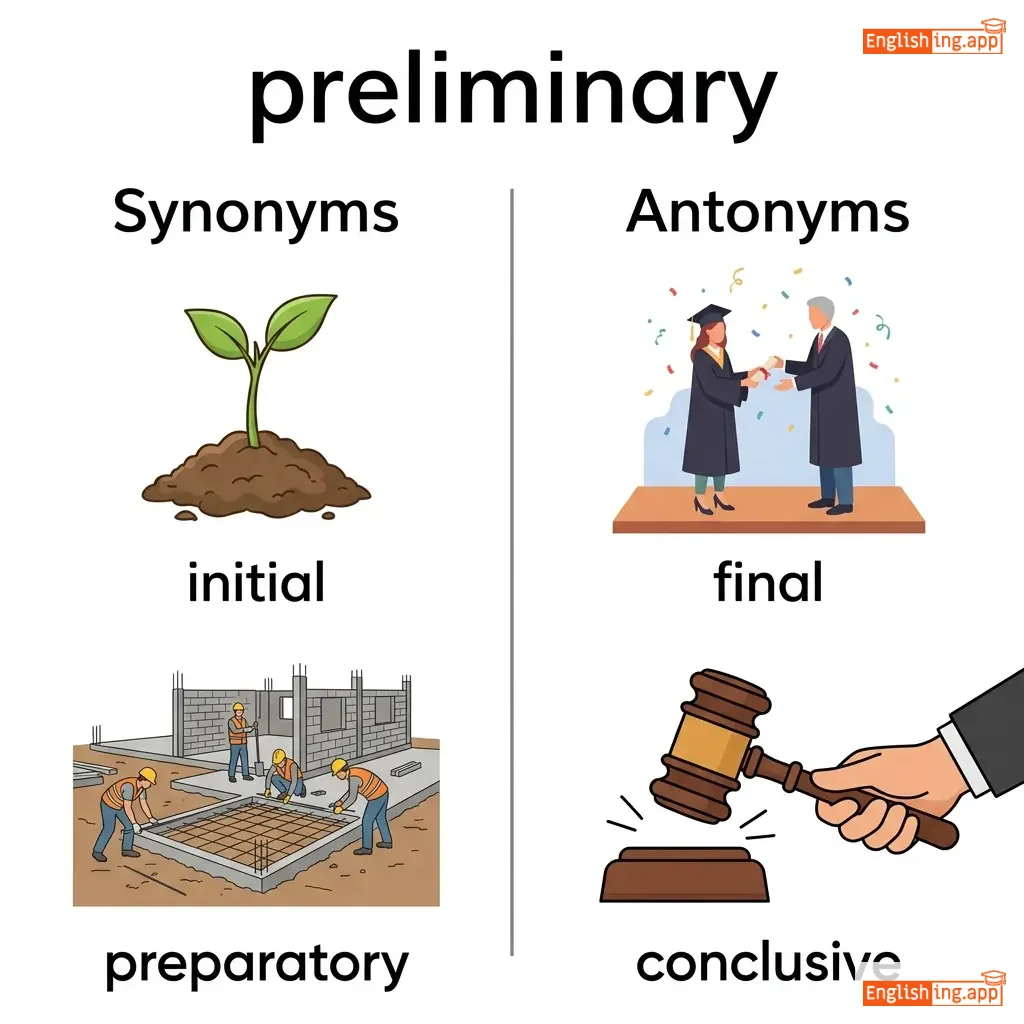
initial, preparatory, introductory, prior, opening
••••••
|
final, conclusive, ultimate
••••••
|
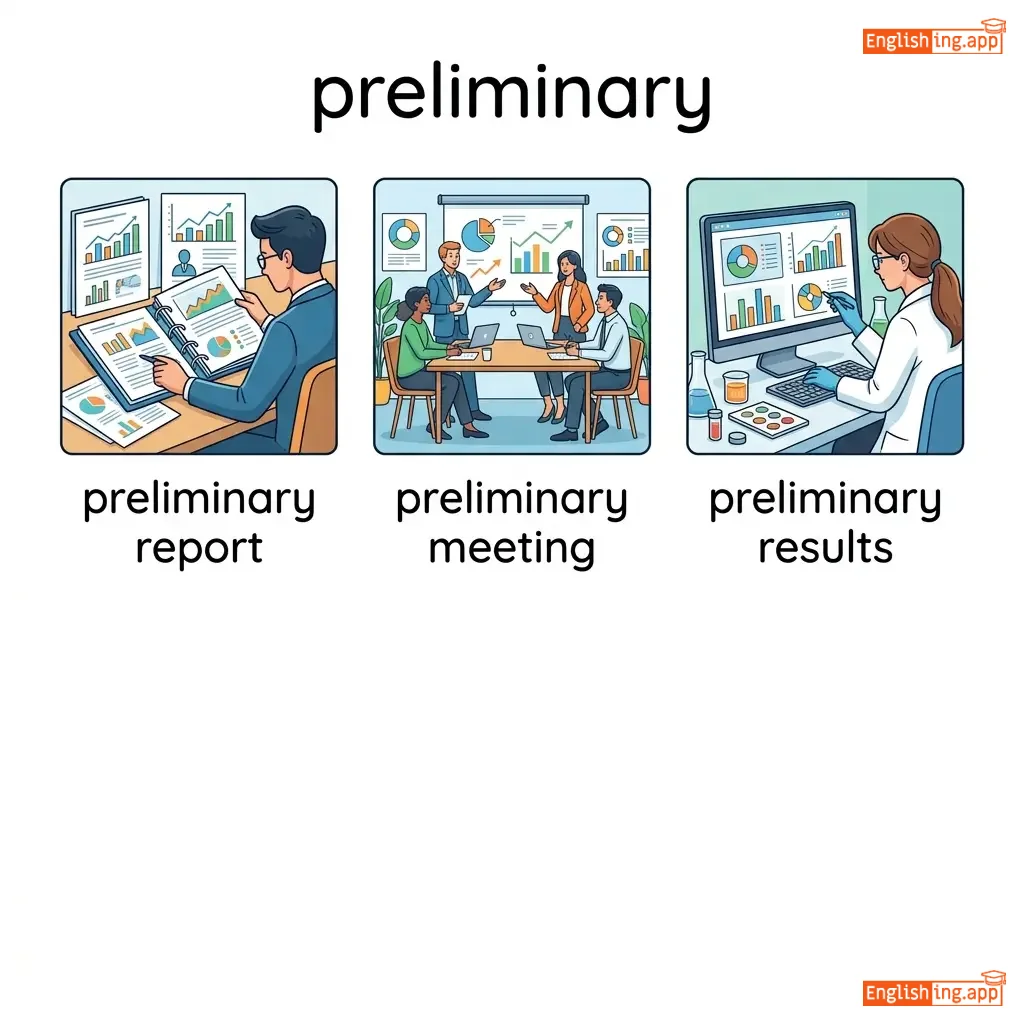
preliminary report, preliminary meeting, preliminary results, preliminary round
••••••
|
Preliminary 意味着‘Pre’,即事物发生之前——在重要事情之前的步骤!
••••••
|
|
🔁
••••••
|
/rɪˈpiː.tɪd.li/
adverb
(反复)
••••••
|
- •••••• |
反复; 一遍又一遍
fǎn fù; yī biàn yòu yī biàn
••••••
|
- •••••• | - •••••• | - •••••• | - •••••• |
again and again; many times over
••••••
|
He repeatedly asked for help with his homework. |
他反复请求帮助完成作业。
Tā fǎn fù qǐngqiú bāngzhù wánchéng zuòyè.
••••••
|
- •••••• | - •••••• | - •••••• |
continuously, constantly, frequently
••••••
|
rarely, seldom, occasionally
••••••
|
repeatedly warned, repeatedly asked, repeatedly told
••••••
|
Imagine repeating yourself over and over in Chinese to ask for help.
••••••
|
|
📋
••••••
|
/rɪˈspektɪvli/
adverb
(rèspèktívli)
••••••
|
- •••••• |
分别;按照给定的顺序;分开且按已经提到的顺序
fēnbié
••••••
|
- •••••• | - •••••• | - •••••• | - •••••• |
in the order given; separately and in the order already mentioned
••••••
|
John and Mary are 25 and 30 years old respectively.
约翰和玛丽分别是25岁和30岁。
••••••
|
约翰和玛丽分别是25岁和30岁。
Yuēhàn hé mǎlì fēnbié shì 25 suì hé 30 suì.
••••••
|
- •••••• | - •••••• | - •••••• |
separately, individually, correspondingly
••••••
|
collectively, together, jointly
••••••
|
respectively speaking, respectively mentioned, respectively assigned
••••••
|
Respectively in Chinese sounds like 'fēnbié', think of them being mentioned in order.
••••••
|

