The Scientist Who Grew Hope
サディヤは農業科学者で、multiple作物を研究していた。彼女はmushroom栽培を専門としていた。彼女のビジョンは、national食料安全保障を改善することだった。多くの人々は農業を職業としてnegativeに見ていた。委員会は農家を表彰するためにnominateした。批評家たちは有機農業をnonsenseと呼んだ。作物はnormally数ヶ月かかって成長した。Northern地域には異なる気候の課題があった。有名なnovelistが農村の変革について書いた。Nowadays、若者たちは農業を避けるようになった。土壌には適切なnutrientsが必要だった。偽の肥料を売ったoffenderは罰を受けた。農民たちは収穫前に自然へofferingsを捧げた。企業型農業は小規模農家のopponentだった。伝統的な方法と現代的な方法はoppositeの立場にあった。土壌はケアが必要な生きたorganismだった。害虫のoutbreaksが収穫を脅かした。政府は農民の苦労をoverlookできなかった。裁判所は不公正な土地法をoverturnできた。サディヤは農家に有機市場の看板を描く方法を教えた。持続可能な農業は化学農業とparallelに進んでいた。Parental知識は世代を超えて受け継がれた。土壌のparticlesには微生物が含まれていた。農場管理システムにはpassword保護が必要だった。作物の病気にはpeculiarなパターンがあった。農家は天候の変化をperceiveすることを学んだ。サディヤのpersonalな使命は地域社会を鼓舞した。彼女は若者に農業の価値をpersuadeしようとした。...(同様のパターンで続く)
|
絵文字
|
単語 | Images | 翻訳 | 過去 | 過去分詞 | 三人称単数 | 動名詞 | 意味 | 例文 | 例文の翻訳 | 表現例 | 表現例の意味 | 表現例の翻訳 | 同義語 | 対義語 | コロケーション | ニーモニック |
|---|---|---|---|---|---|---|---|---|---|---|---|---|---|---|---|---|---|
|
🔢
••••••
|
/ˈmʌl.tɪ.pl̩/
adjective
(マルチプル)
••••••
|
- •••••• |
複数の; 多様な; 異なる
fukusū no; tayō na; kotonaru
••••••
|
- •••••• | - •••••• | - •••••• | - •••••• |
having many parts, elements, or members; numerous
••••••
|
She suffered multiple injuries in the accident. |
彼女は事故で複数の怪我をしました。
Kanojo wa jiko de fukusū no kega o shimashita.
••••••
|
- •••••• | - •••••• | - •••••• |
numerous, many, several, various, manifold
••••••
|
single, sole, individual, unique
••••••
|
multiple choice, multiple injuries, multiple times
••••••
|
一つより多い、だから'マルチプル'!
••••••
|
|
🍄
••••••
|
/ˈmʌʃruːm/
noun
(マッシュルーム)
••••••
|
- •••••• |
キノコ (食用のキノコの一種)
kinoko
••••••
|
- •••••• | - •••••• | - •••••• | - •••••• |
a type of fungus with a round top and a short stem, some of which are edible
••••••
|
We cooked a delicious soup with fresh mushrooms. |
新鮮なキノコで美味しいスープを作りました。
Shinsen na kinoko de oishī sūpu o tsukurimashita.
••••••
|
mushroom overnight |
to grow or increase very quickly
••••••
|
キノコのように急速に成長する
kinoko no yō ni kyūsoku ni seichō suru
••••••
|
fungus, toadstool, champignon, spore, growth
••••••
|
shrink, decline, decrease
••••••
|
mushroom soup, mushroom farm, wild mushroom, edible mushroom
••••••
|
キノコは急速に成長するので、すぐに美味しいスープができます!
••••••
|
|
🇳🇱
••••••
|
/ˈnæʃənəl/
adjective
(ネイショナル)
••••••
|
- •••••• |
国民の
kokumin no
••••••
|
- •••••• | - •••••• | - •••••• | - •••••• |
relating to a nation, especially its culture, language, or government
••••••
|
The national anthem was played at the ceremony.
国歌は式典で演奏されました。
••••••
|
国歌は式典で演奏されました。
Kokuga wa shikiten de ensō saremashita.
••••••
|
- •••••• | - •••••• | - •••••• |
state, public, governmental, nationalistic
••••••
|
local, regional, individual
••••••
|
national identity, national pride, national team, national government
••••••
|
National is about Kokumin - Kokumin no uta, shikiten de!
••••••
|
|
☹️
••••••
|
/ˈnɛɡətɪv/
adjective
(ネガティブ)
••••••
|
|
否定的
hōteiteki
••••••
|
- •••••• | - •••••• | - •••••• | - •••••• |
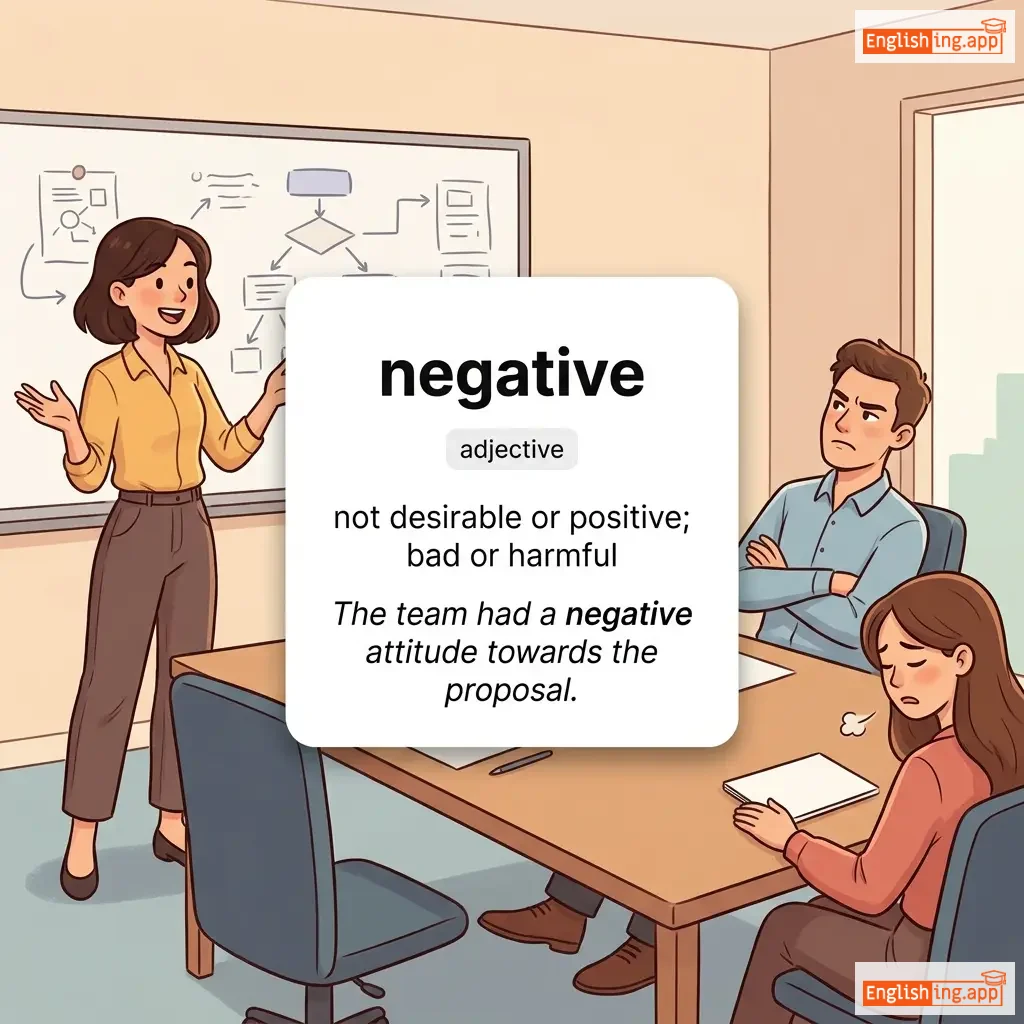
not desirable or positive; bad or harmful
••••••
|
The team had a negative attitude towards the proposal. |
チームは提案に対して否定的な態度を持っていました。
Chīmu wa teian ni taishite hōteiteki na taido o motte imashita.
••••••
|
- •••••• | - •••••• | - •••••• |
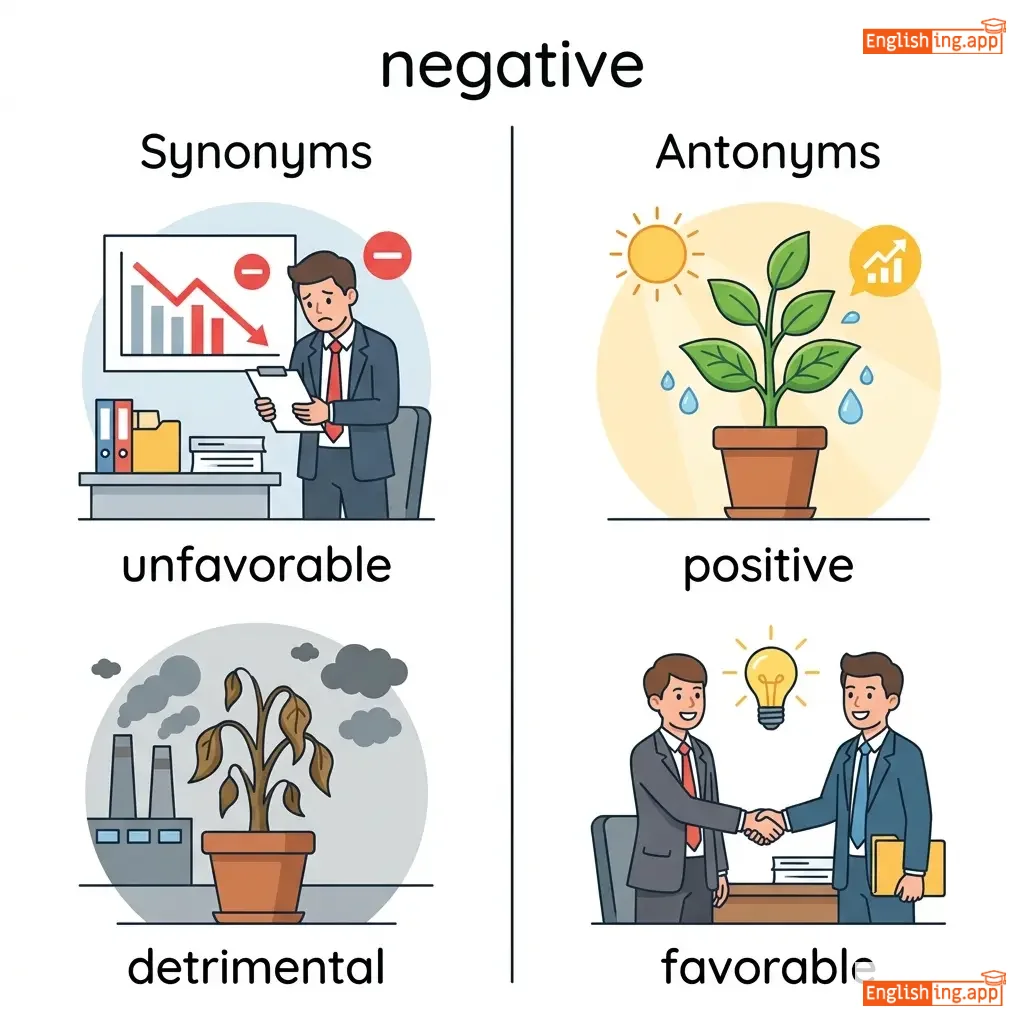
unfavorable, detrimental, harmful, pessimistic
••••••
|
positive, favorable, optimistic
••••••
|
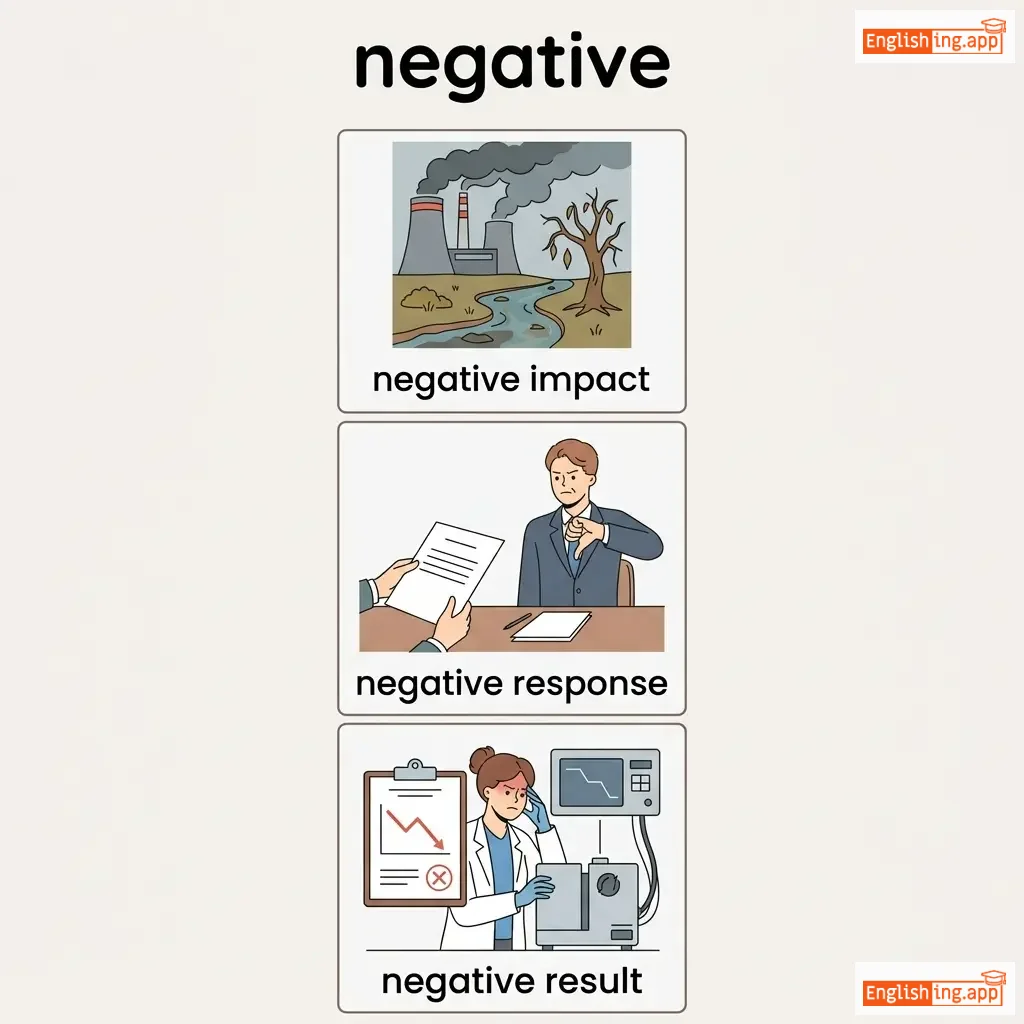
negative impact, negative response, negative result
••••••
|
ネガティブを覚えて、良いことは何もない!
••••••
|
|
🏆
••••••
|
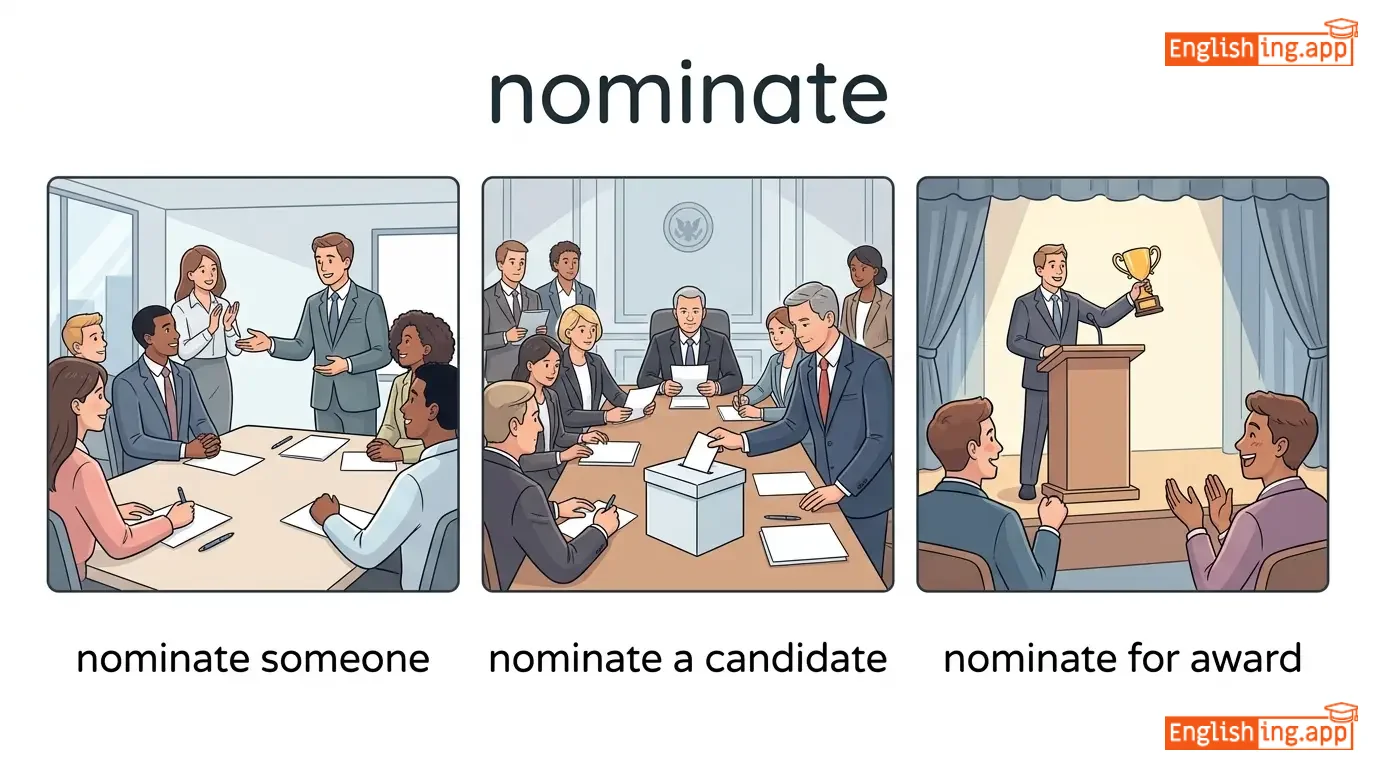
/ˈnɒmɪneɪt/
verb
(ノミネート)
••••••
|

|
ノミネートする
nominēto suru
••••••
|
nominated
ノミネーテッド
••••••
|
nominated
ノミネーテッド
••••••
|
nominates
ノミネーツ
••••••
|
nominating
ノミネーティング
••••••
|
to propose someone for a position or award
••••••
|
The committee decided to nominate her for the award.
委員会は彼女を賞にノミネートすることに決めました。
••••••
|
委員会は彼女を賞にノミネートすることに決めました。
Iinkai wa kanojo o shō ni nominēto suru koto ni kimemashita.
••••••
|
- •••••• | - •••••• | - •••••• |
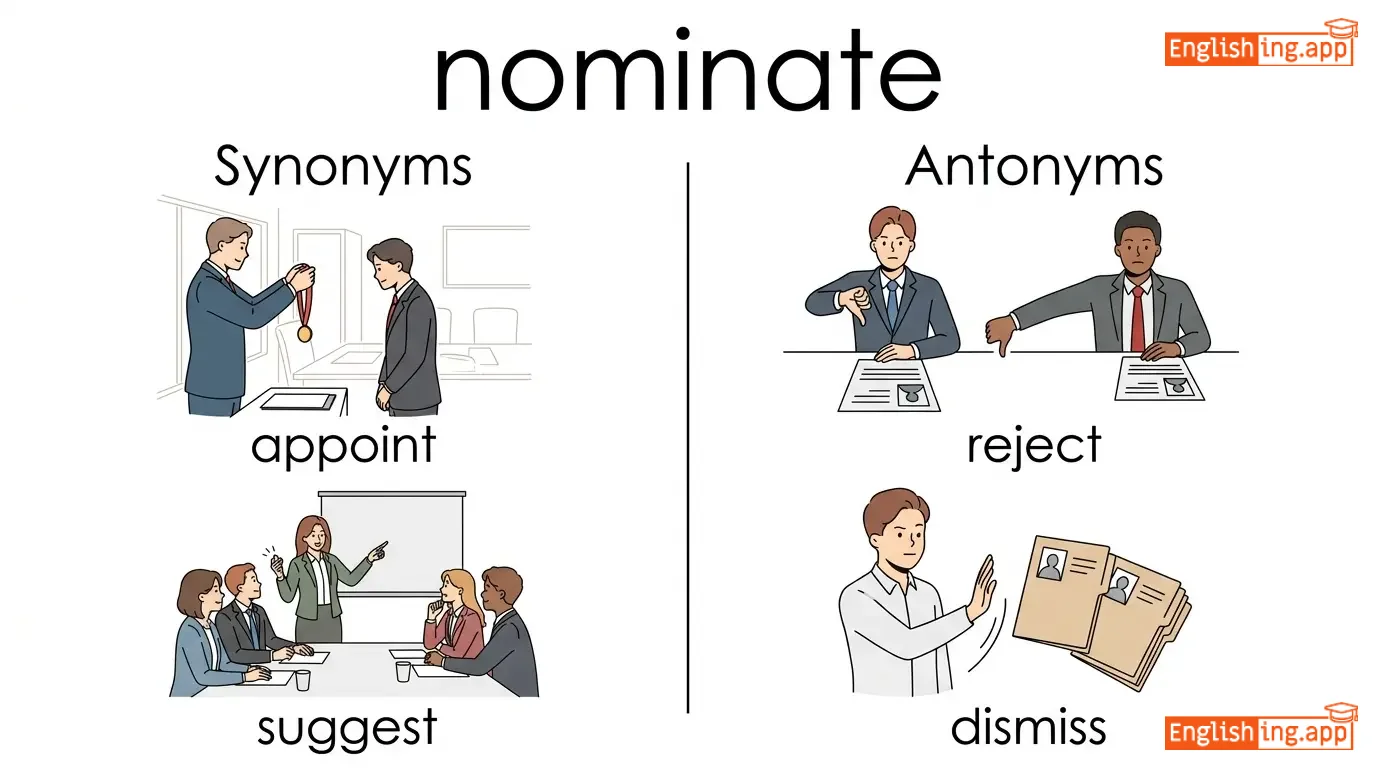
propose, suggest, recommend, appoint
••••••
|
reject, dismiss, withdraw
••••••
|
nominate candidates, nominate for award, officially nominate, nominate someone, nominate unanimously
••••••
|
Nominate = ノミネートする (Nominēto suru) - The word is almost identical in both Japanese and English.
••••••
|
|
🙃
••••••
|
/ˈnɒnsəns/
noun
(ノンセンス)
••••••
|
- •••••• |
ナンセンス
nansensu
••••••
|
- •••••• | - •••••• | - •••••• | - •••••• |
Words or ideas that have no meaning or make no sense.
••••••
|
His explanation was pure nonsense. |
彼の説明は完全にナンセンスだった。
kare no setsumei wa kanzen ni nansensu datta.
••••••
|
talk nonsense |
to say things that are not true or make no sense
••••••
|
ナンセンスを言う
nansensu o iu
••••••
|
rubbish, absurdity, foolishness, drivel, gibberish
••••••
|
truth, sense, logic
••••••
|
utter nonsense, talk nonsense, complete nonsense, pure nonsense
••••••
|
Nonsense = NO SENSE → 意味がない → ナンセンス
••••••
|
|
📅
••••••
|
/ˈnɔːməli/
adverb
(ノーマリー)
••••••
|
- •••••• |
通常
tsūjō
••••••
|
- •••••• | - •••••• | - •••••• | - •••••• |
in the usual way; under normal circumstances
••••••
|
I normally wake up at 7 AM every day. |
私は通常毎日午前7時に起きます。
watashi wa tsūjō mainichi gozen 7-ji ni okimasu
••••••
|
- •••••• | - •••••• | - •••••• |
usually, typically, generally
••••••
|
abnormally, unusually, rarely
••••••
|
normally do, normally happen, normally work
••••••
|
In Japanese, 'tsūjō' is similar to 'normally', and both imply regular or expected behavior.
••••••
|
|
🌨️
••••••
|
/ˈnɔːðərn/
adjective
(ノースダーン)
••••••
|
- •••••• |
北部の
hokubu no
••••••
|
- •••••• | - •••••• | - •••••• | - •••••• |
relating to the north or situated in the north
••••••
|
The northern part of the country is known for its cold climate. |
その国の北部は寒冷な気候で知られています。
Sono kuni no hokubu wa kanrei na kikō de shirareteimasu.
••••••
|
- •••••• | - •••••• | - •••••• |
northerly, northernmost
••••••
|
southern
••••••
|
northern lights, northern regions, northern hemisphere
••••••
|
Imagine the cold northern winds – 'hokubu' means northern in Japanese!
••••••
|
|
📚
••••••
|
/ˈnɒvəlɪst/
noun
(ノヴェリスト)
••••••
|
- •••••• |
小説家
shousetsuka
••••••
|
- •••••• | - •••••• | - •••••• | - •••••• |
a person who writes novels
••••••
|
The novelist spent years writing his new book. |
その小説家は新しい本を書くために何年も費やしました。
Sono shousetsuka wa atarashī hon o kaku tame ni nannen mo tsuiyashimashita.
••••••
|
- •••••• | - •••••• | - •••••• |
author, writer, fiction writer, storyteller
••••••
|
non-writer, reader
••••••
|
famous novelist, best-selling novelist, contemporary novelist
••••••
|
小説家 (shousetsuka), 彼らは言葉で世界を創り出す魔法使いです。
••••••
|
|
🕒
••••••
|
/ˈnaʊədeɪz/
adverb
(ナウアデイズ)
••••••
|
- •••••• |
最近
saikin
••••••
|
- •••••• | - •••••• | - •••••• | - •••••• |
At the present time; in contrast with the past.
••••••
|
Nowadays, many people prefer shopping online. |
最近、多くの人々がオンラインショッピングを好むようになった。
Saikin, ooku no hitobito ga onrain shoppingu o konomu you ni natta.
••••••
|
- •••••• | - •••••• | - •••••• |
currently, presently, these days, today
••••••
|
formerly, previously, once
••••••
|
nowadays people, nowadays it is common, nowadays trend
••••••
|
Nowadaysは最近という意味—Nowは現在、daysは日々を示す。
••••••
|
|
🥦
••••••
|
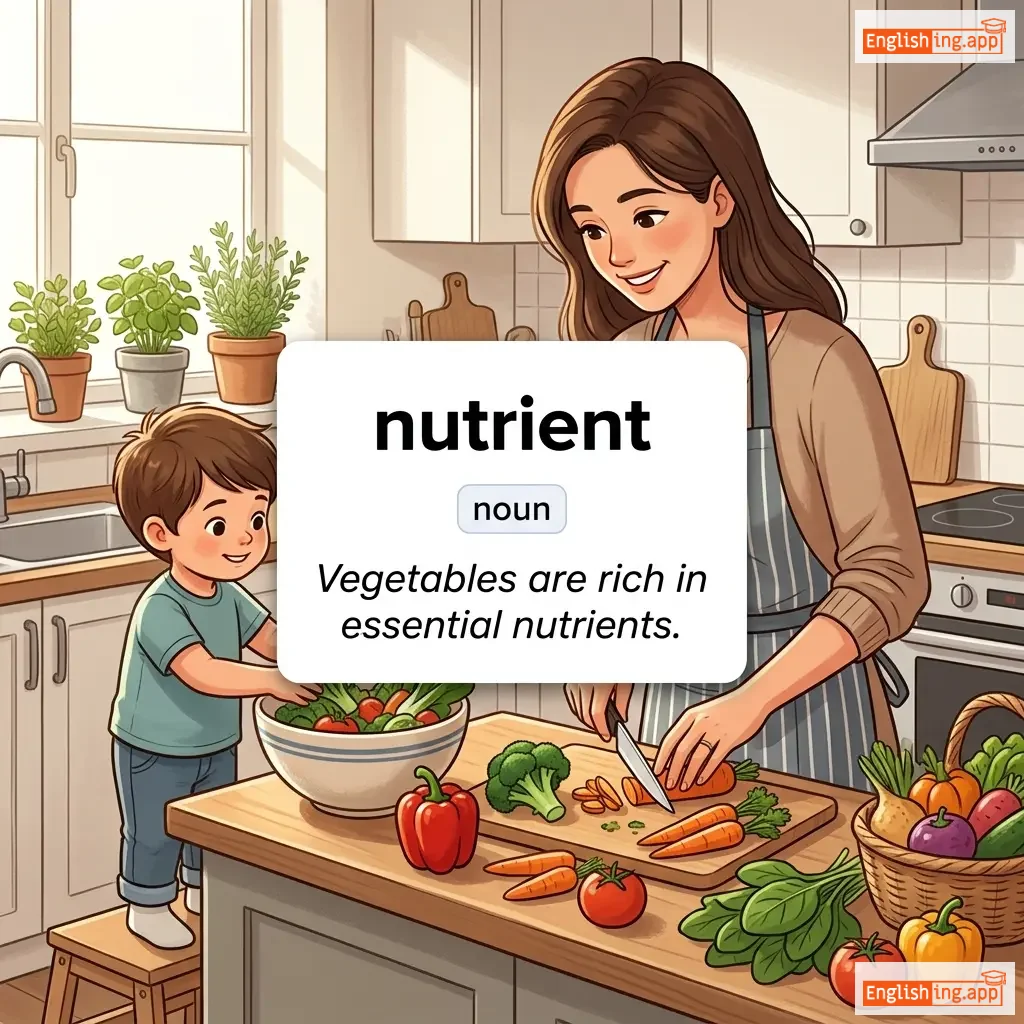
/ˈnjuː.tri.ənt/
noun
(ニュートリエント)
••••••
|
|
栄養素
eiyouso
••••••
|
- •••••• | - •••••• | - •••••• | - •••••• |
A substance that provides nourishment essential for growth and the maintenance of life.
••••••
|
Vegetables are rich in essential nutrients. |
野菜は重要な栄養素が豊富です。
Yasai wa juuyou na eiyouso ga houfu desu.
••••••
|
- •••••• | - •••••• | - •••••• |
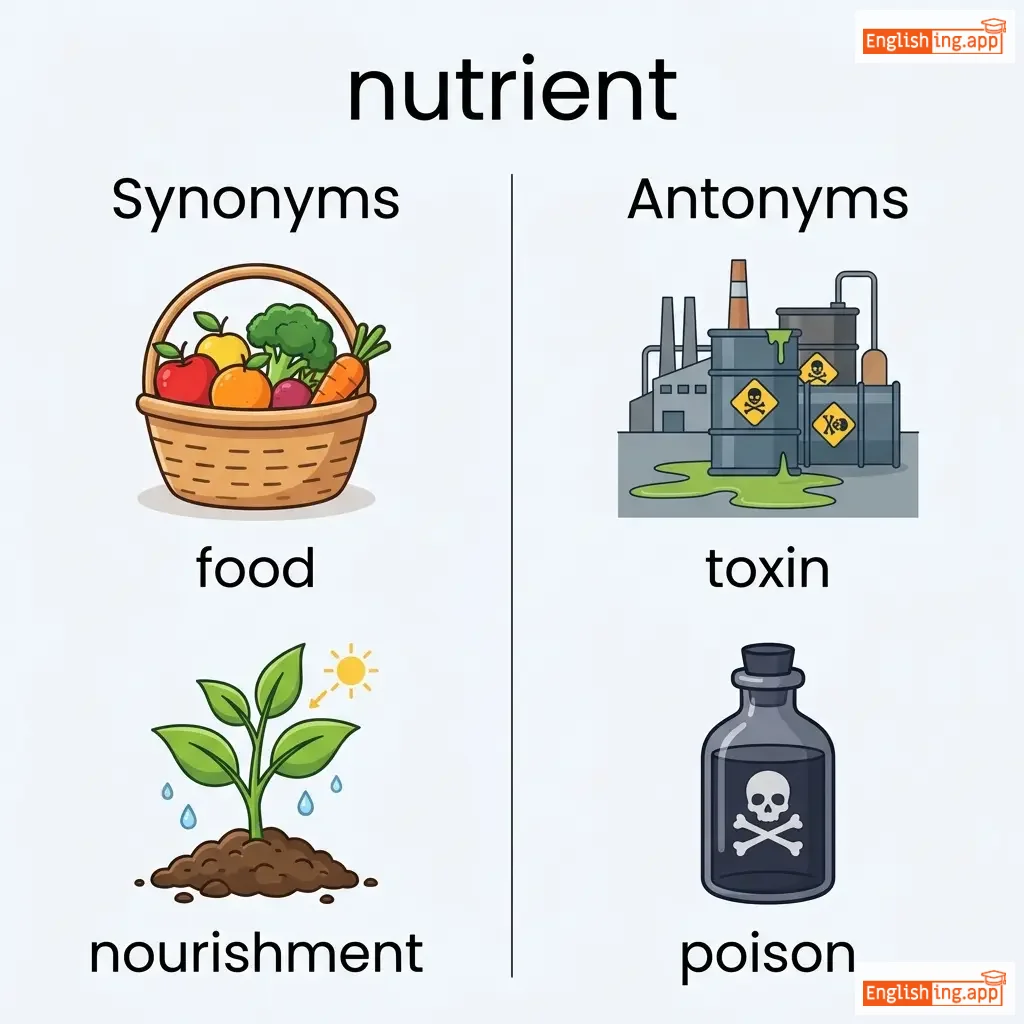
food, nourishment, sustenance, vitamin, mineral
••••••
|
toxin, poison
••••••
|
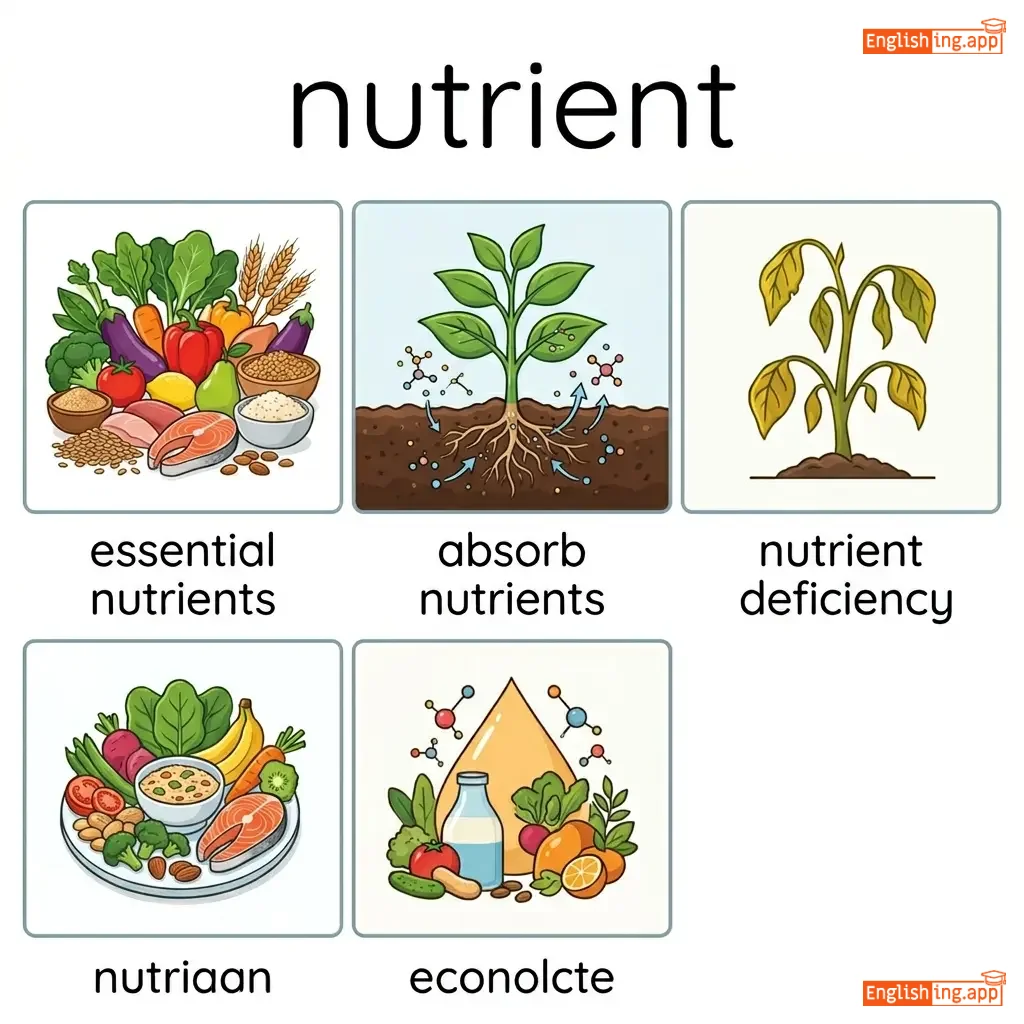
essential nutrients, absorb nutrients, nutrient deficiency, nutrient intake
••••••
|
NutriENT = Nutri + ENT (エンターテイメント), 食べ物に栄養素があれば、体は楽しむ。
••••••
|
|
🚔
••••••
|
/əˈfɛndər/
noun
(オフェンダー)
••••••
|
- •••••• |
犯罪者
hanzai-sha
••••••
|
- •••••• | - •••••• | - •••••• | - •••••• |
a person who commits a crime or does something wrong
••••••
|
The police caught the offender quickly. |
警察はすぐに犯罪者を捕まえました。
Keisatsu wa sugu ni hanzai-sha o tsukamaemashita.
••••••
|
repeat offender |
a person who commits the same crime more than once
••••••
|
常習犯
jōshū-han
••••••
|
criminal, culprit, wrongdoer, lawbreaker, transgressor
••••••
|
victim, innocent
••••••
|
first-time offender, repeat offender, serious offender, juvenile offender
••••••
|
Offenderは犯罪者、法を破る人👮
••••••
|
|
🎁
••••••
|
/ˈɒfərɪŋ/
noun
(オファリング)
••••••
|
- •••••• |
オファリング
ofaringu
••••••
|
- •••••• | - •••••• | - •••••• | - •••••• |
something that is given, especially as a gift or contribution
••••••
|
The company’s latest offering is an eco-friendly car.
会社の最新のオファリングは、エコフレンドリーな車です。
••••••
|
会社の最新のオファリングは、エコフレンドリーな車です。
Kaisha no saishin no ofaringu wa, ekofurendorī na kuruma desu.
••••••
|
peace offering
平和の贈り物
••••••
|
something given to show a desire for peace or reconciliation
••••••
|
平和の贈り物
heiwa no okurimono
••••••
|
gift, contribution, donation, present, sacrifice
••••••
|
refusal, withdrawal
••••••
|
make an offering, religious offering, peace offering, product offering
••••••
|
Offering は何かを提供すること、例えば提案や平和の贈り物
••••••
|
|
🤼
••••••
|
/əˈpoʊnənt/
noun
(幸せ)
••••••
|
- •••••• |
幸せ
shiawase
••••••
|
- •••••• | - •••••• | - •••••• | - •••••• |
A person who competes against or disagrees with another.
••••••
|
The boxer defeated his opponent in the final round. |
彼女は賞を受け取ったとき、幸せを隠すことができませんでした。
kanojo wa shō o uketotta toki, shiawase o kakusu koto ga dekimasen deshita.
••••••
|
worthy opponent |
a rival who is strong and deserves respect
••••••
|
幸せを追い求める
shiawase o oimotomeru
••••••
|
rival, adversary, competitor, challenger
••••••
|
ally, supporter, partner
••••••
|
political opponent, main opponent, worthy opponent, face an opponent
••••••
|
幸せ — 幸せは自分で作るもの、笑顔を忘れずに!
••••••
|
|
↔️
••••••
|
/ˈɒp.əz.ɪt/
adjective
(オポジット)
••••••
|
- •••••• |
反対
hantai
••••••
|
- •••••• | - •••••• | - •••••• | - •••••• |
Completely different; on the other side or facing something.
••••••
|
The two houses are on opposite sides of the street. |
その2つの家は通りの反対側にあります。
Sono futatsu no ie wa toori no hantai-gawa ni arimasu.
••••••
|
polar opposite |
Something or someone that is completely different from another.
••••••
|
極端な反対
kyokutan na hantai
••••••
|
contrary, reverse, contrasting, antithetical
••••••
|
similar, same, identical
••••••
|
opposite direction, opposite side, exact opposite, complete opposite
••••••
|
反対は完全に異なる意味で、極端な反対のようなものです。
••••••
|
|
🧫
••••••
|
/ˈɔːɡənɪzəm/
noun
(オーガニズム)
••••••
|
- •••••• |
生物
seibutsu
••••••
|
- •••••• | - •••••• | - •••••• | - •••••• |
a living thing that has an organized structure and can grow and reproduce
••••••
|
Every organism needs water to survive. |
すべての生物は生き残るために水を必要とします。
Subete no seibutsu wa ikinokoru tame ni mizu o hitsuyō to shimasu.
••••••
|
- •••••• | - •••••• | - •••••• |
creature, being, life form, living thing
••••••
|
inanimate object, nonliving thing
••••••
|
living organism, simple organism, complex organism, single-celled organism
••••••
|
オーガニズムは生き物、組織的な構造を持つ生命体。
••••••
|
|
⚠️
••••••
|
/ˈaʊtˌbreɪk/
noun
(アウトブレイク)
••••••
|
- •••••• |
発生
hassei
••••••
|
- •••••• | - •••••• | - •••••• | - •••••• |
a sudden start or occurrence of something unpleasant, like disease or violence
••••••
|
There was an outbreak of flu in the city. |
街でインフルエンザが発生した。
Machi de infuruenza ga hassei shita.
••••••
|
- •••••• | - •••••• | - •••••• |
eruption, flare-up, epidemic, surge
••••••
|
end, cessation, calm
••••••
|
outbreak of disease, sudden outbreak, outbreak of violence
••••••
|
Outbreak は発生—突然何かが始まること、例えば病気や暴力。
••••••
|
|
👀
••••••
|
/ˌoʊvərˈlʊk/
verb
(オーバールック)
••••••
|
|
見落とす
miotosu
••••••
|
overlooked
オーバールックド
••••••
|
overlooked
オーバールックド
••••••
|
overlooks
オーバールックス
••••••
|
overlooking
オーバールッキング
••••••
|
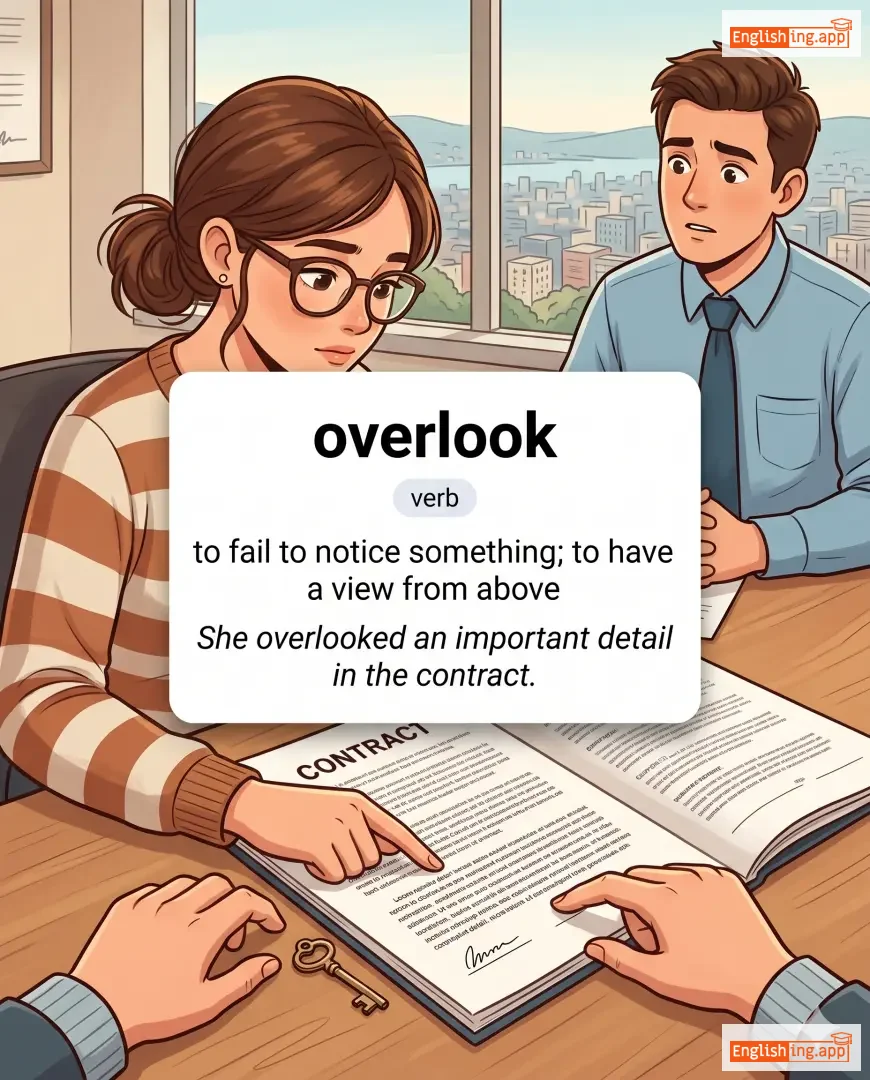
to fail to notice something; to have a view from above
••••••
|
She overlooked an important detail in the contract.
彼女は契約書の重要な詳細を見逃しました。
••••••
|
彼女は契約書の重要な詳細を見逃しました。
Kanojo wa keiyakusho no jūyōna shōsai o miokurimashita.
••••••
|
to overlook mistakes
間違いを見逃す
••••••
|
to forgive or ignore minor errors
••••••
|
間違いを見逃す
Machigai o miokasu
••••••
|
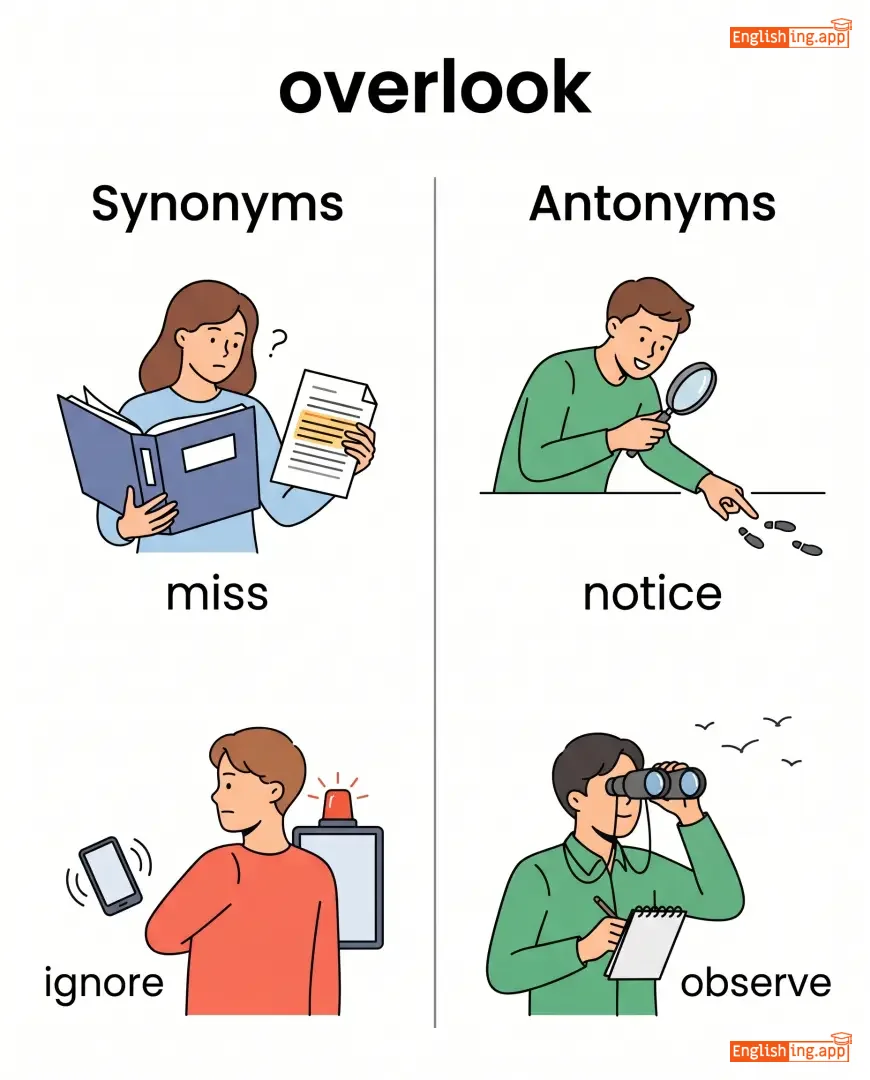
miss, ignore, disregard, supervise, neglect
••••••
|
notice, observe
••••••
|
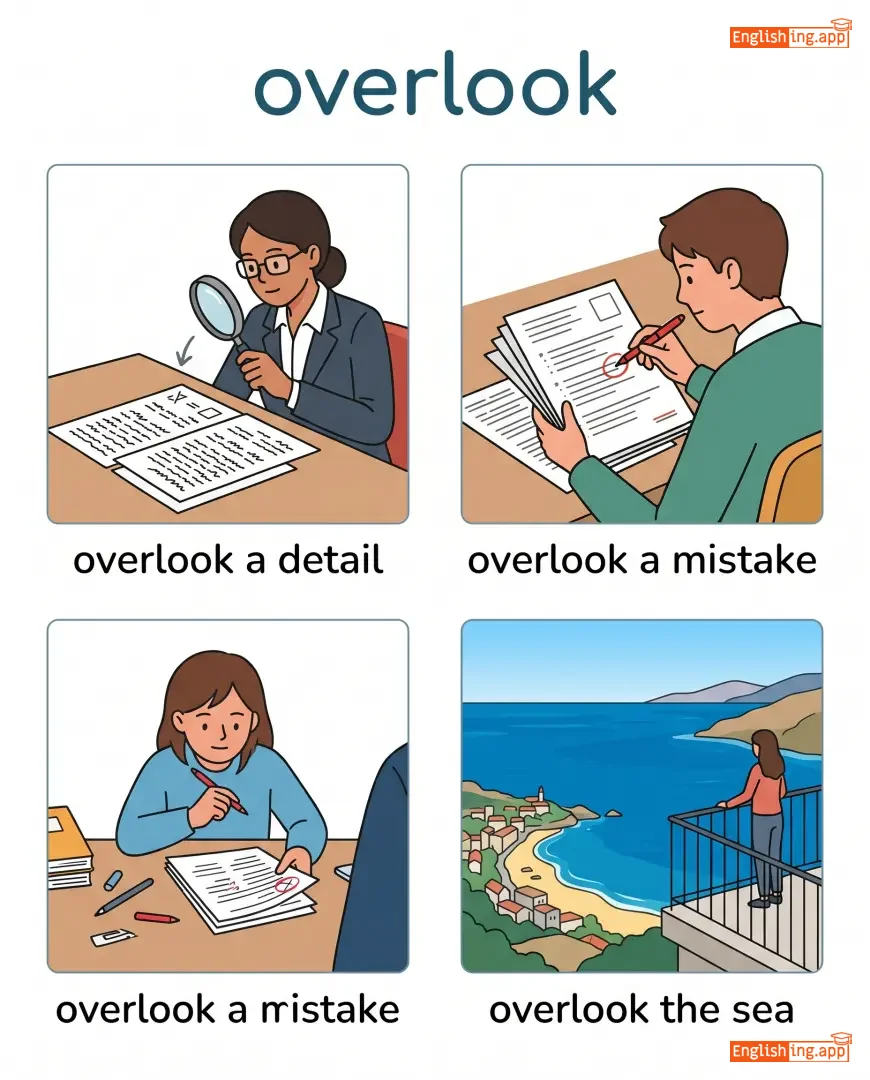
overlook a detail, overlook a mistake, overlook the sea, overlooking the city
••••••
|
Over+Look = 上を見て何も見ない — 見落とすは気づかないこと
••••••
|
|
🔄
••••••
|
/ˌoʊvərˈtɜrn/
verb
(オーバーターン)
••••••
|
- •••••• |
覆す / 判決を覆す
kōkasu / hanketsu o kōkasu
••••••
|
overturned
オーバータンド
••••••
|
overturned
オーバータンド
••••••
|
overturns
オーバータンズ
••••••
|
overturning
オーバーターニング
••••••
|
to turn something upside down or to reverse a decision or judgment
••••••
|
The court decided to overturn the previous ruling.
裁判所は前回の判決を覆すことに決めました。
••••••
|
裁判所は前回の判決を覆すことに決めました。
Saibansho wa zenka no hanketsu o kōkasu koto ni kimemashita.
••••••
|
overturn the tables
状況を覆す
••••••
|
to reverse a situation completely
••••••
|
状況を覆す
jōkyō o kōkasu
••••••
|
reverse, cancel, annul, revoke, upend
••••••
|
uphold, confirm, support
••••••
|
overturn a decision, overturn a car, overturn a law, overturn a ruling
••••••
|
Over TURN は物事を覆す、または判決を覆す意味です。
••••••
|
|
🎨
••••••
|
/ˈpeɪntɪŋ/
noun
(peɪntɪŋ)
••••••
|
- •••••• |
絵画
kaiga
••••••
|
- •••••• | - •••••• | - •••••• | - •••••• |
a picture or design made using paint
••••••
|
The painting on the wall was created by a famous artist. |
壁の絵画は有名なアーティストによって作られました。
Kabe no kaiga wa yūmei na ātisuto ni yotte tsukuraremashita.
••••••
|
a picture is worth a thousand words |
visual images are more effective than verbal descriptions
••••••
|
一枚の絵は千の言葉に値する
Ichimai no e wa sen no kotoba ni atai suru
••••••
|
artwork, portrait, illustration, depiction
••••••
|
reality, blank
••••••
|
oil painting, landscape painting, wall painting, abstract painting
••••••
|
Painting = 絵画 = 色を使って作るアート
••••••
|

